EP1375484A1 - Carboxylic acids - Google Patents
Carboxylic acids Download PDFInfo
- Publication number
- EP1375484A1 EP1375484A1 EP02707188A EP02707188A EP1375484A1 EP 1375484 A1 EP1375484 A1 EP 1375484A1 EP 02707188 A EP02707188 A EP 02707188A EP 02707188 A EP02707188 A EP 02707188A EP 1375484 A1 EP1375484 A1 EP 1375484A1
- Authority
- EP
- European Patent Office
- Prior art keywords
- group
- salt
- carboxylic acid
- formula
- acid compound
- Prior art date
- Legal status (The legal status is an assumption and is not a legal conclusion. Google has not performed a legal analysis and makes no representation as to the accuracy of the status listed.)
- Withdrawn
Links
- 0 *=C(c(cc1)ccc1OCCBr)F Chemical compound *=C(c(cc1)ccc1OCCBr)F 0.000 description 1
- HGBTWTBKPAOFAM-UHFFFAOYSA-N CCOC(CC(C=CN1CCOc2ccc(C(C)(C)C)cc2)=CC1=O)C(O)=O Chemical compound CCOC(CC(C=CN1CCOc2ccc(C(C)(C)C)cc2)=CC1=O)C(O)=O HGBTWTBKPAOFAM-UHFFFAOYSA-N 0.000 description 1
- PCCMNBRZMKANQD-UHFFFAOYSA-N OCCOc(c(Cl)c1)ccc1Cl Chemical compound OCCOc(c(Cl)c1)ccc1Cl PCCMNBRZMKANQD-UHFFFAOYSA-N 0.000 description 1
- VFPKRGNNJZOSAQ-UHFFFAOYSA-N OCc1cc(OCC2=CCCC=C2)ncc1 Chemical compound OCc1cc(OCC2=CCCC=C2)ncc1 VFPKRGNNJZOSAQ-UHFFFAOYSA-N 0.000 description 1
Classifications
-
- C—CHEMISTRY; METALLURGY
- C07—ORGANIC CHEMISTRY
- C07D—HETEROCYCLIC COMPOUNDS
- C07D213/00—Heterocyclic compounds containing six-membered rings, not condensed with other rings, with one nitrogen atom as the only ring hetero atom and three or more double bonds between ring members or between ring members and non-ring members
- C07D213/02—Heterocyclic compounds containing six-membered rings, not condensed with other rings, with one nitrogen atom as the only ring hetero atom and three or more double bonds between ring members or between ring members and non-ring members having three double bonds between ring members or between ring members and non-ring members
- C07D213/04—Heterocyclic compounds containing six-membered rings, not condensed with other rings, with one nitrogen atom as the only ring hetero atom and three or more double bonds between ring members or between ring members and non-ring members having three double bonds between ring members or between ring members and non-ring members having no bond between the ring nitrogen atom and a non-ring member or having only hydrogen or carbon atoms directly attached to the ring nitrogen atom
- C07D213/60—Heterocyclic compounds containing six-membered rings, not condensed with other rings, with one nitrogen atom as the only ring hetero atom and three or more double bonds between ring members or between ring members and non-ring members having three double bonds between ring members or between ring members and non-ring members having no bond between the ring nitrogen atom and a non-ring member or having only hydrogen or carbon atoms directly attached to the ring nitrogen atom with hetero atoms or with carbon atoms having three bonds to hetero atoms with at the most one bond to halogen, e.g. ester or nitrile radicals, directly attached to ring carbon atoms
- C07D213/62—Oxygen or sulfur atoms
- C07D213/63—One oxygen atom
- C07D213/64—One oxygen atom attached in position 2 or 6
-
- A—HUMAN NECESSITIES
- A61—MEDICAL OR VETERINARY SCIENCE; HYGIENE
- A61P—SPECIFIC THERAPEUTIC ACTIVITY OF CHEMICAL COMPOUNDS OR MEDICINAL PREPARATIONS
- A61P1/00—Drugs for disorders of the alimentary tract or the digestive system
- A61P1/04—Drugs for disorders of the alimentary tract or the digestive system for ulcers, gastritis or reflux esophagitis, e.g. antacids, inhibitors of acid secretion, mucosal protectants
-
- A—HUMAN NECESSITIES
- A61—MEDICAL OR VETERINARY SCIENCE; HYGIENE
- A61P—SPECIFIC THERAPEUTIC ACTIVITY OF CHEMICAL COMPOUNDS OR MEDICINAL PREPARATIONS
- A61P29/00—Non-central analgesic, antipyretic or antiinflammatory agents, e.g. antirheumatic agents; Non-steroidal antiinflammatory drugs [NSAID]
-
- A—HUMAN NECESSITIES
- A61—MEDICAL OR VETERINARY SCIENCE; HYGIENE
- A61P—SPECIFIC THERAPEUTIC ACTIVITY OF CHEMICAL COMPOUNDS OR MEDICINAL PREPARATIONS
- A61P3/00—Drugs for disorders of the metabolism
- A61P3/06—Antihyperlipidemics
-
- A—HUMAN NECESSITIES
- A61—MEDICAL OR VETERINARY SCIENCE; HYGIENE
- A61P—SPECIFIC THERAPEUTIC ACTIVITY OF CHEMICAL COMPOUNDS OR MEDICINAL PREPARATIONS
- A61P3/00—Drugs for disorders of the metabolism
- A61P3/08—Drugs for disorders of the metabolism for glucose homeostasis
- A61P3/10—Drugs for disorders of the metabolism for glucose homeostasis for hyperglycaemia, e.g. antidiabetics
-
- A—HUMAN NECESSITIES
- A61—MEDICAL OR VETERINARY SCIENCE; HYGIENE
- A61P—SPECIFIC THERAPEUTIC ACTIVITY OF CHEMICAL COMPOUNDS OR MEDICINAL PREPARATIONS
- A61P43/00—Drugs for specific purposes, not provided for in groups A61P1/00-A61P41/00
-
- C—CHEMISTRY; METALLURGY
- C07—ORGANIC CHEMISTRY
- C07D—HETEROCYCLIC COMPOUNDS
- C07D213/00—Heterocyclic compounds containing six-membered rings, not condensed with other rings, with one nitrogen atom as the only ring hetero atom and three or more double bonds between ring members or between ring members and non-ring members
- C07D213/02—Heterocyclic compounds containing six-membered rings, not condensed with other rings, with one nitrogen atom as the only ring hetero atom and three or more double bonds between ring members or between ring members and non-ring members having three double bonds between ring members or between ring members and non-ring members
- C07D213/04—Heterocyclic compounds containing six-membered rings, not condensed with other rings, with one nitrogen atom as the only ring hetero atom and three or more double bonds between ring members or between ring members and non-ring members having three double bonds between ring members or between ring members and non-ring members having no bond between the ring nitrogen atom and a non-ring member or having only hydrogen or carbon atoms directly attached to the ring nitrogen atom
- C07D213/60—Heterocyclic compounds containing six-membered rings, not condensed with other rings, with one nitrogen atom as the only ring hetero atom and three or more double bonds between ring members or between ring members and non-ring members having three double bonds between ring members or between ring members and non-ring members having no bond between the ring nitrogen atom and a non-ring member or having only hydrogen or carbon atoms directly attached to the ring nitrogen atom with hetero atoms or with carbon atoms having three bonds to hetero atoms with at the most one bond to halogen, e.g. ester or nitrile radicals, directly attached to ring carbon atoms
- C07D213/78—Carbon atoms having three bonds to hetero atoms, with at the most one bond to halogen, e.g. ester or nitrile radicals
- C07D213/79—Acids; Esters
Definitions
- the present invention relates to a novel carboxylic acid compound useful for prevention or treatment of hyperglycemia and hyperlipemia, a salt thereof, an ester thereof or a hydrate of them, and to a medicament comprising the compound.
- Diabetes mellitus refers to a durable hyperglycemic condition attributable to the absolute or relative shortage of intrinsic insulin (blood glucose-depressing hormone produced and secreted from Langerhans islet ⁇ cells in the pancreas), and in this disease, metabolic abnormalities caused by this condition appear as various morbid states.
- Diabetes mellitus is classified roughly into insulin dependent diabetes mellitus (IDDM) that is type 1 diabetes mellitus, for treatment of which insulin administration is absolutely necessary, non insulin dependent diabetes mellitus (NIDDM) that is type 2 diabetes mellitus, and other diabetes mellitus (secondary diabetes mellitus; diabetes mellitus occurs as one symptom of other diseases).
- IDDM insulin dependent diabetes mellitus
- NIDDM non insulin dependent diabetes mellitus
- secondary diabetes mellitus diabetes mellitus
- diabetes mellitus occurs as one symptom of other diseases.
- NIDDM insulin function-suppressing factors
- the therapy is based on 3 kinds of therapies, that is, dietary therapy, exercise therapy and chemotherapy.
- sulfonyl urea (SU) medicines such as tolbutamide, chlorpropamide and tolazamide and biguanide (BG) medicines
- BG biguanide
- metformin and buformin have been used as oral blood glucose depressants, but the morbid state of NIDDM is characterized by insulin deficiency and insulin resistance, and it cannot be said that the SU medicines stimulating insulin secretion from pancreatic ⁇ cells are effective therapeutic medicines for patients with NIDDM condition, where the insulin secretion potential is well but adequate blood glucose control is not achieved in target organs due to insulin resistance, thus permitting hyperglycemia.
- the BG medicines may permit the onset of lactic acid acidosis, so use of such medicines is limited to a certain extent. Further, these chemicals often caused severe hypoglycemia as a side effect.
- thiazolidine derivatives such as Troglitazone, Pioglitazone and Rosiglitazone are called insulin sensitizers, and these chemicals recently attract attention because they can ameliorate insulin resistance (or enhance the action of insulin) and lower blood glucose without promoting secretion of insulin from the pancreas.
- thiazolidine-type chemicals induce differentiation of adipocytes, and exhibit their action via an intranuclear receptor PPAR ⁇ (peroxisome proliferator-activated receptor gamma: a transcriptional factor important for differentiation of adipocytes) (J. Biol. Chem., 270, 12953-12956, 1995).
- PPAR ⁇ peroxisome proliferator-activated receptor gamma: a transcriptional factor important for differentiation of adipocytes
- Thiazolidine derivatives such as the above Troglitazone, Pioglitazone and Rosiglitazone also act as agonists for PPAR ⁇ , to exhibit the effect of ameliorating insulin resistance.
- PPAR ⁇ Besides PPAR ⁇ , PPAR subtypes such as ⁇ , ⁇ etc. have been found, any of which regulate expression of genes involved in lipid metabolism.
- the homology of each subtype among different biological species is higher than the homology of these subtypes in the same species, and with respect to distribution of each subtype in tissues, PPAR ⁇ is located substantially in adipose tissues while PPAR ⁇ occurs mainly in the liver, heart and kidney, and therefore it was considered that each subtype has an independent function.
- PPAR ⁇ mainly mediates lipid anabolism by promoting expression of a group of genes for LPL, acyl-CoA carboxylase, GPDH etc. to convert glucose into lipid and storing the lipid
- PPAR ⁇ mediates lipid catabolism by regulating expression of a gene group involved in intake of fatty acids into cells and oxidation thereof to decompose lipid.
- insulin sensitizers having a carboxylic acid moiety in their structure (Current Pharmaceutical Design, 2, No. 1, pp. 85-102, 1996; Bioorganic & Medicinal Chemistry Letters, 6, No. 17, pp. 2121-2126, 1996).
- the conventional chemicals are still unsatisfactory in lowering of neutral fat (triglyceride (TG)) related closely to arteriosclerosis.
- TG neutral fat
- PPAR ⁇ ( ⁇ ) to induce differentiation of adipocytes is known (J. Biol. Chem., 274, No. 31, pp. 21920-21925), and by this action, cholesterol levels are reported to be lowered (W09904815), and if a compound having an agonist action for this subtype can be found, this compound can be expected to exhibit a higher activity than that of the conventional insulin sensitizers and to reduce side effects such as hepatic toxicity.
- diaryl acid derivatives are disclosed in WO-A 00/64888 and triaryl derivatives are disclosed in WO-A 00/64876.
- pyrimidine or pyrimidine derivatives are disclosed in WO-A 99/65897 (published on December 23, 1999).
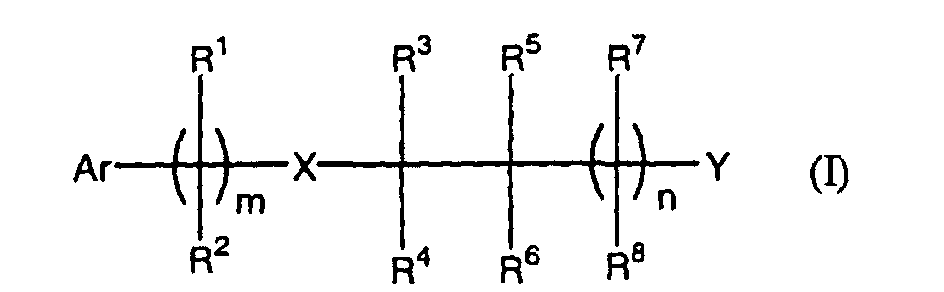
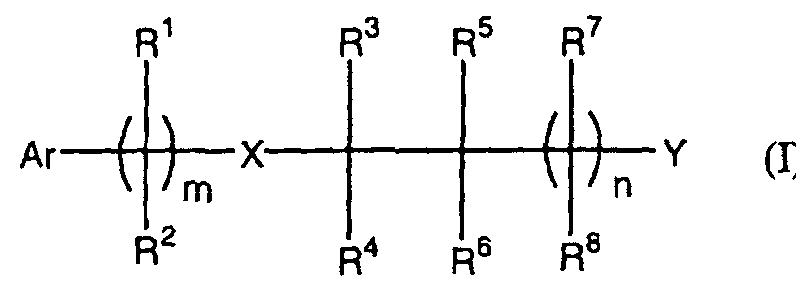
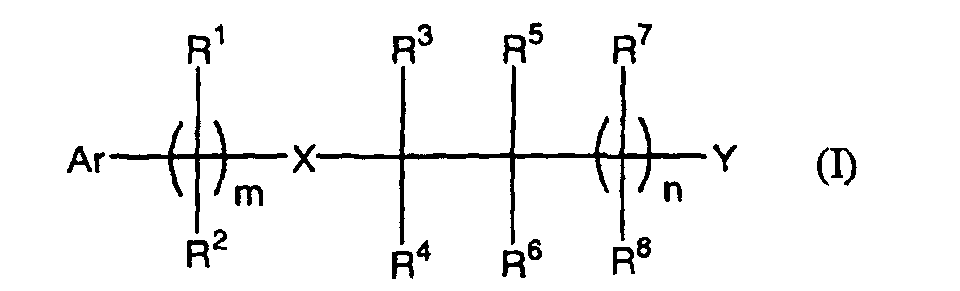
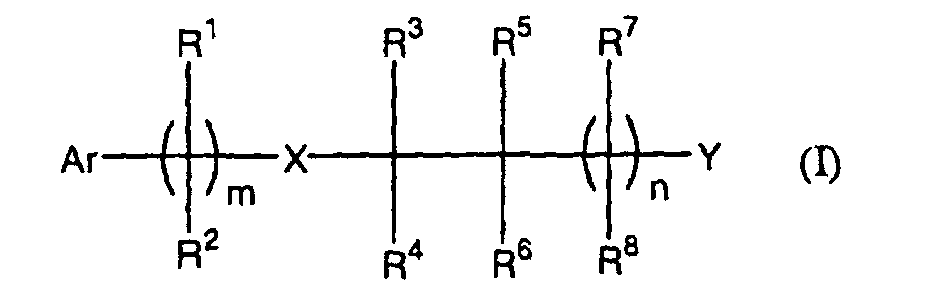
- the present invention relates to 1) a carboxylic acid compound represented by the formula (I):
- Ar represents a 6- to 14-membered aromatic ring group which may have at least one substituent
- R 1 , R 2 , R 3 , R 4 , R 5 , R 6 , R 7 and R 8 are the same as or different from each other and each represents a hydrogen atom, a hydroxyl group, a halogen atom, a C 1-6 alkyl group or a C 1-6 alkoxy group
- X represents an oxygen atom or a methylene group
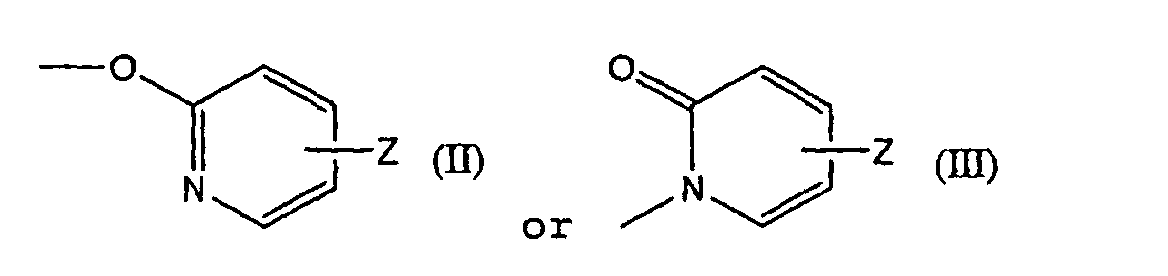
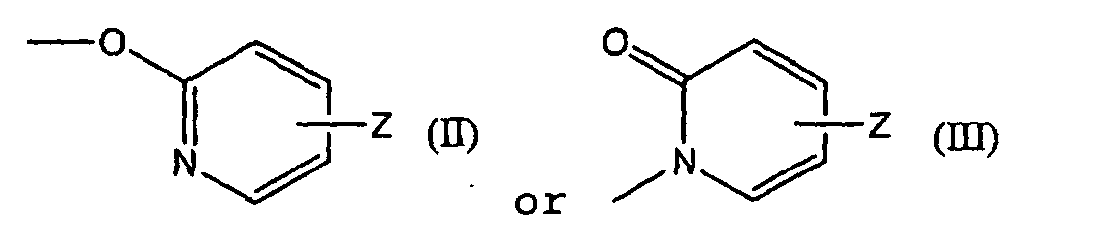
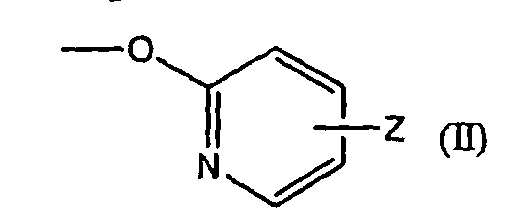
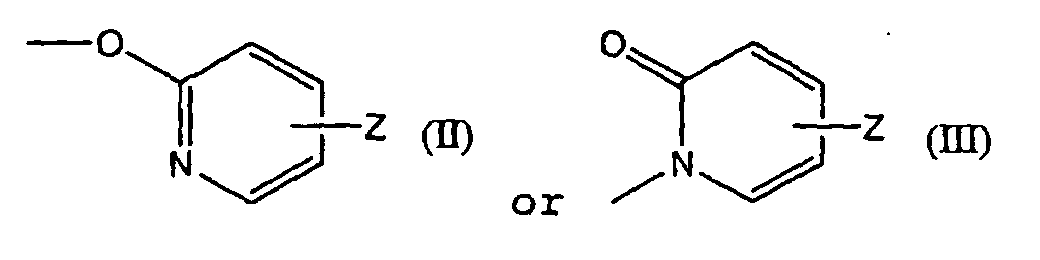
- Y represents a group represented by the formula (II) or (III) :
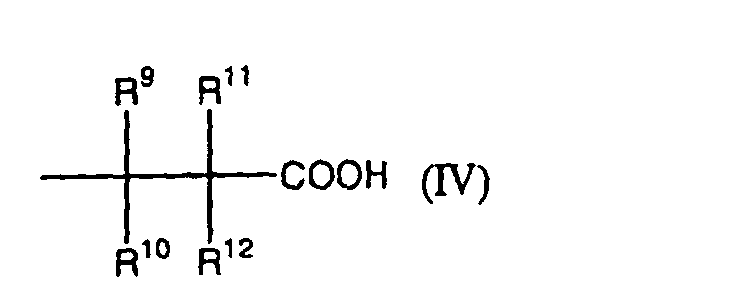
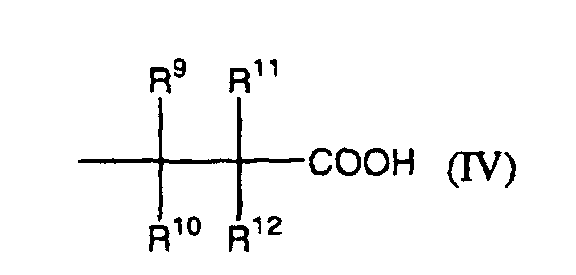
- Z represents a group represented by the formula (IV) :
- R 9 , R 10 , R 11 and R 12 are the same as or different from each other and each represents a hydrogen atom, a halogen atom, a hydroxyl group, a C 1-6 alkyl group or a C 1-6 alkoxy
- the present invention provides an agent for preventing or treating diabetes mellitus, syndrome X or an inflammatory disease including an inflammatory bowel disease, which comprises the carboxylic acid compound described in any one of the above 1) to 9), a salt thereof or a hydrate of them as an effective ingredient.
- the present invention provides a method for preventing or treating diabetes mellitus, syndrome X or an inflammatory disease including an inflammatory bowel disease, by administering a pharmacologically effective amount of the carboxylic acid compound described in any one of the above 1) to 9), a salt thereof or a hydrate of them to a patient.
- the present invention provides use of the carboxylic acid compound described in any one of the above 1) to 9), a salt thereof or a hydrate of them, for producing an agent for preventing or treating diabetes mellitus, syndrome X or an inflammatory disease including an inflammatory bowel disease.
- the structural formulae of the compounds may, for convenience' sake, indicate a certain isomer, but the present invention encompasses every possible isomer such as geometric isomer, optical isomer based on asymmetric carbon, stereoisomer and tautomer, which can occur in the structures of the compounds of the present invention, and mixtures of these isomers, and therefore, the compounds of the present invention are not limited by the formulae shown for convenience' sake.
- halogen atom refers to fluorine atom, chlorine atom, bromine atom and iodine atom.
- the C 1-6 alkyl group refers to a linear or branched alkyl group having 1 to 6 carbon atoms. Specific examples include methyl group, ethyl group, n-propyl group, i-propyl group, n-butyl group, i-butyl group, sec-butyl group, t-butyl group, n-pentyl group, i-pentyl group, sec-pentyl group, t-pentyl group, neopentyl group, 1-methylbutyl group, 2-methylbutyl group, 1,1-dimethylpropyl group, 1,2-dimethylpropyl group, n-hexyl group, i-hexyl group, 1-methylpentyl group, 2-methylpentyl group, 3-methylpentyl group, 1,1-dimethylbutyl group, 1,2-dimethylbutyl group, 2,2-dimethylbutyl group, 1,3-dimethylbutyl group
- the C 1-6 alkoxy group refers to a linear or branched alkoxy group having 1 to 6 carbon atoms. Specific examples include a group having an oxygen atom bound to the end of the above-mentioned alkyl group. Specific examples include methoxy group, ethoxy group, n-propoxy group, i-propoxy group, n-butoxy group, i-butoxy group, sec-butoxy group, t-butoxy group, n-pentyloxy group, i-pentyloxy group, sec-pentyloxy group, t-pentyloxy group, neopentyloxy group, 1-methylbutoxy group, 2-methylbutoxy group, 1,1-dimethylpropoxy group, 1,2-dimethylpropoxy group, n-hexyloxy group, i-hexyloxy group, 1-methylpentyloxy group, 2-methylpentyloxy group, 3-methylpentyloxy group, 1,1-dimethylbutoxy group, 1,2-d
- the 6- to 14-membered aromatic ring group refers to a C 6-14 aromatic hydrocarbon group or a 6- to 14-membered heteroaromatic ring group.
- C 6-14 aromatic hydrocarbon group examples include phenyl group, o-tolyl group, m-tolyl group, p-tolyl group, 2,3-xylyl group, 2,4-xylyl group, 2,5-xylyl group, mesityl group, cymenyl group, o-cumenyl group, m-cumenyl group, p-cymenyl group, benzyl group, phenethyl group, ⁇ -methylbenzyl group, benzhydryl group, trityl group, benzylidene group, styryl group, cinnamyl group, cinnamylidene group, 3-phenylpropyl group, 4-phenylbutyl group, 5-phenylpentyl group, 6-phenylhexyl group, 1-naphtyl group, 2-nephtyl group, 1-nephtylmethyl group, 2-naph
- it is phenyl group, o-tolyl group, m-tolyl group, p-tolyl group, 2,3-xylyl group, 2,4-xylyl group, 2,5-xylyl group, mesityl group, cymenyl group, o-cumenyl group, m-cumenyl group, p-cumenyl group, benzyl group, phenethyl group, ⁇ -methylbenzyl group, benzhydryl group, trityl group, benzylidene group, styryl group, cinnamyl group, cinnamylidene group, 3-phenylpropyl group, 4-phenylbutyl group, 5-phenylpentyl group, 6-phenylhexyl group, 1-naphthyl group, 2-naphthyl group, 1-nephthylmethyl group, 2-naphthylmethyl group, 1-
- the 6- to 14-membered aromatic heterocyclic ring group includes, for example, pyridine, thiophene, furan, pyrrole, oxazole, isoxazole, thiazole, isothiazole, imidazole, triazole, pyrazole, furazane, thiadiazole, oxadiazole, pyridazine, pyrimidine, pyrazine, indole, isoindole, indazole, chromene, quinoline, isoquinoline, cinnoline, quinazoline, quinoxaline, naphthylidine, phthalazine, purine, pteridine, thienofuran, imidazothiazole, benzofuran, benzothiophene, benzoxazole, benzthiazole, benzthiadiazole, benzimidazole, imidazopyridine, pyrrolopyridine, pyrrolopyrimidine and
- the expression "may have a substituent” means that it may be substituted by a substituent such as, for example, hydroxyl group; thiol group; nitro group; morpholino group; thiomorpholino group; halogen atom such as fluorine atom, chlorine atom, bromine atom and iodine atom; nitrile group; azide group; formyl group; alkyl group such as methyl group, ethyl group, propyl group, isopropyl group or buthyl group; alkenyl group such as vinyl group, allyl group or propenyl group; alkynyl group such as ethynyl group, butynyl group or propalgyl group; alkoxy group corresponding to an lower alkyl group, such as methoxy group, ethoxy group, propoxy group or butoxy group; halogenoalkyl group such as fluoromethyl group, difluoromethyl group, trifluoromethyl group and
- the salt includes, but is not limited to, inorganic acid addition salts such as hydrofluorate, hydrochloride, sulfate, nitrate, perchlorate, phosphate, carbonate, bicarbonate, hydrobromate and hydroiodate; organic carboxylic acid addition salts such as acetate, maleate, fumarate, oxalate, lactate, tartrate and trifluoroacetate; organic sulfonic acid addition salts such as methane sulfonate, trifluoromethane sulfonate, ethane sulfonate, hydroxymethane sulfonate, hydroxyethane sulfonate, benzene sulfonate, toluene sulfonate and taurine salt; amine addition salts such as trimethyl amine salt, triethylamine salt, pyridine salt, procaine salt, picoline salt, dicyclohexylamine salt, N,
- the pharmaceutically acceptable salts include, but are not limited to, inorganic acid addition salts such as hydrochloride, sulfate, carbonate, bicarbonate, hydrobromate and hydroiodate; organic carboxylic acid addition salts such as acetate, maleate, lactate, tartrate and trifluoroacetate; organic sulfonic acid addition salts such as methanesulfonate, hydroxymethanesulfonate, hydroxyethanesulfonate, benzenesulfonate, toluenesulfonate and taurine salt; amine addition salts such as trimethyl amine salt, triethylamine salt, pyridine salt, procaine salt, picoline salt, dicyclohexylamine salt, N,N'-dibenzyl ethylene diamine salt, N-methyl glucamine salt, diethanolamine salt, triethanolamine salt, tris(hydroxymethylamino)methane salt and phenetyl benzyl
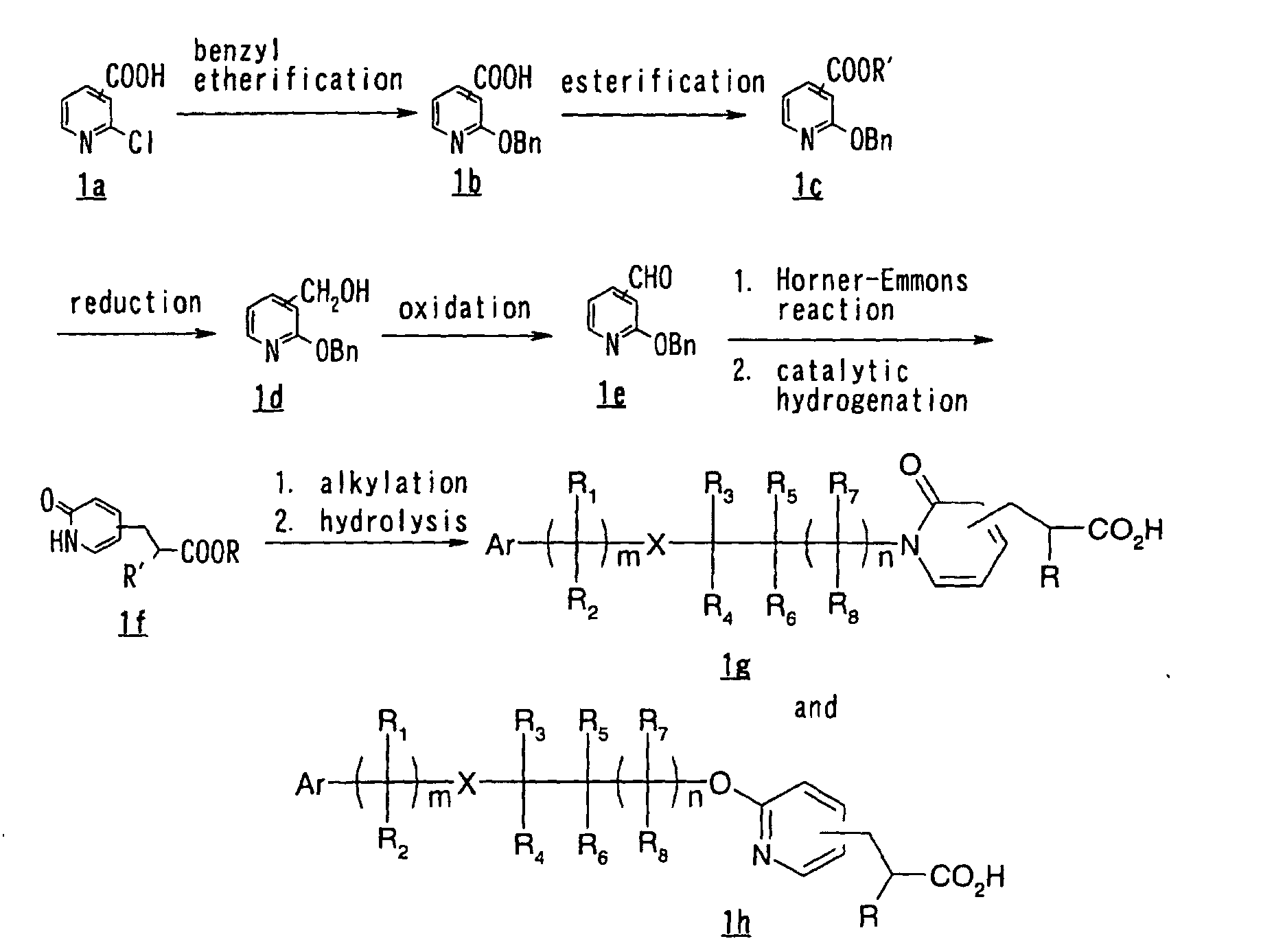
- the compounds can be synthesized by the following methods shown below.
- R represents a hydrogen atom, a halogen atom, a hydroxyl group, an alkyl group or an alkoxy group
- R' represents an alkyl group
- the compound of the formula (1b) can be produced by reacting the compound of the formula (1a) with benzyl alcohol in a solvent such as N,N-dimethylformamide, N-methylpyrrolidone, tetrahydrofuran or dimethylsulfoxide in the presence of an base such as sodium hydride, to substitute the chlor group by a benzyloxy group.
- the reaction temperature is preferably 0 to 100°C.
- the compound of the formula (1c) can be produced by reacting the compound of the formula (1b) with an alkyl halide in a solvent such as N,N-dimethylformamide, N-methylpyrrolidone, tetrahydrofuran or dimethylsulfoxide in the presence of an base such as potassium hydrogencarbonate, potassium carbonate or sodium hydrogencarbonate, to esterify the carboxyl group of the compound of the formula (1b).
- a solvent such as N,N-dimethylformamide, N-methylpyrrolidone, tetrahydrofuran or dimethylsulfoxide
- an base such as potassium hydrogencarbonate, potassium carbonate or sodium hydrogencarbonate
- the compound of the formula (1d) can be produced by reacting the compound of the formula (1c) with an aluminum hydride compound or a boron hydride compound such as lithium aluminum hydride or sodium tetrahydroborate in a solvent such as diethyl ether or tetrahydrofuran, to reduce the ester group of the compound of the formula (1c) into a hydroxymethyl group.
- the reaction temperature is preferably 0°C to room temperature.
- the compound of the formula (1e) can be produced by reacting the compound of the formula (1d) with activated manganese dioxide in a solvent such as chloroform, dichloromethane or 1,2-dichloroethane, to oxidize the hydroxymethyl group of the compound of the formula (1d) into a formyl group.
- the reaction temperature is preferably 0 to 100°C.
- the compound of the formula (1f) can be produced by reacting the compound of the formula (1e) with an appropriate phosphonate in a solvent such as N,N-dimethylformamide, N-methylpyrrolidone or tetrahydrofuran, or a mixture thereof in the presence of an base such as sodium hydride, followed by conducting hydrogenation in a solvent such as methanol, ethanol, ethyl acetate or tetrahydrofuran in the presence of a catalyst such as palladium carbon.
- the reaction temperature is preferably 0°C to room temperature.
- the compounds of the formulae (1g) and (1h) can be produced by reacting the compound of the f ormula (1f) with an alkyl halide which is a known one or can be produced by Production Method B in a solvent such as N,N-dimethylformamide, N-methylpyrrolidone, tetrahydrofuran, dimethylsulfoxide, acetone or 2-butanone in the presence of an base such as potassium hydrogencarbonate, potassium carbonate, sodium hydrogencarbonate or sodium hydride, to alkylate the oxygen atom or nitrogen atom on the pyridone ring, followed by reacting with a base such as sodium hydroxide in a mixed solvent of an alcohol such as ethanol or methanol and water, to hydrolyze the ester group.
- the reaction temperature is preferably 0 to 100°C.
- the resolution of N-alkyl form and O-alkyl form may be performed prior to or after the hydrolysis of the ester group.
- the compound of the formula (2b) can be produced by reacting the compound of the formula (2a) with an alkyl halide such as benzyl 2-bromoethyl ether in a solvent such as N,N-dimethylformamide, N-methylpyrrolidone, tetrahydrofuran, dimethylsulfoxide, acetone or 2-butanone in the presence of an base such as potassium hydrogencarbonate, potassium carbonate, sodium hydrogencarbonate or sodium hydride, to alkylate the oxygen atom of the compound of the formula (2a).
- the reaction temperature is preferably 0 to 100°C.
- the compound of the formula (2c) can be produced by conducting hydrogenation of the compound of the formula (2b) in a solvent such as methanol, ethanol, ethyl acetate or tetrahydrofuran in the presence of a catalyst such as palladium carbon or palladium hydroxide.
- a solvent such as methanol, ethanol, ethyl acetate or tetrahydrofuran
- the reaction temperature is preferably 0°C to room temperature.
- the compound of the formula (2d) can be produced by reacting the compound of the formula (2c) with phosphorous tribromide or the like in a solvent such as 1,2-dimethoxyethane, to brominate the hydroxyl group of the compound of the formula (2c).
- the reaction temperature is preferably 0°C to room temperature.
- the compound of the formula (2d) can be produced by reacting the compound of the formula (2a) with an alkyl halide such as 1,2-dibromoethane or 1,3-dibromopropane in a solvent such as N,N-dimethylformamide, N-methylpyrrolidone, tetrahydrofuran, dimethylsulfoxide, acetone or 2-butanone in the presence of an base such as potassium hydrogencarbonate, potassium carbonate, sodium hydrogencarbonate, sodium hydride, to alkylate the oxygen atom of the compound of the formula (2a).
- the reaction temperature is preferably 0 to 100°C.
- the solvent usable in the present invention is not particularly limited, and may be any solvent ordinarily used in organic synthesis and not inhibiting the reaction.
- Specific examples include mixed solvents in any ratio of one or more solvents such as lower alcohols such as methanol, ethanol, propanol and butanol; polyalcohols such as ethylene glycol and glycerin; ketones such as acetone, methyl ethyl ketone, diethyl ketone and cyclohexanone; ethers such as diethyl ether, isopropyl ether, tetrahydrofuran, dioxane, 2-methoxyethanol and 1,2-dimetehoxyethane; nitriles such as acetonitrile and propionitrile; esters such as methyl acetate, ethyl acetate, isopropyl acetate, butyl acetate and diethyl phthalate; halogenated hydrocarbons such as dichlor
- the base usable in the present invention is not particularly limited, and may be any base usually known as a base in organic synthesis and not inhibiting the reaction.
- Specific examples include sodium carbonate, sodium hydrogencarbonate, potassium carbonate, sodium hydride, potassium hydride, t-butoxy potassium, pyridine, dimethylaminopyridine, trimethylamine, triethylamine, N,N-diisopropylethylamine, N-methylmorpholine, N-methylpyrrolidine, N-methylpiperidine, N,N-dimethylaniline, 1,8-diazabicyclo[5,4,0]undec-7-ene (DBU), pyridine, 4-dimethylaminopyridine, picoline, lutidine, quinoline, isoquinoline, sodium hydroxide, potassium hydroxide, lithium hydroxide, butyl lithium, and sodium or potassium alcolates such as sodium methylate, potassium methylate and sodium ethylate.
- DBU 1,8-diazabic
- the product can be purified if necessary by usual treatment methods such as column chromatography on silica gel or adsorption resin, or by re-crystallization from a suitable solvent.
- the medicament according to the present invention improves insulin resistance by the agonism of PPAR as described above, and the present invention can be applied not only as an insulin sensitizer but also as various medicaments based on PPAR ( ⁇ , ⁇ ( ⁇ ), ⁇ ) agonism (based on e.g. PPAR ⁇ and ⁇ dual agonism or on PPAR ⁇ , ⁇ ( ⁇ ) and ⁇ triple agonism).
- PPAR-gamma agonists inhibit production of monocyte inflammatory cytokines, Nature 391:82-86 (1998); Jackson, S.M., et al., Peroxisome proliferator-activated receptor activators target human endothelial cells to inhibit leukocyte-endothelial cell interaction., Arterioscler. Thromb. Vasc. Biol.
- the dose of the pharmaceutical preparation of the present invention is usually 100 ⁇ g to 10 g/day/adult, and this dose is administered in one or divided portions.
- the administration form of the medicament of the present invention is not particularly limited, and it can be administered orally or parenterally by an ordinarily used method.
- fillers for manufacturing of the medicament, ordinarily used fillers, binders, lubricants, coloring agents, flavoring agents and if necessary stabilizers, emulsifiers, absorption promoters, surfactants etc. can be used, and ingredients used generally as starting materials for medicament are compounded in a usual manner.
- ingredients include e.g. animal and vegetable oils (such as soybean oil, tallow and synthetic glyceride), hydrocarbons (such as liquid paraffin, squalene and solid paraffin), ester oils (such as octyldodecyl myristate and isopropyl myristate), higher alcohols (such as cetostearyl alcohol and behenyl alcohol), silicon resin, silicon oil, surfactants (polyoxyethylene fatty ester, sorbitan fatty ester, glycerin fatty ester, polyoxyethylene sorbitan fatty ester, polyoxyethylene hardened castor oil and polyoxyethylene-polyoxypropylene block copolymer), watersoluble polymers (such as hydroethyl cellulose, polyacrylic acid, carboxyvinyl polymer, polyethylene glycol, polyvinyl pyrrolidone and methyl cellulose), alcohols (such as ethanol and isopropanol), polyvalent alcohols (such as glycerin, propy
- inorganic acids such as hydrochloric acid and phosphoric acid
- alkali metal salt of inorganic acid such as sodium phosphate
- inorganic bases such as sodium hydroxide
- organic acids such as lower fatty acids, citric acid and lactic acid
- alkali metal salts of organic acid such as sodium citrate and sodium lactate
- organic bases such as arginine and ethanolamine
- a chemical suspended in 0.5 % methyl cellulose was orally administered via a sonde into male db/db mice (Nippon Charles River, Yokohama, JP) once a day (30 mg/kg/day. Before treatment and after 4 and 9 days treatment, blood was collected from tail vein after the mice were fasted for 1 hour, respectively. On Day 10, an oral glucose loading test was conducted; in this test, the mice were fasted overnight from the previous day, and in the next morning, 2 g/kg glucose was given to the mice.
- Plasma glucose, triglycerides (TG), non-esterified fatty acids (NEFA) were measured by using commercial kits, that is, Glucose C-II Test Wako (trade name) (Wako Pure Chemical Industries, Ltd., Tokyo), Deteminer L TG II (trade name) (Kyowa Medex, Tokyo) and NEFA C-Test Wako (Wako Pure Chemical Industries, Ltd., Tokyo), respectively.
- the compounds of the present invention show excellent rates of blood glucose reduction, blood tridglyceride reduction and blood non-esterified fatty acids reduction.
- Experiment Example 2 Measurement of transcriptional activity
- a GAL4-PPAR LBD chimera expression vector was constructed by ligating human PPAR 167-468 (PPAR ⁇ ), 138-440 (NUC-1) and 174-475 (PPAR ⁇ ) amino acid regions (LBD: Ligand Binding Domain) to a yeast transcriptional factor GAL4 1-147 amino acid region.
- PPAR ⁇ human PPAR 167-468
- NUC-1 138-440
- PPAR ⁇ 174-475 amino acid regions
- LBD Ligand Binding Domain
- CV-1 cells were spread at a density of 5 ⁇ 10 5 cells on a 35-mm dish and cultured in 10 % FCS/DMEM for 24 hours, and using FuGENE 6 transfection reagent, the cells were co-transfected with the GAL4-PPAR LBD expression vector and GAL4 DBD-TK-PLAP expression vector. 24 hours after this transfection, the cells were spread again on a 96-well plate at a density of 1 ⁇ 10 4 /well and further cultured for 24 hours. After 24 hours, the medium was exchanged with DMEM containing 10 % FCS, which was previously treated at 65 °C for inactivating intrinsic alkaline phosphatase, and a test compound was added at an arbitrary concentration.
- the transcriptional activity was determined in terms of PLAP activity secreted 24 hours after addition of the compound, to calculate EC 50 .
- the PLAP activity was determined after adding 50 ⁇ l assay buffer and 50 ⁇ l chemoluminescence substrate to 10 ⁇ l culture supernatant and incubating the mixture at room temperature for 1 hour.
- the transcriptional activities for PPAR , PPAR ⁇ ( ⁇ ) and PPAR ⁇ are shown respectively in Table 1.
- the compounds of the present invention have an excellent blood glucose- and blood lipid-ameliorating action and are very useful as anti-diabetes agents, anti-hyperlipemia agents and insulin sensitizers.
- mice mice/group, Charles River Japan, Yokohama
- mice were grouped into sections from "0" (normal) to "4" (severe) based on change in diarrhea, hematochezia and weight loss as described by Cooper HS et al., (Laboratory Invest (69), pp.238-249, 1993) and the average of the values was used as the Disease Activity Index for colitis.
- Each test compound was suspended in a 0.5% methylcellulose solution and administered to the mice orally once a day via a sonde from the day when the induction of colitis was initiated.
- the compounds of the present invention have an excellent anti-inflammatory effect.
- the compound was synthesized in the same manner as in Example 1, except that ethyl 3- ⁇ 1-[2-(2,4-dichlorophenoxy)ethyl]-2-oxo-1,2-dihydro-4-pyridinyl]-2-isopropoxypropanoate was used.
- reaction solution was diluted with water and then neutralized with 5N hydrochloric acid.
- the resulting solution was extracted with ethyl acetate, and then purified on a reversed phase column using water-acetonitrile-trifluoroacetic acid as the eluting solvent, to give the individual title compounds.
Landscapes
- Chemical & Material Sciences (AREA)
- Organic Chemistry (AREA)
- Health & Medical Sciences (AREA)
- General Health & Medical Sciences (AREA)
- Veterinary Medicine (AREA)
- General Chemical & Material Sciences (AREA)
- Medicinal Chemistry (AREA)
- Nuclear Medicine, Radiotherapy & Molecular Imaging (AREA)
- Chemical Kinetics & Catalysis (AREA)
- Pharmacology & Pharmacy (AREA)
- Life Sciences & Earth Sciences (AREA)
- Animal Behavior & Ethology (AREA)
- Public Health (AREA)
- Engineering & Computer Science (AREA)
- Bioinformatics & Cheminformatics (AREA)
- Diabetes (AREA)
- Hematology (AREA)
- Obesity (AREA)
- Emergency Medicine (AREA)
- Endocrinology (AREA)
- Pain & Pain Management (AREA)
- Rheumatology (AREA)
- Pharmaceuticals Containing Other Organic And Inorganic Compounds (AREA)
- Pyridine Compounds (AREA)
- Organic Low-Molecular-Weight Compounds And Preparation Thereof (AREA)
Abstract
Description






| Transcriptional activities EC50 (Unit: nM) | |||
| PPAR α | PPAR β | PPAR γ | |
| Example 1 | 5.6 | 1410 | 68.5 |
| Example 19 | 4.9 | 338.6 | 64.1 |
| Example 25 | 2.7 | 1577 | 76.3 |
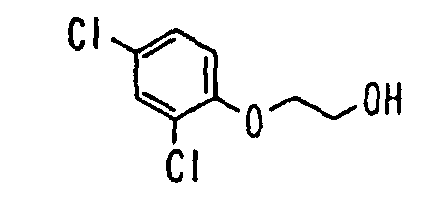
1H-NMR(CDCl3)δ: 2.21 (d, J=6.4Hz, 1H) 3.99 (dt, J=4.4, 6.4Hz, 2H) 4.12 (t, J=4.4Hz, 2H) 6.87 (d, J=8.8Hz, 1H) 7.20 (dd, J=2.4, 8.8Hz, 1H) 7.37 (d, J=2.4 Hz, 1H)

1H-NMR(CDCl3)δ: 3.67 (t, J=6.4Hz, 2H) 4.32 (t, J=6.4Hz, 2H) 6.87 (d, J=8.8Hz, 1H) 7.19 (dd, J=2.6, 8.8Hz, 1H) 7.39 (d, J=2.6 Hz, 1H)

1H-NMR(CDCl3)δ: 3.66 (t, J=6.4Hz, 2H) 4.34 (t, J=6.4Hz, 2H) 6.98 (d, J=8.4Hz, 2H) 7.56 (d, J=8.4Hz, 2H)

1H-NMR(CDCl3)δ: 1.20-1.44 (m, 5H) 1.70-1.90 (m, 5H) 2.39-2.48 (m, 1H) 3.82 (t, J=4.8Hz, 2H) 4.13 (t, J=4.8Hz, 2H) 4.63 (s, 2H) 6.83-6.88 (m, 2H) 7.09-7.14 (m, 2H) 7.26-7.38 (m, 5H)
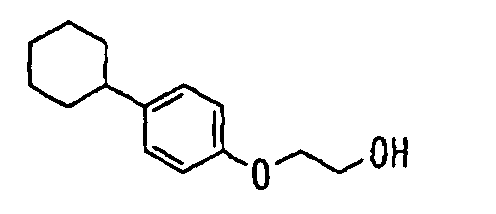
1H-NMR(CDCl3)δ: 1.16-1.45 (m, 5H) 1.70-1.90 (m, 5H) 2.12 (br s, 1H) 2.40-2.49 (m, 1H) 3.94 (t, J=4.4Hz, 2H) 4.06 (t, J=4.4Hz, 2H) 6.83-6.87 (m, 2H) 7.10-7.15 (m, 2H)
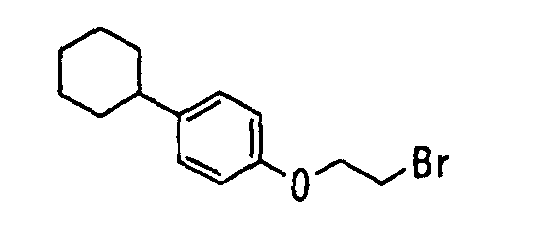
1H-NMR(CDCl3)δ: 1.17-1.44 (m, 5H) 1.70-1.90 (m, 5H) 2.40-2.50 (m, 1H) 3.62 (t, J=6.4Hz, 2H) 4.27 (t, J=6.4Hz, 2H) 6.82-6.87 (m, 2H) 7.11-7.15 (m, 2H)

1H-NMR(CDCl3)δ: 0.98-1.10 (m, 2H) 1.60-1.73 (m, 2H) 1.73-1.84 (m, 2H) 1.98-2.08 (m, 2H) 2.89-2.97 (m, 1H) 3.82 (t, J=5.0Hz, 2H) 4.13 (t, J=5.0Hz, 2H) 4.63 (s, 2H) 6.83-6.88 (m, 2H) 7.12-7.17 (m, 2H) 7.26-7.38 (m, 5H)

1H-NMR(CDCl3)δ: 1.48-1.84 (m, 6H) 2.00-2.10 (m, 3H) 2.90-2.99 (m, 1H) 3.92-3.98 (m, 2H) 4.07 (t, J=5.0Hz, 2H) 6.83-6.87 (m, 2H) 7:14-7.19 (m,2H)

1H-NMR(CDCl3)δ: 1.48-1.84 (m, 6H) 2.00-2.08 (m, 2H) 2.90-2.98 (m, 1H) 3.63 (t, J=6.4Hz, 2H) 4.27 (t, J=6.4Hz, 2H) 6.83-6.86 (m, 2H) 7.14-7.18 (m, 2H)
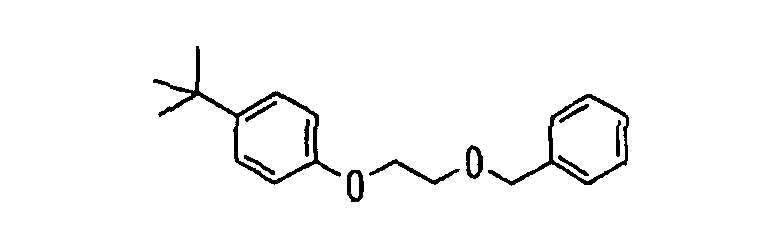
1H-NMR(CDCl3)δ: 1.30 (s, 9H) 3.82 (t, J=5.0Hz, 2H) 4.14 (t, J=5.0Hz, 2H) 4.63 (s, 2H) 6.84-6.89 (m, 2H) 7.26-7.38 (m, 7H)

1H-NMR(CDCl3)δ: 1.30 (s, 9H) 2.04 (br, 1H) 3.95 (t, J=4.4Hz, 2H) 4.07 (t, J=4.4Hz, 2H) 6.84-6.89 (m, 2H) 7.29-7.33 (m, 2H)
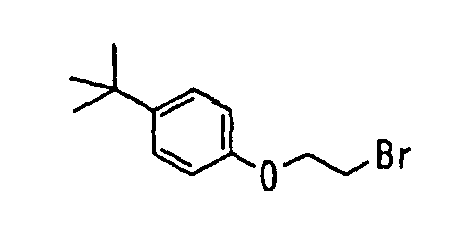
1H-NMR(CDCl3)δ: 1.31 (s, 9H) 3.64 (t, J=6.4Hz, 2H) 4.29 (t, J=6.4Hz, 2H) 6.84-6.89 (m, 2H) 7.30-7.34 (m, 2H)

1H-NMR(CDCl3)δ: 1.22 (d, J=6.8Hz, 6H) 2.86 (sept, J=6.8Hz, 1H) 3.82 (t, J=4.BHz, 2H) 4.13 (t, J=4.8Hz, 2H) 4.63 (s, 2H) 6.84-6.88 (m, 2H) 7.11-7.16 (m, 2H) 7.26-7.39 (m, 5H)
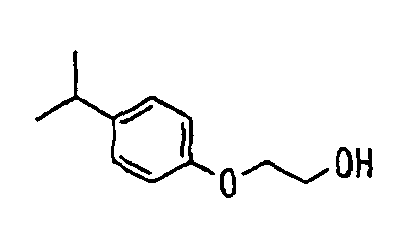
1H-NMR(CDCl3)δ: 1.22 (d, J=6.8Hz, 6H) 2.06 (br s, 1H) 2.87 (sept, J=6.8Hz, 1H) 3.92-3.98 (m, 2H) 4.07 (t, J=4.8Hz, 2H) 6.84-6.88 (m, 2H) 7.13-7.17 (m, 2H)

1H-NMR(CDCl3)δ: 1.23 (d, J=6.8Hz, 6H) 2.87 (sept, J=6.8Hz, 1H) 3.63 (t, J=6.4Hz, 2H) 4.27 (t, J=6.4Hz, 2H) 6.83-6.88 (m, 2H) 7.13-7.17 (m, 2H)

1H-NMR(CDCl3)δ: 2.36 (quint, J=6.0Hz, 2H) 3.66 (t, J=6.0Hz, 2H) 4.15 (t, J=6.0Hz, 2H) 6.88 (d, J=8.8Hz, 1H) 7.17-7.21 (m, 1H) 7.36-7.38 (m, 1H)
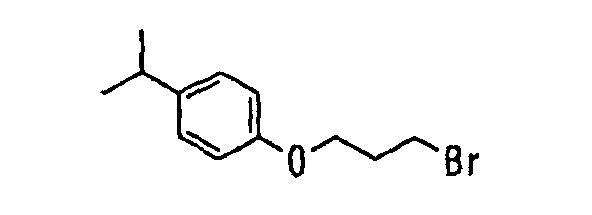
1H-NMR(CDCl3)δ: 1.22 (d, J=6.8Hz, 6H) 2.31 (quint, J=6.0Hz, 2H) 2.86 (sept, J=6.8Hz, 1H) 3.60 (t, J=6.0Hz, 2H) 4.08 (t, J=6.0Hz, 2H) 6.83-6.87 (m, 2H) 7.12-7.17 (m, 2H)

1H-NMR(CDCl3)δ: 1.18-1.29 (m, 1H) 1.31-1.44 (m, 4H) 1.70-1.90 (m, 5H) 2.40-2.48 (m, 1H) 2.30 (quint, J=6.0Hz, 2H) 3.60 (t, J=6.0Hz. 2H) 4.08 (t, J=6.0Hz, 2H) 6.81-6.86 (m, 2H) 7.09-7.15 (m, 2H)

1H-NMR(DMSO-d6)δ: 5.40 (s, 2H) 7.30-7.48 (m, 7H) 8.35 (dd, J=0.4, 5.2Hz, 1H)
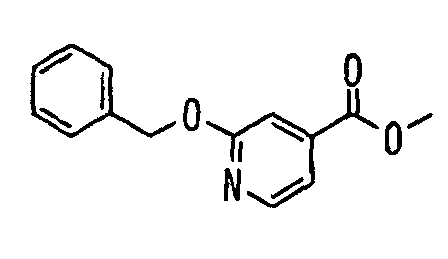
1H-NMR(CDCl3)δ: 3.94 (s, 3H) 5.42 (s, 2H) 7.30-7.49 (m, 7H) 8.29 (dd, J=0.8, 5.2Hz, 1H)
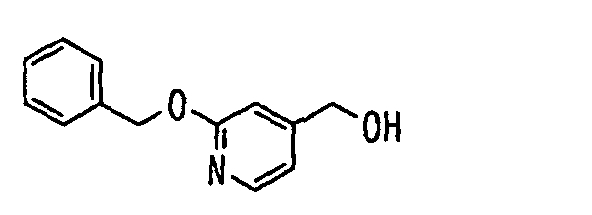
1H-NMR(CDl3)δ: 1.97 (br s, 1H) 4.68 (s, 2H) 5.38 (s, 2H) 6.82 (s, 1H) 6.86-6.89 (m, 1H) 7.29-7.41 (m, 3H) 7.43-7.48 (m, 2H) 8.13 (d, J=5.2Hz, 1H)

1H-NMR(CDCl3)δ: 5.44 (s, 2H) 7.20-7.22 (m, 1H) 7.30-7.42 (m, 4H) 7.45-7.50 (m, 2H) 8.38 (d, J=5.6Hz, 1H) 10.01 (s, 1H)

1H-NMR(CDCl3)δ: 1.19 (t, J=7.2Hz, 3H) 1.19 (t, J=7.2Hz, 3H) 2.82-2.92 (m, 2H) 3.39 (dq, J=7.2, 9.2Hz, 1H) 3.66 (dq, J=7.2, 9.2Hz, 1H) 4.03 (dd, J=4.8, 8.0Hz, 1H) 4.18-4.26 (m, 2H) 6.25 (dd, J=1.6, 6.6Hz, 1H) 6.45 (dd, J=0.6, 1.6Hz, 1H) 7.29 (dd, J=0.6, 6.6Hz, 1H) 12.92 (br s, 1H)
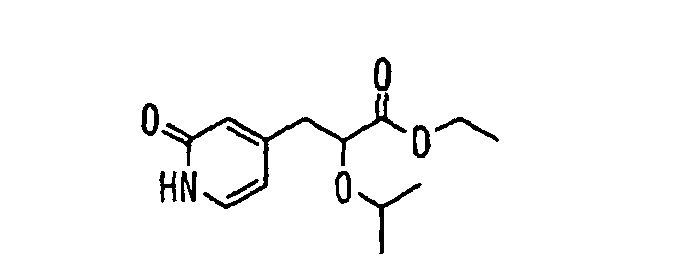
1H-NMR(CDCl3)δ: 1.03 (d, J=6.0Hz, 3H) 1.18 (d, J=6.0Hz, 3H) 1.29 (t, J=7.2Hz, 3H) 2.80 (dd, J=8.8,14.0Hz, 1H) 2.87 (dd, J=4.0,14.0Hz, 1H) 3.58 (sept, J=6.0Hz, 1H) 4.08 (dd, J=4.0, 8.8Hz, 1H) 4.18-4.27 (m, 2H) 6.26 (dd, J=1.6, 6.4Hz, 1H) 6.46 (d, J=1.6Hz, 1H) 7.30 (d, J=6.4Hz, 1H)

Ethyl 3-{1-{2-(2,4-dichlorophenoxy)ethyl}-2-oxo-1,2-dihydro-4-pyridinyl}-2-isopropoxypropanoate (Production Example 10-g)) (76 mg, colorless oil):
1H-NMR(CDCl3)δ: 0.97 (d, J=6.0Hz, 3H) 1.14 (d, J=6.0Hz, 3H) 1.24 (t, J=7.2Hz, 3H) 2.71-2.83 (m, 2H) 3.54 (sept, J=6.0Hz, 1H) 4.04 (dd, J=4.4, 8.4Hz, 1H) 4.13-4.22 (m, 2H) 4.27 (t, J=4.4Hz, 2H) 4.34 (t, J=4.4Hz, 2H) 6.17 (dd, J=1.6, 6.8Hz, 1H) 6.43 (d, J=1.6Hz, 1H) 6.77 (d, J=9.0Hz, 1H) 7.14 (dd, J=2.6, 9.0Hz, 1H) 7.31 (d, J=2.6Hz, 1H) 7.44 (d, J=6.8Hz, 1H)
Ethyl 3-{2-[2-(2,4-dichlorophenoxy)ethoxy]-4-pyridyl}-2-isopropoxypropanoate (Production Example 10-h)) (24 mg, pale yellow oil):
1H-NMR(CDCl3)δ; 0.97 (d, J=6.0Hz, 3H) 1.15 (d, J=6.0Hz, 3H) 1.25 (t, J=7.2Hz, 3H) 2.85-2.97 (m, 2H) 3.52 (sept, J=6.0Hz, 1H) 4.06 (dd, J=4.6,8.6Hz, 1H) 4.14-4.25 (m, 2H) 4.35 (t, J=4.8Hz, 2H) 4.68 (t, J=4.8Hz, 2H) 6.68 (d, J=1.6Hz, 1H) 6.81 (dd, J=1.6,5.2Hz, 1H) 6.93 (d, J=8.8Hz, 1H) 7.17 (dd, J=2.4,8.8Hz, 1H) 7.35 (d, J=2.4Hz, 1H) 8.30 (d, J=5.2Hz, 1H)

1H-NMR(CDCl3)δ: 1.02 (d, J=6.0Hz, 3H) 1.16 (d, J=6.0Hz, 3H) 2.90 (dd, J=8.2,13.8Hz, 1H) 3.04 (dd, 3.4,13.8Hz, 1H) 3.57 (sept, J=6.0Hz, 1H) 4.13 (dd, J=3.4, 8.2Hz, 1H) 4.35 (t, J=4.8Hz, 2H) 4.68 (t, J=4.8Hz, 2H) 6.69 (br s, 1H) 6.82 (dd, J=0.8,5.2Hz, 1H) 6.92 (d, J=8.8Hz, 1H) 7.17 (dd, J=2.6,8.8Hz, 1H) 7.35 (d, J=2.6Hz, 1H) 8.05 (d, J=5.2Hz, 1H)
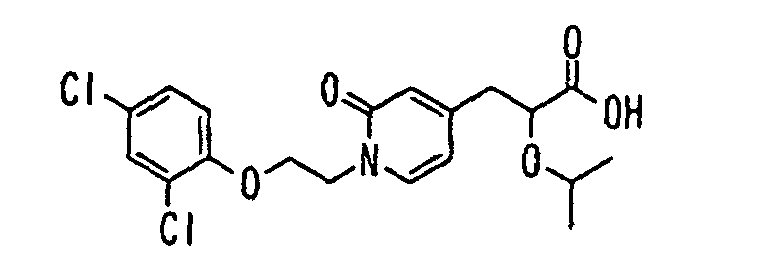
1H-NMR(CDCl3)δ: 1.06 (d, J=6.0Hz, 3H) 1.17 (d, J=6.0Hz, 3H) 2.82-2.94 (m, 2H) 3.65 (sept, J=6.0Hz, 1H) 4.14 (t, J=6.0Hz, 1H) 4.27 (t, J=4.4Hz, 2H) 4.30-4.41 (m, 2H) 6.29 (dd, J=1.2, 6.8Hz, 1H) 6.57 (br s, 1H) 6.77 (d, J=8.8Hz, 1H) 7.14 (dd, J=2.4, 8.8Hz, 1H) 7.31 (d, J=2.4Hz, 1H) 7.48 (d, J=6.8Hz, 1H)
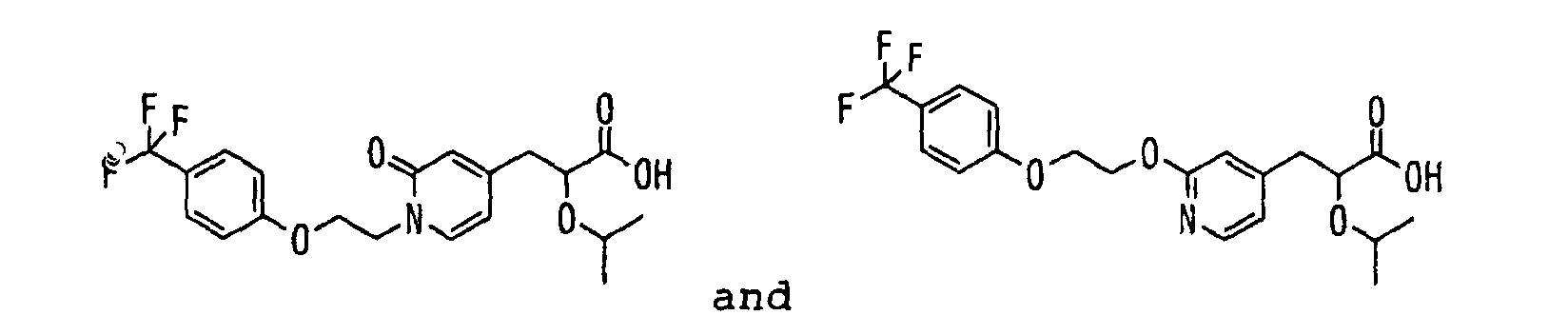
1H-NMR(CDCl3)δ: 1.08 (d, J=6.0Hz, 3H) 1.19 (d, J=6.0Hz, 3H) 2.88 (dd, 6.8, 13.6Hz, 1H) 2.94 (dd, 5.2, 13.6Hz, 1H) 3.68 (sept, J=6.0Hz, 1H) 4.17 (dd, 5.2, 6.8Hz, 1H) 4.30-4.41 (m, 4H) 6.32 (dd, J=1.6, 6.8Hz, 1H) 6.63 (d, J=1.6Hz, 1H) 6.91 (d, J=8.8Hz, 2H) 7.39 (d, J=6.8Hz, 1H) 7.52 (d,J=8.8Hz,2H) MS m/e (ESI) 414 (MH+)
2-Isopropoxy-3-(2-{2-[4-(trifluoromethyl)phenoxy)ethoxy}-4-pyridyl)propanoic acid (Example 3-b)) (6.97 mg):
1H-NMR(CDCl3)δ: 1.06 (d, J=6.0Hz, 3H) 1.18 (d, J=6.0Hz, 3H) 2.93 (dd, J=8.0, 14.0Hz, 1H) 3.06 (dd, J=4.0, 14.0Hz, 1H) 3.60 (sept, J=6.0Hz, 1H) 4.16 (dd, J=3.4, 8.2Hz, 1H) 4.36 (t, J=4.8Hz, 2H) 4.68 (t, J=4.8Hz, 2H) 6.70 (d, J=1.6Hz, 1H) 6.82 (dd, J=1.6, 5.2Hz, 1H) 7.02 (d, J=9.0Hz, 2H) 7.55 (d, J=9.0Hz, 2H) 8.07 (d, J=5.2Hz, 1H)
MS m/e (ESI) 414 (MH+)
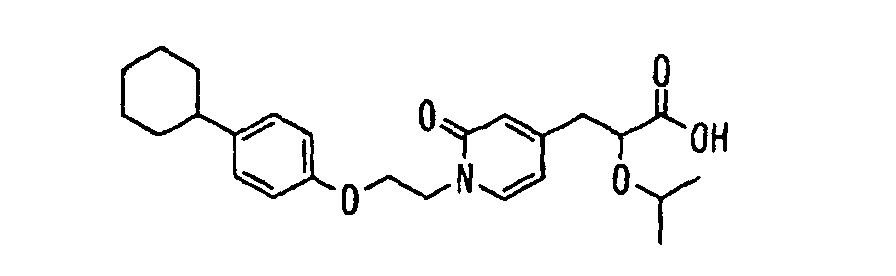
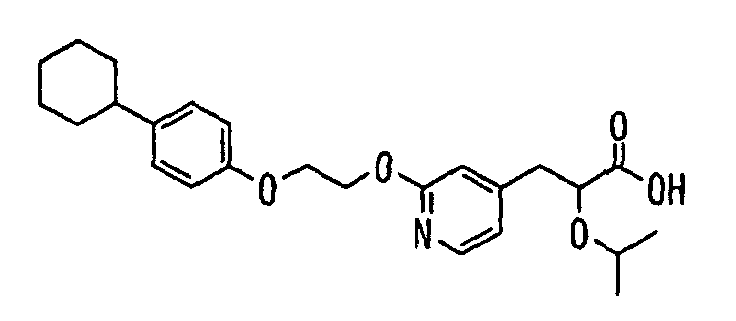

MS m/e (ESI) 414 (MH+)
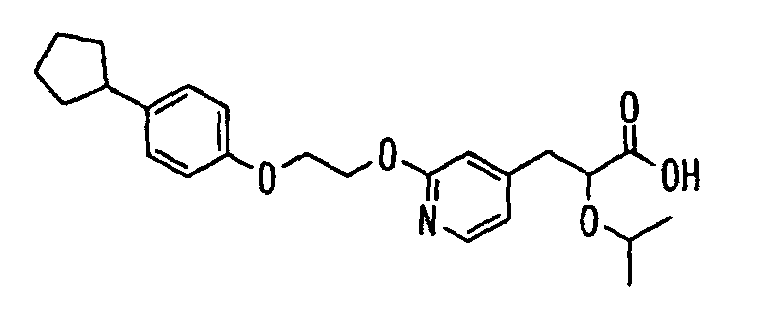
MS m/e (ESI) 414 (MH+)


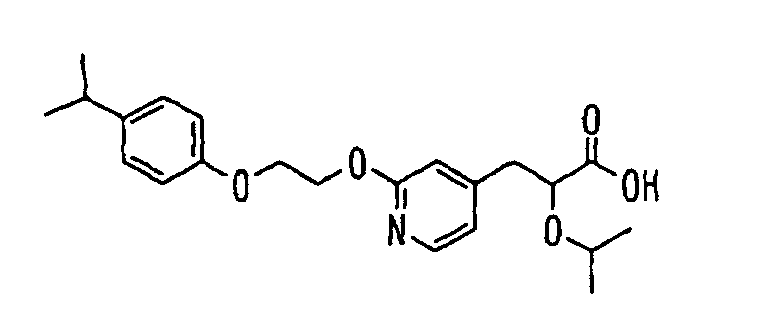
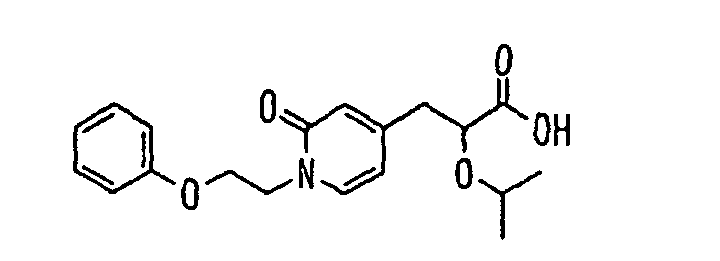

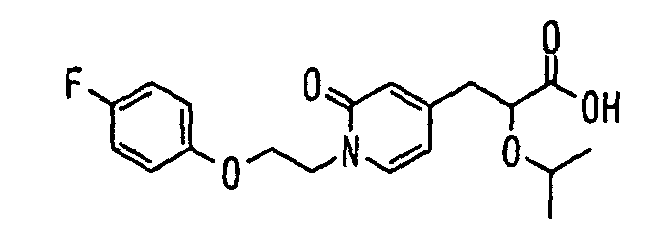
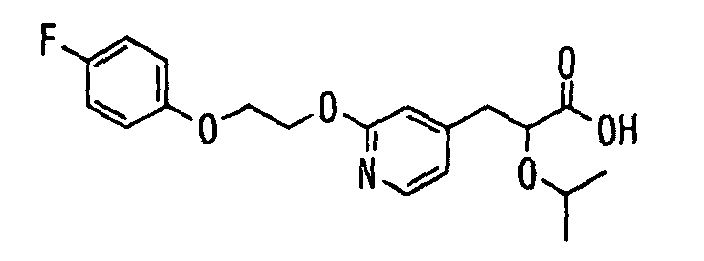
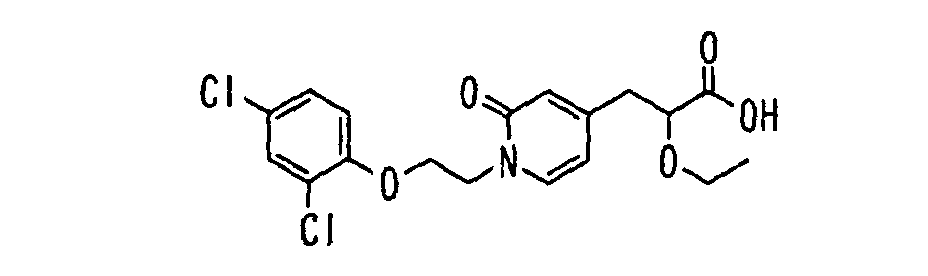

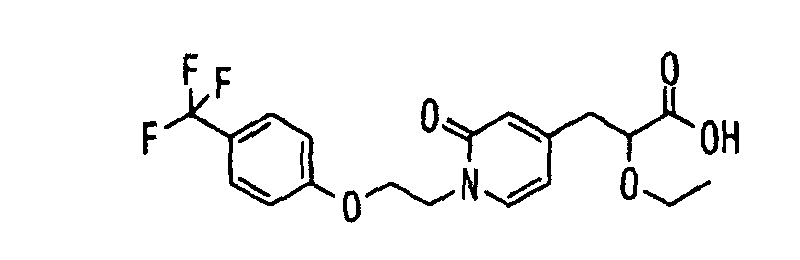
MS m/e (ESI) 400 (MH+)
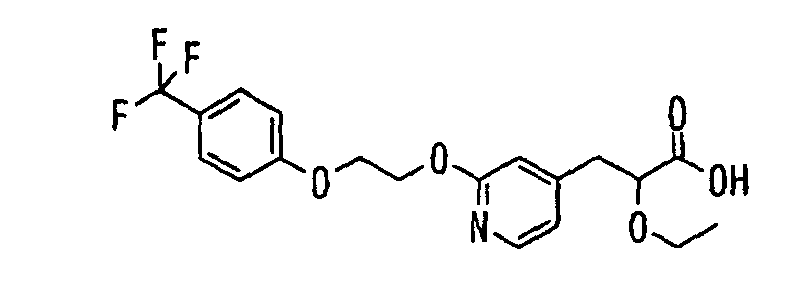
MS m/e (ESI) 400 (MH+)

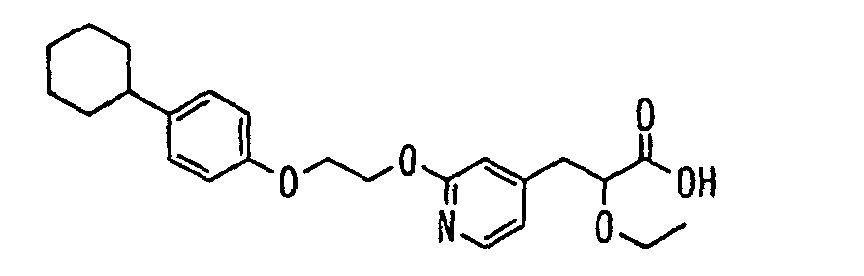


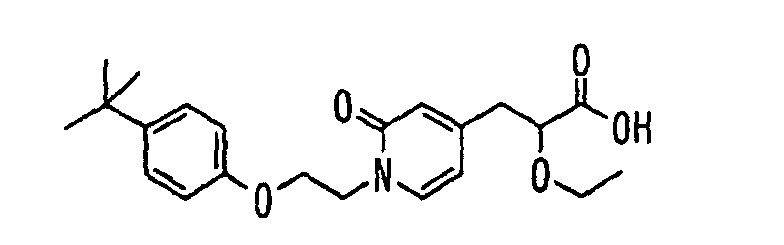
MS m/e (ESI) 388 (MH+)
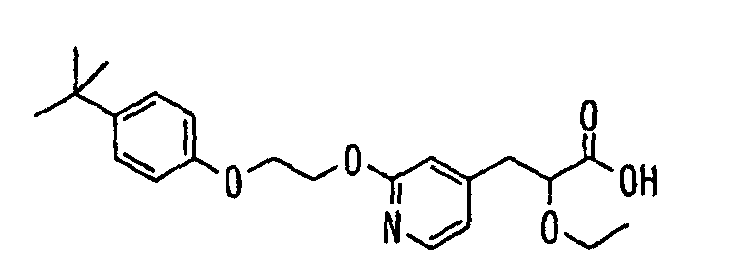
MS m/e (ESI) 388 (MH+)
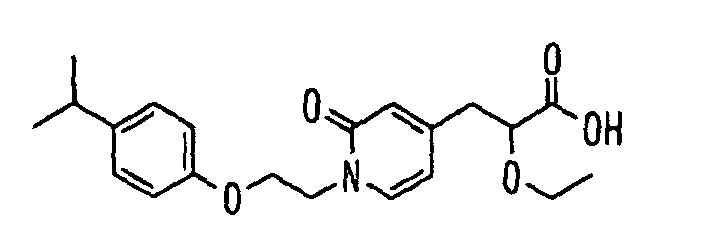
MS m/e (ESI) 374 (MH+)

MS m/e (ESI) 374 (MH+)
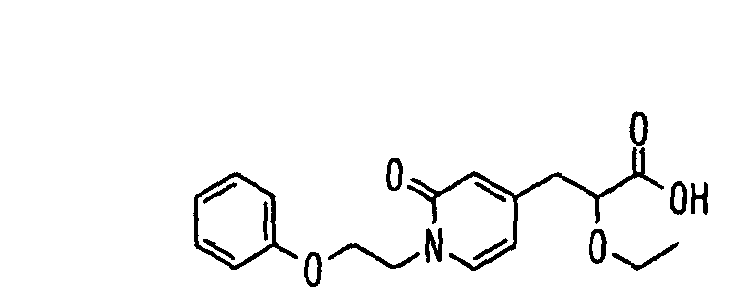


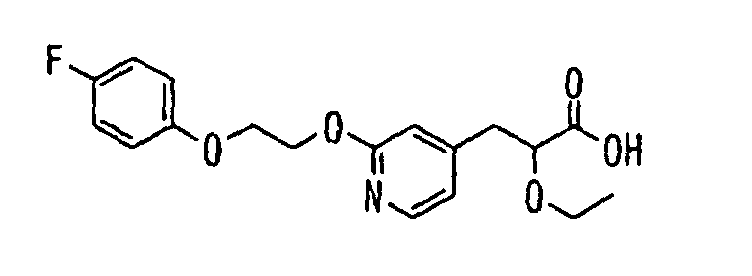
Claims (23)
- A carboxylic acid compound represented by the formula (I), a salt thereof or a hydrate of them.In the formula, Ar represents a 6- to 14-membered aromatic ring group which may have at least one substituent; R1, R2, R3, R4, R5, R6, R7 and R8 are the same as or different from each other and each represents a hydrogen atom, a hydroxyl group, a halogen atom, a C1-6 alkyl group or a C1-6 alkoxy group; X represents an oxygen atom or a methylene group; Y represents a group represented by the formula (II) or (III) :
 (wherein Z represents a group represented by the formula (IV) :
 (wherein R9, R10, R11 and R12 are the same as or different from each other and each represents a hydrogen atom, a halogen atom, a hydroxyl group, a C1-6 alkyl group or a C1-6 alkoxy group)); m is 0 or 1; and n is 0 or 1.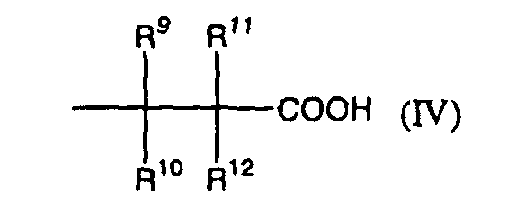
- The carboxylic acid compound according to Claim 1, a salt thereof or a hydrate of them, wherein Y is a group represented by the formula (II):wherein Z represents a group represented by the formula (IV) :
 wherein R9, R10, R11 and R12 are independent of each other and each represents a hydrogen atom, a halogen atom, a hydroxyl group, a C1-6 alkyl group or a C1-6 alkoxy group.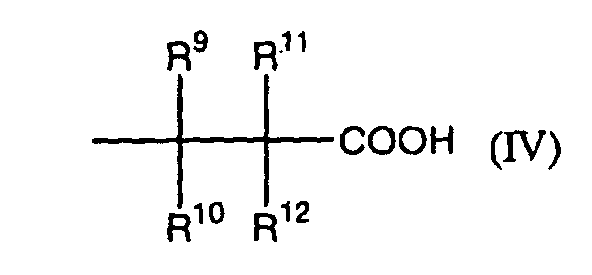
- The carboxylic acid compound according to Claim 1, a salt thereof or a hydrate of them, wherein Y represents a group represented by the formula (III):wherein Z represents a group represented by the formula (IV) :
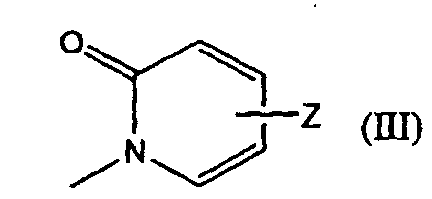 wherein R9, R10, R11 and R12 are independent of each other and each represents a hydrogen atom, a halogen atom, a hydroxyl group, a C1-6 alkyl group or a C1-6 alkoxy group.
- The carboxylic acid compound according to any one of Claims 1 to 3, a salt thereof or a hydrate of them, wherein R9, R10 and R11 represent a hydrogen atom; and R12 represents a C1-6 alkoxy group.
- The carboxylic acid compound according to any one of Claims 1 to 4, wherein R12 represents an ethoxy group or an isopropoxy group.
- The carboxylic acid compound according to any one of Claims 1 to 5, wherein X represents an oxygen atom.
- The carboxylic acid compound according to any one of Claims 1 to 6, wherein m and n are 0.
- The carboxylic acid compound according to any one of Claims 1 to 7, wherein R1, R2, R3, R4, R5, R6, R7 and R8 represent a hydrogen atom.
- The carboxylic acid compound according to any one of Claims 1 to 8, a salt thereof or a hydrate of them, wherein Ar represents a benzene ring group which may have at least one substituent selected from the group consisting of a halogen atom, a hydroxyl group, a C1-6 alkyl group, a C1-6 alkoxy group, a C3-6 cycloalkyl group and a trifluoromethyl group.
- A medicament comprising the carboxylic acid compound represented by the following formula (I), a salt thereof or a hydrate of them.In the formula, Ar represents a 6- to 14-membered aromatic ring group which may have at least one substituent; R1, R2, R3, R4, R5, R6, R7 and R8 are the same as or different from each other and each represents a hydrogen atom, a halogen atom, a hydroxyl group, a C1-6 alkyl group or a C1-6 alkoxy group; X represents an oxygen atom or a methylene group; Y represents a group represented by the formula (II) or (III) :
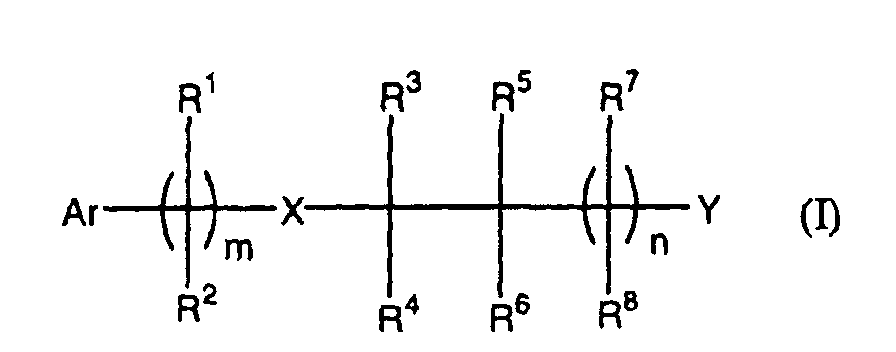 (wherein Z represents a group represented by the formula (IV) :
 (wherein R9, R10, R11 and R12 are the same as or different from each other and each represents a hydrogen atom, a halogen atom, a hydroxyl group, a C1-6 alkyl group or a C1-6 alkoxy group)); m is 0 or 1; and n is 0 or 1.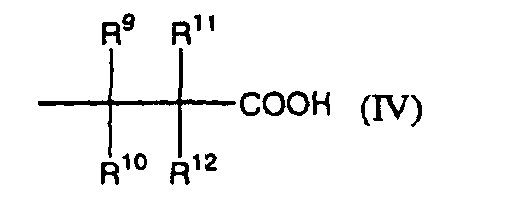
- The medicament according to claim 10, which is a medicament based on PPAR α and γ dual agonism.
- The medicament according to Claim 10, which is a medicament based on PPAR α, β(δ) and γ triple agonism.
- The medicament according to any one of Claims 10 to 12, which is an insulin sensitizer.
- The medicament according to any one of Claims 10 to 12, which is an agent for preventing or treating diabetes mellitus.
- The medicament according to any one of Claims 10 to 12, which is an agent for preventing or treating syndrome X.
- The medicament according to any one of Claims 10 to 12, which is an agent for preventing or treating an inflammatory disease.
- The medicament according to Claim 16, in which the inflammatory disease is inflammatory bowel disease.
- An agent for preventing or treating a disease against which an insulin sensitizing activity is effective, which comprises the compound according to any one of Claims 1 to 9 as an effective ingredient.
- A method for preventing or treating a disease against which an insulin sensitizing action is efficacious, by administering a pharmacologically effective amount of the carboxylic acid compound according to any one of Claims 1 to 9, a salt thereof or a hydrate of them to a patient.
- Use of the carboxylic acid compound according to any one of Claims 1 to 9, a salt thereof or a hydrate of them, for producing an agent for preventing or treating a disease against which an insulin sensitizing action is efficacious.
- An agent for preventing or treating diabetes mellitus, syndrome X or an inflammatory disease including an inflammatory bowel disease, which comprises the carboxylic acid compound according to any one of Claims 1 to 9, a salt thereof or a hydrate of them as an effective ingredient.
- A method for preventing or treating diabetes mellitus, syndrome X or an inflammatory disease including an inflammatory bowel disease, by administering a pharmacologically effective amount of the carboxylic acid compound according to any one of Claims 1 to 9, a salt thereof or a hydrate of them to a patient.
- Use of the carboxylic acid compound according to any one of Claims 1 to 9, a salt thereof or a hydrate of them, for producing an agent for preventing or treating diabetes mellitus, syndrome X or an inflammatory disease including an inflammatory bowel disease.
Applications Claiming Priority (3)
| Application Number | Priority Date | Filing Date | Title |
|---|---|---|---|
| JP2001091675 | 2001-03-28 | ||
| JP2001091675 | 2001-03-28 | ||
| PCT/JP2002/003003 WO2002079162A1 (en) | 2001-03-28 | 2002-03-27 | Carboxylic acids |
Publications (2)
| Publication Number | Publication Date |
|---|---|
| EP1375484A1 true EP1375484A1 (en) | 2004-01-02 |
| EP1375484A4 EP1375484A4 (en) | 2009-08-05 |
Family
ID=18946254
Family Applications (1)
| Application Number | Title | Priority Date | Filing Date |
|---|---|---|---|
| EP02707188A Withdrawn EP1375484A4 (en) | 2001-03-28 | 2002-03-27 | Carboxylic acids |
Country Status (4)
| Country | Link |
|---|---|
| US (1) | US7253178B2 (en) |
| EP (1) | EP1375484A4 (en) |
| JP (1) | JP4256166B2 (en) |
| WO (1) | WO2002079162A1 (en) |
Families Citing this family (23)
| Publication number | Priority date | Publication date | Assignee | Title |
|---|---|---|---|---|
| AUPO930697A0 (en) * | 1997-09-19 | 1997-10-09 | Walter And Eliza Hall Institute Of Medical Research, The | Catalytic antibodies and a method of producing same |
| JP4549021B2 (en) * | 2001-03-30 | 2010-09-22 | エーザイ・アール・アンド・ディー・マネジメント株式会社 | Benzene compounds and their salts |
| TWI311133B (en) | 2001-04-20 | 2009-06-21 | Eisai R&D Man Co Ltd | Carboxylic acid derivativeand the salt thereof |
| US7687664B2 (en) * | 2001-06-04 | 2010-03-30 | Eisai R&D Management Co., Ltd. | Carboxylic acid derivative, a salt thereof or an ester of them, and medicament comprising it |
| EP1452521A4 (en) | 2001-08-17 | 2007-03-14 | Eisai R&D Man Co Ltd | Cyclic compound and ppar agonist |
| US20080125403A1 (en) | 2004-04-02 | 2008-05-29 | Merck & Co., Inc. | Method of Treating Men with Metabolic and Anthropometric Disorders |
| EP1745014B1 (en) | 2004-05-05 | 2011-07-06 | High Point Pharmaceuticals, LLC | Novel compounds, their preparation and use |
| JP2007536343A (en) | 2004-05-05 | 2007-12-13 | ノボ ノルディスク アクティーゼルスカブ | Phenoxyacetic acid derivatives as PPAR agonists |
| US7943669B2 (en) | 2005-06-30 | 2011-05-17 | High Point Pharmaceuticals, Llc | Phenoxy acetic acids as PPAR delta activators |
| EA201101084A1 (en) | 2005-12-22 | 2012-04-30 | ХАЙ ПОЙНТ ФАРМАСЬЮТИКАЛЗ, ЭлЭлСи | PHENOXYACIC ACIDS AS PPAR DELTA ACTIVATORS |
| JP2009529512A (en) | 2006-03-09 | 2009-08-20 | ハイ ポイント ファーマシューティカルズ,リミティド ライアビリティ カンパニー | Novel compounds, methods for their production and use |
| EP2348857B1 (en) | 2008-10-22 | 2016-02-24 | Merck Sharp & Dohme Corp. | Novel cyclic benzimidazole derivatives useful anti-diabetic agents |
| JP5557845B2 (en) | 2008-10-31 | 2014-07-23 | メルク・シャープ・アンド・ドーム・コーポレーション | Novel cyclic benzimidazole derivatives useful as antidiabetic agents |
| AU2011218830B2 (en) | 2010-02-25 | 2014-07-24 | Merck Sharp & Dohme Corp. | Novel cyclic benzimidazole derivatives useful anti-diabetic agents |
| US20130156720A1 (en) | 2010-08-27 | 2013-06-20 | Ironwood Pharmaceuticals, Inc. | Compositions and methods for treating or preventing metabolic syndrome and related diseases and disorders |
| MX348131B (en) | 2011-02-25 | 2017-05-26 | Merck Sharp & Dohme | Novel cyclic azabenzimidazole derivatives useful as anti-diabetic agents. |
| US10316631B2 (en) * | 2012-04-03 | 2019-06-11 | Paul Trost | Methods of utilizing carbon monoxide to increase oil recovery |
| WO2014022528A1 (en) | 2012-08-02 | 2014-02-06 | Merck Sharp & Dohme Corp. | Antidiabetic tricyclic compounds |
| WO2014130608A1 (en) | 2013-02-22 | 2014-08-28 | Merck Sharp & Dohme Corp. | Antidiabetic bicyclic compounds |
| WO2014139388A1 (en) | 2013-03-14 | 2014-09-18 | Merck Sharp & Dohme Corp. | Novel indole derivatives useful as anti-diabetic agents |
| WO2015051496A1 (en) | 2013-10-08 | 2015-04-16 | Merck Sharp & Dohme Corp. | Antidiabetic tricyclic compounds |
| US11072602B2 (en) | 2016-12-06 | 2021-07-27 | Merck Sharp & Dohme Corp. | Antidiabetic heterocyclic compounds |
| EP3558298B1 (en) | 2016-12-20 | 2026-03-11 | Merck Sharp & Dohme LLC | Antidiabetic spirochroman compounds |
Family Cites Families (11)
| Publication number | Priority date | Publication date | Assignee | Title |
|---|---|---|---|---|
| JP3144624B2 (en) | 1995-06-02 | 2001-03-12 | 杏林製薬株式会社 | N-benzyldioxothiazolidylbenzamide derivative and method for producing the same |
| US5859051A (en) * | 1996-02-02 | 1999-01-12 | Merck & Co., Inc. | Antidiabetic agents |
| ES2320181T3 (en) | 1997-07-24 | 2009-05-19 | Astellas Pharma Inc. | PHARMACEUTICAL COMPOSITIONS THAT HAVE A REDUCING EFFECT OF CHOLESTEROL. |
| US6417185B1 (en) | 1998-06-19 | 2002-07-09 | Chiron Corporation | Inhibitors of glycogen synthase kinase 3 |
| IL145922A0 (en) * | 1999-04-28 | 2002-07-25 | Aventis Pharma Gmbh | Di-aryl acid derivatives as ppar receptor ligands |
| PT1177176E (en) | 1999-04-28 | 2006-08-31 | Aventis Pharma Gmbh | DERIVATIVES OF TRIARILIC ACIDS AS LIGANDS OF PPAR RECEPTORS. |
| JP4618845B2 (en) * | 1999-06-09 | 2011-01-26 | 杏林製薬株式会社 | Substituted phenylpropionic acid derivatives as human peroxisome proliferator-activated receptor (PPAR) alpha agonists |
| JP4549021B2 (en) * | 2001-03-30 | 2010-09-22 | エーザイ・アール・アンド・ディー・マネジメント株式会社 | Benzene compounds and their salts |
| TWI311133B (en) * | 2001-04-20 | 2009-06-21 | Eisai R&D Man Co Ltd | Carboxylic acid derivativeand the salt thereof |
| US7687664B2 (en) * | 2001-06-04 | 2010-03-30 | Eisai R&D Management Co., Ltd. | Carboxylic acid derivative, a salt thereof or an ester of them, and medicament comprising it |
| EP1452521A4 (en) * | 2001-08-17 | 2007-03-14 | Eisai R&D Man Co Ltd | Cyclic compound and ppar agonist |
-
2002
- 2002-03-27 US US10/469,173 patent/US7253178B2/en not_active Expired - Fee Related
- 2002-03-27 JP JP2002577789A patent/JP4256166B2/en not_active Expired - Fee Related
- 2002-03-27 EP EP02707188A patent/EP1375484A4/en not_active Withdrawn
- 2002-03-27 WO PCT/JP2002/003003 patent/WO2002079162A1/en not_active Ceased
Also Published As
| Publication number | Publication date |
|---|---|
| JP4256166B2 (en) | 2009-04-22 |
| US7253178B2 (en) | 2007-08-07 |
| US20040116708A1 (en) | 2004-06-17 |
| JPWO2002079162A1 (en) | 2004-07-22 |
| WO2002079162A1 (en) | 2002-10-10 |
| EP1375484A4 (en) | 2009-08-05 |
Similar Documents
| Publication | Publication Date | Title |
|---|---|---|
| US7253178B2 (en) | Carboxylic acids | |
| US7244861B2 (en) | Benzene compound and salt thereof | |
| CA2442319C (en) | Carboxylic acid derivative and salt thereof | |
| WO2022121813A1 (en) | Sos1 inhibitor, pharmaceutical composition comprising same, and use thereof | |
| KR102939810B1 (en) | Heteroaryl substituted beta-hydroxyethylamines for use in treating hyperglycaemia | |
| TWI644898B (en) | Anti-fibrotic pyridone | |
| JP2024528156A (en) | SHP2 inhibitors, pharmaceutical compositions containing same and uses thereof | |
| JP5524071B2 (en) | Heterocyclic phenylamide T-type calcium channel antagonist | |
| CN110452216B (en) | Anti-fibrotic pyridinones | |
| US20040214888A1 (en) | Carboxylic acid derivative and medicine comprising salt or ester of the same | |
| US11396504B2 (en) | Alkoxybenzo-five-membered (six-membered) heterocyclic amine compound and pharmaceutical use thereof | |
| CN101827832A (en) | Acetamide derivatives as glucokinase activators, their process and medicinal applications | |
| NO20160470A1 (en) | Heterocyclic Compounds and Methods of Use | |
| JPWO2019208812A1 (en) | Benzoisoxazole compound | |
| CA2830148C (en) | Novel furanone derivatives | |
| CN116848095B (en) | Deuterated compounds | |
| TWI817191B (en) | Novel biaryl derivatives and their use as inhibitors against diacylglycerol acyltransferase 2 | |
| JP6199406B2 (en) | Novel compounds as diacylglycerol acyltransferase inhibitors | |
| JP7814782B2 (en) | Imidazothiazole derivatives, their preparation and use | |
| CN117327057A (en) | Triazine diketone compound as thyroid hormone receptor agonist and synthesis and application thereof | |
| TWI917498B (en) | SOS1 inhibitors, pharmaceutical compositions containing them and their uses | |
| JP6667187B2 (en) | Anti-endothelial lipase compounds and methods for their use in treating and / or preventing cardiovascular disease | |
| RU2783521C1 (en) | Human cytochrome 11b2 inhibitors | |
| RU2808433C1 (en) | New biaryl derivative used as inhibitor of diacylglycerol acyltransferase 2 and its use | |
| WO2023246876A1 (en) | Medical use of formamide derivatives, formamide derivatives, and pharmaceutical composition comprising same |
Legal Events
| Date | Code | Title | Description |
|---|---|---|---|
| PUAI | Public reference made under article 153(3) epc to a published international application that has entered the european phase |
Free format text: ORIGINAL CODE: 0009012 |
|
| 17P | Request for examination filed |
Effective date: 20030825 |
|
| AK | Designated contracting states |
Kind code of ref document: A1 Designated state(s): AT BE CH CY DE DK ES FI FR GB GR IE IT LI LU MC NL PT SE TR |
|
| AX | Request for extension of the european patent |
Extension state: AL LT LV MK RO SI |
|
| RIN1 | Information on inventor provided before grant (corrected) |
Inventor name: HIHARA, TARO Inventor name: MIYASHITA, SADAKAZU Inventor name: INOUE, TAKASHI Inventor name: YAMAZAKI, KAZUTO Inventor name: YOSHITOMI, HIDEKI Inventor name: KASAI, SHUNJI Inventor name: EMORI, EITA Inventor name: MATSUURA, FUMIYOSHI Inventor name: CLARK, RICHARD Inventor name: SHINODA, MASANOBU Inventor name: HARADA, HITOSHI |
|
| RAP1 | Party data changed (applicant data changed or rights of an application transferred) |
Owner name: EISAI R&D MANAGEMENT CO., LTD. |
|
| RIN1 | Information on inventor provided before grant (corrected) |
Inventor name: HIHARA, TARO Inventor name: MIYASHITA, SADAKAZU Inventor name: INOUE, TAKASHI Inventor name: YAMAZAKI, KAZUTO Inventor name: YOSHITOMI, HIDEKI Inventor name: KASAI, SHUNJI Inventor name: EMORI, EITA Inventor name: MATSUURA, FUMIYOSHI Inventor name: CLARK, RICHARD Inventor name: SHINODA, MASANOBU Inventor name: HARADA, HITOSHI |
|
| A4 | Supplementary search report drawn up and despatched |
Effective date: 20090707 |
|
| 17Q | First examination report despatched |
Effective date: 20091013 |
|
| GRAP | Despatch of communication of intention to grant a patent |
Free format text: ORIGINAL CODE: EPIDOSNIGR1 |
|
| RIN1 | Information on inventor provided before grant (corrected) |
Inventor name: HIHARA, TARO Inventor name: MIYASHITA, SADAKAZU Inventor name: INOUE, TAKASHI Inventor name: YAMAZAKI, KAZUTO Inventor name: YOSHITOMI, HIDEKI Inventor name: KASAI, SHUNJI Inventor name: EMORI, EITA Inventor name: MATSUURA, FUMIYOSHI Inventor name: CLARK, RICHARD Inventor name: SHINODA, MASANOBU Inventor name: HARADA, HITOSHI |
|
| STAA | Information on the status of an ep patent application or granted ep patent |
Free format text: STATUS: THE APPLICATION IS DEEMED TO BE WITHDRAWN |
|
| 18D | Application deemed to be withdrawn |
Effective date: 20100928 |