EP1373497B1 - Method for increasing the production of an antibiotic in a bacterium by introducing mutations that confer antibiotic-resistance - Google Patents
Method for increasing the production of an antibiotic in a bacterium by introducing mutations that confer antibiotic-resistance Download PDFInfo
- Publication number
- EP1373497B1 EP1373497B1 EP02707248A EP02707248A EP1373497B1 EP 1373497 B1 EP1373497 B1 EP 1373497B1 EP 02707248 A EP02707248 A EP 02707248A EP 02707248 A EP02707248 A EP 02707248A EP 1373497 B1 EP1373497 B1 EP 1373497B1
- Authority
- EP
- European Patent Office
- Prior art keywords
- antibiotics
- antibiotic
- streptomyces
- bacterium
- resistant
- Prior art date
- Legal status (The legal status is an assumption and is not a legal conclusion. Google has not performed a legal analysis and makes no representation as to the accuracy of the status listed.)
- Expired - Lifetime
Links
Images




Classifications
-
- C—CHEMISTRY; METALLURGY
- C12—BIOCHEMISTRY; BEER; SPIRITS; WINE; VINEGAR; MICROBIOLOGY; ENZYMOLOGY; MUTATION OR GENETIC ENGINEERING
- C12N—MICROORGANISMS OR ENZYMES; COMPOSITIONS THEREOF; PROPAGATING, PRESERVING, OR MAINTAINING MICROORGANISMS; MUTATION OR GENETIC ENGINEERING; CULTURE MEDIA
- C12N1/00—Microorganisms; Compositions thereof; Processes of propagating, maintaining or preserving microorganisms or compositions thereof; Processes of preparing or isolating a composition containing a microorganism; Culture media therefor
-
- C—CHEMISTRY; METALLURGY
- C12—BIOCHEMISTRY; BEER; SPIRITS; WINE; VINEGAR; MICROBIOLOGY; ENZYMOLOGY; MUTATION OR GENETIC ENGINEERING
- C12N—MICROORGANISMS OR ENZYMES; COMPOSITIONS THEREOF; PROPAGATING, PRESERVING, OR MAINTAINING MICROORGANISMS; MUTATION OR GENETIC ENGINEERING; CULTURE MEDIA
- C12N15/00—Mutation or genetic engineering; DNA or RNA concerning genetic engineering, vectors, e.g. plasmids, or their isolation, preparation or purification; Use of hosts therefor
- C12N15/01—Preparation of mutants without inserting foreign genetic material therein; Screening processes therefor
Definitions
- This invention relates to a method for increasing the productivity of an antibiotic in a bacterium conferring a drug-resistance to the bacterium. More particularly, the present invention relates to the improvement of the antibiotic by conferring combined drug-resistant mutations to bacterium.
- “Secondary metabolites” was originally used by plant physiologists to classify botanicals (e.g. dyes, fragrances, and medicinals) with no obvious function in the plants that produced them. It now encompasses a heterogous group of compounds, usually of low relative molecular mass, and made mostly but not exclusively by organisms without a nervous system (i.e., bacteria, fungi, and plants). The notion of secondary metabolism was embrassed by microbiologists in the 1960s, with attention focusing on antibiotics and other bioactive microbial products (Bently, R. et al, Annu. Rev. Microbio. (1999) 53: 411-446).
- the genus Streptomyces belongs to the order Actinomycetales.
- the order Actinomycetales means Actinomycetes. Actinomycetes make over 60% of the known secondary metabolites that are produced by microorganisms, and amongst them nearly 80% are made by members of the genus Streptomyces, with other genera trailing numerically (Kieser, T.et al, Practical Streptomyces Genetics (2000): 10-11) .
- An object of the present invention is to provide a method for increasing the productivity of the secondary metabolite by a microorganism in a labor-saving, time-saving, high efficient and semi-rational way and being applicable for the strains without more knowledge of, for example, antibiotic biochemistry and genetics.
- the actinorhodin productivity in Streptomyces coelicolor can be improved by conferring a resistance against two or more antibiotics, such as: streptomycin, geneticin, gentamicin and rifampicin.
- antibiotics such as: streptomycin, geneticin, gentamicin and rifampicin.
- streptomycin a resistance against two or more antibiotics, such as: streptomycin, geneticin, gentamicin and rifampicin.
- Each antibiotic possesses the ability to increase the productivity by inducing the respective mutations.
- the productivity of actinorhodin could be further increased by introducing another antibiotic-resistant mutation such as: geneticin-resistant, gentamicin-resistant or rifampicin-resistant mutation, which means that double mutations (streptomycin and geneticin, streptomycin and gentamicin, streptomycin and rifampicin combined resistant mutations) could continuously increase productivity of actinorhodin.
- another antibiotic-resistant mutation such as: geneticin-resistant, gentamicin-resistant or rifampicin-resistant mutation, which means that double mutations (streptomycin and geneticin, streptomycin and gentamicin, streptomycin and rifampicin combined resistant mutations) could continuously increase productivity of actinorhodin.
- the present invention was accomplished based on the new findings described above.
- the present invention provides:
- the bacterium used in the present invention is not particularly limited as long as the productivity of the antibiotic thereof can be increased by making the bacterium to be resistant to two or more antibiotics. It is preferable to use soil bacteria that produce agriculturally and/or medically useful antibiotics.
- soil bacteria that produce agriculturally and/or medically useful antibiotics.
- Actinomycetes Preferable one is Actinomycetes. Examples of those belonging to Actinomycetes may be exemplified as genus Streptomyces, genus Bacillus, genus Pseudomonas, etc. And more preferable one is genus Streptomyces.
- bacteria include Streptomyces coelicolor, Streptomyces lividans, Streptomyces antibioticus, Streptomyces chattanoogensis, Bacillus subtilis, Bacillus cereus, and Pseudomonas pyrrocinia.
- the bacterium can be isolated from the nature by the known method or available from the culture collections such as ATCC.
- the bacterium may be any of wild strains, mutant strains, cell fusion strains, transduced strains or recombinant strains constructed by means of recombinant DNA techniques, and may be any ones which have already been used in a fermentation industry as producers for agriculturally and/or medically used antibiotics.
- the antibiotic is not particularly limited as long as the productivity thereof can be increased by making the bacterium to be resistant to one or more antibiotics.
- Preferable antibiotics include agriculturally and/or medically useful antibiotics (for example: actinomycin from Streptomyces antibioticus 3720, fredericamycin from Streptomyces chattanoogensis ISP5002, FR900493 from Bacillus cereus 2045, and pyrrolnitrin from Pseudomonas pyrrocinia 2327, etc.).
- the antibiotic used in the present invention to introduce an mutation to the microorganism is not particularly limited as long as the microorganism which is conferred resistant to the antibiotic can produce the secondary metabolite.
- the preferable antibiotic include those called ribosome-attacking antibiotics including ribosomal protein-attacking antibiotics (e.g., ribosomal S12 protein-attacking antibiotics) and ribosomal RNA-attacking antibiotics, and RNA polymerase-attacking antibiotics.
- a resistance against two or more antibiotics is conferred to a bacterium.
- a resistance against two or three antibiotics to a bacterium is more preferable.
- the most preferable one is a resistance against three antibiotics to a bacterium.
- Preferable combination of antibiotics for conferring resistance is (1) two different aminoglycoside antibiotics, (2) one aminoglycoside antibiotic and one ansamycin antibiotic, and (3) two different aminoglycoside antibiotics and one ansamycin antibiotic.
- antibiotics include aminoglycoside class antibiotics such as streptomycin, geneticin and gentamicin and ansamycin class antibiotics such as rifampicin.
- the method for obtaining the antibiotic-resistant mutant bacterium from the original bacterium is not particularly limited.
- an original bacterium is cultured in a medium containing the antibiotic and the antibiotic-resistant spontaneous mutants may be obtained by isolating colonies which can grow on the antibiotic.
- a bacterium may be subjected to the usual mutation treatment, such as ultraviolet ray irradiation or chemical treatment with N-methyl-N'-nitro-N-nitrosoguanidine (NTG) or nitrous acid, and antibiotic-resistant mutants may be obtained by isolating colonies which can grow on the antibiotic.
- the concentration of the antibiotic in a medium is preferably controlled to become higher than MIC for the original microorganism.
- the concentration of antibiotics is two times or more, more preferably 5 times or more, most preferably 10 times or more, higher than MIC (Minimum Inhibitory Concentration) of the original microorganism.
- MIC Minimum Inhibitory Concentration
- streptomycin is adopted as the antibiotic
- the preferable concentration thereof is 5- to 100-times higher than MIC against the original microorganism.
- rifampicin is adopted as the antibiotic
- the preferable concentration thereof is 5-to 40-times higher than MIC against the original microorganism.
- gentamicin is adopted as the antibiotic, the preferable concentration thereof is 2-times higher than MIC against the original microorganism.
- This step may be further repeated to obtain a multi (two or more)-resistant bacterium which is resistant to two or more antibiotics.
- a mutant which can produce the intended antibiotic in an increased amount is selected by an appropriate way.
- it may be selected by analytical method (e.g., TLC, HPLC(DAD), LC-MS, optical density etc.), biological assay methods (e.g., assaying activities of enzyme, such as acylase, demethylase, deaminase, etc.; assaying activities of biologically active substances, such as anti-bacterial, anti-fungal, anti-cancer activities, etc.), and so on.
- the amount of actinorhodin is determined by measuring the optical density of supernatants at 633 nm.
- the step of selecting the strain having an increased productivity of the secondary metabolite can be carried out after obtaining the multi-resistant bacterium or after at least one step of introducing the mutation.
- a strain having improved productivity of an antibiotic of interest can be obtained by transforming a host with a recombinant plasmid containing a gene for the biosynthesis of said antibiotic.
- culturing of the bacterium can be carried out in accordance by utilizing a generally used culturing method.
- the medium may be either a synthetic medium or a natural medium, as long as it contains appropriate amounts of necessary carbon sources, nitrogen sources, inorganic substances, amino acids, vitamins, and/or trace amounts of nutrient substances. They are shown in various papers, such as Hosoya, Y. et al, Antimicrob. Agents Chemother. (1998) 42:2041-2047; Kieser, T. et al, Practical Streptomyces Genetics (2000): 406-415; and Media information listed for bacteria in ATCC Media Handbook.
- Examples of the carbon source include carbohydrates such as glucose, fructose, sucrose, maltose, mannose, glycerol, starch, starch hydrolysate and molasses, polyalcohols and various organic acids such as pyruvic acid, fumaric acid, lactic acid and acetic acid.
- the nitrogen source examples include ammonia or various inorganic and organic ammonium salts such as ammonium chloride, ammonium sulfate, ammonium carbonate and ammonium acetate, urea and other nitrogen-containing substances, and nitrogen-containing organic substances such as peptone, NZ-amine, meat extract, yeast extract, corn steep liquor, casein hydrolysate and fish meal or a digested product thereof.
- ammonia or various inorganic and organic ammonium salts such as ammonium chloride, ammonium sulfate, ammonium carbonate and ammonium acetate, urea and other nitrogen-containing substances
- nitrogen-containing organic substances such as peptone, NZ-amine, meat extract, yeast extract, corn steep liquor, casein hydrolysate and fish meal or a digested product thereof.
- Examples of the inorganic substance include potassium dihydrogenphosphate, dipotassium hydrogenphosphate, ammonium sulfate, ammonium chloride, magnesium sulfate, sodium chloride, ferrous sulfate, manganese sulfate and calcium carbonate.
- Amino acids and vitamins may be added to the medium as occasion demands.
- the bacterium may be cultured under aerobic conditions such as shaking culture or aeration agitation culturing.
- the culturing is carried out at a temperature of preferably from 20 to 40°C. It is desirable to maintain pH of the medium at around the neutral level.
- the culturing is carried out generally from a period of from 1 to 7 days.
- the desired antibiotic formed and accumulated in the bacterium and/or culture medium can be recovered, for example, by the following method.
- the cells are removed after completion of the culturing, or the cells are disrupted and the resulting mixture is centrifuged to remove the disrupted cells.
- the desired antibiotic is recovered by a known method suitable for recovering the desired antibiotic, such as a concentration crystallization method, an activated carbon treatment method and/or an ion exchange resin method.
- the strains belonging to the genus Streptomyces are explained below as the examples of the bacteria of the present invention, which can be divided into two groups: the wild type strain and drug-resistant mutants of Streptomyces coelicolor and non-identified Streptomyces sp. isolated from soils which normally do not produce antibiotics.
- antibiotics named as gentamicin, geneticin, streptomycin and rifampicin are explained below as the examples of the drug.
- Streptomyces coelicolor is an excellent model strain to study antibiotic production and other process; it is the genetically more intensively studied Streptomyces species and produces four chemically different antibiotics, whose biosynthetic genes have been isolated: the blue-pigmented polyketide actinorhodin, undecylprodigiosin, methylenomycin and the calcium-dependent antibiotic.
- actinorhodin is a representative secondary metabolite and possesses a typical polyketide biosynthetic pathway. Characters of actinorhodin: fine red needles from dioxane, dec. 270°C. Absorption max (dioxane): 560, 523 nm.
- actinorhodin productivity in Streptomyces coelicolor can be increased by introducing each antibiotic resistant mutations into the strain at a high frequency of 5-10% among streptomycin-resistant, gentamicin-resistant or rifampicin-resistant isolates. Most mutants are stable and able to grow and form aerial mycelia normally as well as wild type strain. Moreover, by introducing another antibiotic resistant mutation into single mutant, the actinorhodin productivity can be further enhanced 1.8-2.2 fold. Of course, the level of increase may differ among the mutants. Finally, the third mutation can be introduced into double mutants leading to triple mutants. Overproduction of actinorhodin in the triple mutants is then tested.
- Random mutagenesis and selection is referred to as the class of approach or non-recombinant strain improvement procedure. Improved mutants are normally identified by screening a large population of mutated organisms, since the mutant phenotype may not be easy to recognize, the desired mutations occur at an extremely low frequency. Although this approach has the advantage of being simple and reliable, random screening is time-consuming and costly.
- method described in this invention use some antibiotics inhibiting protein or nucleic acid synthesis as screening agents, which are entirely distinguishable from traditional mutagens such as radiation rays, chemicals (base analogs, deaminating agents, alkylating agents or intercalating agents etc.) and biological agents (phage, plasmid or DNA transposons etc.).
- traditional mutagens such as radiation rays, chemicals (base analogs, deaminating agents, alkylating agents or intercalating agents etc.) and biological agents (phage, plasmid or DNA transposons etc.).
- the method described in this invention can produce high frequency of desired mutation so that selection of positive mutants do not need much time and labor.
- Multi-drug resistant bacteria which are obtained in the present invention can be used as heterogous hosts to express foreign genes encoding agriculturally and/or medically useful antibiotics.
- the techniques of genetic recombination provide another rational method for improving strains. It can be used to relieve rate-limiting steps of the biosynthetic pathway by increasing, for example, the gene dosage, or altering a regulation mechanism. Obviously this requires much knowledge of antibiotic production biochemistry and genetics like Streptomyces coelicolor and E. coli. However, most new antibiotic producers lack much knowledge so that this method is not applicable for most strains. Moreover, this method is costly and complex. In contrast, the method described in this invention does not require much knowledge of biochemistry and genetics of strains, and is simple and not costly. This new method can be used for the most bacteria including Streptomyces or other bacteria, especially for the wild type strains isolated from nature.
- the method described in this invention can be used to activate certain silent antibiotic biosynthetic genes by introducing drug-resistant mutations.
- the present inventors isolated a number of Streptomyces sp. from soils, which show no antibacterial activity and then selected the antibiotic resistant mutants with ability to produce antibacterial activity.
- the present inventors found that about 50% strains isolated from soils can be activated to produce antibiotics as shown in Fig. 9 and Table 3. Meanwhile, the antibiotic syntheses in mutants are medium-dependent as shown in Fig. 9. Therefore, it is important to use several different kinds of media to examine the productivity of antibacterial agents.
- the spontaneous streptomycin, gentamicin or rifampicin-resistant mutants of S. coelicolor were obtained as the colonies that grew within 7 days at 30°C after spores (or cells) were spread on GYM agar (composition is the same as the above GYM agar) containing 5 ⁇ g streptomycin per ml or 1.0 ⁇ g of gentamicin per ml or 200 ⁇ g of rifampicin per ml, respectively (Growth of parental strain was inhibited completely with 1 ⁇ g of streptomycin per ml, 0.1 ⁇ g of gentamicin per ml or 10 ⁇ g of rifampicin per ml).
- the R4 plates were incubated at 30°C for 6 days and the amount of blue pigment actinorhodin produced was compared among wild type strain and mutants, and selected the over-producers among the mutants. Then, the mutants with over-producing actinorhodin were inoculated into R4 liquid medium (composition is the same as the R4 agar, but no agar) in 25 ml of test tubes containing 5 ml medium on an orbital shaker at 30°C, 350 rpm. After incubation for 6 days, 1 ml culture samples were taken and adjusted pH to 8.0.
- actinorhodin production in supernatants was assayed by measurement of the optical density of supernatants at 633 nm.
- the highest productivity detected reached 1.6-fold for gentamicin-resistant mutants, 1.8-fold for streptomycin-resistant mutants and 3.0-fold for rifampicin-resistant mutants.
- the frequencies for such high producers were 5%, 6% and 10%, respectively (see Table 1 and Fig. 7).
- the rpsL gene fragment of the Str resistant mutant was obtained by PCR using a mutant genomic DNA as a template and synthetic oligonucleotide primers P1 (forward: 5'-ATTCGGCACACAGAAAC) and P2 (reverse: 5'-AGAGGAGAACCGTAGAC) designed on the basis of sequence of S. lividans (DDBJ accessionno: D83746). PCR was performed by following the manufacturer's instructions and using Taq polymerase (Takara Ex Taq). A Perkin-Elmer Cetus thermal cycler was used, and conditions were 5 min.
- PCR products were directly sequenced by the dideoxy chain-termination procedure using the Bigdye Terminator Cycle Sequencing kit(Perkin-Elmer Applied Biosystems, Foster City, CA, U.S.A). The sequence data were analyzed with the GENETIX program (Software Development Co., Tokyo, Japan).
- the partial rpoB gene fragment of the Rif resistant mutant was obtained by PCR using a mutant genomic DNA as a template and synthetic oligonucleotide primers P3 (forward: 5'-GGCCGCTACAAGGTGAACAAGAAG) and P4 (reverse: 5'-CGATGACGAAGCGGTCCTCC) designed on the basis of sequence of S . coelicolor M145.
- the PCR method and DNA sequencing are the same as those in rpsL gene.
- the rpsL genes of 3 gentamicin-resistant mutants and 3 streptomycin-resistant mutants were sequenced and compared to that of Streptomyces coelicolor wild type strain.
- the partial rpoB genes of 3 rifampicin-resistant mutants were sequenced and compared to that of Streptomyces coelicolor wild type strain. Three rifampicin-resistant mutants exhibited a point mutation in this region of rpoB gene; only one streptomycin-resistant mutant possessed a point mutation within rpsL gene; All gentamicin-resistant mutants showed no mutation in rpsL gene (see Table 2).
- the spore solution of strain S-1 (a streptomycin-resistant mutant) was prepared by the same procedure as used in Example 1.
- the spontaneous geneticin, gentamicin or rifampicin-resistant mutants of S-1 were obtained as colonies that grew on GYM agar containing 2.5 ⁇ g of geneticin per ml or 2.5 ⁇ g of gentamicin per ml or 200 ⁇ g of rifampicin per ml. (Growth of S-1 strain was inhibited completely with 0.5 ⁇ g of geneticin per ml, 0.5 ⁇ g of gentamicin per ml or 10 ⁇ g of rifampicin per ml.). Actinorhodin productivity of mutants was examined using R4 agar plates and R4 liquid medium.
- spore solutions of SG-1 and SG-2 strains were prepared by the same procedure as used in Example 1.
- the spontaneous rifampicin-resistant mutants of SG-1 and SG-2 strains were obtained as colonies that grew on GYM agar containing 200 ⁇ g of rifampicin per ml. (Growth of SG-1 and SG-2 strains were completely inhibited with 10 ⁇ g of rifampicin per ml.) for 7 days at 30°C.
- the time courses of actinorhodin biosynthesis were carried out by using Streptomyces coelicolor wild type strain, S-1 (a streptomycin -resistant mutant), SG-1 (a gentamicin and streptomycin resistant double mutant) and SGR-1 (a genetamicin-, streptomycin- and rifampicin-resistant triple mutant).
- Streptomyces coelicolor wild type strain S-1 (a streptomycin -resistant mutant)
- SG-1 a gentamicin and streptomycin resistant double mutant
- SGR-1 a genetamicin-, streptomycin- and rifampicin-resistant triple mutant.
- Erlenmeyer flask of 500 ml-capacity containing 150 ml of R4 or R3 medium was inoculated with spore solutions, then incubated at 30°C on an orbital shaker at 200 rpm for the denoted time.
- the composition of R4 liquid medium was the same as
- the R3 liquid medium was the same as R4 but contained an increased amount (0.5%) of yeast extract and an extra KH 2 PO 4 (0.005%).
- 1 ml culture samples were taken and adjusted pH to 8.0. After centrifugation at 1100 g for 5 min., actinorhodin production was assayed by measurement of the optical density of supernatants at 633 nm. The results as shown in Fig. 5, these single, double and triple mutants displayed in hierarchical order a remarkable increase in the actinorhodin biosyntheses.
- the unidentified Streptomyces isolated from soils were inoculated to GYM agar for preparing spore solutions as described in Example 1.
- the screening of streptomycin, gentamicin or rifampicin resistant mutants was as described in Example 2.
- the resistant mutants were inoculated to GYM agar, R4 agar and SYM agar, and incubated at 30°C for 6 days.
- the composition of GYM agar and R4 agar was the same as described in Example 1.
- SYM agar contained 1% of soluble starch, 0.2% of yeast extract, 0.5% of glucose and 2% agar (before adding agar, adjust pH to 7.3).
- the agar plug method was used to detect productivity of an antibiotic in mutants by measuring the extent of growth inhibition (diameters of inhibitory zones) of test organisms ( E. coli K12, S. aureus 209P, B. subtilis 6633 or Candida albicans ) .
- a gentamicin-resistant mutant and a rifampicin-and gentamicin-resistant mutant of Bacillus cereus No. 2045 were produced according to a similar manner to that of Examples 1, 2 or 3. Those mutants were precultured in bouillon medium for 10 h. Cells (0.1 ml) were inoculated into 5 ml of production medium consisting of (per liter) 20 g of polypeptone, 20 g of corn steep liquor, and 5 g of NaCl (adjusted to pH 7.5 with NaOH) for 2 days at 30°C. The results are shown in Table 4.
- Antibacterial activity of WB2045 against Bacillus subtilis 6633 strains was determined by a conventional paper disc diffusion assay (Toyo Roshi; thick type 9 mm ⁇ ) on agar plate using 1.7 X NG medium [a medium developed for antibiotic production by Bacillus subtilis, contained (per liter) 17 g of nutrient broth (Difco), 17 g of glucose, 3.4 g of NaCl, 8.5 mg of CuSO 4 ⁇ 5H 2 O, 12.75 mg of FeSO 4 ⁇ 7H 2 O, 6.12 mg of MnSO 4 ⁇ 5H 2 O, 25.5 mg of CaCl 2 ⁇ 2H 2 O, and 15.3 mg of ZnSO 4 ⁇ 7H 2 O (adjusted to pH 7.2 with NaOH)] for 48 hr at 30°C.
- 1.7 X NG medium a medium developed for antibiotic production by Bacillus subtilis, contained (per liter) 17 g of nutrient broth (Difco), 17 g of glucose, 3.4
- the present invention provides a method for increasing the productivity of the antibiotic by a bacterium in a labor-saving, time-saving, high efficient and semi-rational way and being applicable for the strains without more knowledge of, for example, antibiotic biochemistry and genetics.
Landscapes
- Health & Medical Sciences (AREA)
- Genetics & Genomics (AREA)
- Life Sciences & Earth Sciences (AREA)
- Engineering & Computer Science (AREA)
- Chemical & Material Sciences (AREA)
- Organic Chemistry (AREA)
- Biotechnology (AREA)
- Zoology (AREA)
- Wood Science & Technology (AREA)
- Bioinformatics & Cheminformatics (AREA)
- Biomedical Technology (AREA)
- General Engineering & Computer Science (AREA)
- Microbiology (AREA)
- Biochemistry (AREA)
- General Health & Medical Sciences (AREA)
- Plant Pathology (AREA)
- Molecular Biology (AREA)
- Biophysics (AREA)
- Physics & Mathematics (AREA)
- Medicinal Chemistry (AREA)
- Tropical Medicine & Parasitology (AREA)
- Virology (AREA)
- Preparation Of Compounds By Using Micro-Organisms (AREA)
- Micro-Organisms Or Cultivation Processes Thereof (AREA)
Abstract
Description
- This invention relates to a method for increasing the productivity of an antibiotic in a bacterium conferring a drug-resistance to the bacterium. More particularly, the present invention relates to the improvement of the antibiotic by conferring combined drug-resistant mutations to bacterium.
- "Secondary metabolites" was originally used by plant physiologists to classify botanicals (e.g. dyes, fragrances, and medicinals) with no obvious function in the plants that produced them. It now encompasses a heterogous group of compounds, usually of low relative molecular mass, and made mostly but not exclusively by organisms without a nervous system (i.e., bacteria, fungi, and plants). The notion of secondary metabolism was embrassed by microbiologists in the 1960s, with attention focusing on antibiotics and other bioactive microbial products (Bently, R. et al, Annu. Rev. Microbio. (1999) 53: 411-446).
- It is well known that members of the genus Streptomyces produce a great many antibiotics and other classes of biologically active secondary metabolites. The genus Streptomyces belongs to the order Actinomycetales. In general, the order Actinomycetales means Actinomycetes. Actinomycetes make over 60% of the known secondary metabolites that are produced by microorganisms, and amongst them nearly 80% are made by members of the genus Streptomyces, with other genera trailing numerically (Kieser, T.et al, Practical Streptomyces Genetics (2000): 10-11) .
- Most antibiotics applied in clinical were first isolated from the metabolites of microbes including bacteria, fungi and actinomycetes, in which Streptomyces are known to be the most effective producers. Genetic recombination and manipulation in Streptomyces have been established by D. A. Hopwood and his co-workers (Hopwood et al. Genetic manipulation of Streptomyces, a laboratory manual, 1985). So far, treatment with mutagens and the screening of resultant clones has been repeated and adopted as a procedure for the improvement of antibiotic-producing Streptomyces and produced good results. However, this method has some disadvantageous properties such as labor-consuming, time-consuming, costly, non-reproductive and low frequency etc. The current intentional methods for improving strains are genetic recombination and manipulation that represent an important technique in strain improvement such as protoplast fusion, structural gene amplification, regulatory genes and resistance genes cloning etc. (Ikeda et al. Actinomycetologica 1991, 5:86-99). Obviously, these methods require a better knowledge about biochemistry and genetics of antibiotic production.
- As described above, some methods for improving strains have been invented and applied in fermentation industry. It is known that a productivity of actinorhodin in Streptomyces coelicolor can be improved by conferring streptomycin resistance to it (Protein, Nucleic Acid, Enzyme, vol. 44, No. 13, p 1967-1974 (1999); Kagaku to Seibutsu, vol. 37, No. 11, p 731-737 (1999)). However, no report has ever been made concerning more effective methods to increase the productivity of the secondary metabolites.
- An object of the present invention is to provide a method for increasing the productivity of the secondary metabolite by a microorganism in a labor-saving, time-saving, high efficient and semi-rational way and being applicable for the strains without more knowledge of, for example, antibiotic biochemistry and genetics.
- In order to accomplish the object as described above, the inventors made extensive studies and found the following unexpected new findings. That is, the actinorhodin productivity in Streptomyces coelicolor can be improved by conferring a resistance against two or more antibiotics, such as: streptomycin, geneticin, gentamicin and rifampicin. Each antibiotic possesses the ability to increase the productivity by inducing the respective mutations. Using one streptomycin-resistant mutant as starting strain, the productivity of actinorhodin could be further increased by introducing another antibiotic-resistant mutation such as: geneticin-resistant, gentamicin-resistant or rifampicin-resistant mutation, which means that double mutations (streptomycin and geneticin, streptomycin and gentamicin, streptomycin and rifampicin combined resistant mutations) could continuously increase productivity of actinorhodin. Finally, by introducing rifampicin-resistant mutation into the double (streptomycin and gentamicin) mutants, the productivity could be increased further. It was confirmed that by introducing combined three antibiotic resistant mutations, the productivity of actinorhodin in Streptomyces coelicolor could continuously increase in a stepwise way and reach a high producing level.
- The present invention was accomplished based on the new findings described above.
- Thus, the present invention provides:
- (1) A method for increasing a productivity of an antibiotic in a bacterium by conferring a resistance against two or more antibiotics to said bacterium.
- (2) A method for obtaining a bacterium having an increased productivity of an antibiotic, which comprises the steps of conferring a resistance against two or more antibiotics to said bacterium by culturing it in a medium containing the antibiotics, wherein the concentration of said antibiotics is higher than MIC of said antibiotics against the original bacterium, and isolating colonies which can grow in the medium.
- (3) The method as described in (1) or (2) above, wherein said bacterium belongs to the genus selected from the group consisting of Streptomyces, genus Bacillus, and genus Pseudomonas.
- (4) The method as described in (1) or (2) above, wherein said bacterium is selected from the group consisting of Streptomyces coelicolor, Streptomyces lividans, Streptomyces antibioticus, Streptomyces chattanoogensis, Bacillus subtilis, Bacillus cereus, and Pseudomonas pyrrocinia.
- (5) The method as described in (1) or (2) above, wherein said antibiotic is selected from the group consisting of ribosomal protein-attacking antibiotics, ribosomal RNA-attacking antibiotics, and RNA polymerase-attacking antibiotics.
- (6) The method as described in (1) or (2) above, wherein said antibiotic is selected from the group consisting of streptomycin, geneticin, gentamicin, and rifampicin.
- (7) A method for producing an antibiotic, which comprises the steps of
culturing in a medium a bacterium having a resistance against at least two antibiotics and having an increased productivity of the antibiotic in comparison to the original bacterium thereof,
forming and accumulating an antibiotic, and
recovering the antibiotic therefrom. - (8) The method as described in (7) above, wherein said bacterium belongs to the genus selected from the group consisting of Streptomyces, genus Bacillus, and genus Pseudomonas.
- (9) The method as described in (7) above, wherein said bacterium is selected from the group consisting of Streptomyces coelicolor, Streptomyces lividans, Streptomyces antibioticus, Streptomyces chattanoogensis, Bacillus subtilis, Bacillus cereus, and Pseudomonas pyrrocinia.
- (10) The method as described in (7) above, wherein said antibiotic is selected from the group consisting of ribosomal protein-attacking antibiotic, ribosomal RNA-attacking antibiotics, and RNA polymerase-attacking antibiotics.
- (11) The method as described in (7) above, wherein said antibiotic is selected from the group consisting of streptomycin, geneticin, gentamicin, and rifampicin.
- (16) Also disclosed is a microorganism having an increased productivity of the secondary metabolite in comparison to an original strain thereof, which is produced in accordance with the method of (1) or (2) above.
- (17) The microorganism as described in (16) above, wherein said microorganism is a bacterium.
- (18) The microorganism as described in (16) above, wherein said microorganism belongs to the genus selected from the group consisting of Streptomyces, genus Bacillus, and genus Pseudomonas.
- (19) The microorganism as described in (16) above, wherein said microorganism is selected from the group consisting of Streptomyces coelicolor, Streptomyces lividans, Streptomyces antibioticus, Streptomyces chattanoogensis, Bacillus subtilis, Bacillus cereus, and Pseudomonas pyrrocinia.
- (20) A method for increasing a productivity of a secondary metabolite in a microorganism by conferring a resistance against a single antibiotic, excepting streptomycin, to said microorganism is also described.
- In addition, a method is described for inducing other antibiotic biosynthesis in microorganisms by introducing a single or multi drug-resistant mutation and providing a new approach to find new antibiotics.
- This invention is illustrated by reference to the following drawings:
- Figure 1 is the graph indicating the strategy for constructing combined drug-resistant mutants. Three kinds of single mutants and double mutants and one kind of triple mutants were constructed as shown.
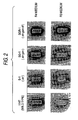
- Figure 2 is a photograph indicating the ability to produce aerial mycelia and actinorhodin in Streptomyces coelicolor wild type and mutant strains. Spores were inoculated on R4 and R3 agar plates, and incubated at 30°C for 6 days.
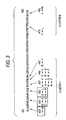
- Figure 3 is a graph indicating amino acid alterations in the β-subunits of RNA polymerases in rifampicin-resistant mutants. Clusters I and II represent the previously known resistance-determining regions. Numbering originates from the starting amino acid (Met) of the open reading frame. Mutation positions are indicated by arrows and numbers, and single capital letters denote the altered amino acids found in this study. Shaded parts indicate the substitutions newly found in our study.
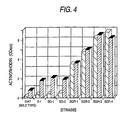
- Figure 4 is a graph indicating comparison of actinorhodin production between media R3 (□) and R4 (■). Actinorhodin was determined after 6 days of incubation.
- Figure 5 is a graph indicating actinorhodin production in media R4 and R3. Symbols: ■, 1147 (wild type); □, S-1 (str) ; ●, SG-1 (str-gen) ; ○, SGR-1 (str-gen-rif).
- Figure 6 is a graph indicating the effect of yeast extract, Casamino acids and KH2PO4 on the production of actinorhodin. Strains were grown for 6days in R4 medium supplemented with various concentrations of yeast extract, Casamino acids or KH2PO4. Symbols: ■, 1147 (wild type) ; □, S-1 (str); ●, SG-1 (str-gen) ; ○, SGR-1 (str-gen-rif).
- Figure 7 is a graph indicating increased productivity of actinorhodin in combined resistant mutants. Cultures were grown for 7 days in GYM, R3 or R4 liquid medium. The strains S-1, SG-1 and SGR-1 were used as single, double and triple mutants, respectively.
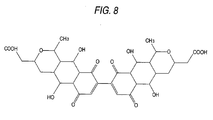
- Figure 8 is a graph indicating the chemical structure of actinorhodin produced by Streptomyces coelicolor.
- Figure 9 is a photograph indicating the potentially new antibacterial agents produced in the mutants of certain Streptomyces strain No. 618824 by introducing drug-resistant mutations.
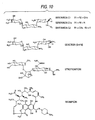
- Figure 10 is a graph indicating the structures of four antibiotics used for conferring the resistance, including gentamicin, geneticin, streptomycin and rifampicin.
- The bacterium used in the present invention is not particularly limited as long as the productivity of the antibiotic thereof can be increased by making the bacterium to be resistant to two or more antibiotics. It is preferable to use soil bacteria that produce agriculturally and/or medically useful antibiotics. Preferable one is Actinomycetes. Examples of those belonging to Actinomycetes may be exemplified as genus Streptomyces, genus Bacillus, genus Pseudomonas, etc. And more preferable one is genus Streptomyces. Specific non-limiting illustrative examples of the bacteria include Streptomyces coelicolor, Streptomyces lividans, Streptomyces antibioticus, Streptomyces chattanoogensis, Bacillus subtilis, Bacillus cereus, and Pseudomonas pyrrocinia.
- The bacterium can be isolated from the nature by the known method or available from the culture collections such as ATCC. The bacterium may be any of wild strains, mutant strains, cell fusion strains, transduced strains or recombinant strains constructed by means of recombinant DNA techniques, and may be any ones which have already been used in a fermentation industry as producers for agriculturally and/or medically used antibiotics.
- The antibiotic is not particularly limited as long as the productivity thereof can be increased by making the bacterium to be resistant to one or more antibiotics. Preferable antibiotics include agriculturally and/or medically useful antibiotics (for example: actinomycin from Streptomyces antibioticus 3720, fredericamycin from Streptomyces chattanoogensis ISP5002, FR900493 from Bacillus cereus 2045, and pyrrolnitrin from Pseudomonas pyrrocinia 2327, etc.).
- The antibiotic used in the present invention to introduce an mutation to the microorganism is not particularly limited as long as the microorganism which is conferred resistant to the antibiotic can produce the secondary metabolite. The preferable antibiotic include those called ribosome-attacking antibiotics including ribosomal protein-attacking antibiotics (e.g., ribosomal S12 protein-attacking antibiotics) and ribosomal RNA-attacking antibiotics, and RNA polymerase-attacking antibiotics.
- In order to increase a productivity of an antibiotic in a bacterium, a resistance against two or more antibiotics is conferred to a bacterium. Particularly, a resistance against two or three antibiotics to a bacterium is more preferable. And the most preferable one is a resistance against three antibiotics to a bacterium.
- Preferable combination of antibiotics for conferring resistance is (1) two different aminoglycoside antibiotics, (2) one aminoglycoside antibiotic and one ansamycin antibiotic, and (3) two different aminoglycoside antibiotics and one ansamycin antibiotic.
- Specific non-limiting examples of the antibiotic include aminoglycoside class antibiotics such as streptomycin, geneticin and gentamicin and ansamycin class antibiotics such as rifampicin.
- The method for obtaining the antibiotic-resistant mutant bacterium from the original bacterium is not particularly limited. Preferably, an original bacterium is cultured in a medium containing the antibiotic and the antibiotic-resistant spontaneous mutants may be obtained by isolating colonies which can grow on the antibiotic. Alternatively, a bacterium may be subjected to the usual mutation treatment, such as ultraviolet ray irradiation or chemical treatment with N-methyl-N'-nitro-N-nitrosoguanidine (NTG) or nitrous acid, and antibiotic-resistant mutants may be obtained by isolating colonies which can grow on the antibiotic. In this step, the concentration of the antibiotic in a medium is preferably controlled to become higher than MIC for the original microorganism.
- Preferably, the concentration of antibiotics is two times or more, more preferably 5 times or more, most preferably 10 times or more, higher than MIC (Minimum Inhibitory Concentration) of the original microorganism. For example, in case that streptomycin is adopted as the antibiotic, the preferable concentration thereof is 5- to 100-times higher than MIC against the original microorganism. And in case that rifampicin is adopted as the antibiotic, the preferable concentration thereof is 5-to 40-times higher than MIC against the original microorganism. And in case that gentamicin is adopted as the antibiotic, the preferable concentration thereof is 2-times higher than MIC against the original microorganism.
- This step may be further repeated to obtain a multi (two or more)-resistant bacterium which is resistant to two or more antibiotics.
- Then, a mutant which can produce the intended antibiotic in an increased amount is selected by an appropriate way. For example, it may be selected by analytical method (e.g., TLC, HPLC(DAD), LC-MS, optical density etc.), biological assay methods (e.g., assaying activities of enzyme, such as acylase, demethylase, deaminase, etc.; assaying activities of biologically active substances, such as anti-bacterial, anti-fungal, anti-cancer activities, etc.), and so on. For example, the amount of actinorhodin is determined by measuring the optical density of supernatants at 633 nm.
- When the multi-resistant bacterium is used, the step of selecting the strain having an increased productivity of the secondary metabolite can be carried out after obtaining the multi-resistant bacterium or after at least one step of introducing the mutation.
- Using the recombinant DNA techniques, a strain having improved productivity of an antibiotic of interest can be obtained by transforming a host with a recombinant plasmid containing a gene for the biosynthesis of said antibiotic.
- In the above-described steps, culturing of the bacterium can be carried out in accordance by utilizing a generally used culturing method.
- The medium may be either a synthetic medium or a natural medium, as long as it contains appropriate amounts of necessary carbon sources, nitrogen sources, inorganic substances, amino acids, vitamins, and/or trace amounts of nutrient substances. They are shown in various papers, such as Hosoya, Y. et al, Antimicrob. Agents Chemother. (1998) 42:2041-2047; Kieser, T. et al, Practical Streptomyces Genetics (2000): 406-415; and Media information listed for bacteria in ATCC Media Handbook.
- Examples of the carbon source include carbohydrates such as glucose, fructose, sucrose, maltose, mannose, glycerol, starch, starch hydrolysate and molasses, polyalcohols and various organic acids such as pyruvic acid, fumaric acid, lactic acid and acetic acid.
- Examples of the nitrogen source include ammonia or various inorganic and organic ammonium salts such as ammonium chloride, ammonium sulfate, ammonium carbonate and ammonium acetate, urea and other nitrogen-containing substances, and nitrogen-containing organic substances such as peptone, NZ-amine, meat extract, yeast extract, corn steep liquor, casein hydrolysate and fish meal or a digested product thereof.
- Examples of the inorganic substance include potassium dihydrogenphosphate, dipotassium hydrogenphosphate, ammonium sulfate, ammonium chloride, magnesium sulfate, sodium chloride, ferrous sulfate, manganese sulfate and calcium carbonate.
- Amino acids and vitamins may be added to the medium as occasion demands.
- The bacterium may be cultured under aerobic conditions such as shaking culture or aeration agitation culturing. In general, the culturing is carried out at a temperature of preferably from 20 to 40°C. It is desirable to maintain pH of the medium at around the neutral level. The culturing is carried out generally from a period of from 1 to 7 days.
- The desired antibiotic formed and accumulated in the bacterium and/or culture medium can be recovered, for example, by the following method. The cells are removed after completion of the culturing, or the cells are disrupted and the resulting mixture is centrifuged to remove the disrupted cells. Then, the desired antibiotic is recovered by a known method suitable for recovering the desired antibiotic, such as a concentration crystallization method, an activated carbon treatment method and/or an ion exchange resin method.
- The present invention is further described taking Streptomyces strains as an illustrative example, but the present invention should not be construed as being limited thereto.
- The strains belonging to the genus Streptomyces are explained below as the examples of the bacteria of the present invention, which can be divided into two groups: the wild type strain and drug-resistant mutants of Streptomyces coelicolor and non-identified Streptomyces sp. isolated from soils which normally do not produce antibiotics. Four kinds of antibiotics named as gentamicin, geneticin, streptomycin and rifampicin are explained below as the examples of the drug.
- Streptomyces coelicolor is an excellent model strain to study antibiotic production and other process; it is the genetically more intensively studied Streptomyces species and produces four chemically different antibiotics, whose biosynthetic genes have been isolated: the blue-pigmented polyketide actinorhodin, undecylprodigiosin, methylenomycin and the calcium-dependent antibiotic. Among these, actinorhodin is a representative secondary metabolite and possesses a typical polyketide biosynthetic pathway.
Characters of actinorhodin: fine red needles from dioxane, dec. 270°C. Absorption max (dioxane): 560, 523 nm.
Soluble in piperidine, tetrahydrofuran, dioxane, phenol; slightly soluble in alcohol, acetic acid, acetone. Practically insol in aq acid; sol in aq alkali with bright blue color. -
- Composition: this antibiotic complex consisting of three components: GentamicinC1, GentamicinC2 and GentamicinC1a. As shown in Fig. 10, they possess similar structures.
- Action mechanism: act on ribosomal 16S RNA or other ribosomal proteins (L6 protein or other unknown proteins) resulting in inhibiting protein synthesis in ribosome.
- Class: belonging to aminoglycoside antibiotics.
-
- Composition: single component and its structure as shown in Fig. 10.
- Action mechanism: inhibiting protein synthesis by acting on 16S ribosomal RNA or unknown proteins.
- Class: belonging to aminoglycoside antibiotics.
-
- Composition: single component and structure as shown in Fig. 10, which exists large difference with those of gentamicin and geneticin.
- Action mechanism: inhibiting protein synthesis by acting on ribosomal S12 protein and/or 16S RNA.
- Class: belonging to aminoglycoside antibiotics.
-
- Composition: single component and structure as shown in Fig. 10.
- Action mechanism: inhibited RNA synthesis by acting on β-subunit of RNA polymerase.
- Class: belonging to ansamycin antibiotics.
- As an example of a preferred embodiment of this invention, actinorhodin productivity in Streptomyces coelicolor can be increased by introducing each antibiotic resistant mutations into the strain at a high frequency of 5-10% among streptomycin-resistant, gentamicin-resistant or rifampicin-resistant isolates. Most mutants are stable and able to grow and form aerial mycelia normally as well as wild type strain. Moreover, by introducing another antibiotic resistant mutation into single mutant, the actinorhodin productivity can be further enhanced 1.8-2.2 fold. Of course, the level of increase may differ among the mutants. Finally, the third mutation can be introduced into double mutants leading to triple mutants. Overproduction of actinorhodin in the triple mutants is then tested. These antibiotics possess different action positions so that their functions are additive and can be combined together for continuous improvement of antibiotic producers as shown in Figs. 2, 4, 5 and 7. Mutational analyses showed that most rifampicin resistant mutants produced a point mutation within rpoB gene, encoding β-subunit of RNA polymerase, leading to high resistance levels to rifampicin; some streptomycin resistant mutants with high resistance level to streptomycin revealed a point mutation in rpsL gene encoding ribosomal S12 protein, but no mutation in this gene for low level resistant mutants; all gentamicin or geneticin resistant mutants showed no mutation in rpsL gene and their mutations maybe exist in an unknown gene. Although some mutational positions have not yet been determined, those mutations should exist in certain genes because the antibiotics used in this invention are known to act on the certain targets in ribosome.
- Random mutagenesis and selection is referred to as the class of approach or non-recombinant strain improvement procedure. Improved mutants are normally identified by screening a large population of mutated organisms, since the mutant phenotype may not be easy to recognize, the desired mutations occur at an extremely low frequency. Although this approach has the advantage of being simple and reliable, random screening is time-consuming and costly.
- Moreover, random mutation screening using mutagens possesses no certain targets and show a relatively large uncertainty. In contrast, method described in this invention use some antibiotics inhibiting protein or nucleic acid synthesis as screening agents, which are entirely distinguishable from traditional mutagens such as radiation rays, chemicals (base analogs, deaminating agents, alkylating agents or intercalating agents etc.) and biological agents (phage, plasmid or DNA transposons etc.). Moreover, the method described in this invention can produce high frequency of desired mutation so that selection of positive mutants do not need much time and labor.
- Multi-drug resistant bacteria which are obtained in the present invention can be used as heterogous hosts to express foreign genes encoding agriculturally and/or medically useful antibiotics.
- In addition to the manipulation of bacteria by mutation, the techniques of genetic recombination provide another rational method for improving strains. It can be used to relieve rate-limiting steps of the biosynthetic pathway by increasing, for example, the gene dosage, or altering a regulation mechanism. Obviously this requires much knowledge of antibiotic production biochemistry and genetics like Streptomyces coelicolor and E. coli. However, most new antibiotic producers lack much knowledge so that this method is not applicable for most strains. Moreover, this method is costly and complex. In contrast, the method described in this invention does not require much knowledge of biochemistry and genetics of strains, and is simple and not costly. This new method can be used for the most bacteria including Streptomyces or other bacteria, especially for the wild type strains isolated from nature.
- In addition to improving productivity of strains, the method described in this invention can be used to activate certain silent antibiotic biosynthetic genes by introducing drug-resistant mutations. The present inventors isolated a number of Streptomyces sp. from soils, which show no antibacterial activity and then selected the antibiotic resistant mutants with ability to produce antibacterial activity. The present inventors found that about 50% strains isolated from soils can be activated to produce antibiotics as shown in Fig. 9 and Table 3. Meanwhile, the antibiotic syntheses in mutants are medium-dependent as shown in Fig. 9. Therefore, it is important to use several different kinds of media to examine the productivity of antibacterial agents.
- Examples of the preferred embodiments of the present invention will be described herein below. It should be understood that the present invention is not limited to these examples.
- Spore stock of Streptomyces coelicolor wild type strain was spread on the GYM agar containing 0.4% of glucose, 0.4% of yeast extract, 1% of malt extract, 0.1% of peptone (NZ-Amine, Type A), 0.2% of NaCl and 2% of agar (before adding agar, adjust pH to 7.3). The medium was sterilized by an ordinary method (121°C, 15 min.). Then, the agar plates were incubated for 10-14 days at 30°C to allow sporulation. The sterile distilled water (5 ml) was added to each plate and the surface scraped gently to release the spores. The suspensions were collected by centrifugation and washed twice with distilled water. Before use for inoculum, the spores were dispersed for 10 min. in a sonic bath. The concentrations of spores were adjusted to about 2× 10⁹ spores per ml.
- The spontaneous streptomycin, gentamicin or rifampicin-resistant mutants of S. coelicolor were obtained as the colonies that grew within 7 days at 30°C after spores (or cells) were spread on GYM agar (composition is the same as the above GYM agar) containing 5 µg streptomycin per ml or 1.0 µg of gentamicin per ml or 200 µg of rifampicin per ml, respectively (Growth of parental strain was inhibited completely with 1 µg of streptomycin per ml, 0.1 µg of gentamicin per ml or 10 µg of rifampicin per ml). The single colonies grew on screening plates were picked out and inoculated to R4 agar containing 1% of glucose, 0.1% of yeast extract, 0.001% of Casamino Acids, 0.3% of proline, 1% of MgCl2•6H2O, 0.4% of CaCl2•2H2O, 0.002% of K2SO4, 0.56% of TES [N-Tris(hydroxymethyl)methyl-2-aminoethanesulfonic acid], 0.2% of trace elements solution (as described for R2YE medium) and 2% of agar (before adding agar, adjusted to pH 7.2). The R4 plates were incubated at 30°C for 6 days and the amount of blue pigment actinorhodin produced was compared among wild type strain and mutants, and selected the over-producers among the mutants. Then, the mutants with over-producing actinorhodin were inoculated into R4 liquid medium (composition is the same as the R4 agar, but no agar) in 25 ml of test tubes containing 5 ml medium on an orbital shaker at 30°C, 350 rpm. After incubation for 6 days, 1 ml culture samples were taken and adjusted pH to 8.0. After centrifugation at 1100 g for 5 min., actinorhodin production in supernatants was assayed by measurement of the optical density of supernatants at 633 nm. The highest productivity detected reached 1.6-fold for gentamicin-resistant mutants, 1.8-fold for streptomycin-resistant mutants and 3.0-fold for rifampicin-resistant mutants. The frequencies for such high producers were 5%, 6% and 10%, respectively (see Table 1 and Fig. 7).
- Mutational analyses of the mutants were carried out by the procedure as described below. The rpsL gene fragment of the Str resistant mutant was obtained by PCR using a mutant genomic DNA as a template and synthetic oligonucleotide primers P1 (forward: 5'-ATTCGGCACACAGAAAC) and P2 (reverse: 5'-AGAGGAGAACCGTAGAC) designed on the basis of sequence of S. lividans (DDBJ accessionno: D83746). PCR was performed by following the manufacturer's instructions and using Taq polymerase (Takara Ex Taq). A Perkin-Elmer Cetus thermal cycler was used, and conditions were 5 min. of incubation at 96°C, followed by 30 cycles of 96°C for 0.3 min., 55°C for 0.2 min. and 72°C for 0.5 min., finally at 72°C for 10 min. PCR products were directly sequenced by the dideoxy chain-termination procedure using the Bigdye Terminator Cycle Sequencing kit(Perkin-Elmer Applied Biosystems, Foster City, CA, U.S.A). The sequence data were analyzed with the GENETIX program (Software Development Co., Tokyo, Japan).
- The partial rpoB gene fragment of the Rif resistant mutant was obtained by PCR using a mutant genomic DNA as a template and synthetic oligonucleotide primers P3 (forward: 5'-GGCCGCTACAAGGTGAACAAGAAG) and P4 (reverse: 5'-CGATGACGAAGCGGTCCTCC) designed on the basis of sequence of S. coelicolor M145. The PCR method and DNA sequencing are the same as those in rpsL gene. The rpsL genes of 3 gentamicin-resistant mutants and 3 streptomycin-resistant mutants were sequenced and compared to that of Streptomyces coelicolor wild type strain. The partial rpoB genes of 3 rifampicin-resistant mutants were sequenced and compared to that of Streptomyces coelicolor wild type strain. Three rifampicin-resistant mutants exhibited a point mutation in this region of rpoB gene; only one streptomycin-resistant mutant possessed a point mutation within rpsL gene; All gentamicin-resistant mutants showed no mutation in rpsL gene (see Table 2).
- The spore solution of strain S-1 (a streptomycin-resistant mutant) was prepared by the same procedure as used in Example 1.
- The spontaneous geneticin, gentamicin or rifampicin-resistant mutants of S-1 were obtained as colonies that grew on GYM agar containing 2.5 µg of geneticin per ml or 2.5 µg of gentamicin per ml or 200 µg of rifampicin per ml. (Growth of S-1 strain was inhibited completely with 0.5 µg of geneticin per ml, 0.5 µg of gentamicin per ml or 10 µg of rifampicin per ml.). Actinorhodin productivity of mutants was examined using R4 agar plates and R4 liquid medium.
- The highest productivity detected reached 1.7-fold for geneticin-resistant mutants, 2.2-fold for gentamicin-resistant mutants and 2.5-fold for rifampicin-resistant mutants. The frequencies of these high producers were 13%, 14% and 18%, respectively (see Table 1 and Fig. 7). Mutational analyses of the mutants were carried out by the procedure as described in Example 1. All three antibiotic resistant mutants obtained here kept the mutation in rpsL gene from S-1, but no additional mutation was found in rpsL gene. Seven rifampicin-resistant mutants produced a point mutation in rpoB gene (see Table 2).
- The spore solutions of SG-1 and SG-2 strains (gentamicin- and streptomycin-resistant double mutants) were prepared by the same procedure as used in Example 1.
- The spontaneous rifampicin-resistant mutants of SG-1 and SG-2 strains were obtained as colonies that grew on GYM agar containing 200 µg of rifampicin per ml. (Growth of SG-1 and SG-2 strains were completely inhibited with 10 µg of rifampicin per ml.) for 7 days at 30°C.
- Actinorhodin productivity of mutants was examined using R4 agar plates and R4 liquid medium.
- The highest productivity detected reached 3.4-fold for rifampicin-resistant mutants of SG-1 strain and 3.6-fold for rifampicin-resistant mutants of SG-2 strain. The frequencies of such high producers were 10% and 15%, respectively (see Table 1 and Fig. 7). Mutational analyses were carried out by the procedure as described in Example 1. Five rifampicin-resistant mutants were found to have a point mutation in rpoB gene, but one mutant had no mutation in this region (see Table 2).
TABLE 1 Screening and antibiotic productivity of drug-resistant mutants Strain Actinorhodin productivity (OD 633)a MIC (µg/ml)b Concn. of antibiotic used for screening (µg/ml) Frequency(%) of mutants producing increased actinorhodinc Highest productivity detected (OD633)d S. coelicolor 0.77 Gentamicin (0.1) 1.0 5 (4/80) 1.25 1147 Streptomycin(1.0) 5 6 (7/120) 1.39 (wild type) Rifampicin(10) 200 10 (15/150) 2.32 S-1 1.28 Geneticin (0.2) 2.5 13 (15/112) 2.22 Gentamicin(0.1) 2.5 14 (14/104) 2.80 Rifampicin(10) 200 18 (21/116) 3.14 SG-1 2.02 Rifampicin(10) 200 10 (8/80) 6.88 SG-2 1.88 Rifampicin(10) 200 15 (12/80) 6.68 a, d: OD of supernatant was determined at 633 nm after 6 days of cultivation at 30°C, using 25 ml test tube containing 5 ml of R4 medium. All measurements were done in triplicate and the mean value was presented.
b: Determined after 2 days of incubation on GYM agar.
c : Mutants producing more antibiotic than starting strain. Numbers in parentheses are number of mutants producing more antibiotic/number of mutants tested.TABLE 2 Summary of mutations on the S. coelicolor rpsL or rpoB gene resulting in amino acid exchange Strain Position in rpsL genea Amino acid position (exchange) Position in rpoB geneb Amino acid position (exchange) Resistance level (µg/ml)c to: STRd GEN RIF GNE 1147 _e 1 0.1 10 0.2 S-1 262A→G 88(Lys→Glu) 100 S-2 NDf 5 S-3 ND 10 G-1 ND 0.3 G-2 ND 0.3 G-3 ND 0.3 R-1 1049G→A 350(Arg→His) 400 R-2 1040A→G 347(His→Arg) 400 R-3 1049G→T 350(Arg→Phe) 400 SGe-1 262A→G 88(Lys→Glu) 100 0.5 SGe-2 262A→G 100 1 SGe-3 262A→G 100 1 SG-1 262A→G 100 0.3 SG-2 262A→G 100 0.3 SG-3 262A→G 100 0.3 SR-1 262A→G 995T→C 332(Leu→Arg) 50 50 SR-2 262A→G 1154C→T 385(Pro→Leu) 50 150 SR-3 262A→G 1179C→G 393(Ile→Met) 50 400 SR-4 262A→G 1011C→A 337(Asp→Glu) 100 400 SR-5 262A→G 1010A→G 337(Asp→Gly) 100 400 SR-6 262A→G 1028C→T 343(Ser→Leu) 50 400 SR-7 262A→G 1048C→T 350(Arg→Cys) 50 400 SGR-1 262A→G 1039C→T 347(His→Tyr) 100 0.2 400 SGR-2 262A→G 1041C→A 347(His→Gln) 100 0.2 400 SGR-3 262A→G ND 50 0.3 300 SGR-4 262A→G 1039C→T 347(His→Tyr) 50 0.2 400 SGR-5 262A→G 1054A→T 352(Asn→Tyr) 50 0.5 400 SGR-6 262A→G 1027C→T 343(Ser→Pro) 100 0.3 300 a, b . Numbering originates from the start codon (GTG or ATG) of the open reading frame.
c. Determined after 4 days of cultivation on GYM agar.
d. STR, GEN, RIF and GNE represent streptomycin, gentamicin, rifampicin and geneticin, respectively.
e. -, wild-type rpsL gene.
f. Mutations were not detected within the rpsL or rpoB gene. - The time courses of actinorhodin biosynthesis were carried out by using Streptomyces coelicolor wild type strain, S-1 (a streptomycin -resistant mutant), SG-1 (a gentamicin and streptomycin resistant double mutant) and SGR-1 (a genetamicin-, streptomycin- and rifampicin-resistant triple mutant). Erlenmeyer flask of 500 ml-capacity containing 150 ml of R4 or R3 medium was inoculated with spore solutions, then incubated at 30°C on an orbital shaker at 200 rpm for the denoted time. The composition of R4 liquid medium was the same as used in Example 1. The R3 liquid medium was the same as R4 but contained an increased amount (0.5%) of yeast extract and an extra KH2PO4 (0.005%). At 24h, 48h, 72h, 96h, 120h, 144h or 168h of incubation for R4 medium (at 36h, 60h, 84h, 108h, 132h, 156h, 180h of incubation for R3 medium), 1 ml culture samples were taken and adjusted pH to 8.0. After centrifugation at 1100 g for 5 min., actinorhodin production was assayed by measurement of the optical density of supernatants at 633 nm. The results as shown in Fig. 5, these single, double and triple mutants displayed in hierarchical order a remarkable increase in the actinorhodin biosyntheses.
- The effects of nutritional source on actinorhodin production were investigated by using the strains and procedures as described in Example 4. R4 liquid medium was used as the basic medium, which was supplemented with different amounts of yeast extract, Casamino acids or KH2PO4, respectively. Actinorhodin assay was the same as described in Example 4. As shown in Fig. 6, supplementation of yeast extract resulted in the severe impairment of actinorhodin productivity. This result was less pronounced in the triple mutant. Unlike yeast extract, Casamino acids was effective for enhancing actinorhodin production in the single, double or triple mutants but not the wild type strain, demonstrating the efficacy of those drug-resistant mutations. KH2PO4 had virtually no effect on actinorhodin productivity.
- The unidentified Streptomyces isolated from soils were inoculated to GYM agar for preparing spore solutions as described in Example 1. The screening of streptomycin, gentamicin or rifampicin resistant mutants was as described in Example 2. The resistant mutants were inoculated to GYM agar, R4 agar and SYM agar, and incubated at 30°C for 6 days. The composition of GYM agar and R4 agar was the same as described in Example 1. SYM agar contained 1% of soluble starch, 0.2% of yeast extract, 0.5% of glucose and 2% agar (before adding agar, adjust pH to 7.3).
- The agar plug method was used to detect productivity of an antibiotic in mutants by measuring the extent of growth inhibition (diameters of inhibitory zones) of test organisms (E. coli K12, S. aureus 209P, B. subtilis 6633 or Candida albicans).
- The results of screening are shown in Fig. 9 and Table 3.
TABLE 3 Results of screening for the strains from No. 101 to 200 Starting date: 02/06/2000 Finishing date: 05/09/2000 Number of strains tested No. 100 618749 to No.618892 Number of strains producing drug-resistant mutants 95 Number of strains producing mutants that produce antibiotics 45 Number of strains producing the mutants to act on E. coli K12 6 Number of strains producing the mutants to act on C. albicans 17 Number of strains producing the mutants to act on S. aureus 209P 38 Number of strains producing the mutants to act on B. subtilis 6633 39 - A gentamicin-resistant mutant and a rifampicin-and gentamicin-resistant mutant of Bacillus cereus No. 2045 were produced according to a similar manner to that of Examples 1, 2 or 3. Those mutants were precultured in bouillon medium for 10 h. Cells (0.1 ml) were inoculated into 5 ml of production medium consisting of (per liter) 20 g of polypeptone, 20 g of corn steep liquor, and 5 g of NaCl (adjusted to pH 7.5 with NaOH) for 2 days at 30°C. The results are shown in Table 4.
TABLE 4 Screening results and characteristics of mutants Strain Genotype Resistance level to GEN*2 (µg/Ml) Resistance level to RIF*2 (µg/ml) Productivity*4 (µg/ml) of WB2045*3 B. cereus No. 2045 Wild-type 0.8 1.0 60 BG-1 gen* 1 4.0 1.0 126 BG-2 gen 4.0 0.8 135 BG-3 gen 4.5 1.0 130 BGR-1 gen-rif 4.5 100 380 BGR-2 gen-rif 5.0 120 340 BGR-3 gen-rif 5.0 150 285 *1. gen indicates resistant to gentamicin, gen-rif indicates resistant to gentamicin and rifampicin.
*2. GEN indicates gentamicin and RIF indicates rifampicin.
*3. WB2045 is a substance having an anti-microbial activity, which is produced by Bacillus cereus No. 2045 (=FERM BP-1791) (USP4,950,605).
*4. Antibacterial activity of WB2045 against Bacillus subtilis 6633 strains was determined by a conventional paper disc diffusion assay (Toyo Roshi;thick type 9 mmΦ) on agar plate using 1.7 X NG medium [a medium developed for antibiotic production by Bacillus subtilis, contained (per liter) 17 g of nutrient broth (Difco), 17 g of glucose, 3.4 g of NaCl, 8.5 mg of CuSO4·5H2O, 12.75 mg of FeSO4·7H2O, 6.12 mg of MnSO4·5H2O, 25.5 mg of CaCl2·2H2O, and 15.3 mg of ZnSO4·7H2O (adjusted to pH 7.2 with NaOH)] for 48 hr at 30°C. - A rifampicin-resistant mutant and a streptomycin-and rifampicin-resistant mutant of Streptomyces lividans 66 were produced according to a similar manner to that of Examples 1, 2 or 3, and the actinorhodin production was estimated. The results are shown in Table 5.
TABLE 5 Screening results and characteristics of mutants strain genotype Resistance level to RIF (µg/ml)*1 Resistance level to STR (µg/ml)*1 Productivity of Act (OD 633 nm)*2 S. lividans 66 Wild-type 10 1.0 0.089 SR-1 rif 1200 1.0 0.265 SR-2 rif 400 0.8 0.864 SR-3 rif 400 1.0 0.684 SRS-1 rif-str 400 50 1.200 SRS-2 rif-str 350 120 1.801 SRS-3 rif-str 400 100 1.342 *1. rif or rif-str, resistant to rifampicin or resistant to rifampicin and streptomycin; RIF, rifampicin; STR, streptomycin.
*2. Actinorhodin (Act) production was determined by assaying the OD values at 633 nm of supernatants of liquid cultures in R4 medium after cultivating 5 days at 30°C. - The present invention provides a method for increasing the productivity of the antibiotic by a bacterium in a labor-saving, time-saving, high efficient and semi-rational way and being applicable for the strains without more knowledge of, for example, antibiotic biochemistry and genetics.
-
- <110> Fujisawa Pharmaceutical Co., Ltd.
The National Food Research Institute
OCHI, Kozo
HU, Haifeng
HINO, Motohiro
FUJIE, Akihiko
MURAMATSU, Hideyuki - <120> METHOD FOR INCREASING PRODUCTIVITY OF SECONDARY METABOLITE BY CONFERRING DRUG-RESISTANT MUTATIONS
- <130> P-40517
- <140>
<141> - <150> US Provisional 60/279665
<151> 2001-03-30 - <160> 4
- <170> PatentIn Ver. 2.1
- <210> 1
<211> 17
<212> DNA
<213> Artificial Sequence - <220>
<223> Description of Artificial Sequence:Synthetic DNA forward primer - <400> 1
attcggcaca cagaaac 17 - <210> 2
<211> 17
<212> DNA
<213> Artificial Sequence - <220>
<223> Description of Artificial Sequence:Synthetic DNA reverse primer - <400> 2
agaggagaac cgtagac 17 - <210> 3
<211> 24
<212> DNA
<213> Artificial Sequence - <220>
<223> Description of Artificial Sequence:Synthetic DNA forward primer - <400> 3
ggccgctaca aggtgaacaa gaag 24 - <210> 4
<211> 20
<212> DNA
<213> Artificial Sequence - <220>
<223> Description of Artificial Sequence:Synthetic DNA reverse primer - <400> 4
cgatgacgaa gcggtcctcc 20
Claims (10)
- A method for obtaining a bacterium having an increased productivity of an antibiotic, which comprises the steps of conferring a resistance against two or more antibiotics to said bacterium by culturing it in a medium containing the antibiotics, wherein the concentration of said antibiotics is higher than the minimum Inhibitory concentration of said antibiotics against the original bacterium, and Isolating colonies which can grow in the medium.
- The method as claimed in claim 1, wherein said bacterium belongs to the genus selected from the group consisting of genus Streptomyces, genus Bacillus, and genus Pseudomonas.
- The method as claimed in claim 1 or 2, wherein said bacterium is selected from the group consisting of Streptomyces coelicolor, Streptomyces Ilvidons, Streptomyces antibioticus, Streptomyces chattanoogensis, Bacillus subtills, Bacillus cereus, and Pseudomonas pyrrocinia.
- The method as claimed in claim 1, wherein said antibiotics are selected from the group consisting of ribosomal protein-attacking antibiotics, ribosomal RNA-attacking antibiotics, and RNA polymerase-attacking antibiotics.
- The method as claimed in claim 1, wherein said antibiotics are selected from the group consisting of streptomycin, geneticin, gentamicin, and rifampicin.
- A method for producing an antibiotic, which comprises the steps of the method according to claim 1, culturing In a medium the thus obtained mutant bacterium, forming and accumulating the antibiotic, and recovering the antibiotic therefrom.
- The method as claimed in claim 6, wherein said bacterium belongs to the genus selected from the group consisting of genus Streptomyces, genus Bacillus, and genus Pseudomonas,
- The method as claimed in claim 6, wherein said bacterium is selected from the group consisting of Streptomyces coellcolor, Streptomyces Ilvidans, Streptomyces antibloticus. Streptomyces chattanoogensis, Bacillus subtills, Bacillus cereus, and Pseudomonas pyrrocinia.
- The method as claimed in claim 6, wherein the antibiotics used for obtaining the mutant bacterium are selected from the group consisting of ribosomal protein-attacking antibiotics, ribosomal RNA-attacking antibiotics, and RNA polymerase-attacking antibiotics.
- The method as claimed In claim 6, wherein said antibiotics are selected from the group consisting of streptomycin, geneticin, gentamicin, and rifampicin.
Applications Claiming Priority (3)
| Application Number | Priority Date | Filing Date | Title |
|---|---|---|---|
| US27966501P | 2001-03-30 | 2001-03-30 | |
| US279665P | 2001-03-30 | ||
| PCT/JP2002/003161 WO2002079453A2 (en) | 2001-03-30 | 2002-03-29 | Method for increasing the production of a secondary metabolite in a microorganism by introducing mutations that confer antibiotic-resistance |
Publications (2)
| Publication Number | Publication Date |
|---|---|
| EP1373497A2 EP1373497A2 (en) | 2004-01-02 |
| EP1373497B1 true EP1373497B1 (en) | 2006-11-29 |
Family
ID=23069931
Family Applications (1)
| Application Number | Title | Priority Date | Filing Date |
|---|---|---|---|
| EP02707248A Expired - Lifetime EP1373497B1 (en) | 2001-03-30 | 2002-03-29 | Method for increasing the production of an antibiotic in a bacterium by introducing mutations that confer antibiotic-resistance |
Country Status (11)
| Country | Link |
|---|---|
| US (1) | US7314719B2 (en) |
| EP (1) | EP1373497B1 (en) |
| JP (1) | JP4419165B2 (en) |
| KR (1) | KR20030088472A (en) |
| CN (1) | CN1553954A (en) |
| AT (1) | ATE346916T1 (en) |
| AU (1) | AU2002241329A1 (en) |
| CA (1) | CA2443208C (en) |
| DE (1) | DE60216428T2 (en) |
| ES (1) | ES2275843T3 (en) |
| WO (1) | WO2002079453A2 (en) |
Families Citing this family (5)
| Publication number | Priority date | Publication date | Assignee | Title |
|---|---|---|---|---|
| FR2946058A1 (en) * | 2009-05-27 | 2010-12-03 | Nosopharm | PROCESS FOR INCREASING THE DIVERSITY OF SECONDARY METABOLITES OF INTEREST PRODUCED BY MICROORGANISMS |
| CN101748093B (en) * | 2010-01-30 | 2011-12-21 | 浙江工业大学 | Streptomyces spectabilis SpLE-16 and application thereof to production of spectinomycin |
| KR20180069057A (en) * | 2015-10-30 | 2018-06-22 | 다니스코 유에스 인크. | Improved protein expression and methods thereof |
| CN110029082A (en) * | 2019-04-08 | 2019-07-19 | 上海交通大学 | A kind of preparation and its detection method of the Escherichia coli mediated based on 1,4-benzoquinone |
| CN113046270A (en) * | 2021-04-06 | 2021-06-29 | 广东轻工职业技术学院 | Method for improving fermentation level of prodigiosin and application thereof |
Family Cites Families (4)
| Publication number | Priority date | Publication date | Assignee | Title |
|---|---|---|---|---|
| GB2103617B (en) * | 1981-08-10 | 1986-05-21 | Kyowa Hakko Kogyo Kk | Production of l-lysine by fermentation and new micro-organisms obtained by protoplast fusion |
| SU1364343A1 (en) * | 1984-07-13 | 1988-01-07 | Всесоюзный научно-исследовательский институт генетики и селекции промышленных микроорганизмов | Method of producing manъs leukocytic interferon alfa-2 |
| US5194386A (en) * | 1987-04-14 | 1993-03-16 | Shin-Etsu Chemical Co., Ltd. | Xanthomonas campestris strain expressing xanthan gum |
| US5837458A (en) * | 1994-02-17 | 1998-11-17 | Maxygen, Inc. | Methods and compositions for cellular and metabolic engineering |
-
2002
- 2002-03-29 ES ES02707248T patent/ES2275843T3/en not_active Expired - Lifetime
- 2002-03-29 AT AT02707248T patent/ATE346916T1/en not_active IP Right Cessation
- 2002-03-29 AU AU2002241329A patent/AU2002241329A1/en not_active Abandoned
- 2002-03-29 EP EP02707248A patent/EP1373497B1/en not_active Expired - Lifetime
- 2002-03-29 JP JP2002578456A patent/JP4419165B2/en not_active Expired - Fee Related
- 2002-03-29 DE DE60216428T patent/DE60216428T2/en not_active Expired - Lifetime
- 2002-03-29 KR KR10-2003-7012501A patent/KR20030088472A/en not_active Withdrawn
- 2002-03-29 CA CA2443208A patent/CA2443208C/en not_active Expired - Fee Related
- 2002-03-29 CN CNA028110978A patent/CN1553954A/en active Pending
- 2002-03-29 US US10/473,364 patent/US7314719B2/en not_active Expired - Fee Related
- 2002-03-29 WO PCT/JP2002/003161 patent/WO2002079453A2/en not_active Ceased
Also Published As
| Publication number | Publication date |
|---|---|
| WO2002079453A2 (en) | 2002-10-10 |
| EP1373497A2 (en) | 2004-01-02 |
| CA2443208C (en) | 2011-07-19 |
| JP2004537978A (en) | 2004-12-24 |
| AU2002241329A1 (en) | 2002-10-15 |
| CN1553954A (en) | 2004-12-08 |
| DE60216428D1 (en) | 2007-01-11 |
| DE60216428T2 (en) | 2007-09-27 |
| ES2275843T3 (en) | 2007-06-16 |
| WO2002079453A3 (en) | 2003-08-28 |
| KR20030088472A (en) | 2003-11-19 |
| ATE346916T1 (en) | 2006-12-15 |
| CA2443208A1 (en) | 2002-10-10 |
| US7314719B2 (en) | 2008-01-01 |
| US20040175778A1 (en) | 2004-09-09 |
| JP4419165B2 (en) | 2010-02-24 |
Similar Documents
| Publication | Publication Date | Title |
|---|---|---|
| Tamehiro et al. | Innovative approach for improvement of an antibiotic-overproducing industrial strain of Streptomyces albus | |
| US7691631B2 (en) | Use of a modified phosphate for enhancing the natural mutation rate in bacteria and mutating recombinant DNA phage inserts | |
| Thomashow et al. | Role of a phenazine antibiotic from Pseudomonas fluorescens in biological control of Gaeumannomyces graminis var. tritici | |
| CN101220366B (en) | Novel lysine decarboxylase gene and process for producing L-lysine | |
| Donohue et al. | [22] Genetic techniques in rhodospirillaceae | |
| AU711102B2 (en) | Process for producing L-glutamic acid by fermentation | |
| Brom et al. | In Rhizobium etli symbiotic plasmid transfer, nodulation competitivity and cellular growth require interaction among different replicons | |
| US6551813B1 (en) | Nutrient medium for bacterial strains which overproduce riboflavin | |
| Matthijs et al. | Antimicrobial properties of Pseudomonas strains producing the antibiotic mupirocin | |
| Peralta et al. | Engineering the nifH promoter region and abolishing poly-β-hydroxybutyrate accumulation in Rhizobium etli enhance nitrogen fixation in symbiosis with Phaseolus vulgaris | |
| Colbert et al. | Enhanced growth and activity of a biocontrol bacterium genetically engineered to utilize salicylate | |
| US7314719B2 (en) | Method for increasing productivity of secondary metabolite by conferring drug-resistant mutations | |
| Ruan et al. | Isolation and characterization of rhizobitoxine mutants of Bradyrhizobium japonicum | |
| Davidson et al. | Plasmid carriage in Vibrio vulnificus and other lactose-fermenting marine vibrios | |
| SK280580B6 (en) | Dna fragments, vectors and microorganisms containing genes for butyrobetaine/crotonobetaine-l-carnitine metabolism and method of producing l-carnitine | |
| JPH08505286A (en) | Cells modified for the catabolism of betaine, their preparation, and in particular their use for the production of metabolites or enzymes | |
| KR100710948B1 (en) | Genetically Engineered L-sorbose Reductase-Deficient Mutants | |
| NZ251359A (en) | Microorganisms capable of selectively producing components a or b of strepogramins and the compounds so produced | |
| Hotta et al. | Diversity in aminoglycoside antibiotic resistance of actinomycetes and its exploitation in the search for novel antibiotics | |
| EP1018546B1 (en) | Microorganisms producing 5-aminolevulinic acid and processes for producing 5-aminolevulinic acid by using the same | |
| US6949383B2 (en) | Mutagenesis method | |
| WO2004050862A1 (en) | Microorganism for producing riboflavin and method for producing riboflavin using the same | |
| RU2142509C1 (en) | Strain saccharopolyspora erythraea 52 - producer of antibiotic erythromycin | |
| Walser et al. | Lanthanide-Dependent Methanol Dehydrogenase XoxF Confers a Competitive Advantage to Sinorhizobium meliloti During Symbiosis with Medicago sativa | |
| EP0205071A2 (en) | Genes involved with hydrogenase and nitrogenase activities in rhizobium japonicum and cosmids |
Legal Events
| Date | Code | Title | Description |
|---|---|---|---|
| PUAI | Public reference made under article 153(3) epc to a published international application that has entered the european phase |
Free format text: ORIGINAL CODE: 0009012 |
|
| 17P | Request for examination filed |
Effective date: 20030926 |
|
| AK | Designated contracting states |
Kind code of ref document: A2 Designated state(s): AT BE CH CY DE DK ES FI FR GB GR IE IT LI LU MC NL PT SE TR |
|
| AX | Request for extension of the european patent |
Extension state: AL LT LV MK RO SI |
|
| 17Q | First examination report despatched |
Effective date: 20040416 |
|
| RAP1 | Party data changed (applicant data changed or rights of an application transferred) |
Owner name: ASTELLAS PHARMA INC. Owner name: THE NATIONAL FOOD RESEARCH INSTITUTE Owner name: OCHI, KOZO |
|
| GRAP | Despatch of communication of intention to grant a patent |
Free format text: ORIGINAL CODE: EPIDOSNIGR1 |
|
| RTI1 | Title (correction) |
Free format text: METHOD FOR INCREASING THE PRODUCTION OF AN ANTIBIOTIC IN A BACTERIUM BY INTRODUCING MUTATIONS THAT CONFER ANTIBIOTIC-RESISTANCE |
|
| GRAS | Grant fee paid |
Free format text: ORIGINAL CODE: EPIDOSNIGR3 |
|
| GRAA | (expected) grant |
Free format text: ORIGINAL CODE: 0009210 |
|
| AK | Designated contracting states |
Kind code of ref document: B1 Designated state(s): AT BE CH CY DE DK ES FI FR GB GR IE IT LI LU MC NL PT SE TR |
|
| PG25 | Lapsed in a contracting state [announced via postgrant information from national office to epo] |
Ref country code: AT Free format text: LAPSE BECAUSE OF FAILURE TO SUBMIT A TRANSLATION OF THE DESCRIPTION OR TO PAY THE FEE WITHIN THE PRESCRIBED TIME-LIMIT Effective date: 20061129 Ref country code: CH Free format text: LAPSE BECAUSE OF FAILURE TO SUBMIT A TRANSLATION OF THE DESCRIPTION OR TO PAY THE FEE WITHIN THE PRESCRIBED TIME-LIMIT Effective date: 20061129 Ref country code: LI Free format text: LAPSE BECAUSE OF FAILURE TO SUBMIT A TRANSLATION OF THE DESCRIPTION OR TO PAY THE FEE WITHIN THE PRESCRIBED TIME-LIMIT Effective date: 20061129 Ref country code: BE Free format text: LAPSE BECAUSE OF FAILURE TO SUBMIT A TRANSLATION OF THE DESCRIPTION OR TO PAY THE FEE WITHIN THE PRESCRIBED TIME-LIMIT Effective date: 20061129 Ref country code: FI Free format text: LAPSE BECAUSE OF FAILURE TO SUBMIT A TRANSLATION OF THE DESCRIPTION OR TO PAY THE FEE WITHIN THE PRESCRIBED TIME-LIMIT Effective date: 20061129 |
|
| REG | Reference to a national code |
Ref country code: GB Ref legal event code: FG4D |
|
| REG | Reference to a national code |
Ref country code: CH Ref legal event code: EP |
|
| REG | Reference to a national code |
Ref country code: IE Ref legal event code: FG4D |
|
| REF | Corresponds to: |
Ref document number: 60216428 Country of ref document: DE Date of ref document: 20070111 Kind code of ref document: P |
|
| PG25 | Lapsed in a contracting state [announced via postgrant information from national office to epo] |
Ref country code: DK Free format text: LAPSE BECAUSE OF FAILURE TO SUBMIT A TRANSLATION OF THE DESCRIPTION OR TO PAY THE FEE WITHIN THE PRESCRIBED TIME-LIMIT Effective date: 20070228 Ref country code: SE Free format text: LAPSE BECAUSE OF FAILURE TO SUBMIT A TRANSLATION OF THE DESCRIPTION OR TO PAY THE FEE WITHIN THE PRESCRIBED TIME-LIMIT Effective date: 20070228 |
|
| PG25 | Lapsed in a contracting state [announced via postgrant information from national office to epo] |
Ref country code: PT Free format text: LAPSE BECAUSE OF FAILURE TO SUBMIT A TRANSLATION OF THE DESCRIPTION OR TO PAY THE FEE WITHIN THE PRESCRIBED TIME-LIMIT Effective date: 20070430 |
|
| ET | Fr: translation filed | ||
| REG | Reference to a national code |
Ref country code: CH Ref legal event code: PL |
|
| REG | Reference to a national code |
Ref country code: ES Ref legal event code: FG2A Ref document number: 2275843 Country of ref document: ES Kind code of ref document: T3 |
|
| PLBE | No opposition filed within time limit |
Free format text: ORIGINAL CODE: 0009261 |
|
| STAA | Information on the status of an ep patent application or granted ep patent |
Free format text: STATUS: NO OPPOSITION FILED WITHIN TIME LIMIT |
|
| 26N | No opposition filed |
Effective date: 20070830 |
|
| PG25 | Lapsed in a contracting state [announced via postgrant information from national office to epo] |
Ref country code: IE Free format text: LAPSE BECAUSE OF NON-PAYMENT OF DUE FEES Effective date: 20070329 Ref country code: MC Free format text: LAPSE BECAUSE OF NON-PAYMENT OF DUE FEES Effective date: 20070331 |
|
| PG25 | Lapsed in a contracting state [announced via postgrant information from national office to epo] |
Ref country code: GR Free format text: LAPSE BECAUSE OF FAILURE TO SUBMIT A TRANSLATION OF THE DESCRIPTION OR TO PAY THE FEE WITHIN THE PRESCRIBED TIME-LIMIT Effective date: 20070301 |
|
| PG25 | Lapsed in a contracting state [announced via postgrant information from national office to epo] |
Ref country code: CY Free format text: LAPSE BECAUSE OF FAILURE TO SUBMIT A TRANSLATION OF THE DESCRIPTION OR TO PAY THE FEE WITHIN THE PRESCRIBED TIME-LIMIT Effective date: 20061129 Ref country code: LU Free format text: LAPSE BECAUSE OF NON-PAYMENT OF DUE FEES Effective date: 20070329 |
|
| PG25 | Lapsed in a contracting state [announced via postgrant information from national office to epo] |
Ref country code: TR Free format text: LAPSE BECAUSE OF FAILURE TO SUBMIT A TRANSLATION OF THE DESCRIPTION OR TO PAY THE FEE WITHIN THE PRESCRIBED TIME-LIMIT Effective date: 20061129 |
|
| REG | Reference to a national code |
Ref country code: FR Ref legal event code: PLFP Year of fee payment: 14 |
|
| PGFP | Annual fee paid to national office [announced via postgrant information from national office to epo] |
Ref country code: NL Payment date: 20150210 Year of fee payment: 14 |
|
| PGFP | Annual fee paid to national office [announced via postgrant information from national office to epo] |
Ref country code: ES Payment date: 20150212 Year of fee payment: 14 Ref country code: DE Payment date: 20150324 Year of fee payment: 14 Ref country code: IT Payment date: 20150223 Year of fee payment: 14 |
|
| PGFP | Annual fee paid to national office [announced via postgrant information from national office to epo] |
Ref country code: GB Payment date: 20150325 Year of fee payment: 14 Ref country code: FR Payment date: 20150309 Year of fee payment: 14 |
|
| REG | Reference to a national code |
Ref country code: DE Ref legal event code: R119 Ref document number: 60216428 Country of ref document: DE |
|
| REG | Reference to a national code |
Ref country code: NL Ref legal event code: MM Effective date: 20160401 |
|
| GBPC | Gb: european patent ceased through non-payment of renewal fee |
Effective date: 20160329 |
|
| REG | Reference to a national code |
Ref country code: FR Ref legal event code: ST Effective date: 20161130 |
|
| PG25 | Lapsed in a contracting state [announced via postgrant information from national office to epo] |
Ref country code: GB Free format text: LAPSE BECAUSE OF NON-PAYMENT OF DUE FEES Effective date: 20160329 Ref country code: FR Free format text: LAPSE BECAUSE OF NON-PAYMENT OF DUE FEES Effective date: 20160331 Ref country code: NL Free format text: LAPSE BECAUSE OF NON-PAYMENT OF DUE FEES Effective date: 20160401 Ref country code: DE Free format text: LAPSE BECAUSE OF NON-PAYMENT OF DUE FEES Effective date: 20161001 |
|
| PG25 | Lapsed in a contracting state [announced via postgrant information from national office to epo] |
Ref country code: IT Free format text: LAPSE BECAUSE OF NON-PAYMENT OF DUE FEES Effective date: 20160329 |
|
| PG25 | Lapsed in a contracting state [announced via postgrant information from national office to epo] |
Ref country code: ES Free format text: LAPSE BECAUSE OF NON-PAYMENT OF DUE FEES Effective date: 20160330 |
|
| REG | Reference to a national code |
Ref country code: ES Ref legal event code: FD2A Effective date: 20181204 |