EP1369484A1 - Plant synthesizing copolyester from monomer derived from short-chain fatty acid and process for producing polyester - Google Patents
Plant synthesizing copolyester from monomer derived from short-chain fatty acid and process for producing polyester Download PDFInfo
- Publication number
- EP1369484A1 EP1369484A1 EP02705189A EP02705189A EP1369484A1 EP 1369484 A1 EP1369484 A1 EP 1369484A1 EP 02705189 A EP02705189 A EP 02705189A EP 02705189 A EP02705189 A EP 02705189A EP 1369484 A1 EP1369484 A1 EP 1369484A1
- Authority
- EP
- European Patent Office
- Prior art keywords
- gene
- plant
- dna
- amino acid
- peroxisome
- Prior art date
- Legal status (The legal status is an assumption and is not a legal conclusion. Google has not performed a legal analysis and makes no representation as to the accuracy of the status listed.)
- Withdrawn
Links
Images


Classifications
-
- C—CHEMISTRY; METALLURGY
- C12—BIOCHEMISTRY; BEER; SPIRITS; WINE; VINEGAR; MICROBIOLOGY; ENZYMOLOGY; MUTATION OR GENETIC ENGINEERING
- C12N—MICROORGANISMS OR ENZYMES; COMPOSITIONS THEREOF; PROPAGATING, PRESERVING, OR MAINTAINING MICROORGANISMS; MUTATION OR GENETIC ENGINEERING; CULTURE MEDIA
- C12N15/00—Mutation or genetic engineering; DNA or RNA concerning genetic engineering, vectors, e.g. plasmids, or their isolation, preparation or purification; Use of hosts therefor
- C12N15/09—Recombinant DNA-technology
- C12N15/63—Introduction of foreign genetic material using vectors; Vectors; Use of hosts therefor; Regulation of expression
- C12N15/79—Vectors or expression systems specially adapted for eukaryotic hosts
- C12N15/82—Vectors or expression systems specially adapted for eukaryotic hosts for plant cells, e.g. plant artificial chromosomes (PACs)
- C12N15/8241—Phenotypically and genetically modified plants via recombinant DNA technology
- C12N15/8242—Phenotypically and genetically modified plants via recombinant DNA technology with non-agronomic quality (output) traits, e.g. for industrial processing; Value added, non-agronomic traits
- C12N15/8243—Phenotypically and genetically modified plants via recombinant DNA technology with non-agronomic quality (output) traits, e.g. for industrial processing; Value added, non-agronomic traits involving biosynthetic or metabolic pathways, i.e. metabolic engineering, e.g. nicotine, caffeine
-
- C—CHEMISTRY; METALLURGY
- C12—BIOCHEMISTRY; BEER; SPIRITS; WINE; VINEGAR; MICROBIOLOGY; ENZYMOLOGY; MUTATION OR GENETIC ENGINEERING
- C12N—MICROORGANISMS OR ENZYMES; COMPOSITIONS THEREOF; PROPAGATING, PRESERVING, OR MAINTAINING MICROORGANISMS; MUTATION OR GENETIC ENGINEERING; CULTURE MEDIA
- C12N15/00—Mutation or genetic engineering; DNA or RNA concerning genetic engineering, vectors, e.g. plasmids, or their isolation, preparation or purification; Use of hosts therefor
- C12N15/09—Recombinant DNA-technology
- C12N15/63—Introduction of foreign genetic material using vectors; Vectors; Use of hosts therefor; Regulation of expression
- C12N15/79—Vectors or expression systems specially adapted for eukaryotic hosts
- C12N15/82—Vectors or expression systems specially adapted for eukaryotic hosts for plant cells, e.g. plant artificial chromosomes (PACs)
- C12N15/8241—Phenotypically and genetically modified plants via recombinant DNA technology
- C12N15/8242—Phenotypically and genetically modified plants via recombinant DNA technology with non-agronomic quality (output) traits, e.g. for industrial processing; Value added, non-agronomic traits
- C12N15/8243—Phenotypically and genetically modified plants via recombinant DNA technology with non-agronomic quality (output) traits, e.g. for industrial processing; Value added, non-agronomic traits involving biosynthetic or metabolic pathways, i.e. metabolic engineering, e.g. nicotine, caffeine
- C12N15/8247—Phenotypically and genetically modified plants via recombinant DNA technology with non-agronomic quality (output) traits, e.g. for industrial processing; Value added, non-agronomic traits involving biosynthetic or metabolic pathways, i.e. metabolic engineering, e.g. nicotine, caffeine involving modified lipid metabolism, e.g. seed oil composition
-
- C—CHEMISTRY; METALLURGY
- C12—BIOCHEMISTRY; BEER; SPIRITS; WINE; VINEGAR; MICROBIOLOGY; ENZYMOLOGY; MUTATION OR GENETIC ENGINEERING
- C12P—FERMENTATION OR ENZYME-USING PROCESSES TO SYNTHESISE A DESIRED CHEMICAL COMPOUND OR COMPOSITION OR TO SEPARATE OPTICAL ISOMERS FROM A RACEMIC MIXTURE
- C12P7/00—Preparation of oxygen-containing organic compounds
- C12P7/62—Carboxylic acid esters
- C12P7/625—Polyesters of hydroxy carboxylic acids
Definitions
- the present invention relates to a plant that can synthesize copolyesters comprising short chain fatty acid-derived monomers and a process for producing copolyesters.
- Polyesters which are biologically synthesized by microorganisms (for example, poly-3-hydroxyalkanoic acid), have thermoplasticity and are biodegradable plastics ranging from hard to viscoelastic rubber-like plastics.
- binary copolyesters comprising 3-hydroxybutyrate (3HB) and 3-hydroxyhexanoate (3HH), i.e., P(3HB-co-3HH), and a process for producing the same, have been researched and developed (for example, JP Patent Publication (Kokai) Nos. 5-93049 A (1993) and 7-265065 A (1995)).
- the P(3HB-co-3HH) copolymers are produced by fermentation from oleic acid or olive oil using Aeromonas caviae isolated from soil.
- the degree of crystallization of the P(3HB-co-3HH) copolymers that were produced by fermentation for the purpose of energy storage is lowered as the proportion of the 3HH unit increases. Accordingly, they can be flexible polymeric materials and can be processed into strong threads or transparent, soft films that are excellent in thermal stability and workability (Y. Doi, S. Kitamura, H. Abe, Macromolecules 28, 4822-4823 (1995)).
- polyesters that were produced from microorganisms are useful from the viewpoint of environmental conservation, since they are biodegradable. Accordingly, polyesters that were produced and accumulated from microorganisms can be used for various applications.
- a system for producing polyesters in plants is constituted using Arabidopsis thaliana , rapeseed, maize, and tobacco.
- Polyesters that have been heretofore produced were either homopolyesters comprising 3-hydroxybutanoic acid or copolyesters comprising medium chain fatty acid-derived monomers having 6 to 12 carbon atoms.
- the utility values of these polyesters are not very high from a practical standpoint because of their physicochemical properties.
- Copolyesters comprising monomers having 4 to 5 carbon atoms were also produced, although excess ammonia was generated when producing monomers having 5 carbon atoms from threonine. This adversely affected the growth of plants.
- An object of the present invention is to provide a recombinant expression vector comprising a modified gene in which a polyester synthase gene that can polymerize monomers having approximately 4 to 7 carbon atoms are localized in the peroxisome containing a glyoxysome, a transgenic plant that can synthesize copolyesters comprising short chain fatty acid-derived monomers, and a process for producing copolyesters comprising short chain fatty acid-derived monomers.
- the present inventors have focused on the presence of short chain fatty acid-derived monomers having 4 to 7 carbon atoms in the peroxisome, considered that polyesters of interest can be obtained if a polyester synthase, which can copolymerize short chain fatty acids having 4 to 7 carbon atoms, is expressed to be localized in the peroxisome, and conducted concentrates studies.
- they have introduced a fusion gene that is prepared by modifying a gene encoding a polyester synthase which can polymerize monomers having approximately 4 to 7 carbon atoms such that the expressed proteins are localized in the peroxisome or a vector that comprises the fusion gene incorporated therein in a plant and expressed it therein.
- a fusion gene that is prepared by modifying a gene encoding a polyester synthase which can polymerize monomers having approximately 4 to 7 carbon atoms such that the expressed proteins are localized in the peroxisome or a vector that comprises the fusion gene incorporated therein in a plant and expressed it therein.
- the present invention is as follows:
- a gene encoding a polyester synthase (this may be referred to as a "polyester synthase gene") and a gene encoding a peroxisome-targeting signal sequence (a transitional signal sequence) are incorporated in the same expression vector, the resulting recombinant expression vector is introduced into a plant to prepare a transformant (a transgenic plant), and copolyesters comprising short chain fatty acid-derived 3-hydroxyalkanoic acid monomers having approximately 4 to 7 carbon atoms, which have thermoplastic, biodegradable, elastic, and other properties, are mass-produced from the transformant.
- Fig. 1 shows a pathway for synthesizing copolyesters in the peroxisome.
- peroxisome used herein is a concept that includes “glyoxysome.”
- a polyester synthase gene to be incorporated into a recombinant expression vector comprises a gene encoding an enzyme that synthesizes copolyesters from short chain fatty acid monomers having 4 to 7 carbon atoms.
- examples of such a gene include polyester polymerase genes of Nocardia coralina, Ralstonia eutropha, and Phodospirillum rabrum.
- An example of preferable gene is the one encoding a polyhydroxyalkanoic acid synthase that is isolated from a microbial cell belonging to the genus Aeromonas (this may be hereafter referred to as a "phaC gene").
- the polyhydroxyalkanoic acid synthase has a catalytic function of generating poly-3-hydroxyalkanoic acid using 3-hydroxybutyryl-CoA as a substrate.
- this enzyme has a catalytic function of generating poly-3-hydroxyalkanoic acid using at least 3-hydroxypentanoyl-CoA or 3-hydroxyhexanoyl-CoA as a substrate.
- chromosome DNA is prepared from a cell having the phaC gene, for example, Aeromonas caviae FA440.
- Chromosome DNA can be prepared by a conventional process. For example, Aeromonas caviae FA440 is cultured in the LB medium, and chromosome DNA is then prepared by the hexadecyl trimethyl ammonium bromide method (Current Protocols in Molecular Biology, vol. 1, pp. 2.4.3, John Wiley & Sons, 1994) or the like.
- the DNA obtained by the above method is partially degraded with a suitable restriction enzyme (for example, Sau 3AI, Bam HI, or Bgl II) and then treated with alkaline phosphatase, followed by dephosphorylation of a DNA fragment.
- a suitable restriction enzyme for example, Sau 3AI, Bam HI, or Bgl II
- alkaline phosphatase followed by dephosphorylation of a DNA fragment.
- the resultant is ligated to a vector that was cleaved with a restriction enzyme (for example, Bam HI , or Bgl II) to prepare a library.
- a restriction enzyme for example, Sau 3AI, Bam HI, or Bgl II
- a phage or plasmid that is capable of autonomous multiplication in a host microorganism is used as a vector.
- a phage vector include EMBL3, M13, and ⁇ gt11.
- Examples of a plasmid vector include pBR322, pUC18, and pBluescript II (Stratagene).
- various shuttle vectors can be further used. Such vectors are cleaved with the aforementioned restriction enzyme, and thus, fragments thereof can be obtained.
- a known DNA ligase is used to ligate a DNA fragment to a vector fragment. Thereafter, the DNA fragment and the vector fragment are annealed and then ligated to prepare a recombinant vector.
- a recombinant vector can be introduced into a host microorganism by a conventional method.
- a host microorganism is E. coli
- the calcium method Lederberg, E. M. et al., J. Bacteriol. 119, 1072 (1974)
- electroporation Current Protocols in Molecular Biology, vol. 1, pp. 1.8.4, 1994
- a host microorganism is a phage DNA
- the in vitro packaging method Current Protocols in Molecular Biology, vol. 1, pp. 5.7.1, 1994
- a kit for in vitro packaging e.g., Gigapack II; Stratagene is used.
- a probe for obtaining a DNA fragment comprising the phaC gene is then prepared.
- Several amino acid sequences of the polyester synthase are already known (e.g., Peoples, O.P. and Sinskey, A. J, J. Biol. Chem., 264, 15293 (1989); Huisman, G. W. et al., J. Biol. Chem., 266, 2191 (1991); Pieper, U. et al., FEMS Microbiol. Lett., 96, 73 (1992)). Two of the conserved regions in these amino acid sequences are selected, and nucleotide sequences encoding the same are deduced to design oligonucleotides.
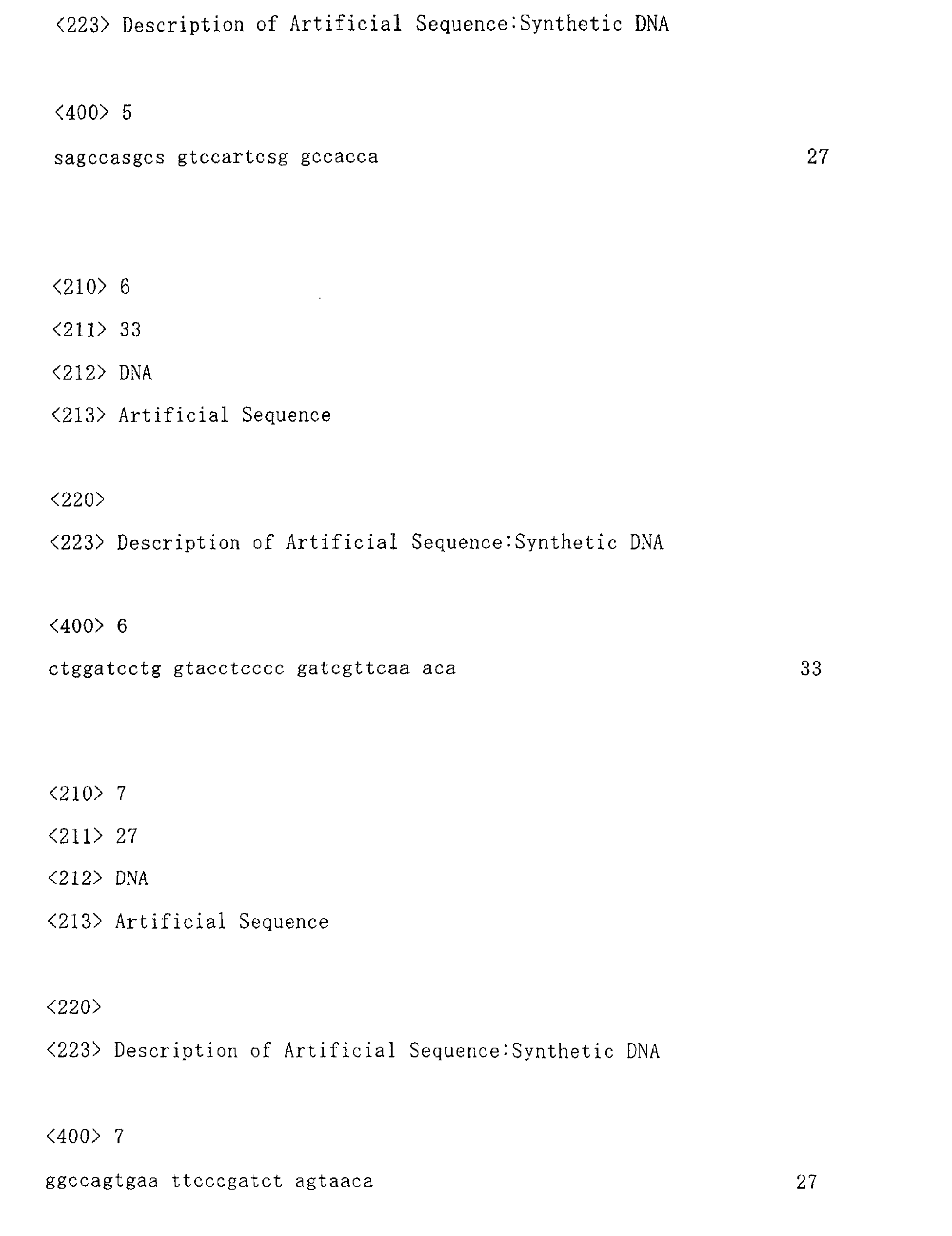
- oligonucleotides examples include, but are not limited to, two types of oligonucleotides represented by 5'-CC(C/G)CC(C/G)TGGATCAA(T/C)AAGT(T/A)(T/C)TA(T/C)ATC-3' (SEQ ID NO: 4) and 5'-(G/C)AGCCA(G/C)GC(G/C)GTCCA(A/G)TC(G/C)GGCCACCA-3' (SEQ ID NO: 5).
- PCR polymerase chain reaction
- this partially amplified fragment is labeled with a suitable reagent, and colony hybridization is carried out using the aforementioned chromosome DNA library (Current Protocols in Molecular Biology, vol.1, pp. 6.0.3, 1994).
- a plasmid is collected from the E. coli that was screened for by colony hybridization (Current Protocols in Molecular Biology, vol. 1, pp. 1.6.1, 1994). Thus, a DNA fragment comprising a polyester synthase gene is obtained.
- Nucleotide sequencing of the aforementioned DNA fragment can be carried out by a conventional process, for example, the Sanger method (Molecular Cloning, vol. 2, pp. 13.3, 1989).
- a nucleotide sequence automatic analyzer for example, 373A DNA Sequencer (Applied Biosystems) is used.
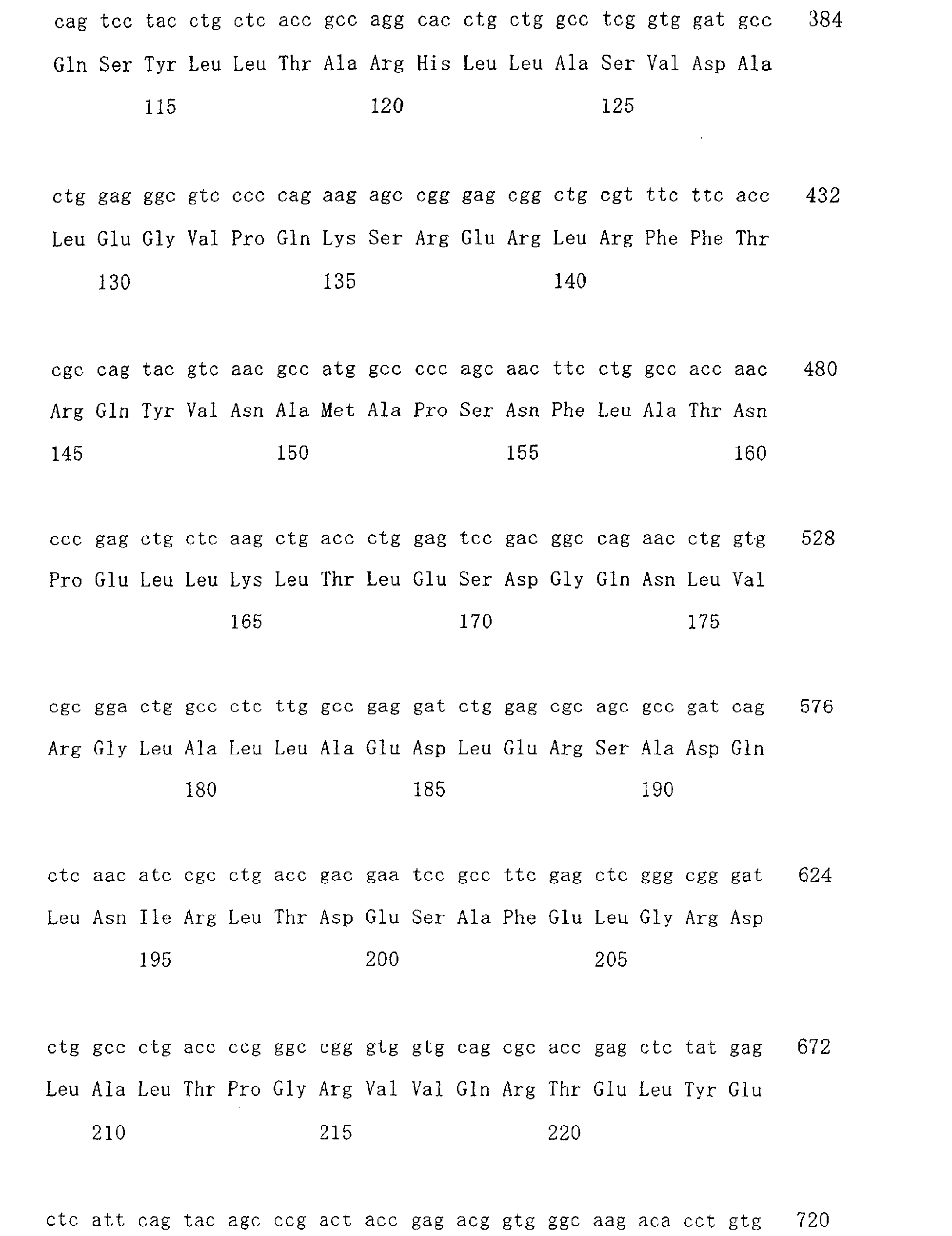
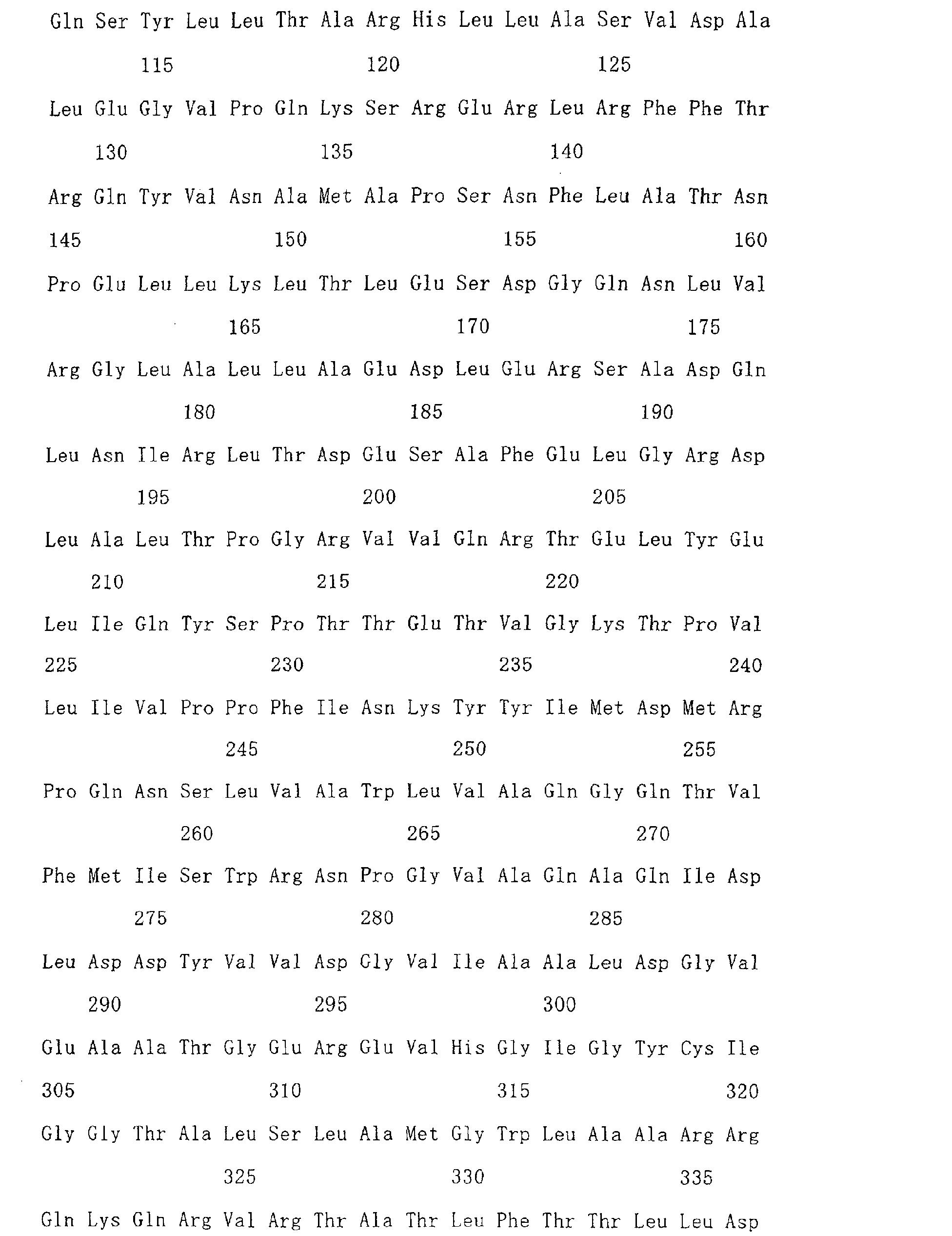
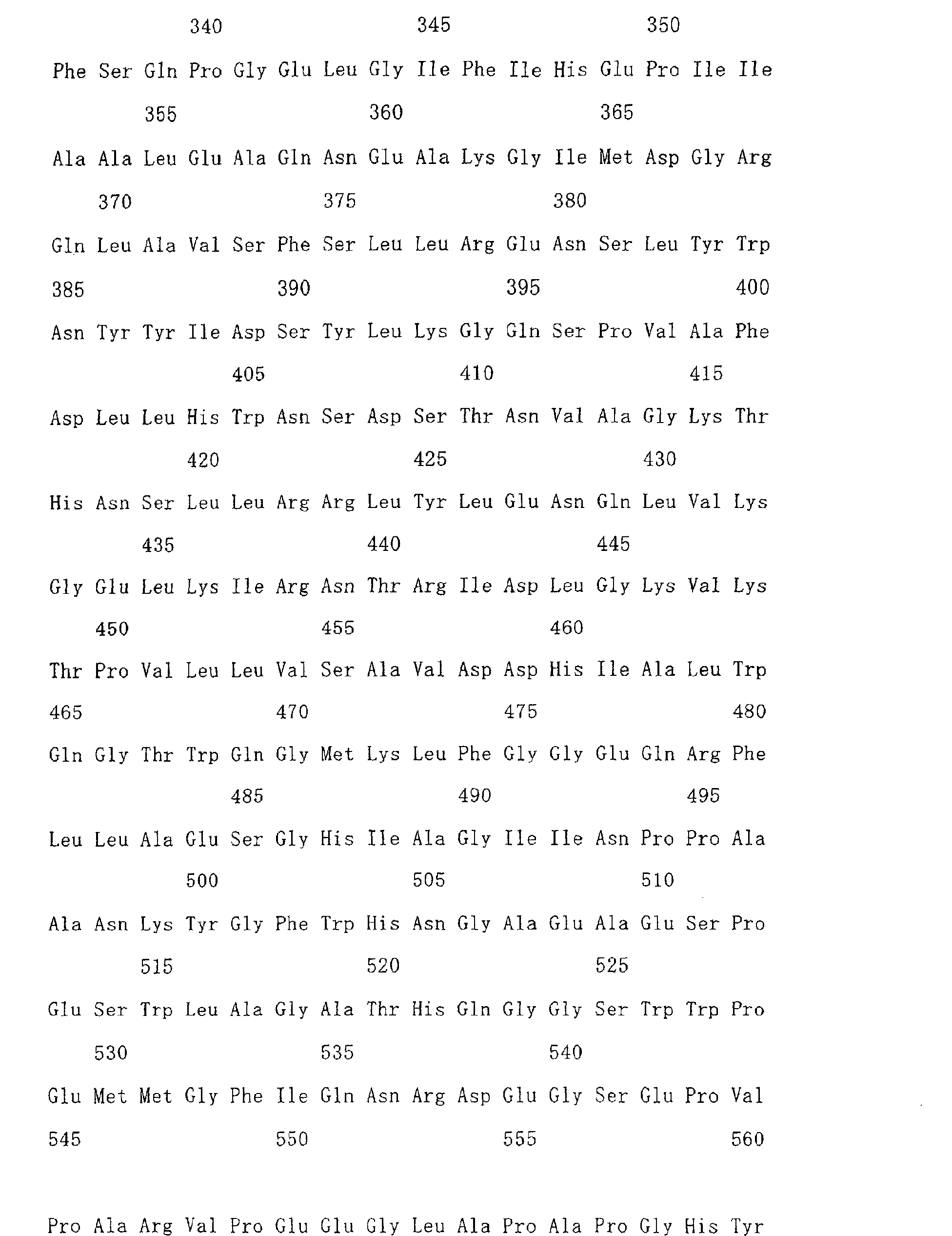
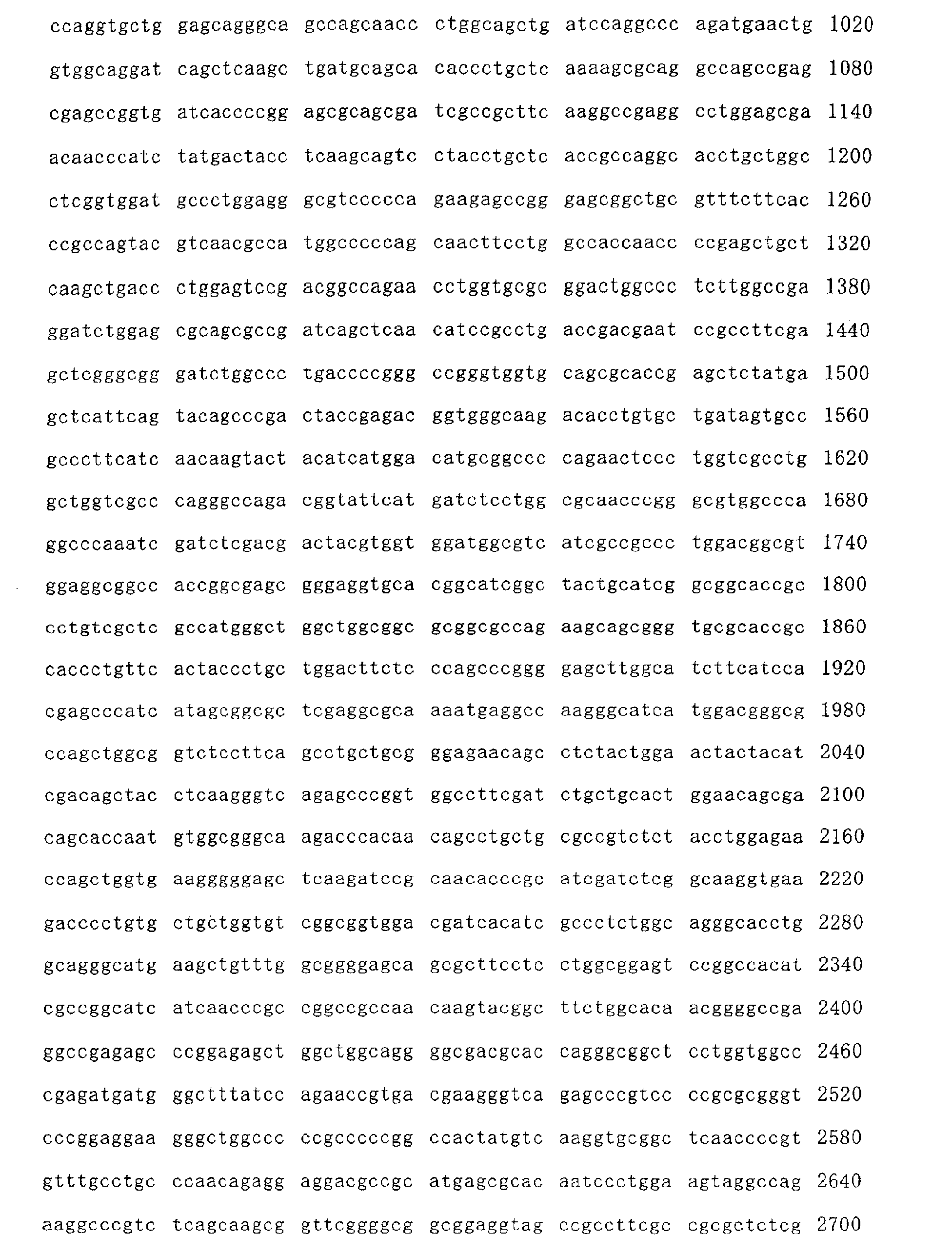
- SEQ ID NO: 3 shows the full sequence of the phaC gene
- SEQ ID NO: 1 shows a nucleotide sequence of an open reading frame (ORF) of the phaC gene
- SEQ ID NO: 2 shows an amino acid sequence encoded by the ORF.
- ORF open reading frame
- the gene of the present invention has a nucleotide sequence encoding the amino acid sequence as shown in SEQ ID NO: 2 or an amino acid sequence having variation.
- the gene includes a degenerate isomer encoding the same polypeptides, which are different from each other only in their degenerate codons.
- At least one, preferably about 1 to 10, and more preferably 1 to 5 amino acids may be deleted from the amino acid sequence as shown in SEQ ID NO: 2. At least one, preferably about 1 to 10, and more preferably 1 to 5 amino acids may be added to the amino acid sequence as shown in SEQ ID NO: 2. Alternatively, at least one, preferably about 1 to 10, and more preferably 1 to 5 amino acids in the amino acid sequence as shown in SEQ ID NO: 2 may be substituted with other amino acids.
- amino acid sequence with deletion, substitution, or addition of one or several amino acids in the amino acid sequence as shown in SEQ ID NO: 2 is a sequence that is at least 80%, preferably at least 90%, more preferably at least 95%, and particularly preferably at least 97%, at least 98%, or at least 99% homologous to the amino acid sequence as shown in SEQ ID NO: 2 when calculated using BLAST.
- Such an amino acid sequence with deletion, substitution, or addition of one or several amino acids in the amino acid sequence as shown in SEQ ID NO: 1 or 2 is substantially identical to the amino acid sequence as shown in SEQ ID NO: 1 or 2.
- deletion can be induced by conventional site-directed mutagenesis (Current Protocols in Molecular Biology, vol. 1, pp. 8.1.1, 1994) or a commercially available kit (LA PCR in vitro Mutagenesis Series Kit, Takara).
- the phaC gene includes a DNA that hybridizes with another DNA comprising a nucleotide sequence complementary thereto under stringent conditions and encodes a protein having polyester synthase activity as well as a DNA comprising a nucleotide sequence as shown in SEQ ID NO: 1 or 3.
- Stringent conditions involve, for example, a sodium concentration of 500 to 1,000 mM, preferably 700 mM, and a temperature of 50 to 70°C, preferably 65°C.
- a polyester synthase gene can be then obtained either by chemical synthesis, PCR in which the nucleotide sequences at the 5'- and 3'-terminuses of the gene are used as primers and the genomic DNA (SEQ ID NO: 1 or 3) is used as a template, or hybridization using a DNA fragment having a nucleotide sequence of the phaC gene as a probe.
- the phaC gene obtained from Aeromonas caviae FA440 is introduced into Alcaligenes eutrophus (also known as Ralstonia eutropha) (name: Alcaligens eutrophus AC32), and was deposited at the International Patent Organism Depositary of the National Institute of Advanced Industrial Science and Technology (Tsukuba Central 6, 1-1-1 Higashi, Tsukuba, Ibaraki, Japan) as of August 12, 1996 (an original deposit) under the accession number FERM BP-6038.
- a fusion protein that was prepared by adding a suitable signal sequence to the enzyme proteins encoded by the polyester synthase gene is produced by a fusion gene comprising the polyester synthase gene and a gene encoding a suitable signal sequence bound thereto.
- Transitional signal sequences for transitioning a malate synthase e.g., a pumpkin-derived malate synthase
- glycolate oxidase e.g., a spinach-derived glycolate oxidase
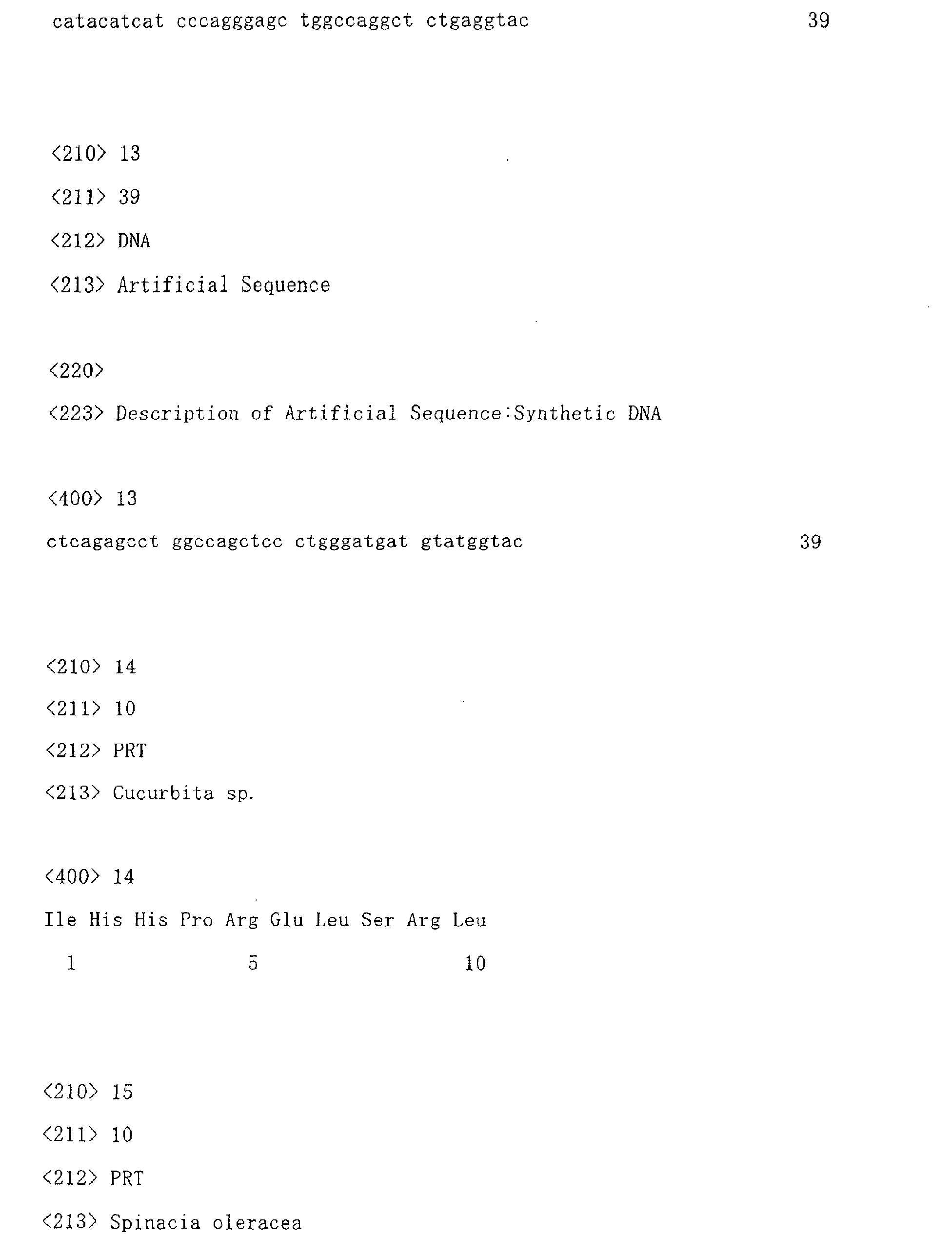
- amino acid sequences of the peroxisome-targeting signal sequences are as follows:
- the sequence can be used as long as it has the activity of a peroxisome-targeting signal sequence, i.e., as long as it functions as a transitional signal to peroxisome.
- a peroxisome-targeting signal sequence i.e., as long as it functions as a transitional signal to peroxisome.
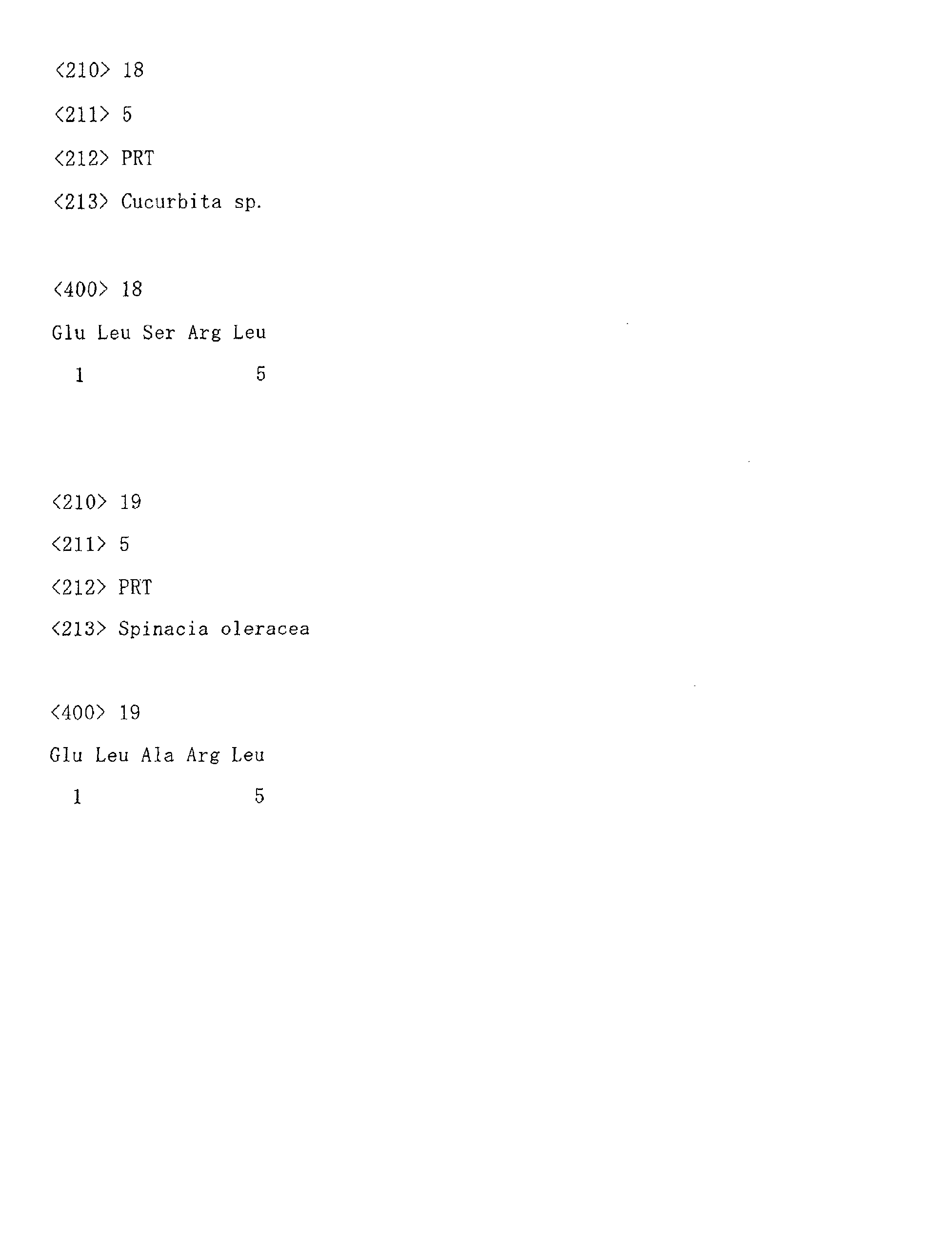
- ELSRL SEQ ID NO: 18
- ELARL SEQ ID NO: 19
- Amino acid sequences SKL, SRM, or PRL and a sequence in which 3 amino acids at the C-terminus of the amino acid sequence as shown in SEQ ID NO: 14, 15, 18, or 19 have been substituted with the aforementioned sequences can also function as peroxisome-targeting signals.
- a sequence comprising 3 amino acids represented by (S, A, or P)-(K or R)-(L or M) and the amino acid sequence as shown in SEQ ID NO: 14, 15, 18, or 19 in which 3 amino acids at its C-terminus have been substituted with the above sequence can also function as peroxisome-targeting signals.
- sequences of genes encoding a signal sequence as shown in SEQ ID NO: 14 or 15 include the following:
- a sequence of the gene encoding a signal sequence can be prepared from a synthetic DNA strand. It can also be prepared by cloning from a genomic DNA of a suitable plant.
- a gene encoding a signal sequence can be fused with a polyester synthase gene by a conventional gene recombination technique. In such a case, a suitable restriction site can be introduced.
- a signal sequence may be added to the C-terminal side or N-terminal side of the enzyme protein encoded by the polyester synthase gene. In this case, a stop codon should be prevented from appearing between the polyester synthase gene and a gene encoding a signal sequence.
- the distance between the gene encoding the signal sequence and the polyester synthase gene is not particularly limited, and a linker may be contained therebetween.
- the open reading frames of the both genes should be aligned with each other. Further, there may be a nucleotide sequence in which a specific amino acid is contained in a linker portion, so that the polyester synthase and the signal sequence are enzymatically cleaved in the peroxisome.
- a DNA strand which encodes a signal sequence fusing with the polyester synthase gene, can be prepared in the following manner.
- nucleotides in these nucleotide sequences are different, a sequence can be still used as long as it is identical to the amino acid sequence of the signal peptide when translated into amino acid.
- An example thereof is a DNA, which hybridizes with these DNAs under stringent conditions and encodes a protein having activity of the peroxisome-targeting signal sequence.
- Stringent conditions involve, for example, a sodium concentration of 500 to 1,000 mM, preferably 700 mM, and a temperature of 50 to 70°C, preferably 65°C.
- polyester synthase gene such as the phaC gene prepared as described in 1. above was introduced into a suitable vector with a promoter, thereby constructing the recombinant expression vector of the present invention.
- Vectors for inserting the polyester synthase gene and the signal sequence are not particularly limited as long as they can be replicated in a host. Examples thereof include a plasmid DNA and a phage DNA.
- a plasmid DNA (a binary vector) can be prepared from E. coli or Agrobacterium by alkali extraction (Birnboim, H. C. & Doly, J. (1979), Nucleic acid Res 7: 1513) or the like.
- Examples of a binary vector are pBI121 and pBI101.
- Commercially available plasmids for example, pUC118 (Takara Shuzo Co., Ltd.), pUC119 (Takara Shuzo Co., Ltd.), pBluescript SK+ (Stratagene), pGEM-T (Promega), or pCR2.1 (Invitrogen) can be also used.
- Examples of a phage DNA include M13mp18, M13mp19, and M13tv18.
- a promoter In order to insert a promoter into a vector, for example, a purified polyester synthase gene and a signal sequence are first cleaved with a suitable restriction enzyme and inserted into a restriction enzyme site or multicloning site of a suitable vector DNA, thereby ligating it to the vector.
- a promoter include a cauliflower mosaic virus 35S promoter, an actin promoter, and a promoter of the nopaline synthase gene.
- the polyester synthase gene and the signal sequence to be expressed need to be incorporated into a vector in such a manner that the functions of these genes are exhibited. Accordingly, in addition to the promoter and the gene, a terminator, a drug-resistant gene, or the like can be incorporated into the recombinant expression vector of the present invention.
- a terminator is that of a nopaline synthase gene.
- An example of an enhancer is a tobacco mosaic virus ⁇ sequence.
- Examples of a drug-resistant gene include a kanamycin-resistant gene, a hygromycin-resistant gene, a bialaphos-resistant gene, and a blasticidin S-resistant gene.
- the phaC gene which comprises a peroxisome-targeting signal sequence (malate synthase-derived SRL or glycolate oxidase-derived ARL), is ligated downstream of the cauliflower mosaic virus 35S promoter (35S-P) added thereto, and the terminator (Nos-T) of the nopaline synthase gene is ligated further downstream (this is referred to as a "phaC gene-signal sequence cassette") as shown in Figs. 2 and 3. Also, a cassette comprising a kanamycin-resistant gene (Km r ) ligated between the promoter and the terminator of the nopaline synthase gene is prepared.
- Km r kanamycin-resistant gene
- the kanamycin-resistant gene cassette and the phaC gene-signal sequence cassette are ligated in that order, thereby obtaining the recombinant expression vector (pBMP011S and pBMP011A) of the present invention (Fig. 3).
- the transformant (transgenic plant) of the present invention can be obtained by introducing the recombinant vector of the present invention into a host in such a manner that a gene of interest can be expressed.
- host refers to any of a whole plant, plant organs (e.g., leaves, flower petals, stems, roots, or seeds), plant tissues (e.g., epidermises, phloems, parenchymas, xylems, fibrovascular bundles, palisade tissues, or spongy tissues), or cultured cells of plants.
- plant organs e.g., leaves, flower petals, stems, roots, or seeds
- plant tissues e.g., epidermises, phloems, parenchymas, xylems, fibrovascular bundles, palisade tissues, or spongy tissues
- Examples of plants used in the transformation include those belonging to Solanaceae, Gramineae, Malvaceae, Brassicaceae, Compositae, Pedaliaceae, Oleaceae, Myrtaceae, Rosaceae, Leguminosae, Palmae, or Rubiaceae.
- plants belonging to these genera include the following, although are not limited thereto. Any plant can be selected as long as it can generate polyesters upon the introduction of the recombinant expression vector of the present invention therein.
- Solanaceae tobacco (Nicotiana tabacum) and potato (Solanum tuberosum)
- Gramineae maize (Zea mays) and rice (Oryza sativa)
- Malvaceae cotton (Gossypium hirsutum), okra (Abelmoscus esculentum), and kenaf (Hibiscus cannabinus)
- Brassicaceae Arabidopsis thaliana and Brassica napus Compositae: sunflower (Helianthus annuus) and mum (Crysanthimum indicum)
- Pedaliaceae sesame (Sesame indica) and castor seed (Ricinus communis)
- Oleaceae olive (Olea europaea)
- transformation can be carried out by introducing the recombinant expression vector of the present invention into a slice of the collected plant by the Agrobacterium method.
- the vector can be introduced into a protoplast by electroporation, or can be introduced into a plant organ or plant tissue by the particle bombardment method.
- Tumor tissues, shoots, capillary roots, or the like resulting from the transformation can be used as such for cell culture, tissue culture, or organ culture. Also, with the use of any conventional method of culturing plant tissues, plant bodies can be regenerated by, for example, the administration of suitably concentrated plant hormones.
- the recombinant expression vector of the present invention is introduced into cultured cells by means of electroporation, the Agrobacterium binary vector method, or the like, and cell culture, tissue culture, or organ culture is then carried out in the same manner as described above, thereby obtaining transgenic plant bodies.
- Polyesters can be produced by culturing or cultivating a transformant comprising a recombinant expression vector obtained as described in 4. above.
- a transformant is a plant cell or plant tissue
- culture can be carried out using a common medium for plant culture, for example, MS basal medium (Murashige, T. & Skoog, F. (1962), Physiol. Plant. 15: 473), LS basal medium (Linsmaier, E. M. &Skoog, F. (1965), Physiol. Plant. 18: 100), or protoplast culture medium (modified LS medium).
- Culture may be carried out by a common solid-culture method, although a liquid-culture method is preferable.
- a cell, tissue, or organ is injected into the above medium in an amount of 0.5 to 40 g fresh weight/l NAA, 2,4-D, BA, kinetin, or the like is suitably added if necessary, and culture is then conducted.
- the pH level of the medium is adjusted to between 5.6 and 5.8, and culture is conducted generally at 25 to 30°C and preferably at around 25°C while agitating at 20 to 120 rpm for 1 to 8 weeks.
- a transformant When a transformant is a plant body, the plant body can be cultivated in a field, green house, or the like. Alternatively, a transformant can be hydroponically cultivated.
- cultured polyesters can be collected by a general purification means for polyesters. Depending on the conditions of cultured cells or tissues and plant organs or bodies, polyesters are purified after being washed with 50% ethanol or methanol.
- polyesters are collected from cultured cells or tissues, cells are destroyed by cytolysis using enzymes such as cellulase or pectinase, ultrasonic breaking, abrasion, or the like. Subsequently, insoluble substances are removed by filtration, centrifugation, or the like to obtain a crude solution of polyester.
- enzymes such as cellulase or pectinase, ultrasonic breaking, abrasion, or the like.
- insoluble substances are removed by filtration, centrifugation, or the like to obtain a crude solution of polyester.
- polyesters In order to further purify polyesters from the crude solution of polyester, common purification techniques can be employed in addition to solvent extraction with chloroform, ethyl acetate, or the like. For example, gas chromatography, liquid chromatography, mass analysis, or NMR can be performed singly or in suitable combinations.
- polyesters are collected from plant organs or bodies, an extract of the polyesters is prepared by ultrasonic breaking, abrasion, or the like, extraction is performed with chloroform, and polyesters can be then obtained in the same manner as that of the aforementioned purification technique.
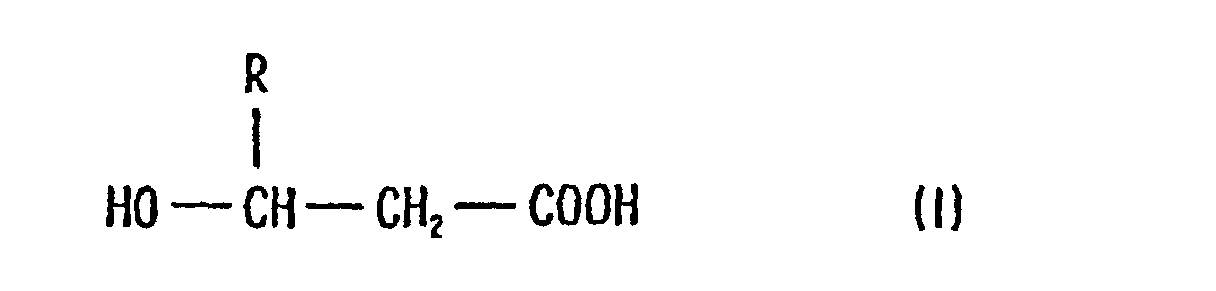
- polyesters are copolymers of 3-hydroxyalkanoic acid (degree of polymerization: 1 to 1,000,000) represented by formula I: wherein R represents a hydrogen atom or an alkyl group having 1 to 4 carbon atoms.
- the copolymers have a structure of poly-3-hydroxybutanoic acid represented by the following formula II: wherein n is an integer between 1 and 1,000,000 or that of polyhydroxyalkanoic acid represented by the following formula III: wherein x is an integer between 0 and 1,000,000; y is an integer between 0 and 1,000,000; and z is an integer between 0 and 1,000,000.
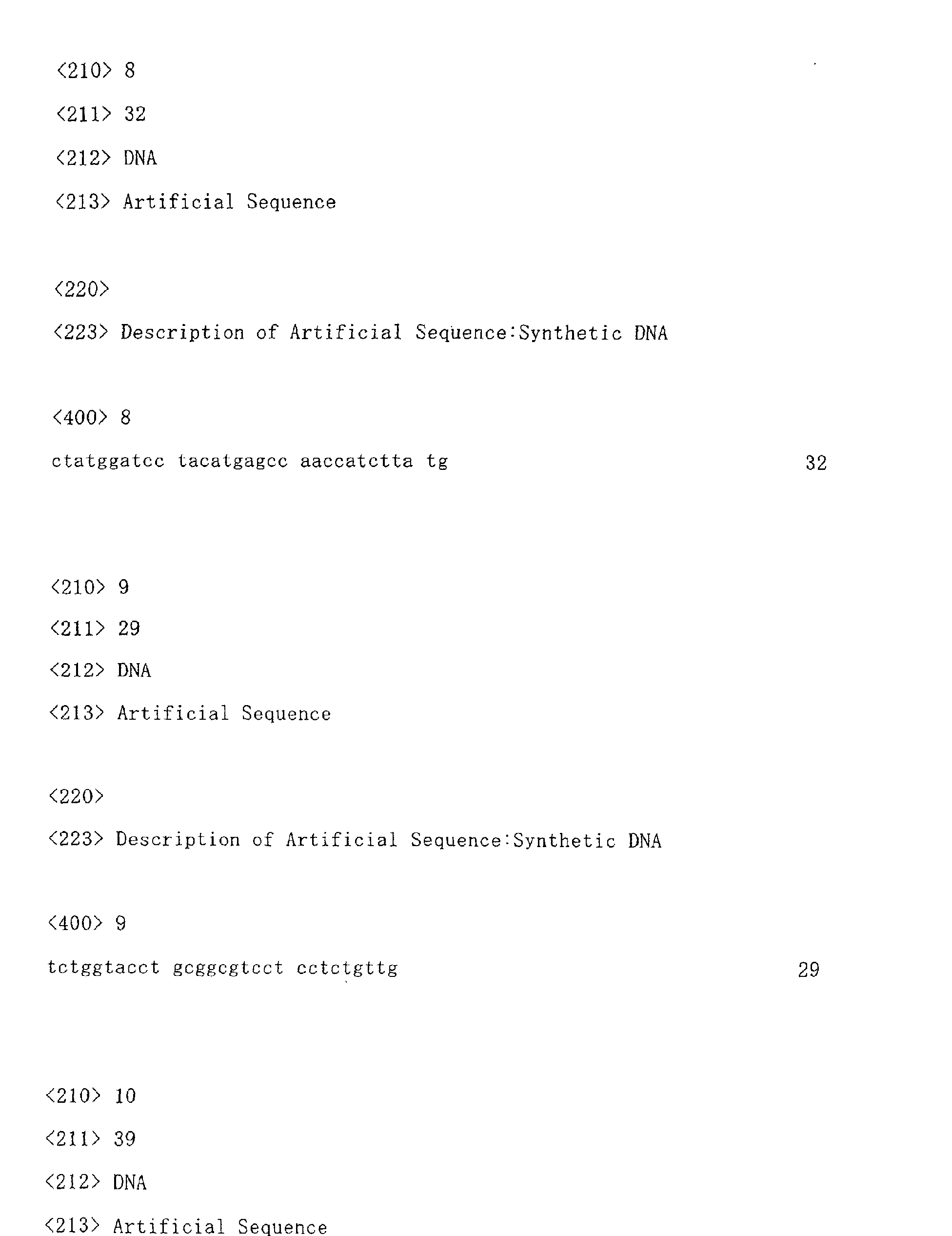
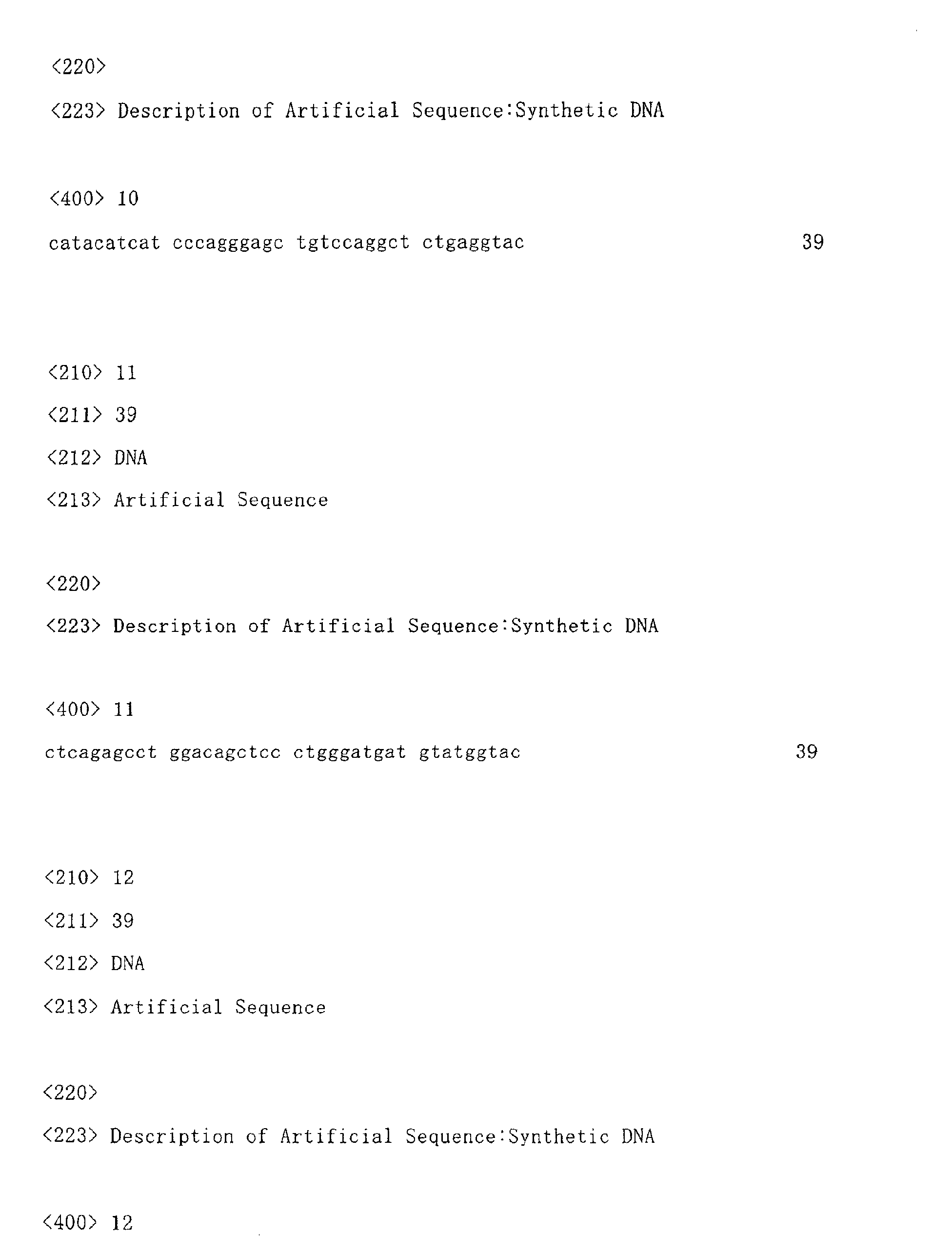
- SEQ ID NO: 4 to 13 synthetic DNA
- SEQ ID NO: 14 malate synthase peroxisome-targeting signal sequence
- SEQ ID NO: 15 glycolate oxidase peroxisome-targeting signal sequence
- SEQ ID NO: 16 synthetic DNA
- SEQ ID NO: 17 synthetic DNA
- SEQ ID NO: 18 malate synthase peroxisome-targeting signal sequence
- SEQ ID NO: 19 glycolate oxidase peroxisome-targeting signal sequence
- the PHB productivity was as follows.
- the deviation could be larger depending on cultivation conditions or the like.
- the deviation could be larger depending on cultivation conditions or the like.
- the amount produced was approximately 13 to 53 ppm or more based on the dry weight of Arabidopsis thaliana. The deviation could be larger depending on cultivation conditions or the like.
- the present invention provides a recombinant expression vector comprising a polyester synthase gene and a peroxisome-targeting signal sequence, a transformant that can synthesize copolyesters comprising short chain fatty acid-derived monomers, and a process for producing polyesters.
- the transformant of the present invention can mass-produce polyesters at low cost without petroleum resources.
- the resulting polyesters are thermoplastic, biodegradable, and elastic, and thus, are very useful due to their wide range of applications.
Landscapes
- Health & Medical Sciences (AREA)
- Life Sciences & Earth Sciences (AREA)
- Genetics & Genomics (AREA)
- Engineering & Computer Science (AREA)
- Chemical & Material Sciences (AREA)
- Organic Chemistry (AREA)
- Biotechnology (AREA)
- Zoology (AREA)
- Wood Science & Technology (AREA)
- General Engineering & Computer Science (AREA)
- Bioinformatics & Cheminformatics (AREA)
- Molecular Biology (AREA)
- Biomedical Technology (AREA)
- General Health & Medical Sciences (AREA)
- Biochemistry (AREA)
- Microbiology (AREA)
- Cell Biology (AREA)
- Plant Pathology (AREA)
- Biophysics (AREA)
- Physics & Mathematics (AREA)
- Nutrition Science (AREA)
- Chemical Kinetics & Catalysis (AREA)
- General Chemical & Material Sciences (AREA)
- Oil, Petroleum & Natural Gas (AREA)
- Micro-Organisms Or Cultivation Processes Thereof (AREA)
- Breeding Of Plants And Reproduction By Means Of Culturing (AREA)
- Enzymes And Modification Thereof (AREA)
- Preparation Of Compounds By Using Micro-Organisms (AREA)
Abstract
Description








Solanaceae: tobacco (Nicotiana tabacum) and potato (Solanum tuberosum)
Gramineae: maize (Zea mays) and rice (Oryza sativa)
Malvaceae: cotton (Gossypium hirsutum), okra (Abelmoscus esculentum), and kenaf (Hibiscus cannabinus)
Brassicaceae: Arabidopsis thaliana and Brassica napus
Compositae: sunflower (Helianthus annuus) and mum (Crysanthimum indicum)
Pedaliaceae: sesame (Sesame indica) and castor seed (Ricinus communis)
Oleaceae: olive (Olea europaea)
Myrtaceae: eucalyptus (Eucalyptus globulus) and guava (Psidium guava)
Rosaceae: rose (Rosa sinnis)
Camelliaceae: Camellia (Camellia japonica)
Leguminosae: Japanese milk-vetch (Astragalus sinicus) and soybean (Glycine max)
Palmae: coconut (Cocos nucifera)
Sterculiaceae: cocoa (Theobroma cacao)
Rubiaceae: coffee plant (Coffea arabica)


SEQ ID NO: 14: malate synthase peroxisome-targeting signal sequence
SEQ ID NO: 15: glycolate oxidase peroxisome-targeting signal sequence
SEQ ID NO: 16: synthetic DNA
SEQ ID NO: 17: synthetic DNA
SEQ ID NO: 18: malate synthase peroxisome-targeting signal sequence
SEQ ID NO: 19: glycolate oxidase peroxisome-targeting signal sequence












Claims (14)
- A fusion gene comprising a gene encoding an enzyme, which synthesizes copolyesters consisting of short chain fatty acid-derived monomers having 4 to 7 carbon atoms, and a gene encoding a peroxisome-targeting signal sequence bound thereto.
- The fusion gene according to claim 1, wherein the gene encoding an enzyme, which synthesizes copolyesters, encodes the protein according to the following (a) or (b):(a) a protein consisting of the amino acid sequence as shown in SEQ ID NO: 2; or(b) a protein consisting of an amino acid sequence with deletion, substitution, or addition of at least one amino acid in the amino acid sequence as shown in SEQ ID NO: 2 and having polyester synthase activity.
- The fusion gene according to claim 1, wherein the gene encoding an enzyme, which synthesizes copolyesters, comprises the DNA according to the following (c) or (d):(c) DNA consisting of the nucleotide sequence as shown in SEQ ID NO: 1; or(d) DNA hybridizing with DNA consisting of a nucleotide sequence complementary to the DNA consisting of the nucleotide sequence of (c) under stringent conditions and encoding a protein having polyester synthase activity.
- The fusion gene according to any one of claims 1 to 3, wherein the gene encoding a peroxisome-targeting signal sequence comprises the DNA according to the following (e) or (f):(e) DNA consisting of the nucleotide sequence as shown in SEQ ID NO: 16 or 17; or(f) DNA hybridizing with DNA consisting of a nucleotide sequence complementary to the DNA consisting of the nucleotide sequence according to (e) under stringent conditions and encoding a peptide having peroxisome-targeting signal sequence activity.
- The fusion gene according to any one of claims 1 to 3, wherein the gene encoding a peroxisome-targeting signal sequence encodes the peptide according to the following (g) or (h):(g) a peptide consisting of the amino acid sequence as shown in SEQ ID NO: 14 or 15; or(h) a peptide consisting of an amino acid sequence with deletion, substitution, or addition of at least one amino acid in the amino acid sequence as shown in SEQ ID NO: 14 or 15 and having peroxisome-targeting signal sequence activity.
- A recombinant vector comprising the fusion gene according to any one of claims 1 to 5.
- A transformant comprising the recombinant vector according to claim 6.
- The transformant according to claim 7, which is a plant body, plant organ, plant tissue, or cultured plant cell.
- A transformant comprising the fusion gene according to any one of claims 1 to 5 introduced therein, which is a plant expressing the fusion gene so that the copolyester synthases are localized in the peroxisome.
- The transformant according to claim 8 or 9, which is a plant belonging to a genus selected from the group consisting of Solanaceae, Gramineae, Malvaceae, Brassicaceae, Compositae, Pedaliaceae, Oleaceae, Myrtaceae, Rosaceae, Camelliaceae, Leguminosae, Palmae, Sterculiaceae, and Rubiaceae.
- The transformant according to claim 10, wherein the plant belonging to Solanaceae is tobacco.
- The transformant according to claim 10, wherein the plant belonging to Brassicaceae is Arabidopsis thaliana.
- A process for producing polyesters, wherein the transformant according to any one of claims 7 to 12 is cultured or cultivated, and polyesters are obtained from the resulting culture product or cultivation product.
- The production process according to claim 13, wherein polyesters are copolymers of 3-hydroxyalkanoic acid represented by formula I:wherein R represents a hydrogen atom or an alkyl group having 1 to 4 carbon atoms.
Applications Claiming Priority (3)
| Application Number | Priority Date | Filing Date | Title |
|---|---|---|---|
| JP2001072963 | 2001-03-14 | ||
| JP2001072963A JP2002262886A (en) | 2001-03-14 | 2001-03-14 | Plant for synthesizing copolymerized polyester comprising monomer derived from short-chain fatty acid and method for producing polyester |
| PCT/JP2002/002424 WO2002072837A1 (en) | 2001-03-14 | 2002-03-14 | Plant synthesizing copolyester from monomer derived from short-chain fatty acid and process for producing polyester |
Publications (2)
| Publication Number | Publication Date |
|---|---|
| EP1369484A1 true EP1369484A1 (en) | 2003-12-10 |
| EP1369484A4 EP1369484A4 (en) | 2005-12-28 |
Family
ID=18930468
Family Applications (1)
| Application Number | Title | Priority Date | Filing Date |
|---|---|---|---|
| EP02705189A Withdrawn EP1369484A4 (en) | 2001-03-14 | 2002-03-14 | PLANT SYNTHESIZING COPOLYESTER FROM A SHORT-CHAIN FATTY ACID-DERIVED MONOMER AND PROCESS FOR PRODUCING A POLYESTER |
Country Status (5)
| Country | Link |
|---|---|
| US (1) | US20040241674A1 (en) |
| EP (1) | EP1369484A4 (en) |
| JP (1) | JP2002262886A (en) |
| AU (1) | AU2002238900B2 (en) |
| WO (1) | WO2002072837A1 (en) |
Families Citing this family (3)
| Publication number | Priority date | Publication date | Assignee | Title |
|---|---|---|---|---|
| CN1564868A (en) * | 2001-10-10 | 2005-01-12 | 钟渊化学工业株式会社 | Enzyme gene participating in the synthesis of polyester and process for producing polyester using the same |
| JP4543236B2 (en) | 2003-03-28 | 2010-09-15 | 独立行政法人農業生物資源研究所 | Method for producing plant storage organ with high production of recombinant protein and novel recombinant protein |
| JPWO2008026619A1 (en) * | 2006-08-30 | 2010-01-21 | 株式会社カネカ | Method for producing 3-hydroxyalkanoic acid copolymer |
Family Cites Families (9)
| Publication number | Priority date | Publication date | Assignee | Title |
|---|---|---|---|---|
| JP3062459B2 (en) * | 1996-08-14 | 2000-07-10 | 理化学研究所 | Polyester synthase gene and method for producing polyester |
| WO1999035278A1 (en) * | 1998-01-05 | 1999-07-15 | Monsanto Company | Biosynthesis of medium chain length polyhydroxyalkanoates |
| JP4177912B2 (en) * | 1998-03-02 | 2008-11-05 | 株式会社カネカ | Polyester manufacturing method |
| JP2002505107A (en) * | 1998-03-06 | 2002-02-19 | メタボリックス,インコーポレイテッド | Modification of fatty acid metabolism in plants |
| JPH11276180A (en) * | 1998-03-31 | 1999-10-12 | Rikagaku Kenkyusho | Plant having polyester synthetic ability and method for producing polyester |
| US6103956A (en) * | 1998-03-31 | 2000-08-15 | Regents Of The University Of Minnesota | Polyhydroxyalkanoate synthesis in plants |
| US6475734B1 (en) * | 1999-09-29 | 2002-11-05 | Pioneer Hi-Bred International, Inc. | Polyhydroxyalkanoate synthase genes |
| US7176349B1 (en) * | 1999-09-29 | 2007-02-13 | Pioneer Hi-Bred International, Inc. | Production of polyhydroxyalkanoate in plants |
| AU7741200A (en) * | 1999-09-29 | 2001-04-30 | E.I. Du Pont De Nemours And Company | Production of polyhydroxyalkanoate in plants |
-
2001
- 2001-03-14 JP JP2001072963A patent/JP2002262886A/en active Pending
-
2002
- 2002-03-14 WO PCT/JP2002/002424 patent/WO2002072837A1/en not_active Ceased
- 2002-03-14 US US10/471,614 patent/US20040241674A1/en not_active Abandoned
- 2002-03-14 EP EP02705189A patent/EP1369484A4/en not_active Withdrawn
- 2002-03-14 AU AU2002238900A patent/AU2002238900B2/en not_active Ceased
Also Published As
| Publication number | Publication date |
|---|---|
| US20040241674A1 (en) | 2004-12-02 |
| AU2002238900B2 (en) | 2005-12-08 |
| EP1369484A4 (en) | 2005-12-28 |
| WO2002072837A1 (en) | 2002-09-19 |
| JP2002262886A (en) | 2002-09-17 |
Similar Documents
| Publication | Publication Date | Title |
|---|---|---|
| EP0719342B1 (en) | Processes for producing polyhydroxybutyrate and related polyhydroxyalkanoates in the plastids of higher plants | |
| Liebergesell et al. | Cloning and nucleotide sequences of genes relevant for biosynthesis of poly (3‐hydroxybutyric acid) in Chromatium vinosum strain D | |
| JP3696233B2 (en) | Transgenic plants producing polyhydroxyalkanoates | |
| Koyama et al. | Over expression of mitochondrial citrate synthase gene improves the growth of carrot cells in Al-phosphate medium | |
| JP4121541B2 (en) | Production of intermediate chain length polyhydroxyalkanoates from fatty acid biosynthetic pathways | |
| US5849894A (en) | Rhodospirillum rubrum poly-β-hydroxyalkanoate synthase | |
| AU2004299534B2 (en) | Transgenic plants with reduced level of saturated fatty acid and methods for making them | |
| Arai et al. | Synthesis of a novel class of polyhydroxyalkanoates in Arabidopsis peroxisomes, and their use in monitoring short-chain-length intermediates of β-oxidation | |
| US20030074695A1 (en) | Plant diacylglycerol O-acyltransferase and uses thereof | |
| EP1076095B1 (en) | Methods for transformation of plants, transformed plants and processes for preparation of polyesters | |
| AU2013340445A1 (en) | Improved acyltransferase polynucleotides, polypeptides, and methods of use | |
| Romano et al. | Expression of poly-3-(R)-hydroxyalkanoate (PHA) polymerase and acyl-CoA-transacylase in plastids of transgenic potato leads to the synthesis of a hydrophobic polymer, presumably medium-chain-length PHAs | |
| WO1999035278A1 (en) | Biosynthesis of medium chain length polyhydroxyalkanoates | |
| US6583340B2 (en) | DNA sequence encoding plant 2-acyltransferase | |
| AU2002238900B2 (en) | Plant synthesizing copolyester from monomer derived from short-chain fatty acid and process for producing polyester | |
| US6773917B1 (en) | Use of DNA encoding plastid pyruvate dehydrogenase and branched chain oxoacid dehydrogenase components to enhance polyhydroxyalkanoate biosynthesis in plants | |
| AU750057B2 (en) | Modification of fatty acid metabolism in plants | |
| JPH11276180A (en) | Plant having polyester synthetic ability and method for producing polyester | |
| Wang et al. | Synthesis of medium-chain-length-polyhydroxyalkanoates in tobacco via chloroplast genetic engineering | |
| JP4005745B2 (en) | Polyester manufacturing method | |
| KR101586526B1 (en) | Use of a gene encoding DAPG hydrolase as a selection marker for transgenic plant | |
| CN118414430A (en) | Modified acyltransferase polynucleotides, polypeptides and methods of use | |
| HK1013110B (en) | Processes for producing polyhydroxybutyrate and related polyhydroxyalkanoates in the plastids of higher plants | |
| JP2004254536A (en) | Plant containing polymer material and method for producing the same | |
| MXPA01006958A (en) | Polyhydroxyalkanoate biosynthesis associated proteins and coding region in bacillus megaterium. |
Legal Events
| Date | Code | Title | Description |
|---|---|---|---|
| PUAI | Public reference made under article 153(3) epc to a published international application that has entered the european phase |
Free format text: ORIGINAL CODE: 0009012 |
|
| 17P | Request for examination filed |
Effective date: 20030918 |
|
| AK | Designated contracting states |
Kind code of ref document: A1 Designated state(s): AT BE CH CY DE DK ES FI FR GB GR IE IT LI LU MC NL PT SE TR |
|
| A4 | Supplementary search report drawn up and despatched |
Effective date: 20051115 |
|
| RIC1 | Information provided on ipc code assigned before grant |
Ipc: 7C 12N 15/63 B Ipc: 7C 12N 15/52 A Ipc: 7C 12N 5/10 B Ipc: 7C 12N 9/18 B Ipc: 7A 01H 5/00 B Ipc: 7C 12P 7/62 B |
|
| 17Q | First examination report despatched |
Effective date: 20060913 |
|
| STAA | Information on the status of an ep patent application or granted ep patent |
Free format text: STATUS: THE APPLICATION IS DEEMED TO BE WITHDRAWN |
|
| 18D | Application deemed to be withdrawn |
Effective date: 20080422 |