EP1364654A1 - Eye drops - Google Patents
Eye drops Download PDFInfo
- Publication number
- EP1364654A1 EP1364654A1 EP02700680A EP02700680A EP1364654A1 EP 1364654 A1 EP1364654 A1 EP 1364654A1 EP 02700680 A EP02700680 A EP 02700680A EP 02700680 A EP02700680 A EP 02700680A EP 1364654 A1 EP1364654 A1 EP 1364654A1
- Authority
- EP
- European Patent Office
- Prior art keywords
- cpb
- eye drop
- polyhydric alcohol
- weight
- eye
- Prior art date
- Legal status (The legal status is an assumption and is not a legal conclusion. Google has not performed a legal analysis and makes no representation as to the accuracy of the status listed.)
- Withdrawn
Links
Images
Classifications
-
- A—HUMAN NECESSITIES
- A61—MEDICAL OR VETERINARY SCIENCE; HYGIENE
- A61K—PREPARATIONS FOR MEDICAL, DENTAL OR TOILETRY PURPOSES
- A61K38/00—Medicinal preparations containing peptides
- A61K38/16—Peptides having more than 20 amino acids; Gastrins; Somatostatins; Melanotropins; Derivatives thereof
- A61K38/17—Peptides having more than 20 amino acids; Gastrins; Somatostatins; Melanotropins; Derivatives thereof from animals; from humans
-
- A—HUMAN NECESSITIES
- A61—MEDICAL OR VETERINARY SCIENCE; HYGIENE
- A61K—PREPARATIONS FOR MEDICAL, DENTAL OR TOILETRY PURPOSES
- A61K38/00—Medicinal preparations containing peptides
- A61K38/16—Peptides having more than 20 amino acids; Gastrins; Somatostatins; Melanotropins; Derivatives thereof
- A61K38/17—Peptides having more than 20 amino acids; Gastrins; Somatostatins; Melanotropins; Derivatives thereof from animals; from humans
- A61K38/1703—Peptides having more than 20 amino acids; Gastrins; Somatostatins; Melanotropins; Derivatives thereof from animals; from humans from vertebrates
- A61K38/1709—Peptides having more than 20 amino acids; Gastrins; Somatostatins; Melanotropins; Derivatives thereof from animals; from humans from vertebrates from mammals
-
- A—HUMAN NECESSITIES
- A61—MEDICAL OR VETERINARY SCIENCE; HYGIENE
- A61K—PREPARATIONS FOR MEDICAL, DENTAL OR TOILETRY PURPOSES
- A61K9/00—Medicinal preparations characterised by special physical form
- A61K9/0012—Galenical forms characterised by the site of application
- A61K9/0048—Eye, e.g. artificial tears
-
- A—HUMAN NECESSITIES
- A61—MEDICAL OR VETERINARY SCIENCE; HYGIENE
- A61P—SPECIFIC THERAPEUTIC ACTIVITY OF CHEMICAL COMPOUNDS OR MEDICINAL PREPARATIONS
- A61P27/00—Drugs for disorders of the senses
- A61P27/02—Ophthalmic agents
-
- A—HUMAN NECESSITIES
- A61—MEDICAL OR VETERINARY SCIENCE; HYGIENE
- A61K—PREPARATIONS FOR MEDICAL, DENTAL OR TOILETRY PURPOSES
- A61K47/00—Medicinal preparations characterised by the non-active ingredients used, e.g. carriers or inert additives; Targeting or modifying agents chemically bound to the active ingredient
- A61K47/06—Organic compounds, e.g. natural or synthetic hydrocarbons, polyolefins, mineral oil, petrolatum or ozokerite
- A61K47/08—Organic compounds, e.g. natural or synthetic hydrocarbons, polyolefins, mineral oil, petrolatum or ozokerite containing oxygen, e.g. ethers, acetals, ketones, quinones, aldehydes, peroxides
- A61K47/10—Alcohols; Phenols; Salts thereof, e.g. glycerol; Polyethylene glycols [PEG]; Poloxamers; PEG/POE alkyl ethers
-
- A—HUMAN NECESSITIES
- A61—MEDICAL OR VETERINARY SCIENCE; HYGIENE
- A61K—PREPARATIONS FOR MEDICAL, DENTAL OR TOILETRY PURPOSES
- A61K47/00—Medicinal preparations characterised by the non-active ingredients used, e.g. carriers or inert additives; Targeting or modifying agents chemically bound to the active ingredient
- A61K47/06—Organic compounds, e.g. natural or synthetic hydrocarbons, polyolefins, mineral oil, petrolatum or ozokerite
- A61K47/26—Carbohydrates, e.g. sugar alcohols, amino sugars, nucleic acids, mono-, di- or oligo-saccharides; Derivatives thereof, e.g. polysorbates, sorbitan fatty acid esters or glycyrrhizin
Definitions
- the present invention relates to an eye drop which causes no uncomfortable irritation upon instillation and shows favorable long-term CPB-I storage stability, and a method for producing the same.
- CPB-I (a.k.a. "annexin V") is a substance that is extensively distributed in tissues and secretions of living bodies including human placenta (Chem. Pharm. Bull, 38, 1957-1960, 1990), present in cytoplasm in a cell and has physiological activities such as an anticoagulation action. It has been reported that CPB-I can be extracted from organs of human or other animals (Japanese Patent Laid-open Publication (Kokai) No. 62-174023), and expressed by gene recombination techniques (Japanese Patent Laid-open Publication (Kokai) No. 64-20095). It has also been reported to use CPB-I as a therapeutic agent for corneal diseases (WO92/08475).
- salts such as sodium chloride or potassium chloride are generally mixed in eye drops as an isotonic agent to eliminate uncomfortable stimuli to eyes upon instillation.
- long-term CPB-I storage stability undesirably becomes problematic.
- EDTA ethylenediaminetetraacetic acid
- EDTA or a salt thereof may inhibit the wound healing action of CPB-I, and ascorbic acid is not preferred either since the pH range in which it is stable is different from that of CPB-I.
- the present invention was accomplished from the aforementioned viewpoint, and its object is to provide an eye drop containing CPB-I, which causes no uncomfortable irritation upon instillation and shows favorable long-term storage stability of CPB-I, and a method for producing the same.
- the inventors of the present invention assiduously studied in consideration of the above, and as a result, they found a composition of eye drop that causes no uncomfortable irritation upon instillation and shows favorable long-term storage stability of CPB-I. That is, they found that an eye drop containing CPB-I causing no uncomfortable irritation upon instillation and showing favorable long-term storage stability of CPB-I could be provided by adding a polyhydric alcohol as an isotonic agent to the eye drop, and thus accomplished the present invention. Further, they found that an eye drop having further excellent long-term storage stability of CPB-I could be provided by using a polyhydric alcohol having a low carbonyl value as the polyhydric alcohol, and accomplished the present invention.
- the present invention provides the followings.
- the eye drop of the present invention contains CPB-I as an active ingredient.
- CPB-I human-derived CPB-I can be mentioned.
- the amino acid sequence of human CPB-I has already been reported (Japanese Patent Laid-Open Publication (Kokai) No. 64-20095).
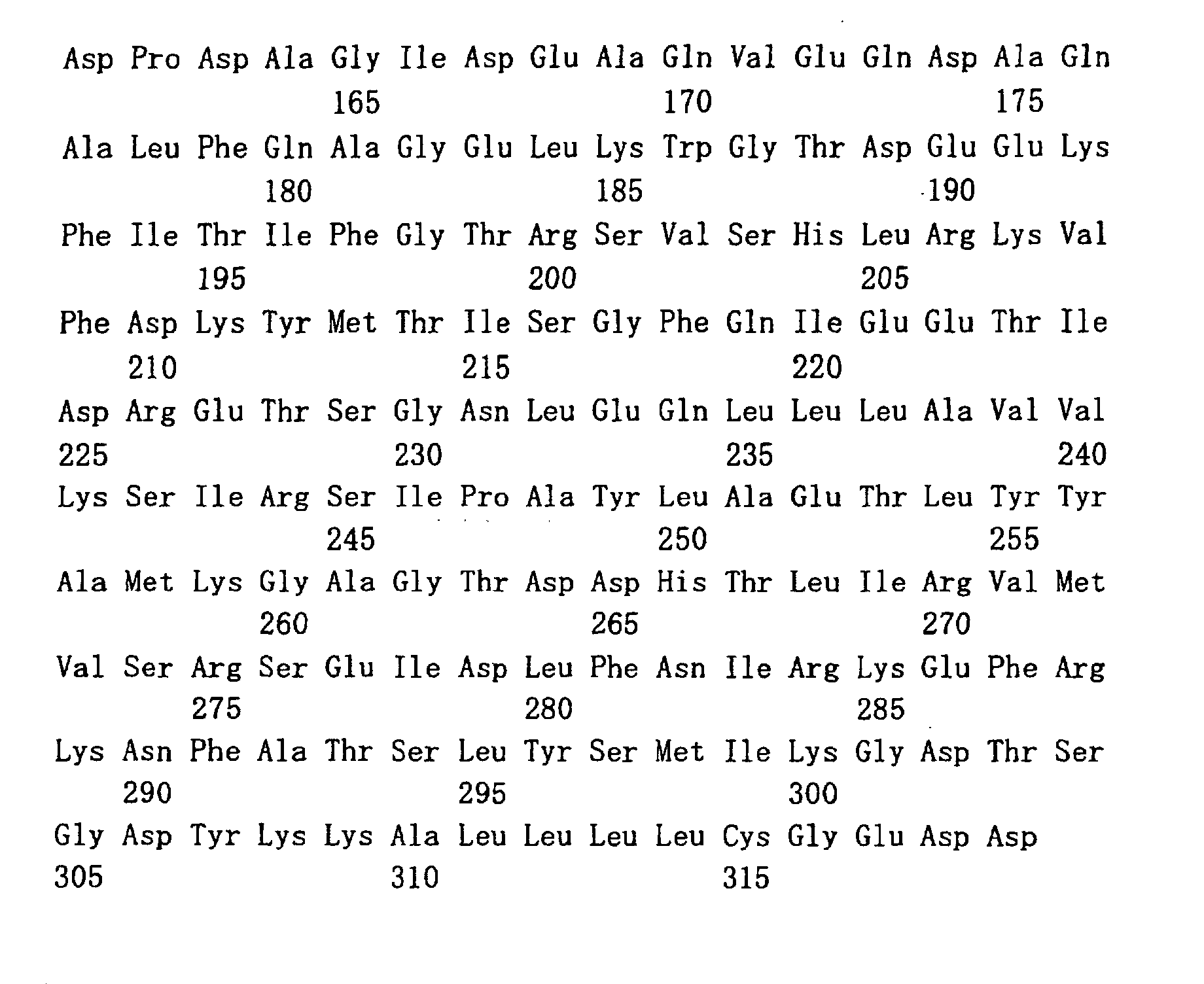
- Human CPB-I has the amino acid sequence of SEQ ID NO: 1 mentioned in
- CPB-I typically has the following properties.
- CPB-I origin, presence or absence of sugar chain and the like of CPB-I used in the present invention are not particularly limited so long as it shows an effect as an active ingredient of an eye drop such as therapeutic effect on cornea diseases. Further, derivatives thereof subjected to alteration or modification such as amino acid substitution may also be used so long as they show the aforementioned effect.
- CPB-I used in the present invention is preferably human CPB-I, it may be a protein comprising an amino acid sequence of SEQ ID NO: 1 including substitution, deletion, insertion or addition of one or more amino acid residues or an amino acid sequence having a substituent at its C- or N-terminus so long as it shows the aforementioned effect as an active ingredient.
- CPB-I can be extracted and purified from a human or animal organ containing CPB-I (Japanese Patent Laid-Open Publication (Kokai) No. 62-174023). However, it is preferably produced by a recombinant DNA technique using DNA coding for CPB-I in view of mass production.
- DNA coding for the CPB-I protein has already been cloned, and its nucleotide sequence has been elucidated (Japanese Patent Laid-open Publication (Kokai) No. 64-20095). Further, a method for producing CPB-I using this DNA has been described, and CPB-I produced by this method can be preferably used in the present invention.
- DNA coding for CPB-I of the present invention is not particularly limited so long as the encoded amino acid sequence satisfies the aforementioned requirements. Specific examples thereof include DNAs having the nucleotide sequence described in Japanese Patent Laid-open Publication (Kokai) No. 64-20095.
- DNA coding for CPB-I protein described above can be obtained from a human or animal chromosomal DNA or chromosome library by PCR using primers prepared based on the sequence.
- the content of CPB-I used in the present invention is 0.0001 to 1% by weight, preferably 0.001 to 0.1% by weight, particularly preferably 0.003 to 0.03% by weight, based on the total weight of the eye drop.
- the eye drop of the present invention contains a polyhydric alcohol together with CPB-I.
- the polyhydric alcohol dihydric to hexahydric alcohols are preferred. Specific examples thereof include glycerin, propylene glycol, mannitol, sorbitol and so forth, and glycerin is preferred.
- the content of polyhydric alcohol is preferably about such an amount that the eye drop composition should become isotonic. Specifically, the content is 0.1 to 20% by weight, preferably 1 to 10% by weight, particularly preferably 1.5 to 5% by weight, based on the total weight of the eye drop.
- a polyhydric alcohol having a low carbonyl value is preferably used.
- the carbonyl value is preferably a value lower than the value shown in the examples later, for example, 5 ⁇ mol/g or lower, more preferably 3 ⁇ mol/g or lower, further preferably 1 ⁇ mol/g or lower.
- the carbonyl value of polyhydric alcohol used in the present invention referred to herein means a number of ⁇ mol of the carbonyl compound in 1 g of a sample, which is obtained by, for example, a spectrometric method performed after color development with 2,4-dinitrophenylhydrazine under a certain condition (A.S. Heick, M.F. Benca, Jr. Mitchell, JAOCS, 31, 88, 1954; S. Mitsunaga & U. Shimamura, Oil Chemistry, 7, 275, 1958).
- a general method for measuring the carbonyl value will be described.
- the mixture is further added with 5 ml of 4% (w/v) solution of potassium hydroxide in ethanol (aldehyde free) and then toluene to a total volume of 25 ml.
- the absorbance is measured at 435 nm.
- a blank test is performed without adding concentrated glycerin for correction.
- aldehyde standard stock solution obtained by dissolving 0.142 g of nonanal [Wako Pure Chemical Industries] in toluene in a total volume of 100 ml and then adding toluene to 5 ml of this solution to a total volume of 100 ml
- aldehyde-free ethanol obtained by dissolving 0.142 g of nonanal [Wako Pure Chemical Industries] in toluene in a total volume of 100 ml and then adding toluene to 5 ml of this solution to a total volume of 100 ml
- aldehyde-free ethanol obtained by dissolving 0.142 g of nonanal [Wako Pure Chemical Industries] in toluene in a total volume of 100 ml and then adding toluene to 5 ml of this solution to a total volume of 100 ml
- aldehyde-free ethanol obtained by dissolving 0.142 g of nonanal [Wako Pure Chemical Industries] in tol
- the eye drop of the present invention can contain additives generally used, for example, buffers, thickeners, stabilizers, nonionic surfactants and so forth.
- buffers examples include boric acid, borax, citric acid, primary phosphate, acetate, secondary phosphate, hydrogencarbonate, carbonate and so forth.
- the content of the buffer is 0.01 to 2% by weight, preferably 0.05 to 1% by weight, particularly preferably 0.1 to 0.5% by weight, based on the total weight of the eye drop.
- the eye drop preferably has pH of 5 to 10, more preferably 6 to 9.
- the thickeners include polyvinyl alcohol, polyvinylpyrrolidone, carboxyvinyl polymer and so forth.
- the thickeners prevent the eye drop from running out from the eye and extend the retention time in the eye to provide higher drug efficacy. Further, if the CPB-I eye drop is shaken, CPB-I may precipitate. However, precipitation of CPB-I is prevented by addition of a thickener.
- the content of the thickener is 0.01 to 2% by weight, preferably 0.025 to 1% by weight, particularly preferably 0.05 to 0.5% by weight, based on the total weight of the eye drop.
- the stabilizers include sodium caprylate, arginine, sodium sulfite, sodium hydrogensulfite and so forth.
- the content of the stabilizer is 0.01 to 2% by weight, preferably 0.05 to 1% by weight, particularly preferably 0.1 to 0.5% by weight, based on the total weight of the eye drop.
- nonionic surfactants examples include fatty acid polyhydric alcohol esters, polyoxyethylene sorbitan fatty acid esters, polyoxyethylene ethers such as polyoxyethylene hydrogenated caster oil, ethylene oxide adducts such as alkylpolyoxyethylene ethers, alkylcarbonylpolyoxyethylenes and N,N'-di(polyoxyethylene)alkane amides, fatty acid sucrose esters, N,N'-di(alkanol)alkane amides, polyoxyethylene block copolymers and so forth.
- the content of the nonionic surfactant is 0.01 to 5% by weight, preferably 0.02 to 2% by weight, particularly preferably 0.03 to 1% by weight, based on the total weight of the eye drop.
- salts generally used as an isotonic agent of eye drops such as sodium chloride or potassium chloride, or the content thereof is preferably reduced to such an extent that stability should not be degraded.
- the eye drop of the present invention is an eye drop solution preparation.
- This preparation can be prepared as a preparation to be dissolved or diluted upon use.
- CPB-I and polyhydric alcohol may be separately packaged.
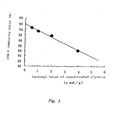
- Fig. 1 shows influence of the carbonyl value of polyhydric alcohol on CPB-I stability.
- the eye drops described in the examples and comparative examples described below were prepared by appropriately adding boric acid and borax or disodium monohydrogenphosphate and monosodium dihydrogenphosphate dihydrate to adjust all the preparations to pH 7.5. Concentrated glycerin, propylene glycol, sorbitol, sodium chloride and potassium chloride were appropriately added to adjust osmotic pressures of all the preparations to 286 m Osm.
- Preparation was performed in the same manner as in Example 1 except that 2.1 g of propylene glycol was added instead of 2.3 g of concentrated glycerin, and 0.016 g of borax was added instead of 0.085 g of borax.
- Preparation was performed in the same manner as in Example 1 except that 4.0 g of sorbitol was added instead of 2.3 g of concentrated glycerin, and 0.26 g of disodium monohydrogenphosphate and 0.05 g of monosodium dihydrogenphosphate dihydrate were added instead of boric acid and borax.
- Preparation was performed in the same manner as in Example 1 except that 0.8 g of sodium chloride was added instead of 2.3 g of concentrated glycerin, and 0.011 g of borax was added instead of 0.085 g of borax.
- Preparation was performed in the same manner as in Example 1 except that 1.0 g of potassium chloride was added instead of 2.3 g of concentrated glycerin, and 0.011 g of borax was added instead of 0.085 g of borax.
- Stability of CPB-I was examined in the eye drops of Examples 1 to 6 and Comparative Examples 1 and 2. Stability of CPB-I was measured as remaining ratio of CPB-I (based on the ratio immediately after production, which was taken as 100%) after the preparations were stored at 45°C for 2 weeks.
- Fig. 1 shows a graph of the results shown in Table 2.
- Example 1 Example 2
- Example 3 Comparative Example 1 Comparative Example 2
- CPB-I 0.01 0.01 0.01 0.01 0.01 0.01 0.01 0.01 0.01 0.01
- Boric acid 0.11 0.11 - 0.11 0.11 0.11
- Borax 0.085 0.016 - 0.011 0.011
- Polyoxyethylene sorbitan fatty acid ester 0.05 0.05 0.05 0.05 0.05 0.05 0.05 0.05
- an eye drop which causes no uncomfortable irritation upon instillation and has favorable long-term storage stability of CPB-I can be provided.
Landscapes
- Health & Medical Sciences (AREA)
- Life Sciences & Earth Sciences (AREA)
- Animal Behavior & Ethology (AREA)
- Chemical & Material Sciences (AREA)
- Veterinary Medicine (AREA)
- Medicinal Chemistry (AREA)
- Public Health (AREA)
- General Health & Medical Sciences (AREA)
- Pharmacology & Pharmacy (AREA)
- Epidemiology (AREA)
- Engineering & Computer Science (AREA)
- Bioinformatics & Cheminformatics (AREA)
- Zoology (AREA)
- Ophthalmology & Optometry (AREA)
- Gastroenterology & Hepatology (AREA)
- Immunology (AREA)
- Proteomics, Peptides & Aminoacids (AREA)
- Marine Sciences & Fisheries (AREA)
- Organic Chemistry (AREA)
- Nuclear Medicine, Radiotherapy & Molecular Imaging (AREA)
- General Chemical & Material Sciences (AREA)
- Chemical Kinetics & Catalysis (AREA)
- Medicinal Preparation (AREA)
- Medicines That Contain Protein Lipid Enzymes And Other Medicines (AREA)
Abstract
An object of present invention is to provide an eye drop which causes no uncomfortable irritation upon instillation and shows favorable long-term storage stability of CPB-I. The eye drop which comprises CPB-I and a polyhydric alcohol, preferably the polyhydric alcohol having a carbonyl value of 5 mu mol/g or lower, can be provided.
Description
The present invention relates to an eye drop which
causes no uncomfortable irritation upon instillation and
shows favorable long-term CPB-I storage stability, and a
method for producing the same.
CPB-I (a.k.a. "annexin V") is a substance that is
extensively distributed in tissues and secretions of
living bodies including human placenta (Chem. Pharm.
Bull, 38, 1957-1960, 1990), present in cytoplasm in a
cell and has physiological activities such as an
anticoagulation action. It has been reported that CPB-I
can be extracted from organs of human or other animals
(Japanese Patent Laid-open Publication (Kokai) No. 62-174023),
and expressed by gene recombination techniques
(Japanese Patent Laid-open Publication (Kokai) No. 64-20095).
It has also been reported to use CPB-I as a
therapeutic agent for corneal diseases (WO92/08475).
Meanwhile, salts such as sodium chloride or
potassium chloride are generally mixed in eye drops as
an isotonic agent to eliminate uncomfortable stimuli to
eyes upon instillation. However, if the aforementioned
salts are mixed in an eye drop containing CPB-I, long-term
CPB-I storage stability undesirably becomes
problematic. In order to stabilize CPB-I, it is
contemplated to mix ethylenediaminetetraacetic acid
(EDTA), which is an antioxidant, or a salt thereof, or
ascorbic acid. However, EDTA or a salt thereof may
inhibit the wound healing action of CPB-I, and ascorbic
acid is not preferred either since the pH range in which
it is stable is different from that of CPB-I.
So far, there have known methods of stabilizing
CPB-I by mixing a basic amino acid or saccharide upon
isolation, purification, lyophilization or the like
(Japanese Patent Laid-open Publication (Kokai) Nos. 4-198195
and 4-198196). However, long-term storage
stability of eye drops has not been examined. That is,
it is difficult to prepare an eye drop that causes no
uncomfortable irritation upon instillation and has
favorable long-term CPB-I storage stability, and hence
no satisfactory products have been obtained so far.
The present invention was accomplished from the
aforementioned viewpoint, and its object is to provide
an eye drop containing CPB-I, which causes no
uncomfortable irritation upon instillation and shows
favorable long-term storage stability of CPB-I, and a
method for producing the same.
The inventors of the present invention assiduously
studied in consideration of the above, and as a result,
they found a composition of eye drop that causes no
uncomfortable irritation upon instillation and shows
favorable long-term storage stability of CPB-I. That is,
they found that an eye drop containing CPB-I causing no
uncomfortable irritation upon instillation and showing
favorable long-term storage stability of CPB-I could be
provided by adding a polyhydric alcohol as an isotonic
agent to the eye drop, and thus accomplished the present
invention. Further, they found that an eye drop having
further excellent long-term storage stability of CPB-I
could be provided by using a polyhydric alcohol having a
low carbonyl value as the polyhydric alcohol, and
accomplished the present invention.
That is, the present invention provides the
followings.
Hereafter, the present invention will be described
in detail.
The eye drop of the present invention contains CPB-I
as an active ingredient. As CPB-I, human-derived CPB-I
can be mentioned. The amino acid sequence of human
CPB-I has already been reported (Japanese Patent Laid-Open
Publication (Kokai) No. 64-20095). Human CPB-I has
the amino acid sequence of SEQ ID NO: 1 mentioned in
Further, CPB-I typically has the following
properties.
The origin, presence or absence of sugar chain and
the like of CPB-I used in the present invention are not
particularly limited so long as it shows an effect as an
active ingredient of an eye drop such as therapeutic
effect on cornea diseases. Further, derivatives thereof
subjected to alteration or modification such as amino
acid substitution may also be used so long as they show
the aforementioned effect.
Although CPB-I used in the present invention is
preferably human CPB-I, it may be a protein comprising
an amino acid sequence of SEQ ID NO: 1 including
substitution, deletion, insertion or addition of one or
more amino acid residues or an amino acid sequence
having a substituent at its C- or N-terminus so long as
it shows the aforementioned effect as an active
ingredient.
CPB-I can be extracted and purified from a human or
animal organ containing CPB-I (Japanese Patent Laid-Open
Publication (Kokai) No. 62-174023). However, it is
preferably produced by a recombinant DNA technique using
DNA coding for CPB-I in view of mass production. DNA
coding for the CPB-I protein has already been cloned,
and its nucleotide sequence has been elucidated
(Japanese Patent Laid-open Publication (Kokai) No. 64-20095).
Further, a method for producing CPB-I using
this DNA has been described, and CPB-I produced by this
method can be preferably used in the present invention.
DNA coding for CPB-I of the present invention is
not particularly limited so long as the encoded amino
acid sequence satisfies the aforementioned requirements.
Specific examples thereof include DNAs having the
nucleotide sequence described in Japanese Patent Laid-open
Publication (Kokai) No. 64-20095.
Since the amino acid sequence of the CPB-I protein
and the nucleotide sequence of DNA coding for it have
already been elucidated, DNA coding for CPB-I protein
described above can be obtained from a human or animal
chromosomal DNA or chromosome library by PCR using
primers prepared based on the sequence.
Methods for preparation of DNA coding for CPB-I,
and preparation of chromosomal DNA, preparation of a
chromosomal DNA library, hybridization, PCR, preparation
of plasmid DNA, digestion and ligation of DNA,
transformation and so forth in the preparation of CPB-I
using recombinant DNA techniques are described in
Japanese Patent Laid-Open Publication (Kokai) No. 64-20095.
The content of CPB-I used in the present invention
is 0.0001 to 1% by weight, preferably 0.001 to 0.1% by
weight, particularly preferably 0.003 to 0.03% by weight,
based on the total weight of the eye drop.
The eye drop of the present invention contains a
polyhydric alcohol together with CPB-I. As the
polyhydric alcohol, dihydric to hexahydric alcohols are
preferred. Specific examples thereof include glycerin,
propylene glycol, mannitol, sorbitol and so forth, and
glycerin is preferred. The content of polyhydric
alcohol is preferably about such an amount that the eye
drop composition should become isotonic. Specifically,
the content is 0.1 to 20% by weight, preferably 1 to 10%
by weight, particularly preferably 1.5 to 5% by weight,
based on the total weight of the eye drop.
If content of an oxidized alcohol contained in the
polyhydric alcohol, specifically a carbonyl compound, is
high, the CPB-I activity may decline during the storage
of the eye drop. Therefore, a polyhydric alcohol having
a low carbonyl value is preferably used. Specifically,
the carbonyl value is preferably a value lower than the
value shown in the examples later, for example, 5 µmol/g
or lower, more preferably 3 µmol/g or lower, further
preferably 1 µmol/g or lower.
The carbonyl value of polyhydric alcohol used in
the present invention referred to herein means a number
of µmol of the carbonyl compound in 1 g of a sample,
which is obtained by, for example, a spectrometric
method performed after color development with 2,4-dinitrophenylhydrazine
under a certain condition (A.S.
Heick, M.F. Benca, Jr. Mitchell, JAOCS, 31, 88, 1954; S.
Mitsunaga & U. Shimamura, Oil Chemistry, 7, 275, 1958).
Hereafter, a general method for measuring the carbonyl
value will be described.
In an amount of 1 g of concentrated glycerin is
weighed and added with ethanol (aldehyde free) to a
total volume of 50 ml. In an amount of 5 ml of the
prepared solution is collected in a 25-ml measuring
flask, added with 2 ml of 3.6% (w/v) solution of
trichloroacetic acid (dissolved in toluene) and 3 ml of
0.05% (w/v) solution of 2,4-dinitrophenylhydrazine
(dissolved in toluene), stirred, allowed to react in a
thermostat at 60 ± 1°C for 30 minutes, and then left
until cooled to room temperature. The mixture is
further added with 5 ml of 4% (w/v) solution of
potassium hydroxide in ethanol (aldehyde free) and then
toluene to a total volume of 25 ml. Following 10
minutes after the addition of the potassium hydroxide
solution, the absorbance is measured at 435 nm. A blank
test is performed without adding concentrated glycerin
for correction. In amounts of 1, 3, 5 and 7 ml of
aldehyde standard stock solution (obtained by dissolving
0.142 g of nonanal [Wako Pure Chemical Industries] in
toluene in a total volume of 100 ml and then adding
toluene to 5 ml of this solution to a total volume of
100 ml) is collected and each added with aldehyde-free
ethanol to a total volume of 25 ml. In a volume of 5 ml
of each solution is collected in a 25-ml measuring flask,
and the same operations as in the aforementioned
standard test method were performed for the solution to
create a calibration curve.
The eye drop of the present invention can contain
additives generally used, for example, buffers,
thickeners, stabilizers, nonionic surfactants and so
forth.
Examples of the buffers include boric acid, borax,
citric acid, primary phosphate, acetate, secondary
phosphate, hydrogencarbonate, carbonate and so forth.
The content of the buffer is 0.01 to 2% by weight,
preferably 0.05 to 1% by weight, particularly preferably
0.1 to 0.5% by weight, based on the total weight of the
eye drop. The eye drop preferably has pH of 5 to 10,
more preferably 6 to 9.
Examples of the thickeners include polyvinyl
alcohol, polyvinylpyrrolidone, carboxyvinyl polymer and
so forth. The thickeners prevent the eye drop from
running out from the eye and extend the retention time
in the eye to provide higher drug efficacy. Further, if
the CPB-I eye drop is shaken, CPB-I may precipitate.
However, precipitation of CPB-I is prevented by addition
of a thickener. The content of the thickener is 0.01 to
2% by weight, preferably 0.025 to 1% by weight,
particularly preferably 0.05 to 0.5% by weight, based on
the total weight of the eye drop.
Examples of the stabilizers include sodium
caprylate, arginine, sodium sulfite, sodium
hydrogensulfite and so forth. The content of the
stabilizer is 0.01 to 2% by weight, preferably 0.05 to
1% by weight, particularly preferably 0.1 to 0.5% by
weight, based on the total weight of the eye drop.
Examples of the nonionic surfactants include fatty
acid polyhydric alcohol esters, polyoxyethylene sorbitan
fatty acid esters, polyoxyethylene ethers such as
polyoxyethylene hydrogenated caster oil, ethylene oxide
adducts such as alkylpolyoxyethylene ethers,
alkylcarbonylpolyoxyethylenes and N,N'-di(polyoxyethylene)alkane
amides, fatty acid sucrose
esters, N,N'-di(alkanol)alkane amides, polyoxyethylene
block copolymers and so forth. The content of the
nonionic surfactant is 0.01 to 5% by weight, preferably
0.02 to 2% by weight, particularly preferably 0.03 to 1%
by weight, based on the total weight of the eye drop.
In view of long-term storage stability of CPB-I, it
is preferable not to use salts generally used as an
isotonic agent of eye drops such as sodium chloride or
potassium chloride, or the content thereof is preferably
reduced to such an extent that stability should not be
degraded.
The eye drop of the present invention is an eye
drop solution preparation. This preparation can be
prepared as a preparation to be dissolved or diluted
upon use. When the eye drop is prepared as a
preparation to be dissolved upon use, CPB-I and
polyhydric alcohol may be separately packaged.
Fig. 1 shows influence of the carbonyl value of
polyhydric alcohol on CPB-I stability.
The present invention will be explained more
specifically with reference to the following examples.
The eye drops described in the examples and
comparative examples described below were prepared by
appropriately adding boric acid and borax or disodium
monohydrogenphosphate and monosodium dihydrogenphosphate
dihydrate to adjust all the preparations to pH 7.5.
Concentrated glycerin, propylene glycol, sorbitol,
sodium chloride and potassium chloride were
appropriately added to adjust osmotic pressures of all
the preparations to 286 m Osm.
In an amount of 0.01 g of CPB-I, 2.3 g of
concentrated glycerin, 0.11 g of boric acid, 0.085 g of
borax, 0.05 g of polyoxyethylene sorbitan fatty acid
ester and 0.1 g of polyvinylpyrrolidone were added with
sterile purified water to a total volume of 100 mL and
dissolved by stirring.
Preparation was performed in the same manner as in
Example 1 except that 2.1 g of propylene glycol was
added instead of 2.3 g of concentrated glycerin, and
0.016 g of borax was added instead of 0.085 g of borax.
Preparation was performed in the same manner as in
Example 1 except that 4.0 g of sorbitol was added
instead of 2.3 g of concentrated glycerin, and 0.26 g of
disodium monohydrogenphosphate and 0.05 g of monosodium
dihydrogenphosphate dihydrate were added instead of
boric acid and borax.
Preparation was performed in the same manner as in
Example 1 except that concentrated glycerin having a
different carbonyl value was used.
Preparation was performed in the same manner as in
Example 1 except that 0.8 g of sodium chloride was added
instead of 2.3 g of concentrated glycerin, and 0.011 g
of borax was added instead of 0.085 g of borax.
Preparation was performed in the same manner as in
Example 1 except that 1.0 g of potassium chloride was
added instead of 2.3 g of concentrated glycerin, and
0.011 g of borax was added instead of 0.085 g of borax.
Stability of CPB-I was examined in the eye drops of
Examples 1 to 6 and Comparative Examples 1 and 2.
Stability of CPB-I was measured as remaining ratio of
CPB-I (based on the ratio immediately after production,
which was taken as 100%) after the preparations were
stored at 45°C for 2 weeks.
The results are shown in Tables 1, 2 and Fig. 1.
Fig. 1 shows a graph of the results shown in Table 2.
| Example 1 | Example 2 | Example 3 | Comparative Example 1 | Comparative Example 2 | |
| CPB-I | 0.01 | 0.01 | 0.01 | 0.01 | 0.01 |
| Concentrated glycerin | 2.3 | - | - | - | - |
| Propylene glycol | - | 2.1 | - | - | - |
| Sorbitol | - | - | 4.0 | - | - |
| Sodium chloride | - | - | - | 0.8 | - |
| Potassium chloride | - | - | - | - | 1.0 |
| Disodium monohydrogen-phosphate | - | - | 0.26 | - | - |
| Monosodium dihydrogen-phosphate dihydrate | - | - | 0.05 | - | - |
| Boric acid | 0.11 | 0.11 | - | 0.11 | 0.11 |
| Borax | 0.085 | 0.016 | - | 0.011 | 0.011 |
| Polyoxyethylene sorbitan fatty acid ester | 0.05 | 0.05 | 0.05 | 0.05 | 0.05 |
| Polyvinyl-pyrrolidone | 0.1 | 0.1 | 0.1 | 0.1 | 0.1 |
| Sterile purified water | Appropriate amount to make total 100 mL | Appropriate amount to make total 100 mL | Appropriate amount to make total 100 mL | Appropriate amount to make total 100 mL | Appropriate amount to make total 100 mL |
| CPB-I remaining ratio (%) after storage at 45°C for 2 weeks | 95 | 95 | 93 | 44 | 39 |
| Example 1 | Example 4 | Example 5 | Example 6 | |
| Carbonyl value of concentrated glycerin (µmol/g) | 0.5 | 1 | 2 | 4 |
| CPB-I remaining ratio (%) after storage at 45°C for 2 weeks | 95 | 93 | 92 | 86 |
As described above, it was confirmed from the
results of Examples 1 to 3 and Comparative Examples 1
and 2 that eye drops having favorable long-term CPB-I
stability could be obtained if a polyhydric alcohol was
added to the eye drops as an isotonic agent.
Further, it was confirmed from the results of
Examples 1 and 4 to 6 that as the carbonyl value of
polyhydric alcohol became lower, the long-term CPB-I
stability in the eye drops became better.
According to the present invention, an eye drop
which causes no uncomfortable irritation upon
instillation and has favorable long-term storage
stability of CPB-I can be provided.

Claims (4)
- An eye drop containing CPB-I and a polyhydric alcohol.
- The eye drop according to claim 1, wherein the polyhydric alcohol is selected from the group consisting of glycerin, propylene glycol, mannitol and sorbitol.
- The eye drop according to claim 1 or 2, wherein the polyhydric alcohol has a carbonyl value of 5 µmol/g or lower.
- A method for producing an eye drop containing CPB-I, which comprises mixing a polyhydric alcohol having a carbonyl value of 5 µmol/g or lower in the eye drop together with CPB-I.
Applications Claiming Priority (3)
| Application Number | Priority Date | Filing Date | Title |
|---|---|---|---|
| JP2001050297 | 2001-02-26 | ||
| JP2001050297 | 2001-02-26 | ||
| PCT/JP2002/001563 WO2002067977A1 (en) | 2001-02-26 | 2002-02-21 | Eye drops |
Publications (2)
| Publication Number | Publication Date |
|---|---|
| EP1364654A1 true EP1364654A1 (en) | 2003-11-26 |
| EP1364654A4 EP1364654A4 (en) | 2007-10-17 |
Family
ID=18911276
Family Applications (1)
| Application Number | Title | Priority Date | Filing Date |
|---|---|---|---|
| EP02700680A Withdrawn EP1364654A4 (en) | 2001-02-26 | 2002-02-21 | OPHTHALMIC DROPS |
Country Status (7)
| Country | Link |
|---|---|
| US (1) | US20040067909A1 (en) |
| EP (1) | EP1364654A4 (en) |
| JP (1) | JP3695657B2 (en) |
| KR (1) | KR20030076705A (en) |
| CN (1) | CN1267150C (en) |
| CA (1) | CA2439100A1 (en) |
| WO (1) | WO2002067977A1 (en) |
Families Citing this family (2)
| Publication number | Priority date | Publication date | Assignee | Title |
|---|---|---|---|---|
| US8029454B2 (en) | 2003-11-05 | 2011-10-04 | Baxter International Inc. | High convection home hemodialysis/hemofiltration and sorbent system |
| US20150366966A1 (en) * | 2013-01-31 | 2015-12-24 | Senju Pharmaceutical Co., Ltd. | Stable Aqueous Solution |
Family Cites Families (3)
| Publication number | Priority date | Publication date | Assignee | Title |
|---|---|---|---|---|
| CA1265446A (en) * | 1985-09-30 | 1990-02-06 | Masahiro Maki | Anticoagulating substance, process for preparing same and anticoagulant comprising same as an effective component |
| US5360789A (en) * | 1990-11-20 | 1994-11-01 | Kowa Co., Ltd. | Therapeutic agent for skin or corneal disease |
| JP2916948B2 (en) * | 1990-11-28 | 1999-07-05 | 興和株式会社 | Method for stabilizing CPB-I and formulation composition thereof |
-
2002
- 2002-02-21 US US10/468,983 patent/US20040067909A1/en not_active Abandoned
- 2002-02-21 CN CNB028055853A patent/CN1267150C/en not_active Expired - Fee Related
- 2002-02-21 KR KR10-2003-7011132A patent/KR20030076705A/en not_active Ceased
- 2002-02-21 JP JP2002567342A patent/JP3695657B2/en not_active Expired - Lifetime
- 2002-02-21 CA CA002439100A patent/CA2439100A1/en not_active Abandoned
- 2002-02-21 WO PCT/JP2002/001563 patent/WO2002067977A1/en not_active Ceased
- 2002-02-21 EP EP02700680A patent/EP1364654A4/en not_active Withdrawn
Non-Patent Citations (2)
| Title |
|---|
| No further relevant documents disclosed * |
| See also references of WO02067977A1 * |
Also Published As
| Publication number | Publication date |
|---|---|
| JPWO2002067977A1 (en) | 2004-06-24 |
| CN1610555A (en) | 2005-04-27 |
| EP1364654A4 (en) | 2007-10-17 |
| US20040067909A1 (en) | 2004-04-08 |
| KR20030076705A (en) | 2003-09-26 |
| CN1267150C (en) | 2006-08-02 |
| CA2439100A1 (en) | 2002-09-06 |
| JP3695657B2 (en) | 2005-09-14 |
| WO2002067977A1 (en) | 2002-09-06 |
Similar Documents
| Publication | Publication Date | Title |
|---|---|---|
| EP0221700B1 (en) | A thrombin preparation | |
| ES2225043T3 (en) | DILUYENTE FOR CRIOCONSERVACION DE ESPERMATOZOIDES DE BOVINOS. | |
| KR100457485B1 (en) | Stable Transglutaminase Formulation and Manufacturing Method Thereof | |
| AU2008266094B2 (en) | Stabilized thrombin compositions | |
| FI85334C (en) | Process for Preparation of an Aqueous Tissue Plasminogenic Tivator (t-PA) Containing Concentrated Parent Solution | |
| US7803911B2 (en) | Dried blood factor composition comprising trehalose | |
| CA2481593C (en) | Biologically stable liquid composition of fviii, of vwf or of fviii/vwf complex of human origin | |
| MXPA04009275A (en) | Stable pharmaceutical composition containing factor viii. | |
| JP2837847B2 (en) | Thrombin preparation | |
| US6084074A (en) | Stabilized aqueous liquid preparations of blood coagulation factor XIII | |
| EP0612530B1 (en) | Pharmaceutical preparations containing tumor cytotoxic factor | |
| AU2008235044B2 (en) | Stable aqueous G-CSF formulations | |
| US20040067909A1 (en) | Eye drops | |
| JP2007509101A (en) | Stable aqueous G-CSF containing composition | |
| KR20160124245A (en) | Dry transglutaminase composition | |
| EP1284143A1 (en) | A process for the preparation of pharmaceutical formulations containing lactoferrin description | |
| JP2916947B2 (en) | Method for stabilizing CPB-I and formulation composition | |
| CA2558985A1 (en) | Erythropoietin liquid formulation | |
| JP2916948B2 (en) | Method for stabilizing CPB-I and formulation composition thereof | |
| JP2005034078A (en) | Stabilizer of protein | |
| WO2006015704A1 (en) | Method for the thermal treatment of pharmaceutical preparations containing fibrinogen | |
| HK1075406B (en) | Biologically stable liquid composition of fviii, of vwf or of fviii/vwf complex of human origin | |
| JPS6310734A (en) | Stabilization of lymphotoxin | |
| HK1135329B (en) | Stable aqueous g-csf formulations |
Legal Events
| Date | Code | Title | Description |
|---|---|---|---|
| PUAI | Public reference made under article 153(3) epc to a published international application that has entered the european phase |
Free format text: ORIGINAL CODE: 0009012 |
|
| 17P | Request for examination filed |
Effective date: 20030912 |
|
| AK | Designated contracting states |
Kind code of ref document: A1 Designated state(s): AT BE CH CY DE DK ES FI FR GB GR IE IT LI LU MC NL PT SE TR |
|
| AX | Request for extension of the european patent |
Extension state: AL LT LV MK RO SI |
|
| A4 | Supplementary search report drawn up and despatched |
Effective date: 20070914 |
|
| 17Q | First examination report despatched |
Effective date: 20090519 |
|
| STAA | Information on the status of an ep patent application or granted ep patent |
Free format text: STATUS: THE APPLICATION IS DEEMED TO BE WITHDRAWN |
|
| 18D | Application deemed to be withdrawn |
Effective date: 20090930 |