EP1364583B1 - Dairy products with reduced average particle size - Google Patents
Dairy products with reduced average particle size Download PDFInfo
- Publication number
- EP1364583B1 EP1364583B1 EP03253216A EP03253216A EP1364583B1 EP 1364583 B1 EP1364583 B1 EP 1364583B1 EP 03253216 A EP03253216 A EP 03253216A EP 03253216 A EP03253216 A EP 03253216A EP 1364583 B1 EP1364583 B1 EP 1364583B1
- Authority
- EP
- European Patent Office
- Prior art keywords
- emulsion
- cream cheese
- liquid dairy
- dairy
- fat
- Prior art date
- Legal status (The legal status is an assumption and is not a legal conclusion. Google has not performed a legal analysis and makes no representation as to the accuracy of the status listed.)
- Expired - Lifetime
Links
Images
Classifications
-
- A—HUMAN NECESSITIES
- A23—FOODS OR FOODSTUFFS; TREATMENT THEREOF, NOT COVERED BY OTHER CLASSES
- A23C—DAIRY PRODUCTS, e.g. MILK, BUTTER OR CHEESE; MILK OR CHEESE SUBSTITUTES; PREPARATION THEREOF
- A23C19/00—Cheese; Cheese preparations; Making thereof
- A23C19/06—Treating cheese curd after whey separation; Products obtained thereby
- A23C19/068—Particular types of cheese
- A23C19/076—Soft unripened cheese, e.g. cottage or cream cheese
- A23C19/0765—Addition to the curd of additives other than acidifying agents, dairy products, proteins except gelatine, fats, enzymes, microorganisms, NaCl, CaCl2 or KCl; Foamed fresh cheese products
-
- A—HUMAN NECESSITIES
- A23—FOODS OR FOODSTUFFS; TREATMENT THEREOF, NOT COVERED BY OTHER CLASSES
- A23C—DAIRY PRODUCTS, e.g. MILK, BUTTER OR CHEESE; MILK OR CHEESE SUBSTITUTES; PREPARATION THEREOF
- A23C13/00—Cream; Cream preparations; Making thereof
- A23C13/12—Cream preparations
- A23C13/16—Cream preparations containing, or treated with, microorganisms, enzymes, or antibiotics; Sour cream
-
- A—HUMAN NECESSITIES
- A23—FOODS OR FOODSTUFFS; TREATMENT THEREOF, NOT COVERED BY OTHER CLASSES
- A23C—DAIRY PRODUCTS, e.g. MILK, BUTTER OR CHEESE; MILK OR CHEESE SUBSTITUTES; PREPARATION THEREOF
- A23C9/00—Milk preparations; Milk powder or milk powder preparations
- A23C9/12—Fermented milk preparations; Treatment using microorganisms or enzymes
- A23C9/13—Fermented milk preparations; Treatment using microorganisms or enzymes using additives
- A23C9/1307—Milk products or derivatives; Fruit or vegetable juices; Sugars, sugar alcohols, sweeteners; Oligosaccharides; Organic acids or salts thereof or acidifying agents; Flavours, dyes or pigments; Inert or aerosol gases; Carbonation methods
-
- A—HUMAN NECESSITIES
- A23—FOODS OR FOODSTUFFS; TREATMENT THEREOF, NOT COVERED BY OTHER CLASSES
- A23C—DAIRY PRODUCTS, e.g. MILK, BUTTER OR CHEESE; MILK OR CHEESE SUBSTITUTES; PREPARATION THEREOF
- A23C9/00—Milk preparations; Milk powder or milk powder preparations
- A23C9/12—Fermented milk preparations; Treatment using microorganisms or enzymes
- A23C9/13—Fermented milk preparations; Treatment using microorganisms or enzymes using additives
- A23C9/137—Thickening substances
Definitions
- the present invention relates to superior cream cheese which have firmness qualities and textural qualities not observed in conventional dairy products.
- the cream cheese of this invention have average fat particle sizes of less than 0.8 microns, preferably of 0.1 to 0.8 microns, and more preferably 0.2 to 0.6 microns as compared to conventional dairy products which typically have average fat particle sizes greater than about 1 micron.
- the present invention uses an initial treatment (e.g., high pressure homogenization, high shear mixing, ultrasound, cavitation, and the like) of a mixture of a liquid dairy substrate, fat, and protein, followed by culturing and heating the homogenate to produce a dairy product having smaller fat droplets suspended in the homogenate.
- the smaller droplet size increases firmness due to more particle-particle interactions.
- a firmer product will allow the manufacturer to use less protein, and therefore reduce cost, to formulate dairy compositions while maintaining high quality.
- the process claimed herein also permits the manufacturer to generate reduced fat particle size-containing dairy compositions without the use of emulsifiers.
- emulsifiers can be used to reduce the fat droplet size
- the products prepared cannot be classified as natural or wholly dairy products (i.e., they must generally be classified as imitation cream cheese or imitation sour cream products); thus, it is desirable to avoid the use of such emulsifiers.
- the present invention is also related to a method for making cream cheese having average fat particle sizes of less than about 0.8 microns without the whey removal step normally associated with cream cheese manufacture and having firmness qualities and textural qualities not observed in conventional dairy products.
- the method utilizes a high whey protein system which requires less acid to reach the requisite pH levels for cheese development, and thus produces a cheese without the high acid flavor defect commonly associated with cheese produced by a wheyless process. Additionally, the method enables a higher retention of whey proteins in the resulting cheese, which provides positive nutritional benefits.
- the present invention uses an initial treatment (e.g., high pressure homogenization, high shear mixing, ultrasound, cavitation, and the like) of a liquid dairy substrate (i.e., combination of dry and liquid dairy ingredients), fat, and protein, followed by culturing and heating the homogenate to produce cream cheese having smaller fat droplets suspended in the homogenate.
- a liquid dairy substrate i.e., combination of dry and liquid dairy ingredients
- fat, and protein i.e., combination of dry and liquid dairy ingredients
- Such cheese-making processes typically require the removal of a significant amount of moisture in the form of whey in order to produce the final product.
- Such processes generally comprise developing acidity in milk and setting the milk with a clotting agent, such as rennet, or by developing acidity to the isoelectric point of the protein.
- the set milk is cut and whey is separated from the resulting curd.
- the curd may be pressed to provide a cheese block, which may then be cured, depending on the type of cheese to be produced.
- Such conventional cheese products have an average fat particle size of about 1 micron or higher.
- U.S. Patent 4,724,152 (February 9, 1988 ) provides a low-fat cream cheese product and a method for the preparation of such a product.
- the product is prepared by mixing milk, a milk-fat containing carrier, and nonfat dry milk solids to form a dressing mixture which is pasteurized and homogenized.
- a stabilizer and cottage cheese curd is then added and the mixture is again homogenized.
- Preservatives and flavorings may be added before or after the final homogenization step.
- the product is then hot-packed into final packaging.
- U.S. Patent 4,397,878 (August 9, 1983 ) provides a method for producing a cream cheese-like food comprising the steps of (1) dissolving casein, an oil or fat, an emulsifying agent, lactose, a calcium salt, and an orthophosphate in water; (2) pasteurizing and homogenizing the resulting mixture to form an emulsion; (3) adding culture and fermenting until a pH of 5.4 to 5.9 is reached; (6) adding stabilizers and other additives; (7) pasteurizing; (8) filling into containers, and (9) cooling.
- U.S. Patent 4,390,560 (June 28, 1983 ) discloses a process for the production of a cream cheese-like food using gluconic ⁇ -lactone to lower pH rather than lactic acid producing bacterial cultures.
- EP1201134 relates to a cream cheese-like product where non-casein protein relaces casein protein and a method for making the product.
- the process comprises mixing (1) proteins other than milk caseins, (2) fat such as butter fat or other food grade fat, and (3) water do form a mixture; subjecting the mixture to the first homogenisation to form a protein matrix stabilised in motion system; eating the protein matrix stabilised emulsion system to a temperature effective to denature the proteins to form a denatured protein matrix stabilised emulsion; adjusting the pH of the denatured protein matrix stabilised emulsion to about 4 to about 6; subjecting the pH-adjusted emulsion to a second homogenisation to form the cream cheese-like product and packaging the product.
- US4732769 describes a soft, unripened cheese having a dry matter content of from 18 to 35%, of which at least 40% consists of the non-fat solids of milk.
- the cheese is prepared from concentrated milk by inoculating the milk with a culture of a combination of strains of thickening Streptococcus cremoris, strongly acidifying Strepococcus cremoris and mildly acidifying Streptoccus lactis.
- U.S. Patent 5,882,704 discloses a process for producing a soft, pasty cream cheese-like product for use in pastry applications.
- a cream mix consisting of 2 to 15 percent of a protein component, 2 to 15 percent of a carbohydrate component, 10 to 50 percent of a fat component, 40 to 74 percent water, and a minor amount of an emulsifier is cultured and then pasteurized, homogenized, and cooled.
- Emulsifier salts while providing a homogeneous texture, also impart an undesirable salty flavor. Moreover, under current Standards of Identity, a cream cheese prepared using emulsifying salts cannot be classified as a natural cheese. Finally, U.S. Patent 5,882,704 , in addition to employing emulsifier salts, is limited to the production of a soft, pasty cream cheese-like product for use in bakery applications.
- the present invention provides such improved methods and products.
- the present invention provides methods for producing cream cheese which have significantly reduced average fat particle sizes relative to the corresponding conventional dairy products, including, for example, cream cheese (prepared using a wheyless process), containing at least 4 percent fat.
- the present invention is a process for manufacturing superior cream cheese in which a liquid dairy substrate, fat, and protein are mixed to generate a dairy mix.
- a dairy mix is subjected to a particle-size-reduction treatment sufficient to reduce the average particles size of the final dairy product to less than 0.8 microns, preferably 0.1 to 0.8 microns, and most preferably 0.2 to 0.6 microns.
- particle-size-reduction treatments to achieve the desired average particle size include high pressure homogenization, high shear mixing, ultrasound, cavitation, and the like.
- the particle-size-reduction treatment includes either single-stage or two-stage high pressure homogenization.
- the pressure is greater than 6000 psi ( 41.37 MPa), and preferably in the range of 7500 to 15,000 psi ( 51.71 to 103.42 MPa) to generate a homogenate.
- the first homogenization is greater than 6000 psi ( 41.37 MPa), and preferably in the range of 7500 to 15,000 psi ( 51.71 to . 103.42 MPa), to generate a first homogenate.
- the first homogenate is subjected to a second homogenization at less than 1000 psi (6.89 MPa) to generate a second homogenate.
- a two-stage homogenization process is employed in the present invention.
- the homogenate from the single-stage homogenization process or the second homogenate from the two-stage homogenization process is fermented or acidified by the addition of an edible acid to a pH of 4.5 to 5 to form an acidified homogenate.
- the acidified homogenate is heated at 180 to 205°F ( 82.2 to 96.1°C) for 2 to 20 minutes to produce a dairy product having improved creaminess, resistance to syneresis, and firmness.
- the present invention is directed to a method of producing a natural cream cheese product containing significant amounts of whey protein, without the removal of whey, and having reduced average particle size.
- the elimination of the whey removal step provides significant benefits over traditional processes such as improved yield of usable product from staring raw materials, and elimination of costly treatment of acid whey.
- the use of nonperishable powdered dairy ingredients may provide additional benefits in production flexibility.
- the buffering capacity disparity between casein and whey protein allows for the use of a reduced level of acidifying agents, which enables the production of a final cream cheese product which is free of the high-acid flavor defect normally associated with cheese produced by a wheyless process.
- the cheese-make blend In order to produce a cream cheese product with the proper textural attributes, the cheese-make blend must attain a pH level at or near the isoelectric point of milk (i.e., about 4.7). In traditional cream cheese processes utilizing standard milk and cream as staring materials and having a casein to whey protein ratio of approximately 80:20, a significant level of acid must be added to reach the isoelectric point of milk due to the high buffering capacity of casein. Despite the high level of acid needed for proper curd formation, a substantial amount of the acid is removed with the whey stream, thus producing an organaleptically pleasing product.
- the process of the present invention overcomes this defect by utilizing a blend of dairy ingredients wherein the ratio of casein to whey protein is lower than that found in typical dairy ingredients. Because the buffering capacity of whey protein is substantially less than that of casein, less acid is needed to reach the isoelectric point of milk, thus a product with excellent flavor and texture can be produced despite the absence of a whey removal step in the process.
- the present invention provides a method for manufacturing cream cheese having improved firmness, said method comprising:
- the method comprises:
- the present invention provides a method for producing a natural cream cheese having improved firmness and without the removal of whey, said method comprising the steps of: (1) providing a first liquid blend of dairy ingredients comprising 20 to 45 percent total solids, 10 to 30 percent fat, and 4 to 8 percent protein, wherein the whey protein to casein ratio is greater than 60:40; (2) heating the first liquid blend to a temperature and for a time sufficient to melt the fat in the liquid blend; (3) treating the heated first liquid blend to generate an emulsion having an average fat particle size of less than 0.8 microns; (4) heating the emulsion to a temperature of 162 to 205°F ( 72.2 to 96.1 °C) for 15 seconds to 5 minutes; (5) cooling the heated emulsion to 32 to 90°F ( 0.0 to 32.2°C); (6) treating the cooled emulsion with an acidifying agent to provide a second liquid blend having a pH of 4.5 to 5 minutes; (7) heating the pH-adjusted second liquid blend
- the present invention provides a method for producing a cream cheese without the removal of whey, said method comprising the steps of: (1) providing a blend of dairy ingredients comprising a dairy substrate, fat, and protein having a whey protein to casein ratio of greater than 60:40 to obtain a mixture; (2) homogenizing the mixture to obtain an emulsion having an average fat particle size of less than 0.8 microns; (3) treating the emulsion with an acidifying agent; (4) adding a stabilizer to the treated emulsion to form a first mixture; (5) blending the first mixture to provide the cream cheese; and (6) filling the cream cheese into appropriate containers, wherein the cream cheese has a final average fat particle size of less than 0.8 microns, and wherein the cream cheese has improved firmness.
- dairy ingredients suitable for use in the present invention are whole milk, reduced fat milk, fat-free milk, skim milk, milk protein concentrates, fat-enriched milk protein concentrates, cream, anhydrous milk fat, concentrated milk fat, whey, whey protein concentrates, fat-enriched whey protein concentrates, whey protein isolates, and the like as well as mixtures thereof.
- the dairy ingredients used to practice the invention may be in natural liquid form, concentrated liquid form, dried form or liquid form made from reconstituted solids.
- the present invention is a process for manufacturing superior cream cheese in which a liquid dairy substrate, fat, and protein are mixed to generate a dairy mix.
- a dairy mix is subjected to a particle-size-reduction treatment sufficient to reduce the average particles size of the final dairy product to less than 0.8 microns, preferably 0.1 to 0.8 microns, and more preferably 0.2 to 0.6 microns.
- particle-size-reduction treatments to achieve the desired average particle size include high pressure homogenization, high shear mixing, ultrasound, cavitation, and the like.
- the particle-size-reduction treatment reduces the average particle of the resulting homogenate to 0.1 to 1 micron, preferably 0.1 to 0.8 microns, and more preferably to 0.2 to 0.6 microns.
- the particle-size-reduction treatment includes either single-stage or two-stage high pressure homogenization.
- the pressure is greater than 6000 psi (41.37 MPa), and preferably in the range of 7500 to 15,000 psi ( 51.71 to 103.42 MPa) to generate a homogenate.
- the first homogenization is greater than 6000 psi ( 41.37 MPa), and preferably in the range of 7500 to 15,000 psi ( 51.71 to 103.42 MPa), to generate a first homogenate.
- the first homogenate is subjected to a second homogenization at less than 1000 psi ( 6.89 MPa) to generate a second homogenate.
- a two-stage homogenization process is employed in the present invention.
- the homogenate from the single-stage homogenization process or the second homogenate from the two-stage homogenization process is fermented or acidified by the addition of an edible acid to a pH of 4.5 to 5 to form an acidified homogenate.
- the acidified homogenate is heated at 180 to 205°F( 82.2 to 96.1°C) for 2 to 20 minutes to produce a dairy product having improved creaminess, resistance to syneresis, and firmness.
- the invention also relates to a cream cheese containing up to 90 percent of total whey protein (including whey protein derived from retaining whey in the process and added whey protein).
- the method takes advantage of the lower buffering capacity of whey proteins to produce a cheese that is free of the objectionable high-acid flavor often associated with wheyless cheese.
- the average particle size for both dairy emulsions and finished products refers to the median diameter of fat droplets based on particle volume.
- the medium particle size is measured using the following technique: (1) Prepare 10X dilution sample with 2% SDS solution in deionized water (i.e., 1g sample + 9g 2% SDS solution) in a glass vial. (2) Agitate for about 5-30 sec with Vortex mixer. (3) Hold sample overnight to allow fat particles to cream to top of vial and then removed the cream layer with plastic pipette. This should eliminate the "extraneous" particulate material (i.e., starch and insoluble protein) and only allow for the fat particles to be sampled.
- % transmittance is between 90% to 85%.
- Samples are analyzed using a Horiba LA-900 (Horiba Instruments, Inc., Irvine, CA) particle size analyzer with the following settings: complex relative refractive index (RRI) at 1.11 ⁇ 0.001; agitation setting at 1 (lowest setting); circulation: setting at 3 (medium speed); dispersant at 200 ml of deionized water and target % laser transmittance at 100% with deionized water alone and about 85-90% with sample. Generally, a normal particle size distribution is obtained from which median diameter can be calculated.
- RRI complex relative refractive index
- medium particle size should be determined based on the sub-population of the smallest medium particle size (and which will normally be present in the highest amount).
- whey protein relates to the proteins contained in dairy liquid obtained as a supernatant of the curds when milk or a product containing milk components are curded to produce a semisolid cheese curd.
- Whey protein is generally understood to include principally the globular proteins ⁇ -lactoglobulin and ⁇ -lactalbumin; it also includes a significantly lower concentration of immunoglobulin and other globulins.
- the whey employed in the invention may be natural whey liquid directly provided by a cheese making process. It may additionally be whey concentrate obtained by processes known to the skilled artisan in dairy chemistry such as evaporation and/or ultrafiltration (alone or combined with diafiltration).
- the whey may also be a reconstituted liquid obtained by adding water or an aqueous composition to whey solids, wherein the reconstituted concentration may be lower than, about equal to, or greater than the concentration of natural whey. All these whey preparations include whey protein.
- the term "dairy ingredient” relates to milk, or to a milk product obtained by fractionation of raw milk to provide a liquid fraction, a solid milk fraction, or a solid milk fraction that is reconstituted to a liquid.
- the milk may be treated to remove some, or all, of the butterfat, providing reduced fat milk, or fat-free milk, respectively.
- whole milk, reduced fat milk, skim milk, or fat-free milk may be concentrated by methods such as evaporation, ultrafiltration, ultrafiltration combined with diafiltration, and the like.
- Evaporation provides dairy compositions containing a higher concentration of all the nonvolatile components; ultrafiltration provides dairy liquids as the retentate having a higher concentration of the components that do not permeate the ultrafiltration membrane as compared to the starting liquid.
- any of the above dairy liquids may be evaporated to dryness, providing milk solids originating from whole milk, reduced fat milk, skim milk, or fat-free milk. Any of these solids may be reconstituted by the addition of water or a suitable aqueous composition including milk or a milk fraction. Reconstitution of dry milk products thus provides dairy ingredients that in general may have a broad range of final concentrations of proteins, butterfat, and other components. Additionally, a dairy ingredient as used herein may include added cream or other sources of butterfat.
- the dairy ingredients comprise a dairy substrate, fat, and protein and form a liquid dairy mixture.
- the liquid dairy mixture must contain sufficient fat to allow formation of fat particles of the desired size. Generally the liquid dairy mixture contains 4 to 30 percent fat.
- the dairy ingredients employed in the present invention may originate from any lactating livestock animal whose milk is useful as a source of human food. Such livestock animals include, by way of nonlimiting example, cows, buffalo, other ruminants, goats, sheep, and the like. In a preferred embodiment, products derived from cows' milk provides the basis for dairy ingredients used in the practice of the invention.
- acidifying agent relates to an acid suitable for food applications, or lactic acid producing bacterial cultures which convert dairy sugars into lactic acid.
- stabilizers relates to food-grade gums such as carob, xanthan, guar gum, and mixtures thereof. Conventional emulsifiers are not used in the present invention.
- the dairy ingredients provide a ratio of whey protein to casein to greater than 60:40, which allows for the use of about half the level of acidifying agents normally needed to reach the desired pH of about 4.7.
- a method for producing a natural cream cheese without the removal of whey comprising the steps of: (1) providing a blend of dairy ingredients comprising 20 to 45 percent total solids, at least 4 percent fat, and 4 to 8 percent protein, wherein the whey protein to casein ratio is at least about 60:40; (2) heating the mixture to a temperature of 122 to 167°F 50.0 to 75.0°C); (3) homogenizing the mixture at a pressure of greater than 6000 psi ( 41.37 MPa) to reduce the average particle size to less than 0.8 microns; (4) heating the resulting mixture to a temperature of 162 to 205°F (72.2 to 96.1°C) for 15 seconds to 5 minutes; (5) cooling the mixture to 32 to 90°F ( 0.0 to 32.2°C); (6) treating the mixture with an acidifying agent to provide a pH of 4.5 to 5 minutes; (7) heating the mixture to 140 to 175°F (, 60.0 to 79.4°C); (8) adding salt and stabilize
- the method produces a cream cheese product which contains from . 50 to 90 percent whey proteins. More preferably the blend of dairy ingredients in step (1) comprises 30 to 45 percent total solids, 10 to 30 percent fat, and 4 to 8 percent protein, with the whey protein to casein ratio being 60:40 to 90:10.
- other food ingredients may optionally be added during processing to produce cream cheese products with other foods.
- food ingredients such as spices, flavorants, colorants, fruits, nuts, vegetables, confections, and mixtures of these or other ingredients may be used.
- a strawberry flavoring may be added to improve the flavor of a cream cheese product with added strawberries.
- a strawberry flavor may be added to a plain cream cheese product producing a strawberry flavored cream cheese product.
- Example 1 An inventive cream cheese was prepared using the general method illustrated in Figure 1 using the following recipe (based on 100 lbs [45.36 kg] cream cheese) and was compared with a conventional cream cheese control (i.e., homogenization pressure of 2500 psi [ 17.24 MPa] with a whey separation step): Ingredient Control (Ibs) [kg] Inventive (lbs) [kg] Milk 97.6 [44.27] 16.2 [7.35] Cream 62.8 [28.49] 62.0 [28.12] Liquid WPC 0 [0.00] 20.7 [9.39] Dry WPC 1.8 [0.82] 1.1 [0.50] Whey Powder 1.2 [0.54] 0 [0.00] Salt 0.7 [0.32] 0.7 [0.32] Carob Gum 0.25 [0.11] 0.25 [0.11] Whey Removal 103.3 [49.86] 0 [0.00] Cheese Yield 61 [27.67] 100 [45.36] Pasteurized milk and cream were obtained locally in a liquid form.
- Liquid and powdered whey protein concentrate were used to standardize the whey protein:casein ratio and total protein content of the mix to the desired levels.
- the mix was blended using a high shear mixer (Breddo Liquefier) using the following parameters: 140°F [60.0°C] and 7500/750 psi [51.71/5.17 MPa] (first and second stage) followed by and pasteurization at 178°F [81.1°C] for 18 seconds.
- the pasteurized homogenate was cooled to 77°F [25.0°C] prior to culturing to a pH of 4.7.
- the resulting cream cheese (without any separation step) was heated to 180°F [82.2°C]. After addition of salt and gum, the cream cheese was further heated to 195°F [90.6°C], held for 5 minutes, and then homogenized at 500 psi [3.45 MPa].
Landscapes
- Life Sciences & Earth Sciences (AREA)
- Microbiology (AREA)
- Chemical & Material Sciences (AREA)
- Engineering & Computer Science (AREA)
- Food Science & Technology (AREA)
- Polymers & Plastics (AREA)
- Dairy Products (AREA)
Abstract
Description
- The present invention relates to superior cream cheese which have firmness qualities and textural qualities not observed in conventional dairy products. The cream cheese of this invention have average fat particle sizes of less than 0.8 microns, preferably of 0.1 to 0.8 microns, and more preferably 0.2 to 0.6 microns as compared to conventional dairy products which typically have average fat particle sizes greater than about 1 micron.
- The present invention uses an initial treatment (e.g., high pressure homogenization, high shear mixing, ultrasound, cavitation, and the like) of a mixture of a liquid dairy substrate, fat, and protein, followed by culturing and heating the homogenate to produce a dairy product having smaller fat droplets suspended in the homogenate. The smaller droplet size increases firmness due to more particle-particle interactions. A firmer product will allow the manufacturer to use less protein, and therefore reduce cost, to formulate dairy compositions while maintaining high quality. The process claimed herein also permits the manufacturer to generate reduced fat particle size-containing dairy compositions without the use of emulsifiers. Although such emulsifiers can be used to reduce the fat droplet size, the products prepared, however, cannot be classified as natural or wholly dairy products (i.e., they must generally be classified as imitation cream cheese or imitation sour cream products); thus, it is desirable to avoid the use of such emulsifiers.
- The present invention is also related to a method for making cream cheese having average fat particle sizes of less than about 0.8 microns without the whey removal step normally associated with cream cheese manufacture and having firmness qualities and textural qualities not observed in conventional dairy products. The method utilizes a high whey protein system which requires less acid to reach the requisite pH levels for cheese development, and thus produces a cheese without the high acid flavor defect commonly associated with cheese produced by a wheyless process. Additionally, the method enables a higher retention of whey proteins in the resulting cheese, which provides positive nutritional benefits. The present invention uses an initial treatment (e.g., high pressure homogenization, high shear mixing, ultrasound, cavitation, and the like) of a liquid dairy substrate (i.e., combination of dry and liquid dairy ingredients), fat, and protein, followed by culturing and heating the homogenate to produce cream cheese having smaller fat droplets suspended in the homogenate.
- Conventional cheese-making processes typically require the removal of a significant amount of moisture in the form of whey in order to produce the final product. Such processes generally comprise developing acidity in milk and setting the milk with a clotting agent, such as rennet, or by developing acidity to the isoelectric point of the protein. The set milk is cut and whey is separated from the resulting curd. The curd may be pressed to provide a cheese block, which may then be cured, depending on the type of cheese to be produced. Generally such conventional cheese products have an average fat particle size of about 1 micron or higher.
- On average, in conventional cheese-making processes, approximately three to ten pounds of milk will yield approximately one pound of cheese (i.e. approximately 3 to 10 kg of milk will yield approximately 1 kg of cheese).
- Accordingly, producing cheese by conventional procedures requires not only the transport and storage of large volumes of fluid milk, but the treatment and removal of significant amounts of acid whey, which adds significant costs and logistical complications to the cheese manufacturing process.
- In the past, there have been significant attempts to produce cheese products without the removal of whey. For example,
U.S. Patents 4,244,983 (January 13, 1981 ), and4,379,175 (April 5, 1983 ) provide a low-fat imitation cream cheese product. The product is prepared by mixing milk, a fat-containing carrier and stabilizer, heating, and then mixing with cottage cheese curd. Preservatives and flavorings may be added before or after heating. The mixture is then homogenized and prepared for packaging. -
U.S. Patent 4,724,152 (February 9, 1988 ) provides a low-fat cream cheese product and a method for the preparation of such a product. The product is prepared by mixing milk, a milk-fat containing carrier, and nonfat dry milk solids to form a dressing mixture which is pasteurized and homogenized. A stabilizer and cottage cheese curd is then added and the mixture is again homogenized. Preservatives and flavorings may be added before or after the final homogenization step. The product is then hot-packed into final packaging. -
U.S. Patent 4,397,878 (August 9, 1983 ) provides a method for producing a cream cheese-like food comprising the steps of (1) dissolving casein, an oil or fat, an emulsifying agent, lactose, a calcium salt, and an orthophosphate in water; (2) pasteurizing and homogenizing the resulting mixture to form an emulsion; (3) adding culture and fermenting until a pH of 5.4 to 5.9 is reached; (6) adding stabilizers and other additives; (7) pasteurizing; (8) filling into containers, and (9) cooling. Similarly,U.S. Patent 4,390,560 (June 28, 1983 ) discloses a process for the production of a cream cheese-like food using gluconic δ-lactone to lower pH rather than lactic acid producing bacterial cultures. -
EP1201134 relates to a cream cheese-like product where non-casein protein relaces casein protein and a method for making the product. The process comprises mixing (1) proteins other than milk caseins, (2) fat such as butter fat or other food grade fat, and (3) water do form a mixture; subjecting the mixture to the first homogenisation to form a protein matrix stabilised in motion system; eating the protein matrix stabilised emulsion system to a temperature effective to denature the proteins to form a denatured protein matrix stabilised emulsion; adjusting the pH of the denatured protein matrix stabilised emulsion to about 4 to about 6; subjecting the pH-adjusted emulsion to a second homogenisation to form the cream cheese-like product and packaging the product. -
US4732769 describes a soft, unripened cheese having a dry matter content of from 18 to 35%, of which at least 40% consists of the non-fat solids of milk. The cheese is prepared from concentrated milk by inoculating the milk with a culture of a combination of strains of thickening Streptococcus cremoris, strongly acidifying Strepococcus cremoris and mildly acidifying Streptoccus lactis. - Lemay A et al in "Influence of Microfluidization of Milk on Cheddar Cheese Composition, Color, Texture, and Yeild" Journal of Diary Science, American Dairy Science Association Campaign Illinois US Vol 77 No. 10, 1 October 1994 pages 2870-2879 describes the treatment of milk by microfluidisation/homogenisation of up to 69MPa before the cheese making processing steps which involve inoculation to reduce the pH to 5.3.
- Finally,
U.S. Patent 5,882,704 (March 16, 1999 ) discloses a process for producing a soft, pasty cream cheese-like product for use in pastry applications. A cream mix consisting of 2 to 15 percent of a protein component, 2 to 15 percent of a carbohydrate component, 10 to 50 percent of a fat component, 40 to 74 percent water, and a minor amount of an emulsifier is cultured and then pasteurized, homogenized, and cooled. - While the procedures outlined above generally provide for the production of various cream cheese-like products without the removal of whey, they still have a number of problems and/or disadvantages. For example, the procedures outlined in
U.S. Patents 4,244,983 ,4,379,175 , and4,724,152 require the use of a substantial amount of cottage cheese curd, which is made by conventional cheese-making procedures. Thus while the primary process to make the cream cheese product avoids the complications associated with acid whey removal, the production of a major component to be used in the execution of the final product does not. Additionally, the procedures outlined inU.S. Patents 4,397,878 and4,390,560 use emulsifier salts to develop proper consistency and texture in the cream cheese-like product. Emulsifier salts, while providing a homogeneous texture, also impart an undesirable salty flavor. Moreover, under current Standards of Identity, a cream cheese prepared using emulsifying salts cannot be classified as a natural cheese. Finally,U.S. Patent 5,882,704 , in addition to employing emulsifier salts, is limited to the production of a soft, pasty cream cheese-like product for use in bakery applications. - Thus, it would be desirable to provide an improved method for producing a natural cream cheese containing significant amounts of beneficial whey proteins. It would also be desirable to provide an improved method of producing a natural cream cheese without an acid whey removal step. It would also be desirable to provide an improved method of producing a natural cream cheese using nonperishable dairy ingredients. The present invention provides such improved methods and products. In addition, the present invention provides methods for producing cream cheese which have significantly reduced average fat particle sizes relative to the corresponding conventional dairy products, including, for example, cream cheese (prepared using a wheyless process), containing at least 4 percent fat.
- The present invention is a process for manufacturing superior cream cheese
in which a liquid dairy substrate, fat, and protein are mixed to generate a dairy mix. - A dairy mix is subjected to a particle-size-reduction treatment sufficient to reduce the average particles size of the final dairy product to less than 0.8 microns, preferably 0.1 to 0.8 microns, and most preferably 0.2 to 0.6 microns. Examples of such particle-size-reduction treatments to achieve the desired average particle size include high pressure homogenization, high shear mixing, ultrasound, cavitation, and the like.
- In a preferred embodiment, the particle-size-reduction treatment includes either single-stage or two-stage high pressure homogenization. Using single-stage homogenization, the pressure is greater than 6000 psi ( 41.37 MPa), and preferably in the range of 7500 to 15,000 psi ( 51.71 to 103.42 MPa) to generate a homogenate. Using two-stage homogenization, the first homogenization is greater than 6000 psi ( 41.37 MPa), and preferably in the range of 7500 to 15,000 psi ( 51.71 to . 103.42 MPa), to generate a first homogenate. The first homogenate is subjected to a second homogenization at less than 1000 psi (6.89 MPa) to generate a second homogenate. Preferably, a two-stage homogenization process is employed in the present invention. The homogenate from the single-stage homogenization process or the second homogenate from the two-stage homogenization process is fermented or acidified by the addition of an edible acid to a pH of 4.5 to 5 to form an acidified homogenate. The acidified homogenate is heated at 180 to 205°F ( 82.2 to 96.1°C) for 2 to 20 minutes to produce a dairy product having improved creaminess, resistance to syneresis, and firmness.
- The present invention is directed to a method of producing a natural cream cheese product containing significant amounts of whey protein, without the removal of whey, and having reduced average particle size. The elimination of the whey removal step provides significant benefits over traditional processes such as improved yield of usable product from staring raw materials, and elimination of costly treatment of acid whey. Moreover, the use of nonperishable powdered dairy ingredients may provide additional benefits in production flexibility.
- In an important aspect of the invention, the buffering capacity disparity between casein and whey protein allows for the use of a reduced level of acidifying agents, which enables the production of a final cream cheese product which is free of the high-acid flavor defect normally associated with cheese produced by a wheyless process.
- In order to produce a cream cheese product with the proper textural attributes, the cheese-make blend must attain a pH level at or near the isoelectric point of milk (i.e., about 4.7). In traditional cream cheese processes utilizing standard milk and cream as staring materials and having a casein to whey protein ratio of approximately 80:20, a significant level of acid must be added to reach the isoelectric point of milk due to the high buffering capacity of casein. Despite the high level of acid needed for proper curd formation, a substantial amount of the acid is removed with the whey stream, thus producing an organaleptically pleasing product. However, when standard concentrated milk and cream ingredients are used in a wheyless process, the excess acid is not removed, and thus a product with an unacceptable acidic flavor or "acid bite" is produced. The process of the present invention overcomes this defect by utilizing a blend of dairy ingredients wherein the ratio of casein to whey protein is lower than that found in typical dairy ingredients. Because the buffering capacity of whey protein is substantially less than that of casein, less acid is needed to reach the isoelectric point of milk, thus a product with excellent flavor and texture can be produced despite the absence of a whey removal step in the process.
- In another important aspect of the invention, it is critical to target the moisture and fat of the initial ingredients to that of the desired end product, taking into account moisture gains or losses during processing. Utilizing combinations of concentrated or dry dairy ingredients of various moisture and fat levels can be useful in this regard.
- The present invention provides a method for manufacturing cream cheese having improved firmness, said method comprising:
- (1) mixing dairy ingredients comprising a dairy substrate, fat, and protein to generate a liquid dairy mix said starting material having a whey protein to casein ratio of greater than 60:40,
- (2) treating the liquid dairy mix to generate an emulsion having an average fat particle size of less than 0.8 microns;
- (3) adding an acid-producing culture or an edible acid to the emulsion to reduce the pH to generate an acidified emulsion; and
- (4) heating the acidified emulsion to produce the dairy product;
- In a preferred arrangement, the method comprises:
- (1) mixing dairy ingredients comprising a dairy substrate, fat, and protein to generate a liquid dairy mix containing . 4 to 30 percent fat and 2 to 8 percent protein; (2) subjecting the liquid dairy mix to high pressure homogenization step at total pressure of at least 7500 psi 51.71 MPa) to generate a homogenate; (3) adding an acid-producing culture or an edible acid to the homogenate to reduce the pH to 4.5 to 5.0 to generate an acidified homogenate; (4) heating the acidified homogenate at 180 to 205°F ( 82.2 to 96.1°C) for 2 to 20 minutes to produce the dairy product; wherein the dairy product has an average fat particle size of 0.1 to 0.8 microns, and wherein the dairy product has improved creaminess, resistance to syneresis, and firmness.
- In a further preferred arrangement, the present invention provides a method for producing a natural cream cheese having improved firmness and without the removal of whey, said method comprising the steps of: (1) providing a first liquid blend of dairy ingredients comprising 20 to 45 percent total solids, 10 to 30 percent fat, and 4 to 8 percent protein, wherein the whey protein to casein ratio is greater than 60:40; (2) heating the first liquid blend to a temperature and for a time sufficient to melt the fat in the liquid blend; (3) treating the heated first liquid blend to generate an emulsion having an average fat particle size of less than 0.8 microns; (4) heating the emulsion to a temperature of 162 to 205°F ( 72.2 to 96.1 °C) for 15 seconds to 5 minutes; (5) cooling the heated emulsion to 32 to 90°F ( 0.0 to 32.2°C); (6) treating the cooled emulsion with an acidifying agent to provide a second liquid blend having a pH of 4.5 to 5 minutes; (7) heating the pH-adjusted second liquid blend to 140 to 175°F 60.0 to 79.4°C); (8) adding salt and stabilizers to the heated pH-adjusted second liquid blend to provide a third liquid blend; (9) heating the third liquid blend to 180 to 205°F ( 82.2 to 96.1°C) for at least 5 minutes; (10) cooling the heated third liquid blend to 155 to 180°F ( 68.3 to 82.2°C); (11) homogenizing the cooled third liquid blend at a pressure of 500 to 4000 psi ( 3.45 to 27.58 MPa) to obtain the natural cream cheese; and (12) filling the natural cream cheese into appropriate containers, wherein the natural cream cheese has a final average fat particle size of less than about 0.8 microns, and wherein the natural cream cheese has improved firmness.
- In a further embodiment, the present invention provides a method for producing a cream cheese without the removal of whey, said method comprising the steps of: (1) providing a blend of dairy ingredients comprising a dairy substrate, fat, and protein having a whey protein to casein ratio of greater than 60:40 to obtain a mixture; (2) homogenizing the mixture to obtain an emulsion having an average fat particle size of less than 0.8 microns; (3) treating the emulsion with an acidifying agent; (4) adding a stabilizer to the treated emulsion to form a first mixture; (5) blending the first mixture to provide the cream cheese; and (6) filling the cream cheese into appropriate containers, wherein the cream cheese has a final average fat particle size of less than 0.8 microns, and wherein the cream cheese has improved firmness.
- Examples of dairy ingredients suitable for use in the present invention are whole milk, reduced fat milk, fat-free milk, skim milk, milk protein concentrates, fat-enriched milk protein concentrates, cream, anhydrous milk fat, concentrated milk fat, whey, whey protein concentrates, fat-enriched whey protein concentrates, whey protein isolates, and the like as well as mixtures thereof. The dairy ingredients used to practice the invention may be in natural liquid form, concentrated liquid form, dried form or liquid form made from reconstituted solids.
-
-
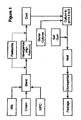
Figure 1 provides a flowchart illustrating the general process of this invention for preparing a wheyless cream cheese product. - The present invention is a process for manufacturing superior cream cheese
in which a liquid dairy substrate, fat, and protein are mixed to generate a dairy mix. - A dairy mix is subjected to a particle-size-reduction treatment sufficient to reduce the average particles size of the final dairy product to less than 0.8 microns, preferably 0.1 to 0.8 microns, and more preferably 0.2 to 0.6 microns. Examples of such particle-size-reduction treatments to achieve the desired average particle size include high pressure homogenization, high shear mixing, ultrasound, cavitation, and the like. Generally, the particle-size-reduction treatment reduces the average particle of the resulting homogenate to 0.1 to 1 micron, preferably 0.1 to 0.8 microns, and more preferably to 0.2 to 0.6 microns.
- In a preferred embodiment, the particle-size-reduction treatment includes either single-stage or two-stage high pressure homogenization. Using single-stage homogenization, the pressure is greater than 6000 psi (41.37 MPa), and preferably in the range of 7500 to 15,000 psi ( 51.71 to 103.42 MPa) to generate a homogenate. Using two-stage homogenization, the first homogenization is greater than 6000 psi ( 41.37 MPa), and preferably in the range of 7500 to 15,000 psi ( 51.71 to 103.42 MPa), to generate a first homogenate. The first homogenate is subjected to a second homogenization at less than 1000 psi ( 6.89 MPa) to generate a second homogenate. Preferably, a two-stage homogenization process is employed in the present invention. The homogenate from the single-stage homogenization process or the second homogenate from the two-stage homogenization process is fermented or acidified by the addition of an edible acid to a pH of 4.5 to 5 to form an acidified homogenate. The acidified homogenate is heated at 180 to 205°F( 82.2 to 96.1°C) for 2 to 20 minutes to produce a dairy product having improved creaminess, resistance to syneresis, and firmness.
- The invention also relates to a cream cheese containing up to 90 percent of total whey protein (including whey protein derived from retaining whey in the process and added whey protein). In an important aspect of the invention, the method takes advantage of the lower buffering capacity of whey proteins to produce a cheese that is free of the objectionable high-acid flavor often associated with wheyless cheese.
- As used herein, the average particle size for both dairy emulsions and finished products refers to the median diameter of fat droplets based on particle volume. The medium particle size is measured using the following technique: (1) Prepare 10X dilution sample with 2% SDS solution in deionized water (i.e., 1g sample + 9g 2% SDS solution) in a glass vial. (2) Agitate for about 5-30 sec with Vortex mixer. (3) Hold sample overnight to allow fat particles to cream to top of vial and then removed the cream layer with plastic pipette. This should eliminate the "extraneous" particulate material (i.e., starch and insoluble protein) and only allow for the fat particles to be sampled. (4) Several drops of the cream layer are added into the sample cup until the % transmittance is between 90% to 85%. (5) Samples are analyzed using a Horiba LA-900 (Horiba Instruments, Inc., Irvine, CA) particle size analyzer with the following settings: complex relative refractive index (RRI) at 1.11±0.001; agitation setting at 1 (lowest setting); circulation: setting at 3 (medium speed); dispersant at 200 ml of deionized water and target % laser transmittance at 100% with deionized water alone and about 85-90% with sample. Generally, a normal particle size distribution is obtained from which median diameter can be calculated. In case of non-normal particle size distributions (i.e., bimodal or more complex) which may result from unstable emulsions or a mixture of two or more emulsions with different particle size, medium particle size should be determined based on the sub-population of the smallest medium particle size (and which will normally be present in the highest amount).
- As used herein, "whey protein" relates to the proteins contained in dairy liquid obtained as a supernatant of the curds when milk or a product containing milk components are curded to produce a semisolid cheese curd. Whey protein is generally understood to include principally the globular proteins β-lactoglobulin and α-lactalbumin; it also includes a significantly lower concentration of immunoglobulin and other globulins. The whey employed in the invention may be natural whey liquid directly provided by a cheese making process. It may additionally be whey concentrate obtained by processes known to the skilled artisan in dairy chemistry such as evaporation and/or ultrafiltration (alone or combined with diafiltration). The whey may also be a reconstituted liquid obtained by adding water or an aqueous composition to whey solids, wherein the reconstituted concentration may be lower than, about equal to, or greater than the concentration of natural whey. All these whey preparations include whey protein.
- As used herein, the term "dairy ingredient" relates to milk, or to a milk product obtained by fractionation of raw milk to provide a liquid fraction, a solid milk fraction, or a solid milk fraction that is reconstituted to a liquid. The milk may be treated to remove some, or all, of the butterfat, providing reduced fat milk, or fat-free milk, respectively. Furthermore, whole milk, reduced fat milk, skim milk, or fat-free milk may be concentrated by methods such as evaporation, ultrafiltration, ultrafiltration combined with diafiltration, and the like. Evaporation provides dairy compositions containing a higher concentration of all the nonvolatile components; ultrafiltration provides dairy liquids as the retentate having a higher concentration of the components that do not permeate the ultrafiltration membrane as compared to the starting liquid. Furthermore, any of the above dairy liquids may be evaporated to dryness, providing milk solids originating from whole milk, reduced fat milk, skim milk, or fat-free milk. Any of these solids may be reconstituted by the addition of water or a suitable aqueous composition including milk or a milk fraction. Reconstitution of dry milk products thus provides dairy ingredients that in general may have a broad range of final concentrations of proteins, butterfat, and other components. Additionally, a dairy ingredient as used herein may include added cream or other sources of butterfat. All the above ingredients are included in the designation of "dairy ingredients" as used herein. The dairy ingredients comprise a dairy substrate, fat, and protein and form a liquid dairy mixture. The liquid dairy mixture must contain sufficient fat to allow formation of fat particles of the desired size. Generally the liquid dairy mixture contains 4 to 30 percent fat. The dairy ingredients employed in the present invention may originate from any lactating livestock animal whose milk is useful as a source of human food. Such livestock animals include, by way of nonlimiting example, cows, buffalo, other ruminants, goats, sheep, and the like. In a preferred embodiment, products derived from cows' milk provides the basis for dairy ingredients used in the practice of the invention.
- As used herein "acidifying agent" relates to an acid suitable for food applications, or lactic acid producing bacterial cultures which convert dairy sugars into lactic acid.
- As used herein "stabilizers" relates to food-grade gums such as carob, xanthan, guar gum, and mixtures thereof. Conventional emulsifiers are not used in the present invention.
- In an important aspect of the invention, the dairy ingredients provide a ratio of whey protein to casein to greater than 60:40, which allows for the use of about half the level of acidifying agents normally needed to reach the desired pH of about 4.7.
- In a preferred embodiment of the invention, a method is provided for producing a natural cream cheese without the removal of whey comprising the steps of: (1) providing a blend of dairy ingredients comprising 20 to 45 percent total solids, at least 4 percent fat, and 4 to 8 percent protein, wherein the whey protein to casein ratio is at least about 60:40; (2) heating the mixture to a temperature of 122 to 167°F 50.0 to 75.0°C); (3) homogenizing the mixture at a pressure of greater than 6000 psi ( 41.37 MPa) to reduce the average particle size to less than 0.8 microns; (4) heating the resulting mixture to a temperature of 162 to 205°F (72.2 to 96.1°C) for 15 seconds to 5 minutes; (5) cooling the mixture to 32 to 90°F ( 0.0 to 32.2°C); (6) treating the mixture with an acidifying agent to provide a pH of 4.5 to 5 minutes; (7) heating the mixture to 140 to 175°F (, 60.0 to 79.4°C); (8) adding salt and stabilizers to the mixture; (9) heating the mixture to 180 to 205°F ( 82.2 to 96.1°C) for at least 5 minutes; (10) cooling the mixture to 155 to 180°F ( 68.3 to 82.2°C); (11) homogenizing the mixture at a pressure of 1500 to 4000 psi ( 10.34 to 27.58 MPa); and (12) filling the final mixture into appropriate containers. The method produces a cream cheese product which contains from . 50 to 90 percent whey proteins. More preferably the blend of dairy ingredients in step (1) comprises 30 to 45 percent total solids, 10 to 30 percent fat, and 4 to 8 percent protein, with the whey protein to casein ratio being 60:40 to 90:10.
- In addition to providing a plain cream cheese product, other food ingredients may optionally be added during processing to produce cream cheese products with other foods. By way of nonlimiting example, food ingredients such as spices, flavorants, colorants, fruits, nuts, vegetables, confections, and mixtures of these or other ingredients may be used. By way of nonlimiting example, a strawberry flavoring may be added to improve the flavor of a cream cheese product with added strawberries. Alternatively, a strawberry flavor may be added to a plain cream cheese product producing a strawberry flavored cream cheese product.
- Example 1. An inventive cream cheese was prepared using the general method illustrated in
Figure 1 using the following recipe (based on 100 lbs [45.36 kg] cream cheese) and was compared with a conventional cream cheese control (i.e., homogenization pressure of 2500 psi [ 17.24 MPa] with a whey separation step):Ingredient Control (Ibs) [kg] Inventive (lbs) [kg] Milk 97.6 [44.27] 16.2 [7.35] Cream 62.8 [28.49] 62.0 [28.12] Liquid WPC 0 [0.00] 20.7 [9.39] Dry WPC 1.8 [0.82] 1.1 [0.50] Whey Powder 1.2 [0.54] 0 [0.00] Salt 0.7 [0.32] 0.7 [0.32] Carob Gum 0.25 [0.11] 0.25 [0.11] Whey Removal 103.3 [49.86] 0 [0.00] Cheese Yield 61 [27.67] 100 [45.36] - The control and inventive cream cheeses were compared with the following results:
Criteria Control Inventive Titratible acidity (%) 0.77 0.53 Sensory QDA sourness Acid Bite Defect No Acid Bite Defect Total Protein (%) 5.1 4.7 Whey protein/casein 30/70 75/25 Whey Protein (%) 1.5 3.5 Casein (%) 3.6 1.2 Biological Value (BV) Index 77 104 Net Protein Utilization Index 76 92 Protein Efficiency Ratio 2.9 3.6 Medium Fat Particle Size (micron) 1.04 0.41 Amino Acids/100 g protein: Cystine (g) 0.3 2.4 Leucine (g) 10.4 11.1 Isoleucine (g) 5.7 6.8 Threonine (g) 4.6 8.0 - This data clearly demonstrates the improved nutritional value of the inventive cream cheese as compared to conventional cream cheese.
wherein the dairy product has a final average fat particle size of less than 0.8 microns, and
wherein the dairy product has improved firmness.
Claims (18)
- A method for manufacturing cream cheese having improved firmness, said method comprising:(1) mixing dairy ingredients comprising a dairy substrate, fat, and protein to generate a liquid dairy mix the starting materials aving a whey protein to casein ratio of greater than 60:40;(2) treating the liquid dairy mix to generate an emulsion having an average fat particle size of less than 0.8 microns;(3) adding an acid-producing culture or an edible acid to the emulsion to reduce the pH to generate an acidified emulsion; and(4) heating the acidified emulsion to produce the dairy product; wherein the method does not include a whey separation step; and wherein the dairy product has a final average fat particle size of less than 0.8 microns, and wherein the dairy product has improved firmness.
- A method according to Claim 1, wherein the treatment of the liquid dairy mix to generate the emulsion is selected from high pressure homogenization, high shear mixing, ultrasound, and cavitation.
- A method according to Claim 1 or 2, wherein the liquid dairy mix is subjected to a heat treatment step prior to the treatment to generate the emulsion and wherein the heat treatment step is sufficient to essentially melt the fat in the liquid dairy mix.
- A method according to any one of Claims 1 to 3, wherein the treatment of the liquid dairy mix to generate the emulsion is high pressure homogenization and wherein the high pressure homogenization is a single-stage homogenization at a pressure of greater than 6000 psi (41.37 MPa).
- A method according to Claim 4, wherein the treatment of the liquid dairy mix to generate the emulsion is high pressure homogenization and wherein the high pressure homogenization is a two-stage homogenization at a pressure of greater than 6000 psi (41.37 MPa) in the first stage and at a pressure of less than 1000 psi (6.89 MPa) in the second stage.
- A method according to Claim 4, wherein the pH is reduced to 4.5 to 5 in step (4).
- A method according to Claim 1. wherein:the liquid dairy mix of step (1) contains 4 to 30 percent fat and 2 to 8 percent protein;the emulsion of step (2) being prepared by homogenizing the liquid dairy mix at a total pressure of at least 6000 psi (41.37 MPa);the pH of the emulsion in step (3) is reduced to 4.5 to 5.0;the emulsion in step (4) is heated at 180 to 205°F (82.2 to 96.1°C) for 2 to 20 minutes; andthe dairy product has an average fat particle size of 0.1 to 0.8 microns, and improved creaminess, and resistance to syneresis.
- A method according to Claim 7, wherein the liquid dairy mix is subjected to a heat treatment step prior to the treatment to generate the emulsion and wherein the heat treatment step is sufficient to essentially melt the fat in the liquid dairy mix.
- A method according to Claim 7 or Claim 8, wherein an acid-producing culture is used and the acid-producing culture is Streptococcus lactis.
- A method according to any one of Claims 1 to 9, wherein the final average fat particle size of the dairy product is 0.2 to 0.6 microns.
- A method according to Claim 1 wherein the dairy product is cream cheese having improved firmness without the removal of whey the method comprising the steps of:(1) mixing dairy ingredients to generate a first liquid dairy mix comprising 20 to 45 percent total solids, 4 to 30 percent fat and 2 to 8 percent protein, wherein the whey protein to casein ratio is greater than 60:40;(2) heating the first liquid dairy mix to a temperature and for a time sufficient to melt the fat in the first liquid dairy mix;(3) treating the heated first liquid dairy mix to generate an emulsion having an average fat particle size of less than 0.8 microns;(4) heating the emulsion to a temperature of 162 to 205°F (72.2 to 96.1°C) for 15 seconds to 5 minutes;(5) cooling the heated emulsion to 32 to 90°F (0.0 to 32.2°C);(6) treating the cooled emulsion with an acidifying agent to provide an acidified second liquid dairy mix having a pH of 4.5 to 5;(7) heating the acidified second liquid dairy mix to 140 to 175°F (60.0 to 79.4°C);(8) adding salt and stabilizers to the heated acidified second liquid dairy mix to provide a third liquid dairy mix:(9) heating the third liquid dairy mix to 180 to 205°F (82.2 to 96.1°C) for at least 5 minutes;(10) cooling the heated third liquid dairy mix to 155 to 180°F (68.3 to 82.2°C);(11) homogenizing the cooled third liquid dairy mix at a pressure of 500 to 4000 psi (3.45 to 27.58 MPa) to obtain the natural cream cheese; and(12) filling the natural cream cheese into appropriate containers, wherein the natural cream cheese has a final average fat particle size of less than 0.8 microns, and wherein the natural cream cheese has improved firmness.
- A method according to Claim 11, wherein the first liquid dairy mix in step (1) comprises 25 to 45 percent total solids, 10 to 30 percent fat, and 4 to 8 percent protein.
- A method according to Claim 1 wherein the dairy product is cream cheese and the process comprises the steps of:(1) mixing dairy ingredients to generate a liquid dairy mix comprising a dairy substrate, fat, and protein wherein the whey protein to casein ratio is greater than 60:40;(2) treating the liquid dairy mix by homogenizing the liquid dairy mix to obtain an emulsion having an average fat particle size of less than 0.8 microns;(3) treating the emulsion by adding an acid-producing culture or an edible acid to the emulsion to reduce the pH to generate an acidified emulsion;(4) heating the acidified emulsion;(5) adding a stabilizer to the acidified emulsion to form a first mixture;(6) blending the first mixture to provide the cream cheese; and(7) filling the cream cheese into appropriate containers, wherein the cream cheese has a final average fat particle size of less than 0.8 microns, and wherein the cream cheese has improved firmness.
- A method according to any one of Claims 11 to 13, wherein the natural cream cheese contains from about 50 to about 90 percent whey protein.
- A method according to any one of Claims 11 to 14, further comprising the step of adding flavoring to the natural cream cheese.
- A method according to any one of Claims 1 to 15, further comprising the step of adding fruits, vegetables, or nuts to the natural cream cheese.
- A method according to any one of Claims 11 to 16, wherein the stabilizer is carob, xanthan, guar gum, or a mixture thereof.
- A method according to any one of Claims 11 to 17, wherein the dairy ingredients are milk, cream, and whey protein concentrate.
Priority Applications (1)
| Application Number | Priority Date | Filing Date | Title |
|---|---|---|---|
| SI200331551T SI1364583T1 (en) | 2002-05-24 | 2003-05-22 | Dairy products with reduced average particle size |
Applications Claiming Priority (2)
| Application Number | Priority Date | Filing Date | Title |
|---|---|---|---|
| US10/154,950 US6861080B2 (en) | 2002-05-24 | 2002-05-24 | Dairy products with reduced average particle size |
| US154950 | 2002-05-24 |
Publications (4)
| Publication Number | Publication Date |
|---|---|
| EP1364583A2 EP1364583A2 (en) | 2003-11-26 |
| EP1364583A3 EP1364583A3 (en) | 2004-02-04 |
| EP1364583B1 true EP1364583B1 (en) | 2009-01-28 |
| EP1364583B8 EP1364583B8 (en) | 2009-04-08 |
Family
ID=29400569
Family Applications (1)
| Application Number | Title | Priority Date | Filing Date |
|---|---|---|---|
| EP03253216A Expired - Lifetime EP1364583B8 (en) | 2002-05-24 | 2003-05-22 | Dairy products with reduced average particle size |
Country Status (9)
| Country | Link |
|---|---|
| US (1) | US6861080B2 (en) |
| EP (1) | EP1364583B8 (en) |
| AT (1) | ATE421857T1 (en) |
| CA (1) | CA2428943C (en) |
| DE (1) | DE60326024D1 (en) |
| DK (1) | DK1364583T3 (en) |
| ES (1) | ES2321823T3 (en) |
| PT (1) | PT1364583E (en) |
| SI (1) | SI1364583T1 (en) |
Cited By (1)
| Publication number | Priority date | Publication date | Assignee | Title |
|---|---|---|---|---|
| WO2020131230A1 (en) * | 2018-12-21 | 2020-06-25 | Kraft Foods Group Brands Llc | Method for producing a simplified cheese spread and products therefrom |
Families Citing this family (30)
| Publication number | Priority date | Publication date | Assignee | Title |
|---|---|---|---|---|
| EG23432A (en) * | 2001-12-17 | 2005-07-25 | New Zealand Dairy Board | |
| US7998519B2 (en) | 2003-02-19 | 2011-08-16 | Franklin Foods, Inc. | Yogurt-cheese products, and methods of making the same |
| US8298604B2 (en) * | 2003-02-19 | 2012-10-30 | Franklin Foods, Inc. | Yogurt-cheese compositions |
| US7763294B2 (en) * | 2003-02-19 | 2010-07-27 | Franklin Foods, Inc. | Yogurt-cheese compositions |
| US7229659B2 (en) * | 2003-06-17 | 2007-06-12 | Solae, Llc | Process for making stable protein based acid beverage |
| US7611743B2 (en) * | 2004-03-24 | 2009-11-03 | Kraft Foods Global Brands Llc | Low protein cream cheese |
| US7101585B2 (en) * | 2004-04-15 | 2006-09-05 | Solae, Llc | Ultra high pressure homogenization process for making a stable protein based acid beverage |
| US7357955B2 (en) * | 2004-04-15 | 2008-04-15 | Solae, Llc | Acid beverage composition utilizing an aqueous protein component |
| US7118776B2 (en) * | 2005-03-10 | 2006-10-10 | Solae, Llc | Phytase-treated acid stable soy protein products |
| US8003147B1 (en) | 2005-03-25 | 2011-08-23 | FONA Technologies, Inc. | Method for making dried whey protein product |
| US20060286209A1 (en) * | 2005-06-17 | 2006-12-21 | Kraft Foods Holdings, Inc. | Cultured dairy products and methods of manufacture |
| US7897185B1 (en) * | 2005-06-17 | 2011-03-01 | Franklin Foods, Inc. | Cream cheese products and methods of making the same |
| US20090047386A1 (en) | 2005-06-17 | 2009-02-19 | Kraft Foods Global Brands Llc | Cultured Dairy Products and Methods of Manufacture |
| US7947321B2 (en) * | 2005-07-20 | 2011-05-24 | Brophy James S | Modification of particle morphology to improve product functionality |
| US7687095B2 (en) * | 2005-09-30 | 2010-03-30 | Kraft Foods Global Brands Llc | High moisture, low fat cream cheese with maintained product quality and method for making same |
| US20110183050A1 (en) * | 2006-07-20 | 2011-07-28 | Brophy James S | Modification of particle morphology to improve product functionality |
| ES2526987T3 (en) * | 2007-04-13 | 2015-01-19 | Kraft Foods R & D, Inc. | Dairy product of fine texture and process for its preparation |
| US20110097455A1 (en) * | 2009-10-22 | 2011-04-28 | Whitewave Services, Inc. | System and method to mix, homogenize, and emulsify a fluid using sonication |
| CN103188943B (en) * | 2010-12-02 | 2017-03-08 | 株式会社明治 | Anti-browning dairy food and manufacturing method thereof |
| US20120201926A1 (en) * | 2011-02-07 | 2012-08-09 | John Kieran Brody | Natural Cheese with Improved Melt Characteristics |
| US9462817B2 (en) | 2011-02-28 | 2016-10-11 | Franklin Foods Holdings Inc. | Processes for making cheese products utilizing denatured acid whey proteins |
| US9635870B2 (en) | 2011-02-28 | 2017-05-02 | Franklin Foods Holdings Inc. | Direct-set cheese |
| US20140255584A1 (en) | 2013-03-07 | 2014-09-11 | Kraft Foods Group Brands Llc | Emulsifying Salt-Free Cheese And Method Of Making Thereof Having A Blend Of Sheared And Non-Sheared Fat |
| GB201417254D0 (en) * | 2014-09-30 | 2014-11-12 | Kraft Foods R & D Inc | Method for The Manufacture of a Cream Cheese |
| US10912316B2 (en) | 2014-10-21 | 2021-02-09 | Sodima | Cavitated fermented dairy product |
| FI127870B (en) | 2015-08-31 | 2019-04-15 | Valio Oy | Microparticulated ideal whey protein preparation, process for its preparation and its use |
| CN106720393B (en) * | 2016-11-14 | 2020-06-23 | 光明乳业股份有限公司 | Acidic thin butter product and preparation method thereof |
| US10952451B2 (en) | 2017-04-11 | 2021-03-23 | Whitewave Services, Inc. | System and method for producing a non-dairy cheese product |
| TW202038732A (en) * | 2019-03-29 | 2020-11-01 | 荷蘭商弗里斯蘭康必奶荷蘭有限公司 | Nutritional compositions showing phase separation under gastric conditions, methods for preparing the same, and uses thereof |
| BE1030469B1 (en) * | 2022-04-22 | 2023-11-27 | Inex Nv | METHOD OF PREPARING SOUR CREAM AND OBTAINED SOUR CREAM |
Family Cites Families (20)
| Publication number | Priority date | Publication date | Assignee | Title |
|---|---|---|---|---|
| US4341801A (en) | 1977-10-17 | 1982-07-27 | Dorr-Oliver Incorporated | Ultrafiltration process for the preparation of cream cheese |
| US4244983A (en) | 1979-02-06 | 1981-01-13 | The Pro-Mark Companies | Preparation of low fat imitation cream cheese |
| US4379175A (en) | 1979-02-06 | 1983-04-05 | The Pro-Mark Companies | Preparation of low fat imitation cream cheese |
| US4324804A (en) | 1979-08-15 | 1982-04-13 | Kraft, Inc. | Preparation of a soft cream cheese product |
| JPS5831897B2 (en) | 1980-07-15 | 1983-07-09 | 明治乳業株式会社 | Method for producing cream cheese-like food |
| JPS603809B2 (en) | 1980-10-07 | 1985-01-30 | 明治乳業株式会社 | Method for producing cream cheese-like food |
| JPS5978643A (en) | 1982-10-27 | 1984-05-07 | Fuji Oil Co Ltd | Preparation of cream cheeselike food |
| CH662246A5 (en) | 1985-03-12 | 1987-09-30 | Nestle Sa | CREAM CHEESE. |
| US4724152A (en) | 1987-03-13 | 1988-02-09 | The Pro-Mark Companies, Inc. | Low fat cream cheese product and method for making |
| US4873094A (en) | 1988-07-21 | 1989-10-10 | Land O'lakes, Inc. | Method of making an acidified dairy cream |
| DK60192D0 (en) | 1992-05-08 | 1992-05-08 | Novo Nordisk As | |
| DK31293D0 (en) | 1993-03-19 | 1993-03-19 | Novo Nordisk As | |
| DK31193D0 (en) | 1993-03-19 | 1993-03-19 | Novo Nordisk As | |
| JP2973844B2 (en) | 1994-04-27 | 1999-11-08 | 不二製油株式会社 | Manufacturing method of cream cheese-like food |
| CA2163595C (en) | 1994-12-13 | 2006-04-11 | Shu Guang Greg Cheng | Method for manufacture of a non-fat brick cream cheese product |
| CN1075354C (en) | 1995-06-30 | 2001-11-28 | 诺沃奇梅兹有限公司 | Process for making cheese |
| US6093439A (en) * | 1998-05-08 | 2000-07-25 | National Starch And Chemical Investment Holding Corporation | Hydrocolloid composition for use as a gelling agent viscosifier and stabilizer |
| US6093424A (en) | 1999-04-27 | 2000-07-25 | Kraft Foods, Inc. | Process for making cheese using transglutaminase and a non-rennet protease |
| US6419975B1 (en) | 2000-10-25 | 2002-07-16 | Kraft Foods Holdings, Inc. | Process for making caseinless cream cheese-like products |
| US6406736B1 (en) | 2001-03-12 | 2002-06-18 | Kraft Foods Holdings, Inc. | Process for making cream cheese products without whey separation |
-
2002
- 2002-05-24 US US10/154,950 patent/US6861080B2/en not_active Expired - Lifetime
-
2003
- 2003-05-20 CA CA2428943A patent/CA2428943C/en not_active Expired - Fee Related
- 2003-05-22 ES ES03253216T patent/ES2321823T3/en not_active Expired - Lifetime
- 2003-05-22 PT PT03253216T patent/PT1364583E/en unknown
- 2003-05-22 DK DK03253216T patent/DK1364583T3/en active
- 2003-05-22 AT AT03253216T patent/ATE421857T1/en not_active IP Right Cessation
- 2003-05-22 EP EP03253216A patent/EP1364583B8/en not_active Expired - Lifetime
- 2003-05-22 SI SI200331551T patent/SI1364583T1/en unknown
- 2003-05-22 DE DE60326024T patent/DE60326024D1/en not_active Expired - Lifetime
Cited By (1)
| Publication number | Priority date | Publication date | Assignee | Title |
|---|---|---|---|---|
| WO2020131230A1 (en) * | 2018-12-21 | 2020-06-25 | Kraft Foods Group Brands Llc | Method for producing a simplified cheese spread and products therefrom |
Also Published As
| Publication number | Publication date |
|---|---|
| CA2428943A1 (en) | 2003-11-24 |
| EP1364583A3 (en) | 2004-02-04 |
| DE60326024D1 (en) | 2009-03-19 |
| CA2428943C (en) | 2013-08-27 |
| US6861080B2 (en) | 2005-03-01 |
| ATE421857T1 (en) | 2009-02-15 |
| EP1364583A2 (en) | 2003-11-26 |
| DK1364583T3 (en) | 2009-03-16 |
| SI1364583T1 (en) | 2009-06-30 |
| US20030219510A1 (en) | 2003-11-27 |
| EP1364583B8 (en) | 2009-04-08 |
| ES2321823T3 (en) | 2009-06-12 |
| PT1364583E (en) | 2009-04-07 |
Similar Documents
| Publication | Publication Date | Title |
|---|---|---|
| CA2428943C (en) | Dairy products with reduced average particle size | |
| EP0526086B1 (en) | Non-fat cream cheese product and method for manufacture thereof | |
| EP1020120B1 (en) | Process for incorporating whey protein into cheese | |
| KR101998891B1 (en) | Cheese and preparing the same | |
| US6406736B1 (en) | Process for making cream cheese products without whey separation | |
| US6419975B1 (en) | Process for making caseinless cream cheese-like products | |
| EP1214884B1 (en) | High moisture cream cheese texture control | |
| US6183805B1 (en) | Continuous manufacture of process cheese | |
| EP1386540B1 (en) | Wheyless cream cheese containing an ionic gum | |
| AU2022210514B2 (en) | A method for the manufacture of a cream cheese | |
| AU2019380695B2 (en) | Method for producing an ingredient comprising a combination of at least three milk proteins, and use of the ingredient obtained | |
| EP3001910B1 (en) | Method for the manufacture of a cream cheese | |
| JPH0499440A (en) | Condensed milk | |
| HU225875B1 (en) | Process for producing ofcheeses, cheese- and butter products having advantageous compositional and structural features in terms of nutrition physology |
Legal Events
| Date | Code | Title | Description |
|---|---|---|---|
| PUAI | Public reference made under article 153(3) epc to a published international application that has entered the european phase |
Free format text: ORIGINAL CODE: 0009012 |
|
| AK | Designated contracting states |
Kind code of ref document: A2 Designated state(s): AT BE BG CH CY CZ DE DK EE ES FI FR GB GR HU IE IT LI LU MC NL PT RO SE SI SK TR |
|
| AX | Request for extension of the european patent |
Extension state: AL LT LV MK |
|
| PUAL | Search report despatched |
Free format text: ORIGINAL CODE: 0009013 |
|
| AK | Designated contracting states |
Kind code of ref document: A3 Designated state(s): AT BE BG CH CY CZ DE DK EE ES FI FR GB GR HU IE IT LI LU MC NL PT RO SE SI SK TR |
|
| AX | Request for extension of the european patent |
Extension state: AL LT LV MK |
|
| RIC1 | Information provided on ipc code assigned before grant |
Ipc: 7A 23C 19/028 B Ipc: 7A 23C 19/076 B Ipc: 7A 23C 13/16 B Ipc: 7A 23C 9/13 A |
|
| 17P | Request for examination filed |
Effective date: 20040720 |
|
| 17Q | First examination report despatched |
Effective date: 20040909 |
|
| AKX | Designation fees paid |
Designated state(s): AT BE BG CH CY CZ DE DK EE ES FI FR GB GR HU IE IT LI LU MC NL PT RO SE SI SK TR |
|
| AXX | Extension fees paid |
Extension state: AL Payment date: 20040720 Extension state: LV Payment date: 20040720 Extension state: LT Payment date: 20040720 Extension state: MK Payment date: 20040720 |
|
| GRAP | Despatch of communication of intention to grant a patent |
Free format text: ORIGINAL CODE: EPIDOSNIGR1 |
|
| GRAS | Grant fee paid |
Free format text: ORIGINAL CODE: EPIDOSNIGR3 |
|
| GRAA | (expected) grant |
Free format text: ORIGINAL CODE: 0009210 |
|
| AK | Designated contracting states |
Kind code of ref document: B1 Designated state(s): AT BE BG CH CY CZ DE DK EE ES FI FR GB GR HU IE IT LI LU MC NL PT RO SE SI SK TR |
|
| AX | Request for extension of the european patent |
Extension state: AL LT LV MK |
|
| REG | Reference to a national code |
Ref country code: GB Ref legal event code: FG4D |
|
| REG | Reference to a national code |
Ref country code: CH Ref legal event code: EP |
|
| REG | Reference to a national code |
Ref country code: IE Ref legal event code: FG4D |
|
| RAP2 | Party data changed (patent owner data changed or rights of a patent transferred) |
Owner name: KRAFT FOODS GLOBAL BRANDS LLC |
|
| REG | Reference to a national code |
Ref country code: DK Ref legal event code: T3 |
|
| REF | Corresponds to: |
Ref document number: 60326024 Country of ref document: DE Date of ref document: 20090319 Kind code of ref document: P |
|
| REG | Reference to a national code |
Ref country code: CH Ref legal event code: NV Representative=s name: WILLIAM BLANC & CIE CONSEILS EN PROPRIETE INDUSTRI |
|
| REG | Reference to a national code |
Ref country code: PT Ref legal event code: SC4A Free format text: AVAILABILITY OF NATIONAL TRANSLATION Effective date: 20090330 |
|
| REG | Reference to a national code |
Ref country code: SE Ref legal event code: TRGR |
|
| REG | Reference to a national code |
Ref country code: RO Ref legal event code: EPE |
|
| NLT2 | Nl: modifications (of names), taken from the european patent patent bulletin |
Owner name: KRAFT FOODS GLOBAL BRANDS LLC Effective date: 20090318 |
|
| REG | Reference to a national code |
Ref country code: GR Ref legal event code: EP Ref document number: 20090400975 Country of ref document: GR |
|
| REG | Reference to a national code |
Ref country code: ES Ref legal event code: FG2A Ref document number: 2321823 Country of ref document: ES Kind code of ref document: T3 |
|
| PGFP | Annual fee paid to national office [announced via postgrant information from national office to epo] |
Ref country code: BG Payment date: 20090521 Year of fee payment: 7 Ref country code: RO Payment date: 20090424 Year of fee payment: 7 Ref country code: SI Payment date: 20090520 Year of fee payment: 7 |
|
| PGFP | Annual fee paid to national office [announced via postgrant information from national office to epo] |
Ref country code: PT Payment date: 20090512 Year of fee payment: 7 Ref country code: TR Payment date: 20090508 Year of fee payment: 7 |
|
| REG | Reference to a national code |
Ref country code: HU Ref legal event code: AG4A Ref document number: E005621 Country of ref document: HU |
|
| PG25 | Lapsed in a contracting state [announced via postgrant information from national office to epo] |
Ref country code: EE Free format text: LAPSE BECAUSE OF FAILURE TO SUBMIT A TRANSLATION OF THE DESCRIPTION OR TO PAY THE FEE WITHIN THE PRESCRIBED TIME-LIMIT Effective date: 20090128 |
|
| PGFP | Annual fee paid to national office [announced via postgrant information from national office to epo] |
Ref country code: GR Payment date: 20090430 Year of fee payment: 7 Ref country code: HU Payment date: 20090515 Year of fee payment: 7 Ref country code: SK Payment date: 20090515 Year of fee payment: 7 |
|
| PLBE | No opposition filed within time limit |
Free format text: ORIGINAL CODE: 0009261 |
|
| STAA | Information on the status of an ep patent application or granted ep patent |
Free format text: STATUS: NO OPPOSITION FILED WITHIN TIME LIMIT |
|
| PG25 | Lapsed in a contracting state [announced via postgrant information from national office to epo] |
Ref country code: MC Free format text: LAPSE BECAUSE OF NON-PAYMENT OF DUE FEES Effective date: 20090531 |
|
| 26N | No opposition filed |
Effective date: 20091029 |
|
| REG | Reference to a national code |
Ref country code: CH Ref legal event code: PFA Owner name: KRAFT FOODS GLOBAL BRANDS LLC Free format text: KRAFT FOODS GLOBAL BRANDS LLC#THREE LAKES DRIVE#NORTHFIELD, IL 60093 (US) -TRANSFER TO- KRAFT FOODS GLOBAL BRANDS LLC#THREE LAKES DRIVE#NORTHFIELD, IL 60093 (US) |
|
| PGFP | Annual fee paid to national office [announced via postgrant information from national office to epo] |
Ref country code: FI Payment date: 20100527 Year of fee payment: 8 |
|
| PGFP | Annual fee paid to national office [announced via postgrant information from national office to epo] |
Ref country code: AT Payment date: 20100504 Year of fee payment: 8 Ref country code: CZ Payment date: 20100506 Year of fee payment: 8 |
|
| REG | Reference to a national code |
Ref country code: PT Ref legal event code: MM4A Free format text: LAPSE DUE TO NON-PAYMENT OF FEES Effective date: 20101122 |
|
| PGFP | Annual fee paid to national office [announced via postgrant information from national office to epo] |
Ref country code: SE Payment date: 20100527 Year of fee payment: 8 |
|
| REG | Reference to a national code |
Ref country code: SI Ref legal event code: KO00 Effective date: 20101227 |
|
| REG | Reference to a national code |
Ref country code: SK Ref legal event code: MM4A Ref document number: E 5478 Country of ref document: SK Effective date: 20100522 |
|
| PG25 | Lapsed in a contracting state [announced via postgrant information from national office to epo] |
Ref country code: HU Free format text: LAPSE BECAUSE OF NON-PAYMENT OF DUE FEES Effective date: 20100523 Ref country code: PT Free format text: LAPSE BECAUSE OF NON-PAYMENT OF DUE FEES Effective date: 20101122 Ref country code: SI Free format text: LAPSE BECAUSE OF NON-PAYMENT OF DUE FEES Effective date: 20100523 Ref country code: SK Free format text: LAPSE BECAUSE OF NON-PAYMENT OF DUE FEES Effective date: 20100522 Ref country code: BG Free format text: LAPSE BECAUSE OF NON-PAYMENT OF DUE FEES Effective date: 20101230 |
|
| PG25 | Lapsed in a contracting state [announced via postgrant information from national office to epo] |
Ref country code: GR Free format text: LAPSE BECAUSE OF NON-PAYMENT OF DUE FEES Effective date: 20101202 |
|
| PG25 | Lapsed in a contracting state [announced via postgrant information from national office to epo] |
Ref country code: LU Free format text: LAPSE BECAUSE OF NON-PAYMENT OF DUE FEES Effective date: 20090522 |
|
| PG25 | Lapsed in a contracting state [announced via postgrant information from national office to epo] |
Ref country code: RO Free format text: LAPSE BECAUSE OF NON-PAYMENT OF DUE FEES Effective date: 20100522 |
|
| REG | Reference to a national code |
Ref country code: CH Ref legal event code: PCAR Free format text: NOVAGRAAF SWITZERLAND SA;CHEMIN DE L'ECHO 3;1213 ONEX (CH) |
|
| PG25 | Lapsed in a contracting state [announced via postgrant information from national office to epo] |
Ref country code: CY Free format text: LAPSE BECAUSE OF FAILURE TO SUBMIT A TRANSLATION OF THE DESCRIPTION OR TO PAY THE FEE WITHIN THE PRESCRIBED TIME-LIMIT Effective date: 20090128 |
|
| REG | Reference to a national code |
Ref country code: SE Ref legal event code: EUG |
|
| PG25 | Lapsed in a contracting state [announced via postgrant information from national office to epo] |
Ref country code: FI Free format text: LAPSE BECAUSE OF NON-PAYMENT OF DUE FEES Effective date: 20110522 Ref country code: CZ Free format text: LAPSE BECAUSE OF NON-PAYMENT OF DUE FEES Effective date: 20110522 |
|
| REG | Reference to a national code |
Ref country code: AT Ref legal event code: MM01 Ref document number: 421857 Country of ref document: AT Kind code of ref document: T Effective date: 20110522 |
|
| PG25 | Lapsed in a contracting state [announced via postgrant information from national office to epo] |
Ref country code: AT Free format text: LAPSE BECAUSE OF NON-PAYMENT OF DUE FEES Effective date: 20110522 |
|
| REG | Reference to a national code |
Ref country code: FR Ref legal event code: TP Owner name: KRAFT FOODS GLOBAL BRANDS LLC, US Effective date: 20120928 |
|
| PG25 | Lapsed in a contracting state [announced via postgrant information from national office to epo] |
Ref country code: TR Free format text: LAPSE BECAUSE OF NON-PAYMENT OF DUE FEES Effective date: 20100522 |
|
| REG | Reference to a national code |
Ref country code: NL Ref legal event code: SD Effective date: 20130131 |
|
| REG | Reference to a national code |
Ref country code: FR Ref legal event code: TP Owner name: KRAFT FOODS GROUP BRANDS LLC, US Effective date: 20130129 |
|
| REG | Reference to a national code |
Ref country code: DE Ref legal event code: R082 Ref document number: 60326024 Country of ref document: DE Representative=s name: W.P.THOMPSON & CO., GB |
|
| PG25 | Lapsed in a contracting state [announced via postgrant information from national office to epo] |
Ref country code: SE Free format text: LAPSE BECAUSE OF NON-PAYMENT OF DUE FEES Effective date: 20110523 |
|
| REG | Reference to a national code |
Ref country code: ES Ref legal event code: PC2A Owner name: KRAFT FOODS GROUP BRANDS LLC Effective date: 20130422 |
|
| REG | Reference to a national code |
Ref country code: DE Ref legal event code: R082 Ref document number: 60326024 Country of ref document: DE Representative=s name: W.P.THOMPSON & CO., GB Effective date: 20130402 Ref country code: DE Ref legal event code: R081 Ref document number: 60326024 Country of ref document: DE Owner name: KRAFT FOODS GROUP BRANDS LLC, US Free format text: FORMER OWNER: KRAFT FOODS GLOBAL BRANDS LLC, 60093 NORTHFIELD, US Effective date: 20130402 Ref country code: DE Ref legal event code: R081 Ref document number: 60326024 Country of ref document: DE Owner name: KRAFT FOODS GROUP BRANDS LLC, NORTHFIELD, US Free format text: FORMER OWNER: KRAFT FOODS GLOBAL BRANDS LLC, 60093 NORTHFIELD, ILL., US Effective date: 20130402 |
|
| REG | Reference to a national code |
Ref country code: CH Ref legal event code: PUE Owner name: KRAFT FOODS GROUP BRANDS LLC, US Free format text: FORMER OWNER: KRAFT FOODS GLOBAL BRANDS LLC, US Ref country code: CH Ref legal event code: NV Representative=s name: NOVAGRAAF INTERNATIONAL SA, CH |
|
| REG | Reference to a national code |
Ref country code: GB Ref legal event code: 732E Free format text: REGISTERED BETWEEN 20130516 AND 20130522 |
|
| PGFP | Annual fee paid to national office [announced via postgrant information from national office to epo] |
Ref country code: CH Payment date: 20130530 Year of fee payment: 11 Ref country code: DK Payment date: 20130528 Year of fee payment: 11 |
|
| PGFP | Annual fee paid to national office [announced via postgrant information from national office to epo] |
Ref country code: NL Payment date: 20130526 Year of fee payment: 11 |
|
| REG | Reference to a national code |
Ref country code: NL Ref legal event code: V1 Effective date: 20141201 |
|
| REG | Reference to a national code |
Ref country code: CH Ref legal event code: PL |
|
| REG | Reference to a national code |
Ref country code: DK Ref legal event code: EBP Effective date: 20140531 |
|
| PG25 | Lapsed in a contracting state [announced via postgrant information from national office to epo] |
Ref country code: LI Free format text: LAPSE BECAUSE OF NON-PAYMENT OF DUE FEES Effective date: 20140531 Ref country code: CH Free format text: LAPSE BECAUSE OF NON-PAYMENT OF DUE FEES Effective date: 20140531 |
|
| PG25 | Lapsed in a contracting state [announced via postgrant information from national office to epo] |
Ref country code: NL Free format text: LAPSE BECAUSE OF NON-PAYMENT OF DUE FEES Effective date: 20141201 |
|
| PG25 | Lapsed in a contracting state [announced via postgrant information from national office to epo] |
Ref country code: DK Free format text: LAPSE BECAUSE OF NON-PAYMENT OF DUE FEES Effective date: 20140531 |
|
| REG | Reference to a national code |
Ref country code: FR Ref legal event code: PLFP Year of fee payment: 13 |
|
| REG | Reference to a national code |
Ref country code: FR Ref legal event code: PLFP Year of fee payment: 14 |
|
| REG | Reference to a national code |
Ref country code: FR Ref legal event code: PLFP Year of fee payment: 15 |
|
| REG | Reference to a national code |
Ref country code: FR Ref legal event code: PLFP Year of fee payment: 16 |
|
| REG | Reference to a national code |
Ref country code: DE Ref legal event code: R082 Ref document number: 60326024 Country of ref document: DE Representative=s name: HOEGER, STELLRECHT & PARTNER PATENTANWAELTE MB, DE |
|
| PGFP | Annual fee paid to national office [announced via postgrant information from national office to epo] |
Ref country code: IT Payment date: 20220523 Year of fee payment: 20 Ref country code: IE Payment date: 20220527 Year of fee payment: 20 Ref country code: GB Payment date: 20220527 Year of fee payment: 20 Ref country code: FR Payment date: 20220525 Year of fee payment: 20 Ref country code: ES Payment date: 20220601 Year of fee payment: 20 Ref country code: DE Payment date: 20220527 Year of fee payment: 20 |
|
| PGFP | Annual fee paid to national office [announced via postgrant information from national office to epo] |
Ref country code: BE Payment date: 20220527 Year of fee payment: 20 |
|
| REG | Reference to a national code |
Ref country code: DE Ref legal event code: R071 Ref document number: 60326024 Country of ref document: DE |
|
| REG | Reference to a national code |
Ref country code: ES Ref legal event code: FD2A Effective date: 20230529 |
|
| REG | Reference to a national code |
Ref country code: BE Ref legal event code: MK Effective date: 20230522 |
|
| P01 | Opt-out of the competence of the unified patent court (upc) registered |
Effective date: 20230324 |
|
| REG | Reference to a national code |
Ref country code: GB Ref legal event code: PE20 Expiry date: 20230521 |
|
| PG25 | Lapsed in a contracting state [announced via postgrant information from national office to epo] |
Ref country code: IE Free format text: LAPSE BECAUSE OF EXPIRATION OF PROTECTION Effective date: 20230522 Ref country code: ES Free format text: LAPSE BECAUSE OF EXPIRATION OF PROTECTION Effective date: 20230523 |
|
| PG25 | Lapsed in a contracting state [announced via postgrant information from national office to epo] |
Ref country code: GB Free format text: LAPSE BECAUSE OF EXPIRATION OF PROTECTION Effective date: 20230521 |