EP1357953B1 - Grafts for the repair of osteochondral defects - Google Patents
Grafts for the repair of osteochondral defects Download PDFInfo
- Publication number
- EP1357953B1 EP1357953B1 EP02726105A EP02726105A EP1357953B1 EP 1357953 B1 EP1357953 B1 EP 1357953B1 EP 02726105 A EP02726105 A EP 02726105A EP 02726105 A EP02726105 A EP 02726105A EP 1357953 B1 EP1357953 B1 EP 1357953B1
- Authority
- EP
- European Patent Office
- Prior art keywords
- biocompatible
- preparation
- hyaluronic acid
- cells
- constituted
- Prior art date
- Legal status (The legal status is an assumption and is not a legal conclusion. Google has not performed a legal analysis and makes no representation as to the accuracy of the status listed.)
- Expired - Lifetime
Links
- 230000008439 repair process Effects 0.000 title claims description 10
- 201000009859 Osteochondrosis Diseases 0.000 title description 4
- KIUKXJAPPMFGSW-DNGZLQJQSA-N (2S,3S,4S,5R,6R)-6-[(2S,3R,4R,5S,6R)-3-Acetamido-2-[(2S,3S,4R,5R,6R)-6-[(2R,3R,4R,5S,6R)-3-acetamido-2,5-dihydroxy-6-(hydroxymethyl)oxan-4-yl]oxy-2-carboxy-4,5-dihydroxyoxan-3-yl]oxy-5-hydroxy-6-(hydroxymethyl)oxan-4-yl]oxy-3,4,5-trihydroxyoxane-2-carboxylic acid Chemical class CC(=O)N[C@H]1[C@H](O)O[C@H](CO)[C@@H](O)[C@@H]1O[C@H]1[C@H](O)[C@@H](O)[C@H](O[C@H]2[C@@H]([C@@H](O[C@H]3[C@@H]([C@@H](O)[C@H](O)[C@H](O3)C(O)=O)O)[C@H](O)[C@@H](CO)O2)NC(C)=O)[C@@H](C(O)=O)O1 KIUKXJAPPMFGSW-DNGZLQJQSA-N 0.000 claims abstract description 45
- 239000000463 material Substances 0.000 claims abstract description 42
- 238000002360 preparation method Methods 0.000 claims abstract description 25
- 229910010293 ceramic material Inorganic materials 0.000 claims abstract description 14
- 239000004480 active ingredient Substances 0.000 claims abstract description 6
- 210000004027 cell Anatomy 0.000 claims description 30
- 239000002131 composite material Substances 0.000 claims description 25
- 229920002674 hyaluronan Polymers 0.000 claims description 24
- 229960003160 hyaluronic acid Drugs 0.000 claims description 24
- 210000000988 bone and bone Anatomy 0.000 claims description 22
- 210000001519 tissue Anatomy 0.000 claims description 21
- 210000000845 cartilage Anatomy 0.000 claims description 18
- 238000000034 method Methods 0.000 claims description 15
- 239000012620 biological material Substances 0.000 claims description 13
- QORWJWZARLRLPR-UHFFFAOYSA-H tricalcium bis(phosphate) Chemical class [Ca+2].[Ca+2].[Ca+2].[O-]P([O-])([O-])=O.[O-]P([O-])([O-])=O QORWJWZARLRLPR-UHFFFAOYSA-H 0.000 claims description 13
- 239000001506 calcium phosphate Substances 0.000 claims description 12
- 239000000919 ceramic Substances 0.000 claims description 9
- 150000002148 esters Chemical class 0.000 claims description 9
- 230000008569 process Effects 0.000 claims description 9
- 229910052588 hydroxylapatite Inorganic materials 0.000 claims description 8
- 230000002188 osteogenic effect Effects 0.000 claims description 8
- XYJRXVWERLGGKC-UHFFFAOYSA-D pentacalcium;hydroxide;triphosphate Chemical compound [OH-].[Ca+2].[Ca+2].[Ca+2].[Ca+2].[Ca+2].[O-]P([O-])([O-])=O.[O-]P([O-])([O-])=O.[O-]P([O-])([O-])=O XYJRXVWERLGGKC-UHFFFAOYSA-D 0.000 claims description 8
- KDYFGRWQOYBRFD-UHFFFAOYSA-N succinic acid Chemical class OC(=O)CCC(O)=O KDYFGRWQOYBRFD-UHFFFAOYSA-N 0.000 claims description 8
- 235000011010 calcium phosphates Nutrition 0.000 claims description 7
- 210000001612 chondrocyte Anatomy 0.000 claims description 7
- 210000002901 mesenchymal stem cell Anatomy 0.000 claims description 7
- 229920000642 polymer Polymers 0.000 claims description 7
- 230000008929 regeneration Effects 0.000 claims description 7
- 238000011069 regeneration method Methods 0.000 claims description 7
- 125000003178 carboxy group Chemical group [H]OC(*)=O 0.000 claims description 6
- 230000004840 osteo-chondrogenic effect Effects 0.000 claims description 6
- 235000019731 tricalcium phosphate Nutrition 0.000 claims description 6
- 239000013543 active substance Substances 0.000 claims description 5
- 238000001727 in vivo Methods 0.000 claims description 5
- 239000011148 porous material Substances 0.000 claims description 5
- 102000004169 proteins and genes Human genes 0.000 claims description 5
- 108090000623 proteins and genes Proteins 0.000 claims description 5
- 238000001356 surgical procedure Methods 0.000 claims description 5
- 229910000391 tricalcium phosphate Inorganic materials 0.000 claims description 5
- 229940078499 tricalcium phosphate Drugs 0.000 claims description 5
- 239000000853 adhesive Substances 0.000 claims description 4
- 230000001070 adhesive effect Effects 0.000 claims description 4
- 125000001931 aliphatic group Chemical group 0.000 claims description 4
- 125000003118 aryl group Chemical group 0.000 claims description 4
- 210000001185 bone marrow Anatomy 0.000 claims description 4
- OSGAYBCDTDRGGQ-UHFFFAOYSA-L calcium sulfate Chemical class [Ca+2].[O-]S([O-])(=O)=O OSGAYBCDTDRGGQ-UHFFFAOYSA-L 0.000 claims description 4
- 235000011132 calcium sulphate Nutrition 0.000 claims description 4
- 230000008878 coupling Effects 0.000 claims description 4
- 238000010168 coupling process Methods 0.000 claims description 4
- 238000005859 coupling reaction Methods 0.000 claims description 4
- 230000036541 health Effects 0.000 claims description 4
- 125000000623 heterocyclic group Chemical group 0.000 claims description 4
- 210000004409 osteocyte Anatomy 0.000 claims description 4
- 239000001384 succinic acid Substances 0.000 claims description 4
- 229920001410 Microfiber Polymers 0.000 claims description 3
- -1 arylaliphatic Chemical group 0.000 claims description 3
- 210000002798 bone marrow cell Anatomy 0.000 claims description 3
- 150000004676 glycans Polymers 0.000 claims description 3
- 238000000338 in vitro Methods 0.000 claims description 3
- 239000012528 membrane Substances 0.000 claims description 3
- 239000003658 microfiber Substances 0.000 claims description 3
- 239000004745 nonwoven fabric Substances 0.000 claims description 3
- 239000000126 substance Substances 0.000 claims description 3
- CVCQAQVBOPNTFI-AAONGDSNSA-N (3r,4r,5s,6r)-3-amino-6-(hydroxymethyl)oxane-2,4,5-triol;sulfuric acid Chemical compound OS(O)(=O)=O.N[C@H]1C(O)O[C@H](CO)[C@@H](O)[C@@H]1O.N[C@H]1C(O)O[C@H](CO)[C@@H](O)[C@@H]1O CVCQAQVBOPNTFI-AAONGDSNSA-N 0.000 claims description 2
- 230000001476 alcoholic effect Effects 0.000 claims description 2
- 150000001298 alcohols Chemical class 0.000 claims description 2
- 150000001408 amides Chemical class 0.000 claims description 2
- 230000003444 anaesthetic effect Effects 0.000 claims description 2
- 239000003242 anti bacterial agent Substances 0.000 claims description 2
- 229940124599 anti-inflammatory drug Drugs 0.000 claims description 2
- 230000002421 anti-septic effect Effects 0.000 claims description 2
- 230000000840 anti-viral effect Effects 0.000 claims description 2
- 229940088710 antibiotic agent Drugs 0.000 claims description 2
- 229940121375 antifungal agent Drugs 0.000 claims description 2
- 239000003429 antifungal agent Substances 0.000 claims description 2
- 239000002246 antineoplastic agent Substances 0.000 claims description 2
- 229940064004 antiseptic throat preparations Drugs 0.000 claims description 2
- 239000005313 bioactive glass Substances 0.000 claims description 2
- 150000001875 compounds Chemical class 0.000 claims description 2
- 238000004132 cross linking Methods 0.000 claims description 2
- 239000000824 cytostatic agent Substances 0.000 claims description 2
- 230000001085 cytostatic effect Effects 0.000 claims description 2
- 231100000433 cytotoxic Toxicity 0.000 claims description 2
- 239000002254 cytotoxic agent Substances 0.000 claims description 2
- 230000001472 cytotoxic effect Effects 0.000 claims description 2
- 239000000645 desinfectant Substances 0.000 claims description 2
- 239000003193 general anesthetic agent Substances 0.000 claims description 2
- 239000003102 growth factor Substances 0.000 claims description 2
- 229910001385 heavy metal Chemical class 0.000 claims description 2
- 239000002923 metal particle Substances 0.000 claims description 2
- 230000000921 morphogenic effect Effects 0.000 claims description 2
- 239000005445 natural material Substances 0.000 claims description 2
- 150000004804 polysaccharides Polymers 0.000 claims description 2
- 150000003839 salts Chemical class 0.000 claims description 2
- 125000006850 spacer group Chemical group 0.000 claims description 2
- 150000003431 steroids Chemical class 0.000 claims description 2
- 150000005846 sugar alcohols Polymers 0.000 claims description 2
- 239000011782 vitamin Substances 0.000 claims description 2
- 235000013343 vitamin Nutrition 0.000 claims description 2
- 229940088594 vitamin Drugs 0.000 claims description 2
- 229930003231 vitamin Natural products 0.000 claims description 2
- 238000010899 nucleation Methods 0.000 claims 2
- OYPRJOBELJOOCE-UHFFFAOYSA-N Calcium Chemical compound [Ca] OYPRJOBELJOOCE-UHFFFAOYSA-N 0.000 claims 1
- 230000000845 anti-microbial effect Effects 0.000 claims 1
- 239000004599 antimicrobial Substances 0.000 claims 1
- 239000003443 antiviral agent Substances 0.000 claims 1
- 239000011575 calcium Substances 0.000 claims 1
- 229910052791 calcium Inorganic materials 0.000 claims 1
- 239000000122 growth hormone Substances 0.000 claims 1
- 239000002831 pharmacologic agent Substances 0.000 claims 1
- 239000011159 matrix material Substances 0.000 abstract description 13
- 230000007547 defect Effects 0.000 description 5
- 210000000130 stem cell Anatomy 0.000 description 5
- 108010080379 Fibrin Tissue Adhesive Proteins 0.000 description 4
- 102000004887 Transforming Growth Factor beta Human genes 0.000 description 4
- 108090001012 Transforming Growth Factor beta Proteins 0.000 description 4
- ZRKFYGHZFMAOKI-QMGMOQQFSA-N tgfbeta Chemical compound C([C@H](NC(=O)[C@H](C(C)C)NC(=O)CNC(=O)[C@H](CCC(O)=O)NC(=O)[C@H](CCCNC(N)=N)NC(=O)[C@H](CC(N)=O)NC(=O)[C@H](CC(C)C)NC(=O)[C@H]([C@@H](C)O)NC(=O)[C@H](CCC(O)=O)NC(=O)[C@H]([C@@H](C)O)NC(=O)[C@H](CC(C)C)NC(=O)CNC(=O)[C@H](C)NC(=O)[C@H](CO)NC(=O)[C@H](CCC(N)=O)NC(=O)[C@@H](NC(=O)[C@H](C)NC(=O)[C@H](C)NC(=O)[C@@H](NC(=O)[C@H](CC(C)C)NC(=O)[C@@H](N)CCSC)C(C)C)[C@@H](C)CC)C(=O)N[C@@H]([C@@H](C)O)C(=O)N[C@@H](C(C)C)C(=O)N[C@@H](CC=1C=CC=CC=1)C(=O)N[C@@H](C)C(=O)N1[C@@H](CCC1)C(=O)N[C@@H]([C@@H](C)O)C(=O)N[C@@H](CC(N)=O)C(=O)N[C@@H](CCC(O)=O)C(=O)N[C@@H](C)C(=O)N[C@@H](CC=1C=CC=CC=1)C(=O)N[C@@H](CCCNC(N)=N)C(=O)N[C@@H](C)C(=O)N[C@@H](CC(C)C)C(=O)N1[C@@H](CCC1)C(=O)N1[C@@H](CCC1)C(=O)N[C@@H](CCCNC(N)=N)C(=O)N[C@@H](CCC(O)=O)C(=O)N[C@@H](CCCNC(N)=N)C(=O)N[C@@H](CO)C(=O)N[C@@H](CCCNC(N)=N)C(=O)N[C@@H](CC(C)C)C(=O)N[C@@H](CC(C)C)C(O)=O)C1=CC=C(O)C=C1 ZRKFYGHZFMAOKI-QMGMOQQFSA-N 0.000 description 4
- 230000017423 tissue regeneration Effects 0.000 description 4
- 102000010834 Extracellular Matrix Proteins Human genes 0.000 description 3
- 108010037362 Extracellular Matrix Proteins Proteins 0.000 description 3
- 241000906034 Orthops Species 0.000 description 3
- 241000700159 Rattus Species 0.000 description 3
- 230000015572 biosynthetic process Effects 0.000 description 3
- 238000010276 construction Methods 0.000 description 3
- 210000002744 extracellular matrix Anatomy 0.000 description 3
- 238000005755 formation reaction Methods 0.000 description 3
- 230000012010 growth Effects 0.000 description 3
- 230000011164 ossification Effects 0.000 description 3
- 239000013589 supplement Substances 0.000 description 3
- RTZKZFJDLAIYFH-UHFFFAOYSA-N Diethyl ether Chemical compound CCOCC RTZKZFJDLAIYFH-UHFFFAOYSA-N 0.000 description 2
- DHCLVCXQIBBOPH-UHFFFAOYSA-N Glycerol 2-phosphate Chemical compound OCC(CO)OP(O)(O)=O DHCLVCXQIBBOPH-UHFFFAOYSA-N 0.000 description 2
- 108090000100 Hepatocyte Growth Factor Proteins 0.000 description 2
- 102100021866 Hepatocyte growth factor Human genes 0.000 description 2
- 108090000723 Insulin-Like Growth Factor I Proteins 0.000 description 2
- 102000014429 Insulin-like growth factor Human genes 0.000 description 2
- 241000283973 Oryctolagus cuniculus Species 0.000 description 2
- 102000016611 Proteoglycans Human genes 0.000 description 2
- 108010067787 Proteoglycans Proteins 0.000 description 2
- 230000008468 bone growth Effects 0.000 description 2
- 239000004068 calcium phosphate ceramic Substances 0.000 description 2
- 230000024245 cell differentiation Effects 0.000 description 2
- 230000002648 chondrogenic effect Effects 0.000 description 2
- 210000002808 connective tissue Anatomy 0.000 description 2
- 230000004069 differentiation Effects 0.000 description 2
- 230000002255 enzymatic effect Effects 0.000 description 2
- 238000002474 experimental method Methods 0.000 description 2
- 210000002950 fibroblast Anatomy 0.000 description 2
- 210000000968 fibrocartilage Anatomy 0.000 description 2
- 210000003035 hyaline cartilage Anatomy 0.000 description 2
- KIUKXJAPPMFGSW-MNSSHETKSA-N hyaluronan Chemical class CC(=O)N[C@H]1[C@H](O)O[C@H](CO)[C@@H](O)C1O[C@H]1[C@H](O)[C@@H](O)[C@H](O[C@H]2[C@@H](C(O[C@H]3[C@@H]([C@@H](O)[C@H](O)[C@H](O3)C(O)=O)O)[C@H](O)[C@@H](CO)O2)NC(C)=O)[C@@H](C(O)=O)O1 KIUKXJAPPMFGSW-MNSSHETKSA-N 0.000 description 2
- 230000028993 immune response Effects 0.000 description 2
- 208000014674 injury Diseases 0.000 description 2
- 239000000203 mixture Substances 0.000 description 2
- 230000004048 modification Effects 0.000 description 2
- 238000012986 modification Methods 0.000 description 2
- 239000000047 product Substances 0.000 description 2
- 238000011160 research Methods 0.000 description 2
- 230000008733 trauma Effects 0.000 description 2
- 108010049931 Bone Morphogenetic Protein 2 Proteins 0.000 description 1
- 108010049951 Bone Morphogenetic Protein 3 Proteins 0.000 description 1
- 108010049955 Bone Morphogenetic Protein 4 Proteins 0.000 description 1
- 108010049976 Bone Morphogenetic Protein 5 Proteins 0.000 description 1
- 108010049974 Bone Morphogenetic Protein 6 Proteins 0.000 description 1
- 102100028728 Bone morphogenetic protein 1 Human genes 0.000 description 1
- 108090000654 Bone morphogenetic protein 1 Proteins 0.000 description 1
- 102100024506 Bone morphogenetic protein 2 Human genes 0.000 description 1
- 102100024504 Bone morphogenetic protein 3 Human genes 0.000 description 1
- 102100024505 Bone morphogenetic protein 4 Human genes 0.000 description 1
- 102100022526 Bone morphogenetic protein 5 Human genes 0.000 description 1
- 102100022525 Bone morphogenetic protein 6 Human genes 0.000 description 1
- 102000008186 Collagen Human genes 0.000 description 1
- 108010035532 Collagen Proteins 0.000 description 1
- 102000000503 Collagen Type II Human genes 0.000 description 1
- 108010041390 Collagen Type II Proteins 0.000 description 1
- 102000003972 Fibroblast growth factor 7 Human genes 0.000 description 1
- 108090000385 Fibroblast growth factor 7 Proteins 0.000 description 1
- 102000016359 Fibronectins Human genes 0.000 description 1
- 108010067306 Fibronectins Proteins 0.000 description 1
- IAJILQKETJEXLJ-UHFFFAOYSA-N Galacturonsaeure Natural products O=CC(O)C(O)C(O)C(O)C(O)=O IAJILQKETJEXLJ-UHFFFAOYSA-N 0.000 description 1
- 241000287828 Gallus gallus Species 0.000 description 1
- MIJPAVRNWPDMOR-ZAFYKAAXSA-N L-ascorbic acid 2-phosphate Chemical compound OC[C@H](O)[C@H]1OC(=O)C(OP(O)(O)=O)=C1O MIJPAVRNWPDMOR-ZAFYKAAXSA-N 0.000 description 1
- 241001465754 Metazoa Species 0.000 description 1
- 241000699660 Mus musculus Species 0.000 description 1
- OVRNDRQMDRJTHS-UHFFFAOYSA-N N-acelyl-D-glucosamine Natural products CC(=O)NC1C(O)OC(CO)C(O)C1O OVRNDRQMDRJTHS-UHFFFAOYSA-N 0.000 description 1
- OVRNDRQMDRJTHS-FMDGEEDCSA-N N-acetyl-beta-D-glucosamine Chemical compound CC(=O)N[C@H]1[C@H](O)O[C@H](CO)[C@@H](O)[C@@H]1O OVRNDRQMDRJTHS-FMDGEEDCSA-N 0.000 description 1
- MBLBDJOUHNCFQT-LXGUWJNJSA-N N-acetylglucosamine Natural products CC(=O)N[C@@H](C=O)[C@@H](O)[C@H](O)[C@H](O)CO MBLBDJOUHNCFQT-LXGUWJNJSA-N 0.000 description 1
- 206010028851 Necrosis Diseases 0.000 description 1
- 206010028980 Neoplasm Diseases 0.000 description 1
- 229920000954 Polyglycolide Polymers 0.000 description 1
- 241000251539 Vertebrata <Metazoa> Species 0.000 description 1
- 241000700605 Viruses Species 0.000 description 1
- 206010052428 Wound Diseases 0.000 description 1
- 208000027418 Wounds and injury Diseases 0.000 description 1
- 239000002253 acid Substances 0.000 description 1
- 239000000061 acid fraction Substances 0.000 description 1
- 230000000735 allogeneic effect Effects 0.000 description 1
- AEMOLEFTQBMNLQ-WAXACMCWSA-N alpha-D-glucuronic acid Chemical compound O[C@H]1O[C@H](C(O)=O)[C@@H](O)[C@H](O)[C@H]1O AEMOLEFTQBMNLQ-WAXACMCWSA-N 0.000 description 1
- 230000033115 angiogenesis Effects 0.000 description 1
- 230000003377 anti-microbal effect Effects 0.000 description 1
- 239000000427 antigen Substances 0.000 description 1
- 102000036639 antigens Human genes 0.000 description 1
- 108091007433 antigens Proteins 0.000 description 1
- 210000001742 aqueous humor Anatomy 0.000 description 1
- 206010003246 arthritis Diseases 0.000 description 1
- 210000001188 articular cartilage Anatomy 0.000 description 1
- 239000012237 artificial material Substances 0.000 description 1
- 230000000975 bioactive effect Effects 0.000 description 1
- 238000006065 biodegradation reaction Methods 0.000 description 1
- 230000031018 biological processes and functions Effects 0.000 description 1
- 210000002449 bone cell Anatomy 0.000 description 1
- 230000010478 bone regeneration Effects 0.000 description 1
- 230000015556 catabolic process Effects 0.000 description 1
- 238000004113 cell culture Methods 0.000 description 1
- 230000004663 cell proliferation Effects 0.000 description 1
- 230000006041 cell recruitment Effects 0.000 description 1
- 230000001413 cellular effect Effects 0.000 description 1
- 230000009816 chondrogenic differentiation Effects 0.000 description 1
- 230000015271 coagulation Effects 0.000 description 1
- 238000005345 coagulation Methods 0.000 description 1
- 229920001436 collagen Polymers 0.000 description 1
- 210000001520 comb Anatomy 0.000 description 1
- 229920001577 copolymer Polymers 0.000 description 1
- 239000002537 cosmetic Substances 0.000 description 1
- 238000006731 degradation reaction Methods 0.000 description 1
- 238000011161 development Methods 0.000 description 1
- 230000018109 developmental process Effects 0.000 description 1
- UREBDLICKHMUKA-CXSFZGCWSA-N dexamethasone Chemical compound C1CC2=CC(=O)C=C[C@]2(C)[C@]2(F)[C@@H]1[C@@H]1C[C@@H](C)[C@@](C(=O)CO)(O)[C@@]1(C)C[C@@H]2O UREBDLICKHMUKA-CXSFZGCWSA-N 0.000 description 1
- 229960003957 dexamethasone Drugs 0.000 description 1
- 230000035194 endochondral ossification Effects 0.000 description 1
- 210000002889 endothelial cell Anatomy 0.000 description 1
- 210000002919 epithelial cell Anatomy 0.000 description 1
- 239000000835 fiber Substances 0.000 description 1
- 239000000945 filler Substances 0.000 description 1
- 239000000499 gel Substances 0.000 description 1
- 239000003292 glue Substances 0.000 description 1
- 230000003179 granulation Effects 0.000 description 1
- 238000005469 granulation Methods 0.000 description 1
- 239000001963 growth medium Substances 0.000 description 1
- 230000035876 healing Effects 0.000 description 1
- 208000006454 hepatitis Diseases 0.000 description 1
- 231100000283 hepatitis Toxicity 0.000 description 1
- 230000036571 hydration Effects 0.000 description 1
- 238000006703 hydration reaction Methods 0.000 description 1
- 230000001506 immunosuppresive effect Effects 0.000 description 1
- 239000007943 implant Substances 0.000 description 1
- 230000004054 inflammatory process Effects 0.000 description 1
- 229910052500 inorganic mineral Inorganic materials 0.000 description 1
- 102000006495 integrins Human genes 0.000 description 1
- 108010044426 integrins Proteins 0.000 description 1
- 230000005012 migration Effects 0.000 description 1
- 238000013508 migration Methods 0.000 description 1
- 239000011707 mineral Substances 0.000 description 1
- 229950006780 n-acetylglucosamine Drugs 0.000 description 1
- 230000017074 necrotic cell death Effects 0.000 description 1
- 238000011580 nude mouse model Methods 0.000 description 1
- 210000005009 osteogenic cell Anatomy 0.000 description 1
- 230000009818 osteogenic differentiation Effects 0.000 description 1
- 230000002138 osteoinductive effect Effects 0.000 description 1
- 230000007170 pathology Effects 0.000 description 1
- 230000035515 penetration Effects 0.000 description 1
- 230000002093 peripheral effect Effects 0.000 description 1
- 229920000747 poly(lactic acid) Polymers 0.000 description 1
- 239000004633 polyglycolic acid Substances 0.000 description 1
- 239000004626 polylactic acid Substances 0.000 description 1
- 229920001282 polysaccharide Polymers 0.000 description 1
- 239000005017 polysaccharide Substances 0.000 description 1
- 238000002278 reconstructive surgery Methods 0.000 description 1
- 230000004044 response Effects 0.000 description 1
- 239000012679 serum free medium Substances 0.000 description 1
- 230000003019 stabilising effect Effects 0.000 description 1
- 210000005065 subchondral bone plate Anatomy 0.000 description 1
- 238000007920 subcutaneous administration Methods 0.000 description 1
- 210000001179 synovial fluid Anatomy 0.000 description 1
- 230000008467 tissue growth Effects 0.000 description 1
- 210000003954 umbilical cord Anatomy 0.000 description 1
- VBEQCZHXXJYVRD-GACYYNSASA-N uroanthelone Chemical compound C([C@@H](C(=O)N[C@H](C(=O)N[C@@H](CS)C(=O)N[C@@H](CC(N)=O)C(=O)N[C@@H](CS)C(=O)N[C@H](C(=O)N[C@@H]([C@@H](C)CC)C(=O)NCC(=O)N[C@@H](CC=1C=CC(O)=CC=1)C(=O)N[C@@H](CO)C(=O)NCC(=O)N[C@@H](CC(O)=O)C(=O)N[C@@H](CCCNC(N)=N)C(=O)N[C@@H](CS)C(=O)N[C@@H](CCC(N)=O)C(=O)N[C@@H]([C@@H](C)O)C(=O)N[C@@H](CCCNC(N)=N)C(=O)N[C@@H](CC(O)=O)C(=O)N[C@@H](CC(C)C)C(=O)N[C@@H](CCCNC(N)=N)C(=O)N[C@@H](CC=1C2=CC=CC=C2NC=1)C(=O)N[C@@H](CC=1C2=CC=CC=C2NC=1)C(=O)N[C@@H](CCC(O)=O)C(=O)N[C@@H](CC(C)C)C(=O)N[C@@H](CCCNC(N)=N)C(O)=O)C(C)C)[C@@H](C)O)NC(=O)[C@H](CO)NC(=O)[C@H](CC(O)=O)NC(=O)[C@H](CC(C)C)NC(=O)[C@H](CO)NC(=O)[C@H](CCC(O)=O)NC(=O)[C@@H](NC(=O)[C@H](CC=1NC=NC=1)NC(=O)[C@H](CCSC)NC(=O)[C@H](CS)NC(=O)[C@@H](NC(=O)CNC(=O)CNC(=O)[C@H](CC(N)=O)NC(=O)[C@H](CC(C)C)NC(=O)[C@H](CS)NC(=O)[C@H](CC=1C=CC(O)=CC=1)NC(=O)CNC(=O)[C@H](CC(O)=O)NC(=O)[C@H](CC=1C=CC(O)=CC=1)NC(=O)[C@H](CO)NC(=O)[C@H](CO)NC(=O)[C@H]1N(CCC1)C(=O)[C@H](CS)NC(=O)CNC(=O)[C@H]1N(CCC1)C(=O)[C@H](CC=1C=CC(O)=CC=1)NC(=O)[C@H](CO)NC(=O)[C@@H](N)CC(N)=O)C(C)C)[C@@H](C)CC)C1=CC=C(O)C=C1 VBEQCZHXXJYVRD-GACYYNSASA-N 0.000 description 1
- 235000019154 vitamin C Nutrition 0.000 description 1
- 239000011718 vitamin C Substances 0.000 description 1
- 235000019166 vitamin D Nutrition 0.000 description 1
- 239000011710 vitamin D Substances 0.000 description 1
- 235000019165 vitamin E Nutrition 0.000 description 1
- 239000011709 vitamin E Substances 0.000 description 1
- 210000004127 vitreous body Anatomy 0.000 description 1
Images
Classifications
-
- A—HUMAN NECESSITIES
- A61—MEDICAL OR VETERINARY SCIENCE; HYGIENE
- A61L—METHODS OR APPARATUS FOR STERILISING MATERIALS OR OBJECTS IN GENERAL; DISINFECTION, STERILISATION OR DEODORISATION OF AIR; CHEMICAL ASPECTS OF BANDAGES, DRESSINGS, ABSORBENT PADS OR SURGICAL ARTICLES; MATERIALS FOR BANDAGES, DRESSINGS, ABSORBENT PADS OR SURGICAL ARTICLES
- A61L27/00—Materials for grafts or prostheses or for coating grafts or prostheses
- A61L27/36—Materials for grafts or prostheses or for coating grafts or prostheses containing ingredients of undetermined constitution or reaction products thereof, e.g. transplant tissue, natural bone, extracellular matrix
- A61L27/38—Materials for grafts or prostheses or for coating grafts or prostheses containing ingredients of undetermined constitution or reaction products thereof, e.g. transplant tissue, natural bone, extracellular matrix containing added animal cells
- A61L27/3804—Materials for grafts or prostheses or for coating grafts or prostheses containing ingredients of undetermined constitution or reaction products thereof, e.g. transplant tissue, natural bone, extracellular matrix containing added animal cells characterised by specific cells or progenitors thereof, e.g. fibroblasts, connective tissue cells, kidney cells
- A61L27/3817—Cartilage-forming cells, e.g. pre-chondrocytes
-
- A—HUMAN NECESSITIES
- A61—MEDICAL OR VETERINARY SCIENCE; HYGIENE
- A61L—METHODS OR APPARATUS FOR STERILISING MATERIALS OR OBJECTS IN GENERAL; DISINFECTION, STERILISATION OR DEODORISATION OF AIR; CHEMICAL ASPECTS OF BANDAGES, DRESSINGS, ABSORBENT PADS OR SURGICAL ARTICLES; MATERIALS FOR BANDAGES, DRESSINGS, ABSORBENT PADS OR SURGICAL ARTICLES
- A61L27/00—Materials for grafts or prostheses or for coating grafts or prostheses
- A61L27/02—Inorganic materials
- A61L27/12—Phosphorus-containing materials, e.g. apatite
-
- A—HUMAN NECESSITIES
- A61—MEDICAL OR VETERINARY SCIENCE; HYGIENE
- A61L—METHODS OR APPARATUS FOR STERILISING MATERIALS OR OBJECTS IN GENERAL; DISINFECTION, STERILISATION OR DEODORISATION OF AIR; CHEMICAL ASPECTS OF BANDAGES, DRESSINGS, ABSORBENT PADS OR SURGICAL ARTICLES; MATERIALS FOR BANDAGES, DRESSINGS, ABSORBENT PADS OR SURGICAL ARTICLES
- A61L27/00—Materials for grafts or prostheses or for coating grafts or prostheses
- A61L27/14—Macromolecular materials
- A61L27/20—Polysaccharides
-
- A—HUMAN NECESSITIES
- A61—MEDICAL OR VETERINARY SCIENCE; HYGIENE
- A61L—METHODS OR APPARATUS FOR STERILISING MATERIALS OR OBJECTS IN GENERAL; DISINFECTION, STERILISATION OR DEODORISATION OF AIR; CHEMICAL ASPECTS OF BANDAGES, DRESSINGS, ABSORBENT PADS OR SURGICAL ARTICLES; MATERIALS FOR BANDAGES, DRESSINGS, ABSORBENT PADS OR SURGICAL ARTICLES
- A61L27/00—Materials for grafts or prostheses or for coating grafts or prostheses
- A61L27/36—Materials for grafts or prostheses or for coating grafts or prostheses containing ingredients of undetermined constitution or reaction products thereof, e.g. transplant tissue, natural bone, extracellular matrix
- A61L27/38—Materials for grafts or prostheses or for coating grafts or prostheses containing ingredients of undetermined constitution or reaction products thereof, e.g. transplant tissue, natural bone, extracellular matrix containing added animal cells
- A61L27/3839—Materials for grafts or prostheses or for coating grafts or prostheses containing ingredients of undetermined constitution or reaction products thereof, e.g. transplant tissue, natural bone, extracellular matrix containing added animal cells characterised by the site of application in the body
- A61L27/3843—Connective tissue
- A61L27/3852—Cartilage, e.g. meniscus
-
- A—HUMAN NECESSITIES
- A61—MEDICAL OR VETERINARY SCIENCE; HYGIENE
- A61L—METHODS OR APPARATUS FOR STERILISING MATERIALS OR OBJECTS IN GENERAL; DISINFECTION, STERILISATION OR DEODORISATION OF AIR; CHEMICAL ASPECTS OF BANDAGES, DRESSINGS, ABSORBENT PADS OR SURGICAL ARTICLES; MATERIALS FOR BANDAGES, DRESSINGS, ABSORBENT PADS OR SURGICAL ARTICLES
- A61L27/00—Materials for grafts or prostheses or for coating grafts or prostheses
- A61L27/36—Materials for grafts or prostheses or for coating grafts or prostheses containing ingredients of undetermined constitution or reaction products thereof, e.g. transplant tissue, natural bone, extracellular matrix
- A61L27/38—Materials for grafts or prostheses or for coating grafts or prostheses containing ingredients of undetermined constitution or reaction products thereof, e.g. transplant tissue, natural bone, extracellular matrix containing added animal cells
- A61L27/3895—Materials for grafts or prostheses or for coating grafts or prostheses containing ingredients of undetermined constitution or reaction products thereof, e.g. transplant tissue, natural bone, extracellular matrix containing added animal cells using specific culture conditions, e.g. stimulating differentiation of stem cells, pulsatile flow conditions
-
- A—HUMAN NECESSITIES
- A61—MEDICAL OR VETERINARY SCIENCE; HYGIENE
- A61L—METHODS OR APPARATUS FOR STERILISING MATERIALS OR OBJECTS IN GENERAL; DISINFECTION, STERILISATION OR DEODORISATION OF AIR; CHEMICAL ASPECTS OF BANDAGES, DRESSINGS, ABSORBENT PADS OR SURGICAL ARTICLES; MATERIALS FOR BANDAGES, DRESSINGS, ABSORBENT PADS OR SURGICAL ARTICLES
- A61L27/00—Materials for grafts or prostheses or for coating grafts or prostheses
- A61L27/40—Composite materials, i.e. containing one material dispersed in a matrix of the same or different material
- A61L27/42—Composite materials, i.e. containing one material dispersed in a matrix of the same or different material having an inorganic matrix
- A61L27/425—Composite materials, i.e. containing one material dispersed in a matrix of the same or different material having an inorganic matrix of phosphorus containing material, e.g. apatite
-
- A—HUMAN NECESSITIES
- A61—MEDICAL OR VETERINARY SCIENCE; HYGIENE
- A61L—METHODS OR APPARATUS FOR STERILISING MATERIALS OR OBJECTS IN GENERAL; DISINFECTION, STERILISATION OR DEODORISATION OF AIR; CHEMICAL ASPECTS OF BANDAGES, DRESSINGS, ABSORBENT PADS OR SURGICAL ARTICLES; MATERIALS FOR BANDAGES, DRESSINGS, ABSORBENT PADS OR SURGICAL ARTICLES
- A61L27/00—Materials for grafts or prostheses or for coating grafts or prostheses
- A61L27/40—Composite materials, i.e. containing one material dispersed in a matrix of the same or different material
- A61L27/44—Composite materials, i.e. containing one material dispersed in a matrix of the same or different material having a macromolecular matrix
- A61L27/46—Composite materials, i.e. containing one material dispersed in a matrix of the same or different material having a macromolecular matrix with phosphorus-containing inorganic fillers
Definitions
- the present invention concerns the preparation and use of a biocompatible, bicomponent material constituted by:
- allografts and xenografts may transmit viruses to the recipient, such as HIV, hepatitis or BSE.
- Orthopaedic research has long been focused on the study of new, artificial materials suitable for osteochondral grafts which would reduce or eliminate the need to resort to tissue grafts.
- a material In order to meet requirements, a material must be biocompatible, bioresorbable at a rate that is comparable to bone growth, able to bear load, be easy to sterilise and process, be osteoactive, that is, it must be an osteoinductor, to induce mesenchymal cell differentiation into bone progenitor cells, and an osteoconductor, to enable the growth of bone within the graft.
- the ceramics most commonly used are beta-tricalcium phosphate (TCP) and synthetic hydroxyapatite. They have proved to be osteoconductors, thanks to their porosity that favours cell colonisation and bone growth.
- polylactic acid, polyglycolic acid and copolymers or derivatives thereof can be used, in various forms, as biomaterials for the growth of osteocytes.
- the main disadvantage of using such scaffolds is represented by the immune response directed against the implanted material.
- scaffolds containing at least one hyaluronic acid derivative can be used as biomaterials for tissue growth.
- Hyaluronic acid is a polysaccharide ether composed of alternate residues of D-glucuronic acid and N-acetyl-glucosamine. It is a linear polymer chain with a molecular weight that varies between 50,000 and 13,000,000 Da, depending on its source and on the methods of preparation and determination that are used. It is present in nature in the pericellular gels, in the fundamental substance of the connective tissue of vertebrate organisms of which it is the main component, in the synovial fluid of joints, in the vitreous humor, in human umbilical cord and in rooster combs.
- Hyaluronic acid plays a vital role in many biological processes such as hydration, proteoglycan organisation, cell differentiation, proliferation and angiogenesis (J. Aiger et al., L. Biomed. Mater. Res. 1998, 42, 172-181).
- hyaluronic acid fractions can be used to enhance tissue repair, to substitute the intraocular fluid, or they can be administered by the intra-articular route to treat joint pathologies, as described in European patents No.s 0138572 and 0535200.
- Hyaluronic acid plays a fundamental role in the tissue repair process, especially in the early granulation stage, stabilising the coagulation matrix and controlling its degradation, favouring the recruitment of cells involved in the inflammatory process, such as fibroblasts and endothelial cells and, lastly, orienting the subsequent migration of epithelial cells.
- hyaluronic acid solutions can accelerate the tissue repair process in patients with wounds or bums.
- the role of hyaluronic acid in the various phases of the tissue repair process has been described by the construction of a theoretical model by P. H. Weigel et al., J. Theor. Biol., 119:219, 1986.
- HYAFF® hyaluronic acid
- ACP® autocrosslinked derivatives
- patent application No. WO 93/20858 describes binding solutions and pastes containing hyaluronic acid and/or the ester derivatives thereof used as bone fillers in surgery.
- esters of hyaluronic acid have been processed in the form of non-woven structures according to the process described in US patent 5,520,916.
- Hyaluronic acid derivatives in three-dimensional form and, in particular, partial and total esters of hyaluronic acid (HYAFF®) processed in the form of non-woven tissues have been used as scaffolds in the preparation of biological materials containing cells and/or products generated from such cells.
- chondrocytes were able to produce hyaline cartilage-specific matrix molecules like collagen type II or proteoglycans, (J. Aiger et al., L. Biomed. Mater. Res. 1998, 42, 172-181).
- Hyaluronic acid derivatives in the form of sponges (HYAFF®-11 sponge, made of benzyl ester of hyaluronic acid, and ACP® sponge, made of cross-linked hyaluronic acid) used in combination with mesenchymal cells, implanted subcutaneously in nude mice, have exhibited a better osteogenic and chondrogenic capacity in terms of quantity of tissue formed, than porous ceramics (L. A. Solchaga et al., J. Orthop. Res., 17, 1999, 205-213).
- Tissue Engineering, vol.7, no. 4, 2001, pp 363-371 discloses a composite graft consisting of:
- Composite materials constituted by engineered cartilage stitched over an osteoconductor biomaterial scaffold, for the regeneration of osteochondral tissue have been implanted in defects created in rabbit joints. Six months later, it was possible to observe the remodelling of the composite material into an osteochondral tissue structurally similar to the natural variety, with a clear tidemark between the cartilage and the subchondral bone (D. Schaefer et al., 4 th Annual Meeting of the Orthopaedic Research Society, 2000).
- the present invention concerns the preparation and use of a biocompatible, bicomponent material constituted by:
- a further subject of the present invention is the use of the composite biomaterial as described above for the repair/regeneration of osteochondral defects, obtained by the coupling of a hyaluronic acid derivative and another material, that may be a ceramic or a derivative thereof or another component with osteoactive properties. It is possible to use said composite material in association with osteogenic cells for the preparation of engineered, osteochondral tissue.
- hyaluronic acid derivatives used in the three-dimensional scaffold (A) are chosen from the following group:
- the hyaluronic acid derivatives may be in the form of non-woven fabrics, membranes, sponges. Said hyaluronic acid derivatives may in turn include pharmacologically or biologically active substances.
- the porous three-dimensional matrix, as per point B, may be constituted by:
- Said materials may in turn include pharmacologically or biologically active substances.
- the pharmacologically active substances of choice are antibiotics, disinfectants and antiseptics, antiviral, antimicrobic and antifungal agents, nonsteroid and steroid anti-inflammatory drugs, cytostatic, cytotoxic, anaesthetic and anticancer agents.
- TGF-beta transforming growth factor beta
- IGF insulin-like growth factor
- EGF epidermal growth factor
- aFBF or bFBF acid or basic fibroblast growht factor
- HGF hepatocyte growth factor
- BMPs bone morphogenic proteins
- BMPs bone morphogenic proteins
- vitamins such as vitamins C, D, E and other natural substances such as glucosamine sulphate.
- the various three-dimensional matrices that constitute the components of the composite biomaterials for osteochondral grafts are assembled with the aid of a natural, synthetic or semi-synthetic, biocompatible, preferably absorbable glue, that is sufficiently adhesive.
- a natural, synthetic or semi-synthetic, biocompatible, preferably absorbable glue that is sufficiently adhesive.
- a fibrin glue of biological origin that is widely used in clinical practice and has proved to be suitable and effective for this purpose.
- the composite, bicomponent material can be grafted into the site of the defect as it is, without any cellular components or products thereof, to act as a supporting structure in the regeneration/repair of osteochondral tissue in vivo.
- said composite material may contain suitably inoculated differentiated or non-differentiated cells and can be used as a scaffold in which to grow said cells before grafting.
- the three-dimensional scaffold constituted by a hyaluronic acid derivative may be loaded with progenitor cells or with mature chondrocytes in order to repair/regenerate the cartilage tissue.
- the three-dimensional, porous matrix can be used as a scaffold for the culture of mesenchymal cells or mature bone cells in order to repair/regenerate bone.
- MSCs mesenchymal stem cells
- mesenchymal stem cells were isolated from rat bone marrow and grown and expanded according to the protocol that appears in the literature (Lennon et al., In vitro Cell Devel. Biolo., 1996, 32, 602-611).
- the primary cells When the primary cells have reached confluence, they are detached from the dish by enzymatic treatment and expanded to obtain different preparations for use in different conditions.
- mesenchymal stem cells To favour the differentiation of the mesenchymal stem cells along the chondrocyte line, they are grown in the presence of TGF-beta 1 at 10 ng/ml. To favour the differentiation of mesenchymal stem cells into osteocytes, they are supplemented with, for instance, 100 nM dexamethasone, 10 mM beta-glycerophosphate and 0.05 mM of ascorbic acid-2-phosphate (osteogenic supplement).
- the culture medium is changed every 3-4 days.
- the cells are detached from the dish by enzymatic treatment, counted, suspended in a serum-free medium at a concentration of 5x10 6 /ml, and loaded into the materials, for example by the bland vacuum technique.
- MSCs exposed to TGF-beta 1 were loaded into a sponge made of a hyaluronan derivative (HYAFF®-11) for the construction of the cartilage component of the composite graft, and MSCs exposed to osteogenic supplement were loaded into a porous calcium phosphate ceramic component for bone formation.
- Cell-loaded HYAFF®-11 sponge and ceramic were assembled and joined together with fibrin glue to form a composite osteochondral graft. Said graft is incubated at 37°C for 30 minutes and then grafted subcutaneously into the backs of syngeneic rats in special pockets made with a blunt instrument.
- the animals are sacrificed three to six weeks later and the material is histologically processed.
- the composite material remains in one piece after in vivo grafting and is encapsulated in a thin layer of fibrous tissue that can easily be removed. There are no signs of the cartilage part and the bone part having become separated in any way.
- fibrocartilage tissue can be seen in the empty spaces of the matrix based on hyaluronic acid derivatives, especially in the peripheral part of the material.
- well-organised fibrocartilage is distributed through the material, that is partially absorbed.
- the chondrocytes are located in lacunae surrounded by extracellular matrix.
- extracellular matrix of the cartilage tissue only type II cartilage can be seen.
- the fibrin glue has been completely absorbed after six weeks.
- the separate formation of cartilage and bone can be seen in the two materials: neither the bone tissue nor the cartilage crosses the tidemark between the two materials.
- the two materials form a structurally integrated composite material thanks to the presence of fibrous tissue and collagen fibres that do cross the tidemark.
Landscapes
- Health & Medical Sciences (AREA)
- Chemical & Material Sciences (AREA)
- Life Sciences & Earth Sciences (AREA)
- Engineering & Computer Science (AREA)
- Biomedical Technology (AREA)
- Public Health (AREA)
- Animal Behavior & Ethology (AREA)
- Veterinary Medicine (AREA)
- General Health & Medical Sciences (AREA)
- Dermatology (AREA)
- Medicinal Chemistry (AREA)
- Oral & Maxillofacial Surgery (AREA)
- Transplantation (AREA)
- Epidemiology (AREA)
- Cell Biology (AREA)
- Botany (AREA)
- Zoology (AREA)
- Chemical Kinetics & Catalysis (AREA)
- Inorganic Chemistry (AREA)
- Materials Engineering (AREA)
- Composite Materials (AREA)
- Vascular Medicine (AREA)
- Rheumatology (AREA)
- Urology & Nephrology (AREA)
- Developmental Biology & Embryology (AREA)
- Materials For Medical Uses (AREA)
- Prostheses (AREA)
- Pretreatment Of Seeds And Plants (AREA)
- Cultivation Of Seaweed (AREA)
- Medicines Containing Plant Substances (AREA)
- Dental Preparations (AREA)
- Earth Drilling (AREA)
- Excavating Of Shafts Or Tunnels (AREA)
- Cosmetics (AREA)
Abstract
Description
- The present invention concerns the preparation and use of a biocompatible, bicomponent material constituted by:
- a. a three-dimensional matrix of hyaluronic acid derivatives with a structure that contains empty spaces created by communicating pores and/or a tangle of fine fibres or microfibres and;
- b. a porous, three-dimensional matrix constituted by a ceramic material or by a composite material containing at least one ceramic material;
- c. and possibly containing pharmacologically or biologically active ingredients; for the preparation of engineered, osteochondral grafts containing a cartilage part and a bony part, separate but structurally integrated, using osteochondrogenic cells and for the repair/regeneration in vivo of structurally integrated osteochondral tissue.
-
- The loss of osteochondral tissue from the joints following extensive arthritis, necrosis or as a result of a trauma or the removal of a tumour requires reconstructive surgery to repair the defect.
- The treatment of such defects by means of joint replacements is limited by the fact that the non-biological materials used are prone to wear and tear, and that the replacements themselves may be difficult to move.
- Alternatively, it is possible to resort to autologous, allogeneic or xenogeneic bone grafts. The ideal way of substituting bone is by grafting autologous tissue, which has a better osteogenic capacity than allografts and xenografts, as shown by the presence, during its resorption, of mesenchymal cells that differentiate into osteogenic and chondrogenic cell lines (K. L. B. Brown et al., Surg. 1982, 64A, 270-279). Moreover, allografts and xenografts carry antigens of histocompatibility, making it necessary to administer immunosuppressive treatment to the patient, while autografts do not trigger any immunological response. Besides this, there is the possibility that allografts and xenografts may transmit viruses to the recipient, such as HIV, hepatitis or BSE.
- Since bone autografts cause a second trauma to the patient when the graft is taken from the donor site, and because of the paucity of available tissue, the use of this procedure is rather limited.
- Orthopaedic research has long been focused on the study of new, artificial materials suitable for osteochondral grafts which would reduce or eliminate the need to resort to tissue grafts.
- In order to meet requirements, a material must be biocompatible, bioresorbable at a rate that is comparable to bone growth, able to bear load, be easy to sterilise and process, be osteoactive, that is, it must be an osteoinductor, to induce mesenchymal cell differentiation into bone progenitor cells, and an osteoconductor, to enable the growth of bone within the graft.
- The techniques reported in the literature for bone regeneration refer to the use of ceramics, polymers, composite materialss and bioactive molecules.
- The fact that, from a chemical and structural point of view, calcium phosphates are similar to the mineral part of bone that is mainly constituted by biological hydroxyapatites, has promoted the use of ceramics as biomaterials to induce osteogenesis.
- The ceramics most commonly used are beta-tricalcium phosphate (TCP) and synthetic hydroxyapatite. They have proved to be osteoconductors, thanks to their porosity that favours cell colonisation and bone growth.
- Studies conducted with subcutaneous implants in syngeneic rats have shown that the combination of bone marrow cells and porous ceramics promote osteogenesis, with the formation of new bone within the pores. Moreover, small, isolated areas of cartilage without any appreciable endochondral ossification have been observed (H. Ohgushi et al., J. Orthop. Res., 1989, 4, 568-578).
- The widespread use of polymers is explained by the possibility of obtaining different compositions and structures able to satisfy the requirements of the specific applications as well as the property of biodegradation. It is known that polylactic acid, polyglycolic acid and copolymers or derivatives thereof can be used, in various forms, as biomaterials for the growth of osteocytes. The main disadvantage of using such scaffolds is represented by the immune response directed against the implanted material.
- In order to create a biomaterial that is satisfactory both from a mechanical and biological point of view, various composite materials formed by mixtures of polymers and calcium phosphates have been investigated.
- It is also known that scaffolds containing at least one hyaluronic acid derivative can be used as biomaterials for tissue growth.
- Hyaluronic acid is a polysaccharide ether composed of alternate residues of D-glucuronic acid and N-acetyl-glucosamine. It is a linear polymer chain with a molecular weight that varies between 50,000 and 13,000,000 Da, depending on its source and on the methods of preparation and determination that are used. It is present in nature in the pericellular gels, in the fundamental substance of the connective tissue of vertebrate organisms of which it is the main component, in the synovial fluid of joints, in the vitreous humor, in human umbilical cord and in rooster combs.
- Hyaluronic acid plays a vital role in many biological processes such as hydration, proteoglycan organisation, cell differentiation, proliferation and angiogenesis (J. Aiger et al., L. Biomed. Mater. Res. 1998, 42, 172-181).
- It is also known that hyaluronic acid fractions can be used to enhance tissue repair, to substitute the intraocular fluid, or they can be administered by the intra-articular route to treat joint pathologies, as described in European patents No.s 0138572 and 0535200.
- Hyaluronic acid plays a fundamental role in the tissue repair process, especially in the early granulation stage, stabilising the coagulation matrix and controlling its degradation, favouring the recruitment of cells involved in the inflammatory process, such as fibroblasts and endothelial cells and, lastly, orienting the subsequent migration of epithelial cells.
- It is known that the application of hyaluronic acid solutions can accelerate the tissue repair process in patients with wounds or bums. The role of hyaluronic acid in the various phases of the tissue repair process has been described by the construction of a theoretical model by P. H. Weigel et al., J. Theor. Biol., 119:219, 1986.
- The use of low-molecular-weight fractions of hyaluronic acid and the autocrosslinked derivatives thereof is also known in the preparation of pharmaceutical compounds that are osteoinductors (WO 93/20827).
- The total or partial esters of hyaluronic acid (HYAFF®) and its autocrosslinked derivatives (ACP®) are known, as is their use in the pharmaceutical and cosmetic fields and in that of biodegradable materials (US patents 4,851,521; 4,965,353 and 5,676,964).
- In particular, patent application No. WO 93/20858 describes binding solutions and pastes containing hyaluronic acid and/or the ester derivatives thereof used as bone fillers in surgery.
- Lastly, esters of hyaluronic acid have been processed in the form of non-woven structures according to the process described in US patent 5,520,916.
- Hyaluronic acid derivatives in three-dimensional form and, in particular, partial and total esters of hyaluronic acid (HYAFF®) processed in the form of non-woven tissues have been used as scaffolds in the preparation of biological materials containing cells and/or products generated from such cells.
- For example, it has recently investigated the possibility of using the benzyl ester of hyaluronic acid (HYAFF®-11) as a scaffold, in a form of a non-woven fiber structure, for the culture of human chondrocytes in tissue-engineering procedures of cartilage reconstruction. In these 3D cultures, chondrocytes were able to produce hyaline cartilage-specific matrix molecules like collagen type II or proteoglycans, (J. Aiger et al., L. Biomed. Mater. Res. 1998, 42, 172-181).
- We can, moreover, mention patent application No. WO 97/18842 that describes a material containing:
- a. an efficient culture of autologous or homologous stem cells from bone marrow, partially or completely differentiated into cells of a specific connective tissue, containing moreover the matrix secreted by said cells, or alternatively,
- a'. the extra-cellular matrix secreted by completely or partially differentiated bone marrow stem cells or, alternatively, by mature cells of the tissue;
- b. a three-dimensional matrix consisting of hyaluronic acid derivatives and, in particular, partial or total esters (HYAFF®).
-
- Hyaluronic acid derivatives in the form of sponges (HYAFF®-11 sponge, made of benzyl ester of hyaluronic acid, and ACP® sponge, made of cross-linked hyaluronic acid) used in combination with mesenchymal cells, implanted subcutaneously in nude mice, have exhibited a better osteogenic and chondrogenic capacity in terms of quantity of tissue formed, than porous ceramics (L. A. Solchaga et al., J. Orthop. Res., 17, 1999, 205-213).
- In another experiment, the above said two hyaluronan derivatives-based biomaterials were tested for their ability to enhance the natural healing response of the articular cartilage for self-repair. The introduction of these polymers into osteochondral defects (made on the femoral condyles of rabbits) provides an appropriate scaffolding for the reparative process: in fact, the defects treated with HYAFF®-11 and ACP® sponges exhibited good bone fill and the surface of the condyles was mainly constituted of hyaline cartilage. (L. A. Solchaga et al., J. Orthop. Res., 18, 2000, 773-780).
- Tissue Engineering, vol.7, no. 4, 2001, pp 363-371 discloses a composite graft consisting of:
- a cartilage component made of mesenchimal stem cells (MSCs) exposed to TGF-betal, loaded into a sponge made of HYAFF®11; and
- a bone component made of MSCs exposed to osteogenic supplements laoded into a porous calcium phosphate ceramic component,
- It has proved extremely important to guarantee the development of a stable interface between the joint cartilage and underlying bone structure when repairing osteochondral defects.
- Composite materials constituted by engineered cartilage stitched over an osteoconductor biomaterial scaffold, for the regeneration of osteochondral tissue have been implanted in defects created in rabbit joints. Six months later, it was possible to observe the remodelling of the composite material into an osteochondral tissue structurally similar to the natural variety, with a clear tidemark between the cartilage and the subchondral bone (D. Schaefer et al., 4th Annual Meeting of the Orthopaedic Research Society, 2000).
- Therefore, although the use of hyaluronic acid derivatives and ceramic materials was already known both for the regeneration/repair of cartilage and bone and as scaffolds for the culture of differentiated and non-differentiated cells, and that an expert in the field could, consequently, have deduced that it was possible to use either of these materials to make osteochondral grafts, it could not have been foreseen, as demonstrated by the present invention, that once the two materials had been coupled, it would be possible to obtain separate formations of cartilage and bone that are structurally integrated but with no penetration between the tissues, like natural osteochondral tissue.
- The present invention concerns the preparation and use of a biocompatible, bicomponent material constituted by:
- a. a three-dimensional matrix of hyaluronic acid derivatives, with a structure containing spaces created by communicating pores and/or a tangle of fine fibres or microfibres;
- b. a porous three-dimensional matrix, constituted by a ceramic material or a composite material containing at least one ceramic material; for the preparation of structurally integrated, engineered, osteochondral grafts using osteochondrogenic cells and for the regeneration/repair of osteochondral tissue in vivo.
-
- A further subject of the present invention is the use of the composite biomaterial as described above for the repair/regeneration of osteochondral defects, obtained by the coupling of a hyaluronic acid derivative and another material, that may be a ceramic or a derivative thereof or another component with osteoactive properties. It is possible to use said composite material in association with osteogenic cells for the preparation of engineered, osteochondral tissue.
- The hyaluronic acid derivatives used in the three-dimensional scaffold (A) are chosen from the following group:
- hyaluronic acid esters wherein part or all of the carboxy functions are esterified with alcohols of the aliphatic, aromatic, arylaliphatic, cycloaliphatic or heterocyclic series (EP 0216453 B1);
- autocrosslinked esters of hyaluronic acid wherein part or all of the carboxy groups are esterified with alcoholic functions of the same polysaccharide chain or of other chains (EP 0341745 B1);
- autocrosslinked composite materials of hyaluronic acid wherein part or all of the carboxy groups are esterified with polyalcohols of the aliphatic, aromatic, arylaliphatic or heterocyclic series, generating crosslinking by means of spacer chains (EP 0265116 B1);
- hemiesters of succinic acid or heavy metal salts of the hemiester of succinic acid with hyaluronic acid or with partial or total esters of hyaluronic acid (WO 96/357207);
- O-sulphated derivatives (WO 95/25751) or N-sulphated derivatives (WO 98/45335);
- amides of hyaluronic acid or of its derivatives (WO 00/01733).
- The hyaluronic acid derivatives may be in the form of non-woven fabrics, membranes, sponges. Said hyaluronic acid derivatives may in turn include pharmacologically or biologically active substances.
- The porous three-dimensional matrix, as per point B, may be constituted by:
- hydroxyapatite or other calcium phosphates, including tricalcium phosphate;
- calcium sulphates;
- a composite material constituted by hydroxyapatite and tricalcium phosphate;
- a composite material constituted by:
- a) hydroxyapatite or other calcium phosphates or calcium sulphates;
- b) other biocompatible ceramics, metal particles or polymers;
- a ceramic material coated with hydroxyapatite or other calcium phosphates, including tricalcium phosphate;
- bioactive glass.
- Said materials may in turn include pharmacologically or biologically active substances.
- The pharmacologically active substances of choice are antibiotics, disinfectants and antiseptics, antiviral, antimicrobic and antifungal agents, nonsteroid and steroid anti-inflammatory drugs, cytostatic, cytotoxic, anaesthetic and anticancer agents.
- Of the biologically active substances, we should mention those that favour the adhesion of cells to the biomaterial, such as fibronectin, "RGD" or integrin sequences, growth factors such as "transforming growth factor beta" (TGF-beta), insulin-like growth factor (IGF), epidermal growth factor (EGF), acid or basic fibroblast growht factor (aFBF or bFBF), hepatocyte growth factor (HGF), keratinocyte growth factor, bone morphogenic proteins (BMPs) such as BMP-1, BMP-2, BMP-3, BMP-4, BMP-5, BMP-6, osteogenic proteins (Ops) wuch as OP-1, OP-2, OP-3, growth proteins, vitamins such as vitamins C, D, E and other natural substances such as glucosamine sulphate.
- The various three-dimensional matrices that constitute the components of the composite biomaterials for osteochondral grafts are assembled with the aid of a natural, synthetic or semi-synthetic, biocompatible, preferably absorbable glue, that is sufficiently adhesive. For example, it is possible to use a fibrin glue of biological origin that is widely used in clinical practice and has proved to be suitable and effective for this purpose.
- Alternatively, should the materials of the various three-dimensional matrices that constitute the components of the composite biomaterial allow it, it is possible to join them by suture or with items such as screws or nails, as used in health care and surgery.
- Once the composite, bicomponent material is ready, it can be grafted into the site of the defect as it is, without any cellular components or products thereof, to act as a supporting structure in the regeneration/repair of osteochondral tissue in vivo.
- Alternatively, said composite material may contain suitably inoculated differentiated or non-differentiated cells and can be used as a scaffold in which to grow said cells before grafting.
- Moreover, it is possible to assemble the aforesaid two components after osteochondrogenic cells have been inoculated into them. In particular, the three-dimensional scaffold constituted by a hyaluronic acid derivative may be loaded with progenitor cells or with mature chondrocytes in order to repair/regenerate the cartilage tissue. The three-dimensional, porous matrix can be used as a scaffold for the culture of mesenchymal cells or mature bone cells in order to repair/regenerate bone.
- It is known from the literature that progenitor, osteochondral cells known as mesenchymal stem cells (MSCs) also differentiate into chondrocytes and osteocytes.
- In the case of the present invention, mesenchymal stem cells were isolated from rat bone marrow and grown and expanded according to the protocol that appears in the literature (Lennon et al., In vitro Cell Devel. Biolo., 1996, 32, 602-611).
- When the primary cells have reached confluence, they are detached from the dish by enzymatic treatment and expanded to obtain different preparations for use in different conditions.
- To favour the differentiation of the mesenchymal stem cells along the chondrocyte line, they are grown in the presence of TGF-beta 1 at 10 ng/ml. To favour the differentiation of mesenchymal stem cells into osteocytes, they are supplemented with, for instance, 100 nM dexamethasone, 10 mM beta-glycerophosphate and 0.05 mM of ascorbic acid-2-phosphate (osteogenic supplement).
- The culture medium is changed every 3-4 days.
- Before they reach confluence, the cells are detached from the dish by enzymatic treatment, counted, suspended in a serum-free medium at a concentration of 5x10⁶/ml, and loaded into the materials, for example by the bland vacuum technique.
- MSCs exposed to TGF-beta 1 were loaded into a sponge made of a hyaluronan derivative (HYAFF®-11) for the construction of the cartilage component of the composite graft, and MSCs exposed to osteogenic supplement were loaded into a porous calcium phosphate ceramic component for bone formation. Cell-loaded HYAFF®-11 sponge and ceramic were assembled and joined together with fibrin glue to form a composite osteochondral graft. Said graft is incubated at 37°C for 30 minutes and then grafted subcutaneously into the backs of syngeneic rats in special pockets made with a blunt instrument.
- The animals are sacrificed three to six weeks later and the material is histologically processed.
- The composite material remains in one piece after in vivo grafting and is encapsulated in a thin layer of fibrous tissue that can easily be removed. There are no signs of the cartilage part and the bone part having become separated in any way.
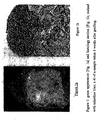
- Three weeks later, fibrocartilage tissue can be seen in the empty spaces of the matrix based on hyaluronic acid derivatives, especially in the peripheral part of the material. After six weeks (fig. 1), well-organised fibrocartilage is distributed through the material, that is partially absorbed. The chondrocytes are located in lacunae surrounded by extracellular matrix. In the extracellular matrix of the cartilage tissue, only type II cartilage can be seen.
- Three weeks after grafting, bone tissue can be seen in the pores in the ceramic material, and the quantity of this tissue increases with time.
- The fibrin glue has been completely absorbed after six weeks.
- The separate formation of cartilage and bone can be seen in the two materials: neither the bone tissue nor the cartilage crosses the tidemark between the two materials. At the same time, the two materials form a structurally integrated composite material thanks to the presence of fibrous tissue and collagen fibres that do cross the tidemark.
- This suggests that it is possible to construct a composite graft of engineered, osteochondral tissue using different materials that act as a scaffold for the chondrogenic and osteogenic differentiation of mesenchymal cells, thanks to their specific chondro-inductive and osteo-inductive potentials.
- The invention being thus described, it is clear that this experiment can be modified in various ways with regard to the working conditions and methods. Such modifications are not to be considered as divergences from the spirit and purpose of the invention, and any modification that would be evident to an expert in the field comes within the scope of the following claims.
Claims (18)
- A biocompatible, bicomponent material constituted by:for the preparation of engineered osteochondral grafts, containing a cartilage part and a bone part that are separate but structurally integrated, by osteochondrogenic cells and for the repair/regeneration of structurally integrated osteochondral tissue in vivo.a. a three-dimensional scaffold of hyaluronic acid derivatives, with a structure enclosing empty spaces created by communicating pores and/or a tangle of fine fibres or microfibres with or without cells and;b. a porous, three-dimensional scaffold constituted by a ceramic material or by a composite material containing at least one ceramic material with or without cells;c. and optionally containing pharmacologically or biologically active substances,
- A biocompatible, bicomponent material according to claim 1, wherein the three-dimensional scaffold (A) is constituted by hyaluronic acid esters wherein part or all of the carboxy functions are esterified with alcohols of the aliphatic, aromatic, arylaliphatic, cycloaliphatic or heterocyclic series.
- A biocompatible, bicomponent material according to claim 1, wherein the three-dimensional scaffold (A) is constituted by autocrosslinked esters of hyaluronic acid, wherein part or all of the carboxy groups are esterified with the alcoholic functions of the same polysaccharide chain or of other chains.
- A biocompatible, bicomponent material according to claim 1, wherein the three-dimensional scaffold (A) is constituted by crosslinked compounds of hyaluronic acid wherein part or all of the carboxy groups are esterified with polyalcohols of the aliphatic, aromatic, arylaliphatic, heterocyclic series, generating crosslinking by means of spacer chains.
- A biocompatible, bicomponent material according to claim 1, wherein the three-dimensional scaffold (A) is constituted by hemiesters of succinic acid or heavy metal salts of the hemiester of succinic acid with hyaluronic acid or with partial or total esters of hyaluronic acid.
- A biocompatible, bicomponent material according to claim 1, wherein the three-dimensional scaffold (A) is constituted by sulphated derivatives of hyaluronic acid.
- A biocompatible, bicomponent material according to claim 1, wherein the three-dimensional scaffold (A) is constituted by amides of hyaluronic acid or the derivatives thereof.
- A biocompatible, bicomponent material according to claim 1, wherein the porous, three-dimensional scaffold (B) is constituted by hydroxyapatite or other calcium phosphates, including tricalcium phosphate, calcium sulphates, a composite material constituted by hydroxyapaptite and tricalcium phosphate, a composite material constituted by hydroxyapatite or other calcium phosphates or calcium sulphates and other ceramics, biocompatible metal particles or polymers, a ceramic material coated with hydroxyapatite or other calcium phopshates, including tricalcium phospate, bioactive glass.
- A biocompatible, bicomponent material according to claim 1, wherein the pharmacologically active ingredients are chosen from the group formed by antibiotics, disinfectants and antiseptics, antiviral, antimicrobial and antifungal agents, nonsteroid and steroid anti-inflammatory drugs, cytostatic, cytotoxic, anaesthetic and anticancer agents.
- A biocompatible, bicomponent material according to claim 1, wherein the biologically active ingredients are chosen from the group formed by substances that favour the adhesion of cells to the biomaterial, growth factors, bone morphogenic proteins, osteogenic proteins, growth hormones, vitamins and other natural substances such as glucosamine sulphate.
- A biocompatible, bicomponent material according to claim 1, wherein the components (A) and (B) are made in the form of non-woven fabrics, membranes, sponges.
- A biocompatible, bicomponent material according to claim 1, wherein the osteo-chondrogenic cells are chosen from the group formed by osteocytes, chondrocytes, bone marrow, mesenchymal stem cells.
- A biocompatible, bicomponent material according to claim 12, wherein the cells are autologous, allologous, xenologous.
- A process for the preparation of the biocompatible, bicomponent material of claim 1 involving the following steps:wherein in the preparation of (A) or (B) one or more pharmacologically or biologically active ingredients are optionally added.the preparation of the three-dimensional scaffold based on hyaluronic acid derivatives (A);the preparation of the porous three-dimensional scaffold based on ceramic materials (B);the coupling of scaffolds (A) and (B) with adhesive materials and/or suture or by securing them with articles used in health care and surgery;the culture of osteochondrogenic cells on the biocompatible, bicomponent material in vitro;
- A process for the preparation of the biocompatible, bicomponent material of claim 1 involving the following steps:wherein in the preparation of (A) or (B) one or more pharmacologically or biologically active ingredient are optionally added.the preparation of the three-dimensional scaffold based on hyaluronic acid derivatives (A);the preparation of the porous, three-dimensional scaffold based on ceramic materials (B);the coupling of the scaffolds (A) and (B) with adhesive materials and/or suture or by securing them with articles used in health care and surgery;
- A process for the preparation of the biocompatible, bicomponent material of claim 1 involving the following steps:wherein in the preparation of (A) and (B) one or more pharmacologically or biologically active ingredients are optionally added.the preparation of the three-dimensional scaffold based on hyaluronic acid derivatives (A) and the seeding of differentiated or non-differentiated mesenchymal stem cells or bone marrow cells;the preparation of the porous three-dimensional scaffold based on ceramic materials (B) and the seeding of differentiated or non-differentiated mesenchymal stem cells or bone marrow cells;the coupling of the scaffolds (A) and (B) with adhesive materials and/or suture or by securing them with articles used in health care and surgery and culture;
- The use of the biocompatible, bicomponent material of claim 1 for the preparation of engineered, osteochondral grafts.
- The use according to claim 17 wherein the engineered, osteochondral grafts is in the form of non-woven fabrics, membranes, sponges.
Applications Claiming Priority (3)
| Application Number | Priority Date | Filing Date | Title |
|---|---|---|---|
| ITPD20010032 | 2001-02-09 | ||
| IT2001PD000032A ITPD20010032A1 (en) | 2001-02-09 | 2001-02-09 | ENGINEERED GRAFTES FOR THE REPAIR OF OSTEOCONDRAL DEFECTS |
| PCT/EP2002/001224 WO2002070030A1 (en) | 2001-02-09 | 2002-02-06 | Grafts for the repair of osteochondral defects |
Publications (2)
| Publication Number | Publication Date |
|---|---|
| EP1357953A1 EP1357953A1 (en) | 2003-11-05 |
| EP1357953B1 true EP1357953B1 (en) | 2005-11-09 |
Family
ID=11452207
Family Applications (1)
| Application Number | Title | Priority Date | Filing Date |
|---|---|---|---|
| EP02726105A Expired - Lifetime EP1357953B1 (en) | 2001-02-09 | 2002-02-06 | Grafts for the repair of osteochondral defects |
Country Status (11)
| Country | Link |
|---|---|
| US (1) | US7968111B2 (en) |
| EP (1) | EP1357953B1 (en) |
| JP (1) | JP2004524904A (en) |
| AT (1) | ATE309007T1 (en) |
| AU (1) | AU2002256617B8 (en) |
| CA (1) | CA2437440C (en) |
| DE (1) | DE60207198T2 (en) |
| DK (1) | DK1357953T3 (en) |
| ES (1) | ES2250642T3 (en) |
| IT (1) | ITPD20010032A1 (en) |
| WO (1) | WO2002070030A1 (en) |
Cited By (1)
| Publication number | Priority date | Publication date | Assignee | Title |
|---|---|---|---|---|
| US10149923B2 (en) | 2013-01-15 | 2018-12-11 | Tepha, Inc. | Implants for soft and hard tissue regeneration |
Families Citing this family (37)
| Publication number | Priority date | Publication date | Assignee | Title |
|---|---|---|---|---|
| DE10260958A1 (en) * | 2002-12-20 | 2004-07-08 | Sustech Gmbh & Co. Kg | Composite materials made from calcium compounds and polysaccharides containing glucuronic acid and / or iduronic acid |
| AU2004216551B2 (en) | 2003-02-26 | 2008-09-18 | Zimmer Orthobiologics, Inc. | Preparation for repairing cartilage tissue, especially articular cartilage defects |
| US20050074877A1 (en) * | 2003-07-28 | 2005-04-07 | Mao Jeremy Jian | Biological engineering of articular structures containing both cartilage and bone |
| ITPD20030286A1 (en) | 2003-11-27 | 2005-05-28 | Fidia Advanced Biopolymers Srl | COMPOSITE MULTISTRATE STRUCTURES CONTAINING HYALURONIC ACID |
| US7666230B2 (en) | 2003-12-08 | 2010-02-23 | Depuy Products, Inc. | Implant device for cartilage regeneration in load bearing articulation regions |
| ITPD20040053A1 (en) * | 2004-02-27 | 2004-05-27 | Fidia Advanced Biopolymers Srl | BIOMATERIALS CONSTITUTED FROM HYALURONIC ACID DERIVATIVES AS A NEW CARE THERAPY FOR THE PROTECTION AND REPAIR OF DAMAGED ARTICULAR CARTILAGE FOR OSTEOARTHROSIS |
| EP1791496B1 (en) | 2004-08-31 | 2019-07-31 | C.R. Bard, Inc. | Self-sealing ptfe graft with kink resistance |
| CA2611119A1 (en) * | 2005-06-08 | 2006-12-14 | C.R. Bard Inc. | Grafts and stents having inorganic bio-compatible calcium salt |
| US8066758B2 (en) | 2005-06-17 | 2011-11-29 | C. R. Bard, Inc. | Vascular graft with kink resistance after clamping |
| DE102005030614B4 (en) * | 2005-06-30 | 2014-05-08 | Biotissue Ag | Cell-free graft, its use, process for its preparation, matrix thus produced with gel and process for the preparation of this matrix with gel |
| WO2007007062A2 (en) * | 2005-07-08 | 2007-01-18 | Depuy International Limited | Cartilage repair implant |
| EP1764117A1 (en) | 2005-09-20 | 2007-03-21 | Zimmer GmbH | Implant for the repair of a cartilage defect and method for manufacturing the implant |
| CA2626598A1 (en) | 2005-11-09 | 2007-05-18 | C.R. Bard Inc. | Grafts and stent grafts having a radiopaque marker |
| CN100398496C (en) * | 2005-12-29 | 2008-07-02 | 武汉理工大学 | Preparation method and application of layered porous calcium phosphate bioceramics |
| JP5173199B2 (en) * | 2006-01-16 | 2013-03-27 | 株式会社アイ・ティー・オー | Wound healing polymer composition |
| JP5538493B2 (en) * | 2006-01-16 | 2014-07-02 | 株式会社アイ・ティー・オー | Wound healing film for in vivo tissue and in vivo adhesive film |
| DE102006047346A1 (en) * | 2006-10-06 | 2008-04-10 | Transtissue Technologies Gmbh | Matrix gel graft without cells |
| US9198749B2 (en) | 2006-10-12 | 2015-12-01 | C. R. Bard, Inc. | Vascular grafts with multiple channels and methods for making |
| WO2008049281A1 (en) * | 2006-10-27 | 2008-05-02 | Beijing Institute Of Transfusion Medicine | Construction method of hepatic tissue engineering construct and the hepatic tissue engineering construct |
| CN103169731A (en) | 2007-08-06 | 2013-06-26 | 成血管细胞系统公司 | Methods of generating, repairing and/or maintaining connective tissue in vivo |
| AU2013203054B2 (en) * | 2007-08-06 | 2017-05-18 | Mesoblast, Inc. | Methods of generating, repairing and/or maintaining connective tissue in vivo |
| US8524494B2 (en) | 2008-01-30 | 2013-09-03 | Histogen, Inc. | Low oxygen tension and BFGF generates a multipotent stem cell from a fibroblast in vitro |
| JP5647007B2 (en) * | 2008-01-30 | 2014-12-24 | ヒストジェン インコーポレイテッド | Extracellular matrix composition |
| US8535913B2 (en) * | 2008-01-30 | 2013-09-17 | Histogen, Inc. | Soluble composition for promoting hair growth produced by hypoxic culture of fibroblasts cells |
| US8530415B2 (en) * | 2008-01-30 | 2013-09-10 | Histogen, Inc. | Repair and/or regeneration of cells with a composition produced by culturing fibroblast cells under hypoxic conditions |
| KR20170104643A (en) | 2008-06-25 | 2017-09-15 | 메소블라스트, 아이엔씨. | Repair and/or Reconstitution of Invertebral Discs |
| AU2010271212B2 (en) * | 2009-07-10 | 2015-07-16 | Histogen, Inc. | Conditioned medium and extracellular matrix compositions from cells cultured under hypoxic conditions |
| WO2012051420A2 (en) | 2010-10-13 | 2012-04-19 | Cibor, Inc. | Synthetic bone grafts constructed from carbon foam materials |
| WO2012099852A1 (en) | 2011-01-17 | 2012-07-26 | Cibor, Inc. | Reinforced carbon fiber/carbon foam intervertebral spine fusion device |
| KR101306748B1 (en) * | 2012-03-29 | 2013-09-10 | 주식회사 바이오알파 | Tunable hyaluronic acid-calcium phosphate complexes with delivery rate of growth factors and preparation method thereof |
| WO2014041516A1 (en) | 2012-09-14 | 2014-03-20 | Ecole Polytechnique Federale De Lausanne (Epfl) | Biocompatible multi-layered structure comprising foam layers and a functional interface |
| JPWO2018097198A1 (en) * | 2016-11-28 | 2019-10-17 | 株式会社バイオ未来工房 | Method for separating mesenchymal stem cells and use of non-woven fabric containing calcium phosphates |
| CN111787886A (en) | 2018-01-02 | 2020-10-16 | 卡尔蒂希尔(2009)公司 | Implantation tools and protocols for optimized solid matrices to promote cell and tissue growth |
| CN112552035A (en) * | 2020-12-11 | 2021-03-26 | 湖北联结生物材料有限公司 | Inducible bioactive 3D printing ceramic and preparation method thereof |
| CN115317672B (en) * | 2022-08-27 | 2023-11-14 | 四川大学 | Bionic osteochondral integrated repair implant and its preparation method and application |
| EP4732856A1 (en) * | 2023-06-21 | 2026-04-29 | Kagoshima University | Complex for bone regeneration or augmentation, and method for producing same |
| WO2026090254A1 (en) * | 2024-10-22 | 2026-04-30 | The Regents Of The University Of Colorado, A Body Corporate | Permeable barrier to enhance regeneration at tissue interfaces and therapeutic methods of use thereof |
Family Cites Families (11)
| Publication number | Priority date | Publication date | Assignee | Title |
|---|---|---|---|---|
| SE9101853D0 (en) * | 1991-06-17 | 1991-06-17 | Jonas Wadstroem | IMPROVED TISSUE ASHESIVE |
| IT1259090B (en) * | 1992-04-17 | 1996-03-11 | Fidia Spa | BIOMATERIALS FOR BONE PROSTHESIS |
| IT1263316B (en) * | 1993-02-12 | 1996-08-05 | Fidia Advanced Biopolymers Srl | MULTILAYER NON WOVEN FABRIC IN WHICH ONE OF THE LAYERS IS ESSENTIALS ESSENTIALS FROM HYALURONIC ACID ESTERS |
| WO1997045532A1 (en) * | 1996-05-28 | 1997-12-04 | Brown University Research Foundation | Hyaluronan based biodegradable scaffolds for tissue repair |
| DE19803673A1 (en) * | 1998-01-30 | 1999-08-05 | Norbert M Dr Meenen | Biohybrid joint replacement |
| US6872819B1 (en) * | 1998-05-27 | 2005-03-29 | Fidia Advanced Biopolymers S.R.L. | Biomaterials containing hyaluronic acid derivatives in the form of three-dimensional structures free from cellular components or products thereof for the in vivo regeneration of tissue cells |
| ITPD980149A1 (en) * | 1998-06-17 | 1999-12-17 | Fidia Advanced Biopolymers Srl | THREE-DIMENSIONAL PROSTHESES INCLUDING HYALURONIC ACID DERIVATIVES TO REPAIR OR REBUILD DAMAGED TISSUES AND PROCESS FOR THE |
| ITPD980169A1 (en) | 1998-07-06 | 2000-01-06 | Fidia Advanced Biopolymers Srl | AMIDES OF HYALURONIC ACID AND ITS DERIVATIVES AND PROCESS FOR THEIR PREPARATION. |
| IT1302534B1 (en) * | 1998-12-21 | 2000-09-05 | Fidia Advanced Biopolymers Srl | INJECTABLE, BIOCOMPATIBLE AND BIODEGRADABLE COMPOSITIONS INCLUDING AT LEAST A DERIVATIVE OF HYALURONIC ACID, CHONDROGENIC CELLS, FOR |
| US6656489B1 (en) * | 1999-02-10 | 2003-12-02 | Isotis N.V. | Scaffold for tissue engineering cartilage having outer surface layers of copolymer and ceramic material |
| IT1306644B1 (en) | 1999-04-08 | 2001-10-02 | Fidia Advanced Biopolymers Srl | THREE-DIMENSIONAL STRUCTURES INCLUDING HYALURONIC ACID DERIVATIVES OBTAINABLE THROUGH SUPERCRITICAL ANTI-SOLVENT TECHNIQUE. |
-
2001
- 2001-02-09 IT IT2001PD000032A patent/ITPD20010032A1/en unknown
-
2002
- 2002-02-06 EP EP02726105A patent/EP1357953B1/en not_active Expired - Lifetime
- 2002-02-06 WO PCT/EP2002/001224 patent/WO2002070030A1/en not_active Ceased
- 2002-02-06 JP JP2002569201A patent/JP2004524904A/en active Pending
- 2002-02-06 AU AU2002256617A patent/AU2002256617B8/en not_active Ceased
- 2002-02-06 DE DE60207198T patent/DE60207198T2/en not_active Expired - Lifetime
- 2002-02-06 CA CA2437440A patent/CA2437440C/en not_active Expired - Lifetime
- 2002-02-06 ES ES02726105T patent/ES2250642T3/en not_active Expired - Lifetime
- 2002-02-06 AT AT02726105T patent/ATE309007T1/en active
- 2002-02-06 US US10/467,142 patent/US7968111B2/en not_active Expired - Lifetime
- 2002-02-06 DK DK02726105T patent/DK1357953T3/en active
Cited By (1)
| Publication number | Priority date | Publication date | Assignee | Title |
|---|---|---|---|---|
| US10149923B2 (en) | 2013-01-15 | 2018-12-11 | Tepha, Inc. | Implants for soft and hard tissue regeneration |
Also Published As
| Publication number | Publication date |
|---|---|
| US20040076656A1 (en) | 2004-04-22 |
| DE60207198T2 (en) | 2006-06-01 |
| AU2002256617B2 (en) | 2007-02-08 |
| CA2437440C (en) | 2012-04-03 |
| WO2002070030A8 (en) | 2002-12-05 |
| AU2002256617B8 (en) | 2007-02-15 |
| ITPD20010032A1 (en) | 2002-08-09 |
| CA2437440A1 (en) | 2002-09-12 |
| ATE309007T1 (en) | 2005-11-15 |
| EP1357953A1 (en) | 2003-11-05 |
| DK1357953T3 (en) | 2006-01-16 |
| US7968111B2 (en) | 2011-06-28 |
| ES2250642T3 (en) | 2006-04-16 |
| WO2002070030A1 (en) | 2002-09-12 |
| JP2004524904A (en) | 2004-08-19 |
| DE60207198D1 (en) | 2005-12-15 |
Similar Documents
| Publication | Publication Date | Title |
|---|---|---|
| AU2002256617B8 (en) | Grafts for the repair of osteochondral defects | |
| AU2002256617A1 (en) | Grafts for the repair of osteochondral defects | |
| Kim et al. | Recent advances of biphasic calcium phosphate bioceramics for bone tissue regeneration | |
| Chen et al. | Umbilical cord and bone marrow mesenchymal stem cell seeding on macroporous calcium phosphate for bone regeneration in rat cranial defects | |
| Uemura et al. | Transplantation of cultured bone cells using combinations of scaffolds and culture techniques | |
| US7157080B2 (en) | Injectable hyaluronic acid derivative with pharmaceuticals/cells | |
| Zippel et al. | Biomaterials and mesenchymal stem cells for regenerative medicine | |
| Lu et al. | Engineering exosomes and biomaterial-assisted exosomes as therapeutic carriers for bone regeneration | |
| Wozney et al. | Protein-based tissue engineering in bone and cartilage repair | |
| Kneser et al. | Tissue engineering of bone | |
| Ghasemi-Mobarakeh et al. | Advances in electrospun nanofibers for bone and cartilage regeneration | |
| EP1715900B1 (en) | Composite structures containing hyaluronic acid the derivatives thereof as new bone substitutes and grafts | |
| US20130274892A1 (en) | Electrospun Mineralized Chitosan Nanofibers Crosslinked with Genipin for Bone Tissue Engineering | |
| Arul et al. | Polymer-based calcium phosphate scaffolds for tissue engineering applications | |
| Conconi et al. | In vitro evaluation of poly [bis (ethyl alanato) phosphazene] as a scaffold for bone tissue engineering | |
| Yaremenko et al. | Prospectives for using artificial scaffolds in oral and craniofacial surgery: Literature review | |
| Goldberg | Scaffolds combined with stem cells have synergistic effect in regenerative dentistry | |
| Bokov et al. | Current Trends in the Development of Materials for Bone Grafting and Spinal Fusion | |
| Zaidman et al. | Advancing with ceramic biocomposites for bone graft implants | |
| Xiang et al. | Bone repair and regeneration | |
| Zhang et al. | 220. The Role of of TGF-beta 1 on the Regeneration of Peripheral Nerve | |
| McCullen et al. | Development and application of naturally renewable scaffold materials for bone tissue engineering | |
| Reis et al. | Current concepts: tissue engineering and regenerative | |
| Yaremenko et al. | Prospectives for using artificial scaffolds in oral and craniofacial surgery: literature |
Legal Events
| Date | Code | Title | Description |
|---|---|---|---|
| PUAI | Public reference made under article 153(3) epc to a published international application that has entered the european phase |
Free format text: ORIGINAL CODE: 0009012 |
|
| 17P | Request for examination filed |
Effective date: 20030717 |
|
| AK | Designated contracting states |
Kind code of ref document: A1 Designated state(s): AT BE CH CY DE DK ES FI FR GB GR IE IT LI LU MC NL PT SE TR |
|
| AX | Request for extension of the european patent |
Extension state: AL LT LV MK RO SI |
|
| RIN1 | Information on inventor provided before grant (corrected) |
Inventor name: PAVESIO, ALESSANDRA Inventor name: CALLEGARO, LANFRANCO |
|
| RIN1 | Information on inventor provided before grant (corrected) |
Inventor name: PAVESIO, ALESSANDRA Inventor name: CALLEGARO, LANFRANCO |
|
| 17Q | First examination report despatched |
Effective date: 20050210 |
|
| GRAP | Despatch of communication of intention to grant a patent |
Free format text: ORIGINAL CODE: EPIDOSNIGR1 |
|
| GRAS | Grant fee paid |
Free format text: ORIGINAL CODE: EPIDOSNIGR3 |
|
| GRAA | (expected) grant |
Free format text: ORIGINAL CODE: 0009210 |
|
| AK | Designated contracting states |
Kind code of ref document: B1 Designated state(s): AT BE CH CY DE DK ES FI FR GB GR IE IT LI LU MC NL PT SE TR |
|
| PG25 | Lapsed in a contracting state [announced via postgrant information from national office to epo] |
Ref country code: FI Free format text: LAPSE BECAUSE OF FAILURE TO SUBMIT A TRANSLATION OF THE DESCRIPTION OR TO PAY THE FEE WITHIN THE PRESCRIBED TIME-LIMIT Effective date: 20051109 |
|
| REG | Reference to a national code |
Ref country code: GB Ref legal event code: FG4D |
|
| REG | Reference to a national code |
Ref country code: CH Ref legal event code: EP |
|
| REG | Reference to a national code |
Ref country code: CH Ref legal event code: NV Representative=s name: ISLER & PEDRAZZINI AG |
|
| REG | Reference to a national code |
Ref country code: IE Ref legal event code: FG4D |
|
| REF | Corresponds to: |
Ref document number: 60207198 Country of ref document: DE Date of ref document: 20051215 Kind code of ref document: P |
|
| REG | Reference to a national code |
Ref country code: SE Ref legal event code: TRGR |
|
| REG | Reference to a national code |
Ref country code: DK Ref legal event code: T3 |
|
| PG25 | Lapsed in a contracting state [announced via postgrant information from national office to epo] |
Ref country code: IE Free format text: LAPSE BECAUSE OF NON-PAYMENT OF DUE FEES Effective date: 20060206 |
|
| REG | Reference to a national code |
Ref country code: GR Ref legal event code: EP Ref document number: 20060400094 Country of ref document: GR |
|
| PG25 | Lapsed in a contracting state [announced via postgrant information from national office to epo] |
Ref country code: LU Free format text: LAPSE BECAUSE OF NON-PAYMENT OF DUE FEES Effective date: 20060228 Ref country code: MC Free format text: LAPSE BECAUSE OF NON-PAYMENT OF DUE FEES Effective date: 20060228 |
|
| REG | Reference to a national code |
Ref country code: ES Ref legal event code: FG2A Ref document number: 2250642 Country of ref document: ES Kind code of ref document: T3 |
|
| ET | Fr: translation filed | ||
| PLBE | No opposition filed within time limit |
Free format text: ORIGINAL CODE: 0009261 |
|
| STAA | Information on the status of an ep patent application or granted ep patent |
Free format text: STATUS: NO OPPOSITION FILED WITHIN TIME LIMIT |
|
| 26N | No opposition filed |
Effective date: 20060810 |
|
| REG | Reference to a national code |
Ref country code: IE Ref legal event code: MM4A |
|
| REG | Reference to a national code |
Ref country code: CH Ref legal event code: PCAR Free format text: ISLER & PEDRAZZINI AG;POSTFACH 1772;8027 ZUERICH (CH) |
|
| PG25 | Lapsed in a contracting state [announced via postgrant information from national office to epo] |
Ref country code: TR Free format text: LAPSE BECAUSE OF FAILURE TO SUBMIT A TRANSLATION OF THE DESCRIPTION OR TO PAY THE FEE WITHIN THE PRESCRIBED TIME-LIMIT Effective date: 20051109 |
|
| PG25 | Lapsed in a contracting state [announced via postgrant information from national office to epo] |
Ref country code: CY Free format text: LAPSE BECAUSE OF FAILURE TO SUBMIT A TRANSLATION OF THE DESCRIPTION OR TO PAY THE FEE WITHIN THE PRESCRIBED TIME-LIMIT Effective date: 20051109 |
|
| PGFP | Annual fee paid to national office [announced via postgrant information from national office to epo] |
Ref country code: CH Payment date: 20100305 Year of fee payment: 9 Ref country code: DK Payment date: 20100225 Year of fee payment: 9 Ref country code: PT Payment date: 20100129 Year of fee payment: 9 |
|
| PGFP | Annual fee paid to national office [announced via postgrant information from national office to epo] |
Ref country code: GR Payment date: 20100211 Year of fee payment: 9 |
|
| REG | Reference to a national code |
Ref country code: PT Ref legal event code: MM4A Free format text: LAPSE DUE TO NON-PAYMENT OF FEES Effective date: 20110808 |
|
| REG | Reference to a national code |
Ref country code: CH Ref legal event code: PL |
|
| REG | Reference to a national code |
Ref country code: DK Ref legal event code: EBP |
|
| PG25 | Lapsed in a contracting state [announced via postgrant information from national office to epo] |
Ref country code: CH Free format text: LAPSE BECAUSE OF NON-PAYMENT OF DUE FEES Effective date: 20110228 Ref country code: PT Free format text: LAPSE BECAUSE OF NON-PAYMENT OF DUE FEES Effective date: 20110808 Ref country code: LI Free format text: LAPSE BECAUSE OF NON-PAYMENT OF DUE FEES Effective date: 20110228 |
|
| PG25 | Lapsed in a contracting state [announced via postgrant information from national office to epo] |
Ref country code: GR Free format text: LAPSE BECAUSE OF NON-PAYMENT OF DUE FEES Effective date: 20110902 |
|
| REG | Reference to a national code |
Ref country code: FR Ref legal event code: PLFP Year of fee payment: 15 |
|
| REG | Reference to a national code |
Ref country code: FR Ref legal event code: PLFP Year of fee payment: 16 |
|
| REG | Reference to a national code |
Ref country code: FR Ref legal event code: PLFP Year of fee payment: 17 |
|
| PGFP | Annual fee paid to national office [announced via postgrant information from national office to epo] |
Ref country code: NL Payment date: 20210212 Year of fee payment: 20 Ref country code: FR Payment date: 20210126 Year of fee payment: 20 |
|
| PGFP | Annual fee paid to national office [announced via postgrant information from national office to epo] |
Ref country code: SE Payment date: 20210210 Year of fee payment: 20 Ref country code: AT Payment date: 20210125 Year of fee payment: 20 Ref country code: BE Payment date: 20210114 Year of fee payment: 20 Ref country code: DE Payment date: 20210126 Year of fee payment: 20 Ref country code: ES Payment date: 20210305 Year of fee payment: 20 Ref country code: GB Payment date: 20210127 Year of fee payment: 20 |
|
| PGFP | Annual fee paid to national office [announced via postgrant information from national office to epo] |
Ref country code: IT Payment date: 20210120 Year of fee payment: 20 |
|
| REG | Reference to a national code |
Ref country code: NL Ref legal event code: MK Effective date: 20220205 |
|
| REG | Reference to a national code |
Ref country code: GB Ref legal event code: PE20 Expiry date: 20220205 |
|
| REG | Reference to a national code |
Ref country code: BE Ref legal event code: MK Effective date: 20220206 |
|
| REG | Reference to a national code |
Ref country code: AT Ref legal event code: MK07 Ref document number: 309007 Country of ref document: AT Kind code of ref document: T Effective date: 20220206 |
|
| REG | Reference to a national code |
Ref country code: SE Ref legal event code: EUG |
|
| PG25 | Lapsed in a contracting state [announced via postgrant information from national office to epo] |
Ref country code: GB Free format text: LAPSE BECAUSE OF EXPIRATION OF PROTECTION Effective date: 20220205 |
|
| REG | Reference to a national code |
Ref country code: ES Ref legal event code: FD2A Effective date: 20220526 |
|
| PG25 | Lapsed in a contracting state [announced via postgrant information from national office to epo] |
Ref country code: ES Free format text: LAPSE BECAUSE OF EXPIRATION OF PROTECTION Effective date: 20220207 |