EP1355309A1 - Recording medium, information processing device, content distribution server, method, program, and its recording medium - Google Patents
Recording medium, information processing device, content distribution server, method, program, and its recording medium Download PDFInfo
- Publication number
- EP1355309A1 EP1355309A1 EP02715742A EP02715742A EP1355309A1 EP 1355309 A1 EP1355309 A1 EP 1355309A1 EP 02715742 A EP02715742 A EP 02715742A EP 02715742 A EP02715742 A EP 02715742A EP 1355309 A1 EP1355309 A1 EP 1355309A1
- Authority
- EP
- European Patent Office
- Prior art keywords
- management information
- data storage
- version
- encrypted
- user terminal
- Prior art date
- Legal status (The legal status is an assumption and is not a legal conclusion. Google has not performed a legal analysis and makes no representation as to the accuracy of the status listed.)
- Withdrawn
Links
- 230000010365 information processing Effects 0.000 title claims abstract description 39
- 238000000034 method Methods 0.000 title claims abstract description 25
- 238000009826 distribution Methods 0.000 title claims description 66
- 238000007726 management method Methods 0.000 claims abstract description 193
- 238000013500 data storage Methods 0.000 claims abstract description 144
- 238000003860 storage Methods 0.000 claims abstract description 50
- 238000012795 verification Methods 0.000 claims description 20
- 238000004590 computer program Methods 0.000 claims description 17
- 230000004044 response Effects 0.000 claims description 15
- 238000004519 manufacturing process Methods 0.000 claims description 11
- 230000005540 biological transmission Effects 0.000 claims description 6
- 238000001514 detection method Methods 0.000 abstract description 3
- 230000004075 alteration Effects 0.000 description 10
- 230000006870 function Effects 0.000 description 9
- 238000010586 diagram Methods 0.000 description 4
- 238000004891 communication Methods 0.000 description 3
- 238000013478 data encryption standard Methods 0.000 description 3
- 230000008569 process Effects 0.000 description 3
- 238000003908 quality control method Methods 0.000 description 3
- 239000004065 semiconductor Substances 0.000 description 3
- 238000013459 approach Methods 0.000 description 2
- 230000008901 benefit Effects 0.000 description 2
- 238000012545 processing Methods 0.000 description 2
- 238000010200 validation analysis Methods 0.000 description 2
- 230000002950 deficient Effects 0.000 description 1
- 238000005516 engineering process Methods 0.000 description 1
- 230000002123 temporal effect Effects 0.000 description 1
Images


Classifications
-
- G—PHYSICS
- G11—INFORMATION STORAGE
- G11B—INFORMATION STORAGE BASED ON RELATIVE MOVEMENT BETWEEN RECORD CARRIER AND TRANSDUCER
- G11B20/00—Signal processing not specific to the method of recording or reproducing; Circuits therefor
- G11B20/00086—Circuits for prevention of unauthorised reproduction or copying, e.g. piracy
-
- H—ELECTRICITY
- H04—ELECTRIC COMMUNICATION TECHNIQUE
- H04N—PICTORIAL COMMUNICATION, e.g. TELEVISION
- H04N7/00—Television systems
- H04N7/08—Systems for the simultaneous or sequential transmission of more than one television signal, e.g. additional information signals, the signals occupying wholly or partially the same frequency band, e.g. by time division
- H04N7/081—Systems for the simultaneous or sequential transmission of more than one television signal, e.g. additional information signals, the signals occupying wholly or partially the same frequency band, e.g. by time division the additional information signals being transmitted by means of a subcarrier
-
- G—PHYSICS
- G11—INFORMATION STORAGE
- G11B—INFORMATION STORAGE BASED ON RELATIVE MOVEMENT BETWEEN RECORD CARRIER AND TRANSDUCER
- G11B20/00—Signal processing not specific to the method of recording or reproducing; Circuits therefor
- G11B20/00086—Circuits for prevention of unauthorised reproduction or copying, e.g. piracy
- G11B20/00094—Circuits for prevention of unauthorised reproduction or copying, e.g. piracy involving measures which result in a restriction to authorised record carriers
- G11B20/00115—Circuits for prevention of unauthorised reproduction or copying, e.g. piracy involving measures which result in a restriction to authorised record carriers wherein the record carrier stores a unique medium identifier
-
- G—PHYSICS
- G11—INFORMATION STORAGE
- G11B—INFORMATION STORAGE BASED ON RELATIVE MOVEMENT BETWEEN RECORD CARRIER AND TRANSDUCER
- G11B20/00—Signal processing not specific to the method of recording or reproducing; Circuits therefor
- G11B20/00086—Circuits for prevention of unauthorised reproduction or copying, e.g. piracy
- G11B20/00166—Circuits for prevention of unauthorised reproduction or copying, e.g. piracy involving measures which result in a restriction to authorised contents recorded on or reproduced from a record carrier, e.g. music or software
- G11B20/00173—Circuits for prevention of unauthorised reproduction or copying, e.g. piracy involving measures which result in a restriction to authorised contents recorded on or reproduced from a record carrier, e.g. music or software wherein the origin of the content is checked, e.g. determining whether the content has originally been retrieved from a legal disc copy or another trusted source
-
- G—PHYSICS
- G11—INFORMATION STORAGE
- G11B—INFORMATION STORAGE BASED ON RELATIVE MOVEMENT BETWEEN RECORD CARRIER AND TRANSDUCER
- G11B20/00—Signal processing not specific to the method of recording or reproducing; Circuits therefor
- G11B20/00086—Circuits for prevention of unauthorised reproduction or copying, e.g. piracy
- G11B20/0021—Circuits for prevention of unauthorised reproduction or copying, e.g. piracy involving encryption or decryption of contents recorded on or reproduced from a record carrier
-
- G—PHYSICS
- G11—INFORMATION STORAGE
- G11B—INFORMATION STORAGE BASED ON RELATIVE MOVEMENT BETWEEN RECORD CARRIER AND TRANSDUCER
- G11B20/00—Signal processing not specific to the method of recording or reproducing; Circuits therefor
- G11B20/00086—Circuits for prevention of unauthorised reproduction or copying, e.g. piracy
- G11B20/0021—Circuits for prevention of unauthorised reproduction or copying, e.g. piracy involving encryption or decryption of contents recorded on or reproduced from a record carrier
- G11B20/00217—Circuits for prevention of unauthorised reproduction or copying, e.g. piracy involving encryption or decryption of contents recorded on or reproduced from a record carrier the cryptographic key used for encryption and/or decryption of contents recorded on or reproduced from the record carrier being read from a specific source
- G11B20/00224—Circuits for prevention of unauthorised reproduction or copying, e.g. piracy involving encryption or decryption of contents recorded on or reproduced from a record carrier the cryptographic key used for encryption and/or decryption of contents recorded on or reproduced from the record carrier being read from a specific source wherein the key is obtained from a remote server
-
- G—PHYSICS
- G11—INFORMATION STORAGE
- G11B—INFORMATION STORAGE BASED ON RELATIVE MOVEMENT BETWEEN RECORD CARRIER AND TRANSDUCER
- G11B20/00—Signal processing not specific to the method of recording or reproducing; Circuits therefor
- G11B20/00086—Circuits for prevention of unauthorised reproduction or copying, e.g. piracy
- G11B20/0021—Circuits for prevention of unauthorised reproduction or copying, e.g. piracy involving encryption or decryption of contents recorded on or reproduced from a record carrier
- G11B20/00217—Circuits for prevention of unauthorised reproduction or copying, e.g. piracy involving encryption or decryption of contents recorded on or reproduced from a record carrier the cryptographic key used for encryption and/or decryption of contents recorded on or reproduced from the record carrier being read from a specific source
- G11B20/00246—Circuits for prevention of unauthorised reproduction or copying, e.g. piracy involving encryption or decryption of contents recorded on or reproduced from a record carrier the cryptographic key used for encryption and/or decryption of contents recorded on or reproduced from the record carrier being read from a specific source wherein the key is obtained from a local device, e.g. device key initially stored by the player or by the recorder
-
- G—PHYSICS
- G11—INFORMATION STORAGE
- G11B—INFORMATION STORAGE BASED ON RELATIVE MOVEMENT BETWEEN RECORD CARRIER AND TRANSDUCER
- G11B20/00—Signal processing not specific to the method of recording or reproducing; Circuits therefor
- G11B20/00086—Circuits for prevention of unauthorised reproduction or copying, e.g. piracy
- G11B20/0021—Circuits for prevention of unauthorised reproduction or copying, e.g. piracy involving encryption or decryption of contents recorded on or reproduced from a record carrier
- G11B20/00485—Circuits for prevention of unauthorised reproduction or copying, e.g. piracy involving encryption or decryption of contents recorded on or reproduced from a record carrier characterised by a specific kind of data which is encrypted and recorded on and/or reproduced from the record carrier
- G11B20/00557—Circuits for prevention of unauthorised reproduction or copying, e.g. piracy involving encryption or decryption of contents recorded on or reproduced from a record carrier characterised by a specific kind of data which is encrypted and recorded on and/or reproduced from the record carrier wherein further management data is encrypted, e.g. sector headers, TOC or the lead-in or lead-out areas
-
- G—PHYSICS
- G11—INFORMATION STORAGE
- G11B—INFORMATION STORAGE BASED ON RELATIVE MOVEMENT BETWEEN RECORD CARRIER AND TRANSDUCER
- G11B20/00—Signal processing not specific to the method of recording or reproducing; Circuits therefor
- G11B20/00086—Circuits for prevention of unauthorised reproduction or copying, e.g. piracy
- G11B20/00855—Circuits for prevention of unauthorised reproduction or copying, e.g. piracy involving a step of exchanging information with a remote server
-
- G—PHYSICS
- G11—INFORMATION STORAGE
- G11B—INFORMATION STORAGE BASED ON RELATIVE MOVEMENT BETWEEN RECORD CARRIER AND TRANSDUCER
- G11B20/00—Signal processing not specific to the method of recording or reproducing; Circuits therefor
- G11B20/00086—Circuits for prevention of unauthorised reproduction or copying, e.g. piracy
- G11B20/00855—Circuits for prevention of unauthorised reproduction or copying, e.g. piracy involving a step of exchanging information with a remote server
- G11B20/00862—Circuits for prevention of unauthorised reproduction or copying, e.g. piracy involving a step of exchanging information with a remote server wherein the remote server can grant the permission to use a content
-
- G—PHYSICS
- G11—INFORMATION STORAGE
- G11B—INFORMATION STORAGE BASED ON RELATIVE MOVEMENT BETWEEN RECORD CARRIER AND TRANSDUCER
- G11B20/00—Signal processing not specific to the method of recording or reproducing; Circuits therefor
- G11B20/00086—Circuits for prevention of unauthorised reproduction or copying, e.g. piracy
- G11B20/00855—Circuits for prevention of unauthorised reproduction or copying, e.g. piracy involving a step of exchanging information with a remote server
- G11B20/00869—Circuits for prevention of unauthorised reproduction or copying, e.g. piracy involving a step of exchanging information with a remote server wherein the remote server can deliver the content to a receiving device
-
- G—PHYSICS
- G11—INFORMATION STORAGE
- G11B—INFORMATION STORAGE BASED ON RELATIVE MOVEMENT BETWEEN RECORD CARRIER AND TRANSDUCER
- G11B20/00—Signal processing not specific to the method of recording or reproducing; Circuits therefor
- G11B20/00086—Circuits for prevention of unauthorised reproduction or copying, e.g. piracy
- G11B20/00884—Circuits for prevention of unauthorised reproduction or copying, e.g. piracy involving a watermark, i.e. a barely perceptible transformation of the original data which can nevertheless be recognised by an algorithm
-
- G—PHYSICS
- G11—INFORMATION STORAGE
- G11B—INFORMATION STORAGE BASED ON RELATIVE MOVEMENT BETWEEN RECORD CARRIER AND TRANSDUCER
- G11B20/00—Signal processing not specific to the method of recording or reproducing; Circuits therefor
- G11B20/00086—Circuits for prevention of unauthorised reproduction or copying, e.g. piracy
- G11B20/00971—Circuits for prevention of unauthorised reproduction or copying, e.g. piracy involving measures for monitoring the industrial media production and distribution channels, e.g. for controlling content providers or the official manufacturers or replicators of recording media
Definitions
- the present invention relates to the management of a data storage and to a content distribution system implementing such management features.
- Information storage devices or media such as hard disk devices (hereinafter, collectively referred to as a data storage) often contain information used to manage the data storage itself (hereinafter collectively referred to as management information).
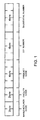
- Fig. 1 shows an exemplified product ID (in the industry also referred to as a serial number) used as the management information.
- the illustrated product ID is 16 bytes in length and is comprised of the following: a two-byte manufacturer code, a two-byte facility code, a four-byte product code, a four-byte lot number, and a four-byte sequential number.
- the manufacturer code is a unique code assigned to each manufacturer or company which distributes data storage products. All data storage products manufactured by a given company will use the same manufacturer code.
- the facility code is a unique code assigned to each facility or factory where data storage products are manufactured. All data storage products manufactured at a given facility will use the same facility code.
- the product code is a unique code assigned by the manufacturer indicating, for example, a type, a production number, and/or a version number of a given data storage product.
- the manufacturer is free to assign product codes to each of their products.
- the lot number is a unique single number or set of numbers assigned to each production lot.
- the sequential number is a unique identifier for a specific sequential publication in a given production lot.
- the management information is useful for quality control of data storage. For example, pinpointing the production facility and the production lot where a defective product is included, if any, would be useful for quality control, client/customer management, after-sale service, and other follow-ups.
- the management information is written in an accessible area using a popular coding scheme during production of the data storage.
- accessible area refers to any storage area in the data storage, including a so-called administrative region, that a user can access through a common information processing system and a read/write device in a personal computer or a drive.
- popular coding scheme refers to those available for the common read/write device and includes ASCII (American Standard Code for Information Interchange) and JIS (Japan Industrial Standards) coding schemes.
- the management information is stored on the data storage in a user-accessible format. This means that a user may look up and alter the management information. Otherwise, the management information may be erased or altered accidentally.
- the management information may be stored in (1) a storage area where the user does not normally have access through, for example, a common read/write device, or (2) a storage device such as a read-only memory (ROM) that is written once and cannot be overwritten or changed.
- ROM read-only memory
- the first approach is not enough to prevent intentional alteration of the management information because a malicious user may figure out how to overwrite it on the data storage. Once the way of altering the information is unveiled, the management information becomes unreliable.
- the second approach is more resistant against the intentional alteration.
- a device that cannot be overwritten should be added to the data storage at a production cost penalty and, at any rate, the device is completely helpless when a malicious user removes and/or changes it as a whole. Quality control using the management information is unfeasible under such circumstances that the management information can be altered easily. The same applies to the client/customer management.
- a data storage that solves the above-mentioned problems comprises a first storage area for storing an original version of management information and a second storage area for storing an encrypted version of the management information.
- data storage means any information storage/data storage having a recordable area. Examples of the data storage include, but not limited to, hard disk devices, flexible disks, recordable CD-ROMs, DVD-RAMs, magnetic tapes, magneto-optical disks, RAM memory cartridges with battery backups, Flash Memory (trademark) cartridges, and other non-volatile memory cartridges.
- management information refers to the information used to distinguish a certain data storage from others. A typical example of the management information is a product ID.
- the data storage may further have another encrypted version of the management information stored in an appropriate storage area or areas (third, fourth, ..., n-th storage areas) thereof.
- the encrypted version of the management information thus stored separately may be encrypted with a different encryption key from the one used for the encryption of the management information stored in the second storage area.
- these pieces of the management information may be encrypted using different encryption schemes.
- Amethod for manufacturing a data storage according to an embodiment of the present invention that solves the above-mentioned problems comprises the steps of writing an original version of management information into a first storage area in the data storage; and writing an encrypted version of the management information into a second storage area in the data storage.
- the encrypted version of the management information may further be stored in an additional storage area or areas (third, fourth, ..., n-th storage areas) of the data storage.
- the encrypted version of the management information thus stored separately may be encrypted with a different encryption key from the one used for the encryption of the management information stored in the second storage area.
- these pieces of the management information may be encrypted using different encryption schemes.
- a process for verifying the validity of the data storage according to an embodiment of the present invention that solves the above-mentioned problems is a process carried out in an information processing system comprising, reading an original version of management information stored on the data storage to be verified and an encrypted version of the management information; decrypting the encrypted version of the management information; and comparing the original version of the management information and the decrypted management information, wherein the data storage subjected to verification is determined as valid when the comparison result indicates that the original version of the management information and the decrypted management information are in a predetermined relationship with each other.
- the "predetermined relationship" is considered to be established when any one of the following applies: (1) the original version of the management information completely coincides or matches with the decrypted management information; (2) portions of the original version of the management information coincide or match with the corresponding portions of the decrypted management information; and (3) a certain correspondence can be given between the two according to a certain rule.
- the management information may be encrypted with an encryption scheme using secret key information, and the decryption is performed, when necessary, with that secret key information.
- all of the encrypted versions of the management information may be read in the reading step and decrypted to validate the data storage only when two or more pieces of the decrypted management information are all in a predetermined relationship with the original version of the management information.
- a system for verifying the validity of a data storage is a system for verifying the validity of a data storage having a first storage area for storing an original version of management information and a second-storage area for storing an encrypted version of the management information.
- This system comprises a controlling unit adapted to read the original version of the management information and the encrypted version of the management information out of the data storage and control decryption of the encrypted version of the management information; and a comparing unit adapted to determine whether the original version of the management information and the decrypted management information are in a predetermined relationship with each other and validate the data storage when the determination result is affirmative.
- the encrypted version of the management information is decrypted by the decryption unit in response to controls by the controlling unit.
- the verification system may read all of the encrypted versions of the management information out of the data storage and decrypt them.
- the data storage may be validated only when the original version of the management information is in a certain relationship with all of the two or more pieces of the decrypted management information.
- the controlling unit of the verification system comprises a feature to allow for corresponding decryption of the encrypted information.
- the system may decrypt all of the encrypted versions of the management information and validate the data storage only when the original version of the management information is in a certain relationship with all of the two or more pieces of decrypted management information.
- a method for distributing content according to an embodiment of the present invention that solves the above-mentioned problems is a method performed in a content distribution server adapted to deliver content data to a user terminal in response to a request from the user terminal connected to the content distribution server through a network.
- This method comprises requesting the user terminal to send an original version of management information and an encrypted version of the management information, the original and encrypted versions of the management information being stored on the data storage in the user terminal; receiving the original and encrypted versions of the management information; decrypting the received encrypted version of the management information; determining whether the received original version of the management information is in a predetermined relationship with the decrypted management information; and validating the management information when the determination result is affirmative, wherein a predetermined request from the user terminal is fulfilled when the determination result is affirmative.
- Validation of the management information is a prerequisite for fulfilling a predetermined request from the user terminal. It does not exclude the possibility of imposing any additional requirement upon the user in response to the request from the user terminal. Instead of "fulfilling the request from the user terminal when the verification result is affirmative", delivery of the content data to the user terminal may be limited when the verification result is negative.
- the above-mentioned content distribution method may further comprise determining whether the management information is contained in a predetermined management information list. Fulfillment of a predetermined request from the user terminal may be limited when the determination result is affirmative.
- a content distribution server adapted to deliver content data to a user terminal in response to a request from the user terminal connected to the content distribution server through a network.
- This content distribution server comprises an interface for the transmission of data to and from the content distribution server through the network; a controlling unit that makes a request to send an original version of management information and an encrypted version of the management information through the interface, the original and encrypted versions of the management information being stored on the data storage in the user terminal, and that controls decryption of the received encrypted version of the management information; and a comparing unit adapted to determine whether the original version of the management information and the decrypted management information are in a predetermined relationship with each other and validate the management information when the determination result is affirmative, wherein the controlling unit limits the delivery of the content data to the user terminal when the verification result is negative.
- Another content distribution server adapted to deliver content data to a user terminal in response to a request from the user terminal connected to the content distribution server through a network.
- This content distribution server comprises an interface for the transmission of data to and from the content distribution server through the network; a controlling unit that makes a request to send an original version of management information and an encrypted version of the management information through the interface, the original and encrypted versions of the management information being stored on the data storage in the user terminal, and that controls decryption of the received encrypted version of the management information; a first comparing unit adapted to determine whether the original version of the management information and the decrypted management information are in a predetermined relationship with each other and validate the management information when the determination result is affirmative; a management information database which is a collection of pieces of management information for the data storage to which delivery of the content data is limited; and a second comparing unit adapted to determine whether the management information of which validity has been verified is contained in a pre
- the affirmative result of the verification obtained by the first comparing unit and the negative result of the determination obtained by the second comparing unit are prerequisites for permitting the delivery of the content data to the user terminal. These results do not exclude the possibility of imposing any additional requirement upon the user in response to the request from the user terminal.
- a computer program according to an embodiment of the present invention that solves the above-mentioned problems makes an information processing system carry out the method for manufacturing the data storage described above.
- a data storage having the computer program according to an embodiment of the present invention that solves the above-mentioned problems stored thereon has the above-mentioned computer program stored thereon.
- Fig. 2 is a block diagram of a data storage 10 and an information processing system 20 according to an embodiment of the present invention
- a data storage 10 comprises a first storage area 11, a second storage area 12, a third storage area 13, and an input/output unit 14.
- the first storage area 11 stores management information, i.e., the information used to manage the data storage 10 itself.
- the management information in this embodiment is a product ID of the data storage 10. It is noted that any one of other user distinguishing identifications (alphanumerical characters, symbols, or combinations thereof) that serves as a unique identifier for each data storage may equally be used as the management information.
- the second storage area is for storing an encrypted product ID while the third storage area is for storing programs, image data, audio data, and other ordinary information.
- An information processing system 20 comprises a product ID holding unit 21, an encryption key holding unit 22, an encrypting unit 23, a decrypting unit 24, a comparing unit 25, and a controlling unit 26.
- the product ID holding unit 21 is for holding product IDs assigned to and to be assigned to the data storage.
- the encryption key holding unit 22 is for holding an encryption key or keys to be used for encrypting and decrypting the product IDs.
- the encrypting unit 23 encrypts, with an encryption key, a product ID supplied from the product ID holding unit 21 to produce an encrypted product ID.
- the decrypting unit 24 decrypts the encrypted product ID with the encryption key.
- the comparing unit 25 receives a non-encrypted, original version of the product ID from the data storage 10 and a corresponding decrypted product ID to compare them with each other. More specifically, the comparing unit 25 compares the original version of the product ID read out of the data storage 10 with the corresponding product ID decrypted by the decrypting unit 24 to determine whether they match with each other.
- the controlling unit 26 controls operations of the whole information processing system 20.
- the functional features 21 to 26 may be implemented by computer programs and/or data stored on, for example, a hard disk device or a semiconductor memory in cooperation with a fundamental control program (operating system) on a computer, i.e., the information processing system 20 in this embodiment.
- the functional features 21 to 26 may be achieved by a central processing unit directly executing an appropriate program stored on, for example, a read-only memory.
- the controlling unit 26 controls the functional features 21 to 25 as well as the data storage 10.
- the data storage 10 is not always connected to the information processing system 20. More specifically, the data storage 10 may have a constant connection with the information processing system 20 when it is implemented as a hard disk device and provided on the same computer as the information processing system 20. However, the data storage 10 may be a portable one such as a CD-ROM or a magnetic tape. In such a case, the data storage 10 is connected to the information processing system 20 only when it becomes necessary.
- An operator connects the data storage 10 to the information processing system 20 and enters a command to write the product ID through an external input device (not shown) connected to the information processing system 20.
- the information processing system 20 retrieves a product ID from the product ID holding unit 21 in response to the command received through the external input device and then writes the retrieved product ID as the original version of the product ID into the first storage area in the data storage 10.
- the information processing system 20 reads the encryption key out of the encryption key holding unit 22.
- the selected product ID and the encryption key are supplied to the encrypting unit 23.
- the encrypting unit 23 encrypts the product ID with the encryption key to produce an encrypted version of the product ID.
- the information processing system 20 writes the encrypted version of the product ID into the second storage area in the data storage 10.
- Encryption can be done by the encrypting unit 23 with a known encryption scheme such as a common key encryption algorithm such as Data Encryption Standard (DES), Triple-DES, MARS, and RC6. It is apparent that the present invention may also make use of a public key encryption algorithm.
- the controlling unit 26 makes an information recording device (not shown) connected to the information processing system 20 write programs, image data, audio data, and any other information into the third storage area in the data storage 10.
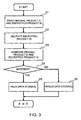
- step S1 the information processing system 20 reads the non-encrypted, original version of the product ID and the corresponding encrypted version of the product ID out of the first and second storage areas, respectively (step S1)
- the original version of the product ID is supplied to the comparing unit 25 while the encrypted version of the product ID is supplied to the decrypting unit 24.
- the decrypting unit 24 decrypts, with the encryption key obtained from the encryption key holding unit 22, the encrypted version of the product ID read out of the second storage area (step S2) to produce a decrypted version of the original product ID.
- the decrypted product ID is then supplied to the comparing unit 25.
- the comparing unit 25 compares the decrypted product ID and the original product ID read out of the first storage area (step S3) to determine whether they match with each other (step S4).
- the original product ID should coincide with the decrypted product ID when the data storage 10 under verification is a valid one (e.g., without any alteration of the product ID). If the determination step S4 is affirmative (YES), the controlling unit 26 considers the data storage as a valid one (step S5) and carries out read/write operation(s) from and to the third storage area in the data storage 10. If the determination step S4 is negative (NO), the controlling unit 26 prohibits or restricts access to the third storage area because of failure of verification indicating that it is an invalid data storage (step S6).
- the combination of the data storage and the information processing system having the above-mentioned configurations makes it possible to detect alteration of the product ID, if any, and verify the validation of the data storage.
- the embodiment of the present invention is associated with the information processing system 20 comprising the six functional features 21 to 26.
- the product ID holding unit 21 and the encrypting unit 23 may be on a separate computer from the one where the decrypting unit 24 and the comparing unit 25 locate.
- verification of the data storage may be carried out independently of the location where the product ID is originally assigned to and written on a given data storage, as long as the encryption key holding unit 22 is available from the decrypting unit 24 and the decrypting unit 24 is controlled accordingly. Therefore, any possible combinations of the functional features embodied herein and equivalents thereof are also contemplated by the present invention.
- Electronic distribution or delivery of computer programs and electronic content has increased with the growth of computer networks including the Internet.
- Such electronic distribution is often called as "content distribution service”.
- Many current content distribution services target unspecified users and provide electronic content to them on a non-payment basis. It is well expected that distribution of the electronic content on a payment basis (the selling of content through the network to authorized users) would be increasing as the network-based business gains popularity.
- the network-based distribution of the electronic content has the advantage of minimizing distribution costs.
- a user who has purchased content via a network may make unauthorized copies of the content and deliver them to a third person(s).
- the unauthorized copying can somewhat be prevented by making the content in a special data format and distributing a purpose-built playback-only software product under strict control.
- introduction of the special data format is less practical when considering versatility of services and speed of technological changes.
- the present invention offers a solution for this by providing a content distribution system and a content distribution server in which the data storage 10 each having a unique product ID and an encrypted version of the same product ID stored thereon is delivered to registered users and the content is to be delivered only to those users. Configurations of such content distribution system and the content distribution server are now described with reference to the drawing.
- the term "content distribution system” as used herein refers to a system which delivers or distributes electronic content, such as electronic books, music, movie, and computer software products, via a network to. user terminals.
- the term “content distribution server” as used herein means a server comprising a database on which the content is stored, which the server delivers the content to a user terminal in response to a request from a user.
- Fig. 4 is a schematic block diagram illustrating a configuration of a content distribution system according to an embodiment of the present invention.
- the content distribution system of this embodiment comprises a content distribution server 100 and a user terminal 110 connected to each other via a network L.
- the network L may be the Internet or any other suitable networks interconnecting the distribution server 100 and the user terminal 110.
- the content distribution server 100 comprises a controlling unit 101, a comparing unit 102, a decrypting unit 103, an encryption key database 104, a content database 105, a member management database 106, and a network interface (I/F) 107.
- the controlling unit 101 controls functions and operations of the whole content distribution server 100.
- the content database 105 is a collection of electronic contents to be distributed to users while the member management database 106 is a collection of data used to manage registered members who are entitled to receive the content.
- the network I/F 107 is for the transmission of data to and from the user terminal 110 through the network L.
- the functional features 101 to 106 of the content distribution server 100 may be implemented by computer programs and/or data stored on, for example, a hard disk device or a semiconductor memory in cooperation with a fundamental control program (operating system) on a computer, i.e., an information processing system having a communication function.
- the functional features 101 to 106 may be achieved by a central processing unit (not shown) directly executing an appropriate program stored on, for example, a read-only memory.
- the comparing unit 102 is equivalent in function to the comparing unit 25 in the above-mentioned information processing system 20.
- the decrypting unit 103 is equivalent in function to the decrypting unit 24 in the above-mentioned information processing system 20.
- the encryption key database 104 is equivalent in function to the encryption key holding unit 22 in the above-mentioned information processing system 20 and stores encryption keys applicable to product IDs.
- the user terminal 110 comprises a controlling unit 111, a data storage interface (I/F) 112, and a network interface (I/F) 113.
- the controlling unit 111 controls functions and operations of the whole user terminal 110.
- the data storage I/F 112 is used to connect the data storage 10 with the user terminal 110.
- the network I/F 113 is for the transmission of data to and from the content distribution server 100 through the network L.
- the user terminal 110 may be any one of appropriate terminals having a network communication function and capable of reading/writing the data storage 10, such as a personal computer, a gaming device, or an entertainment device.
- the content distribution server 100 receives through the network L a non-encrypted, original version of the product ID and an encrypted version of the same product ID from the first and second storage areas, respectively in the data storage connected to the user terminal 110.
- the decrypting unit 103 decrypts the encrypted version of the product ID read out of the second storage area with an encryption key obtained from the encryption key database 104 to produce a decrypted product ID.
- the decrypted version of the product ID is supplied to the comparing unit 102 where it is compared with the original version of the product ID read out of the first storage area in the data storage.
- the comparing unit 102 determines whether the two versions of the product ID match with each other.
- the original product ID should coincide with the decrypted product ID when the data storage 10 is the one distributed to an authorized or registered member. In other words, the affirmative result indicates that the owner of the data storage 10 is the legitimate member.
- the controlling unit 101 permits the user to download the content stored on the content database 105 in response to a request from that user.
- the content may be delivered to the user along with a certain user distinguishing identification unique for the receiver, such as the product ID of the data storage, embedded into the content. It is preferable that the user distinguishing identification be embedded into the content by using digital watermarking technology such as IBM DataHidingTM but an ordinary data format may also be used for this embedding purpose. Details about how to use the user distinguishing identification will be described below.
- the owner of the data storage 10 is not validated as a legitimate member.
- the controlling unit 101 prevents or limits access by that user to the content stored on the content database 105 accordingly.
- the content distribution system having the above-mentioned configuration makes it possible to offer the content distribution service only to the legitimate members.
- a third party is not permitted to use the content distribution service even with a product ID of a data storage of one of the legitimate members.
- a legitimate member may make unauthorized copies of the downloaded content and distribute them among third parties.
- the unauthorized copies may be made available on an Internet web site of the user. Embedding the user distinguishing identification into the content facilitates finding out a user who made such fraudulent use of the content.
- an administrator of the content distribution system retrieves the embedded user distinguishing identification from an unauthorized copy of the content when he or she happens to notice it. From this user distinguishing identification, the administrator can single out the user who downloaded the content.
- the administrator of the content distribution server 100 then enters into the member management database 106 information used to prohibit or limit future delivery of the content to the user in question. For example, the administrator may create a black list on the member management database 106 and put on the black list the product ID of the data storage of which owner is the alleged user.
- the controlling unit 101 in the content distribution server 100 looks up the black list on the member management database 106 when the comparison result obtained by the comparing unit 102 is affirmative and checks whether the product ID in question is contained therein.
- the controlling unit 101 When finding that the product ID in question is in the black list, the controlling unit 101 prevents or limits access by that user to the content stored on the content database 105. If the product ID is not in the black list, the controlling unit 101 permits the user to download the content stored on the content database 105 in response to a request from that user. Therefore, it is possible to impose certain sanctions upon the legitimate member when he or she used the content illegally.
- the encrypted version of the product ID read out of the data storage is decrypted in the information processing system and the decrypted product ID is compared with the non-encrypted original version of the product ID.
- the original product ID read out of the data storage may be encrypted in the information processing system and compared with the encrypted version of the product ID supplied from the data storage. In either case, what is required is to verify that the original and encrypted versions of the product ID are in a predetermined relationship that are stored in sets in the data storage and should normally be matched with each other.
- the data storage has only one encrypted version of the product ID stored thereon.
- two or more encrypted versions of the product ID may be stored thereon.
- the product IDs may be encrypted with two different encryption keys and the respective encrypted versions are stored in different storage areas in the data storage.
- the encrypted versions of the product ID are read out of the storage areas and are decrypted with the corresponding encryption keys. The decryption results are compared with the original version of the product ID.
- the product ID may be encrypted with two or more different encryption schemes and the encrypted versions of the product ID may be stored separately on the data storage. To verify whether the data storage is valid or not, the encrypted versions of the product ID are read out of the storage areas and are decrypted with the corresponding encryption schemes. The decryption results are then compared with the original version of the product ID.
- the necessary number of encryption keys should be prepared previously to perform encryption of the product ID with the respective encryption keys.
- the resulting encrypted versions of the product ID may then be written into different storage areas in the data storage.
- the information processing system may have encryption units (encryption functions) that are available and suitable for the respective encryption schemes.
- the product ID is encrypted in these encryption units and the resulting encrypted versions of the product ID are stored in the different storage areas in the data storage.
- the encrypted versions of the product ID may be read out of the respective storage areas and decrypted with the corresponding encryption schemes.
- the decryption results may then be compared with the original version of the product ID. In this event, a single decrypting unit may be able to handle or use the two or more encryption schemes. Alternatively, independent decryption units may be provided for each of the encryption schemes used.
- a malicious user may alter both the original and encrypted versions of the product ID but it is extremely difficult from the temporal and technical viewpoints to break, decipher or cryptanalyze two or more different encryption keys or encryption schemes.
- Validity of the data storage can thus be verified with a higher probability when all of the decrypted versions of the product ID match the original one.
- a malicious user may alter both the original and encrypted versions of the product ID.
- Any mismatch between the decrypted and original versions of the product ID indicates a possibility of unauthorized or illegal alteration of either one or both of the product IDs. However, the mismatch is not enough to specify which is the valid and which is not. Even under such circumstances, the decrypted versions of the product ID are likely to be valid when some of them are matched. Therefore, it is easier to identify the proper product ID.
- An information processing system loads the computer program according to the present invention from the computer-readable data storage and executes that program to achieve the writing of the product ID and the encrypted version of the product ID into the data storage 10 as well as the validity verification of the data storage 10 on which the product ID and the encrypted version of the product ID are stored.
- the above-mentioned content distribution server may be implemented by the computer program according to the present invention that is carried out by a computer having a communication function.
- the functional features in the embodiments are realized as a computer program alone or in combination with a fundamental control program or an operating system which the computer program is stored on a computer-accessible (i.e., recordable and readable) data storage such as a hard disk device or a semiconductor memory.
- the data storage as well as the method and the apparatus therefor according to the present invention ensure detection of alteration, if any, of the management information and verify the validity of the data storage. Furthermore, the content distribution system according to the present invention allows a content provider to control distribution of the content and to limit delivery of the content to a user who made fraudulent use of it.
Landscapes
- Engineering & Computer Science (AREA)
- Computer Security & Cryptography (AREA)
- Signal Processing (AREA)
- Multimedia (AREA)
- Storage Device Security (AREA)
- Signal Processing For Digital Recording And Reproducing (AREA)
- Management Or Editing Of Information On Record Carriers (AREA)
Abstract
To provide a technique that ensures detection of alternation, if any, of management
information stored on a data storage and verifies the validity of the data storage.
In an information processing system 20 for use in verifying the validity of a data
storage 10 having a first storage area in which an original version of management
information is stored and a second storage area in which an encrypted version of the
management information is stored, the information processing system 20 comprises a
controlling unit (24, 26) adapted to read the original version of the management information
and the encrypted version of the management information out of the data storage to control
decryption of the read encrypted version of the management information; and a comparing
unit (25) adapted to determine whether the original version of the management information
and the decrypted management information are in a predetermined relationship with each
other and validate the data storage when the determination is affirmative.
Description
The present invention relates to the management of a data storage and to a content
distribution system implementing such management features.
Information storage devices or media such as hard disk devices (hereinafter,
collectively referred to as a data storage) often contain information used to manage the data
storage itself (hereinafter collectively referred to as management information).
Fig. 1 shows an exemplified product ID (in the industry also referred to as a serial
number) used as the management information. The illustrated product ID is 16 bytes in
length and is comprised of the following: a two-byte manufacturer code, a two-byte facility
code, a four-byte product code, a four-byte lot number, and a four-byte sequential number.
The manufacturer code is a unique code assigned to each manufacturer or company which
distributes data storage products. All data storage products manufactured by a given
company will use the same manufacturer code. The facility code is a unique code assigned
to each facility or factory where data storage products are manufactured. All data storage
products manufactured at a given facility will use the same facility code. The product code
is a unique code assigned by the manufacturer indicating, for example, a type, a production
number, and/or a version number of a given data storage product. The manufacturer is free
to assign product codes to each of their products. The lot number is a unique single
number or set of numbers assigned to each production lot. The sequential number is a
unique identifier for a specific sequential publication in a given production lot.
The management information is useful for quality control of data storage. For
example, pinpointing the production facility and the production lot where a defective
product is included, if any, would be useful for quality control, client/customer management,
after-sale service, and other follow-ups.
Conventionally, the management information is written in an accessible area using
a popular coding scheme during production of the data storage. The term "accessible area"
as used herein refers to any storage area in the data storage, including a so-called
administrative region, that a user can access through a common information processing
system and a read/write device in a personal computer or a drive. The term "popular
coding scheme" as used herein refers to those available for the common read/write device
and includes ASCII (American Standard Code for Information Interchange) and JIS (Japan
Industrial Standards) coding schemes.
As apparent from the above, the management information is stored on the data
storage in a user-accessible format. This means that a user may look up and alter the
management information. Otherwise, the management information may be erased or
altered accidentally. In order to avoid alteration of the management information by a user,
the management information may be stored in (1) a storage area where the user does not
normally have access through, for example, a common read/write device, or (2) a storage
device such as a read-only memory (ROM) that is written once and cannot be overwritten or
changed.
However, the first approach is not enough to prevent intentional alteration of the
management information because a malicious user may figure out how to overwrite it on the
data storage. Once the way of altering the information is unveiled, the management
information becomes unreliable. The second approach is more resistant against the
intentional alteration. However, a device that cannot be overwritten should be added to the
data storage at a production cost penalty and, at any rate, the device is completely helpless
when a malicious user removes and/or changes it as a whole. Quality control using the
management information is unfeasible under such circumstances that the management
information can be altered easily. The same applies to the client/customer management.
Accordingly, it is an object of the present invention to provide a technique that
ensures detection of alteration, if any, of management information stored on a data storage
and verifies the validity of the data storage.
It is another object of the present invention to provide a data storage with which
any alteration of the management information thereon can be successfully detected and the
validity of the data storage can be verified without any failure, as well as to provide a
method and a system therefor.
It is still another object of the present invention to provide a system and a method
for the distribution of electronic content, based on the technique of detecting alteration of
the management information on the data storage and of verifying the data storage.
It is yet another object of the present invention to provide a computer program used
to implement the above-mentioned method in cooperation with an information processing
system, and a computer-readable data storage on which the program is stored.
A data storage according to an embodiment of the present invention that solves the
above-mentioned problems comprises a first storage area for storing an original version of
management information and a second storage area for storing an encrypted version of the
management information.
The term "data storage" as used herein means any information storage/data storage
having a recordable area. Examples of the data storage include, but not limited to, hard
disk devices, flexible disks, recordable CD-ROMs, DVD-RAMs, magnetic tapes, magneto-optical
disks, RAM memory cartridges with battery backups, Flash Memory (trademark)
cartridges, and other non-volatile memory cartridges. The term "management information"
as used herein refers to the information used to distinguish a certain data storage from others.
A typical example of the management information is a product ID.
The data storage may further have another encrypted version of the management
information stored in an appropriate storage area or areas (third, fourth, ..., n-th storage
areas) thereof. The encrypted version of the management information thus stored
separately may be encrypted with a different encryption key from the one used for the
encryption of the management information stored in the second storage area. Alternatively,
these pieces of the management information may be encrypted using different encryption
schemes.
Amethod for manufacturing a data storage according to an embodiment of the
present invention that solves the above-mentioned problems comprises the steps of writing
an original version of management information into a first storage area in the data storage;
and writing an encrypted version of the management information into a second storage area
in the data storage.
In this method for manufacturing the data storage, the encrypted version of the
management information may further be stored in an additional storage area or areas (third,
fourth, ..., n-th storage areas) of the data storage. The encrypted version of the
management information thus stored separately may be encrypted with a different
encryption key from the one used for the encryption of the management information stored
in the second storage area. Alternatively, these pieces of the management information may
be encrypted using different encryption schemes.
A process for verifying the validity of the data storage according to an embodiment
of the present invention that solves the above-mentioned problems is a process carried out in
an information processing system comprising, reading an original version of management
information stored on the data storage to be verified and an encrypted version of the
management information; decrypting the encrypted version of the management information;
and comparing the original version of the management information and the decrypted
management information, wherein the data storage subjected to verification is determined as
valid when the comparison result indicates that the original version of the management
information and the decrypted management information are in a predetermined relationship
with each other. The "predetermined relationship" is considered to be established when
any one of the following applies: (1) the original version of the management information
completely coincides or matches with the decrypted management information; (2) portions
of the original version of the management information coincide or match with the
corresponding portions of the decrypted management information; and (3) a certain
correspondence can be given between the two according to a certain rule.
In the verification of the validity, the management information may be encrypted
with an encryption scheme using secret key information, and the decryption is performed,
when necessary, with that secret key information.
When the data storage has two or more encrypted versions of the management
information stored thereon, all of the encrypted versions of the management information
may be read in the reading step and decrypted to validate the data storage only when two or
more pieces of the decrypted management information are all in a predetermined
relationship with the original version of the management information.
A system for verifying the validity of a data storage according to an embodiment of
the present invention that solves the above-mentioned problems is a system for verifying the
validity of a data storage having a first storage area for storing an original version of
management information and a second-storage area for storing an encrypted version of the
management information. This system comprises a controlling unit adapted to read the
original version of the management information and the encrypted version of the
management information out of the data storage and control decryption of the encrypted
version of the management information; and a comparing unit adapted to determine whether
the original version of the management information and the decrypted management
information are in a predetermined relationship with each other and validate the data storage
when the determination result is affirmative. The encrypted version of the management
information is decrypted by the decryption unit in response to controls by the controlling
unit.
When the data storage has two or more encrypted versions of the management
information stored thereon, the verification system may read all of the encrypted versions of
the management information out of the data storage and decrypt them. In such a case, the
data storage may be validated only when the original version of the management
information is in a certain relationship with all of the two or more pieces of the decrypted
management information.
Alternatively, when the data storage has two or more encrypted versions of the
management information stored thereon that have been encrypted with different encryption
schemes, the controlling unit of the verification system comprises a feature to allow for
corresponding decryption of the encrypted information. The system may decrypt all of the
encrypted versions of the management information and validate the data storage only when
the original version of the management information is in a certain relationship with all of the
two or more pieces of decrypted management information.
A method for distributing content according to an embodiment of the present
invention that solves the above-mentioned problems is a method performed in a content
distribution server adapted to deliver content data to a user terminal in response to a request
from the user terminal connected to the content distribution server through a network. This
method comprises requesting the user terminal to send an original version of management
information and an encrypted version of the management information, the original and
encrypted versions of the management information being stored on the data storage in the
user terminal; receiving the original and encrypted versions of the management information;
decrypting the received encrypted version of the management information; determining
whether the received original version of the management information is in a predetermined
relationship with the decrypted management information; and validating the management
information when the determination result is affirmative, wherein a predetermined request
from the user terminal is fulfilled when the determination result is affirmative. Validation
of the management information is a prerequisite for fulfilling a predetermined request from
the user terminal. It does not exclude the possibility of imposing any additional
requirement upon the user in response to the request from the user terminal. Instead of
"fulfilling the request from the user terminal when the verification result is affirmative",
delivery of the content data to the user terminal may be limited when the verification result
is negative.
The above-mentioned content distribution method may further comprise
determining whether the management information is contained in a predetermined
management information list. Fulfillment of a predetermined request from the user
terminal may be limited when the determination result is affirmative.
It is possible to limit the delivery of the content data to a given user by means of
preparing the predetermined management information list as a list of the management
information of the data storage to which delivery of the content data file is limited.
A content distribution server according to an embodiment of the present invention
that solves the above-mentioned problems is a content distribution server adapted to deliver
content data to a user terminal in response to a request from the user terminal connected to
the content distribution server through a network. This content distribution server
comprises an interface for the transmission of data to and from the content distribution
server through the network; a controlling unit that makes a request to send an original
version of management information and an encrypted version of the management
information through the interface, the original and encrypted versions of the management
information being stored on the data storage in the user terminal, and that controls
decryption of the received encrypted version of the management information; and a
comparing unit adapted to determine whether the original version of the management
information and the decrypted management information are in a predetermined relationship
with each other and validate the management information when the determination result is
affirmative, wherein the controlling unit limits the delivery of the content data to the user
terminal when the verification result is negative.
Another content distribution server according to an embodiment of the present
invention that solves the above-mentioned problems is a content distribution server adapted
to deliver content data to a user terminal in response to a request from the user terminal
connected to the content distribution server through a network. This content distribution
server comprises an interface for the transmission of data to and from the content
distribution server through the network; a controlling unit that makes a request to send an
original version of management information and an encrypted version of the management
information through the interface, the original and encrypted versions of the management
information being stored on the data storage in the user terminal, and that controls
decryption of the received encrypted version of the management information; a first
comparing unit adapted to determine whether the original version of the management
information and the decrypted management information are in a predetermined relationship
with each other and validate the management information when the determination result is
affirmative; a management information database which is a collection of pieces of
management information for the data storage to which delivery of the content data is
limited; and a second comparing unit adapted to determine whether the management
information of which validity has been verified is contained in a predetermined management
information database, wherein the controlling unit permits the delivery of the content data
when the verification result obtained by the first comparing unit is affirmative and when the
determination result obtained by the second comparing unit is negative.
The affirmative result of the verification obtained by the first comparing unit and
the negative result of the determination obtained by the second comparing unit are
prerequisites for permitting the delivery of the content data to the user terminal. These
results do not exclude the possibility of imposing any additional requirement upon the user
in response to the request from the user terminal.
A computer program according to an embodiment of the present invention that
solves the above-mentioned problems makes an information processing system carry out the
method for manufacturing the data storage described above.
Another computer program according to an embodiment of the present invention
that solves the above-mentioned problems makes an information processing system carry
out the jobs of reading an original version of management information and an encrypted
version of the management information out of the data storage to be verified; decrypting the
encrypted version of the management information; comparing the read original version of
the management information and the decrypted management information; and validating the
verified data storage when the comparison result indicates that the read original version of
the management information and the decrypted management information are in a
predetermined relationship with each other.
Yet another computer program according to an embodiment of the present
invention that solves the above-mentioned problems makes a content distribution server,
which is adapted to deliver content data to a user terminal in response to a request from the
user terminal connected to the content distribution server through a network, carry out the
jobs of requesting delivery of an original version of management information and an
encrypted version of the management information stored in a data storage of the user
terminal; receiving the original and encrypted versions of the management information;
decrypting the received encrypted version of the management information; determining
whether the received original version of the management information and the decrypted
management information are in a predetermined relationship with each other; and validating
the management information when the determination result is affirmative, wherein
fulfillment of any request from the user terminal is restricted when the verification result is
negative.
A data storage having the computer program according to an embodiment of the
present invention that solves the above-mentioned problems stored thereon has the above-mentioned
computer program stored thereon.
An embodiment of the present invention is described with reference to the
drawings.
Fig. 2 is a block diagram of a data storage 10 and an information processing system
20 according to an embodiment of the present invention
As shown in Fig. 2, a data storage 10 comprises a first storage area 11, a second
storage area 12, a third storage area 13, and an input/output unit 14. The first storage area
11 stores management information, i.e., the information used to manage the data storage 10
itself. The management information in this embodiment is a product ID of the data storage
10. It is noted that any one of other user distinguishing identifications (alphanumerical
characters, symbols, or combinations thereof) that serves as a unique identifier for each data
storage may equally be used as the management information. The second storage area is
for storing an encrypted product ID while the third storage area is for storing programs,
image data, audio data, and other ordinary information.
An information processing system 20 comprises a product ID holding unit 21, an
encryption key holding unit 22, an encrypting unit 23, a decrypting unit 24, a comparing
unit 25, and a controlling unit 26. The product ID holding unit 21 is for holding product
IDs assigned to and to be assigned to the data storage. The encryption key holding unit 22
is for holding an encryption key or keys to be used for encrypting and decrypting the
product IDs. As will be described more in detail below, the encrypting unit 23 encrypts,
with an encryption key, a product ID supplied from the product ID holding unit 21 to
produce an encrypted product ID. The decrypting unit 24 decrypts the encrypted product
ID with the encryption key. The comparing unit 25 receives a non-encrypted, original
version of the product ID from the data storage 10 and a corresponding decrypted product
ID to compare them with each other. More specifically, the comparing unit 25 compares
the original version of the product ID read out of the data storage 10 with the corresponding
product ID decrypted by the decrypting unit 24 to determine whether they match with each
other. The controlling unit 26 controls operations of the whole information processing
system 20.
The functional features 21 to 26 may be implemented by computer programs
and/or data stored on, for example, a hard disk device or a semiconductor memory in
cooperation with a fundamental control program (operating system) on a computer, i.e., the
information processing system 20 in this embodiment. Alternatively, the functional
features 21 to 26 may be achieved by a central processing unit directly executing an
appropriate program stored on, for example, a read-only memory.
For the sake of simplicity and clarity, some connections are omitted and others
emphasized in Fig. 2. The controlling unit 26 controls the functional features 21 to 25 as
well as the data storage 10. It should be noted that the data storage 10 is not always
connected to the information processing system 20. More specifically, the data storage 10
may have a constant connection with the information processing system 20 when it is
implemented as a hard disk device and provided on the same computer as the information
processing system 20. However, the data storage 10 may be a portable one such as a CD-ROM
or a magnetic tape. In such a case, the data storage 10 is connected to the
information processing system 20 only when it becomes necessary.
Next, operations of the data storage 10 and the information processing system 20
are described.
Writing the original and encrypted versions of the product ID into the data storage
10 is described first. An operator connects the data storage 10 to the information
processing system 20 and enters a command to write the product ID through an external
input device (not shown) connected to the information processing system 20. The
information processing system 20 retrieves a product ID from the product ID holding unit
21 in response to the command received through the external input device and then writes
the retrieved product ID as the original version of the product ID into the first storage area
in the data storage 10. In addition, the information processing system 20 reads the
encryption key out of the encryption key holding unit 22. The selected product ID and the
encryption key are supplied to the encrypting unit 23. The encrypting unit 23 encrypts the
product ID with the encryption key to produce an encrypted version of the product ID.
Subsequently, the information processing system 20 writes the encrypted version of the
product ID into the second storage area in the data storage 10. Encryption can be done by
the encrypting unit 23 with a known encryption scheme such as a common key encryption
algorithm such as Data Encryption Standard (DES), Triple-DES, MARS, and RC6. It is
apparent that the present invention may also make use of a public key encryption algorithm.
When appropriate and necessary, the controlling unit 26 makes an information
recording device (not shown) connected to the information processing system 20 write
programs, image data, audio data, and any other information into the third storage area in
the data storage 10.
Referring to Fig. 3, such operations are described that are used to verify the validity
of the data storage 10 having the product ID and the encrypted product ID stored thereon.
When the data storage 10 having the assigned product ID is connected to the information
processing system 20, the information processing system 20 reads the non-encrypted,
original version of the product ID and the corresponding encrypted version of the product
ID out of the first and second storage areas, respectively (step S1) The original version of
the product ID is supplied to the comparing unit 25 while the encrypted version of the
product ID is supplied to the decrypting unit 24. The decrypting unit 24 decrypts, with the
encryption key obtained from the encryption key holding unit 22, the encrypted version of
the product ID read out of the second storage area (step S2) to produce a decrypted version
of the original product ID. The decrypted product ID is then supplied to the comparing
unit 25. The comparing unit 25 compares the decrypted product ID and the original
product ID read out of the first storage area (step S3) to determine whether they match with
each other (step S4). The original product ID should coincide with the decrypted product
ID when the data storage 10 under verification is a valid one (e.g., without any alteration of
the product ID). If the determination step S4 is affirmative (YES), the controlling unit 26
considers the data storage as a valid one (step S5) and carries out read/write operation(s)
from and to the third storage area in the data storage 10. If the determination step S4 is
negative (NO), the controlling unit 26 prohibits or restricts access to the third storage area
because of failure of verification indicating that it is an invalid data storage (step S6).
Thus, the combination of the data storage and the information processing system
having the above-mentioned configurations makes it possible to detect alteration of the
product ID, if any, and verify the validation of the data storage.
As apparent from the above, the embodiment of the present invention is associated
with the information processing system 20 comprising the six functional features 21 to 26.
However, the product ID holding unit 21 and the encrypting unit 23 may be on a separate
computer from the one where the decrypting unit 24 and the comparing unit 25 locate. In
other words, verification of the data storage may be carried out independently of the
location where the product ID is originally assigned to and written on a given data storage,
as long as the encryption key holding unit 22 is available from the decrypting unit 24 and
the decrypting unit 24 is controlled accordingly. Therefore, any possible combinations of
the functional features embodied herein and equivalents thereof are also contemplated by
the present invention.
Electronic distribution or delivery of computer programs and electronic content,
such as electronic books, audio and/or video data, has increased with the growth of
computer networks including the Internet. Such electronic distribution is often called as
"content distribution service". Many current content distribution services target
unspecified users and provide electronic content to them on a non-payment basis. It is well
expected that distribution of the electronic content on a payment basis (the selling of content
through the network to authorized users) would be increasing as the network-based business
gains popularity.
The network-based distribution of the electronic content has the advantage of
minimizing distribution costs. However, it is difficult to restrict distribution of the
electronic content properly once it is released to the network. For example, a user who has
purchased content via a network may make unauthorized copies of the content and deliver
them to a third person(s). It is difficult to prevent unauthorized copying of the content as
far as it is made in a universal data format such as the MP3 and PDF formats for audio and
electronic books, respectively. On the other hand, the unauthorized copying can somewhat
be prevented by making the content in a special data format and distributing a purpose-built
playback-only software product under strict control. However, introduction of the special
data format is less practical when considering versatility of services and speed of
technological changes.
Thus, there are continuing demands for a technique that allows a content provider
to control distribution of the content and to limit use of the content by a user who made
fraudulent use of it. The present invention offers a solution for this by providing a content
distribution system and a content distribution server in which the data storage 10 each
having a unique product ID and an encrypted version of the same product ID stored thereon
is delivered to registered users and the content is to be delivered only to those users.
Configurations of such content distribution system and the content distribution server are
now described with reference to the drawing. The term "content distribution system" as
used herein refers to a system which delivers or distributes electronic content, such as
electronic books, music, movie, and computer software products, via a network to. user
terminals. The term "content distribution server" as used herein means a server comprising
a database on which the content is stored, which the server delivers the content to a user
terminal in response to a request from a user.
Fig. 4 is a schematic block diagram illustrating a configuration of a content
distribution system according to an embodiment of the present invention. The content
distribution system of this embodiment comprises a content distribution server 100 and a
user terminal 110 connected to each other via a network L. The network L may be the
Internet or any other suitable networks interconnecting the distribution server 100 and the
user terminal 110.
The content distribution server 100 comprises a controlling unit 101, a comparing
unit 102, a decrypting unit 103, an encryption key database 104, a content database 105, a
member management database 106, and a network interface (I/F) 107. The controlling unit
101 controls functions and operations of the whole content distribution server 100. The
content database 105 is a collection of electronic contents to be distributed to users while the
member management database 106 is a collection of data used to manage registered
members who are entitled to receive the content. The network I/F 107 is for the
transmission of data to and from the user terminal 110 through the network L.
As in the case described in conjunction with Fig. 2, the functional features 101 to
106 of the content distribution server 100 may be implemented by computer programs
and/or data stored on, for example, a hard disk device or a semiconductor memory in
cooperation with a fundamental control program (operating system) on a computer, i.e., an
information processing system having a communication function. Alternatively, the
functional features 101 to 106 may be achieved by a central processing unit (not shown)
directly executing an appropriate program stored on, for example, a read-only memory.
The comparing unit 102 is equivalent in function to the comparing unit 25 in the
above-mentioned information processing system 20. Likewise, the decrypting unit 103 is
equivalent in function to the decrypting unit 24 in the above-mentioned information
processing system 20. The encryption key database 104 is equivalent in function to the
encryption key holding unit 22 in the above-mentioned information processing system 20
and stores encryption keys applicable to product IDs.
The user terminal 110 comprises a controlling unit 111, a data storage interface
(I/F) 112, and a network interface (I/F) 113. The controlling unit 111 controls functions
and operations of the whole user terminal 110. The data storage I/F 112 is used to connect
the data storage 10 with the user terminal 110. The network I/F 113 is for the transmission
of data to and from the content distribution server 100 through the network L. The user
terminal 110 may be any one of appropriate terminals having a network communication
function and capable of reading/writing the data storage 10, such as a personal computer, a
gaming device, or an entertainment device.
Next, operations of the illustrated content distribution system are described.
When a user accesses the content distribution server 100 from the user terminal 110, the
content distribution server 100 receives through the network L a non-encrypted, original
version of the product ID and an encrypted version of the same product ID from the first and
second storage areas, respectively in the data storage connected to the user terminal 110.
The decrypting unit 103 decrypts the encrypted version of the product ID read out of the
second storage area with an encryption key obtained from the encryption key database 104
to produce a decrypted product ID. The decrypted version of the product ID is supplied to
the comparing unit 102 where it is compared with the original version of the product ID
read out of the first storage area in the data storage. The comparing unit 102 determines
whether the two versions of the product ID match with each other. The original product ID
should coincide with the decrypted product ID when the data storage 10 is the one
distributed to an authorized or registered member. In other words, the affirmative result
indicates that the owner of the data storage 10 is the legitimate member. When validated,
the controlling unit 101 permits the user to download the content stored on the content
database 105 in response to a request from that user. The content may be delivered to the
user along with a certain user distinguishing identification unique for the receiver, such as
the product ID of the data storage, embedded into the content. It is preferable that the user
distinguishing identification be embedded into the content by using digital watermarking
technology such as IBM DataHiding™ but an ordinary data format may also be used for this
embedding purpose. Details about how to use the user distinguishing identification will be
described below.
On the other hand, if the determination result is negative, the owner of the data
storage 10 is not validated as a legitimate member. The controlling unit 101 prevents or
limits access by that user to the content stored on the content database 105 accordingly. As
apparent from the above, the content distribution system having the above-mentioned
configuration makes it possible to offer the content distribution service only to the
legitimate members. A third party is not permitted to use the content distribution service
even with a product ID of a data storage of one of the legitimate members.
It should be noted that even a legitimate member may make unauthorized copies of
the downloaded content and distribute them among third parties. Alternatively, the
unauthorized copies may be made available on an Internet web site of the user.
Embedding the user distinguishing identification into the content facilitates finding out a
user who made such fraudulent use of the content.
More particularly, an administrator of the content distribution system retrieves the
embedded user distinguishing identification from an unauthorized copy of the content when
he or she happens to notice it. From this user distinguishing identification, the
administrator can single out the user who downloaded the content. The administrator of
the content distribution server 100 then enters into the member management database 106
information used to prohibit or limit future delivery of the content to the user in question.
For example, the administrator may create a black list on the member management database
106 and put on the black list the product ID of the data storage of which owner is the alleged
user. The controlling unit 101 in the content distribution server 100 looks up the black list
on the member management database 106 when the comparison result obtained by the
comparing unit 102 is affirmative and checks whether the product ID in question is
contained therein. When finding that the product ID in question is in the black list, the
controlling unit 101 prevents or limits access by that user to the content stored on the
content database 105. If the product ID is not in the black list, the controlling unit 101
permits the user to download the content stored on the content database 105 in response to a
request from that user. Therefore, it is possible to impose certain sanctions upon the
legitimate member when he or she used the content illegally.
While the present invention has thus been described in conjunction with the
specific embodiments thereof, the present invention is not limited thereto. For example, in
the above-mentioned embodiments, the encrypted version of the product ID read out of the
data storage is decrypted in the information processing system and the decrypted product ID
is compared with the non-encrypted original version of the product ID. However, the
original product ID read out of the data storage may be encrypted in the information
processing system and compared with the encrypted version of the product ID supplied from
the data storage. In either case, what is required is to verify that the original and encrypted
versions of the product ID are in a predetermined relationship that are stored in sets in the
data storage and should normally be matched with each other.
In the above-mentioned embodiments, the data storage has only one encrypted
version of the product ID stored thereon. However, two or more encrypted versions of the
product ID may be stored thereon. In this event, the product IDs may be encrypted with
two different encryption keys and the respective encrypted versions are stored in different
storage areas in the data storage. To verify whether the data storage is valid or not, the
encrypted versions of the product ID are read out of the storage areas and are decrypted with
the corresponding encryption keys. The decryption results are compared with the original
version of the product ID.
The product ID may be encrypted with two or more different encryption schemes
and the encrypted versions of the product ID may be stored separately on the data storage.
To verify whether the data storage is valid or not, the encrypted versions of the product ID
are read out of the storage areas and are decrypted with the corresponding encryption
schemes. The decryption results are then compared with the original version of the
product ID.
In order to store the product ID with two or more encryption keys, the necessary
number of encryption keys should be prepared previously to perform encryption of the
product ID with the respective encryption keys. The resulting encrypted versions of the
product ID may then be written into different storage areas in the data storage. In order to
store the product ID with two or more encryption schemes, the information processing
system may have encryption units (encryption functions) that are available and suitable for
the respective encryption schemes. The product ID is encrypted in these encryption units
and the resulting encrypted versions of the product ID are stored in the different storage
areas in the data storage. To verify whether the data storage is valid or not, the encrypted
versions of the product ID may be read out of the respective storage areas and decrypted
with the corresponding encryption schemes. The decryption results may then be compared
with the original version of the product ID. In this event, a single decrypting unit may be
able to handle or use the two or more encryption schemes. Alternatively, independent
decryption units may be provided for each of the encryption schemes used.
Advantages of using the different encryption keys or encryption schemes are as
follows. A malicious user may alter both the original and encrypted versions of the
product ID but it is extremely difficult from the temporal and technical viewpoints to break,
decipher or cryptanalyze two or more different encryption keys or encryption schemes.
Validity of the data storage can thus be verified with a higher probability when all of the
decrypted versions of the product ID match the original one. Again, a malicious user may
alter both the original and encrypted versions of the product ID. Any mismatch between
the decrypted and original versions of the product ID indicates a possibility of unauthorized
or illegal alteration of either one or both of the product IDs. However, the mismatch is not
enough to specify which is the valid and which is not. Even under such circumstances, the
decrypted versions of the product ID are likely to be valid when some of them are matched.
Therefore, it is easier to identify the proper product ID.
An information processing system (computer) loads the computer program
according to the present invention from the computer-readable data storage and executes
that program to achieve the writing of the product ID and the encrypted version of the
product ID into the data storage 10 as well as the validity verification of the data storage 10
on which the product ID and the encrypted version of the product ID are stored.
The above-mentioned content distribution server may be implemented by the
computer program according to the present invention that is carried out by a computer
having a communication function. In this case, the functional features in the embodiments
are realized as a computer program alone or in combination with a fundamental control
program or an operating system which the computer program is stored on a computer-accessible
(i.e., recordable and readable) data storage such as a hard disk device or a
semiconductor memory.
As apparent from the above, the data storage as well as the method and the
apparatus therefor according to the present invention ensure detection of alteration, if any, of
the management information and verify the validity of the data storage. Furthermore, the
content distribution system according to the present invention allows a content provider to
control distribution of the content and to limit delivery of the content to a user who made
fraudulent use of it.
Claims (14)
- A data storage comprising:a first storage area for storing an original version of management information; anda second storage area for storing an encrypted version of the management information.
- A method for manufacturing a data storage comprising the steps of:writing an original version of management information into a first storage area in the data storage; andwriting an encrypted version of the management information into a second storage area in the data storage.
- A method carried out in an information processing system comprising:wherein the data storage subjected to verification is determined as valid when the comparison result indicates that the original version of the management information and the decrypted management information are in a predetermined relationship with each other.reading an original version of management information stored on the data storage to be verified and an encrypted version of the management information;decrypting the encrypted version of the management information; andcomparing the original version of the management information and the decrypted management information,
- A method as claimed in Claim 3, wherein the encrypted version of the management information is encrypted with an encryption scheme using secret key information and the decryption is performed with that secret key information.
- A system for verifying the validity of a data storage having a first storage area for storing an original version of management information and a second storage area for storing an encrypted version of the management information, said system comprising:a controlling unit adapted to read the original version of the management information and the encrypted version of the management information out of the data storage and control decryption of the encrypted version of the management information; anda comparing unit adapted to determine whether the original version of the management information and the decrypted management information are in a predetermined relationship with each other and validate the data storage when the determination result is affirmative.
- A method for managing a user terminal performed in a content distribution server adapted to deliver content data to a user terminal in response to a request from the user terminal connected to the content distribution server through a network, said method comprising:requesting the user terminal to send an original version of management information and an encrypted version of the management information, the original and encrypted versions of the management information being stored on the data storage in the user terminal;receiving the original and encrypted versions of the management information;decrypting the received encrypted version of the management information;determining whether the received original version of the management information is in a predetermined relationship with the decrypted management information; andvalidating the management information when the determination result is affirmative, whereina predetermined request from the user terminal is fulfilled when the verification result is affirmative.
- A method as claimed in Claim 6, further comprising:determining whether the management information of which validity has been verified is contained in a predetermined management information list, whereinfulfillment of a predetermined request from the user terminal is limited when the determination result is affirmative.
- A method as claimed in Claim 7, wherein the predetermined management information list is a collection of management information for the user terminal(s) to which delivery of a content data file is to be restricted.
- A content distribution server adapted to deliver content data to a user terminal in response to a request from the user terminal connected to the content distribution server through a network, said content distribution server comprising:an interface for the transmission of data to and from the content distribution server through the network;a controlling unit that makes a request to send an original version of management information and an encrypted version of the management information through said interface, the original and encrypted versions of the management information being stored on the data storage in the user terminal, and that controls decryption of the received encrypted version of the management information; anda comparing unit adapted to determine whether the original version of the management information and the decrypted management information are in a predetermined relationship with each other and validate the management information when the determination result is affirmative, whereinsaid controlling unit limits the delivery of the content data to the user terminal when the verification result is negative.
- A content distribution server adapted to deliver content data to a user terminal in response to a request from the user terminal connected to the content distribution server through a network, said content distribution server comprising:an interface for the transmission of data to and from the content distribution server through the network;a controlling unit that makes a request to send an original version of management information and an encrypted version of the management information through said interface, the original and encrypted versions of the management information being stored on the data storage in the user terminal, and that controls decryption of the received encrypted version of the management information;a first comparing unit adapted to determine whether the original version of the management information and the decrypted management information are in a predetermined relationship with each other and validate the management information when the determination result is affirmative;a management information database which is a collection of pieces of management information for the data storage to which delivery of the content data is limited; anda second comparing unit adapted to determine whether the management information of which validity has been verified is contained in a predetermined management information database, whereinsaid controlling unit permits the delivery of the content data when the verification result obtained by said first comparing unit is affirmative and when the determination result obtained by said second comparing unit is negative.
- A computer program for use in making an information processing system carry out the jobs of:writing an original version of management information into a first storage area in a data storage; andwriting an encrypted version of the management information into a second storage area in the said data storage.
- A computer program for use in making an information processing system carry out the jobs of:reading an original version of management information and an encrypted version of the management information out of the data storage to be verified;decrypting the encrypted version of the management information;comparing the read original version of the management information arid the decrypted management information; andvalidating the verified data storage when the comparison result indicates that the read original version of the management information and the decrypted management information are in a predetermined relationship with each other.
- A computer program for use in making a content distribution server, which is adapted to deliver content data to a user terminal in response to a request from the user terminal connected to the content distribution server through a network, carry out the jobs of:requesting delivery of an original version of management information and an encrypted version of the management information stored in a data storage of the user terminal;receiving the original and encrypted versions of the management information;decrypting the received encrypted version of the management information;determining whether the received original version of the management information and the decrypted management information are in a predetermined relationship with each other; andvalidating the management information when the determination result is affirmative, wherein fulfillment of any request from the user terminal is restricted when the verification result is negative.
- A computer-readable data storage having the computer program as claimed in Claims 11-13 stored thereon.
Applications Claiming Priority (5)
| Application Number | Priority Date | Filing Date | Title |
|---|---|---|---|
| JP2001017511 | 2001-01-25 | ||
| JP2001017511 | 2001-01-25 | ||
| JP2002006280 | 2002-01-15 | ||
| JP2002006280A JP2002319230A (en) | 2001-01-25 | 2002-01-15 | Recording medium, information processor, server, and method, program for contents distribution and recording medium thereof |
| PCT/JP2002/000216 WO2002059894A1 (en) | 2001-01-25 | 2002-01-16 | Recording medium, information processing device, content distribution server, method, program, and its recording medium |
Publications (2)
| Publication Number | Publication Date |
|---|---|
| EP1355309A1 true EP1355309A1 (en) | 2003-10-22 |
| EP1355309A4 EP1355309A4 (en) | 2009-03-18 |
Family
ID=26608309
Family Applications (1)
| Application Number | Title | Priority Date | Filing Date |
|---|---|---|---|
| EP02715742A Withdrawn EP1355309A4 (en) | 2001-01-25 | 2002-01-16 | Recording medium, information processing device, content distribution server, method, program, and its recording medium |
Country Status (7)
| Country | Link |
|---|---|
| US (1) | US20020169972A1 (en) |
| EP (1) | EP1355309A4 (en) |
| JP (1) | JP2002319230A (en) |
| KR (1) | KR20030071824A (en) |
| CN (1) | CN1279535C (en) |
| TW (1) | TW556079B (en) |
| WO (1) | WO2002059894A1 (en) |
Families Citing this family (32)
| Publication number | Priority date | Publication date | Assignee | Title |
|---|---|---|---|---|
| US20030177232A1 (en) * | 2002-03-18 | 2003-09-18 | Coughlin Chesley B. | Load balancer based computer intrusion detection device |
| ES2348260T3 (en) | 2003-01-31 | 2010-12-02 | Visto Corporation | ASYNCHRON DATA RECOVERY IN REAL TIME. |
| US20050234949A1 (en) * | 2003-04-30 | 2005-10-20 | Sony Corporation | Data processing method, program thereof, device thereof, and recording medium |
| EP1883070A3 (en) * | 2003-10-08 | 2008-02-13 | Macrovision Corporation | Secure access and copy protection management system |
| US20050078822A1 (en) * | 2003-10-08 | 2005-04-14 | Eyal Shavit | Secure access and copy protection management system |
| KR100725734B1 (en) * | 2004-07-05 | 2007-06-08 | 에스케이 텔레콤주식회사 | Password Signature Verification Method of Wireless Internet Terminal |
| JP4828155B2 (en) * | 2005-05-12 | 2011-11-30 | 株式会社日立製作所 | Storage system |
| JP4900708B2 (en) * | 2005-08-25 | 2012-03-21 | ソニー株式会社 | REPRODUCTION DEVICE, REPRODUCTION METHOD, PROGRAM, AND PROGRAM STORAGE MEDIUM |
| JP2007272476A (en) * | 2006-03-30 | 2007-10-18 | Fujitsu Ltd | Information storage device |
| US8223965B2 (en) * | 2006-05-05 | 2012-07-17 | Broadcom Corporation | Switching network supporting media rights management |
| JP2007335040A (en) * | 2006-06-19 | 2007-12-27 | Tdk Corp | Fixed data area formation method of recording medium, recording medium, fixed data area formation device, authentication method, and authentication apparatus |
| KR20090052199A (en) * | 2007-11-20 | 2009-05-25 | 삼성전자주식회사 | Storage device, terminal device using the storage device and method thereof |
| US20110061112A1 (en) * | 2008-03-12 | 2011-03-10 | Pavel Berengoltz | System and method for enforcing data encryption on removable media devices |
| CA2747661A1 (en) * | 2008-12-18 | 2010-07-15 | Copiun, Inc. | Methods and apparatus for content-aware data partitioning and data de-duplication |
| JP5304366B2 (en) * | 2009-03-19 | 2013-10-02 | 富士通株式会社 | Storage medium unit and storage medium automatic erasing system |
| US9141608B2 (en) * | 2009-12-09 | 2015-09-22 | Patrix Ip Helpware | Data validation in docketing systems |
| US9135264B2 (en) * | 2010-03-12 | 2015-09-15 | Copiun, Inc. | Distributed catalog, data store, and indexing |
| WO2011116087A2 (en) * | 2010-03-16 | 2011-09-22 | Copiun, Inc. | Highly scalable and distributed data de-duplication |
| EP2609517B1 (en) | 2010-08-24 | 2020-04-01 | BlackBerry Limited | Constant access gateway and de-duplicated data cache server |
| JP5020399B1 (en) * | 2011-06-30 | 2012-09-05 | 楽天株式会社 | Information processing apparatus, information processing apparatus control method, program, and information storage medium |
| DE112011105688T5 (en) * | 2011-09-29 | 2014-07-17 | Hewlett Packard Development Company, L.P. | Decryption and encryption of application data |
| US10469533B2 (en) * | 2012-01-24 | 2019-11-05 | Ssh Communications Security Oyj | Controlling and auditing SFTP file transfers |
| US10102390B2 (en) * | 2012-06-28 | 2018-10-16 | Honeywell International Inc. | Memory authentication with redundant encryption |
| US9137010B2 (en) | 2014-01-13 | 2015-09-15 | Cisco Technology Inc. | Watermark with data integrity verification |
| US9208352B2 (en) | 2014-02-10 | 2015-12-08 | Cisco Technology Inc. | LFSR watermark system |
| CN104679556B (en) * | 2015-02-06 | 2019-01-08 | 深圳市硅格半导体有限公司 | Application program method for burn-recording and system |
| US10013363B2 (en) | 2015-02-09 | 2018-07-03 | Honeywell International Inc. | Encryption using entropy-based key derivation |
| US12379854B2 (en) | 2015-04-10 | 2025-08-05 | Pure Storage, Inc. | Two or more logical arrays having zoned drives |
| US9672125B2 (en) | 2015-04-10 | 2017-06-06 | Pure Storage, Inc. | Ability to partition an array into two or more logical arrays with independently running software |
| JP6575275B2 (en) * | 2015-09-30 | 2019-09-18 | ブラザー工業株式会社 | Server device and communication system including server device |
| US10708073B2 (en) | 2016-11-08 | 2020-07-07 | Honeywell International Inc. | Configuration based cryptographic key generation |
| JP2024106688A (en) * | 2023-01-27 | 2024-08-08 | 株式会社リコー | Information processing device, information processing method, and program |
Family Cites Families (15)
| Publication number | Priority date | Publication date | Assignee | Title |
|---|---|---|---|---|
| US5761309A (en) * | 1994-08-30 | 1998-06-02 | Kokusai Denshin Denwa Co., Ltd. | Authentication system |
| JPH0934841A (en) * | 1995-07-21 | 1997-02-07 | Fujitsu Ltd | Online media decryption system and method |
| DE69528663T2 (en) * | 1995-08-11 | 2003-06-26 | International Business Machines Corp., Armonk | METHOD FOR CHECKING THE OPERATING ARRANGEMENT OF A COMPUTER SYSTEM |
| DE69614823T2 (en) * | 1995-10-09 | 2002-04-11 | Matsushita Electric Industrial Co., Ltd. | RECORDING DEVICE FOR OPTICAL DISKS |
| DE69610861T2 (en) * | 1995-10-09 | 2001-03-15 | Matsushita Electric Industrial Co., Ltd. | Optical disc and optical playback device |
| US5870468A (en) * | 1996-03-01 | 1999-02-09 | International Business Machines Corporation | Enhanced data privacy for portable computers |
| US5805699A (en) * | 1996-05-20 | 1998-09-08 | Fujitsu Limited | Software copying system |
| US5787367A (en) * | 1996-07-03 | 1998-07-28 | Chrysler Corporation | Flash reprogramming security for vehicle computer |
| US5966705A (en) * | 1997-06-30 | 1999-10-12 | Microsoft Corporation | Tracking a user across both secure and non-secure areas on the Internet, wherein the users is initially tracked using a globally unique identifier |
| JPH1173725A (en) * | 1997-08-29 | 1999-03-16 | Sony Corp | Information signal recording / reproducing system, information recording device, information signal reproducing device, and information signal recording / reproducing method |
| JP2000231486A (en) * | 1999-02-09 | 2000-08-22 | Toyo Commun Equip Co Ltd | How to prevent unauthorized copying of software |
| JP2000306001A (en) * | 1999-04-26 | 2000-11-02 | Sony Corp | Data payment device, data payment method, and data payment system |
| US6460038B1 (en) * | 1999-09-24 | 2002-10-01 | Clickmarks, Inc. | System, method, and article of manufacture for delivering information to a user through programmable network bookmarks |
| JP2002073396A (en) * | 2000-08-30 | 2002-03-12 | Toshiba Corp | Recording method, reproducing method, apparatus and information recording medium |
| US20020073312A1 (en) * | 2000-12-08 | 2002-06-13 | International Business Machines Corporation | Secure electronic software distribution |
-
2002
- 2002-01-15 JP JP2002006280A patent/JP2002319230A/en active Pending
- 2002-01-16 EP EP02715742A patent/EP1355309A4/en not_active Withdrawn
- 2002-01-16 KR KR10-2003-7009488A patent/KR20030071824A/en not_active Withdrawn
- 2002-01-16 WO PCT/JP2002/000216 patent/WO2002059894A1/en not_active Ceased
- 2002-01-16 CN CNB028041313A patent/CN1279535C/en not_active Expired - Fee Related
- 2002-01-24 TW TW091101151A patent/TW556079B/en not_active IP Right Cessation
- 2002-01-25 US US10/057,757 patent/US20020169972A1/en not_active Abandoned
Also Published As
| Publication number | Publication date |
|---|---|
| EP1355309A4 (en) | 2009-03-18 |
| CN1489764A (en) | 2004-04-14 |
| WO2002059894A1 (en) | 2002-08-01 |
| US20020169972A1 (en) | 2002-11-14 |
| CN1279535C (en) | 2006-10-11 |
| TW556079B (en) | 2003-10-01 |
| JP2002319230A (en) | 2002-10-31 |
| KR20030071824A (en) | 2003-09-06 |
Similar Documents
| Publication | Publication Date | Title |
|---|---|---|
| EP1355309A1 (en) | Recording medium, information processing device, content distribution server, method, program, and its recording medium | |
| USRE41942E1 (en) | Digital data file encryption apparatus and method and recording medium for recording digital data file encryption program thereon | |
| JP5200204B2 (en) | A federated digital rights management mechanism including a trusted system | |
| CN1326053C (en) | Contents delivery system, information processing apparatus or information processing method and computer program | |
| US6421779B1 (en) | Electronic data storage apparatus, system and method | |
| JP4798935B2 (en) | Content security method for providing renewable security over a long period of time, apparatus and computer-readable storage medium | |
| US7484246B2 (en) | Content distribution system, content distribution method, information processing apparatus, and program providing medium | |
| JP4247044B2 (en) | Content distribution service providing apparatus and content distribution service terminal apparatus | |
| JP4857123B2 (en) | Unauthorized device detection apparatus, unauthorized device detection system, unauthorized device detection method, program, recording medium, and device information update method | |
| US20050120232A1 (en) | Data terminal managing ciphered content data and license acquired by software | |
| US20060168580A1 (en) | Software-management system, recording medium, and information-processing device | |
| US7293294B2 (en) | Method and apparatus for using contents | |
| US20080172334A1 (en) | Controlling Delivery Of Broadcast Encryption Content For A Network Cluster From A Content Server Outside The Cluser | |
| US7650328B2 (en) | Data storage device capable of storing multiple sets of history information on input/output processing of security data without duplication | |
| KR20050123105A (en) | Data protection management apparatus and data protection management method | |
| JP2000347946A (en) | Method and device for preventing illegal use of multimedia contents | |
| JP2008529341A (en) | Private and controlled ownership sharing | |
| MX2012000077A (en) | Method for remotely controlling and monitoring the data produced on desktop on desktop software. | |
| US7693795B2 (en) | Digital work protection system | |
| CN100555249C (en) | Content usage management system and method, content playing device and method, computer program | |
| WO2007108127A1 (en) | System program download system | |
| US20100313034A1 (en) | Information processing apparatus, data recording system, information processing method, and program | |
| JP2004303107A (en) | Content protection system and content playback terminal | |
| JP4201566B2 (en) | Storage device and server device | |
| JP2002149061A (en) | Rental contents distribution system and method therefor |
Legal Events
| Date | Code | Title | Description |
|---|---|---|---|
| PUAI | Public reference made under article 153(3) epc to a published international application that has entered the european phase |
Free format text: ORIGINAL CODE: 0009012 |
|
| 17P | Request for examination filed |
Effective date: 20030616 |
|
| AK | Designated contracting states |
Kind code of ref document: A1 Designated state(s): BE CH DE DK ES FI FR GB IT LI NL SE |
|
| AX | Request for extension of the european patent |
Extension state: AL LT LV MK RO SI |
|
| A4 | Supplementary search report drawn up and despatched |
Effective date: 20090216 |
|
| STAA | Information on the status of an ep patent application or granted ep patent |
Free format text: STATUS: THE APPLICATION IS DEEMED TO BE WITHDRAWN |
|
| 18D | Application deemed to be withdrawn |
Effective date: 20090829 |