EP1347057B1 - Method for L-threonine production - Google Patents
Method for L-threonine production Download PDFInfo
- Publication number
- EP1347057B1 EP1347057B1 EP02253703A EP02253703A EP1347057B1 EP 1347057 B1 EP1347057 B1 EP 1347057B1 EP 02253703 A EP02253703 A EP 02253703A EP 02253703 A EP02253703 A EP 02253703A EP 1347057 B1 EP1347057 B1 EP 1347057B1
- Authority
- EP
- European Patent Office
- Prior art keywords
- tdc
- threonine
- gene
- recombinant plasmid
- coli strain
- Prior art date
- Legal status (The legal status is an assumption and is not a legal conclusion. Google has not performed a legal analysis and makes no representation as to the accuracy of the status listed.)
- Expired - Lifetime
Links
- AYFVYJQAPQTCCC-GBXIJSLDSA-N L-threonine Chemical compound C[C@@H](O)[C@H](N)C(O)=O AYFVYJQAPQTCCC-GBXIJSLDSA-N 0.000 title claims abstract description 99
- 239000004473 Threonine Substances 0.000 title claims abstract description 70
- 229960002898 threonine Drugs 0.000 title claims abstract description 70
- 238000004519 manufacturing process Methods 0.000 title claims abstract description 9
- 238000000034 method Methods 0.000 title abstract description 11
- 101150067147 TDC gene Proteins 0.000 claims abstract description 52
- AYFVYJQAPQTCCC-UHFFFAOYSA-N Threonine Natural products CC(O)C(N)C(O)=O AYFVYJQAPQTCCC-UHFFFAOYSA-N 0.000 claims abstract description 38
- 108090000623 proteins and genes Proteins 0.000 claims abstract description 37
- 244000005700 microbiome Species 0.000 claims abstract description 19
- 102000004190 Enzymes Human genes 0.000 claims abstract description 4
- 108090000790 Enzymes Proteins 0.000 claims abstract description 4
- 108091000041 Phosphoenolpyruvate Carboxylase Proteins 0.000 claims abstract description 4
- 239000013612 plasmid Substances 0.000 claims description 55
- 241000588724 Escherichia coli Species 0.000 claims description 31
- 239000012634 fragment Substances 0.000 claims description 27
- SBUJHOSQTJFQJX-NOAMYHISSA-N kanamycin Chemical compound O[C@@H]1[C@@H](O)[C@H](O)[C@@H](CN)O[C@@H]1O[C@H]1[C@H](O)[C@@H](O[C@@H]2[C@@H]([C@@H](N)[C@H](O)[C@@H](CO)O2)O)[C@H](N)C[C@@H]1N SBUJHOSQTJFQJX-NOAMYHISSA-N 0.000 claims description 11
- 229930027917 kanamycin Natural products 0.000 claims description 10
- 229960000318 kanamycin Drugs 0.000 claims description 10
- 229930182823 kanamycin A Natural products 0.000 claims description 10
- 108091008146 restriction endonucleases Proteins 0.000 claims description 10
- 239000013611 chromosomal DNA Substances 0.000 claims description 6
- 239000003242 anti bacterial agent Substances 0.000 claims description 5
- 230000003115 biocidal effect Effects 0.000 claims description 5
- 239000003550 marker Substances 0.000 claims description 5
- KDXKERNSBIXSRK-YFKPBYRVSA-N L-lysine Chemical class NCCCC[C@H](N)C(O)=O KDXKERNSBIXSRK-YFKPBYRVSA-N 0.000 claims description 4
- 238000003776 cleavage reaction Methods 0.000 claims description 4
- 230000007017 scission Effects 0.000 claims description 4
- 150000003588 threonines Chemical class 0.000 claims description 3
- 101150027981 tdcB gene Proteins 0.000 claims 3
- 101150085126 tdcC gene Proteins 0.000 claims 3
- 230000001131 transforming effect Effects 0.000 claims 2
- 108091034117 Oligonucleotide Proteins 0.000 claims 1
- JLCPHMBAVCMARE-UHFFFAOYSA-N [3-[[3-[[3-[[3-[[3-[[3-[[3-[[3-[[3-[[3-[[3-[[5-(2-amino-6-oxo-1H-purin-9-yl)-3-[[3-[[3-[[3-[[3-[[3-[[5-(2-amino-6-oxo-1H-purin-9-yl)-3-[[5-(2-amino-6-oxo-1H-purin-9-yl)-3-hydroxyoxolan-2-yl]methoxy-hydroxyphosphoryl]oxyoxolan-2-yl]methoxy-hydroxyphosphoryl]oxy-5-(5-methyl-2,4-dioxopyrimidin-1-yl)oxolan-2-yl]methoxy-hydroxyphosphoryl]oxy-5-(6-aminopurin-9-yl)oxolan-2-yl]methoxy-hydroxyphosphoryl]oxy-5-(6-aminopurin-9-yl)oxolan-2-yl]methoxy-hydroxyphosphoryl]oxy-5-(6-aminopurin-9-yl)oxolan-2-yl]methoxy-hydroxyphosphoryl]oxy-5-(6-aminopurin-9-yl)oxolan-2-yl]methoxy-hydroxyphosphoryl]oxyoxolan-2-yl]methoxy-hydroxyphosphoryl]oxy-5-(5-methyl-2,4-dioxopyrimidin-1-yl)oxolan-2-yl]methoxy-hydroxyphosphoryl]oxy-5-(4-amino-2-oxopyrimidin-1-yl)oxolan-2-yl]methoxy-hydroxyphosphoryl]oxy-5-(5-methyl-2,4-dioxopyrimidin-1-yl)oxolan-2-yl]methoxy-hydroxyphosphoryl]oxy-5-(5-methyl-2,4-dioxopyrimidin-1-yl)oxolan-2-yl]methoxy-hydroxyphosphoryl]oxy-5-(6-aminopurin-9-yl)oxolan-2-yl]methoxy-hydroxyphosphoryl]oxy-5-(6-aminopurin-9-yl)oxolan-2-yl]methoxy-hydroxyphosphoryl]oxy-5-(4-amino-2-oxopyrimidin-1-yl)oxolan-2-yl]methoxy-hydroxyphosphoryl]oxy-5-(4-amino-2-oxopyrimidin-1-yl)oxolan-2-yl]methoxy-hydroxyphosphoryl]oxy-5-(4-amino-2-oxopyrimidin-1-yl)oxolan-2-yl]methoxy-hydroxyphosphoryl]oxy-5-(6-aminopurin-9-yl)oxolan-2-yl]methoxy-hydroxyphosphoryl]oxy-5-(4-amino-2-oxopyrimidin-1-yl)oxolan-2-yl]methyl [5-(6-aminopurin-9-yl)-2-(hydroxymethyl)oxolan-3-yl] hydrogen phosphate Polymers Cc1cn(C2CC(OP(O)(=O)OCC3OC(CC3OP(O)(=O)OCC3OC(CC3O)n3cnc4c3nc(N)[nH]c4=O)n3cnc4c3nc(N)[nH]c4=O)C(COP(O)(=O)OC3CC(OC3COP(O)(=O)OC3CC(OC3COP(O)(=O)OC3CC(OC3COP(O)(=O)OC3CC(OC3COP(O)(=O)OC3CC(OC3COP(O)(=O)OC3CC(OC3COP(O)(=O)OC3CC(OC3COP(O)(=O)OC3CC(OC3COP(O)(=O)OC3CC(OC3COP(O)(=O)OC3CC(OC3COP(O)(=O)OC3CC(OC3COP(O)(=O)OC3CC(OC3COP(O)(=O)OC3CC(OC3COP(O)(=O)OC3CC(OC3COP(O)(=O)OC3CC(OC3COP(O)(=O)OC3CC(OC3COP(O)(=O)OC3CC(OC3CO)n3cnc4c(N)ncnc34)n3ccc(N)nc3=O)n3cnc4c(N)ncnc34)n3ccc(N)nc3=O)n3ccc(N)nc3=O)n3ccc(N)nc3=O)n3cnc4c(N)ncnc34)n3cnc4c(N)ncnc34)n3cc(C)c(=O)[nH]c3=O)n3cc(C)c(=O)[nH]c3=O)n3ccc(N)nc3=O)n3cc(C)c(=O)[nH]c3=O)n3cnc4c3nc(N)[nH]c4=O)n3cnc4c(N)ncnc34)n3cnc4c(N)ncnc34)n3cnc4c(N)ncnc34)n3cnc4c(N)ncnc34)O2)c(=O)[nH]c1=O JLCPHMBAVCMARE-UHFFFAOYSA-N 0.000 claims 1
- 230000009849 deactivation Effects 0.000 claims 1
- 125000000741 isoleucyl group Chemical class [H]N([H])C(C(C([H])([H])[H])C([H])([H])C([H])([H])[H])C(=O)O* 0.000 claims 1
- 125000001360 methionine group Chemical class N[C@@H](CCSC)C(=O)* 0.000 claims 1
- 108010006873 Threonine Dehydratase Proteins 0.000 abstract description 12
- 230000000694 effects Effects 0.000 abstract description 4
- 230000037353 metabolic pathway Effects 0.000 abstract description 4
- 230000006798 recombination Effects 0.000 abstract description 2
- 238000005215 recombination Methods 0.000 abstract description 2
- 108020004414 DNA Proteins 0.000 description 28
- 239000002609 medium Substances 0.000 description 11
- 239000008103 glucose Substances 0.000 description 10
- WQZGKKKJIJFFOK-GASJEMHNSA-N Glucose Natural products OC[C@H]1OC(O)[C@H](O)[C@@H](O)[C@@H]1O WQZGKKKJIJFFOK-GASJEMHNSA-N 0.000 description 9
- 230000014509 gene expression Effects 0.000 description 9
- 238000000855 fermentation Methods 0.000 description 8
- 230000004151 fermentation Effects 0.000 description 8
- 239000012528 membrane Substances 0.000 description 8
- 239000011543 agarose gel Substances 0.000 description 6
- 238000003752 polymerase chain reaction Methods 0.000 description 6
- 239000007787 solid Substances 0.000 description 6
- FFEARJCKVFRZRR-BYPYZUCNSA-N L-methionine Chemical compound CSCC[C@H](N)C(O)=O FFEARJCKVFRZRR-BYPYZUCNSA-N 0.000 description 5
- 238000013459 approach Methods 0.000 description 5
- 210000000349 chromosome Anatomy 0.000 description 5
- 238000001962 electrophoresis Methods 0.000 description 5
- 229960004452 methionine Drugs 0.000 description 5
- 238000010369 molecular cloning Methods 0.000 description 5
- 230000037361 pathway Effects 0.000 description 5
- 101000702488 Rattus norvegicus High affinity cationic amino acid transporter 1 Proteins 0.000 description 4
- 101150023641 ppc gene Proteins 0.000 description 4
- 230000008569 process Effects 0.000 description 4
- 102000004169 proteins and genes Human genes 0.000 description 4
- QTBSBXVTEAMEQO-UHFFFAOYSA-N Acetic acid Chemical compound CC(O)=O QTBSBXVTEAMEQO-UHFFFAOYSA-N 0.000 description 3
- LFQSCWFLJHTTHZ-UHFFFAOYSA-N Ethanol Chemical compound CCO LFQSCWFLJHTTHZ-UHFFFAOYSA-N 0.000 description 3
- 239000007836 KH2PO4 Substances 0.000 description 3
- FFEARJCKVFRZRR-UHFFFAOYSA-N L-Methionine Natural products CSCCC(N)C(O)=O FFEARJCKVFRZRR-UHFFFAOYSA-N 0.000 description 3
- 229930195722 L-methionine Natural products 0.000 description 3
- 239000004677 Nylon Substances 0.000 description 3
- HEMHJVSKTPXQMS-UHFFFAOYSA-M Sodium hydroxide Chemical compound [OH-].[Na+] HEMHJVSKTPXQMS-UHFFFAOYSA-M 0.000 description 3
- 238000002105 Southern blotting Methods 0.000 description 3
- 229960000723 ampicillin Drugs 0.000 description 3
- AVKUERGKIZMTKX-NJBDSQKTSA-N ampicillin Chemical compound C1([C@@H](N)C(=O)N[C@H]2[C@H]3SC([C@@H](N3C2=O)C(O)=O)(C)C)=CC=CC=C1 AVKUERGKIZMTKX-NJBDSQKTSA-N 0.000 description 3
- 239000013599 cloning vector Substances 0.000 description 3
- 230000009036 growth inhibition Effects 0.000 description 3
- 239000007788 liquid Substances 0.000 description 3
- 229910000402 monopotassium phosphate Inorganic materials 0.000 description 3
- 229920001778 nylon Polymers 0.000 description 3
- GNSKLFRGEWLPPA-UHFFFAOYSA-M potassium dihydrogen phosphate Chemical compound [K+].OP(O)([O-])=O GNSKLFRGEWLPPA-UHFFFAOYSA-M 0.000 description 3
- 229930010796 primary metabolite Natural products 0.000 description 3
- 230000001105 regulatory effect Effects 0.000 description 3
- 125000000341 threoninyl group Chemical group [H]OC([H])(C([H])([H])[H])C([H])(N([H])[H])C(*)=O 0.000 description 3
- 101150111062 C gene Proteins 0.000 description 2
- VTYYLEPIZMXCLO-UHFFFAOYSA-L Calcium carbonate Chemical compound [Ca+2].[O-]C([O-])=O VTYYLEPIZMXCLO-UHFFFAOYSA-L 0.000 description 2
- 102000053602 DNA Human genes 0.000 description 2
- 239000003298 DNA probe Substances 0.000 description 2
- DHMQDGOQFOQNFH-UHFFFAOYSA-N Glycine Chemical compound NCC(O)=O DHMQDGOQFOQNFH-UHFFFAOYSA-N 0.000 description 2
- 108020004682 Single-Stranded DNA Proteins 0.000 description 2
- ZSLZBFCDCINBPY-ZSJPKINUSA-N acetyl-CoA Chemical compound O[C@@H]1[C@H](OP(O)(O)=O)[C@@H](COP(O)(=O)OP(O)(=O)OCC(C)(C)[C@@H](O)C(=O)NCCC(=O)NCCSC(=O)C)O[C@H]1N1C2=NC=NC(N)=C2N=C1 ZSLZBFCDCINBPY-ZSJPKINUSA-N 0.000 description 2
- BCDGQXUMWHRQCB-UHFFFAOYSA-N aminoacetone Chemical compound CC(=O)CN BCDGQXUMWHRQCB-UHFFFAOYSA-N 0.000 description 2
- BFNBIHQBYMNNAN-UHFFFAOYSA-N ammonium sulfate Chemical compound N.N.OS(O)(=O)=O BFNBIHQBYMNNAN-UHFFFAOYSA-N 0.000 description 2
- 229910052921 ammonium sulfate Inorganic materials 0.000 description 2
- 238000004458 analytical method Methods 0.000 description 2
- 229940041514 candida albicans extract Drugs 0.000 description 2
- 230000006652 catabolic pathway Effects 0.000 description 2
- 210000000170 cell membrane Anatomy 0.000 description 2
- 230000001413 cellular effect Effects 0.000 description 2
- 238000006243 chemical reaction Methods 0.000 description 2
- 239000000470 constituent Substances 0.000 description 2
- 238000010276 construction Methods 0.000 description 2
- 230000002950 deficient Effects 0.000 description 2
- 238000012217 deletion Methods 0.000 description 2
- 230000037430 deletion Effects 0.000 description 2
- 238000001514 detection method Methods 0.000 description 2
- 229910052564 epsomite Inorganic materials 0.000 description 2
- XLYOFNOQVPJJNP-ZSJDYOACSA-N heavy water Substances [2H]O[2H] XLYOFNOQVPJJNP-ZSJDYOACSA-N 0.000 description 2
- 238000009396 hybridization Methods 0.000 description 2
- 150000002519 isoleucine derivatives Chemical class 0.000 description 2
- 238000002372 labelling Methods 0.000 description 2
- 229910000357 manganese(II) sulfate Inorganic materials 0.000 description 2
- SQQMAOCOWKFBNP-UHFFFAOYSA-L manganese(II) sulfate Chemical compound [Mn+2].[O-]S([O-])(=O)=O SQQMAOCOWKFBNP-UHFFFAOYSA-L 0.000 description 2
- 239000013028 medium composition Substances 0.000 description 2
- 229910052603 melanterite Inorganic materials 0.000 description 2
- 229930182817 methionine Natural products 0.000 description 2
- 150000002741 methionine derivatives Chemical class 0.000 description 2
- 239000000203 mixture Substances 0.000 description 2
- KHPXUQMNIQBQEV-UHFFFAOYSA-N oxaloacetic acid Chemical compound OC(=O)CC(=O)C(O)=O KHPXUQMNIQBQEV-UHFFFAOYSA-N 0.000 description 2
- SCVFZCLFOSHCOH-UHFFFAOYSA-M potassium acetate Chemical compound [K+].CC([O-])=O SCVFZCLFOSHCOH-UHFFFAOYSA-M 0.000 description 2
- 239000000047 product Substances 0.000 description 2
- 230000009467 reduction Effects 0.000 description 2
- 238000012216 screening Methods 0.000 description 2
- 238000012360 testing method Methods 0.000 description 2
- 238000005406 washing Methods 0.000 description 2
- 239000012138 yeast extract Substances 0.000 description 2
- GMKMEZVLHJARHF-UHFFFAOYSA-N (2R,6R)-form-2.6-Diaminoheptanedioic acid Natural products OC(=O)C(N)CCCC(N)C(O)=O GMKMEZVLHJARHF-UHFFFAOYSA-N 0.000 description 1
- QWCKQJZIFLGMSD-UHFFFAOYSA-N 2-Aminobutanoic acid Natural products CCC(N)C(O)=O QWCKQJZIFLGMSD-UHFFFAOYSA-N 0.000 description 1
- TYEYBOSBBBHJIV-UHFFFAOYSA-N 2-oxobutanoic acid Chemical compound CCC(=O)C(O)=O TYEYBOSBBBHJIV-UHFFFAOYSA-N 0.000 description 1
- LGVJIYCMHMKTPB-UHFFFAOYSA-N 3-hydroxynorvaline Chemical compound CCC(O)C(N)C(O)=O LGVJIYCMHMKTPB-UHFFFAOYSA-N 0.000 description 1
- VHUUQVKOLVNVRT-UHFFFAOYSA-N Ammonium hydroxide Chemical compound [NH4+].[OH-] VHUUQVKOLVNVRT-UHFFFAOYSA-N 0.000 description 1
- 108010055400 Aspartate kinase Proteins 0.000 description 1
- UXVMQQNJUSDDNG-UHFFFAOYSA-L Calcium chloride Chemical compound [Cl-].[Cl-].[Ca+2] UXVMQQNJUSDDNG-UHFFFAOYSA-L 0.000 description 1
- 229910021580 Cobalt(II) chloride Inorganic materials 0.000 description 1
- 241000186216 Corynebacterium Species 0.000 description 1
- QWCKQJZIFLGMSD-GSVOUGTGSA-N D-alpha-aminobutyric acid Chemical compound CC[C@@H](N)C(O)=O QWCKQJZIFLGMSD-GSVOUGTGSA-N 0.000 description 1
- 108020003215 DNA Probes Proteins 0.000 description 1
- 101710088194 Dehydrogenase Proteins 0.000 description 1
- KCXVZYZYPLLWCC-UHFFFAOYSA-N EDTA Chemical compound OC(=O)CN(CC(O)=O)CCN(CC(O)=O)CC(O)=O KCXVZYZYPLLWCC-UHFFFAOYSA-N 0.000 description 1
- 101100539014 Enterococcus faecalis (strain ATCC 700802 / V583) tdc gene Proteins 0.000 description 1
- 241001646716 Escherichia coli K-12 Species 0.000 description 1
- 239000004471 Glycine Substances 0.000 description 1
- 102000002667 Glycine hydroxymethyltransferase Human genes 0.000 description 1
- 108010043428 Glycine hydroxymethyltransferase Proteins 0.000 description 1
- 108010064711 Homoserine dehydrogenase Proteins 0.000 description 1
- SAUCHDKDCUROAO-VKHMYHEASA-N L-2-amino-3-oxobutanoic acid Chemical compound CC(=O)[C@H](N)C(O)=O SAUCHDKDCUROAO-VKHMYHEASA-N 0.000 description 1
- GGLZPLKKBSSKCX-YFKPBYRVSA-N L-ethionine Chemical compound CCSCC[C@H](N)C(O)=O GGLZPLKKBSSKCX-YFKPBYRVSA-N 0.000 description 1
- AGPKZVBTJJNPAG-WHFBIAKZSA-N L-isoleucine Chemical compound CC[C@H](C)[C@H](N)C(O)=O AGPKZVBTJJNPAG-WHFBIAKZSA-N 0.000 description 1
- GHSJKUNUIHUPDF-BYPYZUCNSA-N L-thialysine Chemical compound NCCSC[C@H](N)C(O)=O GHSJKUNUIHUPDF-BYPYZUCNSA-N 0.000 description 1
- 108010043075 L-threonine 3-dehydrogenase Proteins 0.000 description 1
- 239000006137 Luria-Bertani broth Substances 0.000 description 1
- KDXKERNSBIXSRK-UHFFFAOYSA-N Lysine Natural products NCCCCC(N)C(O)=O KDXKERNSBIXSRK-UHFFFAOYSA-N 0.000 description 1
- 239000004472 Lysine Substances 0.000 description 1
- 229910004619 Na2MoO4 Inorganic materials 0.000 description 1
- 241000588768 Providencia Species 0.000 description 1
- LCTONWCANYUPML-UHFFFAOYSA-M Pyruvate Chemical compound CC(=O)C([O-])=O LCTONWCANYUPML-UHFFFAOYSA-M 0.000 description 1
- 108020004511 Recombinant DNA Proteins 0.000 description 1
- 241000235343 Saccharomycetales Species 0.000 description 1
- 241000607142 Salmonella Species 0.000 description 1
- 241000607720 Serratia Species 0.000 description 1
- 102000006843 Threonine synthase Human genes 0.000 description 1
- 108010022394 Threonine synthase Proteins 0.000 description 1
- 102100033451 Thyroid hormone receptor beta Human genes 0.000 description 1
- 238000009825 accumulation Methods 0.000 description 1
- 239000000654 additive Substances 0.000 description 1
- 230000000996 additive effect Effects 0.000 description 1
- 239000003513 alkali Substances 0.000 description 1
- 229940024606 amino acid Drugs 0.000 description 1
- 150000001413 amino acids Chemical class 0.000 description 1
- 235000011114 ammonium hydroxide Nutrition 0.000 description 1
- 230000003321 amplification Effects 0.000 description 1
- 238000000137 annealing Methods 0.000 description 1
- 229940088710 antibiotic agent Drugs 0.000 description 1
- QVGXLLKOCUKJST-UHFFFAOYSA-N atomic oxygen Chemical compound [O] QVGXLLKOCUKJST-UHFFFAOYSA-N 0.000 description 1
- 230000001851 biosynthetic effect Effects 0.000 description 1
- 230000006696 biosynthetic metabolic pathway Effects 0.000 description 1
- 230000015572 biosynthetic process Effects 0.000 description 1
- 238000009835 boiling Methods 0.000 description 1
- KGBXLFKZBHKPEV-UHFFFAOYSA-N boric acid Chemical compound OB(O)O KGBXLFKZBHKPEV-UHFFFAOYSA-N 0.000 description 1
- 229910000019 calcium carbonate Inorganic materials 0.000 description 1
- 239000001110 calcium chloride Substances 0.000 description 1
- 229910001628 calcium chloride Inorganic materials 0.000 description 1
- 230000015556 catabolic process Effects 0.000 description 1
- 238000004113 cell culture Methods 0.000 description 1
- 238000005119 centrifugation Methods 0.000 description 1
- 230000002759 chromosomal effect Effects 0.000 description 1
- 239000000306 component Substances 0.000 description 1
- 238000012790 confirmation Methods 0.000 description 1
- 238000000354 decomposition reaction Methods 0.000 description 1
- 238000006731 degradation reaction Methods 0.000 description 1
- 230000018044 dehydration Effects 0.000 description 1
- 238000006297 dehydration reaction Methods 0.000 description 1
- 238000004925 denaturation Methods 0.000 description 1
- 230000036425 denaturation Effects 0.000 description 1
- 230000029087 digestion Effects 0.000 description 1
- 238000004520 electroporation Methods 0.000 description 1
- 238000005516 engineering process Methods 0.000 description 1
- 239000003797 essential amino acid Substances 0.000 description 1
- 235000020776 essential amino acid Nutrition 0.000 description 1
- 238000012262 fermentative production Methods 0.000 description 1
- 239000012467 final product Substances 0.000 description 1
- 239000012530 fluid Substances 0.000 description 1
- 235000013305 food Nutrition 0.000 description 1
- 239000000499 gel Substances 0.000 description 1
- 238000012252 genetic analysis Methods 0.000 description 1
- 238000010353 genetic engineering Methods 0.000 description 1
- 239000001963 growth medium Substances 0.000 description 1
- 101150063051 hom gene Proteins 0.000 description 1
- 230000006801 homologous recombination Effects 0.000 description 1
- 238000002744 homologous recombination Methods 0.000 description 1
- 108010071598 homoserine kinase Proteins 0.000 description 1
- 238000003384 imaging method Methods 0.000 description 1
- 230000000415 inactivating effect Effects 0.000 description 1
- 230000001939 inductive effect Effects 0.000 description 1
- 238000011081 inoculation Methods 0.000 description 1
- 230000010354 integration Effects 0.000 description 1
- AGPKZVBTJJNPAG-UHFFFAOYSA-N isoleucine Natural products CCC(C)C(N)C(O)=O AGPKZVBTJJNPAG-UHFFFAOYSA-N 0.000 description 1
- 229960000310 isoleucine Drugs 0.000 description 1
- 229960003646 lysine Drugs 0.000 description 1
- 238000013507 mapping Methods 0.000 description 1
- 230000000873 masking effect Effects 0.000 description 1
- 239000012533 medium component Substances 0.000 description 1
- GMKMEZVLHJARHF-SYDPRGILSA-N meso-2,6-diaminopimelic acid Chemical compound [O-]C(=O)[C@@H]([NH3+])CCC[C@@H]([NH3+])C([O-])=O GMKMEZVLHJARHF-SYDPRGILSA-N 0.000 description 1
- 230000000813 microbial effect Effects 0.000 description 1
- 238000003199 nucleic acid amplification method Methods 0.000 description 1
- 108020004707 nucleic acids Proteins 0.000 description 1
- 102000039446 nucleic acids Human genes 0.000 description 1
- 150000007523 nucleic acids Chemical class 0.000 description 1
- 239000001301 oxygen Substances 0.000 description 1
- 229910052760 oxygen Inorganic materials 0.000 description 1
- DTBNBXWJWCWCIK-UHFFFAOYSA-K phosphonatoenolpyruvate Chemical compound [O-]C(=O)C(=C)OP([O-])([O-])=O DTBNBXWJWCWCIK-UHFFFAOYSA-K 0.000 description 1
- 235000011056 potassium acetate Nutrition 0.000 description 1
- 239000002243 precursor Substances 0.000 description 1
- 230000035755 proliferation Effects 0.000 description 1
- QAQREVBBADEHPA-IEXPHMLFSA-N propionyl-CoA Chemical compound O[C@@H]1[C@H](OP(O)(O)=O)[C@@H](COP(O)(=O)OP(O)(=O)OCC(C)(C)[C@@H](O)C(=O)NCCC(=O)NCCSC(=O)CC)O[C@H]1N1C2=NC=NC(N)=C2N=C1 QAQREVBBADEHPA-IEXPHMLFSA-N 0.000 description 1
- 230000005855 radiation Effects 0.000 description 1
- 238000011160 research Methods 0.000 description 1
- 239000000523 sample Substances 0.000 description 1
- 238000011218 seed culture Methods 0.000 description 1
- 239000011684 sodium molybdate Substances 0.000 description 1
- TVXXNOYZHKPKGW-UHFFFAOYSA-N sodium molybdate (anhydrous) Chemical compound [Na+].[Na+].[O-][Mo]([O-])(=O)=O TVXXNOYZHKPKGW-UHFFFAOYSA-N 0.000 description 1
- VNOYUJKHFWYWIR-ITIYDSSPSA-N succinyl-CoA Chemical compound O[C@@H]1[C@H](OP(O)(O)=O)[C@@H](COP(O)(=O)OP(O)(=O)OCC(C)(C)[C@@H](O)C(=O)NCCC(=O)NCCSC(=O)CCC(O)=O)O[C@H]1N1C2=NC=NC(N)=C2N=C1 VNOYUJKHFWYWIR-ITIYDSSPSA-N 0.000 description 1
- 229920002994 synthetic fiber Polymers 0.000 description 1
- 101150086665 tdcA gene Proteins 0.000 description 1
- 101150014006 thrA gene Proteins 0.000 description 1
- 101150072448 thrB gene Proteins 0.000 description 1
- 101150000850 thrC gene Proteins 0.000 description 1
- 108091006106 transcriptional activators Proteins 0.000 description 1
- 238000012546 transfer Methods 0.000 description 1
- 230000009466 transformation Effects 0.000 description 1
- 230000010474 transient expression Effects 0.000 description 1
- 230000004102 tricarboxylic acid cycle Effects 0.000 description 1
- XLYOFNOQVPJJNP-UHFFFAOYSA-N water Substances O XLYOFNOQVPJJNP-UHFFFAOYSA-N 0.000 description 1
- 229910000368 zinc sulfate Inorganic materials 0.000 description 1
- NWONKYPBYAMBJT-UHFFFAOYSA-L zinc sulfate Chemical compound [Zn+2].[O-]S([O-])(=O)=O NWONKYPBYAMBJT-UHFFFAOYSA-L 0.000 description 1
- 239000011686 zinc sulphate Substances 0.000 description 1
Images


Classifications
-
- C—CHEMISTRY; METALLURGY
- C12—BIOCHEMISTRY; BEER; SPIRITS; WINE; VINEGAR; MICROBIOLOGY; ENZYMOLOGY; MUTATION OR GENETIC ENGINEERING
- C12N—MICROORGANISMS OR ENZYMES; COMPOSITIONS THEREOF; PROPAGATING, PRESERVING, OR MAINTAINING MICROORGANISMS; MUTATION OR GENETIC ENGINEERING; CULTURE MEDIA
- C12N15/00—Mutation or genetic engineering; DNA or RNA concerning genetic engineering, vectors, e.g. plasmids, or their isolation, preparation or purification; Use of hosts therefor
- C12N15/09—Recombinant DNA-technology
- C12N15/63—Introduction of foreign genetic material using vectors; Vectors; Use of hosts therefor; Regulation of expression
- C12N15/70—Vectors or expression systems specially adapted for E. coli
-
- C—CHEMISTRY; METALLURGY
- C12—BIOCHEMISTRY; BEER; SPIRITS; WINE; VINEGAR; MICROBIOLOGY; ENZYMOLOGY; MUTATION OR GENETIC ENGINEERING
- C12N—MICROORGANISMS OR ENZYMES; COMPOSITIONS THEREOF; PROPAGATING, PRESERVING, OR MAINTAINING MICROORGANISMS; MUTATION OR GENETIC ENGINEERING; CULTURE MEDIA
- C12N9/00—Enzymes; Proenzymes; Compositions thereof; Processes for preparing, activating, inhibiting, separating or purifying enzymes
- C12N9/88—Lyases (4.)
-
- C—CHEMISTRY; METALLURGY
- C12—BIOCHEMISTRY; BEER; SPIRITS; WINE; VINEGAR; MICROBIOLOGY; ENZYMOLOGY; MUTATION OR GENETIC ENGINEERING
- C12P—FERMENTATION OR ENZYME-USING PROCESSES TO SYNTHESISE A DESIRED CHEMICAL COMPOUND OR COMPOSITION OR TO SEPARATE OPTICAL ISOMERS FROM A RACEMIC MIXTURE
- C12P13/00—Preparation of nitrogen-containing organic compounds
- C12P13/04—Alpha- or beta- amino acids
- C12P13/08—Lysine; Diaminopimelic acid; Threonine; Valine
Definitions
- the present invention relates to the production of L-threonine involving microorganisms. More particularly, the present invention relates to a process for producing L-threonine with a high yield using a microorganism, in which the threonine dehydratase ( tdc ) gene of the genomic DNA of the microorganism is partially deactivated using a recombination technique to thereby markedly increase the yield of L-threonine.
- tdc threonine dehydratase
- L-threonine a kind of essential amino acid
- L-threonine is widely used as an additive to animal feed and food, and as fluids and synthetic materials for medical and pharmaceutical use.
- L-threonine is produced by fermentation using synthetic mutants derived from wild types of Escherichia Coli , Corynebacterium , Serratia , and Providencia . These mutants are known to include amino acid analogs- and pharmaceutical-resistant mutants and synthetic mutants thereof rendered auxotrophic for diaminopimelic acid, methionine, lysine, or isoleucine (Japanese Laid-open Patent Application No. hei 2-219582 , Appl., Microbiolo.
- Korean Patent Application No. 90-22965 discloses the L-threonine-producing strain TF4076 (KFCC10718) that is auxotrophic for methionine and resistant to threonine analogs (AHV: ⁇ -amino- ⁇ -hydroxyvaleric acid), lysine analogs (AEC: S-(2-aminoethyl)-L-cysteine), isoleucine analogs ( ⁇ -aminobutyric acid), and methionine analogs (ethionine).
- HAV ⁇ -amino- ⁇ -hydroxyvaleric acid
- AEC S-(2-aminoethyl)-L-cysteine
- isoleucine analogs ⁇ -aminobutyric acid
- methionine analogs ethionine
- a common approach to increase the level of expression of a particular gene uses a plasmid that gives a greater copy number to a microorganism in order to increase the number of genes in the microorganism ( Sambrook et al., Molecular cloning, Second Edition, 1989, 1.3-1.5 ).
- a target gene is integrated into a plasmid, and the host microorganism is transformed with the recombinant plasmid to cause an increase in the number of genes in the host microorganism according to the copy number of the plasmid.
- a partial success in this type of approach to improve threonine productivity is reported in U.S. Patent No. 5, 538,873 .
- Producing primary metabolites is closely associated with the growth of microorganisms, so it is difficult to increase the yield of the primary metabolites unless target genes are expressed in the growth stage.
- the production of threonine, a primary metabolite, is such a case.
- the present inventors completed the present invention by inactivating threonine dehydratase ( tdc ) gene in the chromosome, which involves in one of the threonine degradation pathways, to inhibit the degradation of threonine while the other inherent generic function of the host microorganism remains and thus increase the yield of threonine.
- tdc threonine dehydratase
- threonine dehydratase tdc
- TdcA a transcriptional activator of the tdcABC operon of Escherichia coli
- Mol Gen Genet (1993) 240:395-402 discloses the relationship between tdc A and the LysR family of proteins based on its role in tdc expression. Plasmids having a deletion in the tdc operon are disclosed.
- a recombinant plasmid incorporating a deactivated tdc (threonine dehydratase) gene.
- the tdc operon of a threonine-producing microorganism is deactivated by cleaving a cleavage site present in tdc B and cleaving a cleavage site present in tdc C of the tdc operon and inserting a cassette with an antibiotic marker into the resulting site.
- the threonine producing microorganism is an E.coli strain.
- the E.coli strain is also resistant to threonine analogs, lysine analogs, isoleucine analogs, and methionine analogs.
- additional one or more copies of each of the phosphoenolpyruvate carboxylase ( ppc ) gene and the threonine operon are integrated into the chromosomal DNA of the E.coli strain.
- the E.coli has the name pGmTN-PPC12 of Accession No. KCCM-10236.
- the present invention also provides an E.coli strain transformed with the recombinant plasmid described above.
- a tdc B and tdc C gene fragment including an antibiotic marker originated from the recombinant plasmid may be inserted into the genome of the E.coli strain.
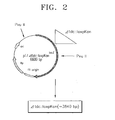
- the tdc B and tdc C gene fragment including the antibiotic marker is ⁇ tdc ::loxpKan of FIG. 2 .
- the E.coli strain has the name TRN212 of Accession No. KCCM-10353.
- the object of the present invention is achieved by a method for producing L-threonine using the E.coli strain described above, preferably, having the name TRN212 of Accession No. KCCM-10353.
- L-threonine metabolic pathways Neihardt FC et al. (eds) Escherichia coli and Salmonella: Cellular and Molecular Biology, 2nd edn. ASM Press., Washington D.C., pp 369-370 ), including three major pathways: a first pathway involving threonine dehydrogenase that catalyzes the decomposition of threonine to ⁇ -amino- ⁇ -ketobutyrate which is then converted into acetyl-CoA and glycine, or decomposed further to form aminoacetone and converted to pyruvate; a second pathway involving threonine dehydratase which generates ⁇ -ketobutyrate to be metabolized to propionyl-CoA and finally to succinyl-CoA, an intermediate of the TCA cycle; and a third pathway involving threonine aldolase.
- the present invention is characterized in that the activity of the threonine dehydratase in the L-threonine metabolic pathway is suppressed to cause maximum accumulation of L-threonine.
- pGmTN-PPC12 KCCM-10236, Korean Patent Application No. 01-6976 filed by the applicant
- E.coli TF4076 Korean Patent Application No. 90-22965
- the pGmTN-PPC12 strain (KCCM-10236) is obtained by inserting a phosphoenolpyruvate carboxylase ( ppc ) gene from the chromosome of the L-threonine producing E.coli strain, TF4076 (KFCC 10718), by polymerase chain reaction (PCR) and a threonine operon cloned from the same chromosome into the chromosome of the host E.coli strain TF4076, so that there are twice as many ppc gene and threonine operon in the chromosomal DNA as there are in the TF4076 stain.
- ppc phosphoenolpyruvate carboxylase
- the pGmTN-PPC12 strain can enhance the expression of the ppc gene involved in the conversion of phosphoenolpyruvate (PEP) to a threonine biosynthesis precursor, oxaloacetete, and the genes encoding enzymes involved in the synthetic pathway of threonine from oxaloacetate, including thr A (aspartokinase I-homoserine dehydrogenase), thr B (homoserine kinase), and thr C (threonine synthase), and thus can improve L-threonine productivity.
- the pGmTN-PPC12 strain was deposited January 5, 2001 with the Korean Collection for Type Cultures (KCTC) and was given Accession Number KCCM 10236.
- the threonine dehydratase ( tdc ) gene which engages in a threonine metabolic pathway of pGmTN-PPC12 (KCCM-10236), is deactivated, to thus increase the yield of L-threonine.
- Threonine dehydratase is known to be an operon to express under low-level of oxygen and high-level of threonine concentration conditions.
- the expression of the tdc operon is also induced at low-glucose content as in the latter half of fermentation. Therefore, it is necessary to deactivate the threonine dehydratase to discover high-throughput threonine producing strains.
- Chromosomal DNA is isolated from a threonine producing strain.
- chromosomal DNA By using the chromosomal DNA as a template, recombinant plasmid pT7Blue/ tdc including tdc B and tdc C of the tdc operon is obtained.
- Any cloning vector can be used without limitation, but pT7Blue cloning vector is preferred.
- Recombinant plasmid pT7 ⁇ tdc ::loxpKan containing a defective tdc gene is obtained by integrating a kanamycin-resistant gene fragment including lox p sites into the recombinant plasmid pT7Blue/ tdc .
- E.coli is transformed with the recombinant plasmid pT7 ⁇ tdc ::loxpKan. Plasmid DNA is isolated and digested with a restriction enzyme, and DNA fragments ( ⁇ tdc ::loxpKan) are isolated from the digest by electrophoresis. This process is illustrated in FIG. 2 .
- the threonine producing strain is transformed with the resulting DNA fragment ⁇ tdc ::loxpKan. This transformation is performed via homologous recombination which allows the replacement of the inherent tdc gene region of the E.coli strain with the recombinant DNA fragment pT7 ⁇ tdc ::loxpKan.
- the resulting transformant is inoculated on a kanamycin-containing solid medium to collect colonies. Finally, a target recombinant strain containing a deactivated tdc gene is obtained.
- the tdc gene remains deficient despite the proliferation of the strain, with an excellent L-threonine productivity of 20% higher than the host strain.
- the recombinant plasmid can be collected from the transformed strain using known methods, for example, using alkali solution ( Sambrook et al., Molecular Cloning, Vol. 1, 1.25-1.28 ).
- Solution 1 50 mM glucose, 25 mM Tris-HCI, and 10 mM EDTA
- Solution 2 0.2N NaOH, 1% SDS
- Solution 3 5M potassium acetate, acetic acid
- the recombinant plasmid fraction is separated by centrifugation, and only the recombinant plasmid is precipitated with an addition of ethanol and recovered.
- Example 1 Construction of Recombinant Plasmid and knock-out of tdc gene using the Recombinant Plasmid
- the genomic DNA of pGmTN-PPC12 (KCCM-10236), a threonine producing strain, was isolated using a QIAGEN Genomic-tip system.
- a gene fragment of about 3.1 kb of the tdc operon (5295 pb) that contains the tdc B and tdc C was amplified through polymerase chain reaction (PCR) by using the genomic DNA as a template.
- the primers used were 5'-agg agg gga gga tcc ggt atg tct tct gag gcg-3' and 5'-agg agg gaa ttc atc ggc aac agg cac ag-3'.
- the PCR was achieved through 30 cycles of amplification, each cycle including denaturation at 94°C for 30 seconds, annealing at 56°C for 30 seconds, and extension at 72°C for 3 minutes and 30 seconds.
- the PCR products were subjected to electrophoresis in 0.7% agarose gels to elute bands of a desired size.
- the eluted bands were ligated by blunt-end ligation with pT7Blue cloning vector (Novagen Co,) overnight at 16°C to obtain recombinant plasmid pT7Blue/ tdc (see FIG. 1 ).
- E.coli DH5 ⁇ was transformed with the resulting recombinant plasmid pT7Blue/ tdc , plated on a solid medium containing 50 mg/L of ampicillin, and incubated overnight at 37°C.
- Colonies were tooth-picked from the culture, inoculated into a 3-mL liquid medium, and incubated overnight at 200 rpm. Plasmid DNA was isolated from the culture using a QIAGEN mini prep. kit, and the size of the plasmid DNA was identified. The plasmid DNA was digested with restriction enzymes, Sma I and Pst I, and subjected to electrophoresis in 0.7% agarose gels to identify whether its orientation is tdc R-A-B-C.
- the identified plasmid DNA, pT7Blue/ tdc was digested with restriction enzymes, Bgl II and Hpa I (of about 1.1 kb each), and the digest was loaded onto 0.7% agarose gels to elute bands of about 4.9 kb. The eluted bands were reacted with the Klenow enzyme to generate blunt ends.
- a kanamycin-resistant gene fragment of about 1.7 kb containing the lox p site that obtained by reacting plasmid pUG6 Ulrich et al., A new efficient gene disruption cassette for repeated use in budding yeast, Nucleic Acids Research, 1996, 24, pp.
- E.coli DH5 ⁇ was transformed with the recombinant plasmid pT7 ⁇ tdc ::loxpKan, plated on a solid medium containing 50 mg/L of ampicillin and 15 mg/L of kanamycin, and incubated overnight at 37°C. Colonies were picked from the culture, inoculated into a 3-mL liquid medium containing ampicillin and kanamycin, and incubated overnight at 200 rpm. Plasmid DNA was isolated from the culture using a QIAGEN mini prep. kit, and the size of the plasma DNA was identified. The plasmid DNA was digested with a restriction enzyme and loaded onto 0.7% agarose gels to identify its orientation.
- the identified plasmid DNA was digested with restriction enzyme PVU II and subjected to electrophoresis in 0.7% agarose gels to elute a DNA fragment ( ⁇ tdc ::loxpKan) of about 3840 bp.
- pGmTN-PPC12 a threonine producing strain, was transformed with the DNA fragment ⁇ tdc ::loxpKan by electroporation and plated on a kanamycin-containing solid medium to screen colonies, giving recombinant strains having the deactivated tdc gene.
- Threonine Titer Medium Component Amount per liter Glucose 70 g (NH 4 ) 2 SO 4 28 g KH 2 PO 4 1.0 g MgSO 4 ⁇ 7H 2 O 0.5 g FeSO 4 ⁇ 7H 2 O 5 mg MnSO 4 ⁇ 8H 2 O 5 mg Calcium carbonate 30 g L-methionine 0.15 g Yeast extract 2 g pH 7.0
- the mutant strain TRN212 was deposited February 19, 2002 with the Korean Collection for Type Cultures (KCTC) and was given Accession Number KCCM-10353. Table 2. Results of Flask Titer Test for Recombinant Strains L-threonine Concentration 20-23 g/L 23-24.5 g/L 24.5-26 g/L 26 g/L or greater Colony Counts 2 9 11 8
- Southern blotting was performed to verify the specific knock-out of the tdc gene of the recombinant strain obtained in Example 3.
- the host strain pGmTN-PPC12 and the recombinant strain TRN212 (KCCM-10353) were incubated overnight in a 30 mL liquid medium at 200 rpm, and genomic DNA was isolated using a QIAGEN genomic kit 20.
- the isolated genomic DNA was digested with restriction enzyme EcoR I and subjected to electrophoresis in 0.7% agarose gels to separate DNA fragments by size.
- the size-separated DNA fragments were attached to a nylon membrane (YOUNG Sci. Biodyne B Membrane) overnight by capillary transfer ( Molecular Cloning, Vol.
- the denatured probe used was prepared as follows. Plasmid pUG6 isolated using a QIAGEN kit was digested with restriction enzymes, Hinc II and EcoR V, to obtain a kanamycin-resistant gene fragment of about 1.7 kb that contained the lox p site. This gene fragment was heated in 100°C boiling water for 5 minutes and cooled using ices for 5 minutes to generate single-stranded DNAs. The single-stranded DNAs were reacted overnight at 37°C using a DIG Labelling and Detection Kit (Roche #1093657) to generate DIG-UDP-integrated DNA probes.
- L-threonine productivity in a 5-L fermentor was compared between host strain pGmTN-PPC12 and recombinant strain TRN212 (KCCM-10353) having the deactivated tdc gene, which had been screened in Example 2 and undergone the test to confirm the knock-out of the gene in Example 4.
- the initial medium composition used is shown in Table 3.
- LB media further containing per liter 10 g of glucose and 0.1 g of L-methionine were used for seed culture, and an initial volume of inoculation into a fermentor was determined at 3-5% by volume of a target initial culture.
- Glucose was added to a final concentration of 5% by weight each time, over 6 times in total, along with 1% by weight of KH 2 PO 4 .
- each addition of glucose was determined by deletion of glucose.
- the initial volume of the culture was 1.5L and the final volume of the culture was 3.0L.
- a total concentration of glucose added through fermentation was 250 g/L.
- the medium was stirred at 700-1000 rpm, temperature was controlled at 32°C, and pH was adjusted at 7.0 with 25-28% ammonia water. Air-flow velocity was adjusted at 0.5 vvm.
- Table 4 As shown in Table 4, the host strain TRN212 produces 93.5 g/L of L-threonine with a yield of 37.4% with respect to glucose consumption.
- recombinant strain TRN212 produces 112 g/L of L-threonine with a yield of 45.2%, which is 21% higher than the host strain TRN212.
- a similar fermentation pattern as the host strain was observed on the recombinant strain, without reduction in sugar consumption during fermentation, which often appears on recombinant strains due to growth inhibition. Table 3.
- the new recombinant strain of the present invention is used in producing L-threonine, both amount and yield are improved greater than 20% compared to the host strain, without reduction in sugar consumption during fermentation, which often appears on recombinant strains due to growth inhibition.
Landscapes
- Chemical & Material Sciences (AREA)
- Life Sciences & Earth Sciences (AREA)
- Health & Medical Sciences (AREA)
- Engineering & Computer Science (AREA)
- Genetics & Genomics (AREA)
- Organic Chemistry (AREA)
- Wood Science & Technology (AREA)
- Zoology (AREA)
- Bioinformatics & Cheminformatics (AREA)
- Biotechnology (AREA)
- General Engineering & Computer Science (AREA)
- Microbiology (AREA)
- Biomedical Technology (AREA)
- General Health & Medical Sciences (AREA)
- Biochemistry (AREA)
- Molecular Biology (AREA)
- Chemical Kinetics & Catalysis (AREA)
- Medicinal Chemistry (AREA)
- General Chemical & Material Sciences (AREA)
- Physics & Mathematics (AREA)
- Biophysics (AREA)
- Plant Pathology (AREA)
- Preparation Of Compounds By Using Micro-Organisms (AREA)
- Micro-Organisms Or Cultivation Processes Thereof (AREA)
- Organic Low-Molecular-Weight Compounds And Preparation Thereof (AREA)
Abstract
Description
- The present invention relates to the production of L-threonine involving microorganisms. More particularly, the present invention relates to a process for producing L-threonine with a high yield using a microorganism, in which the threonine dehydratase (tdc) gene of the genomic DNA of the microorganism is partially deactivated using a recombination technique to thereby markedly increase the yield of L-threonine.
- L-threonine, a kind of essential amino acid, is widely used as an additive to animal feed and food, and as fluids and synthetic materials for medical and pharmaceutical use. L-threonine is produced by fermentation using synthetic mutants derived from wild types of Escherichia Coli, Corynebacterium, Serratia, and Providencia. These mutants are known to include amino acid analogs- and pharmaceutical-resistant mutants and synthetic mutants thereof rendered auxotrophic for diaminopimelic acid, methionine, lysine, or isoleucine (Japanese Laid-open Patent Application No. hei
2-219582 92-8365 90-22965 - A common approach to increase the level of expression of a particular gene uses a plasmid that gives a greater copy number to a microorganism in order to increase the number of genes in the microorganism (Sambrook et al., Molecular cloning, Second Edition, 1989, 1.3-1.5). A target gene is integrated into a plasmid, and the host microorganism is transformed with the recombinant plasmid to cause an increase in the number of genes in the host microorganism according to the copy number of the plasmid. A partial success in this type of approach to improve threonine productivity is reported in
U.S. Patent No. 5, 538,873 . However, most technologies using such recombinant plasmids overexpress a particular gene, which is undesirable for the host microorganism, and causes a problem of plasmid instability so that the plasmid may be lost during cultivation of the recombinant strain. - To address this problem, approaches to add antibiotics to culture media or to use an expression regulatory plasmid were suggested (Sambrook et al. Molecular cloning, Second Edition, 1989, 1.5-1.6 & 1.9-1.11). In the approach of using the expression regulatory plasmid to yield a particular product, cell cultivation is performed under non-expression conditions in the growth stage to reduce disadvantages to the host microorganism and transient expression is induced after full growth of the microorganism. However, most of these expression regulatory plasmids may be used only in the case that the final product is protein.
- Producing primary metabolites is closely associated with the growth of microorganisms, so it is difficult to increase the yield of the primary metabolites unless target genes are expressed in the growth stage. The production of threonine, a primary metabolite, is such a case.
- As an effort to compensate for this drawback, a particular threonine biosynthetic gene was incorporated into a chromosomal DNA to produce threonine (
U.S. Patent No. 5,939,307 ). However, this approach replaces a chromosomal gene by an inducible promoter-substituted gene, which is hardly expected to markedly increase the expression of the threonine operon gene. - Therefore, the present inventors completed the present invention by inactivating threonine dehydratase (tdc) gene in the chromosome, which involves in one of the threonine degradation pathways, to inhibit the degradation of threonine while the other inherent generic function of the host microorganism remains and thus increase the yield of threonine.
- Most current genetic engineering techniques applied to increase the yield of threonine are focused on the biosynthetic pathway starting with oxaloacetate. However, the present invention involves also the activity of threonine dehydratase (tdc) gene in a threonine degradation pathway to efficiently and markedly increase L-threonine yield.
- H P Schweizer et al in "Genetic analysis of the tdcABC operon of Escherichia coli K-12" Journal of Bacteriology, Nov. 1998, p 5360-5363 describes the mapping of the biodegradative threonine dehydratase (tdc) operon.
- Y L Ganduri in "TdcA, a transcriptional activator of the tdcABC operon of Escherichia coli, is a member of the LysR family of proteins" Mol Gen Genet (1993) 240:395-402 discloses the relationship between tdcA and the LysR family of proteins based on its role in tdc expression. Plasmids having a deletion in the tdc operon are disclosed.
- To solve the above-described problems, it is an object of the present invention to provide a high yield L-threonine production method which eliminates problems of plasmid instability and microbial growth inhibition arising with recombinant plasmid-bearing strains and markedly increases L-threonine productivity by suppressing the activity of a threonine dehydratase.
- To achieve the object of the present invention, there is provided a recombinant plasmid incorporating a deactivated tdc (threonine dehydratase) gene.
- The tdc operon of a threonine-producing microorganism is deactivated by cleaving a cleavage site present in tdc B and cleaving a cleavage site present in tdc C of the tdc operon and inserting a cassette with an antibiotic marker into the resulting site. The threonine producing microorganism is an E.coli strain.
- The E.coli strain is also resistant to threonine analogs, lysine analogs, isoleucine analogs, and methionine analogs. In an embodiment of the present invention, additional one or more copies of each of the phosphoenolpyruvate carboxylase (ppc) gene and the threonine operon are integrated into the chromosomal DNA of the E.coli strain. Preferably, the E.coli has the name pGmTN-PPC12 of Accession No. KCCM-10236.
- The present invention also provides an E.coli strain transformed with the recombinant plasmid described above. A tdc B and tdc C gene fragment including an antibiotic marker originated from the recombinant plasmid may be inserted into the genome of the E.coli strain. Preferably, the tdc B and tdc C gene fragment including the antibiotic marker is Δtdc::loxpKan of
FIG. 2 . Most preferably, the E.coli strain has the name TRN212 of Accession No. KCCM-10353. - The object of the present invention is achieved by a method for producing L-threonine using the E.coli strain described above, preferably, having the name TRN212 of Accession No. KCCM-10353.
- The present invention will now be described in greater detail.
- There are a few known L-threonine metabolic pathways (Neihardt FC et al. (eds) Escherichia coli and Salmonella: Cellular and Molecular Biology, 2nd edn. ASM Press., Washington D.C., pp 369-370), including three major pathways: a first pathway involving threonine dehydrogenase that catalyzes the decomposition of threonine to α-amino-β-ketobutyrate which is then converted into acetyl-CoA and glycine, or decomposed further to form aminoacetone and converted to pyruvate; a second pathway involving threonine dehydratase which generates α-ketobutyrate to be metabolized to propionyl-CoA and finally to succinyl-CoA, an intermediate of the TCA cycle; and a third pathway involving threonine aldolase.
- The present invention is characterized in that the activity of the threonine dehydratase in the L-threonine metabolic pathway is suppressed to cause maximum accumulation of L-threonine.
- In the L-threonine production method according to the present invention, pGmTN-PPC12 (KCCM-10236, Korean Patent Application No.
01-6976 90-22965 - In the present invention, the threonine dehydratase (tdc) gene, which engages in a threonine metabolic pathway of pGmTN-PPC12 (KCCM-10236), is deactivated, to thus increase the yield of L-threonine.
- Threonine dehydratase is known to be an operon to express under low-level of oxygen and high-level of threonine concentration conditions. The expression of the tdc operon is also induced at low-glucose content as in the latter half of fermentation. Therefore, it is necessary to deactivate the threonine dehydratase to discover high-throughput threonine producing strains.
- The above object and advantages of the present invention will become more apparent by describing in detail preferred embodiments thereof with reference to the attached drawings in which:
-
FIG. 1 depicts the process of constructing recombinant plasmid pT7Blue/tdc; -
FIG. 2 depicts the process of constructing recombinant plasmid pT7Δtdc::loxpKan and DNA fragment Δtdc::loxpKan; and -
FIG. 3 shows the results of a Southern blot analysis obtained by image scanning using a FLA-5000 imaging system (FUJIFILM), whereLanes Lanes - The L-threonine producing method according to the present invention will be described in greater detail.
- Chromosomal DNA is isolated from a threonine producing strain. By using the chromosomal DNA as a template, recombinant plasmid pT7Blue/tdc including tdc B and tdc C of the tdc operon is obtained. Any cloning vector can be used without limitation, but pT7Blue cloning vector is preferred.
- Recombinant plasmid pT7Δtdc::loxpKan containing a defective tdc gene is obtained by integrating a kanamycin-resistant gene fragment including lox p sites into the recombinant plasmid pT7Blue/tdc.
- E.coli is transformed with the recombinant plasmid pT7Δtdc::loxpKan. Plasmid DNA is isolated and digested with a restriction enzyme, and DNA fragments (Δtdc::loxpKan) are isolated from the digest by electrophoresis. This process is illustrated in
FIG. 2 . - The threonine producing strain is transformed with the resulting DNA fragment Δtdc::loxpKan. This transformation is performed via homologous recombination which allows the replacement of the inherent tdc gene region of the E.coli strain with the recombinant DNA fragment pT7Δtdc::loxpKan.
- The resulting transformant is inoculated on a kanamycin-containing solid medium to collect colonies. Finally, a target recombinant strain containing a deactivated tdc gene is obtained.
- For the recombinant strain, the tdc gene remains deficient despite the proliferation of the strain, with an excellent L-threonine productivity of 20% higher than the host strain.
- The recombinant plasmid can be collected from the transformed strain using known methods, for example, using alkali solution (Sambrook et al., Molecular Cloning, Vol. 1, 1.25-1.28). In particular, Solution 1 (50 mM glucose, 25 mM Tris-HCI, and 10 mM EDTA) is added to weaken the cell membrane of the transformant, and Solution 2 (0.2N NaOH, 1% SDS) is added to destruct the cell membrane and denaturate the cellular constituents of protein and chromosome, and Solution 3 (5M potassium acetate, acetic acid) is added to coagulate the constituents except for the recombinant plasmid. The recombinant plasmid fraction is separated by centrifugation, and only the recombinant plasmid is precipitated with an addition of ethanol and recovered.
- The present invention will be described with reference to the following examples. The following examples are for illustrative purposes and are not intended to limit the scope of the invention.
- The genomic DNA of pGmTN-PPC12 (KCCM-10236), a threonine producing strain, was isolated using a QIAGEN Genomic-tip system. A gene fragment of about 3.1 kb of the tdc operon (5295 pb) that contains the tdc B and tdc C was amplified through polymerase chain reaction (PCR) by using the genomic DNA as a template. The primers used were 5'-agg agg gga tcc ggt atg tct tct gag gcg-3' and 5'-agg agg gaa ttc atc ggc aac agg cac ag-3'. The PCR was achieved through 30 cycles of amplification, each cycle including denaturation at 94°C for 30 seconds, annealing at 56°C for 30 seconds, and extension at 72°C for 3 minutes and 30 seconds.
- The PCR products were subjected to electrophoresis in 0.7% agarose gels to elute bands of a desired size. The eluted bands were ligated by blunt-end ligation with pT7Blue cloning vector (Novagen Co,) overnight at 16°C to obtain recombinant plasmid pT7Blue/tdc (see
FIG. 1 ). E.coli DH5α was transformed with the resulting recombinant plasmid pT7Blue/tdc, plated on a solid medium containing 50 mg/L of ampicillin, and incubated overnight at 37°C. - Colonies were tooth-picked from the culture, inoculated into a 3-mL liquid medium, and incubated overnight at 200 rpm. Plasmid DNA was isolated from the culture using a QIAGEN mini prep. kit, and the size of the plasmid DNA was identified. The plasmid DNA was digested with restriction enzymes, Sma I and Pst I, and subjected to electrophoresis in 0.7% agarose gels to identify whether its orientation is tdc R-A-B-C. The identified plasmid DNA, pT7Blue/tdc, was digested with restriction enzymes, Bgl II and Hpa I (of about 1.1 kb each), and the digest was loaded onto 0.7% agarose gels to elute bands of about 4.9 kb. The eluted bands were reacted with the Klenow enzyme to generate blunt ends. A kanamycin-resistant gene fragment of about 1.7 kb containing the lox p site that obtained by reacting plasmid pUG6 (Ulrich et al., A new efficient gene disruption cassette for repeated use in budding yeast, Nucleic Acids Research, 1996, 24, pp. 2519-2524) with restriction enzymes Hinc II and EcoR V, is ligated to the isolated fragment of pT7Blue/tdc by blunt end ligation, thereby resulting recombinant plasmid pT7Δtdc::loxpKan.
- E.coli DH5α was transformed with the recombinant plasmid pT7Δtdc::loxpKan, plated on a solid medium containing 50 mg/L of ampicillin and 15 mg/L of kanamycin, and incubated overnight at 37°C. Colonies were picked from the culture, inoculated into a 3-mL liquid medium containing ampicillin and kanamycin, and incubated overnight at 200 rpm. Plasmid DNA was isolated from the culture using a QIAGEN mini prep. kit, and the size of the plasma DNA was identified. The plasmid DNA was digested with a restriction enzyme and loaded onto 0.7% agarose gels to identify its orientation. The identified plasmid DNA was digested with restriction enzyme PVU II and subjected to electrophoresis in 0.7% agarose gels to elute a DNA fragment (Δtdc::loxpKan) of about 3840 bp. pGmTN-PPC12, a threonine producing strain, was transformed with the DNA fragment Δtdc::loxpKan by electroporation and plated on a kanamycin-containing solid medium to screen colonies, giving recombinant strains having the deactivated tdc gene.
- Thirty single colonies of the recombinant strains cultured in the solid medium containing kanamycin in Example 2 were screened for L-threonine productivity comparisons using threonine titer media in Erlenmeyer flasks. The composition of the threonine titer medium used in each case is shown in Table 1.
Table 1. Composition of Threonine Titer Medium Component Amount per liter Glucose 70 g (NH4)2SO4 28 g KH2PO4 1.0 g MgSO4·7H2O 0.5 g FeSO4·7H2O 5 mg MnSO4·8H2O 5 mg Calcium carbonate 30 g L-methionine 0.15 g Yeast extract 2 g pH 7.0 - Single colonies were cultured on LB solid media overnight at 32°C in an incubator. 25 mL of the titer medium was inoculated with a loopful of each culture and incubated at 32°C, 250 rpm for 48 hours. The results of the analysis are shown in Table 2. 28 colonies of thirty colonies of the new recombinant strains show excellent productivity, including eight colonies that produced 26 g/L or greater threonine, compared to the host strain, pGmTN-PPC12, which produced 23 g/L of threonine. The recombinant strain, which recorded the highest threonine productivity at 27 g/L with a higher yield of about 17.4% than the host strain, was observed and named "TRN212". The mutant strain TRN212 was deposited February 19, 2002 with the Korean Collection for Type Cultures (KCTC) and was given Accession Number KCCM-10353.
Table 2. Results of Flask Titer Test for Recombinant Strains L-threonine Concentration 20-23 g/L 23-24.5 g/L 24.5-26 g/L 26 g/L or greater Colony Counts 2 9 11 8 - Southern blotting was performed to verify the specific knock-out of the tdc gene of the recombinant strain obtained in Example 3. The host strain pGmTN-PPC12 and the recombinant strain TRN212 (KCCM-10353) were incubated overnight in a 30 mL liquid medium at 200 rpm, and genomic DNA was isolated using a QIAGEN genomic kit 20. The isolated genomic DNA was digested with restriction enzyme EcoR I and subjected to electrophoresis in 0.7% agarose gels to separate DNA fragments by size. The size-separated DNA fragments were attached to a nylon membrane (YOUNG Sci. Biodyne B Membrane) overnight by capillary transfer (Molecular Cloning, Vol. 1, 6.31-6.38) of the electrophoretic gel, followed by dehydration and UV radiation (120 mJ/cm2, SpectroLinker™) to immobilize the DNA fragments on the nylon membrane (Molecular Cloning, Vol. 1, 6.45). The DNA fragments affixed to the nylon membrane was prehybridized in Prehybridization Buffer I (Roche #1093657) at 55°C for 2 hours and then hybridized in a hybridization oven (BAMBINO 230300) with addition of previously prepared denatured DNA probe.
- The denatured probe used was prepared as follows. Plasmid pUG6 isolated using a QIAGEN kit was digested with restriction enzymes, Hinc II and EcoR V, to obtain a kanamycin-resistant gene fragment of about 1.7 kb that contained the lox p site. This gene fragment was heated in 100°C boiling water for 5 minutes and cooled using ices for 5 minutes to generate single-stranded DNAs. The single-stranded DNAs were reacted overnight at 37°C using a DIG Labelling and Detection Kit (Roche #1093657) to generate DIG-UDP-integrated DNA probes.
- After hybridization, the DNA fragments non-specifically bound to the membrane were removed using Washing Solutions I and II (Roche #1093657). Then, the membrane was treated with Prehybridization Buffer 2 (Roche #1093657) at room temperature for 30 minutes for masking and reacted with an addition of anti-DIG antibody that is specifically coupled to DIG-UTP, at room temperature for 30 minutes. The anti-DIG antibody non-specifically bound to the membrane was removed using Washing Solution III (Roche #1093657), and the membrane was subjected to color reaction using a Labelling and Detection kit (Roche #1093657) until bands appeared. The results are shown in
FIG. 3 . No band appeared for the host strain pGmTN-PPC12 (Lane 3) without the kanamycin gene. In contrast, a band of about 7 kb was observed inLane 2 for the new recombinant strain according to the present invention, TRN212 (KCCM-10353), which was expected. A tdc gene fragment of about 5.3 kb resulting from the digestion with restriction enzyme EcoR I and the kanamycine-resistant gene of about 1.7 kb amount to about 7.0 kb.Lane 1 andLand 4 represent size markers. - L-threonine productivity in a 5-L fermentor was compared between host strain pGmTN-PPC12 and recombinant strain TRN212 (KCCM-10353) having the deactivated tdc gene, which had been screened in Example 2 and undergone the test to confirm the knock-out of the gene in Example 4. The initial medium composition used is shown in Table 3. LB media further containing per liter 10 g of glucose and 0.1 g of L-methionine were used for seed culture, and an initial volume of inoculation into a fermentor was determined at 3-5% by volume of a target initial culture. Glucose was added to a final concentration of 5% by weight each time, over 6 times in total, along with 1% by weight of KH2PO4. Here, each addition of glucose was determined by deletion of glucose. The initial volume of the culture was 1.5L and the final volume of the culture was 3.0L. A total concentration of glucose added through fermentation was 250 g/L. During fermentations, the medium was stirred at 700-1000 rpm, temperature was controlled at 32°C, and pH was adjusted at 7.0 with 25-28% ammonia water. Air-flow velocity was adjusted at 0.5 vvm. The results are shown in Table 4. As shown in Table 4, the host strain TRN212 produces 93.5 g/L of L-threonine with a yield of 37.4% with respect to glucose consumption. In contrast, recombinant strain TRN212 produces 112 g/L of L-threonine with a yield of 45.2%, which is 21% higher than the host strain TRN212. In addition, a similar fermentation pattern as the host strain was observed on the recombinant strain, without reduction in sugar consumption during fermentation, which often appears on recombinant strains due to growth inhibition.
Table 3. Initial Medium Composition in 5-L Fermentor Component Amount per liter Glucose 50 g KH2PO4 4 g (NH4)2SO4 6 g Yeast extract 3 g MgSO4·7H2O 2 g L-methionine 1 g FeSO4·7H2O 40 mg MnSO4·8H2O 10 mg CaCl2·2H2O 40 mg CoCl2·6H2O 4 mg H3BO3 5 mg Na2MoO4·2H2O 2 mg ZnSO4·7H2O 2 mg pH 7.0 Table 4. Results of Fermentative Production of Threonine by Recombinant Strains Strain Threonine (g/L) Fermentation Time (hr) Yield (%) PGmTN-PPC12 93.5 78 37.4 TRN212 112 77 45.2 - The new recombinant strain of the present invention is used in producing L-threonine, both amount and yield are improved greater than 20% compared to the host strain, without reduction in sugar consumption during fermentation, which often appears on recombinant strains due to growth inhibition.
-
- <110> Cheil Jedang Corporation
- <120> Method for L-threonine Production
- <130> REG/G19038EP
- <140>
02253703.9
<141> 2002-05-27 - <160> 2
- <170> PatentIn version 3.1
- <210> 1
<211> 30
<212> DNA
<213> Artificial - <220>
<223> primer - <400> 1
aggaggggat ccggtatgtc ttctgaggcg 30 - <210> 2
<211> 29
<212> DNA
<213> Artificial - <220>
<223> primer - <400> 2
aggagggaat tcatcggcaa caggcacag 29
Claims (9)
- A recombinant plasmid having a deactivated tdc operon of a threonine producing microorganism wherein the tdc operon is deactivated by cleaving a cleavage site present in tdcB and cleaving a cleavage site present in tdcC of the tdc operon and inserting a cassette with an antibiotic marker into the resulting site, and wherein the threonine producing microorganism is E.coli resistant to threonine analogs, lysine analogs, isoleucine analogs, and methionine analogs.
- The recombinant plasmid of claim 1, wherein the recombinant plasmid is constructed by deactivation of the tdc gene of pT7Blue/tdc, wherein pT7Blue/tdc is obtainable by amplifying a gene fragment of about 3.1 kb of the tdcoperon that contains the tdcB and tdcC by PCR using oligonucleotides 5'-agg agg gga tcc ggt atg tct tct gag gcg-3' and 5'-agg agg gaa ttc atc ggc aac agg cac ag-3' as primer and genomic DNA of E.coli having accession no. KCCM-10236 as template; and
blunt end ligating the gene fragment with pT7Blue vector cleaved with restriction enzyme EcoRV. - The recombinant plasmid of claim 1 expressed as pT7Δtdc::loxpKan, wherein pT7Δtdc::loxpKan is obtainable by constructing pT7Blue/tdc according to claim 2 and obtaining a blunt end fragment of about 4.9 kb by cleaving the plasmid pT7Blue/tdc with Bgl II and Hpal, eluting the fragment of about 4.9 kb and reacting with Klenow enzyme; and
ligating the 4.9 kb blunt end fragment of pT7Blue/tdc with a kanamycin resistant gene fragment of about 1.7 kb containing the lox p site that obtained by reacting the plasmid pUG6 with Hincll and EcoRV. - An E.coli strain transformed with the recombinant plasmid of any of claims 1 to 3.
- The E.coli strain of claim 4, wherein a tdcB and tdcC gene fragment including an antibiotic marker originated from the recombinant plasmid is integrated into the genome of the E.coli strain.
- The E.coli strain of claim 5 having the name TRN212 of accession no. KCCM-10353.
- The E.coli strain of claim 4, wherein the E.coli strain is obtainable by transforming an E.coli having additional one or more copies of each of the phosphoenolpyruvate carboxylase (ppc) gene and the threonine operon integrated into the chromosomal DNA thereof with the recombinant plasmid of any one of claims 1 to 3.
- The E.coli strain of claim 7, wherein the E.coli strain is obtainable by transforming an E.coli having accession no. KCCM-10236 with the recombinant plasmid of any one of claims 1 to 3.
- A method for producing L-threonine using the E.coli strain according to any of claims 4 to 8.
Applications Claiming Priority (2)
| Application Number | Priority Date | Filing Date | Title |
|---|---|---|---|
| KR10-2002-0015380A KR100451299B1 (en) | 2002-03-21 | 2002-03-21 | Process for producing L-threonine |
| KR2002015380 | 2002-03-21 |
Publications (2)
| Publication Number | Publication Date |
|---|---|
| EP1347057A1 EP1347057A1 (en) | 2003-09-24 |
| EP1347057B1 true EP1347057B1 (en) | 2008-08-20 |
Family
ID=27786040
Family Applications (1)
| Application Number | Title | Priority Date | Filing Date |
|---|---|---|---|
| EP02253703A Expired - Lifetime EP1347057B1 (en) | 2002-03-21 | 2002-05-27 | Method for L-threonine production |
Country Status (9)
| Country | Link |
|---|---|
| EP (1) | EP1347057B1 (en) |
| JP (1) | JP4034737B2 (en) |
| KR (1) | KR100451299B1 (en) |
| CN (1) | CN1194088C (en) |
| AT (1) | ATE405667T1 (en) |
| AU (1) | AU2002256930A1 (en) |
| DE (1) | DE60228402D1 (en) |
| RU (1) | RU2288265C2 (en) |
| WO (1) | WO2003080843A1 (en) |
Families Citing this family (12)
| Publication number | Priority date | Publication date | Assignee | Title |
|---|---|---|---|---|
| KR100505797B1 (en) * | 2002-10-11 | 2005-08-04 | 씨제이 주식회사 | A Mutated Microorganism Having A Knockout fadR Gene On Chromosome And A Process For Producing L-Threonine Using Said Mutant |
| KR100498971B1 (en) * | 2003-04-04 | 2005-07-04 | 씨제이 주식회사 | Microorganism of which tdcBC and pckA genes are knocked-out in chromosome and method for producing L-threonine using the same strain |
| JP4380305B2 (en) * | 2003-11-21 | 2009-12-09 | 味の素株式会社 | Method for producing L-amino acid by fermentation |
| KR100576342B1 (en) * | 2004-02-05 | 2006-05-03 | 씨제이 주식회사 | L-Threonine-producing microorganisms in which the gαR gene is inactivated, a method for preparing the same, and a method for producing L-Threonine using the microorganisms |
| KR100608085B1 (en) | 2004-02-05 | 2006-08-02 | 씨제이 주식회사 | L-threonine-producing microorganisms in which tyrR gene is inactivated, a method for producing the same, and a method for producing L-threonine using the microorganism |
| KR100596372B1 (en) * | 2004-12-06 | 2006-07-04 | 씨제이 주식회사 | L-Threonine-producing microorganisms in which the chromosome gene is inactivated on a chromosome, a method for preparing the same, and a method for producing L-Threonine using the microorganism |
| KR100837842B1 (en) | 2006-08-10 | 2008-06-13 | 씨제이제일제당 (주) | L-Threonine Producing Microorganisms with Increased Aspartate Semialdehyde Dehydrogenase Activity and Method for Producing L-Threonine Using the Same |
| KR101804017B1 (en) * | 2015-10-23 | 2017-12-04 | 씨제이제일제당 (주) | Microorganisms having L-threonine productivity and a process for producing L-threonine using the same |
| CN109554322B (en) * | 2018-12-03 | 2020-08-04 | 江南大学 | Recombinant Escherichia coli with high L-threonine yield and construction method thereof |
| CN109735478B (en) * | 2019-01-28 | 2021-03-30 | 江南大学 | Construction method and application of a high-yielding L-threonine genetically engineered bacteria |
| CN116555131A (en) * | 2022-01-27 | 2023-08-08 | 廊坊梅花生物技术开发有限公司 | A kind of recombinant microorganism and its construction method and application |
| CN116606785A (en) * | 2022-02-08 | 2023-08-18 | 廊坊梅花生物技术开发有限公司 | Modified corynebacterium microorganism and application and construction method thereof |
Family Cites Families (5)
| Publication number | Priority date | Publication date | Assignee | Title |
|---|---|---|---|---|
| JPH03501682A (en) * | 1988-10-25 | 1991-04-18 | 味の素株式会社 | Escherichia coli BKIIM strain B-3996 as an L-threonine producer |
| RU2113484C1 (en) * | 1992-11-10 | 1998-06-20 | Адзиномото Ко., Инк. | Dna fragment encoding aspartokinase-iii, a method of l-threonine preparing |
| DE4400926C1 (en) * | 1994-01-14 | 1995-06-01 | Forschungszentrum Juelich Gmbh | Production of L-isoleucine using recombinant microorganisms with deregulated threonine dehydratase |
| US5939307A (en) * | 1996-07-30 | 1999-08-17 | The Archer-Daniels-Midland Company | Strains of Escherichia coli, methods of preparing the same and use thereof in fermentation processes for l-threonine production |
| DE19907567B4 (en) * | 1999-02-22 | 2007-08-09 | Forschungszentrum Jülich GmbH | Process for the microbial production of L-valine |
-
2002
- 2002-03-21 KR KR10-2002-0015380A patent/KR100451299B1/en not_active Expired - Fee Related
- 2002-05-16 JP JP2003578568A patent/JP4034737B2/en not_active Expired - Fee Related
- 2002-05-16 WO PCT/KR2002/000920 patent/WO2003080843A1/en not_active Ceased
- 2002-05-16 RU RU2004127987/13A patent/RU2288265C2/en not_active IP Right Cessation
- 2002-05-16 AU AU2002256930A patent/AU2002256930A1/en not_active Abandoned
- 2002-05-27 AT AT02253703T patent/ATE405667T1/en not_active IP Right Cessation
- 2002-05-27 DE DE60228402T patent/DE60228402D1/en not_active Expired - Lifetime
- 2002-05-27 EP EP02253703A patent/EP1347057B1/en not_active Expired - Lifetime
- 2002-06-14 CN CNB021226008A patent/CN1194088C/en not_active Expired - Fee Related
Also Published As
| Publication number | Publication date |
|---|---|
| JP4034737B2 (en) | 2008-01-16 |
| CN1446914A (en) | 2003-10-08 |
| KR100451299B1 (en) | 2004-10-06 |
| EP1347057A1 (en) | 2003-09-24 |
| JP2005520548A (en) | 2005-07-14 |
| RU2004127987A (en) | 2005-06-10 |
| CN1194088C (en) | 2005-03-23 |
| RU2288265C2 (en) | 2006-11-27 |
| WO2003080843A1 (en) | 2003-10-02 |
| DE60228402D1 (en) | 2008-10-02 |
| AU2002256930A1 (en) | 2003-10-08 |
| KR20030075902A (en) | 2003-09-26 |
| ATE405667T1 (en) | 2008-09-15 |
Similar Documents
| Publication | Publication Date | Title |
|---|---|---|
| EP1360312B1 (en) | Method for l-threonine production | |
| EP2993233B1 (en) | Improved promoter, and a production method for l-lysine using the same | |
| KR101226384B1 (en) | Enhanced promoter and method for producing L-lysine using the same | |
| EP1792976B1 (en) | Microorganism of corynebacterium genus having enhanced L-lysine production ability and method of producing L-lysine using the same | |
| EP1561811B1 (en) | Method of producing L-threonine using a microorganism having inactivated galR gene. | |
| EP1408123B1 (en) | A microorganism in which the fadR gene is knocked out and a process for producing L-threonine using the microorganism | |
| EP1347057A1 (en) | Method for L-threonine production | |
| US7074602B2 (en) | Method for producing L-threonine | |
| EP1611232B1 (en) | tdcBC/pckA GENE-INACTIVATED MICROORGANISM AND METHOD OF PRODUCING L-THREONINE USING THE SAME | |
| US7378267B1 (en) | Method for L-threonine production | |
| KR100816472B1 (en) | Corynebacterium lacking glutamate ABC-type transporter activity and method for producing L-lysine using same | |
| KR100798118B1 (en) | Corynebacteria with improved production ability of L-lysine due to the loss of function of methylmalonate semialdehyde dehydrogenase coding gene and method for producing L-lysine using same | |
| US7368266B2 (en) | Method for L-threonine production | |
| WO2005023999A1 (en) | A method for producing l-threonine |
Legal Events
| Date | Code | Title | Description |
|---|---|---|---|
| PUAI | Public reference made under article 153(3) epc to a published international application that has entered the european phase |
Free format text: ORIGINAL CODE: 0009012 |
|
| 17P | Request for examination filed |
Effective date: 20020612 |
|
| AK | Designated contracting states |
Kind code of ref document: A1 Designated state(s): AT BE CH CY DE DK ES FI FR GB GR IE IT LI LU MC NL PT SE TR |
|
| AX | Request for extension of the european patent |
Extension state: AL LT LV MK RO SI |
|
| AKX | Designation fees paid |
Designated state(s): AT BE CH CY DE DK ES FI FR GB GR IE IT LI LU MC NL PT SE TR |
|
| 17Q | First examination report despatched |
Effective date: 20050218 |
|
| GRAP | Despatch of communication of intention to grant a patent |
Free format text: ORIGINAL CODE: EPIDOSNIGR1 |
|
| GRAS | Grant fee paid |
Free format text: ORIGINAL CODE: EPIDOSNIGR3 |
|
| RAP1 | Party data changed (applicant data changed or rights of an application transferred) |
Owner name: CJ CHEILJEDANG CORPORATION |
|
| GRAA | (expected) grant |
Free format text: ORIGINAL CODE: 0009210 |
|
| AK | Designated contracting states |
Kind code of ref document: B1 Designated state(s): AT BE CH CY DE DK ES FI FR GB GR IE IT LI LU MC NL PT SE TR |
|
| REG | Reference to a national code |
Ref country code: GB Ref legal event code: FG4D |
|
| REG | Reference to a national code |
Ref country code: CH Ref legal event code: EP |
|
| REG | Reference to a national code |
Ref country code: IE Ref legal event code: FG4D |
|
| REF | Corresponds to: |
Ref document number: 60228402 Country of ref document: DE Date of ref document: 20081002 Kind code of ref document: P |
|
| PG25 | Lapsed in a contracting state [announced via postgrant information from national office to epo] |
Ref country code: ES Free format text: LAPSE BECAUSE OF FAILURE TO SUBMIT A TRANSLATION OF THE DESCRIPTION OR TO PAY THE FEE WITHIN THE PRESCRIBED TIME-LIMIT Effective date: 20081201 |
|
| PG25 | Lapsed in a contracting state [announced via postgrant information from national office to epo] |
Ref country code: AT Free format text: LAPSE BECAUSE OF FAILURE TO SUBMIT A TRANSLATION OF THE DESCRIPTION OR TO PAY THE FEE WITHIN THE PRESCRIBED TIME-LIMIT Effective date: 20080820 Ref country code: FI Free format text: LAPSE BECAUSE OF FAILURE TO SUBMIT A TRANSLATION OF THE DESCRIPTION OR TO PAY THE FEE WITHIN THE PRESCRIBED TIME-LIMIT Effective date: 20080820 |
|
| PG25 | Lapsed in a contracting state [announced via postgrant information from national office to epo] |
Ref country code: BE Free format text: LAPSE BECAUSE OF FAILURE TO SUBMIT A TRANSLATION OF THE DESCRIPTION OR TO PAY THE FEE WITHIN THE PRESCRIBED TIME-LIMIT Effective date: 20080820 |
|
| PG25 | Lapsed in a contracting state [announced via postgrant information from national office to epo] |
Ref country code: DK Free format text: LAPSE BECAUSE OF FAILURE TO SUBMIT A TRANSLATION OF THE DESCRIPTION OR TO PAY THE FEE WITHIN THE PRESCRIBED TIME-LIMIT Effective date: 20080820 |
|
| PG25 | Lapsed in a contracting state [announced via postgrant information from national office to epo] |
Ref country code: PT Free format text: LAPSE BECAUSE OF FAILURE TO SUBMIT A TRANSLATION OF THE DESCRIPTION OR TO PAY THE FEE WITHIN THE PRESCRIBED TIME-LIMIT Effective date: 20090120 |
|
| PLBE | No opposition filed within time limit |
Free format text: ORIGINAL CODE: 0009261 |
|
| STAA | Information on the status of an ep patent application or granted ep patent |
Free format text: STATUS: NO OPPOSITION FILED WITHIN TIME LIMIT |
|
| 26N | No opposition filed |
Effective date: 20090525 |
|
| PG25 | Lapsed in a contracting state [announced via postgrant information from national office to epo] |
Ref country code: MC Free format text: LAPSE BECAUSE OF NON-PAYMENT OF DUE FEES Effective date: 20090531 |
|
| REG | Reference to a national code |
Ref country code: CH Ref legal event code: PL |
|
| GBPC | Gb: european patent ceased through non-payment of renewal fee |
Effective date: 20090527 |
|
| PG25 | Lapsed in a contracting state [announced via postgrant information from national office to epo] |
Ref country code: CH Free format text: LAPSE BECAUSE OF NON-PAYMENT OF DUE FEES Effective date: 20090531 Ref country code: SE Free format text: LAPSE BECAUSE OF FAILURE TO SUBMIT A TRANSLATION OF THE DESCRIPTION OR TO PAY THE FEE WITHIN THE PRESCRIBED TIME-LIMIT Effective date: 20081120 Ref country code: LI Free format text: LAPSE BECAUSE OF NON-PAYMENT OF DUE FEES Effective date: 20090531 |
|
| REG | Reference to a national code |
Ref country code: IE Ref legal event code: MM4A |
|
| PG25 | Lapsed in a contracting state [announced via postgrant information from national office to epo] |
Ref country code: IE Free format text: LAPSE BECAUSE OF NON-PAYMENT OF DUE FEES Effective date: 20090527 |
|
| PG25 | Lapsed in a contracting state [announced via postgrant information from national office to epo] |
Ref country code: GB Free format text: LAPSE BECAUSE OF NON-PAYMENT OF DUE FEES Effective date: 20090527 |
|
| PG25 | Lapsed in a contracting state [announced via postgrant information from national office to epo] |
Ref country code: GR Free format text: LAPSE BECAUSE OF FAILURE TO SUBMIT A TRANSLATION OF THE DESCRIPTION OR TO PAY THE FEE WITHIN THE PRESCRIBED TIME-LIMIT Effective date: 20081121 |
|
| PG25 | Lapsed in a contracting state [announced via postgrant information from national office to epo] |
Ref country code: LU Free format text: LAPSE BECAUSE OF NON-PAYMENT OF DUE FEES Effective date: 20090527 |
|
| PG25 | Lapsed in a contracting state [announced via postgrant information from national office to epo] |
Ref country code: TR Free format text: LAPSE BECAUSE OF FAILURE TO SUBMIT A TRANSLATION OF THE DESCRIPTION OR TO PAY THE FEE WITHIN THE PRESCRIBED TIME-LIMIT Effective date: 20080820 |
|
| PG25 | Lapsed in a contracting state [announced via postgrant information from national office to epo] |
Ref country code: CY Free format text: LAPSE BECAUSE OF FAILURE TO SUBMIT A TRANSLATION OF THE DESCRIPTION OR TO PAY THE FEE WITHIN THE PRESCRIBED TIME-LIMIT Effective date: 20080820 |
|
| REG | Reference to a national code |
Ref country code: FR Ref legal event code: PLFP Year of fee payment: 15 |
|
| REG | Reference to a national code |
Ref country code: FR Ref legal event code: PLFP Year of fee payment: 16 |
|
| REG | Reference to a national code |
Ref country code: FR Ref legal event code: PLFP Year of fee payment: 17 |
|
| PGFP | Annual fee paid to national office [announced via postgrant information from national office to epo] |
Ref country code: NL Payment date: 20210223 Year of fee payment: 20 Ref country code: FR Payment date: 20210224 Year of fee payment: 20 |
|
| PGFP | Annual fee paid to national office [announced via postgrant information from national office to epo] |
Ref country code: DE Payment date: 20210222 Year of fee payment: 20 Ref country code: IT Payment date: 20210512 Year of fee payment: 20 |
|
| REG | Reference to a national code |
Ref country code: DE Ref legal event code: R071 Ref document number: 60228402 Country of ref document: DE |
|
| REG | Reference to a national code |
Ref country code: NL Ref legal event code: MK Effective date: 20220526 |