EP1342795A2 - Method of detecting a variant of gh1 as indicator of growth hormone dysfunction - Google Patents
Method of detecting a variant of gh1 as indicator of growth hormone dysfunction Download PDFInfo
- Publication number
- EP1342795A2 EP1342795A2 EP03005666A EP03005666A EP1342795A2 EP 1342795 A2 EP1342795 A2 EP 1342795A2 EP 03005666 A EP03005666 A EP 03005666A EP 03005666 A EP03005666 A EP 03005666A EP 1342795 A2 EP1342795 A2 EP 1342795A2
- Authority
- EP
- European Patent Office
- Prior art keywords
- gene
- patient
- sequence
- variant
- region
- Prior art date
- Legal status (The legal status is an assumption and is not a legal conclusion. Google has not performed a legal analysis and makes no representation as to the accuracy of the status listed.)
- Withdrawn
Links
- 108010051696 Growth Hormone Proteins 0.000 title claims abstract description 223
- 239000000122 growth hormone Substances 0.000 title claims abstract description 223
- 230000004064 dysfunction Effects 0.000 title claims abstract description 15
- 102000018997 Growth Hormone Human genes 0.000 title claims abstract 11
- 238000000034 method Methods 0.000 title claims description 42
- 238000012360 testing method Methods 0.000 claims abstract description 48
- 108090000623 proteins and genes Proteins 0.000 claims abstract description 37
- 238000012216 screening Methods 0.000 claims abstract description 25
- 238000001514 detection method Methods 0.000 claims abstract description 22
- 239000002773 nucleotide Substances 0.000 claims abstract description 16
- 125000003729 nucleotide group Chemical group 0.000 claims abstract description 16
- 102000004169 proteins and genes Human genes 0.000 claims abstract description 13
- 101100149846 Homo sapiens GH1 gene Proteins 0.000 claims abstract description 12
- 210000000988 bone and bone Anatomy 0.000 claims abstract description 9
- 230000001186 cumulative effect Effects 0.000 claims abstract description 5
- 230000001747 exhibiting effect Effects 0.000 claims abstract description 5
- 101150009271 gh1 gene Proteins 0.000 claims description 65
- 239000012634 fragment Substances 0.000 claims description 32
- 108020004414 DNA Proteins 0.000 claims description 29
- 208000037265 diseases, disorders, signs and symptoms Diseases 0.000 claims description 17
- 108091034117 Oligonucleotide Proteins 0.000 claims description 14
- 150000007523 nucleic acids Chemical class 0.000 claims description 13
- 108091028043 Nucleic acid sequence Proteins 0.000 claims description 12
- 150000001413 amino acids Chemical class 0.000 claims description 12
- 206010016165 failure to thrive Diseases 0.000 claims description 12
- 238000012408 PCR amplification Methods 0.000 claims description 11
- 230000000869 mutational effect Effects 0.000 claims description 10
- 239000000203 mixture Substances 0.000 claims description 7
- JLCPHMBAVCMARE-UHFFFAOYSA-N [3-[[3-[[3-[[3-[[3-[[3-[[3-[[3-[[3-[[3-[[3-[[5-(2-amino-6-oxo-1H-purin-9-yl)-3-[[3-[[3-[[3-[[3-[[3-[[5-(2-amino-6-oxo-1H-purin-9-yl)-3-[[5-(2-amino-6-oxo-1H-purin-9-yl)-3-hydroxyoxolan-2-yl]methoxy-hydroxyphosphoryl]oxyoxolan-2-yl]methoxy-hydroxyphosphoryl]oxy-5-(5-methyl-2,4-dioxopyrimidin-1-yl)oxolan-2-yl]methoxy-hydroxyphosphoryl]oxy-5-(6-aminopurin-9-yl)oxolan-2-yl]methoxy-hydroxyphosphoryl]oxy-5-(6-aminopurin-9-yl)oxolan-2-yl]methoxy-hydroxyphosphoryl]oxy-5-(6-aminopurin-9-yl)oxolan-2-yl]methoxy-hydroxyphosphoryl]oxy-5-(6-aminopurin-9-yl)oxolan-2-yl]methoxy-hydroxyphosphoryl]oxyoxolan-2-yl]methoxy-hydroxyphosphoryl]oxy-5-(5-methyl-2,4-dioxopyrimidin-1-yl)oxolan-2-yl]methoxy-hydroxyphosphoryl]oxy-5-(4-amino-2-oxopyrimidin-1-yl)oxolan-2-yl]methoxy-hydroxyphosphoryl]oxy-5-(5-methyl-2,4-dioxopyrimidin-1-yl)oxolan-2-yl]methoxy-hydroxyphosphoryl]oxy-5-(5-methyl-2,4-dioxopyrimidin-1-yl)oxolan-2-yl]methoxy-hydroxyphosphoryl]oxy-5-(6-aminopurin-9-yl)oxolan-2-yl]methoxy-hydroxyphosphoryl]oxy-5-(6-aminopurin-9-yl)oxolan-2-yl]methoxy-hydroxyphosphoryl]oxy-5-(4-amino-2-oxopyrimidin-1-yl)oxolan-2-yl]methoxy-hydroxyphosphoryl]oxy-5-(4-amino-2-oxopyrimidin-1-yl)oxolan-2-yl]methoxy-hydroxyphosphoryl]oxy-5-(4-amino-2-oxopyrimidin-1-yl)oxolan-2-yl]methoxy-hydroxyphosphoryl]oxy-5-(6-aminopurin-9-yl)oxolan-2-yl]methoxy-hydroxyphosphoryl]oxy-5-(4-amino-2-oxopyrimidin-1-yl)oxolan-2-yl]methyl [5-(6-aminopurin-9-yl)-2-(hydroxymethyl)oxolan-3-yl] hydrogen phosphate Polymers Cc1cn(C2CC(OP(O)(=O)OCC3OC(CC3OP(O)(=O)OCC3OC(CC3O)n3cnc4c3nc(N)[nH]c4=O)n3cnc4c3nc(N)[nH]c4=O)C(COP(O)(=O)OC3CC(OC3COP(O)(=O)OC3CC(OC3COP(O)(=O)OC3CC(OC3COP(O)(=O)OC3CC(OC3COP(O)(=O)OC3CC(OC3COP(O)(=O)OC3CC(OC3COP(O)(=O)OC3CC(OC3COP(O)(=O)OC3CC(OC3COP(O)(=O)OC3CC(OC3COP(O)(=O)OC3CC(OC3COP(O)(=O)OC3CC(OC3COP(O)(=O)OC3CC(OC3COP(O)(=O)OC3CC(OC3COP(O)(=O)OC3CC(OC3COP(O)(=O)OC3CC(OC3COP(O)(=O)OC3CC(OC3COP(O)(=O)OC3CC(OC3CO)n3cnc4c(N)ncnc34)n3ccc(N)nc3=O)n3cnc4c(N)ncnc34)n3ccc(N)nc3=O)n3ccc(N)nc3=O)n3ccc(N)nc3=O)n3cnc4c(N)ncnc34)n3cnc4c(N)ncnc34)n3cc(C)c(=O)[nH]c3=O)n3cc(C)c(=O)[nH]c3=O)n3ccc(N)nc3=O)n3cc(C)c(=O)[nH]c3=O)n3cnc4c3nc(N)[nH]c4=O)n3cnc4c(N)ncnc34)n3cnc4c(N)ncnc34)n3cnc4c(N)ncnc34)n3cnc4c(N)ncnc34)O2)c(=O)[nH]c1=O JLCPHMBAVCMARE-UHFFFAOYSA-N 0.000 claims description 6
- 239000003153 chemical reaction reagent Substances 0.000 claims description 6
- 238000007857 nested PCR Methods 0.000 claims description 6
- 238000004519 manufacturing process Methods 0.000 claims description 5
- 230000008569 process Effects 0.000 claims description 4
- 239000013598 vector Substances 0.000 claims description 4
- 230000001580 bacterial effect Effects 0.000 claims description 3
- 230000007773 growth pattern Effects 0.000 claims description 3
- 239000007787 solid Substances 0.000 claims description 3
- 239000000470 constituent Substances 0.000 claims description 2
- 238000012258 culturing Methods 0.000 claims description 2
- 239000003937 drug carrier Substances 0.000 claims description 2
- 239000001963 growth medium Substances 0.000 claims description 2
- 108020004707 nucleic acids Proteins 0.000 claims 5
- 102000039446 nucleic acids Human genes 0.000 claims 5
- 230000035772 mutation Effects 0.000 abstract description 31
- 102100038803 Somatotropin Human genes 0.000 description 213
- 230000007812 deficiency Effects 0.000 description 42
- 238000003752 polymerase chain reaction Methods 0.000 description 30
- 230000003902 lesion Effects 0.000 description 27
- 238000011282 treatment Methods 0.000 description 21
- 208000020221 Short stature Diseases 0.000 description 18
- 239000013615 primer Substances 0.000 description 18
- 102100020948 Growth hormone receptor Human genes 0.000 description 16
- 238000006243 chemical reaction Methods 0.000 description 16
- 238000012217 deletion Methods 0.000 description 16
- 230000012010 growth Effects 0.000 description 16
- 238000006467 substitution reaction Methods 0.000 description 15
- 208000035475 disorder Diseases 0.000 description 14
- 108010068542 Somatotropin Receptors Proteins 0.000 description 13
- 230000037430 deletion Effects 0.000 description 13
- 208000014384 isolated congenital growth hormone deficiency Diseases 0.000 description 12
- 201000002022 isolated growth hormone deficiency Diseases 0.000 description 12
- 208000003068 pituitary dwarfism Diseases 0.000 description 12
- 239000000523 sample Substances 0.000 description 12
- 210000001519 tissue Anatomy 0.000 description 12
- 230000028327 secretion Effects 0.000 description 11
- 102100021809 Chorionic somatomammotropin hormone 1 Human genes 0.000 description 10
- 101000895818 Homo sapiens Chorionic somatomammotropin hormone 1 Proteins 0.000 description 10
- 238000004458 analytical method Methods 0.000 description 10
- 238000012224 gene deletion Methods 0.000 description 10
- 230000002068 genetic effect Effects 0.000 description 10
- 102000054765 polymorphisms of proteins Human genes 0.000 description 10
- 239000000047 product Substances 0.000 description 10
- XLYOFNOQVPJJNP-UHFFFAOYSA-N water Chemical compound O XLYOFNOQVPJJNP-UHFFFAOYSA-N 0.000 description 9
- 108700024394 Exon Proteins 0.000 description 8
- 108700039691 Genetic Promoter Regions Proteins 0.000 description 8
- 229940024606 amino acid Drugs 0.000 description 8
- 238000012512 characterization method Methods 0.000 description 8
- NOESYZHRGYRDHS-UHFFFAOYSA-N insulin Chemical compound N1C(=O)C(NC(=O)C(CCC(N)=O)NC(=O)C(CCC(O)=O)NC(=O)C(C(C)C)NC(=O)C(NC(=O)CN)C(C)CC)CSSCC(C(NC(CO)C(=O)NC(CC(C)C)C(=O)NC(CC=2C=CC(O)=CC=2)C(=O)NC(CCC(N)=O)C(=O)NC(CC(C)C)C(=O)NC(CCC(O)=O)C(=O)NC(CC(N)=O)C(=O)NC(CC=2C=CC(O)=CC=2)C(=O)NC(CSSCC(NC(=O)C(C(C)C)NC(=O)C(CC(C)C)NC(=O)C(CC=2C=CC(O)=CC=2)NC(=O)C(CC(C)C)NC(=O)C(C)NC(=O)C(CCC(O)=O)NC(=O)C(C(C)C)NC(=O)C(CC(C)C)NC(=O)C(CC=2NC=NC=2)NC(=O)C(CO)NC(=O)CNC2=O)C(=O)NCC(=O)NC(CCC(O)=O)C(=O)NC(CCCNC(N)=N)C(=O)NCC(=O)NC(CC=3C=CC=CC=3)C(=O)NC(CC=3C=CC=CC=3)C(=O)NC(CC=3C=CC(O)=CC=3)C(=O)NC(C(C)O)C(=O)N3C(CCC3)C(=O)NC(CCCCN)C(=O)NC(C)C(O)=O)C(=O)NC(CC(N)=O)C(O)=O)=O)NC(=O)C(C(C)CC)NC(=O)C(CO)NC(=O)C(C(C)O)NC(=O)C1CSSCC2NC(=O)C(CC(C)C)NC(=O)C(NC(=O)C(CCC(N)=O)NC(=O)C(CC(N)=O)NC(=O)C(NC(=O)C(N)CC=1C=CC=CC=1)C(C)C)CC1=CN=CN1 NOESYZHRGYRDHS-UHFFFAOYSA-N 0.000 description 8
- 238000011835 investigation Methods 0.000 description 8
- -1 CSHP1 Proteins 0.000 description 7
- 108091026890 Coding region Proteins 0.000 description 7
- 210000004027 cell Anatomy 0.000 description 7
- 230000000694 effects Effects 0.000 description 7
- 238000001228 spectrum Methods 0.000 description 7
- 102100038530 Chorionic somatomammotropin hormone 2 Human genes 0.000 description 6
- 206010053759 Growth retardation Diseases 0.000 description 6
- 101000956228 Homo sapiens Chorionic somatomammotropin hormone 2 Proteins 0.000 description 6
- 108010029485 Protein Isoforms Proteins 0.000 description 6
- 102000001708 Protein Isoforms Human genes 0.000 description 6
- 230000014509 gene expression Effects 0.000 description 6
- 230000004044 response Effects 0.000 description 6
- 238000012163 sequencing technique Methods 0.000 description 6
- 108700028369 Alleles Proteins 0.000 description 5
- 239000003155 DNA primer Substances 0.000 description 5
- 230000008901 benefit Effects 0.000 description 5
- 230000002124 endocrine Effects 0.000 description 5
- 238000005259 measurement Methods 0.000 description 5
- 239000011541 reaction mixture Substances 0.000 description 5
- 108020004705 Codon Proteins 0.000 description 4
- 102000004877 Insulin Human genes 0.000 description 4
- 108090001061 Insulin Proteins 0.000 description 4
- KFZMGEQAYNKOFK-UHFFFAOYSA-N Isopropanol Chemical compound CC(C)O KFZMGEQAYNKOFK-UHFFFAOYSA-N 0.000 description 4
- 108010076504 Protein Sorting Signals Proteins 0.000 description 4
- 239000011543 agarose gel Substances 0.000 description 4
- 125000000539 amino acid group Chemical group 0.000 description 4
- 230000015572 biosynthetic process Effects 0.000 description 4
- 238000011161 development Methods 0.000 description 4
- 230000018109 developmental process Effects 0.000 description 4
- 231100000001 growth retardation Toxicity 0.000 description 4
- 230000000977 initiatory effect Effects 0.000 description 4
- 229940125396 insulin Drugs 0.000 description 4
- 108020004999 messenger RNA Proteins 0.000 description 4
- 230000001817 pituitary effect Effects 0.000 description 4
- 239000011535 reaction buffer Substances 0.000 description 4
- 230000019491 signal transduction Effects 0.000 description 4
- 239000008223 sterile water Substances 0.000 description 4
- 230000000638 stimulation Effects 0.000 description 4
- 230000002103 transcriptional effect Effects 0.000 description 4
- WEVYAHXRMPXWCK-UHFFFAOYSA-N Acetonitrile Chemical compound CC#N WEVYAHXRMPXWCK-UHFFFAOYSA-N 0.000 description 3
- 238000001712 DNA sequencing Methods 0.000 description 3
- 206010064571 Gene mutation Diseases 0.000 description 3
- 101710099093 Growth hormone receptor Proteins 0.000 description 3
- 101001075374 Homo sapiens Gamma-glutamyl hydrolase Proteins 0.000 description 3
- 101000664737 Homo sapiens Somatotropin Proteins 0.000 description 3
- 208000013016 Hypoglycemia Diseases 0.000 description 3
- 102000004218 Insulin-Like Growth Factor I Human genes 0.000 description 3
- 108090000723 Insulin-Like Growth Factor I Proteins 0.000 description 3
- 108091092195 Intron Proteins 0.000 description 3
- 108091008109 Pseudogenes Proteins 0.000 description 3
- 102000057361 Pseudogenes Human genes 0.000 description 3
- 208000026928 Turner syndrome Diseases 0.000 description 3
- 102100033444 Tyrosine-protein kinase JAK2 Human genes 0.000 description 3
- 101710112791 Tyrosine-protein kinase JAK2 Proteins 0.000 description 3
- 230000008859 change Effects 0.000 description 3
- 238000010367 cloning Methods 0.000 description 3
- SUYVUBYJARFZHO-RRKCRQDMSA-N dATP Chemical compound C1=NC=2C(N)=NC=NC=2N1[C@H]1C[C@H](O)[C@@H](COP(O)(=O)OP(O)(=O)OP(O)(O)=O)O1 SUYVUBYJARFZHO-RRKCRQDMSA-N 0.000 description 3
- SUYVUBYJARFZHO-UHFFFAOYSA-N dATP Natural products C1=NC=2C(N)=NC=NC=2N1C1CC(O)C(COP(O)(=O)OP(O)(=O)OP(O)(O)=O)O1 SUYVUBYJARFZHO-UHFFFAOYSA-N 0.000 description 3
- RGWHQCVHVJXOKC-SHYZEUOFSA-J dCTP(4-) Chemical compound O=C1N=C(N)C=CN1[C@@H]1O[C@H](COP([O-])(=O)OP([O-])(=O)OP([O-])([O-])=O)[C@@H](O)C1 RGWHQCVHVJXOKC-SHYZEUOFSA-J 0.000 description 3
- HAAZLUGHYHWQIW-KVQBGUIXSA-N dGTP Chemical compound C1=NC=2C(=O)NC(N)=NC=2N1[C@H]1C[C@H](O)[C@@H](COP(O)(=O)OP(O)(=O)OP(O)(O)=O)O1 HAAZLUGHYHWQIW-KVQBGUIXSA-N 0.000 description 3
- NHVNXKFIZYSCEB-XLPZGREQSA-N dTTP Chemical compound O=C1NC(=O)C(C)=CN1[C@@H]1O[C@H](COP(O)(=O)OP(O)(=O)OP(O)(O)=O)[C@@H](O)C1 NHVNXKFIZYSCEB-XLPZGREQSA-N 0.000 description 3
- 230000002950 deficient Effects 0.000 description 3
- 230000003111 delayed effect Effects 0.000 description 3
- 238000003745 diagnosis Methods 0.000 description 3
- 238000005516 engineering process Methods 0.000 description 3
- 102000054766 genetic haplotypes Human genes 0.000 description 3
- PCHJSUWPFVWCPO-UHFFFAOYSA-N gold Chemical compound [Au] PCHJSUWPFVWCPO-UHFFFAOYSA-N 0.000 description 3
- 229910052737 gold Inorganic materials 0.000 description 3
- 239000010931 gold Substances 0.000 description 3
- 238000004128 high performance liquid chromatography Methods 0.000 description 3
- 230000001965 increasing effect Effects 0.000 description 3
- 238000011534 incubation Methods 0.000 description 3
- 230000003993 interaction Effects 0.000 description 3
- 230000035800 maturation Effects 0.000 description 3
- 230000001404 mediated effect Effects 0.000 description 3
- 230000026731 phosphorylation Effects 0.000 description 3
- 238000006366 phosphorylation reaction Methods 0.000 description 3
- 230000008488 polyadenylation Effects 0.000 description 3
- 108020003175 receptors Proteins 0.000 description 3
- 102000005962 receptors Human genes 0.000 description 3
- 238000013518 transcription Methods 0.000 description 3
- 230000035897 transcription Effects 0.000 description 3
- 239000004475 Arginine Substances 0.000 description 2
- 206010008723 Chondrodystrophy Diseases 0.000 description 2
- 201000003883 Cystic fibrosis Diseases 0.000 description 2
- 206010067477 Cytogenetic abnormality Diseases 0.000 description 2
- 238000000018 DNA microarray Methods 0.000 description 2
- 206010056438 Growth hormone deficiency Diseases 0.000 description 2
- 108091026898 Leader sequence (mRNA) Proteins 0.000 description 2
- 108020004485 Nonsense Codon Proteins 0.000 description 2
- 108700026244 Open Reading Frames Proteins 0.000 description 2
- 108010003044 Placental Lactogen Proteins 0.000 description 2
- FAPWRFPIFSIZLT-UHFFFAOYSA-M Sodium chloride Chemical compound [Na+].[Cl-] FAPWRFPIFSIZLT-UHFFFAOYSA-M 0.000 description 2
- 102100021941 Sorcin Human genes 0.000 description 2
- 101710089292 Sorcin Proteins 0.000 description 2
- 238000002105 Southern blotting Methods 0.000 description 2
- 108020005038 Terminator Codon Proteins 0.000 description 2
- 230000001594 aberrant effect Effects 0.000 description 2
- 208000008919 achondroplasia Diseases 0.000 description 2
- 230000009471 action Effects 0.000 description 2
- 238000013459 approach Methods 0.000 description 2
- 229960003121 arginine Drugs 0.000 description 2
- 238000003556 assay Methods 0.000 description 2
- 230000009286 beneficial effect Effects 0.000 description 2
- 230000004071 biological effect Effects 0.000 description 2
- 210000004369 blood Anatomy 0.000 description 2
- 239000008280 blood Substances 0.000 description 2
- 230000037396 body weight Effects 0.000 description 2
- 230000001684 chronic effect Effects 0.000 description 2
- 230000000295 complement effect Effects 0.000 description 2
- 239000002299 complementary DNA Substances 0.000 description 2
- 230000001086 cytosolic effect Effects 0.000 description 2
- 230000007547 defect Effects 0.000 description 2
- 230000001419 dependent effect Effects 0.000 description 2
- 201000010099 disease Diseases 0.000 description 2
- 230000009429 distress Effects 0.000 description 2
- 239000003814 drug Substances 0.000 description 2
- 239000003623 enhancer Substances 0.000 description 2
- 238000011156 evaluation Methods 0.000 description 2
- 101150055782 gH gene Proteins 0.000 description 2
- 108091008053 gene clusters Proteins 0.000 description 2
- 238000012252 genetic analysis Methods 0.000 description 2
- 208000032291 genetic form combined pituitary hormone deficiencies Diseases 0.000 description 2
- 230000002218 hypoglycaemic effect Effects 0.000 description 2
- 201000002032 isolated growth hormone deficiency type IA Diseases 0.000 description 2
- 210000004698 lymphocyte Anatomy 0.000 description 2
- 230000007246 mechanism Effects 0.000 description 2
- 239000002609 medium Substances 0.000 description 2
- 239000000155 melt Substances 0.000 description 2
- 108091027963 non-coding RNA Proteins 0.000 description 2
- 102000042567 non-coding RNA Human genes 0.000 description 2
- 230000037434 nonsense mutation Effects 0.000 description 2
- 201000009958 panhypopituitarism Diseases 0.000 description 2
- 230000001575 pathological effect Effects 0.000 description 2
- 230000008807 pathological lesion Effects 0.000 description 2
- 239000013612 plasmid Substances 0.000 description 2
- 230000009596 postnatal growth Effects 0.000 description 2
- AQHHHDLHHXJYJD-UHFFFAOYSA-N propranolol Chemical compound C1=CC=C2C(OCC(O)CNC(C)C)=CC=CC2=C1 AQHHHDLHHXJYJD-UHFFFAOYSA-N 0.000 description 2
- 238000000746 purification Methods 0.000 description 2
- 238000003127 radioimmunoassay Methods 0.000 description 2
- 230000000306 recurrent effect Effects 0.000 description 2
- 238000009256 replacement therapy Methods 0.000 description 2
- 238000007894 restriction fragment length polymorphism technique Methods 0.000 description 2
- 206010039073 rheumatoid arthritis Diseases 0.000 description 2
- 230000037436 splice-site mutation Effects 0.000 description 2
- 238000010561 standard procedure Methods 0.000 description 2
- 230000035882 stress Effects 0.000 description 2
- 239000006228 supernatant Substances 0.000 description 2
- 208000024891 symptom Diseases 0.000 description 2
- AVBGNFCMKJOFIN-UHFFFAOYSA-N triethylammonium acetate Chemical compound CC(O)=O.CCN(CC)CC AVBGNFCMKJOFIN-UHFFFAOYSA-N 0.000 description 2
- 238000011144 upstream manufacturing Methods 0.000 description 2
- 108020005065 3' Flanking Region Proteins 0.000 description 1
- 108020005345 3' Untranslated Regions Proteins 0.000 description 1
- 108020005029 5' Flanking Region Proteins 0.000 description 1
- OPIFSICVWOWJMJ-AEOCFKNESA-N 5-bromo-4-chloro-3-indolyl beta-D-galactoside Chemical compound O[C@@H]1[C@@H](O)[C@@H](O)[C@@H](CO)O[C@H]1OC1=CNC2=CC=C(Br)C(Cl)=C12 OPIFSICVWOWJMJ-AEOCFKNESA-N 0.000 description 1
- 206010000599 Acromegaly Diseases 0.000 description 1
- 229920001817 Agar Polymers 0.000 description 1
- 101100331364 Arabidopsis thaliana LCR13 gene Proteins 0.000 description 1
- 101100331372 Arabidopsis thaliana LCR15 gene Proteins 0.000 description 1
- 101100443056 Arabidopsis thaliana LCR23 gene Proteins 0.000 description 1
- 101100443057 Arabidopsis thaliana LCR25 gene Proteins 0.000 description 1
- 241000894006 Bacteria Species 0.000 description 1
- 206010048962 Brain oedema Diseases 0.000 description 1
- 101150003532 CSH gene Proteins 0.000 description 1
- 208000020446 Cardiac disease Diseases 0.000 description 1
- 206010065941 Central obesity Diseases 0.000 description 1
- 208000011359 Chromosome disease Diseases 0.000 description 1
- GJSURZIOUXUGAL-UHFFFAOYSA-N Clonidine Chemical compound ClC1=CC=CC(Cl)=C1NC1=NCCN1 GJSURZIOUXUGAL-UHFFFAOYSA-N 0.000 description 1
- 208000015943 Coeliac disease Diseases 0.000 description 1
- 208000002330 Congenital Heart Defects Diseases 0.000 description 1
- 239000000055 Corticotropin-Releasing Hormone Substances 0.000 description 1
- 102000012410 DNA Ligases Human genes 0.000 description 1
- 108010061982 DNA Ligases Proteins 0.000 description 1
- 108010014303 DNA-directed DNA polymerase Proteins 0.000 description 1
- 102000016928 DNA-directed DNA polymerase Human genes 0.000 description 1
- 206010012205 Delayed puberty Diseases 0.000 description 1
- 208000016081 Delayed skeletal maturation Diseases 0.000 description 1
- 208000001362 Fetal Growth Retardation Diseases 0.000 description 1
- 206010070531 Foetal growth restriction Diseases 0.000 description 1
- 101150066001 GH2 gene Proteins 0.000 description 1
- 206010018265 Gigantism Diseases 0.000 description 1
- 102000051325 Glucagon Human genes 0.000 description 1
- 108060003199 Glucagon Proteins 0.000 description 1
- WQZGKKKJIJFFOK-GASJEMHNSA-N Glucose Natural products OC[C@H]1OC(O)[C@H](O)[C@@H](O)[C@@H]1O WQZGKKKJIJFFOK-GASJEMHNSA-N 0.000 description 1
- 102100033365 Growth hormone-releasing hormone receptor Human genes 0.000 description 1
- 208000023661 Haematological disease Diseases 0.000 description 1
- 108091027305 Heteroduplex Proteins 0.000 description 1
- 102100031159 Homeobox protein prophet of Pit-1 Human genes 0.000 description 1
- 101000997535 Homo sapiens Growth hormone-releasing hormone receptor Proteins 0.000 description 1
- 101000706471 Homo sapiens Homeobox protein prophet of Pit-1 Proteins 0.000 description 1
- 101001096159 Homo sapiens Pituitary-specific positive transcription factor 1 Proteins 0.000 description 1
- 101000617808 Homo sapiens Synphilin-1 Proteins 0.000 description 1
- 206010020751 Hypersensitivity Diseases 0.000 description 1
- 206010062767 Hypophysitis Diseases 0.000 description 1
- DGAQECJNVWCQMB-PUAWFVPOSA-M Ilexoside XXIX Chemical compound C[C@@H]1CC[C@@]2(CC[C@@]3(C(=CC[C@H]4[C@]3(CC[C@@H]5[C@@]4(CC[C@@H](C5(C)C)OS(=O)(=O)[O-])C)C)[C@@H]2[C@]1(C)O)C)C(=O)O[C@H]6[C@@H]([C@H]([C@@H]([C@H](O6)CO)O)O)O.[Na+] DGAQECJNVWCQMB-PUAWFVPOSA-M 0.000 description 1
- 208000022559 Inflammatory bowel disease Diseases 0.000 description 1
- WTDRDQBEARUVNC-LURJTMIESA-N L-DOPA Chemical compound OC(=O)[C@@H](N)CC1=CC=C(O)C(O)=C1 WTDRDQBEARUVNC-LURJTMIESA-N 0.000 description 1
- WTDRDQBEARUVNC-UHFFFAOYSA-N L-Dopa Natural products OC(=O)C(N)CC1=CC=C(O)C(O)=C1 WTDRDQBEARUVNC-UHFFFAOYSA-N 0.000 description 1
- ODKSFYDXXFIFQN-BYPYZUCNSA-P L-argininium(2+) Chemical compound NC(=[NH2+])NCCC[C@H]([NH3+])C(O)=O ODKSFYDXXFIFQN-BYPYZUCNSA-P 0.000 description 1
- OUYCCCASQSFEME-QMMMGPOBSA-N L-tyrosine Chemical compound OC(=O)[C@@H](N)CC1=CC=C(O)C=C1 OUYCCCASQSFEME-QMMMGPOBSA-N 0.000 description 1
- 208000035752 Live birth Diseases 0.000 description 1
- 208000004155 Malabsorption Syndromes Diseases 0.000 description 1
- 206010071706 Micropenis Diseases 0.000 description 1
- 241001529936 Murinae Species 0.000 description 1
- 206010028980 Neoplasm Diseases 0.000 description 1
- 102000007530 Neurofibromin 1 Human genes 0.000 description 1
- 108010085793 Neurofibromin 1 Proteins 0.000 description 1
- 108091092724 Noncoding DNA Proteins 0.000 description 1
- 108020005187 Oligonucleotide Probes Proteins 0.000 description 1
- 108091000080 Phosphotransferase Proteins 0.000 description 1
- 208000015875 Pituitary gigantism Diseases 0.000 description 1
- 206010035104 Pituitary tumour Diseases 0.000 description 1
- 102100037914 Pituitary-specific positive transcription factor 1 Human genes 0.000 description 1
- 102000004576 Placental Lactogen Human genes 0.000 description 1
- 239000000381 Placental Lactogen Substances 0.000 description 1
- 201000010769 Prader-Willi syndrome Diseases 0.000 description 1
- 206010063493 Premature ageing Diseases 0.000 description 1
- 108010002519 Prolactin Receptors Proteins 0.000 description 1
- 102100029000 Prolactin receptor Human genes 0.000 description 1
- 208000008425 Protein deficiency Diseases 0.000 description 1
- 108090000412 Protein-Tyrosine Kinases Proteins 0.000 description 1
- 102000004022 Protein-Tyrosine Kinases Human genes 0.000 description 1
- 108020005067 RNA Splice Sites Proteins 0.000 description 1
- 108091036333 Rapid DNA Proteins 0.000 description 1
- 230000010799 Receptor Interactions Effects 0.000 description 1
- 208000020568 Severe short stature Diseases 0.000 description 1
- 206010062282 Silver-Russell syndrome Diseases 0.000 description 1
- 206010072610 Skeletal dysplasia Diseases 0.000 description 1
- 206010041277 Sodium retention Diseases 0.000 description 1
- 108091081024 Start codon Proteins 0.000 description 1
- 102100021997 Synphilin-1 Human genes 0.000 description 1
- 108010006785 Taq Polymerase Proteins 0.000 description 1
- AUYYCJSJGJYCDS-LBPRGKRZSA-N Thyrolar Chemical class IC1=CC(C[C@H](N)C(O)=O)=CC(I)=C1OC1=CC=C(O)C(I)=C1 AUYYCJSJGJYCDS-LBPRGKRZSA-N 0.000 description 1
- 108091023040 Transcription factor Proteins 0.000 description 1
- 102000040945 Transcription factor Human genes 0.000 description 1
- 102000000887 Transcription factor STAT Human genes 0.000 description 1
- 108050007918 Transcription factor STAT Proteins 0.000 description 1
- 108091023045 Untranslated Region Proteins 0.000 description 1
- 239000008351 acetate buffer Substances 0.000 description 1
- 239000012190 activator Substances 0.000 description 1
- 230000002411 adverse Effects 0.000 description 1
- 239000008272 agar Substances 0.000 description 1
- AVKUERGKIZMTKX-NJBDSQKTSA-N ampicillin Chemical compound C1([C@@H](N)C(=O)N[C@H]2[C@H]3SC([C@@H](N3C2=O)C(O)=O)(C)C)=CC=CC=C1 AVKUERGKIZMTKX-NJBDSQKTSA-N 0.000 description 1
- 229960000723 ampicillin Drugs 0.000 description 1
- 230000003321 amplification Effects 0.000 description 1
- 230000001195 anabolic effect Effects 0.000 description 1
- 208000007502 anemia Diseases 0.000 description 1
- 238000000137 annealing Methods 0.000 description 1
- ODKSFYDXXFIFQN-UHFFFAOYSA-N arginine Natural products OC(=O)C(N)CCCNC(N)=N ODKSFYDXXFIFQN-UHFFFAOYSA-N 0.000 description 1
- 208000006673 asthma Diseases 0.000 description 1
- 230000001363 autoimmune Effects 0.000 description 1
- 208000021018 autosomal dominant inheritance Diseases 0.000 description 1
- 230000000903 blocking effect Effects 0.000 description 1
- 238000010241 blood sampling Methods 0.000 description 1
- 238000009534 blood test Methods 0.000 description 1
- 238000004364 calculation method Methods 0.000 description 1
- 229940041514 candida albicans extract Drugs 0.000 description 1
- 210000000845 cartilage Anatomy 0.000 description 1
- 230000001413 cellular effect Effects 0.000 description 1
- 230000002490 cerebral effect Effects 0.000 description 1
- 239000003795 chemical substances by application Substances 0.000 description 1
- 208000024971 chromosomal disease Diseases 0.000 description 1
- 230000002759 chromosomal effect Effects 0.000 description 1
- 210000000349 chromosome Anatomy 0.000 description 1
- 208000037976 chronic inflammation Diseases 0.000 description 1
- 208000037893 chronic inflammatory disorder Diseases 0.000 description 1
- 208000020832 chronic kidney disease Diseases 0.000 description 1
- 208000022831 chronic renal failure syndrome Diseases 0.000 description 1
- 229960002896 clonidine Drugs 0.000 description 1
- 239000013599 cloning vector Substances 0.000 description 1
- 238000012790 confirmation Methods 0.000 description 1
- 208000028831 congenital heart disease Diseases 0.000 description 1
- 238000007796 conventional method Methods 0.000 description 1
- IDLFZVILOHSSID-OVLDLUHVSA-N corticotropin Chemical compound C([C@@H](C(=O)N[C@@H](CO)C(=O)N[C@@H](CCSC)C(=O)N[C@@H](CCC(O)=O)C(=O)N[C@@H](CC=1NC=NC=1)C(=O)N[C@@H](CC=1C=CC=CC=1)C(=O)N[C@@H](CCCNC(N)=N)C(=O)N[C@@H](CC=1C2=CC=CC=C2NC=1)C(=O)NCC(=O)N[C@@H](CCCCN)C(=O)N1[C@@H](CCC1)C(=O)N[C@@H](C(C)C)C(=O)NCC(=O)N[C@@H](CCCCN)C(=O)N[C@@H](CCCCN)C(=O)N[C@@H](CCCNC(N)=N)C(=O)N[C@@H](CCCNC(N)=N)C(=O)N1[C@@H](CCC1)C(=O)N[C@@H](C(C)C)C(=O)N[C@@H](CCCCN)C(=O)N[C@@H](C(C)C)C(=O)N[C@@H](CC=1C=CC(O)=CC=1)C(=O)N1[C@@H](CCC1)C(=O)N[C@@H](CC(N)=O)C(=O)NCC(=O)N[C@@H](C)C(=O)N[C@@H](CCC(O)=O)C(=O)N[C@@H](CC(O)=O)C(=O)N[C@@H](CCC(O)=O)C(=O)N[C@@H](CO)C(=O)N[C@@H](C)C(=O)N[C@@H](CCC(O)=O)C(=O)N[C@@H](C)C(=O)N[C@@H](CC=1C=CC=CC=1)C(=O)N1[C@@H](CCC1)C(=O)N[C@@H](CC(C)C)C(=O)N[C@@H](CCC(O)=O)C(=O)N[C@@H](CC=1C=CC=CC=1)C(O)=O)NC(=O)[C@@H](N)CO)C1=CC=C(O)C=C1 IDLFZVILOHSSID-OVLDLUHVSA-N 0.000 description 1
- 229960000258 corticotropin Drugs 0.000 description 1
- 238000012864 cross contamination Methods 0.000 description 1
- 238000012866 crystallographic experiment Methods 0.000 description 1
- 230000034994 death Effects 0.000 description 1
- 231100000517 death Toxicity 0.000 description 1
- 238000013461 design Methods 0.000 description 1
- 206010012601 diabetes mellitus Diseases 0.000 description 1
- 230000001904 diabetogenic effect Effects 0.000 description 1
- 238000002405 diagnostic procedure Methods 0.000 description 1
- 230000004069 differentiation Effects 0.000 description 1
- 229940079593 drug Drugs 0.000 description 1
- 238000009510 drug design Methods 0.000 description 1
- 238000013399 early diagnosis Methods 0.000 description 1
- 230000002708 enhancing effect Effects 0.000 description 1
- 238000001976 enzyme digestion Methods 0.000 description 1
- 238000011067 equilibration Methods 0.000 description 1
- 230000007717 exclusion Effects 0.000 description 1
- 238000010195 expression analysis Methods 0.000 description 1
- 230000001815 facial effect Effects 0.000 description 1
- 208000030941 fetal growth restriction Diseases 0.000 description 1
- MASNOZXLGMXCHN-ZLPAWPGGSA-N glucagon Chemical compound C([C@@H](C(=O)N[C@H](C(=O)N[C@@H](CCC(N)=O)C(=O)N[C@@H](CC=1C2=CC=CC=C2NC=1)C(=O)N[C@@H](CC(C)C)C(=O)N[C@@H](CCSC)C(=O)N[C@@H](CC(N)=O)C(=O)N[C@@H]([C@@H](C)O)C(O)=O)C(C)C)NC(=O)[C@H](CC(O)=O)NC(=O)[C@H](CCC(N)=O)NC(=O)[C@H](C)NC(=O)[C@H](CCCNC(N)=N)NC(=O)[C@H](CCCNC(N)=N)NC(=O)[C@H](CO)NC(=O)[C@H](CC(O)=O)NC(=O)[C@H](CC(C)C)NC(=O)[C@H](CC=1C=CC(O)=CC=1)NC(=O)[C@H](CCCCN)NC(=O)[C@H](CO)NC(=O)[C@H](CC=1C=CC(O)=CC=1)NC(=O)[C@H](CC(O)=O)NC(=O)[C@H](CO)NC(=O)[C@@H](NC(=O)[C@H](CC=1C=CC=CC=1)NC(=O)[C@@H](NC(=O)CNC(=O)[C@H](CCC(N)=O)NC(=O)[C@H](CO)NC(=O)[C@@H](N)CC=1NC=NC=1)[C@@H](C)O)[C@@H](C)O)C1=CC=CC=C1 MASNOZXLGMXCHN-ZLPAWPGGSA-N 0.000 description 1
- 229960004666 glucagon Drugs 0.000 description 1
- 239000008103 glucose Substances 0.000 description 1
- 208000019622 heart disease Diseases 0.000 description 1
- 201000008298 histiocytosis Diseases 0.000 description 1
- 239000005556 hormone Substances 0.000 description 1
- 229940088597 hormone Drugs 0.000 description 1
- 238000009396 hybridization Methods 0.000 description 1
- 230000002267 hypothalamic effect Effects 0.000 description 1
- 210000003016 hypothalamus Anatomy 0.000 description 1
- 208000003532 hypothyroidism Diseases 0.000 description 1
- 230000002989 hypothyroidism Effects 0.000 description 1
- 230000001900 immune effect Effects 0.000 description 1
- 238000000338 in vitro Methods 0.000 description 1
- 238000010348 incorporation Methods 0.000 description 1
- 230000006698 induction Effects 0.000 description 1
- 208000015181 infectious disease Diseases 0.000 description 1
- 238000013101 initial test Methods 0.000 description 1
- 208000014674 injury Diseases 0.000 description 1
- 238000003780 insertion Methods 0.000 description 1
- 230000037431 insertion Effects 0.000 description 1
- 230000003834 intracellular effect Effects 0.000 description 1
- 238000001990 intravenous administration Methods 0.000 description 1
- 201000002030 isolated growth hormone deficiency type IB Diseases 0.000 description 1
- 201000002027 isolated growth hormone deficiency type II Diseases 0.000 description 1
- BPHPUYQFMNQIOC-NXRLNHOXSA-N isopropyl beta-D-thiogalactopyranoside Chemical compound CC(C)S[C@@H]1O[C@H](CO)[C@H](O)[C@H](O)[C@H]1O BPHPUYQFMNQIOC-NXRLNHOXSA-N 0.000 description 1
- 208000017169 kidney disease Diseases 0.000 description 1
- 230000001983 lactogenic effect Effects 0.000 description 1
- 229940059904 light mineral oil Drugs 0.000 description 1
- 230000002366 lipolytic effect Effects 0.000 description 1
- 210000004185 liver Anatomy 0.000 description 1
- 208000019423 liver disease Diseases 0.000 description 1
- 238000002595 magnetic resonance imaging Methods 0.000 description 1
- 238000010197 meta-analysis Methods 0.000 description 1
- 230000002503 metabolic effect Effects 0.000 description 1
- 238000002493 microarray Methods 0.000 description 1
- 239000003226 mitogen Substances 0.000 description 1
- 238000000302 molecular modelling Methods 0.000 description 1
- 238000002703 mutagenesis Methods 0.000 description 1
- 231100000350 mutagenesis Toxicity 0.000 description 1
- 239000013642 negative control Substances 0.000 description 1
- 238000003199 nucleic acid amplification method Methods 0.000 description 1
- 239000002751 oligonucleotide probe Substances 0.000 description 1
- 230000003287 optical effect Effects 0.000 description 1
- 238000011369 optimal treatment Methods 0.000 description 1
- 210000000056 organ Anatomy 0.000 description 1
- 230000037361 pathway Effects 0.000 description 1
- 239000013610 patient sample Substances 0.000 description 1
- 239000008188 pellet Substances 0.000 description 1
- 210000004225 permanent dentition Anatomy 0.000 description 1
- 102000020233 phosphotransferase Human genes 0.000 description 1
- 208000024335 physical disease Diseases 0.000 description 1
- 230000006584 pituitary dysfunction Effects 0.000 description 1
- 210000003635 pituitary gland Anatomy 0.000 description 1
- 230000003169 placental effect Effects 0.000 description 1
- 239000002244 precipitate Substances 0.000 description 1
- 230000035935 pregnancy Effects 0.000 description 1
- 230000035755 proliferation Effects 0.000 description 1
- 230000002035 prolonged effect Effects 0.000 description 1
- 230000001737 promoting effect Effects 0.000 description 1
- 229960003712 propranolol Drugs 0.000 description 1
- 208000006078 pseudohypoparathyroidism Diseases 0.000 description 1
- 230000002294 pubertal effect Effects 0.000 description 1
- 230000000541 pulsatile effect Effects 0.000 description 1
- 230000005855 radiation Effects 0.000 description 1
- 238000013102 re-test Methods 0.000 description 1
- 230000009257 reactivity Effects 0.000 description 1
- 230000009467 reduction Effects 0.000 description 1
- 230000008929 regeneration Effects 0.000 description 1
- 238000011069 regeneration method Methods 0.000 description 1
- 230000014891 regulation of alternative nuclear mRNA splicing, via spliceosome Effects 0.000 description 1
- 230000003252 repetitive effect Effects 0.000 description 1
- 230000000241 respiratory effect Effects 0.000 description 1
- 108091008146 restriction endonucleases Proteins 0.000 description 1
- 102220190724 rs528096976 Human genes 0.000 description 1
- 230000003248 secreting effect Effects 0.000 description 1
- 210000004739 secretory vesicle Anatomy 0.000 description 1
- 208000002477 septooptic dysplasia Diseases 0.000 description 1
- 210000002966 serum Anatomy 0.000 description 1
- 238000002741 site-directed mutagenesis Methods 0.000 description 1
- 210000002027 skeletal muscle Anatomy 0.000 description 1
- 239000011734 sodium Substances 0.000 description 1
- 229910052708 sodium Inorganic materials 0.000 description 1
- 239000011780 sodium chloride Substances 0.000 description 1
- 210000004872 soft tissue Anatomy 0.000 description 1
- 210000001875 somatotroph Anatomy 0.000 description 1
- 150000003431 steroids Chemical class 0.000 description 1
- 230000004936 stimulating effect Effects 0.000 description 1
- 238000010254 subcutaneous injection Methods 0.000 description 1
- 239000007929 subcutaneous injection Substances 0.000 description 1
- 230000009885 systemic effect Effects 0.000 description 1
- 230000008685 targeting Effects 0.000 description 1
- 229940124597 therapeutic agent Drugs 0.000 description 1
- 238000011285 therapeutic regimen Methods 0.000 description 1
- 239000005495 thyroid hormone Substances 0.000 description 1
- 229940036555 thyroid hormone Drugs 0.000 description 1
- 230000007704 transition Effects 0.000 description 1
- 238000013519 translation Methods 0.000 description 1
- 230000014621 translational initiation Effects 0.000 description 1
- 230000008733 trauma Effects 0.000 description 1
- 239000012137 tryptone Substances 0.000 description 1
- OUYCCCASQSFEME-UHFFFAOYSA-N tyrosine Natural products OC(=O)C(N)CC1=CC=C(O)C=C1 OUYCCCASQSFEME-UHFFFAOYSA-N 0.000 description 1
- 239000012138 yeast extract Substances 0.000 description 1
Images



Classifications
-
- C—CHEMISTRY; METALLURGY
- C12—BIOCHEMISTRY; BEER; SPIRITS; WINE; VINEGAR; MICROBIOLOGY; ENZYMOLOGY; MUTATION OR GENETIC ENGINEERING
- C12Q—MEASURING OR TESTING PROCESSES INVOLVING ENZYMES, NUCLEIC ACIDS OR MICROORGANISMS; COMPOSITIONS OR TEST PAPERS THEREFOR; PROCESSES OF PREPARING SUCH COMPOSITIONS; CONDITION-RESPONSIVE CONTROL IN MICROBIOLOGICAL OR ENZYMOLOGICAL PROCESSES
- C12Q1/00—Measuring or testing processes involving enzymes, nucleic acids or microorganisms; Compositions therefor; Processes of preparing such compositions
- C12Q1/68—Measuring or testing processes involving enzymes, nucleic acids or microorganisms; Compositions therefor; Processes of preparing such compositions involving nucleic acids
-
- C—CHEMISTRY; METALLURGY
- C12—BIOCHEMISTRY; BEER; SPIRITS; WINE; VINEGAR; MICROBIOLOGY; ENZYMOLOGY; MUTATION OR GENETIC ENGINEERING
- C12Q—MEASURING OR TESTING PROCESSES INVOLVING ENZYMES, NUCLEIC ACIDS OR MICROORGANISMS; COMPOSITIONS OR TEST PAPERS THEREFOR; PROCESSES OF PREPARING SUCH COMPOSITIONS; CONDITION-RESPONSIVE CONTROL IN MICROBIOLOGICAL OR ENZYMOLOGICAL PROCESSES
- C12Q1/00—Measuring or testing processes involving enzymes, nucleic acids or microorganisms; Compositions therefor; Processes of preparing such compositions
- C12Q1/68—Measuring or testing processes involving enzymes, nucleic acids or microorganisms; Compositions therefor; Processes of preparing such compositions involving nucleic acids
- C12Q1/6876—Nucleic acid products used in the analysis of nucleic acids, e.g. primers or probes
- C12Q1/6883—Nucleic acid products used in the analysis of nucleic acids, e.g. primers or probes for diseases caused by alterations of genetic material
-
- A—HUMAN NECESSITIES
- A61—MEDICAL OR VETERINARY SCIENCE; HYGIENE
- A61P—SPECIFIC THERAPEUTIC ACTIVITY OF CHEMICAL COMPOUNDS OR MEDICINAL PREPARATIONS
- A61P3/00—Drugs for disorders of the metabolism
- A61P3/04—Anorexiants; Antiobesity agents
-
- A—HUMAN NECESSITIES
- A61—MEDICAL OR VETERINARY SCIENCE; HYGIENE
- A61P—SPECIFIC THERAPEUTIC ACTIVITY OF CHEMICAL COMPOUNDS OR MEDICINAL PREPARATIONS
- A61P3/00—Drugs for disorders of the metabolism
- A61P3/08—Drugs for disorders of the metabolism for glucose homeostasis
- A61P3/10—Drugs for disorders of the metabolism for glucose homeostasis for hyperglycaemia, e.g. antidiabetics
-
- A—HUMAN NECESSITIES
- A61—MEDICAL OR VETERINARY SCIENCE; HYGIENE
- A61P—SPECIFIC THERAPEUTIC ACTIVITY OF CHEMICAL COMPOUNDS OR MEDICINAL PREPARATIONS
- A61P31/00—Antiinfectives, i.e. antibiotics, antiseptics, chemotherapeutics
-
- A—HUMAN NECESSITIES
- A61—MEDICAL OR VETERINARY SCIENCE; HYGIENE
- A61P—SPECIFIC THERAPEUTIC ACTIVITY OF CHEMICAL COMPOUNDS OR MEDICINAL PREPARATIONS
- A61P43/00—Drugs for specific purposes, not provided for in groups A61P1/00-A61P41/00
-
- C—CHEMISTRY; METALLURGY
- C12—BIOCHEMISTRY; BEER; SPIRITS; WINE; VINEGAR; MICROBIOLOGY; ENZYMOLOGY; MUTATION OR GENETIC ENGINEERING
- C12Q—MEASURING OR TESTING PROCESSES INVOLVING ENZYMES, NUCLEIC ACIDS OR MICROORGANISMS; COMPOSITIONS OR TEST PAPERS THEREFOR; PROCESSES OF PREPARING SUCH COMPOSITIONS; CONDITION-RESPONSIVE CONTROL IN MICROBIOLOGICAL OR ENZYMOLOGICAL PROCESSES
- C12Q2600/00—Oligonucleotides characterized by their use
- C12Q2600/156—Polymorphic or mutational markers
Definitions
- the present invention relates to a method for detecting naturally-occurring growth hormone mutations; to mutations thereby detected and their use in screening patients for growth hormone irregularities or for producing variant proteins suitable for treating such irregularities.
- Short stature associated with GH deficiency has been estimated to occur with an incidence of between 1/4000 and 1/10000 live births. Most of these cases are both sporadic and idiopathic, but between 5 and 30% have an affected first-degree relative consistent with a genetic aetiology for the condition. Confirmation of the genetic aetiology of GH deficiency came from the molecular genetic analysis of familial short stature and the early demonstration of mutational lesions in the pituitary-expressed growth hormone ( GH1 ) genes of affected individuals. Familial short stature may also be caused by mutation in a number of other genes (eg POU1F1, PROP1 and GHRHR) and it is important to distinguish these different forms of the condition.
- Growth hormone is a multifunctional hormone that promotes post-natal growth of skeletal and soft tissues through a variety of effects. Controversy remains as to the relative contribution of direct and indirect actions of GH. On one hand, the direct effects of GH have been demonstrated in a variety of tissues and organs, and GH receptors have been documented in a number of cell types. On the other hand, a substantial amount of data indicates that a major portion of the effects of GH are mediated through the actions of GH-dependent insulin-like growth factor I (IGF-I). IGF-1 is produced in many tissues, primarily the liver, and acts through its own receptor to enhance the proliferation and maturation of many tissues, including bone, cartilage, and skeletal muscle. In addition to promoting growth of tissues, GH has also been shown to exert a variety of other biological effects, including lactogenic, diabetogenic, lipolytic and protein anabolic effects, as well as sodium and water retention.
- IGF-I GH-dependent insulin-like growth factor I
- GH Adequate amounts of GH are needed throughout childhood to maintain normal growth. Newborns with GH deficiency are usually of normal length and weight. Some may have a micropenis or fasting hypoglycemia in conjunction with low linear postnatal growth, which becomes progressively retarded with age. In those with isolated growth hormone deficiency (IGHD), skeletal maturation is usually delayed in association with their height retardation. Truncal obesity, facial appearance younger than expected for their chronological age and delayed secondary dentition are often present. Skin changes similar to those seen in premature ageing may be seen in affected adults.
- IGHD isolated growth hormone deficiency
- Familial IGHD comprises several different disorders with characteristic modes of inheritance. Those forms of IGHD known to be associated with defects at the GH1 gene locus are shown in Table 1 together with the different types of underlying lesion so far detected. Table 1 Classification of inherited disorders involving the GH1 gene Disorder Mode of inheritance Types of gene lesion responsible GH protein Deficiency state IGHD IA Autosomal recessive Gross deletions, micro-deletions, nonsense mutations Absent Severe short stature. Anti-GH antibodies often produced upon GH treatment, resulting in poor response thereto. IGHD IB Autosomal recessive Splice site mutations Deficient Short stature. Patients usually respond well to exogenous GH IGHD II Autosomal dominant Splice site and intronic mutations, missense mutations Deficient Short stature. Patients usually respond well to exogenous GH
- 'height velocity' and growth velocity are both to be construed as meaning the rate of change of the subject's or patient's height, such as is measured in centimetres per year.
- Stimulation tests to demonstrate GH deficiency use L-Dopa, insulin-induced hypoglycaemia, arginine, insulin-arginine, clonidine, glucagon or propranolol. Inadequate GH peak responses (usually ⁇ 7-10 ng/mL) differ from test to test. Testing for concomitant deficiencies of LH, FSH, TSH and ACTH should be performed to determine the extent of pituitary dysfunction and to plan optimal treatment.
- Recombinant-derived GH is available worldwide and is administered by subcutaneous injection. To obtain an optimal outcome, children with IGHD are usually started on replacement therapy as soon as their diagnosis is established.
- the initial dosage of recombinant GH is based on body weight or surface area, but the exact amount used and the frequency of administration may vary between different protocols. The dosage increases with increasing body weight to a maximum during puberty. Thereafter, GH treatment should be temporarily discontinued while the individual's GH secretory capacity is re-evaluated. Those with confirmed GH deficiency receive a lower dose of exogenous GH during adult life.
- Conditions that are treated with GH include (i) those in which it has proven efficacy and (ii) a variety of others in which its use has been reported but not accepted as standard practice.
- Disorders in which GH treatment has proven efficacy include GH deficiency, either isolated or in association with combined pituitary hormone deficiency (CPHD) and Turner syndrome.
- CPHD pituitary hormone deficiency
- Turner syndrome The clinical responses of individuals with the first two disorders to GH replacement therapy varies depending on (i) the severity of the GH deficiency and its adverse effects on growth, the age at which treatment is begun, weight at birth, current weight and dose of GH; and (ii) recognition and response to treatment of associated deficiencies such as thyroid hormone deficiency, and (iii) whether treatment is complicated by the development of anti-GH antibodies.
- the outcome of treatment for individuals with Turner syndrome subjects varies with the severity of their short stature, their chromosomal complement, and the age at which treatment was begun.
- Additional disorders in which the use of GH has been reported include treatment of certain skeletal dysplasias such as achondroplasia, Prader-Willi syndrome, growth suppression secondary to exogenous steroids or in association with chronic inflammatory diseases such as rheumatoid arthritis, in chronic renal failure, extreme idiopathic short stature, Russell-Silver syndrome, and intrauterine growth retardation.
- skeletal dysplasias such as achondroplasia, Prader-Willi syndrome, growth suppression secondary to exogenous steroids or in association with chronic inflammatory diseases such as rheumatoid arthritis, in chronic renal failure, extreme idiopathic short stature, Russell-Silver syndrome, and intrauterine growth retardation.
- the characterisation of familial IGHD at the molecular genetic level is important for several reasons.
- the identity of the locus involved will indicate not only the likely severity of growth retardation but, more importantly, the appropriateness or otherwise of the various therapeutic regimens now available.
- detection of the underlying gene lesions serves to confirm the genetic aetiology of the condition. It may also have prognostic value in predicting (i) the severity of growth retardation and (ii) the likelihood of anti-GH antibody formation subsequent to GH treatment.
- knowledge of the pathological lesion(s) can also help to explain an unusual mode of inheritance of the disorder and is therefore essential for the counseling of affected families.
- the characterisation of the mutational lesions responsible for cases of IGHD manifesting a dysfunctional (as opposed to a non-functional) GH molecule could yield new insights into GH structure and function.
- GHR GH receptor molecules
- Dimerisation of the two GH-bound GHR molecules is believed to be necessary for signal transduction, which is associated with the tyrosine kinase JAK-2. It has been suggested that the diverse effects of GH may be mediated by a single type of GHR molecule that can possess different cytoplasmic domains or phosphorylation sites in different tissues. When activated by JAK-2, these differing cytoplasmic domains can lead to distinct phosphorylation pathways, one for growth effects and others for various metabolic effects.
- GH is a 22 kDa protein secreted by the somatotroph cells of the anterior pituitary. X-ray crystallographic studies have shown GH to comprise a core of two pairs of parallel alpha helices arranged in an up-up-down-down fashion. This structure is stabilised by two intra-molecular disulphide linkages (Cys53-Cys165 and Cys182-Cys 189). Two growth hormone receptor (GHR) molecules bind to two structurally distinct sites on the GH molecule, a process which proceeds sequentially by GHR binding first at site 1 and then at site 2. The binding of GHR to GH potentiates dimerisation of the GHR molecules.
- GHR growth hormone receptor
- GH is able to influence the expression of multiple genes through a number of different signalling pathways.
- GH1 reference sequence is shown in Figure 5).
- exon 2 is spliced to an alternative acceptor splice site 45bp into exon 3, thereby deleting amino acid residues 32 to 46 and generating a 20 kDa isoform instead of the normal 22 kDa protein.
- This 20 kDa isoform appears to be capable of stimulating growth and differentiation.
- the factors involved in determining alternative acceptor splice site selection are not yet characterised but are clearly of a complex nature.
- a 17.5 kDa isoform, resulting from the absence of codons 32 to 71 encoded by exon 3 has also been detected in trace amounts in pituitary tumour tissue.
- the gene encoding pituitary growth hormone (GH1 ) is located on chromosome 17q23 within a cluster of five related genes ( Figure 1). This 66.5 kb cluster has now been sequenced in its entirety [Chen et al. Genomics 4: 479-497 (1989) and see Figure 5].
- the other loci present in the growth hormone gene cluster are two chorionic somatomammotropin genes ( CSH1 and CSH2 ), a chorionic somatomammotropin pseudogene ( CSHP1 ) and a growth hormone gene ( GH2 ).
- genes are separated by intergenic regions of 6 to 13 kb in length, lie in the same transcriptional orientation, are placentally expressed and are under the control of a downstream tissue-specific enhancer.
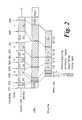
- the GH2 locus encodes a protein that differs from the GH1 -derived growth hormone at 13 amino acid residues. All five genes share a very similar structure with five exons interrupted at identical positions by short introns, 260bp, 209bp, 92bp and 253bp in length in the case of GH1 ( Figure 2).
- Exon 1 of the GH1 gene contains 60bp of 5' untranslated sequence (although an alternative transcriptional initiation site is present at -54), codons -26 to -24 and the first nucleotide of codon -23 corresponding to the start of the 26 amino acid leader sequence.
- Exon 2 encodes the rest of the leader peptide and the first 31 amino acids of mature GH.
- Exons 3-5 encode amino acids 32-71, 72-126 and 127-191, respectively.
- Exon 5 also encodes 112bp 3' untranslated sequence culminating in the polyadenylation site.
- An Alu repetitive sequence element is present 100bp 3' to the GH1 polyadenylation site. Although the five related genes are highly homologous throughout their 5' flanking and coding regions, they diverge in their 3' flanking regions.
- the GH1 and GH2 genes differ with respect to their mRNA splicing patterns. As noted above, in 9% of GH1 transcripts, exon 2 is spliced to an alternative acceptor splice site 45bp into exon 3 to generate a 20 kDa isoform instead of the normal 22 kDa. The GH2 gene is not alternatively spliced in this fashion. A third 17.5 kDa variant, which lacks the 40 amino acids encoded by exon 3 of GH1 , has also been reported.
- the CSH1 and CSH2 loci encode proteins of identical sequence and are 93% homologous to the GH1 sequence at the DNA level.
- the CSHP1 pseudogene contains 25 nucleotide substitutions within its "exons" plus a G ⁇ A transition in the obligate +1 position of the donor splice site of intron 2 that partially inactivates its expression.
- RFLPs biallelic restriction fragment length polymorphisms
- Five of these (two Bgl II, two Msp I, one Hinc I) occur in Caucasians and Blacks whereas a further BamH I polymorphism occurs predominantly in Blacks. Strong linkage disequilibrium has been observed between these polymorphisms consistent with the relatively recent evolutionary origin of the gene cluster.
- the Hinc II and BamH I polymorphisms occur immediately 5' to the GH1 gene.
- An Rsa I polymorphism occurs in the GH1 promoter region resulting from an A/G dimorphism at nucleotide -75 whilst a relatively frequent Sph1 polymorphism remains to be fully characterised.
- a highly informative (83% heterozygosity) variable number repeat polymorphism has been located some 19kb 3' to the GH1 gene; formatted for PCR, the 18 distinct alleles of this polymorphism can be distinguished by fragment size (201 to 253bp).
- GH1 gene promoter/5'-untranslated region has been found to exhibit a very high level of sequence polymorphism with 17 variant nucleotides within a 570 bp stretch (Table 2A): Table 2A: Known polymorphisms in the human GH1 gene promoter/5' untranslated region [after Giordano et al. Human Genetics 100: 249-255 (1997) and Wagner et al. Eur. J. Endocrinol. 137: 474-481]. ( Figure 3).
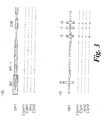
- Nucleotide location Polymorphism (alternative nucleotides) -476 G/A -364 G/T -339 ⁇ G -308 T/G -301 T/G -278 T/G -272 to -276 CCAGA/SMRRR -168 T/C -75 A/G -57 G/T -31 ⁇ G -6 G/A -1 T/A/C +3 G/C +16 A/G +26 A/C +59 T/G
- variable positions can be ascribed to 23 different haplotypes in our patient population.
- the polymorphisms at positions -1, +3 and +59 are predicted to cause amino acid substitutions in the GHDTA protein, putatively encoded by this region of the GH1 gene promoter (see below).
- Some of the sequence variants occur in the same positions in which the GH1 gene differs from the other placentally-expressed genes suggesting that the mechanism might be gene conversion and that the placental genes have served as donors of the converted sequences.
- Consanguinous marriage yes 45 GH1, CSHP1 , CSH1, GH2 Italian family. Homozygous yes 45 GH1, CSHP1, CSH1, GH2 Italian family. Homozygous. Consanguinous marriage yes 45 GH1, CSHP1, CSH1, GH2 "Asian" family no ? CSH1, GH2, CSH2 Italian family. Heterozygous no ? CSH1 , GH2, CSH2 Danish family. Compound heterozygous for non-identical deletions no Double (i) GH1 (6.7kb) French origin (Romany). yes (ii) CSH1, GH2, CSH2 ( ⁇ 32kb) Homozygous.Consanguinous marriage.
- the gene encoding growth hormone (GH1 ) was one of the first human genes to be cloned and the first gross gene deletions (6.7kb type) responsible for inherited growth hormone deficiency were soon detected by Southern blotting. All gross deletions involving the GH1 gene result in severe (type IA) deficiency, characterised by the total absence of GH. ⁇ 70% of characterised deletions of the GH1 gene are 6.7 kb in length, whilst most of the remainder are of 7.6 kb or 7.0 kb (Table 2B).
- PCR primers have been designed which immediately flank the GH1 gene and which generate a 790bp fragment from control DNA samples. Absence of this fragment was held to be indicative of a GH1 gene deletion but the use of "non-specific PCR fragments" as internal controls for PCR amplification must make the reliability of this method somewhat suspect.
- GH1 promoter variation has also been separately investigated and a total of 22 variant polymorphic sites were detected, mostly single base-pair substitutions: 17 of these occurred in a 550 bp region 5' to the ATG initiation codon, three occurred around position -1075 5' to ATG, and two occurred within intron 1 (IVS1) at positions 76 and 219 respectively [Wagner et al , Eur J Endocrinol 137 474-81 (1997)]. All except four of these variants were also noted in controls but these four variants were not considered to be the cause of the growth hormone deficiency. Only one of the variant sites occurred within a sequence homologous to a transcription factor binding site: the alternative presence of CCAGA and GAGAG sequences at -333 within a potential (but not proven) NF-1 binding site.
- the transversions in the intron 4 donor splice site have been shown by mRNA in vitro expression analysis of transfected cells to activate a cryptic splice site within exon 4, 73bp 5' to the exon 4 donor splice site. This would predict the generation of an aberrantly spliced product lacking amino acids 103-126 encoded by exon 4 and, as a consequence of a shift in the reading frame, the incorporation of 94 novel amino acids including 29 resulting from read-through of the normally untranslated 3' non-coding region of the GH1 gene.
- GH deficiency patients with truncating GH1 mutations or homozygous gene deletions are at considerable risk of developing anti-GH antibodies upon GH treatment.
- IGHD IGHD favoured by many combines (a) severe growth retardation, often - as mentioned above - defined as ⁇ -4.5 SD in height; (b) reduced GH response to stimulation/provocation ( ie a serum GH level of ⁇ 4ng/ml); and (iii) no other cause for growth retardation.
- the strict adherence to formal definitions of what constitutes GH deficiency and the fairly uniform acceptance of these criteria, especially criterion (b) in selecting patients for study [Shalet SM et al. Endocrine Rev. 19: 203-223 (1998)] would have served to ensure that the described GH1 mutational spectrum was not only far from complete but also unrepresentative of the wider mutational spectrum.
- mutations responsible for GH deficiency states in which the SD scores were less severe or the GH levels less reduced would have been much less likely to come to clinical attention. Indeed, this may go some way toward explaining why only four different missense mutations have so far been reported in the GH1 gene, a finding which is virtually unprecedented for a fairly prevalent disorder that has been studied at the molecular level for nearly 20 years [Krawczak et al, Hum. Mutation 15 , 45-51 (2000)].
- height velocity is a more sensitive indicator of growth failure than absolute height measurements.
- the present invention provides a detection method for detecting a variation in GH1 effective to act as an indicator of GH dysfunction in a patient, which detection method comprises the steps of:
- the present invention therefore further provides a GH variant detected by or detectable according to the above-described method of this invention.
- each criterion may be assessed according to known methods and parameters readily available and described in the art, as elaborated further below:
- test sample obtained from the patient in the detection method of the invention preferably comprises genomic DNA extracted from patient lymphocytes by standard procedures.
- GH1 gene analysis is thereafter preferably carried out according to the following steps:
- the present invention further provides novel GH1 -specific primers for use in the analysis of GH1 as described above and in the examples, which primers include: novel primers suitable for use in the DHPLC step (see Example 3, Table 6, for further details): and and primers suitable for use in the LCR step (all 5' ⁇ 3', see also Example 5): and
- the present invention therefore further provides a variant of GH1, which differs from GH1 and is detectable by the method according to the invention but is not detectable by methods used hitherto, such as those reliant on patient selection criteria based primarily on height.
- GH1 variants of the invention include those characterised in Example 6 and Table 7 hereinafter.
- the insulin-induced hypoglycaemic test (IST) is of particular note; it is used by many doctors, as mentioned above, to assess GH secretion but deaths have occurred owing to the treatment necessary for the hypoglycaemia induced in the patient as a necessary requirement of its successful implementation. It is therefore of paramount importance that the decision to perform an investigation, such as an IST, is most carefully considered before it is given a place in the assessment of a short child. The development of a DNA test for use in screening short patients would therefore have many advantages over the other tests currently available.
- the present invention provides a screening method for screening a patient suspected of having dysfunctional GH, which screening method comprises the steps of:
- the screening method of the invention is characterised in that the predetermined sequence is an oligonucleotide having a nucleic acid sequence corresponding to a region of a variant GH1 gene, which region incorporates at least one variation when compared with the corresponding region of the wild type sequence.
- the variation is one detectable by the detection method of the invention, such as any of those identified in Example 6 and Table 7 hereinafter.
- the test sample comprises genomic DNA, which may be extracted by conventional methods.
- the present invention further provides a screening method for determining GH dysfunction, comprising:
- the comparison step may be carried out in conventional manner, for example by sequencing the appropriate region of the GH1 gene, particularly in the case where relatively few variants are to be detected/compared.
- DNA chip technology may be employed, wherein the chip is a miniature parallel analytical device that is used to screen simultaneously for multiple mutations by hybridisation of labelled sample DNA (cDNA or genomic DNA derived from the patient) to microarrays of mutation-specific oligonucleotide probes immobilised on a solid support [Southern, Trends Genet. 12: 110-115 (1996)].
- kits suitable for use in carrying out the screening method of the invention which kit comprises:
- Such reagents may include, for example, PCR primers corresponding to the exon of the GH1 gene, and/or primers mentioned herein, especially novel primers mentioned hereinabove; and/or other reagents for use in PCR, such as Taq DNA polymerase.
- the oligonucleotides in the kit comprise in the range of from 20 to 25 base-pairs, such as 20 base-pairs for the variant sequences and either 20 for the wild-type in the case where the variant is a single base-pair substitution or 25 base-pairs where the variant is a 5 base-pair deletion.
- the oligonucleotides must be selected so as to be unique for the region selected and not repeated elsewhere in the genome.
- kits comprising up to 40 oligonucleotides or more.
- the present invention provides a plurality of oligonucleotides as defined in kit component (a) above immobilised on a solid support.
- GH1 variants detectable by the detection method of this invention may have additional uses than as standards in a screening test for GH dysfunction.
- variants other than those where the variation is in the promoter region of the GH1 gene may be used to treat a patient wherein GH production is over-stimulated, such as in cases of pituitary gigantism or acromegaly.
- the present invention further provides a composition comprising a variant of GH1 , especially a variant detectable by the detection method of this invention and identified herein, in association with a pharmaceutically acceptable carrier therefor.
- the invention provides:
- Oligonucleotide primers GH1F (5' GGGAGCCCCAGCAATGC 3'; -615 to -599) and GH1R (5' TGTAGGAAGTCTGGGGTGC 3'; +2598 to +2616) were designed to correspond to GH1 -specific sequences in order to PCR amplify a 3.2kb single genomic DNA fragment containing the human GH1 gene using the ExpandTM high fidelity system (Roche).
- the first tube contained 500 nanograms (ng) each primer (GH1F and GH1R), 200 ⁇ M dATP, dTTP, dCTP and dGTP and 200ng of patient genomic DNA made up to a final volume of 25 ⁇ l with sterile water.
- the second tube contained 5 ⁇ l 10x reaction buffer made up to a final volume of 24.25 ⁇ l with sterile water. Both tubes were placed on ice for 5 minutes. After this time, 0.75 ⁇ l of ExpandTM polymerase mix was added to the second tube, the contents mixed and transferred to the first tube. The tube was centrifuged for 30 seconds and the reaction mixture overlaid with 30 ⁇ l light mineral oil (Sigma).
- the reaction mixture was then placed in a 480 PCR programmable thermal cycler (Perkin Elmer) set at 95°C.
- the reaction mix was then amplified under the following conditions: 95°C for 2 minutes followed by 30 cycles of 95°C for 30 seconds, 58°C for 30 seconds and 68°C for 2 minutes.
- the elongation step at 68°C was increased by 5 seconds per cycle. This was followed by a further incubation at 68°C for 7 minutes and the reaction was then cooled to 4°C prior to further analysis.
- a blank negative control
- the blank reaction contained all reagents apart from genomic DNA and was used to ensure that none of the reagents were contaminated.
- a one-tenth volume (5 ⁇ l) was analysed on a 1.5% agarose gel to assess whether PCR amplification had been successful before nested PCR was performed. Those samples that had PCR-amplified successfully were then diluted 1 in 100 prior to use for nested PCR.
- Nested PCR was performed on the fragments produced in Example 2 to generate, in each case, seven overlapping sub-fragments that together span the entire GH1 gene.
- the Locus Control Region has been PCR-amplified (see Example 5) in all but three patients.
- a 1 ⁇ l aliquot of the diluted long (3.2 kb) PCR product was put into a thin-walled 0.2ml PCR tube or into one well of a 96-well microtitre plate.
- 5 ⁇ l 10x reaction buffer 500ng appropriate primer pair (e.g. GH1DF and GH1DR), dATP, dTTP, dCTP and dGTP to a final concentration of 200 ⁇ M, sterile water to a volume of 49.8 ⁇ l, followed by 0.2 ⁇ l Taq Gold polymerase.
- the tube or microtitre plate was then placed in a Primus 96 thermal cycler (MWG Biotech) and cycled as follows: 12 min 95°C followed by 32 cycles of 95°C for 30 seconds, 58°C for 30 seconds and 72°C for 2 minutes. This was followed by further incubation at 72°C for 10 minutes and the reaction was then cooled to 4°C prior to further analysis.
- MWG Biotech Primus 96 thermal cycler
- a one-tenth volume (5 ⁇ l) of the reaction mix was analysed on a 0.8% agarose gel to determine that the reaction had worked before denaturing high-pressure liquid chromatography (DHPLC) was performed on a WAVETM DNA fragment analysis system (Transgenomic Inc. Crewe, Cheshire, UK).
- DPLC denaturing high-pressure liquid chromatography
- WAVETM DNA fragment analysis system Transgenomic Inc. Crewe, Cheshire, UK.
- the PCR product was denatured at 95°C for 5 minutes, followed by gradual re-annealing to 50°C over 45 minutes.
- DHPLC analysis allowed the identification of DNA fragments containing putative DNA sequence changes.
- GH1 -specific long (3.2 kb) PCR fragments were cloned into the PCR plasmid cloning vector pGEM-T (Promega). Cloning was accomplished by adding 50ng of GH1 -specific long PCR fragment to 10ng pGEM-T in the presence of 1x reaction buffer and 1 ⁇ l (3 units) T4 DNA ligase in a final volume of 10 ⁇ l. The reactions were incubated for 16 hours at 10°C. The entire reaction mixture was placed in a 1.5ml tube and cooled on ice.
- DH5 ⁇ competent cells 50 ⁇ l DH5 ⁇ competent cells (Life Technologies) were added and the tube left on ice for 30 minutes. The mixture was then heat-shocked for 20 seconds at 37°C and returned to ice for 2 minutes. After this time, 0.95ml of YTx2 medium (16g tryptone, 10g yeast extract, 5g NaCl per litre water) was added and the mixture incubated at 37°C for one hour with shaking. The mixture was then plated out onto pre-warmed agar plates containing 50 ⁇ g/ml ampicillin, IPTG and X-gal and incubated at 37°C for 16 hours to allow single colonies to grow.
- YTx2 medium 16g tryptone, 10g yeast extract, 5g NaCl per litre water
- Clones that contained the GH1 -specific long PCR fragment were grown in 2ml YTx2 medium; plasmid DNA was extracted from the bacteria using a Qiagen spin miniprep kit according to the manufacturer's instructions. DNA extracted in this way was quantified by measuring its optical density at 260nm and electrophoresed on a 0.8% agarose gel to verify that the size of the clone was correct. Four of these clones were then sequenced.
- Clones containing the GH1 -specific long PCR fragment were sequenced with the BigDye sequencing kit (Perkin Elmer) in either 0.2ml tubes or 96-well microtitre plates in a Primus 96 PCR thermal cycler. Oligonucleotide primers used for sequencing were: and 1 ⁇ g of cloned DNA was sequenced with 3.2pmol of the appropriate primer and 4 ⁇ l BigDye sequencing mix in a final volume of 20 ⁇ l. The tube or microtitre plate was then placed in the thermal cycler and cycled as follows: 2 minutes 96°C followed by 30 cycles of 96°C for 30 seconds, 50°C for 15 seconds and 60°C for 4 minutes. The reaction was then cooled to 4°C prior to purification.
- the BigDye sequencing kit Perkin Elmer
- Purification was performed by adding 80 ⁇ l 75% isopropanol to the completed sequencing reaction. This was then mixed and left at room temperature for 30 minutes. The reaction was then centrifuged at 14,000 rpm for 20 minutes at room temperature. The supernatant was then removed and 250 ⁇ l 75% isopropanol was added to the precipitate. The sample was mixed and centrifuged for 5 minutes at 14,000 rpm at room temperature. The supernatant was removed and the pellet dried at 75°C for 2 minutes.
- LCR Locus Control Region
- PCR was performed using Taq Gold polymerase: 1 ⁇ l patient genomic DNA was placed into a thin walled 0.2ml PCR tube or into one well of a 96-well micotitre plate. To this was added, 5 ⁇ l 10x reaction buffer, 500ng of the appropriate primer pair (e.g. GH1DF and GH1DR), dATP, dTTP, dCTP and dGTP to a final concentration of 200 ⁇ M, sterile water to a volume of 49.8 ⁇ l followed by 0.2 ⁇ l Taq Gold polymerase.
- the appropriate primer pair e.g. GH1DF and GH1DR
- the tube or microtitre plate was then placed in a Primus 96 thermal cycler (MWG Biotech) and cycled as follows: 12 minutes 95°C followed by 32 cycles of 95°C for 30 seconds, 58°C for 30 seconds and 72°C for 2 minutes. This was followed by a further incubation at 72°C for 10 minutes and the reaction was then cooled to 4°C prior to further analysis.
- MWG Biotech Primus 96 thermal cycler
- a one-tenth volume (5 ⁇ l) was analysed on a 1.5% agarose gel to determine that the reaction had worked before denaturing high-pressure liquid chromatography (DHPLC) was performed.
- DHPLC denaturing high-pressure liquid chromatography
- the GH1 reference sequence is derived from Chen et al. (1989) which was accessed through Genbank (Accession Number: J03071). Of 68 patients so far analysed, mutations have been found in 31 of them. All mutations detected were found in the heterozygous state with the exception of patient 37 (homozygous), patients 44, 55 and 57 (compound heterozygous for non-identical lesions in trans ) (ie on different alleles) and patients 7, 32, 36, 48 and 70 who possess 2 or more mutations in cis ( ie on the same allele).
- IVS1-4 denote intron locations: Table 7A: Intronic polymorphisms in the human GH1 gene IVS1 A / G 124 IVS1 A / T 128 IVS1 A / G 134 IVS1 G / C 135 IVS1 A / G 141 IVS1 T / C 179 IVS1 C / T 188 IVS1 G / A 218 Ins GAAA 251 IVS1 T / C 281 (x 5) IVS1 G / C 286 IVS1 T / C 303 IVS2 A / G 565 IVS2 A / G 580 IVS2 A / G 622 IVS2 T / C 665 IVS2 G / A 620 IVS2 A / G 670 IVS2 G / A 676 IVS3 T / C 901 IVS4 C /T 1101 (x 5) IVS4 T / A 1169 (x 45) IVS4 C / T 1182 IVS4 A / G 1189 IVS
Landscapes
- Health & Medical Sciences (AREA)
- Chemical & Material Sciences (AREA)
- Life Sciences & Earth Sciences (AREA)
- Organic Chemistry (AREA)
- Engineering & Computer Science (AREA)
- General Health & Medical Sciences (AREA)
- Bioinformatics & Cheminformatics (AREA)
- Proteomics, Peptides & Aminoacids (AREA)
- Pharmacology & Pharmacy (AREA)
- Wood Science & Technology (AREA)
- Medicinal Chemistry (AREA)
- Animal Behavior & Ethology (AREA)
- General Chemical & Material Sciences (AREA)
- Public Health (AREA)
- Veterinary Medicine (AREA)
- Diabetes (AREA)
- Chemical Kinetics & Catalysis (AREA)
- Nuclear Medicine, Radiotherapy & Molecular Imaging (AREA)
- Zoology (AREA)
- Genetics & Genomics (AREA)
- Analytical Chemistry (AREA)
- General Engineering & Computer Science (AREA)
- Hematology (AREA)
- Immunology (AREA)
- Microbiology (AREA)
- Molecular Biology (AREA)
- Obesity (AREA)
- Biophysics (AREA)
- Biochemistry (AREA)
- Biotechnology (AREA)
- Physics & Mathematics (AREA)
- Pathology (AREA)
- Emergency Medicine (AREA)
- Endocrinology (AREA)
- Communicable Diseases (AREA)
- Oncology (AREA)
- Child & Adolescent Psychology (AREA)
- Measuring Or Testing Involving Enzymes Or Micro-Organisms (AREA)
- Investigating Or Analysing Biological Materials (AREA)
Abstract
- (i) height velocity below the 25th centile for age;
- (ii) bone age delay according to the Tanner-Whitehouse scale of at least two years when compared with chronological age; and
- (iii) no other disorder known to cause inclusion in criteria (i) to (ii) above.
Description
- The present invention relates to a method for detecting naturally-occurring growth hormone mutations; to mutations thereby detected and their use in screening patients for growth hormone irregularities or for producing variant proteins suitable for treating such irregularities.
- That human stature was influenced by inherited factors was understood more than a century ago. Although familial short stature, with its normally recessive mode of inheritance, was recognised as early as 1912, it was a further quarter century before such families came to be properly documented in the scientific literature. The recognition that recessively inherited short stature was commonly associated with isolated growth hormone (GH) deficiency only came in 1966.
- Short stature associated with GH deficiency has been estimated to occur with an incidence of between 1/4000 and 1/10000 live births. Most of these cases are both sporadic and idiopathic, but between 5 and 30% have an affected first-degree relative consistent with a genetic aetiology for the condition. Confirmation of the genetic aetiology of GH deficiency came from the molecular genetic analysis of familial short stature and the early demonstration of mutational lesions in the pituitary-expressed growth hormone (GH1) genes of affected individuals. Familial short stature may also be caused by mutation in a number of other genes (eg POU1F1, PROP1 and GHRHR) and it is important to distinguish these different forms of the condition.
- Growth hormone (GH) is a multifunctional hormone that promotes post-natal growth of skeletal and soft tissues through a variety of effects. Controversy remains as to the relative contribution of direct and indirect actions of GH. On one hand, the direct effects of GH have been demonstrated in a variety of tissues and organs, and GH receptors have been documented in a number of cell types. On the other hand, a substantial amount of data indicates that a major portion of the effects of GH are mediated through the actions of GH-dependent insulin-like growth factor I (IGF-I). IGF-1 is produced in many tissues, primarily the liver, and acts through its own receptor to enhance the proliferation and maturation of many tissues, including bone, cartilage, and skeletal muscle. In addition to promoting growth of tissues, GH has also been shown to exert a variety of other biological effects, including lactogenic, diabetogenic, lipolytic and protein anabolic effects, as well as sodium and water retention.
- Adequate amounts of GH are needed throughout childhood to maintain normal growth. Newborns with GH deficiency are usually of normal length and weight. Some may have a micropenis or fasting hypoglycemia in conjunction with low linear postnatal growth, which becomes progressively retarded with age. In those with isolated growth hormone deficiency (IGHD), skeletal maturation is usually delayed in association with their height retardation. Truncal obesity, facial appearance younger than expected for their chronological age and delayed secondary dentition are often present. Skin changes similar to those seen in premature ageing may be seen in affected adults.
- Familial IGHD comprises several different disorders with characteristic modes of inheritance. Those forms of IGHD known to be associated with defects at the GH1 gene locus are shown in Table 1 together with the different types of underlying lesion so far detected.
Table 1 Classification of inherited disorders involving the GH1 gene Disorder Mode of inheritance Types of gene lesion responsible GH protein Deficiency state IGHD IA Autosomal recessive Gross deletions, micro-deletions, nonsense mutations Absent Severe short stature. Anti-GH antibodies often produced upon GH treatment, resulting in poor response thereto. IGHD IB Autosomal recessive Splice site mutations Deficient Short stature. Patients usually respond well to exogenous GH IGHD II Autosomal dominant Splice site and intronic mutations, missense mutations Deficient Short stature. Patients usually respond well to exogenous GH - The characterisation of these lesions has helped to provide explanations for the differences in clinical severity, mode of inheritance and propensity to antibody formation in response to exogenously administered GH, between these forms of IGHD. Most cases are sporadic and are assumed to arise from cerebral insults or defects that include cerebral oedema, chromosomal anomalies, histiocytosis, infections, radiation, septo-optic dysplasia, trauma, or tumours affecting the hypothalamus or pituitary. Magnetic resonance imaging examinations detect hypothalamic or pituitary anomalies in about 12% of patients who have IGHD.
- Although short stature, delayed 'height velocity' or growth velocity, and delayed skeletal maturation are all seen with GH deficiency, none of these is specific for this disorder; other systemic diseases may result in such symptoms. Throughout this specification, 'height velocity' and growth velocity are both to be construed as meaning the rate of change of the subject's or patient's height, such as is measured in centimetres per year.
- Stimulation tests to demonstrate GH deficiency use L-Dopa, insulin-induced hypoglycaemia, arginine, insulin-arginine, clonidine, glucagon or propranolol. Inadequate GH peak responses (usually <7-10 ng/mL) differ from test to test. Testing for concomitant deficiencies of LH, FSH, TSH and ACTH should be performed to determine the extent of pituitary dysfunction and to plan optimal treatment.
- Recombinant-derived GH is available worldwide and is administered by subcutaneous injection. To obtain an optimal outcome, children with IGHD are usually started on replacement therapy as soon as their diagnosis is established. The initial dosage of recombinant GH is based on body weight or surface area, but the exact amount used and the frequency of administration may vary between different protocols. The dosage increases with increasing body weight to a maximum during puberty. Thereafter, GH treatment should be temporarily discontinued while the individual's GH secretory capacity is re-evaluated. Those with confirmed GH deficiency receive a lower dose of exogenous GH during adult life.
- Conditions that are treated with GH include (i) those in which it has proven efficacy and (ii) a variety of others in which its use has been reported but not accepted as standard practice. Disorders in which GH treatment has proven efficacy include GH deficiency, either isolated or in association with combined pituitary hormone deficiency (CPHD) and Turner syndrome. The clinical responses of individuals with the first two disorders to GH replacement therapy varies depending on (i) the severity of the GH deficiency and its adverse effects on growth, the age at which treatment is begun, weight at birth, current weight and dose of GH; and (ii) recognition and response to treatment of associated deficiencies such as thyroid hormone deficiency, and (iii) whether treatment is complicated by the development of anti-GH antibodies. The outcome of treatment for individuals with Turner syndrome subjects varies with the severity of their short stature, their chromosomal complement, and the age at which treatment was begun.
- Additional disorders in which the use of GH has been reported include treatment of certain skeletal dysplasias such as achondroplasia, Prader-Willi syndrome, growth suppression secondary to exogenous steroids or in association with chronic inflammatory diseases such as rheumatoid arthritis, in chronic renal failure, extreme idiopathic short stature, Russell-Silver syndrome, and intrauterine growth retardation.
- The characterisation of familial IGHD at the molecular genetic level is important for several reasons. The identity of the locus involved will indicate not only the likely severity of growth retardation but, more importantly, the appropriateness or otherwise of the various therapeutic regimens now available. Further, detection of the underlying gene lesions serves to confirm the genetic aetiology of the condition. It may also have prognostic value in predicting (i) the severity of growth retardation and (ii) the likelihood of anti-GH antibody formation subsequent to GH treatment. In some instances, knowledge of the pathological lesion(s) can also help to explain an unusual mode of inheritance of the disorder and is therefore essential for the counselling of affected families. Finally, the characterisation of the mutational lesions responsible for cases of IGHD manifesting a dysfunctional (as opposed to a non-functional) GH molecule could yield new insights into GH structure and function.
- At the cellular level, a single GH molecule binds two GH receptor molecules (GHR) causing them to dimerise. Dimerisation of the two GH-bound GHR molecules is believed to be necessary for signal transduction, which is associated with the tyrosine kinase JAK-2. It has been suggested that the diverse effects of GH may be mediated by a single type of GHR molecule that can possess different cytoplasmic domains or phosphorylation sites in different tissues. When activated by JAK-2, these differing cytoplasmic domains can lead to distinct phosphorylation pathways, one for growth effects and others for various metabolic effects.
- GH is a 22 kDa protein secreted by the somatotroph cells of the anterior pituitary. X-ray crystallographic studies have shown GH to comprise a core of two pairs of parallel alpha helices arranged in an up-up-down-down fashion. This structure is stabilised by two intra-molecular disulphide linkages (Cys53-Cys165 and Cys182-Cys 189). Two growth hormone receptor (GHR) molecules bind to two structurally distinct sites on the GH molecule, a process which proceeds sequentially by GHR binding first at
site 1 and then atsite 2. The binding of GHR to GH potentiates dimerisation of the GHR molecules. - Scanning mutagenesis studies of the GH molecule have yielded a picture of the binding interactions between GH and its receptor whilst site-directed mutagenesis has been used to probe the function of specific residues. Thus, substitution of Gly120 (in the third alpha helix of human GH) by Arg results in the loss of GHR binding to
site 2 thereby blocking GHR dimerisation. Similarly, residue Phe44 of the human GH protein is important for binding the prolactin receptor. Finally, residues Asp115, Gly119, Ala122 and Leu123 have been shown to be critical for the growth enhancing potential of the murine GH molecule. - Interaction of the dimerised GHR with the intracellular tyrosine protein kinase JAK2 leads to tyrosine phosphorylation of downstream signal transduction molecules, stimulation of mitogen-activated protein (MAP) kinases and induction of signal transducers and activators of transcription (STAT proteins). In this way, GH is able to influence the expression of multiple genes through a number of different signalling pathways.
Several different GH isoforms are generated from expression of the GH1 gene (GH1 reference sequence is shown in Figure 5). In 9% of GH1 transcripts,exon 2 is spliced to an alternative acceptor splice site 45bp intoexon 3, thereby deleting amino acid residues 32 to 46 and generating a 20 kDa isoform instead of the normal 22 kDa protein. This 20 kDa isoform appears to be capable of stimulating growth and differentiation. The factors involved in determining alternative acceptor splice site selection are not yet characterised but are clearly of a complex nature. A 17.5 kDa isoform, resulting from the absence of codons 32 to 71 encoded byexon 3, has also been detected in trace amounts in pituitary tumour tissue. Splicing products lacking eitherexons exons - The gene encoding pituitary growth hormone (GH1) is located on chromosome 17q23 within a cluster of five related genes (Figure 1). This 66.5 kb cluster has now been sequenced in its entirety [Chen et al. Genomics 4: 479-497 (1989) and see Figure 5]. The other loci present in the growth hormone gene cluster are two chorionic somatomammotropin genes (CSH1 and CSH2), a chorionic somatomammotropin pseudogene (CSHP1) and a growth hormone gene (GH2). These genes are separated by intergenic regions of 6 to 13 kb in length, lie in the same transcriptional orientation, are placentally expressed and are under the control of a downstream tissue-specific enhancer. The GH2 locus encodes a protein that differs from the GH1-derived growth hormone at 13 amino acid residues. All five genes share a very similar structure with five exons interrupted at identical positions by short introns, 260bp, 209bp, 92bp and 253bp in length in the case of GH1 (Figure 2).
-
Exon 1 of the GH1 gene contains 60bp of 5' untranslated sequence (although an alternative transcriptional initiation site is present at -54), codons -26 to -24 and the first nucleotide of codon -23 corresponding to the start of the 26 amino acid leader sequence.Exon 2 encodes the rest of the leader peptide and the first 31 amino acids of mature GH. Exons 3-5 encode amino acids 32-71, 72-126 and 127-191, respectively.Exon 5 also encodes 112bp 3' untranslated sequence culminating in the polyadenylation site. An Alu repetitive sequence element is present 100bp 3' to the GH1 polyadenylation site. Although the five related genes are highly homologous throughout their 5' flanking and coding regions, they diverge in their 3' flanking regions. - The GH1 and GH2 genes differ with respect to their mRNA splicing patterns. As noted above, in 9% of GH1 transcripts,
exon 2 is spliced to an alternative acceptor splice site 45bp intoexon 3 to generate a 20 kDa isoform instead of the normal 22 kDa. The GH2 gene is not alternatively spliced in this fashion. A third 17.5 kDa variant, which lacks the 40 amino acids encoded byexon 3 of GH1, has also been reported. - The CSH1 and CSH2 loci encode proteins of identical sequence and are 93% homologous to the GH1 sequence at the DNA level. By comparison with the CSH gene sequences, the CSHP1 pseudogene contains 25 nucleotide substitutions within its "exons" plus a G→A transition in the obligate +1 position of the donor splice site of
intron 2 that partially inactivates its expression. - A number of biallelic restriction fragment length polymorphisms (RFLPs) have been reported within the GH gene region. Five of these (two BglII, two MspI, one HincI) occur in Caucasians and Blacks whereas a further BamHI polymorphism occurs predominantly in Blacks. Strong linkage disequilibrium has been observed between these polymorphisms consistent with the relatively recent evolutionary origin of the gene cluster. The HincII and BamHI polymorphisms occur immediately 5' to the GH1 gene. An RsaI polymorphism occurs in the GH1 promoter region resulting from an A/G dimorphism at nucleotide -75 whilst a relatively frequent Sph1 polymorphism remains to be fully characterised. A highly informative (83% heterozygosity) variable number repeat polymorphism has been located some 19kb 3' to the GH1 gene; formatted for PCR, the 18 distinct alleles of this polymorphism can be distinguished by fragment size (201 to 253bp).
- Finally, the GH1 gene promoter/5'-untranslated region has been found to exhibit a very high level of sequence polymorphism with 17 variant nucleotides within a 570 bp stretch (Table 2A):
Table 2A: Known polymorphisms in the human GH1 gene promoter/5' untranslated region [after Giordano et al. Human Genetics 100: 249-255 (1997) and Wagner et al. Eur. J. Endocrinol. 137: 474-481]. (Figure 3). Nucleotide location Polymorphism (alternative nucleotides) -476 G/A -364 G/T -339 ΔG -308 T/G -301 T/G -278 T/G -272 to -276 CCAGA/SMRRR -168 T/C -75 A/G -57 G/T -31 ΔG -6 G/A -1 T/A/C +3 G/C +16 A/G +26 A/C +59 T/G - These 17 variable positions can be ascribed to 23 different haplotypes in our patient population. The polymorphisms at positions -1, +3 and +59 are predicted to cause amino acid substitutions in the GHDTA protein, putatively encoded by this region of the GH1 gene promoter (see below). Some of the sequence variants occur in the same positions in which the GH1 gene differs from the other placentally-expressed genes suggesting that the mechanism might be gene conversion and that the placental genes have served as donors of the converted sequences.
- In a study of prepubertal short children with GH insufficiency, Hasegawa et al. [J. Clin. Endocrinol Metab 85, 1290-1295 (2000)] reported an association between three polymorphisms in the GH1 gene [IVS4 C →T 1101, T/G-278, T/G-57] and both GH secretion and height.
- Since the first GH1 gene deletions were reported, a variety of more subtle lesions have been described. In some cases, these lesions have been associated with unusual types of GH deficiency and are potentially important as a means of obtaining new insights into GH structure and function
Table 2B: Gross deletions involving the GH1 gene, or in the vicinity of the GH1 gene, that cause GH deficiency and short stature Deletion size (kb) Loci involved Comments Post-treatment antibodies present? 6.7 GH1 Swiss family yes 6.7 GH1 Japanese family yes 6.7 GH1 Argentinan family of Spanish ancestry. Homozygous. yes 6.7 GH1 Austrian family yes 6.7 GH1 Brazilian family yes 6.7 GH1 Patient with short stature and cystic fibrosis yes 6.7 GH1 Various no 7.6 GH1 Iraqi, Yemeni and Iranian families no 7.6 GH1 Italian family. Homozygous. Consanguinous marriage yes 7.6 GH1 Italian and Turkish families yes 7.6 GH1 Spanish family no 7.6 GH1 Various yes 7.0 GH1 Canadian family yes 7.0 GH1 Mexican family yes 7.0 GH1 Chinese family. Homozygous no - No treatment with GH. 45 GH1, CSHP1, CSH1, GH2 Turkish family. Homozygous. Consanguinous marriage yes 45 GH1, CSHP1, CSH1, GH2 Italian family. Homozygous yes 45 GH1, CSHP1, CSH1, GH2 Italian family. Homozygous. Consanguinous marriage yes 45 GH1, CSHP1, CSH1, GH2 "Asian" family no ? CSH1, GH2, CSH2 Italian family. Heterozygous no ? CSH1, GH2, CSH2 Danish family. Compound heterozygous for non-identical deletions no Double (i) GH1 (6.7kb) French origin (Romany). yes (ii) CSH1, GH2, CSH2 (∼32kb) Homozygous.Consanguinous marriage. - The gene encoding growth hormone (GH1) was one of the first human genes to be cloned and the first gross gene deletions (6.7kb type) responsible for inherited growth hormone deficiency were soon detected by Southern blotting. All gross deletions involving the GH1 gene result in severe (type IA) deficiency, characterised by the total absence of GH. ∼70% of characterised deletions of the GH1 gene are 6.7 kb in length, whilst most of the remainder are of 7.6 kb or 7.0 kb (Table 2B).
- 0 In addition, several examples of much more infrequent deletions have been reported.In recent years, various attempts have been made to move away from Southern blotting toward PCR-based approaches as a mutation screening tool. Homozygous GH1 gene deletions have been fairly readily detected by PCR amplification of the GH1 gene and flanking regions followed by restriction enzyme digestion of the resulting PCR products. Although this approach has been used successfully to exclude homozygosity for a GH1 gene deletion in at-risk pregnancies, it is however unable to distinguish homozygosity for the wild-type gene from heterozygosity for a gene deletion. It would also fail to detect deletions other than the relatively short 6.7, 7.0 and 7.6kb deletions that remove only the GH1 gene.
- PCR primers have been designed which immediately flank the GH1 gene and which generate a 790bp fragment from control DNA samples. Absence of this fragment was held to be indicative of a GH1 gene deletion but the use of "non-specific PCR fragments" as internal controls for PCR amplification must make the reliability of this method somewhat suspect.


- As well as gross deletions, three micro-deletions of the GH1 gene have been reported; two of these patients were also heterozygous for the 6.7 kb GH1 gene deletion (Table 3).
- Only six different single base-pair substitutions have been reported from within the coding region of the GH1 gene (Table 4). Two of these are nonsense mutations converting amino acid residues Trp-7 and Glu-4 in the signal peptide to stop codons. These mutations are the only known GH1 gene lesions to cause type IA deficiency that are not gene deletions. Since these lesions predict termination of translation within the signal peptide, they would be incompatible with the production of a functional GH molecule. The other four single base-pair substitutions are missense mutations that result in the production of dysfunctional growth hormone molecules.


- Single base-pair substitutions in the promoter region of possible pathological significance were first sought by sequencing the promoter region of the GH1 gene (between -60 and +70 relative to the transcriptional initiation site) in three Chinese patients with IGHD IA and 2 controls. Several differences were noted but these were probable polymorphisms and were not characterised further. As mentioned above, the promoter region of the GH1 gene has subsequently been shown to exhibit a very high level of sequence polymorphism with 17 variant nucleotides within a 570 bp stretch (Figure 3). However, they were not found to be over-represented in patients as compared to controls.
- GH1 promoter variation has also been separately investigated and a total of 22 variant polymorphic sites were detected, mostly single base-pair substitutions: 17 of these occurred in a 550 bp region 5' to the ATG initiation codon, three occurred around position -1075 5' to ATG, and two occurred within intron 1 (IVS1) at positions 76 and 219 respectively [Wagner et al, Eur J Endocrinol 137 474-81 (1997)]. All except four of these variants were also noted in controls but these four variants were not considered to be the cause of the growth hormone deficiency. Only one of the variant sites occurred within a sequence homologous to a transcription factor binding site: the alternative presence of CCAGA and GAGAG sequences at -333 within a potential (but not proven) NF-1 binding site.
- Therefore, to date, no mutations of pathological significance have been reported in the GH1 gene promoter.
- Single base-pair substitutions affecting mRNA splicing have also been described in the GH1 gene. Most are associated with a comparatively rare dominant form of GH deficiency (Table 5).
- The transversions in the
intron 4 donor splice site have been shown by mRNA in vitro expression analysis of transfected cells to activate a cryptic splice site withinexon 4, 73bp 5' to theexon 4 donor splice site. This would predict the generation of an aberrantly spliced product lacking amino acids 103-126 encoded byexon 4 and, as a consequence of a shift in the reading frame, the incorporation of 94 novel amino acids including 29 resulting from read-through of the normally untranslated 3' non-coding region of the GH1 gene.Table 5 Single base-pair substitutions affecting mRNA splicing and causing GH deficiency and short stature Deficiency type Nucleotide substitution/ position Splice site Ethno-geographic origin/zygosity II G→A, +1 IVS3 donor Sweden, North America, Northern Europe, South Africa, Chile/heterozygous II G→C, +1 IVS3 donor Turkish/ heterozygous II G→A, +5 IVS3 donor Chilean/ heterozygous II G→C, +5 IVS3 donor ? II T→C, +6 IVS3 donor Turkish/ heterozygous Asian/ heterozygous II G→A, +28 IVS3 donor ?/heterozygous IB G→C, +1 IVS4 donor Saudi Arabian/ homozygous IB G→T, +1 IVS4 donor Saudi Arabian/ homozygous IB G→C, +5 IVS4 donor ? - Since the region of the GH protein encoded by
exons - GH deficiency patients with truncating GH1 mutations or homozygous gene deletions are at considerable risk of developing anti-GH antibodies upon GH treatment. By contrast, we are not aware of any reports describing allo-antibody formation in patients with either missense mutations or single base-pair substitutions within splice sites.
- Until now, no other correlations between mutant genotype and clinical phenotype have been reported. The requisite data in the published literature are sparse and very variable in quality, but we have attempted a crude meta-analysis as a means of gauging whether or not patients with gross gene deletions differ from patients with splice site mutations in terms of their clinical and phenotypic sequelae. The height of the patients with GH1 deletions was found to be on average 7.3 SD below the age-adjusted mean (n=29), as compared with an average of 5.4 SD below the mean (n=17) for the patients with GH1 splicing mutations. Although bone age delay was greater and growth velocity lower in the deletion patients, such findings are very difficult to interpret since they may be subject to bias of ascertainment.
- Since most cases of familial GH deficiency hitherto described are inherited as an autosomal recessive trait, some examples of the inherited deficiency state are likely to have gone unrecognized owing to small family size. Similarly, cases of GH deficiency resulting from de novo mutations of the GH1 gene could be classified as sporadic, and a genetic explanation for the disorder would neither be entertained nor sought. Finally, depending upon the criteria used for defining the deficiency state, it may be that the full breadth of both the phenotypic and genotypic spectrum of GH deficiency may never have come to clinical attention. For these reasons, current estimates of the prevalence of GH deficiency could be inaccurate and may therefore seriously underestimate the true prevalence in the population.
- The definition of IGHD favoured by many combines (a) severe growth retardation, often - as mentioned above - defined as <-4.5 SD in height; (b) reduced GH response to stimulation/provocation (ie a serum GH level of <4ng/ml); and (iii) no other cause for growth retardation. The strict adherence to formal definitions of what constitutes GH deficiency and the fairly uniform acceptance of these criteria, especially criterion (b) in selecting patients for study [Shalet SM et al. Endocrine Rev. 19: 203-223 (1998)] would have served to ensure that the described GH1 mutational spectrum was not only far from complete but also unrepresentative of the wider mutational spectrum. Thus, mutations responsible for GH deficiency states in which the SD scores were less severe or the GH levels less reduced (eg missense mutations within the coding region of the gene or promoter mutations) would have been much less likely to come to clinical attention. Indeed, this may go some way toward explaining why only four different missense mutations have so far been reported in the GH1 gene, a finding which is virtually unprecedented for a fairly prevalent disorder that has been studied at the molecular level for nearly 20 years [Krawczak et al, Hum. Mutation 15, 45-51 (2000)].
- The complete absence of GH produces a readily recognisable and severe clinical phenotype that has been extensively studied. In those reported studies in which the phenotype of the patients is less severe and in which patient selection criteria have actually been identified, patient ascertainment strategies have generally used the deviation of an individual's height from the mean height for their age as a diagnostic indicator of growth failure.
- The selection of patients using criteria (a) and (b), as defined above, will serve to define patients with a severe degree of IGHD-related growth failure. We have proposed that moderating the criteria applied in selecting patients for study would be likely to lead to the inclusion of patients whose growth failure is a manifestation of a different portion of the GH deficiency spectrum, and which could therefore yield a novel set of underlying mutational lesions. Some of these novel lesions could give rise to stable, yet dysfunctional, GH molecules that would exhibit normal immunological reactivity but little or no biological activity. On the basis of radioimmunoassay test, results, dysfunctional GH molecules would have been erroneously regarded as normal. If such dysfunctional variants were to turn out to be common, then it would follow that GH deficiency is being under-diagnosed as a result of our current dependence on radio-immunoassay-based GH "function tests". Further, it would demonstrate an urgent need for the development of a true functional diagnostic assay.
- We believe that height velocity is a more sensitive indicator of growth failure than absolute height measurements. The use of height velocity in conjunction with an assessment of bone age delay (retarded osseus maturation also due to GH deficiency); and other variables being normal, has allowed us to identify a unified group of patients with phenotypes which are less severe than that of classical IGHD patients having no GH, but who are more likely to have lesions of the GH1 gene than those selected on the basis of height measurements alone.
- Accordingly, the present invention provides a detection method for detecting a variation in GH1 effective to act as an indicator of GH dysfunction in a patient, which detection method comprises the steps of:
- (a) obtaining a test sample comprising a nucleotide sequence of the human GH1 gene from the patient; and
- (b) comparing the sequence obtained from the test sample with the standard sequence known to be that of the human GH1 gene, wherein a difference between the test sample sequence and the standard sequence indicates the presence of a variation effective to act as an indicator of GH dysfunction (hereinafter "GH variant") characterised in that the test sample is obtained from a patient exhibiting the following cumulative criteria:
- (i) height velocity below the 25th centile for age;
- (ii) bone age delay according to the Tanner-Whitehouse scale of at least two years, when compared with chronological age; and
- (iii) no other disorder known to cause inclusion in criteria (i) to (ii) above.
- The present invention therefore further provides a GH variant detected by or detectable according to the above-described method of this invention.
- With respect to the cumulative criteria (i) to (iii), each criterion may be assessed according to known methods and parameters readily available and described in the art, as elaborated further below:
- (i) Tanner JM, Whitehouse RH. Atlas of Children's Growth. London: Academic Press, 1982; and Butler et al. Ann. Hum. Biol. 1990; 17: 177-198 (1990) are sources for statistics enabling a determination of the first criterion, viz that the height velocity of the patient is less than the 25th centile for the patient's age.
- (ii) The Tanner-Whitehouse scale for assessing years of bone age delay is described by Tanner JM, Whitehouse RH, Cameron N et al in Assessment of Skeletal Maturity and Prediction of Adult Height. London: Academic Press, 1983.
- (iii) Since short stature may also be secondary to conditions other than GH dysfunction, test samples from patients suffering from such disorders are excluded from the method of the invention. That the patient is suffering from no other disorder that might give rise to similar symptoms to that of GH dysfunction is determined by baseline investigations. "Baseline investigations" therefore include tests to exclude, particularly, hypothyroidism; pseudo-hypoparathyroidism; malabsorption syndromes eg coeliac disease; renal and hepatic diseases; haematological disorders, such as anaemia; and a karyotype to check that a chromosome disorder such as Turner syndrome is not the cause of the growth failure. The patient may also have had a thorough clinical examination in order to exclude other causes of growth failure, for example, cardiac disease including congenital heart disease; chronic auto-immune conditions, such as rheumatoid arthritis and inflammatory bowel disease; chronic respiratory conditions, such as severe asthma or cystic fibrosis; and skeletal problems, such as achondroplasia. A full medical history will also have been taken and used to complement the medical examination in order to aid the exclusion not only of the physical disorders identified above but also of psycho-social deprivation, another well-recognised cause of growth failure in childhood.
Optionally, the patient may also have been subjected to one or more growth hormone function tests. The term "growth hormone function tests" refers to tests of growth hormone secretion, such as those stimulation tests mentioned herinbefore, particularly the insulin-induced hypoglycaemic test (IST).
GH function tests are usually carried out on patients who are short; have been clinically assessed and had their height monitored over more than one visit to the endocrine clinic; have no other detectable cause for their growth failure; and therefore warrant being subjected to an assessment of their ability to produce growth hormone secretion from their pituitary gland following an appropriate stimulus, such as the profound drop in blood glucose that results from the administration of intravenous insulin.
Preferably, in the selection criteria for use in the detection method of this invention, a further criterion may also be applied in addition to (i) to (iii) above, namely: - (iv) growth failure, defined as a growth pattern [delineated by a series of height measurements; Brook CDG, Ed., Clinical Paediatric Endocrinology, 3rd Ed., (1995) Blackwell Science. Chapter 9, p141] which, when plotted on a standard height chart [Tanner et al. Arch. Dis. Child 45: 755-762 (1970)], predicts an adult height for the patient which is outside the patient's estimated target adult height range, the estimate being based upon the heights of the patient's parents.
- Also useful as a reference is Tanner and Whitehouse. Arch. Dis. Child 51: 170-179 (1976)]. A patient's target adult height range is calculated as the mid-parental height (MPH) with the range being the 10th to 90th centile for MPH, which is sex-dependent:
MPH if male = [father's height + (mother's height +13)]/2 + or - in the range of from 6 to 8cm, usually 7.5cm; and
MPH if female = [(father's height - 13) + mother's height]/2 + or - in the range of from 6 to 8 cm, usually 6cm - These are standard tests and measurements used in the field and any other acceptable method of calculation can be used to determine growth failure, although the above-described method based on the description in Brook (ibid, 1996) regarding the formula to apply for predicting the limits of the target height range and on the description in Tanner (ibid, 1970) regarding the standard height charts are preferred according to this invention.
- In the detection method according to this invention, therefore, although current height may be measured in order to apply the above-noted criteria, this is not in itself a criterion used for selection of patients in this method. As mentioned above, prior art methods rely on standard deviation from 'normal' height (ie absolute growth) as the criterion for selecting patients. The present invention does not require inclusion of such criterion and therefore the present invention provides a detection method in which absolute height is or may be excluded as a selection criterion.
Increasing the breadth of the GH1 mutational spectrum will inevitably lead to a redefinition of inherited GH deficiency in molecular genetic terms. Furthermore, the recognition of novel types of short stature must eventually require the reclassification of GH deficiency as a disease entity. This will obviously have important implications for the screening and identification of individuals with short stature in whom the use of growth hormone treatment might be beneficial. - The test sample obtained from the patient in the detection method of the invention preferably comprises genomic DNA extracted from patient lymphocytes by standard procedures. GH1 gene analysis is thereafter preferably carried out according to the following steps:
- 1(a). PCR amplification of a 3.2 kb fragment containing the GH1 gene in its entirety (promoter, five exons of the coding region, introns and untranslated regions) followed by the nested PCR of smaller, overlapping constituent fragments using primers designed so as to ensure GH1 gene specificity. As well as using six known primers, the design of novel GH1-specific primers was found to be essential in order to avoid cross-contamination emanating from inadvertent PCR amplification of the paralogous, closely linked and highly homologous GH2, CSH1 and CSH2 gense, and the CSHP1 pseudo-gene; and/or
- 1(b). PCR amplification of all or a fragment of genomic DNA spanning the Locus Control Region (hypersensitive sites I and II) approximately 15 kb upstream of the GH1 gene of the patient [Jones et al Mol Cell Biol 15 7010-21 (1995)]. The Locus Control Region (LCR) is an enhancer region that affects the level and time of GHT transcription. The LCR is located ∼14 kb 5' to the GH1 gene and is responsible for the coordinate expression of the genes in the GH gene cluster. PCR amplification was carried out, using novel oligonucleotide primers, on two overlapping fragments (254 bp and 258 bp) in all patients;
- 2. Mutational screening of the GH1 gene fragments by Denaturing High Performance Liquid Chromatography (DHPLC) using the Transgenomic WAVE ™System [O'Donovan et al. Genomics 52: 44-49 (1998)]. This screening method was selected for use since it is extremely rapid, cheap, sensitive and reproducible and exhibits, at least in our hands, a detection efficiency >95%. "Bandshifts" detected by DHPLC would represent potential DNA sequence variants; and
- 3. Characterisation of any such variants by DNA sequencing (either by automated or manual methods); and, optionally, but preferably also
- 4. Functional characterisation of GH1 gene lesions using methodology appropriate to the location of the lesion and the inferred mechanism of dysfunction.
- Therefore, the present invention further provides novel GH1-specific primers for use in the analysis of GH1 as described above and in the examples, which primers include: novel primers suitable for use in the DHPLC step (see Example 3, Table 6, for further details):


 and
and and primers suitable for use in the LCR step (all 5'→3', see also Example 5):

 and
and

- The detection method of the invention and the GH variant identifiable or detectable thereby can give rise to the following additional advantages:
- 1. Expansion of the known spectrum of GH1 gene mutations by identification and characterisation of new lesions.
- 2. Evaluation of the role of GH1 gene mutations in the aetiology of short stature.
- 3. Identification of the mode of inheritance of novel GH1 gene lesions.
- 4. Elucidation of the relationship between mutant genotype and clinical phenotype.
This is deemed essential for the early detection and appropriate clinical management of GH deficiency. - 5. Evaluation of the effects of GH1 mutations on the structure and function of the GH molecule. This is particularly important for the assessment of those children with a clinical phenotype at the milder end of the clinical spectrum of short stature. In this group of patients, dysfunctional GH may be produced that is immunologically active and therefore falls within the normal range in GH function tests.
- 6. Development of rapid DNA diagnostic tests for inherited GH deficiency
- 7. Assessment of our postulate that GH deficiency is currently underdiagnosed and underestimated in the population.
- Therefore, the characterisation of further, naturally occurring GH1 lesions promises to be of considerable importance to studies of GH structure, function and expression. Studies of novel coding sequence variants should increase our understanding not only of GH function, but also of the interactions between GH and its receptor (GHR), and the process of GHR-mediated signal transduction. Insights obtained could be relevant to the rational design of a new generation of therapeutic agents. Similarly, studies of naturally-occurring GH1 lesions in the promoter region should provide new insights into the control of GH1 gene expression. Thus it may be seen that a broad spectrum of mutational lesions will necessarily improve our understanding of the relationship between mutant genotype and clinical phenotype in inherited forms of GH deficiency. Clearly, these studies are essential for the early detection and appropriate clinical management of familial GH deficiency.
- The present invention therefore further provides a variant of GH1, which differs from GH1 and is detectable by the method according to the invention but is not detectable by methods used hitherto, such as those reliant on patient selection criteria based primarily on height. Such GH1 variants of the invention include those characterised in Example 6 and Table 7 hereinafter.
- As indicated hereinbefore, current tests to assess GH secretion are many and varied and no single currently available investigation is ideal. Since the secretion of human GH is pulsatile, and because the amplitude and frequency of the GH pulses are extremely variable (being influenced by multiple internal and external factors including sleep, exercise, stress and the pubertal stage of the individual concerned), those tests that yield the best information require close supervision of the patient in a dedicated investigation ward. The tests are therefore time-consuming, expensive, and cause considerable stress and distress to the patient and their family. The insulin-induced hypoglycaemic test (IST) is of particular note; it is used by many doctors, as mentioned above, to assess GH secretion but deaths have occurred owing to the treatment necessary for the hypoglycaemia induced in the patient as a necessary requirement of its successful implementation. It is therefore of paramount importance that the decision to perform an investigation, such as an IST, is most carefully considered before it is given a place in the assessment of a short child. The development of a DNA test for use in screening short patients would therefore have many advantages over the other tests currently available.
- Accordingly, the present invention provides a screening method for screening a patient suspected of having dysfunctional GH, which screening method comprises the steps of:
- (a) obtaining a test sample comprising a nucleotide sequence of the human GH1 gene from the patient; and
- (b) comparing a region of the sequence obtained from the- test sample with the corresponding region of a predetermined sequence characterised in that the predetermined sequence is selected from a GH variant detectable according to the above-described method of the present invention.
- More specifically, the screening method of the invention is characterised in that the predetermined sequence is an oligonucleotide having a nucleic acid sequence corresponding to a region of a variant GH1 gene, which region incorporates at least one variation when compared with the corresponding region of the wild type sequence.
- Especially preferred is when the variation is one detectable by the detection method of the invention, such as any of those identified in Example 6 and Table 7 hereinafter.
- Preferably, the test sample comprises genomic DNA, which may be extracted by conventional methods.
- Therefore, the present invention further provides a screening method for determining GH dysfunction, comprising:
- (a) obtaining a first human tissue suspected of GH dysfunction; and
- (b) comparing the GH1 gene or GH1 transcript, or fragment therefrom (eg cDNA), in the first human tissue to the corresponding gene, transcript or fragment of a GH1 variant obtainable from a second human tissue derived from a human exhibiting the following cumulative criteria:
- (i) height velocity below the 25th centile for age;
- (ii) bone age delay according to the Tanner-Whitehouse scale of at least two years, when compared with chronological age; and
- (iii) no other disorder known to cause inclusion in criteria (i) to (ii) above; and, optionally,
- (iv) growth failure defined as a growth pattern [delineated by a series of height measurements; Brook CDG, Ed., Clinical Paediatric Endocrinology, 3rd Ed., (1996) Blackwell Science. Chapter 9, p141] which, when plotted on a standard height chart [Tanner et al. Arch. Dis. Child 45: 755-762 (1970)], predicts an adult height for the patient which is outside the patient's estimated target adult height range, the estimate being based upon the heights of the patient's parents.
- In the screening method of the invention, the comparison step may be carried out in conventional manner, for example by sequencing the appropriate region of the GH1 gene, particularly in the case where relatively few variants are to be detected/compared. Where relatively large numbers of variants are involved, DNA chip technology may be employed, wherein the chip is a miniature parallel analytical device that is used to screen simultaneously for multiple mutations by hybridisation of labelled sample DNA (cDNA or genomic DNA derived from the patient) to microarrays of mutation-specific oligonucleotide probes immobilised on a solid support [Southern, Trends Genet. 12: 110-115 (1996)].
- The advantage of a DNA screening method according to the invention over current tests include:
- 1. It involves, for the patient, only a single blood test that can be performed in a clinic. Hospital admission, prolonged medical supervision and repeated blood sampling would not be required as is the case for the majority of currently-available tests. There would therefore be a reduction in the expense incurred, the use of specialist time and the distress caused for each patient tested.
- 2. Earlier diagnosis of functional GH deficiency in patients would become possible. The ease with which the DNA screen can be performed would allow the clinician to consider such an investigation much earlier in the management of a patient than might otherwise be the case. Currently, owing to the problems inherent in tests for GH secretion, doctors will assess children in the out-patient clinic over a long period of time, sometimes several years, before they will subject a child to an IST. The early diagnosis of a genetic aetiology for GH deficiency would enable earlier treatment with GH thereby bringing forward the opportunity to treat patients appropriately by months, or even years in individuals with a less severe phenotype.
- 3. More patients could be tested for GH dysfunction. The ease of the DNA test would allow the doctor to perform it as part of the initial assessment of all short patients at their first visit to the endocrine clinic. This is likely to reveal patients with lesions of the GH1 gene that cause severe growth problems and also those with milder lesions (e.g. missense mutations in the coding region). These patients may not previously have come to clinical attention because their clinical/phenotypic problems would not have been severe enough to warrant an IST, but they might nevertheless still benefit from treatment with GH.
- 4. Early identification of patients who will require life-long treatment with GH would be possible. These patients could be identified and treated appropriately without recourse to either initial testing or re-testing for GH secretion, or the use of a period without GH to assess their progress (a "trial without treatment").
- 5. Easy and early identification of family members with GH dysfunction would become available. Once the genetic lesion responsible for growth problems has been identified in an individual, it is relatively easy to assess other family members for the same genetic lesion and to ascertain whether they would also gain benefit from treatment with GH.
- 6. Accuracy of diagnosis should increase. Tests for GH secretion are notorious for their variability in terms of reproducibility of assay results, both within and between laboratories. DNA screening would make this problem a thing of the past. In addition, GH secretion test results can be very difficult to interpret in certain situations, for example, if the patient is also hypothyroid or has delayed puberty. DNA screening would remove this doubt and prevent delay in the initiation of GH treatment for those patients in whom its use would be beneficial
- Accordingly, the present invention further provides a kit suitable for use in carrying out the screening method of the invention, which kit comprises:
- (a) an oligonucleotide having a nucleic acid sequence corresponding to a region of a variant GH1 gene, which region incorporates at least one variation from the corresponding wild-type sequence; and
- (b) an oligonucleotide having a nucleic acid sequence corresponding to the wild-type sequence in the region specified in (a); and, optionally,
- (c) one or more reagents suitable for carrying out PCR for amplifying desired regions of the patient's DNA.
- Such reagents may include, for example, PCR primers corresponding to the exon of the GH1 gene, and/or primers mentioned herein, especially novel primers mentioned hereinabove; and/or other reagents for use in PCR, such as Taq DNA polymerase.
- Preferably, the oligonucleotides in the kit comprise in the range of from 20 to 25 base-pairs, such as 20 base-pairs for the variant sequences and either 20 for the wild-type in the case where the variant is a single base-pair substitution or 25 base-pairs where the variant is a 5 base-pair deletion. In any case, the oligonucleotides must be selected so as to be unique for the region selected and not repeated elsewhere in the genome.
- Obviously, in the situation where it is desired to screen for multiple variations, such as in the range of from 15 to 20 or more, this would necessitate a kit comprising up to 40 oligonucleotides or more. In the alternative screening method, therefore, using DNA chip technology, the present invention provides a plurality of oligonucleotides as defined in kit component (a) above immobilised on a solid support.
GH1 variants detectable by the detection method of this invention may have additional uses than as standards in a screening test for GH dysfunction. For example, variants other than those where the variation is in the promoter region of the GH1 gene may be used to treat a patient wherein GH production is over-stimulated, such as in cases of pituitary gigantism or acromegaly. - Accordingly, the present invention further provides a composition comprising a variant of GH1, especially a variant detectable by the detection method of this invention and identified herein, in association with a pharmaceutically acceptable carrier therefor.
- Furthermore, the invention provides:
- (a) a nucleic acid sequence encoding a variant of GH1
- (b) a sequence substantially homologous to or that hybridises to sequence (a) under stringent conditions; or
- (c) a sequence substantially homologous to or that hybridises under stringent conditions to the sequence (a) or (b) but for the degeneracy of the genetic code; or
- (d) an oligonucleotide specific for any of the sequences (a), (b) or (c).
- Also provided are:
- (a) a vector comprising the nucleic acid sequence described above;
- (b) a host cell comprising the vector (a), such as a bacterial host cell; and
- (c) a process for preparing a variant of GH1, which process comprises:
- (i) culturing the host cell (b); and
- (ii) recovering from the culture medium the variant of GH1 thereby produced.
- The present invention will now be illustrated with reference to the following Examples.
- Children with short stature have been identified through referral to the Regional Paediatric Growth, Endocrine and Diabetes Service at the University of Wales College of Medicine in Cardiff and by collaboration with other similar UK centres (viz. Newport, Birmingham, Bristol, Wrexham, Liverpool, Stoke-on-Trent, Portsmouth and Southampton). A full clinical history has been taken including family history, pedigree, documentation of growth parameters and previously-performed endocrine investigations. Accurate auxology was recorded wherever possible for the index case, parents and siblings. Blood samples for molecular genetic analysis were taken from the index case and appropriate close relatives. Further families were referred by Professor John A. Phillips III (Nashville, TN, USA), Dr Mohamad Maghnie (Pavia, Italy) and Dr Tamas Niederland (Gyor, Hungary). To date, samples from 69 GH-deficient families have been collected. Criteria used for the selection of
patient 1 were:
Height velocity <25th centile
Bone age delay of 3.5-4 years when compared with chronological age
Growth well below lower limit of % target height range
Growth hormone secretion tests normal
All other investigations normal - PCR amplification of a 3.2 kb GH1-specific fragment has been performed on 65 unrelated patients. Genomic DNA was extracted from patient lymphocytes by standard procedures.
- Oligonucleotide primers GH1F (5' GGGAGCCCCAGCAATGC 3'; -615 to -599) and GH1R (5' TGTAGGAAGTCTGGGGTGC 3'; +2598 to +2616) were designed to correspond to GH1-specific sequences in order to PCR amplify a 3.2kb single genomic DNA fragment containing the human GH1 gene using the Expand™ high fidelity system (Roche).
- Two separate thin-walled 0.65ml PCR tubes were used for each reaction. The first tube contained 500 nanograms (ng) each primer (GH1F and GH1R), 200µM dATP, dTTP, dCTP and dGTP and 200ng of patient genomic DNA made up to a final volume of 25µl with sterile water. The second tube contained 5µl 10x reaction buffer made up to a final volume of 24.25µl with sterile water. Both tubes were placed on ice for 5 minutes. After this time, 0.75µl of Expand™ polymerase mix was added to the second tube, the contents mixed and transferred to the first tube. The tube was centrifuged for 30 seconds and the reaction mixture overlaid with 30µl light mineral oil (Sigma). The reaction mixture was then placed in a 480 PCR programmable thermal cycler (Perkin Elmer) set at 95°C. The reaction mix was then amplified under the following conditions: 95°C for 2 minutes followed by 30 cycles of 95°C for 30 seconds, 58°C for 30 seconds and 68°C for 2 minutes. For the last 20 cycles, the elongation step at 68°C was increased by 5 seconds per cycle. This was followed by a further incubation at 68°C for 7 minutes and the reaction was then cooled to 4°C prior to further analysis. For each set of reactions, a blank (negative control) was also set up. The blank reaction contained all reagents apart from genomic DNA and was used to ensure that none of the reagents were contaminated.
- A one-tenth volume (5µl) was analysed on a 1.5% agarose gel to assess whether PCR amplification had been successful before nested PCR was performed. Those samples that had PCR-amplified successfully were then diluted 1 in 100 prior to use for nested PCR.
- Nested PCR was performed on the fragments produced in Example 2 to generate, in each case, seven overlapping sub-fragments that together span the entire GH1 gene. In addition, the Locus Control Region has been PCR-amplified (see Example 5) in all but three patients.
- The seven overlapping sub-fragments of the initial 3.2 kb PCR product were PCR-amplified using Taq Gold DNA polymerase (Perkin-Elmer). Oligonucleotides used for these reactions are listed in Table 1 together with their sequence locations as determined from the GH1 gene reference sequence.
- A 1µl aliquot of the diluted long (3.2 kb) PCR product was put into a thin-walled 0.2ml PCR tube or into one well of a 96-well microtitre plate. To this was added 5µl 10x reaction buffer, 500ng appropriate primer pair (e.g. GH1DF and GH1DR), dATP, dTTP, dCTP and dGTP to a final concentration of 200µM, sterile water to a volume of 49.8µl, followed by 0.2µl Taq Gold polymerase.
- The tube or microtitre plate was then placed in a Primus 96 thermal cycler (MWG Biotech) and cycled as follows: 12 min 95°C followed by 32 cycles of 95°C for 30 seconds, 58°C for 30 seconds and 72°C for 2 minutes. This was followed by further incubation at 72°C for 10 minutes and the reaction was then cooled to 4°C prior to further analysis.
- A one-tenth volume (5µl) of the reaction mix was analysed on a 0.8% agarose gel to determine that the reaction had worked before denaturing high-pressure liquid chromatography (DHPLC) was performed on a WAVE™ DNA fragment analysis system (Transgenomic Inc. Crewe, Cheshire, UK). To enhance heteroduplex formation, the PCR product was denatured at 95°C for 5 minutes, followed by gradual re-annealing to 50°C over 45 minutes. Products were loaded on a DNAsep column (Transgenomic Inc.) and eluted with a linear acetonitrile (BDH Merck) gradient of 2%/min in a 0.1M triethylamine acetate buffer (TEAA pH 7.0), at a constant flow rate of 0.9ml/minute. The start and end points of the gradient were adjusted according to the size of the PCR product. Analysis took 6.5-8.5 minutes per amplified sample, including the time required for column regeneration and equilibration. Samples were analysed at the Melt temperatures (TM) determined using the DHPLCMelt software (http://insertion.stanford.edu/melt.html) and listed in Table 6. Eluted DNA fragments were detected by an UV-C detector (Transgenomic Inc.).

- DHPLC analysis allowed the identification of DNA fragments containing putative DNA sequence changes. To determine which allele possessed the putative sequence change, GH1-specific long (3.2 kb) PCR fragments were cloned into the PCR plasmid cloning vector pGEM-T (Promega). Cloning was accomplished by adding 50ng of GH1-specific long PCR fragment to 10ng pGEM-T in the presence of 1x reaction buffer and 1µl (3 units) T4 DNA ligase in a final volume of 10µl. The reactions were incubated for 16 hours at 10°C. The entire reaction mixture was placed in a 1.5ml tube and cooled on ice. 50µl DH5α competent cells (Life Technologies) were added and the tube left on ice for 30 minutes. The mixture was then heat-shocked for 20 seconds at 37°C and returned to ice for 2 minutes. After this time, 0.95ml of YTx2 medium (16g tryptone, 10g yeast extract, 5g NaCl per litre water) was added and the mixture incubated at 37°C for one hour with shaking. The mixture was then plated out onto pre-warmed agar plates containing 50µg/ml ampicillin, IPTG and X-gal and incubated at 37°C for 16 hours to allow single colonies to grow.
- Eight white colonies from each plate were picked and transferred to a second gridded plate. A small amount of each bacterial colony was PCR-amplified using primers GH1DF and GH1DR (see Example 3, Table 6) and the conditions previously described to determine that the GH1-specific long PCR fragment had been successfully cloned.
- Clones that contained the GH1-specific long PCR fragment were grown in 2ml YTx2 medium; plasmid DNA was extracted from the bacteria using a Qiagen spin miniprep kit according to the manufacturer's instructions. DNA extracted in this way was quantified by measuring its optical density at 260nm and electrophoresed on a 0.8% agarose gel to verify that the size of the clone was correct. Four of these clones were then sequenced.
- Clones containing the GH1-specific long PCR fragment were sequenced with the BigDye sequencing kit (Perkin Elmer) in either 0.2ml tubes or 96-well microtitre plates in a Primus 96 PCR thermal cycler. Oligonucleotide primers used for sequencing were:

 and
and 1µg of cloned DNA was sequenced with 3.2pmol of the appropriate primer and 4µl BigDye sequencing mix in a final volume of 20µl. The tube or microtitre plate was then placed in the thermal cycler and cycled as follows: 2 minutes 96°C followed by 30 cycles of 96°C for 30 seconds, 50°C for 15 seconds and 60°C for 4 minutes. The reaction was then cooled to 4°C prior to purification.
- Purification was performed by adding 80µl 75% isopropanol to the completed sequencing reaction. This was then mixed and left at room temperature for 30 minutes. The reaction was then centrifuged at 14,000 rpm for 20 minutes at room temperature. The supernatant was then removed and 250µl 75% isopropanol was added to the precipitate. The sample was mixed and centrifuged for 5 minutes at 14,000 rpm at room temperature. The supernatant was removed and the pellet dried at 75°C for 2 minutes.
- Samples were then analysed on an ABI Prism 377 sequencer.
- A DNA region approximately 14.5kb upstream of the human GH1 gene is known to be involved in the tissue-specific and developmental control of GH1 gene transcription [Jin et al. Mol. Endocrinol. 13: 1249-1266 (1999)]. This is known as the Locus Control Region (LCR) and its DNA sequence was obtained from GenBank (Accession Number: AF010280). Nucleotide numbering is based on the GH LCR reference sequence (Figure 4). The polymorphic site at position 1192 is marked in bold type and underlined. Part of this region was analysed by PCR and DHPLC.
- Two overlapping PCR fragments spanning approximately 400bp were generated through the use of novel oligonucleotide primers designed by reference to the available DNA sequence:
-
Fragment 1 primers were LCR15 (5' GTGCCCCAAGCCTTTCCC 3': 1159-1177) and - LCR13 (5' TGTCAGATGTTCAGTTCATGG 3': 1391-1412); and
fragment 2 primers were LCR25 (5' CCTCAAGCTGACCTCAGG 3': 1346-1363) and LCR23 (5' GATCTTGGCCTAGGCCTCG 3': 1584-1602). - PCR was performed using Taq Gold polymerase: 1µl patient genomic DNA was placed into a thin walled 0.2ml PCR tube or into one well of a 96-well micotitre plate. To this was added, 5µl 10x reaction buffer, 500ng of the appropriate primer pair (e.g. GH1DF and GH1DR), dATP, dTTP, dCTP and dGTP to a final concentration of 200µM, sterile water to a volume of 49.8µl followed by 0.2µl Taq Gold polymerase. The tube or microtitre plate was then placed in a Primus 96 thermal cycler (MWG Biotech) and cycled as follows: 12 minutes 95°C followed by 32 cycles of 95°C for 30 seconds, 58°C for 30 seconds and 72°C for 2 minutes. This was followed by a further incubation at 72°C for 10 minutes and the reaction was then cooled to 4°C prior to further analysis.
- A one-tenth volume (5µl) was analysed on a 1.5% agarose gel to determine that the reaction had worked before denaturing high-pressure liquid chromatography (DHPLC) was performed. Analysis by DHPLC was performed as described in Example 3 with a melt temperature of 61°C.
- As can be seen from Table 7B, the selection characteristics according to the present invention have led to the characterisation and identification of some 34 different and novel variants in the GH1 gene. In Table 7B, nucleotide numbering is based on the GH1 reference sequence shown in Figure 5, in which the five exons of the human GH1 coding sequence are shown in upper case; the translation initiation (ATG) and termination codons (TAG) are underlined; the polyadenylation signal is shown in bold and is underlined; the 3' UTR boundary is at position +1642; and +1 = transcriptional initiation site. All numbering of mutational lesions, polymorphisms and oligonucleotide primers referred to in the text (with the exception of the Locus Control Region; see Figure 4) can be related to the GH1 reference sequence.
- The GH1 reference sequence is derived from Chen et al. (1989) which was accessed through Genbank (Accession Number: J03071). Of 68 patients so far analysed, mutations have been found in 31 of them. All mutations detected were found in the heterozygous state with the exception of patient 37 (homozygous),
patients 44, 55 and 57 (compound heterozygous for non-identical lesions in trans) (ie on different alleles) and patients 7, 32, 36, 48 and 70 who possess 2 or more mutations in cis (ie on the same allele). - Various novel promoter variants (nine single base-pair substitutions, two micro-deletions and an extensive gene conversion event) have been detected plus a common yet novel single base-pair substitution in the obligate AG dinucleotide of an acceptor splice site. In addition, a common novel variant within the LCR has been found. Further, a total of 21 novel single base-pair substitutions have been noted within the coding region of the GH1 gene that change the amino acid encoded. Molecular modelling studies have suggested that they are located in regions of the GH molecule which either interact with the GH receptor or which may influence GH-GH receptor interactions.
- One missense mutation (Lys41Arg) has been found in three unrelated patients on different haplotype backgrounds in two of these patients. This is consistent with recurrent mutation (i.e. independent mutation events) at this site. The IVS2 putative splicing mutation was found in a total of eight alleles in 7 apparently unrelated patients; since two distinct haplotypes are evident, at least two examples of this lesion are likely to be recurrent whilst the remainder may be identical-by-descent. Three examples of the promoter gene conversion event were also noted in this patient sample. These findings are very encouraging in terms of the prospect for the rapid detection of frequent pathological lesions.
- During the course of our study, some 31 different putative polymorphisms were identified within the introns of the GH1 gene. Most occurred only once and may be rare variants. All except the IVS4 T → A 1169 polymorphism, reported by Hasegawa et al (ibid), are novel. In Table 7A, the number is brackets is the number of times the rarer (second of the two) allelic variant was found in our study of 69 patients. IVS1-4 denote intron locations:
Table 7A: Intronic polymorphisms in the human GH1 gene IVS1 A / G 124 IVS1 A / T 128 IVS1 A / G 134 IVS1 G / C 135 IVS1 A / G 141 IVS1 T / C 179 IVS1 C / T 188 IVS1 G / A 218 Ins GAAA 251 IVS1 T / C 281 (x 5) IVS1 G / C 286 IVS1 T / C 303 IVS2 A / G 565 IVS2 A / G 580 IVS2 A / G 622 IVS2 T / C 665 IVS2 G / A 620 IVS2 A / G 670 IVS2 G / A 676 IVS3 T / C 901 IVS4 C /T 1101 (x 5) IVS4 T / A 1169 (x 45) IVS4 C / T 1182 IVS4 A / G 1189 IVS4 T / C 1196 IVS4 T / C 1208 IVS4 C / T 1212 IVS4 T / G 1216 (x 2) IVS4 A / G 1219 IVS4 A / G 1240 IVS4 T / G 1302 


Claims (20)
- A detection method for detecting a variation in Growth Hormone Gene (GH1) effective to act as an indicator of Growth Hormone (GH) dysfunction in a patient, which detection method comprises the steps of:(a) obtaining a test sample comprising a nucleic acid molecule encoding the human GH1 gene from the patient; and(b) comparing the nucleotide sequence of the nucleic acid molecule obtained from the test sample with a standard nucleotide sequence known to be that of the human GH1 gene, wherein a difference between the test sample sequence and the standard sequence indicates the presence of a variation effective to act as an indicator of GH dysfunction (hereinafter "GH variant");wherein the test sample is obtained from a patient exhibiting the following cumulative criteria:(i) height velocity below the 25th centile for age;(ii) bone age delay according to the Tanner-Whitehouse scale of at least two years when compared with chronological age; and(iii) no other disorder known to cause inclusion in criteria (i) to (ii) above.
- A method according to Claim 1, wherein the test sample is further obtained from a patient also exhibiting the following criteria: (iv) growth failure, defined as a growth pattern which, when plotted on a standard height chart, predicts an adult height for the patient which is outside the patient's estimated target adult height range, the estimate being based upon the heights of the patient's parents.
- A method according to Claim 1 or Claim 2, wherein the detection method comprises PCR amplification of the GH1 gene of the patient.
- A method according to Claim 3, wherein the detection method comprises PCR amplification of the entire GH1 gene of the patient and nested PCR of overlapping constituent fragments of the GH1 gene of the patient.
- A method according to Claim 3 or Claim 4, wherein the detection method comprises PCR amplification of all or a fragment of genomic DNA spanning the Locus Control Region.
- A method according to any preceding Claim, wherein the detection method comprises mutational screening of the patient's GH1 gene fragments by DHPLC.
- A method according to Claims 3-6 wherein the method further comprises the use of one or more primer(s) selected from:



 and
and

- A GH variant detected by or detectably by a method according to any preceding claim.
- The use of the method according to Claims 1-7 for screening a patient suspected of having dysfunctional GH or dysfunctional GH axis.
- A screening method according to Claim 9, wherein the method under Part (b) comprises comparing a region of the sequence obtained from the test sample with the corresponding region of a predetermined sequence which is an oligonucleotide having a nucleic acid sequence corresponding to a region of variant GH1 gene, which region incorporates at least one variation when compared with the corresponding region of the wild type sequence.
- A screening method according to Claim 9 or Claim 10, wherein the variation is or includes any of those characterised as unpublished in Example 6 and Table 7 herein.
- A screening method according to any of Claims 9 to 11, wherein the test sample comprises genomic DNA.
- A kit suitable for carrying out a screening method according to any of Claims 9 to 12, which kit comprises:(a) an oligonucleotide having a nucleic acid sequence corresponding to a region of a variant GH1 gene, which region incorporates at least one variation from the corresponding wild-type sequence; and(b) an oligonucleotide having a nucleic acid sequence corresponding to the wild-type sequence in the region specified in (a); and, optionally,(c) one or more reagents suitable for carrying out PCR for amplifying desired regions of the patient's DNA.
- A kit according to Claim 13, wherein kit component (a) comprises a plurality of said oligonucleotides immobilised on a solid support.
- A composition comprising a GH variant according to Claim 8 in association with a pharmaceutically acceptable carrier therefor.
- An isolated, purified or recombinant nucleic acid molecule selected from:(a) a sequence encoding a variant of GH1 according to Claim 8; or(b) a sequence substantially homologous to or that hybridises to sequence (a) under stringent conditions; or(c) an oligonucleotide specific for any of the sequences (a) or (b).
- A vector comprising a nucleic acid molecule according to Claim 16.
- A host cell comprising a vector according to Claim 17, such as a bacterial host cell.
- A process for preparing a variant of GH1 according to Claim 8 which process comprises:(a) culturing a host cell according to Claim 18; and(b) recovering from the culture medium the variant of GH1 thereby produced.
- A protein or amino acid encoded or expressed by the nucleic acid molecule of Claim 16.
Applications Claiming Priority (3)
| Application Number | Priority Date | Filing Date | Title |
|---|---|---|---|
| GB0011459 | 2000-05-12 | ||
| GBGB0011459.5A GB0011459D0 (en) | 2000-05-12 | 2000-05-12 | Sequences |
| EP00306004A EP1156123A1 (en) | 2000-05-12 | 2000-07-14 | Method for detecting a variation of GH1 as indicator of growth hormone dysfunction |
Related Parent Applications (2)
| Application Number | Title | Priority Date | Filing Date |
|---|---|---|---|
| EP00306004A Division EP1156123A1 (en) | 2000-05-12 | 2000-07-14 | Method for detecting a variation of GH1 as indicator of growth hormone dysfunction |
| EP00306004.3 Division | 2000-07-14 |
Publications (2)
| Publication Number | Publication Date |
|---|---|
| EP1342795A2 true EP1342795A2 (en) | 2003-09-10 |
| EP1342795A3 EP1342795A3 (en) | 2004-05-19 |
Family
ID=9891455
Family Applications (4)
| Application Number | Title | Priority Date | Filing Date |
|---|---|---|---|
| EP03005667A Withdrawn EP1340821A3 (en) | 2000-05-12 | 2000-07-14 | Method of detecting a variant of gh1 as indicator of growth hormone dysfunction |
| EP03005665A Withdrawn EP1340820A3 (en) | 2000-05-12 | 2000-07-14 | Method of detecting a variant of gh1 as indicator of growth hormone dysfunction |
| EP00306004A Withdrawn EP1156123A1 (en) | 2000-05-12 | 2000-07-14 | Method for detecting a variation of GH1 as indicator of growth hormone dysfunction |
| EP03005666A Withdrawn EP1342795A3 (en) | 2000-05-12 | 2000-07-14 | Method of detecting a variant of gh1 as indicator of growth hormone dysfunction |
Family Applications Before (3)
| Application Number | Title | Priority Date | Filing Date |
|---|---|---|---|
| EP03005667A Withdrawn EP1340821A3 (en) | 2000-05-12 | 2000-07-14 | Method of detecting a variant of gh1 as indicator of growth hormone dysfunction |
| EP03005665A Withdrawn EP1340820A3 (en) | 2000-05-12 | 2000-07-14 | Method of detecting a variant of gh1 as indicator of growth hormone dysfunction |
| EP00306004A Withdrawn EP1156123A1 (en) | 2000-05-12 | 2000-07-14 | Method for detecting a variation of GH1 as indicator of growth hormone dysfunction |
Country Status (5)
| Country | Link |
|---|---|
| EP (4) | EP1340821A3 (en) |
| KR (1) | KR20020093149A (en) |
| CN (1) | CN101058832A (en) |
| GB (1) | GB0011459D0 (en) |
| ZA (1) | ZA200209104B (en) |
Families Citing this family (6)
| Publication number | Priority date | Publication date | Assignee | Title |
|---|---|---|---|---|
| GB0127213D0 (en) * | 2001-11-12 | 2002-01-02 | Univ Wales Medicine | Method of detecting growth hormone variations in humans the variations and their uses |
| NZ525314A (en) * | 2002-12-19 | 2005-02-25 | Univ Cardiff | Method and kit for diagnosing growth hormone dysfunction by determining SNP haplotypes of the proximal promoter region of the gene GH1 |
| DK2809400T3 (en) | 2012-02-03 | 2019-03-04 | Antisense Therapeutics Ltd | COMBINATION THERAPY INCLUDING A GROWTH HORMON VARIANT AND AN OIGONUCLEOTIDE BINDING TO THE GROWTH HORMON RECEPTOR |
| CN105648043A (en) * | 2014-11-13 | 2016-06-08 | 天津华大基因科技有限公司 | Kit and uses of kit in detection of shortstature related gene |
| CN112322657B (en) * | 2020-11-12 | 2023-04-25 | 浙江新码生物医药有限公司 | In vitro activity detection method of human growth hormone |
| CN116978457B (en) * | 2023-09-22 | 2023-12-22 | 成都斯马特科技有限公司 | Primer and probe combination for avoiding pseudogene interference in RNA detection process and design method thereof |
Family Cites Families (3)
| Publication number | Priority date | Publication date | Assignee | Title |
|---|---|---|---|---|
| WO1993000445A1 (en) * | 1991-06-20 | 1993-01-07 | Vanderbilt University | Molecular detection of gene deletions |
| DK0851925T3 (en) * | 1995-09-21 | 2005-11-28 | Genentech Inc | Human Growth Hormone Variants |
| ATE216723T1 (en) * | 1996-02-13 | 2002-05-15 | Japan Chem Res | HORMONES DE CROISSANCE HUMANES MUTANTES AND LEUR UTILIZATION |
-
2000
- 2000-05-12 GB GBGB0011459.5A patent/GB0011459D0/en not_active Ceased
- 2000-07-14 EP EP03005667A patent/EP1340821A3/en not_active Withdrawn
- 2000-07-14 EP EP03005665A patent/EP1340820A3/en not_active Withdrawn
- 2000-07-14 EP EP00306004A patent/EP1156123A1/en not_active Withdrawn
- 2000-07-14 EP EP03005666A patent/EP1342795A3/en not_active Withdrawn
-
2001
- 2001-05-14 CN CNA2007100856869A patent/CN101058832A/en active Pending
- 2001-05-14 KR KR1020027015075A patent/KR20020093149A/en not_active Ceased
-
2002
- 2002-11-08 ZA ZA200209104A patent/ZA200209104B/en unknown
Also Published As
| Publication number | Publication date |
|---|---|
| ZA200209104B (en) | 2003-11-10 |
| EP1340821A2 (en) | 2003-09-03 |
| CN101058832A (en) | 2007-10-24 |
| EP1342795A3 (en) | 2004-05-19 |
| EP1340821A3 (en) | 2004-05-19 |
| KR20020093149A (en) | 2002-12-13 |
| EP1340820A3 (en) | 2004-05-12 |
| GB0011459D0 (en) | 2000-06-28 |
| EP1340820A2 (en) | 2003-09-03 |
| EP1156123A1 (en) | 2001-11-21 |
Similar Documents
| Publication | Publication Date | Title |
|---|---|---|
| AU2007201232A1 (en) | Method for detecting growth hormone variations in humans, the variations and their uses | |
| US20050233417A1 (en) | Growth hormone variations in humans and their uses | |
| EP1342795A2 (en) | Method of detecting a variant of gh1 as indicator of growth hormone dysfunction | |
| CA2651376A1 (en) | Method for diagnosis and treatment of a mental disease | |
| AU2001256499A2 (en) | Method for detecting growth hormone variations in humans, the variations and their uses | |
| AU2001256499A1 (en) | Method for detecting growth hormone variations in humans, the variations and their uses | |
| US20050130150A1 (en) | Method for detecting growth hormone variations in humans, the variations and their uses | |
| Prager et al. | Characterization of genomic variants in CSH1 and GH2, two candidate genes for Silver-Russell syndrome in 17q24-q25 | |
| WO2000071751A1 (en) | Diabetes gene | |
| US6902888B1 (en) | Diabetes gene | |
| EP1130122A2 (en) | Methods for the diagnosis of polymorphisms in the human EP1-R gene | |
| NZ535231A (en) | Method for detecting growth hormone variations in humans, the variations and their uses | |
| US20080194419A1 (en) | Genetic Association of Polymorphisms in the Atf6-Alpha Gene with Insulin Resistance Phenotypes | |
| JP2002521061A (en) | Genetic polymorphisms in the human neurokinin 2 receptor gene and their use in diagnosis and treatment of disease | |
| JP2004512842A (en) | Method for assessing risk of non-insulin dependent diabetes based on allyl mutation and body fat in the 5 'flanking region of the insulin gene | |
| US20060166209A1 (en) | Growth hormone variations in humans and its uses | |
| CN1936017A (en) | Glucagon-like peptide-1 receptor gene pleiomorphism and Type2 diabetes correlation | |
| Cassell et al. | The EIF2AK3 gene region and type I diabetes in subjects from South India. Genes Immun 5: 648-652 | |
| HK1103929A (en) | Mehtods for predicting therapeutic response to agents acting on the growth hormone receptor | |
| KR20090090950A (en) | Polynucleotides containing a monobasic polymorph, Microarray and diagnostic kit comprising the same, Detection method using the same | |
| KR20090090947A (en) | Polynucleotides containing a monobasic polymorph, Microarray and diagnostic kit comprising the same, Detection method using the same |
Legal Events
| Date | Code | Title | Description |
|---|---|---|---|
| PUAI | Public reference made under article 153(3) epc to a published international application that has entered the european phase |
Free format text: ORIGINAL CODE: 0009012 |
|
| 17P | Request for examination filed |
Effective date: 20030319 |
|
| AC | Divisional application: reference to earlier application |
Ref document number: 1156123 Country of ref document: EP Kind code of ref document: P |
|
| AK | Designated contracting states |
Kind code of ref document: A2 Designated state(s): AT BE CH CY DE DK ES FI FR GB GR IE IT LI LU MC NL PT SE |
|
| AX | Request for extension of the european patent |
Extension state: AL LT LV MK RO SI |
|
| RIC1 | Information provided on ipc code assigned before grant |
Ipc: 7C 12Q 1/68 A |
|
| PUAL | Search report despatched |
Free format text: ORIGINAL CODE: 0009013 |
|
| AK | Designated contracting states |
Kind code of ref document: A3 Designated state(s): AT BE CH CY DE DK ES FI FR GB GR IE IT LI LU MC NL PT SE |
|
| AX | Request for extension of the european patent |
Extension state: AL LT LV MK RO SI |
|
| AKX | Designation fees paid |
Designated state(s): AT BE CH CY DE DK ES FI FR GB GR IE IT LI LU MC NL PT SE |
|
| RAP1 | Party data changed (applicant data changed or rights of an application transferred) |
Owner name: UNIVERSITY COLLEGE CARDIFF CONSULTANTS LTD. |
|
| STAA | Information on the status of an ep patent application or granted ep patent |
Free format text: STATUS: THE APPLICATION HAS BEEN WITHDRAWN |
|
| 18W | Application withdrawn |
Effective date: 20080129 |