EP1336619A2 - Combination of a HVEM-LIGHT inhibitor and an immunosuppressive agent in the treatment or prevention of immune disorders - Google Patents
Combination of a HVEM-LIGHT inhibitor and an immunosuppressive agent in the treatment or prevention of immune disorders Download PDFInfo
- Publication number
- EP1336619A2 EP1336619A2 EP03003651A EP03003651A EP1336619A2 EP 1336619 A2 EP1336619 A2 EP 1336619A2 EP 03003651 A EP03003651 A EP 03003651A EP 03003651 A EP03003651 A EP 03003651A EP 1336619 A2 EP1336619 A2 EP 1336619A2
- Authority
- EP
- European Patent Office
- Prior art keywords
- hvem
- light
- nucleic acid
- seq
- polypeptide
- Prior art date
- Legal status (The legal status is an assumption and is not a legal conclusion. Google has not performed a legal analysis and makes no representation as to the accuracy of the status listed.)
- Withdrawn
Links
- 208000026278 immune system disease Diseases 0.000 title claims abstract description 28
- 239000003112 inhibitor Substances 0.000 title claims description 92
- 239000003018 immunosuppressive agent Substances 0.000 title claims description 82
- 229940125721 immunosuppressive agent Drugs 0.000 title claims description 82
- 238000011282 treatment Methods 0.000 title claims description 11
- 230000002265 prevention Effects 0.000 title claims description 7
- 108010061593 Member 14 Tumor Necrosis Factor Receptors Proteins 0.000 claims abstract description 196
- 238000000034 method Methods 0.000 claims abstract description 144
- 239000008194 pharmaceutical composition Substances 0.000 claims abstract description 11
- 108090000765 processed proteins & peptides Proteins 0.000 claims description 179
- 102000004196 processed proteins & peptides Human genes 0.000 claims description 170
- 229920001184 polypeptide Polymers 0.000 claims description 164
- 150000007523 nucleic acids Chemical class 0.000 claims description 161
- 108020004707 nucleic acids Proteins 0.000 claims description 148
- 102000039446 nucleic acids Human genes 0.000 claims description 148
- 108090000623 proteins and genes Proteins 0.000 claims description 83
- 125000003729 nucleotide group Chemical group 0.000 claims description 46
- 239000012634 fragment Substances 0.000 claims description 45
- 102000004169 proteins and genes Human genes 0.000 claims description 41
- 239000002773 nucleotide Substances 0.000 claims description 38
- 125000003275 alpha amino acid group Chemical group 0.000 claims description 34
- 102000037865 fusion proteins Human genes 0.000 claims description 34
- 108020001507 fusion proteins Proteins 0.000 claims description 34
- 230000000295 complement effect Effects 0.000 claims description 30
- 239000013598 vector Substances 0.000 claims description 27
- PMATZTZNYRCHOR-CGLBZJNRSA-N Cyclosporin A Chemical group CC[C@@H]1NC(=O)[C@H]([C@H](O)[C@H](C)C\C=C\C)N(C)C(=O)[C@H](C(C)C)N(C)C(=O)[C@H](CC(C)C)N(C)C(=O)[C@H](CC(C)C)N(C)C(=O)[C@@H](C)NC(=O)[C@H](C)NC(=O)[C@H](CC(C)C)N(C)C(=O)[C@H](C(C)C)NC(=O)[C@H](CC(C)C)N(C)C(=O)CN(C)C1=O PMATZTZNYRCHOR-CGLBZJNRSA-N 0.000 claims description 24
- 108010036949 Cyclosporine Proteins 0.000 claims description 24
- 229960001265 ciclosporin Drugs 0.000 claims description 22
- 238000001415 gene therapy Methods 0.000 claims description 22
- 125000000539 amino acid group Chemical group 0.000 claims description 21
- 238000004519 manufacturing process Methods 0.000 claims description 17
- 239000003795 chemical substances by application Substances 0.000 claims description 16
- 210000001519 tissue Anatomy 0.000 claims description 11
- 208000009329 Graft vs Host Disease Diseases 0.000 claims description 9
- 208000024908 graft versus host disease Diseases 0.000 claims description 9
- 210000002216 heart Anatomy 0.000 claims description 9
- 101000597785 Homo sapiens Tumor necrosis factor receptor superfamily member 6B Proteins 0.000 claims description 8
- 102000018170 Lymphotoxin beta Receptor Human genes 0.000 claims description 7
- 108010091221 Lymphotoxin beta Receptor Proteins 0.000 claims description 7
- 241001529453 unidentified herpesvirus Species 0.000 claims description 7
- 102000004083 Lymphotoxin-alpha Human genes 0.000 claims description 6
- 108090000542 Lymphotoxin-alpha Proteins 0.000 claims description 6
- 208000006673 asthma Diseases 0.000 claims description 6
- 102100035284 Tumor necrosis factor receptor superfamily member 6B Human genes 0.000 claims description 5
- 210000000056 organ Anatomy 0.000 claims description 5
- 230000002195 synergetic effect Effects 0.000 claims description 5
- 210000004185 liver Anatomy 0.000 claims description 4
- 208000032116 Autoimmune Experimental Encephalomyelitis Diseases 0.000 claims description 3
- 208000022559 Inflammatory bowel disease Diseases 0.000 claims description 3
- FBOZXECLQNJBKD-ZDUSSCGKSA-N L-methotrexate Chemical compound C=1N=C2N=C(N)N=C(N)C2=NC=1CN(C)C1=CC=C(C(=O)N[C@@H](CCC(O)=O)C(O)=O)C=C1 FBOZXECLQNJBKD-ZDUSSCGKSA-N 0.000 claims description 3
- 230000001028 anti-proliverative effect Effects 0.000 claims description 3
- 210000001185 bone marrow Anatomy 0.000 claims description 3
- 238000012258 culturing Methods 0.000 claims description 3
- 229930182912 cyclosporin Natural products 0.000 claims description 3
- 239000003937 drug carrier Substances 0.000 claims description 3
- 230000003511 endothelial effect Effects 0.000 claims description 3
- 210000004072 lung Anatomy 0.000 claims description 3
- 229960000485 methotrexate Drugs 0.000 claims description 3
- HPNSFSBZBAHARI-UHFFFAOYSA-N micophenolic acid Natural products OC1=C(CC=C(C)CCC(O)=O)C(OC)=C(C)C2=C1C(=O)OC2 HPNSFSBZBAHARI-UHFFFAOYSA-N 0.000 claims description 3
- 201000006417 multiple sclerosis Diseases 0.000 claims description 3
- HPNSFSBZBAHARI-RUDMXATFSA-N mycophenolic acid Chemical compound OC1=C(C\C=C(/C)CCC(O)=O)C(OC)=C(C)C2=C1C(=O)OC2 HPNSFSBZBAHARI-RUDMXATFSA-N 0.000 claims description 3
- 150000003212 purines Chemical class 0.000 claims description 3
- 150000003431 steroids Chemical group 0.000 claims description 3
- 206010013700 Drug hypersensitivity Diseases 0.000 claims description 2
- 208000035186 Hemolytic Autoimmune Anemia Diseases 0.000 claims description 2
- 206010042742 Sympathetic ophthalmia Diseases 0.000 claims description 2
- QJJXYPPXXYFBGM-LFZNUXCKSA-N Tacrolimus Chemical group C1C[C@@H](O)[C@H](OC)C[C@@H]1\C=C(/C)[C@@H]1[C@H](C)[C@@H](O)CC(=O)[C@H](CC=C)/C=C(C)/C[C@H](C)C[C@H](OC)[C@H]([C@H](C[C@H]2C)OC)O[C@@]2(O)C(=O)C(=O)N2CCCC[C@H]2C(=O)O1 QJJXYPPXXYFBGM-LFZNUXCKSA-N 0.000 claims description 2
- 206010053613 Type IV hypersensitivity reaction Diseases 0.000 claims description 2
- 201000000448 autoimmune hemolytic anemia Diseases 0.000 claims description 2
- LMEKQMALGUDUQG-UHFFFAOYSA-N azathioprine Chemical compound CN1C=NC([N+]([O-])=O)=C1SC1=NC=NC2=C1NC=N2 LMEKQMALGUDUQG-UHFFFAOYSA-N 0.000 claims description 2
- 210000004087 cornea Anatomy 0.000 claims description 2
- 239000003246 corticosteroid Substances 0.000 claims description 2
- 210000003709 heart valve Anatomy 0.000 claims description 2
- 210000003734 kidney Anatomy 0.000 claims description 2
- GLVAUDGFNGKCSF-UHFFFAOYSA-N mercaptopurine Chemical compound S=C1NC=NC2=C1NC=N2 GLVAUDGFNGKCSF-UHFFFAOYSA-N 0.000 claims description 2
- 229960001428 mercaptopurine Drugs 0.000 claims description 2
- 206010028417 myasthenia gravis Diseases 0.000 claims description 2
- 229940014456 mycophenolate Drugs 0.000 claims description 2
- 210000000496 pancreas Anatomy 0.000 claims description 2
- XOFYZVNMUHMLCC-ZPOLXVRWSA-N prednisone Chemical compound O=C1C=C[C@]2(C)[C@H]3C(=O)C[C@](C)([C@@](CC4)(O)C(=O)CO)[C@@H]4[C@@H]3CCC2=C1 XOFYZVNMUHMLCC-ZPOLXVRWSA-N 0.000 claims description 2
- 229960004618 prednisone Drugs 0.000 claims description 2
- 125000000561 purinyl group Chemical group N1=C(N=C2N=CNC2=C1)* 0.000 claims description 2
- ZAHRKKWIAAJSAO-UHFFFAOYSA-N rapamycin Natural products COCC(O)C(=C/C(C)C(=O)CC(OC(=O)C1CCCCN1C(=O)C(=O)C2(O)OC(CC(OC)C(=CC=CC=CC(C)CC(C)C(=O)C)C)CCC2C)C(C)CC3CCC(O)C(C3)OC)C ZAHRKKWIAAJSAO-UHFFFAOYSA-N 0.000 claims description 2
- QFJCIRLUMZQUOT-HPLJOQBZSA-N sirolimus Chemical compound C1C[C@@H](O)[C@H](OC)C[C@@H]1C[C@@H](C)[C@H]1OC(=O)[C@@H]2CCCCN2C(=O)C(=O)[C@](O)(O2)[C@H](C)CC[C@H]2C[C@H](OC)/C(C)=C/C=C/C=C/[C@@H](C)C[C@@H](C)C(=O)[C@H](OC)[C@H](O)/C(C)=C/[C@@H](C)C(=O)C1 QFJCIRLUMZQUOT-HPLJOQBZSA-N 0.000 claims description 2
- 229960002930 sirolimus Drugs 0.000 claims description 2
- 201000000596 systemic lupus erythematosus Diseases 0.000 claims description 2
- QJJXYPPXXYFBGM-SHYZHZOCSA-N tacrolimus Natural products CO[C@H]1C[C@H](CC[C@@H]1O)C=C(C)[C@H]2OC(=O)[C@H]3CCCCN3C(=O)C(=O)[C@@]4(O)O[C@@H]([C@H](C[C@H]4C)OC)[C@@H](C[C@H](C)CC(=C[C@@H](CC=C)C(=O)C[C@H](O)[C@H]2C)C)OC QJJXYPPXXYFBGM-SHYZHZOCSA-N 0.000 claims description 2
- 206010043778 thyroiditis Diseases 0.000 claims description 2
- 230000005951 type IV hypersensitivity Effects 0.000 claims description 2
- 208000027930 type IV hypersensitivity disease Diseases 0.000 claims description 2
- 102100028785 Tumor necrosis factor receptor superfamily member 14 Human genes 0.000 claims 2
- 208000004300 Atrophic Gastritis Diseases 0.000 claims 1
- 208000036495 Gastritis atrophic Diseases 0.000 claims 1
- 229960002170 azathioprine Drugs 0.000 claims 1
- 208000016644 chronic atrophic gastritis Diseases 0.000 claims 1
- 201000005311 drug allergy Diseases 0.000 claims 1
- 102000012220 Member 14 Tumor Necrosis Factor Receptors Human genes 0.000 abstract description 193
- 230000027455 binding Effects 0.000 abstract description 67
- 230000005764 inhibitory process Effects 0.000 abstract description 9
- 238000011285 therapeutic regimen Methods 0.000 abstract description 2
- 238000002650 immunosuppressive therapy Methods 0.000 abstract 1
- 210000004027 cell Anatomy 0.000 description 94
- 230000014509 gene expression Effects 0.000 description 54
- 150000001875 compounds Chemical class 0.000 description 50
- 235000018102 proteins Nutrition 0.000 description 38
- 241000282414 Homo sapiens Species 0.000 description 33
- 239000000203 mixture Substances 0.000 description 33
- 238000012360 testing method Methods 0.000 description 31
- 108020004414 DNA Proteins 0.000 description 29
- 230000003993 interaction Effects 0.000 description 27
- 230000000692 anti-sense effect Effects 0.000 description 26
- 241000699670 Mus sp. Species 0.000 description 25
- 241001529936 Murinae Species 0.000 description 24
- 102000012883 Tumor Necrosis Factor Ligand Superfamily Member 14 Human genes 0.000 description 24
- 108010065158 Tumor Necrosis Factor Ligand Superfamily Member 14 Proteins 0.000 description 24
- 229930105110 Cyclosporin A Natural products 0.000 description 21
- 238000001727 in vivo Methods 0.000 description 17
- 241001465754 Metazoa Species 0.000 description 16
- 238000003556 assay Methods 0.000 description 16
- 239000013604 expression vector Substances 0.000 description 16
- 108020004999 messenger RNA Proteins 0.000 description 15
- 108060003951 Immunoglobulin Proteins 0.000 description 14
- 210000001744 T-lymphocyte Anatomy 0.000 description 14
- 208000037265 diseases, disorders, signs and symptoms Diseases 0.000 description 14
- 238000009396 hybridization Methods 0.000 description 14
- 102000018358 immunoglobulin Human genes 0.000 description 14
- 108091032973 (ribonucleotides)n+m Proteins 0.000 description 13
- 101000648507 Homo sapiens Tumor necrosis factor receptor superfamily member 14 Proteins 0.000 description 13
- 239000007801 affinity label Substances 0.000 description 13
- 235000001014 amino acid Nutrition 0.000 description 13
- 239000000427 antigen Substances 0.000 description 13
- 102000036639 antigens Human genes 0.000 description 13
- 108091007433 antigens Proteins 0.000 description 13
- 230000000747 cardiac effect Effects 0.000 description 13
- 102000052793 human TNFRSF14 Human genes 0.000 description 13
- 102000005962 receptors Human genes 0.000 description 13
- 108020003175 receptors Proteins 0.000 description 13
- 230000001225 therapeutic effect Effects 0.000 description 13
- 208000035475 disorder Diseases 0.000 description 12
- 230000000694 effects Effects 0.000 description 12
- 230000008685 targeting Effects 0.000 description 12
- 108091026890 Coding region Proteins 0.000 description 11
- 238000006243 chemical reaction Methods 0.000 description 11
- 239000003446 ligand Substances 0.000 description 11
- 239000007787 solid Substances 0.000 description 11
- 241000894007 species Species 0.000 description 11
- 208000024891 symptom Diseases 0.000 description 11
- 102000004127 Cytokines Human genes 0.000 description 10
- 108090000695 Cytokines Proteins 0.000 description 10
- 150000001413 amino acids Chemical class 0.000 description 10
- 238000010171 animal model Methods 0.000 description 10
- 239000000243 solution Substances 0.000 description 10
- 230000004083 survival effect Effects 0.000 description 10
- 241000700605 Viruses Species 0.000 description 9
- 238000005516 engineering process Methods 0.000 description 9
- 210000000130 stem cell Anatomy 0.000 description 9
- 238000002560 therapeutic procedure Methods 0.000 description 9
- 238000013518 transcription Methods 0.000 description 9
- 230000035897 transcription Effects 0.000 description 9
- 238000002054 transplantation Methods 0.000 description 9
- 101000830594 Homo sapiens Tumor necrosis factor ligand superfamily member 14 Proteins 0.000 description 8
- 108091034117 Oligonucleotide Proteins 0.000 description 8
- 108700026244 Open Reading Frames Proteins 0.000 description 8
- 108010076504 Protein Sorting Signals Proteins 0.000 description 8
- 239000002299 complementary DNA Substances 0.000 description 8
- -1 e.g. Chemical group 0.000 description 8
- 102000051198 human TNFSF14 Human genes 0.000 description 8
- 238000000338 in vitro Methods 0.000 description 8
- 238000002347 injection Methods 0.000 description 8
- 239000007924 injection Substances 0.000 description 8
- 239000000047 product Substances 0.000 description 8
- 108090000994 Catalytic RNA Proteins 0.000 description 7
- 102000053642 Catalytic RNA Human genes 0.000 description 7
- 108010047041 Complementarity Determining Regions Proteins 0.000 description 7
- 102000005720 Glutathione transferase Human genes 0.000 description 7
- 108010070675 Glutathione transferase Proteins 0.000 description 7
- 241000699666 Mus <mouse, genus> Species 0.000 description 7
- 238000007792 addition Methods 0.000 description 7
- 230000015572 biosynthetic process Effects 0.000 description 7
- 230000004927 fusion Effects 0.000 description 7
- 239000011541 reaction mixture Substances 0.000 description 7
- 230000001105 regulatory effect Effects 0.000 description 7
- 108091092562 ribozyme Proteins 0.000 description 7
- 238000012546 transfer Methods 0.000 description 7
- 230000014616 translation Effects 0.000 description 7
- 230000003612 virological effect Effects 0.000 description 7
- 229920000936 Agarose Polymers 0.000 description 6
- 206010020751 Hypersensitivity Diseases 0.000 description 6
- 108010033276 Peptide Fragments Proteins 0.000 description 6
- 102000007079 Peptide Fragments Human genes 0.000 description 6
- 108020004511 Recombinant DNA Proteins 0.000 description 6
- 238000013459 approach Methods 0.000 description 6
- 239000011324 bead Substances 0.000 description 6
- 238000001514 detection method Methods 0.000 description 6
- 239000003814 drug Substances 0.000 description 6
- 239000013612 plasmid Substances 0.000 description 6
- 238000003752 polymerase chain reaction Methods 0.000 description 6
- 230000000069 prophylactic effect Effects 0.000 description 6
- 238000000746 purification Methods 0.000 description 6
- 230000001177 retroviral effect Effects 0.000 description 6
- 238000013519 translation Methods 0.000 description 6
- 241000972773 Aulopiformes Species 0.000 description 5
- 102000019034 Chemokines Human genes 0.000 description 5
- 108010012236 Chemokines Proteins 0.000 description 5
- 241000588724 Escherichia coli Species 0.000 description 5
- 101000914514 Homo sapiens T-cell-specific surface glycoprotein CD28 Proteins 0.000 description 5
- 102100037850 Interferon gamma Human genes 0.000 description 5
- 108010074328 Interferon-gamma Proteins 0.000 description 5
- 108091081024 Start codon Proteins 0.000 description 5
- 102100027213 T-cell-specific surface glycoprotein CD28 Human genes 0.000 description 5
- 108060008682 Tumor Necrosis Factor Proteins 0.000 description 5
- 102000000852 Tumor Necrosis Factor-alpha Human genes 0.000 description 5
- 239000000074 antisense oligonucleotide Substances 0.000 description 5
- 238000012230 antisense oligonucleotides Methods 0.000 description 5
- 125000003178 carboxy group Chemical group [H]OC(*)=O 0.000 description 5
- 230000001413 cellular effect Effects 0.000 description 5
- 230000004940 costimulation Effects 0.000 description 5
- 238000011161 development Methods 0.000 description 5
- 230000018109 developmental process Effects 0.000 description 5
- 230000006870 function Effects 0.000 description 5
- 238000002744 homologous recombination Methods 0.000 description 5
- 230000006801 homologous recombination Effects 0.000 description 5
- 210000004408 hybridoma Anatomy 0.000 description 5
- 230000036039 immunity Effects 0.000 description 5
- 238000007901 in situ hybridization Methods 0.000 description 5
- 230000002401 inhibitory effect Effects 0.000 description 5
- 210000000265 leukocyte Anatomy 0.000 description 5
- 210000004962 mammalian cell Anatomy 0.000 description 5
- 239000000463 material Substances 0.000 description 5
- 230000004048 modification Effects 0.000 description 5
- 238000012986 modification Methods 0.000 description 5
- 230000037361 pathway Effects 0.000 description 5
- 229920000036 polyvinylpyrrolidone Polymers 0.000 description 5
- 235000013855 polyvinylpyrrolidone Nutrition 0.000 description 5
- 238000002360 preparation method Methods 0.000 description 5
- 235000019515 salmon Nutrition 0.000 description 5
- 239000000523 sample Substances 0.000 description 5
- 239000000126 substance Substances 0.000 description 5
- NHBKXEKEPDILRR-UHFFFAOYSA-N 2,3-bis(butanoylsulfanyl)propyl butanoate Chemical compound CCCC(=O)OCC(SC(=O)CCC)CSC(=O)CCC NHBKXEKEPDILRR-UHFFFAOYSA-N 0.000 description 4
- QKNYBSVHEMOAJP-UHFFFAOYSA-N 2-amino-2-(hydroxymethyl)propane-1,3-diol;hydron;chloride Chemical compound Cl.OCC(N)(CO)CO QKNYBSVHEMOAJP-UHFFFAOYSA-N 0.000 description 4
- 102100028990 C-X-C chemokine receptor type 3 Human genes 0.000 description 4
- 102100025248 C-X-C motif chemokine 10 Human genes 0.000 description 4
- 101710098275 C-X-C motif chemokine 10 Proteins 0.000 description 4
- 229920001917 Ficoll Polymers 0.000 description 4
- WSFSSNUMVMOOMR-UHFFFAOYSA-N Formaldehyde Chemical compound O=C WSFSSNUMVMOOMR-UHFFFAOYSA-N 0.000 description 4
- 241000282412 Homo Species 0.000 description 4
- 101000916050 Homo sapiens C-X-C chemokine receptor type 3 Proteins 0.000 description 4
- 108091028043 Nucleic acid sequence Proteins 0.000 description 4
- 101710182846 Polyhedrin Proteins 0.000 description 4
- 102000006382 Ribonucleases Human genes 0.000 description 4
- 108010083644 Ribonucleases Proteins 0.000 description 4
- JLCPHMBAVCMARE-UHFFFAOYSA-N [3-[[3-[[3-[[3-[[3-[[3-[[3-[[3-[[3-[[3-[[3-[[5-(2-amino-6-oxo-1H-purin-9-yl)-3-[[3-[[3-[[3-[[3-[[3-[[5-(2-amino-6-oxo-1H-purin-9-yl)-3-[[5-(2-amino-6-oxo-1H-purin-9-yl)-3-hydroxyoxolan-2-yl]methoxy-hydroxyphosphoryl]oxyoxolan-2-yl]methoxy-hydroxyphosphoryl]oxy-5-(5-methyl-2,4-dioxopyrimidin-1-yl)oxolan-2-yl]methoxy-hydroxyphosphoryl]oxy-5-(6-aminopurin-9-yl)oxolan-2-yl]methoxy-hydroxyphosphoryl]oxy-5-(6-aminopurin-9-yl)oxolan-2-yl]methoxy-hydroxyphosphoryl]oxy-5-(6-aminopurin-9-yl)oxolan-2-yl]methoxy-hydroxyphosphoryl]oxy-5-(6-aminopurin-9-yl)oxolan-2-yl]methoxy-hydroxyphosphoryl]oxyoxolan-2-yl]methoxy-hydroxyphosphoryl]oxy-5-(5-methyl-2,4-dioxopyrimidin-1-yl)oxolan-2-yl]methoxy-hydroxyphosphoryl]oxy-5-(4-amino-2-oxopyrimidin-1-yl)oxolan-2-yl]methoxy-hydroxyphosphoryl]oxy-5-(5-methyl-2,4-dioxopyrimidin-1-yl)oxolan-2-yl]methoxy-hydroxyphosphoryl]oxy-5-(5-methyl-2,4-dioxopyrimidin-1-yl)oxolan-2-yl]methoxy-hydroxyphosphoryl]oxy-5-(6-aminopurin-9-yl)oxolan-2-yl]methoxy-hydroxyphosphoryl]oxy-5-(6-aminopurin-9-yl)oxolan-2-yl]methoxy-hydroxyphosphoryl]oxy-5-(4-amino-2-oxopyrimidin-1-yl)oxolan-2-yl]methoxy-hydroxyphosphoryl]oxy-5-(4-amino-2-oxopyrimidin-1-yl)oxolan-2-yl]methoxy-hydroxyphosphoryl]oxy-5-(4-amino-2-oxopyrimidin-1-yl)oxolan-2-yl]methoxy-hydroxyphosphoryl]oxy-5-(6-aminopurin-9-yl)oxolan-2-yl]methoxy-hydroxyphosphoryl]oxy-5-(4-amino-2-oxopyrimidin-1-yl)oxolan-2-yl]methyl [5-(6-aminopurin-9-yl)-2-(hydroxymethyl)oxolan-3-yl] hydrogen phosphate Polymers Cc1cn(C2CC(OP(O)(=O)OCC3OC(CC3OP(O)(=O)OCC3OC(CC3O)n3cnc4c3nc(N)[nH]c4=O)n3cnc4c3nc(N)[nH]c4=O)C(COP(O)(=O)OC3CC(OC3COP(O)(=O)OC3CC(OC3COP(O)(=O)OC3CC(OC3COP(O)(=O)OC3CC(OC3COP(O)(=O)OC3CC(OC3COP(O)(=O)OC3CC(OC3COP(O)(=O)OC3CC(OC3COP(O)(=O)OC3CC(OC3COP(O)(=O)OC3CC(OC3COP(O)(=O)OC3CC(OC3COP(O)(=O)OC3CC(OC3COP(O)(=O)OC3CC(OC3COP(O)(=O)OC3CC(OC3COP(O)(=O)OC3CC(OC3COP(O)(=O)OC3CC(OC3COP(O)(=O)OC3CC(OC3COP(O)(=O)OC3CC(OC3CO)n3cnc4c(N)ncnc34)n3ccc(N)nc3=O)n3cnc4c(N)ncnc34)n3ccc(N)nc3=O)n3ccc(N)nc3=O)n3ccc(N)nc3=O)n3cnc4c(N)ncnc34)n3cnc4c(N)ncnc34)n3cc(C)c(=O)[nH]c3=O)n3cc(C)c(=O)[nH]c3=O)n3ccc(N)nc3=O)n3cc(C)c(=O)[nH]c3=O)n3cnc4c3nc(N)[nH]c4=O)n3cnc4c(N)ncnc34)n3cnc4c(N)ncnc34)n3cnc4c(N)ncnc34)n3cnc4c(N)ncnc34)O2)c(=O)[nH]c1=O JLCPHMBAVCMARE-UHFFFAOYSA-N 0.000 description 4
- 238000004458 analytical method Methods 0.000 description 4
- 210000003719 b-lymphocyte Anatomy 0.000 description 4
- 230000001580 bacterial effect Effects 0.000 description 4
- 230000008901 benefit Effects 0.000 description 4
- 238000004113 cell culture Methods 0.000 description 4
- 239000003153 chemical reaction reagent Substances 0.000 description 4
- 238000003776 cleavage reaction Methods 0.000 description 4
- 125000000151 cysteine group Chemical group N[C@@H](CS)C(=O)* 0.000 description 4
- 210000004443 dendritic cell Anatomy 0.000 description 4
- 229940079593 drug Drugs 0.000 description 4
- 210000005003 heart tissue Anatomy 0.000 description 4
- 230000001900 immune effect Effects 0.000 description 4
- 230000001939 inductive effect Effects 0.000 description 4
- 239000007788 liquid Substances 0.000 description 4
- MYWUZJCMWCOHBA-VIFPVBQESA-N methamphetamine Chemical compound CN[C@@H](C)CC1=CC=CC=C1 MYWUZJCMWCOHBA-VIFPVBQESA-N 0.000 description 4
- 125000002496 methyl group Chemical group [H]C([H])([H])* 0.000 description 4
- 238000012545 processing Methods 0.000 description 4
- 230000004044 response Effects 0.000 description 4
- 230000007017 scission Effects 0.000 description 4
- 238000006467 substitution reaction Methods 0.000 description 4
- 238000003786 synthesis reaction Methods 0.000 description 4
- 238000011287 therapeutic dose Methods 0.000 description 4
- 241000701161 unidentified adenovirus Species 0.000 description 4
- 241000201370 Autographa californica nucleopolyhedrovirus Species 0.000 description 3
- 108091033380 Coding strand Proteins 0.000 description 3
- KCXVZYZYPLLWCC-UHFFFAOYSA-N EDTA Chemical compound OC(=O)CN(CC(O)=O)CCN(CC(O)=O)CC(O)=O KCXVZYZYPLLWCC-UHFFFAOYSA-N 0.000 description 3
- 238000002965 ELISA Methods 0.000 description 3
- 108010054477 Immunoglobulin Fab Fragments Proteins 0.000 description 3
- 102000001706 Immunoglobulin Fab Fragments Human genes 0.000 description 3
- 241000699660 Mus musculus Species 0.000 description 3
- 240000004808 Saccharomyces cerevisiae Species 0.000 description 3
- 241000700584 Simplexvirus Species 0.000 description 3
- 230000006044 T cell activation Effects 0.000 description 3
- 206010052779 Transplant rejections Diseases 0.000 description 3
- 239000002671 adjuvant Substances 0.000 description 3
- 102000023732 binding proteins Human genes 0.000 description 3
- 108091008324 binding proteins Proteins 0.000 description 3
- 239000000872 buffer Substances 0.000 description 3
- 230000000139 costimulatory effect Effects 0.000 description 3
- 230000007423 decrease Effects 0.000 description 3
- 230000003247 decreasing effect Effects 0.000 description 3
- 230000002950 deficient Effects 0.000 description 3
- 239000000839 emulsion Substances 0.000 description 3
- 238000009472 formulation Methods 0.000 description 3
- 210000003714 granulocyte Anatomy 0.000 description 3
- 210000003958 hematopoietic stem cell Anatomy 0.000 description 3
- RAXXELZNTBOGNW-UHFFFAOYSA-N imidazole Natural products C1=CNC=N1 RAXXELZNTBOGNW-UHFFFAOYSA-N 0.000 description 3
- 208000015181 infectious disease Diseases 0.000 description 3
- 238000003780 insertion Methods 0.000 description 3
- 230000037431 insertion Effects 0.000 description 3
- 230000003834 intracellular effect Effects 0.000 description 3
- 238000002955 isolation Methods 0.000 description 3
- 230000000670 limiting effect Effects 0.000 description 3
- 239000007791 liquid phase Substances 0.000 description 3
- 239000003550 marker Substances 0.000 description 3
- 230000001404 mediated effect Effects 0.000 description 3
- 238000010369 molecular cloning Methods 0.000 description 3
- 210000001616 monocyte Anatomy 0.000 description 3
- 230000035772 mutation Effects 0.000 description 3
- 239000000843 powder Substances 0.000 description 3
- 125000002924 primary amino group Chemical group [H]N([H])* 0.000 description 3
- 230000006798 recombination Effects 0.000 description 3
- 150000003839 salts Chemical class 0.000 description 3
- 230000003248 secreting effect Effects 0.000 description 3
- 238000011125 single therapy Methods 0.000 description 3
- 239000007790 solid phase Substances 0.000 description 3
- 239000003826 tablet Substances 0.000 description 3
- 238000001890 transfection Methods 0.000 description 3
- 238000011830 transgenic mouse model Methods 0.000 description 3
- 230000001960 triggered effect Effects 0.000 description 3
- 239000003981 vehicle Substances 0.000 description 3
- 239000013603 viral vector Substances 0.000 description 3
- 238000005406 washing Methods 0.000 description 3
- RFLVMTUMFYRZCB-UHFFFAOYSA-N 1-methylguanine Chemical compound O=C1N(C)C(N)=NC2=C1N=CN2 RFLVMTUMFYRZCB-UHFFFAOYSA-N 0.000 description 2
- YSAJFXWTVFGPAX-UHFFFAOYSA-N 2-[(2,4-dioxo-1h-pyrimidin-5-yl)oxy]acetic acid Chemical compound OC(=O)COC1=CNC(=O)NC1=O YSAJFXWTVFGPAX-UHFFFAOYSA-N 0.000 description 2
- FZWGECJQACGGTI-UHFFFAOYSA-N 2-amino-7-methyl-1,7-dihydro-6H-purin-6-one Chemical compound NC1=NC(O)=C2N(C)C=NC2=N1 FZWGECJQACGGTI-UHFFFAOYSA-N 0.000 description 2
- OVONXEQGWXGFJD-UHFFFAOYSA-N 4-sulfanylidene-1h-pyrimidin-2-one Chemical compound SC=1C=CNC(=O)N=1 OVONXEQGWXGFJD-UHFFFAOYSA-N 0.000 description 2
- OIVLITBTBDPEFK-UHFFFAOYSA-N 5,6-dihydrouracil Chemical compound O=C1CCNC(=O)N1 OIVLITBTBDPEFK-UHFFFAOYSA-N 0.000 description 2
- ZLAQATDNGLKIEV-UHFFFAOYSA-N 5-methyl-2-sulfanylidene-1h-pyrimidin-4-one Chemical compound CC1=CNC(=S)NC1=O ZLAQATDNGLKIEV-UHFFFAOYSA-N 0.000 description 2
- LRFVTYWOQMYALW-UHFFFAOYSA-N 9H-xanthine Chemical compound O=C1NC(=O)NC2=C1NC=N2 LRFVTYWOQMYALW-UHFFFAOYSA-N 0.000 description 2
- IJGRMHOSHXDMSA-UHFFFAOYSA-N Atomic nitrogen Chemical compound N#N IJGRMHOSHXDMSA-UHFFFAOYSA-N 0.000 description 2
- 102100022717 Atypical chemokine receptor 1 Human genes 0.000 description 2
- 208000023275 Autoimmune disease Diseases 0.000 description 2
- 235000014469 Bacillus subtilis Nutrition 0.000 description 2
- 108091008927 CC chemokine receptors Proteins 0.000 description 2
- 102000005674 CCR Receptors Human genes 0.000 description 2
- CURLTUGMZLYLDI-UHFFFAOYSA-N Carbon dioxide Chemical compound O=C=O CURLTUGMZLYLDI-UHFFFAOYSA-N 0.000 description 2
- 102000000844 Cell Surface Receptors Human genes 0.000 description 2
- 108010001857 Cell Surface Receptors Proteins 0.000 description 2
- LFQSCWFLJHTTHZ-UHFFFAOYSA-N Ethanol Chemical compound CCO LFQSCWFLJHTTHZ-UHFFFAOYSA-N 0.000 description 2
- ZHNUHDYFZUAESO-UHFFFAOYSA-N Formamide Chemical compound NC=O ZHNUHDYFZUAESO-UHFFFAOYSA-N 0.000 description 2
- WZUVPPKBWHMQCE-UHFFFAOYSA-N Haematoxylin Chemical compound C12=CC(O)=C(O)C=C2CC2(O)C1C1=CC=C(O)C(O)=C1OC2 WZUVPPKBWHMQCE-UHFFFAOYSA-N 0.000 description 2
- 101710154606 Hemagglutinin Proteins 0.000 description 2
- 241000238631 Hexapoda Species 0.000 description 2
- 108010093488 His-His-His-His-His-His Proteins 0.000 description 2
- 101000678879 Homo sapiens Atypical chemokine receptor 1 Proteins 0.000 description 2
- 230000005353 IP-10 production Effects 0.000 description 2
- 102000009786 Immunoglobulin Constant Regions Human genes 0.000 description 2
- 108010009817 Immunoglobulin Constant Regions Proteins 0.000 description 2
- 108010067060 Immunoglobulin Variable Region Proteins 0.000 description 2
- 102000017727 Immunoglobulin Variable Region Human genes 0.000 description 2
- 102000003814 Interleukin-10 Human genes 0.000 description 2
- 108090000174 Interleukin-10 Proteins 0.000 description 2
- 102000000588 Interleukin-2 Human genes 0.000 description 2
- 108010002350 Interleukin-2 Proteins 0.000 description 2
- GUBGYTABKSRVRQ-QKKXKWKRSA-N Lactose Natural products OC[C@H]1O[C@@H](O[C@H]2[C@H](O)[C@@H](O)C(O)O[C@@H]2CO)[C@H](O)[C@@H](O)[C@H]1O GUBGYTABKSRVRQ-QKKXKWKRSA-N 0.000 description 2
- HYVABZIGRDEKCD-UHFFFAOYSA-N N(6)-dimethylallyladenine Chemical compound CC(C)=CCNC1=NC=NC2=C1N=CN2 HYVABZIGRDEKCD-UHFFFAOYSA-N 0.000 description 2
- 101710093908 Outer capsid protein VP4 Proteins 0.000 description 2
- 101710135467 Outer capsid protein sigma-1 Proteins 0.000 description 2
- 238000010222 PCR analysis Methods 0.000 description 2
- 108091093037 Peptide nucleic acid Proteins 0.000 description 2
- 101710176177 Protein A56 Proteins 0.000 description 2
- VYPSYNLAJGMNEJ-UHFFFAOYSA-N Silicium dioxide Chemical compound O=[Si]=O VYPSYNLAJGMNEJ-UHFFFAOYSA-N 0.000 description 2
- DBMJMQXJHONAFJ-UHFFFAOYSA-M Sodium laurylsulphate Chemical compound [Na+].CCCCCCCCCCCCOS([O-])(=O)=O DBMJMQXJHONAFJ-UHFFFAOYSA-M 0.000 description 2
- 241000256251 Spodoptera frugiperda Species 0.000 description 2
- 230000006052 T cell proliferation Effects 0.000 description 2
- 230000005867 T cell response Effects 0.000 description 2
- 241000723873 Tobacco mosaic virus Species 0.000 description 2
- 108700019146 Transgenes Proteins 0.000 description 2
- ISAKRJDGNUQOIC-UHFFFAOYSA-N Uracil Chemical compound O=C1C=CNC(=O)N1 ISAKRJDGNUQOIC-UHFFFAOYSA-N 0.000 description 2
- 241000700618 Vaccinia virus Species 0.000 description 2
- 208000036142 Viral infection Diseases 0.000 description 2
- 239000000443 aerosol Substances 0.000 description 2
- 208000026935 allergic disease Diseases 0.000 description 2
- 230000007815 allergy Effects 0.000 description 2
- 230000003321 amplification Effects 0.000 description 2
- 238000000137 annealing Methods 0.000 description 2
- 238000000376 autoradiography Methods 0.000 description 2
- 230000009286 beneficial effect Effects 0.000 description 2
- 238000001815 biotherapy Methods 0.000 description 2
- 210000002459 blastocyst Anatomy 0.000 description 2
- 210000000601 blood cell Anatomy 0.000 description 2
- 239000002775 capsule Substances 0.000 description 2
- 238000002659 cell therapy Methods 0.000 description 2
- 239000001913 cellulose Substances 0.000 description 2
- 235000010980 cellulose Nutrition 0.000 description 2
- 229920002678 cellulose Polymers 0.000 description 2
- 210000000349 chromosome Anatomy 0.000 description 2
- 208000037976 chronic inflammation Diseases 0.000 description 2
- 208000037893 chronic inflammatory disorder Diseases 0.000 description 2
- 239000011248 coating agent Substances 0.000 description 2
- 238000000576 coating method Methods 0.000 description 2
- 238000002648 combination therapy Methods 0.000 description 2
- 230000009918 complex formation Effects 0.000 description 2
- 235000018417 cysteine Nutrition 0.000 description 2
- 230000016396 cytokine production Effects 0.000 description 2
- 210000001151 cytotoxic T lymphocyte Anatomy 0.000 description 2
- 238000012217 deletion Methods 0.000 description 2
- 230000037430 deletion Effects 0.000 description 2
- 201000010099 disease Diseases 0.000 description 2
- 239000002552 dosage form Substances 0.000 description 2
- 239000012636 effector Substances 0.000 description 2
- 238000004520 electroporation Methods 0.000 description 2
- 239000003623 enhancer Substances 0.000 description 2
- 238000001943 fluorescence-activated cell sorting Methods 0.000 description 2
- RWSXRVCMGQZWBV-WDSKDSINSA-N glutathione Chemical compound OC(=O)[C@@H](N)CCC(=O)N[C@@H](CS)C(=O)NCC(O)=O RWSXRVCMGQZWBV-WDSKDSINSA-N 0.000 description 2
- 230000013595 glycosylation Effects 0.000 description 2
- 238000006206 glycosylation reaction Methods 0.000 description 2
- 230000009610 hypersensitivity Effects 0.000 description 2
- FDGQSTZJBFJUBT-UHFFFAOYSA-N hypoxanthine Chemical compound O=C1NC=NC2=C1NC=N2 FDGQSTZJBFJUBT-UHFFFAOYSA-N 0.000 description 2
- 230000001506 immunosuppresive effect Effects 0.000 description 2
- 238000011065 in-situ storage Methods 0.000 description 2
- 230000008595 infiltration Effects 0.000 description 2
- 238000001764 infiltration Methods 0.000 description 2
- 230000000977 initiatory effect Effects 0.000 description 2
- 239000008101 lactose Substances 0.000 description 2
- 239000002502 liposome Substances 0.000 description 2
- 210000004698 lymphocyte Anatomy 0.000 description 2
- 210000002540 macrophage Anatomy 0.000 description 2
- HQKMJHAJHXVSDF-UHFFFAOYSA-L magnesium stearate Chemical compound [Mg+2].CCCCCCCCCCCCCCCCCC([O-])=O.CCCCCCCCCCCCCCCCCC([O-])=O HQKMJHAJHXVSDF-UHFFFAOYSA-L 0.000 description 2
- 230000007246 mechanism Effects 0.000 description 2
- 239000012528 membrane Substances 0.000 description 2
- 239000011859 microparticle Substances 0.000 description 2
- 238000000386 microscopy Methods 0.000 description 2
- 210000005087 mononuclear cell Anatomy 0.000 description 2
- 238000010172 mouse model Methods 0.000 description 2
- 238000003199 nucleic acid amplification method Methods 0.000 description 2
- 239000003921 oil Substances 0.000 description 2
- 235000019198 oils Nutrition 0.000 description 2
- 239000000546 pharmaceutical excipient Substances 0.000 description 2
- 230000003389 potentiating effect Effects 0.000 description 2
- 239000003755 preservative agent Substances 0.000 description 2
- 230000002035 prolonged effect Effects 0.000 description 2
- 239000000376 reactant Substances 0.000 description 2
- 238000003259 recombinant expression Methods 0.000 description 2
- 238000005215 recombination Methods 0.000 description 2
- 230000009467 reduction Effects 0.000 description 2
- 238000012216 screening Methods 0.000 description 2
- 150000003384 small molecules Chemical class 0.000 description 2
- 235000019333 sodium laurylsulphate Nutrition 0.000 description 2
- 238000010186 staining Methods 0.000 description 2
- 239000000375 suspending agent Substances 0.000 description 2
- 239000000725 suspension Substances 0.000 description 2
- 238000007910 systemic administration Methods 0.000 description 2
- RWQNBRDOKXIBIV-UHFFFAOYSA-N thymine Chemical compound CC1=CNC(=O)NC1=O RWQNBRDOKXIBIV-UHFFFAOYSA-N 0.000 description 2
- 231100000331 toxic Toxicity 0.000 description 2
- 230000002588 toxic effect Effects 0.000 description 2
- 231100000419 toxicity Toxicity 0.000 description 2
- 230000001988 toxicity Effects 0.000 description 2
- 230000032258 transport Effects 0.000 description 2
- 230000009385 viral infection Effects 0.000 description 2
- XLYOFNOQVPJJNP-UHFFFAOYSA-N water Substances O XLYOFNOQVPJJNP-UHFFFAOYSA-N 0.000 description 2
- DIGQNXIGRZPYDK-WKSCXVIASA-N (2R)-6-amino-2-[[2-[[(2S)-2-[[2-[[(2R)-2-[[(2S)-2-[[(2R,3S)-2-[[2-[[(2S)-2-[[2-[[(2S)-2-[[(2S)-2-[[(2R)-2-[[(2S,3S)-2-[[(2R)-2-[[(2S)-2-[[(2S)-2-[[(2S)-2-[[2-[[(2S)-2-[[(2R)-2-[[2-[[2-[[2-[(2-amino-1-hydroxyethylidene)amino]-3-carboxy-1-hydroxypropylidene]amino]-1-hydroxy-3-sulfanylpropylidene]amino]-1-hydroxyethylidene]amino]-1-hydroxy-3-sulfanylpropylidene]amino]-1,3-dihydroxypropylidene]amino]-1-hydroxyethylidene]amino]-1-hydroxypropylidene]amino]-1,3-dihydroxypropylidene]amino]-1,3-dihydroxypropylidene]amino]-1-hydroxy-3-sulfanylpropylidene]amino]-1,3-dihydroxybutylidene]amino]-1-hydroxy-3-sulfanylpropylidene]amino]-1-hydroxypropylidene]amino]-1,3-dihydroxypropylidene]amino]-1-hydroxyethylidene]amino]-1,5-dihydroxy-5-iminopentylidene]amino]-1-hydroxy-3-sulfanylpropylidene]amino]-1,3-dihydroxybutylidene]amino]-1-hydroxy-3-sulfanylpropylidene]amino]-1,3-dihydroxypropylidene]amino]-1-hydroxyethylidene]amino]-1-hydroxy-3-sulfanylpropylidene]amino]-1-hydroxyethylidene]amino]hexanoic acid Chemical compound C[C@@H]([C@@H](C(=N[C@@H](CS)C(=N[C@@H](C)C(=N[C@@H](CO)C(=NCC(=N[C@@H](CCC(=N)O)C(=NC(CS)C(=N[C@H]([C@H](C)O)C(=N[C@H](CS)C(=N[C@H](CO)C(=NCC(=N[C@H](CS)C(=NCC(=N[C@H](CCCCN)C(=O)O)O)O)O)O)O)O)O)O)O)O)O)O)O)N=C([C@H](CS)N=C([C@H](CO)N=C([C@H](CO)N=C([C@H](C)N=C(CN=C([C@H](CO)N=C([C@H](CS)N=C(CN=C(C(CS)N=C(C(CC(=O)O)N=C(CN)O)O)O)O)O)O)O)O)O)O)O)O DIGQNXIGRZPYDK-WKSCXVIASA-N 0.000 description 1
- ASWBNKHCZGQVJV-UHFFFAOYSA-N (3-hexadecanoyloxy-2-hydroxypropyl) 2-(trimethylazaniumyl)ethyl phosphate Chemical compound CCCCCCCCCCCCCCCC(=O)OCC(O)COP([O-])(=O)OCC[N+](C)(C)C ASWBNKHCZGQVJV-UHFFFAOYSA-N 0.000 description 1
- MZOFCQQQCNRIBI-VMXHOPILSA-N (3s)-4-[[(2s)-1-[[(2s)-1-[[(1s)-1-carboxy-2-hydroxyethyl]amino]-4-methyl-1-oxopentan-2-yl]amino]-5-(diaminomethylideneamino)-1-oxopentan-2-yl]amino]-3-[[2-[[(2s)-2,6-diaminohexanoyl]amino]acetyl]amino]-4-oxobutanoic acid Chemical compound OC[C@@H](C(O)=O)NC(=O)[C@H](CC(C)C)NC(=O)[C@H](CCCN=C(N)N)NC(=O)[C@H](CC(O)=O)NC(=O)CNC(=O)[C@@H](N)CCCCN MZOFCQQQCNRIBI-VMXHOPILSA-N 0.000 description 1
- 101150084750 1 gene Proteins 0.000 description 1
- DDMOUSALMHHKOS-UHFFFAOYSA-N 1,2-dichloro-1,1,2,2-tetrafluoroethane Chemical compound FC(F)(Cl)C(F)(F)Cl DDMOUSALMHHKOS-UHFFFAOYSA-N 0.000 description 1
- WJNGQIYEQLPJMN-IOSLPCCCSA-N 1-methylinosine Chemical compound C1=NC=2C(=O)N(C)C=NC=2N1[C@@H]1O[C@H](CO)[C@@H](O)[C@H]1O WJNGQIYEQLPJMN-IOSLPCCCSA-N 0.000 description 1
- IIZPXYDJLKNOIY-JXPKJXOSSA-N 1-palmitoyl-2-arachidonoyl-sn-glycero-3-phosphocholine Chemical compound CCCCCCCCCCCCCCCC(=O)OC[C@H](COP([O-])(=O)OCC[N+](C)(C)C)OC(=O)CCC\C=C/C\C=C/C\C=C/C\C=C/CCCCC IIZPXYDJLKNOIY-JXPKJXOSSA-N 0.000 description 1
- UFBJCMHMOXMLKC-UHFFFAOYSA-N 2,4-dinitrophenol Chemical compound OC1=CC=C([N+]([O-])=O)C=C1[N+]([O-])=O UFBJCMHMOXMLKC-UHFFFAOYSA-N 0.000 description 1
- HLYBTPMYFWWNJN-UHFFFAOYSA-N 2-(2,4-dioxo-1h-pyrimidin-5-yl)-2-hydroxyacetic acid Chemical compound OC(=O)C(O)C1=CNC(=O)NC1=O HLYBTPMYFWWNJN-UHFFFAOYSA-N 0.000 description 1
- SGAKLDIYNFXTCK-UHFFFAOYSA-N 2-[(2,4-dioxo-1h-pyrimidin-5-yl)methylamino]acetic acid Chemical compound OC(=O)CNCC1=CNC(=O)NC1=O SGAKLDIYNFXTCK-UHFFFAOYSA-N 0.000 description 1
- XMSMHKMPBNTBOD-UHFFFAOYSA-N 2-dimethylamino-6-hydroxypurine Chemical compound N1C(N(C)C)=NC(=O)C2=C1N=CN2 XMSMHKMPBNTBOD-UHFFFAOYSA-N 0.000 description 1
- SMADWRYCYBUIKH-UHFFFAOYSA-N 2-methyl-7h-purin-6-amine Chemical compound CC1=NC(N)=C2NC=NC2=N1 SMADWRYCYBUIKH-UHFFFAOYSA-N 0.000 description 1
- KOLPWZCZXAMXKS-UHFFFAOYSA-N 3-methylcytosine Chemical compound CN1C(N)=CC=NC1=O KOLPWZCZXAMXKS-UHFFFAOYSA-N 0.000 description 1
- GJAKJCICANKRFD-UHFFFAOYSA-N 4-acetyl-4-amino-1,3-dihydropyrimidin-2-one Chemical compound CC(=O)C1(N)NC(=O)NC=C1 GJAKJCICANKRFD-UHFFFAOYSA-N 0.000 description 1
- 101150118123 4.2 gene Proteins 0.000 description 1
- MQJSSLBGAQJNER-UHFFFAOYSA-N 5-(methylaminomethyl)-1h-pyrimidine-2,4-dione Chemical compound CNCC1=CNC(=O)NC1=O MQJSSLBGAQJNER-UHFFFAOYSA-N 0.000 description 1
- OBULAGGRIVAQEG-DFGXMLLCSA-N 5-[(3as,4s,6ar)-2-oxo-1,3,3a,4,6,6a-hexahydrothieno[3,4-d]imidazol-4-yl]pentanoic acid;[[(2r,3s,4r,5r)-5-(2,4-dioxopyrimidin-1-yl)-3,4-dihydroxyoxolan-2-yl]methoxy-hydroxyphosphoryl] phosphono hydrogen phosphate Chemical compound N1C(=O)N[C@@H]2[C@H](CCCCC(=O)O)SC[C@@H]21.O[C@@H]1[C@H](O)[C@@H](COP(O)(=O)OP(O)(=O)OP(O)(O)=O)O[C@H]1N1C(=O)NC(=O)C=C1 OBULAGGRIVAQEG-DFGXMLLCSA-N 0.000 description 1
- WPYRHVXCOQLYLY-UHFFFAOYSA-N 5-[(methoxyamino)methyl]-2-sulfanylidene-1h-pyrimidin-4-one Chemical compound CONCC1=CNC(=S)NC1=O WPYRHVXCOQLYLY-UHFFFAOYSA-N 0.000 description 1
- LQLQRFGHAALLLE-UHFFFAOYSA-N 5-bromouracil Chemical compound BrC1=CNC(=O)NC1=O LQLQRFGHAALLLE-UHFFFAOYSA-N 0.000 description 1
- VKLFQTYNHLDMDP-PNHWDRBUSA-N 5-carboxymethylaminomethyl-2-thiouridine Chemical compound O[C@@H]1[C@H](O)[C@@H](CO)O[C@H]1N1C(=S)NC(=O)C(CNCC(O)=O)=C1 VKLFQTYNHLDMDP-PNHWDRBUSA-N 0.000 description 1
- ZFTBZKVVGZNMJR-UHFFFAOYSA-N 5-chlorouracil Chemical compound ClC1=CNC(=O)NC1=O ZFTBZKVVGZNMJR-UHFFFAOYSA-N 0.000 description 1
- KSNXJLQDQOIRIP-UHFFFAOYSA-N 5-iodouracil Chemical compound IC1=CNC(=O)NC1=O KSNXJLQDQOIRIP-UHFFFAOYSA-N 0.000 description 1
- KELXHQACBIUYSE-UHFFFAOYSA-N 5-methoxy-1h-pyrimidine-2,4-dione Chemical compound COC1=CNC(=O)NC1=O KELXHQACBIUYSE-UHFFFAOYSA-N 0.000 description 1
- LRSASMSXMSNRBT-UHFFFAOYSA-N 5-methylcytosine Chemical compound CC1=CNC(=O)N=C1N LRSASMSXMSNRBT-UHFFFAOYSA-N 0.000 description 1
- 101150062356 5.4 gene Proteins 0.000 description 1
- DCPSTSVLRXOYGS-UHFFFAOYSA-N 6-amino-1h-pyrimidine-2-thione Chemical compound NC1=CC=NC(S)=N1 DCPSTSVLRXOYGS-UHFFFAOYSA-N 0.000 description 1
- MSSXOMSJDRHRMC-UHFFFAOYSA-N 9H-purine-2,6-diamine Chemical compound NC1=NC(N)=C2NC=NC2=N1 MSSXOMSJDRHRMC-UHFFFAOYSA-N 0.000 description 1
- 206010069754 Acquired gene mutation Diseases 0.000 description 1
- ORILYTVJVMAKLC-UHFFFAOYSA-N Adamantane Natural products C1C(C2)CC3CC1CC2C3 ORILYTVJVMAKLC-UHFFFAOYSA-N 0.000 description 1
- 102100029457 Adenine phosphoribosyltransferase Human genes 0.000 description 1
- 108010024223 Adenine phosphoribosyltransferase Proteins 0.000 description 1
- 102100024321 Alkaline phosphatase, placental type Human genes 0.000 description 1
- 235000019489 Almond oil Nutrition 0.000 description 1
- 108020000948 Antisense Oligonucleotides Proteins 0.000 description 1
- 206010003267 Arthritis reactive Diseases 0.000 description 1
- 206010003645 Atopy Diseases 0.000 description 1
- 241000894006 Bacteria Species 0.000 description 1
- 208000035143 Bacterial infection Diseases 0.000 description 1
- 241000283690 Bos taurus Species 0.000 description 1
- 238000011740 C57BL/6 mouse Methods 0.000 description 1
- 108700012434 CCL3 Proteins 0.000 description 1
- 108091008928 CXC chemokine receptors Proteins 0.000 description 1
- 102000054900 CXCR Receptors Human genes 0.000 description 1
- 108010061300 CXCR3 Receptors Proteins 0.000 description 1
- 102000011963 CXCR3 Receptors Human genes 0.000 description 1
- 241000222122 Candida albicans Species 0.000 description 1
- 241000282472 Canis lupus familiaris Species 0.000 description 1
- 241000701489 Cauliflower mosaic virus Species 0.000 description 1
- 108010059892 Cellulase Proteins 0.000 description 1
- 102000000013 Chemokine CCL3 Human genes 0.000 description 1
- 102000001326 Chemokine CCL4 Human genes 0.000 description 1
- 108010055165 Chemokine CCL4 Proteins 0.000 description 1
- 102000001327 Chemokine CCL5 Human genes 0.000 description 1
- 108010055166 Chemokine CCL5 Proteins 0.000 description 1
- 102000009410 Chemokine receptor Human genes 0.000 description 1
- 108050000299 Chemokine receptor Proteins 0.000 description 1
- 241000581364 Clinitrachus argentatus Species 0.000 description 1
- 108020004705 Codon Proteins 0.000 description 1
- 108020004635 Complementary DNA Proteins 0.000 description 1
- 108020004394 Complementary RNA Proteins 0.000 description 1
- 206010010741 Conjunctivitis Diseases 0.000 description 1
- 229920002261 Corn starch Polymers 0.000 description 1
- 241000186216 Corynebacterium Species 0.000 description 1
- 208000011231 Crohn disease Diseases 0.000 description 1
- 101150074155 DHFR gene Proteins 0.000 description 1
- 230000004544 DNA amplification Effects 0.000 description 1
- 101710177611 DNA polymerase II large subunit Proteins 0.000 description 1
- 101710184669 DNA polymerase II small subunit Proteins 0.000 description 1
- 102000016928 DNA-directed DNA polymerase Human genes 0.000 description 1
- 108010014303 DNA-directed DNA polymerase Proteins 0.000 description 1
- 206010011968 Decreased immune responsiveness Diseases 0.000 description 1
- 206010012442 Dermatitis contact Diseases 0.000 description 1
- 239000004338 Dichlorodifluoromethane Substances 0.000 description 1
- 108090000204 Dipeptidase 1 Proteins 0.000 description 1
- 241000196324 Embryophyta Species 0.000 description 1
- 241000792859 Enema Species 0.000 description 1
- 102000004190 Enzymes Human genes 0.000 description 1
- 108090000790 Enzymes Proteins 0.000 description 1
- 206010014950 Eosinophilia Diseases 0.000 description 1
- YQYJSBFKSSDGFO-UHFFFAOYSA-N Epihygromycin Natural products OC1C(O)C(C(=O)C)OC1OC(C(=C1)O)=CC=C1C=C(C)C(=O)NC1C(O)C(O)C2OCOC2C1O YQYJSBFKSSDGFO-UHFFFAOYSA-N 0.000 description 1
- 241000283086 Equidae Species 0.000 description 1
- 108700024394 Exon Proteins 0.000 description 1
- 108010074860 Factor Xa Proteins 0.000 description 1
- 102000009109 Fc receptors Human genes 0.000 description 1
- 108010087819 Fc receptors Proteins 0.000 description 1
- 241000282326 Felis catus Species 0.000 description 1
- GHASVSINZRGABV-UHFFFAOYSA-N Fluorouracil Chemical compound FC1=CNC(=O)NC1=O GHASVSINZRGABV-UHFFFAOYSA-N 0.000 description 1
- 208000004262 Food Hypersensitivity Diseases 0.000 description 1
- 241000287828 Gallus gallus Species 0.000 description 1
- 101150112014 Gapdh gene Proteins 0.000 description 1
- 108010010803 Gelatin Proteins 0.000 description 1
- 108700028146 Genetic Enhancer Elements Proteins 0.000 description 1
- 206010018364 Glomerulonephritis Diseases 0.000 description 1
- 108010024636 Glutathione Proteins 0.000 description 1
- 208000003807 Graves Disease Diseases 0.000 description 1
- 208000015023 Graves' disease Diseases 0.000 description 1
- 208000031886 HIV Infections Diseases 0.000 description 1
- 208000030836 Hashimoto thyroiditis Diseases 0.000 description 1
- 101100321817 Human parvovirus B19 (strain HV) 7.5K gene Proteins 0.000 description 1
- 108010091358 Hypoxanthine Phosphoribosyltransferase Proteins 0.000 description 1
- UGQMRVRMYYASKQ-UHFFFAOYSA-N Hypoxanthine nucleoside Natural products OC1C(O)C(CO)OC1N1C(NC=NC2=O)=C2N=C1 UGQMRVRMYYASKQ-UHFFFAOYSA-N 0.000 description 1
- 102100029098 Hypoxanthine-guanine phosphoribosyltransferase Human genes 0.000 description 1
- 108010021625 Immunoglobulin Fragments Proteins 0.000 description 1
- 102000008394 Immunoglobulin Fragments Human genes 0.000 description 1
- 102000006496 Immunoglobulin Heavy Chains Human genes 0.000 description 1
- 108010019476 Immunoglobulin Heavy Chains Proteins 0.000 description 1
- 102000012960 Immunoglobulin kappa-Chains Human genes 0.000 description 1
- 108010090227 Immunoglobulin kappa-Chains Proteins 0.000 description 1
- 206010061218 Inflammation Diseases 0.000 description 1
- 108020005350 Initiator Codon Proteins 0.000 description 1
- UGQMRVRMYYASKQ-KQYNXXCUSA-N Inosine Chemical compound O[C@@H]1[C@H](O)[C@@H](CO)O[C@H]1N1C2=NC=NC(O)=C2N=C1 UGQMRVRMYYASKQ-KQYNXXCUSA-N 0.000 description 1
- 229930010555 Inosine Natural products 0.000 description 1
- FFEARJCKVFRZRR-BYPYZUCNSA-N L-methionine Chemical compound CSCC[C@H](N)C(O)=O FFEARJCKVFRZRR-BYPYZUCNSA-N 0.000 description 1
- 235000019687 Lamb Nutrition 0.000 description 1
- 108091026898 Leader sequence (mRNA) Proteins 0.000 description 1
- 241000222722 Leishmania <genus> Species 0.000 description 1
- 208000004554 Leishmaniasis Diseases 0.000 description 1
- 206010024227 Lepromatous leprosy Diseases 0.000 description 1
- 240000007472 Leucaena leucocephala Species 0.000 description 1
- 235000010643 Leucaena leucocephala Nutrition 0.000 description 1
- 208000016604 Lyme disease Diseases 0.000 description 1
- 102100026894 Lymphotoxin-beta Human genes 0.000 description 1
- 108090000362 Lymphotoxin-beta Proteins 0.000 description 1
- 235000019759 Maize starch Nutrition 0.000 description 1
- 101710175625 Maltose/maltodextrin-binding periplasmic protein Proteins 0.000 description 1
- 241000124008 Mammalia Species 0.000 description 1
- 108010036176 Melitten Proteins 0.000 description 1
- 108090000157 Metallothionein Proteins 0.000 description 1
- 102000003792 Metallothionein Human genes 0.000 description 1
- 229920000168 Microcrystalline cellulose Polymers 0.000 description 1
- 208000003434 Murine Acquired Immunodeficiency Syndrome Diseases 0.000 description 1
- 101100168988 Mus musculus Cxcr3 gene Proteins 0.000 description 1
- SGSSKEDGVONRGC-UHFFFAOYSA-N N(2)-methylguanine Chemical compound O=C1NC(NC)=NC2=C1N=CN2 SGSSKEDGVONRGC-UHFFFAOYSA-N 0.000 description 1
- 108091061960 Naked DNA Proteins 0.000 description 1
- 229930193140 Neomycin Natural products 0.000 description 1
- 206010028980 Neoplasm Diseases 0.000 description 1
- 108091092724 Noncoding DNA Proteins 0.000 description 1
- 108010079246 OMPA outer membrane proteins Proteins 0.000 description 1
- 108700006385 OmpF Proteins 0.000 description 1
- 241000283973 Oryctolagus cuniculus Species 0.000 description 1
- 238000012408 PCR amplification Methods 0.000 description 1
- 102000057297 Pepsin A Human genes 0.000 description 1
- 108090000284 Pepsin A Proteins 0.000 description 1
- 241000235648 Pichia Species 0.000 description 1
- 241000276498 Pollachius virens Species 0.000 description 1
- 101100084022 Pseudomonas aeruginosa (strain ATCC 15692 / DSM 22644 / CIP 104116 / JCM 14847 / LMG 12228 / 1C / PRS 101 / PAO1) lapA gene Proteins 0.000 description 1
- 201000004681 Psoriasis Diseases 0.000 description 1
- 238000002123 RNA extraction Methods 0.000 description 1
- 238000010240 RT-PCR analysis Methods 0.000 description 1
- 241000700159 Rattus Species 0.000 description 1
- 102000007056 Recombinant Fusion Proteins Human genes 0.000 description 1
- 108010008281 Recombinant Fusion Proteins Proteins 0.000 description 1
- 206010039085 Rhinitis allergic Diseases 0.000 description 1
- 241000235070 Saccharomyces Species 0.000 description 1
- 238000012300 Sequence Analysis Methods 0.000 description 1
- MTCFGRXMJLQNBG-UHFFFAOYSA-N Serine Natural products OCC(N)C(O)=O MTCFGRXMJLQNBG-UHFFFAOYSA-N 0.000 description 1
- 239000004141 Sodium laurylsulphate Substances 0.000 description 1
- 238000002105 Southern blotting Methods 0.000 description 1
- 241000251131 Sphyrna Species 0.000 description 1
- 101000582398 Staphylococcus aureus Replication initiation protein Proteins 0.000 description 1
- 229920002472 Starch Polymers 0.000 description 1
- 241000282887 Suidae Species 0.000 description 1
- 241000223892 Tetrahymena Species 0.000 description 1
- RYYWUUFWQRZTIU-UHFFFAOYSA-N Thiophosphoric acid Chemical group OP(O)(S)=O RYYWUUFWQRZTIU-UHFFFAOYSA-N 0.000 description 1
- 108091036066 Three prime untranslated region Proteins 0.000 description 1
- 108090000190 Thrombin Proteins 0.000 description 1
- 102000006601 Thymidine Kinase Human genes 0.000 description 1
- 108020004440 Thymidine kinase Proteins 0.000 description 1
- 102000011117 Transforming Growth Factor beta2 Human genes 0.000 description 1
- 101800000304 Transforming growth factor beta-2 Proteins 0.000 description 1
- 108060008683 Tumor Necrosis Factor Receptor Proteins 0.000 description 1
- 206010067584 Type 1 diabetes mellitus Diseases 0.000 description 1
- 108091005956 Type II transmembrane proteins Proteins 0.000 description 1
- 108010032099 V(D)J recombination activating protein 2 Proteins 0.000 description 1
- 102100029591 V(D)J recombination-activating protein 2 Human genes 0.000 description 1
- 206010046865 Vaccinia virus infection Diseases 0.000 description 1
- DLYSYXOOYVHCJN-UDWGBEOPSA-N [(2r,3s,5r)-2-[[[(4-methoxyphenyl)-diphenylmethyl]amino]methyl]-5-(5-methyl-2,4-dioxopyrimidin-1-yl)oxolan-3-yl]oxyphosphonamidous acid Chemical compound C1=CC(OC)=CC=C1C(C=1C=CC=CC=1)(C=1C=CC=CC=1)NC[C@@H]1[C@@H](OP(N)O)C[C@H](N2C(NC(=O)C(C)=C2)=O)O1 DLYSYXOOYVHCJN-UDWGBEOPSA-N 0.000 description 1
- 230000003187 abdominal effect Effects 0.000 description 1
- 238000009825 accumulation Methods 0.000 description 1
- 125000000641 acridinyl group Chemical group C1(=CC=CC2=NC3=CC=CC=C3C=C12)* 0.000 description 1
- 239000004480 active ingredient Substances 0.000 description 1
- 239000013543 active substance Substances 0.000 description 1
- 239000000654 additive Substances 0.000 description 1
- 230000000996 additive effect Effects 0.000 description 1
- 229960000643 adenine Drugs 0.000 description 1
- 239000013567 aeroallergen Substances 0.000 description 1
- 238000001042 affinity chromatography Methods 0.000 description 1
- 230000009824 affinity maturation Effects 0.000 description 1
- 239000011543 agarose gel Substances 0.000 description 1
- 201000010105 allergic rhinitis Diseases 0.000 description 1
- 230000000735 allogeneic effect Effects 0.000 description 1
- 239000008168 almond oil Substances 0.000 description 1
- 230000004075 alteration Effects 0.000 description 1
- WNROFYMDJYEPJX-UHFFFAOYSA-K aluminium hydroxide Chemical compound [OH-].[OH-].[OH-].[Al+3] WNROFYMDJYEPJX-UHFFFAOYSA-K 0.000 description 1
- 229940126575 aminoglycoside Drugs 0.000 description 1
- 238000004873 anchoring Methods 0.000 description 1
- 230000000340 anti-metabolite Effects 0.000 description 1
- 230000006023 anti-tumor response Effects 0.000 description 1
- 230000000890 antigenic effect Effects 0.000 description 1
- 230000007503 antigenic stimulation Effects 0.000 description 1
- 229940100197 antimetabolite Drugs 0.000 description 1
- 239000002256 antimetabolite Substances 0.000 description 1
- 239000002246 antineoplastic agent Substances 0.000 description 1
- 229940041181 antineoplastic drug Drugs 0.000 description 1
- 239000008135 aqueous vehicle Substances 0.000 description 1
- 230000002238 attenuated effect Effects 0.000 description 1
- 230000005784 autoimmunity Effects 0.000 description 1
- 208000022362 bacterial infectious disease Diseases 0.000 description 1
- 239000013602 bacteriophage vector Substances 0.000 description 1
- DZBUGLKDJFMEHC-UHFFFAOYSA-N benzoquinolinylidene Chemical group C1=CC=CC2=CC3=CC=CC=C3N=C21 DZBUGLKDJFMEHC-UHFFFAOYSA-N 0.000 description 1
- 102000005936 beta-Galactosidase Human genes 0.000 description 1
- 108010005774 beta-Galactosidase Proteins 0.000 description 1
- 102000006635 beta-lactamase Human genes 0.000 description 1
- 239000011230 binding agent Substances 0.000 description 1
- 238000004166 bioassay Methods 0.000 description 1
- 230000004071 biological effect Effects 0.000 description 1
- 210000004369 blood Anatomy 0.000 description 1
- 239000008280 blood Substances 0.000 description 1
- 230000008499 blood brain barrier function Effects 0.000 description 1
- 210000001218 blood-brain barrier Anatomy 0.000 description 1
- 239000000337 buffer salt Substances 0.000 description 1
- FUFJGUQYACFECW-UHFFFAOYSA-L calcium hydrogenphosphate Chemical compound [Ca+2].OP([O-])([O-])=O FUFJGUQYACFECW-UHFFFAOYSA-L 0.000 description 1
- 239000001506 calcium phosphate Substances 0.000 description 1
- 229910000389 calcium phosphate Inorganic materials 0.000 description 1
- 235000011010 calcium phosphates Nutrition 0.000 description 1
- 229940095731 candida albicans Drugs 0.000 description 1
- 229910052799 carbon Inorganic materials 0.000 description 1
- 239000001569 carbon dioxide Substances 0.000 description 1
- 229910002092 carbon dioxide Inorganic materials 0.000 description 1
- 229960004424 carbon dioxide Drugs 0.000 description 1
- 239000000969 carrier Substances 0.000 description 1
- 238000000423 cell based assay Methods 0.000 description 1
- 230000024245 cell differentiation Effects 0.000 description 1
- 230000007910 cell fusion Effects 0.000 description 1
- 210000000170 cell membrane Anatomy 0.000 description 1
- 230000012292 cell migration Effects 0.000 description 1
- 239000002458 cell surface marker Substances 0.000 description 1
- 230000004700 cellular uptake Effects 0.000 description 1
- 230000008859 change Effects 0.000 description 1
- 239000013522 chelant Substances 0.000 description 1
- 239000007795 chemical reaction product Substances 0.000 description 1
- 230000014564 chemokine production Effects 0.000 description 1
- 238000002512 chemotherapy Methods 0.000 description 1
- 235000013330 chicken meat Nutrition 0.000 description 1
- 238000010367 cloning Methods 0.000 description 1
- 229940110456 cocoa butter Drugs 0.000 description 1
- 235000019868 cocoa butter Nutrition 0.000 description 1
- 239000003086 colorant Substances 0.000 description 1
- 238000004040 coloring Methods 0.000 description 1
- 230000002860 competitive effect Effects 0.000 description 1
- 239000003184 complementary RNA Substances 0.000 description 1
- 230000021615 conjugation Effects 0.000 description 1
- 208000010247 contact dermatitis Diseases 0.000 description 1
- 238000013270 controlled release Methods 0.000 description 1
- 230000001276 controlling effect Effects 0.000 description 1
- 238000007796 conventional method Methods 0.000 description 1
- 230000008878 coupling Effects 0.000 description 1
- 238000010168 coupling process Methods 0.000 description 1
- 238000005859 coupling reaction Methods 0.000 description 1
- 239000003431 cross linking reagent Substances 0.000 description 1
- 230000006378 damage Effects 0.000 description 1
- 239000003405 delayed action preparation Substances 0.000 description 1
- 238000010217 densitometric analysis Methods 0.000 description 1
- 230000001419 dependent effect Effects 0.000 description 1
- 238000013461 design Methods 0.000 description 1
- 229960000633 dextran sulfate Drugs 0.000 description 1
- 235000019700 dicalcium phosphate Nutrition 0.000 description 1
- PXBRQCKWGAHEHS-UHFFFAOYSA-N dichlorodifluoromethane Chemical compound FC(F)(Cl)Cl PXBRQCKWGAHEHS-UHFFFAOYSA-N 0.000 description 1
- 235000019404 dichlorodifluoromethane Nutrition 0.000 description 1
- 229940042935 dichlorodifluoromethane Drugs 0.000 description 1
- 229940087091 dichlorotetrafluoroethane Drugs 0.000 description 1
- 230000004069 differentiation Effects 0.000 description 1
- 230000029087 digestion Effects 0.000 description 1
- 239000007884 disintegrant Substances 0.000 description 1
- 239000002270 dispersing agent Substances 0.000 description 1
- 230000006334 disulfide bridging Effects 0.000 description 1
- 238000012377 drug delivery Methods 0.000 description 1
- 238000001035 drying Methods 0.000 description 1
- 238000001962 electrophoresis Methods 0.000 description 1
- 238000010828 elution Methods 0.000 description 1
- 239000003995 emulsifying agent Substances 0.000 description 1
- 238000005538 encapsulation Methods 0.000 description 1
- 210000001163 endosome Anatomy 0.000 description 1
- 239000007920 enema Substances 0.000 description 1
- 229940079360 enema for constipation Drugs 0.000 description 1
- 239000000147 enterotoxin Substances 0.000 description 1
- 231100000655 enterotoxin Toxicity 0.000 description 1
- 230000002255 enzymatic effect Effects 0.000 description 1
- 229940088598 enzyme Drugs 0.000 description 1
- YQGOJNYOYNNSMM-UHFFFAOYSA-N eosin Chemical compound [Na+].OC(=O)C1=CC=CC=C1C1=C2C=C(Br)C(=O)C(Br)=C2OC2=C(Br)C(O)=C(Br)C=C21 YQGOJNYOYNNSMM-UHFFFAOYSA-N 0.000 description 1
- 210000003979 eosinophil Anatomy 0.000 description 1
- 230000002327 eosinophilic effect Effects 0.000 description 1
- 150000002148 esters Chemical class 0.000 description 1
- 235000019441 ethanol Nutrition 0.000 description 1
- BEFDCLMNVWHSGT-UHFFFAOYSA-N ethenylcyclopentane Chemical compound C=CC1CCCC1 BEFDCLMNVWHSGT-UHFFFAOYSA-N 0.000 description 1
- ZMMJGEGLRURXTF-UHFFFAOYSA-N ethidium bromide Chemical compound [Br-].C12=CC(N)=CC=C2C2=CC=C(N)C=C2[N+](CC)=C1C1=CC=CC=C1 ZMMJGEGLRURXTF-UHFFFAOYSA-N 0.000 description 1
- 229960005542 ethidium bromide Drugs 0.000 description 1
- 238000011156 evaluation Methods 0.000 description 1
- 238000002474 experimental method Methods 0.000 description 1
- 239000000284 extract Substances 0.000 description 1
- 208000023414 familial retinal arterial macroaneurysm Diseases 0.000 description 1
- 239000003925 fat Substances 0.000 description 1
- 235000019197 fats Nutrition 0.000 description 1
- 230000035558 fertility Effects 0.000 description 1
- 210000004700 fetal blood Anatomy 0.000 description 1
- 230000001605 fetal effect Effects 0.000 description 1
- 210000002950 fibroblast Anatomy 0.000 description 1
- 239000000945 filler Substances 0.000 description 1
- 239000000796 flavoring agent Substances 0.000 description 1
- 229960002949 fluorouracil Drugs 0.000 description 1
- 235000020932 food allergy Nutrition 0.000 description 1
- 235000003599 food sweetener Nutrition 0.000 description 1
- 230000000799 fusogenic effect Effects 0.000 description 1
- IRSCQMHQWWYFCW-UHFFFAOYSA-N ganciclovir Chemical compound O=C1NC(N)=NC2=C1N=CN2COC(CO)CO IRSCQMHQWWYFCW-UHFFFAOYSA-N 0.000 description 1
- 229960002963 ganciclovir Drugs 0.000 description 1
- 239000007789 gas Substances 0.000 description 1
- 201000005298 gastrointestinal allergy Diseases 0.000 description 1
- 239000000499 gel Substances 0.000 description 1
- 239000008273 gelatin Substances 0.000 description 1
- 229920000159 gelatin Polymers 0.000 description 1
- 235000019322 gelatine Nutrition 0.000 description 1
- 235000011852 gelatine desserts Nutrition 0.000 description 1
- 238000010363 gene targeting Methods 0.000 description 1
- 230000002068 genetic effect Effects 0.000 description 1
- 229960003180 glutathione Drugs 0.000 description 1
- 125000005456 glyceride group Chemical group 0.000 description 1
- 230000012010 growth Effects 0.000 description 1
- ZJYYHGLJYGJLLN-UHFFFAOYSA-N guanidinium thiocyanate Chemical compound SC#N.NC(N)=N ZJYYHGLJYGJLLN-UHFFFAOYSA-N 0.000 description 1
- 238000003306 harvesting Methods 0.000 description 1
- 230000036541 health Effects 0.000 description 1
- 239000000185 hemagglutinin Substances 0.000 description 1
- 238000004128 high performance liquid chromatography Methods 0.000 description 1
- 125000000487 histidyl group Chemical group [H]N([H])C(C(=O)O*)C([H])([H])C1=C([H])N([H])C([H])=N1 0.000 description 1
- 230000002962 histologic effect Effects 0.000 description 1
- 230000013632 homeostatic process Effects 0.000 description 1
- 229920001519 homopolymer Polymers 0.000 description 1
- 210000005260 human cell Anatomy 0.000 description 1
- 239000001257 hydrogen Substances 0.000 description 1
- 229910052739 hydrogen Inorganic materials 0.000 description 1
- 230000002209 hydrophobic effect Effects 0.000 description 1
- 239000001866 hydroxypropyl methyl cellulose Substances 0.000 description 1
- 235000010979 hydroxypropyl methyl cellulose Nutrition 0.000 description 1
- 229920003088 hydroxypropyl methyl cellulose Polymers 0.000 description 1
- UFVKGYZPFZQRLF-UHFFFAOYSA-N hydroxypropyl methyl cellulose Chemical compound OC1C(O)C(OC)OC(CO)C1OC1C(O)C(O)C(OC2C(C(O)C(OC3C(C(O)C(O)C(CO)O3)O)C(CO)O2)O)C(CO)O1 UFVKGYZPFZQRLF-UHFFFAOYSA-N 0.000 description 1
- 230000028993 immune response Effects 0.000 description 1
- 238000003018 immunoassay Methods 0.000 description 1
- 229940072221 immunoglobulins Drugs 0.000 description 1
- 238000001114 immunoprecipitation Methods 0.000 description 1
- 238000002513 implantation Methods 0.000 description 1
- 238000000099 in vitro assay Methods 0.000 description 1
- 230000002779 inactivation Effects 0.000 description 1
- 239000000411 inducer Substances 0.000 description 1
- 230000002757 inflammatory effect Effects 0.000 description 1
- 230000004054 inflammatory process Effects 0.000 description 1
- 230000028709 inflammatory response Effects 0.000 description 1
- 206010022000 influenza Diseases 0.000 description 1
- 238000001802 infusion Methods 0.000 description 1
- 229910052500 inorganic mineral Inorganic materials 0.000 description 1
- 229960003786 inosine Drugs 0.000 description 1
- 230000010354 integration Effects 0.000 description 1
- 239000000138 intercalating agent Substances 0.000 description 1
- 238000007918 intramuscular administration Methods 0.000 description 1
- 238000010255 intramuscular injection Methods 0.000 description 1
- 239000007927 intramuscular injection Substances 0.000 description 1
- 238000001990 intravenous administration Methods 0.000 description 1
- 239000003456 ion exchange resin Substances 0.000 description 1
- 229920003303 ion-exchange polymer Polymers 0.000 description 1
- 108010045069 keyhole-limpet hemocyanin Proteins 0.000 description 1
- 238000002372 labelling Methods 0.000 description 1
- 238000011005 laboratory method Methods 0.000 description 1
- 238000002350 laparotomy Methods 0.000 description 1
- 235000010445 lecithin Nutrition 0.000 description 1
- 239000000787 lecithin Substances 0.000 description 1
- 229940067606 lecithin Drugs 0.000 description 1
- 231100000518 lethal Toxicity 0.000 description 1
- 230000001665 lethal effect Effects 0.000 description 1
- 150000002632 lipids Chemical class 0.000 description 1
- 238000001638 lipofection Methods 0.000 description 1
- 210000005228 liver tissue Anatomy 0.000 description 1
- 230000007774 longterm Effects 0.000 description 1
- 239000007937 lozenge Substances 0.000 description 1
- 239000000314 lubricant Substances 0.000 description 1
- 230000006674 lysosomal degradation Effects 0.000 description 1
- 235000019359 magnesium stearate Nutrition 0.000 description 1
- 230000014759 maintenance of location Effects 0.000 description 1
- 239000011159 matrix material Substances 0.000 description 1
- 210000003593 megakaryocyte Anatomy 0.000 description 1
- VDXZNPDIRNWWCW-JFTDCZMZSA-N melittin Chemical compound NCC(=O)N[C@@H]([C@@H](C)CC)C(=O)NCC(=O)N[C@@H](C)C(=O)N[C@@H](C(C)C)C(=O)N[C@@H](CC(C)C)C(=O)N[C@@H](CCCCN)C(=O)N[C@@H](C(C)C)C(=O)N[C@@H](CC(C)C)C(=O)N[C@@H]([C@@H](C)O)C(=O)N[C@@H]([C@@H](C)O)C(=O)NCC(=O)N[C@@H](CC(C)C)C(=O)N1CCC[C@H]1C(=O)N[C@@H](C)C(=O)N[C@@H](CC(C)C)C(=O)N[C@@H]([C@@H](C)CC)C(=O)N[C@@H](CO)C(=O)N[C@H](C(=O)N[C@@H]([C@@H](C)CC)C(=O)N[C@@H](CCCCN)C(=O)N[C@@H](CCCNC(N)=N)C(=O)N[C@@H](CCCCN)C(=O)N[C@@H](CCCNC(N)=N)C(=O)N[C@@H](CCC(N)=O)C(=O)N[C@@H](CCC(N)=O)C(N)=O)CC1=CNC2=CC=CC=C12 VDXZNPDIRNWWCW-JFTDCZMZSA-N 0.000 description 1
- 229930182817 methionine Natural products 0.000 description 1
- IZAGSTRIDUNNOY-UHFFFAOYSA-N methyl 2-[(2,4-dioxo-1h-pyrimidin-5-yl)oxy]acetate Chemical compound COC(=O)COC1=CNC(=O)NC1=O IZAGSTRIDUNNOY-UHFFFAOYSA-N 0.000 description 1
- 235000010270 methyl p-hydroxybenzoate Nutrition 0.000 description 1
- 244000005700 microbiome Species 0.000 description 1
- 239000003094 microcapsule Substances 0.000 description 1
- 229940016286 microcrystalline cellulose Drugs 0.000 description 1
- 235000019813 microcrystalline cellulose Nutrition 0.000 description 1
- 239000008108 microcrystalline cellulose Substances 0.000 description 1
- 238000000520 microinjection Methods 0.000 description 1
- 239000011707 mineral Substances 0.000 description 1
- 238000001823 molecular biology technique Methods 0.000 description 1
- 239000000178 monomer Substances 0.000 description 1
- 210000002433 mononuclear leukocyte Anatomy 0.000 description 1
- 230000000877 morphologic effect Effects 0.000 description 1
- 238000002703 mutagenesis Methods 0.000 description 1
- 231100000350 mutagenesis Toxicity 0.000 description 1
- 229960000951 mycophenolic acid Drugs 0.000 description 1
- 210000000066 myeloid cell Anatomy 0.000 description 1
- XJVXMWNLQRTRGH-UHFFFAOYSA-N n-(3-methylbut-3-enyl)-2-methylsulfanyl-7h-purin-6-amine Chemical compound CSC1=NC(NCCC(C)=C)=C2NC=NC2=N1 XJVXMWNLQRTRGH-UHFFFAOYSA-N 0.000 description 1
- 239000006199 nebulizer Substances 0.000 description 1
- 239000013642 negative control Substances 0.000 description 1
- 229960004927 neomycin Drugs 0.000 description 1
- 230000007935 neutral effect Effects 0.000 description 1
- 210000000440 neutrophil Anatomy 0.000 description 1
- 230000003448 neutrophilic effect Effects 0.000 description 1
- 229910052757 nitrogen Inorganic materials 0.000 description 1
- 239000002687 nonaqueous vehicle Substances 0.000 description 1
- 230000036963 noncompetitive effect Effects 0.000 description 1
- 231100000956 nontoxicity Toxicity 0.000 description 1
- 238000010606 normalization Methods 0.000 description 1
- 239000002777 nucleoside Substances 0.000 description 1
- 150000003833 nucleoside derivatives Chemical class 0.000 description 1
- 210000004940 nucleus Anatomy 0.000 description 1
- 238000002515 oligonucleotide synthesis Methods 0.000 description 1
- 239000004006 olive oil Substances 0.000 description 1
- 235000008390 olive oil Nutrition 0.000 description 1
- 238000011275 oncology therapy Methods 0.000 description 1
- 238000004806 packaging method and process Methods 0.000 description 1
- 238000002559 palpation Methods 0.000 description 1
- 238000007911 parenteral administration Methods 0.000 description 1
- 244000052769 pathogen Species 0.000 description 1
- 230000001717 pathogenic effect Effects 0.000 description 1
- 229940111202 pepsin Drugs 0.000 description 1
- 238000010647 peptide synthesis reaction Methods 0.000 description 1
- 210000005259 peripheral blood Anatomy 0.000 description 1
- 239000011886 peripheral blood Substances 0.000 description 1
- 238000002823 phage display Methods 0.000 description 1
- 239000000825 pharmaceutical preparation Substances 0.000 description 1
- 239000012071 phase Substances 0.000 description 1
- 101150009573 phoA gene Proteins 0.000 description 1
- 125000002467 phosphate group Chemical group [H]OP(=O)(O[H])O[*] 0.000 description 1
- 150000008300 phosphoramidites Chemical class 0.000 description 1
- 230000026731 phosphorylation Effects 0.000 description 1
- 238000006366 phosphorylation reaction Methods 0.000 description 1
- 230000035790 physiological processes and functions Effects 0.000 description 1
- 239000000902 placebo Substances 0.000 description 1
- 229940068196 placebo Drugs 0.000 description 1
- 108010031345 placental alkaline phosphatase Proteins 0.000 description 1
- 230000036470 plasma concentration Effects 0.000 description 1
- 229920001983 poloxamer Polymers 0.000 description 1
- 230000008488 polyadenylation Effects 0.000 description 1
- 229920000447 polyanionic polymer Polymers 0.000 description 1
- 229920005862 polyol Polymers 0.000 description 1
- 150000003077 polyols Chemical class 0.000 description 1
- 239000001267 polyvinylpyrrolidone Substances 0.000 description 1
- 230000034190 positive regulation of NF-kappaB transcription factor activity Effects 0.000 description 1
- 230000001323 posttranslational effect Effects 0.000 description 1
- 229920001592 potato starch Polymers 0.000 description 1
- 230000002335 preservative effect Effects 0.000 description 1
- 210000004986 primary T-cell Anatomy 0.000 description 1
- 230000008569 process Effects 0.000 description 1
- 239000003380 propellant Substances 0.000 description 1
- 235000010232 propyl p-hydroxybenzoate Nutrition 0.000 description 1
- QELSKZZBTMNZEB-UHFFFAOYSA-N propylparaben Chemical class CCCOC(=O)C1=CC=C(O)C=C1 QELSKZZBTMNZEB-UHFFFAOYSA-N 0.000 description 1
- 230000009145 protein modification Effects 0.000 description 1
- 230000003161 proteinsynthetic effect Effects 0.000 description 1
- 230000002285 radioactive effect Effects 0.000 description 1
- 208000002574 reactive arthritis Diseases 0.000 description 1
- 230000010837 receptor-mediated endocytosis Effects 0.000 description 1
- 230000002829 reductive effect Effects 0.000 description 1
- 230000010076 replication Effects 0.000 description 1
- 230000000717 retained effect Effects 0.000 description 1
- 238000003757 reverse transcription PCR Methods 0.000 description 1
- 230000002441 reversible effect Effects 0.000 description 1
- 238000012552 review Methods 0.000 description 1
- 206010039073 rheumatoid arthritis Diseases 0.000 description 1
- 201000000306 sarcoidosis Diseases 0.000 description 1
- 230000028327 secretion Effects 0.000 description 1
- 239000006152 selective media Substances 0.000 description 1
- 230000035945 sensitivity Effects 0.000 description 1
- 238000002864 sequence alignment Methods 0.000 description 1
- 230000011664 signaling Effects 0.000 description 1
- 239000000377 silicon dioxide Substances 0.000 description 1
- 238000002741 site-directed mutagenesis Methods 0.000 description 1
- 229940079832 sodium starch glycolate Drugs 0.000 description 1
- 239000008109 sodium starch glycolate Substances 0.000 description 1
- 229920003109 sodium starch glycolate Polymers 0.000 description 1
- 239000002904 solvent Substances 0.000 description 1
- 230000037439 somatic mutation Effects 0.000 description 1
- 235000010199 sorbic acid Nutrition 0.000 description 1
- 239000004334 sorbic acid Substances 0.000 description 1
- 229940075582 sorbic acid Drugs 0.000 description 1
- 239000000600 sorbitol Substances 0.000 description 1
- 235000010356 sorbitol Nutrition 0.000 description 1
- 238000001179 sorption measurement Methods 0.000 description 1
- 230000009870 specific binding Effects 0.000 description 1
- 239000007921 spray Substances 0.000 description 1
- 239000003381 stabilizer Substances 0.000 description 1
- 230000000087 stabilizing effect Effects 0.000 description 1
- 230000010473 stable expression Effects 0.000 description 1
- 238000010561 standard procedure Methods 0.000 description 1
- 239000008107 starch Substances 0.000 description 1
- 229940032147 starch Drugs 0.000 description 1
- 235000019698 starch Nutrition 0.000 description 1
- 210000002536 stromal cell Anatomy 0.000 description 1
- 239000000829 suppository Substances 0.000 description 1
- 239000002511 suppository base Substances 0.000 description 1
- 239000003765 sweetening agent Substances 0.000 description 1
- 238000010189 synthetic method Methods 0.000 description 1
- 239000006188 syrup Substances 0.000 description 1
- 235000020357 syrup Nutrition 0.000 description 1
- 230000009885 systemic effect Effects 0.000 description 1
- 239000000454 talc Substances 0.000 description 1
- 229910052623 talc Inorganic materials 0.000 description 1
- 238000010809 targeting technique Methods 0.000 description 1
- 231100001274 therapeutic index Toxicity 0.000 description 1
- 229960004072 thrombin Drugs 0.000 description 1
- 230000002103 transcriptional effect Effects 0.000 description 1
- 230000009261 transgenic effect Effects 0.000 description 1
- QORWJWZARLRLPR-UHFFFAOYSA-H tricalcium bis(phosphate) Chemical compound [Ca+2].[Ca+2].[Ca+2].[O-]P([O-])([O-])=O.[O-]P([O-])([O-])=O QORWJWZARLRLPR-UHFFFAOYSA-H 0.000 description 1
- CYRMSUTZVYGINF-UHFFFAOYSA-N trichlorofluoromethane Chemical compound FC(Cl)(Cl)Cl CYRMSUTZVYGINF-UHFFFAOYSA-N 0.000 description 1
- 229940029284 trichlorofluoromethane Drugs 0.000 description 1
- 201000008827 tuberculosis Diseases 0.000 description 1
- 102000003298 tumor necrosis factor receptor Human genes 0.000 description 1
- 241000701447 unidentified baculovirus Species 0.000 description 1
- 241001515965 unidentified phage Species 0.000 description 1
- 230000003827 upregulation Effects 0.000 description 1
- 229940035893 uracil Drugs 0.000 description 1
- 208000007089 vaccinia Diseases 0.000 description 1
- 235000015112 vegetable and seed oil Nutrition 0.000 description 1
- 239000008158 vegetable oil Substances 0.000 description 1
- 239000000080 wetting agent Substances 0.000 description 1
- WCNMEQDMUYVWMJ-JPZHCBQBSA-N wybutoxosine Chemical compound C1=NC=2C(=O)N3C(CC([C@H](NC(=O)OC)C(=O)OC)OO)=C(C)N=C3N(C)C=2N1[C@@H]1O[C@H](CO)[C@@H](O)[C@H]1O WCNMEQDMUYVWMJ-JPZHCBQBSA-N 0.000 description 1
- 229940075420 xanthine Drugs 0.000 description 1
Images

Classifications
-
- A—HUMAN NECESSITIES
- A61—MEDICAL OR VETERINARY SCIENCE; HYGIENE
- A61K—PREPARATIONS FOR MEDICAL, DENTAL OR TOILETRY PURPOSES
- A61K45/00—Medicinal preparations containing active ingredients not provided for in groups A61K31/00 - A61K41/00
- A61K45/06—Mixtures of active ingredients without chemical characterisation, e.g. antiphlogistics and cardiaca
-
- C—CHEMISTRY; METALLURGY
- C07—ORGANIC CHEMISTRY
- C07K—PEPTIDES
- C07K14/00—Peptides having more than 20 amino acids; Gastrins; Somatostatins; Melanotropins; Derivatives thereof
- C07K14/435—Peptides having more than 20 amino acids; Gastrins; Somatostatins; Melanotropins; Derivatives thereof from animals; from humans
- C07K14/705—Receptors; Cell surface antigens; Cell surface determinants
- C07K14/70575—NGF/TNF-superfamily, e.g. CD70, CD95L, CD153, CD154
-
- C—CHEMISTRY; METALLURGY
- C07—ORGANIC CHEMISTRY
- C07K—PEPTIDES
- C07K14/00—Peptides having more than 20 amino acids; Gastrins; Somatostatins; Melanotropins; Derivatives thereof
- C07K14/435—Peptides having more than 20 amino acids; Gastrins; Somatostatins; Melanotropins; Derivatives thereof from animals; from humans
- C07K14/705—Receptors; Cell surface antigens; Cell surface determinants
- C07K14/70578—NGF-receptor/TNF-receptor superfamily, e.g. CD27, CD30, CD40, CD95
-
- A—HUMAN NECESSITIES
- A61—MEDICAL OR VETERINARY SCIENCE; HYGIENE
- A61K—PREPARATIONS FOR MEDICAL, DENTAL OR TOILETRY PURPOSES
- A61K38/00—Medicinal preparations containing peptides
-
- A—HUMAN NECESSITIES
- A61—MEDICAL OR VETERINARY SCIENCE; HYGIENE
- A61K—PREPARATIONS FOR MEDICAL, DENTAL OR TOILETRY PURPOSES
- A61K48/00—Medicinal preparations containing genetic material which is inserted into cells of the living body to treat genetic diseases; Gene therapy
-
- C—CHEMISTRY; METALLURGY
- C07—ORGANIC CHEMISTRY
- C07K—PEPTIDES
- C07K2319/00—Fusion polypeptide
-
- C—CHEMISTRY; METALLURGY
- C07—ORGANIC CHEMISTRY
- C07K—PEPTIDES
- C07K2319/00—Fusion polypeptide
- C07K2319/30—Non-immunoglobulin-derived peptide or protein having an immunoglobulin constant or Fc region, or a fragment thereof, attached thereto
Definitions
- the present invention relates to methods of treating or preventing immune disorders in a patient by combinatorial therapy methods. Such methods entail administering to a patient a combination of (1) a molecule that inhibits binding of LIGHT, a TNF-family ligand, to its receptor, the herpes virus entry mediator ("HVEM”); and (2) an immunosuppressive agent such as cyclosporine.
- HVEM herpes virus entry mediator
- tumor necrosis factor cytokine family members play key roles in inflammation, immunity and homeostasis (Smith et al ., 1994, Cell 76:959-62).
- TNF tumor necrosis factor
- B7-1 CD80
- B7-2 CD86
- TNF superfamily members can function as costimulatory molecules in T cell activation by delivering a second signal for T cell proliferation, cytokine production and Th1/Th2 differentiation (Locksley et al ., 2001, Cell 104:487-501).
- LIGHT is a cytokine that is homologous to lymphotoxins, exhibits inducible expression, and competes with herpes simplex virus (HSV) glycoprotein D for herpesvirus entry mediator (HVEM/TR2), a receptor expressed by T lymphocytes (Montgomery et al ., 1996, Cell 87:427-36), is a recently identified member of the human (Mauri et al ., 1998, Immunity 8:21-30) and mouse (Tamada et al., 2000, Nat. Med. 6:283-9) TNF superfamily.
- HSV herpes simplex virus
- HVEM/TR2 herpesvirus entry mediator
- LIGHT is a 29 kDa type II transmembrane protein produced by activated T cells (Mauri et al ., 1998, Immunity 8:21-30), as well as monocytes and granulocytes (Zhai et al ., 1998, J Clin Invest 102:1142-51), and immature dendritic cells (DC) (Tamada et al ., 2000, J. Immunol. 164:4105-10).
- LIGHT binds to the lymphotoxin ⁇ receptor (LT ⁇ R) on stromal cells (Mauri et al ., 1998, Immunity 8:21-30), and the DcR3/TR6 soluble protein (Yu et al ., 1999, J Biol Chem 274:13733-6).
- LIGHT lymphotoxin ⁇ receptor
- LIGHT expression induces potent CD28-independent co-stimulatory activity, leading to NF- ⁇ B activation, production of IFN- ⁇ and other cytokines, and T cell proliferation in response to allogeneic DC (Tamada et al ., 2000, J. Immunol. 164:4105-10).
- LIGHT promotes cytolytic T cell responses to tumors (Tamada et al ., 2000, Nat. Med. 6:283-9; Zhai et al ., 1998, J Clin Invest 102:1142-51), as well as the development of graft versus host disease (GVHD) (Tamada et al ., 2000, Nat. Med.
- the present invention provides methods and compositions useful to treat or prevent immune system disorders such as allograft rejection.
- the present invention is based on the discovery that the administration of a combination of (a) a molecule that inhibits the HVEM-LIGHT interaction (referred to herein as an "HVEM-LIGHT inhibitor") and (b) an immunosuppressive agent results in potentiating administration of either agent alone, unlike what had been observed for administration of combinations of other immunosuppressive agents, such as the combination of anti-CD154 and cyclosporin A.
- the present invention provides methods of treating or preventing an immune disorder in a patient, comprising administering to the patient (i) an HVEM-LIGHT inhibitor; and (ii) an immunosuppressive agent, in amounts effective for treating or preventing the immune disorder.
- the HVEM-LIGHT inhibitor and the immunosuppressive agent can be administered concurrently or successively.
- the HVEM-LIGHT inhibitor and the immunosuppressive agent are administered in amounts that are synergistic.
- the present invention provides pharmaceutical compositions comprising (1) an HVEM-LIGHT inhibitor; (2) an immunosuppressive agent; and (3) a pharmaceutically acceptable carrier, wherein the HVEM-LIGHT inhibitor and the immunosuppressive agent are present in amounts effective to prevent or treat the immune disorder.
- kits comprising in one or more containers (1) an HVEM-LIGHT inhibitor; (2) an immunosuppressive agent; (3) and instructions for the use of the HVEM-LIGHT inhibitor and the immunosuppressive agent in the prevention or treatment of immune disorder.
- preferred HVEM-LIGHT inhibitors are soluble HVEM or LIGHT proteins.
- the HVEM-LIGHT inhibitor is an anti-HVEM antibody or an anti-LIGHT antibody.
- the HVEM-LIGHT inhibitor is not one or more of the following: a herpesvirus gD protein, a lymphotoxin- ⁇ protein, a lymphotoxin- ⁇ receptor protein, or a TR6 receptor protein.
- the HVEM-LIGHT inhibitor can be conjugated to the immunosuppressive agent.
- Immune disorders for which the present methods are useful for treating or preventing include autoimmune diseases, hypersensitivity, and allergic reactions.
- the immune disorder is allograft rejection.
- the present invention further provides isolated mHVEM nucleic acid molecules, wherein the nucleic acid molecules are selected from the group consisting of: (a) a nucleic acid molecule having a nucleotide sequence which is at least 90% identical to the nucleotide sequence of SEQ ID NO:3 or a complement thereof as determined using the BLAST algorithm; (b) a nucleic acid molecule comprising at least 15 nucleotide residues and having a nucleotide sequence identical to at least 15 consecutive nucleotide residues of residues 1-424 of SEQ ID NO:3 or a complement thereof; (c) a nucleic acid molecule which encodes a polypeptide comprising the amino acid sequence of SEQ ID NO:4; (d) a nucleic acid molecule which encodes a fragment of a polypeptide comprising the amino acid sequence of any of SEQ ID NO:4, wherein the fragment comprises at least 12 consecutive amino acid residues of residues 1-80 of SEQ ID NO:4; and (e
- the present invention further provides isolated mHVEM polypeptides, wherein the polypeptides are selected from the group consisting of: (a) a fragment of a polypeptide comprising the amino acid sequence of SEQ ID NO:4; wherein the fragment comprises at least 12 consecutive amino acid residues of residues 1-80 of SEQ ID NO:4; (b) a naturally occurring allelic variant of a polypeptide comprising the amino acid sequence of any of SEQ ID NO:4, wherein the polypeptide is encoded by a nucleic acid molecule which hybridizes with a nucleic acid molecule consisting of the nucleotide sequence of residues 1-424 of SEQ ID NO:3 or a complement thereof under stringent conditions; and (c) a polypeptide which is encoded by a nucleic acid molecule comprising a nucleotide sequence which is at least 90% identical to a nucleic acid consisting of residues 1-424 of SEQ ID NO:3 or a complement thereof as determined using the BLAST algorithm.
- Host cells comprising the mHVEM nucleic acids of the invention are further provided.
- the present invention also encompasses method of making the mHVEM polypeptides of the invention comprising culturing host cells that contain the nucleic acids of the invention under conditions such that the mHVEM polypeptides are expressed.
- the present invention further encompasses antibodies that bind to the mHVEM polypeptides of the invention but not to human HVEM polypeptides.
- FIG. 1 Sequence alignment between the murine and human HVEM proteins. The sequences share 46% sequence identify and 57% sequence similarity.
- mHVEM murine HVEM
- hHVEM human HVEM.
- the present invention provides methods and compositions useful to treat or prevent allograft rejection.
- the methods and compositions of the invention are based on the unexpected benefits observed when a combination of an (i) an HVEM-LIGHT inhibitor; and (ii) an immunosuppressive agent is administered to an allograft recipient.
- the methods of the invention entail administering, concurrently or successively, to a patient, prior or following receipt of a transplant, a HVEM-LIGHT inhibitor and the immunosuppressive agent. Such methods are described in more detail in Section 5.1, infra .
- the present invention provides pharmaceutical compositions and kits that are useful for practicing the methods of the invention. Such pharmaceutical compositions and kits are described in Sections 5.5 and 5.6 below, respectively.
- the methods of the invention involve the administration of at least two agents to a patient, the first of which disrupts the interaction between the HVEM receptor and its ligand, LIGHT, and the second of which is an immunosuppressive agent.
- the agent which disrupts the interaction between HVEM and LIGHT is referred to herein as an HVEM-LIGHT inhibitor.
- An HVEM-LIGHT inhibitor preferably disrupts the interaction between the HVEM receptor and its ligand LIGHT by at least 20%, more preferably by at least 30%, more preferably by at least 40%, yet more preferably by at least 50%.
- an HVEM-LIGHT inhibitor disrupts the interaction between HVEM and LIGHT by up to 60%, 70%, 80%, or 90%.
- percentage inhibition of the HVEM-LIGHT interaction is measured according to an embodiment of the heterogenous assay described in Section 5.5, infra . Briefly, a protein (such as a fusion protein) comprising a LIGHT-binding portion of HVEM (or an HVEM-binding portion of LIGHT) is immobilized on a solid surface, and contacted with a protein comprising an HVEM-binding portion of LIGHT (or a LIGHT-binding portion of HVEM) in the presence and absence of the test compound.
- a radioactively labeled antibody that binds to the HVEM-binding portion of LIGHT (or to the LIGHT-binding portion of HVEM), but not to the test compound, can be added to the system and allowed to bind to the complexed components.
- the interaction between HVEM and LIGHT can be detected by measuring the amount of radioactivity that remains associated with the HVEM-LIGHT complex. A successful inhibition of the interaction by the test compound will result in a decrease in measured radioactivity.
- the % inhibition of the HVEM -LIGHT interaction is the percentage difference in bound radioactivity in the present and absence of test compound; for example, if the amount of bound radioactivity in the presence of the test compound is 70% of bound radioactivity in the absence of the test compound, the test compound is said to inhibit the HVEM-LIGHT interaction by 30%.
- the HVEM-LIGHT inhibitor can be a competitive or non-competitive inhibitor of the HVEM-LIGHT interaction.
- the HVEM-LIGHT inhibitor can be a protein.
- the HVEM-LIGHT inhibitor is a membrane-bound form of LIGHT or HVEM, for example LIGHT or HVEM recombinantly expressed on a cell.
- an HVEM-expressing cell that does not contain the machinery for mediating the LIGHT signal can be used to inhibit the endogenous HVEM-LIGHT interaction.
- the HVEM-LIGHT inhibitor is a soluble protein.
- the HVEM-LIGHT inhibitor is a soluble form of HVEM or a soluble form of another receptor to which LIGHT binds.
- the HVEM-LIGHT inhibitor is a soluble LIGHT protein or another ligand which binds to HVEM.
- the HVEM-LIGHT inhibitor is an anti-HVEM or anti-LIGHT antibody.
- the HVEM-LIGHT inhibitor can be small organic or inorganic molecule of preferably less than 500 daltons in size.
- the combinatorial therapy methods of the present invention often result in a greater than additive effect, providing therapeutic benefits where neither the HVEM-LIGHT inhibitor or immunosuppressive agent alone is effective.
- the outcome of the present therapeutic and prophylactic methods is to at least produce in a patient a healthful benefit, which includes but is not limited to: prolonging the lifespan of a patient, prolonging the onset of symptoms of the disorder, and/or alleviating a symptom of the disorder after onset of a symptom of the disorder.
- the present therapeutic and prophylactic methods can result in prolonging the lifespan of an allograft recipient, prolonging the duration of allograft tolerance prior to rejection, and/or alleviating a symptom associated with allograft rejection.
- prevention refers to administration of one or both components of the combinatorial regimens of the invention to the patient before the onset of symptoms or molecular indications of the immune disorder of interest.
- treatment refers to administration of one or both components of the combinatorial regimens of the present invention to the patient after the onset of symptoms or molecular indications of the disorder.
- prophylactic methods of the invention are initiated prior to transplantation of the allograft.
- the patients on whom the combinatorial therapy methods of the invention are practiced include, but are not limited to, animals such as cows, pigs, horses, chickens, cats, dogs, etc. , and are preferably mammals, and most preferably human.
- the HVEM-LIGHT inhibitor and the immunosuppressive agent can be administered concurrently or successively.
- the HVEM-LIGHT inhibitor and the immunosuppressive agent are said to be administered concurrently if they are administered to the patient on the same day, for example, simultaneously, or 1, 2, 3, 4, 5, 6, 7 or 8 hours apart.
- the HVEM-LIGHT inhibitor and the immunosuppressive agent are said to be administered successively if they are administered to the patient on the different days, for example, the HVEM-LIGHT inhibitor and the immunosuppressive agent can be administered at a 1-day, 2-day or 3-day intervals.
- administration of the HVEM-LIGHT inhibitor can precede or follow administration of the immunosuppressive agent.
- the therapeutic and prophylactic regimens of the present invention can include both concurrent and successive administration.
- the HVEM-LIGHT inhibitor and immunosuppressive agent can be administered concurrently for a period of time, followed by a second period of time in which the administration of the HVEM-LIGHT inhibitor and the immunosuppressive agent is alternated.
- the therapeutic regimens of the present invention can be practiced as long as the treatment or prevention of an immune disorder is required or desired.
- such agents can be administered in amounts that, if one or both of the agents is administered alone, is/are not effective for treating an immune disorder of interest.
- the methods and compositions of the present invention are used to treat or prevent allograft rejection or graft versus host disease.
- the methods and compositions of the invention can be used in the prevention or treatment of any type of allograft rejection or graft versus host disease for any type of graft, including a xenograft.
- the allograft can be an organ transplant, such as, but not limited to, a heart, kidney, liver, lung or pancreas.
- the allograft can be a tissue transplant, such as, but not limited to, heart valve, endothelial, cornea, eye lens or bone marrow tissue transplant.
- the allograft can be a skin graft.
- the present methods can be practiced for a day, three days, a week, two weeks or a month prior to a transplantation. In other embodiments, the present methods can be practiced for a week, two weeks, three weeks, one month, two months, three months or six months following a transplantation. In a preferred embodiment, the present methods are practiced both before and after a transplantation is carried out.
- compositions of the present invention are useful for treating or preventing a variety of immune disorders, including but not limited to autoimmune diseases, hypersensitivity, and allergic reactions. Such disorders are referred to herein as disorders of the invention.
- Exemplary disorders of the invention include allograft rejection, delayed-type hypersensitivity, graft versus host disease, drug allergies, atrophic gastrititis, thyroiditis, allergic encephalomyelitis, autoimmune hemolytic anemia, sympathetic ophthalmia, systemic lupus erythematosus (“SLE”), rheumatoid arthritis, multiple sclerosis, asthma, inflammatory bowel disease (“IBD”), and myasthenia gravis.
- HVEM-LIGHT inhibitors As mentioned in Section 5.1, supra, many types of molecules can be used as HVEM-LIGHT inhibitors. Such molecules include polypeptides, peptides, antibodies, and small molecules. Below is a description of exemplary HVEM-LIGHT inhibitors.
- the HVEM-LIGHT inhibitor employed in the present methods and compositions is not one or more of the following: a herpesvirus gD protein, a lymphotoxin- ⁇ protein, a lymphotoxin- ⁇ receptor protein, or a TR6 receptor protein.
- the present invention encompasses the use of dominant negative forms of polypeptides that bind to the HVEM or LIGHT proteins in the methods and compositions of the present invention.
- Such dominant negative proteins include full length HVEM proteins (for example, expressed by a cell that is administered to a patient) or peptide fragments thereof which bind to the LIGHT ligand, as well as full length LIGHT proteins (for example, expressed by a cell that is administered to a patient) or peptide fragments thereof which bind to the HVEM receptor.
- HVEM ligands other than LIGHT e.g ., herpesvirus gD protein (Genbank accession no. L09242; SEQ ID NO:13), lymphotoxin- ⁇ Genbank accession no. AY070490; SEQ ID NO: 15
- dominant negative forms of receptors to which LIGHT binds other than HVEM e.g ., the lymphotoxin- ⁇ receptor (Genbank accession no. XM_033305 SEQ ID NO:17), the TR6 receptor (Genbank accession no. AF134240; SEQ ID NO:19; see also Yu et al ., 1999, J. Biol. Chem. 274:13733-36)).
- amino acid sequences depicted in SEQ ID NO:2 (see WO 00/14230, where HVEM is referred to as TANGO-69-receptor) and SEQ ID NO:4 represent full length human and murine HVEM proteins, respectively.
- amino acid sequences depicted in SEQ ID NO:6 (see Genbank accession no. AF036581) and SEQ ID NO:8 (see WO 99/11662, where LIGHT is referred to as TANGO-69) represent full length human and murine LIGHT proteins, respectively.
- ane compositions are soluble LIGHT and HVEM polypeptides.
- Such polypeptides generally lack a transmembrane domain and an intracellular domain.
- HVEM extracellular domain of human HVEM
- the extracellular domain of human HVEM consists of amino acids 39-201 of the full protein (SEQ ID NO:2) (Whitbeck et al ., 2001, J. Virol. 75:171-80).
- the use of the entire HVEM extracellular domain, or a LIGHT binding portion thereof, is contemplated in the present methods an compositions.
- WO 00/14230 teaches that there are three known soluble forms of the normally membrane-bound HVEM, referred to sHVEM1 (SEQ ID NO:9), sHVEM2 (SEQ ID NO:10), and sHVEM3 (SEQ ID NO:11).
- sHVEM1 SEQ ID NO:9
- sHVEM2 SEQ ID NO:10
- sHVEM3 SEQ ID NO:11
- Fragments of HVEM or LIGHT that are useful in the methods and compositions present invention may contain deletions, additions or substitutions of amino acid residues within the amino acid sequence encoded by an HVEM or LIGHT gene. Preferably mutations result in a silent change, thus producing a functionally equivalent HVEM or LIGHT gene product.
- An HVEM or LIGHT polypeptide sequence preferably comprises an amino acid sequence that exhibits at least about 65% sequence similarity to human HVEM or LIGHT, more preferably exhibits at least 70% sequence similarity to human HVEM or LIGHT, yet more preferably exhibits at least about 75% sequence similarity human HVEM or LIGHT.
- the HVEM or LIGHT polypeptide sequence preferably comprises an amino acid sequence that exhibits at least 85% sequence similarity to human HVEM or LIGHT, yet more preferably exhibits at least 90% sequence similarity to human HVEM or LIGHT, and most preferably exhibits at least about 95% sequence similarity to human HVEM or LIGHT.
- such a polypeptide sequence comprises all or a portion of the murine HVEM or LIGHT sequence, respectively.
- the HVEM or LIGHT polypeptide sequence preferably comprises an amino acid sequence that exhibits at least about 65% sequence identity to marine HVEM or LIGHT, more preferably exhibits at least 70% sequence identity to murine HVEM or LIGHT, yet more preferably exhibits at least about 75% sequence identity to murine HVEM or LIGHT.
- the HVEM or LIGHT polypeptide sequence preferably comprises an amino acid sequence that exhibits at least 85% sequence identity to murine HVEM or LIGHT, yet more preferably exhibits at least 90% sequence identity to murine HVEM or LIGHT, and most preferably exhibits at least about 95% sequence identity to murine HVEM or LIGHT.
- such a polypeptide sequence comprises a portion of murine HVEM that binds to the human LIGHT extracellular domain, or a portion of murine LIGHT that binds to the human HVEM extracellular domain, respectively.
- Additional polypeptides suitable in the present methods are those encoded by the nucleic acids described in Section 5.4.1 below.
- the determination of percent identity between two sequences can be accomplished using a mathematical algorithm.
- Gapped BLAST can be utilized as described in Altschul et al. (1997) Nucleic Acids Res. 25:3389-3402.
- PSI-Blast can be used to perform an iterated search which detects distant relationships between molecules ( Id .).
- the default parameters of the respective programs e.g ., XBLAST and NBLAST
- the default parameters of the respective programs e.g ., XBLAST and NBLAST
- a mathematical algorithm utilized for the comparison of sequences is the algorithm of Myers and Miller, (1988) CABIOS 4:11-17. Such an algorithm is incorporated into the ALIGN program (version 2.0) which is part of the GCG sequence alignment software package. When utilizing the ALIGN program for comparing amino acid sequences, a PAM120 weight residue table, a gap length penalty of 12, and a gap penalty of 4 can be used. Additional algorithms for sequence analysis are known in the art and include ADVANCE and ADAM as described in Torellis and Robotti (1994) Comput. Appl. Biosci., 10:3-5; and FASTA described in Pearson and Lipman (1988) 85:2444-8.
- FASTA parameters see http://bioweb.pasteur.fr/docs/man/man/fasta. 1.htm1#sect2.
- the percent identity between two sequences can be determined using techniques similar to those described above, with or without allowing gaps. In calculating percent identity, only exact matches are counted. However, conservative substitutions should be considered in evaluating sequences that have a low percent identity with the HVEM or LIGHT sequences disclosed herein.
- polypeptides comprising at least 10, 20, 30, 40, 50, 75, 100, or 200 amino acids of SEQ ID NO:2 or 4 that bind to LIGHT, or polypeptides comprising at least 10, 20, 30, 40, 50, 75, 100, or 200 amino acids of SEQ ID NO:6 or 8 that bind to HVEM, are used in the present invention.
- such a polypeptide comprises all or a portion of the extracellular domain of SEQ ID NO:2, 4, 6, or 8.
- fusion proteins comprising a portion of an HVEM-binding ligand or a LIGHT-binding receptor polypeptide sequence which binds to HVEM or LIGHT, respectively, operatively associated to a heterologous component, e.g., a heterologous peptide.
- heterologous components can include, but are not limited to sequences which facilitate isolation and purification of the fusion protein.
- Heterologous components can also include sequences which confer stability to the LIGHT- or HVEM-binding polypeptides.
- Such fusion partners are well known to those of skill in the art.
- the present invention encompasses the use of fusion proteins comprising an HVEM (e.g ., SEQ ID NO:2 or SEQ ID NO:4) or LIGHT polypeptide (SEQ ID NO:6 and SEQ ID NO:8) and a heterologous polypeptide (i.e ., an unrelated polypeptide or fragment thereof, preferably at least 10, at least 20, at least 30, at least 40, at least 50, at least 60, at least 70, at least 80, at least 90 or at least 100 amino acids of the polypeptide).
- HVEM e.g ., SEQ ID NO:2 or SEQ ID NO:4
- LIGHT polypeptide SEQ ID NO:6 and SEQ ID NO:8
- heterologous polypeptide i.e ., an unrelated polypeptide or fragment thereof, preferably at least 10, at least 20, at least 30, at least 40, at least 50, at least 60, at least 70, at least 80, at least 90 or at least 100 amino acids of the polypeptide.
- the present invention encompasses the use of fusion proteins comprising an herpesvirus gD protein (SEQ ID NO:13), lymphotoxin- ⁇ (SEQ ID NO:15), the lymphotoxin- ⁇ receptor (SEQ ID NO: 17), or the TR6 receptor (SEQ ID NO:19) and a heterologous polypeptide (i.e., an unrelated polypeptide or fragment thereof, preferably at least 10, at least 20, at least 30, at least 40, at least 50, at least 60, at least 70, at least 80, at least 90 or at least 100 amino acids of the polypeptide).
- the fusion can be direct, but may occur through linker sequences.
- the heterologous polypeptide may be fused to the N-terminus or C-terminus of an LIGHT- or HVEM-binding polypeptide.
- a fusion protein can comprise an LIGHT- or HVEM-binding polypeptide fused to a heterologous signal sequence at its N-terminus.
- Various signal sequences are commercially available.
- Eukaryotic heterologous signal sequences include, but art not limited to, the secretory sequences of melittin and human placental alkaline phosphatase (Stratagene; La Jolla, California).
- Prokaryotic heterologous signal sequences useful in the methods of the invention include, but are not limited to, the phoA secretory signal (Sambrook et al ., eds., Molecular Cloning: A Laboratory Manual, 2nd ed., Cold Spring Harbor Laboratory , Cold Spring Harbor Laboratory Press, Cold Spring Harbor, NY, 1989) and the protein A secretory signal (Pharmacia Biotech; Piscataway, New Jersey).
- the LIGHT- or HVEM-binding protein or fragment thereof can be fused to tag sequences, e.g ., a hexa-histidine peptide, such as the tag provided in a pQE vector (QIAGEN, Inc., Chatsworth, CA, 91311), among others, many of which are commercially available for use in the methods of the invention.
- a hexa-histidine peptide such as the tag provided in a pQE vector (QIAGEN, Inc., Chatsworth, CA, 91311)
- hexa-histidine provides for convenient purification of the fusion protein.
- peptide tags are the hemagglutinin "HA” tag, which corresponds to an epitope derived from the influenza hemagglutinin protein (Wilson et al ., 1984, Cell, 37:767) and the "flag” tag (Knappik et al ., 1994, Biotechniques , 17(4):754-761). These tags are especially useful for purification of recombinantly produced polypeptides of the invention.
- HA hemagglutinin "HA” tag
- Any fusion protein may be readily purified by utilizing an antibody specific or selective for the fusion protein being expressed.
- a system described by Janknecht et al allows for the ready purification of non-denatured fusion proteins expressed in human cell lines (Janknecht et al ., 1991, Proc. Natl. Acad. Sci. USA 88 :8972).
- the gene of interest is subcloned into a vaccinia recombination plasmid such that the open reading frame of the gene is translationally fused to an amino-terminal tag consisting of six histidine residues. Extracts from cells infected with recombinant vaccinia virus are loaded onto Ni 2+ ⁇ nitriloacetic acid-agarose columns and histidine-tagged proteins are selectively eluted with imidazole-containing buffers.
- An affinity label can also be fused at its amino terminal to the carboxyl terminal of the LIGHT- or HVEM-binding protein or fragment thereof for use in the methods of the invention.
- the precise site at which the fusion is made in the carboxyl terminal is not critical. The optimal site can be determined by routine experimentation.
- An affinity label can also be fused at its carboxyl terminal to the amino terminal of the LIGHT-or HVEM-binding polypeptide for use in the methods of the invention.
- affinity labels known in the art may be used, such as, but not limited to, the immunoglobulin constant regions (see also Petty, 1996, Metal-chelate affinity chromatography, in Current Protocols in Molecular Biology, Vol. 2, Ed. Ausubel et al ., Greene Publish. Assoc. & Wiley Interscience), glutathione S-transferase (GST; Smith, 1993, Methods Mol. Cell Bio. 4:220-229), the E. coli maltose binding protein (Guan et al ., 1987, Gene 67:21-30), and various cellulose binding domains (U.S. Patent Nos.
- affinity labels are recognized by specific binding partners and thus facilitate isolation by affinity binding to the binding partner which can be immobilized onto a solid support. Some affinity labels may afford the LIGHT- or HVEM-binding polypeptide novel structural properties, such as the ability to form multimers. These affinity labels are usually derived from proteins that normally exist as homopolymers. Affinity labels such as the extracellular domains of CD8 (Shiue et al ., 1988, J. Exp. Med. 168:1993-2005), or CD28 (Lee et al ., 1990, J. Immunol. 145:344-352), or fragments of the immunoglobulin molecule containing sites for interchain disulfide bonds, could lead to the formation of multimers.
- affinity labels include DNA cloning, DNA amplification, and synthetic methods.
- Some of the affinity labels and reagents for their detection and isolation are available commercially.
- a preferred affinity label is a non-variable portion of the immunoglobulin molecule.
- such portions comprise at least a functionally operative CH2 and CH3 domain of the constant region of an immunoglobulin heavy chain. Fusions are also made using the carboxyl terminus of the Fc portion of a constant domain, or a region immediately amino-terminal to the CH1 of the heavy or light chain.
- Suitable immunoglobulin-based affinity label may be obtained from IgG-1, -2, -3, or -4 subtypes, IgA, IgE, IgD, or IgM, but preferably IgG1.
- a human immunoglobulin is used when the LIGHT- or HVEM-binding polypeptide is intended for in vivo use for humans.
- the LIGHT- or HVEM-binding polypeptide-Ig fusion protein can readily be detected and quantified by a variety of immunological techniques known in the art, such as the use of enzyme-linked immunosorbent assay (ELISA), immunoprecipitation, fluorescence activated cell sorting (FACS), etc.
- ELISA enzyme-linked immunosorbent assay
- FACS fluorescence activated cell sorting
- affinity label is an epitope with readily available antibodies
- such reagents can be used with the techniques mentioned above to detect, quantitate, and isolate the LIGHT- or HVEM-binding polypeptide containing the affinity label. In many instances, there is no need to develop specific or selective antibodies to the LIGHT- or HVEM-binding polypeptide for the purposes of purification.
- a fusion protein can comprise an LIGHT- or HVEM-binding polypeptide fused to the Fc domain of an immunoglobulin molecule or a fragment thereof for use in the methods of the invention.
- a fusion protein can also comprise an LIGHT- or HVEM-binding polypeptide fused to the CH2 and/or CH3 region of the Fc domain of an immunoglobulin molecule.
- a fusion protein can comprise an LIGHT- or HVEM-binding polypeptide fused to the CH2, CH3, and hinge regions of the Fc domain of an immunoglobulin molecule (see Bowen et al ., 1996, J. Immunol. 156:442-49).
- This hinge region contains three cysteine residues which are normally involved in disulfide bonding with other cysteines in the Ig molecule. Since none of the cysteines are required for the peptide to function as a tag, one or more of these cysteine residues may optionally be substituted by another amino acid residue, such as for example, serine.
- leader sequences known in the art can be used for the efficient secretion of the LIGHT- or HVEM-binding polypeptide from bacterial and mammalian cells (von Heijne, 1985, J. Mol. Biol. 184:99-105).
- Leader peptides are selected based on the intended host cell, and may include bacterial, yeast, viral, animal, and mammalian sequences.
- the herpes virus glycoprotein D leader peptide is suitable for use in a variety of mammalian cells.
- a preferred leader peptide for use in mammalian cells can be obtained from the V-J2-C region of the mouse immunoglobulin kappa chain (Bernard et al ., 1981, Proc. Natl. Acad. Sci.
- leader sequences for targeting HVEM or LIGHT polypeptide expression in bacterial cells include, but are not limited to, the leader sequences of the E.coli proteins OmpA (Hobom et al ., 1995, Dev. Biol. Stand. 84:255-262), Pho A (Oka et al ., 1985, Proc. Natl. Acad. Sci 82:7212-16), OmpT (Johnson et al ., 1996, Protein Expression 7:104-113), LamB and OmpF (Hoffman & Wright, 1985, Proc. Natl. Acad. Sci.
- Fusion proteins can be produced by standard recombinant DNA techniques or by protein synthetic techniques, e.g ., by use of a peptide synthesizer.
- a nucleic acid molecule encoding a fusion protein can be synthesized by conventional techniques including automated DNA synthesizers.
- PCR amplification of gene fragments can be carried out using anchor primers which give rise to complementary overhangs between two consecutive gene fragments which can subsequently be annealed and reamplified to generate a chimeric gene sequence ( see, e.g., Current Protocols in Molecular Biology, Ausubel et al ., eds., John Wiley & Sons, 1992).
- the nucleotide sequence coding for a fusion protein can be inserted into an appropriate expression vector, i.e ., a vector which contains the necessary elements for the transcription and translation of the inserted protein-coding sequence.
- the expression of a fusion protein may be regulated by a constitutive, inducible or tissue-specific or -selective promoter. It will be understood by the skilled artisan that fusion proteins, which can facilitate solubility and/or expression, and can increase the in vivo half-life of the LIGHT- or HVEM-binding polypeptide and thus are useful in the methods of the invention.
- LIGHT- or HVEM-binding polypeptides or peptide fragments thereof, or fusion proteins can be used in any assay that detects or measures LIGHT- or HVEM-binding polypeptides or in the calibration and standardization of such assay.
- the methods of invention encompass the use of LIGHT- or HVEM-binding polypeptides or peptide fragments thereof, which may be produced by recombinant DNA technology using techniques well known in the art.
- LIGHT- or HVEM-binding polypeptides and peptides of the invention by expressing nucleic acid containing LIGHT- or HVEM-binding gene sequences are described herein.
- HVEM polypeptide coding sequences including but not limited to nucleic acids encoding all or a LIGHT-binding portion of SEQ ID NO:9, SEQ ID NO:10, or SEQ ID NO:11
- LIGHT polypeptide coding sequences and appropriate transcriptional and translational control signals.
- HVEM polypeptide coding sequences including but not limited to nucleic acids encoding all or a LIGHT-binding portion of SEQ ID NO:9, SEQ ID NO:10, or SEQ ID NO:11
- LIGHT polypeptide coding sequences and appropriate transcriptional and translational control signals.
- RNA capable of encoding LIGHT- or HVEM-binding polypeptide sequences may be chemically synthesized using, for example, synthesizers (see e.g ., the techniques described in Oligonucleotide Synthesis, 1984, Gait, M.J. ed., IRL Press, Oxford).
- host-expression vector systems may be utilized to express the LIGHT- or HVEM-binding polypeptide coding sequences for use in the methods of the invention.
- Such host-expression systems represent vehicles by which the coding sequences of interest may be produced and subsequently purified, but also represent cells which may, when transformed or transfected with the appropriate nucleotide coding sequences, exhibit the LIGHT- or HVEM-binding polypeptide of the invention in situ .
- These include but are not limited to microorganisms such as bacteria ( e.g., E. coli, B.
- subtilis transformed with recombinant bacteriophage DNA, plasmid DNA or cosmid DNA expression vectors containing LIGHT- or HVEM-binding polypeptide coding sequences; yeast ( e.g ., Saccharomyces, Pichia ) transformed with recombinant yeast expression vectors containing the LIGHT- or HVEM-binding polypeptide coding sequences; insect cell systems infected with recombinant virus expression vectors ( e.g ., baculovirus) containing the LIGHT- or HVEM-binding polypeptide coding sequences; plant cell systems infected with recombinant virus expression vectors ( e.g ., cauliflower mosaic virus, CaMV; tobacco mosaic virus, TMV) or transformed with recombinant plasmid expression vectors ( e.g ., Ti plasmid) containing LIGHT- or HVEM-binding polypeptide coding sequences; or mammalian cell systems ( e.g .
- a number of expression vectors may be advantageously selected depending upon the use intended for the LIGHT- or HVEM-binding polypeptide being expressed. For example, when a large quantity of such a protein is to be produced, for the generation of pharmaceutical compositions of LIGHT- or HVEM-binding protein or for raising antibodies to HVEM or LIGHT protein, vectors which direct the expression of high levels of fusion protein products that are readily purified may be desirable. Such vectors include, but are not limited, to the E. coli expression vector pUR278 (Ruther et al ., 1983, EMBO J .
- HVEM or LIGHT polypeptide coding sequence may be ligated individually into the vector in frame with the lac Z coding region so that a fusion protein is produced;
- pIN vectors Inouye & Inouye, 1985, Nucleic Acids Res. 13 :3101; Van Heeke & Schuster, 1989, J. Biol. Chem. 264 :5503; and the like.
- pGEX vectors may also be used to express foreign polypeptides as fusion proteins with glutathione S-transferase (GST).
- fusion proteins are soluble and can easily be purified from lysed cells by adsorption and binding to a matrix glutathione-agarose beads followed by elution in the presence of free glutathione.
- the pGEX vectors are designed to include, e.g .,thrombin or factor Xa protease cleavage sites so that the cloned target polypeptide can be released from the GST moiety.
- Autographa californica nuclear polyhedrosis virus (AcNPV) is used as a vector to express foreign genes.
- the virus grows in Spodoptera frugiperda cells.
- the LIGHT- or HVEM-binding polypeptide coding sequence may be cloned individually into non-essential regions (for example the polyhedrin gene) of the virus and placed under control of an AcNPV promoter (for example the polyhedrin promoter).
- Successful insertion of LIGHT- or HVEM-binding polypeptide coding sequence will result in inactivation of the polyhedrin gene and production of non-occluded recombinant virus ( i.e ., virus lacking the proteinaceous coat coded for by the polyhedrin gene).
- the LIGHT- or HVEM-binding polypeptide coding sequence of interest may be ligated to an adenovirus transcription/translation control complex, e.g ., the late promoter and tripartite leader sequence.
- This chimeric gene may then be inserted in the adenovirus genome by in vitro or in vivo recombination. Insertion in a non-essential region of the viral genome (e.g ., region E1 or E3) will result in a recombinant virus that is viable and capable of expressing HVEM or LIGHT polypeptide in infected hosts.
- Specific initiation signals may also be required for efficient translation of inserted LIGHT- or HVEM-binding polypeptide coding sequences. These signals include the ATG initiation codon and adjacent sequences. In cases where an entire LIGHT-or HVEM-binding polypeptide gene, including its own initiation codon and adjacent sequences, is inserted into the appropriate expression vector, no additional translational control signals may be needed. However, in cases where only a portion of the LIGHT- or HVEM-binding polypeptide coding sequence is inserted, exogenous translational control signals, including, perhaps, the ATG initiation codon, must be provided.
- initiation codon must be in phase with the reading frame of the desired coding sequence to ensure translation of the entire insert.
- exogenous translational control signals and initiation codons can be of a variety of origins, both natural and synthetic. The efficiency of expression may be enhanced by the inclusion of appropriate transcription enhancer elements, transcription terminators, etc. ( See Bittner et al ., 1987, Methods in Enzymol. 153 :516).
- a host cell strain may be chosen which modulates the expression of the inserted sequences, or modifies and processes the polypeptide in the specific fashion desired. Such modifications (e.g ., glycosylation) and processing (e.g ., cleavage) of protein products may be important for the function of the protein.
- Different host cells have characteristic and specific mechanisms for the post-translational processing and modification of proteins and polypeptides. Appropriate cell lines or host systems can be chosen to ensure the correct modification and processing of the foreign protein expressed.
- eukaryotic host cells which possess the cellular machinery for proper processing of the primary transcript, glycosylation, and phosphorylation of the polypeptide may be used.
- mammalian host cells include but are not limited to CHO, VERO, BHK, HeLa, COS, MDCK, 293, 3T3, WI38.
- cell lines which stably express the LIGHT- or HVEM-binding polypeptide may be engineered.
- host cells can be transformed with DNA controlled by appropriate expression control elements (e.g. , promoter, enhancer, sequences, transcription terminators, polyadenylation sites, etc.), and a selectable marker.
- appropriate expression control elements e.g. , promoter, enhancer, sequences, transcription terminators, polyadenylation sites, etc.
- engineered cells maybe allowed to grow for 1-2 days in an enriched media, and then are switched to a selective media.
- the selectable marker in the recombinant plasmid confers resistance to the selection and allows cells to stably integrate the plasmid into their chromosomes and grow to form foci which in turn can be cloned and expanded into cell lines.
- This method may advantageously be used to engineer cell lines which express the LIGHT- or HVEM-binding polypeptide.
- Such engineered cell lines may be particularly useful in screening and evaluation of compounds that affect the endogenous activity of the HVEM or LIGHT polypeptide.
- a number of selection systems may be used, including but not limited to the herpes simplex virus thymidine kinase (Wigler et al ., 1977, Cell 11 :223), hypoxanthine-guanine phosphoribosyltransferase (Szybalska & Szybalski, 1962, Proc. Natl. Acad. Sci. USA 48 :2026), and adenine phosphoribosyltransferase (Lowy et al ., 1980, Cell 22 :817) genes can be employed in tk - , hgprt- or aprt - cells, respectively.
- antimetabolite resistance can be used as the basis of selection for the following genes: dhfr, which confers resistance to methotrexate (Wigler et al ., 1980, Proc Natl. Acad. Sci. USA 77 :3567; O'Hare et al ., 1981, Proc. Natl. Acad. Sci. USA 78 :1527); gpt, which confers resistance to mycophenolic acid (Mulligan & Berg, 1981, Proc. Natl. Acad. Sci. USA 78 :2072); neo, which confers resistance to the aminoglycoside G-418 (Colberre-Garapin et al ., 1981, J. Mol. Biol. 150 :1); and hygro, which confers resistance to hygromycin (Santerre et al ., 1984, Gene 30 :147).
- the methods of the present invention encompass the use of antibodies or fragments thereof capable of specifically or selectively recognizing one or more HVEM or LIGHT polypeptide epitopes or epitopes of conserved variants or peptide fragments of the HVEM or LIGHT polypeptides.
- Such antibodies may include, but are not limited to, polyclonal antibodies, monoclonal antibodies (mAbs), humanized or chimeric antibodies, single chain antibodies, Fab fragments, F(ab') 2 fragments, Fv fragments, fragments produced by a Fab expression library, anti-idiotypic (anti-Id) antibodies, and epitope-binding fragments of any of the above.
- the anti-HVEM or anti-LIGHT antibody used in the present methods binds to the HVEM or LIGHT extracellular domain.
- Described herein are methods for the production of antibodies or fragments thereof. Any of such antibodies or fragments thereof may be produced by standard immunological methods or by recombinant expression of nucleic acid molecules encoding the antibody or fragments thereof in an appropriate host organism.
- HVEM or LIGHT polypeptide For the production of antibodies against an HVEM or LIGHT polypeptide, various host animals may be immunized by injection with an HVEM or LIGHT polypeptide or peptide. Such host animals may include but are not limited to rabbits, mice, and rats, to name but a few.
- adjuvants may be used to increase the immunological response, depending on the host species, including but not limited to Freund's (complete and incomplete), mineral gels such as aluminum hydroxide, surface active substances such as lysolecithin, pluronic polyols, polyanions, peptides, oil emulsions, keyhole limpet hemocyanin, dinitrophenol, and potentially useful human adjuvants such as BCG (bacille Calmette-Guerin) and Corynebacterium parvum .
- BCG Bacille Calmette-Guerin
- Corynebacterium parvum bacille Calmette-Guerin
- Polyclonal antibodies are heterogeneous populations of antibody molecules derived from the sera of animals immunized with an antigen, such as an HVEM or LIGHT polypeptide, or an antigenic functional derivative thereof.
- an antigen such as an HVEM or LIGHT polypeptide, or an antigenic functional derivative thereof.
- host animals such as those described above, may be immunized by injection with HVEM or LIGHT polypeptide supplemented with adjuvants as also described above.
- Monoclonal antibodies which are homogeneous populations of antibodies to a particular antigen, may be obtained by any technique which provides for the production of antibody molecules by continuous cell lines in culture. These include, but are not limited to, the hybridoma technique of Kohler and Milstein, (1975, Nature 256 :495; and U.S. Patent No. 4,376,110), the human B-cell hybridoma technique (Kosbor et al ., 1983, Immunology Today 4 :72; Cole et al ., 1983, Proc. Natl. Acad. Sci. USA 80 :2026), and the EBV-hybridomatechnique (Cole et al ., 1985, Monoclonal Antibodies And Cancer Therapy , Alan R.
- Such antibodies may be of any immunoglobulin class including IgG, IgM, IgE, IgA, IgD and any subclass thereof.
- the hybridoma producing the mAb of this invention may be cultivated in vitro or in vivo . Production of high titers of mAbs in vivo makes this the presently preferred method of production.
- chimeric antibodies are derived from different animal species, such as those having a variable region derived from a murine mAb and a human immunoglobulin constant region.
- the invention thus contemplates chimeric antibodies that are specific or selective for an HVEM or LIGHT polypeptide.
- An immunoglobulin light or heavy chain variable region consists of a "framework" region interrupted by three hypervariable regions, referred to as complementarity-determining regions (CDRs).
- CDRs complementarity-determining regions
- humanized antibodies are antibody molecules from non-human species having one or more CDRs from the non-human species and framework regions from a human immunoglobulin molecule.
- the invention includes the use of humanized antibodies that are specific or selective for an HVEM or LIGHT polypeptide in the methods and compositions of the invention.
- HVEM or LIGHT antibodies are particularly desirable for therapeutic treatment of human patients.
- Such antibodies can be produced, for example, using transgenic mice which are incapable of expressing endogenous immunoglobulin heavy and light chains genes, but which can express human heavy and light chain genes.
- the transgenic mice are immunized in the normal fashion with a selected antigen, e.g ., all or a portion of an HVEM or LIGHT protein.
- Monoclonal antibodies directed against the antigen can be obtained using conventional hybridoma technology.
- the human immunoglobulin transgenes harbored by the transgenic mice rearrange during B cell differentiation, and subsequently undergo class switching and somatic mutation. Thus, using such a technique, it is possible to produce therapeutically useful IgG, IgA and IgE antibodies.
- Completely human antibodies which recognize a selected epitope can be generated using a technique referred to as "guided selection.”
- a selected non-human monoclonal antibody e.g. , a murine antibody
- a completely human antibody recognizing the same epitope Jespers et al ., 1994, Bio / technology 12:899-903.
- the methods of the invention encompasses the use of an antibody or derivative thereof comprising a heavy or light chain variable domain, said variable domain comprising (a) a set of three complementarity-determining regions (CDRs), in which said set of CDRs are from a monoclonal antibody to an HVEM or LIGHT polypeptide, most preferably to the HVEM or LIGHT extracellular domain, and (b) a set of four framework regions, in which said set of framework regions differs from the set of framework regions in the monoclonal antibody, and in which said antibody or derivative thereof immunospecifically binds to the HVEM or LIGHT polypeptide.
- the set of framework regions is from a human monoclonal antibody, e.g ., a human monoclonal antibody that does not bind the polypeptide encoded for by the HVEM or LIGHT gene sequence.
- Phage display technology can be used to increase the affinity of an antibody to an HVEM or LIGHT polypeptide. This technique would be useful in obtaining high affinity antibodies to an HVEM or LIGHT polypeptide that could be used in the combinatorial methods of the invention.
- the technology referred to as affinity maturation, employs mutagenesis or CDR walking and re-selection using the HVEM or LIGHT polypeptide antigen to identify antibodies that bind with higher affinity to the antigen when compared with the initial or parental antibody ( see, e.g ., Glaser et al ., 1992, J. Immunology 149:3903). Mutagenizing entire codons rather than single nucleotides results in a semi-randomized repertoire of amino acid mutations.
- Libraries can be constructed consisting of a pool of variant clones each of which differs by a single amino acid alteration in a single CDR and which contain variants representing each possible amino acid substitution for each CDR residue.
- Mutants with increased binding affinity for the antigen can be screened by contacting the immobilized mutants with labeled antigen. Any screening method known in the art can be used to identify mutant antibodies with increased avidity to the antigen (e.g., ELISA) (See Wu et al ., 1998, Proc Natl. Acad Sci. USA 95:6037; Yelton et al ., 1995, J. Immunology 155:1994).
- CDR walking which randomizes the light chain is also possible ( See Schier et al ., 1996, J . Mol. Bio . 263:551).
- single chain antibodies can be adapted to produce single chain antibodies against HVEM or LIGHT polypeptides.
- Single chain antibodies are formed by linking the heavy and light chain fragments of the Fv region via an amino acid bridge, resulting in a single chain polypeptide.
- Techniques for the assembly of functional Fv fragments in E. coli may also be used (Skerra et al ., 1988, Science 242:1038).
- the methods of the invention include using an antibody to an HVEM or LIGHT polypeptide, peptide or other derivative, or analog thereof that is a bispecific antibody (see generally, e.g., Fanger and Drakeman, 1995, Drug News and Perspectives 8 :133-137).
- a bispecific antibody is genetically engineered to recognize both (1) an epitope and (2) one of a variety of "trigger" molecules, e.g ., Fc receptors on myeloid cells, and CD3 and CD2 on T cells, that have been identified as being able to cause a cytotoxic T-cell to destroy a particular target.
- Such bispecific antibodies can be prepared either by chemical conjugation, hybridoma, or recombinant molecular biology techniques known to the skilled artisan.
- Antibody fragments which recognize specific epitopes may be generated by known techniques.
- such fragments include but are not limited to: the F(ab') 2 fragments which can be produced by pepsin digestion of the antibody molecule and the Fab fragments which can be generated by reducing the disulfide bridges of the F(ab') 2 fragments.
- Fab expression libraries maybe constructed (Huse et al ., 1989, Science 246:1275-1281) to allow rapid and easy identification of monoclonal Fab fragments with the desired specificity.
- the present invention encompasses the use of LIGHT and HVEM antisense nucleic acid molecules, i.e ., molecules which are complementary to a sense nucleic acid encoding LIGHT and HVEM, respectively, e.g ., complementary to the coding strand of a double-stranded cDNA molecule or complementary to an mRNA sequencem as HVEM-LIGHT inhibitors.
- an antisense nucleic acid can hydrogen bond to a sense nucleic acid.
- the antisense nucleic acid can be complementary to an entire coding strand, or to only a portion thereof, e.g ., all or part of the protein coding region (or open reading frame) of HVEM or LIGHT.
- An antisense nucleic acid molecule can be antisense to all or part of a non-coding region of the coding strand of a nucleotide sequence encoding HVEM or LIGHT.
- the non-coding regions (“5' and 3' untranslated regions") are the 5' and 3' sequences which flank the coding region and are not translated into amino acids.
- An antisense oligonucleotide can be, for example, about 5, 10, 15, 20, 25, 30, 35, 40, 45 or 50 nucleotides or more in length.
- An antisense nucleic acid of the invention can be constructed using chemical synthesis and enzymatic ligation reactions using procedures known in the art.
- an antisense nucleic acid e.g ., an antisense oligonucleotide
- an antisense nucleic acid e.g ., an antisense oligonucleotide
- modified nucleotides which can be used to generate the antisense nucleic acid include 5-fluorouracil, 5-bromouracil, 5-chlorouracil, 5-iodouracil, hypoxanthine, xanthine, 4-acetylcytosine, 5-(carboxyhydroxylmethyl) uracil, 5-carboxymethylaminomethyl-2-thiouridine, 5-carboxymethylaminomethyluracil, dihydrouracil, beta-D-galactosylqueosine, inosine, N6-isopentenyladenine, 1-methylguanine, 1-methylinosine, 2,2-dimethylguanine, 2-methyladenine, 2-methylguanine, 3-methylcytosine, 5-methylcytosine, N6-adenine, 7-methylguanine, 5-methylaminomethyluracil, 5-methoxyamino
- the antisense nucleic acid can be produced biologically using an expression vector into which a nucleic acid has been subcloned in an antisense orientation (i.e ., RNA transcribed from the inserted nucleic acid will be of an antisense orientation to an HVEM or LIGHT nucleic acid).
- the antisense nucleic acid molecules of the invention are typically administered to a subject or generated in situ such that they hybridize with or bind to cellular mRNA and/or genomic DNA encoding HVEM or LIGHT to thereby inhibit expression, e.g ., by inhibiting transcription and/or translation.
- the hybridization can be by conventional nucleotide complementarity to form a stable duplex, or, for example, in the case of an antisense nucleic acid molecule which binds to DNA duplexes, through specific interactions in the major groove of the double helix.
- An example of a route of administration of HVEM or LIGHT antisense nucleic acid molecules includes direct injection at a tissue site.
- antisense nucleic acid molecules can be modified to target selected cells and then administered systemically.
- antisense molecules can be modified such that they specifically bind to receptors or antigens expressed on a selected cell surface, e.g ., by linking the antisense nucleic acid molecules to peptides or antibodies which bind to cell surface receptors or antigens.
- the antisense nucleic acid molecules can also be delivered to cells using the vectors described herein. To achieve sufficient intracellular concentrations of the antisense molecules, vector constructs in which the antisense nucleic acid molecule is placed under the control of a strong pol II or pol III promoter are preferred.
- An HVEM or LIGHT antisense nucleic acid molecule can be an ⁇ -anomeric nucleic acid molecule.
- An ⁇ -anomeric nucleic acid molecule forms specific double-stranded hybrids with complementary RNA in which, contrary to the usual ⁇ -units, the strands run parallel to each other (Gaultier et al. (1987) Nucleic Acids Res. 15:6625-6641).
- the antisense nucleic acid molecule can also comprise a 2'-o-methylribonucleotide (Inoue et al. (1987) Nucleic Acids Res. 15:6131-6148) or a chimeric RNA-DNA analogue (Inoue et al. (1987) FEBS Lett . 215:327-330).
- Ribozymes are catalytic RNA molecules with ribonuclease activity which are capable of cleaving a single-stranded nucleic acid, such as an mRNA, to which they have a complementary region.
- ribozymes e.g ., hammerhead ribozymes (described in Haselhoff and Gerlach, (1988), Nature 334:585-591)) can be used to catalytically cleave HVEM or LIGHT mRNA transcripts to thereby inhibit translation of the HVEM or LIGHT protein encoded by the mRNA.
- a ribozyme having specificity for an HVEM or LIGHT nucleic acid molecule can be designed based upon the nucleotide sequence of the HVEM or LIGHT cDNAs disclosed herein.
- a derivative of a Tetrahymena L-19 IVS RNA can be constructed in which the nucleotide sequence of the active site is complementary to the nucleotide sequence to be cleaved in a Cech et al. U.S. Patent No. 4,987,071; and Cech et al. U.S. Patent No. 5,116,742.
- an mRNA encoding a polypeptide of the invention can be used to select a catalytic RNA having a specific ribonuclease activity from a pool of RNA molecules. See , e.g., Bartel and Szostak (1993) Science 261:1411-1418.
- the invention also encompasses nucleic acid molecules which form triple helical structures.
- expression of HVEM or LIGHT can be inhibited by targeting nucleotide sequences complementary to the regulatory region of the gene encoding HVEM or LIGHT, respectively ( e.g ., the promoter and/or enhancer), to form triple helical structures that prevent transcription of the gene in target cells.
- nucleotide sequences complementary to the regulatory region of the gene encoding HVEM or LIGHT respectively (e.g ., the promoter and/or enhancer)
- the antisense nucleic acid molecules of the invention can be modified at the base moiety, sugar moiety or phosphate backbone to improve, e.g ., the stability, hybridization, or solubility of the molecule.
- the deoxyribose phosphate backbone of the nucleic acids can be modified to generate peptide nucleic acids ( see Hyrup et al. (1996) Bioorganic & Medicinal Chemistry 4(1): 5-23).
- peptide nucleic acids refer to nucleic acid mimics, e.g ., DNA mimics, in which the deoxyribose phosphate backbone is replaced by a pseudopeptide backbone and only the four natural nucleobases are retained.
- the neutral backbone of PNAs has been shown to allow for specific hybridization to DNA and RNA under conditions of low ionic strength.
- the synthesis of PNA oligomers can be performed using standard solid phase peptide synthesis protocols as described in Hyrup et al. (1996), supra; Perry-O'Keefe et al. (1996) Proc. Natl. Acad. Sci. USA 93: 14670-675.
- PNAs can be modified, e.g ., to enhance their stability or cellular uptake, by attaching lipophilic or other helper groups to PNA, by the formation of PNA-DNA chimeras, or by the use of liposomes or other techniques of drug delivery known in the art.
- PNA-DNA chimeras can be generated which may combine the advantageous properties of PNA and DNA.
- Such chimeras allow DNA recognition enzymes, e.g ., RNAse H and DNA polymerases, to interact with the DNA portion while the PNA portion would provide high binding affinity and specificity.
- PNA-DNA chimeras can be linked using linkers of appropriate lengths selected in terms of base stacking, number of bonds between the nucleobases, and orientation (Hyrup (1996), supra ).
- the synthesis of PNA-DNA chimeras can be performed as described in Hyrup (1996), supra, and Finn et al. (1996) Nucleic Acids Res. 24(17):3357-63.
- a DNA chain can be synthesized on a solid support using standard phosphoramidite coupling chemistry and modified nucleoside analogs.
- the HVEM or LIGHT antisense oligonucleotide may include other appended groups such as peptides ( e.g ., for targeting host cell receptors in vivo ), or agents facilitating transport across the cell membrane (see, e.g., Letsinger et al. (1989) Proc. Natl. Acad. Sci. USA 86:6553-6556; Lemaitre et al. (1987) Proc. Natl. Acad. Sci. USA 84:648-652; PCT Publication No. WO 88/09810) or the blood-brain barrier (see, e.g., PCT Publication No. WO 89/10134).
- other appended groups such as peptides (e.g ., for targeting host cell receptors in vivo ), or agents facilitating transport across the cell membrane (see, e.g., Letsinger et al. (1989) Proc. Natl. Acad. Sci. USA 86:6553
- the antisense oligonucleotides can be modified with hybridization-triggered cleavage agents (see, e.g ., Krol et al. (1988) Bio / Techniques 6:958-976) or intercalating agents ( see, e.g ., Zon (1988) Pharm. Res. 5:539-549).
- the antisense oligonucleotide may be conjugated to another molecule, e.g ., a peptide, hybridization triggered cross-linking agent, transport agent, hybridization-triggered cleavage agent, etc.
- the present invention encompasses the use of immunosuppressive agents in combination with an HVEM-LIGHT inhibitor to prevent or treat allograft rejection.
- Any immunosuppressive agent known to those of skill in the art may be used.
- Such an immunosuppressive agent can be a drug or other small molecule, or a protein, including but not limited to an antibody.
- the term "immunosuppressive agent” excludes HVEM-LIGHT inhibitors with immunosuppressive activity.
- the immunosuppressive agent is cyclosporine, FK506, rapamycin, or prednisone.
- the immunosuppressive agent is a steroid, most preferably a corticosteroid.
- the immunosuppressive agent is an antibody, most preferably an anti-T cell or anti-B cell antibody.
- the antibody is an anti-CD 154 antibody.
- the antibody is an anti-CD3 antibody such as OKT3.
- the antibody is an anti-interleukin-2 receptor antibody.
- the immunosuppressive agent is a protein, for example a CTLA4-Ig fusion protein or a CD40-Ig fusion protein.
- the immunosuppressive agent is an antiproliferative agent, such as, but not limited to azathiopurine or mycophenolate moefitil.
- the immunosuppressive agent is a purine analog.
- the purine analog is methotrexate.
- the purine analog mercaptopurine is another embodiment, the purine analog mercaptopurine.
- gene therapy refers to therapy performed by the administration to a subject of an expressed or expressible nucleic acid.
- the nucleic acids produce their encoded protein that mediates a therapeutic or prophylactic effect.
- the present invention provides nucleic acids encoding dominant negative forms of the HVEM- and LIGHT-binding polypeptides described in Section 5.2.1, supra , for use in expression and gene therapy vectors suitable for production or delivery, respectively, of such polypeptides, to a patient in need thereof.
- Nucleic acids useful in the gene therapy methods of the present invention encode the minimal domain of an HVEM protein that interacts with LIGHT, or the minimal domain of a LIGHT protein that interacts with HVEM. Such nucleic acids preferably encode soluble, including secreted, HVEM or LIGHT proteins that interfere with endogenous HVEM-LIGHT interactions in the patients to whom they are administered.
- a nucleic acid employed in the present gene therapy-based methods encodes a polypeptide consisting essentially of SEQ ID NO:9, SEQ ID NO:10, or SEQ ID NO:11.
- nucleic acids encoding dominant negative forms of HVEM ligands other than LIGHT e.g., herpesvirus gD protein (SEQ ID NO:12), lymphotoxin- ⁇ (SEQ ID NO: 14), as well as nucleic acids encoding dominant negative forms of receptors to which LIGHT binds other than HVEM (e.g ., the lymphotoxin- ⁇ receptor (SEQ ID NO:16), the TR6 receptor (SEQ ID NO:18)).
- the present invention further encompasses the use of nucleic acids comprising a region of homology to a nucleic acid encoding the HVEM-binding domain of LIGHT, or the LIGHT-binding domain of HVEM, as long as such a nucleic acid encodes a polypeptide that can bind to HVEM or LIGHT, respectively, and interfere with endogenous HVEM-LIGHT interactions in a patient to whom the polypeptide is administered.
- the region of homology is characterized by at least 50%, at least 55%, at least 60%, at least 65%, at least 70%, at least 75%, at least 80%, at least 85%, at least 90%, at least 95% or at least 98% identity with nucleotides consisting essentially of the regions in the HVEM or LIGHT open reading frames encoding the extracellular domains of the proteins. Methods of determining sequence homology are described in Section 5.2.1 above.
- the invention also encompasses the use of nucleic acids that (1) hybridize under stringent, moderate or low stringency hybridization conditions to a nucleic acid consisting essentially of the regions in the HVEM or LIGHT open reading frames encoding the extracellular domains of the proteins and (2) encode polypeptides which bind to LIGHT or HVEM, respectively.
- such encoded polypeptides do not comprise a transmembrane domain.
- Hybridizations are carried out in the same solution with the following modifications: 0.02% PVP, 0.02% Ficoll, 0.2% BSA, 100 ⁇ g/ml salmon sperm DNA, 10% (wt/vol) dextran sulfate, and 5-20 X 10 6 cpm 32 P-labeled probe is used. Filters are incubated in hybridization mixture for 18-20 h at 40°C, and then washed for 1.5 h at 55°C in a solution containing 2X SSC, 25 mM Tris-HCl (pH 7.4), 5 mM EDTA, and 0.1% SDS. The wash solution is replaced with fresh solution and incubated an additional 1.5 h at 60°C.
- Filters are blotted dry and exposed for autoradiography. If necessary, filters are washed for a third time at 65-68°C and re-exposed to film.
- Other conditions of low stringency which may be used are well known in the art (e.g ., as employed for cross-species hybridizations).
- procedures using such conditions of high stringency for regions of hybridization of over 90 nucleotides are as follows. Prehybridization of filters containing DNA is carried out for 8 h to overnight at 65 °C in buffer composed of 6X SSC, 50 mM Tris-HCl (pH 7.5), 1 mM EDTA, 0.02% PVP, 0.02% Ficoll, 0.02% BSA, and 500 ⁇ g/ml denatured salmon sperm DNA. Filters are hybridized for 48 h at 65 °C in prehybridization mixture containing 100 ⁇ g/ml denatured salmon sperm DNA and 5-20 X 10 6 cpm of 32 P-labeled probe.
- Washing of filters is done at 37°C for 1 h in a solution containing 2X SSC, 0.01% PVP, 0.01% Ficoll, and 0.01% BSA. This is followed by a wash in 0.1X SSC at 50°C for 45 min before autoradiography.
- nucleic acids useful in the present methods may be made by any method known in the art.
- a nucleic acid encoding the antibody may be assembled from chemically synthesized oligonucleotides (e.g ., as described in Kutmeier et al ., 1994, BioTechniques 17 :242), which, briefly, involves the synthesis of overlapping oligonucleotides containing portions of the sequence encoding the protein, annealing and ligating of those oligonucleotides, and then amplification of the ligated oligonucleotides by PCR.
- a nucleic acid that is useful in the present methods may be generated from nucleic acid from a suitable source. If a clone containing a nucleic acid encoding a particular protein is not available, but the sequence of the protein molecule is known, a nucleic acid encoding the protein may be chemically synthesized or obtained from a suitable source (e.g ., a cDNA library such as an antibody cDNA library or a cDNA library generated from, or nucleic acid, preferably poly A+ RNA, isolated from, any tissue or cells expressing the protein.
- a suitable source e.g ., a cDNA library such as an antibody cDNA library or a cDNA library generated from, or nucleic acid, preferably poly A+ RNA, isolated from, any tissue or cells expressing the protein.
- nucleic acid that is useful in the present methods may be manipulated using methods well known in the art for the manipulation of nucleotide sequences, e.g ., recombinant DNA techniques, site directed mutagenesis, PCR, etc. (see, for example, the techniques described in Sambrook et al ., 1990, Molecular Cloning, A Laboratory Manual, 2d Ed., Cold Spring Harbor Laboratory, Cold Spring Harbor, NY and Ausubel et al ., eds., 1998, Current Protocols in Molecular Biology, John Wiley & Sons, NY, which are both incorporated by reference herein in their entireties), to generate antibodies having a different amino acid sequence, for example to create amino acid substitutions, deletions, and/or insertions.
- the therapeutic comprises nucleic acid sequences encoding an HVEM-LIGHT inhibitor and/or an immunosuppressive agent, said nucleic acid sequences being part of expression vectors that express the HVEM-LIGHT inhibitor and/or immunosuppressive agent in a suitable host.
- nucleic acid sequences have promoters operably linked to the HVEM-LIGHT inhibitor or immunosuppressive agent coding region, said promoter being inducible or constitutive, and, optionally, tissue-specific.
- nucleic acid molecules are used in which the HVEM-LIGHT inhibitor or immunosuppressive agent coding sequences and any other desired sequences are flanked by regions that promote homologous recombination at a desired site in the genome, thus providing for intrachromosomal expression of the HVEM-LIGHT inhibitor or immunosuppressive agent (Koller and Smithies, 1989, Proc. Natl. Acad. Sci. USA 86 :8932-8935; Zijlstra et al ., 1989, Nature 342 :435-438.
- Delivery of the nucleic acids into a patient may be either direct, in which case the patient is directly exposed to the nucleic acid or nucleic acid-carrying vectors, or indirect, in which case, cells are first transformed with the nucleic acids in vitro , then transplanted into the patient. These two approaches are known, respectively, as in vivo or ex vivo gene therapy.
- the nucleic acid sequences are directly administered in vivo , where it is expressed to produce the encoded product. This can be accomplished by any of numerous methods known in the art, for example by constructing them as part of an appropriate nucleic acid expression vector and administering the vector so that the nucleic acid sequences become intracellular.
- Gene therapy vectors can be administered by infection using defective or attenuated retrovirals or other viral vectors ( see, e.g ., U.S. Patent No.
- nucleic acid-ligand complexes can be formed in which the ligand comprises a fusogenic viral peptide to disrupt endosomes, allowing the nucleic acid to avoid lysosomal degradation.
- the nucleic acid can be targeted in vivo for cell specific uptake and expression, by targeting a specific receptor (see, e.g., PCT Publications WO 92/06 180; WO 92/22635; W092/20316; W093/14188, and WO 93/20221).
- the nucleic acid can be introduced intracellularly and incorporated within host cell DNA for expression by homologous recombination (Koller and Smithies, 1989, Proc. Natl. Acad. Sci. USA 86 :8932-8935; Zijlstra et al ., 1989, Nature 342 :435-438).
- viral vectors that contain nucleic acid sequences encoding an HVEM-LIGHT inhibitor or immunosuppressive agent are used.
- a retroviral vector can be used (see Miller et al ., 1993, Meth. Enzymol. 217 :581-599). These retroviral vectors contain the components necessary for the correct packaging of the viral genome and integration into the host cell DNA.
- the nucleic acid sequences encoding the HVEM-LIGHT inhibitor or immunosuppressive agent to be used in gene therapy are cloned into one or more vectors, thereby facilitating delivery of the gene into a patient.
- retroviral vectors More detail about retroviral vectors can be found in Boesen et al ., 1994, Biotherapy 6 :29 1-302, which describes the use of a retroviral vector to deliver the mdr 1 gene to hematopoietic stem cells in order to make the stem cells more resistant to chemotherapy.
- Other references illustrating the use of retroviral vectors in gene therapy are: Clowes et al ., 1994, J. Clin. Invest. 93 :644-651; Klein et al ., 1994, Blood 83 :1467-1473; Salmons and Gunzberg, 1993, Human Gene Therapy 4 :129-141; and Grossman and Wilson, 1993, Curr. Opin. in Genetics and Devel. 3 :110-114.
- One approach to gene therapy encompassed by the present methods and compositions involves transferring a gene, e.g., an HVEM-LIGHT inhibitor or immunosuppressive agent gene, to cells in tissue culture by such methods as electroporation, lipofection, calcium phosphate mediated transfection, or viral infection.
- the method of transfer includes the transfer of a selectable marker to the cells. The cells are then placed under selection to isolate those cells that have taken up and are expressing the transferred gene. Those cells are then delivered to a patient.
- the nucleic acid is introduced into a cell prior to administration in vivo of the resulting recombinant cell.
- introduction can be carried out by any method known in the art, including but not limited to transfection, electroporation, microinjection, infection with a viral or bacteriophage vector containing the nucleic acid sequences, cell fusion, chromosome-mediated gene transfer, microcell mediated gene transfer, spheroplast fusion, etc .
- Numerous techniques are known in the art for the introduction of foreign genes into cells ( see, e.g ., Loeffler and Behr, 1993, Meth. Enzymol. 217 :599-618; Cohen et al ., 1993, Meth. Enzymol.
- the technique should provide for the stable transfer of the nucleic acid to the cell, so that the nucleic acid is expressible by the cell and preferably heritable and expressible by its cell progeny.
- Recombinant blood cells e.g ., hematopoietic stem or progenitor cells
- Recombinant blood cells are preferably administered intravenously.
- the amount of cells envisioned for use depends on the desired effect, patient state, etc ., and can be determined by one skilled in the art.
- Cells into which a nucleic acid can be introduced for purposes of gene therapy encompass any desired, available cell type, and include but are not limited to fibroblasts; blood cells such as T lymphocytes, B lymphocytes, monocytes, macrophages, neutrophils, eosinophils, megakaryocytes, granulocytes; various stem or progenitor cells, in particular hematopoietic stem or progenitor cells, e.g ., as obtained from bone marrow, umbilical cord blood, peripheral blood, fetal liver, etc .
- the cell used for gene therapy is autologous to the patient.
- nucleic acid sequences encoding an HVEM-LIGHT inhibitor or immunosuppressive agent are introduced into the cells such that they are expressible by the cells or their progeny, and the recombinant cells are then administered in vivo for therapeutic effect.
- stem or progenitor cells are used. Any stem and/or progenitor cells which can be isolated and maintained in vitro can potentially be used in accordance with this embodiment of the present invention (see e.g. PCT Publication WO 94/08598; Stemple and Anderson, 1992, Cell 71 :973-985; Rheinwald, 1980, Meth. Cell Bio. 21 A:229; and Pittelkow and Scott, 1986, Mayo Clinic Proc. 61 :771).
- the nucleic acid to be introduced for purposes of gene therapy comprises an inducible promoter operably linked to the coding region, such that expression of the nucleic acid is controllable by controlling the presence or absence of the appropriate inducer of transcription.
- novel HVEM-LIGHT inhibitors i.e., agents that interfere with the HVEM-LIGHT interaction, can be identified by the methods described below.
- the basic principle of the assay systems used to identify HVEM-LIGHT inhibitors involves preparing a reaction mixture containing at least the HVEM-binding portion of LIGHT and the LIGHT-binding portion of HVEM under conditions (referred to in this section as the LIGHT protein and the HVEM protein, respectively) and for a time sufficient to allow the two to interact and bind, thus forming a complex.
- the reaction mixture is prepared in the presence and absence of the test compound.
- the test compound can be initially included in the reaction mixture, or can be added at a time subsequent to the addition of the HVEM and LIGHT proteins. Control reaction mixtures are incubated without the test compound or with a placebo.
- the formation of any complexes between the HVEM and LIGHT is then detected.
- the formation of a complex in the control reaction but not in the reaction mixture containing the test compound, indicates that the compound interferes with the HVEM-LIGHT interaction.
- the assay for compounds that interfere with the interaction of HVEM and LIGHT can be conducted in a heterogeneous or homogeneous format.
- Heterogeneous assays involve anchoring either the HVEM or LIGHT protein onto a solid phase and detecting complexes anchored on the solid phase at the end of the reaction.
- homogeneous assays the entire reaction is carried out in a liquid phase.
- the order of addition of reactants can be varied to obtain different information about the compounds being tested. For example, test compounds that interfere with the interaction between LIGHT and HVEM, e.g.
- test compounds that disrupt preformed complexes e.g. compounds with higher binding constants that displace one of the components from the complex, can be tested by adding the test compound to the reaction mixture after complexes have been formed.
- test compounds that disrupt preformed complexes e.g. compounds with higher binding constants that displace one of the components from the complex.
- either the HVEM or LIGHT protein is anchored onto a solid surface, while the non-anchored species is labeled, either directly or indirectly.
- the anchored species can be immobilized by non-covalent or covalent attachments. Non-covalent attachment can be accomplished simply by coating the solid surface with a solution of the HVEM or LIGHT protein and drying. Alternatively, an immobilized antibody specific for the species to be anchored can be used to anchor the species to the solid surface. The surfaces can be prepared in advance and stored.
- the partner of the immobilized species is exposed to the coated surface with or without the test compound. After the reaction is complete, unreacted components are removed ( e.g ., by washing) and any complexes formed will remain immobilized on the solid surface.
- the detection of complexes anchored on the solid surface can be accomplished in a number of ways. Where the non-immobilized species is pre-labeled, the detection of label immobilized on the surface indicates that complexes were formed.
- an indirect label can be used to detect complexes anchored on the surface; e.g ., using a labeled antibody specific for the initially non-immobilized species (the antibody, in turn, can be directly labeled or indirectly labeled with a labeled anti-Ig antibody).
- the antibody in turn, can be directly labeled or indirectly labeled with a labeled anti-Ig antibody.
- test compounds which inhibit complex formation or which disrupt preformed complexes can be detected.
- the reaction can be conducted in a liquid phase in the presence or absence of the test compound, the reaction products separated from unreacted components, and complexes detected; e.g ., using an immobilized antibody specific for one of the binding components to anchor any complexes formed in solution, and a labeled antibody specific for the other partner to detect anchored complexes.
- test compounds which inhibit complex or which disrupt preformed complexes can be identified.
- a homogeneous assay can be used.
- a preformed complex of the HVEM and LIGHT proteins is prepared in which either the HVEM or LIGHT protein is labeled, but the signal generated by the label is quenched due to complex formation (see, e.g ., U.S. Patent No. 4,109,496 by Rubenstein which utilizes this approach for immunoassays).
- the addition of a test substance that competes with and displaces one of the species from the preformed complex will result in the generation of a signal above background. In this way, test substances which disrupt HVEM-LIGHT interaction can be identified.
- the target gene product can be prepared for immobilization using recombinant DNA techniques known to those of skill in the art.
- the HVEM or LIGHT protein can be fused to a glutathione-S-transferase (GST) gene using a fusion vector, such as pGEX-5X-1, in such a manner that its binding activity is maintained in the resulting fusion protein.
- GST glutathione-S-transferase
- the binding partner i.e ., the LIGHT or HVEM protein, respectively
- This antibody can be labeled with the radioactive isotope 125 I, for example, by methods routinely practiced in the art.
- the GST-LIGHT or GST-HVEM fusion protein can be anchored to glutathione-agarose beads.
- the HVEM or LIGHT protein, respectively can then be added in the presence or absence of the test compound in a manner that allows interaction and binding to occur.
- unbound material can be washed away, and the labeled monoclonal antibody can be added to the system and allowed to bind to the complexed components.
- the interaction between HVEM and LIGHT can be detected by measuring the amount of radioactivity that remains associated with the glutathione-agarose beads. A successful inhibition of the interaction by the test compound will result in a decrease in measured radioactivity.
- the GST-HVEM or GST-LIGHT fusion protein and its binding partner i.e ., LIGHT or HVEM protein, respectively
- the GST-HVEM or GST-LIGHT fusion protein and its binding partner can be mixed together in liquid in the absence of the solid glutathione-agarose beads.
- the test compound can be added either during or after the species are allowed to interact. This mixture can then be added to the glutathione-agarose beads and unbound material is washed away. Again the extent of inhibition of the HVEM-LIGHT interaction can be detected by adding the labeled antibody and measuring the radioactivity associated with the beads.
- the test compound is a peptide fragment that corresponds to the extracellular portion of HVEM or LIGHT, thereby allowing the identification of small HVEM-LIGHT inhibitor peptides that can be produced synthetically instead of recombinantly for use in the present methods and compositions.
- Described herein are cell- and animal-based systems which act as models for immune disorders of the present invention.
- Such model systems can be used to test compounds identified, e.g., using the in vitro assays described in Section 5.4.1, above, for their ability and/or effectiveness in treating ( e.g ., ameliorating or modulating symptoms of) immune-related disorders.
- the animal- and cell-based models of the invention can be used to identify drugs, pharmaceuticals, therapies and interventions which, when administered to a patient with an immunosuppressive agent, can be effective in treating the immune disorders of the present invention.
- such animal models can be used to determine the LD 50 and the ED 50 in animal subjects, and such data can be used to determine the in vivo efficacy of potential immune disorder treatments.
- Animal-based model systems of immune disorders can include both non-recombinant animals as well as recombinantly engineered transgenic animals.
- Animal models for TH cell subpopulation-related disorders can include, for example, genetic models.
- animal models can include Leishmania resistance models, experimental allergic encephalomyelitis models and (BALB/c Cr x DBA/2Cr) F1 mice. These latter mice develop a fatal disseminated disease by systemic infection with virulent Candida albicans associated with strong TH2-like responses.
- Well known mouse models for asthma can be utilized to study the amelioration of symptoms caused in immune disorders, such as allergy and asthma, that are associated with a strong TH2 or TH2-like response. (See, for example, Lukacs et al ., 1994, Am. J. Resp. Cell Mol. Biol.
- SCIDhu mice such well known animal models as SCIDhu mice (see for example, H. Kaneshima et al ., 1994, Curr. Opin. Imm. 6:327-333) which represents an in vivo model of the human hematolymphoid system, can be utilized.
- the RAG-2-deficient blastocyst complementation technique J. Chen et al ., 1993, Proc. Natl. Acad. Sci. USA 90:4528-4532; Y. Shinkai et al., 1992, Cell 68 :855-867
- targeting techniques directed specifically to T cells for example, the technique of Gu et al . (1994, Science 265:103-106) can be utilized to produce animals containing transgenes in only T cell populations.
- animal models such as the adoptive transfer model described, e.g., in L. Cohn et al ., 1997, J. Exp. Med. 186:1737-1747) below, can be used.
- aeroallergen provocation of TH1 or TH2 recipient mice results in TH effector cell migration to the airways and is associated with an intense neutrophilic (TH1) and eosinophilic (TH2) lung mucosal inflammatory response.
- TH1 or TH2 recipient mice results in TH effector cell migration to the airways and is associated with an intense neutrophilic (TH1) and eosinophilic (TH2) lung mucosal inflammatory response.
- TH1 and TH2 eosinophilic
- the animal model for testing the efficacy of the HVEM-LIGHT inhibitor e.g., an inhibitor identified by the in vitro-based methods described above, is an allograft rejection, most preferably a cardiac allograft rejection, murine model.
- TH1-related disorder symptoms can include, for example, those associated with chronic inflammatory diseases and disorders, such as Crohn's disease, reactive arthritis (including but not limited to Lyme disease), insulin-dependent diabetes, organ-specific autoimmunity, (including but not limited to multiple sclerosis, Hashimoto's thyroiditis and Grave's disease), contact dermatitis, psoriasis, graft rejection, graft versus host disease and sarcoidosis to name a few.
- chronic inflammatory diseases and disorders such as Crohn's disease, reactive arthritis (including but not limited to Lyme disease), insulin-dependent diabetes, organ-specific autoimmunity, (including but not limited to multiple sclerosis, Hashimoto's thyroiditis and Grave's disease), contact dermatitis, psoriasis, graft rejection, graft versus host disease and sarcoidosis to name a few.
- TH2--related disorder symptoms can include, but are not limited to, those associated with atopic conditions such as asthma and allergy such as allergic rhinitis, gastrointestinal allergies, (including but not limited to food allergies); eosinophilia; conjunctivitis; glomerular nephritis; certain pathogen susceptibilities such as helminthic ( e.g. , leishmaniasis); and certain viral infections, including HIV, and bacterial infections (for example, tuberculosis and lepromatous leprosy).
- atopic conditions such as asthma and allergy such as allergic rhinitis, gastrointestinal allergies, (including but not limited to food allergies); eosinophilia; conjunctivitis; glomerular nephritis; certain pathogen susceptibilities such as helminthic ( e.g. , leishmaniasis); and certain viral infections, including HIV, and bacterial infections (for example, tuberculosis and lepromatous lepro
- cellular phenotypes characteristic of the immune disorders of the invention can be assayed for efficacy of the HVEM-LIGHT inhibitor and immunosuppressive agent combinatorial therapy.
- Such cellular phenotypes can include, for example, cytokine expression profiles, which, are assayed for reversion from the disease state to the normal states upon administration of the HVEM-LIGHT inhibitor and immunosuppressive agent in accordance with the methods of the invention, for example as described in Section 6.2 below.
- Cell populations which endogenously or recombinantly express HVEM and LIGHT proteins can be utilized to identify or validate potential HVEM-LIGHT inhibitors.
- Cellular phenotypes which can indicate inhibition of the LIGHT-HVEM interaction can include, for example, an inhibition of cytokine or cell surface marker expression associated with LIGHT-HVEM signaling.
- the LIGHT or HVEM open reading frame can be ligated to a regulatory sequence which is capable of driving gene expression in the cell type of interest.
- a regulatory sequence which is capable of driving gene expression in the cell type of interest.
- Such regulatory regions will be well known to those of skill in the art, and can be utilized in the absence of undue experimentation.
- Transfection of the LIGHT or HVEM expression construct can be accomplished by utilizing standard techniques. See, for example, Ausubel, 1989, supra.
- Transfected cells should be evaluated for the presence of the recombinant target gene sequences, for expression and accumulation of target gene mRNA, and for the presence of recombinant target gene protein production.
- immunosuppressive agents and HVEM-LIGHT inhibitors that are useful in the present methods and compositions, such as those described herein, can be administered to a patient in amounts effective to treat or prevent allograft rejection.
- amounts effective to treat or prevent allograft rejection refers to the combined amount of HVEM-LIGHT inhibitor and immunosuppressive agent.
- the present invention provides the benefit of administration of reduced amounts of the HVEM-LIGHT inhibitor and the immunosuppressive agent relative what would be required for each of the compounds alone to achieve a therapeutic or prophylactic effect, thereby lowering the toxicity associated with administration of such compounds.
- Toxicity and therapeutic efficacy of compounds can be determined by standard pharmaceutical procedures in cell cultures or experimental animals, e.g. , for determining the LD 50 (the dose lethal to 50% of the population) and the ED 50 (the dose therapeutically effective in 50% of the population).
- the dose ratio between toxic and therapeutic effects is the therapeutic index and it can be expressed as the ratio LD 50 /ED 50 .
- Compounds which exhibit large therapeutic indices are preferred. While compounds that exhibit toxic side effects can be used, care should be taken to design a delivery system that targets such compounds to the site of affected tissue in order to minimize potential damage to unaffected cells and, thereby, reduce side effects.
- the data obtained from the cell culture assays and animal studies can be used in formulating a range of dosage for use in humans.
- the dosage of such compounds lies preferably within a range of circulating concentrations that include the ED 50 with little or no toxicity.
- the dosage can vary within this range depending upon the dosage form employed and the route of administration utilized.
- the therapeutically effective dose can be estimated initially from cell culture assays.
- a dose can be formulated in animal models to achieve a circulating plasma concentration range that includes the IC 50 (i.e ., the concentration of the test compound which achieves a half-maximal inhibition of symptoms) as determined in cell culture.
- IC 50 i.e ., the concentration of the test compound which achieves a half-maximal inhibition of symptoms
- levels in plasma can be measured by any technique known in the art, for example, by high performance liquid chromatography.
- cyclosporine A for treating graft rejection in humans is in the range of 2 to 6 mg/kg/day.
- cyclosporine A can be used in amounts of, for example, 0.5-10 mg/kg/day, more preferably 1-5 mg/kg/day, and most preferably 2-3 mg/kg/day.
- the invention relates to pharmaceutical compositions and methods of use thereof for preventing or treating allograft rejection.
- Such pharmaceutical compositions can be formulated in a conventional manner using one or more physiologically acceptable carriers or excipients.
- the HVEM-LIGHT inhibitor and the immunosuppressive agent are formulated into one pharmaceutical composition, most preferably in amounts that are effective to treat or prevent an immune disorder such as allograft rejection.
- the compounds and their physiologically acceptable salts and solvents can be formulated for systemic administration or local administration at the site of immune dysfunction. Further, the compounds can be formulated for administration by inhalation or insufflation (either through the mouth or the nose) or oral, buccal, parenteral or rectal administration.
- the pharmaceutical compositions can take the form of, for example, tablets or capsules prepared by conventional means with pharmaceutically acceptable excipients such as binding agents (e.g ., pregelatinised maize starch, polyvinylpyrrolidone or hydroxypropyl methylcellulose); fillers ( e.g. , lactose, microcrystalline cellulose or calcium hydrogen phosphate); lubricants (e.g ., magnesium stearate, talc or silica); disintegrants ( e.g ., potato starch or sodium starch glycolate); or wetting agents (e.g . , sodium lauryl sulphate).
- binding agents e.g ., pregelatinised maize starch, polyvinylpyrrolidone or hydroxypropyl methylcellulose
- fillers e.g. , lactose, microcrystalline cellulose or calcium hydrogen phosphate
- lubricants e.g ., magnesium stearate, talc or silica
- Liquid preparations for oral administration can take the form of, for example, solutions, syrups or suspensions, or they can be presented as a dry product for constitution with water or other suitable vehicle before use.
- Such liquid preparations can be prepared by conventional means with pharmaceutically acceptable additives such as suspending agents (e.g ., sorbitol syrup, cellulose derivatives or hydrogenated edible fats); emulsifying agents (e.g ., lecithin or acacia); non-aqueous vehicles (e.g ., almond oil, oily esters, ethyl alcohol or fractionated vegetable oils); and preservatives (e.g ., methyl or propyl-p-hydroxybenzoates or sorbic acid).
- the preparations can also contain buffer salts, flavoring, coloring and sweetening agents as appropriate.
- Preparations for oral administration can be suitably formulated to give controlled release of the active compound.
- compositions can take the form of tablets or lozenges formulated in conventional manner.
- the compounds for use according to the present invention are conveniently delivered in the form of an aerosol spray presentation from pressurized packs or a nebulizer, with the use of a suitable propellant, e.g ., dichlorodifluoromethane, trichlorofluoromethane, dichlorotetrafluoroethane, carbon dioxide or other suitable gas.
- a suitable propellant e.g ., dichlorodifluoromethane, trichlorofluoromethane, dichlorotetrafluoroethane, carbon dioxide or other suitable gas.
- a suitable propellant e.g ., dichlorodifluoromethane, trichlorofluoromethane, dichlorotetrafluoroethane, carbon dioxide or other suitable gas.
- a suitable propellant e.g ., dichlorodifluoromethane, trichlorofluoromethane, dichlorotetrafluoroethane
- the compounds can be formulated for parenteral administration (i.e ., intravenous or intramuscular) by injection, via, for example, bolus injection or continuous infusion.
- parenteral administration i.e ., intravenous or intramuscular
- Formulations for injection can be presented in unit dosage form, e.g ., in ampoules or in multi-dose containers, with an added preservative.
- the compositions can take such forms as suspensions, solutions or emulsions in oily or aqueous vehicles, and can contain formulatory agents such as suspending, stabilizing and/or dispersing agents.
- the active ingredient can be in powder form for constitution with a suitable vehicle, e.g ., sterile pyrogen-free water, before use.
- the compounds can also be formulated in rectal compositions such as suppositories or retention enemas, e.g ., containing conventional suppository bases such as cocoa butter or other glycerides.
- the compounds can also be formulated as a depot preparation. Such long acting formulations can be administered by implantation (for example subcutaneously or intramuscularly) or by intramuscular injection.
- the compounds can be formulated with suitable polymeric or hydrophobic materials (for example as an emulsion in an acceptable oil) or ion exchange resins, or as sparingly soluble derivatives, for example, as a sparingly soluble salt.
- kits for practicing the methods of the present invention.
- a kit of the invention comprises in one or more containers an HVEM-LIGHT inhibitor, such as those described in Section 5.2, supra , or an immunosuppressive agent, such as those described in Section 5.3, supra .
- kits of the invention may optionally comprise additional components useful for performing the methods of the invention.
- the kit may comprise pharmaceutical carriers useful for formulating the HVEM-LIGHT inhibitor and/or the immunosuppressive agent. Where the HVEM-LIGHT inhibitor or immunosuppressive agent is administered in the form of cell therapy or gene therapy, suitable cells or gene therapy vectors may also be included.
- the kits of the invention may further provide an instructional material which describes performance of the methods of the inveniton, or a notice in the form prescribed by a governmental agency regulating the manufacture, use or sale of pharmaceuticals or biological products, which notice reflects approval by the agency of manufacture, use or sale for human administration.
- the present invention discloses novel murine HVEM nucleic acids and polypeptides. Prior to the present disclosure, the full length murine cDNA and its encoded protein had not been characterized. As shown in FIG. 1, the murine and human sequences share 46% sequence identify and 57% sequence similarity, with the greatest stretch of identity being seven consecutive amino acids at positions 88-94.
- the present invention provides murine HVEM nucleic acids.
- the murine HVEM cDNA is represented by SEQ ID NO:3.
- the present invention provides an isolated nucleic acid molecule having a nucleotide sequence which is at least 65%, 70%, 75%, 80%, 85%, 90%, 95% or 98% identical to the nucleotide sequence of SEQ ID NO:3 or a complement thereof as determined using the BLAST algorithm.
- the present invention provides an isolated nucleic acid molecule comprising at least 15, 20, 30, 40 or 50 nucleotide residues and having a nucleotide sequence identical to at least 15, 20, 30, 40 or 50 consecutive nucleotide residues of residues 1-424 of SEQ ID NO:3 or a complement thereof.
- the present invention provides an isolated nucleic acid molecule which encodes a polypeptide comprising the amino acid sequence of SEQ ID NO:4.
- the present invention provides an isolated nucleic acid molecule which encodes a fragment of a polypeptide comprising the amino acid sequence of any of SEQ ID NO:4, wherein the fragment comprises at least 10, 12, 15, 20, 25, 30, 40 or 50 consecutive amino acid residues of residues 1-80 of SEQ ID NO:4.
- the present invention provides an isolated nucleic acid molecule which encodes a naturally occurring allelic variant of a polypeptide comprising the amino acid sequence of SEQ ID NO:4, wherein the nucleic acid molecule hybridizes under stringent conditions with a nucleic acid molecule consisting of the nucleotide sequence of any of residues 1-424 of SEQ ID NO:3 or a complement thereof.
- the foregoing nucleic acids encode a polypeptide that has one or more characteristics of mHVEM. Such characteristics include the ability to bind to gD, LIGHT, or Lt ⁇ ; or the ability to immunospecifically bind to an antibody that immunospecifically binds to mHVEM.
- the present invention provides an isolated nucleic acid having the nucleotide sequence of SEQ ID NO:3 or a complement thereof.
- the present invention also provides an isolated nucleic acid molecule which encodes a polypeptide having the amino acid sequence of any of SEQ ID NO:4 or a complement thereof.
- nucleic acids further comprise vector nucleic acid sequences and/or nucleic acid sequences encoding a heterologous polypeptide.
- the present invention further provides mammalian and non-mammalian host cells containing any of the foregoing mHVEM nucleic acid molecules.
- the host cell can be a mammalian or non-mammalian host cell.
- the present invention provides murine HVEM polypeptides.
- the murine HVEM open reading frams is represented by SEQ ID NO:4.
- the present invention provides an isolated polypeptide comprising a fragment of a polypeptide comprising the amino acid sequence of SEQ ID NO:4, wherein the fragment comprises at least 10, 12, 15, 20, 25, 30, 40 or 50 consecutive amino acid residues of residues 1-80 of SEQ ID NO:4.
- the present invention further provides an isolated polypeptide comprising naturally occurring allelic variant of a polypeptide comprising the amino acid sequence of any of SEQ ID NO:4, wherein the polypeptide is encoded by a nucleic acid molecule which hybridizes with a nucleic acid molecule consisting of the nucleotide sequence of residues 1-424 of SEQ ID NO:3 or a complement thereof under stringent conditions.
- the present invention provides a polypeptide which is encoded by a nucleic acid molecule comprising a nucleotide sequence which is at least 65%, 70%, 75%, 80%, 85%, 90%, 95% or 98% identical to a nucleic acid consisting of residues 1-424 of SEQ ID NO:3 or a complement thereof as determined using the NBLAST algorithm.
- Polypeptides encoded by any of the mHVEM nucleic acids described in Section 5.8.1, supra are also provided.
- the present invention provides a polypeptide having the amino acid sequence of SEQ ID NO:4.
- the present invention yet further provides a polypeptide, preferably an isolated polypeptide, comprising any of the foregoing mHVEM polypeptides fused at its amino or carboxy terminal to heterologous amino acid residues.
- a polypeptide preferably an isolated polypeptide, comprising any of the foregoing mHVEM polypeptides fused at its amino or carboxy terminal to heterologous amino acid residues.
- Suitable fusion partners for mHVEM polypeptides are described in Section 5.2.1.1., supra .
- the present invention further provides antibodies which selectively bind to murine HVEM polypeptides, but not to human HVEM polypeptides.
- Such antibodies can be made by the methods described in Section 5.2.2. above.
- the present invention further provides methods of making mHVEM polypeptides, comprising culturing a host cell comprising a recombinant nucleic acid that encodes a mHVEM polypeptide operably linked to a promoter under conditions such that the mHVEM polypeptide is expressed.
- LIGHT a TNF superfamily member expressed by activated T cells
- HVEM herpesvirus entry mediator
- LIGHT-/- mice were generated by homologous recombination.
- the survival of fully MHC-mismatched cardiac allografts was longer in LIGHT-/- vs. LIGHT+/+ mice (p ⁇ 0.05), and LIGHT-/- allograft recipients treated with cyclosporin A (CsA) maintained their allografts longer than untreated LIGHT-/- mice (p ⁇ 0.001) or CsA-treated wild-type (LIGHT+/+) controls (p ⁇ 0.001).
- CsA cyclosporin A
- a targeting vector was constructed using a 10.5-kb genomic fragment containing exons 1-4 of the LIGHT gene. A 0.8 kb sequence around exon 1, including ATG, was deleted and replaced by pMC1 neo, the targeting vector was linearized and electroporated into ES cells, and LIGHT+/- ES cell clones were selected in media containing G418 and Gancyclovir, as described (Hancock et al ., 2000, J Exp Med 192:1515-20). The correctly targeted event was screened by Southern blotting, and chimeric mice were derived by blastocyst injection. Offspring of LIGHT+/- mice were crossed to produce LIGHT-/- mice. Mice used in this study were on a B6/129 background.
- mice Male 6-week-old BALB/c (H-2 d ), 129Sv/J (H-2 b ), C57BL/6 (H-2 b ) and B6/129 (H-2 b ) mice were purchased from The Jackson Laboratory and maintained in our specific pathogen-free facility. Heterotopic abdominal cardiac allografting was done with the use of BALB/c donors and B6/129 recipients, as well as in some experiments, pure 129 or B6 recipients, using 6 allografts per experimental group (Hancock et al ., 1996, Proc Natl Acad Sci USA 93:13967-72); data reported are from BALB->B6/129 unless noted otherwise.
- Allograft function was monitored twice daily by palpation, and rejection confirmed by laparotomy and histologic examination. Upon harvest at rejection or at the time indicated, mid-ventricular samples were fixed in formalin for light microscopy or snap-frozen in liquid nitrogen and stored at -80 °C for subsequent immunohistology and RNA studies.
- LIGHT-/- or LIGHT+/+ allograft recipients were treated with cyclosporin A (CsA) (Sigma), dissolved in olive oil and administered daily (10 mg/kg i.p.) for 14 d post-transplant. Additional LIGHT+/+ recipients were treated with a mHVEM-human IgG1 (HVEM-Ig) fusion protein, which was generated using the extracellular region of HVEM (Mauri et al ., 1998, Immunity 8:21-30); recipients received 100 ⁇ g of HVEM-Ig daily, from the time of transplantation until day 14.
- CsA cyclosporin A
- HVEM-Ig mHVEM-human IgG1
- RNA Isolation and RT-PCR Analysis of HYEM and LIGHT Expression Total RNA was prepared from each recipient's heart and cardiac allograft using guanidine-thiocyanate, and RNA integrity was confirmed by electrophoresis (Chomczynski and Sacchi, 1987, Anal. Biochem. 162:156-9). RNA was reverse transcribed at 45 °C for 60 min, 95 °C for 3 min, and placed on ice.
- primers mLIGHTIF, 5-ATGGAGAGTGTGGTACAGCCTTC-3 (SEQ ID NO:20); mLIGHTIR, 5-GACCATGAAAGCTCCGAAATAGG-3 (SEQ ID NO:21) were used.
- HVEM For HVEM, primers (mHVBMIF, 5-ATGGAACCTCTCCCAGGATGGG-3 (SEQ ID NO:22); mHVEM1R, 5-TCAGTTGGAGGCTGTCTCCTCC-3 (SEQ ID NO:23)) were used.
- Each 3-step thermal cycle for routine PCR analysis included 30 s at 95 °C, 30 s at 60 °C, and 60 s at 72 °C; additional PCR reactions were performed for 35 cycles. PCR products were visualized by ethidium bromide staining of agarose gels and identified by size markers. A negative control containing all reagents except cDNA was included in each PCR analysis.
- ISH In-situ Hybridization
- RNA was evaluated by the Riboquant system (PharMingen), using mouse template sets mCK-1 and mCK-3b for cytokines; mCK5 for chemokines; and mCR5 and mCR6 for CC and CXC chemokine receptors, respectively.
- a riboprobe for mouse CXCR3 was prepared in house (Topham et al ., 1999, J Clin Invest 104:1549-57). Methods for in vitro transcription, riboprobe purification and use, plus densitometric analysis and normalization of data to L32 and GAPDH gene expression, were as described (Gao et al ., 2000, J Clin Invest 105:35-44).
- Negligible LIGHT or HVEM mRNA was detected in native hearts, but Northern analysis of LIGHT and HVEM expression in serial cardiac transplants rejected by day 7 indicated that expression of both LIGHT and HVEM were markedly upregulated at days 3 and 7 post-transplant in comparison with LIGHT and HVEM expression in the recipient's native heart. In situ hybridization analysis showed LIGHT mRNA expression in the graft LIGHT at day 7 post-transplant to be restricted to focal mononuclear cells with the morphology of leukocytes. HVEM mRNA was similarly localized to focal mononuclear cells; in addition, focal endothelial expression of HVEM was observed.
- Immunoperoxidase studies showed staining of infiltrating mononuclear leukocytes by anti-LIGHT IgG, including large cells with the morphologic features of inflammatory macrophages at day 7 post-transplant, including in cell clumps containing larger, branching DC-like cells.
- exon 1 of the LIGHT gene which contains the ATG initiation codon, was disrupted by homologous recombination.
- a LIGHT gene-targeting construct was generated to replace exon 1 of LIGHT containing the initiating methionine (ATG) with the neomycin resistance gene (NEO).
- Southern analysis of LIGHT wild-type (+/+), heterozygous knockout (+/-) and homozygous knockout (-/-) mouse genomic DNA confirmed the replacement of exon 1 by the targeting construct.
- Northern analysis of LIGHT wild-type (+/+) and homozygous knockout (-/-) mouse liver RNA using a probe containing the entire coding region of LIGHT showed no detectable LIGHT mRNA expression in the LIGHT -/- liver tissue.
- mice heterologous and homozygous for the LIGHT mutation were normal in appearance, growth and fertility; had normal numbers of T and B cells, monocytes and granulocytes; and had normal lymphoid architecture by light microscopy.
- LIGHT-/- mice Homozygous LIGHT-/- mice were used as recipients of fully MHC-disparate cardiac allografts. Whereas LIGHT+/+ mice rejected BALB/c cardiac allografts within 1 wk, LIGHT-/- mice maintained their grafts for an extra 3-4 days, which was about as effective as a sub-therapeutic dose of CsA (10 mg/kg/d) in mice (both p ⁇ 0.05 vs. untreated LIGHT+/+ recipients). However, use of the same regimen of CsA in LIGHT-/- mice led to significantly prolonged engraftment ( ⁇ 30 d, p ⁇ 0.001), indicating a synergistic effect of CsA and LIGHT targeting on allograft survival.
- HVEM-Ig fusion protein was constructed for therapeutic blockade of the effects of endogenous LIGHT on host HVEM+ T cells. Consistent with the effects of LIGHT targeting by homologous recombination in this strong MHC disparity, the studies in the wild-type allograft recipients demonstrated that HVEM-Ig alone or a combination of IgG and a subtherapeutic dose of CsA had negligible effects on allograft survival in LIGHT+/+ recipients (p>0.05). In contrast, the combination of HVEM-Ig plus low-dose CsA was markedly synergistic, significantly prolonging cardiac allograft survival (P ⁇ 0.001).
- IFN- ⁇ -induced chemokines including RANTES, MIP-1 ⁇ , MIP-1 ⁇ and IP-10, which are upregulated in cardiac tissue of allograft recipients receiving no therapy or single therapy relative to normal cardiac tissue, were markedly down-regulated in LIGHT-/- mice treated with CsA.
- LIGHT-/- mice treated with CsA had modest reductions in CC-chemokine receptor expression and markedly decreased expression of the chemokine receptor for IP-10, CXCR3, which is expressed by Th1 and Tc1 lymphocytes (Hancock et al ., 2000, J. Exp. Med. 192:1515-20).
- the combination therapy methods of the present invention prevent modulate intragraft cytokine and chemokine production and decrease the infiltration of host immunocompetent cells, thereby inhibiting allograft rejection and prolonging survival of allograft recipients.
Landscapes
- Health & Medical Sciences (AREA)
- Life Sciences & Earth Sciences (AREA)
- Chemical & Material Sciences (AREA)
- Organic Chemistry (AREA)
- Medicinal Chemistry (AREA)
- General Health & Medical Sciences (AREA)
- Gastroenterology & Hepatology (AREA)
- Cell Biology (AREA)
- Biochemistry (AREA)
- Biophysics (AREA)
- Toxicology (AREA)
- Genetics & Genomics (AREA)
- Immunology (AREA)
- Molecular Biology (AREA)
- Proteomics, Peptides & Aminoacids (AREA)
- Zoology (AREA)
- Pharmacology & Pharmacy (AREA)
- Epidemiology (AREA)
- Animal Behavior & Ethology (AREA)
- Public Health (AREA)
- Veterinary Medicine (AREA)
- Medicines That Contain Protein Lipid Enzymes And Other Medicines (AREA)
- Peptides Or Proteins (AREA)
- Pharmaceuticals Containing Other Organic And Inorganic Compounds (AREA)
Abstract
Description

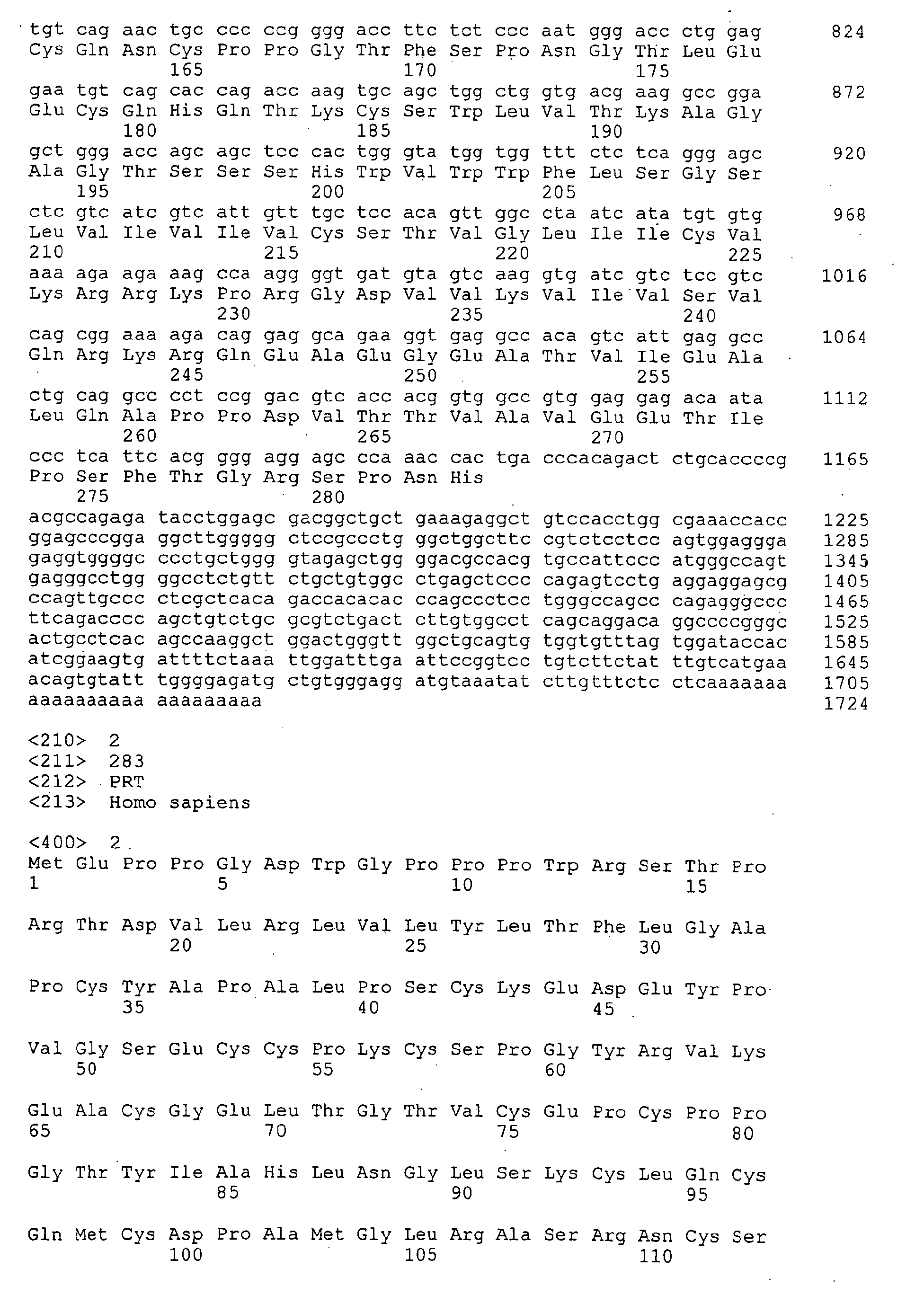


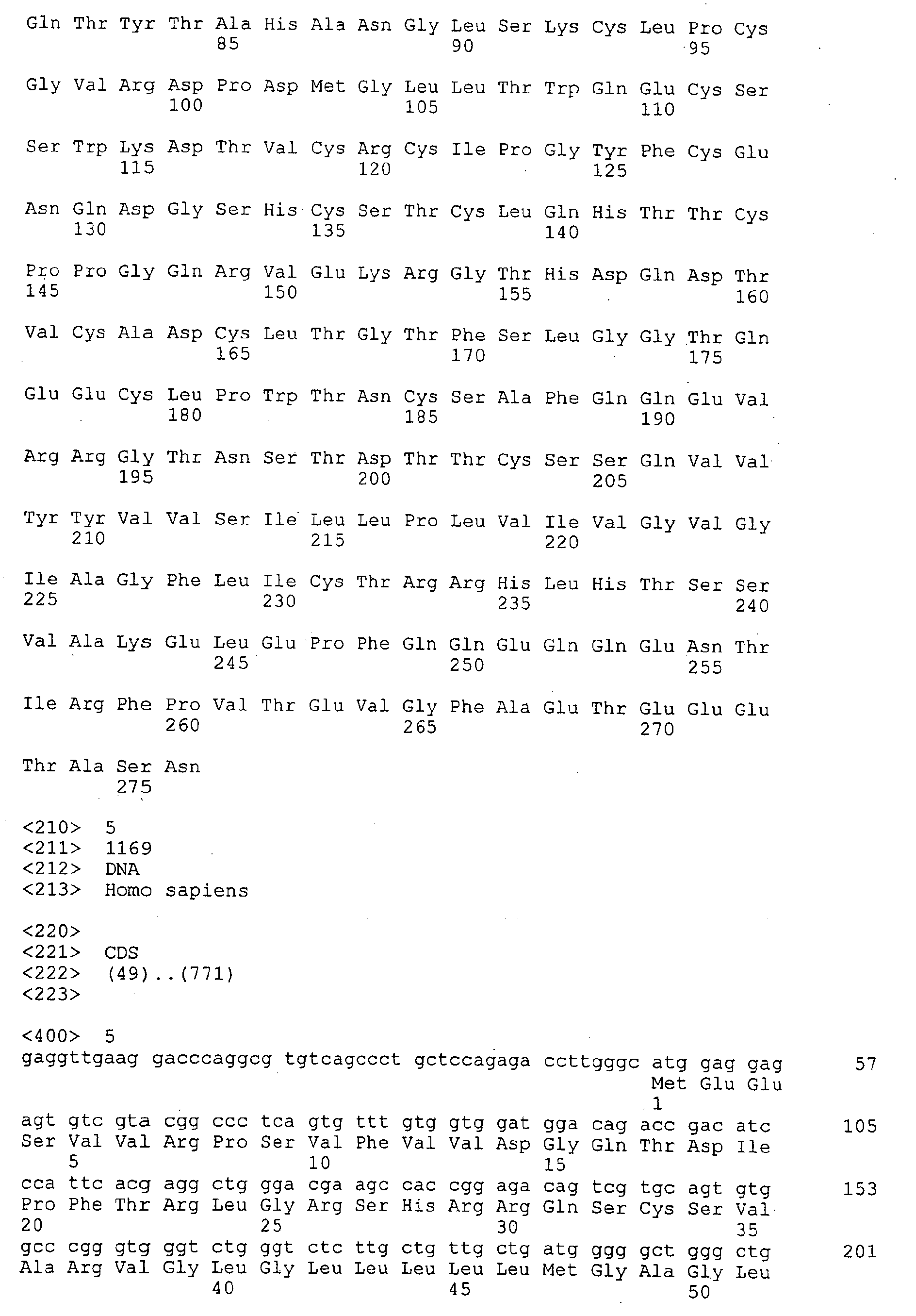


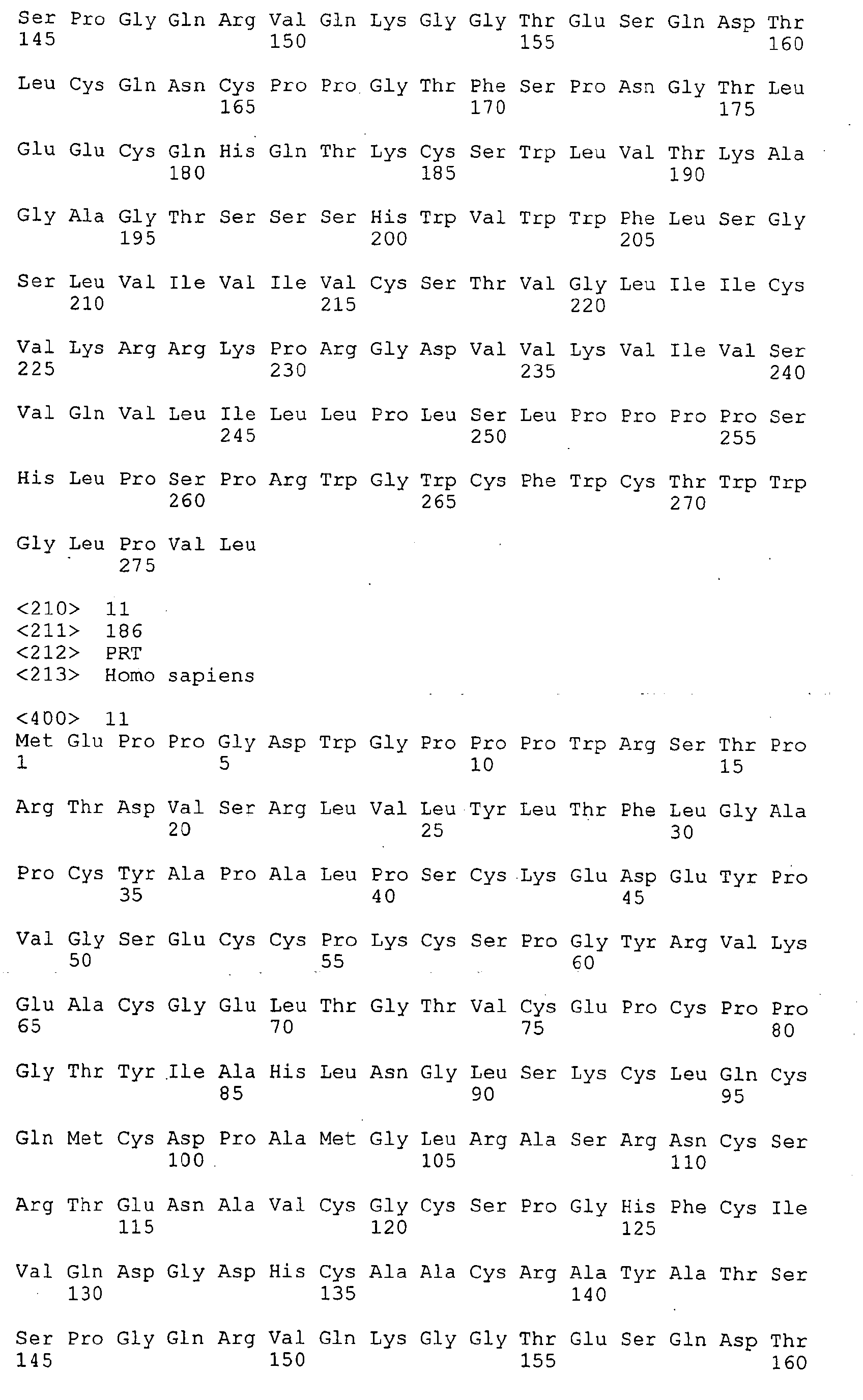


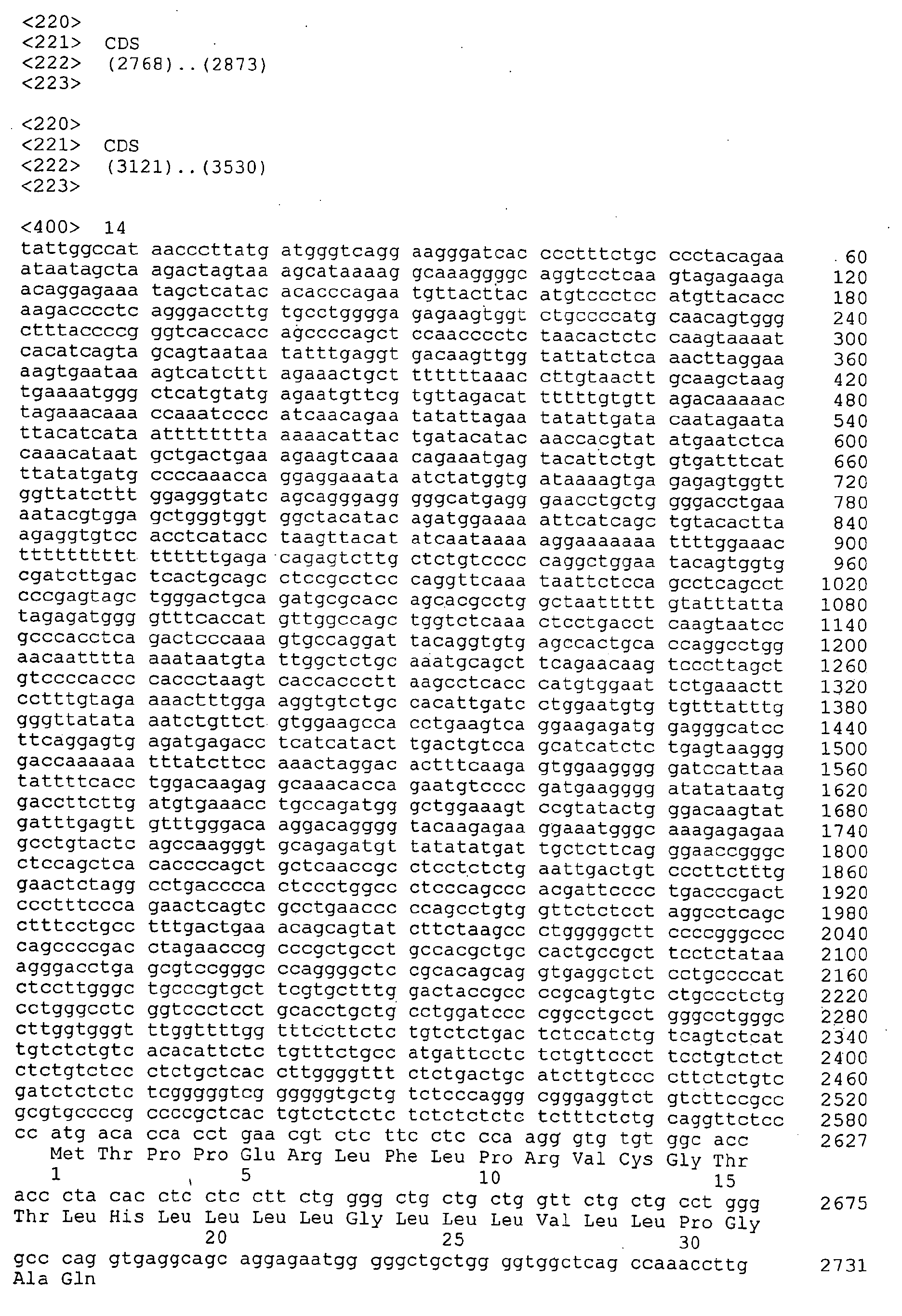
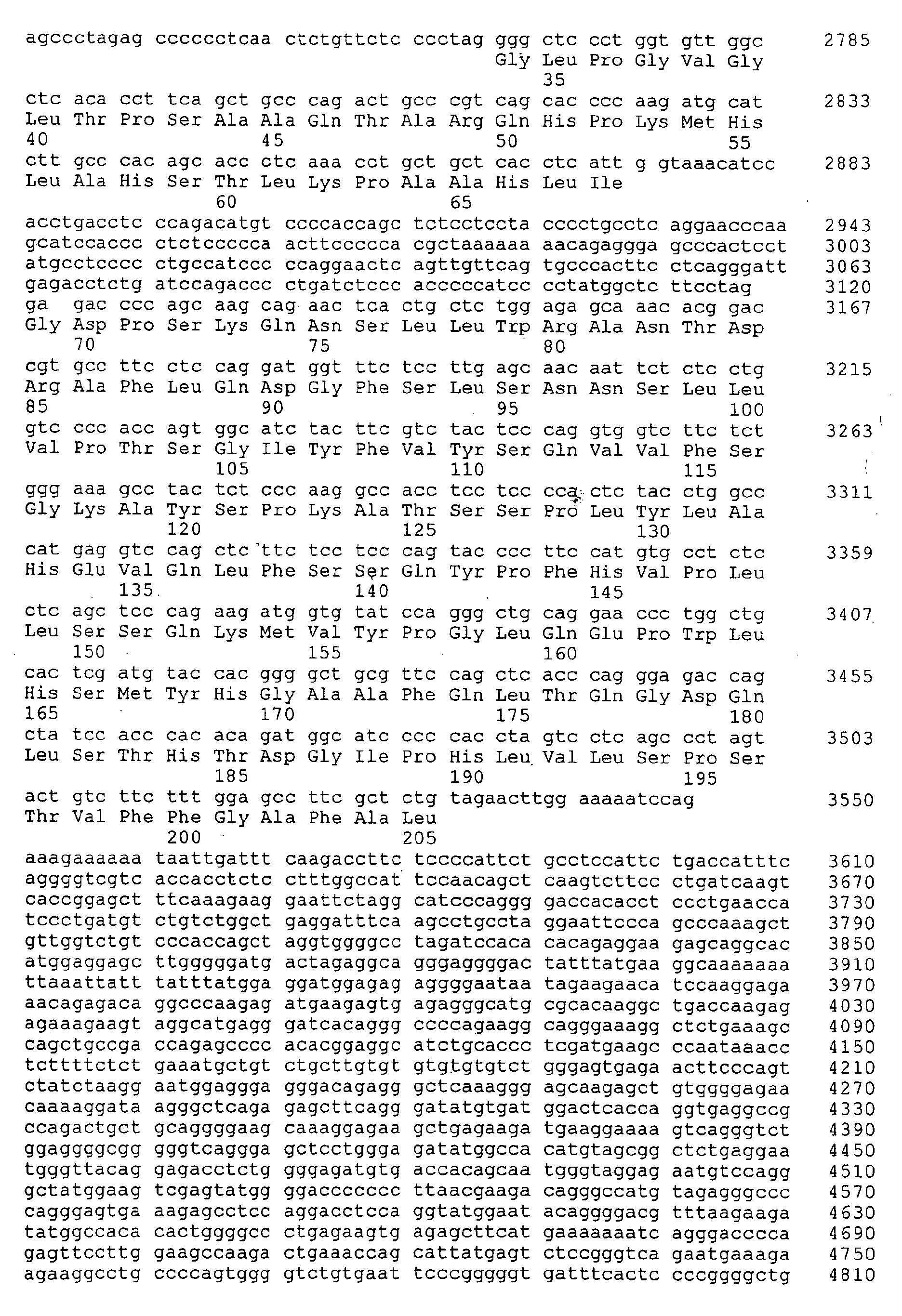

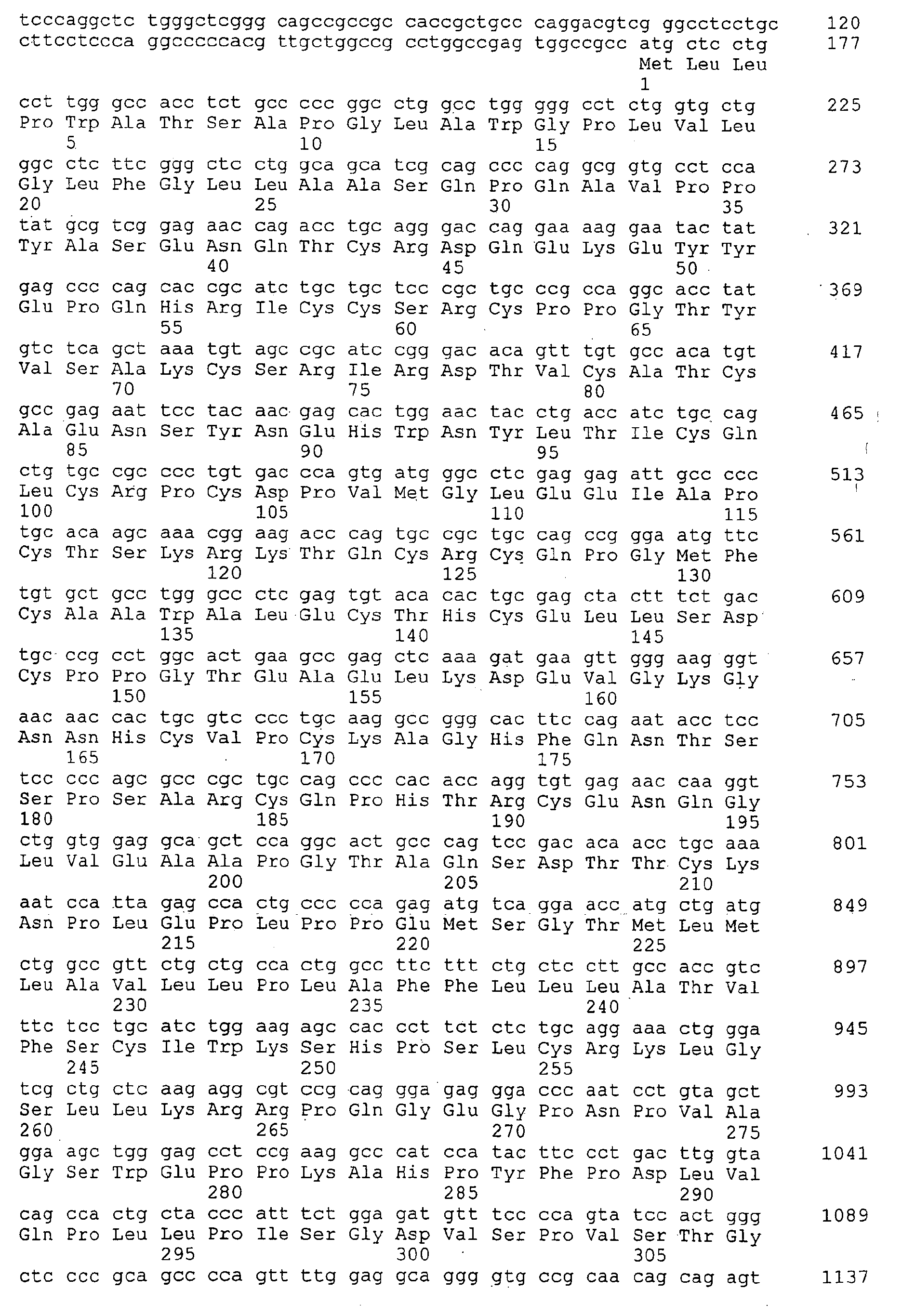
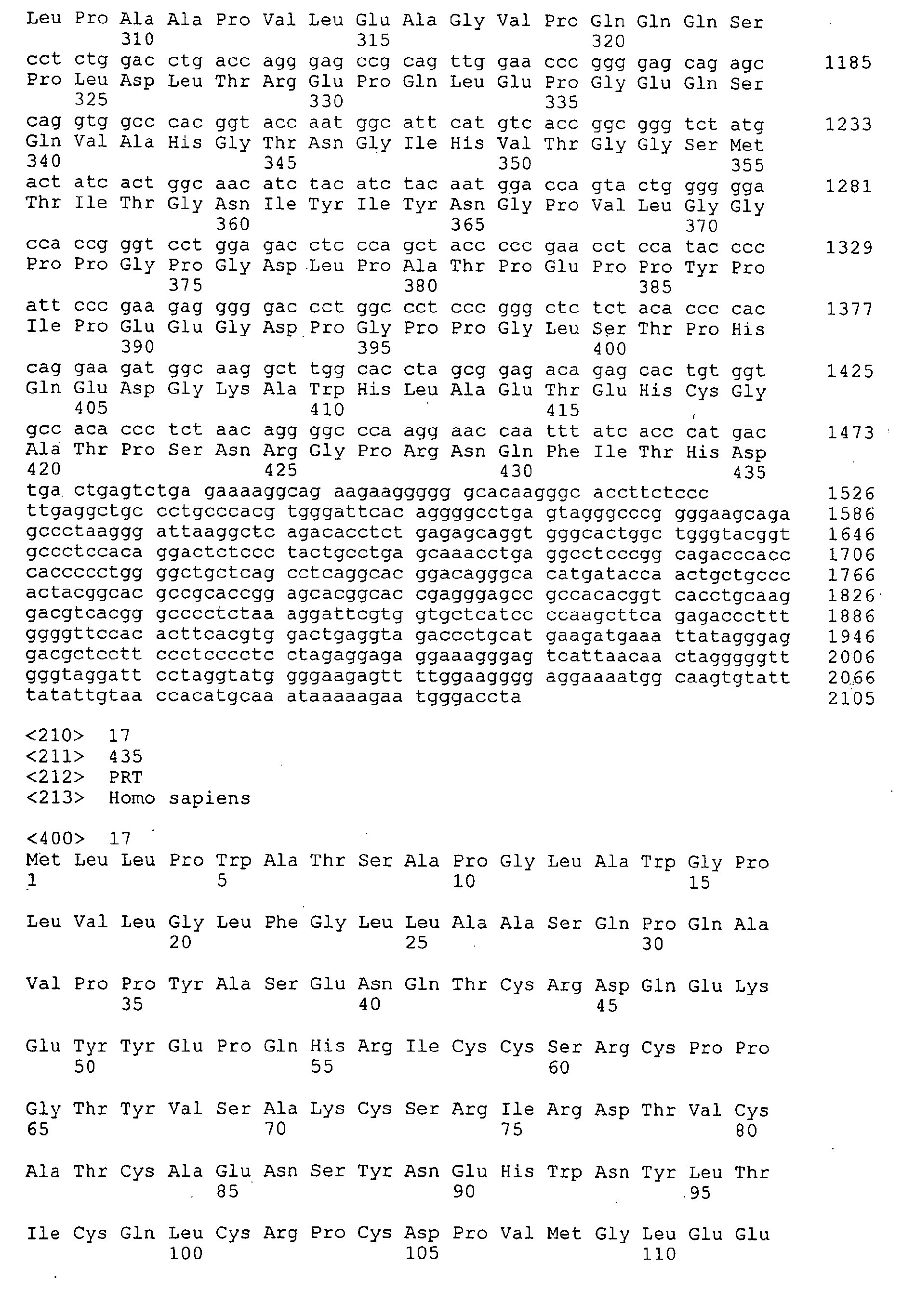

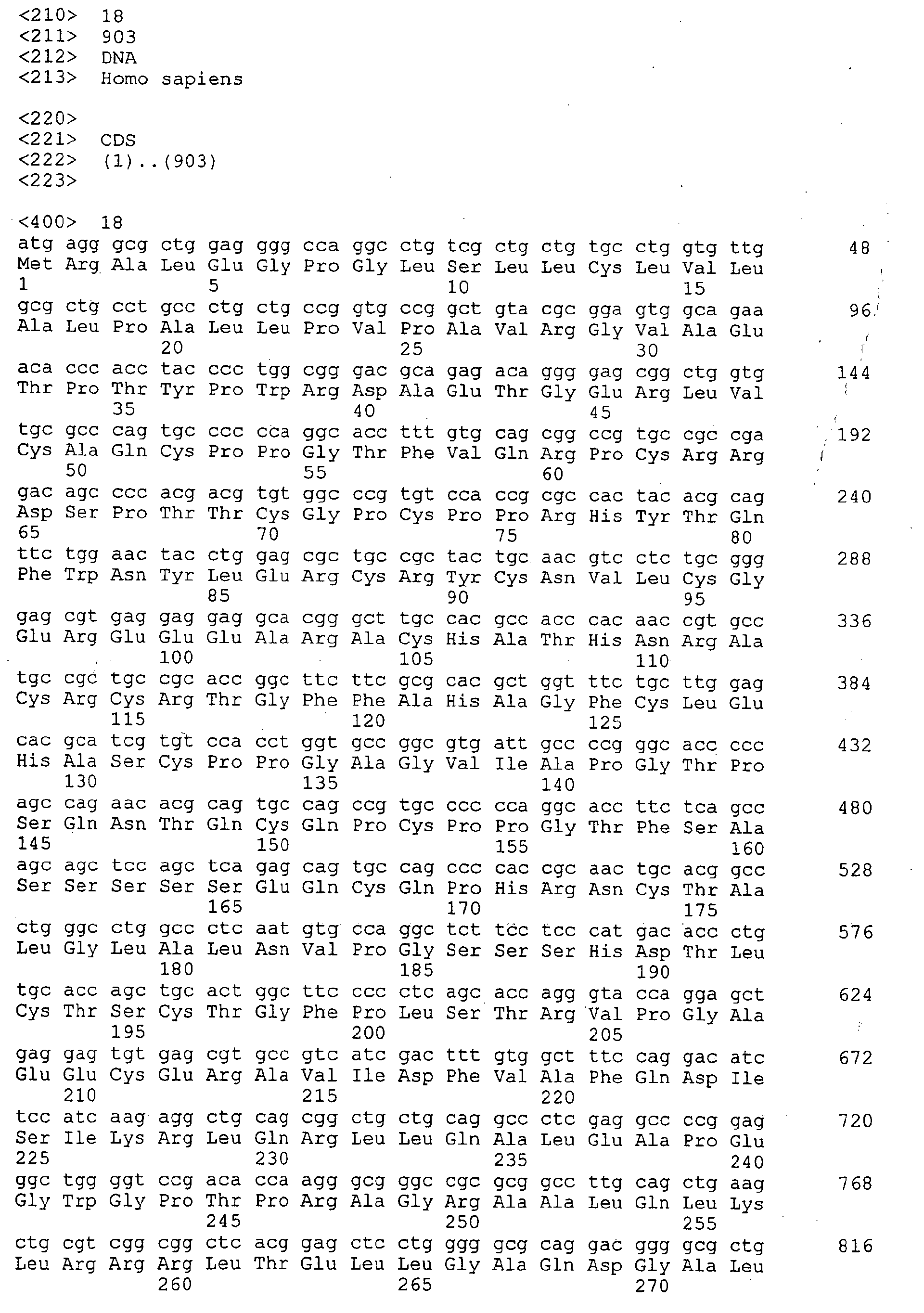
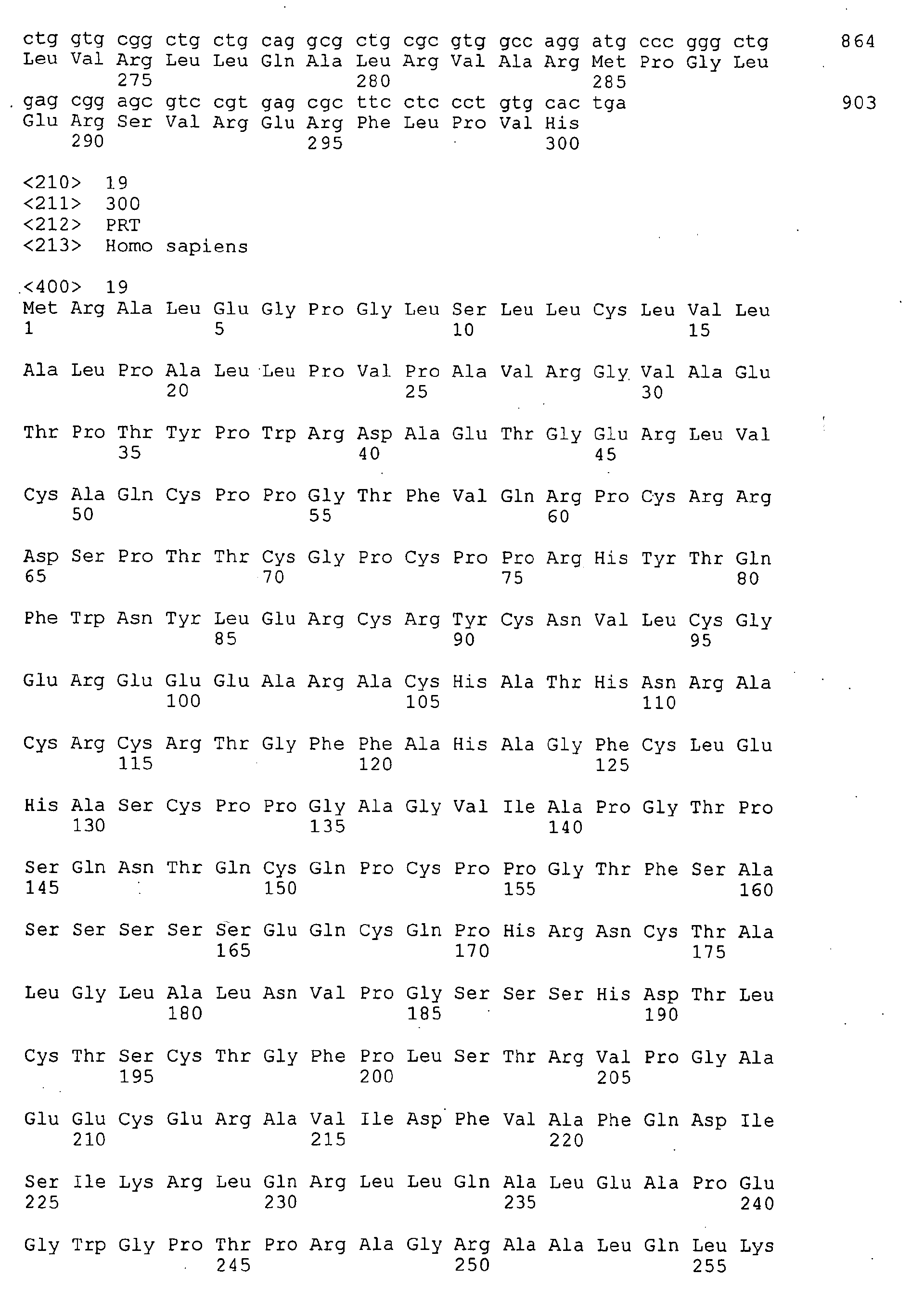
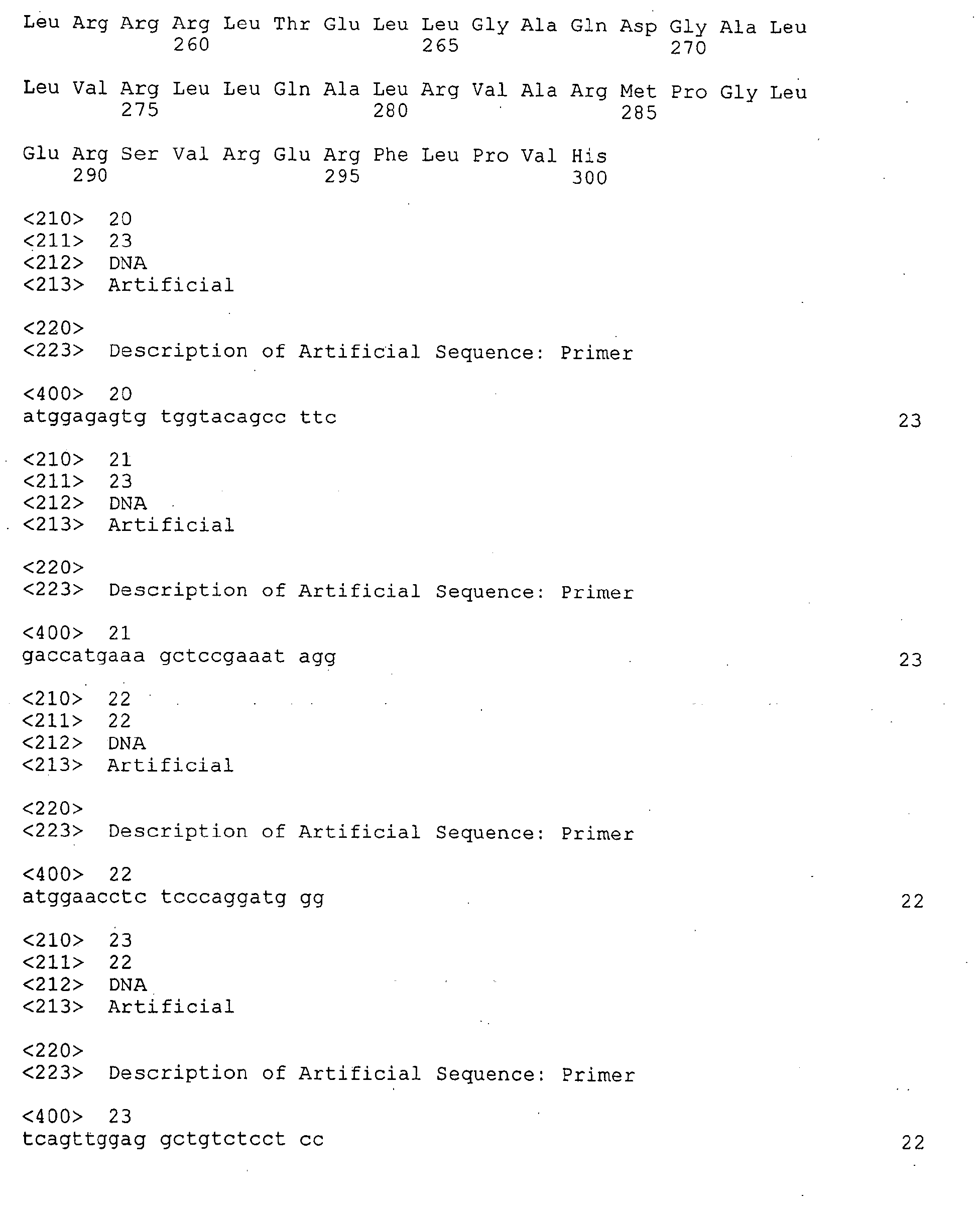
Claims (63)
- Use of(i) an HVEM-LIGHT inhibitor; and(ii) an immunosuppressive agent, in amounts effective for treating or preventing an immune disorder for preparing a pharmaceutical composition for treating or preventing an immune disorder in a patient.
- The use of claim 1, wherein the immune disorder is allograft rejection, delayed-type hypersensitivity, graft versus host disease, a drug allergy, atrophic gastritis, thyroiditis, allergic encephalomyelitis, autoimmune hemolytic anemia, sympathetic ophthalmia, systemic lupus erythematosus, rheumatoid arthiritis, multiple sclerosis, asthma, inflammatory bowel disease, or myasthenia gravis.
- The use of claim 2, wherein the immune disorder is allograft rejection.
- The use of claim 3, wherein the allograft is an organ transplant.
- The use of claim 4, wherein the organ is a heart, kidney, liver, lung or pancreas.
- The use of claim 3, wherein the allograft is a tissue transplant.
- The use of claim 6, wherein the tissue is heart valve, endothelial, cornea, eye lens or bone marrow tissue.
- The use of claim 3, wherein the allograft is a skin graft.
- The use of claim 1 or 3, wherein the immunosuppressive agent is cyclosporine.
- The use of claim 1 or 3, wherein the immunosuppressive agent is FK506.
- The use of claim 1 or 3, wherein the immunosuppressive agent is a steroid.
- The use of claim 11, wherein the steroid is a corticosteroid.
- The use of claim 1 or 3, wherein the immunosuppressive agent is rapamycin.
- The use of claim 1 or 3, wherein the immunosuppressive agent is an antibody.
- The use of claim 1 or 3, wherein the immunosuppressive agent is an antiproliferative agent.
- The use of claim 15, wherein the antiproliferative agent is azathioprine or mycophenolate moefitil.
- The use of claim 1 or 3, wherein the immunosuppressive agent is prednisone.
- The use of claim 1 or 3, wherein the immunosuppressive agent is a purine analog.
- The use of claim 18, wherein the purine analog is methotrexate or mercaptopurine.
- The use of claim1 or 3, wherein the HVEM-LIGHT inhibitor and the immunosuppressive agent are both administered concurrently.
- The use of claim 20, wherein the HVEM-LIGHT inhibitor and the immunosuppressive agent are both administered daily.
- The use of claim 1 or 3, wherein the HVEM-LIGHT inhibitor and the immunosuppressive agent are administered successively.
- The use of claim 22, wherein the HVEM-LIGHT inhibitor is administered prior to administration of the immunosuppressive agent.
- The use of claim 22, wherein the HVEM-LIGHT inhibitor is adminidstered following administration of the immunosuppressive agent.
- The use of claim 22, wherein the HVEM-LIGHT inhibitor and the immunsuppressive agent are administered at a 1-day interval.
- The use of claim 22, wherein the HVEM-LIGHT inhibitor and the immunosuppressive agent are administered at a 2-day interval.
- The use of claim 22, wherein the HVEM-LIGHT inhibitor and the immunosuppressive agent are administered at a 3-day interval.
- The use of claim 1 or 3, wherein the HVEM-LIGHT inhibitor is a soluble HVEM polypeptide.
- The use of claim 28, wherein the soluble HVEM polypeptide is a fusion protein further comprising an Ig domain.
- The use of claim 1 or 3, wherein the HVEM-LIGHT inhibitor is a soluble LIGHT polypeptide.
- The use of claim 30, wherein the soluble LIGHT polypeptide is a fusion protein further comprising an Ig domain.
- The use of claim 1 or 3, wherein HVEM-LIGHT inhibitor is not a herpesvirus gD protein, lymphotoxin-α protein, a lymphotoxin-β receptor protein, or a TR6 receptor protein.
- The use of claim 1 or 3, wherein the HVEM-LIGHT inhibitor is an anti-HVEM antibody.
- The use of claim 1 or 3, wherein the HVEM-LIGHT inhibitor is an anti-LIGHT antibody.
- The use of claim 1 or 3, wherein HVEM-LIGHT inhibitor is administered in form of gene therapy.
- The use of claim 1 or 3, wherein the amounts of the HVEM-LIGHT inhibitor and immunosuppressive agent are synergistic.
- The use of claim 36, wherein the amount of HVEM-LIGHT inhibitor or immunosuppressive agent, if administered alone, is not effective for treating allograft rejection.
- The use of claim 36, wherein the amount of each of the HVEM-LIGHT inhibitor and immunosuppressive agent, if administered alone, is not effective for treating allograft rejection.
- The use of claim 1 or 3, wherein the HVEM-LIGHT inhibitor is conjugated to the immunosuppressive agent.
- A pharmaceutical composition comprising:wherein the HVEM-LIGHT inhibitor and the immunosuppressive agent are present in amounts effective to prevent or treat allograft rejection.a. an HVEM-LIGHT inhibitor;b. an immunosuppressive agent; andc. a pharmaceutically acceptable carrier;
- A kit comprising in one or more containers:a. HVEM-LIGHT inhibitor:b. an immunosuppressive agent; andc. instructions for the use of the HVEM-LIGHT inhibitor and the immunosuppressive agent in the prevention or treatment of allograft rejection.
- An isolated nucleic acid molecule selected from the group consisting of:a. a nucleic acid molecule having a nucleotide sequence which is at least 90% identical to the nucleotide sequence of SEQ ID NO:3 or a complement thereof as determined using the BLAST algorithm;b. a nucleic acid molecule comprising at least 15 nucleotide residues and having a nucleotide sequence identical to at least 15 consecutive nucleotide residues of residues 1-424 of SEQ ID NO:3 or a complement thereof;c: a nucleic acid molecule which encodes a polypeptide comprising the amino acid sequence of SEQ ID NO:4;d. a nucleic acid molecule which encodes a fragment of a polypeptide comprising the amino acid sequence of any of SEQ ID NO:4, wherein the fragment comprises at least 12 consecutive amino acid residues of residues 1-80 of SEQ ID NO:4; ande. a nucleic acid molecule which encodes a naturally occurring allelic variant of a polypeptide comprising the amino acid sequence of SEQ ID NO:4, wherein the nucleic acid molecule hybridizes under stringent conditions with a nucleic acid molecule consisting of the nucleotide sequence of any of residues 1-424 of SEQ ID NO:3 or a complement thereof.
- The isolated nucleic acid molecule of claim 42, which is selected from the group consisting of:a. a nucleic acid having the nucleotide sequence of SEQ ID NO:3 or a complement thereof; andb. a nucleic acid molecule which encodes a polypeptide having the amino acid sequence of any of SEQ ID NO:4 or a complement thereof.
- The isolated nucleic acid molecule of claim 44, wherein the fragment comprises at least 15 consecutive amino acid residues of residues 1-80 of SEQ ID NO:4.
- The isolated nucleic acid molecule of claim 44, wherein the fragment comprises at least 20 consecutive amino acid residues of residues 1-80 of SEQ ID NO:4.
- The isolated nucleic acid molecule of claim 44, wherein the fragment comprises at least 30 consecutive amino acid residues of residues 1-80 of SEQ ID NO:4.
- The isolated nucleic acid molecule of claim 44, wherein the fragment comprises at least 40 consecutive amino acid residues of residues 1-80 of SEQ ID NO:4.
- The isolated nucleic acid molecule of claim 44, wherein the fragment comprises at least 50 consecutive amino acid residues of residues 1-80 of SEQ ID NO:4.
- The isolated nucleic acid molecule of claim 42, 43, or 44, further comprising vector nucleic acid sequences.
- The isolated nucleic acid molecule of claim 42, 43, or 44, further comprising nucleic acid sequences encoding a heterologous polypeptide.
- A host cell which contains the nucleic acid molecule of claim 42, 43, or 44.
- The host cell of claim 51 which is a mammalian host cell.
- The host cell of claim 51 which is a non-mammalian host cell.
- An isolated polypeptide selected from the group consisting of:a. a fragment of a polypeptide comprising the amino acid sequence of SEQ ID NO:4; wherein the fragment comprises at least 12 consecutive amino acid residues of residues 1-80 of SEQ ID NO:4;b. a naturally occurring allelic variant of a polypeptide comprising the amino acid sequence of any of SEQ ID NO:4, wherein the polypeptide is encoded by a nucleic acid molecule which hybridizes with a nucleic acid molecule consisting of the nucleotide sequence of residues 1-424 of SEQ ID NO:3 or a complement thereof under stringent conditions; andc. a polypeptide which is encoded by a nucleic acid molecule comprising a nucleotide sequence which is at least 90% identical to a nucleic acid consisting of residues 1-424 of SEQ ID NO:3 or a complement thereof as determined using the BLAST algorithm.
- The isolated polypeptide of claim 54 having the amino acid sequence of SEQ ID NO:4.
- The isolated polypeptide of claim 54, wherein the fragment comprises at least 15 consecutive amino acid residues of residues 1-80 of SEQ ID NO:4.
- The isolated polypeptide of claim 56, wherein the fragment comprises at least 20 consecutive amino acid residues of residues 1-80 of SEQ ID NO:4.
- The isolated polypeptide of claim 56, wherein the fragment comprises at least 30 consecutive amino acid residues of residues 1-80 of SEQ ID NO:4.
- The isolated polypeptide of claim 56, wherein the fragment comprises at least 40 consecutive amino acid residues of residues 1-80 of SEQ ID NO:4.
- The isolated polypeptide of claim 56, wherein the fragment comprises at least 50 consecutive amino acid residues of residues 1-80 of SEQ ID NO:4.
- The isolated polypeptide of claim 54, wherein the amino acid sequence of the polypeptide further comprises heterologous amino acid residues.
- An antibody which selectively binds with the polypeptide of claim 54, which antibody does not bind to a polypeptide comprising SEQ ID NO:2.
- A method for producing a polypeptide selected from the group consisting of:said method comprising culturing the host cell of claim 51 under conditions in which the nucleic acid molecule is expressed.a. a fragment of a polypeptide comprising the amino acid sequence of SEQ ID NO:4; wherein the fragment comprises at least 12 consecutive amino acid residues of residues 1-80 of SEQ ID NO:4;b. a naturally occurring allelic variant of a polypeptide comprising the amino acid sequence of any of SEQ ID NO:4, wherein the polypeptide is encoded by a nucleic acid molecule which hybridizes with a nucleic acid molecule consisting of the nucleotide sequence of residues 1-424 of SEQ ID NO:3 or a complement thereof under stringent conditions; andc. a polypeptide which is encoded by a nucleic acid molecule comprising a nucleotide sequence which is at least 90% identical to a nucleic acid consisting of residues 1-424 of SEQ ID NO:3 or a complement thereof as determined using the BLAST algorithm.
Applications Claiming Priority (2)
| Application Number | Priority Date | Filing Date | Title |
|---|---|---|---|
| US35846302P | 2002-02-19 | 2002-02-19 | |
| US358463P | 2002-02-19 |
Publications (2)
| Publication Number | Publication Date |
|---|---|
| EP1336619A2 true EP1336619A2 (en) | 2003-08-20 |
| EP1336619A3 EP1336619A3 (en) | 2003-12-10 |
Family
ID=27623223
Family Applications (1)
| Application Number | Title | Priority Date | Filing Date |
|---|---|---|---|
| EP03003651A Withdrawn EP1336619A3 (en) | 2002-02-19 | 2003-02-18 | Combination of a HVEM-LIGHT inhibitor and an immunosuppressive agent in the treatment or prevention of immune disorders |
Country Status (2)
| Country | Link |
|---|---|
| US (1) | US20030215442A1 (en) |
| EP (1) | EP1336619A3 (en) |
Cited By (11)
| Publication number | Priority date | Publication date | Assignee | Title |
|---|---|---|---|---|
| WO2006063067A3 (en) * | 2004-12-09 | 2006-11-23 | Jolla Inst Allergy Immunolog | Novel tnf receptor regulatory domain |
| WO2008146101A1 (en) * | 2007-06-01 | 2008-12-04 | INSERM (Institut National de la Santé et de la Recherche Médicale) | Ligands of hvem for treating hematologic malignancies and autoimmune diseases |
| WO2009039310A3 (en) * | 2007-09-18 | 2009-12-03 | La Jolla Institute For Allergy And Immunology | Light inhibitors for asthma, lung and airway inflammation, respiratory, interstitial, pulmonary and fibrotic disease treatment |
| RU2375078C2 (en) * | 2004-11-12 | 2009-12-10 | Дженентек, Инк. | New composition and methods for therapy of immnune-associated diseases with immunity |
| US8349320B2 (en) | 2004-12-09 | 2013-01-08 | La Jolla Institute For Allergy And Immunology | Compositions and methods for modulating responses mediated or associated with BTLA activity |
| US20130028924A1 (en) * | 2006-08-28 | 2013-01-31 | The Wistar Institute Of Anatomy And Biology | Constructs for enhancing immune responses |
| WO2015007887A1 (en) * | 2013-07-19 | 2015-01-22 | INSERM (Institut National de la Santé et de la Recherche Médicale) | Combination of a ligand of hvem and an immunotoxin for use in therapy |
| US10822619B2 (en) | 2013-03-01 | 2020-11-03 | The Wistar Institute | Adenoviral vectors comprising partial deletions of E3 |
| US10953108B2 (en) | 2016-08-01 | 2021-03-23 | The Wistar Institute Of Anatomy And Biology | Compositions and methods of replication deficient adenoviral vectors for vaccine applications |
| US11312781B2 (en) | 2018-01-24 | 2022-04-26 | Capella Bioscience Ltd. | Antigen binding molecules that bind LIGHT |
| US11827673B2 (en) | 2017-01-24 | 2023-11-28 | Capella Bioscience Ltd | Antigen binding molecules that bind light |
Families Citing this family (6)
| Publication number | Priority date | Publication date | Assignee | Title |
|---|---|---|---|---|
| WO2010006071A1 (en) * | 2008-07-08 | 2010-01-14 | La Jolla Institute For Allergy And Immunology | Hvem/btla, hvem/cd160 and hvem/gd cis complexes and methods of use |
| ES2383376T3 (en) | 2005-01-18 | 2012-06-20 | Alma Lasers Ltd | Improved system to heat biological tissue using RF energy |
| EP2484696B1 (en) | 2006-08-28 | 2017-08-16 | Kyowa Hakko Kirin Co., Ltd. | Antagonistic hLIGHT-specific human monoclonal antibodies |
| EP2195344A4 (en) * | 2007-10-05 | 2011-07-06 | Univ Maryland | Novel compositions and methods for stimulating erythropoiesis in a mammal |
| JP2012507299A (en) * | 2008-10-31 | 2012-03-29 | バイオジェン・アイデック・エムエイ・インコーポレイテッド | LIGHT target molecule and use thereof |
| WO2010111180A1 (en) * | 2009-03-24 | 2010-09-30 | Teva Biopharmaceuticals Usa, Inc. | Humanized antibodies against light and uses thereof |
Family Cites Families (5)
| Publication number | Priority date | Publication date | Assignee | Title |
|---|---|---|---|---|
| US6051385A (en) * | 1997-10-22 | 2000-04-18 | The Regents Of The University Of Michigan | Compositions and methods for identifying and testing therapeutics against HSV infection |
| AU5804499A (en) * | 1998-09-03 | 2000-03-27 | Millennium Pharmaceuticals, Inc. | Novel molecules of the herpes virus-entry-mediator-related protein family and uses thereof |
| CA2362929A1 (en) * | 1999-03-04 | 2000-09-08 | Human Genome Sciences, Inc. | Tumor necrosis factor receptors 6.alpha. and 6.beta. |
| AU1915201A (en) * | 1999-12-07 | 2001-06-18 | Eli Lilly And Company | Improving stability of flint through o-linked glycosylation |
| WO2001079496A2 (en) * | 2000-03-13 | 2001-10-25 | La Jolla Institute For Allergy And Immunology | Ligand for herpes simplex virus entry mediator and methods of use |
-
2003
- 2003-02-18 EP EP03003651A patent/EP1336619A3/en not_active Withdrawn
- 2003-02-19 US US10/369,300 patent/US20030215442A1/en not_active Abandoned
Cited By (24)
| Publication number | Priority date | Publication date | Assignee | Title |
|---|---|---|---|---|
| RU2375078C2 (en) * | 2004-11-12 | 2009-12-10 | Дженентек, Инк. | New composition and methods for therapy of immnune-associated diseases with immunity |
| WO2006063067A3 (en) * | 2004-12-09 | 2006-11-23 | Jolla Inst Allergy Immunolog | Novel tnf receptor regulatory domain |
| US8349320B2 (en) | 2004-12-09 | 2013-01-08 | La Jolla Institute For Allergy And Immunology | Compositions and methods for modulating responses mediated or associated with BTLA activity |
| US10328146B2 (en) | 2006-08-28 | 2019-06-25 | The Wistar Institute Of Anatomy And Biology | Contructs for enhancing immune responses |
| US20130028924A1 (en) * | 2006-08-28 | 2013-01-31 | The Wistar Institute Of Anatomy And Biology | Constructs for enhancing immune responses |
| US12390525B2 (en) | 2006-08-28 | 2025-08-19 | The Wistar Institute Of Anatomy And Biology | Constructs for enhancing immune responses |
| US8962816B2 (en) * | 2006-08-28 | 2015-02-24 | The Wistar Institute Of Anatomy And Biology | Constructs for enhancing immune responses |
| US9724406B2 (en) | 2006-08-28 | 2017-08-08 | The Wistar Institute Of Anatomy And Biology | Constructs for enhancing immune responses |
| US11207402B2 (en) | 2006-08-28 | 2021-12-28 | The Wistar Institute Of Anatomy And Biology | Constructs for enhancing immune responses |
| US8318166B2 (en) | 2007-06-01 | 2012-11-27 | Daniel Olive | Ligands of HVEM for treating hematologic malignancies |
| WO2008145754A3 (en) * | 2007-06-01 | 2009-07-30 | Inst Nat Sante Rech Med | Ligands of hvem for treating hematologic malignancies and autoimmune diseases |
| WO2008146101A1 (en) * | 2007-06-01 | 2008-12-04 | INSERM (Institut National de la Santé et de la Recherche Médicale) | Ligands of hvem for treating hematologic malignancies and autoimmune diseases |
| EP3750554A3 (en) * | 2007-09-18 | 2021-07-28 | La Jolla Institute for Allergy and Immunology | Light inhibitors for asthma, lung and airway inflammation, respiratory, interstitial, pulmonary and fibrotic disease treatment |
| US9301994B2 (en) | 2007-09-18 | 2016-04-05 | La Jolla Institute For Allergy And Immunology | LIGHT inhibitors for asthma, lung and airway inflammation, respiratory, interstitial, pulmonary and fibrotic disease treatment |
| EP2207597B1 (en) | 2007-09-18 | 2020-02-19 | La Jolla Institute for Allergy and Immunology | Light inhibitors for asthma, lung and airway inflammation, respiratory, interstitial, pulmonary and fibrotic disease treatment |
| WO2009039310A3 (en) * | 2007-09-18 | 2009-12-03 | La Jolla Institute For Allergy And Immunology | Light inhibitors for asthma, lung and airway inflammation, respiratory, interstitial, pulmonary and fibrotic disease treatment |
| US10822619B2 (en) | 2013-03-01 | 2020-11-03 | The Wistar Institute | Adenoviral vectors comprising partial deletions of E3 |
| US11702675B2 (en) | 2013-03-01 | 2023-07-18 | The Wistar Institute | Adenoviral vectors comprising partial deletions of E3 |
| US12391959B2 (en) | 2013-03-01 | 2025-08-19 | The Wistar Institute | Adenoviral vectors comprising partial deletions of E3 |
| WO2015007887A1 (en) * | 2013-07-19 | 2015-01-22 | INSERM (Institut National de la Santé et de la Recherche Médicale) | Combination of a ligand of hvem and an immunotoxin for use in therapy |
| US10953108B2 (en) | 2016-08-01 | 2021-03-23 | The Wistar Institute Of Anatomy And Biology | Compositions and methods of replication deficient adenoviral vectors for vaccine applications |
| US11827673B2 (en) | 2017-01-24 | 2023-11-28 | Capella Bioscience Ltd | Antigen binding molecules that bind light |
| US11312781B2 (en) | 2018-01-24 | 2022-04-26 | Capella Bioscience Ltd. | Antigen binding molecules that bind LIGHT |
| US12227580B2 (en) | 2018-01-24 | 2025-02-18 | Centessa Pharmaceuticals (Uk) Limited | Antigen binding molecules that bind LIGHT |
Also Published As
| Publication number | Publication date |
|---|---|
| US20030215442A1 (en) | 2003-11-20 |
| EP1336619A3 (en) | 2003-12-10 |
Similar Documents
| Publication | Publication Date | Title |
|---|---|---|
| US11414490B2 (en) | Regulatory T cell mediator proteins and uses thereof | |
| Özkaynak et al. | Importance of ICOS–B7RP-1 costimulation in acute and chronic allograft rejection | |
| JP4896327B2 (en) | PD-1, B7-4 receptors and uses thereof | |
| Ye et al. | Modulation of LIGHT-HVEM costimulation prolongs cardiac allograft survival | |
| Wang et al. | B7‐H3 promotes acute and chronic allograft rejection | |
| EP1218504B1 (en) | Gl50 molecules and uses therefor | |
| US20030215442A1 (en) | Methods and compositions for the treatment or prevention of immune disorders using combination therapy | |
| US20040001831A1 (en) | Methods and compositions for the diagnosis and treatment of demyelinating inflammatory disorders | |
| JP2003507069A (en) | Novel B7-4 molecule and its use | |
| US20030171253A1 (en) | Methods and compositions relating to modulation of A20 | |
| US20230015969A1 (en) | Regulatory t cell mediator proteins and uses thereof | |
| Wang et al. | Stromal cell–derived DEL-1 inhibits Tfh cell activation and inflammatory arthritis | |
| US20020192217A1 (en) | Methods for regulation of immune responses to conditions involving mediator-induced pathology | |
| Liu et al. | LIGHT‐deficiency impairs CD8+ T cell expansion, but not effector function | |
| Blazar et al. | Murine gamma/delta-expressing T cells affect alloengraftment via the recognition of nonclassical major histocompatibility complex class Ib antigens | |
| US20060263770A1 (en) | Novel receptor trem (triggering receptor expressed on myeloid cells) and uses thereof | |
| US9206427B2 (en) | Compositions, kits, and methods for the modulation of immune responses using galectin-1 | |
| EP1900816A2 (en) | GL50 molecules and uses therefor | |
| EP1516179A1 (en) | Methods and compositions for the diagnosis and treatment of demyelinating inflammatory disorders | |
| Swett | Role of lymphotoxin-beta receptor activation in contact hypersensitivity | |
| Blazar et al. | Murine gamma/delta-expressing T cells affect alloengraftment via the | |
| Matta et al. | Natural killer cells and transplantation | |
| CA2715100A1 (en) | A novel receptor trem(triggering receptor expressed on myeloid cells) and uses thereof |
Legal Events
| Date | Code | Title | Description |
|---|---|---|---|
| PUAI | Public reference made under article 153(3) epc to a published international application that has entered the european phase |
Free format text: ORIGINAL CODE: 0009012 |
|
| AK | Designated contracting states |
Designated state(s): AT BE BG CH CY CZ DE DK EE ES FI FR GB GR HU IE IT LI LU MC NL PT SE SI SK TR |
|
| AX | Request for extension of the european patent |
Extension state: AL LT LV MK RO |
|
| PUAL | Search report despatched |
Free format text: ORIGINAL CODE: 0009013 |
|
| AK | Designated contracting states |
Kind code of ref document: A3 Designated state(s): AT BE BG CH CY CZ DE DK EE ES FI FR GB GR HU IE IT LI LU MC NL PT SE SI SK TR |
|
| AX | Request for extension of the european patent |
Extension state: AL LT LV MK RO |
|
| AKX | Designation fees paid | ||
| REG | Reference to a national code |
Ref country code: DE Ref legal event code: 8566 |
|
| STAA | Information on the status of an ep patent application or granted ep patent |
Free format text: STATUS: THE APPLICATION IS DEEMED TO BE WITHDRAWN |
|
| 18D | Application deemed to be withdrawn |
Effective date: 20040610 |