EP1336410A1 - Protein injection preparations - Google Patents
Protein injection preparations Download PDFInfo
- Publication number
- EP1336410A1 EP1336410A1 EP01954460A EP01954460A EP1336410A1 EP 1336410 A1 EP1336410 A1 EP 1336410A1 EP 01954460 A EP01954460 A EP 01954460A EP 01954460 A EP01954460 A EP 01954460A EP 1336410 A1 EP1336410 A1 EP 1336410A1
- Authority
- EP
- European Patent Office
- Prior art keywords
- pain
- formulation
- drug
- injectable
- injection
- Prior art date
- Legal status (The legal status is an assumption and is not a legal conclusion. Google has not performed a legal analysis and makes no representation as to the accuracy of the status listed.)
- Withdrawn
Links
Images



Classifications
-
- A—HUMAN NECESSITIES
- A61—MEDICAL OR VETERINARY SCIENCE; HYGIENE
- A61K—PREPARATIONS FOR MEDICAL, DENTAL OR TOILETRY PURPOSES
- A61K9/00—Medicinal preparations characterised by special physical form
- A61K9/0012—Galenical forms characterised by the site of application
- A61K9/0019—Injectable compositions; Intramuscular, intravenous, arterial, subcutaneous administration; Compositions to be administered through the skin in an invasive manner
-
- A—HUMAN NECESSITIES
- A61—MEDICAL OR VETERINARY SCIENCE; HYGIENE
- A61K—PREPARATIONS FOR MEDICAL, DENTAL OR TOILETRY PURPOSES
- A61K47/00—Medicinal preparations characterised by the non-active ingredients used, e.g. carriers or inert additives; Targeting or modifying agents chemically bound to the active ingredient
- A61K47/06—Organic compounds, e.g. natural or synthetic hydrocarbons, polyolefins, mineral oil, petrolatum or ozokerite
- A61K47/26—Carbohydrates, e.g. sugar alcohols, amino sugars, nucleic acids, mono-, di- or oligo-saccharides; Derivatives thereof, e.g. polysorbates, sorbitan fatty acid esters or glycyrrhizin
-
- A—HUMAN NECESSITIES
- A61—MEDICAL OR VETERINARY SCIENCE; HYGIENE
- A61K—PREPARATIONS FOR MEDICAL, DENTAL OR TOILETRY PURPOSES
- A61K9/00—Medicinal preparations characterised by special physical form
- A61K9/14—Particulate form, e.g. powders, Processes for size reducing of pure drugs or the resulting products, Pure drug nanoparticles
- A61K9/19—Particulate form, e.g. powders, Processes for size reducing of pure drugs or the resulting products, Pure drug nanoparticles lyophilised, i.e. freeze-dried, solutions or dispersions
-
- A—HUMAN NECESSITIES
- A61—MEDICAL OR VETERINARY SCIENCE; HYGIENE
- A61P—SPECIFIC THERAPEUTIC ACTIVITY OF CHEMICAL COMPOUNDS OR MEDICINAL PREPARATIONS
- A61P39/00—General protective or antinoxious agents
-
- A—HUMAN NECESSITIES
- A61—MEDICAL OR VETERINARY SCIENCE; HYGIENE
- A61P—SPECIFIC THERAPEUTIC ACTIVITY OF CHEMICAL COMPOUNDS OR MEDICINAL PREPARATIONS
- A61P7/00—Drugs for disorders of the blood or the extracellular fluid
-
- A—HUMAN NECESSITIES
- A61—MEDICAL OR VETERINARY SCIENCE; HYGIENE
- A61K—PREPARATIONS FOR MEDICAL, DENTAL OR TOILETRY PURPOSES
- A61K38/00—Medicinal preparations containing peptides
-
- A—HUMAN NECESSITIES
- A61—MEDICAL OR VETERINARY SCIENCE; HYGIENE
- A61K—PREPARATIONS FOR MEDICAL, DENTAL OR TOILETRY PURPOSES
- A61K47/00—Medicinal preparations characterised by the non-active ingredients used, e.g. carriers or inert additives; Targeting or modifying agents chemically bound to the active ingredient
- A61K47/06—Organic compounds, e.g. natural or synthetic hydrocarbons, polyolefins, mineral oil, petrolatum or ozokerite
- A61K47/16—Organic compounds, e.g. natural or synthetic hydrocarbons, polyolefins, mineral oil, petrolatum or ozokerite containing nitrogen, e.g. nitro-, nitroso-, azo-compounds, nitriles, cyanates
- A61K47/18—Amines; Amides; Ureas; Quaternary ammonium compounds; Amino acids; Oligopeptides having up to five amino acids
- A61K47/183—Amino acids, e.g. glycine, EDTA or aspartame
Definitions
- the present invention relates to injectable pharmaceutical formulations containing a physiologically active protein as an active ingredient and at least one sugar as a soothing agent but containing no other proteins as additives and having a pH of 6.5-7.4.
- the present invention also relates to methods for reducing the pain caused by administration of injectable formulations by incorporating at least one sugar into an injectable pharmaceutical composition and adjusting pH to 6.5-7.4.
- Physiologically active proteins such as erythropoietin, granulocyte colony-stimulating factor (G-CSF) and monoclonal antibodies are unstable and susceptible to extrinsic factors such as temperature, humidity, oxygen, UV rays or the like to undergo physical or chemical changes such as denaturation, aggregation, association, polymerization, oxidation, hydrolysis or disulfide exchange reaction, resulting in great loss of activity.
- a conventional means to control these chemical or physical changes is to add proteins commonly used as stabilizers such as human serum albumin.
- proteins commonly used as stabilizers such as human serum albumin.
- the addition of these proteins such as albumin as stabilizers requires a complicated process to avoid the risk of viral contamination or the like.
- albumin proteins commonly used as stabilizers
- physiologically active proteins in solution formulations are relatively more stable under acidic conditions.
- erythropoietin is known to be stable under acidic conditions around pH 6.0.
- An object of the present invention is to provide an injectable protein formulation that will cause reduced pain from administration and which has improved stability to allow long-term storage.
- Another object of the present invention is to provide a method for reducing the pain caused by administration of injectable formulations by incorporating at least one sugar into an injectable pharmaceutical composition.
- the present invention on the basis of the findings that the pain caused by administration is reduced when a sugar is included in place of salts conventionally used as isotonizing agents such as sodium chloride; the pain caused by administration is further reduced at a pH of 6.5-7.4; and the formulations having a pH of 6.5-7.4 and containing the sugar are also sufficiently improved in the stability of a physiologically active protein as the principal agent that they can be stored for an extended period of time.
- the present invention provides an injectable formulation containing a physiologically active protein as an active ingredient and at least one sugar as a soothing agent but containing no other proteins as additives and having a pH of 6.5-7.4 (hereinafter referred to as "the formulation of the present invention” or “the present formulation”).
- the present invention also provides a method for reducing the pain caused by administration of injectable formulations (hereinafter referred to as “the method of the present invention” or “the present method”), comprising incorporating at least one sugar into an injectable pharmaceutical composition (hereinafter referred to as "injectable composition”) and adjusting the pH to 6.5-7.4.
- Preferred embodiments are as follows.
- the present invention provides the injectable formulation as defined above wherein the sugar is at least one member selected from the group consisting of mannitol, sorbitol, trehalose and sucrose.
- the present invention provides the injectable formulation as defined above wherein the sugar is mannitol.
- the present invention provides the injectable formulation as defined above which has a pH of 6.8-7.2.
- the present invention provides the injectable formulation as defined above wherein the physiologically active protein is erythropoietin, granulocyte colony-stimulating factor (G-CSF) or a monoclonal antibody.
- the physiologically active protein is erythropoietin, granulocyte colony-stimulating factor (G-CSF) or a monoclonal antibody.
- the present invention provides the injectable formulation as defined above wherein the physiologically active protein is erythropoietin.
- the present invention provides the injectable formulation as defined above which further contains histidine and/or a salt thereof as a stabilizer.
- the present invention provides the method for reducing the pain caused by administration of injectable formulations as defined above wherein the sugar is mannitol.
- the “soothing agent” means an additive for reducing the pain caused by administration of injections.
- Sugars used as soothing agents in the present invention include not only sugars in a narrow sense consisting of monosaccharides, oligosaccharides and polysaccharides but also sugar alcohols.
- Sugar alcohols here include not only linear polyhydric alcohols obtained by reduction of carbonyl groups but also cyclic alcohols.
- sugars examples include glucose, fructose, saccharose, maltose, lactose, sucrose, mannose, raffinose, mannitol, xylitol, galactitol, glucitol, inositol, sorbitol, trehalose and glycerine.
- Mannitol, sorbitol, trehalose, sucrose, inositol and glucose are preferably used, more preferably mannitol, sorbitol, trehalose and sucrose, still more preferably mannitol.
- the amount of sugars used in the present invention is determined such that the relative osmotic pressure of the present formulation or the relative osmotic pressure of the injectable composition as combined with a sugar in the present method can be each controlled at about 0.5 to about 2.0, preferably about 1.
- the "relative osmotic pressure” as used here is expressed as a relative ratio based on the physiological osmotic pressure. That is, it means a relative osmotic pressure as determined by calculation for the concentration of sodium chloride, with the relative osmotic pressure of 0.9 w/v % aqueous sodium chloride solution being taken as 1.
- Physiologically active proteins used as active ingredients in the present invention include, but not limited to, hematopoietic factors such as granulocyte colony-stimulating factor (G-CSF), granulocyte macrophage colony-stimulating factor (GM-CSF), erythropoietin (EPO) and thrombopoietin; cytokines such as interferon, IL-1 and IL-6; monoclonal antibodies; tissue plasminogen activator (TPA); urokinase; serum albumin; blood coagulation factor VIII; leptin; insulin; and stem cell growth factor (SCF).
- Preferred proteins are hematopoietic factors such as EPO, G-CSF, GM-CSF and thrombopoietin and monoclonal antibodies, more preferably EPO, G-CSF and monoclonal antibodies.
- Physiologically active proteins used as active ingredients in the present invention may be derived from natural sources or preferably genetically engineered so far as they have substantially the same biological activities as those of physiologically active proteins of mammals, especially human. Genetically engineered proteins may have the same amino acid sequences as those of natural proteins or may contain deletion, substitution or addition of one or more amino acids in the amino acid sequences while maintaining the biological activities. Physiologically active proteins also include those chemically modified with PEG or the like.
- Physiologically active proteins used as active ingredients in the present invention include, for example, proteins having a sugar chain.
- the sugar chains may be those derived from any source, but preferably those for glycosylation in mammalian cells.
- Mammalian cells include, for example, Chinese hamster ovary (CHO) cells, BHK cells, COS cells, human-derived cells, etc., among which CHO cells are most preferred.
- EPO may be prepared by any process, e.g. it may be extracted from human urine and isolated and purified by various techniques or may be produced by genetic engineering techniques (see JP-A-61-012288, for example) in Chinese hamster ovary (CHO) cells, BHK cells, COS cells, human-derived cells or the like and then extracted and isolated and purified by various techniques.
- EPO chemically modified with PEG or the like is also included (see International Publication No. WO90/12874).
- EPO that has no sugar chain and which has been chemically modified with PEG or the like is also included.
- EPO analogs are also included, in which EPO has been modified to increase the number of one or more glycosylation sites at the N-linked carbohydrate chain binding site or O-linked carbohydrate binding site in the amino acid sequence of EPO (see JP-A-8-151398 and JP-A-8-506023, for example).
- the amount of sugar chains may be increased by increasing the content of sialic acid or the like without changing the number of sugar chain-binding sites.
- G-CSF any highly purified G-CSF can be used.
- G-CSF in the present invention may be prepared by any process, e.g., they may be extracted from cultures of a human tumor cell line and isolated and purified by various techniques or may be produced by genetic engineering techniques in bacterial cells such as E. coli; yeast cells; animal culture cells such as Chinese hamster ovary (CHO), C127 or COS cells and then extracted and isolated and purified by various techniques.
- G-CSF is preferably produced by genetic recombination in E. coli, yeast or CHO cells, most preferably by genetic recombination in CHO cells.
- G-CSF chemically modified with PEG or the like is also included (see International Publication No. WO90/12874).
- the physiologically active protein used as an active ingredient in the present invention is a monoclonal antibody
- the monoclonal antibody may be prepared by any process.
- Monoclonal antibodies can be basically constructed by known techniques as follows. A suitable host is immunized with an immunizing antigen according to a standard immunization technique, and the resulting immunized cells are fused to known parent cells by a standard cell fusion technique, and then the fused cells are screened for monoclonal antibody-producing cells by a standard screening method.
- Monoclonal antibodies are not limited to those produced by hybridomas, but also include chimeric antibodies obtained by artificial modifications to lower heteroantigenicity to human or for other purposes.
- Reshaped humanized antibodies can also be used in the present invention, which are obtained by replacing the complementarity-determining regions of a human antibody by the complementarity-determining regions of a non-human mammalian antibody such as a mouse antibody by standard gene recombination techniques also known. These known techniques can be used to obtain reshaped humanized antibodies useful in the present invention.
- the protein formulation of the present invention or the injectable composition used in the present method is free from proteins as additives.
- proteins as additives mean components such as albumin and purified gelatin contained as stabilizers in products currently supplied to the market to control chemical or physical changes of protein formulations.
- the present formulation and the injectable composition in the present method may further contain stabilizers.
- One or more stabilizers may be added in combination.
- These stabilizers include amino acids such as histidine, tryptophan, methionine, leucine, phenylalanine, serine, glutamic acid, arginine, lysine and/or salts thereof, among which histidine and/or salts thereof are preferably used.
- the amount of stabilizers added to the protein formulation of the present invention and the injectable composition in the present method is typically 0.001-10% (w/v), preferably 0.01-1.0% (w/v).
- the formulation of the present invention and the injectable composition in the present method may further contain surfactants.
- One or more surfactants may be added in combination.
- Preferred surfactants are polyoxyethylene sorbitan fatty acid esters, more preferably Polysorbates 20, 21, 40, 60, 65, 80, 81, 85, most preferably Polysorbates 20 and 80.
- the amount of surfactants added to the protein formulation of the present invention and the injectable composition in the present method is typically 0.00025-0.5% (w/v), preferably 0.001-0.1% (w/v).
- the protein formulation of the present invention and the injectable composition in the present method may further contain diluents, solubilizing agents, pH-modifiers, buffers, sulfur-containing reducing agents, antioxidants, preservatives or the like, if desired.
- preservatives include quaternary ammonium salts such as benzalkonium chloride and benzethonium chloride; and parabens such as methyl paraoxybenzoate, ethyl paraoxybenzoate, propyl paraoxybenzoate and butyl paraoxybenzoate; which may be used alone or in combination.
- Sulfur-containing reducing agents include N-acetylcysteine, N-acetylhomocysteine, thioctic acid, thiodiglycol, thioethanolamine, thioglycerol, thiosorbitol, thioglycolic acid and salts thereof, sodium thiosulfate, glutathione, and sulfhydryl-containing compounds such as thioalkanoic acid having 1 to 7 carbon atoms.
- Antioxidants include erythorbic acid, dibutylhydroxytoluene, butylhydroxyanisole, ⁇ -tocopherol, tocopherol acetate, L-ascorbic acid and salts thereof, L-ascorbyl palmitate, L-ascorbyl stearate, sodium bisulfite, sodium sulfite, triamyl gallate, propyl gallate or chelating agents such as disodium ethylenediamine tetraacetate (EDTA), sodium pyrophosphate, sodium metaphosphate.
- EDTA disodium ethylenediamine tetraacetate
- inorganic salts such as sodium chloride, potassium chloride, calcium chloride, sodium phosphate, potassium phosphate, sodium bicarbonate; and organic salts such as sodium citrate, potassium citrate, sodium acetate.
- Buffers used in the present formulation and the injectable composition in the present method include acids commonly used as buffers in injections and salts thereof or mixed solutions with a base or a salt thereof, such as phosphoric acid, acetic acid, hydrochloric acid, phthalic acid, boric acid, citric acid, carbonic acid, succinic acid and salts thereof, preferably phosphate buffers (sodium monohydrogen phosphate - sodium dihydrogen phosphate system) and/or citrate buffers and/or acetate buffers.
- acids commonly used as buffers in injections and salts thereof or mixed solutions with a base or a salt thereof such as phosphoric acid, acetic acid, hydrochloric acid, phthalic acid, boric acid, citric acid, carbonic acid, succinic acid and salts thereof, preferably phosphate buffers (sodium monohydrogen phosphate - sodium dihydrogen phosphate system) and/or citrate buffers and/or acetate buffers.
- the concentration of buffers used in the protein formulation of the present invention and the injectable composition in the present method is typically 0-300 mM, preferably 0-100 mM on the,basis of the total amount of the present formulation or the injectable composition as combined with a sugar.
- the pH of the present formulation and the injectable composition as combined with a sugar in the present method is preferably 6.5-7.4, more preferably 6.8-7.2.
- the pH can be adjusted with commonly used pH-modifiers including acids such as hydrochloric acid and bases such as sodium hydroxide.
- the protein formulation of the present invention or the physiologically active protein used in the present method is in the form of a solution, a freeze-dried or spray-dried formulation or the like, most preferably a solution formulation.
- the protein formulation of the present invention or the injectable composition or physiologically active protein in the present method is normally packed in a sealed and sterilized plastic or glass container, for example.
- the container can be supplied in the form having a defined volume such as ampules, vials or disposable syringes or a large volume such as injection bags or bottles. Freeze-dried formulations can be dissolved in pure water (water for injection) before use.
- Injections of the present invention include drip infusions and are administered subcutaneously, intravenously or intramuscularly, for example.
- the concentration of physiologically active proteins used in the present invention can be determined depending on the proteins used, the type of disease to be treated, the severity of the patient, the age of the patient and other factors.
- proteins are contained in an amount of 0.5 ⁇ g - 100 mg/ml on the basis of the total amount of the present formulation or the injectable composition as combined with a sugar.
- EPO in a solution formulation is normally contained in an amount of 100-500,000 IU/ml (about 0.5-3000 ⁇ g/ml), preferably 200-100,000 IU/ml (about 1-600 ⁇ g/ml), more preferably 750-72,000 IU/ml (about 4-400 ⁇ g/ml).
- G-CSF is normally contained in an amount of 1-1000 ⁇ g/ml, preferably 10-800 ⁇ g/ml, more preferably 50-500 ⁇ g/ml expressed as a final administration concentration.
- physiologically active protein is an antibody such as immunoglobulin, monoclonal antibodies and humanized antibodies, it is contained in an amount of 0.1-200 mg/ml, preferably 1-200 mg/ml, more preferably 10-200 mg/ml, most preferably 10-150 mg/ml expressed as a final administration concentration.
- the formulation of the present invention is improved in the pain caused by administration and is very stable even after storage at 25°C for 3 months, at 25°C for 6 months and at 40°C for 2 weeks, as shown in the following examples.
- a comparative drug (drug A) and the following samples B-E with varying pHs and isotonizing agents (with the pH and composition of each sample shown in Table 1) were prepared. All the drugs were prepared with the same buffer (phosphate) and the same relative osmotic pressure (1.0), and contain about 10 mmol phosphate, about 2.5 mmol NaCl or about 250 mmol mannitol, 0.1% L-histidine as a stabilizer and 0.005% Polysorbate 80 as an adsorption inhibitor.
- the severity of the pain caused by the second injection was assessed at 9 scales depending on whether it increased or decreased from the severity of the pain caused by the first injection (drug A) so that in total the severity of pain was assessed at 19 scales; the difference in pain between the first and second injections was recorded under the scale bar at the corresponding scale (Table 3).
- the evaluation item of "pain scale” was based on a standard wherein smaller values indicate lower severity of pain. Thus, the smaller the value in each evaluation item, the less the pain caused by the drug solution. 1) During injection of drug solutions First injection Second injection No pain No pain Very mild Very mild Mild Mild Moderate Moderate Severe Severe Unbearable Unbearable 2) After injection of drug solutions First injection Second injection No pain No pain very mild Very mild Mild Mild Moderate Moderate Severe Severe Unbearable Unbearable
- Erythropoietin solution formulations with varying formulation factors found to influence pain in Example 1 were prepared as test samples and evaluated for stability by quantification and purity assays.
- All the samples used in formulation studies contain 750 IU erythropoietin in 0.5 mL. The samples tested are shown in Table 5. All the samples used were prepared as erythropoietin (genetically engineered EPO) solution formulations (1500 IU/ml) containing L-histidine (0.1%) as a stabilizer and Polysorbate 80 (0.005%) using the same buffer (phosphate) and the same relative osmotic pressure (1.0). They contain about 10 mmol phosphate and about 2.5 mmol NaCl or about 250 mmol D-mannitol.
- EPO erythropoietin
- test samples Formulation pH, buffer, adsorption inhibitor, stabilizer, isotonizing agent A pH6.0, phosphate, Tween 80, histidine, NaCl B pH6.5, phosphate, Tween 80, histidine, NaCl C pH7.0, phosphate, Tween 80, histidine, NaCl D pH7.5, phosphate, Tween 80, histidine, NaCl E pH6.0, phosphate, Tween 80, histidine, mannitol F pH7.0, phosphate, Tween 80, histidine, mannitol
- Purity assay 1 [product-related impurities: aggregates (SDS-PAGE)]
- Each sample solution, a standard solution and a molecular weight marker solution were electrophoresed and detected by Western blotting.
- a 7.5 ⁇ L aliquot of each sample was electrophoresed and detected by Western blotting using an anti-erythropoietin antibody (prepared as a polyclonal antibody).
- the band detected around 32 kd was read with a densitometer to calculate the concentration from the staining strength of the sample.
- Liquid chromatography was used to determine the content of erythropoietin (% of the nominal potency) from the peak area of erythropoietin.
- Table 6 shows the relation between pH and the residual rate by HPLC of erythropoietin solutions (1500 IU/mL) after storage at 25°C for 6 months (the results of formulations A-D). Taking into account of variation in measurement results, the residual rate by HPLC remained unchanged at pH 6.0-7.0 and decreased at pH 7.5. Influence of pH on the stability of erythropoletin solutions (1500 IU/mL) pH 6.0 6.5 7.0 7.5 Residual rate (%) by HPLC after storage at 25°C for 6 months 94.9 93.3 92.4 89.3
- Table 7 shows the relation between Man addition and the residual rate of erythropoietin solutions (1500 IU/mL) by HPLC after storage at 25°C for 6 months (the results of formulations E, F compared with formulations A, C). Although any formulations at both pH 6.0 and pH 7.0 had no problem with stability, the formulation containing no Man at pH 6.0 and the formulation containing Man at pH 7.0 showed somewhat higher contents by HPLC. Influence of sugar on the stability of erythropoietin solutions (1500 IU/mL) Residual rate (%) by HPLC after storage at 25°C for 6 months pH6.0 pH7.0 Man not added 94.9 92.4 Man added 93.3 94.0
- formulation F which is an erythropoietin solution formulation having a pH of 7.0 and containing D-mannitol as an isotonizing agent, is the most preferred in the pain reduction caused by injection and the stability of the formulation.
- formulation F should be stably stored at 10°C for 2 years or more as in the case of formulation A which is known to be stable at 10°C for 2 years or more.
Landscapes
- Health & Medical Sciences (AREA)
- Chemical & Material Sciences (AREA)
- Life Sciences & Earth Sciences (AREA)
- Medicinal Chemistry (AREA)
- Pharmacology & Pharmacy (AREA)
- Animal Behavior & Ethology (AREA)
- General Health & Medical Sciences (AREA)
- Public Health (AREA)
- Veterinary Medicine (AREA)
- Epidemiology (AREA)
- Engineering & Computer Science (AREA)
- Chemical Kinetics & Catalysis (AREA)
- General Chemical & Material Sciences (AREA)
- Bioinformatics & Cheminformatics (AREA)
- Nuclear Medicine, Radiotherapy & Molecular Imaging (AREA)
- Dermatology (AREA)
- Organic Chemistry (AREA)
- Biochemistry (AREA)
- Molecular Biology (AREA)
- Oil, Petroleum & Natural Gas (AREA)
- Toxicology (AREA)
- Diabetes (AREA)
- Hematology (AREA)
- Medicines That Contain Protein Lipid Enzymes And Other Medicines (AREA)
- Medicinal Preparation (AREA)
Abstract
An injectable pharmaceutical formulation containing
a physiologically active protein as an active ingredient
and at least one sugar as a soothing agent but containing
no other proteins as additives and having a pH of 6.5-7.4.
Description
The present invention relates to injectable
pharmaceutical formulations containing a physiologically
active protein as an active ingredient and at least one
sugar as a soothing agent but containing no other proteins
as additives and having a pH of 6.5-7.4. The present
invention also relates to methods for reducing the pain
caused by administration of injectable formulations by
incorporating at least one sugar into an injectable
pharmaceutical composition and adjusting pH to 6.5-7.4.
Physiologically active proteins such as
erythropoietin, granulocyte colony-stimulating factor (G-CSF)
and monoclonal antibodies are unstable and susceptible
to extrinsic factors such as temperature, humidity, oxygen,
UV rays or the like to undergo physical or chemical changes
such as denaturation, aggregation, association,
polymerization, oxidation, hydrolysis or disulfide exchange
reaction, resulting in great loss of activity.
A conventional means to control these chemical or
physical changes is to add proteins commonly used as
stabilizers such as human serum albumin. The addition of
these proteins such as albumin as stabilizers requires a
complicated process to avoid the risk of viral
contamination or the like. However, we found that the
problem of pain arises from administration of injectable
formulations depending on the pH of the solution without
adding such proteins as albumin.
On the other hand, physiologically active proteins in
solution formulations are relatively more stable under
acidic conditions. For example, erythropoietin is known to
be stable under acidic conditions around pH 6.0.
However, such acidic conditions may cause pain from
administration of injections and therefore should be
further controlled.
An object of the present invention is to provide an
injectable protein formulation that will cause reduced pain
from administration and which has improved stability to
allow long-term storage.
Another object of the present invention is to provide
a method for reducing the pain caused by administration of
injectable formulations by incorporating at least one sugar
into an injectable pharmaceutical composition.
As a result of careful studies, we accomplished the
present invention on the basis of the findings that the
pain caused by administration is reduced when a sugar is
included in place of salts conventionally used as
isotonizing agents such as sodium chloride; the pain caused
by administration is further reduced at a pH of 6.5-7.4;
and the formulations having a pH of 6.5-7.4 and containing
the sugar are also sufficiently improved in the stability
of a physiologically active protein as the principal agent
that they can be stored for an extended period of time.
The present invention provides an injectable
formulation containing a physiologically active protein as
an active ingredient and at least one sugar as a soothing
agent but containing no other proteins as additives and
having a pH of 6.5-7.4 (hereinafter referred to as "the
formulation of the present invention" or "the present
formulation").
The present invention also provides a method for
reducing the pain caused by administration of injectable
formulations (hereinafter referred to as "the method of the
present invention" or "the present method"), comprising
incorporating at least one sugar into an injectable
pharmaceutical composition (hereinafter referred to as
"injectable composition") and adjusting the pH to 6.5-7.4.
Preferred embodiments are as follows.
The present invention provides the injectable
formulation as defined above wherein the sugar is at least
one member selected from the group consisting of mannitol,
sorbitol, trehalose and sucrose.
The present invention provides the injectable
formulation as defined above wherein the sugar is mannitol.
The present invention provides the injectable
formulation as defined above which has a pH of 6.8-7.2.
The present invention provides the injectable
formulation as defined above wherein the physiologically
active protein is erythropoietin, granulocyte colony-stimulating
factor (G-CSF) or a monoclonal antibody.
The present invention provides the injectable
formulation as defined above wherein the physiologically
active protein is erythropoietin.
The present invention provides the injectable
formulation as defined above which further contains
histidine and/or a salt thereof as a stabilizer.
The present invention provides the method for
reducing the pain caused by administration of injectable
formulations as defined above wherein the sugar is mannitol.
As used herein, the "soothing agent" means an
additive for reducing the pain caused by administration of
injections.
Sugars used as soothing agents in the present
invention include not only sugars in a narrow sense
consisting of monosaccharides, oligosaccharides and
polysaccharides but also sugar alcohols. Sugar alcohols
here include not only linear polyhydric alcohols obtained
by reduction of carbonyl groups but also cyclic alcohols.
Examples of these sugars include glucose, fructose,
saccharose, maltose, lactose, sucrose, mannose, raffinose,
mannitol, xylitol, galactitol, glucitol, inositol, sorbitol,
trehalose and glycerine. Mannitol, sorbitol, trehalose,
sucrose, inositol and glucose are preferably used, more
preferably mannitol, sorbitol, trehalose and sucrose, still
more preferably mannitol.
The amount of sugars used in the present invention is
determined such that the relative osmotic pressure of the
present formulation or the relative osmotic pressure of the
injectable composition as combined with a sugar in the
present method can be each controlled at about 0.5 to about
2.0, preferably about 1. The "relative osmotic pressure"
as used here is expressed as a relative ratio based on the
physiological osmotic pressure. That is, it means a
relative osmotic pressure as determined by calculation for
the concentration of sodium chloride, with the relative
osmotic pressure of 0.9 w/v % aqueous sodium chloride
solution being taken as 1.
Physiologically active proteins used as active
ingredients in the present invention include, but not
limited to, hematopoietic factors such as granulocyte
colony-stimulating factor (G-CSF), granulocyte macrophage
colony-stimulating factor (GM-CSF), erythropoietin (EPO)
and thrombopoietin; cytokines such as interferon, IL-1 and
IL-6; monoclonal antibodies; tissue plasminogen activator
(TPA); urokinase; serum albumin; blood coagulation factor
VIII; leptin; insulin; and stem cell growth factor (SCF).
Preferred proteins are hematopoietic factors such as EPO,
G-CSF, GM-CSF and thrombopoietin and monoclonal antibodies,
more preferably EPO, G-CSF and monoclonal antibodies.
Physiologically active proteins used as active
ingredients in the present invention may be derived from
natural sources or preferably genetically engineered so far
as they have substantially the same biological activities
as those of physiologically active proteins of mammals,
especially human. Genetically engineered proteins may have
the same amino acid sequences as those of natural proteins
or may contain deletion, substitution or addition of one or
more amino acids in the amino acid sequences while
maintaining the biological activities. Physiologically
active proteins also include those chemically modified with
PEG or the like.
Physiologically active proteins used as active
ingredients in the present invention include, for example,
proteins having a sugar chain. The sugar chains may be
those derived from any source, but preferably those for
glycosylation in mammalian cells. Mammalian cells include,
for example, Chinese hamster ovary (CHO) cells, BHK cells,
COS cells, human-derived cells, etc., among which CHO cells
are most preferred.
When the physiologically active protein used as an
active ingredient in the present invention is EPO, EPO may
be prepared by any process, e.g. it may be extracted from
human urine and isolated and purified by various techniques
or may be produced by genetic engineering techniques (see
JP-A-61-012288, for example) in Chinese hamster ovary (CHO)
cells, BHK cells, COS cells, human-derived cells or the
like and then extracted and isolated and purified by
various techniques. EPO chemically modified with PEG or
the like is also included (see International Publication
No. WO90/12874). EPO that has no sugar chain and which has
been chemically modified with PEG or the like is also
included. EPO analogs are also included, in which EPO has
been modified to increase the number of one or more
glycosylation sites at the N-linked carbohydrate chain
binding site or O-linked carbohydrate binding site in the
amino acid sequence of EPO (see JP-A-8-151398 and JP-A-8-506023,
for example). Moreover, the amount of sugar chains
may be increased by increasing the content of sialic acid
or the like without changing the number of sugar chain-binding
sites.
When the physiologically active protein used as an
active ingredient in the present invention is G-CSF, any
highly purified G-CSF can be used. G-CSF in the present
invention may be prepared by any process, e.g., they may be
extracted from cultures of a human tumor cell line and
isolated and purified by various techniques or may be
produced by genetic engineering techniques in bacterial
cells such as E. coli; yeast cells; animal culture cells
such as Chinese hamster ovary (CHO), C127 or COS cells and
then extracted and isolated and purified by various
techniques. G-CSF is preferably produced by genetic
recombination in E. coli, yeast or CHO cells, most
preferably by genetic recombination in CHO cells. G-CSF
chemically modified with PEG or the like is also included
(see International Publication No. WO90/12874).
When the physiologically active protein used as an
active ingredient in the present invention is a monoclonal
antibody, the monoclonal antibody may be prepared by any
process. Monoclonal antibodies can be basically
constructed by known techniques as follows. A suitable
host is immunized with an immunizing antigen according to a
standard immunization technique, and the resulting
immunized cells are fused to known parent cells by a
standard cell fusion technique, and then the fused cells
are screened for monoclonal antibody-producing cells by a
standard screening method. Monoclonal antibodies are not
limited to those produced by hybridomas, but also include
chimeric antibodies obtained by artificial modifications to
lower heteroantigenicity to human or for other purposes.
Reshaped humanized antibodies can also be used in the
present invention, which are obtained by replacing the
complementarity-determining regions of a human antibody by
the complementarity-determining regions of a non-human
mammalian antibody such as a mouse antibody by standard
gene recombination techniques also known. These known
techniques can be used to obtain reshaped humanized
antibodies useful in the present invention.
The protein formulation of the present invention or
the injectable composition used in the present method is
free from proteins as additives.
As used herein, the "proteins as additives" mean
components such as albumin and purified gelatin contained
as stabilizers in products currently supplied to the market
to control chemical or physical changes of protein
formulations.
The present formulation and the injectable
composition in the present method may further contain
stabilizers. One or more stabilizers may be added in
combination.
These stabilizers include amino acids such as
histidine, tryptophan, methionine, leucine, phenylalanine,
serine, glutamic acid, arginine, lysine and/or salts
thereof, among which histidine and/or salts thereof are
preferably used.
The amount of stabilizers added to the protein
formulation of the present invention and the injectable
composition in the present method is typically 0.001-10%
(w/v), preferably 0.01-1.0% (w/v).
The formulation of the present invention and the
injectable composition in the present method may further
contain surfactants. One or more surfactants may be added
in combination.
Preferred surfactants are polyoxyethylene sorbitan
fatty acid esters, more preferably Polysorbates 20, 21, 40,
60, 65, 80, 81, 85, most preferably Polysorbates 20 and 80.
The amount of surfactants added to the protein
formulation of the present invention and the injectable
composition in the present method is typically 0.00025-0.5%
(w/v), preferably 0.001-0.1% (w/v).
The protein formulation of the present invention and
the injectable composition in the present method may
further contain diluents, solubilizing agents, pH-modifiers,
buffers, sulfur-containing reducing agents, antioxidants,
preservatives or the like, if desired. For example,
preservatives include quaternary ammonium salts such as
benzalkonium chloride and benzethonium chloride; and
parabens such as methyl paraoxybenzoate, ethyl
paraoxybenzoate, propyl paraoxybenzoate and butyl
paraoxybenzoate; which may be used alone or in combination.
Sulfur-containing reducing agents include N-acetylcysteine,
N-acetylhomocysteine, thioctic acid, thiodiglycol,
thioethanolamine, thioglycerol, thiosorbitol, thioglycolic
acid and salts thereof, sodium thiosulfate, glutathione,
and sulfhydryl-containing compounds such as thioalkanoic
acid having 1 to 7 carbon atoms. Antioxidants include
erythorbic acid, dibutylhydroxytoluene, butylhydroxyanisole,
α-tocopherol, tocopherol acetate, L-ascorbic acid and salts
thereof, L-ascorbyl palmitate, L-ascorbyl stearate, sodium
bisulfite, sodium sulfite, triamyl gallate, propyl gallate
or chelating agents such as disodium ethylenediamine
tetraacetate (EDTA), sodium pyrophosphate, sodium
metaphosphate. Other components commonly added may also be
contained, e.g., inorganic salts such as sodium chloride,
potassium chloride, calcium chloride, sodium phosphate,
potassium phosphate, sodium bicarbonate; and organic salts
such as sodium citrate, potassium citrate, sodium acetate.
Buffers used in the present formulation and the
injectable composition in the present method include acids
commonly used as buffers in injections and salts thereof or
mixed solutions with a base or a salt thereof, such as
phosphoric acid, acetic acid, hydrochloric acid, phthalic
acid, boric acid, citric acid, carbonic acid, succinic acid
and salts thereof, preferably phosphate buffers (sodium
monohydrogen phosphate - sodium dihydrogen phosphate
system) and/or citrate buffers and/or acetate buffers.
The concentration of buffers used in the protein
formulation of the present invention and the injectable
composition in the present method is typically 0-300 mM,
preferably 0-100 mM on the,basis of the total amount of the
present formulation or the injectable composition as
combined with a sugar.
The pH of the present formulation and the injectable
composition as combined with a sugar in the present method
is preferably 6.5-7.4, more preferably 6.8-7.2.
The pH can be adjusted with commonly used pH-modifiers
including acids such as hydrochloric acid and
bases such as sodium hydroxide.
The protein formulation of the present invention or
the physiologically active protein used in the present
method is in the form of a solution, a freeze-dried or
spray-dried formulation or the like, most preferably a
solution formulation.
The protein formulation of the present invention or
the injectable composition or physiologically active
protein in the present method is normally packed in a
sealed and sterilized plastic or glass container, for
example. The container can be supplied in the form having
a defined volume such as ampules, vials or disposable
syringes or a large volume such as injection bags or
bottles. Freeze-dried formulations can be dissolved in
pure water (water for injection) before use.
Injections of the present invention include drip
infusions and are administered subcutaneously,
intravenously or intramuscularly, for example.
The concentration of physiologically active proteins
used in the present invention can be determined depending
on the proteins used, the type of disease to be treated,
the severity of the patient, the age of the patient and
other factors. Generally, proteins are contained in an
amount of 0.5 µg - 100 mg/ml on the basis of the total
amount of the present formulation or the injectable
composition as combined with a sugar. For example, EPO in
a solution formulation is normally contained in an amount
of 100-500,000 IU/ml (about 0.5-3000 µg/ml), preferably
200-100,000 IU/ml (about 1-600 µg/ml), more preferably
750-72,000 IU/ml (about 4-400 µg/ml). G-CSF is normally
contained in an amount of 1-1000 µg/ml, preferably 10-800
µg/ml, more preferably 50-500 µg/ml expressed as a final
administration concentration. When the physiologically
active protein is an antibody such as immunoglobulin,
monoclonal antibodies and humanized antibodies, it is
contained in an amount of 0.1-200 mg/ml, preferably 1-200
mg/ml, more preferably 10-200 mg/ml, most preferably 10-150
mg/ml expressed as a final administration concentration.
The formulation of the present invention is improved
in the pain caused by administration and is very stable
even after storage at 25°C for 3 months, at 25°C for 6
months and at 40°C for 2 weeks, as shown in the following
examples.
The following examples further illustrate the present
invention without, however, limiting the scope of the
present invention thereto. Various changes and
modifications can be made by those skilled in the art on
the basis of the description of the present invention, and
such changes and modifications are also included in the
present invention.
The difference in the pain caused by administration
to human of samples with varying hydrogen ion
concentrations (pHs) and isotonizing agents was examined in
comparison with comparative injections which contain sodium
chloride as an isotonizing agent or are adjusted to pH 6.
A comparative drug (drug A) and the following samples
B-E with varying pHs and isotonizing agents (with the pH
and composition of each sample shown in Table 1) were
prepared. All the drugs were prepared with the same buffer
(phosphate) and the same relative osmotic pressure (1.0),
and contain about 10 mmol phosphate, about 2.5 mmol NaCl or
about 250 mmol mannitol, 0.1% L-histidine as a stabilizer
and 0.005% Polysorbate 80 as an adsorption inhibitor.
| List of samples administered | ||
| Drug | Formulation details | Relative osmotic pressure |
| A | pH 6.0, phosphate, Tween 80, histidine, NaCl | 1.0 |
| B | pH 6.3, phosphate, Tween 80, histidine, NaCl | 1.0 |
| C | pH 7.0, phosphate, Tween 80, histidine, NaCl | 1.0 |
| D | pH 7.0, phosphate, Tween 80, histidine, mannitol | 1.0 |
| E | pH 6.0, phosphate, Tween 80, histidine, mannitol | 1.0 |
The samples above (Table 1) were paired according to
a combination table (Table 2) and administered to the upper
arm of each subject (18 normals) at an interval (about 30
seconds) using a syringe containing a predetermined amount
(0.5 mL) of each sample (First injection: drug A presumed
to cause the strongest pain (a sample of the prior art);
Second injection: a sequence of samples according to the
combination table). The difference in pain as compared
with the first injection and the severity of pain of the
first and second injections were recorded.
| Combination table for pain test | ||
| Subject No. | First injection | Second injection |
| 1 | A | B |
| 2 | A | C |
| 3 | A | B |
| 4 | A | D |
| 5 | A | C |
| 6 | A | D |
| 7 | A | B |
| 8 | A | C |
| 9 | A | B |
| 10 | A | D |
| 11 | A | C |
| 12 | A | D |
| 13 | A | B |
| 14 | A | E |
| 15 | A | C |
| 16 | A | E |
| 17 | A | D |
| 18 | A | E |
The following three items were evaluated during and
after injection of drug solutions.
The severity of the pain caused by the second
injection was assessed at 9 scales depending on whether it
increased or decreased from the severity of the pain caused
by the first injection (drug A) so that in total the
severity of pain was assessed at 19 scales; the difference
in pain between the first and second injections was
recorded under the scale bar at the corresponding scale
(Table 3).
| 1) During injection of drug solutions | |||||||||||||||||||
| Milder (-) ←← Less Pain than in the first injection | First injection | More pain than in the first injection →→Severer (+) | |||||||||||||||||
| 9 | 8 | 7 | 6 | 5 | 4 | 3 | 2 | 1 | 0 | 1 | 2 | 3 | 4 | 5 | 6 | 7 | 8 | 9 | |
| Second injection |
| 2) After injection of drug solutions | |||||||||||||||||||
| Milder (-) ←← Less Pain than in the first injection | First injection | More pain than in the first injection →→Severer (+) | |||||||||||||||||
| 9 | 8 | 7 | 6 | 5 | 4 | 3 | 2 | 1 | 0 | 1 | 2 | 3 | 4 | 5 | 6 | 7 | 8 | 9 | |
| Second injection |
At each of the first and second administrations, the
severity of pain was assessed by the following six criteria
and recorded. In the 6-score assessment, the cases of
severity shown in Table 4 were rated by numerals 0 - 5 as
follows: "no pain", 0; "very mild", 1; "mild", 2;
"moderate", 3; "severe", 4; and "unbearable", 5.
The evaluation item of "pain scale" was based on a
standard wherein smaller values indicate lower severity of
pain. Thus, the smaller the value in each evaluation item,
the less the pain caused by the drug solution.
| 1) During injection of drug solutions | |
| First injection | Second injection |
| No pain | No pain |
| Very mild | Very mild |
| Mild | Mild |
| Moderate | Moderate |
| Severe | Severe |
| Unbearable | Unbearable |
| 2) After injection of drug solutions | |
| First injection | Second injection |
| No pain | No pain |
| very mild | Very mild |
| Mild | Mild |
| Moderate | Moderate |
| Severe | Severe |
| Unbearable | Unbearable |
The difference in evaluation 2 between the first
(drug A) and second injections.
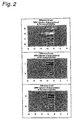
Analytical results of the difference in pain during
and after injection of drug solutions are shown in Figs. 1
and 2, respectively.
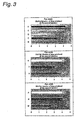
Analytical results of the pain scale during and after
injection of drug solutions are shown in Figs. 3 and 4,
respectively.
Analytical results of the difference in pain scale
between the first (drug A) and second injections during and
after injection of drug solutions are shown in Figs. 5 and
6, respectively.
Erythropoietin solution formulations with varying
formulation factors found to influence pain in Example 1
(pH and/or isotonizing agent) were prepared as test samples
and evaluated for stability by quantification and purity
assays.
Specifically, stability was compared between
formulations containing D-mannitol (hereinafter referred to
as "Man added") and formulations containing sodium chloride
(hereinafter referred to as "Man not added") because the
result of the pain test on normals in Example 1 showed that
the pain caused by injection of drug solutions was relieved
when D-mannitol was used as an isotonizing agent as
compared with sodium chloride.
Stability of erythropoietin solutions under weak acid
to weak alkaline conditions was also examined because the
pain was relieved at pH 7.0 as compared with pH 6.0.
All the samples used in formulation studies contain
750 IU erythropoietin in 0.5 mL. The samples tested are
shown in Table 5. All the samples used were prepared as
erythropoietin (genetically engineered EPO) solution
formulations (1500 IU/ml) containing L-histidine (0.1%) as
a stabilizer and Polysorbate 80 (0.005%) using the same
buffer (phosphate) and the same relative osmotic pressure
(1.0). They contain about 10 mmol phosphate and about 2.5
mmol NaCl or about 250 mmol D-mannitol.
| Components of test samples | |
| Formulation | pH, buffer, adsorption inhibitor, stabilizer, isotonizing agent |
| A | pH6.0, phosphate, Tween 80, histidine, NaCl |
| B | pH6.5, phosphate, Tween 80, histidine, NaCl |
| C | pH7.0, phosphate, Tween 80, histidine, NaCl |
| D | pH7.5, phosphate, Tween 80, histidine, NaCl |
| E | pH6.0, phosphate, Tween 80, histidine, mannitol |
| F | pH7.0, phosphate, Tween 80, histidine, mannitol |
Each formulation test sample was stored at 25°C for
6 months and evaluated by purity assay 1 [product-related
impurities: aggregates (SDS-PAGE)], purity assay 2
[product-related impurities: low molecular weight
degradation products (SDS-PAGE(R)] and quantification
[liquid chromatography (HPLC)].
Each sample solution, a standard solution and a
molecular weight marker solution were electrophoresed and
detected by Western blotting.
A 7.5 µL aliquot of each sample was electrophoresed
and detected by Western blotting using an anti-erythropoietin
antibody (prepared as a polyclonal antibody).
The band detected around 32 kd was read with a
densitometer to calculate the concentration from the
staining strength of the sample.
Liquid chromatography was used to determine the
content of erythropoietin (% of the nominal potency) from
the peak area of erythropoietin.
Table 6 shows the relation between pH and the
residual rate by HPLC of erythropoietin solutions (1500
IU/mL) after storage at 25°C for 6 months (the results of
formulations A-D). Taking into account of variation in
measurement results, the residual rate by HPLC remained
unchanged at pH 6.0-7.0 and decreased at pH 7.5.
| Influence of pH on the stability of erythropoletin solutions (1500 IU/mL) | ||||
| pH | 6.0 | 6.5 | 7.0 | 7.5 |
| Residual rate (%) by HPLC after storage at 25°C for 6 months | 94.9 | 93.3 | 92.4 | 89.3 |
Table 7 shows the relation between Man addition and
the residual rate of erythropoietin solutions (1500 IU/mL)
by HPLC after storage at 25°C for 6 months (the results of
formulations E, F compared with formulations A, C).
Although any formulations at both pH 6.0 and pH 7.0 had no
problem with stability, the formulation containing no Man
at pH 6.0 and the formulation containing Man at pH 7.0
showed somewhat higher contents by HPLC.
| Influence of sugar on the stability of erythropoietin solutions (1500 IU/mL) | ||
| Residual rate (%) by HPLC after storage at 25°C for 6 months | pH6.0 | pH7.0 |
| Man not added | 94.9 | 92.4 |
| Man added | 93.3 | 94.0 |
The foregoing results show that formulation F, which
is an erythropoietin solution formulation having a pH of
7.0 and containing D-mannitol as an isotonizing agent, is
the most preferred in the pain reduction caused by
injection and the stability of the formulation.
Comparison of the stability of formulations F and A
after storage at 25°C for 6 months revealed that
formulation F was comparable to formulation A in both
residual rate and degradation species.
It was concluded from this result that formulation F
should be stably stored at 10°C for 2 years or more as in
the case of formulation A which is known to be stable at
10°C for 2 years or more.
Claims (10)
- An injectable pharmaceutical formulation containing a physiologically active protein as an active ingredient and at least one sugar as a soothing agent but containing no other proteins as additives and having a pH of 6.5-7.4.
- The injectable formulation of Claim 1 wherein the sugar is at least one member selected from the group consisting of mannitol, sorbitol, trehalose and sucrose.
- The injectable formulation of Claim 1 wherein the sugar is mannitol.
- The injectable formulation of any one of Claims 1 to 3 which has a pH of 6.8-7.2.
- The injectable formulation of any one of Claims 1 to 4 wherein the physiologically active protein is erythropoietin, granulocyte colony-stimulating factor or a monoclonal antibody.
- The injectable formulation of Claim 5 wherein the physiologically active protein is erythropoietin.
- The injectable formulation of Claim 6 which is a yet to be freeze-dried erythropoietin solution formulation.
- The injectable formulation of any one of Claims 1 to 7 which further contains histidine and/or a salt thereof as a stabilizer.
- A method for reducing the pain caused by administration of injectable formulations, comprising incorporating at least one sugar into an injectable pharmaceutical composition and adjusting the pH to 6.5-7.4.
- The method of Claim 9 wherein the sugar is mannitol.
Applications Claiming Priority (3)
| Application Number | Priority Date | Filing Date | Title |
|---|---|---|---|
| JP2000237432 | 2000-08-04 | ||
| JP2000237432 | 2000-08-04 | ||
| PCT/JP2001/006739 WO2002011753A1 (en) | 2000-08-04 | 2001-08-06 | Protein injection preparations |
Publications (2)
| Publication Number | Publication Date |
|---|---|
| EP1336410A1 true EP1336410A1 (en) | 2003-08-20 |
| EP1336410A4 EP1336410A4 (en) | 2005-10-12 |
Family
ID=18729296
Family Applications (1)
| Application Number | Title | Priority Date | Filing Date |
|---|---|---|---|
| EP01954460A Withdrawn EP1336410A4 (en) | 2000-08-04 | 2001-08-06 | PROTEIN PREPARATIONS FOR INJECTION |
Country Status (5)
| Country | Link |
|---|---|
| US (1) | US20040038878A1 (en) |
| EP (1) | EP1336410A4 (en) |
| JP (1) | JP5490972B2 (en) |
| AU (1) | AU2001276737A1 (en) |
| WO (1) | WO2002011753A1 (en) |
Cited By (14)
| Publication number | Priority date | Publication date | Assignee | Title |
|---|---|---|---|---|
| DE202008017456U1 (en) | 2007-08-27 | 2009-08-27 | Biogenerix Ag | Liquid formulation of G-CSF conjugates |
| WO2010089522A1 (en) * | 2009-07-16 | 2010-08-12 | Arecor Limited | Stable formulation of a therapeutic protein |
| WO2011104381A2 (en) | 2010-02-26 | 2011-09-01 | Novo Nordisk A/S | Stable antibody containing compositions |
| US8562996B2 (en) | 2007-06-01 | 2013-10-22 | Medimmune Limited | RSV-specific binding molecules and means for producing them |
| US8568726B2 (en) | 2009-10-06 | 2013-10-29 | Medimmune Limited | RSV specific binding molecule |
| US8613919B1 (en) | 2012-08-31 | 2013-12-24 | Bayer Healthcare, Llc | High concentration antibody and protein formulations |
| US8796210B2 (en) | 2008-07-16 | 2014-08-05 | Arecor Limited | Stable formulation of growth hormone comprising lactate anion |
| US9272032B2 (en) | 2002-06-14 | 2016-03-01 | Medimmune, Llc | Stabilized liquid anti-RSV antibody formulations |
| EP2637690B1 (en) | 2010-11-11 | 2016-09-21 | AbbVie Biotechnology Ltd | HIGH CONCENTRATION ANTI-TNFalpha ANTIBODY LIQUID FORMULATIONS |
| US9592297B2 (en) | 2012-08-31 | 2017-03-14 | Bayer Healthcare Llc | Antibody and protein formulations |
| EP1311285B2 (en) † | 2000-05-15 | 2017-04-12 | F. Hoffmann-La Roche AG | Liquid pharmaceutical composition containing an erythropoietin derivative |
| USRE47150E1 (en) | 2010-03-01 | 2018-12-04 | Bayer Healthcare Llc | Optimized monoclonal antibodies against tissue factor pathway inhibitor (TFPI) |
| US10835602B2 (en) | 2010-05-28 | 2020-11-17 | Novo Nordisk A/S | Stable multi-dose compositions comprising an antibody and a preservative |
| US11167030B2 (en) | 2007-11-30 | 2021-11-09 | Abbvie Biotechnology Ltd | Protein formulations and methods of making same |
Families Citing this family (57)
| Publication number | Priority date | Publication date | Assignee | Title |
|---|---|---|---|---|
| JP2003525061A (en) | 2000-03-01 | 2003-08-26 | メディミューン,インコーポレイテッド | High potency recombinant antibody and method for producing the same |
| US20140186361A1 (en) | 2012-09-07 | 2014-07-03 | Coherus Biosciences, Inc. | Stable Aqueous Formulations of Adalimumab |
| US20030104996A1 (en) * | 2001-08-30 | 2003-06-05 | Tiansheng Li | L-methionine as a stabilizer for NESP/EPO in HSA-free formulations |
| US20040002451A1 (en) * | 2002-06-20 | 2004-01-01 | Bruce Kerwin | Compositions of pegylated soluble tumor necrosis factor receptors and methods of preparing |
| US20040033228A1 (en) | 2002-08-16 | 2004-02-19 | Hans-Juergen Krause | Formulation of human antibodies for treating TNF-alpha associated disorders |
| MY150740A (en) * | 2002-10-24 | 2014-02-28 | Abbvie Biotechnology Ltd | Low dose methods for treating disorders in which tnf? activity is detrimental |
| CA2585891A1 (en) * | 2004-10-29 | 2006-05-11 | Medimmune, Inc. | Methods of preventing and treating rsv infections and related conditions |
| EP1865986B1 (en) * | 2005-03-08 | 2016-02-17 | Pfizer Products Inc. | Anti-ctla-4 antibody compositions |
| AU2006247039B2 (en) * | 2005-05-19 | 2011-03-03 | Amgen Inc. | Compositions and methods for increasing the stability of antibodies |
| JP2008543839A (en) | 2005-06-14 | 2008-12-04 | アムジェン インコーポレーテッド | Self-buffering protein formulation |
| WO2007108505A1 (en) | 2006-03-22 | 2007-09-27 | Chugai Seiyaku Kabushiki Kaisha | Erythropoietin solution preparation |
| CA2665567C (en) * | 2006-10-06 | 2012-07-03 | Amgen Inc. | Stable formulations |
| US7705132B2 (en) * | 2006-10-20 | 2010-04-27 | Amgen Inc. | Stable polypeptide formulations |
| CA2681752A1 (en) | 2007-03-29 | 2008-10-09 | Abbott Laboratories | Crystalline anti-human 1l-12 antibodies |
| US8420081B2 (en) * | 2007-11-30 | 2013-04-16 | Abbvie, Inc. | Antibody formulations and methods of making same |
| US11197916B2 (en) | 2007-12-28 | 2021-12-14 | Takeda Pharmaceutical Company Limited | Lyophilized recombinant VWF formulations |
| EP2349314B1 (en) | 2008-10-21 | 2013-02-27 | Baxter International Inc. | Lyophilized recombinant vwf formulations |
| RU2561057C2 (en) | 2008-11-04 | 2015-08-20 | Аска Фармасьютикал Ко., Лтд. | Aqueous composition, containing follicle-stimulating hormone |
| MX2011005672A (en) * | 2008-11-28 | 2011-06-20 | Abbott Lab | Stable antibody compositions and methods for stabilizing same. |
| EP2196476A1 (en) * | 2008-12-10 | 2010-06-16 | Novartis Ag | Antibody formulation |
| US20100278822A1 (en) * | 2009-05-04 | 2010-11-04 | Abbott Biotechnology, Ltd. | Stable high protein concentration formulations of human anti-tnf-alpha-antibodies |
| WO2012149197A2 (en) | 2011-04-27 | 2012-11-01 | Abbott Laboratories | Methods for controlling the galactosylation profile of recombinantly-expressed proteins |
| US9067990B2 (en) | 2013-03-14 | 2015-06-30 | Abbvie, Inc. | Protein purification using displacement chromatography |
| US9150645B2 (en) | 2012-04-20 | 2015-10-06 | Abbvie, Inc. | Cell culture methods to reduce acidic species |
| US9181572B2 (en) | 2012-04-20 | 2015-11-10 | Abbvie, Inc. | Methods to modulate lysine variant distribution |
| US9249182B2 (en) | 2012-05-24 | 2016-02-02 | Abbvie, Inc. | Purification of antibodies using hydrophobic interaction chromatography |
| US20140017318A1 (en) * | 2012-07-10 | 2014-01-16 | Kevin O'Connell | Method to produce a medicinal product comprising a biologically active protein and the resulting product |
| US9314519B2 (en) | 2012-08-21 | 2016-04-19 | Intervet Inc. | Liquid stable virus vaccines |
| HK1211981A1 (en) | 2012-09-02 | 2016-06-03 | Abbvie Inc. | Methods to control protein heterogeneity |
| US9512214B2 (en) | 2012-09-02 | 2016-12-06 | Abbvie, Inc. | Methods to control protein heterogeneity |
| SG11201507230PA (en) | 2013-03-12 | 2015-10-29 | Abbvie Inc | Human antibodies that bind human tnf-alpha and methods of preparing the same |
| US9017687B1 (en) | 2013-10-18 | 2015-04-28 | Abbvie, Inc. | Low acidic species compositions and methods for producing and using the same using displacement chromatography |
| WO2014151878A2 (en) | 2013-03-14 | 2014-09-25 | Abbvie Inc. | Methods for modulating protein glycosylation profiles of recombinant protein therapeutics using monosaccharides and oligosacharides |
| WO2014159579A1 (en) | 2013-03-14 | 2014-10-02 | Abbvie Inc. | MUTATED ANTI-TNFα ANTIBODIES AND METHODS OF THEIR USE |
| US9393298B2 (en) | 2013-03-15 | 2016-07-19 | Intervet Inc. | Liquid stable bovine virus vaccines |
| US9480739B2 (en) | 2013-03-15 | 2016-11-01 | Intervet Inc. | Bovine virus vaccines that are liquid stable |
| AR097762A1 (en) | 2013-09-27 | 2016-04-13 | Intervet Int Bv | DRY FORMULATIONS OF VACCINES THAT ARE STABLE AT ENVIRONMENTAL TEMPERATURE |
| US9598667B2 (en) | 2013-10-04 | 2017-03-21 | Abbvie Inc. | Use of metal ions for modulation of protein glycosylation profiles of recombinant proteins |
| US9181337B2 (en) | 2013-10-18 | 2015-11-10 | Abbvie, Inc. | Modulated lysine variant species compositions and methods for producing and using the same |
| US8946395B1 (en) | 2013-10-18 | 2015-02-03 | Abbvie Inc. | Purification of proteins using hydrophobic interaction chromatography |
| US9085618B2 (en) | 2013-10-18 | 2015-07-21 | Abbvie, Inc. | Low acidic species compositions and methods for producing and using the same |
| US20150139988A1 (en) | 2013-11-15 | 2015-05-21 | Abbvie, Inc. | Glycoengineered binding protein compositions |
| SI3071237T1 (en) | 2013-11-21 | 2024-11-29 | Genmab A/S | Antibody-drug conjugate lyophilised formulation |
| TW201609145A (en) * | 2013-12-25 | 2016-03-16 | 參天製藥股份有限公司 | Injection and method for forming a depot |
| AR099470A1 (en) | 2014-02-17 | 2016-07-27 | Intervet Int Bv | LIQUID CORRAL BIRD VIRUS VACCINES |
| TWI670085B (en) | 2014-02-19 | 2019-09-01 | 荷蘭商英特威國際公司 | Swine virus vaccines that are liquid stable |
| AR103173A1 (en) | 2014-12-22 | 2017-04-19 | Novarits Ag | PHARMACEUTICAL PRODUCTS AND STABLE LIQUID COMPOSITIONS OF ANTIBODIES IL-17 |
| US11229702B1 (en) | 2015-10-28 | 2022-01-25 | Coherus Biosciences, Inc. | High concentration formulations of adalimumab |
| JP2019505520A (en) | 2016-01-13 | 2019-02-28 | ゲンマブ エー/エス | Preparation of antibodies and drug conjugates thereof |
| US11071782B2 (en) | 2016-04-20 | 2021-07-27 | Coherus Biosciences, Inc. | Method of filling a container with no headspace |
| ES3064802T3 (en) | 2016-10-21 | 2026-04-29 | Amgen Inc | Pharmaceutical formulations and methods of making the same |
| PT3684407T (en) | 2017-09-20 | 2026-03-30 | Alvotech Hf | Pharmaceutical formulations for adalimumab |
| TWI841554B (en) | 2018-03-21 | 2024-05-11 | 丹麥商珍美寶股份有限公司 | Methods of treating cancer with a combination of a platinum-based agent and an anti-tissue factor antibody-drug conjugate |
| JP7460608B2 (en) | 2018-05-07 | 2024-04-02 | ジェンマブ エー/エス | Methods for treating cancer using a combination of anti-PD-1 antibody and anti-tissue factor antibody-drug conjugate |
| TWI844571B (en) | 2018-10-30 | 2024-06-11 | 丹麥商珍美寶股份有限公司 | Methods of treating cancer with a combination of an anti-vegf antibody and an anti-tissue factor antibody-drug conjugate |
| CN120324338A (en) * | 2025-06-10 | 2025-07-18 | 厦门特宝生物工程股份有限公司 | A liquid preparation for injection of recombinant human granulocyte macrophage stimulating factor |
| CN121731213A (en) * | 2026-01-30 | 2026-03-27 | 长春生物制品研究所有限责任公司 | Human growth hormone Fc fusion protein injection preparation, preparation method and application thereof in preparing burn and fracture medicines |
Family Cites Families (18)
| Publication number | Priority date | Publication date | Assignee | Title |
|---|---|---|---|---|
| JPS5920647B2 (en) * | 1976-10-01 | 1984-05-15 | 武田薬品工業株式会社 | injection |
| JP2648301B2 (en) | 1983-12-27 | 1997-08-27 | ジエネテイツクス・インスチチユ−ト・インコ−ポレ−テツド | Vector containing auxiliary DNA for transformation of eukaryotic cells |
| JPS6197229A (en) * | 1984-10-18 | 1986-05-15 | Chugai Pharmaceut Co Ltd | Stable erythropoietin preparation |
| US4745099A (en) * | 1985-02-06 | 1988-05-17 | Chugai Seiyaku Kabushiki Kaisha | Pharmaceutical composition for the treatment of the anemia of malignant tumors |
| US5096885A (en) * | 1988-04-15 | 1992-03-17 | Genentech, Inc. | Human growth hormone formulation |
| US5166322A (en) | 1989-04-21 | 1992-11-24 | Genetics Institute | Cysteine added variants of interleukin-3 and chemical modifications thereof |
| AU646822B2 (en) | 1989-10-13 | 1994-03-10 | Kirin-Amgen Inc. | Erythropoietin isoforms |
| GB9001987D0 (en) * | 1990-01-29 | 1990-03-28 | Janssen Pharmaceutica Nv | Improved cyclodextrin based erythropietin formulation |
| JPH0565233A (en) * | 1991-03-08 | 1993-03-19 | Mitsui Toatsu Chem Inc | Monoclonal antibody-containing lyophilized preparation |
| JPH0710753A (en) * | 1993-06-25 | 1995-01-13 | Taisho Pharmaceut Co Ltd | Injection |
| IL110669A (en) | 1993-08-17 | 2008-11-26 | Kirin Amgen Inc | Erythropoietin analogs |
| DE69524456T2 (en) * | 1995-03-21 | 2002-08-01 | Applied Research Systems | LIQUID HCG FORMULATIONS |
| US5656730A (en) * | 1995-04-07 | 1997-08-12 | Enzon, Inc. | Stabilized monomeric protein compositions |
| JPH08333277A (en) * | 1995-06-05 | 1996-12-17 | Hoechst Japan Ltd | Human blood coagulation factor XIII stabilized aqueous liquid preparation |
| JPH09241178A (en) * | 1996-03-07 | 1997-09-16 | Takeda Chem Ind Ltd | Method for producing sustained-release preparation of corticotropin derivative |
| TW518219B (en) * | 1996-04-26 | 2003-01-21 | Chugai Pharmaceutical Co Ltd | Erythropoietin solution preparation |
| JP3723857B2 (en) * | 1998-02-04 | 2005-12-07 | 日本ケミカルリサーチ株式会社 | Aqueous pharmaceutical composition containing human growth hormone |
| KR100389726B1 (en) * | 1998-03-06 | 2003-06-27 | 쥬가이 세이야쿠 가부시키가이샤 | A stable granulocyte colony-stimulating factor-containing formulation |
-
2001
- 2001-08-06 AU AU2001276737A patent/AU2001276737A1/en not_active Abandoned
- 2001-08-06 EP EP01954460A patent/EP1336410A4/en not_active Withdrawn
- 2001-08-06 US US10/343,487 patent/US20040038878A1/en not_active Abandoned
- 2001-08-06 JP JP2002517088A patent/JP5490972B2/en not_active Expired - Fee Related
- 2001-08-06 WO PCT/JP2001/006739 patent/WO2002011753A1/en not_active Ceased
Cited By (31)
| Publication number | Priority date | Publication date | Assignee | Title |
|---|---|---|---|---|
| EP1311285B2 (en) † | 2000-05-15 | 2017-04-12 | F. Hoffmann-La Roche AG | Liquid pharmaceutical composition containing an erythropoietin derivative |
| US11180542B2 (en) | 2002-06-14 | 2021-11-23 | Arexis Ab | Stabilized liquid anti-RSV antibody formulations |
| US9879067B2 (en) | 2002-06-14 | 2018-01-30 | Medimmune, Llc | Stabilized liquid anti-RSV antibody formulations |
| US10604560B2 (en) | 2002-06-14 | 2020-03-31 | Arexis Ab | Stabilized liquid anti-RSV antibody formulations |
| US9272032B2 (en) | 2002-06-14 | 2016-03-01 | Medimmune, Llc | Stabilized liquid anti-RSV antibody formulations |
| US8562996B2 (en) | 2007-06-01 | 2013-10-22 | Medimmune Limited | RSV-specific binding molecules and means for producing them |
| US10059757B2 (en) | 2007-06-01 | 2018-08-28 | Medimmune Limited | RSV-specific binding molecules and means for producing them |
| US9321831B2 (en) | 2007-06-01 | 2016-04-26 | Medimmune Limited | RSV-specific binding molecules and means for producing them |
| US10730931B2 (en) | 2007-06-01 | 2020-08-04 | Medimmune Limited | RSV-specific binding molecules and means for producing them |
| EP2578235A2 (en) | 2007-08-27 | 2013-04-10 | BioGeneriX AG | Liquid formulation of G-CSF conjugate |
| DE202008017456U1 (en) | 2007-08-27 | 2009-08-27 | Biogenerix Ag | Liquid formulation of G-CSF conjugates |
| US11191834B2 (en) | 2007-11-30 | 2021-12-07 | Abbvie Biotechnology Ltd | Protein formulations and methods of making same |
| US11167030B2 (en) | 2007-11-30 | 2021-11-09 | Abbvie Biotechnology Ltd | Protein formulations and methods of making same |
| US8796210B2 (en) | 2008-07-16 | 2014-08-05 | Arecor Limited | Stable formulation of growth hormone comprising lactate anion |
| WO2010089522A1 (en) * | 2009-07-16 | 2010-08-12 | Arecor Limited | Stable formulation of a therapeutic protein |
| US9283274B2 (en) | 2009-10-06 | 2016-03-15 | Medimmune Limited | RSV specific binding molecule |
| US10723786B2 (en) | 2009-10-06 | 2020-07-28 | Medimmune, Limited | RSV-specific binding molecule |
| US8568726B2 (en) | 2009-10-06 | 2013-10-29 | Medimmune Limited | RSV specific binding molecule |
| US10035843B2 (en) | 2009-10-06 | 2018-07-31 | Medimmune Limited | RSV-specific binding molecule |
| EP3216462A2 (en) | 2010-02-26 | 2017-09-13 | Novo Nordisk A/S | Stable antibody containing compositions |
| EP3409289A2 (en) | 2010-02-26 | 2018-12-05 | Novo Nordisk A/S | Stable antibody containing compositions |
| US10709782B2 (en) | 2010-02-26 | 2020-07-14 | Novo Nordisk A/S | Stable antibody containing compositions |
| US9795674B2 (en) | 2010-02-26 | 2017-10-24 | Novo Nordisk A/S | Stable antibody containing compositions |
| EP3708190A1 (en) | 2010-02-26 | 2020-09-16 | Novo Nordisk A/S | Stable antibody containing compositions |
| WO2011104381A2 (en) | 2010-02-26 | 2011-09-01 | Novo Nordisk A/S | Stable antibody containing compositions |
| USRE47150E1 (en) | 2010-03-01 | 2018-12-04 | Bayer Healthcare Llc | Optimized monoclonal antibodies against tissue factor pathway inhibitor (TFPI) |
| US10835602B2 (en) | 2010-05-28 | 2020-11-17 | Novo Nordisk A/S | Stable multi-dose compositions comprising an antibody and a preservative |
| EP2637690B1 (en) | 2010-11-11 | 2016-09-21 | AbbVie Biotechnology Ltd | HIGH CONCENTRATION ANTI-TNFalpha ANTIBODY LIQUID FORMULATIONS |
| US9849181B2 (en) | 2012-08-31 | 2017-12-26 | Bayer Healthcare Llc | High concentration antibody and protein formulations |
| US9592297B2 (en) | 2012-08-31 | 2017-03-14 | Bayer Healthcare Llc | Antibody and protein formulations |
| US8613919B1 (en) | 2012-08-31 | 2013-12-24 | Bayer Healthcare, Llc | High concentration antibody and protein formulations |
Also Published As
| Publication number | Publication date |
|---|---|
| EP1336410A4 (en) | 2005-10-12 |
| US20040038878A1 (en) | 2004-02-26 |
| JP5490972B2 (en) | 2014-05-14 |
| WO2002011753A1 (en) | 2002-02-14 |
| AU2001276737A1 (en) | 2002-02-18 |
Similar Documents
| Publication | Publication Date | Title |
|---|---|---|
| US20040038878A1 (en) | Injectable protein formulations | |
| US7253142B1 (en) | Protein solution preparation and method of stabilizing the same | |
| JPWO2002011753A1 (en) | Protein injections | |
| US7163671B2 (en) | Long-term stabilized formulations | |
| KR101235507B1 (en) | Stabilized preparation containing protein | |
| EP1475101B1 (en) | Antibody-containing solution pharmaceuticals | |
| EP2311492B1 (en) | Antibody-containing stabilized preparations | |
| US7998929B2 (en) | Solution preparations stabilized over long time | |
| EP3496753B1 (en) | Pd-1 antibody formulation | |
| KR100389726B1 (en) | A stable granulocyte colony-stimulating factor-containing formulation | |
| JP5271481B2 (en) | Protein solution formulation and method for stabilizing the same | |
| JPWO2001017542A1 (en) | Protein solution formulation and method for stabilizing the same | |
| HK1056122A (en) | Solution formulations having long-term stability | |
| HK1078027A (en) | Stabilized preparation containing protein |
Legal Events
| Date | Code | Title | Description |
|---|---|---|---|
| PUAI | Public reference made under article 153(3) epc to a published international application that has entered the european phase |
Free format text: ORIGINAL CODE: 0009012 |
|
| 17P | Request for examination filed |
Effective date: 20030204 |
|
| AK | Designated contracting states |
Designated state(s): AT BE CH CY DE DK ES FI FR GB GR IE IT LI LU MC NL PT SE TR |
|
| AX | Request for extension of the european patent |
Extension state: AL LT LV MK RO SI |
|
| A4 | Supplementary search report drawn up and despatched |
Effective date: 20050831 |
|
| 17Q | First examination report despatched |
Effective date: 20051117 |
|
| GRAP | Despatch of communication of intention to grant a patent |
Free format text: ORIGINAL CODE: EPIDOSNIGR1 |
|
| STAA | Information on the status of an ep patent application or granted ep patent |
Free format text: STATUS: THE APPLICATION IS DEEMED TO BE WITHDRAWN |
|
| 18D | Application deemed to be withdrawn |
Effective date: 20100615 |