EP1334979A1 - Gene conferring resistance to Phytophthera infestans (late-blight) in Solanaceae - Google Patents
Gene conferring resistance to Phytophthera infestans (late-blight) in Solanaceae Download PDFInfo
- Publication number
- EP1334979A1 EP1334979A1 EP02075565A EP02075565A EP1334979A1 EP 1334979 A1 EP1334979 A1 EP 1334979A1 EP 02075565 A EP02075565 A EP 02075565A EP 02075565 A EP02075565 A EP 02075565A EP 1334979 A1 EP1334979 A1 EP 1334979A1
- Authority
- EP
- European Patent Office
- Prior art keywords
- blb
- plant
- nucleic acid
- rpi
- resistance
- Prior art date
- Legal status (The legal status is an assumption and is not a legal conclusion. Google has not performed a legal analysis and makes no representation as to the accuracy of the status listed.)
- Withdrawn
Links
- 108090000623 proteins and genes Proteins 0.000 title claims abstract description 112
- 241000208292 Solanaceae Species 0.000 title 1
- 241000196324 Embryophyta Species 0.000 claims abstract description 89
- 150000007523 nucleic acids Chemical class 0.000 claims abstract description 56
- 108020004707 nucleic acids Proteins 0.000 claims abstract description 48
- 102000039446 nucleic acids Human genes 0.000 claims abstract description 48
- 244000061456 Solanum tuberosum Species 0.000 claims abstract description 40
- 239000012634 fragment Substances 0.000 claims abstract description 27
- 241000233654 Oomycetes Species 0.000 claims abstract description 25
- 235000007688 Lycopersicon esculentum Nutrition 0.000 claims abstract description 23
- 235000002595 Solanum tuberosum Nutrition 0.000 claims abstract description 23
- 238000000034 method Methods 0.000 claims abstract description 21
- 208000015181 infectious disease Diseases 0.000 claims abstract description 17
- 241000233866 Fungi Species 0.000 claims abstract description 7
- 241000233622 Phytophthora infestans Species 0.000 claims description 46
- 241001327161 Solanum bulbocastanum Species 0.000 claims description 37
- 125000003275 alpha amino acid group Chemical group 0.000 claims description 34
- 238000004458 analytical method Methods 0.000 claims description 20
- 239000000126 substance Substances 0.000 claims description 14
- 239000000463 material Substances 0.000 claims description 10
- 239000000523 sample Substances 0.000 claims description 7
- 244000000177 oomycete pathogen Species 0.000 claims description 5
- 230000001747 exhibiting effect Effects 0.000 claims description 4
- 238000012360 testing method Methods 0.000 claims description 4
- 235000013399 edible fruits Nutrition 0.000 claims description 2
- 241000227653 Lycopersicon Species 0.000 claims 1
- 241000233614 Phytophthora Species 0.000 claims 1
- 240000003768 Solanum lycopersicum Species 0.000 abstract description 23
- 201000010099 disease Diseases 0.000 abstract description 12
- 208000037265 diseases, disorders, signs and symptoms Diseases 0.000 abstract description 12
- 238000004519 manufacturing process Methods 0.000 abstract description 3
- 210000004436 artificial bacterial chromosome Anatomy 0.000 description 69
- 108020004414 DNA Proteins 0.000 description 39
- 108700026215 vpr Genes Proteins 0.000 description 28
- 210000004027 cell Anatomy 0.000 description 25
- 239000003550 marker Substances 0.000 description 25
- 102100025338 Calcium-binding tyrosine phosphorylation-regulated protein Human genes 0.000 description 22
- 101000935132 Homo sapiens Calcium-binding tyrosine phosphorylation-regulated protein Proteins 0.000 description 22
- 108091028043 Nucleic acid sequence Proteins 0.000 description 19
- 101150040489 SPB4 gene Proteins 0.000 description 18
- 239000002609 medium Substances 0.000 description 18
- 210000000349 chromosome Anatomy 0.000 description 17
- 108091008053 gene clusters Proteins 0.000 description 17
- 239000006137 Luria-Bertani broth Substances 0.000 description 16
- 238000012216 screening Methods 0.000 description 15
- 238000003556 assay Methods 0.000 description 14
- 230000002068 genetic effect Effects 0.000 description 14
- 102000004169 proteins and genes Human genes 0.000 description 14
- 230000009466 transformation Effects 0.000 description 13
- 241000589155 Agrobacterium tumefaciens Species 0.000 description 12
- 101150090155 R gene Proteins 0.000 description 11
- 239000013612 plasmid Substances 0.000 description 11
- 238000013518 transcription Methods 0.000 description 11
- 230000035897 transcription Effects 0.000 description 11
- 238000013507 mapping Methods 0.000 description 10
- 230000006798 recombination Effects 0.000 description 10
- 238000005215 recombination Methods 0.000 description 10
- 239000002299 complementary DNA Substances 0.000 description 9
- SBUJHOSQTJFQJX-NOAMYHISSA-N kanamycin Chemical compound O[C@@H]1[C@@H](O)[C@H](O)[C@@H](CN)O[C@@H]1O[C@H]1[C@H](O)[C@@H](O[C@@H]2[C@@H]([C@@H](N)[C@H](O)[C@@H](CO)O2)O)[C@H](N)C[C@@H]1N SBUJHOSQTJFQJX-NOAMYHISSA-N 0.000 description 9
- 210000004901 leucine-rich repeat Anatomy 0.000 description 9
- 108090000765 processed proteins & peptides Proteins 0.000 description 9
- 229920001817 Agar Polymers 0.000 description 8
- 125000000539 amino acid group Chemical group 0.000 description 8
- 210000002592 gangliocyte Anatomy 0.000 description 8
- 108091026890 Coding region Proteins 0.000 description 7
- 108700039691 Genetic Promoter Regions Proteins 0.000 description 7
- 241000207763 Solanum Species 0.000 description 7
- 229930027917 kanamycin Natural products 0.000 description 7
- 229960000318 kanamycin Drugs 0.000 description 7
- 229930182823 kanamycin A Natural products 0.000 description 7
- 239000002773 nucleotide Substances 0.000 description 7
- 102000004196 processed proteins & peptides Human genes 0.000 description 7
- 238000012163 sequencing technique Methods 0.000 description 7
- PEDCQBHIVMGVHV-UHFFFAOYSA-N Glycerine Chemical compound OCC(O)CO PEDCQBHIVMGVHV-UHFFFAOYSA-N 0.000 description 6
- 239000008272 agar Substances 0.000 description 6
- 238000010276 construction Methods 0.000 description 6
- 125000003729 nucleotide group Chemical group 0.000 description 6
- 229920001184 polypeptide Polymers 0.000 description 6
- 108091008146 restriction endonucleases Proteins 0.000 description 6
- 230000009261 transgenic effect Effects 0.000 description 6
- 108091034117 Oligonucleotide Proteins 0.000 description 5
- 239000011543 agarose gel Substances 0.000 description 5
- 238000009395 breeding Methods 0.000 description 5
- 230000001488 breeding effect Effects 0.000 description 5
- 210000004899 c-terminal region Anatomy 0.000 description 5
- 229960005091 chloramphenicol Drugs 0.000 description 5
- WIIZWVCIJKGZOK-RKDXNWHRSA-N chloramphenicol Chemical compound ClC(Cl)C(=O)N[C@H](CO)[C@H](O)C1=CC=C([N+]([O-])=O)C=C1 WIIZWVCIJKGZOK-RKDXNWHRSA-N 0.000 description 5
- 238000001962 electrophoresis Methods 0.000 description 5
- 239000000499 gel Substances 0.000 description 5
- 244000000003 plant pathogen Species 0.000 description 5
- 230000001105 regulatory effect Effects 0.000 description 5
- MYPYJXKWCTUITO-UHFFFAOYSA-N vancomycin Natural products O1C(C(=C2)Cl)=CC=C2C(O)C(C(NC(C2=CC(O)=CC(O)=C2C=2C(O)=CC=C3C=2)C(O)=O)=O)NC(=O)C3NC(=O)C2NC(=O)C(CC(N)=O)NC(=O)C(NC(=O)C(CC(C)C)NC)C(O)C(C=C3Cl)=CC=C3OC3=CC2=CC1=C3OC1OC(CO)C(O)C(O)C1OC1CC(C)(N)C(O)C(C)O1 MYPYJXKWCTUITO-UHFFFAOYSA-N 0.000 description 5
- XLYOFNOQVPJJNP-UHFFFAOYSA-N water Chemical compound O XLYOFNOQVPJJNP-UHFFFAOYSA-N 0.000 description 5
- UHPMCKVQTMMPCG-UHFFFAOYSA-N 5,8-dihydroxy-2-methoxy-6-methyl-7-(2-oxopropyl)naphthalene-1,4-dione Chemical compound CC1=C(CC(C)=O)C(O)=C2C(=O)C(OC)=CC(=O)C2=C1O UHPMCKVQTMMPCG-UHFFFAOYSA-N 0.000 description 4
- 241000894006 Bacteria Species 0.000 description 4
- 208000035240 Disease Resistance Diseases 0.000 description 4
- 241000223218 Fusarium Species 0.000 description 4
- 108700007698 Genetic Terminator Regions Proteins 0.000 description 4
- 239000007987 MES buffer Substances 0.000 description 4
- TWRXJAOTZQYOKJ-UHFFFAOYSA-L Magnesium chloride Chemical compound [Mg+2].[Cl-].[Cl-] TWRXJAOTZQYOKJ-UHFFFAOYSA-L 0.000 description 4
- 150000001413 amino acids Chemical class 0.000 description 4
- 230000003321 amplification Effects 0.000 description 4
- 238000013459 approach Methods 0.000 description 4
- 230000000295 complement effect Effects 0.000 description 4
- 238000005516 engineering process Methods 0.000 description 4
- 238000002474 experimental method Methods 0.000 description 4
- 238000011081 inoculation Methods 0.000 description 4
- 238000002955 isolation Methods 0.000 description 4
- 239000000203 mixture Substances 0.000 description 4
- 238000003199 nucleic acid amplification method Methods 0.000 description 4
- 244000052769 pathogen Species 0.000 description 4
- 230000001717 pathogenic effect Effects 0.000 description 4
- 238000011144 upstream manufacturing Methods 0.000 description 4
- 235000013343 vitamin Nutrition 0.000 description 4
- 108091032973 (ribonucleotides)n+m Proteins 0.000 description 3
- 241000282813 Aepyceros melampus Species 0.000 description 3
- 229920000936 Agarose Polymers 0.000 description 3
- 108700028369 Alleles Proteins 0.000 description 3
- 108010014303 DNA-directed DNA polymerase Proteins 0.000 description 3
- 102000016928 DNA-directed DNA polymerase Human genes 0.000 description 3
- 101000658547 Escherichia coli (strain K12) Type I restriction enzyme EcoKI endonuclease subunit Proteins 0.000 description 3
- 101000658543 Escherichia coli Type I restriction enzyme EcoAI endonuclease subunit Proteins 0.000 description 3
- 101000658546 Escherichia coli Type I restriction enzyme EcoEI endonuclease subunit Proteins 0.000 description 3
- 101000658530 Escherichia coli Type I restriction enzyme EcoR124II endonuclease subunit Proteins 0.000 description 3
- 101000658540 Escherichia coli Type I restriction enzyme EcoprrI endonuclease subunit Proteins 0.000 description 3
- 101000658545 Haemophilus influenzae (strain ATCC 51907 / DSM 11121 / KW20 / Rd) Type I restriction enyme HindI endonuclease subunit Proteins 0.000 description 3
- 101150044356 I2 gene Proteins 0.000 description 3
- 241001465754 Metazoa Species 0.000 description 3
- 101000658548 Methanocaldococcus jannaschii (strain ATCC 43067 / DSM 2661 / JAL-1 / JCM 10045 / NBRC 100440) Putative type I restriction enzyme MjaIXP endonuclease subunit Proteins 0.000 description 3
- 101000658542 Methanocaldococcus jannaschii (strain ATCC 43067 / DSM 2661 / JAL-1 / JCM 10045 / NBRC 100440) Putative type I restriction enzyme MjaVIIIP endonuclease subunit Proteins 0.000 description 3
- 101000658529 Methanocaldococcus jannaschii (strain ATCC 43067 / DSM 2661 / JAL-1 / JCM 10045 / NBRC 100440) Putative type I restriction enzyme MjaVIIP endonuclease subunit Proteins 0.000 description 3
- 244000079002 Solanum demissum Species 0.000 description 3
- 101001042773 Staphylococcus aureus (strain COL) Type I restriction enzyme SauCOLORF180P endonuclease subunit Proteins 0.000 description 3
- 101000838760 Staphylococcus aureus (strain MRSA252) Type I restriction enzyme SauMRSORF196P endonuclease subunit Proteins 0.000 description 3
- 101000838761 Staphylococcus aureus (strain MSSA476) Type I restriction enzyme SauMSSORF170P endonuclease subunit Proteins 0.000 description 3
- 101000838758 Staphylococcus aureus (strain MW2) Type I restriction enzyme SauMW2ORF169P endonuclease subunit Proteins 0.000 description 3
- 101001042566 Staphylococcus aureus (strain Mu50 / ATCC 700699) Type I restriction enzyme SauMu50ORF195P endonuclease subunit Proteins 0.000 description 3
- 101000838763 Staphylococcus aureus (strain N315) Type I restriction enzyme SauN315I endonuclease subunit Proteins 0.000 description 3
- 101000838759 Staphylococcus epidermidis (strain ATCC 35984 / RP62A) Type I restriction enzyme SepRPIP endonuclease subunit Proteins 0.000 description 3
- 101000838756 Staphylococcus saprophyticus subsp. saprophyticus (strain ATCC 15305 / DSM 20229 / NCIMB 8711 / NCTC 7292 / S-41) Type I restriction enzyme SsaAORF53P endonuclease subunit Proteins 0.000 description 3
- CZMRCDWAGMRECN-UGDNZRGBSA-N Sucrose Chemical compound O[C@H]1[C@H](O)[C@@H](CO)O[C@@]1(CO)O[C@@H]1[C@H](O)[C@@H](O)[C@H](O)[C@@H](CO)O1 CZMRCDWAGMRECN-UGDNZRGBSA-N 0.000 description 3
- JLCPHMBAVCMARE-UHFFFAOYSA-N [3-[[3-[[3-[[3-[[3-[[3-[[3-[[3-[[3-[[3-[[3-[[5-(2-amino-6-oxo-1H-purin-9-yl)-3-[[3-[[3-[[3-[[3-[[3-[[5-(2-amino-6-oxo-1H-purin-9-yl)-3-[[5-(2-amino-6-oxo-1H-purin-9-yl)-3-hydroxyoxolan-2-yl]methoxy-hydroxyphosphoryl]oxyoxolan-2-yl]methoxy-hydroxyphosphoryl]oxy-5-(5-methyl-2,4-dioxopyrimidin-1-yl)oxolan-2-yl]methoxy-hydroxyphosphoryl]oxy-5-(6-aminopurin-9-yl)oxolan-2-yl]methoxy-hydroxyphosphoryl]oxy-5-(6-aminopurin-9-yl)oxolan-2-yl]methoxy-hydroxyphosphoryl]oxy-5-(6-aminopurin-9-yl)oxolan-2-yl]methoxy-hydroxyphosphoryl]oxy-5-(6-aminopurin-9-yl)oxolan-2-yl]methoxy-hydroxyphosphoryl]oxyoxolan-2-yl]methoxy-hydroxyphosphoryl]oxy-5-(5-methyl-2,4-dioxopyrimidin-1-yl)oxolan-2-yl]methoxy-hydroxyphosphoryl]oxy-5-(4-amino-2-oxopyrimidin-1-yl)oxolan-2-yl]methoxy-hydroxyphosphoryl]oxy-5-(5-methyl-2,4-dioxopyrimidin-1-yl)oxolan-2-yl]methoxy-hydroxyphosphoryl]oxy-5-(5-methyl-2,4-dioxopyrimidin-1-yl)oxolan-2-yl]methoxy-hydroxyphosphoryl]oxy-5-(6-aminopurin-9-yl)oxolan-2-yl]methoxy-hydroxyphosphoryl]oxy-5-(6-aminopurin-9-yl)oxolan-2-yl]methoxy-hydroxyphosphoryl]oxy-5-(4-amino-2-oxopyrimidin-1-yl)oxolan-2-yl]methoxy-hydroxyphosphoryl]oxy-5-(4-amino-2-oxopyrimidin-1-yl)oxolan-2-yl]methoxy-hydroxyphosphoryl]oxy-5-(4-amino-2-oxopyrimidin-1-yl)oxolan-2-yl]methoxy-hydroxyphosphoryl]oxy-5-(6-aminopurin-9-yl)oxolan-2-yl]methoxy-hydroxyphosphoryl]oxy-5-(4-amino-2-oxopyrimidin-1-yl)oxolan-2-yl]methyl [5-(6-aminopurin-9-yl)-2-(hydroxymethyl)oxolan-3-yl] hydrogen phosphate Polymers Cc1cn(C2CC(OP(O)(=O)OCC3OC(CC3OP(O)(=O)OCC3OC(CC3O)n3cnc4c3nc(N)[nH]c4=O)n3cnc4c3nc(N)[nH]c4=O)C(COP(O)(=O)OC3CC(OC3COP(O)(=O)OC3CC(OC3COP(O)(=O)OC3CC(OC3COP(O)(=O)OC3CC(OC3COP(O)(=O)OC3CC(OC3COP(O)(=O)OC3CC(OC3COP(O)(=O)OC3CC(OC3COP(O)(=O)OC3CC(OC3COP(O)(=O)OC3CC(OC3COP(O)(=O)OC3CC(OC3COP(O)(=O)OC3CC(OC3COP(O)(=O)OC3CC(OC3COP(O)(=O)OC3CC(OC3COP(O)(=O)OC3CC(OC3COP(O)(=O)OC3CC(OC3COP(O)(=O)OC3CC(OC3COP(O)(=O)OC3CC(OC3CO)n3cnc4c(N)ncnc34)n3ccc(N)nc3=O)n3cnc4c(N)ncnc34)n3ccc(N)nc3=O)n3ccc(N)nc3=O)n3ccc(N)nc3=O)n3cnc4c(N)ncnc34)n3cnc4c(N)ncnc34)n3cc(C)c(=O)[nH]c3=O)n3cc(C)c(=O)[nH]c3=O)n3ccc(N)nc3=O)n3cc(C)c(=O)[nH]c3=O)n3cnc4c3nc(N)[nH]c4=O)n3cnc4c(N)ncnc34)n3cnc4c(N)ncnc34)n3cnc4c(N)ncnc34)n3cnc4c(N)ncnc34)O2)c(=O)[nH]c1=O JLCPHMBAVCMARE-UHFFFAOYSA-N 0.000 description 3
- 239000003242 anti bacterial agent Substances 0.000 description 3
- 229940088710 antibiotic agent Drugs 0.000 description 3
- 230000001580 bacterial effect Effects 0.000 description 3
- 238000012512 characterization method Methods 0.000 description 3
- 230000009089 cytolysis Effects 0.000 description 3
- 230000001086 cytosolic effect Effects 0.000 description 3
- 238000011161 development Methods 0.000 description 3
- 230000018109 developmental process Effects 0.000 description 3
- 238000004520 electroporation Methods 0.000 description 3
- 239000006870 ms-medium Substances 0.000 description 3
- JQXXHWHPUNPDRT-WLSIYKJHSA-N rifampicin Chemical compound O([C@](C1=O)(C)O/C=C/[C@@H]([C@H]([C@@H](OC(C)=O)[C@H](C)[C@H](O)[C@H](C)[C@@H](O)[C@@H](C)\C=C\C=C(C)/C(=O)NC=2C(O)=C3C([O-])=C4C)C)OC)C4=C1C3=C(O)C=2\C=N\N1CC[NH+](C)CC1 JQXXHWHPUNPDRT-WLSIYKJHSA-N 0.000 description 3
- 239000000243 solution Substances 0.000 description 3
- 241000894007 species Species 0.000 description 3
- 208000024891 symptom Diseases 0.000 description 3
- -1 zeatine riboside Chemical class 0.000 description 3
- QKNYBSVHEMOAJP-UHFFFAOYSA-N 2-amino-2-(hydroxymethyl)propane-1,3-diol;hydron;chloride Chemical compound Cl.OCC(N)(CO)CO QKNYBSVHEMOAJP-UHFFFAOYSA-N 0.000 description 2
- HRPVXLWXLXDGHG-UHFFFAOYSA-N Acrylamide Chemical compound NC(=O)C=C HRPVXLWXLXDGHG-UHFFFAOYSA-N 0.000 description 2
- 241000589158 Agrobacterium Species 0.000 description 2
- BHELIUBJHYAEDK-OAIUPTLZSA-N Aspoxicillin Chemical compound C1([C@H](C(=O)N[C@@H]2C(N3[C@H](C(C)(C)S[C@@H]32)C(O)=O)=O)NC(=O)[C@H](N)CC(=O)NC)=CC=C(O)C=C1 BHELIUBJHYAEDK-OAIUPTLZSA-N 0.000 description 2
- 101100448444 Caenorhabditis elegans gsp-3 gene Proteins 0.000 description 2
- 101100448445 Caenorhabditis elegans gsp-4 gene Proteins 0.000 description 2
- 102000053602 DNA Human genes 0.000 description 2
- 102000004163 DNA-directed RNA polymerases Human genes 0.000 description 2
- 108090000626 DNA-directed RNA polymerases Proteins 0.000 description 2
- 108700003861 Dominant Genes Proteins 0.000 description 2
- 241000588724 Escherichia coli Species 0.000 description 2
- 241001302160 Escherichia coli str. K-12 substr. DH10B Species 0.000 description 2
- LFQSCWFLJHTTHZ-UHFFFAOYSA-N Ethanol Chemical compound CCO LFQSCWFLJHTTHZ-UHFFFAOYSA-N 0.000 description 2
- 108700024394 Exon Proteins 0.000 description 2
- 102100022887 GTP-binding nuclear protein Ran Human genes 0.000 description 2
- 101000774835 Heteractis crispa PI-stichotoxin-Hcr2o Proteins 0.000 description 2
- 101000620756 Homo sapiens GTP-binding nuclear protein Ran Proteins 0.000 description 2
- 102100034343 Integrase Human genes 0.000 description 2
- 108091092195 Intron Proteins 0.000 description 2
- CSNNHWWHGAXBCP-UHFFFAOYSA-L Magnesium sulfate Chemical compound [Mg+2].[O-][S+2]([O-])([O-])[O-] CSNNHWWHGAXBCP-UHFFFAOYSA-L 0.000 description 2
- 108700015679 Nested Genes Proteins 0.000 description 2
- 108010092799 RNA-directed DNA polymerase Proteins 0.000 description 2
- 101100393821 Saccharomyces cerevisiae (strain ATCC 204508 / S288c) GSP2 gene Proteins 0.000 description 2
- 238000012300 Sequence Analysis Methods 0.000 description 2
- 235000002634 Solanum Nutrition 0.000 description 2
- 235000018967 Solanum bulbocastanum Nutrition 0.000 description 2
- 238000002105 Southern blotting Methods 0.000 description 2
- 108091081024 Start codon Proteins 0.000 description 2
- 229930006000 Sucrose Natural products 0.000 description 2
- 241000700605 Viruses Species 0.000 description 2
- OJOBTAOGJIWAGB-UHFFFAOYSA-N acetosyringone Chemical compound COC1=CC(C(C)=O)=CC(OC)=C1O OJOBTAOGJIWAGB-UHFFFAOYSA-N 0.000 description 2
- 229960000723 ampicillin Drugs 0.000 description 2
- AVKUERGKIZMTKX-NJBDSQKTSA-N ampicillin Chemical compound C1([C@@H](N)C(=O)N[C@H]2[C@H]3SC([C@@H](N3C2=O)C(O)=O)(C)C)=CC=CC=C1 AVKUERGKIZMTKX-NJBDSQKTSA-N 0.000 description 2
- 238000000137 annealing Methods 0.000 description 2
- 239000000872 buffer Substances 0.000 description 2
- AIYUHDOJVYHVIT-UHFFFAOYSA-M caesium chloride Chemical compound [Cl-].[Cs+] AIYUHDOJVYHVIT-UHFFFAOYSA-M 0.000 description 2
- FPPNZSSZRUTDAP-UWFZAAFLSA-N carbenicillin Chemical compound N([C@H]1[C@H]2SC([C@@H](N2C1=O)C(O)=O)(C)C)C(=O)C(C(O)=O)C1=CC=CC=C1 FPPNZSSZRUTDAP-UWFZAAFLSA-N 0.000 description 2
- 238000006243 chemical reaction Methods 0.000 description 2
- 238000010367 cloning Methods 0.000 description 2
- 230000021615 conjugation Effects 0.000 description 2
- 235000021186 dishes Nutrition 0.000 description 2
- 239000012636 effector Substances 0.000 description 2
- 239000012737 fresh medium Substances 0.000 description 2
- 239000000417 fungicide Substances 0.000 description 2
- 238000003167 genetic complementation Methods 0.000 description 2
- 239000011521 glass Substances 0.000 description 2
- 230000002209 hydrophobic effect Effects 0.000 description 2
- 230000001965 increasing effect Effects 0.000 description 2
- 238000011534 incubation Methods 0.000 description 2
- 230000001939 inductive effect Effects 0.000 description 2
- 230000003902 lesion Effects 0.000 description 2
- 125000001909 leucine group Chemical group [H]N(*)C(C(*)=O)C([H])([H])C(C([H])([H])[H])C([H])([H])[H] 0.000 description 2
- 239000007788 liquid Substances 0.000 description 2
- 229910001629 magnesium chloride Inorganic materials 0.000 description 2
- 230000001404 mediated effect Effects 0.000 description 2
- 238000007479 molecular analysis Methods 0.000 description 2
- 230000017074 necrotic cell death Effects 0.000 description 2
- 239000008188 pellet Substances 0.000 description 2
- 235000021251 pulses Nutrition 0.000 description 2
- 239000011541 reaction mixture Substances 0.000 description 2
- 239000012492 regenerant Substances 0.000 description 2
- 230000008929 regeneration Effects 0.000 description 2
- 238000011069 regeneration method Methods 0.000 description 2
- 238000011160 research Methods 0.000 description 2
- 238000007894 restriction fragment length polymorphism technique Methods 0.000 description 2
- 229960001225 rifampicin Drugs 0.000 description 2
- 229920006395 saturated elastomer Polymers 0.000 description 2
- 239000002904 solvent Substances 0.000 description 2
- 230000028070 sporulation Effects 0.000 description 2
- 239000008223 sterile water Substances 0.000 description 2
- 239000005720 sucrose Substances 0.000 description 2
- 230000001629 suppression Effects 0.000 description 2
- 239000000725 suspension Substances 0.000 description 2
- UZKQTCBAMSWPJD-UQCOIBPSSA-N trans-Zeatin Natural products OCC(/C)=C\CNC1=NC=NC2=C1N=CN2 UZKQTCBAMSWPJD-UQCOIBPSSA-N 0.000 description 2
- 230000005026 transcription initiation Effects 0.000 description 2
- 238000011426 transformation method Methods 0.000 description 2
- OPIFSICVWOWJMJ-AEOCFKNESA-N 5-bromo-4-chloro-3-indolyl beta-D-galactoside Chemical compound O[C@@H]1[C@@H](O)[C@@H](O)[C@@H](CO)O[C@H]1OC1=CNC2=CC=C(Br)C(Cl)=C12 OPIFSICVWOWJMJ-AEOCFKNESA-N 0.000 description 1
- 241000306795 Andigena Species 0.000 description 1
- 108010063104 Apoptosis Regulatory Proteins Proteins 0.000 description 1
- 102000010565 Apoptosis Regulatory Proteins Human genes 0.000 description 1
- 241000219195 Arabidopsis thaliana Species 0.000 description 1
- 208000002109 Argyria Diseases 0.000 description 1
- 102100024080 CASP8-associated protein 2 Human genes 0.000 description 1
- 101100043121 Candida albicans (strain SC5314 / ATCC MYA-2876) SPB4 gene Proteins 0.000 description 1
- KRKNYBCHXYNGOX-UHFFFAOYSA-K Citrate Chemical compound [O-]C(=O)CC(O)(CC([O-])=O)C([O-])=O KRKNYBCHXYNGOX-UHFFFAOYSA-K 0.000 description 1
- 108091035707 Consensus sequence Proteins 0.000 description 1
- 238000009007 Diagnostic Kit Methods 0.000 description 1
- 108010010803 Gelatin Proteins 0.000 description 1
- WQZGKKKJIJFFOK-GASJEMHNSA-N Glucose Natural products OC[C@H]1OC(O)[C@H](O)[C@@H](O)[C@@H]1O WQZGKKKJIJFFOK-GASJEMHNSA-N 0.000 description 1
- 241000238631 Hexapoda Species 0.000 description 1
- 101000910382 Homo sapiens CASP8-associated protein 2 Proteins 0.000 description 1
- 240000005979 Hordeum vulgare Species 0.000 description 1
- 235000007340 Hordeum vulgare Nutrition 0.000 description 1
- 206010020649 Hyperkeratosis Diseases 0.000 description 1
- DGAQECJNVWCQMB-PUAWFVPOSA-M Ilexoside XXIX Chemical compound C[C@@H]1CC[C@@]2(CC[C@@]3(C(=CC[C@H]4[C@]3(CC[C@@H]5[C@@]4(CC[C@@H](C5(C)C)OS(=O)(=O)[O-])C)C)[C@@H]2[C@]1(C)O)C)C(=O)O[C@H]6[C@@H]([C@H]([C@@H]([C@H](O6)CO)O)O)O.[Na+] DGAQECJNVWCQMB-PUAWFVPOSA-M 0.000 description 1
- 239000007836 KH2PO4 Substances 0.000 description 1
- 240000008415 Lactuca sativa Species 0.000 description 1
- 235000003228 Lactuca sativa Nutrition 0.000 description 1
- 239000006142 Luria-Bertani Agar Substances 0.000 description 1
- 108700005084 Multigene Family Proteins 0.000 description 1
- 241000244206 Nematoda Species 0.000 description 1
- 244000061176 Nicotiana tabacum Species 0.000 description 1
- 235000002637 Nicotiana tabacum Nutrition 0.000 description 1
- 108700026244 Open Reading Frames Proteins 0.000 description 1
- 241000209094 Oryza Species 0.000 description 1
- 238000012408 PCR amplification Methods 0.000 description 1
- 238000010222 PCR analysis Methods 0.000 description 1
- 102000005877 Peptide Initiation Factors Human genes 0.000 description 1
- 108010044843 Peptide Initiation Factors Proteins 0.000 description 1
- 244000046052 Phaseolus vulgaris Species 0.000 description 1
- 235000010627 Phaseolus vulgaris Nutrition 0.000 description 1
- 229920001213 Polysorbate 20 Polymers 0.000 description 1
- 238000010240 RT-PCR analysis Methods 0.000 description 1
- 108020004682 Single-Stranded DNA Proteins 0.000 description 1
- 239000005708 Sodium hypochlorite Substances 0.000 description 1
- 241000219250 Solanum berthaultii Species 0.000 description 1
- 235000008424 Solanum demissum Nutrition 0.000 description 1
- 244000027740 Solanum jamesii Species 0.000 description 1
- 108010006785 Taq Polymerase Proteins 0.000 description 1
- 108020005038 Terminator Codon Proteins 0.000 description 1
- 108091036066 Three prime untranslated region Proteins 0.000 description 1
- 108700009124 Transcription Initiation Site Proteins 0.000 description 1
- 239000007984 Tris EDTA buffer Substances 0.000 description 1
- 239000013504 Triton X-100 Substances 0.000 description 1
- 229920004890 Triton X-100 Polymers 0.000 description 1
- 108010059993 Vancomycin Proteins 0.000 description 1
- 240000008042 Zea mays Species 0.000 description 1
- 235000007244 Zea mays Nutrition 0.000 description 1
- BFNBIHQBYMNNAN-UHFFFAOYSA-N ammonium sulfate Chemical compound N.N.OS(O)(=O)=O BFNBIHQBYMNNAN-UHFFFAOYSA-N 0.000 description 1
- 229910052921 ammonium sulfate Inorganic materials 0.000 description 1
- 238000004873 anchoring Methods 0.000 description 1
- 230000033228 biological regulation Effects 0.000 description 1
- 230000015572 biosynthetic process Effects 0.000 description 1
- 238000005251 capillar electrophoresis Methods 0.000 description 1
- 229960003669 carbenicillin Drugs 0.000 description 1
- GPRBEKHLDVQUJE-VINNURBNSA-N cefotaxime Chemical compound N([C@@H]1C(N2C(=C(COC(C)=O)CS[C@@H]21)C(O)=O)=O)C(=O)/C(=N/OC)C1=CSC(N)=N1 GPRBEKHLDVQUJE-VINNURBNSA-N 0.000 description 1
- 230000030833 cell death Effects 0.000 description 1
- 239000006285 cell suspension Substances 0.000 description 1
- 238000002856 computational phylogenetic analysis Methods 0.000 description 1
- 238000005520 cutting process Methods 0.000 description 1
- 238000004925 denaturation Methods 0.000 description 1
- 230000036425 denaturation Effects 0.000 description 1
- 238000013461 design Methods 0.000 description 1
- 230000001066 destructive effect Effects 0.000 description 1
- 238000001514 detection method Methods 0.000 description 1
- 230000029087 digestion Effects 0.000 description 1
- ZPWVASYFFYYZEW-UHFFFAOYSA-L dipotassium hydrogen phosphate Chemical compound [K+].[K+].OP([O-])([O-])=O ZPWVASYFFYYZEW-UHFFFAOYSA-L 0.000 description 1
- 229910000396 dipotassium phosphate Inorganic materials 0.000 description 1
- 239000012153 distilled water Substances 0.000 description 1
- 238000001976 enzyme digestion Methods 0.000 description 1
- 238000012869 ethanol precipitation Methods 0.000 description 1
- ZMMJGEGLRURXTF-UHFFFAOYSA-N ethidium bromide Chemical compound [Br-].C12=CC(N)=CC=C2C2=CC=C(N)C=C2[N+](CC)=C1C1=CC=CC=C1 ZMMJGEGLRURXTF-UHFFFAOYSA-N 0.000 description 1
- 229960005542 ethidium bromide Drugs 0.000 description 1
- 239000006260 foam Substances 0.000 description 1
- 230000008014 freezing Effects 0.000 description 1
- 238000007710 freezing Methods 0.000 description 1
- 239000008273 gelatin Substances 0.000 description 1
- 229920000159 gelatin Polymers 0.000 description 1
- 235000019322 gelatine Nutrition 0.000 description 1
- 235000011852 gelatine desserts Nutrition 0.000 description 1
- 238000012239 gene modification Methods 0.000 description 1
- 230000005017 genetic modification Effects 0.000 description 1
- 230000007614 genetic variation Effects 0.000 description 1
- 235000013617 genetically modified food Nutrition 0.000 description 1
- 239000008103 glucose Substances 0.000 description 1
- 238000003306 harvesting Methods 0.000 description 1
- 238000009396 hybridization Methods 0.000 description 1
- 125000001165 hydrophobic group Chemical group 0.000 description 1
- 230000003053 immunization Effects 0.000 description 1
- 238000000338 in vitro Methods 0.000 description 1
- 230000006698 induction Effects 0.000 description 1
- 238000007689 inspection Methods 0.000 description 1
- 230000003993 interaction Effects 0.000 description 1
- 230000001788 irregular Effects 0.000 description 1
- 229910052943 magnesium sulfate Inorganic materials 0.000 description 1
- 208000024191 minimally invasive lung adenocarcinoma Diseases 0.000 description 1
- 229910000402 monopotassium phosphate Inorganic materials 0.000 description 1
- 238000002887 multiple sequence alignment Methods 0.000 description 1
- 239000000575 pesticide Substances 0.000 description 1
- 238000002823 phage display Methods 0.000 description 1
- 230000004962 physiological condition Effects 0.000 description 1
- 229920003023 plastic Polymers 0.000 description 1
- 230000008488 polyadenylation Effects 0.000 description 1
- 238000003752 polymerase chain reaction Methods 0.000 description 1
- 239000000256 polyoxyethylene sorbitan monolaurate Substances 0.000 description 1
- 235000010486 polyoxyethylene sorbitan monolaurate Nutrition 0.000 description 1
- 238000012809 post-inoculation Methods 0.000 description 1
- GNSKLFRGEWLPPA-UHFFFAOYSA-M potassium dihydrogen phosphate Chemical compound [K+].OP(O)([O-])=O GNSKLFRGEWLPPA-UHFFFAOYSA-M 0.000 description 1
- 235000012015 potatoes Nutrition 0.000 description 1
- 238000002360 preparation method Methods 0.000 description 1
- 230000008569 process Effects 0.000 description 1
- 230000000135 prohibitive effect Effects 0.000 description 1
- 230000000644 propagated effect Effects 0.000 description 1
- 230000004850 protein–protein interaction Effects 0.000 description 1
- 210000001938 protoplast Anatomy 0.000 description 1
- 230000000306 recurrent effect Effects 0.000 description 1
- 230000001172 regenerating effect Effects 0.000 description 1
- 230000004044 response Effects 0.000 description 1
- 210000003296 saliva Anatomy 0.000 description 1
- 238000007790 scraping Methods 0.000 description 1
- 210000002966 serum Anatomy 0.000 description 1
- 229910052708 sodium Inorganic materials 0.000 description 1
- 239000011734 sodium Substances 0.000 description 1
- SUKJFIGYRHOWBL-UHFFFAOYSA-N sodium hypochlorite Chemical compound [Na+].Cl[O-] SUKJFIGYRHOWBL-UHFFFAOYSA-N 0.000 description 1
- 230000000392 somatic effect Effects 0.000 description 1
- 238000003786 synthesis reaction Methods 0.000 description 1
- 210000001519 tissue Anatomy 0.000 description 1
- 238000012546 transfer Methods 0.000 description 1
- 230000001131 transforming effect Effects 0.000 description 1
- 229960003165 vancomycin Drugs 0.000 description 1
- MYPYJXKWCTUITO-LYRMYLQWSA-N vancomycin Chemical compound O([C@@H]1[C@@H](O)[C@H](O)[C@@H](CO)O[C@H]1OC1=C2C=C3C=C1OC1=CC=C(C=C1Cl)[C@@H](O)[C@H](C(N[C@@H](CC(N)=O)C(=O)N[C@H]3C(=O)N[C@H]1C(=O)N[C@H](C(N[C@@H](C3=CC(O)=CC(O)=C3C=3C(O)=CC=C1C=3)C(O)=O)=O)[C@H](O)C1=CC=C(C(=C1)Cl)O2)=O)NC(=O)[C@@H](CC(C)C)NC)[C@H]1C[C@](C)(N)[C@H](O)[C@H](C)O1 MYPYJXKWCTUITO-LYRMYLQWSA-N 0.000 description 1
- 239000010455 vermiculite Substances 0.000 description 1
- 229910052902 vermiculite Inorganic materials 0.000 description 1
- 235000019354 vermiculite Nutrition 0.000 description 1
- 230000001018 virulence Effects 0.000 description 1
Images


Classifications
-
- C—CHEMISTRY; METALLURGY
- C07—ORGANIC CHEMISTRY
- C07K—PEPTIDES
- C07K14/00—Peptides having more than 20 amino acids; Gastrins; Somatostatins; Melanotropins; Derivatives thereof
- C07K14/415—Peptides having more than 20 amino acids; Gastrins; Somatostatins; Melanotropins; Derivatives thereof from plants
-
- C—CHEMISTRY; METALLURGY
- C12—BIOCHEMISTRY; BEER; SPIRITS; WINE; VINEGAR; MICROBIOLOGY; ENZYMOLOGY; MUTATION OR GENETIC ENGINEERING
- C12N—MICROORGANISMS OR ENZYMES; COMPOSITIONS THEREOF; PROPAGATING, PRESERVING, OR MAINTAINING MICROORGANISMS; MUTATION OR GENETIC ENGINEERING; CULTURE MEDIA
- C12N15/00—Mutation or genetic engineering; DNA or RNA concerning genetic engineering, vectors, e.g. plasmids, or their isolation, preparation or purification; Use of hosts therefor
- C12N15/09—Recombinant DNA-technology
- C12N15/63—Introduction of foreign genetic material using vectors; Vectors; Use of hosts therefor; Regulation of expression
- C12N15/79—Vectors or expression systems specially adapted for eukaryotic hosts
- C12N15/82—Vectors or expression systems specially adapted for eukaryotic hosts for plant cells, e.g. plant artificial chromosomes (PACs)
- C12N15/8241—Phenotypically and genetically modified plants via recombinant DNA technology
- C12N15/8261—Phenotypically and genetically modified plants via recombinant DNA technology with agronomic (input) traits, e.g. crop yield
- C12N15/8271—Phenotypically and genetically modified plants via recombinant DNA technology with agronomic (input) traits, e.g. crop yield for stress resistance, e.g. heavy metal resistance
- C12N15/8279—Phenotypically and genetically modified plants via recombinant DNA technology with agronomic (input) traits, e.g. crop yield for stress resistance, e.g. heavy metal resistance for biotic stress resistance, pathogen resistance, disease resistance
- C12N15/8282—Phenotypically and genetically modified plants via recombinant DNA technology with agronomic (input) traits, e.g. crop yield for stress resistance, e.g. heavy metal resistance for biotic stress resistance, pathogen resistance, disease resistance for fungal resistance
Definitions
- the invention relates to the field of plant diseases.
- Late blight, caused by the oomycete pathogen Phytophthora infestans is world-wide the most destructive disease for potato cultivation. The disease also threatens the tomato crop. The urgency of obtaining resistant cultivars has intensified as more virulent, crop-specialised and pesticide resistant strains of the pathogen are rapidly emerging.
- a way to prevent crop failures or reduced yields is the application of fungicides that prevent or cure an infection by P. infestans.
- crop protectants is widely considered to be a burden for the environment.
- legislation is becoming more restrictive and partly prohibitive to the application of specific fungicides, making chemical control of the disease more difficult.
- An alternative approach is the use of cultivars that harbour partial or complete resistance to late blight. Two types of resistance to late blight have been described and used in potato breeding. One kind is conferred by a series of major, dominant genes that render the host incompatible with specific races of the pathogen (race specific resistance).
- R1-R11 Eleven such R genes ( R1-R11 ) have been identified and are believed to have originated in the wild potato species Solanum demissum, which is native to Mexico, where the greatest genetic variation of the pathogen is found. Several of these R genes have been mapped on the genetic map of potato. R1 and R2 are located on chromosomes 5 and 4, respectively. R3, R6 and R7 are located on chromosome 11. Unknown R genes conferring race specific resistance to late blight have also been described in S. tuberosum ssp. andigena and S. berthaultii . Because of the high level of resistance and ease of transfer, many cultivars contain S. demissum derived resistance. Unfortunately, S. demissum derived race specific resistance, although nearly complete, is not durable.
- Diploid S. bulbocastanum from Mexico and Guatemala is one of the tuber bearing species that is known for its race non-specific resistance to late blight.
- introgression of the S. bulbocastanum resistance trait has been successful.
- Ploidy manipulations and a series of tedious bridge crosses has resulted in S. bulbocastanum derived, P. infestans resistant germplasm.
- S. bulbocastanum derived, P. infestans resistant germplasm P. infestans resistant germplasm.
- late blight resistant cultivars still remain to be introduced on the market.
- Successful production of somatic hybrids of S. bulbocastanum and S. tuberosum has also been reported.
- LRR containing R genes can be divided into two classes based on the presence of a putative tripartite nucleotide-binding site (NBS).
- NBS tripartite nucleotide-binding site
- the second class of LRR containing R genes encompasses genes with a predicted hydrophobic membrane-anchoring domain with a predicted extracellular N-terminal LRR motif.
- the recently cloned resistance gene R1 conferring race specific resistance to late blight belongs to the NBS-LRR class of R genes.
- the invention provides an isolated or recombinant nucleic acid essentially corresponding to a cluster of genes identifiable by phylogenetic tree analyses, preferably of the encoded amino acid sequence, for example when comparing functionalities, as corresponding to the Rpi-blb, RGC1-blb, RGC3-blb and RGC4-blb gene cluster (herein also called the Rpi-blb gene cluster) of figure 9.
- Phylogenetic tree analysis is carried out as follows. First a multiple sequence alignment is made of the nucleic acid sequences an/or preferably of the deduced amino acid sequences of the genes to be analysed using CLUSTALW (http://www2.ebi.ac.uk/clustalw), which is in standard use in the art. ClustalW produces a .dnd file, which can be read by TREEVIEW (http://taxonomy.zoology.gla.ac.uk/rod/rod.html). The phylogenetic tree depicted in Figure 9 is a phylogram.
- Sequence comparisons between the four members of the Rpi-blb gene cluster identified on 8005-8 BAC clone SPB4 show that sequence homology within the Rpi-blb gene cluster varies between 70% and 81% at the amino acid sequence level, providing a convenient rule of thumb: a nucleic acid encoding a peptide of at least 15 amino acids, preferably of at least 25 amino acids, most preferably of at least 50 amino acids, having at least 70% homology to corresponding stretches of peptides selected from any of the proteins encoded by the Rpi-blb, RGC1-blb, RGC3-blb and RGC4-blb genes are provided as functional fragment, herewith.
- Sequences of additional members of the Rpi-blb gene cluster can be obtained by screening genomic DNA or insert libraries, e.g. BAC libraries with primers based on signature sequences of the Rpi-blb gene. Screening of various Solanum BAC libraries with primer sets A and/or B (Table 2 and Figure 7) identified numerous Rpi-blb homologues derived from different Solanum species. Alignment of these additional sequences with those presented in Figure 10 will help identify additional members of the Rpi-blb gene cluster and specific amino acid residues therein responsible for P. infestans resistance specificity. Furthermore, testing additional sequences in the above described phylogenetic tree analyses, e.g. using the Neighbour-Joining method of Saitou and Nei (1987), provides additional identification of genes belonging to the Rpi-blb gene cluster.
- the invention provides the development of an intraspecific mapping population of S. bulbocastanum that segregated for race non-specific resistance to late blight.
- the resistance was mapped on chromosome 8, in a region located 0.3 cM distal from CT88. Due to the race non-specific nature of the resistance, S. bulbocastanum late blight resistance has always been thought to be R gene independent. However, with the current invention we demonstrate for the first time that S. bulbocastanum race non-specific resistance is in fact conferred by a gene bearing similarity to an R gene of the NBS-LRR type.
- the invention further provides the molecular analysis of this genomic region and the isolation by map based cloning of a DNA-fragment of the resistant parent that harbours an R gene, designated Rpi-blb .
- This DNA-fragment was subcloned from an approximately 80 kb bacterial artificial chromosome (BAC) clone which contained four complete R gene-like sequences in a cluster-like arrangement. Transformation of a susceptible potato cultivar by Agrobacterium tumefaciens revealed that one of the four R gene-like sequences corresponds to Rpi-blb that provides the race non-specific resistance to late blight. Characterisation of the Rpi-blb gene showed that it is a member of the NBS-LRR class of plant R genes. The closest functionally characterised sequences of the prior art are members of the I2 resistance gene family in tomato. These sequences have an overall amino acid sequence identity of approximately 32% with that of Rpi-blb .
- the invention provides an isolated or recombinant nucleic acid, said nucleic acid encoding a gene product that is capable of providing a member of the Solanacae family with race non-specific resistance against an oomycete pathogen.
- the gene we provide here is the first isolated R gene from a Solanum species that provides race non-specific resistance against an oomycete pathogen.
- the invention provides here a nucleic acid wherein said Solanum species that is provided with the desired resistance comprises S. tuberosum.
- said Solanum species that is provided with the desired resistance comprises S. tuberosum.
- it is the first gene that has been isolated from a phylogenetically distinct relative of cultivated potato, S. bulbocastanum , for which it was shown by complementation assays, that it is functional in S. tuberosum .
- the resistance gene Rpi-blb which confers race non-specific resistance to Phytophthora infestans .
- the gene was cloned from a Solanum bulbocastanum genotype that is resistant to P. infestans.
- the isolated resistance gene according to the invention can be transferred to a susceptible host plant using Agrobacterium mediated transformation or any other known transformation method, and is involved in conferring the host plant resistant to plant pathogens, especially P. infestans .
- the host plant can be potato, tomato or any other plant, in particular a member of the Solanacae family that may be infected by such a plant pathogen.
- the present invention provides also a nucleic acid sequence comprising the Rpi-blb gene, or a functionally equivalent fragment thereof, which is depicted in Figure 6.
- Rpi-blb resistance gene or functionally equivalent fragment thereof according to the invention, one has an effective means of control against plant pathogens, since the gene can be used for transforming susceptible plant genotypes thereby producing genetically transformed plants having a reduced susceptibility or being preferably resistant to a plant pathogen.
- a plant genetically transformed with the Rpiblb resistance gene according to the invention has a reduced susceptibility to P. infestans .
- the Rpi-blb resistance gene comprises the coding sequence provided in Figure 6B or any corresponding or homologous sequence preceded by a promoter region and/or followed by a terminator region.
- the promoter region should be functional in plant cells, and preferably correspond to the native promoter region of the Rpi-blb gene. However, a heterologous promoter region that is functional in plant cells can be used in conjunction with the coding sequences.
- the invention relates to the Rpi-blb resistance gene product which is encoded by the Rpi-blb gene according to the invention and which has an amino acid sequence provided in Figure 8, or which is homologous to the deduced amino acid sequence or part thereof.
- the invention also provides a vector comprising a nucleic acid as provided herein, said nucleic acid encoding a gene product that is capable of providing a member of the Solanacae family with resistance against an oomycete pathogen, or a functionally equivalent isolated or recombinant nucleic acid in particular wherein said member comprises S. tuberosum or Lycopersicon esculentum .
- the invention also provides a host cell comprising a nucleic acid or a vector according to the invention.
- a host cell comprising a nucleic acid or a vector according to the invention.
- An example of said host cell is provided in the detailed description herein.
- said host cell comprises a plant cell.
- a plant cell a cell derived from a member of the Solanacae family is preferred, in particular wherein said member comprises S. tuberosum or Lycopersicon esculentum .
- a transgenic plant such as transgenic potato plant or tomato plant with resistance against an oomycete infection can arise.
- the invention thus also provides a plant, or tuber root, fruit or seed or part or progeny derived thereof comprising a cell according to the invention.
- the invention provides a proteinaceous substance, exhibiting the characteristic of providing at least partial resistance to an oomycete infection such as caused by P. infestans when incorporated and expressed in a plant or plant cell.
- a proteinaceous substance is provided that is encoded by a nucleic acid according to the invention.
- the invention provides a proteinaceous substance comprising an amino acid sequence as depicted in figure 8 or part thereof.
- Such a proteinaceous substance is for example useful for obtaining a binding molecule directed at said substance.
- antibodies or fragments thereof are antibodies or fragments thereof, but other binding molecules such as synthetic antibodies or peptide mimics thereof can for example be obtained by phage display methods.
- the invention provides a binding molecule directed at a nucleic acid according to the invention.
- the Rpi-blb gene can be used for the design of oligonucleotides complementary to one strand of the DNA sequence as depicted in Figure 7 and Table 2.
- Such oligonucleotides as provided herein are useful as probes for library screening, hybridisation probes for Southern/Northern analysis, primers for PCR, for use in a diagnostic kit for the detection of disease resistance and so on.
- Such oligonucleotides are useful fragments of an isolated or recombinant nucleic acid as provided herein, said nucleic acid encoding a gene product that is capable of providing a member of the Solanacae family with resistance against an oomycete fungus, or a functionally equivalent isolated or recombinant nucleic acid, in particular wherein said member comprises S. tuberosum or Lycopersicon esculentum . They can be easily selected from a sequence as depicted in figure 6 or part thereof. A particular point of recognition comprises the LRR domain as identified herein.
- Such a binding molecule according to the invention is used as a probe or primer, for example provided with a label, in particular wherein said label comprises an excitable moiety which makes it useful to detect the presence of said binding molecule.
- the invention furthermore provides a method for selecting a plant or plant material or progeny thereof for its susceptibility or resistance to an oomycete infection comprising testing at least part of said plant or plant material or progeny thereof for the presence or absence of a nucleic acid, said nucleic acid encoding a gene product that is capable of providing a member of the Solanacae family with resistance against an oomycete fungus, or for the presence of said gene product, said method preferably comprising contacting at least part of said plant or plant material or progeny thereof with a binding molecule according the invention and determining the binding of said molecule to said part.
- Said method is particularly useful wherein said oomycete comprises P. infestans , allowing to select plants or planting material for resistance against late blight, for example wherein said plant or material comprises S . tuberosum .
- the invention provides use of a nucleic acid or a vector or a cell or a substance or a binding molecule according to the invention in a method for providing a plant or its progeny with at least partial resistance against an oomycete infection, in particular wherein said oomycete comprises P. infestans especially wherein said plant comprises S.
- said method for providing a plant or its progeny with at least partial resistance against an oomycete infection comprising providing said plant or part thereof with a gene or functional fragment thereof comprising a nucleic acid, said nucleic acid encoding a gene product that is capable of providing a member of the Solanacae family with resistance against an oomycete fungus, or providing said plant or part thereof with a nucleic acid or a vector or a cell or a substance according to the invention.
- the invention provides an isolated S. bulbocastanum , or part thereof, such as a tuber or seed, susceptible to an oomycete infection caused by P. infestans .
- S. bulbocastanum For the mapping of the Rpi-blb resistance gene an intraspecific mapping population of S. bulbocastanum was developed. A crucial step in this process was the identification of susceptible S. bulbocastanum genotypes. For this purpose several S. bulbocastanum accessions originating from different clusters/areas in Mexico were analysed for P. infestans resistance or susceptibility in a detached leaf assay (Table 1 and Figure 1). The screened accessions BGRC 8008 and BGRC 7999 contained no susceptible genotypes. However in the accessions BGRC 8005, BGRC 8006 and BGRC 7997, susceptibility was found in 9%, 7% and 14 % of the analysed seedlings, respectively. A P.
- infestans susceptible clone of accession BGRC 8006 was subsequently selected and crossed with a resistant clone of accession BGRC 8005.
- the resulting F1 population was used to map the Rpi-blb locus and is hereafter referred to as the B8 population.
- chromosome 8 specific marker TG330 (Table 2) was found to be linked in repulsion phase with the resistant phenotype, as only one recombinant was obtained between this marker and resistance in 12 B8 genotypes.
- chromosome 8 marker CT88 (Table 2) was found to be completely linked in repulsion phase to resistance, indicating that the locus responsible for resistance, designated Rpi-blb , was located in this region of chromosome 8.
- tomato chromosome 8 specific markers that map proximal and distal to CT88 (TG513 and CT64; Tanksley et al., 1992; Table 2) were developed into CAPS markers and tested in 512 B8 genotypes with known resistance phenotypes.
- Fine mapping of the Rpi-blb locus was carried out with CAPS markers derived from left (L) and right (R) border sequences of BAC clones isolated from a BAC library prepared from the resistant S. bulbocastanum genotype BGRC 8005-8.
- the BAC library was initially screened with markers CT88 and CT64. BAC clones identified with these markers were used as seed BACs for a subsequent chromosome walk to the Rpi-blb locus.
- a total of 2109 B8 genotypes were screened for recombination between markers TG513 en CT64. All recombinant genotypes (219/2109) were subsequently screened with all available markers in the CT88-CT64 genetic interval.
- Genomic fragments of approximately 10 kb harbouring RGC1-blb, RGC2-blb, RGC3-blb or RGC4-blb were subcloned from BAC SPB4 into the binary plant transformation vector pBINPLUS (van Engelen et al., 1995) and transferred to a susceptible potato cultivar using standard transformation methods. Primary transformants were tested for P. infestans resistance as described in Example 1.
- RGC2-blb Only the genetic construct harbouring RGC2-blb was able to complement the susceptible phenotype; 86% of the R 0 ( RGC2-blb ) plants were resistant (Table 3) whereas all RGC1-blb, RGC3-blb and RGC4-blb containing primary transformants were completely susceptible to P. infestans .
- the resistant RGC2-blb containingtransformants showed similar resistance phenotypes as the S. bulbocastanum resistant parent ( Figure 5).
- RGC2-blb was therefore designated the Rpi-blb gene, the DNA sequence of which is provided in Figure 6.
- the phenotype of S. bulbocastanum and transgenic S. tuberosum genotypes for resistance to P. infestans was determined by detached leaf assays. Leaves from plants grown for 6 to 12 weeks in the greenhouse were placed in pieces of water-saturated florists foam, approximately 35x4x4 cm, and put in a tray (40 cm width, 60 cm length and 6 cm height) with a perforated bottom. Each leaf was inoculated with two droplets or more (25 ⁇ l each) of sporangiospore solution on the abaxial side.
- the tray was placed in a plastic bag on top of a tray, in which a water-saturated filter paper was placed, and incubated in a climate room at 17°C and a 16h/8h day/night photoperiod with fluorescent light (Philips TLD50W/84HF).
- the leaves were evaluated for the development of P. infestans disease symptoms. Plants with leaves that clearly showed sporulating lesions 6 days after inoculation were considered to have a susceptible phenotype whereas plants with leaves showing no visible symptoms or necrosis at the side of inoculation in the absence of clear sporulation were considered to be resistant.
- the assay was performed with P. infestans complex isolate 655-2A, which was obtained from Plant Research International BV (Wageningen, The Netherlands).
- the intraspecific mapping population of S. bulbocastanum (B8) was produced by crossing a P. infestans susceptible clone of accession BGRC 8006 with a resistant clone of accession BGRC 8005.
- DNA of 2109 progeny plants was extracted from young leaves according to Doyle and Doyle (1989).
- reaction mixtures were prepared containing 0.5 ⁇ g DNA, 15 ng of each primer, 0.2 mM of each dNTP, 0.6 units Taq-polymerase (15 U/ ⁇ l, SphaeroQ, Leiden, The Netherlands), 10 mM Tris-HCl pH 9, 1.5 mM MgCl 2 , 50 mM KCl, 0.1% Triton X-100 and 0.01% (w/v) gelatin.
- the PCRs were performed using the following cycle profile: 25 seconds DNA denaturation at 94°C, 30 seconds annealing (see Table 1) and 40 seconds elongation at 72°C.
- Chromosome 8 marker TG330 was found to be linked in repulsion with the resistant phenotype, as only one recombinant was obtained between this marker and resistance in 12 B8 seedlings. Furthermore, chromosome 8 marker CT88 was found to be completely linked in repulsion phase to resistance, indicating that a resistance gene was located on chromosome 8.
- chromosome 8 specific markers that had been mapped proximal and distal to CT88 were developed to CAPS markers.
- CAPS markers were developed to CAPS markers.
- another 512 individuals of the B8 population were screened for late blight resistance using the detached leaf disease assay.
- plants were scored for the markers CT64, CT88 and TG513.
- recombination was detected between markers CT64 and CT88, while 41 seedlings were recombinant between markers CT88 and TG513 ( Figure 2A).
- the resistance gene Rpi-blb was mapped in between markers CT64 and CT88. In this stage, the positioning of CT88 proximal to Rpi-blb was based on only one recombined seedling.
- EXAMPLE 3 CONSTRUCTION OF A S. BULBOCASTANUM BAC LIBRARY AND CONSTRUCTION OF A CONTIGUOUS BAC CONTIG SPANNING THE Rpi-blb LOCUS
- High molecular weight DNA preparation and BAC library construction were carried out as described in Rouppe van der Voort et al. (1999). Approximately 130.000 clones with an average insert size of 100 kb, which corresponds to 15 genome equivalents were finally obtained.
- a total of approximately 83.000 individual clones were stored in 216 384-well microtiter plates (Invitrogen, The Netherlands) containing LB freezing buffer (36 mM K 2 HPO 4 , 13.2 mM KH 2 PO 4 , 1.7 mM citrate, 0.4 mM MgSO 4 , 6.8 mM (NH 4 ) 2 SO 4 , 4.4 % V/V glycerol, 12.5 ⁇ g/ml chloramphenicol in LB medium) at -80°C.
- Another 50.000 clones were stored as bacterial pools containing ⁇ 1000 white colonies.
- the 8005-8 BAC library was initially screened with CAPS markers CT88 and CT64. This was carried out as follows. For the first part of the library of approximately 83.000 clones stored in 384 well microtiter plates, plasmid DNA was isolated using the standard alkaline lysis protocol (Sambrook et al., 1989) from pooled bacteria of each plate to produce 216 plate pools. To identify individual BAC clones carrying the CAPS markers the plate pools were screened by PCR. Once an individual plate pool was identified as being positive for a particular CAPS marker the positive row and positive column were identified through a two dimensional PCR screening. For this purpose, the mother 384-well plate was replicated twice on LB medium containing chloramphenicol (12.5 ⁇ g/ml).
- Insert sizes of BAC clones were estimated as follows. Positive BAC clones were analysed by isolating plasmid DNA from 2 ml overnight cultures (LB medium supplemented with 12.5 mg/ml chloramphenicol) using the standard alkaline lysis miniprep protocol and resuspended in 20 ⁇ l TE. Plasmid DNA (10 ⁇ l) was digested with 5 U Not I for 3 h at 37°C to free the genomic DNA from the pBeloBAC11 vector.
- the digested DNA was separated by CHEF electrophoresis in a 1% agarose gel in 0.5 X TBE at 4°C using a BIORAD CHEF DR II system (Bio-Rad Laboratories, USA) at 150 volts with a constant pulse time of 14 sec for 16 h.
- Polymorphic CAPS markers were developed by digesting the PCR products of the two parent genotypes of the B8 population and of two resistant and two susceptible progeny genotypes with several 4-base cutting restriction enzymes (Table 2). Screening of the 37 CT88-CT64 recombinant B8 genotypes mapped 5 of the 7 CT88- Rpi-blb recombinants between CT88 and B139R, indicating that marker B139R was relatively closer to the Rpi-blb locus than marker CT88. Screening of the 216 plate pools with B139R did not lead to the identification of a positive BAC clone.
- EXAMPLE 4 SEQUENCE ANALYSIS OF BAC SPB4 AND IDENTIFICATION OF RESISTANCE GENE CANDIDATES WITHIN THE Rpi-blb LOCUS
- a set of random subclones with an average insert size of 1.5 kb was generated. 10 ⁇ g of CsCl purified DNA was sheared for 6 seconds on ice at 6 amplitude microns in 200 ⁇ l TE using an MSE soniprep 150 sonicator.
- the fraction with a size of 1.5-2.5 kb was excised from the gel and dialysed against 50 ml TE for 2 hr at 4°C. Dialysed agarose slices were then transferred to a 1.5 ml Eppendorf tube, melted at 70°C for 5 min, digested with 1 unit of GELASE (Epicentre Technologies, USA) per 100 mg of agarose gel for 1 hr at 45°C, and the DNA was subsequently precipitated. The 1.5-2.5 kb fragments were ligated at 16°C in a EcoRV restricted and dephosphorylated pBluescript SK + vector (Stratagene Inc.). The ligation mixture was subsequently used to transform ElectroMAX E.
- coli DH10B competent cells (Life Technologies, UK) by electroporation using the BioRad Gene Pulser. Settings on the BioRad Gene Pulser were as recommended for E. coli by the manufacturer.
- the cells were spread on Luria broth (LB) agar plates containing ampicillin (100 ⁇ g/ml), 5-bromo-4-chloro-3-indolyl- ⁇ -D-galactoside (Xgal) (64 ⁇ g/ml) and isopropyl-1-thio- ⁇ -D-galactoside (IPTG) (32 ⁇ g/ml). Plates were incubated at 37°C for 24 hours. Individual white colonies were grown in 96-well flat-bottom blocks (1.5 ml Terrific Broth medium containing 100 ⁇ g/ml ampicillin).
- Plasmid DNA was isolated using the QIAprep 96 Turbo Miniprep system in conjunction with the BioRobotTM 9600 (QIAGEN) according to the manufacturers instructions. Sequencing reactions were performed using ABI PRISM BigDyeTM Terminator cycle sequencing kit (Stratagene) according to the manufacturer's instructions. All clones were sequenced bi-directionally using universal primers. Sequence products were separated by capillary electrophoresis on a Perkin Elmer ABI 3700 DNA Analyzer.
- the automated assembly of the shotgun reads was carried out using the Phred-Phrap programs (Ewing and Green, 1998; Ewing et al ., 1998).
- a total of 835 reads provided an overall BAC sequence coverage equal to 5x.
- Gaps between contigs were closed by primer walking or through a combinatorial PCR approach.
- the sequence was finally edited at Phred quality 40 (1 error every 10,000 nt) by manual inspection of the assembly using the Gap4 contig editor and re-sequencing of all low-quality regions.
- the complete sequence of the insert of BAC SPB4 consisted of 77,283 nucleotides.
- Genomic fragments of approximately 10 kb harbouring RGC1-blb, RGC2-blb, RGC3-blb or RGC4-blb were subcloned from BAC clone SPB4 into the binary plant transformation vector pBINPLUS (van Engelen et al., 1995). Restriction enzyme digestion of BAC clone SPB4 DNA and subsequent size selection was carried out as follows. Aliquots of ⁇ 1 ⁇ g DNA were digested with 1U, 0.1U or 0.01U of Sau3 AI restriction enzym for 30 min.
- the partially digested BAC DNA was subjected to CHEF electrophoresis at 4°C in 0.5 X TBE using a linear increasing pulse time of 1-10 sec and a field strength of 6 V/cm for 16 hr.
- the agarose gel was stained with ethidium bromide to locate the region of the gel containing DNA fragments of approximately 10kb in size. This region was excised from the gel using a glass coverslip and dialysed against 50 ml TE for 2 hr at 4°C.
- Dialysed agarose slices were then transferred to a 1.5 ml Eppendorf tube, melted at 70°C for 5 min and digested with 1 unit of GELASE (Epicentre Technologies, USA) per 100 mg of agarose gel for 1 hr at 45°C.
- Ligation of the size selected DNA to Bam HI-digested and dephosphorylated pBINPLUS and subsequent transformation of ElectroMAX E. coli DH10B competent cells (Life Technologies, UK) with the ligated DNA was carried as described in Example 5, using the BioRad Gene Pulser for electroporation.
- the cells were spread on Luria broth (LB) agar plates containing kanamycin (50 ⁇ g/ml), Xgal (64 ⁇ g/ml) and IPTG (32 ⁇ g/ml). Plates were incubated at 37°C for 24 hours. Individual white colonies were grown in 96-well plates (100 ⁇ l LB medium containing 50 ⁇ g/ml kanamycin). A total of 480 clones were PCR screened for the presence of RGCs using primers SPB42LF and SPB42LR or RGC4F and RGC4R (Table 2.). Positive clones were selected for plasmid isolation and further characterisation.
- Identification of clones harbouring RGC1-blb, RGC2-blb, RGC3-blb or RGC4-blb was carried out by sequencing the SPB42L PCR fragments derived from positive clones.
- the relative position of the RGCs within a subclone was determined by sequencing the ends of the clone and subsequent comparison of the sequences to the complete BAC insert sequence.
- the cells were spread on Luria broth (LB) agar plates containing kanamycin (100 mg/l) and rifampicin (50 mg/l). Plates were incubated at 28°C for 48 hours. Small-scale cultures from selected colonies were grown in LB medium containing kanamycin (100 mg/l) and rifampicin (50 mg/l). Plasmid DNA was isolated as described previously and the integrity of the plasmids was verified by restriction analysis upon reisolation from A. tumefaciens and subsequent transformation to E. coli. A tumefaciens cultures harbouring a plasmid with the correct DNA pattern were used to transform a susceptible potato genotype.
- A. tumefaciens strains were grown for 2 days at 28°C in 20 ml LB medium supplemented with 50 mg/l rifampicine and 25 mg/l kanamycin. Subsequently, 0.2 ml of A. tumefaciens culture was diluted in 10 ml LB medium containing the same antibiotics and grown overnight (28°C). The overnight culture was centrifuged (30 min, 2647 x g) and the pellet was resuspended in 50 ml MS medium (Murashige and Skoog, 1962) supplemented with 30 g/l sucrose (MS30).
- the tuber discs were transferred to regeneration medium containing MS30, 0.9 mg/l IAA, 3.6 mg/l zeatine riboside and 8 g/l agar (Hoekema et al., 1989). The plates were incubated at 24°C, 16 hour day-length (Philips TLD50W/84HF). After 48 hours of co-cultivation, the tuber discs were rinsed for 5 min in liquid MS medium including antibiotics, 200 mg/l vancomycin, 250 mg/l cefotaxim and 75 mg/l kanamycin, and transferred to regeneration medium supplemented with the same antibiotics.
- the plates were incubated at 24°C, 16 hour day-length (Philips TLD50W/84HF). Every three weeks, the tuber discs were transferred to fresh medium. Regenerating shoots were transferred to MS30 medium containing 75 mg/l kanamycin. Rooting shoots were propagated in vitro and tested for absence of A. tumefaciens cells by incubating a piece of stem in 3 ml LB medium (3 weeks, 37°C, 400 rpm). One plant of each transformed regenerant was transferred to the greenhouse.
- Seeds of the susceptible tomato line Moneymaker were rinsed in 70% ethanol to dissolve the seed coat and washed with sterile water. Subsequently, the seeds were surface-sterilised in 1.5% sodium hypochlorite for 15 minutes, rinsed three times in sterile water and placed in containers containing 140 ml MS medium pH 6.0 (Murashige and Skoog, 1962) supplemented with 10 g/l sucrose (MS10) and 160 ml vermiculite. The seeds were left to germinate for 8 days at 25°C and 0.5 W/M 2 light.
- tumefaciens strain UIA143 (Farrand et al., 1989) containing the helper plasmid pCH32 (Hamilton et al., 1996) and pRGC2-blb for 25 minutes, blotted dry on sterile filter paper and co-cultured for 48 hours on the original feeder layer plates. Culture conditions were as described above.
- the cotyledons explants were transferred to Petri dishes with selective shoot inducing medium (MS pH 5.8 supplemented with 10 g/l glucose, including Nitsch vitamines, 0.5 g/l MES buffer, 5 g/l agargel, 2 mg/l zeatine riboside, 400 mg/l carbenicilline, 100 mg/l kanamycine, 0.1 mg/l IAA) and cultured at 25°C with 3-5 W/m 2 light. The explants were sub-cultured every 3 weeks onto fresh medium.
- MS pH 5.8 supplemented with 10 g/l glucose, including Nitsch vitamines, 0.5 g/l MES buffer, 5 g/l agargel, 2 mg/l zeatine riboside, 400 mg/l carbenicilline, 100 mg/l kanamycine, 0.1 mg/l IAA
- Emerging shoots were dissected from the underlying callus and transferred to containers with selective root inducing medium (MS10 pH 5.8 supplemented with Nitsch vitamines, 0.5 g/l MES buffer, 5 g/l agargel, 0.25 mg/l IBA, 200 mg/l carbenicillin and 100 mg/l kanamycine).
- MS10 pH 5.8 supplemented with Nitsch vitamines, 0.5 g/l MES buffer, 5 g/l agargel, 0.25 mg/l IBA, 200 mg/l carbenicillin and 100 mg/l kanamycine.
- cDNA In order to produce cDNA, a mix of 19 ⁇ l containing 1 ⁇ g of total or polyA RNA, 0.25 mM of each dNTP, 50 mM Tris-HCl pH 8.3, 75 mM KCl, 3 mM MgCl 2 , 10 mM DTT and 530 ng oligo d(T) primer, GCTGTCAACGATACGCTACGTAACGGCATGACAGTG(T) 18 was denatured (1 min 83°C). Subsequently, the mix was placed at 42°C and 1 ⁇ l reverse transcriptase (M-MLV reverse transcriptase, Promega Benelux b.v., Leiden, The Netherlands) was added. After 60 min, the mix was heated for 1 min at 99°C and transferred to ice. 2 ⁇ l cDNA was used for standard PCR.
- M-MLV reverse transcriptase M-MLV reverse transcriptase, Promega Benelux b.v
- the 5' and 3' ends of the Rpi-blb cDNA were determined by rapid amplification of cDNA ends (RACE) using the GeneRacerTM kit (InvitrogenTM, The Netherlands). 3' RACE was carried out with the primers GSP1 (5'-GAGGAATCCATCTCCCAGAG) and GSP2 (5'-GTGCTTGAAGAGATGATAATTCACGAG) in combination with the GeneRacerTM 3' primer and GeneRacerTM 3' nested primer.
- EXAMPLE 6 STRUCTURE OF THE Rpi-blb GENE AND THE CORRESPONDING PROTEIN.
- the size and structure of the Rpi-blb gene was determined by comparing the genomic sequence derived from the insert of pRGC2-blb with cDNA fragments generated by 5' and 3' rapid amplification of cDNA ends.
- RACE identified 5' and 3' Rpi-blb specific cDNA fragments of a single species, respectively, suggesting that the genomic clone encodes a single Rpi-blb specific transcript.
- the coding sequence of the Rpi-blb transcript is estimated to be 2910 nucleotides (nt).
- the Rpi-blb gene contains a single intron of 678 nt starting 428 nt after the translational ATG start codon of the gene ( Figure 3C).
- the deduced open reading frame of the Rpi-blb gene encodes a predicted polypeptide of 970 amino acids with an estimated molecular weight of 110.3 kD (Figure 8).
- Several functional motifs present in R genes of the NBS-LRR class of plant R genes are apparent in the encoded protein which can be subdivided into 3 domains (A, B and C; Figure 8).
- the N-terminal part of the protein contains potential coiled-coil domains, heptad repeats in which the first and fourth residues are generally hydrophobic (domain A).
- Domain B harbours the NBS and other motifs that constitute the NB-ARC domain (ARC for Apaf-1, R protein, and CED-4) of R proteins and cell death regulators in animals (van der Biezen and Jones, 1998).
- This domain includes the Ap-ATPase motifs present in proteins of eukaryotic and prokaryotic origin (Aravind et al., 1999).
- the C-terminal half of Rpi-blb comprises a series of 20 irregular LRRs (domain C).
- the LRRs can be aligned according to the consensus sequence LxxLxxLxLxxC/N/SxxLxxLPxxa, where x designates any residue and "a" designates the positions of aliphatic amino acids, followed by a region of varying length. This repeat format approximates the consensus for cytoplasmic LRRs (Jones and Jones, 1997).
- BLASTX homology searches with the coding sequence of the Rpi-blb gene revealed that amino acid sequence homology with various state of the art genes does not exceed 36% sequence identity (Table 4).
- NBS-LRR genes sharing an overall sequence homology of 27-36% amino-acid sequence identity with Rpi-blb can be found among others in Arabidopsis thaliana, Phaseolus vulgaris, Lycopersicon esculentum ( Fusarium I2 gene cluster; Ori et al., 1997; Simons et al, 1998), Zea mays, Hordeum vulgare and Lactuca sativa .
- Sequences of additional homologues of the Rpi-blb gene can be obtained by screening genomic DNA or insert libraries, e.g. BAC libraries with primers based on signature sequences of the Rpi-blb gene. Screening of various Solanum BAC libraries with primer sets A and/or B (Table 2 and Figure 7) identified numerous Rpi-blb homologues derived from different Solanum species. Alignment of these additional sequences with those presented in Figure 10 will help identify Rpi-blb homologues and specific amino-acid residues therein responsible for P. infestans resistance specificity. Furthermore, testing additional sequences in the above described phylogenetic tree analyses, e.g. using the Neighbour-Joining method of Saitou and Nei (1987), provides additional identification of genes belonging to the Rpi-blb gene cluster.
- Chimeric variants of the Rpi-blb gene were made which encode the N-terminal half of Rpi-blb and the C-terminal half of RGC1-blb or RGC3-blb and visa versa, i.e., the N-terminal half of RGC1-blb or RGC3-blb and the C-terminal half of Rpi-blb ( Figure 11). These variants were transformed to the susceptible potato genotype Impala and tested for P. infestans resistance. Chimeric RGC3-blb genes containing the LRR domain of Rpi-blb were resistant to P. infestans indicating that the specificity of the Rpi-blb gene is encoded by this part of the gene. Overview of P.
Landscapes
- Health & Medical Sciences (AREA)
- Life Sciences & Earth Sciences (AREA)
- Genetics & Genomics (AREA)
- Chemical & Material Sciences (AREA)
- Organic Chemistry (AREA)
- Molecular Biology (AREA)
- Engineering & Computer Science (AREA)
- Wood Science & Technology (AREA)
- Biochemistry (AREA)
- Biotechnology (AREA)
- General Engineering & Computer Science (AREA)
- General Health & Medical Sciences (AREA)
- Bioinformatics & Cheminformatics (AREA)
- Biophysics (AREA)
- Biomedical Technology (AREA)
- Zoology (AREA)
- Microbiology (AREA)
- Physics & Mathematics (AREA)
- Plant Pathology (AREA)
- Cell Biology (AREA)
- Botany (AREA)
- Gastroenterology & Hepatology (AREA)
- Medicinal Chemistry (AREA)
- Proteomics, Peptides & Aminoacids (AREA)
- Breeding Of Plants And Reproduction By Means Of Culturing (AREA)
- Peptides Or Proteins (AREA)
- Micro-Organisms Or Cultivation Processes Thereof (AREA)
- Agricultural Chemicals And Associated Chemicals (AREA)
Abstract
The invention relates to the field of plant diseases, in particular to oomycete
infections such as late blight, a disease of major importance to production of
Solanacae such as potato and tomato cultivars. The invention provides a method for
providing a plant or its progeny with resistance against an oomycete infection
comprising providing said plant or part thereof with a gene or functional fragment
thereof comprising a nucleic acid, said nucleic acid encoding a gene product that is
capable of providing a member of the Solanacae with resistance against an oomycete
fungus.
Description
- The invention relates to the field of plant diseases.
- Late blight, caused by the oomycete pathogen Phytophthora infestans is world-wide the most destructive disease for potato cultivation. The disease also threatens the tomato crop. The urgency of obtaining resistant cultivars has intensified as more virulent, crop-specialised and pesticide resistant strains of the pathogen are rapidly emerging.
- A way to prevent crop failures or reduced yields is the application of fungicides that prevent or cure an infection by P. infestans. However, the application of crop protectants is widely considered to be a burden for the environment. Thus, in several Western countries, legislation is becoming more restrictive and partly prohibitive to the application of specific fungicides, making chemical control of the disease more difficult. An alternative approach is the use of cultivars that harbour partial or complete resistance to late blight. Two types of resistance to late blight have been described and used in potato breeding. One kind is conferred by a series of major, dominant genes that render the host incompatible with specific races of the pathogen (race specific resistance). Eleven such R genes (R1-R11) have been identified and are believed to have originated in the wild potato species Solanum demissum, which is native to Mexico, where the greatest genetic variation of the pathogen is found. Several of these R genes have been mapped on the genetic map of potato. R1 and R2 are located on
chromosomes 5 and 4, respectively. R3, R6 and R7 are located onchromosome 11. Unknown R genes conferring race specific resistance to late blight have also been described in S. tuberosum ssp. andigena and S. berthaultii. Because of the high level of resistance and ease of transfer, many cultivars contain S. demissum derived resistance. Unfortunately, S. demissum derived race specific resistance, although nearly complete, is not durable. Once newly bred cultivars are grown on larger scale in commercial fields, new virulences emerge in P. infestans that render the pathogen able to overcome the introgressed resistance. The second type of resistance, often quantitative in nature, is race non-specific and is thought to be more durable. Race non-specific resistance to late blight can be found in several Mexican and Middle and South American Solanum species. - Diploid S. bulbocastanum from Mexico and Guatemala is one of the tuber bearing species that is known for its race non-specific resistance to late blight. Despite differences in endosperm balance numbers, introgression of the S. bulbocastanum resistance trait has been successful. Ploidy manipulations and a series of tedious bridge crosses has resulted in S. bulbocastanum derived, P. infestans resistant germplasm. However, almost 40 years after the first crosses and intense and continuous breeding efforts by potato breeders in the Netherlands with this germplasm, late blight resistant cultivars still remain to be introduced on the market. Successful production of somatic hybrids of S. bulbocastanum and S. tuberosum has also been reported. Some of these hybrids and backcrossed germplasm were found to be highly resistant to late blight, even under extreme disease pressure. Despite reports of suppression of recombination, resistance in the backcrossed material appeared to be on chromosome 8 within an approximately 6 cM interval between the RFLP markers CP53 and CT64. A CAPS marker derived from the tomato RFLP probe CT88 cosegregated with resistance. Suppression of recombination between the S. bulbocastanum and S. tuberosum chromosomes forms a potential obstacle for successful reconstitution of the recurrent cultivated potato germplasm to a level that could meet the standards for newly bred potato cultivars. Isolation of the genes that code for resistance found in S. bulbocastanum and subsequent transformation of existing cultivars with these genes, would be a much more straight forward and quicker approach when compared to introgression breeding.
- The cloning and molecular characterisation of numerous plant R genes conferring disease resistance to bacteria, fungi, viruses, nematodes, and insects has identified several structural features characteristic to plant R genes. The majority are members of tightly linked multigene families and all R genes characterised so far, with the exception of Pto, encode leucine-rich repeats (LRRs), structures shown to be involved in protein-protein interactions. LRR containing R genes can be divided into two classes based on the presence of a putative tripartite nucleotide-binding site (NBS). R genes of the NBS-LRR class comprise motifs that are shared with animal apoptosis regulatory proteins. The second class of LRR containing R genes encompasses genes with a predicted hydrophobic membrane-anchoring domain with a predicted extracellular N-terminal LRR motif. The recently cloned resistance gene R1 conferring race specific resistance to late blight belongs to the NBS-LRR class of R genes.
- The invention provides an isolated or recombinant nucleic acid essentially corresponding to a cluster of genes identifiable by phylogenetic tree analyses, preferably of the encoded amino acid sequence, for example when comparing functionalities, as corresponding to the Rpi-blb, RGC1-blb, RGC3-blb and RGC4-blb gene cluster (herein also called the Rpi-blb gene cluster) of figure 9.
- Phylogenetic tree analysis is carried out as follows. First a multiple sequence alignment is made of the nucleic acid sequences an/or preferably of the deduced amino acid sequences of the genes to be analysed using CLUSTALW (http://www2.ebi.ac.uk/clustalw), which is in standard use in the art. ClustalW produces a .dnd file, which can be read by TREEVIEW (http://taxonomy.zoology.gla.ac.uk/rod/rod.html). The phylogenetic tree depicted in Figure 9 is a phylogram.
- Phylogenetic studies of the deduced amino acid sequences of Rpi-blb, RGC1-blb, RGC3-blb, RGC4-blb and those of the most similar genes from the art (as defined by the BLASTX) derived from diverse species, using the Neighbour-Joining method of Saitou and Nei (1987), shows that corresponding genes or functional fragments thereof of the Rpi-blb gene cluster can be placed in a separate branch (Figure 9).
- Sequence comparisons between the four members of the Rpi-blb gene cluster identified on 8005-8 BAC clone SPB4 show that sequence homology within the Rpi-blb gene cluster varies between 70% and 81% at the amino acid sequence level, providing a convenient rule of thumb: a nucleic acid encoding a peptide of at least 15 amino acids, preferably of at least 25 amino acids, most preferably of at least 50 amino acids, having at least 70% homology to corresponding stretches of peptides selected from any of the proteins encoded by the Rpi-blb, RGC1-blb, RGC3-blb and RGC4-blb genes are provided as functional fragment, herewith. The deduced amino acid sequence of Rpi-blb shares the highest overall homology with RGC3-blb (81% amino-acid sequence identity; Table 4). When the different domains are compared it is clear that the effector domains present in the N-terminal halves of the proteins (coiled-coil and NBS-ARC domains) share a higher degree of homology (91% sequence identity) than the C-terminal halves of these proteins which are thought to contain the recognition domains (LRRs; 71% amino acid sequence identity). Comparison of all four amino-acid sequences revealed a total of 104 Rpi-blb specific amino acid residues (Figure 10). The majority of these are located in the LRR region (80/104). Within the latter region, these specific residues are concentrated in the LRR subdomain xxLxLxxxx. The relative frequency of these specific amino-acid residues within this LRR subdomain is more than two times higher (28.3%) than that observed in the rest of the LRR domain (12.3%). The residues positioned around the two conserved leucine residues in the consensus xxLxxLxxxx are thought to be solvent exposed and are therefore likely to be involved in creating/maintaining recognition specificity of the resistance protein.
- Sequences of additional members of the Rpi-blb gene cluster can be obtained by screening genomic DNA or insert libraries, e.g. BAC libraries with primers based on signature sequences of the Rpi-blb gene. Screening of various Solanum BAC libraries with primer sets A and/or B (Table 2 and Figure 7) identified numerous Rpi-blb homologues derived from different Solanum species. Alignment of these additional sequences with those presented in Figure 10 will help identify additional members of the Rpi-blb gene cluster and specific amino acid residues therein responsible for P. infestans resistance specificity. Furthermore, testing additional sequences in the above described phylogenetic tree analyses, e.g. using the Neighbour-Joining method of Saitou and Nei (1987), provides additional identification of genes belonging to the Rpi-blb gene cluster.
- The invention provides the development of an intraspecific mapping population of S. bulbocastanum that segregated for race non-specific resistance to late blight. The resistance was mapped on chromosome 8, in a region located 0.3 cM distal from CT88. Due to the race non-specific nature of the resistance, S. bulbocastanum late blight resistance has always been thought to be R gene independent. However, with the current invention we demonstrate for the first time that S. bulbocastanum race non-specific resistance is in fact conferred by a gene bearing similarity to an R gene of the NBS-LRR type.
- The invention further provides the molecular analysis of this genomic region and the isolation by map based cloning of a DNA-fragment of the resistant parent that harbours an R gene, designated Rpi-blb. This DNA-fragment was subcloned from an approximately 80 kb bacterial artificial chromosome (BAC) clone which contained four complete R gene-like sequences in a cluster-like arrangement. Transformation of a susceptible potato cultivar by Agrobacterium tumefaciens revealed that one of the four R gene-like sequences corresponds to Rpi-blb that provides the race non-specific resistance to late blight. Characterisation of the Rpi-blb gene showed that it is a member of the NBS-LRR class of plant R genes. The closest functionally characterised sequences of the prior art are members of the I2 resistance gene family in tomato. These sequences have an overall amino acid sequence identity of approximately 32% with that of Rpi-blb.
- Thus, in a first embodiment, the invention provides an isolated or recombinant nucleic acid, said nucleic acid encoding a gene product that is capable of providing a member of the Solanacae family with race non-specific resistance against an oomycete pathogen.
- Isolation of the gene as provided here that codes for the desired resistance trait against late blight and subsequent transformation of existing potato and tomato cultivars with this gene now provides a much more straightforward and quicker approach when compared to introgression breeding. The results provided here offer possibilities to further study the molecular basis of the plant pathogen interaction, the ecological role of R genes in a wild Mexican potato species and are useful for development of resistant potato or tomato cultivars by means of genetic modification.
- In contrast to the R genes cloned and described so far, the gene we provide here is the first isolated R gene from a Solanum species that provides race non-specific resistance against an oomycete pathogen. Notably, the invention provides here a nucleic acid wherein said Solanum species that is provided with the desired resistance comprises S. tuberosum. In particular, it is the first gene that has been isolated from a phylogenetically distinct relative of cultivated potato, S. bulbocastanum, for which it was shown by complementation assays, that it is functional in S. tuberosum. These data imply that the gene Rpi-blb can easily be applied in potato production without a need for time-consuming and complex introgression breeding.
- The following definitions are provided for terms used in the description and examples that follow.
- Nucleic acid: a double or single stranded DNA or RNA molecule.
- Oligonucleotide: a short single-stranded nucleic acid molecule.
- Primer: the term primer refers to an oligonucleotide that can prime the synthesis of nucleic acid.
- Homology: homology may be defined and determined by the TBLASTN or TBLASTP program for nucleic acid or amino acid sequences, respectively, of Altschul et al. (1990), which is in standard use in the art, or, and this may be preferred, the standard program BestFit, which is part of the Wisconsin Package, Version 8, September 1994, (Genetics Computer Group, 575 Science Drive, Madison, Wisconsin, USA, Wisconsin 53711). Homology may be at the nucleotide sequence and/or encoded amino acid sequence level. Preferably the nucleic acid and/or amino acid sequence shares at least 50%, or 60% homology, most preferably at least about 70%, or 80% or 90% homology with the sequence as depicted in Fig. 6. As shown in Table 4, the closest functionally characterised sequence of the prior art (members of the I2 Fusarium resistance gene cluster in tomato) has a much lower level of amino acid sequence identity than this (32% with respect to that of Rpi-blb). Homology within the R gene cluster of the present invention varies between 70% and 81% at the amino acid sequence level. Alternatively, a sequence is defined as belonging to the same cluster when numerous sequences are compared according to the Neighbour-Joining method of Saitou and Nei (1987).
- Promoter: the term "promoter" is intended to mean a short DNA sequence to which RNA polymerase and/or other transcription initiation factors bind prior to transcription of the DNA to which the promoter is functionally connected, allowing transcription to take place. The promoter is usually situated upstream (5') of the coding sequence. In its broader scope, the term "promoter" includes the RNA polymerase binding site as well as regulatory sequence elements located within several hundreds of base pairs, occasionally even further away, from the transcription start site. Such regulatory sequences are, e.g., sequences that are involved in the binding of protein factors that control the effectiveness of transcription initiation in response to physiological conditions. The promoter region should be functional in the host cell and preferably corresponds to the natural promoter region of the Rpi-blb resistance gene. However, any heterologous promoter region can be used as long as it is functional in the host cell where expression is desired. The heterologous promoter can be either constitutive or regulatable. A constitutive promoter such as the CaMV 35S promoter or T-DNA promoters, all well known to those skilled in the art, is a promoter which is subjected to substantially no regulation such as induction or repression, but which allows for a steady and substantially unchanged transcription of the DNA sequence to which it is functionally bound in all active cells of the organism provided that other requirements for the transcription to take place is fulfilled. A regulatable promoter is a promoter of which the function is regulated by one or more factors. These factors may either be such which by their presence ensure expression of the relevant DNA sequence or may, alternatively, be such which suppress the expression of the DNA sequence so that their absence causes the DNA sequence to be expressed. Thus, the promoter and optionally its associated regulatory sequence may be activated by the presence or absence of one or more factors to affect transcription of the DNA sequences of the genetic construct of the invention. Suitable promoter sequences and means for obtaining an increased transcription and expression are known to those skilled in the art.
- Terminator: the transcription terminator serves to terminate the transcription of the DNA into RNA and is preferably selected from the group consisting of plant transcription terminator sequences, bacterial transcription terminator sequences and plant virus terminator sequences known to those skilled in the art.
- Gene: the term "gene" is used to indicate a DNA sequence which is involved in producing a polypeptide chain and which includes regions preceding and following the coding region (5'-upstream and 3'-downstream sequences) as well as intervening sequences, the so-called introns, which are placed between individual coding segments (so-called exons) or in the 5'-upstream or 3'-downstream region. The 5'-upstream region may comprise a regulatory sequence that controls the expression of the gene, typically a promoter. The 3'-downstream region may comprise sequences which are involved in termination of transcription of the gene and optionally sequences responsible for polyadenylation of the transcript and the 3' untranslated region. The term "resistance gene" is an isolated nucleic acid according to the invention said nucleic acid encoding a gene product that is capable of providing a member of the Solanacae family with resistance against an oomycete pathogen, said nucleic acid preferably comprising a sequence as depicted in Fig. 6 or part thereof, or a homologous sequence with essentially similar functional and structural characteristics. A functionally equivalent fragment of such a resistance gene or nucleic acid as provided by the invention encodes a fragment of a polypeptide having an amino acid sequence as depicted in Fig. 8 or part thereof, or a homologous and/or functionally equivalent polypeptide, said fragment exhibiting the characteristic of providing at least partial resistance to an oomycete infection such as caused by P. infestans when incorporated and expressed in a plant or plant cell.
- Resistance gene product: a polypeptide having an amino acid sequence as depicted in Fig. 8 or part thereof, or a homologous and/or functionally equivalent polypeptide exhibiting the characteristic of providing at least partial resistance to an oomycete infection such as caused by P. infestans when incorporated and expressed in a plant or plant cell.
- R0 plant: primary regenerant from a transformation experiment, also denoted as transformed plant or transgenic plant.
- In the present invention we have identified and isolated the resistance gene Rpi-blb, which confers race non-specific resistance to Phytophthora infestans. The gene was cloned from a Solanum bulbocastanum genotype that is resistant to P. infestans. The isolated resistance gene according to the invention can be transferred to a susceptible host plant using Agrobacterium mediated transformation or any other known transformation method, and is involved in conferring the host plant resistant to plant pathogens, especially P. infestans. The host plant can be potato, tomato or any other plant, in particular a member of the Solanacae family that may be infected by such a plant pathogen. The present invention provides also a nucleic acid sequence comprising the Rpi-blb gene, or a functionally equivalent fragment thereof, which is depicted in Figure 6.
- With the Rpi-blb resistance gene or functionally equivalent fragment thereof according to the invention, one has an effective means of control against plant pathogens, since the gene can be used for transforming susceptible plant genotypes thereby producing genetically transformed plants having a reduced susceptibility or being preferably resistant to a plant pathogen. In particular, a plant genetically transformed with the Rpiblb resistance gene according to the invention has a reduced susceptibility to P. infestans.
- In a preferred embodiment the Rpi-blb resistance gene comprises the coding sequence provided in Figure 6B or any corresponding or homologous sequence preceded by a promoter region and/or followed by a terminator region. The promoter region should be functional in plant cells, and preferably correspond to the native promoter region of the Rpi-blb gene. However, a heterologous promoter region that is functional in plant cells can be used in conjunction with the coding sequences.
- In addition the invention relates to the Rpi-blb resistance gene product which is encoded by the Rpi-blb gene according to the invention and which has an amino acid sequence provided in Figure 8, or which is homologous to the deduced amino acid sequence or part thereof.
- The invention also provides a vector comprising a nucleic acid as provided herein, said nucleic acid encoding a gene product that is capable of providing a member of the Solanacae family with resistance against an oomycete pathogen, or a functionally equivalent isolated or recombinant nucleic acid in particular wherein said member comprises S. tuberosum or Lycopersicon esculentum.
- The invention also provides a host cell comprising a nucleic acid or a vector according to the invention. An example of said host cell is provided in the detailed description herein. In a particular embodiment, said host cell comprises a plant cell. As a plant cell a cell derived from a member of the Solanacae family is preferred, in particular wherein said member comprises S. tuberosum or Lycopersicon esculentum. From such a cell, or protoplast, a transgenic plant, such as transgenic potato plant or tomato plant with resistance against an oomycete infection can arise. The invention thus also provides a plant, or tuber root, fruit or seed or part or progeny derived thereof comprising a cell according to the invention.
- Furthermore, the invention provides a proteinaceous substance, exhibiting the characteristic of providing at least partial resistance to an oomycete infection such as caused by P. infestans when incorporated and expressed in a plant or plant cell. In particular such a proteinaceous substance is provided that is encoded by a nucleic acid according to the invention. In a preferred embodiment, the invention provides a proteinaceous substance comprising an amino acid sequence as depicted in figure 8 or part thereof. Such a proteinaceous substance is for example useful for obtaining a binding molecule directed at said substance. Particular easy to obtain, merely by immunizing an appropriate animal and harvesting a polyclonal serum or a monoclonal antibody, are antibodies or fragments thereof, but other binding molecules such as synthetic antibodies or peptide mimics thereof can for example be obtained by phage display methods.
- Furthermore, the invention provides a binding molecule directed at a nucleic acid according to the invention. For example, the Rpi-blb gene can be used for the design of oligonucleotides complementary to one strand of the DNA sequence as depicted in Figure 7 and Table 2. Such oligonucleotides as provided herein are useful as probes for library screening, hybridisation probes for Southern/Northern analysis, primers for PCR, for use in a diagnostic kit for the detection of disease resistance and so on. Such oligonucleotides are useful fragments of an isolated or recombinant nucleic acid as provided herein, said nucleic acid encoding a gene product that is capable of providing a member of the Solanacae family with resistance against an oomycete fungus, or a functionally equivalent isolated or recombinant nucleic acid, in particular wherein said member comprises S. tuberosum or Lycopersicon esculentum. They can be easily selected from a sequence as depicted in figure 6 or part thereof. A particular point of recognition comprises the LRR domain as identified herein. Such a binding molecule according to the invention is used as a probe or primer, for example provided with a label, in particular wherein said label comprises an excitable moiety which makes it useful to detect the presence of said binding molecule.
- The invention furthermore provides a method for selecting a plant or plant material or progeny thereof for its susceptibility or resistance to an oomycete infection comprising testing at least part of said plant or plant material or progeny thereof for the presence or absence of a nucleic acid, said nucleic acid encoding a gene product that is capable of providing a member of the Solanacae family with resistance against an oomycete fungus, or for the presence of said gene product, said method preferably comprising contacting at least part of said plant or plant material or progeny thereof with a binding molecule according the invention and determining the binding of said molecule to said part. Said method is particularly useful wherein said oomycete comprises P. infestans, allowing to select plants or planting material for resistance against late blight, for example wherein said plant or material comprises S. tuberosum.
- Also, the invention provides use of a nucleic acid or a vector or a cell or a substance or a binding molecule according to the invention in a method for providing a plant or its progeny with at least partial resistance against an oomycete infection, in particular wherein said oomycete comprises P. infestans especially wherein said plant comprises S. tuberosum, said method for providing a plant or its progeny with at least partial resistance against an oomycete infection comprising providing said plant or part thereof with a gene or functional fragment thereof comprising a nucleic acid, said nucleic acid encoding a gene product that is capable of providing a member of the Solanacae family with resistance against an oomycete fungus, or providing said plant or part thereof with a nucleic acid or a vector or a cell or a substance according to the invention.
- Furthermore, the invention provides an isolated S. bulbocastanum, or part thereof, such as a tuber or seed, susceptible to an oomycete infection caused by P. infestans.
- The invention is further described in the detailed description below.
-
- Figure 1. Geographical map of Mexico indicating the origin of Solanum bulbocastanum accessions used to isolate the Rpi-blb gene. The letters a, b and c indicate the relative geographical origins of the used S. bulbocastanum accessions.
- Figure 2. Genetic linkage maps of the Rpi-blb locus on chromosome 8 of S. bulbocastanum. Horizontal lines indicate the relative positions of markers linked to late blight resistance. Distances between markers are indicated in centimorgans. A. Genetic position of the Rpi-blb locus relative to markers TG513, CT88 and CT64 (n=508 genotypes). B. High density genetic linkage map of the Rpi-blb locus (n=2109 genotypes).
- Figure 3. Physical map of the Rpiblb locus. A. Genetic and physical map of the S. bulbocastanum genomic region containing Rpiblb1. Vertical arrows indicate the relative positions of markers linked to resistance. Numbers above the horizontal line indicate the number of recombinants identified between the flanking markers in 2109 progeny plants. Rectangles represent bacterial artificial chromosome (BAC) clones. B. Relative positions of candidate genes for late blight resistance on BAC SPB4. C. Schematic representation of the Rpi-blb gene structure. Horizontal lines indicate exons. Open boxes represent coding sequence. Lines angled downwards indicate the position of a 678-nucleotide long intron sequence.
- Figure 4. Southern blot analysis of the BAC contig spanning the Rpi-blb locus. Names above each lane represent the names of BAC clones. The names of the restriction enzymes used to digest the BAC DNA prior to Southern blotting are indicated.
- Figure 5. Detached leaf disease assays. A. Resistant (left), intermediate (centre) and susceptible (right) phenotypes found in the S. bulbocastanum mapping population B8 6 days post inoculation (d.p.i) with P. infestans sporangiospore droplets. B. Genetic complementation for late blight resistance. Characteristic disease phenotypes of leaves derived from transgenic potato plants harbouring RGC1-blb, RGC2-blb, -blb or RGC4-blb 6 d.p.i. with P. infestans sporangiospore droplets. Genetic constructs harbouring the RGCs were transferred to the susceptible potato cultivar Impala through Agrobacterium mediated transformation.
- Figure 6. Nucleic acid sequences of the Rpi-blb gene cluster members. A. Coding nucleic acid sequence of the Rpi-blb gene. B. Coding nucleic acid sequence of the Rpi-blb gene including the intron sequence (position 428-1106). C. Sequence of the 7.35 kb Sau3AI genomic DNA fragment of S. bulbocastanum BAC SPB4 present in pRGC2-blb, the genetic construct used for genetic complementation for late blight resistance. The genetic construct harbours the Rpi-blb gene. The initiation codon (ATG position 2648-2650) and the termination codon (TAA position 6237-6239) are underlined. D. Coding nucleic acid sequence of RGC1-blb including the intron sequence (position 428-708). E. Coding nucleic acid sequence of RGC3-blb including the intron sequence (position 428-1458). F. Coding nucleic acid sequence of RGC4-blb including intron sequences (positions 434-510, 543-618 and 743-1365).
- Figure 7. Relative primer positions. The horizontal bar represents the coding sequence of the Rpi-blb gene. Numbers represent nucleotide positions. Horizontal arrows indicate relative primer positions and orientations. GSP1 and GSP2 represent nested gene specific primers used for 3' RACE experiments. GSP3 and GSP4 represent nested gene specific primers used for 5' RACE experiments. A(F), A(R), B(F) and B(R) are primers used to amplify Rpi-blb homologues. The position of the restriction site NsiI used to make domain swaps between Rpi-blb homologues is indicated.
- Figure 8. Deduced Rpi-blb protein sequence. The amino acid sequence deduced from the DNA sequence of Rpi-blb is divided into three domains (A-C), as described in the text. Hydrophobic residues in domain A that form the first and fourth residues of heptad repeats of potential coiled-coil domains are underlined. Conserved motifs in R proteins are written in lowercase and in italic in domain B. Residues matching the consensus of the cytoplasmic LRR are indicated in bold in domain C. Dots in the sequence have been introduced to align the sequence to the consensus LRR sequence of cytoplasmic LRRs.
- Figure 9. Phylogenetic tree of state of the art sequences which share some homology to the deduced amino acid sequence of Rpi-blb and its gene cluster members RGC1-blb, RGC3-blb and RGC4-blb. The tree was made according to the Neighbour-Joining method of Saitou and Nei (1987). An asterix indicates that the gene has been assigned a function. The Rpi-blb gene cluster is boxed.
- Figure 10. Alignment of the deduced protein products encoded by Rpi-blb, RGC1-blb, RGC3-blb and RGC4-blb. The complete amino acid sequence of Rpi-blb is shown and amino acid residues from RGC1-blb, RGC3-blb and RGC4-blb that differ from the corresponding residue in Rpi-blb. Dashes indicate gaps inserted to maintain optimal alignment. Amino acid residues that are specific for Rpi-blb, when compared to those at corresponding positions in RGC1-blb, RGC3-blb and RGC4-blb, are highlighted in bold. The regions of the LRRs that correspond to the consensus L..L..L.L..C/N/S..a..aP are underlined. Conserved motifs in the NBS domain are indicated in lowercase.
- Figure 11. Schematic overview of domain swaps made between Rpi-blb and homologues RGC1-blb and RGC3-blb. The vertical dotted line indicates the position of the NsiI site used to make the swaps. R and S indicate whether transgenic plants harbouring specific chimeric constructs are resistant or susceptible to late blight infection, respectively.
-
- For the mapping of the Rpi-blb resistance gene an intraspecific mapping population of S. bulbocastanum was developed. A crucial step in this process was the identification of susceptible S. bulbocastanum genotypes. For this purpose several S. bulbocastanum accessions originating from different clusters/areas in Mexico were analysed for P. infestans resistance or susceptibility in a detached leaf assay (Table 1 and Figure 1). The screened accessions BGRC 8008 and BGRC 7999 contained no susceptible genotypes. However in the accessions BGRC 8005, BGRC 8006 and BGRC 7997, susceptibility was found in 9%, 7% and 14 % of the analysed seedlings, respectively. A P. infestans susceptible clone of accession BGRC 8006 was subsequently selected and crossed with a resistant clone of accession BGRC 8005. The resulting F1 population was used to map the Rpi-blb locus and is hereafter referred to as the B8 population.
- Initial screening of 42 B8 genotypes for resistance to P. infestans in a detached leaf assay suggested that P. infestans resistance in S. bulbocastanum accession 8005 could be caused by a single dominant R gene, or a tightly linked gene cluster. Of the 42 genotypes tested, 22 scored resistant and 16 susceptible in a repeated experiment. Resistance phenotypes of the remaining 4 seedlings remained unclear. In order to determine the chromosome position of this S. bulbocastanum resistance, B8 genotypes with an undoubted phenotype were used for marker analysis. The chromosome 8 specific marker TG330 (Table 2) was found to be linked in repulsion phase with the resistant phenotype, as only one recombinant was obtained between this marker and resistance in 12 B8 genotypes. Furthermore, chromosome 8 marker CT88 (Table 2) was found to be completely linked in repulsion phase to resistance, indicating that the locus responsible for resistance, designated Rpi-blb, was located in this region of chromosome 8. For this reason, tomato chromosome 8 specific markers that map proximal and distal to CT88 (TG513 and CT64; Tanksley et al., 1992; Table 2) were developed into CAPS markers and tested in 512 B8 genotypes with known resistance phenotypes. A total of five CT64-CT88 recombinant genotypes and 41 CT88-TG513 recombinant genotypes were identified in this screen (Figure 2A). The resistance locus Rpi-blb was mapped 1 recombination event distal to marker CT88 (Figure 2A).
- Fine mapping of the Rpi-blb locus was carried out with CAPS markers derived from left (L) and right (R) border sequences of BAC clones isolated from a BAC library prepared from the resistant S. bulbocastanum genotype BGRC 8005-8. The BAC library was initially screened with markers CT88 and CT64. BAC clones identified with these markers were used as seed BACs for a subsequent chromosome walk to the Rpi-blb locus. A total of 2109 B8 genotypes were screened for recombination between markers TG513 en CT64. All recombinant genotypes (219/2109) were subsequently screened with all available markers in the CT88-CT64 genetic interval. These data together with the disease resistance data of each recombinant, obtained through detached leaf assays, positioned the Rpi-blb locus between markers SPB33L and B149R, a 0.1 cM genetic interval (4/2109 recombinants) physically spanned by the overlapping BAC clones SPB4 and B49 (Figures 2b and 3). Within this interval resistance cosegregated with the BAC end marker SPB42L, the sequence of which shared homology to the Fusarium I2 gene cluster from tomato (Ori et al., 1997, Simons et al., 1998). Southern analyses of BAC clones spanning the SP33L-B149R interval using a 32P-labeled PCR fragment of marker SPB42L as a probe revealed the presence of at least 4 copies of this R gene like sequence within the Rpi-blb interval (Figure 4). Moreover, all of these copies were present on BAC SPB4. Sequencing and annotation of the complete insert of this BAC clone indeed identified four complete R gene candidates (RGC1-blb, RGC2-blb, RGC3-blb and RGC4-blb) of the NBS-LRR class of plant R genes. A PCR-marker that was located in-between RGC1-blb and RGC4-blb revealed recombination between P. infestans resistance and RGC4-blb, ruling out the possibility of RGC4-blb being Rpi-blb. Despite this finding, all four RGCs were selected for complementation analysis.
- Genomic fragments of approximately 10 kb harbouring RGC1-blb, RGC2-blb, RGC3-blb or RGC4-blb were subcloned from BAC SPB4 into the binary plant transformation vector pBINPLUS (van Engelen et al., 1995) and transferred to a susceptible potato cultivar using standard transformation methods. Primary transformants were tested for P. infestans resistance as described in Example 1. Only the genetic construct harbouring RGC2-blb was able to complement the susceptible phenotype; 86% of the R0(RGC2-blb) plants were resistant (Table 3) whereas all RGC1-blb, RGC3-blb and RGC4-blb containing primary transformants were completely susceptible to P. infestans. The resistant RGC2-blb containingtransformants showed similar resistance phenotypes as the S. bulbocastanum resistant parent (Figure 5). RGC2-blb was therefore designated the Rpi-blb gene, the DNA sequence of which is provided in Figure 6.
- The phenotype of S. bulbocastanum and transgenic S. tuberosum genotypes for resistance to P. infestans was determined by detached leaf assays. Leaves from plants grown for 6 to 12 weeks in the greenhouse were placed in pieces of water-saturated florists foam, approximately 35x4x4 cm, and put in a tray (40 cm width, 60 cm length and 6 cm height) with a perforated bottom. Each leaf was inoculated with two droplets or more (25 µl each) of sporangiospore solution on the abaxial side. Subsequently, the tray was placed in a plastic bag on top of a tray, in which a water-saturated filter paper was placed, and incubated in a climate room at 17°C and a 16h/8h day/night photoperiod with fluorescent light (Philips TLD50W/84HF). After 6 days, the leaves were evaluated for the development of P. infestans disease symptoms. Plants with leaves that clearly showed sporulating lesions 6 days after inoculation were considered to have a susceptible phenotype whereas plants with leaves showing no visible symptoms or necrosis at the side of inoculation in the absence of clear sporulation were considered to be resistant. The assay was performed with P. infestans complex isolate 655-2A, which was obtained from Plant Research International BV (Wageningen, The Netherlands).
- In order to produce an intraspecific mapping population that segregated for the P. infestans resistance gene present in S. bulbocastanum accession BGRC 8005 (CGN 17692, PI 275193), a susceptible S. bulbocastanum genotype was required. Several S. bulbocastanum accessions originating from different clusters/areas in Mexico were analysed for P. infestans resistance or susceptibility in a detached leaf assay (Table 1 and Figure 1). In accession BGRC 8008 and BGRC 7999 no susceptibility was detected. In accession BGRC 8005, BGRC 8006 and BGRC 7997 susceptibility was only present in 9%, 7% and 14 % of the analysed seedlings, respectively. Thus, only a few susceptible S. bulbocastanum genotypes were obtained.
- The intraspecific mapping population of S. bulbocastanum (B8) was produced by crossing a P. infestans susceptible clone of accession BGRC 8006 with a resistant clone of accession BGRC 8005. DNA of 2109 progeny plants was extracted from young leaves according to Doyle and Doyle (1989).
- For PCR analysis, 15 µl reaction mixtures were prepared containing 0.5 µg DNA, 15 ng of each primer, 0.2 mM of each dNTP, 0.6 units Taq-polymerase (15 U/µl, SphaeroQ, Leiden, The Netherlands), 10 mM Tris-HCl pH 9, 1.5 mM MgCl2, 50 mM KCl, 0.1% Triton X-100 and 0.01% (w/v) gelatin. The PCRs were performed using the following cycle profile: 25 seconds DNA denaturation at 94°C, 30 seconds annealing (see Table 1) and 40 seconds elongation at 72°C. As a first step in PCR-amplification DNA was denatured for 5 min at 94°C and finalised by an extra 5 min elongation step at 72°C. The amplification reactions were performed in a Biometra® T-Gradient or Biometra® Uno-II thermocycler (Westburg, Leusden, The Netherlands). Depending on the marker, the PCR product was digested with an appropriate restriction enzyme. An overview of the markers including primer sequences, annealing temperature and restriction enzymes, is given in Table 2. Subsequently, the (digested) PCR products were analysed by electrophoresis in agarose or acrylamide gels. For acrylamide gel analysis, the CleanGel DNA Analysis Kit and DNA Silver Staining Kit (Amersham Pharmacia Biotech Benelux, Roosendaal, the Netherlands) were used.
- Initially a small group of 42 progeny plants of the B8 population was screened for resistance to P. infestans in a detached leaf assay. Plants with leaves that clearly showed sporulating lesions 6 days after inoculation were considered to have a susceptible phenotype whereas plants with leaves showing no visible symptoms or necrosis at the side of inoculation in the absence of clear sporulation were considered to be resistant. Of the 42 seedlings, 22 scored resistant and 16 susceptible. The phenotype of the remaining 4 seedlings remained unclear in this initial phase. These data indicated that resistance could be due to a single dominant gene or a tightly linked gene cluster. In order to determine the chromosome position, seedlings with a reliable phenotype were used for marker analysis. Chromosome 8 marker TG330 was found to be linked in repulsion with the resistant phenotype, as only one recombinant was obtained between this marker and resistance in 12 B8 seedlings. Furthermore, chromosome 8 marker CT88 was found to be completely linked in repulsion phase to resistance, indicating that a resistance gene was located on chromosome 8.
- Subsequently, chromosome 8 specific markers that had been mapped proximal and distal to CT88 (Tanksley et al., 1992) were developed to CAPS markers. In order to map these markers more precisely, another 512 individuals of the B8 population were screened for late blight resistance using the detached leaf disease assay. Simultaneously, plants were scored for the markers CT64, CT88 and TG513. For 5 seedlings, recombination was detected between markers CT64 and CT88, while 41 seedlings were recombinant between markers CT88 and TG513 (Figure 2A). The resistance gene Rpi-blb was mapped in between markers CT64 and CT88. In this stage, the positioning of CT88 proximal to Rpi-blb was based on only one recombined seedling.
- In order to determine the position of Rpi-blb more precisely relative to the available markers, another 1555 seedlings of the B8 population were grown and analysed for recombination between the markers TG513 and CT64. Thus, a total of 2109 individual offspring clones of the B8 population were screened. Recombination between markers TG513 en CT64 was detected in 219 of these seedlings (10.4 cM). All of the recombinants were screened with marker CT88 and phenotyped for the resistance trait by making use of the detached leaf assay. In agreement with earlier results, the Rpi-blb gene was mapped in between markers CT88 and CT64 (Figure 2B).
- A resistant clone of S. bulbocastanum (blb) accession BGRC 8005 (CGN 17692, PI 275193) heterozygous for the Rpi-blb locus, was used as source DNA for the construction of a genomic BAC library, hereafter referred to as the 8005-8 BAC library. High molecular weight DNA preparation and BAC library construction were carried out as described in Rouppe van der Voort et al. (1999). Approximately 130.000 clones with an average insert size of 100 kb, which corresponds to 15 genome equivalents were finally obtained. A total of approximately 83.000 individual clones were stored in 216 384-well microtiter plates (Invitrogen, The Netherlands) containing LB freezing buffer (36 mM K2HPO4, 13.2 mM KH2PO4, 1.7 mM citrate, 0.4 mM MgSO4, 6.8 mM (NH4)2SO4, 4.4 % V/V glycerol, 12.5 µg/ml chloramphenicol in LB medium) at -80°C. Another 50.000 clones were stored as bacterial pools containing ∼1000 white colonies. These were generated by scraping the colonies from the agar plates into LB medium containing 18% glycerol and 12.5 µg/ml chloramphenicol using a sterile glass spreader. These so-called super pools were also stored at -80°C.
- The 8005-8 BAC library was initially screened with CAPS markers CT88 and CT64. This was carried out as follows. For the first part of the library of approximately 83.000 clones stored in 384 well microtiter plates, plasmid DNA was isolated using the standard alkaline lysis protocol (Sambrook et al., 1989) from pooled bacteria of each plate to produce 216 plate pools. To identify individual BAC clones carrying the CAPS markers the plate pools were screened by PCR. Once an individual plate pool was identified as being positive for a particular CAPS marker the positive row and positive column were identified through a two dimensional PCR screening. For this purpose, the mother 384-well plate was replicated twice on LB medium containing chloramphenicol (12.5 µg/ml). After growing the colonies for 16 h at 37°C one plate was used to scrape the 24 colonies of each row together and the other plate was used to scrape the 16 colonies of each column together. Bacteria of each row or column were resuspended in 200 µl TE buffer. CAPS marker analysis on 5 µl of these bacterial suspensions was subsequently carried out leading to the identification of single positive BAC clones. For the second part of the library, stored as 50 pools of approximately 1000 clones, plasmid DNA was isolated from each pool of clones using the standard alkaline lysis protocol and PCR was carried out to identify positive pools. Bacteria corresponding to positive pools were diluted and plated on LB agar plates containing chloramphenicol (12.5 µg/ml). Individual white colonies were subsequently picked into 384-well microtiter plates and single positive BAC clones subsequently identified as described above. Names of BAC clones isolated from the super pools carry the prefix SP (e.g. SPB33).
- Insert sizes of BAC clones were estimated as follows. Positive BAC clones were analysed by isolating plasmid DNA from 2 ml overnight cultures (LB medium supplemented with 12.5 mg/ml chloramphenicol) using the standard alkaline lysis miniprep protocol and resuspended in 20 µl TE. Plasmid DNA (10 µl) was digested with 5 U NotI for 3 h at 37°C to free the genomic DNA from the pBeloBAC11 vector. The digested DNA was separated by CHEF electrophoresis in a 1% agarose gel in 0.5 X TBE at 4°C using a BIORAD CHEF DR II system (Bio-Rad Laboratories, USA) at 150 volts with a constant pulse time of 14 sec for 16 h.
- Screening of the 8005-8 BAC library with marker CT88 identified two positive BAC clones: B139 and B180, with potato DNA inserts of 130 and 120 kb, respectively (Figure 3A). Digestion of the CT88 PCR product generated from these BAC clones and several resistant and susceptible progeny plants of the B8 mapping population with MboI revealed that BAC139 carried the CT88 allele that was linked in cis to resistance. To identify the relative genome position of BAC B139, pairs of PCR primers were designed based on the sequence of the right (R) and left (L) ends of the insert. BAC end sequencing was carried out as described in Example 4 using 0.5 µg of BAC DNA as template. Polymorphic CAPS markers were developed by digesting the PCR products of the two parent genotypes of the B8 population and of two resistant and two susceptible progeny genotypes with several 4-base cutting restriction enzymes (Table 2). Screening of the 37 CT88-CT64 recombinant B8 genotypes mapped 5 of the 7 CT88-Rpi-blb recombinants between CT88 and B139R, indicating that marker B139R was relatively closer to the Rpi-blb locus than marker CT88. Screening of the 216 plate pools with B139R did not lead to the identification of a positive BAC clone. Screening of the 50 super pools identified the positive BAC clones SPB33 and SPB42 with DNA inserts of 85 and 75 kb, respectively (Figure 3A). Screening of the complete BAC library with SPB33L identified the positive BAC clones B149 and SPB4. BAC clone SPB4 contained the SPB33L allele that was linked in cis to resistance whereas BAC clone B149 did not. However, screening of the CT88-CT64 recombinant panel with B149R revealed that this BAC spanned the Rpi-blb locus. B149R was separated from the Rpi-blb locus by two recombination events (Figure 3A). Screening of the 8005-8 BAC library with B149R identified BAC clone B49 as having the B149R allele that was linked in cis to resistance. This BAC clone together with BAC clone SPB4 therefore formed a BAC contig that spanned the Rpi-blb locus (Figure 3).
- Within the SPB33L-B149R interval resistance cosegregated with BAC end marker SPB42L, the sequence of which shared homology to NBS-LRR genes of the Fusarium I2 gene cluster in tomato (Ori et al., 1997; Simons et al., 1998). Southern analyses of BAC clones spanning the SPB33L-B149R interval using a 32P-labeled PCR fragment of marker SPB42L as a probe revealed the presence of at least 4 copies of this R gene like sequence within the Rpi-blb interval (Figure 4). Moreover, all of these copies were present on BAC SPB4. The DNA sequence of BAC clone SPB4 was therefore determined by shotgun sequence analysis. A set of random subclones with an average insert size of 1.5 kb was generated. 10 µg of CsCl purified DNA was sheared for 6 seconds on ice at 6 amplitude microns in 200 µl TE using an MSE soniprep 150 sonicator. After ethanol precipitation and resuspension in 20 µl TE the ends of the DNA fragments were repaired by T4 DNA polymerase incubation at 11°C for 25 minutes in a 50 µl reaction mixture comprising 1x T4 DNA polymerase buffer (New England BioLabs, USA), 1 mM DTT, 100 µM of all 4 dNTP's and 25 U T4 DNA polymerase (New England Biolabs, USA), followed by incubation at 65°C for 15 minutes. The sheared DNA was subsequently separated by electrophoresis on 1% SeaPlaque LMP agarose gel (FMC). The fraction with a size of 1.5-2.5 kb was excised from the gel and dialysed against 50 ml TE for 2 hr at 4°C. Dialysed agarose slices were then transferred to a 1.5 ml Eppendorf tube, melted at 70°C for 5 min, digested with 1 unit of GELASE (Epicentre Technologies, USA) per 100 mg of agarose gel for 1 hr at 45°C, and the DNA was subsequently precipitated. The 1.5-2.5 kb fragments were ligated at 16°C in a EcoRV restricted and dephosphorylated pBluescript SK+ vector (Stratagene Inc.). The ligation mixture was subsequently used to transform ElectroMAX E. coli DH10B competent cells (Life Technologies, UK) by electroporation using the BioRad Gene Pulser. Settings on the BioRad Gene Pulser were as recommended for E. coli by the manufacturer. The cells were spread on Luria broth (LB) agar plates containing ampicillin (100 µg/ml), 5-bromo-4-chloro-3-indolyl-β-D-galactoside (Xgal) (64 µg/ml) and isopropyl-1-thio-β-D-galactoside (IPTG) (32 µg/ml). Plates were incubated at 37°C for 24 hours. Individual white colonies were grown in 96-well flat-bottom blocks (1.5 ml Terrific Broth medium containing 100 µg/ml ampicillin).
- Plasmid DNA was isolated using the QIAprep 96 Turbo Miniprep system in conjunction with the BioRobot™ 9600 (QIAGEN) according to the manufacturers instructions. Sequencing reactions were performed using ABI PRISM BigDye™ Terminator cycle sequencing kit (Stratagene) according to the manufacturer's instructions. All clones were sequenced bi-directionally using universal primers. Sequence products were separated by capillary electrophoresis on a Perkin Elmer ABI 3700 DNA Analyzer.
- The automated assembly of the shotgun reads was carried out using the Phred-Phrap programs (Ewing and Green, 1998; Ewing et al., 1998). A total of 835 reads provided an overall BAC sequence coverage equal to 5x. Gaps between contigs were closed by primer walking or through a combinatorial PCR approach. The sequence was finally edited at Phred quality 40 (1 error every 10,000 nt) by manual inspection of the assembly using the Gap4 contig editor and re-sequencing of all low-quality regions. The complete sequence of the insert of BAC SPB4 consisted of 77,283 nucleotides.
- Analysis of the contiguous sequence of BAC SPB4 using the computer programme GENSCAN (Burge and Karlin, 1997), GENEMARK (Lukashin and Borodovsky, 1998) and BLASTX (Altschul et al., 1990) identified four complete R gene candidate sequences (RGC1-blb, RGC2-blb, RGC3-blb and RGC4-blb) belonging to the NBS-LRR class of plant R genes. A CAPS marker designed in between RGC1-blb and RGC4-blb, marker RGC1-4 revealed recombination between P. infestans resistance and RGC4-blb, ruling out the possibility of RGC4-blb being Rpi-blb (Figure 3A and B). Despite this finding, all four RGCs were selected for complementation analysis.
- Genomic fragments of approximately 10 kb harbouring RGC1-blb, RGC2-blb, RGC3-blb or RGC4-blb were subcloned from BAC clone SPB4 into the binary plant transformation vector pBINPLUS (van Engelen et al., 1995). Restriction enzyme digestion of BAC clone SPB4 DNA and subsequent size selection was carried out as follows. Aliquots of ∼1 µg DNA were digested with 1U, 0.1U or 0.01U of Sau3AI restriction enzym for 30 min. The partially digested BAC DNA was subjected to CHEF electrophoresis at 4°C in 0.5 X TBE using a linear increasing pulse time of 1-10 sec and a field strength of 6 V/cm for 16 hr. After electrophoresis, the agarose gel was stained with ethidium bromide to locate the region of the gel containing DNA fragments of approximately 10kb in size. This region was excised from the gel using a glass coverslip and dialysed against 50 ml TE for 2 hr at 4°C. Dialysed agarose slices were then transferred to a 1.5 ml Eppendorf tube, melted at 70°C for 5 min and digested with 1 unit of GELASE (Epicentre Technologies, USA) per 100 mg of agarose gel for 1 hr at 45°C. Ligation of the size selected DNA to BamHI-digested and dephosphorylated pBINPLUS and subsequent transformation of ElectroMAX E. coli DH10B competent cells (Life Technologies, UK) with the ligated DNA was carried as described in Example 5, using the BioRad Gene Pulser for electroporation. The cells were spread on Luria broth (LB) agar plates containing kanamycin (50 µg/ml), Xgal (64 µg/ml) and IPTG (32 µg/ml). Plates were incubated at 37°C for 24 hours. Individual white colonies were grown in 96-well plates (100 µl LB medium containing 50 µg/ml kanamycin). A total of 480 clones were PCR screened for the presence of RGCs using primers SPB42LF and SPB42LR or RGC4F and RGC4R (Table 2.). Positive clones were selected for plasmid isolation and further characterisation. Identification of clones harbouring RGC1-blb, RGC2-blb, RGC3-blb or RGC4-blb was carried out by sequencing the SPB42L PCR fragments derived from positive clones. The relative position of the RGCs within a subclone was determined by sequencing the ends of the clone and subsequent comparison of the sequences to the complete BAC insert sequence. Finally four binary plasmids, pRGC1-blb, pRGC2-blb, pRGC3-blb and pRGC4-blb were selected and transferred to Agrobacterium tumefaciens strains AGL0 (Lazo et al., 1991), LBA4404 (Hoekema et al., 1983) or UIA143 (Farrand et al., 1989) either by electroporation using the BioRad Gene Pulser or by conjugation. Settings on the BioRad Gene Pulser were as recommended for A. tumefaciens by the manufacturer. Conjugation was carried out as described by Simon et al. (1983). The cells were spread on Luria broth (LB) agar plates containing kanamycin (100 mg/l) and rifampicin (50 mg/l). Plates were incubated at 28°C for 48 hours. Small-scale cultures from selected colonies were grown in LB medium containing kanamycin (100 mg/l) and rifampicin (50 mg/l). Plasmid DNA was isolated as described previously and the integrity of the plasmids was verified by restriction analysis upon reisolation from A. tumefaciens and subsequent transformation to E. coli. A tumefaciens cultures harbouring a plasmid with the correct DNA pattern were used to transform a susceptible potato genotype.
- A. tumefaciens strains were grown for 2 days at 28°C in 20 ml LB medium supplemented with 50 mg/l rifampicine and 25 mg/l kanamycin. Subsequently, 0.2 ml of A. tumefaciens culture was diluted in 10 ml LB medium containing the same antibiotics and grown overnight (28°C). The overnight culture was centrifuged (30 min, 2647 x g) and the pellet was resuspended in 50 ml MS medium (Murashige and Skoog, 1962) supplemented with 30 g/l sucrose (MS30).
- Certified seed potatoes of cultivar Impala were peeled and surface sterilised for 30 min. in a 1% sodium hypochlorate solution containing 0.1 % Tween-20. Tubers were then washed thoroughly in large volumes of sterile distilled water (4 times, 10 min). Discs of approximately 2 mm thickness and 7 mm in diameter, were sliced from cylinders of tuber tissue prepared with a corkborer. The tuber discs were transferred into liquid MS30 medium containing A. tumefaciens and incubated for 15 min. After removing the A. tumefaciens solution, the tuber discs were transferred to regeneration medium containing MS30, 0.9 mg/l IAA, 3.6 mg/l zeatine riboside and 8 g/l agar (Hoekema et al., 1989). The plates were incubated at 24°C, 16 hour day-length (Philips TLD50W/84HF). After 48 hours of co-cultivation, the tuber discs were rinsed for 5 min in liquid MS medium including antibiotics, 200 mg/l vancomycin, 250 mg/l cefotaxim and 75 mg/l kanamycin, and transferred to regeneration medium supplemented with the same antibiotics. The plates were incubated at 24°C, 16 hour day-length (Philips TLD50W/84HF). Every three weeks, the tuber discs were transferred to fresh medium. Regenerating shoots were transferred to MS30 medium containing 75 mg/l kanamycin. Rooting shoots were propagated in vitro and tested for absence of A. tumefaciens cells by incubating a piece of stem in 3 ml LB medium (3 weeks, 37°C, 400 rpm). One plant of each transformed regenerant was transferred to the greenhouse.
- Primary transformants were tested for P. infestans resistance as described in Example 1. Only the genetic construct harbouring RGC2-blb was able to complement the susceptible phenotype; 86% of the R0 RGC2-blb plants were resistant (Table 3) whereas all RGC1-blb, RGC3-blb and RGC4-blb containing primary transformants were completely susceptible to P. infestans. The resistant RGC2-blb transformants showed similar resistance phenotypes as the S. bulbocastanum resistant parent (Figure 5). RGC2-blb was therefore designated the Rpi-blb gene, the DNA sequence of which is provided in Figure 6.
- Seeds of the susceptible tomato line Moneymaker were rinsed in 70% ethanol to dissolve the seed coat and washed with sterile water. Subsequently, the seeds were surface-sterilised in 1.5% sodium hypochlorite for 15 minutes, rinsed three times in sterile water and placed in containers containing 140 ml MS medium pH 6.0 (Murashige and Skoog, 1962) supplemented with 10 g/l sucrose (MS10) and 160 ml vermiculite. The seeds were left to germinate for 8 days at 25°C and 0.5 W/M2 light. Eight day old cotyledon explants were pre-cultured for 24 hours in Petri dishes containing a two week old feeder layer of tobacco suspension cells plated on co-cultivation medium (MS30 pH 5.8 supplemented with Nitsch vitamines (Duchefa Biochemie BV, Haarlem, The Netherlands), 0.5 g/l MES buffer and 8 g/l Daichin agar).
- Overnight cultures of A. tumefaciens were centrifuged and the pellet was resuspended in cell suspension medium (MS30 pH 5.8 supplemented with Nitsch vitamines, 0.5 g/l MES buffer, pH 5.8) containing 200 µM acetosyringone to a final O.D.600 of 0.25. The explants were then infected with the diluted overnight culture of A. tumefaciens strain UIA143 (Farrand et al., 1989) containing the helper plasmid pCH32 (Hamilton et al., 1996) and pRGC2-blb for 25 minutes, blotted dry on sterile filter paper and co-cultured for 48 hours on the original feeder layer plates. Culture conditions were as described above.
- Following the co-cultivation, the cotyledons explants were transferred to Petri dishes with selective shoot inducing medium (MS pH 5.8 supplemented with 10 g/l glucose, including Nitsch vitamines, 0.5 g/l MES buffer, 5 g/l agargel, 2 mg/l zeatine riboside, 400 mg/l carbenicilline, 100 mg/l kanamycine, 0.1 mg/l IAA) and cultured at 25°C with 3-5 W/m2 light. The explants were sub-cultured every 3 weeks onto fresh medium. Emerging shoots were dissected from the underlying callus and transferred to containers with selective root inducing medium (MS10 pH 5.8 supplemented with Nitsch vitamines, 0.5 g/l MES buffer, 5 g/l agargel, 0.25 mg/l IBA, 200 mg/l carbenicillin and 100 mg/l kanamycine).
- Primary transformants were tested for P. infestans resistance essentially as described in Example 1 for potato leaves, except that a P. infestans isolate was used that is specific for tomato. The tomato isolate was obtained from Plant Research International BV (Wageningen, The Netherlands). In total 10 transformants containing an intact RGC2-blb construct were tested for resistance to P. infestans. The disease resistance assay revealed that Rpi-blb is able to complement a susceptible tomato phenotype.
- In order to produce cDNA, a mix of 19 µl containing 1 µg of total or polyA RNA, 0.25 mM of each dNTP, 50 mM Tris-HCl pH 8.3, 75 mM KCl, 3 mM MgCl2, 10 mM DTT and 530 ng oligo d(T) primer, GCTGTCAACGATACGCTACGTAACGGCATGACAGTG(T)18 was denatured (1 min 83°C). Subsequently, the mix was placed at 42°C and 1 µl reverse transcriptase (M-MLV reverse transcriptase, Promega Benelux b.v., Leiden, The Netherlands) was added. After 60 min, the mix was heated for 1 min at 99°C and transferred to ice. 2 µl cDNA was used for standard PCR.
- The 5' and 3' ends of the Rpi-blb cDNA were determined by rapid amplification of cDNA ends (RACE) using the GeneRacer™ kit (Invitrogen™, The Netherlands). 3' RACE was carried out with the primers GSP1 (5'-GAGGAATCCATCTCCCAGAG) and GSP2 (5'-GTGCTTGAAGAGATGATAATTCACGAG) in combination with the GeneRacer™ 3' primer and GeneRacer™ 3' nested primer. 5' RACE was carried out on cDNA synthesised with the primer GSP3 (5'-GTCCATCTCACCAAGTAGTGG) using primers GSP4 (5'-GAAATGCTCAGTAACTCTCTGG) and GSP5 (5'-GGAGGACTGAAAGGTGTTGG) in combination with the GeneRacer™ 5' primer and GeneRacer™ 5' nested primer (Figure 7).
- The size and structure of the Rpi-blb gene was determined by comparing the genomic sequence derived from the insert of pRGC2-blb with cDNA fragments generated by 5' and 3' rapid amplification of cDNA ends. RACE identified 5' and 3' Rpi-blb specific cDNA fragments of a single species, respectively, suggesting that the genomic clone encodes a single Rpi-blb specific transcript. The coding sequence of the Rpi-blb transcript is estimated to be 2910 nucleotides (nt). The Rpi-blb gene contains a single intron of 678 nt starting 428 nt after the translational ATG start codon of the gene (Figure 3C).
- The deduced open reading frame of the Rpi-blb gene encodes a predicted polypeptide of 970 amino acids with an estimated molecular weight of 110.3 kD (Figure 8). Several functional motifs present in R genes of the NBS-LRR class of plant R genes are apparent in the encoded protein which can be subdivided into 3 domains (A, B and C; Figure 8). The N-terminal part of the protein contains potential coiled-coil domains, heptad repeats in which the first and fourth residues are generally hydrophobic (domain A). Domain B harbours the NBS and other motifs that constitute the NB-ARC domain (ARC for Apaf-1, R protein, and CED-4) of R proteins and cell death regulators in animals (van der Biezen and Jones, 1998). This domain includes the Ap-ATPase motifs present in proteins of eukaryotic and prokaryotic origin (Aravind et al., 1999). The C-terminal half of Rpi-blb comprises a series of 20 irregular LRRs (domain C). The LRRs can be aligned according to the consensus sequence LxxLxxLxLxxC/N/SxxLxxLPxxa, where x designates any residue and "a" designates the positions of aliphatic amino acids, followed by a region of varying length. This repeat format approximates the consensus for cytoplasmic LRRs (Jones and Jones, 1997).
- BLASTX homology searches with the coding sequence of the Rpi-blb gene revealed that amino acid sequence homology with various state of the art genes does not exceed 36% sequence identity (Table 4). The best BLASTX score was obtained with an NBS-LRR gene derived from Oryza saliva (36% amino acid sequence identity). NBS-LRR genes sharing an overall sequence homology of 27-36% amino-acid sequence identity with Rpi-blb can be found among others in Arabidopsis thaliana, Phaseolus vulgaris, Lycopersicon esculentum (Fusarium I2 gene cluster; Ori et al., 1997; Simons et al, 1998), Zea mays, Hordeum vulgare and Lactuca sativa. Phylogenetic studies of the deduced amino acid sequences of Rpi-blb, RGC1-blb, RGC3-blb, RGC4-blb and those of the most homologous state of the art genes (as defined by BLASTX) derived from diverse species, using the Neighbour-Joining method of Saitou and Nei (1987), shows that members of the Rpi-blb gene cluster can be placed in a separate branch (Figure 9).
- Sequence comparisons of the four R gene candidates identified on 8005-8 BAC clone SPB4 show that sequence homology within the Rpi-blb gene cluster varies between 70% and 81% at the amino acid sequence level. The deduced amino acid sequence of Rpiblb shares the highest overall homology with RGC3-blb (81% amino acid sequence identity; Table 4). When the different domains are compared it is clear that the putative effector domains present in the N-terminal halves of the proteins (coiled-coil and NB-ARC domains) share a higher degree of homology (91% amino acid sequence identity) than the C-terminal halves of these proteins which are thought to contain the recognition domains (LRRs; 71% amino acid sequence identity). Comparison of all four amino acid sequences revealed a total of 104 Rpi-blb specific amino acid residues (Figure 10). The majority of these are located in the LRR region (80/104). Within the latter region, these specific residues are concentrated in the LRR subdomain xxLxLxxxx. The relative frequency of these specific amino-acid residues within this LRR subdomain is more than two times higher (28.3%) than that observed in the rest of the LRR domain (12.3%). The residues positioned around the two conserved leucine residues in the consensus xxLxxLxxxx are thought to be solvent exposed and are therefore likely to be involved in creating/maintaining recognition specificity of the resistance protein.
- Sequences of additional homologues of the Rpi-blb gene can be obtained by screening genomic DNA or insert libraries, e.g. BAC libraries with primers based on signature sequences of the Rpi-blb gene. Screening of various Solanum BAC libraries with primer sets A and/or B (Table 2 and Figure 7) identified numerous Rpi-blb homologues derived from different Solanum species. Alignment of these additional sequences with those presented in Figure 10 will help identify Rpi-blb homologues and specific amino-acid residues therein responsible for P. infestans resistance specificity. Furthermore, testing additional sequences in the above described phylogenetic tree analyses, e.g. using the Neighbour-Joining method of Saitou and Nei (1987), provides additional identification of genes belonging to the Rpi-blb gene cluster.
- Domain swaps between the different homologues can be made to ascertain the role of the different sequences in P. infestans resistance. The restriction enzyme NsiI for example, which recognises the DNA sequence ATGCAT present in the conserved MHD motif can be used to swap the complete LRR domain of Rpi-blb with that of RGC1-blb or RGC3-blb using techniques known to those skilled in the art. Chimeric variants of the Rpi-blb gene were made which encode the N-terminal half of Rpi-blb and the C-terminal half of RGC1-blb or RGC3-blb and visa versa, i.e., the N-terminal half of RGC1-blb or RGC3-blb and the C-terminal half of Rpi-blb (Figure 11). These variants were transformed to the susceptible potato genotype Impala and tested for P. infestans resistance. Chimeric RGC3-blb genes containing the LRR domain of Rpi-blb were resistant to P. infestans indicating that the specificity of the Rpi-blb gene is encoded by this part of the gene.
Overview of P. infestans susceptibility in different S. bulbocastanum accessions S. bulbocastanum accession # # # % CGN BGRC PI plants R V susceptibi lity cluster 17692 8005 275193 11 10 1 9 a 8006 275194 16 15 1 6 a 17693 8008 275198 19 18 0 b 17687 7997 243505 35 25 4 14 b 17688 7999 255518 19 19 0 0 c 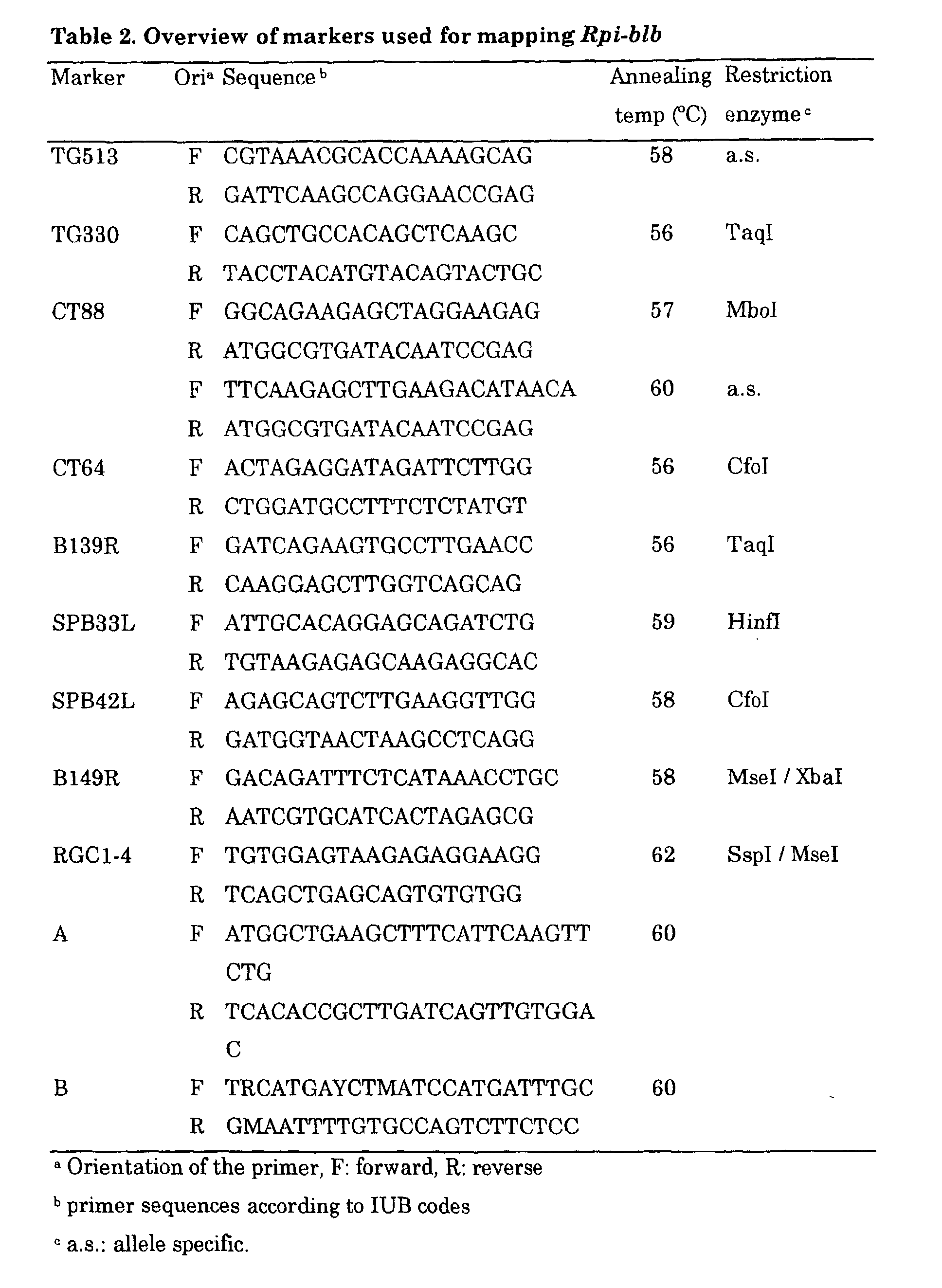
Phytophthora infestans resistance assays Genotype RGC-containing plants/ transformants R plants / RGC-containing plants R0(RGC1-blb) 15/20b 0/15 R0(RGC2-blb) 7/31c 6/7 Ro(RGC3-
blb)0/6c - 14/21d 0/14 R0(RGC4-blb) 1/7c 0/1 18/19b 0/18 Comparison of nucleotide and amino acid sequence homology 8005-8 BAC SPB4 Rice RGC Arabidops is RGC Tomato I2C-1 RGC3- blb RGC1-bld RGC4-bld Rpi-bld nt 88 84 81 - - - aa 81 76 70 37 32 32 N Cb N C N C 91 71 79 72 75 66 -
- Borodovsky M. and McIninch J. (1993) GeneMark: parallel gene recognition for both DNA strands, Computers & Chemistry, Vol. 17, No. 19, pp. 123-133.
- Altschul, S.F., Gish, W., Miller, W., Myers, E.W. and Lipman, D.J. (1990) Basic local alignment search tool. J. Mol. Biol. 215, 403-410.
- Aravind, L., Dixit, V.M. and Koonin, E.V. (1999) The domains of death: Evolution of the apoptosis machinery. Trends Biochem. Sci. 24, 47-53.
- Burge, C.B. and Karlin, S. (1997) Prediction of complete gene structures in human genomic DNA. J. Mol. Biol. 268, 78-94.
- Doyle, J.J., Doyle, J.L. (1990). Isolation of plant DNA from fresh tissue.
Focus 12, 13-15. - Farrand, S.K., O'Morchoe, S.P., and McCutchan, J. (1989). Construction of an Agrobacterium tumefacuiens C58 recA mutant. J. of Bacteriology 171, 5314-5321.
- Ewing, B., Hillier, L., Wendl, M.C., and Green, P. 1998. Base-calling of automated sequencer traces using Phred. I Accuracy assessment. Genome Research 8, 175-185.
- Ewing, B., and Green, P. 1998. Base-calling of automated sequencer traces using Phred. II Error probabilities. Genome Research 8, 186-194.
- Hamilton, C.M., Frary, Lewis, C., and Tanksley, S.D. (1996). Stable transfer of intact high molecular weight DNA into plant chromosomes. Proc. Natl. Acad. Sci. USA 93, 9975-9979.
- Hoekema, A., Hirsch, P.R., Hooykaas, P.J.J., and Schilperoort, R.A. (1983). A binary plant vector strategy based on separation of vir and T region in the Agrobacterium tumefaciens Ti-plasmid. Nature 303: 179-180.
- Hoekema, A., Huisman, L., Molendijk, L., van dern Elzen, P.J.M., Cornelissen, B.J.C. (1989) The genetic engineering of the commercial potato cultivars for resistance tot potato virus X. Bio/Technology 7, 273-278.
- Jones, D.A. and Jones, J.D.G. (1997) The role of leucine-rich repeat proteins in plant defenses. Adv. Bot. Res.24, 89-167.
- Lazo, G.R., Stein, P.A. and Ludwig, R.A. (1991) A DNA transformation-competent Arabidopsis genomic library in Agrobacterium. Bio/Technology 9, 963-967.
- Lukashin A. and Borodovsky M.. (1998). GeneMark.hmm: new solutions for gene finding, NAR 26, No. 4, pp. 1107-1115.
- Murashige, T., and Skoog, F. (1962). A revised medium for rapid growth and bioassays with tobacco tissue cultures. Physiol. Plant. 15, 473-497.
- Ori, N., Eshed, Y., Paran, I., Presting, G., Aviv, D., Tanksley, S. Zamir, D. and Fluhr,
R. (1997) The I2C family from the wilt
disease resistance locus 12 belongs to the nucleotide binding, leucine-rich repeat superfamily of plant resistance genes. Plant Cell, 9, 521-532. - Rouppe van der Voort, J., Kanyuka, K., van der Vossen, E., Bendahmane, A., Mooijman, P., Klein-Lankhorst, R., Stiekema, W., Baulcombe, D. & Bakker, J. (1999) Tight physical linkage of the nematode resistance gene Gpa2 and the virus resistance gene Rx on a single segment introgressed from the wild specis Solanum tuberosum aubsp. Andigena CPC 1673 into cultivated potato. Mol Plant Microbe Interact. 12, 197-206.
- Saitou N.and Nei M. (1987). The neighbour-joining method: a new method for reconstructing phylogenetic trees. Molecular Biology and Evolution 4, 406-425.
- Sambrook, J., Maniatis, T., and Fritsch, E.F. (1989), Molecular cloning: a
laboratory manual 2nd edn, Cold Spring Harbor Press, Cold Spring Harbor, New York. - Simon, R., Preifer, U., and Puhler, A. (1983). A broad host range mobilization system for in vivo genetic engineering: transposon mutatgenesis in Gram-negative bacteria. Bio/Tech. 1, 784-791.
- Simons, G., Groenendijk, J., Wijbrandi, J., Reijans, M., Groenen, J., Diergaarde, P.,
Van der Lee, T., Bleeker, M., Onstenk, J., de Both, M., Haring, M., Mes, J.,
Cornelissen, B., Zabeau, M and Vos, P. (1998) Dissection of the
Fusarium 12 gene cluster in tomato reveals six homologues and one active gene copy.Plant Cell 10, 1055-1068. - Tanksley, S.D., Ganal., M.W., Prince, J.P., de Vincente, M.C., Bonierbale, M.W., Broun, P., Fulton, T.M., Giovannoni, J.J., Grandillo, S., Martin, G.B., Messeguer, R., Miller, J.C., Miller, LO., Paterson, A.H., Pineda, 0., Roder, M.S., Wing, R.A., Wu, W. and Young, N.D. (1992). High-density molecular linkage maps of the tomato and potato genomes. Genetics 132,: 1141-1160.
- van der Biezen, E.A. and Jones, J.D.G. (1998) The NB-ARC domain: a novel signalling motif shared by plant resistance gene products and regulators of cell death in animals. Curr. Biol. 8, 226-227.
- van Engelen, F.A., Molthoff, J.W., Conner, A.J., Nap, J-P., Pereira, A. and Stiekema,
W.J. (1995) pBINPLUS: an improved plant transformation vector based on
pBIN19. Trans. Res. 4, 288-290.
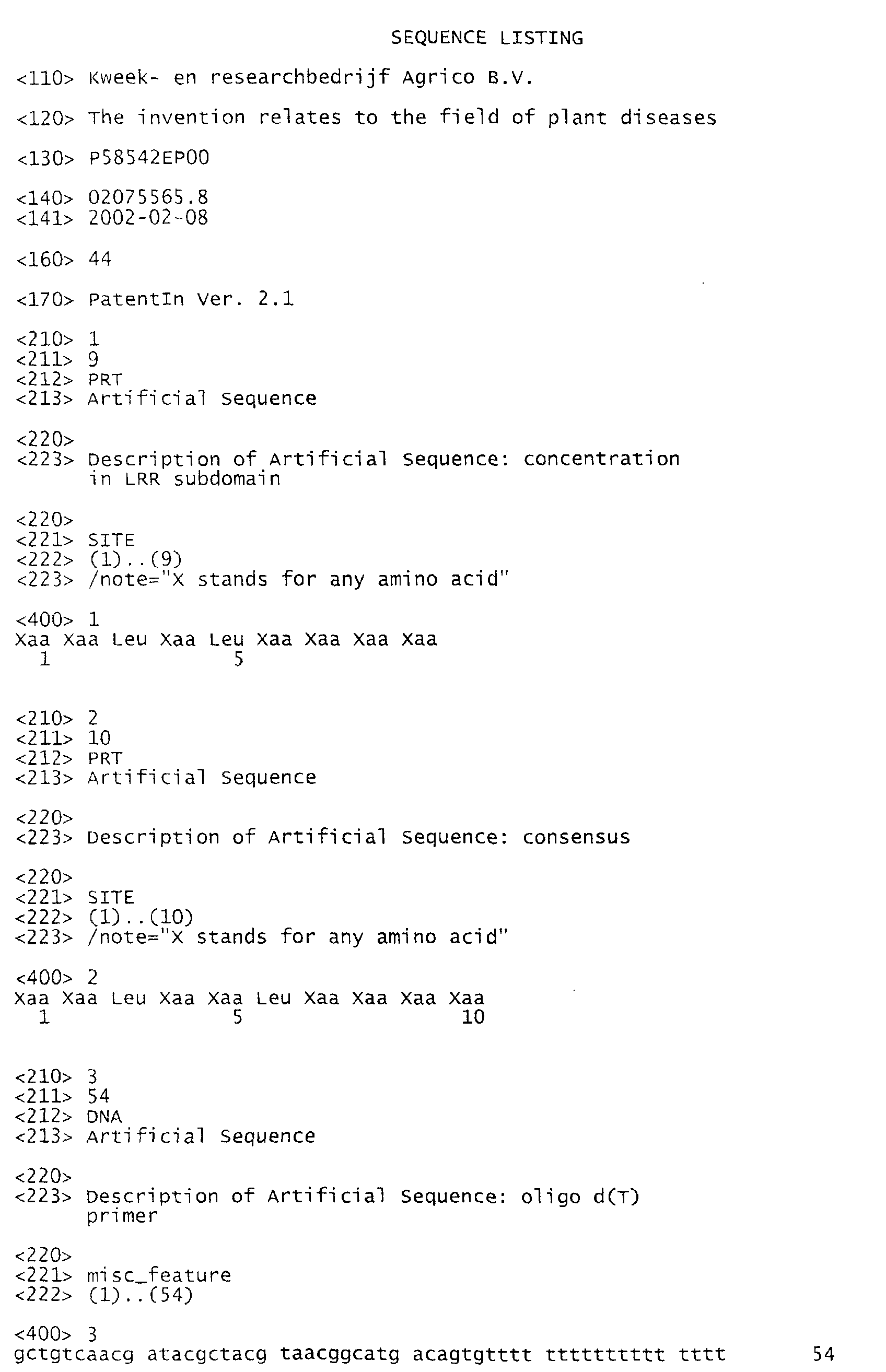


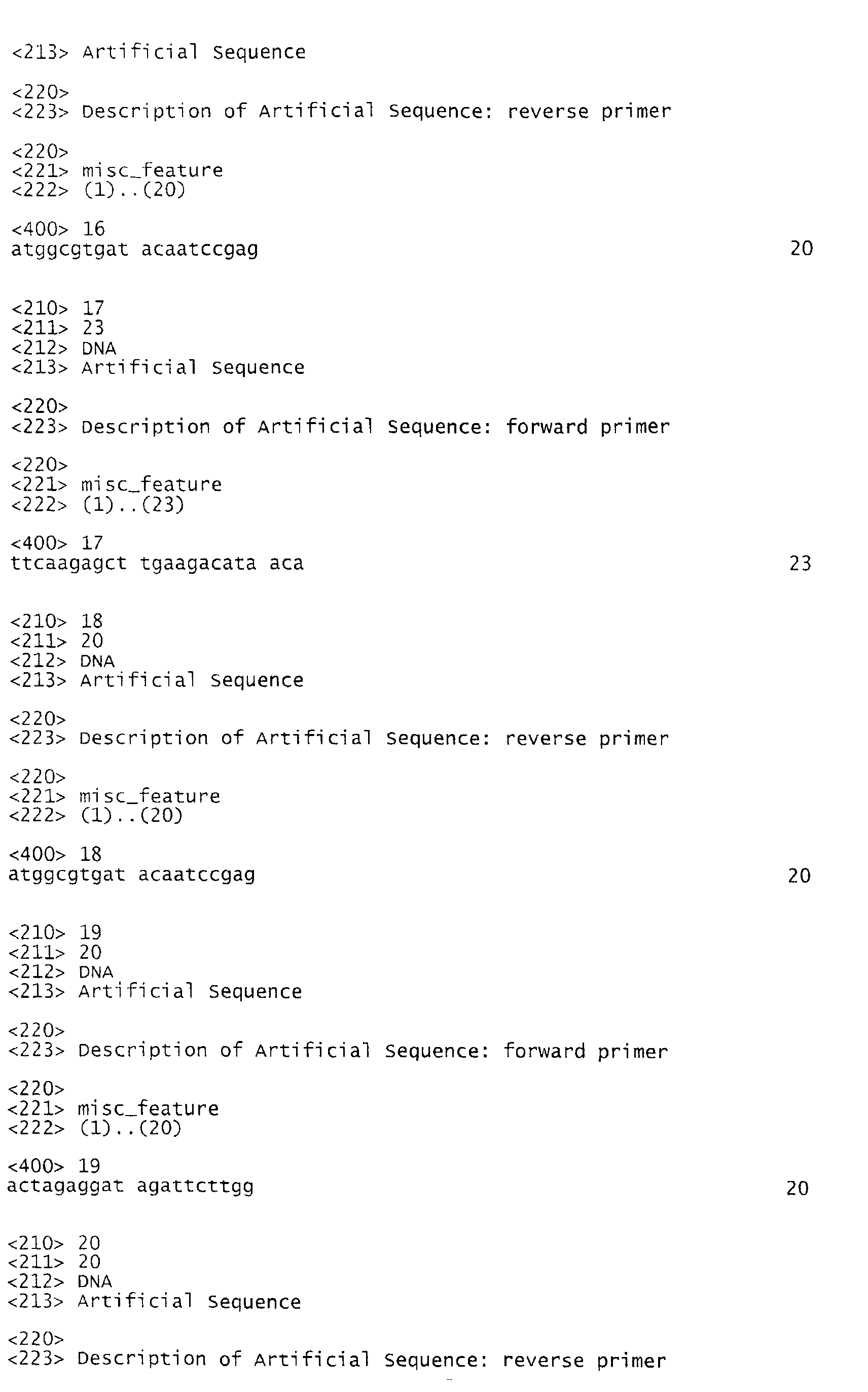
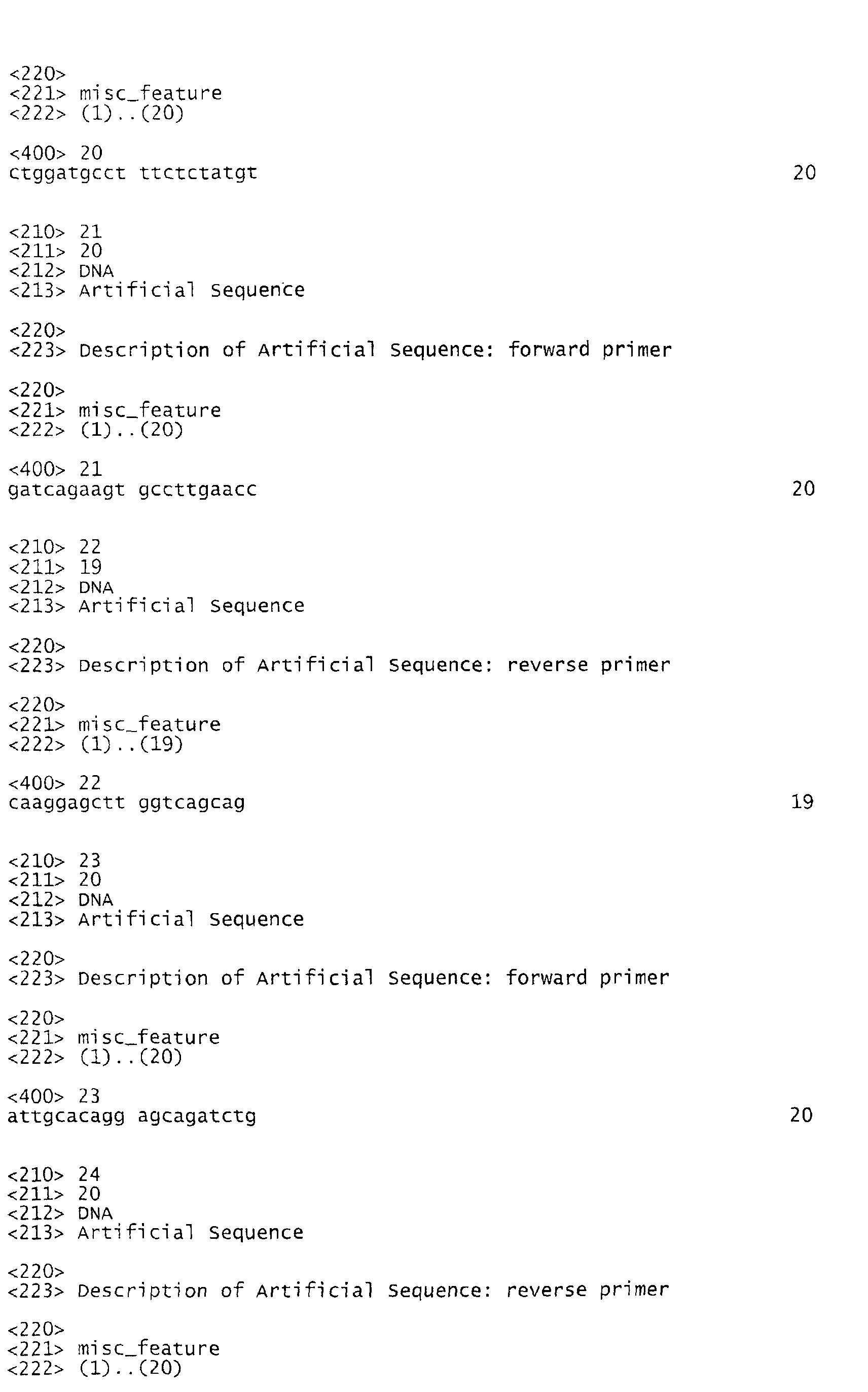
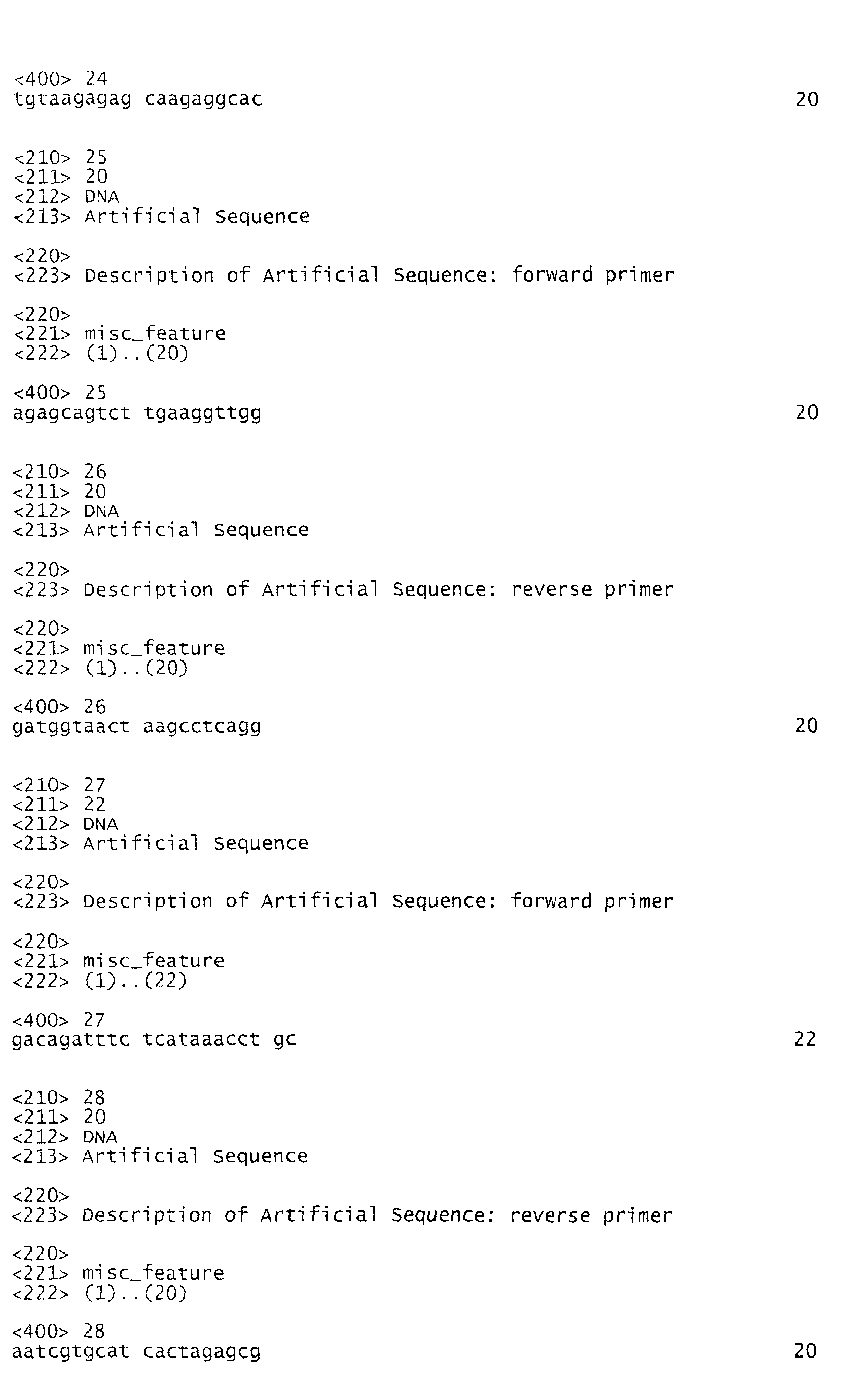
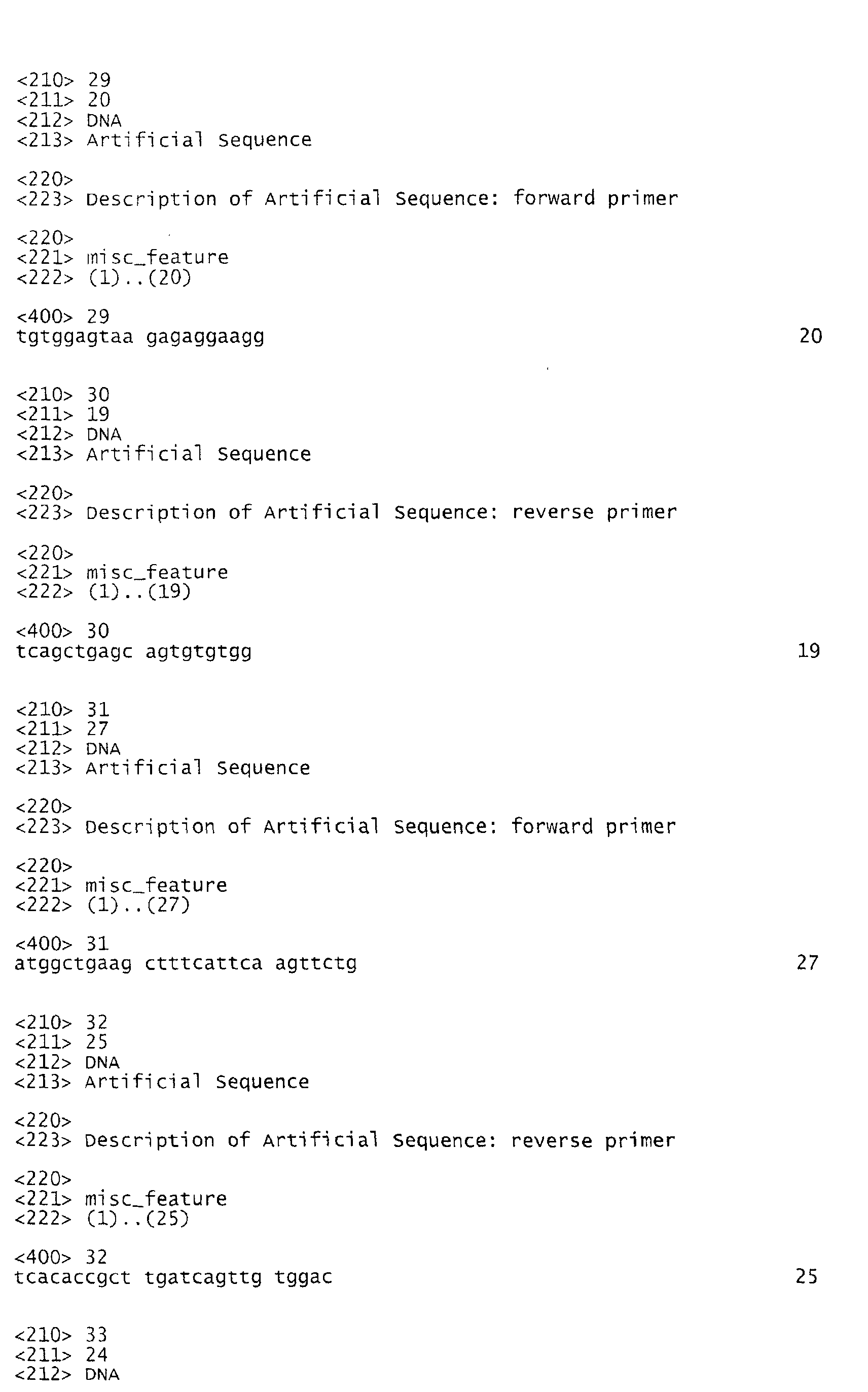

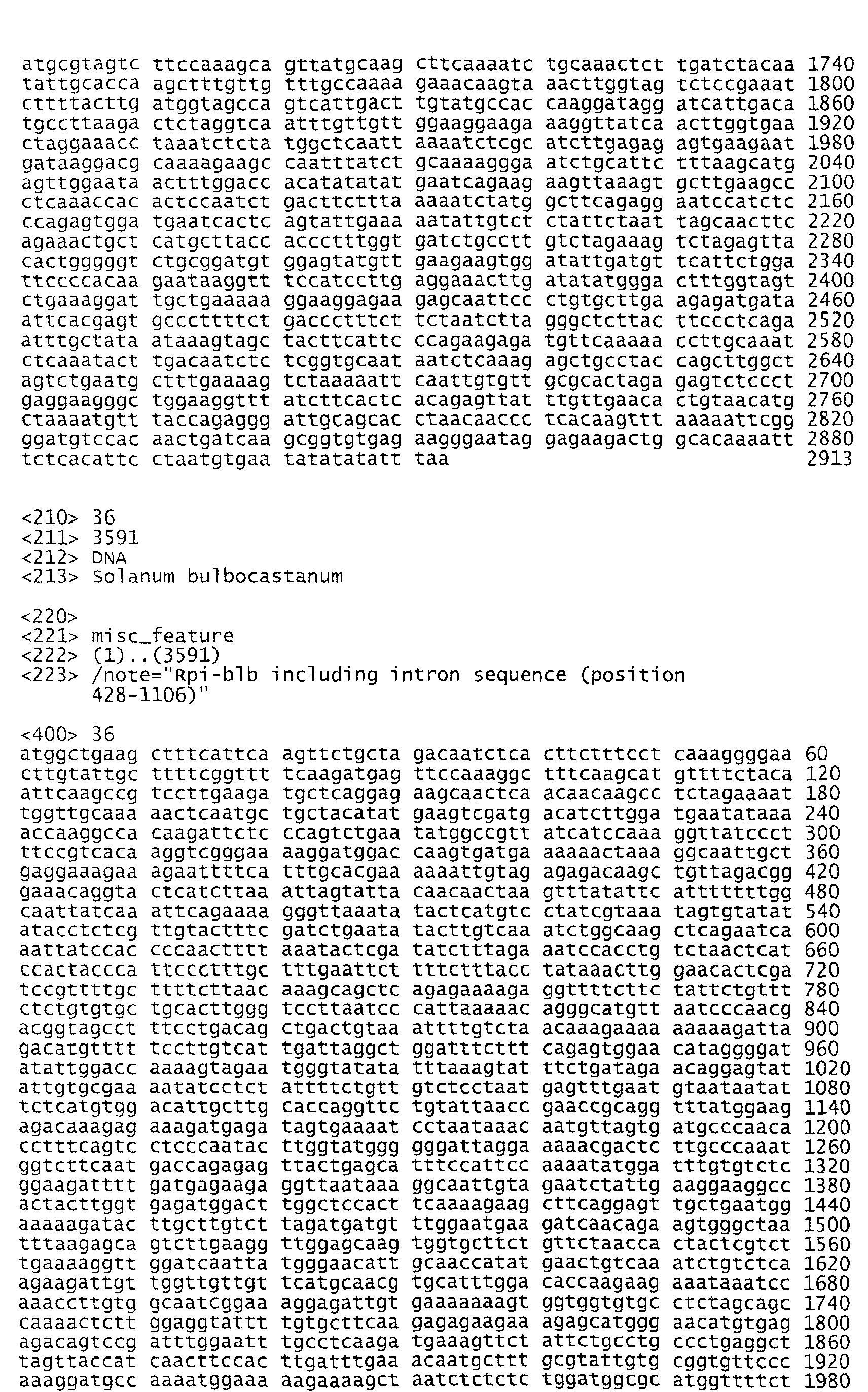

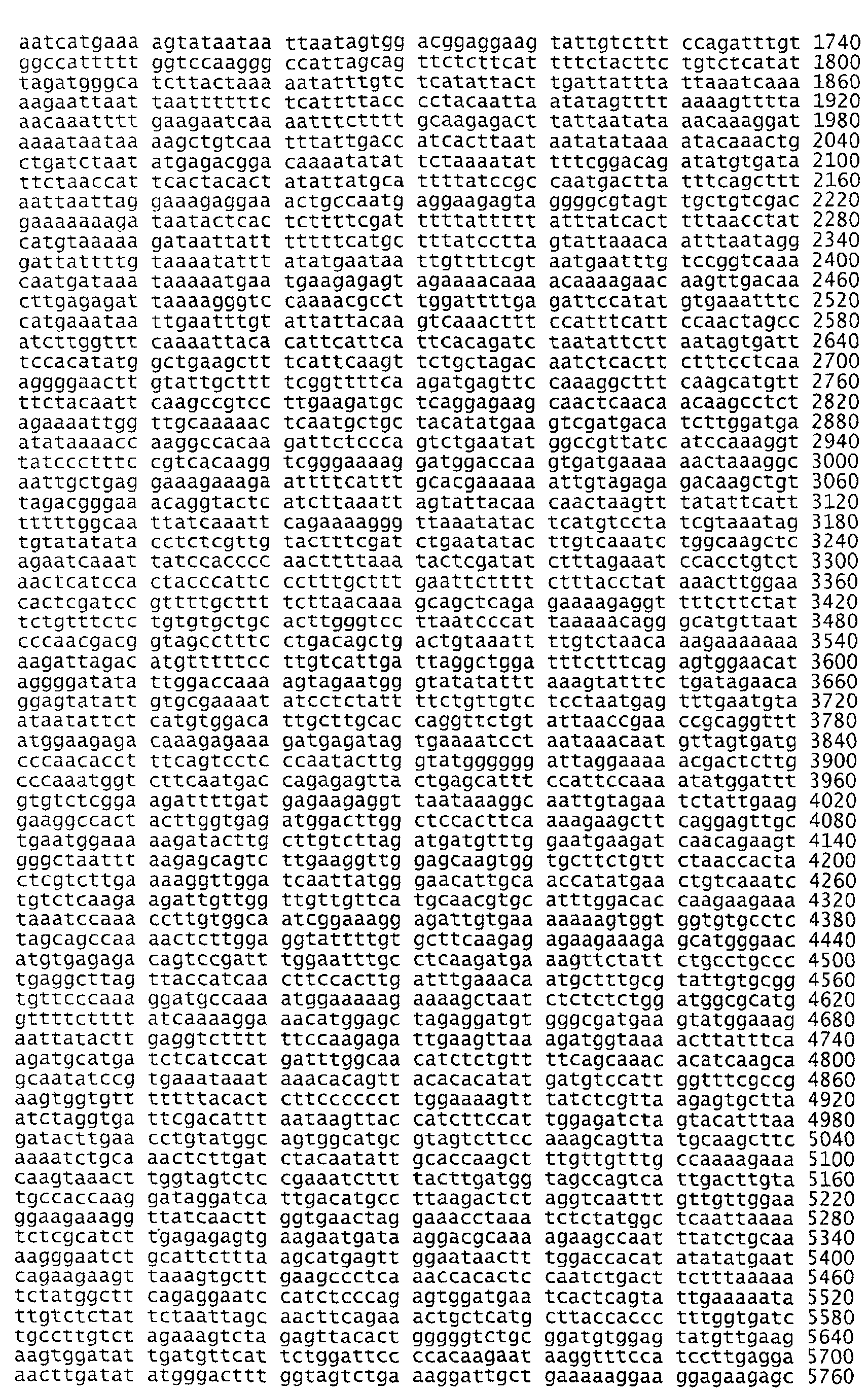
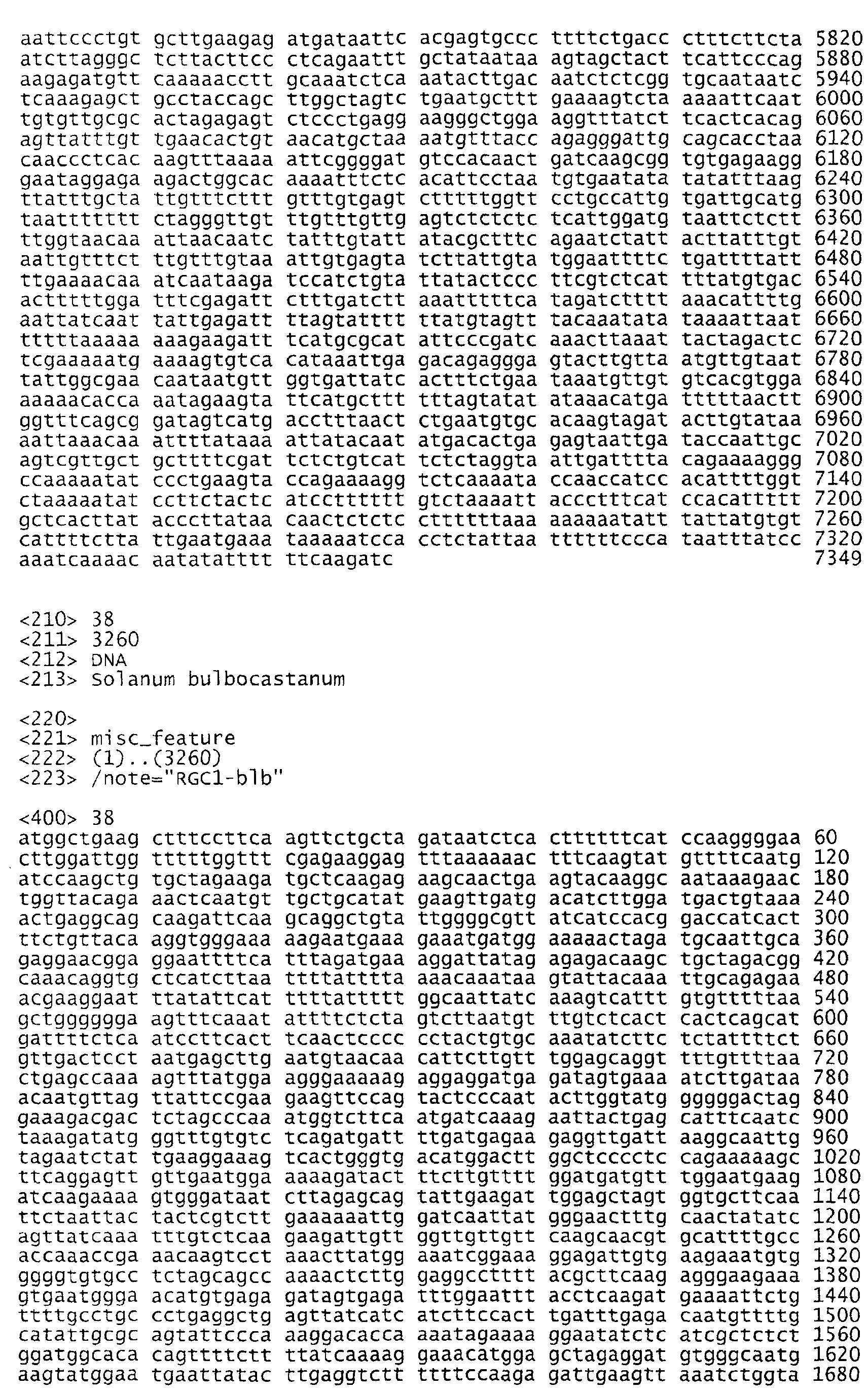

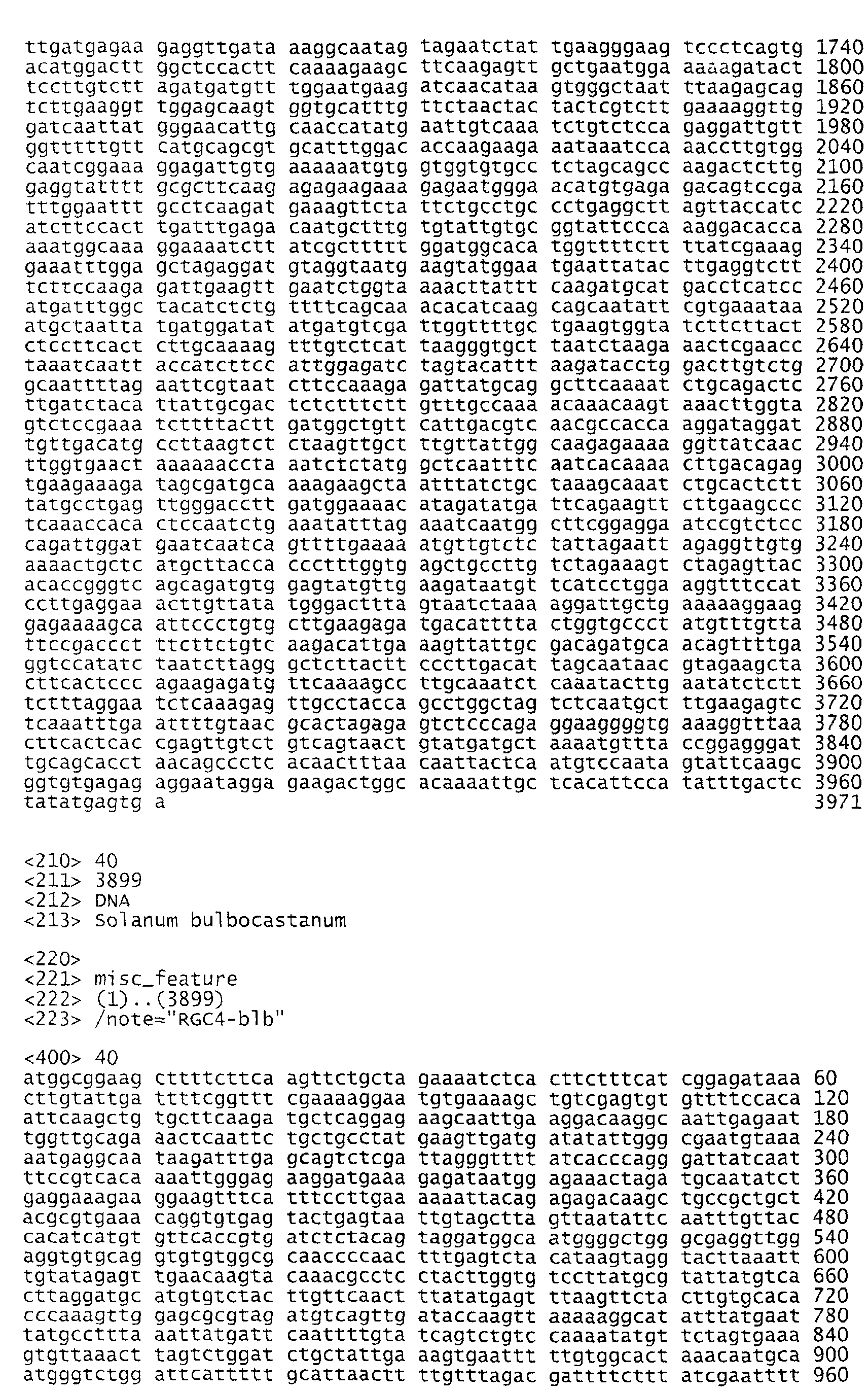
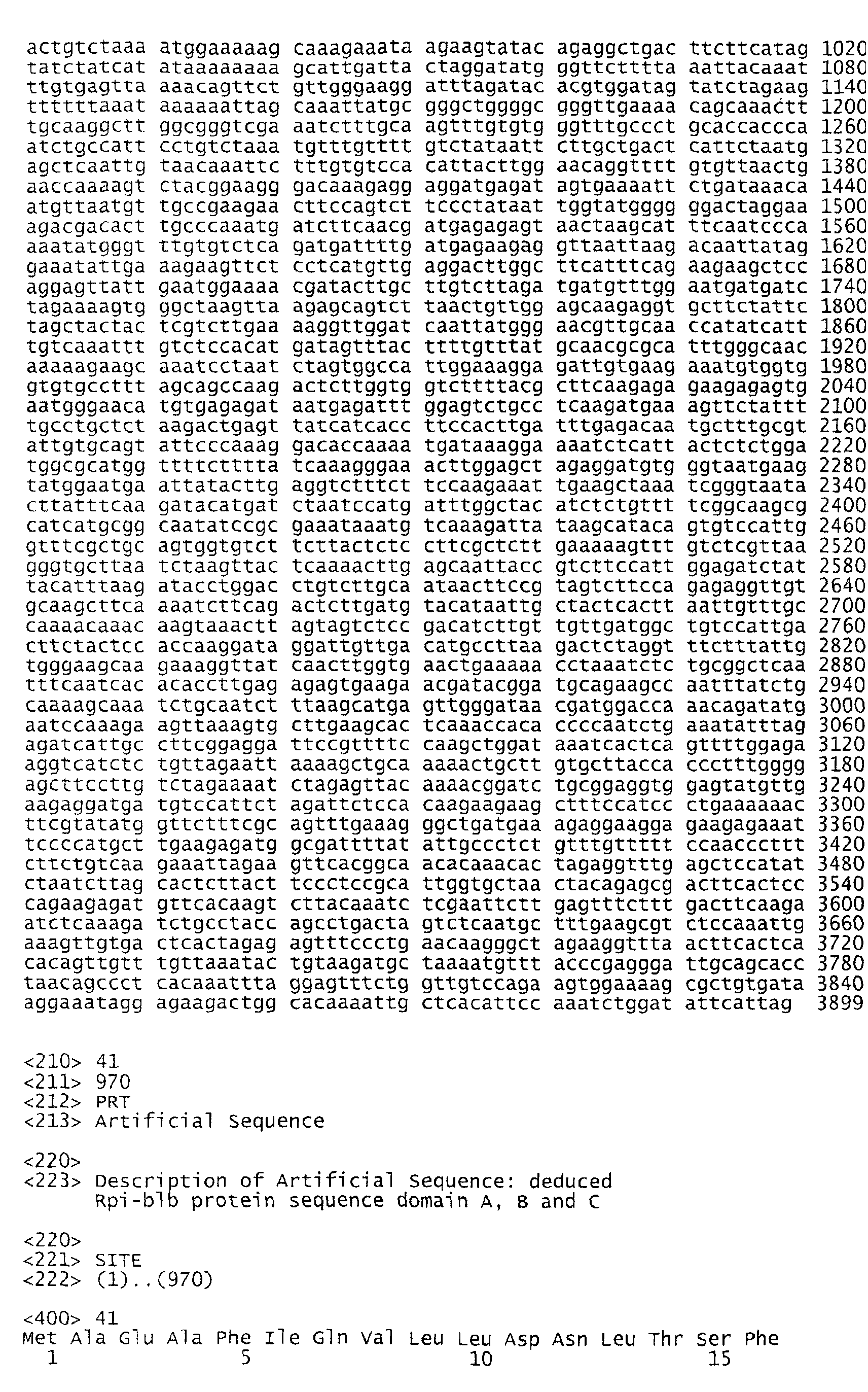


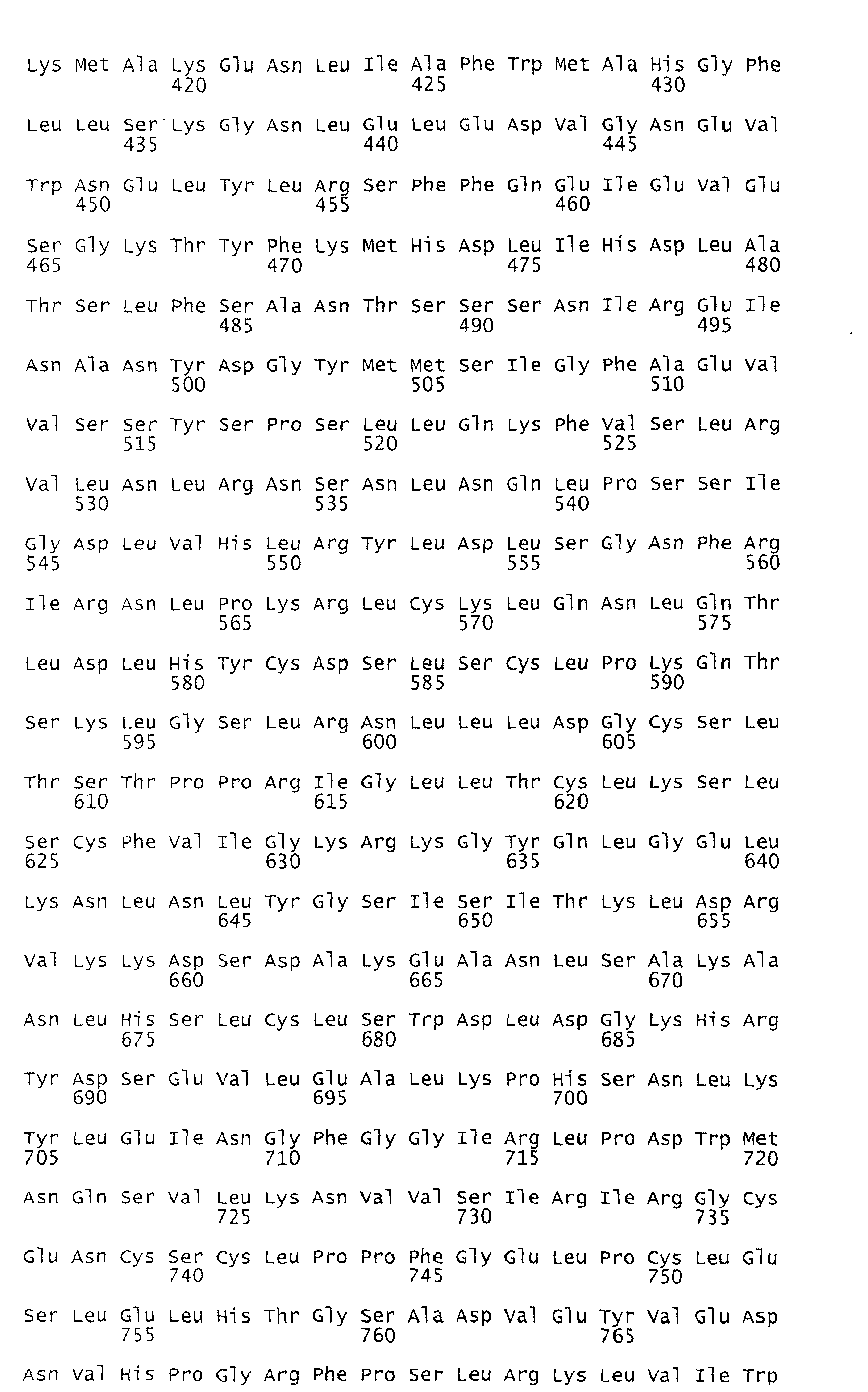
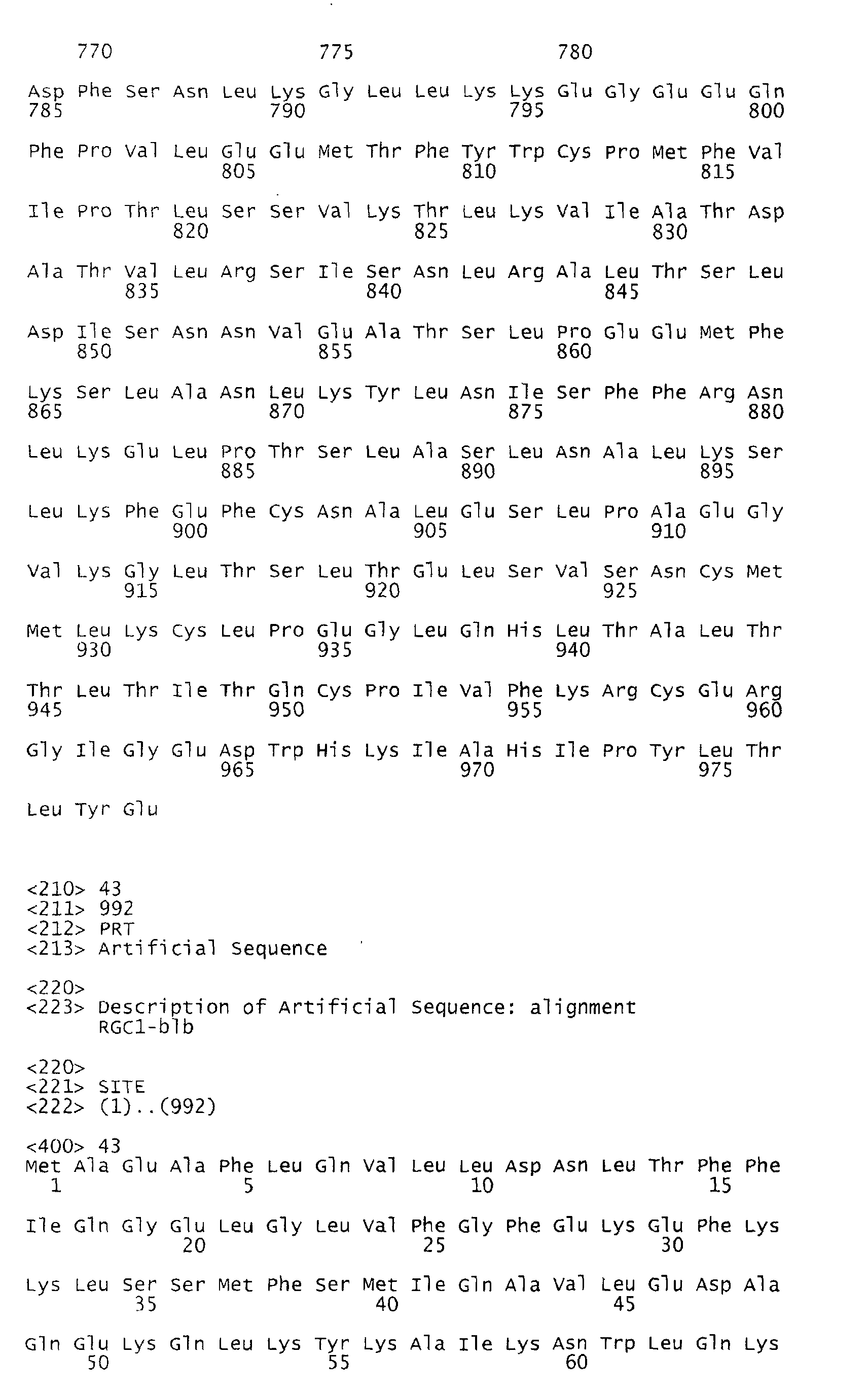

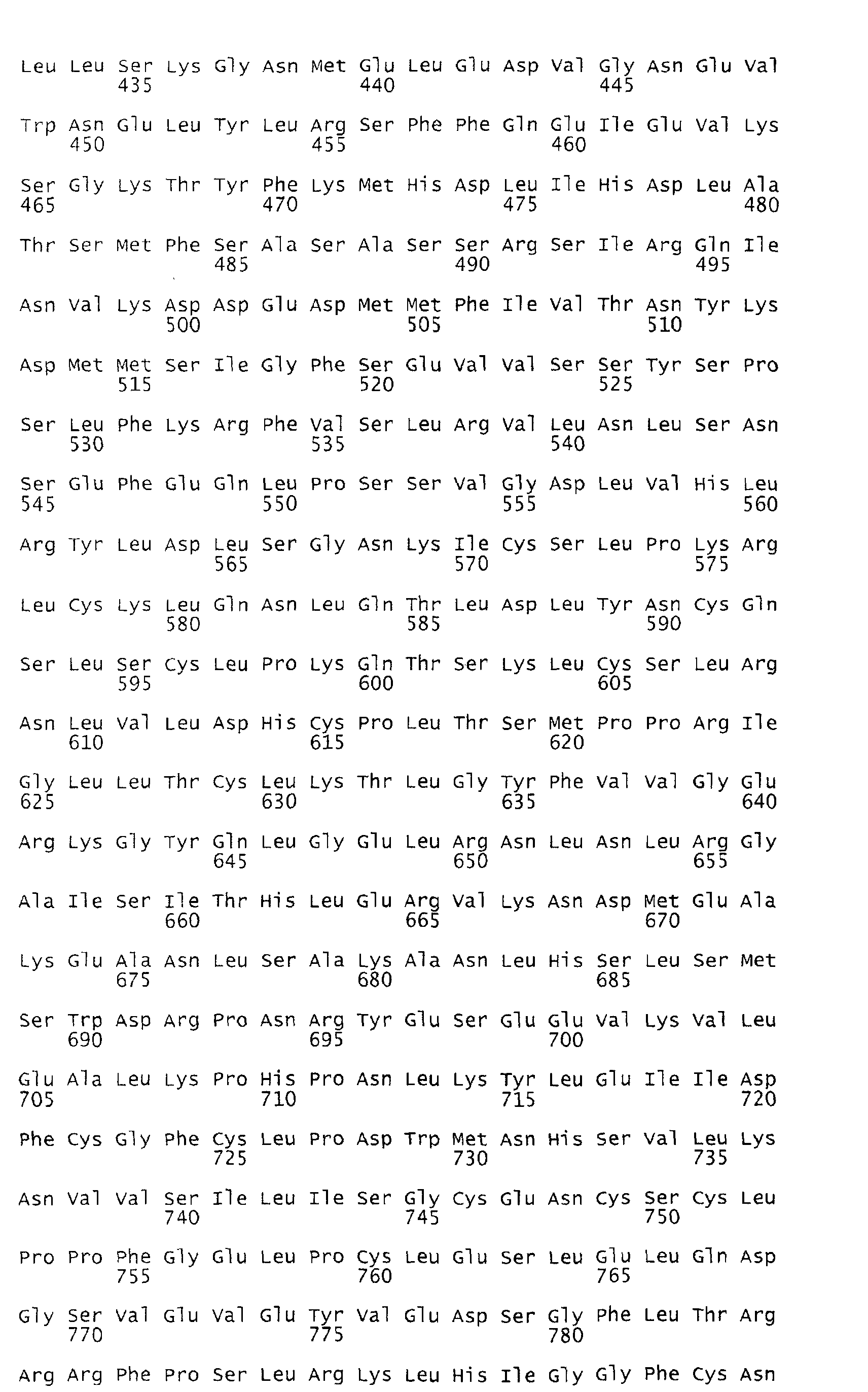

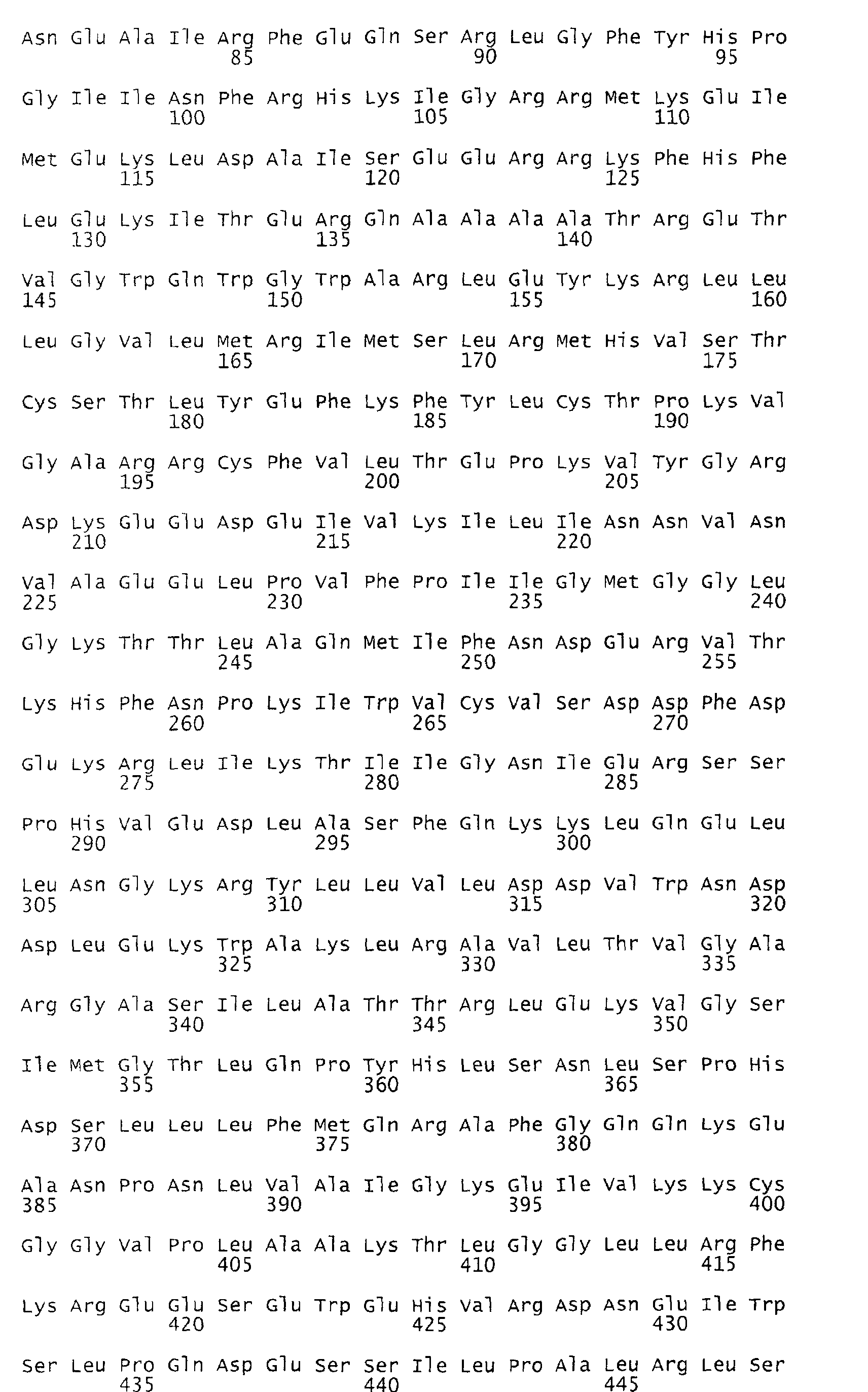
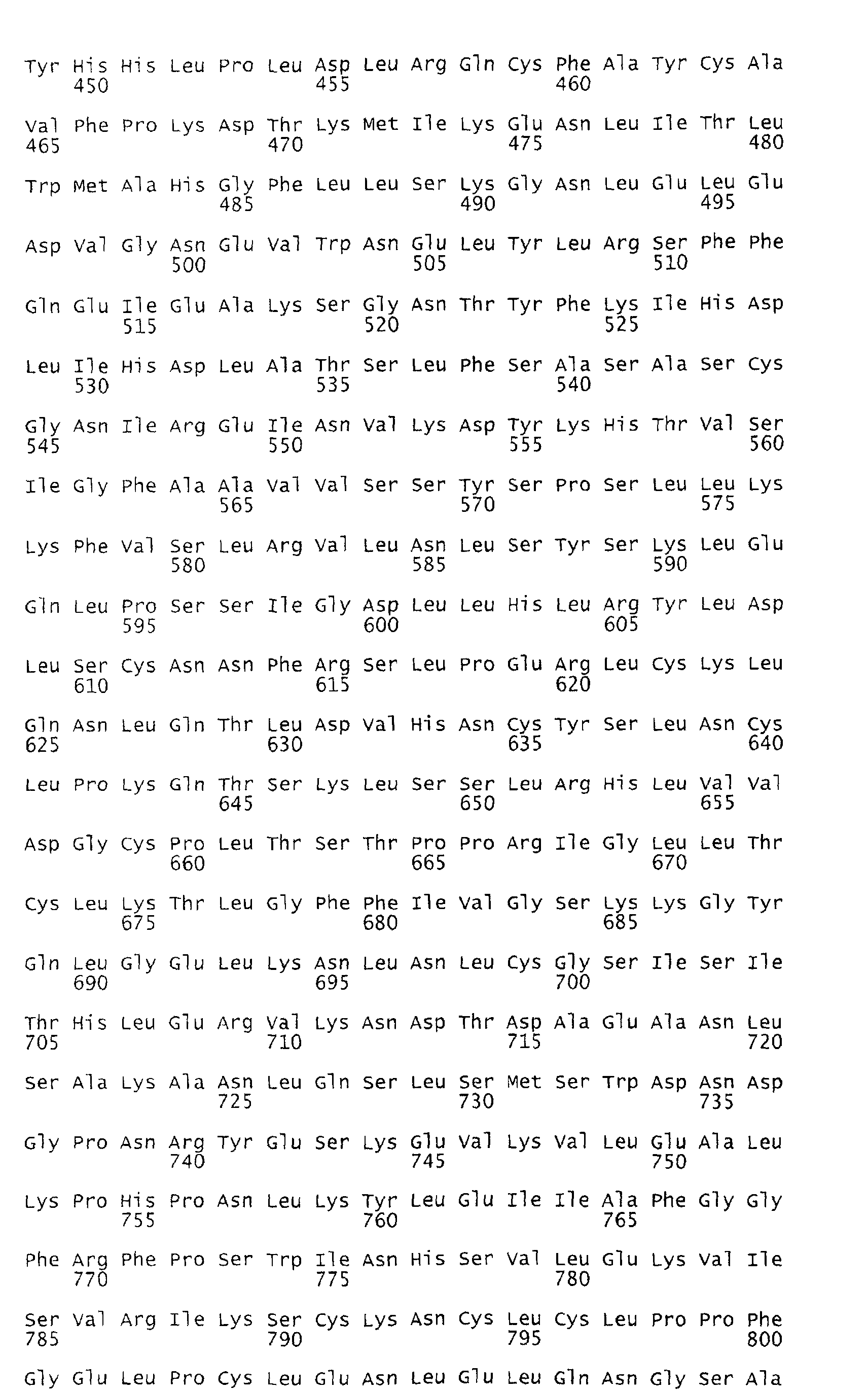

-
Claims (32)
- An isolated or recombinant nucleic acid or functional fragment thereof corresponding to one of a cluster of genes identifiable by phylogenetic tree analyses as corresponding to the Rpi-blb, RGC1-blb, RGC3-blb and RGC4-blb cluster of figure 9.
- A nucleic acid according to claim 1 said nucleic acid encoding a gene product that is capable of providing a member of the Solanacae family with resistance against an oomycete pathogen, or a functional equivalent thereof.
- A nucleic acid according to claim 1 or 2 wherein said member of the Solanacae family comprises S. tuberosum.
- A nucleic acid according to claim 1 to 3 where said resistance is race non-specific.
- A nucleic acid according to claim 1 to 4 comprising a sequence as depicted in figure 6 for Rpi-blb or part thereof.
- A nucleic acid according to claim 1 to 5 at least comprising a LRR domain.
- A vector comprising a nucleic acid according to anyone of claims 1 to 6.
- A host cell comprising a nucleic acid according to anyone of claims 1 to 6 or a vector according to claim 7.
- A cell according to claim 8 comprising a plant cell.
- A cell according to claim 9 wherein said plant comprises a member of the Solanacae family.
- A plant comprising a cell according to anyone of claims 6 to 10.
- A part derived from a plant according to claim 11.
- A part according to claim 12 wherein said tuber comprises a potato or said fruit comprises a tomato.
- Progeny of a plant according to claim 11.
- A proteinaceous substance exhibiting the characteristic of providing at least partial resistance to an oomycete infection such as caused by a Phytophthora species when incorporated and expressed in a plant or plant cell.
- A proteinaceous substance encoded by a nucleic acid according to anyone of claims 1 to 6.
- A proteinaceous substance comprising an amino acid sequence as depicted in figure 8 or part thereof.
- A binding molecule directed at a substance according to anyone of claims 15 to 17.
- A binding molecule according to claim 18 comprising an antibody or fragment thereof.
- A binding molecule directed at a nucleic acid according to anyone of claim 1 to 6.
- A binding molecule according to claim 20 comprising a probe or primer.
- A binding molecule according to anyone of claims 18 to 21 provided with a label.
- A binding molecule according to claim 22 wherein said label comprises an excitable moiety.
- Use of a nucleic acid according to anyone of claims 1 to 6 or a vector according to claim 7 or a cell according to anyone of claims 8 to 11 or a substance according to anyone of claims 15 to 17 or a binding molecule according to anyone of claims 18 to 23 in a method for providing a plant or its progeny with resistance against an oomycete infection.
- Use according to claim 24 wherein said oomycete comprises Phytophthora infestans.
- Use according to claim 24 or 25 wherein said plant comprises S. tuberosum.
- A method for providing a plant or its progeny with at least partial resistance against an oomycete infection comprising providing said plant or part thereof with a gene or functional fragment thereof comprising a nucleic acid corresponding to one of a cluster of genes identifiable by phylogenetic tree analyses as corresponding to the Rpi-blb, RCG1-blb, RCG3-blb and RCG4-blbcluster of figure 9, said nucleic acid encoding a gene product that is capable of providing a member of the Solanacae with resistance against an oomycete fungus, or providing said plant or part thereof with a nucleic acid according to anyone of claims 1 to 4 or a vector according to claim 5 or a cell according to claim 6 or a substance according to anyone of claims 15 to 18.
- A method for selecting a plant or plant material or progeny thereof for its susceptibility or resistance to an oomycete infection comprising testing at least part of said plant or plant material or progeny thereof for the presence or absence of a nucleic acid corresponding to one of a cluster of genes identifiable by phylogenetic tree analyses as corresponding to the Rpi-blb, RCG1-blb, RCG3-blb and RCG4-blbcluster of figure 9, said nucleic acid encoding a gene product that is capable of providing a member of the Solanacae with resistance against an oomycete fungus.
- A method according to claim 28 comprising contacting at least part of said plant or plant material or progeny thereof with a binding molecule according to anyone of claims 19 to 23 and determining the binding of said molecule to said part.
- A method according to claim 29 wherein said oomycete comprises Phytophthora infestans.
- A method according to claim 28 or 29 wherein said plant comprises S. tuberosum.
- An isolated S. bulbocastanum, or part thereof, susceptible to an oomycete infection caused by Phytophthora infestans.
Priority Applications (17)
| Application Number | Priority Date | Filing Date | Title |
|---|---|---|---|
| EP02075565A EP1334979A1 (en) | 2002-02-08 | 2002-02-08 | Gene conferring resistance to Phytophthera infestans (late-blight) in Solanaceae |
| PL372391A PL207545B1 (en) | 2002-02-08 | 2003-02-07 | Gene conferring resistance to phytophthera infestans (late-blight) in solanaceae |
| CA2475467A CA2475467C (en) | 2002-02-08 | 2003-02-07 | Gene conferring resistance to phytophthora infestans (late-blight) in solanaceae |
| DK03705496.2T DK1472281T3 (en) | 2002-02-08 | 2003-02-07 | GENES RESISTING TO PHYTOPHTHERA INFESTANS (POTATO FARM) |
| EP03705496.2A EP1472281B8 (en) | 2002-02-08 | 2003-02-07 | Gene conferring resistance to phytophthera infestans (late-blight) in solanaceae |
| MXPA04007690A MXPA04007690A (en) | 2002-02-08 | 2003-02-07 | Gene conferring resistance to phytophthora infestans (late-blight) in solanacea. |
| CN038078767A CN1646561B (en) | 2002-02-08 | 2003-02-07 | Gene conferring resistance to phytophthora infestans (late-blight) in solanacea |
| PCT/NL2003/000091 WO2003066675A1 (en) | 2002-02-08 | 2003-02-07 | Gene conferring resistance to phytophthora infestans (late-blight) in solanacea |
| US10/360,522 US7485773B2 (en) | 2002-02-08 | 2003-02-07 | Isolated nucleic acids encoding resistance polypeptides and uses thereof |
| AU2003207420A AU2003207420A1 (en) | 2002-02-08 | 2003-02-07 | Gene conferring resistance to phytophthora infestans (late-blight) in solanacea |
| RU2004126958/13A RU2361920C2 (en) | 2002-02-08 | 2003-02-07 | Gene steading against phytophthora infestans (buck eye rot) in family solanaceae |
| UA20040907322A UA87436C2 (en) | 2002-02-08 | 2003-02-07 | Gene conferring resistance to phytophthora infestans (late-blight) in solanacea |
| ES03705496.2T ES2527411T3 (en) | 2002-02-08 | 2003-02-07 | Gene that confers resistance to Phytophthora infestans (late blight) in Solanaceae |
| EP10012936.0A EP2330118B1 (en) | 2002-02-08 | 2003-02-07 | Gene conferring resistance to Phytophthora infestans (late-blight) in solanaceae |
| PT37054962T PT1472281E (en) | 2002-02-08 | 2003-02-07 | Gene conferring resistance to phytophthera infestans (late-blight) in solanaceae |
| BRPI0307510A BRPI0307510B1 (en) | 2002-02-08 | 2003-02-07 | vector, use of a nucleic acid, vector, cell or substance, and methods for providing a plant or offspring with at least partial resistance against an oomycete infection, and for selecting a plant or plant or its offspring for its susceptibility or resistance to an oomycete infection |
| US11/810,968 US7795398B2 (en) | 2002-02-08 | 2007-06-07 | Isolated fungal resistant proteins from potato |
Applications Claiming Priority (1)
| Application Number | Priority Date | Filing Date | Title |
|---|---|---|---|
| EP02075565A EP1334979A1 (en) | 2002-02-08 | 2002-02-08 | Gene conferring resistance to Phytophthera infestans (late-blight) in Solanaceae |
Publications (1)
| Publication Number | Publication Date |
|---|---|
| EP1334979A1 true EP1334979A1 (en) | 2003-08-13 |
Family
ID=27589153
Family Applications (3)
| Application Number | Title | Priority Date | Filing Date |
|---|---|---|---|
| EP02075565A Withdrawn EP1334979A1 (en) | 2002-02-08 | 2002-02-08 | Gene conferring resistance to Phytophthera infestans (late-blight) in Solanaceae |
| EP03705496.2A Expired - Lifetime EP1472281B8 (en) | 2002-02-08 | 2003-02-07 | Gene conferring resistance to phytophthera infestans (late-blight) in solanaceae |
| EP10012936.0A Expired - Lifetime EP2330118B1 (en) | 2002-02-08 | 2003-02-07 | Gene conferring resistance to Phytophthora infestans (late-blight) in solanaceae |
Family Applications After (2)
| Application Number | Title | Priority Date | Filing Date |
|---|---|---|---|
| EP03705496.2A Expired - Lifetime EP1472281B8 (en) | 2002-02-08 | 2003-02-07 | Gene conferring resistance to phytophthera infestans (late-blight) in solanaceae |
| EP10012936.0A Expired - Lifetime EP2330118B1 (en) | 2002-02-08 | 2003-02-07 | Gene conferring resistance to Phytophthora infestans (late-blight) in solanaceae |
Country Status (14)
| Country | Link |
|---|---|
| US (2) | US7485773B2 (en) |
| EP (3) | EP1334979A1 (en) |
| CN (1) | CN1646561B (en) |
| AU (1) | AU2003207420A1 (en) |
| BR (1) | BRPI0307510B1 (en) |
| CA (1) | CA2475467C (en) |
| DK (1) | DK1472281T3 (en) |
| ES (1) | ES2527411T3 (en) |
| MX (1) | MXPA04007690A (en) |
| PL (1) | PL207545B1 (en) |
| PT (1) | PT1472281E (en) |
| RU (1) | RU2361920C2 (en) |
| UA (1) | UA87436C2 (en) |
| WO (1) | WO2003066675A1 (en) |
Cited By (10)
| Publication number | Priority date | Publication date | Assignee | Title |
|---|---|---|---|---|
| WO2005014631A1 (en) * | 2003-08-11 | 2005-02-17 | Kweek-En Researchbedrijf Agrico B.V. | Fungus resistant plants and their uses |
| WO2005028651A1 (en) * | 2003-09-25 | 2005-03-31 | Queensland University Of Technology | Banana resistance genes and uses thereof |
| WO2010046422A2 (en) | 2008-10-22 | 2010-04-29 | Basf Se | Use of auxin type herbicides on cultivated plants |
| WO2010046423A2 (en) | 2008-10-22 | 2010-04-29 | Basf Se | Use of sulfonylurea herbicides on cultivated plants |
| WO2014053395A1 (en) | 2012-10-01 | 2014-04-10 | Basf Se | Use of n-thio-anthranilamide compounds on cultivated plants |
| WO2014079820A1 (en) | 2012-11-22 | 2014-05-30 | Basf Se | Use of anthranilamide compounds for reducing insect-vectored viral infections |
| EP3028573A1 (en) | 2014-12-05 | 2016-06-08 | Basf Se | Use of a triazole fungicide on transgenic plants |
| WO2016091674A1 (en) | 2014-12-12 | 2016-06-16 | Basf Se | Use of cyclaniliprole on cultivated plants |
| WO2016162371A1 (en) | 2015-04-07 | 2016-10-13 | Basf Agrochemical Products B.V. | Use of an insecticidal carboxamide compound against pests on cultivated plants |
| EP3338552A1 (en) | 2016-12-21 | 2018-06-27 | Basf Se | Use of a tetrazolinone fungicide on transgenic plants |
Families Citing this family (11)
| Publication number | Priority date | Publication date | Assignee | Title |
|---|---|---|---|---|
| US20050204419A1 (en) * | 2003-01-10 | 2005-09-15 | Helgeson John P. | Potato genes for resistance to late blight |
| CL2007002713A1 (en) * | 2006-09-21 | 2008-05-23 | Basf Plant Science Gmbh | PROCEDURE TO INCREASE THE RESISTANCE AGAINST THE PATHOGENS THAT INCLUDES INCREASE THE CONTENT OF THE RESISTANCE GENE RP1BLB1; RECOMBINANT NUCLEIC ACID MOLECULA; USE OF SUCH MOLECULA TO INCREASE RESISTANCE TO PATHOGENS IN PLANT |
| CN101679492A (en) | 2007-01-26 | 2010-03-24 | 瓦赫宁根大学 | Functional R gene from Castanea mollissima |
| GB0714241D0 (en) * | 2007-07-20 | 2007-08-29 | Univ Wageningen | Light blight resistances genes and methods |
| WO2009023755A1 (en) * | 2007-08-15 | 2009-02-19 | Wisconsin Alumni Research Foundation | Late blight resistance gene from wild potato |
| BRPI0921761A2 (en) | 2008-11-11 | 2015-09-01 | Toyota Motor Co Ltd | Gene to increase biomass production and method for use |
| PL2478006T3 (en) | 2009-09-18 | 2025-05-26 | Wageningen Universiteit | Cloning and exploitation of a functional r-gene from solanum chacoense |
| JP5454086B2 (en) * | 2009-10-30 | 2014-03-26 | トヨタ自動車株式会社 | Gene imparting environmental stress tolerance to plants and method of using the same |
| AR086540A1 (en) * | 2011-05-24 | 2014-01-08 | Basf Plant Science Co Gmbh | PHYTOPHTHORA RESISTANT POPE DEVELOPMENT WITH GREATER PERFORMANCE |
| SG11201507378UA (en) * | 2013-03-14 | 2015-10-29 | Caribou Biosciences Inc | Compositions and methods of nucleic acid-targeting nucleic acids |
| CN107937591B (en) * | 2017-12-12 | 2021-04-13 | 华中农业大学 | SNP markers for low-temperature glycation-resistant QTL loci at the end of potato chromosome XI and its application |
Family Cites Families (8)
| Publication number | Priority date | Publication date | Assignee | Title |
|---|---|---|---|---|
| NL9000773A (en) | 1990-04-02 | 1991-11-01 | Rijkslandbouwhogeschool | PROCESS FOR PROTECTING PLANTS AGAINST PATHOGENS |
| RU2080788C1 (en) * | 1992-12-15 | 1997-06-10 | Агафонов Юрий Владимирович | Agent enhancing resistance of agriculture crops to fungal infection |
| AU6950894A (en) * | 1993-05-28 | 1994-12-20 | Regents Of The University Of Minnesota | Composition and method for inhibiting plant disease |
| US6100449A (en) * | 1995-04-13 | 2000-08-08 | Yeda Research And Development Co. Ltd. | Transgenic tomato plants containing a fusarium resistance gene |
| RU2203320C2 (en) * | 1995-06-07 | 2003-04-27 | Дзе Риджентс Оф Дзе Юниверсити Оф Калифорния | Methods and substances for conferring to plants resistance against diseases |
| EP1060257A1 (en) | 1998-03-06 | 2000-12-20 | Mogen International N.V. | Method for the induction of pathogen resistance in plants |
| US7148397B2 (en) * | 2002-08-29 | 2006-12-12 | The United States Of America As Represented By The Secretary Of Agriculture | Solanum bulbocastanum late blight resistance gene and use thereof |
| PL1654276T3 (en) | 2003-08-11 | 2013-08-30 | Simplot Co J R | Fungus resistant plants and their uses |
-
2002
- 2002-02-08 EP EP02075565A patent/EP1334979A1/en not_active Withdrawn
-
2003
- 2003-02-07 US US10/360,522 patent/US7485773B2/en not_active Expired - Lifetime
- 2003-02-07 WO PCT/NL2003/000091 patent/WO2003066675A1/en not_active Ceased
- 2003-02-07 UA UA20040907322A patent/UA87436C2/en unknown
- 2003-02-07 CN CN038078767A patent/CN1646561B/en not_active Expired - Lifetime
- 2003-02-07 ES ES03705496.2T patent/ES2527411T3/en not_active Expired - Lifetime
- 2003-02-07 EP EP03705496.2A patent/EP1472281B8/en not_active Expired - Lifetime
- 2003-02-07 PL PL372391A patent/PL207545B1/en unknown
- 2003-02-07 MX MXPA04007690A patent/MXPA04007690A/en active IP Right Grant
- 2003-02-07 RU RU2004126958/13A patent/RU2361920C2/en active IP Right Revival
- 2003-02-07 PT PT37054962T patent/PT1472281E/en unknown
- 2003-02-07 AU AU2003207420A patent/AU2003207420A1/en not_active Abandoned
- 2003-02-07 EP EP10012936.0A patent/EP2330118B1/en not_active Expired - Lifetime
- 2003-02-07 CA CA2475467A patent/CA2475467C/en not_active Expired - Lifetime
- 2003-02-07 BR BRPI0307510A patent/BRPI0307510B1/en active IP Right Grant
- 2003-02-07 DK DK03705496.2T patent/DK1472281T3/en active
-
2007
- 2007-06-07 US US11/810,968 patent/US7795398B2/en not_active Expired - Lifetime
Non-Patent Citations (12)
| Title |
|---|
| DATABASE EMBL [online] EMBL; 5 September 2001 (2001-09-05), PAN Q. ET AL.: "Lycopersicon esculentum isolate Q194 nucleotide binding region of resistance-like gene, partial sequence", XP002206417, Database accession no. AF404480 * |
| DATABASE EMBL [online] EMBL; 8 June 2001 (2001-06-08), BOUGRI O. ET AL.: "Generations of ESTs from dormant potato tubers", XP002206419, Database accession no. BG890602 * |
| DATABASE SWISSPROT [online] EBI; 1 December 2001 (2001-12-01), SASAKI T. ET AL.: "Putative NBS-LRR type resistance protein", XP002206418, Database accession no. Q94J89 * |
| DONG F ET AL: "Development and applications of a set of chromosome-specific cytogenetic DNA markers in potato.", THEORETICAL AND APPLIED GENETICS, vol. 101, no. 7, November 2000 (2000-11-01), pages 1001 - 1007, XP001087853, ISSN: 0040-5752 * |
| ELLIS JEFF ET AL: "Structure, function and evolution of plant disease resistance genes.", CURRENT OPINION IN PLANT BIOLOGY, vol. 3, no. 4, August 2000 (2000-08-01), pages 278 - 284, XP002206415, ISSN: 1369-5266 * |
| LEISTER D ET AL: "A PCR-BASED APPROACH FOR ISOLATING PATHOGEN RESISTANCE GENES FROM POTATO WITH POTENTIAL FOR WIDE APPLICATON IN PLANTS", NATURE GENETICS, NEW YORK, NY, US, vol. 14, December 1996 (1996-12-01), pages 421 - 429, XP000964717, ISSN: 1061-4036 * |
| OBERHAGEMANN P ET AL: "A GENETIC ANALYSIS OF QUANTITATIVE RESISTANCE TO LATE BLIGHT IN PATATO: TOWARDS MARKER-ASSISTED SELECTION", MOLECULAR BREEDING: NEW STRATEGIES IN PLANT IMPROVEMENT, KLUWER ACADEMIC PUBLISHERS, NL, vol. 5, no. 5, 1999, pages 399 - 415, XP001079515, ISSN: 1380-3743 * |
| PAN Q. ET AL.: "Comparative genetics of nucleotide binding site-leucin rich repeat resistance gene homologs in the genomes of two dicotyledons: tomato and arabidopsis", GENETICS, vol. 155, no. 1, 2000, pages 309 - 322, XP002207023 * |
| THIEME R ET AL: "PRODUCTION OF SOMATIC HYBRIDS BETWEEN S.TUBEROSUM L. AND LATE BLIGHT RESISTANT MEXICAN WILD POTATO SPECIES", EUPHYTICA, KLUWER ACADEMIC PRESS, AMSTERDAM, NL, vol. 97, no. 2, 1997, pages 189 - 200, XP002912898, ISSN: 0014-2336 * |
| VAN DER BIEZEN E A ET AL: "THE NB-ARC DOMAIN: A NOVEL SIGNALLING MOTIF SHARED BY PLANT RESISTANCE GENE PRODUCTS AND REGULATORS OF CELL DEATH IN ANIMALS", CURRENT BIOLOGY, CURRENT SCIENCE,, GB, vol. 8, no. 7, 26 March 1998 (1998-03-26), pages R226 - R227, XP000924862, ISSN: 0960-9822 * |
| VAN DER BIEZEN ERIC ET AL: "Plant disease-resistance proteins and the gene-for-gene concept", TIBS TRENDS IN BIOCHEMICAL SCIENCES, ELSEVIER PUBLICATION, CAMBRIDGE, EN, vol. 23, no. 12, December 1998 (1998-12-01), pages 454 - 456, XP002158209, ISSN: 0968-0004 * |
| YOUNG NEVIN DALE: "The genetic architecture of resistance.", CURRENT OPINION IN PLANT BIOLOGY, vol. 3, no. 4, August 2000 (2000-08-01), pages 285 - 290, XP002206416, ISSN: 1369-5266 * |
Cited By (14)
| Publication number | Priority date | Publication date | Assignee | Title |
|---|---|---|---|---|
| EP2330206A1 (en) * | 2003-08-11 | 2011-06-08 | Kweek-en Researchbedrijf Agrico B.V. | A gene from Solanum bulbocastanum conferring resistance to Phytophthora infestans |
| WO2005014631A1 (en) * | 2003-08-11 | 2005-02-17 | Kweek-En Researchbedrijf Agrico B.V. | Fungus resistant plants and their uses |
| US7608751B2 (en) | 2003-08-11 | 2009-10-27 | Kweek-En Researchbedruf Agrico B.V. | Fungus resistant plants and their uses |
| US8426679B2 (en) | 2003-08-11 | 2013-04-23 | Kweek-En Researchbedrijf Agrico B.V. | Fungus resistant plants and their uses |
| US7601887B2 (en) | 2003-09-25 | 2009-10-13 | Queensland University Of Technology | Banana resistance genes and uses thereof |
| WO2005028651A1 (en) * | 2003-09-25 | 2005-03-31 | Queensland University Of Technology | Banana resistance genes and uses thereof |
| WO2010046422A2 (en) | 2008-10-22 | 2010-04-29 | Basf Se | Use of auxin type herbicides on cultivated plants |
| WO2010046423A2 (en) | 2008-10-22 | 2010-04-29 | Basf Se | Use of sulfonylurea herbicides on cultivated plants |
| WO2014053395A1 (en) | 2012-10-01 | 2014-04-10 | Basf Se | Use of n-thio-anthranilamide compounds on cultivated plants |
| WO2014079820A1 (en) | 2012-11-22 | 2014-05-30 | Basf Se | Use of anthranilamide compounds for reducing insect-vectored viral infections |
| EP3028573A1 (en) | 2014-12-05 | 2016-06-08 | Basf Se | Use of a triazole fungicide on transgenic plants |
| WO2016091674A1 (en) | 2014-12-12 | 2016-06-16 | Basf Se | Use of cyclaniliprole on cultivated plants |
| WO2016162371A1 (en) | 2015-04-07 | 2016-10-13 | Basf Agrochemical Products B.V. | Use of an insecticidal carboxamide compound against pests on cultivated plants |
| EP3338552A1 (en) | 2016-12-21 | 2018-06-27 | Basf Se | Use of a tetrazolinone fungicide on transgenic plants |
Also Published As
| Publication number | Publication date |
|---|---|
| US7485773B2 (en) | 2009-02-03 |
| UA87436C2 (en) | 2009-07-27 |
| DK1472281T3 (en) | 2015-01-12 |
| EP2330118A1 (en) | 2011-06-08 |
| EP1472281B1 (en) | 2014-10-08 |
| EP2330118B1 (en) | 2017-06-21 |
| ES2527411T3 (en) | 2015-01-23 |
| BR0307510A (en) | 2004-12-07 |
| PT1472281E (en) | 2015-01-14 |
| RU2361920C2 (en) | 2009-07-20 |
| RU2004126958A (en) | 2005-06-27 |
| BRPI0307510B1 (en) | 2016-05-17 |
| CN1646561A (en) | 2005-07-27 |
| PL372391A1 (en) | 2005-07-25 |
| AU2003207420A1 (en) | 2003-09-02 |
| CN1646561B (en) | 2012-10-03 |
| PL207545B1 (en) | 2010-12-31 |
| US20030221215A1 (en) | 2003-11-27 |
| CA2475467A1 (en) | 2003-08-14 |
| MXPA04007690A (en) | 2005-04-25 |
| EP1472281A1 (en) | 2004-11-03 |
| US7795398B2 (en) | 2010-09-14 |
| CA2475467C (en) | 2012-05-22 |
| EP1472281B8 (en) | 2014-11-12 |
| WO2003066675A1 (en) | 2003-08-14 |
| US20070256194A1 (en) | 2007-11-01 |
Similar Documents
| Publication | Publication Date | Title |
|---|---|---|
| US7795398B2 (en) | Isolated fungal resistant proteins from potato | |
| CN109321582B (en) | Application of aegilops tauschii Yr4DS gene in stripe rust resistant breeding of wheat plants | |
| RU2511423C2 (en) | Genes and methods of providing resistance to late blight | |
| Jo | Unveiling and deploying durability of late blight resistance in potato: from natural stacking to cisgenic stacking | |
| US7351817B2 (en) | Nucleic acids from rice conferring resistance to bacterial blight disease caused by Xanthomonas spp | |
| AU2008319517B2 (en) | Resistance gene and uses thereof | |
| CN100569947C (en) | Rice Blast Resistance Gene Pi37 and Its Application | |
| JP4320399B2 (en) | Novel root-knot nematode resistance gene and its use | |
| US11168335B2 (en) | R8 Phytophthora resistance gene in potato | |
| CN114945273A (en) | Increasing the resistance of plants against fungal infections | |
| WO2014092561A1 (en) | Gene and method for increasing disease resistance in perennial plants | |
| WO2000006753A1 (en) | Engineering nematode resistance in solanacae | |
| CA2961553C (en) | Phytophthora resistance gene |
Legal Events
| Date | Code | Title | Description |
|---|---|---|---|
| PUAI | Public reference made under article 153(3) epc to a published international application that has entered the european phase |
Free format text: ORIGINAL CODE: 0009012 |
|
| AK | Designated contracting states |
Designated state(s): AT BE CH CY DE DK ES FI FR GB GR IE IT LI LU MC NL PT SE TR |
|
| AX | Request for extension of the european patent |
Extension state: AL LT LV MK RO SI |
|
| AKX | Designation fees paid | ||
| REG | Reference to a national code |
Ref country code: DE Ref legal event code: 8566 |
|
| STAA | Information on the status of an ep patent application or granted ep patent |
Free format text: STATUS: THE APPLICATION IS DEEMED TO BE WITHDRAWN |
|
| 18D | Application deemed to be withdrawn |
Effective date: 20040214 |