EP1321151A1 - Antiparkinsonism drugs - Google Patents
Antiparkinsonism drugs Download PDFInfo
- Publication number
- EP1321151A1 EP1321151A1 EP01961157A EP01961157A EP1321151A1 EP 1321151 A1 EP1321151 A1 EP 1321151A1 EP 01961157 A EP01961157 A EP 01961157A EP 01961157 A EP01961157 A EP 01961157A EP 1321151 A1 EP1321151 A1 EP 1321151A1
- Authority
- EP
- European Patent Office
- Prior art keywords
- optionally substituted
- trh
- pharmaceutical composition
- formula
- prodrug
- Prior art date
- Legal status (The legal status is an assumption and is not a legal conclusion. Google has not performed a legal analysis and makes no representation as to the accuracy of the status listed.)
- Withdrawn
Links
- 0 C*(C)(*C1)C(*)N1C(C(C*)NC(P)=O)=O Chemical compound C*(C)(*C1)C(*)N1C(C(C*)NC(P)=O)=O 0.000 description 4
Images
Classifications
-
- A—HUMAN NECESSITIES
- A61—MEDICAL OR VETERINARY SCIENCE; HYGIENE
- A61K—PREPARATIONS FOR MEDICAL, DENTAL OR TOILETRY PURPOSES
- A61K38/00—Medicinal preparations containing peptides
- A61K38/04—Peptides having up to 20 amino acids in a fully defined sequence; Derivatives thereof
- A61K38/06—Tripeptides
-
- A—HUMAN NECESSITIES
- A61—MEDICAL OR VETERINARY SCIENCE; HYGIENE
- A61K—PREPARATIONS FOR MEDICAL, DENTAL OR TOILETRY PURPOSES
- A61K31/00—Medicinal preparations containing organic active ingredients
- A61K31/33—Heterocyclic compounds
- A61K31/395—Heterocyclic compounds having nitrogen as a ring hetero atom, e.g. guanethidine or rifamycins
- A61K31/41—Heterocyclic compounds having nitrogen as a ring hetero atom, e.g. guanethidine or rifamycins having five-membered rings with two or more ring hetero atoms, at least one of which being nitrogen, e.g. tetrazole
- A61K31/425—Thiazoles
- A61K31/427—Thiazoles not condensed and containing further heterocyclic rings
-
- A—HUMAN NECESSITIES
- A61—MEDICAL OR VETERINARY SCIENCE; HYGIENE
- A61K—PREPARATIONS FOR MEDICAL, DENTAL OR TOILETRY PURPOSES
- A61K31/00—Medicinal preparations containing organic active ingredients
- A61K31/185—Acids; Anhydrides, halides or salts thereof, e.g. sulfur acids, imidic, hydrazonic or hydroximic acids
- A61K31/19—Carboxylic acids, e.g. valproic acid
- A61K31/195—Carboxylic acids, e.g. valproic acid having an amino group
- A61K31/197—Carboxylic acids, e.g. valproic acid having an amino group the amino and the carboxyl groups being attached to the same acyclic carbon chain, e.g. gamma-aminobutyric acid [GABA], beta-alanine, epsilon-aminocaproic acid or pantothenic acid
- A61K31/198—Alpha-amino acids, e.g. alanine or edetic acid [EDTA]
-
- A—HUMAN NECESSITIES
- A61—MEDICAL OR VETERINARY SCIENCE; HYGIENE
- A61K—PREPARATIONS FOR MEDICAL, DENTAL OR TOILETRY PURPOSES
- A61K38/00—Medicinal preparations containing peptides
- A61K38/04—Peptides having up to 20 amino acids in a fully defined sequence; Derivatives thereof
- A61K38/06—Tripeptides
- A61K38/066—TRH, thyroliberin, thyrotropin releasing hormone
-
- A—HUMAN NECESSITIES
- A61—MEDICAL OR VETERINARY SCIENCE; HYGIENE
- A61P—SPECIFIC THERAPEUTIC ACTIVITY OF CHEMICAL COMPOUNDS OR MEDICINAL PREPARATIONS
- A61P25/00—Drugs for disorders of the nervous system
- A61P25/14—Drugs for disorders of the nervous system for treating abnormal movements, e.g. chorea, dyskinesia
- A61P25/16—Anti-Parkinson drugs
-
- A—HUMAN NECESSITIES
- A61—MEDICAL OR VETERINARY SCIENCE; HYGIENE
- A61P—SPECIFIC THERAPEUTIC ACTIVITY OF CHEMICAL COMPOUNDS OR MEDICINAL PREPARATIONS
- A61P43/00—Drugs for specific purposes, not provided for in groups A61P1/00-A61P41/00
Definitions
- This present invention relates to an orally administrable composition for treatment or prevention of Parkinson's disease containing thyrotropin releasing hormone (thyrotropin releasing hormone; it is abbreviated as "TRH” hereafter) or its derivatives, especially a composition for treatment or prevention of Parkinson's disease exhibiting synergistic effect in combination with L-DOPA.
- TRH thyrotropin releasing hormone
- Predominant symptom of Parkinson's disease is extrapyramidal dysfunction resulted from dopamine depletion in the basal ganglia following degenaration of nigrostriatal projection. Due to apparent therapeutic potentials of dopamine replacement, combined application of L-DOPA (levodopa, a dopamine precursor) and dopaminergic agents has been a major strategy in the treatment for Parkinson's disease.
- Therapeutic drugs for Parkinson's disease launched or on the development include L-DOPA, dopamine agonists, dopamine release enhancers (amantadine), anti-cholinergic drugs, L-DOPA metabolic inhibitors (MAO-B, COMT inhibitors) and norepinephrine precursors.
- L-DOPA is the most popular drug, but its long-term application leads to loss of drug efficacy such as "wearing-off' and "on-off' and the onset of dyskinesia. Therefore, the dosage of L-DOPA should be as low as possible through combined application with other drugs.
- L-DOPA is an oral agent, considering the "QOL" of patients, co-administrated drugs are desirable to be of the same type.
- TRH thyrotropin releasing hormone
- TRH is known not only to promote the secretion of TSH (tyrotoropin stimulating hormone) and prolactin, but also to have cerebral nerve activation (stimulation of motor function and the like), effects on sympathetic nervous system (elevation of blood pressure, stimulation of respiratory and the like), effects on spinal function (stimulation of spinal motoneuron and the like), effects on central nervous system (antidepressant activity and the like) and peripheral actions (suppression of gastric acid secretion, stimulation of glucagon secretion and the like).
- TRH has been investigated for the clinical use, and is being used as an intravenous injection for treating spinocerebellar degeneration for purposes of improvement of motility disturbance and cognitive disturbance accompanied by brain functional disturbance (Sofue, Kanazawa, Ogawa, "Neuropeptide” '91, Medicalreview).
- TRH derivatives with more enhanced activities for central nervous system generally consists of 3 amino acid residues as well as TRH or their derivatives. Most of the derivatives have a molecular weight of about 370 to 430. For example, they are described in the following documents : J. Med. Chem, 33, 2130-2137 (1990) and JP Laid-Open (Kokai) No. 86/33197 (e.g.: Taltirelin; TA-0910); Biomedical Research 14 (5) 317-328 (1993) and ZA7505956 (montirelin; CG3703); Arzneim.-Forsch/Drug Res., 39, 297-303 (1989) and JP Laid-Open (Kokai) No.
- TRH-SH sustained release microspheres of TRH, Takeda Chemical Industries, Ltd.
- JEV Japanese encephalitis virus
- TRH-SH may be used as a supportive drug of L-DOPA, without mentioning the increase of L-DOPA activities or the synergistic action in combination use.
- TRH-SH is essentially a drug for injection and the possibility of oral administration is not mentioned there.
- the present invention provides an orally administrable composition for treatment or prevention of Parkinson's disease.
- TRH or TRH derivatives can be an orally administrable composition for treatment or prevention of Parkinson's disease and especially that they exhibits a remarkable effect in combination with L-DOPA.
- the inventors of the present invention accomplished the present invention as follows.
- the present invention relates to I) a pharmaceutical composition for prevention or treatment of Parkinson's disease, which contains as an active ingredient TRH or a TRH derivative.
- the present invention relates to the following II) to XXVIII).
- TRH means L-pyroglutamyl-L-histidyl-L-prolinamide (p-Glu-His-Pro-NH 2 ) known as a thyrotropin releasing hormone.
- TRH derivatives herein used includes compounds having activities of TRH hormone, which consists of 3 amino acid residues as well as TRH or their derivatives and have a molecular weight of about 370 to 430.
- TRH hormone which consists of 3 amino acid residues as well as TRH or their derivatives and have a molecular weight of about 370 to 430.
- these compounds are described in J. Med. Chem, 33, 2130-2137 (1990) and JP Laid-Open (Kokai) No. 86/33197 (e.g.: Taltirelin; TA-0910); Biomedical Research 14 (5) 317-328 (1993) and ZA7505956 (montirelin; CG3703); Arzneim.-Forsch/Drug Res., 39, 297-303 (1989) and JP Laid-Open (Kokai) No.
- a composition enhancing a L-DOPA activity includes an agent enhancing the effect for treatment in single administration of L-DOPA by combined medication. Especially, preferable are agents exhibiting a synergistic effect in combined medication compared with single administration of L-DOPA. More preferable are agents exhibiting the effect for treatment in combination with an amount of L-DOPA which does not exhibit the effect for treatment in single administration.
- the composition is useful for treatment of diseases using L-DOPA. That is, the composition means agents enhancing an L-DOPA activity in combined medication for diseases for which L-DOPA is used or will be. Such diseases include Parkinson's disease or Parkinson's syndrome. Especially, Parkinson's disease is preferable.
- composition for increase of, the spontaneous locomotor activity includes an agent which can increase the spontaneous locomotor activity.
- composition for amelioration of dyskinesia includes an agent which can ameliorate dyskinesia caused by neurotoxin, virus, cerebrovascular disorder or something else.
- halogen herein used means fluoro, chloro, bromo, and iodo.
- alkyl herein used includes C 1 -C 6 straight or branched chain alkyl and C 3 -C 6 cyclic alkyl.
- C 1 -C 6 straight or branched chain alkyl is exemplified.
- C 1 -C 3 straight or branched chain alkyl is exemplified. Examples of alkyl are methyl, ethyl, n-propyl, isopropyl, n-butyl, isobutyl, sec-butyl, tert-butyl, cyclopropyl, cyclopentyl, cyclohexyl, and the like.
- lower alkyl herein used includes C 1 -C 3 straight or branched chain alkyl.
- Examples of lower alkyl are methyl, ethyl, n-propyl, isopropyl, and the like.
- alkenyl herein used includes C 2 -C 8 straight or branched chain alkenyl.
- C 3 -C 6 straight or branched chain alkenyl is exemplified.
- C 2 -C 5 straight or branched chain alkenyl is exemplified. Examples of alkenyl are n-propenyl, n-butenyl, n-hexenyl, and the like.
- aryl herein used includes monocyclic or condensed ring aromatic hydrocarbons.
- monocyclic aromatic hydrocarbons are exemplified.
- Examples of aryl are phenyl, naphthyl, and the like.
- heteroaryl includes a 5 to 6 membered aromatic heterocyclic group which contains one or more hetero atoms selected from the group consisting of nitrogen, oxygen and sulfur atoms in the ring, may be fused with a carbocyclic ring or an other heterocyclic ring, and may be substituted at any possible position.
- heteroaryl examples include pyrrolyl (e.g., 1-pyrrolyl), indolyl (e.g., 2-indolyl), carbazolyl (e.g., 3-carbazolyl), imidazolyl (e.g., 4-imidazolyl), pyrazolyl (e.g., 1-pyrazolyl), benzimidazolyl (e.g., 2-benzimidazolyl), indazolyl (e.g., 3-indazolyl), indolizinyl (e.g., 6-indolizinyl), pyridyl (e.g., 4-pyridyl), quinolyl (e.g., 5-quinolyl), isoquinolyl (e.g., 3-isoquinolyl), acridinyl (e.g., 1-acridinyl), phenanthridinyl (e.g., 2-phenanthridinyl), pyridazinyl
- non-aromatic heterocyclic group herein used means a 5 to 7 membered non-aromatic heterocyclic group which contains one or more hetero atoms selected from the group consisting of oxygen, sulfur and nitrogen atoms in the ring, and may be substituted at any possible position.
- examples of the non-aromatic heterocyclic group are morpholino, piperidino, 1-pyrrolidinyl, 2-pyrroline-3-yl, and the like.
- acyl herein used includes alkanoyl of which alkyl part is the above mentioned “alkyl” and aroyl of which aryl part is the above mentioned “aryl”. Examples of acyl are acetyl, benzoyl, and the like.
- alkyloxy herein used includes alkyloxy of which alkyl part is the above mentioned "alkyl”. Examples of alkyloxy are methyloxy, ethyloxy, n-propyloxy, isopropyloxy, n-butyloxy, isobutyloxy, sec-butyloxy, tert-butyloxy, and the like.
- alkyl for R 1 and R 2 herein used includes the above mentioned “alkyl” which is optionally substituted at any possible position with one or more substituents, for example, hydroxy, alkyloxy (e.g., methoxy and ethoxy), mercapto, alkylthio (e.g., methylthio), cycloalkyl (e.g., cyclopropyl, cyclobutyl, cyclopentyl, and cyclohexyl), halogen (e.g., fluoro, chloro, bromo, and iodo), carboxy, carbamoyl, C 1 -C 20 alkyloxycarbonyl (e.g., methoxycarbonyl, isopropyloxycarbonyl, tetradecanyloxycarbonyl, and pentadecanyloxycarbonyl), aryloxycarbonyl (e.g., phenyloxycarbonyl),
- optionally substituted alkyl examples include methyl, ethyl, n-propyl, isopropyl, n-butyl, isobutyl, sec-butyl, tert-butyl, cyclopropyl, cyclopentyl, cyclohexyl, benzyl, isopropyloxycarbonylmethyl, tetradecanyloxycarbonylmethyl, pentadecanyloxycarbonylmethyl, and the like.
- C 1 -C 20 alkyloxycarbonyl and phenyl are exemplified.
- alkyl for Y, R 3 , R 4 , and R 5 herein used includes the above mentioned “alkyl” which is optionally substituted at any possible position with one or more substituents, for example, hydroxy, alkyloxy (e.g., methoxy and ethoxy), mercapto, alkylthio (e.g., methylthio), cycloalkyl (e.g., cyclopropyl, cyclobutyl, cyclopentyl, and cyclohexyl), halogen (e.g., fluoro, chloro, bromo, and iodo), carboxy, carbamoyl, alkyloxycarbonyl (e.g., methoxycarbonyl and ethoxycarbonyl), aryloxycarbonyl (e.g., phenyloxycarbonyl), nitro, cyano, SO p R A ( p is an integer of 1 to 3, and R A
- phenyl, hydroxy, alkylcarbonyloxy, morpholino, piperidino, N-alkyl-substituted piperazinyl, alkylcarbonyl, morpholinocarbonyl, acyloxy are exemplified.
- optionally substituted alkyl for nitrogen in the thiazolyl ring herein used includes C 1 -C 3 straight or branched chain alkyl which is optionally substituted with phenyl optionally substituted with halogen or alkyl.
- phenyl optionally substituted with halogen or alkyl.
- methyl, ethyl, n-propyl, n-butyl, benzyl, 4-methylbenzyl are exemplified.
- optionally substituted aryl include the above mentioned “aryl”, “heteroaryl”, and “a non-aromatic heterocyclic group”, respectively, which are optionally substituted with one or more substituents, for example, hydroxy, alkyloxy (e.g.
- alkylthio e.g., methylthio
- halogen e.g., fluoro, chloro, bromo, and iodo
- carboxy alkyloxycarbonyl (e.g., methoxycarbonyl and ethoxycarbonyl), nitro, cyano, haloalkyl (e.g., trifluoromethyl), aryloxy (e.g., phenyloxy), substituted or unsubstituted amino (e.g., methylamino, dimethylamino, diethylamino, and bezylideneamino), guanizino, alkyl (e.g., methyl, ethyl, n-propyl, isopropyl, n-butyl, isobutyl, sec-butyl, tert-butyl, n-pentyl, isopentyl, alkylthio (e.g., methylthio
- substituents for "optionally substituted carboxy" of Y are, for example, straight or branched chain C 1 -C 20 alkyl, cyclic C 3 -C 8 alkyl, and aryl. Further, these alkyl and aryl are optionally substituted with one or more substituents which are exemplified as those for the above “optionally substituted alkyl” and “optionally substituted aryl”.
- Examples of the "optionally substituted carboxy” are carboxy, alkyloxycarbonyl and aryloxycarbonyl, for example, methoxycarbonyl, isopropyloxycarbonyl, hexyloxycarbonyl, decyloxycarbonyl, phenyloxycarbonyl, tetradecyloxycarbonyl, icosanyloxycarbonyl, phenoxymethylcarbonyl, benzyloxycarbonyl, tolyloxycarbonyl, and the like.
- As a preferable substituent straight or branched chain C 1 -C 20 alkyl and benzyl are exemplified.
- substituents for "optionally substituted carbamoyl" of Y are, for example, straight or branched chain C 1 -C 6 alkyl (e.g., methyl, ethyl, n-propyl, and isopropyl). Further, this alkyl is optionally substituted with one or more substituents which are exemplified as those for the above "optionally substituted alkyl".
- carbamoyl examples include carbamoyl, methylcarbamoyl, ethylcarbamoyl, n-propylcarbamoyl, methylethylcarbamoyl, benzylcarbamoyl, isopropyloxycarbonylmethyl-carbamoyl, tetradecanyloxycarbonylmethylcarbamoyl, benzyloxycarbonyl-methylcarbamoyl, acetyloxymethylcarbamoyl, acetylcarbamoyl, and the like.
- C 1 -C 20 alkyloxycarbonylalkyl and acyloxyalkyl are exemplified.
- substituents for "optionally substituted carboxy" of R 3 are, for example, the above mentioned “optionally substituted alkyl” and “optionally substituted aryl".
- substituents for “optionally substituted carboxy” of R 3 are carboxy, alkyloxycarbonyl, and aryloxycarbonyl, for example, methoxycarbonyl, ethoxycarbonyl, phenoxycarbonyl, phenyloxymethylcarbonyl, tolyloxycarbonyl, and the like.
- optionally substituted acyl herein used includes alkanoyl of which alkyl part is the above mentioned “optionally substituted alkyl” and aroyl of which aryl part is the above mentioned “optionally substituted aryl”. Examples of the “optionally substituted acyl” are toluoyl and the like.
- optionally substituted imino herein used includes the imino which is optionally substituted with the above mentioned “optionally substituted lower alkyl”, “optionally substituted aryl”, alkyloxycarbonyl, and the like.
- TRH or TRH derivatives useful for treatment or prevention of Parkinson's disease can be synthesized in accordance with known methods described in WO98/08867 and the like.
- mice injected intracerebroventricularly with a monoaminergic toxin, 6-OHDA, or of MPTP-treated mice and examinations on cataleptic responses of mice pre-treated with a monoamine-depleting drug, reserpine (Matsuura, K. et al. (1996) Brain Res. 733 p101-104, Shiozaki, S. et al. (1999) Psychopharmacology 147 p90-95).
- the solvates herein used includes, for example, solvates with organic solvents and/or hydrates.
- a questioned compound may be coordinated with a suitable number of water molecules.
- the compounds of this invention includes pharmaceutically acceptable salts or hydrates of the compounds.
- salts with alkali metals e.g., lithium, sodium, and potassium
- alkaline earth metals e.g., magnesium and calcium
- ammonium organic bases
- amino acids e.g., mineral acids (e.g., hydrochloric acid, hydrobromic acid, phosphoric acid, and sulfuric acid)
- organic acids e.g., acetic acid, citric acid, maleic acid, fumaric acid, benzenesulfonic acid, and p-toluenesulfonic acid
- These salts can be formed by the usual method.
- Prodrug is a derivative of the compound having a group which can be decomposed chemically or metabolically, and such prodrug is a compound according to the present invention which becomes pharmaceutically active by means of solvolysis or by placing the compound in vivo under a physiological condition.
- the method of both selection and manufacture of appropriate prodrug derivatives is described in, for example. Design of Prodrugs, Elsevier, Amsterdam, 1985.
- prodrugs such as an ester derivative which is prepared by reacting a basal acid compound with a suitable alcohol, or an amide derivative which is prepared by reacting a basal acid compound with a suitable amine, are exemplified when the compounds according to present invention have a carboxylic group.
- esters as prodrugs are methyl ester, ethyl ester, n-propyl ester, isopropyl ester, n-butyl ester, isobutyl ester, tert-butyl ester, morpholinoethyl ester, and N,N-diethylglycolamido ester, and the like.
- prodrugs such as an acyloxy derivative which is prepared by reacting a basal hydroxy compound with a suitable acyl halide or a suitable acid anhydride are exemplified when the compounds according to present invention have a hydroxy group.
- acyloxy derivatives as prodrugs -OCOC 2 H 5 , -OCO(t-Bu), -OCOC 15 H 31 , -OCO(m-COONa-Ph), -OCOCH 2 CH 2 COONa, -OCOCH(NH 2 )CH 3 , -OCOCH 2 N(CH 3 ) 2 , and the like.
- prodrugs such as an amide derivative which is prepared by reacting a basal amino compound with a suitable acid halide or a suitable acid anhydride are exemplified when the compounds according to present invention have an amino group.
- Particularly preferred amide as prodrugs are -NHCO(CH 2 ) 20 CH 3 , -NHCOCH(NH 2 )CH 3 , and the like.
- the compound of the present invention is not restricted to any particular isomers but includes all possible isomers and racemic modifications, if there is no proviso.
- the compound of the present invention has an excellent effect for treating Parkinson's disease, as described in the following test example. Especially, the effect is remarkable in combination with L-DOPA.
- the compound of the present invention When the compound of the present invention is administered to a person for the treatment of the above diseases, it can be administered orally as powder, granules, tablets, capsules, pilulae, and liquid medicines, or parenterally as injections, suppositories, percutaneous formulations, insufflation, or the like.
- An effective dose of the compound is formulated by being mixed with appropriate medicinal admixtures such as excipient, binder, penetrant, disintegrators, lubricant, and the like if necessary.
- Parenteral injections are prepared by sterilizing the compound together with an appropriate carrier. Taking QOL of subjects into account, oral administration is preferred.
- the dosage varies with the conditions of the patients, administration route, their age, and body weight.
- the dosage can generally be between 0.1 to 100 mg/kg/day, and preferably 0.1 to 20 mg/kg/day for adult.
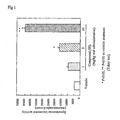
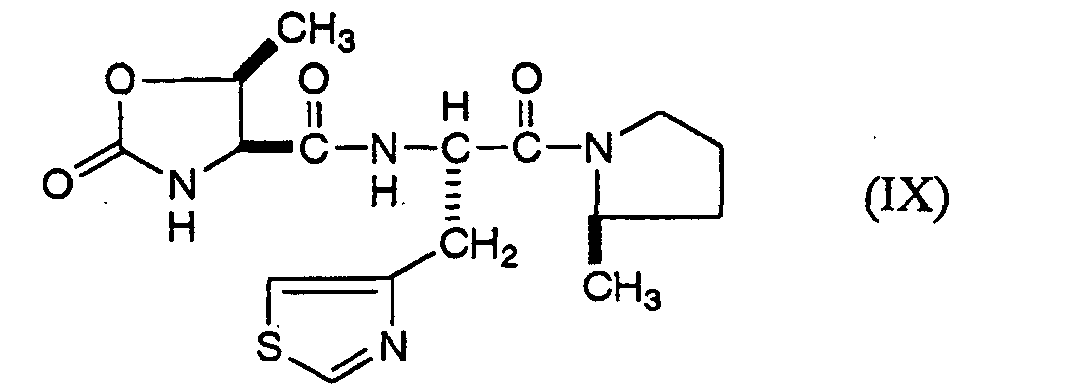
- Compound (IX) was orally administrated to C57BL/6 mice (male) and the spontaneous locomotor activity was measured with a locomotor activity measuring apparatus (SCANET, TOYO sangyo). Mice were familiarized to the cage of the apparatus for at least 60 min. Compound (IX) (1,3,10 mg/kg) or vehicle (vehicle, distilled water Otsuka) was administrated orally. The spontaneous locomotor activity was measured for 5 hours after the mice were returned to the cage. The results were shown in Table 1 and Fig.1.
- compound (IX) increased the spontaneous locomotor activity at a dose of 3 mg/kg or above.
- mice injected intracerebroventricularly with a monoaminergic toxin, 6-OHDA were used as a model for Parkinson's disease.
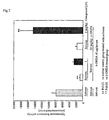
- the effects of compound (IX) in single administration or in combination with L-DOPA were examined in 6-OHDA-treated mice, which exhibited significant reduction in spontaneous locomotor activity.
- mice Male were administrated desipramine (desipramine (25 mg/kg, i.p., 0.5%), lactic acid) and 6-OHDA (40 ⁇ g/ ⁇ l/mouse, 0.2% ascorbic acid) was injected in the cerebroventricule after 30 min.
- the mice were placed in the locomotor activity measuring apparatus after one day.
- Compound (IX) 0.3, 1 mg/kg
- L-DOPA 10 mg/kg, i.p., dissolved in 0.1N HCl and diluted with distilled water or injection, Otsuka Pharmaceutical
- mice were pre-treated with carbidopa (25 mg/kg, i.p., 0.5% lactic acid) before 30 min.
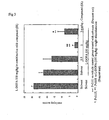
- Reserpine (5 mg/kg, i.p., Apoplon Inj, Daiichi Pharmaceutical) was administrated to ddy mice (male).
- compound (IX) 0.3, 1, 3 mg/kg, p.o.
- L-DOPA 25, 100 mg/kg, i.p., dissolved in 0.1N HCl and diluted with distilled water for injection (Otsuka Pharmaceutical) was administrated to the mice and catalepsy test was performed after 1 hour.
- L-DOPA was administrated, mice were pre-treated with carbidopa (25 mg/kg, i.p., 0.5% lactic acid) before 30 min.
- the forelimbs or hindlimbs of each mouse were placed on a 4.5 cm high horizontal bar and the time was measured (cut off time 30 sec) until both legs reach the floor.
- the cataleptic responses were scored as follows (less than 5 sec.: 0 point, 5 sec. to less than 10 sec.: 1 point, 10 sec to less than 15 sec.: 2 points, 15 sec. to than 20 sec.: 3 points, 20 sec. to less than 25 sec.: 4 points, 25 sec. to less than 30 sec.: 5 points, 30 sec. or more : 6 points).
- the scores for 3 repetitive tests were summated.
- hindlimbs the tests were performed 5 times and of which 3 scores were summated excluding the highest and lowest scores.
- the catalepsy scores were calculated as the total scores for forelimbs and hindlimbs. The results were shown in Table 3 and Fig.3.
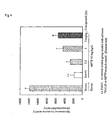
- mice injected with a dopaminergic toxin, MPTP were used as a model for Parkinson's disease and the effects of single administration of compound (IX) on the reduction of the spontaneous locomotor activity caused by MPTP-treatment were examined.
- MPTP 40 mg/kg, i.p., saline
- C57BL/6 mice male
- locomotor activity measuring apparatus After 30 min, compound (IX) alone (0.3, 1, 3 mg/kg, p.o.) was administered.
- Formulation example 1 Granules are prepared using the following ingredients. Ingredients The compound represented by the formula (I) 10 mg Lactose 700 mg Corn starch 274 mg HPC-L 16 mg 1000 mg
- the compound represented by the formula (I) and lactose are made pass through a 60 mesh sieve.
- Corn starch is made pass through a 120 mesh sieve. They are mixed by a twin shell blender.
- An aqueous solution of HPC-L (low mucosity hydroxypropylcellulose) is added to the mixture and the resulting mixture is kneaded, granulated (by the extrusion with pore size 0.5 to 1 mm mesh), and dried.
- the dried granules thus obtained are sieved by a swing sieve (12/60 mesh) to yield the granules.
- Powders for filling capsules are prepared using the following ingredients. Ingredients The compound represented by the formula (I) 10 mg Lactose 79 mg Corn starch 10 mg Magnesium stearate 1 mg 100 mg
- the compound represented by the formula (I) and lactose are made pass through a 60 mesh sieve.
- Corn starch is made pass through a 120 mesh sieve.
- These ingredients and magnesium stearate are mixed by a twin shell blender. 100 mg of the 10-fold trituration is filled into a No. 5 hard gelatin capsule.
- Granules for filling capsules are prepared using the following ingredients. Ingredients The compound represented by the formula (I) 15 mg Lactose 90 mg Corn starch 42 mg HPC-L 3 mg 150 mg
- the compound represented by the formula (I) and lactose are made pass through a 60 mesh sieve.
- Corn starch is made pass through a 120 mesh sieve.
- an aqueous solution of HPC-L is added to the mixture and the resulting mixture is kneaded, granulated, and dried. After the dried granules are lubricated, 150 mg of that are filled into a No. 4 hard gelatin capsule.
- Tablets are prepared using the following ingredients. Ingredients The compound represented by the formula (I) 10 mg Lactose 90 mg Microcrystal cellulose 30 mg CMC-Na 15 mg Magnesium stearate 5 mg 150 mg
- the compound represented by the formula (I), lactose, microcrystal cellulose, and CMC-Na (carboxymethylcellulose sodium salt) are made pass through a 60 mesh sieve and then mixed.
- the resulting mixture is mixed with magnesium stearate to obtain the mixed powder for the tablet formulation.
- the mixed powder is compressed to yield tablets of 150 mg.
- Sustained release tablets are prepared using the following ingredients. Ingredients The compound represented by the formula (I) 15 mg Lactose 20 mg Microcrystal cellulose 100 mg Magnesium stearate 5 mg Surrey wax-120 H 110 mg 250 mg
- the compound represented by the formula (I), lactose, and microcrystal cellulose are made pass through a 60 mesh sieve and are mixed. Mixpowders are heated and solubilized with beautiful wax-120 H (Froint Inds.) and then granulated. Magnesium stearate previously made pass through a 60 mesh sieve is added to the obtained granules and the resulting granules are compressed to yield sustained-release tablets.
- Sustained release double layered tablet are prepared using the following ingredients. Ingredients Immediately release layer The compound represented by the formula (I) 15 mg Lactose 25 mg Microcrystal cellulose 100 mg Methylcellulose 5 mg Magnesium stearate 5 mg 150 mg Sustained release layer The compound represented by the formula (I) 15 mg Lactose 25 mg Microcrystal cellulose 90 mg Stearic acid 10 mg Methylcellulose 5 mg Magnesium stearate 5 mg 150 mg
- Immediately release layer The compound represented by the formula (I), lactose, and microcrystal cellulose are made pass through a 60 mesh sieve and are mixed. A solution of methylcellulose is added to the mixture and the resulting mixture is kneaded, granulated, and dried to yield the granules.
- Sustained release layer The compound represented by the formula (I), lactose, and microcrystal cellulose are made pass through a 60 mesh sieve and are mixed. Stearic acid is added to the mixture and the resulting mixture is heated and dissolved. They are kneaded, are granulated, and are dried to yield the granules.
- Double layered tablet formation Magnesium stearate is added to the granules of immediately release layer and the resulting mixture is compressed. Subsequently, magnesium stearate is added to the granules of sustained release layer and the resulting mixture is compressed on to yield sustained release double layered tablets.
- Enteric coated granules are prepared using the following ingredients.
- Ingredients The compound represented by the formula (I) 30 mg Microcrystal cellulose 125 mg Corn starch 50 mg CMC-Na 25 mg HPC or MC 10 mg 240 mg (Coating solution) HP-55 10.5 mg Fatty acid ester of glycerin 2.0 mg Ethanol 41.0 mg Dichloromethane 46.5 mg Talc 4 mg
- the active ingredient, microcrystal cellulose, corn starch, and CMC-Na are made pass through a 20 mesh sieve and mixed thoroughly.
- a solution of HPC (hydroxypropyhlcellulose) or MC (methylcellulose) is added to the mixture and the kneading is made pass through a 16 mesh sieve.
- the obtained granules are dried at 50 to 60 °C.
- the dried granules are spray-coated with a solution of HP-55 (hydroxypropylmethylcellulose phthalate, Shinetsu Kagaku inc.) in fatty acid ester of glycerin, ethanol, dichloromethane, and talc to yield the enteric coated granules.
- Enteric coated granules are prepared using the following ingredients. Ingredients The compound represented by the formula (I) 30 mg Microcrystal cellulose 155 mg Corn starch 60 mg CMC-Na 25 mg HPC or MC 5 mg 275 mg (Coating solution) Eudragit L30D-55 46.8 mg Polysolvate 80 0.7 mg PEG 6000 1.4 mg Talc 4.2 mg Purified water 46.8 mg
- the granules which are prepared in a manner similar to that described in the method of Formulation example 7 is coated with the coating solution comprising the solution of Eudragit L30D-55 (Röhm Pharma) in polysolvate 80 (polyoxyethylenesorbitan monooleate, Kao inc.), PEG 6000 (polyethylene glycol, macrogoal 6000, Macrogol 6000, Lion Corporation), talc, and purified water. After the obtained granules are dried, the resulting granules are made pass through a 16 mesh sieve to yield the enteric coated granules.
- Sublingual tablets are prepared using the following ingredients. Ingredients The compound represented by the formula (I) 10 mg Lactose 70 mg Corn starch 12 mg Methylcellulose 5 mg Talc 2 mg Magnesium stearate 1 mg 100 mg
- the compound represented by the formula (I), lactose, and corn starch are made pass through a 80 mesh sieve and mixed.
- Mixpowder is kneaded with methylcellulose solution and granulated, dried, then the granules are lubricated.
- the mixture of the resulting granules with talc and magnesium stearate which are made pass through a 60 mesh sieve is tableted to obtain sublingual tablets.
- Injections are prepared using the following ingredients. Ingredients The compound represented by the formula (I) 1 mg Glucose 2 mg Water for injection 997 mg 1000 mg
- the above ingredients are filled into ampoules.
- Freeze-dried injections are prepared using the following ingredients. Ingredients The compound represented by the formula (I) 1 mg D-mannitol 200 mg Water for injection 779 mg 1000 mg
- the above ingredients are filled into ampoules for freeze-drying and the ampoules are freeze-dried to yield the freeze-dried injections.
- Suppositories are prepared using the following ingredients. Ingredients The compound represented by the formula (I) 30 mg Witepsol 1470 mg 1500 mg
- the compound represented by the formula (I) is made pass through a 60 mesh sieve.
- the compound is dispersed in the solution of the melted witepsol (higher fatty acid triglyceride, Mitsuba Boueki) at 50 to 60 °C.
- the solution is cooled to 38 to 40 °C with stirring to yield the medical fluid.
- the medical fluid is filled into a container of aluminum foil, sealed, and then cooled to yield the suppositories.
- Nasals are prepared using the following ingredients. Ingredients The compound represented by the formula (I) 2 mg Carboxyvinylpolymer 5 mg L-Arginine 10 mg Sodium chloride 0.6 mg Purified water 84.2 mg 100 mg
- Endermatic formulation is prepared using the following ingredients. Ingredients The compound represented by the formula (I) 10 mg Isopropyl myristate 990 mg 1000 mg
- the mixture is mixed with acrylic adhesive formulation (e.g. nikazole) and is attached plastered to a support to yield endermatic formulation.
- acrylic adhesive formulation e.g. nikazole
- Ointment was prepared using the following ingredients. Ingredients The compound represented by the formula (I) 10 mg Liquid paraffin 7.5 mg Glycerol 82.5 mg 100 mg The compound represented by the formula (I) is dispersed in liquid paraffin and kneaded with white petrolatum to yield the ointment.
- a TRH derivative is useful as a pharmaceutical composition orally administrated for treating or preventing Parkinson's disease, especially for exhibiting a synergic effect in combination with L-DOPA.
Landscapes
- Health & Medical Sciences (AREA)
- Life Sciences & Earth Sciences (AREA)
- General Health & Medical Sciences (AREA)
- Veterinary Medicine (AREA)
- Chemical & Material Sciences (AREA)
- Animal Behavior & Ethology (AREA)
- Medicinal Chemistry (AREA)
- Pharmacology & Pharmacy (AREA)
- Public Health (AREA)
- Epidemiology (AREA)
- Bioinformatics & Cheminformatics (AREA)
- Engineering & Computer Science (AREA)
- Gastroenterology & Hepatology (AREA)
- Immunology (AREA)
- Proteomics, Peptides & Aminoacids (AREA)
- Nuclear Medicine, Radiotherapy & Molecular Imaging (AREA)
- Organic Chemistry (AREA)
- General Chemical & Material Sciences (AREA)
- Neurology (AREA)
- Endocrinology (AREA)
- Biomedical Technology (AREA)
- Chemical Kinetics & Catalysis (AREA)
- Neurosurgery (AREA)
- Psychology (AREA)
- Pharmaceuticals Containing Other Organic And Inorganic Compounds (AREA)
- Medicines That Contain Protein Lipid Enzymes And Other Medicines (AREA)
Abstract
Description







mp : 139-140°C
[α]D=-34.7° (c=1.006, CHCl3, 23°C)
IR(KBr)cm-1: 1753, 1602, 1512, 1496, 1260, 1224, 1171, 1124, 1036, 1012.
NMR(CD3OD):8.92(1H, d, J=2 Hz), 7.70(2H, m), 7.2-7.4(13H, m), 6.91(1H, s), 4.62 (1H, t, J=5.8 Hz), 3.47(2H, d, J=5.8 Hz), 2.36(3H, s).
Elemental analysis (C26H26N2O5S2)
Calcd. : C,61.16;H,5.13;N,5.49;S,12.56.
Found : C,61.14;H,5.32;N,5.41;S,12.46.
mp : 176-177°C
[α]D=-39.2° (c=1.007, CHCl3, 24°C)
IR(KBr)cm-1: 1739, 1681, 1508, 1453, 1386, 1237, 1193, 1089.
NMR(CDCl3):8.71(1H, d, J=1.8 Hz), 8.18(1H, d, J=7.8 Hz), 7.2-7.4(10H, m), 6.82(1H, s), 6.66(1H, d, J=1.8 Hz), 5.79(1H, s), 5.12(1H, m), 4.94(1H, m), 4.35(1H, dd, J=1.8 and 9.0 Hz), 3.40(1H, dd, J=5.7 and 15 Hz), 3.29(1H, dd, J=4.5 and 15 Hz), 1.27(3H, d, J=6.3 Hz).
Elemental analysis (C24H23N3O5S)
Calcd.:C,61.92;H,4.98;N,9.03;S,6.89.
Found:C,61.95;H,5.01;N,8.94;S,6.62.
mp:214-215°C
[α]D=-4.2° (c=0.5, H2O, 22°C)
IR(KBr)cm-1: 1753, 1707, 1655, 1548, 1529, 1409, 1343, 1264, 1236, 1102, 1092. NMR(DMSO-d6): 9.02(1H, d, J=1.8 Hz), 8.46(1H, d, J=7.8 Hz), 7.74(1H, s), 7.38(1H, d, J=1.8 Hz), 4.77(1H, dq, J=6.6 and 8.7 Hz), 4.66(1H, m), 4.21(1H, d, J=8.7 Hz), 3.24 (1H, dd, J=5.1 and 15 Hz), 3.13(1H, dd, J=8.4 and 15 Hz), 1.13(3H, d, J=6.6 Hz).
Elemental analysis (C11H13N3O5S)
Calcd. : C,44.14;H,4.38;N,14.04;S,10.71.
Found : C,43.94;H,4.478;N,14.09;S,10.58.
Mp:192-194°C
[α]D=-1.9° (c=1.005, H2O, 25°C)
IR(KBr)cm-1: 1755, 1675, 1625, 1541, 1516, 1448, 1232, 1097.
NMR(CD3OD):8.97(1H, t, J=2.1 Hz), 7.34(1H, t, J=2.1 Hz), 5.19 and 5.04(total 1H, each t, J=7.5 Hz), 4.92(1H, dq, J=6.6 and 8.7 Hz), 4.36 and 4.35(1H, d, J=8.7 Hz), 4.07 and 3.92(total 1H, each m), 3.78(1H, m), 3.42(1H, m), 3.22(2H, m), 1.5-2.0(4H, m), 1.28 and 1.22(total 3H, each d, J=6.6 Hz), 1.21 and 1.02(total 3H, each d, J=6.6 Hz).
Elemental analysis (C16H22N4O4S H2O)
Calcd. : C,49.99;H,6.29;N,14.57;S,8.34.
Found : C,49.99;H,6.29;N,14.79;S,8.36.
| Time | Vehicle | 1mg/kg | 3mg/kg | 10mg/kg |
| 60-30 | 1532 | 1016 | 2349 | 1700 |
| 30-0 | 1676 | 436 | 782 | 401 |
| 0-30 | 1980 | 3737 | 3755 | 5910 |
| 30-60 | 100 | 842 | 2626 | 5079 |
| 60-90 | 350 | 1178 | 2690 | 5485 |
| 90-120 | 162 | 1281 | 2632 | 6138 |
| 120-150 | 607 | 991 | 2230 | 5582 |
| 150-180 | 251 | 273 | 868 | 5390 |
| 180-210 | 150 | 411 | 377 | 4218 |
| 210-240 | 390 | 135 | 940 | 3297 |
| 240-270 | 247 | 463 | 266 | 2305 |
| 270-300 | 351 | 366 | 597 | 1457 |
| Total | 4586 | 9676 | 16941 | 44861 |
| SE | 824 | 1030 | 2630 | 5178 |
| Treatments | No. of mice | Total | ||
| Solvent | Solvent | Solvent | 8 | 7750±1164 |
| 6-OHDA | Solvent | Solvent | 8 | 788±181 |
| 6-OHDA | Compound. (IX) | Solvent | 8 | 2512±333 |
| 6-OHDA | Solvent | L-DOPA | 8 | 1655±428 |
| 6-OHDA | Compound (IX) | L-DOPA | 8 | 14468±3618 |
| i.p. | Solvent | L-DOPA 100mg/kg | |||
| Compound (IX) (mg/kg) | |||||
| p.o. | Solvent | Solvent | 0.3 | 1 | 3 |
| mean | 29.6 | 23.0 | 17.4 | 2.3 | 9.2 |
| SD | 3.5 | 8.3 | 15.3 | 4.1 | 9.7 |
| No. of mice | 8 | 8 | 8 | 8 | 6 |
| Treatments | No. of mice | Total | |
| Solvent | Solvent | 8 | 11844±1030 |
| MPTP 40mg/kg ×2 | Solvent | 8 | 1866±841 |
| MPTP 40mg/kg ×2 | Compound(IX) 0.3mg/kg | 8 | 2731±875 |
| MPTP 40mg/kg ×2 | Compound (IX) 1mg/kg | 8 | 4370±1507 |
| MPTP 40mg/kg ×2 | Compound (IX) 3mg/kg | 8 | 5463±700 |
| Formulation | example | |
| Formulation example 1 | ||
| Granules are prepared using the following ingredients. | ||
| Ingredients | The compound represented by the formula (I) | 10 mg |
| Lactose | 700 mg | |
| Corn starch | 274 mg | |
| HPC-L | 16 mg | |
| 1000 mg |
| Ingredients | The compound represented by the formula (I) | 10 mg |
| Lactose | 79 | |
| Corn starch | ||
| 10 | ||
| Magnesium stearate | ||
| 1 | ||
| 100 mg |
| Ingredients | The compound represented by the formula (I) | 15 mg |
| Lactose | 90 mg | |
| Corn starch | 42 mg | |
| HPC- | 3 mg | |
| 150 mg |
| Ingredients | The compound represented by the formula (I) | 10 mg |
| Lactose | 90 | |
| Microcrystal cellulose | ||
| 30 mg | ||
| CMC- | 15 | |
| Magnesium stearate | ||
| 5 mg | ||
| 150 mg |
| Ingredients | The compound represented by the formula (I) | 15 mg |
| Lactose | 20 | |
| Microcrystal cellulose | ||
| 100 | ||
| Magnesium stearate | ||
| 5 mg | ||
| Lovely wax-120 H | 110 mg | |
| 250 mg |
| Ingredients | Immediately release | layer |
| The compound represented by the formula (I) | 15 mg | |
| Lactose | 25 | |
| Microcrystal cellulose | ||
| 100 mg | ||
| Methylcellulose | 5 | |
| Magnesium stearate | ||
| 5 mg | ||
| 150 mg |
| Sustained | release | layer |
| The compound represented by the formula (I) | 15 mg | |
| Lactose | 25 mg | |
| Microcrystal cellulose | 90 | |
| Stearic acid | ||
| 10 mg | ||
| Methylcellulose | 5 | |
| Magnesium stearate | ||
| 5 mg | ||
| 150 mg |
| Ingredients | The compound represented by the formula (I) | 30 mg |
| Microcrystal cellulose | 125 mg | |
| Corn starch | 50 mg | |
| CMC- | 25 mg | |
| HPC or | 10 mg | |
| 240 mg |
| (Coating solution) | ||
| HP-55 | 10.5 mg | |
| Fatty acid ester of glycerin | 2.0 mg | |
| Ethanol | 41.0 mg | |
| Dichloromethane | 46.5 mg | |
| Talc | 4 mg |
| Ingredients | The compound represented by the formula (I) | 30 mg |
| Microcrystal cellulose | 155 mg | |
| Corn starch | 60 mg | |
| CMC- | 25 mg | |
| HPC or | 5 mg | |
| 275 mg |
| (Coating solution) | ||
| Eudragit L30D-55 | 46.8 mg | |
| Polysolvate 80 | 0.7 | |
| PEG | ||
| 6000 | 1.4 mg | |
| Talc | 4.2 mg | |
| Purified water | 46.8 mg |
| Ingredients | The compound represented by the formula (I) | 10 mg |
| Lactose | 70 mg | |
| Corn starch | 12 mg | |
| Methylcellulose | 5 mg | |
| Talc | 2 | |
| Magnesium stearate | ||
| 1 | ||
| 100 mg |
| Ingredients | The compound represented by the formula (I) | 1 mg |
| Glucose | 2 mg | |
| Water for injection | 997 mg | |
| 1000 mg |
| Ingredients | The compound represented by the formula (I) | 1 mg |
| D-mannitol | 200 mg | |
| Water for injection | 779 mg | |
| 1000 mg |
| Ingredients | The compound represented by the formula (I) | 30 mg |
| Witepsol | 1470 mg | |
| 1500 mg |
| Ingredients | The compound represented by the formula (I) | 2 |
| Carboxyvinylpolymer | ||
| 5 mg | ||
| L- | 10 mg | |
| Sodium chloride | 0.6 mg | |
| Purified water | 84.2 | |
| 100 mg |
| Ingredients | The compound represented by the formula (I) | 10 mg |
| Isopropyl myristate | 990 mg | |
| 1000 mg |
| Ingredients | The compound represented by the formula (I) | 10 mg |
| Liquid paraffin | 7.5 mg | |
| Glycerol | 82.5 | |
| 100 mg |
Claims (28)
- A pharmaceutical composition for prevention or treatment of Parkinson's disease, which contains as an active ingredient TRH or a TRH derivative.
- A pharmaceutical composition enhancing an L-DOPA activity, which contains as an active ingredient TRH or a TRH derivative.
- A pharmaceutical composition enhancing an L-DOPA activity, as claimed in claim 2, which is for prevention or treatment of Parkinson disease.
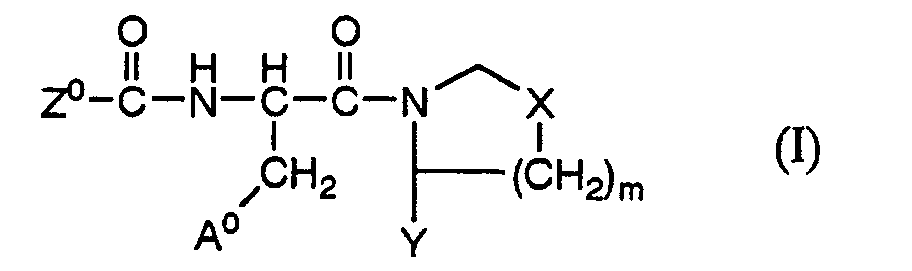
- A pharmaceutical composition as claimed in any one of claims 1 to 3, wherein TRH or a TRH derivative is compound represented by formula (I):wherein A0 is thiazolyl, imidazolyl, or alkyl, X is a bond, oxygen atom, or sulfur atom, m is an integer of 0 to 4, Y is optionally substituted alkyl, optionally substituted carboxy, cyano, or a substituent represented by the formula:
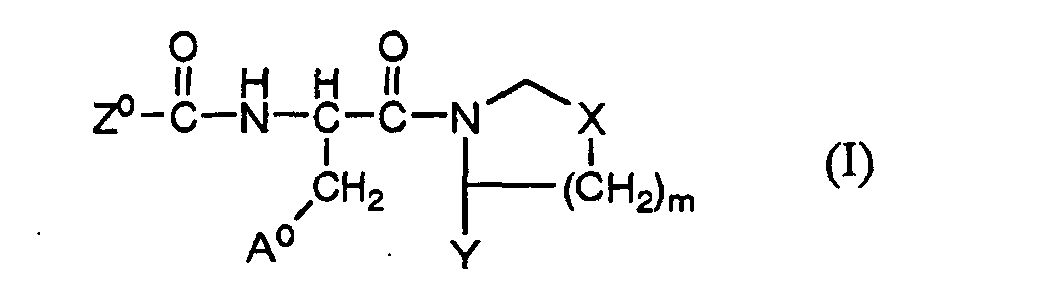 wherein R1 and R2 are independently hydrogen atom, or optionally substituted alkyl, or R1 and R2 taken together with the adjacent nitrogen may form a non-aromatic heterocyclic ring which may contain oxygen, nitrogen, or sulfur and may be substituted, Z0 is a substituent represented by the formula:
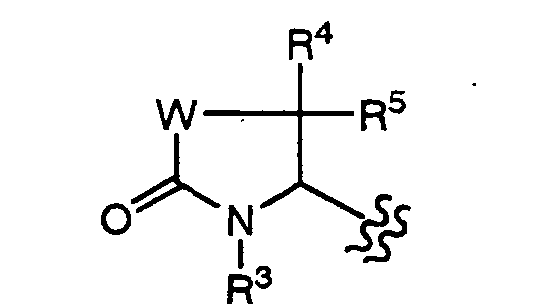
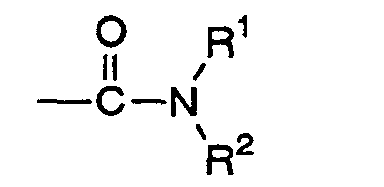 wherein R3 is hydrogen atom, optionally substituted alkyl, optionally substituted carboxy, or optionally substituted acyl, R4 and R5 are each independently hydrogen atom or optionally substituted alkyl, and W is -(CH2)n-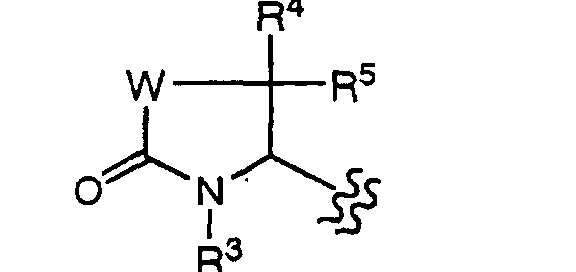
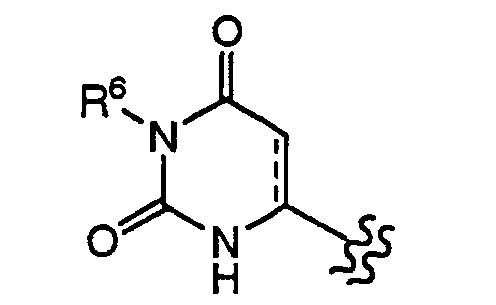
wherein n is 0, 1, 2, or 3, oxygen atom, sulfur atom, or optionally substituted imino, or a substituent represented by the formula:wherein R6 is hydrogen atom or lower alkyl, a broken line (...) represents the presence or absence of a bond or a substituent represented by the formula: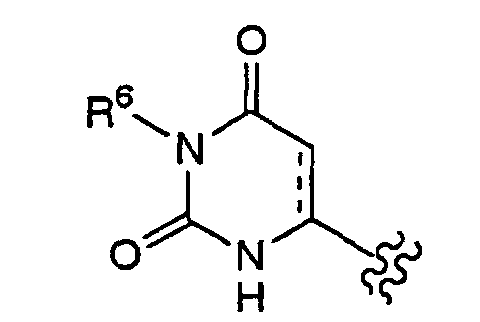 wherein R7 is hydrogen atom or lower alkyl or a substituent represented by the formula:
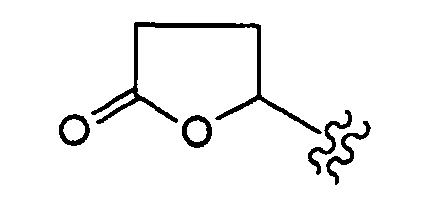
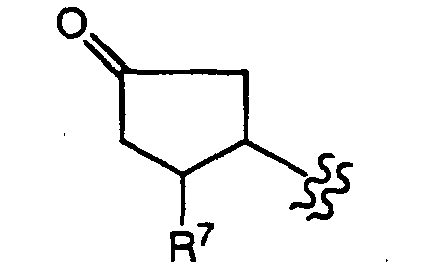 or a substituent represented by the formula:
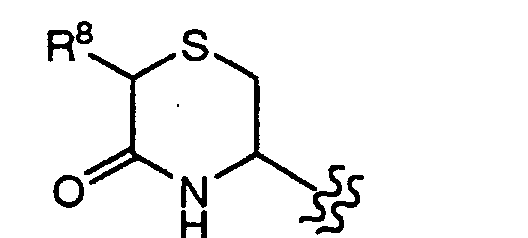
 wherein R8 is hydrogen atom or lower alkyl, provided that nitrogen atom in thiazolyl ring may be a quaternary nitrogen atom which is formed with optionally substituted alkyl or alkenyl, its prodrug, their pharmaceutically acceptable salt, or solvate thereof.
- A pharmaceutical composition as claimed in any one of claims 1 to 3,
wherein TRH or a TRH derivative is a compound represented by formula (II):wherein X, Y, Z0, m are defined as above, A is 4-thiazolyl, or 5-thiazolyl, provided that nitrogen atom in thiazolyl ring may be a quaternary nitrogen atom which is formed with optionally substituted alkyl or alkenyl, its prodrug, their pharmaceutically acceptable salt, or solvate thereof.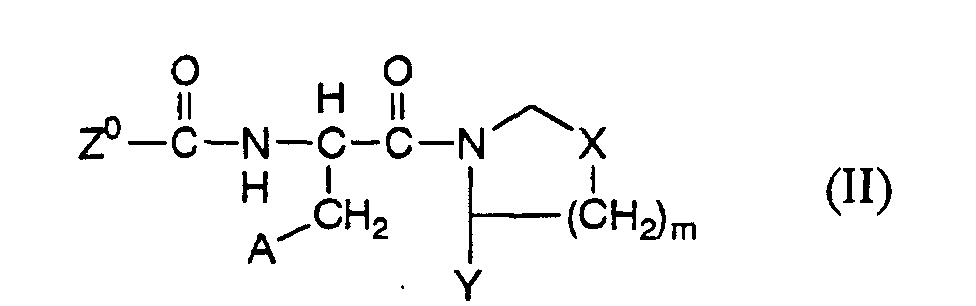
- A pharmaceutical composition as claimed in any one of claims 1 to 3,
wherein TRH or a TRH derivative is a compound represented by formula (III):wherein A, X, Y, m are defined as above, Z is a substituent represented by the formula: wherein R3 is hydrogen atom, optionally substituted alkyl, optionally substituted carboxy, or optionally substituted acyl, R4 and R5 are each independently hydrogen atom or optionally substituted alkyl, and W is -(CH2)n-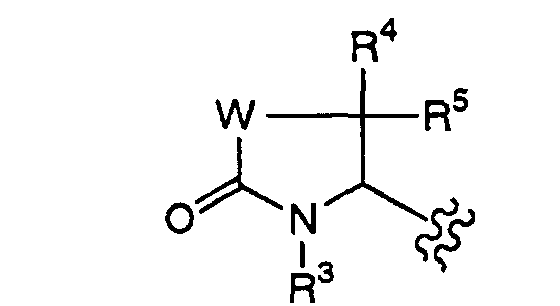
wherein n is 0, 1, 2, or 3, oxygen atom, sulfur atom, or optionally substituted imino, or a substituent represented by the formula.provided that nitrogen atom in thiazolyl ring may be a quaternary nitrogen atom which is formed with optionally substituted alkyl or alkenyl, its prodrug, their pharmaceutically acceptable salt, or solvate thereof.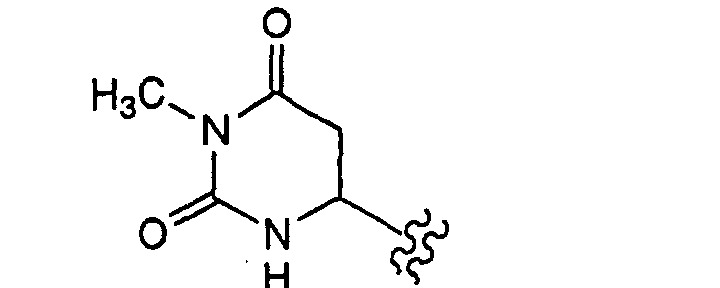
- A pharmaceutical composition as claimed in any one of claims 1 to 3,
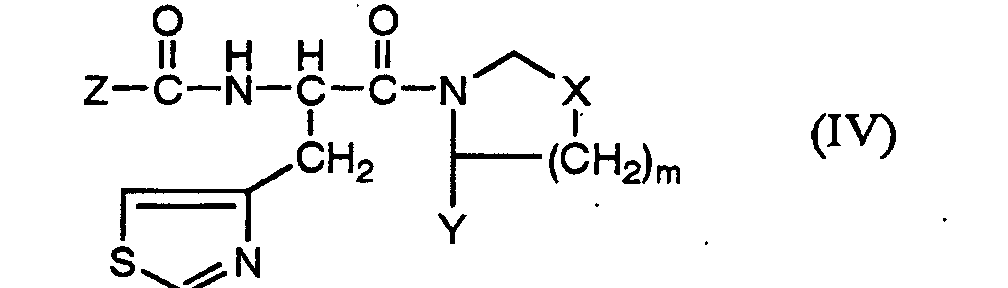
wherein TRH or a TRH derivative is a compound represented by formula (IV):wherein X, Y, Z, m are defined above, provided that nitrogen atom in thiazolyl ring may be a quaternary nitrogen atom which is formed with optionally substituted alkyl or alkenyl, its prodrug, their pharmaceutically acceptable salt, or solvate thereof.
- A pharmaceutical composition as claimed in any one of claims 1 to 3, wherein TRH or a TRH derivative is a compound represented by formula (V):wherein X, Y, Z, m are defined above, provided that nitrogen atom in thiazolyl ring may be a quaternary nitrogen atom which is formed with optionally substituted alkyl or alkenyl, its prodrug, their pharmaceutically acceptable salt, or solvate thereof.

- A pharmaceutical composition as claimed in any one of claims 1 to 3,
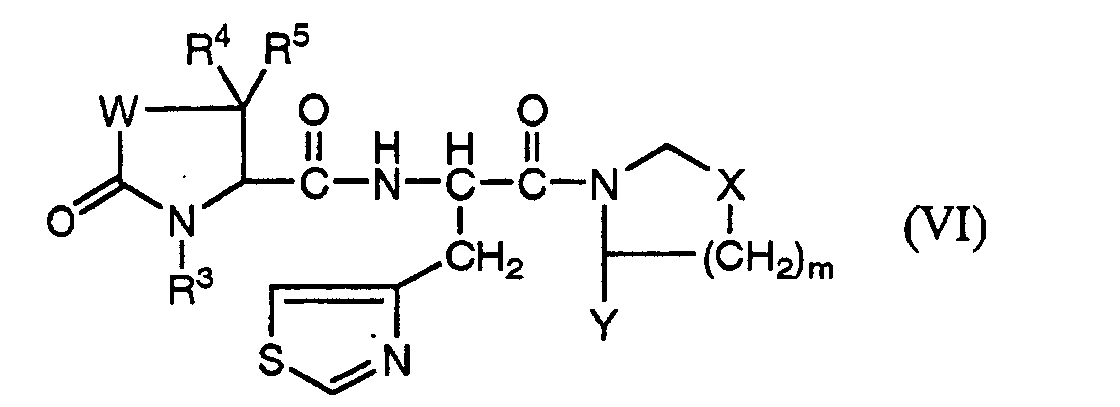
wherein TRH or a TRH derivative is a compound represented by formula (VI):wherein W, X, Y, m, R3, R4, R5 are defined as above. its prodrug, their pharmaceutically acceptable salt, or solvate thereof.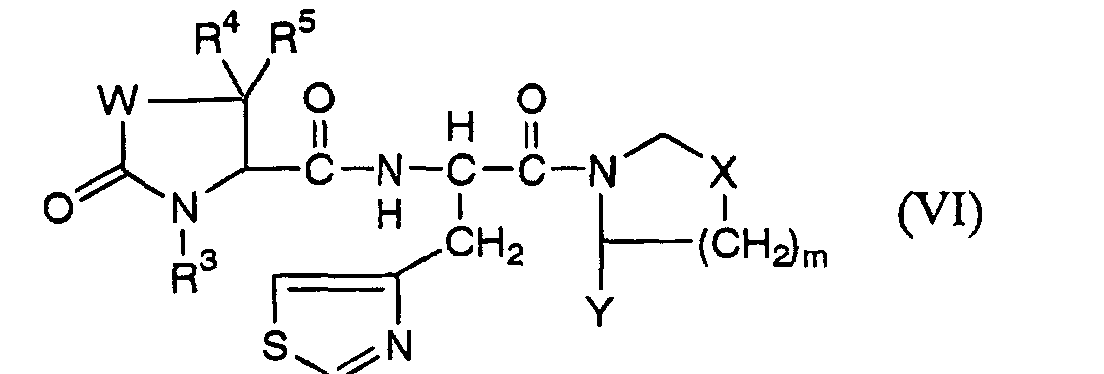
- A pharmaceutical composition as claimed in any one of claims 1 to 3,
wherein TRH or a TRH derivative is a compound represented by formula (VII):wherein Y is defined as above, its prodrug, their pharmaceutically acceptable salt, or solvate thereof.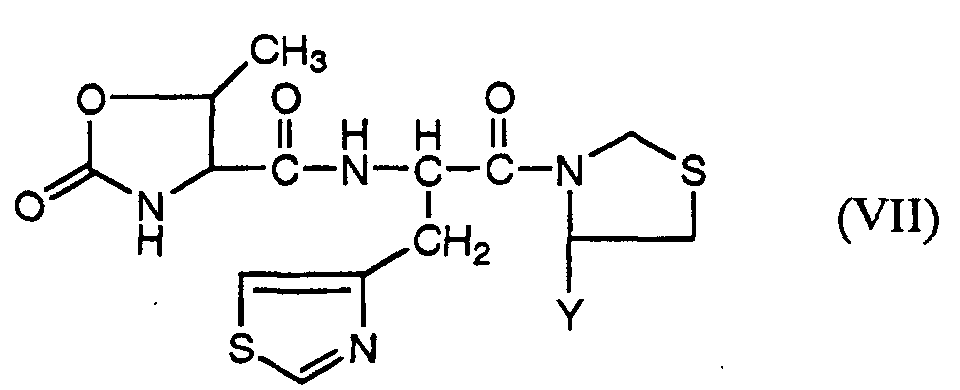
- A pharmaceutical composition as claimed in any one of claims 1 to 3,
wherein TRH or a TRH derivative is a compound represented by formula (VIII):wherein Y is defined as above, its prodrug, their pharmaceutically acceptable salt, or solvate thereof.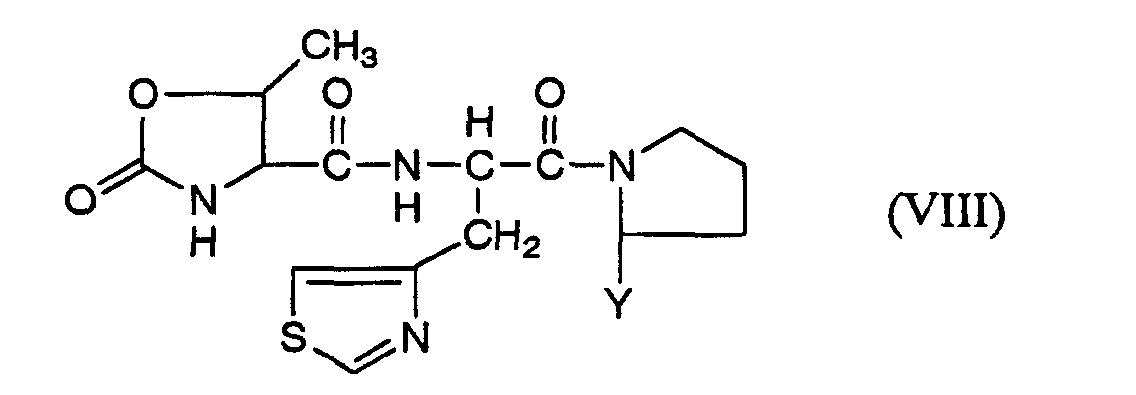
- A pharmaceutical composition as claimed in any one of claims 1 to 3,
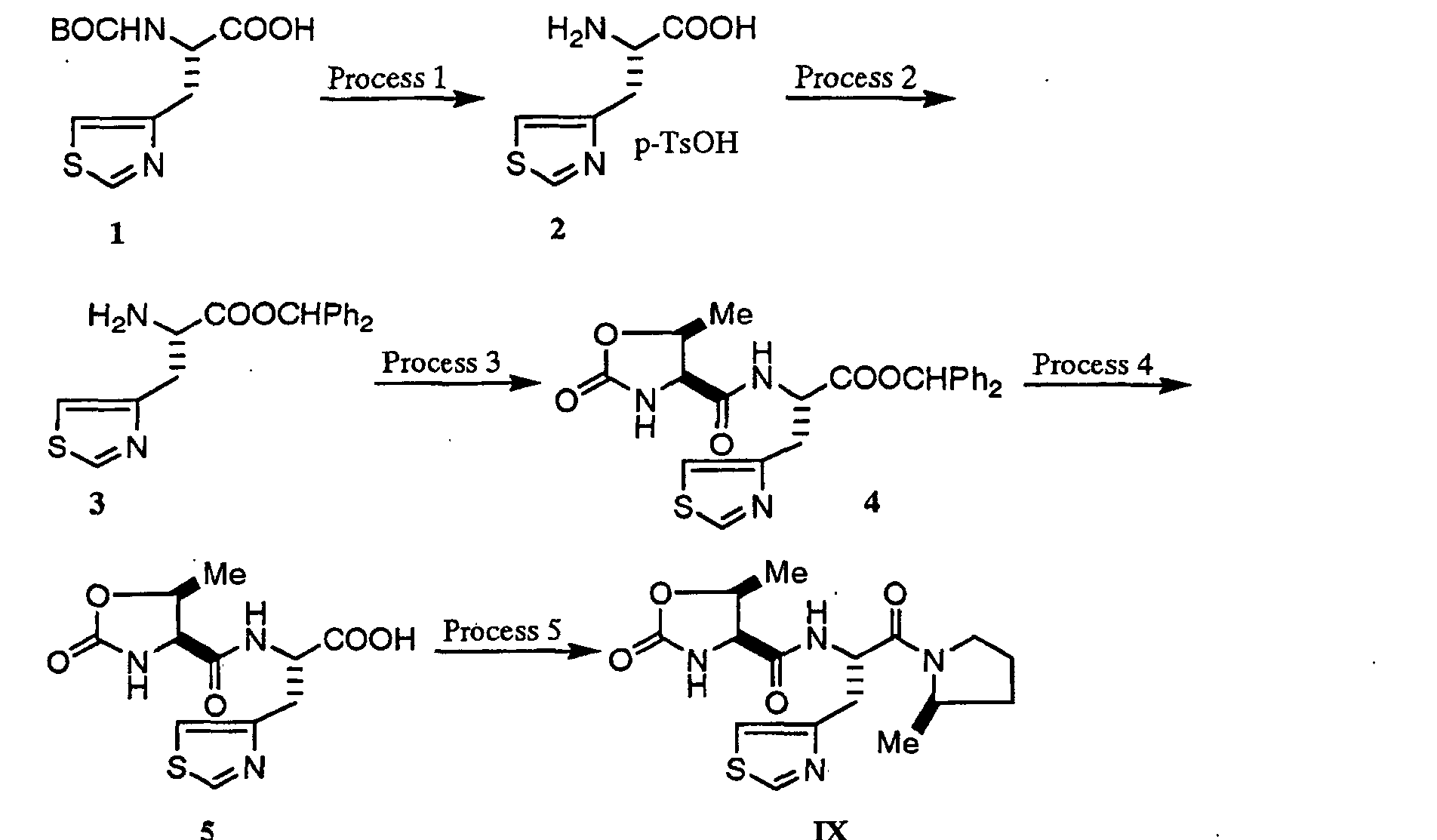
wherein TRH or a TRH derivative is a compound represented by formula (IX):its prodrug, their pharmaceutically acceptable salt, or solvate thereof.
- A pharmaceutical composition as claimed in any one of claims 4 to 9, containing as an active ingredient a compound, its prodrug, their pharmaceutically acceptable salt, or solvate thereof, wherein m is 1 or 2, provided that X is not a bond when m is 1.
- A pharmaceutical composition as claimed in any one of claims 4 to 9, containing as an active ingredient a compound, its prodrug, their pharmaceutically acceptable salt, or solvate thereof, wherein X is sulfur atom, m is 1, and Y is optionally substituted alkyl, optionally substituted carboxy, or optionally substituted carbamoyl.
- A pharmaceutical composition as claimed in any one of claims 4 to 9, containing as an active ingredient a compound, its prodrug, their pharmaceutically acceptable salt, or solvate thereof, wherein X is a bond, m is 2 or 3, and Y is optionally substituted alkyl, optionally substituted carboxy, or optionally substituted carbamoyl.
- A pharmaceutical composition as claimed in any one of claims 1 to 15, which is an oral agent.
- A pharmaceutical composition as claimed in any one of claims 1 to 16, which exhibits a synergic effect in combination with L-DOPA
- A pharmaceutical composition as claimed in claim 17, which exhibits a synergic effect in combination with an ineffective amount of L-DOPA.
- A method for treating a mammal, including a human, to alleviate the pathological effects of Parkinson's disease, which comprises administration to said mammal of TRH or a TRH derivative described in any one of claims 1 to 15 in a pharmaceutically effective amount.
- A method for enhancing an L-DOPA activity, which comprises administration to a mammal, including a human, of TRH or a TRH derivative described in any one of claims 1 to 15 in a pharmaceutically effective amount.
- Use of TRH or a TRH derivative of any one of claims 1 to 15 for preparation of a pharmaceutical composition for treating Parkinson's disease.
- Use of TRH or a TRH derivative of any one of claims 1 to 15 for preparation of a pharmaceutical composition for enhancing an L-DOPA activity. preparation of a pharmaceutical composition for enhancing an L-DOPA activity.
- (Addition) A pharmaceutical composition enhancing an L-DOPA activity, which contains as an active ingredient a compound represented by formula (VIII):wherein Y is optionally substituted alkyl, optionally substituted carboxy, cyano, or a substituent represented by the formula:
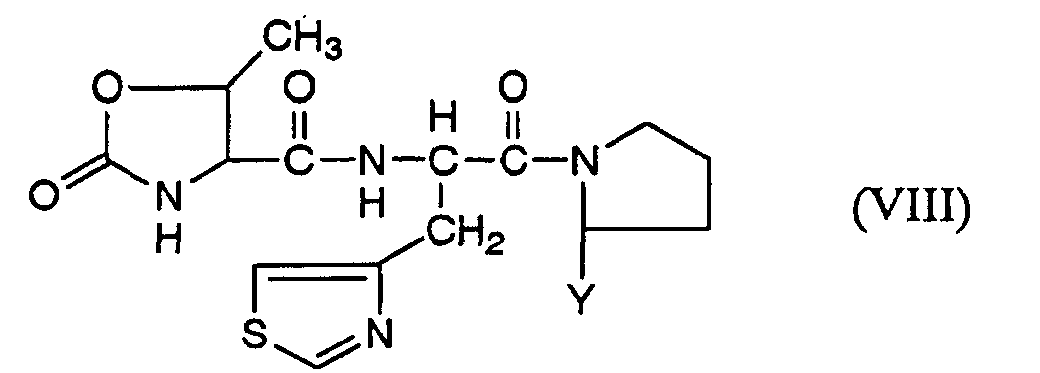 wherein R1 and R2 are independently hydrogen atom, or optionally substituted alkyl, or R1 and R2 taken together with the adjacent nitrogen may form a non-aromatic heterocyclic ring which may contain oxygen, nitrogen, or sulfur and may be substituted, its prodrug, their pharmaceutically acceptable salt, or solvate thereof.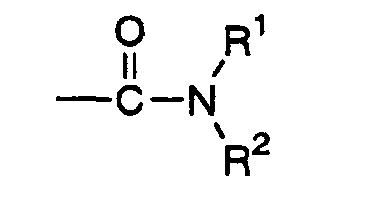
- (Addition) A pharmaceutical composition enhancing an L-DOPA activity, which contains as an active ingredient a compound represented by formula (IX):its prodrug, their pharmaceutically acceptable salt, or solvate thereof.
- (Addition) A pharmaceutical composition as claimed in claims 23 or 24, which exhibits a synergic effect in combination with L-DOPA.
- (Addition) A pharmaceutical composition as claimed in claim 25, which exhibits a synergic effect in combination with an ineffective amount of L-DOPA.
- (Addition) A method for enhancing an L-DOPA activity, which comprises administration to a mammal, including a human, of a compound, its prodrug, their pharmaceutically acceptable salt, or solvate thereof described in claims 23 or 24 in a pharmaceutically effective amount.
- (Addition) Use of a compound, its prodrug, their pharmaceutically acceptable salt, or solvate thereof of claims 23 to 24 for preparation of a pharmaceutical composition for enhancing an L-DOPA activity
Applications Claiming Priority (3)
| Application Number | Priority Date | Filing Date | Title |
|---|---|---|---|
| JP2000262618 | 2000-08-31 | ||
| JP2000262618 | 2000-08-31 | ||
| PCT/JP2001/007410 WO2002017954A1 (en) | 2000-08-31 | 2001-08-29 | Antiparkinsonism drugs |
Publications (2)
| Publication Number | Publication Date |
|---|---|
| EP1321151A1 true EP1321151A1 (en) | 2003-06-25 |
| EP1321151A4 EP1321151A4 (en) | 2009-07-15 |
Family
ID=18750273
Family Applications (1)
| Application Number | Title | Priority Date | Filing Date |
|---|---|---|---|
| EP01961157A Withdrawn EP1321151A4 (en) | 2000-08-31 | 2001-08-29 | Antiparkinsonism drugs |
Country Status (9)
| Country | Link |
|---|---|
| US (1) | US7129256B2 (en) |
| EP (1) | EP1321151A4 (en) |
| JP (1) | JP4817281B2 (en) |
| KR (2) | KR20050105290A (en) |
| CN (1) | CN1283314C (en) |
| AU (1) | AU2001282527A1 (en) |
| CA (1) | CA2420537C (en) |
| TW (1) | TWI285110B (en) |
| WO (1) | WO2002017954A1 (en) |
Cited By (3)
| Publication number | Priority date | Publication date | Assignee | Title |
|---|---|---|---|---|
| WO2006028277A1 (en) * | 2004-09-09 | 2006-03-16 | Shionogi & Co., Ltd. | A pharmaceutical composition for treating ataxia, multiple system atrophy or balance disorders |
| WO2009043528A1 (en) * | 2007-09-11 | 2009-04-09 | Mondobiotech Laboratories Ag | Substance p and thyrotropin releasing hormone for therapeutic applications |
| WO2009043529A1 (en) * | 2007-09-11 | 2009-04-09 | Mondobiotech Laboratories Ag | Thyrotropin releasing hormone for therapeutic applications |
Families Citing this family (4)
| Publication number | Priority date | Publication date | Assignee | Title |
|---|---|---|---|---|
| JP5196641B2 (en) * | 2004-09-09 | 2013-05-15 | 塩野義製薬株式会社 | Spinal cerebellar degeneration treatment |
| WO2006043532A1 (en) * | 2004-10-19 | 2006-04-27 | Ono Pharmaceutical Co., Ltd. | Therapeutic agent for parkinson's disease |
| CN105343045A (en) * | 2015-12-14 | 2016-02-24 | 上海壹志医药科技有限公司 | Medicine application of levodopa |
| TW202325272A (en) | 2021-10-29 | 2023-07-01 | 日商田邊三菱製藥股份有限公司 | New spiro compound |
Family Cites Families (17)
| Publication number | Priority date | Publication date | Assignee | Title |
|---|---|---|---|---|
| US6506903B1 (en) * | 1908-03-29 | 2003-01-14 | Shionogi & Co., Ltd. | Process for producing 4-thiazolylmethyl derivative |
| SE408300B (en) | 1974-10-16 | 1979-06-05 | Gruenenthal Chemie | WAY TO PRODUCE NEW DIPEPTIDE DERIVATIVES |
| JPS5944308B2 (en) | 1976-03-23 | 1984-10-29 | 武田薬品工業株式会社 | peptide |
| HU180926B (en) | 1979-06-28 | 1983-05-30 | Richter Gedeon Vegyeszet | Process for preparing trh analogues,tripeptide amides infectives on the central nerve sysrhem |
| CA1256650A (en) | 1983-03-25 | 1989-06-27 | Toshinari Tamura | Process of producing 2-azetidinone-4-substituted compounds, and medicaments containing the compounds |
| JPS6023326A (en) | 1983-07-18 | 1985-02-05 | Takeda Chem Ind Ltd | Peptide-containing drug preparation for oral administration |
| GB2161486A (en) | 1984-07-10 | 1986-01-15 | Tanabe Seiyaku Co | Novel 1-methyl-4,5-dihydroorotic acid derivative and processes for preparing the same |
| JPS6133197A (en) * | 1984-07-10 | 1986-02-17 | Tanabe Seiyaku Co Ltd | Dihydroorotic acid derivative and preparation thereof |
| IL75641A (en) * | 1984-07-10 | 1990-11-05 | Tanabe Seiyaku Co | 1-methyl-4,5-dihydro-orotyl-histidyl-prolinamide,its preparation and pharmaceutical compositions comprising it |
| JPS6127982A (en) | 1984-07-18 | 1986-02-07 | Yamanouchi Pharmaceut Co Ltd | 4-oxo-2-azetidinylcarboxylic acid derivative and preparation thereof |
| ZA868957B (en) | 1985-12-06 | 1987-07-29 | Yamanouchi Pharma Co Ltd | Crystals of nalpha-(((s)-4-oxo-2-azetidinyl)carbonyl)-l-histidyl-l-prolinamide and process for producing the crystals |
| JPS62234029A (en) | 1985-12-27 | 1987-10-14 | Tanabe Seiyaku Co Ltd | Remedy for central nervous disorder |
| US5118670A (en) * | 1988-12-14 | 1992-06-02 | Massachusetts Institute Of Technology | Process and composition for increasing brain dopamine release |
| CA2010312C (en) | 1989-02-21 | 1998-05-12 | Akihiro Yasuda | Peptide derivatives and their pharmaceutical use |
| CZ288436B6 (en) | 1994-10-05 | 2001-06-13 | Darwin Discovery Ltd | Peptidyl derivatives, their therapeutic use as inhibitors of metalloproteinases and pharmaceutical preparation in which they are comprised |
| BR9712081B1 (en) * | 1996-08-28 | 2010-12-14 | peptide derivative, compound, pharmaceutical composition and composition for activating the central nervous system. | |
| US6319902B1 (en) * | 1997-08-22 | 2001-11-20 | Shionogi & Co., Ltd. | Peptide derivatives having thiazolyl-alanine residue |
-
2001
- 2001-08-29 KR KR1020057020295A patent/KR20050105290A/en not_active Withdrawn
- 2001-08-29 US US10/362,922 patent/US7129256B2/en not_active Expired - Fee Related
- 2001-08-29 CA CA2420537A patent/CA2420537C/en not_active Expired - Fee Related
- 2001-08-29 WO PCT/JP2001/007410 patent/WO2002017954A1/en not_active Ceased
- 2001-08-29 EP EP01961157A patent/EP1321151A4/en not_active Withdrawn
- 2001-08-29 JP JP2002522927A patent/JP4817281B2/en not_active Expired - Fee Related
- 2001-08-29 KR KR1020037003076A patent/KR100557268B1/en not_active Expired - Fee Related
- 2001-08-29 CN CNB018177824A patent/CN1283314C/en not_active Expired - Fee Related
- 2001-08-29 AU AU2001282527A patent/AU2001282527A1/en not_active Abandoned
- 2001-08-29 TW TW090121289A patent/TWI285110B/en not_active IP Right Cessation
Cited By (4)
| Publication number | Priority date | Publication date | Assignee | Title |
|---|---|---|---|---|
| WO2006028277A1 (en) * | 2004-09-09 | 2006-03-16 | Shionogi & Co., Ltd. | A pharmaceutical composition for treating ataxia, multiple system atrophy or balance disorders |
| US8071633B2 (en) | 2004-09-09 | 2011-12-06 | Shionogi & Co., Ltd. | Pharmaceutical composition for treating spinocerebellar ataxia |
| WO2009043528A1 (en) * | 2007-09-11 | 2009-04-09 | Mondobiotech Laboratories Ag | Substance p and thyrotropin releasing hormone for therapeutic applications |
| WO2009043529A1 (en) * | 2007-09-11 | 2009-04-09 | Mondobiotech Laboratories Ag | Thyrotropin releasing hormone for therapeutic applications |
Also Published As
| Publication number | Publication date |
|---|---|
| CA2420537C (en) | 2011-10-11 |
| KR100557268B1 (en) | 2006-03-07 |
| AU2001282527A1 (en) | 2002-03-13 |
| WO2002017954A1 (en) | 2002-03-07 |
| CN1471404A (en) | 2004-01-28 |
| KR20030027104A (en) | 2003-04-03 |
| US7129256B2 (en) | 2006-10-31 |
| KR20050105290A (en) | 2005-11-03 |
| CN1283314C (en) | 2006-11-08 |
| TWI285110B (en) | 2007-08-11 |
| US20030191120A1 (en) | 2003-10-09 |
| EP1321151A4 (en) | 2009-07-15 |
| CA2420537A1 (en) | 2003-02-25 |
| JP4817281B2 (en) | 2011-11-16 |
Similar Documents
| Publication | Publication Date | Title |
|---|---|---|
| TWI286934B (en) | Method of treatment for sexual dysfunction | |
| CN119977993A (en) | Solid forms of thienopyrimidinedione ACC inhibitors and methods for preparing the same | |
| TW201117826A (en) | Fatty acid niacin conjugates and their uses | |
| EP4244221B1 (en) | Prodrug of pyrrolidone derivatives as glucokinase activator | |
| KR100318804B1 (en) | Novel peptide derivatives having thiazolyl-alanine residue | |
| AU2019279858A1 (en) | Compositions and methods for reducing tactile dysfunction, anxiety, and social impairment | |
| US7129256B2 (en) | Antiparkinsonism drugs | |
| WO2010100337A1 (en) | Novel prodrugs of metformin | |
| JP2024535745A (en) | Thiadiazolone derivatives useful as AMPK activators | |
| JPWO2002017954A1 (en) | Parkinson's disease treatment | |
| WO2013070118A1 (en) | (3k,4k,58)-4-acylamino-5-amino-3-(1-ethyl-propoxy)-cyclohex-1-ene carboxylic acids, esters thereof and method of use | |
| JP6173352B2 (en) | Method for treating amyotrophic lateral sclerosis | |
| JP2008538211A (en) | Compounds and compositions for use in the prevention and treatment of obesity and related syndromes | |
| EA000166B1 (en) | Biologically active ureido derivatives useful in the treatment of multiple sclerosis | |
| GB2171101A (en) | Peptide and processes for preparation of the same | |
| JP2021513564A (en) | Glucagon receptor antagonist | |
| JP3129370B2 (en) | Appetite suppressant | |
| WO2025072489A2 (en) | Analogues of n-lactoyl-phenylalanine, methods of synthesis, and methods of use | |
| EA051605B1 (en) | A prodrug of a pyrrolidone derivative as a glucokinase actiator | |
| JPH0121129B2 (en) | ||
| WO2022265020A1 (en) | Azabicyclo[3.1.0]hexane compound | |
| MXPA99001831A (en) | Novel peptide derivatives having thiazolyl-alanine residue | |
| CN111269218A (en) | Trifluoromethyl substituted aminopyrane ring derivatives, and compositions and uses thereof | |
| FR2766486A1 (en) | CYMLOALKYLES BENZAMIDES STIMULATING HIGH AND LOW GASTROINTESTINAL MOTRICITY | |
| FR2635779A2 (en) | New glutamic acid derivatives, their salts, process for preparing them, their application as medicinal products and compositions containing them |
Legal Events
| Date | Code | Title | Description |
|---|---|---|---|
| PUAI | Public reference made under article 153(3) epc to a published international application that has entered the european phase |
Free format text: ORIGINAL CODE: 0009012 |
|
| 17P | Request for examination filed |
Effective date: 20030325 |
|
| AK | Designated contracting states |
Designated state(s): AT BE CH CY DE DK ES FI FR GB GR IE IT LI LU MC NL PT SE TR |
|
| AX | Request for extension of the european patent |
Extension state: AL LT LV MK RO SI |
|
| A4 | Supplementary search report drawn up and despatched |
Effective date: 20090616 |
|
| RIC1 | Information provided on ipc code assigned before grant |
Ipc: C07K 5/097 20060101ALI20090609BHEP Ipc: A61P 43/00 20060101ALI20090609BHEP Ipc: A61P 25/16 20060101ALI20090609BHEP Ipc: A61K 31/198 20060101ALI20090609BHEP Ipc: A61K 45/00 20060101ALI20090609BHEP Ipc: A61K 38/06 20060101AFI20020314BHEP |
|
| 17Q | First examination report despatched |
Effective date: 20091001 |
|
| GRAP | Despatch of communication of intention to grant a patent |
Free format text: ORIGINAL CODE: EPIDOSNIGR1 |
|
| STAA | Information on the status of an ep patent application or granted ep patent |
Free format text: STATUS: THE APPLICATION IS DEEMED TO BE WITHDRAWN |
|
| 18D | Application deemed to be withdrawn |
Effective date: 20110604 |