EP1321138A1 - Coenzyme Q10 for the treatment of ocular diseases - Google Patents
Coenzyme Q10 for the treatment of ocular diseases Download PDFInfo
- Publication number
- EP1321138A1 EP1321138A1 EP02425777A EP02425777A EP1321138A1 EP 1321138 A1 EP1321138 A1 EP 1321138A1 EP 02425777 A EP02425777 A EP 02425777A EP 02425777 A EP02425777 A EP 02425777A EP 1321138 A1 EP1321138 A1 EP 1321138A1
- Authority
- EP
- European Patent Office
- Prior art keywords
- coenzyme
- cells
- apoptotic
- pathologies
- treatment
- Prior art date
- Legal status (The legal status is an assumption and is not a legal conclusion. Google has not performed a legal analysis and makes no representation as to the accuracy of the status listed.)
- Granted
Links
- ACTIUHUUMQJHFO-UPTCCGCDSA-N coenzyme Q10 Chemical compound COC1=C(OC)C(=O)C(C\C=C(/C)CC\C=C(/C)CC\C=C(/C)CC\C=C(/C)CC\C=C(/C)CC\C=C(/C)CC\C=C(/C)CC\C=C(/C)CC\C=C(/C)CCC=C(C)C)=C(C)C1=O ACTIUHUUMQJHFO-UPTCCGCDSA-N 0.000 title claims abstract description 167
- 238000011282 treatment Methods 0.000 title claims abstract description 66
- ACTIUHUUMQJHFO-UHFFFAOYSA-N Coenzym Q10 Natural products COC1=C(OC)C(=O)C(CC=C(C)CCC=C(C)CCC=C(C)CCC=C(C)CCC=C(C)CCC=C(C)CCC=C(C)CCC=C(C)CCC=C(C)CCC=C(C)C)=C(C)C1=O ACTIUHUUMQJHFO-UHFFFAOYSA-N 0.000 title description 8
- 235000017471 coenzyme Q10 Nutrition 0.000 title description 8
- 229940110767 coenzyme Q10 Drugs 0.000 title description 7
- 208000022873 Ocular disease Diseases 0.000 title 1
- 230000001640 apoptogenic effect Effects 0.000 claims abstract description 66
- 230000007170 pathology Effects 0.000 claims abstract description 33
- 230000003412 degenerative effect Effects 0.000 claims abstract description 22
- 230000002265 prevention Effects 0.000 claims abstract description 11
- 230000002757 inflammatory effect Effects 0.000 claims abstract description 9
- 238000007910 systemic administration Methods 0.000 claims abstract description 8
- 238000011200 topical administration Methods 0.000 claims abstract description 5
- 238000004519 manufacturing process Methods 0.000 claims description 16
- 210000001525 retina Anatomy 0.000 claims description 15
- 239000003814 drug Substances 0.000 claims description 13
- 208000010412 Glaucoma Diseases 0.000 claims description 11
- 230000000626 neurodegenerative effect Effects 0.000 claims description 11
- 208000002780 macular degeneration Diseases 0.000 claims description 8
- 210000001328 optic nerve Anatomy 0.000 claims description 7
- 230000003287 optical effect Effects 0.000 claims description 6
- 230000000302 ischemic effect Effects 0.000 claims description 5
- 201000001119 neuropathy Diseases 0.000 claims description 5
- 230000007823 neuropathy Effects 0.000 claims description 5
- 208000002177 Cataract Diseases 0.000 claims description 3
- 206010012689 Diabetic retinopathy Diseases 0.000 claims description 3
- 206010029240 Neuritis Diseases 0.000 claims description 3
- 208000007014 Retinitis pigmentosa Diseases 0.000 claims description 3
- 201000000582 Retinoblastoma Diseases 0.000 claims description 3
- 206010038926 Retinopathy hypertensive Diseases 0.000 claims description 3
- 208000027073 Stargardt disease Diseases 0.000 claims description 3
- 206010046851 Uveitis Diseases 0.000 claims description 3
- 206010064930 age-related macular degeneration Diseases 0.000 claims description 3
- 201000001948 hypertensive retinopathy Diseases 0.000 claims description 3
- 231100000331 toxic Toxicity 0.000 claims description 3
- 230000002588 toxic effect Effects 0.000 claims description 3
- 208000021089 Coats disease Diseases 0.000 claims 1
- 206010015901 Exudative retinopathy Diseases 0.000 claims 1
- 206010025421 Macule Diseases 0.000 claims 1
- 230000007172 age related pathology Effects 0.000 claims 1
- 208000031513 cyst Diseases 0.000 claims 1
- 201000007914 proliferative diabetic retinopathy Diseases 0.000 claims 1
- 206010021143 Hypoxia Diseases 0.000 abstract description 19
- 230000007954 hypoxia Effects 0.000 abstract description 14
- 238000000034 method Methods 0.000 abstract description 10
- 208000028867 ischemia Diseases 0.000 abstract description 6
- 230000008569 process Effects 0.000 abstract description 5
- 230000001228 trophic effect Effects 0.000 abstract description 5
- 230000000699 topical effect Effects 0.000 abstract description 4
- 230000008397 ocular pathology Effects 0.000 abstract description 3
- 230000001627 detrimental effect Effects 0.000 abstract 1
- 210000004027 cell Anatomy 0.000 description 90
- UIFFUZWRFRDZJC-UHFFFAOYSA-N Antimycin A1 Natural products CC1OC(=O)C(CCCCCC)C(OC(=O)CC(C)C)C(C)OC(=O)C1NC(=O)C1=CC=CC(NC=O)=C1O UIFFUZWRFRDZJC-UHFFFAOYSA-N 0.000 description 52
- NQWZLRAORXLWDN-UHFFFAOYSA-N Antimycin-A Natural products CCCCCCC(=O)OC1C(C)OC(=O)C(NC(=O)c2ccc(NC=O)cc2O)C(C)OC(=O)C1CCCC NQWZLRAORXLWDN-UHFFFAOYSA-N 0.000 description 52
- UIFFUZWRFRDZJC-SBOOETFBSA-N antimycin A Chemical compound C[C@H]1OC(=O)[C@H](CCCCCC)[C@@H](OC(=O)CC(C)C)[C@H](C)OC(=O)[C@H]1NC(=O)C1=CC=CC(NC=O)=C1O UIFFUZWRFRDZJC-SBOOETFBSA-N 0.000 description 52
- PVEVXUMVNWSNIG-UHFFFAOYSA-N antimycin A3 Natural products CC1OC(=O)C(CCCC)C(OC(=O)CC(C)C)C(C)OC(=O)C1NC(=O)C1=CC=CC(NC=O)=C1O PVEVXUMVNWSNIG-UHFFFAOYSA-N 0.000 description 52
- 150000003254 radicals Chemical class 0.000 description 34
- CIWBSHSKHKDKBQ-JLAZNSOCSA-N Ascorbic acid Chemical compound OC[C@H](O)[C@H]1OC(=O)C(O)=C1O CIWBSHSKHKDKBQ-JLAZNSOCSA-N 0.000 description 33
- 239000000203 mixture Substances 0.000 description 29
- 230000006907 apoptotic process Effects 0.000 description 28
- ZKHQWZAMYRWXGA-KQYNXXCUSA-J ATP(4-) Chemical compound C1=NC=2C(N)=NC=NC=2N1[C@@H]1O[C@H](COP([O-])(=O)OP([O-])(=O)OP([O-])([O-])=O)[C@@H](O)[C@H]1O ZKHQWZAMYRWXGA-KQYNXXCUSA-J 0.000 description 23
- ZKHQWZAMYRWXGA-UHFFFAOYSA-N Adenosine triphosphate Natural products C1=NC=2C(N)=NC=NC=2N1C1OC(COP(O)(=O)OP(O)(=O)OP(O)(O)=O)C(O)C1O ZKHQWZAMYRWXGA-UHFFFAOYSA-N 0.000 description 23
- 229940106189 ceramide Drugs 0.000 description 21
- YDNKGFDKKRUKPY-JHOUSYSJSA-N C16 ceramide Natural products CCCCCCCCCCCCCCCC(=O)N[C@@H](CO)[C@H](O)C=CCCCCCCCCCCCCC YDNKGFDKKRUKPY-JHOUSYSJSA-N 0.000 description 20
- CRJGESKKUOMBCT-VQTJNVASSA-N N-acetylsphinganine Chemical compound CCCCCCCCCCCCCCC[C@@H](O)[C@H](CO)NC(C)=O CRJGESKKUOMBCT-VQTJNVASSA-N 0.000 description 20
- ZVEQCJWYRWKARO-UHFFFAOYSA-N ceramide Natural products CCCCCCCCCCCCCCC(O)C(=O)NC(CO)C(O)C=CCCC=C(C)CCCCCCCCC ZVEQCJWYRWKARO-UHFFFAOYSA-N 0.000 description 20
- VVGIYYKRAMHVLU-UHFFFAOYSA-N newbouldiamide Natural products CCCCCCCCCCCCCCCCCCCC(O)C(O)C(O)C(CO)NC(=O)CCCCCCCCCCCCCCCCC VVGIYYKRAMHVLU-UHFFFAOYSA-N 0.000 description 20
- 230000000694 effects Effects 0.000 description 19
- 210000002966 serum Anatomy 0.000 description 18
- ZZZCUOFIHGPKAK-UHFFFAOYSA-N D-erythro-ascorbic acid Natural products OCC1OC(=O)C(O)=C1O ZZZCUOFIHGPKAK-UHFFFAOYSA-N 0.000 description 16
- BLTCBVOJNNKFKC-QUDYQQOWSA-N N-acetylsphingosine Chemical compound CCCCCCCCCCCCC\C=C\[C@@H](O)[C@H](CO)NC(C)=O BLTCBVOJNNKFKC-QUDYQQOWSA-N 0.000 description 16
- 229930003268 Vitamin C Natural products 0.000 description 16
- 235000003642 hunger Nutrition 0.000 description 16
- 230000037351 starvation Effects 0.000 description 16
- 235000019154 vitamin C Nutrition 0.000 description 16
- 239000011718 vitamin C Substances 0.000 description 16
- 238000003556 assay Methods 0.000 description 12
- 102000004039 Caspase-9 Human genes 0.000 description 11
- 108090000566 Caspase-9 Proteins 0.000 description 11
- 238000003782 apoptosis assay Methods 0.000 description 11
- 238000009472 formulation Methods 0.000 description 11
- 230000005522 programmed cell death Effects 0.000 description 11
- 230000002424 anti-apoptotic effect Effects 0.000 description 10
- 230000002829 reductive effect Effects 0.000 description 10
- WSMYVTOQOOLQHP-UHFFFAOYSA-N Malondialdehyde Chemical compound O=CCC=O WSMYVTOQOOLQHP-UHFFFAOYSA-N 0.000 description 9
- 230000001086 cytosolic effect Effects 0.000 description 9
- 210000003470 mitochondria Anatomy 0.000 description 9
- 239000000243 solution Substances 0.000 description 9
- 239000003963 antioxidant agent Substances 0.000 description 8
- 235000006708 antioxidants Nutrition 0.000 description 8
- 238000002474 experimental method Methods 0.000 description 8
- 239000012528 membrane Substances 0.000 description 8
- 230000002438 mitochondrial effect Effects 0.000 description 8
- 230000001681 protective effect Effects 0.000 description 8
- 102100030497 Cytochrome c Human genes 0.000 description 7
- 108010075031 Cytochromes c Proteins 0.000 description 7
- 241001465754 Metazoa Species 0.000 description 7
- 229940118019 malondialdehyde Drugs 0.000 description 7
- 238000002360 preparation method Methods 0.000 description 7
- 230000009885 systemic effect Effects 0.000 description 7
- GVJHHUAWPYXKBD-IEOSBIPESA-N α-tocopherol Chemical compound OC1=C(C)C(C)=C2O[C@@](CCC[C@H](C)CCC[C@H](C)CCCC(C)C)(C)CCC2=C1C GVJHHUAWPYXKBD-IEOSBIPESA-N 0.000 description 7
- LFQSCWFLJHTTHZ-UHFFFAOYSA-N Ethanol Chemical compound CCO LFQSCWFLJHTTHZ-UHFFFAOYSA-N 0.000 description 6
- OKKJLVBELUTLKV-UHFFFAOYSA-N Methanol Chemical compound OC OKKJLVBELUTLKV-UHFFFAOYSA-N 0.000 description 6
- 238000004458 analytical method Methods 0.000 description 6
- 210000004369 blood Anatomy 0.000 description 6
- 239000008280 blood Substances 0.000 description 6
- 210000003161 choroid Anatomy 0.000 description 6
- 238000013467 fragmentation Methods 0.000 description 6
- 238000006062 fragmentation reaction Methods 0.000 description 6
- VLKZOEOYAKHREP-UHFFFAOYSA-N n-Hexane Chemical compound CCCCCC VLKZOEOYAKHREP-UHFFFAOYSA-N 0.000 description 6
- 229920001983 poloxamer Polymers 0.000 description 6
- 230000009467 reduction Effects 0.000 description 6
- 230000000638 stimulation Effects 0.000 description 6
- 241000282414 Homo sapiens Species 0.000 description 5
- 241000283973 Oryctolagus cuniculus Species 0.000 description 5
- 230000001413 cellular effect Effects 0.000 description 5
- 150000001875 compounds Chemical class 0.000 description 5
- GVJHHUAWPYXKBD-UHFFFAOYSA-N d-alpha-tocopherol Natural products OC1=C(C)C(C)=C2OC(CCCC(C)CCCC(C)CCCC(C)C)(C)CCC2=C1C GVJHHUAWPYXKBD-UHFFFAOYSA-N 0.000 description 5
- 238000001514 detection method Methods 0.000 description 5
- 201000010099 disease Diseases 0.000 description 5
- 208000037265 diseases, disorders, signs and symptoms Diseases 0.000 description 5
- 239000004615 ingredient Substances 0.000 description 5
- 239000007924 injection Substances 0.000 description 5
- 238000002347 injection Methods 0.000 description 5
- 230000004410 intraocular pressure Effects 0.000 description 5
- 239000007788 liquid Substances 0.000 description 5
- 102000004169 proteins and genes Human genes 0.000 description 5
- 108090000623 proteins and genes Proteins 0.000 description 5
- 230000004044 response Effects 0.000 description 5
- 235000010384 tocopherol Nutrition 0.000 description 5
- 229930003799 tocopherol Natural products 0.000 description 5
- 239000011732 tocopherol Substances 0.000 description 5
- 229960001295 tocopherol Drugs 0.000 description 5
- 230000001960 triggered effect Effects 0.000 description 5
- 238000010865 video microscopy Methods 0.000 description 5
- 206010002660 Anoxia Diseases 0.000 description 4
- 241000976983 Anoxia Species 0.000 description 4
- 208000003098 Ganglion Cysts Diseases 0.000 description 4
- KFZMGEQAYNKOFK-UHFFFAOYSA-N Isopropanol Chemical compound CC(C)O KFZMGEQAYNKOFK-UHFFFAOYSA-N 0.000 description 4
- FAPWRFPIFSIZLT-UHFFFAOYSA-M Sodium chloride Chemical compound [Na+].[Cl-] FAPWRFPIFSIZLT-UHFFFAOYSA-M 0.000 description 4
- 208000005400 Synovial Cyst Diseases 0.000 description 4
- 230000004913 activation Effects 0.000 description 4
- 230000007953 anoxia Effects 0.000 description 4
- QVGXLLKOCUKJST-UHFFFAOYSA-N atomic oxygen Chemical group [O] QVGXLLKOCUKJST-UHFFFAOYSA-N 0.000 description 4
- 239000000872 buffer Substances 0.000 description 4
- 230000030833 cell death Effects 0.000 description 4
- 230000001186 cumulative effect Effects 0.000 description 4
- 230000006378 damage Effects 0.000 description 4
- 230000007423 decrease Effects 0.000 description 4
- 239000000284 extract Substances 0.000 description 4
- 230000007246 mechanism Effects 0.000 description 4
- 230000000324 neuroprotective effect Effects 0.000 description 4
- 238000011587 new zealand white rabbit Methods 0.000 description 4
- 239000001301 oxygen Substances 0.000 description 4
- 229910052760 oxygen Inorganic materials 0.000 description 4
- 238000007911 parenteral administration Methods 0.000 description 4
- 239000000843 powder Substances 0.000 description 4
- 239000000047 product Substances 0.000 description 4
- 230000005855 radiation Effects 0.000 description 4
- 239000002516 radical scavenger Substances 0.000 description 4
- 239000003642 reactive oxygen metabolite Substances 0.000 description 4
- 239000000523 sample Substances 0.000 description 4
- 239000000126 substance Substances 0.000 description 4
- 239000000725 suspension Substances 0.000 description 4
- -1 ubiquinol Chemical compound 0.000 description 4
- 239000003981 vehicle Substances 0.000 description 4
- XLYOFNOQVPJJNP-UHFFFAOYSA-N water Substances O XLYOFNOQVPJJNP-UHFFFAOYSA-N 0.000 description 4
- 239000006144 Dulbecco’s modified Eagle's medium Substances 0.000 description 3
- 201000007737 Retinal degeneration Diseases 0.000 description 3
- 239000012298 atmosphere Substances 0.000 description 3
- 229960000686 benzalkonium chloride Drugs 0.000 description 3
- CADWTSSKOVRVJC-UHFFFAOYSA-N benzyl(dimethyl)azanium;chloride Chemical compound [Cl-].C[NH+](C)CC1=CC=CC=C1 CADWTSSKOVRVJC-UHFFFAOYSA-N 0.000 description 3
- 230000015572 biosynthetic process Effects 0.000 description 3
- 239000004359 castor oil Substances 0.000 description 3
- 235000019438 castor oil Nutrition 0.000 description 3
- 229920001577 copolymer Polymers 0.000 description 3
- 230000003247 decreasing effect Effects 0.000 description 3
- 239000000839 emulsion Substances 0.000 description 3
- 238000011156 evaluation Methods 0.000 description 3
- 239000012909 foetal bovine serum Substances 0.000 description 3
- 230000006870 function Effects 0.000 description 3
- ZEMPKEQAKRGZGQ-XOQCFJPHSA-N glycerol triricinoleate Natural products CCCCCC[C@@H](O)CC=CCCCCCCCC(=O)OC[C@@H](COC(=O)CCCCCCCC=CC[C@@H](O)CCCCCC)OC(=O)CCCCCCCC=CC[C@H](O)CCCCCC ZEMPKEQAKRGZGQ-XOQCFJPHSA-N 0.000 description 3
- 239000007972 injectable composition Substances 0.000 description 3
- 239000002997 ophthalmic solution Substances 0.000 description 3
- 230000004258 retinal degeneration Effects 0.000 description 3
- 230000002207 retinal effect Effects 0.000 description 3
- 210000003994 retinal ganglion cell Anatomy 0.000 description 3
- 239000006228 supernatant Substances 0.000 description 3
- 239000004094 surface-active agent Substances 0.000 description 3
- 230000004083 survival effect Effects 0.000 description 3
- 239000003826 tablet Substances 0.000 description 3
- 210000001519 tissue Anatomy 0.000 description 3
- AZQWKYJCGOJGHM-UHFFFAOYSA-N 1,4-benzoquinone Chemical compound O=C1C=CC(=O)C=C1 AZQWKYJCGOJGHM-UHFFFAOYSA-N 0.000 description 2
- RVBUGGBMJDPOST-UHFFFAOYSA-N 2-thiobarbituric acid Chemical compound O=C1CC(=O)NC(=S)N1 RVBUGGBMJDPOST-UHFFFAOYSA-N 0.000 description 2
- XKRFYHLGVUSROY-UHFFFAOYSA-N Argon Chemical compound [Ar] XKRFYHLGVUSROY-UHFFFAOYSA-N 0.000 description 2
- 102000015782 Electron Transport Complex III Human genes 0.000 description 2
- 108010024882 Electron Transport Complex III Proteins 0.000 description 2
- IAYPIBMASNFSPL-UHFFFAOYSA-N Ethylene oxide Chemical compound C1CO1 IAYPIBMASNFSPL-UHFFFAOYSA-N 0.000 description 2
- 208000035725 Macular cyst Diseases 0.000 description 2
- MWUXSHHQAYIFBG-UHFFFAOYSA-N Nitric oxide Chemical compound O=[N] MWUXSHHQAYIFBG-UHFFFAOYSA-N 0.000 description 2
- 229920003171 Poly (ethylene oxide) Polymers 0.000 description 2
- 239000002202 Polyethylene glycol Substances 0.000 description 2
- GOOHAUXETOMSMM-UHFFFAOYSA-N Propylene oxide Chemical compound CC1CO1 GOOHAUXETOMSMM-UHFFFAOYSA-N 0.000 description 2
- 102000004142 Trypsin Human genes 0.000 description 2
- 108090000631 Trypsin Proteins 0.000 description 2
- FPIPGXGPPPQFEQ-OVSJKPMPSA-N all-trans-retinol Chemical compound OC\C=C(/C)\C=C\C=C(/C)\C=C\C1=C(C)CCCC1(C)C FPIPGXGPPPQFEQ-OVSJKPMPSA-N 0.000 description 2
- 230000003078 antioxidant effect Effects 0.000 description 2
- 230000005775 apoptotic pathway Effects 0.000 description 2
- 229920001400 block copolymer Polymers 0.000 description 2
- 230000000903 blocking effect Effects 0.000 description 2
- 239000002775 capsule Substances 0.000 description 2
- 230000008859 change Effects 0.000 description 2
- 239000003795 chemical substances by application Substances 0.000 description 2
- 230000034994 death Effects 0.000 description 2
- 230000001419 dependent effect Effects 0.000 description 2
- 235000014113 dietary fatty acids Nutrition 0.000 description 2
- 230000005670 electromagnetic radiation Effects 0.000 description 2
- 230000007717 exclusion Effects 0.000 description 2
- 238000000605 extraction Methods 0.000 description 2
- 239000003889 eye drop Substances 0.000 description 2
- 229930195729 fatty acid Natural products 0.000 description 2
- 239000000194 fatty acid Substances 0.000 description 2
- 150000004665 fatty acids Chemical class 0.000 description 2
- 230000007760 free radical scavenging Effects 0.000 description 2
- 239000012737 fresh medium Substances 0.000 description 2
- 239000008187 granular material Substances 0.000 description 2
- 238000004128 high performance liquid chromatography Methods 0.000 description 2
- 230000006882 induction of apoptosis Effects 0.000 description 2
- 230000005764 inhibitory process Effects 0.000 description 2
- NOESYZHRGYRDHS-UHFFFAOYSA-N insulin Chemical compound N1C(=O)C(NC(=O)C(CCC(N)=O)NC(=O)C(CCC(O)=O)NC(=O)C(C(C)C)NC(=O)C(NC(=O)CN)C(C)CC)CSSCC(C(NC(CO)C(=O)NC(CC(C)C)C(=O)NC(CC=2C=CC(O)=CC=2)C(=O)NC(CCC(N)=O)C(=O)NC(CC(C)C)C(=O)NC(CCC(O)=O)C(=O)NC(CC(N)=O)C(=O)NC(CC=2C=CC(O)=CC=2)C(=O)NC(CSSCC(NC(=O)C(C(C)C)NC(=O)C(CC(C)C)NC(=O)C(CC=2C=CC(O)=CC=2)NC(=O)C(CC(C)C)NC(=O)C(C)NC(=O)C(CCC(O)=O)NC(=O)C(C(C)C)NC(=O)C(CC(C)C)NC(=O)C(CC=2NC=NC=2)NC(=O)C(CO)NC(=O)CNC2=O)C(=O)NCC(=O)NC(CCC(O)=O)C(=O)NC(CCCNC(N)=N)C(=O)NCC(=O)NC(CC=3C=CC=CC=3)C(=O)NC(CC=3C=CC=CC=3)C(=O)NC(CC=3C=CC(O)=CC=3)C(=O)NC(C(C)O)C(=O)N3C(CCC3)C(=O)NC(CCCCN)C(=O)NC(C)C(O)=O)C(=O)NC(CC(N)=O)C(O)=O)=O)NC(=O)C(C(C)CC)NC(=O)C(CO)NC(=O)C(C(C)O)NC(=O)C1CSSCC2NC(=O)C(CC(C)C)NC(=O)C(NC(=O)C(CCC(N)=O)NC(=O)C(CC(N)=O)NC(=O)C(NC(=O)C(N)CC=1C=CC=CC=1)C(C)C)CC1=CN=CN1 NOESYZHRGYRDHS-UHFFFAOYSA-N 0.000 description 2
- 238000002372 labelling Methods 0.000 description 2
- 239000000463 material Substances 0.000 description 2
- 239000002609 medium Substances 0.000 description 2
- 210000001700 mitochondrial membrane Anatomy 0.000 description 2
- 230000008811 mitochondrial respiratory chain Effects 0.000 description 2
- 239000003068 molecular probe Substances 0.000 description 2
- 229940054534 ophthalmic solution Drugs 0.000 description 2
- 230000001590 oxidative effect Effects 0.000 description 2
- 230000008756 pathogenetic mechanism Effects 0.000 description 2
- 208000033808 peripheral neuropathy Diseases 0.000 description 2
- 238000005502 peroxidation Methods 0.000 description 2
- 229920001223 polyethylene glycol Polymers 0.000 description 2
- 238000002203 pretreatment Methods 0.000 description 2
- 230000000750 progressive effect Effects 0.000 description 2
- 230000002062 proliferating effect Effects 0.000 description 2
- 238000011002 quantification Methods 0.000 description 2
- NPCOQXAVBJJZBQ-UHFFFAOYSA-N reduced coenzyme Q9 Natural products COC1=C(O)C(C)=C(CC=C(C)CCC=C(C)CCC=C(C)CCC=C(C)CCC=C(C)CCC=C(C)CCC=C(C)CCC=C(C)CCC=C(C)C)C(O)=C1OC NPCOQXAVBJJZBQ-UHFFFAOYSA-N 0.000 description 2
- 230000035806 respiratory chain Effects 0.000 description 2
- 239000011780 sodium chloride Substances 0.000 description 2
- 238000010561 standard procedure Methods 0.000 description 2
- 239000000758 substrate Substances 0.000 description 2
- ZEMPKEQAKRGZGQ-VBJOUPRGSA-N triricinolein Chemical compound CCCCCC[C@@H](O)C\C=C/CCCCCCCC(=O)OCC(OC(=O)CCCCCCC\C=C/C[C@H](O)CCCCCC)COC(=O)CCCCCCC\C=C/C[C@H](O)CCCCCC ZEMPKEQAKRGZGQ-VBJOUPRGSA-N 0.000 description 2
- 239000012588 trypsin Substances 0.000 description 2
- 230000000007 visual effect Effects 0.000 description 2
- 230000004382 visual function Effects 0.000 description 2
- 238000001262 western blot Methods 0.000 description 2
- FPIPGXGPPPQFEQ-UHFFFAOYSA-N 13-cis retinol Natural products OCC=C(C)C=CC=C(C)C=CC1=C(C)CCCC1(C)C FPIPGXGPPPQFEQ-UHFFFAOYSA-N 0.000 description 1
- XDNBGBASBLCTIN-UHFFFAOYSA-L 2-(dimethylamino)ethyl 4-(butylamino)benzoate;n,n-dimethylformamide;n-[2-ethyl-2-(3-methoxyphenyl)butyl]-4-hydroxybutanamide;trimethyl-[4-[[4-(trimethylazaniumyl)cyclohexyl]methyl]cyclohexyl]azanium;diiodide;hydrochloride Chemical compound Cl.[I-].[I-].CN(C)C=O.CCCCNC1=CC=C(C(=O)OCCN(C)C)C=C1.OCCCC(=O)NCC(CC)(CC)C1=CC=CC(OC)=C1.C1CC([N+](C)(C)C)CCC1CC1CCC([N+](C)(C)C)CC1 XDNBGBASBLCTIN-UHFFFAOYSA-L 0.000 description 1
- HULKIXRFKRCRHD-UHFFFAOYSA-N 4-[(2-acetamido-4-methylpentanoyl)amino]-5-[[1-[[3-carboxy-1-oxo-1-[[2-oxo-4-(trifluoromethyl)chromen-7-yl]amino]propan-2-yl]amino]-3-(1h-imidazol-5-yl)-1-oxopropan-2-yl]amino]-5-oxopentanoic acid Chemical compound C=1C=C2C(C(F)(F)F)=CC(=O)OC2=CC=1NC(=O)C(CC(O)=O)NC(=O)C(NC(=O)C(CCC(O)=O)NC(=O)C(NC(C)=O)CC(C)C)CC1=CN=CN1 HULKIXRFKRCRHD-UHFFFAOYSA-N 0.000 description 1
- 231100000582 ATP assay Toxicity 0.000 description 1
- 229920000936 Agarose Polymers 0.000 description 1
- 238000000035 BCA protein assay Methods 0.000 description 1
- 241000283707 Capra Species 0.000 description 1
- FBPFZTCFMRRESA-KVTDHHQDSA-N D-Mannitol Chemical compound OC[C@@H](O)[C@@H](O)[C@H](O)[C@H](O)CO FBPFZTCFMRRESA-KVTDHHQDSA-N 0.000 description 1
- 102000004594 DNA Polymerase I Human genes 0.000 description 1
- 108010017826 DNA Polymerase I Proteins 0.000 description 1
- 238000002965 ELISA Methods 0.000 description 1
- 108090000331 Firefly luciferases Proteins 0.000 description 1
- 229940123457 Free radical scavenger Drugs 0.000 description 1
- 108010043121 Green Fluorescent Proteins Proteins 0.000 description 1
- 241000282412 Homo Species 0.000 description 1
- 108010001336 Horseradish Peroxidase Proteins 0.000 description 1
- 102000004877 Insulin Human genes 0.000 description 1
- 108090001061 Insulin Proteins 0.000 description 1
- WHUUTDBJXJRKMK-VKHMYHEASA-N L-glutamic acid Chemical compound OC(=O)[C@@H](N)CCC(O)=O WHUUTDBJXJRKMK-VKHMYHEASA-N 0.000 description 1
- 102000043136 MAP kinase family Human genes 0.000 description 1
- 108091054455 MAP kinase family Proteins 0.000 description 1
- 231100000002 MTT assay Toxicity 0.000 description 1
- 238000000134 MTT assay Methods 0.000 description 1
- 241000124008 Mammalia Species 0.000 description 1
- 229930195725 Mannitol Natural products 0.000 description 1
- 239000000020 Nitrocellulose Substances 0.000 description 1
- 206010030043 Ocular hypertension Diseases 0.000 description 1
- 108700020796 Oncogene Proteins 0.000 description 1
- 206010030348 Open-Angle Glaucoma Diseases 0.000 description 1
- 229910019142 PO4 Inorganic materials 0.000 description 1
- 229930182555 Penicillin Natural products 0.000 description 1
- JGSARLDLIJGVTE-MBNYWOFBSA-N Penicillin G Chemical compound N([C@H]1[C@H]2SC([C@@H](N2C1=O)C(O)=O)(C)C)C(=O)CC1=CC=CC=C1 JGSARLDLIJGVTE-MBNYWOFBSA-N 0.000 description 1
- 102000035195 Peptidases Human genes 0.000 description 1
- 108091005804 Peptidases Proteins 0.000 description 1
- 208000004880 Polyuria Diseases 0.000 description 1
- 102100038280 Prostaglandin G/H synthase 2 Human genes 0.000 description 1
- 108050003267 Prostaglandin G/H synthase 2 Proteins 0.000 description 1
- 239000004365 Protease Substances 0.000 description 1
- GLNADSQYFUSGOU-GPTZEZBUSA-J Trypan blue Chemical compound [Na+].[Na+].[Na+].[Na+].C1=C(S([O-])(=O)=O)C=C2C=C(S([O-])(=O)=O)C(/N=N/C3=CC=C(C=C3C)C=3C=C(C(=CC=3)\N=N\C=3C(=CC4=CC(=CC(N)=C4C=3O)S([O-])(=O)=O)S([O-])(=O)=O)C)=C(O)C2=C1N GLNADSQYFUSGOU-GPTZEZBUSA-J 0.000 description 1
- 206010047555 Visual field defect Diseases 0.000 description 1
- 238000010521 absorption reaction Methods 0.000 description 1
- 239000002253 acid Substances 0.000 description 1
- 230000009471 action Effects 0.000 description 1
- OENHQHLEOONYIE-UKMVMLAPSA-N all-trans beta-carotene Natural products CC=1CCCC(C)(C)C=1/C=C/C(/C)=C/C=C/C(/C)=C/C=C/C=C(C)C=CC=C(C)C=CC1=C(C)CCCC1(C)C OENHQHLEOONYIE-UKMVMLAPSA-N 0.000 description 1
- 229940087168 alpha tocopherol Drugs 0.000 description 1
- 230000004075 alteration Effects 0.000 description 1
- 208000007502 anemia Diseases 0.000 description 1
- 238000010171 animal model Methods 0.000 description 1
- 230000002421 anti-septic effect Effects 0.000 description 1
- 230000005735 apoptotic response Effects 0.000 description 1
- 230000005756 apoptotic signaling Effects 0.000 description 1
- 239000007864 aqueous solution Substances 0.000 description 1
- 229910052786 argon Inorganic materials 0.000 description 1
- 230000002238 attenuated effect Effects 0.000 description 1
- 238000009412 basement excavation Methods 0.000 description 1
- 230000008901 benefit Effects 0.000 description 1
- 239000002876 beta blocker Substances 0.000 description 1
- 229940097320 beta blocking agent Drugs 0.000 description 1
- 235000013734 beta-carotene Nutrition 0.000 description 1
- TUPZEYHYWIEDIH-WAIFQNFQSA-N beta-carotene Natural products CC(=C/C=C/C=C(C)/C=C/C=C(C)/C=C/C1=C(C)CCCC1(C)C)C=CC=C(/C)C=CC2=CCCCC2(C)C TUPZEYHYWIEDIH-WAIFQNFQSA-N 0.000 description 1
- 239000011648 beta-carotene Substances 0.000 description 1
- 229960002747 betacarotene Drugs 0.000 description 1
- 238000005415 bioluminescence Methods 0.000 description 1
- 230000029918 bioluminescence Effects 0.000 description 1
- 239000000298 carbocyanine Substances 0.000 description 1
- 125000002091 cationic group Chemical group 0.000 description 1
- 230000001364 causal effect Effects 0.000 description 1
- 238000004113 cell culture Methods 0.000 description 1
- 230000005779 cell damage Effects 0.000 description 1
- 239000013592 cell lysate Substances 0.000 description 1
- 239000008004 cell lysis buffer Substances 0.000 description 1
- 210000000170 cell membrane Anatomy 0.000 description 1
- 230000004098 cellular respiration Effects 0.000 description 1
- 230000004700 cellular uptake Effects 0.000 description 1
- 150000001783 ceramides Chemical class 0.000 description 1
- 239000003153 chemical reaction reagent Substances 0.000 description 1
- 238000002512 chemotherapy Methods 0.000 description 1
- 239000005515 coenzyme Substances 0.000 description 1
- 239000013065 commercial product Substances 0.000 description 1
- 210000004087 cornea Anatomy 0.000 description 1
- 210000003239 corneal fibroblast Anatomy 0.000 description 1
- 230000002596 correlated effect Effects 0.000 description 1
- 230000000875 corresponding effect Effects 0.000 description 1
- 210000004748 cultured cell Anatomy 0.000 description 1
- 210000000805 cytoplasm Anatomy 0.000 description 1
- 230000007850 degeneration Effects 0.000 description 1
- 230000003831 deregulation Effects 0.000 description 1
- 238000011161 development Methods 0.000 description 1
- 230000008034 disappearance Effects 0.000 description 1
- 238000009826 distribution Methods 0.000 description 1
- 230000001882 diuretic effect Effects 0.000 description 1
- 239000006196 drop Substances 0.000 description 1
- 239000003937 drug carrier Substances 0.000 description 1
- 230000009977 dual effect Effects 0.000 description 1
- 230000004064 dysfunction Effects 0.000 description 1
- 238000010828 elution Methods 0.000 description 1
- 210000002919 epithelial cell Anatomy 0.000 description 1
- ZMMJGEGLRURXTF-UHFFFAOYSA-N ethidium bromide Chemical compound [Br-].C12=CC(N)=CC=C2C2=CC=C(N)C=C2[N+](CC)=C1C1=CC=CC=C1 ZMMJGEGLRURXTF-UHFFFAOYSA-N 0.000 description 1
- 229960005542 ethidium bromide Drugs 0.000 description 1
- 229940012356 eye drops Drugs 0.000 description 1
- 235000013861 fat-free Nutrition 0.000 description 1
- 210000002950 fibroblast Anatomy 0.000 description 1
- 239000012530 fluid Substances 0.000 description 1
- 235000013305 food Nutrition 0.000 description 1
- 239000012634 fragment Substances 0.000 description 1
- 239000008246 gaseous mixture Substances 0.000 description 1
- 238000001502 gel electrophoresis Methods 0.000 description 1
- 229930195712 glutamate Natural products 0.000 description 1
- ZDXPYRJPNDTMRX-UHFFFAOYSA-N glutamine Natural products OC(=O)C(N)CCC(N)=O ZDXPYRJPNDTMRX-UHFFFAOYSA-N 0.000 description 1
- XMBWDFGMSWQBCA-UHFFFAOYSA-N hydrogen iodide Chemical compound I XMBWDFGMSWQBCA-UHFFFAOYSA-N 0.000 description 1
- 230000002209 hydrophobic effect Effects 0.000 description 1
- 230000001146 hypoxic effect Effects 0.000 description 1
- 238000007654 immersion Methods 0.000 description 1
- 238000000338 in vitro Methods 0.000 description 1
- 238000001727 in vivo Methods 0.000 description 1
- 238000011534 incubation Methods 0.000 description 1
- 230000006698 induction Effects 0.000 description 1
- 229940125396 insulin Drugs 0.000 description 1
- 239000007925 intracardiac injection Substances 0.000 description 1
- 239000007927 intramuscular injection Substances 0.000 description 1
- 238000010255 intramuscular injection Methods 0.000 description 1
- 238000001990 intravenous administration Methods 0.000 description 1
- 230000034727 intrinsic apoptotic signaling pathway Effects 0.000 description 1
- 230000001788 irregular Effects 0.000 description 1
- 238000002955 isolation Methods 0.000 description 1
- 229910052743 krypton Inorganic materials 0.000 description 1
- DNNSSWSSYDEUBZ-UHFFFAOYSA-N krypton atom Chemical compound [Kr] DNNSSWSSYDEUBZ-UHFFFAOYSA-N 0.000 description 1
- 230000003859 lipid peroxidation Effects 0.000 description 1
- 150000002632 lipids Chemical class 0.000 description 1
- 238000011068 loading method Methods 0.000 description 1
- 230000004807 localization Effects 0.000 description 1
- 239000007937 lozenge Substances 0.000 description 1
- 238000004020 luminiscence type Methods 0.000 description 1
- 230000002934 lysing effect Effects 0.000 description 1
- 239000000594 mannitol Substances 0.000 description 1
- 235000010355 mannitol Nutrition 0.000 description 1
- 239000003550 marker Substances 0.000 description 1
- 230000010534 mechanism of action Effects 0.000 description 1
- 238000000386 microscopy Methods 0.000 description 1
- 235000013336 milk Nutrition 0.000 description 1
- 239000008267 milk Substances 0.000 description 1
- 210000004080 milk Anatomy 0.000 description 1
- 230000003990 molecular pathway Effects 0.000 description 1
- 210000003205 muscle Anatomy 0.000 description 1
- 230000017074 necrotic cell death Effects 0.000 description 1
- 208000015122 neurodegenerative disease Diseases 0.000 description 1
- 238000011859 neuroprotective therapy Methods 0.000 description 1
- 229920001220 nitrocellulos Polymers 0.000 description 1
- 235000015097 nutrients Nutrition 0.000 description 1
- 239000007764 o/w emulsion Substances 0.000 description 1
- 210000003733 optic disk Anatomy 0.000 description 1
- 239000007800 oxidant agent Substances 0.000 description 1
- 230000003647 oxidation Effects 0.000 description 1
- 238000007254 oxidation reaction Methods 0.000 description 1
- 230000001575 pathological effect Effects 0.000 description 1
- 230000037361 pathway Effects 0.000 description 1
- 229940049954 penicillin Drugs 0.000 description 1
- 230000035699 permeability Effects 0.000 description 1
- NBIIXXVUZAFLBC-UHFFFAOYSA-K phosphate Chemical compound [O-]P([O-])([O-])=O NBIIXXVUZAFLBC-UHFFFAOYSA-K 0.000 description 1
- 239000010452 phosphate Substances 0.000 description 1
- 239000008363 phosphate buffer Substances 0.000 description 1
- 239000002504 physiological saline solution Substances 0.000 description 1
- 239000006187 pill Substances 0.000 description 1
- 239000002574 poison Substances 0.000 description 1
- 231100000614 poison Toxicity 0.000 description 1
- 231100000572 poisoning Toxicity 0.000 description 1
- 230000000607 poisoning effect Effects 0.000 description 1
- 229920002401 polyacrylamide Polymers 0.000 description 1
- 229920000642 polymer Polymers 0.000 description 1
- 229920002503 polyoxyethylene-polyoxypropylene Polymers 0.000 description 1
- 235000020777 polyunsaturated fatty acids Nutrition 0.000 description 1
- 239000003755 preservative agent Substances 0.000 description 1
- 201000006366 primary open angle glaucoma Diseases 0.000 description 1
- 239000011535 reaction buffer Substances 0.000 description 1
- 238000011160 research Methods 0.000 description 1
- 230000000452 restraining effect Effects 0.000 description 1
- 229960003471 retinol Drugs 0.000 description 1
- 235000020944 retinol Nutrition 0.000 description 1
- 239000011607 retinol Substances 0.000 description 1
- 229940069575 rompun Drugs 0.000 description 1
- 150000003839 salts Chemical class 0.000 description 1
- 210000003786 sclera Anatomy 0.000 description 1
- 238000005063 solubilization Methods 0.000 description 1
- 230000007928 solubilization Effects 0.000 description 1
- 238000002798 spectrophotometry method Methods 0.000 description 1
- 230000002269 spontaneous effect Effects 0.000 description 1
- 238000010186 staining Methods 0.000 description 1
- 238000007920 subcutaneous administration Methods 0.000 description 1
- 238000001356 surgical procedure Methods 0.000 description 1
- 238000012360 testing method Methods 0.000 description 1
- 238000002560 therapeutic procedure Methods 0.000 description 1
- 229960000984 tocofersolan Drugs 0.000 description 1
- 229940040064 ubiquinol Drugs 0.000 description 1
- QNTNKSLOFHEFPK-UPTCCGCDSA-N ubiquinol-10 Chemical compound COC1=C(O)C(C)=C(C\C=C(/C)CC\C=C(/C)CC\C=C(/C)CC\C=C(/C)CC\C=C(/C)CC\C=C(/C)CC\C=C(/C)CC\C=C(/C)CC\C=C(/C)CCC=C(C)C)C(O)=C1OC QNTNKSLOFHEFPK-UPTCCGCDSA-N 0.000 description 1
- 229940035936 ubiquinone Drugs 0.000 description 1
- 239000007762 w/o emulsion Substances 0.000 description 1
- QYEFBJRXKKSABU-UHFFFAOYSA-N xylazine hydrochloride Chemical compound Cl.CC1=CC=CC(C)=C1NC1=NCCCS1 QYEFBJRXKKSABU-UHFFFAOYSA-N 0.000 description 1
- 235000004835 α-tocopherol Nutrition 0.000 description 1
- 239000002076 α-tocopherol Substances 0.000 description 1
- OENHQHLEOONYIE-JLTXGRSLSA-N β-Carotene Chemical compound CC=1CCCC(C)(C)C=1\C=C\C(\C)=C\C=C\C(\C)=C\C=C\C=C(/C)\C=C\C=C(/C)\C=C\C1=C(C)CCCC1(C)C OENHQHLEOONYIE-JLTXGRSLSA-N 0.000 description 1
Images





Classifications
-
- A—HUMAN NECESSITIES
- A61—MEDICAL OR VETERINARY SCIENCE; HYGIENE
- A61K—PREPARATIONS FOR MEDICAL, DENTAL OR TOILETRY PURPOSES
- A61K31/00—Medicinal preparations containing organic active ingredients
- A61K31/12—Ketones
- A61K31/122—Ketones having the oxygen directly attached to a ring, e.g. quinones, vitamin K1, anthralin
-
- A—HUMAN NECESSITIES
- A61—MEDICAL OR VETERINARY SCIENCE; HYGIENE
- A61P—SPECIFIC THERAPEUTIC ACTIVITY OF CHEMICAL COMPOUNDS OR MEDICINAL PREPARATIONS
- A61P27/00—Drugs for disorders of the senses
- A61P27/02—Ophthalmic agents
Definitions
- the present invention relates to the use of Coenzyme Q 10 (or ubiquinone Q 10 or quinone Q 10 , CoQ 10 ) or functionally equivalent derivatives thereof, for the prevention, the treatment and/or attenuation of degenerative ocular pathologies of a heredofamilial, inflammatory, dysmetabolic, senile age-related nature, the degenerative process deriving from apoptotic phenomena i.e. programmed cell death (PCD).
- PCD programmed cell death
- the present invention also envisages the systemic or topical administration of the Coenzyme Q 10 or functionally equivalent derivatives thereof.
- Apoptosis or programmed cell death (PCD) is involved in a large quantity of degenerative pathologies including pathologies of the eye's posterior chamber and of the perioptic area.
- diseases there are heredofamilial, inflammatory, dysmetabolic and age-related macular and retinal degenerations e.g.: the glaucoma, the age-related macular degeneration, the retinitis pigmentosa, various heredofamilial maculopathies such as the Stargardt disease, the vitelliform macular cysts and the cones dystrophy, the diabetic retinopathy (exudative or proliferating), the hypertensive retinopathy, the ischemic opticopathy, the senile opacity of lenses, the cataract, the detachment of the retina, the uveitis, the retinoblastoma, the neuritis and the optical neuropathies of toxic, inflammatory and degenerative origin.
- the degeneration is due to the cell death through apoptosis.
- the glaucoma may be taken as a paradigmatic example of such group of pathologies, in which apoptotic events play a major role, both for the pathogenetic mechanisms involved and for the spread of said disease.
- the glaucoma is an optical neuropathy, which determines a loss of ganglion cells, with a progressive loss of the visual field and of the visual function and subsequent excavation of the optic nerve head.
- the high intraocular pressure is a risk factor for the development of the disease and it is known that the decrease of the intraocular pressure protects the optic nerve from further damages.
- the universally accepted treatment is, at present, essentially limited to the reduction of the intraocular pressure, e.g., through medicaments having a diuretic effect, ⁇ -blocking medicaments, and others.
- glaucoma has been herein used as a paradigmatic example, all the above mentioned degenerative pathologies share two common features, they damage the posterior part of the eye (i.e. retina and/or optic nerve) and they undergo several kind of apoptotic events in said tissues, said apoptotic events being caused by very different phenomena such as: ischemia, hypoxia/anoxia, lack of trophic factors, presence of free radicals.
- PCT WO01/37851 in the name of the same Applicant of the present application, discloses the use of Coenzyme Q 10 in the prevention of PCD deriving from corneal photo refractive surgery treatments (anterior part of the eye) by means of excimer laser and exposure to ultraviolet rays.
- Coenzyme Q 10 is a coenzyme present in the cell on the mitochondrial internal membrane where its function, in association with a series of factors, in the electrons transport chain, which culminates with the production of energy in the form of adenosine triphosphate (ATP), is crucial.
- Coenzyme Q 10 is an active scavenger of free radicals and its presence, associated exactly with said activity, has been detected also at the plasma membrane level. It has to be pointed out that the actual therapies of, e.g. glaucoma, are essentially limited to the reduction of the intraocular pressure and do not envisage a neuroprotective activity.
- Said need derives from the observation that, among pathologies of the eye such as heredofamilial, inflammatory, dysmetabolic and age-related macular and retinal degenerations, the degenerative process due to apoptosis is not uniformly caused but is caused by an admixture of apoptotic phenomena triggered by different stimuli such as free radicals excess, ischemia, hypoxia/anoxia, lack of trophic factors. In all said pathologies the majority of the apoptotic events is not attributable to the presence of free radicals.
- the present invention relies on the observation of two distinct, unexpected events.
- the first is that the Coenzyme Q 10 unexpectedly accumulates in the retina also when administered topically on the anterior part of the eye.
- the second, and more important is that the Coenzyme Q 10 extends its anti-apoptotic effects also to apoptotic events that are not caused by the generation of free radicals.
- the present invention provides means for the prevention, treatment and/or attenuation of apoptotic events in degenerative pathologies of the posterior part of the eye, independently from the mechanisms entailing said events (hence also apoptotic events not triggered by an excess of free radicals). Due to the variety of different pathways that can enhance an apoptotic response from the cell, and due to the fact that Coenzyme Q 10 is well known as a scavenger of free radicals, the anti-apoptotic effect of said molecule according to the invention was totally unexpected.
- an object of the present invention is the use of the Coenzyme Q 10 or a functionally equivalent derivative thereof, as an active principle for the treatment, or for the manufacture of a medicament, for the prevention, treatment and/or attenuation of apoptotic events occurring in degenerative pathologies of the posterior part of the eye; the administration thereof being topical or systemic.
- the apoptotic events prevented, treated or attenuated by the present invention are all apoptotic events causing ocular degenerative pathologies, more precisely affecting the posterior part of the eye.
- the meaning of "posterior part of the eye” according to the present invention is the retina and the optic nerve.
- the use of the Coenzyme Q 10 is in the topical or systemic treatment, or in the manufacture of medicaments to use in said treatments, in order to prevent, attenuate or treat the apoptotic events induced by ischemia, hypoxia/anoxia, lack of trophic factors, excess of free radicals occurring in the posterior part of the eye.
- the degenerative pathologies of the eye wherein said apoptotic events are directly involved in the degenerative process.
- the degenerative pathologies according to the present invention are neurodegenerative pathologies.
- Coenzyme Q 10 is for the treatment, or the manufacture of a medicament for the treatment of the apoptotic events of the pathologies of the retina and of the optic nerve, such as heredofamilial, inflammatory, dysmetabolic and age-related macular and retinal degenerations.
- Examples of said pathologies according to the invention are: the glaucoma, the age-related macular degeneration, the retinitis pigmentosa, various heredofamilial maculopathies such as the Stargardt disease, the vitelliform macular cysts and the cones dystrophy, the diabetic retinopathy (exudative or proliferating), the hypertensive retinopathy, the ischemic opticopathy, the senile opacity of lenses, the cataract, the detachment of the retina, the uveitis, the retinoblastoma, the neuritis and the optical neuropathies of toxic, inflammatory and degenerative origin, the pathogenetic mechanism of which also comprises an excess of programmed cell death (PCD) wherein free radicals are not involved.
- PCD programmed cell death
- the Coenzyme Q 10 or a functionally equivalent derivative thereof can be used for the above-mentioned treatments, or for the manufacture of the above mentioned medicaments, for human or for animal, use.
- animals domestic animals and house pets are preferred.
- Coenzyme Q 10 or a functionally equivalent derivative thereof, can be performed through topic or systemic administration.
- the Coenzyme Q 10 can be administered topically, in a medicament, in form of a collyrium.
- a suitable collyrium comprising Coenzyme Q 10 are described in PCT WO01/37851.
- the systemic administration of coenzyme Q 10 , or functionally equivalent derivatives thereof, according to the present invention is either an oral or a parenteral administration, wherein Coenzyme Q 10 , or its functionally equivalent derivative, is administered in a quantity higher than 20 mg per day, preferably in the range of 40, to 50, to 400 mg per day. Accordingly, Coenzyme Q 10 , or a functionally equivalent derivative thereof, can be used for the manufacture of medicaments to be administered as described above.
- Coenzyme Q 10 can be administered topically or systemically by all the ways known by the skilled person.
- a systemic oral administration can be produced and administered to humans in a liquid or gel form as described in US Pat. No. 6,441,050 and can be produced in a paste form that can be used as is or dried to form a powder and administered to animals in a liquid form or in baked or unbaked food products or in pills, tablets and capsules as described in US Pat. No. 6,403,116.
- systemic parenteral administration can be made with any injectable composition suitable for parenteral administration comprising Coenzyme Q 10 or its functionally equivalent derivative, sterile aqueous and non-aqueous injection solutions, suspensions and emulsions of the active compound, which preparations are preferably isotonic with the blood of the intended recipient as described in the US Patent Application N°20020119936.
- compositions may also contain anti-oxidants, surfactants, buffers, bacteriostats, solutes that render the compositions isotonic with the blood of the intended recipient, and other formulation components known in the art.
- Extemporaneous injection solutions, suspensions and emulsions may be prepared from sterile powders, granules and tablets of the kind previously described.
- the active compounds above described may be administered once or several times a day.
- Coenzyme Q 10 can be used for the manufacture of a medicament for topic administration on the eye.
- Said medicament comprising the Coenzyme Q 10 , or a functionally equivalent derivative thereof preferably is in an eye drop form and can be the ophthalmic solution as described in PCT WO01/37851.
- the ophthalmic solution can be administered locally by superficial instillation.
- Said composition comprises: Coenzyme Q10, or a functionally equivalent derivative thereof, by 0,01 up to 2,0% p/w; tocopherol by 0,005 up to 0,1% p/w; and a mixture including a modified castor oil and a block copolymer of hydrophilic ethylene oxide and lipophilic propylene oxide having a prevailing proportion of polyoxyethylene, an average molecular weight between 10.000 and 13.000 Dalton and a HLB value (hydrophile/lipophile equilibrium) higher than 15, in a quantity sufficient to solubilize said components in aqueous solution, generally between 10 and 15% p/w.
- a particular example of the above-mentioned block copolymer is a commercial product called Lutrol F127.
- the coenzyme Q 10 or functionally equivalent derivatives thereof, concentrations, which may be utilized for the formulation of ophthalmic solutions, are between 0.01 and 2.0% parts by weight (p/w); more preferably between 0.1 and 1.0% p/w, the ideal concentration as corneal "antihaze" being understood by 0.2% p/w.
- the tocopherol concentrations in these preparations are generally between 0.005 and 0.1% p/w; more preferably between 0.01 and 0.5% p/w.
- a preferred composition comprises: Coenzyme Q 10 , or functionally equivalent derivatives thereof, by about 0,2% p/w; tocopherol by 0,02 up to 0,04% p/w; and the mixture including polyethylene glycol glyceryl-triricinoleate and an ethylene oxide/propylene oxide block polymer having a proportion of polyoxyethylene by about 70%, an average molecular weight of about 12.000 Dalton and a 22 HLB value.
- the ingredient to be necessarily added to the formulations is a product causing the solution to have the right osmolar value.
- the solution containing the active principle only, in fact, results hypotonic compared to the lachrymal fluid.
- Other ingredients that may be added are pH correctors (comprising salts forming a buffer in the solution), products with antiseptic properties, complexants and preservatives, antioxidants and synergizing agents.
- the topical administration on the eye can be performed also with an eye paste.
- Coenzyme Q 10 or a functionally equivalent derivative thereof, according to the present invention can be administered also in combination with other suitable active principles known in the art as suitable for the treatment or the attenuation or prevention of the above-mentioned optical diseases.
- Coenzyme Q 10 in another embodiment of the present invention can be administered systemically.
- oral administration as well as the parenteral administration of Coenzyme Q 10 or of its functionally equivalent derivative is envisaged.
- oral administration could be indicated for any kind of patient, it could be particularly useful when administration is to be performed to children or to animals for which the administration of eye drops could raise difficulties.
- All modes of oral administration of Coenzyme Q 10 known in the art are suitable for the present invention, the amount of Coenzyme Q 10 , or a functionally equivalent derivative thereof, preferred is comprised between 40 and 400mg per day, preferably between 50 and 250.
- compositions suitable for oral administration may be presented in discrete units, such as capsules, cachets, lozenges, or tablets, each containing a predetermined amount of the active compound; as a powder or granules; as a solution or a suspension in an aqueous or non-aqueous liquid; or as an oil-in-water or water-in-oil emulsion.
- Such compositions may be prepared by any suitable method of pharmacy that includes the step of bringing into association the active compound and a suitable carrier.
- liquid compositions described in US Pat N° 6,441,050 or the compositions disclosed in US Pat N° 6,403,116 are suitable for the use of Coenzyme Q 10 according to the present invention.
- compositions comprising Coenzyme Q 10 and suitable veterinary or pharmaceutical carriers as described in US Patent Application 20020119936.
- the compositions can be administered through subconjunctival, subtenonia, episcleral, subcutaneous, intravenous or intravitreous injections.
- Said compositions comprise Coenzyme Q 10 , sterile aqueous and non-aqueous injection solutions, suspensions and emulsions of the active compound, which preparations are preferably isotonic with the blood of the intended recipient.
- These preparations may contain anti-oxidants, surfactants, buffers, bacteriostats, solutes that render the compositions isotonic with the blood of the intended recipient, and other formulation components known in the art.
- the Antimycin A, C 2 -Ceramide and serum starvation are used to demonstrate the anti-apoptotic effect of Coenzyme Q 10 in anti apoptotic events not related to an excess of free radicals.
- the choice of said substances is due to their mechanism of action.
- ROS reactive oxygen species
- Coenzyme Q 10 against apoptosis in rabbit keratocytes was experimentally proved in cultures induced by antimycin A, ceramide, serum starvation and 254-nm UVC exposure.
- Apoptosis has been evaluated by means of early and late markers such as the analysis of the cytoplasm redox status (malondialdehyde assay), levels of adenosine triphosphate (ATP. caspase 9 activity, cytochrome c release from mitochondrion and DNA fragmentation assay).
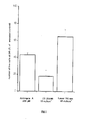
- RCE cells were plated in thirty dishes the day before the administration of the apoptotic stimulus at the density of 2x10 6 /Petri dish with 100-mm diameter. The day after, two series of 10 dishes each, were treated with antimycin A 200 ⁇ M and 254-nm UVC 15 J/m 2 , respectively, whereas the third series was left untreated. After 24 hours the living cells were counted with the trypan blue method and shown on graph as control percentage (Fig. 1).
- RCE cells were plated the day before the administration of the apoptotic stimulus at the density of 2x10 6 /Petri dish with 100-mm diameter.
- treated with Coenzyme Q 10 refers to Coenzyme Q 10 vehiculated with Lutrol F127TM 0.04%, whereas the control is always meant as treated with Lutrol F127TM 0.04% only.
- Another dish was treated with 254-nm UVC 15 J/m 2 alone or in combination with Coenzyme Q 10 10 ⁇ M.
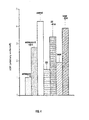
- the cells were recorded by means of time-lapse video microscopy and the cumulative apoptotic events recorded after 24 hours were shown on graph vs. time (Fig. 2). The shown values represent the average of 5 experiments.
- Example 2 Indirect evaluation of the production of free radicals following treatment with antimycin A and 254-nm UVC by measuring the levels of malondialdehyde and of the efficiency of Coenzyme Q 10 in preventing said production.
- the malondialdehyde is a product of lipid peroxidation, which occurs following exposure of polyunsaturated fatty acids to free radicals.
- the production of malondialdehyde is then routinely assumed as production index of the radicals themselves by treatments with electromagnetic radiations or oxidant substances.
- Coenzyme Q 10 as antioxidant, decreases the malondialdehyde production by indicating an action thereof, which inhibits the free radicals formation.
- RCE cells were plated at the density of 5x10 5 cells/dish in 20 Petri dishes with 100-mm diameter and incubated overnight in 5% C0 2 atmosphere, 37°C. Subsequently, the dishes were preincubated for 2 hours with Coenzyme Q 10 (10 dishes), or left untreated (10 dishes), washed with 8 ml of physiological saline solution buffered with sterile phosphate (PBS), additioned with Ca ++ and Mg ++ . The dishes were submitted to a treatment with antimycin A (200 ⁇ M) or 254-nm (15 J/cm 2 ) ultraviolet radiation as shown in Figure 3.
- PBS was replaced by fresh medium additioned or not with Coenzyme Q 10 and the dishes were incubated for other 2 hours.
- the cells were detached with trypsin according to standard procedures and counted by means of globule-counting chamber.
- the cells of the various samples were then lysed by adding thrichloracetic acid (TCA) and centrifuged for 20 minutes at 12,000 RPM in order to precipitate proteins.
- TCA thrichloracetic acid
- TSA thiobarbituric acid
- the assay then demonstrates, by direct comparison with other means of known art, the restraining action performed by Coenzyme Q 10 on the peroxidation level of the fatty acids by free radicals and indirectly the protective effect against free radicals themselves produced by UVC treatment.
- Figure 3 also shows that the peroxidation level of fatty acids in case of treatment with antimycin A is similar to the one of the untreated control and this confirms the capability of Coenzyme Q 10 to protect against apoptosis independently from the free radicals scavenger property thereof emphasized in Figure 2.
- Example 3 Evaluation of adenosine triphosphate (ATP) levels following treatment with antimycin A and 254-nm UVC.
- ATP adenosine triphosphate
- ATP levels are strictly correlated to the cell death pattern, which occurs following biochemical damage. For example, an ATP level lower than 20% of the normal value is responsible for necrosis whereas the higher levels still enable the occurrence of apoptosis which is notoriously a process requiring energy.
- RCE cells were plated at the density of 5x10 5 cells/dish in 10 Petri dishes of 10-cm diameter and incubated overnight in 5% CO 2 atmosphere, 37°C. Subsequently the dishes were preincubated for 2 hours with Coenzyme Q 10 at 10 ⁇ M or with the single vehicle. The medium was then replaced with 8 ml of sterile PBS, additioned with Ca ++ and Mg ++ and the dishes were treated with antimycin A (200 ⁇ M) or to 254-nm UVC (15 J/cm 2 ), as shown in Figure 4. Subsequently the PBS was replaced with fresh medium additioned or not with Coenzyme Q 10 and the plates were incubated for other 2 hours.
- the cells Upon carrying out the assay the cells were detached with trypsin according to standard procedures and counted by means of globule-counting chamber. The cells were then resuspended in distilled H 2 O at the concentration of 6x10 4 cells/L, immediately boiled for 5 minutes and frozen at -20°C for subsequent analysis.
- the ATP quantification in the extracts was performed by the "ATP Determination Kit” (Molecular Probes, USA) kit, based upon the firefly luciferase according to the supplier instructions. To detect fluorescence, an analyser for liquid scintillation (Camberra Packard, USA) preset for the bioluminescence analysis was utilized.
- This assay quantitatively demonstrates the protective effect of Coenzyme Q 10 opposing the decrease in the ATP level produced by antimycin A and by UVC radiations.
- the animals were sedated with an intramuscular injection of Zoletil (0,25 ml per Kg) and one of Rompun (0,15 ml per Kg) and anaesthetized with a gaseous mixture of oxygen, nitrogen monoxide and isofluorane and treated by instilling, for 15 minutes, 100 ⁇ l (2 drops) per minute the collyrium described in the PCT WO01/37851, in the name of the same Applicant, or the sole vehicle.
- the animals were then sacrificed with an intracardiac injection of Tanax 82 (3 ml). Eyes were then explanted, washed with a physiological solution so as to eliminate blood and cleaned out of muscles and optic nerve. Cornea were then ablated with corneal scissors, the crystallines were eliminated, whereas the choroids-retinas together with sclera and vitreous humours were preserved at -80°C until determination of the antioxidants.
- the sample was homogenated with Turrax in 1 ml of bidistilled water and the liposoluble antioxidants (Coenzyme Q 10 , retinol, ⁇ -tocopherol, ⁇ -carotene) were extracted by using 2 ml of extraction mixture (95% ethanol and 5% isopropanol) plus 5 ml hexane; the mixture was stirred for two minutes. The procedure produced the whole oxidation of the Coenzyme Q 10 possibly existing in a reduced form. The sample was then centrifuged at room temperature at 3640 g for 10 min., the supernatant was recovered, evaporated to dryness and resuspended in ethanol.
- the liposoluble antioxidants Coenzyme Q 10 , retinol, ⁇ -tocopherol, ⁇ -carotene
- Antioxidants were separated by inverse phase HPLC, by using a column KROMASIL 100 ⁇ -C 18 250 x 4,6 mm having a precolumn of the same material, through a convex gradient (phase A: 90% methanol and 10% water; phase B: 50% methanol, 25% isopropanol and 25% hexane; elution speed: 1,5 ml/min.).
- phase A 90% methanol and 10% water
- phase B 50% methanol, 25% isopropanol and 25% hexane
- elution speed 1,5 ml/min.
- the oxidized Coenzyme Q 10 was detected by means of a multidiode spectrophotometer at wavelengths of 275 nm. The quantitative determination was performed by referring to standard curves.
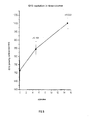
- the results which show the uptake kinetics of Coenzyme Q 10 captured by choroid/retina cells and the presence of coenzyme Q 10 in said tissues, are shown in Figures 5 and 6, respectively.
- the present invention claims the use of Coenzyme Q 10 (or ubiquinone Q 10 or Coenzyme Q 10 ), in the prevention, treatment and/or attenuation of the degenerative ocular pathologies deriving from apoptotic phenomena, i.e. programmed cell death (PCD) with the exclusion of the apoptotic phenomena due to excess of free radicals.
- PCD programmed cell death
- the topical administration is performed by using the collyrium described in the PCT WO01/37851, in the name of the same Applicant, whereas the administration by systemic way is performed orally, for example by administering a quantity of Coenzyme Q 10 higher than 20 mg/die, in particular in the range of 40 to 50 mg.
- a rabbit corneal keratocytes (RCE) cell line was maintained in Dulbecco's Modified Eagle's Medium (DMEM), HAM's nutrient mixture F12 1:1, supplemented with 15% foetal bovine serum (FBS), 2mM glutamine, 5 ⁇ g/ml insulin, 10ng/ml EGF and 50 UI/ml penicillin, in humidified atmosphere of 5% CO 2 at 37C. Cells were plated at 3x10 5 /plate.
- DMEM Dulbecco's Modified Eagle's Medium
- FBS foetal bovine serum
- 2mM glutamine 5 ⁇ g/ml insulin
- 10ng/ml EGF 10ng/ml EGF
- 50 UI/ml penicillin in humidified atmosphere of 5% CO 2 at 37C.
- Cells were plated at 3x10 5 /plate.
- UVC irradiation (254 nm) at 15 mJ/cm 2
- the respiratory chain blocker Antimycin A at 200 ⁇ M concentration
- the apoptotic signalling lipid C 2 -ceramide (a synthetic cell-permeable analogue of endogenous ceramides) at 20 ⁇ M concentration
- FBS restriction to 0.5%.
- 10 ⁇ M Coenzyme Q 10 dissolved in 0,04% Lutrol F107 used as vehicle to assure cellular uptake of this hydrophobic molecule or with 10 ⁇ M Vitamin C (ascorbic acid) was initiated two hours prior to application of apoptotic stimuli.
- Vehicle alone-treated cells were used as controls.
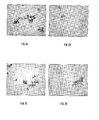
- Figure 9 shows the Time-lapse Video microscopy aspects of RCE keratocytes cultured for 24 hours in the absence of any treatment (upper panel) or following either UVC irradiation (left) or treatment with Antimycin A (center) or C 2 -ceramide (right), preceded or not by a 2-hour treatment with Coenzyme Q 10 .
- Following all three treatments a high number of RCE cells underwent apoptosis, but treatment with Coenzyme Q 10 dramatically decreased this number, indicating the effectiveness of Coenzyme Q 10 in apoptosis prevention against any apoptotic stimulus.
- Corresponding quantitative data are reported in Figure 10.
- Example 8 Coenzyme Q 10 counteracted mitochondrial ⁇ collapse, cytochrome c release, caspase 9 activation and DNA fragmentation elicited by free radical unrelated apoptotic stimuli.
- the change in mitochondrial transmembrane potential ( ⁇ ) occurring during apoptosis was detected by fluorescence-based assay in RCE cells.
- the cells were cultured on cover slips, in DMEM medium containing the lipophilic cationic probe 5,5',6,6'-tetrachloro-1,1'3,3'-tetraethylbenzimidazol-carbocyanine iodide (JC-1, 5mg/ml) (JC-1, Molecular Probes Inc. Eugene, OR, USA) for 15 min at 37°C.
- This dye has a unique feature: at hyperpolarized membrane potentials (to -140mV) it forms a red fluorescent J-aggregate, whereas at depolarised membrane potentials (to -100mV) it remains in the green fluorescent monomeric form.
- Prior to detection cells were washed in PBS and placed in an open slide flow loading chamber that was mounted on the stage of a confocal BioRad MRC 1024 ES scanning microscope (BioRad Laboratories Inc., Hercules, CA, USA) equipped with a krypton/argon laser source. The fluorescence was monitored by using 488 and 568 nm wavelengths and collecting the emitted fluorescence with a Nikon plan Apo X 60 oil-immersion objective. As shown in Figure 13 UVC irradiation as well as treatments with Antimycin A or C 2 -ceramide determined ⁇ collapse, in fact there was a shift in membrane charge observed as disappearance of fluorescent red-orange stained mitochondria and an increase in fluorescent green stained mitochondria.
- RCE cells were evaluated 24 hours following apoptotic stimuli.
- Cytosolic fractions were prepared as described in Ruties et al. 1999, J. Biol. Chem. 274, 24799-24807. Proteins in the cytosolic extracts were quantified by the BCA Protein Assay Reagent (PIERCE, Rockford, IL, USA). Proteins (25 ⁇ g/lane) were electrophoresed through SDS polyacrylamide 12,5% gel, and electroblotted onto nitrocellulose membrane (Schleicher & Schuell, Keene, NH) using transblotter (BioRad Laboratories Inc., Hercules, CA, USA).
- the non-specific signals were blocked with blocking buffer (5% w/v instant non fat milk powder in PBS) and incubated overnight at 4°C with 1 ⁇ g/ml of anti-Cytochrome c monoclonal antibody (BD Pharmingen, San Diego, CA, USA).
- the membrane was washed and subsequently incubated with goat anti-mouse IgG horseradish peroxidase conjugated (Sigma-Aldrich, Milan, Italy). Detection was carried out using a commercial chemo luminescence procedure (ECL, Amersham Pharmacia Biotech Europe, Freiburg, Germany).
- Caspase 9 activity was determined by the Caspase-9 Colorimetric Protease Assay (BioSource Europe, S.A., Nivelles, Belgium). Cytosolic extracts, prepared by lysing cells with Cell Lysis Buffer provided in the kit, were incubated with the colorimetric substrate LEHD (Leu-Glu-His-Asp) conjugated to the chromophore p-nitroanilide (pNA), in 50 ⁇ l of 2X Reaction Buffer containing 10 mM DTT. After a 2-hour incubation at 37°C, the OD of samples was measured at 405 nm in BioRad ELISA reader.
- LEHD Leu-Glu-His-Asp
- pNA chromophore p-nitroanilide
- Figure 15 shows a 6 to 8 fold enhancement of caspase 9 activity in RCE cells 24 hours after administration of apoptotic stimuli.
- the caspase 9 activity remained significantly lower, but not at the same levels as in non-stimulated RCE cells.
- Apoptotic internucleosomal DNA fragmentation was evaluated by classical assay, detecting electrophoretically separated ladder of fragmented DNA.
- the genomic DNA was extracted from RCE cells as described by Blankenberg et al 1997, Blood 89, 3778-3786. The fragments were separated by gel electrophoresis in 0.8% agarose containing ethidium bromide (0.2 ⁇ g/ml), UV-visualized and photographed.
Landscapes
- Health & Medical Sciences (AREA)
- Veterinary Medicine (AREA)
- Chemical & Material Sciences (AREA)
- Medicinal Chemistry (AREA)
- Pharmacology & Pharmacy (AREA)
- Life Sciences & Earth Sciences (AREA)
- Animal Behavior & Ethology (AREA)
- General Health & Medical Sciences (AREA)
- Public Health (AREA)
- Epidemiology (AREA)
- Ophthalmology & Optometry (AREA)
- Engineering & Computer Science (AREA)
- Bioinformatics & Cheminformatics (AREA)
- Chemical Kinetics & Catalysis (AREA)
- General Chemical & Material Sciences (AREA)
- Nuclear Medicine, Radiotherapy & Molecular Imaging (AREA)
- Organic Chemistry (AREA)
- Acyclic And Carbocyclic Compounds In Medicinal Compositions (AREA)
- Pharmaceuticals Containing Other Organic And Inorganic Compounds (AREA)
Abstract
Description
- The present invention relates to the use of Coenzyme Q10 (or ubiquinone Q10 or quinone Q10, CoQ10) or functionally equivalent derivatives thereof, for the prevention, the treatment and/or attenuation of degenerative ocular pathologies of a heredofamilial, inflammatory, dysmetabolic, senile age-related nature, the degenerative process deriving from apoptotic phenomena i.e. programmed cell death (PCD).
- The present invention also envisages the systemic or topical administration of the Coenzyme Q10 or functionally equivalent derivatives thereof.
- Apoptosis, or programmed cell death (PCD), is involved in a large quantity of degenerative pathologies including pathologies of the eye's posterior chamber and of the perioptic area. Among these diseases there are heredofamilial, inflammatory, dysmetabolic and age-related macular and retinal degenerations e.g.: the glaucoma, the age-related macular degeneration, the retinitis pigmentosa, various heredofamilial maculopathies such as the Stargardt disease, the vitelliform macular cysts and the cones dystrophy, the diabetic retinopathy (exudative or proliferating), the hypertensive retinopathy, the ischemic opticopathy, the senile opacity of lenses, the cataract, the detachment of the retina, the uveitis, the retinoblastoma, the neuritis and the optical neuropathies of toxic, inflammatory and degenerative origin.
- In all these pathologies the degeneration is due to the cell death through apoptosis.
- The glaucoma may be taken as a paradigmatic example of such group of pathologies, in which apoptotic events play a major role, both for the pathogenetic mechanisms involved and for the spread of said disease. The glaucoma is an optical neuropathy, which determines a loss of ganglion cells, with a progressive loss of the visual field and of the visual function and subsequent excavation of the optic nerve head. The high intraocular pressure is a risk factor for the development of the disease and it is known that the decrease of the intraocular pressure protects the optic nerve from further damages.
- In patients affected by glaucoma, the course of the disease is, usually, slow and irregular, with a marked interindividual variability. Although it does not seem that there is a direct correlation between the ganglion cells death and the progression of the visual field defects, it is believed that the cells loss precedes the onset of the visual field alterations. The progressive loss of the visual function was associated with several risk factors, such as the high intraocular pressure or the presence of a local or systemic deregulation of the haematic flow. Since experimental and clinic tests have demonstrated that ocular hypertension is a causal factor for the growth of the glaucomatous optical neuropathy, the universally accepted treatment is, at present, essentially limited to the reduction of the intraocular pressure, e.g., through medicaments having a diuretic effect, β-blocking medicaments, and others.
- Said observations do not only concern human beings, but also mammals in general and, more particularly, house pets.
- Recently, in vitro and in vivo studies on animal models, have suggested the possibility that a patient affected by glaucoma could benefit from a neuroprotective treatment, aimed at slowing down the progression of the death of ganglion cells (Nickells R.W. Apoptosis of retinal ganglion cells in glaucoma: an update of the molecular pathways involved in cell death. Surv Ophtalmol 1999; 43: S151-161). Furthermore, it is known that the highest part of retinal ganglion cells in glaucoma die through apoptosis (Kerrigan L.A., Zack D.J., Quigley H.A., et al. TUNEL-positive ganglion cells in human primary open-angle glaucoma. Arch Ophtalmol 1997; 115: 1031-1035) and that the hypoxia subsequent to ischemia is one of the ascertained causes of said cellular death (Gross R.L., Hensley S.H., Gao F., Wu S.M. Retinal ganglion cell dysfunction induced by hypoxia and glutamate: potential neuroprotective effects of beta-blockers. Surv Ophtalmol 1999, 43 Suppl:S162-70).
- Although glaucoma has been herein used as a paradigmatic example, all the above mentioned degenerative pathologies share two common features, they damage the posterior part of the eye (i.e. retina and/or optic nerve) and they undergo several kind of apoptotic events in said tissues, said apoptotic events being caused by very different phenomena such as: ischemia, hypoxia/anoxia, lack of trophic factors, presence of free radicals.
- Taking into account the common features shared by the above-mentioned pathologies, there is the need of providing means for the treatment, attenuation or prevention of all the above mentioned apoptotic events, hence, aiming at a neuroprotective activity in the posterior part of the eye.
- PCT WO01/37851, in the name of the same Applicant of the present application, discloses the use of Coenzyme Q10 in the prevention of PCD deriving from corneal photo refractive surgery treatments (anterior part of the eye) by means of excimer laser and exposure to ultraviolet rays.
- The above-mentioned patent application teaches how to contend corneal cell apoptosis (anterior part of the eye) triggered by the creation of free radicals produced by electromagnetic radiations.
- Coenzyme Q10, or ubiquinone, is a coenzyme present in the cell on the mitochondrial internal membrane where its function, in association with a series of factors, in the electrons transport chain, which culminates with the production of energy in the form of adenosine triphosphate (ATP), is crucial. Moreover, Coenzyme Q10 is an active scavenger of free radicals and its presence, associated exactly with said activity, has been detected also at the plasma membrane level. It has to be pointed out that the actual therapies of, e.g. glaucoma, are essentially limited to the reduction of the intraocular pressure and do not envisage a neuroprotective activity. To date, on the contrary, there is no knowledge concerning the activity of Coenzyme Q10 as a molecule that could have anti-apoptotic properties in pathological conditions wherein the apoptotic event can be also independent from the increase of free radicals. This is, in particular, the case of apoptosis due to ischemia, hypoxia/anoxia, lack of trophic factors. There is namely no news about the fact that Coenzyme Q10 can function also in a different way with respect to its well-known antioxidant action. There is, therefore, the need for a neuroprotective therapy for the degenerative diseases of the posterior part of the eye, aimed at impeding, slowing or preventing the programmed cell death independently from the mechanisms entailing said PCD.
- Said need derives from the observation that, among pathologies of the eye such as heredofamilial, inflammatory, dysmetabolic and age-related macular and retinal degenerations, the degenerative process due to apoptosis is not uniformly caused but is caused by an admixture of apoptotic phenomena triggered by different stimuli such as free radicals excess, ischemia, hypoxia/anoxia, lack of trophic factors. In all said pathologies the majority of the apoptotic events is not attributable to the presence of free radicals.
- The present invention relies on the observation of two distinct, unexpected events.
- The first is that the Coenzyme Q10 unexpectedly accumulates in the retina also when administered topically on the anterior part of the eye.
- The second, and more important is that the Coenzyme Q10 extends its anti-apoptotic effects also to apoptotic events that are not caused by the generation of free radicals.
- Therefore, the present invention provides means for the prevention, treatment and/or attenuation of apoptotic events in degenerative pathologies of the posterior part of the eye, independently from the mechanisms entailing said events (hence also apoptotic events not triggered by an excess of free radicals). Due to the variety of different pathways that can enhance an apoptotic response from the cell, and due to the fact that Coenzyme Q10 is well known as a scavenger of free radicals, the anti-apoptotic effect of said molecule according to the invention was totally unexpected.
- In the present application the surprising capability of Coenzyme Q10, in the prevention of apoptotic phenomena induced by three apoptotic stimuli that are known not to act through free radical generation and by UVC is demonstrated. Said stimuli, independent from free radicals generation, are:
- 1) Antimycin A, used as a model for the hypoxia caused apoptosis;
- 2) C2-ceramide, which is a cell-permeable analogue of ceramide (a natural, lipidic, apoptotic messenger independent from free radicals) and;
- 3) Survival factor withdrawal by serum starvation, in which free radicals are not believed to cause the primary apoptotic insult.
-
- The examples of the present application demonstrate that the above mentioned stimuli cause apoptotic events that do not involve the excess of free radicals and that Coenzyme Q10 has an anti-apoptotic effect also in said apoptotic events. What demonstrated in the present application concerning the general anti-apoptotic effect of Coenzyme Q10, is to be associated to the one newly herein disclosed for the first time, according to which, coenzyme Q10 accumulates in the retinas and in the optic nerve of eyes treated with a preparation for topical use.
- Hence, an object of the present invention is the use of the Coenzyme Q10 or a functionally equivalent derivative thereof, as an active principle for the treatment, or for the manufacture of a medicament, for the prevention, treatment and/or attenuation of apoptotic events occurring in degenerative pathologies of the posterior part of the eye; the administration thereof being topical or systemic.
- The apoptotic events prevented, treated or attenuated by the present invention are all apoptotic events causing ocular degenerative pathologies, more precisely affecting the posterior part of the eye. The meaning of "posterior part of the eye" according to the present invention is the retina and the optic nerve.
- In particular, the use of the Coenzyme Q10, or a functionally equivalent derivative thereof according to the present invention, is in the topical or systemic treatment, or in the manufacture of medicaments to use in said treatments, in order to prevent, attenuate or treat the apoptotic events induced by ischemia, hypoxia/anoxia, lack of trophic factors, excess of free radicals occurring in the posterior part of the eye. In particular, to treat the degenerative pathologies of the eye wherein said apoptotic events are directly involved in the degenerative process. More in particular, the degenerative pathologies according to the present invention are neurodegenerative pathologies.
- More in particular, the use of Coenzyme Q10, or a functionally equivalent derivative thereof according to the present invention, is for the treatment, or the manufacture of a medicament for the treatment of the apoptotic events of the pathologies of the retina and of the optic nerve, such as heredofamilial, inflammatory, dysmetabolic and age-related macular and retinal degenerations. Examples of said pathologies according to the invention are: the glaucoma, the age-related macular degeneration, the retinitis pigmentosa, various heredofamilial maculopathies such as the Stargardt disease, the vitelliform macular cysts and the cones dystrophy, the diabetic retinopathy (exudative or proliferating), the hypertensive retinopathy, the ischemic opticopathy, the senile opacity of lenses, the cataract, the detachment of the retina, the uveitis, the retinoblastoma, the neuritis and the optical neuropathies of toxic, inflammatory and degenerative origin, the pathogenetic mechanism of which also comprises an excess of programmed cell death (PCD) wherein free radicals are not involved.
- According to the present invention, the Coenzyme Q10 or a functionally equivalent derivative thereof, can be used for the above-mentioned treatments, or for the manufacture of the above mentioned medicaments, for human or for animal, use. Among animals, domestic animals and house pets are preferred.
- The above-mentioned use of Coenzyme Q10, or a functionally equivalent derivative thereof, can be performed through topic or systemic administration.
- In a preferred embodiment of the invention, the Coenzyme Q10, or functionally equivalent derivatives thereof, can be administered topically, in a medicament, in form of a collyrium. The formulations of a suitable collyrium comprising Coenzyme Q10 are described in PCT WO01/37851.
- The systemic administration of coenzyme Q10, or functionally equivalent derivatives thereof, according to the present invention is either an oral or a parenteral administration, wherein Coenzyme Q10, or its functionally equivalent derivative, is administered in a quantity higher than 20 mg per day, preferably in the range of 40, to 50, to 400 mg per day. Accordingly, Coenzyme Q10, or a functionally equivalent derivative thereof, can be used for the manufacture of medicaments to be administered as described above.
- Coenzyme Q10, or functionally equivalent derivatives thereof, can be administered topically or systemically by all the ways known by the skilled person. By way of example, a systemic oral administration can be produced and administered to humans in a liquid or gel form as described in US Pat. No. 6,441,050 and can be produced in a paste form that can be used as is or dried to form a powder and administered to animals in a liquid form or in baked or unbaked food products or in pills, tablets and capsules as described in US Pat. No. 6,403,116.
- For a systemic administration according to the present invention also the use of Coenzyme Q10, or a functionally equivalent derivative thereof, for the manufacture of an injectable composition is envisaged. The systemic parenteral administration can be made with any injectable composition suitable for parenteral administration comprising Coenzyme Q10 or its functionally equivalent derivative, sterile aqueous and non-aqueous injection solutions, suspensions and emulsions of the active compound, which preparations are preferably isotonic with the blood of the intended recipient as described in the US Patent Application N°20020119936. These preparations may also contain anti-oxidants, surfactants, buffers, bacteriostats, solutes that render the compositions isotonic with the blood of the intended recipient, and other formulation components known in the art. Extemporaneous injection solutions, suspensions and emulsions may be prepared from sterile powders, granules and tablets of the kind previously described.
- According to the invention, the active compounds above described, may be administered once or several times a day.
- By functionally equivalent derivatives of coenzyme Q10, all the possible derivatives of said molecule sharing the same functions of Coenzyme Q10, e.g. ubiquinol, known in the art are defined in the present invention.
-
- Figure 1) represents a bar graph showing the number
of living
cells 24 hours after the treatment with UVC or Antimycin A compared to the not-treated control. - Figure 2) represents a bar graph showing the protective effect of Coenzyme Q10 against the apoptosis induced by UVC and antimycin A, 24 hours after treatment, expressed as number of total apoptotic events.
- Figure 3) represents a graph showing the effect of Coenzyme Q10 on the malondialdehyde levels after treatment with UVC or antimycin A.
- Figure 4) represents a graph showing the effect of Coenzyme Q10 on the adenosine triphosphate (ATP) levels after treatment with UVC and antimycin A.
- Figure 5) represents a graph showing the captation kinetics of Coenzyme Q10 by choroid/retina after treatments with a collyrium formulation, by New Zealand white rabbits, compared to the untreated control.
- Figure 6) represents a graph showing the captation of Coenzyme Q10 by choroid/retina of New Zealand white rabbits treated with collyrium formulation, compared to the untreated control.
- Figure 7) Detection of DNA fragmentation in apoptotic nuclei by the Klenow Fragment End Labelling (FragEL, Oncogene Research Products) of DNA. RCE cells were stimulated with Antimycin A (A); Coenzyme Q10 treated prior to stimulation with Antimycin A (B); serum-starved (C); Coenzyme Q10 treated prior to serum starvation (D).
- Figure 8) RCE survival expressed as number of living
cells/plate determined by
MTT analysis 24 hours after UVC irradiation, administration of 200 µM Antimycin A; or 20 µM ceramide preceded or not by treatment with 10 µM Coenzyme Q10 (Figure 8A) or 10 µM Vitamin C (Figure 8B). Cells were initially plated at 3x10⁵ cells/plate. Each point is the mean ± SE of 5 experiments for Figure 8A and 3 experiments for Figure 8B. *p≤ 0.005 compared to Coenzyme Q10 or Vitamin C untreated cells. - Figure 9) Time-lapse videomicroscopy of
RCE cells 24 hours after UVC irradiation (left panels); stimulation with 200 µM Antimycin A (central panels); orstimulation 20 µM ceramide (right panels), preceded or not by treatment with 10 µM Coenzyme Q10. (A) Untreated RCE cells; (B) UVC irradiated; (C) treated with Coenzyme Q10 prior to UVC irradiation; (D) stimulated with Antimycin A (AA) ; (E) treated with Coenzyme Q10 prior to stimulation with Antimycin A; (F) stimulated with ceramide (G) treated with Coenzyme Q10 prior to stimulation with ceramide. Apoptotic RCE cells appear as white, shrunken and detached from substrate. Their number is significantly reduced after treatment with Coenzyme Q10 (bottom panels). - Figure 10) Reduction of cumulative apoptotic events
by treatment with Coenzyme Q10 in RCE cells. Apoptotic
events were scored by Time-lapse video microscopy during
24 hours after apoptotic stimuli as previously described.
With respect to untreated cells, UVC irradiation,
Antimycin A and ceramide increased markedly the number of
cumulative apoptotic events in RCE cells, which was
significantly reduced by treatment with the Coenzyme Q10.
Each point is the mean ± SE of 3 experiments. *p≤ 0.005 compared to Coenzyme Q10 non-treated cells. ** p≤ 0.05 compared to Coenzyme Q10 non-treated cells. - Figure 11) Quantification of malonaldehyde (MDA)
levels and SOD activity in
RCE cells 24 hours after apoptotic stimulus with UVC at 254 nm (15mJ/cm2), Antimycin A (200µM), ceramide (20 µM) or serum starvation, preceded or not by 2 hours treatment with 10µM each Coenzyme Q10 (left) or Vitamin C (right). RCE cells were: 1) unstimulated; 2) Coenzyme Q10 or Vitamin C treated; 3) UVC irradiated; 4) Coenzyme Q10 or Vitamin C treated and UVC irradiated; 5) Antimycin A stimulated; 6) Coenzyme Q10 or Vitamin C treated and Antimycin A stimulated; 7) Ceramide stimulated; 8) Coenzyme Q10 or Vitamin C treated and Ceramide stimulated; 9) Serum starved; 10) Coenzyme Q10 or Vitamin C treated and serum starved. Each point was the mean ± SE of 5 experiments, *p≤ 0.001 compared to Coenzyme Q10 or Vitamin C untreated cells. - Figure 12) Evaluation of ATP cellular levels in
RCE cells 24 hours after application of apoptotic stimuli. Preparation of cell lysates is described in Material and Methods. Treatment with Coenzyme Q10 significantly reduced the cellular ATP decrease. Each point is the mean ± SE of 3 experiments. *p≤ 0.005 compared to Coenzyme Q10 untreated cells. - Figure 13) Detection of the mitochondrial membrane potential by double fluorescence JC-1 assay. Dual emission images (525 and 590 nm) represent the signal from monomeric (green) and J-aggregate (red) JC-1 fluorescence in RCE cells. (a) Untreated RCE cells show red stained mitochondria (large negative membrane potential). The mitochondria of RCE cells assayed 24 hours after apoptotic stimulus with (b) UVC irradiation; (d) 200 µM Antimycin A; or (f) 20 µM ceramide appeared uniformly green stained (lower membrane potential). Treatment with Coenzyme Q10 significantly protected against loss of the mitochondrial membrane potential as evident from the reappearance of the red-stained mitochondria in RCE cells (c) Coenzyme Q10 treated prior to UVC irradiation; (e) Coenzyme Q10 treated prior to administration of Antimycin A; (g) Coenzyme Q10 prior to administration of ceramide.
- Figure 14) Western blot analysis of cytosolic
extracts from RCE cells with 1µg/ml anti-cytochrome c
mAb. Lanes: 1) untreated control; 2) UVC irradiation; 3)
Coenzyme Q10 treatment and UVC irradiation; 4) 200 µM
Antimycin A; 5) Coenzyme Q10 treatment and 200 µM
Antimycin A; 6) 20 µM ceramide; 7) Coenzyme Q10 treatment
and 20 µM ceramide. The cytoplasmic cytochrome c (arrow)
band density increased following apoptotic treatment of
RCE cells (
lanes lanes - Figure 15)
Caspase 9 activity. Lanes: 1) untreated control; 2) UVC irradiation; 3) Coenzyme Q10 treatment and UVC irradiation; 4) 200 µM Antimycin A; 5) Coenzyme Q10 treatment and 200 µM Antimycin A; 6) 20 µM ceramide; 7) Coenzyme Q10 treatment and 20 µM ceramide. Activity ofcaspase 9 increased by 6-8 fold following apoptotic treatment of RCE cells (lanes caspase 9 activation in all cases (lanes - Figure 16) Nucleosomal laddering. Lanes: 1)
untreated control; 2) UVC irradiation; 3) Coenzyme Q10
treatment and UVC irradiation; 4) 200 µM Antimycin A; 5)
Coenzyme Q10 treatment and 200 µM Antimycin A; 6) 20 µM
ceramide; 7) Coenzyme Q10 treatment and 20 µM ceramide.
DNA fragmentation induced by all three apoptotic stimuli
(
lanes lanes -
- According to the present invention Coenzyme Q10, or a functionally equivalent derivative thereof, can be used for the manufacture of a medicament for topic administration on the eye. Said medicament comprising the Coenzyme Q10, or a functionally equivalent derivative thereof, preferably is in an eye drop form and can be the ophthalmic solution as described in PCT WO01/37851. The ophthalmic solution can be administered locally by superficial instillation.
- Said composition comprises: Coenzyme Q10, or a functionally equivalent derivative thereof, by 0,01 up to 2,0% p/w; tocopherol by 0,005 up to 0,1% p/w; and a mixture including a modified castor oil and a block copolymer of hydrophilic ethylene oxide and lipophilic propylene oxide having a prevailing proportion of polyoxyethylene, an average molecular weight between 10.000 and 13.000 Dalton and a HLB value (hydrophile/lipophile equilibrium) higher than 15, in a quantity sufficient to solubilize said components in aqueous solution, generally between 10 and 15% p/w.
- The mixture of these two surfactants (polyoxyethylene-polyoxypropylene) and a modified castor oil (poly-ethylene glycol glyceryl-triricinoleate) produces the full micellar solubilization of the components of the pharmaceutical form.
- A particular example of the above-mentioned block copolymer is a commercial product called Lutrol F127.
- The coenzyme Q10, or functionally equivalent derivatives thereof, concentrations, which may be utilized for the formulation of ophthalmic solutions, are between 0.01 and 2.0% parts by weight (p/w); more preferably between 0.1 and 1.0% p/w, the ideal concentration as corneal "antihaze" being understood by 0.2% p/w. The tocopherol concentrations in these preparations are generally between 0.005 and 0.1% p/w; more preferably between 0.01 and 0.5% p/w.
- In a more particular way, a preferred composition comprises: Coenzyme Q10, or functionally equivalent derivatives thereof, by about 0,2% p/w; tocopherol by 0,02 up to 0,04% p/w; and the mixture including polyethylene glycol glyceryl-triricinoleate and an ethylene oxide/propylene oxide block polymer having a proportion of polyoxyethylene by about 70%, an average molecular weight of about 12.000 Dalton and a 22 HLB value.
- The ingredient to be necessarily added to the formulations is a product causing the solution to have the right osmolar value. The solution containing the active principle only, in fact, results hypotonic compared to the lachrymal fluid. Other ingredients that may be added are pH correctors (comprising salts forming a buffer in the solution), products with antiseptic properties, complexants and preservatives, antioxidants and synergizing agents.
- By way of example some formulation embodiments are listed:
-
- Ingredients Concentration % p/w
- Coenzyme Q10,
- or a functionally equivalent derivative thereof, 0.20
-
Tocopherol 0,04 - Copolymer 10.00
- Modified castor oil 5.00
- NaCl 0.45
- Benzalkonium chloride 0.01
- Bidistilled water q. s. to 100.00
-
-
- Ingredients Concentration % p/w
- Coenzyme Q10,
- or a functionally equivalent derivative thereof, 0,10
- Tocopherol 0.02
- Copolymer 15.00
- Mannitol 2.50
-
Benzalkonium chloride 0,01 - Bidistilled water q. s. to 100.00
-
-
- Ingredients Concentration % p/w
- Coenzyme Q10,
- or a functionally equivalent derivative thereof, 0.20
- Copolymer 10.00 NaCl 4.50
- Benzalkonium chloride 0.01
- Phosphate buffer Sorensen pH 7.4 quantum sufficit to 100.00
-
- The topical administration on the eye can be performed also with an eye paste.
- The Coenzyme Q10 or a functionally equivalent derivative thereof, according to the present invention, can be administered also in combination with other suitable active principles known in the art as suitable for the treatment or the attenuation or prevention of the above-mentioned optical diseases.
- In another embodiment of the present invention Coenzyme Q10, or a functionally equivalent derivative thereof, can be administered systemically. Among the possible ways of systemic administration the oral administration as well as the parenteral administration of Coenzyme Q10 or of its functionally equivalent derivative is envisaged. Although oral administration could be indicated for any kind of patient, it could be particularly useful when administration is to be performed to children or to animals for which the administration of eye drops could raise difficulties. All modes of oral administration of Coenzyme Q10 known in the art are suitable for the present invention, the amount of Coenzyme Q10, or a functionally equivalent derivative thereof, preferred is comprised between 40 and 400mg per day, preferably between 50 and 250.
- Compositions suitable for oral administration may be presented in discrete units, such as capsules, cachets, lozenges, or tablets, each containing a predetermined amount of the active compound; as a powder or granules; as a solution or a suspension in an aqueous or non-aqueous liquid; or as an oil-in-water or water-in-oil emulsion. Such compositions may be prepared by any suitable method of pharmacy that includes the step of bringing into association the active compound and a suitable carrier. Among possible modes of oral administration of Coenzyme Q10 or a functionally equivalent derivative thereof, the liquid compositions described in US Pat N° 6,441,050 or the compositions disclosed in US Pat N° 6,403,116 are suitable for the use of Coenzyme Q10 according to the present invention.
- Another way of systemic administration of Coenzyme Q10 according to the present invention is through injectable compositions, wherein the composition comprises Coenzyme Q10 and suitable veterinary or pharmaceutical carriers as described in US Patent Application 20020119936. Among the possible injection modes suitable for administration, the compositions can be administered through subconjunctival, subtenonia, episcleral, subcutaneous, intravenous or intravitreous injections. Said compositions comprise Coenzyme Q10, sterile aqueous and non-aqueous injection solutions, suspensions and emulsions of the active compound, which preparations are preferably isotonic with the blood of the intended recipient. These preparations may contain anti-oxidants, surfactants, buffers, bacteriostats, solutes that render the compositions isotonic with the blood of the intended recipient, and other formulation components known in the art.
- In the present examples, the Antimycin A, C2-Ceramide and serum starvation are used to demonstrate the anti-apoptotic effect of Coenzyme Q10 in anti apoptotic events not related to an excess of free radicals. The choice of said substances is due to their mechanism of action.
- 1) Antimycin A is an organic poison which blocks the cellular respiration, therefore the cellular capability of producing energy, by binding the complex III of the mitochondrial respiratory chain. As a consequence of this, also if inside the cell there is oxygen available, the mitochondrion does not succeed in utilizing it and, therefore, stops forming ATP through oxidative phosphorilations. The phenomenon is indicated as chemical (or also histotoxical) hypoxia, that is, the impossibility of using oxygen due to the poisoning of the respiratory chain; said hypoxia is associated to other kinds of hypoxia (hypoxic, anaemic and ischemic) which are due to the lack of actually used oxygen in the cellular environment. The chemical hypoxia induced by Antimycin A has been here used as an experimental model of cellular damage analogous to the ischemic damage, as above reminded, that is very frequent in the spontaneous pathology of retinal cells and independent from the formation of free radicals.
- 2) Ceramide-induced apoptosis is mainly a consequence of its ability to collapse mitochondrial Δψ either by direct inhibition of mitochondrial respiratory chain complex III or by formation of large transmembrane channels that raise mitochondrial permeability. 3) Withdrawal of survival factors, achieved in cultured cells by serum starvation, can commit cells to apoptosis by different mechanisms, such as MAP kinase induction, ceramide release, COX-2 activation, whose common effect is triggering the mitochondrion-dependent apoptotic pathway.
-
- The reactive oxygen species (ROS) generation in response to Antimycin A, C2-ceramide and serum starvation (11) has also been reported in some experimental models. However, since ROS are key mediator of apoptosis, it is not easy to establish whether ROS increase following application of apoptotic stimuli is a cause or an effect of apoptosis execution. This point is crucial for the exclusion that Antimycin A, C2-ceramide and serum starvation could directly induce free radical generation became a critical preliminary condition. This has been performed by quantifying free radical levels in RCE early, immediately after application of apoptotic stimuli, that means prior to commencement of apoptosis execution. The increase of MDA and SOD activity, observed at the 2nd hour after UVC-irradiation but not after treatment with Antimycin A or C2-ceramide or serum starvation confirmed that the three latter apoptotic stimuli did not generate free radicals.
- By way of comparison, always in the same cell cultures, the ultraviolets were taken as a model of apoptotic insult due also to the excess of free radicals.
- The protective effect of Coenzyme Q10 against apoptosis in rabbit keratocytes (Rabbit Corneal Epithelial Cells transformed with SV40, also designated as RCE), was experimentally proved in cultures induced by antimycin A, ceramide, serum starvation and 254-nm UVC exposure. Apoptosis has been evaluated by means of early and late markers such as the analysis of the cytoplasm redox status (malondialdehyde assay), levels of adenosine triphosphate (ATP.
caspase 9 activity, cytochrome c release from mitochondrion and DNA fragmentation assay). - The distribution of Coenzyme Q10 at the choroid and retina level in rabbits has also been verified. To this purpose New Zealand White rabbits underwent an instillation (about 100 µl) of the collyrium described in PCT WO01/37851, in the name of the same Applicant of the present application, every minute for 15 minutes and were immediately sacrificed. The eyes were washed in physiologic solution and the retinas together with the choroid were explanted therefrom. The tissue was then homogenated and quantified by HPLC. The results of all the experiments performed demonstrating the surprising anti-apoptotic effects of coenzyme Q10 are illustrated in the following examples.
- RCE cells were plated in thirty dishes the day before the administration of the apoptotic stimulus at the density of 2x10⁶/Petri dish with 100-mm diameter. The day after, two series of 10 dishes each, were treated with
antimycin A 200 µM and 254-nm UVC 15 J/m2, respectively, whereas the third series was left untreated. After 24 hours the living cells were counted with the trypan blue method and shown on graph as control percentage (Fig. 1). - RCE cells were plated the day before the administration of the apoptotic stimulus at the density of 2x10⁶/Petri dish with 100-mm diameter. The day after antimycin A at the concentration of 200 µM in combination with Coenzyme Q10, 10 µM in Lutrol F127™ 0.04% or with only Lutrol F127™ 0.04% was added to one dish. From now on "treated with Coenzyme Q10" refers to Coenzyme Q10 vehiculated with Lutrol F127™ 0.04%, whereas the control is always meant as treated with Lutrol F127™ 0.04% only. Another dish was treated with 254-nm UVC 15 J/m2 alone or in combination with
Coenzyme Q 10 10 µM. The cells were recorded by means of time-lapse video microscopy and the cumulative apoptotic events recorded after 24 hours were shown on graph vs. time (Fig. 2). The shown values represent the average of 5 experiments. - The malondialdehyde is a product of lipid peroxidation, which occurs following exposure of polyunsaturated fatty acids to free radicals. The production of malondialdehyde is then routinely assumed as production index of the radicals themselves by treatments with electromagnetic radiations or oxidant substances.
- Coenzyme Q10, as antioxidant, decreases the malondialdehyde production by indicating an action thereof, which inhibits the free radicals formation.
- In order to perform the malondialdehyde assay, RCE cells were plated at the density of 5x10⁵ cells/dish in 20 Petri dishes with 100-mm diameter and incubated overnight in 5% C02 atmosphere, 37°C. Subsequently, the dishes were preincubated for 2 hours with Coenzyme Q10 (10 dishes), or left untreated (10 dishes), washed with 8 ml of physiological saline solution buffered with sterile phosphate (PBS), additioned with Ca++ and Mg++. The dishes were submitted to a treatment with antimycin A (200 µM) or 254-nm (15 J/cm2) ultraviolet radiation as shown in Figure 3. PBS was replaced by fresh medium additioned or not with Coenzyme Q10 and the dishes were incubated for other 2 hours. Upon carrying out the assay, the cells were detached with trypsin according to standard procedures and counted by means of globule-counting chamber. The cells of the various samples were then lysed by adding thrichloracetic acid (TCA) and centrifuged for 20 minutes at 12,000 RPM in order to precipitate proteins.
- To 300 µl of supernatant of each sample, 300 µl of thiobarbituric acid (TBA) by 1% were added. The mixtures were incubated at 95°C for 30 minutes, centrifuged for 20 minutes at 12,000 RPM and the optic absorption of the supernatant resulting by spectrophotometric analysis at 532 nm was assessed.
- The obtained values were compared with a calibration standard curve and normalized for the number of cells. In Figure 3 the protective effect of Coenzyme Q10 following treatment with antimycin A or UVC radiation is shown.
- The assay then demonstrates, by direct comparison with other means of known art, the restraining action performed by Coenzyme Q10 on the peroxidation level of the fatty acids by free radicals and indirectly the protective effect against free radicals themselves produced by UVC treatment. Figure 3 also shows that the peroxidation level of fatty acids in case of treatment with antimycin A is similar to the one of the untreated control and this confirms the capability of Coenzyme Q10 to protect against apoptosis independently from the free radicals scavenger property thereof emphasized in Figure 2.
- The ATP levels are strictly correlated to the cell death pattern, which occurs following biochemical damage. For example, an ATP level lower than 20% of the normal value is responsible for necrosis whereas the higher levels still enable the occurrence of apoptosis which is notoriously a process requiring energy.
- Whereas it was ascertained that the ATP levels are drastically reduced following treatment with radiations, it resulted that, according to the present invention, Coenzyme Q10 was able to prevent said reduction.
- In order to perform the ATP assay, RCE cells were plated at the density of 5x10⁵ cells/dish in 10 Petri dishes of 10-cm diameter and incubated overnight in 5% CO2 atmosphere, 37°C. Subsequently the dishes were preincubated for 2 hours with Coenzyme Q10 at 10 µM or with the single vehicle. The medium was then replaced with 8 ml of sterile PBS, additioned with Ca++ and Mg++ and the dishes were treated with antimycin A (200 µM) or to 254-nm UVC (15 J/cm2), as shown in Figure 4. Subsequently the PBS was replaced with fresh medium additioned or not with Coenzyme Q10 and the plates were incubated for other 2 hours. Upon carrying out the assay the cells were detached with trypsin according to standard procedures and counted by means of globule-counting chamber. The cells were then resuspended in distilled H2O at the concentration of 6x10⁴ cells/L, immediately boiled for 5 minutes and frozen at -20°C for subsequent analysis.
- The ATP quantification in the extracts was performed by the "ATP Determination Kit" (Molecular Probes, USA) kit, based upon the firefly luciferase according to the supplier instructions. To detect fluorescence, an analyser for liquid scintillation (Camberra Packard, USA) preset for the bioluminescence analysis was utilized.
- This assay quantitatively demonstrates the protective effect of Coenzyme Q10 opposing the decrease in the ATP level produced by antimycin A and by UVC radiations.
- The animals were sedated with an intramuscular injection of Zoletil (0,25 ml per Kg) and one of Rompun (0,15 ml per Kg) and anaesthetized with a gaseous mixture of oxygen, nitrogen monoxide and isofluorane and treated by instilling, for 15 minutes, 100 µl (2 drops) per minute the collyrium described in the PCT WO01/37851, in the name of the same Applicant, or the sole vehicle.
- The animals were then sacrificed with an intracardiac injection of Tanax 82 (3 ml). Eyes were then explanted, washed with a physiological solution so as to eliminate blood and cleaned out of muscles and optic nerve. Cornea were then ablated with corneal scissors, the crystallines were eliminated, whereas the choroids-retinas together with sclera and vitreous humours were preserved at -80°C until determination of the antioxidants.
- The sample was homogenated with Turrax in 1 ml of bidistilled water and the liposoluble antioxidants (Coenzyme Q10, retinol, α-tocopherol, β-carotene) were extracted by using 2 ml of extraction mixture (95% ethanol and 5% isopropanol) plus 5 ml hexane; the mixture was stirred for two minutes. The procedure produced the whole oxidation of the Coenzyme Q10 possibly existing in a reduced form. The sample was then centrifuged at room temperature at 3640 g for 10 min., the supernatant was recovered, evaporated to dryness and resuspended in ethanol.
- Antioxidants were separated by inverse phase HPLC, by using a column KROMASIL 100Å-C18 250 x 4,6 mm having a precolumn of the same material, through a convex gradient (phase A: 90% methanol and 10% water; phase B: 50% methanol, 25% isopropanol and 25% hexane; elution speed: 1,5 ml/min.). The oxidized Coenzyme Q10 was detected by means of a multidiode spectrophotometer at wavelengths of 275 nm. The quantitative determination was performed by referring to standard curves. The results, which show the uptake kinetics of Coenzyme Q10 captured by choroid/retina cells and the presence of coenzyme Q10 in said tissues, are shown in Figures 5 and 6, respectively.
- Analogous data, showing the anti-apoptotic effect of Coenzyme Q10, were obtained on mouse fibroblasts (RAT-1) and on human retinal cells (Human Retinal Pigmented Epithelia also designated as RPE).
- Given the results obtained on the inhibition of apoptotic phenomena due to hypoxia by Coenzyme Q10, the present invention claims the use of Coenzyme Q10 (or ubiquinone Q10 or Coenzyme Q10), in the prevention, treatment and/or attenuation of the degenerative ocular pathologies deriving from apoptotic phenomena, i.e. programmed cell death (PCD) with the exclusion of the apoptotic phenomena due to excess of free radicals.
- The topical administration is performed by using the collyrium described in the PCT WO01/37851, in the name of the same Applicant, whereas the administration by systemic way is performed orally, for example by administering a quantity of Coenzyme Q10 higher than 20 mg/die, in particular in the range of 40 to 50 mg.
- A rabbit corneal keratocytes (RCE) cell line was maintained in Dulbecco's Modified Eagle's Medium (DMEM), HAM's nutrient mixture F12 1:1, supplemented with 15% foetal bovine serum (FBS), 2mM glutamine, 5µg/ml insulin, 10ng/ml EGF and 50 UI/ml penicillin, in humidified atmosphere of 5% CO2 at 37C. Cells were plated at 3x10⁵/plate. Four damaging agents were applied at doses experimentally established to induce apoptosis: UVC irradiation (254 nm) at 15 mJ/cm2, the respiratory chain blocker Antimycin A at 200 µM concentration, the apoptotic signalling lipid C2-ceramide (a synthetic cell-permeable analogue of endogenous ceramides) at 20 µM concentration and FBS restriction to 0.5%. Treatments with 10 µM Coenzyme Q10 dissolved in 0,04% Lutrol F107 used as vehicle to assure cellular uptake of this hydrophobic molecule or with 10 µM Vitamin C (ascorbic acid) was initiated two hours prior to application of apoptotic stimuli. Vehicle alone-treated cells were used as controls. The anti-apoptotic effects of Coenzyme Q10 or Vitamin C against UVC irradiation, Antimycin A, C2-ceramide and serum starvation were evaluated by light microscopy and ultramicroscopic. Identification of apoptotic cells with fragmented DNA was carried out by end labelling with the Klenow-FragEL™. In this assay, apoptotic cells are easily recognised by the presence of a dark brown staining in contrast to viable cells that, instead, appear green or even unstained. Significant number (30%-60%) of RCE cells examined at the 24th hour following UVC irradiation, administration of Antimycin A or C2-ceramide, and serum starvation contained brown-stained fragmented DNA. RCE cells treated with 10 µM Coenzyme Q10 two hours before application of apoptotic stimuli stained green. Treatment with 10 µM Vitamin C prevented apoptosis only in response to UVC-irradiation. This indicated that treatment with Coenzyme Q10 prevented apoptosis by a mechanism independent from its free radical scavenging property. Lack of protective effect by Vitamin C strongly supported this evidence. Results obtained with Antimycin A and serum starvation either in the absence (panels at left) or in the presence (panels at right) of Coenzyme Q10 are shown in Figure 7. In further experiments serum starvation as apoptotic stimulus and pre-treatment with Vitamin C were not included.
- The number of living cells following above described treatments and analysed by MTT assay was then evaluated (Figure 8). As shown in Figure 8A, UVC irradiation, Antimycin A and C2-ceramide decreased by 82%, 56% and 61%, respectively, the number of living cells. In all cases, treatment with
Coenzyme Q 10 10 µM protected RCE cells, which resulted in number of living cells decreased by only 49%, 29% and 24%, respectively. On the contrary (Figure 8B), treatment with Vitamin C, used as pure free radical-scavenger, effectively protected RCE cells from apoptosis only in response to UVC-irradiation. Figure 9 shows the Time-lapse Video microscopy aspects of RCE keratocytes cultured for 24 hours in the absence of any treatment (upper panel) or following either UVC irradiation (left) or treatment with Antimycin A (center) or C2-ceramide (right), preceded or not by a 2-hour treatment with Coenzyme Q10. Following all three treatments a high number of RCE cells underwent apoptosis, but treatment with Coenzyme Q10 dramatically decreased this number, indicating the effectiveness of Coenzyme Q10 in apoptosis prevention against any apoptotic stimulus. Corresponding quantitative data are reported in Figure 10. With respect to untreated or Coenzyme Q10 treated controls the number of cumulative apoptotic events scored by Time-lapse video microscopy markedly increased following application of all three apoptotic stimuli, but to significantly lower extent if the cells were treated with the Coenzyme Q10 for 2 hours before the induction of apoptosis. - The effects of the UVC irradiation, Antimycin A, C2-ceramide and serum starvation on free radical generation two hours after application of the stimuli, were analysed using malonaldeide level and SOD activity as indirect parameters. Cells were pre-treated or not with Coenzyme Q10 or Vitamin C as described in Example 4. As shown in Figure 11, substantial increases of MDA level (upper panel) and SOD activity (lower panel) with respect to untreated cells were obtained only in response to UVC irradiation (from 1.5 pg/cell to 16.5 pg/cell, and from 6.5 U/mg of protein to 19.5 U/mg of protein, respectively). Pre-treatment with Coenzyme Q10 or Vitamin C reduced this increase.
- Execution of apoptotic death program requires massive consumption of ATP and, consequently, is accompanied by dramatic reduction of ATP cellular levels. Cells were treated as in Example 5. As shown in Figure 12, UVC irradiation, Antimycin A and C2-ceramide lowered ATP levels in RCE cells by 65%, 76%, and 81%, respectively, as compared to untreated controls. Administration of Coenzyme Q10 significantly protected RCE cells against reduction of ATP levels. Indeed, in treated RCE cells the levels of ATP were reduced by 28% in UVC irradiated cells, by 41% in Antimycin A treated cells and by 51% in C2-ceramide treated cells as compared to Coenzyme Q10 treated only controls.
- Cells were treated as in Example 5.
- The change in mitochondrial transmembrane potential (Δψ) occurring during apoptosis was detected by fluorescence-based assay in RCE cells. The cells were cultured on cover slips, in DMEM medium containing the lipophilic
cationic probe plan Apo X 60 oil-immersion objective. As shown in Figure 13 UVC irradiation as well as treatments with Antimycin A or C2-ceramide determined Δψ collapse, in fact there was a shift in membrane charge observed as disappearance of fluorescent red-orange stained mitochondria and an increase in fluorescent green stained mitochondria. - RCE cells were evaluated 24 hours following apoptotic stimuli. Cytosolic fractions were prepared as described in Ruties et al. 1999, J. Biol. Chem. 274, 24799-24807. Proteins in the cytosolic extracts were quantified by the BCA Protein Assay Reagent (PIERCE, Rockford, IL, USA). Proteins (25 µg/lane) were electrophoresed through
SDS polyacrylamide - Caspase 9 activity was determined by the Caspase-9 Colorimetric Protease Assay (BioSource Europe, S.A., Nivelles, Belgium). Cytosolic extracts, prepared by lysing cells with Cell Lysis Buffer provided in the kit, were incubated with the colorimetric substrate LEHD (Leu-Glu-His-Asp) conjugated to the chromophore p-nitroanilide (pNA), in 50 µl of 2X Reaction Buffer containing 10 mM DTT. After a 2-hour incubation at 37°C, the OD of samples was measured at 405 nm in BioRad ELISA reader. Figure 15 shows a 6 to 8 fold enhancement of
caspase 9 activity inRCE cells 24 hours after administration of apoptotic stimuli. When the stimulations were preceded by Coenzyme Q10 administration thecaspase 9 activity remained significantly lower, but not at the same levels as in non-stimulated RCE cells. - Mitochondrial transmembrane potential (Δψ) collapse, cytoplasmic cytochrome c, and
caspase 9 activation are part of the intrinsic (mitochondrion-dependent) apoptotic pathway triggered by PTP opening. Pretreatment with Coenzyme Q10 largely prevented all these events. These results clearly indicated that, independently from its free-radical scavenging property, Coenzyme Q10 prevented apoptosis execution by directly maintaining mitochondrial PTP in the closed conformation. - Apoptotic internucleosomal DNA fragmentation was evaluated by classical assay, detecting electrophoretically separated ladder of fragmented DNA. The genomic DNA was extracted from RCE cells as described by Blankenberg et al 1997, Blood 89, 3778-3786. The fragments were separated by gel electrophoresis in 0.8% agarose containing ethidium bromide (0.2 µg/ml), UV-visualized and photographed. Pretreatment with Coenzyme Q10 also prevented DNA internucleosomal fragmentation (Figure 16) elicited by all apoptotic stimuli, which indicated that blocking of intrinsic apoptotic pathway by pretreatment with Coenzyme Q10 suffices to prevent the "ignition" of entire apoptotic machinery triggered by apoptotic stimuli.
Claims (16)
- Use of Coenzyme Q10 or a functionally equivalent derivative thereof, as an active principle for the manufacturing of a medicament for the prevention, treatment or attenuation of apoptotic events occurring in degenerative pathologies of the posterior part of the eye.
- The use of Coenzyme Q10 according to claim 1, wherein said degenerative pathologies comprise ischemic opticopathy, senile opacity of lenses, cataract, uveitis.
- The use of Coenzyme Q10 according to claim 1, wherein said degenerative pathologies comprise neurodegenerative pathologies.
- The use of Coenzyme Q10 according to claim 3 wherein said degenerative pathologies comprise heredofamilial, inflammatory, dysmetabolic, senile age-related pathologies.
- The use of Coenzyme Q10 according to claim 3 or 4, wherein said degenerative pathologies affect the retina and/or the optic nerve.
- The use of Coenzyme Q10 according to claim 5 wherein said neurodegenerative pathology is glaucoma.
- The use of Coenzyme Q10 according to claim 5 wherein said neurodegenerative pathology is the age-related macular degeneration.
- The use of Coenzyme Q10 according to claim 5 wherein said neurodegenerative pathology is retinitis pigmentosa.
- The use of Coenzyme Q10 according to claim 5 wherein said neurodegenerative pathology is Stargardt disease.
- The use of Coenzyme Q10 according to claim 5 wherein said neurodegenerative pathology is vitelliform macula cysts.
- The use of Coenzyme Q10 according to claim 5 wherein said neurodegenerative pathology is a cones dystrophy.
- The use of Coenzyme Q10 according to claim 5 wherein said neurodegenerative pathology comprises an exudative or proliferative diabetic retinopathy.
- The use of Coenzyme Q10 according to claim 5, wherein said neurodegenerative pathology comprises hypertensive retinopathy, detachment of retina, retinoblastoma.
- The use of Coenzyme Q10 according to claim 5 wherein said neurodegenerative pathologies comprise neuritis and optical neuropathies of toxic, inflammatory and degenerative origin.
- Use of coenzyme Q10 or a functionally equivalent derivative thereof, according to any one of claims 1 to 14, as an active principle for the manufacturing of a medicament for topical administration.
- Use of coenzyme Q10 or a functionally equivalent derivative thereof, according to any one of claims 1 to 14, as an active principle for the manufacturing of a medicament for systemic administration.
Applications Claiming Priority (2)
| Application Number | Priority Date | Filing Date | Title |
|---|---|---|---|
| IT2001RM000755A ITRM20010755A1 (en) | 2001-12-20 | 2001-12-20 | USE OF Q10 QUINONE FOR THE TREATMENT OF EYE DISEASES. |
| ITRM20010755 | 2001-12-20 |
Publications (2)
| Publication Number | Publication Date |
|---|---|
| EP1321138A1 true EP1321138A1 (en) | 2003-06-25 |
| EP1321138B1 EP1321138B1 (en) | 2006-04-12 |
Family
ID=11455922
Family Applications (1)
| Application Number | Title | Priority Date | Filing Date |
|---|---|---|---|
| EP02425777A Expired - Lifetime EP1321138B1 (en) | 2001-12-20 | 2002-12-17 | Coenzyme Q10 for the treatment of ocular diseases |
Country Status (6)
| Country | Link |
|---|---|
| US (1) | US7029672B2 (en) |
| EP (1) | EP1321138B1 (en) |
| AT (1) | ATE322895T1 (en) |
| DE (1) | DE60210568T2 (en) |
| ES (1) | ES2262777T3 (en) |
| IT (1) | ITRM20010755A1 (en) |
Cited By (2)
| Publication number | Priority date | Publication date | Assignee | Title |
|---|---|---|---|---|
| EP1464341A1 (en) * | 2003-04-03 | 2004-10-06 | Visufarma S.R.L. | Ubiquinone-containing water-soluble formulation for ophthalmic use |
| EP2119436A4 (en) * | 2006-10-20 | 2010-03-03 | Ltd Liability Company Mitotech | Pharmaceutical compositions for preventing and treating eye pathologies |
Families Citing this family (21)
| Publication number | Priority date | Publication date | Assignee | Title |
|---|---|---|---|---|
| KR101395370B1 (en) | 2004-01-22 | 2014-05-14 | 유니버시티 오브 마이애미 | Topical co-enzyme q10 formulations and methodns of use |
| US20060127384A1 (en) * | 2004-12-09 | 2006-06-15 | Sergio Capaccioli | Coenzyme Q10 as antiapoptotic agent |
| EA200900583A1 (en) | 2006-10-20 | 2009-08-28 | Общество С Ограниченной Ответственностью "Митотехнология" | COMPOSITION FOR REGENERATION, STIMULATION OF GROWTH AND ADAPTATION OF PLANTS TO VARIOUS STRESS FACTORS |
| EP2145623A4 (en) | 2007-01-29 | 2010-10-27 | Ltd Liability Company Mitotech | Pharmaceutical and cosmetic compositions for accelerated healing of wounds and other surface damages |
| WO2008094062A1 (en) | 2007-01-29 | 2008-08-07 | Limited Liability Company 'mitotechnology' | Pharmaceutical compositions useful for preventing and treating oncological diseases |
| MX337408B (en) | 2007-03-22 | 2016-03-03 | Berg Llc | Topical formulations having enhanced bioavailability. |
| WO2008127138A1 (en) | 2007-04-11 | 2008-10-23 | Limited Liability Company 'mitotechnology' | Composition for decelerating the ageing in the organism and for extending the life time thereof and the use of said composition |
| KR101486605B1 (en) * | 2007-04-20 | 2015-01-26 | 센주 세이야꾸 가부시키가이샤 | Neurite formation promoter |
| WO2009005386A1 (en) | 2007-06-29 | 2009-01-08 | Limited Liability Company 'mitotechnology' | Use of mitochondrially-addressed compounds for preventing and treating cardiovascular diseases |
| MX2010011032A (en) | 2008-04-11 | 2011-03-01 | Cytotech Labs Llc Star | Methods and use of inducing apoptosis in cancer cells. |
| WO2010056145A1 (en) | 2008-11-12 | 2010-05-20 | Общество С Ограниченной Ответственностью "Митотехнология" | Method for moderately increasing the proton conductivity of biological membranes with the aid of mitochondria-targeted delocalized cations |
| CN102481271A (en) | 2009-05-11 | 2012-05-30 | 博格生物系统有限责任公司 | Methods for treatment of metabolic disorders using epimetabolic shifters, multidimensional intracellular molecules, or environmental influencers |
| AU2009347921B8 (en) | 2009-06-10 | 2014-07-24 | Mitotech Sa | Pharmaceutical composition for use in medical and veterinary ophthalmology |
| BR112012011197A2 (en) | 2009-11-13 | 2020-10-20 | Obschestvo S Ogranichennoi Otvetsvennostyu "Mitotekh" | pharmaceutical substances based on antioxidants targeting the mitochondria |
| SG10202010355PA (en) * | 2010-03-12 | 2020-11-27 | Berg Llc | Intravenous formulations of coenzyme q10 (coq10) and methods of use thereof |
| CA2832324C (en) | 2011-04-04 | 2022-03-15 | Berg Llc | Methods of treating central nervous system tumors |
| EP2714024B1 (en) | 2011-06-03 | 2018-10-03 | Mitotech SA | Oral formulations of mitochondrially-targeted antioxidants and their preparation and use |
| EP2720680B1 (en) | 2011-06-17 | 2020-02-12 | Berg LLC | Inhalable pharmaceutical compositions |
| NZ713868A (en) | 2013-04-08 | 2021-12-24 | Berg Llc | Treatment of cancer using coenzyme q10 combination therapies |
| KR102370843B1 (en) | 2013-09-04 | 2022-03-04 | 버그 엘엘씨 | Methods of treatment of cancer by continuous infusion of coenzyme q10 |
| WO2017087576A1 (en) | 2015-11-16 | 2017-05-26 | Berg Llc | Methods of treatment of temozolomide-resistant glioma using coenzyme q10 |
Citations (7)
| Publication number | Priority date | Publication date | Assignee | Title |
|---|---|---|---|---|
| US4871742A (en) * | 1986-12-12 | 1989-10-03 | Laboratories Chauvin | Process and pharmaceutical compositions for the treatment of glaucoma |
| WO1996017626A2 (en) * | 1994-12-06 | 1996-06-13 | Ryan Pharmaceuticals, Inc. | Water soluble ubiquinone compositions, prodrugs, and methods relating thereto |
| IT1299578B1 (en) * | 1998-07-24 | 2000-03-16 | Rosario Brancato | USE OF UBIQUINONE FOR THE PRODUCTION OF AN EFFECTIVE DRUG IN THE PREVENTION AND TREATMENT OF RELATED MACULAR DEGENERATION |
| WO2000023069A1 (en) * | 1998-10-21 | 2000-04-27 | Sigma-Tau Healthscience S.P.A. | Ubiguinone-containing composition suitable for promoting enhanced intramitochondrial transportation of ubiquinones and methods of using same |
| WO2000057871A2 (en) * | 1999-03-30 | 2000-10-05 | Purdue Research Foundation | Methods for identifying agents that inhibit serum aging factors and uses and compositions thereof |
| WO2001037851A2 (en) * | 1999-11-25 | 2001-05-31 | Simonelli, Giuseppe | Use of ubiquinone q10 for the local treatment and prevention of post-surgical ophthalmologic pathologies |
| WO2002017879A1 (en) * | 2000-08-29 | 2002-03-07 | Chopra Raj K | Palatable oral coenzyme q liquid |
Family Cites Families (3)
| Publication number | Priority date | Publication date | Assignee | Title |
|---|---|---|---|---|
| US119936A (en) * | 1871-10-17 | Improvement in fire-extinguishers | ||
| US20020032160A1 (en) | 1995-02-24 | 2002-03-14 | Nyce Jonathan W. | Compositions & formulations with an epiandrosterone or a ubiquinone & kits & their use for treatment of asthma symptoms & for reducing adenosine/adenosine receptor levels |
| US6403116B1 (en) * | 2000-11-03 | 2002-06-11 | Triarco Inductries, Inc. | Coenzyme Q10 formulation |
-
2001
- 2001-12-20 IT IT2001RM000755A patent/ITRM20010755A1/en unknown
-
2002
- 2002-12-17 DE DE60210568T patent/DE60210568T2/en not_active Expired - Fee Related
- 2002-12-17 AT AT02425777T patent/ATE322895T1/en not_active IP Right Cessation
- 2002-12-17 EP EP02425777A patent/EP1321138B1/en not_active Expired - Lifetime
- 2002-12-17 ES ES02425777T patent/ES2262777T3/en not_active Expired - Lifetime
- 2002-12-20 US US10/323,820 patent/US7029672B2/en not_active Expired - Lifetime
Patent Citations (7)
| Publication number | Priority date | Publication date | Assignee | Title |
|---|---|---|---|---|
| US4871742A (en) * | 1986-12-12 | 1989-10-03 | Laboratories Chauvin | Process and pharmaceutical compositions for the treatment of glaucoma |
| WO1996017626A2 (en) * | 1994-12-06 | 1996-06-13 | Ryan Pharmaceuticals, Inc. | Water soluble ubiquinone compositions, prodrugs, and methods relating thereto |
| IT1299578B1 (en) * | 1998-07-24 | 2000-03-16 | Rosario Brancato | USE OF UBIQUINONE FOR THE PRODUCTION OF AN EFFECTIVE DRUG IN THE PREVENTION AND TREATMENT OF RELATED MACULAR DEGENERATION |
| WO2000023069A1 (en) * | 1998-10-21 | 2000-04-27 | Sigma-Tau Healthscience S.P.A. | Ubiguinone-containing composition suitable for promoting enhanced intramitochondrial transportation of ubiquinones and methods of using same |
| WO2000057871A2 (en) * | 1999-03-30 | 2000-10-05 | Purdue Research Foundation | Methods for identifying agents that inhibit serum aging factors and uses and compositions thereof |
| WO2001037851A2 (en) * | 1999-11-25 | 2001-05-31 | Simonelli, Giuseppe | Use of ubiquinone q10 for the local treatment and prevention of post-surgical ophthalmologic pathologies |
| WO2002017879A1 (en) * | 2000-08-29 | 2002-03-07 | Chopra Raj K | Palatable oral coenzyme q liquid |
Non-Patent Citations (7)
| Title |
|---|
| BENES S C ET AL: "GRADUAL PAINLESS VISUAL LOSS CHRONIC OPTIC NEUROPATHIES", CLINICS IN GERIATRIC MEDICINE, W.B. SOUNDERS CO., LONDON, GB, vol. 15, no. 1, February 1999 (1999-02-01), pages 47 - 85, XP000981819, ISSN: 0749-0690 * |
| BLASI MARIA ANTONIETTA ET AL: "Does coenzyme Q10 play a role in opposing oxidative stress in patients with age-related macular degeneration?", OPHTHALMOLOGICA, vol. 215, no. 1, January 2001 (2001-01-01), pages 51 - 54, XP009007562, ISSN: 0030-3755 * |
| DATABASE CA [online] CHEMICAL ABSTRACTS SERVICE, COLUMBUS, OHIO, US; BRANCATO, ROSARIO ET AL: "Use of ubiquinone for production of an agent for prevention and treatment of senile macular degeneration", XP002234473, retrieved from STN Database accession no. 137:24302 * |
| FEHER J ET AL: "IL COENZIMA Q10 MIGLIORA LA FUNZIONE VISIVA NELLA RETINITE PIGMENTOSA (STUDIO PRELIMINARE) COENZYME Q10 IMPROVES VISUAL FUNCTIONS IN RETINITIS PIGMENTOSA", CLINICA OCULISTICA E PATOLOGIA OCULARE, ROMA, IT, vol. 17, no. 1, 1996, pages 31 - 33, XP000993575, ISSN: 0391-8998 * |
| FLORENCE T M: "THE ROLE OF FREE RADICLAS IN DISEASE", AUSTRALIAN AND NEW ZEALAND JOURNAL OF OPHTHALMOLOGY, ROYAL AUSTRALIAN COLLEGE OF OPHTHALMOLOGISTS, SYDNEY, AU, vol. 23, no. 1, 1 February 1995 (1995-02-01), pages 3 - 7, XP000577875, ISSN: 0814-9763 * |
| KUWAYAMA M: "EXPERIMENTAL STUDIES ON ANTIOXIDATIVE EFFECT OF COENZYME Q10 ON THE RETINA", NAGOYA MEDICAL JOURNAL, NAGOYA CITY UNIVERSITY MEDICAL SCHOOL, NAGOYA, JP, vol. 29, no. 3/4, 1984, pages 137 - 147, XP000993571, ISSN: 0027-7649 * |
| ROTIG A ET AL: "Quinone-responsive multiple respiratory-chain dysfunction due to widespread coenzyme Q10 deficiency", LANCET, XX, XX, vol. 356, no. 9227, 29 July 2000 (2000-07-29), pages 391 - 395, XP004263788, ISSN: 0140-6736 * |
Cited By (3)
| Publication number | Priority date | Publication date | Assignee | Title |
|---|---|---|---|---|
| EP1464341A1 (en) * | 2003-04-03 | 2004-10-06 | Visufarma S.R.L. | Ubiquinone-containing water-soluble formulation for ophthalmic use |
| EP2119436A4 (en) * | 2006-10-20 | 2010-03-03 | Ltd Liability Company Mitotech | Pharmaceutical compositions for preventing and treating eye pathologies |
| US8658624B2 (en) | 2006-10-20 | 2014-02-25 | Mitotech Sa | Pharmaceutical compositions for preventing and treating eye pathologies |
Also Published As
| Publication number | Publication date |
|---|---|
| ITRM20010755A1 (en) | 2003-06-20 |
| EP1321138B1 (en) | 2006-04-12 |
| US20030118576A1 (en) | 2003-06-26 |
| ES2262777T3 (en) | 2006-12-01 |
| US7029672B2 (en) | 2006-04-18 |
| DE60210568T2 (en) | 2007-05-24 |
| DE60210568D1 (en) | 2006-05-24 |
| ATE322895T1 (en) | 2006-04-15 |
Similar Documents
| Publication | Publication Date | Title |
|---|---|---|
| US7029672B2 (en) | Use of quinone Q10 for the treatment of ocular diseases | |
| Pisella et al. | Conjunctival proinflammatory and proapoptotic effects of latanoprost and preserved and unpreserved timolol: an ex vivo and in vitro study | |
| Baudouin et al. | In vitro studies of antiglaucomatous prostaglandin analogues: travoprost with and without benzalkonium chloride and preserved latanoprost | |
| Fahmy et al. | Treatment merits of latanoprost/thymoquinone–encapsulated liposome for glaucomatus rabbits | |
| Babizhayev | Antioxidant activity of L-carnosine, a natural histidine-containing dipeptide in crystalline lens | |
| Kent et al. | Vitreous concentration of topically applied brimonidine tartrate 0.2% | |
| EP0642789B1 (en) | Remedy for glaucoma | |
| DE60032594T2 (en) | USE OF PIRENOXIN FOR THE PROTECTION OF CORNEAL TISSUE DURING PHOTOKERATECTOMY | |
| CN103974725A (en) | Dyes for membranes and biological structures | |
| JPH07291870A (en) | Therapeutic agent for keratopathy | |
| JP2007527417A (en) | Improvement of cataracts, macular degeneration and other eye diseases | |
| KR20150126021A (en) | Compositions for use in treating eye disorders using dipyridamole | |
| RU2134107C1 (en) | Preparation "gistokhrom" for treatment of eye retina and cornea inflammatory sicknesses | |
| Sponsel et al. | Periocular accumulation of timolol and betaxolol in glaucoma patients under long-term therapy | |
| EP1231909B1 (en) | Use of ubiquinone q10 for the local treatment and prevention of post-surgical ophthalmologic pathologies | |
| IT9020968A1 (en) | PHARMACEUTICAL COMPOUND BASED ON AN ANOCYANIDINE FOR THE TREATMENT OF OPHTHALMIC DISEASES | |
| Rambhatla et al. | Photosensitive disorders of the skin with ocular involvement | |
| JP2001519394A (en) | How to use flunarizine for topical treatment of glaucoma | |
| JP2002544159A (en) | Use of protein tyrosine kinase pathway inhibitors in the treatment of ocular disorders | |
| Brancato et al. | Use of quinone Q10 for the treatment of ocular diseases. | |
| EP0719556B1 (en) | Use of (2S,4S)-6-fluoro-2',5'-dioxospiro[chroman-4,4'-imidazoline]-2-carboxamide for treating diabetic keratopathy | |
| US20100331311A1 (en) | Galantamine as a neuroprotective drug for retinal ganglion cells | |
| Chiou | Technology Review: Toxic Responses in the Eye and Visual System | |
| Krejčí et al. | Tetracycline hydrochloride and lens changes | |
| Gowtham et al. | 6 Newer Drugs in Glaucoma |
Legal Events
| Date | Code | Title | Description |
|---|---|---|---|
| PUAI | Public reference made under article 153(3) epc to a published international application that has entered the european phase |
Free format text: ORIGINAL CODE: 0009012 |
|
| AK | Designated contracting states |
Designated state(s): AT BE BG CH CY CZ DE DK EE ES FI FR GB GR IE IT LI LU MC NL PT SE SI SK TR |
|
| AX | Request for extension of the european patent |
Extension state: AL LT LV MK RO |
|
| 17P | Request for examination filed |
Effective date: 20030925 |
|
| 17Q | First examination report despatched |
Effective date: 20031028 |
|
| AKX | Designation fees paid |
Designated state(s): AT BE BG CH CY CZ DE DK EE ES FI FR GB GR IE IT LI LU MC NL PT SE SI SK TR |
|
| GRAP | Despatch of communication of intention to grant a patent |
Free format text: ORIGINAL CODE: EPIDOSNIGR1 |
|
| GRAS | Grant fee paid |
Free format text: ORIGINAL CODE: EPIDOSNIGR3 |
|
| GRAA | (expected) grant |
Free format text: ORIGINAL CODE: 0009210 |
|
| AK | Designated contracting states |
Kind code of ref document: B1 Designated state(s): AT BE BG CH CY CZ DE DK EE ES FI FR GB GR IE IT LI LU MC NL PT SE SI SK TR |
|
| PG25 | Lapsed in a contracting state [announced via postgrant information from national office to epo] |
Ref country code: IT Free format text: LAPSE BECAUSE OF FAILURE TO SUBMIT A TRANSLATION OF THE DESCRIPTION OR TO PAY THE FEE WITHIN THE PRESCRIBED TIME-LIMIT;WARNING: LAPSES OF ITALIAN PATENTS WITH EFFECTIVE DATE BEFORE 2007 MAY HAVE OCCURRED AT ANY TIME BEFORE 2007. THE CORRECT EFFECTIVE DATE MAY BE DIFFERENT FROM THE ONE RECORDED. Effective date: 20060412 Ref country code: AT Free format text: LAPSE BECAUSE OF FAILURE TO SUBMIT A TRANSLATION OF THE DESCRIPTION OR TO PAY THE FEE WITHIN THE PRESCRIBED TIME-LIMIT Effective date: 20060412 Ref country code: FI Free format text: LAPSE BECAUSE OF FAILURE TO SUBMIT A TRANSLATION OF THE DESCRIPTION OR TO PAY THE FEE WITHIN THE PRESCRIBED TIME-LIMIT Effective date: 20060412 Ref country code: CZ Free format text: LAPSE BECAUSE OF FAILURE TO SUBMIT A TRANSLATION OF THE DESCRIPTION OR TO PAY THE FEE WITHIN THE PRESCRIBED TIME-LIMIT Effective date: 20060412 Ref country code: BE Free format text: LAPSE BECAUSE OF FAILURE TO SUBMIT A TRANSLATION OF THE DESCRIPTION OR TO PAY THE FEE WITHIN THE PRESCRIBED TIME-LIMIT Effective date: 20060412 Ref country code: CH Free format text: LAPSE BECAUSE OF FAILURE TO SUBMIT A TRANSLATION OF THE DESCRIPTION OR TO PAY THE FEE WITHIN THE PRESCRIBED TIME-LIMIT Effective date: 20060412 Ref country code: LI Free format text: LAPSE BECAUSE OF FAILURE TO SUBMIT A TRANSLATION OF THE DESCRIPTION OR TO PAY THE FEE WITHIN THE PRESCRIBED TIME-LIMIT Effective date: 20060412 Ref country code: SK Free format text: LAPSE BECAUSE OF FAILURE TO SUBMIT A TRANSLATION OF THE DESCRIPTION OR TO PAY THE FEE WITHIN THE PRESCRIBED TIME-LIMIT Effective date: 20060412 Ref country code: NL Free format text: LAPSE BECAUSE OF FAILURE TO SUBMIT A TRANSLATION OF THE DESCRIPTION OR TO PAY THE FEE WITHIN THE PRESCRIBED TIME-LIMIT Effective date: 20060412 Ref country code: SI Free format text: LAPSE BECAUSE OF FAILURE TO SUBMIT A TRANSLATION OF THE DESCRIPTION OR TO PAY THE FEE WITHIN THE PRESCRIBED TIME-LIMIT Effective date: 20060412 |
|
| REG | Reference to a national code |
Ref country code: GB Ref legal event code: FG4D |
|
| REG | Reference to a national code |
Ref country code: CH Ref legal event code: EP |
|
| REF | Corresponds to: |
Ref document number: 60210568 Country of ref document: DE Date of ref document: 20060524 Kind code of ref document: P |
|
| REG | Reference to a national code |
Ref country code: IE Ref legal event code: FG4D |
|
| PG25 | Lapsed in a contracting state [announced via postgrant information from national office to epo] |
Ref country code: SE Free format text: LAPSE BECAUSE OF FAILURE TO SUBMIT A TRANSLATION OF THE DESCRIPTION OR TO PAY THE FEE WITHIN THE PRESCRIBED TIME-LIMIT Effective date: 20060712 Ref country code: DK Free format text: LAPSE BECAUSE OF FAILURE TO SUBMIT A TRANSLATION OF THE DESCRIPTION OR TO PAY THE FEE WITHIN THE PRESCRIBED TIME-LIMIT Effective date: 20060712 |
|
| PG25 | Lapsed in a contracting state [announced via postgrant information from national office to epo] |
Ref country code: PT Free format text: LAPSE BECAUSE OF FAILURE TO SUBMIT A TRANSLATION OF THE DESCRIPTION OR TO PAY THE FEE WITHIN THE PRESCRIBED TIME-LIMIT Effective date: 20060912 |
|
| NLV1 | Nl: lapsed or annulled due to failure to fulfill the requirements of art. 29p and 29m of the patents act | ||
| REG | Reference to a national code |
Ref country code: CH Ref legal event code: PL |
|
| REG | Reference to a national code |
Ref country code: ES Ref legal event code: FG2A Ref document number: 2262777 Country of ref document: ES Kind code of ref document: T3 |
|
| ET | Fr: translation filed | ||
| PG25 | Lapsed in a contracting state [announced via postgrant information from national office to epo] |
Ref country code: IE Free format text: LAPSE BECAUSE OF NON-PAYMENT OF DUE FEES Effective date: 20061218 |
|
| PG25 | Lapsed in a contracting state [announced via postgrant information from national office to epo] |
Ref country code: MC Free format text: LAPSE BECAUSE OF NON-PAYMENT OF DUE FEES Effective date: 20061231 |
|
| PLBE | No opposition filed within time limit |
Free format text: ORIGINAL CODE: 0009261 |
|
| STAA | Information on the status of an ep patent application or granted ep patent |
Free format text: STATUS: NO OPPOSITION FILED WITHIN TIME LIMIT |
|
| 26N | No opposition filed |
Effective date: 20070115 |
|
| PG25 | Lapsed in a contracting state [announced via postgrant information from national office to epo] |
Ref country code: GR Free format text: LAPSE BECAUSE OF FAILURE TO SUBMIT A TRANSLATION OF THE DESCRIPTION OR TO PAY THE FEE WITHIN THE PRESCRIBED TIME-LIMIT Effective date: 20060713 |
|
| PGFP | Annual fee paid to national office [announced via postgrant information from national office to epo] |
Ref country code: ES Payment date: 20071228 Year of fee payment: 6 Ref country code: GB Payment date: 20071218 Year of fee payment: 6 |
|
| PGFP | Annual fee paid to national office [announced via postgrant information from national office to epo] |
Ref country code: DE Payment date: 20071221 Year of fee payment: 6 |
|
| PG25 | Lapsed in a contracting state [announced via postgrant information from national office to epo] |
Ref country code: EE Free format text: LAPSE BECAUSE OF FAILURE TO SUBMIT A TRANSLATION OF THE DESCRIPTION OR TO PAY THE FEE WITHIN THE PRESCRIBED TIME-LIMIT Effective date: 20060412 Ref country code: BG Free format text: LAPSE BECAUSE OF FAILURE TO SUBMIT A TRANSLATION OF THE DESCRIPTION OR TO PAY THE FEE WITHIN THE PRESCRIBED TIME-LIMIT Effective date: 20060712 |
|
| PG25 | Lapsed in a contracting state [announced via postgrant information from national office to epo] |
Ref country code: LU Free format text: LAPSE BECAUSE OF NON-PAYMENT OF DUE FEES Effective date: 20061217 Ref country code: TR Free format text: LAPSE BECAUSE OF FAILURE TO SUBMIT A TRANSLATION OF THE DESCRIPTION OR TO PAY THE FEE WITHIN THE PRESCRIBED TIME-LIMIT Effective date: 20060412 |
|
| PGFP | Annual fee paid to national office [announced via postgrant information from national office to epo] |
Ref country code: FR Payment date: 20071217 Year of fee payment: 6 |
|
| PG25 | Lapsed in a contracting state [announced via postgrant information from national office to epo] |
Ref country code: CY Free format text: LAPSE BECAUSE OF FAILURE TO SUBMIT A TRANSLATION OF THE DESCRIPTION OR TO PAY THE FEE WITHIN THE PRESCRIBED TIME-LIMIT Effective date: 20060412 |
|
| GBPC | Gb: european patent ceased through non-payment of renewal fee |
Effective date: 20081217 |
|
| REG | Reference to a national code |
Ref country code: FR Ref legal event code: ST Effective date: 20090831 |
|
| PG25 | Lapsed in a contracting state [announced via postgrant information from national office to epo] |
Ref country code: DE Free format text: LAPSE BECAUSE OF NON-PAYMENT OF DUE FEES Effective date: 20090701 |
|
| PG25 | Lapsed in a contracting state [announced via postgrant information from national office to epo] |
Ref country code: GB Free format text: LAPSE BECAUSE OF NON-PAYMENT OF DUE FEES Effective date: 20081217 |
|
| REG | Reference to a national code |
Ref country code: ES Ref legal event code: FD2A Effective date: 20081218 |
|
| PG25 | Lapsed in a contracting state [announced via postgrant information from national office to epo] |
Ref country code: FR Free format text: LAPSE BECAUSE OF NON-PAYMENT OF DUE FEES Effective date: 20081231 Ref country code: ES Free format text: LAPSE BECAUSE OF NON-PAYMENT OF DUE FEES Effective date: 20081218 |