EP1320372B1 - Use of sulfatides for treating diabetes - Google Patents
Use of sulfatides for treating diabetes Download PDFInfo
- Publication number
- EP1320372B1 EP1320372B1 EP01902928A EP01902928A EP1320372B1 EP 1320372 B1 EP1320372 B1 EP 1320372B1 EP 01902928 A EP01902928 A EP 01902928A EP 01902928 A EP01902928 A EP 01902928A EP 1320372 B1 EP1320372 B1 EP 1320372B1
- Authority
- EP
- European Patent Office
- Prior art keywords
- sulfatide
- isoform
- diabetes
- fatty acid
- insulin
- Prior art date
- Legal status (The legal status is an assumption and is not a legal conclusion. Google has not performed a legal analysis and makes no representation as to the accuracy of the status listed.)
- Expired - Lifetime
Links
- 206010012601 diabetes mellitus Diseases 0.000 title claims abstract description 27
- 102000001708 Protein Isoforms Human genes 0.000 claims abstract description 39
- 108010029485 Protein Isoforms Proteins 0.000 claims abstract description 39
- 125000004432 carbon atom Chemical group C* 0.000 claims abstract description 16
- 238000011282 treatment Methods 0.000 claims abstract description 15
- 238000004519 manufacturing process Methods 0.000 claims abstract description 6
- 239000000825 pharmaceutical preparation Substances 0.000 claims abstract description 6
- 125000005313 fatty acid group Chemical group 0.000 claims abstract 6
- 208000001072 type 2 diabetes mellitus Diseases 0.000 claims description 26
- 206010067584 Type 1 diabetes mellitus Diseases 0.000 claims description 11
- 206010018429 Glucose tolerance impaired Diseases 0.000 claims description 7
- 239000000126 substance Substances 0.000 claims description 6
- 208000001280 Prediabetic State Diseases 0.000 claims description 4
- 208000001921 latent autoimmune diabetes in adults Diseases 0.000 claims description 4
- 201000009104 prediabetes syndrome Diseases 0.000 claims description 4
- 208000002705 Glucose Intolerance Diseases 0.000 claims description 3
- 208000004104 gestational diabetes Diseases 0.000 claims description 3
- 239000008194 pharmaceutical composition Substances 0.000 claims description 3
- 230000004060 metabolic process Effects 0.000 abstract description 8
- 238000000034 method Methods 0.000 abstract 1
- NOESYZHRGYRDHS-UHFFFAOYSA-N insulin Chemical compound N1C(=O)C(NC(=O)C(CCC(N)=O)NC(=O)C(CCC(O)=O)NC(=O)C(C(C)C)NC(=O)C(NC(=O)CN)C(C)CC)CSSCC(C(NC(CO)C(=O)NC(CC(C)C)C(=O)NC(CC=2C=CC(O)=CC=2)C(=O)NC(CCC(N)=O)C(=O)NC(CC(C)C)C(=O)NC(CCC(O)=O)C(=O)NC(CC(N)=O)C(=O)NC(CC=2C=CC(O)=CC=2)C(=O)NC(CSSCC(NC(=O)C(C(C)C)NC(=O)C(CC(C)C)NC(=O)C(CC=2C=CC(O)=CC=2)NC(=O)C(CC(C)C)NC(=O)C(C)NC(=O)C(CCC(O)=O)NC(=O)C(C(C)C)NC(=O)C(CC(C)C)NC(=O)C(CC=2NC=NC=2)NC(=O)C(CO)NC(=O)CNC2=O)C(=O)NCC(=O)NC(CCC(O)=O)C(=O)NC(CCCNC(N)=N)C(=O)NCC(=O)NC(CC=3C=CC=CC=3)C(=O)NC(CC=3C=CC=CC=3)C(=O)NC(CC=3C=CC(O)=CC=3)C(=O)NC(C(C)O)C(=O)N3C(CCC3)C(=O)NC(CCCCN)C(=O)NC(C)C(O)=O)C(=O)NC(CC(N)=O)C(O)=O)=O)NC(=O)C(C(C)CC)NC(=O)C(CO)NC(=O)C(C(C)O)NC(=O)C1CSSCC2NC(=O)C(CC(C)C)NC(=O)C(NC(=O)C(CCC(N)=O)NC(=O)C(CC(N)=O)NC(=O)C(NC(=O)C(N)CC=1C=CC=CC=1)C(C)C)CC1=CN=CN1 NOESYZHRGYRDHS-UHFFFAOYSA-N 0.000 description 66
- 102000004877 Insulin Human genes 0.000 description 33
- 108090001061 Insulin Proteins 0.000 description 33
- 229940125396 insulin Drugs 0.000 description 33
- 150000004665 fatty acids Chemical group 0.000 description 16
- 210000000496 pancreas Anatomy 0.000 description 16
- 241000699670 Mus sp. Species 0.000 description 15
- 235000014113 dietary fatty acids Nutrition 0.000 description 12
- 239000000194 fatty acid Substances 0.000 description 12
- 229930195729 fatty acid Natural products 0.000 description 12
- 210000004185 liver Anatomy 0.000 description 12
- 150000002632 lipids Chemical group 0.000 description 10
- 208000037265 diseases, disorders, signs and symptoms Diseases 0.000 description 9
- 201000010099 disease Diseases 0.000 description 8
- 241000894007 species Species 0.000 description 8
- 238000009825 accumulation Methods 0.000 description 7
- 229940079593 drug Drugs 0.000 description 7
- 239000003814 drug Substances 0.000 description 7
- OKKJLVBELUTLKV-UHFFFAOYSA-N Methanol Chemical compound OC OKKJLVBELUTLKV-UHFFFAOYSA-N 0.000 description 6
- 238000011694 lewis rat Methods 0.000 description 6
- 210000004027 cell Anatomy 0.000 description 5
- 210000004153 islets of langerhan Anatomy 0.000 description 5
- 210000000056 organ Anatomy 0.000 description 5
- -1 C24:0 fatty acid Chemical class 0.000 description 4
- HEDRZPFGACZZDS-UHFFFAOYSA-N Chloroform Chemical compound ClC(Cl)Cl HEDRZPFGACZZDS-UHFFFAOYSA-N 0.000 description 4
- WQZGKKKJIJFFOK-GASJEMHNSA-N Glucose Natural products OC[C@H]1OC(O)[C@H](O)[C@@H](O)[C@@H]1O WQZGKKKJIJFFOK-GASJEMHNSA-N 0.000 description 4
- 230000000694 effects Effects 0.000 description 4
- 239000008103 glucose Substances 0.000 description 4
- 239000000203 mixture Substances 0.000 description 4
- 238000004321 preservation Methods 0.000 description 4
- 238000012545 processing Methods 0.000 description 4
- 206010022489 Insulin Resistance Diseases 0.000 description 3
- 241000282898 Sus scrofa Species 0.000 description 3
- 238000004458 analytical method Methods 0.000 description 3
- 230000015572 biosynthetic process Effects 0.000 description 3
- 210000004556 brain Anatomy 0.000 description 3
- 230000015556 catabolic process Effects 0.000 description 3
- 239000013078 crystal Substances 0.000 description 3
- 230000007812 deficiency Effects 0.000 description 3
- 238000006731 degradation reaction Methods 0.000 description 3
- 230000002265 prevention Effects 0.000 description 3
- WWUZIQQURGPMPG-UHFFFAOYSA-N (-)-D-erythro-Sphingosine Natural products CCCCCCCCCCCCCC=CC(O)C(N)CO WWUZIQQURGPMPG-UHFFFAOYSA-N 0.000 description 2
- 238000002965 ELISA Methods 0.000 description 2
- 108010076181 Proinsulin Proteins 0.000 description 2
- 241000700159 Rattus Species 0.000 description 2
- 230000001594 aberrant effect Effects 0.000 description 2
- 238000000211 autoradiogram Methods 0.000 description 2
- 230000004071 biological effect Effects 0.000 description 2
- 239000008280 blood Substances 0.000 description 2
- 210000004369 blood Anatomy 0.000 description 2
- 230000002950 deficient Effects 0.000 description 2
- 238000011161 development Methods 0.000 description 2
- 235000005911 diet Nutrition 0.000 description 2
- 230000037213 diet Effects 0.000 description 2
- 239000000284 extract Substances 0.000 description 2
- 238000000605 extraction Methods 0.000 description 2
- 150000002339 glycosphingolipids Chemical class 0.000 description 2
- 239000000178 monomer Substances 0.000 description 2
- 238000010172 mouse model Methods 0.000 description 2
- 210000004923 pancreatic tissue Anatomy 0.000 description 2
- 238000002360 preparation method Methods 0.000 description 2
- 102000004169 proteins and genes Human genes 0.000 description 2
- 108090000623 proteins and genes Proteins 0.000 description 2
- 230000009467 reduction Effects 0.000 description 2
- WWUZIQQURGPMPG-KRWOKUGFSA-N sphingosine Chemical compound CCCCCCCCCCCCC\C=C\[C@@H](O)[C@@H](N)CO WWUZIQQURGPMPG-KRWOKUGFSA-N 0.000 description 2
- 210000001519 tissue Anatomy 0.000 description 2
- 208000035408 type 1 diabetes mellitus 1 Diseases 0.000 description 2
- XLYOFNOQVPJJNP-UHFFFAOYSA-N water Substances O XLYOFNOQVPJJNP-UHFFFAOYSA-N 0.000 description 2
- CJGVDSGIQZDLDO-PHLJAKBWSA-N 1-(3-O-sulfo-beta-D-galactosyl)-N-palmitoylsphingosine Chemical compound CCCCCCCCCCCCCCCC(=O)N[C@H]([C@H](O)\C=C\CCCCCCCCCCCCC)CO[C@@H]1O[C@H](CO)[C@H](O)[C@H](OS(O)(=O)=O)[C@H]1O CJGVDSGIQZDLDO-PHLJAKBWSA-N 0.000 description 1
- BXSULSOCJNTUJS-YTBMLWRQSA-N 1-(3-O-sulfo-beta-D-galactosyl)sphingosine Chemical compound CCCCCCCCCCCCC\C=C\[C@@H](O)[C@@H](N)CO[C@@H]1O[C@H](CO)[C@H](O)[C@H](OS(O)(=O)=O)[C@H]1O BXSULSOCJNTUJS-YTBMLWRQSA-N 0.000 description 1
- HVCOBJNICQPDBP-UHFFFAOYSA-N 3-[3-[3,5-dihydroxy-6-methyl-4-(3,4,5-trihydroxy-6-methyloxan-2-yl)oxyoxan-2-yl]oxydecanoyloxy]decanoic acid;hydrate Chemical class O.OC1C(OC(CC(=O)OC(CCCCCCC)CC(O)=O)CCCCCCC)OC(C)C(O)C1OC1C(O)C(O)C(O)C(C)O1 HVCOBJNICQPDBP-UHFFFAOYSA-N 0.000 description 1
- 208000023275 Autoimmune disease Diseases 0.000 description 1
- YDNKGFDKKRUKPY-JHOUSYSJSA-N C16 ceramide Natural products CCCCCCCCCCCCCCCC(=O)N[C@@H](CO)[C@H](O)C=CCCCCCCCCCCCCC YDNKGFDKKRUKPY-JHOUSYSJSA-N 0.000 description 1
- 108090000007 Carboxypeptidase M Proteins 0.000 description 1
- 229930186217 Glycolipid Natural products 0.000 description 1
- 102000003746 Insulin Receptor Human genes 0.000 description 1
- 108010001127 Insulin Receptor Proteins 0.000 description 1
- CRJGESKKUOMBCT-VQTJNVASSA-N N-acetylsphinganine Chemical compound CCCCCCCCCCCCCCC[C@@H](O)[C@H](CO)NC(C)=O CRJGESKKUOMBCT-VQTJNVASSA-N 0.000 description 1
- 208000008589 Obesity Diseases 0.000 description 1
- VYPSYNLAJGMNEJ-UHFFFAOYSA-N Silicium dioxide Chemical compound O=[Si]=O VYPSYNLAJGMNEJ-UHFFFAOYSA-N 0.000 description 1
- 230000005867 T cell response Effects 0.000 description 1
- YZCKVEUIGOORGS-NJFSPNSNSA-N Tritium Chemical compound [3H] YZCKVEUIGOORGS-NJFSPNSNSA-N 0.000 description 1
- 230000002378 acidificating effect Effects 0.000 description 1
- 230000001154 acute effect Effects 0.000 description 1
- 239000002671 adjuvant Substances 0.000 description 1
- 230000004075 alteration Effects 0.000 description 1
- 238000000376 autoradiography Methods 0.000 description 1
- WPIHMWBQRSAMDE-YCZTVTEBSA-N beta-D-galactosyl-(1->4)-beta-D-galactosyl-N-(pentacosanoyl)sphingosine Chemical compound CCCCCCCCCCCCCCCCCCCCCCCCC(=O)N[C@@H](CO[C@@H]1O[C@H](CO)[C@H](O[C@@H]2O[C@H](CO)[C@H](O)[C@H](O)[C@H]2O)[C@H](O)[C@H]1O)[C@H](O)\C=C\CCCCCCCCCCCCC WPIHMWBQRSAMDE-YCZTVTEBSA-N 0.000 description 1
- 230000036765 blood level Effects 0.000 description 1
- 210000004204 blood vessel Anatomy 0.000 description 1
- 239000000969 carrier Substances 0.000 description 1
- 238000009903 catalytic hydrogenation reaction Methods 0.000 description 1
- 229940106189 ceramide Drugs 0.000 description 1
- ZVEQCJWYRWKARO-UHFFFAOYSA-N ceramide Natural products CCCCCCCCCCCCCCC(O)C(=O)NC(CO)C(O)C=CCCC=C(C)CCCCCCCCC ZVEQCJWYRWKARO-UHFFFAOYSA-N 0.000 description 1
- 238000006243 chemical reaction Methods 0.000 description 1
- 239000007795 chemical reaction product Substances 0.000 description 1
- 238000004587 chromatography analysis Methods 0.000 description 1
- 238000011097 chromatography purification Methods 0.000 description 1
- 230000001684 chronic effect Effects 0.000 description 1
- 230000003247 decreasing effect Effects 0.000 description 1
- 239000000539 dimer Substances 0.000 description 1
- LOKCTEFSRHRXRJ-UHFFFAOYSA-I dipotassium trisodium dihydrogen phosphate hydrogen phosphate dichloride Chemical compound P(=O)(O)(O)[O-].[K+].P(=O)(O)([O-])[O-].[Na+].[Na+].[Cl-].[K+].[Cl-].[Na+] LOKCTEFSRHRXRJ-UHFFFAOYSA-I 0.000 description 1
- 208000035475 disorder Diseases 0.000 description 1
- 230000007613 environmental effect Effects 0.000 description 1
- 238000013401 experimental design Methods 0.000 description 1
- 210000001508 eye Anatomy 0.000 description 1
- 150000002256 galaktoses Chemical class 0.000 description 1
- 230000002068 genetic effect Effects 0.000 description 1
- 125000002791 glucosyl group Chemical group C1([C@H](O)[C@@H](O)[C@H](O)[C@H](O1)CO)* 0.000 description 1
- 150000002305 glucosylceramides Chemical class 0.000 description 1
- 210000002288 golgi apparatus Anatomy 0.000 description 1
- 230000033444 hydroxylation Effects 0.000 description 1
- 238000005805 hydroxylation reaction Methods 0.000 description 1
- 230000028993 immune response Effects 0.000 description 1
- 238000002991 immunohistochemical analysis Methods 0.000 description 1
- 238000000338 in vitro Methods 0.000 description 1
- 238000002347 injection Methods 0.000 description 1
- 239000007924 injection Substances 0.000 description 1
- 230000003834 intracellular effect Effects 0.000 description 1
- 210000003734 kidney Anatomy 0.000 description 1
- 238000004949 mass spectrometry Methods 0.000 description 1
- 238000005259 measurement Methods 0.000 description 1
- 208000030159 metabolic disease Diseases 0.000 description 1
- 230000037353 metabolic pathway Effects 0.000 description 1
- 238000006140 methanolysis reaction Methods 0.000 description 1
- 230000004048 modification Effects 0.000 description 1
- 238000012986 modification Methods 0.000 description 1
- 210000003205 muscle Anatomy 0.000 description 1
- DDOVBCWVTOHGCU-QMXMISKISA-N n-[(e,2s,3r)-3-hydroxy-1-[(2r,3r,4s,5r,6r)-3,4,5-trihydroxy-6-(hydroxymethyl)oxan-2-yl]oxynonadec-4-en-2-yl]octadecanamide Chemical compound CCCCCCCCCCCCCCCCCC(=O)N[C@H]([C@H](O)\C=C\CCCCCCCCCCCCCC)CO[C@@H]1O[C@H](CO)[C@H](O)[C@H](O)[C@H]1O DDOVBCWVTOHGCU-QMXMISKISA-N 0.000 description 1
- 210000005036 nerve Anatomy 0.000 description 1
- VVGIYYKRAMHVLU-UHFFFAOYSA-N newbouldiamide Natural products CCCCCCCCCCCCCCCCCCCC(O)C(O)C(O)C(CO)NC(=O)CCCCCCCCCCCCCCCCC VVGIYYKRAMHVLU-UHFFFAOYSA-N 0.000 description 1
- 235000020824 obesity Nutrition 0.000 description 1
- 230000003647 oxidation Effects 0.000 description 1
- 238000007254 oxidation reaction Methods 0.000 description 1
- YJVFFLUZDVXJQI-UHFFFAOYSA-L palladium(ii) acetate Chemical compound [Pd+2].CC([O-])=O.CC([O-])=O YJVFFLUZDVXJQI-UHFFFAOYSA-L 0.000 description 1
- 230000001717 pathogenic effect Effects 0.000 description 1
- 230000037361 pathway Effects 0.000 description 1
- 239000002953 phosphate buffered saline Substances 0.000 description 1
- 230000035935 pregnancy Effects 0.000 description 1
- 239000003755 preservative agent Substances 0.000 description 1
- 230000002250 progressing effect Effects 0.000 description 1
- 238000011321 prophylaxis Methods 0.000 description 1
- 238000011002 quantification Methods 0.000 description 1
- 238000000163 radioactive labelling Methods 0.000 description 1
- 230000004044 response Effects 0.000 description 1
- 230000028327 secretion Effects 0.000 description 1
- 210000004739 secretory vesicle Anatomy 0.000 description 1
- 230000035945 sensitivity Effects 0.000 description 1
- 239000000741 silica gel Substances 0.000 description 1
- 229910002027 silica gel Inorganic materials 0.000 description 1
- 238000010898 silica gel chromatography Methods 0.000 description 1
- MKPLRAFOAAEKEG-UHFFFAOYSA-M sodium;oxolane;acetate Chemical compound [Na+].CC([O-])=O.C1CCOC1 MKPLRAFOAAEKEG-UHFFFAOYSA-M 0.000 description 1
- 238000003786 synthesis reaction Methods 0.000 description 1
- 230000001225 therapeutic effect Effects 0.000 description 1
- 238000004809 thin layer chromatography Methods 0.000 description 1
- 230000009466 transformation Effects 0.000 description 1
- 238000002054 transplantation Methods 0.000 description 1
- 238000011269 treatment regimen Methods 0.000 description 1
- 229910052722 tritium Inorganic materials 0.000 description 1
Images






Classifications
-
- A—HUMAN NECESSITIES
- A61—MEDICAL OR VETERINARY SCIENCE; HYGIENE
- A61K—PREPARATIONS FOR MEDICAL, DENTAL OR TOILETRY PURPOSES
- A61K31/00—Medicinal preparations containing organic active ingredients
- A61K31/70—Carbohydrates; Sugars; Derivatives thereof
-
- A—HUMAN NECESSITIES
- A61—MEDICAL OR VETERINARY SCIENCE; HYGIENE
- A61K—PREPARATIONS FOR MEDICAL, DENTAL OR TOILETRY PURPOSES
- A61K31/00—Medicinal preparations containing organic active ingredients
- A61K31/70—Carbohydrates; Sugars; Derivatives thereof
- A61K31/7024—Esters of saccharides
-
- A—HUMAN NECESSITIES
- A61—MEDICAL OR VETERINARY SCIENCE; HYGIENE
- A61K—PREPARATIONS FOR MEDICAL, DENTAL OR TOILETRY PURPOSES
- A61K31/00—Medicinal preparations containing organic active ingredients
- A61K31/70—Carbohydrates; Sugars; Derivatives thereof
- A61K31/7028—Compounds having saccharide radicals attached to non-saccharide compounds by glycosidic linkages
- A61K31/7032—Compounds having saccharide radicals attached to non-saccharide compounds by glycosidic linkages attached to a polyol, i.e. compounds having two or more free or esterified hydroxy groups, including the hydroxy group involved in the glycosidic linkage, e.g. monoglucosyldiacylglycerides, lactobionic acid, gangliosides
-
- A—HUMAN NECESSITIES
- A61—MEDICAL OR VETERINARY SCIENCE; HYGIENE
- A61P—SPECIFIC THERAPEUTIC ACTIVITY OF CHEMICAL COMPOUNDS OR MEDICINAL PREPARATIONS
- A61P15/00—Drugs for genital or sexual disorders; Contraceptives
-
- A—HUMAN NECESSITIES
- A61—MEDICAL OR VETERINARY SCIENCE; HYGIENE
- A61P—SPECIFIC THERAPEUTIC ACTIVITY OF CHEMICAL COMPOUNDS OR MEDICINAL PREPARATIONS
- A61P3/00—Drugs for disorders of the metabolism
- A61P3/08—Drugs for disorders of the metabolism for glucose homeostasis
- A61P3/10—Drugs for disorders of the metabolism for glucose homeostasis for hyperglycaemia, e.g. antidiabetics
Definitions
- the present invention relates to new pharmaceutical preparations for treatment of diabetes, in particular diabetes type 2.
- Diabetes is a very common disease in which the body does not produce any or enough insulin or does not properly use insulin.
- diabetes type 1 insulin-dependent diabetes mellitus
- NIDDM noninsulin-dependent diabetes mellitus
- Diabetes type 2 accounts for approximately 90% of all cases of diabetes. It is also a very common disorder, affecting 2-10% of the population in the Western world.
- diabetes type 2 The causes of diabetes type 2 are not completely known, though both genetic and environmental factors, such as obesity and lack of exercise, appear to play roles. There is also a form of diabetes that women may develop during pregnancy, gestational diabetes, and a form of autoimmune diabetes with starts in adult-hood, which is called LADA (latent autoimmune diabetes in adults) or slowly progressing autoimmune diabetes.
- LADA latent autoimmune diabetes in adults
- Diabetes type 1 is generally treated with insulin.
- Other possible ways to treat in particular diabetes type 1 have been described i.a. in WO 92/19633, which relates to the use of sulfated glycolipids, WO 97/42974, which relates to the use of glycolipid complexes, and WO 99/33475, which relates to the use of galactosylceramide, glucosylceramide, and lactosylceramide.
- pancreas or insulin producing pancreatic cells has been tested.
- Diabetes type 2 is normally first treated with special diets, and if this is not enough then generally treated with one of three different types of drugs; either a drug that stimulates the release of insulin from pancreas, or a drug that increases the patient's sensitivity to insulin, or a drug that directly affects the blood level of glucose (such as drugs decreasing the production of glucose form the liver or drugs increasing the uptake of glucose into muscles). These drugs may also be used in combination with different diets. In many cases also insulin is used.
- the object of the invention is thus to provide a new way to treat diabetes, particularly diabetes type 2.
- sulfatide is an important substance in the prevention and treatment of diabetes, and especially diabetes type 2.
- the invention thus relates to the use of at least one molecular species of sulfatide, for the production of a pharmaceutical preparation for treatment of a diabetic condition.
- the diabetic conditions that may be treated according to the present invention includes pre-diabetes, diabetes, glucose intolerance and complications associated with diabetes.
- the diabetes treatable according to the present invention includes diabetes type 1, diabetes type 2, LADA and gestational diabetes.
- the substance used for the production of the pharmaceutical composition is thus the isoforms with 14 - 18 carbon atoms in the fatty acid chain, and most preferably the one with 16 carbon atoms in the fatty acid chain.
- the pharmaceutical composition produced according to the invention are thus suitable for treatment of a diabetic condition, such as prediabetes, diabetes and/or a complication associated with diabetes.
- sulfatide is an important substance in prevention of diabetes, and especially diabetes type 2.
- Sulfatide or galactosylceramide-3-O-sulfate, is an acidic glycosphingolipid.
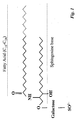
- a schematic illustration of the sulfatide molecule is shown in figure 1. As seen in the figure, the sulfatide molecule comprises a sulfated galactose, a sphingosine base, and a fatty acid.
- a variety of molecular species of sulfatide, or sulfatide isoforms, have earlier been described, and they differ from each other in the number of carbons present in the fatty acid and in the degree of unsaturation and hydroxylation.
- the different sulfatide isoforms have, to some extent, different biological activities. Furthermore, some cases of diabetes type 2 may be due to lack of a specific molecular species, or isoform, of sulfatide, and it may then be important to perform the treatment according to the invention in such a way that an increased amount of this specific molecular species is obtained.
- sulfatide isoforms with 14 - 18 and most preferably 16 carbon atoms in the fatty acid chain are preferred, since this isoform leads to the best uptake of sulfatide, as illustrated further in the examples below.
- Sulfatide is produced in the insulin producing cells in a variety of mammalian species, including man and the isoform specific for these cells.
- the fact that sulfatide is processed through the same intracellular route as insulin further supports the findings according to the invention.
- Sulfatide is involved in normal processing of insulin, from pro-insulin to secreted monomeric insulin. It is involved in the folding and oxidation of proinsulin, and is thus required for insulin formation, it is involved in the preservation of insulin crystals in secretory granules, and is thus required for the storage of the insulin pool, prevents detoriation and fibril formation, and it is involved in the transformation of insulin from hexamer via dimer to monomer form at secretion, and this last conversion to monomer is required for biological activity.
- sulfatide might be needed in combination with insulin in order to affect the insulin receptors in a proper way and to avoid development of insulin resistance.
- the inventors of the present invention have found that sulfatide in combination with insulin inhibited the T-cell response to insulin supporting that sulfatide and insulin are normally complexed in the circulation and as such does not induce immune response seen in diabetes type 1 patients and in response to exogenously administrated insulin.
- An altered sulfatide synthesis is thus a pathogenic factor involved in diabetes, both diabetes type 1 and diabetes type 2.
- the inventors have for example shown that a deficient sulfatide metabolism is associated with insulin deficiency (this is further illustrated in the example) as well as in insulin resistance in diabetes type 2.
- Sulfatide metabolism occurs i.a. in the Golgi complex of islets of Langerhans in pancreas.
- a schematic illustration of the sulfatide metabolism is shown in figure 2.
- this metabolic pathway involves several steps.
- the isoform may be either one of or a combination of the isoforms wherein the fatty acid part comprises 14 - 18 and most preferably 16 carbons, and, as stated above and further commented on below, in some cases it' may be preferable to administer one specific molecular species or isoform of sulfatide, i.e. an isoform with a specific number of carbons.
- treatment used herein relates to both prophylactic treatment, i.e. treatment in order to cure or alleviate a disease or a condition, and to therapeuti'c treatment, i.e. treatment in order to prevent the development of a disease or a condition.
- the treatment may either be performed in an acute or in a chronic way.
- patient used herein relates to any human or non-human mammal in need of treatment according to the invention.
- the expression also includes persons with pre-diabetes and/or glucose intolerance, although such persons are not considered as patients in other contexts.
- terapéuticaally effective amount used herein relates to an amount that will lead to the desired therapeutical effect.
- the pharmaceutical preparation according to the invention may also comprise substances used to facilitate the production of the preparation it self, or facilitate the administration of the preparation.
- substances are well known to man skilled in the art, and may for example be pharmaceutically acceptable adjuvants, carriers, and preservatives.
- the pharmaceutical preparation according to the invention are also suitable for prevention and/or treatment of different diseases associated with and/or due to diabetes.
- associated diseases may for example be diseases affecting eyes, kidneys and nerves, as well as heart and blood vessel diseases.
- This example illustrates that a deficient sulfatide metabolism is associated with insulin deficiency.
- Lipids were extracted from islets cell isolated from pancreatic tissue from Ob/Ob mice and Lewis rats. The lipid extracts were separated and analysed by thin-layer chromatography combined with immunohistochemical analyses using a sulfatide specific monoclonal antibodies. Sulfatide standards of known amounts were analysed in parallel to allow quantification. The obtained quantitative values for sulfatide in islet cells from the mice are shown in Table 1 below. The results showed a marked reduction of the total amount of sulfatide in the islets from the diabetes type 2 model. Species Sulfatide (pmol/mg protein) Sulfatide (pmol/islet) Ob/Ob 0.1 0.1 Lewis 3 - 5 1 - 2
- Islets cell isolated from pancreatic tissue from Ob/Ob mice and Lewis rats were grown in media containing 35 S-sulfate. The lipids were then extracted, separated and analysed autoradiography after chromatography on silica gel thin layer plates.
- Figure 3 shows the autoradiogram and reveal a lipid moiety difference between sulfatide from Lewis rats and the Ob/Ob mice, a diabetes type 2 model.
- This example illustrates that the sulfatide isoform with a fatty acid chain having 16 carbon atoms optimises the uptake of sulfatide and the insulin processing.
- Cn:x analogue denotes the isoform of sulfatide with n carbon atoms and x double bonds
- the C8:0 analogue is thus the isoform of sulfatide with 8 carbon atoms and no double bonds in its fatty acid chain.
- Ob/ob mice have by biochemical analyses been shown to have an aberrant sulfatide metabolism, both quantitatively and qualitatively (see Example 1).
- Sulfatide is a sulfated glycosphingolipid in which the composition of the lipid moiety may vary.
- islets of Langerhans from pancreas of Lewis rats and BB rats there are two major analogues, one with C24:0 fatty acid and one with C16:0 fatty acid.
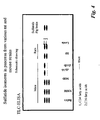
- the C16:0 analogue is reduced to undetectable concentration (as studied with TLC-ELISA) using a anti-sulfatide monoclonal antibody. This is shown in Figure 4.
- the inventors have performed in vitro studies that reveals that the C16:0 analogue is important for the insulin processing.
- the preservation of insulin crystals a requirement for storage of an insulin pool that can be released upon raised blood glucose, is increased for sulfatide C16:0 compared to other sulfatide isoforms.
- the C16:0 analogue of sulfatide has a significant effect on the preservation as compared to the C24:0 analogue and to native mixture of sulfatide from pig brain, as well as to insulin stored without sulfatide. This is illustrated in Figure 5.
- Native sulfatide isolated from pig brain and structurally characterised by mass spectrometry was modified with regard to the fatty acid composition and tritiated in the sphingosine base. These analogues were administrated intraperiotenally to diabetic ob/ob mice and their uptake in liver and pancreas analysed after lipid extraction of dissected organs. The aim was to explore whether the exogenously administrated sulfatide was taken up by pancreas and thereby open a possibility to substitute for the quantitative and qualitative alterations of sulfatide seen in the diabetes type 2 models.
- Sulfatide was tritium labelled in the ceramide portion by catalytic hydrogenation with Pd(OAc) 2 /NaB 3 H 4 .
- the labelled sulfatide was mixed with unlabelled sulfatide to the required specific activity.
- the fatty acid was removed from native pig brain sulfatide by weak alkaline methanolysis at 80°C.
- the formed lysosulfatide was, after chromatographic purification, reacylated with respective fatty acid chloride in aqueous sodium acetate-tetrahydrofuran.
- mice were dissolved in phosphate buffered saline, 150 nmol/300 ⁇ L, (the samples were sonicated for 20 s) and then administrated i.p. to ob/ob mice. These mice were 12 weeks old and the mean value of the highest blood glucose was 13.4 ⁇ 1.3 nM. At sacrifice the mice were anaesthetised with CO 2 and killed by dislocation of the neck vertebrae. This is outlined in Table 2. The liver and pancreas were dissected immediately. The organ were quick-frozen and thawed at analyses (within 4 days). Analogue of sulfatide Nmol analogue given i.p.
- the organs were homogenised and the lipids extracted with chloroform/methanol/water.
- the lipid extracts were evaporated, re-dissolved in chloroform/methanol/water and separated by silica gel chromatography to remove other lipids.
- the sulfatide containing fraction was used for counting by scintillation.
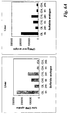
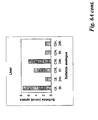
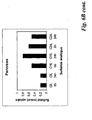
- the C8:0 analogue was preferentially taken up in liver and was rapidly degraded. In pancreas its uptake was much lower than for the other two analogues. The 6 hour and 24 hour value were similar and thus neither accumulation or degradation was noticed.
- the C24:0 analogue showed a lower uptake in liver as compared to the C8:0 analogue. There was a slight reduction of C24:0 in both organs at 24 hour indicating a slow degradation and no accumulation.
- the C16:0 analogue uptake in the liver was higher than for the C24:0 and also showed a slight accumulation.
- pancreas seems to have a selected uptake of the analogue of sulfatide that has been shown to be lacking in the diabetes type 2 models and thus the inventors have shown that administration of sulfatide, and especially the administration of the sulfatide isoform with 16 carbon atoms in the fatty acid is one way to restore the aberrant metabolism of this molecule.
Landscapes
- Health & Medical Sciences (AREA)
- Life Sciences & Earth Sciences (AREA)
- Veterinary Medicine (AREA)
- Public Health (AREA)
- General Health & Medical Sciences (AREA)
- Animal Behavior & Ethology (AREA)
- Chemical & Material Sciences (AREA)
- Pharmacology & Pharmacy (AREA)
- Medicinal Chemistry (AREA)
- Epidemiology (AREA)
- Molecular Biology (AREA)
- Diabetes (AREA)
- Nuclear Medicine, Radiotherapy & Molecular Imaging (AREA)
- Engineering & Computer Science (AREA)
- General Chemical & Material Sciences (AREA)
- Chemical Kinetics & Catalysis (AREA)
- Organic Chemistry (AREA)
- Endocrinology (AREA)
- Bioinformatics & Cheminformatics (AREA)
- Obesity (AREA)
- Hematology (AREA)
- Emergency Medicine (AREA)
- Reproductive Health (AREA)
- Pharmaceuticals Containing Other Organic And Inorganic Compounds (AREA)
- Acyclic And Carbocyclic Compounds In Medicinal Compositions (AREA)
- Medicines That Contain Protein Lipid Enzymes And Other Medicines (AREA)
Abstract
Description
- Fig. 1
- is a schematic illustration of a sulfatide molecule;
- Fig. 2
- illustrates the metabolism of sulfatide;
- Fig. 3
- is an autoradiogram revealing a lipid moiety difference between sulfatide from Lewis rats and the Ob/Ob mice;
- Fig. 4
- illustrates that there are two major analogues,
one with C24:0 fatty acid and one with C16:0
fatty acid in islets of Langerhans from pancreas
of Lewis rats and BB rats, and that the C16:0
analogue is reduced to undetectable concentration'
in the two
type 2 mice models ob/ob and db/db (as studied with TLC-ELISA using a anti-sulfatide monoclonal antibody); - Fig. 5
- illustates that the isoform of sulfatide with 16 carbon atoms in the fatty acid has a significant effect on the preservation of insulin crystals as compared to the C24 analogue and to native sulfatide, as well as to insulin stored without sulfatide;
- Fig. 6A
- illustrates the uptake of different sulfatide isoforms in liver; and
- Fig. 6B
- illustrates the uptake of different sulfatide isoforms in pancreas.
| Species | Sulfatide (pmol/mg protein) | Sulfatide (pmol/islet) |
| Ob/Ob | 0.1 | 0.1 |
| Lewis | 3 - 5 | 1 - 2 |
| Analogue of sulfatide | Nmol analogue given i.p. in each mouse | CPM given i.p. in each mouse | Mice sacrificed 6h after i.p.; No. of mice | Mice sacrificed 24 h after i.p.; No. of mice |
| C8 | 150 | 5 x 10⁶ | 2 | 2 |
| C16 | 150 | 3.5 x 10⁶ | 2 | 2 |
| C24 | 150 | 2 x 10⁶ | 2 | 2 |
Claims (11)
- Use of at least one isoform of sulfatide for the production of a pharmaceutical preparation for treatment of pre-diabetes, diabetes, glucose intolerance and/or a complication associated with diabetes, wherein said isoform of sulfatide has 14 - 18 carbon atoms in its fatty acid chain.
- Use according to claim 1, wherein said diabetes is diabetes type 1, diabetes type 2, LADA and/or gestational diabetes.
- Use according to claim 2, wherein said condition is diabetes type 2.
- Use according to any one of the claims 1 - 3, wherein at least one isoform of sulfatide has 16 carbon atoms in its fatty acid chain.
- Use according to any one of the claims 1 - 4, wherein said at least one isoform of sulfatide comprises no double bonds in its fatty acid chain.
- Use according to any one of the claims 1 - 3, wherein only one isoform of sulfatide is used.
- Use according to claim 6, wherein said isoform of sulfatide has 16 carbon atoms in its fatty acid chain.
- Use according to claim 6 or 7, wherein said isoform of sulfatide comprises no double bonds in its fatty acid chain.
- Use according to any one of the claims 1 - 8, wherein at least one isoform of sulfatide is a naturally occurring isoform.
- Use according to any one of the claims 1 - 8, wherein at least one isoform of sulfatide is a synthetically produced substance.
- Use according to any one of the claims 1 - 10, wherein said pharmaceutical composition is formulated for oral administration.
Applications Claiming Priority (3)
| Application Number | Priority Date | Filing Date | Title |
|---|---|---|---|
| SE0000258A SE0000258D0 (en) | 2000-01-27 | 2000-01-27 | Pharmaceutical preparation and method of treatment of diabetes |
| SE0000258 | 2000-01-27 | ||
| PCT/SE2001/000169 WO2001054700A1 (en) | 2000-01-27 | 2001-01-29 | Pharmaceutical preparation and method for treatment of diabetes |
Publications (2)
| Publication Number | Publication Date |
|---|---|
| EP1320372A1 EP1320372A1 (en) | 2003-06-25 |
| EP1320372B1 true EP1320372B1 (en) | 2005-11-23 |
Family
ID=20278246
Family Applications (1)
| Application Number | Title | Priority Date | Filing Date |
|---|---|---|---|
| EP01902928A Expired - Lifetime EP1320372B1 (en) | 2000-01-27 | 2001-01-29 | Use of sulfatides for treating diabetes |
Country Status (18)
| Country | Link |
|---|---|
| US (1) | US6908904B2 (en) |
| EP (1) | EP1320372B1 (en) |
| JP (1) | JP2003520818A (en) |
| KR (1) | KR20030005168A (en) |
| CN (1) | CN1396831A (en) |
| AT (1) | ATE310525T1 (en) |
| AU (1) | AU778994B2 (en) |
| BR (1) | BR0107871A (en) |
| CA (1) | CA2398206A1 (en) |
| CZ (1) | CZ20022519A3 (en) |
| DE (1) | DE60115263D1 (en) |
| HU (1) | HUP0203676A3 (en) |
| MX (1) | MXPA02007196A (en) |
| PL (1) | PL356778A1 (en) |
| RU (1) | RU2266123C2 (en) |
| SE (1) | SE0000258D0 (en) |
| SK (1) | SK10762002A3 (en) |
| WO (1) | WO2001054700A1 (en) |
Families Citing this family (4)
| Publication number | Priority date | Publication date | Assignee | Title |
|---|---|---|---|---|
| SE0000258D0 (en) | 2000-01-27 | 2000-01-27 | A & Science Invest Ab | Pharmaceutical preparation and method of treatment of diabetes |
| US20110118197A1 (en) * | 2005-09-29 | 2011-05-19 | Vipin Kumar Chaturvedi | Prevention of hepatic ischemic reperfusion injury by administration of sulfatides |
| AU2013306767A1 (en) | 2012-08-22 | 2015-03-12 | Regimmune Corporation | Preparation for preventing or treating type I diabetes |
| WO2019238841A1 (en) * | 2018-06-15 | 2019-12-19 | Københavns Universitet | Coating medical devices to avoid fibroblast overgrowth |
Family Cites Families (9)
| Publication number | Priority date | Publication date | Assignee | Title |
|---|---|---|---|---|
| DE4143390A1 (en) * | 1991-04-26 | 1993-04-01 | Fluorine contg. (co)polymers, useful for water- and oil repellent treatment of substrates | |
| DK84691D0 (en) * | 1991-05-07 | 1991-05-07 | Karsten Buschard | CERTAIN GLYCOLIPIDES AND SPECIFIC CATCHERS FOR USE IN PROPHYLAXES OR THERAPY THERAPY AND / OR CONSEQUENTIAL COMPLICATIONS AND THE APPLICATION OF SUCH ANIMALS OF ANY CELLIPOLS TO DETECT OE CELEBRATES -EU CELLS IN PANCREAS PREPARATIONS |
| US5302609A (en) * | 1992-12-16 | 1994-04-12 | The Regents Of The University Of Michigan | Treatment of diabetic nephropathy |
| US5700234A (en) * | 1994-02-07 | 1997-12-23 | Nihon Kenko Zoushin Kenkyukai Corporation | Magnetic therapeutic apparatus |
| SE9601817D0 (en) * | 1996-05-13 | 1996-05-13 | Karsten Buschard | Novel glycolipid complexex and their uses |
| DE19700774A1 (en) * | 1997-01-13 | 1998-07-16 | Hoechst Ag | Anti-adhesive sulfatide mimetics |
| DE69840528D1 (en) | 1997-04-10 | 2009-03-19 | Kyowa Hakko Kirin Co Ltd | NKT cell activators containing alpha-glycosylceramides |
| JP2001527046A (en) * | 1997-12-30 | 2001-12-25 | エイプラス サイエンス インベスト アーベー | Galactosylceramide, glucosylceramide, lactosylceramide and its specific catcher for use in the prevention or treatment of prediabetes, diabetes and / or related complications |
| SE0000258D0 (en) | 2000-01-27 | 2000-01-27 | A & Science Invest Ab | Pharmaceutical preparation and method of treatment of diabetes |
-
2000
- 2000-01-27 SE SE0000258A patent/SE0000258D0/en unknown
-
2001
- 2001-01-29 AT AT01902928T patent/ATE310525T1/en not_active IP Right Cessation
- 2001-01-29 HU HU0203676A patent/HUP0203676A3/en unknown
- 2001-01-29 MX MXPA02007196A patent/MXPA02007196A/en unknown
- 2001-01-29 BR BR0107871-2A patent/BR0107871A/en not_active IP Right Cessation
- 2001-01-29 SK SK1076-2002A patent/SK10762002A3/en unknown
- 2001-01-29 DE DE60115263T patent/DE60115263D1/en not_active Expired - Lifetime
- 2001-01-29 WO PCT/SE2001/000169 patent/WO2001054700A1/en not_active Ceased
- 2001-01-29 CN CN01804196A patent/CN1396831A/en active Pending
- 2001-01-29 JP JP2001554684A patent/JP2003520818A/en active Pending
- 2001-01-29 CZ CZ20022519A patent/CZ20022519A3/en unknown
- 2001-01-29 EP EP01902928A patent/EP1320372B1/en not_active Expired - Lifetime
- 2001-01-29 KR KR1020027009630A patent/KR20030005168A/en not_active Abandoned
- 2001-01-29 PL PL01356778A patent/PL356778A1/en not_active Application Discontinuation
- 2001-01-29 AU AU30691/01A patent/AU778994B2/en not_active Ceased
- 2001-01-29 RU RU2002122982/15A patent/RU2266123C2/en not_active IP Right Cessation
- 2001-01-29 CA CA002398206A patent/CA2398206A1/en not_active Abandoned
-
2002
- 2002-07-23 US US10/200,131 patent/US6908904B2/en not_active Expired - Fee Related
Also Published As
| Publication number | Publication date |
|---|---|
| CA2398206A1 (en) | 2001-08-02 |
| AU778994B2 (en) | 2004-12-23 |
| AU3069101A (en) | 2001-08-07 |
| KR20030005168A (en) | 2003-01-17 |
| CN1396831A (en) | 2003-02-12 |
| DE60115263D1 (en) | 2005-12-29 |
| US6908904B2 (en) | 2005-06-21 |
| HUP0203676A3 (en) | 2003-08-28 |
| SE0000258D0 (en) | 2000-01-27 |
| CZ20022519A3 (en) | 2003-06-18 |
| ATE310525T1 (en) | 2005-12-15 |
| SK10762002A3 (en) | 2003-07-01 |
| RU2002122982A (en) | 2004-03-20 |
| JP2003520818A (en) | 2003-07-08 |
| BR0107871A (en) | 2002-11-05 |
| WO2001054700A1 (en) | 2001-08-02 |
| HUP0203676A2 (en) | 2003-04-28 |
| PL356778A1 (en) | 2004-07-12 |
| MXPA02007196A (en) | 2003-01-28 |
| EP1320372A1 (en) | 2003-06-25 |
| RU2266123C2 (en) | 2005-12-20 |
| US20030004115A1 (en) | 2003-01-02 |
Similar Documents
| Publication | Publication Date | Title |
|---|---|---|
| Smith et al. | Connective tissue, glycosaminoglycans, and diseases the thyroid | |
| Baker et al. | Beta adrenergic blockade and juvenile diabetes: Acute studies and long-term therapeutic trial: Evidence for the role of catecholamines in mediating diabetic decompensation following emotional arousal | |
| Hansen et al. | The effect of diphenylhydantoin on thyroid function | |
| WAKI et al. | Effects of a hypoglycemic component of ginseng radix on insulin biosynthesis in normal and diabetic animals | |
| AU645076B2 (en) | Use of 3-guanidinopropionic acid in the treatment and prevention of metabolic disorders | |
| Luft et al. | Human growth hormone as a regulator of blood glucose concentration and as a diabetogenic substance | |
| JPH10507159A (en) | Administration of pirenzepine, methylscopolamine and other muscarinic receptor antagonists for the treatment of lipid metabolism disorders | |
| JP2003521528A (en) | Substance used in the preparation of a dietary supplement or a medicament for the treatment of non-insulin dependent diabetes, hypertension and / or metabolic syndrome | |
| MILLER et al. | Investigation of the mechanism of action of nicotinic acid on serum lipid levels in man | |
| Yoshida et al. | Anti-obesity effect of CL 316,243, a highly specific β3-adrenoceptor agonist, in mice with monosodium-L-glutamate-induced obesity | |
| Jostel et al. | A new sustained‐release preparation of human growth hormone and its pharmacokinetic, pharmacodynamic and safety profile | |
| AU778994B2 (en) | Pharmaceutical preparation and method for treatment of diabetes | |
| Hansen | The effect of intravenous glucose infusion on the exercise-induced serum growth hormone rise in normals and juvenile diabetics | |
| Hjalmarson et al. | SENSITIVITY OF THE RAT DIAPHRAGM TO GROWTH HORMONE: II. Early and late effects of growth hormone on amino acid and pentose uptake | |
| Portha et al. | Insulin treatment improves the spontaneous remission of neonatal streptozotocin diabetes in the rat | |
| EP0083993A1 (en) | Compositions for use in increasing brain tyrosine levels | |
| Dreyfuss et al. | Fluphenazine enanthate and fluphenazine decanoate: Intramuscular injection and esterification as requirements for slow‐release characteristics in dogs | |
| Rifkin et al. | Effects of in vivo and in vitro alcohol administration on insulin binding and glycogenesis in isolated rat hepatocytes | |
| Åkerblom et al. | Relative role of cortisone and growth hormone on glucose intolerance and insulin secretion in rat | |
| Chow et al. | The Relationship of Vitamin B12to Carbohydrate Metabolism and Diabetes Mellitus | |
| Branum et al. | Biliary response to glucagon in humans | |
| Hyams et al. | The effect of 3-methyl salicylic (0-cresotinic) acid on plasma insulin and glucose tolerance in diabetic and non-diabetic subjects | |
| HK1052883A (en) | Pharmaceutical preparation and method for treatment of diabetes | |
| ZELLWIRKUNG et al. | ANALYSIS OF SODIUM COMPARTMENTS AND FLUXES IN FROG SKIN (Untersu-chungen Hber Natriumkompartmente und-flHsse in der Froschhaut) Wo Nagel~ A. D~ rge; D~ Moshaqen~ R. Rick~ The path of the transepithe! ial Na transport through the frog skin was investigated by the use of compartment analysis. There | |
| MEI-PO et al. | Effect of a single dose of progesterone on blood glucose in rats |
Legal Events
| Date | Code | Title | Description |
|---|---|---|---|
| PUAI | Public reference made under article 153(3) epc to a published international application that has entered the european phase |
Free format text: ORIGINAL CODE: 0009012 |
|
| 17P | Request for examination filed |
Effective date: 20020820 |
|
| AK | Designated contracting states |
Designated state(s): AT BE CH CY DE DK ES FI FR GB GR IE IT LI LU MC NL PT SE TR |
|
| AX | Request for extension of the european patent |
Extension state: AL LT LV MK RO SI |
|
| 17Q | First examination report despatched |
Effective date: 20041026 |
|
| GRAP | Despatch of communication of intention to grant a patent |
Free format text: ORIGINAL CODE: EPIDOSNIGR1 |
|
| RAP1 | Party data changed (applicant data changed or rights of an application transferred) |
Owner name: BUSCHARD, KARSTEN Owner name: FREDMAN, PAM |
|
| RIN1 | Information on inventor provided before grant (corrected) |
Inventor name: BUSCHARD, KARSTEN Inventor name: FREDMAN, PAM |
|
| RIC1 | Information provided on ipc code assigned before grant |
Ipc: 7A 61P 3/10 B Ipc: 7A 61K 31/7024 A |
|
| RTI1 | Title (correction) |
Free format text: USE OF SULFATIDES FOR TREATING DIABETES |
|
| GRAS | Grant fee paid |
Free format text: ORIGINAL CODE: EPIDOSNIGR3 |
|
| GRAA | (expected) grant |
Free format text: ORIGINAL CODE: 0009210 |
|
| AK | Designated contracting states |
Kind code of ref document: B1 Designated state(s): AT BE CH CY DE DK ES FI FR GB GR IE IT LI LU MC NL PT SE TR |
|
| AX | Request for extension of the european patent |
Extension state: AL LT LV MK RO SI |
|
| PG25 | Lapsed in a contracting state [announced via postgrant information from national office to epo] |
Ref country code: IT Free format text: LAPSE BECAUSE OF FAILURE TO SUBMIT A TRANSLATION OF THE DESCRIPTION OR TO PAY THE FEE WITHIN THE PRESCRIBED TIME-LIMIT;WARNING: LAPSES OF ITALIAN PATENTS WITH EFFECTIVE DATE BEFORE 2007 MAY HAVE OCCURRED AT ANY TIME BEFORE 2007. THE CORRECT EFFECTIVE DATE MAY BE DIFFERENT FROM THE ONE RECORDED. Effective date: 20051123 Ref country code: FI Free format text: LAPSE BECAUSE OF FAILURE TO SUBMIT A TRANSLATION OF THE DESCRIPTION OR TO PAY THE FEE WITHIN THE PRESCRIBED TIME-LIMIT Effective date: 20051123 Ref country code: AT Free format text: LAPSE BECAUSE OF FAILURE TO SUBMIT A TRANSLATION OF THE DESCRIPTION OR TO PAY THE FEE WITHIN THE PRESCRIBED TIME-LIMIT Effective date: 20051123 Ref country code: NL Free format text: LAPSE BECAUSE OF FAILURE TO SUBMIT A TRANSLATION OF THE DESCRIPTION OR TO PAY THE FEE WITHIN THE PRESCRIBED TIME-LIMIT Effective date: 20051123 Ref country code: BE Free format text: LAPSE BECAUSE OF FAILURE TO SUBMIT A TRANSLATION OF THE DESCRIPTION OR TO PAY THE FEE WITHIN THE PRESCRIBED TIME-LIMIT Effective date: 20051123 Ref country code: LI Free format text: LAPSE BECAUSE OF FAILURE TO SUBMIT A TRANSLATION OF THE DESCRIPTION OR TO PAY THE FEE WITHIN THE PRESCRIBED TIME-LIMIT Effective date: 20051123 Ref country code: CH Free format text: LAPSE BECAUSE OF FAILURE TO SUBMIT A TRANSLATION OF THE DESCRIPTION OR TO PAY THE FEE WITHIN THE PRESCRIBED TIME-LIMIT Effective date: 20051123 |
|
| REG | Reference to a national code |
Ref country code: GB Ref legal event code: FG4D |
|
| REG | Reference to a national code |
Ref country code: CH Ref legal event code: EP |
|
| REF | Corresponds to: |
Ref document number: 60115263 Country of ref document: DE Date of ref document: 20051229 Kind code of ref document: P |
|
| REG | Reference to a national code |
Ref country code: IE Ref legal event code: FG4D |
|
| PG25 | Lapsed in a contracting state [announced via postgrant information from national office to epo] |
Ref country code: LU Free format text: LAPSE BECAUSE OF NON-PAYMENT OF DUE FEES Effective date: 20060131 Ref country code: MC Free format text: LAPSE BECAUSE OF NON-PAYMENT OF DUE FEES Effective date: 20060131 |
|
| PG25 | Lapsed in a contracting state [announced via postgrant information from national office to epo] |
Ref country code: DK Free format text: LAPSE BECAUSE OF FAILURE TO SUBMIT A TRANSLATION OF THE DESCRIPTION OR TO PAY THE FEE WITHIN THE PRESCRIBED TIME-LIMIT Effective date: 20060223 Ref country code: GR Free format text: LAPSE BECAUSE OF FAILURE TO SUBMIT A TRANSLATION OF THE DESCRIPTION OR TO PAY THE FEE WITHIN THE PRESCRIBED TIME-LIMIT Effective date: 20060223 Ref country code: SE Free format text: LAPSE BECAUSE OF FAILURE TO SUBMIT A TRANSLATION OF THE DESCRIPTION OR TO PAY THE FEE WITHIN THE PRESCRIBED TIME-LIMIT Effective date: 20060223 |
|
| PG25 | Lapsed in a contracting state [announced via postgrant information from national office to epo] |
Ref country code: DE Free format text: LAPSE BECAUSE OF FAILURE TO SUBMIT A TRANSLATION OF THE DESCRIPTION OR TO PAY THE FEE WITHIN THE PRESCRIBED TIME-LIMIT Effective date: 20060224 |
|
| PG25 | Lapsed in a contracting state [announced via postgrant information from national office to epo] |
Ref country code: ES Free format text: LAPSE BECAUSE OF FAILURE TO SUBMIT A TRANSLATION OF THE DESCRIPTION OR TO PAY THE FEE WITHIN THE PRESCRIBED TIME-LIMIT Effective date: 20060306 |
|
| PG25 | Lapsed in a contracting state [announced via postgrant information from national office to epo] |
Ref country code: PT Free format text: LAPSE BECAUSE OF FAILURE TO SUBMIT A TRANSLATION OF THE DESCRIPTION OR TO PAY THE FEE WITHIN THE PRESCRIBED TIME-LIMIT Effective date: 20060424 |
|
| LTIE | Lt: invalidation of european patent or patent extension |
Effective date: 20051123 |
|
| NLV1 | Nl: lapsed or annulled due to failure to fulfill the requirements of art. 29p and 29m of the patents act | ||
| REG | Reference to a national code |
Ref country code: CH Ref legal event code: PL |
|
| PLBE | No opposition filed within time limit |
Free format text: ORIGINAL CODE: 0009261 |
|
| STAA | Information on the status of an ep patent application or granted ep patent |
Free format text: STATUS: NO OPPOSITION FILED WITHIN TIME LIMIT |
|
| PG25 | Lapsed in a contracting state [announced via postgrant information from national office to epo] |
Ref country code: FR Free format text: LAPSE BECAUSE OF FAILURE TO SUBMIT A TRANSLATION OF THE DESCRIPTION OR TO PAY THE FEE WITHIN THE PRESCRIBED TIME-LIMIT Effective date: 20061020 |
|
| GBPC | Gb: european patent ceased through non-payment of renewal fee |
Effective date: 20060223 |
|
| 26N | No opposition filed |
Effective date: 20060824 |
|
| REG | Reference to a national code |
Ref country code: GB Ref legal event code: 728V |
|
| EN | Fr: translation not filed | ||
| REG | Reference to a national code |
Ref country code: GB Ref legal event code: 728Y |
|
| PG25 | Lapsed in a contracting state [announced via postgrant information from national office to epo] |
Ref country code: TR Free format text: LAPSE BECAUSE OF FAILURE TO SUBMIT A TRANSLATION OF THE DESCRIPTION OR TO PAY THE FEE WITHIN THE PRESCRIBED TIME-LIMIT Effective date: 20051123 |
|
| PG25 | Lapsed in a contracting state [announced via postgrant information from national office to epo] |
Ref country code: CY Free format text: LAPSE BECAUSE OF FAILURE TO SUBMIT A TRANSLATION OF THE DESCRIPTION OR TO PAY THE FEE WITHIN THE PRESCRIBED TIME-LIMIT Effective date: 20051123 Ref country code: FR Free format text: LAPSE BECAUSE OF FAILURE TO SUBMIT A TRANSLATION OF THE DESCRIPTION OR TO PAY THE FEE WITHIN THE PRESCRIBED TIME-LIMIT Effective date: 20051123 |
|
| PGFP | Annual fee paid to national office [announced via postgrant information from national office to epo] |
Ref country code: IE Payment date: 20100125 Year of fee payment: 10 |
|
| PGFP | Annual fee paid to national office [announced via postgrant information from national office to epo] |
Ref country code: GB Payment date: 20100108 Year of fee payment: 10 |
|
| GBPC | Gb: european patent ceased through non-payment of renewal fee |
Effective date: 20110129 |
|
| REG | Reference to a national code |
Ref country code: IE Ref legal event code: MM4A |
|
| PG25 | Lapsed in a contracting state [announced via postgrant information from national office to epo] |
Ref country code: GB Free format text: LAPSE BECAUSE OF NON-PAYMENT OF DUE FEES Effective date: 20110129 |
|
| PG25 | Lapsed in a contracting state [announced via postgrant information from national office to epo] |
Ref country code: IE Free format text: LAPSE BECAUSE OF NON-PAYMENT OF DUE FEES Effective date: 20110131 |