EP1316313A2 - Composition for the treatment of ischemic stroke containing zonampanel and a tissue plasminogen activator - Google Patents
Composition for the treatment of ischemic stroke containing zonampanel and a tissue plasminogen activator Download PDFInfo
- Publication number
- EP1316313A2 EP1316313A2 EP02026909A EP02026909A EP1316313A2 EP 1316313 A2 EP1316313 A2 EP 1316313A2 EP 02026909 A EP02026909 A EP 02026909A EP 02026909 A EP02026909 A EP 02026909A EP 1316313 A2 EP1316313 A2 EP 1316313A2
- Authority
- EP
- European Patent Office
- Prior art keywords
- tissue plasminogen
- plasminogen activator
- effective amount
- therapeutically effective
- salt
- Prior art date
- Legal status (The legal status is an assumption and is not a legal conclusion. Google has not performed a legal analysis and makes no representation as to the accuracy of the status listed.)
- Withdrawn
Links
- 102000003978 Tissue Plasminogen Activator Human genes 0.000 title claims abstract description 121
- 108090000373 Tissue Plasminogen Activator Proteins 0.000 title claims abstract description 121
- 229960000187 tissue plasminogen activator Drugs 0.000 title claims abstract description 68
- SPXYHZRWPRQLNS-UHFFFAOYSA-N zonampanel Chemical compound [O-][N+](=O)C=1C=C2NC(=O)C(=O)N(CC(=O)O)C2=CC=1N1C=CN=C1 SPXYHZRWPRQLNS-UHFFFAOYSA-N 0.000 title claims abstract description 63
- 208000032382 Ischaemic stroke Diseases 0.000 title claims abstract description 58
- 239000000203 mixture Substances 0.000 title claims description 9
- 229950007059 zonampanel Drugs 0.000 title abstract description 24
- 150000003839 salts Chemical class 0.000 claims abstract description 57
- 206010008118 cerebral infarction Diseases 0.000 claims abstract description 42
- 208000026106 cerebrovascular disease Diseases 0.000 claims abstract description 41
- 206010060860 Neurological symptom Diseases 0.000 claims abstract description 40
- 238000000034 method Methods 0.000 claims abstract description 34
- 230000006872 improvement Effects 0.000 claims abstract description 13
- 230000001603 reducing effect Effects 0.000 claims abstract description 13
- 229960003318 alteplase Drugs 0.000 claims description 50
- 239000003814 drug Substances 0.000 claims description 42
- 108010085108 pamiteplase Proteins 0.000 claims description 29
- 229950003603 pamiteplase Drugs 0.000 claims description 29
- 238000004519 manufacturing process Methods 0.000 claims description 11
- 238000002360 preparation method Methods 0.000 claims description 10
- 239000008194 pharmaceutical composition Substances 0.000 claims description 9
- 230000003389 potentiating effect Effects 0.000 claims description 7
- 150000001875 compounds Chemical class 0.000 claims description 6
- 102000013566 Plasminogen Human genes 0.000 claims description 3
- 108010051456 Plasminogen Proteins 0.000 claims description 3
- 206010061216 Infarction Diseases 0.000 abstract description 43
- 230000007574 infarction Effects 0.000 abstract description 43
- 230000000694 effects Effects 0.000 abstract description 37
- 238000002560 therapeutic procedure Methods 0.000 abstract description 15
- 208000007536 Thrombosis Diseases 0.000 description 45
- 229940126062 Compound A Drugs 0.000 description 33
- NLDMNSXOCDLTTB-UHFFFAOYSA-N Heterophylliin A Natural products O1C2COC(=O)C3=CC(O)=C(O)C(O)=C3C3=C(O)C(O)=C(O)C=C3C(=O)OC2C(OC(=O)C=2C=C(O)C(O)=C(O)C=2)C(O)C1OC(=O)C1=CC(O)=C(O)C(O)=C1 NLDMNSXOCDLTTB-UHFFFAOYSA-N 0.000 description 33
- 238000002347 injection Methods 0.000 description 33
- 239000007924 injection Substances 0.000 description 33
- 238000001990 intravenous administration Methods 0.000 description 18
- 238000012360 testing method Methods 0.000 description 18
- 238000011156 evaluation Methods 0.000 description 17
- 206010008088 Cerebral artery embolism Diseases 0.000 description 15
- 210000004556 brain Anatomy 0.000 description 15
- 201000010849 intracranial embolism Diseases 0.000 description 15
- UQNAFPHGVPVTAL-UHFFFAOYSA-N 2,3-Dihydroxy-6-nitro-7-sulfamoyl-benzo(f)quinoxaline Chemical compound N1C(=O)C(=O)NC2=C1C=C([N+]([O-])=O)C1=C2C=CC=C1S(=O)(=O)N UQNAFPHGVPVTAL-UHFFFAOYSA-N 0.000 description 12
- 241001465754 Metazoa Species 0.000 description 12
- 208000006011 Stroke Diseases 0.000 description 12
- 208000024891 symptom Diseases 0.000 description 12
- 241000700159 Rattus Species 0.000 description 11
- 210000001367 artery Anatomy 0.000 description 11
- LFQSCWFLJHTTHZ-UHFFFAOYSA-N Ethanol Chemical compound CCO LFQSCWFLJHTTHZ-UHFFFAOYSA-N 0.000 description 10
- 230000001154 acute effect Effects 0.000 description 10
- 238000001802 infusion Methods 0.000 description 10
- 239000002504 physiological saline solution Substances 0.000 description 10
- 239000008280 blood Substances 0.000 description 9
- 210000004369 blood Anatomy 0.000 description 9
- 230000002490 cerebral effect Effects 0.000 description 9
- 238000002591 computed tomography Methods 0.000 description 9
- 229940098747 AMPA receptor antagonist Drugs 0.000 description 7
- 239000000775 AMPA receptor antagonist Substances 0.000 description 7
- 230000017531 blood circulation Effects 0.000 description 7
- 230000003727 cerebral blood flow Effects 0.000 description 7
- 230000033001 locomotion Effects 0.000 description 7
- 230000000926 neurological effect Effects 0.000 description 7
- 206010014498 Embolic stroke Diseases 0.000 description 6
- 238000002474 experimental method Methods 0.000 description 6
- 230000006870 function Effects 0.000 description 6
- 238000011699 spontaneously hypertensive rat Methods 0.000 description 6
- 201000001429 Intracranial Thrombosis Diseases 0.000 description 5
- 239000002253 acid Substances 0.000 description 5
- 210000004204 blood vessel Anatomy 0.000 description 5
- 230000000302 ischemic effect Effects 0.000 description 5
- 238000005259 measurement Methods 0.000 description 5
- PKDBCJSWQUOKDO-UHFFFAOYSA-M 2,3,5-triphenyltetrazolium chloride Chemical compound [Cl-].C1=CC=CC=C1C(N=[N+]1C=2C=CC=CC=2)=NN1C1=CC=CC=C1 PKDBCJSWQUOKDO-UHFFFAOYSA-M 0.000 description 4
- 206010003210 Arteriosclerosis Diseases 0.000 description 4
- 206010020772 Hypertension Diseases 0.000 description 4
- 238000000692 Student's t-test Methods 0.000 description 4
- 238000001793 Wilcoxon signed-rank test Methods 0.000 description 4
- 208000011775 arteriosclerosis disease Diseases 0.000 description 4
- 230000015572 biosynthetic process Effects 0.000 description 4
- 210000000269 carotid artery external Anatomy 0.000 description 4
- 208000037265 diseases, disorders, signs and symptoms Diseases 0.000 description 4
- 210000003194 forelimb Anatomy 0.000 description 4
- BCQZXOMGPXTTIC-UHFFFAOYSA-N halothane Chemical compound FC(F)(F)C(Cl)Br BCQZXOMGPXTTIC-UHFFFAOYSA-N 0.000 description 4
- 229960003132 halothane Drugs 0.000 description 4
- 208000028867 ischemia Diseases 0.000 description 4
- 230000007246 mechanism Effects 0.000 description 4
- 230000004048 modification Effects 0.000 description 4
- 238000012986 modification Methods 0.000 description 4
- 230000000324 neuroprotective effect Effects 0.000 description 4
- 238000011084 recovery Methods 0.000 description 4
- 230000002269 spontaneous effect Effects 0.000 description 4
- 238000000528 statistical test Methods 0.000 description 4
- 238000012353 t test Methods 0.000 description 4
- QTBSBXVTEAMEQO-UHFFFAOYSA-N Acetic acid Chemical compound CC(O)=O QTBSBXVTEAMEQO-UHFFFAOYSA-N 0.000 description 3
- 206010010904 Convulsion Diseases 0.000 description 3
- LYCAIKOWRPUZTN-UHFFFAOYSA-N Ethylene glycol Chemical compound OCCO LYCAIKOWRPUZTN-UHFFFAOYSA-N 0.000 description 3
- WHUUTDBJXJRKMK-UHFFFAOYSA-N Glutamic acid Natural products OC(=O)C(N)CCC(O)=O WHUUTDBJXJRKMK-UHFFFAOYSA-N 0.000 description 3
- OFOBLEOULBTSOW-UHFFFAOYSA-N Malonic acid Chemical compound OC(=O)CC(O)=O OFOBLEOULBTSOW-UHFFFAOYSA-N 0.000 description 3
- MUBZPKHOEPUJKR-UHFFFAOYSA-N Oxalic acid Chemical compound OC(=O)C(O)=O MUBZPKHOEPUJKR-UHFFFAOYSA-N 0.000 description 3
- DNIAPMSPPWPWGF-UHFFFAOYSA-N Propylene glycol Chemical compound CC(O)CO DNIAPMSPPWPWGF-UHFFFAOYSA-N 0.000 description 3
- 206010037180 Psychiatric symptoms Diseases 0.000 description 3
- 150000001413 amino acids Chemical class 0.000 description 3
- 210000004004 carotid artery internal Anatomy 0.000 description 3
- 238000006243 chemical reaction Methods 0.000 description 3
- 230000036461 convulsion Effects 0.000 description 3
- 230000003247 decreasing effect Effects 0.000 description 3
- 230000003073 embolic effect Effects 0.000 description 3
- 239000000945 filler Substances 0.000 description 3
- 235000013922 glutamic acid Nutrition 0.000 description 3
- 239000004220 glutamic acid Substances 0.000 description 3
- 230000002489 hematologic effect Effects 0.000 description 3
- 230000000004 hemodynamic effect Effects 0.000 description 3
- 210000003205 muscle Anatomy 0.000 description 3
- 239000000825 pharmaceutical preparation Substances 0.000 description 3
- 239000000902 placebo Substances 0.000 description 3
- 229940068196 placebo Drugs 0.000 description 3
- 239000012453 solvate Substances 0.000 description 3
- 208000011580 syndromic disease Diseases 0.000 description 3
- 230000001225 therapeutic effect Effects 0.000 description 3
- 230000002485 urinary effect Effects 0.000 description 3
- XLYOFNOQVPJJNP-UHFFFAOYSA-N water Substances O XLYOFNOQVPJJNP-UHFFFAOYSA-N 0.000 description 3
- HZAXFHJVJLSVMW-UHFFFAOYSA-N 2-Aminoethan-1-ol Chemical compound NCCO HZAXFHJVJLSVMW-UHFFFAOYSA-N 0.000 description 2
- 102000003678 AMPA Receptors Human genes 0.000 description 2
- 108090000078 AMPA Receptors Proteins 0.000 description 2
- 206010002941 Apallic syndrome Diseases 0.000 description 2
- 206010003591 Ataxia Diseases 0.000 description 2
- 238000001061 Dunnett's test Methods 0.000 description 2
- QUSNBJAOOMFDIB-UHFFFAOYSA-N Ethylamine Chemical compound CCN QUSNBJAOOMFDIB-UHFFFAOYSA-N 0.000 description 2
- 102000009123 Fibrin Human genes 0.000 description 2
- 108010073385 Fibrin Proteins 0.000 description 2
- BWGVNKXGVNDBDI-UHFFFAOYSA-N Fibrin monomer Chemical compound CNC(=O)CNC(=O)CN BWGVNKXGVNDBDI-UHFFFAOYSA-N 0.000 description 2
- VZCYOOQTPOCHFL-OWOJBTEDSA-N Fumaric acid Chemical compound OC(=O)\C=C\C(O)=O VZCYOOQTPOCHFL-OWOJBTEDSA-N 0.000 description 2
- 206010019233 Headaches Diseases 0.000 description 2
- VEXZGXHMUGYJMC-UHFFFAOYSA-N Hydrochloric acid Chemical compound Cl VEXZGXHMUGYJMC-UHFFFAOYSA-N 0.000 description 2
- GUBGYTABKSRVRQ-QKKXKWKRSA-N Lactose Natural products OC[C@H]1O[C@@H](O[C@H]2[C@H](O)[C@@H](O)C(O)O[C@@H]2CO)[C@H](O)[C@@H](O)[C@H]1O GUBGYTABKSRVRQ-QKKXKWKRSA-N 0.000 description 2
- 208000004552 Lacunar Stroke Diseases 0.000 description 2
- 206010051078 Lacunar infarction Diseases 0.000 description 2
- FYYHWMGAXLPEAU-UHFFFAOYSA-N Magnesium Chemical compound [Mg] FYYHWMGAXLPEAU-UHFFFAOYSA-N 0.000 description 2
- AFVFQIVMOAPDHO-UHFFFAOYSA-N Methanesulfonic acid Chemical compound CS(O)(=O)=O AFVFQIVMOAPDHO-UHFFFAOYSA-N 0.000 description 2
- BAVYZALUXZFZLV-UHFFFAOYSA-N Methylamine Chemical compound NC BAVYZALUXZFZLV-UHFFFAOYSA-N 0.000 description 2
- 208000016285 Movement disease Diseases 0.000 description 2
- HOKKHZGPKSLGJE-GSVOUGTGSA-N N-Methyl-D-aspartic acid Chemical compound CN[C@@H](C(O)=O)CC(O)=O HOKKHZGPKSLGJE-GSVOUGTGSA-N 0.000 description 2
- NBIIXXVUZAFLBC-UHFFFAOYSA-N Phosphoric acid Chemical compound OP(O)(O)=O NBIIXXVUZAFLBC-UHFFFAOYSA-N 0.000 description 2
- 206010039897 Sedation Diseases 0.000 description 2
- 229910000831 Steel Inorganic materials 0.000 description 2
- QAOWNCQODCNURD-UHFFFAOYSA-N Sulfuric acid Chemical compound OS(O)(=O)=O QAOWNCQODCNURD-UHFFFAOYSA-N 0.000 description 2
- 208000003443 Unconsciousness Diseases 0.000 description 2
- 235000010724 Wisteria floribunda Nutrition 0.000 description 2
- 230000009471 action Effects 0.000 description 2
- 229940099983 activase Drugs 0.000 description 2
- 108010070826 amediplase Proteins 0.000 description 2
- 235000001014 amino acid Nutrition 0.000 description 2
- 125000000539 amino acid group Chemical group 0.000 description 2
- 238000004458 analytical method Methods 0.000 description 2
- 239000005557 antagonist Substances 0.000 description 2
- 201000007201 aphasia Diseases 0.000 description 2
- 239000007864 aqueous solution Substances 0.000 description 2
- QVGXLLKOCUKJST-UHFFFAOYSA-N atomic oxygen Chemical compound [O] QVGXLLKOCUKJST-UHFFFAOYSA-N 0.000 description 2
- 230000023555 blood coagulation Effects 0.000 description 2
- 230000036772 blood pressure Effects 0.000 description 2
- 230000037396 body weight Effects 0.000 description 2
- 230000001269 cardiogenic effect Effects 0.000 description 2
- 210000004027 cell Anatomy 0.000 description 2
- 230000030833 cell death Effects 0.000 description 2
- 230000001684 chronic effect Effects 0.000 description 2
- 230000007012 clinical effect Effects 0.000 description 2
- 230000002566 clonic effect Effects 0.000 description 2
- 230000034994 death Effects 0.000 description 2
- 239000003085 diluting agent Substances 0.000 description 2
- XBDQKXXYIPTUBI-UHFFFAOYSA-N dimethylselenoniopropionate Natural products CCC(O)=O XBDQKXXYIPTUBI-UHFFFAOYSA-N 0.000 description 2
- 238000007598 dipping method Methods 0.000 description 2
- 201000010099 disease Diseases 0.000 description 2
- 208000035475 disorder Diseases 0.000 description 2
- 230000004064 dysfunction Effects 0.000 description 2
- 239000000839 emulsion Substances 0.000 description 2
- 210000001105 femoral artery Anatomy 0.000 description 2
- 229950003499 fibrin Drugs 0.000 description 2
- 210000001061 forehead Anatomy 0.000 description 2
- 231100000869 headache Toxicity 0.000 description 2
- 238000010438 heat treatment Methods 0.000 description 2
- 238000010253 intravenous injection Methods 0.000 description 2
- 210000004731 jugular vein Anatomy 0.000 description 2
- JVTAAEKCZFNVCJ-UHFFFAOYSA-N lactic acid Chemical compound CC(O)C(O)=O JVTAAEKCZFNVCJ-UHFFFAOYSA-N 0.000 description 2
- 239000008101 lactose Substances 0.000 description 2
- 239000011777 magnesium Substances 0.000 description 2
- 229910052749 magnesium Inorganic materials 0.000 description 2
- BDAGIHXWWSANSR-UHFFFAOYSA-N methanoic acid Natural products OC=O BDAGIHXWWSANSR-UHFFFAOYSA-N 0.000 description 2
- 208000022084 motor paralysis Diseases 0.000 description 2
- 230000007658 neurological function Effects 0.000 description 2
- 239000012457 nonaqueous media Substances 0.000 description 2
- 235000008390 olive oil Nutrition 0.000 description 2
- 239000004006 olive oil Substances 0.000 description 2
- 230000003287 optical effect Effects 0.000 description 2
- 229910052760 oxygen Inorganic materials 0.000 description 2
- 239000001301 oxygen Substances 0.000 description 2
- 238000007911 parenteral administration Methods 0.000 description 2
- 230000000149 penetrating effect Effects 0.000 description 2
- 230000010412 perfusion Effects 0.000 description 2
- 208000005026 persistent vegetative state Diseases 0.000 description 2
- 230000001179 pupillary effect Effects 0.000 description 2
- XSCHRSMBECNVNS-UHFFFAOYSA-N quinoxaline Chemical compound N1=CC=NC2=CC=CC=C21 XSCHRSMBECNVNS-UHFFFAOYSA-N 0.000 description 2
- 238000011552 rat model Methods 0.000 description 2
- 102000005962 receptors Human genes 0.000 description 2
- 108020003175 receptors Proteins 0.000 description 2
- 230000029058 respiratory gaseous exchange Effects 0.000 description 2
- 239000000523 sample Substances 0.000 description 2
- 230000036280 sedation Effects 0.000 description 2
- 239000000243 solution Substances 0.000 description 2
- 239000010959 steel Substances 0.000 description 2
- 239000000126 substance Substances 0.000 description 2
- 230000001629 suppression Effects 0.000 description 2
- 229940124597 therapeutic agent Drugs 0.000 description 2
- 230000002537 thrombolytic effect Effects 0.000 description 2
- 210000001519 tissue Anatomy 0.000 description 2
- VZCYOOQTPOCHFL-UHFFFAOYSA-N trans-butenedioic acid Natural products OC(=O)C=CC(O)=O VZCYOOQTPOCHFL-UHFFFAOYSA-N 0.000 description 2
- YQINXCSNGCDFCQ-CMOCDZPBSA-N (3s,4s,12s,13s)-3,4,12,13-tetrahydronaphtho[1,2-b]phenanthrene-3,4,12,13-tetrol Chemical compound C1([C@H](O)[C@H]2O)=CC=CC=C1C1=C2C=C2C(C=C[C@@H]([C@H]3O)O)=C3C=CC2=C1 YQINXCSNGCDFCQ-CMOCDZPBSA-N 0.000 description 1
- BJEPYKJPYRNKOW-REOHCLBHSA-N (S)-malic acid Chemical compound OC(=O)[C@@H](O)CC(O)=O BJEPYKJPYRNKOW-REOHCLBHSA-N 0.000 description 1
- ZAUYNCUCMJDAHW-UHFFFAOYSA-N 1-ethenylpyrrolidin-2-one;hydrogen peroxide;molecular iodine Chemical compound OO.II.C=CN1CCCC1=O ZAUYNCUCMJDAHW-UHFFFAOYSA-N 0.000 description 1
- OBHWTRBRRFQGRJ-UHFFFAOYSA-N 2-(7-imidazol-1-yl-6-nitro-2,3-dioxo-4h-quinoxalin-1-yl)acetic acid;hydrate Chemical group O.[O-][N+](=O)C=1C=C2NC(=O)C(=O)N(CC(=O)O)C2=CC=1N1C=CN=C1 OBHWTRBRRFQGRJ-UHFFFAOYSA-N 0.000 description 1
- BMYNFMYTOJXKLE-UHFFFAOYSA-N 3-azaniumyl-2-hydroxypropanoate Chemical compound NCC(O)C(O)=O BMYNFMYTOJXKLE-UHFFFAOYSA-N 0.000 description 1
- OSWFIVFLDKOXQC-UHFFFAOYSA-N 4-(3-methoxyphenyl)aniline Chemical compound COC1=CC=CC(C=2C=CC(N)=CC=2)=C1 OSWFIVFLDKOXQC-UHFFFAOYSA-N 0.000 description 1
- 206010050013 Abulia Diseases 0.000 description 1
- 206010054196 Affect lability Diseases 0.000 description 1
- 208000006888 Agnosia Diseases 0.000 description 1
- 241001047040 Agnosia Species 0.000 description 1
- GUBGYTABKSRVRQ-XLOQQCSPSA-N Alpha-Lactose Chemical compound O[C@@H]1[C@@H](O)[C@@H](O)[C@@H](CO)O[C@H]1O[C@@H]1[C@@H](CO)O[C@H](O)[C@H](O)[C@H]1O GUBGYTABKSRVRQ-XLOQQCSPSA-N 0.000 description 1
- 208000019901 Anxiety disease Diseases 0.000 description 1
- 206010003062 Apraxia Diseases 0.000 description 1
- 239000004475 Arginine Substances 0.000 description 1
- 201000001320 Atherosclerosis Diseases 0.000 description 1
- 201000006474 Brain Ischemia Diseases 0.000 description 1
- OYPRJOBELJOOCE-UHFFFAOYSA-N Calcium Chemical compound [Ca] OYPRJOBELJOOCE-UHFFFAOYSA-N 0.000 description 1
- 208000020446 Cardiac disease Diseases 0.000 description 1
- 206010008120 Cerebral ischaemia Diseases 0.000 description 1
- 208000019505 Deglutition disease Diseases 0.000 description 1
- 206010012218 Delirium Diseases 0.000 description 1
- 206010012239 Delusion Diseases 0.000 description 1
- FEWJPZIEWOKRBE-JCYAYHJZSA-N Dextrotartaric acid Chemical compound OC(=O)[C@H](O)[C@@H](O)C(O)=O FEWJPZIEWOKRBE-JCYAYHJZSA-N 0.000 description 1
- 208000000655 Distemper Diseases 0.000 description 1
- 206010013931 Dyslalia Diseases 0.000 description 1
- 208000005189 Embolism Diseases 0.000 description 1
- 208000004929 Facial Paralysis Diseases 0.000 description 1
- 206010056696 Gaze palsy Diseases 0.000 description 1
- 108010010803 Gelatin Proteins 0.000 description 1
- 102000003886 Glycoproteins Human genes 0.000 description 1
- 108090000288 Glycoproteins Proteins 0.000 description 1
- 206010019452 Hemianopia Diseases 0.000 description 1
- 208000007460 Hemianopsia Diseases 0.000 description 1
- 101001046952 Homo sapiens Keratin, type II cytoskeletal 2 oral Proteins 0.000 description 1
- 208000031226 Hyperlipidaemia Diseases 0.000 description 1
- 208000001953 Hypotension Diseases 0.000 description 1
- DGAQECJNVWCQMB-PUAWFVPOSA-M Ilexoside XXIX Chemical compound C[C@@H]1CC[C@@]2(CC[C@@]3(C(=CC[C@H]4[C@]3(CC[C@@H]5[C@@]4(CC[C@@H](C5(C)C)OS(=O)(=O)[O-])C)C)[C@@H]2[C@]1(C)O)C)C(=O)O[C@H]6[C@@H]([C@H]([C@@H]([C@H](O6)CO)O)O)O.[Na+] DGAQECJNVWCQMB-PUAWFVPOSA-M 0.000 description 1
- 102000000079 Kainic Acid Receptors Human genes 0.000 description 1
- 108010069902 Kainic Acid Receptors Proteins 0.000 description 1
- AHLPHDHHMVZTML-BYPYZUCNSA-N L-Ornithine Chemical compound NCCC[C@H](N)C(O)=O AHLPHDHHMVZTML-BYPYZUCNSA-N 0.000 description 1
- ODKSFYDXXFIFQN-BYPYZUCNSA-P L-argininium(2+) Chemical compound NC(=[NH2+])NCCC[C@H]([NH3+])C(O)=O ODKSFYDXXFIFQN-BYPYZUCNSA-P 0.000 description 1
- WHUUTDBJXJRKMK-VKHMYHEASA-N L-glutamic acid Chemical compound OC(=O)[C@@H](N)CCC(O)=O WHUUTDBJXJRKMK-VKHMYHEASA-N 0.000 description 1
- KDXKERNSBIXSRK-YFKPBYRVSA-N L-lysine Chemical compound NCCCC[C@H](N)C(O)=O KDXKERNSBIXSRK-YFKPBYRVSA-N 0.000 description 1
- 108010039451 LY 210825 Proteins 0.000 description 1
- 240000007472 Leucaena leucocephala Species 0.000 description 1
- 235000010643 Leucaena leucocephala Nutrition 0.000 description 1
- KDXKERNSBIXSRK-UHFFFAOYSA-N Lysine Natural products NCCCCC(N)C(O)=O KDXKERNSBIXSRK-UHFFFAOYSA-N 0.000 description 1
- 239000004472 Lysine Substances 0.000 description 1
- 239000004909 Moisturizer Substances 0.000 description 1
- HOKKHZGPKSLGJE-UHFFFAOYSA-N N-methyl-D-aspartic acid Natural products CNC(C(O)=O)CC(O)=O HOKKHZGPKSLGJE-UHFFFAOYSA-N 0.000 description 1
- 206010028851 Necrosis Diseases 0.000 description 1
- GRYLNZFGIOXLOG-UHFFFAOYSA-N Nitric acid Chemical compound O[N+]([O-])=O GRYLNZFGIOXLOG-UHFFFAOYSA-N 0.000 description 1
- 206010030113 Oedema Diseases 0.000 description 1
- AHLPHDHHMVZTML-UHFFFAOYSA-N Orn-delta-NH2 Natural products NCCCC(N)C(O)=O AHLPHDHHMVZTML-UHFFFAOYSA-N 0.000 description 1
- UTJLXEIPEHZYQJ-UHFFFAOYSA-N Ornithine Natural products OC(=O)C(C)CCCN UTJLXEIPEHZYQJ-UHFFFAOYSA-N 0.000 description 1
- 208000031481 Pathologic Constriction Diseases 0.000 description 1
- 239000002202 Polyethylene glycol Substances 0.000 description 1
- ZLMJMSJWJFRBEC-UHFFFAOYSA-N Potassium Chemical compound [K] ZLMJMSJWJFRBEC-UHFFFAOYSA-N 0.000 description 1
- 208000001431 Psychomotor Agitation Diseases 0.000 description 1
- 206010037211 Psychomotor hyperactivity Diseases 0.000 description 1
- 208000020764 Sensation disease Diseases 0.000 description 1
- 206010040030 Sensory loss Diseases 0.000 description 1
- 229920002472 Starch Polymers 0.000 description 1
- 235000021355 Stearic acid Nutrition 0.000 description 1
- KDYFGRWQOYBRFD-UHFFFAOYSA-N Succinic acid Natural products OC(=O)CCC(O)=O KDYFGRWQOYBRFD-UHFFFAOYSA-N 0.000 description 1
- FEWJPZIEWOKRBE-UHFFFAOYSA-N Tartaric acid Natural products [H+].[H+].[O-]C(=O)C(O)C(O)C([O-])=O FEWJPZIEWOKRBE-UHFFFAOYSA-N 0.000 description 1
- 108010039185 Tenecteplase Proteins 0.000 description 1
- 244000299461 Theobroma cacao Species 0.000 description 1
- 235000005764 Theobroma cacao ssp. cacao Nutrition 0.000 description 1
- 235000005767 Theobroma cacao ssp. sphaerocarpum Nutrition 0.000 description 1
- 208000036826 VIIth nerve paralysis Diseases 0.000 description 1
- 235000011054 acetic acid Nutrition 0.000 description 1
- 239000004480 active ingredient Substances 0.000 description 1
- 239000000654 additive Substances 0.000 description 1
- 230000002776 aggregation Effects 0.000 description 1
- 238000004220 aggregation Methods 0.000 description 1
- BJEPYKJPYRNKOW-UHFFFAOYSA-N alpha-hydroxysuccinic acid Natural products OC(=O)C(O)CC(O)=O BJEPYKJPYRNKOW-UHFFFAOYSA-N 0.000 description 1
- XAGFODPZIPBFFR-UHFFFAOYSA-N aluminium Chemical compound [Al] XAGFODPZIPBFFR-UHFFFAOYSA-N 0.000 description 1
- 229910052782 aluminium Inorganic materials 0.000 description 1
- 229910000147 aluminium phosphate Inorganic materials 0.000 description 1
- 229950011356 amediplase Drugs 0.000 description 1
- 150000003863 ammonium salts Chemical class 0.000 description 1
- 210000002551 anterior cerebral artery Anatomy 0.000 description 1
- 239000003146 anticoagulant agent Substances 0.000 description 1
- 239000004599 antimicrobial Substances 0.000 description 1
- 230000036506 anxiety Effects 0.000 description 1
- 239000007900 aqueous suspension Substances 0.000 description 1
- ODKSFYDXXFIFQN-UHFFFAOYSA-N arginine Natural products OC(=O)C(N)CCCNC(N)=N ODKSFYDXXFIFQN-UHFFFAOYSA-N 0.000 description 1
- 125000000637 arginyl group Chemical group N[C@@H](CCCNC(N)=N)C(=O)* 0.000 description 1
- 230000001623 arteriogenic effect Effects 0.000 description 1
- 230000001174 ascending effect Effects 0.000 description 1
- 239000012752 auxiliary agent Substances 0.000 description 1
- 238000003287 bathing Methods 0.000 description 1
- 238000005452 bending Methods 0.000 description 1
- 230000027455 binding Effects 0.000 description 1
- 239000011230 binding agent Substances 0.000 description 1
- 230000000740 bleeding effect Effects 0.000 description 1
- 230000036760 body temperature Effects 0.000 description 1
- 230000036471 bradycardia Effects 0.000 description 1
- 208000006218 bradycardia Diseases 0.000 description 1
- 210000000133 brain stem Anatomy 0.000 description 1
- 230000001680 brushing effect Effects 0.000 description 1
- KDYFGRWQOYBRFD-NUQCWPJISA-N butanedioic acid Chemical compound O[14C](=O)CC[14C](O)=O KDYFGRWQOYBRFD-NUQCWPJISA-N 0.000 description 1
- 235000014121 butter Nutrition 0.000 description 1
- 235000001046 cacaotero Nutrition 0.000 description 1
- 239000011575 calcium Substances 0.000 description 1
- 229910052791 calcium Inorganic materials 0.000 description 1
- 230000009460 calcium influx Effects 0.000 description 1
- BVKZGUZCCUSVTD-UHFFFAOYSA-N carbonic acid Chemical compound OC(O)=O BVKZGUZCCUSVTD-UHFFFAOYSA-N 0.000 description 1
- 230000000747 cardiac effect Effects 0.000 description 1
- 210000001168 carotid artery common Anatomy 0.000 description 1
- 239000000969 carrier Substances 0.000 description 1
- 210000001638 cerebellum Anatomy 0.000 description 1
- 210000004720 cerebrum Anatomy 0.000 description 1
- 230000008859 change Effects 0.000 description 1
- 239000003153 chemical reaction reagent Substances 0.000 description 1
- 230000015271 coagulation Effects 0.000 description 1
- 238000005345 coagulation Methods 0.000 description 1
- 229940125904 compound 1 Drugs 0.000 description 1
- 238000013329 compounding Methods 0.000 description 1
- 230000001054 cortical effect Effects 0.000 description 1
- 239000013078 crystal Substances 0.000 description 1
- 230000002950 deficient Effects 0.000 description 1
- 230000018044 dehydration Effects 0.000 description 1
- 238000006297 dehydration reaction Methods 0.000 description 1
- 230000003111 delayed effect Effects 0.000 description 1
- 231100000868 delusion Toxicity 0.000 description 1
- 206010012601 diabetes mellitus Diseases 0.000 description 1
- 238000003745 diagnosis Methods 0.000 description 1
- 230000035487 diastolic blood pressure Effects 0.000 description 1
- 239000002270 dispersing agent Substances 0.000 description 1
- 239000012153 distilled water Substances 0.000 description 1
- 208000002173 dizziness Diseases 0.000 description 1
- 231100000673 dose–response relationship Toxicity 0.000 description 1
- 239000003995 emulsifying agent Substances 0.000 description 1
- CCIVGXIOQKPBKL-UHFFFAOYSA-M ethanesulfonate Chemical compound CCS([O-])(=O)=O CCIVGXIOQKPBKL-UHFFFAOYSA-M 0.000 description 1
- 230000005284 excitation Effects 0.000 description 1
- 210000003414 extremity Anatomy 0.000 description 1
- 238000001914 filtration Methods 0.000 description 1
- 235000019253 formic acid Nutrition 0.000 description 1
- 239000001530 fumaric acid Substances 0.000 description 1
- 229920000159 gelatin Polymers 0.000 description 1
- 239000008273 gelatin Substances 0.000 description 1
- 235000019322 gelatine Nutrition 0.000 description 1
- 235000011852 gelatine desserts Nutrition 0.000 description 1
- 230000008571 general function Effects 0.000 description 1
- 238000010353 genetic engineering Methods 0.000 description 1
- 125000000291 glutamic acid group Chemical group N[C@@H](CCC(O)=O)C(=O)* 0.000 description 1
- 229920000591 gum Polymers 0.000 description 1
- 230000036541 health Effects 0.000 description 1
- 208000019622 heart disease Diseases 0.000 description 1
- 230000002008 hemorrhagic effect Effects 0.000 description 1
- XMBWDFGMSWQBCA-UHFFFAOYSA-N hydrogen iodide Chemical compound I XMBWDFGMSWQBCA-UHFFFAOYSA-N 0.000 description 1
- 229940071870 hydroiodic acid Drugs 0.000 description 1
- 208000034783 hypoesthesia Diseases 0.000 description 1
- 208000021822 hypotensive Diseases 0.000 description 1
- 230000001077 hypotensive effect Effects 0.000 description 1
- 238000010191 image analysis Methods 0.000 description 1
- 238000003384 imaging method Methods 0.000 description 1
- 230000000977 initiatory effect Effects 0.000 description 1
- 150000007529 inorganic bases Chemical class 0.000 description 1
- 229910052500 inorganic mineral Inorganic materials 0.000 description 1
- 230000003834 intracellular effect Effects 0.000 description 1
- 238000007918 intramuscular administration Methods 0.000 description 1
- 230000002427 irreversible effect Effects 0.000 description 1
- 239000004310 lactic acid Substances 0.000 description 1
- 235000014655 lactic acid Nutrition 0.000 description 1
- 108010051044 lanoteplase Proteins 0.000 description 1
- 229950010645 lanoteplase Drugs 0.000 description 1
- 230000003902 lesion Effects 0.000 description 1
- 239000007788 liquid Substances 0.000 description 1
- 210000003141 lower extremity Anatomy 0.000 description 1
- 235000001055 magnesium Nutrition 0.000 description 1
- VZCYOOQTPOCHFL-UPHRSURJSA-N maleic acid Chemical compound OC(=O)\C=C/C(O)=O VZCYOOQTPOCHFL-UPHRSURJSA-N 0.000 description 1
- 239000011976 maleic acid Substances 0.000 description 1
- 239000001630 malic acid Substances 0.000 description 1
- 235000011090 malic acid Nutrition 0.000 description 1
- 235000012054 meals Nutrition 0.000 description 1
- 230000003340 mental effect Effects 0.000 description 1
- 230000002503 metabolic effect Effects 0.000 description 1
- 230000004060 metabolic process Effects 0.000 description 1
- 229940098779 methanesulfonic acid Drugs 0.000 description 1
- 230000027939 micturition Effects 0.000 description 1
- 210000003657 middle cerebral artery Anatomy 0.000 description 1
- 239000011707 mineral Substances 0.000 description 1
- 150000007522 mineralic acids Chemical class 0.000 description 1
- 230000001333 moisturizer Effects 0.000 description 1
- 238000012544 monitoring process Methods 0.000 description 1
- 108010075698 monteplase Proteins 0.000 description 1
- 229950005805 monteplase Drugs 0.000 description 1
- 230000007659 motor function Effects 0.000 description 1
- 230000003387 muscular Effects 0.000 description 1
- 229950002774 nateplase Drugs 0.000 description 1
- 230000017074 necrotic cell death Effects 0.000 description 1
- 230000001423 neocortical effect Effects 0.000 description 1
- 230000001537 neural effect Effects 0.000 description 1
- 210000002569 neuron Anatomy 0.000 description 1
- 230000004112 neuroprotection Effects 0.000 description 1
- 229910017604 nitric acid Inorganic materials 0.000 description 1
- QIQXTHQIDYTFRH-UHFFFAOYSA-N octadecanoic acid Chemical compound CCCCCCCCCCCCCCCCCC(O)=O QIQXTHQIDYTFRH-UHFFFAOYSA-N 0.000 description 1
- OQCDKBAXFALNLD-UHFFFAOYSA-N octadecanoic acid Natural products CCCCCCCC(C)CCCCCCCCC(O)=O OQCDKBAXFALNLD-UHFFFAOYSA-N 0.000 description 1
- 150000007524 organic acids Chemical class 0.000 description 1
- 150000007530 organic bases Chemical class 0.000 description 1
- 229960003104 ornithine Drugs 0.000 description 1
- 235000006408 oxalic acid Nutrition 0.000 description 1
- 230000007170 pathology Effects 0.000 description 1
- 239000001814 pectin Substances 0.000 description 1
- 235000010987 pectin Nutrition 0.000 description 1
- 229920001277 pectin Polymers 0.000 description 1
- 230000002093 peripheral effect Effects 0.000 description 1
- 239000000546 pharmaceutical excipient Substances 0.000 description 1
- OXNIZHLAWKMVMX-UHFFFAOYSA-N picric acid Chemical compound OC1=C([N+]([O-])=O)C=C([N+]([O-])=O)C=C1[N+]([O-])=O OXNIZHLAWKMVMX-UHFFFAOYSA-N 0.000 description 1
- 229920001223 polyethylene glycol Polymers 0.000 description 1
- 210000003388 posterior cerebral artery Anatomy 0.000 description 1
- 239000011591 potassium Substances 0.000 description 1
- 229910052700 potassium Inorganic materials 0.000 description 1
- 230000035935 pregnancy Effects 0.000 description 1
- 230000002265 prevention Effects 0.000 description 1
- 235000019260 propionic acid Nutrition 0.000 description 1
- IUVKMZGDUIUOCP-BTNSXGMBSA-N quinbolone Chemical compound O([C@H]1CC[C@H]2[C@H]3[C@@H]([C@]4(C=CC(=O)C=C4CC3)C)CC[C@@]21C)C1=CCCC1 IUVKMZGDUIUOCP-BTNSXGMBSA-N 0.000 description 1
- 230000009467 reduction Effects 0.000 description 1
- 238000005096 rolling process Methods 0.000 description 1
- 210000002966 serum Anatomy 0.000 description 1
- 239000011734 sodium Substances 0.000 description 1
- 229910052708 sodium Inorganic materials 0.000 description 1
- 239000007787 solid Substances 0.000 description 1
- 239000008247 solid mixture Substances 0.000 description 1
- 230000003381 solubilizing effect Effects 0.000 description 1
- 239000002904 solvent Substances 0.000 description 1
- 208000027765 speech disease Diseases 0.000 description 1
- 238000013222 sprague-dawley male rat Methods 0.000 description 1
- 239000003381 stabilizer Substances 0.000 description 1
- 239000008107 starch Substances 0.000 description 1
- 235000019698 starch Nutrition 0.000 description 1
- 239000008117 stearic acid Substances 0.000 description 1
- 230000036262 stenosis Effects 0.000 description 1
- 208000037804 stenosis Diseases 0.000 description 1
- 238000007920 subcutaneous administration Methods 0.000 description 1
- 230000001502 supplementing effect Effects 0.000 description 1
- 239000000725 suspension Substances 0.000 description 1
- 238000003786 synthesis reaction Methods 0.000 description 1
- 230000035488 systolic blood pressure Effects 0.000 description 1
- 239000000454 talc Substances 0.000 description 1
- 229910052623 talc Inorganic materials 0.000 description 1
- 235000012222 talc Nutrition 0.000 description 1
- 239000011975 tartaric acid Substances 0.000 description 1
- 235000002906 tartaric acid Nutrition 0.000 description 1
- 229960000216 tenecteplase Drugs 0.000 description 1
- 238000010998 test method Methods 0.000 description 1
- 230000001732 thrombotic effect Effects 0.000 description 1
- 210000001685 thyroid gland Anatomy 0.000 description 1
- 210000001364 upper extremity Anatomy 0.000 description 1
- 210000002700 urine Anatomy 0.000 description 1
- 235000015112 vegetable and seed oil Nutrition 0.000 description 1
- 239000008158 vegetable oil Substances 0.000 description 1
- 238000005406 washing Methods 0.000 description 1
Images

Classifications
-
- A—HUMAN NECESSITIES
- A61—MEDICAL OR VETERINARY SCIENCE; HYGIENE
- A61K—PREPARATIONS FOR MEDICAL, DENTAL OR TOILETRY PURPOSES
- A61K45/00—Medicinal preparations containing active ingredients not provided for in groups A61K31/00 - A61K41/00
- A61K45/06—Mixtures of active ingredients without chemical characterisation, e.g. antiphlogistics and cardiaca
-
- A—HUMAN NECESSITIES
- A61—MEDICAL OR VETERINARY SCIENCE; HYGIENE
- A61K—PREPARATIONS FOR MEDICAL, DENTAL OR TOILETRY PURPOSES
- A61K31/00—Medicinal preparations containing organic active ingredients
- A61K31/33—Heterocyclic compounds
- A61K31/395—Heterocyclic compounds having nitrogen as a ring hetero atom, e.g. guanethidine or rifamycins
- A61K31/495—Heterocyclic compounds having nitrogen as a ring hetero atom, e.g. guanethidine or rifamycins having six-membered rings with two or more nitrogen atoms as the only ring heteroatoms, e.g. piperazine or tetrazines
- A61K31/498—Pyrazines or piperazines ortho- and peri-condensed with carbocyclic ring systems, e.g. quinoxaline, phenazine
-
- A—HUMAN NECESSITIES
- A61—MEDICAL OR VETERINARY SCIENCE; HYGIENE
- A61K—PREPARATIONS FOR MEDICAL, DENTAL OR TOILETRY PURPOSES
- A61K38/00—Medicinal preparations containing peptides
- A61K38/16—Peptides having more than 20 amino acids; Gastrins; Somatostatins; Melanotropins; Derivatives thereof
- A61K38/43—Enzymes; Proenzymes; Derivatives thereof
- A61K38/46—Hydrolases (3)
- A61K38/48—Hydrolases (3) acting on peptide bonds (3.4)
- A61K38/49—Urokinase; Tissue plasminogen activator
-
- A—HUMAN NECESSITIES
- A61—MEDICAL OR VETERINARY SCIENCE; HYGIENE
- A61P—SPECIFIC THERAPEUTIC ACTIVITY OF CHEMICAL COMPOUNDS OR MEDICINAL PREPARATIONS
- A61P25/00—Drugs for disorders of the nervous system
-
- A—HUMAN NECESSITIES
- A61—MEDICAL OR VETERINARY SCIENCE; HYGIENE
- A61P—SPECIFIC THERAPEUTIC ACTIVITY OF CHEMICAL COMPOUNDS OR MEDICINAL PREPARATIONS
- A61P43/00—Drugs for specific purposes, not provided for in groups A61P1/00-A61P41/00
-
- A—HUMAN NECESSITIES
- A61—MEDICAL OR VETERINARY SCIENCE; HYGIENE
- A61P—SPECIFIC THERAPEUTIC ACTIVITY OF CHEMICAL COMPOUNDS OR MEDICINAL PREPARATIONS
- A61P7/00—Drugs for disorders of the blood or the extracellular fluid
- A61P7/02—Antithrombotic agents; Anticoagulants; Platelet aggregation inhibitors
-
- A—HUMAN NECESSITIES
- A61—MEDICAL OR VETERINARY SCIENCE; HYGIENE
- A61P—SPECIFIC THERAPEUTIC ACTIVITY OF CHEMICAL COMPOUNDS OR MEDICINAL PREPARATIONS
- A61P9/00—Drugs for disorders of the cardiovascular system
- A61P9/10—Drugs for disorders of the cardiovascular system for treating ischaemic or atherosclerotic diseases, e.g. antianginal drugs, coronary vasodilators, drugs for myocardial infarction, retinopathy, cerebrovascula insufficiency, renal arteriosclerosis
Definitions
- the present invention relates to a combination of [7-(1H-imidazol-1-yl)-6-nitro-2,3-dioxo-3,4-dihydroquinoxalin-1(2H)-yl]acetic acid(hereinafter referred to as zonampanel) or a salt or hydrate thereof or, preferably, zonampanel monohydrate (hereinafter referred to as compound A) together with a tissue plasminogen activator for the therapy of ischemic stroke or for the improvement of neurological symptom accompanied by cerebral infarction, to a method of therapy using these active ingredients and to a administration method of zonampanel or a salt or hydrate thereof.
- Cerebral infarction is an organic cerebral pathology in which cerebral blood vessel is obstructed by arteriosclerosis of local blood vessel or by thrombus carried thereto and the blood flow thereafter is stopped whereby energy of cerebral cells is exhausted and, in final, cell death occurs forming infarct foci.
- Cerebral infarction is classified into thrombotic (cerebral thrombus), embolic (cerebral embolism) and hemodynamic ones depending upon the origin of thrombus.
- thrombotic Cerebral thrombus
- embolic Cerebral embolism
- hemodynamic ones depending upon the origin of thrombus.
- arteriosclerosis is formed in artery in brain and adhesion and aggregation of platelets are resulted on its diseased site to form thrombus.
- cerebral thrombus arteriosclerosis is formed in artery in brain and adhesion and aggregation of platelets are resulted on its diseased site to form thrombus.
- cerebral thrombus In the patients suffering from cerebral thrombus, there are many cases having underlying diseases (hypertension, diabetes mellitus, hyperlipidemia, etc.) accompanied by arteriosclerosis.
- cerebral embolism In cerebral embolism, thrombus formed in blood vessel except in brain is carried to brain by blood flow and obstructs the cerebral blood vessel. In the patients suffering from cerebral embolism, there are many cases having cardiac disease and arteriosclerosis of cervical artery.
- Atherothrombic cerebral infarction occurs on the basis of a strong atherosclerosis of artery of the brain and the neck and, in view of mechanism of onset of the infarction, there are included cerebral infarction occurred by obstruction of thrombus at its controllable region, infarction of peripheral perfusion area occurred via a mechanism of arteriogenic cerebral embolism, watershed infarction due a hemodynamic mechanism, etc.
- Cardiogenic cerebral embolism is resulted by such a manner that thrombus formed in the heart is liberated and obstructs the artery of neck or brain according to the same mechanism as in the case of cerebral infarction.
- Lacunar infarction is a small lesion generated in a penetrating artery region in a deep area of cerebrum.
- glutamic acid receptors are classified into subtypes of NMDA (N-methyl-D-aspartic acid) receptor, AMPA ( ⁇ -amino-3-hydroxy-5-methyl-4-isoxazole propionate) receptor, kainic acid receptor and glutamic acid receptor of a metabolic type.
- NMDA N-methyl-D-aspartic acid
- AMPA ⁇ -amino-3-hydroxy-5-methyl-4-isoxazole propionate
- Zonampanel or a salt or hydrate thereof (hereinafter referred to as zonampanel or a salt etc thereof.) is a [7-(1H-imidazol-1-yl)-6-nitro-2,3-dioxo-3,4-dihydroquinoxalin-1(2H)-yl]acetic acid which is an AMPA receptor antagonist disclosed in WO 96/10023 and zonampanel monohydrate (YM872, hereinafter referred to as compound A) has a strong and selective AMPA binding activity and a high solubility in water.
- Zonampanel shows a neuroprotective effect by suppressing an intracellular calcium influx by AMPA (1). Further, zonampanel or a salt etc.
- zonampanel or a salt etc. thereof is expected to be a medicament which is able to suppress the occurrence of sequelae by its administration in the acute phase of ischemic cerebrovascular disorders although the clinical effect of other AMPA receptors is not clarified.
- zonampanel or a salt etc. thereof which is an AMPA receptor antagonist is jointly administered in addition to a thrombolytic treatment by a tissue plasminogen activator whereby the therapeutic effect to ischemic stroke is further enhanced.
- AMPA receptor antagonists can be a medicament for occurrence of sequelae by administration during an acute phase of ischemic cerebrovascular disorders although their effect to cerebral infarction models using spontaneously hypertensive rats have not been known.
- pamiteplase which is a modified tissue plasminogen activator to ischemic stroke model having normal blood pressure has been reported (Neuroreport, 12(3), 615-618, 2001) although its effect to cerebral infarction models using spontaneously hypertensive rats used in the present invention has not been known. Further, although the effect of alteplase to cerebral infarction models using spontaneously hypertensive rats has been investigated, the effect is insufficient (Stroke, 32(6), 1336-1340, 2001; Journal of Cerebral Blood Flow & Metabolism, 20(3), 452-457, 2000; Neurology, 52(7), 1381-1384, 1999; and Chemical & Pharmaceutical Bulletin, 39(12), 3327-3330, 1991).
- the present inventors have investigated the therapeutic effect for ischemic stroke using various cerebral infarction models by the combination use of zonampanel or a salt etc. thereof during the administration of a tissue plasminogen activator and, unexpectedly, found that the combination use of zonampanel or a salt etc. thereof has a significant effect of reducing the infarct volume and improving the neurological symptoms as described later whereupon the present invention has been achieved.
- the present invention relates to:
- the present invention relates to:
- the present invention relates to:
- the order of administrations of the first component and the second component is not particularly limited and the case wherein the second component is administered earlier is included in the present invention.
- the second component is preferably administered concurrently with the administration of the first component or during the administration of the first component.
- in the apart phases in terms of time means that each of the components is administered with a time difference to a patient who requires the therapy for ischemic stroke.
- a patient here means a patient who is suffered form ischemic stroke, and is needed to treat or has been treated with tissue plasminogen activator.
- Suppression of the progress of cerebral infarction means an effect that expansion of infarct nidus with a lapse of time after the onset of ischemic event is suppressed as compared with the untreated case.
- CT herein is used to generally represents the “computed tomography” and includes X-ray CT, MRI, etc.
- [7-(1H-imidazol-1-yl)-6-nitro-2,3-dioxo-3,4-dihydroquinoxalin-1(2H)-yl]acetic acid forms a salt with acid or base.
- it is a pharmaceutically acceptable salt.
- salt with acid examples include acid addition salts with inorganic acid such as hydrochloric acid, hydrobromic acid, hydroiodic acid, sulfuric acid, nitric acid, phosphoric acid and other mineral acid and organic acid such as formic acid, acetic acid, propionic acid, oxalic acid, malonic acid, succinic acid, fumaric acid, maleic acid, lactic acid, malic acid, tartaric acid, carbonic acid, picric acid, methanesulfonic acid, ethanesulfonic acid and glutamic acid.
- inorganic acid such as hydrochloric acid, hydrobromic acid, hydroiodic acid, sulfuric acid, nitric acid, phosphoric acid and other mineral acid and organic acid
- organic acid such as formic acid, acetic acid, propionic acid, oxalic acid, malonic acid, succinic acid, fumaric acid, maleic acid, lactic acid, malic acid, tartaric acid, carbonic acid, picric acid, methan
- the salt with base examples include the salts with inorganic base such as sodium, potassium, magnesium, calcium and aluminum; organic base such as methylamine, ethylamine and ethanolamine; basic amino acid such as lysine, arginine and ornithine; and ammonium salt. It is also possible to form a hydrate, a solvate with ethanol, etc. and crystal polymorph. [7-(1H-imidazol-1-yl)-6-nitro-2,3-dioxo-3,4-dihydroquinoxalin-1(2H)-yl]acetic acid forms a hydrate.
- inorganic base such as sodium, potassium, magnesium, calcium and aluminum
- organic base such as methylamine, ethylamine and ethanolamine
- basic amino acid such as lysine, arginine and ornithine
- ammonium salt ammonium salt. It is also possible to form a hydrate, a solvate with ethanol, etc. and crystal polymorph.
- a preferred one is [7-(1H-imidazol-1-yl)-6-nitro-2,3-dioxo-3,4-dihydroquinoxalin-1(2H)-yl]acetic acid monohydrate.
- zonampanel can form solvate with ethanol and so on. Polymorphism might be existance in a salt, hydrate or solvate of zonampanel.
- tissue plasminogen activator has a high affinity to fibrin, activates the plasminogen which is bonded to fibrin and dissolves thrombus quite efficiently.
- the tissue plasminogen activator includes that of a native type and that of a modified type where, as one of the means for supplementing the disadvantage of the tissue plasminogen activator of native type, modification is carried by a genetic engineering means to extend the half life in blood.
- tPA preparation of a native type examples include alteplase, tisokinase, liteplase and nateplase.
- Examples of the tPA preparation of a modified type are pamiteplase, monteplase, lanoteplase, tenecteplase, amediplase, K2P, CGP-42935 and LY-210825.
- Preferred examples are alteplase and pamiteplase.
- Alteplase is a generic name of a recombinant human tissue plasminogen activator (rt-PA) of a native type which is a glycoprotein comprising 527 amino acids developed by Genentech and is sold by and available from Genentech as Activase (registered trade mark).
- rt-PA human tissue plasminogen activator
- Pamiteplase is a tissue plasminogen activator of a modified type comprising 445 amino acid residues where, in an amino acid sequence of a human tissue plasminogen activator, 92nd to 173rd amino acid residues are deficient and the 275th arginine residue is substituted with glutamic acid residue (refer to the specification of Japanese Patent No. 2,534,332).
- a combination of a tissue plasminogen activator with zonampanel or a salt etc. thereof used in the present invention can be administered either orally or parenterally as a pharmaceutical composition where each of the components is separately or simultaneously mixed with physiologically acceptable carrier, excipient, binder, diluent, etc.
- physiologically acceptable carrier excipient, binder, diluent, etc.
- each effective component is separately made into a pharmaceutical preparation, such separate preparations may be mixed using a diluent, etc. in actual use and administered or may be administered to the same object separately, simultaneously or with a time difference.
- zonampanel or a salt etc. thereof is administered together with the administration of a tissue plasminogen activator or within one hour from the initiation of administration of a tissue plasminogen activator.
- Cerebral infarction is a state, as defined already, that ischemic area is locally generated in brain by obstruction or perfusion pressure decrease of cerebral blood vessel whereby an irreversible necrosis of neurons occurs.
- onset is defined as the time that which the patient was last seen in a normal state, or bedtime for unwitnessed strokes occurring during the night.
- tissue plasminogen activator In the case of an administration of tissue plasminogen activator is started at 3 hours after stroke onset, during the administration, i.e. ischemic stroke within 4 hours of stroke onset, is intended to ishcemic stroke of the present invention.
- cerebral infarction is classified into cerebral thrombus and cerebral embolism and the present invention is useful for the therapy of cerebral thrombus and cerebral embolism.
- it is cerebral infarction without bleeding in brain.
- Therapy of ischemic stroke means an effect of preventing the progress of infarct foci in an acute phase of ischemic stroke, an effect of improving the dysfunction or the subjective symptom accompanied by cerebral infarction and/or an effect of preventing the occurrence of psychiatric symptom and convulsion onset during a chronic phase. It further includes prevention of recurrence of the onset of ischemic stroke.
- degree of cerebral infarction may be classified depending upon infarct size, extent of infarct foci (penetrating branch and cortical branch), side of infarct (left, right or both), region of infarct (anterior cerebral artery region, middle cerebral artery region, posterior cerebral artery region, watershed region, brain stem, cerebellum and others) and degree of edema.
- Dysfunction accompanied by cerebral infarction means neurological symptoms, movement disorder of daily life, motor paralysis, etc. which occur during the acute phase of ischemic stroke.
- Such symptoms may be expressed by the index of degree of disturbance and neural function using modified Rankin scale, Barthel index, NIHSS and Glasgow scale and by a neurological check (evaluation of consciousness level, pupillary symmetry vs. optical reaction, motor ataxia and clonic muscular convulsion, etc.).
- Subjective symptoms headache, dull headache, dizziness, numbness of extremities, etc.
- Phychiatric syndromes reaction to being called by name and to greeting, orientation, volition, knowledge, computing ability, voice tone, attitude, spontaneous motion, spontaneous speaking, carefulness, etc.
- Neurological syndromes aphasia, apraxia, agnosia, dyslalia, dysphagia, muscle strength at the side of motor paralysis, sensory disorder, etc.
- Movement disorder of daily life (rolling over in bed, keeping the state of sitting, standing up, walking, dressing and undressing oneself, taking the meals, urination/evacuation, etc.).
- Neurological symptom means the state where disorder is noted in one or more of the above-mentioned items for neurological syndromes.
- Psychiatric symptom at the chronic phase means the psychiatric symptom occurring three weeks and thereafter from the onset of ischemic stroke and its specific examples are lowering of spontaneousness (hypobulia), dysmnesia, anxiety, depressiveness, distemper, psychomotor agitation, delusion, labile affect, aggressive action, mental excitation, ecdemomania, delirium, etc.
- compositions comprising zonampanel or a salt etc. thereof are manufactured using carrier, filler and other additives which are commonly used for corresponding types of preparations.
- Carrier and filler used for pharmaceutical preparations may be solid such as lactose, magnesium, stearic acid, starch and talc and liquid such as gelatin, gum, pectin, acacia, olive oil, cacao butter and ethylene glycol.
- Other conventionally used carriers and fillers may be used as well.
- the combination of the present invention can be administered by various administration modes including mainly by parenteral administration or, to be specific, subcutaneous administration, intramuscular administration, intravenous administration, percutaneous administration, intraspinal administration, epidural administration, intra-articular administration and local administration or by oral administration, if possible.
- Injection for parenteral administration includes aseptic aqueous or non-aqueous solutions, suspensions and emulsions.
- the aqueous solutions and emulsions include distilled water for injection and physiological saline solution.
- examples of the non-aqueous solutions and suspensions are propylene glycol, polyethylene glycol, vegetable oil such as olive oil, alcohol such as ethanol, Polysolvate 80 (trade name), etc.
- Such composition may further contain auxiliary agents such as antiseptic agent, moisturizer, emulsifier, dispersing agent, stabilizer (such as lactose) and solubilizing aid (such as meglumic acid).
- the combination of the invention may be also made into an aseptic solid composition and dissolved in aseptic water or in an aseptic solvent for injection before use.
- Dose of zonampanel or a salt etc. thereof is appropriately determined for each case depending upon symptom, sex and age of the object to be administered, etc. and, usually, it is 100-2000 mg per day or, preferably, approximately 900 mg per day for an adult. It is also possible to administer 100-2000 mg per day to an adult once daily or by dividing into 2 to 4 times a day. In the case of intravenous or continuous intravenous administration, it is possible to be administrated for 1 hour to 24 hours per day.
- the dose may be determined depending upon various conditions.
- the dose which is less than the above-mentioned range may be used when that is effective.
- 1.0 mg/kg/hour of zonampanel monohydrate is administered intravenously for continuous 6 hours and, after that, 0.5 kg/kg/hour is infused for continuous 18 hours.
- Dose of the tissue plasminogen activator is appropriately determined for each case by taking type of the medicament used, symptom, age and sex of the object to be administered, etc. into consideration.
- reteplase it is usually 50-100 mg for an adult (incidentally, 1 mg ofreteplase corresponds to 580,000 international units (IU)) or, preferably, 0.9 mg/kg per day.
- Method for the administration may be that 50-100 mg per day is administered at a time or by dividing into 2 to 4 times a day.
- administration for 1 hour to 24 hours per day is also possible.
- 10% of 0.9 mg/kg (upper limit being 90 mg per person) is quickly administered (bolus administration) intravenously in 1 to 2 minutes and the remainder is subjected to a continuous intravenous administration for 1 hour.
- pamiteplase it is usually preferred that from 32,500 IU/kg to 93,000 IU/kg or, preferably, from 32,500 IU/kg to 65,000 IU/kg per day for an adult is subjected to an intravenous bolus administration and an intravenous injection within one minute is preferred.
- the amount of pamiteplase in an injection solution is about 0.1 mg/ml or more and 1 mg of pamiteplase corresponds to 650,000 IU.
- Subjects were patients meeting with the following requirements were used as objects and a double blind test was carried out for a group administered with alteplase and a group administered with placebo and also for a group administered with alteplase and a group administered with compound A.
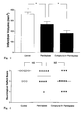
- tissue plasminogen activator and zonampanel or a salt etc. thereof showed better effect for reducing the infarct volume than the case where each of them was solely administered in various cerebral infarction models.
- a combination in accordance with the present invention is useful for the therapy of ischemic stroke.
Landscapes
- Health & Medical Sciences (AREA)
- Life Sciences & Earth Sciences (AREA)
- Veterinary Medicine (AREA)
- Chemical & Material Sciences (AREA)
- Public Health (AREA)
- Medicinal Chemistry (AREA)
- General Health & Medical Sciences (AREA)
- Animal Behavior & Ethology (AREA)
- Pharmacology & Pharmacy (AREA)
- Engineering & Computer Science (AREA)
- Bioinformatics & Cheminformatics (AREA)
- Epidemiology (AREA)
- General Chemical & Material Sciences (AREA)
- Nuclear Medicine, Radiotherapy & Molecular Imaging (AREA)
- Chemical Kinetics & Catalysis (AREA)
- Organic Chemistry (AREA)
- Biomedical Technology (AREA)
- Gastroenterology & Hepatology (AREA)
- Immunology (AREA)
- Proteomics, Peptides & Aminoacids (AREA)
- Urology & Nephrology (AREA)
- Vascular Medicine (AREA)
- Neurology (AREA)
- Neurosurgery (AREA)
- Diabetes (AREA)
- Hematology (AREA)
- Heart & Thoracic Surgery (AREA)
- Cardiology (AREA)
- Pharmaceuticals Containing Other Organic And Inorganic Compounds (AREA)
- Medicines That Contain Protein Lipid Enzymes And Other Medicines (AREA)
- Plural Heterocyclic Compounds (AREA)
Abstract
Therefore, the combination of the present invention is useful as a therapy for ischemic stroke.
Description
- The present invention relates to a combination of [7-(1H-imidazol-1-yl)-6-nitro-2,3-dioxo-3,4-dihydroquinoxalin-1(2H)-yl]acetic acid(hereinafter referred to as zonampanel) or a salt or hydrate thereof or, preferably, zonampanel monohydrate (hereinafter referred to as compound A) together with a tissue plasminogen activator for the therapy of ischemic stroke or for the improvement of neurological symptom accompanied by cerebral infarction, to a method of therapy using these active ingredients and to a administration method of zonampanel or a salt or hydrate thereof.
- Cerebral infarction is an organic cerebral pathology in which cerebral blood vessel is obstructed by arteriosclerosis of local blood vessel or by thrombus carried thereto and the blood flow thereafter is stopped whereby energy of cerebral cells is exhausted and, in final, cell death occurs forming infarct foci.
- Cerebral infarction is classified into thrombotic (cerebral thrombus), embolic (cerebral embolism) and hemodynamic ones depending upon the origin of thrombus. In cerebral thrombus, arteriosclerosis is formed in artery in brain and adhesion and aggregation of platelets are resulted on its diseased site to form thrombus. In the patients suffering from cerebral thrombus, there are many cases having underlying diseases (hypertension, diabetes mellitus, hyperlipidemia, etc.) accompanied by arteriosclerosis.
- In cerebral embolism, thrombus formed in blood vessel except in brain is carried to brain by blood flow and obstructs the cerebral blood vessel. In the patients suffering from cerebral embolism, there are many cases having cardiac disease and arteriosclerosis of cervical artery.
- In hemodynamic cerebral infarction, there occur reduction in blood pressure and cardiac output, significant bradycardia and dehydration at the site where strong stenosis or infarction for supplying of artery blood near and to brain happened previously whereby the onset takes place to form infarct foci in the boundary region or the terminal region. (Nokekkan Shogai - Sono Rinshoteki Apurochi, pages 14-17, edited by Takenori Yamaguchi and Makoto Takagi, Kabushiki Kaisha Igaku Shoin, Tokyo, 1994).
- On the other hand, according to the classification in view of clinical disease type, it is classified into atherothrombic cerebral infarction, cardiogenic cerebral embolism, lacunar infarction and others (Stroke, 21, 637-376, 1990).
- Atherothrombic cerebral infarction occurs on the basis of a strong atherosclerosis of artery of the brain and the neck and, in view of mechanism of onset of the infarction, there are included cerebral infarction occurred by obstruction of thrombus at its controllable region, infarction of peripheral perfusion area occurred via a mechanism of arteriogenic cerebral embolism, watershed infarction due a hemodynamic mechanism, etc.
- Cardiogenic cerebral embolism is resulted by such a manner that thrombus formed in the heart is liberated and obstructs the artery of neck or brain according to the same mechanism as in the case of cerebral infarction.
- Lacunar infarction is a small lesion generated in a penetrating artery region in a deep area of cerebrum.
- From electrophysiological and molecular biological studies, it has been known that glutamic acid receptors are classified into subtypes of NMDA (N-methyl-D-aspartic acid) receptor, AMPA (α-amino-3-hydroxy-5-methyl-4-isoxazole propionate) receptor, kainic acid receptor and glutamic acid receptor of a metabolic type.
- Zonampanel or a salt or hydrate thereof (hereinafter referred to as zonampanel or a salt etc thereof.) is a [7-(1H-imidazol-1-yl)-6-nitro-2,3-dioxo-3,4-dihydroquinoxalin-1(2H)-yl]acetic acid which is an AMPA receptor antagonist disclosed in WO 96/10023 and zonampanel monohydrate (YM872, hereinafter referred to as compound A) has a strong and selective AMPA binding activity and a high solubility in water. Zonampanel shows a neuroprotective effect by suppressing an intracellular calcium influx by AMPA (1). Further, zonampanel or a salt etc. thereof shows a neuroprotective action in various cerebral infarction models (2, 3, 4, 5, 6, and 7). Furthermore, in zonampanel or a salt etc. thereof and NBQX (2,3-dihydroxy-6-nitro-7-sulfamoyl-benzole (F) quinoxaline) which is an AMPA receptor antagonist, a neuroprotective action is noted even when administered after several hours from the onset of infarction (2, 3, 14 and 15).
- From the above, zonampanel or a salt etc. thereof is expected to be a medicament which is able to suppress the occurrence of sequelae by its administration in the acute phase of ischemic cerebrovascular disorders although the clinical effect of other AMPA receptors is not clarified.
- On the other hand, alteplase which is a native recombinant human tissue plasminogen activator was approved in the United States in 1996 as a therapeutic agent for administration in the acute phase of ischemic stroke (within 3 hours after the onset) and, since then, alteplase has been an only therapeutic agent for the therapy of acute phase of ischemic stroke.
- The action of alteplase for reducing the infarct foci is believed to be due to a recovery of cerebral blood flow in an early phase by its thrombolytic action (9). However, it has no effect of suppressing the nervous cell death of cerebral cells which are once exposed to ischemia.
- It is therefore expected that, in the therapy of the acute phase of ischemic stroke, zonampanel or a salt etc. thereof which is an AMPA receptor antagonist is jointly administered in addition to a thrombolytic treatment by a tissue plasminogen activator whereby the therapeutic effect to ischemic stroke is further enhanced.
- Incidentally, in the level of the experiments using animals, the effects by a combined use of alteplase with NBQX which is an AMPA receptor antagonist have been reported (12 and 13) but its effects of improving the neurological symptoms are the same (12) or rather lower (13) as compared with a group to which alteplase is solely administered. On the other hand, there are many cases where the patients of cerebral stroke in an acute phase have hypertension and, in the acute phase of ischemic stroke, a hypotensive therapy is said to be principally incompatible (Medicina, 37(7), 1135-1138, 2000). Accordingly, even in ischemic stroke accompanied with hypertension, the fact that a combination administration of a tissue plasminogen activator with zonampanel has a neuroprotective action is useful in the therapy in the acute phase of ischemic stroke.
- It is expected that AMPA receptor antagonists can be a medicament for occurrence of sequelae by administration during an acute phase of ischemic cerebrovascular disorders although their effect to cerebral infarction models using spontaneously hypertensive rats have not been known.
- On the other hand, the effect of pamiteplase which is a modified tissue plasminogen activator to ischemic stroke model having normal blood pressure has been reported (Neuroreport, 12(3), 615-618, 2001) although its effect to cerebral infarction models using spontaneously hypertensive rats used in the present invention has not been known. Further, although the effect of alteplase to cerebral infarction models using spontaneously hypertensive rats has been investigated, the effect is insufficient (Stroke, 32(6), 1336-1340, 2001; Journal of Cerebral Blood Flow & Metabolism, 20(3), 452-457, 2000; Neurology, 52(7), 1381-1384, 1999; and Chemical & Pharmaceutical Bulletin, 39(12), 3327-3330, 1991).
- The present inventors have investigated the therapeutic effect for ischemic stroke using various cerebral infarction models by the combination use of zonampanel or a salt etc. thereof during the administration of a tissue plasminogen activator and, unexpectedly, found that the combination use of zonampanel or a salt etc. thereof has a significant effect of reducing the infarct volume and improving the neurological symptoms as described later whereupon the present invention has been achieved.
- Thus, the present invention relates to:
- a method for the treatment of ischemic stroke, which comprises administering to a patient a) a therapeutically effective amount of a tissue plasminogen activator as the first component and, (b) a therapeutically effective amount of [7-(1H-imidazol-1-yl)-6-nitro-2,3-dioxo-3,4-dihydroquinoxalin-1(2H)-yl]acetic acid or a salt or hydrate thereof as the second component;
- preferably, the above method wherein the second component is administered together with or with a time interval from the administration of the first component;
- a method for the improvement of insufficiency accompanied by cerebral infarction, which comprises administering to a patient a) a therapeutically effective amount of a tissue plasminogen activator as the first component and (b) a therapeutically effective amount of [7-(1H-imidazol-1-yl)-6-nitro-2,3-dioxo-3,4-dihydroquinoxalin-1(2H)-yl]acetic acid or a salt or hydrate thereof as the second component;
- preferably, the method wherein the above insufficiency is a neurological symptoms;
- more preferably, the above method wherein the first component is a tissue plasminogen activator selected from the group consisting of alteplase and pamiteplase;
- a method for the suppression of progress of cerebral infarction, which comprises administering to a patient a) a therapeutically effective amount of a tissue plasminogen activator as the first component and (b) [7-(1H-imidazol-1-yl)-6-nitro-2,3-dioxo-3,4-dihydroquinoxalin-1(2H)-yl]acetic acid or a salt or hydrate thereof as the second component;
- a combination for the treatment of ischemic stroke, which comprises a) a tissue plasminogen activator as the first component with (b) [7-(1H-imidazol-1-yl)-6-nitro-2,3-dioxo-3,4-dihydroquinoxalin-1(2H)-yl]acetic acid or a salt or hydrate thereof as the second component;
- preferably, a combination for the treatment of ischemic stroke, which comprises a) a tissue plasminogen active as the first component with b) [7-(1H-imidazol-1-yl)-6-nitro-2,3-dioxo-3,4-dihydroquinoxalin-1(2H)-yl]acetic acid or a salt or hydrate thereof as the second component and, in the combination, the first and second components are intended for different uses in the same or the successive phase or in the apart phases in terms of time;
- more preferably, the above combination wherein the first component is a tissue plasminogen activator selected from the group consisting of alteplase and pamiteplase;
- the use of a combination of a tissue plasminogen activator with [7-(1H-imidazol-1-yl)-6-nitro-2,3-dioxo-3,4-dihydroquinoxalin-1(2H)-yl]acetic acid or a salt or hydrate thereof for the manufacture of a medicament for the treatment of ischemic stroke; and,
- preferably, the above use wherein the tissue plasminogen activator is selected from the group consisting of alteplase and pamiteplase.
-
- Furthermore, the present invention relates to:
- a pharmaceutical composition for the improvement of function insufficiency accompanied by cerebral infarction, which comprises [7-(1H-imidazol-1-yl)-6-nitro-2,3-dioxo-3,4-dihydroquinoxalin-1(2H)-yl]acetic acid or a salt or hydrate thereof in a therapeutically effective amount when administered to a patient suffered from ischemic stroke and has administered a therapeutically effective amount of a tissue plasminogen activator;
- a pharmaceutical composition as above, wherein the composition is begun administering to the patient during the period of a tissue plasminogen activator administration;
- the use of [7-(1H-imidazol-1-yl)-6-nitro-2,3-dioxo-3,4-dihydroquinoxalin-1(2H)-yl]acetic acid or a salt or hydrate thereof for the manufacture of a medicament for the improvement of function insufficiency accompanied by cerebral infarction, which is administered to a patient to which a therapeutically effective amount of a tissue plasminogen activator has been administered;
- the use of said compound or a salt or hydrate thereof for the manufacture of a medicament as above, wherein the medicament is begun administering to the patient during the period of a tissue plasminogen activator administration;
- a pharmaceutical composition as above, wherein the composition is begun administering to the patient during the period between an onset of ischemic stroke and four hours after thereof;
- the use of said compound or a salt thereof for the manufacture of a medicament as above, wherein the medicament is begun administering to the patient during the period between an onset of ischemic stroke and four hours after thereof;
- a pharmaceutical composition comprising [7-(1H-imidazol-1-yl)-6-nitro-2,3-dioxo-3,4-dihydroquinoxalin-1(2H)-yl]acetic acid or a salt or hydrate thereof in a therapeutically effective amount for potentiating the reducing effect of cerebral infarction volume by treatment a tissue plasminogen activator to the patient during the period between an onset of ischemic stroke and four hours after thereof; and
- the use of [7-(1H-imidazol-1-yl)-6-nitro-2,3-dioxo-3,4-dihydroquinoxalin-1(2H)-yl]acetic acid or a salt or hydrate thereof for the manufacture of a medicament for potentiating the reducing effect of cerebral infarction volume by treatment a tissue plasminogen activator, wherein the medicament is administered to a patient during the period between an onset of ischemic stroke and four hours after thereof.
-
- Furthermore, the present invention relates to:
- a method for improving function insufficiency accompanied by cerebral infarction, which comprises administering a therapeutically effective amount of [7-(1H-imidazol-1-yl)-6-nitro-2,3-dioxo-3,4-dihydroquinoxalin-1(2H)-yl]acetic acid or a salt or hydrate thereof to a patient suffered from ischemic stroke and has administered a therapeutically effective amount of a tissue plasminogen activator;
- the above method wherein administration to the patient starts during the period of a tissue plasminogen activator administration.
- the above method wherein the administration to the patient starts during the period between an onset of ischemic stroke and four hours after thereof; and
- a method for potentiating the reducing effect of cerebral infarction volume by treatment a tissue plasminogen activator, which comprises administering a therapeutically effective amount of [7-(1H-imidazol-1-yl)-6-nitro-2,3-dioxo-3,4-dihydroquinoxalin-1(2H)-yl]acetic acid or a salt or hydrate thereof to a patient during the period between an onset of ischemic stroke and four hours after thereof.
-
- The order of administrations of the first component and the second component is not particularly limited and the case wherein the second component is administered earlier is included in the present invention.
- The second component is preferably administered concurrently with the administration of the first component or during the administration of the first component.
- The term "in the apart phases in terms of time" in the present invention means that each of the components is administered with a time difference to a patient who requires the therapy for ischemic stroke.
- The term "are intended for different uses" used herein means that the administration of components may not be concurrent.
- The term "a patient" here means a patient who is suffered form ischemic stroke, and is needed to treat or has been treated with tissue plasminogen activator.
- Suppression of the progress of cerebral infarction means an effect that expansion of infarct nidus with a lapse of time after the onset of ischemic event is suppressed as compared with the untreated case.
- Clinically, it means that case where the degree of observation of infarct nidus by means of CT for diagnosis carried out immediately after the ischemic event is light as compared with the state and the degree of ischemia.
- The term "CT" herein is used to generally represents the "computed tomography" and includes X-ray CT, MRI, etc.
- Method for the manufacture of the compounds used in the present invention is disclosed in the patents wherein such compounds are disclosed. Method for the synthesis of [7-(1H-imidazol-1-yl)-6-nitro-2,3-dioxo-3,4-dihydroquinoxalin-1(2H)-yl]acetic acid or a salt or hydrate thereof is disclosed in WO 96/10023.
- [7-(1H-imidazol-1-yl)-6-nitro-2,3-dioxo-3,4-dihydroquinoxalin-1(2H)-yl]acetic acid forms a salt with acid or base. Preferably, it is a pharmaceutically acceptable salt.
- Examples of the salt with acid are acid addition salts with inorganic acid such as hydrochloric acid, hydrobromic acid, hydroiodic acid, sulfuric acid, nitric acid, phosphoric acid and other mineral acid and organic acid such as formic acid, acetic acid, propionic acid, oxalic acid, malonic acid, succinic acid, fumaric acid, maleic acid, lactic acid, malic acid, tartaric acid, carbonic acid, picric acid, methanesulfonic acid, ethanesulfonic acid and glutamic acid. Examples of the salt with base are the salts with inorganic base such as sodium, potassium, magnesium, calcium and aluminum; organic base such as methylamine, ethylamine and ethanolamine; basic amino acid such as lysine, arginine and ornithine; and ammonium salt. It is also possible to form a hydrate, a solvate with ethanol, etc. and crystal polymorph. [7-(1H-imidazol-1-yl)-6-nitro-2,3-dioxo-3,4-dihydroquinoxalin-1(2H)-yl]acetic acid forms a hydrate. A preferred one is [7-(1H-imidazol-1-yl)-6-nitro-2,3-dioxo-3,4-dihydroquinoxalin-1(2H)-yl]acetic acid monohydrate. Furthermore zonampanel can form solvate with ethanol and so on. Polymorphism might be existance in a salt, hydrate or solvate of zonampanel.
- A tissue plasminogen activator (tPA) has a high affinity to fibrin, activates the plasminogen which is bonded to fibrin and dissolves thrombus quite efficiently. The tissue plasminogen activator includes that of a native type and that of a modified type where, as one of the means for supplementing the disadvantage of the tissue plasminogen activator of native type, modification is carried by a genetic engineering means to extend the half life in blood.
- Examples of the tPA preparation of a native type are alteplase, tisokinase, liteplase and nateplase.
- Examples of the tPA preparation of a modified type are pamiteplase, monteplase, lanoteplase, tenecteplase, amediplase, K2P, CGP-42935 and LY-210825.
- Preferred examples are alteplase and pamiteplase.
- Alteplase is a generic name of a recombinant human tissue plasminogen activator (rt-PA) of a native type which is a glycoprotein comprising 527 amino acids developed by Genentech and is sold by and available from Genentech as Activase (registered trade mark).
- Pamiteplase is a tissue plasminogen activator of a modified type comprising 445 amino acid residues where, in an amino acid sequence of a human tissue plasminogen activator, 92nd to 173rd amino acid residues are deficient and the 275th arginine residue is substituted with glutamic acid residue (refer to the specification of Japanese Patent No. 2,534,332).
- A combination of a tissue plasminogen activator with zonampanel or a salt etc. thereof used in the present invention can be administered either orally or parenterally as a pharmaceutical composition where each of the components is separately or simultaneously mixed with physiologically acceptable carrier, excipient, binder, diluent, etc. When each effective component is separately made into a pharmaceutical preparation, such separate preparations may be mixed using a diluent, etc. in actual use and administered or may be administered to the same object separately, simultaneously or with a time difference.
- Preferably, zonampanel or a salt etc. thereof is administered together with the administration of a tissue plasminogen activator or within one hour from the initiation of administration of a tissue plasminogen activator.
- Cerebral infarction is a state, as defined already, that ischemic area is locally generated in brain by obstruction or perfusion pressure decrease of cerebral blood vessel whereby an irreversible necrosis of neurons occurs.
- It is preferably an acute ischemic stroke phase within 48 hours of stroke onset, more preferably within 24 hours, still more preferably within 6 hours and, most preferably, ischemic stroke within 3 hours of stroke onset.
- The term "onset" is defined as the time that which the patient was last seen in a normal state, or bedtime for unwitnessed strokes occurring during the night.
- In the case of an administration of tissue plasminogen activator is started at 3 hours after stroke onset, during the administration, i.e. ischemic stroke within 4 hours of stroke onset, is intended to ishcemic stroke of the present invention.
- Due to the cause of thrombus, cerebral infarction is classified into cerebral thrombus and cerebral embolism and the present invention is useful for the therapy of cerebral thrombus and cerebral embolism. Preferably, it is cerebral infarction without bleeding in brain.
- Therapy of ischemic stroke means an effect of preventing the progress of infarct foci in an acute phase of ischemic stroke, an effect of improving the dysfunction or the subjective symptom accompanied by cerebral infarction and/or an effect of preventing the occurrence of psychiatric symptom and convulsion onset during a chronic phase. It further includes prevention of recurrence of the onset of ischemic stroke.
- In addition, according to the observation by CT prior to the administration, degree of cerebral infarction may be classified depending upon infarct size, extent of infarct foci (penetrating branch and cortical branch), side of infarct (left, right or both), region of infarct (anterior cerebral artery region, middle cerebral artery region, posterior cerebral artery region, watershed region, brain stem, cerebellum and others) and degree of edema.
- Dysfunction accompanied by cerebral infarction means neurological symptoms, movement disorder of daily life, motor paralysis, etc. which occur during the acute phase of ischemic stroke.
- Such symptoms may be expressed by the index of degree of disturbance and neural function using modified Rankin scale, Barthel index, NIHSS and Glasgow scale and by a neurological check (evaluation of consciousness level, pupillary symmetry vs. optical reaction, motor ataxia and clonic muscular convulsion, etc.).
- To be more specific, clinical symptoms of the following items are observed and expressed in numerals.
- Subjective symptoms (headache, dull headache, dizziness, numbness of extremities, etc.);
- Phychiatric syndromes (reaction to being called by name and to greeting, orientation, volition, knowledge, computing ability, voice tone, attitude, spontaneous motion, spontaneous speaking, carefulness, etc.);
- Neurological syndromes (aphasia, apraxia, agnosia, dyslalia, dysphagia, muscle strength at the side of motor paralysis, sensory disorder, etc.); and
- Movement disorder of daily life (rolling over in bed, keeping the state of sitting, standing up, walking, dressing and undressing oneself, taking the meals, urination/evacuation, etc.).
- Neurological symptom means the state where disorder is noted in one or more of the above-mentioned items for neurological syndromes.
- Psychiatric symptom at the chronic phase means the psychiatric symptom occurring three weeks and thereafter from the onset of ischemic stroke and its specific examples are lowering of spontaneousness (hypobulia), dysmnesia, anxiety, depressiveness, distemper, psychomotor agitation, delusion, labile affect, aggressive action, mental excitation, ecdemomania, delirium, etc.
- Pharmaceutical preparations comprising zonampanel or a salt etc. thereof are manufactured using carrier, filler and other additives which are commonly used for corresponding types of preparations.
- Carrier and filler used for pharmaceutical preparations may be solid such as lactose, magnesium, stearic acid, starch and talc and liquid such as gelatin, gum, pectin, acacia, olive oil, cacao butter and ethylene glycol. Other conventionally used carriers and fillers may be used as well.
- The combination of the present invention can be administered by various administration modes including mainly by parenteral administration or, to be specific, subcutaneous administration, intramuscular administration, intravenous administration, percutaneous administration, intraspinal administration, epidural administration, intra-articular administration and local administration or by oral administration, if possible.
- Injection for parenteral administration includes aseptic aqueous or non-aqueous solutions, suspensions and emulsions. The aqueous solutions and emulsions include distilled water for injection and physiological saline solution. Examples of the non-aqueous solutions and suspensions are propylene glycol, polyethylene glycol, vegetable oil such as olive oil, alcohol such as ethanol, Polysolvate 80 (trade name), etc. Such composition may further contain auxiliary agents such as antiseptic agent, moisturizer, emulsifier, dispersing agent, stabilizer (such as lactose) and solubilizing aid (such as meglumic acid). They may be sterilized by, for example, means of filtration passing through a bacteria-retaining filter, compounding with a sterilizer or irradiation. The combination of the invention may be also made into an aseptic solid composition and dissolved in aseptic water or in an aseptic solvent for injection before use.
- Dose of zonampanel or a salt etc. thereof is appropriately determined for each case depending upon symptom, sex and age of the object to be administered, etc. and, usually, it is 100-2000 mg per day or, preferably, approximately 900 mg per day for an adult. It is also possible to administer 100-2000 mg per day to an adult once daily or by dividing into 2 to 4 times a day. In the case of intravenous or continuous intravenous administration, it is possible to be administrated for 1 hour to 24 hours per day.
- As mentioned above, the dose may be determined depending upon various conditions. The dose which is less than the above-mentioned range may be used when that is effective.
- Preferably, together with the administration of a tissue plasminogen activator simultaneously or within 1 hour from the start of the administration of a tissue plasminogen activator, 1.0 mg/kg/hour of zonampanel monohydrate is administered intravenously for continuous 6 hours and, after that, 0.5 kg/kg/hour is infused for continuous 18 hours.
- Dose of the tissue plasminogen activator is appropriately determined for each case by taking type of the medicament used, symptom, age and sex of the object to be administered, etc. into consideration.
- In the case of alteplase, it is usually 50-100 mg for an adult (incidentally, 1 mg of alteplase corresponds to 580,000 international units (IU)) or, preferably, 0.9 mg/kg per day. Method for the administration may be that 50-100 mg per day is administered at a time or by dividing into 2 to 4 times a day. In the case of intravenous administration or continuous intravenous administration, administration for 1 hour to 24 hours per day is also possible. Preferably, 10% of 0.9 mg/kg (upper limit being 90 mg per person) is quickly administered (bolus administration) intravenously in 1 to 2 minutes and the remainder is subjected to a continuous intravenous administration for 1 hour.
- In the case of pamiteplase, it is usually preferred that from 32,500 IU/kg to 93,000 IU/kg or, preferably, from 32,500 IU/kg to 65,000 IU/kg per day for an adult is subjected to an intravenous bolus administration and an intravenous injection within one minute is preferred. Incidentally, the amount of pamiteplase in an injection solution is about 0.1 mg/ml or more and 1 mg of pamiteplase corresponds to 650,000 IU.
-
- Fig. 1: Effect of a combined use of compound A with alteplase on infarct volume in rat embolic stroke models. Administration of compound A (20 mg/kg/hr; i.v. for 4 hours) and alteplase (10 mg/kg; i.v.; 10% of the total dose was subjected to an intravenous bolus administration while the remainder (90%) was subjected to an intravenous administration continuously over 1 hour) was initiated 2 hours after the injection of blood clot. After 24 hours from the infusion of the blood clot, the brain was excised, sliced and stained with TTC. The data in the drawing show a mean value ± standard error (n = 8). The symbol * means a statistically significant difference from a control group or an alteplase-administered group (* p < 0.05; Dunnett's test or t-test).
- Fig. 2: Effect of a combined use of compound A with alteplase on neurological symptoms in rat embolic stroke models. Administration of zonampanel (20 mg/kg/hr; i.v. for 4 hours) and alteplase (10 mg/kg; i.v.; 10% of the total dose was subjected to an intravenous bolus administration while the remainder (90%) was subjected to an intravenous administration continuously over 1 hour) was initiated 2 hours after the injection of blood clot. After 24 hours from the injection of the blood clot, the neurological symptoms were observed. Data in the drawing show the data derived from each animal (n = 8). The symbol * means a statistically significant difference from a control group or an alteplase-administered group (* p < 0.05; Steel's test or Wilcoxon-test).
- Fig. 3: Effect of a combined use of compound A with pamiteplase on infarct volume in rat cerebral embolic models. Administration of compound A (20 mg/kg/hr; i.v. for 4 hours) and pamiteplase (1 mg/kg; i.v.) was initiated 1 hour after the infusion of blood clot. After 24 hours from the injection of the blood clot, the brain was excised, sliced and stained with TTC. The data in the drawing show a mean value ± standard error (n = 10). The symbol * means a statistically significant difference from a control group or a pamiteplase-administered group (* p < 0.05; t-test).
- Fig. 4: Effect of a combined use of compound A with pamiteplase on neurological symptoms in rat cerebral embolic models. Administration of compound A (20 mg/kg/hr; i.v. for 4 hours) and pamiteplase (1 mg/kg; i.v.) was initiated 1 hour after the injection of blood clot. After 24 hours from the injection of the blood clot, the neurological symptoms was observed. Data in the drawing mean the data derived from each animal (n = 10). The term NS means that there is no statistically significant difference from a control group or a pamiteplase-administered group (Wilcoxon test).
-
- The present invention will now be illustrated in more detail by way of the following examples although the present invention is not limited those examples only.
-
- 1) Preparation of Embolic Stroke Models As to the embolic stroke models, male Sprague-Dawley rats (Charles River Japan) each having a body weight of 280-350 g were used. The method of Kudo, et al. (8) was followed with a partial modification (9, 10) for the preparation of the embolic stroke models. The rats for the collection of blood were anesthetized with 1.0% halothane (Fluothane®; Takeda Chemical Industries) under a spontaneous respiration. A 24-gauge Surflo® needle (Terumo) was secured in the femoral artery and 0.1 mL of arterial blood was taken with a 1-mL syringe for injection (Terumo). The artery blood in the syringe was incubated at 30°C for 2 days to form a blood clot. After that, 0.1 mL of a physiological saline was added to the syringe for injection and passed through a 26-gauge injection needle (Terumo) twice so that the blood clot was crushed. Rats for the preparation of cerebral embolic stroke were anesthetized with 1.0% halothane under a spontaneous respiration. Neck of the rats was subjected to a midline incision and external carotid artery, superior thyroid artery, occipital artery and pterygopalatine artery were cauterized with a bipolar coagulator (T-45; Keisei Medical). Cerebral embolism was induced by injecting 0.1 mL of the crushed blood clot into the internal carotid artery from the external carotid artery. During the experiment, body temperature of the animals was maintained approximately at 37°C using a heating pad for small animals (BWT-100; Bio Research Center).Evaluation of formation of cerebral embolism by injection of blood clot was carried out using a laser Doppler flowmetry (FloC1; Omegawave) and the cerebral blood flow decreased to a level of 30% or less of the blood clot value immediately after ischemia was taken as a positive evidence of embolism formation. The probe for the blood flow measurement was applied on the top of the forehead. The cerebral blood flow was monitored until 30 minutes after infusion of the blood clot and the blood flow of 30 minutes after ischemia was confirmed to remain 50% or less than the value prior to the injection of the blood clot. After that, a cannula (PE5O) for administration of the medicament was secured in the jugular vein and the animals were awoken.
- 2) Administration of Medicaments
With regard to alteplase (Activase (registered trade
mark); Genentech; Lot E9503A), the commercially available
product was purchased. Both medicaments were started in
intravenous injection through a cannula secured in the
common
jugular vein 2 hours after injection of the blood clot. The dose of alteplase was set at 10 mg/kg and 10% of the total dose was subjected to a bolus administration intravenously while the remainder (90%) was continuously administered over 1 hour intravenously. With regard to zonampanel or a salt etc. thereof, it was continuously administered over 4 hours intravenously at a dose of 20 mg/kg/hour as zonampanel monohydrate (hereinafter referred to as compound A). -
-
- 1) Infarct Volume The animals were sacrificed about 24 hours after infusion of the blood clot and the brain was excised. The excised brain was sliced in ten sections at 1 mm intervals using a McIwain tissue chopper (Mickle Laboratory Engineering) and stained by dipping for 20 minutes in a 2% TTC (2,3,5-triphenyltetrazolium chloride; Tokyo Kasei) at 37°C. Images of the TTC-stained slices were uploaded into a computer using a digital camera (HC-2500; Fuji Photo-Film) and Phatograb-2500 (Fuji Photo Film) and infarct volume was calculated using Mac Scope (Mitani).
- 2) Neurological Symptoms Neurological symptoms were observed 24 hours after the infusion of the blood clot. Scoring of the neurological symptoms was carried out according to a method of Bederson et al. (11). Criteria of the score are as follows. Thus, score 0: normal and no worsening of the symptom; score: 1: when the animal was taken up by clipping the tail, forelimb was flexed; score 2: weak resistance to the pushing force from the side and forelimb flexion noted while no circling observed; and score 3: the same symptom as in 2 and the circling were noted.
- 3) Statistical Means Result of the infarct volume was given by a mean value ± standard error while result of neurological symptom was given by a median value. With regard to the statistical test of the result of the infarct volume, the evaluation was done by carrying out a Dunnett's test for control group and for each of alteplase-administered group and zonampanel-administered group as compared with the control group and then by carrying out the t-test for the alteplase-administered group and the zonampanel-alteplase-administered group. On the other hand, with regard to the statistical test of the result of neurological symptoms, the evaluation was done by carrying out a Steel's test for control group and for each of alteplase-administered group and zonampanel-administered group as compared with the control group and then by carrying out a Wilcoxon test for the alteplase-administered group and the zonampanel-alteplase-administered group. In any of the tests, the value where p < 0.05 was defined to be statistically significant.
-
-
- 1) Infarct Volume As a result of injection of the blood clot, the cerebral blood flow decreased to about 30% or less than the value prior to the infusion and cerebral embolism was formed. The medicament was administered 2 hours after the injection of the blood clot.Result of the infarct volume is shown in Fig. 1. The infarct volume of a control group (a group to which a physiological saline was administered) was 361.2 ± 20.9 mm3 (mean value ± standard error). Alteplase (10 mg/kg) and compound A (20 mg/kg/hour for 4 hours) reduced the infarct volumes to 202.7 ± 49.3 mm3 and 194.6 ± 50.6 mm3, respectively. When compound A (20 mg/kg/hour for 4 hours) and alteplase (10 mg/kg) were jointly used, the infarct volume became 64.4 ± 25.3 mm3 and the said volume was smaller than that for the alteplase-administered group.
- 2) Neurological Symptoms Result of the neurological symptoms is shown in Fig. 2. The neurological symptom in the control group worsened to a score of 2.5 (median value). By a sole administration of compound A (20 mg/kg/hour for 4 hours), the neurological symptom became a score of 2 showing the tendency of improvement (p = 0.07). When zonampanel and alteplase were jointly used, the neurological symptom gave a score of 1 and a more statistically significant improvement was noted than the alteplase-administered group.With regard to the effect to ischemic stroke by the combined use of alteplase with compound A according to the present invention, the infarct volume was statistically significantly reduced as compared with a sole administration of alteplase and the neurological symptom was statistically significantly improved as well.From the above, better effect was confirmed by the combined use of compound A with alteplase to ischemic stroke than by conventionally known combined use of NBQX and alteplase.
-
- On the other hand, in the same models as in the experimental method of the present invention, an effect by the combined use of alteplase with NBQX which is an AMPA receptor antagonist was known (12, 13).
- 1) Effect for Improving the Neurological Symptoms With regard to the effect of reducing the infarct volume by a combined use of NBQX with alteplase, when 90 mg/rat of NBQX (after injection of the blood clot, each 30 mg was administered for three times of 90, 120 and 150 minutes therefrom) was administered 90 minutes after injection of the blood clot and then 20 mg/kg of alteplase was administered during 45 minutes 30 minutes after NBQX administration therefrom (i.e., 120 minutes after the injection of the blood clot), the cerebral infarct volume was statistically significantly suppressed as compared with the control whereby the neurological symptom was improved.However, with regard to the improving effect for neurological symptom to a group where alteplase was administered solely, a statistically significant improvement was noted in the present invention while, in a group where NBQX was used jointly, the effect was similar or even worsened.
- 2) TTW-Extending Effect According to the literatures, the effect to ischemic stroke by administration of an AMPA receptor antagonist was the effect by the combined administration before 30 minutes of administration of alteplase. The result means that the TTW (therapeutic time window) in the group where NBQX was jointly used is substantially 90 minutes in rat models.On the other hand, in the present invention, when compound A was administered 120 minutes after injection of the blood clot just as in the case of alteplase, a sole administration of compound A 120 minutes after the blood clot injection showed a tendency of improvement while no statistically significant improvement in neurological symptom was noted. On the contrary, the combined administration statistically significantly improved the neurological symptom as compared with sole administration of each of compound A and alteplase.From the result, the effect by the combination administration according to the combination of the present invention has a statistically significant effect of reducing the cerebral infarct volume and improving the neurological symptom as compared with a sole administration of each medicament after 120 minutes of the blood clot injection and, further, in rat models, the TTW by the combination use with compound A but NBQX was able to be extended to the same extent as in the case of sole administration of alteplase whereby the combination use with compound A and alteplase is clinically useful effects.
-
-
- 1) Preparation of Cerebral Embolism Models Male spontaneously hypertensive rats (SHR) were used. Anesthetization was carried out with 1.0% halothane. During the experiment, rectal temperature of the animals was kept at about 37°C using a heating pad. The cerebral embolism model was prepared by a method (J. Cerebr. Blood Flow & Metab., 20:452-457 (2000)) which is a partial modification of a method by Zhang, et al. (Brain Res., 766: 83-92 (1997)). Arterial blood was collected from the femoral artery of a rat for the blood collection into a PE50 tube in which the blood was filled in a length of 50 cm. The PE50 tube filled with the blood was allowed to stand for 2 hours at room temperature and for 22 hours at 4°C to form a blood clot. The PE50 tube filled with the blood clot was cut into pieces of 2.5 cm-length and each piece was connected to a syringe for injection containing a physiological saline using a 23-gauge needle for injection. The blood clot was transferred to a dish containing the physiological saline, washed and transferred into a treated PE50 tube containing a physiological saline. The neck of another rat was incised to ligate the external carotid artery, occipital artery and pterygopaltine artery. A surgical clip was applied to the common and internal carotid arteries to cut the external carotid artery. The top of the treated PE50 tube containing 2.5 cm of the blood clot was inserted into the distal internal carotid artery. The blood clot was then infused and the tube was pulled out after 5 minutes.The animals were grouped into the following three. Group A (n = 10): physiological saline-administered control group. Group B (n = 19): a group administered with 1 mg/kg of pamiteplase; pamiteplase was dissolved in a physiological saline (1 mg/mL) and subjected to an intravenous bolus administration over 3 minutes or more. Group C (n = 10): a group administered with 20 mg/kg/hour of compound A and 1 mg/kg of pamiteplase together; compound A was dissolved in a physiological saline and subjected to an intravenous continuous administration for 4 hours while pamiteplase was dissolved in a physiological saline in 1 mg/mL and subjected to an intravenous bolus administration over 3 minutes or more. The medicament was intravenously administered 1 hour after the blood clot injection. Evaluation of cerebral embolism formation by injection of the blood clot was carried out by measuring the cerebral blood flow amount using a laser Doppler flowmetry (Perimed AB, Sweden). The probe for the blood flow measurement was placed on the top of forehead.
-
-
- 1) Infarct Volume The animals were sacrificed about 24 hours after injection of the blood clot and the brain was excised and confirmed whether hemorrhagic change was available under a microscope for operation. The excised brain was sliced in ten sections at 2 mm intervals and stained by dipping for 15 minutes in a 2% 2,3,5-triphenyltetrazolium chloride (TCC) solution. The TCC-stained slices were subjected to a digital imaging and a standard computer-assist image analysis system to calculate the infarct volume.
- 2) Neurological Symptoms Neurological symptoms were observed after 24 hours of the injection of the blood clot. Scoring of the neurological symptoms was carried out according to a method of Bederson et al. (Stroke, 17: 472-476 (1986)). Criteria for the score are as follows. Thus, score 0: normal and no worsening of the symptom; score: 1: when the animal was taken up by clipping the tail, forelimb was flexed; score 2: weak resistance to the pushing force from the side and forelimb flexion noted while no circling observed; and score 3: the same symptom as in 2 and the circling were noted.
- 3) Statistical Means Result of the infarct volume was given by a mean value ± standard error while result of the neurological symptom was given by a median value. With regard to the statistical test of the result of the infarct volume, the evaluation was done by carrying out a t-test. On the other hand, with regard to the statistical test of the result of neurological symptoms, the evaluation was done by carrying out a Wilcoxon test. In any of the tests, the value where p < 0.05 was defined to be statistically significant.
- 4) Reagent With regard to 2,3,5-triphenyltetrazolium chloride (Sigma, MO), the commercially available one was purchased.
-
-
- 1) Infarct Volume As a result of injection of the blood clot, the cerebral blood flow decreased to about 10% or less than the value prior to the injection and cerebral embolism was formed. The medicament was administered 1 hour after the injection of the blood clot.Result of the infarct volume is shown in Fig. 3. The infarct volume of a control group (a group to which a physiological saline was administered) was 360.5 ± 19.3 mm3 (mean value ± standard error). Pamiteplase (1 mg/kg) reduced the infarct volume to 266.2 ± 24.7 mm3. When compound A (20 mg/kg/hour for 4 hours) and pamiteplase (10 mg/kg) were jointly used, the infarct volume became 182.3 ± 25.0 mm3 and the said volume was smaller than that for the pamiteplase-administered group.
- 2) Neurological Symptoms Result of the neurological symptoms is shown in Fig. 4. The neurological symptom in the control group worsened to a score of 3.0 (median value), while that in pamiteplase-administered group gave a score of 2.5 and pamiteplase did not affect the worsened neurological symptom. When compound A and alteplase were jointly used, the neurological symptom gave a score of 2.0 but that did not affect the worsened neurological symptom as compared with the alteplase administration. Unexpectedly, sole administration of pamiteplase statistically significantly reduced the infarct volume to the ischemic stroke using spontaneously hypertensive rats.When pamiteplase and compound A were jointly administered, infarct volume was statistically significantly reduced as compared with the sole administration of pamiteplase.From the above, it was confirmed that, when compound A and a tissue plasminogen activator were jointly used to ischemic stroke accompanied by hypertension, better effect than the conventionally known effect by the combined use of NBQX and alteplase or by a sole administration of a tissue plasminogen activator was available.
-
- Clinical effect of the present invention was confirmed by the following methods.
- Subjects were patients meeting with the following requirements were used as objects and a double blind test was carried out for a group administered with alteplase and a group administered with placebo and also for a group administered with alteplase and a group administered with compound A.
- 1) Subject Patients
- Males and females of 18 or more years age
- Patients to whom alteplase was administered within 3 hours from the onset of ischemic stroke
- Patients where NIHSS (National Institute of Health stroke scale) was 7-23 and the level of consciousness was 0 or 1 The patients were further classified into a group where the NIHSS score was 7-14 and another group where it was 15-23.
- Systolic blood pressure was 185 mmHg or lower while diastolic blood pressure was 110 mmHg or lower
- 2) Medicaments and Methods of Administration With regard to the medicaments to be administered, the subject patients were divided into a group of 7-14 and another group of 15-23 in terms of the NIHSS scores and then randomly assigned by a randomizing desk so that the ratio of (administered with alteplase and compound A) : (administered with alteplase and placebo) is made 1:1.With regard to alteplase, the commercially available one was used and 10% of 0.9 mg/kg (upper limit: 90 m) thereof were subjected to an intravenous bolus administration for 1 minute while the remainder was subjected to a continuous intravenous administration for 1 hour.With regard to compound A, 1.0 mg/kg/hour was subjected to a continuous intravenous administration for 6 hours and then 0.5 mg/kg/hour was subjected to a continuous intravenous infusion for 18 hours.Transfusion bags for compound A and for placebo were covered with a light-shielding cover and administration was carried out where a drip infusion tube was shielded from light as well. With regard to the administration, the initial infusion was carried out at the flow rate of 60 mL/hour for the initial 6 hours and, after the said 6 hours, a sustaining infusion was carried out at the flow rate of 30 mL/hour for 18 hours.
- 3) Items Measured
- (1) Upon Selection of Subject Patients Computed tomography (CT), physical and neurological tests, neurological check, sedation level, NIHSS, 12-lead electrocardiogram, telemetry of electrocardiogram, pulse oxygen measurement, vital sign, body weight, background of the patient, test on pregnancy, measurement of medicament in urine, hematological test, coagulation panel, general clinical test, urinary test
- (2) From Administration of Medicament until 48 Hours
Thereafter
- i) at all times Pulse oxygen measurement, monitoring of harmful phenomena, therapy by combined medicaments, telemetry of electrocardiogram
- ii) every 1-2 hour(s) Vital sign, neurological check (evaluation of consciousness level, pupillary symmetry and optical reaction, ataxia, symptom such as clonic muscle convulsion), sedation level
- iii) 12, 24 and 48 hours after administration Abbreviated physical examination, 12-lead electrocardiogram
- iv) 24 and 48 hours after administration General clinical test, hematological test, blood coagulation, serum concentration of compound A, urinary test, NIHSS
- v) 24 hours after administration CT scan
- (3) Fifth Day after Administration CT scan, blood coagulation
- (4) Fifth and 28th Days after Administration 12-Lead electrocardiogram, hematological test, general clinical test, urinary test
- (5) Fifth, 28th and 90th Days after Administration Physical and neurological tests, NIHSS, vital sign, therapy by combination of medicaments, harmful phenomena, Barthel index, modified Rankin scale, Glasgow outcome scale
-
- When the test for each 150 cases of the medium grade group (NIHSS: 7-14) and the severe grade group; (NIHSS: 15-23) was finished, an intermediate analysis was carried out and, finally, for 600 cases where each group comprised 300 cases, the following evaluations were carried out.
- i) Primary Evaluation
Judgment was conducted according to the state of
ischemic stroke and to severity scale 90 days after
administration of the medicament.With regard to the severity scale, the following
evaluating items were used.
- (a) NIHSS (NIH Stroke Scale): Judgment is carried out according to the scales of 0-9 (which varies depending upon the item) for level of consciousness, LOC questions, LOC commands, extraocular muscle motion (gaze palsy), hemianopsia, facial palsy, motion of upper limb, motion of lower limb, motion disorder of four limbs, loss of sensation, aphasia, alalia, neglect and, as an additional item, distal motor function (bending of fingers).
- (b) Barthel index: Judgment is carried out according to the scales of 00-15 (which varies depending upon the item) whether or not self-control is possible or nurse care is needed for motion ability in daily life (feeding, moving from wheelchair to bed and return, personal toilet (face washing, hair dressing, tooth brushing, shaving), toileting, bathing, walking on level surface, ascending and descending the stairs, dressing and undressing, continence of bowels, controlling bladder, etc.).
- (c) Modified Rankin scale: Evaluation is carried out according to grades 0-5 whether help or nurse care is necessary for carrying out the motion such as walking for checking the degree of symptom and disturbance.
- (d) Glasgow outcome scale: Evaluation for degree of
recovery of general function. Evaluation was done
according to the grades 1-5.
- 1 = good recovery
- 2 = moderate disability (disabled but independent)
- 3 = severe disability (conscious but disabled)
- 4 = persistent vegetative state
- 5 = death
- ii) Secondary evaluation
- On the 28th day after administration of the medicament, degrees of neurological function and disability are evaluated in four scales (modified Rankin scale, Barthel index, NIHSS and Glasgow scale) as the statistic general result.
- On the 28th and 90th days after the administration, category analysis by the four scales is carried out as the statistic general result. (good outcome of functions: modified Rankin scale is 0 or 1; Barthel index is 95 or more; Glasgow score is 1 [good recovery]; and NIHSS score is 0 or 1)
- Good outcome of functions on the 5th, 28th and 90th days after the administration (modified Rankin scale is 2 or less and Barthel index is 90 or more).
- Neurological functions and disturbance in ability on the 5th, 28th and 90th days after the administration is judged by the four scales (NIHSS, modified Rankin scale, Barthel index and Glasgow outcome scale).
- Changes in the initial NIHS score on the 24th and 48th hours and the fifth, 28th and 90th days after the administration
- Ratio of the case where NIHSS score is 0 or 1 on the 28th and 90th days after the administration
- Ratio of the low efficacy on the 90th day after the administration (persistent vegetative state or death in Glasgow outcome scale).
-
- In the present invention, a combination use of a tissue plasminogen activator and zonampanel or a salt etc. thereof showed better effect for reducing the infarct volume than the case where each of them was solely administered in various cerebral infarction models.
- Therefore, a combination in accordance with the present invention is useful for the therapy of ischemic stroke.
- While the invention has been described in detail and with reference to specific embodiments thereof, it will be apparent to one skilled in the art that various changes and modifications can be made therein without departing from the scope thereof.
- This application is based on U.S. patent applications No. 60/334,556 filed December 3, 2001 and No. 60/361,724 filed March 6, 2002, the entire contents thereof being hereby incorporated by reference.
-
- 1. Kohara A., Okada M., Tsutsumi R., Ohno K., Takahashi M., Shimizu-Sasamata M., Shishikura J., Inami H., Sakamoto S. and Yamaguchi T. In-vitro characterization of YM872, a selective, potent and highly water-soluble alpha-amino-3-hydroxy-5-methylisoxazole-4-propionate receptor antagonist. [Journal: Article] J. Pharm. Pharmacol. 50:795 - 801 (1998).
- 2. Kawasaki-Yatsugi S., Ichiki C., Yatsugi S, Takahashi M., Shimizu-Sasamata M., Yamaguchi T. and Minematsu K. Neuroprotective effects of an AMPA receptor antagonist YM872 in a rat transient middle cerebral artery occlusion model. Neuropharmacol. 39: 211 - 217 (2000).
- 3. Takahashi M., Jian Wei Ni., Kawasaki-Yatsugi S., Toya T., Ichiki C., Yatsugi S-I., Koshiya K., Shimizu-Sasamata M. and Yamaguchi T. Neuroprotective efficacy of YM872, an alpha-amino-3-hydroxy-5-methylisoxazole-propionic acid receptor antagonist, after permanent middle cerebral artery occlusion in rats. J. Pharmacol. Exp. Ther. 287: 559 - 566 (1998).
- 4. Kawasaki-Yatsugi S., Yatsugi S., Takahashi M., Toya T., Ichiki C., Shimizu-Sasamata M., Yamaguchi T. and Minematsu K. A novel AMPA receptor antagonist, YM872, reduces infarct size after middle cerebral artery occlusion in rats. Brain Res. 793: 39 - 46 (1998).
- 5. Takahashi M., Jian Wei Ni., Kawasaki-Yatsugi S., Toya T., Yatsugi S-., Shimizu-Sasamata M., Koshiya K., Shishikura J-I., Sakamoto S. and Yamaguchi T. YM872, a novel selective alpha-amino-3-hydroxy-5-methylisoxazole-propionic acid receptor antagonist, reduces brain damage after permanent focal cerebral ischemia in cats. J. Pharmacol. Exp. Ther. 284: 467 - 473 (1998).
- 6. Shimizu-Sasamata M., Kano T., Rogowska J., Wolf GL., Moskowitz MA and Lo EH. YM872, a highly water-soluble AMPA receptor antagonist, preserves the hemodynamic penumbra and reduces brain injury after permanent focal ischemia in rats. Stroke 29: 2141 - 2148 (1998)
- 7. Haberg A., Takahashi M., Yamaguchi T., Hjelstuen M and Haraldseth O. Neuroprotective effective of the novel glutamate AMPA receptor antagonist YM872 assessed with in vivo MR imaging of rat MCA occlusion. Brain Res. 811: 6370 (1998)
- 8. Kudo M., Aoyama A., Ichimori S. and Fukunaga N. An animal model of cerebral infarction: homologous blood clot emboli in rats. Stroke 13: 505 - 508 (1982)
- 9. Kano T., Katayama Y., Tejima E and Lo EH. Hemorrhagic transformation after fibrinolytic therapy with tissue plasminogen activator in a rat thromboembolic model of stroke. Brain Res. 854: 245 - 248 (2000)
- 10. Meng W., Wang X., Asahi M., Kano T., Asahi K., Ackerman R.H. and Lo E.H. Effects of tissue type plasminogen activator in embolic versus mechanical models of focal cerebral ischemia in rats. J. Cereb. Blood Flow Metab. 19: 1316 - 1321 (1999)
- 11. Bederson J.B., Pitts LH., Tsuji M., Nishimura MC., Davis RL. And Bartkowski H. Rat middle cerebral artery occlusion: evaluation of the model and development of a neurologic examination. Stroke 17: 472 - 476 (1986)
- 12. Overgaard K., Sereghy T., Pedersen H. and Boysen G. Neuroprotection with NBQH and thrombolysis with rt-PA in rat embolic stroke. Neurol. Res. 15: 344 - 349 (1993)
- 13. Meden P., Overgaard K., Sereghy T. and Boysen G. Enhancing the efficacy of thrombolysis by AMPA receptor blockade with NBQX in a rat embolic stroke model. J. Neurol. Sci. 119: 209 - 216 (1993)
- 14. Xue D., Huang ZG., Barnes K., Lesiuk HJ., Smith KE. And Buchan AM. Delayed treatment with AMPA, but not NMDA, antagonists reduces neocortical infarction J. Cereb. Blood Flow Metab. 14: 251 - 261 (1994)
- 15. Graham SH. Chen J., Lan JQ. And Simon RP. A dose-response study of neuroprotection using the AMPA antagonist NBQX in rat focal cerebral ischemia. J. Pharmacol. Exp. Ther. 276: 1 - 4 (1996)
-
Claims (30)
- A method for the treatment of ischemic stroke, which comprises administering to a patient a) a therapeutically effective amount of a tissue plasminogen activator as the first component, and (b) a therapeutically effective amount of [7-(1H-imidazol-1-yl)-6-nitro-2,3-dioxo-3,4-dihydroquinoxalin-1(2H)-yl]acetic acid or a salt or hydrate thereof as the second component.
- The method according to claim 1, wherein the second component is administered together with or with a time interval after the administration of the first component.
- A method for the improvement of function insufficiency accompanied by cerebral infarction, which comprises that a) a therapeutically effective amount of a tissue plasminogen activator as the first component and, (b) a therapeutically effective amount of [7-(1H-imidazol-1-yl)-6-nitro-2,3-dioxo-3,4-dihydroquinoxalin-1(2H)-yl]acetic acid or a salt or hydrate thereof as the second component are administered to a patient.
- The method according to claim 3, wherein the function insufficiency is a neurological symptom.
- The method according to claims 1 to 3, wherein the first component is a tissue plasminogen activator selected from the group consisting of alteplase and pamiteplase.
- A combination for the treatment of ischemic stroke, which comprises a) a therapeutically effective amount of a tissue plasminogen activator as the first component and (b) a therapeutically effective amount of [7-(1H-imidazol-1-yl)-6-nitro-2,3-dioxo-3,4-dihydroquinoxalin-1(2H)-yl]acetic acid or a salt or hydrate thereof as the second component.
- A combination for the treatment of ischemic stroke, which comprises a) a therapeutically effective amount of a tissue plasminogen activator as the first component with (b) a therapeutically effective amount of [7-(1H-imidazol-1-yl)-6-nitro-2,3-dioxo-3,4-dihydroquinoxalin-1(2H)-yl]acetic acid or a salt or hydrate thereof as the second component and, in the said combination, the said first and second components are intended for different uses in the same or the successive phase or in the apart phases in terms of time.
- The combination according to claim 6 or 7, wherein the first component is a tissue plasminogen activator selected from the group consisting of alteplase and pamiteplase.
- The use of a combination of a tissue plasminogen activator with [7-(1H-imidazol-1-yl)-6-nitro-2,3-dioxo-3,4-dihydroquinoxalin-1(2H)-yl]acetic acid or a salt or hydrate thereof for the manufacture of a medicament for the treatment of ischemic stroke.
- The use according to claim 9, wherein the tissue plasminogen is selected from the group consisting of alteplase and pamiteplase.
- A pharmaceutical composition for the improvement of function insufficiency accompanied by cerebral infarction, which comprises [7-(1H-imidazol-1-yl)-6-nitro-2,3-dioxo-3,4-dihydroquinoxalin-1(2H)-yl]acetic acid or a salt or hydrate thereof in a therapeutically effective amount when administered to a patient suffered from ischemic stroke and has administered a therapeutically effective amount of a tissue plasminogen activator.
- A pharmaceutical composition according to claim 11, wherein the composition is begun administering to the patient during the period of a tissue plasminogen activator administration.
- The use of [7-(1H-imidazol-1-yl)-6-nitro-2,3-dioxo-3,4-dihydroquinoxalin-1(2H)-yl]acetic acid or a salt or hydrate thereof for the manufacture of a medicament for the improvement of function insufficiency accompanied by cerebral infarction, which is administered to the patient to which a therapeutically effective amount of a tissue plasminogen activator has been administered.
- The use of said compound or a salt or hydrate thereof for the manufacture of a medicament according to claim 13, wherein the medicament is begun administering to the patient during the period of a tissue plasminogen activator administration.
- A pharmaceutical composition according to claim 11, wherein the composition is begun administering to the patient during the period between an onset of ischemic stroke and four hours after thereof.
- The use of said compound or a salt thereof for the manufacture of a medicament according to claim 14, wherein the medicament is begun administering to the patient during the period between an onset of ischemic stroke and four hours after thereof.
- A pharmaceutical composition comprising [7-(1H-imidazol-1-yl)-6-nitro-2,3-dioxo-3,4-dihydroquinoxalin-1(2H)-yl]acetic acid or a salt or hydrate thereof in a therapeutically effective amount for potentiating the reducing effect of cerebral infarction volume by treatment a tissue plasminogen activator to a patient during the period between an onset of ischemic stroke and four hours after thereof.
- The use of [7-(1H-imidazol-1-yl)-6-nitro-2,3-dioxo-3,4-dihydroquinoxalin-1(2H)-yl]acetic acid or a salt or hydrate thereof for the manufacture of a medicament for potentiating the reducing effect of cerebral infarction volume by treatment a tissue plasminogen activator, wherein the medicament is administered to a patient during the period between an onset of ischemic stroke and four hours after thereof.
- A method for improving function insufficiency accompanied by cerebral infarction, which comprises administering a therapeutically effective amount of [7-(1H-imidazol-1-yl)-6-nitro-2,3-dioxo-3,4-dihydroquinoxalin-1(2H)-yl]acetic acid or a salt or hydrate thereof to a patient suffered from ischemic stroke and has administered a therapeutically effective amount of a tissue plasminogen activator.
- The method according to claim 19, wherein administration to the patient starts during the period of a tissue plasminogen activator administration.
- The method according to claim 19, wherein the administration to the patient starts during the period between an onset of ischemic stroke and four hours after thereof.
- A method for potentiating the reducing effect of cerebral infarction volume by treatment a tissue plasminogen activator, which comprises administering a therapeutically effective amount of [7-(1H-imidazol-1-yl)-6-nitro-2,3-dioxo-3,4-dihydroquinoxalin-1(2H)-yl]acetic acid or a salt or hydrate thereof to a patient during the period between an onset of ischemic stroke and four hours after thereof.
- A composition which comprises a) a tissue plasminogen activator as the first component, and b) [7-(1H-imidazol-1-yl)-6-nitro-2,3-dioxo-3,4-dihydroquinoxalin-1(2H)-yl]acetic acid or a salt or hydrate thereof as the second component.
- The composition according to Claim 23, wherein the first component is a tissue plasminogen activator selected from the group consisting of alteplase and pamiteplase.
- A composition, which comprises a) a therapeutically effective amount of a tissue plasminogen activator as the first component and b) a therapeutically effective amount of [7-(1H-imidazol-1-yl)-6-nitro-2,3-dioxo-3,4-dihydroquinoxalin-1(2H)-yl]acetic acid or a salt or hydrate thereof as the second component, for use as a medicament.
- A combination which comprises as separate components a) a therapeutically effective amount of a tissue plasminogen activator as the first component with b) a therapeutically effective amount of [7-(1H-imidazol-1-yl)-6-nitro-2,3-dioxo-3,4-dihydroquinoxalin-1(2H)-yl]acetic acid or a salt or hydrate thereof as the second component, for use as a medicament.
- The use of [7-(1H-imidazol-1-yl)-6-nitro-2,3-dioxo-3,4-dihydroquinoxalin-1(2H)-yl]acetic acid or a salt or hydrate thereof for the preparation of a medicament for improving function insufficiency accompanied by cerebral infarction by administering a therapeutically effective amount of the medicament to a patient suffered from ischemic stroke and has been administered a therapeutically effective amount of a tissue plasminogen activator.
- The use according to claim 27, wherein the administration starts during the period of the tissue plasminogen activator administration.
- The use according to claim 27, wherein the administration to the patient starts during the period between the onset of ischemic stroke and four hours after thereof.
- The use of [7-(1H-imidazol-1-yl)-6-nitro-2,3-dioxo-3,4-dihydroquinoxalin-1(2H)-yl]acetic acid or a salt or hydrate thereof for the preparation of a medicament for potentiating the reducing effect of cerebral infarction volume by treatment with a tissue plasminogen activator by administering a therapeutically effective amount of the medicament to a patient during the period between the onset of ischemic stroke and four hours after thereof.
Applications Claiming Priority (4)
| Application Number | Priority Date | Filing Date | Title |
|---|---|---|---|
| US33455601P | 2001-12-03 | 2001-12-03 | |
| US334556P | 2001-12-03 | ||
| US36172402P | 2002-03-06 | 2002-03-06 | |
| US361724P | 2002-03-06 |
Publications (2)
| Publication Number | Publication Date |
|---|---|
| EP1316313A2 true EP1316313A2 (en) | 2003-06-04 |
| EP1316313A3 EP1316313A3 (en) | 2003-07-09 |
Family
ID=26989265
Family Applications (1)
| Application Number | Title | Priority Date | Filing Date |
|---|---|---|---|
| EP02026909A Withdrawn EP1316313A3 (en) | 2001-12-03 | 2002-12-03 | Composition for the treatment of ischemic stroke containing zonampanel and a tissue plasminogen activator |
Country Status (4)
| Country | Link |
|---|---|
| US (1) | US20030144295A1 (en) |
| EP (1) | EP1316313A3 (en) |
| JP (1) | JP2003201238A (en) |
| CA (1) | CA2413491A1 (en) |
Cited By (1)
| Publication number | Priority date | Publication date | Assignee | Title |
|---|---|---|---|---|
| WO2017009199A1 (en) * | 2015-07-10 | 2017-01-19 | Zealand Pharma A/S | Methods of treating damage after a stroke |
Families Citing this family (7)
| Publication number | Priority date | Publication date | Assignee | Title |
|---|---|---|---|---|
| US7759506B2 (en) | 2002-02-25 | 2010-07-20 | Diffusion Pharmaceuticals Llc | Bipolar trans carotenoid salts and their uses |
| KR101315904B1 (en) | 2005-02-24 | 2013-10-08 | 디퓨젼 파마슈티컬즈 엘엘씨 | Trans Carotenoids, Their Synthesis, Formulation and Uses |
| JP2008230968A (en) * | 2005-06-30 | 2008-10-02 | Taisho Pharmaceutical Co Ltd | Medicine for the treatment of cerebral infarction |
| EP2589588A1 (en) | 2007-04-13 | 2013-05-08 | Diffusion Pharmaceuticals Llc | Use of bipolar trans carotenoids as a pretreatment and in the treatment of peripheral vascular disease |
| US10130689B2 (en) | 2009-06-22 | 2018-11-20 | Diffusion Pharmaceuticals Llc | Diffusion enhancing compounds and their use alone or with thrombolytics |
| CN103124498A (en) | 2010-06-02 | 2013-05-29 | 扩散药品有限公司 | Oral formulations of bipolar trans carotenoids |
| EP3432929A4 (en) | 2016-03-24 | 2019-11-27 | Diffusion Pharmaceuticals LLC | USE OF BIPOLAR TRANS-CAROTENOIDS WITH CHEMOTHERAPY AND RADIATION THERAPY FOR THE TREATMENT OF CANCER |
-
2002
- 2002-12-02 JP JP2002349849A patent/JP2003201238A/en not_active Withdrawn
- 2002-12-03 US US10/307,918 patent/US20030144295A1/en not_active Abandoned
- 2002-12-03 CA CA002413491A patent/CA2413491A1/en not_active Abandoned
- 2002-12-03 EP EP02026909A patent/EP1316313A3/en not_active Withdrawn
Non-Patent Citations (6)
| Title |
|---|
| ALBERS G.W. ET AL: "Intravenous tissue-type plasminogen activator for treatment of acute stroke: The standard treatment with alteplase to revers stroke (STARS) study." JOURNAL OF THE AMERICAN MEDICAL ASSOCIATION, (1 MAR 2000) 283/9 (1145-1150). , XP008016144 * |
| ALBERS G.W. ET AL: "Recent advances in stroke management." JOURNAL OF STROKE AND CEREBROVASCULAR DISEASES, (2000) 9/3 (95-105). , XP008014192 * |
| HILL M.D. ET AL: "Time is brain: Post-marketing experience with alteplase (tPA) for acute ischemic stroke." TODAY'S THERAPEUTIC TRENDS, (2000) 18/4 (285-304). , XP008016143 * |
| JAIN K.K.: "Neuroprotection in cerebrovascular disease." EXPERT OPINION ON INVESTIGATIONAL DRUGS, (2000) 9/4 (695-711). , XP008016147 * |
| NAPOLIELLO, MICHAEL J. (1) ET AL: "Clinical experience with YM872, a novel AMPA receptor antagonis for acute ischemic stroke." STROKE, (JAN., 1999) VOL. 30, NO. 1, PP. 264. MEETING INFO.: 24TH AMERICAN HEART ASSOCIATION INTERNATIONAL CONFERENCE O STROKE AND CEREBRAL CIRCULATION NASHVILLE, TENNESSEE, USA FEBRUARY 4-6, 1999 AMERICAN HEART ASSOCIATION. , XP008016149 * |
| SUMII T ET AL: "Protective effects of pamiteplase, a modified t-PA, in a rat model of embolic stroke" NEUROREPORT 05 MAR 2001 UNITED KINGDOM, vol. 12, no. 3, 5 March 2001 (2001-03-05), pages 615-618, XP008016594 ISSN: 0959-4965 * |
Cited By (1)
| Publication number | Priority date | Publication date | Assignee | Title |
|---|---|---|---|---|
| WO2017009199A1 (en) * | 2015-07-10 | 2017-01-19 | Zealand Pharma A/S | Methods of treating damage after a stroke |
Also Published As
| Publication number | Publication date |
|---|---|
| CA2413491A1 (en) | 2003-06-03 |
| US20030144295A1 (en) | 2003-07-31 |
| JP2003201238A (en) | 2003-07-18 |
| EP1316313A3 (en) | 2003-07-09 |
Similar Documents
| Publication | Publication Date | Title |
|---|---|---|
| Henry et al. | Hyponatraemia during carbamazepine treatment | |
| Preston et al. | University of Miami Division of Clinical Pharmacology therapeutic rounds: drug-induced hyperkalemia | |
| Popilskis et al. | Anesthesia and analgesia in nonhuman primates | |
| MX2008016133A (en) | S1p receptor modulators for treating multiple sclerosis. | |
| TW200524611A (en) | Methods of preventing and reducing the severity of stress-associated conditions | |
| IL184326A (en) | Method of detecting myocardial dysfunction in patients having a history of asthma or bronchospasm | |
| RU2627842C2 (en) | Means for left ventricle diastolic function improvement | |
| US20200261422A1 (en) | Methods for evaluating treatments and physiology in human patients using intravenous alpha-2 adrenergic antagonist agents | |
| EP1004316B1 (en) | Therapeutics for diabetic complications | |
| White et al. | Comparative renal effects of intravenous administration of fenoldopam mesylate and sodium nitroprusside in patients with severe hypertension | |
| US20030144295A1 (en) | Treatment for ischemic stroke | |
| WUNSCH et al. | The effects of dibenamine on severe hypertension | |
| JP3448869B2 (en) | Prevention and treatment of diabetic complications | |
| CN108135834B (en) | alopecia areata treatment | |
| KR19990036401A (en) | Anxiety Neuropathy | |
| WO2004002488A1 (en) | Therapeutic agent for brain hemorrhage | |
| JP6031722B2 (en) | Treatment for dysuria in women | |
| Eden et al. | Hypertension in acute neurological diseases of childhood | |
| Toba et al. | Improved Skin Blood Flow and Cutaneous Temperature in the Foot of a Patient with Arteriosclerosis Obliterans by Vasopressin V1 Antagonist (OPC21268) A Case Report | |
| RU2851806C1 (en) | Compositions and methods of their use for the treatment of amyotrophic lateral sclerosis (als) | |
| JP7350019B2 (en) | Compositions for treating amyotrophic lateral sclerosis (ALS) and methods of using the same for treatment | |
| US20250325504A1 (en) | Methods of treating ischemic stroke at risk for cerebral or cerebellar edema | |
| RU2804764C2 (en) | Compositions and methods of their use for the treatment of amyotrophic lateral sclerosis (als) | |
| JP6414727B2 (en) | Treatment / preventive agent for joint diseases | |
| JPS63145230A (en) | Preventive and remedy for cerebrovascular contraction |
Legal Events
| Date | Code | Title | Description |
|---|---|---|---|
| PUAI | Public reference made under article 153(3) epc to a published international application that has entered the european phase |
Free format text: ORIGINAL CODE: 0009012 |
|
| PUAL | Search report despatched |
Free format text: ORIGINAL CODE: 0009013 |
|
| AK | Designated contracting states |
Designated state(s): AT BE BG CH CY CZ DE DK EE ES FI FR GB GR IE IT LI LU MC NL PT SE SI SK TR |
|
| AX | Request for extension of the european patent |
Extension state: AL LT LV MK RO |
|
| AK | Designated contracting states |
Designated state(s): AT BE BG CH CY CZ DE DK EE ES FI FR GB GR IE IT LI LU MC NL PT SE SI SK TR |
|
| AX | Request for extension of the european patent |
Extension state: AL LT LV MK RO |
|
| RIC1 | Information provided on ipc code assigned before grant |
Ipc: 7A 61K 31:498 J Ipc: 7A 61K 38/49 J Ipc: 7A 61K 31/498 B Ipc: 7A 61K 38/49 A |
|
| 17P | Request for examination filed |
Effective date: 20030827 |
|
| AKX | Designation fees paid |
Designated state(s): AT BE BG CH CY CZ DE DK EE ES FI FR GB GR IE IT LI LU MC NL PT SE SI SK TR |
|
| 17Q | First examination report despatched |
Effective date: 20040227 |
|
| GRAP | Despatch of communication of intention to grant a patent |
Free format text: ORIGINAL CODE: EPIDOSNIGR1 |
|
| RIC1 | Information provided on ipc code assigned before grant |
Ipc: 7A 61K 31:498 J Ipc: 7A 61K 38/49 J Ipc: 7A 61K 31/498 B Ipc: 7A 61K 38/49 A |
|
| RAP1 | Party data changed (applicant data changed or rights of an application transferred) |
Owner name: ASTELLAS PHARMA INC. |
|
| STAA | Information on the status of an ep patent application or granted ep patent |
Free format text: STATUS: THE APPLICATION IS DEEMED TO BE WITHDRAWN |
|
| 18D | Application deemed to be withdrawn |
Effective date: 20050826 |