EP1312259A1 - Type iii allergic inflammation model animal - Google Patents
Type iii allergic inflammation model animal Download PDFInfo
- Publication number
- EP1312259A1 EP1312259A1 EP01958410A EP01958410A EP1312259A1 EP 1312259 A1 EP1312259 A1 EP 1312259A1 EP 01958410 A EP01958410 A EP 01958410A EP 01958410 A EP01958410 A EP 01958410A EP 1312259 A1 EP1312259 A1 EP 1312259A1
- Authority
- EP
- European Patent Office
- Prior art keywords
- type iii
- riii
- reaction
- lyn
- allergy
- Prior art date
- Legal status (The legal status is an assumption and is not a legal conclusion. Google has not performed a legal analysis and makes no representation as to the accuracy of the status listed.)
- Granted
Links
Images

Classifications
-
- C—CHEMISTRY; METALLURGY
- C12—BIOCHEMISTRY; BEER; SPIRITS; WINE; VINEGAR; MICROBIOLOGY; ENZYMOLOGY; MUTATION OR GENETIC ENGINEERING
- C12N—MICROORGANISMS OR ENZYMES; COMPOSITIONS THEREOF; PROPAGATING, PRESERVING, OR MAINTAINING MICROORGANISMS; MUTATION OR GENETIC ENGINEERING; CULTURE MEDIA
- C12N15/00—Mutation or genetic engineering; DNA or RNA concerning genetic engineering, vectors, e.g. plasmids, or their isolation, preparation or purification; Use of hosts therefor
- C12N15/09—Recombinant DNA-technology
- C12N15/63—Introduction of foreign genetic material using vectors; Vectors; Use of hosts therefor; Regulation of expression
- C12N15/79—Vectors or expression systems specially adapted for eukaryotic hosts
- C12N15/85—Vectors or expression systems specially adapted for eukaryotic hosts for animal cells
- C12N15/8509—Vectors or expression systems specially adapted for eukaryotic hosts for animal cells for producing genetically modified animals, e.g. transgenic
-
- A—HUMAN NECESSITIES
- A01—AGRICULTURE; FORESTRY; ANIMAL HUSBANDRY; HUNTING; TRAPPING; FISHING
- A01K—ANIMAL HUSBANDRY; AVICULTURE; APICULTURE; PISCICULTURE; FISHING; REARING OR BREEDING ANIMALS, NOT OTHERWISE PROVIDED FOR; NEW BREEDS OF ANIMALS
- A01K67/00—Rearing or breeding animals, not otherwise provided for; New or modified breeds of animals
- A01K67/027—New or modified breeds of vertebrates
- A01K67/0275—Genetically modified vertebrates, e.g. transgenic
- A01K67/0276—Knock-out vertebrates
-
- A—HUMAN NECESSITIES
- A61—MEDICAL OR VETERINARY SCIENCE; HYGIENE
- A61P—SPECIFIC THERAPEUTIC ACTIVITY OF CHEMICAL COMPOUNDS OR MEDICINAL PREPARATIONS
- A61P37/00—Drugs for immunological or allergic disorders
- A61P37/08—Antiallergic agents
-
- C—CHEMISTRY; METALLURGY
- C07—ORGANIC CHEMISTRY
- C07K—PEPTIDES
- C07K14/00—Peptides having more than 20 amino acids; Gastrins; Somatostatins; Melanotropins; Derivatives thereof
- C07K14/435—Peptides having more than 20 amino acids; Gastrins; Somatostatins; Melanotropins; Derivatives thereof from animals; from humans
- C07K14/705—Receptors; Cell surface antigens; Cell surface determinants
- C07K14/70503—Immunoglobulin superfamily
- C07K14/70535—Fc-receptors, e.g. CD16, CD32, CD64 (CD2314/705F)
-
- C—CHEMISTRY; METALLURGY
- C12—BIOCHEMISTRY; BEER; SPIRITS; WINE; VINEGAR; MICROBIOLOGY; ENZYMOLOGY; MUTATION OR GENETIC ENGINEERING
- C12N—MICROORGANISMS OR ENZYMES; COMPOSITIONS THEREOF; PROPAGATING, PRESERVING, OR MAINTAINING MICROORGANISMS; MUTATION OR GENETIC ENGINEERING; CULTURE MEDIA
- C12N9/00—Enzymes; Proenzymes; Compositions thereof; Processes for preparing, activating, inhibiting, separating or purifying enzymes
- C12N9/10—Transferases (2.)
- C12N9/12—Transferases (2.) transferring phosphorus containing groups, e.g. kinases (2.7)
- C12N9/1205—Phosphotransferases with an alcohol group as acceptor (2.7.1), e.g. protein kinases
-
- A—HUMAN NECESSITIES
- A01—AGRICULTURE; FORESTRY; ANIMAL HUSBANDRY; HUNTING; TRAPPING; FISHING
- A01K—ANIMAL HUSBANDRY; AVICULTURE; APICULTURE; PISCICULTURE; FISHING; REARING OR BREEDING ANIMALS, NOT OTHERWISE PROVIDED FOR; NEW BREEDS OF ANIMALS
- A01K2217/00—Genetically modified animals
- A01K2217/07—Animals genetically altered by homologous recombination
- A01K2217/075—Animals genetically altered by homologous recombination inducing loss of function, i.e. knock out
-
- A—HUMAN NECESSITIES
- A01—AGRICULTURE; FORESTRY; ANIMAL HUSBANDRY; HUNTING; TRAPPING; FISHING
- A01K—ANIMAL HUSBANDRY; AVICULTURE; APICULTURE; PISCICULTURE; FISHING; REARING OR BREEDING ANIMALS, NOT OTHERWISE PROVIDED FOR; NEW BREEDS OF ANIMALS
- A01K2227/00—Animals characterised by species
- A01K2227/10—Mammal
- A01K2227/105—Murine
-
- A—HUMAN NECESSITIES
- A01—AGRICULTURE; FORESTRY; ANIMAL HUSBANDRY; HUNTING; TRAPPING; FISHING
- A01K—ANIMAL HUSBANDRY; AVICULTURE; APICULTURE; PISCICULTURE; FISHING; REARING OR BREEDING ANIMALS, NOT OTHERWISE PROVIDED FOR; NEW BREEDS OF ANIMALS
- A01K2267/00—Animals characterised by purpose
- A01K2267/03—Animal model, e.g. for test or diseases
-
- A—HUMAN NECESSITIES
- A01—AGRICULTURE; FORESTRY; ANIMAL HUSBANDRY; HUNTING; TRAPPING; FISHING
- A01K—ANIMAL HUSBANDRY; AVICULTURE; APICULTURE; PISCICULTURE; FISHING; REARING OR BREEDING ANIMALS, NOT OTHERWISE PROVIDED FOR; NEW BREEDS OF ANIMALS
- A01K2267/00—Animals characterised by purpose
- A01K2267/03—Animal model, e.g. for test or diseases
- A01K2267/035—Animal model for multifactorial diseases
- A01K2267/0368—Animal model for inflammation
-
- A—HUMAN NECESSITIES
- A01—AGRICULTURE; FORESTRY; ANIMAL HUSBANDRY; HUNTING; TRAPPING; FISHING
- A01K—ANIMAL HUSBANDRY; AVICULTURE; APICULTURE; PISCICULTURE; FISHING; REARING OR BREEDING ANIMALS, NOT OTHERWISE PROVIDED FOR; NEW BREEDS OF ANIMALS
- A01K2267/00—Animals characterised by purpose
- A01K2267/03—Animal model, e.g. for test or diseases
- A01K2267/035—Animal model for multifactorial diseases
- A01K2267/0381—Animal model for diseases of the hematopoietic system
Definitions
- the present invention relates to an experimental model animal for type III allergy inflammation that does not develop anaphylaxis, a type I allergy, and can specifically induce Arthus reaction, a type III allergy, and to a method of screening a reaction accelerating or inhibitory substance in a type III allergy reaction through Fc ⁇ RIII by using said experimental model animal.
- immunoglobulin is found in the body fluids of all vertebrate animals from fish to mammals, and is produced by lymphoid cells. It is classified into five classes, namely, IgG, IgM, IgA, IgD and IgE, according to the physicochemical and immunological properties, wherein the fundamental structure of molecules are common to each class, and is composed from H chain having fifty to seventy thousand molecular weight and L chain having twenty-three thousand molecular weight, and the H chain is structured with ⁇ , ⁇ , ⁇ , ⁇ , and ⁇ chain corresponding to IgG, IgM, IgA, IgD and IgE.
- FcR Fc receptor
- FcRs The types of FcRs known are Fc ⁇ receptor that binds specifically to the ⁇ chain of IgG in the body fluid, Fc ⁇ receptor that binds specifically to the ⁇ chain of IgE, Fc ⁇ R that binds specifically to the ⁇ chain of IgA, and the like. It is known that the Fc receptors of these immunocompetent cells have a significant relationship with cell function, and that many of them exist in the large portion of lymphocyte, a part of the T cell lymphocyte, mononuclear cell, neutrophil, basophil, macrophage, mastocyte (mast cell), platelet or the like. Further, these receptors play a role in the function of lymphocyte that is antibody-dependent, however, its inherent function is poorly understood.
- Fc ⁇ receptor (hereinafter “Fc ⁇ R") is classified mainly into three types, type I (CD64 antigen), type II (CD 32 antigen) and type III (CD 16 antigen), based on the similarity of gene structure. It is known that Fc ⁇ RI is a glycoprotein with a molecular weight of 72 kDa, which binds to the IgG monomer with high affinity, and expresses on the monocyte and macrophage.
- Fc ⁇ RII differs from the other FcRs in that it has low affinity to the IgG monomer, binds to the polyvalent IgG that has become an immunocomplex, and is widely expressed in the hematopoietic stem cells including monocyte, macrophage, polymorphonuclear (PMN) leukocyte, mast cell, platelet, some of the T cell lymphocytes and B cell lymphocytes. Further, it is known that Fc ⁇ RIII is a low-affinity Fc ⁇ R, which expresses in natural killer cell, macrophage, PMN and mast cell.
- Fc ⁇ RIIA Fc ⁇ RIIB
- Fc ⁇ RIIC Fc ⁇ RIIC
- the present inventors have generated a knockout mouse of FcR ⁇ chain isolated and identified as a homodimeric molecule that is associated with Fc ⁇ RI, which is a high-affinity receptor of IgE (Cell, 76, 519-529, 1994). It is also known that this FcR ⁇ chain knockout mouse is deficient in the expression and function of FcR, at least in the three types of Fc ⁇ RI, Fc ⁇ RIII and Fc ⁇ RI.
- the FcR that expresses in the immunocytic group mentioned above is a molecule that begins various immunoreaction and inflammatory response to antibody dependency. Since FcR expresses by duplicating in multiple cell species, the role of individual FcRs became clear only after several mice whose FcR expression is genetically deficient was generated. Presently, it has been revealed that the role of FcR is involved in the onset of diseases such as allergy (Cell 75, 969-976, 1993; Cell 76, 519-529, 1994), Arthus reaction (Science 265, 1095-1098, 1994; Immunity 5, 387-390), rheumatoid arthritis (J. Exp. Med. 189, 187-194, 1999; J. Exp. Med.
- Lyn belongs to the Src family kinase, associates with a variety of immunoreceptors that have ITAM motif (an amino acid sequence that is recognized and bound by the SH2 region of the intracellular tyrosine kinase), and has a function to begin intracellular signaling (Int. J. Biochem. Cell. Biol. 29, 397-400, 1997; Annu. Rev. Immunol. 17, 555-592, 1999).
- Lyn plays an essential role in the individual body, for B cells and mast cells to function normally (Cell 83, 301-311, 1995; Immunity 3, 549-560, 1995; Immunity 7, 69-81, 1997).
- Lyn deficient mouse marked damage is shown in the cutaneous anaphylaxis reaction which is induced by IgE and antigen, and Lyn plays an important role in the signaling through Fc ⁇ RI (J. Immunol. 158, 2350-2355, 1997).
- Lyn tyrosine kinase which belongs to the Src family, associates functionally with a variety of receptors such as FcR and the like, and plays a significant role in intracellular signaling.
- FcR a variety of receptors
- the role of the Fc ⁇ R of IgG expressed in mast cells and the like are drawing attention.
- Fc ⁇ RIII activates mast cells through the immunocomplex
- Fc ⁇ RIIB inhibits mast cells.
- An object of the present invention is to provide an experimental model animal that does not develop anaphylaxis, a type I allergy, can specifically induce Arthus reaction, a type III allergy, and can independently evaluate the type III allergy inflammation without being affected by type I allergy, and a method of screening a reaction accelerating or inhibitory substance in a type III allergy reaction through Fc ⁇ RIII using said experimental model animal.
- the inventors of the present invention have conducted intensive study to attain the object mentioned above, and generated a double deficient mouse of Lyn and Fc ⁇ RIIB in order to eliminate Fc ⁇ RIIB which inhibits the response through Fc ⁇ RIII.
- the significance of the role of Lyn in the downstream of Fc ⁇ RIII signaling was studied by inducing systemic passive anaphylaxis with IgG-immunocomplex. From the fact that systemic passive anaphylaxis is Lyn-requisite and reverse passive Arthus reaction is not Lyn-requisite, the pathway connected to the allergy response through Fc ⁇ RIII has two pathways, Lyn-dependent and Lyn-independent, and the inventors focused attention on the function of Lyn-independent pathway in type III allergy reaction. Thus, the present invention had been completed.
- the present invention relates to a non-human model animal for type III allergy inflammation wherein the animal does not develop anaphylaxis, a type I allergy, and specifically induces Arthus reaction, a type III allergy (claim 1); the non-human model animal for type III allergy inflammation according to claim 1, wherein the genetic function of Lyn and Fc ⁇ IIB are deficient on its chromosome (claim 2); the non-human model animal for type III allergy inflammation according to claim 1 or 2, wherein the non-human animal is a rodent (claim 3); and the non-human model animal for type III allergy inflammation according to any of claims 1 to 3, wherein the rodent is a mouse (claim 4).
- the present invention relates to a method of screening a reaction accelerating or inhibitory substance in a type III allergy reaction through Fc ⁇ RIII, wherein a subject material is administered to the non-human model animal for type III allergy inflammation according to any of claims 1 to 4, followed by determination and evaluation of Fc ⁇ RIII function of the non-human animal (claim 5); the method of screening a reaction accelerating or inhibitory substance in a type III allergy reaction through Fc ⁇ RIII according to claim 5, wherein the determination and evaluation of Fc ⁇ RIII function of the non-human animal is a determination and evaluation of endorectal temperature after administration of antigen, with a systemic passive anaphylaxis response intensity as an index (claim 6); the method of screening a reaction accelerating or inhibitory substance in a type III allergy reaction through Fc ⁇ RIII, wherein a bone marrow-derived mast cell induced from a bone marrow cell derived from the non-human model animal for type III allergy inflammation according to any of claims 1 to 4, is contacted with
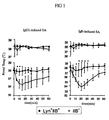
- Figure 1 is a view showing the results from monitoring the systemic passive anaphylaxis in the double deficient mice (Lyn - IIB - ) of the present invention and control mice (IIB - ), by endorectal temperature determination.
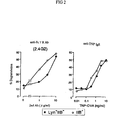
- Figure 2 is a view showing the results from monitoring the degranulation ability of bone marrow-derived mast cell of the double deficient mice (Lyn - IIB - ) of the present invention and control mice (IIB - ), by serotonin quantitative determination.
- Figure 3 is a view showing the results from determination of intracellular Ca 2+ dynamics of bone marrow-derived mast cell (A) and tyrosine phosphorylation of cell total proteins (B) of the double deficient mice (Lyn - IIB - ) of the present invention and control mice (IIB - ) which are induced by cross linkage of FcR.
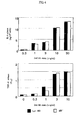
- Figure 4 is a view showing the results from determination of cytokine discharge from bone marrow-derived mast cell of the double deficient mice (Lyn - IIB - ) of the present invention and control mice (IIB - ) which is induced by cross linkage of Fc ⁇ RIII.
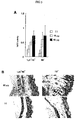
- Figure 5 is a view showing the MPO activity of the inflammation site (A) and histological change (B) of the reverse cutaneous passive Arthus reaction of the double deficient mice (Lyn - IIB - ) of the present invention and control mice (IIB - ) induced by IgG-immunocomplex.
- non-human model animal for type III allergy inflammation of the present invention there is no particular limitation as long as it is a non-human animal which does not develop anaphylaxis, a type I allergy, and specifically induces Arthus reaction, a type III allergy.
- a non-human animal wherein the genetic function of Lyn and Fc ⁇ IIB are both deficient on its chromosome can be specifically exemplified.
- the non-human animal wherein the genetic function of Lyn and Fc ⁇ IIB are both deficient on its chromosome refers to, for example, a non-human animal wherein a part or the whole of the endogenous gene of non-human animal that encodes Lyn and Fc ⁇ IIB are inactivated by gene mutation such as disruption, deficiency, substitution and the like, and the function to express Lyn and Fc ⁇ IIB in a wild-type is lost, or the like.
- rodents such as mice, rats, guinea pigs and the like can be specifically exemplified, but are not limited to these examples.
- Lyn knockout mice mice wherein the genetic function of Lyn is deficient on its chromosome, that is, Lyn knockout mice (Lyn -/- ), are generated.
- Lyn knockout mice can be generated by the method as previously described (Immunity 3, 549-560, 1995), or the like. Specifically, a gene fragment obtained from a mouse gene library by methods such as PCR or the like is used to screen a Lyn gene. With the recombinant DNA technique, a part or the whole of the Lyn gene that was screened is substituted with a marker gene such as neomycin-resistant gene or the like.
- a targeting vector is constructed by introducing genes such as diphtheria toxin A fragment (DT-A) gene, herpes simplex virus thymidine kinase (HSV-tk) gene or the like into the 5' end side.
- This targeting vector that was constructed is linearized, and introduced into ES cells by methods such as electroporation or the like. Homologous recombination is conducted, and among its homologous recombinants, ES cells that indicate resistance to antibiotics such as G418, ganciclovir (GANC) and the like are selected. It is preferable to confirm whether the selected ES cells are the aimed recombinants, by methods such as Southern blot or the like.
- the recombinant ES cells mentioned above are microinjected into the blastocysts of mice, said blastocysts are returned to the tentative parent mice, and chimeric mice are generated. These chimeric mice are mated with wild-type mice to obtain heterozygous mice, and these heterozygous mice are mated to obtain Lyn knockout mice.
- mice wherein the genetic function of Fc ⁇ RIIB is deficient on its chromosome that is, Fc ⁇ RIIB knockout mice are generated.
- the Fc ⁇ RIIB knockout mice (Fc ⁇ RIIB -/- ) can be generated by the method as previously described (Nature 379, 346-349, 1996), in the same manner as the method of generating the Lyn knockout mice mentioned above, or the like.
- a double knockout mouse wherein the genetic function of Lyn and Fc ⁇ IIB are both deficient on its chromosome that is, a mouse wherein the deletion mutation of both molecules of Lyn and Fc ⁇ RIIB are homozygotes (Lyn - IIB - ), can be generated by mating the Lyn knockout mouse (Lyn -/- ) mentioned above and a mouse of Fc ⁇ RIIB knockout mouse (Fc ⁇ RIIB -/- ) lineage.
- an example of the mouse wherein the genetic function of Fc ⁇ IIB is deficient on its chromosome in the present invention is the Fc ⁇ RIIB knockout mice (Fc ⁇ RIIB -/- ) mentioned above, more preferably, a Lyn +/- Fc ⁇ RIIB -/- mice (IIB - ) that are littermates of double knockout mice (Lyn - IIB - ).
- a method of screening a reaction accelerating or inhibitory substance in a type III allergy reaction through Fc ⁇ RIII of the present invention there is no particular limitation as long as it is a method of screening wherein a subject material is administered to the non-human model animal for type III allergy inflammation which does not develop anaphylaxis, a type I allergy, and specifically induces Arthus reaction, a type III allergy of the present invention, such as the double knockout mouse (Lyn - IIB - ) mentioned above, followed by determination and evaluation of Fc ⁇ RIII function in said non-human animal, or a method of screening wherein a bone marrow-derived mast cell induced from bone marrow cells derived from the non-human model animal for type III allergy inflammation which does not develop anaphylaxis, a type I allergy, and specifically induces Arthus reaction, a type III allergy of the present invention, such as the double knockout mouse (Lyn - IIB - ) mentioned above, is contacted with a subject material in vitro,
- Fc ⁇ RIIB -/- the genetic function of Fc ⁇ IIB is deficient on its chromosome
- a non-human animal wherein the genetic function of Fc ⁇ IIB is deficient on its chromosome, such as the aforementioned Fc ⁇ RIIB knockout mouse (Fc ⁇ RIIB -/- ), preferably a Lyn +/- Fc ⁇ RIIB -/- mouse (IIB - ) which is a littermate of the double knockout mouse (Lyn - IIB - ).
- Fc ⁇ RIII function in the non-human animal mentioned above, for example, when a subject material is administered in vivo, a method of determination and evaluation of endorectal temperature after administration of antigen with the systemic passive anaphylaxis response intensity as an index, or a method wherein a substance contained in the granule discharged from eosinophils, mast cells and the like in the tissues are determined and evaluated by ELISA, Western blot, and the like, can be exemplified.
- a method wherein the degranulation ability of said mast cells, the cytoplasmic calcium dynamics of mast cells, the tyrosine phosphorylation of total protein of mast cells or the like are determined and evaluated, can be given as examples.
- an agonist or antagonist of Fc ⁇ RIII, a protein, peptide or the like that has action to the signaling pathway independent of Lyn can be exemplified.
- an inhibitory substance that can be obtained from the method of screening a reaction accelerating or inhibitory substance in a type III allergy reaction through the Fc ⁇ RIII according to any one of those previously described is used as an active ingredient.
- diseases caused by type III allergy reaction such as serum sickness, glomerulonephritis, lupus nephritis, hypersensitivity pneumonitis, and the like can be cured.
- mice Seven to 12-week old mice kept in a condition where they are not infected with specific pathogens were used for all the experiments. Mice wherein the deletion mutation of both molecules of Lyn and Fc ⁇ RIIB are homozygotic (Lyn - IIB - ) were generated by mating Lyn -/- (Immunity 3, 549-560, 1995) and Fc ⁇ RIIB -/- (Nature 379, 346-349, 1996) lineage mice.
- Lyn +/- Fc ⁇ RIIB -/- mice (IIB - ) were used as controls of Lyn -/- Fc ⁇ RIIB -/- mice (Lyn - IIB - ) mentioned above.
- A-2 Cells and antibodies
- Bone marrow-derived mast cells were induced by culturing bone marrow cells with RPMI1640 [including 5 ng/ml mouse IL-3 (R&D Systems Inc, Minneapolis, MN), 10% immobilized fetal bovine serum, non-essential amino acid solution (GIBCO-BRL, Grand Island, NY), 100 IU/ml penicillin, 100 ⁇ g/ml streptomycin and 10 ⁇ M 2-mercaptoethanol at a final concentration].
- RPMI1640 including 5 ng/ml mouse IL-3 (R&D Systems Inc, Minneapolis, MN), 10% immobilized fetal bovine serum, non-essential amino acid solution (GIBCO-BRL, Grand Island, NY), 100 IU/ml penicillin, 100 ⁇ g/ml streptomycin and 10 ⁇ M 2-mercaptoethanol at a final concentration.
- TNP mouse-anti trinitrophenyl hapten
- IgE IGELa2
- mouse-anti-TNP IgG1 G
- mice generated in A-1 were sensitized with 20 ⁇ g of anti-TNP IgG or 20 ⁇ g of anti-TNP IgE by intravenous injection.
- 20 ⁇ g of anti-TNP IgG or 20 ⁇ g of anti-TNP IgE by intravenous injection.
- IgG sensitization or 24 hours (IgE sensitization) after the sensitization, 1 mg of TNP-linked OVA was dissolved in 100 ml PBS and this solution was intravenously injected to the mice to induce systemic passive anaphylaxis.
- BMMCs (5 ⁇ 10 4 cell) were labeled with 6.6 ⁇ Ci/ml of 5-[1,2- 3 H]-hydroxytryptamine creatinine sulfate (Amersham Pharmacia Biotech) for 16 hours, 5 ⁇ g/ml of 2.4 G2 or 1 ⁇ g/ml of mouse anti-TNP IgE was added at the remaining 30 minutes, and their BMMCs were sensitized. After the antibodies that did not bind to BMMCs were eliminated, 0.3 to 10 ⁇ g/ml of goat anti-rat IgG F(ab') 2 fragment or 0.03 to 30 ng/ml of TNP-OVA was added and stimulated for one hour.
- the serotonin release rate (% of degranulation) was calculated in the same manner as reported previously (Cell 76, 519-529, 1994).
- the unlabeled BMMCs were stimulated in the same manner as mentioned above for cytokine release. After the stimulation, culture supernatant after 12 or 6 hours was used to measure the release of IL-4 or TNF- ⁇ , respectively. The amount of cytokine release was measured by using ELISA (Endogen, Inc., Woburn, MA).
- BMMCs labeled with 2 ⁇ M of Fura-2/acetoxymethyl ester (Molecular Probes, Eugene, OR) was sensitized under a condition of 25.degree. C. for ten minutes, with the use of 2 ⁇ g/ml of biotin-binding mouse-anti TNP IgE or 5 ⁇ g/ml of biotin-binding 2.4 G2. After eliminating the antibodies that did not bind, the sensitized cells mentioned above were stimulated with 10 ⁇ g of streptavidin (Wako Pure Chemicals, Osaka, Japan) in 2 ml of PBS containing 1 mM of CaCl 2 and 1 mM of MgCl 2 .
- the excitation of 340 and 360 nm was measured by using a fluorescence spectrophotometer (Hitachi model F4500, Hitachi Ltd., Tokyo, Japan), at an emission wavelength of 510 nm.
- the measurement and conversion of calcium concentration was conducted according to the method described in the literature (J. Biol. Chem. 260, 3440-3450).
- BMMCs (1 ⁇ 10 6 ) sensitized with 2.4G2 or biotin-binding mouse IgE were suspended in 100 ⁇ l of PBS containing 1 mM of CaCl 2 and 1 mM of MgCl 2 . Each of the suspensions were added with 30 ⁇ g/ml of goat anti-rat IgG F(ab') 2 fragment or 5 ⁇ g/ml of streptavidin, and treated under a condition of 37.degree. C. for 0.5, 1 or 5 minutes.
- ice-cold solubilized solution 50 mM of Tris-HCl (pH 7.4), 1% of Nonident P-40, 137 mM of NaCl, 2 mM of EDTA, 50 mM of NaF, 2 mM of NaVO 4 , 1 mM of phenylmethylsulfonyl, 10 mg/ml of aprotinin, 5 mg/ml of leupeptine and 2 mg/ml of pepstatin
- the cytolytic solution wherein the nucleus fraction had been eliminated was used for examination of phosphorylation of proteins.
- Anti-phosphorylation tyrosine antibody (4G10) was used to conduct immunoblotting.
- the portions that developed inflammation were excised as small pieces of tissues (12.5 mm 2 ), homogenized with 400 ⁇ l of 50 mM phosphate solution (pH 6.0), further added with hexadecyltrimethylammonium bromide (HTAB; Sigma) to a concentration of 0.5%, crushed by sonication for 20 seconds, and freeze thawing was repeated three times to generate extracts. These extracts were centrifuged for 15 minutes at 14,000 rpm, and the supernatant obtained was used for measuring the MPO activity.
- 50 mM phosphate solution pH 6.0
- HTAB hexadecyltrimethylammonium bromide
- Lyn-deficient mice cannot develop cutaneous passive anaphylaxis caused by IgE. This fact indicates that Lyn plays an important role in the downstream of the signaling of Fc ⁇ RI on the mast cell (Cell 83, 301-311, 1995).
- the present inventors used the Lyn and Fc ⁇ RIIB double deficient mice (Lyn -/- Fc ⁇ RIIB -/- mice: Lyn - IIB - ) lineage described in Example A-1, in order to eliminate the Fc ⁇ RIIB (Annu. Rev. Immunol. 15, 203-234, 1997; J. Exp. Med.
- TNP-OVA antigen
- the present inventors then examined the cytoplasmic calcium dynamics and the total protein tyrosine phosphorylation of cells as characteristics of the deficiency of intracellular function of double deficient mouse-derived BMMCs.
- the BMMCs were stimulated in the method as described in Example A-5, and the cytoplasmic calcium dynamics was measured with a fluorescence spectrophotometer in an excitation at 510 nm.
- the results are shown in Figure 3A.
- the results showed that in double deficient mouse-derived BMMCs, the calcium dynamics by stimulation through Fc ⁇ RIII or Fc ⁇ RI reduced. This response was affected especially at an early stage ( ⁇ 150 seconds) after induction, and was sufficiently induced in a later stage (> 300 seconds).
- the arrow in the Figure shows the cross linkage by streptavidin.
- BMMCs were stimulated in the method as described in Example A-5, the reaction was completed in the same manner as described in Example A-6, and immunoblotting was conducted to the cytolytic solution wherein the nucleus fraction had been eliminated (equivalent to 2.5 ⁇ 10 4 per 1 lane) by using an anti-phosphorylation tyrosine monoclonal antibody (anti-pTyr: 4G10).
- anti-pTyr 4G10
- Figure 3B As is also clear from the results, it was revealed that five minutes after the stimulation, there was an effect in the induction of tyrosine phosphorylation in double deficient mouse-derived BMMCs.
- cytokines are newly produced by stimulation through FcR in mast cells (Nature 339, 64-67, 1989; J. Exp. Med. 170, 245-257, 1989; Nature 346, 274-276, 1990; Int. Arch. Allergy Immunol. 107, 158-159, 1995).
- the MPO (myeloperoxidase) activity was measured according to the method as described in Example A-7 mentioned above, and examination by histology was also conducted. The results are shown in Figure 5.
- Figure 5 (A) the infiltration rate of neutrophil is presented by the MPO activity (mean value ⁇ standard deviation of five mice wherein 1 unit is equivalent to MPO activity in 0.25 ⁇ l) of the inflammmatory site eight hours after administration of antigen.
- Figure 5 (B) the histological change stained by hematoxylin eosin eight hours after induction of inflammation is shown together with a control sample (-) in which physiological saline had been intracutaneously administered (all photographs show observation at 40 magnifications).
- the non-human model animal for type III allergy inflammation in the present invention that does not develop anaphylaxis, a type I allergy, and can specifically induce Arthus reaction, a type III allergy, for example, a double knockout mouse wherein the genetic function of Lyn and Fc ⁇ IIB are deficient on its chromosome, is not affected by type I allergy, and is useful as an experimental model animal capable of evaluating type III allergy inflammation independently. Further, screening for an allergy reaction accelerating or inhibitory substance specific to type III allergy reaction through Fc ⁇ RIII can be done by using said experimental model animal. There is a possibility that the inhibitory substance obtained by screening can be used as a remedy for diseases caused by type III allergy reaction.
Landscapes
- Health & Medical Sciences (AREA)
- Life Sciences & Earth Sciences (AREA)
- Chemical & Material Sciences (AREA)
- Genetics & Genomics (AREA)
- Organic Chemistry (AREA)
- Engineering & Computer Science (AREA)
- Zoology (AREA)
- Bioinformatics & Cheminformatics (AREA)
- General Health & Medical Sciences (AREA)
- Wood Science & Technology (AREA)
- Biotechnology (AREA)
- Molecular Biology (AREA)
- Biochemistry (AREA)
- General Engineering & Computer Science (AREA)
- Biomedical Technology (AREA)
- Immunology (AREA)
- Veterinary Medicine (AREA)
- Medicinal Chemistry (AREA)
- Biophysics (AREA)
- Environmental Sciences (AREA)
- Microbiology (AREA)
- Animal Behavior & Ethology (AREA)
- Biodiversity & Conservation Biology (AREA)
- Toxicology (AREA)
- Proteomics, Peptides & Aminoacids (AREA)
- Gastroenterology & Hepatology (AREA)
- Physics & Mathematics (AREA)
- Cell Biology (AREA)
- Plant Pathology (AREA)
- Animal Husbandry (AREA)
- Nuclear Medicine, Radiotherapy & Molecular Imaging (AREA)
- Chemical Kinetics & Catalysis (AREA)
- General Chemical & Material Sciences (AREA)
- Public Health (AREA)
- Pharmacology & Pharmacy (AREA)
- Pulmonology (AREA)
- Investigating Or Analysing Biological Materials (AREA)
- Micro-Organisms Or Cultivation Processes Thereof (AREA)
- Medicines That Contain Protein Lipid Enzymes And Other Medicines (AREA)
- Measuring Or Testing Involving Enzymes Or Micro-Organisms (AREA)
Abstract
Description
Claims (10)
- A non-human model animal for type III allergy inflammation
wherein the animal does not develop anaphylaxis, a type I allergy, and specifically induces Arthus reaction, a type III allergy. - The non-human model animal for type III allergy inflammation according to claim 1, wherein the genetic function of Lyn and Fc γ IIB are deficient on its chromosome.
- The non-human model animal for type III allergy inflammation according to claim 1 or 2, wherein the non-human animal is a rodent.
- The non-human model animal for type III allergy inflammation according to any of claims 1 to 3, wherein the rodent is a mouse.
- A method of screening a reaction accelerating or inhibitory substance in a type III allergy reaction through Fc γ RIII,
wherein a subject material is administered to the non-human model animal for type III allergy inflammation according to any of claims 1 to 4, followed by determination and evaluation of Fc γ RIII function of the non-human animal. - The method of screening a reaction accelerating or inhibitory substance in a type III allergy reaction through Fc γ RIII according to claim 5, wherein the determination and evaluation of Fc γ RIII function of the non-human animal is a determination and evaluation of endorectal temperature after administration of antigen, with a systemic passive anaphylaxis response intensity as an index.
- The method of screening a reaction accelerating or inhibitory substance in a type III allergy reaction through Fc γ RIII,
wherein a bone marrow-derived mast cell induced from a bone marrow cell derived from the non-human model animal for type III allergy inflammation according to any of claims 1 to 4, is contacted with a subject material in vitro, followed by determination and evaluation of Fc γ RIII function of the bone marrow-derived mast cell. - The method of screening a reaction accelerating or inhibitory substance in a type III allergy reaction through Fc γ RIII according to claim 7, wherein the determination and evaluation of Fc γ RIII function of the bone marrow-derived mast cell is a determination and evaluation of degranulation ability of mast cell, cytoplasmic calcium dynamics of mast cell, or tyrosine phosphorylation of total protein of mast cell.
- The method of screening a reaction accelerating or inhibitory substance in a type III allergy reaction through the Fc γ RIII according to any of claims 5 to 8, wherein the method uses the non-human model animal for type III allergy inflammation according to any of claims 1 to 4 and a non-human animal wherein the genetic function of Fc γ IIB is deficient on its chromosome.
- A remedy for diseases caused by type III allergy reaction,
wherein an inhibitory substance obtained from the method of screening a reaction accelerating or inhibitory substance in a type III allergy reaction through the Fc γ RIII according to any of claims 5 to 9 is used as an active ingredient.
Applications Claiming Priority (3)
| Application Number | Priority Date | Filing Date | Title |
|---|---|---|---|
| JP2000253984A JP3453348B2 (en) | 2000-08-24 | 2000-08-24 | Type III allergic inflammation model animal |
| JP2000253984 | 2000-08-24 | ||
| PCT/JP2001/007196 WO2002015680A1 (en) | 2000-08-24 | 2001-08-23 | Type iii allergic inflammation model animal |
Publications (3)
| Publication Number | Publication Date |
|---|---|
| EP1312259A1 true EP1312259A1 (en) | 2003-05-21 |
| EP1312259A4 EP1312259A4 (en) | 2007-05-02 |
| EP1312259B1 EP1312259B1 (en) | 2009-12-23 |
Family
ID=18743006
Family Applications (1)
| Application Number | Title | Priority Date | Filing Date |
|---|---|---|---|
| EP01958410A Expired - Lifetime EP1312259B1 (en) | 2000-08-24 | 2001-08-23 | Type iii allergic inflammation model animal |
Country Status (6)
| Country | Link |
|---|---|
| US (1) | US7282620B2 (en) |
| EP (1) | EP1312259B1 (en) |
| JP (1) | JP3453348B2 (en) |
| CA (1) | CA2420159C (en) |
| DE (1) | DE60140876D1 (en) |
| WO (1) | WO2002015680A1 (en) |
Families Citing this family (3)
| Publication number | Priority date | Publication date | Assignee | Title |
|---|---|---|---|---|
| KR100477793B1 (en) * | 2003-04-04 | 2005-03-21 | 한국과학기술연구원 | Method for designing peripheral equipment on the molecular modeling computer system |
| US20190004063A1 (en) * | 2017-06-30 | 2019-01-03 | Indiana University Research & Technology Corporation | Compositions and methods for detecting sla reactivity |
| CN111944756A (en) * | 2020-08-06 | 2020-11-17 | 五邑大学 | Method for establishing RAW264.7 cell inflammation model |
Family Cites Families (2)
| Publication number | Priority date | Publication date | Assignee | Title |
|---|---|---|---|---|
| WO1997014791A1 (en) | 1995-10-20 | 1997-04-24 | Ludwig Institute For Cancer Research | Animals with targeted gene deletion |
| US5859314A (en) * | 1996-10-18 | 1999-01-12 | Ludwig Institute For Cancer Research | Mice with targeted tyrosine kinase, lyn, disruption |
-
2000
- 2000-08-24 JP JP2000253984A patent/JP3453348B2/en not_active Expired - Fee Related
-
2001
- 2001-08-23 EP EP01958410A patent/EP1312259B1/en not_active Expired - Lifetime
- 2001-08-23 CA CA2420159A patent/CA2420159C/en not_active Expired - Fee Related
- 2001-08-23 US US10/362,593 patent/US7282620B2/en not_active Expired - Fee Related
- 2001-08-23 DE DE60140876T patent/DE60140876D1/en not_active Expired - Lifetime
- 2001-08-23 WO PCT/JP2001/007196 patent/WO2002015680A1/en not_active Ceased
Non-Patent Citations (6)
| Title |
|---|
| DE ANDRES BELEN ET AL: "A regulatory role for Fcgamma receptors (CD16 and CD32) in hematopoiesis" IMMUNOLOGY LETTERS, vol. 68, no. 1, 3 May 1999 (1999-05-03), pages 109-113, XP002426010 ISSN: 0165-2478 * |
| DE ANDRES BELEN ET AL: "A regulatory role for Fcgamma receptors CD16 and CD32 in the development of murine B cells" BLOOD, vol. 92, no. 8, 15 October 1998 (1998-10-15), pages 2823-2829, XP002426011 ISSN: 0006-4971 * |
| NISHIZUMI H ET AL: "A double-edged kinase lyn: A positive and negative regulator for antigen receptor-mediated signals" JOURNAL OF EXPERIMENTAL MEDICINE 20 APR 1998 UNITED STATES, vol. 187, no. 8, 20 April 1998 (1998-04-20), pages 1343-1348, XP002426013 ISSN: 0022-1007 * |
| See also references of WO0215680A1 * |
| WANG JIYANG ET AL: "Altered antigen receptor signaling and impaired fas-mediated apoptosis of B cells in Lyn-deficient mice" JOURNAL OF EXPERIMENTAL MEDICINE, vol. 184, no. 3, 1996, pages 831-838, XP002426012 ISSN: 0022-1007 * |
| YUASA T ET AL: "Lyn is essential for Fc[gamma] receptor III-mediated systemic anaphylaxis but not for the arthus reaction" JOURNAL OF EXPERIMENTAL MEDICINE 05 MAR 2001 UNITED STATES, vol. 193, no. 5, 5 March 2001 (2001-03-05), pages 563-571, XP002426009 ISSN: 0022-1007 * |
Also Published As
| Publication number | Publication date |
|---|---|
| WO2002015680A1 (en) | 2002-02-28 |
| EP1312259B1 (en) | 2009-12-23 |
| JP3453348B2 (en) | 2003-10-06 |
| DE60140876D1 (en) | 2010-02-04 |
| EP1312259A4 (en) | 2007-05-02 |
| US20030182667A1 (en) | 2003-09-25 |
| JP2002065110A (en) | 2002-03-05 |
| US7282620B2 (en) | 2007-10-16 |
| CA2420159C (en) | 2010-10-19 |
| CA2420159A1 (en) | 2002-02-28 |
Similar Documents
| Publication | Publication Date | Title |
|---|---|---|
| Weih et al. | p50–NF-κB complexes partially compensate for the absence of RelB: Severely increased pathology in p50−/− relB−/− double-knockout mice | |
| Dravis et al. | Bidirectional signaling mediated by ephrin-B2 and EphB2 controls urorectal development | |
| Tomasiewicz et al. | Genetic deletion of a neural cell adhesion molecule variant (N-CAM-180) produces distinct defects in the central nervous system | |
| Wu et al. | Neural tube defects and abnormal brain development in F52-deficient mice. | |
| KR20020092891A (en) | Corticotropin releasing factor receptor 2 deficient mice and uses thereof | |
| EP1312259B1 (en) | Type iii allergic inflammation model animal | |
| US7351875B2 (en) | FcγRIIa transgenic animal model for autoimmune disease | |
| EP1249160B1 (en) | Model animal with favorite onset of rheumatoid arthritis | |
| CA2195678A1 (en) | Bradykinin b2 receptor modified transgenic non-human animals | |
| JPH10201396A (en) | H2-m altered transgenic animal | |
| US8263346B2 (en) | Nonhuman model animal lacking the ability to control lymphocyte migration | |
| Ragland et al. | Mice hypomorphic for Atr have increased DNA damage and abnormal checkpoint response | |
| US6077990A (en) | PAR2 modified transgenic mice | |
| JP2005503143A (en) | Knock-in transgenic mammal containing a non-functional N-terminus of the Kv beta 1.1 subunit | |
| US5532158A (en) | Interleukin-2 receptor deficient mammals | |
| JP2000515386A (en) | Ku-deficient cells and non-human transgenic animals | |
| CA2375921C (en) | Goodpasture's syndrome model mouse | |
| US7151200B2 (en) | Histamine receptor H3 modified transgenic mice | |
| CA2447276C (en) | Non-human animal model of oligodendrocyte developmental disorder | |
| Lau | The Role of Kv3. 2 Potassium Channels in Fast Spiking Interneurons and Cortical Physiology | |
| WO2000024871A2 (en) | Kv BETA 1.1-DEFICIENT MICE WITH IMPAIRED LEARNING | |
| EP1135478A4 (en) | ACTIVATED CATION CHANNEL OF THE EASTERN BLAST AS MECHANISM OF BONE ANABOLISM |
Legal Events
| Date | Code | Title | Description |
|---|---|---|---|
| PUAI | Public reference made under article 153(3) epc to a published international application that has entered the european phase |
Free format text: ORIGINAL CODE: 0009012 |
|
| 17P | Request for examination filed |
Effective date: 20030227 |
|
| AK | Designated contracting states |
Designated state(s): CH DE FR GB LI |
|
| RAP1 | Party data changed (applicant data changed or rights of an application transferred) |
Owner name: JAPAN SCIENCE AND TECHNOLOGY AGENCY |
|
| A4 | Supplementary search report drawn up and despatched |
Effective date: 20070403 |
|
| 17Q | First examination report despatched |
Effective date: 20070810 |
|
| GRAP | Despatch of communication of intention to grant a patent |
Free format text: ORIGINAL CODE: EPIDOSNIGR1 |
|
| GRAS | Grant fee paid |
Free format text: ORIGINAL CODE: EPIDOSNIGR3 |
|
| GRAA | (expected) grant |
Free format text: ORIGINAL CODE: 0009210 |
|
| AK | Designated contracting states |
Kind code of ref document: B1 Designated state(s): CH DE FR GB LI |
|
| REG | Reference to a national code |
Ref country code: GB Ref legal event code: FG4D |
|
| REG | Reference to a national code |
Ref country code: CH Ref legal event code: EP |
|
| REF | Corresponds to: |
Ref document number: 60140876 Country of ref document: DE Date of ref document: 20100204 Kind code of ref document: P |
|
| REG | Reference to a national code |
Ref country code: CH Ref legal event code: NV Representative=s name: MICHELI & CIE SA |
|
| PLBE | No opposition filed within time limit |
Free format text: ORIGINAL CODE: 0009261 |
|
| STAA | Information on the status of an ep patent application or granted ep patent |
Free format text: STATUS: NO OPPOSITION FILED WITHIN TIME LIMIT |
|
| 26N | No opposition filed |
Effective date: 20100924 |
|
| PGFP | Annual fee paid to national office [announced via postgrant information from national office to epo] |
Ref country code: CH Payment date: 20110824 Year of fee payment: 11 |
|
| PGFP | Annual fee paid to national office [announced via postgrant information from national office to epo] |
Ref country code: FR Payment date: 20110901 Year of fee payment: 11 Ref country code: GB Payment date: 20110819 Year of fee payment: 11 Ref country code: DE Payment date: 20110823 Year of fee payment: 11 |
|
| REG | Reference to a national code |
Ref country code: CH Ref legal event code: PL |
|
| GBPC | Gb: european patent ceased through non-payment of renewal fee |
Effective date: 20120823 |
|
| PG25 | Lapsed in a contracting state [announced via postgrant information from national office to epo] |
Ref country code: LI Free format text: LAPSE BECAUSE OF NON-PAYMENT OF DUE FEES Effective date: 20120831 Ref country code: CH Free format text: LAPSE BECAUSE OF NON-PAYMENT OF DUE FEES Effective date: 20120831 |
|
| REG | Reference to a national code |
Ref country code: FR Ref legal event code: ST Effective date: 20130430 |
|
| PG25 | Lapsed in a contracting state [announced via postgrant information from national office to epo] |
Ref country code: GB Free format text: LAPSE BECAUSE OF NON-PAYMENT OF DUE FEES Effective date: 20120823 Ref country code: DE Free format text: LAPSE BECAUSE OF NON-PAYMENT OF DUE FEES Effective date: 20130301 |
|
| PG25 | Lapsed in a contracting state [announced via postgrant information from national office to epo] |
Ref country code: FR Free format text: LAPSE BECAUSE OF NON-PAYMENT OF DUE FEES Effective date: 20120831 |
|
| REG | Reference to a national code |
Ref country code: DE Ref legal event code: R119 Ref document number: 60140876 Country of ref document: DE Effective date: 20130301 |