EP1306385A1 - Aequorin as a reporter gene in yeast - Google Patents
Aequorin as a reporter gene in yeast Download PDFInfo
- Publication number
- EP1306385A1 EP1306385A1 EP01125709A EP01125709A EP1306385A1 EP 1306385 A1 EP1306385 A1 EP 1306385A1 EP 01125709 A EP01125709 A EP 01125709A EP 01125709 A EP01125709 A EP 01125709A EP 1306385 A1 EP1306385 A1 EP 1306385A1
- Authority
- EP
- European Patent Office
- Prior art keywords
- aequorin
- yeast
- galactosidase
- cells
- pheromone
- Prior art date
- Legal status (The legal status is an assumption and is not a legal conclusion. Google has not performed a legal analysis and makes no representation as to the accuracy of the status listed.)
- Withdrawn
Links
- 108010000239 Aequorin Proteins 0.000 title claims abstract description 53
- 108700008625 Reporter Genes Proteins 0.000 title abstract description 9
- 240000004808 Saccharomyces cerevisiae Species 0.000 title description 17
- 210000005253 yeast cell Anatomy 0.000 claims abstract description 16
- 238000000034 method Methods 0.000 claims abstract description 9
- 230000013011 mating Effects 0.000 claims description 13
- 108090000623 proteins and genes Proteins 0.000 claims description 11
- 230000014509 gene expression Effects 0.000 claims description 8
- 150000001875 compounds Chemical class 0.000 claims description 6
- 102000018697 Membrane Proteins Human genes 0.000 claims description 3
- 108010052285 Membrane Proteins Proteins 0.000 claims description 3
- 230000001404 mediated effect Effects 0.000 claims description 2
- 230000000694 effects Effects 0.000 abstract description 14
- 238000001514 detection method Methods 0.000 abstract description 10
- 230000019491 signal transduction Effects 0.000 abstract description 4
- 108010005774 beta-Galactosidase Proteins 0.000 description 17
- 102000005936 beta-Galactosidase Human genes 0.000 description 17
- 230000037361 pathway Effects 0.000 description 17
- 235000014680 Saccharomyces cerevisiae Nutrition 0.000 description 15
- YHIPILPTUVMWQT-UHFFFAOYSA-N Oplophorus luciferin Chemical compound C1=CC(O)=CC=C1CC(C(N1C=C(N2)C=3C=CC(O)=CC=3)=O)=NC1=C2CC1=CC=CC=C1 YHIPILPTUVMWQT-UHFFFAOYSA-N 0.000 description 14
- 239000003016 pheromone Substances 0.000 description 12
- 210000004027 cell Anatomy 0.000 description 11
- OYPRJOBELJOOCE-UHFFFAOYSA-N Calcium Chemical compound [Ca] OYPRJOBELJOOCE-UHFFFAOYSA-N 0.000 description 8
- IXKSXJFAGXLQOQ-XISFHERQSA-N WHWLQLKPGQPMY Chemical compound C([C@@H](C(=O)N[C@@H](CC=1C2=CC=CC=C2NC=1)C(=O)N[C@@H](CC(C)C)C(=O)N[C@@H](CCC(N)=O)C(=O)N[C@@H](CC(C)C)C(=O)N1CCC[C@H]1C(=O)NCC(=O)N[C@@H](CCC(N)=O)C(=O)N[C@@H](CC(O)=O)C(=O)N1CCC[C@H]1C(=O)N[C@@H](CCSC)C(=O)N[C@@H](CC=1C=CC(O)=CC=1)C(O)=O)NC(=O)[C@@H](N)CC=1C2=CC=CC=C2NC=1)C1=CNC=N1 IXKSXJFAGXLQOQ-XISFHERQSA-N 0.000 description 8
- 238000003556 assay Methods 0.000 description 8
- 239000011575 calcium Substances 0.000 description 8
- 229910052791 calcium Inorganic materials 0.000 description 8
- 230000000638 stimulation Effects 0.000 description 8
- 230000001419 dependent effect Effects 0.000 description 7
- 101001061518 Homo sapiens RNA-binding protein FUS Proteins 0.000 description 6
- 101000659267 Homo sapiens Tumor suppressor candidate 2 Proteins 0.000 description 6
- 102100028469 RNA-binding protein FUS Human genes 0.000 description 6
- 102000003688 G-Protein-Coupled Receptors Human genes 0.000 description 5
- 108090000045 G-Protein-Coupled Receptors Proteins 0.000 description 5
- 108010041089 apoaequorin Proteins 0.000 description 5
- 239000013604 expression vector Substances 0.000 description 5
- 230000003834 intracellular effect Effects 0.000 description 5
- 230000026683 transduction Effects 0.000 description 5
- 238000010361 transduction Methods 0.000 description 5
- 101150006985 STE2 gene Proteins 0.000 description 4
- 230000004913 activation Effects 0.000 description 4
- 102000004169 proteins and genes Human genes 0.000 description 4
- 102000005962 receptors Human genes 0.000 description 4
- 108020003175 receptors Proteins 0.000 description 4
- 108010047357 Luminescent Proteins Proteins 0.000 description 3
- 102000006830 Luminescent Proteins Human genes 0.000 description 3
- 230000009460 calcium influx Effects 0.000 description 3
- 238000005259 measurement Methods 0.000 description 3
- UXVMQQNJUSDDNG-UHFFFAOYSA-L Calcium chloride Chemical compound [Cl-].[Cl-].[Ca+2] UXVMQQNJUSDDNG-UHFFFAOYSA-L 0.000 description 2
- CURLTUGMZLYLDI-UHFFFAOYSA-N Carbon dioxide Chemical compound O=C=O CURLTUGMZLYLDI-UHFFFAOYSA-N 0.000 description 2
- 108700039691 Genetic Promoter Regions Proteins 0.000 description 2
- WQZGKKKJIJFFOK-GASJEMHNSA-N Glucose Natural products OC[C@H]1OC(O)[C@H](O)[C@@H](O)[C@@H]1O WQZGKKKJIJFFOK-GASJEMHNSA-N 0.000 description 2
- 101150009006 HIS3 gene Proteins 0.000 description 2
- 102000043136 MAP kinase family Human genes 0.000 description 2
- 108091054455 MAP kinase family Proteins 0.000 description 2
- 101100018717 Mus musculus Il1rl1 gene Proteins 0.000 description 2
- 108700026244 Open Reading Frames Proteins 0.000 description 2
- 101100394989 Rhodopseudomonas palustris (strain ATCC BAA-98 / CGA009) hisI gene Proteins 0.000 description 2
- 239000001110 calcium chloride Substances 0.000 description 2
- 229910001628 calcium chloride Inorganic materials 0.000 description 2
- 235000011148 calcium chloride Nutrition 0.000 description 2
- 238000010367 cloning Methods 0.000 description 2
- 239000002299 complementary DNA Substances 0.000 description 2
- 238000010276 construction Methods 0.000 description 2
- 238000011109 contamination Methods 0.000 description 2
- 210000002472 endoplasmic reticulum Anatomy 0.000 description 2
- 238000002474 experimental method Methods 0.000 description 2
- 239000008103 glucose Substances 0.000 description 2
- 239000003446 ligand Substances 0.000 description 2
- 238000004020 luminiscence type Methods 0.000 description 2
- 210000004962 mammalian cell Anatomy 0.000 description 2
- 239000003550 marker Substances 0.000 description 2
- CJIIERPDFZUYPI-UHFFFAOYSA-N oxidized Oplophorus luciferin Chemical compound C1=CC(O)=CC=C1CC(=O)NC1=NC=C(C=2C=CC(O)=CC=2)N=C1CC1=CC=CC=C1 CJIIERPDFZUYPI-UHFFFAOYSA-N 0.000 description 2
- 230000010422 pheromone response pathway Effects 0.000 description 2
- 239000013612 plasmid Substances 0.000 description 2
- 230000008569 process Effects 0.000 description 2
- 238000012216 screening Methods 0.000 description 2
- 239000000243 solution Substances 0.000 description 2
- 238000013518 transcription Methods 0.000 description 2
- 230000035897 transcription Effects 0.000 description 2
- MIAKOEWBCMPCQR-YBXAARCKSA-N (2s,3r,4s,5r,6r)-2-(4-aminophenoxy)-6-(hydroxymethyl)oxane-3,4,5-triol Chemical compound C1=CC(N)=CC=C1O[C@H]1[C@H](O)[C@@H](O)[C@@H](O)[C@@H](CO)O1 MIAKOEWBCMPCQR-YBXAARCKSA-N 0.000 description 1
- 101100064720 Borrelia burgdorferi (strain ATCC 35210 / B31 / CIP 102532 / DSM 4680) fusA gene Proteins 0.000 description 1
- -1 Ca2+ ions Chemical class 0.000 description 1
- 241000222122 Candida albicans Species 0.000 description 1
- 108091026890 Coding region Proteins 0.000 description 1
- 108020004414 DNA Proteins 0.000 description 1
- MYMOFIZGZYHOMD-UHFFFAOYSA-N Dioxygen Chemical compound O=O MYMOFIZGZYHOMD-UHFFFAOYSA-N 0.000 description 1
- 101900264058 Escherichia coli Beta-galactosidase Proteins 0.000 description 1
- 101150038178 FUS1 gene Proteins 0.000 description 1
- 230000005526 G1 to G0 transition Effects 0.000 description 1
- 101150102561 GPA1 gene Proteins 0.000 description 1
- 101000726355 Homo sapiens Cytochrome c Proteins 0.000 description 1
- 239000005089 Luciferase Substances 0.000 description 1
- 108010002724 Pheromone Receptors Proteins 0.000 description 1
- 108091000080 Phosphotransferase Proteins 0.000 description 1
- 108091027981 Response element Proteins 0.000 description 1
- 241000235347 Schizosaccharomyces pombe Species 0.000 description 1
- 241000242583 Scyphozoa Species 0.000 description 1
- 108091023040 Transcription factor Proteins 0.000 description 1
- 102000040945 Transcription factor Human genes 0.000 description 1
- 102000014384 Type C Phospholipases Human genes 0.000 description 1
- 108010079194 Type C Phospholipases Proteins 0.000 description 1
- 102100038344 Vomeronasal type-1 receptor 2 Human genes 0.000 description 1
- 230000003213 activating effect Effects 0.000 description 1
- 239000000556 agonist Substances 0.000 description 1
- 239000005557 antagonist Substances 0.000 description 1
- 238000013459 approach Methods 0.000 description 1
- 230000001580 bacterial effect Effects 0.000 description 1
- 230000008901 benefit Effects 0.000 description 1
- 230000004094 calcium homeostasis Effects 0.000 description 1
- 229940095731 candida albicans Drugs 0.000 description 1
- 229910002092 carbon dioxide Inorganic materials 0.000 description 1
- 239000001569 carbon dioxide Substances 0.000 description 1
- 230000003915 cell function Effects 0.000 description 1
- 230000001413 cellular effect Effects 0.000 description 1
- 239000000356 contaminant Substances 0.000 description 1
- 230000002950 deficient Effects 0.000 description 1
- 229910001882 dioxygen Inorganic materials 0.000 description 1
- 230000003828 downregulation Effects 0.000 description 1
- 230000013020 embryo development Effects 0.000 description 1
- 239000003269 fluorescent indicator Substances 0.000 description 1
- YFHXZQPUBCBNIP-UHFFFAOYSA-N fura-2 Chemical compound CC1=CC=C(N(CC(O)=O)CC(O)=O)C(OCCOC=2C(=CC=3OC(=CC=3C=2)C=2OC(=CN=2)C(O)=O)N(CC(O)=O)CC(O)=O)=C1 YFHXZQPUBCBNIP-UHFFFAOYSA-N 0.000 description 1
- 230000004927 fusion Effects 0.000 description 1
- 108091006093 heterotrimeric G proteins Proteins 0.000 description 1
- 102000034345 heterotrimeric G proteins Human genes 0.000 description 1
- 238000013537 high throughput screening Methods 0.000 description 1
- 101150032598 hisG gene Proteins 0.000 description 1
- 238000003384 imaging method Methods 0.000 description 1
- 230000006698 induction Effects 0.000 description 1
- 230000002401 inhibitory effect Effects 0.000 description 1
- 230000000977 initiatory effect Effects 0.000 description 1
- 238000002347 injection Methods 0.000 description 1
- 239000007924 injection Substances 0.000 description 1
- XIXADJRWDQXREU-UHFFFAOYSA-M lithium acetate Chemical compound [Li+].CC([O-])=O XIXADJRWDQXREU-UHFFFAOYSA-M 0.000 description 1
- 239000012139 lysis buffer Substances 0.000 description 1
- 239000000463 material Substances 0.000 description 1
- 210000003470 mitochondria Anatomy 0.000 description 1
- 230000002438 mitochondrial effect Effects 0.000 description 1
- 239000000203 mixture Substances 0.000 description 1
- 239000003068 molecular probe Substances 0.000 description 1
- 238000012544 monitoring process Methods 0.000 description 1
- 239000002773 nucleotide Substances 0.000 description 1
- 125000003729 nucleotide group Chemical group 0.000 description 1
- 210000003463 organelle Anatomy 0.000 description 1
- 239000002427 pheromone receptor Substances 0.000 description 1
- 102000020233 phosphotransferase Human genes 0.000 description 1
- 108090000765 processed proteins & peptides Proteins 0.000 description 1
- 230000001105 regulatory effect Effects 0.000 description 1
- 230000035945 sensitivity Effects 0.000 description 1
- 230000000087 stabilizing effect Effects 0.000 description 1
- 230000008685 targeting Effects 0.000 description 1
- 230000003827 upregulation Effects 0.000 description 1
- 238000011144 upstream manufacturing Methods 0.000 description 1
- 230000035899 viability Effects 0.000 description 1
Images




Classifications
-
- C—CHEMISTRY; METALLURGY
- C12—BIOCHEMISTRY; BEER; SPIRITS; WINE; VINEGAR; MICROBIOLOGY; ENZYMOLOGY; MUTATION OR GENETIC ENGINEERING
- C12N—MICROORGANISMS OR ENZYMES; COMPOSITIONS THEREOF; PROPAGATING, PRESERVING, OR MAINTAINING MICROORGANISMS; MUTATION OR GENETIC ENGINEERING; CULTURE MEDIA
- C12N15/00—Mutation or genetic engineering; DNA or RNA concerning genetic engineering, vectors, e.g. plasmids, or their isolation, preparation or purification; Use of hosts therefor
- C12N15/09—Recombinant DNA-technology
- C12N15/63—Introduction of foreign genetic material using vectors; Vectors; Use of hosts therefor; Regulation of expression
- C12N15/79—Vectors or expression systems specially adapted for eukaryotic hosts
- C12N15/80—Vectors or expression systems specially adapted for eukaryotic hosts for fungi
- C12N15/81—Vectors or expression systems specially adapted for eukaryotic hosts for fungi for yeasts
Definitions
- the present invention relates to a modified yeast cell containing Aequorin as reporter gene for detection of signaling pathway activity and methods of using such modified yeast cells.
- Aequorin is a photoprotein isolated from luminescent jellyfish Aequoria victoria.
- Apoaequorin is a protoprotein which, upon binding to coelenterazine, can emit photons in the presence Ca 2+ .
- the Aequorin complex comprises a 22,514 MW Apoaequorin protein, molecular oxygen and the luminophore coelenterazine (Inouye et al ., 1989;Johnson and Shimomura, 1978;Shimomura and Johnson, 1978).
- coelenterazine is oxidized to coelenteramide, with a concomitant release of carbon dioxide and blue light (emission maximum ⁇ 466 nm) ( Figure 7).
- the Aequorin complex Because of its Ca 2+ -dependent luminescence, the Aequorin complex has been extensively used as an intracellular Ca 2+ indicator.
- Aequorin reportedly does not disrupt cell functions or embryo development (Miller et al ., 1994).
- This photoprotein can be easily expressed in mammalian cells. It is utilized to monitor the cytosolic-free calcium concentration (Thomas and Delaville, 1991) (Sheu et al ., 1993) (Stables et al ., 2000).
- Aequorin can also be easily targeted to specific organelles such as mitochondria (Brini et al ., 1999) (Rizzuto et al., 1992) to monitor different aspects of calcium homeostasis.
- Aequorin can be functionally expressed in yeast and detected.
- Nakajima-Shimada et al. (Nakajima-Shimada et al ., 1991b) describe the monitoring of intracellular calcium in Saccharomyces cerevisiae with an Apoaequorin cDNA expression system.
- Aequorin was again used as a marker of intracellular calcium upon stress or glucose variations in the medium.
- reporter genes can be used in the yeast Saccharomyces cerevisiae and are not always appropriate. For screening purposes, the reporter product must be easy to detect and, for that reason, convenient reporter assays is required.
- the most commonly utilized reporter gene is LacZ which encodes the very big and stable enzyme ⁇ -Galactosidase.
- Aequorin is a photoprotein detected like ⁇ -Galactosidase in a chemiluminescence assay. As Aequorin (22514 MW) is five times smaller than ⁇ -Galactosidase (116351 MW), it can accumulate in a bigger amount to give a higher sensitivity to the assay and report better up- and down-regulations of the pathway (activating or inhibiting effect of the tested compound).
- bacterial contamination sometimes occurs in the yeast assay and most of the contaminants physiologically express a ⁇ -Galactosidase.
- the contaminated cultures would give a very strong signal in presence of the ⁇ -Galactosidase substrate.
- Aequorin eliminates the risk of false positives due to contamination.
- Aequorin is more suitable than ⁇ -Galactosidase.
- Aequorin can be expressed functionally by the yeast S. cerevisiae (Nakajima-Shimada et al ., 1991a). Aequorin is easily detected in a luminescent assay, in present of coelenterazin and Ca2+.
- Aequorin has not been utilized as a pathway activity reporter gene (as described for LacZ and HIS3, with mammalian G protein coupled receptor coupled to the yeast pheromone pathway (King et al., 1990;Hadcock and Pausch, 1999).
- yeast mating signal transduction by a mammalian receptor was first described in 1990 (King et al., 1990).
- US 5,876,951A claims yeast cells engineered to produce pheromone system protein surrogates and uses therefor (pFUS1-lacZ and pFUS1-Luciferase).
- Aequorin is used as a transduction pathway dependent reporter: the Aequorin reporter gene is then expressed only in case of activation of the transduction pathway of interest. For instance, to measure the activity of the pheromone responsive pathway, the expression of the reporter gene Aequorin is controlled by a promoter containing some Pheromone Responsive Elements. The FUS1 promoter is the most commonly utilized. In haploid Saccharomyces cerevisiae cells, GPCRs are regulating the mating process. The receptor Ste2 detects the presence of cells of the opposite mating type (through binding of peptide mating pheromones), and activates intracellular heterotrimeric G proteins, thus initiating the mating process.
- Gpa1 ( ⁇ subunit) dissociates from the ⁇ (Ste4-Ste18) complex which activates downstream elements of the pheromone response pathway which includes a well-characterized mitogen-activated protein kinase (MAP kinase) cascade.
- MAP kinase mitogen-activated protein kinase
- the activated transcription factor Ste12 can then initiate the transcription of several mating factor-inducible genes such as FUS1 .
- Aequorin is expressed proportionally to the activation of the yeast pheromone transduction pathway.
- Aequorin detection signal quantifies the activity of the pathway.
- Pheromone response elements are necessary and sufficient for basal and pheromone-induced transcription of the FUS1 gene of Saccharomyces cerevisiae (Hagen et al ., 1991).
- the present invention relates to a modified yeast cell comprising an Aequorin encoding sequence under the control of an promoter of a mating factor-inducible gene, the FUS1 promoter or a part thereof, e.g. 4PRE.
- the Aequorin encoding sequence is SEQ ID NO. 1.
- modified yeast cell expresses another heterologous protein, preferably a heterologous protein to be investigated. Examples for such other heterologous proteins are cell surface proteins, e.g. G protein coupled receptors or kinases.
- Yeast cells which can be modified are for example Saccharomyces cerevisiae, Schizosaccharomyces pombe and candida albicans.
- the present invention also relates to the use of the modified yeast cells, e.g. for screening of compounds.
- the present invention relates to a method for identifying compounds that modulate heterologous cell surface protein-mediated Aequorin expression, wherein
- the yeast strain was transformed with the different plasmids according to the Lithium acetate method (Ito et al ., 1983)).
- the full length cDNA Aequorin gene was amplified by PCR using the chimerical mitochondrial Aequorin mtAEQ (where the truncated N-terminus is fused to the human cytochrome C targeting signal (Rizzuto et al ., 1992)) as a template.
- the 5' PCR primer contained the 50 first nucleotides of aequorin wild type sequence and an EcoRI (noted in bold type below) cloning site. The 3' primer did not contain any cloning site.
- the minimal and sufficient portion of the FUS1 promoter (Hagen et al ., 1991) that we called 4PRE is consisting of the last 261 bp of the promoter region, upstream of the FUS1 open reading frame.
- This promoter was amplified from wild-type yeast genomic DNA with the two following primers:
- LacZ was sub-cloned in the same way than aequorin, into the same expression vector and without any fusion with the 5' sequence of a endogenous gene (as is was often done to increase the expression level (King et al ., 1990))).
- the full-length Escherichia coli ⁇ -Galactosidase gene sequence was cloned in the pheromone pathway activity dependent expression vector p78-4PRE (TRP1, 2 ⁇ ) (FIG 4).
- the cells are distributed and/or grown in a white 96-well plate, in a volume of 100 ⁇ l.
- the plate is then incubated at 30°C for the last 30 minutes.
- Aequorin detection is made in a luminometer with injecting system (Luminoskan, Labsystems). For each well, immediately after injection of a 10mM CaCl2 solution (1M CaCl2 diluted in lysis buffer Y-PER from Pierce), the luminescent signal is integrated for 15 seconds.
- coelenterazine is added at a concentration of 0.5 ⁇ M.
- the cells are distributed and/or grown in a white 96-well plate, in a volume of 100 ⁇ l. At the measurement time point, each well receives 100 ⁇ l of a ⁇ -Galactosidase detection mix (Gal-screen, Tropix).
- a ⁇ -Galactosidase detection mix (Gal-screen, Tropix).
- the plate is incubated for one hour at 28°C.
- ⁇ -Galactosidase signal is read in a luminometer ; the luminescent signal is integrated for 0.5 seconds.
- Example 6 Classical reporter of a pathway activity
- the expression of the two reporter genes depends on the activity of the pheromone mating pathway (Leberer et al ., 1997).
- the minimal promoter 4PRE amplified from the FUS1 promoter region (Hagen et al ., 1991) is activated only in case of a mating signal. This signal is elicited by stimulation of the pheromone receptor Ste2 by its ligand ⁇ -factor.
- Three colonies of the yeast strain transformed with either p78 4PRE-AEQ or p78 4PRE-LacZ plasmids were grown in the appropiate medium (SC Glucose -Trp) to stationary phase and then diluted in the same medium (with 0.5 ⁇ M coelenterazin for the aequorin strain) containing 0; 10 -7 ; 10 -9 ; 10 -11 M ⁇ -factor (Sigma). The plates were then shaken at 30°C, 700 r.p.m., for 3, 6 and 24 hours.
- the measured detection numbers of Aequorin (FIG 5) and ⁇ -Galactosidase (FIG 6) are expressed as a ratio: stimulated / non stimulated.
- the detected ratio is already higher for Aequorin than for ⁇ -Galactosidase with 1 nM or 100 nM ⁇ -factor (ratio respectively of 8 and 24 with Aequorin, 4 and 7 with ⁇ -Galactosidase).
- the ⁇ -Galactosidase ratio stays at the same level (ratio of 7 for both ⁇ -factor concentrations) but Aequorin detection shows higher levels (ratio of 11 with 1 nM ⁇ -factor and 36 with 100 nM ⁇ -factor).
- Aequorin numbers stay higher than ⁇ -Galactosidase.
Landscapes
- Life Sciences & Earth Sciences (AREA)
- Health & Medical Sciences (AREA)
- Genetics & Genomics (AREA)
- Engineering & Computer Science (AREA)
- Zoology (AREA)
- Wood Science & Technology (AREA)
- Biomedical Technology (AREA)
- Organic Chemistry (AREA)
- Biotechnology (AREA)
- General Engineering & Computer Science (AREA)
- Chemical & Material Sciences (AREA)
- Mycology (AREA)
- Bioinformatics & Cheminformatics (AREA)
- Microbiology (AREA)
- Physics & Mathematics (AREA)
- Plant Pathology (AREA)
- Molecular Biology (AREA)
- Biochemistry (AREA)
- General Health & Medical Sciences (AREA)
- Biophysics (AREA)
- Micro-Organisms Or Cultivation Processes Thereof (AREA)
- Measuring Or Testing Involving Enzymes Or Micro-Organisms (AREA)
- Coloring Foods And Improving Nutritive Qualities (AREA)
Abstract
The present invention relates to a modified yeast cell containing Aequorin as reporter
gene for detection of signaling pathway activity and methods of using such modified
yeast cells.
Description
- The present invention relates to a modified yeast cell containing Aequorin as reporter gene for detection of signaling pathway activity and methods of using such modified yeast cells.
- Aequorin is a photoprotein isolated from luminescent jellyfish Aequoria victoria.
- Apoaequorin is a protoprotein which, upon binding to coelenterazine, can emit photons in the presence Ca2+.
The Aequorin complex comprises a 22,514 MW Apoaequorin protein, molecular oxygen and the luminophore coelenterazine (Inouye et al., 1989;Johnson and Shimomura, 1978;Shimomura and Johnson, 1978). When three Ca2+ ions bind to this complex, coelenterazine is oxidized to coelenteramide, with a concomitant release of carbon dioxide and blue light (emission maximum ∼466 nm) (Figure 7). - Because of its Ca2+-dependent luminescence, the Aequorin complex has been extensively used as an intracellular Ca2+ indicator.
- Aequorin reportedly does not disrupt cell functions or embryo development (Miller et al., 1994).
- This photoprotein can be easily expressed in mammalian cells. It is utilized to monitor the cytosolic-free calcium concentration (Thomas and Delaville, 1991) (Sheu et al., 1993) (Stables et al., 2000).
- Aequorin can also be easily targeted to specific organelles such as mitochondria (Brini et al., 1999) (Rizzuto et al., 1992) to monitor different aspects of calcium homeostasis.
- The pharmaceutical industry takes widely advantage of the different properties of Aequorin, and particularly in High Throughput Screens (Detheux, 2000). The activation of a receptor coupled to the phospholipase C transduction pathway can be easily detected in presence of the photoprotein Aequorin, because of an instantaneous release of calcium from the endoplasmic reticulum.
WO0002045, Detheux et al. (EUROSCREEN S.A.) describes a high-throughput screening diagnostic and/or dosage method of an agonist and/or an antagonist for a calcium-coupled receptor (in mammalian cells) where Aequorin is used as marker for intracellular calcium changes upon receptor stimulation. - It has been previously shown that Aequorin can be functionally expressed in yeast and detected.
- Nakajima-Shimada et al. (Nakajima-Shimada et al., 1991b) describe the monitoring of intracellular calcium in Saccharomyces cerevisiae with an Apoaequorin cDNA expression system. Here, Aequorin was again used as a marker of intracellular calcium upon stress or glucose variations in the medium.
- In contrast to mammalian signal transduction, there is no comparable Ca2+ release from the endoplasmic reticulum upon G protein-coupled receptor (GPCR) activation in yeast cells. The addition of α-factor to a cell (i.e. stimulation of the GPCR Ste2), from a basal level of approximately 100 nM, raises [Ca2+]i to a few hundred nanomolar in the cells, simultaneous with the induction of Ca2+ influx. When the cells are incubated with α- factor in a Ca2(+)-deficient medium, Ca2+ influx is greatly reduced, and the rise in [Ca2+]i is not detected (lida et al., 1990). This slide variation does not interfere with pathway activity detection in our experiments.
- A limited number of reporter genes can be used in the yeast Saccharomyces cerevisiae and are not always appropriate. For screening purposes, the reporter product must be easy to detect and, for that reason, convenient reporter assays is required. The most commonly utilized reporter gene is LacZ which encodes the very big and stable enzyme β-Galactosidase.
- Aequorin is a photoprotein detected like β-Galactosidase in a chemiluminescence assay.
As Aequorin (22514 MW) is five times smaller than β-Galactosidase (116351 MW), it can accumulate in a bigger amount to give a higher sensitivity to the assay and report better up- and down-regulations of the pathway (activating or inhibiting effect of the tested compound). - Additionally, bacterial contamination sometimes occurs in the yeast assay and most of the contaminants physiologically express a β-Galactosidase. The contaminated cultures would give a very strong signal in presence of the β-Galactosidase substrate. The use of Aequorin eliminates the risk of false positives due to contamination.
- In summary, Aequorin is more suitable than β-Galactosidase.
Aequorin can be expressed functionally by the yeast S. cerevisiae (Nakajima-Shimada et al., 1991a).
Aequorin is easily detected in a luminescent assay, in present of coelenterazin and Ca2+. - So far Aequorin has not been utilized as a pathway activity reporter gene (as described for LacZ and HIS3, with mammalian G protein coupled receptor coupled to the yeast pheromone pathway (King et al., 1990;Hadcock and Pausch, 1999).
- The control of yeast mating signal transduction by a mammalian receptor (β2-adrenergic) was first described in 1990 (King et al., 1990).
US 5,876,951A claims yeast cells engineered to produce pheromone system protein surrogates and uses therefor (pFUS1-lacZ and pFUS1-Luciferase). - Aequorin is used as a transduction pathway dependent reporter: the Aequorin reporter gene is then expressed only in case of activation of the transduction pathway of interest. For instance, to measure the activity of the pheromone responsive pathway, the expression of the reporter gene Aequorin is controlled by a promoter containing some Pheromone Responsive Elements. The FUS1 promoter is the most commonly utilized. In haploid Saccharomyces cerevisiae cells, GPCRs are regulating the mating process. The receptor Ste2 detects the presence of cells of the opposite mating type (through binding of peptide mating pheromones), and activates intracellular heterotrimeric G proteins, thus initiating the mating process. Gpa1 (α subunit) dissociates from the βγ (Ste4-Ste18) complex which activates downstream elements of the pheromone response pathway which includes a well-characterized mitogen-activated protein kinase (MAP kinase) cascade. The activated transcription factor Ste12 can then initiate the transcription of several mating factor-inducible genes such as FUS1.
- Controlled by a pheromone dependent gene promoter, Aequorin is expressed proportionally to the activation of the yeast pheromone transduction pathway. Aequorin detection signal quantifies the activity of the pathway.
- Pheromone response elements are necessary and sufficient for basal and pheromone-induced transcription of the FUS1 gene of Saccharomyces cerevisiae (Hagen et al., 1991).
- The present invention relates to a modified yeast cell comprising an Aequorin encoding sequence under the control of an promoter of a mating factor-inducible gene, the FUS1 promoter or a part thereof, e.g. 4PRE. In a special embodiment of the invention the Aequorin encoding sequence is SEQ ID NO. 1. In another special embodiment of the invention to modified yeast cell expresses another heterologous protein, preferably a heterologous protein to be investigated. Examples for such other heterologous proteins are cell surface proteins, e.g. G protein coupled receptors or kinases.
- Yeast cells which can be modified are for example Saccharomyces cerevisiae, Schizosaccharomyces pombe and candida albicans.
- The present invention also relates to the use of the modified yeast cells, e.g. for screening of compounds.
- The present invention relates to a method for identifying compounds that modulate heterologous cell surface protein-mediated Aequorin expression, wherein
- (a) a modified yeast cell comprising an Aequorin encoding sequence under the control of the promoter of a mating factor-inducible gene
- (b) the modified yeast cell is incubated with a compound and
- (c) the amount of aequorin expression is determined.
-
- Our observations show that Aequorin is superior to β-Galactosidase in a transduction pathway dependent reporter assay.
- Figure 1:
- Aequorin - open reading frame (SEQ ID NO. 1)
- Figure 2:
- 4PRE sequence (SEQ ID NO. 2)
- Figure 3:
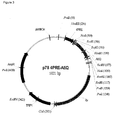
- Restriction map of p78 4PRE-Aeq
- Figure 4:
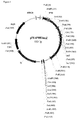
- Restriction map of p78 4PRE-lacZ
- Figure 5:
- Results of pathway activity reporter/ Aequorin activity
- Figure 6:
- Results of pathway activity reporter / β-Galactosidase activity
- Figure 7:
- Ca2+-dependent generation of luminescence by the aequorin complex, which contains apoaequorin (APO) and coelenterazine (Ohmiya and Hirano, 1996)).
- As a yeast strain W303 MAT a, far::hisG, sst2::URA3FOA, fus1::HIS3 was used.
- The yeast strain was transformed with the different plasmids according to the Lithium acetate method (Ito et al., 1983)).
- The full length cDNA Aequorin gene was amplified by PCR using the chimerical mitochondrial Aequorin mtAEQ (where the truncated N-terminus is fused to the human cytochrome C targeting signal (Rizzuto et al., 1992)) as a template. The 5' PCR primer contained the 50 first nucleotides of aequorin wild type sequence and an EcoRI (noted in bold type below) cloning site. The 3' primer did not contain any cloning site.


- The full-length wild type Aequorin coding sequence (Figure 1) was then cloned in the pheromone pathway activity dependent expression vector p78-4PRE (TRP1, 2µ) (FIG 3).
- The minimal and sufficient portion of the FUS1 promoter (Hagen et al., 1991) that we called 4PRE is consisting of the last 261 bp of the promoter region, upstream of the FUS1 open reading frame. This promoter was amplified from wild-type yeast genomic DNA with the two following primers:


- To allow the comparison, LacZ was sub-cloned in the same way than aequorin, into the same expression vector and without any fusion with the 5' sequence of a endogenous gene (as is was often done to increase the expression level (King et al., 1990))).
- The full-length Escherichia coli β-Galactosidase gene sequence was cloned in the pheromone pathway activity dependent expression vector p78-4PRE (TRP1, 2µ) (FIG 4).
- The cells are distributed and/or grown in a white 96-well plate, in a volume of 100µl.
- 30 minutes before the measurement time point, 10µl of a 5µM coelenterazine (Molecular Probes) solution is distributed in each well (to obtain a 0.5µM final concentration) to load the cells.
- The plate is then incubated at 30°C for the last 30 minutes.
- Aequorin detection is made in a luminometer with injecting system (Luminoskan, Labsystems). For each well, immediately after injection of a 10mM CaCl2 solution (1M CaCl2 diluted in lysis buffer Y-PER from Pierce), the luminescent signal is integrated for 15 seconds.
- To avoid the intermediate step of loading, it is possible to introduce coelenterazine in the medium at the beginning of the assay: coelenterazine is added at a concentration of 0.5µM.
- The cells are distributed and/or grown in a white 96-well plate, in a volume of 100µl. At the measurement time point, each well receives 100µl of a β-Galactosidase detection mix (Gal-screen, Tropix).
- The plate is incubated for one hour at 28°C.
- β-Galactosidase signal is read in a luminometer ; the luminescent signal is integrated for 0.5 seconds.
- In this assay, the expression of the two reporter genes depends on the activity of the pheromone mating pathway (Leberer et al., 1997). The minimal promoter 4PRE amplified from the FUS1 promoter region (Hagen et al., 1991) is activated only in case of a mating signal. This signal is elicited by stimulation of the pheromone receptor Ste2 by its ligand α-factor.
- Three colonies of the yeast strain transformed with either p78 4PRE-AEQ or p78 4PRE-LacZ plasmids were grown in the appropiate medium (SC Glucose -Trp) to stationary phase and then diluted in the same medium (with 0.5µM coelenterazin for the aequorin strain) containing 0; 10-7; 10-9; 10-11M α-factor (Sigma). The plates were then shaken at 30°C, 700 r.p.m., for 3, 6 and 24 hours.
- To allow the comparison between the two reporters and the different stimulation times, the measured detection numbers of Aequorin (FIG 5) and β-Galactosidase (FIG 6) are expressed as a ratio: stimulated / non stimulated.
- After 3 hours of stimulation, the detected ratio is already higher for Aequorin than for β-Galactosidase with 1 nM or 100 nM α-factor (ratio respectively of 8 and 24 with Aequorin, 4 and 7 with β-Galactosidase). After 6 hours of stimulation, the β-Galactosidase ratio stays at the same level (ratio of 7 for both α-factor concentrations) but Aequorin detection shows higher levels (ratio of 11 with 1 nM α-factor and 36 with 100 nM α-factor). After 24 hours stimulation, Aequorin numbers stay higher than β-Galactosidase.
- All together, this experiment shows that Aequorin reflects better than β-Galactosidase the stimulation of Ste2 with different concentrations of ligand, among a large time frame.
-
- Brini M, Pinton P, Pozzan T and Rizzuto R (1999) Targeted Recombinant Aequorins: Tools for Monitoring [Ca2+] in the Various Compartments of a Living Cell. Microsc Res Tech 46: pp 380-389.
- Detheux M (2000) Orphan Receptors: the Quest for New Drug Targets. Innovations in Pharmaceutical Technology 00: pp 27-34.
- Hadcock JR and Pausch M (1999) Ligand screening of G protein-coupled receptors in yeast, in G Protein-Coupled Receptors (Haga T and Berstein G eds) pp 49-69, CRC Press LLC, Boca Raton, Florida.
- Hagen DC, McCaffrey G and Sprague G F J (1991) Pheromone Response Elements Are Necessary and Sufficient for Basal and Pheromone-Induced Transcription of the FUS1 Gene of Saccharomyces Cerevisiae. Mol Cell Biol 11: pp 2952-2961.
- lida H, Yagawa Y and Anraku Y (1990) Essential Role for Induced Ca2+ Influx Followed by [Ca2+]i Rise in Maintaining Viability of Yeast Cells Late in the Mating Pheromone Response Pathway. A Study of [Ca2+]i in Single Saccharomyces Cerevisiae Cells With Imaging of Fura-2. J Biol Chem 265: pp 13391-13399.
- Inouye S, Aoyama S, Miyata T, Tsuji F I and Sakaki Y (1989) Overexpression and Purification of the Recombinant Ca2+-Binding Protein, Apoaequorin. J Biochem (Tokyo) 105: pp 473-477.
- Ito H, Fukuda Y, Murata K and Kimura A (1983) Transformation of Intact Yeast Cells Treated With Alkali Cations. J Bacteriol 153: pp 163-168.
- Johnson FH and Shimomura O (1978) Bioluminescence and Chemiluminescence: Introduction to the Bioluminescence of Medusae, With Special Reference to the Photoprotein Aequorin. Methods Enzymol 57: pp 1-653.
- King K, Dohlman H G, Thorner J, Caron M G and Lefkowitz R J (1990) Control of
Yeast Mating Signal Transduction by a Mammalian B2-Adrenergic Receptor and Gs
Alpha Subunit [Published Erratum Appears in Science 1991
Jan 11;251(4990):144]. Science 250: pp 121-123. - Leberer E, Thomas D Y and Whiteway M (1997) Pheromone Signalling and Polarized Morphogenesis in Yeast. Curr Opin Genet Dev 7: pp 59-66.
- Miller AL, Karplus E and Jaffe L F (1994) Imaging [Ca2+]i With Aequorin Using a Photon Imaging Detector. Methods Cell Biol 40: pp 305-338.
- Nakajima-Shimada J, lida H, Tsuji F I and Anraku Y (1991a) Galactose-Dependent Expression of the Recombinant Ca2(+)-Binding Photoprotein Aequorin in Yeast. Biochem Biophys Res Commun 174: pp 115-122.
- Nakajima-Shimada J, lida H, Tsuji F I and Anraku Y (1991b) Monitoring of Intracellular Calcium in Saccharomyces Cerevisiae With an Apoaequorin CDNA Expression System. Proc Natl Acad Sci U S A 88: pp 6878-6882.
- Ohmiya Y and Hirano T (1996) Shining the Light: the Mechanism of the Bioluminescence Reaction of Calcium-Binding Photoproteins. Chem Biol 3: pp 337-347.
- Rizzuto R, Simpson A W, Brini M and Pozzan T (1992) Rapid Changes of Mitochondrial Ca2+ Revealed by Specifically Targeted Recombinant Aequorin [Published Erratum Appears in Nature 1992 Dec 24- 31;360(6406):768]. Nature 358: pp 325-327.
- Sheu YA, Kricka L J and Pritchett D B (1993) Measurement of Intracellular Calcium Using Bioluminescent Aequorin Expressed in Human Cells. Anal Biochem 209: pp 343-347.
- Shimomura O and Johnson F H (1978) Peroxidized Coelenterazine, the Active Group in the Photoprotein Aequorin. Proc Natl Acad Sci U S A 75: pp 2611-2615.
- Stables J, Mattheakis L C, Chang R and Rees S (2000) Recombinant Aequorin As Reporter of Changes in Intracellular Calcium in Mammalian Cells. Methods Enzymol 327: pp 456-471.
- Thomas AP and Delaville F (1991) The Use of Fluorescent Indicators for measurements of cytosolic-free calcium concentration in cell populations and single cells., in Cellular Calcium: A Practical Approach (McCormack JG and Cobbold PH eds) pp 1-54.
-
Claims (2)
- Modified yeast cell comprising an aequorin encoding sequence expressed under control of the promoter of a mating factor-inducible gene.
- Method for identifying compounds that modulate heterologous cell surface protein-mediated aequorin expression, wherein(a) a modified yeast cell comprising an aequorin encoding sequence under the control of the promoter of a mating factor-inducible gene(b) the modified yeast cell is incubated with a compound and(c) the amount of aequorin expression is determined.
Priority Applications (10)
| Application Number | Priority Date | Filing Date | Title |
|---|---|---|---|
| EP01125709A EP1306385A1 (en) | 2001-10-27 | 2001-10-27 | Aequorin as a reporter gene in yeast |
| CA2464987A CA2464987C (en) | 2001-10-27 | 2002-10-17 | Aequorin as a reporter gene in yeast |
| DE60226056T DE60226056T2 (en) | 2001-10-27 | 2002-10-17 | AEQUORIN AS REPORTERS IN YEAST |
| JP2003540205A JP4410563B2 (en) | 2001-10-27 | 2002-10-17 | Aequorin as a reporter gene in yeast |
| ES02781263T ES2304139T3 (en) | 2001-10-27 | 2002-10-17 | AEQUORINA AS A REPORTER GENE IN LEAVES. |
| DK02781263T DK1442054T3 (en) | 2001-10-27 | 2002-10-17 | Aequorin as a reporter gene in yeast |
| AT02781263T ATE391722T1 (en) | 2001-10-27 | 2002-10-17 | AEQUORIN AS A REPORTER GENE IN YEAST |
| PCT/EP2002/011632 WO2003037924A1 (en) | 2001-10-27 | 2002-10-17 | Aequorin as a reporter gene in yeast |
| EP02781263A EP1442054B1 (en) | 2001-10-27 | 2002-10-17 | Aequorin as a reporter gene in yeast |
| US10/280,911 US7445925B2 (en) | 2001-10-27 | 2002-10-25 | Aequorin as a reporter gene in yeast |
Applications Claiming Priority (1)
| Application Number | Priority Date | Filing Date | Title |
|---|---|---|---|
| EP01125709A EP1306385A1 (en) | 2001-10-27 | 2001-10-27 | Aequorin as a reporter gene in yeast |
Publications (1)
| Publication Number | Publication Date |
|---|---|
| EP1306385A1 true EP1306385A1 (en) | 2003-05-02 |
Family
ID=8179092
Family Applications (2)
| Application Number | Title | Priority Date | Filing Date |
|---|---|---|---|
| EP01125709A Withdrawn EP1306385A1 (en) | 2001-10-27 | 2001-10-27 | Aequorin as a reporter gene in yeast |
| EP02781263A Expired - Lifetime EP1442054B1 (en) | 2001-10-27 | 2002-10-17 | Aequorin as a reporter gene in yeast |
Family Applications After (1)
| Application Number | Title | Priority Date | Filing Date |
|---|---|---|---|
| EP02781263A Expired - Lifetime EP1442054B1 (en) | 2001-10-27 | 2002-10-17 | Aequorin as a reporter gene in yeast |
Country Status (8)
| Country | Link |
|---|---|
| EP (2) | EP1306385A1 (en) |
| JP (1) | JP4410563B2 (en) |
| AT (1) | ATE391722T1 (en) |
| CA (1) | CA2464987C (en) |
| DE (1) | DE60226056T2 (en) |
| DK (1) | DK1442054T3 (en) |
| ES (1) | ES2304139T3 (en) |
| WO (1) | WO2003037924A1 (en) |
Cited By (1)
| Publication number | Priority date | Publication date | Assignee | Title |
|---|---|---|---|---|
| CN109593773A (en) * | 2018-11-22 | 2019-04-09 | 北京利德曼生化股份有限公司 | A method of 2 albumen of expressing gene is stimulated using yeast expression system expression Soluble growth |
Citations (1)
| Publication number | Priority date | Publication date | Assignee | Title |
|---|---|---|---|---|
| US5876951A (en) * | 1993-03-31 | 1999-03-02 | Cadus Pharmaceutical Corporation | Yeast cells engineered to produce pheromone system protein surrogates and uses therefor |
-
2001
- 2001-10-27 EP EP01125709A patent/EP1306385A1/en not_active Withdrawn
-
2002
- 2002-10-17 ES ES02781263T patent/ES2304139T3/en not_active Expired - Lifetime
- 2002-10-17 JP JP2003540205A patent/JP4410563B2/en not_active Expired - Fee Related
- 2002-10-17 WO PCT/EP2002/011632 patent/WO2003037924A1/en not_active Ceased
- 2002-10-17 CA CA2464987A patent/CA2464987C/en not_active Expired - Fee Related
- 2002-10-17 EP EP02781263A patent/EP1442054B1/en not_active Expired - Lifetime
- 2002-10-17 DE DE60226056T patent/DE60226056T2/en not_active Expired - Lifetime
- 2002-10-17 DK DK02781263T patent/DK1442054T3/en active
- 2002-10-17 AT AT02781263T patent/ATE391722T1/en not_active IP Right Cessation
Patent Citations (1)
| Publication number | Priority date | Publication date | Assignee | Title |
|---|---|---|---|---|
| US5876951A (en) * | 1993-03-31 | 1999-03-02 | Cadus Pharmaceutical Corporation | Yeast cells engineered to produce pheromone system protein surrogates and uses therefor |
Non-Patent Citations (2)
| Title |
|---|
| NAKAJIMA-SHIMADA J ET AL.: "Ca2+ signal is generated only once in the mating pheromone response pathway in Saccharomyces cerevisiae.", CELL STRUCT. FUNCT., vol. 25, no. 2, April 2000 (2000-04-01), pages 125 - 131, XP002191457 * |
| NAKAJIMA-SHIMADA J ET AL: "MONITORING OF INTRACELLULAR CALCIUM IN SACCHAROMYCES CEREVISIAE WITH AN APOAEQUORIN CDNA EXPRESSION SYSTEM", PROCEEDINGS OF THE NATIONAL ACADEMY OF SCIENCES OF USA, NATIONAL ACADEMY OF SCIENCE. WASHINGTON, US, vol. 88, no. 15, August 1991 (1991-08-01), pages 6878 - 6882, XP001026232, ISSN: 0027-8424 * |
Cited By (2)
| Publication number | Priority date | Publication date | Assignee | Title |
|---|---|---|---|---|
| CN109593773A (en) * | 2018-11-22 | 2019-04-09 | 北京利德曼生化股份有限公司 | A method of 2 albumen of expressing gene is stimulated using yeast expression system expression Soluble growth |
| CN109593773B (en) * | 2018-11-22 | 2021-07-30 | 北京利德曼生化股份有限公司 | Method for expressing soluble growth stimulation expression gene 2 protein by using yeast expression system |
Also Published As
| Publication number | Publication date |
|---|---|
| JP2005508635A (en) | 2005-04-07 |
| DE60226056D1 (en) | 2008-05-21 |
| CA2464987A1 (en) | 2003-05-08 |
| EP1442054B1 (en) | 2008-04-09 |
| JP4410563B2 (en) | 2010-02-03 |
| CA2464987C (en) | 2011-05-10 |
| DE60226056T2 (en) | 2009-08-13 |
| WO2003037924A1 (en) | 2003-05-08 |
| EP1442054A1 (en) | 2004-08-04 |
| DK1442054T3 (en) | 2008-08-04 |
| ES2304139T3 (en) | 2008-09-16 |
| ATE391722T1 (en) | 2008-04-15 |
Similar Documents
| Publication | Publication Date | Title |
|---|---|---|
| Donahue et al. | Genetic selection for mutations that reduce or abolish ribosomal recognition of the HIS4 translational initiator region | |
| Mumberg et al. | Regulatable promoters of Saccharomyces cerevisiae: comparison of transcriptional activity and their use for heterologous expression | |
| Nash et al. | The WHI1+ gene of Saccharomyces cerevisiae tethers cell division to cell size and is a cyclin homolog. | |
| DE69731960T2 (en) | METHOD AND COMPOSITIONS FOR IDENTIFYING RECEPTOR EFFECTORS | |
| Smith et al. | Genetic evidence for transcriptional activation by the yeast IME1 gene product | |
| Zhou et al. | Requirement for acidic amino acid residues immediately N‐terminal to the conserved domain of Saccharomyces cerevisiae TFIID. | |
| Blackwell et al. | Effect of the pheromone-responsive Gα and phosphatase proteins of Saccharomyces cerevisiae on the subcellular localization of the Fus3 mitogen-activated protein kinase | |
| Atkins et al. | Expression and analysis of the green fluorescent protein gene in the fission yeast Schizosaccharomyces pombe | |
| US6074829A (en) | Relating to assay systems | |
| EP1442054B1 (en) | Aequorin as a reporter gene in yeast | |
| US7445925B2 (en) | Aequorin as a reporter gene in yeast | |
| Durfee et al. | New tools for protein linkage mapping and general two‐hybrid screening | |
| EP1442055B1 (en) | Aequorin as a growth marker in yeast | |
| US7622275B2 (en) | Aequorin as a growth marker in yeast | |
| WO2003083136B1 (en) | Method and kit for detecting membrane protein-protein interactions | |
| US20030059779A1 (en) | Promotor for functional characterization of G-protein coupled receptors in the yeast saccharomyces cerevisiae | |
| Sandrock et al. | Expression levels of transdominant peptides and proteins in Saccharomyces cerevisiae | |
| US12486515B2 (en) | Recombinant vector for high-expression of proteins in yeasts | |
| US8642259B2 (en) | Method for identifying substances capable of modulating the activity of a target molecule | |
| US20080057522A1 (en) | Method for Screening Agents Modulating Ikbalpha Protein Ubiquitination and Means for Carrying out Said Method | |
| Silar et al. | New shuttle vectors for direct cloning in Saccharomyces cerevisiae | |
| EP1661981A1 (en) | Yeast strain and screening method for identifying inhibitors of the expression of the hexose transporter genes by a positive phenotype | |
| Cevheroğlu | More than Just a Dimer: Detection of G Protein-Coupled Receptor Oligomers Using Fluorescent Protein Reassembly of Ste2p, a Yeast Pheromone Receptor | |
| AU1009499A (en) | Eukaryotic cell-based system for identifying gene modulators |
Legal Events
| Date | Code | Title | Description |
|---|---|---|---|
| PUAI | Public reference made under article 153(3) epc to a published international application that has entered the european phase |
Free format text: ORIGINAL CODE: 0009012 |
|
| AK | Designated contracting states |
Designated state(s): AT BE CH CY DE DK ES FI FR GB GR IE IT LI LU MC NL PT SE TR |
|
| AX | Request for extension of the european patent |
Extension state: AL LT LV MK RO SI |
|
| AKX | Designation fees paid | ||
| REG | Reference to a national code |
Ref country code: DE Ref legal event code: 8566 |
|
| STAA | Information on the status of an ep patent application or granted ep patent |
Free format text: STATUS: THE APPLICATION IS DEEMED TO BE WITHDRAWN |
|
| 18D | Application deemed to be withdrawn |
Effective date: 20031104 |