EP1304328A1 - Process for the preparation of a benzofuran derivative - Google Patents
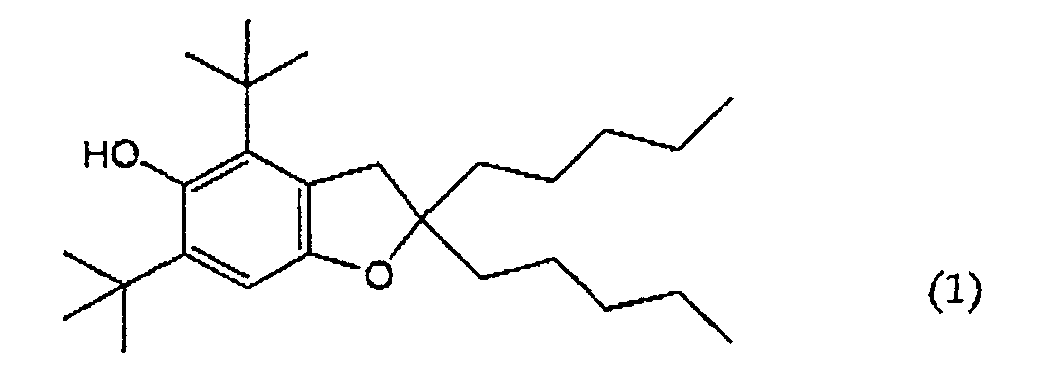
Process for the preparation of a benzofuran derivative Download PDFInfo
- Publication number
- EP1304328A1 EP1304328A1 EP01951949A EP01951949A EP1304328A1 EP 1304328 A1 EP1304328 A1 EP 1304328A1 EP 01951949 A EP01951949 A EP 01951949A EP 01951949 A EP01951949 A EP 01951949A EP 1304328 A1 EP1304328 A1 EP 1304328A1
- Authority
- EP
- European Patent Office
- Prior art keywords
- formula
- compound
- compound represented
- give
- protective group
- Prior art date
- Legal status (The legal status is an assumption and is not a legal conclusion. Google has not performed a legal analysis and makes no representation as to the accuracy of the status listed.)
- Withdrawn
Links
- LBRKFMDKVJNTKO-UHFFFAOYSA-N CC(C)(C)c(cc(c(C=O)c1C(C)(C)C)O)c1O Chemical compound CC(C)(C)c(cc(c(C=O)c1C(C)(C)C)O)c1O LBRKFMDKVJNTKO-UHFFFAOYSA-N 0.000 description 1
Classifications
-
- C—CHEMISTRY; METALLURGY
- C07—ORGANIC CHEMISTRY
- C07D—HETEROCYCLIC COMPOUNDS
- C07D307/00—Heterocyclic compounds containing five-membered rings having one oxygen atom as the only ring hetero atom
- C07D307/77—Heterocyclic compounds containing five-membered rings having one oxygen atom as the only ring hetero atom ortho- or peri-condensed with carbocyclic rings or ring systems
- C07D307/78—Benzo [b] furans; Hydrogenated benzo [b] furans
- C07D307/79—Benzo [b] furans; Hydrogenated benzo [b] furans with only hydrogen atoms, hydrocarbon or substituted hydrocarbon radicals, directly attached to carbon atoms of the hetero ring
-
- Y—GENERAL TAGGING OF NEW TECHNOLOGICAL DEVELOPMENTS; GENERAL TAGGING OF CROSS-SECTIONAL TECHNOLOGIES SPANNING OVER SEVERAL SECTIONS OF THE IPC; TECHNICAL SUBJECTS COVERED BY FORMER USPC CROSS-REFERENCE ART COLLECTIONS [XRACs] AND DIGESTS
- Y02—TECHNOLOGIES OR APPLICATIONS FOR MITIGATION OR ADAPTATION AGAINST CLIMATE CHANGE
- Y02P—CLIMATE CHANGE MITIGATION TECHNOLOGIES IN THE PRODUCTION OR PROCESSING OF GOODS
- Y02P20/00—Technologies relating to chemical industry
- Y02P20/50—Improvements relating to the production of bulk chemicals
- Y02P20/55—Design of synthesis routes, e.g. reducing the use of auxiliary or protecting groups
Definitions
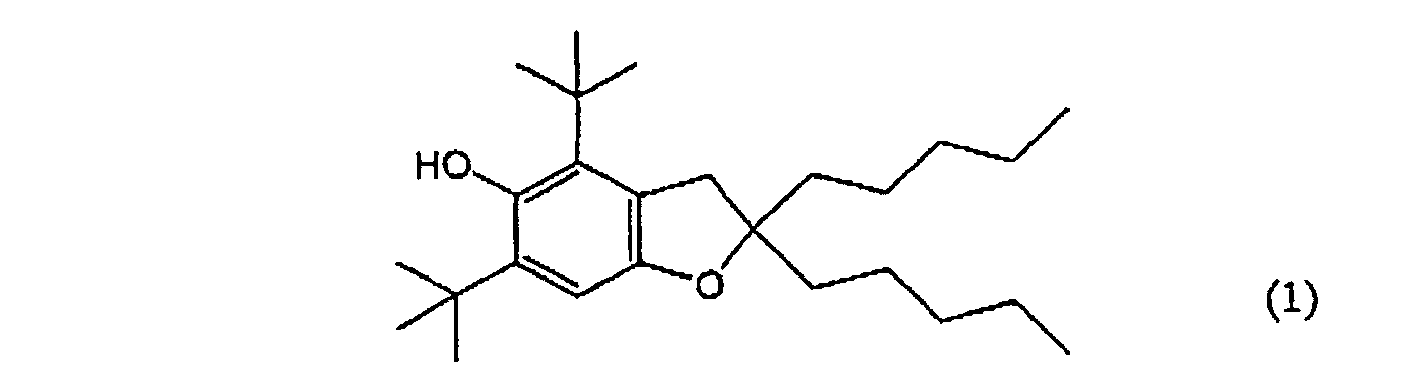
- This invention relates to an industrially useful process for producing benzofuran derivatives.
- the present invention relates to industrially useful processes for producing benzofuran derivatives.
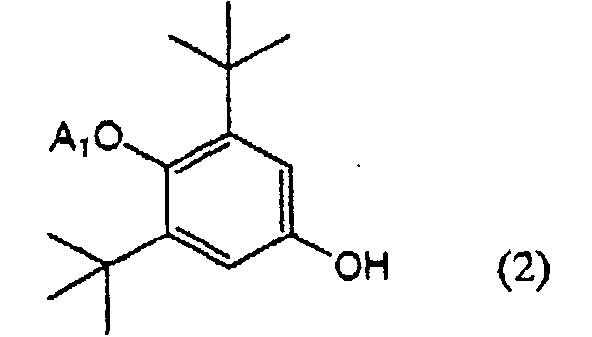
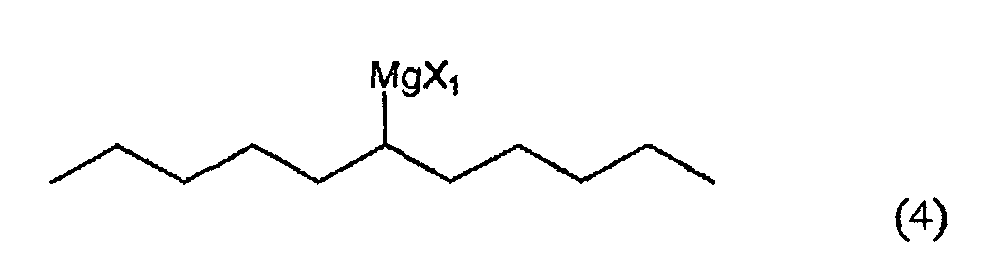
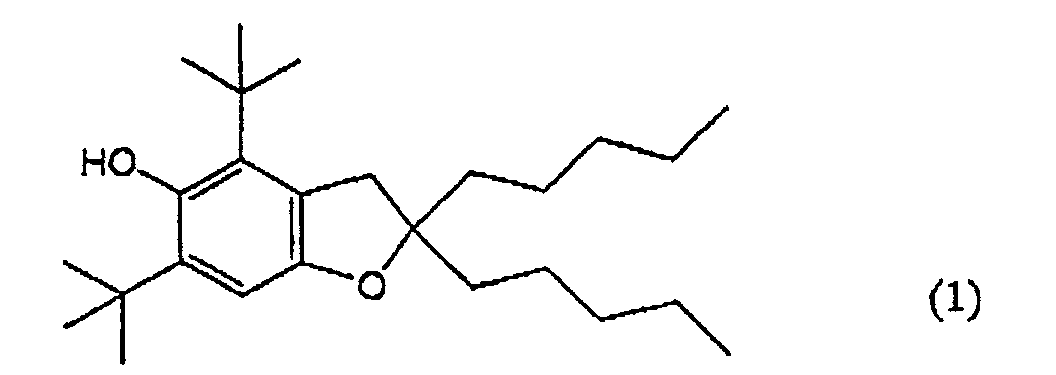
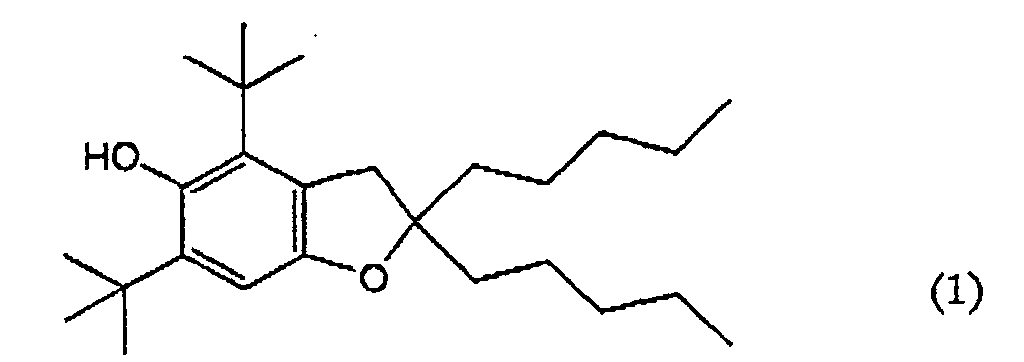
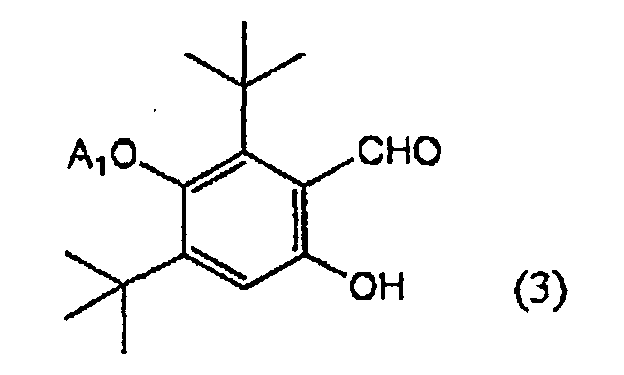
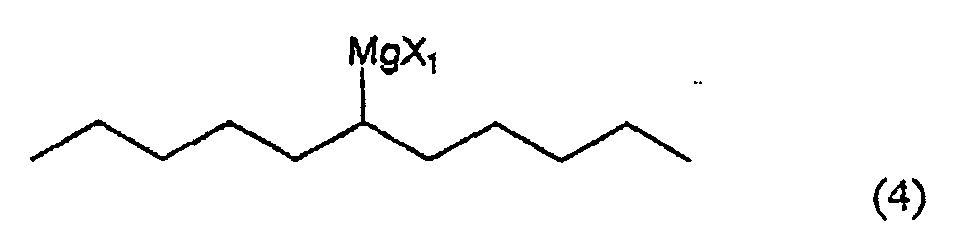
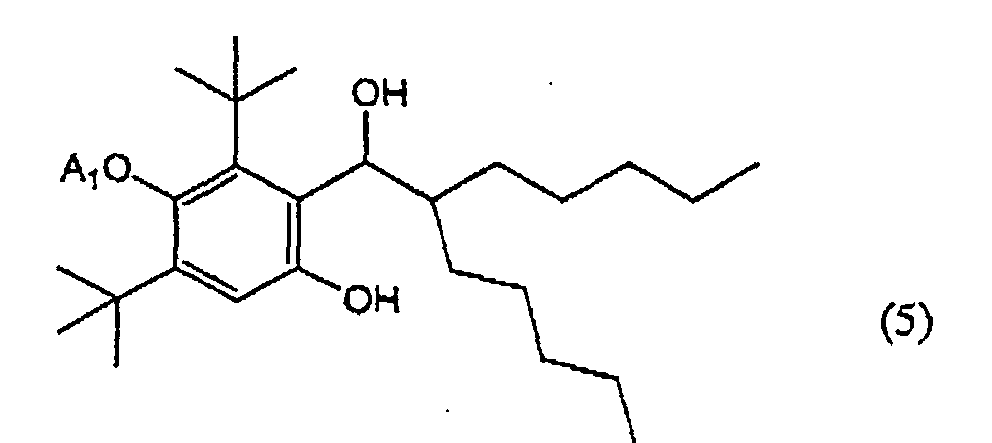
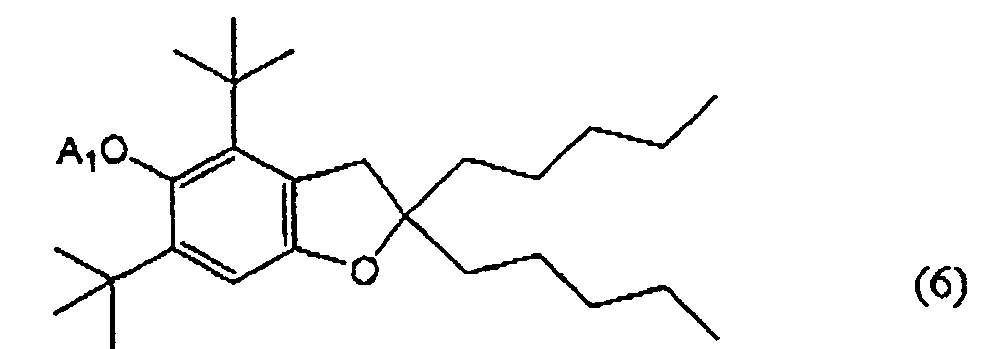
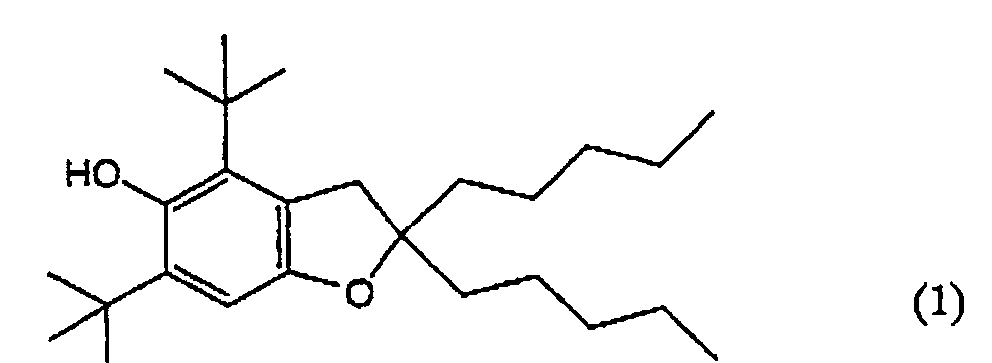
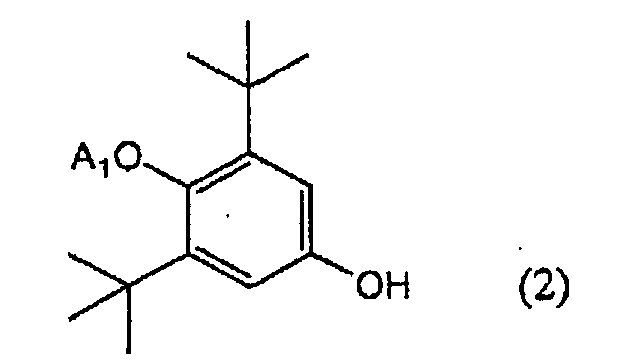
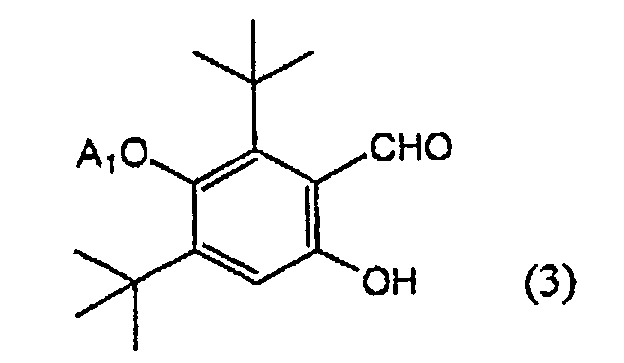
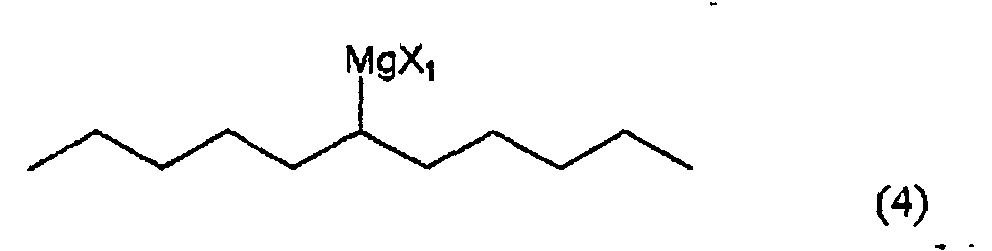
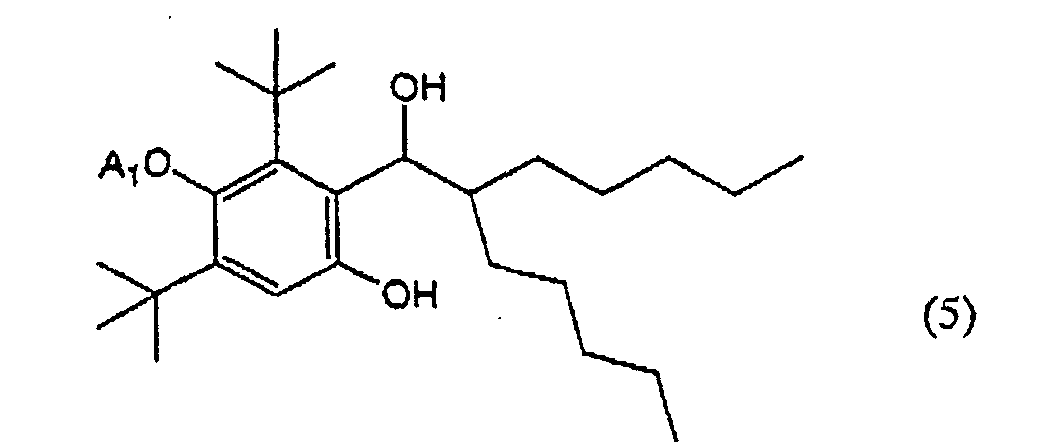
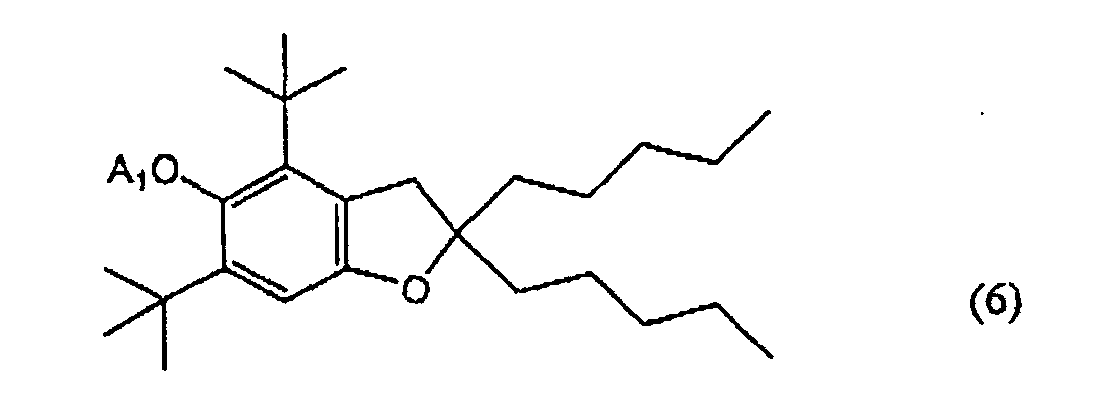
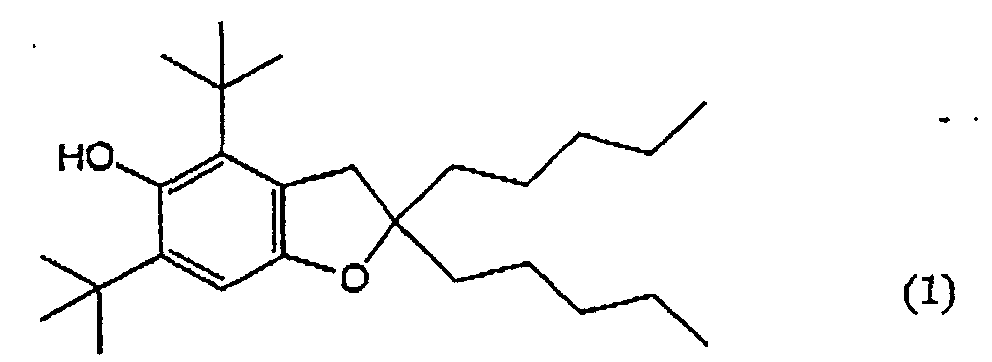
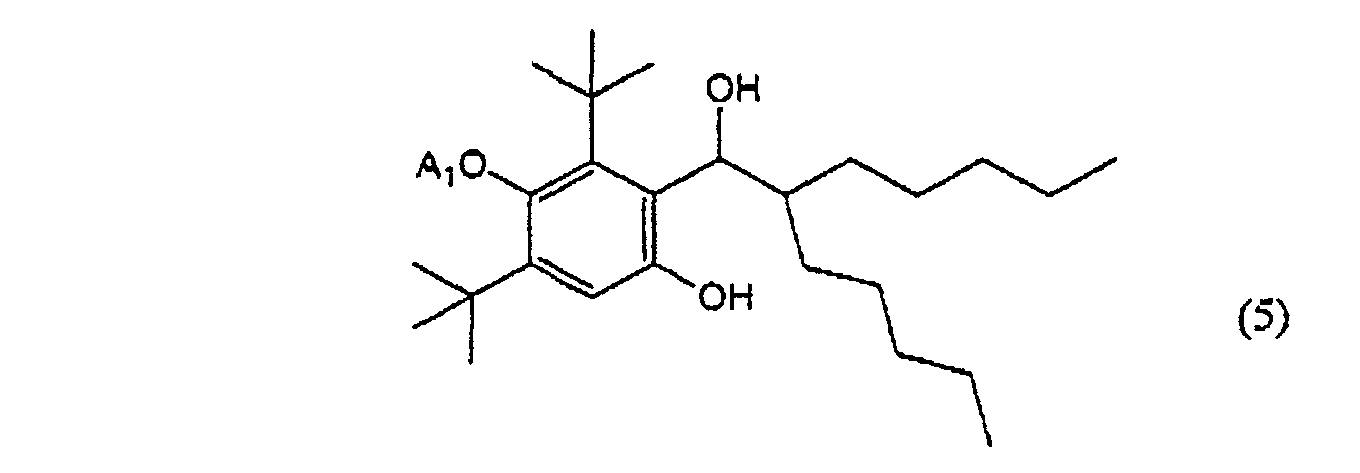
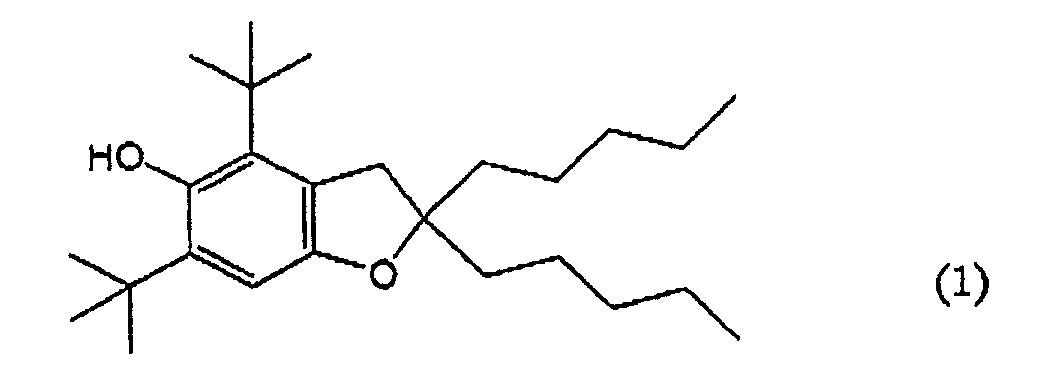
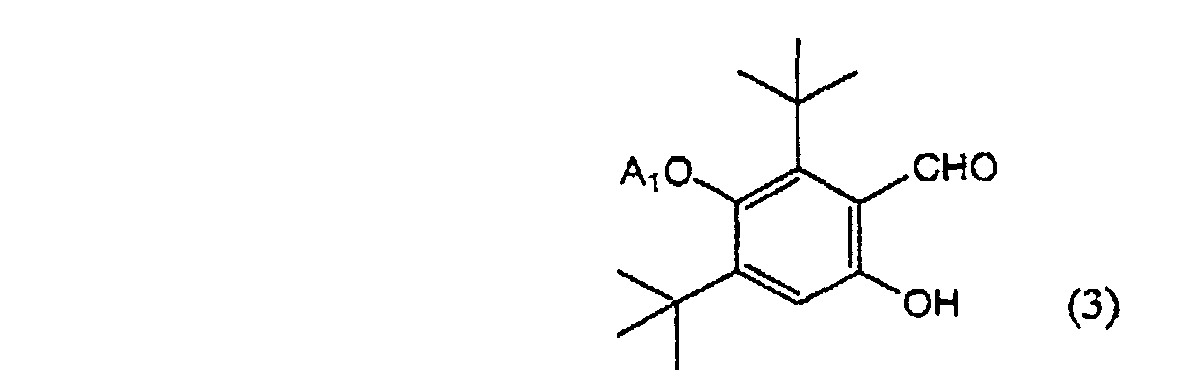
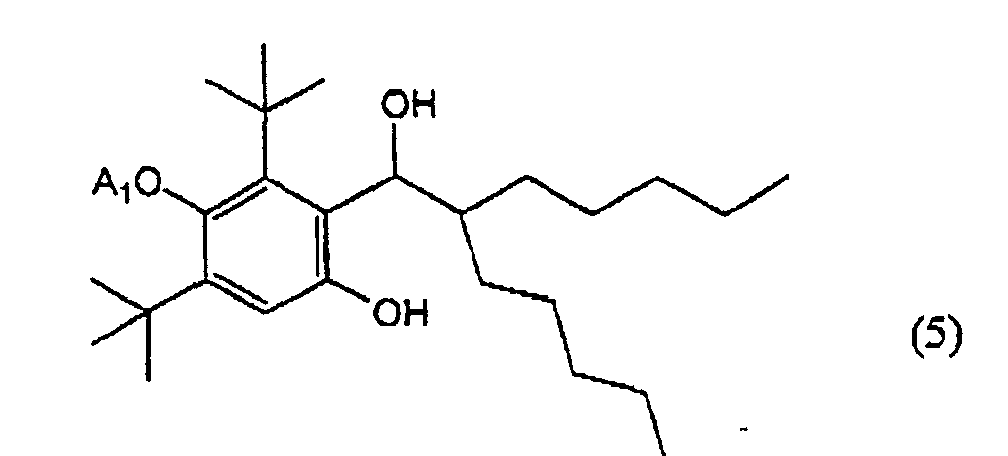
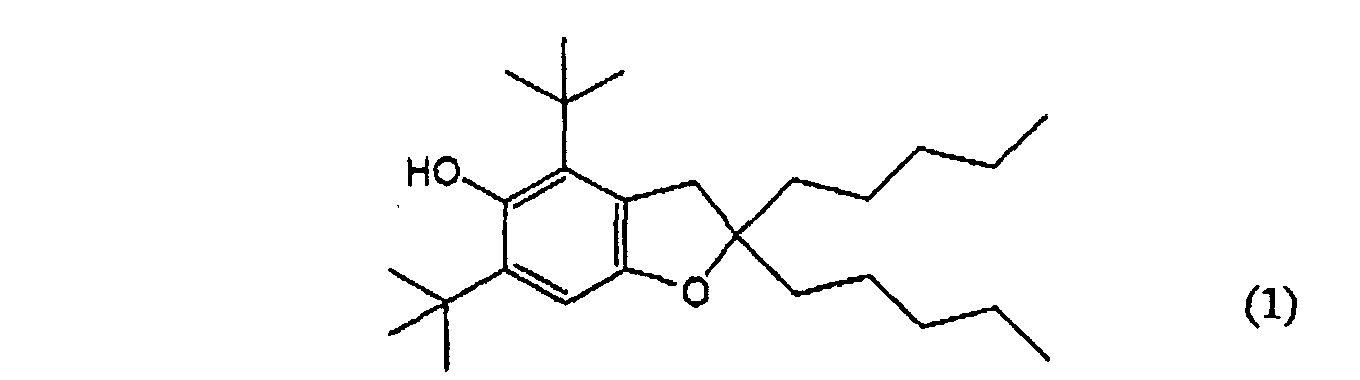
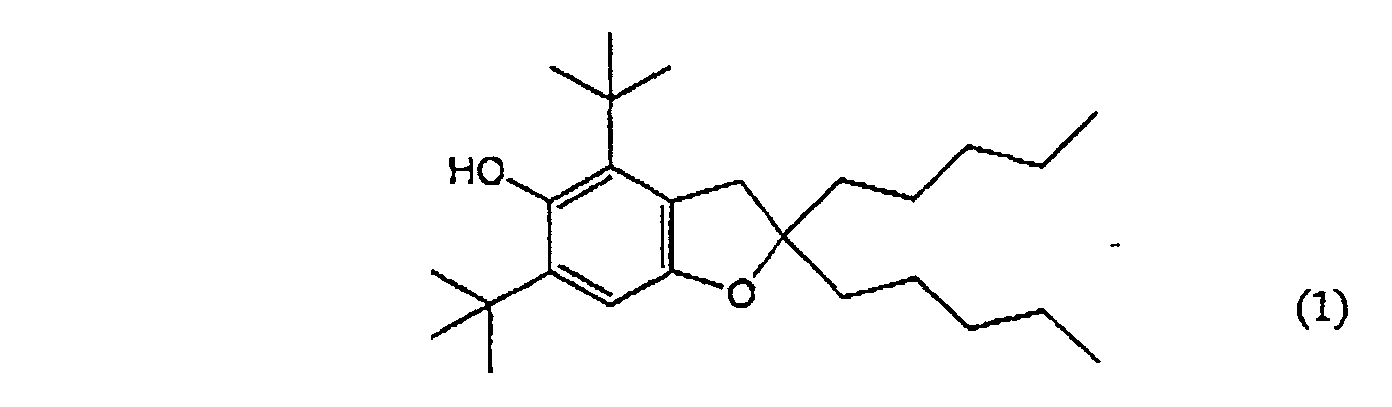
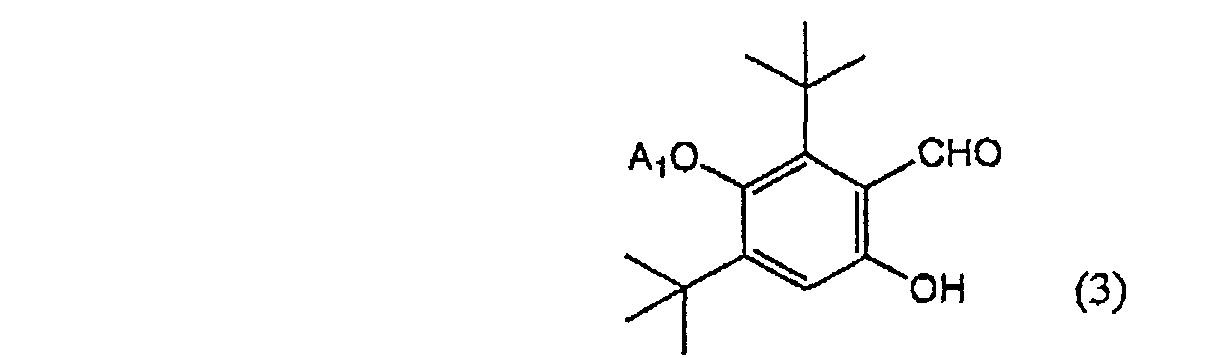
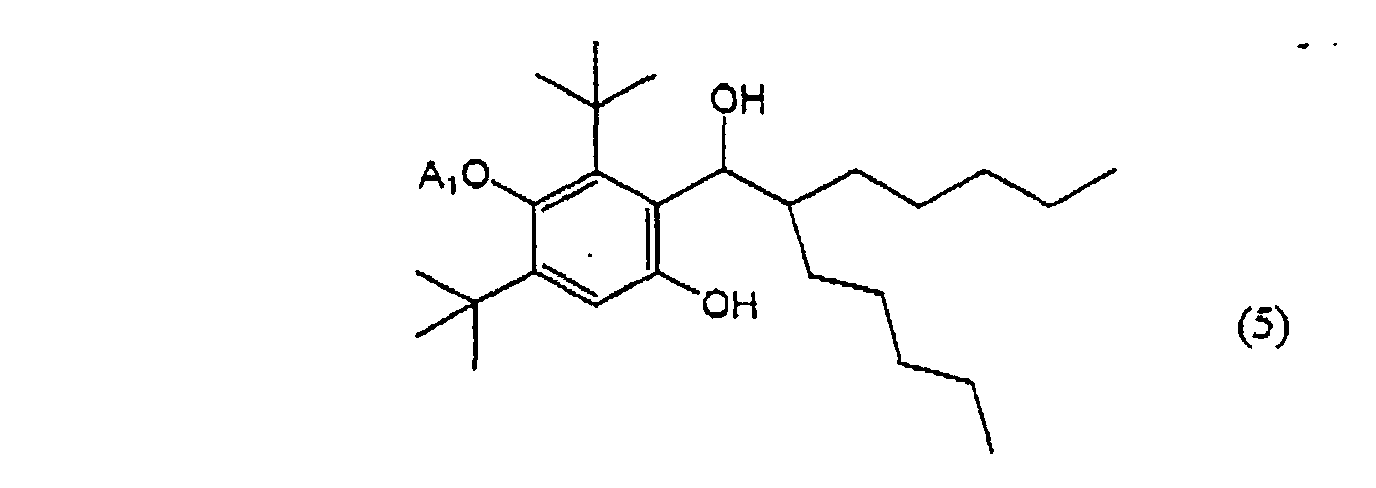
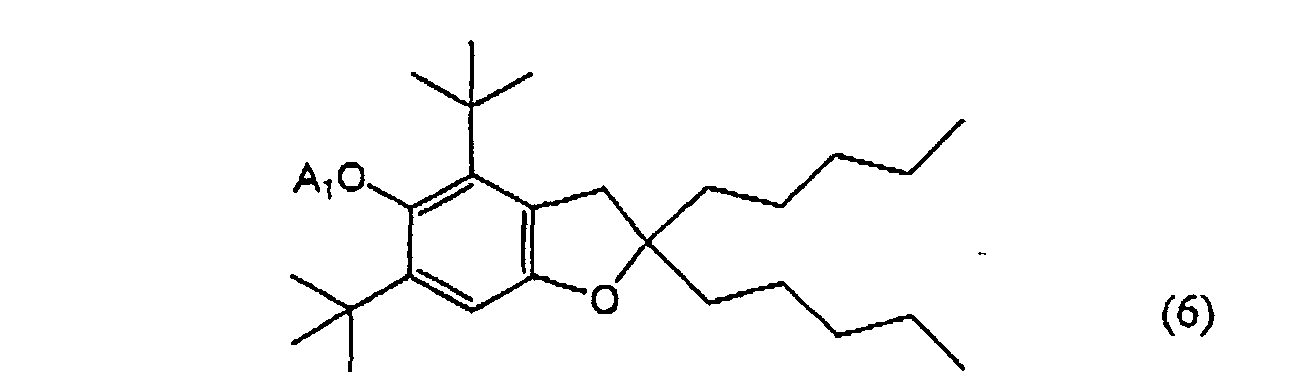
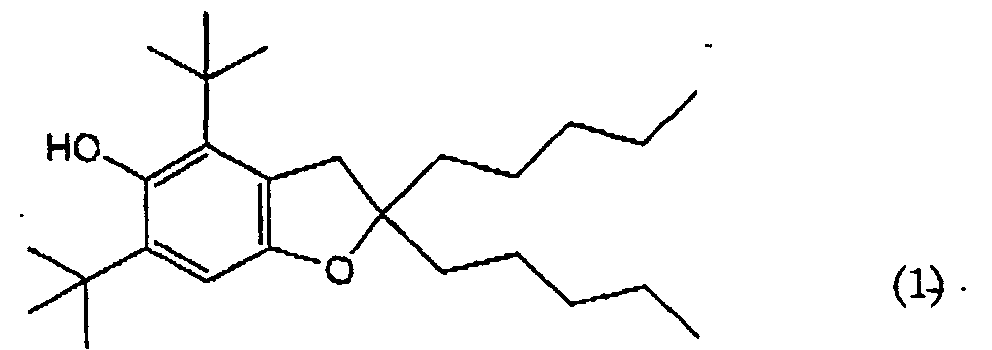
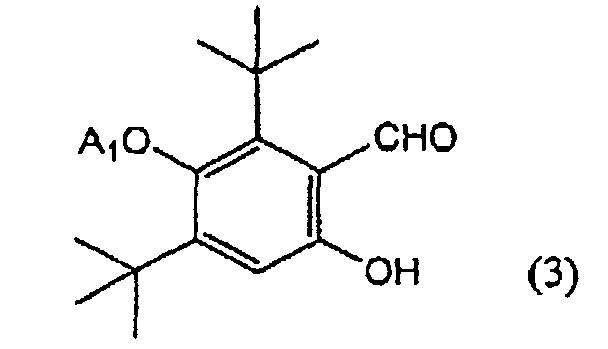
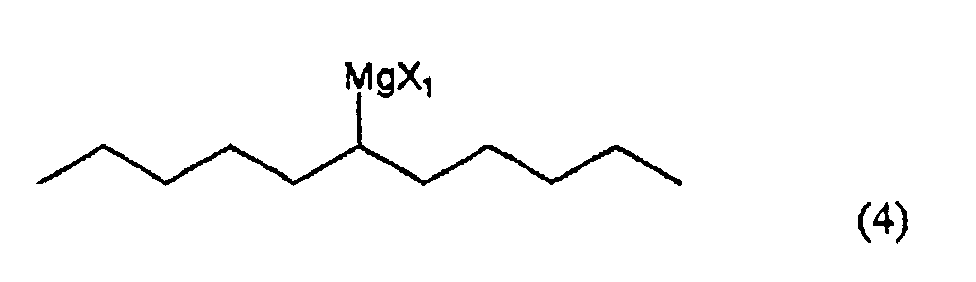
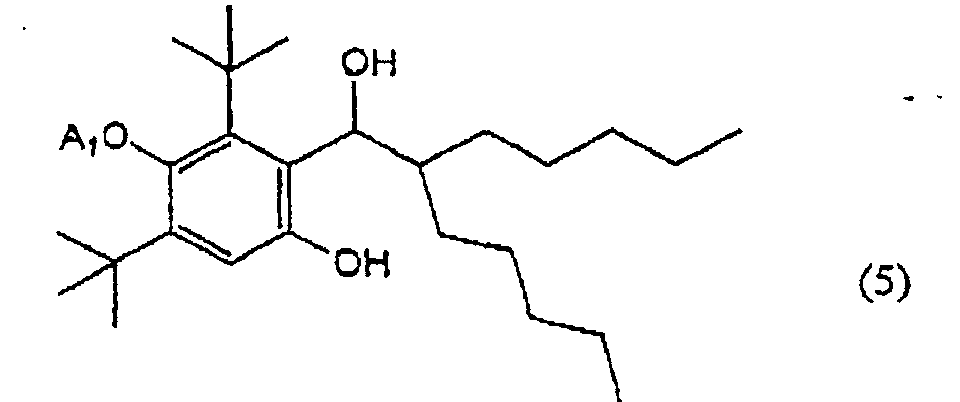
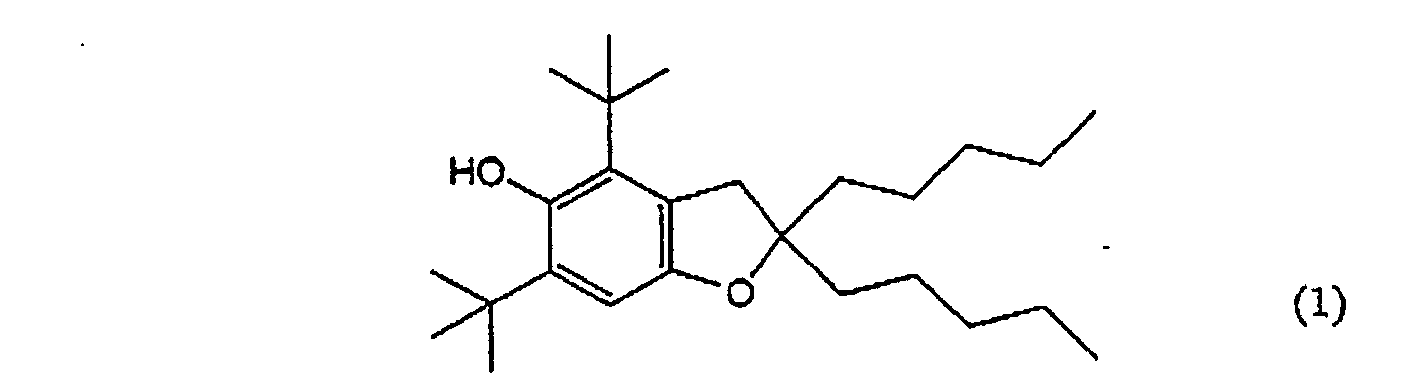
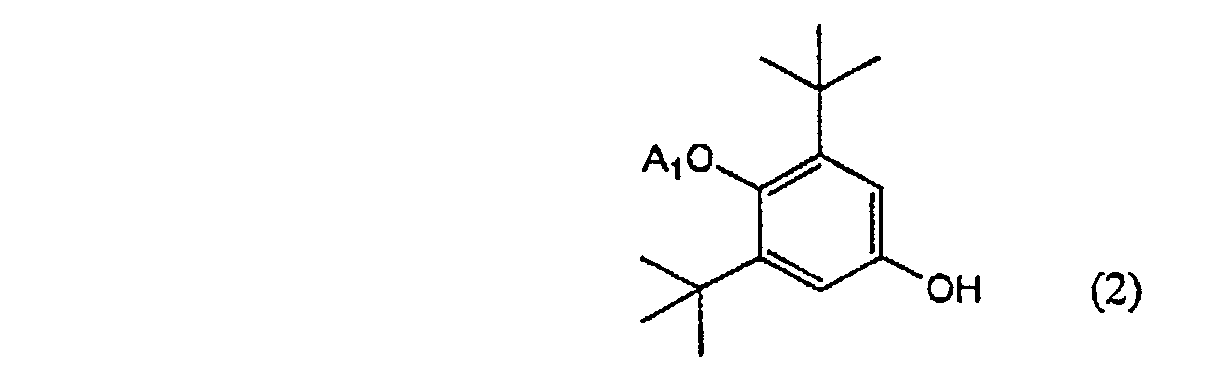
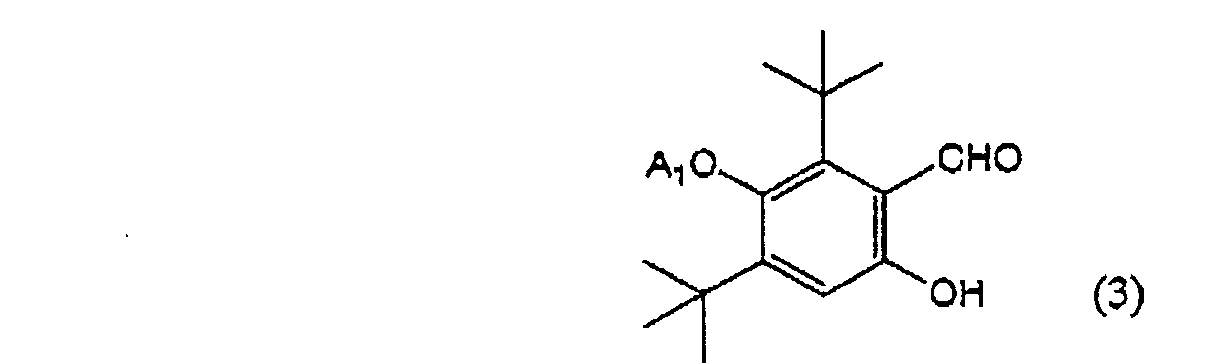
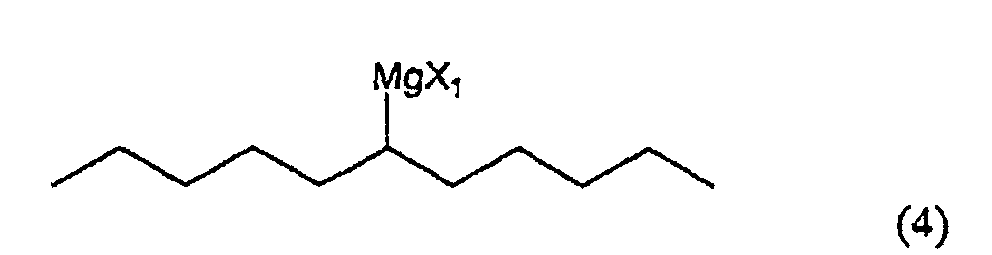
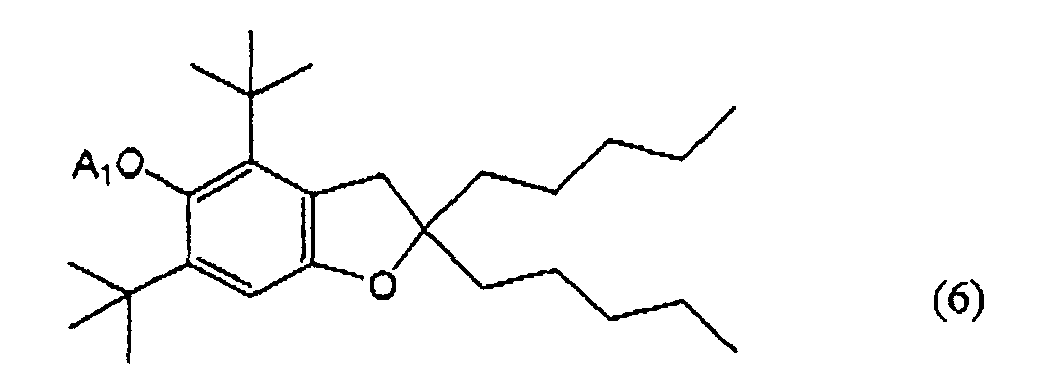
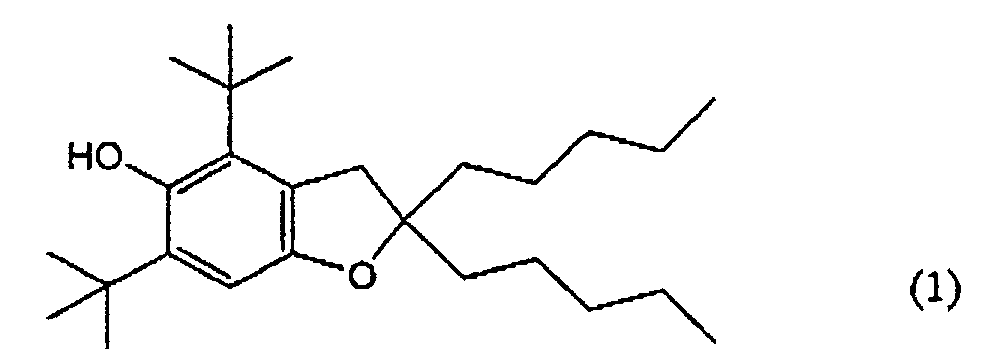
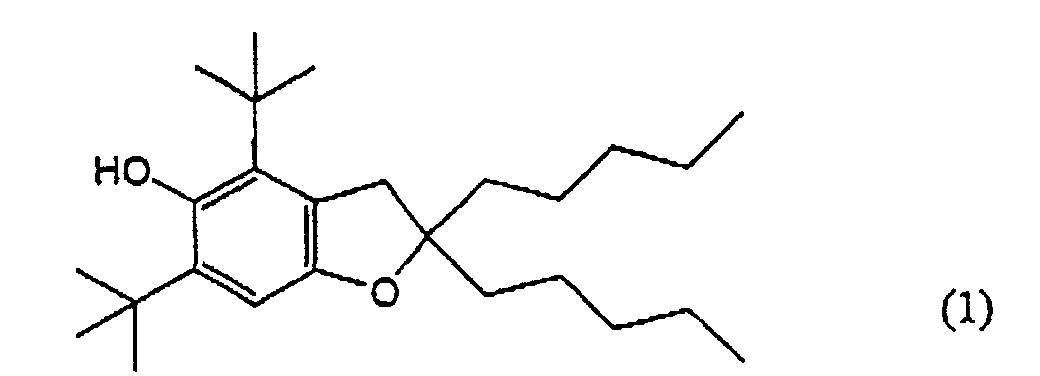
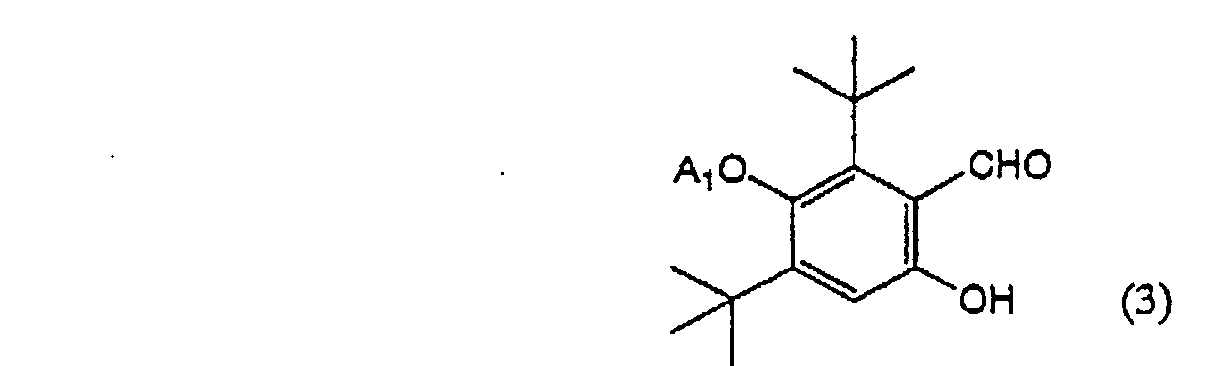
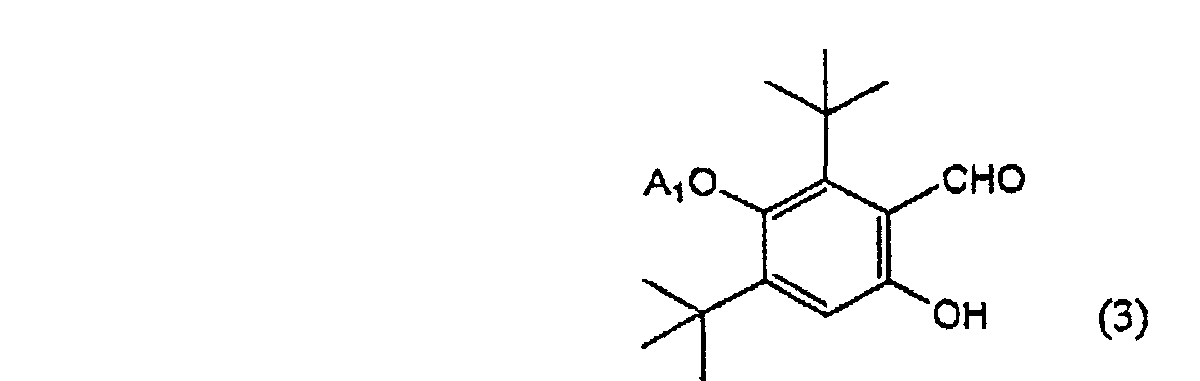
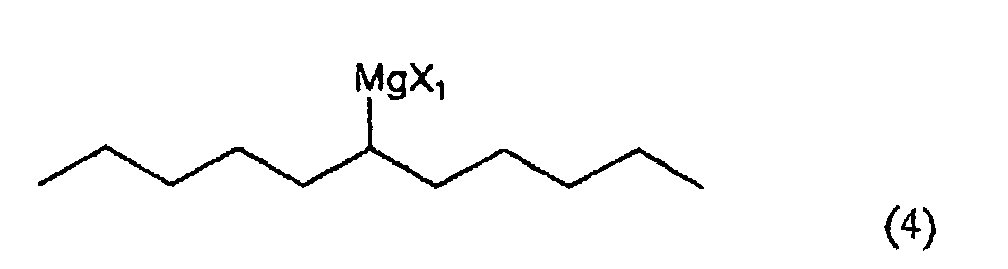
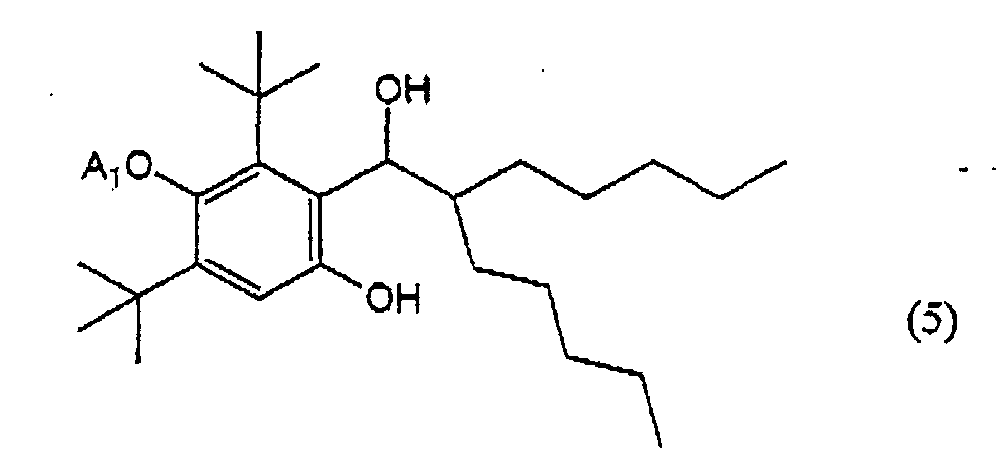
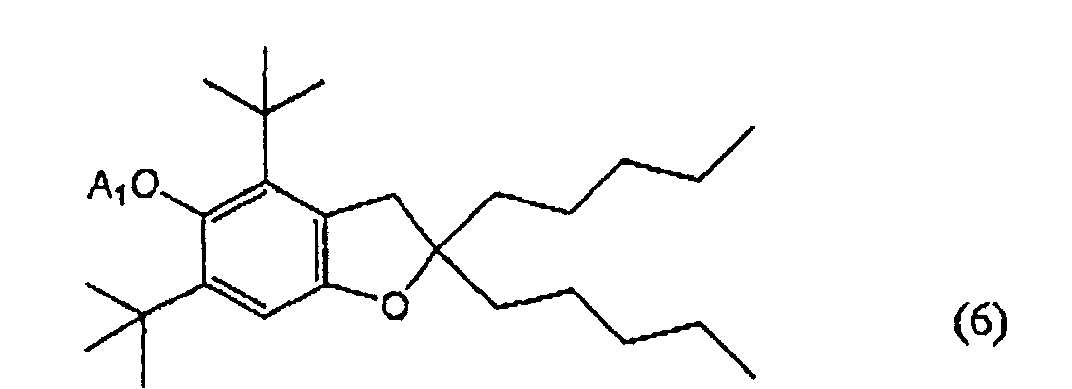
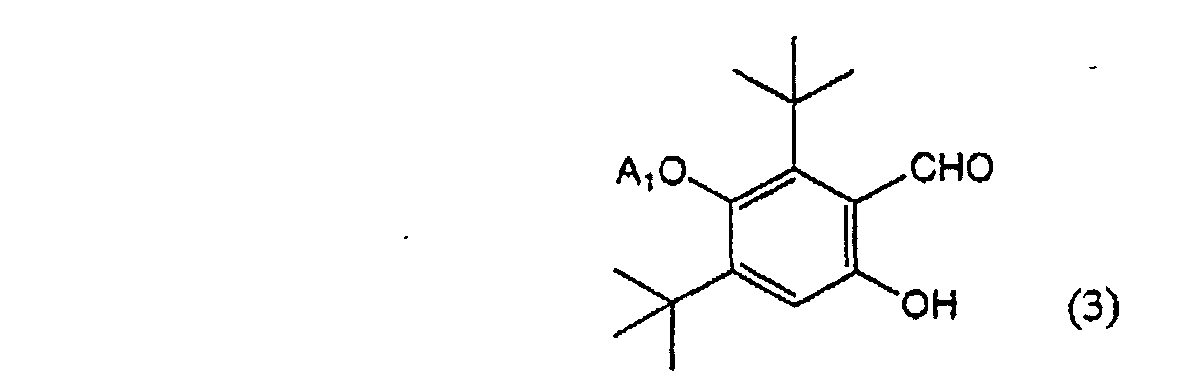
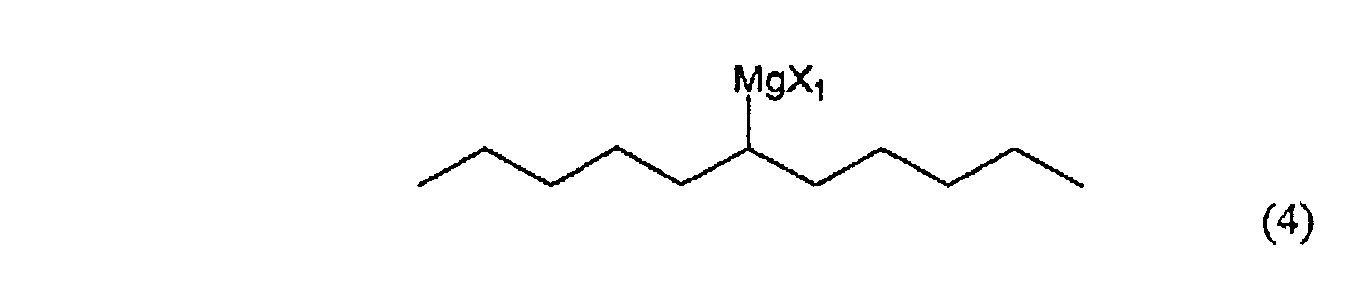
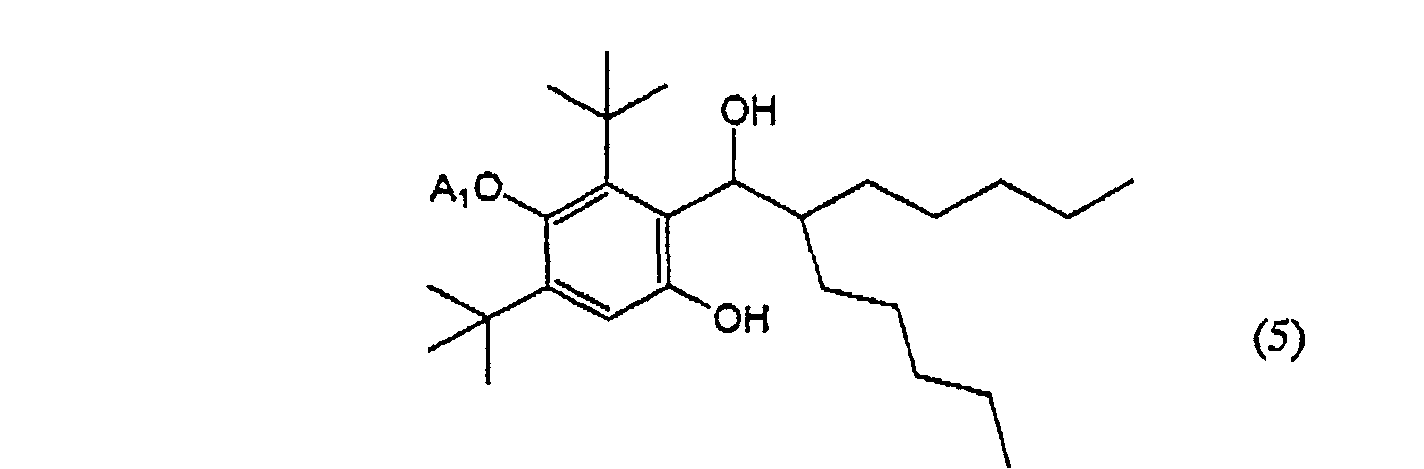
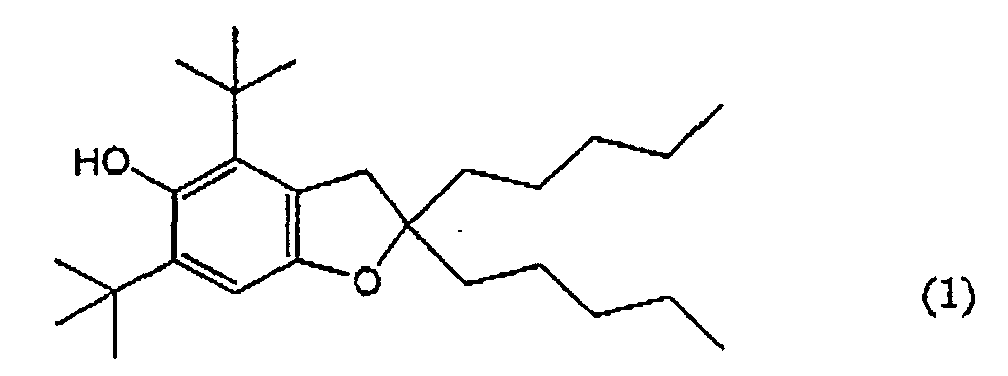
- the invention provides a process for producing a compound represented by formula (1) which comprises the first step of formylating a compound represented by formula (2) (where A 1 is a protective group) to give a compound represented by formula (3) (where A 1 is a protective group), the third step of reacting the compound of formula (3) with a metal hydride and thereafter reacting the same with a compound represented by formula (4) (where X 1 is a halogen atom) to give a compound represented by formula (5) (where A 1 is a protective group), the fifth step of cyclizing the compound of formula (5) to give a compound represented by formula (6) (where A 1 is a protective group), and the seventh step of deprotecting the compound of formula (6) to give a compound represented by formula (1)
- the present invention also provides a process for producing a compound represented by formula (1) which comprises the first step of formylating a compound represented by formula (2) (where A 1 is a protective group) to give a compound represented by formula (3) (where A 1 is a protective group), the second step of rec
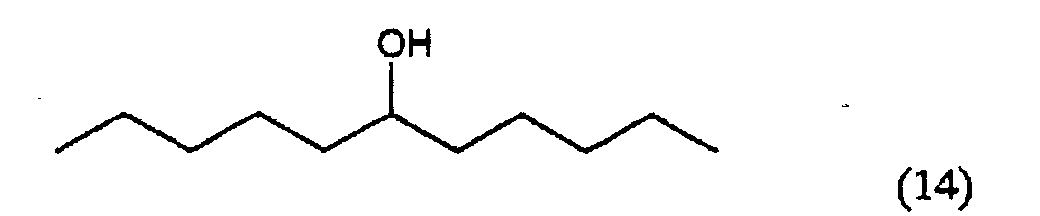
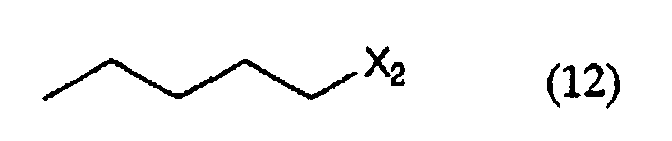
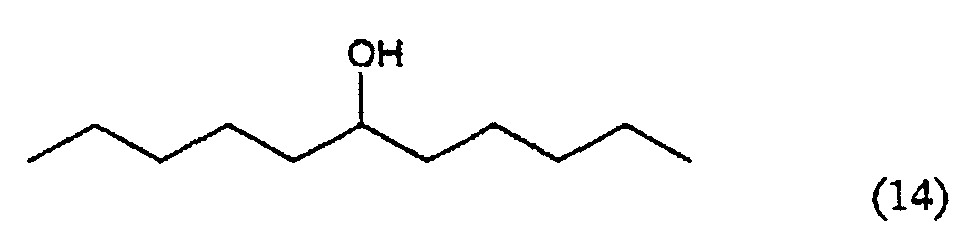
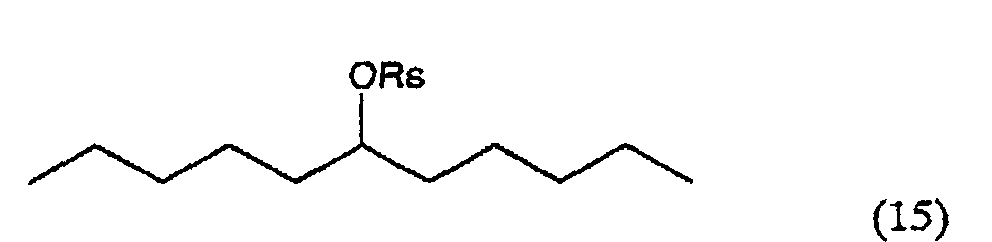
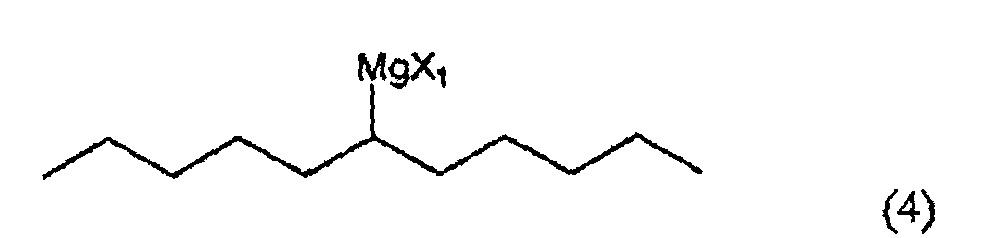
- the present invention provides a process comprising the fifteenth step of treating a compound of formula (12) (where X 2 is a halogen atom) with magnesium in diethyl ether or tetrahydrofuran to give a compound represented by formula (13) (where X 2 is a halogen atom) and treating the obtained compound with a formic acid ester to give a compound represented by formula (14) treating the obtained compound with methanesulfonyl chloride or p-toluenesulfonyl chloride to give a compound represented by formula (15) (where R s is a methanesulfonyl group or a p-toluenesulfonyl group), treating the obtained compound with a halogenating agent so that it is halogenated to give a compound represented by formula (16) (where X 1 is a halogen atom), and treating the obtained compound with magnesium to give a compound represented by formula (4) (where X 1 is a halogen
- the present invention also provides a process comprising the steps of treating a compound of formula (2) (where A 1 is a protective group) with hexamethylenetetramine in the presence of an acid catalyst and thereafter hydrolyzing the same to produce a compound represented by formula (3) (where A 1 is a protective group).
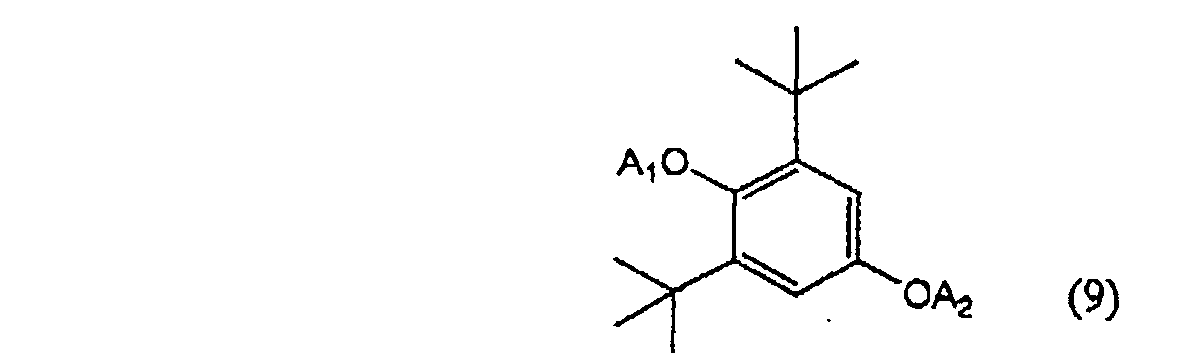
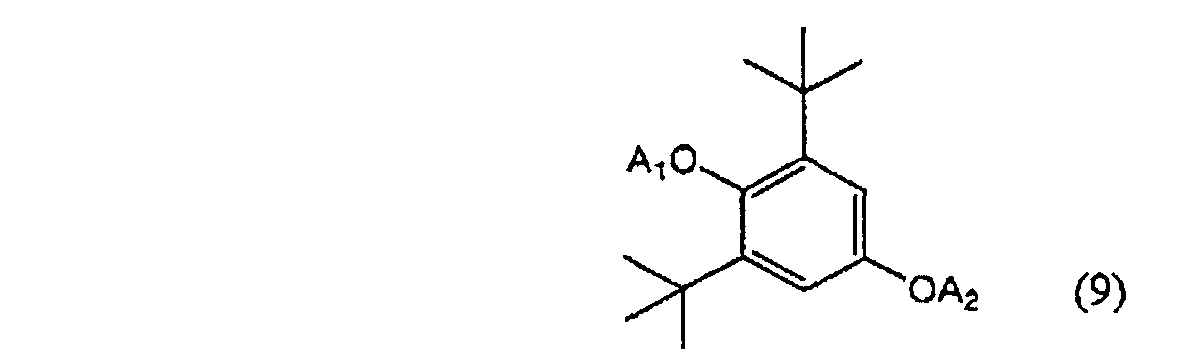
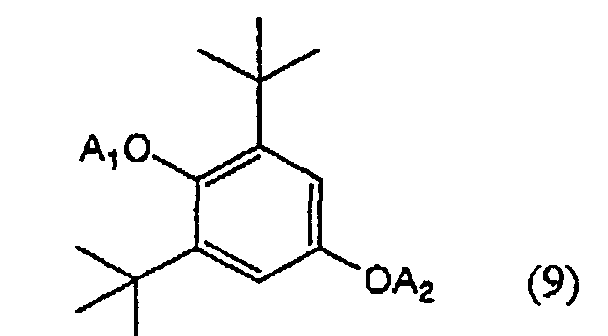
- the present invention further provides a process comprising the steps of treating a compound of formula (9) (where A 1 and A 2 are each a protective group) with hexamethylenetetramine in the presence of an acid catalyst and thereafter hydrolyzing the same to produce a compound represented by formula (3) (where A 1 is a protective group).
- the present invention provides a process comprising the steps of reacting a compound of formula (3) (where A 1 is a protective group) with a metal hydride and thereafter reacting the same with a compound of formula (4) (where X 1 is a halogen atom) to give a compound represented by formula (5) (where A 1 is a protective group), and recrystallizing the obtained compound of formula (5) in a hydrocarbon or in a lower alcohol/water mixed solvent to give a purified form of the compound of formula (5).
- the present invention provides a process comprising the steps of cyclizing a compound represented by formula (5) (where A 1 is a protective group) to give a compound represented by formula (6) (where A 1 is a protective group), treating the obtained compound of formula (6) with an alkali in a lower alcohol and treating the same with aluminum oxide to give a purified form of the compound of formula (6).
- the present invention also provides a process for producing a compound represented by formula (1) which comprises the fourteenth step of treating a compound of formula (9) (where A 1 and A 2 are each a protective group) with hexamethylenetetramine in the presence of an acid catalyst and thereafter hydrolyzing the same to give a compound represented by formula (3) (where A 1 is a protective group), the third step of reacting the compound of formula (3) with a metal hydride and thereafter reacting the same with a compound represented by formula (4) (where X 1 is a halogen atom) to give a compound represented by formula (5) (where A 1 is a protective group), the fifth step of cyclizing the compound of formula (5) to give a compound represented by formula (6) (where A 1 is a protective group), and the seventh step of deprotacting the compound of formula (6) (where A 1 is a protective group) to give a compound represented by formula (1)
- the present invention provides a process for producing a compound represented by formula (1) which comprises the fourteenth step of treating a compound of
- the term “lower” refers to the presence of 1 to 4 carbon atoms and the lower alcohol, for example, means aliphatic alcohols having 1 to 4 carbon atoms and the lower acyl group means acyl groups having 1 to 4 carbon atoms.
- the term “X times the weight of a substance” refers to the weight ratio per weight of the substance. For example, "two times the weight of a substance” means two weights per weight of the substance.
- Examples of the lower acyl group include a formyl group, an acetyl group, a propionyl group, a butyryl group and an isobutyryl group.
- Examples of the protective group as A 1 and A 2 include a lower acyl group, which is preferred; an acetyl group is more preferred.
- Exemplary halogenating agents include potassium chloride, lithium chloride, lithium bromide and lithium iodide; potassium chloride and lithium chloride are preferred, with lithium chloride being more preferred.
- halogen atom as X 1 examples include chlorine, bromine and iodine; chlorine and bromine are preferred, with chlorine being more preferred.
- halogen atom as X 2 examples include chlorine, bromine and iodine; chlorine and bromine are preferred, with bromine being more preferred.
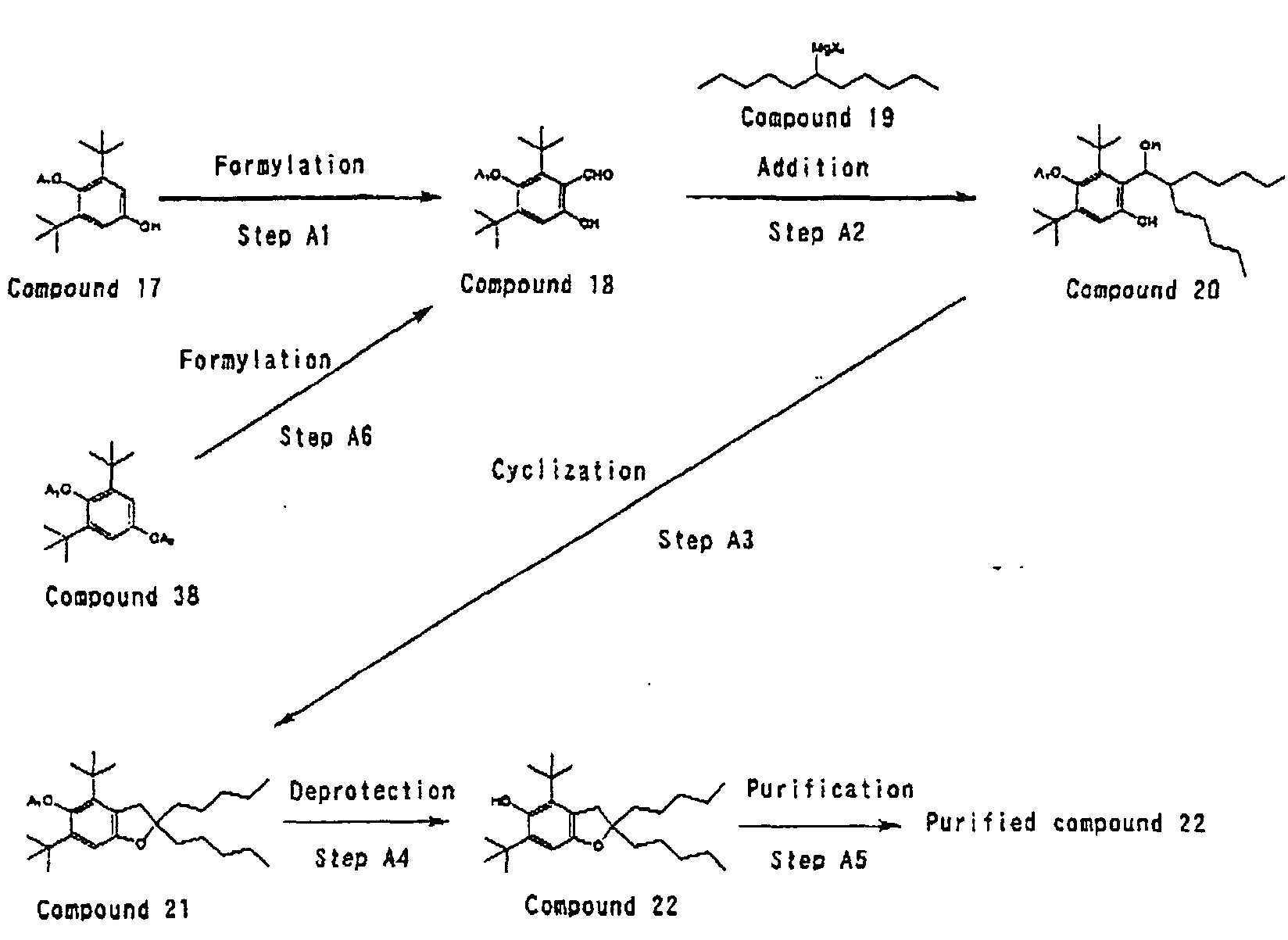
- Method A is a process in which compound 22 as a compound represented by the above formula (1) or a purified form of compound 22 as a compound represented by the above formula (1) is produced starting from compound 17 as a compound represented by the above formula (2).
- compound 17 as a compound represented by the above formula (2) is formylated to give compound 18 as a compound represented by the above formula (3) (step A1).
- the formylation can be performed by treatment with hexamethylenetetramine in the presence of an acid catalyst and subsequent hydrolysis.
- the acid catalyst examples include trifluoroacetic acid and methanesulfonic acid, with methanesulfonic acid being preferred.
- Any solvents that are inert to the reaction may be employed, as exemplified by acetic acid, trifluoroacetic acid, methanesulfonic acid, a methanesulfonic acid/acetic acid mixed solvent, n-heptane and cyclohexane; acetic acid, trifluoroacetic acid, methanesulfonic acid and a methanesulfonic acid/acetic acid mixed solvent are preferred, trifluoroacetic acid, methanesulfonic acid and a methanesulfonic acid/acetic acid mixed solvent are more preferred, and a methanesulfonic acid/acetic acid mixed solvent is particularly preferred.
- Hexamethylenetetramine as used in step A1 typically ranges from 1 to 5 equivalents, preferably from 1.5 to 2.5 equivalents, more preferably from 2 to 2.5 equivalents, as relative to compound 17.
- the reaction temperature typically ranges from 70°C to 100°C, preferably from 80°C to 100 °C, more preferably from 90°C to 100°C.
- the reaction time typically ranges from 1 to 6 hours, preferably from 1 to 2 hours.
- the temperature for hydrolysis typically ranges from 80°C to 105°C, preferably from 90°C to 105°C, more preferably from 95°C to 105°C.
- the time of hydrolysis typically ranges from 1 hour to 10 hours, preferably from 3 to 8 hours, more preferably from 5 to 7 hours.
- the obtained compound 18 may be purified if desired but it is preferably purified. A preferred method of purification is recrystallization.
- the solvent to be used in recrystallization is preferably a mixture of a lower alcohol such as methanol, ethanol or isopropanol with water, and a mixture of isopropanol and water is more preferred.
- the ratio of mixing isopropanol with water preferably ranges from 1:1 to 2:1, more preferably from 3:1.8 to 3:2.2.
- the amount of the solvent to be used in recrystallization preferably ranges from 4 to 8 times the weight of compound 2, more preferably from 4 to 6 times the weight of compound 2.
- the temperature for recrystallization typically ranges from 0°C to 30°C. preferably from 0°C to 20°C.
- the time of recrystallization typically ranges from 15 minutes to 10 hours, preferably from 0.5 hours to 3 hours.
- Compound 18 as a compound represented by the above formula (3) can also be obtained by treating compound 38 as a compound of the above formula (9) with hexamethylenetetramine in the presence of an acid catalyst and thereafter hydrolyzing the same (step A6); this alternative is preferred since it reduces the work load.
- the acid catalyst examples include trifluoroacetic acid and methanesulfonic acid, with methanesulfonic acid being preferred.
- Any solvents that are inert to the reaction may be employed, as exemplified by acetic acid, trifluoroacetic acid, methanesulfonic acid, a methanesulfonic acid/acetic acid mixed solvent, n-heptane and cyclohexane; acetic acid, trifluoroacetic acid, methanesulfonic acid and a methanesulfonic acid/acetic acid mixed solvent are preferred, trifluoroacetic acid, methanesulfonic acid and a methanesulfonic acid/acetic acid mixed solvent are more preferred, and methanesulfonic acid is particularly preferred.
- Hexamethylenetetramine as used in step A6 typically ranges from 1 equivalent to 5 equivalents, preferably from 1.5 equivalents to 2.5 equivalents, more preferably from 2 equivalents to 2.5 equivalents, as relative to compound 38.
- the reaction temperature typically ranges from 70°C to 100°C, preferably from 80°C to 100°C, more preferably from 80°C to 90°C.
- the reaction time typically ranges from 1 hour to 6 hours, preferably from 3 hours to 4 hours.
- the temperature for hydrolysis typically ranges from 80°C to 105°C, preferably from 90°C to 105°C, more preferably from 95°C to 105°C.
- the time of hydrolysis typically ranges from 1 hour to 10 hours, preferably from 3 hours to 8 hours, more preferably from 5 hours to 7 hours.
- the obtained compound 18 may be purified if desired but it is preferably purified.
- a preferred method of purification is recrystallization.
- the solvent to be used in recrystallization is preferably a mixture of a lower alcohol such as methanol, ethanol or isopropanol with water, and a mixture of isopropanol and water is more preferred.
- the ratio of mixing isopropanol with water preferably ranges from 1:1 to 2:1, more preferably from 3:1.8 to 3:2.2.
- the amount of the solvent to be used in recrystallization preferably ranges from 4 to 8 times the weight of compound 2, more preferably from 4 to 6 times the weight of compound 2.
- the temperature for recrystallization typically ranges from 0°C to 30°C, preferably from 0°C to 20°C.
- the time of recrystallization typically ranges from 15 minutes to 10 hours, preferably from 0.5 hours to 3 hours.
- step A2 compound 18 as a compound represented by the above formula (3) is reacted with compound 19 as a compound represented by the above formula (4) in the presence of a metal hydride to give compound 20 as a compound represented by the above formula (5) (step A2).
- the metal hydride include lithium hydride, sodium hydride, potassium hydride and calcium hydride; lithium hydride and sodium hydride are preferred, with sodium hydride being more preferred.
- Compound 19 to be used in step A2 typically ranges from 1 equivalent to 3 equivalents, preferably from 1 equivalent to 2 equivalents, more preferably from 1.2 to 2 equivalents, as relative to compound 18.
- the reaction temperature typically ranges from 0°C to 35°C, preferably from 0°C to 30°C, more preferably from 5°C to 25°C.
- the reaction time typically ranges from 1 hour to 5 hours, preferably from 1 hour to 3 hours, more preferably from 2 hours to 3 hours.
- These procedures give compound 20.
- the obtained compound 20 may be purified if desired but it is preferably purified.
- a preferred method of purification is recrystallization.
- the solvent to be used in recrystallization is preferably a hydrocarbon such as n-hexane or n-heptane, or a mixture of a lower alcohol such as methanol, ethanol or isopropanol with water; n-hexane and n-heptane are more preferred and n-heptane is particularly preferred.
- the amount of the solvent to be used in recrystallization preferably ranges from 8 to 15 times the weight of compound 20, more preferably from 9 to 12 times the weight of compound 20.
- the temperature for recrystallization typically ranges from 0°C to 30°C, preferably from 0°C to 15°C.
- the time of recrystallization typically ranges from 1 hour to 10 hours, preferably from 1 hour to 3 hours.
- step A3 compound 20 as a compound represented by the above formula (5) is treated with an acid for cyclization, then treated with an alkali and subsequently with aluminum oxide to give a purified form of compound 21 as a compound represented by the above formula (6) (step A3).
- Examples of the acid include Lewis acids such as boron trifluoride-diethyl ether complex, and protonic acids such as sulfuric acid and p-toluenesulfonic acid; boron trifluoride-diethyl ether complex and p-toluenesulfonic acid are preferred, with boron trifluoride-diethyl ether complex being more preferred.
- Lewis acids such as boron trifluoride-diethyl ether complex
- protonic acids such as sulfuric acid and p-toluenesulfonic acid
- boron trifluoride-diethyl ether complex and p-toluenesulfonic acid are preferred, with boron trifluoride-diethyl ether complex being more preferred.
- any solvents that are inert to the reaction may be employed, as exemplified by n-hexane, n-heptane, benzene, toluene, dichloromethane and chloroform; n-hexane, n-heptane and toluene are preferred, n-hexane and n-heptane are more preferred, and n-heptane is particularly preferred.
- the acid to be used in step A3 typically ranges from 0.01 equivalent to 3 equivalents, preferably from 1.5 equivalents to 2.5 equivalents, more preferably from 1.8 equivalents to 2.2 equivalents, as relative to compound 20.
- the reaction temperature typically ranges from 20°C to 50°C, preferably from 20°C to 40°C, more preferably from 25°C to 35°C.
- the reaction time typically ranges from 1 hour to 6 hours, preferably from 2 hours to 4 hours, more preferably from 3 hours to 4 hours.
- alkali examples include potassium hydroxide, sodium hydroxide and sodium methoxide; potassium hydroxide, sodium hydroxide and sodium methoxide are preferred, with potassium hydroxide and sodium methoxide being more preferred. Any solvents that are inert to the reaction may be employed, as exemplified by lower alcohols such as methanol and ethanol; lower alcohols are preferred and methanol and ethanol are more preferred, with methanol being particularly preferred.
- the alkali to be used in step A3 typically ranges from 0.01 equivalent to 0.3 equivalents, preferably from 0.1 equivalent to 0.3 equivalents, more preferably from 0.2 equivalents to 0.3 equivalents, as relative to compound 20.
- the reaction temperature typically ranges from 0°C to 50°C, preferably from 10°C to 40°C.
- the reaction time typically ranges from 10 minutes to 120 minutes, preferably from 20 minutes to 60 minutes, more preferably from 20 minutes to 40 minutes.
- the obtained compound 21 may be treated with an adsorbent and it is preferably treated with an adsorbent.
- a compound represented by formula (23) which is a by-product of the reaction for cyclizing the above compound 20, as well as a compound represented by formula (24) can be removed to give a purified form of compound 21.
- the adsorbent to be used is preferably aluminum oxide. Any solvents that are inert to the reaction may be employed, as exemplified by n-hexane and n-heptane, with n-heptane being preferred.
- the adsorbent to be used typically ranges from 0.5 to 2 times the weight of compound 20, preferably from 0.8 to 1.5 times the weight of compound 20, more preferably from 0.8 to 1.2 times the weight of compound 20.
- the reaction temperature typically ranges from 0°C to 50°C, preferably from 20°C to 30°C.
- the reaction time typically ranges from 10 minutes to 60 minutes, preferably from 20 minutes to 40 minutes, more preferably from 25 minutes to 35 minutes.
- step A4 compound 21 as a compound represented by the above formula (6) is deprotected to give compound 22 as a compound represented by the above formula (1) (step A4).
- the deprotecting agent to be used in step A4 include n-butyllithium, diisobutyl aluminum hydride, lithium aluminum hydride, potassium hydroxide, sodium hydroxide and potassium tert -butoxide; diisobutyl aluminum hydride, lithium aluminum hydride, potassium hydroxide and potassium tert -butoxide are preferred, with lithium aluminum hydride and potassium hydroxide being more preferred.
- solvents that are inert to the reaction include ethers such as tetrahydrofuran, diethyl ether and methyl t-butyl ether, alcohols such as 1-propanol and saturated hydrocarbons such as n-heptane; tetrahydrofuran, methyl t-butyl ether, 1-propanol and n-heptane are preferred, with methyl t-butyl ether and 1-propanol being more preferred. If alcohols are to be used as the solvent, anhydrous alcohols are preferred.
- the deprotecting agent to be used in step A4 typically ranges from 1 equivalent to 2 equivalents, preferably from 1 equivalent to 1.5 equivalents, more preferably from 1.1 equivalents to 1.2 equivalents, as relative to compound 21. If potassium hydroxide or sodium hydroxide is to be used as the deprotecting agent, they preferably range from 1 equivalent to 10 equivalents, more preferably from 5 equivalents to 7 equivalents, as relative to compound 21. If ethers are to be used as the solvent, the reaction temperature typically ranges from 0°C to 60°C. preferably from 30°C to 55°C, more preferably from 45°C to 55°C. If alcohols are used as the solvent, the reaction temperature is preferably near the boiling point of the solvent and it is more preferred to carry out the reaction under refluxing conditions. The reaction time typically ranges from 30 minutes to 5 hours, preferably from 1 hour to 3 hours, more preferably from 2 hours to 3 hours.
- potassium hydroxide or sodium hydroxide is used as the deprotecting agent, anhydrous alcohols are preferred as the solvent, with anhydrous 1-propanol being more preferred. If potassium hydroxide or sodium hydroxide is used as the deprotecting agent, it is particularly preferred to use anhydrous alcohols as the solvent and carry out the reaction under refluxing conditions. If potassium tert -butoxide is used as the deprotecting agent, it is preferred to use n-heptane as the solvent and carry out the reaction under refluxing conditions. These procedures give compound 22, which may optionally be purified by the following procedures; it is preferred to purify compound 22.
- Compound 22 as a compound represented by the above formula (1) is purified by molecular distillation (step A5).
- Molecular distillation can be performed by known methods.
- Compound 19 which is used in the above-described method of production as a compound represented by formula (4) is preferably prepared by method D of the invention.
- Compound 38 which is used in the above described method of production as a compound represented by formula (9) is preferably prepared by method B of the invention.
- Compound 17 which is used in the above-described method of production as a compound represented by formula (2) is preferably prepared by method B or C of the invention.
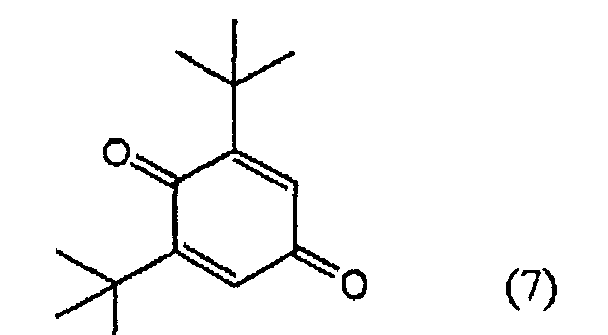
- Method B is a process in which compound 27 as a compound represented by formula (9) and compound 28 as a compound represented by the above formula (2) are produced starting from compound 25 as a compound represented by formula (7).
- step B1 compound 25 as a compound represented by formula (7) is reduced to give compound 26 as a compound represented by formula (8) (step B1).
- the method for reduction that can be employed in step B1 include a method that uses sodium hydrosulfite and a method that involves catalytic reduction with hydrogen, and the use of sodium hydrosulfite is preferred. If the use of sodium hydrosulfite is adopted as a method of reduction, any solvents that are inert to the reaction may be employed, as exemplified by n-hexane, cyclohexane, toluene and an ethyl acetate/water mixed solvent, with cyclohexane and an ethyl acetate/water mixed solvent being preferred.
- a phase transfer catalyst may be used in step B1 and it is preferred to use a phase transfer catalyst.
- a preferred phase transfer catalyst is benzyltriethylammonium chloride.
- the reducing agent to be used in step B1 typically ranges from 1 equivalent to 3 equivalents, preferably from 1 equivalent to 2.5 equivalents, more preferably from 1.2 equivalents to 2 equivalents, as relative to compound 25.
- the reaction temperature typically ranges from 0°C to 50°C, preferably from 10°C to 50°C, more preferably from 20°C to 40°C.
- the reaction time typically ranges from 0.5 hours to 3 hours, preferably from 0.5 hours to 3 hours, more preferably from 1 hour to 2 hours.
- step B2 compound 26 as a compound represented by formula (8) is treated with an acylating agent in the presence of an acid catalyst to protect the hydroxyl groups, thereby giving compound 27 as a compound represented by formula (9) (step B2).
- the acylating agent that are used in step B2 include acetyl chloride and acetic anhydride, with acetic anhydride being preferred. Any solvents that are inert to the reaction may be employed, as exemplified by n-hexane, cyclohexane and toluene, with n-hexane and cyclohexane being preferred.
- Exemplary methods of treatment with an acylating agent include the use of a conc.
- the acylating agent to be used in step B2 typically ranges from 2 equivalents to 5 equivalents, preferably from 2.5 equivalents to 3 equivalents, as relative to compound 26.
- the reaction temperature typically ranges from 0°C to 80°C, preferably from 20°C to 60°C, more preferably from 45°C to 55°C.
- the reaction time typically ranges from 0.5 hours to 6 hours, preferably from 2.5 hours to 4 hours.
- cyclohexane may be mentioned as an example and it is preferred to use cyclohexane.
- step B3 compound 27 as a compound represented by formula (9) is deprotected to give compound 28 as a compound represented by the above formula (2) (step B3).
- the deprotecting agent that may be used in step B3 include sodium hydroxide and potassium hydroxide, with sodium hydroxide being preferred. Any solvents that are inert to the reaction may be employed, as exemplified by methanol and a methanol/water mixed solvent, with a methanol/water mixed solvent being preferred. The ratio of mixing methanol with water preferably ranges from 1:1 to 3:2.
- the deprotecting agent to be used in step B3 typically ranges from 1 equivalent to 1.5 equivalents. preferably from 1.05 equivalents to 1.2 equivalents, as relative to compound 27.
- the reaction temperature typically ranges from 10°C to 40°C, preferably from 20°C to 40°C.
- the reaction time typically ranges from 0.5 hours to 3 hours, preferably from 1 hour to 2 hours.
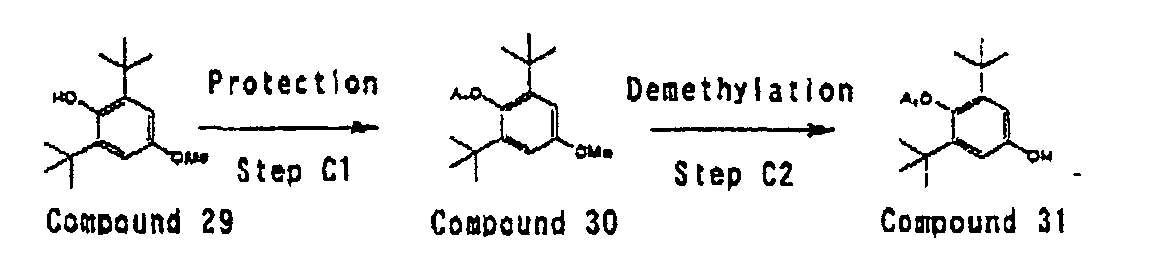
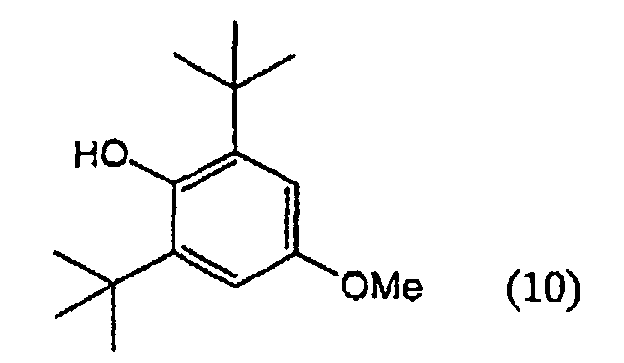
- Method C is a process in which compound 31 as a compound represented by the above formula (2) is produced starting from compound 29 as a compound represented by formula (10). This process is described in, for example, Japanese Patent Laid-Open No. 206842/1994 and the end compound can be produced by the method described in that patent or by an appropriate modification thereof.
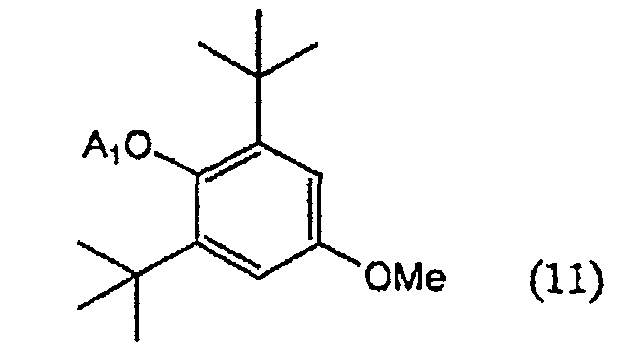
- step C1 compound 29 as a compound represented by formula (10) is treated with an acylating agent in the presence of an acid catalyst to protect the hydroxyl group, thereby giving compound 30 as a compound represented by formula (11) (step C1).
- the acylating agent that are used in step C1 include acetyl chloride and acetic anhydride, with acetic anhydride being preferred. Any solvents that are inert to the reaction may be employed, as exemplified by n-hexane, toluene and acetonitrile, with acetonitrile being preferred.
- the catalyst include conc. sulfuric acid, with conc. sulfuric acid being preferred.
- the acylating agent to be used in step C1 typically ranges from 1 equivalent to 10 equivalents, preferably from 1 equivalent to 5 equivalents, more preferably from 1 equivalent to 1.5 equivalents, as relative to compound 29.
- the reaction temperature typically ranges from 10°C to 70°C, preferably from 20°C to 40°C.
- the reaction time typically ranges from 3 hours to 48 hours, preferably from 5 hours to 12 hours.
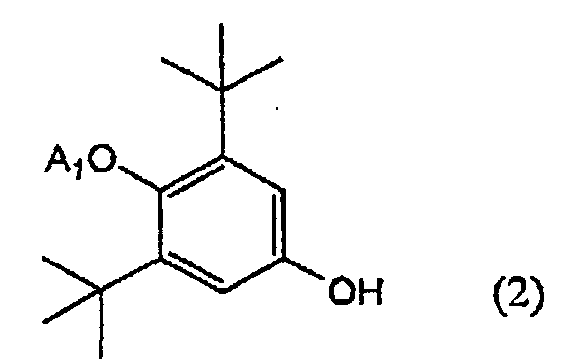
- step C2 compound 30 as a compound represented by formula (11) is demethylated to give compound 31 as a compound represented by the above formula (2) (step C2).
- An exemplary method of deprotection that may be employed in step C2 is by refluxing in acetonitrile in the presence of both trimethylsilyl chloride and sodium iodide.
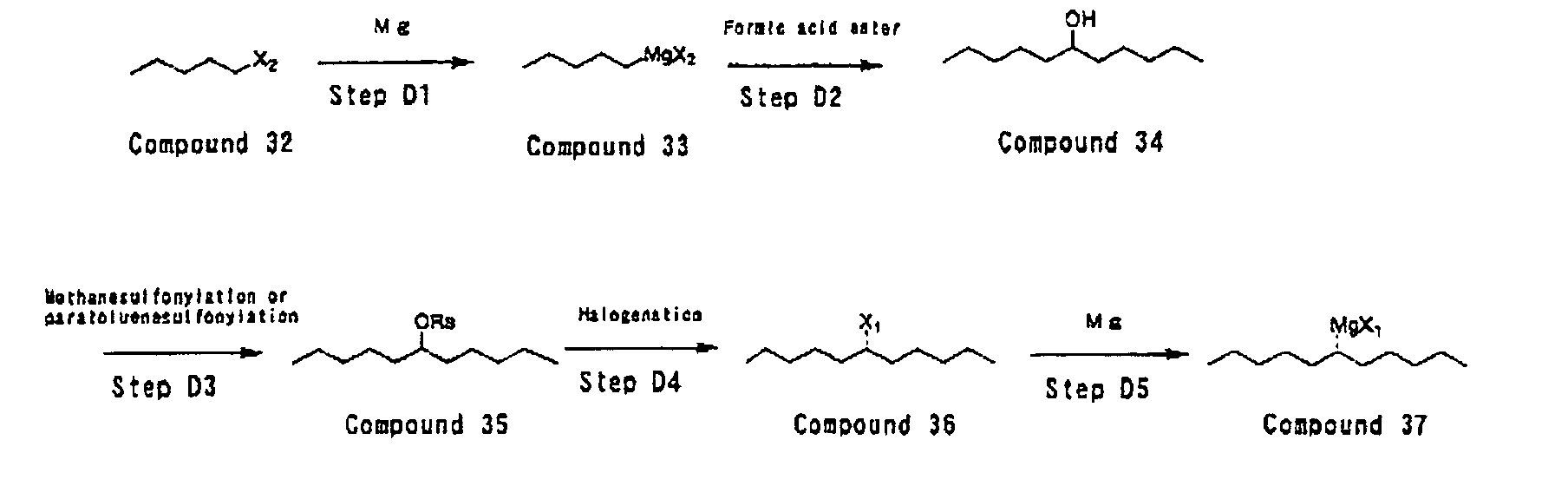
- Method D is a process in which compound 37 as a compound represented by the above formula (4) is produced starting from compound 32 as a compound represented by the above formula (12).
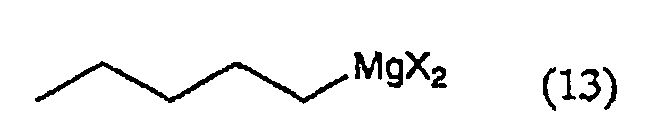
- step D1 compound 32 as a compound represented by the above formula (12) is treated with magnesium to give compound 33 as a compound represented by the above formula (13) (step D1).
- the magnesium to be used in step D1 include a magnesium powder, a tape of magnesium and chips of magnesium, with a magnesium powder being preferred. Any solvents that are inert to the reaction may be employed, as exemplified by diethyl ether and tetrahydrofuran, with tetrahydrofuran being preferred.
- the magnesium to be used in step D1 typically ranges from 1 equivalent to 1.5 equivalents, preferably from 1 equivalent to 1.1 equivalents, as relative to compound 32.
- the reaction temperature typically ranges from 20°C to 40°C, preferably from 30°C to 35°C.
- the reaction time typically ranges from 1 hour to 3 hours, preferably from 1 hour to 2 hours.
- step D2 compound 33 as a compound represented by the above formula (13) is treated with, for example, a formic acid ester, to give compound 34 as a compound represented by the above formula (14) (step D2).
- the formic acid ester to be used in step D2 include methyl formate and ethyl formate, with ethyl formate being preferred. Any solvents that are inert to the reaction may be employed, as exemplified by diethyl ether and tetrahydrofuran, with tetrahydrofuran being preferred.
- the formic acid ester to be used in step D2 typically ranges from 0.4 equivalents to 0.5 equivalents, preferably from 0.45 equivalents to 0.5 equivalents, as relative to compound 33.
- the reaction temperature typically ranges from 20°C to 40°C, preferably from 25°C to 35°C.
- the reaction time typically ranges from 1 hour to 3 hours, preferably from 1 hour to 2 hours.
- step D3 compound 34 as a compound represented by the above formula (14) is treated with a sulfonylating reagent to give compound 35 as a compound represented by the above formula (15) (step D3).
- the sulfonylating reagent to be used in step D3 include methanesulfonyl chloride and p-toluenesulfonyl chloride, with methanesulfonyl chloride being preferred.
- Any solvents that are inert to the reaction may be employed, as exemplified by dichloromethane and pyridine, with pyridine being preferred.
- the sulfonylating reagent to be used in step D3 typically ranges from 1 equivalent to 2 equivalents, preferably from 1.1 equivalents to 1.5 equivalents, as relative to compound 34.
- the reaction temperature typically ranges from 0°C to 30°C, preferably from 10°C to 30°C.
- the reaction time typically ranges from 3 hours to 12 hours, preferably from 5 hours to 8 hours.
- step D4 compound 35 as a compound represented by the above formula (15) is treated with a halogenating agent to give compound 36 as a compound represented by the above formula (16) (step D4).
- the halogenating agent that are to be used in step D4 include potassium chloride, lithium chloride, lithium bromide and lithium iodide; potassium chloride and lithium chloride are preferred and lithium chloride is more preferred.
- Any solvents that are inert to the reaction may be employed, as exemplified by N,N-dimethylformamide and N,N-dimethylacetamide, with N,N-dimethylformamide being preferred.
- the halogenating agent to be used in step D4 typically ranges from 1 equivalent to 5 equivalents, preferably from 1.2 equivalents to 3 equivalents, more preferably from 1.5 equivalents to 2 equivalents, as relative to compound 35.
- the reaction temperature typically ranges from 25°C to 80°C, preferably from 50°C to 60°C.
- the reaction time typically ranges from 2 hours to 10 hours, preferably from 3 hours to 5 hours.
- step D5 compound 36 as a compound represented by the above formula (16) is treated with magnesium to give compound 37 as a compound represented by the above formula (4) (step D5).
- the magnesium to be used in step D5 include a magnesium powder, a tape of magnesium and chips of magnesium, with a magnesium powder being preferred.
- a magnesium activator may be preliminarily reacted with magnesium or it may be mixed with compound 36 before the reaction.
- Exemplary magnesium activators include iodine and dibromoethane, with dibromoethane being preferred.
- any solvents that are inert to the reaction may be employed, as exemplified by tetrahydrofuran and diethyl ether, with tetrahydrofuran being preferred.
- the magnesium to be used in step D5 typically ranges from 1 equivalent to 2 equivalents, preferably from 1.2 equivalents to 1.5 equivalents, as relative to compound 36.
- the reaction temperature typically ranges from 25°C to 40°C, preferably from 30°C to 40°C.
- the reaction time typically ranges from 2 hours to 12 hours, preferably from 2 hours to 3 hours.
- the organic layer was washed with 150 mL of a saturated aqueous solution of sodium chloride and the solvent was distilled off under reduced pressure. The residue was dried overnight with a through-flow dryer (parallel flow) at 50°C to give 39.75 g of the title compound.
- One half of the title compound was dissolved in 75 mL of isopropanol under heating. The solution was then cooled to 15°C; after crystal precipitation was confirmed, 50 mL of water was added dropwise. The resulting solution was cooled to 0°C and agitated for 0.5 hours.
- a magnesium powder (102 g, 4.2 mol) was suspended in 1 L of tetrahydrofuran and 500 mL (4.0 mol) of n-pentyl bromide was added dropwise over 6 hours in a nitrogen atmosphere as the internal temperature was kept at 55-60°C. Thereafter, the mixture was agitated at room temperature for 2 hours to prepare a solution of n-pentylmagnesium bromide in tetrahydrofuran.
- the solvent was concentrated under reduced pressure and 21 L of methanol was added to the residue to dissolve it; then, 24 g of potassium hydroxide was added and the mixture was stirred for 1 hour at room temperature. Thereafter, the mixture was concentrated under reduced pressure and 21 L of hexane and 12 L of water were added to the residue, followed by stirring of the mixture; then, the aqueous layer was discarded and the organic layer was washed with 10% aqueous sodium chloride. To the organic layer, 1.2 kg of anhydrous magnesium sulfate and 3.0 kg of activated alumina were added and the mixture was stirred for 1 hour.
- the 1,4-diacetoxy-2,6-di- tert -butylbenzene obtained in Example 11 was dissolved in 60 mL of methanol and the solution was cooled to 20°C; after adding 3.30 g (50.1 mmol) of potassium hydroxide, the mixture was stirred for 1.5 hours. The mixture was cooled to 10 ⁇ 15°C and then 30 mL of water and 12.5 mL of 6 N hydrochloric acid were gradually added. The solution was cooled to 5°C and stirred for 0.5 hours.
- the organic layer was sequentially washed with 800 mL of 7.5% aqueous sodium hydrogencarbonate and 800 mL of water to give a solution of 1,4-diacetoxy-2,6-di- tert -butylbenzene in cyclohexane.
- the mixture was cooled to 30 ⁇ 40°C and extracted twice with 1.0 L of 10% ethyl acetate/hexane.
- the organic layer was washed with 800 mL of water and the solvent was distilled off under reduced pressure.
- 800 mL of isopropanol was added and the mixture was heated to form a solution which was then cooled to 10°C.
- a seed crystal (0.1 g) was added and thereafter, crystal precipitation was confirmed; subsequently, 560 mL of water was slowly added dropwise.
- the mixture was subjected to liquid-liquid separation and the organic layer was washed with 280 mL of water; thereafter, 7.8 g (40.4 mmol) of 28% sodium methylate and 28 mL of methanol were added and the mixture was stirred for 0.5 hours at room temperature.
- 280 mL of water was added, followed by stirring; the aqueous layer was discarded and the organic layer was washed with 280 mL of water.
- 28.0 g of anhydrous magnesium sulfate and 70.0 g of activated alumina were sequentially added and the mixture was stirred for 0.5 hours at room temperature.
- reaction mixture was filtered and the filtrate was concentrated under reduced pressure; thereafter, 70 mL of 1-propanol was added and the mixture was again concentrated under reduced pressure. To the residue, 70 mL of 1-propanol was added to give a solution of 5-acetoxy-4,6-di- tert -butyl-2,2-dipentyl-2,3-dihydrobenzofuran in 1-propanol.
- the mixture was stirred for 2 hours at 100°C or above; thereafter, the mixture was cooled to 30°C and 120 mL of 25% aqueous citric acid was slowly added dropwise. Further, 280 mL of heptane was added and the mixture was stirred; thereafter, it was subjected to liquid-liquid separation and the organic layer was sequentially washed with 280 mL of water, 280 mL of 7.5% aqueous sodium hydrogencarbonate and 280 mL of 10% aqueous sodium chloride. To the organic layer, 28.0 g of anhydrous magnesium sulfate was added for drying it, which was then filtered under reduced pressure.
Landscapes
- Chemical & Material Sciences (AREA)
- Organic Chemistry (AREA)
- Organic Low-Molecular-Weight Compounds And Preparation Thereof (AREA)
- Pharmaceuticals Containing Other Organic And Inorganic Compounds (AREA)
- Low-Molecular Organic Synthesis Reactions Using Catalysts (AREA)
Abstract

Description



















Method C is a process in which compound 31 as a compound represented by the above formula (2) is produced starting from compound 29 as a compound represented by formula (10). This process is described in, for example, Japanese Patent Laid-Open No. 206842/1994 and the end compound can be produced by the method described in that patent or by an appropriate modification thereof.
1H NMR (270MHz, CDCl3) δ ppm: 1.33(s,9H), 1.52(s,9H), 2.35(s,3H), 6.93(s,1H), 10.61(s,1H), 12.30(s,1H)
IR(cm-1); 1758, 1637, 1373, 1211, 1176, 779
1H NMR (270MHz, CDCl3) δ ppm: 0.89(t,6H), 1.22-1.50(m,17H), 3.59(br,1H)
1H NMR (270MHz, CDCl3) δ ppm: 0.90(t,6H), 1.22-1.48(m,12H), 1.60-1.77(m,4H), 2.99(s,3H), 4.70(m,1H)
The obtained 6-chloroundecane was distilled under reduced pressure to give 17.3 g (75.7% in yield) of 6-chloroundecane as the main fraction (71°C - 72°C/9-10 mmHg).
1H NMR (270MHz, CDCl3) δ ppm: 0.90(t,6H), 1.20-1.58(m,12H), 1.62-1.75(m,4H), 3.89(m,1H)
1H NMR (270MHz, CDCl3) δ ppm: 0.74(t,3H), 0.91(t,3H), 0.95-1.63(m,16H), 1.29(s,9H), 1.40(s,9H), 2.12(m,1H), 2.28(s,3H), 2.50(d,1H), 5.22(dd,1H), 6.77(s,1H), 7.89(s,1H) IR(cm-1): 3493, 1761, 1369, 1190, 908
1H NMR (270MHz, CDCl3) δ ppm: 0.88(t,6H), 1.22-1.39(m,12H), 1.30(s,9H), 1.37(s,9H), 1.55-1.75(m,4H), 2.29(s,3H), 3.10(d,1H), 3.21(d,1H), 6.72(s,1H)
IR(cm-1): 1760, 1567, 1365, 1214, 1172, 943
1H NMR (270MHz, CDCl3) δ ppm: 0.88(t,6H), 1.22-1.39(m,12H). 1.40(s,9H), 1.49(s,9H), 1.56-1.68(m,4H), 3.18(s,2H), 4.66(s,1H), 6.62(s,1H)
IR(cm-1): 3650, 1614, 1573, 1411, 937, 759
1H NMR (270MHz, CDCl3) δ ppm: 1.41(s.18H), 4.46(s,1H), 4.73(s,1H), 6.68(s,2H)
1H NMR (270MHz, CDCl3) δ ppm: 1.33(s,18H), 2.28(s,3H), 2.34(s,3H), 7.03(S,2H)
1H NMR (270MHz, CDCl3) δ ppm: 1.31(s,18H), 2.33(s,3H), 4.88(s,1H), 6.76(s,2H)
1H NMR (270MHz, CDCl3) δ ppm: 1.31(s,18H), 2.33(s,3H), 4.88(s,1H), 6.76(s,2H)
1H NMR (270MHz, CDCl3) δ ppm: 1.33(s,9H), 1.52(s,9H), 2.35(s,3H), 6.93(s,1H), 10.61(s,1H), 12.30(s,1H)
IR(cm-1): 1758, 1637, 1373, 1211, 1176, 779
m.p.; 79.0°C
1H NMR (270MHz, CDCl3) δ ppm: 0.88(t,6H), 1.22-1.39(m,12H), 1.40(s,9H), 1.49(s,9H), 1.56-1.68(m,4H), 3.18(s,2H), 4.66(s,1H), 6.62(s,1H)
IR(cm-1): 3650, 1614, 1573, 1411, 937, 759
Claims (17)
- A process for producing a compound represented by formula (1)which comprises the first step of formylating a compound represented by formula (2)
 (where A1 is a protective group) to give a compound represented by formula (3)
 (where A1 is a protective group), the third step of reacting the compound of formula (3) with a metal hydride and thereafter reacting the same with a compound represented by formula (4)
 (where X1 is a halogen atom) to give a compound represented by formula (5)
 (where A1 is a protective group), the fifth step of cyclizing the compound of formula (5) to give a compound represented by formula (6)
 (where A1 is a protective group), and the seventh step of deprotecting the compound of formula (6) to give a compound represented by formula (1)


- A process for producing a compound represented by formula (1)which comprises the first step of formylating a compound represented by formula (2)
 (where A1 is a protective group) to give a compound represented by formula (3)
 (where A1 is a protective group), the second step of recrystallizing the compound of formula (3) in a lower alcohol/water mixed solvent to give a purified form of the compound of formula (3), the third step of reacting the compound of formula (3) with a metal hydride and thereafter reacting the same with a compound represented by formula (4)
 (where X1 is a halogen atom) to give a compound represented by formula (5)
 (where A1 is a protective group), the fourth step of recrystallizing the compound of formula (5) in a hydrocarbon or in a lower alcohol/water mixed solvent to give a purified form of the compound of formula (5), the fifth step of cyclizing the compound of formula (5) to give a compound represented by formula (6)
 (where A1 is a protective group), the sixth step of treating the compound of formula (6) with an alkali in a lower alcohol and thereafter treating the same with aluminum oxide to give a purified form of the compound of formula (6), and the seventh step of deprotecting the compound of formula (6) to give a compound represented by formula (1)

- The process according to claim 1 or 2, which further includes the eighth step of purifying the compound of formula (1) by molecular distillation after the seventh step.
- The process according to claim 1 or 2, wherein formylation is performed by treatment with hexamethylenetetramine in the presence of an acid catalyst and subsequent hydrolysis.
- The process according to claim 1 or 2 for producing a compound represented by formula (1)which, prior to the first step, further includes the ninth step of reducing a compound represented by formula (7)
 to give a compound represented by formula (8)
 the tenth step of protecting the hydroxyl groups in the compound of formula (8) to give a compound represented by formula (9)
 (where A1 and A2 are each a protective group) and the eleventh step of deprotecting the compound of formula (9) to give a compound represented by formula (2)
 (where A1 is a protective group).

- The process according to claim 1 or 2 for producing a compound represented by formula (1)which, prior to the first step, further includes the twelfth step of protecting the hydroxyl group in a compound represented by formula (10)
 to give a compound represented by formula (11)
 (where A1 is a protective group) and the thirteenth step of demethylating the compound of formula (11) to give a compound represented by formula (2)
 (where A1 is a protective group).
- A process comprising the fifteenth step of treating a compound of formula (12)(where X2 is a halogen atom) with magnesium in diethyl ether or tetrahydrofuran to give a compound represented by formula (13)
 (where X2 is a halogen atom) and treating the obtained compound with a formic acid ester to give a compound represented by formula (14)
 , treating the obtained compound with methanesulfonyl chloride or p-toluenesulfonyl chloride to give a compound represented by formula (15)
 (where Rs is a methanesulfonyl group or a p-toluenesulfonyl group), treating the obtained compound with a halogenating agent so that it is halogenated to give a compound represented by formula (16)
 (where X1 is a halogen atom), and treating the obtained compound with magnesium to give a compound represented by formula (4)
 (where X1 is a halogen atom).

- A process comprising the steps of treating a compound of formula (2)(where A1 is a protective group) with hexamethylenetetramine in the presence of an acid catalyst and thereafter hydrolyzing the same to produce a compound represented by formula (3)
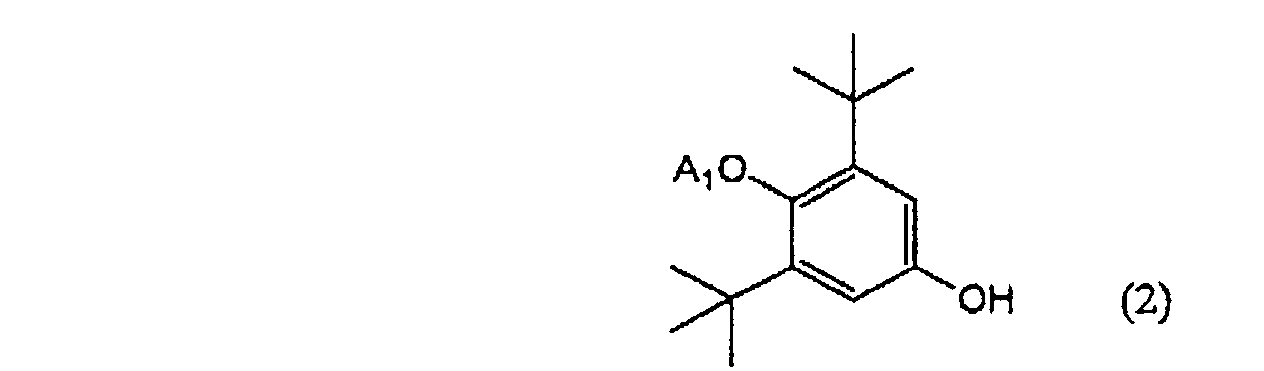 (where A1 is a protective group).
- A process comprising the steps of treating a compound of formula (9)(where A1 and A2 are each a protective group) with hexamethylenetetramine in the presence of an acid catalyst and thereafter hydrolyzing the same to produce a compound represented by formula (3)
 (where A1 is a protective group).
- The process according to claim 8 or 9, which further includes the step of recrystallizing the obtained compound of formula (3) in a solvent comprising a mixture of a lower alcohol and water.
- A process comprising the steps of reacting a compound of formula (3)(where A1 is a protective group) with a metal hydride and thereafter reacting the same with a compound of formula (4)
 (where X1 is a halogen atom) to give a compound represented by formula (5)
 (where A1 is a protective group), and recrystallizing the obtained compound of formula (5) in a hydrocarbon or in a lower alcohol/water mixed solvent to give a purified form of the compound of formula (5).
- A process comprising the steps of cyclizing a compound represented by formula (5)(where A1 is a protective group) to give a compound represented by formula (6)
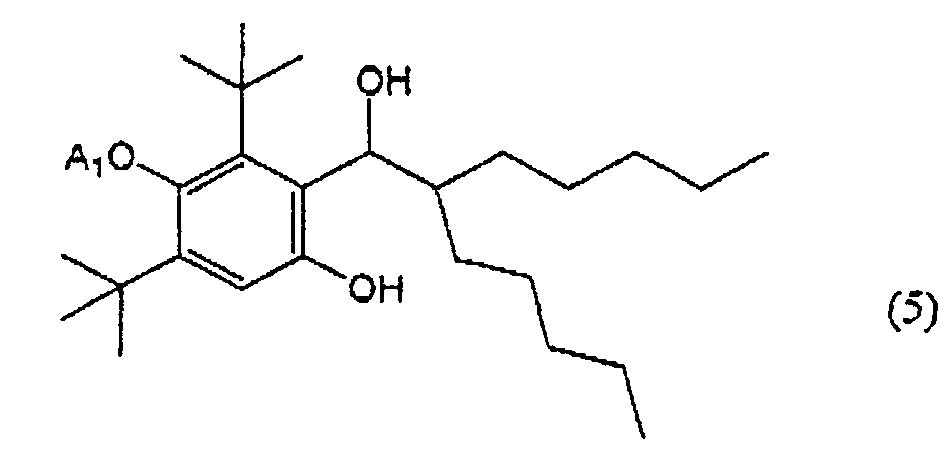 (where A1 is a protective group), treating the obtained compound of formula (6) with an alkali in a lower alcohol and treating the same with aluminum oxide to give a purified form of the compound of formula (6).
- A process for producing a compound represented by formula (1)which comprises the fourteenth step of treating a compound of formula (9)
 (where A1 and A2 are each a protective group) with hexamethylenetetramine in the presence of an acid catalyst and thereafter hydrolyzing the same to give a compound represented by formula (3)
 (where A1 is a protective group), the third step of reacting the compound of formula (3) with a metal hydride and thereafter reacting the same with a compound represented by formula (4)
 (where X1 is a halogen atom) to give a compound represented by formula (5)
 (where A1 is a protective group), the fifth step of cyclizing the compound of formula (5) to give a compound represented by formula (6)
 (where A1 is a protective group), and the seventh step of deprotecting the compound of formula (6)
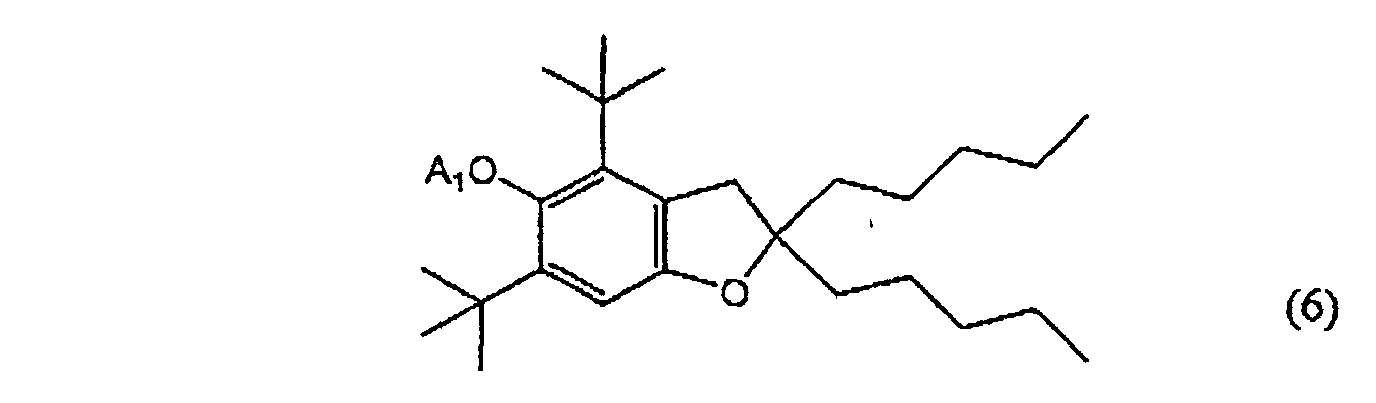 (where A1 is a protective group) to give a compound represented by formula (1)


- A process for producing a compound represented by formula (1)which comprises the fourteenth step of treating a compound of formula (9)
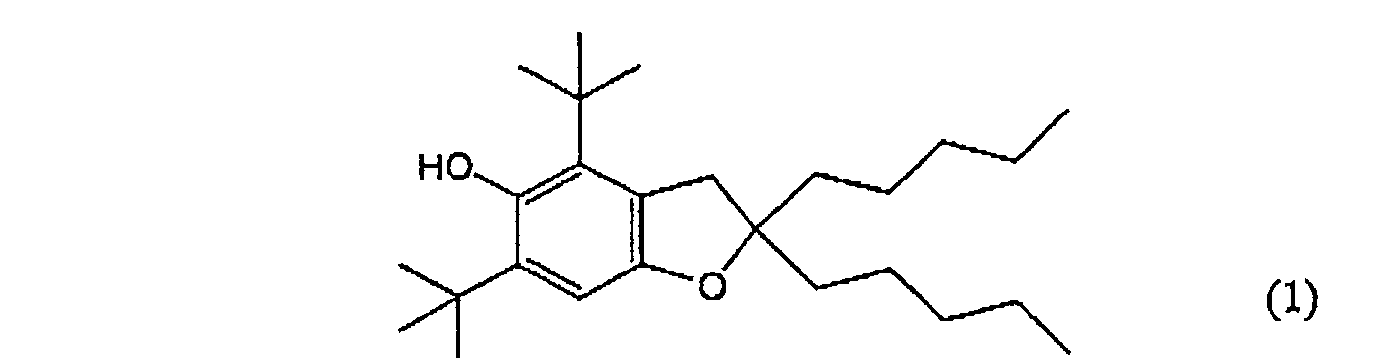 (where A1 and A2 are each a protective group) with hexamethylenetetramine in the presence of an acid catalyst and thereafter hydrolyzing the same to give a compound represented by formula (3)
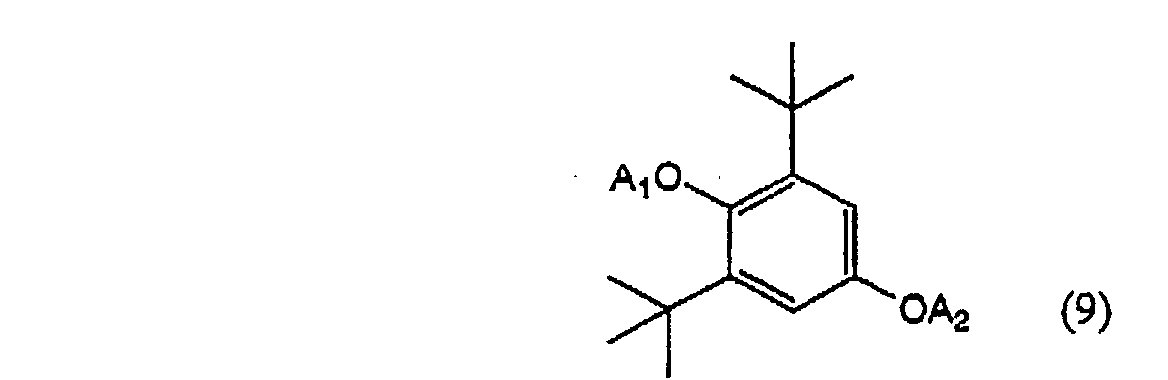 (where A1 is a protective group), the second step of recrystallizing the compound of formula (3) in a lower alcohol/water mixed solvent to give a purified form of the compound of formula (3), the third step of reacting the compound of formula (3) with a metal hydride and thereafter reacting the same with a compound represented by formula (4)
 (where X1 is a halogen atom) to give a compound represented by formula (5)
 (where A1 is a protective group), the fourth step of recrystallizing the compound of formula (5) in a hydrocarbon or in a lower alcohol/water mixed solvent to give a purified form of the compound of formula (5), the fifth step of cyclizing the compound of formula (5) to give a compound represented by formula (6)
 (where A1 is a protective group), the sixth step of treating the compound of formula (6) with an alkali in a lower alcohol and thereafter treating the same with aluminum oxide to give a purified form of the compound of formula (6), and the seventh step of deprotecting the compound of formula (6)
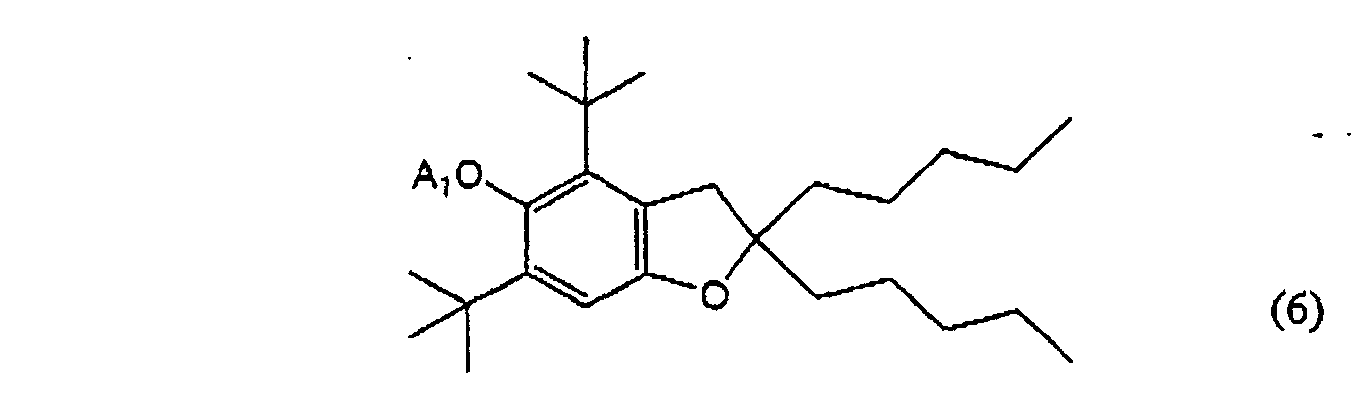 (where A1 is a protective group) to give a compound represented by formula (1)
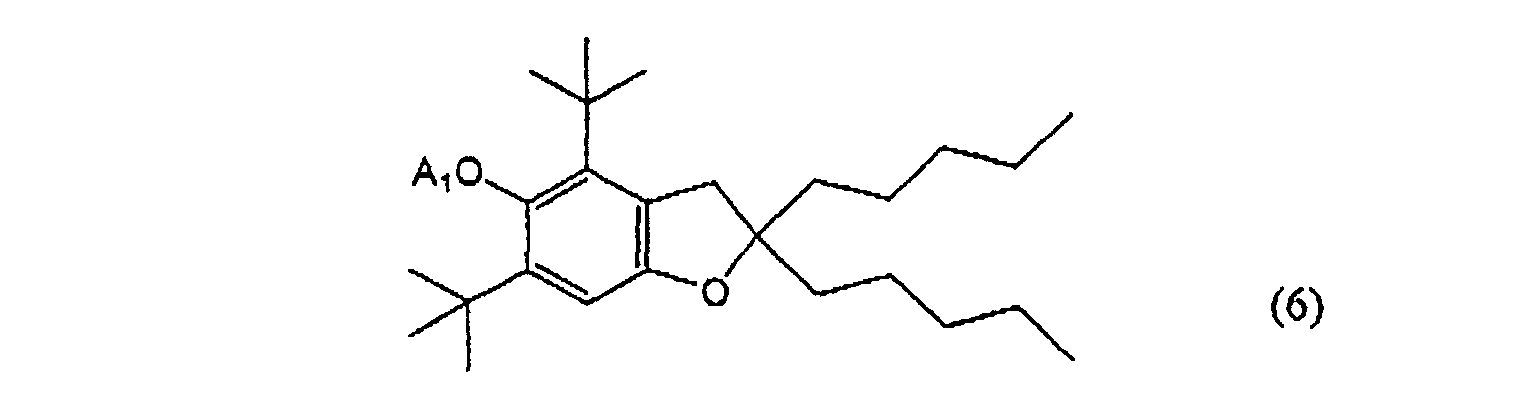
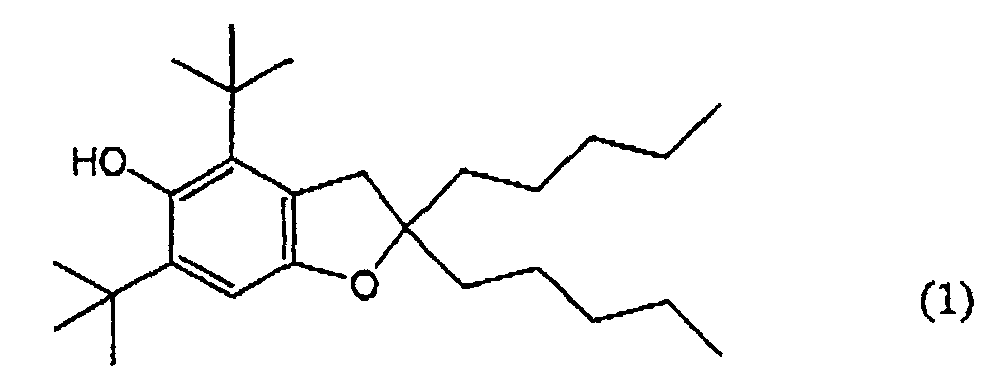
- The process according to claim 13 or 14, which further includes the eighth step of purifying the compound of formula (1) by molecular distillation after the seventh step.
- The process according to claim 13 or 14 for producing a compound represented by formula (1)which, prior to the fourteenth step, further includes the ninth step of reducing a compound represented by formula (7)
 to give a compound represented by formula (8)
 and the tenth step of protecting the hydroxyl groups in the compound of formula (8) to give a compound represented by formula (9)
 (where A1 and A2 are each a hydroxyl group).

- The process according to any one of claims 1, 2, 13 and 14 for producing a compound represented by formula (1)in which the compound of formula (4) to be used is produced by the process set forth below: a compound represented by formula (12)
 (where X2 is a halogen atom) is treated with magnesium in diethyl ether or tetrahydrofuran to give a compound represented by formula (13)
 (where X2 is a halogen atom), the obtained compound is treated with a formic acid ester to give a compound represented by formula (14)
 the obtained compound is treated with methanesulfonyl chloride or p-toluenesulfonyl chloride to give a compound represented by formula (15)
 (where Rs is a methanesulfonyl group or a p-toluenesulfonyl group), the obtained compound is treated with a halogenating agent so that it is halogenated to give a compound represented by formula (16)
 (where X1 is a halogen atom), and the obtained compound is treated with magnesium to give a compound represented by formula (4)
 (where X1 is a halogen atom),
Applications Claiming Priority (3)
| Application Number | Priority Date | Filing Date | Title |
|---|---|---|---|
| JP2000219902 | 2000-07-19 | ||
| JP2000219902 | 2000-07-19 | ||
| PCT/JP2001/006296 WO2002006263A1 (en) | 2000-07-19 | 2001-07-19 | Process for the preparation of a benzofuran derivative |
Publications (2)
| Publication Number | Publication Date |
|---|---|
| EP1304328A1 true EP1304328A1 (en) | 2003-04-23 |
| EP1304328A4 EP1304328A4 (en) | 2004-06-16 |
Family
ID=18714599
Family Applications (1)
| Application Number | Title | Priority Date | Filing Date |
|---|---|---|---|
| EP01951949A Withdrawn EP1304328A4 (en) | 2000-07-19 | 2001-07-19 | PROCESS FOR THE PREPARATION OF A BENZOFURANE DERIVATIVE |
Country Status (4)
| Country | Link |
|---|---|
| US (1) | US6852867B2 (en) |
| EP (1) | EP1304328A4 (en) |
| AU (1) | AU2001272770A1 (en) |
| WO (1) | WO2002006263A1 (en) |
Cited By (1)
| Publication number | Priority date | Publication date | Assignee | Title |
|---|---|---|---|---|
| EP1650198A4 (en) * | 2003-08-01 | 2007-11-21 | Toyo Kasei Kogyo Co Ltd | Alkoxytetrazol-1-ylbenzaldehyde compound and process for producing the same |
Family Cites Families (3)
| Publication number | Priority date | Publication date | Assignee | Title |
|---|---|---|---|---|
| TW393475B (en) * | 1992-10-16 | 2000-06-11 | Chugai Pharmaceutical Co Ltd | 4-alkoxyl-2,6-di-t-butyl phenol derivatives |
| JP3050733B2 (en) | 1992-10-16 | 2000-06-12 | 中外製薬株式会社 | 4-alkoxy-2,6-di-t-butylphenol derivative |
| US5324860A (en) * | 1993-10-27 | 1994-06-28 | Sepracor, Inc. | Process for 3,5-di-tert-butylsalicylaldehyde |
-
2001
- 2001-07-19 AU AU2001272770A patent/AU2001272770A1/en not_active Abandoned
- 2001-07-19 US US10/333,220 patent/US6852867B2/en not_active Expired - Fee Related
- 2001-07-19 EP EP01951949A patent/EP1304328A4/en not_active Withdrawn
- 2001-07-19 WO PCT/JP2001/006296 patent/WO2002006263A1/en not_active Ceased
Cited By (3)
| Publication number | Priority date | Publication date | Assignee | Title |
|---|---|---|---|---|
| EP1650198A4 (en) * | 2003-08-01 | 2007-11-21 | Toyo Kasei Kogyo Co Ltd | Alkoxytetrazol-1-ylbenzaldehyde compound and process for producing the same |
| KR100785395B1 (en) | 2003-08-01 | 2007-12-13 | 도요 가세이 고교 가부시키가이샤 | Alkoxytetrazol-1-ylbenzaldehyde compound and process for producing the same |
| US7579480B2 (en) | 2003-08-01 | 2009-08-25 | Toyo Kasei Kogyo Company Limited | Alkoxy-(tetrazol-1-yl)benzaldehyde compound and process for producing the same |
Also Published As
| Publication number | Publication date |
|---|---|
| US6852867B2 (en) | 2005-02-08 |
| WO2002006263A1 (en) | 2002-01-24 |
| AU2001272770A1 (en) | 2002-01-30 |
| US20030204100A1 (en) | 2003-10-30 |
| EP1304328A4 (en) | 2004-06-16 |
Similar Documents
| Publication | Publication Date | Title |
|---|---|---|
| EP2190804B1 (en) | Process and intermediates for preparing integrase inhibitors | |
| WO1999001420A1 (en) | Process for the preparation of 2-aminomalonic acid derivatives and intermediates used in the process | |
| JP7751844B2 (en) | Method for synthesizing high-purity cholesterol | |
| WO2009099868A1 (en) | Process for the preparation of (-) -delta 9-tetrahydrocannabinol | |
| JP5703295B2 (en) | Method for obtaining 17-spirolactone | |
| JP4667691B2 (en) | Process for the preparation of nitroxyalkyl esters of naproxen | |
| EP2238152A2 (en) | Solid and crystalline dutasteride and processes for preparation thereof | |
| JP2002544207A (en) | 2,2-Dimethyl-1,3-dioxane intermediate salt and method for producing the same | |
| US6852867B2 (en) | Process for preparation of a benzofuran derivative | |
| CN111793047B (en) | Preparation method of eribulin intermediate | |
| CN104072495A (en) | Method for preparing natural product alkaloid Aaptamine | |
| CN112441998B (en) | Preparation method of eribulin intermediate | |
| PL118827B1 (en) | Method of manufacture of tricyclicdiketone | |
| JPH11349541A (en) | New intermediate for allosamizoline derivative | |
| CN114478454A (en) | SGLT2 inhibitor key intermediate and preparation method thereof | |
| CN119431211B (en) | Intermediate, and preparation method and application thereof | |
| JPWO2002006263A1 (en) | Method for producing benzofuran derivatives | |
| CN119822977B (en) | Method for synthesizing salbutamol sulfate | |
| JP4499847B2 (en) | Process for producing 13-ester derivatives of milbemycins | |
| CN117510445A (en) | An intermediate of beraprost and its salt and its preparation method | |
| JP2831549B2 (en) | Method for producing 24-oxocholesterols | |
| KR100570279B1 (en) | Intermediates of coenzyme Qn and methods for preparing the intermediate | |
| CN116239630A (en) | A kind of dehydrated icariin intermediate compound | |
| CN118027091A (en) | A preparation method of treprostinil and its intermediates | |
| CN114539020A (en) | Preparation method of 1, 5-dibromo-3, 3-difluoropentane |
Legal Events
| Date | Code | Title | Description |
|---|---|---|---|
| PUAI | Public reference made under article 153(3) epc to a published international application that has entered the european phase |
Free format text: ORIGINAL CODE: 0009012 |
|
| 17P | Request for examination filed |
Effective date: 20030214 |
|
| AK | Designated contracting states |
Designated state(s): AT BE CH CY DE DK ES FI FR GB GR IE IT LI LU MC NL PT SE TR |
|
| AX | Request for extension of the european patent |
Extension state: AL LT LV MK RO SI |
|
| A4 | Supplementary search report drawn up and despatched |
Effective date: 20040507 |
|
| RIC1 | Information provided on ipc code assigned before grant |
Ipc: 7C 07D 307/79 A |
|
| 17Q | First examination report despatched |
Effective date: 20040910 |
|
| GRAP | Despatch of communication of intention to grant a patent |
Free format text: ORIGINAL CODE: EPIDOSNIGR1 |
|
| STAA | Information on the status of an ep patent application or granted ep patent |
Free format text: STATUS: THE APPLICATION IS DEEMED TO BE WITHDRAWN |
|
| 18D | Application deemed to be withdrawn |
Effective date: 20060628 |