EP1304121A1 - Body weight gain inhibitors - Google Patents
Body weight gain inhibitors Download PDFInfo
- Publication number
- EP1304121A1 EP1304121A1 EP00974859A EP00974859A EP1304121A1 EP 1304121 A1 EP1304121 A1 EP 1304121A1 EP 00974859 A EP00974859 A EP 00974859A EP 00974859 A EP00974859 A EP 00974859A EP 1304121 A1 EP1304121 A1 EP 1304121A1
- Authority
- EP
- European Patent Office
- Prior art keywords
- group
- substance
- optionally substituted
- carbon atoms
- agonist
- Prior art date
- Legal status (The legal status is an assumption and is not a legal conclusion. Google has not performed a legal analysis and makes no representation as to the accuracy of the status listed.)
- Withdrawn
Links
- 0 [In]*c1ccccc1 Chemical compound [In]*c1ccccc1 0.000 description 1
Classifications
-
- C—CHEMISTRY; METALLURGY
- C07—ORGANIC CHEMISTRY
- C07D—HETEROCYCLIC COMPOUNDS
- C07D263/00—Heterocyclic compounds containing 1,3-oxazole or hydrogenated 1,3-oxazole rings
- C07D263/02—Heterocyclic compounds containing 1,3-oxazole or hydrogenated 1,3-oxazole rings not condensed with other rings
- C07D263/30—Heterocyclic compounds containing 1,3-oxazole or hydrogenated 1,3-oxazole rings not condensed with other rings having two or three double bonds between ring members or between ring members and non-ring members
- C07D263/32—Heterocyclic compounds containing 1,3-oxazole or hydrogenated 1,3-oxazole rings not condensed with other rings having two or three double bonds between ring members or between ring members and non-ring members with only hydrogen atoms, hydrocarbon or substituted hydrocarbon radicals, directly attached to ring carbon atoms
-
- A—HUMAN NECESSITIES
- A61—MEDICAL OR VETERINARY SCIENCE; HYGIENE
- A61K—PREPARATIONS FOR MEDICAL, DENTAL OR TOILETRY PURPOSES
- A61K31/00—Medicinal preparations containing organic active ingredients
-
- A—HUMAN NECESSITIES
- A61—MEDICAL OR VETERINARY SCIENCE; HYGIENE
- A61K—PREPARATIONS FOR MEDICAL, DENTAL OR TOILETRY PURPOSES
- A61K31/00—Medicinal preparations containing organic active ingredients
- A61K31/185—Acids; Anhydrides, halides or salts thereof, e.g. sulfur acids, imidic, hydrazonic or hydroximic acids
- A61K31/19—Carboxylic acids, e.g. valproic acid
- A61K31/195—Carboxylic acids, e.g. valproic acid having an amino group
-
- A—HUMAN NECESSITIES
- A61—MEDICAL OR VETERINARY SCIENCE; HYGIENE
- A61K—PREPARATIONS FOR MEDICAL, DENTAL OR TOILETRY PURPOSES
- A61K31/00—Medicinal preparations containing organic active ingredients
- A61K31/21—Esters, e.g. nitroglycerine, selenocyanates
- A61K31/215—Esters, e.g. nitroglycerine, selenocyanates of carboxylic acids
- A61K31/235—Esters, e.g. nitroglycerine, selenocyanates of carboxylic acids having an aromatic ring attached to a carboxyl group
-
- A—HUMAN NECESSITIES
- A61—MEDICAL OR VETERINARY SCIENCE; HYGIENE
- A61K—PREPARATIONS FOR MEDICAL, DENTAL OR TOILETRY PURPOSES
- A61K31/00—Medicinal preparations containing organic active ingredients
- A61K31/33—Heterocyclic compounds
- A61K31/395—Heterocyclic compounds having nitrogen as a ring hetero atom, e.g. guanethidine or rifamycins
- A61K31/41—Heterocyclic compounds having nitrogen as a ring hetero atom, e.g. guanethidine or rifamycins having five-membered rings with two or more ring hetero atoms, at least one of which being nitrogen, e.g. tetrazole
- A61K31/42—Oxazoles
- A61K31/421—1,3-Oxazoles, e.g. pemoline, trimethadione
-
- A—HUMAN NECESSITIES
- A61—MEDICAL OR VETERINARY SCIENCE; HYGIENE
- A61K—PREPARATIONS FOR MEDICAL, DENTAL OR TOILETRY PURPOSES
- A61K45/00—Medicinal preparations containing active ingredients not provided for in groups A61K31/00 - A61K41/00
- A61K45/06—Mixtures of active ingredients without chemical characterisation, e.g. antiphlogistics and cardiaca
-
- A—HUMAN NECESSITIES
- A61—MEDICAL OR VETERINARY SCIENCE; HYGIENE
- A61P—SPECIFIC THERAPEUTIC ACTIVITY OF CHEMICAL COMPOUNDS OR MEDICINAL PREPARATIONS
- A61P3/00—Drugs for disorders of the metabolism
- A61P3/04—Anorexiants; Antiobesity agents
-
- A—HUMAN NECESSITIES
- A61—MEDICAL OR VETERINARY SCIENCE; HYGIENE
- A61P—SPECIFIC THERAPEUTIC ACTIVITY OF CHEMICAL COMPOUNDS OR MEDICINAL PREPARATIONS
- A61P3/00—Drugs for disorders of the metabolism
- A61P3/08—Drugs for disorders of the metabolism for glucose homeostasis
- A61P3/10—Drugs for disorders of the metabolism for glucose homeostasis for hyperglycaemia, e.g. antidiabetics
-
- A—HUMAN NECESSITIES
- A61—MEDICAL OR VETERINARY SCIENCE; HYGIENE
- A61P—SPECIFIC THERAPEUTIC ACTIVITY OF CHEMICAL COMPOUNDS OR MEDICINAL PREPARATIONS
- A61P31/00—Antiinfectives, i.e. antibiotics, antiseptics, chemotherapeutics
- A61P31/10—Antimycotics
Definitions
- the present invention relates to an agent for inhibiting body weight gain derived from a PPAR ⁇ agonist-like substance, which agent is useful for treating diabetes and the like.
- peroxisome proliferator-activated receptor gamma (sometimes to be abbreviated as PPAR ⁇ in the present specification), which is one of the retinoid-related receptor ligands and a member of a nucleus hormone receptor super family represented by steroid hormone receptors and thyroid hormone receptors, shows an induced expression at the beginning of differentiation of adipocytes and plays an important role as a master regulator in the differentiation of adipocytes.
- PPAR ⁇ binds to a ligand to form a dimer with retinoid X receptor (RXR) and the dimer binds to a responsive element of a target gene in the nucleus to directly control (activate) the transcription efficiency.
- RXR retinoid X receptor
- 15-deoxy- ⁇ 12,14 prostaglandin J 2 which is a metabolite of prostaglandin D 2 , is an endogenous ligand of PPAR ⁇ , and that certain insulin sensitizers represented by thiazolidinedione derivatives have a PPAR ⁇ ligand activity and the strength of the activity parallels with a hypoglycemic action or adipocyte differentiation promoting action [Cell, vol. 83, p. 803 (1995); The Journal of Biological Chemistry, vol. 270, p. 12953, (1995); Journal of Medicinal Chemistry, vol. 39, p. 655 (1996)].
- PPAR ⁇ agonists phenylalkanoic acid derivatives having substituted hydroxyl groups at the 4-position have been reported (e.g., WO97/31907 WO97/25042).
- peroxisome proliferator-activated receptor delta (sometimes to be abbreviated as PPAR ⁇ in the present specification) is one kind of the same retinoid-related receptors, and one of the subtypes of peroxisome proliferator-activated receptors (PPAR) like PPAR ⁇ . It does not show tissue specificity in the expression site, and is expressed generally. The physiological roles of PPAR ⁇ have been scarcely elucidated as yet.
- WO97/28149 describes an agonist of such PPAR ⁇ . This publication reports that this compound acts as a PPAR ⁇ agonist and increases HDL amount in plasma, is effective for the treatment and prophylaxis of coronary atherosclerosis, is effective for the treatment and prophylaxis of coronary atherosclerosis when combined with HMG-CoA reductase inhibitors and the like.
- WO99/04815 describes compounds having an agonist activity of both the above-mentioned PPAR ⁇ and PPAR ⁇ . These compounds have a serum cholesterol lowering effect and the publication describes pharmaceutical compositions thereof.
- PPAR ⁇ and PPAR ⁇ have been reported to modulate (up-regulate) the expression of the gene of UCP-2 protein involved in energy balance, body weight control and calory control in preadipocytes, in which PPAR ⁇ is expressed highly, and in adipocytes, in which both PPAR ⁇ and PPAR ⁇ 2 are expressed highly [Biochemical and Biophysical Research Communications, 238 , 606-611 (1997)].
- insulin sensitizers e.g., troglitazone, pioglitazone, rosiglitazone etc.
- PPAR ⁇ agonist activity e.g., Journal of Pharmacology and Experimental Therapeutics, 284 , 751-759 (1998).
- a report has documented on a body weight increasing activity of, for example, troglitazone in type 2 diabetes patients (Diabetes, 47, suppl. 1, A18, No. 69, 1998), wherein the administration thereof led to a phenomenon of body weight gain in the patients during treatment.
- body weight gain is among the actions desirably avoided as far as the diabetic patients can, because obesity induces exacerbation of diabetes.
- the present inventors have first found that the body weight gain of diabetes patients can be suppressed by administering a substance having a PPAR ⁇ agonist action during the administration of a substance having a PPAR ⁇ agonist action, which resulted in the completion of the present invention.
- the present invention relates to
- the PPAR ⁇ agonist-like substance to be used in the present invention needs only to be an agonist of PPAR ⁇ .
- the PPAR ⁇ agonist-like substance may be any substance as long as it expresses a PPAR ⁇ -related action by regulating the gene expression of a UCP-2 protein relating to biological energy balance, body weight control and calory control and the like, even if it is not a direct agonist of PPAR ⁇ .
- the PPAR ⁇ agonist-like substance is, for example, a substance that clearly shows its action in vitro at a concentration of not more than 10 ⁇ M, which is preferably specifically a substance that shows an EC 50 of not more than 10 ⁇ M in Experimental Example 1 below, and the like.
- the PPAR ⁇ agonist-like substance include carbaprostacyclin (cPGI), L-165041 [Journal Biological Chemistry, 274, 6718-6728 (1999, Merck)] and the like.
- cPGI carbaprostacyclin
- L-165041 Journal Biological Chemistry, 274, 6718-6728 (1999, Merck)
- the substances described in GB-2,292,885-A activate PPAR ⁇ and can be used as a PPAR ⁇ agonist-like substance in the present invention.
- cPGI is known as an agonist of both PPAR ⁇ and PPAR ⁇ .
- a substance that can act as an agonist of both PPAR ⁇ and PPAR ⁇ to be mentioned below is also a PPAR ⁇ agonist-like substance that can be used in the present invention.
- the PPAR ⁇ agonist-like substance to be used in the present invention needs only to be an agonist of PPAR ⁇ , and may be any substance as long as it expresses this action.
- the PPAR ⁇ agonist-like substance is, for example, a substance that clearly shows its action in vitro at a concentration of not more than 10 ⁇ M, which is preferably specifically a substance that shows an EC 50 of not more than 10 ⁇ M in Experimental Example 3 below, and the like.
- the PPAR ⁇ agonist-like substance include insulin sensitizers such as troglitazone, rosiglitazone, englitazone, ciglitazone, pioglitazone, PGJ 2 , GI-262570, JTT-501, MCC-555, YM-440, KRP-297, CS-011, FK-614 and the like. It is needless to say that a substance that acts as an agonist of both PPAR ⁇ and PPAR ⁇ to be mentioned below can be used as a PPAR ⁇ agonist-like substance in the present invention.
- the PPAR ⁇ agonist-like substance and the PPAR ⁇ agonist-like substance may be the same or different.
- examples of such same substance include those known as agonists of both PPAR ⁇ and PPAR ⁇ , such as YM-16638 (JP-B-63-35626), p-[3-(4-acetyl-3-hydroxy-2-propylphenoxy)propoxy]phenylbutyric acid (CZ 281,130 and WO99/04815), L-165461, L-783483, L-796449 [Journal Biological Chemistry, 274, 6718-6728 (1999, Merck)] and the like.
- examples of the hydrocarbon group of the "optionally substituted hydrocarbon group" represented by R 1 include aliphatic hydrocarbon group, alicyclic hydrocarbon group, alicyclic-aliphatic hydrocarbon group, aromatic-aliphatic hydrocarbon group and aromatic hydrocarbon group. These hydrocarbon groups preferably have 1 to 14 carbon atoms.
- the aliphatic hydrocarbon group is preferably aliphatic hydrocarbon group having 1 to 8 carbon atoms.
- the aliphatic hydrocarbon group include saturated aliphatic hydrocarbon group having 1 to 8 carbon atoms (e.g., alkyl group etc.), such as methyl, ethyl, propyl, isopropyl, butyl, isobutyl, sec.-butyl, t.-butyl, pentyl, isopentyl, neopentyl, hexyl, isohexyl, heptyl, octyl and the like; and unsaturated aliphatic hydrocarbon group having 2 to 8 carbon atoms (e.g., alkenyl group having 2 to 8 carbon atoms, alkadienyl group having 4 to 8 carbon atoms, alkenylalkynyl group having 2 to 8 carbon atoms, alkadiinyl group having 4 to 8 carbon atoms etc.),
- the alicyclic hydrocarbon group is preferably alicyclic hydrocarbon group having 3 to 7 carbon atoms.
- the alicyclic hydrocarbon group include saturated alicyclic hydrocarbon group having 3 to 7 carbon atoms, (e.g., cycloalkyl group etc.), such as cyclopropyl, cyclobutyl, cyclopentyl, cyclohexyl, cycloheptyl and the like; unsaturated alicyclic hydrocarbon group having 5 to 7 carbon atoms (e.g., cycloalkenyl group, cycloalkadienyl group etc.), such as 1-cyclopentenyl, 2-cyclopentenyl, 3-cyclopentenyl, 1-cyclohexenyl, 2-cyclohexenyl, 3-cyclohexenyl, 1-cycloheptenyl, 2-cycloheptenyl, 3-cycloheptenyl, 2,4-cycloheptadienyl and the like.
- Examples of the alicyclic-aliphatic hydrocarbon group include one wherein the above-mentioned alicyclic hydrocarbon group and the aliphatic hydrocarbon group are bonded (e.g., cycloalkyl-alkyl group, cycloalkenyl-alkyl group etc.). Of these, an alicyclic-aliphatic hydrocarbon group having 4 to 9 carbon atoms is preferable.
- Examples of the alicyclic-aliphatic hydrocarbon group include cyclopropylmethyl, cyclopropylethyl, cyclobutylmethyl, cyclopentylmethyl, 2-cyclopentenylmethyl, 3-cyclopentenylmethyl, cyclohexylmethyl, 2-cyclohexenylmethyl, 3-cyclohexenylmethyl, cyclohexylethyl, cyclohexylpropyl, cycloheptylmethyl, cycloheptylethyl and the like.
- the aromatic-aliphatic hydrocarbon group is preferably aromatic-aliphatic hydrocarbon group having 7 to 13 carbon atoms (e.g., aralkyl group having 7 to 13 carbon atoms, arylalkenyl group having 8 to 13 carbon atoms etc.).
- aromatic-aliphatic hydrocarbon group examples include phenylalkyl having 7 to 9 carbon atoms such as benzyl, phenethyl, 1-phenylethyl, 1-phenylpropyl, 2-phenylpropyl, 3-phenylpropyl and the like; naphthylalkyl having 11 to 13 carbon atoms such as ⁇ -naphthylmethyl, ⁇ -naphthylethyl, ⁇ -naphthylmethyl, ⁇ -naphthylethyl and the like; phenylalkenyl having 8 to 10 carbon atoms such as styryl and the like; naphthylalkenyl having 12 to 13 carbon atoms such as 2-(2-naphthylvinyl) and the like, and the like.
- the aromatic hydrocarbon group is preferably aromatic hydrocarbon group having 6 to 14 carbon atoms (e.g., aryl group etc.).
- aromatic hydrocarbon group include phenyl, naphthyl, anthryl, phenanthryl, acenaphtylenyl, biphenylyl and the like, particularly preferably phenyl, 1-naphthyl, 2-naphthyl and the like.
- examples of the heterocyclic group of the "optionally substituted heterocyclic group" represented by R 1 include a 5 to 7-membered monocyclic heterocyclic group or a fused heterocyclic group, containing, besides carbon atom, 1 to 4 heteroatoms selected from oxygen atom, sulfur atom and nitrogen atom, as a ring-constituting atom.
- examples of the fused heterocycle include fused rings of the 5 to 7-membered monocyclic heterocycle with a 6-membered ring containing 1 or 2 nitrogen atoms, a benzene ring or a 5-membered ring containing one sulfur atom.
- heterocyclic group examples include aromatic heterocyclic groups such as 2-pyridyl, 3-pyridyl, 4-pyridyl, 2-pyrimidinyl, 4-pyrimidinyl, 5-pyrimidinyl, 6-pyrimidinyl, 3-pyridazinyl, 4-pyridazinyl, 2-pyrazinyl, 1-pyrrolyl, 2-pyrrolyl, 3-pyrrolyl, 1-imidazolyl, 2-imidazolyl, 4-imidazolyl, 5-imidazolyl, 1-pyrazolyl, 3-pyrazolyl, 4-pyrazolyl, isoxazolyl, isothiazolyl, 2-thiazolyl, 4-thiazolyl, 5-thiazolyl, 2-oxazolyl, 4-oxazolyl, 5-oxazolyl, 1,2,4.-oxadiazol-5-yl, 1,3,4-oxadiazol-2-yl, 1,3,4-thiadiazol-2-yl, 1,2,4-triazol-1-yl
- the heterocyclic group is preferably pyridyl, oxazolyl, thiazolyl, benzoxazolyl or benzothiazolyl.
- the hydrocarbon group and heterocyclic group represented by R 1 each optionally have 1 to 5, preferably 1 to 3, substituents at substitutable positions.
- substituents include optionally substituted aliphatic hydrocarbon group, optionally substituted alicyclic hydrocarbon group, optionally substituted aromatic hydrocarbon group, optionally substituted aromatic heterocyclic group, optionally substituted non-aromatic heterocyclic group, halogen atom, nitro group, optionally substituted amino group, optionally substituted acyl group, optionally substituted hydroxy group, optionally substituted thiol group, and optionally esterified or amidated carboxyl group.
- substituent of the "optionally substituted aliphatic hydrocarbon group, optionally substituted alicyclic hydrocarbon group, optionally substituted aromatic hydrocarbon group, optionally substituted aromatic heterocyclic group, optionally substituted non-aromatic heterocyclic group” include C 1-6 alkyl group, C 1-6 alkoxy group, halogen atom (e.g., fluorine, chlorine, bromine, iodine etc.), nitro group, C 1-6 haloalkyl group and C 1-6 haloalkoxy group.
- the number of the substituent is, for example, 1 to 3.
- aliphatic hydrocarbon group examples include linear or branched aliphatic hydrocarbon group having 1 to 15 carbon atoms, such as alkyl group, alkenyl group, alkynyl group and the like.
- alkyl group examples include alkyl group having 1 to 10 carbon atoms, such as methyl, ethyl, propyl, isopropyl, butyl, isobutyl, sec.-butyl, t.-butyl, pentyl, isopentyl, neopentyl, 1-ethylpropyl, hexyl, isohexyl, 1,1-dimethylbutyl, 2,2-dimethylbutyl, 3,3-dimethylbutyl, 2-ethylbutyl, heptyl, octyl, nonyl, decyl and the like.
- alkyl group having 1 to 10 carbon atoms such as methyl, ethyl, propyl, isopropyl, butyl, isobutyl, sec.-butyl, t.-butyl, pentyl, isopentyl, neopentyl, 1-ethylprop
- alkenyl group examples include alkenyl group having 2 to 10 carbon atoms, such as ethenyl, 1-propenyl, 2-propenyl, 2-methyl-1-propenyl, 1-butenyl, 2-butenyl, 3-butenyl, 3-methyl-2-butenyl, 1-pentenyl, 2-pentenyl, 3-pentenyl, 4-pentenyl, 4-methyl-3-pentenyl, 1-hexenyl, 3-hexenyl, 5-hexenyl, 1-heptenyl, 1-octenyl and the like.
- alkynyl group examples include alkynyl group having 2 to 10 carbon atoms, such as ethynyl, 1-propinyl, 2-propinyl, 1-butynyl, 2-butynyl, 3-butynyl, 1-pentinyl, 2-pentinyl, 3-pentinyl, 4-pentinyl, 1-hexynyl, 2-hexynyl, 3-hexynyl, 4-hexynyl, 5-hexynyl, 1-heptinyl, 1-octynyl and the like.
- alicyclic hydrocarbon group examples include saturated or unsaturated alicyclic hydrocarbon group having 3 to 12 carbon atoms, such as cycloalkyl group, cycloalkenyl group, cycloalkadienyl group and the like.
- cycloalkyl group examples include cycloalkyl group having 3 to 10 carbon atoms, such as cyclopropyl, cyclobutyl, cyclopentyl, cyclohexyl, cycloheptyl, cyclooctyl, bicyclo[2.2.1]heptyl, bicyclo[2.2.2]octyl, bicyclo[3.2.1]octyl, bicyclo[3.2.2]nonyl, bicyclo[3.3.1]nonyl, bicyclo[4.2.1]nonyl, bicyclo[4.3.1]decyl and the like.
- cycloalkenyl group examples include cycloalkenyl group having 3 to 10 carbon atoms, such as 2-cyclopenten-1-yl, 3-cyclopenten-1-yl, 2-cyclohexen-1-yl, 3-cyclohexen-1-yl and the like.
- cycloalkadienyl group examples include cycloalkadienyl group having 4 to 10 carbon atoms, such as 2,4-cyclopentadien-1-yl, 2,4-cyclohexadien-1-yl, 2,5-cyclohexadien-1-yl and the like.
- aromatic hydrocarbon group examples include aromatic hydrocarbon group having 6 to 14 carbon atoms (e.g., aryl group etc.), such as phenyl, naphthyl, anthryl, phenanthryl, acenaphtylenyl, biphenylyl and the like. Of these, phenyl, 1-naphthyl, 2-naphthyl and the like are preferable.
- aromatic heterocyclic group examples include 5 to 7-membered aromatic monocyclic heterocyclic group containing, besides carbon atom, 1 to 4 heteroatoms selected from oxygen atom, sulfur atom and nitrogen atom, as a ring-constituting atom, such as furyl, thienyl, pyrrolyl, oxazolyl, isoxazolyl, thiazolyl, isothiazolyl, imidazolyl, pyrazolyl, 1,2,3-oxadiazolyl, 1,2,4-oxadiazolyl, 1,3,4-oxadiazolyl, furazanyl, 1,2,3-thiadiazolyl, 1,2,4-thiadiazolyl, 1,3,4-thiadiazolyl, 1,2,3-triazolyl, 1,2,4-triazolyl, tetrazolyl, pyridyl, pyrimidinyl, pyridazinyl, pyrazinyl, triaziny
- non-aromatic heterocyclic group examples include those having 2 to 10 carbon atoms, which contains, besides carbon atom, 1 to 3 heteroatoms selected from oxygen atom, sulfur atom and nitrogen atom, as a ring-constituting atom, such as oxiranyl, azetidinyl, oxetanyl, thietanyl, pyrrolidinyl, tetrahydrofuryl, tetrahydropyranyl, morpholinyl, thiomorpholinyl, piperazinyl, pyrrolidinyl, piperidino, morpholino, thiomorpholino and the like.
- oxiranyl azetidinyl, oxetanyl, thietanyl, pyrrolidinyl, tetrahydrofuryl, tetrahydropyranyl, morpholinyl, thiomorpholinyl, piperazinyl, pyrrolidin
- halogen atom examples include fluorine, chlorine, bromine and iodine, of which fluorine and chlorine are preferable.
- the optionally substituted amino group examples include amino group optionally mono- or di-substituted by alkyl group having 1 to 10 carbon atoms, cycloalkyl group having 3 to 10 carbon atoms, alkenyl group having 2 to 10 carbon atoms, cycloalkenyl group having 3 to 10 carbon atoms, acyl group having 1 to 13 carbon atoms (e.g., alkanoyl group having 2 to 10 carbon atoms, arylcarbonyl group having 7 to 13 carbon atoms etc.) or aryl group having 6 to 12 carbon atoms and the like.
- the acyl group is defined as the optionally substituted acyl group to be mentioned below.
- substituted amino group examples include methylamino, dimethylamino, ethylamino, diethylamino, propylamino, dibutylamino, diallylamino, cyclohexylamino, acetylamino, propionylamino, benzoylamino, phenylamino, N-methyl-N-phenylamino and the like.
- acyl group of the optionally substituted acyl group examples include an acyl group having 1 to 13 carbon atoms, which is specifically formyl, a group wherein carbonyl group is bonded with alkyl group having 1 to 10 carbon atoms, cycloalkyl group having 3 to 10 carbon atoms, alkenyl group having 2 to 10 carbon atoms, cycloalkenyl group having 3 to 10 carbon atoms, aryl group having 6 to 12 carbon atoms or aromatic heterocyclic group (e.g., thienyl, furyl, pyridyl etc.), and the like.
- acyl group having 1 to 13 carbon atoms which is specifically formyl
- acyl group examples include acetyl, propionyl, butyryl, isobutyryl, valeryl, isovaleryl, pivaloyl, hexanoyl, heptanoyl, octanoyl, cyclobutanecarbonyl, cyclopentanecarbonyl, cyclohexanecarbonyl, cycloheptanecarbonyl, crotonyl, 2-cyclohexenecarbonyl, benzoyl, nicotinoyl, isonicotinoyl and the like.
- the acyl group may have 1 to 3 substituents at substitutable positions.
- substituents include alkyl group having 1 to 3 carbon atoms, alkoxy group having 1 to 3 carbon atoms, halogen (e.g., fluorine, chlorine, iodine etc.), nitro, hydroxy, amino and the like.
- the acyl group in a different form is represented by the following formula: -COR 11 , -SO 2 R 14 , -SOR 15 or -PO 3 R 16 R 17 wherein R 11 , R 14 , R 15 , R 16 and R 17 are the same or different and each is optionally substituted hydrocarbon group.
- Examples of the hydrocarbon group of the "optionally substituted hydrocarbon group" represented by R 11 , R 14 , R 15 , R 16 and R 17 include alkyl group having 1 to 10 carbon atoms, cycloalkyl group having 3 to 10 carbon atoms, alkenyl group having 2 to 10 carbon atoms, cycloalkenyl group having 3 to 10 carbon atoms, and aryl group having 6 to 12 carbon atoms.
- substituent of the aforementioned "optionally substituted hydrocarbon group” examples include C 1-6 alkyl group (except when hydrocarbon group is alkyl group), C 1-6 alkoxy group, halogen atom (e.g., fluorine, chlorine, bromine, iodine etc.), nitro group, C 1-6 haloalkyl group, C 1-6 haloalkoxy group.
- the number of substituents is, for example, 1 to 3.
- examples of the substituted hydroxy group include each optionally substituted alkoxy group, alkenyloxy group, aralkyloxy group, acyloxy group and aryloxy group and the like.
- alkoxy group examples include alkoxy group having 1 to 10 carbon atoms, such as methoxy, ethoxy, propoxy, isopropoxy, butoxy, isobutoxy, sec.-butoxy, t.-butoxy, pentyloxy, isopentyloxy, neopentyloxy, hexyloxy, heptyloxy, nonyloxy, cyclobutoxy, cyclopentyloxy, cyclohexyloxy and the like.
- alkoxy group having 1 to 10 carbon atoms such as methoxy, ethoxy, propoxy, isopropoxy, butoxy, isobutoxy, sec.-butoxy, t.-butoxy, pentyloxy, isopentyloxy, neopentyloxy, hexyloxy, heptyloxy, nonyloxy, cyclobutoxy, cyclopentyloxy, cyclohexyloxy and the like.
- alkenyloxy group examples include alkenyloxy group having 2 to 10 carbon atoms, such as allyloxy, crotyloxy, 2-pentenyloxy, 3-hexenyloxy, 2-cyclopentenylmethoxy, 2-cyclohexenylmethoxy and the like.
- aralkyloxy group examples include aralkyloxy group having 7 to 10 carbon atoms, such as phenyl-C 1-4 alkyloxy (e.g., benzyloxy, phenethyloxy etc.) and the like.
- acyloxy group examples include.acyloxy group having 2 to 13 carbon atoms, more preferably alkanoyloxy having 2 to 4 carbon atoms (e.g., acetyloxy, propionyloxy, butyryloxy, isobutyryloxy etc.) and the like.
- aryloxy group examples include aryloxy group having 6 to 14 carbon atoms, such as phenoxy, naphthyloxy and the like.
- alkoxy group, alkenyloxy group, aralkyloxy group, acyloxy group and aryloxy group may have 1 or 2 substituents at substitutable positions.
- substituents include halogen (e.g., fluorine, chlorine, bromine etc.), alkoxy group having 1 to 3 carbon atoms and the like.
- substituted aryloxy group include 4-chlorophenoxy, 2-methoxyphenoxy and the like.
- examples of the substituted thiol group include alkylthio, cycloalkylthio, aralkylthio, acylthio, arylthio, heteroarylthio and the like.
- alkylthio group examples include alkylthio group having 1 to 10 carbon atoms, such as methylthio, ethylthio, propylthio, isopropylthio, butylthio, isobutylthio, sec.-butylthio, t.-butylthio, pentylthio, isopentylthio, neopentylthio, hexylthio, heptylthio, nonylthio and the like.
- alkylthio group having 1 to 10 carbon atoms such as methylthio, ethylthio, propylthio, isopropylthio, butylthio, isobutylthio, sec.-butylthio, t.-butylthio, pentylthio, isopentylthio, neopentylthio, hexylthio, heptylthio,
- cycloalkylthio group examples include cycloalkylthio group having 3 to 10 carbon atoms, such as cyclobutylthio, cyclopentylthio, cyclohexylthio and the like.
- aralkylthio group examples include aralkylthio group having 7 to 10 carbon atoms, such as phenyl-C 1-4 alkylthio (e.g., benzylthio, phenethylthio etc.) and the like.
- acylthio group examples include acylthio group having 2 to 13 carbon atoms, more preferably alkanoylthio group having 2 to 4 carbon atoms (e.g., acetylthio, propionylthio, butyrylthio, isobutyrylthio etc.) and the like.
- arylthio group examples include arylthio group having 6 to 14 carbon atoms, such as phenylthio, naphthylthio and the like.
- heteroarylthio group examples include 2-pyridylthio, 3-pyridylthio and the like, as well as 2-imidazolylthio, 1,2,4-triazol-5-ylthio and the like.
- alkylthio group, cycloalkylthio group, aralkylthio group, acylthio group, arylthio group and heteroarylthio group may have 1 or 2 substituents at substitutable positions.
- substituents include halogen (e.g., fluorine, chlorine, bromine etc.), alkoxy group having 1 to 3 carbon atoms and the like.
- examples of the esterified carboxyl group include alkoxycarbonyl group having 2 to 5 carbon atoms (e.g., methoxycarbonyl, ethoxycarbonyl, propoxycarbonyl, butoxycarbonyl etc.), aralkyloxycarbonyl group having 8 to 10 carbon atoms (e.g., benzyloxycarbonyl etc.), aryloxycarbonyl group having 7 to 15 carbon atoms optionally substituted by 1 or 2 alkyl groups having 1 to 3 carbon atoms (e.g., phenoxycarbohyl, p-tolyloxycarbonyl etc.) and the like.
- alkoxycarbonyl group having 2 to 5 carbon atoms e.g., methoxycarbonyl, ethoxycarbonyl, propoxycarbonyl, butoxycarbonyl etc.
- aralkyloxycarbonyl group having 8 to 10 carbon atoms e.g., benzyloxycarbonyl etc.
- examples of the amidated carboxyl group include a group represented by the formula: -CON(R 12 ) (R 13 ) wherein R 12 and R 13 are the same or different and each is hydrogen atom, optionally substituted hydrocarbon group or optionally substituted heterocyclic group.
- examples of the hydrocarbon group of the "optionally substituted hydrocarbon group” and the heterocyclic group of the "optionally substituted heterocyclic group” represented by R 12 and R 13 include aliphatic hydrocarbon group, alicyclic hydrocarbon group, aromatic hydrocarbon group and heterocyclic group exemplified for the above-mentioned the "hydrocarbon group of the "optionally substituted hydrocarbon group represented by R 1 "” and "the heterocyclic group of the "optionally substituted heterocyclic group represented by R 1 "".
- the hydrocarbon group and heterocyclic group may have 1 to 3 substituents at substitutable positions, and examples of such substituent include halogen (e.g., fluorine, chlorine, bromine, iodine etc.), alkyl having 1 to 4 carbon atoms, alkoxy group having 1 to 4 carbon atoms and the like.
- halogen e.g., fluorine, chlorine, bromine, iodine etc.
- alkyl having 1 to 4 carbon atoms alkoxy group having 1 to 4 carbon atoms and the like.
- the substituent of the hydrocarbon group and heterocyclic group represented by R 1 is preferably alkyl group having 1 to 10 carbon atoms, aromatic heterocyclic group and aryl group having 6 to 14 carbon atoms, more preferably alkyl having 1 to 3 carbon atoms, furyl, thienyl, phenyl and naphthyl.
- the substituent of the hydrocarbon group and heterocyclic group represented by R 1 when it is alicyclic hydrocarbon group, aromatic hydrocarbon group, aromatic heterocyclic group or non-aromatic heterocyclic group, may each have one or more, preferably 1 to 3, suitable substituents.
- substituents examples include alkyl group having 1 to 6 carbon atoms, alkenyl group having 2 to 6 carbon atoms, cycloalkyl group having 3 to 10 carbon atoms, aryl group having 6 to 14 carbon atoms (e.g., phenyl, naphthyl etc.), aromatic heterocyclic group (e.g., thienyl, furyl, pyridyl, oxazolyl, thiazolyl etc.), non-aromatic heterocyclic group (e.g., tetrahydrofuryl, morpholino, thiomorpholino, piperidino, pyrrolidinyl, piperazinyl etc.), aralkyl group having 7 to 9 carbon atoms, amino group, amino group mono- or di-substituted by alkyl group having 1 to 4 carbon atoms or acyl group having 2 to 8 carbon atoms (e.g., alkanoyl group etc.), amidino group,
- R 1 is preferably optionally substituted heterocyclic group, more preferably optionally substituted pyridyl, optionally substituted oxazolyl, optionally substituted thiazolyl or optionally substituted triazolyl.
- R 1 is particularly preferably pyridyl, oxazolyl, thiazolyl or triazolyl each optionally having 1 or 2 substituents selected from alkyl having 1 to 3 carbon atoms, cycloalkyl having 3 to 7 carbon atoms, furyl, thienyl, phenyl and naphthyl.
- furyl, thienyl, phenyl and naphthyl may have 1 or 2 substituents selected from alkyl having 1 to 3 carbon atoms, alkoxy having 1 to 3 carbon atoms, halogen (e.g., fluorine, chlorine, bromine, iodine etc.) and haloalkyl having 1 to 3 carbon atoms.
- substituents selected from alkyl having 1 to 3 carbon atoms, alkoxy having 1 to 3 carbon atoms, halogen (e.g., fluorine, chlorine, bromine, iodine etc.) and haloalkyl having 1 to 3 carbon atoms.
- R 1 include optionally substituted heterocyclic group and optionally substituted cyclic hydrocarbon group represented by the following formulas:
- These groups optionally have 1 or 2 substituents selected from phenyl, furyl, thienyl and alkyl having 1 to 4 carbon atoms.
- the phenyl, furyl and thienyl may have 1 or 2 substituents selected from alkyl having 1 to 6 carbon atoms, alkoxy having 1 to 6 carbon atoms, halogen (e.g., fluorine, chlorine, bromine, iodine etc.), nitro, haloalkyl having 1 to 6 carbon atoms and haloalkoxy having 1 to 6 carbon atoms.
- the alkyl having 1 to 4 carbon atoms may have 1 or 2 substituents selected from alkoxy having 1 to 6 carbon atoms, halogen (e.g., fluorine, chlorine, bromine, iodine etc.), nitro, haloalkyl having 1 to 6 carbon atoms and haloalkoxy having 1 to 6 carbon atoms.
- halogen e.g., fluorine, chlorine, bromine, iodine etc.
- nitro haloalkyl having 1 to 6 carbon atoms
- haloalkoxy having 1 to 6 carbon atoms
- R 1 is more preferably a group represented by the following formula wherein Ph is an optionally substituted phenyl group, R" is a hydrogen atom or an optionally substituted alkyl group having 1 to 6 carbon atoms.
- Examples of the substituent of phenyl group represented by Ph and alkyl group having 1 to 6 carbon atoms, which is represented by R" include alkoxy having 1 to 6 carbon atoms, halogen (e.g., fluorine, chlorine, bromine, iodine etc.), nitro, haloalkyl having 1 to 6 carbon atoms and haloalkoxy having 1 to 6 carbon atoms.
- the number of substituents is, for example, 1 to 3.
- X is a bond or a group represented by -CO-, -CH(OH)- or -NR 6 - (R 6 is hydrogen atom or optionally substituted alkyl group), preferably a bond, -CH(OH)- or -NR 6 -, more preferably a bond or -NR 6 -.
- examples of the alkyl group of the "optionally substituted alkyl group", which is represented by R 6 include, alkyl having 1 to 4 carbon atoms, such as methyl, ethyl, propyl, isopropyl, butyl, isobutyl, sec.-butyl, t.-butyl and the like.
- the alkyl group may have 1 to 3 substituents at substitutable positions.
- substituents examples include halogen (e.g., fluorine, chlorine, bromine, iodine), alkoxy group having 1 to 4 carbon atoms (e.g., methoxy, ethoxy, propoxy, isopropoxy, butoxy, isobutoxy, sec.-butoxy, t.-butoxy etc.), hydroxy group, nitro group, acyl group having 1 to 4 carbon atoms (e.g., alkanoyl group having 1 to 4 carbon atoms such as formyl, acetyl, propionyl etc.).
- halogen e.g., fluorine, chlorine, bromine, iodine
- alkoxy group having 1 to 4 carbon atoms e.g., methoxy, ethoxy, propoxy, isopropoxy, butoxy, isobutoxy, sec.-butoxy, t.-butoxy etc.
- hydroxy group e.g., hydroxy group, nitro group
- n is an integer of 1 to 3, preferably 1 or 2.
- Y is -O-, -S-, -SO-, -SO 2 - or -NR 7 -
- R 7 is hydrogen atom or optionally substituted alkyl group
- R 7 includes those similar to the above-mentioned "optionally substituted alkyl group” represented by R 6 .
- ring A is benzene ring, wherein the benzene ring optionally having 1 to 3 additional substituent(s) at substitutable positions.
- substituents include alkyl group, optionally substituted hydroxy group, halogen atom, optionally substituted acyl group, nitro group and optionally substituted amino group.
- the substituent is preferably alkyl having 1 to 4 carbon atoms, alkoxy group having 1 to 4 carbon atoms or halogen atom.
- a partial structural formula is preferably
- p is an integer of 1 to 8, preferably an integer of 1 to 3.
- examples of the "optionally substituted hydrocarbon group" represented by R 2 include those exemplified as the “optionally substituted hydrocarbon group” represented by R 1 .
- Examples of the "optionally substituted heterocyclic group" represented by R 2 include those exemplified as the “optionally substituted heterocyclic group” represented by R 1 .
- R 2 is preferably optionally substituted hydrocarbon group.
- R 2 is more preferably aliphatic hydrocarbon group, alicyclic hydrocarbon group, aromatic-aliphatic hydrocarbon group or aromatic hydrocarbon group, all of which may be substituted, particularly preferably alkyl group having 1 to 4 carbon atoms, phenylalkenyl group having 8 to 10 carbon atoms or aryl group having 6 to 14 carbon atoms, all of which may be substituted.
- the substituent these hydrocarbon groups may have is preferably halogen atom, alkoxy group having 1 to 4 carbon atoms, aryloxy group having 6 to 14 carbon atoms or aromatic heterocyclic group (e.g., furyl, thienyl).
- the number of substituents is, for example, 1 to 3.
- q is an integer of 0 to 6, preferably 0 to 4.
- m is 0 or 1.
- R 3 is hydroxy group, -OR 8 (R 8 is optionally substituted hydrocarbon group) or -NR 9 R 10 (R 9 and R 10 are the same or different and each is hydrogen atom, optionally substituted hydrocarbon group, optionally substituted heterocyclic group or optionally substituted acyl group, and R 9 and R 10 may be bonded to form a ring).
- examples of the "optionally substituted hydrocarbon group” represented by R 8 include those exemplified as the “optionally substituted hydrocarbon group” represented by R 1 .
- R 8 is "alkyl group having 1 to 4 carbon atoms” or "aryl group having 6 to 10 carbon atoms optionally substituted by alkyl group having 1 to 4 carbon atoms or halogen atom".
- examples of the aforementioned alkyl group having 1 to 4 carbon atoms include methyl, ethyl, propyl, butyl, isobutyl, sec-butyl and t-butyl, particularly preferably methyl and ethyl.
- halogen of the "aryl group having 6 to 10 carbon atoms optionally substituted by alkyl group having 1 to 4 carbon atoms or halogen atom" include fluorine, chlorine, bromine, iodine, particularly preferably chlorine.
- aryl group having 6 to 10 carbon atoms include phenyl and naphthyl, particularly preferably phenyl.
- Examples of the "optionally substituted hydrocarbon group” and “optionally substituted heterocyclic group” represented by R 9 and R 10 include those similar to the "optionally substituted hydrocarbon group” and “optionally substituted heterocyclic group” represented by R 1 .
- Examples of the "optionally substituted acyl group" represented by R 9 and R 10 include those similar to the "optionally substituted acyl group” exemplified as the substituent that the "optionally substituted hydrocarbon group” represented by R 1 may possess.
- R 9 and R 10 may be bonded to form a 5 to 7-membered cyclic amino group.
- specific cyclic amino group include 1-pyrrolidinyl, 1-piperidinyl, 1-hexamethyleniminyl, 4-morpholino, 4-thiomorpholino and the like.
- R 4 and R 5 are the same or different and each is hydrogen atom or optionally substituted hydrocarbon group, and R 4 and R 2 may be bonded to form a ring.
- examples of the "optionally substituted hydrocarbon group" represented by R 4 and R 5 include those similar to the aforementioned "optionally substituted hydrocarbon group” represented by R 1 , preferably those similar to the aforementioned "optionally substituted alkyl group” represented by R 6 and the like.
- R 4 may be bonded to R 2 to form a ring.
- the ring formed by bonding of R 4 and R 2 include cycloalkane having 5 to 11 carbon atoms and cycloalkene having 5 to 11 carbon atoms and the like, which is specifically cyclopentane, cyclopentene, cyclohexane, cyclohexene, cycloheptane, cycloheptene, cyclooctane, cyclooctene, cyclononane, cyclononene, cyclodecane, cyclodecene, cycloundecane and cycloundecene and the like.
- the compound represented by the formula (I) includes (E) form and (Z) form around an imino bond.
- the compound includes these (E) form and (Z) form as single compounds, and a mixture thereof.
- R' is a phenyl, a furyl or a thienyl group each optionally substituted by 1 or 2 substituents selected from alkyl having 1 to 6 carbon atoms, alkoxy having 1 to 6 carbon atoms, halogen (e.g., fluorine, chlorine, bromine, iodine etc.), nitro, haloalkyl having 1 to 6 carbon atoms and haloalkoxy having 1 to 6 carbon atoms; R" is hydrogen atom or optionally substituted alkyl having 1 to 6 carbon atoms (more preferably hydrogen atom, methyl group or ethyl group); R 2' is a hydrogen atom, a phenyl group optionally substituted by at least one substituent selected from alkyl having 1 to 6 carbon atoms, alkoxy having 1 to 6 carbon atoms and halogen; q is an integer of 1 to 6; R 3
- Preferable examples of the compounds represented by the formula (I) also include the compounds represented by the following formula: wherein each symbol is as defined above, or a salt thereof.
- the salt of the compound represented by the formula (I) is preferably a pharmacologically acceptable salt, for example, salt with inorganic base, salt with organic base, salt with inorganic acid, salt with organic acid, salt with basic or acidic amino acid and the like.
- the salt with inorganic base include alkali metal salts, such as sodium salt, potassium salt and the like; alkaline earth metal salts, such as calcium salt, magnesium salt and the like; aluminum salt, ammonium salt and the like.
- salts with organic base include salts with trimethylamine, triethylamine, pyridine, picoline, ethanolamine, diethanolamine, triethanolamine, dicyclohexylamine, N,N-dibenzylethylenediamine and the like.
- salt with inorganic acid examples include salts with hydrochloric acid, hydrobromic acid, nitric acid, sulfuric acid, phosphoric acid and the like.
- the salt with organic acid include salts with formic acid, acetic acid, trifluoroacetic acid, fumaric acid, oxalic acid, tartaric acid, maleic acid, citric acid, succinic acid, malic acid, methanesulfonic acid, benzenesulfonic acid, p-toluenesulfonic acid and the like.
- salt with basic amino acid examples include salts with arginine, lysin, ornithine and the like and preferable examples of the salt with acidic amino acid include salts with aspartic acid, glutamic acid and the like.
- Compound (I) can be produced by, for example, the method described in JP-A-2000-34266 (JP application No. 11-130543, WO99/58510). As such method, for example, the following production method is mentioned.
- Z is a hydroxy group, a halogen atom or a group represented by OSO 2 R 18 (R 18 is alkyl group having 1 to 4 carbon atoms, aryl group having 6 to 10 carbon atoms optionally substituted by alkyl group having 1 to 4 carbon atoms), and other symbols are as defined above.
- examples of the alkyl group having 1 to 4 carbon atoms of the "alkyl group having 1 to 4 carbon atoms" and "aryl group having 6 to 10 carbon atoms optionally substituted by alkyl group having 1 to 4 carbon atoms” represented by R 18 include methyl, ethyl, propyl, isopropyl, butyl, isobutyl, sec.-butyl and t.-butyl, particularly preferably methyl.
- Examples of the aryl group having 6 to 10 carbon atoms of the "aryl group having 6 to 10 carbon atoms optionally substituted by alkyl group having 1 to 4 carbon atoms" represented by R 18 include phenyl and naphthyl, particularly preferably phenyl.
- compound (III) and compound (IV) are reacted to produce compound (II).
- this reaction is carried out according to the method known per se, such as the method described in Synthesis, page 1 (1981), or a method analogous thereto. That is, this reaction is generally carried out in the presence of an organic phosphorus compound and electrophile in a solvent that does not adversely affect the reaction.
- organic phosphorus compound examples include triphenylphosphine, tributylphosphine and the like.
- electrophile examples include diethyl azodicarboxylate, diisopropyl azodicarboxylate, azodicarbonyldipiperazine and the like.
- the amount of the organic phosphorus compound and the electrophile to be used is preferably 1-5 molar equivalent amount relative to compound (IV).
- solvents such as diethyl ether, tetrahydrofuran, dioxane and the like; halogenated hydrocarbons such as chloroform, dichloromethane and the like; aromatic hydrocarbons such as benzene, toluene, xylene and the like; amides such as N,N-dimethylformamide and the like; sulfoxides such as dimethyl sulfoxide and the like; and the like. These solvents may be admixed at a suitable ratio for use.
- the reaction temperature is generally -50°C to 150°C, preferably -10°C to 100°C.
- the reaction time is 0.5 to 20 hours.
- Examples of the base include alkali metal salts such as potassium hydroxide, sodium hydroxide, sodium hydrogencarbonate, potassium carbonate and the like; amines such as pyridine, triethylamine, N,N-dimethylaniline, 1,8-diazabicyclo[5.4.0]undeca-7-ene and the like; metal hydrides such as potassium hydride, sodium hydride and the like; and alkali metal alkoxides such as sodium methoxide, sodium ethoxide, potassium t.-butoxide and the like.
- alkali metal salts such as potassium hydroxide, sodium hydroxide, sodium hydrogencarbonate, potassium carbonate and the like
- amines such as pyridine, triethylamine, N,N-dimethylaniline, 1,8-diazabicyclo[5.4.0]undeca-7-ene and the like
- metal hydrides such as potassium hydride, sodium hydride and the like
- alkali metal alkoxides
- the amount of these bases to be used is preferably 1-5 molar equivalents relative to compound (IV).
- solvents examples include aromatic hydrocarbons such as benzene, toluene, xylene and the like; ethers such as tetrahydrofuran, dioxane and the like; ketones such as acetone, 2-butanone and the like; halogenated hydrocarbons such as chloroform, dichloromethane and the like; amides such as N,N-dimethylformamide and the like; sulfoxides such as dimethyl sulfoxide and the like; and the like. These solvents may be admixed at a suitable ratio for use.
- aromatic hydrocarbons such as benzene, toluene, xylene and the like
- ethers such as tetrahydrofuran, dioxane and the like
- ketones such as acetone, 2-butanone and the like
- halogenated hydrocarbons such as chloroform, dichloromethane and the like
- amides such as N,N-dimethylformamide
- the reaction temperature is generally -50 to 150°C, preferably -10°C to 100°C.
- the reaction time is generally 0.5 to 20 hours.
- This hydrolysis reaction is carried out in the presence of acid or base in an aqueous solvent according to a conventional method.
- Examples of the acid include hydrochloric acid, sulfuric acid, acetic acid, hydrobromic acid and the like.
- Examples of the base include alkali metal carbonates such as potassium carbonate, sodium carbonate and the like; alkali metal alkoxides such as sodium methoxide and the like; alkali metal hydroxides such as potassium hydroxide, sodium hydroxide, lithium hydroxide and the like; and the like.
- the amount of the acid or the base to be used is generally an excess amount over compound (II).
- the amount of the acid to be used is 2-50 equivalents relative to compound (II)
- the amount of the base to be used is 1.2-5 equivalents relative to compound (II).
- aqueous solvent examples include a mixed solvent of water with one or more solvents selected from alcohols such as methanol, ethanol and the like; ethers such as tetrahydrofuran, dioxane and the like; dimethyl sulfoxide, acetone and the like, and the like.
- the reaction temperature is generally -20°C to 150°C, preferably -10°C to 100°C.
- the reaction time is generally 0.1 to 20 hours.
- the compounds (II) and (II") thus obtained can be isolated and purified according to known separation and purification means, such as concentration, concentration under reduced pressure, solvent extraction, crystallization, recrystallization, phase transfer, chromatography and the like.
- the compound (III) and compound (IV) to be used as a starting material compound in the above-mentioned production method are known compounds and compound (III) wherein Z is hydroxy group is described in, for example, EP-A-710659.
- the compound (III) is described in EP-A-629624 (JP-A-7-53555), WO 98/03505 and the like.
- the compound (III) can be also produced by a method analogous to methods described in these publications.
- the compound (IV) is described in, for example, Journal fur Praktician Chemie, vol. 311, 370 (1969); Canadian Journal of Chemistry, vol. 48, 1948 (1970); Journal of Heterocyclic Chemistry, vol. 25, 1283 (1988); and the like.
- the compound (IV) can be also produced by a method analogous to methods described in these publications.
- the PPAR ⁇ agonist-like substance and the PPAR ⁇ agonist-like substance are not limited by the above-mentioned exemplification. As long as a similar effect is achieved, any substance can be used. In addition, these may further have a PPAR ⁇ function modulating action (agonist or antagonist activity).
- a single substance desirably simultaneously has both a PPAR ⁇ agonist-like action and a PPAR ⁇ agonist-like action.
- Such substance is exemplified by the above-mentioned compound (I), YM-16638 (mentioned above), p-[3-(4-acetyl-3-hydroxy-2-propylphenoxy)propoxy]phenylbutyric acid (mentioned above), 5-[3-[4-[(5-methyl-2-phenyl-1,3-thiazol-4-yl)methoxy]phenyl]propyl]-1,3-oxazolidine-2,4-dione (mentioned above) and the like.
- a pharmaceutical agent containing both a PPAR ⁇ agonist-like substance and a PPAR ⁇ agonist-like substance is also one embodiment of the present invention.
- a PPAR ⁇ agonist such as the aforementioned insulin sensitizers (e.g., troglitazone, rosiglitazone, englitazone, ciglitazone, pioglitazone etc.) and the aforementioned carbaprostacyclin (cPGI), L-165041 or compound (I) and the like.
- compound (I) itself has both a PPAR ⁇ agonist-like action and a PPAR ⁇ agonist-like action, this can be also used in combination with an insulin sensitizer.
- the dose of the agent of the present invention when the PPAR ⁇ agonist-like substance and the PPAR ⁇ agonist-like substance are different substances needs only to be within the effective amount of the respective substances, and when the PPAR ⁇ agonist-like substance and the PPAR ⁇ agonist-like substance are the same, it is within the effective amount of the substance.
- the dose when the agent of the present invention is orally administered to, for example, adult diabetic patients (body weight 60 kg) is, for example, about 0.1 to about 600 mg/day, preferably about 12 to about 240 mg/day, in terms of the PPAR ⁇ agonist-like substance or PPAR ⁇ agonist-like substance.
- the dose may be administered once a day or divided and given in 2 or 3 portions.
- the agent of the present invention has low toxicity and can be used as an agent for the prophylaxis or treatment of various diseases to be mentioned below in mammals (e.g., human, mouse, rat, rabbit, dog, cat, bovine, horse, pig, monkey etc.).
- mammals e.g., human, mouse, rat, rabbit, dog, cat, bovine, horse, pig, monkey etc.
- the agent of the present invention may contain a pharmacologically acceptable carrier.
- a pharmacologically acceptable carrier various organic or inorganic carrier substances conventionally used as starting materials for preparation of medicine are used in the form of excipient, lubricant, binder or disintegrant for solid preparations; solvent, dissolution aids, suspending agent, isotonicity agent, buffering agent or soothing agent for liquid preparations; and the like.
- additives for preparation such as preservative, antioxidant, coloring agent, sweetening agent and the like can be also used.
- excipient examples include lactose, sucrose, D-mannitol, D-sorbitol, starch, pregelatinized starch, dextrin, crystalline cellulose, low-substituted hydroxypropyl cellulose, sodium carboxymethyl cellulose, gum arabic, dextrin, pullulan, light silicic anhydride, synthetic aluminum silicate, magnesium aluminometasilicate and the like.
- lubricant examples include magnesium stearate, calcium stearate, talc, colloidal silica and the like.
- binder examples include pregelatinized starch, saccharose, gelatin, gum arabic, methyl cellulose, carboxymethyl cellulose, carboxymethylcellulose sodium, crystalline cellulose, sucrose, D-mannitol, trehalose, dextrin, pullulan, hydroxypropyl cellulose, hydroxypropylmethyl cellulose, polyvinylpyrrolidone and the like.
- disintegrant examples include lactose, sucrose, starch, carboxymethyl cellulose, carboxymethylcellulose calcium, crosscarmellose sodium, carboxymethyl starch sodium, light silicic anhydride, low-substituted hydroxypropyl cellulose and the like.
- the solvent include water for injection, physiological brine, Ringer's solution, alcohol, propylene glycol, polyethylene glycol, sesame oil, corn oil, olive oil, cotton oil and the like.
- dissolution aids include polyethylene glycol, propylene glycol, D-mannitol, trehalose, benzyl benzoate, ethanol, tris aminomethane, cholesterol, triethanolamine, sodium carbonate, sodium citrate, sodium salicylate, sodium acetate and the like.
- the suspending agent include surfactants such as stearyltriethanolamine, sodium lauryl sulfate, laurylaminopropionic acid, lecithin, benzalkonium chloride, benzethonium chloride, glyceryl monostearate and the like; hydrophilic polymers such as polyvinyl alcohol, polyvinylpyrrolidone, carboxymethylcellulose sodium, methylcellulose, hydroxymethylcellulose, hydroxyethylcellulose, hydroxypropylcellulose and the like; polysorbates, polyoxyethylene hydrogenated castor oil and the like.
- surfactants such as stearyltriethanolamine, sodium lauryl sulfate, laurylaminopropionic acid, lecithin, benzalkonium chloride, benzethonium chloride, glyceryl monostearate and the like
- hydrophilic polymers such as polyvinyl alcohol, polyvinylpyrrolidone, carboxymethylcellulose sodium, methylcellulose, hydroxymethyl
- the isotonicity agent include sodium chloride, glycerin, D-mannitol, D-sorbitol, glucose and the like.
- buffering agent examples include buffers such as phosphate, acetate, carbonate, citrate and the like, and the like.
- the soothing agent include benzyl alcohol and the like.
- preservative examples include p-oxybenzoic acid esters, chlorobutanol, benzyl alcohol, phenethyl alcohol, dehydroacetic acid, sorbic acid and the like.
- antioxidant examples include sulfite, ascorbate and the like.
- the coloring agent include water-soluble food tar dye (e.g., foodcolors such as Food Color Red No. 2 and No. 3, Food Color yellow No. 4 and No, 5, Food Color Blue No. 1 and No. 2 and the like, water-insoluble rake dye (e.g., aluminum salt of the aforementioned water-soluble food tar dye etc.), natural color (e.g., ⁇ -carotene, chlorophyll, red ferric oxide etc.) and the like.
- water-soluble food tar dye e.g., foodcolors such as Food Color Red No. 2 and No. 3, Food Color yellow No. 4 and No, 5, Food Color Blue No. 1 and No. 2 and the like
- water-insoluble rake dye e.g., aluminum salt of the aforementioned water-soluble food tar dye etc.
- natural color e.g., ⁇ -carotene, chlorophyll, red ferric oxide etc.
- sweetening agent examples include saccharin sodium, dipotassium glycyrrhizinate, aspartame, stevia and the like.
- the agent of the present invention may be a single preparation containing both substances or two different kinds of preparations containing either of the substances.
- the dosage forms of the preparations do not need to be the same.
- the dosage form typically employed for medical treatment is appropriately selected according to the active ingredient of these preparations.
- Examples of the dosage form of the agent of the present invention include oral agents such as tablet, capsule (including soft capsule and microcapsule), granule, powder, syrup, emulsion, suspension and the like; and parenteral agents such as injection (e.g., subcutaneous injection, intravenous injection, intramuscular injection, intraperitoneal injection etc.), external preparation (e.g., preparation for nasal administration, transdermal preparation, ointment etc.), suppository (e.g., rectal suppository, vaginal suppository etc.), pellet, drop and sustained release preparation, all of which can be orally or parenterally administered safely.
- oral agents such as tablet, capsule (including soft capsule and microcapsule), granule, powder, syrup, emulsion, suspension and the like
- parenteral agents such as injection (e.g., subcutaneous injection, intravenous injection, intramuscular injection, intraperitoneal injection etc.), external preparation (e.g., preparation for nasal administration, transdermal preparation, oint
- the agent of the present invention can be produced according to a method conventional in the technical field of preparing medicine, for example, the method described in Japan Pharmacopoeia and the like. A specific production method of a preparation is explained in detail in the following.
- oral agents can be produced by adding, for example, excipient (e.g., lactose, sucrose, starch, D-mannitol etc.), disintegrant (e.g., carboxymethylcellulose calcium etc.), binder (e.g., pregelatinized starch, gum arabic, carboxymethylcellulose, hydroxypropylcellulose, polyvinylpyrrolidone etc.) or lubricant (e.g., talc, magnesium stearate, polyethylene glycol 6000 etc.) and the like to the active ingredient, compression-molding the mixture, and where necessary, coating with a coating material for the purpose of masking of taste, enteric property or sustained release property by a method known per se.
- excipient e.g., lactose, sucrose, starch, D-mannitol etc.
- disintegrant e.g., carboxymethylcellulose calcium etc.
- binder e.g., pregelatinized starch, gum arabic, carboxymethylcellulose,
- coating material examples include sugar coating material, water-soluble film coating material, enteric film coating material, sustained release film coating material and the like.
- sucrose is used, and one or two kinds selected from talc, precipitated calcium carbonate, gelatin, gum arabic, pullulan, carnauba wax and the like may be used in combination.
- water-soluble film coating material examples include cellulose polymers such as hydroxypropylcellulose, hydroxypropylmethylcellulose, hydroxyethylcellulose, methylhydroxyethylcellulose and the like; synthetic polymers such as polyvinylacetaldiethylaminoacetate, aminoalkylmethacrylate copolymer E [Eudragit E (trademark), Röhm Pharma], polyvinylpyrrolidone and the like; polysaccharides such as pullulan and the like; and the like.
- cellulose polymers such as hydroxypropylcellulose, hydroxypropylmethylcellulose, hydroxyethylcellulose, methylhydroxyethylcellulose and the like
- synthetic polymers such as polyvinylacetaldiethylaminoacetate, aminoalkylmethacrylate copolymer E [Eudragit E (trademark), Röhm Pharma], polyvinylpyrrolidone and the like
- polysaccharides such as pullulan and the like; and the like.
- enteric film coating material examples include cellulose polymers such as hydroxypropylmethylcellulose phthalate, hydroxypropylmethylcellulose acetate succinate, carboxymethylethylcellulose, cellulose acetate phthalate and the like; acrylic acid polymers such as methacrylic acid copolymer L [Eudragit L (trademark), Röhm Pharma], methacrylic acid copolymer LD [Eudragit L-30D55 (trademark), Röhm Pharma], methacrylic acid copolymer S [Eudragit S (trademark), Röhm Pharma] and the like; naturally occurring substances such as shellac and the like; and the like.
- cellulose polymers such as hydroxypropylmethylcellulose phthalate, hydroxypropylmethylcellulose acetate succinate, carboxymethylethylcellulose, cellulose acetate phthalate and the like
- acrylic acid polymers such as methacrylic acid copolymer L [Eudragit L (trademark), Röhm Pharma], methacrylic acid cop
- sustained release film coating material examples include cellulose polymers such as ethylcellulose and the like; acrylic acid polymers such as aminoalkylmethacrylate copolymer RS [Eudragit RS (trade name), Röhm Pharma], ethyl acrylate methyl methacrylate copolymer suspension [Eudragit NE (trade name), Röhm Pharma] and the like; and the like.
- cellulose polymers such as ethylcellulose and the like
- acrylic acid polymers such as aminoalkylmethacrylate copolymer RS [Eudragit RS (trade name), Röhm Pharma], ethyl acrylate methyl methacrylate copolymer suspension [Eudragit NE (trade name), Röhm Pharma] and the like; and the like.
- coating materials may be used in combination of two or more kinds thereof admixed at a suitable proportions.
- shading agents such as titanium oxide, iron sesquioxide and the like may be used.
- Injections can be produced by dissolving, suspending or emulsifying the active ingredient along with a dispersant (e.g., polysorbate 80, polyoxyethylene hydrogenated castor oil 60 etc.), polyethylene glycol, carboxymethylcellulose, sodium alginate and etc.), a preservative (e.g., methylparaben, propylparaben, benzyl alcohol, chlorobutanol, phenol etc.), an isotonicity agent (e.g., sodium chloride, glycerin, D-mannitol, D-sorbitol, glucose etc.) and the like in an aqueous solvent (e.g., distilled water, physiological saline, Ringer's solution etc.) or an oily solvent (e.g., vegetable oils such as olive oil, sesame oil, cotton oil, corn oil etc., propylene glycol etc.) and the like.
- a dispersant e.g., polysorbate 80, polyoxyethylene hydrogenated cast
- additives such as dissolution aids (e.g., sodium salicylate, sodium acetate etc.), stabilizers (e.g., human serum albumin etc.), soothing agents (e.g., benzyl alcohol etc.) and the like may be used.
- dissolution aids e.g., sodium salicylate, sodium acetate etc.
- stabilizers e.g., human serum albumin etc.
- soothing agents e.g., benzyl alcohol etc.
- oral agents such as tablet, capsule and the like are preferable in view of convenience during administration.
- the agent of the present invention is effective for the suppression of body weight gain observed in patients with various diseases (e.g., diabetes), who are under medication of PPAR ⁇ agonist-like substance (e.g., insulin sensitizer), and is useful for the treatment or prophylaxis of PPAR ⁇ -related diseases (e.g., hypercholesterolemia, hypo-high-density-lipoproteinemia) and the like.
- diseases e.g., diabetes
- PPAR ⁇ agonist-like substance e.g., insulin sensitizer
- PPAR ⁇ -related diseases e.g., hypercholesterolemia, hypo-high-density-lipoproteinemia
- the agent of the present invention is capable of suppressing body weight gain caused by PPAR ⁇ agonist-like substances, which is observed in, for example, patients (e.g., diabetic patients) under medication of a PPAR ⁇ agonist-like substance, to not more than about 80%.
- the agent of the present invention can be used effectively as a prophylactic or therapeutic agent of diabetes (e.g., type 1 diabetes, type 2 diabetes, gestational diabetes etc.), hyperlipidemia (e.g., hypertriglyceridemia, hypercholesterolemia, hypo-high-density-lipoproteinemia, postprandial hyperlipidemia etc.), diabetic complications (e.g., neuropathy, nephropathy, retinopathy, cataract, macroangiopathy, osteopenia etc.), impaired glucose tolerance (IGT), obesity, osteoporosis, cachexia (e.g., cancerous cachexia, tuberculous cachexia, diabetic cachexia, blood disease cachexia, endocrine disease cachexia, infectious disease cachexia or cachexia due to acquired immunodeficiency syndrome), fatty liver, hypertension, polycystic ovary syndrome, gestational diabetes, renal diseases (e.g., diabetic nephropathy, glomerular nephritis, glomerulosclerosis, nephro
- the agent of the present invention can be also used for treatment aiming at improving insulin resistance, enhancing insulin sensitivity, or preventing progress of impaired glucose tolerance into diabetes. Furthermore, the agent of the present invention can be also used for controlling appetite and food intake in the patients under diabetic treatments.
- diabetes is a condition showing any of a fasting blood glucose level (glucose concentration in venous plasma) of not less than 126 mg/dl, a 75 g oral glucose tolerance test (75 g OGTT) 2 h level (glucose concentration in venous plasma) of not less than 200 mg/dl, a non-fasting blood glucose level (glucose concentration in venous plasma) of not less than 200 mg/dl.
- a condition not falling under the above-mentioned diabetes, and not being "a condition showing a fasting blood glucose level (glucose concentration in venous plasma) of less than 110 mg/dl or a 75 g oral glucose tolerance test (75 g OGTT) 2 h level (glucose concentration in venous plasma) of less than 140 mg/dl" (normal type) is called a "borderline type”.
- ADA American Diabetes Association
- diabetes is a condition showing a fasting blood glucose level (glucose concentration in venous plasma) of not less than 126 mg/dl and a 75 g oral glucose tolerance test 2 h level (glucose concentration in venous plasma) of not less than 200 mg/dl.
- impaired glucose tolerance is a condition showing a fasting blood glucose level (glucose concentration in venous plasma) of less than 126 mg/dl and a 75 g oral glucose tolerance test 2 h level (glucose concentration in venous plasma) of not less than 140 mg/dl and less than 200 mg/dl.
- a condition showing a fasting blood glucose level (glucose concentration in venous plasma) of not less than 110 mg/dl and less than 126 mg/dl is called IFG (Impaired Fasting Glucose).
- IFG Impaired Fasting Glucose
- IFG Impaired Fasting Glycemia
- the agent of the present invention can be also used as a prophylactic and therapeutic agent of diabetes, borderline type, impaired glucose tolerance, IFG (Impaired Fasting Glucose) and IFG (Impaired Fasting Glycemia), as determined according to the above-mentioned new diagnostic criteria. Moreover, the agent of the present invention can prevent progress of borderline type, impaired glucose tolerance, IFG (Impaired Fasting Glucose) or IFG (Impaired Fasting Glycemia) into diabetes.
- the agent of the present invention can be used in combination with a pharmaceutical agent (hereinafter abbreviated as combination agent) such as a therapeutic agent of diabetes, a therapeutic agent of diabetic complications, an anti-hyperlipidemia agent, an antihypertensive agent, a diuretic, a chemotherapeutant, an immunotherapeutic agent and the like.
- a pharmaceutical agent such as a therapeutic agent of diabetes, a therapeutic agent of diabetic complications, an anti-hyperlipidemia agent, an antihypertensive agent, a diuretic, a chemotherapeutant, an immunotherapeutic agent and the like.
- the agent of the present invention itself can contain such combination agent.
- by the mere “combination” is meant both a mode of administration using separate pharmaceutical agents and a mode of a single, combined pharmaceutical agent.
- the agent of the present invention and a combination agent are not limited as to the administration time. These may be simultaneously administered to a subject of administration or may be administered at staggered times. Two or more kinds of the combination agents may
- the dose of a combination agent can be determined as appropriate with the dose clinically employed for each pharmaceutical agent as a standard.
- the mixing ratio of the agent of the present invention and a combination agent can be determined appropriately depending on the subject of administration, administration route, target disease, condition, combination and the like.
- insulin preparations e.g., animal insulin preparation extracted from pancreas of cow or pig; human insulin preparation synthesized by genetic engineering techniques using Escherichia coli or yeast etc.
- ⁇ -glucosidase inhibitor e.g., voglibose, acarbose, miglitol, emiglitate etc.
- biguanide agent e.g., phenformin, metformin, buformin etc.
- insulin secretagogue e.g., sulfonylurea agent (e.g., tolbutamide, glibenclamide, gliclazide, chlorpropamide, tolazamide, acetohexamide, glyclopyramide, glimepiride, glipizide, glybuzole etc.), repaglinide, senaglinide, nateglinide, mitiglinide or calcium salt hydrate thereof, GLP-1 and the like], amylin
- Examples of the therapeutic agent of diabetic complications include aldose reductase inhibitors (e.g., tolrestat, epalrestat, zenarestat, zopolrestat, minalrestat, fidarestat, SNK-860, CT-112 etc.), neurotrophic factors (e.g., NGF, NT-3, BDNF etc.), neurotrophic factor production promoter, PKC inhibitors (e.g., LY-333531 etc.), AGE inhibitors (e.g., ALT946, pimagedine, pyratoxathine, N-phenacylthiazolium bromide (ALT766), EXO-226 etc.), active oxygen scavengers (e.g., thioctic acid etc.) and cerebral vasodilators (e.g., tiapride, mexiletine etc.).
- aldose reductase inhibitors e.g., tolrestat, epalrestat, zen
- anti-hyperlipidemia agent examples include statin compounds (e.g., pravastatin, simvatatin, lovastatin, atorvastatin, fluvastatin, cerivastatin, itavastatin, salts thereof (e.g., sodium salt) etc.), which are inhibitors of cholesterol synthesis, squalene synthetase inhibitor, fibrate compound having a triglyceride lowering effect (e.g., bezafibrate, clofibrate, simfibrate, clinofibrate etc.) and the like.
- statin compounds e.g., pravastatin, simvatatin, lovastatin, atorvastatin, fluvastatin, cerivastatin, itavastatin, salts thereof (e.g., sodium salt) etc.
- statin compounds e.g., pravastatin, simvatatin, lovastatin, atorvastatin, fluvastatin
- antihypertensive agent examples include angiotensin converting enzyme inhibitors (e.g., captoril, enalapril, delapril etc.), angiotensin II antagonists (e.g., losartan, candesartan cilexetil, eprosartan, valsartan, termisartan, irbesartan, tasosartan etc.), calcium antagonists (e.g., manidipine, nifedipine, amlonidipine, efonidipine, nicardipine etc.) and the like.
- angiotensin converting enzyme inhibitors e.g., captoril, enalapril, delapril etc.
- angiotensin II antagonists e.g., losartan, candesartan cilexetil, eprosartan, valsartan, termisartan, irbesartan, tas
- anti-obesity agent examples include central acting anti-obesity agents (e.g., dexfenfluramine, fenfluramine, fentermine, sibutramine, amfepramone, dexamphetamine, mazindol, phenylpropanolamine, clobenzorex etc.), pancreatic lipase inhibitor (e.g., orlistat etc.), ⁇ 3 agonist (e.g., CL-316243, SR-58611-A, UL-TG-307, SB-226552, AJ-9677, BMS-196085, AZ40140 etc.), anorectic peptides (e.g., leptin, CNTF (ciliary neurotropic factor) etc.), cholecystikinin agonists (e.g., lintitript, FPL-15849 etc.) and the like.
- central acting anti-obesity agents e.g., dexfenflu
- diuretic examples include xanthine derivatives (e.g., sodium salicylate and theobromine, calcium salicylate and theobromine etc.), thiazide preparations (e.g., ethiazide, cyclopenthiazide, trichlormethiazide, hydrochlorothiazide, hydroflumethiazide, benzylhydrochlorothiazide, penflutizide, polythiazide, methyclothiazide etc.), anti-aldosterone preparations (e.g., spironolactone, triamterene etc.), carbonate dehydratase inhibitors (e.g., acetazolamide etc.), chlorobenzenesulfonamide preparations (e.g., chlortalidone, mefruside, indapamide etc.), azosemide, isosorbide, ethacrynic acid, piretanide, bumet
- chemotherapeutant examples include alkylation agents (e.g., cyclophosphamide, ifosphamide etc.), metabolic antagonists (e.g., methotrexate, 5-fluorouracil etc.), antitumor antibiotics (e.g., mitomycin, adriamycin etc.), plant-derived antitumor agents (e.g., vincristine, vindesine, taxol etc.), cisplatin, carboplatin, etopoxide and the like.
- alkylation agents e.g., cyclophosphamide, ifosphamide etc.
- metabolic antagonists e.g., methotrexate, 5-fluorouracil etc.
- antitumor antibiotics e.g., mitomycin, adriamycin etc.
- plant-derived antitumor agents e.g., vincristine, vindesine, taxol etc.
- cisplatin
- immunotherapeutic agent examples include microorganism or bacterial components (e.g., muramyl dipeptide derivative, picibanil etc.), polysaccharides having immunostimulant activity (e.g., lenthinan, schizophyllan, krestin etc.), cytokines obtained by genetic engineering techniques (e.g., interferon, interleukin (IL) etc.), colony stimulating factors (e.g., granulocyte-colony stimulating factor, erythropoietin etc.) and the like. Of these, IL-1, IL-2, IL-12 and the like are preferable.
- IL-1, IL-2, IL-12 and the like are preferable.
- pharmaceutical agents having a cachexia improving effect acknowledged in animal models and clinical situations which include cyclooxygenase inhibitors (e.g., indomethacin etc.) [Cancer Research, vol. 49, pp. 5935-5939, 1989], progesterone derivatives (e.g., megestrol acetate) [Journal of Clinical Oncology, vol. 12, pp.
- glucosteroid e.g., dexamethasone etc.
- metoclopramide agents e.g., metoclopramide agents
- tetrahydrocannabinol agents publications are the same as the above
- fat metabolism improving agents e.g., eicosapentanoic acid etc.
- growth hormone, IGF-1, and antibodies against TNF- ⁇ , LIF, IL-6 and oncostatin M which induce cachexia, and the like, can be also used in combination with the pharmaceutical agent of the present invention.
- combination agent Preferable examples include the following.
- the dose thereof can be reduced within a safe range in consideration of the adverse effect of these agents.
- the dose of insulin preparation, insulin secretagogue such as sulfonylurea agent and the like, and biguanide agent can be reduced to a lower level as compared to the general dose thereof. Consequently, the side effects possibly caused by these agents can be prevented safely.
- the dose of the agents for diabetic complications, anti-hyperlipidemia agents and antihypertensive agents can be reduced, as a result of which the side effects possibly caused by these agents can be prevented effectively.
- an amino acid and the like are expressed using abbreviations in the present specification, they are based on the abbreviations of IUPAC-IUB Commission on Biochemical Nomenclature or conventional abbreviations used in the pertinent field, which are exemplified by the following.
- an amino acid has an optical isomer, it refers to an L form, unless specifically indicated.
- Human PPAR ⁇ gene was cloned by PCR method using a primer set prepared by referring to the base sequence of PPAR ⁇ gene reported by Schmidt, A. et al. (Mol Endocrinol 1992; 6: 1634-1641) and using pancreatic cDNA (Toyobo, QUICK-Clone cDNA) as a template.
- the PCR reaction was carried out according to the Hot Start method using AmpliWax PCR Gem 100 (Takara Shuzo Co., Ltd.).
- AmpliWax PCR Gem 100 (Takara Shuzo Co., Ltd.).
- 10 ⁇ LA PCR Buffer (2 ⁇ l) 2.5 mM dNTP solution (3 ⁇ l)
- 12.5 ⁇ M primer solution each 2.5 ⁇ l
- sterile distilled water 10 ⁇ l
- human heart cDNA (1 ng/ml, 1 ⁇ l) as a template, 10 ⁇ LA PCR Buffer (3 ⁇ l), 2.5 mM dNTP solution (1 ⁇ l), TaKaRa LA Taq DNA polymerase (0.5 ⁇ l, Takara Shuzo Co., Ltd.) and sterile distilled water (24.5 ⁇ l) were mixed.
- To the prepared lower layer mixture was added one AmpliWax PCR Gem 100 (Takara Shuzo Co., Ltd.), and the mixture was treated at 70°C for 5 min and in ice for 5 min, after which the upper layer mixture was added to give a reaction mixture of PCR.
- a tube containing the reaction mixture was set in Thermal Cycler (Perkin Elmer) and treated at 95°C for 2 min.
- the cycle of 95°C for 15 sec and 68°C for 2 min was repeated 45 times and the reaction mixture was treated at 72°C for 8 min.
- the obtained PCR product was subjected to agarose gel (1%) electrophoresis, and a 1.4 kb DNA fragment containing PPAR ⁇ gene was recovered from the gel and inserted into pT7Blue-T vector (Takara Shuzo Co., Ltd.) to give a plasmid pTBT-hPPAR ⁇ .
- Human RXR ⁇ gene was cloned by PCR method using a primer set prepared by referring to the base sequence of RXR ⁇ gene reported by Mangelsdorf, D. J. et al. [Nature, vol. 345 (6272), pp. 224-229 (1990)] using kidney cDNA (produced by Toyobo, trademark: QUICK-Clone cDNA) as a template.
- the PCR reaction was carried out according to the Hot Start method using AmpliWax PCR Gem 100 (produced by Takara Shuzo Co., Ltd.).
- AmpliWax PCR Gem 100 produced by Takara Shuzo Co., Ltd.
- 12.5 ⁇ M primer solution (each 2.5 ⁇ l) and sterile distilled water (10 ⁇ l) were mixed.
- human kidney cDNA (1 ng/ml, 1 ⁇ l) as a template, 10 ⁇ LA PCR Buffer (3 ⁇ l), 2.5 mM dNTP solution (1 ⁇ l), TaKaRa LA Taq DNA polymerase (0.5 ⁇ l, produced by Takara Shuzo Co., Ltd.) and sterile distilled water (24.5 ⁇ l) were mixed.
- the obtained PCR product was subjected to agarose gel (1%) electrophoresis, and a 1.4 kb DNA fragment containing RXR ⁇ gene was recovered from the gel and inserted into pT7Blue-T vector (produced by Takara Shuzo Co., Ltd.) to give a plasmid pTBT-hRXR ⁇ .
- a 7.8 kb FspI-NotI fragment of plasmid pVgRXR (Invitrogen) and a 0.9 kb FspI-NotI fragment containing the RXR ⁇ gene of the plasmid pTBT-hRXR ⁇ described in Preparation Example 2 were ligated to give a plasmid pVgRXR2.
- the pVgRXR2 was cleaved with BstXI and blunted at the end by T4 DNA polymerase (Takara Shuzo Co., Ltd.) treatment and cleaved with KpnI to give a 6.5 kb DNA fragment.
- the plasmid pTBT-hPPAR ⁇ described in Preparation Example 1 was cleaved with SalI and blunted at the end by T4 DNA polymerase (Takara Shuzo Co., Ltd.) treatment and cleaved with KpnI to give a 1.4 kb DNA fragment containing PPAR ⁇ gene.
- T4 DNA polymerase Takara Shuzo Co., Ltd.
- a DNA fragment containing a PPAR responsive element (PPRE) of acyl CoA oxidase was prepared using the following 5' terminal phosphorylated synthetic DNA
- PPRE-U and PPRE-L were annealed and inserted into the SalI region of the plasmid pBlueScript SK+.
- the base sequence of the inserted fragment was determined, based on which plasmid pBSS-PPRE4, containing four PPREs ligated in tandem, was selected.
- HSV Thymidine kinase minimum promoter (TK promoter) region was cloned by PCR method using pRL-TK vector (produced by Promega, USA) as a template and a primer set prepared by referring to the base sequence of the promoter region of thymidine kinase gene reported by Luckow, B. et al. [Nucleic Acids Res., Vol. 15 (13), p. 5490 (1987)].
- the PCR reaction was carried out according to the Hot Start method using AmpliWax PCR Gem 100 (Takara Shuzo Co., Ltd.).
- AmpliWax PCR Gem 100 (Takara Shuzo Co., Ltd.).
- 10 ⁇ LA PCR Buffer (2 ⁇ l) 2.5 mM dNTP solution (3 ⁇ l)
- 12.5 ⁇ M primer solution each 2.5 ⁇ l
- sterile distilled water 10 ⁇ l
- pRL-TK vector produced by Promega, USA, 1 ⁇ l
- 10 ⁇ LA PCR Buffer 3 ⁇ l
- 2.5 mM dNTP solution 1 ⁇ l
- TaKaRa LA Taq DNA polymerase 0.5 ⁇ l, produced by Takara Shuzo Co., Ltd.
- sterile distilled water 24.5 ⁇ l
- the obtained PCR product was subjected to agarose gel (1%) electrophoresis, and a 140 b DNA fragment containing TK promoter was recovered from the gel and inserted into pT7Blue-T vector (produced by Takara Shuzo Co., Ltd.).
- a fragment containing the TK promoter which was obtained by cleaving this plasmid with restriction enzymes BglII and NcoI, was ligated with a BglII-NcoI fragment of plasmid pGL3-Basic vector [produced by Promega, USA] to give a plasmid pGL3-TK.
- the NheI-XhoI fragment (4.9 kb) of the obtained plasmid pGL3-TK and the NheI-XhoI fragment (200 b) of plasmid pBSS-PPRE4 were ligated to give a plasmid pGL3-4ERPP-TK.
- This plasmid pGL3-4ERPP-TK was cleaved with BamHI (produced by Takara Shuzo Co., Ltd.) and blunted at the end by T4 DNA polymerase (produced by Takara Shuzo Co., Ltd.) treatment to give a DNA fragment.
- the pGFP-C1 (produced by Toyobo) was cleaved with Bsu36I (NEB) and blunted at the end by T4 DNA polymerase (produced by Takara Shuzo Co., Ltd.) treatment to give a 1.6 kb DNA fragment.
- CHO-K1 cells were grown in a tissue culture flask (750 ml, Corning) using Ham's F12 Medium (Nissui Pharmaceutical Co., Ltd.) containing 10% fetal bovine serum (Lifetech Oriental), and stripped by treatment with 0.5 g/L tripsin-0.2 g/L EDTA (Lifetech Oriental). The cells were washed with PBS (Lifetech Oriental), centrifuged (1000 rpm, 5 min) and suspended in PBS. Using a gene pulser (Bio-Rad Laboratories), DNA was introduced into the cells under the following conditions.
- the cells were placed in the 10% fetal bovine serum-containing Ham's F12 Medium, cultured for 24 h, stripped again and centrifuged, suspended in Ham's F12 Medium containing 10% fetal bovine serum, which had been supplemented with geneticin (500 ⁇ g/ml, Lifetech Oriental) and zeocin (250 ⁇ g/ml, Invitrogen), diluted to 10 4 cell/ml, inoculated to 96 well plate (Becton Dickinson) and cultured in a carbon dioxide gas incubator at 37°C to give a geneticin, zeocin resistant transformed strain.
- geneticin 500 ⁇ g/ml, Lifetech Oriental
- zeocin 250 ⁇ g/ml, Invitrogen
- the obtained transformed strain was cultured in a 24 well plate (corning). 10 mM Iloprost was added thereto and a strain, PPAR ⁇ :RXR ⁇ :4ERPP/CHO-K1, was selected, in which luciferase expression had been induced.
- Human PPAR ⁇ gene was cloned by PCR method using a primer set prepared by referring to the base sequence of PPAR ⁇ gene reported by Greene et al. [Gene Expr., vol. 4 (4-5), pp. 281-299 (1995)] and using heart cDNA (produced by Toyobo, trademark: QUICK-Clone cDNA) as a template.
- the PCR reaction was carried out according to the Hot Start method using AmpliWax PCR Gem 100 (produced by Takara Shuzo Co., Ltd.).
- AmpliWax PCR Gem 100 produced by Takara Shuzo Co., Ltd.
- 12.5 ⁇ M primer solution (each 2.5 ⁇ l) and sterile distilled water (10 ⁇ l) were mixed.
- human heart cDNA (1 ng/ml, 1 ⁇ l) as a template, 10 ⁇ LA PCR Buffer (3 ⁇ l), 2.5 mM dNTP solution (1 ⁇ l), TaKaRa LA Taq DNA polymerase (0.5 ⁇ l, produced by Takara Shuzo Co., Ltd.) and sterile distilled water (24.5 ⁇ l) were mixed.
- the obtained PCR product was subjected to agarose gel (1%) electrophoresis, and a 1.4 kb DNA fragment containing PPAR ⁇ gene was recovered from the gel and inserted into pT7Blue-T vector (produced by Takara Shuzo Co., Ltd.) to give a plasmid pTBT-hPPAR ⁇ .
- a 7.8 kb FspI-NotI fragment of plasmid pVgRXR (produced by Invitrogen, USA) and a 0.9 kb FspI-NotI fragment containing the RXR ⁇ gene of the plasmid pTBT-hRXR ⁇ obtained in Preparation Example 2 were ligated to give a plasmid pVgRXR2.
- the pVgRXR2 was cleaved with BstXI and blunted at the end by T4 DNA polymerase (produced by Takara Shuzo Co., Ltd.) treatment and cleaved with KpnI to give a 6.5 kb DNA fragment.
- the plasmid pTBT-hPPAR ⁇ obtained in Preparation Example 6 was cleaved with SalI and blunted at the end by T4 DNA polymerase (produced by Takara Shuzo Co., Ltd.) treatment and cleaved with KpnI to give a 1.4 kb DNA fragment containing human PPAR ⁇ gene.
- CHO-K1 cells were grown in a tissue culture flask (750 ml, produced by Corning Coaster Corporation, USA) using Ham's F12 Medium (produced by Nissui Pharmaceutical Co., Ltd.) containing 10% fetal bovine serum (produced by Life Technologies, Inc., USA), and stripped by treatment with 0.5 g/L tripsin-0.2 g/L EDTA (ethylenediamine tetraacetic acid, produced by Life Technologies, Inc., USA). The cells were washed with PBS, centrifuged (1000 rpm, 5 min) and suspended in PBS. Using a gene pulser (produced by Bio-Rad Laboratories, USA), DNA was introduced into the cells under the following conditions.
- zeocin 250 ⁇ g/ml, produced by Invitrogen, USA
- zeocin 250 ⁇ g/ml, produced by Invitrogen, USA
- 10 4 cell/ml inoculated to 96 well plate (produced by Corning Costar Corporation, USA) and cultured in a carbon dioxide gas incubator at 37°C to give a geneticin, zeocin resistant transformant.
- the obtained transformed strain was cultured in a 24 well plate (produced by Corning Costar Corporation, USA). 10 ⁇ M Pioglitazone hydrochloride was added thereto and a strain, PPAR ⁇ :RXR ⁇ :4ERPP/CHO-K1, was selected, in which luciferase expression had been induced.
- the PPAR ⁇ :RXR ⁇ :4ERPP/CHO-K1 cells obtained in Preparation Example 5 were cultured in Ham's F12 medium (produced by Nissui Pharmaceutical Co., Ltd.) containing 10% fetal bovine serum [produced by Life Technologies, Inc., USA] and inoculated to a 96 well white plate [produced by Corning Coster Corporation, USA] at 2 ⁇ 10 4 cells/well and cultured overnight at 37°C in a carbon dioxide gas incubator.
- the induction rate was calculated from the luciferase activity of each test compound relative to the luciferase activity of the compound non-administration group as 1.
- the concentration of the test compound and induction rate were analyzed using PRISM 2.01 [produced by GraphPad Software, Inc., USA], based on which the EC 50 value (concentration of the compound at which induction rate shows 50% of the maximum value) of the test compound was calculated. As a result, the value was 4.4 ⁇ M.
- the PPAR ⁇ :RXR ⁇ :4ERPP/CHO-K1 cells obtained in Preparation Example 8 were cultured in Ham's F12 medium (produced by Nissui Pharmaceutical Co., Ltd.) containing 10% fetal bovine serum [produced by Life Technologies, Inc., USA] and inoculated to a 96 well white plate [produced by Corning Coster Corporation, USA] at 2 ⁇ 10 4 cells/well and cultured overnight at 37°C in a carbon dioxide gas incubator.
- the induction rate was calculated from the luciferase activity of each test compound relative to the luciferase activity of the compound non-administration group as 1.
- the concentration of the test compound and induction rate were analyzed using PRISM 2.01 [produced by GraphPad Software, Inc., USA], based on which the EC 50 value (concentration of the compound at which induction rate shows 50% of the maximum value) of the test compound was calculated. As a result, the value was 0.024 ⁇ M.
- the compound of Production Example 3 showed a superior PPAR ⁇ -RXR ⁇ heterodimer ligand activity.
- Rosiglitazone significantly increased the body weight at a dose that reduced the blood glucose level of the object mice to 50-58% (16.2 mg/kg body weight/day for rosiglitazone; 4.4 mg/kg body weight/day for compound of Production Example 3), but the compound of Production Example 3, confirmed to be the agonist of both PPAR ⁇ and PPAR ⁇ , did not show any significant body weight gain.
- Table 1 The results are shown in Table 1.
- Formulation Example 2 (production of tablet) 1) compound of Production Example 3 30 g 2) lactose 50 g 3) corn starch 15 g 4) carboxymethylcellulose 44 g 5) magnesium stearate 1 g 1000 tablets total 140 g
- the entire amount of 1), 2) and 3) and 30 g of 4) were kneaded with water, dried in vacuo and milled.
- the milled powder was admixed with 14 g of 4) and 1 g of 5) and the mixture was tableted by a tableting machine, whereby 1000 tablets each containing 30 mg of the compound of Production Example 3 were obtained.
- a pharmaceutical agent having both a PPAR ⁇ agonist-like action and a PPAR ⁇ agonist-like action can significantly inhibit body weight gain of patients, while treating diabetes and the like.
Landscapes
- Health & Medical Sciences (AREA)
- Chemical & Material Sciences (AREA)
- General Health & Medical Sciences (AREA)
- Veterinary Medicine (AREA)
- Animal Behavior & Ethology (AREA)
- Life Sciences & Earth Sciences (AREA)
- Medicinal Chemistry (AREA)
- Pharmacology & Pharmacy (AREA)
- Public Health (AREA)
- Epidemiology (AREA)
- Organic Chemistry (AREA)
- Diabetes (AREA)
- Emergency Medicine (AREA)
- Nuclear Medicine, Radiotherapy & Molecular Imaging (AREA)
- Chemical Kinetics & Catalysis (AREA)
- General Chemical & Material Sciences (AREA)
- Hematology (AREA)
- Bioinformatics & Cheminformatics (AREA)
- Obesity (AREA)
- Engineering & Computer Science (AREA)
- Communicable Diseases (AREA)
- Oncology (AREA)
- Endocrinology (AREA)
- Child & Adolescent Psychology (AREA)
- Pharmaceuticals Containing Other Organic And Inorganic Compounds (AREA)
- Medicines That Contain Protein Lipid Enzymes And Other Medicines (AREA)
Abstract
An agent for inhibiting body weight gain derived from a
PPARγ agonist-like substance, which contains a PPARδ agonist-like
substance, is useful for the treatment of diabetes and the
like.
Description
The present invention relates to an agent for inhibiting
body weight gain derived from a PPARγ agonist-like substance,
which agent is useful for treating diabetes and the like.
As a result of various studies relating to diabetes in
recent years, the relationship between retinoid-related
receptors and blood glucose, blood lipid and the like has been
elucidated.
Particularly, peroxisome proliferator-activated receptor
gamma (sometimes to be abbreviated as PPARγ in the present
specification), which is one of the retinoid-related receptor
ligands and a member of a nucleus hormone receptor super family
represented by steroid hormone receptors and thyroid hormone
receptors, shows an induced expression at the beginning of
differentiation of adipocytes and plays an important role as a
master regulator in the differentiation of adipocytes. PPARγ
binds to a ligand to form a dimer with retinoid X receptor
(RXR) and the dimer binds to a responsive element of a target
gene in the nucleus to directly control (activate) the
transcription efficiency. In recent years, moreover, it has
been clarified that 15-deoxy-Δ12,14 prostaglandin J2, which is a
metabolite of prostaglandin D2, is an endogenous ligand of
PPARγ, and that certain insulin sensitizers represented by
thiazolidinedione derivatives have a PPARγ ligand activity and
the strength of the activity parallels with a hypoglycemic
action or adipocyte differentiation promoting action [Cell, vol.
83, p. 803 (1995); The Journal of Biological Chemistry, vol.
270, p. 12953, (1995); Journal of Medicinal Chemistry, vol. 39,
p. 655 (1996)]. More recently, it has been elucidated that 1)
PPARγ is expressed in the cultured cell derived from human
liposarcoma and the addition of PPARγ ligand stops its growth
[Proceedings of The National Academy of Sciences of The United
States of America, vol. 94, p. 237 (1997)], 2) nonsteroidal
anti-inflammatory drugs represented by indomethacin and
phenoprofen have a PPARγ ligand activity [The Journal of
Biological Chemistry, vol. 272, p. 3406 (1997)], 3) PPARγ is
highly expressed in activated macrophage, and the addition of
its ligand leads to the inhibition of the transcription of the
gene involved in inflammation [Nature, vol. 391, p. 79 (1998)],
4) PPARγ ligand inhibits production of inflammatory cytokines
(TNFα, IL-1β, IL-6) by monocyte [Nature, vol. 391, p. 82
(1998)] and the like.
As such PPARγ agonists, phenylalkanoic acid derivatives
having substituted hydroxyl groups at the 4-position have been
reported (e.g., WO97/31907 WO97/25042).
On the other hand, peroxisome proliferator-activated
receptor delta (sometimes to be abbreviated as PPARδ in the
present specification) is one kind of the same retinoid-related
receptors, and one of the subtypes of peroxisome proliferator-activated
receptors (PPAR) like PPARγ. It does not show tissue
specificity in the expression site, and is expressed generally.
The physiological roles of PPARδ have been scarcely elucidated
as yet.
WO97/28149 describes an agonist of such PPARδ. This
publication reports that this compound acts as a PPARδ agonist
and increases HDL amount in plasma, is effective for the
treatment and prophylaxis of coronary atherosclerosis, is
effective for the treatment and prophylaxis of coronary
atherosclerosis when combined with HMG-CoA reductase inhibitors
and the like.
WO99/04815 describes compounds having an agonist activity
of both the above-mentioned PPARγ and PPARδ. These compounds
have a serum cholesterol lowering effect and the publication
describes pharmaceutical compositions thereof.
The agonists of PPARδ and PPARγ have been reported to
modulate (up-regulate) the expression of the gene of UCP-2
protein involved in energy balance, body weight control and
calory control in preadipocytes, in which PPARδ is expressed
highly, and in adipocytes, in which both PPARδ and PPARγ2 are
expressed highly [Biochemical and Biophysical Research
Communications, 238, 606-611 (1997)].
In addition, it is known that insulin sensitizers (e.g.,
troglitazone, pioglitazone, rosiglitazone etc.), known to be a
highly excellent therapeutic agent of diabetes, have a PPARγ
agonist activity [e.g., Journal of Pharmacology and
Experimental Therapeutics, 284, 751-759 (1998)]. While such
pharmaceutical agent is effective for the treatment of diabetes,
a report has documented on a body weight increasing activity of,
for example, troglitazone in type 2 diabetes patients (Diabetes,
47, suppl. 1, A18, No. 69, 1998), wherein the administration
thereof led to a phenomenon of body weight gain in the patients
during treatment. Such body weight gain is among the actions
desirably avoided as far as the diabetic patients can, because
obesity induces exacerbation of diabetes.
It is therefore an object of the present invention to
develop a pharmaceutical agent for the treatment of diabetes
and other diseases, which is free of body weight gain of
patients, even when a substance having a PPARγ agonist activity
effective for the treatment is administered.
The present inventors have first found that the body
weight gain of diabetes patients can be suppressed by
administering a substance having a PPARδ agonist action during
the administration of a substance having a PPARγ agonist action,
which resulted in the completion of the present invention.
Accordingly, the present invention relates to

- R1
- is an optionally substituted hydrocarbon group or an optionally substituted heterocyclic group;
- X
- is a bond, a group of the formula: -CO-, -CH(OH)- or -NR6- (R6 is a hydrogen atom or an optionally substituted alkyl group);
- n
- is an integer of 1 to 3;
- Y
- is an oxygen atom, a sulfur atom, a group represented by -SO-, -SO2- or -NR7- (R7 is a hydrogen atom or an optionally substituted alkyl group);
- ring A
- is a benzene ring optionally having 1 to 3 additional substituent(s);
- p
- is an integer of 1 to 8;
- R2
- is a hydrogen atom, an optionally substituted hydrocarbon group or an optionally substituted heterocyclic group;
- q
- is an integer of 0 to 6;
- m
- is 0 or 1;
- R3
- is a hydroxy group, -OR8 (R8 is an optionally substituted hydrocarbon group) or -NR9R10 (R9 and R10 are the same or different and each is a hydrogen atom, an optionally substituted hydrocarbon group, an optionally substituted heterocyclic group, or an optionally substituted acyl group and R9 and R10 are optionally bonded to form a ring); and
- R4 and R5
- are the same or different and each is a hydrogen atom, an optionally substituted hydrocarbon group, and R4 and R2 are optionally bonded to form a ring,
The PPARδ agonist-like substance to be used in the
present invention needs only to be an agonist of PPARδ. The
PPARδ agonist-like substance may be any substance as long as it
expresses a PPARδ-related action by regulating the gene
expression of a UCP-2 protein relating to biological energy
balance, body weight control and calory control and the like,
even if it is not a direct agonist of PPARδ.
The PPARδ agonist-like substance is, for example, a
substance that clearly shows its action in vitro at a
concentration of not more than 10 µM, which is preferably
specifically a substance that shows an EC50 of not more than 10
µM in Experimental Example 1 below, and the like.
Preferable examples of the PPARδ agonist-like substance
include carbaprostacyclin (cPGI), L-165041 [Journal Biological
Chemistry, 274, 6718-6728 (1999, Merck)] and the like. Besides
these, the substances described in GB-2,292,885-A activate
PPARδ and can be used as a PPARδ agonist-like substance in the
present invention. Of these, cPGI is known as an agonist of
both PPARδ and PPARα. A substance that can act as an agonist
of both PPARδ and PPARγ to be mentioned below is also a PPARδ
agonist-like substance that can be used in the present
invention.
The PPARγ agonist-like substance to be used in the
present invention needs only to be an agonist of PPARγ, and may
be any substance as long as it expresses this action.
The PPARγ agonist-like substance is, for example, a
substance that clearly shows its action in vitro at a
concentration of not more than 10 µM, which is preferably
specifically a substance that shows an EC50 of not more than 10
µM in Experimental Example 3 below, and the like.
Preferable examples of the PPARγ agonist-like substance
include insulin sensitizers such as troglitazone, rosiglitazone,
englitazone, ciglitazone, pioglitazone, PGJ2, GI-262570, JTT-501,
MCC-555, YM-440, KRP-297, CS-011, FK-614 and the like. It
is needless to say that a substance that acts as an agonist of
both PPARδ and PPARγ to be mentioned below can be used as a
PPARγ agonist-like substance in the present invention.
In the present invention, the PPARδ agonist-like
substance and the PPARγ agonist-like substance may be the same
or different. Examples of such same substance include those
known as agonists of both PPARδ and PPARγ, such as YM-16638
(JP-B-63-35626), p-[3-(4-acetyl-3-hydroxy-2-propylphenoxy)propoxy]phenylbutyric
acid (CZ 281,130 and
WO99/04815), L-165461, L-783483, L-796449 [Journal Biological
Chemistry, 274, 6718-6728 (1999, Merck)] and the like.
Examples of the aforementioned same substance include
compounds represented by the formula (I)
 wherein
- R1
- is an optionally substituted hydrocarbon group or an optionally substituted heterocyclic group;
- X
- is a bond, a group of the formula: -CO-, -CH(OH)- or -NR6- (R6 is a hydrogen atom or an optionally substituted alkyl group);
- n
- is an integer of 1 to 3;
- Y
- is an oxygen atom, a sulfur atom, a group represented by -SO-, -SO2- or -NR7- (R7 is a hydrogen atom or an optionally substituted alkyl group);
- ring A
- is a benzene ring optionally having 1 to 3 additional substituent (s) ;
- p
- is an integer of 1 to 8;
- R2
- is a hydrogen atom, an optionally substituted hydrocarbon group or an optionally substituted heterocyclic group;
- q
- is an integer of 0 to 6;
- m
- is 0 or 1;
- R3
- is a hydroxy group, -OR8 (R8 is an optionally substituted hydrocarbon group) or -NR9R10 (R9 and R10 are the same or different and each is a hydrogen atom, an optionally substituted hydrocarbon group, an optionally substituted heterocyclic group, or an optionally substituted acyl group and R9 and R10 are optionally bonded to form a ring); and
- R4 and R5
- are the same or different and each is a hydrogen atom, an optionally substituted hydrocarbon group, and R4 and R2 are optionally bonded to form a ring, or a salt thereof; the compounds (e.g., 5-[3-[4-[(5-methyl-2-phenyl-1,3-thiazol-4-yl)methoxy]phenyl]propyl]-1,3-oxazolidine-2,4-dione and the like) described in EP-A612743, EP-A629624 and the like, and the like.
The formula (I) is described in detail in the following.
In the formula (I), examples of the hydrocarbon group of
the "optionally substituted hydrocarbon group" represented by
R1 include aliphatic hydrocarbon group, alicyclic hydrocarbon
group, alicyclic-aliphatic hydrocarbon group, aromatic-aliphatic
hydrocarbon group and aromatic hydrocarbon group.
These hydrocarbon groups preferably have 1 to 14 carbon atoms.
The aliphatic hydrocarbon group is preferably aliphatic
hydrocarbon group having 1 to 8 carbon atoms. Examples of the
aliphatic hydrocarbon group include saturated aliphatic
hydrocarbon group having 1 to 8 carbon atoms (e.g., alkyl group
etc.), such as methyl, ethyl, propyl, isopropyl, butyl,
isobutyl, sec.-butyl, t.-butyl, pentyl, isopentyl, neopentyl,
hexyl, isohexyl, heptyl, octyl and the like; and unsaturated
aliphatic hydrocarbon group having 2 to 8 carbon atoms (e.g.,
alkenyl group having 2 to 8 carbon atoms, alkadienyl group
having 4 to 8 carbon atoms, alkenylalkynyl group having 2 to 8
carbon atoms, alkadiinyl group having 4 to 8 carbon atoms etc.),
such as ethenyl, 1-propenyl, 2-propenyl, 1-butenyl, 2-butenyl,
3-butenyl, 2-methyl-1-propenyl, 1-pentenyl, 2-pentenyl, 3-pentenyl,
4-pentenyl, 3-methyl-2-butenyl, 1-hexenyl, 3-hexenyl,
2,4-hexadienyl, 5-hexenyl, 1-heptenyl, 1-octenyl, ethynyl, 1-propinyl,
2-propinyl, 1-butynyl, 2-butynyl, 3-butynyl, 1-pentinyl,
2-pentinyl, 3-pentinyl, 4-pentinyl, 1-hexynyl, 3-hexynyl,
2,4-hexadiinyl, 5-hexynyl, 1-heptinyl, 1-octynyl and
the like.
The alicyclic hydrocarbon group is preferably alicyclic
hydrocarbon group having 3 to 7 carbon atoms. Examples of the
alicyclic hydrocarbon group include saturated alicyclic
hydrocarbon group having 3 to 7 carbon atoms, (e.g., cycloalkyl
group etc.), such as cyclopropyl, cyclobutyl, cyclopentyl,
cyclohexyl, cycloheptyl and the like; unsaturated alicyclic
hydrocarbon group having 5 to 7 carbon atoms (e.g.,
cycloalkenyl group, cycloalkadienyl group etc.), such as 1-cyclopentenyl,
2-cyclopentenyl, 3-cyclopentenyl, 1-cyclohexenyl,
2-cyclohexenyl, 3-cyclohexenyl, 1-cycloheptenyl, 2-cycloheptenyl,
3-cycloheptenyl, 2,4-cycloheptadienyl and the
like.
Examples of the alicyclic-aliphatic hydrocarbon group
include one wherein the above-mentioned alicyclic hydrocarbon
group and the aliphatic hydrocarbon group are bonded (e.g.,
cycloalkyl-alkyl group, cycloalkenyl-alkyl group etc.). Of
these, an alicyclic-aliphatic hydrocarbon group having 4 to 9
carbon atoms is preferable. Examples of the alicyclic-aliphatic
hydrocarbon group include cyclopropylmethyl,
cyclopropylethyl, cyclobutylmethyl, cyclopentylmethyl, 2-cyclopentenylmethyl,
3-cyclopentenylmethyl, cyclohexylmethyl,
2-cyclohexenylmethyl, 3-cyclohexenylmethyl, cyclohexylethyl,
cyclohexylpropyl, cycloheptylmethyl, cycloheptylethyl and the
like.
The aromatic-aliphatic hydrocarbon group is preferably
aromatic-aliphatic hydrocarbon group having 7 to 13 carbon
atoms (e.g., aralkyl group having 7 to 13 carbon atoms,
arylalkenyl group having 8 to 13 carbon atoms etc.). Examples
of the aromatic-aliphatic hydrocarbon group include phenylalkyl
having 7 to 9 carbon atoms such as benzyl, phenethyl, 1-phenylethyl,
1-phenylpropyl, 2-phenylpropyl, 3-phenylpropyl and
the like; naphthylalkyl having 11 to 13 carbon atoms such as
α-naphthylmethyl, α-naphthylethyl, β-naphthylmethyl, β-naphthylethyl
and the like; phenylalkenyl having 8 to 10 carbon
atoms such as styryl and the like; naphthylalkenyl having 12 to
13 carbon atoms such as 2-(2-naphthylvinyl) and the like, and
the like.
The aromatic hydrocarbon group is preferably aromatic
hydrocarbon group having 6 to 14 carbon atoms (e.g., aryl group
etc.). Examples of the aromatic hydrocarbon group include
phenyl, naphthyl, anthryl, phenanthryl, acenaphtylenyl,
biphenylyl and the like, particularly preferably phenyl, 1-naphthyl,
2-naphthyl and the like.
In the formula (I), examples of the heterocyclic group of
the "optionally substituted heterocyclic group" represented by
R1 include a 5 to 7-membered monocyclic heterocyclic group or a
fused heterocyclic group, containing, besides carbon atom, 1 to
4 heteroatoms selected from oxygen atom, sulfur atom and
nitrogen atom, as a ring-constituting atom. Examples of the
fused heterocycle include fused rings of the 5 to 7-membered
monocyclic heterocycle with a 6-membered ring containing 1 or 2
nitrogen atoms, a benzene ring or a 5-membered ring containing
one sulfur atom.
Examples of the heterocyclic group include aromatic
heterocyclic groups such as 2-pyridyl, 3-pyridyl, 4-pyridyl, 2-pyrimidinyl,
4-pyrimidinyl, 5-pyrimidinyl, 6-pyrimidinyl, 3-pyridazinyl,
4-pyridazinyl, 2-pyrazinyl, 1-pyrrolyl, 2-pyrrolyl,
3-pyrrolyl, 1-imidazolyl, 2-imidazolyl, 4-imidazolyl, 5-imidazolyl,
1-pyrazolyl, 3-pyrazolyl, 4-pyrazolyl, isoxazolyl,
isothiazolyl, 2-thiazolyl, 4-thiazolyl, 5-thiazolyl, 2-oxazolyl,
4-oxazolyl, 5-oxazolyl, 1,2,4.-oxadiazol-5-yl, 1,3,4-oxadiazol-2-yl,
1,3,4-thiadiazol-2-yl, 1,2,4-triazol-1-yl, 1,2,4-triazol-3-yl,
1,2,3-triazol-1-yl, 1,2,3-triazol-2-yl, 1,2,3-triazol-4-yl,
tetrazol-1-yl, tetrazol-5-yl, 2-quinolyl, 3-quinolyl, 4-quinolyl,
2-quinazolyl, 4-quinazolyl, 2-quinoxalyl, 2-benzoxazolyl,
2-benzothiazolyl, benzimidazol-1-yl,
benzimidazol-2-yl, indol-1-yl, indol-3-yl, 1H-indazol-3-yl, 1H-pyrrolo[2,3-b]pyrazin-2-yl,
1H-pyrrolo[2,3-b]pyridin-6-yl, 1H-imidazo[4,5-b]pyridin-2-yl,
1H-imidazo[4,5-c]pyridin-2-yl, 1H-imidazo[4,5-b]pyrazin-2-yl
and the like; non-aromatic
heterocyclic groups such as 1-pyrrolidinyl, piperidino,
morpholino, thiomorpholino, 1-piperazinyl, hexamethylenimin-1-yl,
oxazolidin-3-yl, thiazolidin-3-yl, imidazolidin-3-yl, 2-oxoimidazolidin-1-yl,
2,4-dioxoimidazolidin-3-yl, 2,4-dioxooxazolidin-3-yl,
2,4-dioxothiazolidin-3-yl and the like;
and the like.
The heterocyclic group is preferably pyridyl, oxazolyl,
thiazolyl, benzoxazolyl or benzothiazolyl.
In the formula (I), the hydrocarbon group and
heterocyclic group represented by R1 each optionally have 1 to
5, preferably 1 to 3, substituents at substitutable positions.
Examples of the substituent include optionally substituted
aliphatic hydrocarbon group, optionally substituted alicyclic
hydrocarbon group, optionally substituted aromatic hydrocarbon
group, optionally substituted aromatic heterocyclic group,
optionally substituted non-aromatic heterocyclic group, halogen
atom, nitro group, optionally substituted amino group,
optionally substituted acyl group, optionally substituted
hydroxy group, optionally substituted thiol group, and
optionally esterified or amidated carboxyl group.
Examples of the substituent of the "optionally
substituted aliphatic hydrocarbon group, optionally substituted
alicyclic hydrocarbon group, optionally substituted aromatic
hydrocarbon group, optionally substituted aromatic heterocyclic
group, optionally substituted non-aromatic heterocyclic group"
include C1-6 alkyl group, C1-6 alkoxy group, halogen atom (e.g.,
fluorine, chlorine, bromine, iodine etc.), nitro group, C1-6
haloalkyl group and C1-6 haloalkoxy group. The number of the
substituent is, for example, 1 to 3.
Examples of the aliphatic hydrocarbon group include
linear or branched aliphatic hydrocarbon group having 1 to 15
carbon atoms, such as alkyl group, alkenyl group, alkynyl group
and the like.
Preferable examples of the alkyl group include alkyl
group having 1 to 10 carbon atoms, such as methyl, ethyl,
propyl, isopropyl, butyl, isobutyl, sec.-butyl, t.-butyl,
pentyl, isopentyl, neopentyl, 1-ethylpropyl, hexyl, isohexyl,
1,1-dimethylbutyl, 2,2-dimethylbutyl, 3,3-dimethylbutyl, 2-ethylbutyl,
heptyl, octyl, nonyl, decyl and the like.
Preferable examples of the alkenyl group include alkenyl
group having 2 to 10 carbon atoms, such as ethenyl, 1-propenyl,
2-propenyl, 2-methyl-1-propenyl, 1-butenyl, 2-butenyl, 3-butenyl,
3-methyl-2-butenyl, 1-pentenyl, 2-pentenyl, 3-pentenyl,
4-pentenyl, 4-methyl-3-pentenyl, 1-hexenyl, 3-hexenyl, 5-hexenyl,
1-heptenyl, 1-octenyl and the like.
Preferable examples of the alkynyl group include alkynyl
group having 2 to 10 carbon atoms, such as ethynyl, 1-propinyl,
2-propinyl, 1-butynyl, 2-butynyl, 3-butynyl, 1-pentinyl, 2-pentinyl,
3-pentinyl, 4-pentinyl, 1-hexynyl, 2-hexynyl, 3-hexynyl,
4-hexynyl, 5-hexynyl, 1-heptinyl, 1-octynyl and the
like.
Examples of the alicyclic hydrocarbon group include
saturated or unsaturated alicyclic hydrocarbon group having 3
to 12 carbon atoms, such as cycloalkyl group, cycloalkenyl
group, cycloalkadienyl group and the like.
Preferable examples of the cycloalkyl group include
cycloalkyl group having 3 to 10 carbon atoms, such as
cyclopropyl, cyclobutyl, cyclopentyl, cyclohexyl, cycloheptyl,
cyclooctyl, bicyclo[2.2.1]heptyl, bicyclo[2.2.2]octyl,
bicyclo[3.2.1]octyl, bicyclo[3.2.2]nonyl, bicyclo[3.3.1]nonyl,
bicyclo[4.2.1]nonyl, bicyclo[4.3.1]decyl and the like.
Preferable examples of the cycloalkenyl group include
cycloalkenyl group having 3 to 10 carbon atoms, such as 2-cyclopenten-1-yl,
3-cyclopenten-1-yl, 2-cyclohexen-1-yl, 3-cyclohexen-1-yl
and the like.
Preferable examples of the cycloalkadienyl group include
cycloalkadienyl group having 4 to 10 carbon atoms, such as 2,4-cyclopentadien-1-yl,
2,4-cyclohexadien-1-yl, 2,5-cyclohexadien-1-yl
and the like.
Preferable examples of the aromatic hydrocarbon group
include aromatic hydrocarbon group having 6 to 14 carbon atoms
(e.g., aryl group etc.), such as phenyl, naphthyl, anthryl,
phenanthryl, acenaphtylenyl, biphenylyl and the like. Of these,
phenyl, 1-naphthyl, 2-naphthyl and the like are preferable.
Preferable examples of the aromatic heterocyclic group
include 5 to 7-membered aromatic monocyclic heterocyclic group
containing, besides carbon atom, 1 to 4 heteroatoms selected
from oxygen atom, sulfur atom and nitrogen atom, as a ring-constituting
atom, such as furyl, thienyl, pyrrolyl, oxazolyl,
isoxazolyl, thiazolyl, isothiazolyl, imidazolyl, pyrazolyl,
1,2,3-oxadiazolyl, 1,2,4-oxadiazolyl, 1,3,4-oxadiazolyl,
furazanyl, 1,2,3-thiadiazolyl, 1,2,4-thiadiazolyl, 1,3,4-thiadiazolyl,
1,2,3-triazolyl, 1,2,4-triazolyl, tetrazolyl,
pyridyl, pyrimidinyl, pyridazinyl, pyrazinyl, triazinyl and the
like; bicyclic or tricyclic aromatic fused heterocycle having 3
to 13 carbon atoms, which contains, besides carbon atom, 1 to 5
heteroatoms selected from oxygen atom, sulfur atom and nitrogen
atom, as a ring-constituting atom, such as benzofuranyl,
isobenzofuranyl, benzo[b]thienyl, indolyl, isoindolyl, 1H-indazolyl,
benzimidazolyl, benzoxazolyl, benzothiazolyl, 1H-benzotriazolyl,
quinolyl, isoquinolyl, cinnolyl, quinazolyl,
quinoxalinyl, phthalazinyl, naphthylidinyl, purinyl, pteridinyl,
carbazolyl, α-carbonylyl, β-carbonylyl, γ-carbonylyl, acridinyl,
phenoxazinyl, phenothiazinyl, phenazinyl, phenoxathiinyl,
thianthrenyl, indolizinyl, pyrrolo[1,2-b]pyridazinyl,
pyrazolo[1,5-a]pyridyl, imidazo[1,2-a]pyridyl, imidazo[1,5-a]pyridyl,
imidazo[1,2-b]pyridazinyl, imidazo[1,2-a]pyrimidinyl,
1,2,4-triazolo[4,3-a]pyridyl, 1,2,4-triazolo[4,3-b]pyridazinyl
and the like, and the like.
Preferable examples of the non-aromatic heterocyclic
group include those having 2 to 10 carbon atoms, which contains,
besides carbon atom, 1 to 3 heteroatoms selected from oxygen
atom, sulfur atom and nitrogen atom, as a ring-constituting
atom, such as oxiranyl, azetidinyl, oxetanyl, thietanyl,
pyrrolidinyl, tetrahydrofuryl, tetrahydropyranyl, morpholinyl,
thiomorpholinyl, piperazinyl, pyrrolidinyl, piperidino,
morpholino, thiomorpholino and the like.
Examples of the halogen atom include fluorine, chlorine,
bromine and iodine, of which fluorine and chlorine are
preferable.
Examples of the optionally substituted amino group
include amino group optionally mono- or di-substituted by alkyl
group having 1 to 10 carbon atoms, cycloalkyl group having 3 to
10 carbon atoms, alkenyl group having 2 to 10 carbon atoms,
cycloalkenyl group having 3 to 10 carbon atoms, acyl group
having 1 to 13 carbon atoms (e.g., alkanoyl group having 2 to
10 carbon atoms, arylcarbonyl group having 7 to 13 carbon atoms
etc.) or aryl group having 6 to 12 carbon atoms and the like.
As used herein, the acyl group is defined as the optionally
substituted acyl group to be mentioned below.
Examples of the substituted amino group include
methylamino, dimethylamino, ethylamino, diethylamino,
propylamino, dibutylamino, diallylamino, cyclohexylamino,
acetylamino, propionylamino, benzoylamino, phenylamino, N-methyl-N-phenylamino
and the like.
Examples of the acyl group of the optionally substituted
acyl group include an acyl group having 1 to 13 carbon atoms,
which is specifically formyl, a group wherein carbonyl group is
bonded with alkyl group having 1 to 10 carbon atoms, cycloalkyl
group having 3 to 10 carbon atoms, alkenyl group having 2 to 10
carbon atoms, cycloalkenyl group having 3 to 10 carbon atoms,
aryl group having 6 to 12 carbon atoms or aromatic heterocyclic
group (e.g., thienyl, furyl, pyridyl etc.), and the like.
Preferable examples of the acyl group include acetyl,
propionyl, butyryl, isobutyryl, valeryl, isovaleryl, pivaloyl,
hexanoyl, heptanoyl, octanoyl, cyclobutanecarbonyl,
cyclopentanecarbonyl, cyclohexanecarbonyl, cycloheptanecarbonyl,
crotonyl, 2-cyclohexenecarbonyl, benzoyl, nicotinoyl,
isonicotinoyl and the like.
The acyl group may have 1 to 3 substituents at
substitutable positions. Examples of such substituent include
alkyl group having 1 to 3 carbon atoms, alkoxy group having 1
to 3 carbon atoms, halogen (e.g., fluorine, chlorine, iodine
etc.), nitro, hydroxy, amino and the like.
The acyl group in a different form is represented by the
following formula:
-COR11, -SO2R14, -SOR15 or -PO3R16R17
wherein R11, R14, R15, R16 and R17 are the same or different and
each is optionally substituted hydrocarbon group.
Examples of the hydrocarbon group of the "optionally
substituted hydrocarbon group" represented by R11, R14, R15, R16
and R17 include alkyl group having 1 to 10 carbon atoms,
cycloalkyl group having 3 to 10 carbon atoms, alkenyl group
having 2 to 10 carbon atoms, cycloalkenyl group having 3 to 10
carbon atoms, and aryl group having 6 to 12 carbon atoms.
Examples of the substituent of the aforementioned "optionally
substituted hydrocarbon group" include C1-6 alkyl group (except
when hydrocarbon group is alkyl group), C1-6 alkoxy group,
halogen atom (e.g., fluorine, chlorine, bromine, iodine etc.),
nitro group, C1-6 haloalkyl group, C1-6 haloalkoxy group. The
number of substituents is, for example, 1 to 3.
In the optionally substituted hydroxy group, examples of
the substituted hydroxy group include each optionally
substituted alkoxy group, alkenyloxy group, aralkyloxy group,
acyloxy group and aryloxy group and the like.
Preferable examples of the alkoxy group include alkoxy
group having 1 to 10 carbon atoms, such as methoxy, ethoxy,
propoxy, isopropoxy, butoxy, isobutoxy, sec.-butoxy, t.-butoxy,
pentyloxy, isopentyloxy, neopentyloxy, hexyloxy, heptyloxy,
nonyloxy, cyclobutoxy, cyclopentyloxy, cyclohexyloxy and the
like.
Preferable examples of the alkenyloxy group include
alkenyloxy group having 2 to 10 carbon atoms, such as allyloxy,
crotyloxy, 2-pentenyloxy, 3-hexenyloxy, 2-cyclopentenylmethoxy,
2-cyclohexenylmethoxy and the like.
Preferable examples of the aralkyloxy group include
aralkyloxy group having 7 to 10 carbon atoms, such as phenyl-C1-4
alkyloxy (e.g., benzyloxy, phenethyloxy etc.) and the like.
Preferable examples of the acyloxy group include.acyloxy
group having 2 to 13 carbon atoms, more preferably alkanoyloxy
having 2 to 4 carbon atoms (e.g., acetyloxy, propionyloxy,
butyryloxy, isobutyryloxy etc.) and the like.
Preferable examples of the aryloxy group include aryloxy
group having 6 to 14 carbon atoms, such as phenoxy, naphthyloxy
and the like.
The above-mentioned alkoxy group, alkenyloxy group,
aralkyloxy group, acyloxy group and aryloxy group may have 1 or
2 substituents at substitutable positions. Examples of the
substituent include halogen (e.g., fluorine, chlorine, bromine
etc.), alkoxy group having 1 to 3 carbon atoms and the like.
Examples of the substituted aryloxy group include 4-chlorophenoxy,
2-methoxyphenoxy and the like.
In the optionally substituted thiol group, examples of
the substituted thiol group include alkylthio, cycloalkylthio,
aralkylthio, acylthio, arylthio, heteroarylthio and the like.
Preferable examples of the alkylthio group include
alkylthio group having 1 to 10 carbon atoms, such as methylthio,
ethylthio, propylthio, isopropylthio, butylthio, isobutylthio,
sec.-butylthio, t.-butylthio, pentylthio, isopentylthio,
neopentylthio, hexylthio, heptylthio, nonylthio and the like.
Preferable examples of the cycloalkylthio group include
cycloalkylthio group having 3 to 10 carbon atoms, such as
cyclobutylthio, cyclopentylthio, cyclohexylthio and the like.
Preferable examples of the aralkylthio group include
aralkylthio group having 7 to 10 carbon atoms, such as phenyl-C1-4
alkylthio (e.g., benzylthio, phenethylthio etc.) and the
like.
Preferable examples of acylthio group include acylthio
group having 2 to 13 carbon atoms, more preferably alkanoylthio
group having 2 to 4 carbon atoms (e.g., acetylthio,
propionylthio, butyrylthio, isobutyrylthio etc.) and the like.
Preferable examples of arylthio group include arylthio
group having 6 to 14 carbon atoms, such as phenylthio,
naphthylthio and the like.
Preferable examples of heteroarylthio group include 2-pyridylthio,
3-pyridylthio and the like, as well as 2-imidazolylthio,
1,2,4-triazol-5-ylthio and the like.
The above-mentioned alkylthio group, cycloalkylthio group,
aralkylthio group, acylthio group, arylthio group and
heteroarylthio group may have 1 or 2 substituents at
substitutable positions. Examples of such substituent include
halogen (e.g., fluorine, chlorine, bromine etc.), alkoxy group
having 1 to 3 carbon atoms and the like.
In the optionally esterified carboxyl group, examples of
the esterified carboxyl group include alkoxycarbonyl group
having 2 to 5 carbon atoms (e.g., methoxycarbonyl,
ethoxycarbonyl, propoxycarbonyl, butoxycarbonyl etc.),
aralkyloxycarbonyl group having 8 to 10 carbon atoms (e.g.,
benzyloxycarbonyl etc.), aryloxycarbonyl group having 7 to 15
carbon atoms optionally substituted by 1 or 2 alkyl groups
having 1 to 3 carbon atoms (e.g., phenoxycarbohyl, p-tolyloxycarbonyl
etc.) and the like.
In the optionally amidated carboxyl group, examples of
the amidated carboxyl group include a group represented by the
formula: -CON(R12) (R13)
wherein R12 and R13 are the same or different and each is hydrogen atom, optionally substituted hydrocarbon group or optionally substituted heterocyclic group.
wherein R12 and R13 are the same or different and each is hydrogen atom, optionally substituted hydrocarbon group or optionally substituted heterocyclic group.
Here, examples of the hydrocarbon group of
the "optionally substituted hydrocarbon group" and the
heterocyclic group of the "optionally substituted heterocyclic
group" represented by R12 and R13 include aliphatic hydrocarbon
group, alicyclic hydrocarbon group, aromatic hydrocarbon group
and heterocyclic group exemplified for the above-mentioned the
"hydrocarbon group of the "optionally substituted hydrocarbon
group represented by R1"" and "the heterocyclic group of the
"optionally substituted heterocyclic group represented by R1"".
The hydrocarbon group and heterocyclic group may have 1 to 3
substituents at substitutable positions, and examples of such
substituent include halogen (e.g., fluorine, chlorine, bromine,
iodine etc.), alkyl having 1 to 4 carbon atoms, alkoxy group
having 1 to 4 carbon atoms and the like.
In the formula (I), the substituent of the hydrocarbon
group and heterocyclic group represented by R1 is preferably
alkyl group having 1 to 10 carbon atoms, aromatic heterocyclic
group and aryl group having 6 to 14 carbon atoms, more
preferably alkyl having 1 to 3 carbon atoms, furyl, thienyl,
phenyl and naphthyl.
The substituent of the hydrocarbon group and heterocyclic
group represented by R1, when it is alicyclic hydrocarbon group,
aromatic hydrocarbon group, aromatic heterocyclic group or non-aromatic
heterocyclic group, may each have one or more,
preferably 1 to 3, suitable substituents. Examples of such
substituent include alkyl group having 1 to 6 carbon atoms,
alkenyl group having 2 to 6 carbon atoms, cycloalkyl group
having 3 to 10 carbon atoms, aryl group having 6 to 14 carbon
atoms (e.g., phenyl, naphthyl etc.), aromatic heterocyclic
group (e.g., thienyl, furyl, pyridyl, oxazolyl, thiazolyl etc.),
non-aromatic heterocyclic group (e.g., tetrahydrofuryl,
morpholino, thiomorpholino, piperidino, pyrrolidinyl,
piperazinyl etc.), aralkyl group having 7 to 9 carbon atoms,
amino group, amino group mono- or di-substituted by alkyl group
having 1 to 4 carbon atoms or acyl group having 2 to 8 carbon
atoms (e.g., alkanoyl group etc.), amidino group, acyl group
having 2 to 8 carbon atoms (e.g., alkanoyl group etc.),
carbamoyl group, carbamoyl group mono- or di-substituted by
alkyl group having 1 to 4 carbon atoms, sulfamoyl group,
sulfamoyl group mono- or di-substituted by alkyl group having 1
to 4 carbon atoms, carboxyl group, alkoxycarbonyl group having
2 to 8 carbon atoms, hydroxy group, alkoxy group having 1 to 6
carbon atoms, alkenyloxy group having 2 to 5 carbon atoms,
cycloalkyloxy group having 3 to 7 carbon atoms, aralkyloxy
group having 7 to 9 carbon atoms, aryloxy group having 6 to 14
carbon atoms (e.g., phenyloxy, naphthyloxy etc.), thiol group,
alkylthio group having 1 to 6 carbon atoms, aralkylthio group
having 7 to 9 carbon atoms, arylthio group having 6 to 14
carbon atoms (e.g., phenylthio, naphthylthio etc.), sulfo group,
cyano group, azide group, nitro group, nitroso group, halogen
atom (e.g., fluorine, chlorine, bromine, iodine) and the like.
In the formula (I), R1 is preferably optionally
substituted heterocyclic group, more preferably optionally
substituted pyridyl, optionally substituted oxazolyl,
optionally substituted thiazolyl or optionally substituted
triazolyl. R1 is particularly preferably pyridyl, oxazolyl,
thiazolyl or triazolyl each optionally having 1 or 2
substituents selected from alkyl having 1 to 3 carbon atoms,
cycloalkyl having 3 to 7 carbon atoms, furyl, thienyl, phenyl
and naphthyl. Here, furyl, thienyl, phenyl and naphthyl may
have 1 or 2 substituents selected from alkyl having 1 to 3
carbon atoms, alkoxy having 1 to 3 carbon atoms, halogen (e.g.,
fluorine, chlorine, bromine, iodine etc.) and haloalkyl having
1 to 3 carbon atoms.
Preferable examples of R1 include optionally substituted
heterocyclic group and optionally substituted cyclic
hydrocarbon group represented by the following formulas:
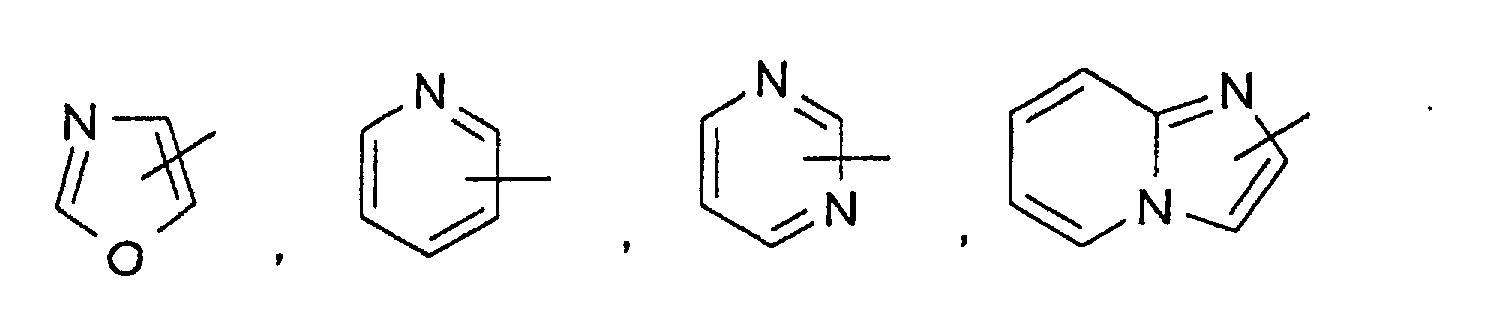

These groups optionally have 1 or 2 substituents selected
from phenyl, furyl, thienyl and alkyl having 1 to 4 carbon
atoms. The phenyl, furyl and thienyl may have 1 or 2
substituents selected from alkyl having 1 to 6 carbon atoms,
alkoxy having 1 to 6 carbon atoms, halogen (e.g., fluorine,
chlorine, bromine, iodine etc.), nitro, haloalkyl having 1 to 6
carbon atoms and haloalkoxy having 1 to 6 carbon atoms. The
alkyl having 1 to 4 carbon atoms may have 1 or 2 substituents
selected from alkoxy having 1 to 6 carbon atoms, halogen (e.g.,
fluorine, chlorine, bromine, iodine etc.), nitro, haloalkyl
having 1 to 6 carbon atoms and haloalkoxy having 1 to 6 carbon
atoms.
R1 is more preferably a group represented by the
following formula
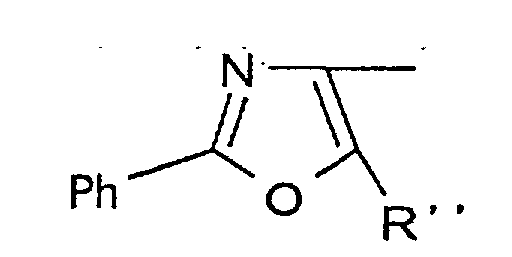 wherein Ph is an optionally substituted phenyl group, R" is a
hydrogen atom or an optionally substituted alkyl group having 1
to 6 carbon atoms.
wherein Ph is an optionally substituted phenyl group, R" is a
hydrogen atom or an optionally substituted alkyl group having 1
to 6 carbon atoms.
Examples of the substituent of phenyl group represented
by Ph and alkyl group having 1 to 6 carbon atoms, which is
represented by R", include alkoxy having 1 to 6 carbon atoms,
halogen (e.g., fluorine, chlorine, bromine, iodine etc.), nitro,
haloalkyl having 1 to 6 carbon atoms and haloalkoxy having 1 to
6 carbon atoms. The number of substituents is, for example, 1
to 3.
In the formula (I), X is a bond or a group represented by
-CO-, -CH(OH)- or -NR6- (R6 is hydrogen atom or optionally
substituted alkyl group), preferably a bond, -CH(OH)- or -NR6-,
more preferably a bond or -NR6-.
As used herein, examples of the alkyl group of
the "optionally substituted alkyl group", which is represented
by R6, include, alkyl having 1 to 4 carbon atoms, such as
methyl, ethyl, propyl, isopropyl, butyl, isobutyl, sec.-butyl,
t.-butyl and the like. The alkyl group may have 1 to 3
substituents at substitutable positions. Examples of the
substituent include halogen (e.g., fluorine, chlorine, bromine,
iodine), alkoxy group having 1 to 4 carbon atoms (e.g., methoxy,
ethoxy, propoxy, isopropoxy, butoxy, isobutoxy, sec.-butoxy,
t.-butoxy etc.), hydroxy group, nitro group, acyl group having
1 to 4 carbon atoms (e.g., alkanoyl group having 1 to 4 carbon
atoms such as formyl, acetyl, propionyl etc.).
In the formula (I), n is an integer of 1 to 3, preferably
1 or 2.
In the formula (I), Y is -O-, -S-, -SO-, -SO2- or -NR7-
(R7 is hydrogen atom or optionally substituted alkyl group),
which is preferably -O-, -S- or -NR7-. Here, examples
of "optionally substituted alkyl group" represented by R7
include those similar to the above-mentioned "optionally
substituted alkyl group" represented by R6.
In the formula (I), ring A is benzene ring, wherein the
benzene ring optionally having 1 to 3 additional substituent(s)
at substitutable positions. Examples of the substituent
include alkyl group, optionally substituted hydroxy group,
halogen atom, optionally substituted acyl group, nitro group
and optionally substituted amino group. As these, those
exemplified as the substituent of the hydrocarbon group and
heterocyclic group represented by R1 can be used.
The substituent is preferably alkyl having 1 to 4 carbon
atoms, alkoxy group having 1 to 4 carbon atoms or halogen atom.
In the formula (I), a partial structural formula
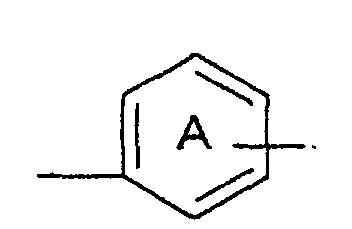 is preferably

In the formula (I), p is an integer of 1 to 8, preferably
an integer of 1 to 3.
In the formula (I), examples of the "optionally
substituted hydrocarbon group" represented by R2 include those
exemplified as the "optionally substituted hydrocarbon group"
represented by R1.
Examples of the "optionally substituted heterocyclic
group" represented by R2 include those exemplified as
the "optionally substituted heterocyclic group" represented by
R1.
In the formula (I), R2 is preferably optionally
substituted hydrocarbon group. R2 is more preferably aliphatic
hydrocarbon group, alicyclic hydrocarbon group, aromatic-aliphatic
hydrocarbon group or aromatic hydrocarbon group, all
of which may be substituted, particularly preferably alkyl
group having 1 to 4 carbon atoms, phenylalkenyl group having 8
to 10 carbon atoms or aryl group having 6 to 14 carbon atoms,
all of which may be substituted.
The substituent these hydrocarbon groups may have is
preferably halogen atom, alkoxy group having 1 to 4 carbon
atoms, aryloxy group having 6 to 14 carbon atoms or aromatic
heterocyclic group (e.g., furyl, thienyl). The number of
substituents is, for example, 1 to 3.
In the formula (I), q is an integer of 0 to 6, preferably
0 to 4. m is 0 or 1.
R3 is hydroxy group, -OR8 (R8 is optionally substituted
hydrocarbon group) or -NR9R10 (R9 and R10 are the same or
different and each is hydrogen atom, optionally substituted
hydrocarbon group, optionally substituted heterocyclic group or
optionally substituted acyl group, and R9 and R10 may be bonded
to form a ring).
In the formula (I), examples of the "optionally
substituted hydrocarbon group" represented by R8 include those
exemplified as the "optionally substituted hydrocarbon group"
represented by R1. Preferably, R8 is "alkyl group having 1 to 4
carbon atoms" or "aryl group having 6 to 10 carbon atoms
optionally substituted by alkyl group having 1 to 4 carbon
atoms or halogen atom". As used herein, examples of the
aforementioned alkyl group having 1 to 4 carbon atoms include
methyl, ethyl, propyl, butyl, isobutyl, sec-butyl and t-butyl,
particularly preferably methyl and ethyl. Examples of the
halogen of the "aryl group having 6 to 10 carbon atoms
optionally substituted by alkyl group having 1 to 4 carbon
atoms or halogen atom" include fluorine, chlorine, bromine,
iodine, particularly preferably chlorine. Examples of the aryl
group having 6 to 10 carbon atoms include phenyl and naphthyl,
particularly preferably phenyl.
Examples of the "optionally substituted hydrocarbon
group" and "optionally substituted heterocyclic group"
represented by R9 and R10 include those similar to
the "optionally substituted hydrocarbon group" and "optionally
substituted heterocyclic group" represented by R1.
Examples of the "optionally substituted acyl group"
represented by R9 and R10 include those similar to
the "optionally substituted acyl group" exemplified as the
substituent that the "optionally substituted hydrocarbon group"
represented by R1 may possess.
R9 and R10 may be bonded to form a 5 to 7-membered cyclic
amino group. Examples of specific cyclic amino group include
1-pyrrolidinyl, 1-piperidinyl, 1-hexamethyleniminyl, 4-morpholino,
4-thiomorpholino and the like.
In the formula (I), R4 and R5 are the same or different
and each is hydrogen atom or optionally substituted hydrocarbon
group, and R4 and R2 may be bonded to form a ring.
In the formula (I), examples of the "optionally
substituted hydrocarbon group" represented by R4 and R5 include
those similar to the aforementioned "optionally substituted
hydrocarbon group" represented by R1, preferably those similar
to the aforementioned "optionally substituted alkyl group"
represented by R6 and the like.
In the formula (I), R4 may be bonded to R2 to form a ring.
Examples of the ring formed by bonding of R4 and R2 include
cycloalkane having 5 to 11 carbon atoms and cycloalkene having
5 to 11 carbon atoms and the like, which is specifically
cyclopentane, cyclopentene, cyclohexane, cyclohexene,
cycloheptane, cycloheptene, cyclooctane, cyclooctene,
cyclononane, cyclononene, cyclodecane, cyclodecene,
cycloundecane and cycloundecene and the like.
The compound represented by the formula (I) includes (E)
form and (Z) form around an imino bond. The compound includes
these (E) form and (Z) form as single compounds, and a mixture
thereof.
Preferable examples of the compounds represented by the
formula (I) include the compounds represented by the following
formula:
 wherein
R' is a phenyl, a furyl or a thienyl group each optionally substituted by 1 or 2 substituents selected from alkyl having 1 to 6 carbon atoms, alkoxy having 1 to 6 carbon atoms, halogen (e.g., fluorine, chlorine, bromine, iodine etc.), nitro, haloalkyl having 1 to 6 carbon atoms and haloalkoxy having 1 to 6 carbon atoms;
R" is hydrogen atom or optionally substituted alkyl having 1 to 6 carbon atoms (more preferably hydrogen atom, methyl group or ethyl group);
R2' is a hydrogen atom, a phenyl group optionally substituted by at least one substituent selected from alkyl having 1 to 6 carbon atoms, alkoxy having 1 to 6 carbon atoms and halogen;
q is an integer of 1 to 6;
R3' is a hydroxy, an alkoxy having 1 to 6 carbon atoms, or a group represented by -NR9R10 (R9 and R10 are the same or different and each is hydrogen atom, optionally substituted hydrocarbon group, optionally substituted heterocyclic group, optionally substituted acyl group, or R9 and R10 may be bonded to form a ring); and
ring A is an optionally substituted benzene ring, or a salt thereof.
R' is a phenyl, a furyl or a thienyl group each optionally substituted by 1 or 2 substituents selected from alkyl having 1 to 6 carbon atoms, alkoxy having 1 to 6 carbon atoms, halogen (e.g., fluorine, chlorine, bromine, iodine etc.), nitro, haloalkyl having 1 to 6 carbon atoms and haloalkoxy having 1 to 6 carbon atoms;
R" is hydrogen atom or optionally substituted alkyl having 1 to 6 carbon atoms (more preferably hydrogen atom, methyl group or ethyl group);
R2' is a hydrogen atom, a phenyl group optionally substituted by at least one substituent selected from alkyl having 1 to 6 carbon atoms, alkoxy having 1 to 6 carbon atoms and halogen;
q is an integer of 1 to 6;
R3' is a hydroxy, an alkoxy having 1 to 6 carbon atoms, or a group represented by -NR9R10 (R9 and R10 are the same or different and each is hydrogen atom, optionally substituted hydrocarbon group, optionally substituted heterocyclic group, optionally substituted acyl group, or R9 and R10 may be bonded to form a ring); and
ring A is an optionally substituted benzene ring, or a salt thereof.
Preferable examples of the compounds represented by the
formula (I) also include the compounds represented by the
following formula:
 wherein each symbol is as defined above, or a salt thereof.
Preferable examples of the compounds represented by the
formula (I) are the following compounds (1)-(10) and the like.
These compounds are sometimes to be abbreviated in the
following as compound (1), compound (2) and the like.
The salt of the compound represented by the formula (I)
(hereinafter sometimes to be simply abbreviated as compound
(I)) is preferably a pharmacologically acceptable salt, for
example, salt with inorganic base, salt with organic base, salt
with inorganic acid, salt with organic acid, salt with basic or
acidic amino acid and the like.
Preferable examples of the salt with inorganic base
include alkali metal salts, such as sodium salt, potassium salt
and the like; alkaline earth metal salts, such as calcium salt,
magnesium salt and the like; aluminum salt, ammonium salt and
the like.
Preferable examples of the salts with organic base
include salts with trimethylamine, triethylamine, pyridine,
picoline, ethanolamine, diethanolamine, triethanolamine,
dicyclohexylamine, N,N-dibenzylethylenediamine and the like.
Preferable examples of the salt with inorganic acid
include salts with hydrochloric acid, hydrobromic acid, nitric
acid, sulfuric acid, phosphoric acid and the like.
Preferable examples of the salt with organic acid include
salts with formic acid, acetic acid, trifluoroacetic acid,
fumaric acid, oxalic acid, tartaric acid, maleic acid, citric
acid, succinic acid, malic acid, methanesulfonic acid,
benzenesulfonic acid, p-toluenesulfonic acid and the like.
Preferable examples of the salt with basic amino acid
include salts with arginine, lysin, ornithine and the like and
preferable examples of the salt with acidic amino acid include
salts with aspartic acid, glutamic acid and the like.
Of the above-mentioned salts, sodium salt, potassium salt,
hydrochloride and the like are preferable.
Compound (I) can be produced by, for example, the method
described in JP-A-2000-34266 (JP application No. 11-130543,
WO99/58510). As such method, for example, the following
production method is mentioned.


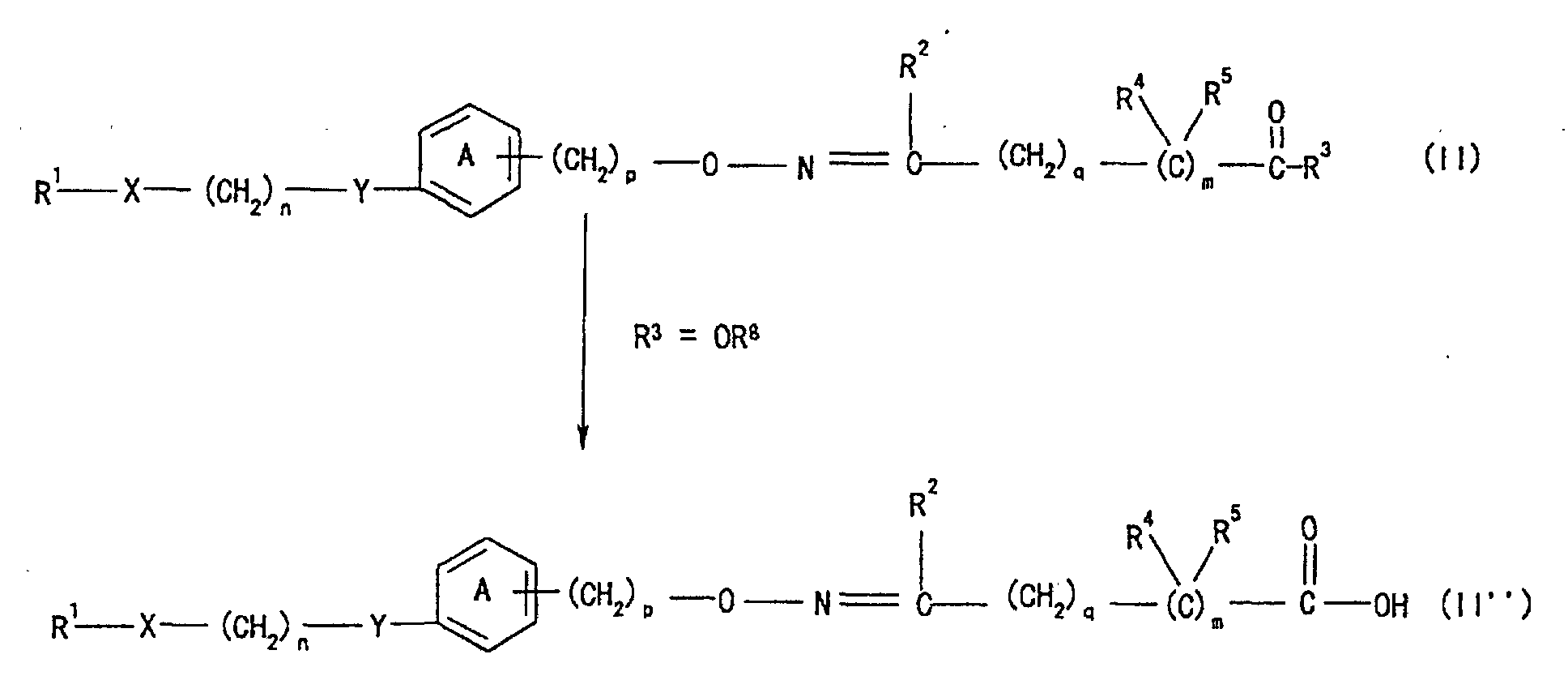 wherein Z is a hydroxy group, a halogen atom or a group
represented by OSO2R18 (R18 is alkyl group having 1 to 4 carbon
atoms, aryl group having 6 to 10 carbon atoms optionally
substituted by alkyl group having 1 to 4 carbon atoms), and
other symbols are as defined above.
wherein Z is a hydroxy group, a halogen atom or a group
represented by OSO2R18 (R18 is alkyl group having 1 to 4 carbon
atoms, aryl group having 6 to 10 carbon atoms optionally
substituted by alkyl group having 1 to 4 carbon atoms), and
other symbols are as defined above.
Here, examples of the alkyl group having 1 to 4 carbon
atoms of the "alkyl group having 1 to 4 carbon atoms" and "aryl
group having 6 to 10 carbon atoms optionally substituted by
alkyl group having 1 to 4 carbon atoms" represented by R18
include methyl, ethyl, propyl, isopropyl, butyl, isobutyl,
sec.-butyl and t.-butyl, particularly preferably methyl.
Examples of the aryl group having 6 to 10 carbon atoms of
the "aryl group having 6 to 10 carbon atoms optionally
substituted by alkyl group having 1 to 4 carbon atoms"
represented by R18 include phenyl and naphthyl, particularly
preferably phenyl.
According to this method, compound (III) and compound
(IV) are reacted to produce compound (II).
When Z is a hydroxy group, this reaction is carried out
according to the method known per se, such as the method
described in Synthesis, page 1 (1981), or a method analogous
thereto. That is, this reaction is generally carried out in
the presence of an organic phosphorus compound and electrophile
in a solvent that does not adversely affect the reaction.
Examples of the organic phosphorus compound include
triphenylphosphine, tributylphosphine and the like.
Examples of the electrophile include diethyl
azodicarboxylate, diisopropyl azodicarboxylate,
azodicarbonyldipiperazine and the like.
The amount of the organic phosphorus compound and the
electrophile to be used is preferably 1-5 molar equivalent
amount relative to compound (IV).
Examples of the solvent that does not adversely affect
the reaction include ethers such as diethyl ether,
tetrahydrofuran, dioxane and the like; halogenated hydrocarbons
such as chloroform, dichloromethane and the like; aromatic
hydrocarbons such as benzene, toluene, xylene and the like;
amides such as N,N-dimethylformamide and the like; sulfoxides
such as dimethyl sulfoxide and the like; and the like. These
solvents may be admixed at a suitable ratio for use.
The reaction temperature is generally -50°C to 150°C,
preferably -10°C to 100°C.
The reaction time is 0.5 to 20 hours.
When Z is halogen atom or a group represented by OSO2R18,
this reaction is carried out in the presence of a base in a
solvent that does not adversely affect the reaction according
to a conventional method.
Examples of the base include alkali metal salts such as
potassium hydroxide, sodium hydroxide, sodium hydrogencarbonate,
potassium carbonate and the like; amines such as pyridine,
triethylamine, N,N-dimethylaniline, 1,8-diazabicyclo[5.4.0]undeca-7-ene
and the like; metal hydrides
such as potassium hydride, sodium hydride and the like; and
alkali metal alkoxides such as sodium methoxide, sodium
ethoxide, potassium t.-butoxide and the like.
The amount of these bases to be used is preferably 1-5
molar equivalents relative to compound (IV).
Examples of the solvent that does not adversely affect
the reaction include aromatic hydrocarbons such as benzene,
toluene, xylene and the like; ethers such as tetrahydrofuran,
dioxane and the like; ketones such as acetone, 2-butanone and
the like; halogenated hydrocarbons such as chloroform,
dichloromethane and the like; amides such as N,N-dimethylformamide
and the like; sulfoxides such as dimethyl
sulfoxide and the like; and the like. These solvents may be
admixed at a suitable ratio for use.
The reaction temperature is generally -50 to 150°C,
preferably -10°C to 100°C.
The reaction time is generally 0.5 to 20 hours.
Where desired, compound (II, R3 = OR8) is subjected to
hydrolysis reaction to produce compound (II").
This hydrolysis reaction is carried out in the presence
of acid or base in an aqueous solvent according to a
conventional method.
Examples of the acid include hydrochloric acid, sulfuric
acid, acetic acid, hydrobromic acid and the like.
Examples of the base include alkali metal carbonates such
as potassium carbonate, sodium carbonate and the like; alkali
metal alkoxides such as sodium methoxide and the like; alkali
metal hydroxides such as potassium hydroxide, sodium hydroxide,
lithium hydroxide and the like; and the like.
The amount of the acid or the base to be used is
generally an excess amount over compound (II). Preferably, the
amount of the acid to be used is 2-50 equivalents relative to
compound (II), and the amount of the base to be used is 1.2-5
equivalents relative to compound (II).
Examples of the aqueous solvent include a mixed solvent
of water with one or more solvents selected from alcohols such
as methanol, ethanol and the like; ethers such as
tetrahydrofuran, dioxane and the like; dimethyl sulfoxide,
acetone and the like, and the like.
The reaction temperature is generally -20°C to 150°C,
preferably -10°C to 100°C.
The reaction time is generally 0.1 to 20 hours.
The compounds (II) and (II") thus obtained can be
isolated and purified according to known separation and
purification means, such as concentration, concentration under
reduced pressure, solvent extraction, crystallization,
recrystallization, phase transfer, chromatography and the like.
The compound (III) and compound (IV) to be used as a
starting material compound in the above-mentioned production
method are known compounds and compound (III) wherein Z is
hydroxy group is described in, for example, EP-A-710659. The
compound (III) is described in EP-A-629624 (JP-A-7-53555), WO
98/03505 and the like. The compound (III) can be also produced
by a method analogous to methods described in these
publications.
The compound (IV) is described in, for example, Journal
fur Praktische Chemie, vol. 311, 370 (1969); Canadian Journal
of Chemistry, vol. 48, 1948 (1970); Journal of Heterocyclic
Chemistry, vol. 25, 1283 (1988); and the like. The compound
(IV) can be also produced by a method analogous to methods
described in these publications.
In the present invention, the PPARδ agonist-like
substance and the PPARγ agonist-like substance are not limited
by the above-mentioned exemplification. As long as a similar
effect is achieved, any substance can be used. In addition,
these may further have a PPARα function modulating action
(agonist or antagonist activity).
In consideration of the burden on the patients to be
administration targets, troubles of preparing medicine and the
like in the present invention, a single substance desirably
simultaneously has both a PPARδ agonist-like action and a PPARγ
agonist-like action. Such substance is exemplified by the
above-mentioned compound (I), YM-16638 (mentioned above), p-[3-(4-acetyl-3-hydroxy-2-propylphenoxy)propoxy]phenylbutyric
acid
(mentioned above), 5-[3-[4-[(5-methyl-2-phenyl-1,3-thiazol-4-yl)methoxy]phenyl]propyl]-1,3-oxazolidine-2,4-dione
(mentioned
above) and the like.
A pharmaceutical agent containing both a PPARδ agonist-like
substance and a PPARγ agonist-like substance is also one
embodiment of the present invention. Examples of such
preferable combination include a PPARγ agonist such as the
aforementioned insulin sensitizers (e.g., troglitazone,
rosiglitazone, englitazone, ciglitazone, pioglitazone etc.) and
the aforementioned carbaprostacyclin (cPGI), L-165041 or
compound (I) and the like.
Since compound (I) itself has both a PPARδ agonist-like
action and a PPARγ agonist-like action, this can be also used
in combination with an insulin sensitizer.
The dose of the agent of the present invention when the
PPARγ agonist-like substance and the PPARδ agonist-like
substance are different substances needs only to be within the
effective amount of the respective substances, and when the
PPARγ agonist-like substance and the PPARδ agonist-like
substance are the same, it is within the effective amount of
the substance.
The dose when the agent of the present invention is
orally administered to, for example, adult diabetic patients
(body weight 60 kg) is, for example, about 0.1 to about 600
mg/day, preferably about 12 to about 240 mg/day, in terms of
the PPARγ agonist-like substance or PPARδ agonist-like
substance. The dose may be administered once a day or divided
and given in 2 or 3 portions.
The agent of the present invention has low toxicity and
can be used as an agent for the prophylaxis or treatment of
various diseases to be mentioned below in mammals (e.g., human,
mouse, rat, rabbit, dog, cat, bovine, horse, pig, monkey etc.).
The agent of the present invention may contain a
pharmacologically acceptable carrier. As such carrier, various
organic or inorganic carrier substances conventionally used as
starting materials for preparation of medicine are used in the
form of excipient, lubricant, binder or disintegrant for solid
preparations; solvent, dissolution aids, suspending agent,
isotonicity agent, buffering agent or soothing agent for liquid
preparations; and the like. Where necessary, additives for
preparation, such as preservative, antioxidant, coloring agent,
sweetening agent and the like can be also used.
Preferable examples of the excipient include lactose,
sucrose, D-mannitol, D-sorbitol, starch, pregelatinized starch,
dextrin, crystalline cellulose, low-substituted hydroxypropyl
cellulose, sodium carboxymethyl cellulose, gum arabic, dextrin,
pullulan, light silicic anhydride, synthetic aluminum silicate,
magnesium aluminometasilicate and the like.
Preferable examples of the lubricant include magnesium
stearate, calcium stearate, talc, colloidal silica and the like.
Preferable examples of the binder include pregelatinized
starch, saccharose, gelatin, gum arabic, methyl cellulose,
carboxymethyl cellulose, carboxymethylcellulose sodium,
crystalline cellulose, sucrose, D-mannitol, trehalose, dextrin,
pullulan, hydroxypropyl cellulose, hydroxypropylmethyl
cellulose, polyvinylpyrrolidone and the like.
Preferable examples of disintegrant include lactose,
sucrose, starch, carboxymethyl cellulose,
carboxymethylcellulose calcium, crosscarmellose sodium,
carboxymethyl starch sodium, light silicic anhydride, low-substituted
hydroxypropyl cellulose and the like.
Preferable examples of the solvent include water for
injection, physiological brine, Ringer's solution, alcohol,
propylene glycol, polyethylene glycol, sesame oil, corn oil,
olive oil, cotton oil and the like.
Preferable examples of dissolution aids include
polyethylene glycol, propylene glycol, D-mannitol, trehalose,
benzyl benzoate, ethanol, tris aminomethane, cholesterol,
triethanolamine, sodium carbonate, sodium citrate, sodium
salicylate, sodium acetate and the like.
Preferable examples of the suspending agent include
surfactants such as stearyltriethanolamine, sodium lauryl
sulfate, laurylaminopropionic acid, lecithin, benzalkonium
chloride, benzethonium chloride, glyceryl monostearate and the
like; hydrophilic polymers such as polyvinyl alcohol,
polyvinylpyrrolidone, carboxymethylcellulose sodium,
methylcellulose, hydroxymethylcellulose, hydroxyethylcellulose,
hydroxypropylcellulose and the like; polysorbates,
polyoxyethylene hydrogenated castor oil and the like.
Preferable examples of the isotonicity agent include
sodium chloride, glycerin, D-mannitol, D-sorbitol, glucose and
the like.
Preferable examples of the buffering agent include
buffers such as phosphate, acetate, carbonate, citrate and the
like, and the like.
Preferable examples of the soothing agent include benzyl
alcohol and the like.
Preferable examples of the preservative include p-oxybenzoic
acid esters, chlorobutanol, benzyl alcohol,
phenethyl alcohol, dehydroacetic acid, sorbic acid and the like.
Preferable examples of the antioxidant include sulfite,
ascorbate and the like.
Preferable examples of the coloring agent include water-soluble
food tar dye (e.g., foodcolors such as Food Color Red
No. 2 and No. 3, Food Color yellow No. 4 and No, 5, Food Color
Blue No. 1 and No. 2 and the like, water-insoluble rake dye
(e.g., aluminum salt of the aforementioned water-soluble food
tar dye etc.), natural color (e.g., β-carotene, chlorophyll,
red ferric oxide etc.) and the like.
Preferable examples of the sweetening agent include
saccharin sodium, dipotassium glycyrrhizinate, aspartame,
stevia and the like.
When the PPARδ agonist-like substance and the PPARγ
agonist-like substance are different substances, the agent of
the present invention may be a single preparation containing
both substances or two different kinds of preparations
containing either of the substances. In this case, the dosage
forms of the preparations do not need to be the same. The
dosage form typically employed for medical treatment is
appropriately selected according to the active ingredient of
these preparations.
Examples of the dosage form of the agent of the present
invention include oral agents such as tablet, capsule
(including soft capsule and microcapsule), granule, powder,
syrup, emulsion, suspension and the like; and parenteral agents
such as injection (e.g., subcutaneous injection, intravenous
injection, intramuscular injection, intraperitoneal injection
etc.), external preparation (e.g., preparation for nasal
administration, transdermal preparation, ointment etc.),
suppository (e.g., rectal suppository, vaginal suppository
etc.), pellet, drop and sustained release preparation, all of
which can be orally or parenterally administered safely.
The agent of the present invention can be produced
according to a method conventional in the technical field of
preparing medicine, for example, the method described in Japan
Pharmacopoeia and the like. A specific production method of a
preparation is explained in detail in the following.
For example, oral agents can be produced by adding, for
example, excipient (e.g., lactose, sucrose, starch, D-mannitol
etc.), disintegrant (e.g., carboxymethylcellulose calcium etc.),
binder (e.g., pregelatinized starch, gum arabic,
carboxymethylcellulose, hydroxypropylcellulose,
polyvinylpyrrolidone etc.) or lubricant (e.g., talc, magnesium
stearate, polyethylene glycol 6000 etc.) and the like to the
active ingredient, compression-molding the mixture, and where
necessary, coating with a coating material for the purpose of
masking of taste, enteric property or sustained release
property by a method known per se.
Examples of the coating material include sugar coating
material, water-soluble film coating material, enteric film
coating material, sustained release film coating material and
the like.
As the sugar coating material, sucrose is used, and one
or two kinds selected from talc, precipitated calcium carbonate,
gelatin, gum arabic, pullulan, carnauba wax and the like may be
used in combination.
Examples of the water-soluble film coating material
include cellulose polymers such as hydroxypropylcellulose,
hydroxypropylmethylcellulose, hydroxyethylcellulose,
methylhydroxyethylcellulose and the like; synthetic polymers
such as polyvinylacetaldiethylaminoacetate,
aminoalkylmethacrylate copolymer E [Eudragit E (trademark),
Röhm Pharma], polyvinylpyrrolidone and the like;
polysaccharides such as pullulan and the like; and the like.
Examples of the enteric film coating material include
cellulose polymers such as hydroxypropylmethylcellulose
phthalate, hydroxypropylmethylcellulose acetate succinate,
carboxymethylethylcellulose, cellulose acetate phthalate and
the like; acrylic acid polymers such as methacrylic acid
copolymer L [Eudragit L (trademark), Röhm Pharma], methacrylic
acid copolymer LD [Eudragit L-30D55 (trademark), Röhm Pharma],
methacrylic acid copolymer S [Eudragit S (trademark), Röhm
Pharma] and the like; naturally occurring substances such as
shellac and the like; and the like.
Examples of the sustained release film coating material
include cellulose polymers such as ethylcellulose and the like;
acrylic acid polymers such as aminoalkylmethacrylate copolymer
RS [Eudragit RS (trade name), Röhm Pharma], ethyl acrylate
methyl methacrylate copolymer suspension [Eudragit NE (trade
name), Röhm Pharma] and the like; and the like.
The above-mentioned coating materials may be used in
combination of two or more kinds thereof admixed at a suitable
proportions. For coating, for example, shading agents such as
titanium oxide, iron sesquioxide and the like may be used.
Injections can be produced by dissolving, suspending or
emulsifying the active ingredient along with a dispersant (e.g.,
polysorbate 80, polyoxyethylene hydrogenated castor oil 60
etc.), polyethylene glycol, carboxymethylcellulose, sodium
alginate and etc.), a preservative (e.g., methylparaben,
propylparaben, benzyl alcohol, chlorobutanol, phenol etc.), an
isotonicity agent (e.g., sodium chloride, glycerin, D-mannitol,
D-sorbitol, glucose etc.) and the like in an aqueous solvent
(e.g., distilled water, physiological saline, Ringer's solution
etc.) or an oily solvent (e.g., vegetable oils such as olive
oil, sesame oil, cotton oil, corn oil etc., propylene glycol
etc.) and the like. Where desired, additives such as
dissolution aids (e.g., sodium salicylate, sodium acetate etc.),
stabilizers (e.g., human serum albumin etc.), soothing agents
(e.g., benzyl alcohol etc.) and the like may be used.
Of the aforementioned various dosage forms, particularly
oral agents such as tablet, capsule and the like are preferable
in view of convenience during administration.
The agent of the present invention is effective for the
suppression of body weight gain observed in patients with
various diseases (e.g., diabetes), who are under medication of
PPARγ agonist-like substance (e.g., insulin sensitizer), and is
useful for the treatment or prophylaxis of PPARδ-related
diseases (e.g., hypercholesterolemia, hypo-high-density-lipoproteinemia)
and the like.
The agent of the present invention is capable of
suppressing body weight gain caused by PPARγ agonist-like
substances, which is observed in, for example, patients (e.g.,
diabetic patients) under medication of a PPARγ agonist-like
substance, to not more than about 80%.
The agent of the present invention can be used
effectively as a prophylactic or therapeutic agent of diabetes
(e.g., type 1 diabetes, type 2 diabetes, gestational diabetes
etc.), hyperlipidemia (e.g., hypertriglyceridemia,
hypercholesterolemia, hypo-high-density-lipoproteinemia,
postprandial hyperlipidemia etc.), diabetic complications (e.g.,
neuropathy, nephropathy, retinopathy, cataract, macroangiopathy,
osteopenia etc.), impaired glucose tolerance (IGT), obesity,
osteoporosis, cachexia (e.g., cancerous cachexia, tuberculous
cachexia, diabetic cachexia, blood disease cachexia, endocrine
disease cachexia, infectious disease cachexia or cachexia due
to acquired immunodeficiency syndrome), fatty liver,
hypertension, polycystic ovary syndrome, gestational diabetes,
renal diseases (e.g., diabetic nephropathy, glomerular
nephritis, glomerulosclerosis, nephrotic syndrome, hypertensive
nephrosclerosis, terminal renal diabetes etc.), muscular
dystrophy, cardiac infarction, angina, cerebrovascular disease
(e.g., cerebral infarction, stroke), insulin resistance
syndrome, syndrome X, hyperinsulinemia, sensory disorders in
hyperinsulinemia, tumor (e.g., leukemia, breast cancer,
prostate cancer, cutaneous cancer etc.), irritable bowel
syndrome, acute or chronic diarrhea, visceral fat syndrome and
the like. In addition, the agent of the present invention can
be also used for treatment aiming at improving insulin
resistance, enhancing insulin sensitivity, or preventing
progress of impaired glucose tolerance into diabetes.
Furthermore, the agent of the present invention can be also
used for controlling appetite and food intake in the patients
under diabetic treatments.
For diagnostic criteria of diabetes, Japan Diabetes
Society reported new diagnostic criteria in 1999.
According to this report, diabetes is a condition showing
any of a fasting blood glucose level (glucose concentration in
venous plasma) of not less than 126 mg/dl, a 75 g oral glucose
tolerance test (75 g OGTT) 2 h level (glucose concentration in
venous plasma) of not less than 200 mg/dl, a non-fasting blood
glucose level (glucose concentration in venous plasma) of not
less than 200 mg/dl. A condition not falling under the above-mentioned
diabetes, and not being "a condition showing a
fasting blood glucose level (glucose concentration in venous
plasma) of less than 110 mg/dl or a 75 g oral glucose tolerance
test (75 g OGTT) 2 h level (glucose concentration in venous
plasma) of less than 140 mg/dl" (normal type) is called a
"borderline type".
In addition, ADA (American Diabetes Association) reported
new diagnostic criteria of diabetes in 1997 and WHO in 1998.
According to these reports, diabetes is a condition
showing a fasting blood glucose level (glucose concentration in
venous plasma) of not less than 126 mg/dl and a 75 g oral
glucose tolerance test 2 h level (glucose concentration in
venous plasma) of not less than 200 mg/dl.
According to the above-mentioned reports, impaired
glucose tolerance is a condition showing a fasting blood
glucose level (glucose concentration in venous plasma) of less
than 126 mg/dl and a 75 g oral glucose tolerance test 2 h level
(glucose concentration in venous plasma) of not less than 140
mg/dl and less than 200 mg/dl. According to the report of ADA,
a condition showing a fasting blood glucose level (glucose
concentration in venous plasma) of not less than 110 mg/dl and
less than 126 mg/dl is called IFG (Impaired Fasting Glucose).
According to the report of WHO, among the IFG (Impaired Fasting
Glucose), a condition showing a 75g oral glucose tolerance test
2 h level (glucose concentration in venous plasma) of less than
140 mg/dl is called IFG (Impaired Fasting Glycemia).
The agent of the present invention can be also used as a
prophylactic and therapeutic agent of diabetes, borderline type,
impaired glucose tolerance, IFG (Impaired Fasting Glucose) and
IFG (Impaired Fasting Glycemia), as determined according to the
above-mentioned new diagnostic criteria. Moreover, the agent
of the present invention can prevent progress of borderline
type, impaired glucose tolerance, IFG (Impaired Fasting
Glucose) or IFG (Impaired Fasting Glycemia) into diabetes.
Moreover, the agent of the present invention can be used
in combination with a pharmaceutical agent (hereinafter
abbreviated as combination agent) such as a therapeutic agent
of diabetes, a therapeutic agent of diabetic complications, an
anti-hyperlipidemia agent, an antihypertensive agent, a
diuretic, a chemotherapeutant, an immunotherapeutic agent and
the like. The agent of the present invention itself can
contain such combination agent. Unless particularly specified
in the present specification, by the mere "combination" is
meant both a mode of administration using separate
pharmaceutical agents and a mode of a single, combined
pharmaceutical agent. When separate pharmaceutical agents are
combined for use, the agent of the present invention and a
combination agent are not limited as to the administration time.
These may be simultaneously administered to a subject of
administration or may be administered at staggered times. Two
or more kinds of the combination agents may be combined at an
appropriate ratio for use.
The dose of a combination agent can be determined as
appropriate with the dose clinically employed for each
pharmaceutical agent as a standard. The mixing ratio of the
agent of the present invention and a combination agent can be
determined appropriately depending on the subject of
administration, administration route, target disease, condition,
combination and the like.
Examples of the therapeutic agent of diabetes include
insulin preparations (e.g., animal insulin preparation
extracted from pancreas of cow or pig; human insulin
preparation synthesized by genetic engineering techniques using
Escherichia coli or yeast etc.), α-glucosidase inhibitor (e.g.,
voglibose, acarbose, miglitol, emiglitate etc.), biguanide
agent (e.g., phenformin, metformin, buformin etc.), insulin
secretagogue [e.g., sulfonylurea agent (e.g., tolbutamide,
glibenclamide, gliclazide, chlorpropamide, tolazamide,
acetohexamide, glyclopyramide, glimepiride, glipizide,
glybuzole etc.), repaglinide, senaglinide, nateglinide,
mitiglinide or calcium salt hydrate thereof, GLP-1 and the
like], amylin agonist (e.g., pramlintide etc.), phosphotyrosine
phosphatase inhibitor (e.g., vanadic acid etc.) and the like.
Examples of the therapeutic agent of diabetic
complications include aldose reductase inhibitors (e.g.,
tolrestat, epalrestat, zenarestat, zopolrestat, minalrestat,
fidarestat, SNK-860, CT-112 etc.), neurotrophic factors (e.g.,
NGF, NT-3, BDNF etc.), neurotrophic factor production promoter,
PKC inhibitors (e.g., LY-333531 etc.), AGE inhibitors (e.g.,
ALT946, pimagedine, pyratoxathine, N-phenacylthiazolium bromide
(ALT766), EXO-226 etc.), active oxygen scavengers (e.g.,
thioctic acid etc.) and cerebral vasodilators (e.g., tiapride,
mexiletine etc.).
Examples of the anti-hyperlipidemia agent include statin
compounds (e.g., pravastatin, simvatatin, lovastatin,
atorvastatin, fluvastatin, cerivastatin, itavastatin, salts
thereof (e.g., sodium salt) etc.), which are inhibitors of
cholesterol synthesis, squalene synthetase inhibitor, fibrate
compound having a triglyceride lowering effect (e.g.,
bezafibrate, clofibrate, simfibrate, clinofibrate etc.) and the
like.
Examples of the antihypertensive agent include
angiotensin converting enzyme inhibitors (e.g., captoril,
enalapril, delapril etc.), angiotensin II antagonists (e.g.,
losartan, candesartan cilexetil, eprosartan, valsartan,
termisartan, irbesartan, tasosartan etc.), calcium antagonists
(e.g., manidipine, nifedipine, amlonidipine, efonidipine,
nicardipine etc.) and the like.
Examples of the anti-obesity agent include central
acting anti-obesity agents (e.g., dexfenfluramine, fenfluramine,
fentermine, sibutramine, amfepramone, dexamphetamine, mazindol,
phenylpropanolamine, clobenzorex etc.), pancreatic lipase
inhibitor (e.g., orlistat etc.), β3 agonist (e.g., CL-316243,
SR-58611-A, UL-TG-307, SB-226552, AJ-9677, BMS-196085, AZ40140
etc.), anorectic peptides (e.g., leptin, CNTF (ciliary
neurotropic factor) etc.), cholecystikinin agonists (e.g.,
lintitript, FPL-15849 etc.) and the like.
Examples of the diuretic include xanthine derivatives
(e.g., sodium salicylate and theobromine, calcium salicylate
and theobromine etc.), thiazide preparations (e.g., ethiazide,
cyclopenthiazide, trichlormethiazide, hydrochlorothiazide,
hydroflumethiazide, benzylhydrochlorothiazide, penflutizide,
polythiazide, methyclothiazide etc.), anti-aldosterone
preparations (e.g., spironolactone, triamterene etc.),
carbonate dehydratase inhibitors (e.g., acetazolamide etc.),
chlorobenzenesulfonamide preparations (e.g., chlortalidone,
mefruside, indapamide etc.), azosemide, isosorbide, ethacrynic
acid, piretanide, bumetanide, furosemide and the like.
Examples of the chemotherapeutant include alkylation
agents (e.g., cyclophosphamide, ifosphamide etc.), metabolic
antagonists (e.g., methotrexate, 5-fluorouracil etc.),
antitumor antibiotics (e.g., mitomycin, adriamycin etc.),
plant-derived antitumor agents (e.g., vincristine, vindesine,
taxol etc.), cisplatin, carboplatin, etopoxide and the like.
Of these, furtulon, neofurtulon and the like, which are 5-fluorouracil
derivatives, are preferable.
Examples of the immunotherapeutic agent include
microorganism or bacterial components (e.g., muramyl dipeptide
derivative, picibanil etc.), polysaccharides having
immunostimulant activity (e.g., lenthinan, schizophyllan,
krestin etc.), cytokines obtained by genetic engineering
techniques (e.g., interferon, interleukin (IL) etc.), colony
stimulating factors (e.g., granulocyte-colony stimulating
factor, erythropoietin etc.) and the like. Of these, IL-1, IL-2,
IL-12 and the like are preferable.
Moreover, pharmaceutical agents having a cachexia
improving effect acknowledged in animal models and clinical
situations, which include cyclooxygenase inhibitors (e.g.,
indomethacin etc.) [Cancer Research, vol. 49, pp. 5935-5939,
1989], progesterone derivatives (e.g., megestrol acetate)
[Journal of Clinical Oncology, vol. 12, pp. 213-225, 1994],
glucosteroid (e.g., dexamethasone etc.), metoclopramide agents,
tetrahydrocannabinol agents (publications are the same as the
above), fat metabolism improving agents (e.g., eicosapentanoic
acid etc.) [British Journal of Cancer, vol. 68, pp. 314-318,
1993], growth hormone, IGF-1, and antibodies against TNF-α,
LIF, IL-6 and oncostatin M, which induce cachexia, and the like,
can be also used in combination with the pharmaceutical agent
of the present invention.
Preferable examples of the combination agent include the
following.
When the agent of the present invention is used in
combination with a combination agent, the dose thereof can be
reduced within a safe range in consideration of the adverse
effect of these agents. Particularly, the dose of insulin
preparation, insulin secretagogue such as sulfonylurea agent
and the like, and biguanide agent can be reduced to a lower
level as compared to the general dose thereof. Consequently,
the side effects possibly caused by these agents can be
prevented safely. In addition, the dose of the agents for
diabetic complications, anti-hyperlipidemia agents and
antihypertensive agents can be reduced, as a result of which
the side effects possibly caused by these agents can be
prevented effectively.
The present invention is explained in more detail by the
following Production Examples, Preparation Examples,
Experimental Examples and Formulation Examples, which are not
to be construed as limitative. In the following description, %
means percent by weight and room temperature means 1°C to 30°C,
unless otherwise specified.
When a base, an amino acid and the like are expressed
using abbreviations in the present specification, they are
based on the abbreviations of IUPAC-IUB Commission on
Biochemical Nomenclature or conventional abbreviations used in
the pertinent field, which are exemplified by the following.
When an amino acid has an optical isomer, it refers to an L
form, unless specifically indicated.
In the Sequence Listing in the present specification, SEQ
ID Nos show the following sequences.
To a solution of 4-(5-methyl-2-phenyl-4-oxazolylmethoxy)benzaldehyde
(33.42 g) in methanol (150 ml) -
tetrahydrofuran (30 ml) was slowly added sodium borohydride
(4.31 g) at 0°C. After stirring the mixture at room
temperature for 30 min, water was added to the reaction mixture
and the mixture was stirred for 1 h. The crystals of the
precipitated 4-(5-methyl-2-phenyl-4-oxazolylmethoxy)benzyl
alcohol (32.85 g, yield 98%) were collected by filtration.
Recrystallization from ethyl acetate-diethyl ether gave pale-yellow
crystals, melting point: 128-129°C.
To a solution of 4-(5-methyl-2-phenyl-4-oxazolylmethoxy)benzyl
alcohol (5.00 g) in toluene (40 ml) was
added thionyl chloride (1.85 ml) and the mixture was stirred at
room temperature for 30 min. Ice water was added to the
reaction mixture and the mixture was extracted with ethyl
acetate. The ethyl acetate layer was washed with water, dried
over MgSO4 and concentrated to give crystals (5.23 g, yield
99%) of 4-(4-chloromethylphenoxymethyl)-5-methyl-2-phenyloxazole.
Recrystallization from ethyl acetate-hexane
gave colorless crystals, melting point: 108-109°C.
To a solution of methyl E-4-hydroxyimino-4-phenylbutyrate
(661 mg) and 4-(4-chloromethylphenoxymethyl)-5-methyl-2-phenyloxazole
(1.00 g) in N,N-dimethylformamide (10 ml) was
added sodium hydride (60% in oil, 127 mg) at room temperature
under a nitrogen atmosphere, and the mixture was stirred for 1
h. 1N Hydrochloric acid (5 ml) was added, aqueous sodium
hydrogen carbonate was added and the mixture was extracted with
ethyl acetate. The ethyl acetate layer was washed with
saturated brine, dried over MgSO4, and concentrated. The
residue was subjected to silica gel column chromatography and
an oily substance was obtained from the portion eluted with
ethyl acetate-hexane (1:3, volume ratio). This was dissolved
in tetrahydrofuran (10 ml) - methanol (5 ml), 1N aqueous sodium
hydroxide solution (5 ml) was added and the mixture was stirred
at room temperature for 1.5 h. 1N Hydrochloric acid (5.5 ml)
was added to the reaction mixture and the mixture was extracted
with ethyl acetate. The ethyl acetate layer was washed with
saturated brine, dried over MgSO4, and concentrated. The
remaining crystals were recrystallized from ethyl acetate -
hexane to give E-4-[4-(5-methyl-2-phenyl-4-oxazolylmethoxy)benzyloxyimino]-4-phenylbutyric
acid to give
colorless crystals (907 mg, yield 60%), melting point: 126-127°C
(dec.).
Human PPARδ gene was cloned by PCR method using a primer
set

 prepared by referring to the base sequence of PPARδ gene
reported by Schmidt, A. et al. (Mol Endocrinol 1992; 6: 1634-1641)
and using pancreatic cDNA (Toyobo, QUICK-Clone cDNA) as a
template.
prepared by referring to the base sequence of PPARδ gene
reported by Schmidt, A. et al. (Mol Endocrinol 1992; 6: 1634-1641)
and using pancreatic cDNA (Toyobo, QUICK-Clone cDNA) as a
template.
The PCR reaction was carried out according to the Hot
Start method using AmpliWax PCR Gem 100 (Takara Shuzo Co.,
Ltd.). As a lower layer mixture, 10×LA PCR Buffer (2 µl), 2.5
mM dNTP solution (3 µl), 12.5 µM primer solution (each 2.5 µl)
and sterile distilled water (10 µl) were mixed. As an upper
layer mixture, human heart cDNA (1 ng/ml, 1 µl) as a template,
10×LA PCR Buffer (3 µl), 2.5 mM dNTP solution (1 µl), TaKaRa LA
Taq DNA polymerase (0.5 µl, Takara Shuzo Co., Ltd.) and sterile
distilled water (24.5 µl) were mixed. To the prepared lower
layer mixture was added one AmpliWax PCR Gem 100 (Takara Shuzo
Co., Ltd.), and the mixture was treated at 70°C for 5 min and
in ice for 5 min, after which the upper layer mixture was added
to give a reaction mixture of PCR. A tube containing the
reaction mixture was set in Thermal Cycler (Perkin Elmer) and
treated at 95°C for 2 min. The cycle of 95°C for 15 sec and
68°C for 2 min was repeated 45 times and the reaction mixture
was treated at 72°C for 8 min. The obtained PCR product was
subjected to agarose gel (1%) electrophoresis, and a 1.4 kb DNA
fragment containing PPARδ gene was recovered from the gel and
inserted into pT7Blue-T vector (Takara Shuzo Co., Ltd.) to give
a plasmid pTBT-hPPARδ.
Human RXRα gene was cloned by PCR method using a primer
set

 prepared by referring to the base sequence of RXRα gene
reported by Mangelsdorf, D. J. et al. [Nature, vol. 345 (6272),
pp. 224-229 (1990)] using kidney cDNA (produced by Toyobo,
trademark: QUICK-Clone cDNA) as a template.
prepared by referring to the base sequence of RXRα gene
reported by Mangelsdorf, D. J. et al. [Nature, vol. 345 (6272),
pp. 224-229 (1990)] using kidney cDNA (produced by Toyobo,
trademark: QUICK-Clone cDNA) as a template.
The PCR reaction was carried out according to the Hot
Start method using AmpliWax PCR Gem 100 (produced by Takara
Shuzo Co., Ltd.). As a lower layer mixture, 10×LA PCR Buffer
(2 µl), 2.5 mM dNTP solution (3 µl), 12.5 µM primer solution
(each 2.5 µl) and sterile distilled water (10 µl) were mixed.
As an upper layer mixture, human kidney cDNA (1 ng/ml, 1 µl) as
a template, 10×LA PCR Buffer (3 µl), 2.5 mM dNTP solution (1
µl), TaKaRa LA Taq DNA polymerase (0.5 µl, produced by Takara
Shuzo Co., Ltd.) and sterile distilled water (24.5 µl) were
mixed.
To the aforementioned lower layer mixture was added one
AmpliWax PCR Gem 100 (produced by Takara Shuzo Co., Ltd.), and
the mixture was treated at 70°C for 5 min and in ice for 5 min,
after which the upper layer mixture was added to give a
reaction mixture of PCR. A tube containing the reaction
mixture was set in Thermal Cycler (produced by Perkin Elmer,
USA) and treated at 95°C for 2 min. The cycle of 95°C for 15
sec and 68°C for 2 min was repeated 35 times and the reaction
mixture was treated at 72°C for 8 min.
The obtained PCR product was subjected to agarose gel
(1%) electrophoresis, and a 1.4 kb DNA fragment containing
RXRα gene was recovered from the gel and inserted into
pT7Blue-T vector (produced by Takara Shuzo Co., Ltd.) to give a
plasmid pTBT-hRXRα.
A 7.8 kb FspI-NotI fragment of plasmid pVgRXR
(Invitrogen) and a 0.9 kb FspI-NotI fragment containing the
RXRα gene of the plasmid pTBT-hRXRα described in Preparation
Example 2 were ligated to give a plasmid pVgRXR2. The pVgRXR2
was cleaved with BstXI and blunted at the end by T4 DNA
polymerase (Takara Shuzo Co., Ltd.) treatment and cleaved with
KpnI to give a 6.5 kb DNA fragment. Separately, the plasmid
pTBT-hPPARδ described in Preparation Example 1 was cleaved with
SalI and blunted at the end by T4 DNA polymerase (Takara Shuzo
Co., Ltd.) treatment and cleaved with KpnI to give a 1.4 kb DNA
fragment containing PPARδ gene. By ligating the both DNA
fragments, a plasmid pVgRXR2-hPPARδ was constructed.
A DNA fragment containing a PPAR responsive element
(PPRE) of acyl CoA oxidase was prepared using the following 5'
terminal phosphorylated synthetic DNA


First, PPRE-U and PPRE-L were annealed and inserted into
the SalI region of the plasmid pBlueScript SK+. The base
sequence of the inserted fragment was determined, based on
which plasmid pBSS-PPRE4, containing four PPREs ligated in
tandem, was selected.
HSV Thymidine kinase minimum promoter (TK promoter)
region was cloned by PCR method using pRL-TK vector (produced
by Promega, USA) as a template and a primer set

 prepared by referring to the base sequence of the promoter
region of thymidine kinase gene reported by Luckow, B. et al.
[Nucleic Acids Res., Vol. 15 (13), p. 5490 (1987)].
prepared by referring to the base sequence of the promoter
region of thymidine kinase gene reported by Luckow, B. et al.
[Nucleic Acids Res., Vol. 15 (13), p. 5490 (1987)].
The PCR reaction was carried out according to the Hot
Start method using AmpliWax PCR Gem 100 (Takara Shuzo Co.,
Ltd.). As a lower layer mixture, 10×LA PCR Buffer (2 µl), 2.5
mM dNTP solution (3 µl), 12.5 µM primer solution (each 2.5 µl)
and sterile distilled water (10 µl) were mixed. As an upper
layer mixture, pRL-TK vector (produced by Promega, USA, 1 µl)
as a template, 10×LA PCR Buffer (3 µl), 2.5 mM dNTP solution (1
µl), TaKaRa LA Taq DNA polymerase (0.5 µl, produced by Takara
Shuzo Co., Ltd.) and sterile distilled water (24.5 µl) were
mixed.
To the prepared lower layer mixture was added one
AmpliWax PCR Gem 100 (produced by Takara Shuzo Co., Ltd.), and
the mixture was treated at 70°C for 5 min and in ice for 5 min,
after which the upper layer mixture was added to give a
reaction mixture of PCR. A tube containing the reaction
mixture was set in Thermal Cycler (produced by Perkin Elmer,
USA) and treated at 95°C for 2 min. The cycle of 95°C for 15
sec and 68°C for 2 min was repeated 35 times and the reaction
mixture was treated at 72°C for 8 min.
The obtained PCR product was subjected to agarose gel
(1%) electrophoresis, and a 140 b DNA fragment containing TK
promoter was recovered from the gel and inserted into pT7Blue-T
vector (produced by Takara Shuzo Co., Ltd.). A fragment
containing the TK promoter, which was obtained by cleaving this
plasmid with restriction enzymes BglII and NcoI, was ligated
with a BglII-NcoI fragment of plasmid pGL3-Basic vector
[produced by Promega, USA] to give a plasmid pGL3-TK.
The NheI-XhoI fragment (4.9 kb) of the obtained plasmid
pGL3-TK and the NheI-XhoI fragment (200 b) of plasmid pBSS-PPRE4
were ligated to give a plasmid pGL3-4ERPP-TK.
This plasmid pGL3-4ERPP-TK was cleaved with BamHI
(produced by Takara Shuzo Co., Ltd.) and blunted at the end by
T4 DNA polymerase (produced by Takara Shuzo Co., Ltd.)
treatment to give a DNA fragment.
The pGFP-C1 (produced by Toyobo) was cleaved with Bsu36I
(NEB) and blunted at the end by T4 DNA polymerase (produced by
Takara Shuzo Co., Ltd.) treatment to give a 1.6 kb DNA fragment.
By ligating the both DNA fragments, a reporter plasmid
pGL3-4ERPP-TK neo was constructed.
CHO-K1 cells were grown in a tissue culture flask (750 ml,
Corning) using Ham's F12 Medium (Nissui Pharmaceutical Co.,
Ltd.) containing 10% fetal bovine serum (Lifetech Oriental),
and stripped by treatment with 0.5 g/L tripsin-0.2 g/L EDTA
(Lifetech Oriental). The cells were washed with PBS (Lifetech
Oriental), centrifuged (1000 rpm, 5 min) and suspended in PBS.
Using a gene pulser (Bio-Rad Laboratories), DNA was introduced
into the cells under the following conditions. To be specific,
8 × 10⁶ cells, 10 µg of expression plasmid pVgRXR2-hPPARδ
produced in Preparation Example 3 and 10 µg of reporter plasmid
pGL3-4ERPP-TK neo produced in Preparation Example 4 were placed
in a cuvette having a 0.4 cm gap and electropolated at 0.25 kV
voltage and 960 mF capacitance. Thereafter, the cells were
placed in the 10% fetal bovine serum-containing Ham's F12
Medium, cultured for 24 h, stripped again and centrifuged,
suspended in Ham's F12 Medium containing 10% fetal bovine serum,
which had been supplemented with geneticin (500 µg/ml, Lifetech
Oriental) and zeocin (250 µg/ml, Invitrogen), diluted to 104
cell/ml, inoculated to 96 well plate (Becton Dickinson) and
cultured in a carbon dioxide gas incubator at 37°C to give a
geneticin, zeocin resistant transformed strain.
The obtained transformed strain was cultured in a 24 well
plate (corning). 10 mM Iloprost was added thereto and a strain,
PPARδ:RXRα:4ERPP/CHO-K1, was selected, in which luciferase
expression had been induced.
Human PPARγ gene was cloned by PCR method using a primer
set

 prepared by referring to the base sequence of PPARγ gene
reported by Greene et al. [Gene Expr., vol. 4 (4-5), pp. 281-299
(1995)] and using heart cDNA (produced by Toyobo,
trademark: QUICK-Clone cDNA) as a template.
prepared by referring to the base sequence of PPARγ gene
reported by Greene et al. [Gene Expr., vol. 4 (4-5), pp. 281-299
(1995)] and using heart cDNA (produced by Toyobo,
trademark: QUICK-Clone cDNA) as a template.
The PCR reaction was carried out according to the Hot
Start method using AmpliWax PCR Gem 100 (produced by Takara
Shuzo Co., Ltd.). As a lower layer mixture, 10×LA PCR Buffer
(2 µl), 2.5 mM dNTP solution (3 µl), 12.5 µM primer solution
(each 2.5 µl) and sterile distilled water (10 µl) were mixed.
As an upper layer mixture, human heart cDNA (1 ng/ml, 1 µl) as
a template, 10×LA PCR Buffer (3 µl), 2.5 mM dNTP solution (1
µl), TaKaRa LA Taq DNA polymerase (0.5 µl, produced by Takara
Shuzo Co., Ltd.) and sterile distilled water (24.5 µl) were
mixed.
To the prepared lower layer mixture was added one
AmpliWax PCR Gem 100 (produced by Takara Shuzo Co., Ltd.), and
the mixture was treated at 70°C for 5 min and in ice for 5 min,
after which the upper layer mixture was added to give a
reaction mixture of PCR. A tube containing the reaction
mixture was set in Thermal Cycler (produced by Perkin Elmer,
USA) and treated at 95°C for 2 min. The cycle of 95°C for 15
sec and 68°C for 2 min was repeated 35 times and the reaction
mixture was treated at 72°C for 8 min.
The obtained PCR product was subjected to agarose gel
(1%) electrophoresis, and a 1.4 kb DNA fragment containing
PPARγ gene was recovered from the gel and inserted into
pT7Blue-T vector (produced by Takara Shuzo Co., Ltd.) to give a
plasmid pTBT-hPPARγ.
A 7.8 kb FspI-NotI fragment of plasmid pVgRXR (produced
by Invitrogen, USA) and a 0.9 kb FspI-NotI fragment containing
the RXRα gene of the plasmid pTBT-hRXRα obtained in
Preparation Example 2 were ligated to give a plasmid pVgRXR2.
The pVgRXR2 was cleaved with BstXI and blunted at the end by T4
DNA polymerase (produced by Takara Shuzo Co., Ltd.) treatment
and cleaved with KpnI to give a 6.5 kb DNA fragment.
Separately, the plasmid pTBT-hPPARγ obtained in
Preparation Example 6 was cleaved with SalI and blunted at the
end by T4 DNA polymerase (produced by Takara Shuzo Co., Ltd.)
treatment and cleaved with KpnI to give a 1.4 kb DNA fragment
containing human PPARγ gene.
By ligating the both DNA fragments, a plasmid pVgRXR2-hPPARγ
was constructed.
CHO-K1 cells were grown in a tissue culture flask (750 ml,
produced by Corning Coaster Corporation, USA) using Ham's F12
Medium (produced by Nissui Pharmaceutical Co., Ltd.) containing
10% fetal bovine serum (produced by Life Technologies, Inc.,
USA), and stripped by treatment with 0.5 g/L tripsin-0.2 g/L
EDTA (ethylenediamine tetraacetic acid, produced by Life
Technologies, Inc., USA). The cells were washed with PBS,
centrifuged (1000 rpm, 5 min) and suspended in PBS. Using a
gene pulser (produced by Bio-Rad Laboratories, USA), DNA was
introduced into the cells under the following conditions.
To be specific, 8 × 10⁶ cells, 10 µg of plasmid pVgRXR2-hPPARγ
obtained in Preparation Example 7 and 10 µg of reporter
plasmid pGL3-4ERPP-TK neo obtained in Preparation Example 4
were placed in a cuvette having a 0.4 cm gap and electropolated
at 0.25 kV voltage and 960 µF capacitance. Thereafter, the
cells were placed in the 10% fetal bovine serum-containing
Ham's F12 Medium, cultured for 24 h, stripped again and
centrifuged, suspended in Ham's F12 Medium containing 10% fetal
bovine serum, which had been supplemented with geneticin (500
µg/ml, produced by Life Technologies, Inc. USA) and zeocin (250
µg/ml, produced by Invitrogen, USA), diluted to 104 cell/ml,
inoculated to 96 well plate (produced by Corning Costar
Corporation, USA) and cultured in a carbon dioxide gas
incubator at 37°C to give a geneticin, zeocin resistant
transformant.
The obtained transformed strain was cultured in a 24 well
plate (produced by Corning Costar Corporation, USA). 10 µM
Pioglitazone hydrochloride was added thereto and a strain,
PPARγ:RXRα:4ERPP/CHO-K1, was selected, in which luciferase
expression had been induced.
The PPARδ:RXRα:4ERPP/CHO-K1 cells obtained in Preparation
Example 5 were cultured in Ham's F12 medium (produced by Nissui
Pharmaceutical Co., Ltd.) containing 10% fetal bovine serum
[produced by Life Technologies, Inc., USA] and inoculated to a
96 well white plate [produced by Corning Coster Corporation,
USA] at 2 × 10⁴ cells/well and cultured overnight at 37°C in a
carbon dioxide gas incubator.
After washing the 96 well white plate with PBS
(Phosphate-buffered saline), Ham's F12 medium containing 90 µl
of 0.1% fatty acid-free bovine serum albumin (BSA) and a test
compound (compound of Production Example 3, 10 µl) were added,
and the plate was incubated at 37°C in a carbon dioxide gas
incubator for 48 h. After removal of the medium, PicaGene7.5
(produced by Waco Pure Chemicals Industries, Ltd., 40 µl) was
added, and after stirring, the luciferase activity was
determined using Lumistar [produced by BMG Labtechnologies GmbH,
Germany].
The induction rate was calculated from the luciferase
activity of each test compound relative to the luciferase
activity of the compound non-administration group as 1. The
concentration of the test compound and induction rate were
analyzed using PRISM 2.01 [produced by GraphPad Software, Inc.,
USA], based on which the EC50 value (concentration of the
compound at which induction rate shows 50% of the maximum
value) of the test compound was calculated. As a result, the
value was 4.4 µM.
In the same manner as in the above-mentioned Experimental
Example 1, the EC50 value (concentration of the compound at
which induction rate shows 50% of the maximum value) of
rosiglitazone was calculated. As a result, the value was 146
µM.
The PPARγ:RXRα:4ERPP/CHO-K1 cells obtained in Preparation
Example 8 were cultured in Ham's F12 medium (produced by Nissui
Pharmaceutical Co., Ltd.) containing 10% fetal bovine serum
[produced by Life Technologies, Inc., USA] and inoculated to a
96 well white plate [produced by Corning Coster Corporation,
USA] at 2 × 10⁴ cells/well and cultured overnight at 37°C in a
carbon dioxide gas incubator.
After washing the 96 well white plate with PBS
(Phosphate-buffered saline), Ham's F12 medium containing 90 µl
of 0.1% fatty acid-free bovine serum albumin (BSA) and a test
compound (compound of Production Example 3, 10 µl) were added,
and the plate was incubated at 37°C in a carbon dioxide gas
incubator for 48 h. After removal of the medium, PicaGene7.5
(produced by Waco Pure Chemicals Industries, Ltd., 40 µl) was
added, and after stirring, the luciferase activity was
determined using Lumistar [produced by BMG Labtechnologies GmbH,
Germany].
The induction rate was calculated from the luciferase
activity of each test compound relative to the luciferase
activity of the compound non-administration group as 1. The
concentration of the test compound and induction rate were
analyzed using PRISM 2.01 [produced by GraphPad Software, Inc.,
USA], based on which the EC50 value (concentration of the
compound at which induction rate shows 50% of the maximum
value) of the test compound was calculated. As a result, the
value was 0.024 µM. The compound of Production Example 3
showed a superior PPARγ-RXRα heterodimer ligand activity.
In the same manner as in the above-mentioned Experimental
Example 3, the EC50 value (concentration of the compound at
which induction rate shows 50% of the maximum value) of
rosiglitazone was calculated. As a result, the value was 0.028
µM.
The same blood-glucose-lowering dose of rosiglitazone or
the compound of Production Example 3 was given to 11 or 12-week-old
female KKAy mice in admixture with the feed for 4 days.
Rosiglitazone significantly increased the body weight at
a dose that reduced the blood glucose level of the object mice
to 50-58% (16.2 mg/kg body weight/day for rosiglitazone; 4.4
mg/kg body weight/day for compound of Production Example 3),
but the compound of Production Example 3, confirmed to be the
agonist of both PPARδ and PPARγ, did not show any significant
body weight gain. The results are shown in Table 1.
| Initial body weight (g) | body weight (g) 4 days later | body weight gain (g/4 days) | % control | blood glucose level (mg/dl) | |
| Control | 46.0±1.3 | 46.3±1.9 | 0.4±0.7 | 100 | 435±77 |
| rosiglitazone | 45.9±1.8 | 49.9±2.8 | 3.9±1.2 | 58 | 253±36 |
| Control | 48.4±2.1 | 49.5±2.1 | 1.1±0.7 | 100 | 540±79 |
| Compound of Production Example 3 | 48.9±1.8 | 51.5±2.6 | 2.1±1.1 | 50 | 272±55 |
| Formulation Example 1: (production of capsule) | |
| 1) compound of Production Example 3 | 30 mg |
| 2) fine powder cellulose | 10 mg |
| 3) lactose | 19 mg |
| 4) magnesium stearate | 1 mg |
| total 60 mg |
1), 2), 3) and 4) were mixed and filled into a gelatin
capsule.
| Formulation Example 2: (production of tablet) | |
| 1) compound of Production Example 3 | 30 g |
| 2) lactose | 50 g |
| 3) corn starch | 15 g |
| 4) carboxymethylcellulose | 44 g |
| 5) magnesium stearate | 1 g |
| 1000 tablets total 140 g |
The entire amount of 1), 2) and 3) and 30 g of 4) were
kneaded with water, dried in vacuo and milled. The milled
powder was admixed with 14 g of 4) and 1 g of 5) and the
mixture was tableted by a tableting machine, whereby 1000
tablets each containing 30 mg of the compound of Production
Example 3 were obtained.
In the treatment of diabetes and other diseases,
administration of a medicine having a PPARγ agonist action and
effective for the treatment and the like tends to increase body
weight of the patients, though the target disease is
progressively cured. However, the agent of the present
invention can inhibit body weight gain of such patients. A
pharmaceutical agent having both a PPARδ agonist-like action
and a PPARγ agonist-like action can significantly inhibit body
weight gain of patients, while treating diabetes and the like.
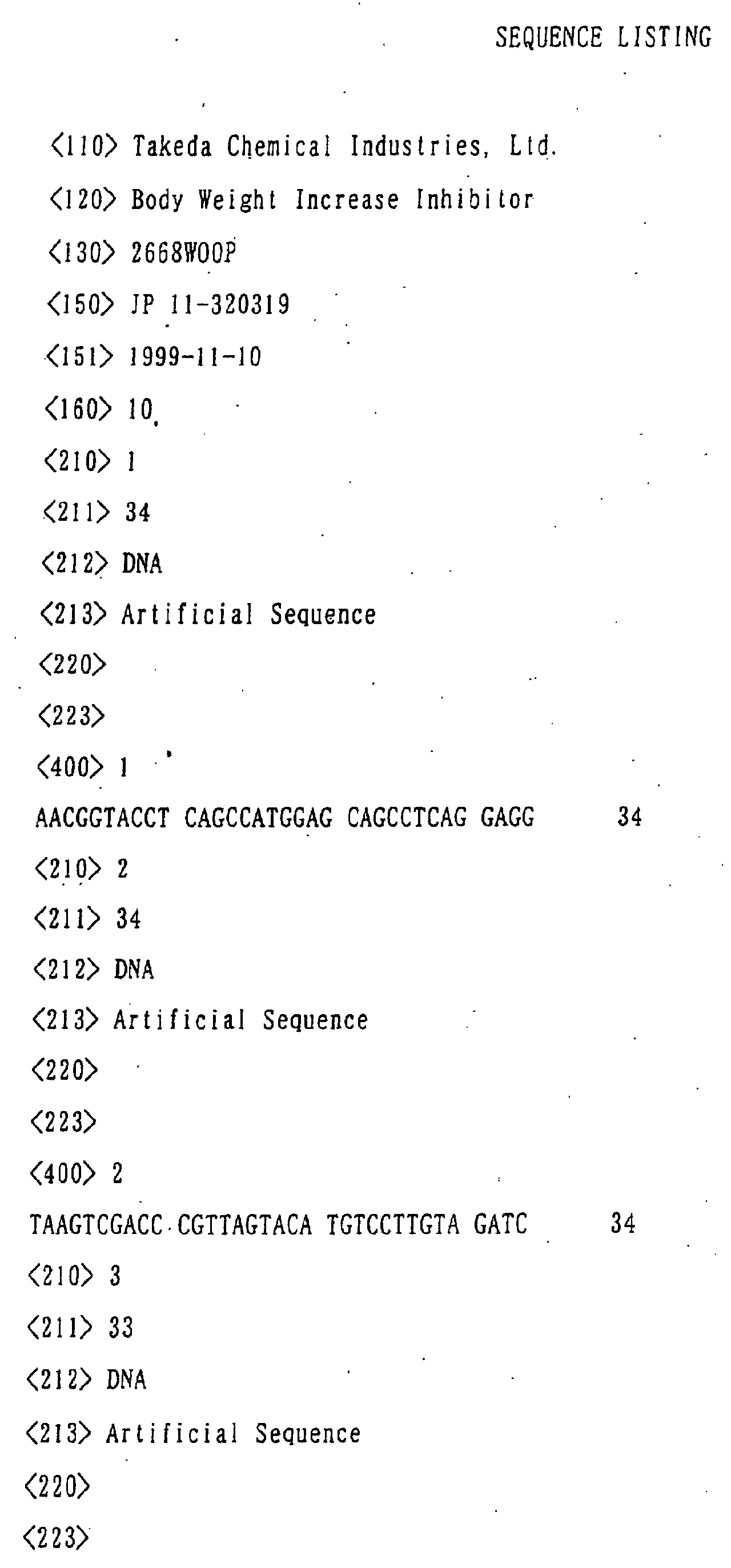
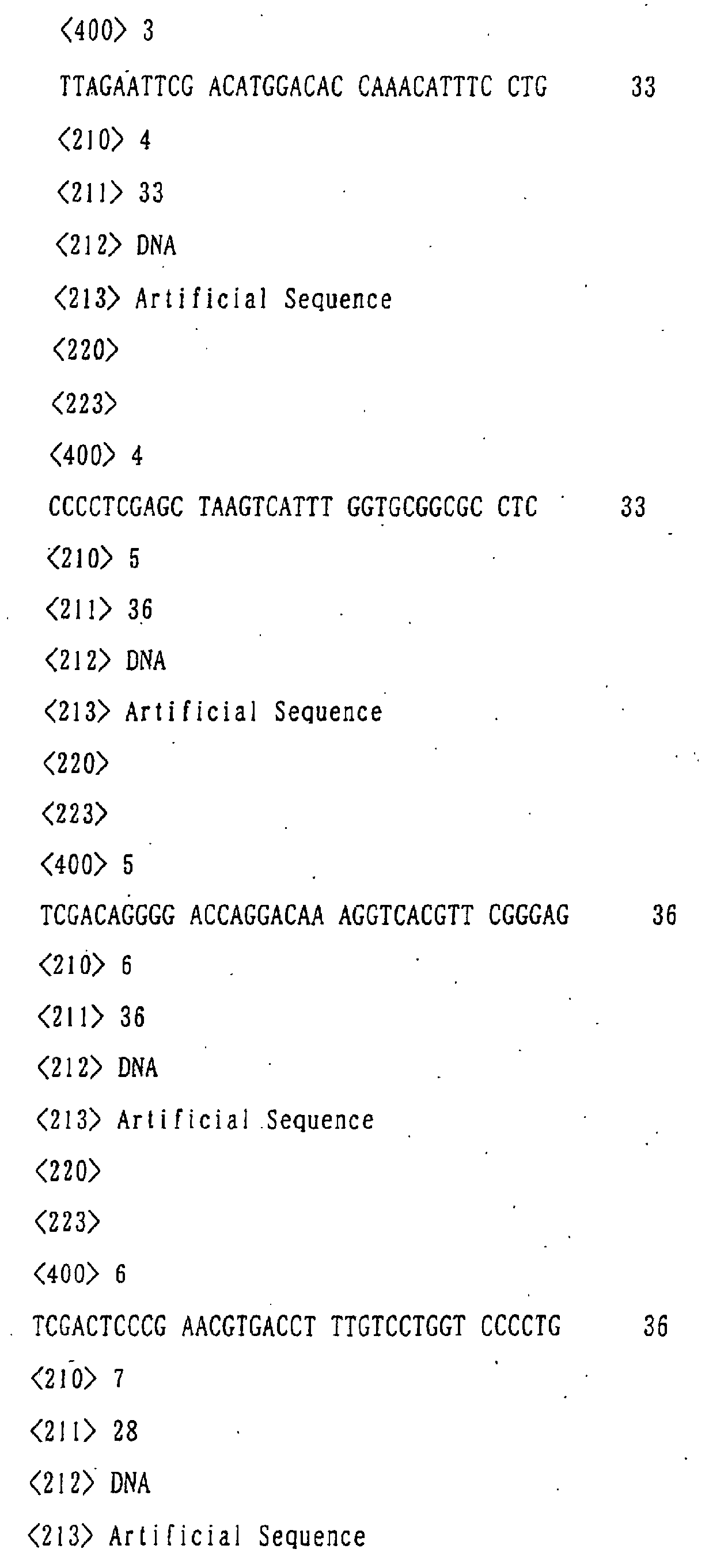

Claims (10)
- An agent for inhibiting a body weight gain derived from a PPARγ agonist-like substance, which contains a PPARδ agonist-like substance.
- The agent according to claim 1, wherein the PPARδ agonist-like substance and the PPARγ agonist-like substance are the same substance.
- The agent according to claim 1, wherein the same substance is a compound represented by the formulawherein

- R1
- is an optionally substituted hydrocarbon group or an optionally substituted heterocyclic group;
- X
- is a bond, a group of the formula: -CO-, -CH(OH)- or -NR6- (R6 is a hydrogen atom or an optionally substituted alkyl group) ;
- n
- is an integer of 1 to 3;
- Y
- is an oxygen atom, a sulfur atom, a group represented by -SO-, -SO2- or -NR7- (R7 is a hydrogen atom or an optionally substituted alkyl group) ;
- ring A
- is a benzene ring optionally having 1 to 3 additional substituent(s) ;
- p
- is an integer of 1 to 8;
- R2
- is a hydrogen atom, an optionally substituted hydrocarbon group or an optionally substituted heterocyclic group;
- q
- is an integer of 0 to 6;
- m
- is 0 or 1;
- R3
- is a hydroxy group, -OR8 (R8 is an optionally substituted hydrocarbon group) or -NR9R10 (R9 and R10 are the same or different and each is a hydrogen atom, an optionally substituted hydrocarbon group, an optionally substituted heterocyclic group, or an optionally substituted acyl group and R9 and R10 are optionally bonded to form a ring); and
- R4 and R5
- are the same or different and each is a hydrogen atom, an optionally substituted hydrocarbon group, and R4 and R2 are optionally bonded to form a ring,
- The agent according to claim 1, wherein the same substance is E-4-[4-(5-methyl-2-phenyl-4-oxazolylmethoxy)benzyloxyimino]-4-phenylbutyric acid.
- The agent according to claim 2, which is for the treatment of diabetes.
- The agent according to claim 2, which is for the treatment of diabetic complications.
- A method for inhibiting a body weight gain derived from a PPARγ agonist-like substance, which comprises administering an effective amount of a PPARδ agonist-like substance to a mammal.
- Use of a PPARδ agonist-like substance for the production of an inhibitor of a body weight gain derived from a PPARγ agonist-like substance.
- A therapeutic agent of diabetes comprising a PPARδ agonist-like substance and a PPARγ agonist-like substance, which inhibits a body weight gain derived from the PPARγ agonist-like substance to not more than about 80%.
- The agent according to claim 9, wherein the PPARδ agonist-like substance and the PPARγ agonist-like substance are the same substance.
Applications Claiming Priority (3)
| Application Number | Priority Date | Filing Date | Title |
|---|---|---|---|
| JP32031999 | 1999-11-10 | ||
| JP32031999 | 1999-11-10 | ||
| PCT/JP2000/007879 WO2001034200A1 (en) | 1999-11-10 | 2000-11-09 | Body weight gain inhibitors |
Publications (2)
| Publication Number | Publication Date |
|---|---|
| EP1304121A1 true EP1304121A1 (en) | 2003-04-23 |
| EP1304121A4 EP1304121A4 (en) | 2004-06-23 |
Family
ID=18120170
Family Applications (1)
| Application Number | Title | Priority Date | Filing Date |
|---|---|---|---|
| EP00974859A Withdrawn EP1304121A4 (en) | 1999-11-10 | 2000-11-09 | WEIGHT GAIN INHIBITORS |
Country Status (10)
| Country | Link |
|---|---|
| US (1) | US20050239854A1 (en) |
| EP (1) | EP1304121A4 (en) |
| KR (1) | KR20020060227A (en) |
| CN (1) | CN1423566A (en) |
| AU (1) | AU1303301A (en) |
| CA (1) | CA2390932A1 (en) |
| HU (1) | HUP0203837A2 (en) |
| NO (1) | NO20022214L (en) |
| PL (1) | PL356745A1 (en) |
| WO (1) | WO2001034200A1 (en) |
Cited By (4)
| Publication number | Priority date | Publication date | Assignee | Title |
|---|---|---|---|---|
| EP1277730A4 (en) * | 2000-03-28 | 2005-03-16 | INHIBITORS OF NEOVASCULARIZATION | |
| US7576050B2 (en) | 2001-07-31 | 2009-08-18 | The United States Of America As Represented By The Department Of Health And Human Services | GLP-1 exendin-4 peptide analogs and uses thereof |
| US7582662B2 (en) | 2002-12-27 | 2009-09-01 | Takeda Pharmaceutical Company Limited | Body weight gain inhibitor |
| EP1382336B1 (en) * | 2001-04-25 | 2010-09-08 | Takeda Pharmaceutical Company Limited | Use of the abc expression promotor pioglitazone for the treatment of arteriosclerosis obliterans |
Families Citing this family (16)
| Publication number | Priority date | Publication date | Assignee | Title |
|---|---|---|---|---|
| EP1229026A4 (en) * | 1999-11-10 | 2003-09-24 | Takeda Chemical Industries Ltd | ALKOXYIMINOALKANSÄURE DERIVATIVES |
| EP1357914A2 (en) * | 2001-02-02 | 2003-11-05 | SmithKline Beecham Corporation | Treatment of ppar mediated diseases |
| AU2003220855A1 (en) * | 2002-04-01 | 2003-10-13 | Sankyo Company, Limited | Medicinal antitumor composition |
| JP2007536343A (en) | 2004-05-05 | 2007-12-13 | ノボ ノルディスク アクティーゼルスカブ | Phenoxyacetic acid derivatives as PPAR agonists |
| EP1745014B1 (en) | 2004-05-05 | 2011-07-06 | High Point Pharmaceuticals, LLC | Novel compounds, their preparation and use |
| US7943669B2 (en) | 2005-06-30 | 2011-05-17 | High Point Pharmaceuticals, Llc | Phenoxy acetic acids as PPAR delta activators |
| US8097610B2 (en) * | 2005-08-26 | 2012-01-17 | Shionogi & Co., Ltd. | Derivative having PPAR agonistic activity |
| EA201101084A1 (en) | 2005-12-22 | 2012-04-30 | ХАЙ ПОЙНТ ФАРМАСЬЮТИКАЛЗ, ЭлЭлСи | PHENOXYACIC ACIDS AS PPAR DELTA ACTIVATORS |
| JP2009529512A (en) | 2006-03-09 | 2009-08-20 | ハイ ポイント ファーマシューティカルズ,リミティド ライアビリティ カンパニー | Novel compounds, methods for their production and use |
| WO2010011302A1 (en) * | 2008-07-22 | 2010-01-28 | Chdi, Inc. | Certain kynurenine-3-monooxygenase inhibitors, pharmaceutical compositions, and methods of use thereof |
| JP2014502252A (en) | 2010-09-28 | 2014-01-30 | アミリン・ファーマシューティカルズ,リミテッド・ライアビリティ・カンパニー | Modified polypeptides with increased duration of action |
| BR112014004741B1 (en) | 2011-08-30 | 2021-10-13 | Chdi Foundation, Inc | CHEMICAL ENTITY, ITS USE AND PHARMACEUTICAL COMPOSITION INCLUDING IT |
| AU2012300246A1 (en) | 2011-08-30 | 2014-03-06 | Chdi Foundation, Inc. | Kynurenine-3-monooxygenase inhibitors, pharmaceutical compositions, and methods of use thereof |
| ES2811087T3 (en) | 2013-09-09 | 2021-03-10 | Vtv Therapeutics Llc | Use of PPAR-delta agonists to treat muscle atrophy |
| AU2015289492B2 (en) | 2014-07-17 | 2020-02-20 | Chdi Foundation, Inc. | Methods and compositions for treating HIV-related disorders |
| WO2023147309A1 (en) | 2022-01-25 | 2023-08-03 | Reneo Pharmaceuticals, Inc. | Use of ppar-delta agonists in the treatment of disease |
Family Cites Families (7)
| Publication number | Priority date | Publication date | Assignee | Title |
|---|---|---|---|---|
| US5512581A (en) * | 1994-07-18 | 1996-04-30 | Abbott Laboratories | Iminoxycarboxylates and derivatives as inhibitors of leukotriene biosynthesis |
| GB9606805D0 (en) * | 1996-03-30 | 1996-06-05 | Glaxo Wellcome Inc | Medicaments |
| ES2320181T3 (en) * | 1997-07-24 | 2009-05-19 | Astellas Pharma Inc. | PHARMACEUTICAL COMPOSITIONS THAT HAVE A REDUCING EFFECT OF CHOLESTEROL. |
| AU740733B2 (en) * | 1997-12-19 | 2001-11-15 | Merck & Co., Inc. | Arylthiazolidinedione derivatives |
| MY123337A (en) * | 1998-05-11 | 2006-05-31 | Takeda Chemical Industries Ltd | Oxyiminoalkanoic acid derivatives. |
| TWI249401B (en) * | 1999-04-14 | 2006-02-21 | Takeda Chemical Industries Ltd | Agent for improving ketosis |
| WO2001032608A1 (en) * | 1999-10-29 | 2001-05-10 | Takeda Chemical Industries, Ltd. | Process for the preparation of oxyiminoalkanoic acid derivatives |
-
2000
- 2000-11-09 EP EP00974859A patent/EP1304121A4/en not_active Withdrawn
- 2000-11-09 PL PL00356745A patent/PL356745A1/en not_active Application Discontinuation
- 2000-11-09 WO PCT/JP2000/007879 patent/WO2001034200A1/en not_active Ceased
- 2000-11-09 AU AU13033/01A patent/AU1303301A/en not_active Abandoned
- 2000-11-09 KR KR1020027006002A patent/KR20020060227A/en not_active Ceased
- 2000-11-09 CA CA002390932A patent/CA2390932A1/en not_active Abandoned
- 2000-11-09 HU HU0203837A patent/HUP0203837A2/en unknown
- 2000-11-09 CN CN00818288A patent/CN1423566A/en active Pending
-
2002
- 2002-05-08 NO NO20022214A patent/NO20022214L/en not_active Application Discontinuation
-
2005
- 2005-06-29 US US11/168,357 patent/US20050239854A1/en not_active Abandoned
Cited By (7)
| Publication number | Priority date | Publication date | Assignee | Title |
|---|---|---|---|---|
| EP1277730A4 (en) * | 2000-03-28 | 2005-03-16 | INHIBITORS OF NEOVASCULARIZATION | |
| EP1382336B1 (en) * | 2001-04-25 | 2010-09-08 | Takeda Pharmaceutical Company Limited | Use of the abc expression promotor pioglitazone for the treatment of arteriosclerosis obliterans |
| US7576050B2 (en) | 2001-07-31 | 2009-08-18 | The United States Of America As Represented By The Department Of Health And Human Services | GLP-1 exendin-4 peptide analogs and uses thereof |
| US8278272B2 (en) | 2001-07-31 | 2012-10-02 | The United States Of America, As Represented By The Secretary, Department Of Health & Human Services | GLP-1, exendin-4, peptide analogs and uses thereof |
| US8853160B2 (en) | 2001-07-31 | 2014-10-07 | The United States Of America, As Represented By The Secretary, Department Of Health & Human Services | GLP-1, exendin-4, peptide analogs and uses thereof |
| US10941187B2 (en) | 2001-07-31 | 2021-03-09 | The United States Of America, As Represented By The Secretary, Department Of Health & Human Services | GLP-1, exendin-4, peptide analogs and uses thereof |
| US7582662B2 (en) | 2002-12-27 | 2009-09-01 | Takeda Pharmaceutical Company Limited | Body weight gain inhibitor |
Also Published As
| Publication number | Publication date |
|---|---|
| WO2001034200A1 (en) | 2001-05-17 |
| AU1303301A (en) | 2001-06-06 |
| NO20022214L (en) | 2002-07-09 |
| KR20020060227A (en) | 2002-07-16 |
| HUP0203837A2 (en) | 2003-03-28 |
| US20050239854A1 (en) | 2005-10-27 |
| NO20022214D0 (en) | 2002-05-08 |
| CN1423566A (en) | 2003-06-11 |
| CA2390932A1 (en) | 2001-05-17 |
| EP1304121A4 (en) | 2004-06-23 |
| PL356745A1 (en) | 2004-06-28 |
Similar Documents
| Publication | Publication Date | Title |
|---|---|---|
| US6251926B1 (en) | Oxyiminoalkanoic acid derivatives with hypoglycemic and hypolipidemic activity | |
| US20050239854A1 (en) | Body weight gain inhibitors | |
| US7179823B1 (en) | 5-membered n-heterocyclic compounds with hypoglycemic and hypolipidemic activity | |
| US7238716B2 (en) | Alkanoic acid derivatives process for their production and use thereof | |
| US7241785B2 (en) | Five-membered heterocyclic alkanoic acid derivative | |
| KR100697582B1 (en) | Ketosis improvers | |
| KR100433885B1 (en) | Crystals of an oxyiminoalkanoic acid derivative and their use as antidiabetics | |
| EP1229026A1 (en) | Alkoxyiminoalkanoic acid derivatives | |
| US20040077689A1 (en) | Abc expression promoters | |
| JP3074532B2 (en) | Oxyiminoalkanoic acid derivatives | |
| JP2001199887A (en) | Inhibitor against weight gain | |
| JP2001199971A (en) | Alkoxyiminoalkanoic acid derivative | |
| JPWO2001034200A1 (en) | Weight gain inhibitors | |
| JP2003073377A (en) | Five-membered heterocyclic derivative | |
| JPH11124331A (en) | Antiinflammatory agent | |
| HK1034972B (en) | Oxyiminoalkanoic acid derivatives with hypoglycemic and hypolipidemic activity | |
| MXPA00010576A (en) | Oxyiminoalkanoic acid derivatives with hypoglycemic and hypolipidemic activity | |
| ZA200006121B (en) | Oxyiminoalkanoic acid derivatives with hypoglycemic and hypolipidemic activity. | |
| JPWO2001034579A1 (en) | Alkoxyiminoalkanoic acid derivatives | |
| CZ20004104A3 (en) | Oxyiminoalkanoic acid derivatives |
Legal Events
| Date | Code | Title | Description |
|---|---|---|---|
| PUAI | Public reference made under article 153(3) epc to a published international application that has entered the european phase |
Free format text: ORIGINAL CODE: 0009012 |
|
| 17P | Request for examination filed |
Effective date: 20020524 |
|
| AK | Designated contracting states |
Designated state(s): AT BE CH CY DE DK ES FI FR GB GR IE IT LI LU MC NL PT SE TR |
|
| AX | Request for extension of the european patent |
Extension state: AL LT LV MK RO SI |
|
| A4 | Supplementary search report drawn up and despatched |
Effective date: 20040507 |
|
| RAP1 | Party data changed (applicant data changed or rights of an application transferred) |
Owner name: TAKEDA PHARMACEUTICAL COMPANY LIMITED |
|
| STAA | Information on the status of an ep patent application or granted ep patent |
Free format text: STATUS: THE APPLICATION HAS BEEN WITHDRAWN |
|
| 18W | Application withdrawn |
Effective date: 20071113 |