EP1296700B1 - Anti-carcinogenic activity of hydroxylated chalcone compounds extracted from licorice root - Google Patents
Anti-carcinogenic activity of hydroxylated chalcone compounds extracted from licorice root Download PDFInfo
- Publication number
- EP1296700B1 EP1296700B1 EP01942199A EP01942199A EP1296700B1 EP 1296700 B1 EP1296700 B1 EP 1296700B1 EP 01942199 A EP01942199 A EP 01942199A EP 01942199 A EP01942199 A EP 01942199A EP 1296700 B1 EP1296700 B1 EP 1296700B1
- Authority
- EP
- European Patent Office
- Prior art keywords
- cells
- licorice root
- bcl
- composition
- hydroxylated chalcone
- Prior art date
- Legal status (The legal status is an assumption and is not a legal conclusion. Google has not performed a legal analysis and makes no representation as to the accuracy of the status listed.)
- Expired - Lifetime
Links
Images
Classifications
-
- A—HUMAN NECESSITIES
- A61—MEDICAL OR VETERINARY SCIENCE; HYGIENE
- A61K—PREPARATIONS FOR MEDICAL, DENTAL OR TOILETRY PURPOSES
- A61K31/00—Medicinal preparations containing organic active ingredients
- A61K31/12—Ketones
-
- A—HUMAN NECESSITIES
- A61—MEDICAL OR VETERINARY SCIENCE; HYGIENE
- A61P—SPECIFIC THERAPEUTIC ACTIVITY OF CHEMICAL COMPOUNDS OR MEDICINAL PREPARATIONS
- A61P35/00—Antineoplastic agents
-
- A—HUMAN NECESSITIES
- A61—MEDICAL OR VETERINARY SCIENCE; HYGIENE
- A61P—SPECIFIC THERAPEUTIC ACTIVITY OF CHEMICAL COMPOUNDS OR MEDICINAL PREPARATIONS
- A61P43/00—Drugs for specific purposes, not provided for in groups A61P1/00-A61P41/00
Definitions
- Herbal products have gained popularity for their use in the treatment of diseases in humans. Although the clinical effect of most herbal products is unknown, many herbs contain derivatives with biological activity.
- One such herb is licorice root. Extracts of licorice root have been shown to have biological activity that includes antioxidant activity (Palagina, M.V. et al. 1999. Ter. Arkh . 71:45-48), inhibition of melanin synthesis (Yokota, T. et al. 1998. Pigment Cell Res. 11:355-361), inhibition of angiogenesis (Kobayashi, S. et al. 1995. Biol. Phar,. Bull. 18:1382-1386), anti-microbial activity (Mitscher, L.A. et al. 1980. J. Nat.
- PC-SPES licorice root
- PC-SPES extracts have also been shown to induce apoptosis in tumor cell lines and decreased the expression of bcl-2.
- Bcl-2 is a 26 kDa protein that blocks cell death by inhibiting cytochrome c release from mitochondria, a critical event in the apoptotic pathway. Overexpression of bcl-2 protects cells from death promoting stimuli, whereas lowering bcl-2 levels increases cell death and sensitivity to chemotherapy (Reed, J.C. 1997. Nature 387:773-776). Recent studies suggest that drugs which decrease bcl-2 expression, or inactivate the molecule through phosphorylation, induce apoptosis.
- paclitaxel, docetaxol, vincristine, and vinblastine alter microtubule structure and induce apoptosis in association with bcl-2 phosphorylation (Hadlar, S. et al. 1996. Cancer Res. 56:1253; Haldar, S. et al. 1995. Proc . Natl. Acad. Sci. USA 92:4507-4511).
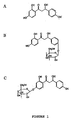
- An object of the present invention is to provide a hydroxylated chalcone compound extracted and purified from Glycyrrhiza glabra, which compound is 1-propanone-1-(2,4-dihydroxyphenyl)-3-hydroxy-3-(4'-hydroxyphenyl), and compositions comprising the said compound.
- Another object of the present invention is to provide a method of inducing phosphorylation of bcl-2 comprising contacting cells or tissues with the said hydroxylated chalcone compound.
- Yet another object of the present invention is to provide a method of inducing apoptosis in cells or tissues comprising contacting cells or tissues with the said hydroxylated chalcone compound.
- Also included in the present invention is the preparation of a pharmaceutical composition for inhibiting tumor cell growth and preventing and treating cancer via contacting tumor cells or tissues with an effective amount of a hydroxylated chalcone compound.
- licorice root extract a hydroxylated chalcone
- This licorice root extract component can be used as an anti-cancer agent in the prevention and treatment of cancer in animals, including humans.
- the hydroxylated chalcones of the present invention were identified by extracting licorice root with methanol, ethanol, DMSO or ethyl acetate. Crude extract fractions were collected and the effects of various fractions of whole licorice root were assessed by immunoblotting. Licorice root extracted with ethyl acetate, DMSO, or ethanol induced bcl-2 phosphorylation as demonstrated by a slower migrating band as compared to the vehicle control (ethanol alone) or a water extract.
- DC-type compound has also been isolated from another natural product, Rosa cymosa (Yoshida et al. 1993. Phytochemistry 32:1033-1036), However, the biological activity of this DC-type compound has not been determined.
- DC The activity of purified DC was determined in additional testing.
- DC was shown to induce phosphorylation of bcl-2 in both MCF-7 and DUPro-1 tumor cells.
- the pure DC induced G2/M cell cycle arrest similar to whole licorice root extracts.
- MCF-7 tumor cells were treated with DC and assessed by flow cytometry.
- DC induced a G2/M cell cycle arrest in a manner similar to the known anti-microtubule agent paclitaxel.
- DC was shown to induce microtubule fragmentation in a manner similar to vinblastine, while paclitaxel has been shown to induce microtubule bundles. Therefore, DC is actually a microtubule destabilizer, more similar to vinblastine.
- cytotoxicity of DC was then assessed in an apoptosis assay.
- tumor cells were treated with pure DC and cell viability and apoptosis responses were assessed.
- DC induced apoptosis in MCF-7 cells as demonstrated by the detection of extracellular phosphatidylserine, which redistributes to the outer layer of the membrane during apoptosis. Early apoptotic cells demonstrated green fluorescence under microscopy. Necrotic cells were identified by their yellow-red intracellular staining appearance.
- DC induced apoptosis in a manner similar to that of 10 ⁇ M camptothecin (control compound).
- DC also decreased cell viability in MCF-7 cells in a dose-dependent manner (IC 50 of 13 ⁇ M).
- DC licorice root extract
- compositions comprising a pure hydroxylated chalcone compound of Glycyrrhiza glabra. These compounds may be extracted and purified from Glycyrrhiza glabra. Alternatively, the hydroxylated chalcone compounds can be prepared synthetically using methods well known to those skilled in the art. Further, one of skill in the art can now develop new compounds with similar structure and activity to the hydroxylated chalcone compounds of the present invention based on routine methods for testing of potential clinical compounds. Compositions of the present invention preferably further comprise an acceptable pharmaceutical vehicle for administration of the pure hydroxylated chalcone compound. Selection of acceptable pharmaceutical vehicles is performed routinely by those skill in the art and multiple formulation examples are provided in standard text references such as Remington's Pharmaceutical Sciences, Mack Publishing Co., Easton, PA, 1985.
- compositions comprising a pure hydroxylated chalcone compound of Glycyrrhiza glabra induce bcl-2 phosphorylation in tissues and cells, in particular tumor cells or tissues, from animals, including humans.
- Compositions of the present invention are also useful in the induction of apoptosis in cells or tissues, in particular tumor cells or tissues, from animals, including humans.
- the compositions of the present invention are believed to be useful in methods for the prevention and treatment of cancer in animals, including humans.
- the present invention also relates to methods for prevention and treatment of cancer and tumor cell growth in animals, including humans, which comprises administering to the animal an effective amount of a composition containing a pure hydroxylated chalcone compound of Glycyrrhiza glabra .
- effective amount it is meant an amount of a pure hydroxylated chalcone compound of Glycyrrhiza glabra capable of producing a pharmacological response including, but limited to, induction of bcl-2 phosphorylation, induction of apoptosis, inhibition of tumorigenesis, or prevention or treatment of cancer.
- Effective amounts of the compounds to be administered can be determined routinely by those of skill in the art based upon pharmacological response data such as that provided herein.
- doses to be administered are routinely determined by those skilled in the art based upon data from in vitro assays such as IC 50 determinations as provided in the instant application.
- Routes of administration, as well as dosing regimes, can also be determined routinely by one of skill in the art based upon prior experience with similar compounds, such as resveratrol.
- Powdered roots of Glycyrrhiza glabra were extracted with methanol and concentrated under vacuum using rotary evaporation (Rotavapor R-110, Buchi, Switzerland). The remaining concentrate was then partitioned with acidified ethyl acetate (3% HCL). The dry ethyl acetate extract was then chromatographed on a reversed phase octadecyl-functionalized silica gel column such that bio-assay directed fractionation could be performed.
- Elution was done using a solvent mixture of water/methanol with an increasing concentration of methanol (90:10, 80:20, 70:30, 60:40, 50:50, 40:60, 30:70, 20:80, 10:90, 0:100; each 500 ml). Successive fractions were collected and tested for biological activity.
- the most active fraction was re-chromatographed on a semi-preparative Zorbax Rx-C18 reversed phase HPLC column (9.4 mm x 240 mm, 5 ⁇ m) purchased from Mac-Mod Analytical (Chadds Ford, PA). Compounds were eluted by a gradient solvent system (A: water and 0.05% formic acid; B: acetonitrile). The elution program at 3 ml/min was as follows: 80% A to 40% B (0 to 45 minutes). The wavelength monitored was 254 nm. Successive fractions were collected and sent for additional biologic testing.
- Fractions were screened for purity using a Discovery C18 reversed phase HPLC column (250 mm x 4.6 mm; 5 ⁇ m) with a column guard purchased from Supelco (Bellefonte, PA).
- the solvent program was a gradient system (A: water and 0.05% formic acid, B: 100% acetonitrile; 35 to 55 minutes).
- the elution program at 1 ml/minute was as follows: 100% A to 100% B (0 to 35 minutes); 100% B (35 to 55 minutes).
- the wavelengths monitored were 220 to 320 nm with a Varian 9065 diode array detector.
- Cells were treated for 24 hours, incubated with 10 ⁇ M BrdU for 45 minutes at 37°C. Cells were then washed with ice-cold PBS, resuspended in 200 ⁇ l PBS and fixed with cold 70% ethanol. The cells were resuspended, incubated for 30 minutes in 2 N HC1/0.5% Triton X-100 in PBS, and neutralized by rinsing once in 0.1 M sodium tetraborate (pH 8.5).
- Fluorescein isothiocyanate (FITC)-conjugated anti-BrdU antibody (Becton Dickinson) was added (10 ⁇ g/sample) in 50 ⁇ l of 0.5% Tween 20/ 1% BSA in PBS and incubated for 30 minutes. The cells were washed and resuspended in 1 ml of PBS containirig 5 ⁇ g/ml propidium iodide. Fluorescence intensity was determined by quantitative flow cytometry and profiles were generated on a Becton Dickinson FACScan. A minimum of 10,000 cells were analyzed.
- the Apoalert Annexin V-EGFP method (CLONTECH, Palo Alto, CA) was used to assess for apoptosis. Briefly, tumor cells were treated for 2 hours and cells were washed with fixing solution and stained with Annexin V-EGFP and propidium iodide for 15 minutes in the dark. Cells were viewed using a Nikin Eclipse TE-200 (Nikon Corporation, Tokyo, Japan) inverted fluorescent microscope. Photographs were captured using a SPOT digital camera (Diagnostic, Inc., Sterling Heights, MI) in combination with SPOT labeling with an APO-BRDU kit (Pharmingen, San Diego, CA).
- Cells (1 x 10 6 per dish) were treated for 12 hours, washed with PBS, and fixed in 1% paraformaldehyde in ice for 30 minutes. After fixation, cells were washed twice with PBS and fixed in 70% ethanol. The pellets were washed and resuspended in 50 ⁇ l of the DNA labeling solution containing Br-dUTP and TdT enzyme and incubated for 60 minutes at 37°C. After incubation, the pellets were washed, incubated with FITC labeled anti-BrdU antibody in the dark for 30 minutes at room temperature, and stained with propidium iodide and RNase. The stained cells were analyzed by flow cytometry after 30 minutes.
- Cell viability was assessed by the tetrazolium dye method as previously described (Scudiero, D.A. et al. 1988. Cancer Res. 48:4827-4833). Cells were plated in 96 well plates and incubated with various agents for 72 hours. Absorbance was measured at 570 nm using a Dyatech microplate reader.
Landscapes
- Health & Medical Sciences (AREA)
- Veterinary Medicine (AREA)
- Chemical & Material Sciences (AREA)
- Medicinal Chemistry (AREA)
- Pharmacology & Pharmacy (AREA)
- Life Sciences & Earth Sciences (AREA)
- Animal Behavior & Ethology (AREA)
- General Health & Medical Sciences (AREA)
- Public Health (AREA)
- Chemical Kinetics & Catalysis (AREA)
- Epidemiology (AREA)
- General Chemical & Material Sciences (AREA)
- Nuclear Medicine, Radiotherapy & Molecular Imaging (AREA)
- Organic Chemistry (AREA)
- Engineering & Computer Science (AREA)
- Bioinformatics & Cheminformatics (AREA)
- Acyclic And Carbocyclic Compounds In Medicinal Compositions (AREA)
- Medicines Containing Plant Substances (AREA)
- Pharmaceuticals Containing Other Organic And Inorganic Compounds (AREA)
- Organic Low-Molecular-Weight Compounds And Preparation Thereof (AREA)
- Steroid Compounds (AREA)
- Saccharide Compounds (AREA)
Abstract
Description
Claims (6)
- A composition comprising 1-propanone-1- (2, 4-dihydroxyphenyl)-3-hydroxy-3-(4'-hydroxyphenyl).
- An in vitro method of inducing phosphorylation of bcl-2 in cells or tissues comprising contacting cells or tissues with the composition of claim 1.
- An in vitro method of inducing apoptosis in cells or tissues comprising contacting cells or tissues with the composition of claim 1.
- An in vitro method of inhibiting growth of tumor cells comprising contacting tumor cells with the composition of claim 1.
- The composition of claim 1 wherein said composition is a pharmaceutical composition.
- Use of 1-propanone-1- (2, 4-dihydroxyphenyl)-3-hydroxy-3-4'-hydroxyphenyl for the preparation of a pharmaceutical composition for preventing or treating cancer or tumor cell growth.
Applications Claiming Priority (3)
| Application Number | Priority Date | Filing Date | Title |
|---|---|---|---|
| US21126600P | 2000-06-13 | 2000-06-13 | |
| US211266P | 2000-06-13 | ||
| PCT/US2001/019019 WO2001095923A1 (en) | 2000-06-13 | 2001-06-13 | Anti-carcinogenic activity of hydroxylated chalcone compounds extracted from licorice root |
Publications (3)
| Publication Number | Publication Date |
|---|---|
| EP1296700A1 EP1296700A1 (en) | 2003-04-02 |
| EP1296700A4 EP1296700A4 (en) | 2004-03-24 |
| EP1296700B1 true EP1296700B1 (en) | 2005-09-14 |
Family
ID=22786189
Family Applications (1)
| Application Number | Title | Priority Date | Filing Date |
|---|---|---|---|
| EP01942199A Expired - Lifetime EP1296700B1 (en) | 2000-06-13 | 2001-06-13 | Anti-carcinogenic activity of hydroxylated chalcone compounds extracted from licorice root |
Country Status (9)
| Country | Link |
|---|---|
| US (1) | US6498195B2 (en) |
| EP (1) | EP1296700B1 (en) |
| JP (1) | JP2004503503A (en) |
| AT (1) | ATE304367T1 (en) |
| AU (1) | AU2001275484A1 (en) |
| CA (1) | CA2412316A1 (en) |
| DE (1) | DE60113418T2 (en) |
| ES (1) | ES2249443T3 (en) |
| WO (1) | WO2001095923A1 (en) |
Families Citing this family (7)
| Publication number | Priority date | Publication date | Assignee | Title |
|---|---|---|---|---|
| US6864264B1 (en) | 2002-08-20 | 2005-03-08 | Gloria L. Anderson | 1-adamantyl chalcones for the treatment of proliferative disorders |
| WO2004052920A2 (en) * | 2002-12-12 | 2004-06-24 | The Burnham Institute | Conversion of apoptotic proteins |
| DE10357451A1 (en) * | 2003-12-03 | 2005-07-07 | Beiersdorf Ag | Active substance combinations of 2,3-dibenzylbutyrolactones and licochalcone A or an aqueous extract of Radix Glycyrrhizae inflatae, containing licochalcone A. |
| DE10357452A1 (en) * | 2003-12-03 | 2005-06-30 | Beiersdorf Ag | Cosmetic preparations containing licochalcone A or an extract of Radix Glycyrrhizae inflatae, containing licochalcone A, and organic thickener |
| US7351739B2 (en) * | 2004-04-30 | 2008-04-01 | Wellgen, Inc. | Bioactive compounds and methods of uses thereof |
| BRPI0402260B1 (en) | 2004-06-15 | 2015-02-18 | Botica Com Farmaceutica Ltda | Composition for toiletries, cosmetics and perfumes. |
| AU2008320965B2 (en) * | 2007-11-13 | 2014-10-23 | The Regents Of The University Of Michigan | Method and apparatus for detecting diseases associated with the eye |
Family Cites Families (6)
| Publication number | Priority date | Publication date | Assignee | Title |
|---|---|---|---|---|
| JPS60184017A (en) * | 1984-03-02 | 1985-09-19 | Takuo Kosuge | Tonic agent |
| JPH01117827A (en) * | 1987-10-29 | 1989-05-10 | Tsumura & Co | Platelet aggregation-suppressing agent |
| JPH02204495A (en) | 1989-02-02 | 1990-08-14 | Maruzen Kasei Co Ltd | Method for extracting licorice hydrophobic flavonoid |
| JPH06122623A (en) * | 1992-10-09 | 1994-05-06 | Minofuaagen Seiyaku Honpo:Goushi | Antitumor agent |
| WO1999000114A2 (en) * | 1997-06-26 | 1999-01-07 | Statens Serum Institut | Biologically active 1,3-bis-aromatic-prop-2-en-1-ones, 1,3-bis-aromatic-propan-1-ones, and 1,3-bis-aromatic-prop-2-yn-1-ones |
| EP0998939A1 (en) * | 1998-09-09 | 2000-05-10 | The School Of Pharmacy, University Of London | Chalcone plant extracts for use in therapy |
-
2001
- 2001-06-13 AU AU2001275484A patent/AU2001275484A1/en not_active Abandoned
- 2001-06-13 US US09/880,296 patent/US6498195B2/en not_active Expired - Fee Related
- 2001-06-13 DE DE60113418T patent/DE60113418T2/en not_active Expired - Fee Related
- 2001-06-13 WO PCT/US2001/019019 patent/WO2001095923A1/en not_active Ceased
- 2001-06-13 ES ES01942199T patent/ES2249443T3/en not_active Expired - Lifetime
- 2001-06-13 AT AT01942199T patent/ATE304367T1/en not_active IP Right Cessation
- 2001-06-13 EP EP01942199A patent/EP1296700B1/en not_active Expired - Lifetime
- 2001-06-13 CA CA002412316A patent/CA2412316A1/en not_active Abandoned
- 2001-06-13 JP JP2002510101A patent/JP2004503503A/en active Pending
Also Published As
| Publication number | Publication date |
|---|---|
| DE60113418T2 (en) | 2006-06-08 |
| US6498195B2 (en) | 2002-12-24 |
| DE60113418D1 (en) | 2005-10-20 |
| EP1296700A4 (en) | 2004-03-24 |
| CA2412316A1 (en) | 2001-12-20 |
| JP2004503503A (en) | 2004-02-05 |
| ATE304367T1 (en) | 2005-09-15 |
| ES2249443T3 (en) | 2006-04-01 |
| AU2001275484A1 (en) | 2001-12-24 |
| WO2001095923A1 (en) | 2001-12-20 |
| EP1296700A1 (en) | 2003-04-02 |
| US20020022665A1 (en) | 2002-02-21 |
Similar Documents
| Publication | Publication Date | Title |
|---|---|---|
| Gray et al. | Centella asiatica: phytochemistry and mechanisms of neuroprotection and cognitive enhancement | |
| Kumar et al. | The anticancer potential of flavonoids isolated from the stem bark of Erythrina suberosa through induction of apoptosis and inhibition of STAT signaling pathway in human leukemia HL-60 cells | |
| Rauter et al. | Bioactivity studies and chemical profile of the antidiabetic plant Genista tenera | |
| Vasilopoulou et al. | Phytochemical composition of “mountain tea” from Sideritis clandestina subsp. clandestina and evaluation of its behavioral and oxidant/antioxidant effects on adult mice | |
| Akkol et al. | Antinociceptive and anti-inflammatory effects of saponin and iridoid glycosides from Verbascum pterocalycinum var. mutense Hub.-Mor. | |
| Sayed et al. | Antiproliferative potential of Physalis peruviana-derived magnolin against pancreatic cancer: a comprehensive in vitro and in silico study | |
| Eyong et al. | A new ursane triterpenoic acid and other potential anti-inflammatory and anti-arthritic constituents from EtOAc extracts of Vitellaria paradoxa stem bark | |
| Dermane et al. | Differential constituents in roots, stems and leaves of Newbouldia laevis Thunb. screened by LC/ESI-Q-TOF-MS | |
| Rosales et al. | Extraction, isolation and in vitro evaluation of affinisine from Tabernaemontana catharinensis in human melanoma cells | |
| JP4909984B2 (en) | New uses for lignan compounds | |
| US6498195B2 (en) | Use of 1-propanone-1-(2,4-dihydroxyphenyl)-3-hydroxy-3-(4′-hydroxyphenyl) as an anticarcinogenic agent | |
| Alamri et al. | Bioactivity and molecular docking of lactones isolated from Centaurea pseudosinaica Czerep | |
| US7033617B2 (en) | Use of Anoectochilus formosanus plant extracts and their derived fractions as herbal medicines or nutraceutical supplements for chemoprevention or treatment of human malignancies | |
| KR20030042123A (en) | Triterpenoid compounds with apoptosis-inducing activity on cells | |
| US20030086987A1 (en) | Salvianolic acid B | |
| KR100542323B1 (en) | Method for isolating compounds having induction of apoptosis from hawthorn tree | |
| da Silva et al. | Anti-Trypanosoma cruzi activity in vitro of phases and isolated compounds from Excoecaria lucida leaves | |
| Priya et al. | Isolation of Potential Compound from the Leaves of Elytraria acaulis and Evaluating Its Therapeutic Properties Using In Vitro Studies Against Ovarian Cancer | |
| Rajalakshmi et al. | Phytochemical screening and in vitro anti-inflammatory properties of Jatropha maheshwarii Subram. & Nayar–An endemic plant | |
| AU2014330796B2 (en) | Extracts and compositions of Helichrysum odoratissimum for preventing and treating skin cancers | |
| AU2020211793B2 (en) | Anticancer activity of Buddleja saligna compositions | |
| KR100469612B1 (en) | Sesquiterpene lactone compound extracted from Ixeris dentata forma albiflora and composition for treating cardiovascular disease and cancer containing the same | |
| Ahmed et al. | Phytochemical and Antioxidant studies on Stem Bark of Aubrevillea kerstingii | |
| da Silva et al. | Anti-Trypanosoma cruzi Activity in vitro of Phases and Isolated Com-pounds from Excoecaria lucida Leaves | |
| Ukwubile et al. | Protective effects of Ziziphus lotus Lam. leaf extract against paracetamol-induced nephrotoxicity in rats: phytochemical profiling, antioxidant activity, and molecular docking analysis |
Legal Events
| Date | Code | Title | Description |
|---|---|---|---|
| PUAI | Public reference made under article 153(3) epc to a published international application that has entered the european phase |
Free format text: ORIGINAL CODE: 0009012 |
|
| 17P | Request for examination filed |
Effective date: 20030107 |
|
| AK | Designated contracting states |
Kind code of ref document: A1 Designated state(s): AT BE CH CY DE DK ES FI FR GB GR IE IT LI LU MC NL PT SE TR |
|
| AX | Request for extension of the european patent |
Extension state: AL LT LV MK RO SI |
|
| A4 | Supplementary search report drawn up and despatched |
Effective date: 20040206 |
|
| 17Q | First examination report despatched |
Effective date: 20040526 |
|
| RIC1 | Information provided on ipc code assigned before grant |
Ipc: 7A 61P 35/00 B Ipc: 7A 61K 35/78 A |
|
| GRAP | Despatch of communication of intention to grant a patent |
Free format text: ORIGINAL CODE: EPIDOSNIGR1 |
|
| GRAS | Grant fee paid |
Free format text: ORIGINAL CODE: EPIDOSNIGR3 |
|
| GRAA | (expected) grant |
Free format text: ORIGINAL CODE: 0009210 |
|
| AK | Designated contracting states |
Kind code of ref document: B1 Designated state(s): AT BE CH CY DE DK ES FI FR GB GR IE IT LI LU MC NL PT SE TR |
|
| PG25 | Lapsed in a contracting state [announced via postgrant information from national office to epo] |
Ref country code: CH Free format text: LAPSE BECAUSE OF FAILURE TO SUBMIT A TRANSLATION OF THE DESCRIPTION OR TO PAY THE FEE WITHIN THE PRESCRIBED TIME-LIMIT Effective date: 20050914 Ref country code: AT Free format text: LAPSE BECAUSE OF FAILURE TO SUBMIT A TRANSLATION OF THE DESCRIPTION OR TO PAY THE FEE WITHIN THE PRESCRIBED TIME-LIMIT Effective date: 20050914 Ref country code: FI Free format text: LAPSE BECAUSE OF FAILURE TO SUBMIT A TRANSLATION OF THE DESCRIPTION OR TO PAY THE FEE WITHIN THE PRESCRIBED TIME-LIMIT Effective date: 20050914 Ref country code: LI Free format text: LAPSE BECAUSE OF FAILURE TO SUBMIT A TRANSLATION OF THE DESCRIPTION OR TO PAY THE FEE WITHIN THE PRESCRIBED TIME-LIMIT Effective date: 20050914 Ref country code: NL Free format text: LAPSE BECAUSE OF FAILURE TO SUBMIT A TRANSLATION OF THE DESCRIPTION OR TO PAY THE FEE WITHIN THE PRESCRIBED TIME-LIMIT Effective date: 20050914 Ref country code: BE Free format text: LAPSE BECAUSE OF FAILURE TO SUBMIT A TRANSLATION OF THE DESCRIPTION OR TO PAY THE FEE WITHIN THE PRESCRIBED TIME-LIMIT Effective date: 20050914 |
|
| REG | Reference to a national code |
Ref country code: GB Ref legal event code: FG4D |
|
| REG | Reference to a national code |
Ref country code: CH Ref legal event code: EP |
|
| REG | Reference to a national code |
Ref country code: IE Ref legal event code: FG4D |
|
| REF | Corresponds to: |
Ref document number: 60113418 Country of ref document: DE Date of ref document: 20051020 Kind code of ref document: P |
|
| PG25 | Lapsed in a contracting state [announced via postgrant information from national office to epo] |
Ref country code: SE Free format text: LAPSE BECAUSE OF FAILURE TO SUBMIT A TRANSLATION OF THE DESCRIPTION OR TO PAY THE FEE WITHIN THE PRESCRIBED TIME-LIMIT Effective date: 20051214 Ref country code: DK Free format text: LAPSE BECAUSE OF FAILURE TO SUBMIT A TRANSLATION OF THE DESCRIPTION OR TO PAY THE FEE WITHIN THE PRESCRIBED TIME-LIMIT Effective date: 20051214 Ref country code: GR Free format text: LAPSE BECAUSE OF FAILURE TO SUBMIT A TRANSLATION OF THE DESCRIPTION OR TO PAY THE FEE WITHIN THE PRESCRIBED TIME-LIMIT Effective date: 20051214 |
|
| PG25 | Lapsed in a contracting state [announced via postgrant information from national office to epo] |
Ref country code: PT Free format text: LAPSE BECAUSE OF FAILURE TO SUBMIT A TRANSLATION OF THE DESCRIPTION OR TO PAY THE FEE WITHIN THE PRESCRIBED TIME-LIMIT Effective date: 20060214 |
|
| NLV1 | Nl: lapsed or annulled due to failure to fulfill the requirements of art. 29p and 29m of the patents act | ||
| REG | Reference to a national code |
Ref country code: CH Ref legal event code: PL |
|
| REG | Reference to a national code |
Ref country code: ES Ref legal event code: FG2A Ref document number: 2249443 Country of ref document: ES Kind code of ref document: T3 |
|
| ET | Fr: translation filed | ||
| PG25 | Lapsed in a contracting state [announced via postgrant information from national office to epo] |
Ref country code: IE Free format text: LAPSE BECAUSE OF NON-PAYMENT OF DUE FEES Effective date: 20060613 |
|
| PG25 | Lapsed in a contracting state [announced via postgrant information from national office to epo] |
Ref country code: MC Free format text: LAPSE BECAUSE OF NON-PAYMENT OF DUE FEES Effective date: 20060630 |
|
| PLBE | No opposition filed within time limit |
Free format text: ORIGINAL CODE: 0009261 |
|
| STAA | Information on the status of an ep patent application or granted ep patent |
Free format text: STATUS: NO OPPOSITION FILED WITHIN TIME LIMIT |
|
| 26N | No opposition filed |
Effective date: 20060615 |
|
| REG | Reference to a national code |
Ref country code: IE Ref legal event code: MM4A |
|
| PG25 | Lapsed in a contracting state [announced via postgrant information from national office to epo] |
Ref country code: TR Free format text: LAPSE BECAUSE OF FAILURE TO SUBMIT A TRANSLATION OF THE DESCRIPTION OR TO PAY THE FEE WITHIN THE PRESCRIBED TIME-LIMIT Effective date: 20050914 Ref country code: LU Free format text: LAPSE BECAUSE OF NON-PAYMENT OF DUE FEES Effective date: 20060613 |
|
| PG25 | Lapsed in a contracting state [announced via postgrant information from national office to epo] |
Ref country code: CY Free format text: LAPSE BECAUSE OF FAILURE TO SUBMIT A TRANSLATION OF THE DESCRIPTION OR TO PAY THE FEE WITHIN THE PRESCRIBED TIME-LIMIT Effective date: 20050914 |
|
| PGFP | Annual fee paid to national office [announced via postgrant information from national office to epo] |
Ref country code: ES Payment date: 20090624 Year of fee payment: 9 |
|
| PGFP | Annual fee paid to national office [announced via postgrant information from national office to epo] |
Ref country code: FR Payment date: 20090615 Year of fee payment: 9 Ref country code: IT Payment date: 20090626 Year of fee payment: 9 |
|
| PGFP | Annual fee paid to national office [announced via postgrant information from national office to epo] |
Ref country code: DE Payment date: 20090622 Year of fee payment: 9 Ref country code: GB Payment date: 20090618 Year of fee payment: 9 |
|
| GBPC | Gb: european patent ceased through non-payment of renewal fee |
Effective date: 20100613 |
|
| REG | Reference to a national code |
Ref country code: FR Ref legal event code: ST Effective date: 20110228 |
|
| PG25 | Lapsed in a contracting state [announced via postgrant information from national office to epo] |
Ref country code: IT Free format text: LAPSE BECAUSE OF NON-PAYMENT OF DUE FEES Effective date: 20100613 |
|
| PG25 | Lapsed in a contracting state [announced via postgrant information from national office to epo] |
Ref country code: DE Free format text: LAPSE BECAUSE OF NON-PAYMENT OF DUE FEES Effective date: 20110101 |
|
| PG25 | Lapsed in a contracting state [announced via postgrant information from national office to epo] |
Ref country code: FR Free format text: LAPSE BECAUSE OF NON-PAYMENT OF DUE FEES Effective date: 20100630 |
|
| REG | Reference to a national code |
Ref country code: ES Ref legal event code: FD2A Effective date: 20110714 |
|
| PG25 | Lapsed in a contracting state [announced via postgrant information from national office to epo] |
Ref country code: GB Free format text: LAPSE BECAUSE OF NON-PAYMENT OF DUE FEES Effective date: 20100613 Ref country code: ES Free format text: LAPSE BECAUSE OF NON-PAYMENT OF DUE FEES Effective date: 20110704 |
|
| PG25 | Lapsed in a contracting state [announced via postgrant information from national office to epo] |
Ref country code: ES Free format text: LAPSE BECAUSE OF NON-PAYMENT OF DUE FEES Effective date: 20100614 |