EP1292292B1 - Method for treating congestive heart failure - Google Patents
Method for treating congestive heart failure Download PDFInfo
- Publication number
- EP1292292B1 EP1292292B1 EP01918743A EP01918743A EP1292292B1 EP 1292292 B1 EP1292292 B1 EP 1292292B1 EP 01918743 A EP01918743 A EP 01918743A EP 01918743 A EP01918743 A EP 01918743A EP 1292292 B1 EP1292292 B1 EP 1292292B1
- Authority
- EP
- European Patent Office
- Prior art keywords
- chf
- dose
- administered
- patient
- administration
- Prior art date
- Legal status (The legal status is an assumption and is not a legal conclusion. Google has not performed a legal analysis and makes no representation as to the accuracy of the status listed.)
- Expired - Lifetime
Links
Images
Classifications
-
- A—HUMAN NECESSITIES
- A61—MEDICAL OR VETERINARY SCIENCE; HYGIENE
- A61K—PREPARATIONS FOR MEDICAL, DENTAL OR TOILETRY PURPOSES
- A61K31/00—Medicinal preparations containing organic active ingredients
- A61K31/185—Acids; Anhydrides, halides or salts thereof, e.g. sulfur acids, imidic, hydrazonic or hydroximic acids
- A61K31/19—Carboxylic acids, e.g. valproic acid
- A61K31/195—Carboxylic acids, e.g. valproic acid having an amino group
- A61K31/197—Carboxylic acids, e.g. valproic acid having an amino group the amino and the carboxyl groups being attached to the same acyclic carbon chain, e.g. gamma-aminobutyric acid [GABA], beta-alanine, epsilon-aminocaproic acid or pantothenic acid
- A61K31/198—Alpha-amino acids, e.g. alanine or edetic acid [EDTA]
-
- A—HUMAN NECESSITIES
- A61—MEDICAL OR VETERINARY SCIENCE; HYGIENE
- A61P—SPECIFIC THERAPEUTIC ACTIVITY OF CHEMICAL COMPOUNDS OR MEDICINAL PREPARATIONS
- A61P9/00—Drugs for disorders of the cardiovascular system
- A61P9/04—Inotropic agents, i.e. stimulants of cardiac contraction; Drugs for heart failure
Definitions
- CHF Congestive heart failure
- the CHF disease state may arise, for example, from deficiencies in cardiac contractility, right ventricular failure, biventricular failure, systolic dysfunction, diastolic dysfunction, and pulmonary effects.
- CHF develops when plasma volume increases and fluid accumulates in the lungs, abdominal organs, and peripheral tissues ( Beers and Berkow, eds., The Merck Manual of Diagnosis and Therapy, 17th ed. (Whitehouse Station, NJ: Merck Research Laboratories, 1999) 1682-88 ).
- Drug treatment for CHF primarily involves diuretics, ACE inhibitors, digitalis, and ⁇ -blockers.
- thiazide diuretics such as hydrochlorothiazide at 25-50 mg/day or chlorothiazide at 250-500 mg/day, are useful.
- supplemental potassium chloride is generally needed, since chronic diuresis causes hypokalemis alkalosis.
- thiazide diuretics usually are not effective in patients with advanced symptoms of CHF.
- Typical doses of ACE inhibitors include captopril at 25-50 mg/day and quinapril at 10 mg/day. Numerous side effects are possible, though, including decreased blood pressure, renal insufficiency, potassium retention, and coughing.
- a more indirect component of CHF management includes the recognition and control of factors that may be causing increased cardiac demands or adversely affecting myocardial function (e.g ., hypertension, anemia, excess salt intake, excess alcohol, arrhythmias, thyrotoxicosis, fever, increased ambient temperature, or pulmonary emboli) ( Beers and Berkow, eds., The Merck Manual of Diagnosis and Therapy, 17th ed.
- Triiodothyronine is a hormone synthesized in the thyroid gland. Along with tetraiodothyronine (T 4 ), T 3 is produced by the iodination and coupling of the amino acid tyrosine. T 3 is known to enhance oxygen (O 2 ) consumption by most tissues of the body, increase the basal metabolic rate, and influence the metabolism of carbohydrates, lipids, and proteins. While T 4 is commonly administered in replacement or supplemental therapy to treat patients with most forms of hypothyroidism, T 3 is only rarely administered because numerous complications are associated with its usage (as discussed below).
- T 3 is used as a pituitary thyroid-stimulating hormone (TSH) suppressant, in the treatment or prevention of various types of euthyroid goiters.
- T 3 is used as a diagnostic agent in suppression tests to differentiate suspected mild hyperthyroidism or thyroid gland autonomy ( Physicians' Desk Reference, 54th end. (Montvale, NJ: Medical Economics Company, Inc., 2000) 1081, 1513 ).
- T 3 can result in increased cardiac performance and reduced systemic resistance in a number of clinical scenarios, including cardiac transplantation, cardiopulmonary bypass ( Klemperer et al., N. Engl. J. Med., 333:1522-27, 1995 ), and myocardial ischemia (a deficiency of blood supply to the heart muscle, due to obstruction or constriction of coronary arteries) ( Klein et al., Hosp. Formul., 28:848-58, 1993 ). Nevertheless, it is well-recognized that thyroid-hormone therapy should be used with great caution in a number of circumstances where the integrity of the cardiovascular system, particularly the coronary arteries, is suspected ( Physicians' Desk Reference, 54th ed. (Montvale, NJ: Medical Economics Company, Inc., 2000) 1082, 1513 ).
- T 3 is not suitable for long-term treatment, as it increases O 2 consumption by the heart without a concomitant increase in the blood supply: a classic scenario for the development of angina, fibrillation, and other heart conditions ( Levine, H.D., Am. J. Med., 69:411-18, 1980 ; Klemperer et al., N. Engl. J. Med., 333:1522-27, 1995 ; and Klein and Ojamaa, Am. J. Cardiol., 81: 490-91, 1998 ).
- H.D. Levine Am. J. Med., 69:411-18, 1980
- the administration of thyroid hormone, and the return to a euthyroid state would actually induce or exacerbate heart problems in patients with hypothyroidism and coronary disease.
- the present invention is predicated on the discovery that, contrary to the expectations in the prior art which teach away from the long-term T 3 administration, T 3 can successfully be used to treat CHF without producing deleterious effects.
- the present invention provides a method for chronic treatment of congestive heart failure (CHF) by administering to the patient, over the long term, a daily dose of T 3 .
- CHF congestive heart failure
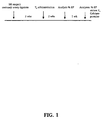
- FIG. 1 depicts a time line for the experimental protocol utilized on animals in the present invention.
- the animal's coronary artery was ligated by surgery, inducing myocardial infarction (MI).
- MI myocardial infarction
- T 3 administration was commenced.
- % EF percent ejection fraction
- the present invention is directed to a method for chronic treatment of congestive heart failure (CHF) in a patient having CHF.
- the method of the present invention comprises the long-term administration to a patient of a daily dose of T 3 effective to treat CHF.
- T 3 congestive heart failure
- oxygen-wasting effects include, without limitation, symptoms and signs of congestion due to increased ventricular filling pressures, and fatigue associated with low cardiac output.
- T 3 refers to triiodothyronine and analogues thereof, including, for example, a functional variant of T 3 which has T 3 biological activity, as well as a fragment of T 3 having T 3 biological activity.
- T 3 biological activity refers to T 3 activity which improves myocardial contractility in a patient having CHF.
- Synthetic T 3 is commercially available, and can be obtained from Jones Pharma Incorporated (St. Louis, MO). Liothyronine sodium is a synthetic preparation of T 3 , and can be purchased in oral (Cytomel) and intravenous (Triostat) formulations. Cytomel tablets contain liothyronine (L-triiodothyronine), a synthetic form of a natural thyroid hormone, that is available as the sodium salt ( Physicians' Desk Reference, 54th ed. (Montvale, NJ: Medical Economics Company, Inc., 2000) 1467 ). A natural preparation of T 3 may be derived from animal thyroid. Natural preparations include desiccated thyroid and thyroglobulin. Desiccated thyroid is derived from domesticated animals that are used for food by humans ( e.g ., beef or hog thyroid), and thyroglobulin is derived from thyroid glands of the hog.
- the amount of T 3 administered to a patient is a dose effective to treat CHF in a patient. It is an objective of the present invention to administer a dose of T 3 which will treat the conditions underlying CHF, including, without limitation, decreased cardiac contractility, abnormal diastolic compliance, reduced stroke volume, pulmonary congestion, and decreased cardiac output, while minimizing, attenuating or reducing deleterious effects commonly associated with the long-term administration of T 3 , such as oxygen-wasting effects, arrhythmias, and exacerbation of angina pectoris.
- the dose of T 3 is such that deleterious effects commonly associated with the long-term administration of T 3 are eliminated.
- the method of the present invention may be used to treat a patient who is T 3 -deficient, as well as a patient who is not T 3 -deficient. However, it is preferable that T 3 be administered to a patient who is deficient in T 3 . In such a patient, low doses of T 3 , administered over the long term, would be expected to normalize, or slightly elevate above normal, serum T 3 levels in the patient, with minimal or no deleterious effects commonly associated with the long-term administration of T 3 .
- T 3 is preferably-administered chronically at a dose between about 5 ⁇ g/day and about 50 ⁇ g/day ( i.e ., between about 0.07 ⁇ g/kg/day and about 0.71 ⁇ g/kg/day).
- the actual dose will depend on the particular factors of each case, including the patient's weight and the severity of the patient's condition.
- T 3 is administered at a dose between about 15 ⁇ g/day and about 30 ⁇ g/day ( i.e ., between about 0.21 ⁇ g/kg/day and about 0.43 ⁇ g/kg/day). This amount of T 3 is extremely low compared to that required for acute treatment of heart failure patients and post-operation cardiac patients, for example, where T 3 is administered intravenously at a dose between 100 ⁇ g and 150 ⁇ g, over a 12-hour period.
- the dose of T 3 is preferably administered daily for at least three weeks.
- the administration of T 3 may continue as long as the patient has symptoms of CHF and derives benefit from the administration of T 3 . It is within the confines of the present invention that the T 3 be administered to the patient throughout his or her lifetime.
- the dose of T 3 may be administered to a human or animal patient by known procedures, including, but not limited to, oral administration, injection, transdermal administration, and administration through an osmotic mini-pump.
- the dose of T 3 is administered orally.
- the formulation of the dose of T 3 may be presented as capsules, tablets, powders, granules, or as a suspension.
- the dose of T 3 is presented in a known sustained-release formulation, such that a single daily dose of T 3 may be administered.
- Specific sustained-release formulations are described in U.S. Patent Nos. 5,885,616 , 5,922,356 , 5,968,554 , 6,011,011 , and 6,039,980 .
- the formulation of T 3 may have conventional additives, such as lactose, mannitol, corn starch, or potato starch.
- the formulation may also be presented with binders, such as crystalline cellulose, cellulose derivatives, acacia, corn starch, or gelatins. Additionally, the formulation may be presented with disintegrators, such as corn starch, potato starch, or sodium carboxymethyl-cellulose. Finally, the formulation may be presented with lubricants, such as talc or magnesium stearate.
- binders such as crystalline cellulose, cellulose derivatives, acacia, corn starch, or gelatins.
- disintegrators such as corn starch, potato starch, or sodium carboxymethyl-cellulose.
- lubricants such as talc or magnesium stearate.
- the dose of T 3 may be combined with a sterile aqueous solution which is preferably isotonic with the blood of the patient.
- a sterile aqueous solution which is preferably isotonic with the blood of the patient.
- a formulation may be prepared by dissolving a solid active ingredient in water containing physiologically-compatible substances, such as sodium chloride, glycine, and the like, and having a buffered pH compatible with physiological conditions, so as to produce an aqueous solution, then rendering said solution sterile.
- the formulations may be present in unit or multi-dose containers, such as sealed ampoules or vials.
- the formulation may be delivered by any mode of injection, including, without limitation, epifascial, intracutaneous, intramuscular, intravascular, intravenous, parenchymatous, or subcutaneous.
- the dose of T 3 may be combined with skin penetration enhancers, such as propylene glycol, polyethylene glycol, isopropanol, ethanol, oleic acid, N-methylpyrrolidone, and the like, which increase the permeability of the skin to the dose of T 3 , and permit the dose of T 3 to penetrate through the skin and into the bloodstream.
- skin penetration enhancers such as propylene glycol, polyethylene glycol, isopropanol, ethanol, oleic acid, N-methylpyrrolidone, and the like, which increase the permeability of the skin to the dose of T 3 , and permit the dose of T 3 to penetrate through the skin and into the bloodstream.
- the T 3 /enhancer compositions may also be further combined with a polymeric substance, such as ethylcellulose, hydroxypropyl cellulose, ethylene/vinylacetate, polyvinyl pyrrolidone, and the like, to provide the composition in gel form, which may be dissolved in solvent such as methylene chloride, evaporated to the desired viscosity, and then applied to backing material to provide a patch.
- a polymeric substance such as ethylcellulose, hydroxypropyl cellulose, ethylene/vinylacetate, polyvinyl pyrrolidone, and the like
- the dose of T 3 of the present invention may also be released or delivered from an osmotic mini-pump.
- the release rate from an elementary osmotic mini-pump may be modulated with a microporous, fast-response gel disposed in the release orifice.
- An osmotic mini-pump would be useful for controlling release, or targeting delivery, of T 3 .
- MI myocardial infarction
- % EF percent ejection fraction
- T 3 was administered by continuous subcutaneous infusion to a subset of the MI animals, 2 weeks after coronary artery ligation surgery ( Figure 1 ).
- Table 1 At the low-dose T 3 treatment regimen, measurements of serum total T 3 levels were restored to normal values at the termination of the experiment (Table 1).
- serum T 4 levels fell, reflecting the expected effect of T 3 on the pituitary-thyroid axis (Table 1).
- Table 2 shows, T 3 treatment produced a time-dependent increase in % EF in the MI animals (MI + T 3 ), and returned left ventricular function to 80% of control (C) animals (65 ⁇ 2 vs. 82 ⁇ 2 % EF), as compared with 59% of controls in the untreated MI animals.
- Table 2 shows that T 3 treatment produced a time-dependent increase in % EF in the MI animals (MI + T 3 ), and returned left ventricular function to 80% of control (C) animals (65 ⁇ 2 vs. 82 ⁇ 2 % EF), as compared with
- T 3 Cardiac contractility is primarily regulated by the calcium cycling proteins: sarcoplasmic reticulum (SR) calcium-ATPase (SERCA2) and phospholamban (PLB).
- SR sarcoplasmic reticulum
- SERCA2 calcium-ATPase
- PLB phospholamban
Landscapes
- Health & Medical Sciences (AREA)
- Veterinary Medicine (AREA)
- Chemical & Material Sciences (AREA)
- Medicinal Chemistry (AREA)
- Pharmacology & Pharmacy (AREA)
- Life Sciences & Earth Sciences (AREA)
- Animal Behavior & Ethology (AREA)
- General Health & Medical Sciences (AREA)
- Public Health (AREA)
- Engineering & Computer Science (AREA)
- Epidemiology (AREA)
- Bioinformatics & Cheminformatics (AREA)
- Cardiology (AREA)
- General Chemical & Material Sciences (AREA)
- Heart & Thoracic Surgery (AREA)
- Chemical Kinetics & Catalysis (AREA)
- Hospice & Palliative Care (AREA)
- Nuclear Medicine, Radiotherapy & Molecular Imaging (AREA)
- Organic Chemistry (AREA)
- Medicines That Contain Protein Lipid Enzymes And Other Medicines (AREA)
- Pharmaceuticals Containing Other Organic And Inorganic Compounds (AREA)
- Acyclic And Carbocyclic Compounds In Medicinal Compositions (AREA)
- Medicinal Preparation (AREA)
Description
- Congestive heart failure (CHF) is a common syndrome characterized by decreased cardiac contractility, abnormal diastolic compliance, reduced stroke volume, and pulmonary congestion, as well as decreased cardiac output. CHF may be caused by many different etiologies whose clinical manifestations reflect a decrease in the myocardial contractile state such that cardiac output is reduced. The CHF disease state may arise, for example, from deficiencies in cardiac contractility, right ventricular failure, biventricular failure, systolic dysfunction, diastolic dysfunction, and pulmonary effects. In particular, CHF develops when plasma volume increases and fluid accumulates in the lungs, abdominal organs, and peripheral tissues (Beers and Berkow, eds., The Merck Manual of Diagnosis and Therapy, 17th ed. (Whitehouse Station, NJ: Merck Research Laboratories, 1999) 1682-88).
- Drug treatment for CHF primarily involves diuretics, ACE inhibitors, digitalis, and β-blockers. In mild cases, thiazide diuretics, such as hydrochlorothiazide at 25-50 mg/day or chlorothiazide at 250-500 mg/day, are useful. However, supplemental potassium chloride is generally needed, since chronic diuresis causes hypokalemis alkalosis. Moreover, thiazide diuretics usually are not effective in patients with advanced symptoms of CHF. Typical doses of ACE inhibitors include captopril at 25-50 mg/day and quinapril at 10 mg/day. Numerous side effects are possible, though, including decreased blood pressure, renal insufficiency, potassium retention, and coughing. Digitalis preparations, particularly of digoxin, are widely prescribed in the United States, although the role of digitalis continues to be debated, and its usefulness in treating CHF in the absence of atrial fibrillation remains controversial. β-blockers, too, must be used with caution when treating patients with CHF. A more indirect component of CHF management includes the recognition and control of factors that may be causing increased cardiac demands or adversely affecting myocardial function (e.g., hypertension, anemia, excess salt intake, excess alcohol, arrhythmias, thyrotoxicosis, fever, increased ambient temperature, or pulmonary emboli) (Beers and Berkow, eds., The Merck Manual of Diagnosis and Therapy, 17th ed. (Whitehouse Station, NJ: Merck Research Laboratories, 1999) 1688-91). In view of the foregoing, many of the current methods available for treating CHF produce negative side-effects, or are only indirect. Accordingly, there currently exists a need for new and better methods for improving the survival of patients with CHF.
- Triiodothyronine (T3) is a hormone synthesized in the thyroid gland. Along with tetraiodothyronine (T4), T3 is produced by the iodination and coupling of the amino acid tyrosine. T3 is known to enhance oxygen (O2) consumption by most tissues of the body, increase the basal metabolic rate, and influence the metabolism of carbohydrates, lipids, and proteins. While T4 is commonly administered in replacement or supplemental therapy to treat patients with most forms of hypothyroidism, T3 is only rarely administered because numerous complications are associated with its usage (as discussed below). In addition, T3 is used as a pituitary thyroid-stimulating hormone (TSH) suppressant, in the treatment or prevention of various types of euthyroid goiters. Finally, T3 is used as a diagnostic agent in suppression tests to differentiate suspected mild hyperthyroidism or thyroid gland autonomy ( Physicians' Desk Reference, 54th end. (Montvale, NJ: Medical Economics Company, Inc., 2000) 1081, 1513).
- Studies have also demonstrated that acute administration of T3 can result in increased cardiac performance and reduced systemic resistance in a number of clinical scenarios, including cardiac transplantation, cardiopulmonary bypass (Klemperer et al., N. Engl. J. Med., 333:1522-27, 1995), and myocardial ischemia (a deficiency of blood supply to the heart muscle, due to obstruction or constriction of coronary arteries) (Klein et al., Hosp. Formul., 28:848-58, 1993). Nevertheless, it is well-recognized that thyroid-hormone therapy should be used with great caution in a number of circumstances where the integrity of the cardiovascular system, particularly the coronary arteries, is suspected ( Physicians' Desk Reference, 54th ed. (Montvale, NJ: Medical Economics Company, Inc., 2000) 1082, 1513).
- Indeed, the long-term or chronic administration of T3 has been historically contraindicated, due to concerns regarding oxygen-wasting effects, arrhythmia, and exacerbation of angina pectoris. In particular, the prevalent paradigm holds that T3 is not suitable for long-term treatment, as it increases O2 consumption by the heart without a concomitant increase in the blood supply: a classic scenario for the development of angina, fibrillation, and other heart conditions (Levine, H.D., Am. J. Med., 69:411-18, 1980; Klemperer et al., N. Engl. J. Med., 333:1522-27, 1995; and Klein and Ojamaa, Am. J. Cardiol., 81: 490-91, 1998). H.D. Levine (Am. J. Med., 69:411-18, 1980), for example, even suggested that the administration of thyroid hormone, and the return to a euthyroid state, would actually induce or exacerbate heart problems in patients with hypothyroidism and coronary disease.
- The possible use of thyroid hormone to treat CHF was considered by Klein and Ojamaa in a review article (Am. J. Cardiol., 81: 490-91, 1998). The suggestion was based predominantly on an earlier study in which a single high dose of thyroid hormone was administered to improve cardiac performance in an acute setting. No evidence was provided to indicate that long-term administration of T3 could be successfully and safely used to treat CHF. The authors also expressly acknowledged that further research was necessary to ascertain the safety and efficacy of the use of T3 to treat CHF. In view of the known contraindications associated with the long-term administration of T3, the skilled artisan would not have had a reasonable expectation that T3 could be used to safely treat CHF.
- The present invention is predicated on the discovery that, contrary to the expectations in the prior art which teach away from the long-term T3 administration, T3 can successfully be used to treat CHF without producing deleterious effects. On the basis of this finding, the present invention provides a method for chronic treatment of congestive heart failure (CHF) by administering to the patient, over the long term, a daily dose of T3.
- Additional objects of the present invention will be apparent in view of the description which follows.
-
Figure 1 depicts a time line for the experimental protocol utilized on animals in the present invention. As the figure illustrates, the animal's coronary artery was ligated by surgery, inducing myocardial infarction (MI). Two weeks later, T3 administration was commenced. Two weeks after the commencement of T3 administration, the percent ejection fraction (% EF) of the animal was measured in order to assess the function of the heart. One week later, % EF was again measured in the MI animal. - The present invention is directed to a method for chronic treatment of congestive heart failure (CHF) in a patient having CHF. The method of the present invention comprises the long-term administration to a patient of a daily dose of T3 effective to treat CHF. The term "treat CHF", as used herein, means treating any one or more of the conditions underlying CHF, including, without limitation, decreased cardiac contractility, abnormal diastolic compliance, reduced stroke volume, pulmonary congestion, and decreased cardiac output, while minimizing or attenuating deleterious effects commonly associated with the long-term administration of T3, such as oxygen-wasting effects, arrhythmias, and exacerbation of angina pectoris. As further used herein, "oxygen-wasting effects" include, without limitation, symptoms and signs of congestion due to increased ventricular filling pressures, and fatigue associated with low cardiac output.
- As used herein, "long-term administration" means administration for at least three weeks. Furthermore, as used herein, "a daily dose" means the dose given within a 24-hour period. Additionally, as used herein, "T3" refers to triiodothyronine and analogues thereof, including, for example, a functional variant of T3 which has T3 biological activity, as well as a fragment of T3 having T3 biological activity. As further used herein, the term "T3 biological activity" refers to T3 activity which improves myocardial contractility in a patient having CHF.
- Synthetic T3 is commercially available, and can be obtained from Jones Pharma Incorporated (St. Louis, MO). Liothyronine sodium is a synthetic preparation of T3, and can be purchased in oral (Cytomel) and intravenous (Triostat) formulations. Cytomel tablets contain liothyronine (L-triiodothyronine), a synthetic form of a natural thyroid hormone, that is available as the sodium salt (Physicians' Desk Reference, 54th ed. (Montvale, NJ: Medical Economics Company, Inc., 2000) 1467). A natural preparation of T3 may be derived from animal thyroid. Natural preparations include desiccated thyroid and thyroglobulin. Desiccated thyroid is derived from domesticated animals that are used for food by humans (e.g., beef or hog thyroid), and thyroglobulin is derived from thyroid glands of the hog.
- According to the method of the present invention, the amount of T3 administered to a patient is a dose effective to treat CHF in a patient. It is an objective of the present invention to administer a dose of T3 which will treat the conditions underlying CHF, including, without limitation, decreased cardiac contractility, abnormal diastolic compliance, reduced stroke volume, pulmonary congestion, and decreased cardiac output, while minimizing, attenuating or reducing deleterious effects commonly associated with the long-term administration of T3, such as oxygen-wasting effects, arrhythmias, and exacerbation of angina pectoris. Preferably, the dose of T3 is such that deleterious effects commonly associated with the long-term administration of T3 are eliminated.
- The method of the present invention may be used to treat a patient who is T3-deficient, as well as a patient who is not T3-deficient. However, it is preferable that T3 be administered to a patient who is deficient in T3. In such a patient, low doses of T3, administered over the long term, would be expected to normalize, or slightly elevate above normal, serum T3 levels in the patient, with minimal or no deleterious effects commonly associated with the long-term administration of T3.
- In the method of the present invention, T3 is preferably-administered chronically at a dose between about 5 µg/day and about 50 µg/day (i.e., between about 0.07 µg/kg/day and about 0.71 µg/kg/day). However, the actual dose will depend on the particular factors of each case, including the patient's weight and the severity of the patient's condition. Most preferably, T3 is administered at a dose between about 15 µg/day and about 30 µg/day (i.e., between about 0.21 µg/kg/day and about 0.43 µg/kg/day). This amount of T3 is extremely low compared to that required for acute treatment of heart failure patients and post-operation cardiac patients, for example, where T3 is administered intravenously at a dose between 100 µg and 150 µg, over a 12-hour period.
- According to the method of the present invention, the dose of T3 is preferably administered daily for at least three weeks. The administration of T3 may continue as long as the patient has symptoms of CHF and derives benefit from the administration of T3. It is within the confines of the present invention that the T3 be administered to the patient throughout his or her lifetime. The dose of T3 may be administered to a human or animal patient by known procedures, including, but not limited to, oral administration, injection, transdermal administration, and administration through an osmotic mini-pump. Preferably, the dose of T3 is administered orally.
- For oral administration, the formulation of the dose of T3 may be presented as capsules, tablets, powders, granules, or as a suspension. Preferably, the dose of T3 is presented in a known sustained-release formulation, such that a single daily dose of T3 may be administered. Specific sustained-release formulations are described in
U.S. Patent Nos. 5,885,616 ,5,922,356 ,5,968,554 ,6,011,011 , and6,039,980 . The formulation of T3 may have conventional additives, such as lactose, mannitol, corn starch, or potato starch. The formulation may also be presented with binders, such as crystalline cellulose, cellulose derivatives, acacia, corn starch, or gelatins. Additionally, the formulation may be presented with disintegrators, such as corn starch, potato starch, or sodium carboxymethyl-cellulose. Finally, the formulation may be presented with lubricants, such as talc or magnesium stearate. - For injection, the dose of T3 may be combined with a sterile aqueous solution which is preferably isotonic with the blood of the patient. Such a formulation may be prepared by dissolving a solid active ingredient in water containing physiologically-compatible substances, such as sodium chloride, glycine, and the like, and having a buffered pH compatible with physiological conditions, so as to produce an aqueous solution, then rendering said solution sterile. The formulations may be present in unit or multi-dose containers, such as sealed ampoules or vials. The formulation may be delivered by any mode of injection, including, without limitation, epifascial, intracutaneous, intramuscular, intravascular, intravenous, parenchymatous, or subcutaneous.
- For transdermal administration, the dose of T3 may be combined with skin penetration enhancers, such as propylene glycol, polyethylene glycol, isopropanol, ethanol, oleic acid, N-methylpyrrolidone, and the like, which increase the permeability of the skin to the dose of T3, and permit the dose of T3 to penetrate through the skin and into the bloodstream. The T3/enhancer compositions may also be further combined with a polymeric substance, such as ethylcellulose, hydroxypropyl cellulose, ethylene/vinylacetate, polyvinyl pyrrolidone, and the like, to provide the composition in gel form, which may be dissolved in solvent such as methylene chloride, evaporated to the desired viscosity, and then applied to backing material to provide a patch.
- The dose of T3 of the present invention may also be released or delivered from an osmotic mini-pump. The release rate from an elementary osmotic mini-pump may be modulated with a microporous, fast-response gel disposed in the release orifice. An osmotic mini-pump would be useful for controlling release, or targeting delivery, of T3.
- The present invention is described in the following Experimental Details section, which is set forth to aid in the understanding of the invention, and should not be construed to limit in any way the scope of the invention as defined in the claims which follow thereafter.
- An animal model of myocardial infarction was used in the present studies to produce a model of CHF in which a decrease in serum T3 could be demonstrated. This model was used to test the hypothesis that long-term, low-dose T3 treatment could improve cardiac function. Analysis of the cardiac tissue was conducted to determine the molecular mechanisms by which this effect occurs.
- Animals subjected to ligation of a coronary artery developed myocardial infarction (MI) and a decrease in function of the heart, as measured by the percent ejection fraction (% EF) (stroke volume/end-diastolic volume - normally >50%). As Table 1 shows, serum total T3 levels in the MI animals fell by 40%, as compared with 56.58 ± 8.35 ng/dl in the controls (C). This result was analogous to the decrease in serum total T3 levels observed in humans. In the MI animals, % EF decreased by 47%.over 14 and 21 days after surgery (Table 2).
Table 1. Serum total T3 and total T4 in control (C) rats, myocardial infarcted (MI) rats, and MI rats treated with T3 (MI + T3) N T3 (ng/dl) T4 (µg/dl) C 7 56.58 ± 8.35 6.60 ± 0.48 MI 6 34.76 ± 5.24* 6.15 ± 0.22 MI + T3 5 59.75 ± 5.29 3.85 ± 1.19** * p < 0.05 vs. C and MI + T3
** p<0.05 vs. C and MI - T3 was administered by continuous subcutaneous infusion to a subset of the MI animals, 2 weeks after coronary artery ligation surgery (
Figure 1 ). At the low-dose T3 treatment regimen, measurements of serum total T3 levels were restored to normal values at the termination of the experiment (Table 1). At the same time, serum T4 levels fell, reflecting the expected effect of T3 on the pituitary-thyroid axis (Table 1). As Table 2 shows, T3 treatment produced a time-dependent increase in % EF in the MI animals (MI + T3), and returned left ventricular function to 80% of control (C) animals (65 ± 2 vs. 82 ± 2 % EF), as compared with 59% of controls in the untreated MI animals.Table 2. Effects of T3 treatment on ejection fractions (% EF) of rats with myocardial infarction (MI) % EF measured by M-mode echo Days of T3 treatment following MI 14 d 21 d N C 5 80 ± 2 82 ± 2 MI 4 43 ± 2* 49 ± 3* MI + T3 4 53 ± 5* 65 ± 2** * p<0.01 vs. C
** p<0.05 vs. MI - Cardiac contractility is primarily regulated by the calcium cycling proteins: sarcoplasmic reticulum (SR) calcium-ATPase (SERCA2) and phospholamban (PLB). T3 is known to regulate these proteins in normal hearts. As Table 3 shows, chronic subcutaneous administration of T3 increased SERCA2 protein content in MI hearts, and altered the ratio of SERCA2 to PLB in a direction that can account for the increase in % EF. In addition, T3 treatment of = MI animals altered the PLB phosphorylation state (1.6 vs. 1.0 PLB-phos/unphos), which is also an established mechanism to enhance contractility of the heart.
- Based on the above data, it may be concluded that chronic T3 treatment can be proposed as a therapy for improvement of cardiac function in a variety of disease states, including CHF.
Table 3. Western analysis of SR calcium-ATPase and phospholamban in response to myocardial infarction (MI) and T3 treatment (MI + T3) N SERCA2 PLB SERCA2/PLB PLB-(phos/unphos) C 4 2.57 ± 0.28 20.8 ± 2.2 0.145 ± 0.03 1.1 MI 4 2.47 ± 0.28 15.1 ± 1.1 0.168 ± 0.03 1.0 MI+T3 5 3.19 ± 0.69 14.6 ± 1.4* 0.284 ± 0.08** 1.6** * p<0.05 vs. C and MI
** p<0.05 vs. C
Claims (6)
- The use of T3 for the preparation of a medicament for treating congestive heart failure (CHF) in a patient having CHF, comprising the administration to the patient for at least three weeks, an amount of T3 effective to treat CHF in the patient.
- The use of T3 for the preparation of a medicament of claim 1, wherein T3 is administered daily.
- The use of T3 for the preparation of a medicament of claim 1, wherein T3 is administered at a dose between about 5 µg/day and about 50 µg/day.
- The use of T3 for the preparation of a medicament of claim 1, wherein T3 is administered at a dose between about 15 µg/day and about 30 µg/day.
- The use of T3 for the preparation of a medicament of any of claims 1 to 4, wherein T3 is administered orally.
- The use of T3 for the preparation of a medicament of any of claims 1 to 5, wherein T3 is administered once daily in a sustained-release formulation.
Applications Claiming Priority (3)
| Application Number | Priority Date | Filing Date | Title |
|---|---|---|---|
| US533227 | 2000-03-23 | ||
| US09/533,227 US6288117B1 (en) | 2000-03-23 | 2000-03-23 | Method for treating congestive heart failure |
| PCT/US2001/008418 WO2001070218A1 (en) | 2000-03-23 | 2001-03-16 | Method for treating congestive heart failure |
Publications (3)
| Publication Number | Publication Date |
|---|---|
| EP1292292A1 EP1292292A1 (en) | 2003-03-19 |
| EP1292292A4 EP1292292A4 (en) | 2006-02-01 |
| EP1292292B1 true EP1292292B1 (en) | 2010-11-03 |
Family
ID=24125041
Family Applications (1)
| Application Number | Title | Priority Date | Filing Date |
|---|---|---|---|
| EP01918743A Expired - Lifetime EP1292292B1 (en) | 2000-03-23 | 2001-03-16 | Method for treating congestive heart failure |
Country Status (11)
| Country | Link |
|---|---|
| US (1) | US6288117B1 (en) |
| EP (1) | EP1292292B1 (en) |
| JP (1) | JP2003527420A (en) |
| AT (1) | ATE486594T1 (en) |
| AU (2) | AU2001245785B2 (en) |
| CA (1) | CA2403674C (en) |
| DE (1) | DE60143390D1 (en) |
| IL (2) | IL151878A0 (en) |
| NO (1) | NO20024545L (en) |
| NZ (1) | NZ522088A (en) |
| WO (1) | WO2001070218A1 (en) |
Families Citing this family (5)
| Publication number | Priority date | Publication date | Assignee | Title |
|---|---|---|---|---|
| US20040156893A1 (en) * | 2003-02-11 | 2004-08-12 | Irwin Klein | Method for treating hypothyroidism |
| GB0525461D0 (en) * | 2005-12-15 | 2006-01-25 | Archimedes Dev Ltd | Pharmaceutical compositions |
| US10695309B2 (en) | 2017-03-31 | 2020-06-30 | Western New England University | Sustained-release liothyronine formulations, method of preparation and method of use thereof |
| CN111632155B (en) * | 2020-06-01 | 2023-01-24 | 西南大学 | Preparation method of sericin-gadolinium pH-responsive targeting tumor nuclear magnetic resonance contrast agent |
| CN121868277A (en) * | 2026-03-18 | 2026-04-17 | 广东医科大学附属第二医院 | Application of SLCO5A1 in preparation of medicines for treating and/or preventing heart failure |
Family Cites Families (3)
| Publication number | Priority date | Publication date | Assignee | Title |
|---|---|---|---|---|
| US3689669A (en) * | 1970-10-09 | 1972-09-05 | Univ Of North Carolina The | Antidepressant method and composition |
| US5158978A (en) | 1990-02-05 | 1992-10-27 | British Technology Group (U.S.A.) | Thyroid hormone treatment of acute cardiovascular compromise |
| DK0550108T3 (en) * | 1991-12-30 | 1999-01-04 | Akzo Nobel Nv | Thyreoactive composition with long-term release |
-
2000
- 2000-03-23 US US09/533,227 patent/US6288117B1/en not_active Expired - Lifetime
-
2001
- 2001-03-16 IL IL15187801A patent/IL151878A0/en active IP Right Grant
- 2001-03-16 AT AT01918743T patent/ATE486594T1/en not_active IP Right Cessation
- 2001-03-16 JP JP2001568416A patent/JP2003527420A/en active Pending
- 2001-03-16 WO PCT/US2001/008418 patent/WO2001070218A1/en not_active Ceased
- 2001-03-16 AU AU2001245785A patent/AU2001245785B2/en not_active Ceased
- 2001-03-16 DE DE60143390T patent/DE60143390D1/en not_active Expired - Lifetime
- 2001-03-16 EP EP01918743A patent/EP1292292B1/en not_active Expired - Lifetime
- 2001-03-16 AU AU4578501A patent/AU4578501A/en active Pending
- 2001-03-16 CA CA2403674A patent/CA2403674C/en not_active Expired - Fee Related
- 2001-03-16 NZ NZ522088A patent/NZ522088A/en unknown
-
2002
- 2002-09-23 IL IL151878A patent/IL151878A/en not_active IP Right Cessation
- 2002-09-23 NO NO20024545A patent/NO20024545L/en not_active Application Discontinuation
Also Published As
| Publication number | Publication date |
|---|---|
| AU2001245785B2 (en) | 2005-05-19 |
| IL151878A (en) | 2008-08-07 |
| NZ522088A (en) | 2004-07-30 |
| AU4578501A (en) | 2001-10-03 |
| NO20024545L (en) | 2002-10-29 |
| US6288117B1 (en) | 2001-09-11 |
| IL151878A0 (en) | 2003-04-10 |
| CA2403674C (en) | 2010-06-08 |
| CA2403674A1 (en) | 2001-09-27 |
| DE60143390D1 (en) | 2010-12-16 |
| WO2001070218A1 (en) | 2001-09-27 |
| ATE486594T1 (en) | 2010-11-15 |
| EP1292292A1 (en) | 2003-03-19 |
| NO20024545D0 (en) | 2002-09-23 |
| JP2003527420A (en) | 2003-09-16 |
| EP1292292A4 (en) | 2006-02-01 |
Similar Documents
| Publication | Publication Date | Title |
|---|---|---|
| EP1602370B1 (en) | Synergistic combinations comprising a renin inhibitor for cardiovascular diseases | |
| ES2487897T3 (en) | Combinations consisting of dipeptidylpeptidase-IV inhibitors and antidiabetic agents | |
| US6031000A (en) | Composition comprising β-hydroxy-β-methylbutyric acid and at least one amino acid and methods of use | |
| JPH09512552A (en) | Methods and compositions for treating renal diseases and disorders | |
| US20120178672A1 (en) | Compositions and Methods for Sparing Muscle in Renal Insufficiency and During Hemodialysis | |
| JP2009242413A (en) | Medicine based on amino acid | |
| WO2005049006A1 (en) | Remedy for diabetes | |
| AU2012340670B2 (en) | Cysteamine and/or cystamine for treating ischemic injury | |
| Wall | Endocrine disease | |
| WO2004041208A2 (en) | Controlled absorption of mixed thyroyd hormone formulations | |
| Griffiths et al. | Manipulating the metabolic response to injury | |
| US6288117B1 (en) | Method for treating congestive heart failure | |
| JP2004534073A (en) | Amino acid-based compositions for improving ventricular myocardial function in diabetic patients | |
| AU2001245785A1 (en) | Method for treating congestive heart failure | |
| Burnier et al. | Pharmacokinetic optimisation of angiotensin converting enzyme (ACE) inhibitor therapy | |
| AU2004211961B2 (en) | Method for treating hypothyroidism | |
| US20080242727A1 (en) | Dietary compositions containing alpha amino n-butyrate and methods of enhancing lean body mass | |
| CA2870373A1 (en) | Lercanidipine hydrochloride and losartan potassium compound preparation and preparation method thereof | |
| EP0715850B1 (en) | Use of proline and/or derivatives as an antihepatitis agent | |
| Van Der Ent et al. | Renal hemodynamic effects in patients with moderate to severe heart failure during chronic treatment with trandolapril | |
| Salerno et al. | Renal and humoral effects of ibopamine, a dopamine agonist, in patients with liver cirrhosis | |
| JP2518636B2 (en) | Enteral nutrition for the treatment of severe infections and widespread fever | |
| US20070032557A1 (en) | Method for administering levosimendan | |
| ES2804574T3 (en) | Pharmaceutical composition for treating diseases associated with insulin resistance and beta cell dysfunction | |
| Veldman et al. | New Inotropic Pharmacologic Strategies Targeting the Failing Myocardiumin the Newborn and Infant |
Legal Events
| Date | Code | Title | Description |
|---|---|---|---|
| PUAI | Public reference made under article 153(3) epc to a published international application that has entered the european phase |
Free format text: ORIGINAL CODE: 0009012 |
|
| 17P | Request for examination filed |
Effective date: 20021002 |
|
| AK | Designated contracting states |
Kind code of ref document: A1 Designated state(s): AT BE CH CY DE DK ES FI FR GB GR IE IT LI LU MC NL PT SE TR |
|
| AX | Request for extension of the european patent |
Extension state: AL LT LV MK RO SI |
|
| RIC1 | Information provided on ipc code assigned before grant |
Ipc: A61P 9/04 20000101ALI20051207BHEP Ipc: A61K 31/198 20000101AFI20051207BHEP |
|
| A4 | Supplementary search report drawn up and despatched |
Effective date: 20051220 |
|
| 17Q | First examination report despatched |
Effective date: 20070723 |
|
| RIN1 | Information on inventor provided before grant (corrected) |
Inventor name: OJAMAA, KAIE Inventor name: KLEIN, IRWIN |
|
| GRAP | Despatch of communication of intention to grant a patent |
Free format text: ORIGINAL CODE: EPIDOSNIGR1 |
|
| GRAS | Grant fee paid |
Free format text: ORIGINAL CODE: EPIDOSNIGR3 |
|
| GRAA | (expected) grant |
Free format text: ORIGINAL CODE: 0009210 |
|
| AK | Designated contracting states |
Kind code of ref document: B1 Designated state(s): AT BE CH CY DE DK ES FI FR GB GR IE IT LI LU MC NL PT SE TR |
|
| AX | Request for extension of the european patent |
Extension state: AL LT LV MK RO SI |
|
| REG | Reference to a national code |
Ref country code: GB Ref legal event code: FG4D |
|
| REG | Reference to a national code |
Ref country code: CH Ref legal event code: EP |
|
| REG | Reference to a national code |
Ref country code: IE Ref legal event code: FG4D |
|
| REF | Corresponds to: |
Ref document number: 60143390 Country of ref document: DE Date of ref document: 20101216 Kind code of ref document: P |
|
| REG | Reference to a national code |
Ref country code: SE Ref legal event code: TRGR |
|
| REG | Reference to a national code |
Ref country code: NL Ref legal event code: VDEP Effective date: 20101103 |
|
| LTIE | Lt: invalidation of european patent or patent extension |
Effective date: 20101103 |
|
| PG25 | Lapsed in a contracting state [announced via postgrant information from national office to epo] |
Ref country code: FI Free format text: LAPSE BECAUSE OF FAILURE TO SUBMIT A TRANSLATION OF THE DESCRIPTION OR TO PAY THE FEE WITHIN THE PRESCRIBED TIME-LIMIT Effective date: 20101103 Ref country code: PT Free format text: LAPSE BECAUSE OF FAILURE TO SUBMIT A TRANSLATION OF THE DESCRIPTION OR TO PAY THE FEE WITHIN THE PRESCRIBED TIME-LIMIT Effective date: 20110303 Ref country code: AT Free format text: LAPSE BECAUSE OF FAILURE TO SUBMIT A TRANSLATION OF THE DESCRIPTION OR TO PAY THE FEE WITHIN THE PRESCRIBED TIME-LIMIT Effective date: 20101103 Ref country code: NL Free format text: LAPSE BECAUSE OF FAILURE TO SUBMIT A TRANSLATION OF THE DESCRIPTION OR TO PAY THE FEE WITHIN THE PRESCRIBED TIME-LIMIT Effective date: 20101103 |
|
| PG25 | Lapsed in a contracting state [announced via postgrant information from national office to epo] |
Ref country code: GR Free format text: LAPSE BECAUSE OF FAILURE TO SUBMIT A TRANSLATION OF THE DESCRIPTION OR TO PAY THE FEE WITHIN THE PRESCRIBED TIME-LIMIT Effective date: 20110204 |
|
| PG25 | Lapsed in a contracting state [announced via postgrant information from national office to epo] |
Ref country code: ES Free format text: LAPSE BECAUSE OF FAILURE TO SUBMIT A TRANSLATION OF THE DESCRIPTION OR TO PAY THE FEE WITHIN THE PRESCRIBED TIME-LIMIT Effective date: 20110214 Ref country code: BE Free format text: LAPSE BECAUSE OF FAILURE TO SUBMIT A TRANSLATION OF THE DESCRIPTION OR TO PAY THE FEE WITHIN THE PRESCRIBED TIME-LIMIT Effective date: 20101103 |
|
| PG25 | Lapsed in a contracting state [announced via postgrant information from national office to epo] |
Ref country code: DK Free format text: LAPSE BECAUSE OF FAILURE TO SUBMIT A TRANSLATION OF THE DESCRIPTION OR TO PAY THE FEE WITHIN THE PRESCRIBED TIME-LIMIT Effective date: 20101103 |
|
| PLBE | No opposition filed within time limit |
Free format text: ORIGINAL CODE: 0009261 |
|
| STAA | Information on the status of an ep patent application or granted ep patent |
Free format text: STATUS: NO OPPOSITION FILED WITHIN TIME LIMIT |
|
| 26N | No opposition filed |
Effective date: 20110804 |
|
| PG25 | Lapsed in a contracting state [announced via postgrant information from national office to epo] |
Ref country code: MC Free format text: LAPSE BECAUSE OF NON-PAYMENT OF DUE FEES Effective date: 20110331 |
|
| REG | Reference to a national code |
Ref country code: CH Ref legal event code: PL |
|
| REG | Reference to a national code |
Ref country code: DE Ref legal event code: R097 Ref document number: 60143390 Country of ref document: DE Effective date: 20110804 |
|
| REG | Reference to a national code |
Ref country code: IE Ref legal event code: MM4A |
|
| PG25 | Lapsed in a contracting state [announced via postgrant information from national office to epo] |
Ref country code: LI Free format text: LAPSE BECAUSE OF NON-PAYMENT OF DUE FEES Effective date: 20110331 Ref country code: CH Free format text: LAPSE BECAUSE OF NON-PAYMENT OF DUE FEES Effective date: 20110331 Ref country code: IE Free format text: LAPSE BECAUSE OF NON-PAYMENT OF DUE FEES Effective date: 20110316 |
|
| PGFP | Annual fee paid to national office [announced via postgrant information from national office to epo] |
Ref country code: IT Payment date: 20120330 Year of fee payment: 12 |
|
| PGFP | Annual fee paid to national office [announced via postgrant information from national office to epo] |
Ref country code: DE Payment date: 20130328 Year of fee payment: 13 |
|
| PG25 | Lapsed in a contracting state [announced via postgrant information from national office to epo] |
Ref country code: LU Free format text: LAPSE BECAUSE OF NON-PAYMENT OF DUE FEES Effective date: 20110316 Ref country code: CY Free format text: LAPSE BECAUSE OF FAILURE TO SUBMIT A TRANSLATION OF THE DESCRIPTION OR TO PAY THE FEE WITHIN THE PRESCRIBED TIME-LIMIT Effective date: 20101103 |
|
| PGFP | Annual fee paid to national office [announced via postgrant information from national office to epo] |
Ref country code: SE Payment date: 20130328 Year of fee payment: 13 |
|
| PGFP | Annual fee paid to national office [announced via postgrant information from national office to epo] |
Ref country code: FR Payment date: 20130429 Year of fee payment: 13 |
|
| PG25 | Lapsed in a contracting state [announced via postgrant information from national office to epo] |
Ref country code: TR Free format text: LAPSE BECAUSE OF FAILURE TO SUBMIT A TRANSLATION OF THE DESCRIPTION OR TO PAY THE FEE WITHIN THE PRESCRIBED TIME-LIMIT Effective date: 20101103 |
|
| REG | Reference to a national code |
Ref country code: DE Ref legal event code: R119 Ref document number: 60143390 Country of ref document: DE |
|
| REG | Reference to a national code |
Ref country code: SE Ref legal event code: EUG |
|
| PG25 | Lapsed in a contracting state [announced via postgrant information from national office to epo] |
Ref country code: SE Free format text: LAPSE BECAUSE OF NON-PAYMENT OF DUE FEES Effective date: 20140317 |
|
| REG | Reference to a national code |
Ref country code: FR Ref legal event code: ST Effective date: 20141128 |
|
| REG | Reference to a national code |
Ref country code: DE Ref legal event code: R119 Ref document number: 60143390 Country of ref document: DE Effective date: 20141001 |
|
| PG25 | Lapsed in a contracting state [announced via postgrant information from national office to epo] |
Ref country code: FR Free format text: LAPSE BECAUSE OF NON-PAYMENT OF DUE FEES Effective date: 20140331 Ref country code: DE Free format text: LAPSE BECAUSE OF NON-PAYMENT OF DUE FEES Effective date: 20141001 |
|
| PG25 | Lapsed in a contracting state [announced via postgrant information from national office to epo] |
Ref country code: IT Free format text: LAPSE BECAUSE OF NON-PAYMENT OF DUE FEES Effective date: 20140316 |
|
| PGFP | Annual fee paid to national office [announced via postgrant information from national office to epo] |
Ref country code: GB Payment date: 20150319 Year of fee payment: 15 |
|
| GBPC | Gb: european patent ceased through non-payment of renewal fee |
Effective date: 20160316 |
|
| PG25 | Lapsed in a contracting state [announced via postgrant information from national office to epo] |
Ref country code: GB Free format text: LAPSE BECAUSE OF NON-PAYMENT OF DUE FEES Effective date: 20160316 |