EP1291437A1 - New assay for inhibitors of translocases - Google Patents
New assay for inhibitors of translocases Download PDFInfo
- Publication number
- EP1291437A1 EP1291437A1 EP01120717A EP01120717A EP1291437A1 EP 1291437 A1 EP1291437 A1 EP 1291437A1 EP 01120717 A EP01120717 A EP 01120717A EP 01120717 A EP01120717 A EP 01120717A EP 1291437 A1 EP1291437 A1 EP 1291437A1
- Authority
- EP
- European Patent Office
- Prior art keywords
- biotin
- inhibitors
- helicase
- translocases
- streptavidin
- Prior art date
- Legal status (The legal status is an assumption and is not a legal conclusion. Google has not performed a legal analysis and makes no representation as to the accuracy of the status listed.)
- Withdrawn
Links
- 239000003112 inhibitor Substances 0.000 title claims abstract description 11
- 108700035208 EC 7.-.-.- Proteins 0.000 title claims abstract description 7
- 238000003556 assay Methods 0.000 title description 18
- YBJHBAHKTGYVGT-ZKWXMUAHSA-N (+)-Biotin Chemical compound N1C(=O)N[C@@H]2[C@H](CCCCC(=O)O)SC[C@@H]21 YBJHBAHKTGYVGT-ZKWXMUAHSA-N 0.000 claims abstract description 24
- 108010090804 Streptavidin Proteins 0.000 claims abstract description 21
- 108091034117 Oligonucleotide Proteins 0.000 claims abstract description 17
- 238000000034 method Methods 0.000 claims abstract description 13
- 229960002685 biotin Drugs 0.000 claims abstract description 12
- 235000020958 biotin Nutrition 0.000 claims abstract description 12
- 239000011616 biotin Substances 0.000 claims abstract description 12
- 108020004707 nucleic acids Proteins 0.000 claims abstract description 12
- 102000039446 nucleic acids Human genes 0.000 claims abstract description 12
- 150000007523 nucleic acids Chemical class 0.000 claims abstract description 12
- 238000006073 displacement reaction Methods 0.000 claims abstract description 9
- 108090001008 Avidin Proteins 0.000 claims abstract description 8
- 238000001514 detection method Methods 0.000 claims abstract description 6
- 230000001419 dependent effect Effects 0.000 claims abstract description 5
- 108060004795 Methyltransferase Proteins 0.000 claims description 36
- 238000013537 high throughput screening Methods 0.000 claims description 10
- 108020004414 DNA Proteins 0.000 claims description 7
- 102000053602 DNA Human genes 0.000 claims description 6
- GNBHRKFJIUUOQI-UHFFFAOYSA-N fluorescein Chemical compound O1C(=O)C2=CC=CC=C2C21C1=CC=C(O)C=C1OC1=CC(O)=CC=C21 GNBHRKFJIUUOQI-UHFFFAOYSA-N 0.000 claims description 3
- 108091032973 (ribonucleotides)n+m Proteins 0.000 claims 1
- 102000040650 (ribonucleotides)n+m Human genes 0.000 claims 1
- 239000008194 pharmaceutical composition Substances 0.000 claims 1
- 230000000694 effects Effects 0.000 description 10
- 239000000758 substrate Substances 0.000 description 8
- 101710128836 Large T antigen Proteins 0.000 description 7
- TWRXJAOTZQYOKJ-UHFFFAOYSA-L Magnesium chloride Chemical compound [Mg+2].[Cl-].[Cl-] TWRXJAOTZQYOKJ-UHFFFAOYSA-L 0.000 description 4
- 150000001875 compounds Chemical class 0.000 description 4
- 238000012360 testing method Methods 0.000 description 4
- JLCPHMBAVCMARE-UHFFFAOYSA-N [3-[[3-[[3-[[3-[[3-[[3-[[3-[[3-[[3-[[3-[[3-[[5-(2-amino-6-oxo-1H-purin-9-yl)-3-[[3-[[3-[[3-[[3-[[3-[[5-(2-amino-6-oxo-1H-purin-9-yl)-3-[[5-(2-amino-6-oxo-1H-purin-9-yl)-3-hydroxyoxolan-2-yl]methoxy-hydroxyphosphoryl]oxyoxolan-2-yl]methoxy-hydroxyphosphoryl]oxy-5-(5-methyl-2,4-dioxopyrimidin-1-yl)oxolan-2-yl]methoxy-hydroxyphosphoryl]oxy-5-(6-aminopurin-9-yl)oxolan-2-yl]methoxy-hydroxyphosphoryl]oxy-5-(6-aminopurin-9-yl)oxolan-2-yl]methoxy-hydroxyphosphoryl]oxy-5-(6-aminopurin-9-yl)oxolan-2-yl]methoxy-hydroxyphosphoryl]oxy-5-(6-aminopurin-9-yl)oxolan-2-yl]methoxy-hydroxyphosphoryl]oxyoxolan-2-yl]methoxy-hydroxyphosphoryl]oxy-5-(5-methyl-2,4-dioxopyrimidin-1-yl)oxolan-2-yl]methoxy-hydroxyphosphoryl]oxy-5-(4-amino-2-oxopyrimidin-1-yl)oxolan-2-yl]methoxy-hydroxyphosphoryl]oxy-5-(5-methyl-2,4-dioxopyrimidin-1-yl)oxolan-2-yl]methoxy-hydroxyphosphoryl]oxy-5-(5-methyl-2,4-dioxopyrimidin-1-yl)oxolan-2-yl]methoxy-hydroxyphosphoryl]oxy-5-(6-aminopurin-9-yl)oxolan-2-yl]methoxy-hydroxyphosphoryl]oxy-5-(6-aminopurin-9-yl)oxolan-2-yl]methoxy-hydroxyphosphoryl]oxy-5-(4-amino-2-oxopyrimidin-1-yl)oxolan-2-yl]methoxy-hydroxyphosphoryl]oxy-5-(4-amino-2-oxopyrimidin-1-yl)oxolan-2-yl]methoxy-hydroxyphosphoryl]oxy-5-(4-amino-2-oxopyrimidin-1-yl)oxolan-2-yl]methoxy-hydroxyphosphoryl]oxy-5-(6-aminopurin-9-yl)oxolan-2-yl]methoxy-hydroxyphosphoryl]oxy-5-(4-amino-2-oxopyrimidin-1-yl)oxolan-2-yl]methyl [5-(6-aminopurin-9-yl)-2-(hydroxymethyl)oxolan-3-yl] hydrogen phosphate Polymers Cc1cn(C2CC(OP(O)(=O)OCC3OC(CC3OP(O)(=O)OCC3OC(CC3O)n3cnc4c3nc(N)[nH]c4=O)n3cnc4c3nc(N)[nH]c4=O)C(COP(O)(=O)OC3CC(OC3COP(O)(=O)OC3CC(OC3COP(O)(=O)OC3CC(OC3COP(O)(=O)OC3CC(OC3COP(O)(=O)OC3CC(OC3COP(O)(=O)OC3CC(OC3COP(O)(=O)OC3CC(OC3COP(O)(=O)OC3CC(OC3COP(O)(=O)OC3CC(OC3COP(O)(=O)OC3CC(OC3COP(O)(=O)OC3CC(OC3COP(O)(=O)OC3CC(OC3COP(O)(=O)OC3CC(OC3COP(O)(=O)OC3CC(OC3COP(O)(=O)OC3CC(OC3COP(O)(=O)OC3CC(OC3COP(O)(=O)OC3CC(OC3CO)n3cnc4c(N)ncnc34)n3ccc(N)nc3=O)n3cnc4c(N)ncnc34)n3ccc(N)nc3=O)n3ccc(N)nc3=O)n3ccc(N)nc3=O)n3cnc4c(N)ncnc34)n3cnc4c(N)ncnc34)n3cc(C)c(=O)[nH]c3=O)n3cc(C)c(=O)[nH]c3=O)n3ccc(N)nc3=O)n3cc(C)c(=O)[nH]c3=O)n3cnc4c3nc(N)[nH]c4=O)n3cnc4c(N)ncnc34)n3cnc4c(N)ncnc34)n3cnc4c(N)ncnc34)n3cnc4c(N)ncnc34)O2)c(=O)[nH]c1=O JLCPHMBAVCMARE-UHFFFAOYSA-N 0.000 description 3
- 239000000975 dye Substances 0.000 description 3
- 238000005259 measurement Methods 0.000 description 3
- QKNYBSVHEMOAJP-UHFFFAOYSA-N 2-amino-2-(hydroxymethyl)propane-1,3-diol;hydron;chloride Chemical compound Cl.OCC(N)(CO)CO QKNYBSVHEMOAJP-UHFFFAOYSA-N 0.000 description 2
- ZKHQWZAMYRWXGA-KQYNXXCUSA-J ATP(4-) Chemical compound C1=NC=2C(N)=NC=NC=2N1[C@@H]1O[C@H](COP([O-])(=O)OP([O-])(=O)OP([O-])([O-])=O)[C@@H](O)[C@H]1O ZKHQWZAMYRWXGA-KQYNXXCUSA-J 0.000 description 2
- ZKHQWZAMYRWXGA-UHFFFAOYSA-N Adenosine triphosphate Natural products C1=NC=2C(N)=NC=NC=2N1C1OC(COP(O)(=O)OP(O)(=O)OP(O)(O)=O)C(O)C1O ZKHQWZAMYRWXGA-UHFFFAOYSA-N 0.000 description 2
- 108091003079 Bovine Serum Albumin Proteins 0.000 description 2
- 108090000790 Enzymes Proteins 0.000 description 2
- 102000004190 Enzymes Human genes 0.000 description 2
- 108020004682 Single-Stranded DNA Proteins 0.000 description 2
- 229940098773 bovine serum albumin Drugs 0.000 description 2
- 239000000872 buffer Substances 0.000 description 2
- 238000006243 chemical reaction Methods 0.000 description 2
- 238000013461 design Methods 0.000 description 2
- VHJLVAABSRFDPM-QWWZWVQMSA-N dithiothreitol Chemical compound SC[C@@H](O)[C@H](O)CS VHJLVAABSRFDPM-QWWZWVQMSA-N 0.000 description 2
- 238000006911 enzymatic reaction Methods 0.000 description 2
- 230000005284 excitation Effects 0.000 description 2
- 239000007850 fluorescent dye Substances 0.000 description 2
- 230000003993 interaction Effects 0.000 description 2
- 229910001629 magnesium chloride Inorganic materials 0.000 description 2
- 239000000203 mixture Substances 0.000 description 2
- UPBAOYRENQEPJO-UHFFFAOYSA-N n-[5-[[5-[(3-amino-3-iminopropyl)carbamoyl]-1-methylpyrrol-3-yl]carbamoyl]-1-methylpyrrol-3-yl]-4-formamido-1-methylpyrrole-2-carboxamide Chemical compound CN1C=C(NC=O)C=C1C(=O)NC1=CN(C)C(C(=O)NC2=CN(C)C(C(=O)NCCC(N)=N)=C2)=C1 UPBAOYRENQEPJO-UHFFFAOYSA-N 0.000 description 2
- 238000010791 quenching Methods 0.000 description 2
- 230000000171 quenching effect Effects 0.000 description 2
- 239000011535 reaction buffer Substances 0.000 description 2
- 238000011160 research Methods 0.000 description 2
- 238000002821 scintillation proximity assay Methods 0.000 description 2
- 238000007423 screening assay Methods 0.000 description 2
- 230000009466 transformation Effects 0.000 description 2
- 238000005406 washing Methods 0.000 description 2
- 241000894006 Bacteria Species 0.000 description 1
- 108090000133 DNA helicases Proteins 0.000 description 1
- 102000003844 DNA helicases Human genes 0.000 description 1
- 239000012626 DNA minor groove binder Substances 0.000 description 1
- 238000002965 ELISA Methods 0.000 description 1
- 241000206602 Eukaryota Species 0.000 description 1
- 206010028980 Neoplasm Diseases 0.000 description 1
- 101710163270 Nuclease Proteins 0.000 description 1
- 108010075285 Nucleoside-Triphosphatase Proteins 0.000 description 1
- 102000008021 Nucleoside-Triphosphatase Human genes 0.000 description 1
- 101800001838 Serine protease/helicase NS3 Proteins 0.000 description 1
- 241000700605 Viruses Species 0.000 description 1
- 230000000840 anti-viral effect Effects 0.000 description 1
- 239000002246 antineoplastic agent Substances 0.000 description 1
- 229940041181 antineoplastic drug Drugs 0.000 description 1
- 238000013459 approach Methods 0.000 description 1
- 238000002820 assay format Methods 0.000 description 1
- 201000011510 cancer Diseases 0.000 description 1
- 238000012512 characterization method Methods 0.000 description 1
- 238000013375 chromatographic separation Methods 0.000 description 1
- 230000000295 complement effect Effects 0.000 description 1
- 238000009510 drug design Methods 0.000 description 1
- 238000007876 drug discovery Methods 0.000 description 1
- 238000005516 engineering process Methods 0.000 description 1
- 238000001502 gel electrophoresis Methods 0.000 description 1
- 230000007062 hydrolysis Effects 0.000 description 1
- 238000006460 hydrolysis reaction Methods 0.000 description 1
- 208000015181 infectious disease Diseases 0.000 description 1
- 238000009830 intercalation Methods 0.000 description 1
- 238000011005 laboratory method Methods 0.000 description 1
- 239000003446 ligand Substances 0.000 description 1
- 230000000051 modifying effect Effects 0.000 description 1
- 239000002777 nucleoside Substances 0.000 description 1
- -1 nucleoside triphosphates Chemical class 0.000 description 1
- 230000001717 pathogenic effect Effects 0.000 description 1
- 230000002285 radioactive effect Effects 0.000 description 1
- 230000003362 replicative effect Effects 0.000 description 1
- 230000000630 rising effect Effects 0.000 description 1
- 230000035945 sensitivity Effects 0.000 description 1
- 239000000243 solution Substances 0.000 description 1
- 108010042747 stallimycin Proteins 0.000 description 1
- 229950009902 stallimycin Drugs 0.000 description 1
- 238000007619 statistical method Methods 0.000 description 1
- 230000001225 therapeutic effect Effects 0.000 description 1
- 238000012546 transfer Methods 0.000 description 1
- 230000005945 translocation Effects 0.000 description 1
- 235000011178 triphosphate Nutrition 0.000 description 1
- 239000001226 triphosphate Substances 0.000 description 1
Images

Classifications
-
- C—CHEMISTRY; METALLURGY
- C12—BIOCHEMISTRY; BEER; SPIRITS; WINE; VINEGAR; MICROBIOLOGY; ENZYMOLOGY; MUTATION OR GENETIC ENGINEERING
- C12Q—MEASURING OR TESTING PROCESSES INVOLVING ENZYMES, NUCLEIC ACIDS OR MICROORGANISMS; COMPOSITIONS OR TEST PAPERS THEREFOR; PROCESSES OF PREPARING SUCH COMPOSITIONS; CONDITION-RESPONSIVE CONTROL IN MICROBIOLOGICAL OR ENZYMOLOGICAL PROCESSES
- C12Q1/00—Measuring or testing processes involving enzymes, nucleic acids or microorganisms; Compositions therefor; Processes of preparing such compositions
- C12Q1/25—Measuring or testing processes involving enzymes, nucleic acids or microorganisms; Compositions therefor; Processes of preparing such compositions involving enzymes not classifiable in groups C12Q1/26 - C12Q1/66
-
- A—HUMAN NECESSITIES
- A61—MEDICAL OR VETERINARY SCIENCE; HYGIENE
- A61P—SPECIFIC THERAPEUTIC ACTIVITY OF CHEMICAL COMPOUNDS OR MEDICINAL PREPARATIONS
- A61P31/00—Antiinfectives, i.e. antibiotics, antiseptics, chemotherapeutics
- A61P31/04—Antibacterial agents
-
- A—HUMAN NECESSITIES
- A61—MEDICAL OR VETERINARY SCIENCE; HYGIENE
- A61P—SPECIFIC THERAPEUTIC ACTIVITY OF CHEMICAL COMPOUNDS OR MEDICINAL PREPARATIONS
- A61P35/00—Antineoplastic agents
-
- A—HUMAN NECESSITIES
- A61—MEDICAL OR VETERINARY SCIENCE; HYGIENE
- A61P—SPECIFIC THERAPEUTIC ACTIVITY OF CHEMICAL COMPOUNDS OR MEDICINAL PREPARATIONS
- A61P43/00—Drugs for specific purposes, not provided for in groups A61P1/00-A61P41/00
Definitions
- the present invention is directed to a method for the detection of inhibitors of nucleic-acid dependent translocases in homogeneous phase comprising the displacement of a biotin labelled oligonucleotide from its complex with avidin or streptavidin in the presence of a biotinylated dye.
- HTS High Throughput Screening
- a further requirement for success in HTS is that assay designs deliver a signal to noise ratio big enough to avoid large amounts of data being falsely deemed positive. This makes it necessary to embed a detection step which ideally is a direct measure for the specific interaction between a test-compound and its target and will not be induced by non-specific interactions.
- the objective of the current invention is to develop an homogeneous, high throughput microplate assay for prokaryote and eukaryote nucleic acid translocases such as polymerases and, in particular, helicases.
- Helicases are nucleic acid-dependent translocating enzymes that unwind duplex nucleic acids to provide single stranded substrates for subsequent nucleic acid-modifying or replicating activities. During the course of unwinding, helicases also translocate along the nucleic acid whereby both processes are coupled to the hydrolysis of nucleoside triphosphates. Helicases are found in prokaryotic and eukaryotic organisms and are also encoded by viruses. As such they represent viable targets for therapeutic intervention in pathogenic infections and cancer.
- Alaoui-Ismaili et al. (2000; Antiviral Research 46: 181-193 ) e.g. describe an automated screening assay for HCV NS3 helicase activity using a cumbersome radioactive scintillation proximity assay in 96-well format which suffers from a poor signal to noise ratio.
- the current invention now comprises a novel method of an homogeneous assay for the high throughput screening for inhibitors of helicases and related nucleic acid translocating enzymes, which can be achieved when combining the ability of helicases to displace biotin-labelled oligonucleotides from their complex with avidin or streptavidin and the ability of dyes like biotin-labelled fluorescein to bind to the free avidin or streptavidin binding sites for their detection.
- DNA helicases are able to displace biotin-labeled oligonucleotides from their complex with streptavidin (Morris and Raney (1999), Biochemistry 38: 5164-5171), but this displacement was demonstrated on an experimental scale only in a classical gel-based assay rather than in solution, and for detection of that displacement movement of a radioactively-labelled oligonucleotide was measured which moved faster when compared to its complex with streptavidin or avidin.
- binding sites of avidin or streptavidin for biotin can be quantitated in crude biofluids when applying certain biotin-fluorescein conjugates (Kada, G. et al. (1999), Biochimica et Biophysica Acta 1427: 33-43).
- the helicase substrate takes the form of an oligonucleotide of length appropriate to the helicase under test that is biotinylated at one end, appropriate to the directionality of the helicase under test.
- a single-strand 60-mer with the sequence GACGTATTCAAGATACCTCGTACTCTGTACTGACTGCGATCCGACTGTCC TGCATGATG was labelled with biotin at the 5'-terminus (obtained from Eurogentec, Belgium) so that it could be used as a substrate for the helicase function of the SV40 large T antigen which is a 3'-5' helicase.
- oligonucleotide/streptavidin complex (oligo/SA) was then mixed with SV40 large T antigen and biotin-4-fluorescein in a suitable buffer, in this case 50mM Tris-HCl pH 7.5, containing 3mM MgCl 2 , 5mM dithiothreitol and 100 ⁇ g/ml bovine serum albumin and pipetted into 384-well microplates.
- the enzyme reaction was started by adding an appropriate amount of adenosine triphosphate and incubating the plate at 37°C. Measurements were made at an excitation wavelength of 485nm and an emission wavelength of 535nm using a microplate fluorometer.
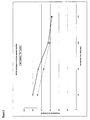
- the data of a typical reaction with SV40 large T-antigen are summarised in Figure 2 and show helicase activity as demonstrated by the loss of signal caused by the quenching of the biotin-fluorescein when it binds to free streptavidin binding sites.
- dsDNA Helicase Assay with double-stranded DNA
- the helicase substrate takes the form of an oligonucleotide of length appropriate to the helicase under test that is biotinylated at one end, appropriate to the directionality of the helicase under test.
- a single-strand 60-mer with the sequence GACGTATTCAAGATACCTCGTACTCTGTACTGACTGCGATCCGACTGTCC TGCATGATG was labelled with biotin at the 5'-terminus (obtained from Eurogentec, Belgium).
- duplex/streptavidin complex (oligo/SA) was then mixed with SV40 large T antigen and biotin-4-fluorescein in a suitable buffer, in this case 50mM Tris-HCl pH 7.5, containing 3mM MgCl 2 , 5mM dithiothreitol and 100 ⁇ g/ml bovine serum albumin and pipetted into 384-well microplates.
- a suitable buffer in this case 50mM Tris-HCl pH 7.5, containing 3mM MgCl 2 , 5mM dithiothreitol and 100 ⁇ g/ml bovine serum albumin
- the enzyme reaction was started by adding an appropriate amount of adenosine triphosphate and incubating the plate at 37°C. Measurements were made at an excitation wavelength of 485nm and an emission wavelength of 535nm using a microplate fluorometer.
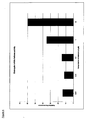
- the data of a typical reaction with SV40 large T-antigen are summarised in figure 3 and demonstrate the loss of signal caused by the quenching of the biotin-fluorescein when it binds to streptavidin binding sites made available by the action of the helicase activity of SV40 large T-antigen on the double-stranded DNA substrate.
- Distamycin A which is a DNA minor groove binder (Soderlind, K.J. et al. (1999; Anti-Cancer Drug Design 14: 19-36) was added to the helicase assay as described above and was found to dose-dependently decrease helicase activity, i.e. inhibit displacement of the streptavidin from the biotin-labelled substrate and so increase the signal at the time of measurement (figure 4).
Landscapes
- Chemical & Material Sciences (AREA)
- Health & Medical Sciences (AREA)
- Organic Chemistry (AREA)
- Life Sciences & Earth Sciences (AREA)
- General Health & Medical Sciences (AREA)
- Engineering & Computer Science (AREA)
- Zoology (AREA)
- Proteomics, Peptides & Aminoacids (AREA)
- Wood Science & Technology (AREA)
- Medicinal Chemistry (AREA)
- Chemical Kinetics & Catalysis (AREA)
- Veterinary Medicine (AREA)
- Public Health (AREA)
- Animal Behavior & Ethology (AREA)
- Pharmacology & Pharmacy (AREA)
- Nuclear Medicine, Radiotherapy & Molecular Imaging (AREA)
- Bioinformatics & Cheminformatics (AREA)
- General Chemical & Material Sciences (AREA)
- Biochemistry (AREA)
- Microbiology (AREA)
- Molecular Biology (AREA)
- Immunology (AREA)
- Analytical Chemistry (AREA)
- General Engineering & Computer Science (AREA)
- Physics & Mathematics (AREA)
- Genetics & Genomics (AREA)
- Biophysics (AREA)
- Biotechnology (AREA)
- Oncology (AREA)
- Communicable Diseases (AREA)
- Measuring Or Testing Involving Enzymes Or Micro-Organisms (AREA)
- Medicines That Contain Protein Lipid Enzymes And Other Medicines (AREA)
Abstract
Description
- The present invention is directed to a method for the detection of inhibitors of nucleic-acid dependent translocases in homogeneous phase comprising the displacement of a biotin labelled oligonucleotide from its complex with avidin or streptavidin in the presence of a biotinylated dye.
- Successful application of High Throughput Screening (HTS) technology is crucial for modem drug discovery as the quantity of compounds to be tested until a pharmaceutically active compound is found is steadily rising.
- This requires the transformation of standard laboratory techniques into automated processes, hence raising the need to eliminate or circumvent steps like multiple washings, decanting, or chromatographic separations, all of which cannot be easily automated. Use of radioactively labelled compounds should also be avoided in order to prevent machinery being contaminated.
- A further requirement for success in HTS is that assay designs deliver a signal to noise ratio big enough to avoid large amounts of data being falsely deemed positive. This makes it necessary to embed a detection step which ideally is a direct measure for the specific interaction between a test-compound and its target and will not be induced by non-specific interactions.
- Contemplating the above, the objective of the current invention is to develop an homogeneous, high throughput microplate assay for prokaryote and eukaryote nucleic acid translocases such as polymerases and, in particular, helicases.
- Helicases are nucleic acid-dependent translocating enzymes that unwind duplex nucleic acids to provide single stranded substrates for subsequent nucleic acid-modifying or replicating activities. During the course of unwinding, helicases also translocate along the nucleic acid whereby both processes are coupled to the hydrolysis of nucleoside triphosphates. Helicases are found in prokaryotic and eukaryotic organisms and are also encoded by viruses. As such they represent viable targets for therapeutic intervention in pathogenic infections and cancer.
- Early assays for estimating helicase activity were not suitable for HTS and either depended on the correlation of NTPase activity with helicase translocation or used radioactively labelled, partially duplex substrates, the unwinding of which can be detected by gel electrophoresis. More modem assay formats have used the sensitivity of duplex DNA to single strand-specific nucleases, fluorescence energy transfer, displacement of fluorescently labelled oligonucleotides from pre-formed duplexes, displacement of duplex-specific fluorescent dyes and scintillation proximity assays.
- Alaoui-Ismaili et al. (2000; Antiviral Research 46: 181-193 ) e.g. describe an automated screening assay for HCV NS3 helicase activity using a cumbersome radioactive scintillation proximity assay in 96-well format which suffers from a poor signal to noise ratio.
- Sivaraja et al. describe a screening assay for helicase enzymes (1998; Analytical Biochemistry 265: 22-27), however this assay is in ELISA format which requires multiple washing steps and makes use of radioactively labelled compounds.
- Eggleston et al. (1996; Nucleic Acids Research 24: 1179-1186) describe a helicase assay based on the displacement of fluorescent, nucleic acid-binding ligands by measuring the release of intercalating fluorescent dye from double stranded nucleic acids as a result of helicase activity. However the reported signal to noise ratio between bound and released dyestuff is insufficient for an effective statistical analysis of experimental data for helicase inhibitors in a high throughput screening setting.
- In conclusion assays as known from literature so far are slow, expensive and cumbersome and do not lend themselves easily to high throughput screening since the ideal HTS assay should feature homogeneity, low price, precision and the activity should be demonstrated by a positive signal.
- Considering all the above, it can be summarised that until now an assay suited for the assessment of helicase activity on an industrial scale using HTS is not available.
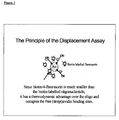
- The current invention now comprises a novel method of an homogeneous assay for the high throughput screening for inhibitors of helicases and related nucleic acid translocating enzymes, which can be achieved when combining the ability of helicases to displace biotin-labelled oligonucleotides from their complex with avidin or streptavidin and the ability of dyes like biotin-labelled fluorescein to bind to the free avidin or streptavidin binding sites for their detection.
- As known DNA helicases are able to displace biotin-labeled oligonucleotides from their complex with streptavidin (Morris and Raney (1999), Biochemistry 38: 5164-5171), but this displacement was demonstrated on an experimental scale only in a classical gel-based assay rather than in solution, and for detection of that displacement movement of a radioactively-labelled oligonucleotide was measured which moved faster when compared to its complex with streptavidin or avidin.
- As is further known, binding sites of avidin or streptavidin for biotin can be quantitated in crude biofluids when applying certain biotin-fluorescein conjugates (Kada, G. et al. (1999), Biochimica et Biophysica Acta 1427: 33-43).
- The transformation of that knowledge now leads to an approach for the design of an assay which is run in homogeneous phase and delivers an excellent signal/noise ratio. It can be successfully applied for the discovery of inhibitors of helicases on an industrial scale where a biotin-labelled oligonucleotide is displaced from the (strept)avidin binding site and so permits the binding of the small biotin-labelled fluorescein to the free site. Figure 1
- The helicase substrate takes the form of an oligonucleotide of length appropriate to the helicase under test that is biotinylated at one end, appropriate to the directionality of the helicase under test. In this example, a single-strand 60-mer with the sequence GACGTATTCAAGATACCTCGTACTCTGTACTGACTGCGATCCGACTGTCC TGCATGATG was labelled with biotin at the 5'-terminus (obtained from Eurogentec, Belgium) so that it could be used as a substrate for the helicase function of the SV40 large T antigen which is a 3'-5' helicase.
- Equal volumes of streptavidin and biotin-labelled oligonucleotide dissolved in reaction buffer (see below) were mixed in such a way that there was at least a four-fold molar excess of oligonucleotide over streptavidin. This is to ensure the saturation of all biotin-binding sites on the streptavidin molecule (4 biotin-binding sites per molecule streptavidin). This mixture was incubated for at least 15 minutes before being used for the assay.
- An aliquot of the oligonucleotide/streptavidin complex (oligo/SA) was then mixed with SV40 large T antigen and biotin-4-fluorescein in a suitable buffer, in this case 50mM Tris-HCl pH 7.5, containing 3mM MgCl2, 5mM dithiothreitol and 100 µg/ml bovine serum albumin and pipetted into 384-well microplates.
- The enzyme reaction was started by adding an appropriate amount of adenosine triphosphate and incubating the plate at 37°C. Measurements were made at an excitation wavelength of 485nm and an emission wavelength of 535nm using a microplate fluorometer. The data of a typical reaction with SV40 large T-antigen are summarised in Figure 2 and show helicase activity as demonstrated by the loss of signal caused by the quenching of the biotin-fluorescein when it binds to free streptavidin binding sites.
- The helicase substrate takes the form of an oligonucleotide of length appropriate to the helicase under test that is biotinylated at one end, appropriate to the directionality of the helicase under test. In this example, a single-strand 60-mer with the sequence GACGTATTCAAGATACCTCGTACTCTGTACTGACTGCGATCCGACTGTCC TGCATGATG was labelled with biotin at the 5'-terminus (obtained from Eurogentec, Belgium). This was then annealed to a complementary strand with the sequence TCTGTACTGACTGGTATCTTGAATACGT (Eurogentec, Belgium) so that it could be used as a double-stranded substrate for the helicase function of the SV40 large T antigen which is a 3'-5' helicase.
- Equal volumes of streptavidin and biotin-labelled oligonucleotide duplex dissolved in reaction buffer (see below) were mixed in such a way that there was at least a four-fold molar excess of oligonucleotide over streptavidin. This is to ensure the saturation of all biotin-binding sites on the streptavidin molecule (4 biotin-binding sites per molecule streptavidin). This mixture was incubated for at least 15 minutes before being used for the assay.
- An aliquot of the duplex/streptavidin complex (oligo/SA) was then mixed with SV40 large T antigen and biotin-4-fluorescein in a suitable buffer, in this case 50mM Tris-HCl pH 7.5, containing 3mM MgCl2, 5mM dithiothreitol and 100 µg/ml bovine serum albumin and pipetted into 384-well microplates.
- The enzyme reaction was started by adding an appropriate amount of adenosine triphosphate and incubating the plate at 37°C. Measurements were made at an excitation wavelength of 485nm and an emission wavelength of 535nm using a microplate fluorometer. The data of a typical reaction with SV40 large T-antigen are summarised in figure 3 and demonstrate the loss of signal caused by the quenching of the biotin-fluorescein when it binds to streptavidin binding sites made available by the action of the helicase activity of SV40 large T-antigen on the double-stranded DNA substrate.
- A known inhibitor of helicase activity, Distamycin A, which is a DNA minor groove binder (Soderlind, K.J. et al. (1999; Anti-Cancer Drug Design 14: 19-36) was added to the helicase assay as described above and was found to dose-dependently decrease helicase activity, i.e. inhibit displacement of the streptavidin from the biotin-labelled substrate and so increase the signal at the time of measurement (figure 4).
Claims (8)
- Method for the detection of inhibitors of nucleic-acid dependent translocases in homogeneous phase comprising the displacement of a biotin labelled oligonucleotide from its complex with avidin or streptavidin in the presence of a biotinylated dye
- Method according to 1 where the nucleic-acid dependent translocase is a helicase
- Method according to 1 and 2 wherein the biotin-labelled oligonucleotide is a single- or double-stranded or partially double-stranded DNA or RNA
- Method according to 1 to 3 wherein the biotin unit is either attached to a 5' or a 3' end of the oligonucleotide.
- Method according 1 to 4 wherein the biotinylated dye is a biotinylated fluorescein
- Use of a method according 1 to 5 in an automated or High Throughput Screening Setting
- Use of a method according 1 to 6 for the discovery of inhibitors of translocases and helicases
- Use of inhibitors of translocases and helicases found with methods according 1 to 7 for the production of pharmaceutical compositions
Priority Applications (6)
| Application Number | Priority Date | Filing Date | Title |
|---|---|---|---|
| EP01120717A EP1291437A1 (en) | 2001-09-05 | 2001-09-05 | New assay for inhibitors of translocases |
| EP02797922A EP1427844A1 (en) | 2001-09-05 | 2002-08-23 | New assay for inhibitors of translocases |
| US10/489,033 US20050014149A1 (en) | 2001-09-05 | 2002-08-23 | Assay for inhibitors of translocases |
| PCT/EP2002/009436 WO2003023054A1 (en) | 2001-09-05 | 2002-08-23 | New assay for inhibitors of translocases |
| JP2003527117A JP2005502364A (en) | 2001-09-05 | 2002-08-23 | A novel assay for inhibitors of translocase |
| CA002458302A CA2458302A1 (en) | 2001-09-05 | 2002-08-23 | New assay for inhibitors of translocases |
Applications Claiming Priority (1)
| Application Number | Priority Date | Filing Date | Title |
|---|---|---|---|
| EP01120717A EP1291437A1 (en) | 2001-09-05 | 2001-09-05 | New assay for inhibitors of translocases |
Publications (1)
| Publication Number | Publication Date |
|---|---|
| EP1291437A1 true EP1291437A1 (en) | 2003-03-12 |
Family
ID=8178459
Family Applications (2)
| Application Number | Title | Priority Date | Filing Date |
|---|---|---|---|
| EP01120717A Withdrawn EP1291437A1 (en) | 2001-09-05 | 2001-09-05 | New assay for inhibitors of translocases |
| EP02797922A Withdrawn EP1427844A1 (en) | 2001-09-05 | 2002-08-23 | New assay for inhibitors of translocases |
Family Applications After (1)
| Application Number | Title | Priority Date | Filing Date |
|---|---|---|---|
| EP02797922A Withdrawn EP1427844A1 (en) | 2001-09-05 | 2002-08-23 | New assay for inhibitors of translocases |
Country Status (5)
| Country | Link |
|---|---|
| US (1) | US20050014149A1 (en) |
| EP (2) | EP1291437A1 (en) |
| JP (1) | JP2005502364A (en) |
| CA (1) | CA2458302A1 (en) |
| WO (1) | WO2003023054A1 (en) |
Citations (1)
| Publication number | Priority date | Publication date | Assignee | Title |
|---|---|---|---|---|
| US5474247A (en) * | 1993-11-30 | 1995-12-12 | Trw Repa Gmbh | Belt retractor for vehicle safety belts |
Family Cites Families (1)
| Publication number | Priority date | Publication date | Assignee | Title |
|---|---|---|---|---|
| US5747247A (en) * | 1994-07-25 | 1998-05-05 | The Regents Of The University Of California | Spectroscopic helicase assay |
-
2001
- 2001-09-05 EP EP01120717A patent/EP1291437A1/en not_active Withdrawn
-
2002
- 2002-08-23 EP EP02797922A patent/EP1427844A1/en not_active Withdrawn
- 2002-08-23 US US10/489,033 patent/US20050014149A1/en not_active Abandoned
- 2002-08-23 CA CA002458302A patent/CA2458302A1/en not_active Abandoned
- 2002-08-23 WO PCT/EP2002/009436 patent/WO2003023054A1/en not_active Ceased
- 2002-08-23 JP JP2003527117A patent/JP2005502364A/en not_active Withdrawn
Patent Citations (1)
| Publication number | Priority date | Publication date | Assignee | Title |
|---|---|---|---|---|
| US5474247A (en) * | 1993-11-30 | 1995-12-12 | Trw Repa Gmbh | Belt retractor for vehicle safety belts |
Non-Patent Citations (3)
| Title |
|---|
| KADA ET AL: "Rapid estimation of avidin and streptavidin by fluorescence quenching or fluorescence polarization", BIOCHIMICA AND BIOPHYSICA ACTA, vol. 1427, 1999, pages 44 - 47, XP002197718 * |
| MORRIS P D ET AL: "DNA HELICASES DISPLACE STREPTAVIDIN FROM BIOTIN-LABELED OLIGONUCLEOTIDES", BIOCHEMISTRY, AMERICAN CHEMICAL SOCIETY. EASTON, PA, US, vol. 38, no. 16, 1999, pages 5164 - 5171, XP002931444, ISSN: 0006-2960 * |
| SODERLIND K-J ET AL: "BIS-BENZIMIDAZOLE ANTICANCER AGENTS: TARGETING HUMAN TUMOUR HELICASES", ANTI-CANCER DRUG DESIGN, BASINGSTOKE, GB, vol. 14, 1999, pages 19 - 36, XP000984519, ISSN: 0266-9536 * |
Also Published As
| Publication number | Publication date |
|---|---|
| JP2005502364A (en) | 2005-01-27 |
| EP1427844A1 (en) | 2004-06-16 |
| WO2003023054A1 (en) | 2003-03-20 |
| US20050014149A1 (en) | 2005-01-20 |
| CA2458302A1 (en) | 2003-03-20 |
Similar Documents
| Publication | Publication Date | Title |
|---|---|---|
| Jiang et al. | G-quadruplex fluorescent probe-mediated real-time rolling circle amplification strategy for highly sensitive microRNA detection | |
| US10472659B2 (en) | Isothermal nucleic acid amplification | |
| US9309568B2 (en) | Aptamer regulated nucleic acids and uses thereof | |
| US6027885A (en) | Method for electrochemiluminescent labeling of nucleic acid, use in detection, and compositions therefor | |
| EP3303613B1 (en) | Method to detect activity of a polymerase | |
| Dahlén et al. | Sensitive detection of genes by sandwich hybridization and time-resolved fluorometry | |
| US20210285039A1 (en) | Looped primer and loop-de-loop method for detecting target nucleic acid | |
| US8685646B2 (en) | Methods and reagents for shortening incubation times in hybridization assays | |
| CN116735867A (en) | Method for detecting Salmonella based on HCR-mediated multivalent aptamer and CRISPR-Cas12a system | |
| WO2006086669A2 (en) | Aptamer regulated nucleic acids and uses thereof | |
| EP1668158B1 (en) | Rna detection and quantitation | |
| Wang et al. | A cascade amplification strategy based on rolling circle amplification and hydroxylamine amplified gold nanoparticles enables chemiluminescence detection of adenosine triphosphate | |
| JP3127135B2 (en) | Amplification and detection of Chlamydia trachomatis nucleic acids | |
| US20050014149A1 (en) | Assay for inhibitors of translocases | |
| WO2017218358A1 (en) | FLUORESCENT BIOSENSOR FOR 2', 3'-cGAMP | |
| Merkel et al. | Oligonucleotide-based assays for integrase activity | |
| Li et al. | A sensitive and radiolabeling-free method for pseudouridine detection | |
| WO2001011078A8 (en) | Amplification method for detection of target nucleic acids involving fluorescence energy transfer | |
| EP2239339A1 (en) | Dye composition for fluid transfer control | |
| US7781165B2 (en) | Benzimidazolium compounds and salts of benzimidazolium compounds for nucleic acid amplification | |
| EP1641938A2 (en) | Nucleic acid polymerase fluorescence assays | |
| Laios et al. | Novel hybridization assay configurations based on in vitro expression of DNA reporter molecules | |
| Martin et al. | Quantitative polymerase chain reaction and solid-phase capture nucleic acid detection | |
| JP2005245310A (en) | Passive internal reference in real-time pcr | |
| EP1639124A2 (en) | Method for monitoring reactions in real time |
Legal Events
| Date | Code | Title | Description |
|---|---|---|---|
| PUAI | Public reference made under article 153(3) epc to a published international application that has entered the european phase |
Free format text: ORIGINAL CODE: 0009012 |
|
| AK | Designated contracting states |
Kind code of ref document: A1 Designated state(s): AT BE CH CY DE DK ES FI FR GB GR IE IT LI LU MC NL PT SE TR Designated state(s): AT BE CH CY DE DK ES FI FR GB GR IE IT LI LU MC NL PT SE TR |
|
| AX | Request for extension of the european patent |
Extension state: AL LT LV MK RO SI |
|
| 17P | Request for examination filed |
Effective date: 20030912 |
|
| AKX | Designation fees paid |
Designated state(s): AT BE CH CY DE DK ES FI FR GB GR IE IT LI LU MC NL PT SE TR |
|
| RAP1 | Party data changed (applicant data changed or rights of an application transferred) |
Owner name: BAYER HEALTHCARE AG |
|
| 17Q | First examination report despatched |
Effective date: 20040220 |
|
| STAA | Information on the status of an ep patent application or granted ep patent |
Free format text: STATUS: THE APPLICATION HAS BEEN WITHDRAWN |
|
| 18W | Application withdrawn |
Effective date: 20060412 |