EP1284297A2 - Identification and use of molecules implicated in pain - Google Patents
Identification and use of molecules implicated in pain Download PDFInfo
- Publication number
- EP1284297A2 EP1284297A2 EP02255228A EP02255228A EP1284297A2 EP 1284297 A2 EP1284297 A2 EP 1284297A2 EP 02255228 A EP02255228 A EP 02255228A EP 02255228 A EP02255228 A EP 02255228A EP 1284297 A2 EP1284297 A2 EP 1284297A2
- Authority
- EP
- European Patent Office
- Prior art keywords
- gene sequence
- protein
- nucleic acid
- pain
- isolated
- Prior art date
- Legal status (The legal status is an assumption and is not a legal conclusion. Google has not performed a legal analysis and makes no representation as to the accuracy of the status listed.)
- Withdrawn
Links
Classifications
-
- C—CHEMISTRY; METALLURGY
- C12—BIOCHEMISTRY; BEER; SPIRITS; WINE; VINEGAR; MICROBIOLOGY; ENZYMOLOGY; MUTATION OR GENETIC ENGINEERING
- C12Q—MEASURING OR TESTING PROCESSES INVOLVING ENZYMES, NUCLEIC ACIDS OR MICROORGANISMS; COMPOSITIONS OR TEST PAPERS THEREFOR; PROCESSES OF PREPARING SUCH COMPOSITIONS; CONDITION-RESPONSIVE CONTROL IN MICROBIOLOGICAL OR ENZYMOLOGICAL PROCESSES
- C12Q1/00—Measuring or testing processes involving enzymes, nucleic acids or microorganisms; Compositions therefor; Processes of preparing such compositions
- C12Q1/68—Measuring or testing processes involving enzymes, nucleic acids or microorganisms; Compositions therefor; Processes of preparing such compositions involving nucleic acids
- C12Q1/6876—Nucleic acid products used in the analysis of nucleic acids, e.g. primers or probes
- C12Q1/6883—Nucleic acid products used in the analysis of nucleic acids, e.g. primers or probes for diseases caused by alterations of genetic material
-
- A—HUMAN NECESSITIES
- A61—MEDICAL OR VETERINARY SCIENCE; HYGIENE
- A61P—SPECIFIC THERAPEUTIC ACTIVITY OF CHEMICAL COMPOUNDS OR MEDICINAL PREPARATIONS
- A61P29/00—Non-central analgesic, antipyretic or antiinflammatory agents, e.g. antirheumatic agents; Non-steroidal antiinflammatory drugs [NSAID]
-
- C—CHEMISTRY; METALLURGY
- C07—ORGANIC CHEMISTRY
- C07K—PEPTIDES
- C07K14/00—Peptides having more than 20 amino acids; Gastrins; Somatostatins; Melanotropins; Derivatives thereof
- C07K14/435—Peptides having more than 20 amino acids; Gastrins; Somatostatins; Melanotropins; Derivatives thereof from animals; from humans
- C07K14/46—Peptides having more than 20 amino acids; Gastrins; Somatostatins; Melanotropins; Derivatives thereof from animals; from humans from vertebrates
- C07K14/47—Peptides having more than 20 amino acids; Gastrins; Somatostatins; Melanotropins; Derivatives thereof from animals; from humans from vertebrates from mammals
-
- C—CHEMISTRY; METALLURGY
- C07—ORGANIC CHEMISTRY
- C07K—PEPTIDES
- C07K14/00—Peptides having more than 20 amino acids; Gastrins; Somatostatins; Melanotropins; Derivatives thereof
- C07K14/435—Peptides having more than 20 amino acids; Gastrins; Somatostatins; Melanotropins; Derivatives thereof from animals; from humans
- C07K14/46—Peptides having more than 20 amino acids; Gastrins; Somatostatins; Melanotropins; Derivatives thereof from animals; from humans from vertebrates
- C07K14/47—Peptides having more than 20 amino acids; Gastrins; Somatostatins; Melanotropins; Derivatives thereof from animals; from humans from vertebrates from mammals
- C07K14/4701—Peptides having more than 20 amino acids; Gastrins; Somatostatins; Melanotropins; Derivatives thereof from animals; from humans from vertebrates from mammals not used
- C07K14/4702—Regulators; Modulating activity
-
- C—CHEMISTRY; METALLURGY
- C07—ORGANIC CHEMISTRY
- C07K—PEPTIDES
- C07K14/00—Peptides having more than 20 amino acids; Gastrins; Somatostatins; Melanotropins; Derivatives thereof
- C07K14/435—Peptides having more than 20 amino acids; Gastrins; Somatostatins; Melanotropins; Derivatives thereof from animals; from humans
- C07K14/705—Receptors; Cell surface antigens; Cell surface determinants
-
- C—CHEMISTRY; METALLURGY
- C12—BIOCHEMISTRY; BEER; SPIRITS; WINE; VINEGAR; MICROBIOLOGY; ENZYMOLOGY; MUTATION OR GENETIC ENGINEERING
- C12N—MICROORGANISMS OR ENZYMES; COMPOSITIONS THEREOF; PROPAGATING, PRESERVING, OR MAINTAINING MICROORGANISMS; MUTATION OR GENETIC ENGINEERING; CULTURE MEDIA
- C12N9/00—Enzymes; Proenzymes; Compositions thereof; Processes for preparing, activating, inhibiting, separating or purifying enzymes
-
- C—CHEMISTRY; METALLURGY
- C12—BIOCHEMISTRY; BEER; SPIRITS; WINE; VINEGAR; MICROBIOLOGY; ENZYMOLOGY; MUTATION OR GENETIC ENGINEERING
- C12N—MICROORGANISMS OR ENZYMES; COMPOSITIONS THEREOF; PROPAGATING, PRESERVING, OR MAINTAINING MICROORGANISMS; MUTATION OR GENETIC ENGINEERING; CULTURE MEDIA
- C12N9/00—Enzymes; Proenzymes; Compositions thereof; Processes for preparing, activating, inhibiting, separating or purifying enzymes
- C12N9/10—Transferases (2.)
- C12N9/12—Transferases (2.) transferring phosphorus containing groups, e.g. kinases (2.7)
-
- C—CHEMISTRY; METALLURGY
- C12—BIOCHEMISTRY; BEER; SPIRITS; WINE; VINEGAR; MICROBIOLOGY; ENZYMOLOGY; MUTATION OR GENETIC ENGINEERING
- C12N—MICROORGANISMS OR ENZYMES; COMPOSITIONS THEREOF; PROPAGATING, PRESERVING, OR MAINTAINING MICROORGANISMS; MUTATION OR GENETIC ENGINEERING; CULTURE MEDIA
- C12N9/00—Enzymes; Proenzymes; Compositions thereof; Processes for preparing, activating, inhibiting, separating or purifying enzymes
- C12N9/14—Hydrolases (3)
- C12N9/16—Hydrolases (3) acting on ester bonds (3.1)
-
- C—CHEMISTRY; METALLURGY
- C12—BIOCHEMISTRY; BEER; SPIRITS; WINE; VINEGAR; MICROBIOLOGY; ENZYMOLOGY; MUTATION OR GENETIC ENGINEERING
- C12N—MICROORGANISMS OR ENZYMES; COMPOSITIONS THEREOF; PROPAGATING, PRESERVING, OR MAINTAINING MICROORGANISMS; MUTATION OR GENETIC ENGINEERING; CULTURE MEDIA
- C12N9/00—Enzymes; Proenzymes; Compositions thereof; Processes for preparing, activating, inhibiting, separating or purifying enzymes
- C12N9/14—Hydrolases (3)
- C12N9/48—Hydrolases (3) acting on peptide bonds (3.4)
- C12N9/50—Proteinases, e.g. Endopeptidases (3.4.21-3.4.25)
- C12N9/64—Proteinases, e.g. Endopeptidases (3.4.21-3.4.25) derived from animal tissue
- C12N9/6421—Proteinases, e.g. Endopeptidases (3.4.21-3.4.25) derived from animal tissue from mammals
-
- A—HUMAN NECESSITIES
- A01—AGRICULTURE; FORESTRY; ANIMAL HUSBANDRY; HUNTING; TRAPPING; FISHING
- A01K—ANIMAL HUSBANDRY; AVICULTURE; APICULTURE; PISCICULTURE; FISHING; REARING OR BREEDING ANIMALS, NOT OTHERWISE PROVIDED FOR; NEW BREEDS OF ANIMALS
- A01K2217/00—Genetically modified animals
- A01K2217/05—Animals comprising random inserted nucleic acids (transgenic)
-
- A—HUMAN NECESSITIES
- A01—AGRICULTURE; FORESTRY; ANIMAL HUSBANDRY; HUNTING; TRAPPING; FISHING
- A01K—ANIMAL HUSBANDRY; AVICULTURE; APICULTURE; PISCICULTURE; FISHING; REARING OR BREEDING ANIMALS, NOT OTHERWISE PROVIDED FOR; NEW BREEDS OF ANIMALS
- A01K2217/00—Genetically modified animals
- A01K2217/07—Animals genetically altered by homologous recombination
- A01K2217/075—Animals genetically altered by homologous recombination inducing loss of function, i.e. knock out
-
- A—HUMAN NECESSITIES
- A61—MEDICAL OR VETERINARY SCIENCE; HYGIENE
- A61K—PREPARATIONS FOR MEDICAL, DENTAL OR TOILETRY PURPOSES
- A61K38/00—Medicinal preparations containing peptides
-
- C—CHEMISTRY; METALLURGY
- C12—BIOCHEMISTRY; BEER; SPIRITS; WINE; VINEGAR; MICROBIOLOGY; ENZYMOLOGY; MUTATION OR GENETIC ENGINEERING
- C12Q—MEASURING OR TESTING PROCESSES INVOLVING ENZYMES, NUCLEIC ACIDS OR MICROORGANISMS; COMPOSITIONS OR TEST PAPERS THEREFOR; PROCESSES OF PREPARING SUCH COMPOSITIONS; CONDITION-RESPONSIVE CONTROL IN MICROBIOLOGICAL OR ENZYMOLOGICAL PROCESSES
- C12Q2600/00—Oligonucleotides characterized by their use
- C12Q2600/158—Expression markers
Definitions
- the present invention relates to nucleic acids, their expression products and pathways involved in pain, and their use in screening for molecules that can alleviate pain.
- the invention further relates to methods for the assay and diagnosis of pain in patients.
- Pain is currently classified into four general types. Post-operative acute pain can be successfully treated with existing pain medications of e.g. the opioid and non-steroidal anti-inflammatory (NSAID) types, and is usually short-term and self-limiting.
- NSAID non-steroidal anti-inflammatory
- a second type of pain present e.g. in cancer and arthritis, is also responsive to medication initially with a NSAID and in its later stages with opioids.
- Neuropathic pain arises from damage to the central or peripheral nerve systems, and is more effectively treated with antidepressants or anticonvulsants.
- a fourth type of pain called central sensitization results from changes in the central nervous system as a result of chronic pain, these changes often being irreversible and difficult to treat. Nerve pain from shingles or diabetes falls into this and the neuropathic category.
- Opiates such as morphine belong to a traditional class of pain-relieving compounds that are now recognized as binding to opiate receptors.
- Naturally occurring polypeptides have also been found to have opiate-like effects on the central nervous system, and these include ⁇ -endorphin, met-enkephalin and leu-enkephalin.
- Salicin was isolated at the beginning of the 19th century, and from that discovery a number of NSAIDs such as aspirin, paracetamol, ibuprofen, flurbiprofen and naproxen were developed. NSAIDs are by far the most widely used pain-relieving compounds, but can exhibit side effects, in particular irritation of the GI tract that can lead to the formation of ulcers, gastrointestinal bleeding and anaemia.
- Second messenger systems have also been shown to be important since knockout-mice lacking protein kinase C ( PKC ) ⁇ were reported to respond to acute pain e.g. from a hot surface, but not to respond to neuropathic pain when their spinal nerves are injured (Malmberg et al ., Science, 278, 279-283 (1997).
- PKC protein kinase C
- Recombinant expression vectors can be employed to express any of the nucleic acid sequences of the invention.
- the expression products derived from such vector constructs can be used to develop screening technologies for the identification of molecules that can be used to prevent or treat pain, and in the development of diagnostic tools for the identification and characterization of pain.
- the expression vectors may also be used for constructing transgenic non-human animals.
- recombinant expression vectors include origins of replication, selectable markers, and a promoter derived from a highly expressed gene to direct transcription of a downstream nucleotide sequence.
- the heterologous nucleotide sequence is assembled in an appropriate frame with the translation, initiation and termination sequences, and if applicable a leader sequence to direct the expression product to the periplasmic space, the extra-cellular medium or cell membrane.
- preferred vectors will comprise an origin of replication from the desired host, a suitable promoter and an enhancer, and also any necessary ribosome binding sites, polyadenylation site, transcriptional termination sequences, and optionally 5'-flanking non-transcribed sequences.
- DNA sequences derived from the SV40 or CMV viral genomes, for example SV40 or CMV origin, early promoters, enhancers, and polyadenylation sites may be used to provide the required non-transcribed genetic elements.
- a recombinant expression vector used in the invention advantageously also comprises an untranscribed polynucleotide region located at the 3'end of the coding sequence (ORF), this 3'-UTR (untranslated region) polynucleotide being useful for stabilizing the corresponding mRNA or for increasing the expression rate of the vector insert if this 3'-UTR harbours regulation signal elements such as enhancer sequences.
- Suitable promoter regions used in the expression vectors are chosen taking into account the host cell in which the nucleic acid sequence is to be expressed.
- a suitable promoter may be heterologous with respect to the nucleic acid sequence for which it controls the expression, or alternatively can be endogenous to the native polynucleotide containing the coding sequence to be expressed. Additionally, the promoter is generally heterologous with respect to the recombinant vector sequences within which the construct promoter/coding sequence has been inserted.
- Preferred promoters are the LacI, LacZ, T3 or T7 bacteriophage RNA polymerase promoters, the lambda PR, PL and Trp promoters (EP-0 036 776), the polyhedrin promoter, or the p10 protein promoter from baculovirus (kit Novagen; Smith et al ., (1983); O'Reilly et al. (1992)).
- Preferred bacteriophage recombinant vectors of the invention are P1 bacteriophage vectors such as described by Sternberg N.L. (1992; 1994).
- a suitable vector for the expression of any of the pain associated polypeptides used in the invention or fragments thereof is a baculovirus vector that can be propagated in insect cells and in insect cell-lines.
- a specific suitable host vector system is the pVL 1392/1393 baculovirus transfer vector (Pharmingen) that is used to transfect the SF9 cell line (ATCC N°CRL 1711) that is derived from Spodoptera frugiperda.
- the recombinant expression vectors of the invention may also be derived from an adenovirus. Suitable adenoviruses are described by Feldman and Steig (1996) or Ohno et al . (1994). Another preferred recombinant adenovirus is the human adenovirus type two or five (Ad 2 or Ad 5) or an adenovirus of animal origin (Patent Application WO 94/26914)
- retroviruses selected from the group consisting of Mink-Cell Focus Inducing Virus, Murine Sarcoma Virus, and Ross Sarcoma Virus.
- retroviral vectors are those described in Roth et al . (1996), in PCT Application WO 93/25234, in PCT Application WO 94/06920, and also in Roux et al. (1989), Julan et al .(1992) and Nada et al. (1991).
- AAV Adeno Associated Viruses
- Host cells that endogenously express pain associated polypeptides or have been transformed or transfected with one of the nucleic acid sequences described herein, or with one of the recombinant vectors described above, particularly a recombinant expression vector, can be used in the present invention. Also included are host cells that are transformed (prokaryotic cells) or are transfected (eukaryotic cells) with a recombinant vector such as one of those described above.
- Preferred host cells used as recipients for the expression vectors used in the invention are the following:
- these host cells have also been transfected or transformed with a polynucleotide or a recombinant vector for the expression of a natural ligand of any of the nucleic acid sequences of Tables I - X or a modulator of these expression products.
- PROTEINS POLYPEPTIDES AND FRAGMENTS
- the expression products of the nucleic acid sequences of Tables I - X or fragment(s) thereof can be prepared using recombinant technology, from cell lines or by chemical synthesis.
- Recombinant methods, chemical methods or chemical synthetic methods can be used to modify a gene in order to introduce into the gene product, or a fragment of the gene product, features such as recognition tags, cleavage sites or other modifications.
- the endogenous expression system or recombinant expression system should allow the expression products to be expressed in a manner that will allows the production of a functional protein or fragment thereof which can be purified.
- Preferred cell lines are those that allow high levels of expression of polypeptide or fragments thereof.
- Such cell lines include cell lines which naturally express any of the nucleic acid sequences of Tables I, II or III or common mammalian cell lines such as CHO cells or COS cells, etc, or more specific neuronal cell lines such as PC12.
- cell types that are commonly used for recombinant protein production such as insect cells, amphibian cells such as oocytes, yeast and prokaryotic cell lines such as E. coli can also be used.
- Tables I - X or fragments thereof can be utilized in screens to identify potential therapeutic ligands, either as a purified protein, as a protein chimera such as those produced by phage display, as a cell membrane (lipid or detergent) preparation, or in intact cells.
- the invention also relates generally to the use of proteins, peptides and peptide fragments for the development of screening technologies for the identification of molecules for the prevention or treatment of pain, and the development of diagnostic tools for the identification and characterization of pain.
- These peptides include expression products of the nucleic acid sequences of Tables I - X and purified or isolated polypeptides or fragments thereof having at least 90%, preferably 95%, more preferably 98% and most preferably 99% sequence identity with the any of the expression products of nucleic acid sequences of Tables I - X. Expressed peptides and fragments of any of these nucleic acid sequences can be used to develop screening technologies for the identification of novel molecules for the prevention or treatment of pain. These screening technologies could also be used to ascribe new pain therapeutic indications to molecules, which have not previously been ascribed for the prevention or treatment of pain. Furthermore the said expressed peptides and fragments can be used as diagnostic tools and for the development of diagnostic tools.
- the test compound can be a peptide, protein or chemical entity, either alone or in combination(s), or in a mixture with any substance.
- the test compound may even represent a library of compounds.
- Binding of the test compound is performed in the presence of a ligand to allow an assessment of the binding activity of each test compound.
- the ligand may be contacted with the expression product either before, simultaneously or after the test compound.
- the ligand should be detectable and/or quantifiable.
- the ligand can be labelled in a number of ways, for example with a chromophore, radioactive, fluorescent, phosphorescent, enzymatic or antibody label. Methods of labelling are known to those in the art. If the ligand is not directly detectable it should be amenable to detection and quantification by secondary detection, which may employ the above technologies.
- the expression product or fragment thereof can be detectable or quantifiable using, for example a chromophore, radioactive, fluorescent, phosphorescent, enzymatic or antibody label.
- Binding of the test compound modifies the interaction of the ligand with its binding site and changes the affinity or binding of the ligand for/to its binding site.
- the difference between the observed amounts of ligand bound relative to the theoretical maximum amount of ligand bound (or to the ligand bound in the absence of a test compound under the same conditions) is a reflection of the binding ability (and optionally the amount and/or affinity) of a test compound to bind the expression product.
- the amount of test compound bound to the expression product can be determined by a combination of chromatography and spectroscopy. This can be achieved with technologies such as Biacore (Amersham Pharmacia).
- the amount of test compound bound to the expression product can also be determined by direct measurement of the change in mass upon compound or ligand binding to the expression product.
- the expression product, compound or ligand can be fluorescently labelled and the association of expression product with the test compound can be followed by changes in Fluorescence Energy Transfer (FRET).
- FRET Fluorescence Energy Transfer
- the invention therefore includes a method of screening for pain alleviating compounds, comprising:
- the ligand may be added prior to, simultaneously with or after contact of the test compound with the expression product.
- Non limiting examples and methodology can be gained from the teachings of the Molecular Probes handbook and references therein (Molecular Probes, Inc., 4849 Pitchford Ave, Eugene, USA), Methods in neurotransmitter receptor analysis (Yamamura HI., Enna, SJ., and Kuhar, MJ., Raven Press New York, the Glaxo Pocket Guide to Pharmacology, Dr. Michael Sheehan, Glaxo Group Research Ltd, Ware, Herts SG12 0DP), Bylund DB and Murrin LC (2000, Life Sciences, 67 (24) 2897-911), Owicki JC ( 2000, J.
- kinases have the ability to add phosphate molecules to specific residues in ligands such as binding peptides in the presence of a substrate such as adenosine triphosphate (ATP). Formation of a complex between the kinase, the ligand and substrate results in the transfer of a phosphate group from the substrate to the ligand. Compounds that modulate the activity of the kinase can be determined with a kinase functional screen.
- ATP adenosine triphosphate
- Functional screening for modulators of kinase activity therefore involves contacting one or more test compounds with an expression product of one of the nucleic acid sequences of Tables I to X which encodes a kinase, and determining the ability of said test compound to modulate the transfer of a phosphate group from the substrate to the ligand.
- the expression product can be part of an intact cell or of a lipidic preparation or it can be a purified polypeptide(s), optionally attached to a support, for example beads, a column, or a plate. Binding is preferably performed in the presence of ligand and substrate to allow an assessment of the binding activity of each test compound.
- the ligand can be labelled in a number of ways, for example with a chromophore, radioactive, fluorescent, phosphorescent, enzymatic or antibody label. If the ligand is not directly detectable it should be amenable to detection and quantification by secondary detection, which may employ the above technologies. Such technologies are known to those in the art.
- the invention also provides a method for screening compounds for the ability to relieve pain, which comprises:
- ligand, substrate and/or other essential molecules may be added prior to contacting the test compound with expression product of step (a) or after step (a).
- Non limiting examples and methodology can be gained from the teachings of the Molecular Probes handbook and references therein (Molecular Probes, Inc., 4849 Pitchford Ave, Eugene, USA), Methods in Molecular Biology 2000 ; 99: 191-201, Oncogene 2000 20; 19(49): 5690-701, and FASAB Journal, (10, 6, P55, P1458, 1996, Pocius D Amrein K et al ).
- the invention also provides a method for screening compounds for the ability to relieve pain, which comprises:
- ligand, substrate and/or other essential molecules may be added prior to contacting the test compound with expression product of step (a) or after step (a).
- Molecular Probes handbook and references therein Molecular Probes, Inc., 4849 Pitchford Ave, Eugene, USA
- FASAB Journal (10, 6, P55, P1458, 1996, Pocius D Amrein K et al ).
- Ion channels are membrane associated proteins. They are divided into three main groups:
- Ion channels allow the passage of ions through cellular membranes upon stimulation by ligand, change in membrane potential or physical changes in environment such as temperature and pH. Compounds that modulate the activity of ion channels can be determined with an ion channel functional screen.
- Functional screening for modulators of ion channels involves contacting a test compound with an expression product as aforesaid which is an ion channel protein or a fragment thereof and determining the ability of said test compound to modulate the activity of said expression product or fragment thereof.
- the expression product can be a part of an intact cell, membrane preparation or lipidic preparation, optionally attached to a support, for example beads, a column, or a plate.
- the ligand may be contacted with the ion channel peptide before, simultaneously with or after the test compound.
- other molecules essential for the function of the ion channel may be present.
- Ion channel opening is detectable with the addition of Ion channel sensitive dye, such dyes are known to those in the art.
- Binding of the test compound to the ion channel protein modifies its ability to allow ion molecules across a membrane.
- the difference between the observed amounts of movement of ions across a membrane relative to the theoretical maximum amount of ions that can move across the membrane is a reflection of the modulatory effect of the test compound.
- the invention therefore also relates to a method of screening compounds for their ability to alleviate pain, which method comprises:
- An expression product of any of the nucleic acid sequences of Tables I to X which encodes a receptor, and in particular any of the nucleic acid sequences listed in Table IV, is amenable to screening using receptor assay technology.
- Receptors are membrane associated proteins that initiate intracellular signalling upon ligand binding. Therefore, the identification of molecules for the prevention and treatment of pain can be achieved with the use of a ligand-binding assay, as outlined above.
- a ligand-binding assay would utilize an endogenous or non-endogenous ligand as a component of the ligand-binding assay. The binding of this ligand to the receptor in the presence of one or more test compounds would be measures as described above.
- transporter proteins The main function of transporter proteins is to facilitate the movement of molecules across a cellular membrane.
- Compounds that modulate the activity of transporter proteins can be determined with a transporter protein functional screen.
- Functional screening for modulators of transporter proteins comprises contacting at least one test compound with an expression product as aforesaid which is a transporter protein and determining the ability of said test compound to modulate the activity of said transporter protein.
- the expression product can be part of an intact cell, or lipidic preparation, optionally attached to a support, for example beads, a column or a plate. Binding is preferably performed in the presence of the molecule to be transported, which should only able to pass through a cell membrane or lipidic matrix with the aid of the transporter protein.
- the molecule to be transported should be able to be followed when it moves into a cell or through a lipidic matrix.
- the molecule to be transported is labelled to aid in characterization, e.g. with a chromophore, radioactive, fluorescent, phosphorescent, enzymatic or antibody label. If the molecule to be transported is not directly detectable it should be amenable to detection and quantification by secondary detection, which may employ the above technologies.
- the molecule to be transported may be contacted with the transporter protein before, simultaneously with or after the test compound.
- binding of the test compound to the transporter protein modifies its ability to transport molecules through a membranous or lipidic matrix then the difference between the observed amount of transported molecule in a cell/or through a lipidic matrix relative to the theoretical maximum amount is a reflection of the modulatory effect of the test compound.
- the invention further provides a method for screening compounds for their ability to relieve pain, comprising
- An expression product of any of the nucleic acid sequences of Tables I to X that encodes a G-protein coupled receptor protein, and in particular the nucleic acid sequences listed in Table VI, is amenable to screening using G-protein coupled receptor protein assay technology.
- GPCRs G-protein coupled receptor proteins
- GPCRs are membranous proteins whose main function is to transduce a signal through a cellular membrane. Upon ligand binding, GPCRs undergo a conformational change that allows complexing of the GPCRs with a G-protein. G-proteins possess a GTP/GDP binding site. The formation of the G-protein/ligand complex allows exchange of GTP for GDP, resulting in a conformational change of the G-protein. This conformational change initiates signal transduction.
- Functional screening for modulators of GPCRs comprises contacting at least one test compound with an expression product as aforesaid which is a G-protein coupled receptor protein, and assessing the ability of the test compound(s) to modulate the exchange of GTP for GDP or the modulation of the GPCR signal transduction pathway.
- the expression product can be part of an intact cell or lipidic preparation, optionally attached to a support, for example beads, a column or a plate. Binding is preferably performed in the presence of a ligand, G-protein and GTP/GDP to allow an assessment of the binding activity of each test compound. Alternatively components of the signalling pathway are also included.
- a labelled GTP is used and the ability of the test compound(s) to modulate the exchange of GTP to GDP is determined.
- a further optional characteristic of the assay can be the inclusion of a reporter molecule that enables monitoring the regulation of the signalling pathway.
- the ligand may be contacted with the GPCR before, simultaneously with or after the test compound. Binding of the test compound to the GPCR modifies its ability to modulate the exchange of GTP for GDP and hence the modulation of signal transduction.
- the difference between the observed amount of GTP exchanged for GDP relative to the theoretical maximum amount of GTP is a reflection of the modulatory effect of the test compound.
- the relative activities of signal transduction reporter molecules are also a reflection of the modulatory effect of the test compound.
- Non limiting examples of technologies and methodologies can be found in Molecular Probes handbook and references therein (Molecular Probes, Inc., 4849 Pitchford Ave, Eugene, USA), Glaxo Pocket Guide to Pharmacology, (Michael Sheehan, Pharmacology Division staff, Glaxo Group Research Ltd., Ware, Herts SC12 0DP) and Xing et al (2000, J. Recept. Signal. Transduct. Res. 20(40 189-210).
- the invention provides a method of screening compounds for their ability to relieve pain, comprising:
- the ligand, GTP/GDP, G-protein and other essential molecules can be added before, simultaneously with or after the contacting of the test compound(s) with the cell line or lipidic matrix in step a).
- An expression product of any of the nucleic acid sequences of Tables I to X that encodes a DNA-binding protein, and in particular any of the nucleic acid sequences listed in Table VII, is amenable to screening using DNA-binding protein assay technology.
- DNA binding proteins are proteins that are able to complex with DNA.
- the complexing of the DNA binding protein with the DNA in some instances requires a specific nucleic acid sequence.
- Screens can be developed in a similar manner to ligand binding screens as previously indicated and will utilise DNA as the ligand.
- DNA-binding protein assays can be carried out using similar principles described in ligand binding assays as described above.
- Non limiting examples of methodology and technology can be found in the teachings of Haukanes BI and Kvam C (Biotechnology, 1993 Jan 11 60-63), Alberts B et al (Molecular Biology of the Cell, 1994, 3 rd Edn., Garland Publications Inc, Kirigiti P and Machida CA (2000 Methods Mol Biol, 126, 431-51) and Molecular Probes handbook and references therein (Molecular Probes, Inc., 4849 Pitchford Ave., Eugene, USA).
- the invention therefore includes a method of screening for pain alleviating compounds, comprising:
- An expression product of any of the above nucleic acid sequences that encodes a protease protein, and in particular any of the nucleic acid sequences listed in Table VIII, is amenable to screening using protease protein assay technology.
- Non-limiting examples of such technologies are illustrated in Molecular Probes handbook and references therein (Molecular Probes, Inc., 4849 Pitchford Ave, Eugene, USA), Cook et al (1992, Structure and function of the aspartic proteinases, Ed. Dunn BM, Plenum Press, New York, 525-528) and Peranteau AG et al (1995, Anal Biochem, 1, 227(1) 242-5).
- protease proteins have the property of being able to cleave peptide sequences.
- one characteristic of the protease-screening assay is the peptide ligand, which may contains at least one copy of a protease protein recognition sequence. The cleavage of this polypeptide by the protease results in the fragmentation of the peptide ligand.
- the propensity of the protease to fragment the peptide ligand in the presence of a candidate compound(s) is a measure of the inhibitory qualities of the candidate compound(s).
- Ligases have the property of being able to splice molecules together. This is achieved with the conversion of ATP substrate to AMP. Therefore, the activity of a ligase can be followed by monitoring the conversion of ATP to AMP.
- Such technologies are known to those in the art. Non-limiting examples and methodologies can are illustrated by Ghee. T. Tan et al (1996,Biochem J. 314, 993-1000, Yang SW et al (1992, 15: 89(6) 2227-31 and references therein, and in Molecular Probes handbook and references therein (Molecular Probes, Inc., 4849 Pitchford Ave, Eugene, USA).
- the invention also provides methods of screening for pain alleviating compounds, comprising;
- Lyases are enzymes which catalyse the cleavage of by reactions other than hydrolysis. These enzymes can be grouped into seven groups according to type of bond cleaved. These groups are:
- Oxidoreductases are enzymes that catalyse the transfer of hydrogen or oxygen atoms or electrons. These enzymes can by sub-grouped into twenty categories according to their specific mode of action. These groups are oxidoreductases acting on:
- the enzyme commission number (E.C.) of the International Union of Biochemistry relates to the type of reaction catalysed by the enzyme. Further teachings on how to develop assays and screens for oxidoreductases can be obtained from Methods in Enzymology (Academic Press) with special reference to volume 249.
- Transferases are enzymes that catalyse the transfer of specific groups. They are classified into eight sub groups according to function, transferring one-carbon group (E.C. No 2.1), Transferring aldehyde or ketonic residues (E.C. No 2.2), Acetyltransferases (E.C. 2.3), glycosyltransferases (E.C. No 2.4), transferring alkyl or aryl groups other than methyl groups (E.C. No 2.5), transferring nitrogenous groups (E.C. No 2.6), transferring phosphorous-containing groups (E.C. No 2.7) and transferring sulphur-containing groups (E.C. No 2.8) (Analytical Biochemistry 3 rd Edn, David J.
- Hydrolases are enzymes that catalyse hydrolytic reactions and are sub-grouped into eleven classes according to the type of reaction they carry out, viz:
- the enzyme commission number (E.C.) of the International Union of Biochemistry relates to the type of reaction catalyzed by the enzyme. Further teachings on how to develop assays and screens for hydrolases can be obtained from Methods in Enzymology (Academic Press) with special reference to volume 249.
- any of the nucleic acid sequences described in Tables I to X or homologues thereof may be inserted by means of an appropriate vector into the genome of a lower vertebrate or of an invertebrate animal or may be inactivated or down regulated in the genome of said animal.
- the resulting genetically modified animal may be used for screening compounds for effectiveness in the regulation of pain.
- the invertebrate may, for example, be a nematode e.g. Caenorhabditis elegans , which is a favourable organism for the study of response to noxious stimuli.
- a further method for screening compounds for ability to modify response to pain comprises:
- Pain associated polypeptides and fragments thereof can be detected at the tissue and cellular levels with the use of affinity peptides, ligands and substrates, which will enable a skilled person to define more precisely a patient's ailment and help in the prescription of a medicament.
- affinity peptides are characterized in that firstly they are able to bind specifically to a pain associated polypeptide, and secondly that they are capable of being detected.
- Such peptides can take the form of a peptide or polypeptide for example an antibody domain or fragment, or a peptide/polypeptide ligand or substrate, or a polypeptide complex such as an antibody.
- Antibodies directed against pain-associated gene product molecules may be produced according to conventional techniques, including the immunization of a suitable mammal with the peptides or polypeptides or fragment thereof.
- Polyclonal antibodies can be obtained directly from the serum of immunized animals.
- Monoclonal antibodies are usually produced from hybridomas, resulting from a fusion between splenocytes of immunized animals and an immortalized cell line (such as a myeloma). Fragments of said antibodies can be produced by protease cleavage, according to known techniques.
- Single chain antibodies can be prepared according to the techniques described in US 4,946,778. Detection of these affinity peptides could be achieved by labelling.
- affinity peptides, ligands and substrates could themselves be detected with the use of a molecule that has specific affinity to the peptides, ligands and substrates and is itself labelled.
- the invention further provides a kit, which comprises;
- Pain associated nucleic acid sequences can be characterized at the tissue and cellular levels with the use of complimentary nucleic acid sequences. Detection of the level of expression of pain associated nucleic acid sequences can help in the prognosis of a pain condition and the prescription of a medicament.
- These complimentary nucleic acid sequences are characterized in that they can hybridize to a pain associated nucleic acid sequence and their presence can be detected through various techniques. Such techniques are known to those in the art and may include detection by polymerase chain reaction or detection by labelling of complimentary nucleic acid sequences by enzymatic labelling, affinity labelling fluorescent labelling or radio-labelling.
- Complimentary strand nucleic acids of this invention are 10 to 50 bases long, more preferably 15 to 50 bases long and most preferably 15 to 30 bases long, and hybridize to the coding sequence of the nucleic acid.
- a further aspect of this invention is a kit that comprises:
- Subtractive hybridization enables the identification of nucleic acid sequences whose expression profiles are modified by a stimulus.
- a system in the case of this invention a nociceptive stimulus on an animal model
- all observed changes in the level of nucleic acid sequence expression are due to the reaction of the system to the stimulus. Characterization of these changes in expression by way of identification of nucleic acid sequence and level of expression is both identification and validation.
- the inventors have developed a four step process which allows for the simultaneous identification and validation of nucleic acid sequences whose expression are regulated by a pain stimulus, preferably a chronic pain stimulus, and more preferably a diabetic pain stimulus.
- This process comprises the following steps:
- the effect of the selected nociceptive stimulus on the test animal needs to be confirmable.
- the test subjects are therefore a species that has a "developed" nervous system, preferably similar to that of humans, most preferably rats or mice.
- the nociceptive stimulus is analogous to known pain paradigms in humans.
- One such paradigm of pain is the pain associated with diabetes, which can be induced in rodents with the use of streptozotocin (STZ).
- STZ Streptozotocin induces hyperglycemia and Type 1 diabetes mellitus in rats.
- STZ contains a glucose analogue that allows it to be taken up by the glucose transporter 2 present on the surface of pancreatic ⁇ cells, the site of insulin synthesis.
- STZ causes a reduction in the level of nicotinamide adenine dinucleotide (NAD + ).
- NAD + nicotinamide adenine dinucleotide
- the decrease in NAD + levels eventually leads to necrosis of the pancreatic ⁇ cell, causing a reduction in insulin levels and then diabetes, leading to neuropathy (diabetic) and neuropathic pain (R. B. Weiss, Cancer Treat.
- the diabetic rat model has been shown to be a reliable model of hyperalgesia.
- RNA extraction of whole spinal cord nervous tissue provides a way of identifying nucleic acid sequences whose expression is modulated by streptozotocin induced pain.
- Test subjected to the nociceptive stimulus
- control animals were sacrificed, and the tissue to be studied e.g. neural tissue separated. Techniques for so doing vary widely from animal to animal and will be familiar to skilled persons.
- a cDNA library can be prepared from total RNA extracted from neural tissue of the test and control animals. Where possible, however, it is preferred to isolate the mRNA from the total RNA of the test and control animals, by affinity chromatography on oligo (dT)-cellulose, and then reverse transcribe the mRNA from the test and control animals to give test and control cDNA. Converting mRNA from the test and control animals to corresponding cDNA may be carried out by any suitable reverse transcription method, e.g. a method as described by Gubler & Hoffman, Gene, 25, 263-269 (1983). If desired a proprietary kit may be used e.g. the CapFinder PCR cDNA Library Construction Kit (Life Technologies) which is based on long-distance PCR and permits the construction of cDNA libraries from nanograms of total RNA.
- the reverse transcribed cDNA of the test and control animals is subjected to subtractive hybridisation and amplification so that differentially expressed sequences become selectively amplified and commonly expressed sequences become suppressed, so as to over-produce DNA associated with said nociceptic stimulus.
- subtractive hybridisation methods can be used, but the preferred method is so-called suppression subtractive hybridisation, see US-A-5565340 and Diatchenko et al, Proc. Nat. Acad. Sci. USA, 93, 6025-6030 (1996), the disclosures of which are herein incorporated by reference. Kits for carrying out this method are available from CLONTECH Laboratories, Inc.
- the differentially expressed cDNA is ligated into a cloning vector, after which cells of E. coli are transformed with the vector and cultured. Positive clones are selected and burst to release plasmids containing the cDNA insert. The plasmids are primed using forward and reverse primers to either side of the cloning site and the cDNA insert is sequenced. Vector and adaptor sequences are then removed from the output data from the sequencer, leaving only the nucleotide sequence of the differentially expressed gene. The sequence is then checked against data held in a database for homology to known genes, expressed sequence tags (ESTs) and proteins.
- ESTs expressed sequence tags
- the inventors have identified nucleic acid sequences of the MAP kinase pathway, a previously non pain-associated biological pathway.
- the inventors have subsequently shown that intra-spinal injection of a MEK inhibitor (MEK is part of the MAP kinase pathway) produces a powerful inhibition of pain (Patent application No US 60/144292).
- MEK is part of the MAP kinase pathway
- the MAP kinase is also implicated in acute inflammatory pain (Woolf et al , Nature Neuroscience 1999).
- STZ streptozotocin
- Static allodynia (a form of hyperlagesia) was measured using a method described by Chaplan let al , "Quantitative assessment of tactile allodinya in the rat paw", J. Neurosci. Methods, 53 , 55-63 (1994).
- a series of von Frey filaments of different buckling weight i.e. the load required for the filament to bend
- the starting filament had a buckling weight of 20g. Lifting of the paw was taken to be a positive result, in which case a filament with the next lowest buckling weight was used for the next measurement.
- STZ-treated and control animals were anaesthetized with 4% halothane and perfused with ice-cold 0.9% saline containing 1% citric acid (pH adjusted to 7.4 with NaOH). The animals were decapitated and the lumbar spinal cord exposed. A 2-centimetre length of spinal cord ending at L6 (lumbar-6 forward) was removed from the spinal column. Attached dorsal root ganglia and contaminating spinal connective tissues were removed. The spinal cord tissue was snap frozen in dry ice and isopentane.
- mRNAs In contrast to ribosomal RNA and transfer RNA, the vast majority of mRNAs of mammalian cells carry tracts of poly(A + ) at their 3' termini. mRNAs can therefore be separated from the bulk of cellular RNA by affinity chromatography on oligo (dT)-cellulose. mRNA was extracted from Total RNA using the MESSAGEMAKER Kit (Life Technologies) in which mRNA (previously heated to 65°C in order to disrupt secondary structures and so expose the poly (A + ) tails) was bound to oligo(dT) cellulose under high salt concentrations (0.5M NaCI) in a filter syringe.
- the supernatant was removed carefully, then 500 ⁇ l of 80% ethanol was added to the pellet.
- the tubes were centrifuged at 14,000 rpm for 10 min and the supernatant was removed so that the pellet could be air-dried.
- the precipitate was then dissolved in 50 ⁇ l of H 2 O. 6 ⁇ l was transferred to a fresh microcentrifuge tube. The remainder of the sample was stored at -20°C until needed.
- the adaptors were not ligated to the driver cDNA.
- a ligation master mix was prepared by combining 3 ⁇ l of Sterile water, 2 ⁇ l of 5X ligation buffer and 1 ⁇ l T4 DNA ligase (400 units/ ⁇ l) per reaction. 2 ⁇ l of adaptor 1 (10 ⁇ M) was then added to 2 ⁇ l of the diluted tester cDNA. To this, 6 ⁇ l of the ligation master mix was also added. The tube was therefore labelled Tester 1-1. In a separate tube, 2 ⁇ l of the adaptor 2R (10 ⁇ M) was mixed with 2 ⁇ l of the diluted tester cDNA and 6 ⁇ l of the master mix. This tube was named Tester 1-2.
- Tester 1-1 and 2 ⁇ l of Tester 1-2 were then placed into fresh tubes. These would later be used as the unsubtracted tester control. The remainder of the contents of Tester 1-1 and Tester 1-2 tubes were then centrifuged briefly and incubated at 16°C overnight. The ligation reaction was stopped by adding 1 ⁇ l of EDTA/glycogen mix and the samples were heated at 72°C for 5 min in order to inactivate the ligase. In doing so, preparation of the experimental and control skeletal muscle adaptor-ligated tester cDNAs was complete.
- a master mix for all of the reaction tubes plus one additional tube was made up by adding 18.5 ⁇ l of sterile H 2 O, 2.5 ⁇ l of 10X PCR reaction buffer, 0.5 ⁇ l of dNTP mix (10 mM), and 0.5 ⁇ l of 50X Advantage cDNA Polymerase Mix, per reaction, into a fresh tube. 22 ⁇ l of this master mix was then aliquotted into each of the 4 reaction tubes prepared above. The contents of the tubes were overlaid with 50 ⁇ l of mineral oil. The reaction mix was incubated in a thermal cycler at 75°C for 5 min in order to extend the adaptors.
- 1.5 ⁇ l of the Adaptor 1-ligated Tester 1-1 was combined with 1.5 ⁇ l of the Rsa I-digested driver cDNA, prepared earlier and 1 ⁇ l of 4X Hybridisation buffer. This process was then repeated combining the Adaptor 2R-ligated Tester 1-2 with the Rsa I-digested driver cDNA and 4X Hybridisation buffer. The samples were incubated in a thermal cycler at 98°C for 1.5 min followed by incubation at 68°C for 8 hr.
- PCR reactions were set up: (1) The forward-subtracted experimental cDNA, (2) the unsubtracted tester control (see preparation of the adaptor ligated tester cDNA), (3) the reverse-subtracted experimental cDNA, (4) the unsubtracted tester control for the reverse subtraction, (5) the subtracted control skeletal muscle cDNA, (6) the unsubtracted tester control for the control subtraction, and (7) the PCR control subtracted cDNA (provided in the kit).
- the PCR control subtracted cDNA was required to provide a positive PCR control as it contained a successfully subtracted mixture of Hae III-digested ⁇ X174 DNA.
- the PCR templates were prepared by aliquotting 1 ⁇ l of each diluted cDNA (i.e., each subtracted sample from the second hybridisation and the corresponding diluted unsubtracted tester control produced by the adaptor ligation, see above) into an appropriately labelled tube. 1 ⁇ l of the PCR control subtracted cDNA was placed into a fresh tube. A master mix for all of the primary PCR tubes, plus one additional reaction, was then prepared by combining 19.5 ⁇ l of sterile water, 2.5 ⁇ l of 10X PCR reaction buffer, 0.5 ⁇ l of dNTP Mix (10 mM), 1.0 ⁇ l of PCR primer 1 (10 ⁇ M) and 0.5 ⁇ l of 50X Advantage cDNA Polymerase Mix.
- a master mix for the secondary PCRs (plus an additional reaction) was set up by combining 18.5 ⁇ l of sterile water, 2.5 ⁇ l of 10X PCR reaction buffer, 1.0 ⁇ l of Nested PCR primer 1 (10 ⁇ M), 1.0 ⁇ l of Nested PCR primer 2R (10 ⁇ M), 0.5 ⁇ l of dNTP Mix (10 mM) and 0.5 ⁇ l of 50X Advantage cDNA Polymerase Mix per reaction. 24 ⁇ l of this Master Mix was then added into each reaction tube containing the 1 ⁇ l diluted primary PCR mixture. The following PCR protocol was then carried out: 94°C 10 sec, 68°C 30 sec and 72°C 1.5 min (12 cycles). The reaction products were then stored at -20°C.
- the products of the PCR amplification were ligated into the pCR2.1-TOPO vector using a T/A cloning kit (Invitrogen), transformed into TOPO One Shot competent cells according to the manufacturers protocol and grown up on LB (Luria-Bertani) Agar plates overnight at 37°C. 1,000 colonies were then individually picked (using fresh sterile tips) and dipped into 5 ⁇ l of sterile water which had been aliquotted previously into 96 well PCR plates. The water/colonies were heated in a thermal cycler at 100°C for 10 minutes in order to burst the cells, thus releasing the plasmids containing a differentially expressed cDNA insert.
- the 5 ⁇ l of water/plasmid was then used as a template in a PCR reaction (see below) using M13 Forward and Reverse primers (10 ng/ ⁇ l), complementary to the M13 site present on either side of the cloning site on the vector.
- 5 ⁇ l of the PCR product was then run on a 2% agarose gel and stained by ethidium bromide. PCR products of an amplified insert were identified and 5 ⁇ l of the remainder of the PCR product (i.e. from the 15 ⁇ l that had not been run on the gel) was diluted 1/10 with water. 5 ⁇ l of the diluted PCR product was then used as a template in a sequencing reaction.
- the reaction was carried out on a thermal cycler for 25 cycles of 10 seconds at 96°C, 20 seconds at 50°C and 4 minutes at 60°C. Each reaction product was then purified through a hydrated Centri-Sep column, and lyophilised.
- the pellets were resuspended in Template Supression Reagent and sequenced on an ABI Prism 310 Genetic Analyser.
- the analyser uses an ion laser to excite the specific donor dye that transfers its energy to the acceptor dye, which emits a specific energy spectrum that can be read by the sequencer.
- the first 150 potentially upregulated genes were sequenced at Parke-Davis, Cambridge. The remaining 877 from both the forward and back subtractions were sequenced at the applicant's core sequencing facility in Ann Arbor, MI, USA.
Landscapes
- Health & Medical Sciences (AREA)
- Chemical & Material Sciences (AREA)
- Life Sciences & Earth Sciences (AREA)
- Organic Chemistry (AREA)
- Genetics & Genomics (AREA)
- Zoology (AREA)
- Engineering & Computer Science (AREA)
- Wood Science & Technology (AREA)
- Bioinformatics & Cheminformatics (AREA)
- General Health & Medical Sciences (AREA)
- Biochemistry (AREA)
- Molecular Biology (AREA)
- Medicinal Chemistry (AREA)
- Proteomics, Peptides & Aminoacids (AREA)
- Biotechnology (AREA)
- General Engineering & Computer Science (AREA)
- Microbiology (AREA)
- Biomedical Technology (AREA)
- Biophysics (AREA)
- Toxicology (AREA)
- Gastroenterology & Hepatology (AREA)
- Immunology (AREA)
- Analytical Chemistry (AREA)
- Pathology (AREA)
- Physics & Mathematics (AREA)
- Cell Biology (AREA)
- Pain & Pain Management (AREA)
- General Chemical & Material Sciences (AREA)
- Pharmacology & Pharmacy (AREA)
- Animal Behavior & Ethology (AREA)
- Public Health (AREA)
- Veterinary Medicine (AREA)
- Rheumatology (AREA)
- Nuclear Medicine, Radiotherapy & Molecular Imaging (AREA)
- Chemical Kinetics & Catalysis (AREA)
- Medicines That Contain Protein Lipid Enzymes And Other Medicines (AREA)
- Pharmaceuticals Containing Other Organic And Inorganic Compounds (AREA)
- Peptides Or Proteins (AREA)
- Measuring Or Testing Involving Enzymes Or Micro-Organisms (AREA)
- Investigating Or Analysing Biological Materials (AREA)
Abstract
Description
- identifying metabolic pathways for the transduction of pain
- identifying from said metabolic pathways compounds having utility in the diagnosis or treatment of pain
- producing proteins and polypeptides with a role in the transduction of pain;
- producing genetically modified non-human animals that are useful in the screening of compounds for the treatment or diagnosis of pain.
- Identifying ligand molecules for said receptors involved in metabolic pathways and having utility in the treatment of pain.
- "Comprising" means consisting of or including. Thus nucleic acid comprising a defined sequence includes nucleic acid that may contain a full-length gene or full-length cDNA. The gene may include any of the naturally occurring regulatory sequence(s), such as a transcription and translation start site, a promoter, a TATA box in the case of eukaryotes, and transcriptional and translational stop sites. Further, a nucleic acid sequence comprising a cDNA or gene may include any appropriate regulatory sequences for the efficient expression thereof in vitro
- "Isolated" requires that the material be removed from its original environment (e.g. the natural environment if it is naturally occurring). For example, a naturally occurring polynucleotide or a peptide present in a living animal is not isolated, but the same polynucleotide or peptide, separated from some or all of the coexisting materials in the natural system, is isolated. Such polynucleotide can be part of a vector and/or such polynucleotide or peptide can be part of a composition, and still be isolated in that the vector or composition is not a part of its natural environment.
- "Purified" does not require absolute purity; instead it is intended as a relative definition. Purification of starting materials or natural materials from their natural environment to at least one order of magnitude, preferably two or three orders, and more preferably four or five orders of magnitude is expressly contemplated.
- " Operably linked" refers to a linkage of polynucleotide elements in a functional relationship. For instance, a promoter or an enhancer is operably linked to a coding sequence if it regulates the transcription of the coding sequence. In particular, two DNA molecules (such as a polynucleotide containing a promoter region and a polynucleotide encoding a desired polypeptide) are said to be "operably linked" if the nature of the linkage between the two polynucleotides does not (1) result in the introduction of a frame-shift mutation and (2) interfere with the ability of the polynucleotide containing the promoter to direct the transcription of the coding polynucleotide.
- "Pain" includes chronic pain and in particular diabetic pain.
- "Stringent hybridization conditions" is a recognized term in the art and for a given nucleic acid sequence refers to those conditions which permit hybridization of that sequence to its complementary sequence and closely homologous sequences. Conditions of high stringency may be illustrated in relation to filter-bound DNA as for example 2X SSC, 65°C (where SSC = 0.15M sodium chloride, 0.015M sodium citrate, pH 7.2), or as 0.5M NaHPO4, 7% sodium dodecyl sulfate (SDS), 1mM EDTA, at 65°C, and washing in 0.1xSCC/0.1% SDS at 68°C (Ausubel F.M. et al., eds, 1989, Current Protocols in Molecular Biology, Vol. I, Green Publishing Associates, Inc., and John Wiley & Sons Inc., New York, at p. 2. 10.3). Hybridization conditions can be rendered highly stringent by raising the temperature and/or by the addition of increasing amounts of formamide, to destabilize the hybrid duplex of non-homologous nucleic acid sequence relative to homologous and closely homologous nucleic acid sequences. Thus, particular hybridisation conditions can be readily manipulated, and will generally be chosen depending on the desired results.
- "Variants or homologues" include (a) sequence variations of naturally existing gene(s) resulting from polymorphism(s), mutation(s), or other alteration(s) as compared to the above identified sequences, and which do not deprive the encoded protein of function (b) recombinant DNA molecules, such as cDNA molecules encoding genes indicated by the relevant Genebank accession numbers and (c) any sequence that hybridizes with the above nucleic acids under stringent conditions and encodes a functional protein or fragment thereof.
Polypeptides of the present invention may be produced by synthetic means (e.g. as described by Geysen et al., 1996) or by recombinant means.
The terms "variant", "homologue", "fragment", "analogue" or "derivative" in relation to the amino acid sequence for the polypeptide of the present invention includes any substitution of, variation of, modification of, replacement of, deletion of or addition of one (or more) amino acid from or to the sequence providing the resultant polypeptide has the native gene product activity. In particular, the term "homologue" covers homology with respect to structure and/or function. With respect to sequence homology, there is at least 90%, more preferably at least 95% homology to an amino acid sequence encoded by the relevant nucleotide sequence shown in Tables I - X, preferably there is at least 98% homology.
Typically, for the variant, homologue or fragment of the present invention, the types of amino acid substitutions that could be made should maintain the hydrophobicity/hydrophilicity of the amino acid sequence. Amino acid substitutions may include the use of non-naturally occurring amino acid analogues.
In addition, or in the alternative, the protein itself could be produced using chemical methods to synthesize a polypeptide, in whole or in part. For example, peptides can be synthesized by solid phase techniques, cleaved from the resin, and purified by preparative high performance liquid chromatography (e.g. Creighton (1983) Proteins Structures and Molecular Principles, WH Freeman and Co., New York, NY, USA).
The composition of the synthetic peptides may be confirmed by amino acid analysis or sequencing (e.g. the Edman degradation procedure).
Direct peptide synthesis can be performed using various solid-phase techniques (Roberge JY et al Science Vol 269 1995 202-204) and automated synthesis may be achieved, for example, using the ABI 431 A Peptide Synthesizer (Perkin Elmer) in accordance with the instructions provided by the manufacturer. Additionally, the amino acid sequence of a gene product, or any part thereof, may be altered during direct synthesis and/or combined using chemical methods with a sequence from other subunits, or any part thereof, to produce a variant polypeptide.
In another embodiment of the invention, a gene product natural, modified or recombinant amino acid sequence may be ligated to a heterologous sequence to encode a fusion protein. For example, for screening of libraries for compounds and peptide agonists and antagonists of gene product activity, it may be useful to encode a chimeric gene product expressing a heterologous epitope that is recognised by a commercially available antibody. A fusion protein may also be engineered to contain a cleavage site located between a gene product sequence and the heterologous protein sequence, so that the gene product may be cleaved and purified away from the heterologous moiety.
The gene product may also be expressed as a recombinant protein with one or more additional polypeptide domains added to facilitate protein purification. Such purification facilitating domains include, but are not limited to, metal chelating peptides such as histidine-tryptophan modules that allow purification on immobilised metals (Porath J, Protein Expr Purif Vol 3 1992 p263-281), protein A domains that allow purification on immobilised immunoglobulin, and the domain utilised in the FLAGS extension/affinity purification system (Immunex Corp, Seattle, WA, USA). The inclusion of a cleavable linker sequence such as Factor XA or enterokinase (Invitrogen, San Diego, CA, USA) between the purification domain and the gene product is useful to facilitate purification.
| Sequences whose expression products are kinases | |||||
| Expression product or name (Ref) | Rat Accession Number | Mouse accession number | Human Accession Number | Reaction | Assay |
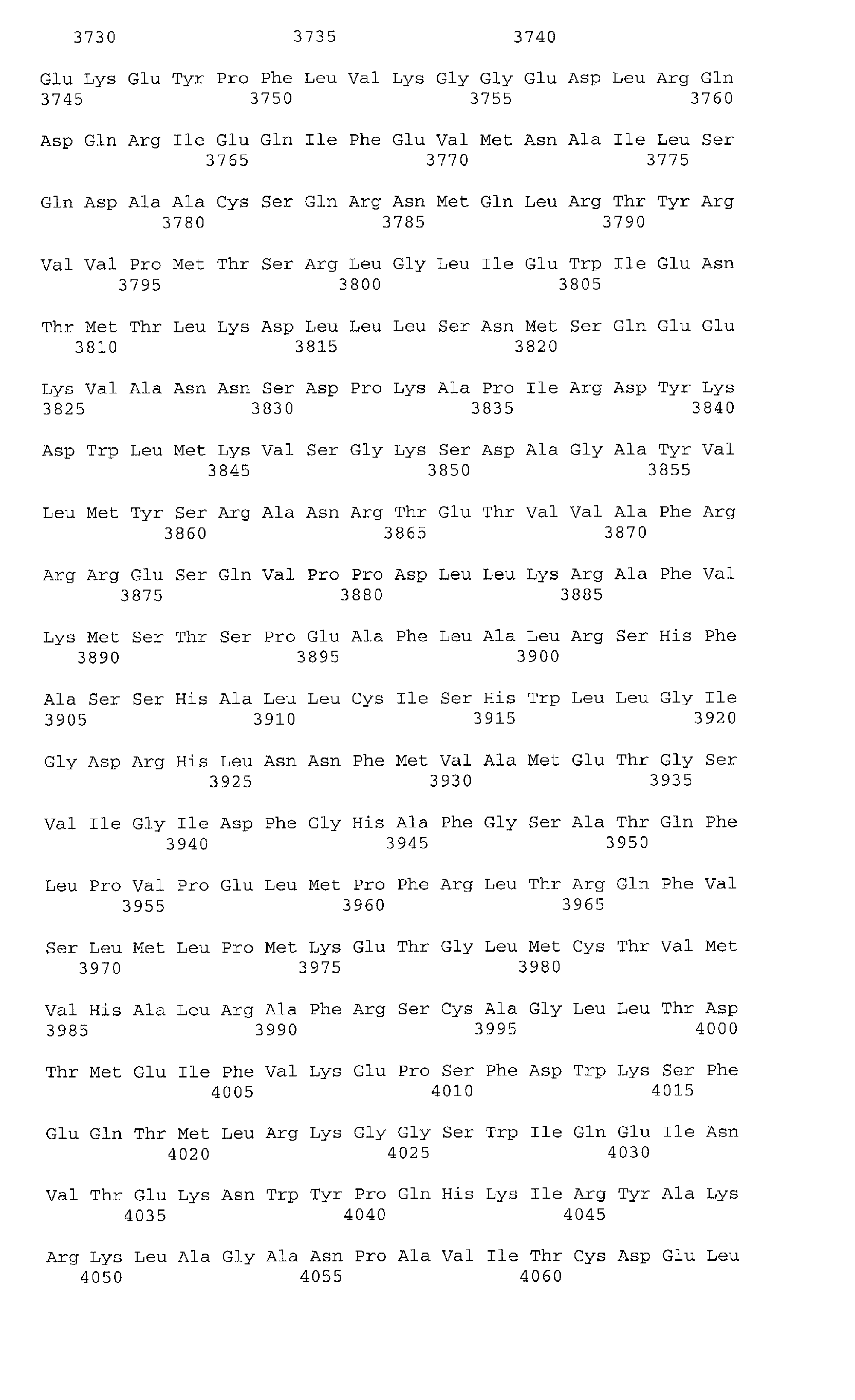
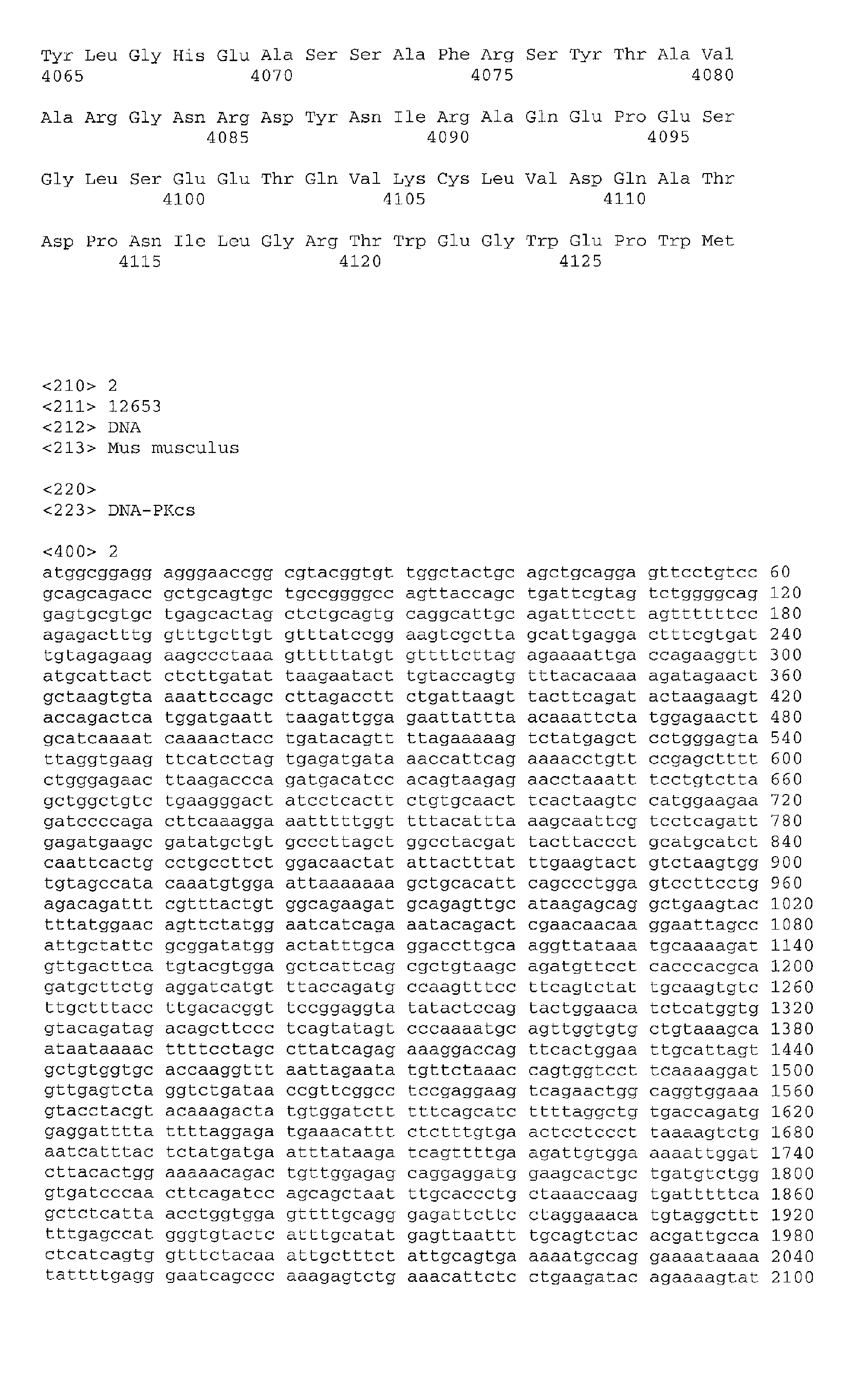
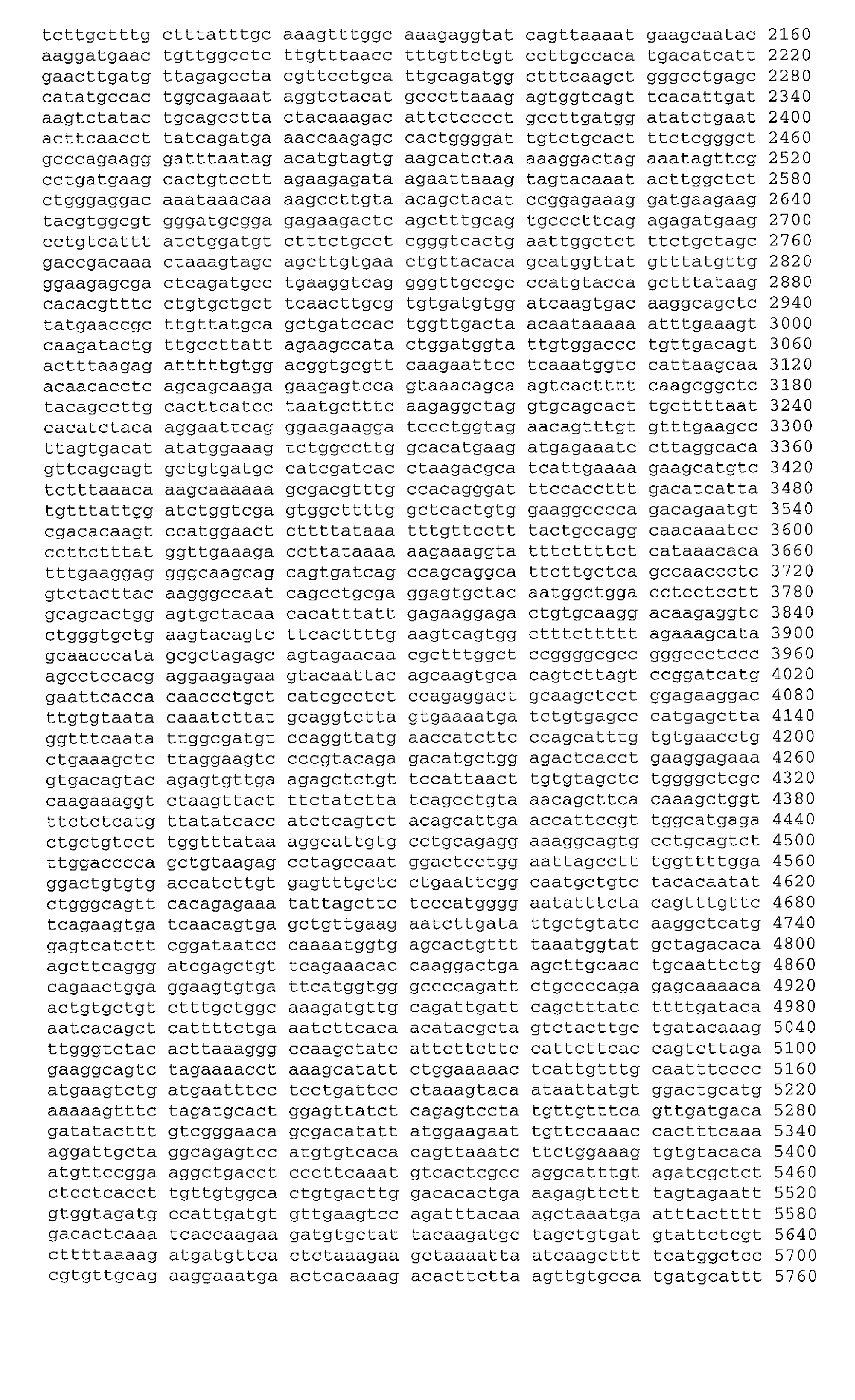
| Putative DNA dependent protein kinase catalytic subunit (Ref : 1) | D87521 (SEQ ID No's 1 - 2) | Recombination and DNA repair | Ser/Thr kinase | ||
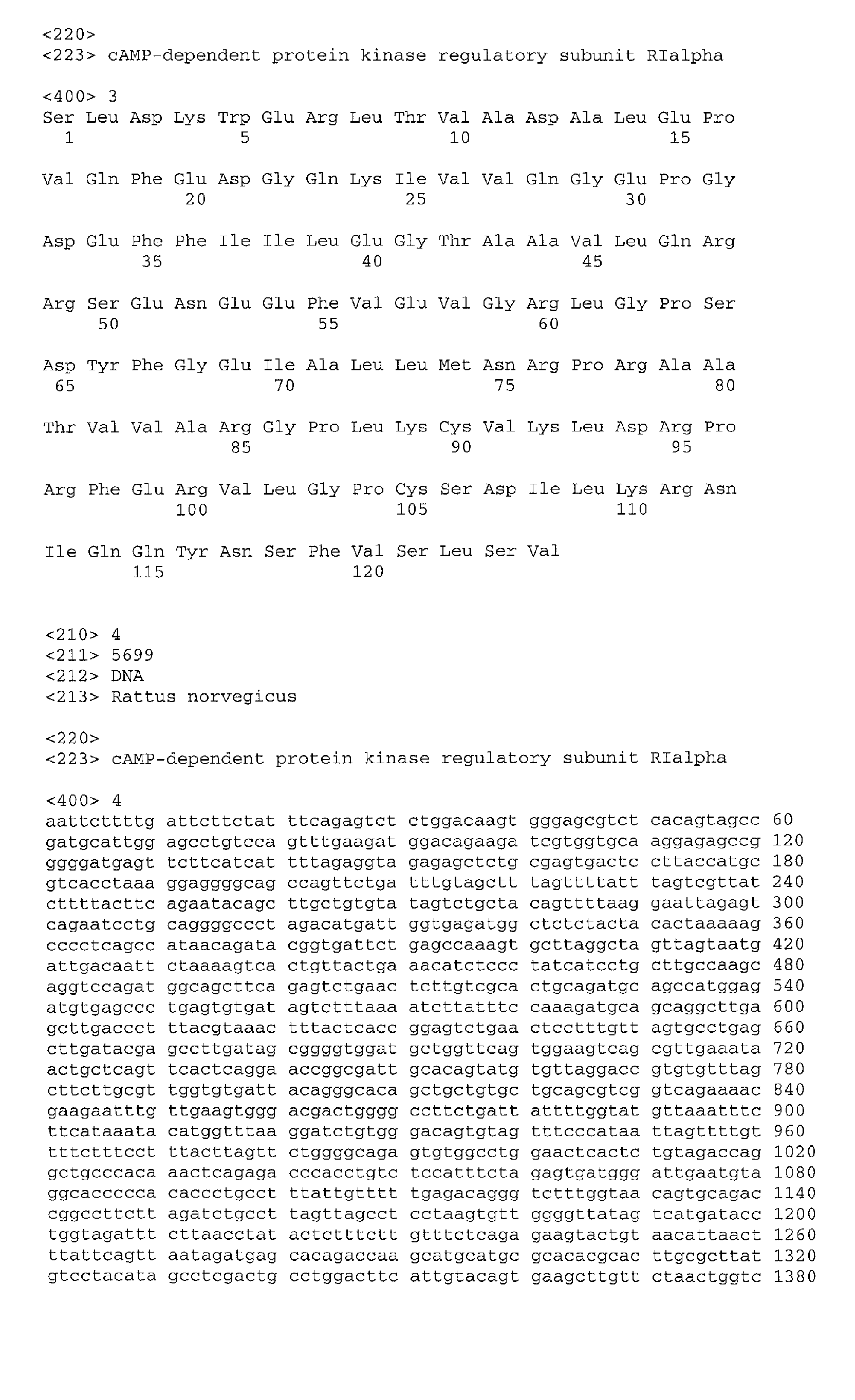
| Putative cAMP dependent protein kinase regulatory subunit RI alpha * (Ref : 2) | AJ278429 (SEQ ID No's 3 - 4) | Regulatory subunit | Kinase | ||
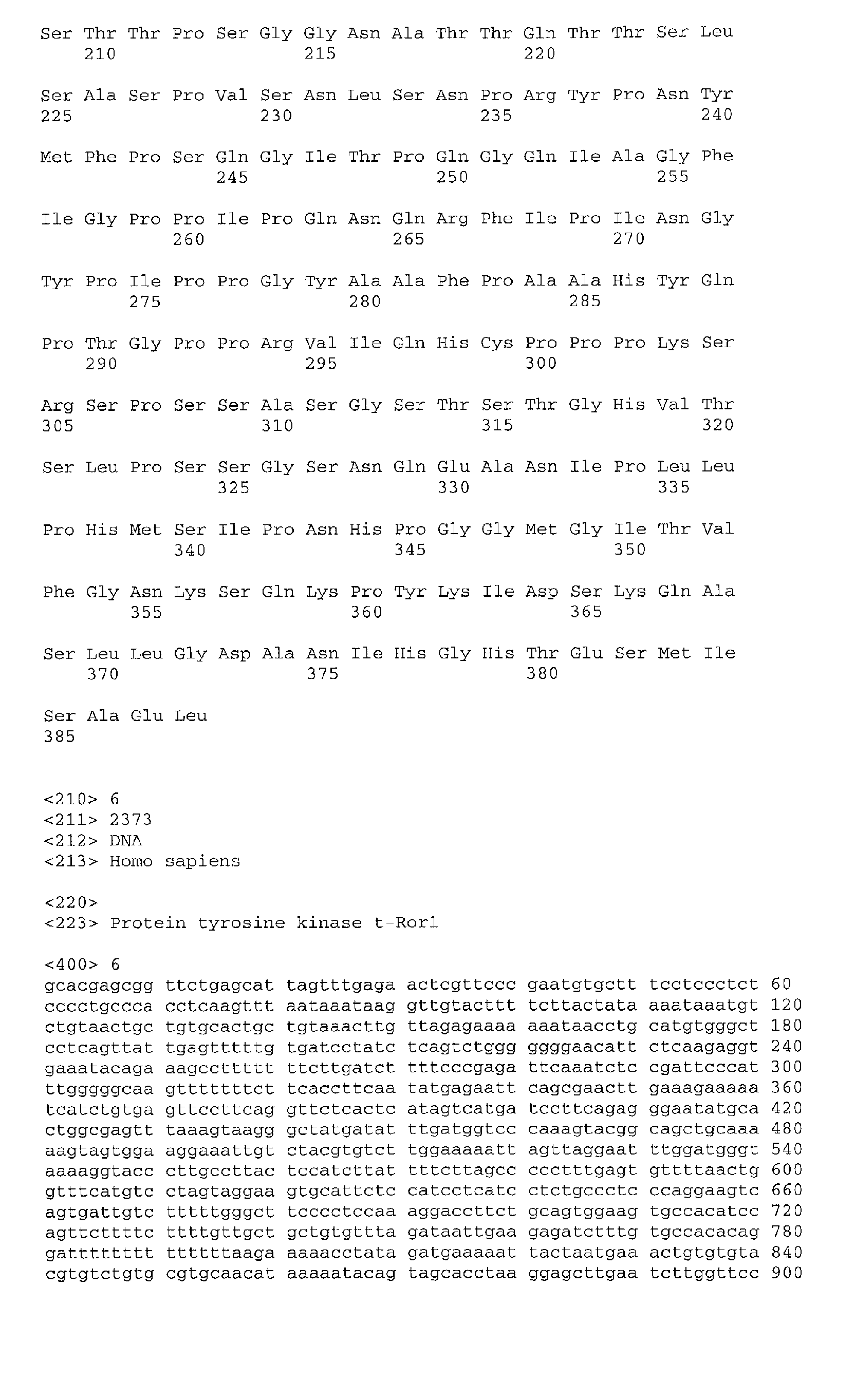
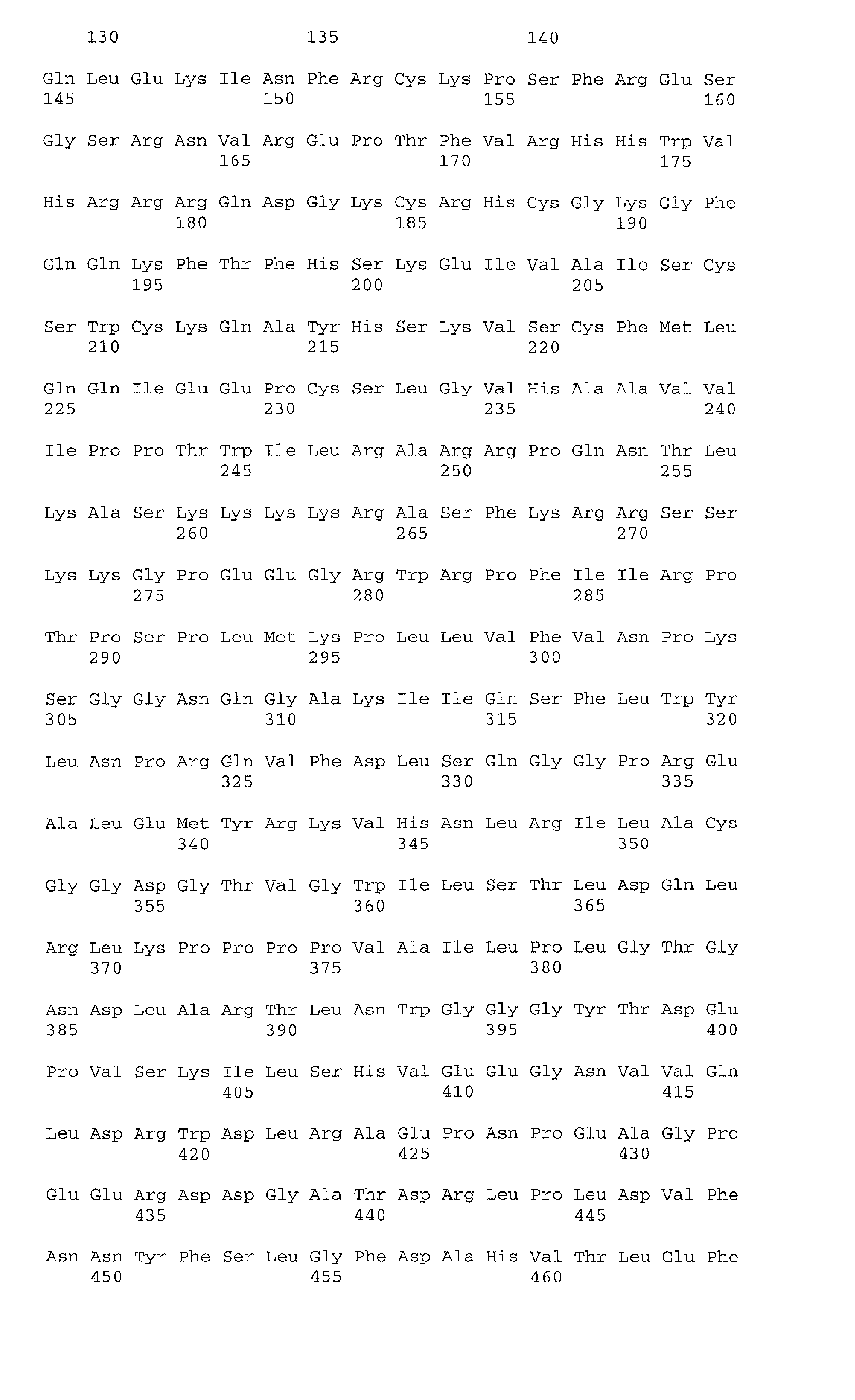
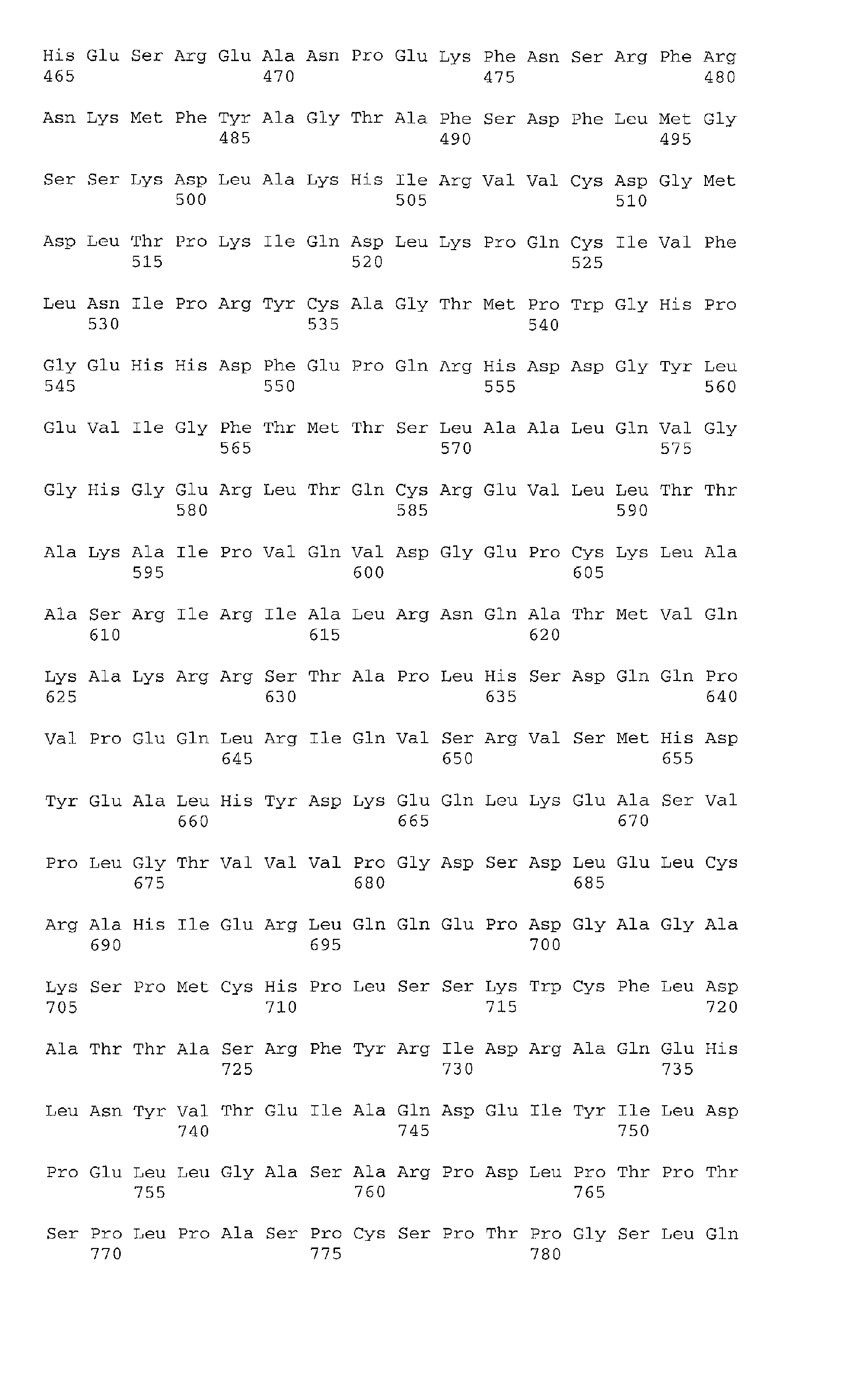
| Putative protein tyrosine kinase t-Ror1 (Ref : 3) | U38894 (SEQ ID NO's 5 - 6) | N/A | receptor tyrosine kinase | ||
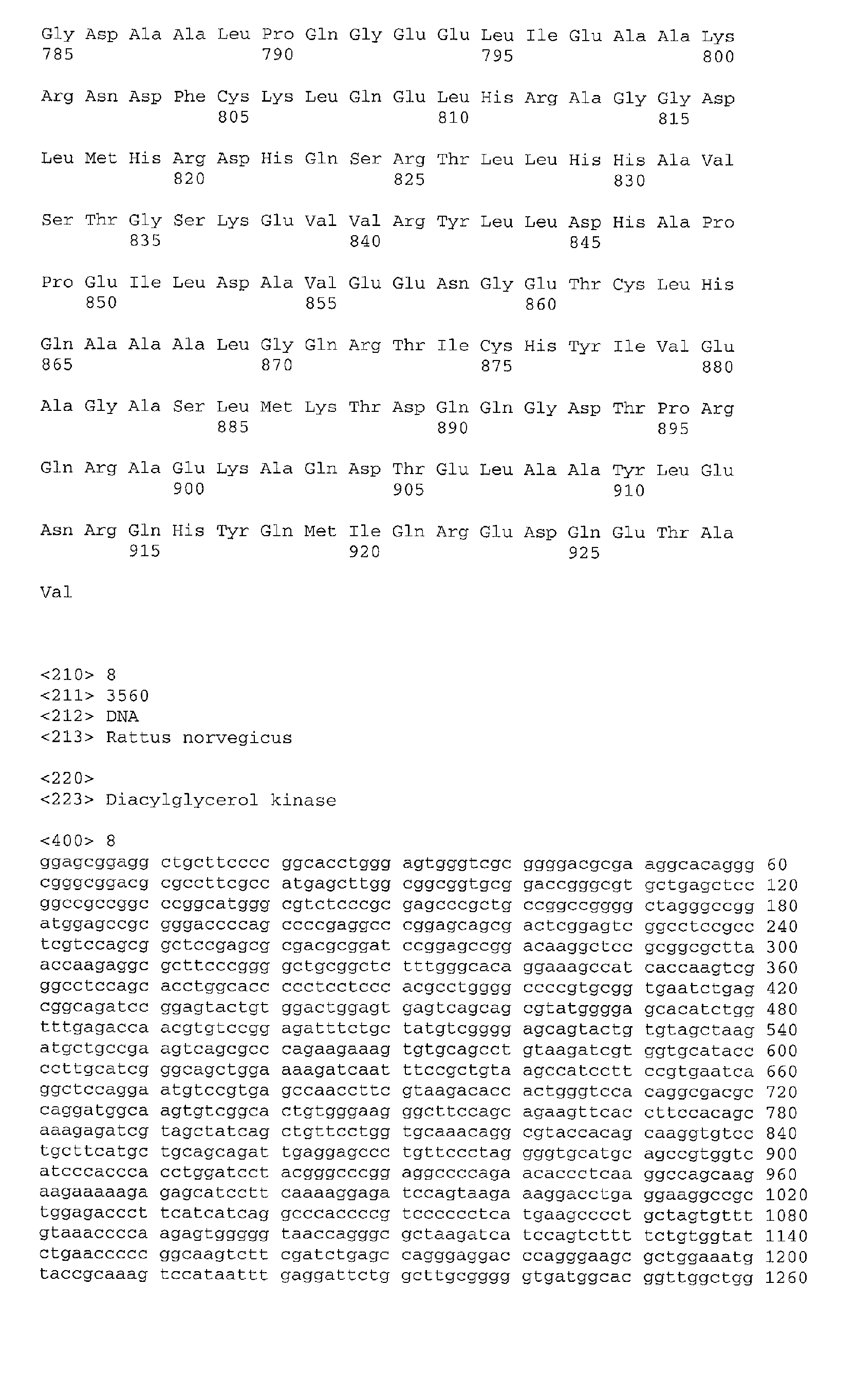
| Diacylglycerol kinase (DGK-IV) * (Ref : 4) | D78588 (SEQ ID No's 7 - 8) | U51477 | Diacyl glycerol activity | kinase | |
| Elk protein tyrosine kinase * (Ref:5) | X13411 (SEQ ID No's 9-10) | N/A | receptor tyrosine kinase |
| Sequences whose expression products are phosphatases | |||||
| Expression product or name (Ref) | Rat accession number | Mouse accession number | Human Accession Number | Reaction | Assay |
| PP-1 alpha for catalytic subunit of protein phosphatase type 1 alpha (Ref: 6) | D00859 (SEQ ID NO's 11-12) | U25809 | X70848 | Ser/Thr phosphatase | Phosphatase |
| Protein tyrosine phosphatase, striatum enriched (Ref : 7) | S49400 (SEQ ID No's 13-14) | U28216 | U27831 | Cell signalling | Non-receptor Tyr |
| Sequences whose expression products are ion channel proteins | ||||
| EXPRESSION PRODUCT (Refs) | RAT ACCESSION NUMBER | MOUSE ACCESSION NUMBER | HUMAN ACCESSION NUMBER | REACTION |
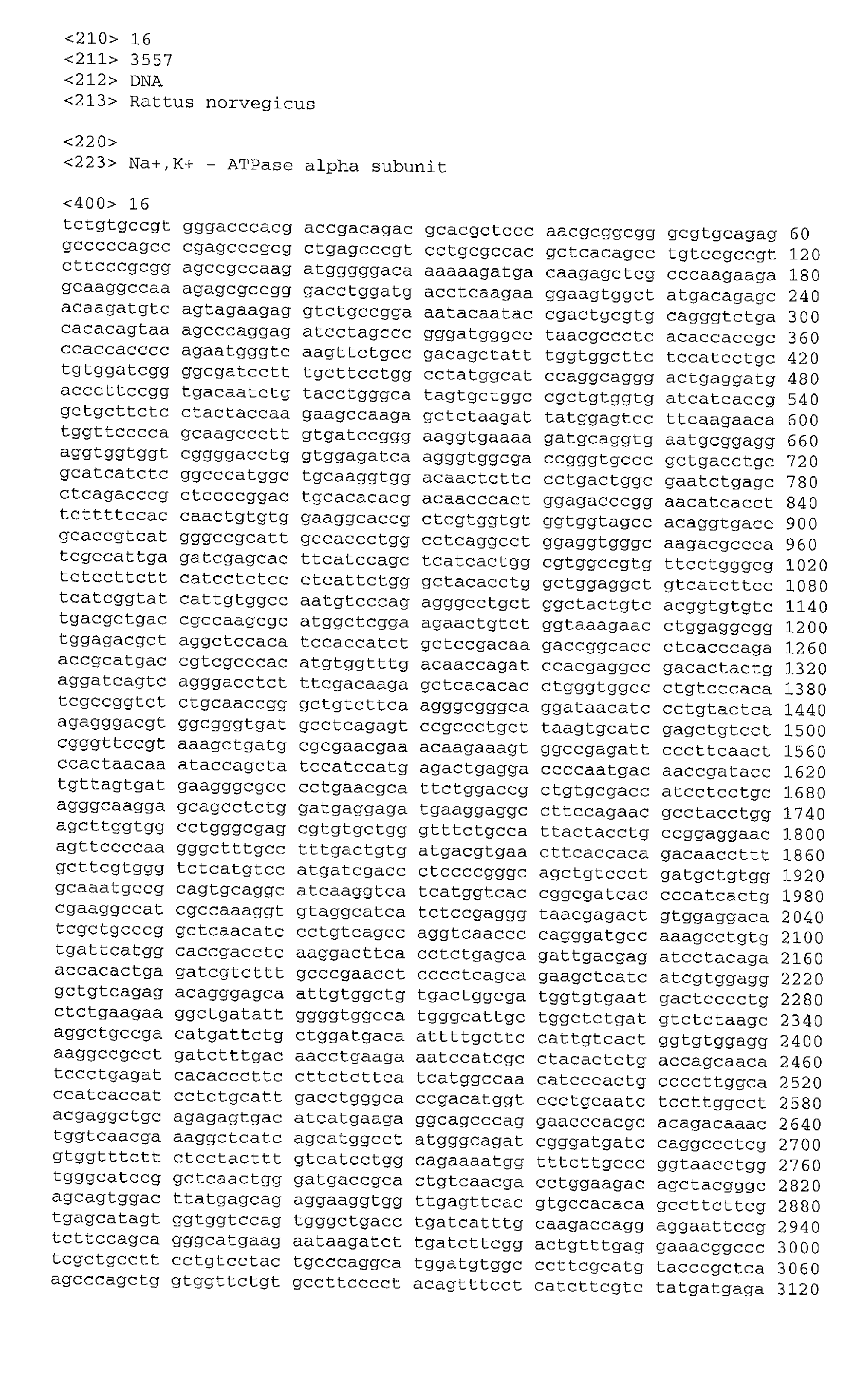
| Na+, K+-ATPase alpha-subunit (Ref: 8) | D00189 (SEQ ID No's 15-16) | Membrane potential | ||
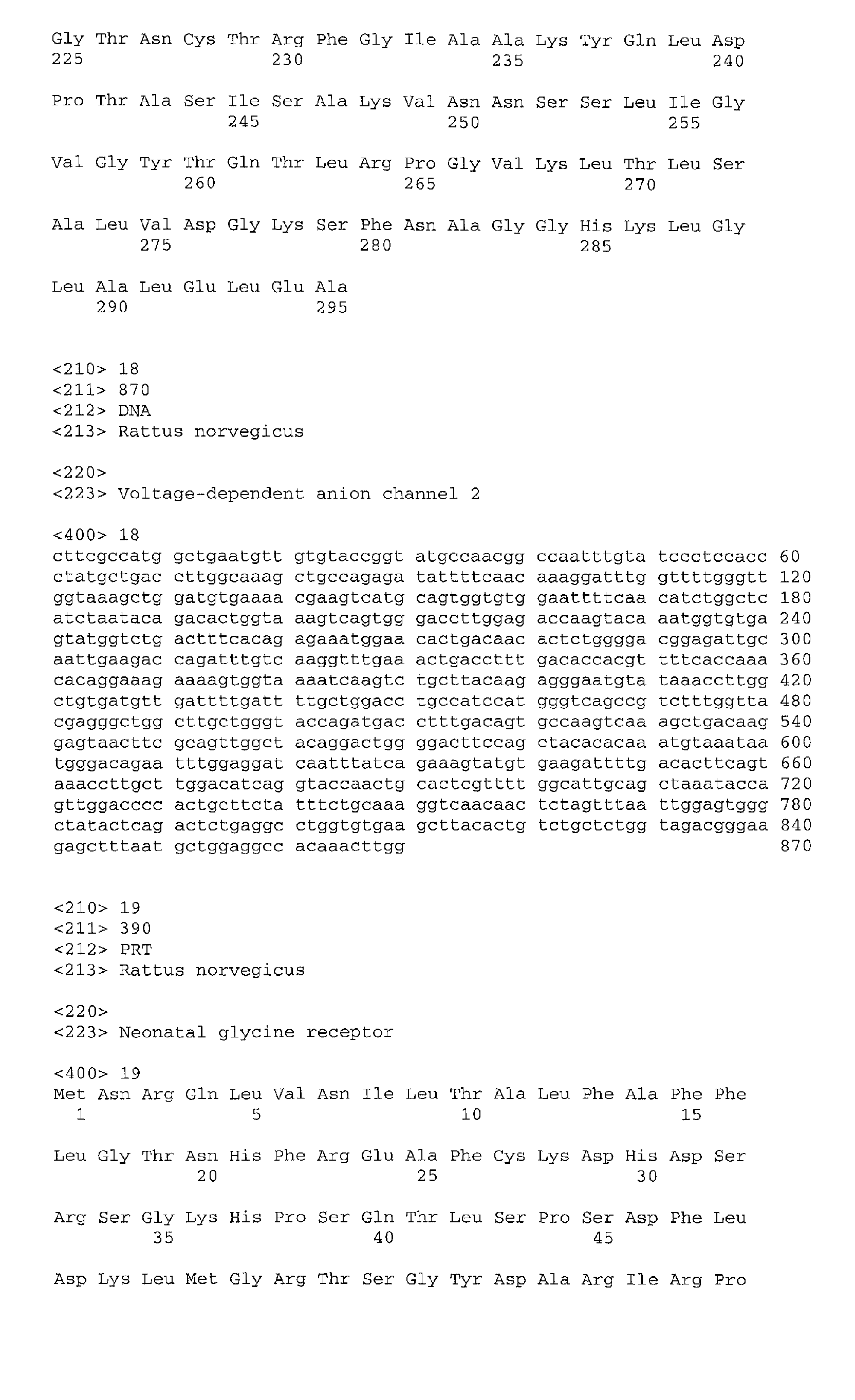
| Voltage dependent anion channel 2 * (Ref : N/A) | AF268468 (SEQ ID No's 17-18) | U30838 | L06328 | N/A |
| Sequences whose expression products are receptors | |||||
| Expression Product or Name | Rat Accession Number | Mouse accession Number | Human Accession Number | Reaction | Assay |
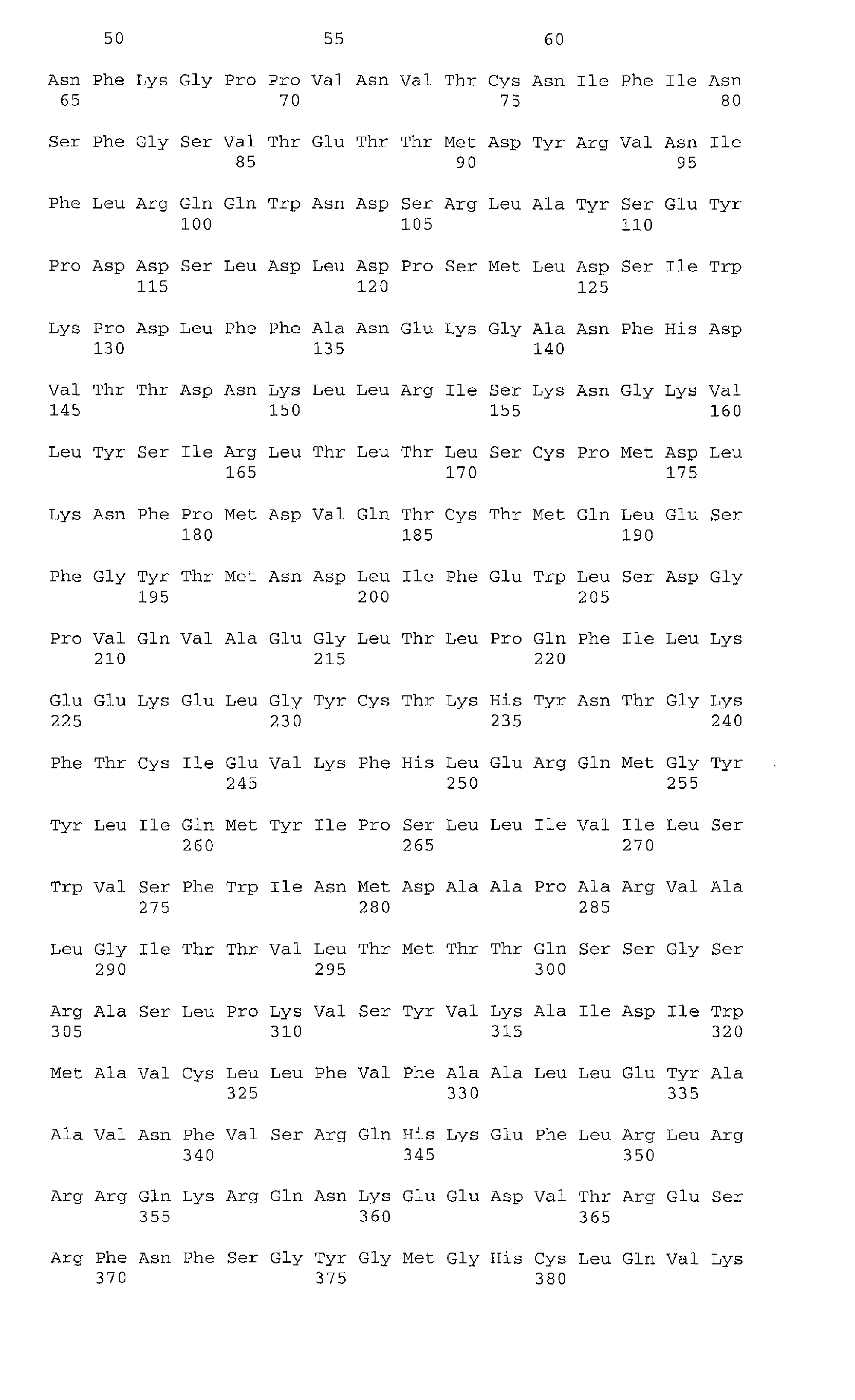
| Neonatal glycine receptor NglyR * (Ref : 9) | X57281 (SEQ ID No's 19-20) | Glycine gated Cl channels in Xenopus oocyte | N/A | ||
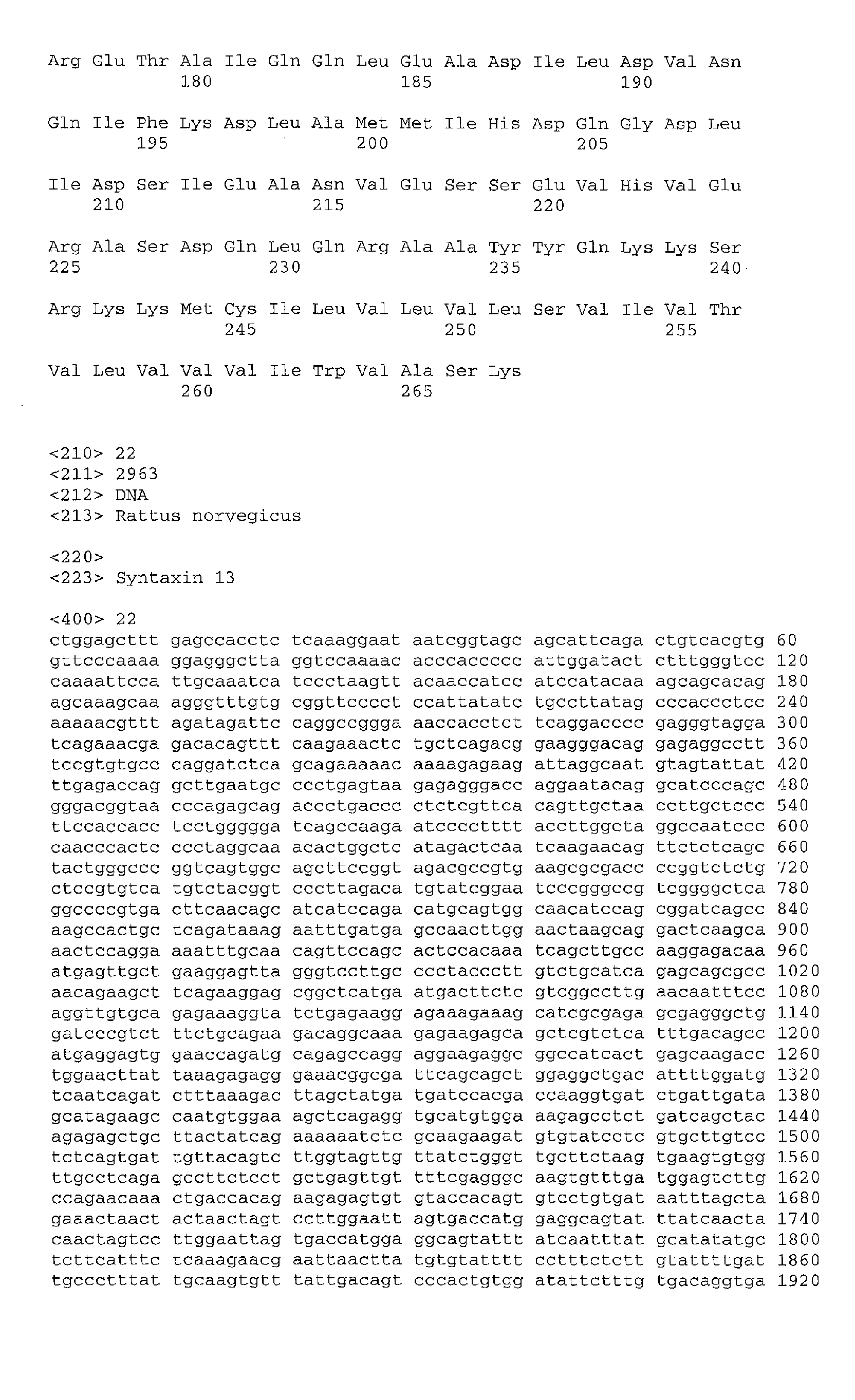
| Syntaxin 13 * (Ref:10) | AF044581 (SEQ ID NO's 21 -22) | Neurite outgrowth and endosomal trafficking | SNARE |
| Sequences whose expression products are transporters | |||||
| Expression Product or Name | Rat Accession Number | Mouse Accession Number | Human Accession Number | Reaction | Assay |
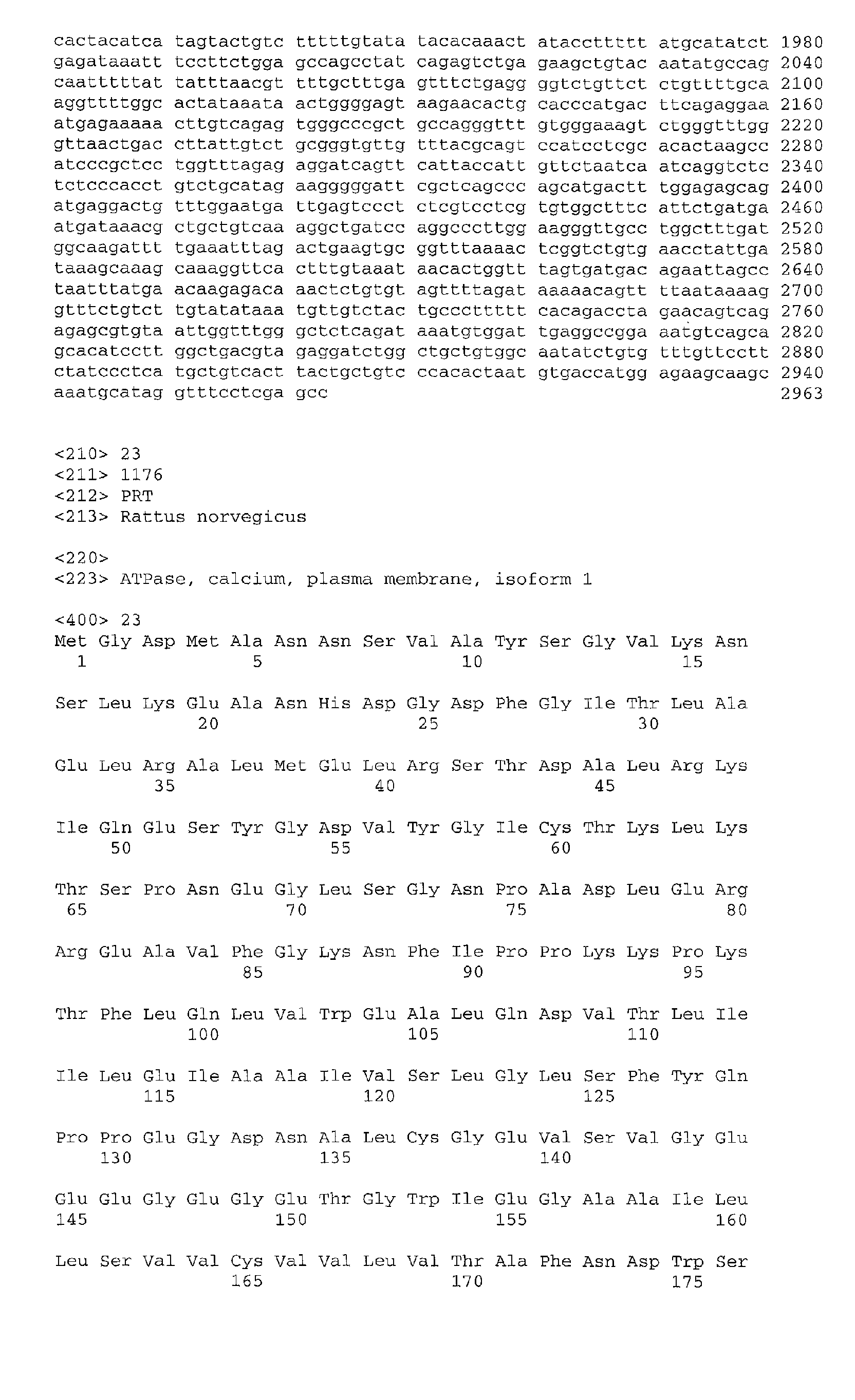
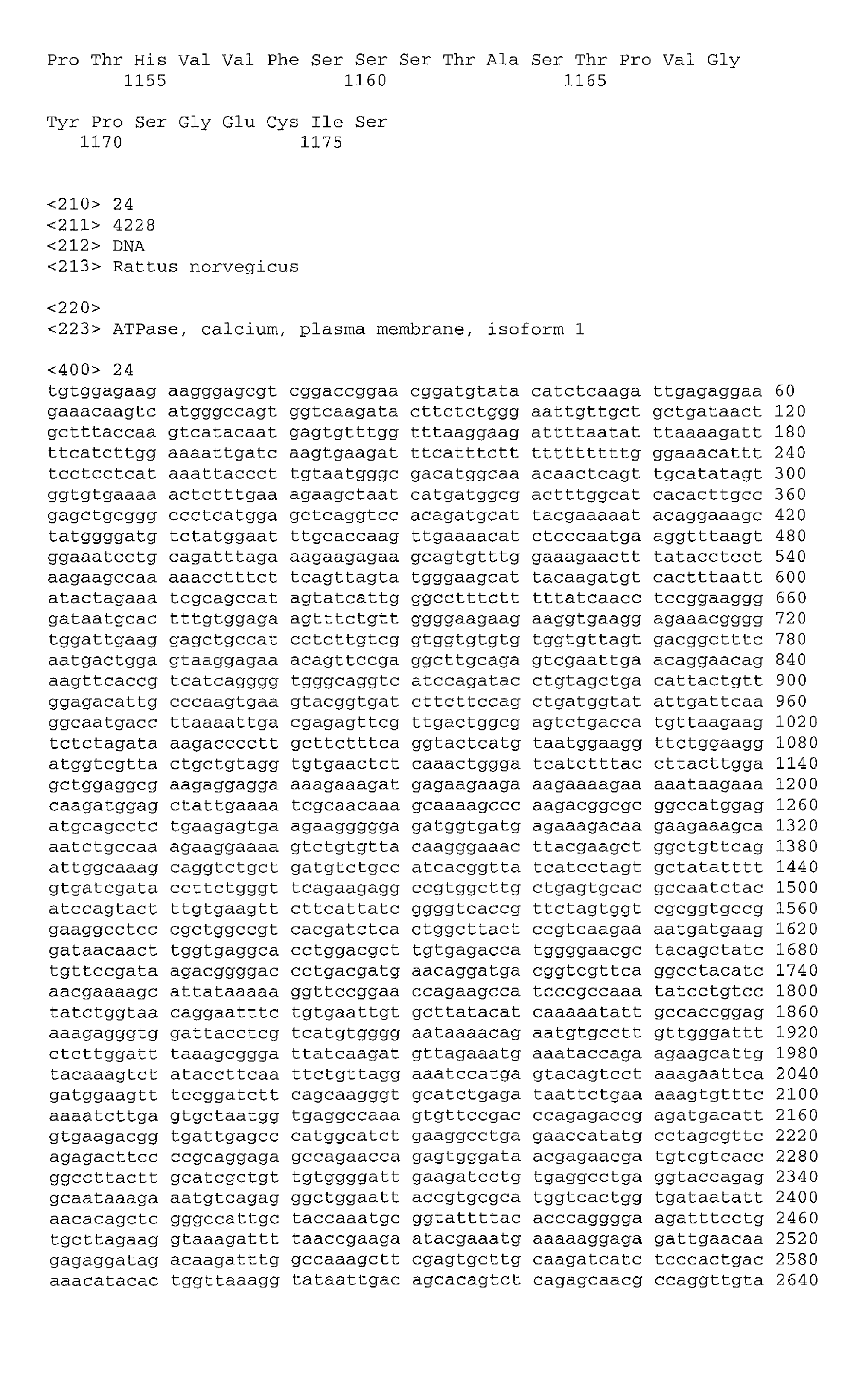
| ATPase, calcium, plasma membrane, isoform 1 (Ref: 11) | J03753 (SEQ ID No's 23-24) | Calcium transport across plasma membrane | Calcium | ||
| Calcium transporter CaT2 (Ref:12) | AF209196 (SEQ ID No's 25-26) | Calcium transport across plasma membrane | Calcium | ||
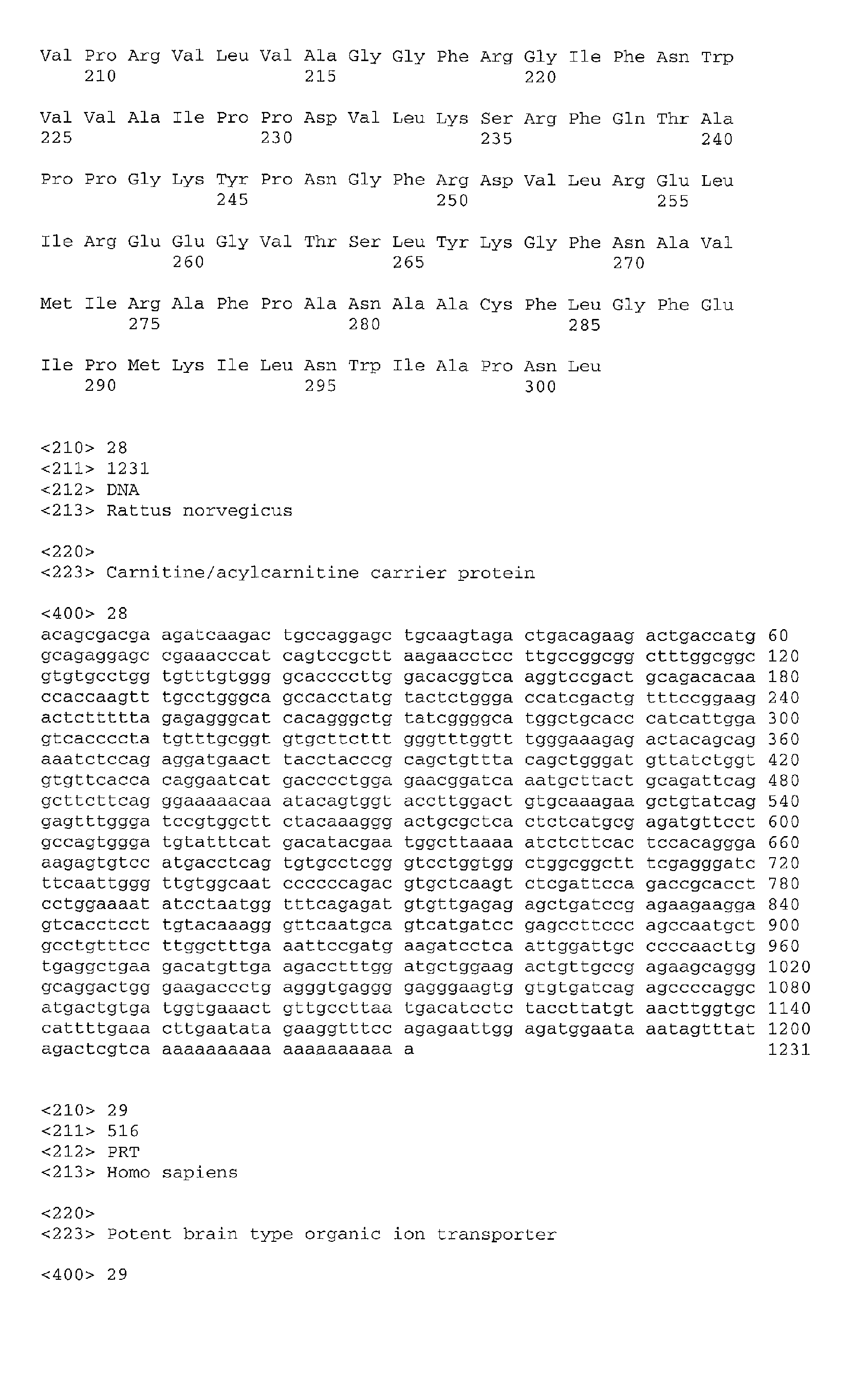
| Carnitine/acyl carnitine carrier protein (Ref : 13) | X97831 (SEQ ID No's 27-28) | Fatty acid metabolism | N/A | ||
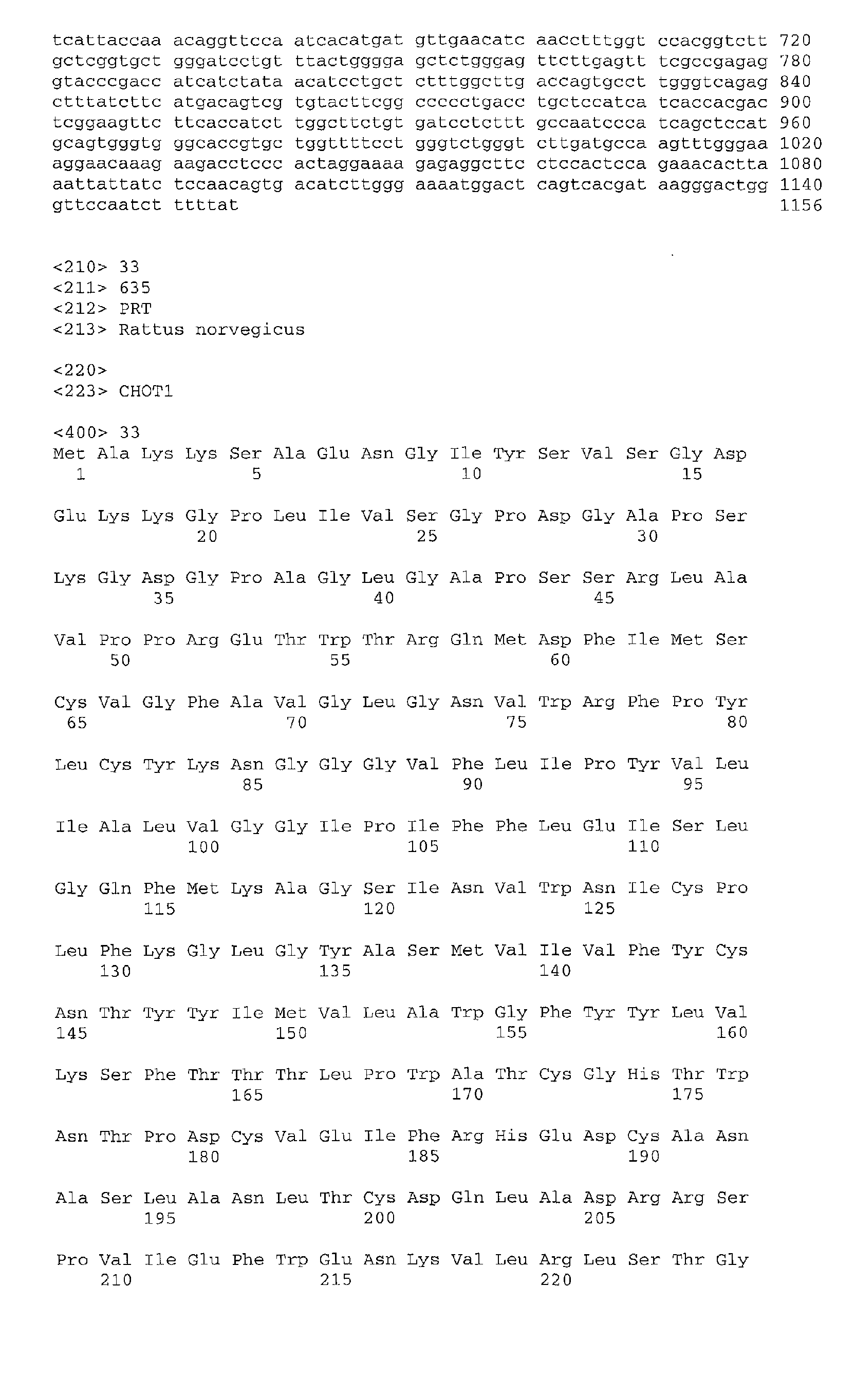
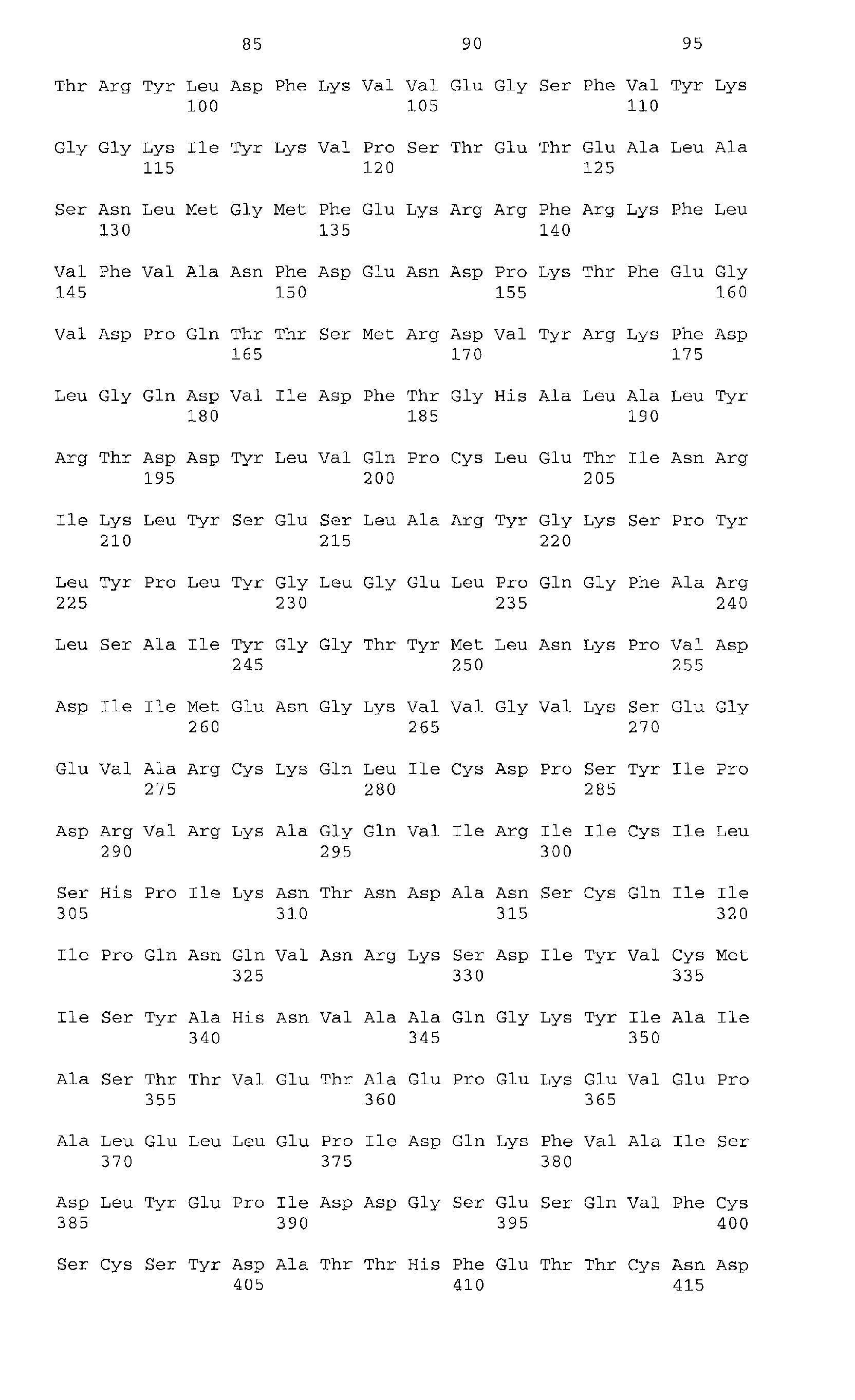
| Putative potent brain type organic ion transporter (Ref : N/A) | AB012808 | AB040056 (SEQ ID No's 29-30) | Transmembrane transport | Transporter | |
| UDP-galactose transporter (Ref: 14) | D87991 (SEQ ID No's 31-32) | Nucleotidesugar transporter | transporter | ||
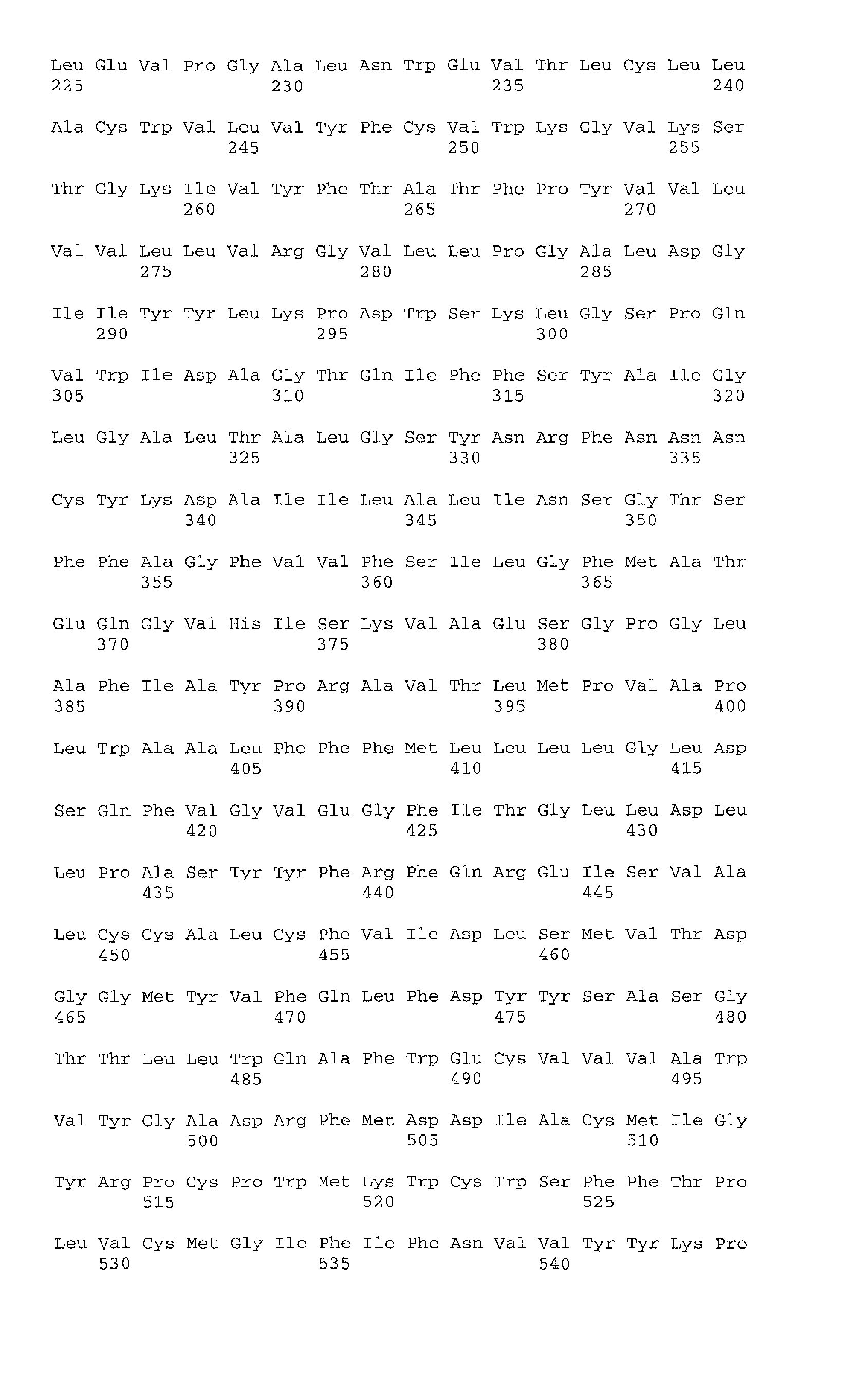
| Choline transporter CHOT1 ** (Ref:15) | X66494 (SEQ ID No's 33-34) | Neurotransmitter release | Choline |
| Sequences whose expression products are G-protein coupled receptor proteins | |||||
| Expression product or Name | Rat Accession Number | Mouse Accession Number | Human Accession Number | Reaction | Assay |
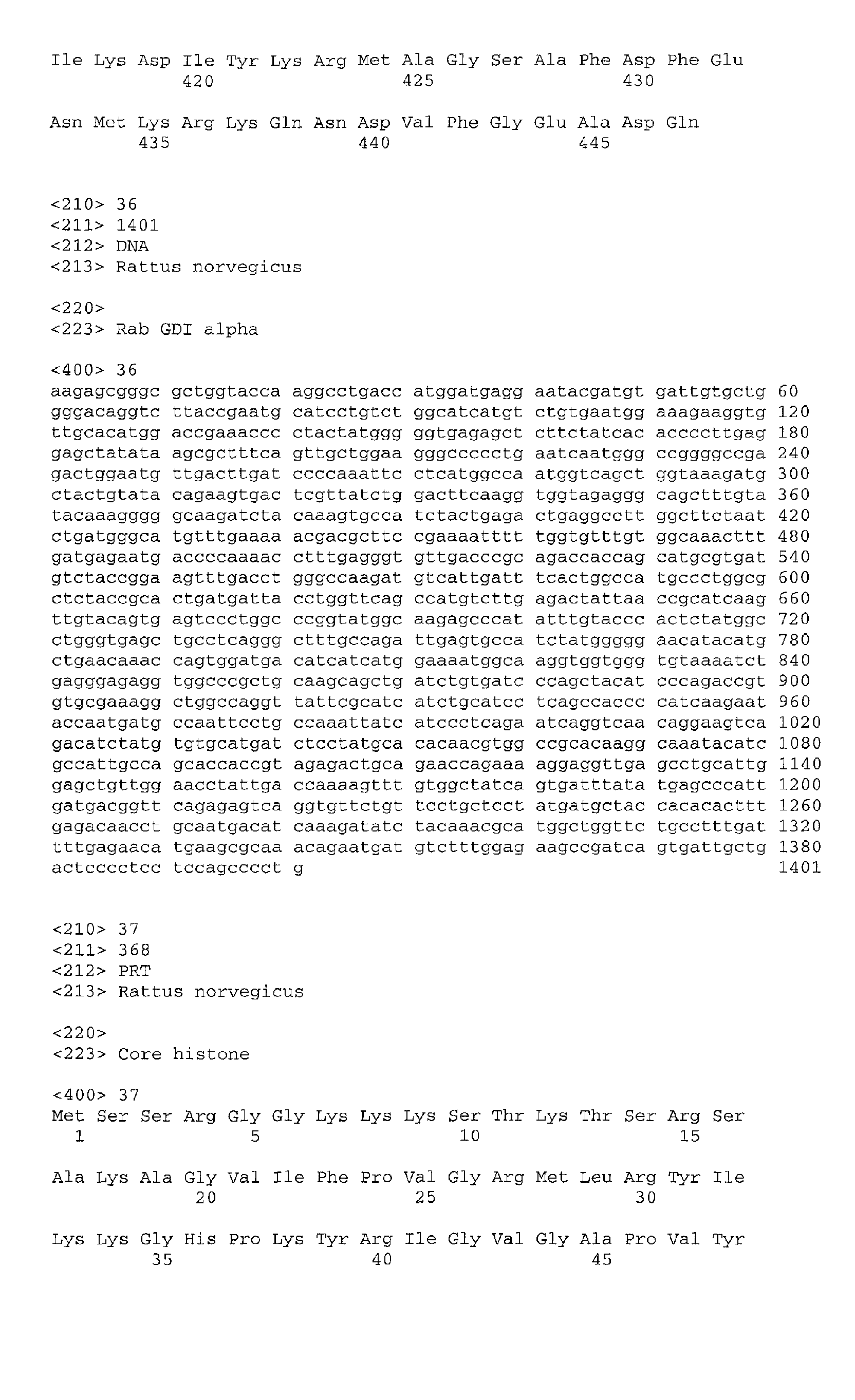
| Rab GDI, alpha species, ras related GTPase (Ref : 16) | X74402 (SEQ ID NO's 35-36) | G-protein | N/A |
| Sequences whose expression products are DNA-binding proteins | |||||
| Expression Product or Name | Rat Accession Number | Mouse Accession Number | Human Accession Number | Reaction | Assay |
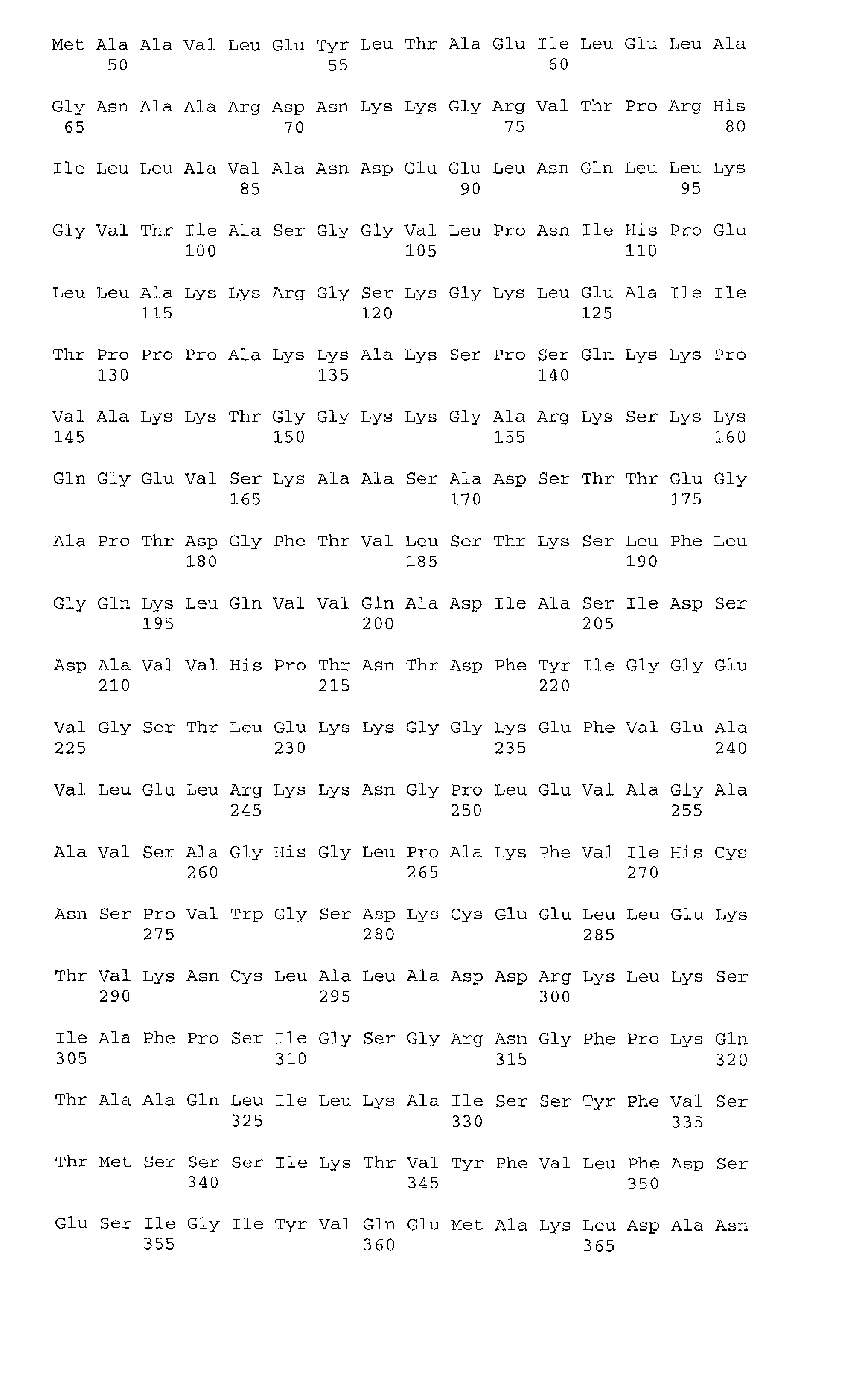
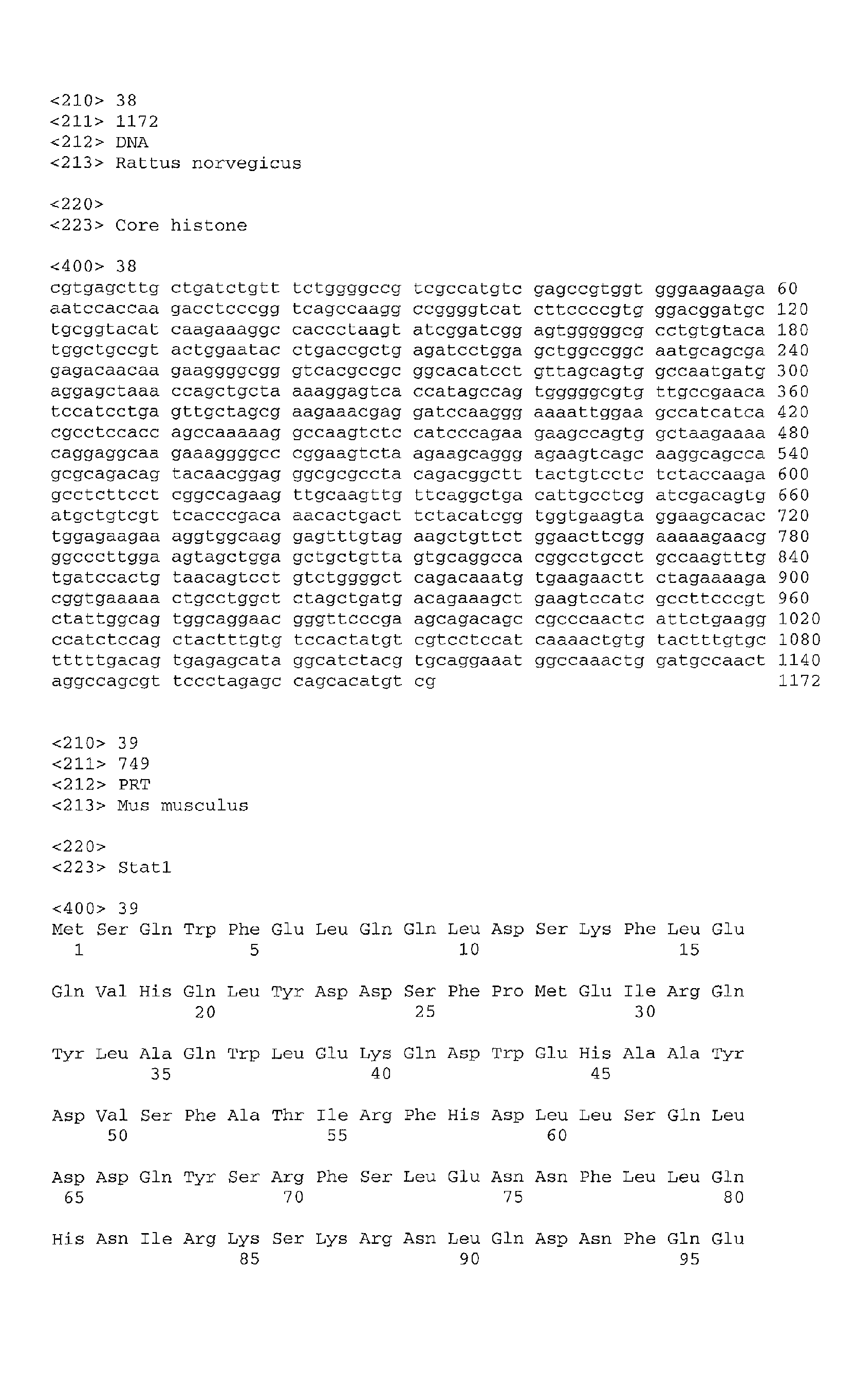
| Histone, core, H2A.1 (Ref: 17) | M99065 (SEQ ID No's 37-38) | DNA binding | DNA binding | ||
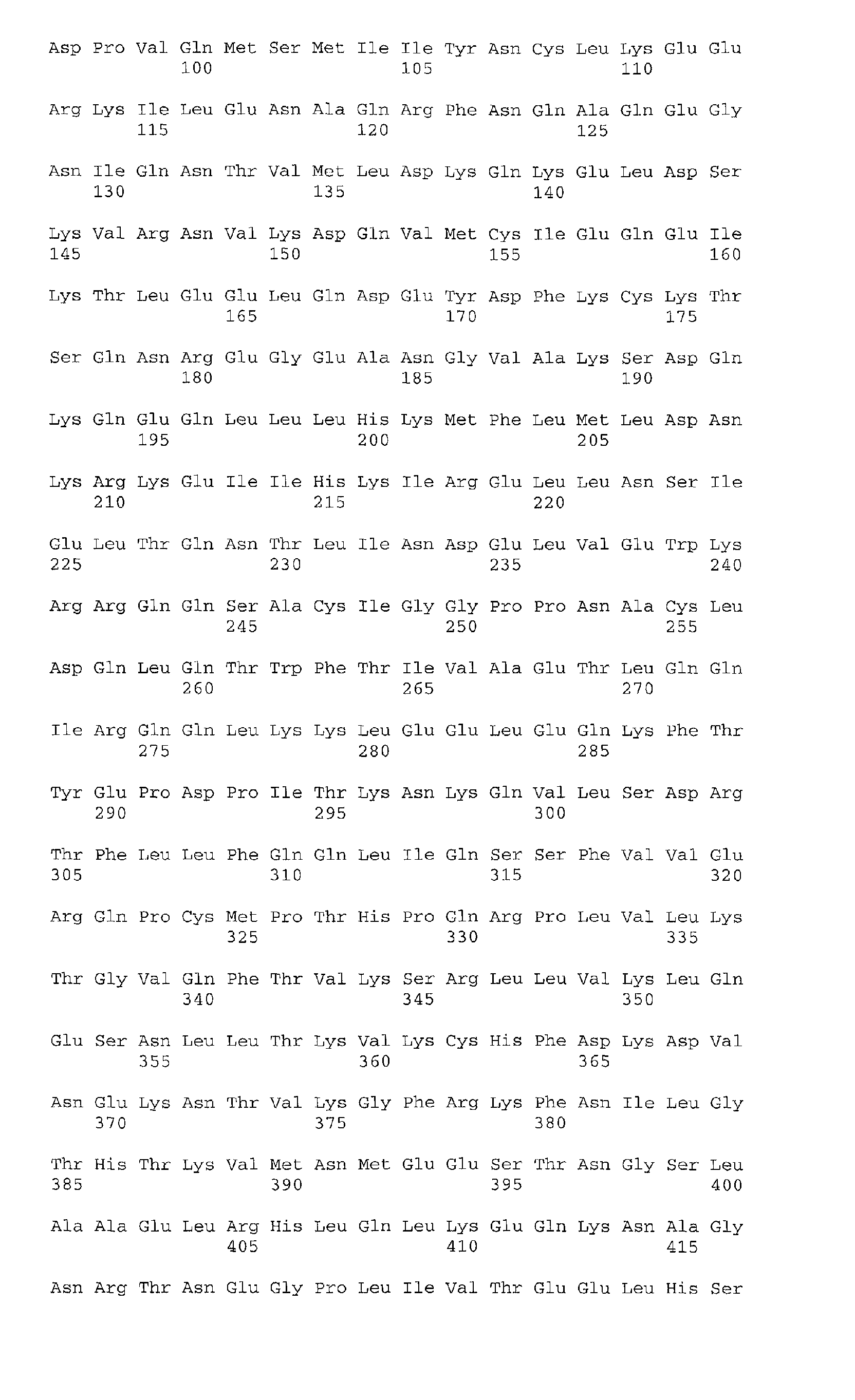
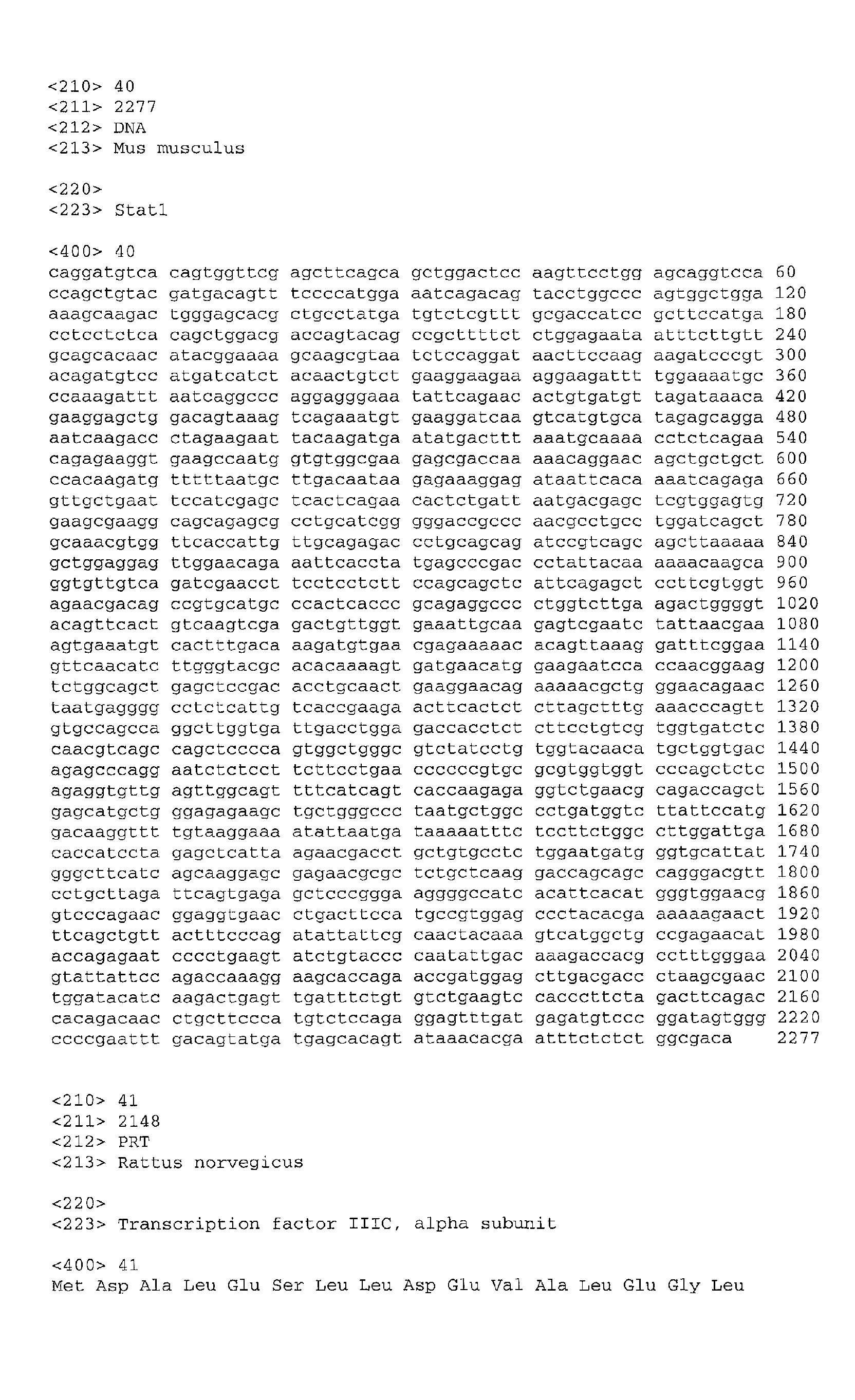
| Putative signal transducer and regulator transcription 1 (Stat1) (Ref: 18) | U06924 (SEQ ID No's 39-40) | Transcription factor | DNA binding | ||
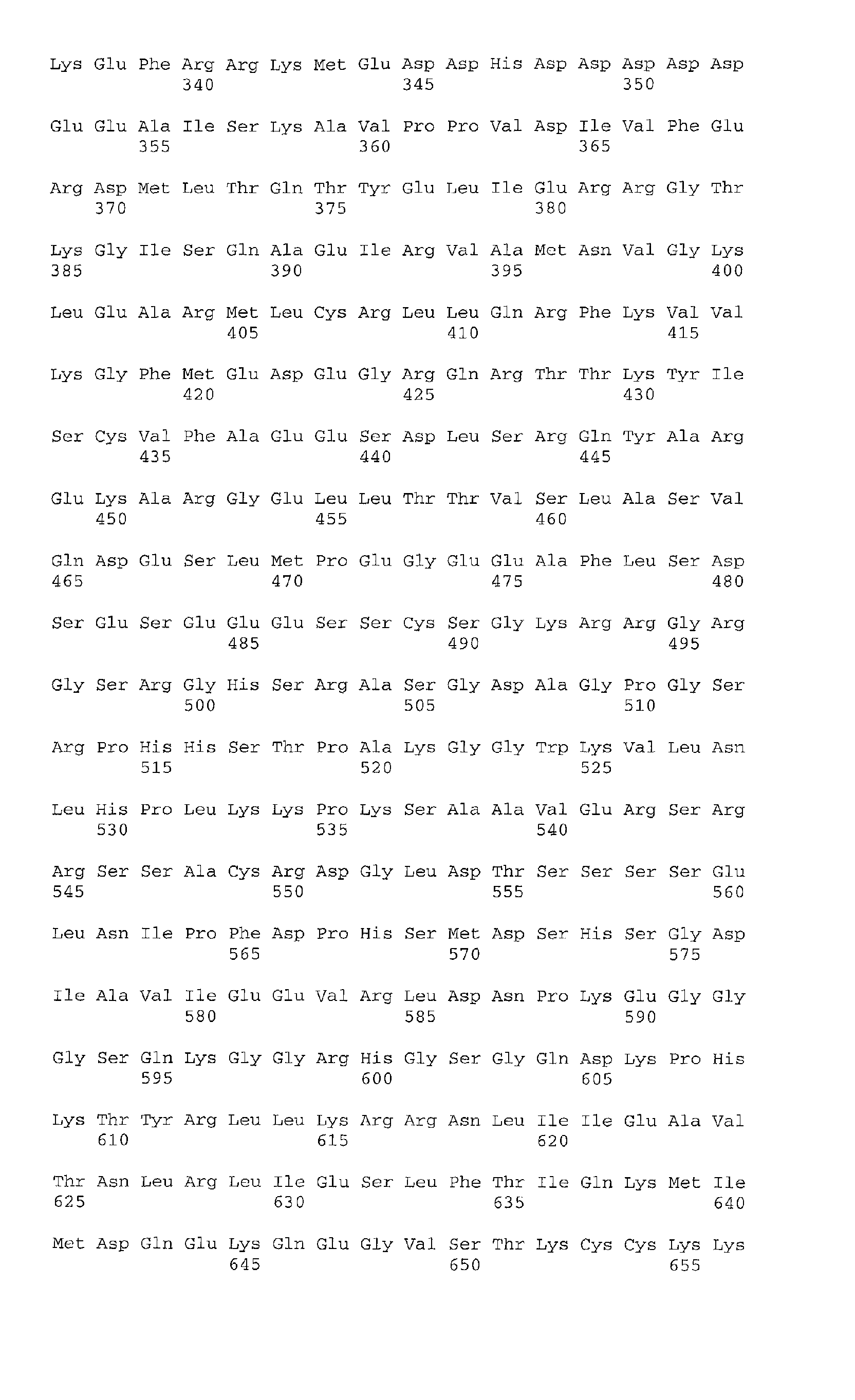
| Transcription factor IIIC, alpha subunit (Ref : 19) | L28801 (SEQ ID No's 41-42) | RNA synthesis | DNA binding |
| Sequences whose expression products are proteases | |||||
| Expression Product or Name | Rat Accession Number | Mouse Accession Number | Human Accession Number | Reaction | Assay |
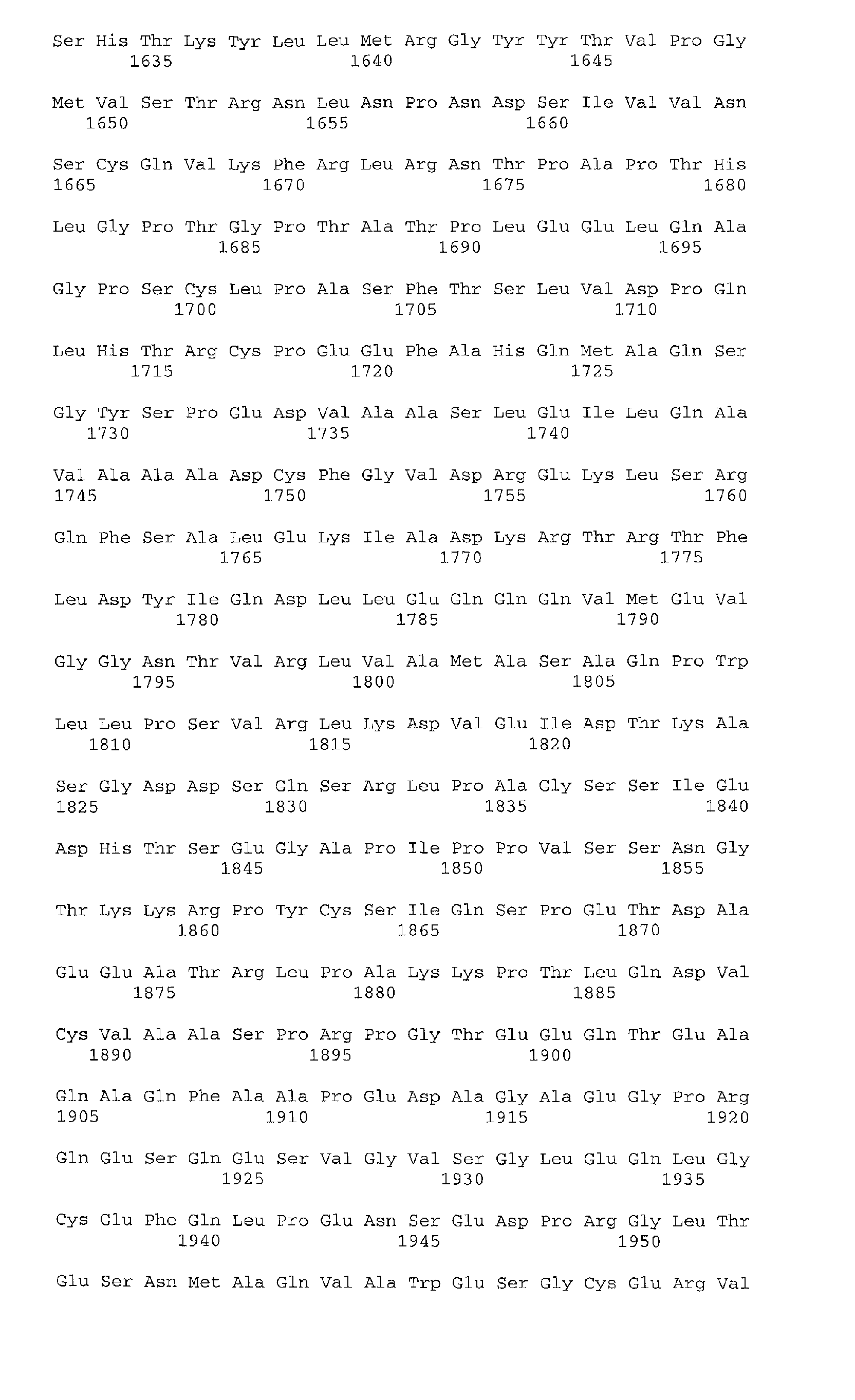
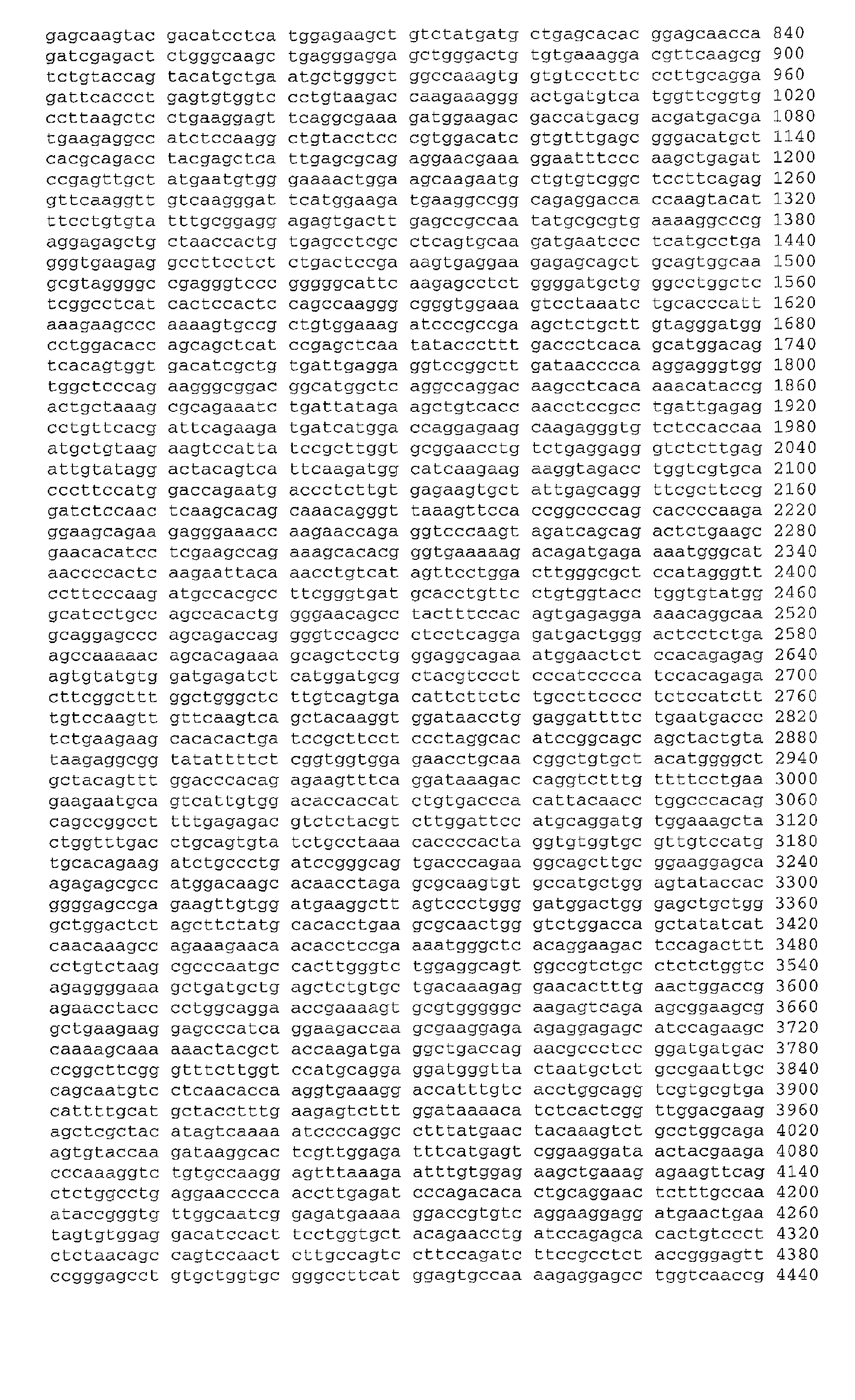
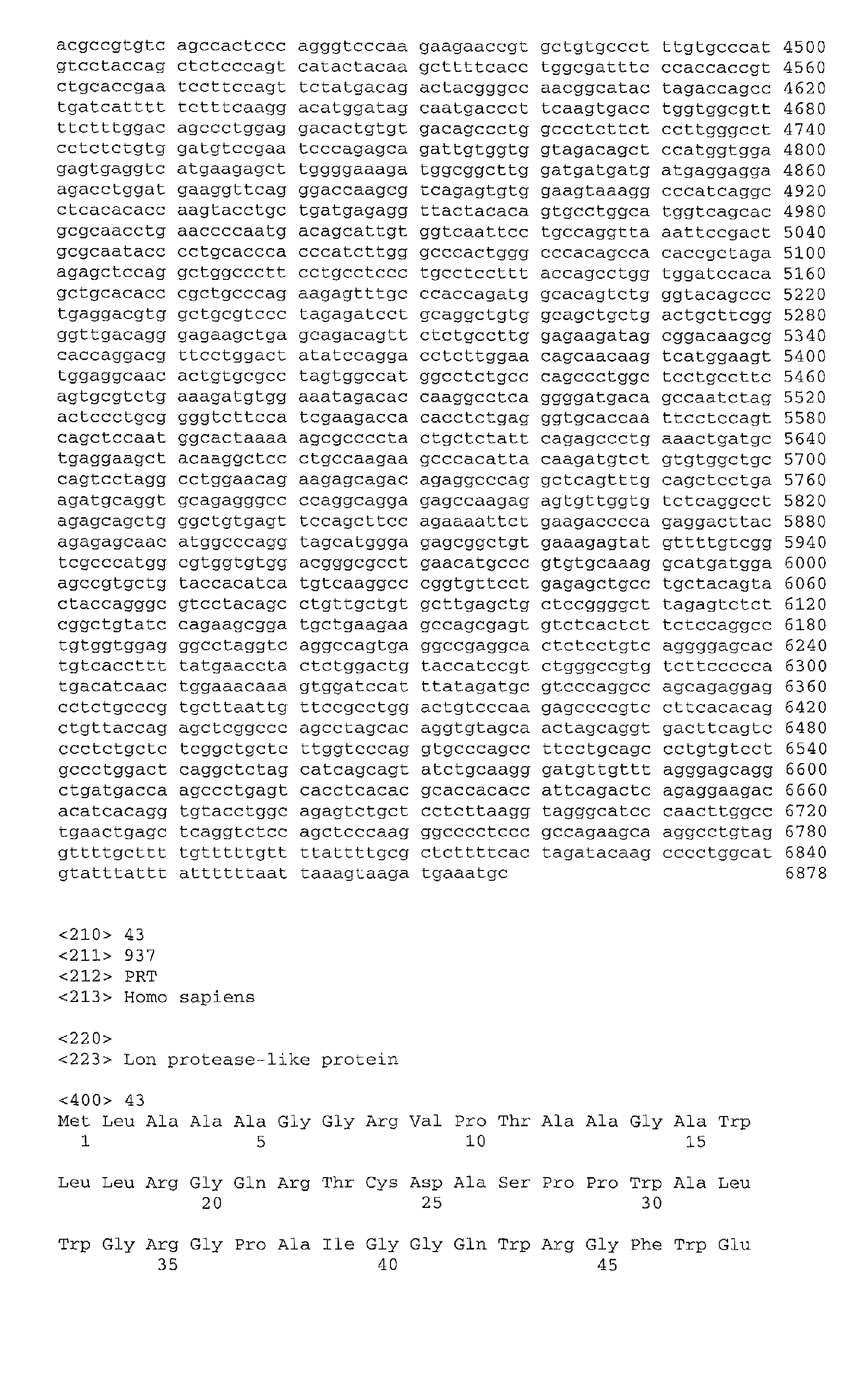
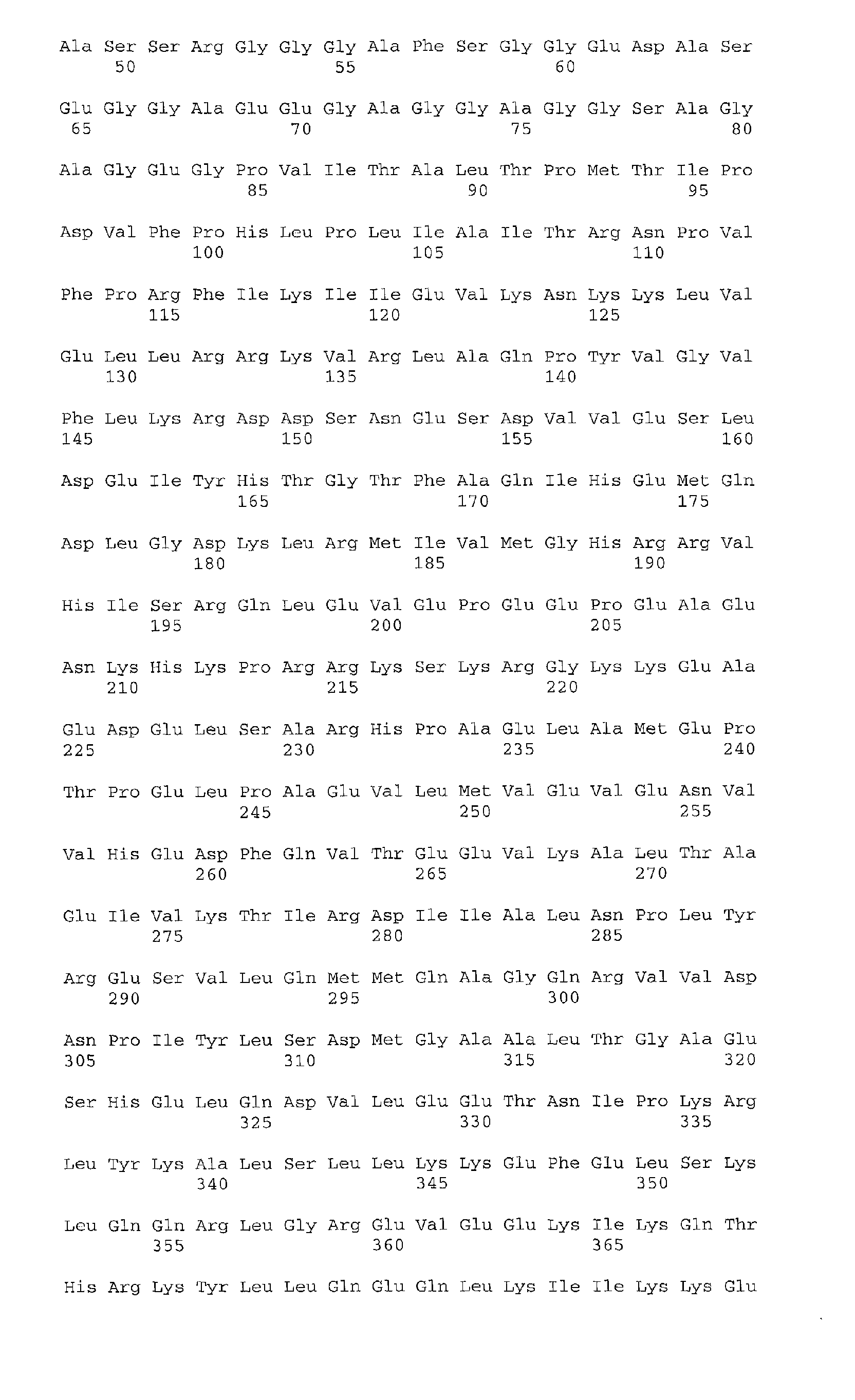
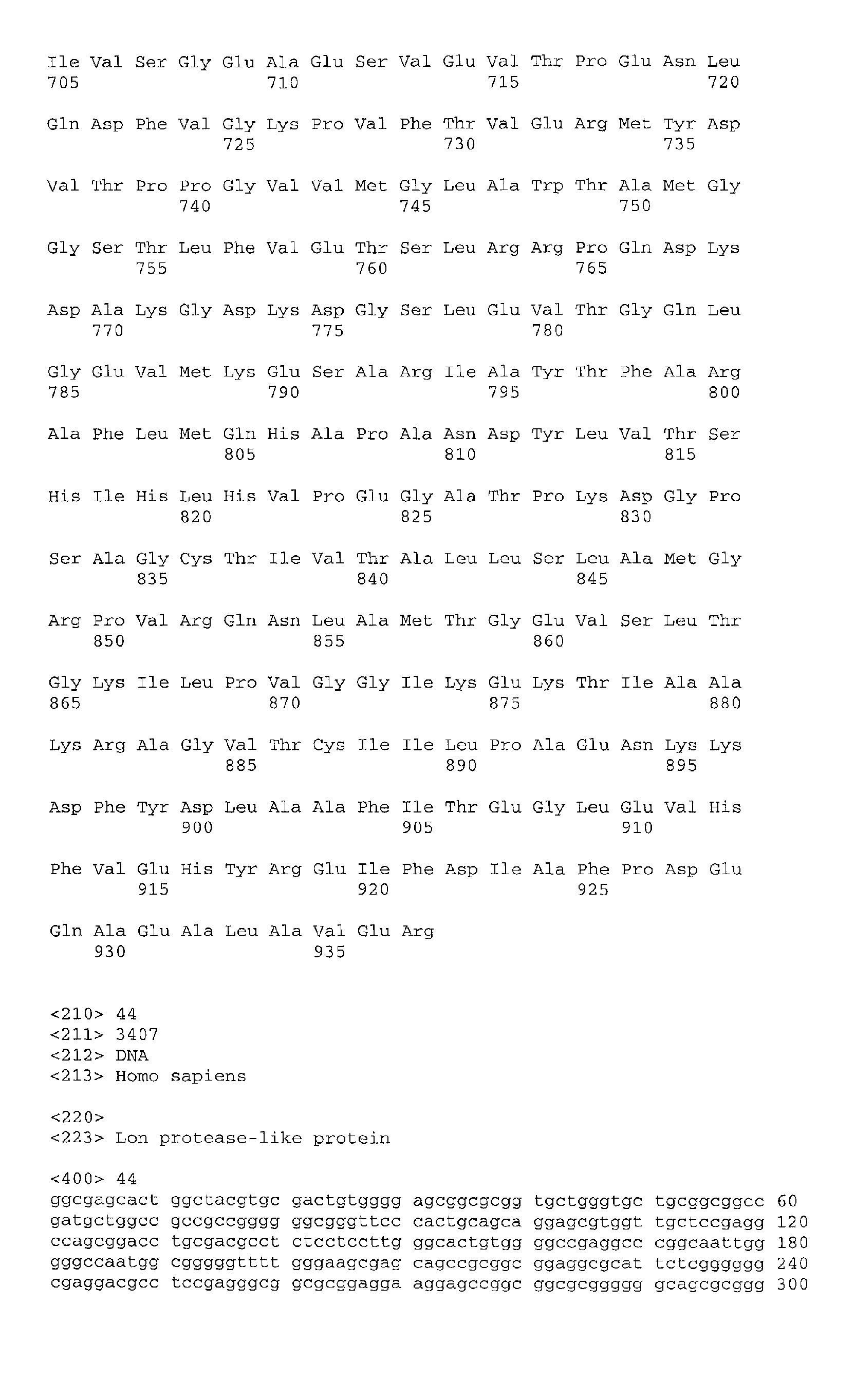
| Putative Lon proteinase (Ref: 20) | X76040 (SEQ ID No's 43-44) | Endopeptidase | peptidase |
| Sequences whose expression products are other enzymes | |||||
| Expression product or Name | Rat Accession Number | Mouse Accession Number | Human Accession Number | Reaction | Assay |
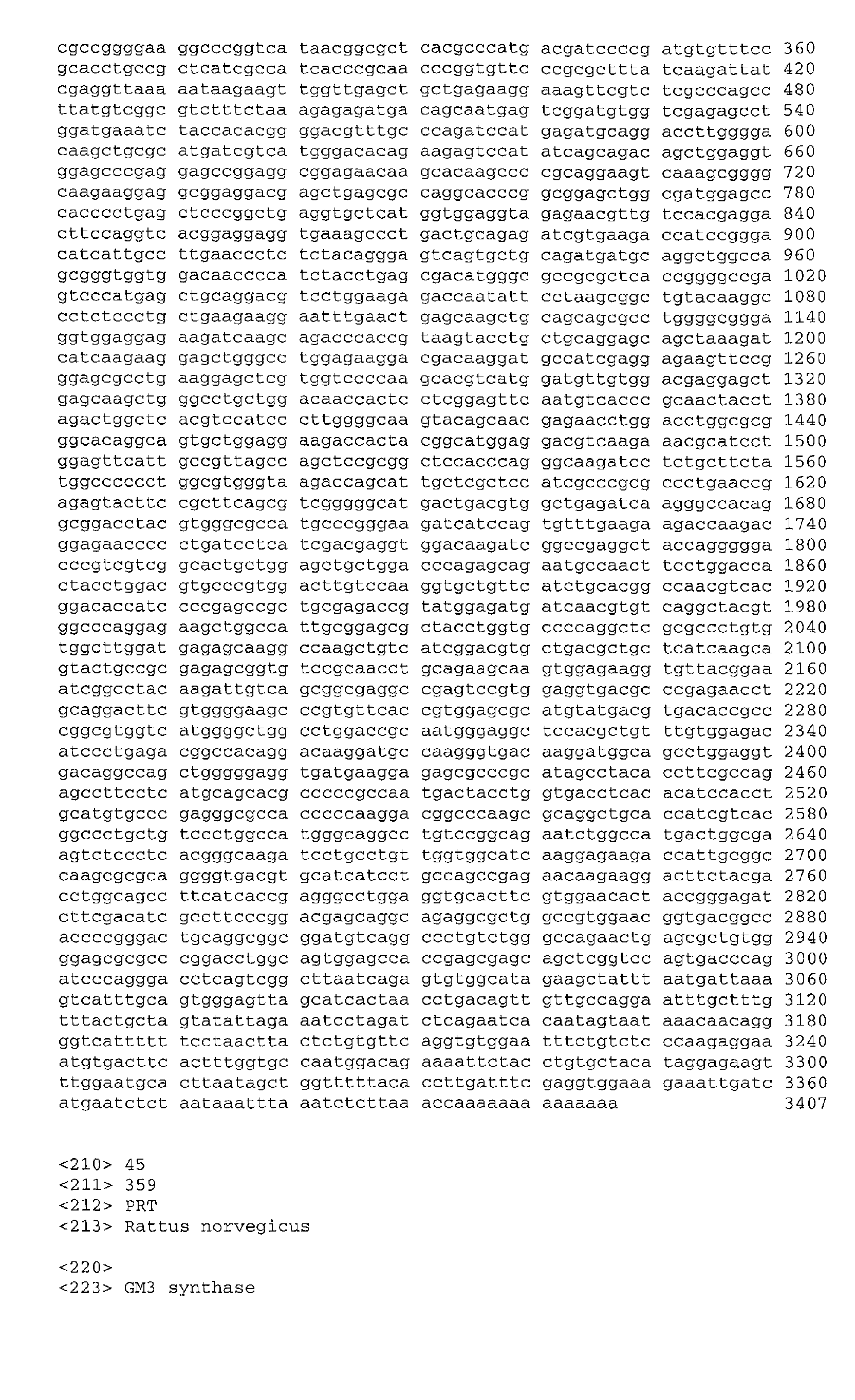
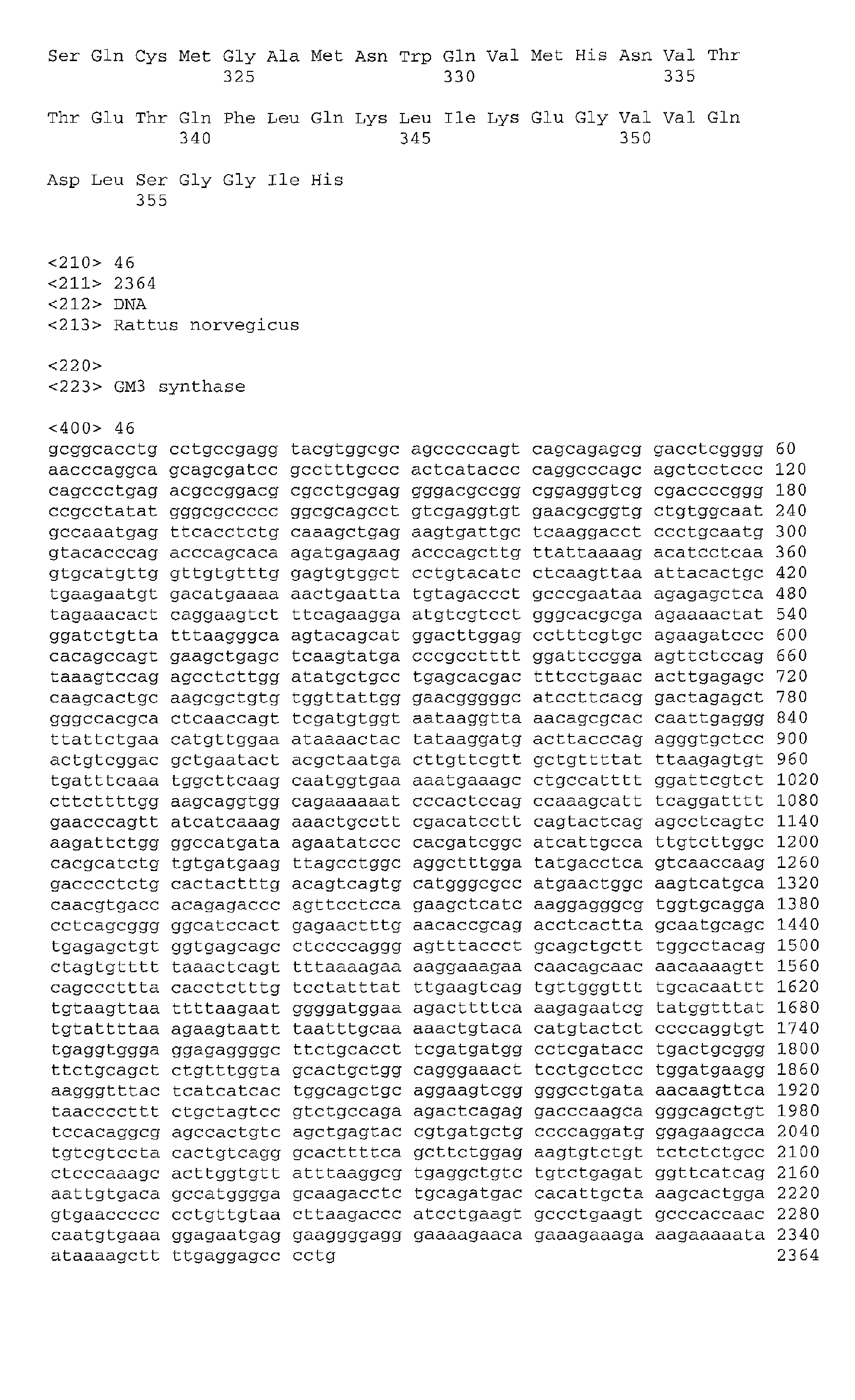
| GM3 synthase (Ref : N/A) | AB018049 (SEQ ID No's 45-46) | Ganglioside synthesis | Ligase | ||
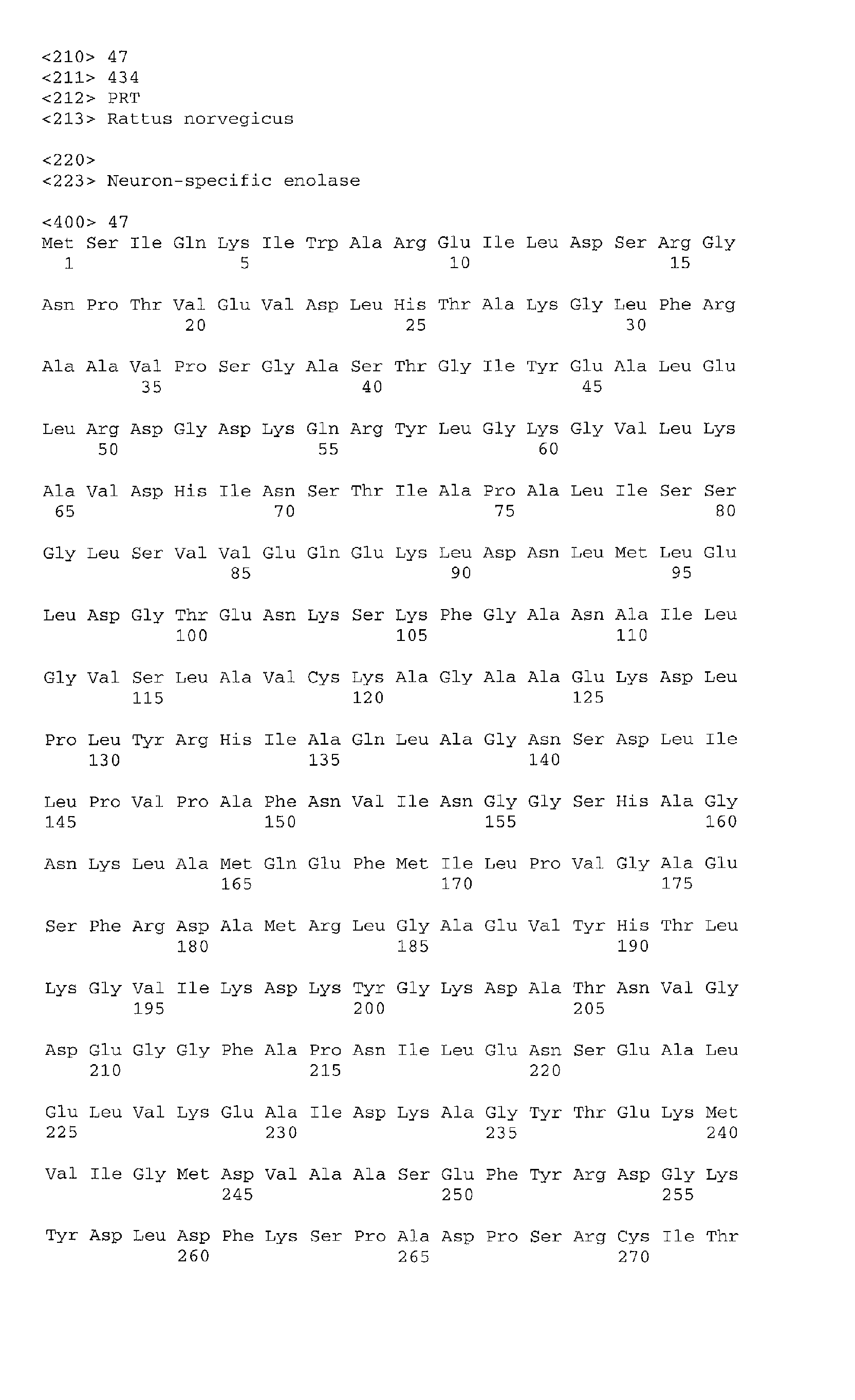
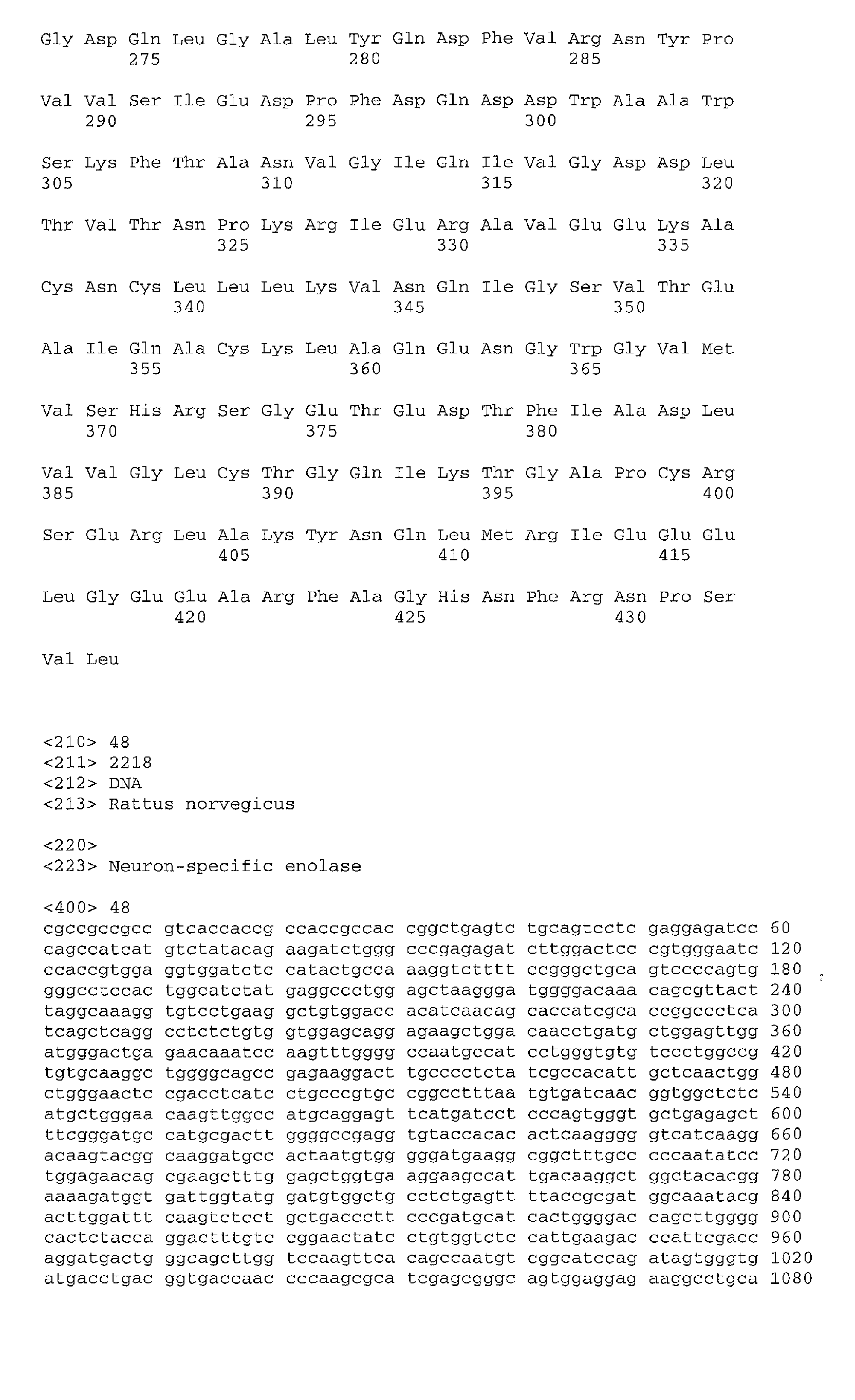
| Enolase, neuron specific (Ref: 21) | M11931 (SEQ ID No's 47-48) | Glycolysis | Lyase | ||
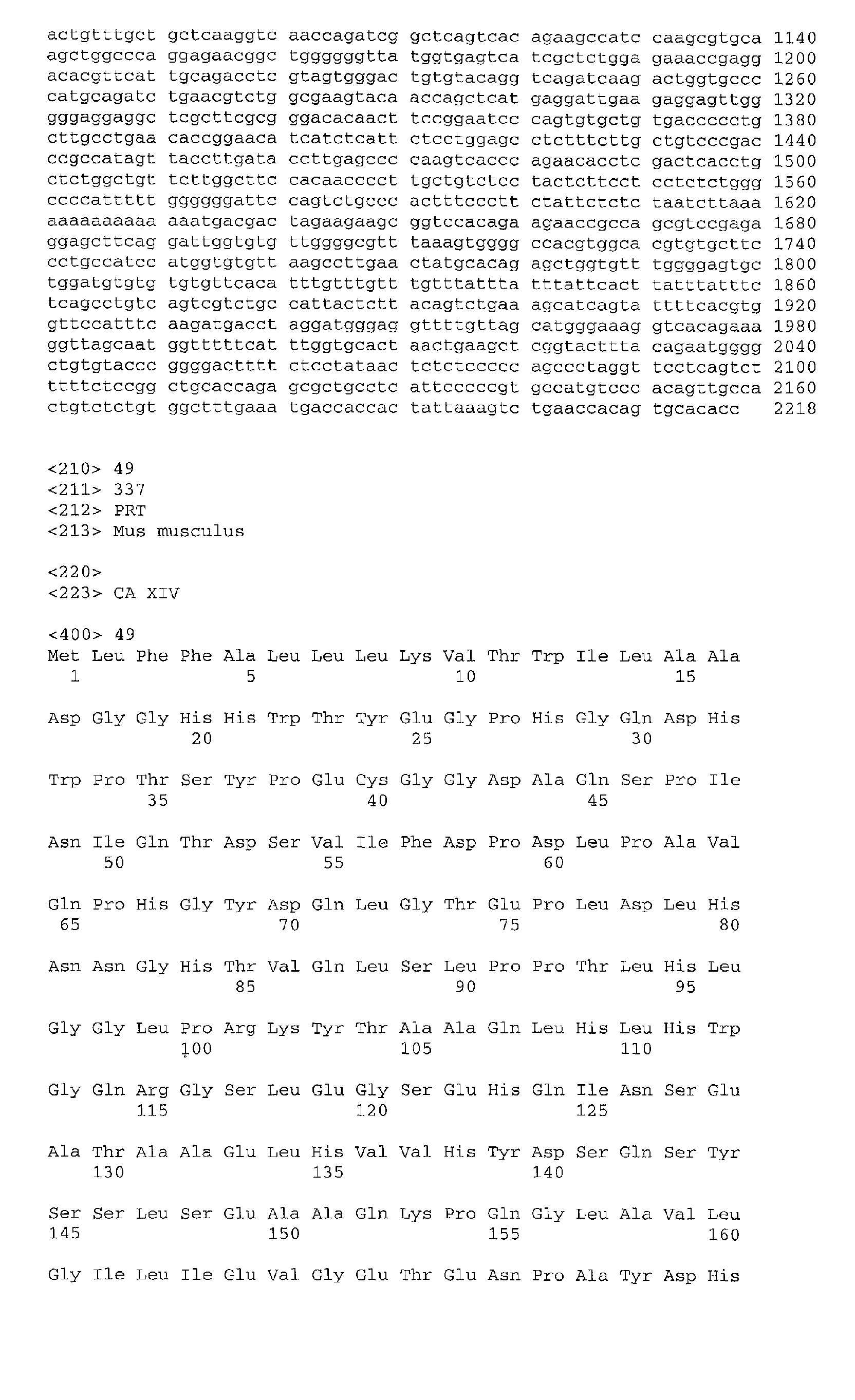
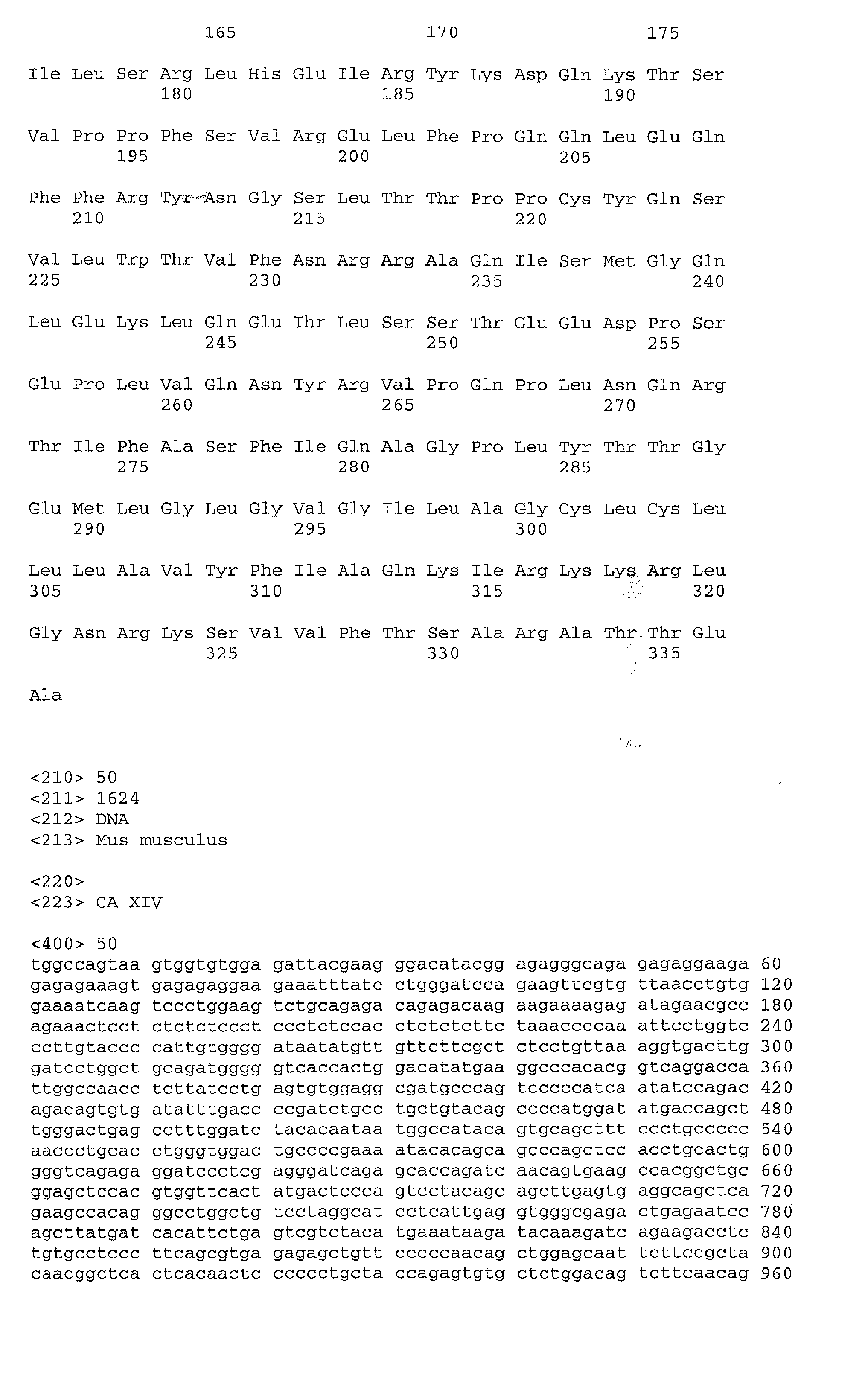
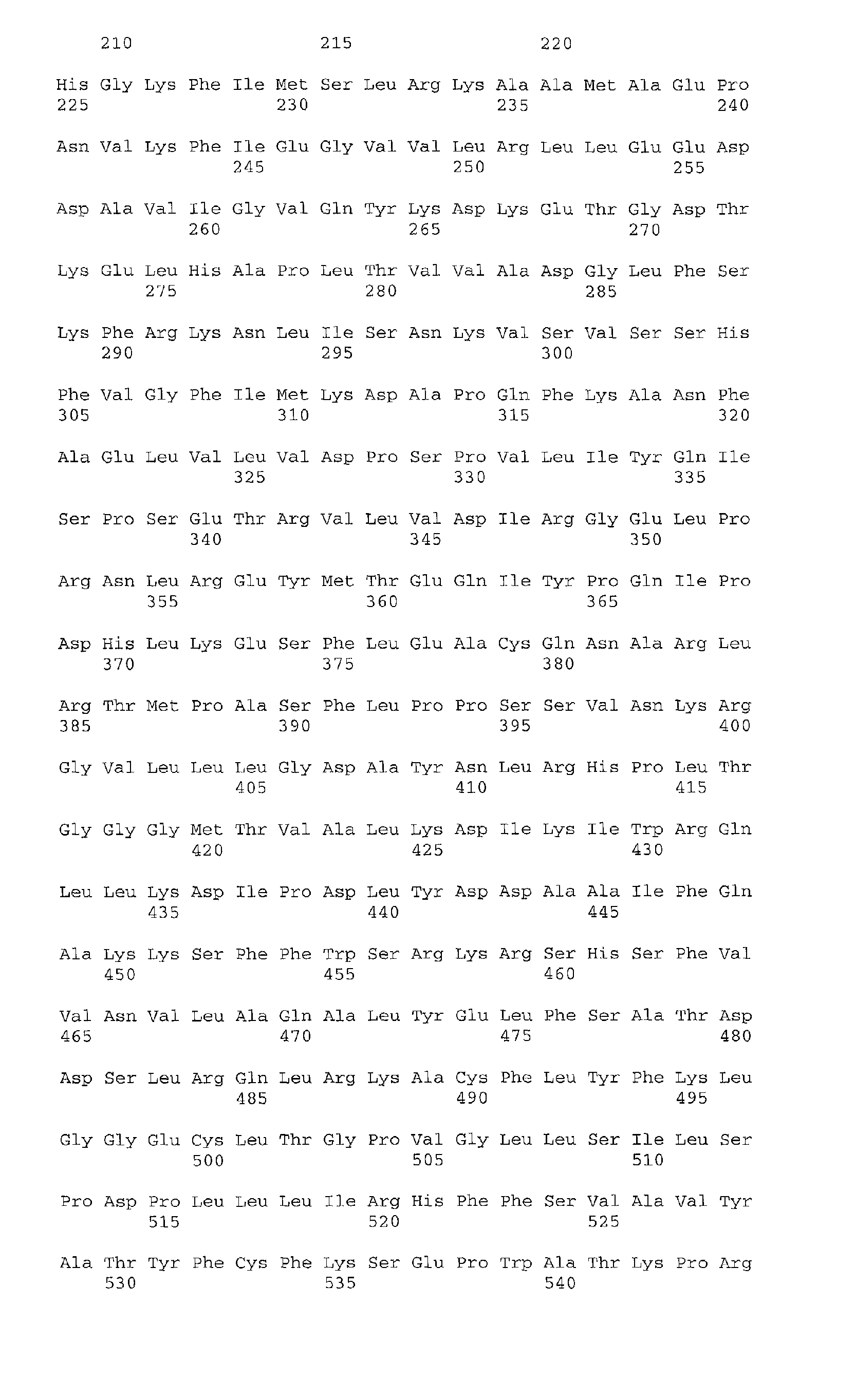
| Putative carbonic anhydrase XIV (Ref : 22) | AB005450 (SEQ ID No's 49-50) | Acid-base balance | Lyase | ||
| Cytosolic malate dehydrogenase (Mdh) * (Ref : N/a) | AF093773 (SEQ ID NO's 51-52) | M29462 | D55654 | Carbohydrate metabolism | Oxidoreductase |
| Heme-binding protein (HBP23) (Ref: 23) | D30035 (SEQ ID No's 53-54) | N/A | Oxidoreductase | ||
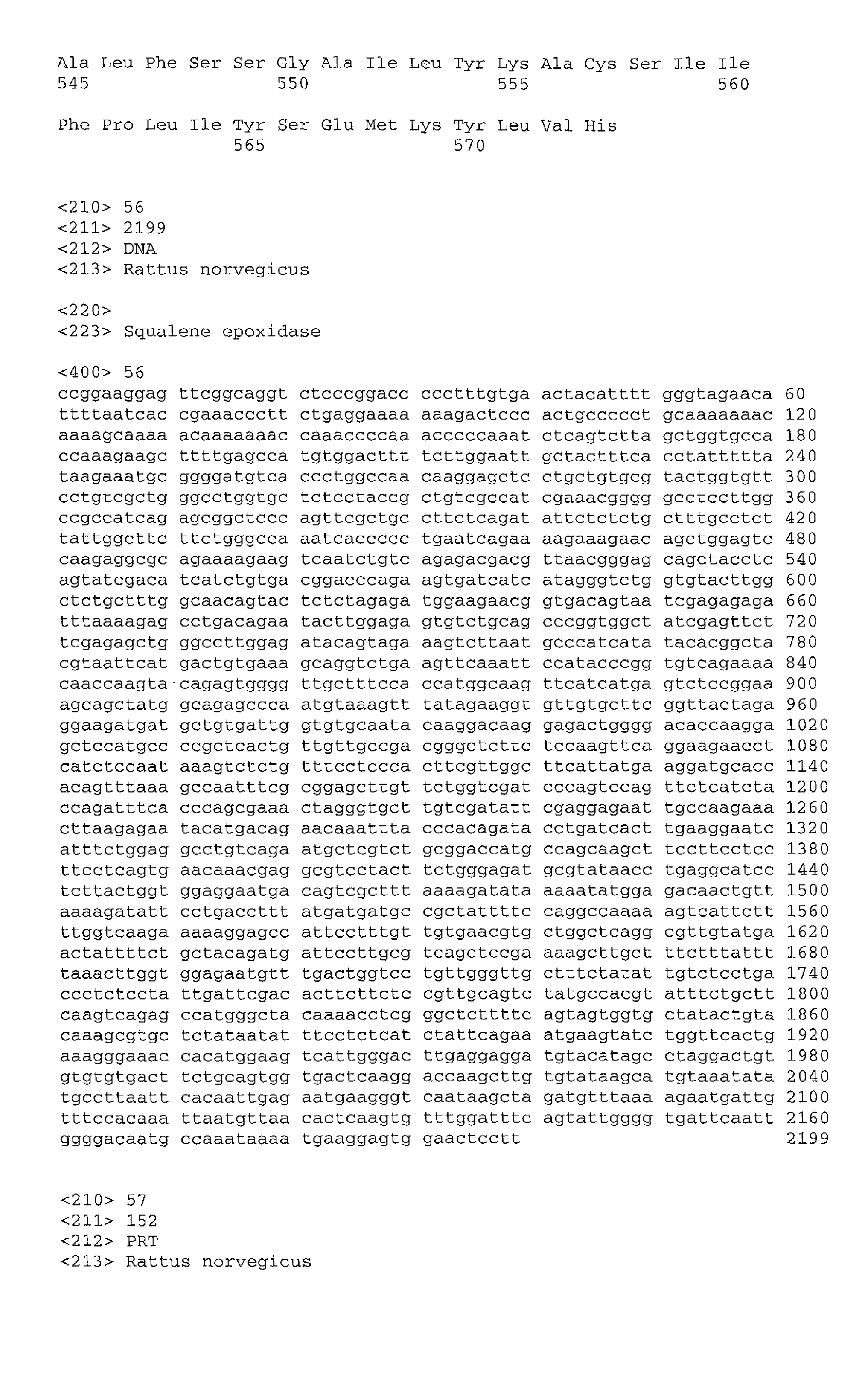
| Squalene epoxidase * (Ref : 24) | D37920 (SEQ ID No's 55-56) | Sterol biosynthesis | Oxidoreductase | ||
| Superoxide dismutase, copper-zinc (SOD-1) (REF : 25) | M21060 (SEQ ID No's 57-58) | X05634 | K00065 | Destroying radicals | Oxidoreductase |
| Aspartate aminotransferase, cytosolic * (Ref:26) | J04171 (SEQ ID No's 59-60) | Amino acid metabolism | Transferase | ||
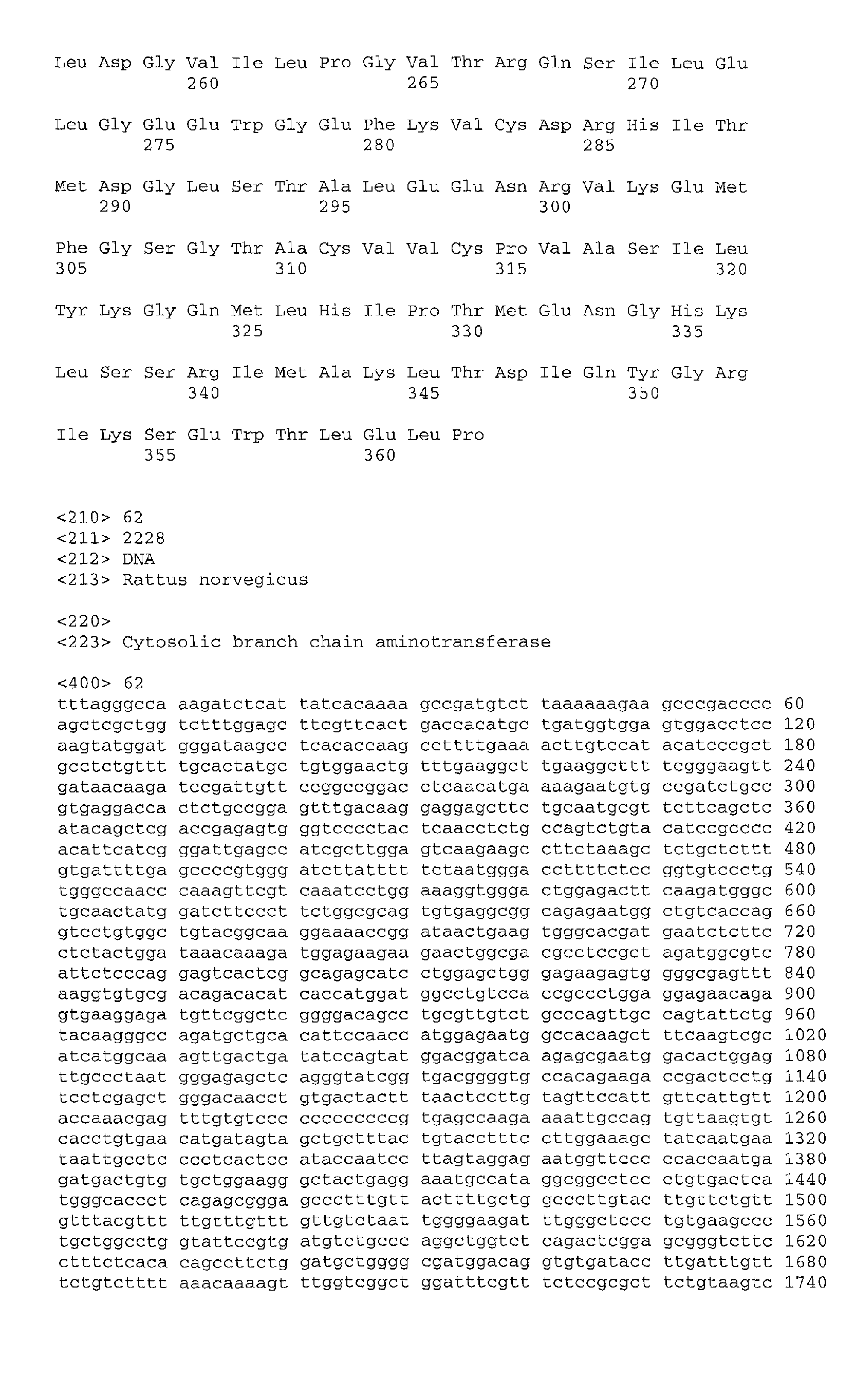
| Branched-chain aminotransferase, cytosolic, brain (Ref:27) | AF165887 (SEQ ID No's 61-62) | Amino acid metabolism | Transferase | ||
| Dihydrolipoamide succinyl transferase (Ref:28) | D90401 SEQ ID NO's 63-64) | TCA cycle | Transferase | ||
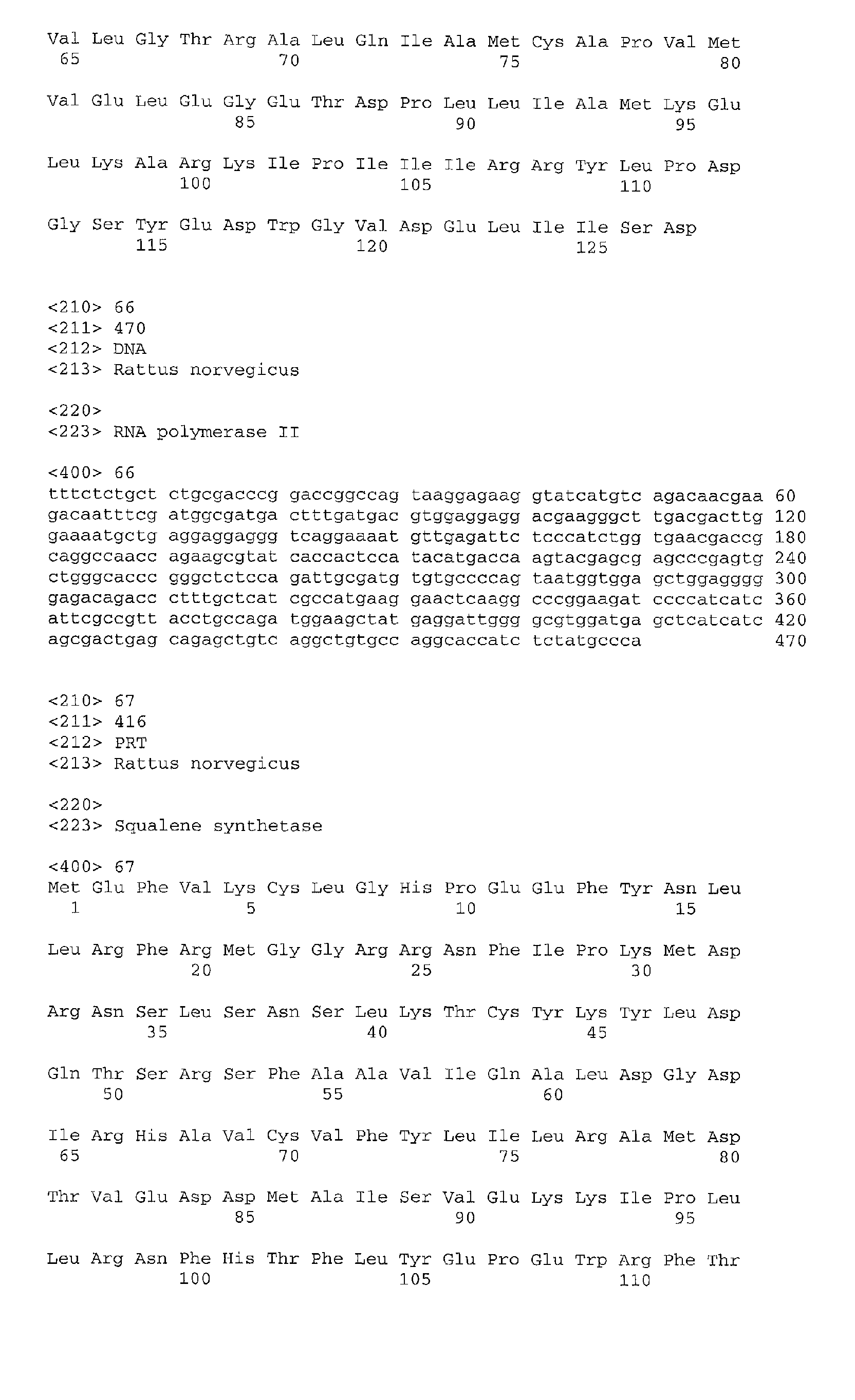
| RNA polymerase II (Ref 29) | AB017711 (SEQ ID NO's 65-66) | Transcription | Transferase | ||
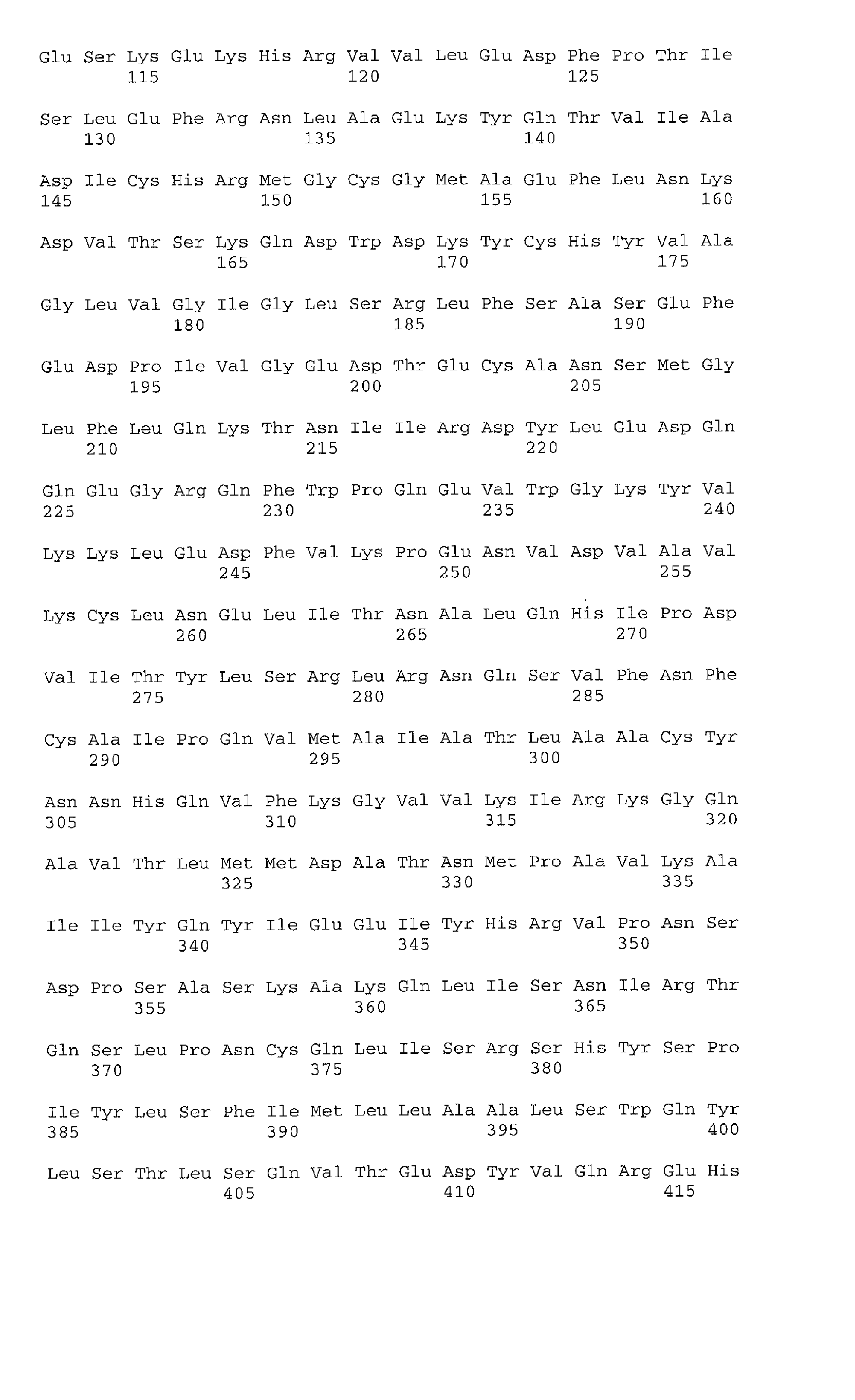
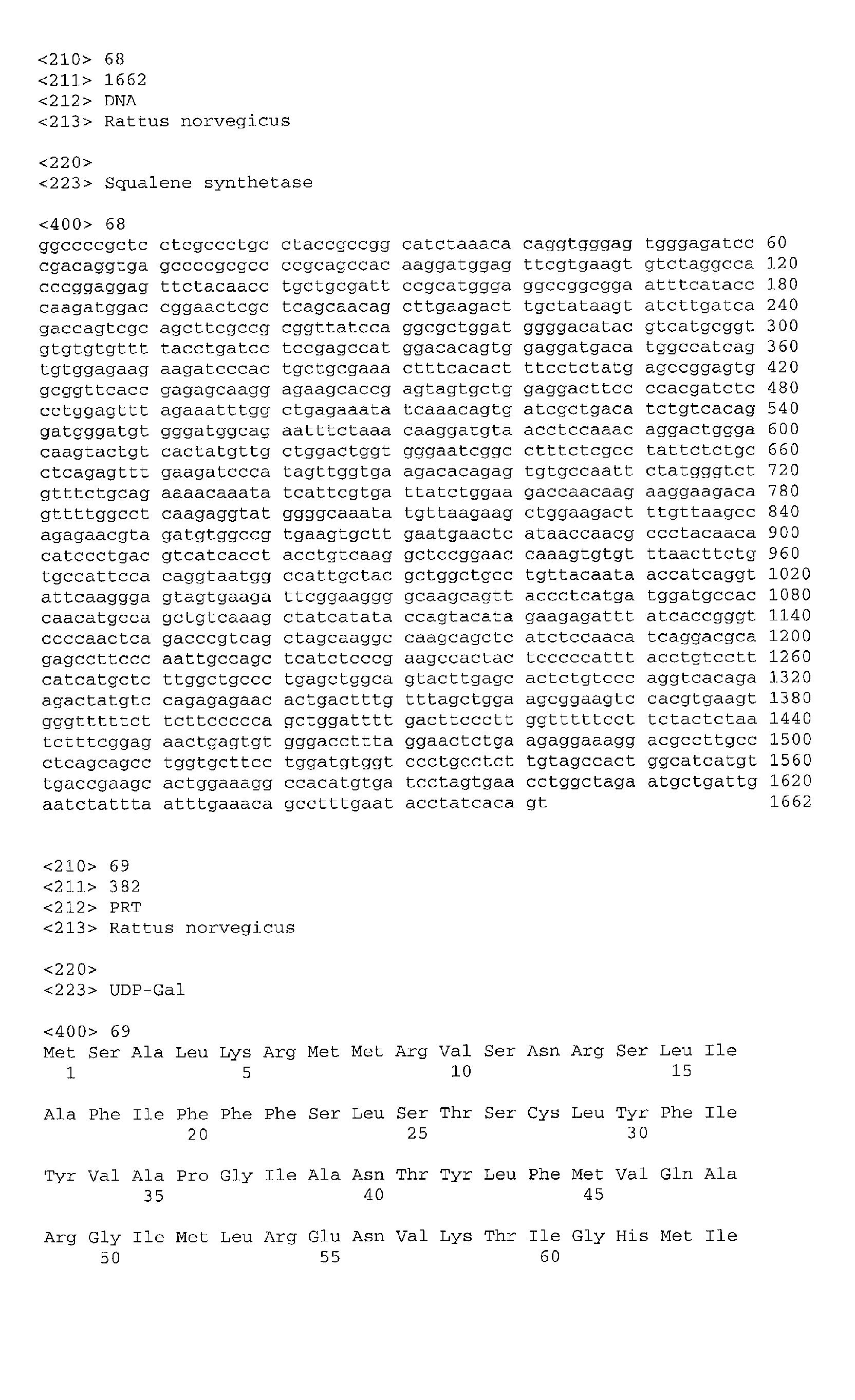
| Squalene synthetase, hepatic (Ref: 30) | M95591 (SEQ ID No's 67-68) | Isoprene and cholesterol biosynthesis | Transferase | ||
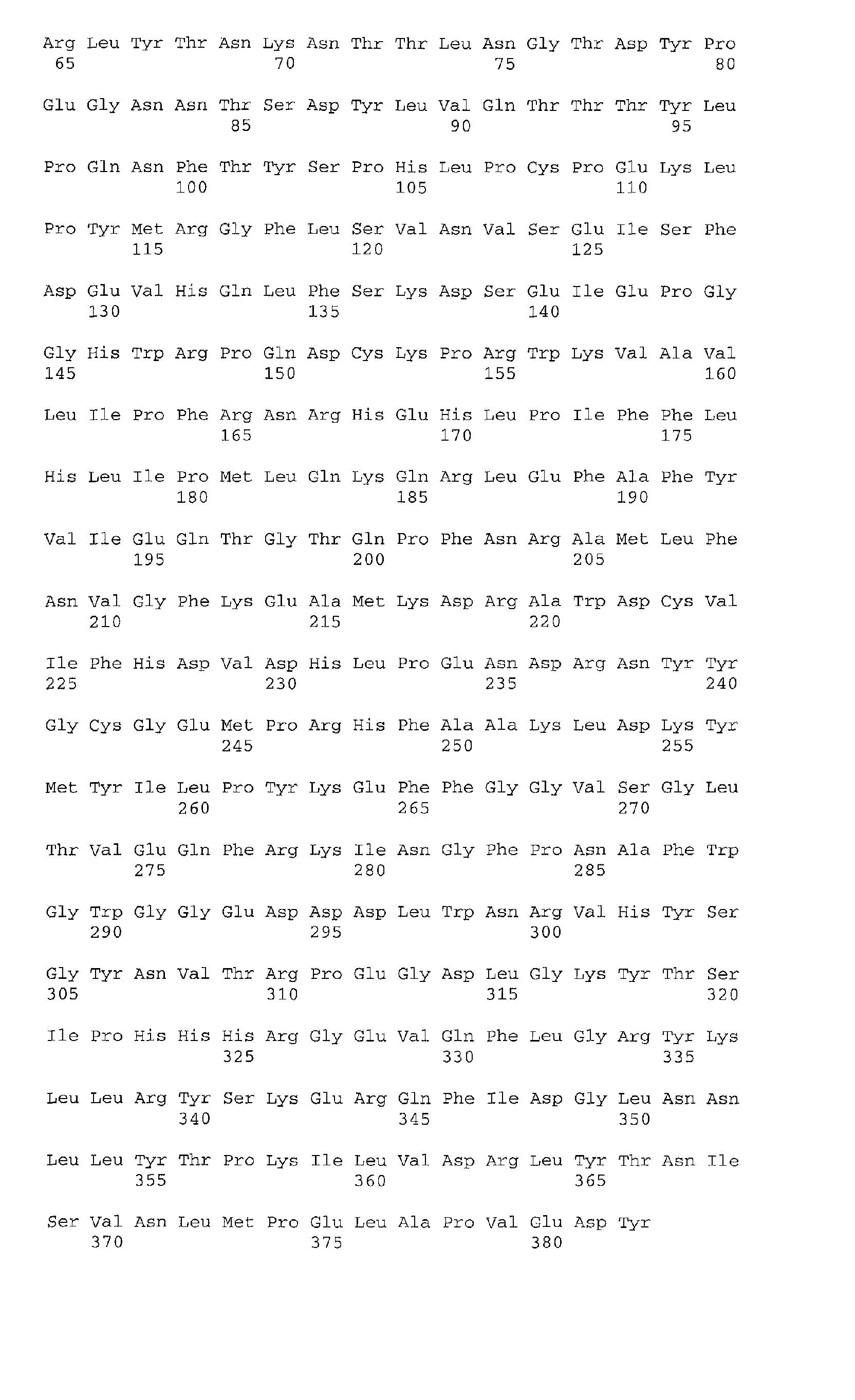
| UDP-Gal: glucosylceramide beta-1,4 galactosyl transferase (Ref: 31) | AF048687 (SEQ ID No's 69-70) | Lactosyl ceramide synthesis | Transferase |
| Miscellaneous sequences | ||||
| Expression product or Name | Rat Accession Number | Mouse Accession Number | Human Accession Number | Reaction |
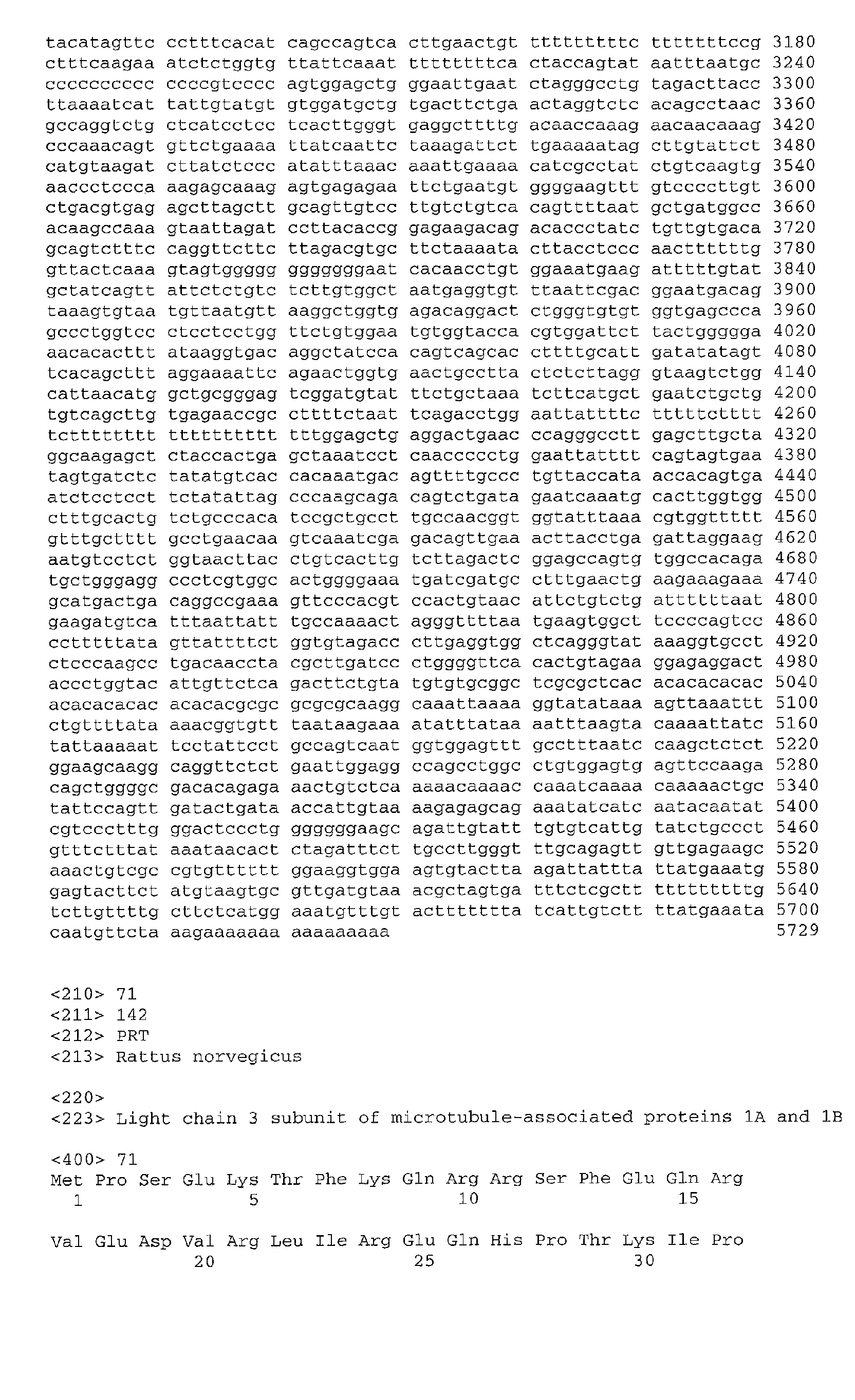
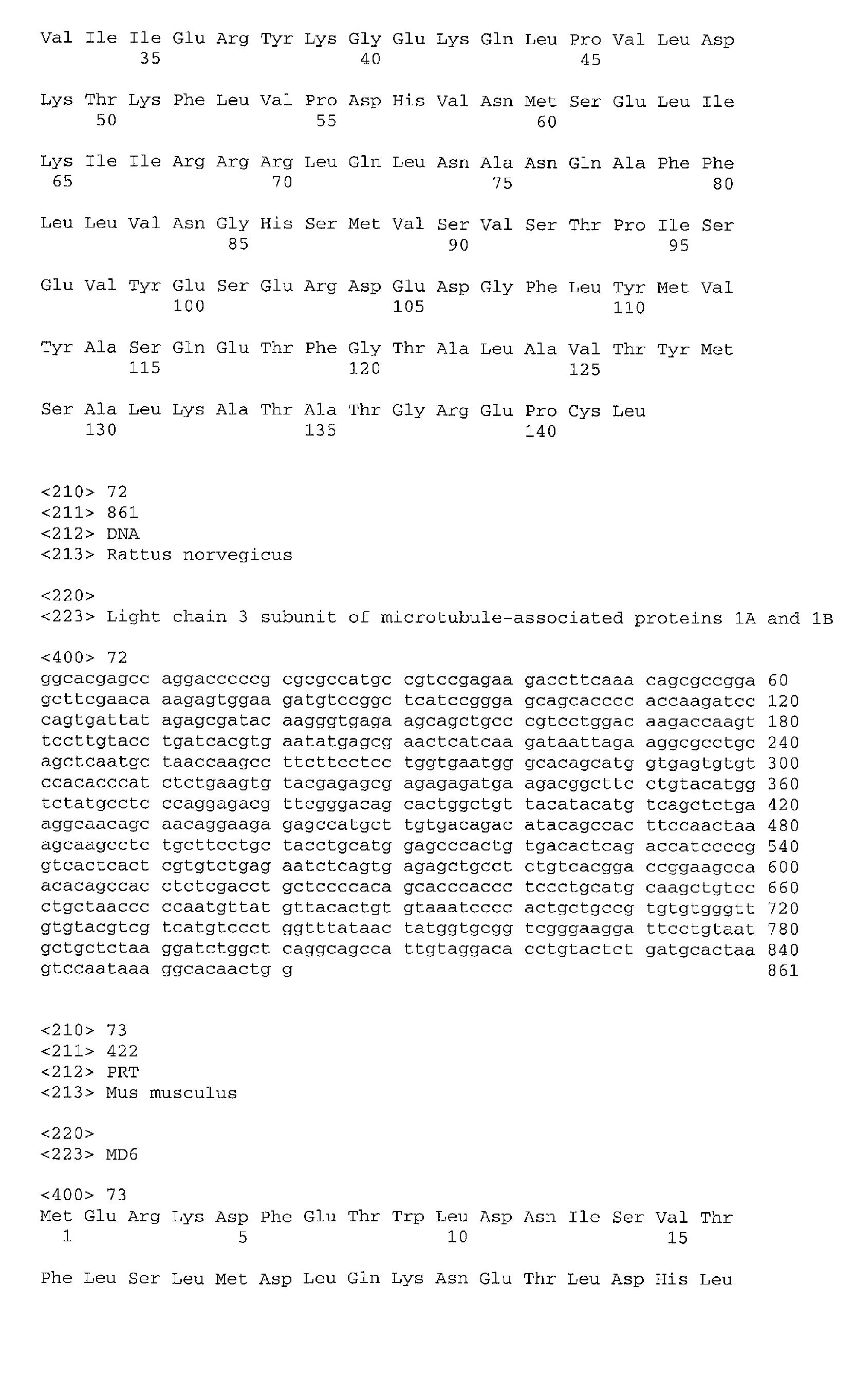
| Microtubule associated proteins 1A and !B light chain subunit 3 (Ref:32) | U05784 (SEQ ID No's 71-72) | Cytoskeleton protein | ||
| Putative MD6 (Ref: N/A) | X54352 (SEQ ID No's 73-74) | Unknown | ||
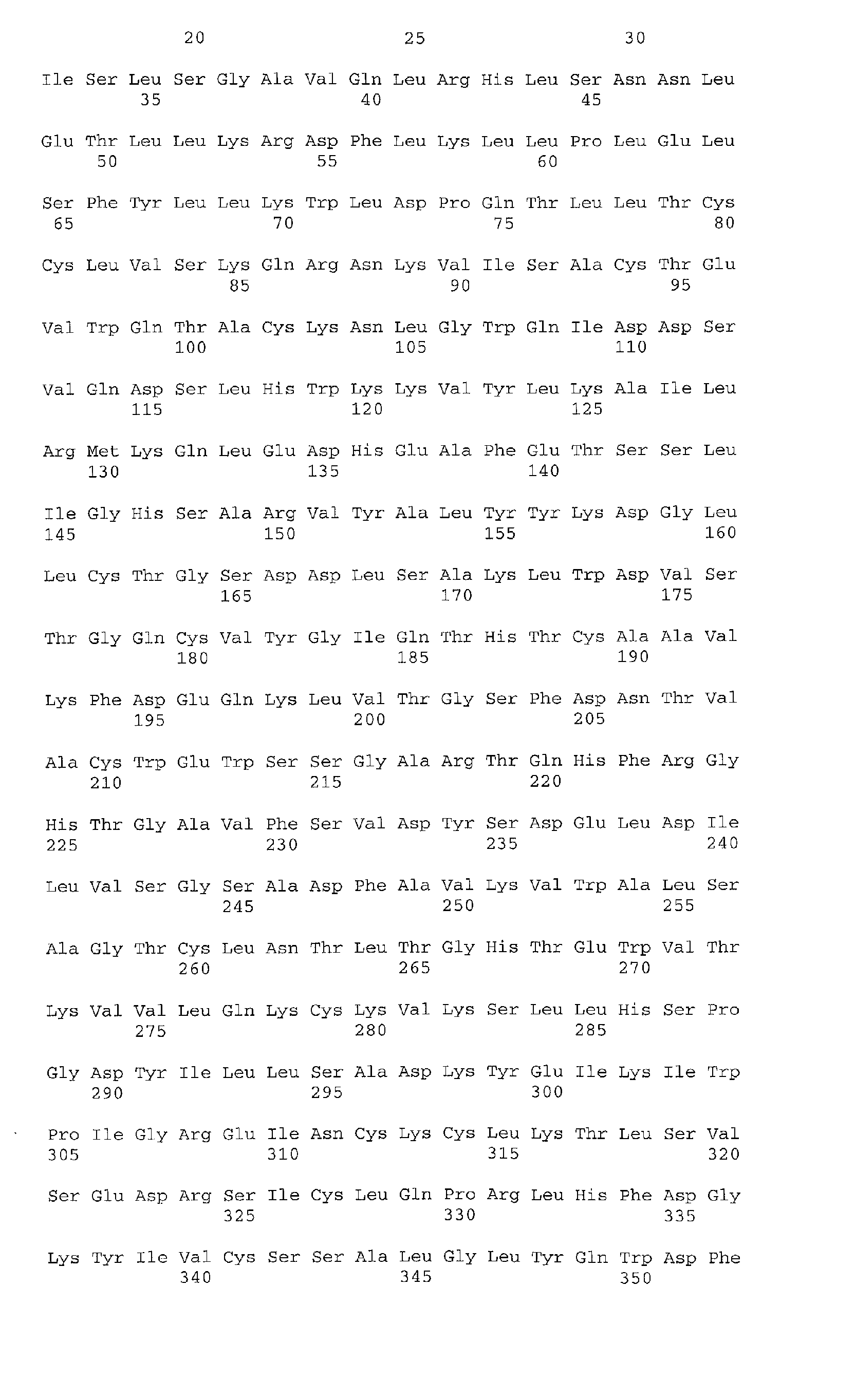
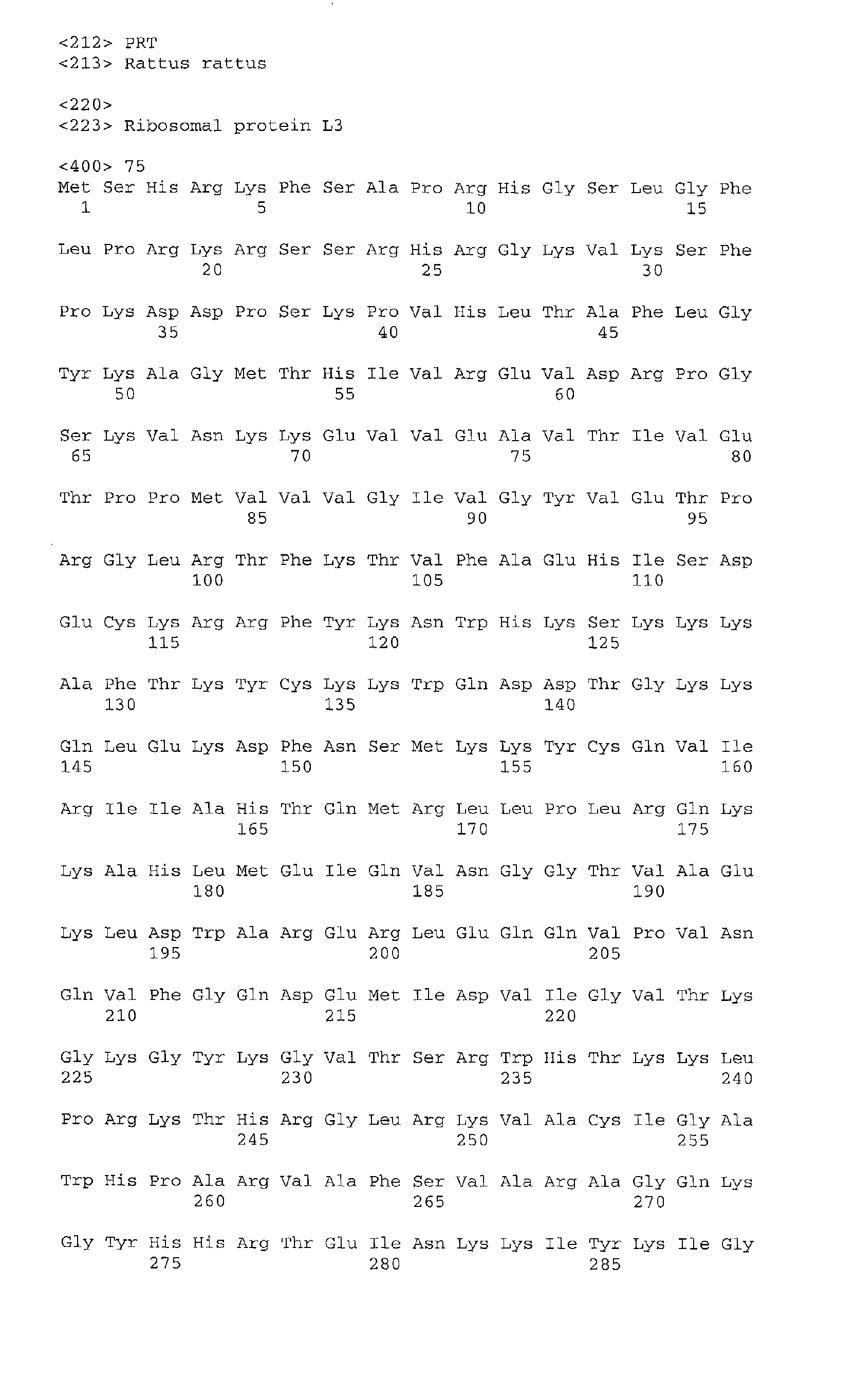
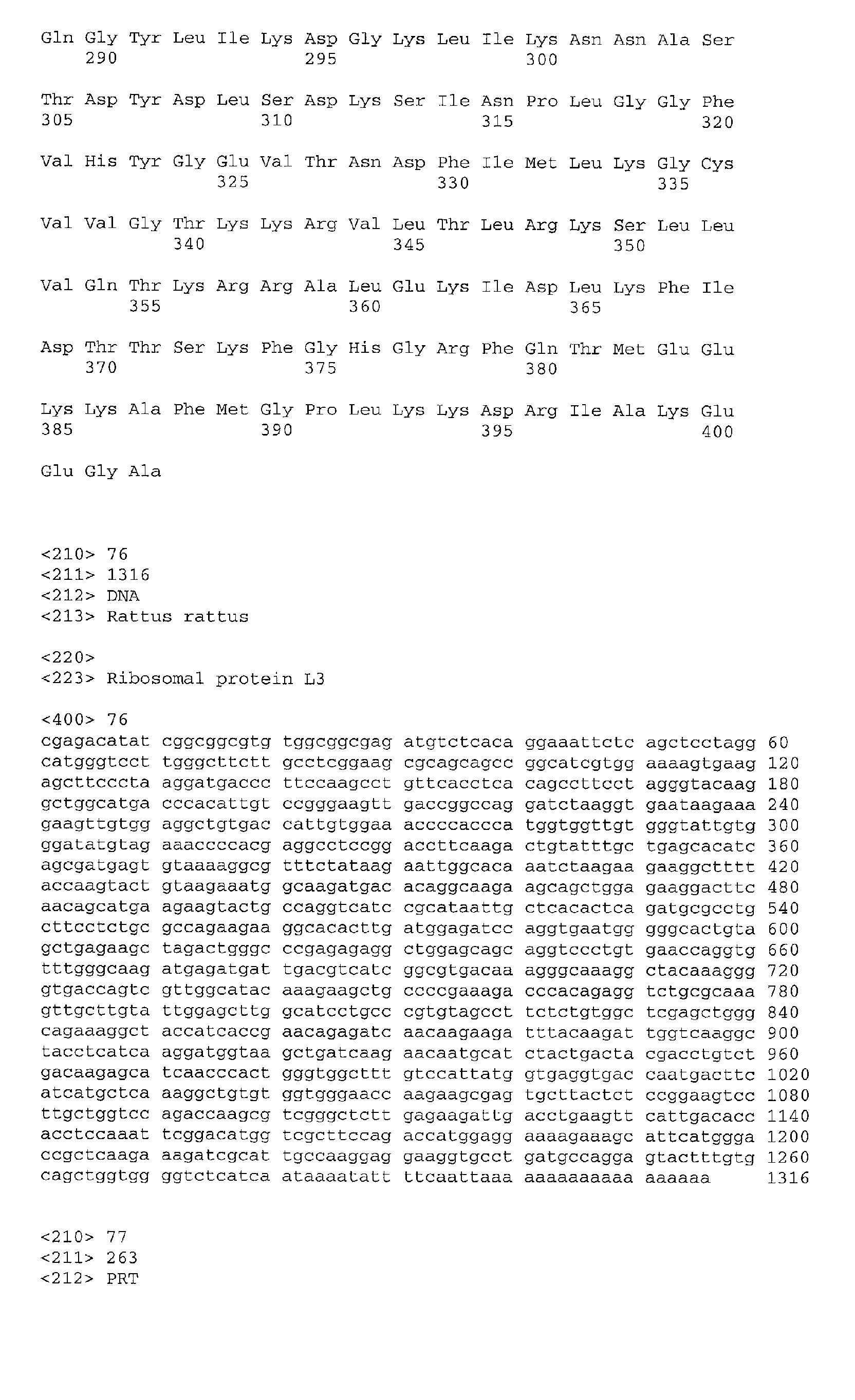
| Ribosomal protein L3 (Ref: 33) | X62166 (SEQ ID No's 75-76) | Protein synthesis | ||
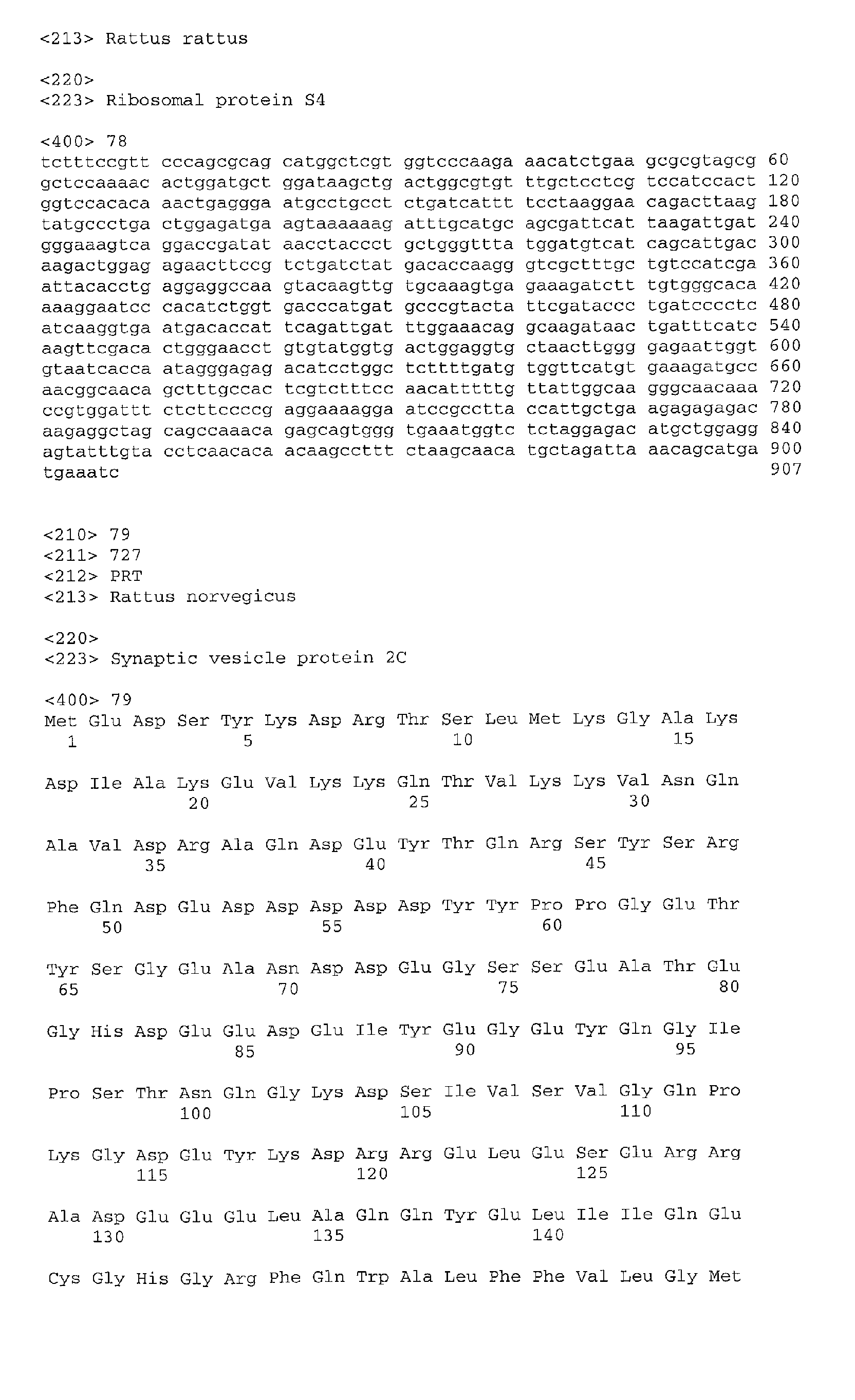
| Ribosomal protein S4 (Ref: 34) | X14210 (SEQ ID No's 77-78) | M73436 | M58458 | Protein synthesis |
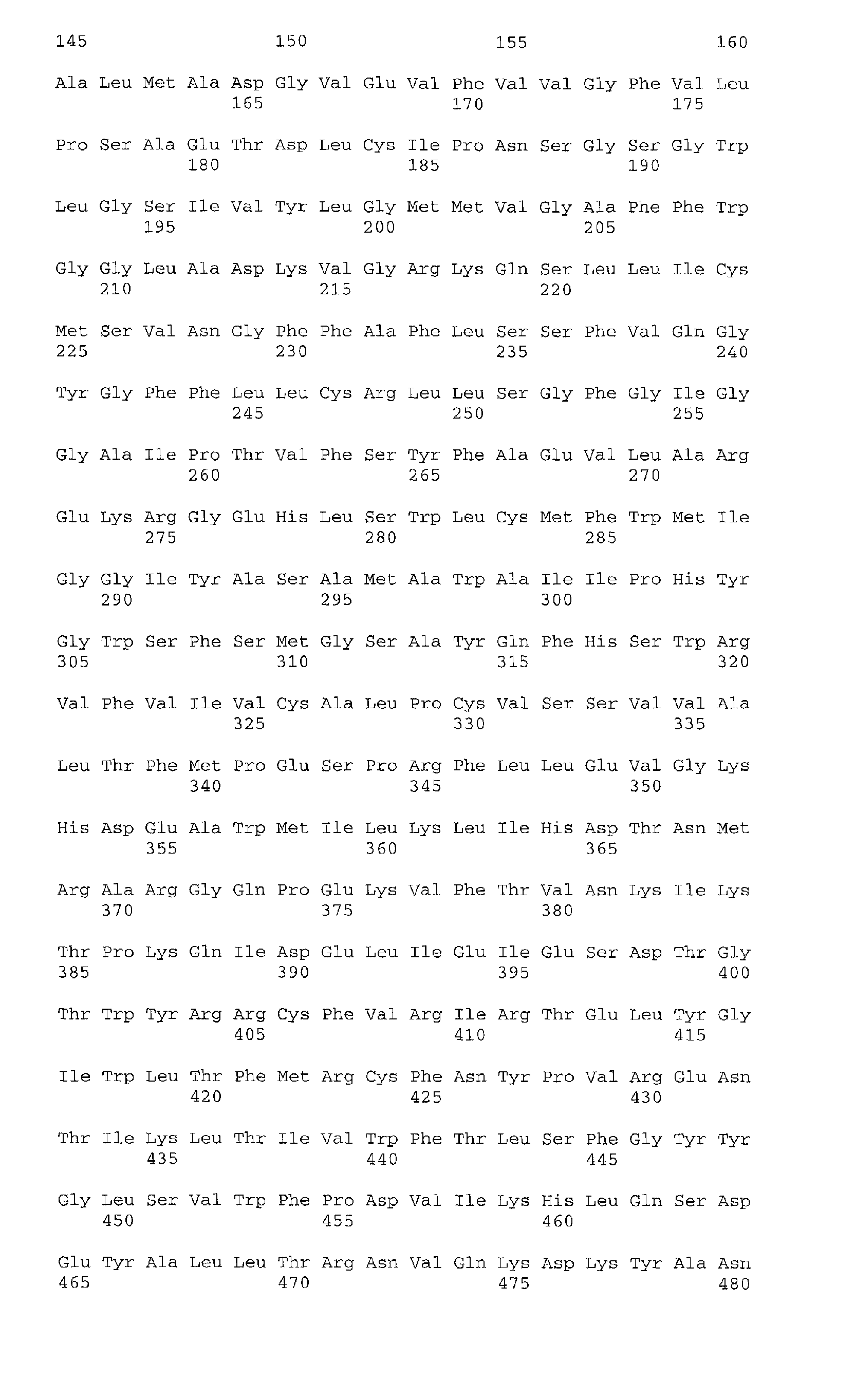
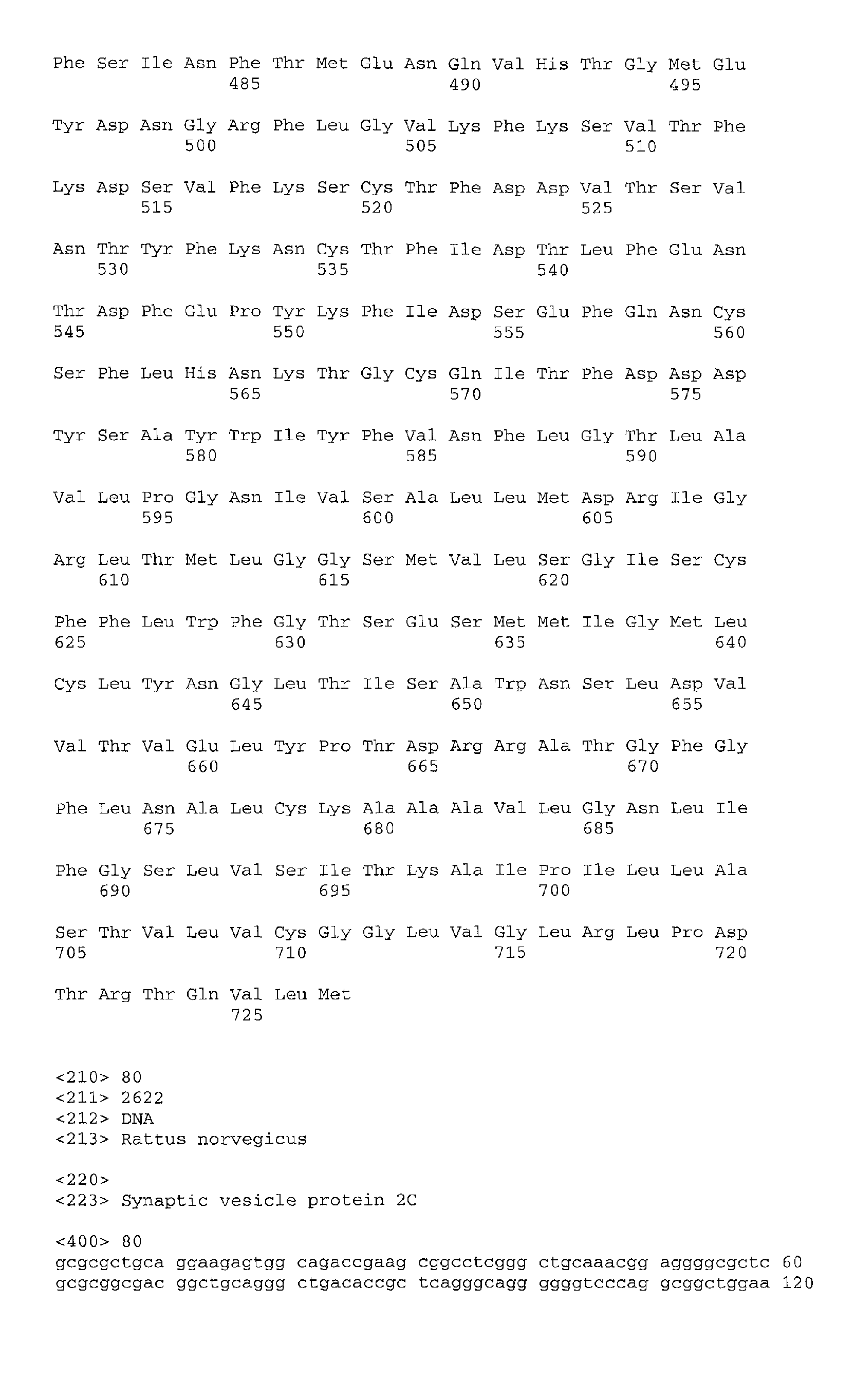
| Synaptic vesicle protein 2C (Ref: 35) | AF060174 (SEQ ID No's 79-80) | Synaptic vesicle protein 2C | Unknown | |
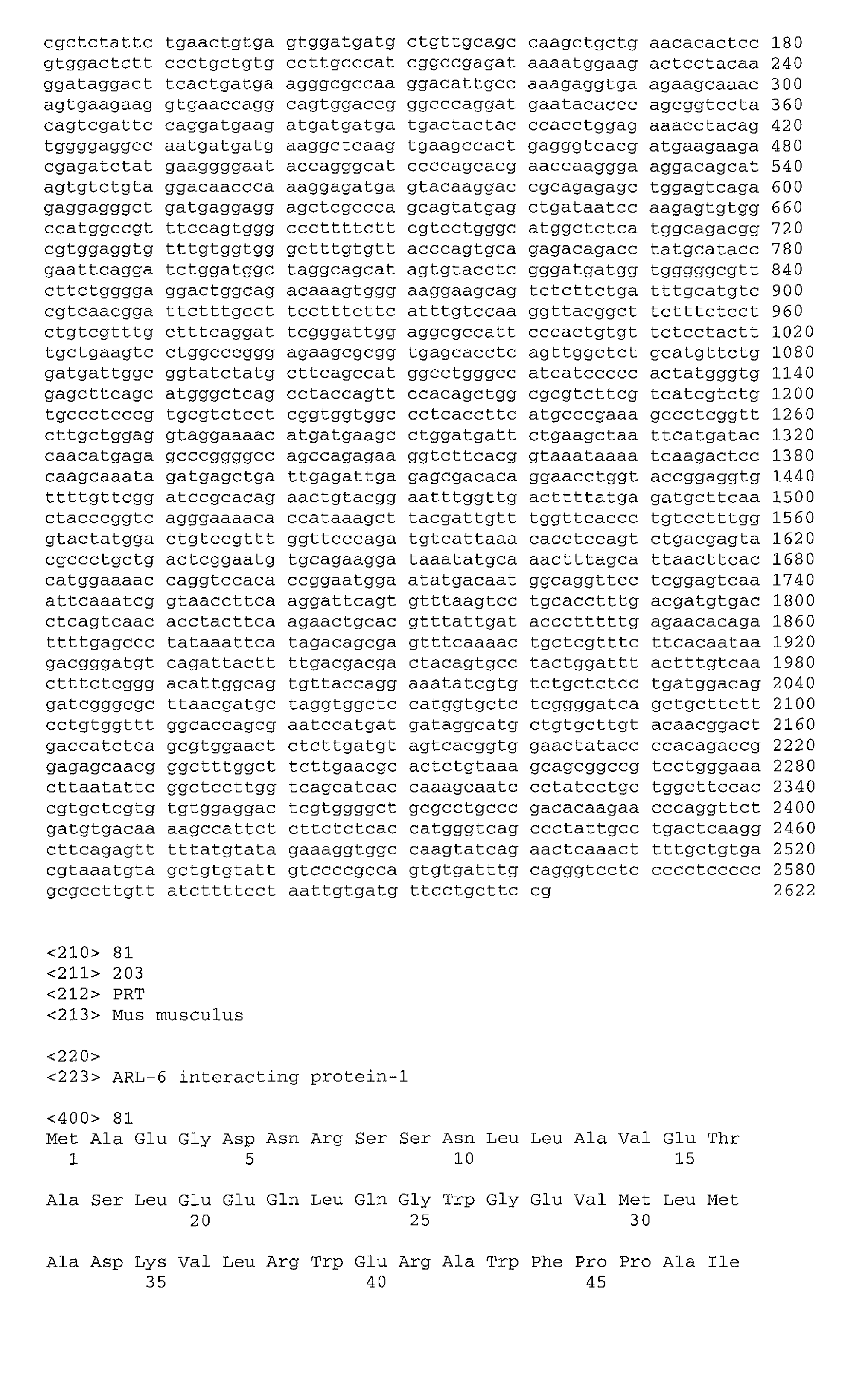
| Putative ARL-6 interacting protein-1 (Ref;36) | AF223953 (SEQ ID No's 81-82) | Unknown | ||
| Ribosomal protein L14 (Ref : 37) | X94242 (SEQ ID No's 83-84) | Protein synthesis | ||
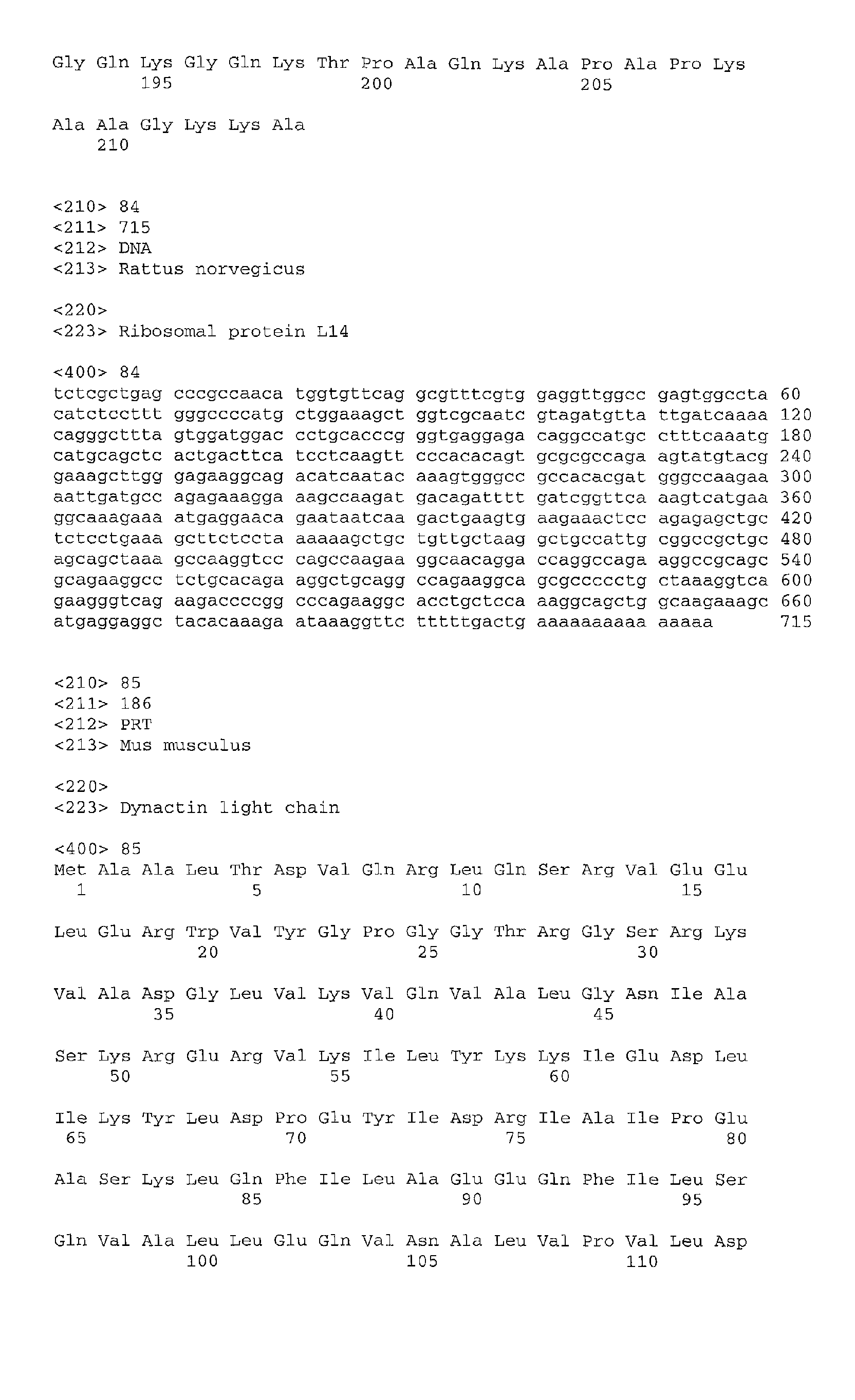
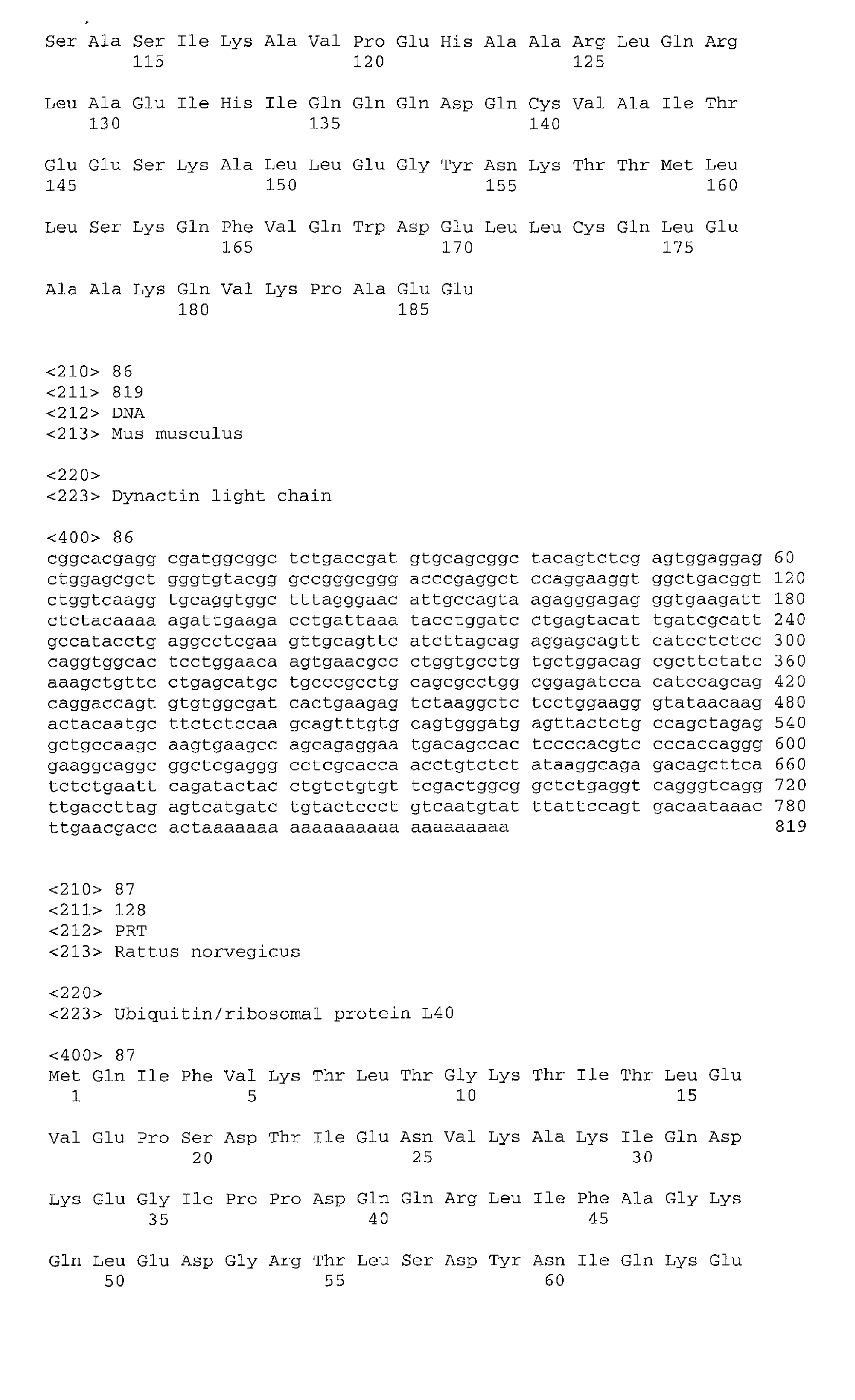
| Putative dynactin light ) chain (P24) (Ref: 38) | AF098508 (SEQ ID No's 85-86) | Cytoskeleton | ||
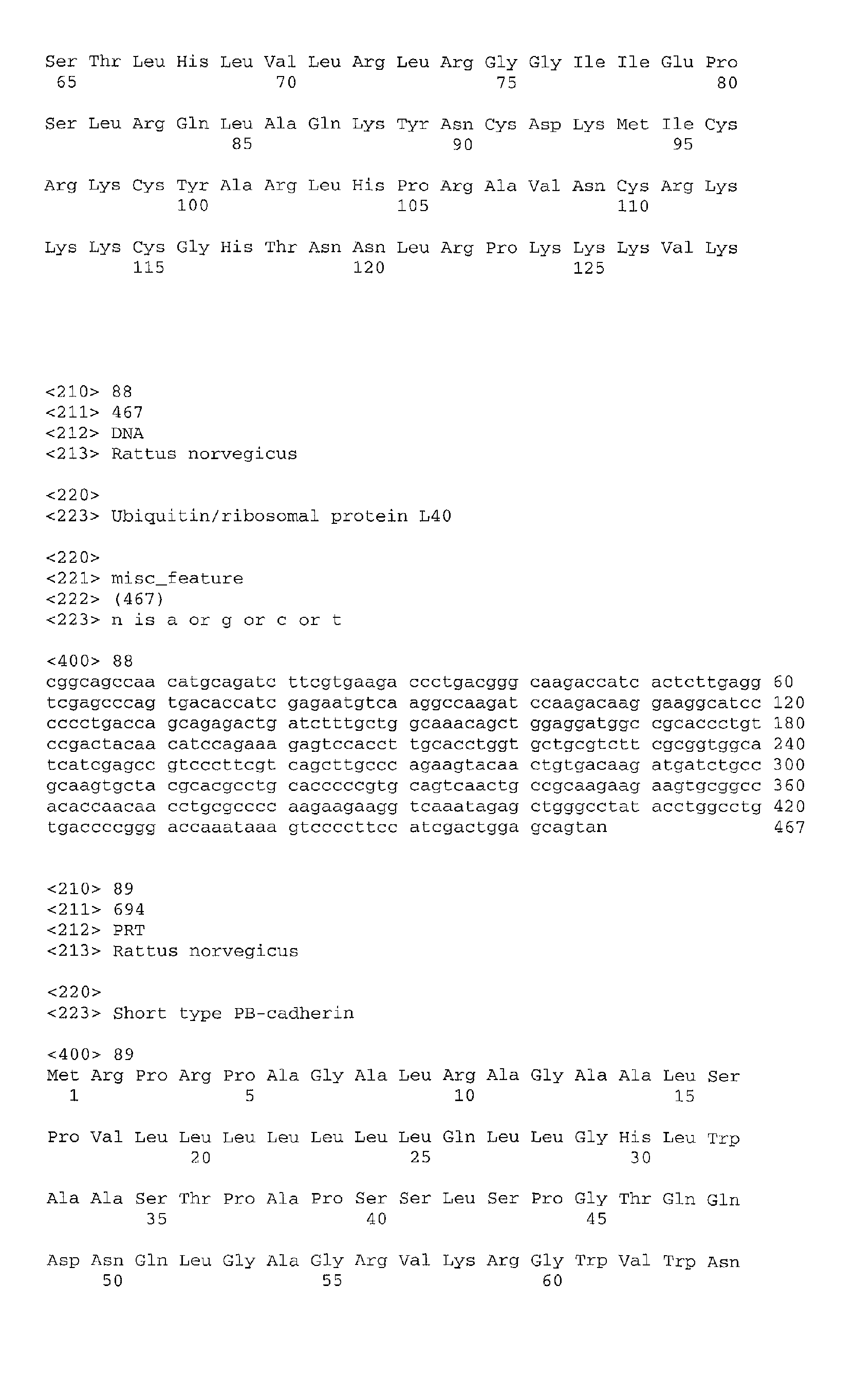
| Ubiquitin/ribosomal protein L40, fusion protein (Ref: 39) | X82636 (SEQ ID No's 87-88) | AF118042 | ||
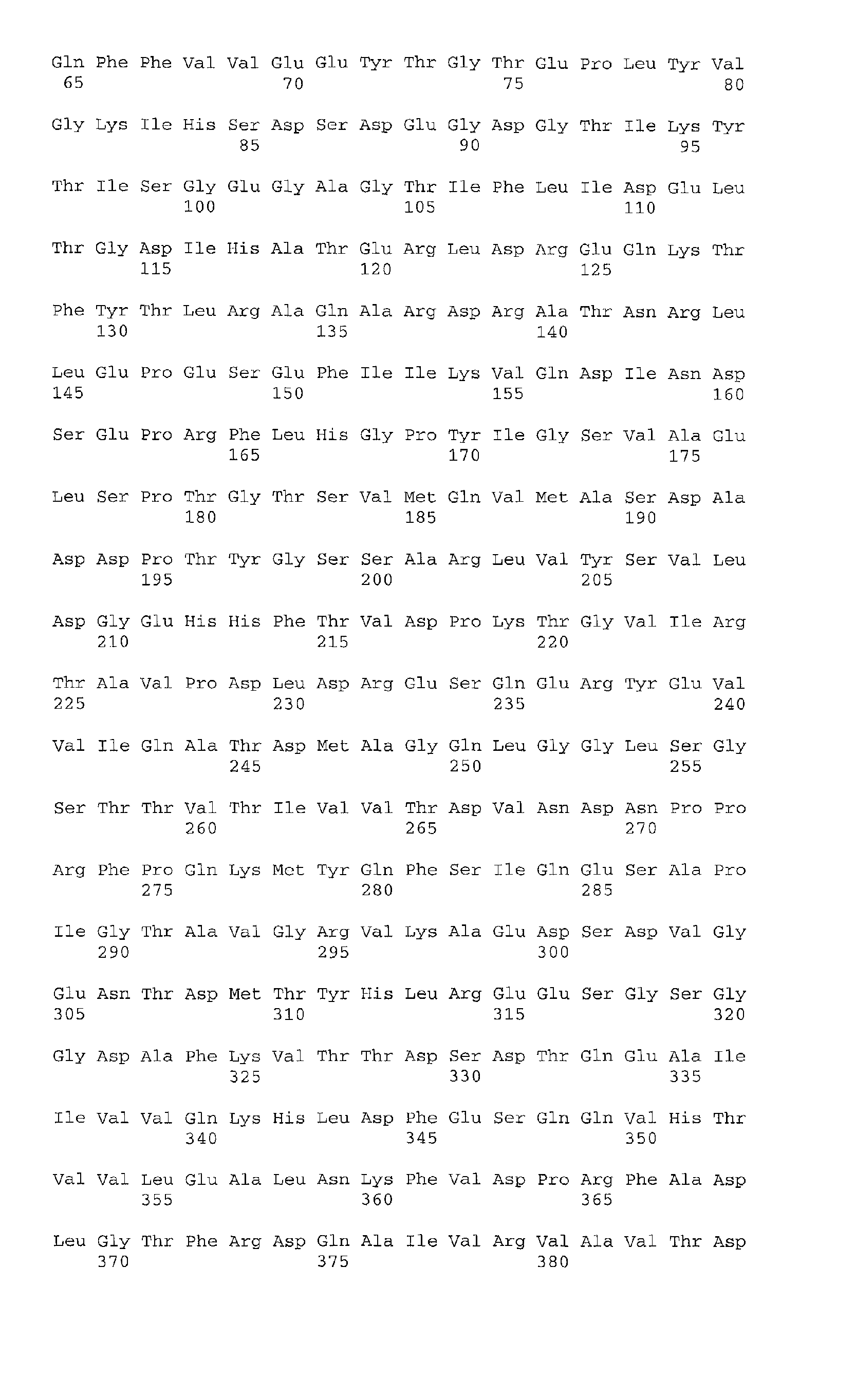
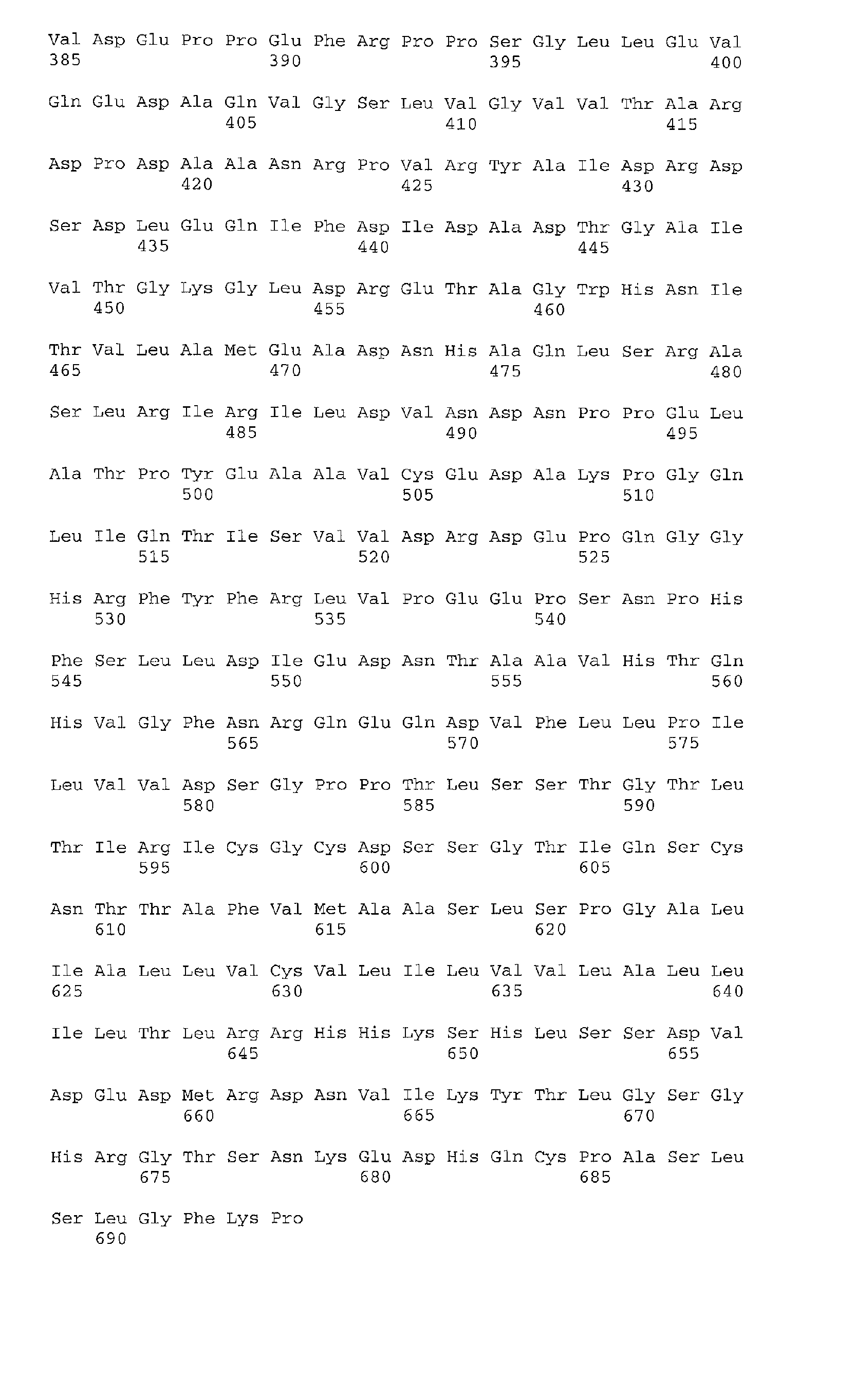
| Cadherin PB, short type (Ref : 40) | D83349 (SEQ ID No's 89-90) | Cell adhesion | ||
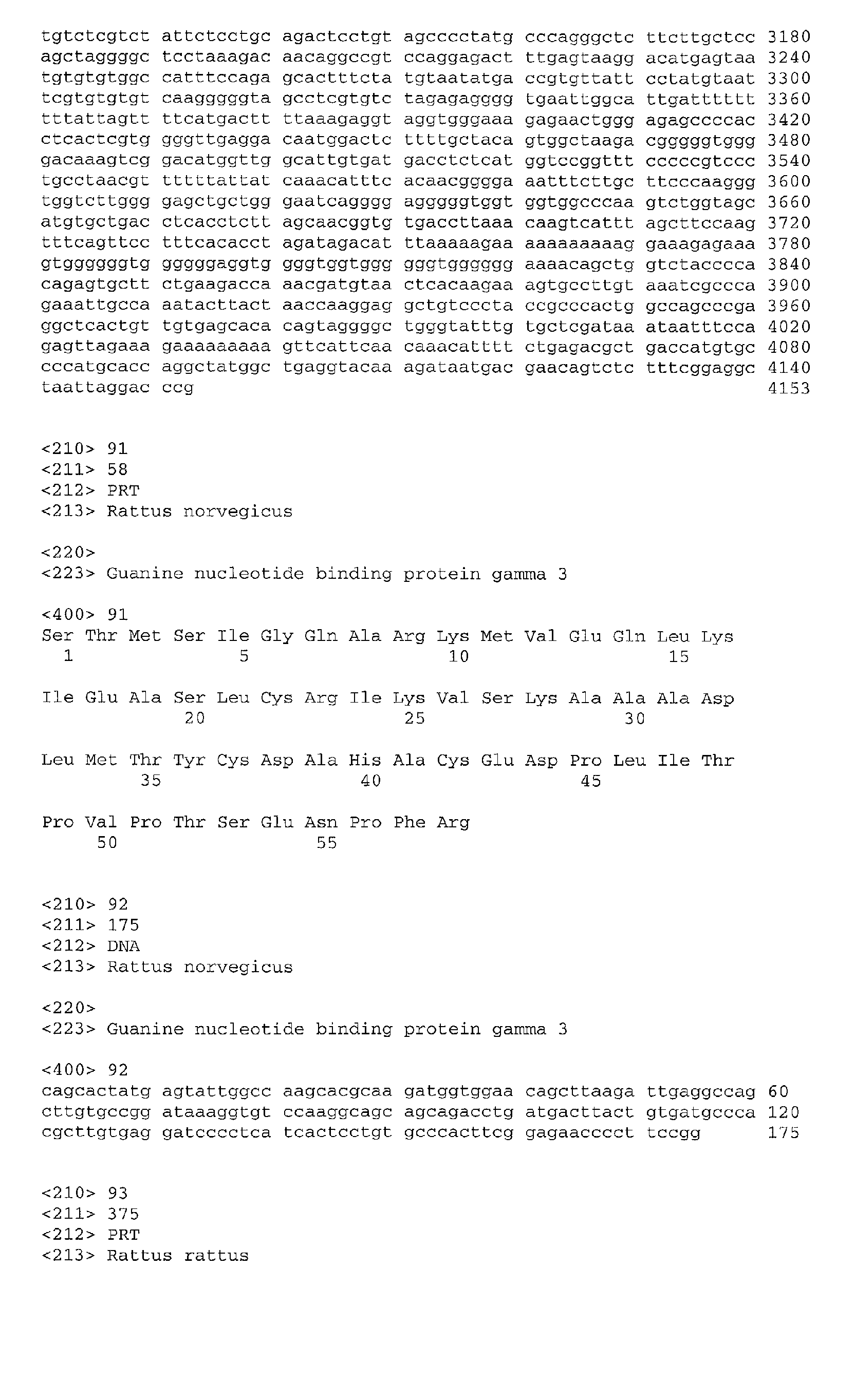
| Guanine nucleotide binding protein, γ-3 subunit (Ref: 41) | AF022088 (SEQ ID No's 91-92) | Cell signalling | ||
| Actin, γ, cytoplasmic (Ref: 42) | X52815 (SEQ ID No's 93-94) | Cytoskeleton protein | ||
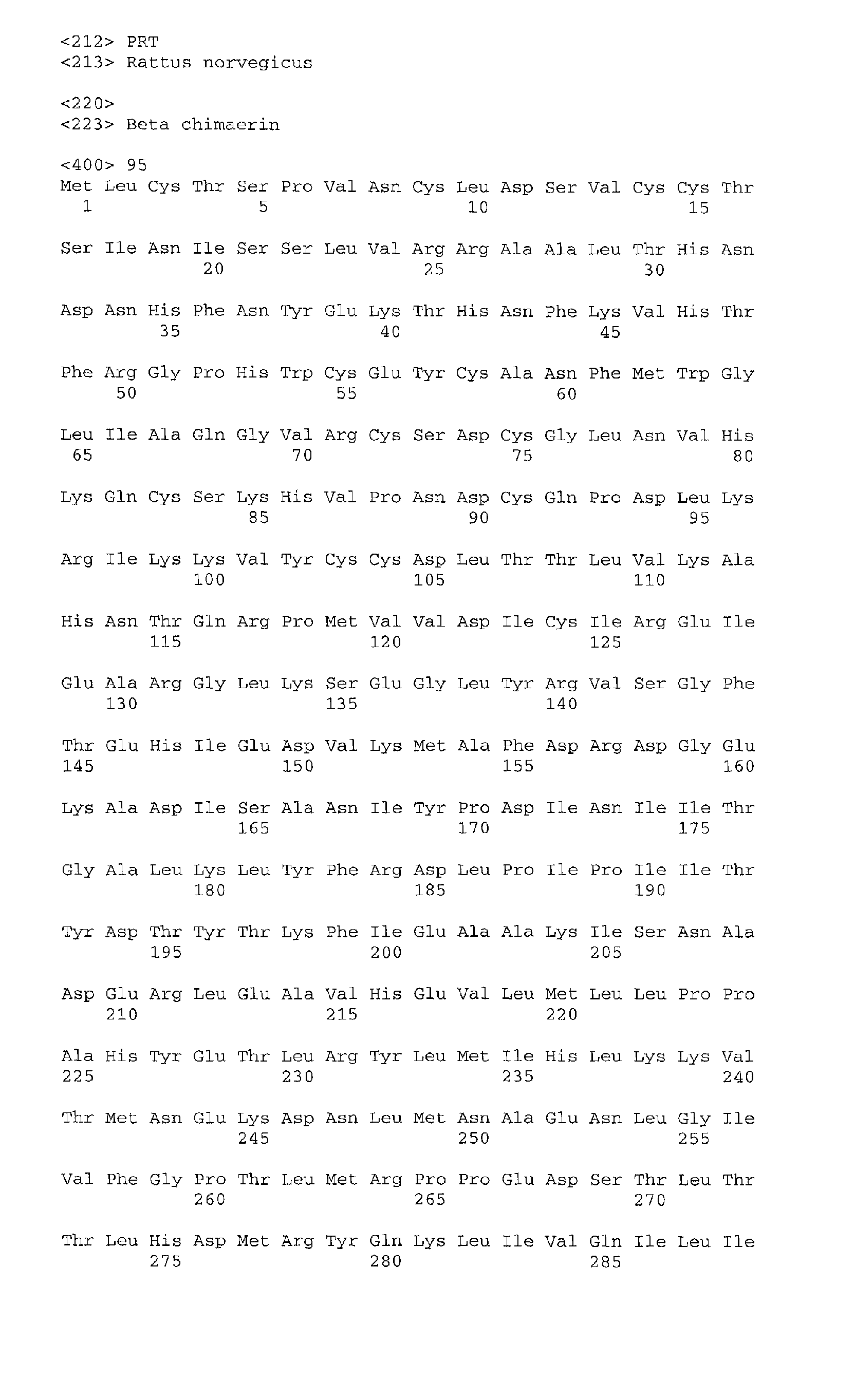
| Chimaerin, β (bch) (Ref: 43) | L07494 (SEQ ID No's 95-96) | Cell signalling | ||
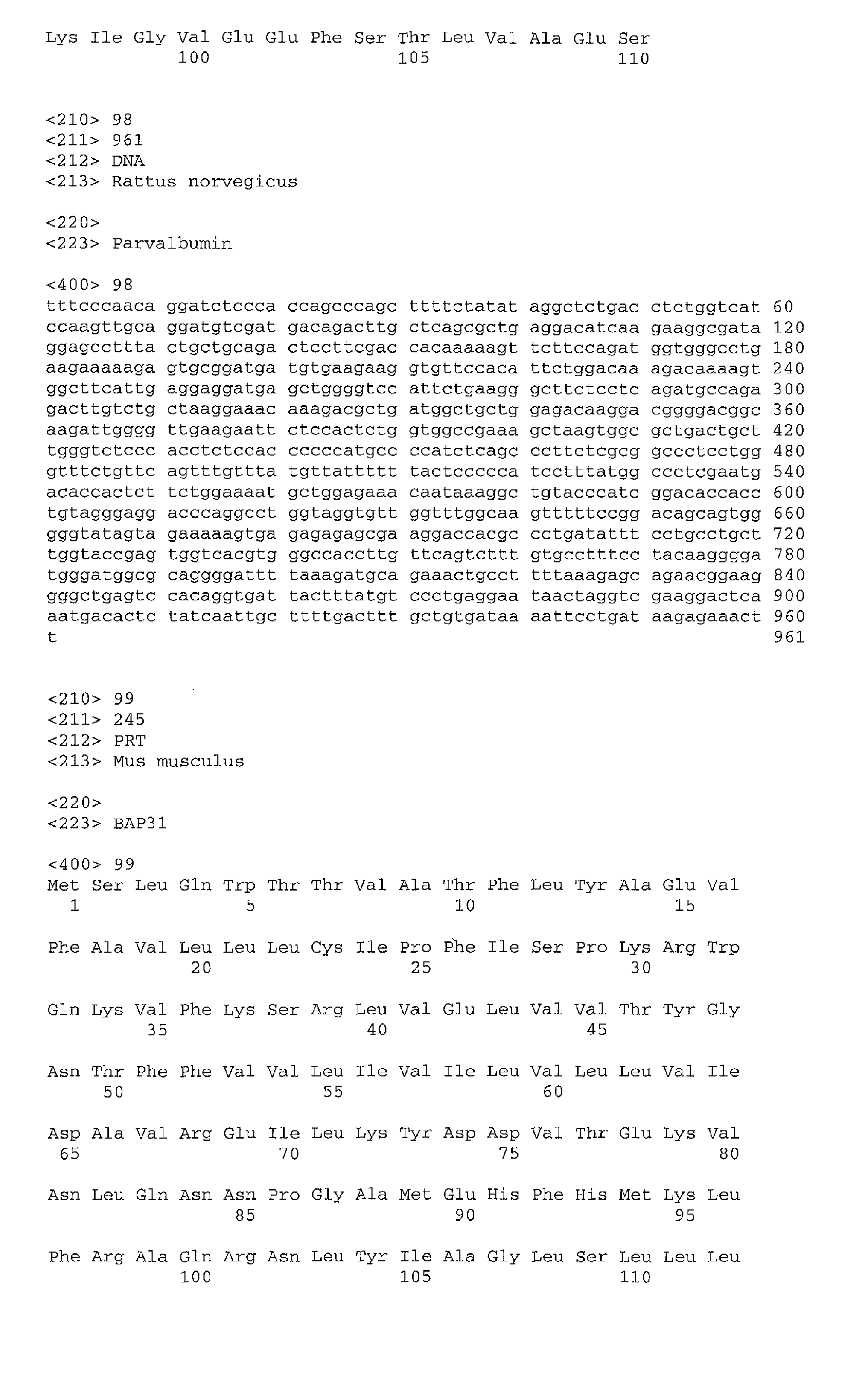
| Parvalbumin (Ref: 44) | M12725 (SEQ ID No's 97-98) | X63070 | Ca2+ buffer | |
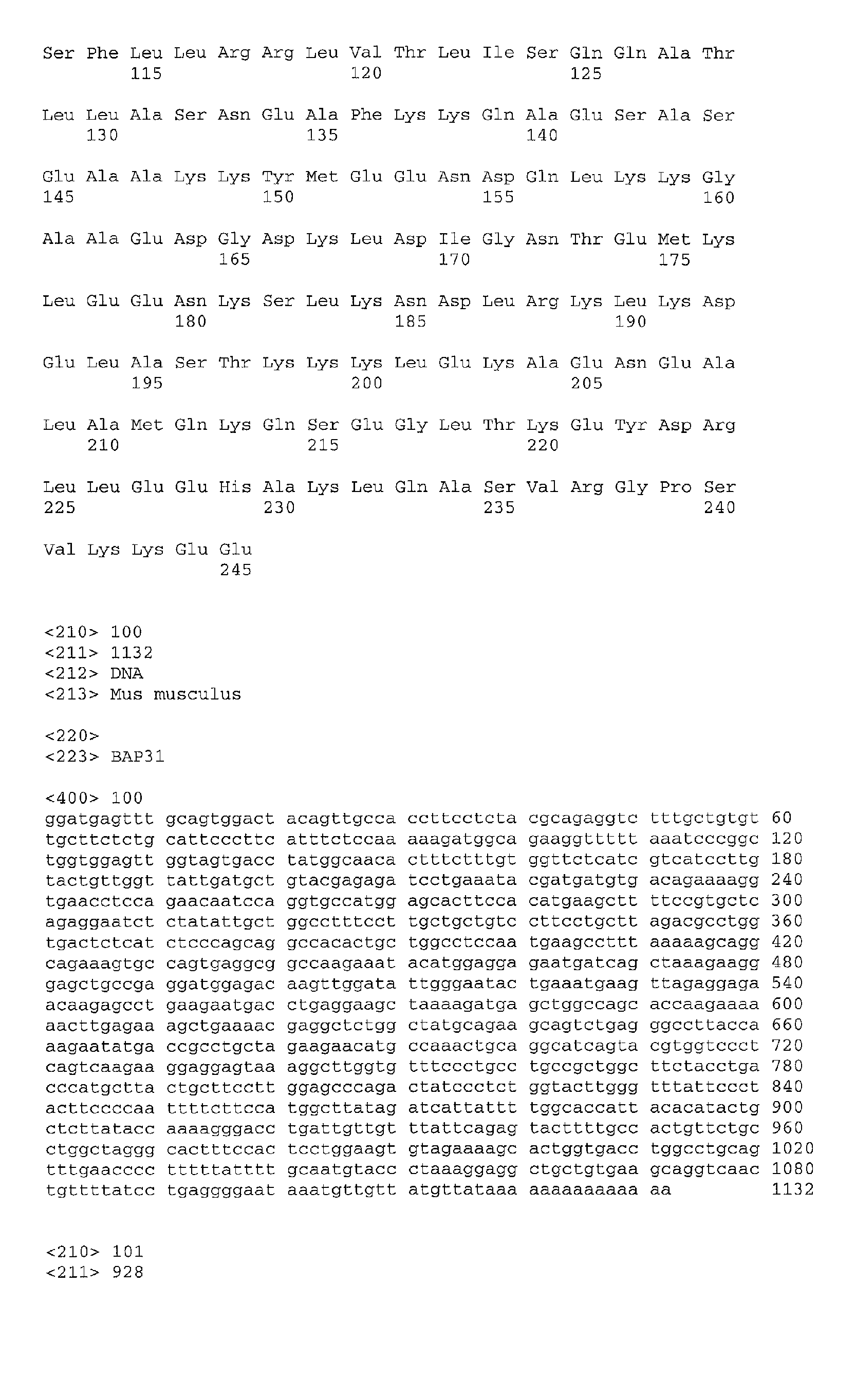
| Putative BAP 31 (Ref: 45) | X81816 (SEQ ID No's 99-100) | Unknown | ||
| Putative protocadherin 2C (Ref:46) | U88550 (SEQ ID No's 101-102) | Neural development | ||
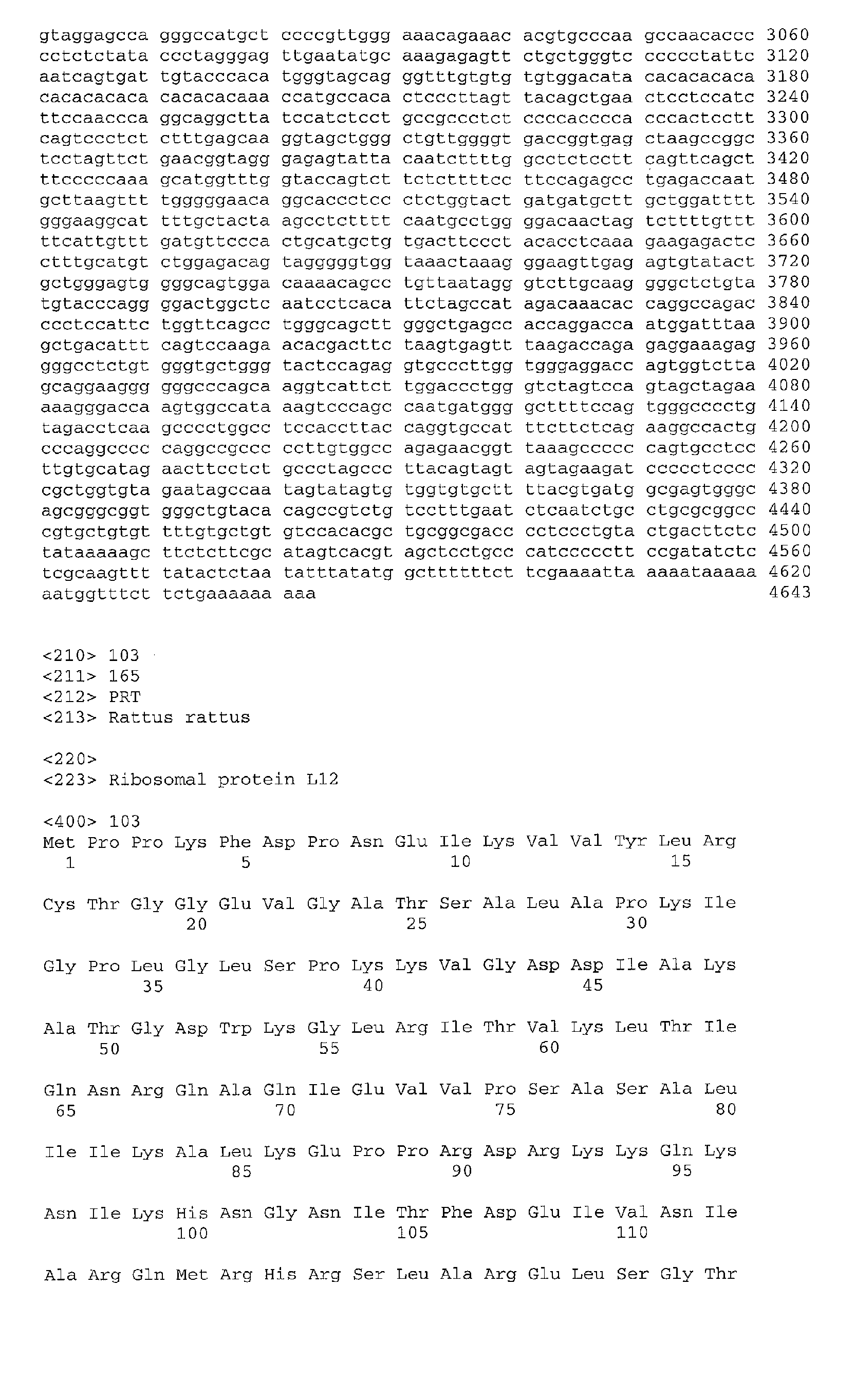
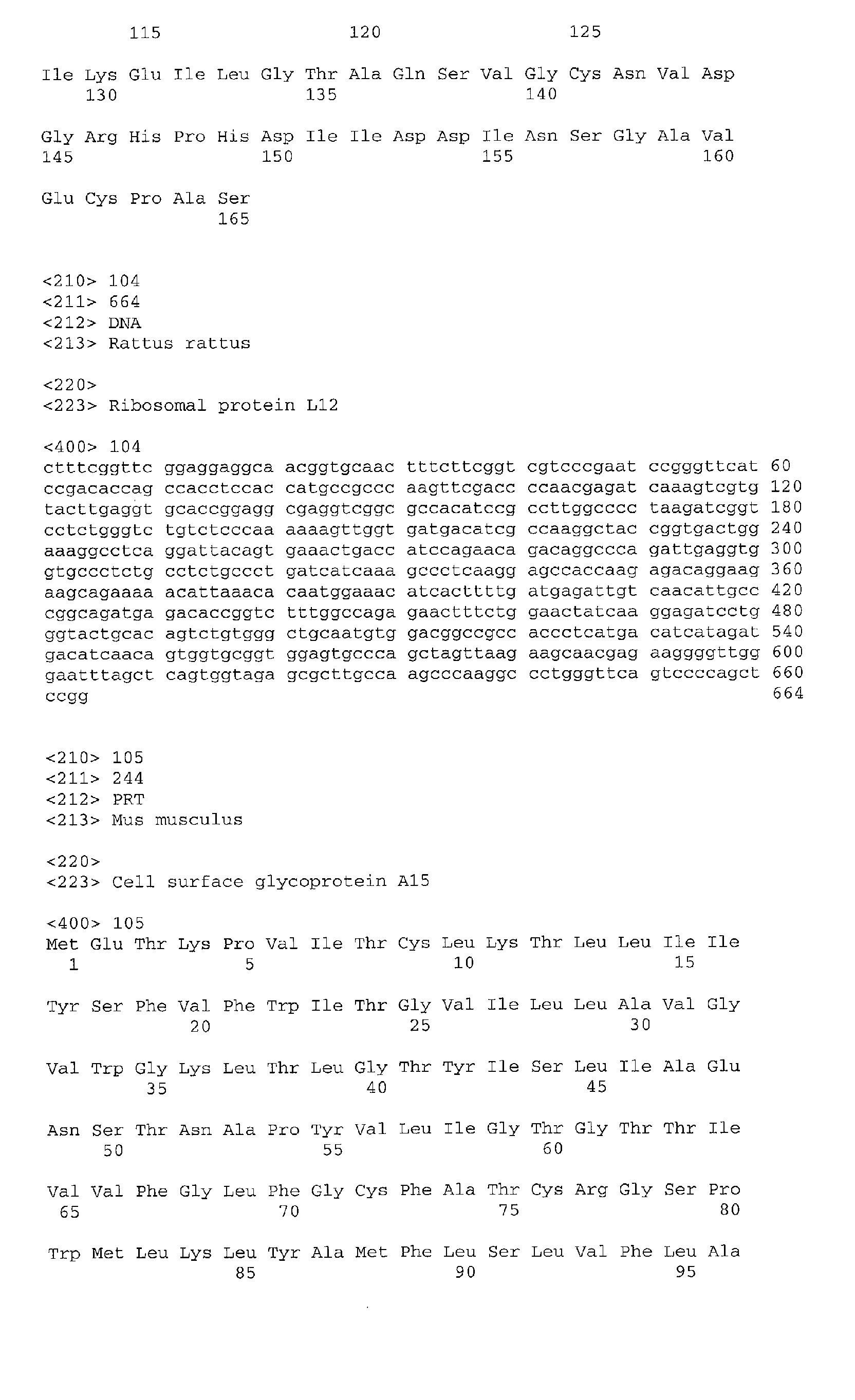
| Ribosomal protein 112 (Ref : 47) | X53504 (SEQ ID No's 103-104) | L04280 | L06505 | Protein synthesis |
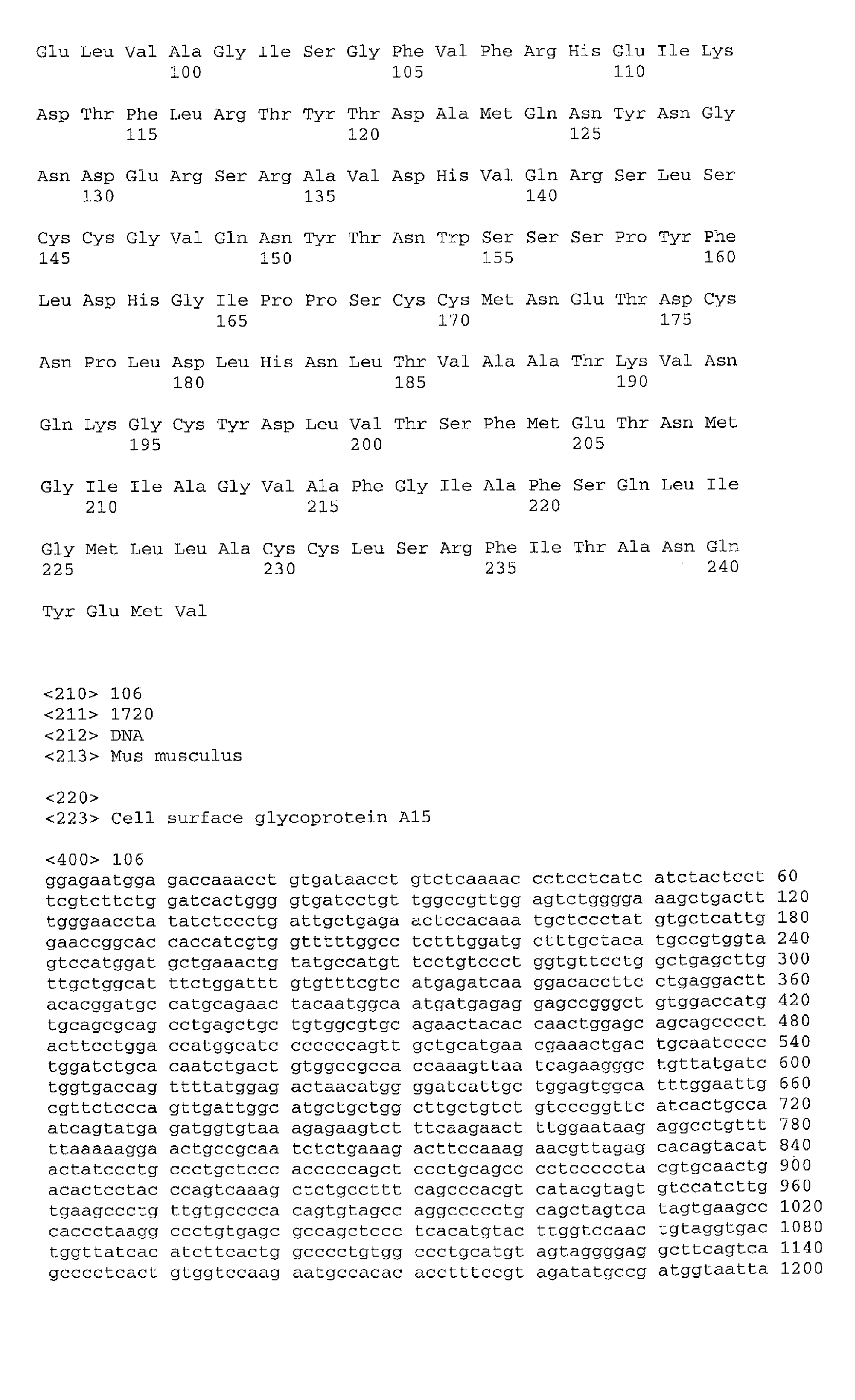
| Putative cell surface glycoprotein A15(PE 15) gene (Ref: N/A) | D26483 (SEQ ID No's 105-106) | Unknown | ||
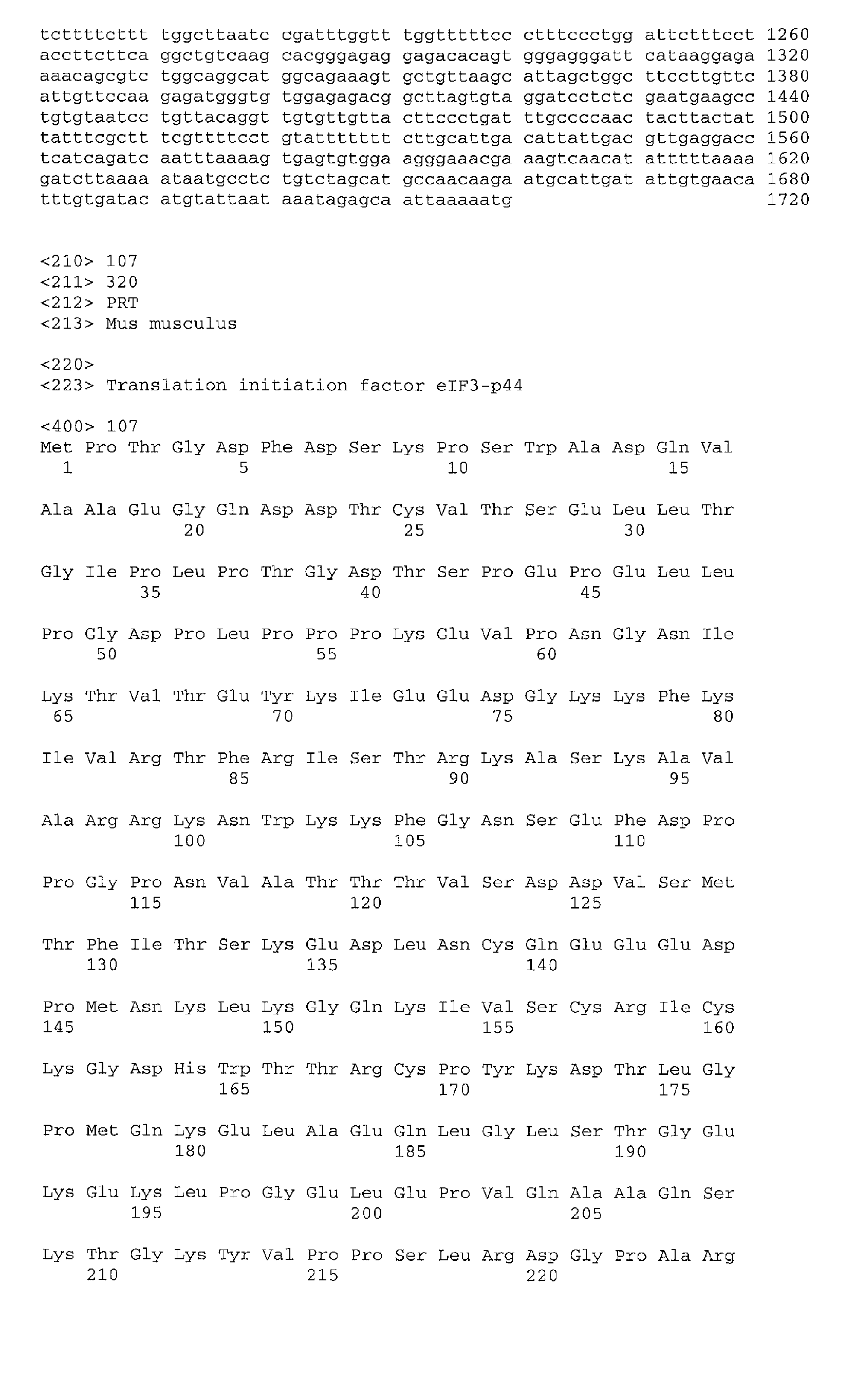
| Putative translation initiation factor elF3-p44(Ref:N/A) | U70733 (SEQ ID No's 107-108) | Protein synthesis | ||
| Putative tumor susceptibility tsg101 gene (Ref : 48) | U52945 (SEQ ID No's 109-110) | Unknown | ||
| Thymosin β 4, spleen (Ref : 49) | M34043 (SEQ ID No's 111-112) | U38967 | D85181 | Unknown |
| Ribosomal protein L18 (Ref: 50) | M20156 (SEQ ID No's 113-114) | Protein synthesis | ||
| Putative activation of Sentrin/SUMO protein AOS1 (Ref N/A) | AB024303 (SEQ ID No's 115-116) | |||
| 190 kDa ankyrin isoform (Ref: 51) | AF069525 (SEQ ID No's 117-118) | Cytoskeleton protein | ||
| Synaptotagmin interacting protein zygin 1 (Ref: N/A) | U63740 (SEQ ID No's 119-120) | U69139 | Axonal outgrowth | |
| Prion-related protein (PrP) (Ref : 52) | M20313 (SEQ ID No's 121-122) | Cell signalling | ||
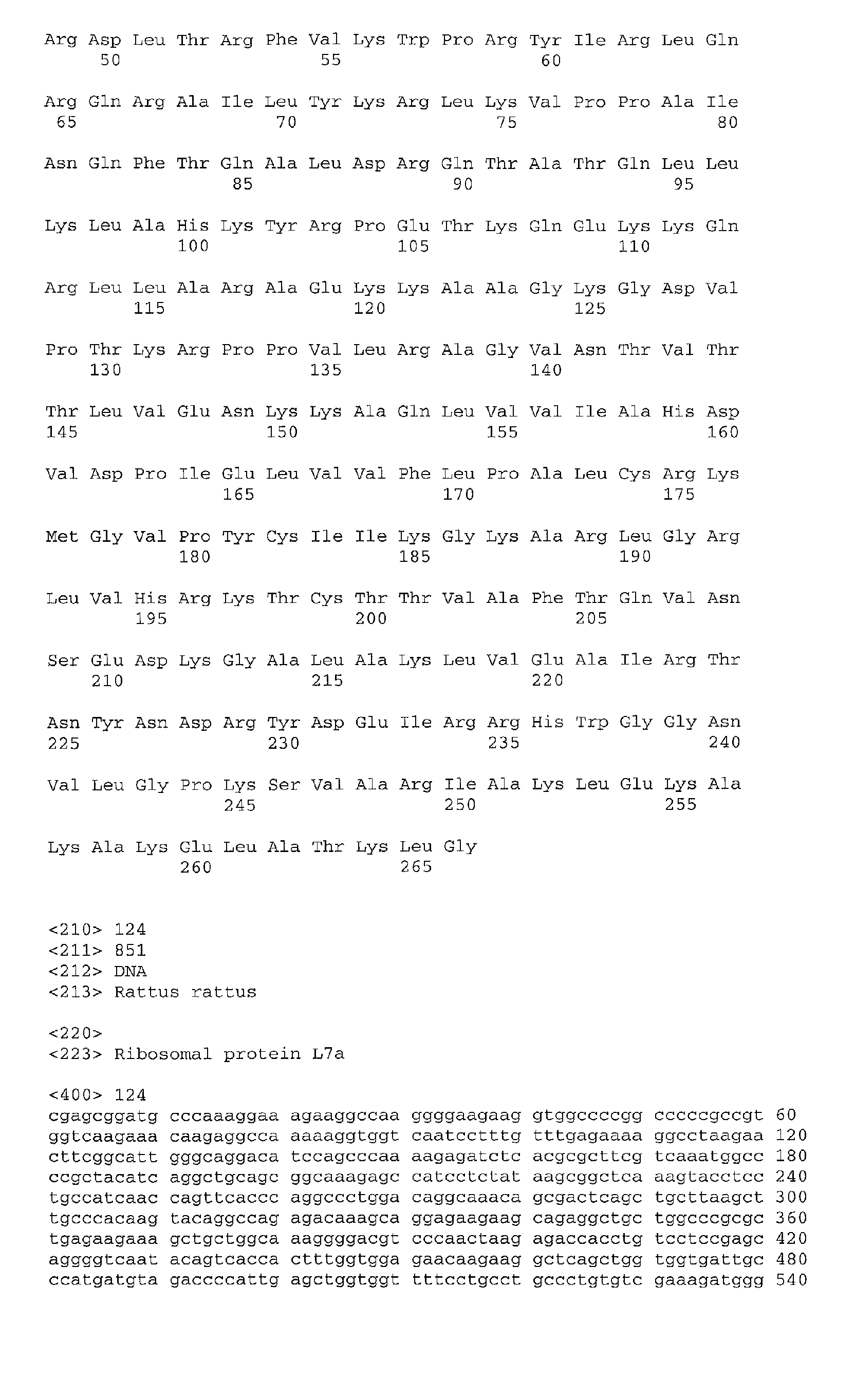
| Ribosomal protein L7a (Ref : 53) | X15013 (SEQ ID No's 123-124) | Protein synthesis | ||
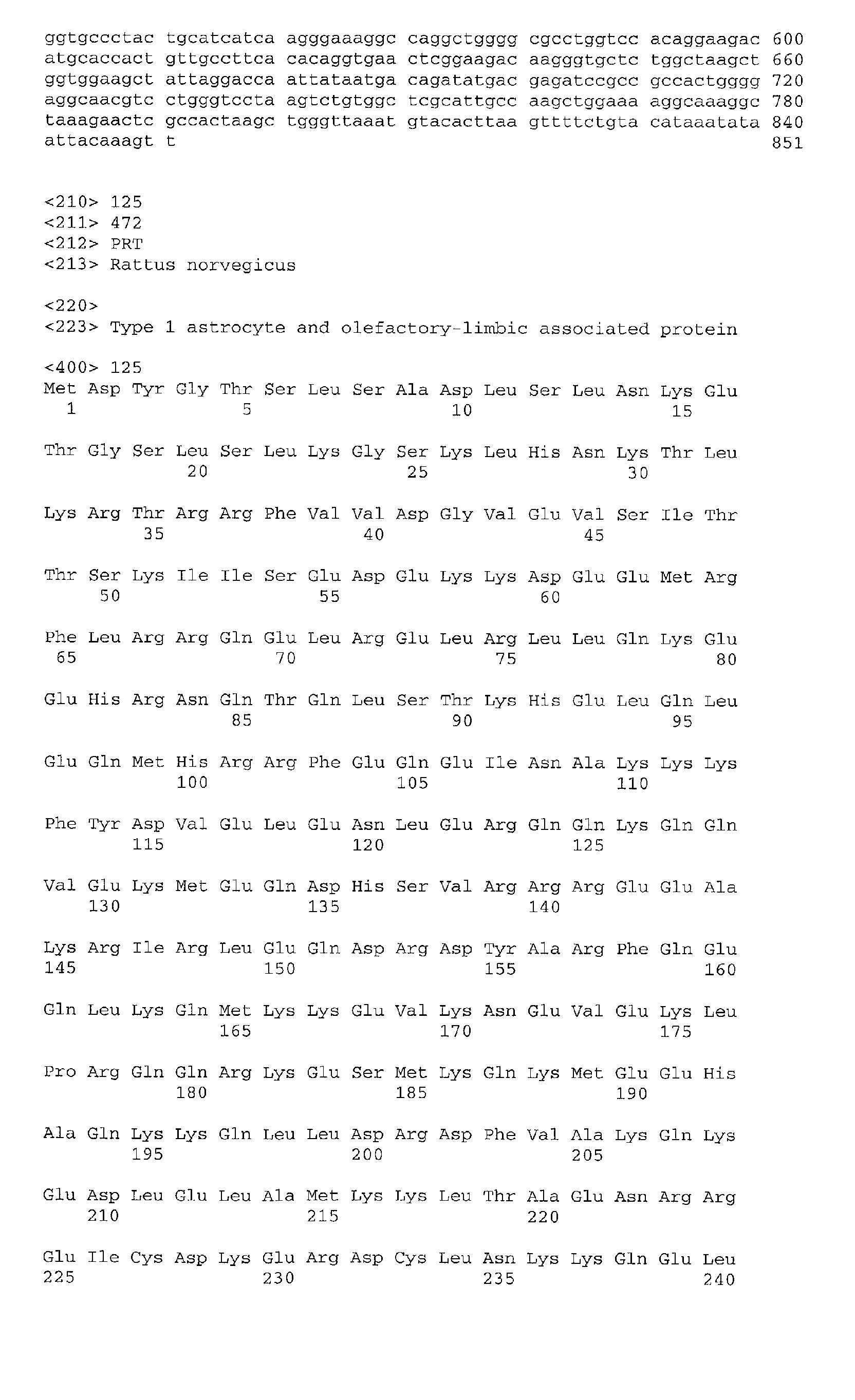
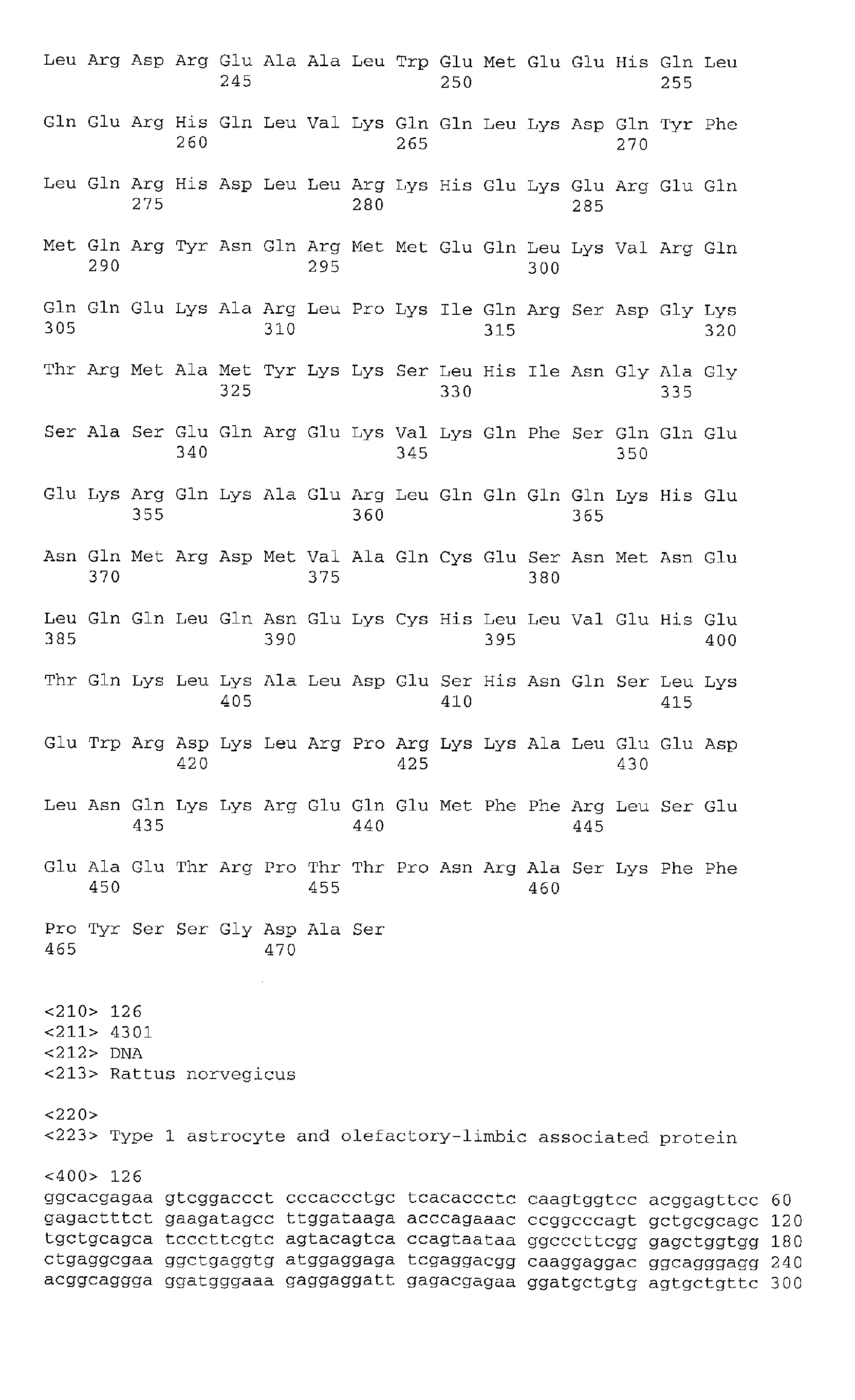
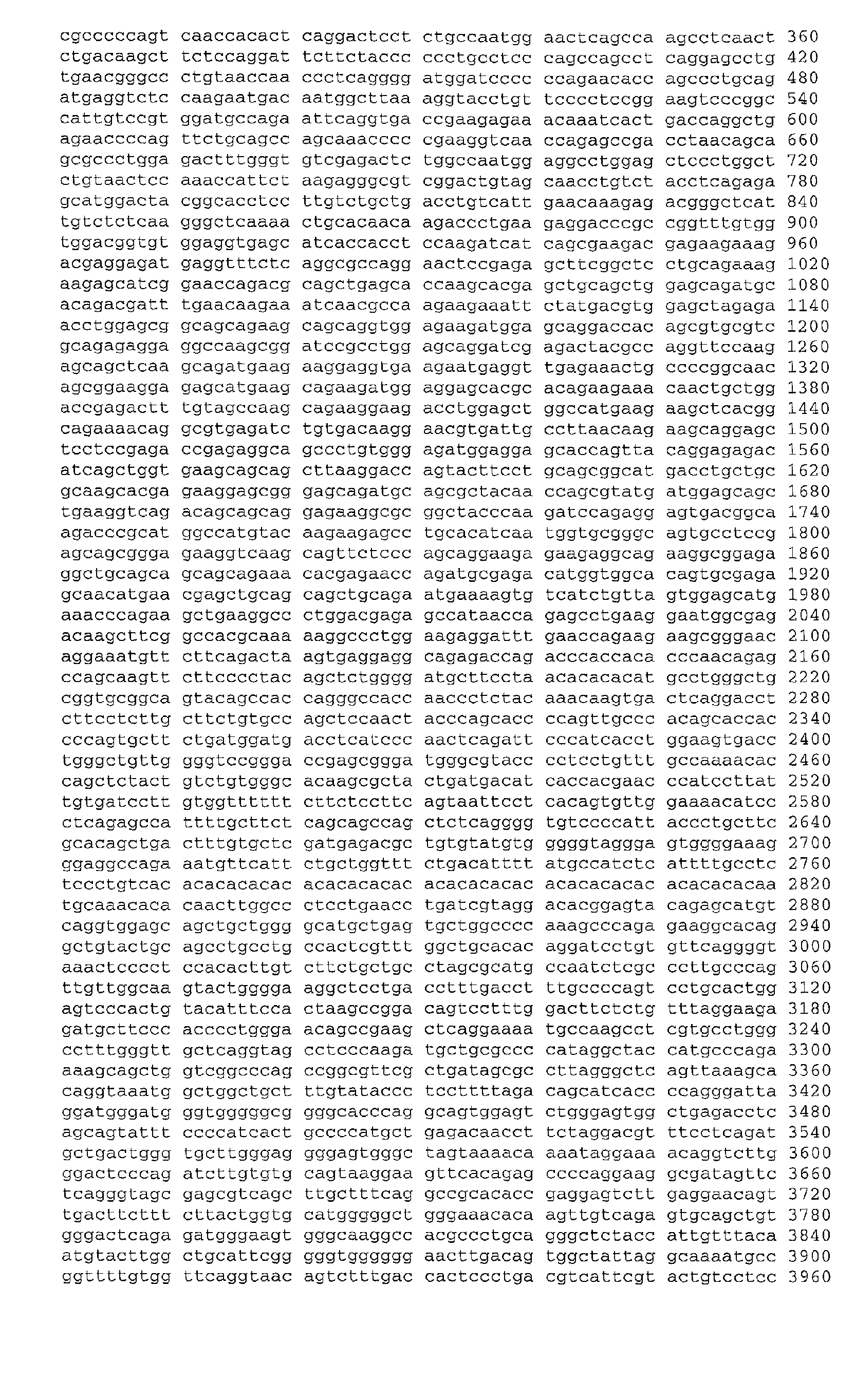
| Astrocyte and olefactroy-limbic associated, type 1 (Ref:54) | U33472 (SEQ ID No's 125-126) | Unknown | ||
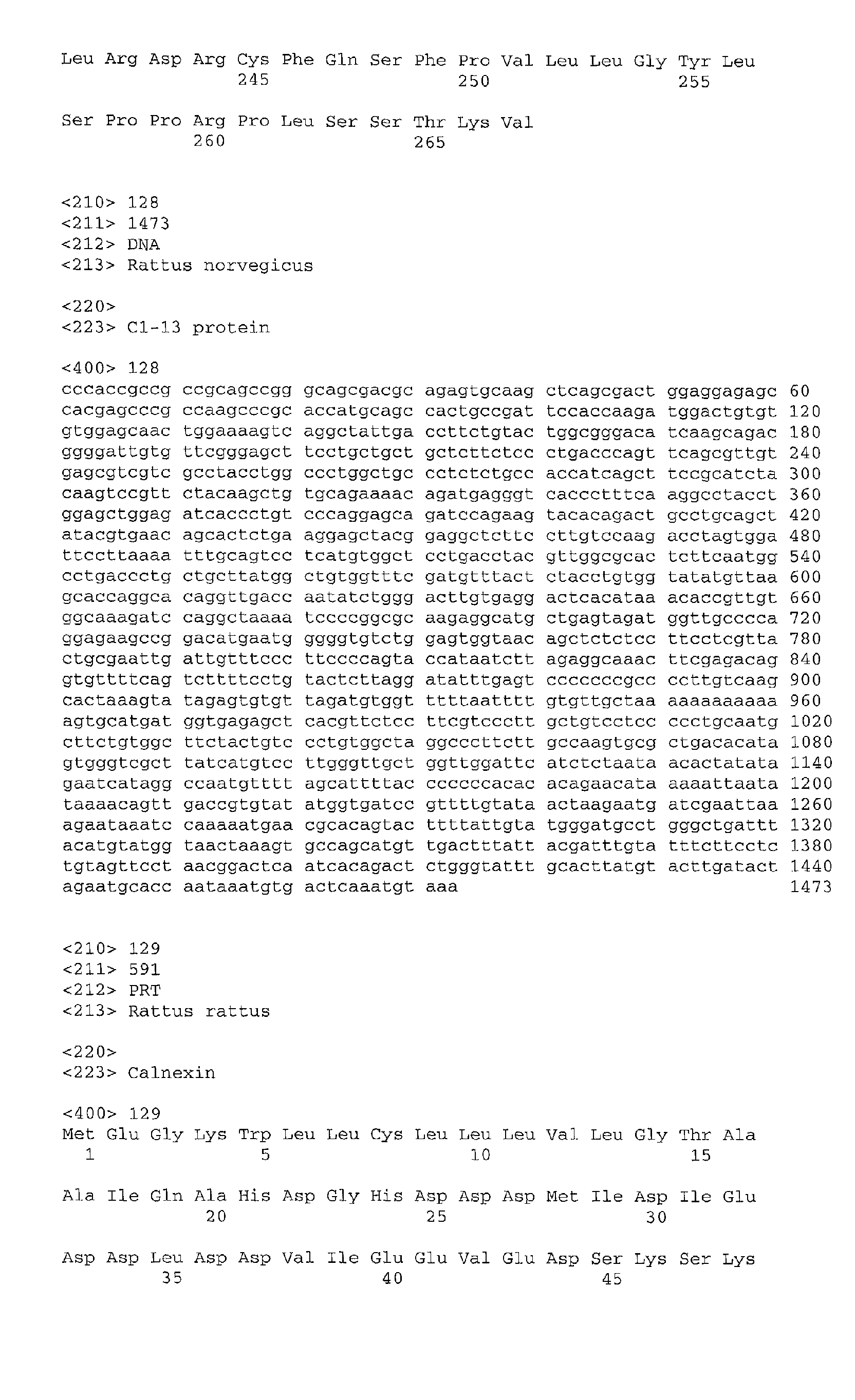
| C1-13 protein neuronal-specific (Reff:55) | X52817 (SEQ ID NO's 127-128) | Unknown | ||
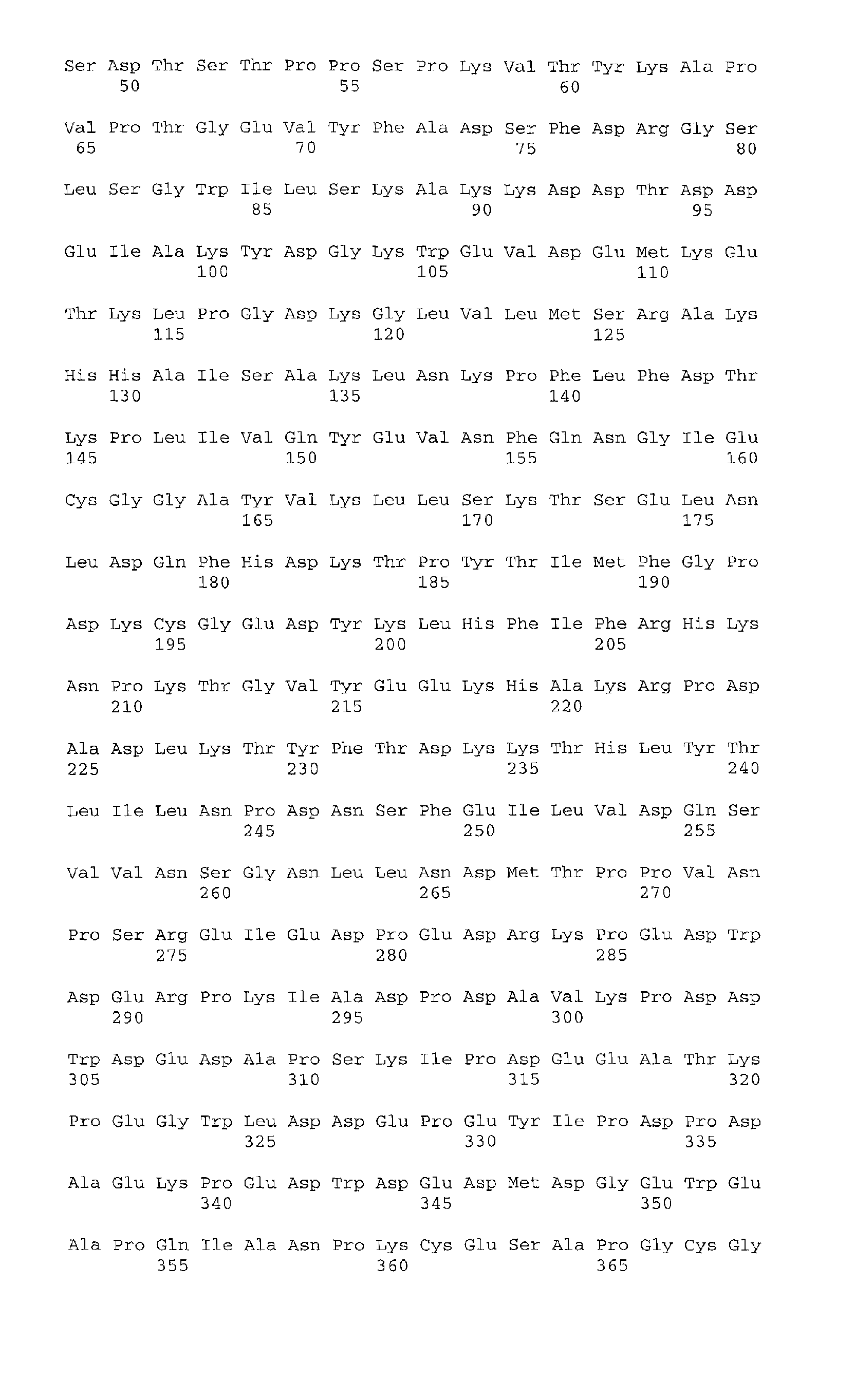
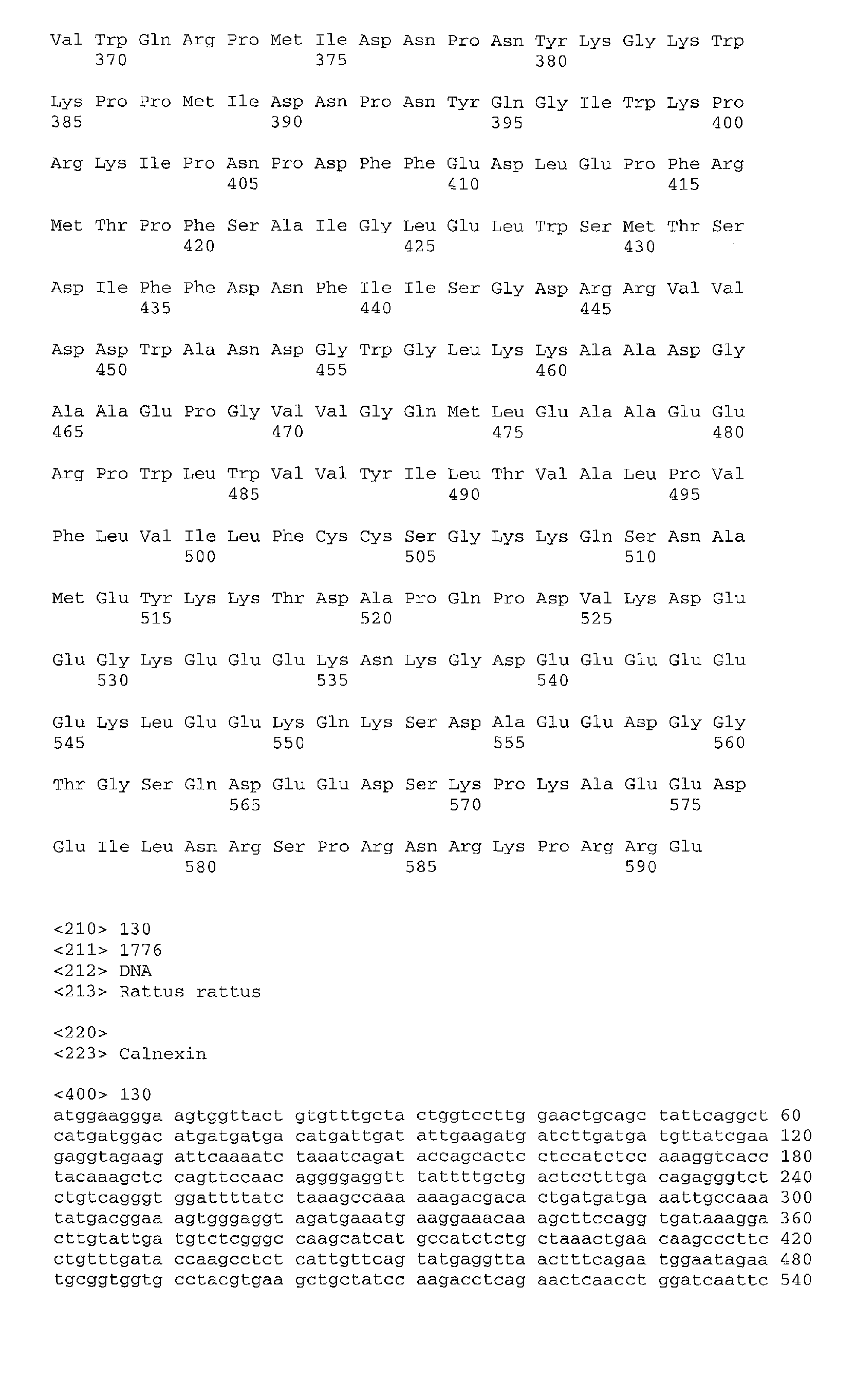
| Calnexin (Ref: 56) | L18889 (SEQ ID No's 129-130) | Protein production | ||
| Enkephalin (Enk), prepro ** (Ref : 57) | Y07503 (SEQ ID No's 131-132) | Neurotransmitter | ||
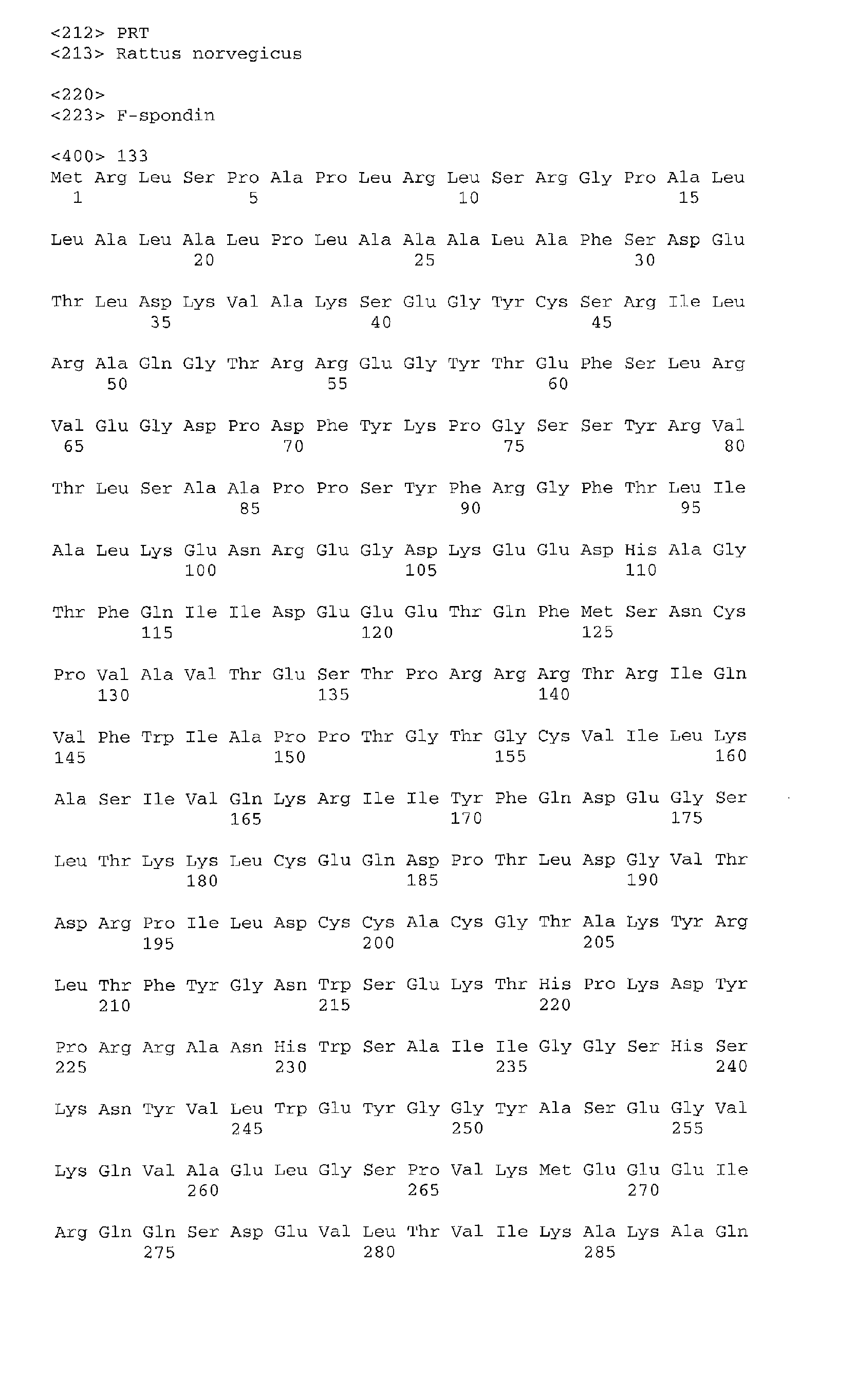
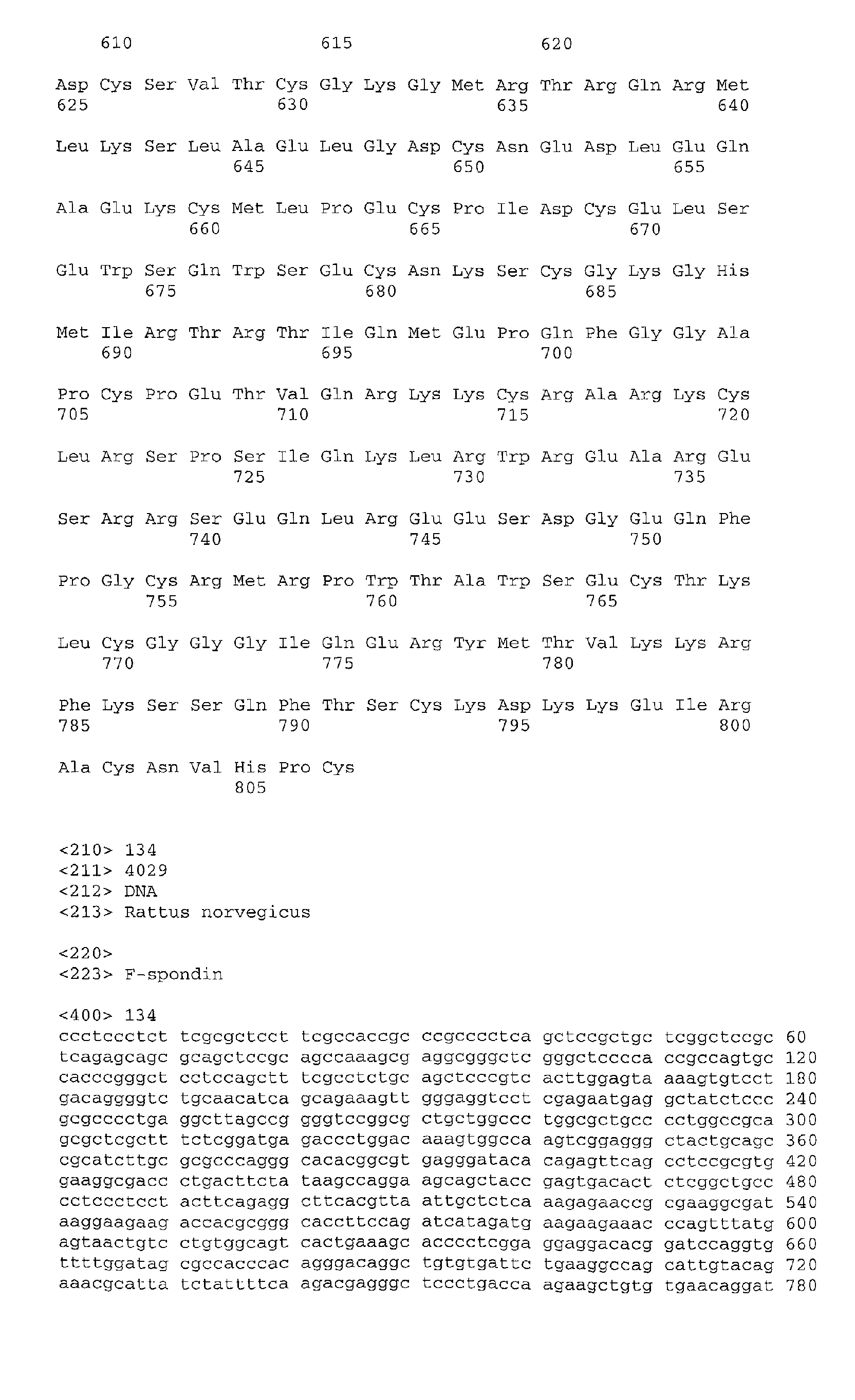
| f-spondin (Ref: 58) | M88469 (SEQ ID No's 133-134) | Neurite extension, neural cell adhesion | ||
| Neurofilament 68kDa (Ref: 59) | X53981 (SEQ ID No's 135-136) | Cytoskeleton | ||
| Putative E800 (Ref : 60) | Y10968 (SEQ ID No 137) | Unknown | ||
| Putative F-actin capping protein α-1 subunit (CAPZ) (Ref: 61) | U56637 (SEQ ID No's 138-139) | Cytoskeleton protein | ||
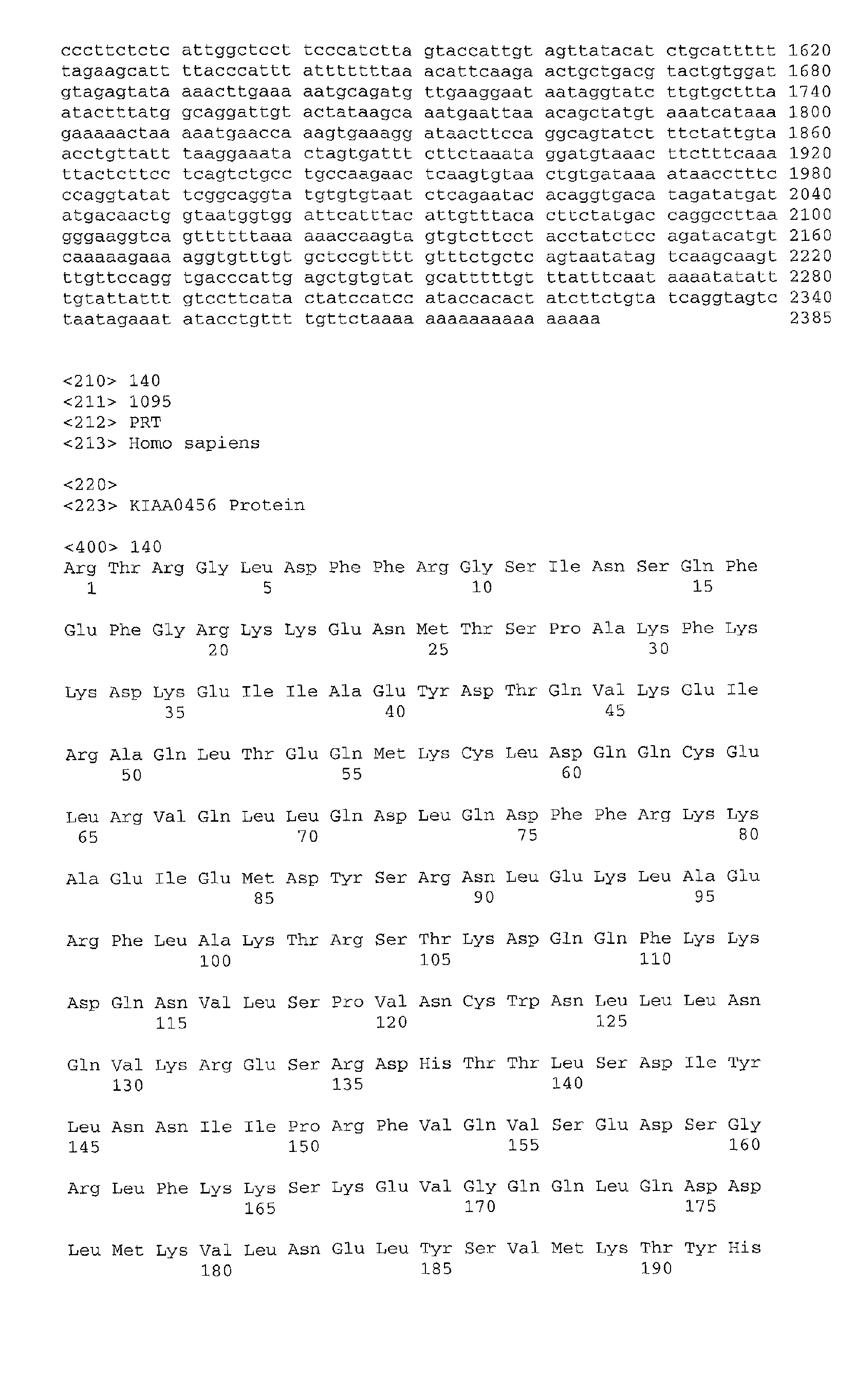
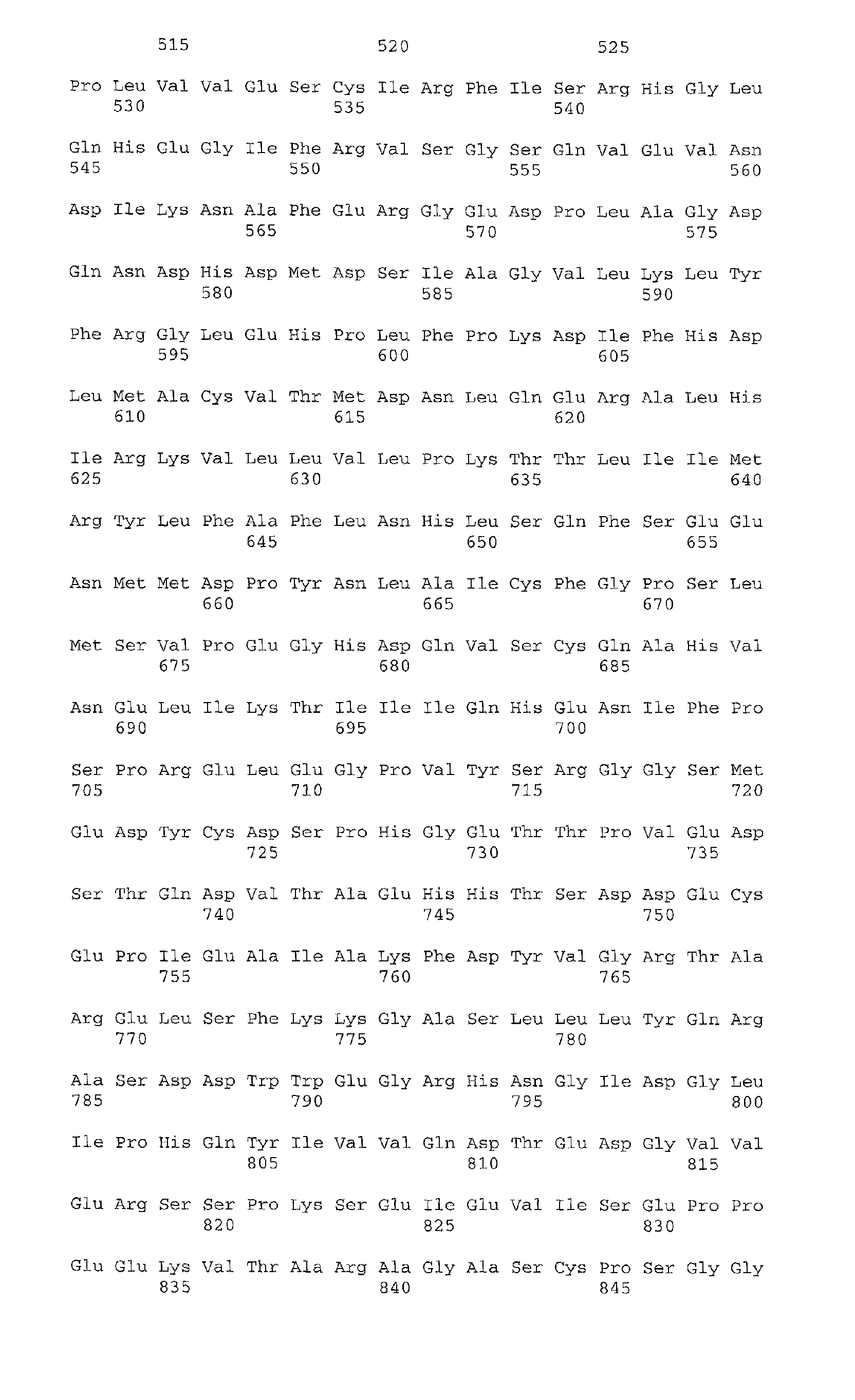
| Putative KIAA0456 (Ref : 62) | AB007925 (SEQ ID No's 140-141) | Unknown | ||
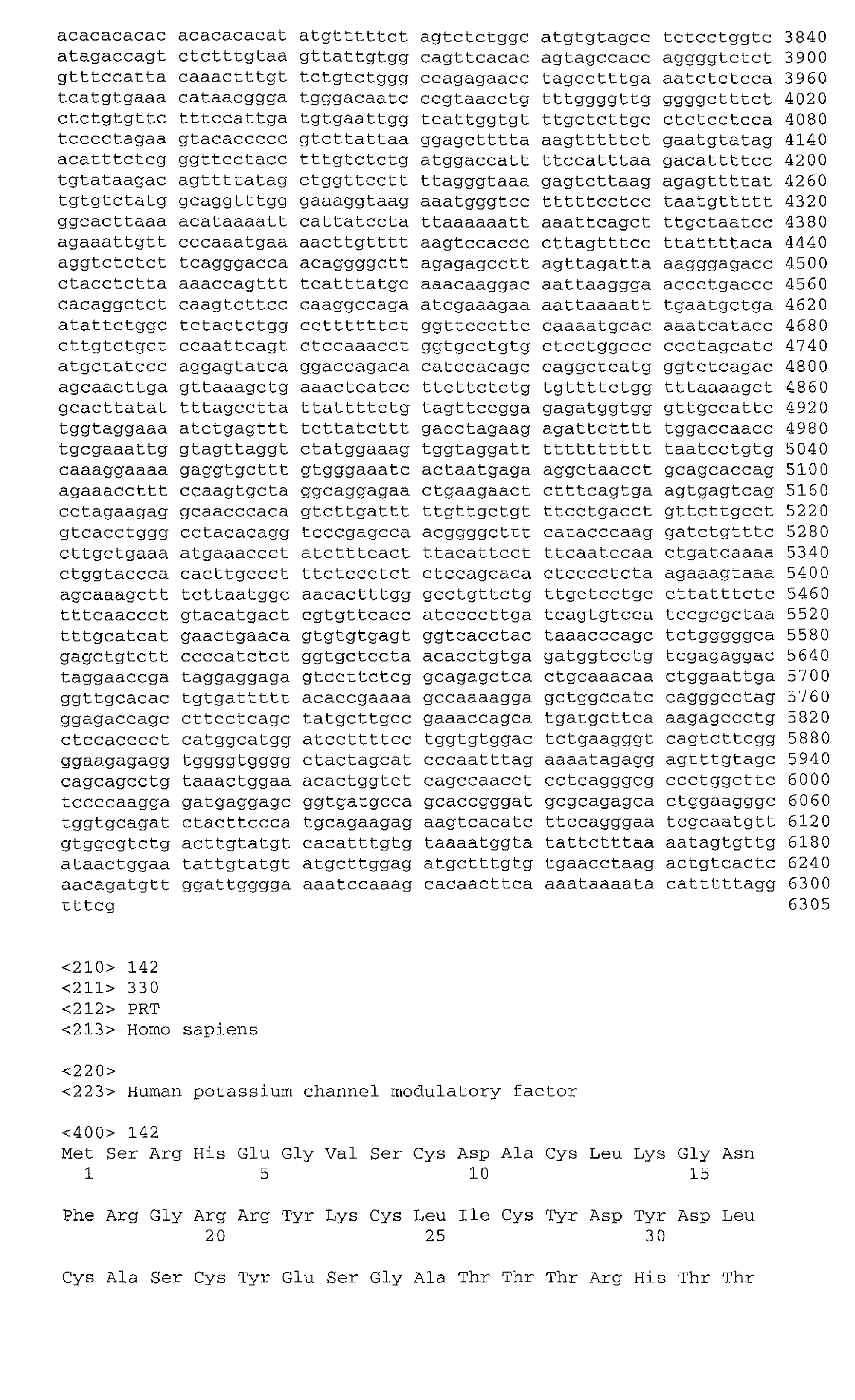
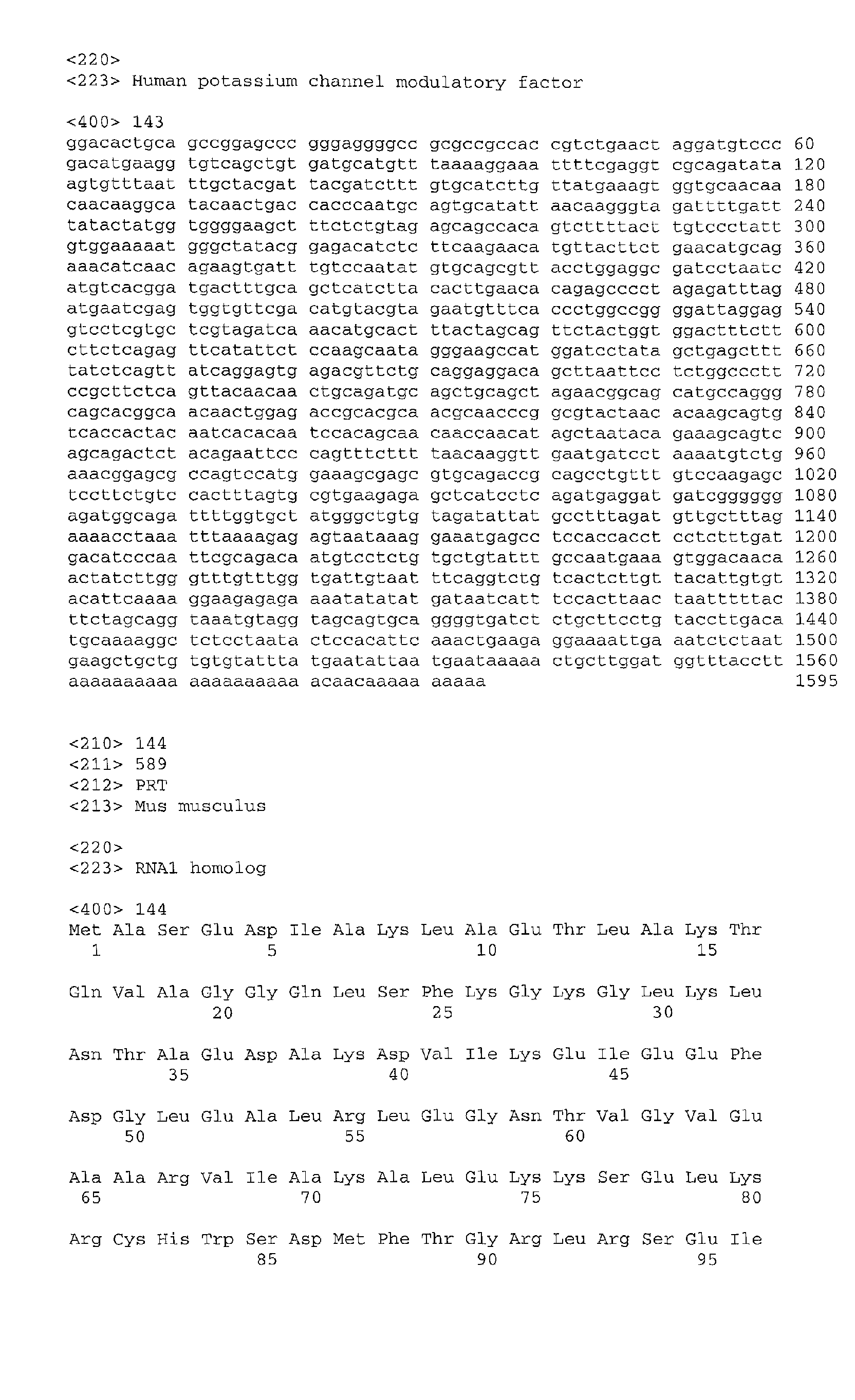
| Putative potassium channel modulatory factor (Ref: N /A) | AF155652 (SEQ ID No's 142-143) | K+ current modulator | ||
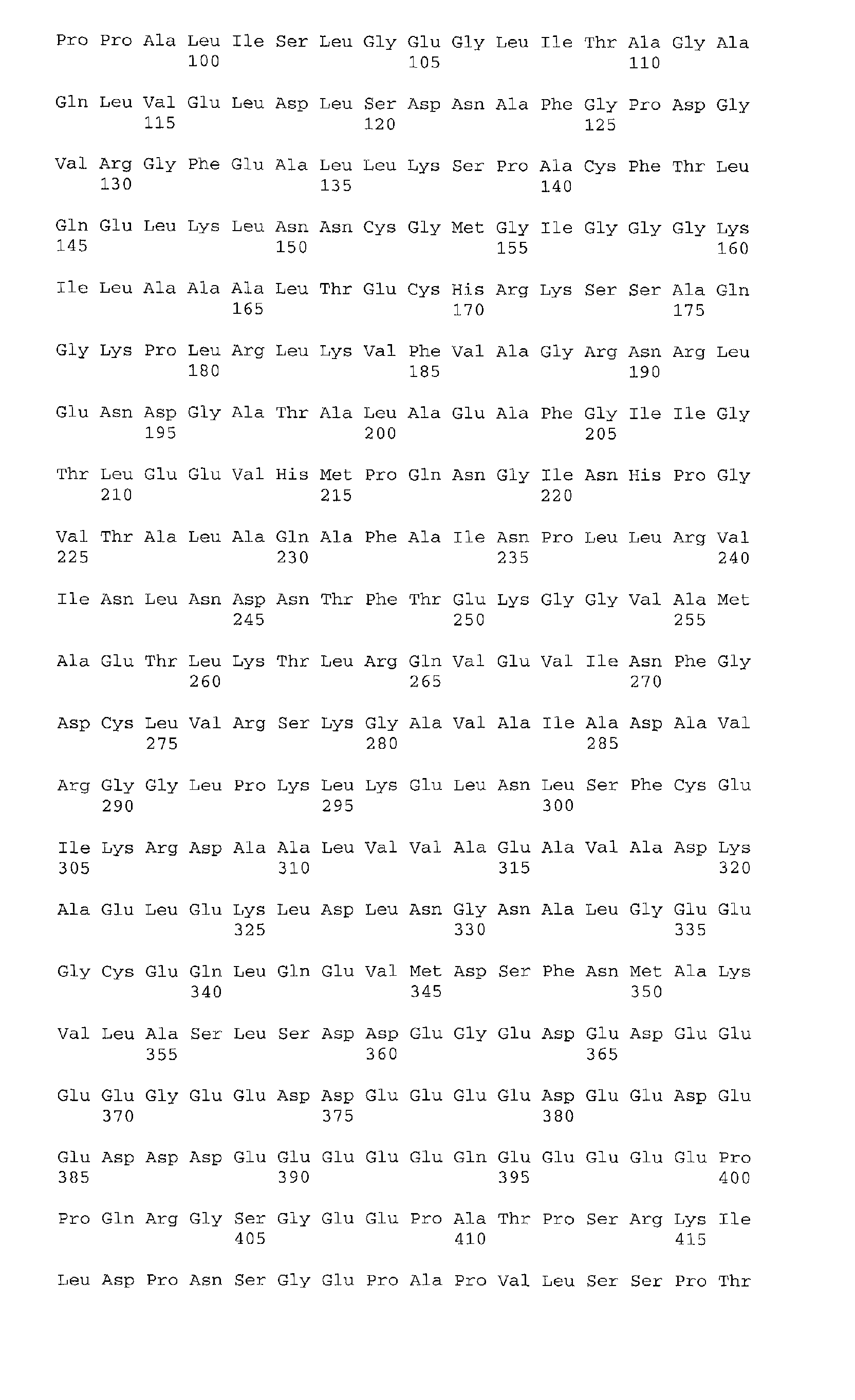
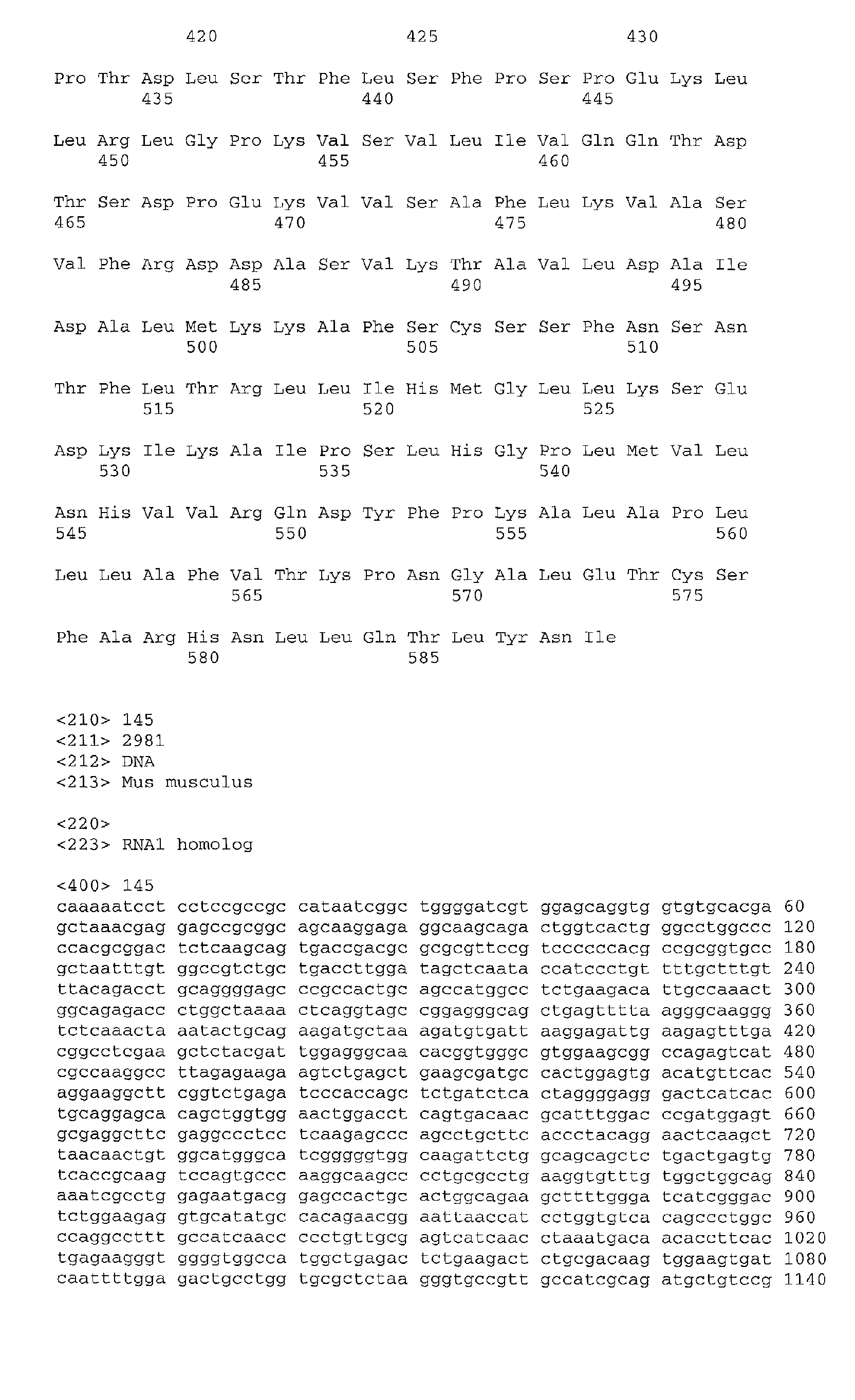
| Putative RNA1 homolog (Ref : 63) | U08110 (SEQ ID NO's 144-145) | Unknown | ||
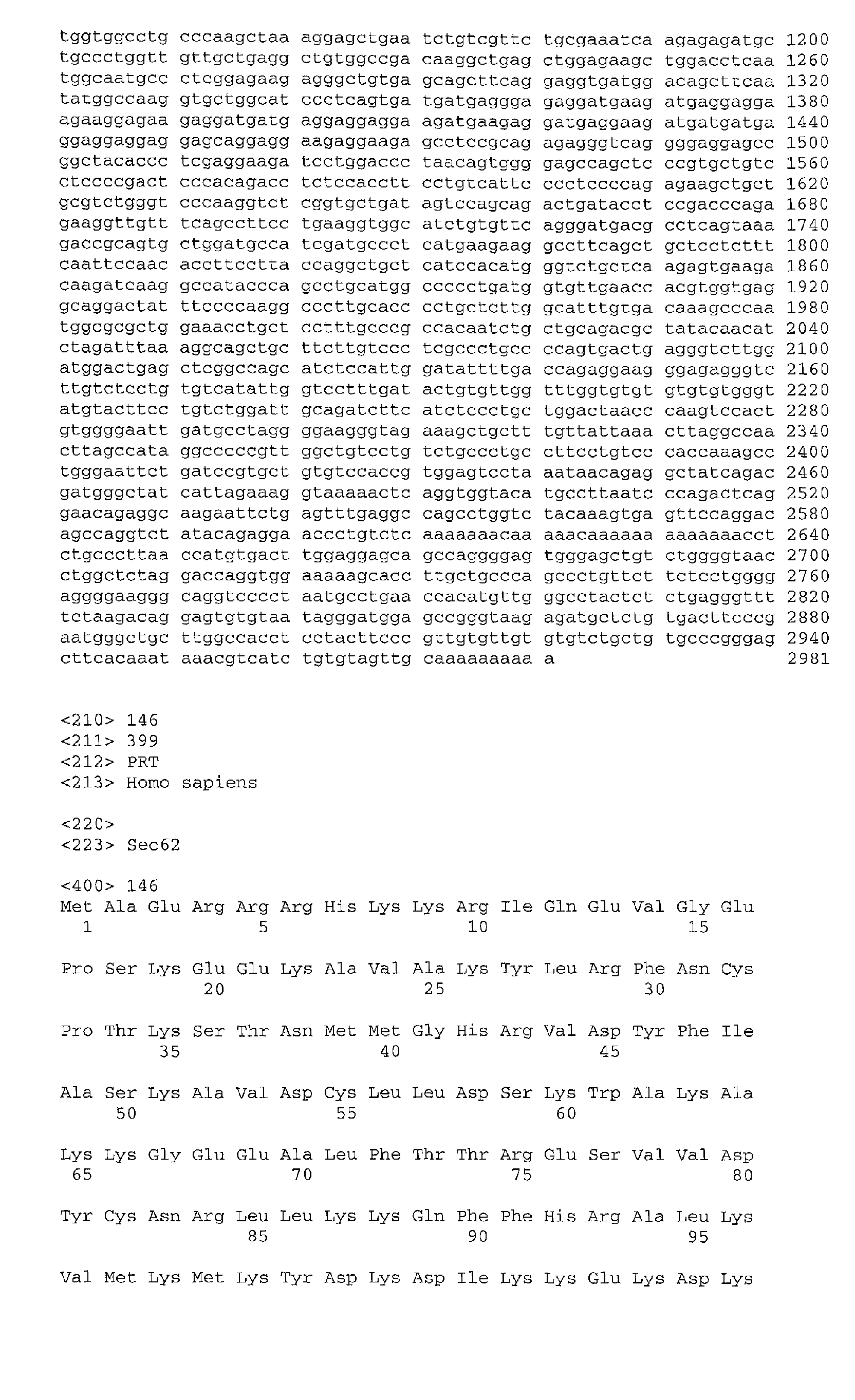
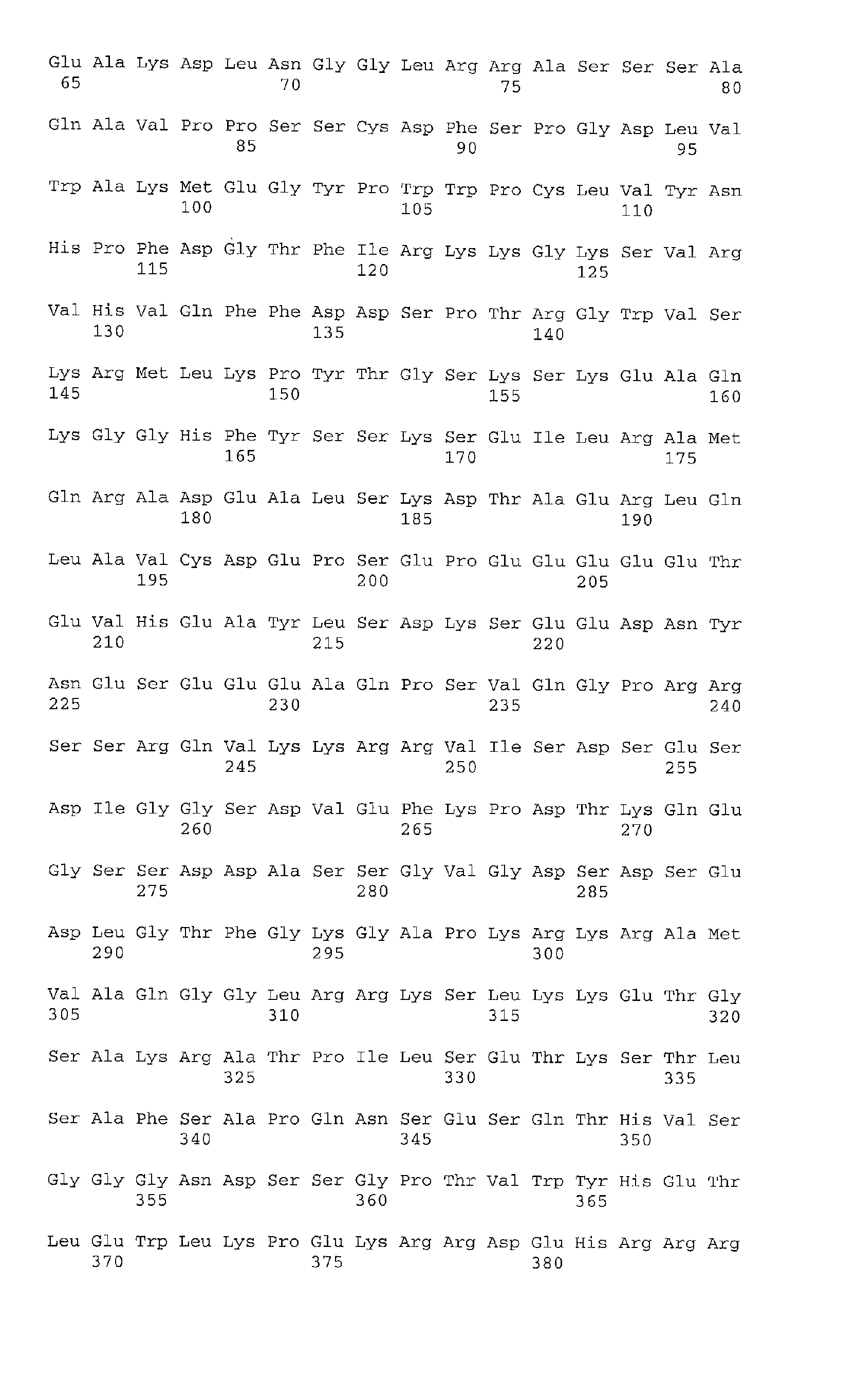
| Putative Sec 62 gene (Ref : 64) | U93239 (SEQ ID No's 146-147) | Protein translocation | ||
| Putative TCP-1-chaperonin cofactor A (Ref:65) | U05333 (SEQ ID No's 148-149) | protein folding | ||
| Putative U6 sn-RNA associated Sm-like protein (Ref : N/A) | AF182290 (SEQ ID No's 150-151) | Nucleic acid splicing | ||
| Putative vitiligo associated protein VIT-1 (Ref : 66) | AF031087 (SEQ ID No's 152-153) | Unknown | ||
| Glypican (Ref : 67) | L02896 (SEQ ID No's 154-155) | Heparan sulphate glycoprotein | ||
| Putative Ndr1 gene (Ref: 68) | U60593 (SEQ ID No's 156-157) | Unknown | ||
| Ribosomal protein S23 (Ref : 69) | X77398 (SEQ ID No's 158-159) | protein synthesis | ||
| Putative DNA binding protein insulinoma rig (Ref :70) | M19393 (SEQ ID No's 160-161) | M33330 | J02984 | Protein synthesis |
| G9 surface glycoprotein, platelet (Ref:71) | X76489 (seq id No's 162-163) | Unknown | ||
| Foocen-m2 reticulon gene (Ref: N/A) | AF132045 (SEQ ID No's 164-165) | Inhibits neurite outgrowth | ||
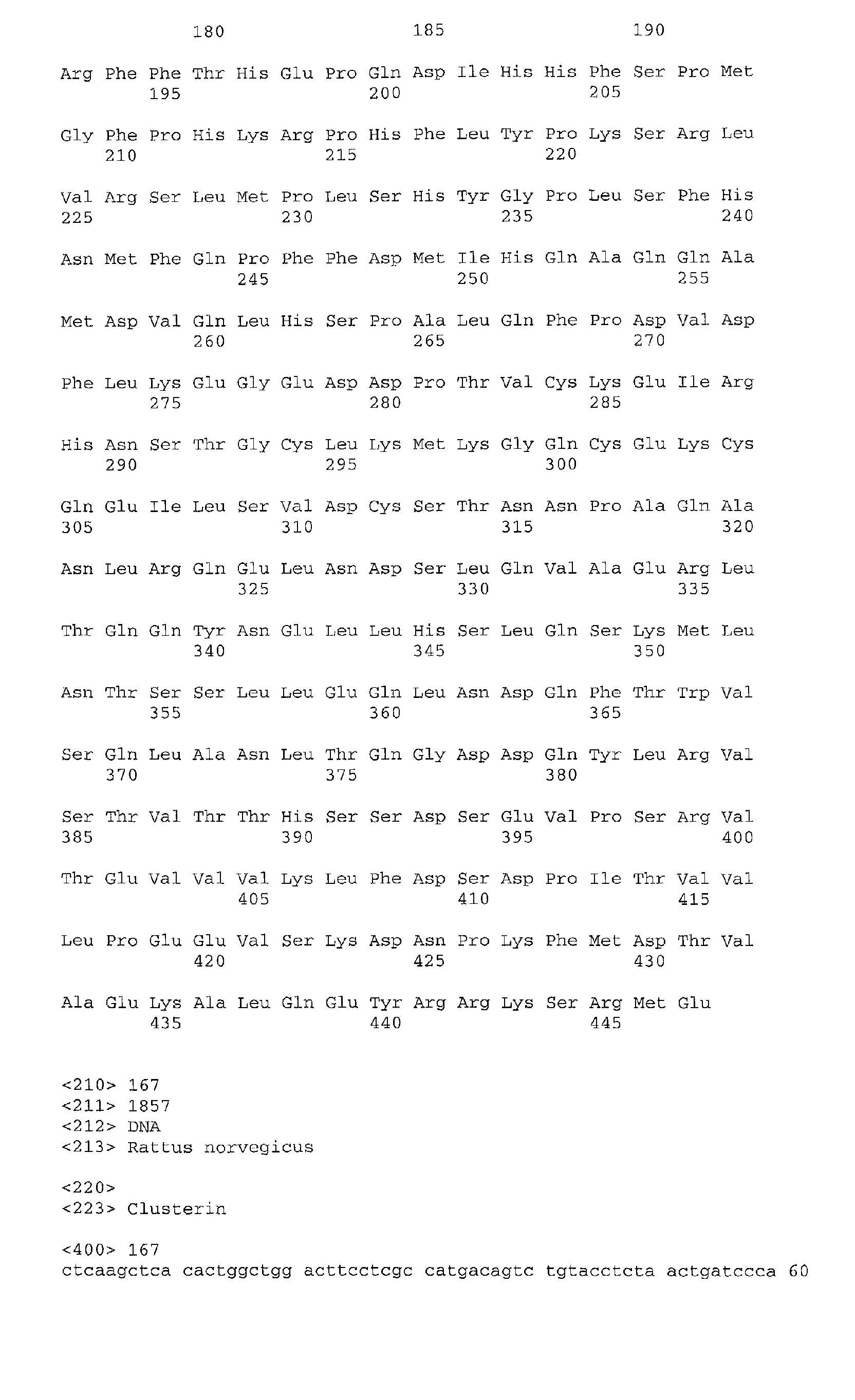
| Clusterin (Ref : 72) | M16975 (SEQ ID No's 166-167) | Unknown | ||
| Prosaposin (Ref 77) | S18373 (SEQ ID 176, 177) | Sphingolipid degradation | ||
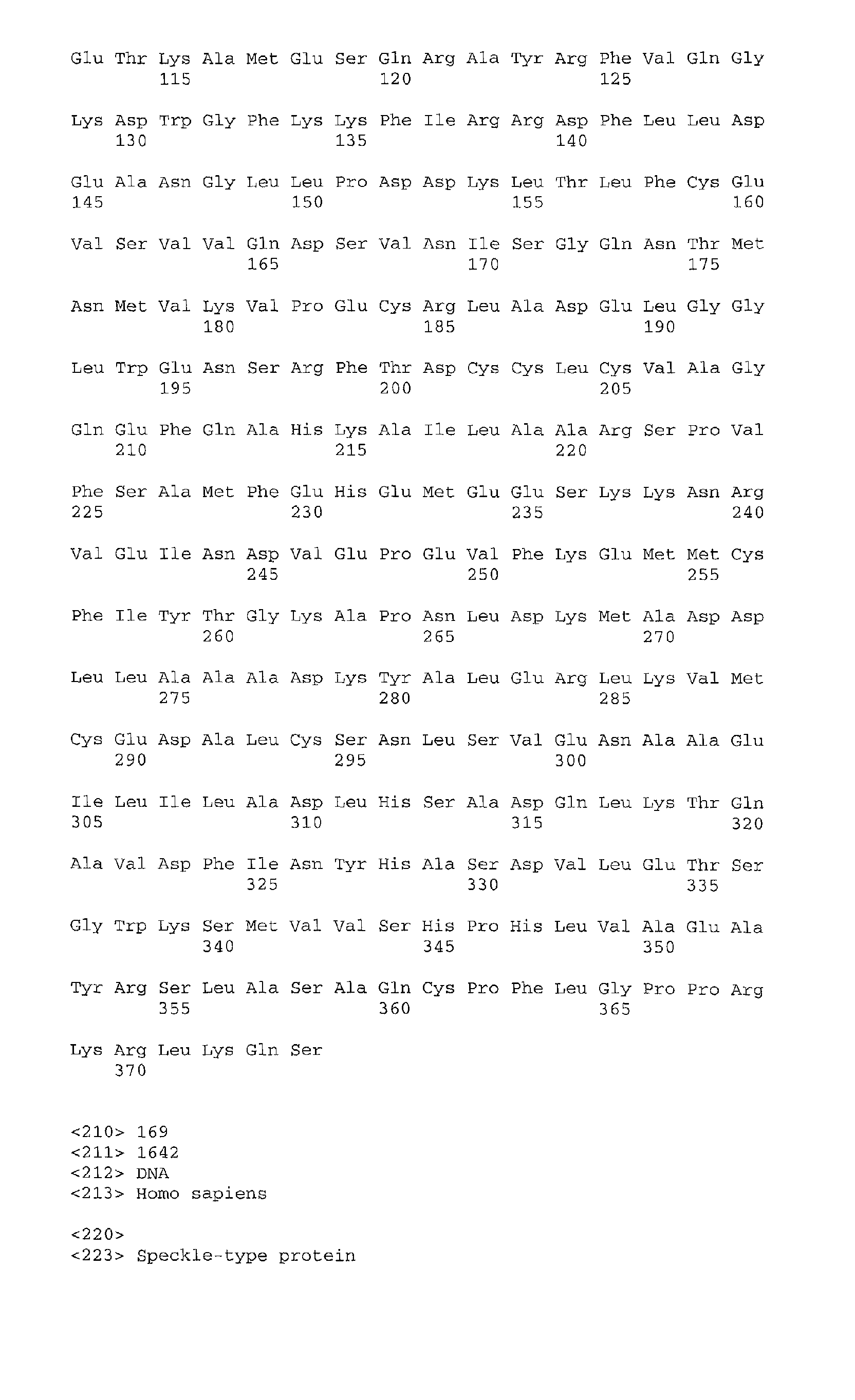
| Putative nuclear speckle-type protein (Ref:73) | AJ000644 (SEQ ID No's 168-169) | Unknown | ||
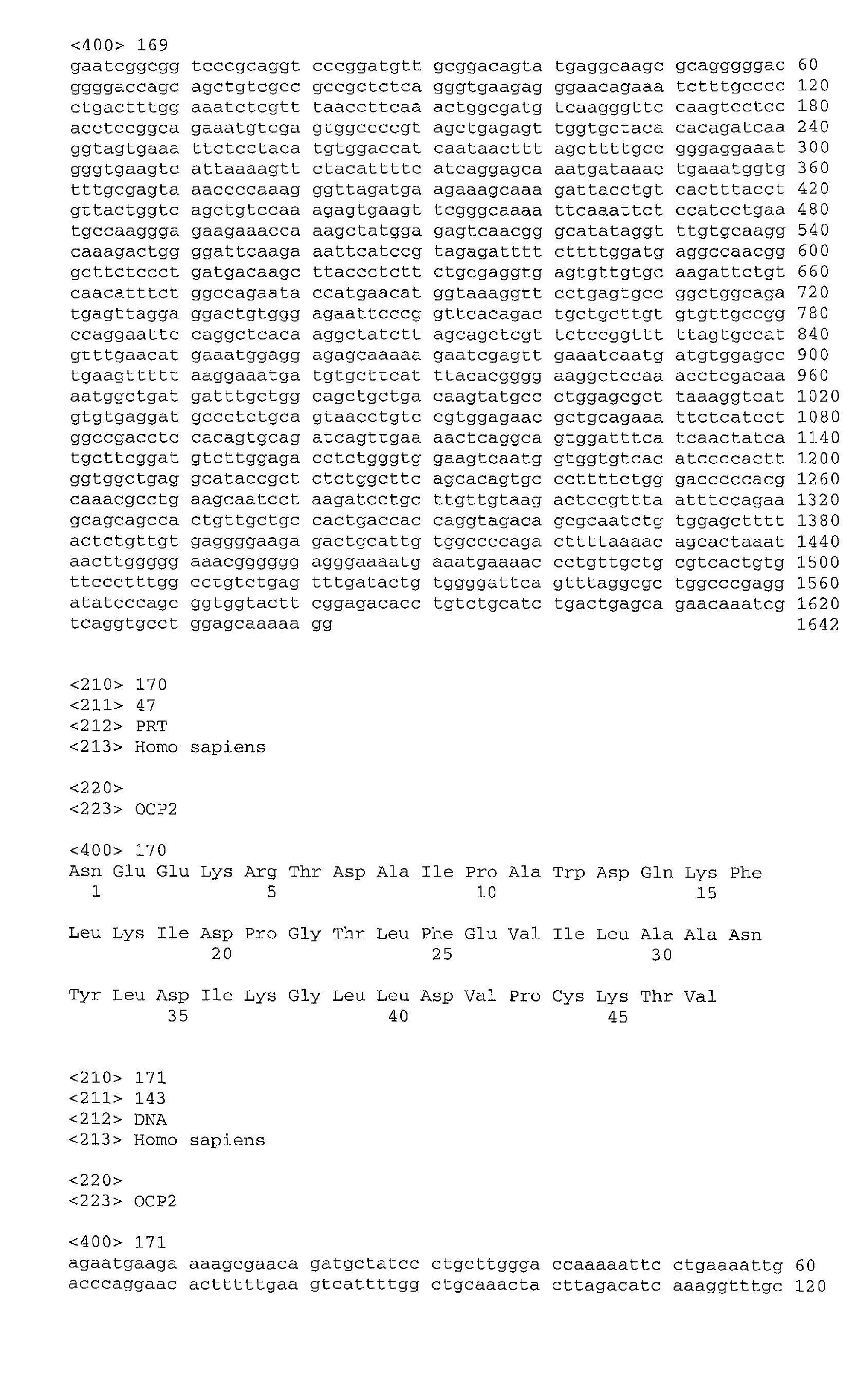
| Putative OCP-2 (Ref : 74) | L49173 (SEQ ID No's 170-171) | Unknown | ||
| Putative NS1-binding protein (NS1-BP) (Ref :75) | AJ012449 (SEQ ID No's 172-173) | Inknown | ||
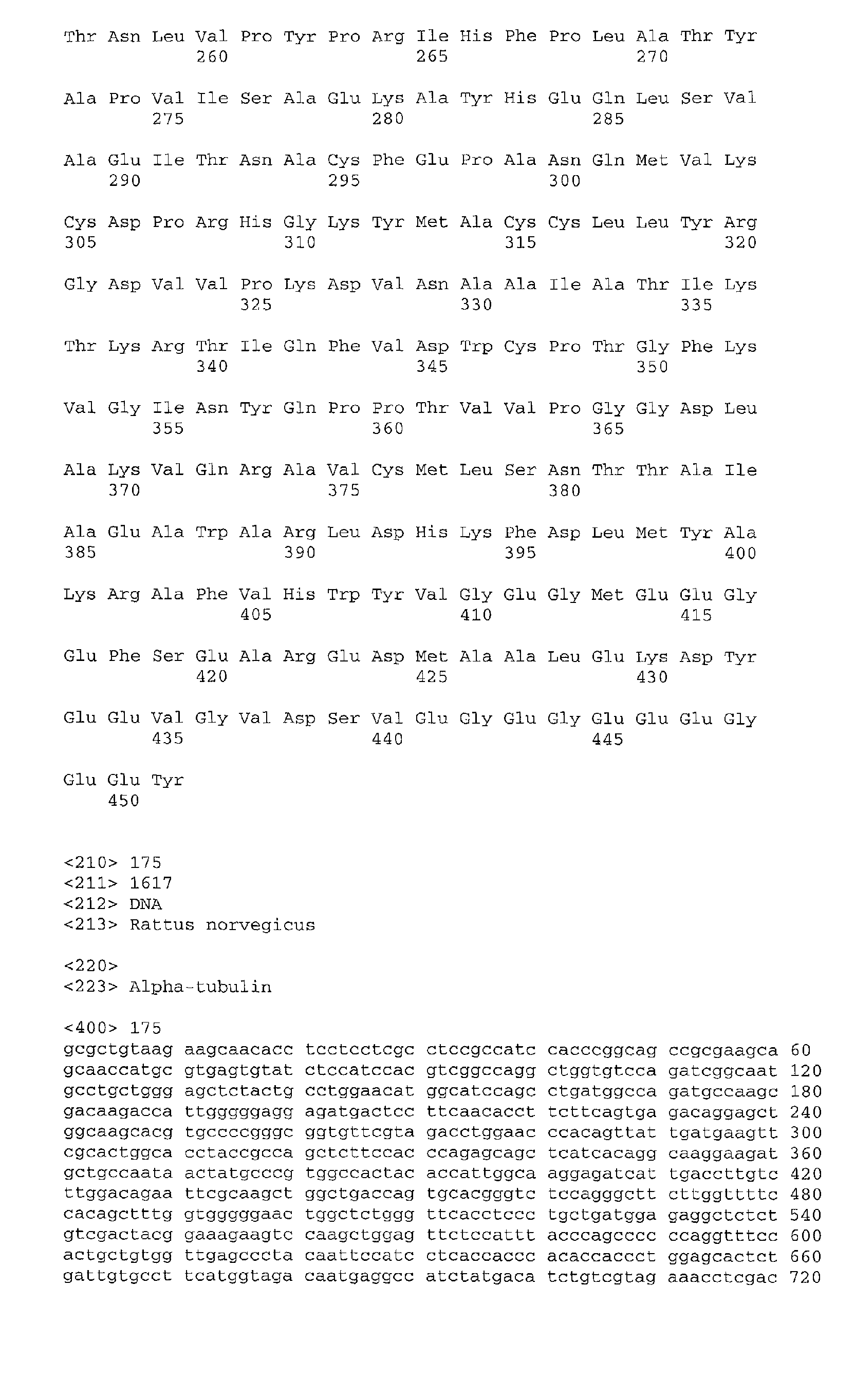
| Tubulin, α (Ref : 76) | V01227 (SEQ ID No's 174-175) | M13446 | K00558 | Cytoskeleton protein |
| Component | Tube: | 1 | 2 | 3 | 4 |
| Tester 1-1 (ligated to Adaptor 1) | 1 | 1 | - | - | |
| Tester 1-2 (ligated to Adaptor 2R) | - | - | 1 | 1 | |
| G3PDH 3' primer (10 µM) | 1 | 1 | 1 | 1 | |
| G3PDH 5' primer (10 µM) | - | 1 | - | 1 | |
| PCR primer 1 (10 µM) | 1 | - | 1 | - | |
| Total volume µl | 3 | 3 | 3 | 3 |
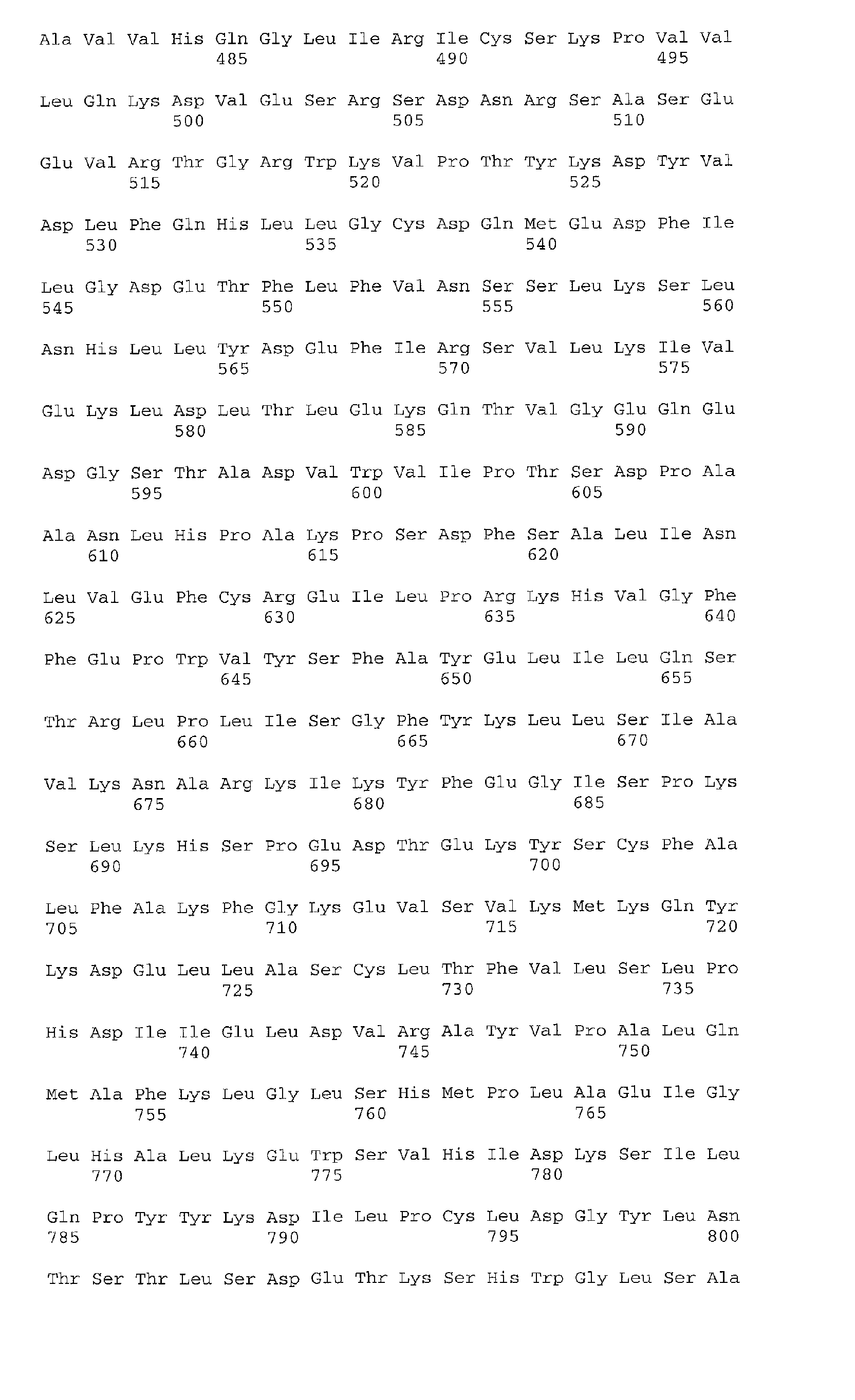
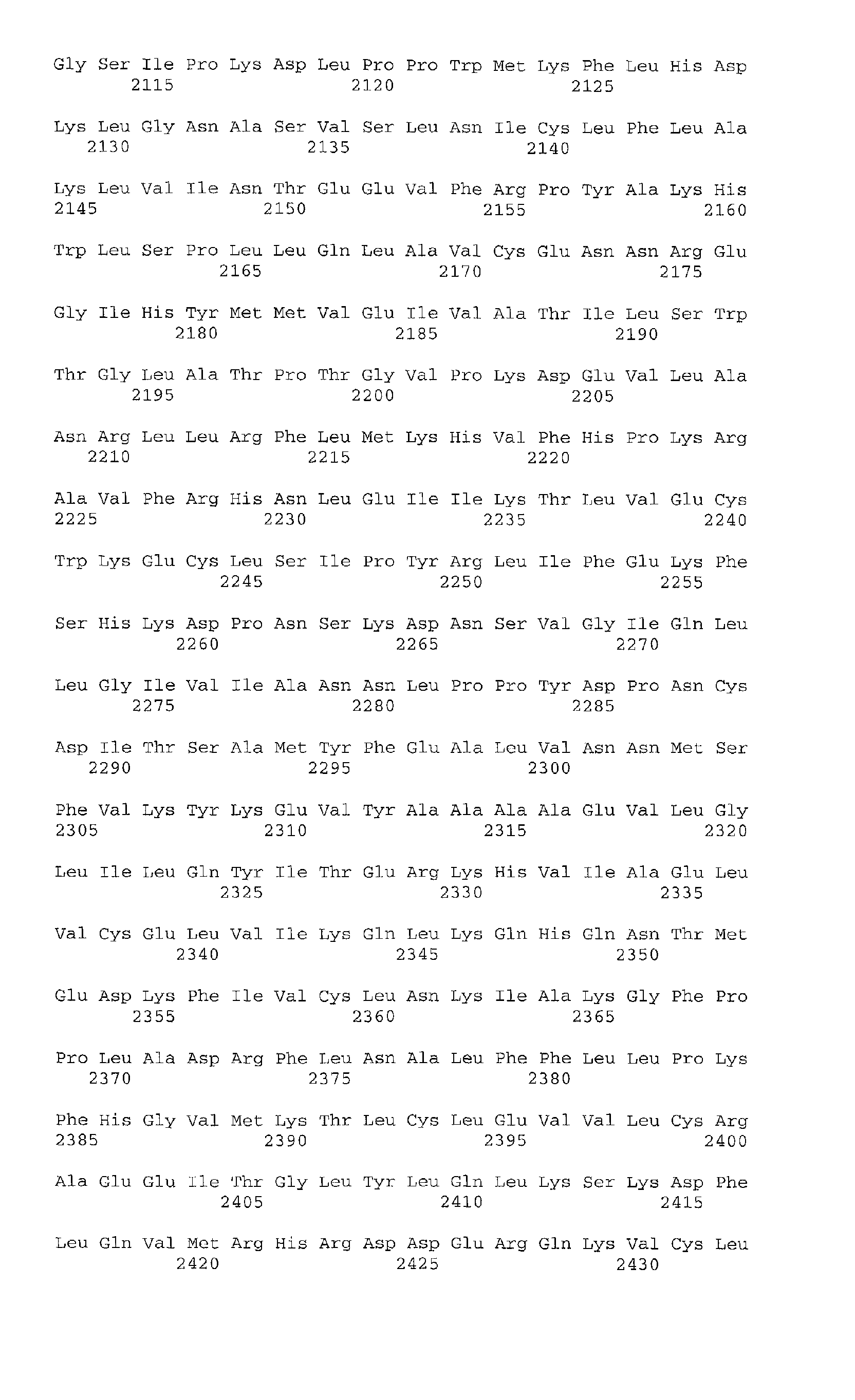
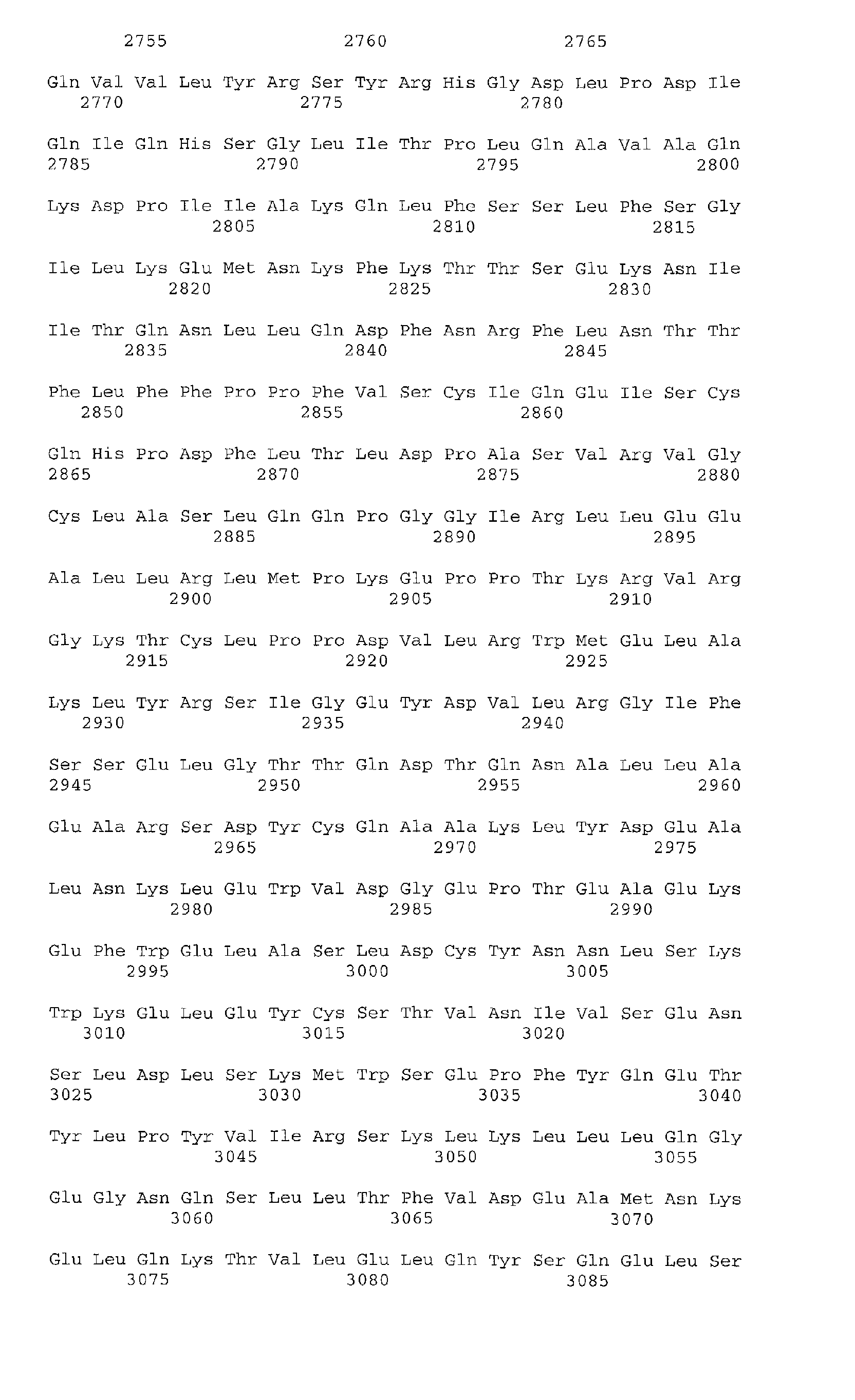
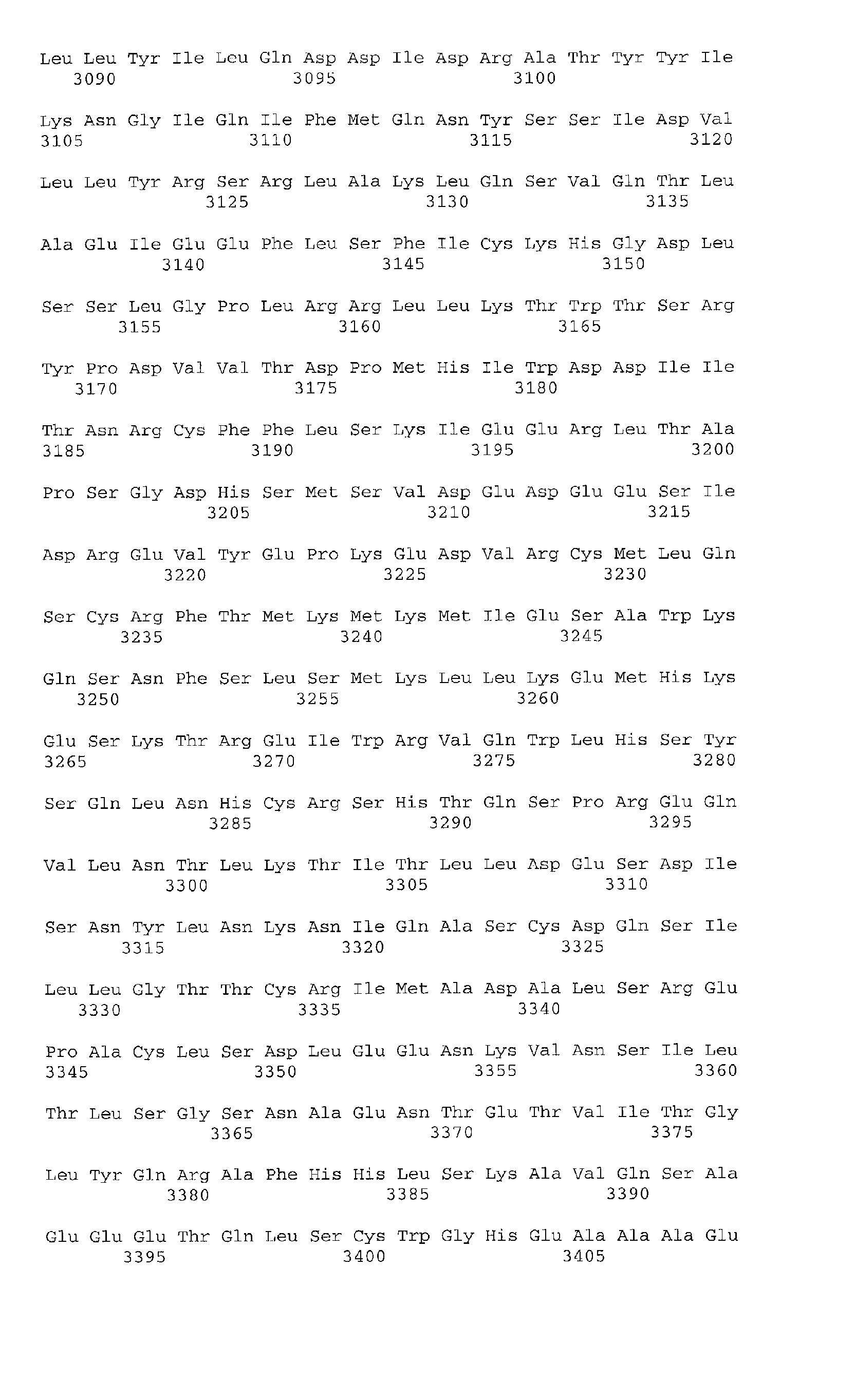
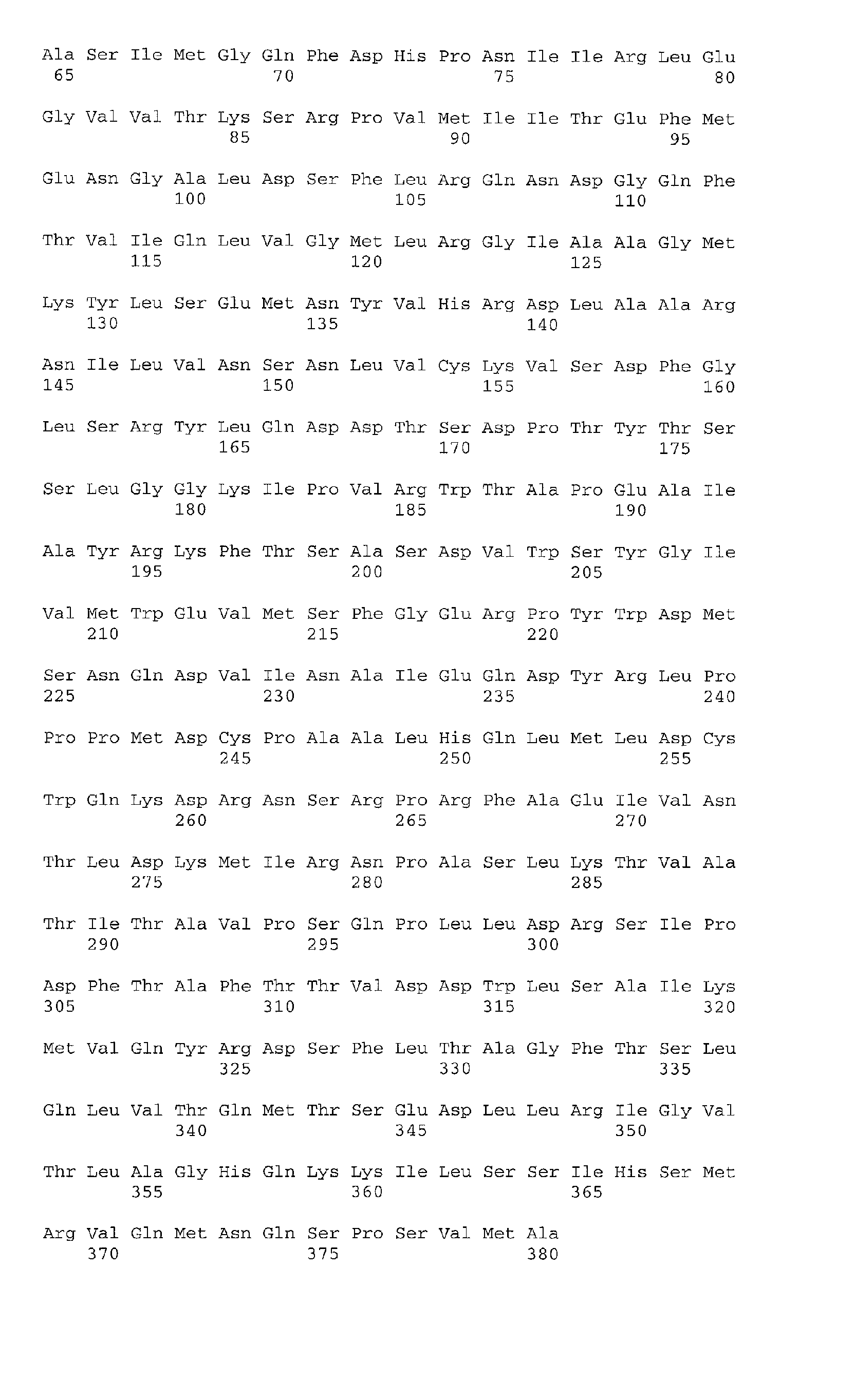
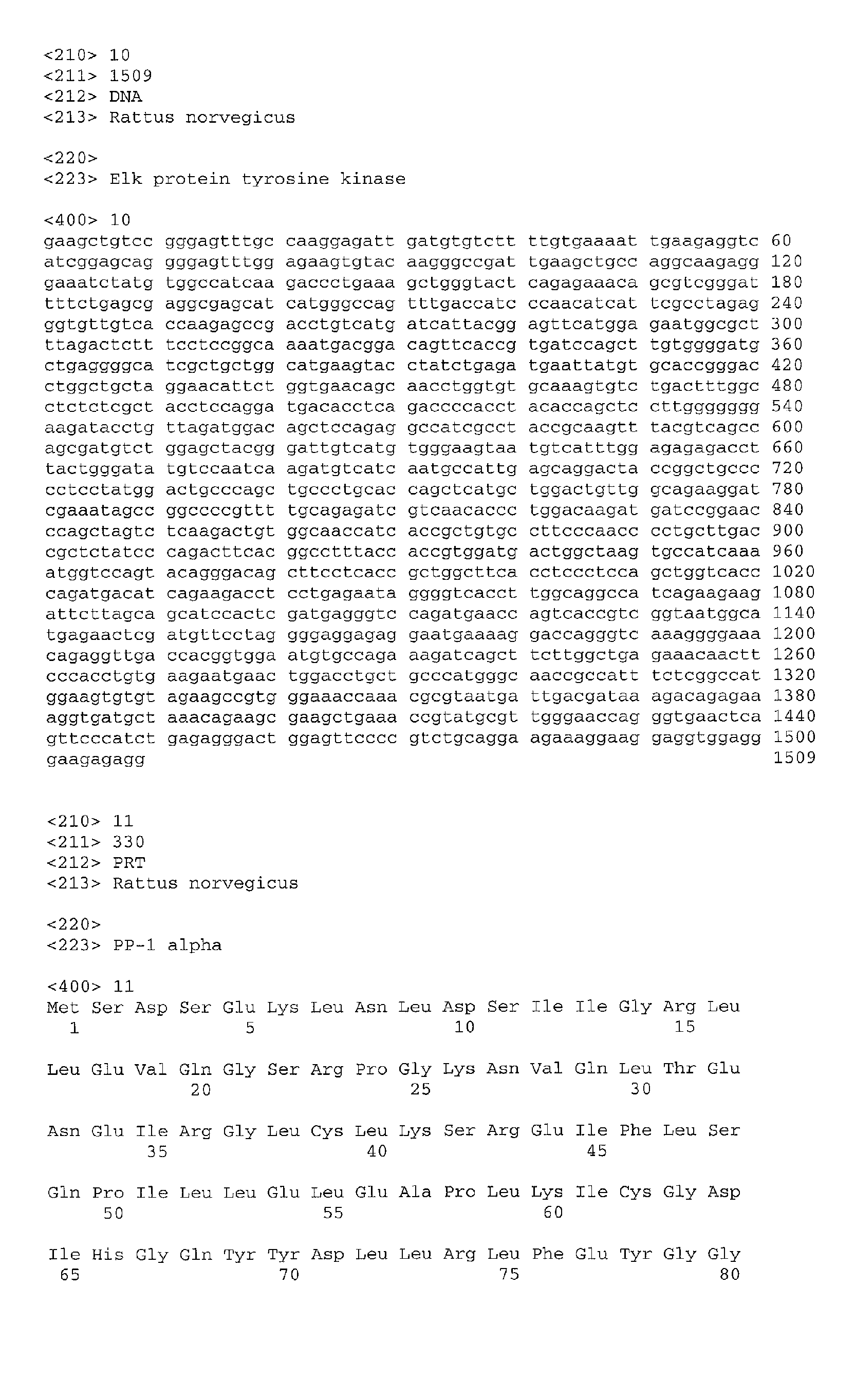
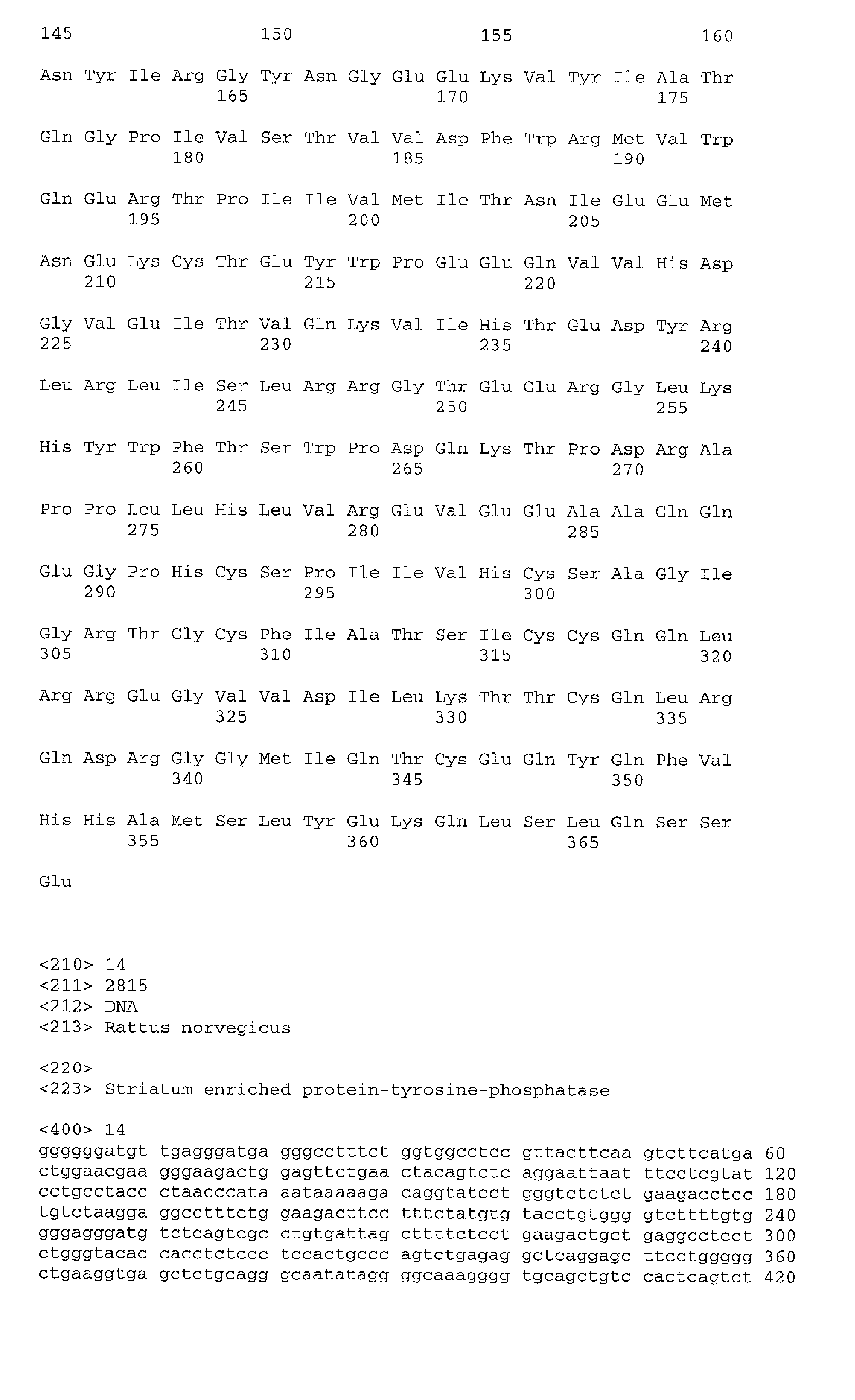
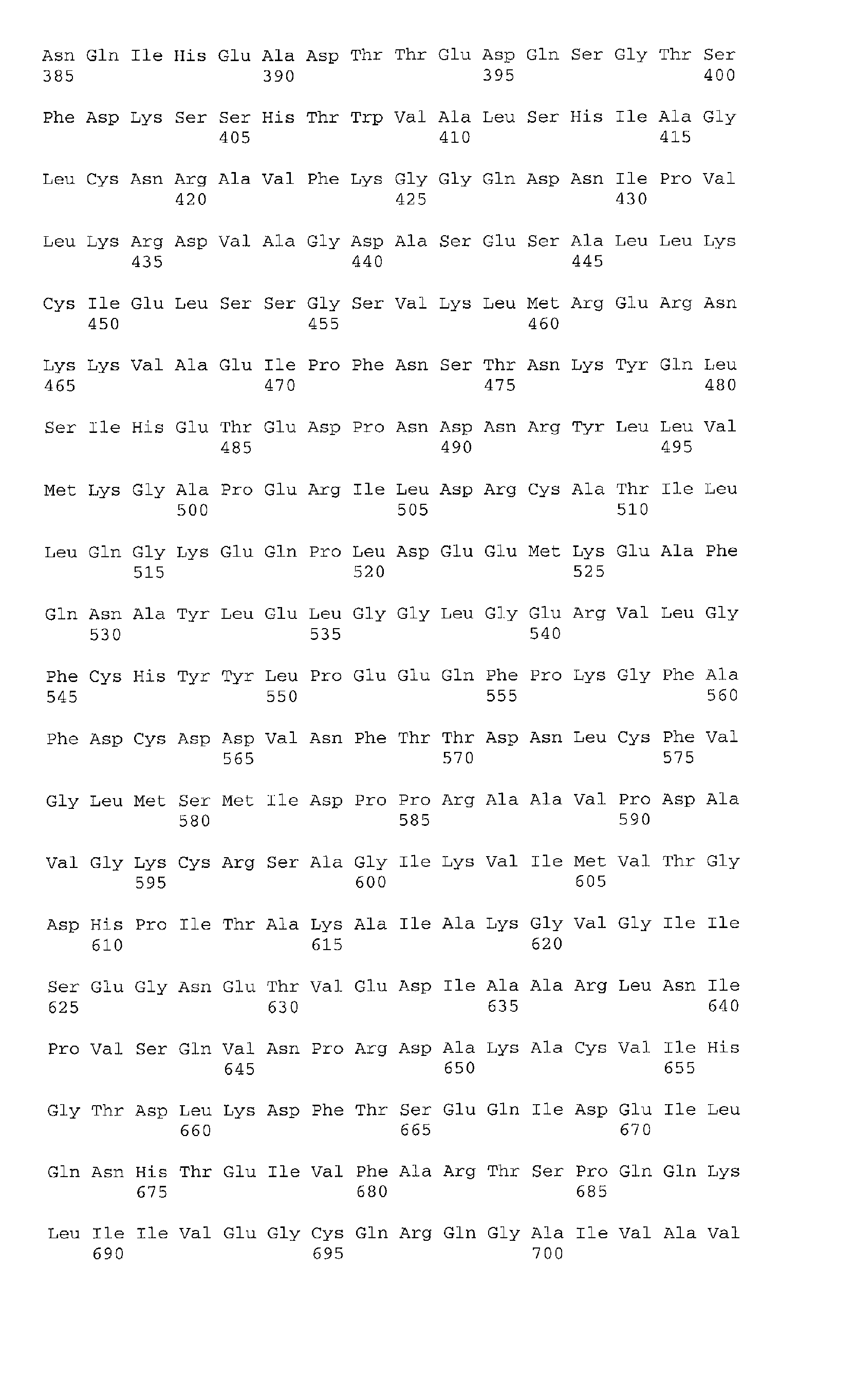
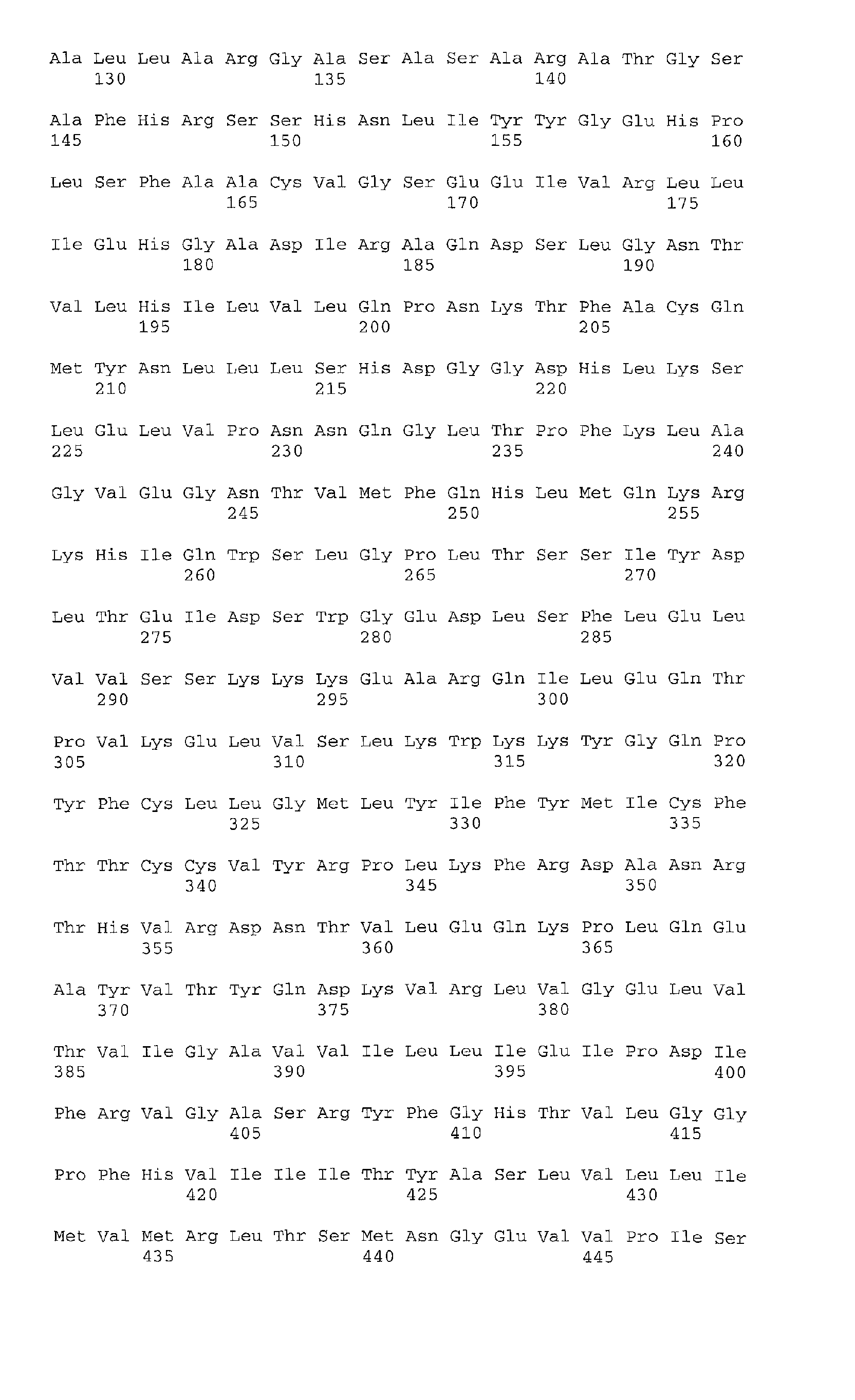
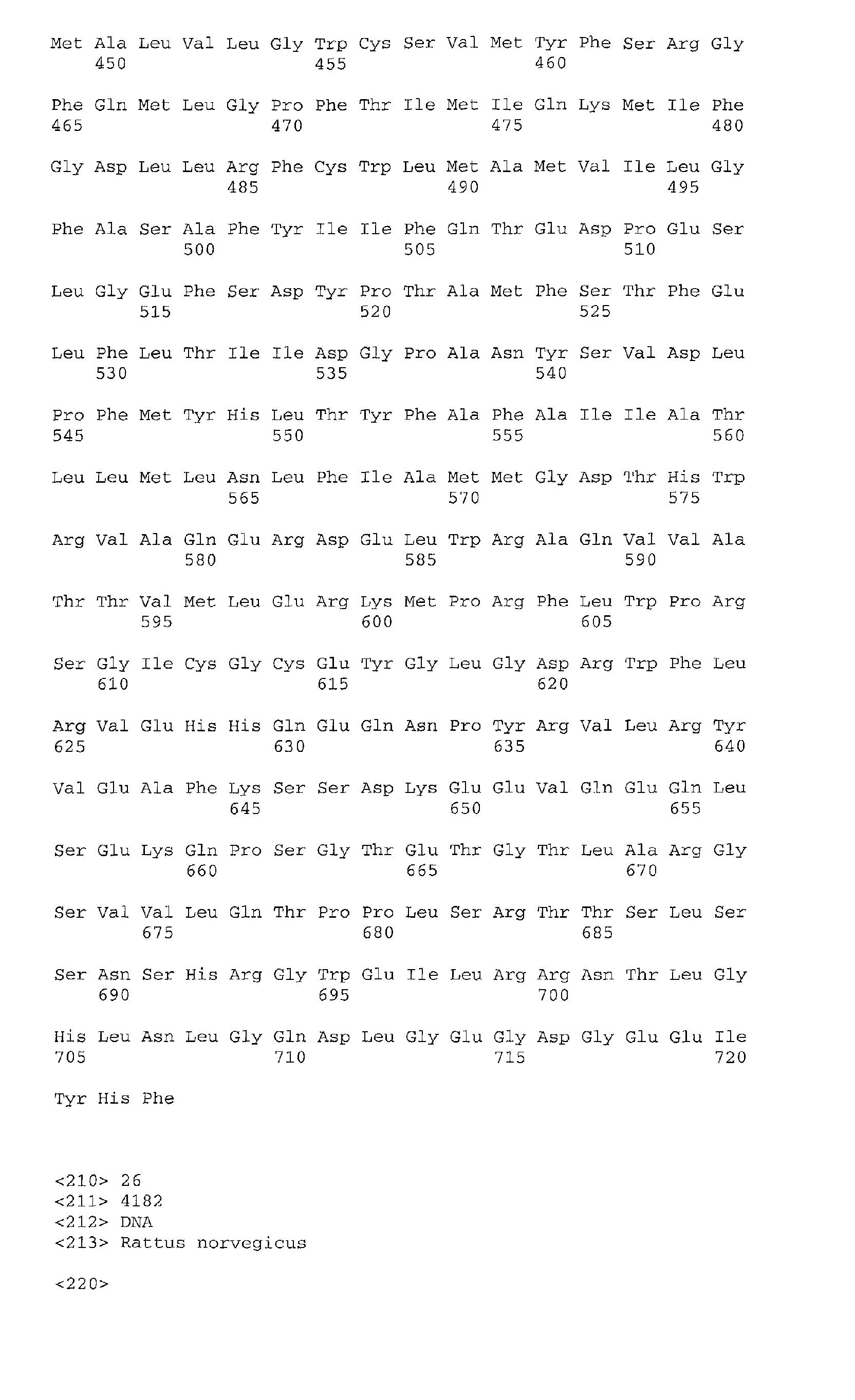
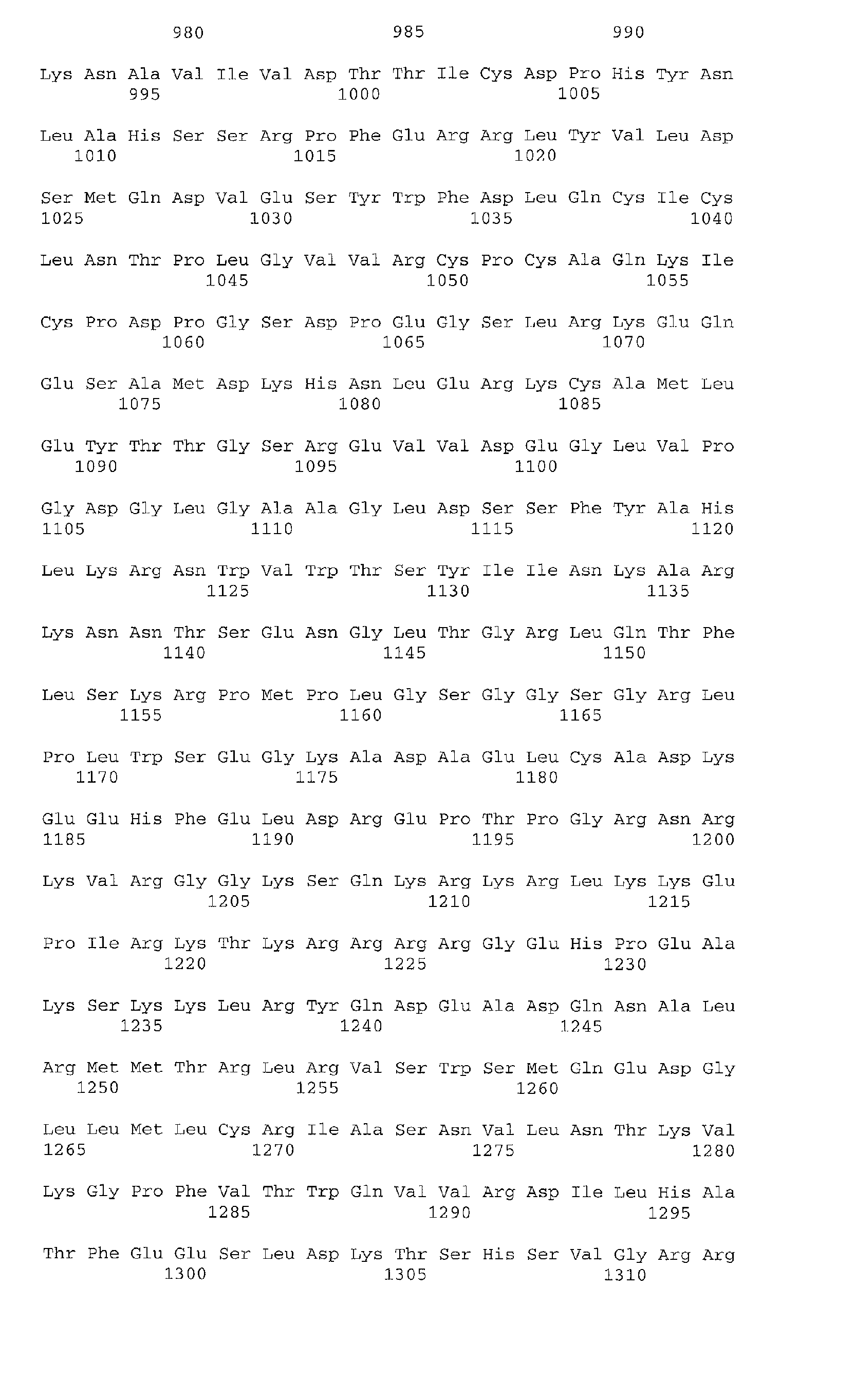
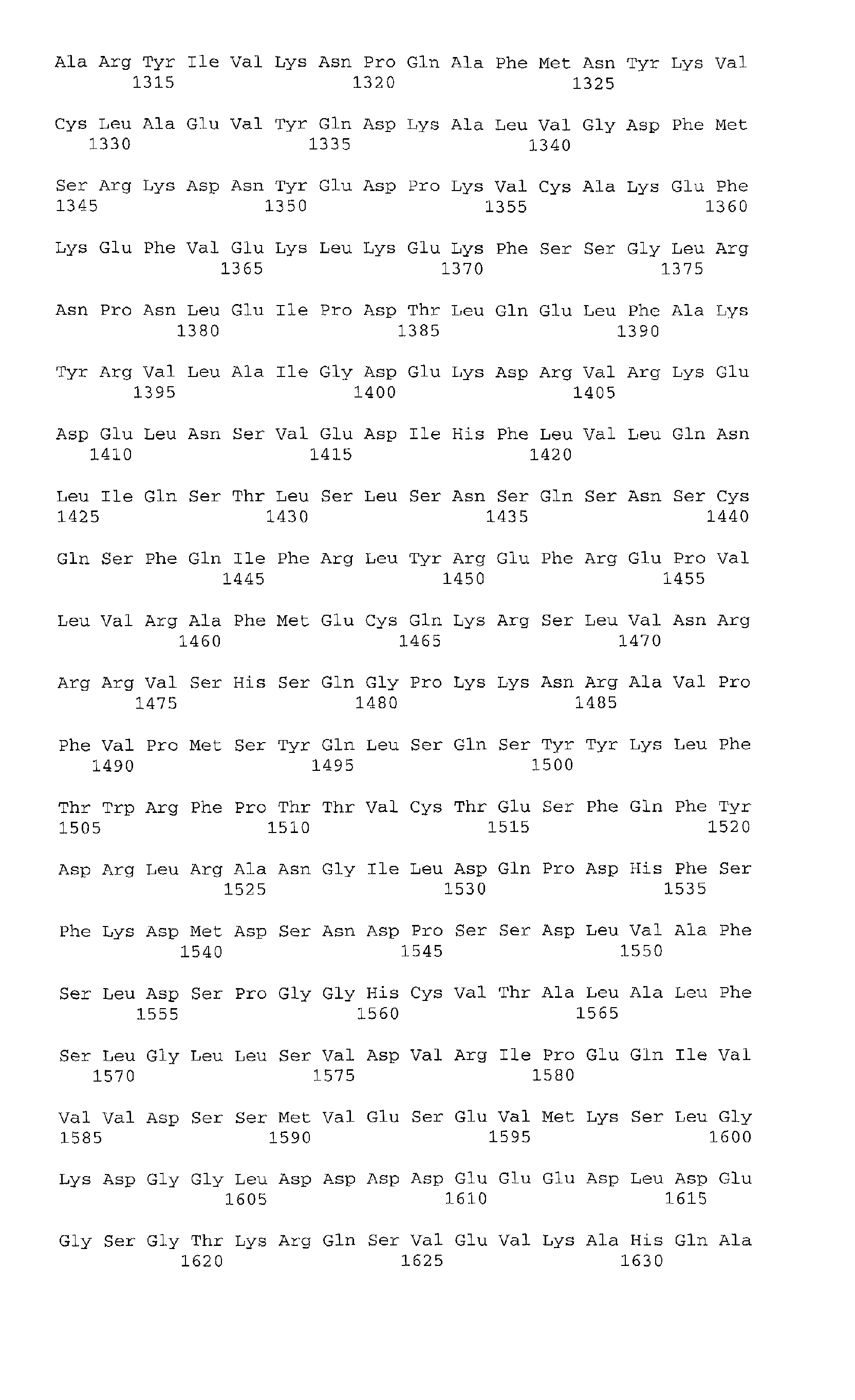
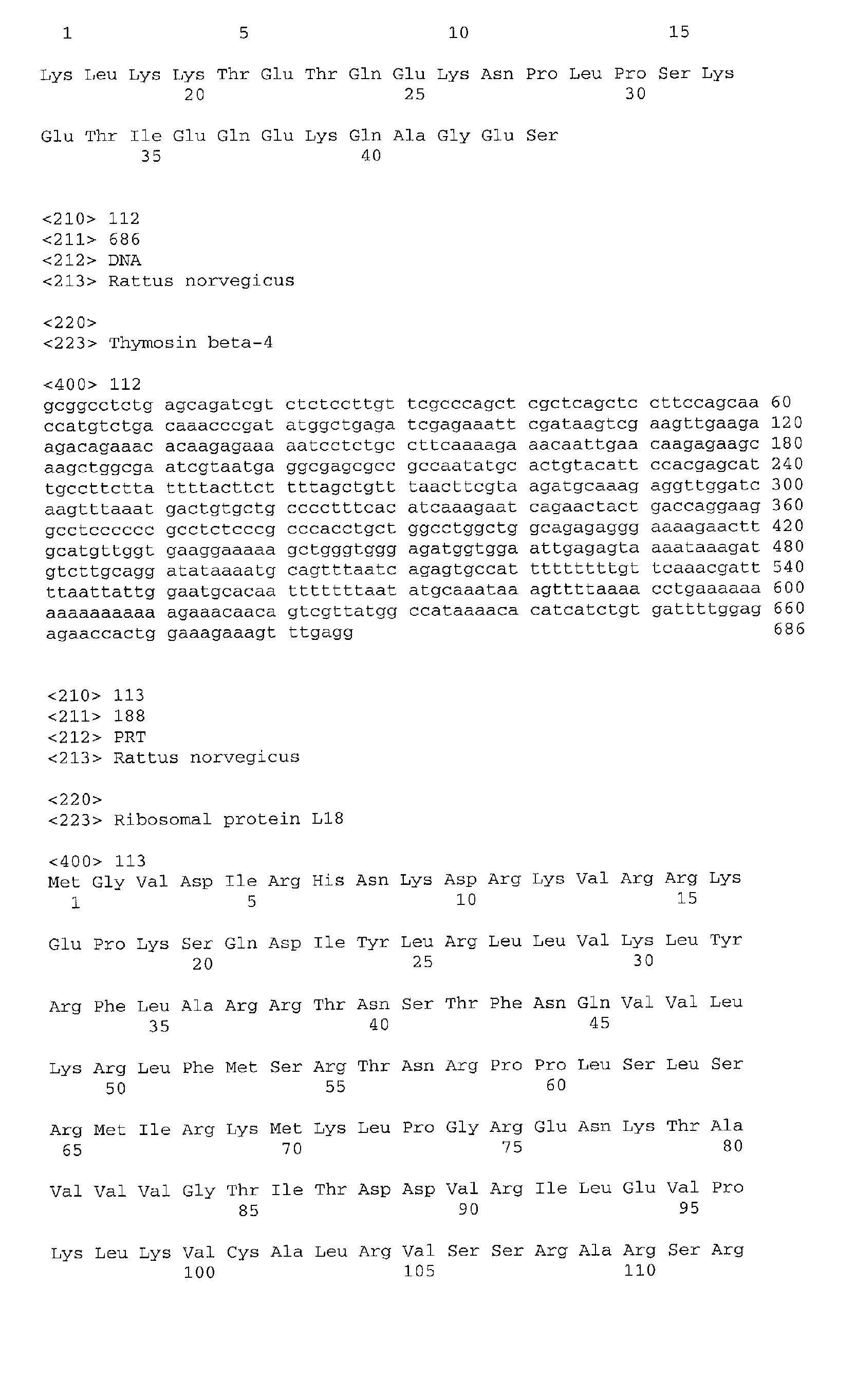
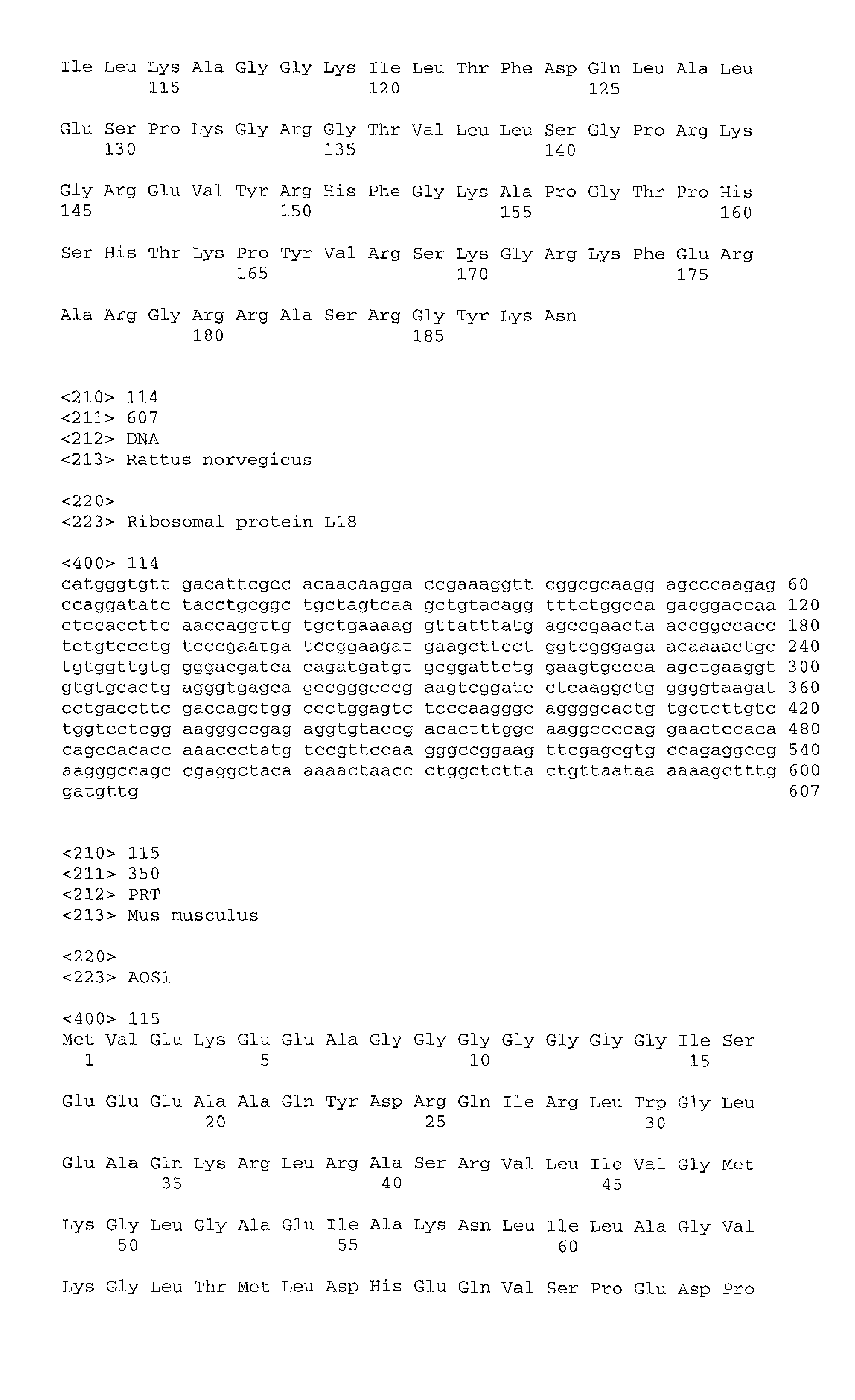
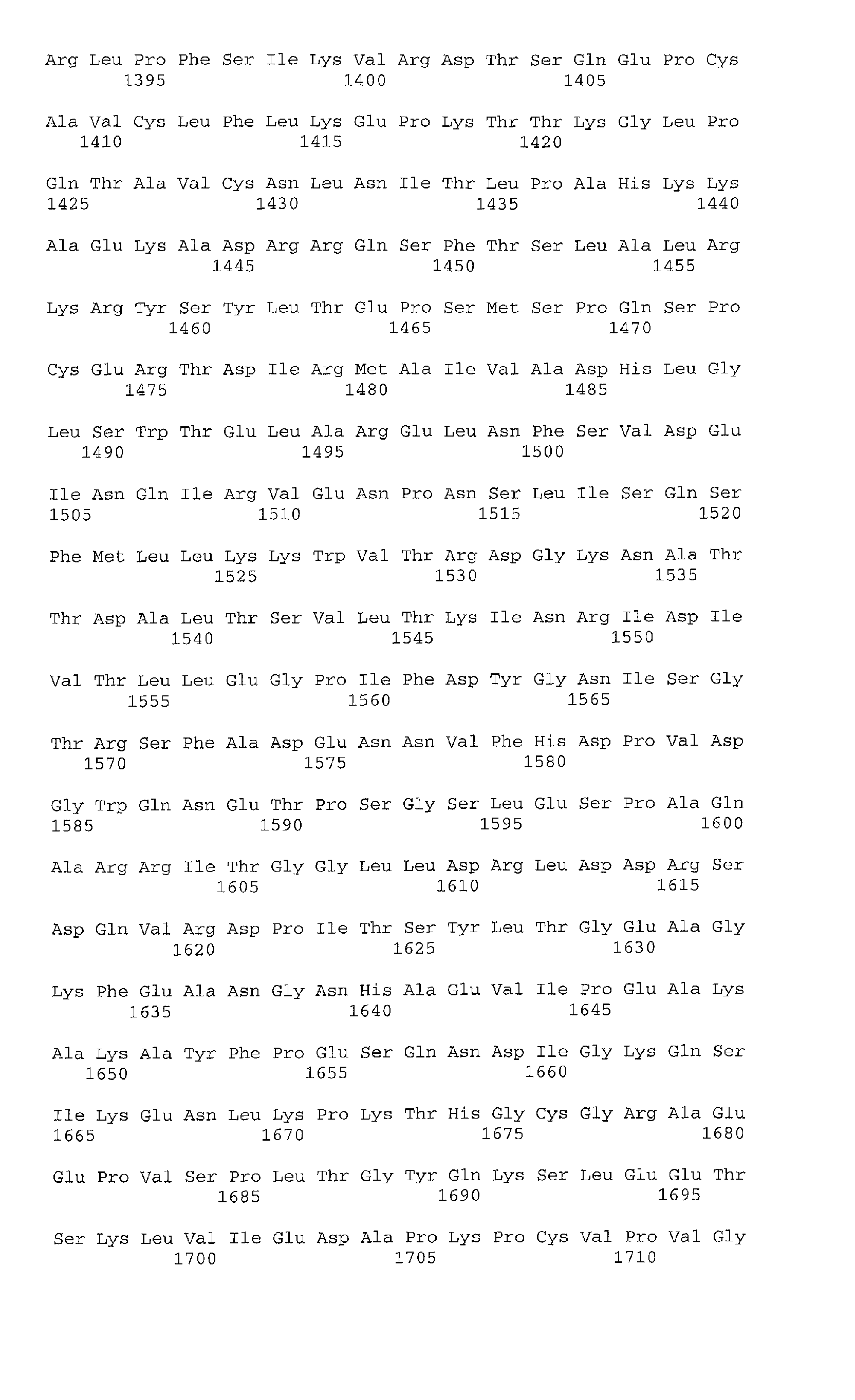
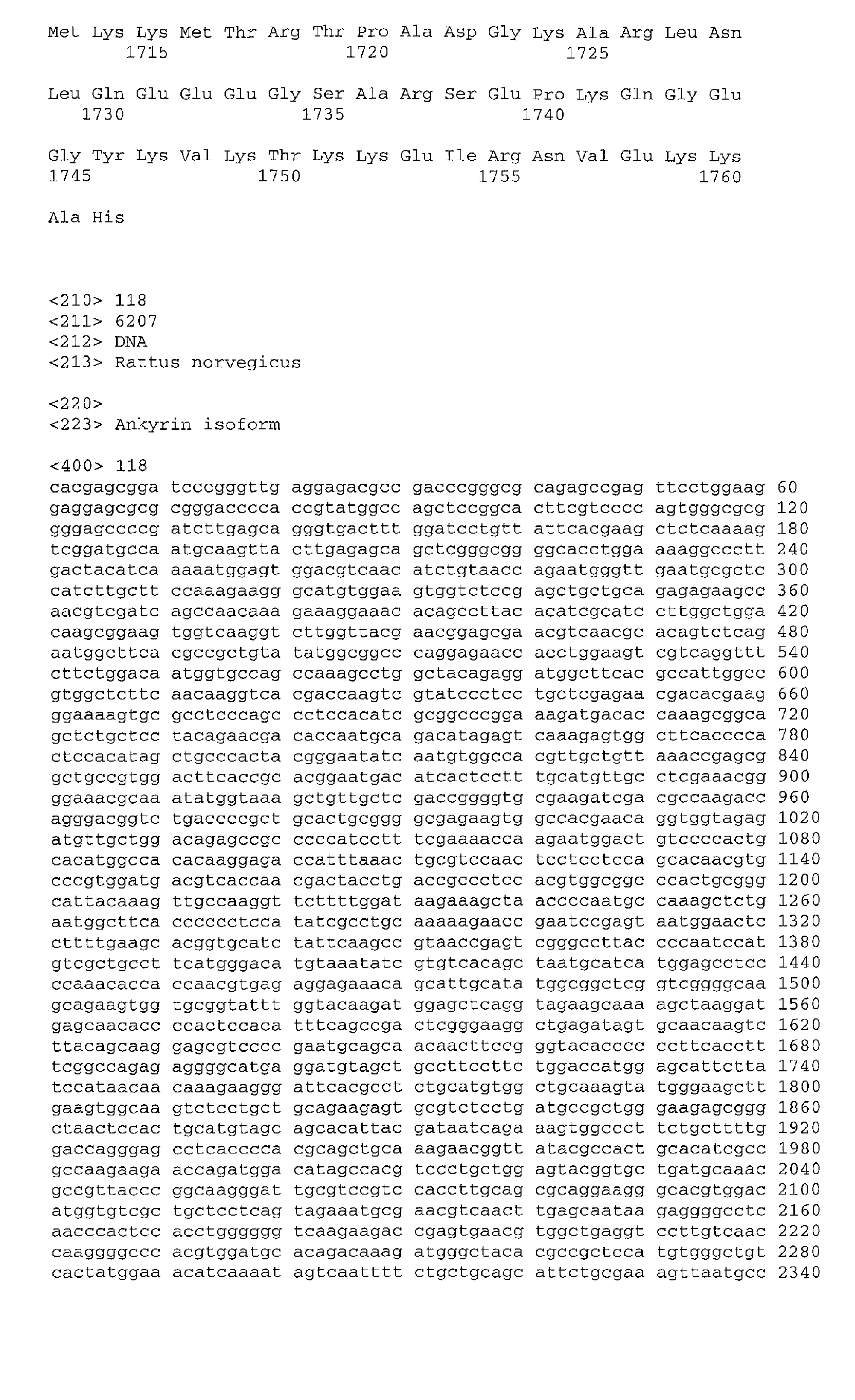
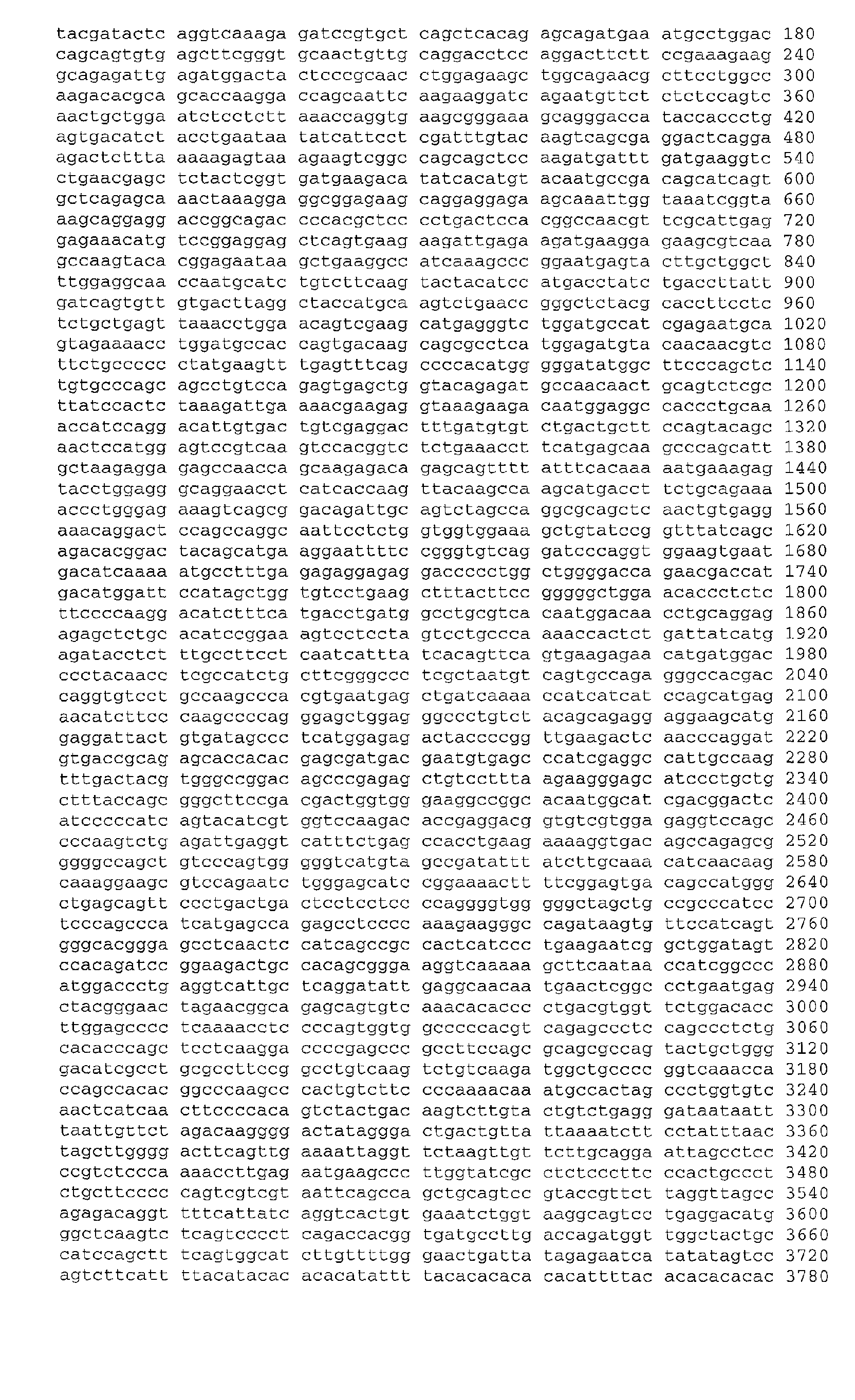
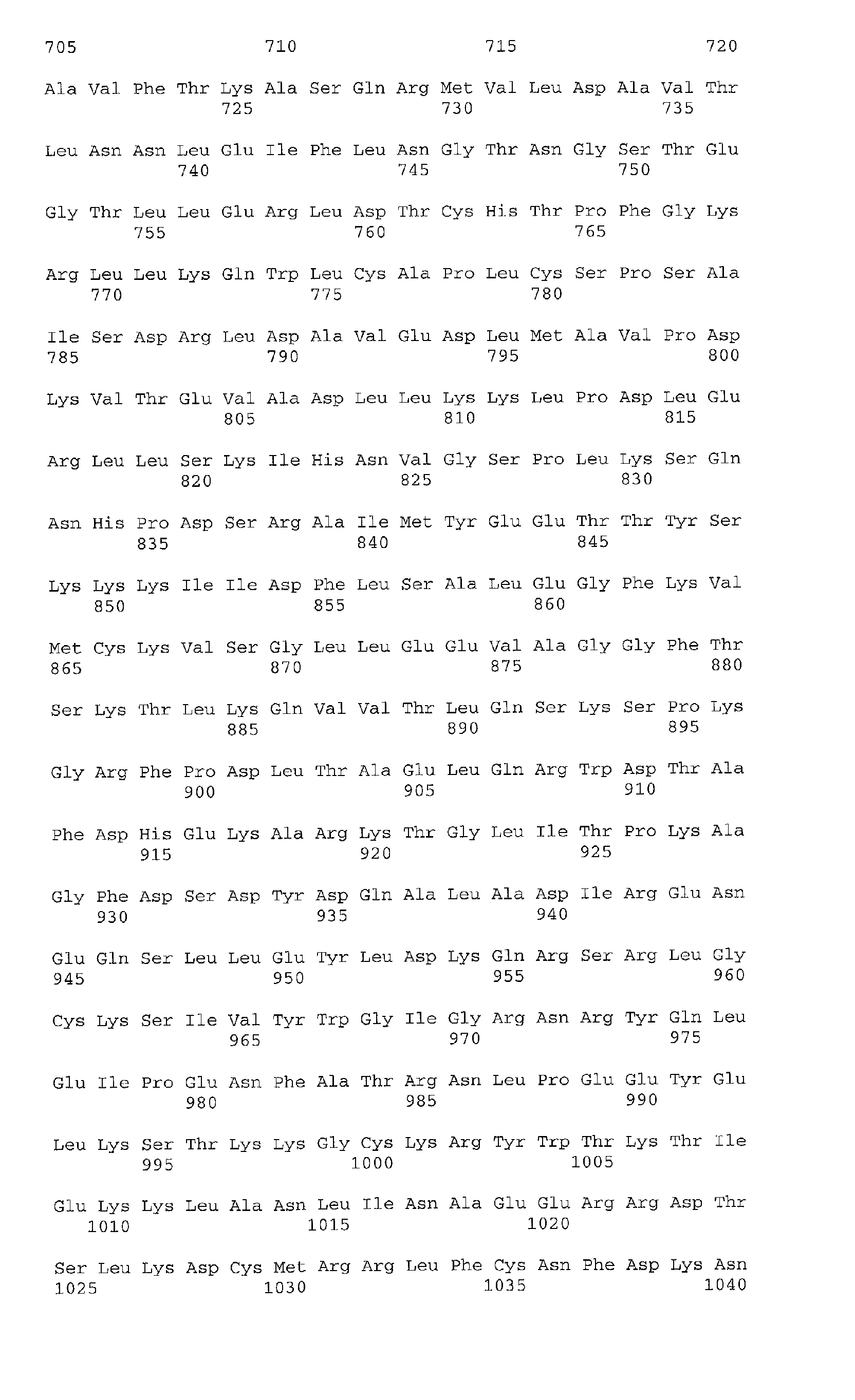
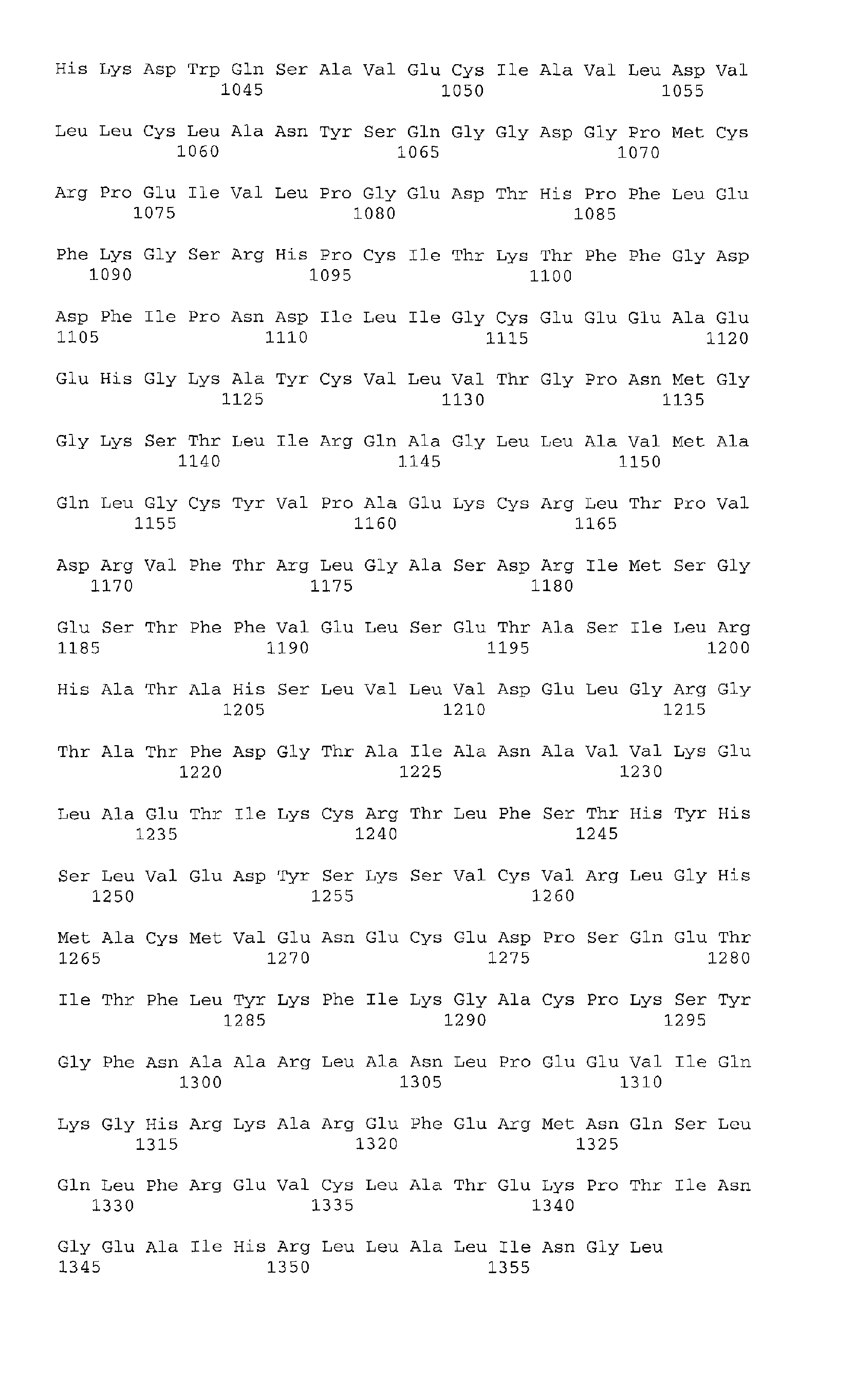
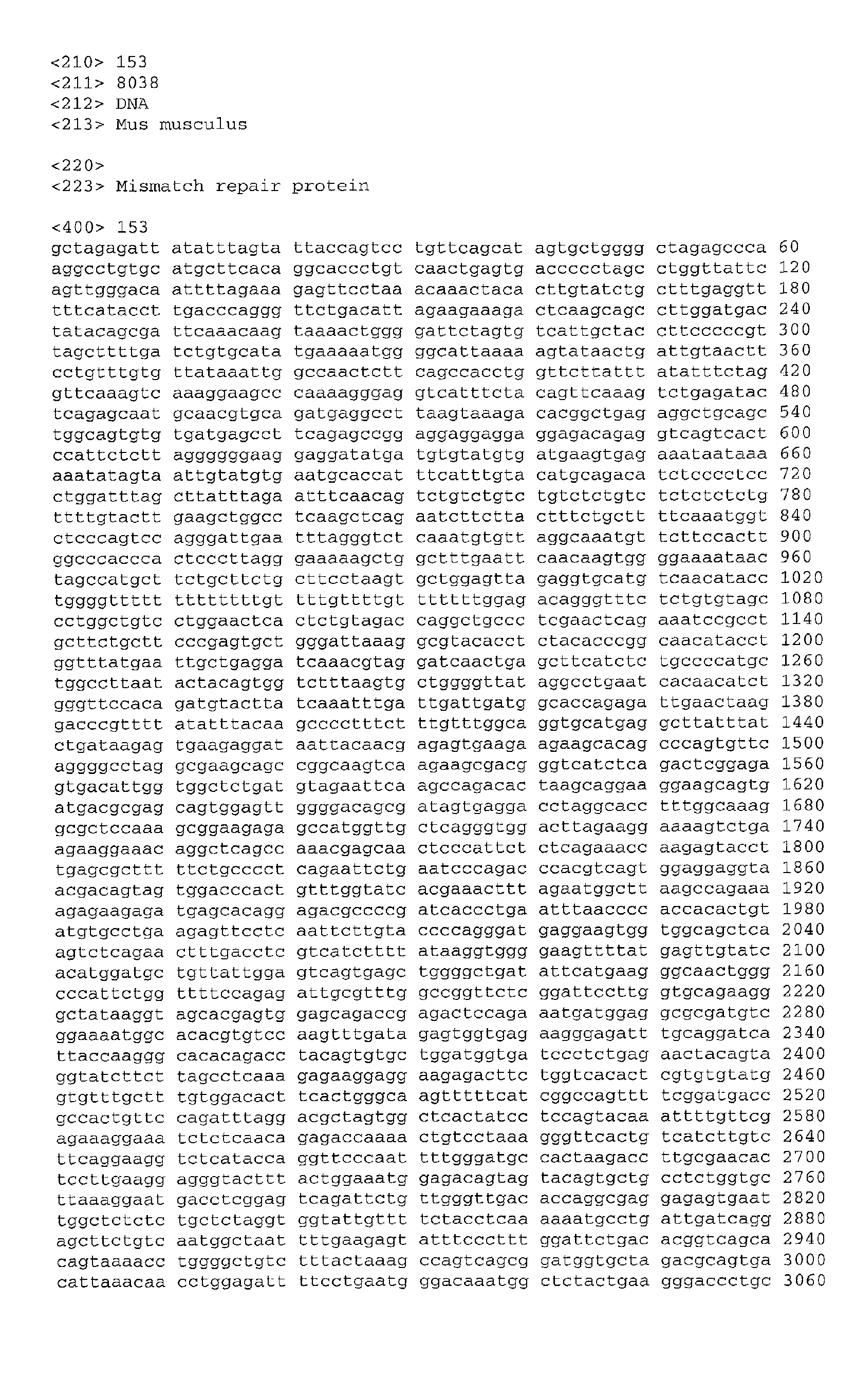
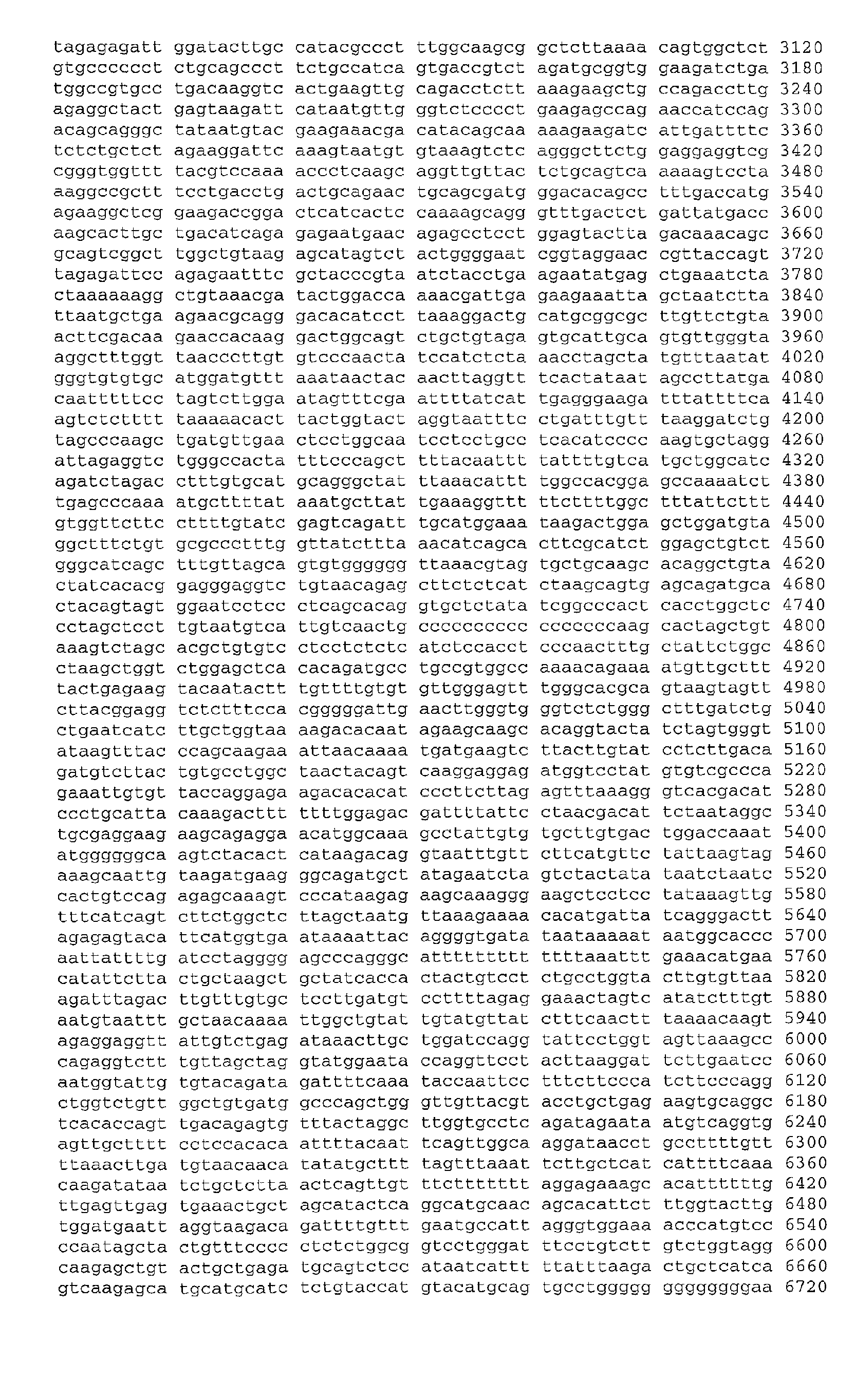
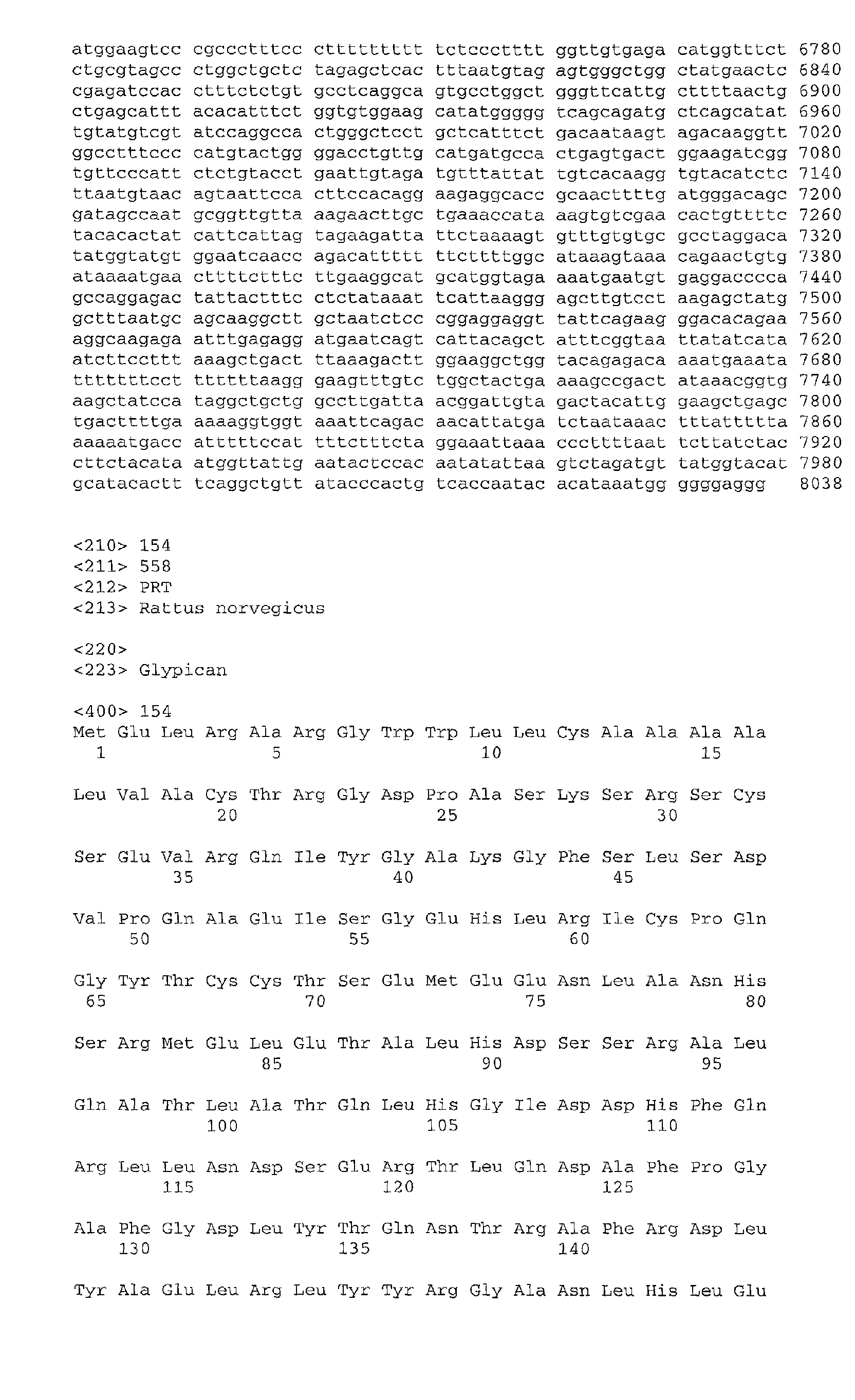
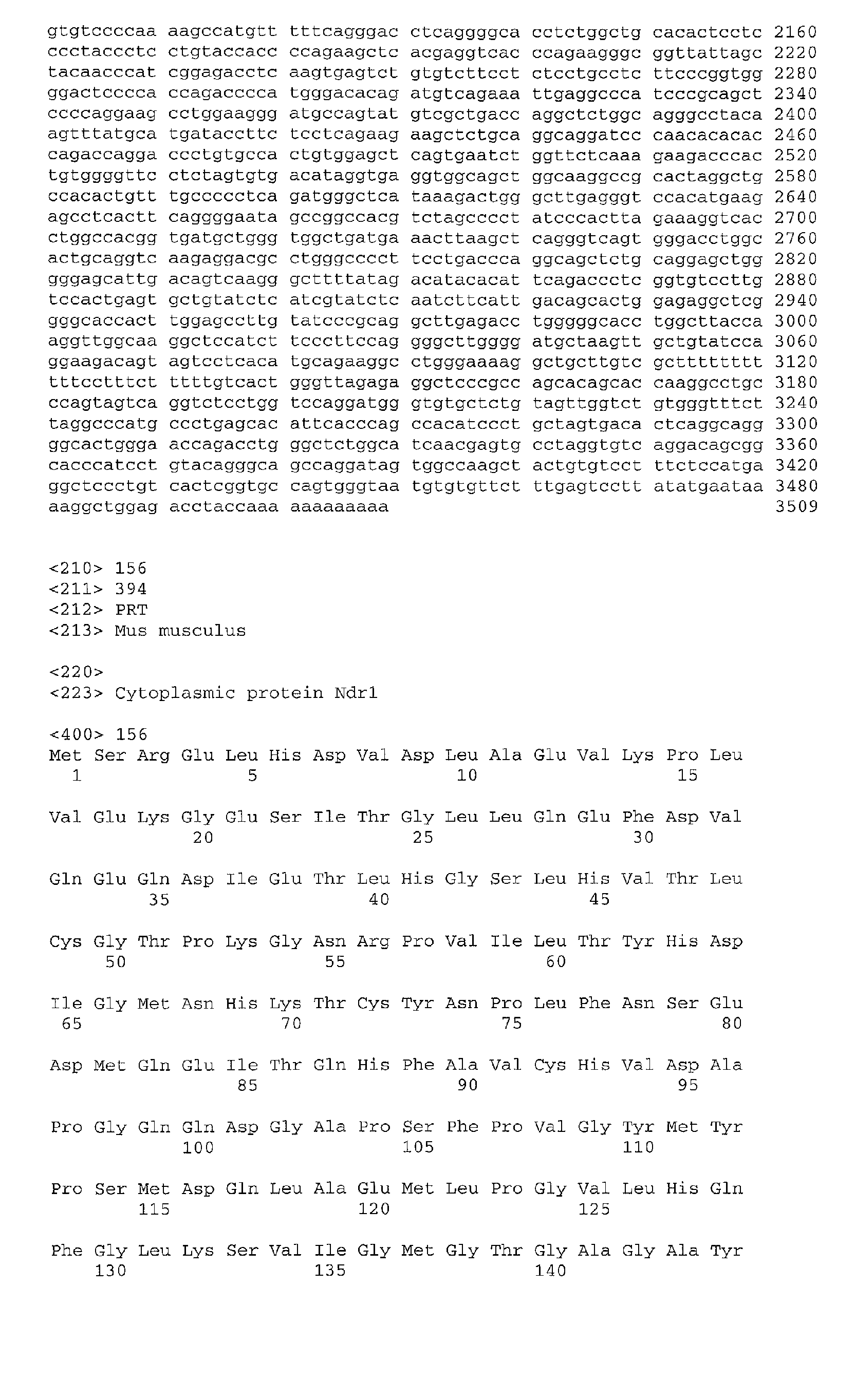
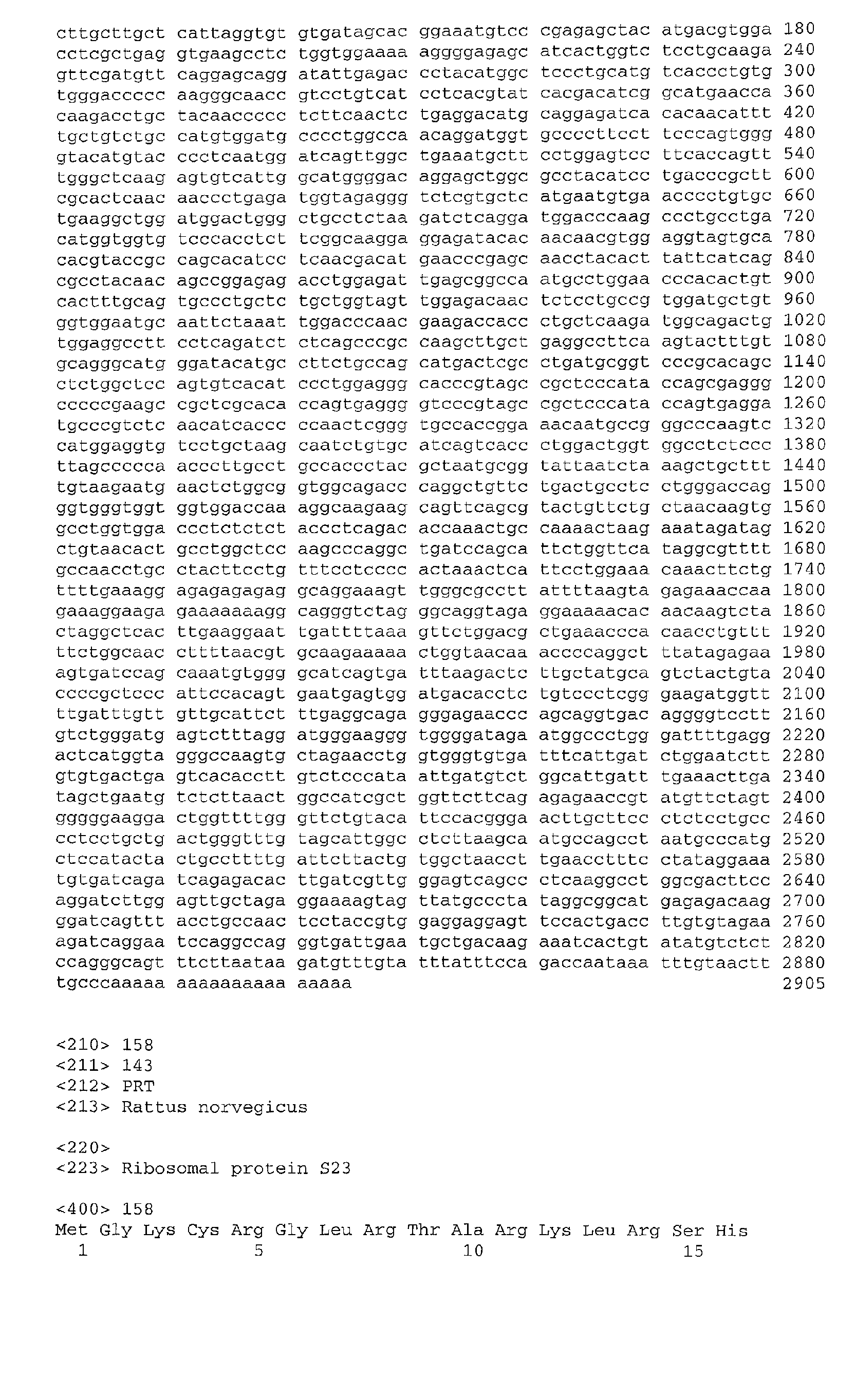
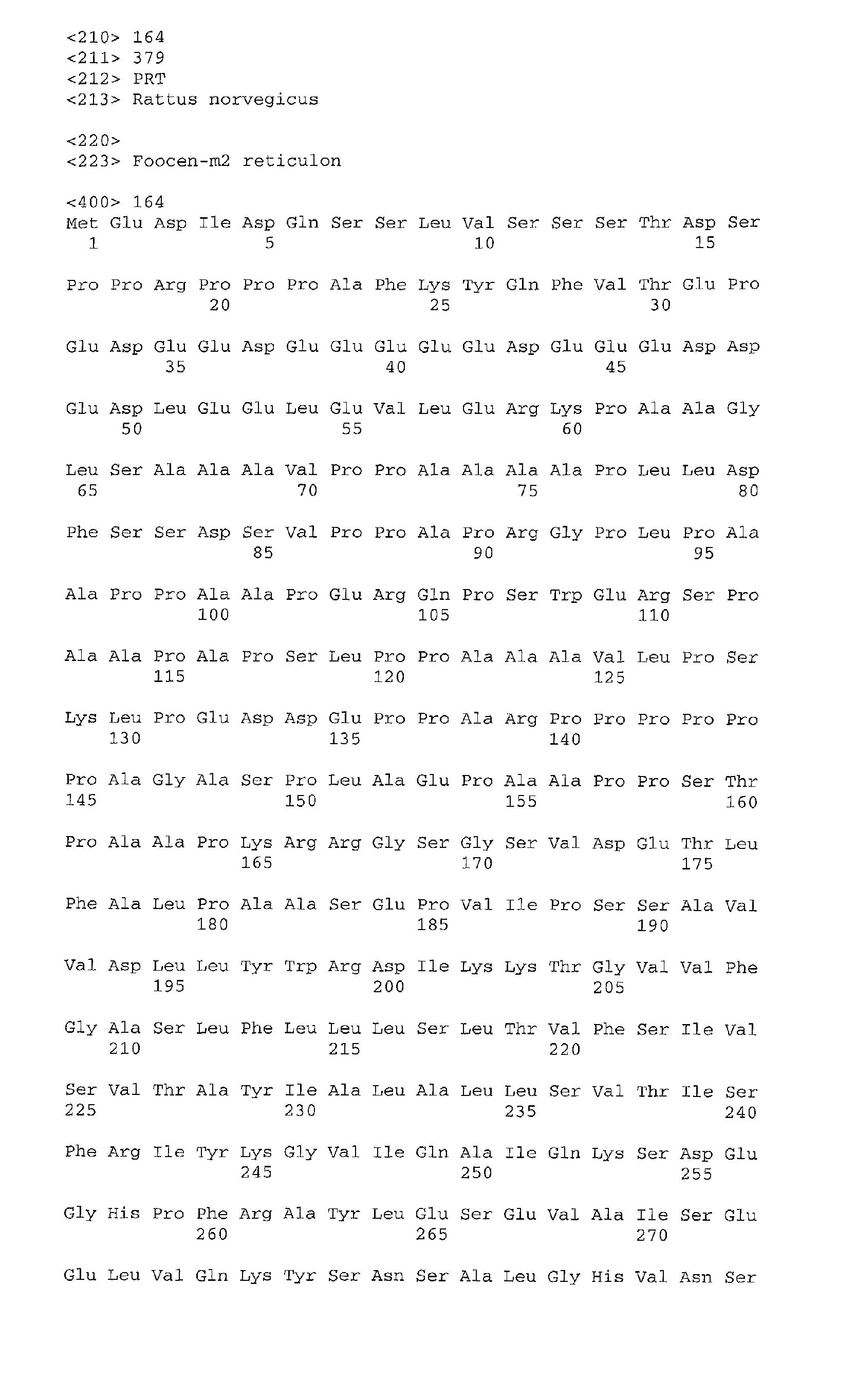
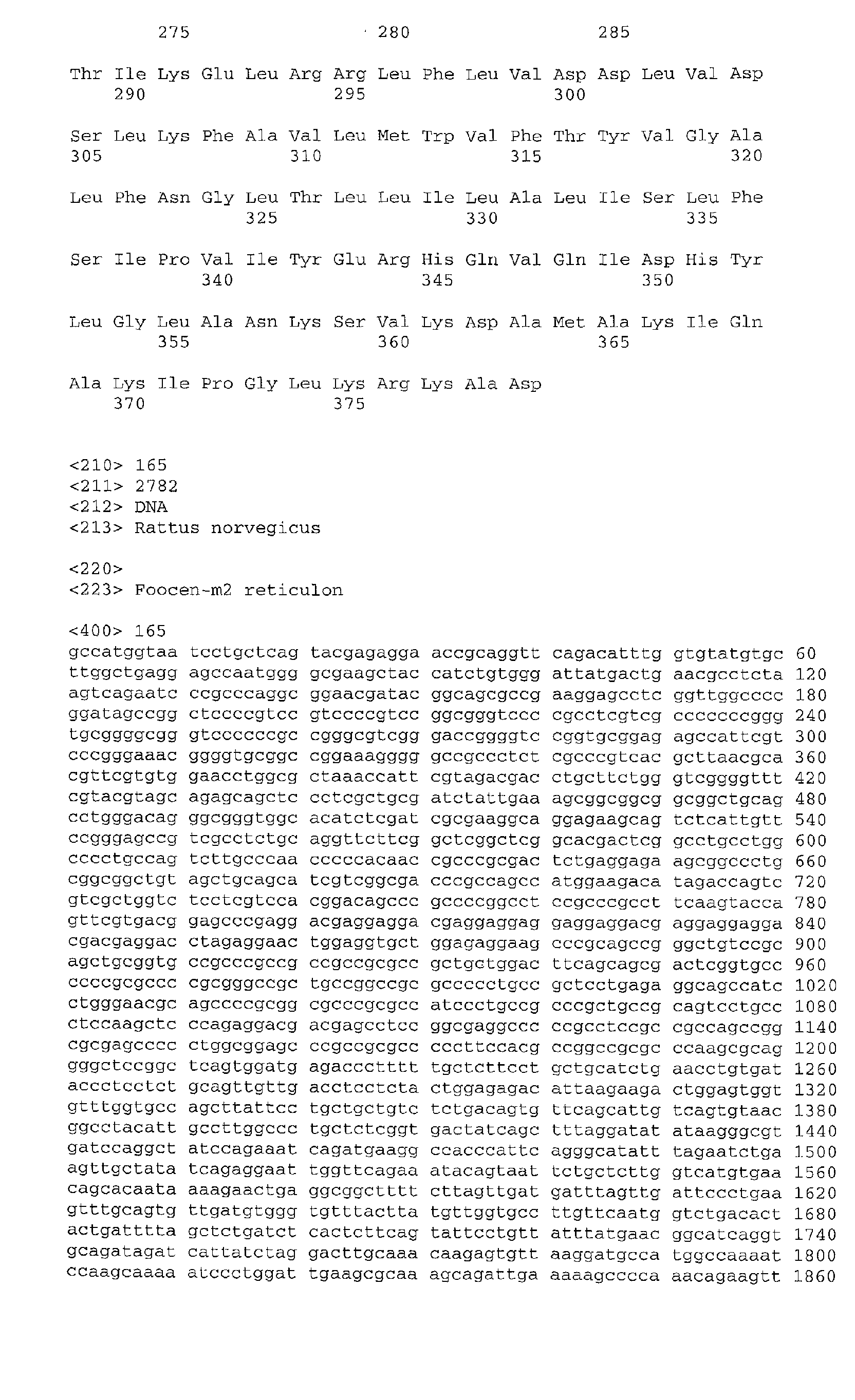
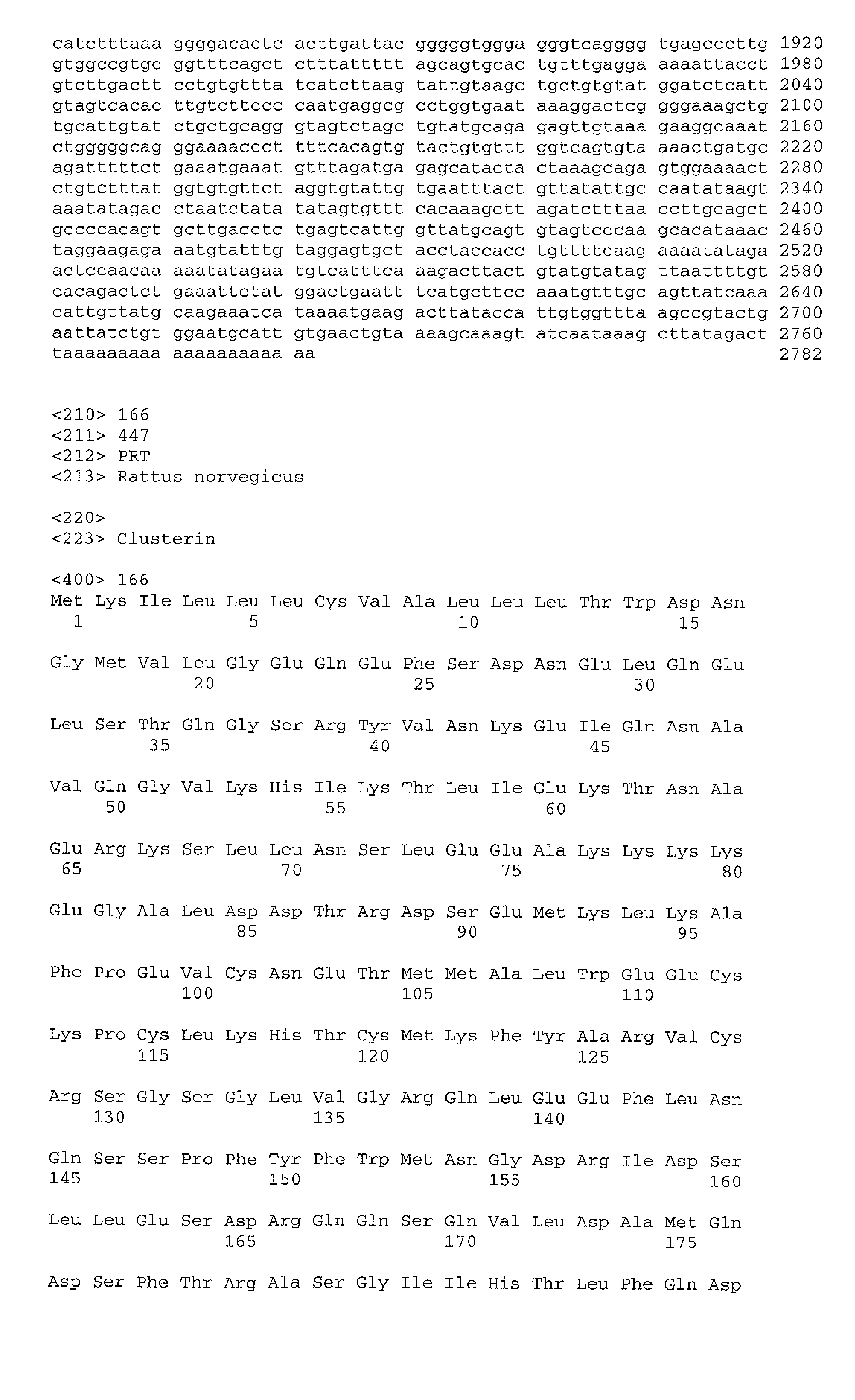
References have been given where available for the sequences that have been found, and sequence listings have been given in the form in which they currently appear in publicly searchable databases e.g. the NCBI databaase (National Center for Biotechnology Information, National Library of Medicine, National Institutes of Health, Bethesda, Maryland, MD 20894, USA, www.ncbi.nlm.nih.gov). These sequence listings are given for the purposes of identification only. The invention includes the use of subsequently revised versions of the above sequences (which may incorporate small differences to the version set out herein) and homologous sequences or similar proteins in other species as determined by a high percentage identity (e.g. above 50%, preferably above 90%), length of alignment and functional equivalence.
















































































Claims (38)
- Use of:in the screening of compounds for the treatment of pain, or for the diagnosis of pain.(a) an isolated gene sequence that is down-regulated in the spinal cord in response to streptozocin-induced diabetes;(b) an isolated gene sequence comprising a nucleic acid sequence of Tables I to X.(c) an isolated gene sequence having at least 80% sequence identity with a nucleic acid sequence of Tables I to X;(d) an isolated nucleic acid sequence that is hybridizable to any of the gene sequences according to (a), (b) or (c) under stringent hybridisation conditions;(e) a recombinant vector comprising a gene sequence or nucleic acid sequence according to any one of (a) to (d);(f) a host cell containing the vector according to (e);(g) a non-human animal having in its genome an introduced gene sequence or nucleic acid sequence or a removed or down-regulated gene sequence or nucleic acid sequence according to any one of (a) to (d);(h) an isolated polypeptide comprising an amino acid sequence at least 90% identical to an amino acid sequence encoded by a nucleotide sequence according to any one of (a) to (d), or a polypeptide variant thereof with sequential amino acid deletions from the C terminus and/or the N-terminus; or(i) an isolated polypeptide encoded by a nucleotide sequence according to any one of (a) to (d); or(j) an isolated antibody that binds specifically to a polypeptide according to (h) or (i);
- Use according to claim 1 wherein the isolated gene sequence encodes a kinase.
- Use according to claim 1 or 2, wherein the isolated gene sequence encodes putative DNA dependent protein kinase catalytic subunit (D87521), putative cAMP-dependent protein kinase regulatory subunit RI alpha (AJ278429), putative protein tyrosine kinase t-Ror1 (U38894), diacylglycerol kinase (DGK-IV) (D78588; U51477) or elk protein tyrosine kinase (X13411).
- Use according to claim 1 wherein the isolated gene sequence encodes a phosphatase.
- Use according to claim 1 or 4, wherein the isolated gene sequence encodes an expression product or fragment thereof of PP-1 alpha for catalytic subunit of protein phosphatase type 1 alpha (D00859; U25809; X07848) or protein tyrosine phosphatase, striatum enriched (S49499, U28216, U27831).
- Use according to claim 1 wherein the isolated gene sequence encodes an ion channel protein.
- Use according to claim 1 or 6, wherein the isolated gene sequence encodes an expression product or fragment thereof of Na+, K+-ATPase alpha-subunit (D00189) or voltage dependent anion channel 2 (AF268468; U30838; L06328).
- Use according to claim 1 wherein the isolated gene sequence encodes a receptor protein.
- Use according to claim 1 or 8, wherein the isolated gene sequence encodes an expression product or fragment thereof of neonatal glycine receptor NglyR (X57281) or Syntaxin 13 (AF04458).
- Use according to claim 1 wherein the isolated gene sequence encodes a transporter protein.
- Use according to claim 1 or 10, wherein the isolated gene sequence encodes an expression product or fragment thereof of ATPase, calcium, plasma membrane, isoform 1 (J03753), calcium transporter CaT2 (AF209196), carnitine/acyl-carnitine carrier protein (X97831), putative potent brain type organic ion transporter (AB012808; ABO40056), UDP-galactose transporter (D87991) or choline transporter CHOT1 (X66494).
- Use according to claim 1 wherein the isolated gene sequence encodes a G-protein coupled receptor protein.
- Use according to claim 1 or 12, wherein the isolated gene sequence encodes an expression product or fragment thereof of rab GDI, alpha species, ras related GTPase (X74402).
- Use according to claim 1 wherein the isolated gene sequence encodes a DNA binding protein.
- Use according to claim 1 or 14, wherein the isolated gene sequence encodes an expression product or fragment thereof of histone, core, H2A.1 (M99065), putative signal transducer and regulator transcription 1 (Stat1) (U06924), transcription factor IIIC or alpha subunit (L28801).
- Use according to claim 1 wherein the isolated gene sequence encodes a protease protein.
- Use according to claim 1 or 16, wherein the isolated gene sequence encodes an expression product or fragment thereof of putative Lon protease (X76040)
- Use according to claim 1 wherein the isolated gene sequence encodes a ligase, lyase, oxidoreductase or transferase.
- Use according to claim 1 or 18, wherein the isolated gene sequence encodes an expression product or fragment thereof of GM3 synthase.
- Use according to claim 1 or 18, wherein the isolated gene sequence encodes an expression product or fragment thereof of enolase, neuron-specific (M11931) or putative carbonic anhydrase XIV (AB005450).
- Use according to claim 1 or 18, wherein the isolated gene sequence encodes an expression product or fragment thereof of cytosolic malate dehydrogenase (Mdh) (AF093773; M29462; D55654), heme-binding protein (HBP23) (D30035), squalene epoxidase (D37920) or superoxide dismutase, copper-zinc (SOD-1) (M21060; X05634; K00065).
- Use according to claim 1 or 18, wherein the isolated gene sequence encodes an expression product or fragment thereof of aspartate aminotransferase, cytosolic (J04171), branched-chain aminotransferase, cytosolic, brain (AF165887), dihydrolipoamide succinyl-transferase (D90401), RNA polymerase II (AB017711), squalene synthetase, hepatic (M95591) or UDP-Gal: glucosylceramide beta-1,4-galactosyl transferase (AF048687).
- A non-human animal having in its genome an introduced gene sequence or a removed or down-regulated gene sequence , said gene sequence being down-regulated in the spinal cord of a mammal in response to streptozocin-induced diabetes.
- A non-human animal according to claim 23, wherein the introduced gene sequence is according to any of claims 1 to 22
- A non-human animal according to claim 23 or 24 which is C. elegans.
- A kit comprising;(a) affinity peptide and/or ligand and/or substrate for an expression product of a gene sequence that is down-regulated in the spinal cord of a mammal in response to streptozocin-induced diabetes; and(b) a defined quantity of an expression product of a gene sequence that is down-regulated in the spinal cord of a mammal in response to streptozocin-induced diabetes, for simultaneous, separate or sequential use in detecting and/or quantifying down-regulation of a gene sequence in the spinal cord of a mammal in response to streptozocin-induced diabetes.
- A kit according to claim 26, wherein the gene sequence is defined in any of claims 1 to 22.
- A kit comprising:(a) nucleic acid sequences capable of hybridization to a nucleic acid sequence that is down-regulated in the spinal cord of a mammal in response to streptozocin-induced diabetes; and(b) a defined quantity of one or more nucleic acid sequences capable of hybridization to a nucleic acid sequence that is down-regulated in the spinal cord of a mammal in response to streptozocin-induced diabetes, for simultaneous, separate or sequential use in detecting and/or quantifying down-regulation of a gene sequence in the spinal cord of a mammal in response to streptozocin-induced diabetes.
- The kit of claim 28, wherein the gene sequence is according to any of claims 1 to 22.
- A compound that modulates the action of an expression product of a gene sequence that is down-regulated in the spinal cord of a mammal in response to streptozocin-induced diabetes.
- A compound according to claim 30 wherein the gene sequence is listed in Tables I to X.
- A compound according to claim 30 or 31 wherein the nucleotide sequence is according to any one of claims 1 to 22.
- A compound according to any one of claims 30 to 32 for use as a medicament.
- A compound according to any one of claims 30 to 33 for the treatment or diagnosis of pain.
- A pharmaceutical composition comprising a compound according to any one of claims 30 to 34 and a pharmaceutically acceptable carrier or diluent.
- Use of a compound according to any one of claims 30 to 34 in the manufacture of a medicament for the treatment or diagnosis of pain.
- Use of a compound according to any one of claims 30 to 34 in the manufacture of a medicament for the treatment or diagnosis of chronic pain.
- A method of treatment of pain, which comprises administering to a patient an effective amount of a compound according to any one of claims 30 to 34.
Applications Claiming Priority (4)
| Application Number | Priority Date | Filing Date | Title |
|---|---|---|---|
| GB0118354 | 2001-07-27 | ||
| GB0118354A GB2377940A (en) | 2001-07-27 | 2001-07-27 | Identification and use of molecules implicated in pain |
| GB0202880 | 2002-02-07 | ||
| GB0202880A GB0202880D0 (en) | 2002-02-07 | 2002-02-07 | Identification and use of molecules implicated in pain |
Publications (2)
| Publication Number | Publication Date |
|---|---|
| EP1284297A2 true EP1284297A2 (en) | 2003-02-19 |
| EP1284297A3 EP1284297A3 (en) | 2004-05-26 |
Family
ID=26246365
Family Applications (1)
| Application Number | Title | Priority Date | Filing Date |
|---|---|---|---|
| EP02255228A Withdrawn EP1284297A3 (en) | 2001-07-27 | 2002-07-26 | Identification and use of molecules implicated in pain |
Country Status (4)
| Country | Link |
|---|---|
| US (1) | US20030134301A1 (en) |
| EP (1) | EP1284297A3 (en) |
| JP (1) | JP2003159059A (en) |
| CA (1) | CA2391642A1 (en) |
Cited By (3)
| Publication number | Priority date | Publication date | Assignee | Title |
|---|---|---|---|---|
| WO2002083900A3 (en) * | 2001-02-26 | 2004-01-29 | Pe Corp Ny | Isolated human transporter proteins, nucleic acid molecules encoding human transporter proteins, and uses thereof |
| WO2005114222A1 (en) * | 2004-05-13 | 2005-12-01 | Sphingo Tec Gmbh | Use of precursors of enkephalins and/or their fragments in medical diagnostics |
| WO2016193714A1 (en) * | 2015-06-03 | 2016-12-08 | The University Of Lincoln | Diagnostic target |
Families Citing this family (11)
| Publication number | Priority date | Publication date | Assignee | Title |
|---|---|---|---|---|
| SK287323B6 (en) * | 1998-11-06 | 2010-07-07 | University Of Z�Rich | Nogo protein, its purified fragment, chimeric protein and purified molecule with its content, isolated nucleic acid, vector containing same, recombinant cell, method for producing recombinant protein and use thereof |
| US7309589B2 (en) * | 2004-08-20 | 2007-12-18 | Vironix Llc | Sensitive detection of bacteria by improved nested polymerase chain reaction targeting the 16S ribosomal RNA gene and identification of bacterial species by amplicon sequencing |
| WO2006062647A2 (en) * | 2004-11-09 | 2006-06-15 | Neurome, Inc. | Gene expression and genetic changes implicated in alcoholism |
| ES2543341T3 (en) | 2005-09-13 | 2015-08-18 | National Research Council Of Canada | Methods and compositions to modulate the activity of tumor cells |
| JP2009244125A (en) * | 2008-03-31 | 2009-10-22 | Nationa Hospital Organization | Composition for testing nerval disorder, kit and method |
| ES2552773T3 (en) | 2009-02-27 | 2015-12-02 | Atyr Pharma, Inc. | Structural reasons for polypeptides associated with cell signaling activity |
| CA2928846A1 (en) | 2009-11-24 | 2011-06-03 | Alethia Biotherapeutics Inc. | Anti-clusterin antibodies and antigen binding fragments and their use to reduce tumor volume |
| JP2011115117A (en) * | 2009-12-07 | 2011-06-16 | Univ Of Tokyo | gamma SECRETASE ACTIVITY-REGULATING FACTOR |
| AU2011248357B2 (en) | 2010-05-03 | 2017-02-23 | Pangu Biopharma Limited | Innovative discovery of therapeutic, diagnostic, and antibody compositions related to protein fragments of seryl-tRNA synthetases |
| CA2862739A1 (en) | 2012-02-22 | 2013-08-29 | Alethia Biotherapeutics Inc. | Co-use of a clusterin inhibitor with an egfr inhibitor to treat cancer |
| ES2994451T3 (en) | 2017-04-20 | 2025-01-24 | Atyr Pharma Inc | Compositions for treating lung inflammation |
Family Cites Families (1)
| Publication number | Priority date | Publication date | Assignee | Title |
|---|---|---|---|---|
| PL351432A1 (en) * | 1999-04-15 | 2003-04-22 | Devgen Nv | Compound screening method |
-
2002
- 2002-07-24 US US10/205,194 patent/US20030134301A1/en not_active Abandoned
- 2002-07-25 CA CA002391642A patent/CA2391642A1/en not_active Abandoned
- 2002-07-26 EP EP02255228A patent/EP1284297A3/en not_active Withdrawn
- 2002-07-29 JP JP2002220349A patent/JP2003159059A/en active Pending
Cited By (5)
| Publication number | Priority date | Publication date | Assignee | Title |
|---|---|---|---|---|
| WO2002083900A3 (en) * | 2001-02-26 | 2004-01-29 | Pe Corp Ny | Isolated human transporter proteins, nucleic acid molecules encoding human transporter proteins, and uses thereof |
| WO2005114222A1 (en) * | 2004-05-13 | 2005-12-01 | Sphingo Tec Gmbh | Use of precursors of enkephalins and/or their fragments in medical diagnostics |
| EP2293079A3 (en) * | 2004-05-13 | 2011-03-30 | B.R.A.H.M.S GmbH | Use of precursors of enkephalins and/or their fragments in medical diagnostics |
| US8013123B2 (en) | 2004-05-13 | 2011-09-06 | B.R.A.H.M.S. Gmbh | Use of precursors of enkephalins and/or their fragments in medical diagnostics |
| WO2016193714A1 (en) * | 2015-06-03 | 2016-12-08 | The University Of Lincoln | Diagnostic target |
Also Published As
| Publication number | Publication date |
|---|---|
| CA2391642A1 (en) | 2003-01-27 |
| US20030134301A1 (en) | 2003-07-17 |
| JP2003159059A (en) | 2003-06-03 |
| EP1284297A3 (en) | 2004-05-26 |
Similar Documents
| Publication | Publication Date | Title |
|---|---|---|
| US20030134301A1 (en) | Identification and use of molecules implicated in pain | |
| US6187533B1 (en) | Mutations in the diabetes susceptibility genes hepatocyte nuclear factor (HNF) 1 alpha (α), HNF1β and HNF4α | |
| Valero et al. | Characterization of alternatively spliced products and tissue-specific isoforms of USP28 and USP25 | |
| JPH08510391A (en) | Method for detecting germline mutation in MTS gene and cancer predisposition in MTS gene | |
| EP1284298A2 (en) | Identification and use of molecules implicated in pain | |
| US20030138803A1 (en) | Identification and use of molecules implicated in pain | |
| US20160215347A1 (en) | LaFORA'S DISEASE GENE | |
| US20030215803A1 (en) | Human genes and gene expression products isolated from human prostate | |
| US6075123A (en) | Cyclin-C variants, and diagnostic and therapeutic uses thereof | |
| US20080261231A1 (en) | Diabetes gene | |
| Jung et al. | Characterization of isoforms and genomic organization of mouse calumenin | |
| EP1281775A2 (en) | Identification and use of molecules implicated in pain | |
| GB2377940A (en) | Identification and use of molecules implicated in pain | |
| WO2000071751A1 (en) | Diabetes gene | |
| CA2430794A1 (en) | Human genes and gene expression products isolated from human prostate | |
| CA2338250C (en) | Lafora's disease gene | |
| US20030175710A1 (en) | Haplotypes of the TNFRSF11B gene | |
| Shukla et al. | Identification of three new splice variants of the SNARE protein SNAP-23 | |
| US20030170627A1 (en) | cDNAs co-expressed with placental steroid synthesis genes | |
| KR20020013477A (en) | Chromosome 17p-Linked Prostate Cancer Susceptibility Gene | |
| GB2383044A (en) | ALMS1 gene | |
| US20030165844A1 (en) | Haplotypes of the TNFRSF1A gene | |
| US20040018497A1 (en) | Human obesity LIPIN3 polynucleotide and polypeptide sequences and methods of use thereof | |
| WO2002063013A2 (en) | Human acid phosphatase gene | |
| US20050009023A1 (en) | Glucocorticoid-induced receptor and methods of use |
Legal Events
| Date | Code | Title | Description |
|---|---|---|---|
| PUAI | Public reference made under article 153(3) epc to a published international application that has entered the european phase |
Free format text: ORIGINAL CODE: 0009012 |
|
| 17P | Request for examination filed |
Effective date: 20020808 |
|
| AK | Designated contracting states |
Designated state(s): AT BE BG CH CY CZ DE DK EE ES FI FR GB GR IE IT LI LU MC NL PT SE SK TR |
|
| AX | Request for extension of the european patent |
Extension state: AL LT LV MK RO SI |
|
| RIC1 | Information provided on ipc code assigned before grant |
Ipc: 7C 12N 15/85 B Ipc: 7C 12N 5/10 B Ipc: 7C 07K 14/47 B Ipc: 7C 12Q 1/68 A |
|
| RAP1 | Party data changed (applicant data changed or rights of an application transferred) |
Owner name: WARNER-LAMBERT COMPANY LLC |
|
| PUAL | Search report despatched |
Free format text: ORIGINAL CODE: 0009013 |
|
| AK | Designated contracting states |
Kind code of ref document: A3 Designated state(s): AT BE BG CH CY CZ DE DK EE ES FI FR GB GR IE IT LI LU MC NL PT SE SK TR |
|
| AX | Request for extension of the european patent |
Extension state: AL LT LV MK RO SI |
|
| 17Q | First examination report despatched |
Effective date: 20041209 |
|
| AKX | Designation fees paid |
Designated state(s): AT BE BG CH CY CZ DE DK EE ES FI FR GB GR IE IT LI LU MC NL PT SE SK TR |
|
| RAP1 | Party data changed (applicant data changed or rights of an application transferred) |
Owner name: WARNER-LAMBERT COMPANY LLC |
|
| STAA | Information on the status of an ep patent application or granted ep patent |
Free format text: STATUS: THE APPLICATION IS DEEMED TO BE WITHDRAWN |
|
| 18D | Application deemed to be withdrawn |
Effective date: 20070201 |