EP1283876B1 - Beta-galactosidase isolated from bifidobacterium - Google Patents
Beta-galactosidase isolated from bifidobacterium Download PDFInfo
- Publication number
- EP1283876B1 EP1283876B1 EP01936043A EP01936043A EP1283876B1 EP 1283876 B1 EP1283876 B1 EP 1283876B1 EP 01936043 A EP01936043 A EP 01936043A EP 01936043 A EP01936043 A EP 01936043A EP 1283876 B1 EP1283876 B1 EP 1283876B1
- Authority
- EP
- European Patent Office
- Prior art keywords
- enzyme
- cell
- lactose
- oligosaccharides
- bifidobacterium
- Prior art date
- Legal status (The legal status is an assumption and is not a legal conclusion. Google has not performed a legal analysis and makes no representation as to the accuracy of the status listed.)
- Expired - Lifetime
Links
Images




Classifications
-
- C—CHEMISTRY; METALLURGY
- C12—BIOCHEMISTRY; BEER; SPIRITS; WINE; VINEGAR; MICROBIOLOGY; ENZYMOLOGY; MUTATION OR GENETIC ENGINEERING
- C12N—MICROORGANISMS OR ENZYMES; COMPOSITIONS THEREOF; PROPAGATING, PRESERVING, OR MAINTAINING MICROORGANISMS; MUTATION OR GENETIC ENGINEERING; CULTURE MEDIA
- C12N15/00—Mutation or genetic engineering; DNA or RNA concerning genetic engineering, vectors, e.g. plasmids, or their isolation, preparation or purification; Use of hosts therefor
- C12N15/09—Recombinant DNA-technology
- C12N15/11—DNA or RNA fragments; Modified forms thereof; Non-coding nucleic acids having a biological activity
- C12N15/52—Genes encoding for enzymes or proenzymes
-
- C—CHEMISTRY; METALLURGY
- C12—BIOCHEMISTRY; BEER; SPIRITS; WINE; VINEGAR; MICROBIOLOGY; ENZYMOLOGY; MUTATION OR GENETIC ENGINEERING
- C12N—MICROORGANISMS OR ENZYMES; COMPOSITIONS THEREOF; PROPAGATING, PRESERVING, OR MAINTAINING MICROORGANISMS; MUTATION OR GENETIC ENGINEERING; CULTURE MEDIA
- C12N9/00—Enzymes; Proenzymes; Compositions thereof; Processes for preparing, activating, inhibiting, separating or purifying enzymes
- C12N9/14—Hydrolases (3)
- C12N9/24—Hydrolases (3) acting on glycosyl compounds (3.2)
- C12N9/2402—Hydrolases (3) acting on glycosyl compounds (3.2) hydrolysing O- and S- glycosyl compounds (3.2.1)
- C12N9/2468—Hydrolases (3) acting on glycosyl compounds (3.2) hydrolysing O- and S- glycosyl compounds (3.2.1) acting on beta-galactose-glycoside bonds, e.g. carrageenases (3.2.1.83; 3.2.1.157); beta-agarase (3.2.1.81)
- C12N9/2471—Beta-galactosidase (3.2.1.23), i.e. exo-(1-->4)-beta-D-galactanase
-
- C—CHEMISTRY; METALLURGY
- C12—BIOCHEMISTRY; BEER; SPIRITS; WINE; VINEGAR; MICROBIOLOGY; ENZYMOLOGY; MUTATION OR GENETIC ENGINEERING
- C12Y—ENZYMES
- C12Y302/00—Hydrolases acting on glycosyl compounds, i.e. glycosylases (3.2)
- C12Y302/01—Glycosidases, i.e. enzymes hydrolysing O- and S-glycosyl compounds (3.2.1)
- C12Y302/01023—Beta-galactosidase (3.2.1.23), i.e. exo-(1-->4)-beta-D-galactanase
-
- A—HUMAN NECESSITIES
- A01—AGRICULTURE; FORESTRY; ANIMAL HUSBANDRY; HUNTING; TRAPPING; FISHING
- A01K—ANIMAL HUSBANDRY; AVICULTURE; APICULTURE; PISCICULTURE; FISHING; REARING OR BREEDING ANIMALS, NOT OTHERWISE PROVIDED FOR; NEW BREEDS OF ANIMALS
- A01K2217/00—Genetically modified animals
- A01K2217/05—Animals comprising random inserted nucleic acids (transgenic)
Definitions
- the present invention concerns improvement of fermented diary products.
- the invention concerns a ⁇ -galactosidase with transgalactosylating activity. More particular the inventions concerns a ⁇ -galactosidase isolated from Bifidobacterium bifidum where the C-terminal end of the protein has been deleted and the resulting truncated enzyme has higher transgalactosylating activity than hydrolase activity.
- lactose is used as a substrate, galacto-oligosaccharides are products of the transgalactosylase activity. Galacto-oligosaccharides enhance growth of health-promoting Bifidobacterium that may be used in a number of applications in the diary industry.
- the genus Bifidobacterium is one of the most commonly used types of bacteria cultures in the diary industry for fermenting a variety of diary products. Ingestion of Bifidobacterium -containing products furthermore has a health-promoting effect. This effect is not only achieved by a lowered pH of the intestinal contents but also by the ability of Bifidobacterium to repopulate the intestinal flora in individuals who have had their intestinal flora disturbed by for example intake of antibiotics. Bifidobacterium furthermore has the potential of outcompeting potential harmful intestinal micro-organisms.
- Galacto-oligosaccharides are known to enhance the growth of Bifidobacterium. This effect is likely achieved through the unique ability of Bifidobacterium to exploit galacto-oligosaccharides as a carbon source. Dietary supplement of galacto-oligosaccharides is furthermore thought to have a number of long-term disease protecting effects. For example, galacto-oligosaccharide intake has been shown to be highly protective against development of colorectal cancer in rats (Wijnands, et al., 1999). There is therefore a great interest in developing cheap and efficient methods for producing galacto-oligosaccharides for use in the industry for improving dietary supplements and dairy products.
- the enzyme ⁇ -galactosidase (EC 3.2.1.23) usually hydrolyses lactose to the monosaccharides D-glucose and D-galactose.
- the enzyme hydrolyses lactose and transiently binds the galactose monosaccharide in a galactose-enzyme complex that transfers galactose to the hydroxyl group of water, resulting in the liberation of D-galactose and D-glucose.
- Enzymes capable of transgalactosylation have been isolated from a wide range of micro-organisms, including bacteria and yeasts.
- the observation that galacto-oligosaccharides enhance the growth of health-promoting Bifidobacterium has stimulated investigations of Bifidobacterium and their ⁇ -galactosidase enzymes.
- Two DNA sequences of B. breve and B. longum ⁇ -galactosidase genes have been deposited in GeneBank (accession numbers E5040 and AJ242596, respectively). Dumortier et al. (1994) have reported that B.
- bifidum DSM 20215 contains three ⁇ -galactosidases and one of these enzymes has trans-galactosylating properties. However, no identification of the enzyme possessing this activity or any sequence of the enzyme or the corresponding gene from B. bifidum DSM 20215 has been published.
- ⁇ -galactosidase from E. coli has been shown to produce oligosaccharides at high lactose concentrations (0.5 M or approximately 20% lactose; Huber et al. 1976).
- Various thermophilic microorganisms have been shown to produce oligosaccharides at high temperatures and high lactose concentrations, e.g.
- Sterigmatomyces elviae can produce 39% oligosaccharides from 20% lactose at 60°C (Onishi & Tanaka, 1995), and Saccharopolyspora rectivirgula can synthesize 41% oligosaccharides in 1.75 M lactose at 70°C (Nako et al., 1994).
- the present invention describes a new ⁇ -galactosidase from Bifidobacterium bifidum.
- a truncated version of the enzyme has surprisingly been shown to have a high transgalactosylating activity.
- galacto-oligosaccharides are produced at a high efficientcy.
- Presence of galacto-oligosaccharides in diary products or other comestible products have the advantage of enhancing the growth of health-promoting Bifdobacterium in the product or in the intestinal flora of the consumer after intake of the product or both.
- the present invention provides a DNA sequence encoding an enzyme, said enzyme having a ratio of transgalactosylase activity to ⁇ -galactosylase activity of more than 1:1, wherein said sequence is a fragment of SEQ ID NO 1 spanning from position 212-308 to position 3734.
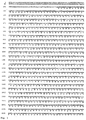
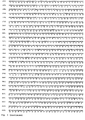
- OLGA5 sequence DNA and protein sequence of the OLGA5 ⁇ -galactosidase from Bifidumbacterium bifidum. The signal sequence is shown in bold and the part of OLGA5 gene deleted in OLGA347 is shown in italics. The Bgl II site used to create the deletion is highlighted.
- OLGA5 transgalactosylase activity Total cell lysate of E. coli cells harbouring the OLGA5 gene in a plasmid were incubated with 0.4 M lactose at 37°C for 20 hours. A 50 ⁇ l total reaction volume contained the indicated amounts of total cell lysate. Reaction samples were analysed on a silica gel TLC plate. The plate was sprayed with Orcinol reagent to visualise the sugars.
- OLGA5 ⁇ -galactosidase C-terminal deletions of OLGA5 ⁇ -galactosidase.
- a 1752 amino acid open reading frame encodes the OLGA5 ⁇ -galactosidase, where the starting 32 amino acids likely represent a signal peptide (white box).
- Deletion mutants of OLGA5 were constructed using the indicated restriction sites. Lysates prepared from bacterial cultures grown over night were used for measurement of ⁇ -galactosidase activity, and the relative results are shown to the right of the respective constructs. Restriction enzyme symbols used: Bgl II (B), Eco RI (E), Eco RV (V), Hind III (H), Kpn I (K), Nru I (N), Pst I (P).
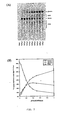
- Oligosaccharides produced by OLGA347 The indicated amounts of OLGA347 total cell lysate were incubated with 15% lactose in a total volume of ⁇ l for 21 hours at 37°C. Radioactive lactose that was labelled with 14 C in the glucose C-1 position was used. Samples were separated on a TLC plate and quantitated by use of a phospho-imager.
- B Measured 14 C-signals after subtraction of background (blind lane).
- the first aspect of the invention concerns a new ⁇ -galactosidase, OLGA5 (SEQ ID NO:1 and SEQ ID NO:2), from Bifidobacterium bifidum that has been isolated and characterised.
- E. coli cells were transformed with a plasmid containing insertions consisting of PstI digested chromosomal DNA from B. bifidum.
- Clones with ⁇ -galactosidase activity were selected on plates containing a chromogenic ⁇ -galactosidase substrate.
- One of the positive colonies contained a plasmid with an insert of approximately 20 kb, pOLGA5 (SEQ ID NO:1).
- a second aspect of the invention concerns deletion mutants of OLGA5, e.g. OLGA347.
- OLGA347 which has a 578 amino acid C-terminal deletion, showed the most pronounced increased level of oligosaccharides produced when incubated with lactose even at relatively low lactose concentrations.
- the enzyme apparently transferred virtually all galactose molecules onto galactose or glucose. Deletion of the C-terminal end of OLGA5 hence converted the enzyme from a hydrolytic OLGA5 ⁇ -galactosidase to a transgalactosylating OLGA347-transgalactosidase.
- the truncated ⁇ -galactosidase OLGA347 transfers galactose onto acceptor sugar molecules at high frequency at all lactose concentrations examined.
- the present invention provides a DNA sequence encoding an enzyme, said enzyme having a ratio of transgalactosylase activity to ⁇ -galactosylase activity of more than 1:1, wherein said sequence is a fragment of SEQ ID NO 1 spanning from position 212-308 to position 3734.
- said DNA sequence comprises nucleotide substitutions, additions or deletions which result in less than 25% change in the amino acid sequence according to SEQ ID NO:2.
- said DNA sequence comprises nucleotide substitutions, resulting in conservative amino acid substitutions.
- the DNA sequence of SEQ ID NO 1 is used for preparation of a mutated DNA sequence.
- the present invention provides an enzyme encoded by said DNA sequences.
- the present invention provides a transgalactosylating enzyme wherein the amino acid sequence of said enzyme is a fragment of SEQ ID NO 2 spanning from position 1-33 to position 1174, said enzyme having one or more of the following characteristics:
- an expression vector with an insert encoding OLGA5, OLGA342, OLGA345, OLGA347, OLGA344, or any other OLGA5 variant is used.
- This expression vector can be transformed into a host cell selected from the group comprising Bifidobacterium, Lactococcus, Lactobacillus, Streptococcus, Leuconostoc, Escherichia, Bacillus, Streptomyces, Saccharomyces, Kluyveromyces, Candida, Torula, Torulopsis and Aspergillus.
- a cell of the genus Bifidobacterium is selected from the group consisting of Bifidobacterium breve, Bifidobacterium longum, Bifidobacterium infantis, Bifidobacterium bifidum and Lactococcus lactis.
- the cell is then cultured in a suitable culture medium under conditions permitting expression of for example an OLGA5 or an OLGA347 variant and the resulting enzyme is thereafter recovered from the culture.
- an OLGA5 variant is part of an expression vector, which can be transformed into any one of the above, mentioned host cells. The cell is then cultured in a suitable culture medium under conditions permitting expression of the OLGA5 variant and the resulting enzyme is thereafter recovered from the culture.
- the OLGA5 variant may contain any random mutation or any mutation generated by conventional molecular biology techniques. Any fragment of a mutated or a wild-type OLGA5 DNA molecule can be inserted into the expression vector. The fragment can be generated by PCR (polymerase chain reaction) or by means of any restriction sites present in the sequence or a combination of both.
- the procedures for generating OLGA5 variants are well known to a person skilled in the art. It is thus not critical to the present invention in which way the variant is obtained.
- the variants disclosed in the present text are obtained by subcloning by use of restriction sites present in the sequence.
- Another aspect of the invention concerns use of one or more of the above mentioned cell types for producing a product selected from the group consisting of yoghurt, cheese, fermented dairy products, dietary supplements and probiotic comestible products.
- the technical effect of the enhanced growth of Bifidobacterium is used for improving the quality of the industrial products.
- Addition of galacto-oligosaccharides enhances the growth of health-promoting Bifidobacterium.
- Galacto-oligosaccharides produced by OLGA347 is thus much cheaper and easier to obtain compared to using native ⁇ -galactosidases for producing oligosaccharides.
- oligosaccharides comprise, but are not limited to fructo-oligo saccharides, galacto-oligosaccharides, isomalto-oligosaccharides, malto-oligosaccharides, lacto-sucrose and xylo-oligosaccharides.
- the oligosaccharides are produced by incubating the cell expressing the OLGA5 variant in a medium that comprises a disaccharide substrate such as for example lactulose, trehalose, rhamnose, maltose, sucrose, lactose, or cellobiose.
- a disaccharide substrate such as for example lactulose, trehalose, rhamnose, maltose, sucrose, lactose, or cellobiose.
- the cells may be part of a product selected from the group consisting of yoghurt, cheese, fermented milk products, dietary supplements, and probiotic comestible products.
- the oligo-saccharides can be recovered and subsequently be added to the product of interest before or after its preparation. Addition of oligosaccharides enhance growth of either Bifidobacterium alone or of Bifidobacterium in a mixed culture.
- the oligosaccharides are produced by incubating the OLGA5 variant in a medium that comprises a disaccharide substrate such as for example lactulose, trehalose, rhamnose, maltose, sucrose, lactose, or cellobiose.
- the incubation is carried out under conditions where oligosaccarides are produced.
- the medium comprising an OLGA5 variant and lactose may be part of a product selected from the group consisting of yoghurt, cheese, fermented milk products, dietary supplements, and probiotic comestible products.
- the oligo-saccharides can be recovered and subsequently be added to the product of interest before or after its preparation. Addition of oligosaccharides enhances growth of either Bifidobacterium alone or of Bifidobacterium in a mixed culture.
- ⁇ -galactosidase or a fragment thereof.
- ⁇ -galactosidase is defined as an enzyme capable of hydrolysing lactose to the monosaccharides D-glucose and D-galactose.
- a fragment of the ⁇ -galactosidase comprises 5-98%, preferably 40-95% and most preferably 55-75% of the protein and the deletion preferably concerns the C-terminal end.
- a "host cell” is selected from the group consisting of: fungi, yeasts, and prokaryotes.
- the micro-organism is more preferably a prokaryote and most preferably a bacterium of the genus Bifidobacterium or the species E. coli .
- oligosaccharides is meant an oligosaccharide consisting of at least three sugar molecules.
- the linkages between the sugar residues of the oligosaccharide comprise but are not limited to 1-4 and 1-6 bindings.
- lactose Incubation of ⁇ -galactosidase with lactose takes place in the presence of 0.5-60% lactose, preferably 2-30% lactose and most preferably 2-15% lactose.
- Conditions of incubating ⁇ -galactosidase with lactose are defined by performing the incubation at a temperature between 5 and 75 °C, preferably 15-45 °C, and most preferably at 37 °C.
- the time required for the incubation is 1-50 hours, preferably 5-40 hours and most preferably 15-25 hours.
- a "comestible product” comprises a product intended for ingestion such as foods, drinks, tablets, and powders.
- One of the blue colonies contained a plasmid with an insert of approximately 20 kb, pOLGA5.
- the insert was further subcloned and partly sequenced and an open reading frame encoding a putative ⁇ -galactosidase (OLGA5 ⁇ -galactosidase) was identified ( Figure 1).
- BLAST search showed that OLGA5 ⁇ -galactosidase showed the highest degree of homology with Streptomyces coelicolor ⁇ -galactosidase (AL133171) and Thermoanaerobacter ethanolicus (YO8557) with 38% and 30% identity, respectively.
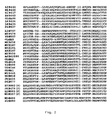
- Figure 3 shows an "identity tree" of OLGA5 and related amino acid sequences.
- OLGA5 ⁇ -galactosidase A detailed analysis of the amino acid sequence of OLGA5 ⁇ -galactosidase revealed that the enzyme contains a putative signal sequence at its N-terminal and that the open reading frame encodes a polypeptide of 185 kDa which is approximately twice as large as any of the presently known ⁇ -galactosidases. Recombinant OLGA5 enzyme produced in E. coli was purified and N-terminal amino acid sequencing confirmed, that the signal sequence was cleaved during expression in E. coli. SDS-PAGE confirmed the molecular weight of the OLGA5 polypeptide.
- Figure 8 shows an experiment in which 10%, 20%, and 40% lactose was used as substrate in enzyme reactions with varying concentrations of OLGA347 enzyme.
- the reaction mixtures were analysed with HPLC and the concentrations of lactose, glucose, galactose, and galacto-oligosaccharides were calculated.
- Figure 8 shows that as the enzyme concentrations goes up, the lactose concentration is decreased and the glucose concentration is increased but virtually no "free" galactose is produced, indicating that almost all galactose molecules in lactose are transferred onto another sugar.
Landscapes
- Health & Medical Sciences (AREA)
- Life Sciences & Earth Sciences (AREA)
- Chemical & Material Sciences (AREA)
- Genetics & Genomics (AREA)
- Organic Chemistry (AREA)
- Engineering & Computer Science (AREA)
- Zoology (AREA)
- Wood Science & Technology (AREA)
- Bioinformatics & Cheminformatics (AREA)
- General Engineering & Computer Science (AREA)
- General Health & Medical Sciences (AREA)
- Biochemistry (AREA)
- Biomedical Technology (AREA)
- Molecular Biology (AREA)
- Biotechnology (AREA)
- Microbiology (AREA)
- Medicinal Chemistry (AREA)
- Physics & Mathematics (AREA)
- Biophysics (AREA)
- Plant Pathology (AREA)
- Micro-Organisms Or Cultivation Processes Thereof (AREA)
- Enzymes And Modification Thereof (AREA)
- Coloring Foods And Improving Nutritive Qualities (AREA)
- Preparation Of Compounds By Using Micro-Organisms (AREA)
- Dairy Products (AREA)
- Polysaccharides And Polysaccharide Derivatives (AREA)
Abstract
Description
- The present invention concerns improvement of fermented diary products. In particular, the invention concerns a β-galactosidase with transgalactosylating activity. More particular the inventions concerns a β-galactosidase isolated from Bifidobacterium bifidum where the C-terminal end of the protein has been deleted and the resulting truncated enzyme has higher transgalactosylating activity than hydrolase activity. When lactose is used as a substrate, galacto-oligosaccharides are products of the transgalactosylase activity. Galacto-oligosaccharides enhance growth of health-promoting Bifidobacterium that may be used in a number of applications in the diary industry.
- The genus Bifidobacterium is one of the most commonly used types of bacteria cultures in the diary industry for fermenting a variety of diary products. Ingestion of Bifidobacterium-containing products furthermore has a health-promoting effect. This effect is not only achieved by a lowered pH of the intestinal contents but also by the ability of Bifidobacterium to repopulate the intestinal flora in individuals who have had their intestinal flora disturbed by for example intake of antibiotics. Bifidobacterium furthermore has the potential of outcompeting potential harmful intestinal micro-organisms.
- Galacto-oligosaccharides are known to enhance the growth of Bifidobacterium. This effect is likely achieved through the unique ability of Bifidobacterium to exploit galacto-oligosaccharides as a carbon source. Dietary supplement of galacto-oligosaccharides is furthermore thought to have a number of long-term disease protecting effects. For example, galacto-oligosaccharide intake has been shown to be highly protective against development of colorectal cancer in rats (Wijnands, et al., 1999). There is therefore a great interest in developing cheap and efficient methods for producing galacto-oligosaccharides for use in the industry for improving dietary supplements and dairy products.
- The enzyme β-galactosidase (EC 3.2.1.23) usually hydrolyses lactose to the monosaccharides D-glucose and D-galactose. In the normal enzyme reaction of β-galactosidases, the enzyme hydrolyses lactose and transiently binds the galactose monosaccharide in a galactose-enzyme complex that transfers galactose to the hydroxyl group of water, resulting in the liberation of D-galactose and D-glucose. However, at high lactose concentrations some β-galactosidasees are able to transfer galactose to the hydroxyl groups of D-galactose or D-glucose in a process called transgalactylation whereby galacto-oligosaccharides are produced.
- Enzymes capable of transgalactosylation have been isolated from a wide range of micro-organisms, including bacteria and yeasts. The observation that galacto-oligosaccharides enhance the growth of health-promoting Bifidobacterium has stimulated investigations of Bifidobacterium and their β-galactosidase enzymes. Two DNA sequences of B. breve and B. longum β-galactosidase genes have been deposited in GeneBank (accession numbers E5040 and AJ242596, respectively). Dumortier et al. (1994) have reported that B. bifidum DSM 20215 contains three β-galactosidases and one of these enzymes has trans-galactosylating properties. However, no identification of the enzyme possessing this activity or any sequence of the enzyme or the corresponding gene from B. bifidum DSM 20215 has been published.
- Production of galacto-oligosaccharides by the use of β-galactosidases has been reported in several papers. For example, β-galactosidase from E. coli has been shown to produce oligosaccharides at high lactose concentrations (0.5 M or approximately 20% lactose; Huber et al. 1976). Various thermophilic microorganisms have been shown to produce oligosaccharides at high temperatures and high lactose concentrations, e.g. Sterigmatomyces elviae can produce 39% oligosaccharides from 20% lactose at 60°C (Onishi & Tanaka, 1995), and Saccharopolyspora rectivirgula can synthesize 41% oligosaccharides in 1.75 M lactose at 70°C (Nako et al., 1994).
- However, the enzymes described above all have the drawbacks of requiring either high temperatures or high lactose concentrations or both in order to exhibit significant transgalactosylase activity. There is thus a need for developing cheaper and more efficient methods of producing galacto-oligosaccharides for use in the industry.
- The present invention describes a new β-galactosidase from Bifidobacterium bifidum. A truncated version of the enzyme has surprisingly been shown to have a high transgalactosylating activity. When the truncated enzyme, or a host cell expressing the recombinant truncated enzyme is incubated with lactose under appropriate conditions, galacto-oligosaccharides are produced at a high efficientcy. Presence of galacto-oligosaccharides in diary products or other comestible products have the advantage of enhancing the growth of health-promoting Bifdobacterium in the product or in the intestinal flora of the consumer after intake of the product or both.
- In one aspect the present invention provides a DNA sequence encoding an enzyme, said enzyme having a ratio of transgalactosylase activity to β-galactosylase activity of more than 1:1, wherein said sequence is a fragment of
SEQ ID NO 1 spanning from position 212-308 to position 3734. - OLGA5 sequence. DNA and protein sequence of the OLGA5 β-galactosidase from Bifidumbacterium bifidum. The signal sequence is shown in bold and the part of OLGA5 gene deleted in OLGA347 is shown in italics. The BglII site used to create the deletion is highlighted.
- Comparison of β-galactosidase active site regions. Alignment of regions around the catalytic Glu461 residue (highlighted) from E. coli. The sequences are identified by their database accession numbers. 6-phospho-β-galactosidase sequences are marked with a (P).
- Neighbour joining analysis of the alignment in Figure 1, where the Sulfolubus sequences were used as an outgroup. Results from a bootstrap analysis (n = 100) are shown for the junctions with a value above 80.
- OLGA5 transgalactosylase activity. Total cell lysate of E. coli cells harbouring the OLGA5 gene in a plasmid were incubated with 0.4 M lactose at 37°C for 20 hours. A 50 µl total reaction volume contained the indicated amounts of total cell lysate. Reaction samples were analysed on a silica gel TLC plate. The plate was sprayed with Orcinol reagent to visualise the sugars.
- C-terminal deletions of OLGA5 β-galactosidase. A 1752 amino acid open reading frame encodes the OLGA5 β-galactosidase, where the starting 32 amino acids likely represent a signal peptide (white box). Deletion mutants of OLGA5 were constructed using the indicated restriction sites. Lysates prepared from bacterial cultures grown over night were used for measurement of β-galactosidase activity, and the relative results are shown to the right of the respective constructs. Restriction enzyme symbols used: BglII (B), EcoRI (E), EcoRV (V), HindIII (H), KpnI (K), NruI (N), PstI (P).
- TLC analysis of transgalactosylase activity. Total cell lysates for the two tested deletion mutants, OLGA347 and OLGA345, were used in the indicated amounts to react with 0.4 M lactose in 50 µl total volume. The reactions were incubated at 37°C for 20 hours. Samples were analysed on a silica gel TLC plate. The plate was sprayed with Orcinol reagent to visualise the sugars.
- Oligosaccharides produced by OLGA347. The indicated amounts of OLGA347 total cell lysate were incubated with 15% lactose in a total volume of µl for 21 hours at 37°C. Radioactive lactose that was labelled with 14C in the glucose C-1 position was used. Samples were separated on a TLC plate and quantitated by use of a phospho-imager. A: Image used for measurement of 14C-signals from lactose, glucose and galacto-oligosaccharides (GOS) spots. B: Measured 14C-signals after subtraction of background (blind lane).
- HPLC measurement of OLGA347 enzyme reaction products. Reactions in 10%, 20% and 40% lactose were performed using the indicated amounts of OLGA347 total cell lysate. A total volume of 200 µl was used and the reactions were incubated at 37°C for 20 hours. Diluted samples were subjected to HPLC analysis and standard curves were used to convert the observed peak areas to concentrations (mg/ml). A: Obtained mg/ml saccharide after OLGA347 reaction with 10% lactose. B: Obtained mg/ml saccharide after OLGA347 reaction with 20% lactose. C: Obtained mg/ml saccharide after OLGA347 reaction with 40% lactose. D: Plot of results from the 10% reaction. The resulting amount of galacto-oligosaccharides is calculated as the amount of lactose not recovered as glucose or galactose ("GOS").
- The first aspect of the invention concerns a new β-galactosidase, OLGA5 (SEQ ID NO:1 and SEQ ID NO:2), from Bifidobacterium bifidum that has been isolated and characterised. E. coli cells were transformed with a plasmid containing insertions consisting of PstI digested chromosomal DNA from B. bifidum. Clones with β-galactosidase activity were selected on plates containing a chromogenic β-galactosidase substrate. One of the positive colonies contained a plasmid with an insert of approximately 20 kb, pOLGA5 (SEQ ID NO:1). Sequencing of the DNA sequence revealed that the deduced amino acid sequence of OLGA5 β-galactosidase (SEQ ID NO:2) is approximately twice as long as the presently known β-galactosidases and it furthermore shows a surprisingly low degree of sequence homology with known β-galactosidases. Expression of recombinant OLGA5 in E. coli revealed that the enzyme, in addition to lactose hydrolysing activity, also exhibited transgalactosylating activity. The C-terminal part of the OLGA5 enzyme showed no homology to known β-galactosidases. A variety of OLGA5 C-terminal deletion mutants were subsequently constructed and the resulting enzymes were investigated for their hydrolytic and transgalactosylating activity.
- A second aspect of the invention concerns deletion mutants of OLGA5, e.g. OLGA347. Out of several C-terminal deletion mutants, OLGA347 which has a 578 amino acid C-terminal deletion, showed the most pronounced increased level of oligosaccharides produced when incubated with lactose even at relatively low lactose concentrations. The enzyme apparently transferred virtually all galactose molecules onto galactose or glucose. Deletion of the C-terminal end of OLGA5 hence converted the enzyme from a hydrolytic OLGA5 β-galactosidase to a transgalactosylating OLGA347-transgalactosidase. Unlike other transgalactosylating β-galactosidases, including the native OLGA5 enzyme, the truncated β-galactosidase OLGA347 transfers galactose onto acceptor sugar molecules at high frequency at all lactose concentrations examined.
- The present invention provides a DNA sequence encoding an enzyme, said enzyme having a ratio of transgalactosylase activity to β-galactosylase activity of more than 1:1, wherein said sequence is a fragment of
SEQ ID NO 1 spanning from position 212-308 to position 3734.
In one embodiment, said DNA sequence comprises nucleotide substitutions, additions or deletions which result in less than 25% change in the amino acid sequence according to SEQ ID NO:2.
In another embodiment, said DNA sequence comprises nucleotide substitutions, resulting in conservative amino acid substitutions.
In another embodiment, the DNA sequence ofSEQ ID NO 1 is used for preparation of a mutated DNA sequence.
In a futher aspect the present invention provides an enzyme encoded by said DNA sequences. - In a further aspect the present invention provides a transgalactosylating enzyme wherein the amino acid sequence of said enzyme is a fragment of
SEQ ID NO 2 spanning from position 1-33 to position 1174, said enzyme having one or more of the following characteristics: - (a) the ratio of transgalactosylating activity to β-galactosidase activity in a solution of 100 mg/l lactose at 37 °C is more than 1:1;
- (b) catalyzes production of at least 25% galacto-oligosaccharides in batch reaction with a solution of 100 g/l lactose at 37 °C,
- (c) catalyses production of galacto-oligo-saccharides in batch reaction with a solution of 100 g/l lactose at 37 °C with less than 15% of galactose from the lactose being present in the free form at the reaction time with maximum concentration of galacto-oligo-saccharide.
- In one embodiment, an expression vector with an insert encoding OLGA5, OLGA342, OLGA345, OLGA347, OLGA344, or any other OLGA5 variant is used. This expression vector can be transformed into a host cell selected from the group comprising Bifidobacterium, Lactococcus, Lactobacillus, Streptococcus, Leuconostoc, Escherichia, Bacillus, Streptomyces, Saccharomyces, Kluyveromyces, Candida, Torula, Torulopsis and Aspergillus. A cell of the genus Bifidobacterium is selected from the group consisting of Bifidobacterium breve, Bifidobacterium longum, Bifidobacterium infantis, Bifidobacterium bifidum and Lactococcus lactis. The cell is then cultured in a suitable culture medium under conditions permitting expression of for example an OLGA5 or an OLGA347 variant and the resulting enzyme is thereafter recovered from the culture.
- In another embodiment of the invention, an OLGA5 variant is part of an expression vector, which can be transformed into any one of the above, mentioned host cells. The cell is then cultured in a suitable culture medium under conditions permitting expression of the OLGA5 variant and the resulting enzyme is thereafter recovered from the culture. The OLGA5 variant may contain any random mutation or any mutation generated by conventional molecular biology techniques. Any fragment of a mutated or a wild-type OLGA5 DNA molecule can be inserted into the expression vector. The fragment can be generated by PCR (polymerase chain reaction) or by means of any restriction sites present in the sequence or a combination of both. The procedures for generating OLGA5 variants are well known to a person skilled in the art. It is thus not critical to the present invention in which way the variant is obtained. The variants disclosed in the present text are obtained by subcloning by use of restriction sites present in the sequence.
- Another aspect of the invention concerns use of one or more of the above mentioned cell types for producing a product selected from the group consisting of yoghurt, cheese, fermented dairy products, dietary supplements and probiotic comestible products. In this aspect, the technical effect of the enhanced growth of Bifidobacterium is used for improving the quality of the industrial products. Addition of galacto-oligosaccharides enhances the growth of health-promoting Bifidobacterium. Galacto-oligosaccharides produced by OLGA347 is thus much cheaper and easier to obtain compared to using native β-galactosidases for producing oligosaccharides.
- Yet another aspect of the invention concerns the use of OLGA5, OLGA342, OLGA345, OLGA347, OLGA344 or any other OLGA5 variant or the use of any one or more of the above mentioned cell types for producing oligosaccharides. The oligosaccharides comprise, but are not limited to fructo-oligo saccharides, galacto-oligosaccharides, isomalto-oligosaccharides, malto-oligosaccharides, lacto-sucrose and xylo-oligosaccharides.
- In one embodiment of the invention, the oligosaccharides are produced by incubating the cell expressing the OLGA5 variant in a medium that comprises a disaccharide substrate such as for example lactulose, trehalose, rhamnose, maltose, sucrose, lactose, or cellobiose. The incubation is carried out under conditions where oligosaccarides are produced. The cells may be part of a product selected from the group consisting of yoghurt, cheese, fermented milk products, dietary supplements, and probiotic comestible products. Alternatively, the oligo-saccharides can be recovered and subsequently be added to the product of interest before or after its preparation. Addition of oligosaccharides enhance growth of either Bifidobacterium alone or of Bifidobacterium in a mixed culture.
- In another embodiment, the oligosaccharides are produced by incubating the OLGA5 variant in a medium that comprises a disaccharide substrate such as for example lactulose, trehalose, rhamnose, maltose, sucrose, lactose, or cellobiose. The incubation is carried out under conditions where oligosaccarides are produced. The medium comprising an OLGA5 variant and lactose may be part of a product selected from the group consisting of yoghurt, cheese, fermented milk products, dietary supplements, and probiotic comestible products. Alternatively, the oligo-saccharides can be recovered and subsequently be added to the product of interest before or after its preparation. Addition of oligosaccharides enhances growth of either Bifidobacterium alone or of Bifidobacterium in a mixed culture.
- "β-galactosidase or a fragment thereof". β-galactosidase is defined as an enzyme capable of hydrolysing lactose to the monosaccharides D-glucose and D-galactose. A fragment of the β-galactosidase comprises 5-98%, preferably 40-95% and most preferably 55-75% of the protein and the deletion preferably concerns the C-terminal end.
- A "host cell" is selected from the group consisting of: fungi, yeasts, and prokaryotes. The micro-organism is more preferably a prokaryote and most preferably a bacterium of the genus Bifidobacterium or the species E. coli.
- By "oligosaccharides" is meant an oligosaccharide consisting of at least three sugar molecules. An example of an oligosaccharide, which is not meant to be limiting, is galacto-oligosaccharide. The linkages between the sugar residues of the oligosaccharide comprise but are not limited to 1-4 and 1-6 bindings.
- Incubation of β-galactosidase with lactose takes place in the presence of 0.5-60% lactose, preferably 2-30% lactose and most preferably 2-15% lactose.
- Conditions of incubating β-galactosidase with lactose are defined by performing the incubation at a temperature between 5 and 75 °C, preferably 15-45 °C, and most preferably at 37 °C. The time required for the incubation is 1-50 hours, preferably 5-40 hours and most preferably 15-25 hours.
- A "comestible product" comprises a product intended for ingestion such as foods, drinks, tablets, and powders.
- Isolation and characterisation of transgalactosylating β-galactosidase from B. bifidum. PstI digested chromosomal DNA from B. bifidum DSM 20215 was ligated into pKS plasmid (Stratagene) using standard procedures. The ligation mixture was transformed into E. coli strain MT102 defective in LacZ and β-galactosidase. β-galactosidase producing clones were identified as blue colonies on plates containing the chromogenic β-galactosidase substrate X -gal.
- One of the blue colonies contained a plasmid with an insert of approximately 20 kb, pOLGA5. The insert was further subcloned and partly sequenced and an open reading frame encoding a putative β-galactosidase (OLGA5 β-galactosidase) was identified (Figure 1). BLAST search showed that OLGA5 β-galactosidase showed the highest degree of homology with Streptomyces coelicolor β-galactosidase (AL133171) and Thermoanaerobacter ethanolicus (YO8557) with 38% and 30% identity, respectively. Figure 3 shows an "identity tree" of OLGA5 and related amino acid sequences.
- A detailed analysis of the amino acid sequence of OLGA5 β-galactosidase revealed that the enzyme contains a putative signal sequence at its N-terminal and that the open reading frame encodes a polypeptide of 185 kDa which is approximately twice as large as any of the presently known β-galactosidases. Recombinant OLGA5 enzyme produced in E. coli was purified and N-terminal amino acid sequencing confirmed, that the signal sequence was cleaved during expression in E. coli. SDS-PAGE confirmed the molecular weight of the OLGA5 polypeptide.
- Cellular extracts of recombinant E. coli MT102 containing pOLGA5 were prepared and analysed for transgalactosylating activity. Figure 4 shows that OLGA5, in addition to lactose hydrolysing activity, also exhibited transgalactosylating activity.
- Construction of a truncated OLGA5 β-galactosidase with high transgalactosylase activity. The region of OLGA5 homologous to other β-galactosidases is located in the N-terminal end of the protein. The C-terminal half showed no homology to any known β-galactosidase. However, a sialidase-like galactose-binding domain was observed in the C-terminal part. The role of this C-terminal part of the OLGA5 β-galactosidase was investigated by construction of truncated deletion mutants. The hydrolytic and transgalactosylating activities of the resulting recombiant β-galactosidases were analysed. Figure 5 shows that it was possible to delete almost one third of the OLGA5 enzyme and still retain hydrolytic activity.
- When the transgalactosylating activity was analysed, similar results were obtained with extracts from E. coli containing the plasmids pOLGA5, pOLGA342, and pOLGA345. However, extracts of cells harbouring pOLGA347 showed an increased level of oligosaccharides produced and almost no galactose. As shown in Figure 5, an extract containing the truncated OLGA347 β-galactosidase did hydrolyse lactose, but instead of transferring galactose onto hydroxyl groups in water, the enzyme transferred virtually all galactose molecules onto galactose or glucose (or glycerol; the spot migrating slightly slower than glucose on TLC was shown by NMR to be galacto-glycerol - data not shown). In conclusion OLGA347 is a true "transgalactosylase".
- Characterisation of the transgalactosylating activity of OLGA347. Two methods were used to quantitate the transgalactosyalting activity of OLGA347 β-galactosidase : TLC analysis of reaction mixtures containing radioactively labelled lactose and HPLC analysis after enzymatic conversion of unlabeled lactose.
- Experiments with radioactivity were carried out with lactose containing the 14C-label at the C-1 position of glucose. Since the label was in the glucose part of the disaccharide, only reaction products containing glucose were detected. Figure 7 shows the result of a transgalactosylation experiment with 15% lactose and varying amounts of OLGA347 enzyme. After separation of the reaction mixture by TLC, the plate was scanned and the radioactive spots were quantitated in a phospho-imager. At low enzyme concentrations (between 0 and 0.2 µl of the extract), the glucose and oligosaccharide levels were almost identical, indicating that all glucose molecules were exploited as substrate in transgalactosylation reactions. "Free" hydrolysed glucose appeared only at high enzyme concentratins.
- In experiments with unlabelled lactose different substrate and enzyme concentrations were examined. Figure 8 shows an experiment in which 10%, 20%, and 40% lactose was used as substrate in enzyme reactions with varying concentrations of OLGA347 enzyme. The reaction mixtures were analysed with HPLC and the concentrations of lactose, glucose, galactose, and galacto-oligosaccharides were calculated. Figure 8 shows that as the enzyme concentrations goes up, the lactose concentration is decreased and the glucose concentration is increased but virtually no "free" galactose is produced, indicating that almost all galactose molecules in lactose are transferred onto another sugar. Calculations of carbohydrate concentrations measured in reactions with low enzyme concentrations, indicated that the ratio between glucose and galactose is approximately 0.1, implying that for every lactose molecule hydrolysed to free galactose and glucose, nine lactose molecules are used in transglactosylation. As seen in Figure 8, the transgalactosylation reaction is independent of lactose concentration in range from 10% to 40% lactose. The maximal yield of galacto-oligosaccharides produced in transgalactosylation reactions with 10%, 20% or 40% lactose as substrate were 39%, 44% and 37% respectively (mg of oligosaccharides produced per mg lactose added).
-
- Dumortier, V., Brassart, C., and Bouquelet, S. (1994) Purification and properties of a β-D-galactosidase from Bifidobacterium bifidum exhibiting a transgalactosylation reaction. Biotechnol. Appl. Biochem. 19, 341-354.
- Huber, R.E., Kurz, G., and Wallenfels, K. (1976) A quantitation of the factors which affect the hydrolase and transgalactosylase acticities of β-galactosidase (E. coli) on lactose. Biochemistry, 15, 1994
- Nakao, M., Harada, M., Kodama, Y., Nakayama, T., Shibano, Y., and Amachi, T. (1994) Purification and haracterization of a thermostable β-galactosidase with high transgalactosylation activity from Saccharopolyspora rectivirgula. Appl. Microbiol. Biotechnol. 40, 657-663.
- Onishi, N and Tanaka, T. (1995) Purification and properties of a novel thermostable galactooligosaccharide-producing β-galactosidase from Sterigmatomyces elviae CBS8119. Appl. Environ. Microbiol. 61, 4026-4030.
- Wijnands, M. V., Appel M. J., Hollanders, V. M., and Woutersen, R. A. (1999) A comparison of the effects of diatary cellulose and fermentable galacto-oligosaccharide in a rat model of colorrectal carcinogenesis: fermentable fibre confers greater protection than non-fermentable fibre in both high and low fat backgrounds. Carcinogenesis. 20, 651-656.
-
- <110> Arla Foods amba
- <120> A new enzyme from a Bifidobacterium
- <130> P200000660 US
- <140>
<141> - <150>
US 60/207154
<151> 2000-05-26 - <160> 2
- <170> PatentIn Ver. 2.1
- <210> 1
<211> 5509
<212> DNA
<213> Bifidobacterium bifidum - <220>
<221> CDS
<222> (212)..(5470)
<223> Beta-galactosidase - <400> 1


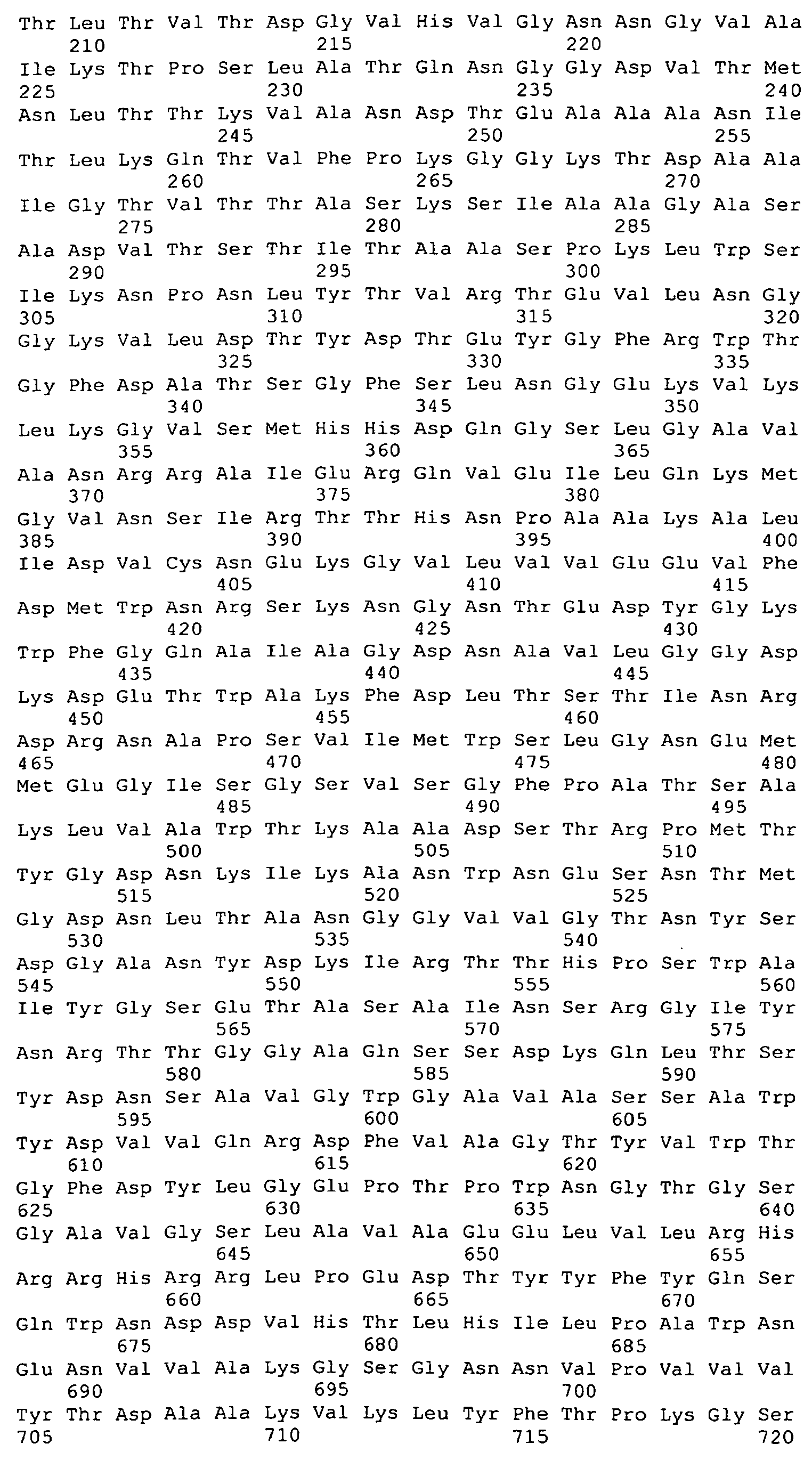
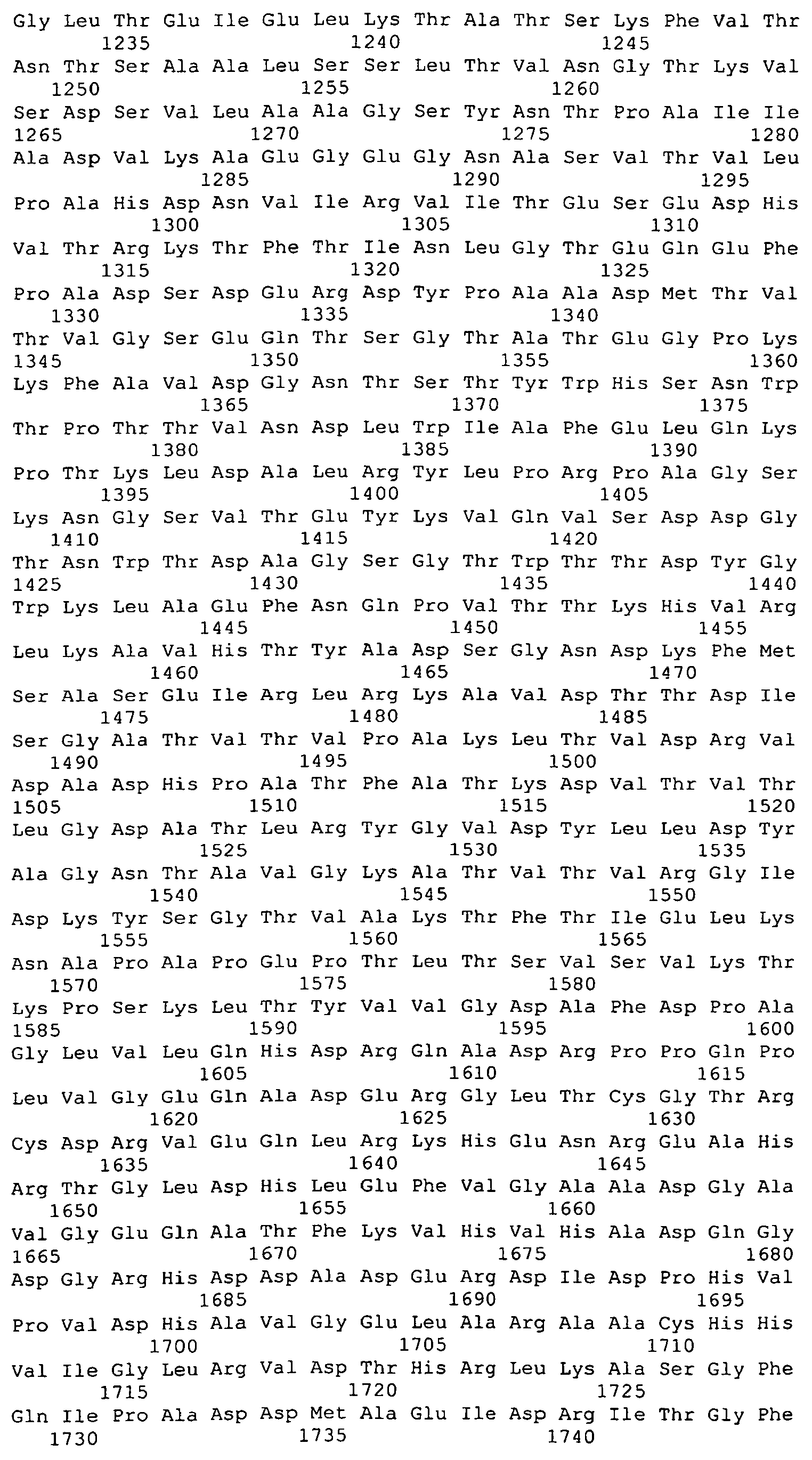
- <210> 2
<211> 1752
<212> PRT
<213> Bifidobacterium bifidum - <400> 2



Claims (20)
- A DNA sequence encoding an enzyme, said enzyme having a ratio of transgalactosylase activity to β-galactosylase activity of more than 1:1, wherein said sequence is a fragment of SEQ ID NO 1 spanning from position 212-308 to position 3734.
- A DNA sequence according to claim 1, wherein said sequence comprises nucleotide substitutions, additions or deletions which result in less than 25% change in the amino acid sequence according to SEQ ID NO:2.
- A DNA sequence according to any one of claims 1 and 2, wherein said sequence comprises nucleotide substitutions, resulting in conservative amino acid substitutions.
- Use of the DNA sequence of SEQ ID NO 1 for preparation of a mutated DNA sequence according to any one of claims 1-3.
- An enzyme encoded by a DNA sequence of any one of claims 1-3.
- A transgalactosylating enzyme wherein the amino acid sequence of said enzyme is a fragment of SEQ ID NO 2 spanning from position 1-33 to position 1174, said enzyme having one or more of the following characteristic s:(a) the ratio of transgalactosylating activity to β-galactosidase activity in a solution of 100 mg/l lactose at 37 °C is more than 1:1;(b) catalyzes production of at least 25% galacto-oligosaccharides in batch reaction with a solution of 100 g/l lactose at 37 °C,(c) catalyses production of galacto-oligo-saccharides in batch reaction with a solution of 100 g/l lactose at 37 °C with less than 15% of galactose from the lactose being present in the free form at the reaction time with maximum concentration of galacto-oligo-saccharide.
- A DNA sequence encoding an enzyme according to claim 6.
- A vector comprising a DNA sequence of any one of claims 1-3 and 7, wherein said vector is an expression vector.
- A host cell comprising the vector of claim 8.
- A cell of claim 9, wherein said cell is a bacterial cell, a yeast cell, or a fungal cell.
- A cell of claim 10, wherein the cell is selected from the group consisting of Bifidobacterium, Lactococcus, Lactobacillus, Streptococcus, Leuconostoc, Escherichia, Bacillus, Streptomyces, Saccharomyces, Kluyveromyces, Candida, Torula, Torulopsis and Aspergillus.
- A cell of claim 11, wherein the cell is selected from the group consisting of Bifidobacterium breve, Bifidobacterium longum, Bifidobacterium infantis, Bifidobacterium bifidum and Lactococcus lactis.
- Use of a cell of any one of claims 9-12 for producing a product selected from the group consisting of yoghurt, cheese, fermented milk product, dietary supplement and probiotic comestible product.
- A dairy product comprising a cell of any one of claims 9-12.
- Use of a transgalactosylating enzyme of any one of claims 5-6 or a cell of any one of claims 9-12, for producing galacto-oligosaccharides.
- Use of a transgalactosylating enzyme of any one of claims 5-6 or a cell of any one of claims 9-12, for producing galacto-oligosaccharides to be part of a product selected from the group consisting of yoghurt, cheese, fermented dairy products, dietary supplements and probiotic comestible products.
- Use of a transgalactosylating enzyme of any one of claims 5-6 or a cell of any one of claims 9-12, for producing galacto-oligosaccharides to enhance the growth of Bifidobacterium.
- Use of a transgalactosylating enzyme of any one of claims 5-6 or a cell of any one of claims 9-12, for producing galacto-oligosaccharides to enhance the growth of Bifidobacterium in a mixed culture fermentation.
- A process for producing a transgalactosylating enzyme of any one of claims 5-6, comprising culturing a cell of any one of claims 9-12 in a suitable culture medium under conditions permitting expression of said enzyme, and recovering the resulting enzyme from the culture.
- A process for producing galacto-oligosaccharides, comprising contacting an enzyme of any one of claims 5-6 or a cell of any one of claims 9-12 with a solution of lactose.
Applications Claiming Priority (3)
| Application Number | Priority Date | Filing Date | Title |
|---|---|---|---|
| US20715400P | 2000-05-26 | 2000-05-26 | |
| US207154P | 2000-05-26 | ||
| PCT/DK2001/000366 WO2001090317A2 (en) | 2000-05-26 | 2001-05-25 | Beta-galactosidase isolated from a bifidobacterium |
Publications (2)
| Publication Number | Publication Date |
|---|---|
| EP1283876A2 EP1283876A2 (en) | 2003-02-19 |
| EP1283876B1 true EP1283876B1 (en) | 2007-01-24 |
Family
ID=22769411
Family Applications (1)
| Application Number | Title | Priority Date | Filing Date |
|---|---|---|---|
| EP01936043A Expired - Lifetime EP1283876B1 (en) | 2000-05-26 | 2001-05-25 | Beta-galactosidase isolated from bifidobacterium |
Country Status (10)
| Country | Link |
|---|---|
| US (2) | US6555348B2 (en) |
| EP (1) | EP1283876B1 (en) |
| JP (1) | JP5042431B2 (en) |
| KR (2) | KR20080045766A (en) |
| AT (1) | ATE352611T1 (en) |
| AU (2) | AU2001262068B2 (en) |
| DE (1) | DE60126269T2 (en) |
| DK (1) | DK1283876T3 (en) |
| NZ (1) | NZ522623A (en) |
| WO (1) | WO2001090317A2 (en) |
Cited By (4)
| Publication number | Priority date | Publication date | Assignee | Title |
|---|---|---|---|---|
| EP2234501B1 (en) | 2007-12-03 | 2016-06-15 | Novozymes A/S | Method for producing a low-lactose dairy product |
| US9783789B2 (en) | 2012-12-07 | 2017-10-10 | North Carolina State University | Beta-hexosyl-transferases and uses thereof |
| WO2018210821A1 (en) | 2017-05-15 | 2018-11-22 | Novozymes A/S | Milk products comprising high amounts of galactooligosaccharides (gos) and their production |
| US12359182B2 (en) | 2020-02-26 | 2025-07-15 | Novozymes A/S | Polypeptide variants |
Families Citing this family (31)
| Publication number | Priority date | Publication date | Assignee | Title |
|---|---|---|---|---|
| US7250496B2 (en) * | 2002-11-14 | 2007-07-31 | Rosetta Genomics Ltd. | Bioinformatically detectable group of novel regulatory genes and uses thereof |
| MXPA05010349A (en) * | 2003-06-30 | 2006-03-08 | Clasado Inc | Novel galactooligosaccharide composition and the preparation thereof. |
| GB0315266D0 (en) * | 2003-06-30 | 2003-08-06 | Clasado Inc | Novel galactooligosaccharide composition and the preparation thereof |
| GB0525857D0 (en) | 2005-12-20 | 2006-02-01 | Product and process | |
| GB0601901D0 (en) | 2006-01-31 | 2006-03-08 | Product and Process | |
| GB0606112D0 (en) * | 2006-03-28 | 2006-05-03 | Product and process | |
| CN101517076B (en) | 2006-08-18 | 2012-12-12 | 雀巢产品技术援助有限公司 | Genetic remodeling in bifidobacterium |
| WO2008033520A2 (en) | 2006-09-15 | 2008-03-20 | The Regents Of The University Of California | Bifidobacterial gene sequences and their use |
| GB0809921D0 (en) * | 2008-05-30 | 2008-07-09 | Clasado Inc | Product and process therefor |
| US20090297660A1 (en) | 2008-06-02 | 2009-12-03 | Kraft Food Holdings, Inc. | Cheese Products Containing Galacto-Oligosaccharides And Having Reduced Lactose Levels |
| AU2009347008B2 (en) | 2009-05-27 | 2013-08-15 | Clasado Limited | Method of preventing diarrhoea |
| US20110189342A1 (en) * | 2010-02-01 | 2011-08-04 | Jeong Hea-Seok | High-purity galactooligosaccharides and uses thereof |
| DK2552945T3 (en) | 2010-03-29 | 2018-07-16 | Dupont Nutrition Biosci Aps | POLYPEPTIDES WITH TRANSGALACTOSYLATION ACTIVITY |
| JP2017018135A (en) * | 2010-07-19 | 2017-01-26 | アルラ フーズ アムバArla Foods Amba | Galactooligosaccharide-containing composition and method for producing the same |
| EP2596113B1 (en) * | 2010-07-19 | 2018-09-12 | DuPont Nutrition Biosciences ApS | Galacto-oligosaccharide-containing composition and a method of producing it |
| EP2620506A1 (en) | 2012-01-25 | 2013-07-31 | Arla Foods Amba | Method of producing a galacto-oligosaccharide-containing composition |
| BR112014030009B1 (en) | 2012-06-08 | 2022-11-08 | Dupont Nutrition Biosciences Aps. | METHOD FOR THE PRODUCTION OF A FOOD PRODUCT COMPRISING GALACTO-OLIGOSACCHARIDES |
| CA2913393A1 (en) | 2013-05-24 | 2014-11-27 | General Mills, Inc. | Food products with yogurt whey |
| AR098708A1 (en) * | 2013-12-11 | 2016-06-08 | Dupont Nutrition Biosci Aps | METHOD FOR PREPARING A DAIRY PRODUCT WITH A STABLE CONTENT OF GALACTO-OLIGOSACÁRIDO / S |
| MX375778B (en) * | 2014-01-14 | 2025-03-07 | Dsm Ip Assets Bv | IMPROVED VARIANTS OF ENZYMES. |
| EA201691640A1 (en) | 2014-03-06 | 2017-03-31 | Арла Фудс Амба | DAIRY PRODUCTS WITH REDUCED CONTENT OF LACTOSE, CONTAINING GALACT-OLIGOSOHARIDES AND MONOSACCHARIDES AND METHOD OF OBTAINING |
| MX2017005770A (en) * | 2014-11-07 | 2017-07-28 | Dupont Nutrition Biosci Aps | Method of generating a saccharide containing a galactose and a fructose moiety employing enzyme with transgalactosylating activity. |
| WO2016071504A1 (en) | 2014-11-07 | 2016-05-12 | Dupont Nutrition Biosciences Aps | Recombinant host cell expressing beta-galactosidase and/or transgalactosylating activity deficient in mannanase, cellulase and pectinase |
| WO2017167847A1 (en) | 2016-03-31 | 2017-10-05 | Dsm Ip Assets B.V. | Production of milk with low lactose content |
| EP3435771A1 (en) | 2016-03-31 | 2019-02-06 | DSM IP Assets B.V. | Enzyme composition and preparation of a dairy product with improved properties |
| EP3435772A1 (en) | 2016-03-31 | 2019-02-06 | DSM IP Assets B.V. | Enzyme composition and preparation of a dairy product with improved properties |
| EP3228194B1 (en) | 2016-04-07 | 2021-03-17 | DSM IP Assets B.V. | Fermented milk product with diacetyl produced with aid of lactase |
| FI3607097T3 (en) | 2017-04-07 | 2023-09-11 | Dupont Nutrition Biosci Aps | Bacillus host cells producing beta-galactosidases and lactases in the absence of p-nitrobenzylesterase side activity |
| RU2698460C1 (en) * | 2019-03-28 | 2019-08-27 | Общество с ограниченной ответственностью "Международный Биотехнологический Центр "Генериум" | Method of producing recombinant β-1,4-galactosidase bgaa from streptococcus pneumoniae |
| US20250000113A1 (en) * | 2021-11-12 | 2025-01-02 | Kerry Group Services International Ltd | Method for producing a dairy product |
| WO2025032353A1 (en) | 2023-08-04 | 2025-02-13 | Compagnie Gervais Danone | Symbiotic fermented milk products containing a probiotic and storage-stable in situ produced galacto-oligosaccharides |
Family Cites Families (3)
| Publication number | Priority date | Publication date | Assignee | Title |
|---|---|---|---|---|
| EP0456986B1 (en) * | 1990-03-16 | 1995-12-20 | Suntory Limited | Heat resistant beta-galactosyltransferase, its production process and its use |
| JPH05146296A (en) * | 1991-11-27 | 1993-06-15 | Yakult Honsha Co Ltd | DNA fragment containing β-galactosidase gene and plasmid incorporating the DNA fragment |
| GB9221163D0 (en) * | 1992-10-08 | 1992-11-25 | Nobipol And Protan Biopolymer | Dna compounds |
-
2001
- 2001-05-25 AU AU2001262068A patent/AU2001262068B2/en not_active Expired
- 2001-05-25 EP EP01936043A patent/EP1283876B1/en not_active Expired - Lifetime
- 2001-05-25 DK DK01936043T patent/DK1283876T3/en active
- 2001-05-25 WO PCT/DK2001/000366 patent/WO2001090317A2/en not_active Ceased
- 2001-05-25 DE DE60126269T patent/DE60126269T2/en not_active Expired - Lifetime
- 2001-05-25 KR KR1020087010589A patent/KR20080045766A/en not_active Ceased
- 2001-05-25 JP JP2001587113A patent/JP5042431B2/en not_active Expired - Lifetime
- 2001-05-25 NZ NZ522623A patent/NZ522623A/en not_active IP Right Cessation
- 2001-05-25 AU AU6206801A patent/AU6206801A/en active Pending
- 2001-05-25 AT AT01936043T patent/ATE352611T1/en not_active IP Right Cessation
- 2001-05-25 KR KR1020027015920A patent/KR100878968B1/en not_active Expired - Lifetime
- 2001-05-29 US US09/865,621 patent/US6555348B2/en not_active Expired - Lifetime
-
2003
- 2003-03-14 US US10/387,388 patent/US7081355B2/en not_active Expired - Lifetime
Cited By (11)
| Publication number | Priority date | Publication date | Assignee | Title |
|---|---|---|---|---|
| EP2234501B1 (en) | 2007-12-03 | 2016-06-15 | Novozymes A/S | Method for producing a low-lactose dairy product |
| US10058107B2 (en) | 2007-12-03 | 2018-08-28 | Novozymes A/S | Method for producing a dairy product |
| US10306902B2 (en) | 2007-12-03 | 2019-06-04 | Novozymes A/S | Method for producing a dairy product |
| US10555541B2 (en) | 2007-12-03 | 2020-02-11 | Novozymes A/S | Method for producing a dairy product |
| US12185732B2 (en) | 2007-12-03 | 2025-01-07 | Kerry Group Services International Ltd | Method for producing a dairy product |
| US9783789B2 (en) | 2012-12-07 | 2017-10-10 | North Carolina State University | Beta-hexosyl-transferases and uses thereof |
| US10513695B2 (en) | 2012-12-07 | 2019-12-24 | North Carolina State University | Beta-hexosyl-transferases and uses thereof |
| USRE49936E1 (en) | 2012-12-07 | 2024-04-23 | North Carolina State University | Beta-hexosyl-transferases and uses thereof |
| WO2018210821A1 (en) | 2017-05-15 | 2018-11-22 | Novozymes A/S | Milk products comprising high amounts of galactooligosaccharides (gos) and their production |
| AU2018269327B2 (en) * | 2017-05-15 | 2024-04-04 | Kerry Group Services International Ltd | Milk products comprising high amounts of galactooligosaccharides (GOS) and their production |
| US12359182B2 (en) | 2020-02-26 | 2025-07-15 | Novozymes A/S | Polypeptide variants |
Also Published As
| Publication number | Publication date |
|---|---|
| US6555348B2 (en) | 2003-04-29 |
| NZ522623A (en) | 2003-10-31 |
| US7081355B2 (en) | 2006-07-25 |
| US20030162280A1 (en) | 2003-08-28 |
| WO2001090317A2 (en) | 2001-11-29 |
| EP1283876A2 (en) | 2003-02-19 |
| KR100878968B1 (en) | 2009-01-19 |
| ATE352611T1 (en) | 2007-02-15 |
| AU2001262068B2 (en) | 2006-07-06 |
| DE60126269T2 (en) | 2007-06-21 |
| AU6206801A (en) | 2001-12-03 |
| KR20080045766A (en) | 2008-05-23 |
| DE60126269D1 (en) | 2007-03-15 |
| KR20030016275A (en) | 2003-02-26 |
| DK1283876T3 (en) | 2007-02-19 |
| WO2001090317A3 (en) | 2002-04-25 |
| US20020086358A1 (en) | 2002-07-04 |
| JP5042431B2 (en) | 2012-10-03 |
| JP2003534007A (en) | 2003-11-18 |
Similar Documents
| Publication | Publication Date | Title |
|---|---|---|
| AU2001262068B2 (en) | A new enzyme isolated from a bifidobacterium | |
| AU2001262068A1 (en) | A new enzyme isolated from a bifidobacterium | |
| Jørgensen et al. | High-efficiency synthesis of oligosaccharides with a truncated β-galactosidase from Bifidobacterium bifidum | |
| US7622291B2 (en) | Agarase and gene thereof | |
| Ohtsu et al. | Thermostable β-galactosidase from an extreme thermophile, Thermus sp. A4: enzyme purification and characterization, and gene cloning and sequencing | |
| Katayama et al. | Novel bifidobacterial glycosidases acting on sugar chains of mucin glycoproteins | |
| CA2645783A1 (en) | Beta-galactosidase with transgalactosylating activity | |
| JP3212798B2 (en) | Hyperthermostable β-galactosidase gene | |
| US7604962B2 (en) | α-agarase and process for producing the same | |
| Uotsu-Tomita et al. | Novel glucoamylase-type enzymes from Thermoactinomyces vulgaris and Methanococcus jannaschii whose genes are found in the flanking region of the α-amylase genes | |
| Brechtel et al. | Cell wall of Thermoanaerobacterium thermosulfurigenes EM1: isolation of its components and attachment of the xylanase XynA | |
| Park et al. | Expression and characterization of an extremely thermostable β-glycosidase (mannosidase) from the hyperthermophilic archaeon Pyrococcus furiosus DSM3638 | |
| EP0402092A2 (en) | Alpha-amylase-pullulanase enzyme | |
| JP4784224B2 (en) | Glycosyl transfer method and glycosyltransferase | |
| Naumoff et al. | Molecular structure of the Lactobacillus plantarum sucrose utilization locus: comparison with Pediococcus pentosaceus | |
| JP3779034B2 (en) | Polypeptide having β-fructofuranosidase activity | |
| KR20020089548A (en) | Genes associated with synthesis of trehalose isolated from Sulfolobus hakonesis and proteins thereof | |
| Yamanoi et al. | Molecular Cloning and Characterization of | |
| Naumoff et al. | GENOMICS. PROTEOMICS. BIOINFORMATICS |
Legal Events
| Date | Code | Title | Description |
|---|---|---|---|
| PUAI | Public reference made under article 153(3) epc to a published international application that has entered the european phase |
Free format text: ORIGINAL CODE: 0009012 |
|
| 17P | Request for examination filed |
Effective date: 20021114 |
|
| AK | Designated contracting states |
Designated state(s): AT BE CH CY DE DK ES FI FR GB GR IE IT LI LU MC NL PT SE TR |
|
| AX | Request for extension of the european patent |
Extension state: AL LT LV MK RO SI |
|
| 17Q | First examination report despatched |
Effective date: 20030923 |
|
| GRAP | Despatch of communication of intention to grant a patent |
Free format text: ORIGINAL CODE: EPIDOSNIGR1 |
|
| GRAC | Information related to communication of intention to grant a patent modified |
Free format text: ORIGINAL CODE: EPIDOSCIGR1 |
|
| GRAS | Grant fee paid |
Free format text: ORIGINAL CODE: EPIDOSNIGR3 |
|
| GRAA | (expected) grant |
Free format text: ORIGINAL CODE: 0009210 |
|
| AK | Designated contracting states |
Kind code of ref document: B1 Designated state(s): AT BE CH CY DE DK ES FI FR GB GR IE IT LI LU MC NL PT SE TR |
|
| PG25 | Lapsed in a contracting state [announced via postgrant information from national office to epo] |
Ref country code: LI Free format text: LAPSE BECAUSE OF FAILURE TO SUBMIT A TRANSLATION OF THE DESCRIPTION OR TO PAY THE FEE WITHIN THE PRESCRIBED TIME-LIMIT Effective date: 20070124 Ref country code: FI Free format text: LAPSE BECAUSE OF FAILURE TO SUBMIT A TRANSLATION OF THE DESCRIPTION OR TO PAY THE FEE WITHIN THE PRESCRIBED TIME-LIMIT Effective date: 20070124 Ref country code: AT Free format text: LAPSE BECAUSE OF FAILURE TO SUBMIT A TRANSLATION OF THE DESCRIPTION OR TO PAY THE FEE WITHIN THE PRESCRIBED TIME-LIMIT Effective date: 20070124 Ref country code: CH Free format text: LAPSE BECAUSE OF FAILURE TO SUBMIT A TRANSLATION OF THE DESCRIPTION OR TO PAY THE FEE WITHIN THE PRESCRIBED TIME-LIMIT Effective date: 20070124 |
|
| REG | Reference to a national code |
Ref country code: GB Ref legal event code: FG4D |
|
| REG | Reference to a national code |
Ref country code: CH Ref legal event code: EP |
|
| REG | Reference to a national code |
Ref country code: IE Ref legal event code: FG4D |
|
| REF | Corresponds to: |
Ref document number: 60126269 Country of ref document: DE Date of ref document: 20070315 Kind code of ref document: P |
|
| REG | Reference to a national code |
Ref country code: DE Ref legal event code: R096 Ref document number: 60126269 Country of ref document: DE Effective date: 20070315 |
|
| PG25 | Lapsed in a contracting state [announced via postgrant information from national office to epo] |
Ref country code: SE Free format text: LAPSE BECAUSE OF FAILURE TO SUBMIT A TRANSLATION OF THE DESCRIPTION OR TO PAY THE FEE WITHIN THE PRESCRIBED TIME-LIMIT Effective date: 20070424 |
|
| PG25 | Lapsed in a contracting state [announced via postgrant information from national office to epo] |
Ref country code: ES Free format text: LAPSE BECAUSE OF FAILURE TO SUBMIT A TRANSLATION OF THE DESCRIPTION OR TO PAY THE FEE WITHIN THE PRESCRIBED TIME-LIMIT Effective date: 20070505 |
|
| PG25 | Lapsed in a contracting state [announced via postgrant information from national office to epo] |
Ref country code: PT Free format text: LAPSE BECAUSE OF FAILURE TO SUBMIT A TRANSLATION OF THE DESCRIPTION OR TO PAY THE FEE WITHIN THE PRESCRIBED TIME-LIMIT Effective date: 20070625 |
|
| ET | Fr: translation filed | ||
| REG | Reference to a national code |
Ref country code: CH Ref legal event code: PL |
|
| PLBE | No opposition filed within time limit |
Free format text: ORIGINAL CODE: 0009261 |
|
| STAA | Information on the status of an ep patent application or granted ep patent |
Free format text: STATUS: NO OPPOSITION FILED WITHIN TIME LIMIT |
|
| 26N | No opposition filed |
Effective date: 20071025 |
|
| PG25 | Lapsed in a contracting state [announced via postgrant information from national office to epo] |
Ref country code: BE Free format text: LAPSE BECAUSE OF FAILURE TO SUBMIT A TRANSLATION OF THE DESCRIPTION OR TO PAY THE FEE WITHIN THE PRESCRIBED TIME-LIMIT Effective date: 20070124 |
|
| PG25 | Lapsed in a contracting state [announced via postgrant information from national office to epo] |
Ref country code: MC Free format text: LAPSE BECAUSE OF NON-PAYMENT OF DUE FEES Effective date: 20070531 |
|
| REG | Reference to a national code |
Ref country code: DE Ref legal event code: R097 Ref document number: 60126269 Country of ref document: DE Effective date: 20071025 |
|
| PG25 | Lapsed in a contracting state [announced via postgrant information from national office to epo] |
Ref country code: GR Free format text: LAPSE BECAUSE OF FAILURE TO SUBMIT A TRANSLATION OF THE DESCRIPTION OR TO PAY THE FEE WITHIN THE PRESCRIBED TIME-LIMIT Effective date: 20070425 Ref country code: IT Free format text: LAPSE BECAUSE OF FAILURE TO SUBMIT A TRANSLATION OF THE DESCRIPTION OR TO PAY THE FEE WITHIN THE PRESCRIBED TIME-LIMIT Effective date: 20070124 |
|
| PG25 | Lapsed in a contracting state [announced via postgrant information from national office to epo] |
Ref country code: IE Free format text: LAPSE BECAUSE OF NON-PAYMENT OF DUE FEES Effective date: 20070525 |
|
| PG25 | Lapsed in a contracting state [announced via postgrant information from national office to epo] |
Ref country code: CY Free format text: LAPSE BECAUSE OF FAILURE TO SUBMIT A TRANSLATION OF THE DESCRIPTION OR TO PAY THE FEE WITHIN THE PRESCRIBED TIME-LIMIT Effective date: 20070124 |
|
| PG25 | Lapsed in a contracting state [announced via postgrant information from national office to epo] |
Ref country code: LU Free format text: LAPSE BECAUSE OF NON-PAYMENT OF DUE FEES Effective date: 20070525 |
|
| PG25 | Lapsed in a contracting state [announced via postgrant information from national office to epo] |
Ref country code: TR Free format text: LAPSE BECAUSE OF FAILURE TO SUBMIT A TRANSLATION OF THE DESCRIPTION OR TO PAY THE FEE WITHIN THE PRESCRIBED TIME-LIMIT Effective date: 20070124 |
|
| REG | Reference to a national code |
Ref country code: FR Ref legal event code: CA |
|
| REG | Reference to a national code |
Ref country code: FR Ref legal event code: PLFP Year of fee payment: 16 |
|
| REG | Reference to a national code |
Ref country code: FR Ref legal event code: PLFP Year of fee payment: 17 |
|
| REG | Reference to a national code |
Ref country code: FR Ref legal event code: PLFP Year of fee payment: 18 |
|
| PGFP | Annual fee paid to national office [announced via postgrant information from national office to epo] |
Ref country code: DK Payment date: 20200527 Year of fee payment: 20 Ref country code: DE Payment date: 20200520 Year of fee payment: 20 Ref country code: NL Payment date: 20200527 Year of fee payment: 20 Ref country code: FR Payment date: 20200522 Year of fee payment: 20 |
|
| PGFP | Annual fee paid to national office [announced via postgrant information from national office to epo] |
Ref country code: GB Payment date: 20200527 Year of fee payment: 20 |
|
| REG | Reference to a national code |
Ref country code: DE Ref legal event code: R071 Ref document number: 60126269 Country of ref document: DE |
|
| REG | Reference to a national code |
Ref country code: NL Ref legal event code: MK Effective date: 20210524 |
|
| REG | Reference to a national code |
Ref country code: DK Ref legal event code: EUP Expiry date: 20210525 |
|
| REG | Reference to a national code |
Ref country code: GB Ref legal event code: PE20 Expiry date: 20210524 |
|
| PG25 | Lapsed in a contracting state [announced via postgrant information from national office to epo] |
Ref country code: GB Free format text: LAPSE BECAUSE OF EXPIRATION OF PROTECTION Effective date: 20210524 |
|
| P01 | Opt-out of the competence of the unified patent court (upc) registered |
Effective date: 20230514 |