EP1283267A1 - Vector for analysing replication mechanism of rna virus and use thereof - Google Patents
Vector for analysing replication mechanism of rna virus and use thereof Download PDFInfo
- Publication number
- EP1283267A1 EP1283267A1 EP01930150A EP01930150A EP1283267A1 EP 1283267 A1 EP1283267 A1 EP 1283267A1 EP 01930150 A EP01930150 A EP 01930150A EP 01930150 A EP01930150 A EP 01930150A EP 1283267 A1 EP1283267 A1 EP 1283267A1
- Authority
- EP
- European Patent Office
- Prior art keywords
- rna
- vector
- reporter gene
- dna
- rna polymerase
- Prior art date
- Legal status (The legal status is an assumption and is not a legal conclusion. Google has not performed a legal analysis and makes no representation as to the accuracy of the status listed.)
- Withdrawn
Links
Images




Classifications
-
- C—CHEMISTRY; METALLURGY
- C12—BIOCHEMISTRY; BEER; SPIRITS; WINE; VINEGAR; MICROBIOLOGY; ENZYMOLOGY; MUTATION OR GENETIC ENGINEERING
- C12N—MICROORGANISMS OR ENZYMES; COMPOSITIONS THEREOF; PROPAGATING, PRESERVING, OR MAINTAINING MICROORGANISMS; MUTATION OR GENETIC ENGINEERING; CULTURE MEDIA
- C12N9/00—Enzymes; Proenzymes; Compositions thereof; Processes for preparing, activating, inhibiting, separating or purifying enzymes
- C12N9/10—Transferases (2.)
- C12N9/12—Transferases (2.) transferring phosphorus containing groups, e.g. kinases (2.7)
- C12N9/1241—Nucleotidyltransferases (2.7.7)
- C12N9/127—RNA-directed RNA polymerase (2.7.7.48), i.e. RNA replicase
-
- A—HUMAN NECESSITIES
- A61—MEDICAL OR VETERINARY SCIENCE; HYGIENE
- A61P—SPECIFIC THERAPEUTIC ACTIVITY OF CHEMICAL COMPOUNDS OR MEDICINAL PREPARATIONS
- A61P31/00—Antiinfectives, i.e. antibiotics, antiseptics, chemotherapeutics
- A61P31/12—Antivirals
-
- C—CHEMISTRY; METALLURGY
- C07—ORGANIC CHEMISTRY
- C07K—PEPTIDES
- C07K14/00—Peptides having more than 20 amino acids; Gastrins; Somatostatins; Melanotropins; Derivatives thereof
- C07K14/005—Peptides having more than 20 amino acids; Gastrins; Somatostatins; Melanotropins; Derivatives thereof from viruses
-
- C—CHEMISTRY; METALLURGY
- C12—BIOCHEMISTRY; BEER; SPIRITS; WINE; VINEGAR; MICROBIOLOGY; ENZYMOLOGY; MUTATION OR GENETIC ENGINEERING
- C12N—MICROORGANISMS OR ENZYMES; COMPOSITIONS THEREOF; PROPAGATING, PRESERVING, OR MAINTAINING MICROORGANISMS; MUTATION OR GENETIC ENGINEERING; CULTURE MEDIA
- C12N2770/00—MICROORGANISMS OR ENZYMES; COMPOSITIONS THEREOF; PROPAGATING, PRESERVING, OR MAINTAINING MICROORGANISMS; MUTATION OR GENETIC ENGINEERING; CULTURE MEDIA ssRNA viruses positive-sense
- C12N2770/00011—Details
- C12N2770/24011—Flaviviridae
- C12N2770/24211—Hepacivirus, e.g. hepatitis C virus, hepatitis G virus
- C12N2770/24222—New viral proteins or individual genes, new structural or functional aspects of known viral proteins or genes
Definitions
- the present invention relates to a vector for analyzing the replication mechanism of RNA viruses.
- This vector enables the evaluation of activity of RNA virus-derived RNA-dependent RNA polymerase (hereinafter this may be simply referred to as "RNA polymerase”) based on the expression level of a reporter gene by taking the interaction between viral proteins and host factors based on the original life cycle of viruses into consideration.
- RNA polymerase RNA virus-derived RNA-dependent RNA polymerase
- this vector is useful for elucidating the replication mechanism of RNA viruses and functions of viral gene products, developing therapeutic agents and therapeutic techniques, and the like.
- HCV Hepatitis C virus
- cDNA of its gene was cloned in 1989.
- Various studies have been heretofore made on HCV using cloned cDNA, and socially important achievements such as, in particular, prevention of infection and a diagnostic method have been established.
- HCV infection after blood transfusion is rarely observed these days.
- the number of HCV-infected patients worldwide is estimated to be as much as several percent of the entire world population.
- This virus-derived infection is likely to cause a prolonged chronic disease, and is known to be very highly likely to induce chronic hepatitis, followed by hepatic cirrhosis, and hepatic carcinoma. Thus, complete elimination of HCV after infection is a very important issue.
- Interferon (IFN) therapy is widely employed for treating chronic hepatitis C, however its availability is only about 30%. Because of problems including frequent side effects such as fever and the high cost of drugs successful results have not been attained. The availability is expected to be enhanced since the types, dosage forms, and doses of IFN have been studied, and consensus IFN was developed. Treatment through the combined use of IFN and an antiviral agent such as ribavirin has been attempted, however, none of those has yet become a reliable treating method.
- the in vitro cell infection system is useful.
- the cell infection system involves generation of infectious viruses and, thus, it lacks convenience in terms of biohazard and the like.
- a viral protein generated by the original replication of viruses does not exhibit its function by itself in the cell, and instead, a plurality of viral proteins function as a complex including host factors, and the structure of the functional complex is not necessarily congruous with that of each of the isolated proteins.
- an inhibitor in an assay system using purified enzymes has not successfully led to the development of a therapeutic agent because of the structural disjunction between the state of the complex and the state of purified enzymes.
- a cell assay system which does not generate infectious viruses and which can detect the function of viral proteins by a reporter gene would be useful for elucidating the replication mechanism of viruses and functions of viral gene products, developing therapeutic agents and therapeutic techniques, and the like.
- An object of the present invention is to establish an expression system which can reproduce conditions where viral proteins can function along with the original life cycle of the viruses and evaluate the function of viral proteins by a reporter gene without generating infectious viruses.
- the present invention includes the inventions according to 1 to 19 below.
- the vector for analyzing the replication mechanism of RNA viruses according to the present invention includes the three types of vectors of the following (a) to (c).
- a sequence in the direction from an initiation codon to a termination codon of the gene coding for a protein is a sense sequence
- a sequence in the reverse direction is an anti-sense sequence.
- anti-sense direction means that, based on the structure of the expression vector, transcription is carried out in the anti-sense direction upon expression by introduction into the cell, that is, a reporter gene is inserted in such a direction that a reverse mRNA is synthesized first. Accordingly, mRNA produced from the expression vector cannot produce a functional reporter protein. Instead, a functional reporter protein is produced upon synthesis of complementary RNA by the RNA-dependent RNA polymerase using the mRNA as a template.
- a vector according to (a) may be any vector as long as it can express DNA coding for the RNA virus-derived RNA-dependent RNA polymerase in a host cell, and a plasmid is preferably used.
- RNA polymerase to be used is not particularly limited and RNA polymerase derived from various viruses can be used. More specifically, HCV-derived RNA polymerase (NS5B), Poliovirus-derived RNA polymerase, Rotavirus-derived RNA polymerase, and the like can be used. Among these, use of HCV-derived RNA polymerase is preferred.
- a promoter to be used is not particularly limited.
- CAG promoter For example, CAG promoter, CMV promoter, T7 promoter, EF1 ⁇ promoter, SV40 early promoter, and SV40 late promoter can be used. Especially, use of T7 promoter, CAG promoter, and the like, which allow a large amount of RNA to be synthesized, is preferred.
- DNA coding for virus-derived RNA-dependent RNA polymerase only a DNA region corresponding to a protein having enzyme activity may be incorporated into a vector. Alternatively, a region connected to this DNA region may also be incorporated into the vector.
- the NS5B protein has RNA polymerase activity
- DNA coding for this protein as well as DNA coding for NS5A, NS4, NS3, NS2, E2, E1, or Core protein, which is adjacent to NS5B protein, may also be incorporated into the vector.
- Incorporation of regions other than the region coding for RNA polymerase into the vector enables the evaluation of RNA polymerase activity in the environment where the interaction between RNA polymerase and other factors can be considered.
- a vector may initiate the expression simultaneously with introduction, or, it may initiate the expression upon specific operation such as the Cre-loxP system (Nat Sternberg et al., J. Molecular Biology 150. p467-486 1981, Nat Sternberg et al., J. Molecular Biology 150. p487-507 1981).
- a vector according to (b) may be any vector as long as a transcript of the anti-sense reporter gene can be synthesized in a host cell, and a plasmid is preferably used.
- a promoter to be used is not particularly limited.
- CAG promoter, CMV promoter, T7 promoter, EF1 ⁇ promoter, SV40 early promoter, and SV40 late promoter can be used.
- T7 promoter, CAG promoter, and the like, which allow a large amount of RNA to be synthesized is preferred.
- a reporter gene may be any gene as long as the amount of the expression product can be measured by one means or another. Examples of such a gene include the luciferase gene, the chloramphenicol acetyl transferase gene, and the ⁇ -galactosidase gene, and use of the luciferage gene is especially preferred.
- RNA polymerase expressed from the vector according to (a) binds to a suitable position in the transcript of the vector according to (b). Accordingly, DNA which corresponds to an entry site of RNA polymerase expressed from the vector according to (a) should be generally inserted downstream of the anti-sense reporter gene of the vector according to (b). As described later, when these vectors are used for identifying the entry site of RNA polymerase, DNA corresponding to the entry site is not necessarily inserted.
- entity site of RNA polymerase used herein refers to a specific site in RNA to which the RNA virus-derived RNA-dependent RNA polymerase binds and a site from which RNA synthesis is initiated.
- the RNA-dependent RNA polymerase is an enzyme that synthesizes complementary RNA using RNA as a template.
- the origin should be recognized when initiating RNA synthesis.
- a suitable primer is set as an artificial origin of replication and RNA is synthesized therefrom.
- the RNA virus-derived RNA-dependent RNA polymerase binds to a site (sequence) which is originally recognized by the RNA polymerase and RNA synthesis is initiated, and exhibits activity. This sequence is referred to as "an entry site of RNA polymerase" herein.
- IRES internal ribosome entry site
- DNA corresponding to IRES is preferably inserted downstream of the reporter gene.
- IRES may be derived from the same type of virus as the RNA polymerase to be used, however, use of IRES with higher translation activity is preferable. Examples of such IRES include: vascular endothelial growth factor (VEGF) IRES (SP163) (Miller, D.L. et al., FEBS Lett 1998 Sep 4; 434(3): 417-20); Encephalomyocarditis virus (EMCV) IRES (Jang, S.K. et al., Journal of Virology, 62(8): 2636-43, 1988 Aug.); and Poliovirus IRES (Ishii, T.
- VEGF vascular endothelial growth factor
- SP163 Friller, D.L. et al., FEBS Lett 1998 Sep 4; 434(3): 417-20
- EMCV Encephalomyocarditis virus
- a reversed poly (A) signal is preferably inserted downstream of DNA corresponding to the entry site in order to prevent the transcript in the sense direction from being synthesized.
- a vector according to (c) may be any vector as long as it can express DNA coding for RNA polymerase and can synthesize the transcript of the anti-sense reporter gene in a host cell, and a plasmid is preferably used.
- This vector can be produced in the same manner as the vector according to (a) and the vector according to (b) except that DNA coding for RNA polymerase and the anti-sense reporter gene are included in the same vector.
- the vector for analyzing the replication mechanism of RNA viruses is mainly used to evaluate RNA polymerase activity derived from RNA viruses. This enables the analysis of the replication mechanism of RNA viruses. In addition, it can be utilized in applications such as the following.
- the expression product of the reporter gene is translated in an IRES-dependent manner. Accordingly, various IRES (or a sequence expected to be IRES) are incorporated into a vector according to (b) or (c) to measure the amount of the expression product of the reporter gene. Thus, the protein expression inductive activity of each IRES can be measured.
- RNA virus-derived RNA polymerase does not necessarily exhibit its activity by itself. Instead, it sometimes exhibits its activity upon formation of an enzyme complex through binding to other factors. Alternatively, it may be produced as a precursor and processed with protease and the like, thereby exhibiting activity for the first time.
- the HCV-derived NS5B protein is considered to form a complex with an adjacent NS protein, and is processed with NS3, i.e., protease.
- DNA coding for various viral proteins other than RNA polymerase is incorporated into the vector according to (a) or (c) to examine whether or not the expression product of the reporter gene is generated.
- a factor associated with RNA polymerase can be identified.
- the RNA virus-derived RNA polymerase binds to a specific site in RNA (an entry site) and initiates RNA synthesis. Accordingly, the entry site of the RNA polymerase can be identified by inserting anti-sense reporter genes into various sites in the vector according to (b) or (c) and investigating whether or not the expression product of the reporter gene is generated.
- the entry site of the HCV-derived NS5B is 3'UTR of HCV genomic RNA.
- the expression product of the reporter gene is generated only when the anti-sense reporter gene is inserted upstream of DNA corresponding to 3'UTR.
- the RNA virus-derived RNA polymerase is considered to form a complex not only with a factor of the virus itself but also with a host factor. Accordingly, the vectors according to (a) and (b) or the vector according to (c) are introduced into various host cells, and whether or not the expression product of the reporter gene is generated in each cell is investigated. This enables the identification of a host factor associated with the RNA polymerase.
- the present invention provides a kit for analyzing the replication mechanism of RNA viruses comprising the vectors according to (a) and (b).
- Use of the kit according to the present invention enables the evaluation of RNA polymerase activity by introducing both vectors according to (a) and (b) into the host cell and measuring the amount of the expression product of the reporter gene in the cell.
- test substances may be inoculated in the cell into which both vectors according to (a) and (b) have been introduced, and a substance which increases or decreases the amount of the expression product of the reporter gene in the cell may be selected.
- a test substance which could be a therapeutic agent for viral diseases can be screened.
- RNA polymerase activity is evaluated by preparing vectors according to the (a) and (b)' below or a vector according to (c)' below, introducing these vectors into host cells, and measuring the amount of the expression product of the reporter gene in the cell.
- the RNA virus for which replication mechanism can be analyzed by evaluating RNA polymerase activity may be any RNA virus as long as it has RNA as genome. Examples thereof include, but are not limited to, HCV, poliovirus, and rotavirus, which present problems as causative viruses of viral diseases, and HCV can be specifically exemplified.
- the vectors according to (a) and (b)' are hereinafter referred to as "trans-acting vectors" and the vector according to (c)' is referred to as a "cis-acting vector.”
- the vectors according to (b)' and (c)' can be produced in the similar manner as the vectors according to (b) and (c) above.
- Host cells usable herein include, but are not limited to, primary hepatocytes such as IMY, HuH-7, HepG2, MOLT-4, MT-2, and Daudi, other hepatocytes, and a hemocyte-derived cell.
- primary hepatocytes such as IMY, HuH-7, HepG2, MOLT-4, MT-2, and Daudi
- other hepatocytes such as IMY, HuH-7, HepG2, MOLT-4, MT-2, and Daudi
- a hemocyte-derived cell As a method for transducing a vector into a host, a commonly used technique in the art, such as the calcium phosphate method, can be used without any particular limitation.
- the amount of the expression product in the host cell may be measured depending on the type of reporter gene used.
- RNA polymerase activity when the NS5B protein of HCV is used as RNA polymerase and the luciferase gene is used as the reporter gene is described with reference to Fig. 1 and Fig. 2.
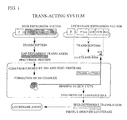
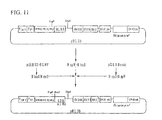
- Fig. 1 shows a summary of the evaluation of RNA polymerase activity by the trans-acting vector.
- the NS5B expression vector (at left in the diagram) comprises DNA coding for HCV protein, Core-NS5B or NS3-NSSB.
- a precursor protein is synthesized from the vector through cap-dependent translation.
- the precursor protein is cleaved into a plurality of proteins (NS proteins) by the NS3 protein, which is protease, and a host protease.
- the cleaved protein(s) and host factor(s) form an enzyme complex containing NS5B.
- a luciferase expression vector (at right in the diagram) comprises the luciferase gene in the anti-sense direction, IRES (the anti-sense direction), DNA corresponding to 3'UTR of HCV genomic RNA, and the like. RNA containing the luciferase transcript in the anti-sense direction, IRES, and 3'UTR is synthesized from this vector.
- the entry site of NS5B is 3'UTR of HCV genomic RNA.
- the enzyme complex comprising NSSB binds to 3'UTR of RNA derived from the luciferase expression vector and uses this RNA as a template to synthesize complementary RNA.
- This complementary RNA is translated in an IRES-dependent manner, and luciferase is then synthesized.
- the amount of this complementary RNA corresponds to enzyme activity of the enzyme complex containing NS5B and the amount of this RNA corresponds to the amount of the synthesized luciferase.
- enzyme activity of the enzyme complex containing NS5B corresponds to the amount of luciferase.
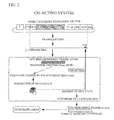
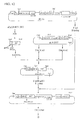
- Fig. 2 shows a summary of the evaluation of RNA polymerase activity by the cis-acting vector.
- the NS5B-luciferase expression vector comprises DNA corresponding to 5'UTR, DNA coding for the Core-NS5B protein, the luciferase gene in the anti-sense direction, IRES (the anti-sense direction), DNA corresponding to 3'UTR, and the like, and RNA corresponding to these DNA is synthesized through transcription.
- This RNA is translated in an IRES-dependent manner and an enzyme complex containing NS5B is formed, as with the case of the trans-acting vector.
- This enzyme complex binds to 3'UTR of the RNA mentioned above (i.e., RNA that is an origin of the enzyme complex itself) and synthesizes RNA which is complementary to this RNA.
- RNA polymerase of the enzyme complex As with the case of the trans-acting vector.
- the method for evaluating RNA polymerase activity can be utilized in screening of a therapeutic agent for viral diseases.
- a candidate substance as a therapeutic agent for viral diseases is inoculated in the cell into which the above vector has been introduced, and the amount of the expression product of the reporter gene in the cell is measured. This enables judgment of whether or not the inoculated substance inhibits the virus-derived RNA polymerase activity.
- a substance which inhibits virus-derived RNA polymerase activity in accordance with the method of the present invention can be an effective and novel therapeutic agent for viral diseases.
- the present invention can provide a substance obtained by the method for screening a therapeutic agent for viral diseases.
- the present invention also provides a method for evaluating the replication capacity of RNA viruses, comprising the steps of:
- the above-described method enables the evaluation of RNA virus-derived RNA-dependent RNA polymerase activity based on the expression level of the expression product of a reporter gene.
- This enables evaluation of the replication capacity of RNA viruses. For example, by comparing an RNA virus with an unknown RNA polymerase activity to an RNA virus with a known RNA polymerase activity, or comparing a mutant virus to a wild-type virus, the replication capacity can be found to be relatively higher or lower.
- a vector comprising a reporter gene for expressing in the anti-sense direction may be used.
- RNA which codes for the reporter gene in the anti-sense direction is expressed from the vector utilizing a general transcription mechanism in the host. Accordingly, when the RNA-dependent RNA polymerase is absent, a peptide which is encoded by the reporter gene is not expressed. Only when the RNA polymerase is present, RNA which codes for a reporter gene in the sense direction is synthesized and a peptide encoded by the reporter gene expressed.
- the genes coding for the RNA polymerase may be incorporated in the sense direction into the same vector as the vector comprising a reporter gene to be expressed in the anti-sense direction. Alternatively, it may be incorporated in the sense direction into a vector different from the vector comprising the reporter gene.
- the present invention can further provide a method for screening a virus replication inhibitor using the method for evaluating the replication capacity of viruses. This method can be accomplished by adding a step of bringing a test substance into contact to the method for evaluating the replication capacity of viruses.
- PCR was carried out using p5'-3'RBZ (this vector is prepared by removing the Cre-loxP expression site and the poly(A) site from the pCALN/HCV RBZ) as a template in order to remove ribozyme sequences at 3'UTR and on the 3' terminus side.
- Nucleotide sequences of PCR primers used are as follows.
- the PCR reaction solution was prepared by adding 10 ⁇ L of 10x Pyrobest Buffer, 8 ⁇ L of 25 mM dNTP mixture, 1 ⁇ L each of 100 ⁇ M primers, 1 ⁇ L of 55 ng/ ⁇ L template (p5'-3'RBZ), and 0.5 ⁇ L of 5 units/ ⁇ L Pyrobest DNA Polymerase (Takara Shuzo Co., Ltd.) to a tube and adjusted to 100 ⁇ L with the aid of sterilized water.
- heating at 94°C for 5 minutes was first carried out, and a cycle of denaturation at 98°C for 10 seconds, annealing at 60°C for 30 seconds, and elongation at 72°C for 1 minute was then repeated 30 times.
- the amplified sequence is shown in SEQ ID NO: 1. Subsequently, this PCR product was subjected to 1.5% agarose electrophoresis, and a specifically amplified fragment of interest was extracted from a gel. The fragment of interest was extracted in the following manner using QIAquick Gel Extraction Kit (QIAGEN). A gel was first cleaved out, a 3x amount of QG Buffer was added, and incubation was carried out at 50°C for 10 minutes to dissolve the gel. After the incubation, an amount of isopropanol equivalent to the amount of gel was added and mixed. The mixture was transferred to QIAquick spin column and centrifuged.
- QIAquick Gel Extraction Kit QIAGEN
- the flow-through fraction was removed, and 750 ⁇ L of PE Buffer was added to the QIAquick spin column for washing, followed by centrifugation. The flow-through fraction was removed, and centrifugation was again carried out to completely remove the PE Buffer.
- the QIAquick spin column was transferred into a 1.5 mL tube, sterilized water was added, and the mixture was centrifuged to elute DNA (hereinafter a DNA fragment was extracted from a gel thoroughly in accordance with this method). Subsequently, this DNA fragment was double-digested with Hind III and Kpn I. p5'-3'RBZ was also double-digested with Hind III and Kpn I.
- the solution after reaction was added to the competent cell in an amount of 1/10 (v/v), allowed to stand on ice for 30 minutes, subjected to heat shock at 42°C for 45 seconds, allowed to stand on ice again for 2 minutes, and a 5x amount of SOC medium was then added thereto.
- the total amount of the mixture was inoculated on an LB+Amp plate (1% Bactotrypton, 0.5% yeast extract, 1% sodium chloride, 1.5% agar, 100 ⁇ g/mL ampicillin) and cultured overnight at 37°C (hereinafter, all transformation was carried out in this manner).
- the colonies developed on the plate were shake-cultured overnight in a tube containing 3 ml of LB+Amp medium (1% Bactotrypton, 0.5% yeast extract, 1% sodium chloride, 75 ⁇ g/mL ampicillin) at 37°C. Thereafter, the culture solution was centrifuged to harvest, and plasmid DNA was prepared by mini-preparation using QIAprep Spin Plasmids Kits (QIAGEN). Mini-preparation was carried out in the following manner. At first, 250 ⁇ L of P1 Buffer was added and suspended in a cell pellet, and 250 ⁇ L of P2 Buffer was then added and mixed.
- LB+Amp medium 1% Bactotrypton, 0.5% yeast extract, 1% sodium chloride, 75 ⁇ g/mL ampicillin
- the nucleotide sequence of the insertion fragment corresponding to SEQ ID NO: 1 was subjected to a sequence reaction using the Dye Terminator Cycle Sequencing FS Ready Reaction Kit (Perkin Elmer) in accordance with the protocol attached to the kit, followed by sequence analysis.
- the procedure is shown below.
- 8 ⁇ L of Terminator Ready Reaction Mix, 6 ⁇ L of 0.1 ⁇ g/ ⁇ L Template DNA, and 3.2 ⁇ L of 1 pmol/ ⁇ L Primer were mixed and adjusted to 20 ⁇ L with the aid of sterilized water.
- the reaction was carried out at 96°C for 5 minutes, at 96°C for 30 seconds, at 50°C for 15 seconds, and at 60°C for 4 minutes, and this cycle was repeated 25 times.
- the reacted solution was then transferred into a 1.5 ml tube, 50 ⁇ L of 100% ethanol and 2 ⁇ L of 3M sodium acetate (pH 4.6) were added thereto and mixed, and the mixture was allowed to stand on ice for 10 minutes. The mixture was centrifuged and the supernatant was removed. Thereafter, 250 ⁇ L of 70% ethanol was added and the mixture was centrifuged again. The supernatant was removed, and after air-drying, 20 ⁇ L of migration buffer was added to dissolve a sample.
- PCR was carried out using p5'-3'RBZ as a template to construct a vector in which 5'UTR and ribozyme sequences at on the 5' terminus side have been removed from p3'pBM.
- the nucleotide sequences of PCR primers used are as follows.
- PCR 25 cycles of the same reaction as above were carried out using Pyrobest DNA Polymerase (Takara Shuzo Co., Ltd.).
- the amplified sequence is shown in SEQ ID NO: 2.
- the PCR product was subjected to electrophoresis, and a specifically amplified fragment of interest was extracted from a gel. Subsequently, this DNA fragment was double-digested with Kpn I and Eco RI. p3'pBM was also double-digested with Kpn I and Eco RI. The reacted solution was subjected to agarose electrophoresis.
- a 0.3 kbp DNA fragment was extracted from a gel, and for p5'RBZ, a 3.4 kbp DNA fragment was extracted from a gel. Subsequently, these two DNA fragments were ligated. Escherichia coli DH5 ⁇ strain was transformed with the ligated fragment, inoculated on an LB+Amp plate, and cultured at 37°C overnight. The colonies developed on the plate were shake-cultured in a tube containing 3 mL of LB+Amp medium at 37°C overnight. The culture solution was centrifuged to harvest, and plasmid DNA was prepared by mini-preparation.
- plasmid DNA for which insertion of a DNA fragment had been confirmed was analyzed for the nucleotide sequence of a portion corresponding to SEQ ID NO: 2, that is, the insertion fragment.
- the analyzed sequence was confirmed to be the expected sequence.
- this fragment was designated as p5'-3'pBM and used in the following experiment.
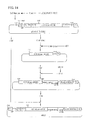
- the vector p5'-3'pBM/HCV in which an 8.5 kbp DNA fragment from the Kpn I site on the core gene in the HCV translated region to the Kpn I site on the NSSB gene was incorporated into the Kpn I site of p5'-3'pBM was constructed in the following manner.
- p5'-3'pBM and pCALN/HCV RBZ were digested with the restriction enzyme reaction solution Kpn I and subjected to agarose electrophoresis, and a 3.7 kbp linearized plasmid of p5'-3'pBM and an 8.5 kbp DNA fragment of pCALN/HCV RBZ were extracted from a gel.
- p5'-3'pBM digested with Kpn I was subjected to alkaline phosphatase treatment using the BAPping Kit (TOYOBO). Treatment was in accordance with the protocol attached to the kit (hereinafter, all alkaline phosphatase treatment was carried out in the same manner). Ligation was then carried out, and transformation of Escherichia coli DH5 ⁇ and inoculation on an LB+Amp plate were carried out, followed by culturing at 37°C overnight.
- the colonies developed on the plate were shake-cultured in a tube containing 3 mL of LB+Amp medium at 37°C overnight, the culture solution was centrifuged to harvest, and plasmid DNA was prepared by mini-preparation.
- the prepared plasmid DNA was treated with a suitable restriction enzyme to inspect whether or not a DNA fragment had been inserted and the insertion direction, thereby selecting the plasmid having a fragment incorporated therein as expected. This plasmid was designated as "p5'-3'pBM/HCV.”
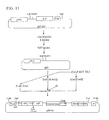
- a transcription termination signal was inserted downstream of the HCV translated region in p5'-3' pBM/HCV, and CAG promoter was inserted upstream of the HCV translated region to realize the construction of pE2.
- the construction was performed in the following manner.
- p5'-3'pBM/HCV and pCALN/HCV RBZ were respectively double-digested with Xba I and Hind III, followed by agarose electrophoresis.
- a 12.2 kbp DNA fragment of p5'-3'pBM/HCV and a 0.6 kbp DNA fragment of pCALN/HCV RBZ were extracted from a gel, and these DNA fragments were ligated.
- Escherichia coli DH5 ⁇ was transformed with the ligated fragment, and inoculated on an LB+Amp plate, followed by culturing at 37°C overnight.
- the developed colonies were shake-cultured in a tube containing 3 mL of LB+Amp medium at 37°C overnight, the culture solution was centrifuged to harvest, and plasmid DNA was prepared by mini-preparation.
- This plasmid DNA was then partially cleaved with Eco RI in the following manner. 2.2 ⁇ g of the plasmid DNA was treated with 2.0 units of Eco RI at 37°C for 3 minutes, immediately immersed in ice water to stop the reaction, and subjected to agarose electrophoresis.
- a 12.7 kbp DNA fragment in which only one of two Eco RI sites on the vector had been cleaved was extracted from a gel.
- the extracted DNA fragment was then digested with Xho I, subjected to agarose electrophoresis, and a 12.7 kbp DNA fragment was extracted from a gel.
- pCALN/HCV RBZ was digested with Eco RI and then partially cleaved with Xho I in the following manner.
- Eco RI-treated linear plasmid DNA (10 ⁇ g) was treated with 12 units of Xho I at 37°C for 3 minutes, immediately immersed in ice water to stop the reaction, and subjected to agarose electrophoresis.
- a 3.1 kbp DNA fragment in which only one of three Xho I sites on the vector had been cleaved was extracted from a gel. Subsequently, the 12.7 kbp DNA fragment and the 3.1 kbp DNA fragment were ligated. Escherichia coli DH5 ⁇ was transformed with the ligated fragment, and inoculated on an LB+Amp plate, followed by culturing at 37°C overnight. The developed colonies were shake-cultured in a tube containing 3 mL of LB+Amp medium at 37°C overnight, the culture solution was centrifuged to harvest, and plasmid DNA was prepared by mini-preparation. The size of the plasmid was inspected by restriction enzyme treatment and, as a result, a plasmid having a construction as expected was obtained. This plasmid was designated as "pE2.”
- pE2 is a vector whose expression is controlled by the Cre-loxP system, as with pCALN/HCV RBZ.
- the vector can produce an expression system using switching expression.
- pE2b is a vector which was designed to bring about expression in the cell simultaneously with gene introduction on the assumption that the vector is used in an expression system employing no switching expression.
- pE2b was constructed based on pE2 in the following manner. The above pE2 was digested with Xho I and subjected to agarose electrophoresis, and a 14.5 kbp DNA fragment was extracted. The extracted fragment was subjected to self-ligation in a ligation solution. Escherichia coli DH5 ⁇ was transformed with the resulting fragment, inoculated on an LB+Amp plate, and cultured at 37°C overnight.
- the developed colonies were shake-cultured in a tube containing 3 mL of LB+Amp medium at 37°C overnight, the culture solution was centrifuged to harvest, and plasmid DNA was prepared by mini-preparation. The size of the plasmid DNA was inspected by the restriction enzyme treatment and, as a result, an expected plasmid DNA was obtained. This plasmid DNA was then digested with Hind III and subjected to agarose electrophoresis, and an 11.4 kbp DNA fragment was extracted from a gel. pUC19 was digested with Hind III and subjected to agarose electrophoresis, and a 2.7 kbp linear plasmid DNA was extracted.
- the linear plasmid DNA was subjected to alkaline phosphatase treatment.
- This alkaline phosphatase-treated linear plasmid and the 11.4 kbp DNA fragment were ligated.
- Escherichia coli DH5 ⁇ was transformed with the ligated fragment, inoculated on an LB+Amp plate, and cultured at 37°C overnight.
- the developed colonies were shake-cultured in a tube containing 3 mL of LB+Amp medium at 37°C overnight, the culture solution was centrifuged to harvest, and plasmid DNA was prepared by mini-preparation.
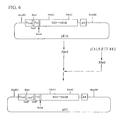
- the insertion direction of an insert was confirmed by a suitable restriction enzyme treatment, and a clone inserted in an opposite direction to Lac promoter of pUC19 was selected. This clone was designated as "pE2b" (Fig. 5).
- HCV genomic RNA in the cell has been demonstrated to be replicated partially for only a non-structural protein, from NS3 to NS5B (Science 285; 110-113 (1999)).
- expression vectors pE1 and pE1b in the HCV translated region from NS3 to NS5B were constructed in parallel with the construction of the expression vectors pE2 and pE2b for the full length of the HCV translated region.
- pE1b was constructed on the assumption that it was for use in an expression system employing no switching expression, and as with pE2, pE1 was constructed for producing an expression system employing switching expression.
- the procedure for constructing pE1b is shown below. PCR was first carried out using pE2 as a template. The sequences of the PCR primers are as follows.
- PCR was carried out through 15 cycles of denaturation at 98°C for 10 seconds, annealing at 62°C for 30 seconds, and elongation at 72°C for 30 seconds.
- the amplified sequence is shown in SEQ ID NO: 3.
- a part of this PCR product was subjected to 1.5% agarose electrophoresis.
- the PCR product was purified using PCR purification kit (QIAGEN) in the following manner.
- PB Buffer of 5x the amount of the PCR reacted solution was added and thoroughly mixed.
- the mixture was transferred into QIAquick spin column, followed by centrifugation.
- the flow-through fraction was removed, and 750 ⁇ L of PE Buffer was added in the QIAquick spin column for washing, followed by centrifugation.
- the flow-through fraction was removed and centrifugation was carried out again to completely remove the PE Buffer.
- the contents of the QIAquick spin column was transferred into a 1.5 mL tube, sterilized water was added, and the mixture was centrifuged to elute DNA (hereinafter, all purification of DNA fragments is done in this manner). Subsequently, the DNA was double-digested with Psh AI and Xho l.
- the digest was then subjected to 2.0% agarose electrophoresis and a 0.2 kbp DNA fragment was extracted from a gel.
- pE2b was double-digested with Psh AI and Xho I in the restriction enzyme reaction solution, subjected to agarose electrophoresis, and 7.1 kbp and 3.8 kbp DNA fragments were extracted from a gel.
- a 7072 bp DNA fragment was ligated to the double-digested PCR product.
- Escherichia coli DH5 ⁇ was transformed with the ligated fragment, inoculated on an LB+Amp plate, and cultured at 37°C overnight.
- the colonies developed on the plate were shake-cultured in a tube containing 3 mL of LB+Amp medium at 37°C overnight, the culture solution was centrifuged to harvest, and plasmid DNA was prepared by mini-preparation. After incorporation of a DNA fragment was confirmed by restriction enzyme treatment, this plasmid DNA was digested with Psh AI and purified using the PCR purification kit, followed by alkaline phosphatase treatment. The treated DNA was purified again using the PCR purification kit and ligated to the 3780 bp DNA fragment. Escherichia coli DH5 ⁇ was transformed with the ligated fragment, inoculated on an LB+Amp plate, and cultured at 37°C overnight.
- the colonies developed on the plate were shake-cultured in a tube containing 3 mL of LB+Amp medium at 37°C overnight, the culture solution was centrifuged to harvest, and plasmid DNA was prepared by mini-preparation.
- the plasmid was designated as "pE1b.”
- pE1 is a vector whose expression is controlled by the Cre-loxP system, as with pE2, and this vector enables the production of an expression system employing switching expression.
- pE1 was constructed based on pE1b in the following manner. At the outset, pE1b was digested with Xho I in a restriction enzyme solution. After DNA purification, the purified DNA was subjected to alkaline phosphatase treatment, and DNA was purified again.
- pCALN/HCV RBZ was digested with Xho I in the restriction enzyme solution and subjected to agarose electrophoresis, and a 1.2 kbp DNA fragment was extracted.
- vector pIFGO comprising T7 promoter and HCV IRES linked upstream of the luciferase gene was constructed in the following manner. PCR was first carried out using pCALN/HCV RBZ as a template. The nucleotide sequences of PCR primers used are as follows.
- the PCR reaction solution was prepared by adding 10 ⁇ L of 10x Buffer, 8 ⁇ L of 25 mM dNTP mixture, 2 ⁇ L each of 10 ⁇ M primer, 1 ⁇ L of 100 ng/ ⁇ L pCALN/HCV RBZ, and 1.0 ⁇ L of 5 units/ ⁇ L AmpliTaq DNA Polymerase (Perkin Elmer) to a tube and adjusting to 100 ⁇ L with the aid of sterilized water.
- heating at 96°C for 5 minutes was first carried out, and a cycle of denaturation at 96°C for 30 seconds, annealing at 60°C for 15 seconds, and elongation at 72°C for 40 seconds was then repeated 25 times.
- the amplified sequence is shown in SEQ ID NO: 4.
- the PCR product was subjected to electrophoresis, and a specifically amplified fragment of interest was extracted from a gel. 1 ⁇ L thereof was used in T/A cloning, i.e., ligation to a T-vector. T/A cloning was carried out in the following manner. 1 ⁇ L of pGEM-T Easy Vector (Promega), 5 ⁇ L of 2x buffer, 1 ⁇ L of T4 DNA ligase, and 2 ⁇ L of sterilized water were added to 1 ⁇ L of the reaction solution in order to bring the total amount to 10 ⁇ L, and the mixture was incubated at room temperature for 1 hour.
- Escherichia coli DH5 ⁇ was transformed with the product, inoculated on an LB+Amp plate, and cultured at 37°C overnight.
- the colonies developed on the plate were shake-cultured in a tube containing 3 mL of LB+Amp medium at 37°C overnight, the culture solution was centrifuged to harvest, and plasmid DNA was prepared by mini-preparation. After checking by a suitable restriction enzyme treatment that insert DNA was inserted, the nucleotide sequence of the insertion part was analyzed to confirm it was the correct sequence. The confirmed plasmid was used below. This plasmid DNA was also double-digested with Nar I and Hind III.
- pGL3 Basic vector (Promega) was double-digested with Nar I and Hind III in the same manner. The reacted solution was subjected to agarose electrophoresis. For the PCR product, a 0.4 kbp DNA fragment was extracted from a gel, and for the pGL3 Basic vector, a 4.8 kbp DNA fragment was extracted from a gel. Subsequently, these two DNA fragments were ligated. Escherichia coli DH5 ⁇ strain was transformed with the ligated fragment, inoculated on an LB+Amp plate, and cultured at 37°C overnight.
- the colonies developed on the plate were shake-cultured in a tube containing 3 mL of LB+Amp medium at 37°C overnight, the culture solution was centrifuged to harvest, and plasmid DNA was prepared by mini-preparation. Through the restriction enzyme treatment, insertion of a DNA fragment into a vector was inspected and confirmed. The resulting vector was designated as "pIFGO.”
- pRL1 was constructed as described below.
- the pIFGO was double-digested with Bam HI -Hind III and subjected to agarose electrophoresis, and a 2.3 kbp DNA fragment was extracted from a gel.
- pcDNA 3.1/Hygro (-) (Invitrogen) was double-digested with Bam HI -Hind III and subjected to agarose electrophoresis, and a DNA fragment was extracted from a gel. Subsequently, these DNA fragments were ligated. Escherichia coli DH5 ⁇ was transformed with the ligated fragment, inoculated on an LB+Amp plate, and cultured at 37°C overnight.
- the colonies developed on the plate were shake-cultured in a tube containing 3 mL of LB+Amp medium at 37°C overnight, the culture solution was centrifuged to harvest, and plasmid DNA was prepared by mini-preparation. After insertion of a DNA fragment was confirmed by a restriction enzyme treatment, this plasmid was cleaved with Hind III. After purification, blunt-ending using Klenow Fragment (Takara Shuzo Co., Ltd.) was carried out in the following manner.
- the colonies developed on the plate were shake-cultured in a tube containing 3 mL of LB+Amp medium at 37°C overnight, the culture solution was centrifuged to harvest, and plasmid DNA was prepared by mini-preparation. After insertion of a DNA fragment was confirmed by a suitable restriction enzyme treatment, a nucleotide sequence of the ligated portion was analyzed. As a result, it was confirmed to be the expected sequence.
- the constructed plasmid was designated as "pRL1.”
- improved vector pRL1b was constructed in which the SV40 origin was removed.
- the improved vector pRL1b was constructed in the following manner. pRL1 was first double-digested with Psh AI and Xba I, and a 4.4 kbp DNA fragment was extracted.
- pcDNA3.1/-Hygro(-) was double-digested with Pvu II and Xba I and a 0.4 kbp DNA fragment was extracted. These extracted DNA fragments were ligated. Escherichia coli DH5 ⁇ was transformed with the ligated fragment, inoculated on an LB+Amp plate, and cultured at 37°C overnight. The colonies developed on the plate were shake-cultured in a tube containing 3 mL of LB+Amp medium at 37°C overnight, the culture solution was centrifuged to harvest, and plasmid DNA was prepared by mini-preparation.
- this plasmid was digested with Xba I and purified, followed by alkaline phosphatase treatment. The treated plasmid was purified again.
- pRL1 was digested with Xba I, subjected to agarose electrophoresis, and a 2.6 kbp DNA fragment was extracted from a gel. This DNA fragment was ligated to the Xba I-digested plasmid DNA.
- Escherichia coli DH5 ⁇ was transformed with the ligated fragment, inoculated on an LB+Amp plate, and cultured at 37°C overnight.
- pRL1b is a plasmid in which the SV40 origin has been removed and SV40 late poly (A) signal downstream of the reversed luciferase gene has also been removed.
- vector pRL2b was constructed in which T7 promoter immediately before the reversed 5'UTR sequence on pRL1b was removed.
- T7 promoters are disposed on both sides of ⁇ HCV 5'UTR-luciferase> which is inversely inserted downstream of CMV promoter.
- (+) strand RNA anti-sense strand RNA
- sense strand RNA hereinafter referred to as "(-) strand RNA”
- luciferase is disadvantageously translated.
- pRL2b is a vector that was reconstructed in order to keep the T7 promoter immediately downstream of the CMV promoter and to remove the T7 promoter downstream of the reversed ⁇ HCV 5'UTR-luciferase>.
- pRL2b was constructed as described below.
- PCR was carried out using pIFGO as a template to remove T7.
- the nucleotide sequence of the Forward primer used in PCR is shown below.
- the IFRR was used as the Reverse primer.
- the PCR reaction solution was prepared by adding 10 ⁇ L of 10x Buffer, 8 ⁇ L of 25 mM dNTP mixture, 2 ⁇ L each of 10 ⁇ M primer, 1 ⁇ L of 100 ng/ ⁇ L pIFGO, and 1.0 ⁇ L of 5 units/ ⁇ L AmpliTaq DNA Polymerase (Perkin Elmer) to a tube and adjusting to 100 ⁇ L with the aid of sterilized water.
- heating at 96°C for 5 minutes was first carried out, and a cycle of denaturation at 96°C for 30 seconds, annealing at 60°C for 15 seconds, and elongation at 72°C for 40 seconds was then repeated 25 times.
- the amplified sequence is shown in SEQ ID NO: 5.
- the PCR product was subjected to electrophoresis, and a specifically amplified fragment of interest was extracted from a gel. 1 ⁇ L thereof was used in T/A cloning, i.e., ligation to the T-vector. T/A cloning was carried out in the above-described manner. Escherichia coli DH5 ⁇ was transformed with the ligated solution, inoculated on an LB+Amp plate, and cultured at 37°C overnight. The colonies developed on the plate were shake-cultured in a tube containing 3 mL of LB+Amp medium at 37°C overnight, the culture solution was centrifuged to harvest, and plasmid DNA was prepared by mini-preparation.
- plasmid was used below. This plasmid was double-digested with Xba I -Stu I, and a 0.3 kbp DNA fragment was extracted from a gel. pRL1b was partially cleaved with Xba I as described below. 2 ⁇ g of pRL1b was treated with 3 units of Xba I at 37°C for 20 seconds and immediately immersed in ice water to terminate the reaction.
- the reaction product was then subjected to agarose electrophoresis, and a 7.4 kbp DNA fragment in which only one of two Xba I sites on the vector had been cleaved was extracted from a gel.
- the extracted DNA fragment was then digested with Stu I.
- a 6.5 kbp DNA fragment was then extracted from a gel.
- pcLI The insertion direction of the DNA fragment was inspected by a suitable restriction enzyme treatment.
- a plasmid having the insert in a targeted direction was selected, designated as "pcLI,” and put to use in the operation below.
- pcLI was double-digested with Kpn I and Hind III and subjected to agarose electrophoresis, and a 6.7 kbp DNA fragment was extracted from a gel.
- p5'-3'RBZ was double-digested with Kpn I and Hind III and subjected to agarose electrophoresis, and a 0.6 kbp DNA fragment was extracted from a gel. These DNA fragments were ligated.
- Escherichia coli DH5 ⁇ was transformed with the ligated fragment, inoculated on an LB+Amp plate, and cultured at 37°C overnight. The colonies developed on the plate were inoculated on an LB+Amp medium and then cultured at 37°C overnight, and plasmid was prepared by mini-preparation. Through double digestion with Kpn I and Hind III, a plasmid having inserted DNA incorporated therein as expected was selected and designated as "pRL2b.”
- HCV IRES is used as IRES for translating luciferase proteins.
- vector pRL3b in which the HCV IRES was replaced with EMCV IRES was constructed as described below.
- pRL2b was double-digested with Xho I and Nsp V and subjected to electrophoresis, and a 6.8 kbp DNA fragment was extracted from a gel.
- pGL3 Basic vector Promega
- pEIRES2-EGFP (CLONTECH) was then double-digested with Xho I and Nco I and subjected to electrophoresis, and a 0.6 bp DNA fragment was extracted from a gel. These 3 extracted DNA fragments were ligated. Escherichia coli DH5 ⁇ was transformed with the ligated fragment, inoculated on an LB+Amp plate, and cultured at 37°C overnight. The colonies developed on the plate were shake-cultured in a tube containing 3 mL of LB+Amp medium at 37°C overnight, the culture solution was centrifuged to harvest, and plasmid DNA was prepared by mini-preparation. Through triple digestion with Xho I, Nco I, and Xba I, whether or not insert DNA had been incorporated was inspected, and a vector having insert DNA incorporated as expected was designated as "pRL3b.”
- a reporter expression vector pRL4b was constructed in which HCV 5'UTR and the nucleotide sequence corresponding to the N-terminal 16 amino acids of a core protein have been added to the 5' terminus of the (+) strand RNA molecule.
- a neomycin-resistant gene was connected to the nucleotide sequence corresponding to the N-terminal 16 amino acids. This was done on the assumption that various examinations as described below would be carried out later.
- RNA transfection similar to that reported in the above "Science" journal is carried out, more specifically, when RNA synthesized in vitro using pRL4b as a template and T7 RNA polymerase is transfected into a strain having stably introduced pE1 or pE2, continuation of culture in the presence of neomycin under the induction of HCV-derived protein expression may result in replication of transfected RNA molecules by HCV-derived protein and the possible eventual selection of a neomycin-resistant clone.
- PCR was first carried out using pCALN/HCV RBZ as a template.
- the nucleotide sequences of the PCR primers used are as follows.
- the PCR reaction solution was prepared in the same manner as described above using Pyrobest DNA Polymerase (Takara Shuzo Co., Ltd.). In PCR, heating at 94°C for 5 minutes was first carried out, and a cycle of denaturation at 98°C for 10 seconds, annealing at 60°C for 30 seconds, and elongation at 72°C for 1 minute and 20 seconds was then repeated 20 times.
- the amplified sequence is shown in SEQ ID NO: 6.
- the PCR product was then subjected to 1.0% agarose electrophoresis, and a DNA fragment of a desired size was extracted from a gel.
- Escherichia coli DH5 ⁇ was transformed with the ligated solution, inoculated on an LB+Amp plate, and cultured at 37°C overnight.
- the colonies developed on the plate were shake-cultured in a tube containing 3 mL of LB+Amp medium at 37°C overnight, the culture solution was centrifuged to harvest, and plasmid DNA was prepared by mini-preparation. After checking by a suitable restriction enzyme treatment that insert DNA was inserted, the nucleotide sequence of the insertion part was analyzed to confirm it was the correct sequence. The confirmed plasmid was used below. This plasmid was double-digested with Acc I and Xba I, and the resultant 0.9 kbp DNA fragment was extracted from a gel.
- p5'-3'RBZ was double-digested with Xho I and Acc I, and separately double-digested with Xho I and Xba I.
- a 0.4 kbp DNA fragment was extracted from a gel and, regarding the latter, a 3.1 kbp DNA fragment was extracted from a gel.
- These 3 extracted DNA fragments were ligated.
- Escherichia coli DH5 ⁇ was transformed with the ligated fragment, inoculated on an LB+Amp plate, and cultured at 37°C overnight.
- Plasmid DNA having insert DNA incorporated therein was selected through a suitable restriction enzyme treatment. Subsequently, this plasmid DNA was cleaved with Xba I and purified. Thereafter, the plasmid DNA was blunt-ended using Klenow Fragment (in the same manner as described above), followed by alkaline phosphatase treatment. Separately, as an insert, the pRL3b was cleaved with Xba I, and subjected to agarose electrophoresis.
- a 3.0 kbp DNA fragment was then extracted and blunt-ended using Klenow Fragment (in the same manner as described above). These DNA fragments were ligated. Escherichia coli DH5 ⁇ was transformed with the ligated fragment, inoculated on an LB+Amp plate, and cultured at 37°C overnight. The colonies developed on the plate were shake-cultured in a tube containing 3 mL of LB+Amp medium at 37°C overnight, the culture solution was centrifuged to harvest, and plasmid DNA was prepared by mini-preparation. The insertion direction of the inserted DNA fragments was inspected through a suitable restriction enzyme treatment, and a clone having the insert in a targeted direction was used below.
- the plasmid obtained from this clone was double-digested with Xho I and Xba I and subjected to agarose electrophoresis, and a 4.1 kbp DNA fragment was extracted from a gel.
- pBR322 was double-digested with Nde I and Hind III and subjected to electrophoresis.
- a 2.1 kbp DNA fragment was then extracted from a gel and blunt-ended using Klenow Fragment (in the same manner as described above), and subjected to self-ligation in a ligation solution.
- Escherichia coli DH5 ⁇ was transformed with the ligated solution, inoculated on an LB+Amp plate, and cultured at 37°C overnight.
- the colonies developed on the plate were shake-cultured in a tube containing 3 mL of LB+Amp medium at 37°C overnight, the culture solution was centrifuged to harvest, and plasmid DNA was prepared by mini-preparation.
- This vector was double-digested with Eco RI and Hind III and subjected to agarose electrophoresis, and a 2.1 kbp DNA fragment extracted from a gel was used as a vector.
- a 0.6 kbp DNA fragment which was prepared by double-digesting pCALN/HCV RBZ with Xba I and Hind III, subjecting to agarose electrophoresis, and extracting from a gel and a 1.8 kbp DNA fragment, which was prepared by double-digesting pCALN/HCV RBZ with Eco RI and Xho I, subjecting to agarose electrophoresis, and extracting from a gel, were used.
- the 4.1 kbp, 0.6 kbp, and 1.8 kbp inserts were ligated to the 2.1 kbp vector.
- Escherichia coli DH5 ⁇ was transformed with the ligated vector, inoculated on an LB+Amp plate, and cultured at 37°C overnight.
- the colonies developed on the plate were shake-cultured in a tube containing 3 mL of LB+Amp medium at 37°C overnight, the culture solution was centrifuged to harvest, and plasmid DNA was prepared by mini-preparation.
- the clone having three inserts inserted as targeted was confirmed by a suitable restriction enzyme treatment, and this clone was designated as "pRL4b.”
- a cis-acting expression vector pEL2 was constructed as described below.
- pCALN/HCV RBZ was first digested with Xho I and subjected to electrophoresis.
- a 16.5 kbp DNA fragment was extracted and subjected to self-ligation in a ligation solution.
- Escherichia coli DH5 ⁇ was transformed with the ligated fragment, inoculated on an LB+Amp plate, and cultured at 37°C overnight.
- the colonies developed on the plate were shake-cultured in a tube containing 3 mL of LB+Amp medium at 37°C overnight, the culture solution was centrifuged to harvest, and plasmid DNA was prepared by mini-preparation.
- pCAG/HCV RBZ The size of the plasmid DNA was inspected and the one with the correct size was designated as "pCAG/HCV RBZ.” Subsequently, this pCAG/HCV RBZ was double-digested with Cla I and Xba I and subjected to electrophoresis, and a 4.9 kbp DNA fragment was extracted and determined as vector DNA. pE2 was double-digested with Cla I and Xba I and subjected to electrophoresis, and a 8.7 kbp DNA fragment was extracted for use as an insert DNA. These DNA fragments were ligated, and Escherichia coli was transformed with the ligated fragment.
- the colonies developed on the plate were shake-cultured in a tube containing 3 mL of LB+Amp medium at 37°C overnight, the culture solution was centrifuged to harvest, and plasmid DNA was prepared by mini-preparation. Subsequently, the resultant plasmid DNA was digested with Xba I and purified with PCR purification kit, followed by BAP treatment. On the other hand, the pRL3b was treated with Xba I and subjected to electrophoresis, and a 3.0 kbp DNA fragment was extracted for use as an insert. These DNA fragments were ligated, and Escherichia coli DH5 ⁇ was transformed with the ligated fragment, and cultured at 37°C overnight.
- the colonies developed on the plate were shake-cultured in a tube containing 3 mL of LB+Amp medium at 37°C overnight, the culture solution was centrifuged to harvest, and plasmid DNA was prepared by mini-preparation.
- the insertion direction of the inserts was inspected by a suitable restriction enzyme treatment, and a plasmid for which incorporation was confirmed to be in the expected direction was designated as "pEL2.”
- each vector was transfection of each vector into a cell was performed by the calcium phosphate method.
- Each DNA solution was mixed with a 0.2M calcium chloride solution, an equivalent volume of 2x HBS solution was added thereto, and the mixture was allowed to stand at room temperature for 10 minutes. Thereafter, a culture solution was added thereto, and the mixture was added to the IMY cell, which was inoculated at a concentration of 1.5 to 2.0 x 10 5 cells/ml on the previous day.
- the input amount of each vector was 4 ⁇ g/well.
- T7VV T7 RNA polymerase-expressing vaccinia viruses
- Luciferase assay was carried out using Luciferase Assay systems (Promega) as described below. 5x Cell Culture Lysis Reagent was diluted 5-fold with sterilized water, 250 ⁇ L thereof was fractionated into a 1.5 mL tube containing the above-described cells, and the cells were suspended. Centrifugation was carried out to remove cell debris, and the supernatant was subjected to luciferase assay as a lysate. In the assay, 20 ⁇ L of lysate was fractionated into a 96-well plate (OPAQUE PLATE (COSTAR)), 100 ⁇ L of substrate solution was added, and each well was measured for 10 seconds using MICROLUMAT LB96P (Berthold).
- OPAQUE PLATE COSTAR
- Table 1 shows the results of double transfection of pRL2b or pRL3b and pE1b or pE2b, which are trans-acting vectors.
- the results of transfection of the reporter gene expression vector alone is set as a background level, and change in the luciferase activity in the presence of an enzyme expression vector is inspected.
- Table 2 shows the results of double transfection of pRL3b or pRL4b and pE1b or pE2bb, which are trans-acting vectors. Further, a cis-acting vector pEL2 was simultaneously inspected.
- the present invention provides a novel vector for analyzing the replication mechanism of RNA viruses.
- This vector enables the evaluation of activity of RNA virus-derived RNA-dependent RNA polymerase based on the expression level of a reporter gene by taking the interaction between the viral protein based on the original life cycle of viruses and host factors into consideration.
Landscapes
- Health & Medical Sciences (AREA)
- Life Sciences & Earth Sciences (AREA)
- Chemical & Material Sciences (AREA)
- Organic Chemistry (AREA)
- Genetics & Genomics (AREA)
- Molecular Biology (AREA)
- Medicinal Chemistry (AREA)
- General Health & Medical Sciences (AREA)
- Zoology (AREA)
- Wood Science & Technology (AREA)
- Biochemistry (AREA)
- Bioinformatics & Cheminformatics (AREA)
- Engineering & Computer Science (AREA)
- Virology (AREA)
- Biotechnology (AREA)
- Biomedical Technology (AREA)
- Proteomics, Peptides & Aminoacids (AREA)
- Microbiology (AREA)
- Biophysics (AREA)
- Gastroenterology & Hepatology (AREA)
- General Engineering & Computer Science (AREA)
- Chemical Kinetics & Catalysis (AREA)
- Oncology (AREA)
- Communicable Diseases (AREA)
- General Chemical & Material Sciences (AREA)
- Nuclear Medicine, Radiotherapy & Molecular Imaging (AREA)
- Pharmacology & Pharmacy (AREA)
- Animal Behavior & Ethology (AREA)
- Public Health (AREA)
- Veterinary Medicine (AREA)
- Measuring Or Testing Involving Enzymes Or Micro-Organisms (AREA)
- Micro-Organisms Or Cultivation Processes Thereof (AREA)
Abstract
The object of the present invention is to reproduce conditions where viral
proteins can function along with the original life cycle of the viruses and to establish an
expression system which can evaluate the function of viral proteins by a reporter gene
without generating infectious viruses. The present invention provides an assay system
comprising a vector containing DNA coding for RNA virus-derived RNA-dependent
RNA polymerase and a vector containing a reporter gene expressed in the anti-sense
direction.
Description
The present invention relates to a vector for analyzing the replication mechanism
of RNA viruses. This vector enables the evaluation of activity of RNA virus-derived
RNA-dependent RNA polymerase (hereinafter this may be simply referred to as "RNA
polymerase") based on the expression level of a reporter gene by taking the interaction
between viral proteins and host factors based on the original life cycle of viruses into
consideration. Thus, this vector is useful for elucidating the replication mechanism of
RNA viruses and functions of viral gene products, developing therapeutic agents and
therapeutic techniques, and the like.
Hepatitis C virus (hereinafter referred to as "HCV") is a major causative virus of
non-A, non-B hepatitis after blood transfusion, and cDNA of its gene was cloned in 1989.
Various studies have been heretofore made on HCV using cloned cDNA, and socially
important achievements such as, in particular, prevention of infection and a diagnostic
method have been established. Thus, HCV infection after blood transfusion is rarely
observed these days. However, the number of HCV-infected patients worldwide is
estimated to be as much as several percent of the entire world population. This
virus-derived infection is likely to cause a prolonged chronic disease, and is known to be
very highly likely to induce chronic hepatitis, followed by hepatic cirrhosis, and hepatic
carcinoma. Thus, complete elimination of HCV after infection is a very important
issue.
Interferon (IFN) therapy is widely employed for treating chronic hepatitis C,
however its availability is only about 30%. Because of problems including frequent
side effects such as fever and the high cost of drugs successful results have not been
attained. The availability is expected to be enhanced since the types, dosage forms, and
doses of IFN have been studied, and consensus IFN was developed. Treatment through
the combined use of IFN and an antiviral agent such as ribavirin has been attempted,
however, none of those has yet become a reliable treating method.
On the other hand, a search for an anti-HCV agent based on the life cycle of
HCV has been attempted in many research institutes using HCV cDNA. In particular,
searches for a pharmaceutical have been conducted based on selective inhibition of a
function of viral proteins by targeting protease (NS3) coded in a non-structure region,
RNA-dependent RNA polymerase (NS5B), and the like, preparing recombinant proteins
thereof, and evaluating the inhibition of enzyme activity. At present, however, no
therapeutic agent for HCV has been developed from an inhibitor found through such
research.
As an assay system for pharmaceutical screening, the in vitro cell infection
system is useful. However, although there are several reports on such kinds of
infection systems, a system which is reproducible, stable, and practical has not yet been
developed because the amount replicated is low, etc. The cell infection system involves
generation of infectious viruses and, thus, it lacks convenience in terms of biohazard and
the like.
From our studies, it was considered that a viral protein generated by the original
replication of viruses does not exhibit its function by itself in the cell, and instead, a
plurality of viral proteins function as a complex including host factors, and the structure
of the functional complex is not necessarily congruous with that of each of the isolated
proteins. In the case of HCV, an inhibitor in an assay system using purified enzymes
has not successfully led to the development of a therapeutic agent because of the
structural disjunction between the state of the complex and the state of purified enzymes.
Thus, it was considered important to construct a cell replication system which more
faithfully imitates the state of actual viral replication. In that case, a cell assay system
which does not generate infectious viruses and which can detect the function of viral
proteins by a reporter gene would be useful for elucidating the replication mechanism of
viruses and functions of viral gene products, developing therapeutic agents and
therapeutic techniques, and the like.
An object of the present invention is to establish an expression system which can
reproduce conditions where viral proteins can function along with the original life cycle
of the viruses and evaluate the function of viral proteins by a reporter gene without
generating infectious viruses.
We have conducted concentrated studies in order to attain the above object. As
a result, we found that introduction of a vector expressing RNA polymerase and a vector
expressing a reporter gene in the anti-sense direction into a host cell enables the
evaluation of RNA polymerase activity in a host based on the amount of the expression
product of the reporter gene. This led to the completion of the present invention.
More specifically, the present invention includes the inventions according to 1 to
19 below.
This specification includes part or all of the contents as disclosed in the
specification and/or drawings of Japanese Patent Application No. 2000-142451, which is
a priority document of the present application.
The present invention will hereinafter be described in detail.
The vector for analyzing the replication mechanism of RNA viruses according to
the present invention includes the three types of vectors of the following (a) to (c).
In general, a sequence in the direction from an initiation codon to a termination
codon of the gene coding for a protein is a sense sequence, and a sequence in the reverse
direction is an anti-sense sequence. The term "anti-sense direction" used herein means
that, based on the structure of the expression vector, transcription is carried out in the
anti-sense direction upon expression by introduction into the cell, that is, a reporter gene
is inserted in such a direction that a reverse mRNA is synthesized first. Accordingly,
mRNA produced from the expression vector cannot produce a functional reporter protein.
Instead, a functional reporter protein is produced upon synthesis of complementary RNA
by the RNA-dependent RNA polymerase using the mRNA as a template.
A vector according to (a) may be any vector as long as it can express DNA
coding for the RNA virus-derived RNA-dependent RNA polymerase in a host cell, and a
plasmid is preferably used. RNA polymerase to be used is not particularly limited and
RNA polymerase derived from various viruses can be used. More specifically,
HCV-derived RNA polymerase (NS5B), Poliovirus-derived RNA polymerase,
Rotavirus-derived RNA polymerase, and the like can be used. Among these, use of
HCV-derived RNA polymerase is preferred. A promoter to be used is not particularly
limited. For example, CAG promoter, CMV promoter, T7 promoter, EF1α promoter,
SV40 early promoter, and SV40 late promoter can be used. Especially, use of T7
promoter, CAG promoter, and the like, which allow a large amount of RNA to be
synthesized, is preferred. Regarding DNA coding for virus-derived RNA-dependent
RNA polymerase, only a DNA region corresponding to a protein having enzyme activity
may be incorporated into a vector. Alternatively, a region connected to this DNA
region may also be incorporated into the vector. For example, in the case of HCV, the
NS5B protein has RNA polymerase activity, however, DNA coding for this protein as
well as DNA coding for NS5A, NS4, NS3, NS2, E2, E1, or Core protein, which is
adjacent to NS5B protein, may also be incorporated into the vector. Incorporation of
regions other than the region coding for RNA polymerase into the vector enables the
evaluation of RNA polymerase activity in the environment where the interaction
between RNA polymerase and other factors can be considered. A vector may initiate
the expression simultaneously with introduction, or, it may initiate the expression upon
specific operation such as the Cre-loxP system (Nat Sternberg et al., J. Molecular
Biology 150. p467-486 1981, Nat Sternberg et al., J. Molecular Biology 150. p487-507
1981).
A vector according to (b) may be any vector as long as a transcript of the
anti-sense reporter gene can be synthesized in a host cell, and a plasmid is preferably
used. A promoter to be used is not particularly limited. For example, CAG promoter,
CMV promoter, T7 promoter, EF1α promoter, SV40 early promoter, and SV40 late
promoter can be used. Especially, use of T7 promoter, CAG promoter, and the like,
which allow a large amount of RNA to be synthesized, is preferred. A reporter gene
may be any gene as long as the amount of the expression product can be measured by
one means or another. Examples of such a gene include the luciferase gene, the
chloramphenicol acetyl transferase gene, and the β-galactosidase gene, and use of the
luciferage gene is especially preferred.
Even if both the vector according to (a) and the vector according to (b) have
been introduced into a host cell, the expression product of the reporter gene is not
synthesized unless the RNA polymerase expressed from the vector according to (a) binds
to a suitable position in the transcript of the vector according to (b). Accordingly, DNA
which corresponds to an entry site of RNA polymerase expressed from the vector
according to (a) should be generally inserted downstream of the anti-sense reporter gene
of the vector according to (b). As described later, when these vectors are used for
identifying the entry site of RNA polymerase, DNA corresponding to the entry site is not
necessarily inserted. The term "entry site of RNA polymerase" used herein refers to a
specific site in RNA to which the RNA virus-derived RNA-dependent RNA polymerase
binds and a site from which RNA synthesis is initiated.
In general, the RNA-dependent RNA polymerase is an enzyme that synthesizes
complementary RNA using RNA as a template. Thus, the origin should be recognized
when initiating RNA synthesis. In a conventional technique, a suitable primer is set as
an artificial origin of replication and RNA is synthesized therefrom. In the present
invention, the RNA virus-derived RNA-dependent RNA polymerase binds to a site
(sequence) which is originally recognized by the RNA polymerase and RNA synthesis is
initiated, and exhibits activity. This sequence is referred to as "an entry site of RNA
polymerase" herein.
In order to realize internal ribosome entry site (IRES)-dependent translation,
DNA corresponding to IRES is preferably inserted downstream of the reporter gene.
IRES may be derived from the same type of virus as the RNA polymerase to be used,
however, use of IRES with higher translation activity is preferable. Examples of such
IRES include: vascular endothelial growth factor (VEGF) IRES (SP163) (Miller, D.L. et
al., FEBS Lett 1998 Sep 4; 434(3): 417-20); Encephalomyocarditis virus (EMCV) IRES
(Jang, S.K. et al., Journal of Virology, 62(8): 2636-43, 1988 Aug.); and Poliovirus IRES
(Ishii, T. et al., J. Gen. Virol. (1999), 80(4), 917-920; Ehrenfeld, E. and Semler, B.L.,
Curr. Top. Microbiol. Immunol. (1995), 203, 65-83; Klinck, R. et al., Nucleic. Acids Res.
(1997), 25(11), 2129-2137; Johansen, L.K. and Morrow, C.D., Virology (2000), 273(2),
391-399). The reporter gene in this vector is inserted so as to be expressed in the
anti-sense direction and, thus, the transcript of the reporter gene in the sense direction is
not be generated originally. In fact, however, a non-specific transcript is synthesized in
the upstream direction. The transcript in the sense direction disadvantageously
increases the background value of the present evaluation method. Accordingly, a
reversed poly (A) signal is preferably inserted downstream of DNA corresponding to the
entry site in order to prevent the transcript in the sense direction from being synthesized.
A vector according to (c) may be any vector as long as it can express DNA
coding for RNA polymerase and can synthesize the transcript of the anti-sense reporter
gene in a host cell, and a plasmid is preferably used. This vector can be produced in the
same manner as the vector according to (a) and the vector according to (b) except that
DNA coding for RNA polymerase and the anti-sense reporter gene are included in the
same vector.
As described later, the vector for analyzing the replication mechanism of RNA
viruses according to the present invention is mainly used to evaluate RNA polymerase
activity derived from RNA viruses. This enables the analysis of the replication
mechanism of RNA viruses. In addition, it can be utilized in applications such as the
following.
The expression product of the reporter gene is translated in an IRES-dependent
manner. Accordingly, various IRES (or a sequence expected to be IRES) are
incorporated into a vector according to (b) or (c) to measure the amount of the
expression product of the reporter gene. Thus, the protein expression inductive activity
of each IRES can be measured.
The RNA virus-derived RNA polymerase does not necessarily exhibit its
activity by itself. Instead, it sometimes exhibits its activity upon formation of an
enzyme complex through binding to other factors. Alternatively, it may be produced as
a precursor and processed with protease and the like, thereby exhibiting activity for the
first time. For example, the HCV-derived NS5B protein is considered to form a
complex with an adjacent NS protein, and is processed with NS3, i.e., protease.
As is apparent from the foregoing, DNA coding for various viral proteins other
than RNA polymerase is incorporated into the vector according to (a) or (c) to examine
whether or not the expression product of the reporter gene is generated. Thus, a factor
associated with RNA polymerase can be identified.
The RNA virus-derived RNA polymerase binds to a specific site in RNA (an
entry site) and initiates RNA synthesis. Accordingly, the entry site of the RNA
polymerase can be identified by inserting anti-sense reporter genes into various sites in
the vector according to (b) or (c) and investigating whether or not the expression product
of the reporter gene is generated. For example, the entry site of the HCV-derived
NS5B is 3'UTR of HCV genomic RNA. Thus, the expression product of the reporter
gene is generated only when the anti-sense reporter gene is inserted upstream of DNA
corresponding to 3'UTR.
The RNA virus-derived RNA polymerase is considered to form a complex not
only with a factor of the virus itself but also with a host factor. Accordingly, the
vectors according to (a) and (b) or the vector according to (c) are introduced into various
host cells, and whether or not the expression product of the reporter gene is generated in
each cell is investigated. This enables the identification of a host factor associated with
the RNA polymerase.
The present invention provides a kit for analyzing the replication mechanism of
RNA viruses comprising the vectors according to (a) and (b). Use of the kit according
to the present invention enables the evaluation of RNA polymerase activity by
introducing both vectors according to (a) and (b) into the host cell and measuring the
amount of the expression product of the reporter gene in the cell. Further, test
substances may be inoculated in the cell into which both vectors according to (a) and (b)
have been introduced, and a substance which increases or decreases the amount of the
expression product of the reporter gene in the cell may be selected. Thus, a test
substance which could be a therapeutic agent for viral diseases can be screened.
According to the method for evaluating RNA polymerase activity of the present
invention, RNA polymerase activity is evaluated by preparing vectors according to the
(a) and (b)' below or a vector according to (c)' below, introducing these vectors into host
cells, and measuring the amount of the expression product of the reporter gene in the cell.
In the present invention, the RNA virus for which replication mechanism can be
analyzed by evaluating RNA polymerase activity, may be any RNA virus as long as it
has RNA as genome. Examples thereof include, but are not limited to, HCV, poliovirus,
and rotavirus, which present problems as causative viruses of viral diseases, and HCV
can be specifically exemplified. The vectors according to (a) and (b)' are hereinafter
referred to as "trans-acting vectors" and the vector according to (c)' is referred to as a
"cis-acting vector."
The vectors according to (b)' and (c)' can be produced in the similar manner as
the vectors according to (b) and (c) above.
Host cells usable herein include, but are not limited to, primary hepatocytes such
as IMY, HuH-7, HepG2, MOLT-4, MT-2, and Daudi, other hepatocytes, and a
hemocyte-derived cell. As a method for transducing a vector into a host, a commonly
used technique in the art, such as the calcium phosphate method, can be used without
any particular limitation.
The amount of the expression product in the host cell may be measured
depending on the type of reporter gene used.
Hereinafter, the method for evaluating RNA polymerase activity when the NS5B
protein of HCV is used as RNA polymerase and the luciferase gene is used as the
reporter gene is described with reference to Fig. 1 and Fig. 2.
Fig. 1 shows a summary of the evaluation of RNA polymerase activity by the
trans-acting vector.
The NS5B expression vector (at left in the diagram) comprises DNA coding for
HCV protein, Core-NS5B or NS3-NSSB. A precursor protein is synthesized from the
vector through cap-dependent translation. The precursor protein is cleaved into a
plurality of proteins (NS proteins) by the NS3 protein, which is protease, and a host
protease. The cleaved protein(s) and host factor(s) form an enzyme complex containing
NS5B.
On the other hand, a luciferase expression vector (at right in the diagram)
comprises the luciferase gene in the anti-sense direction, IRES (the anti-sense direction),
DNA corresponding to 3'UTR of HCV genomic RNA, and the like. RNA containing
the luciferase transcript in the anti-sense direction, IRES, and 3'UTR is synthesized from
this vector.
The entry site of NS5B is 3'UTR of HCV genomic RNA. Thus, the enzyme
complex comprising NSSB binds to 3'UTR of RNA derived from the luciferase
expression vector and uses this RNA as a template to synthesize complementary RNA.
This complementary RNA is translated in an IRES-dependent manner, and luciferase is
then synthesized. The amount of this complementary RNA corresponds to enzyme
activity of the enzyme complex containing NS5B and the amount of this RNA
corresponds to the amount of the synthesized luciferase. Thus, enzyme activity of the
enzyme complex containing NS5B corresponds to the amount of luciferase.
Fig. 2 shows a summary of the evaluation of RNA polymerase activity by the
cis-acting vector.
The NS5B-luciferase expression vector comprises DNA corresponding to 5'UTR,
DNA coding for the Core-NS5B protein, the luciferase gene in the anti-sense direction,
IRES (the anti-sense direction), DNA corresponding to 3'UTR, and the like, and RNA
corresponding to these DNA is synthesized through transcription. This RNA is
translated in an IRES-dependent manner and an enzyme complex containing NS5B is
formed, as with the case of the trans-acting vector. This enzyme complex binds to
3'UTR of the RNA mentioned above (i.e., RNA that is an origin of the enzyme complex
itself) and synthesizes RNA which is complementary to this RNA. This
complementary RNA is translated in an IRES-dependent manner and luciferase is
synthesized. The amount of the synthesized luciferase corresponds to the activity of
RNA polymerase of the enzyme complex, as with the case of the trans-acting vector.
The method for evaluating RNA polymerase activity can be utilized in screening
of a therapeutic agent for viral diseases. A candidate substance as a therapeutic agent
for viral diseases is inoculated in the cell into which the above vector has been
introduced, and the amount of the expression product of the reporter gene in the cell is
measured. This enables judgment of whether or not the inoculated substance inhibits
the virus-derived RNA polymerase activity. Specifically, a substance which inhibits
virus-derived RNA polymerase activity in accordance with the method of the present
invention can be an effective and novel therapeutic agent for viral diseases.
Accordingly, the present invention can provide a substance obtained by the
method for screening a therapeutic agent for viral diseases.
The present invention also provides a method for evaluating the replication
capacity of RNA viruses, comprising the steps of:
The above-described method enables the evaluation of RNA virus-derived
RNA-dependent RNA polymerase activity based on the expression level of the
expression product of a reporter gene. This enables evaluation of the replication
capacity of RNA viruses. For example, by comparing an RNA virus with an unknown
RNA polymerase activity to an RNA virus with a known RNA polymerase activity, or
comparing a mutant virus to a wild-type virus, the replication capacity can be found to
be relatively higher or lower.
In the method for locating the reporter gene so as not to be expressed in the
absence of the RNA polymerase, for example, a vector comprising a reporter gene for
expressing in the anti-sense direction may be used. In this case, RNA which codes for
the reporter gene in the anti-sense direction is expressed from the vector utilizing a
general transcription mechanism in the host. Accordingly, when the RNA-dependent
RNA polymerase is absent, a peptide which is encoded by the reporter gene is not
expressed. Only when the RNA polymerase is present, RNA which codes for a reporter
gene in the sense direction is synthesized and a peptide encoded by the reporter gene
expressed. The genes coding for the RNA polymerase may be incorporated in the sense
direction into the same vector as the vector comprising a reporter gene to be expressed in
the anti-sense direction. Alternatively, it may be incorporated in the sense direction
into a vector different from the vector comprising the reporter gene.
The present invention can further provide a method for screening a virus
replication inhibitor using the method for evaluating the replication capacity of viruses.
This method can be accomplished by adding a step of bringing a test substance into
contact to the method for evaluating the replication capacity of viruses.
The present invention is described below in more detail with reference to the
examples, although the technical scope of the present invention is not limited to these
examples.
An expression vector pE2 for the full length of a HCV translated region in which
the 5' terminal un-translated region of the HCV genome (5'UTR), the 3' terminal
un-translated region of the HCV genome (3'UTR), and ribozyme sequences at both
terminuses are removed from pCALN/HCV RBZ (a microorganism containing this
vector has been deposited at the International Patent Organism Depositary of the
National Institute of Advanced Industrial Science and Technology (Tsukuba Central 6,
1-1-1 Higashi, Tsukuba, Ibaraki, Japan) as of June 21, 1999 under the accession number
of FERM BP-6763) was constructed in the manner described below.
At the outset, PCR was carried out using p5'-3'RBZ (this vector is prepared by
removing the Cre-loxP expression site and the poly(A) site from the pCALN/HCV RBZ)
as a template in order to remove ribozyme sequences at 3'UTR and on the 3' terminus
side. Nucleotide sequences of PCR primers used are as follows.


The PCR reaction solution was prepared by adding 10 µL of 10x Pyrobest
Buffer, 8 µL of 25 mM dNTP mixture, 1 µL each of 100 µM primers, 1 µL of 55 ng/µL
template (p5'-3'RBZ), and 0.5 µL of 5 units/µL Pyrobest DNA Polymerase (Takara
Shuzo Co., Ltd.) to a tube and adjusted to 100 µL with the aid of sterilized water. In
PCR, heating at 94°C for 5 minutes was first carried out, and a cycle of denaturation at
98°C for 10 seconds, annealing at 60°C for 30 seconds, and elongation at 72°C for 1
minute was then repeated 30 times. The amplified sequence is shown in SEQ ID NO: 1.
Subsequently, this PCR product was subjected to 1.5% agarose electrophoresis, and a
specifically amplified fragment of interest was extracted from a gel. The fragment of
interest was extracted in the following manner using QIAquick Gel Extraction Kit
(QIAGEN). A gel was first cleaved out, a 3x amount of QG Buffer was added, and
incubation was carried out at 50°C for 10 minutes to dissolve the gel. After the
incubation, an amount of isopropanol equivalent to the amount of gel was added and
mixed. The mixture was transferred to QIAquick spin column and centrifuged. The
flow-through fraction was removed, and 750 µL of PE Buffer was added to the QIAquick
spin column for washing, followed by centrifugation. The flow-through fraction was
removed, and centrifugation was again carried out to completely remove the PE Buffer.
The QIAquick spin column was transferred into a 1.5 mL tube, sterilized water was
added, and the mixture was centrifuged to elute DNA (hereinafter a DNA fragment was
extracted from a gel thoroughly in accordance with this method). Subsequently, this
DNA fragment was double-digested with HindIII and KpnI. p5'-3'RBZ was also
double-digested with HindIII and KpnI. The reacted solution was then subjected to
agarose electrophoresis. For the PCR product, a 0.3 kbp DNA fragment was extracted
from a gel, and for p5'-3'RBZ, a 3.7 kbp DNA fragment was extracted from a gel.
Extraction was carried out in the same manner as described above using QIAquick Gel
Extraction Kit (QIAGEN). Subsequently, these two DNA fragments were ligated in the
following manner using Rapid DNA Ligation Kit (Boeheringer Mannheim). 3.7 µL of
p5'-3'RBZ DNA fragment, 0.3 µL of DNA fragment of the PCR product, 1 µL of 5x
DNA dilution buffer, 5 µL of 2x DNA ligation buffer, and 0.5 µL of 5 units/µL T4 DNA
Ligase were mixed, and the mixture was subjected to ligation at room temperature for 30
minutes (hereinafter, all ligation was carried out using this kit in this manner). After
completion of the reaction, transformation into a competent cell of Escherichia coli
DH5α strain was carried out using the reaction solution. More specifically,
transformation was carried out as follows. The solution after reaction was added to the
competent cell in an amount of 1/10 (v/v), allowed to stand on ice for 30 minutes,
subjected to heat shock at 42°C for 45 seconds, allowed to stand on ice again for 2
minutes, and a 5x amount of SOC medium was then added thereto. The total amount of
the mixture was inoculated on an LB+Amp plate (1% Bactotrypton, 0.5% yeast extract,
1% sodium chloride, 1.5% agar, 100 µg/mL ampicillin) and cultured overnight at 37°C
(hereinafter, all transformation was carried out in this manner). The next day, the
colonies developed on the plate were shake-cultured overnight in a tube containing 3 ml
of LB+Amp medium (1% Bactotrypton, 0.5% yeast extract, 1% sodium chloride, 75
µg/mL ampicillin) at 37°C. Thereafter, the culture solution was centrifuged to harvest,
and plasmid DNA was prepared by mini-preparation using QIAprep Spin Plasmids Kits
(QIAGEN). Mini-preparation was carried out in the following manner. At first, 250
µL of P1 Buffer was added and suspended in a cell pellet, and 250 µL of P2 Buffer was
then added and mixed. Subsequently, 350 µL of N3 Buffer was added and mixed,
followed by centrifugation, and the supernatant was transferred into QIAprep spin
column and then centrifuged. The flow-through fraction was removed, 750 µL of PE
Buffer was added to the QIAprep spin column for washing, centrifugation was carried
out, the flow-through fraction was removed, and centrifugation was carried out again to
completely remove the PE Buffer. The contents of the QIAprep spin column was
transferred to a 1.5 mL tube, 50 µL of sterilized water was added, and the mixture was
centrifuged to elute plasmid DNA (hereinafter, all mini-preparation of plasmid DNA was
carried out in this manner). Regarding this plasmid DNA, the nucleotide sequence of
the insertion fragment corresponding to SEQ ID NO: 1 was subjected to a sequence
reaction using the Dye Terminator Cycle Sequencing FS Ready Reaction Kit (Perkin
Elmer) in accordance with the protocol attached to the kit, followed by sequence analysis.
The procedure is shown below. As the solution for the sequence reaction, 8 µL of
Terminator Ready Reaction Mix, 6 µL of 0.1 µg/µL Template DNA, and 3.2 µL of 1
pmol/µL Primer were mixed and adjusted to 20 µL with the aid of sterilized water. The
reaction was carried out at 96°C for 5 minutes, at 96°C for 30 seconds, at 50°C for 15
seconds, and at 60°C for 4 minutes, and this cycle was repeated 25 times. The reacted
solution was then transferred into a 1.5 ml tube, 50 µL of 100% ethanol and 2 µL of 3M
sodium acetate (pH 4.6) were added thereto and mixed, and the mixture was allowed to
stand on ice for 10 minutes. The mixture was centrifuged and the supernatant was
removed. Thereafter, 250 µL of 70% ethanol was added and the mixture was
centrifuged again. The supernatant was removed, and after air-drying, 20 µL of
migration buffer was added to dissolve a sample. The mixture was then subjected to
nucleotide sequence analysis by auto-sequencer Model 310 (Perkin Elmer) (hereinafter,
all sequence reactions and nucleotide sequence analyses were carried out in this manner).
As a result, the analyzed sequence was found to be an expected sequence. Thus, this
fragment was designated as p3'pBM and used below.
Subsequently, PCR was carried out using p5'-3'RBZ as a template to construct a
vector in which 5'UTR and ribozyme sequences at on the 5' terminus side have been
removed from p3'pBM. The nucleotide sequences of PCR primers used are as follows.


In PCR, 25 cycles of the same reaction as above were carried out using Pyrobest
DNA Polymerase (Takara Shuzo Co., Ltd.). The amplified sequence is shown in SEQ
ID NO: 2. The PCR product was subjected to electrophoresis, and a specifically
amplified fragment of interest was extracted from a gel. Subsequently, this DNA
fragment was double-digested with KpnI and EcoRI. p3'pBM was also double-digested
with KpnI and EcoRI. The reacted solution was subjected to agarose electrophoresis.
For the PCR product, a 0.3 kbp DNA fragment was extracted from a gel, and for p5'RBZ,
a 3.4 kbp DNA fragment was extracted from a gel. Subsequently, these two DNA
fragments were ligated. Escherichia coli DH5α strain was transformed with the ligated
fragment, inoculated on an LB+Amp plate, and cultured at 37°C overnight. The
colonies developed on the plate were shake-cultured in a tube containing 3 mL of
LB+Amp medium at 37°C overnight. The culture solution was centrifuged to harvest,
and plasmid DNA was prepared by mini-preparation. Whether or not a DNA fragment
was inserted into a vector was investigated through a restriction enzyme treatment, and
plasmid DNA for which insertion of a DNA fragment had been confirmed was analyzed
for the nucleotide sequence of a portion corresponding to SEQ ID NO: 2, that is, the
insertion fragment. As a result, the analyzed sequence was confirmed to be the
expected sequence. Thus, this fragment was designated as p5'-3'pBM and used in the
following experiment.
The vector p5'-3'pBM/HCV in which an 8.5 kbp DNA fragment from the KpnI
site on the core gene in the HCV translated region to the KpnI site on the NSSB gene was
incorporated into the KpnI site of p5'-3'pBM was constructed in the following manner.
At the outset, p5'-3'pBM and pCALN/HCV RBZ were digested with the restriction
enzyme reaction solution KpnI and subjected to agarose electrophoresis, and a 3.7 kbp
linearized plasmid of p5'-3'pBM and an 8.5 kbp DNA fragment of pCALN/HCV RBZ
were extracted from a gel. Subsequently, p5'-3'pBM digested with KpnI was subjected
to alkaline phosphatase treatment using the BAPping Kit (TOYOBO). Treatment was
in accordance with the protocol attached to the kit (hereinafter, all alkaline phosphatase
treatment was carried out in the same manner). Ligation was then carried out, and
transformation of Escherichia coli DH5α and inoculation on an LB+Amp plate were
carried out, followed by culturing at 37°C overnight. The colonies developed on the
plate were shake-cultured in a tube containing 3 mL of LB+Amp medium at 37°C
overnight, the culture solution was centrifuged to harvest, and plasmid DNA was
prepared by mini-preparation. The prepared plasmid DNA was treated with a suitable
restriction enzyme to inspect whether or not a DNA fragment had been inserted and the
insertion direction, thereby selecting the plasmid having a fragment incorporated therein
as expected. This plasmid was designated as "p5'-3'pBM/HCV."
A transcription termination signal was inserted downstream of the HCV
translated region in p5'-3' pBM/HCV, and CAG promoter was inserted upstream of the
HCV translated region to realize the construction of pE2. The construction was
performed in the following manner. At the outset, p5'-3'pBM/HCV and pCALN/HCV
RBZ were respectively double-digested with XbaI and HindIII, followed by agarose
electrophoresis. A 12.2 kbp DNA fragment of p5'-3'pBM/HCV and a 0.6 kbp DNA
fragment of pCALN/HCV RBZ were extracted from a gel, and these DNA fragments
were ligated. Escherichia coli DH5α was transformed with the ligated fragment, and
inoculated on an LB+Amp plate, followed by culturing at 37°C overnight. The
developed colonies were shake-cultured in a tube containing 3 mL of LB+Amp medium
at 37°C overnight, the culture solution was centrifuged to harvest, and plasmid DNA was
prepared by mini-preparation. This plasmid DNA was then partially cleaved with
EcoRI in the following manner. 2.2 µg of the plasmid DNA was treated with 2.0 units
of EcoRI at 37°C for 3 minutes, immediately immersed in ice water to stop the reaction,
and subjected to agarose electrophoresis. A 12.7 kbp DNA fragment in which only one
of two EcoRI sites on the vector had been cleaved was extracted from a gel. The
extracted DNA fragment was then digested with XhoI, subjected to agarose
electrophoresis, and a 12.7 kbp DNA fragment was extracted from a gel. As an insert
DNA fragment, pCALN/HCV RBZ was digested with EcoRI and then partially cleaved
with XhoI in the following manner. EcoRI-treated linear plasmid DNA (10 µg) was
treated with 12 units of XhoI at 37°C for 3 minutes, immediately immersed in ice water
to stop the reaction, and subjected to agarose electrophoresis. A 3.1 kbp DNA fragment
in which only one of three XhoI sites on the vector had been cleaved was extracted from
a gel. Subsequently, the 12.7 kbp DNA fragment and the 3.1 kbp DNA fragment were
ligated. Escherichia coli DH5α was transformed with the ligated fragment, and
inoculated on an LB+Amp plate, followed by culturing at 37°C overnight. The
developed colonies were shake-cultured in a tube containing 3 mL of LB+Amp medium
at 37°C overnight, the culture solution was centrifuged to harvest, and plasmid DNA was
prepared by mini-preparation. The size of the plasmid was inspected by restriction
enzyme treatment and, as a result, a plasmid having a construction as expected was
obtained. This plasmid was designated as "pE2."
pE2 is a vector whose expression is controlled by the Cre-loxP system, as with
pCALN/HCV RBZ. Thus, the vector can produce an expression system using
switching expression.
pE2b is a vector which was designed to bring about expression in the cell
simultaneously with gene introduction on the assumption that the vector is used in an
expression system employing no switching expression. pE2b was constructed based on
pE2 in the following manner. The above pE2 was digested with XhoI and subjected to
agarose electrophoresis, and a 14.5 kbp DNA fragment was extracted. The extracted
fragment was subjected to self-ligation in a ligation solution. Escherichia coli DH5α
was transformed with the resulting fragment, inoculated on an LB+Amp plate, and
cultured at 37°C overnight. The developed colonies were shake-cultured in a tube
containing 3 mL of LB+Amp medium at 37°C overnight, the culture solution was
centrifuged to harvest, and plasmid DNA was prepared by mini-preparation. The size
of the plasmid DNA was inspected by the restriction enzyme treatment and, as a result,
an expected plasmid DNA was obtained. This plasmid DNA was then digested with
HindIII and subjected to agarose electrophoresis, and an 11.4 kbp DNA fragment was
extracted from a gel. pUC19 was digested with HindIII and subjected to agarose
electrophoresis, and a 2.7 kbp linear plasmid DNA was extracted. The linear plasmid
DNA was subjected to alkaline phosphatase treatment. This alkaline
phosphatase-treated linear plasmid and the 11.4 kbp DNA fragment were ligated.
Escherichia coli DH5α was transformed with the ligated fragment, inoculated on an
LB+Amp plate, and cultured at 37°C overnight. The developed colonies were
shake-cultured in a tube containing 3 mL of LB+Amp medium at 37°C overnight, the
culture solution was centrifuged to harvest, and plasmid DNA was prepared by
mini-preparation. The insertion direction of an insert was confirmed by a suitable
restriction enzyme treatment, and a clone inserted in an opposite direction to Lac
promoter of pUC19 was selected. This clone was designated as "pE2b" (Fig. 5).
The HCV genomic RNA in the cell has been demonstrated to be replicated
partially for only a non-structural protein, from NS3 to NS5B (Science 285; 110-113
(1999)). Thus, expression vectors pE1 and pE1b in the HCV translated region from
NS3 to NS5B were constructed in parallel with the construction of the expression vectors
pE2 and pE2b for the full length of the HCV translated region. As with pE2b, pE1b
was constructed on the assumption that it was for use in an expression system employing
no switching expression, and as with pE2, pE1 was constructed for producing an
expression system employing switching expression. The procedure for constructing
pE1b is shown below. PCR was first carried out using pE2 as a template. The
sequences of the PCR primers are as follows.


Using Pyrobest DNA Polymerase (Takara Shuzo Co., Ltd.) to prepare a similar
reaction solution as that described above, PCR was carried out through 15 cycles of
denaturation at 98°C for 10 seconds, annealing at 62°C for 30 seconds, and elongation at
72°C for 30 seconds. The amplified sequence is shown in SEQ ID NO: 3. A part of
this PCR product was subjected to 1.5% agarose electrophoresis. Upon confirmation of
specific amplification of a fragment having a desired size, the PCR product was purified
using PCR purification kit (QIAGEN) in the following manner. At the outset, PB
Buffer of 5x the amount of the PCR reacted solution was added and thoroughly mixed.
Thereafter, the mixture was transferred into QIAquick spin column, followed by
centrifugation. The flow-through fraction was removed, and 750 µL of PE Buffer was
added in the QIAquick spin column for washing, followed by centrifugation. The
flow-through fraction was removed and centrifugation was carried out again to
completely remove the PE Buffer. The contents of the QIAquick spin column was
transferred into a 1.5 mL tube, sterilized water was added, and the mixture was
centrifuged to elute DNA (hereinafter, all purification of DNA fragments is done in this
manner). Subsequently, the DNA was double-digested with PshAI and Xhol. The
digest was then subjected to 2.0% agarose electrophoresis and a 0.2 kbp DNA fragment
was extracted from a gel. pE2b was double-digested with PshAI and XhoI in the
restriction enzyme reaction solution, subjected to agarose electrophoresis, and 7.1 kbp
and 3.8 kbp DNA fragments were extracted from a gel. A 7072 bp DNA fragment was
ligated to the double-digested PCR product. Escherichia coli DH5α was transformed
with the ligated fragment, inoculated on an LB+Amp plate, and cultured at 37°C
overnight. The colonies developed on the plate were shake-cultured in a tube
containing 3 mL of LB+Amp medium at 37°C overnight, the culture solution was
centrifuged to harvest, and plasmid DNA was prepared by mini-preparation. After
incorporation of a DNA fragment was confirmed by restriction enzyme treatment, this
plasmid DNA was digested with PshAI and purified using the PCR purification kit,
followed by alkaline phosphatase treatment. The treated DNA was purified again using
the PCR purification kit and ligated to the 3780 bp DNA fragment. Escherichia coli
DH5α was transformed with the ligated fragment, inoculated on an LB+Amp plate, and
cultured at 37°C overnight. The colonies developed on the plate were shake-cultured in
a tube containing 3 mL of LB+Amp medium at 37°C overnight, the culture solution was
centrifuged to harvest, and plasmid DNA was prepared by mini-preparation. The
plasmid was designated as "pE1b."
pE1 is a vector whose expression is controlled by the Cre-loxP system, as with
pE2, and this vector enables the production of an expression system employing
switching expression. pE1 was constructed based on pE1b in the following manner.
At the outset, pE1b was digested with XhoI in a restriction enzyme solution. After
DNA purification, the purified DNA was subjected to alkaline phosphatase treatment,
and DNA was purified again. pCALN/HCV RBZ was digested with XhoI in the
restriction enzyme solution and subjected to agarose electrophoresis, and a 1.2 kbp DNA
fragment was extracted. These DNA fragments were ligated, and used to transform
Escherichia coli DH5α. The Escherichia coli DH5α inoculated on an LB+Amp plate,
and cultured at 37°C overnight. The colonies developed on the plate were
shake-cultured in a tube containing 3 mL of LB+Amp medium at 37°C overnight, the
culture solution was centrifuged to harvest, and plasmid DNA was prepared by
mini-preparation. Through the restriction enzyme treatment, a clone having a DNA
fragment inserted in a positive direction was selected and designated as "pE1."
At the outset, vector pIFGO comprising T7 promoter and HCV IRES linked
upstream of the luciferase gene was constructed in the following manner. PCR was
first carried out using pCALN/HCV RBZ as a template. The nucleotide sequences of
PCR primers used are as follows.


The PCR reaction solution was prepared by adding 10 µL of 10x Buffer, 8 µL of
25 mM dNTP mixture, 2 µL each of 10 µM primer, 1 µL of 100 ng/µL pCALN/HCV
RBZ, and 1.0 µL of 5 units/µL AmpliTaq DNA Polymerase (Perkin Elmer) to a tube and
adjusting to 100 µL with the aid of sterilized water. In PCR, heating at 96°C for 5
minutes was first carried out, and a cycle of denaturation at 96°C for 30 seconds,
annealing at 60°C for 15 seconds, and elongation at 72°C for 40 seconds was then
repeated 25 times. The amplified sequence is shown in SEQ ID NO: 4. The PCR
product was subjected to electrophoresis, and a specifically amplified fragment of
interest was extracted from a gel. 1 µL thereof was used in T/A cloning, i.e., ligation to
a T-vector. T/A cloning was carried out in the following manner. 1 µL of pGEM-T
Easy Vector (Promega), 5 µL of 2x buffer, 1 µL of T4 DNA ligase, and 2 µL of sterilized
water were added to 1 µL of the reaction solution in order to bring the total amount to 10
µL, and the mixture was incubated at room temperature for 1 hour. Escherichia coli
DH5α was transformed with the product, inoculated on an LB+Amp plate, and cultured
at 37°C overnight. The colonies developed on the plate were shake-cultured in a tube
containing 3 mL of LB+Amp medium at 37°C overnight, the culture solution was
centrifuged to harvest, and plasmid DNA was prepared by mini-preparation. After
checking by a suitable restriction enzyme treatment that insert DNA was inserted, the
nucleotide sequence of the insertion part was analyzed to confirm it was the correct
sequence. The confirmed plasmid was used below. This plasmid DNA was also
double-digested with NarI and HindIII. pGL3 Basic vector (Promega) was
double-digested with NarI and HindIII in the same manner. The reacted solution was
subjected to agarose electrophoresis. For the PCR product, a 0.4 kbp DNA fragment
was extracted from a gel, and for the pGL3 Basic vector, a 4.8 kbp DNA fragment was
extracted from a gel. Subsequently, these two DNA fragments were ligated.
Escherichia coli DH5α strain was transformed with the ligated fragment, inoculated on
an LB+Amp plate, and cultured at 37°C overnight. The colonies developed on the plate
were shake-cultured in a tube containing 3 mL of LB+Amp medium at 37°C overnight,
the culture solution was centrifuged to harvest, and plasmid DNA was prepared by
mini-preparation. Through the restriction enzyme treatment, insertion of a DNA
fragment into a vector was inspected and confirmed. The resulting vector was
designated as "pIFGO."
pRL1 was constructed as described below. The pIFGO was double-digested
with BamHI-HindIII and subjected to agarose electrophoresis, and a 2.3 kbp DNA
fragment was extracted from a gel. pcDNA 3.1/Hygro (-) (Invitrogen) was
double-digested with BamHI-HindIII and subjected to agarose electrophoresis, and a
DNA fragment was extracted from a gel. Subsequently, these DNA fragments were
ligated. Escherichia coli DH5α was transformed with the ligated fragment, inoculated
on an LB+Amp plate, and cultured at 37°C overnight. The colonies developed on the
plate were shake-cultured in a tube containing 3 mL of LB+Amp medium at 37°C
overnight, the culture solution was centrifuged to harvest, and plasmid DNA was
prepared by mini-preparation. After insertion of a DNA fragment was confirmed by a
restriction enzyme treatment, this plasmid was cleaved with HindIII. After purification,
blunt-ending using Klenow Fragment (Takara Shuzo Co., Ltd.) was carried out in the
following manner. 2.5 µL of 10x buffer, 2.5 µL of 2.0 mM dNTP, and 1.0 µL of
Klenow Fragment were added to a suitable amount of DNA solution, and the solution
was brought to 25 µL with the addition of sterilized water. The mixture was incubated
at room temperature for 30 minutes, and a DNA fragment was then purified. As an
insert, the p5'-3'RBZ was double-digested with KpnI and HindIII and subjected to
agarose electrophoresis, and a 0.6 kbp DNA fragment was extracted from a gel.
Subsequently, the DNA fragment was blunt-ended using DNA blunting kit (Takara
Shuzo Co., Ltd.) in the following manner. 9 µL of DNA solution and 1 µL of 10x
buffer (attached to the kit) were mixed, and the mixture was incubated at 70°C for 5
minutes and at 37°C for 1 minute. Thereafter, 1 µL of T4 DNA polymerase was added,
the resultant mixture was incubated at 37°C for 5 minutes, and a DNA fragment was then
purified. Subsequently, this DNA fragment was subjected to alkaline phosphatase
treatment, and a DNA fragment was again purified. These DNA fragments were then
ligated. Escherichia coli DH5α was transformed with the ligated fragment, inoculated
on an LB+Amp plate, and cultured at 37°C overnight. The colonies developed on the
plate were shake-cultured in a tube containing 3 mL of LB+Amp medium at 37°C
overnight, the culture solution was centrifuged to harvest, and plasmid DNA was
prepared by mini-preparation. After insertion of a DNA fragment was confirmed by a
suitable restriction enzyme treatment, a nucleotide sequence of the ligated portion was
analyzed. As a result, it was confirmed to be the expected sequence. The constructed
plasmid was designated as "pRL1."
In the above pRL1, a full length SV40 origin exists downstream of the reporter
expression unit. Thus, the possibility that transcription may occur upstream of the
SV40 late promoter in that portion was foreseen, and there was a concern that it would
become a background in the assay of this reporter gene replication system. Accordingly,
improved vector pRL1b was constructed in which the SV40 origin was removed. The
improved vector pRL1b was constructed in the following manner. pRL1 was first
double-digested with PshAI and XbaI, and a 4.4 kbp DNA fragment was extracted.
pcDNA3.1/-Hygro(-) was double-digested with PvuII and XbaI and a 0.4 kbp DNA
fragment was extracted. These extracted DNA fragments were ligated. Escherichia
coli DH5α was transformed with the ligated fragment, inoculated on an LB+Amp plate,
and cultured at 37°C overnight. The colonies developed on the plate were
shake-cultured in a tube containing 3 mL of LB+Amp medium at 37°C overnight, the
culture solution was centrifuged to harvest, and plasmid DNA was prepared by
mini-preparation. After insertion of a DNA fragment was confirmed by a suitable
restriction enzyme treatment, this plasmid was digested with XbaI and purified, followed
by alkaline phosphatase treatment. The treated plasmid was purified again. As insert
DNA, pRL1 was digested with XbaI, subjected to agarose electrophoresis, and a 2.6 kbp
DNA fragment was extracted from a gel. This DNA fragment was ligated to the
XbaI-digested plasmid DNA. Escherichia coli DH5α was transformed with the ligated
fragment, inoculated on an LB+Amp plate, and cultured at 37°C overnight. The
colonies developed on the plate were shake-cultured in a tube containing 3 mL of
LB+Amp medium at 37°C overnight, the culture solution was centrifuged to harvest, and
plasmid DNA was prepared by mini-preparation. The insertion direction of the DNA
fragment was inspected by a suitable restriction enzyme treatment. A plasmid having
the insert in a targeted direction was selected and designated as "pRL1b." This pRL1b
is a plasmid in which the SV40 origin has been removed and SV40 late poly (A) signal
downstream of the reversed luciferase gene has also been removed.
In order to perform examination in an overexpression system using vaccinia
viruses (T7VV) coding for T7 RNA polymerase, vector pRL2b was constructed in which
T7 promoter immediately before the reversed 5'UTR sequence on pRL1b was removed.
In pRL1b, T7 promoters are disposed on both sides of <HCV 5'UTR-luciferase>
which is inversely inserted downstream of CMV promoter. Thus, when attempting to
excessively synthesize the anti-sense strand RNA (hereinafter referred to as "(+) strand
RNA") of the luciferase gene with T7 RNA polymerase, sense strand RNA (hereinafter
referred to as "(-) strand RNA") of the luciferase gene is simultaneously synthesized, and,
based on the RNA, luciferase is disadvantageously translated. Thus, it is unsuitable for
evaluating the (-) strand RNA synthesis by NS5B. pRL2b is a vector that was
reconstructed in order to keep the T7 promoter immediately downstream of the CMV
promoter and to remove the T7 promoter downstream of the reversed <HCV
5'UTR-luciferase>. pRL2b was constructed as described below. At the outset, PCR
was carried out using pIFGO as a template to remove T7. The nucleotide sequence of
the Forward primer used in PCR is shown below. The IFRR was used as the Reverse
primer.

The PCR reaction solution was prepared by adding 10 µL of 10x Buffer, 8 µL of
25 mM dNTP mixture, 2 µL each of 10 µM primer, 1 µL of 100 ng/µL pIFGO, and 1.0
µL of 5 units/µL AmpliTaq DNA Polymerase (Perkin Elmer) to a tube and adjusting to
100 µL with the aid of sterilized water. In PCR, heating at 96°C for 5 minutes was first
carried out, and a cycle of denaturation at 96°C for 30 seconds, annealing at 60°C for 15
seconds, and elongation at 72°C for 40 seconds was then repeated 25 times. The
amplified sequence is shown in SEQ ID NO: 5. The PCR product was subjected to
electrophoresis, and a specifically amplified fragment of interest was extracted from a
gel. 1 µL thereof was used in T/A cloning, i.e., ligation to the T-vector. T/A cloning
was carried out in the above-described manner. Escherichia coli DH5α was
transformed with the ligated solution, inoculated on an LB+Amp plate, and cultured at
37°C overnight. The colonies developed on the plate were shake-cultured in a tube
containing 3 mL of LB+Amp medium at 37°C overnight, the culture solution was
centrifuged to harvest, and plasmid DNA was prepared by mini-preparation. After
checking by a suitable restriction enzyme treatment that insert DNA was inserted, the
nucleotide sequence of the insertion part was analyzed to confirm it was the correct
sequence. The confirmed plasmid was used below. This plasmid was double-digested
with XbaI-StuI, and a 0.3 kbp DNA fragment was extracted from a gel. pRL1b was
partially cleaved with XbaI as described below. 2 µg of pRL1b was treated with 3 units
of XbaI at 37°C for 20 seconds and immediately immersed in ice water to terminate the
reaction. The reaction product was then subjected to agarose electrophoresis, and a 7.4
kbp DNA fragment in which only one of two XbaI sites on the vector had been cleaved
was extracted from a gel. The extracted DNA fragment was then digested with StuI.
A 6.5 kbp DNA fragment was then extracted from a gel. These DNA fragments were
ligated, inoculated on an LB+Amp plate, and cultured at 37°C overnight. The colonies
developed on the plate were shake-cultured in a tube containing 3 mL of LB+Amp
medium at 37°C overnight, the culture solution was centrifuged to harvest, and plasmid
DNA was prepared by mini-preparation. The insertion direction of the DNA fragment
was inspected by a suitable restriction enzyme treatment. A plasmid having the insert
in a targeted direction was selected, designated as "pcLI," and put to use in the operation
below. pcLI was double-digested with KpnI and HindIII and subjected to agarose
electrophoresis, and a 6.7 kbp DNA fragment was extracted from a gel. As an insert,
p5'-3'RBZ was double-digested with KpnI and HindIII and subjected to agarose
electrophoresis, and a 0.6 kbp DNA fragment was extracted from a gel. These DNA
fragments were ligated. Escherichia coli DH5α was transformed with the ligated
fragment, inoculated on an LB+Amp plate, and cultured at 37°C overnight. The
colonies developed on the plate were inoculated on an LB+Amp medium and then
cultured at 37°C overnight, and plasmid was prepared by mini-preparation. Through
double digestion with KpnI and HindIII, a plasmid having inserted DNA incorporated
therein as expected was selected and designated as "pRL2b."
In pRL2b, HCV IRES is used as IRES for translating luciferase proteins. In
order to enhance translation efficiency and detection sensitivity for luciferase activity,
vector pRL3b in which the HCV IRES was replaced with EMCV IRES was constructed
as described below. At the outset, pRL2b was double-digested with XhoI and NspV and
subjected to electrophoresis, and a 6.8 kbp DNA fragment was extracted from a gel.
Subsequently, pGL3 Basic vector (Promega) was double-digested with NcoI and NspV
and subjected to electrophoresis, and a 0.2 kbp DNA fragment was extracted from a gel.
pEIRES2-EGFP (CLONTECH) was then double-digested with XhoI and NcoI and
subjected to electrophoresis, and a 0.6 bp DNA fragment was extracted from a gel.
These 3 extracted DNA fragments were ligated. Escherichia coli DH5α was
transformed with the ligated fragment, inoculated on an LB+Amp plate, and cultured at
37°C overnight. The colonies developed on the plate were shake-cultured in a tube
containing 3 mL of LB+Amp medium at 37°C overnight, the culture solution was
centrifuged to harvest, and plasmid DNA was prepared by mini-preparation. Through
triple digestion with XhoI, NcoI, and XbaI, whether or not insert DNA had been
incorporated was inspected, and a vector having insert DNA incorporated as expected
was designated as "pRL3b."
With the addition of HCV 5'UTR to the 5' terminus of the (+) strand RNA
molecule synthesized from pRL3b, the structure of the vector becomes closer to that of
the original HCV genome. As a result, replication efficiency was expected to improve
and reporter activity to be enhanced. The reason being that since 5'UTR as well as
3'UTR are cooperatively associated with the function of HCV IRES (J. Virol. 72;
8789-8796 (1998)), the possibility that 5'UTR cooperatively acts with 3'UTR in RNA
synthesis was also considered. Thus, a reporter expression vector pRL4b was
constructed in which HCV 5'UTR and the nucleotide sequence corresponding to the
N-terminal 16 amino acids of a core protein have been added to the 5' terminus of the
(+) strand RNA molecule. Referring to a report in the journal "Science" (Science 285;
110-113 (1999)), a neomycin-resistant gene was connected to the nucleotide sequence
corresponding to the N-terminal 16 amino acids. This was done on the assumption that
various examinations as described below would be carried out later. For example, it
was considered that when RNA transfection similar to that reported in the above
"Science" journal is carried out, more specifically, when RNA synthesized in vitro using
pRL4b as a template and T7 RNA polymerase is transfected into a strain having stably
introduced pE1 or pE2, continuation of culture in the presence of neomycin under the
induction of HCV-derived protein expression may result in replication of transfected
RNA molecules by HCV-derived protein and the possible eventual selection of a
neomycin-resistant clone.
The process for constructing pRL4b is shown below. In order to obtain a
ligated DNA fragment containing 5'UTR and portions from the nucleotide sequence
corresponding to the N-terminal 16 amino acids to the neomycin-resistant gene terminus,
PCR was first carried out using pCALN/HCV RBZ as a template. The nucleotide
sequences of the PCR primers used are as follows.


The PCR reaction solution was prepared in the same manner as described above
using Pyrobest DNA Polymerase (Takara Shuzo Co., Ltd.). In PCR, heating at 94°C for
5 minutes was first carried out, and a cycle of denaturation at 98°C for 10 seconds,
annealing at 60°C for 30 seconds, and elongation at 72°C for 1 minute and 20 seconds
was then repeated 20 times. The amplified sequence is shown in SEQ ID NO: 6. The
PCR product was then subjected to 1.0% agarose electrophoresis, and a DNA fragment
of a desired size was extracted from a gel. Subsequently, "A" was added to the 3'
terminus of the fragment in the following manner in order to carry out T/A cloning. 1
µL of recombinant Taq DNA polymerase (Takara Shuzo Co., Ltd.), 1 µL of 10x buffer,
0.8 µL of 2.5 mM dATP, and 1 µL of 25 mM MgCl2 were added to a suitable amount of
DNA solution, and the total amount of the solution was brought to 10 µL with the
addition of sterilized water. This solution was incubated at 70°C for 30 minutes. 1 µL
of the reaction solution was used in T/A cloning. T/A cloning was carried out in the
above-described manner. Escherichia coli DH5α was transformed with the ligated
solution, inoculated on an LB+Amp plate, and cultured at 37°C overnight. The
colonies developed on the plate were shake-cultured in a tube containing 3 mL of
LB+Amp medium at 37°C overnight, the culture solution was centrifuged to harvest, and
plasmid DNA was prepared by mini-preparation. After checking by a suitable
restriction enzyme treatment that insert DNA was inserted, the nucleotide sequence of
the insertion part was analyzed to confirm it was the correct sequence. The confirmed
plasmid was used below. This plasmid was double-digested with AccI and XbaI, and
the resultant 0.9 kbp DNA fragment was extracted from a gel. p5'-3'RBZ was
double-digested with XhoI and AccI, and separately double-digested with XhoI and XbaI.
Regarding the former, a 0.4 kbp DNA fragment was extracted from a gel and, regarding
the latter, a 3.1 kbp DNA fragment was extracted from a gel. These 3 extracted DNA
fragments were ligated. Escherichia coli DH5α was transformed with the ligated
fragment, inoculated on an LB+Amp plate, and cultured at 37°C overnight. The
colonies developed on the plate were shake-cultured in a tube containing 3 mL of
LB+Amp medium at 37°C overnight, the culture solution was centrifuged to harvest, and
plasmid DNA was prepared by mini-preparation. Plasmid DNA having insert DNA
incorporated therein was selected through a suitable restriction enzyme treatment.
Subsequently, this plasmid DNA was cleaved with XbaI and purified. Thereafter, the
plasmid DNA was blunt-ended using Klenow Fragment (in the same manner as described
above), followed by alkaline phosphatase treatment. Separately, as an insert, the
pRL3b was cleaved with XbaI, and subjected to agarose electrophoresis. A 3.0 kbp
DNA fragment was then extracted and blunt-ended using Klenow Fragment (in the same
manner as described above). These DNA fragments were ligated. Escherichia coli
DH5α was transformed with the ligated fragment, inoculated on an LB+Amp plate, and
cultured at 37°C overnight. The colonies developed on the plate were shake-cultured in
a tube containing 3 mL of LB+Amp medium at 37°C overnight, the culture solution was
centrifuged to harvest, and plasmid DNA was prepared by mini-preparation. The
insertion direction of the inserted DNA fragments was inspected through a suitable
restriction enzyme treatment, and a clone having the insert in a targeted direction was
used below. The plasmid obtained from this clone was double-digested with XhoI and
XbaI and subjected to agarose electrophoresis, and a 4.1 kbp DNA fragment was
extracted from a gel. Separately, pBR322 was double-digested with NdeI and HindIII
and subjected to electrophoresis. A 2.1 kbp DNA fragment was then extracted from a
gel and blunt-ended using Klenow Fragment (in the same manner as described above),
and subjected to self-ligation in a ligation solution. Escherichia coli DH5α was
transformed with the ligated solution, inoculated on an LB+Amp plate, and cultured at
37°C overnight. The colonies developed on the plate were shake-cultured in a tube
containing 3 mL of LB+Amp medium at 37°C overnight, the culture solution was
centrifuged to harvest, and plasmid DNA was prepared by mini-preparation. This
vector was double-digested with EcoRI and HindIII and subjected to agarose
electrophoresis, and a 2.1 kbp DNA fragment extracted from a gel was used as a vector.
As inserts, a 0.6 kbp DNA fragment which was prepared by double-digesting
pCALN/HCV RBZ with XbaI and HindIII, subjecting to agarose electrophoresis, and
extracting from a gel, and a 1.8 kbp DNA fragment, which was prepared by
double-digesting pCALN/HCV RBZ with EcoRI and XhoI, subjecting to agarose
electrophoresis, and extracting from a gel, were used. The 4.1 kbp, 0.6 kbp, and 1.8
kbp inserts were ligated to the 2.1 kbp vector. Escherichia coli DH5α was transformed
with the ligated vector, inoculated on an LB+Amp plate, and cultured at 37°C overnight.
The colonies developed on the plate were shake-cultured in a tube containing 3 mL of
LB+Amp medium at 37°C overnight, the culture solution was centrifuged to harvest, and
plasmid DNA was prepared by mini-preparation. The clone having three inserts
inserted as targeted was confirmed by a suitable restriction enzyme treatment, and this
clone was designated as "pRL4b."
A cis-acting expression vector pEL2 was constructed as described below.
pCALN/HCV RBZ was first digested with XhoI and subjected to electrophoresis. A
16.5 kbp DNA fragment was extracted and subjected to self-ligation in a ligation
solution. Escherichia coli DH5α was transformed with the ligated fragment, inoculated
on an LB+Amp plate, and cultured at 37°C overnight. The colonies developed on the
plate were shake-cultured in a tube containing 3 mL of LB+Amp medium at 37°C
overnight, the culture solution was centrifuged to harvest, and plasmid DNA was
prepared by mini-preparation. The size of the plasmid DNA was inspected and the one
with the correct size was designated as "pCAG/HCV RBZ." Subsequently, this
pCAG/HCV RBZ was double-digested with ClaI and XbaI and subjected to
electrophoresis, and a 4.9 kbp DNA fragment was extracted and determined as vector
DNA. pE2 was double-digested with ClaI and XbaI and subjected to electrophoresis,
and a 8.7 kbp DNA fragment was extracted for use as an insert DNA. These DNA
fragments were ligated, and Escherichia coli was transformed with the ligated fragment.
The colonies developed on the plate were shake-cultured in a tube containing 3 mL of
LB+Amp medium at 37°C overnight, the culture solution was centrifuged to harvest, and
plasmid DNA was prepared by mini-preparation. Subsequently, the resultant plasmid
DNA was digested with XbaI and purified with PCR purification kit, followed by BAP
treatment. On the other hand, the pRL3b was treated with XbaI and subjected to
electrophoresis, and a 3.0 kbp DNA fragment was extracted for use as an insert. These
DNA fragments were ligated, and Escherichia coli DH5α was transformed with the
ligated fragment, and cultured at 37°C overnight. Several colonies among the obtained
colonies were inoculated on LB+Amp medium and shake-cultured at 37°C overnight,
and plasmids were prepared by mini-preparation. The insertion direction of the inserts
was inspected by a suitable restriction enzyme treatment, and a plasmid for which
incorporation was confirmed to be in the expected direction was digested with ClaI and
purified by PCR purification kit, followed by BAP treatment. Separately, the
pCAG/HCV RBZ was digested with ClaI and a 2.6 kbp DNA fragment was extracted as
an insert. These fragments were ligated, and Escherichia coli was transformed with the
ligated fragment. The colonies developed on the plate were shake-cultured in a tube
containing 3 mL of LB+Amp medium at 37°C overnight, the culture solution was
centrifuged to harvest, and plasmid DNA was prepared by mini-preparation. The
insertion direction of the inserts was inspected by a suitable restriction enzyme treatment,
and a plasmid for which incorporation was confirmed to be in the expected direction was
designated as "pEL2."
Transfection of each vector into a cell was performed by the calcium phosphate
method. Each DNA solution was mixed with a 0.2M calcium chloride solution, an
equivalent volume of 2x HBS solution was added thereto, and the mixture was allowed
to stand at room temperature for 10 minutes. Thereafter, a culture solution was added
thereto, and the mixture was added to the IMY cell, which was inoculated at a
concentration of 1.5 to 2.0 x 10⁵ cells/ml on the previous day. The input amount of
each vector was 4 µg/well. After culturing at 37°C under 5% CO2 for 4 hours, the
mixture was washed with a culture solution several times, and when transcription was
not induced by T7 RNA polymerase-expressing vaccinia viruses (T7VV), a new culture
solution was added and then cultured for 2 days. When transcription was induced by
T7VV, viruses were added at MOI of 10, and after adsorption for 1 hour, a new culture
solution was added, followed by culturing for 10 hours. After culturing and washing
with PBS (-), cells were peeled using a cell scraper, put into a 1.5 mL tube, and stored at
-80°C until subjection to luciferase assay.
Luciferase assay was carried out using Luciferase Assay systems (Promega) as
described below. 5x Cell Culture Lysis Reagent was diluted 5-fold with sterilized water,
250 µL thereof was fractionated into a 1.5 mL tube containing the above-described cells,
and the cells were suspended. Centrifugation was carried out to remove cell debris, and
the supernatant was subjected to luciferase assay as a lysate. In the assay, 20 µL of
lysate was fractionated into a 96-well plate (OPAQUE PLATE (COSTAR)), 100 µL of
substrate solution was added, and each well was measured for 10 seconds using
MICROLUMAT LB96P (Berthold). The results of measurement are shown in Table 1
and Table 2.
| Vector | Luciferase activity | Relative value |
| pRL2b | 521 | 1.0 |
| pRL2b+pE1b | 3,460 | 6.6 |
| pRL2b+pE2b | 7,317 | 14.0 |
| pRL3b | 6,183 | 1.0 |
| pRL3b+pE1b | 48,430 | 7.8 |
| pRL3b+pE2b | 35,865 | 5.8 |
| | 104 | - |
| | 90 | - |
| Vector | No transcription induced by T7VV | Transcription induced by T7VV | ||
| Luciferase activity | Relative value** | Luciferase activity | Relative value | |
| pRL3b | 1,609 | 1.0 | 28,530 | 1.0 |
| pRL3b+pE1b | 4,127 | 2.6 | 487,409 | 17.1 |
| pRL3b+pE2b | 10,607 | 6.6 | 182,718 | 6.4 |
| pRL4b | 315 | 1.0 | 8,456,230 | 1.0 |
| pRL4b+pE1b | 747 | 2.4 | 20,673,314 | 2.4 |
| pRL4b+pE2b | 995 | 3.2 | 14,430,188 | 1.7 |
| pEL2 | 331 | - | 11,704,062 | - |
| | 80 | - | 112 | - |
Table 1 shows the results of double transfection of pRL2b or pRL3b and pE1b or
pE2b, which are trans-acting vectors. In the table, the results of transfection of the
reporter gene expression vector alone is set as a background level, and change in the
luciferase activity in the presence of an enzyme expression vector is inspected. Table 2
shows the results of double transfection of pRL3b or pRL4b and pE1b or pE2bb, which
are trans-acting vectors. Further, a cis-acting vector pEL2 was simultaneously
inspected.
Table 1 and Table 2 demonstrate the following.
The present invention provides a novel vector for analyzing the replication
mechanism of RNA viruses. This vector enables the evaluation of activity of RNA
virus-derived RNA-dependent RNA polymerase based on the expression level of a
reporter gene by taking the interaction between the viral protein based on the original
life cycle of viruses and host factors into consideration.
All publications, patents and patent applications cited herein are incorporated
herein by reference in their entirety.


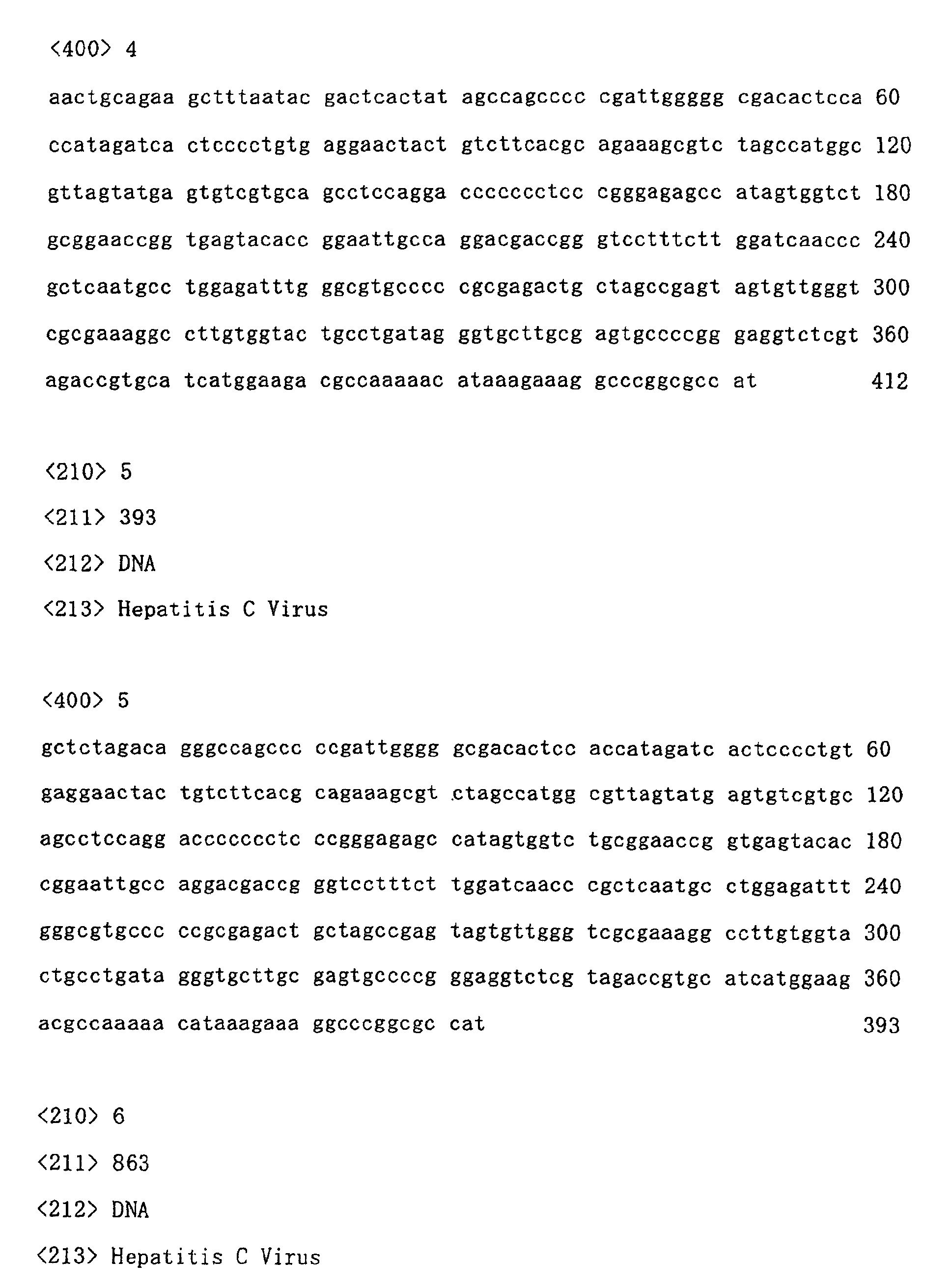

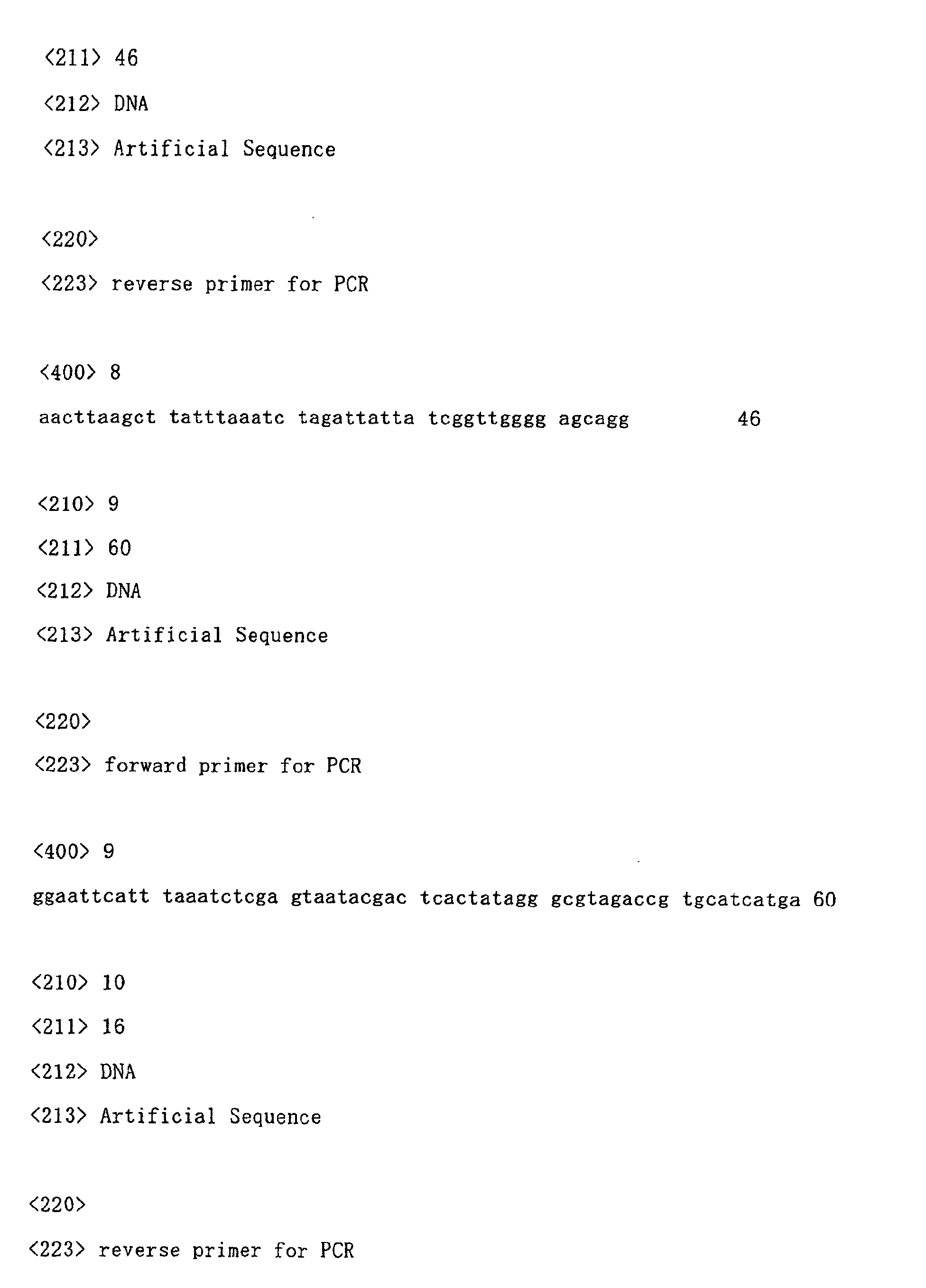
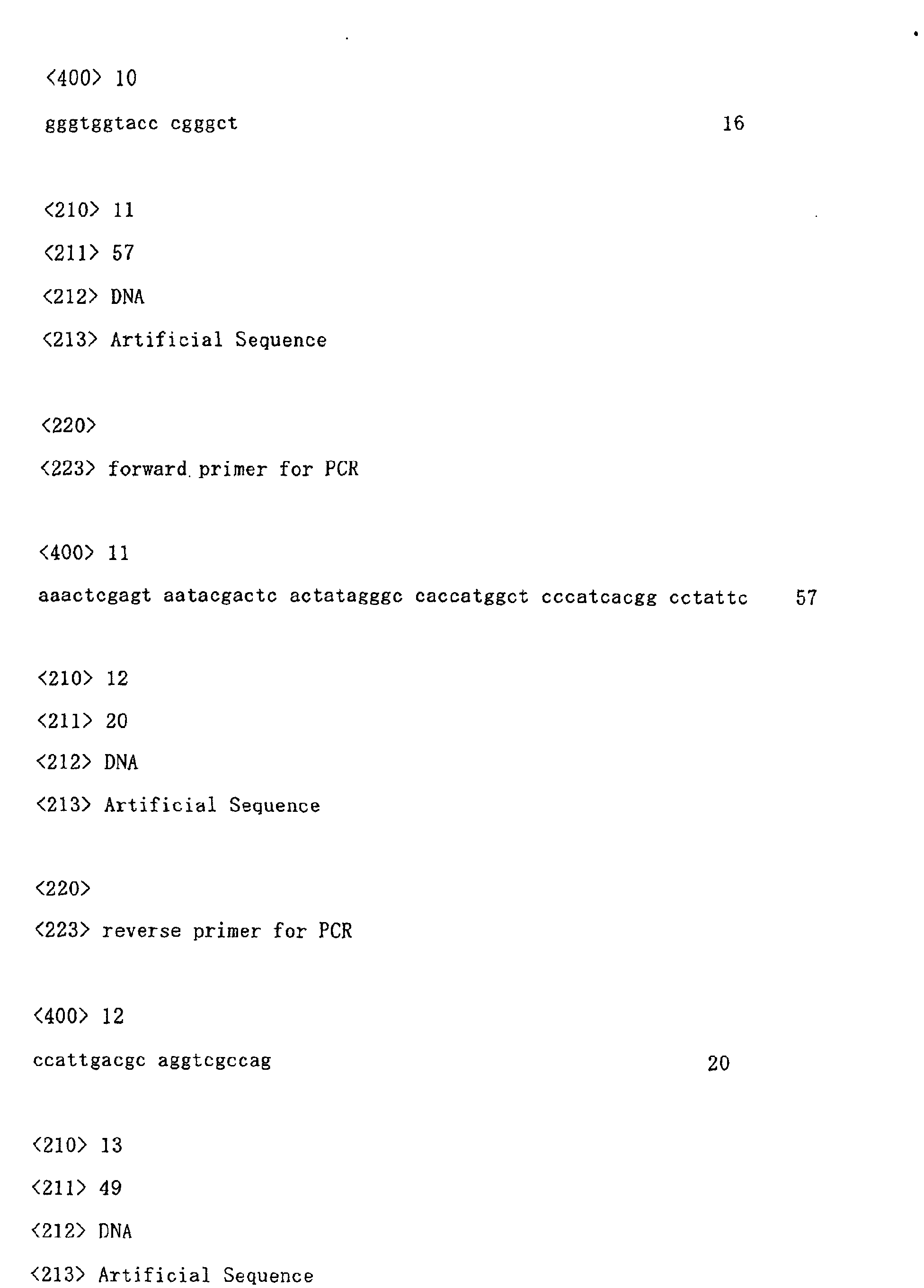


Claims (19)
- A vector for analyzing the replication mechanism of RNA viruses, which comprises DNA coding for RNA virus-derived RNA-dependent RNA polymerase.
- A vector for analyzing the replication mechanism of RNA viruses, which comprises a reporter gene expressed in the anti-sense direction.
- A vector for analyzing the replication mechanism of RNA viruses, which comprises DNA coding for RNA virus-derived RNA-dependent RNA polymerase and a reporter gene expressed in the anti-sense direction.
- A kit for analyzing the replication mechanism of RNA viruses, which comprises the vector for analyzing the replication mechanism of RNA viruses according to claim 1 and the vector for analyzing the replication mechanism of RNA viruses according to claim 2.
- A method for evaluating RNA polymerase activity, wherein a vector comprising DNA coding for RNA virus-derived RNA-dependent RNA polymerase and a vector comprising DNA corresponding to an entry site of the RNA polymerase and a reporter gene located upstream of the DNA and expressed in the anti-sense direction are produced, these vectors are introduced into a host cell, and the amount of the expression product of the reporter gene in the cell is measured, thereby evaluating RNA polymerase activity.
- A method for evaluating RNA polymerase activity, wherein a vector comprising DNA coding for RNA virus-derived RNA-dependent RNA polymerase, DNA corresponding to an entry site of the RNA polymerase, and a reporter gene located upstream of the DNA corresponding to the entry site and expressed in the anti-sense direction is produced, this vector is introduced into a host cell, and the amount of the expression product of the reporter gene in the cell is measured, thereby evaluating RNA polymerase activity.
- A method for screening a therapeutic agent for viral diseases, wherein a vector comprising DNA coding for RNA virus-derived RNA-dependent RNA polymerase and a vector comprising DNA corresponding to an entry site of the RNA polymerase and a reporter gene located upstream of the DNA and expressed in the anti-sense direction are produced, these vectors are introduced into a host cell, test substances are inoculated into this cell, and the amount of the expression product of the reporter gene in the cell is measured, and a substance which can increase or decrease the amount of the expression product of the reporter gene is selected from the test substances.
- A method for screening a therapeutic agent for viral diseases, wherein a vector comprising DNA coding for RNA virus-derived RNA-dependent RNA polymerase, DNA corresponding to an entry site of the RNA polymerase, and a reporter gene located upstream of the DNA corresponding to the entry site and expressed in the anti-sense direction is produced, this vector is introduced into a host cell, test substances are inoculated into this cell, and the amount of the expression product of the reporter gene in the cell is measured, and a substance which can increase or decrease the amount of the expression product of the reporter gene is selected from the test substances.
- A substance, which is obtained by the method for screening a therapeutic agent for viral diseases according to claim 7 or 8.
- A cell, which comprises the vector according to claim 1 and the vector according to claim 2.
- A cell, which comprises the vector according to claim 3.
- A method for evaluating the replication capacity of RNA viruses, which comprises the steps of:(1) expressing RNA virus-derived RNA-dependent RNA polymerase in a host;(2) bringing RNA having a reporter gene located so as not to be expressed in the absence of RNA polymerase into contact with the RNA virus-derived RNA-dependent RNA polymerase; and(3) measuring the expression level of the expression product of the reporter gene.
- A method for evaluating the replication capacity of RNA viruses, which comprises the steps of:(1) expressing RNA virus-derived RNA-dependent RNA polymerase in a host;(2) expressing RNA coding for a reporter gene in the anti-sense direction;(3) synthesizing RNA coding for the reporter gene in the sense direction by the RNA polymerase; and(4) measuring the amount of the expression product of the reporter gene.
- A method for evaluating the replication capacity of RNA viruses, which comprises the steps of:(1) expressing a reporter gene incorporated in a first vector in the anti-sense direction and RNA coding for RNA-dependent RNA polymerase gene incorporated in a second vector that is the same as or different from the first vector in the sense direction in a host;(2) expressing RNA-dependent RNA polymerase from the RNA;(3) synthesizing RNA coding for the reporter gene in the sense direction by the RNA-dependent RNA polymerase; and(4) measuring the amount of the expression product of the reporter gene.
- A method for screening an inhibitor against viral replication comprising addition of a step of bringing a test substance into contact to the method according to any one of claims 12 to 14.
- The vector according to any one of claims 1 to 3, wherein the RNA virus is HCV.
- The method according to any one of claims 5, 6, and 12 to 14, wherein the RNA virus is HCV.
- The method according to any one of claims 7, 8, and 15, wherein the RNA virus is HCV.
- The cell according to claim 10 or 11, wherein the RNA virus is HCV.
Applications Claiming Priority (3)
| Application Number | Priority Date | Filing Date | Title |
|---|---|---|---|
| JP2000142451 | 2000-05-15 | ||
| JP2000142451 | 2000-05-15 | ||
| PCT/JP2001/004033 WO2001088161A1 (en) | 2000-05-15 | 2001-05-15 | Vector for analysing replication mechanism of rna virus and use thereof |
Publications (2)
| Publication Number | Publication Date |
|---|---|
| EP1283267A1 true EP1283267A1 (en) | 2003-02-12 |
| EP1283267A4 EP1283267A4 (en) | 2004-05-12 |
Family
ID=18649420
Family Applications (1)
| Application Number | Title | Priority Date | Filing Date |
|---|---|---|---|
| EP01930150A Withdrawn EP1283267A4 (en) | 2000-05-15 | 2001-05-15 | VECTOR FOR ANALYZING THE RNA VIRUS REPLICATION MECHANISM AND USE OF THE VECTOR |
Country Status (4)
| Country | Link |
|---|---|
| US (1) | US20030143528A1 (en) |
| EP (1) | EP1283267A4 (en) |
| AU (1) | AU2001256745A1 (en) |
| WO (1) | WO2001088161A1 (en) |
Cited By (1)
| Publication number | Priority date | Publication date | Assignee | Title |
|---|---|---|---|---|
| EP1090996A4 (en) * | 1998-06-24 | 2003-03-26 | Chugai Pharmaceutical Co Ltd | VECTOR EXPRESSING THE FULL LENGTH GENE OF RNA VIRUSES AND ITS USE |
Family Cites Families (5)
| Publication number | Priority date | Publication date | Assignee | Title |
|---|---|---|---|---|
| WO1996017072A2 (en) * | 1994-11-30 | 1996-06-06 | Chiron Viagene, Inc. | Recombinant alphavirus vectors |
| EP0850318A1 (en) * | 1995-09-13 | 1998-07-01 | Chiron Corporation | Method and construct for screening for inhibitors of transcriptional activation |
| JP3831035B2 (en) * | 1996-12-13 | 2006-10-11 | 財団法人化学及血清療法研究所 | Hepatitis C virus sensitive recombinant hepatocytes and use thereof |
| WO1999051781A1 (en) * | 1998-04-02 | 1999-10-14 | Viropharma Incorporated | Hepatitis c virus ns5b compositions and methods of use thereof |
| CA2331920A1 (en) * | 1998-06-24 | 1999-12-29 | International Reagent Corporation | Hcv-derived rna polymerase gene |
-
2001
- 2001-05-15 EP EP01930150A patent/EP1283267A4/en not_active Withdrawn
- 2001-05-15 WO PCT/JP2001/004033 patent/WO2001088161A1/en not_active Ceased
- 2001-05-15 US US10/276,513 patent/US20030143528A1/en not_active Abandoned
- 2001-05-15 AU AU2001256745A patent/AU2001256745A1/en not_active Abandoned
Cited By (1)
| Publication number | Priority date | Publication date | Assignee | Title |
|---|---|---|---|---|
| EP1090996A4 (en) * | 1998-06-24 | 2003-03-26 | Chugai Pharmaceutical Co Ltd | VECTOR EXPRESSING THE FULL LENGTH GENE OF RNA VIRUSES AND ITS USE |
Also Published As
| Publication number | Publication date |
|---|---|
| EP1283267A4 (en) | 2004-05-12 |
| AU2001256745A1 (en) | 2001-11-26 |
| US20030143528A1 (en) | 2003-07-31 |
| WO2001088161A1 (en) | 2001-11-22 |
Similar Documents
| Publication | Publication Date | Title |
|---|---|---|
| Lohmann et al. | Viral and cellular determinants of hepatitis C virus RNA replication in cell culture | |
| Blight et al. | Efficient replication of hepatitis C virus genotype 1a RNAs in cell culture | |
| Andino et al. | Poliovirus RNA synthesis utilizes an RNP complex formed around the 5′‐end of viral RNA. | |
| Varaklioti et al. | Alternate translation occurs within the core coding region of the hepatitis C viral genome | |
| CN1833024B (en) | Nucleic acid construct containing hepatitis c virus (hcv) of genocype 2a genome-origin nucleic acid and cell having the nucleic acid construct transferred thereinto | |
| HU220204B (en) | HCV polypeptides and HCV polynucleotides, vectors containing such polynucleotides, and host cells transformed with them, and diagnostic and immunoassay kits for detection of HCV infection | |
| Muraiso et al. | A structural protein of hepatitis C virus expressed in E. coli facilitates accurate detection of hepatitis C virus | |
| HUP0302593A2 (en) | Self-replicating RNA molecule from hepatitis C virus | |
| Waris et al. | Two-step affinity purification of the hepatitis C virus ribonucleoprotein complex | |
| Sbardellati et al. | Generation of infectious and transmissible virions from a GB virus B full-length consensus clone in tamarins | |
| AU2008333339A1 (en) | HCV NS3 protease replicon shuttle vectors | |
| JP5693957B2 (en) | HCV / GBV-B chimeric virus | |
| Habersetzer et al. | In vitro translation of virally-encoded replication polyproteins to recapitulate polyprotein maturation processes | |
| Wang et al. | Molecular cloning and expression of the hepatitis delta virus genotype IIb genome | |
| JP4573776B2 (en) | Nucleic acid and gene derived from a novel HCV strain, and replicon-replicating cells using the gene | |
| EP1090996A1 (en) | Vector expressing the full-length gene of rna virus and use thereof | |
| US20110287406A1 (en) | Novel HCV core+1 protein, methods for diagnosis of HCV infections, prophylaxis, and for screening of anti-HCV agents | |
| US20030143528A1 (en) | Vector for analayzing replication mechanism of rna virus and use thereof | |
| KR100304133B1 (en) | Fusion protein used as a substrate of hepatitis C virus proteinase and a method for measuring the activity of the proteinase using the same | |
| KR100471946B1 (en) | Hepatitis c viral replicon, replicon-containing cell, and detecting method of hcv infection using replicon-containing cell | |
| JP3831035B2 (en) | Hepatitis C virus sensitive recombinant hepatocytes and use thereof | |
| US20010034019A1 (en) | Chimeric HCV/GBV-B viruses | |
| KR100894150B1 (en) | Hcv rna having novel sequence | |
| JPWO2001088161A1 (en) | Vector for analyzing the replication mechanism of RNA viruses and its uses | |
| KR100447578B1 (en) | A cell-based assay kit and method for measuring the activity of HCV NS5B replicase and NS3 helicase |
Legal Events
| Date | Code | Title | Description |
|---|---|---|---|
| PUAI | Public reference made under article 153(3) epc to a published international application that has entered the european phase |
Free format text: ORIGINAL CODE: 0009012 |
|
| 17P | Request for examination filed |
Effective date: 20021209 |
|
| AK | Designated contracting states |
Designated state(s): AT BE CH CY DE DK ES FI FR GB GR IE IT LI LU MC NL PT SE TR |
|
| AX | Request for extension of the european patent |
Extension state: AL LT LV MK RO SI |
|
| A4 | Supplementary search report drawn up and despatched |
Effective date: 20040324 |
|
| 17Q | First examination report despatched |
Effective date: 20050112 |
|
| 17Q | First examination report despatched |
Effective date: 20050112 |
|
| STAA | Information on the status of an ep patent application or granted ep patent |
Free format text: STATUS: THE APPLICATION IS DEEMED TO BE WITHDRAWN |
|
| 18D | Application deemed to be withdrawn |
Effective date: 20070117 |