Field of the Invention
-
The present invention relates to a method for identifying proteins with N-terminal
N-myristoylation from the knowledge of their amino acid sequence by
computational analysis.
Background of the invention
-
Among the many known lipid modifications N-myristoylation is one of the best
investigated and has been subject to several reviews (Towler et al. 1988b;
Gordon et al. 1991; Han and Martinage 1992; Johnson et al. 1994; Boutin 1997).
However, after the importance for cellular regulation, signal transduction,
apoptosis (Zha et al. 2000) and the potential for diverse medical treatments
(Felsted, Glover, and Hartman 1995; Parang et al. 1997; Sikorski et al. 1997;
Gunaratne et al. 2000) have been rediscovered and the first structures of
Myristoyl-CoA:Protein N-myristoyltransferases were published (Weston et al.
1998; Bhatnagar et al. 1998), this topic has gained increasing attention.
-
The rare C14 saturated fatty acid is linked most often cotranslationally (Olson and
Spizz 1986; Wilcox, Hu, and Olson 1987) via an amid bond (Olson, Towler, and
Glaser 1985) specific to the N-terminal glycine (Kamps, Buss, and Sefton 1985;
Towler et al. 1987) of several eukaryotic and viral proteins. In general, the
attachment of the lipid moiety results in an increase of hydrophobicity that plays
an important role in membrane and protein association. Myristic acid represents
less than 1% of all fatty acids in cells (Khandwala and Kasper 1971), but its
specific length provides the possibility for reversible interactions with other
proteins or membranes (Peitzsch and McLaughlin 1993) in contrast to highly
stable associations facilitated by other, more hydrophobic lipid modifications.
-
Myristoylation can be required but need not necessarily be sufficient for
membrane anchoring, as known for example for the oncoprotein p60v-src (Resh
1994). The list of myristoylated proteins includes various kinases, phosphatases,
cytochrome b5 reductase, NO synthase, the α subunit of many G proteins, ADP
ribosylation factors, the myristoylated alanine rich C kinase substrate (MARCKS)
and other membrane- or cytoskeletal-bound structural proteins, Ca2+ binding/ EF
hand proteins, as well as several viral proteins.
-
For the viruses, the lipid modification of the proteins is often essential by directing
it to the plasma membrane of the host cell or it is necessary for the assembly of
the viral structure (Moscufo, Simons, and Chow 1991) and replication in general
(Raulin 2000). Many viruses take part in the pathological processes directly with
their myristoylated oncoproteins (Arbelaez, Bernal, and Patarca 1999).
-
Myristoylation is not always reduced to a simple anchoring function. The fatty
acid can also fold back to domains of the acylated protein itself and extend to the
outside again controlled by the binding of Ca2+-ions acting as a switch (Ames et
al. 1996). Other examples of myristoyl switches for reversible membrane
association (triggered by phosphorylation or proteolytic cleavage) can be found in
MARCKS (McLaughlin and Aderem 1995) and the HIV-1 Gag precursor (Zhou
and Resh 1996).
-
The most abundant form of myristoylation is catalyzed by myristoyl-CoA:protein
N-myristoyltransferase (NMT) (Raju et al. 2000) which is absolutely specific to
N-terminal glycine. The proposed invention focuses solely on the recognition of
protein substrates for this enzymatic activity from the substrate's amino acid
sequence.
-
The presently ongoing massive sequencing efforts result in an enormous amount
of genomic data, which requires, in the next step, the detailed characterization of
the encoded proteins. The above introduction to N-myristoylation emphasizes the
immense importance of this lipid modification. Therefore in the post-genomic era,
knowledge of a protein being myristoylated is invaluable additional information for
its functional characterization.
-
The experimental procedures necessary for unambiguously identifying the lipid
modification, often including the incorporation of 3H-labeled myristic acid, are
very laborious and time consuming. Additionally, the sequence similarity among
related proteins is very high (often only single mutations within the region
recognized by NMT) and, therefore, explicit experimental verification is often
omitted.
-
Instead, the sequence is referred to a concordance with a consensus sequence
of the myristoylation motif provided by available pattern search tools, e.g.
PROSITE (Hofmann et al. 1999; Bucher and Bairoch 1994), which was last
updated in April 1990. This pattern carries only a disproportionally small amount
of the currently available information about the motif and produces a highly
unrealistic number of positive identifications of myristoylation sites and, with its
current status, even false negative predictions.
-
The presently available single position based algorithms (such as the search with
the PROSITE pattern) cannot deal with compensatory effects. This is an
important reason why predictions of the myristoylation site have been
insufficiently successful to date. The sequence context is much more critical than
a unique disfavored residue. For example, while a single bulky amino acid at one
position might well be tolerated in the size-limited groove where substrate
recognition takes place, a second one in direct neighborhood probably will not.
So, the closest positions will have to compensate the extra size of the
predecessor.
-
Furthermore, the binding of a peptide substrate to an enzyme is a highly
cooperative process in the sense of an induced fit. Therefore, not only
consecutive amino acid residues but also positions further apart could have an
influence on the binding of each other.
-
Extensive kinetic measurements of substrate specificity for the yeast NMT
(Towler et al. 1988b) have emphasized this importance of the sequence context
which could not be reflected by a simple pattern (such as the PROSITE motif).
-
NMT seems to be ubiquitous among eukaryotes. However, there exists an
overlapping yet distinct (Towler et al. 1988a) substrate specificity between
species, which became obvious by several observations (Duronio et al. 1991).
The PROSITE pattern contains no distinctive features to deal with the species-dependent
substrate specificities.
-
Finally, using PROSITE to identify myristoylation sites is restricted to a binary
decision (yes/no) without any estimation of the quality of the motif in the
investigated sequence.
-
Due to the unsatisfactory performance of the currently available prediction tools
for N-myristoylation, there is a need for an efficient and reliable tool that can
significantly reduce the number of false positive predictions and that allows even
large-scale database annotations.
-
It was an objective of the present invention to provide a reliable method
(prediction tool) to identify proteins that are candidates for N-terminal
myristoylation, also from large protein sequence databases.
Summary of the Invention
-
The solution of the problem underlying the present invention is based on the
following considerations: By using approved statistical correlation methods, the
characteristics for the positions in the N-terminus of all known substrates and,
therefore, the obvious single position requirements for recognition by the enzyme
are validated. Significance for compensatory effects are evaluated by fulfillment
of the Fisher-criterion that characterizes correlation respectively independence of
sequence positions.
-
The proposed invention allows a reasonable pre-selection of candidate proteins
and a dramatic speed up in sequence database searches aimed at the
identification of proteins that have not previously been known to be myristoylated.
-
In a first aspect, the present invention relates to a method for identifying
candidate proteins with N-terminal N-myristoylation from the knowledge of their
amino acid sequence, comprising the steps of
- a) computational analysis of the N-terminal segment of the primary structure of
the query protein and deciding the candidate's status by applying a scoring
system based on
- (i) sensitive profile extraction,
- (ii) physical property requirements,
- (iii) compensatory effects over multiple positions, and
- b) determining by experimental verification whether a protein selected in a) is a
substrate for myristoyl-CoA:protein N-myristoyltransferase.
Step b) is conducted with proteins out of a reduced candidate list.
In a preferred embodiment, the scores obtained by step (a) are translated into
probabilities of false-positive prediction (a1) having a generalized extreme-value
distribution function. Thus, by complementing the score function with rigorous
statistics in form of a generalized extreme value distribution, a quality
measurement of the myristoylation signal of investigated sequences can be
provided.
The method of the invention can be carried out both in single target studies (e.g.
studies aiming at identifying a protein as a therapeutic target) and in large-scale
biomolecular sequence database scans. -
-
In a second aspect, the present invention relates to a composite prediction
algorithm combining profile-based sum scores (Sprofile; (i)) with special terms for
the conserved physical properties including compensatory effects, summarized
as Sppt((ii) and (iii)).
S = Sprofile + Sppt
-
According to this second aspect the present invention provides a computer
implemented method of identifying protein candidates for N-terminal N-myristoylation
from the knowledge of the protein amino acid sequence by
computational analysis of the N-terminal segment of the primary structure of a
query protein, comprising the steps of determining a profile sum score Sprofile
based on a profile extraction of the N-terminal segment, determining a physical
properties sum score Sppt based on an analysis of the physical properties of the
N-terminal segment, and obtaining a myristoylation sum score S = Sprofile + Sppt as
a N-terminal N-myristoylation prediction function for the query protein.
-
Apart from a possible starting methionine, the N-terminal position of the query
sequence has to be occupied with the amino acid glycine as required for
myristoylation by NMT. This can also include glycines that become N-terminal
after proteolytic cleavage of the query protein.
-
The current dataset indicates restrictions in sequence variability of substrate
proteins within the N-terminal 17 residues where the major contributions come
from positions 1-6 that have to fit deep in the binding pocket. Preferably, the
following calculations may be executed over up to 17 residues starting from the
glycine and are weighted according to their importance within the motif.
-
The score Sprofile is determined by comparing the amino acid sequence profile of
the query protein with the sequence profile extracted from a learning set of
myristoylated proteins. The profile can be calculated by any established profile
technique, for instance the PSIC method. The comparison may be carried out
over up to 17 positions starting from a N-terminal glycine, possibly unveiled after
proteolytic cleavage, for instance of a leading methionine.
-
According to a particular embodiment, the physical properties sum score Sppt is
calculated comparing the physical properties of the N-terminal segment of the
query protein with those of a learning set of myristoylated proteins.
-
Further embodiments in the present invention are described in the dependent
claims.
-
To take advantage of the information collected above efficiently, a scoring
function, validating the quality of a sequence as motif for recognition by NMT,
should not be reduced to a term evaluating amino acid type preferences on
single positions independently (e.g., as in profile approaches), but also comprise
physical property restrictions as well as the compensatory effects from multiple
sequence positions. Hence, a composite prediction function was created that
combines profile-based sum scores using the PSIC (Position Specific
Independent Counts) algorithm (Sunyaev et al. 1999; Sprofile) with special terms
for the conserved physical properties, summarized as Sppt.
S = Sprofile + Sppt
-
Implemented in a computer program, written in the C programming language, the
user may choose the taxonomic parameter set and read in the sequence that
should be investigated.
-
Then, Sprofile is calculated for the query sequence and scored according to the
profile extracted from a chosen learning set of known substrates. The conserved
physical properties are assumed to follow a Gauss-like distribution when
retrieved from the sequences already verified to be myristoylated. Deviation from
the mean for the corresponding positions in the query sequence results in a
penalty for the score proportional to the extent of the deviation. Thus, if
nonconformity with the physical-chemical requirements for substrate recognition
is more severe, the penalty will be higher.
-
The overall score is the sum of Sprofile and all the physical property terms (which
are negative per definition as they are penalties). To address a threshold which
sequences will be processed by NMT or not, the obtained scores are compared
with the scores of the learning set and the lower limit for prediction is set to the
lowermost score of an experimentally verified myristoylation site. The prediction
is that proteins with higher scores should also be favored substrates of NMTs. At
the same time, this simple approach cannot always reflect the naturally occurring
different affinities to the enzyme in the relative size of prediction function scores.
-
For better judgment whether further experimental verification will be feasible for a
candidate sequence and estimation of the general reliability of a prediction, the
scores are translated into a probability of false-positive predictions applying
generalized extreme value distribution functions (Eisenhaber et al. 2001).
-
In sequence space, the correct motif can occur incidentally with a certain
probability. The more the scores of correctly predicted sequences differ from the
scores of non-myristoylated proteins, the lower will be the probability for false-positive
predictions and the higher will be the credibility of the prediction. The
prediction method of the invention with its current parametrization learned from
the today's available sequence examples allows even large-scale database
annotations with less than 5 false positive assignments among 1000 unrelated
sequences with an N-terminal glycine.
Brief Description of the Drawings
-
The present invention and further objects, features and advantages thereof will
become more readily apparent from the following description of particular
embodiments of the invention with reference to the appended drawings.
- Figure 1 is a flow chart showing method steps for obtaining a sum score S as
prediction function for the probability of N-terminal N-myristoylation of a query
protein according to an embodiment of the present invention.
- Figure 2 is a flow chart showing method steps of obtaining profile and physical
property information of a learning set of myristoylated proteins according to an
embodiment of the present invention.
- Figure 3 is a flow chart showing method steps for identifying proteins with N-terminal
N-myristoylation from a large number of proteins stored in a sequence
database and for consecutively refining the method by adding new verified
proteins to the learning set.
- Figure 4 is a hardware configuration to which the present invention may be
applied.
- Figure 5 is a schematic illustration of a profile matrix showing logarithmic
propensity values of specific amino acids at particular sequence positions of the
myristoylated protein learning set.
- Figure 6 is a chart showing the correlation between the negative logarithm of
experimentally derived NMT affinity constants and calculated sum scores S.
-
Detailed Description of Preferred Embodiments
-
The flow chart of Figure 1 shows the method steps for obtaining the total sum
score S of a query protein as a prediction function for the probability of N-terminal
N-myristoylation of a query protein. In method step S1 a profile score Sprofile is
calculated by sensitive profile extraction which will be explained in detail below.
In the next step S2 the physical properties sum score Sppt is determined as will
also be described in more detail below. Then the total sum score S = Sprofile + Sppt
is obtained in method step S3 and converted into a probability of false-positive
prediction with a generalized extreme value distribution function in subsequent
method step S4.
Sensitive profile extraction (i)
-
For a sensitive profile extraction (i), the PSIC algorithm (Sunyaev et al. 1999)
may be used, which is a powerful profile extraction technique that assigns both
sequence- and alignment position-specific weights (Eisenhaber, Bork, and
Eisenhaber 1999; Sunyaev et al. 1999). With this technique, the corrected
relative occurrences p(a,i) of amino acid types a at given motif positions i from
the gapless multiple alignment of the N-termini (except the possible starting
methionines) of the complete learning set of known myristoylated proteins is
determined.
-
It should be emphasized that this multiple alignment contains many highly similar
alignments with little sequence variations often affecting only a few positions. To
extract a maximum of information, an effective number
n(
a,
i)
eff of observations of
amino acid type
a at alignment position
i is computed and finally determined
p(
a,i) as
The summation is carried out over all 20 amino acid types
b. The value
n(
a,
i)
eff is
thought to depend on the overall similarity of sequences having the common
amino acid type
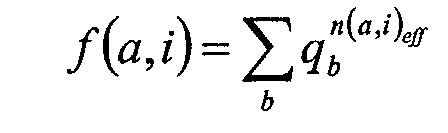
a in the alignment column considered. The frequency of identical
alignment positions
f(
a,i) in the subset of sequences having the same amino acid
type
a at alignment position
i is used as similarity measure and is set equal to the
probability of identical alignment positions for
n(
a,i)
eff in random sequences. The
solution of the equation
for
n(
a,
i)
eff estimates the number of independent observations of amino acid
a at
position
i in the alignment. The value
qb is the default frequency of amino acid
type
b in a sequence database.
-
The final profile matrix Si (a) is calculated as (Sunyaev et al. 1999)
Si (a)=InP P(a,i) qa .
-
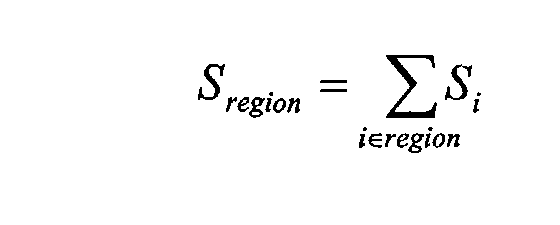
These values represent the subscores of single positions
i that sum up to
regional scores within their defined regions.
-
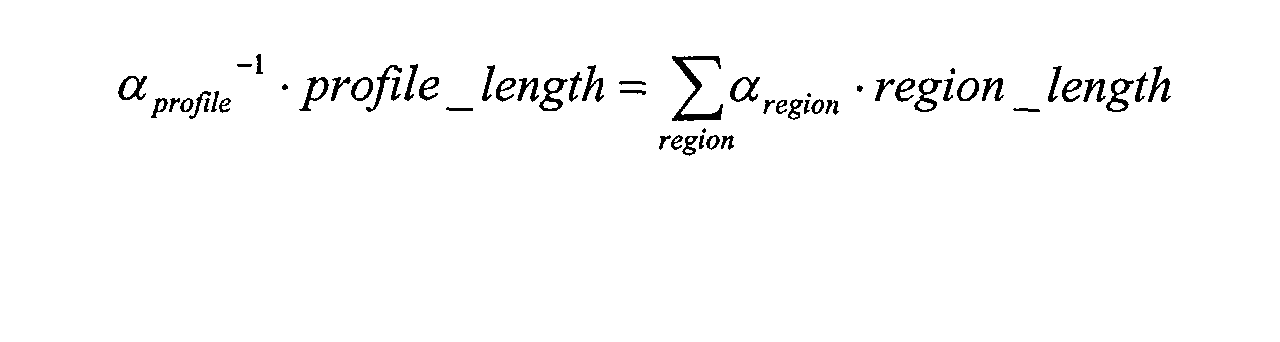
The regional subscores finally enter S
profile adjusted with a weighting factor α
region,
emphasizing the importance of key positions, and a normalization condition
α
profile, compensating for the different lengths of the sequence regions.
-
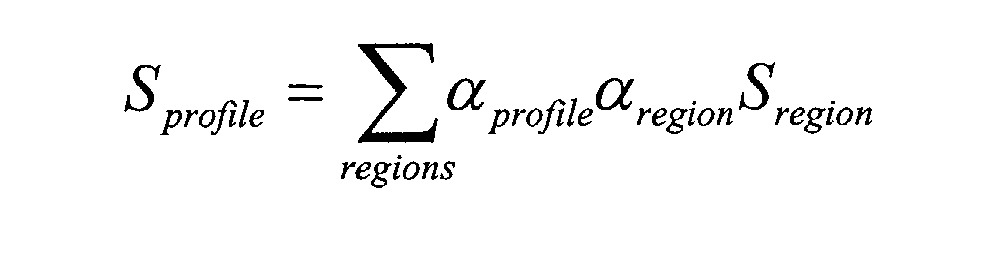
The complete profile score term S
profile can therefore be circumstantiated as
follows:
The profile is computed over about 40 amino acids following the obligatory N-terminal
glycine for all entries of the learning set. The scores for query sequences
are calculated only for
positions 2 to 17. The latter position range corresponds to
sequence segments showing detectable property deviations in N-terminally N-myristoylated
proteins compared with unrelated sequences.
Physical property requirements and compensatory effects ((ii) and (iii))
-
The functional form of multiple residue correlation terms with respect to physical
properties (P) composing S
ppt is selected in such a manner that clear deviations
from value ranges in the learning set are penalized. At the same time,
compliance with the consensus signal extracted from the learning set results in a
zero score (but not in positive scores).
-
Herewith, it is recognized that the form of physical terms in S
ppt may reflect the
present rough understanding of requirements of the polypeptide binding site in
myristoyl-CoA:protein N-myristoyltransferase. A possibly specific role of different
amino acid types at certain sequence positions might be not well discerned.
Definitely, it can differ among species. In its current formulation, S
ppt
includes the following terms describing
- Side-chain volume limitations and mutual volume compensations for residues
on positions 2 and 3, as well as compensation of bulkiness between position 7
and 9, respectively overall size limitation (positions 2 to 11) within the catalytic
cleft (terms T0, T3 and T8);
- Limited extent of hydrophobicity on positions 2 and 3, hydrophobicity
compensations on positions 8, 9 and 10, as well as between positions 2 and 5
(terms T1, T4 and T7);
- Spacer region (position 6 to 17) that should not contain too many hydrophobic
residues, evaluated by the average of optimal matching hydrophobicity (term T2);
- Flexibility compensations in the selective binding region of positions 3 to 5
(term T5);
- Certain polarity requirements for positions 5 and 6 (term T6).
-
Each of these nine physical conditions is weighted according to its importance
and enters the sum above in form of the natural logarithm of a probability
distribution function to be comparable with scores from profile computations. A
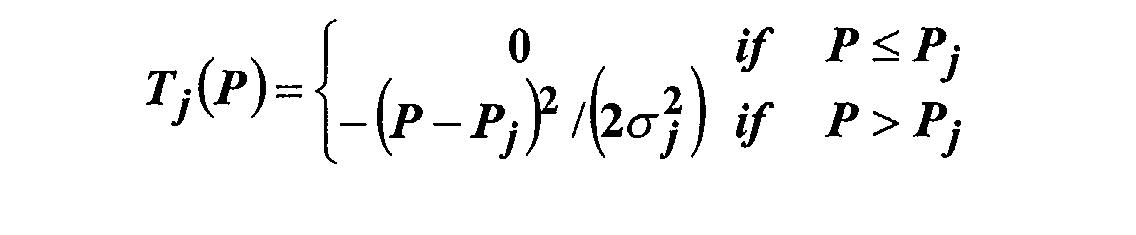
Gauss-like distribution was assumed for values outside the allowed value ranges
(see formula for Tj(P) above!).
-
Furthermore, there are penalties with fixed thresholds that are also added to Sppt:
- To exclude signalpeptide sequences, the typical structural features of their
hydrophobic region are penalized when the hydrophobicity in a sequence window
of 4 amino acids exceeds a certain threshold (term T9 and T10);
- Penalties are also given for extraordinary residues on special positions in
concordance with the compositional analysis and the kinetic measurements (term
T11).
-
The purpose of introducing Sppt consists in excluding sequences as unlikely
candidates for myristoylation due to untypical integral sequence properties
compared with the learning set.
Estimation of the probability of false positive prediction (a1)
-
Furthermore, it was sought to facilitate the interpretation of the scores generated
by the program of step a) for users that are not familiar with the prediction
function and to make the obtained scores comparable with scores calculated for
other features (for example prediction of GPI-anchor sites; Eisenhaber et al.,
1999) This problem was solved by further applying, in a preferred embodiment of
the invention, step (a1) in the framework of statistical theory by calculating the
probability of false positive predictions, i.e., the probability of incidental
occurrences of a motif match with the same or better score in an unrelated
sequence. If a score S is normally distributed, then the probability P of a score S
to be larger than a threshold S
th is described by an extreme-value distribution
(Altschul et al. 1994) with generalized analytical form (Eisenhaber et al. 2001):
P(S > Sth ) = 1-e-e-f(Sth)
-
The scores for sets of unrelated sequences (non-myristoylated proteins) for the
respective taxonomic groups are calculated and the best reasonable polynomial
fit (i is between 2 and 6) is evaluated to describe the generalized extreme value
distribution. So the score of the investigated sequence can be converted into a
probability of false positive prediction.
-
The method of the invention distinguishes three groups of sequences: The first
one consists of the sequences that obtain positive scores. Their probability of
being false positive is maximum 0.5% for the different taxonomic parameter sets.
Based on the present understanding of the requirements of the NMT binding
pocket, they may be predicted as a "certain" myristoylation site. The second
group can be seen as a twilight zone, because there are also verified
myristoylation sites with scores between -2 and 0. They can be predicted as
"probable", as the probability of having a score > -2 is accordingly higher (2,8%
maximum). Sequences with scores lower than -2 represent the third group and
will not be predicted by the program of the invention as protein candidates for N-myristoylation.
-
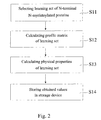
The method of obtaining the profile and physical property data of a learning set of
myristoylated proteins is schemtically illustrated in the flow chart of Figure 2. In
method step S11 a learning set of N-terminal N-myristoylated proteins is
selected. Then, in step S12, a profile matrix (see Figure 5) is calculated for a
learning set and the physical properties of the first 17 positions of the amino acid
sequence of the proteins of the learning set are determined (step S13). The
profile and physical property data of the myristoylated protein learning set are
then stored in a storage device like storage device 13 shown in Figure 4.
-
Figure 3 illustrates a method according to an embodiment of the present
invention for identifying myristoylated proteins from a large number of proteins
stored in a sequence database. In step S21 a first protein is retrieved from the
sequence database. In subsequent method step S22 the sum score S of the
protein is determined in accordance with the method illustrated in Figure 1 and
based on the data extracted from a learning set (see Figure 2). The obtained sum
score S is then compared with the sum scores of the learning set proteins. If the
sum score S is smaller than a threshold value for which, based on the learning
set data, the probability of myristoylation is minimal, it is assumed that the protein
the protein retrieved from the database is not a likely candidate for myristoylation
(step S24). The method then proceeds in step S25 to the next protein and
method steps S21 to S24 are repeated. If the obtained sum score S is higher
than the threshold value it is assumed that the protein is a likely candidate for
myristoylation and an experimental verification of this finding is performed in step
S26. Then, the sequence of the experimentally verified protein can be included
into the learning set in step S27, thereby facilitating consequent improvement of
the description of the motif and allowing self-refinement of the method.
-
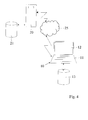
Figure 4 is a schematic illustration of a hardware configuration for which the
present invention can be applied. A calculation of the sum scores Sprofile and Sppt
can be carried out on a suitable computing device like a desktop or laptop
computer 10, workstation or a main frame computer. The computing device
includes a processing unit (not shown) and an internal storage device or is
connected to an external storage device 13. The computer 10 also comprises
standard input/output devices like a keyboard 11, a mouse or speech processing
means (both not shown) and a display screen 12. In the memory device 13 or the
internal memory the obtained data from the protein learning set may be stored.
-
Preferably, computer device 10 is connected via a communications network 25
like an intranet or the internet with a database server 20 coupled to a database
21 like a protein sequence database. It is then possible to scan proteins from the
sequence database 21 and perform the method of the present invention with the
proteins retrieved from the database 21. It should be acknowledged here that the
invention is not restricted to any specific type of hardware configuration. Any
suitable computing, storage or data transmission devices may be employed.
-
Figure 5 shows a profile matrix indicating the average probability of any one of
the 20 amino acids at a specific sequence position (2 to 17) of the learning set of
myristoylated proteins. This profile matrix is compared with the amino acid profile
of the query protein in method step S1 in Figure 1.
Experimental verification of N-myristoylation
-
Whether a selected protein is a substrate for myristoyl-CoA:protein N-myristoyltransferase,
can be experimentally confirmed according to step b) by
methods known per se in the art, in particular, if the number of candidates is not
too large.
-
Several methods that are useful in the present invention to verify the attachment
of myristic acid to a protein have been described in the literature. For the purpose
of identifying large numbers of myristoylated proteins from different tissues and
all possible organisms, an in vitro bacterial co-expression system (Duronio et al.
1990; Knoll et al. 1995) to obtain both NMT and the candidate protein in
recombinant form (sequentially expressed in Escherichia coli) can be used (see
Example 6). Although this method only indicates in vitro myristoylation of a
candidate protein, it clearly states whether the protein can be a substrate for
NMT.
-
Isolation and purification strongly depend on the characteristics of the protein
(e.g. lipophilicity, subcellular compartment: membrane-bound, cytosolic...).
Therefore, it is important to follow procedures that have been reported to be
suitable for the properties of the protein of interest.
-
In order to determine the myristoylation of viral proteins, the method of (Schultz
and Oroszlan 1983) (see Example 6 below) can be used.
-
A frequently employed protein purification method is SDS-PAGE, followed by
further identification by immunoprecipitation with a specific antibody against the
candidate protein. In this method, incorporation of 3H-labeled myristate (via
addition to the medium) helps to monitor the proteins of interest during isolation
and purification processes.
-
A more accurate method for identifying N-myristoylation is the use of FAB-MS
(Fast Atom Bombardment Mass Spectrometry; (Carr et al. 1982) or combined
analytical methods (Neubert and Johnson 1995), such as GC-MS (Gas
Chromatography - Mass Spectrometry) or HPLC-ESI-MS (High Pressure Liquid
Chromatography - Electrospray lonization - Mass Spectrometry). In this method,
N-terminal N-myristoylation is ascertained by comparing the molecular weight
obtained by mass spectrometry of a protein or its fragments with calculated
masses based on the amino acid sequence of the protein. The discrepancy in
weights has to correspond to the mass of the myristoyl anchor.
-
Other appropriate examples for methods that may be employed in the present
invention are the expression and characterization of calcium-myristoyl switch
proteins (Zozulya, Ladant, and Stryer 1995) or ADP-ribosylation factors
(Randazzo and Kahn 1995). For high-resolution structural determination of
protein-linked acyl groups it is referred to (Neubert and Johnson 1995). More
detail is contained in example 6.
Validation of the prediction method
-
The inventors executed several acknowledged tests and comparisons between
predicted and experimental data to validate the methodology proposed in this
invention which are listed below. Each test is explained in more detail in the
following section and/or in one of the examples at the end of this document.
- Self-Consistency test (example 1)
- Jack-knife test over whole score S (example 2)
- Jack-knife test over Sppt, while Sprofile was calculated with the whole
learning set (example 2)
- Scores for proteins that are reported not to be myristoylated (example 3)
- Correlation with experimental kinetic data (example 4)
- Comparison with alternative prediction methods (example 5)
-
In order to clarify whether the chosen parameter sets describe the available
information on N-terminal myristoylation sufficiently, it was investigated whether
the chosen learning set can be predicted itself (self-consistency test).
-
Many prediction techniques suffer from over-parameterization; i.e., a too small
learning set may be over-fitted with a too large set of parameters so that it
perfectly predicts the present learning data but actually fails to describe the
biological problem in its entirety. As a result, only sequences closely sequentially
related to the learning set would be predicted. The so-called jack-knife or cross-validation
test is designed to test for such cases. In this scheme, the predicted
sequence is excluded from the learning procedure.
-
Two types of jack-knife tests have been applied. In the first test, the predicted
sequence was excluded from the complete learning procedure (including profile
derivation). In a second variant of the jack-knife test, the profile matrix calculation
was executed with all sequences but the predicted sequence was left out for the
calculation of Sppt only. Whereas the first jack-knife test checks the whole
procedure for parameter over-fitting, the second test is a specific control for the
parameters of the chosen physical property terms.
-
The scientific literature provides lists of proteins that are reported not to be
myristoylated despite of their N-terminal glycine. The performance of the method
of the invention was also tested for these potential candidates for false positive
predictions.
-
Finally, the regression between affinity constants for several octapeptides
towards the enzyme and the respective scores generated by the program was
analyzed.
-
In summary, the present invention provides a novel method for the identification
of N-terminal N-myristoylation that only relies on the primary structure of proteins.
This technique is also useful for the selection of targets from large biomolecular
sequence databases.
-
The central element of the invention, the novel algorithm implemented in a
software tool, not only evaluates amino acid type preferences on single positions
with the powerful profile extraction method PSIC, but also penalizes deviations
from the physical-chemical requirements for several positions that either show a
general trend of deviation from the average properties of known myristoylated
proteins or have been tested for compensatory effects including multiple
sequence positions. For the quantification of the risk of false positive assignment,
the scores were translated into probabilities of false-positive prediction using a
rigorous statistical approach. Given the high reliability of the method proposed in
this invention, it becomes feasible for the first time to scan large biomolecular
sequence databases and to annotate protein substrates for N-terminal
myristoylation automatically. Thus, the proposed invention is a precious tool in
the post-genomic era where the enormous amount of data can only be mastered
with computational approaches.
Example 1
Self-consistency test
-
The information of the myristoylation motif of a set of test candidate proteins has
been derived from a selected learning set. However, to check whether this
knowledge has been converted successfully into the parameters of the prediction
method of the invention, it was examined how the program would predict the
learning set itself.
-
The program of the invention was shown to be capable to predict 359 of the 368
(97.6%) entries within the Eukaryota minus Fungi plus Viruses set. With the
fungal specific parameters, which are very restrictive to maintain consistency with
different substrate specificity, all 22 fungal entries (100%) were positively
predicted.
-
The 9 entries that could not be predicted (see table 1) attract attention because
they show major discrepancies with the consensus description of the motif.
Several ARFs (ADP ribosylation factors) have been shown to be myristoylated
(Randazzo and Kahn 1995). However, the entries listed in Table 1 do not share
the motif of the experimentally verified proteins and are annotated only as
potential (score lower than -2).
-
Penalties by the program arise because of the three consecutive large
hydrophobic residues that should be hard to accommodate in the size limited
pocket harboring substrate positions 2, 3 and 4. Isoleucine or valine on the
critical position 5 which is situated within a narrow ring of negatively charged
aspartates should also be strongly disfavored. Mutation of octapeptide
GNAAAARR to GPAAAARR resulted in loss of the ability to become
myristoylated (Towler et al. 1988b). Therefore, proline on 2 in STK_HYDAT
(P17713) can have a similar effect by dramatically reducing the flexibility of the
substrate.
-
The obtained results show that these 9 entries do not match the N-myristoylation
consensus pattern. Therefore, it is assumed that these proteins cannot be good
substrates for NMT.
Example 2
Jack-knife tests
-
In the first approach, the sequence that should be predicted was left out of the
complete learning procedure (both profile and physical property calculations).
The method used for profile extraction with sequence and position-specific
weightings has the advantage that in spite of the subsets with similar sequences
even small differences contribute to the extracted information. Therefore, the
values calculated for the profile matrix vary even when a sequence from a subset
of homologues is left out. For the large set of eukaryotes and viruses, but without
fungi, 353 out of 368 (95.9%) sequences are still predicted to have a
myristoylation site. From the smaller fungal set 21 of 22 (95.5%) sequences
remain recognized by the program. As expected, the entries that failed to be
predicted within the self-consistency test are once again out of the prediction
limit. In addition, some very distinct but still trustworthy sequences produce a
major shift in the profile matrix when they are left out and cannot be predicted
anymore without their contribution to the profile, as expected.
-
The second jack-knife test shows that Sppt parameters are stably derived from the
learning set. Therefore, the sequence that should be predicted was left out of the
calculation of Sppt but not Sprofile, resulting in a constant profile matrix throughout
the whole test. The fact that for both parameter sets the prediction accuracies
from the self-consistency test were reached (97.6% for EUKARYOTA-FUNGI+VIRUSES,
respectively 100.0% for FUNGI) signifies that the learning set
is large enough for a reliable determination of the physical property terms. At the
same time, the results of the first jack-knife test show that the learning set of
sequences is still too small for a stable derivation of the profile parameters. An
enlarged learning set that may become available in the future will further improve
the rate of correct positive prediction. It should be noted that, without making any
changes to the approach outlined in this description and without modification of
the associated software, an updated learning set including also protein
sequences with experimentally verified N-terminal myristoylation available at a
later date can be applied with the method presented.
Example 3
Scores for proteins that have been reported not to be myristoylated
-
One of the reviews (Boutin 1997) lists a table based on data by Tsunasawa
(Tsunasawa, Stewart, and Sherman 1985) with proteins that have been
investigated for myristoylation, but did not have myristic acid as attachment
despite of their N-terminal glycines. Table 2 presents the scores that the method
of the invention generates for these sequences. In complete concordance with
the experiments, none of them would be positively predicted. (Table 2 is based
on data by Tsunasawa (Tsunasawa, Stewart, and Sherman 1985) and Boutin
(Boutin 1997)). It lists proteins that were reported not to be myristoylated with the
scores they obtain by the algorithm of the invention. The threshold for prediction
with the attribute 'probable' is a score higher than -2.0 and, thus, none of them
does have a myristoylation site according to the present understanding of the
motif and in agreement with the literature.
Example 4
Correlation of predicted N-terminal N-Myristoylation with experimental kinetic
data
-
The enzyme Myristoyl-CoA:protein N-myristoyltransferase from Saccharomyces
cerevisiae has been subject to extensive kinetic measurements to examine its
substrate specificity (Towler et al. 1988b). Reliably quantifying the affinity
constants or myristoylation velocities is a difficult task as can be seen by crude
discrepancies within the provided data. For example, the Km of octapeptides
GNAAAARR and GSSKSKPK were specified with 31, respectively 105 µM in one
paper (Rocque et al. 1993), while an earlier publication lists other values for the
same octapeptides (Km [GNAAAARR] = 60 µM; Km [GSSKSKPK] = 40 µM) (Towler et al.
1988b). It is clear that these results can only be compared within one series of
experiments as they are depending on many factors (like temperature,
solutions...) and experiments by different people, although from the same group,
will not provide exactly the same values. However, the relation of the affinities,
certifying which substrates are binding better than others, should remain
constant.
-
In the given case, the ratio of the Km even topples, attesting GNAAAARR a 3-fold
higher affinity (lower Km) than GSSKSKPK, controversial to previous data where
GSSKSKPK was supposed to bind better than GNAAAARR.
-
Nevertheless, the scores predicted by the method of the invention coincide at
least qualitatively with most of the experimental data (Figure 6: Correlation
between the negative logarithm of experimentally derived Km from yeast
substrates and the scores calculated with the fungal parameter set). Following
the more recent publication (Rocque et al. 1993) that was also used for
discussion of the species dependent substrate specificities, the scores for the
respective octapeptides were calculated, which all had to be extended with a
common linker region. Single mutations in the derivates of cAMP-dependent
protein kinase GNAAAARR cause an increase or decrease in the score
proportional to the negative logarithm of the affinity. But also GARASVLS
maintains the proportion, showing that not only single position deviations, but
also the sequence context (after multiple mutations) is recognized at least in part
by the algorithm.
-
Unfortunately, GLYASKLS as well as GSSKSKPK suffer from the profile
parameterization because of their infrequent amino acids at position 2 to 4. Of
course they are predicted positively, but their scores do not fulfill the order of
affinity derived from the experiment in context of the other sequences. Finally, the
score for GSSKSKPK would suit better for the values published earlier, raising
the question which experimental results are more correct.
-
The remaining sequences however, show the expected behavior with a higher
score for substrates with higher affinity to the enzyme (Figure 6).
Example 5
Comparison of the novel prediction function with commonly used prediction
methods
-
So far, the only available tool for prediction of myristoylation sites has been the
pattern search with PROSITE. Apart from its value for several other applications,
it is not adequate given the complexity of this special motif. Last updated over 10
years ago, the concept of allowing only a limited subset of amino acid types on
single positions will never be able to reflect the dependence on the sequence
context for the recognition by NMT.
-
In its current status, this approach even produces false negative predictions for
proteins whose myristoylation has been verified by experiment (ARF6_HUMAN
[P26438], ARF6_CHICK [P26990], GCAP_BOVIN [P46065], HIA1_DICDI
[P13231], HIA2_DICDI [P42526], HIPP_HUMAN [P41211], HIPP_RAT [P32076],
NCAH_DROME [P42325], NECD_BOVIN [P29554], NECX_APLCA [Q16982]
and many others that share broad similarity with these sequences...). Of course,
updating of the PROSITE motif will correct this failure, but as a consequence also
dramatically boost the number of false positives, because the allowance of
further amino acids makes the weak pattern even more common.
-
In comparison to the predictions for proteins reported not to be myristoylated
(table 2, 100% correctly not predicted), the PROSITE pattern recognition would
predict myristoylation sites for 3 of these sequences (62.5% correct), respectively
even 5 (only 37.5% correct) after a conscientious update.
-
Table 3 shows the performance of the tool of this invention compared to a
PROSITE pattern search with the current motif (old, producing false negative
predictions) and a corrected version (updated) over a large database. The same
table lists also the number of predictions of a PROSITE pattern search over the
complete SWISSALL database compared to our algorithm. For fair comparison,
the PROSITE search was restricted to N-terminal glycines (possibly after a
leading methionine), which is not implemented in the usual PROSITE pattern,
thereby producing the highly unrealistic numbers of predictions. As PROSITE
cannot distinguish between any taxon-specific substrate preferences, the
prediction algorithm was reduced to the less stringent parameter set derived from
a learning set containing eukaryan and viral sequences but none from fungi.
-
Finally, by using the information of already known myristoylated proteins
restricted to certain amino acids, the PROSITE approach will never be capable of
finding distinct motifs, where mutation of residues still leads to viable substrates
for NMT due to compensatory effects. As can be seen from the comparison. The
problem of sequence positional correlation cannot be addressed with a simple
profile or pattern search alone.
Example 6
Experimental verification of the predicted myristoylation
-
The computational approach has the practical advantage that, among the many
available proteins, examples unrelated to N-terminal myristoylation can be
unselected. Thus, the resulting list of candidates becomes very small. The high-scoring
hits are certain substrates for this protein modification. It is also feasible
to check the remaining hits with lower scores for N-myristoylation experimentally
with existing techniques.
-
There are several ways to verify the attachment of myristic acid to a protein. For
the purpose of identifying large numbers of myristoylated proteins from different
tissues and all possible organisms an in vitro bacterial coexpression system
using recombinant NMT and candidate protein (sequentially expressed in
Escherichia coli) is very efficient (Duronio et al. 1990). However, this only
indicates in vitro myristoylation of a candidate protein, but nevertheless clearly
states whether it can be a substrate to NMT. For details of this elaborated
method see (Knoll et al. 1995).
- 1. Determining N-myristoylation of eukaryotic proteins by using an E. coli
coexpression system (Knoll et al., 1995)
- a) E. coli is transformed with plasmids that direct expression of NMT (Weston et
al. 1998; Bhatnagar et al. 1998) and candidate protein. Next, simultaneous
resistance to ampicillin and kanamycin is selected for (100 µg/ml of each in Luria
broth plates).
- b) Plasmid DNA from transformants is prepared and restriction endonuclease
digestions used to verify that both plasmids are present.
- c) A 20-ml culture of double transformant is grown at 37 °C in Luria broth plus
antibiotics to A600 of 0.5-0.7 and IPTG is added to 1 mM (NMT induction).
- d) The culture is incubated for 40 min, then nalidixic acid is added at 50 µg/ml
(candidate protein induction).
- e) 2-ml aliquots of culture are immediately added to polypropylene tubes
containing [3H]myristate (50-100 µCi/ml culture; label should be dried in tube
under N2 prior to addition of culture).
- f) The cells are incubated for 30 min at 37 °C, then placed on ice for 5 min.
- g) The cells are collected by centrifugation at 4000 g for 10 min and washed with
1 ml of phosphate-buffered saline (PBS). The cell suspension is transferred to a
microcentrifuge tube and centrifuged once again.
- h) The cells are resuspended in 50 µl lysis buffer (0.24 M Tris, pH 6.8, 2%
SDS/ml culture), boiled for 5 min and then centrifuged for 5 min. The supernatant
is saved; total protein content is determined using BCA protein assay (Pierce,
Rockford, IL). Final analysis of myristyolation is done by SDS-PAGE (load 100 µg
protein/lane) and fluorography.
- 2. Determining N-myristoylation of viral proteins (Schultz and Oroszlan 1983):
- a) Radiolabeling of cell cultures
[3H]-myristic acid (0.5 mCi) is dissolved in a minimum volume of 70% ethanol and
diluted to 1 ml with Eagle modified essential medium supplemented with 10%
fetal calf serum. A T25 flask of each virus-producing cell line is labeled with 1 ml
of this medium for 5 min. At the end of the labeling period, cells are rinsed, lysed,
and immunoprecipitated with the appropriate monospecific antiserum and protein
A-Sepharose (Pharmacia Fine Chemicals, Piscataway, N.J.) as described
(Schultz, Rabin, and Oroszlan 1979). Sodium dodecyl sulfate-polyacrylamide gel
electrophoresis (SDS-PAGE) with linear-gradient 7.5 to 17% polyacrylamide gels
follows the formulation of (Laemmli 1970). Gels are impregnated with PPO (2,5-diphenyloxazole;
Amersham Corp., Arlington Heights, III.) for fluorography
(Laskey and Mills 1975).
- b) Purification of viral proteins:
Viral proteins are labeled and purified by reverse-phase high-performance liquid
chromatography as follows. Virus particles are recovered from the medium of
cultures which have been labeled overnight with [3H]-myristate (0.5 mCi/ml) by
pelleting through a cushion of 20% sucrose in TNE buffer (0.05 M Tris-hydrochloride
[pH 7.5], 150 mM NaCI, 1 mM EDTA) for 90 min at 105000g. The
drained pellet is dissolved in 6 M guanidine hydrochloride, adjusted to pH 2 with
trifluoroacetic acid, and applied to a µ Bondapak C18 column (Waters Associates,
Milford, Mass.). Gradient elution chromatography is accomplished with a Waters
Associates model 660 solvent programmer, two model 6000M solvent delivery
pumps, and a model 450 variable wavelength detector set at 206 nm. Solvents
for reverse-phase high-performance liquid chromatography are 0.1%
trifluoroacetic acid or propanol with 0.1% trifluoroacetic acid as the organic
phase. Proteins are eluted in a 1-h linear gradient from 0 to 60% acetonitrile at
ambient temperature followed by a 15-min linear gradient from 20 to 60 %
propanol at 50°C (Henderson, Sowder, and Oroszlan 1981).
-




 for n(a,i) eff estimates the number of independent observations of amino acid a at position i in the alignment. The value qb is the default frequency of amino acid type b in a sequence database.