EP1275722A1 - A P387L variant in protein tyrosine phosphatase-1B is associated with type 2 diabetes and impaired serine phosphorylation of PTP-1B in vitro - Google Patents
A P387L variant in protein tyrosine phosphatase-1B is associated with type 2 diabetes and impaired serine phosphorylation of PTP-1B in vitro Download PDFInfo
- Publication number
- EP1275722A1 EP1275722A1 EP01610075A EP01610075A EP1275722A1 EP 1275722 A1 EP1275722 A1 EP 1275722A1 EP 01610075 A EP01610075 A EP 01610075A EP 01610075 A EP01610075 A EP 01610075A EP 1275722 A1 EP1275722 A1 EP 1275722A1
- Authority
- EP
- European Patent Office
- Prior art keywords
- mutation
- polynucleotide
- ptp
- dna
- type
- Prior art date
- Legal status (The legal status is an assumption and is not a legal conclusion. Google has not performed a legal analysis and makes no representation as to the accuracy of the status listed.)
- Withdrawn
Links
- 208000001072 type 2 diabetes mellitus Diseases 0.000 title claims abstract description 90
- 102100033001 Tyrosine-protein phosphatase non-receptor type 1 Human genes 0.000 title claims abstract description 81
- 101710128896 Tyrosine-protein phosphatase non-receptor type 1 Proteins 0.000 title claims abstract 27
- 230000026731 phosphorylation Effects 0.000 title claims description 39
- 238000006366 phosphorylation reaction Methods 0.000 title claims description 39
- 108010015847 Non-Receptor Type 1 Protein Tyrosine Phosphatase Proteins 0.000 title description 58
- 238000000338 in vitro Methods 0.000 title description 15
- MTCFGRXMJLQNBG-UHFFFAOYSA-N Serine Natural products OCC(N)C(O)=O MTCFGRXMJLQNBG-UHFFFAOYSA-N 0.000 title description 7
- 230000001771 impaired effect Effects 0.000 title description 3
- 230000035772 mutation Effects 0.000 claims abstract description 143
- 108091033319 polynucleotide Proteins 0.000 claims abstract description 131
- 102000040430 polynucleotide Human genes 0.000 claims abstract description 131
- 239000002157 polynucleotide Substances 0.000 claims abstract description 131
- 239000002773 nucleotide Substances 0.000 claims abstract description 93
- 125000003729 nucleotide group Chemical group 0.000 claims abstract description 93
- 239000012634 fragment Substances 0.000 claims abstract description 26
- 108090000765 processed proteins & peptides Proteins 0.000 claims description 104
- 108020004414 DNA Proteins 0.000 claims description 88
- 238000000034 method Methods 0.000 claims description 84
- 102000004196 processed proteins & peptides Human genes 0.000 claims description 82
- 108090000623 proteins and genes Proteins 0.000 claims description 80
- 229920001184 polypeptide Polymers 0.000 claims description 75
- 101100522284 Orgyia pseudotsugata multicapsid polyhedrosis virus PTP-1 gene Proteins 0.000 claims description 58
- 125000003275 alpha amino acid group Chemical group 0.000 claims description 57
- 238000006467 substitution reaction Methods 0.000 claims description 43
- 210000004027 cell Anatomy 0.000 claims description 36
- 108091028043 Nucleic acid sequence Proteins 0.000 claims description 34
- 238000012360 testing method Methods 0.000 claims description 33
- 239000000203 mixture Substances 0.000 claims description 31
- 108091008146 restriction endonucleases Proteins 0.000 claims description 28
- 239000000523 sample Substances 0.000 claims description 27
- FWMNVWWHGCHHJJ-SKKKGAJSSA-N 4-amino-1-[(2r)-6-amino-2-[[(2r)-2-[[(2r)-2-[[(2r)-2-amino-3-phenylpropanoyl]amino]-3-phenylpropanoyl]amino]-4-methylpentanoyl]amino]hexanoyl]piperidine-4-carboxylic acid Chemical compound C([C@H](C(=O)N[C@H](CC(C)C)C(=O)N[C@H](CCCCN)C(=O)N1CCC(N)(CC1)C(O)=O)NC(=O)[C@H](N)CC=1C=CC=CC=1)C1=CC=CC=C1 FWMNVWWHGCHHJJ-SKKKGAJSSA-N 0.000 claims description 24
- 239000000126 substance Substances 0.000 claims description 24
- 150000001413 amino acids Chemical class 0.000 claims description 22
- 239000013598 vector Substances 0.000 claims description 19
- 230000009261 transgenic effect Effects 0.000 claims description 12
- 238000003566 phosphorylation assay Methods 0.000 claims description 10
- 230000029087 digestion Effects 0.000 claims description 9
- 210000004962 mammalian cell Anatomy 0.000 claims description 9
- 150000007523 nucleic acids Chemical group 0.000 claims description 9
- 238000009396 hybridization Methods 0.000 claims description 8
- 238000003780 insertion Methods 0.000 claims description 8
- 230000037431 insertion Effects 0.000 claims description 8
- 239000012472 biological sample Substances 0.000 claims description 7
- 108091000080 Phosphotransferase Proteins 0.000 claims description 6
- 238000003776 cleavage reaction Methods 0.000 claims description 6
- 102000020233 phosphotransferase Human genes 0.000 claims description 6
- 239000013641 positive control Substances 0.000 claims description 6
- 230000007017 scission Effects 0.000 claims description 6
- 238000012217 deletion Methods 0.000 claims description 5
- 230000037430 deletion Effects 0.000 claims description 5
- 239000013604 expression vector Substances 0.000 claims description 5
- 125000003607 serino group Chemical group [H]N([H])[C@]([H])(C(=O)[*])C(O[H])([H])[H] 0.000 claims description 5
- 239000013642 negative control Substances 0.000 claims description 4
- 235000001014 amino acid Nutrition 0.000 description 43
- 102000004169 proteins and genes Human genes 0.000 description 24
- 206010012601 diabetes mellitus Diseases 0.000 description 22
- 235000018102 proteins Nutrition 0.000 description 22
- 108020005345 3' Untranslated Regions Proteins 0.000 description 19
- 229940024606 amino acid Drugs 0.000 description 19
- 238000004458 analytical method Methods 0.000 description 19
- 238000003752 polymerase chain reaction Methods 0.000 description 19
- NOESYZHRGYRDHS-UHFFFAOYSA-N insulin Chemical compound N1C(=O)C(NC(=O)C(CCC(N)=O)NC(=O)C(CCC(O)=O)NC(=O)C(C(C)C)NC(=O)C(NC(=O)CN)C(C)CC)CSSCC(C(NC(CO)C(=O)NC(CC(C)C)C(=O)NC(CC=2C=CC(O)=CC=2)C(=O)NC(CCC(N)=O)C(=O)NC(CC(C)C)C(=O)NC(CCC(O)=O)C(=O)NC(CC(N)=O)C(=O)NC(CC=2C=CC(O)=CC=2)C(=O)NC(CSSCC(NC(=O)C(C(C)C)NC(=O)C(CC(C)C)NC(=O)C(CC=2C=CC(O)=CC=2)NC(=O)C(CC(C)C)NC(=O)C(C)NC(=O)C(CCC(O)=O)NC(=O)C(C(C)C)NC(=O)C(CC(C)C)NC(=O)C(CC=2NC=NC=2)NC(=O)C(CO)NC(=O)CNC2=O)C(=O)NCC(=O)NC(CCC(O)=O)C(=O)NC(CCCNC(N)=N)C(=O)NCC(=O)NC(CC=3C=CC=CC=3)C(=O)NC(CC=3C=CC=CC=3)C(=O)NC(CC=3C=CC(O)=CC=3)C(=O)NC(C(C)O)C(=O)N3C(CCC3)C(=O)NC(CCCCN)C(=O)NC(C)C(O)=O)C(=O)NC(CC(N)=O)C(O)=O)=O)NC(=O)C(C(C)CC)NC(=O)C(CO)NC(=O)C(C(C)O)NC(=O)C1CSSCC2NC(=O)C(CC(C)C)NC(=O)C(NC(=O)C(CCC(N)=O)NC(=O)C(CC(N)=O)NC(=O)C(NC(=O)C(N)CC=1C=CC=CC=1)C(C)C)CC1=CN=CN1 NOESYZHRGYRDHS-UHFFFAOYSA-N 0.000 description 16
- 239000013615 primer Substances 0.000 description 16
- 239000000499 gel Substances 0.000 description 12
- 125000000174 L-prolyl group Chemical class [H]N1C([H])([H])C([H])([H])C([H])([H])[C@@]1([H])C(*)=O 0.000 description 11
- 239000002299 complementary DNA Substances 0.000 description 11
- 208000037265 diseases, disorders, signs and symptoms Diseases 0.000 description 11
- 230000000694 effects Effects 0.000 description 11
- 241001465754 Metazoa Species 0.000 description 9
- 102000004877 Insulin Human genes 0.000 description 8
- 108090001061 Insulin Proteins 0.000 description 8
- TWRXJAOTZQYOKJ-UHFFFAOYSA-L Magnesium chloride Chemical compound [Mg+2].[Cl-].[Cl-] TWRXJAOTZQYOKJ-UHFFFAOYSA-L 0.000 description 8
- 238000003556 assay Methods 0.000 description 8
- 239000000969 carrier Substances 0.000 description 8
- 238000006243 chemical reaction Methods 0.000 description 8
- 208000035475 disorder Diseases 0.000 description 8
- 238000010348 incorporation Methods 0.000 description 8
- 229940125396 insulin Drugs 0.000 description 8
- 239000002609 medium Substances 0.000 description 7
- KISWVXRQTGLFGD-UHFFFAOYSA-N 2-[[2-[[6-amino-2-[[2-[[2-[[5-amino-2-[[2-[[1-[2-[[6-amino-2-[(2,5-diamino-5-oxopentanoyl)amino]hexanoyl]amino]-5-(diaminomethylideneamino)pentanoyl]pyrrolidine-2-carbonyl]amino]-3-hydroxypropanoyl]amino]-5-oxopentanoyl]amino]-5-(diaminomethylideneamino)p Chemical compound C1CCN(C(=O)C(CCCN=C(N)N)NC(=O)C(CCCCN)NC(=O)C(N)CCC(N)=O)C1C(=O)NC(CO)C(=O)NC(CCC(N)=O)C(=O)NC(CCCN=C(N)N)C(=O)NC(CO)C(=O)NC(CCCCN)C(=O)NC(C(=O)NC(CC(C)C)C(O)=O)CC1=CC=C(O)C=C1 KISWVXRQTGLFGD-UHFFFAOYSA-N 0.000 description 6
- ZHNUHDYFZUAESO-UHFFFAOYSA-N Formamide Chemical compound NC=O ZHNUHDYFZUAESO-UHFFFAOYSA-N 0.000 description 6
- 210000003527 eukaryotic cell Anatomy 0.000 description 6
- 238000003205 genotyping method Methods 0.000 description 6
- 238000000746 purification Methods 0.000 description 6
- 102000004190 Enzymes Human genes 0.000 description 5
- 108090000790 Enzymes Proteins 0.000 description 5
- 241000124008 Mammalia Species 0.000 description 5
- 102000047918 Myelin Basic Human genes 0.000 description 5
- 101710107068 Myelin basic protein Proteins 0.000 description 5
- 108091034117 Oligonucleotide Proteins 0.000 description 5
- 230000004913 activation Effects 0.000 description 5
- 229940088598 enzyme Drugs 0.000 description 5
- 230000002068 genetic effect Effects 0.000 description 5
- 239000008103 glucose Substances 0.000 description 5
- 201000001421 hyperglycemia Diseases 0.000 description 5
- 230000002285 radioactive effect Effects 0.000 description 5
- 229920005989 resin Polymers 0.000 description 5
- 239000011347 resin Substances 0.000 description 5
- 239000000758 substrate Substances 0.000 description 5
- 101150076489 B gene Proteins 0.000 description 4
- WQZGKKKJIJFFOK-GASJEMHNSA-N Glucose Natural products OC[C@H]1OC(O)[C@H](O)[C@@H](O)[C@@H]1O WQZGKKKJIJFFOK-GASJEMHNSA-N 0.000 description 4
- 108091027305 Heteroduplex Proteins 0.000 description 4
- 208000031226 Hyperlipidaemia Diseases 0.000 description 4
- 206010020772 Hypertension Diseases 0.000 description 4
- SEQKRHFRPICQDD-UHFFFAOYSA-N N-tris(hydroxymethyl)methylglycine Chemical compound OCC(CO)(CO)[NH2+]CC([O-])=O SEQKRHFRPICQDD-UHFFFAOYSA-N 0.000 description 4
- 208000008589 Obesity Diseases 0.000 description 4
- 238000012408 PCR amplification Methods 0.000 description 4
- JLCPHMBAVCMARE-UHFFFAOYSA-N [3-[[3-[[3-[[3-[[3-[[3-[[3-[[3-[[3-[[3-[[3-[[5-(2-amino-6-oxo-1H-purin-9-yl)-3-[[3-[[3-[[3-[[3-[[3-[[5-(2-amino-6-oxo-1H-purin-9-yl)-3-[[5-(2-amino-6-oxo-1H-purin-9-yl)-3-hydroxyoxolan-2-yl]methoxy-hydroxyphosphoryl]oxyoxolan-2-yl]methoxy-hydroxyphosphoryl]oxy-5-(5-methyl-2,4-dioxopyrimidin-1-yl)oxolan-2-yl]methoxy-hydroxyphosphoryl]oxy-5-(6-aminopurin-9-yl)oxolan-2-yl]methoxy-hydroxyphosphoryl]oxy-5-(6-aminopurin-9-yl)oxolan-2-yl]methoxy-hydroxyphosphoryl]oxy-5-(6-aminopurin-9-yl)oxolan-2-yl]methoxy-hydroxyphosphoryl]oxy-5-(6-aminopurin-9-yl)oxolan-2-yl]methoxy-hydroxyphosphoryl]oxyoxolan-2-yl]methoxy-hydroxyphosphoryl]oxy-5-(5-methyl-2,4-dioxopyrimidin-1-yl)oxolan-2-yl]methoxy-hydroxyphosphoryl]oxy-5-(4-amino-2-oxopyrimidin-1-yl)oxolan-2-yl]methoxy-hydroxyphosphoryl]oxy-5-(5-methyl-2,4-dioxopyrimidin-1-yl)oxolan-2-yl]methoxy-hydroxyphosphoryl]oxy-5-(5-methyl-2,4-dioxopyrimidin-1-yl)oxolan-2-yl]methoxy-hydroxyphosphoryl]oxy-5-(6-aminopurin-9-yl)oxolan-2-yl]methoxy-hydroxyphosphoryl]oxy-5-(6-aminopurin-9-yl)oxolan-2-yl]methoxy-hydroxyphosphoryl]oxy-5-(4-amino-2-oxopyrimidin-1-yl)oxolan-2-yl]methoxy-hydroxyphosphoryl]oxy-5-(4-amino-2-oxopyrimidin-1-yl)oxolan-2-yl]methoxy-hydroxyphosphoryl]oxy-5-(4-amino-2-oxopyrimidin-1-yl)oxolan-2-yl]methoxy-hydroxyphosphoryl]oxy-5-(6-aminopurin-9-yl)oxolan-2-yl]methoxy-hydroxyphosphoryl]oxy-5-(4-amino-2-oxopyrimidin-1-yl)oxolan-2-yl]methyl [5-(6-aminopurin-9-yl)-2-(hydroxymethyl)oxolan-3-yl] hydrogen phosphate Polymers Cc1cn(C2CC(OP(O)(=O)OCC3OC(CC3OP(O)(=O)OCC3OC(CC3O)n3cnc4c3nc(N)[nH]c4=O)n3cnc4c3nc(N)[nH]c4=O)C(COP(O)(=O)OC3CC(OC3COP(O)(=O)OC3CC(OC3COP(O)(=O)OC3CC(OC3COP(O)(=O)OC3CC(OC3COP(O)(=O)OC3CC(OC3COP(O)(=O)OC3CC(OC3COP(O)(=O)OC3CC(OC3COP(O)(=O)OC3CC(OC3COP(O)(=O)OC3CC(OC3COP(O)(=O)OC3CC(OC3COP(O)(=O)OC3CC(OC3COP(O)(=O)OC3CC(OC3COP(O)(=O)OC3CC(OC3COP(O)(=O)OC3CC(OC3COP(O)(=O)OC3CC(OC3COP(O)(=O)OC3CC(OC3COP(O)(=O)OC3CC(OC3CO)n3cnc4c(N)ncnc34)n3ccc(N)nc3=O)n3cnc4c(N)ncnc34)n3ccc(N)nc3=O)n3ccc(N)nc3=O)n3ccc(N)nc3=O)n3cnc4c(N)ncnc34)n3cnc4c(N)ncnc34)n3cc(C)c(=O)[nH]c3=O)n3cc(C)c(=O)[nH]c3=O)n3ccc(N)nc3=O)n3cc(C)c(=O)[nH]c3=O)n3cnc4c3nc(N)[nH]c4=O)n3cnc4c(N)ncnc34)n3cnc4c(N)ncnc34)n3cnc4c(N)ncnc34)n3cnc4c(N)ncnc34)O2)c(=O)[nH]c1=O JLCPHMBAVCMARE-UHFFFAOYSA-N 0.000 description 4
- 239000011324 bead Substances 0.000 description 4
- 239000005547 deoxyribonucleotide Substances 0.000 description 4
- 125000002637 deoxyribonucleotide group Chemical group 0.000 description 4
- 239000003814 drug Substances 0.000 description 4
- 229960005542 ethidium bromide Drugs 0.000 description 4
- ZMMJGEGLRURXTF-UHFFFAOYSA-N ethidium bromide Chemical compound [Br-].C12=CC(N)=CC=C2C2=CC=C(N)C=C2[N+](CC)=C1C1=CC=CC=C1 ZMMJGEGLRURXTF-UHFFFAOYSA-N 0.000 description 4
- 229910001629 magnesium chloride Inorganic materials 0.000 description 4
- 210000003205 muscle Anatomy 0.000 description 4
- 235000020824 obesity Nutrition 0.000 description 4
- 230000010076 replication Effects 0.000 description 4
- 238000010186 staining Methods 0.000 description 4
- 238000010561 standard procedure Methods 0.000 description 4
- 229920000936 Agarose Polymers 0.000 description 3
- ROHFNLRQFUQHCH-YFKPBYRVSA-N L-leucine Chemical compound CC(C)C[C@H](N)C(O)=O ROHFNLRQFUQHCH-YFKPBYRVSA-N 0.000 description 3
- ROHFNLRQFUQHCH-UHFFFAOYSA-N Leucine Natural products CC(C)CC(N)C(O)=O ROHFNLRQFUQHCH-UHFFFAOYSA-N 0.000 description 3
- ONIBWKKTOPOVIA-UHFFFAOYSA-N Proline Natural products OC(=O)C1CCCN1 ONIBWKKTOPOVIA-UHFFFAOYSA-N 0.000 description 3
- 102000001253 Protein Kinase Human genes 0.000 description 3
- 125000000539 amino acid group Chemical group 0.000 description 3
- 230000000692 anti-sense effect Effects 0.000 description 3
- 238000001574 biopsy Methods 0.000 description 3
- 125000003178 carboxy group Chemical group [H]OC(*)=O 0.000 description 3
- 230000007547 defect Effects 0.000 description 3
- 238000011161 development Methods 0.000 description 3
- 201000010099 disease Diseases 0.000 description 3
- 229940079593 drug Drugs 0.000 description 3
- 230000002503 metabolic effect Effects 0.000 description 3
- 239000002245 particle Substances 0.000 description 3
- 229920000642 polymer Polymers 0.000 description 3
- 239000000047 product Substances 0.000 description 3
- 108060006633 protein kinase Proteins 0.000 description 3
- 239000011541 reaction mixture Substances 0.000 description 3
- 238000013518 transcription Methods 0.000 description 3
- 230000035897 transcription Effects 0.000 description 3
- 230000014616 translation Effects 0.000 description 3
- 108091032973 (ribonucleotides)n+m Proteins 0.000 description 2
- BFSVOASYOCHEOV-UHFFFAOYSA-N 2-diethylaminoethanol Chemical compound CCN(CC)CCO BFSVOASYOCHEOV-UHFFFAOYSA-N 0.000 description 2
- 108091026890 Coding region Proteins 0.000 description 2
- 108020004705 Codon Proteins 0.000 description 2
- 102000053602 DNA Human genes 0.000 description 2
- 239000003155 DNA primer Substances 0.000 description 2
- 108091029865 Exogenous DNA Proteins 0.000 description 2
- 108700028146 Genetic Enhancer Elements Proteins 0.000 description 2
- DHMQDGOQFOQNFH-UHFFFAOYSA-N Glycine Chemical compound NCC(O)=O DHMQDGOQFOQNFH-UHFFFAOYSA-N 0.000 description 2
- MHAJPDPJQMAIIY-UHFFFAOYSA-N Hydrogen peroxide Chemical compound OO MHAJPDPJQMAIIY-UHFFFAOYSA-N 0.000 description 2
- ONIBWKKTOPOVIA-BYPYZUCNSA-N L-Proline Chemical compound OC(=O)[C@@H]1CCCN1 ONIBWKKTOPOVIA-BYPYZUCNSA-N 0.000 description 2
- KDXKERNSBIXSRK-UHFFFAOYSA-N Lysine Natural products NCCCCC(N)C(O)=O KDXKERNSBIXSRK-UHFFFAOYSA-N 0.000 description 2
- 229920002684 Sepharose Polymers 0.000 description 2
- VYPSYNLAJGMNEJ-UHFFFAOYSA-N Silicium dioxide Chemical compound O=[Si]=O VYPSYNLAJGMNEJ-UHFFFAOYSA-N 0.000 description 2
- UZMAPBJVXOGOFT-UHFFFAOYSA-N Syringetin Natural products COC1=C(O)C(OC)=CC(C2=C(C(=O)C3=C(O)C=C(O)C=C3O2)O)=C1 UZMAPBJVXOGOFT-UHFFFAOYSA-N 0.000 description 2
- 108010022394 Threonine synthase Proteins 0.000 description 2
- 239000007997 Tricine buffer Substances 0.000 description 2
- 241000251539 Vertebrata <Metazoa> Species 0.000 description 2
- 241000269368 Xenopus laevis Species 0.000 description 2
- 239000002253 acid Substances 0.000 description 2
- 238000007792 addition Methods 0.000 description 2
- 238000001042 affinity chromatography Methods 0.000 description 2
- 239000011543 agarose gel Substances 0.000 description 2
- 230000003321 amplification Effects 0.000 description 2
- 238000000137 annealing Methods 0.000 description 2
- 125000000484 butyl group Chemical group [H]C([*])([H])C([H])([H])C([H])([H])C([H])([H])[H] 0.000 description 2
- 238000004113 cell culture Methods 0.000 description 2
- 230000008859 change Effects 0.000 description 2
- 239000003795 chemical substances by application Substances 0.000 description 2
- 230000002759 chromosomal effect Effects 0.000 description 2
- 238000007796 conventional method Methods 0.000 description 2
- 230000008878 coupling Effects 0.000 description 2
- 238000010168 coupling process Methods 0.000 description 2
- 238000005859 coupling reaction Methods 0.000 description 2
- 238000013461 design Methods 0.000 description 2
- 238000003745 diagnosis Methods 0.000 description 2
- 235000005911 diet Nutrition 0.000 description 2
- 230000037213 diet Effects 0.000 description 2
- KCFYHBSOLOXZIF-UHFFFAOYSA-N dihydrochrysin Natural products COC1=C(O)C(OC)=CC(C2OC3=CC(O)=CC(O)=C3C(=O)C2)=C1 KCFYHBSOLOXZIF-UHFFFAOYSA-N 0.000 description 2
- 102000004419 dihydrofolate reductase Human genes 0.000 description 2
- 239000003596 drug target Substances 0.000 description 2
- 238000001976 enzyme digestion Methods 0.000 description 2
- 238000005194 fractionation Methods 0.000 description 2
- 230000007774 longterm Effects 0.000 description 2
- 210000001161 mammalian embryo Anatomy 0.000 description 2
- 239000011159 matrix material Substances 0.000 description 2
- 125000001360 methionine group Chemical group N[C@@H](CCSC)C(=O)* 0.000 description 2
- 230000004048 modification Effects 0.000 description 2
- 238000012986 modification Methods 0.000 description 2
- 238000003199 nucleic acid amplification method Methods 0.000 description 2
- 210000000287 oocyte Anatomy 0.000 description 2
- 210000004681 ovum Anatomy 0.000 description 2
- NMHMNPHRMNGLLB-UHFFFAOYSA-N phloretic acid Chemical compound OC(=O)CCC1=CC=C(O)C=C1 NMHMNPHRMNGLLB-UHFFFAOYSA-N 0.000 description 2
- 229920002401 polyacrylamide Polymers 0.000 description 2
- 210000001236 prokaryotic cell Anatomy 0.000 description 2
- 238000003259 recombinant expression Methods 0.000 description 2
- 230000001105 regulatory effect Effects 0.000 description 2
- 238000011160 research Methods 0.000 description 2
- 238000012216 screening Methods 0.000 description 2
- 238000012163 sequencing technique Methods 0.000 description 2
- 210000002966 serum Anatomy 0.000 description 2
- 230000019491 signal transduction Effects 0.000 description 2
- 239000007787 solid Substances 0.000 description 2
- 239000000243 solution Substances 0.000 description 2
- 210000001082 somatic cell Anatomy 0.000 description 2
- 238000007619 statistical method Methods 0.000 description 2
- 210000004003 subcutaneous fat Anatomy 0.000 description 2
- 239000000725 suspension Substances 0.000 description 2
- 238000003786 synthesis reaction Methods 0.000 description 2
- 125000003396 thiol group Chemical group [H]S* 0.000 description 2
- 230000002103 transcriptional effect Effects 0.000 description 2
- 238000013519 translation Methods 0.000 description 2
- 238000011282 treatment Methods 0.000 description 2
- DGVVWUTYPXICAM-UHFFFAOYSA-N β‐Mercaptoethanol Chemical compound OCCS DGVVWUTYPXICAM-UHFFFAOYSA-N 0.000 description 2
- LZHKSYSAYWIFSU-QCZKYFFMSA-N (2r,3s,4s,5r)-2,3,4,5,6-pentahydroxy-2-nitro-1-phenylhexan-1-one Chemical compound OC[C@@H](O)[C@H](O)[C@H](O)[C@](O)([N+]([O-])=O)C(=O)C1=CC=CC=C1 LZHKSYSAYWIFSU-QCZKYFFMSA-N 0.000 description 1
- KUHSEZKIEJYEHN-BXRBKJIMSA-N (2s)-2-amino-3-hydroxypropanoic acid;(2s)-2-aminopropanoic acid Chemical compound C[C@H](N)C(O)=O.OC[C@H](N)C(O)=O KUHSEZKIEJYEHN-BXRBKJIMSA-N 0.000 description 1
- JQFLYFRHDIHZFZ-RXMQYKEDSA-N (2s)-3,3-dimethylpyrrolidine-2-carboxylic acid Chemical compound CC1(C)CCN[C@@H]1C(O)=O JQFLYFRHDIHZFZ-RXMQYKEDSA-N 0.000 description 1
- CNPSFBUUYIVHAP-AKGZTFGVSA-N (2s)-3-methylpyrrolidine-2-carboxylic acid Chemical compound CC1CCN[C@@H]1C(O)=O CNPSFBUUYIVHAP-AKGZTFGVSA-N 0.000 description 1
- 125000003088 (fluoren-9-ylmethoxy)carbonyl group Chemical group 0.000 description 1
- GEYOCULIXLDCMW-UHFFFAOYSA-N 1,2-phenylenediamine Chemical compound NC1=CC=CC=C1N GEYOCULIXLDCMW-UHFFFAOYSA-N 0.000 description 1
- JTNGEYANGCBZLK-UHFFFAOYSA-N 1h-indol-3-yl dihydrogen phosphate Chemical compound C1=CC=C2C(OP(O)(=O)O)=CNC2=C1 JTNGEYANGCBZLK-UHFFFAOYSA-N 0.000 description 1
- OMGHIGVFLOPEHJ-UHFFFAOYSA-N 2,5-dihydro-1h-pyrrol-1-ium-2-carboxylate Chemical compound OC(=O)C1NCC=C1 OMGHIGVFLOPEHJ-UHFFFAOYSA-N 0.000 description 1
- FUOOLUPWFVMBKG-UHFFFAOYSA-N 2-Aminoisobutyric acid Chemical compound CC(C)(N)C(O)=O FUOOLUPWFVMBKG-UHFFFAOYSA-N 0.000 description 1
- IEQAICDLOKRSRL-UHFFFAOYSA-N 2-[2-[2-[2-[2-[2-[2-[2-[2-[2-[2-[2-[2-[2-[2-[2-[2-[2-[2-[2-[2-[2-(2-dodecoxyethoxy)ethoxy]ethoxy]ethoxy]ethoxy]ethoxy]ethoxy]ethoxy]ethoxy]ethoxy]ethoxy]ethoxy]ethoxy]ethoxy]ethoxy]ethoxy]ethoxy]ethoxy]ethoxy]ethoxy]ethoxy]ethoxy]ethanol Chemical compound CCCCCCCCCCCCOCCOCCOCCOCCOCCOCCOCCOCCOCCOCCOCCOCCOCCOCCOCCOCCOCCOCCOCCOCCOCCOCCOCCO IEQAICDLOKRSRL-UHFFFAOYSA-N 0.000 description 1
- QKNYBSVHEMOAJP-UHFFFAOYSA-N 2-amino-2-(hydroxymethyl)propane-1,3-diol;hydron;chloride Chemical compound Cl.OCC(N)(CO)CO QKNYBSVHEMOAJP-UHFFFAOYSA-N 0.000 description 1
- CDUUKBXTEOFITR-BYPYZUCNSA-N 2-methyl-L-serine Chemical compound OC[C@@]([NH3+])(C)C([O-])=O CDUUKBXTEOFITR-BYPYZUCNSA-N 0.000 description 1
- GUPXYSSGJWIURR-UHFFFAOYSA-N 3-octoxypropane-1,2-diol Chemical compound CCCCCCCCOCC(O)CO GUPXYSSGJWIURR-UHFFFAOYSA-N 0.000 description 1
- XZKIHKMTEMTJQX-UHFFFAOYSA-N 4-Nitrophenyl Phosphate Chemical compound OP(O)(=O)OC1=CC=C([N+]([O-])=O)C=C1 XZKIHKMTEMTJQX-UHFFFAOYSA-N 0.000 description 1
- 108020003589 5' Untranslated Regions Proteins 0.000 description 1
- IZVFFXVYBHFIHY-SKCNUYALSA-N 5alpha-cholest-7-en-3beta-ol Chemical compound C1[C@@H](O)CC[C@]2(C)[C@@H](CC[C@@]3([C@@H]([C@H](C)CCCC(C)C)CC[C@H]33)C)C3=CC[C@H]21 IZVFFXVYBHFIHY-SKCNUYALSA-N 0.000 description 1
- 102100031126 6-phosphogluconolactonase Human genes 0.000 description 1
- 108010029731 6-phosphogluconolactonase Proteins 0.000 description 1
- 108010022752 Acetylcholinesterase Proteins 0.000 description 1
- 102000012440 Acetylcholinesterase Human genes 0.000 description 1
- 108010051457 Acid Phosphatase Proteins 0.000 description 1
- 102000013563 Acid Phosphatase Human genes 0.000 description 1
- 108020004774 Alkaline Phosphatase Proteins 0.000 description 1
- 102000002260 Alkaline Phosphatase Human genes 0.000 description 1
- 108700028369 Alleles Proteins 0.000 description 1
- DCXYFEDJOCDNAF-UHFFFAOYSA-N Asparagine Natural products OC(=O)C(N)CC(N)=O DCXYFEDJOCDNAF-UHFFFAOYSA-N 0.000 description 1
- 201000001320 Atherosclerosis Diseases 0.000 description 1
- 241000972773 Aulopiformes Species 0.000 description 1
- 241000894006 Bacteria Species 0.000 description 1
- 102100026189 Beta-galactosidase Human genes 0.000 description 1
- 240000001432 Calendula officinalis Species 0.000 description 1
- 235000005881 Calendula officinalis Nutrition 0.000 description 1
- 102000003846 Carbonic anhydrases Human genes 0.000 description 1
- 108090000209 Carbonic anhydrases Proteins 0.000 description 1
- 108700010070 Codon Usage Proteins 0.000 description 1
- 108091035707 Consensus sequence Proteins 0.000 description 1
- IGXWBGJHJZYPQS-SSDOTTSWSA-N D-Luciferin Chemical compound OC(=O)[C@H]1CSC(C=2SC3=CC=C(O)C=C3N=2)=N1 IGXWBGJHJZYPQS-SSDOTTSWSA-N 0.000 description 1
- CYCGRDQQIOGCKX-UHFFFAOYSA-N Dehydro-luciferin Natural products OC(=O)C1=CSC(C=2SC3=CC(O)=CC=C3N=2)=N1 CYCGRDQQIOGCKX-UHFFFAOYSA-N 0.000 description 1
- 229920002307 Dextran Polymers 0.000 description 1
- 101000868789 Drosophila melanogaster Carboxypeptidase D Proteins 0.000 description 1
- 102000002322 Egg Proteins Human genes 0.000 description 1
- 108010000912 Egg Proteins Proteins 0.000 description 1
- 241000196324 Embryophyta Species 0.000 description 1
- YQYJSBFKSSDGFO-UHFFFAOYSA-N Epihygromycin Natural products OC1C(O)C(C(=O)C)OC1OC(C(=C1)O)=CC=C1C=C(C)C(=O)NC1C(O)C(O)C2OCOC2C1O YQYJSBFKSSDGFO-UHFFFAOYSA-N 0.000 description 1
- 241000588724 Escherichia coli Species 0.000 description 1
- 108090000371 Esterases Proteins 0.000 description 1
- 238000000729 Fisher's exact test Methods 0.000 description 1
- BJGNCJDXODQBOB-UHFFFAOYSA-N Fivefly Luciferin Natural products OC(=O)C1CSC(C=2SC3=CC(O)=CC=C3N=2)=N1 BJGNCJDXODQBOB-UHFFFAOYSA-N 0.000 description 1
- 206010064571 Gene mutation Diseases 0.000 description 1
- 108010073178 Glucan 1,4-alpha-Glucosidase Proteins 0.000 description 1
- 102100022624 Glucoamylase Human genes 0.000 description 1
- 108010015776 Glucose oxidase Proteins 0.000 description 1
- 239000004366 Glucose oxidase Substances 0.000 description 1
- 108010018962 Glucosephosphate Dehydrogenase Proteins 0.000 description 1
- WHUUTDBJXJRKMK-UHFFFAOYSA-N Glutamic acid Natural products OC(=O)C(N)CCC(O)=O WHUUTDBJXJRKMK-UHFFFAOYSA-N 0.000 description 1
- 102000005720 Glutathione transferase Human genes 0.000 description 1
- 108010070675 Glutathione transferase Proteins 0.000 description 1
- 239000004471 Glycine Substances 0.000 description 1
- 229920002527 Glycogen Polymers 0.000 description 1
- 108010001483 Glycogen Synthase Proteins 0.000 description 1
- 241000282412 Homo Species 0.000 description 1
- 101001087394 Homo sapiens Tyrosine-protein phosphatase non-receptor type 1 Proteins 0.000 description 1
- 108010001336 Horseradish Peroxidase Proteins 0.000 description 1
- 102000002265 Human Growth Hormone Human genes 0.000 description 1
- 108010000521 Human Growth Hormone Proteins 0.000 description 1
- 239000000854 Human Growth Hormone Substances 0.000 description 1
- 241000701109 Human adenovirus 2 Species 0.000 description 1
- 241001135569 Human adenovirus 5 Species 0.000 description 1
- PMMYEEVYMWASQN-DMTCNVIQSA-N Hydroxyproline Chemical compound O[C@H]1CN[C@H](C(O)=O)C1 PMMYEEVYMWASQN-DMTCNVIQSA-N 0.000 description 1
- DCXYFEDJOCDNAF-REOHCLBHSA-N L-asparagine Chemical compound OC(=O)[C@@H](N)CC(N)=O DCXYFEDJOCDNAF-REOHCLBHSA-N 0.000 description 1
- CKLJMWTZIZZHCS-REOHCLBHSA-N L-aspartic acid Chemical compound OC(=O)[C@@H](N)CC(O)=O CKLJMWTZIZZHCS-REOHCLBHSA-N 0.000 description 1
- AGPKZVBTJJNPAG-WHFBIAKZSA-N L-isoleucine Chemical compound CC[C@H](C)[C@H](N)C(O)=O AGPKZVBTJJNPAG-WHFBIAKZSA-N 0.000 description 1
- FFEARJCKVFRZRR-BYPYZUCNSA-N L-methionine Chemical compound CSCC[C@H](N)C(O)=O FFEARJCKVFRZRR-BYPYZUCNSA-N 0.000 description 1
- FBOZXECLQNJBKD-ZDUSSCGKSA-N L-methotrexate Chemical compound C=1N=C2N=C(N)N=C(N)C2=NC=1CN(C)C1=CC=C(C(=O)N[C@@H](CCC(O)=O)C(O)=O)C=C1 FBOZXECLQNJBKD-ZDUSSCGKSA-N 0.000 description 1
- COLNVLDHVKWLRT-QMMMGPOBSA-N L-phenylalanine Chemical compound OC(=O)[C@@H](N)CC1=CC=CC=C1 COLNVLDHVKWLRT-QMMMGPOBSA-N 0.000 description 1
- HXEACLLIILLPRG-YFKPBYRVSA-N L-pipecolic acid Chemical compound [O-]C(=O)[C@@H]1CCCC[NH2+]1 HXEACLLIILLPRG-YFKPBYRVSA-N 0.000 description 1
- DZLNHFMRPBPULJ-VKHMYHEASA-N L-thioproline Chemical compound OC(=O)[C@@H]1CSCN1 DZLNHFMRPBPULJ-VKHMYHEASA-N 0.000 description 1
- KKJQZEWNZXRJFG-UHFFFAOYSA-N L-trans-4-Methyl-2-pyrrolidinecarboxylic acid Chemical compound CC1CNC(C(O)=O)C1 KKJQZEWNZXRJFG-UHFFFAOYSA-N 0.000 description 1
- QIVBCDIJIAJPQS-VIFPVBQESA-N L-tryptophane Chemical compound C1=CC=C2C(C[C@H](N)C(O)=O)=CNC2=C1 QIVBCDIJIAJPQS-VIFPVBQESA-N 0.000 description 1
- OUYCCCASQSFEME-QMMMGPOBSA-N L-tyrosine Chemical compound OC(=O)[C@@H](N)CC1=CC=C(O)C=C1 OUYCCCASQSFEME-QMMMGPOBSA-N 0.000 description 1
- KZSNJWFQEVHDMF-BYPYZUCNSA-N L-valine Chemical compound CC(C)[C@H](N)C(O)=O KZSNJWFQEVHDMF-BYPYZUCNSA-N 0.000 description 1
- 108091026898 Leader sequence (mRNA) Proteins 0.000 description 1
- 108060001084 Luciferase Proteins 0.000 description 1
- 239000005089 Luciferase Substances 0.000 description 1
- DDWFXDSYGUXRAY-UHFFFAOYSA-N Luciferin Natural products CCc1c(C)c(CC2NC(=O)C(=C2C=C)C)[nH]c1Cc3[nH]c4C(=C5/NC(CC(=O)O)C(C)C5CC(=O)O)CC(=O)c4c3C DDWFXDSYGUXRAY-UHFFFAOYSA-N 0.000 description 1
- 108010026217 Malate Dehydrogenase Proteins 0.000 description 1
- 102000013460 Malate Dehydrogenase Human genes 0.000 description 1
- 101710175625 Maltose/maltodextrin-binding periplasmic protein Proteins 0.000 description 1
- 108090000157 Metallothionein Proteins 0.000 description 1
- 102000016943 Muramidase Human genes 0.000 description 1
- 108010014251 Muramidase Proteins 0.000 description 1
- PQNASZJZHFPQLE-LURJTMIESA-N N(6)-methyl-L-lysine Chemical compound CNCCCC[C@H](N)C(O)=O PQNASZJZHFPQLE-LURJTMIESA-N 0.000 description 1
- 108010062010 N-Acetylmuramoyl-L-alanine Amidase Proteins 0.000 description 1
- NQTADLQHYWFPDB-UHFFFAOYSA-N N-Hydroxysuccinimide Chemical compound ON1C(=O)CCC1=O NQTADLQHYWFPDB-UHFFFAOYSA-N 0.000 description 1
- 229930193140 Neomycin Natural products 0.000 description 1
- 239000000020 Nitrocellulose Substances 0.000 description 1
- 108020005187 Oligonucleotide Probes Proteins 0.000 description 1
- 108010016731 PPAR gamma Proteins 0.000 description 1
- 108091005804 Peptidases Proteins 0.000 description 1
- 102000035195 Peptidases Human genes 0.000 description 1
- 108700020962 Peroxidase Proteins 0.000 description 1
- 102000003992 Peroxidases Human genes 0.000 description 1
- 102000012132 Peroxisome proliferator-activated receptor gamma Human genes 0.000 description 1
- 102000004160 Phosphoric Monoester Hydrolases Human genes 0.000 description 1
- 108090000608 Phosphoric Monoester Hydrolases Proteins 0.000 description 1
- 108010053210 Phycocyanin Proteins 0.000 description 1
- 108010004729 Phycoerythrin Proteins 0.000 description 1
- 239000004793 Polystyrene Substances 0.000 description 1
- RWCOTTLHDJWHRS-YUMQZZPRSA-N Pro-Pro Chemical compound OC(=O)[C@@H]1CCCN1C(=O)[C@H]1NCCC1 RWCOTTLHDJWHRS-YUMQZZPRSA-N 0.000 description 1
- 239000004365 Protease Substances 0.000 description 1
- 102000002727 Protein Tyrosine Phosphatase Human genes 0.000 description 1
- 108010011939 Pyruvate Decarboxylase Proteins 0.000 description 1
- 108020004511 Recombinant DNA Proteins 0.000 description 1
- 208000017442 Retinal disease Diseases 0.000 description 1
- 206010038923 Retinopathy Diseases 0.000 description 1
- 108091028664 Ribonucleotide Proteins 0.000 description 1
- 241000283984 Rodentia Species 0.000 description 1
- 239000012722 SDS sample buffer Substances 0.000 description 1
- BQCADISMDOOEFD-UHFFFAOYSA-N Silver Chemical compound [Ag] BQCADISMDOOEFD-UHFFFAOYSA-N 0.000 description 1
- 238000002105 Southern blotting Methods 0.000 description 1
- 241000201776 Steno Species 0.000 description 1
- 208000037065 Subacute sclerosing leukoencephalitis Diseases 0.000 description 1
- 206010042297 Subacute sclerosing panencephalitis Diseases 0.000 description 1
- 102000002933 Thioredoxin Human genes 0.000 description 1
- 108091036066 Three prime untranslated region Proteins 0.000 description 1
- AYFVYJQAPQTCCC-UHFFFAOYSA-N Threonine Natural products CC(O)C(N)C(O)=O AYFVYJQAPQTCCC-UHFFFAOYSA-N 0.000 description 1
- 239000004473 Threonine Substances 0.000 description 1
- QIVBCDIJIAJPQS-UHFFFAOYSA-N Tryptophan Natural products C1=CC=C2C(CC(N)C(O)=O)=CNC2=C1 QIVBCDIJIAJPQS-UHFFFAOYSA-N 0.000 description 1
- 102000044159 Ubiquitin Human genes 0.000 description 1
- 108090000848 Ubiquitin Proteins 0.000 description 1
- 108010046334 Urease Proteins 0.000 description 1
- 108091034131 VA RNA Proteins 0.000 description 1
- KZSNJWFQEVHDMF-UHFFFAOYSA-N Valine Natural products CC(C)C(N)C(O)=O KZSNJWFQEVHDMF-UHFFFAOYSA-N 0.000 description 1
- 230000001594 aberrant effect Effects 0.000 description 1
- 230000005856 abnormality Effects 0.000 description 1
- 229940022698 acetylcholinesterase Drugs 0.000 description 1
- 230000002378 acidificating effect Effects 0.000 description 1
- 230000009471 action Effects 0.000 description 1
- 239000012190 activator Substances 0.000 description 1
- 230000006978 adaptation Effects 0.000 description 1
- 238000000246 agarose gel electrophoresis Methods 0.000 description 1
- 238000007844 allele-specific PCR Methods 0.000 description 1
- CDUUKBXTEOFITR-UHFFFAOYSA-N alpha-methylserine Natural products OCC([NH3+])(C)C([O-])=O CDUUKBXTEOFITR-UHFFFAOYSA-N 0.000 description 1
- 150000001412 amines Chemical class 0.000 description 1
- 125000003277 amino group Chemical group 0.000 description 1
- 238000012870 ammonium sulfate precipitation Methods 0.000 description 1
- 238000005349 anion exchange Methods 0.000 description 1
- 230000003178 anti-diabetic effect Effects 0.000 description 1
- 239000003472 antidiabetic agent Substances 0.000 description 1
- 230000000890 antigenic effect Effects 0.000 description 1
- 239000012062 aqueous buffer Substances 0.000 description 1
- 108010062796 arginyllysine Proteins 0.000 description 1
- 125000003118 aryl group Chemical group 0.000 description 1
- 235000009582 asparagine Nutrition 0.000 description 1
- 229960001230 asparagine Drugs 0.000 description 1
- 235000003704 aspartic acid Nutrition 0.000 description 1
- 108010058966 bacteriophage T7 induced DNA polymerase Proteins 0.000 description 1
- 108010005774 beta-Galactosidase Proteins 0.000 description 1
- 102000006995 beta-Glucosidase Human genes 0.000 description 1
- 108010047754 beta-Glucosidase Proteins 0.000 description 1
- OQFSQFPPLPISGP-UHFFFAOYSA-N beta-carboxyaspartic acid Natural products OC(=O)C(N)C(C(O)=O)C(O)=O OQFSQFPPLPISGP-UHFFFAOYSA-N 0.000 description 1
- 230000033228 biological regulation Effects 0.000 description 1
- 230000015572 biosynthetic process Effects 0.000 description 1
- 210000004369 blood Anatomy 0.000 description 1
- 239000008280 blood Substances 0.000 description 1
- 230000036772 blood pressure Effects 0.000 description 1
- 210000001124 body fluid Anatomy 0.000 description 1
- 239000000872 buffer Substances 0.000 description 1
- 244000309464 bull Species 0.000 description 1
- 150000001718 carbodiimides Chemical class 0.000 description 1
- 150000001720 carbohydrates Chemical group 0.000 description 1
- 230000022131 cell cycle Effects 0.000 description 1
- 229920002678 cellulose Polymers 0.000 description 1
- 239000001913 cellulose Substances 0.000 description 1
- 108091008394 cellulose binding proteins Proteins 0.000 description 1
- 239000007795 chemical reaction product Substances 0.000 description 1
- 239000012501 chromatography medium Substances 0.000 description 1
- 210000000349 chromosome Anatomy 0.000 description 1
- 230000000295 complement effect Effects 0.000 description 1
- 239000012228 culture supernatant Substances 0.000 description 1
- 210000004748 cultured cell Anatomy 0.000 description 1
- 238000012258 culturing Methods 0.000 description 1
- ATDGTVJJHBUTRL-UHFFFAOYSA-N cyanogen bromide Chemical compound BrC#N ATDGTVJJHBUTRL-UHFFFAOYSA-N 0.000 description 1
- RGWHQCVHVJXOKC-SHYZEUOFSA-J dCTP(4-) Chemical compound O=C1N=C(N)C=CN1[C@@H]1O[C@H](COP([O-])(=O)OP([O-])(=O)OP([O-])([O-])=O)[C@@H](O)C1 RGWHQCVHVJXOKC-SHYZEUOFSA-J 0.000 description 1
- 230000034994 death Effects 0.000 description 1
- 230000003247 decreasing effect Effects 0.000 description 1
- 230000007812 deficiency Effects 0.000 description 1
- 238000004925 denaturation Methods 0.000 description 1
- 230000036425 denaturation Effects 0.000 description 1
- 238000001514 detection method Methods 0.000 description 1
- 238000011026 diafiltration Methods 0.000 description 1
- 230000003205 diastolic effect Effects 0.000 description 1
- 238000001085 differential centrifugation Methods 0.000 description 1
- PMMYEEVYMWASQN-UHFFFAOYSA-N dl-hydroxyproline Natural products OC1C[NH2+]C(C([O-])=O)C1 PMMYEEVYMWASQN-UHFFFAOYSA-N 0.000 description 1
- 229940000406 drug candidate Drugs 0.000 description 1
- 238000009509 drug development Methods 0.000 description 1
- 230000002526 effect on cardiovascular system Effects 0.000 description 1
- 238000001962 electrophoresis Methods 0.000 description 1
- 239000003623 enhancer Substances 0.000 description 1
- 230000002255 enzymatic effect Effects 0.000 description 1
- 150000002118 epoxides Chemical class 0.000 description 1
- DEFVIWRASFVYLL-UHFFFAOYSA-N ethylene glycol bis(2-aminoethyl)tetraacetic acid Chemical compound OC(=O)CN(CC(O)=O)CCOCCOCCN(CC(O)=O)CC(O)=O DEFVIWRASFVYLL-UHFFFAOYSA-N 0.000 description 1
- 230000007717 exclusion Effects 0.000 description 1
- 239000000284 extract Substances 0.000 description 1
- 238000000605 extraction Methods 0.000 description 1
- GNBHRKFJIUUOQI-UHFFFAOYSA-N fluorescein Chemical compound O1C(=O)C2=CC=CC=C2C21C1=CC=C(O)C=C1OC1=CC(O)=CC=C21 GNBHRKFJIUUOQI-UHFFFAOYSA-N 0.000 description 1
- 230000002538 fungal effect Effects 0.000 description 1
- 102000037865 fusion proteins Human genes 0.000 description 1
- 108020001507 fusion proteins Proteins 0.000 description 1
- 238000002523 gelfiltration Methods 0.000 description 1
- 238000010353 genetic engineering Methods 0.000 description 1
- 230000007614 genetic variation Effects 0.000 description 1
- 210000004602 germ cell Anatomy 0.000 description 1
- 239000011521 glass Substances 0.000 description 1
- 230000009229 glucose formation Effects 0.000 description 1
- 229940116332 glucose oxidase Drugs 0.000 description 1
- 235000019420 glucose oxidase Nutrition 0.000 description 1
- 230000004190 glucose uptake Effects 0.000 description 1
- 235000013922 glutamic acid Nutrition 0.000 description 1
- 239000004220 glutamic acid Substances 0.000 description 1
- ZDXPYRJPNDTMRX-UHFFFAOYSA-N glutamine Natural products OC(=O)C(N)CCC(N)=O ZDXPYRJPNDTMRX-UHFFFAOYSA-N 0.000 description 1
- 229940096919 glycogen Drugs 0.000 description 1
- 125000003630 glycyl group Chemical group [H]N([H])C([H])([H])C(*)=O 0.000 description 1
- YMAWOPBAYDPSLA-UHFFFAOYSA-N glycylglycine Chemical compound [NH3+]CC(=O)NCC([O-])=O YMAWOPBAYDPSLA-UHFFFAOYSA-N 0.000 description 1
- PCHJSUWPFVWCPO-UHFFFAOYSA-N gold Chemical compound [Au] PCHJSUWPFVWCPO-UHFFFAOYSA-N 0.000 description 1
- 229910052737 gold Inorganic materials 0.000 description 1
- 239000010931 gold Substances 0.000 description 1
- 230000005802 health problem Effects 0.000 description 1
- 230000002440 hepatic effect Effects 0.000 description 1
- HNDVDQJCIGZPNO-UHFFFAOYSA-N histidine Natural products OC(=O)C(N)CC1=CN=CN1 HNDVDQJCIGZPNO-UHFFFAOYSA-N 0.000 description 1
- 238000002744 homologous recombination Methods 0.000 description 1
- 230000006801 homologous recombination Effects 0.000 description 1
- 230000002209 hydrophobic effect Effects 0.000 description 1
- 125000002887 hydroxy group Chemical group [H]O* 0.000 description 1
- 229910052588 hydroxylapatite Inorganic materials 0.000 description 1
- 229960002591 hydroxyproline Drugs 0.000 description 1
- 238000011534 incubation Methods 0.000 description 1
- 239000012678 infectious agent Substances 0.000 description 1
- 208000015181 infectious disease Diseases 0.000 description 1
- 230000002458 infectious effect Effects 0.000 description 1
- 239000003112 inhibitor Substances 0.000 description 1
- 230000003914 insulin secretion Effects 0.000 description 1
- 230000003993 interaction Effects 0.000 description 1
- 238000011835 investigation Methods 0.000 description 1
- 238000004255 ion exchange chromatography Methods 0.000 description 1
- AGPKZVBTJJNPAG-UHFFFAOYSA-N isoleucine Natural products CCC(C)C(N)C(O)=O AGPKZVBTJJNPAG-UHFFFAOYSA-N 0.000 description 1
- 229960000310 isoleucine Drugs 0.000 description 1
- GCHPUFAZSONQIV-UHFFFAOYSA-N isovaline Chemical compound CCC(C)(N)C(O)=O GCHPUFAZSONQIV-UHFFFAOYSA-N 0.000 description 1
- 208000017169 kidney disease Diseases 0.000 description 1
- 238000000021 kinase assay Methods 0.000 description 1
- HXEACLLIILLPRG-RXMQYKEDSA-N l-pipecolic acid Natural products OC(=O)[C@H]1CCCCN1 HXEACLLIILLPRG-RXMQYKEDSA-N 0.000 description 1
- 239000004816 latex Substances 0.000 description 1
- 229920000126 latex Polymers 0.000 description 1
- 239000007788 liquid Substances 0.000 description 1
- HWYHZTIRURJOHG-UHFFFAOYSA-N luminol Chemical compound O=C1NNC(=O)C2=C1C(N)=CC=C2 HWYHZTIRURJOHG-UHFFFAOYSA-N 0.000 description 1
- 229960000274 lysozyme Drugs 0.000 description 1
- 239000004325 lysozyme Substances 0.000 description 1
- 235000010335 lysozyme Nutrition 0.000 description 1
- 229920002521 macromolecule Polymers 0.000 description 1
- 238000004519 manufacturing process Methods 0.000 description 1
- 239000003550 marker Substances 0.000 description 1
- 238000000816 matrix-assisted laser desorption--ionisation Methods 0.000 description 1
- 230000007246 mechanism Effects 0.000 description 1
- 230000001404 mediated effect Effects 0.000 description 1
- 238000005374 membrane filtration Methods 0.000 description 1
- 208000030159 metabolic disease Diseases 0.000 description 1
- 229930182817 methionine Natural products 0.000 description 1
- 229960000485 methotrexate Drugs 0.000 description 1
- 238000002156 mixing Methods 0.000 description 1
- 238000010369 molecular cloning Methods 0.000 description 1
- 238000000329 molecular dynamics simulation Methods 0.000 description 1
- 238000001964 muscle biopsy Methods 0.000 description 1
- 229960004927 neomycin Drugs 0.000 description 1
- 201000001119 neuropathy Diseases 0.000 description 1
- 230000007823 neuropathy Effects 0.000 description 1
- 239000002547 new drug Substances 0.000 description 1
- 229920001220 nitrocellulos Polymers 0.000 description 1
- 238000010606 normalization Methods 0.000 description 1
- 102000039446 nucleic acids Human genes 0.000 description 1
- 108020004707 nucleic acids Proteins 0.000 description 1
- 235000015097 nutrients Nutrition 0.000 description 1
- 125000002347 octyl group Chemical group [H]C([*])([H])C([H])([H])C([H])([H])C([H])([H])C([H])([H])C([H])([H])C([H])([H])C([H])([H])[H] 0.000 description 1
- 239000002751 oligonucleotide probe Substances 0.000 description 1
- 238000007410 oral glucose tolerance test Methods 0.000 description 1
- 238000007427 paired t-test Methods 0.000 description 1
- XYJRXVWERLGGKC-UHFFFAOYSA-D pentacalcium;hydroxide;triphosphate Chemical compound [OH-].[Ca+2].[Ca+2].[Ca+2].[Ca+2].[Ca+2].[O-]P([O-])([O-])=O.[O-]P([O-])([O-])=O.[O-]P([O-])([O-])=O XYJRXVWERLGGKC-UHFFFAOYSA-D 0.000 description 1
- 238000010647 peptide synthesis reaction Methods 0.000 description 1
- 208000033808 peripheral neuropathy Diseases 0.000 description 1
- 125000001997 phenyl group Chemical group [H]C1=C([H])C([H])=C(*)C([H])=C1[H] 0.000 description 1
- COLNVLDHVKWLRT-UHFFFAOYSA-N phenylalanine Natural products OC(=O)C(N)CC1=CC=CC=C1 COLNVLDHVKWLRT-UHFFFAOYSA-N 0.000 description 1
- 150000004713 phosphodiesters Chemical class 0.000 description 1
- 230000008488 polyadenylation Effects 0.000 description 1
- 230000003234 polygenic effect Effects 0.000 description 1
- 229920002223 polystyrene Polymers 0.000 description 1
- 230000001323 posttranslational effect Effects 0.000 description 1
- 238000002953 preparative HPLC Methods 0.000 description 1
- 125000002924 primary amino group Chemical group [H]N([H])* 0.000 description 1
- 238000012545 processing Methods 0.000 description 1
- 125000001500 prolyl group Chemical group [H]N1C([H])(C(=O)[*])C([H])([H])C([H])([H])C1([H])[H] 0.000 description 1
- 108010077112 prolyl-proline Proteins 0.000 description 1
- 239000012474 protein marker Substances 0.000 description 1
- 230000030788 protein refolding Effects 0.000 description 1
- 238000001243 protein synthesis Methods 0.000 description 1
- 108020000494 protein-tyrosine phosphatase Proteins 0.000 description 1
- 239000002510 pyrogen Substances 0.000 description 1
- 210000003314 quadriceps muscle Anatomy 0.000 description 1
- 238000011002 quantification Methods 0.000 description 1
- 239000011535 reaction buffer Substances 0.000 description 1
- 230000027404 regulation of phosphorylation Effects 0.000 description 1
- 238000010405 reoxidation reaction Methods 0.000 description 1
- 230000003362 replicative effect Effects 0.000 description 1
- 230000004044 response Effects 0.000 description 1
- 239000002336 ribonucleotide Substances 0.000 description 1
- 125000002652 ribonucleotide group Chemical group 0.000 description 1
- 235000019515 salmon Nutrition 0.000 description 1
- 239000012679 serum free medium Substances 0.000 description 1
- 239000000377 silicon dioxide Substances 0.000 description 1
- 229910052709 silver Inorganic materials 0.000 description 1
- 239000004332 silver Substances 0.000 description 1
- 238000002741 site-directed mutagenesis Methods 0.000 description 1
- 238000002415 sodium dodecyl sulfate polyacrylamide gel electrophoresis Methods 0.000 description 1
- TXBNDGDMWKVRQW-UHFFFAOYSA-M sodium;2-[[1,3-dihydroxy-2-(hydroxymethyl)propan-2-yl]azaniumyl]acetate;dodecyl sulfate Chemical compound [Na+].OCC(CO)(CO)NCC(O)=O.CCCCCCCCCCCCOS([O-])(=O)=O TXBNDGDMWKVRQW-UHFFFAOYSA-M 0.000 description 1
- 239000007790 solid phase Substances 0.000 description 1
- 239000002904 solvent Substances 0.000 description 1
- 238000010183 spectrum analysis Methods 0.000 description 1
- 239000013589 supplement Substances 0.000 description 1
- 208000024891 symptom Diseases 0.000 description 1
- 108060008226 thioredoxin Proteins 0.000 description 1
- 229940094937 thioredoxin Drugs 0.000 description 1
- 210000001519 tissue Anatomy 0.000 description 1
- 238000001890 transfection Methods 0.000 description 1
- 150000003626 triacylglycerols Chemical class 0.000 description 1
- OUYCCCASQSFEME-UHFFFAOYSA-N tyrosine Natural products OC(=O)C(N)CC1=CC=C(O)C=C1 OUYCCCASQSFEME-UHFFFAOYSA-N 0.000 description 1
- 238000000108 ultra-filtration Methods 0.000 description 1
- 241000701161 unidentified adenovirus Species 0.000 description 1
- 241001430294 unidentified retrovirus Species 0.000 description 1
- 239000004474 valine Substances 0.000 description 1
- 239000013603 viral vector Substances 0.000 description 1
Images

Classifications
-
- C—CHEMISTRY; METALLURGY
- C12—BIOCHEMISTRY; BEER; SPIRITS; WINE; VINEGAR; MICROBIOLOGY; ENZYMOLOGY; MUTATION OR GENETIC ENGINEERING
- C12Q—MEASURING OR TESTING PROCESSES INVOLVING ENZYMES, NUCLEIC ACIDS OR MICROORGANISMS; COMPOSITIONS OR TEST PAPERS THEREFOR; PROCESSES OF PREPARING SUCH COMPOSITIONS; CONDITION-RESPONSIVE CONTROL IN MICROBIOLOGICAL OR ENZYMOLOGICAL PROCESSES
- C12Q1/00—Measuring or testing processes involving enzymes, nucleic acids or microorganisms; Compositions therefor; Processes of preparing such compositions
- C12Q1/68—Measuring or testing processes involving enzymes, nucleic acids or microorganisms; Compositions therefor; Processes of preparing such compositions involving nucleic acids
- C12Q1/6876—Nucleic acid products used in the analysis of nucleic acids, e.g. primers or probes
- C12Q1/6883—Nucleic acid products used in the analysis of nucleic acids, e.g. primers or probes for diseases caused by alterations of genetic material
-
- C—CHEMISTRY; METALLURGY
- C12—BIOCHEMISTRY; BEER; SPIRITS; WINE; VINEGAR; MICROBIOLOGY; ENZYMOLOGY; MUTATION OR GENETIC ENGINEERING
- C12N—MICROORGANISMS OR ENZYMES; COMPOSITIONS THEREOF; PROPAGATING, PRESERVING, OR MAINTAINING MICROORGANISMS; MUTATION OR GENETIC ENGINEERING; CULTURE MEDIA
- C12N9/00—Enzymes; Proenzymes; Compositions thereof; Processes for preparing, activating, inhibiting, separating or purifying enzymes
- C12N9/14—Hydrolases (3)
- C12N9/16—Hydrolases (3) acting on ester bonds (3.1)
-
- A—HUMAN NECESSITIES
- A01—AGRICULTURE; FORESTRY; ANIMAL HUSBANDRY; HUNTING; TRAPPING; FISHING
- A01K—ANIMAL HUSBANDRY; AVICULTURE; APICULTURE; PISCICULTURE; FISHING; REARING OR BREEDING ANIMALS, NOT OTHERWISE PROVIDED FOR; NEW BREEDS OF ANIMALS
- A01K2217/00—Genetically modified animals
- A01K2217/05—Animals comprising random inserted nucleic acids (transgenic)
-
- C—CHEMISTRY; METALLURGY
- C12—BIOCHEMISTRY; BEER; SPIRITS; WINE; VINEGAR; MICROBIOLOGY; ENZYMOLOGY; MUTATION OR GENETIC ENGINEERING
- C12Q—MEASURING OR TESTING PROCESSES INVOLVING ENZYMES, NUCLEIC ACIDS OR MICROORGANISMS; COMPOSITIONS OR TEST PAPERS THEREFOR; PROCESSES OF PREPARING SUCH COMPOSITIONS; CONDITION-RESPONSIVE CONTROL IN MICROBIOLOGICAL OR ENZYMOLOGICAL PROCESSES
- C12Q2600/00—Oligonucleotides characterized by their use
- C12Q2600/156—Polymorphic or mutational markers
Definitions
- the present invention relates to a mutant DNA sequence encoding protein tyrosine phosphatase-1B (PTP-1B), a method of detecting a mutation in the gene encoding protein tyrosine phosphatase-1B, as well as a diagnostic composition and a test kit for use in the method.
- PTP-1B protein tyrosine phosphatase-1B
- Type 2 diabetes also known as non-insulin dependent diabetes mellitus (NIDDM)
- NIDDM non-insulin dependent diabetes mellitus
- Type 2 diabetes results from defects in both insulin secretion and insulin action, but the exact underlying mechanism(s) causing the disease are not known.
- An elevation of hepatic glucose production contributes significantly to causing fasting hyperglycemia, whereas decreased insulin-mediated glucose uptake by muscle and fat is a major contributor to postprandial hyperglycemia.
- the metabolic fate of glucose taken up by muscle is not normal in people with type 2 diabetes. For example muscle glycogen synthase activity and glycogen synthesis have been shown to be impaired in type 2 diabetes.
- the available treatments do not allow for a complete normalisation of the metabolic state and some of them are associated with side effects.
- type 2 diabetes in many cases is polygenic and it is suggested that subsets of patients display changes in various diabetes susceptibility genes thereby adding to the heterogeneity of type 2 diabetes.
- type 2 diabetes As the symptoms of type 2 diabetes usually occur up to years after the onset of the disease and as type 2 diabetes is often first diagnosed when the long-term complications appear, there is a strong need for methods which enable an earlier diagnosis of type 2 diabetes.
- One such method could involve the detection of such genetic determinants associated with susceptibility for developing type 2 diabetes.
- the mutation in PTP-1B associated with type 2 diabetes may be indicative of abnormalities significant for the development of type 2 diabetes or other disorders associated with type 2 diabetes.
- the mutation may for instance give rise to the substitution of an amino acid in PTP-1B that may cause changes in the tertiary structure of PTP-1B. Such changes may interfere with the normal interaction between PTP-1 B and the molecules with which it interacts. Mutations may also interfere with the post-translational processing of PTP-1 B often resulting in a PTP-1 B with an aberrant function. Mutations may also interfere with the transcription or translation of the gene, or with the stability of the PTP-1B transcript. Mutations may also cause defects in splicing of the gene. Alternatively, the mutation may be associated with (i.e. genetically linked with) the mutation or mutations, which causes the disease.
- the variability of the gene may be used as a diagnostic tool to identify subjects who are at an increased risk of developing type 2 diabetes.
- the variant may also identify subjects with variable response to drugs which act via the peroxisome proliferator-activated receptor- ⁇ or which act via PTP-1 b, such as PTPase inhibitors, in other words the variant might be useful for tailoring of antidiabetic medication.
- the variant may also point to a new gene, which could be of importance for development of new drugs.
- the present invention encompasses an isolated polynucleotide molecule comprising a nucleotide sequence encoding PTP-1 B, said nucleotide sequence containing a mutation associated with type 2 diabetes of a nucleotide, or comprising a fragment of the nucleotide sequence including said mutation.
- the present invention also encompasses a recombinant vector, especially an expression vector, comprising a polynucleotide according to the present invention.
- the present invention also encompasses a cell line or a transgenic non-human mammal containing a polynucleotide according to the present invention or a recombinant vector according to the present invention.
- the present invention also encompasses a method of detecting the presence of a mutation in the gene encoding PTP-1 B, the method comprising obtaining a biological sample from a subject and analysing the sample for a mutation associated with type 2 diabetes of at least one nucleotide in the PTP-1B sequence.
- the present invention also encompasses a diagnostic composition for determining predisposition to type 2 diabetes in a subject, the composition comprising a polynucleotide according to the present invention.
- the present invention also encompasses a test kit for detecting the presence of a mutation associated with type 2 diabetes in the gene encoding PTP-1 B, the kit comprising a first polynucleotide comprising a nucleotide sequence corresponding to at least part of the gene encoding PTP-1 B and containing a mutation of at least one nucleotide, which mutation corresponds to the mutation the presence of which in the gene encoding PTP-1 B is to be detected and optionally a second polynucleotide comprising a nucleotide sequence corresponding to at least part of the wild-type gene encoding PTP-1 B and/or optionally a restriction endonuclease, which cleaves DNA at the site of the mutation.
- the present invention also encompasses a test kit for detecting the presence of a mutation associated with type 2 diabetes in the gene encoding PTP-1 B, the kit comprising means for amplifying DNA, and a labelled polynucleotide comprising a nucleotide sequence corresponding to at least part of the gene encoding PTP-1 B and containing a mutation of at least one nucleotide, which mutation corresponds to the mutation the presence of which in the gene encoding PTP-1 B is to be detected.
- the present invention also encompasses an isolated polypeptide obtainable by expression of a DNA construct comprising a polynucleotide according to the present invention, where said mutation gives rise to an amino acid substitution in PTP-1 B.
- the present invention also encompasses an isolated polypeptide, which is a variant of PTP-1 B carrying an amino acid substitution associated with type 2 diabetes and which variant is selected from the group consisting of (a) a polypeptide having an amino acid sequence which substantially homologous to residues 1 to 435 of SEQ ID NO: 2; (b) a polypeptide which is encoded by a polynucleotide comprising a nucleic acid sequence which hybridizes under low stringency conditions with (i) nucleotides 91 to 1395 of SEQ ID NO: 1 or (ii) a subsequence of (i) of at least 100 nucleotides, (c) a variant of a polypeptide comprising an amino acid sequence of SEQ ID NO: 2 comprising a substitution, deletion, and/or insertion of one or more amino acids; (d) an allelic variant of (a) or (b); and (e) a fragment of (a), (b), (c) or (d).
- Figure 1 in vitro peptide serine phosphorylation by p34 cdc2 protein kinase. Equal amounts of wild type and mutant peptide were loaded. Visualized radioactive incorporation into wild type (387P) and mutant (387L) peptide after gel exposure to a phosphoimager screen. Lane 1-3 contains 25 ⁇ l 387P reaction, lane 4 15 ⁇ l BenchMarkTM protein marker, lane 5-7 25 ⁇ l 387L reaction, lane 8 25 ⁇ l myelin basic protein (MBP)(positive control), lane 9 25 ⁇ l reaction mixture without p34 cdc2 kinase added and with MBP as substrate (negative control). The gel represents one independent assay with three replicates.
- MBP myelin basic protein
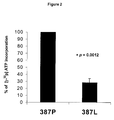
- Figure 2 Percentage incorporation of [ Y - 32 p] ATP by the p32 cdc2 kinase into wild type peptides (RRRGAQAASPAKGE: 387P) and mutant peptides (RRRGAQAASLAKGE: 387L).
- the figure represents a mean of four independent in vitro peptide phosphorylation assays corrected for background.
- Table 1 "Blosum 62" scoring matrix using a gap opening penalty of 10, a gap extension penalty of 1 for alignment of amino acid sequences (amino acids are indicated by the standard one-letter codes).
- Table 3 Nucleotide sequences of cDNA primers used for PCR amplification of the PTP-1B gene segments for SSCP-heteroduplex gel analyses and sequencing of variants: Nucleotide numbers (according to SEQ ID NO: 1) of the first nucleotide (5') in each primer are given in parentheses.
- Table 4 Genotype association studies of the G381S, P387L, and 3'UTR+104insG variants in PTP-1B and allelic frequencies in type 2 diabetic patients and control subjects.
- Table 5 Clinical and biochemical characteristics of type 2 diabetic patients classified according to genotype of the P387L variant of the PTP-1B gene.
- Corresponding to when used in reference to a nucleotide or amino acid sequence, indicate the position in the second sequence that aligns with the reference position when two sequences are optimally aligned.
- isolated when applied to a polynucleotide, denotes that the polynucleotide is removed from its natural genetic milieu. Such isolated molecules are those that are separated from the natural environment and include cDNA and genomic clones. When applied to a protein, the term “isolated” indicates that the polypeptide is found in a condition other than its native environment, such as apart from blood and animal tissue. It may also indicate that the polypeptide is chemically synthesized. The isolated polypeptide may be substantially free of other polypeptides, particularly other proteins of animal or plant origin.
- the polypeptide may be for instance at least about 20% pure, or at least about 40% pure, or at least about 60% pure, or at least about 80% pure, or at least about 90% pure, or at least about 95% pure or at least about 99% pure, as determined for instance by SDS-PAGE.
- polynucleotide is a single- or doublestranded polymer of nucleotides such as deoxyribonucleotide or ribonucleotide bases linked together by phosphodiester (5'-3') bonds and read from the 5' to the 3' end.
- Polynucleotides include RNA and DNA, and may be isolated from natural sources (including genetically engineered organisms), synthesized in vitro, or prepared form a combination of natural and synthetic molecules.
- a polynucleotide may differ slightly in length and that the ends thereof may be staggered as a result of enzymatic cleavage; thus all nucleotides within a double-stranded molecule may not be paired.
- this definition of a polynucleotide also comprises what is known as an oligonucleotide that is a polynucleotide containing a small number of nucleotides, such as for instance 9, 12, 15, 18, 21, 24, 27, 30 or 33 nucleotides.
- the polynucleotides of present invention also encompass DNA analogues, such as PNA and LNA.
- a "DNA construct” is a polynucleotide as defined above as a single- or doublestranded polymer of deoxyribonucleotide bases.
- polypeptide is a linear polymer of amino acids held together by peptide linkages.
- the polypeptide has a directional sense with an amino and a carboxy terminal end.
- a polypeptide may be isolated from natural sources (including genetically engineered organisms), synthesized in vitro, or prepared form a combination of natural and synthetic molecules. As the skilled person will recognize, this definition of a polypeptide also comprises what is known as a peptide.
- “Significant” is used in the context of the present invention to describe the result of a statistical analysis, where the statistical value p is lower than 0.05.
- “Operably connected" when referring to DNA segments indicates that the segments are arranged so that they function in concert for their intended purposes, e.g. transcription initiates in the promoter and proceeds through the coding segment to the terminator.
- PTP-1B protein tyrosine phosphatase 1b
- SSCP single-strand conformation polymorphism
- PCR polymerase chain reaction
- p34 cdc2 kinase p34 cell-division-cycle kinase
- MBP myelin basic protein
- OHA oral hyperglycaemia agents, bp, base pair.
- the present invention encompasses an isolated polynucleotide molecule comprising a nucleotide sequence encoding PTP-1B, said nucleotide sequence containing a mutation associated with type 2 diabetes of a nucleotide, or comprising a fragment of the nucleotide sequence including said mutation.
- a polynucleotide molecule comprising a nucleotide sequence encoding PTP-1B also encompasses a polynucleotide which comprises a nucleotide sequence which is substantially homologous to the nucleotide sequence covering nucleotides 91 to 1395 of SEQ ID NO: 1 or a fragment thereof.
- substantially homologous is used herein to denote polynucleotides having a sequence identity to the sequence covering nucleotides 91 to 1395 shown in SEQ ID NO: 1 of at least about 65%, or at least about 70%, or at least about 80%, or at least about 90%, or at least about 95%, or at least about 97% while still encoding a polypeptide having an amino acid sequence substantially homologous to residues 1 to 435 of SEQ ID NO: 2. How to determine sequence identity of polynucleotide molecules is described further below.
- SEQ ID NO: 1 is the wild-type DNA sequence coding for PTP-1 B (GenBank Accession Number M31724) and SEQ ID NO: 2 is the wild-type amino acid sequence of PTP-1B.
- SEQ ID NO: 1 also provides the RNA sequence encoding SEQ ID NO: 2 by substituting U for T.
- SEQ ID NO: 2 by substituting U for T.
- polynucleotide molecules according to the present invention may contain other sequence variations corresponding to amino acid substitutions in SEQ ID NO: 2 as long as this does not interfere with the utility of the polynucleotides according to the purpose of the present invention.
- sequence variations could for instance correspond to a genetic variation, such as in the form of an allelic variant, within a specific population, a member of which is being diagnosed for susceptibility for developing type 2 diabetes or other disorders associated with type 2 diabetes, like obesity, hyperlipidemia and hypertension, but could also be related to other amino acid substitutions of interest.
- a polynucleotide according to the present invention or a fragment of a polynucleotide according to the present invention may also contain more than one mutation associated with type 2 diabetes or other disorders associated with type 2 diabetes or indeed other mutations of interest.
- the length of the polynucleotides according to the present invention may vary widely depending on the intended use.
- the polynucleotide may be as short as for instance 17 nucleotides or even shorter.
- the polynucleotide according to the present invention will typically comprise the full-length DNA sequence encoding PTP-1B.
- a polynucleotide according to the present invention may comprise additional nucleotides in the N-terminal such as nucleotides forming a restriction endonuclease site for subsequent digestion and cleaving.
- the polynucleotide of the present invention comprising the mutation in the nucleotide sequence encoding PTP-1B may suitably be of genomic DNA or cDNA origin, for instance obtained by preparing a genomic or cDNA library and screening for DNA sequences coding for all or part of the PTP-1 B by hybridisation using synthetic oligonucleotide probes in accordance with standard techniques (cf. Sambrook et al., Molecular Cloning: A Laboratory Manual, 2nd Ed., Cold Spring Harbor, Cold Spring Harbor Laboratory Press, 1989). The probes used should be specific for the mutation.
- the DNA molecule encoding wild-type PTP-1B may be modified by site-directed mutagenesis using synthetic oligonucleotides containing the mutation for homologous recombination in accordance with well-known procedures.
- the polynucleotides, especially the DNA constructs, according to the present invention may also be prepared by polymerase chain reaction using specific primers, for instance as described in US 4,683,202, or Saiki et al., Science 239, 487-491 (1988).
- the polynucleotides, especially the DNA constructs, of the present invention may also be prepared synthetically by established standard methods, e.g. the phosphoamidite method described by Beaucage and Caruthers, Tetrahedron Letters 22 , 1859-1869 (1981), or the method described by Matthes et al., EMBO Journal 3 , 801-805 (1984).
- phosphoamidite method oligonucleotides are synthesized, e.g. in an automatic DNA synthesizer, purified, annealed and ligated. This procedure may preferably be used to prepare fragments of the PTP-1B encoding DNA sequence.
- the present invention encompasses a polynucleotide according to the present invention comprising a nucleotide sequence as shown in the Sequence Listing as SEQ ID NO: 1 containing a mutation associated with type 2 diabetes of at least one nucleotide or comprising a fragment of the nucleotide sequence shown in the Sequence Listing as SEQ ID NO: 1 including said mutation.
- the present invention encompasses a polynucleotide according to the present invention, where said mutation gives rise to an amino acid substitution in PTP-1 B.
- the present invention encompasses a polynucleotide according to the present invention, where a polypeptide encoded by said first polynucleotide in a p34 cdc2 kinase phosphorylation assay has a degree of phosphorylation in a p34 cdc2 kinase phosphorylation assay which is significantly lower than the degree of phosphorylation of a second polypeptide encoded by a polynucleotide which differs from the first polynucleotide only by not containing said mutation associated with type 2 diabetes.
- the present invention encompasses a polynucleotide according to the present invention, where said phosphorylation takes place at the serine residue in the position corresponding to corresponding to position 386 of the amino acid sequence shown in the Sequence Listing as SEQ ID NO: 2.
- the present invention encompasses a polynucleotide according to the present invention, where said mutation gives rise to a substitution of Pro to an amino acid different from Pro in the position corresponding to position 387 of the amino acid sequence shown in the Sequence Listing as SEQ ID NO: 2.
- the present invention encompasses a polynucleotide according to the present invention, where said mutation corresponds to a mutation of C in position 1250 in SEQ ID NO: 1 to T.
- the present invention encompasses a polynucleotide according to the present invention wherein said polynucleotide is a DNA construct.
- the present invention also encompasses a recombinant vector, especially an expression vector, comprising a polynucleotide according to the present invention.
- the recombinant vector into which a polynucleotide according to the present invention is inserted may be any vector that conveniently may be subjected to recombinant DNA procedures.
- the choice of vector will often depend on the host cell into which it is to be introduced.
- the vector may be an autonomously replicating vector, i.e. a vector that exists as an extrachromosomal entity, the replication of which is independent of chromosomal replication, e.g. a plasmide.
- the vector may be one which, when introduced into a host cell, is integrated into the host cell genome and replicated together with the chromosome(s) into which it has been integrated (e.g. a viral vector).
- the mutant DNA sequence encoding PTP-1B may be operably connected to a suitable promoter sequence.
- the promoter may be any DNA sequence, which shows transcriptional activity in the host cell of choice and may be derived from genes encoding proteins either homologous or heterologous to the host cell.
- suitable promoters for directing the transcription of the mutant DNA encoding PTP-1 B in mammalian cells are the SV40 promoter (Subramani et al., Mol. Cell Biol. 1 , 854 -864 (1981)), the MT-1 (metallothionein gene) promoter (Palmiter et al., Science 222 , 809-814 (1983)) or the adenovirus 2 major late promoter.
- the mutant DNA sequence encoding PTP-1B may also be operably connected to a suitable terminator, such as the human growth hormone terminator (Palmiter et al., ibid.).
- the vector may further comprise elements such as polyadenylation signals (e.g. from SV40 or the adenovirus 5 Elb region), transcriptional enhancer sequences (e.g. the SV40 enhancer) and translational enhancer sequences (e.g. the ones encoding adenovirus VA RNAs).
- the recombinant expression vector may further comprise a DNA sequence enabling the vector to replicate in the host cell in question.
- a DNA sequence enabling the vector to replicate in the host cell in question.
- An example of such a sequence is the SV40 origin of replication.
- the vector may also comprise a selectable marker, e.g. a gene the product of which complements a defect in the host cell, such as the gene coding for dihydrofolate reductase (DHFR) or one which confers resistance to a drug, e.g. neomycin, hygromycin or methotrexate.
- DHFR dihydrofolate reductase
- the present invention also encompasses a cell line or a transgenic non-human mammal containing a polynucleotide according to the present invention or a recombinant vector according to the present invention.
- a cell line into which a polynucleotide or a recombinant vector according to the present invention may be introduced may be any cell in which the polynucleotide can be replicated, such as a prokaryotic cell, for example Eschericia coli or a eukaryotic cell, such as a vertebrate cell, e.g. a Xenopus laevis oocyte or a mammalian cell.
- the cell line into which a polynucleotide according to the present invention is introduced may also be a cell which is capable of producing PTP-1B and which has the appropriate signal transduction pathways.
- Such a cell is preferably a eukaryotic cell, such as a vertebrate cell, e.g.
- a Xenopus laevis oocyte or mammalian cell in particular a mammalian cell.
- suitable mammalian cell lines are the COS (ATCC CRL 1650), BHK (ATCC CRL 1632, ATCC CCL 10), CHL (ATCC CCL39) or CHO (ATCC CCL 61) cell lines.
- a mutant DNA sequence encoding PTP-1B may then be expressed by culturing cells as described above in a suitable nutrient medium under conditions, which are conducive to the expression of the PTP-1B-encoding DNA sequence.
- the medium used to culture the cells may be any conventional medium suitable for growing such a cell, such as medium suitable for growing mammalian cells, such as a serum-containing or serum-free medium containing appropriate supplements. Suitable media are available from commercial suppliers or may be prepared according to published recipes (e.g. in catalogues of the American Type Culture Collection).
- a polynucleotide according to the present invention may also be introduced into a transgenic animal.
- a transgenic animal is one in whose genome a heterologous DNA sequence has been introduced.
- the transgenic animal is a transgenic non-human mammal, mammals being generally provided with appropriate signal transduction pathways.
- the mammal may conveniently be a rodent such as a rat or mouse.
- the mutant DNA sequence encoding PTP-1B may be introduced into the transgenic animal by any one of the methods previously described for this purpose.
- the DNA sequence to be introduced may be injected into a fertilised ovum or cell of an embryo, which is subsequently implanted into a female mammal by standard methods, resulting in a transgenic mammal whose germ cells and/or somatic cells contain the mutant DNA sequence.
- a method of producing transgenic mammals vide B. Hogan et al., Manipulating the Mouse Embryo, Cold Spring Harbor Laboratory, Cold Spring Harbor, New York.
- the mutant DNA sequence may also be introduced into the animal by transfection of fertilised ova with a retrovirus containing the DNA sequence, cf. R. Jaenisch (1976), Proc. Natl. Acad. Sci. USA 73 , 1260-1264.
- a further method of preparing transgenic animals is described in Gordon and Ruddle, Methods Enzymol. 101 , 411-432 (1983).
- the present invention also encompasses a method of detecting the presence of a mutation in the gene encoding PTP-1B, the method comprising obtaining a biological sample from a subject and analysing the sample for a mutation associated with type 2 diabetes of a nucleotide in the PTP-1B sequence.
- a method according to the present invention comprises analysing said sample for a mutation associated with type 2 diabetes of a nucleotide in the PTP-1B sequence, which mutation gives rise to an amino acid substitution in PTP-1B.
- a method according to the present invention comprises analysing said sample for a mutation associated with type 2 diabetes of a nucleotide in the PTP-1B sequence, which mutation gives rise to a substitution of Pro to an amino acid different from Pro in the position corresponding to position 387 of the amino acid sequence shown in the Sequence Listing as SEQ ID NO: 2.
- a method according to the present invention comprises analysing said sample for a mutation associated with type 2 diabetes of a nucleotide in the PTP-1B sequence, which mutation corresponds to a mutation of C in position 1250 in SEQ ID NO: 1 to T.
- a biological sample is obtained from a subject, DNA (in particular genomic DNA) is isolated from the sample and digested with a restriction endonuclease which cleaves DNA at the site of the mutation, and cleavage of the DNA within the gene encoding PTP-1 B at this site is determined. After digestion, the resulting DNA fragments may be subjected to electrophoresis on an agarose gel. DNA from the gel may be visualised, for instance by staining with ethidium bromide. DNA from the gel may also be blotted onto a nitrocellulose filter and hybridised with a labelled probe, such as for instance a radiolabelled probe or a probe labelled as described further below.
- DNA in particular genomic DNA
- a restriction endonuclease which cleaves DNA at the site of the mutation
- cleavage of the DNA within the gene encoding PTP-1 B at this site is determined.
- the resulting DNA fragments may be subjected to electrophoresis on an agarose gel.
- the probe may conveniently contain a DNA fragment of the PTP-1 B gene spanning the mutation (substantially according to the method of E.M. Southern, J. Mol. Biol. 98 , 503 (1975), e.g. as described by B.J. Conner et al., Proc. Natl. Acad. Sci. USA 80 , 278-282 (1983)).
- Digestion of the DNA may preferably be performed as recommended by the supplier of the enzyme.
- the restriction pattern of the DNA after digestion with the restriction endonuclease is compared to the restriction pattern obtained with a negative control comprising at least a portion of wild-type DNA encoding PTP-1B (i.e. not containing the mutation) and/or to the restriction pattern obtained with a positive control comprising at least a portion of DNA encoding PTP-1 B and containing the mutation.
- the positive control comprises a polynucleotide according to the present invention.
- the sample is analysed for a mutation associated with type 2 diabetes of a nucleotide in the PTP-1B sequence, which mutation corresponds to a mutation of C in position 1250 in SEQ ID NO: 1 to T, by isolating DNA from the sample and digesting it with a restriction endonuclease which cleaves DNA at the sequence and determining cleavage of the DNA within the gene encoding PTP-1 B at this site as described above.
- / denotes the place of cleavage and N denotes any deoxyribonucleotide.
- the restriction endonuclease is Bs /I.
- the mutation removes a Bs /I restriction endonuclease site at position 101 in the segment.
- An additional control site is present at position 290 in the segment.
- enzyme digestion of PCR segments from wildtype carriers will produce 3 fragments: 37bp, 101bp, and 189bp whereas homozygous mutant carriers will produce only the 37bp fragment and a 290bp fragment.
- Heterozygous carriers will contain all four fragments. Digestion may be performed as described under the heading "Genotyping".
- restriction endonucleases may be useful for analysing samples for other mutations not corresponding to a mutation of C in position 1250 in SEQ ID NO: 1 to T. It might even be conceived that a restriction endonuclease different from Bs /I also might be useful in this latter case. It is a question of routine work for a person skilled in the art to determine whether DNA spanning a given mutation associated with type 2 diabetes of a nucleotide in the PTP-1B sequence of interest may be cleaved by use of an restriction endonuclease and, in that case, which restriction endonuclease(s) will be suitable for the task and how to analyse the resulting restriction patterns.
- the DNA isolated from the sample may be amplified prior to digestion with the restriction endonuclease.
- Amplification may suitably be performed by polymerase chain reaction (PCR) using oligonucleotide primers based on the appropriate sequence of PTP-1 B spanning the site(s) of mutation, essentially as described by Saiki et al., Science 230 , 1350-1354 (1985).
- the amplified DNA may be digested with the appropriate restriction endonuclease and subjected to agarose gel electrophoresis.
- the restriction pattern obtained may be analysed, e.g. by staining with ethidium bromide and visualising bands in the gel by means of UV light.
- wild-type DNA encoding PTP-1B i.e. not containing the mutation
- the restriction patterns may be compared.
- a biological sample is obtained from a subject, DNA is isolated from the sample, the DNA is amplified and hybridised to a labelled polynucleotide comprising a nucleotide sequence encoding PTP-1B, said nucleotide sequence containing a mutation associated with type 2 diabetes of at least one nucleotide, or comprising a fragment of the nucleotide sequence including said mutation, which mutation corresponds to the mutation the presence of which in the gene encoding PTP-1B is to be detected, and hybridisation of the labelled polynucleotide to the DNA is determined.
- the labelled polynucleotide is a labelled polynucleotide according to the present invention.
- the amplified DNA is hybridised to a second labelled polynucleotide comprising a DNA sequence corresponding to at least part of the wild-type gene encoding PTP-1 B, and hybridisation of said second labelled polynucleotide to the amplified DNA is determined.
- the label substance with which the labelled polynucleotide carrying the mutation is labelled is different from the label substance with which the second labelled polynucleotide corresponding to at least part of the wild-type DNA is labelled.
- the present invention also encompasses a method according to the present invention for determining predisposition to type 2 diabetes in a subject.
- a further embodiment of a method according to the present invention is an adaptation of the method described by U. Landegren et al., Science 241 , 1077-1080 (1988), which involves the ligation of adjacent oligonucleotides on a complementary target DNA molecule. Ligation will occur at the junction of the two oligonucleotides if the nucleotides are correctly base paired.
- the DNA isolated from the sample may be amplified using oligonucleotide primers corresponding to segments of the gene coding for PTP-1 B.
- the amplified DNA may then be analysed by hybridisation with a labelled polynucleotide comprising a DNA sequence corresponding to at least part of the gene encoding PTP-1 B and containing a mutation of at least one nucleotide, which mutation corresponds to the mutation the presence of which in the gene encoding PTP-1 B is to be detected.
- the amplified DNA may furthermore be hybridised with a further labelled polynucleotide comprising a DNA sequence corresponding to at least part of the wild-type gene encoding PTP-1 B.
- a further labelled polynucleotide comprising a DNA sequence corresponding to at least part of the wild-type gene encoding PTP-1 B.
- This procedure is, for instance, described by DiLella et al., Lancet 1 , 497-499 (1988).
- Another PCR-based method which may be used in the present invention is the allele-specific PCR method described by R. Saiki et al., Nature 324 , 163-166 (1986), or D.Y. Wu et al., Proc. Natl. Acad. Sci. USA 86 , 2757-2760 (1989), which uses primers specific for the mutation in the PTP-1B gene.
- SSCP single stranded conformation polymorphism
- the label substance with which a polynucleotide may be labelled may be selected from the group consisting of enzymes, coloured or fluorescent substances, or radioactive isotopes.
- enzymes useful as label substances are peroxidases (such as horseradish peroxidase), phosphatases (such as acid or alkaline phosphatase), ⁇ -galactosidase, urease, glucose oxidase, carbonic anhydrase, acetylcholinesterase, glucoamylase, lysozyme, malate dehydrogenase, glucose-6-phosphate dehydrogenase, ⁇ -glucosidase, proteases, pyruvate decarboxylase, esterases, luciferase, etc.
- peroxidases such as horseradish peroxidase
- phosphatases such as acid or alkaline phosphatase
- ⁇ -galactosidase urease, glucose oxidase, carbonic anhydrase, acetylcholinesterase, glucoamylase, lysozyme, malate dehydrogenase, glucose-6
- Enzymes are not in themselves detectable but must be combined with a substrate to catalyse a reaction the end product of which is detectable.
- substrates which may be employed in the method according to the invention, include hydrogen peroxide/tetramethylbenzidine or chloronaphthole or o-phenylenediamine or 3-(p-hydroxyphenyl) propionic acid or luminol, indoxyl phosphate, p-nitrophenylphosphate, nitrophenyl galactose, 4-methyl umbelliferyl-D-galactopyranoside, or luciferin.
- the label substance may comprise coloured or fluorescent substances, including gold particles, coloured or fluorescent latex particles, dye particles, fluorescein, phycoerythrin or phycocyanin.
- the labelled polynucleotide is labelled with a radioactive isotope.
- Radioactive isotopes which may be used for the present purpose, may be selected from I-125, I-131, In-111, H-3, P-32, C-14 or S-35. The radioactivity emitted by these isotopes may be measured in a beta- or gamma-counter or by a scintillation camera in a manner known per se.
- the present invention also encompasses a diagnostic composition for determining predisposition to type 2 diabetes in a subject, the composition comprising a polynucleotide according to the present invention.
- the present invention also encompasses a diagnostic composition for detecting the presence of a mutation in the gene encoding PTP-1B, the composition comprising a polynucleotide according to the present invention.
- the present invention also encompasses a test kit for detecting the presence of a mutation associated with type 2 diabetes in the gene encoding PTP-1 B, the kit comprising a first polynucleotide comprising a nucleotide sequence corresponding to at least part of the gene encoding PTP-1B and containing a mutation of at least one nucleotide, which mutation corresponds to the mutation the presence of which in the gene encoding PTP-1B is to be detected and optionally a second polynucleotide comprising a nucleotide sequence corresponding to at least part of the wild-type gene encoding PTP-1 B and/or optionally a restriction endonuclease, which cleaves DNA at the site of the mutation.
- the first polynucleotide is a polynucleotide according to the present invention.
- the first polynucleotide is a DNA construct
- said mutation corresponds to a mutation of C in position 1250 in SEQ ID NO: 1 to T and the test kit comprises a restriction endonuclease, which cleaves DNA at the site of the mutation.
- the restriction endonuclease cleaves DNA at the sequence / denotes the place of cleavage and N denotes any deoxyribonucleotide.
- the restriction endonuclease is Bs /I.
- said test kit further comprises means for amplifying DNA.
- the present invention also encompasses a test kit for detecting the presence of a mutation associated with type 2 diabetes in the gene encoding PTP-1 B, the kit comprising means for amplifying DNA, and a labelled polynucleotide comprising a nucleotide sequence corresponding to at least part of the gene encoding PTP-1 B and containing a mutation of at least one nucleotide, which mutation corresponds to the mutation the presence of which in the gene encoding PTP-1 B is to be detected.
- the labelled polynucleotide in said test kit comprises a polynucleotide according to the present invention.
- said test kit further comprises a second labelled polynucleotide comprising a nucleotide sequence corresponding to at least part of the wild-type gene encoding PTP-1 B.
- the label substance with which the labelled polynucleotide in said kit carrying the mutation is labelled is different from the label substance with which the second labelled polynucleotide corresponding to at least part of the wild-type DNA is labelled.
- the second labelled polynucleotide in said test kit is a DNA construct.
- the present invention encompasses a test kit suitable for use in a method according to the present invention.
- the present invention encompasses a test kit according to the present invention for determining predisposition to type 2 diabetes in a subject.
- the present invention encompasses an isolated polypeptide obtainable by expression of a DNA construct comprising a polynucleotide according to the present invention, where said mutation gives rise to an amino acid substitution in PTP-1B.
- a DNA construct may be expressed as part of a recombinant expression vector as described above and as it is generally known in the art.
- the amino acid substitution in said isolated polypeptide obtainable by expression of a DNA construct comprising a polynucleotide according to the present invention is a substitution of Pro to an amino acid different from Pro in the position corresponding to position 387 of the amino acid sequence shown in the Sequence Listing as SEQ ID NO: 2.
- this amino acid substitution is a substitution of Pro to Lys in the position corresponding to position 387 of the amino acid sequence shown in the Sequence Listing as SEQ ID NO: 2.
- said polypeptide has a degree of phosphorylation in a p34 cdc2 kinase phosphorylation assay which is significantly lower than the degree of phosphorylation of a second polypeptide encoded by a second polynucleotide which second polypeptide differs from the first polynucleotide only by not containing said mutation associated with type 2 diabetes.
- said phosphorylation takes place at the serine residue in the position corresponding to corresponding to position 386 of the amino acid sequence shown in the Sequence Listing as SEQ ID NO: 2.
- the present invention also encompasses an isolated polypeptide, which is a variant of PTP-1B carrying an amino acid substitution associated with type 2 diabetes and which variant is selected from the group consisting of (a) a polypeptide having an amino acid sequence which is substantially homologous to residues 1 to 435 of SEQ ID NO: 2; (b) a polypeptide which is encoded by a polynucleotide comprising a nucleic acid sequence which hybridizes under low stringency conditions with (i) nucleotides 91 to 1395 of SEQ ID NO: 1 or (ii) a subsequence of (i) of at least 100 nucleotides, (c) a variant of a polypeptide comprising an amino acid sequence of SEQ ID NO: 2 comprising a substitution, deletion, and/or insertion of one or more amino acids; (d) an allelic variant of (a) or (b); and (e) a fragment of (a), (b), (c) or (d).
- substantially homologous is used herein to denote polypeptides having a sequence identity to the sequences shown in SEQ ID NO: 2 of at least about 65%, or at least about 70%, or at least about 80%, or at least about 90%, or at least about 95%, or at least about 97% while still having the function of structure of PTP-1B. Percent sequence identity is determined by conventional methods. See, for example, Altschul et al., Bull. Math. Bio. 48, 603-616 (1986) and Henikoff and Henikoff, Proc. Natl. Acad. Sci. USA 89 , 10915-10919 (1992).
- Sequence identity of polynucleotide molecules is determined by similar methods using a ratio as disclosed above.
- Substantially homologous polypeptides are characterized as having one or more amino acid substitutions, deletions or additions. These changes are preferably of a minor nature, that is conservative amino acid substitutions (see Table 2) and other substitutions that do not significantly affect the folding or activity of the protein or polypeptide; small deletions, typically of one to about 30 amino acids; and small amino- or carboxyl-terminal extensions, such as an amino-terminal methionine residue, a small linker peptide of up to about 20-25 residues, or a small extension that facilitates purification (an affinity tag), such as a poly-histidine tract, protein A (Nilsson et al., EMBO J.
- an affinity tag such as a poly-histidine tract, protein A (Nilsson et al., EMBO J.
- DNAs encoding affinity tags are available from commercial suppliers (e.g., Pharmacia Biotech, Piscataway, NJ; New England Biolabs, Beverly, MA). It is readily apparent to the person skilled in the art that the present invention also encompasses polypeptides according to the present invention, which carry more than one amino acid substitution associated to type 2 diabetes or other disorders associated with type 2 diabetes, like obesity, hyperlipidemia and hypertension. Similarly, the present invention encompasses polypeptides which in addition to one or more amino acid substitutions associated with type 2 diabetes carries other amino acid substitutions of interest such as amino acid substitutions which do significantly affect the folding or activity of the polypeptide.
- non-standard amino acids such as 4-hydroxyproline, 6-N-methyl lysine, 2-aminoisobutyric acid, isovaline and ⁇ -methyl serine
- PTP-1B amino acid residues A limited number of non-conservative amino acids, amino acids that are not encoded by the genetic code, and unnatural amino acids may be substituted for PTP-1B amino acid residues.
- "Unnatural amino acids” have been modified after protein synthesis, and/or have a chemical structure in their side chain(s) different from that of the standard amino acids. Unnatural amino acids can be chemically synthesized, or preferably, are commercially available, and include pipecolic acid, thiazolidine carboxylic acid, dehydroproline, 3- and 4-methylproline, and 3,3-dimethylproline.
- low, medium and high stringency conditions are defined as prehybridization and hybridization at 42°C in 5X SSPE, 0.3% SDS, 200 ⁇ g/ml sheared and denatured salmon sperm DNA, and either 25% formamide for low stringency, 35% formamide for medium stringency, or 50% formamide for high stringencies, following standard Southern blotting procedures.
- a variant of a polypeptide comprising an amino acid sequence of SEQ ID NO: 2 is a polypeptide which has an amino acid sequence which is substantially similar to the amino acid sequence in SEQ ID NO: 1.
- Such variants may be the result of modification of a nucleic acid sequence of a polynucleotide according to the present invention which may be desirable for example for increasing the yield of the produced polypeptide or which might otherwise be desirable for handling the polypeptide.
- the term "substantially similar" to the amino acid sequence refers to amino acid sequences of non-naturally occurring forms of the polypeptide.
- These polypeptides may differ in some engineered way from PTP-1B as isolated from its native source, e.g.
- variants that differ in specific activity, thermostability, pH optimum, or the like may be constructed on the basis of the nucleic acid sequence presented as the polypeptide encoding part of SEQ ID NO: 1, e.g. , a subsequence thereof, and/or by introduction of nucleotide substitutions which do not give rise to another amino acid sequence of the polypeptide encoded by the nucleic acid sequence, but which corresponds to the codon usage of the host organism intended for production of the polypeptide, or by introduction of nucleotide substitutions which may give rise to a different amino acid sequence or in other ways.
- nucleotide substitution see for instance Ford et al., Protein Expression and Purification 2 , 95-107 (1991).
- allelic variant denotes any of two or more alternative forms of a gene occupying the same chromosomal locus. Allelic variation arises naturally through mutation, and may result in polymorphism within populations. Gene mutations can be silent (no change in the encoded polypeptide) or may encode polypeptides having altered amino acid sequences.
- the allelic variant of a polypeptide is a polypeptide encoded by an allelic variant of a gene.
- the polypeptides of the present invention can be produced in genetically engineered host cells according to conventional techniques.
- Suitable host cells are those cell types that can be transformed or transfected with exogenous DNA and grown in culture, and include bacteria, fungal cells, and cultured higher eukaryotic cells. Eukaryotic cells, particularly cultured cells of multicellular organisms, are preferred. Techniques for manipulating cloned DNA molecules and introducing exogenous DNA into a variety of host cells are disclosed by Sambrook et al. ibid, and Ausubel et al. (eds.), Current Protocols in Molecular Biology, John Wiley and Sons, Inc., NY, 1987, which are incorporated herein by reference.
- Polypeptides according to the present invention can be purified using fractionation and/or conventional purification methods and media.
- Ammonium sulfate precipitation and acid or chaotrope extraction may be used for fractionation of samples.
- Exemplary purification steps may include differential centrifugation, hydroxyapatite, size exclusion, such as for instance gel filtration, FPLC, ion-exchange chromatography, affinity chromatography, membrane filtration, such as for instance ultrafiltration or diafiltration, or preparative HPLC or any combinations thereof.
- Suitable anion exchange media include derivatized dextrans, agarose, cellulose, polyacrylamide, specialty silicas, and the like.
- PEI, DEAE, QAE and Q derivatives are preferred, with DEAE Fast-Flow Sepharose (Pharmacia, Piscataway, NJ) being particularly preferred.
- exemplary chromatographic media include those media derivatized with phenyl, butyl, or octyl groups, such as Phenyl-Sepharose FF (Pharmacia), Toyopearl butyl 650 (Toso Haas, Montgomeryville, PA), Octyl-Sepharose (Pharmacia) and the like; or polyacrylic resins, such as Amberchrom CG 71 (Toso Haas) and the like.
- Suitable solid supports include glass beads, silica-based resins, cellulosic resins, agarose beads, cross-linked agarose beads, polystyrene beads, cross-linked polyacrylamide resins and the like that are insoluble under the conditions in which they are to be used. These supports may be modified with reactive groups that allow attachment of proteins by amino groups, carboxyl groups, sulfhydryl groups, hydroxyl groups and/or carbohydrate moieties. Examples of coupling chemistries include cyanogen bromide activation, N-hydroxysuccinimide activation, epoxide activation, sulfhydryl activation, hydrazide activation, and carboxyl and amino derivatives for carbodiimide coupling chemistries.
- Protein refolding (and optionally reoxidation) procedures may be advantageously used. It is preferred to purify the protein to at least 80% purity, or to at least 90% purity, or to at least 95%, or to a pharmaceutically pure state, that is at least 99.9% pure with respect to contaminating macromolecules, particularly other proteins, polypeptides and nucleic acids, and free of infectious and pyrogenic agents. Preferably, a purified polypeptide is substantially free of other proteins, particularly other proteins of animal origin.
- Polypeptides according to the present invention or fragments thereof may also be prepared through chemical synthesis for instance by use of solid-phase peptide synthesis.
- the present invention encompasses an isolated polypeptide, which is a variant of PTP-1B carrying an amino acid substitution associated with type 2 diabetes and which variant is a polypeptide which is encoded by a polynucleotide comprising a nucleic acid sequence which hybridizes under medium stringency conditions with (i) nucleotides 91 to 1395 of SEQ ID NO: 1 or (ii) a subsequence of (i) of at least 100 nucleotides.
- the present invention encompasses an isolated polypeptide, which is a variant of PTP-1 B carrying an amino acid substitution associated with type 2 diabetes and which variant is a polypeptide which is encoded by a polynucleotide comprising a nucleic acid sequence which hybridizes under high stringency conditions with (i) nucleotides 91 to 1395 of SEQ ID NO: 1 or (ii) a subsequence of (i) of at least 100 nucleotides.
- the present invention encompasses a method for determining the ability of a composition to regulate the phosphorylation of PTP-1 B, which method comprises combining said composition with a polypeptide according to the present invention and determining the degree of phosphorylation of said polypeptide.
- the phosphorylation of said polypeptide takes place at the amino acid residue corresponding to Ser in position 386 of SEQ ID NO: 2.
- the amino acid substitution in said polypeptide according to the present invention is a substitution of Pro to an amino acid different from Pro in the position corresponding to position 387 of the amino acid sequence shown in the Sequence Listing as SEQ ID NO: 2.
- the amino acid substitution in said polypeptide according to the present invention is a substitution of Pro to Lys in the position corresponding to position 387 of the amino acid sequence shown in the Sequence Listing as SEQ ID NO: 2.
- said method also comprises a step, where the degree of phosphorylation of a polypeptide according to the present invention is compared to the degree of phosphorylation of a polypeptide differing from said polypeptide only in that it does not comprise said amino acid substitution associated with type 2 diabetes or other disorders associated with type 2 diabetes.
- Said composition may be any type of composition, but will typically be a liquid composition such as a solution or suspension.
- Said composition may for instance be a composition comprising substances, which are suspected of influencing the phosphorylation of PTP-1B or may be a composition, which comprises substances, the effect of which on the phosphorylation of PTP-1 B is to be determined or other substances of interest.
- the compositions may also be compositions not containing such substances for use as control samples.
- Compositions for use in a method according to the present invention may be biological samples from subjects or cell cultures such as bodily fluids, whole cell extracts, cell culture supernatants. These samples may be treated by any means available prior to being combined with a polypeptide according to the present invention.
- composition for instance comprises a protein which is suspected of influencing the phosphorylation of PTP-1B
- this composition may be purified as it is known in the art and tested by use of said method according to the invention after one, some or all of the steps of the purification for instance for identifying the specific protein in question.
- the compositions may also be solutions or suspensions of known substances or any other type of composition, which may be of interest for use in such a method.
- the ability of the compositions to regulate the phosphorylation of PTP-1 B may arise from the ability of one or more of the substances in the composition to regulate phosphorylation of PTP-1B.
- Regulation of phosphorylation should be conceived as meaning any effect influencing that is resulting in a change in the phosphorylation of PTP-1B which can be measured in an assay for measuring phosphorylation, for instance in a p34 cdc2 kinase phosphorylation assay.
- Other substances may be involved in the regulation and it is definitely conceivable that the combination of said composition and the polypeptide according the present invention may take place in the presence of other substances, such as for instance additional polypeptides or proteins, co-activators, or substrates.
- the degree of phosphorylation may be determined as described elsewhere in the present description.
- PCR-SSCP PCR-single strand conformational polymorphism
- the proline at position 387 in the N-terminal regulatory region of the protein is conserved between mouse, rat and humans and is, in the human sequence, located next to a serine residue (position 386) and is part of a consensus sequence known to be phosphorylated in vitro by the proline-directed kinase p34 cdc2 (Moreno S et al., Cell 61 , 549-551 (1990), Kamijo Met al., Pept Res 5, 281-285 (1992)).
- Replacing the proline by a leucine reduced the phosphorylation of the serine by 70% in our in vitro studies of the relevant peptide.
- a rare P387L variant in the PTP-1 B gene that is associated with type 2 diabetes in the examined Danish population has thus been identified.
- the variant peptide exhibits reduced in vitro serine phosphorylation.
- deficiencies in the phosphorylation of PTP-1 B especially of the serine residue in position 386, may be involved in the development of type 2 diabetes
- other proteins involved in this phosphorylation may be strong candidates for acting as drug targets for drug development with the aim of treating type 2 diabetes or other disorders relating to type 2 diabetes.
- Such proteins could for instance be involved in the actual phosphorylation of PTP-1 B or in another modification of PTP-1 B depending on the phosphorylation status of PTP-1 B. Testing for association of the variant to diabetes in other populations as well as further studies of the effect of the variant on PTP-1 B function are needed.
- the primary mutation analysis was performed on cDNA derived from muscle biopsies from 56 unrelated insulin resistant type 2 diabetic patients (Hansen L et al., Hum Mol Genet 4 , 1313-1320 (1995)) and on cDNA derived from subcutaneous fat biopsies from 56 unrelated obese patients (BMI range 34-56 kg/m 2 ), respectively.
- the association studies of the G381S, P387L and 3'UTR+104insG variants were done in 527 unrelated type 2 diabetic patients who were recruited from Steno Diabetes Centre, Denmark (58% men and 42% women), age 60 ⁇ 11 years, and with a mean BMI of 29 ⁇ 5 kg/m 2 .
- the association studies also comprised 234 unrelated control subjects (49% men and 51% women), age 52 ⁇ 14 years, with a mean BMI of 25 ⁇ 4 kg/m 2 traced in the Central population Register, who had a normal glucose tolerance following an OGTT. All study participants were Danish by self-report. The studies were approved by the ethics committee of Copenhagen, and were carried out in accordance with the Helsinki Declaration II. Before participating in the study, informed consent was obtained from all subjects.
- the secondary PCR samples were analysed by single-strand conformational polymorphism (PCR-SSCP) and heteroduplex analysis applying two different experimental conditions as previously described (Echwald SM, Biochem Biophys Res Commun 233, 248-252 (1997)).
- the variants identified were sequenced on both strands using an ABI377 automated sequencer (Perkin Elmer, Forster City, Ca, USA) or by dideoxysequencing using the Thermo Sequenase cycle sequencing kit, (USB Corporation, Cleveland, USA). All variants identified were confirmed on genomic DNA.
- Genotyping of the P387L variant and the G381S variant was carried out by PCR amplification of a segment covering exon 9 on genomic DNA using the primers (5'-3'sense primer) TACCCATCTCTGCCCTCT and (5'-3' antisense primer) GGTAGGATTCAGTTCT-GTG (T anneal 56°C and MgCl 2 1.5 mM) and PCR-SSCP and heteroduplex analysis.
- Genotyping of the 3'UTR+104insG variant was carried out by PCR amplification of a segment covering exon 10 and part of the 3'UTR region using the primers (5'-3' sense primer) GTCTGGGCTCATCTGAACTGT and (5'-3' antisense primer) GGACGGACGTTGGTTCTG (T anneal 58°C and MgCl 2 1.5 mM) and PCR-SSCP and heteroduplex analysis.
- Genotyping of the P387L variant can also be carried out by PCR amplification of a 327 base pair segment covering exon 9 on genomic DNA using the primers (5'-3'sense primer) CATCTCTGCCCTCTGATTCC and (5'-3' antisense primer) TGAGACTGGCTCAGA-TGCAC (T anneal 60°C and 2.0 mM MgCl 2 ).
- the mutation removes a Bs /I restriction endonuclease site at position 101 in the segment.
- An additional control site is present at position 290 in the segment.
- the Image Quant (version 5.1) was used to quantify the radioactive incorporation into wild type and mutated peptides.
- the wild type from each assay is set to 100 % and the mutant is counted as a percentage of the wild type.
- Four independent in vitro peptide phosphorylation assays were performed. A two-tailed distribution paired t-test was used on the log10-transformed data set from each assay. The values are expressed as mean ⁇ SD. Standard deviation among the 4 independent in vitro peptide phosphorylation assays is calculated from the log10-transformed data set.
- myelin basic protein (MBP, Sigma-Aldrich, Cat. # M2295) 0.33 ⁇ g/ ⁇ l in a 50 ⁇ l reaction was used.
- the substrate and reaction mixtures were heated at 30° for 1 min separately before mixing and hereafter incubated at 30°C for 30 min.
- the reaction was stopped by the addition of 50 ⁇ l 2 x Tricine SDS sample buffer (LC1676-Novex recipe) and 2.5% 2-mercaptoethanol.
- the samples were subsequently heated for 2 min at 85°C and hereafter 25 ⁇ l of each sample was applied on a 16% tricine gel (Invitrogen, Novex) and electrophoresed for 2 hours at 110 volts.
- the tricine gels were silver stained to ensure peptide location using the protein silver stain kit, PlusOne (Amersham Pharmacia Biotech AB). After gel exposure to phosphoimager screens the radioactivity of the peptides was quantified by scanning in a Typhoon 8600, Instrument QuickStart v1.0, molecular Dynamics, Amersham Pharmacia Biotech. The peptides were synthesized utilizing Fmoc chemistry and the resin cleaved peptides were analysed by Mass Spectral Analysis (MALDI/TOF) (Research Genetics, Invitrogen). Quantification of the incorporation of [ y - 32 p] ATP into wild type and mutant peptide was examined in four independent assays ( Figure 1). The wild type from each assay is standardized to 100% and the mutant is counted as a percentage of the wild type. Standard deviation is calculated from the log10-transformed data set ( Figure 2).
- the prevalence of the G381S, P387L and 3'UTR+104insG variants were evaluated in a case control study of type 2 diabetic patients and matched control subjects.
- the allelic frequency of the G381S variant was 0.4% (95% Cl: -0.001 - 0.009) in type 2 diabetic patients and in control subjects the allelic frequency was 1.1% (95% Cl: -0.002- 0.02).
- the allelic frequency of the P387L variant was 1.2% (95% Cl: 0.003 - 0.02) in type 2 diabetic patients. In contrast, the P387L variant was not detected in 234 glucose tolerant control subjects.
- a heterozygous single-stranded band from a SSCP-gel was cut out and a control homozygous P387L mutation was created using PCR. The homozygous pattern on SSCP-gel was distinct from the wild type and heterozygous pattern (data not shown).
- the P387L variant is placed next to a serine that is phosphorylated by the proline-directed p34 cdc2 protein kinase.
Landscapes
- Chemical & Material Sciences (AREA)
- Life Sciences & Earth Sciences (AREA)
- Health & Medical Sciences (AREA)
- Organic Chemistry (AREA)
- Genetics & Genomics (AREA)
- Zoology (AREA)
- Engineering & Computer Science (AREA)
- Wood Science & Technology (AREA)
- Bioinformatics & Cheminformatics (AREA)
- Proteomics, Peptides & Aminoacids (AREA)
- Biotechnology (AREA)
- Microbiology (AREA)
- Molecular Biology (AREA)
- Biochemistry (AREA)
- General Engineering & Computer Science (AREA)
- General Health & Medical Sciences (AREA)
- Analytical Chemistry (AREA)
- Pathology (AREA)
- Medicinal Chemistry (AREA)
- Biomedical Technology (AREA)
- Physics & Mathematics (AREA)
- Biophysics (AREA)
- Immunology (AREA)
- Measuring Or Testing Involving Enzymes Or Micro-Organisms (AREA)
- Micro-Organisms Or Cultivation Processes Thereof (AREA)
- Peptides Or Proteins (AREA)
- Medicines That Contain Protein Lipid Enzymes And Other Medicines (AREA)
Abstract
The present invention provides an isolated polynucleotide molecule comprising a
nucleotide sequence encoding PTP-1B, said nucleotide sequence containing a mutation
associated with type 2 diabetes of at least one nucleotide, or comprising a fragment of the
nucleotide sequence including said mutation.
Description
- The present invention relates to a mutant DNA sequence encoding protein tyrosine phosphatase-1B (PTP-1B), a method of detecting a mutation in the gene encoding protein tyrosine phosphatase-1B, as well as a diagnostic composition and a test kit for use in the method.
-
Type 2 diabetes, also known as non-insulin dependent diabetes mellitus (NIDDM), is one of the most common of all metabolic disorders and poses a major health problem worldwide.Type 2 diabetes results from defects in both insulin secretion and insulin action, but the exact underlying mechanism(s) causing the disease are not known. An elevation of hepatic glucose production contributes significantly to causing fasting hyperglycemia, whereas decreased insulin-mediated glucose uptake by muscle and fat is a major contributor to postprandial hyperglycemia. Moreover, the metabolic fate of glucose taken up by muscle is not normal in people withtype 2 diabetes. For example muscle glycogen synthase activity and glycogen synthesis have been shown to be impaired intype 2 diabetes. The available treatments do not allow for a complete normalisation of the metabolic state and some of them are associated with side effects. The metabolic derangements created by hyperglycemia, together with the strong association betweentype 2 diabetes, obesity, hypertension, and hyperlipidemia, lead to an extensive list of long-term complications, including a high rate of cardiovascular death due to accelerated atherosclerosis, as well as typical complications of diabetes such as retinopathy, nephropathy, and neuropathy. - There is extensive circumstantial evidence from family investigations including studies in twins and from studies of hybrid populations descended from high- and low-risk ancestral populations in favour of genetic determinants for the common late onset form of
type 2 diabetes. It is also likely thattype 2 diabetes in many cases is polygenic and it is suggested that subsets of patients display changes in various diabetes susceptibility genes thereby adding to the heterogeneity oftype 2 diabetes. - As the symptoms of
type 2 diabetes usually occur up to years after the onset of the disease and astype 2 diabetes is often first diagnosed when the long-term complications appear, there is a strong need for methods which enable an earlier diagnosis oftype 2 diabetes. One such method could involve the detection of such genetic determinants associated with susceptibility for developingtype 2 diabetes. - According to the present invention, it has now been found that variability in the PTP-1b (GenBank Accession Number M31724) gene (SEQ ID NO: 1, the polypeptide encoding part of SEQ ID NO: 1 is situated from nucleotide 91 to nucleotide 1398, including start and stop codons), also known as PTPN1, confers susceptibility to
type 2 diabetes and that a widespread missense polymorphism of this gene is reproducibly associated withtype 2 diabetes. One or more of such mutations may be involved in or associated with the etiology oftype 2 diabetes, and their presence may therefore be diagnostic fortype 2 diabetes and possibly also other disorders associated withtype 2 diabetes, like obesity, hyperlipidemia and hypertension. Without wishing to be bound by any theory, the mutation in PTP-1B associated withtype 2 diabetes may be indicative of abnormalities significant for the development oftype 2 diabetes or other disorders associated withtype 2 diabetes. The mutation may for instance give rise to the substitution of an amino acid in PTP-1B that may cause changes in the tertiary structure of PTP-1B. Such changes may interfere with the normal interaction between PTP-1 B and the molecules with which it interacts. Mutations may also interfere with the post-translational processing of PTP-1 B often resulting in a PTP-1 B with an aberrant function. Mutations may also interfere with the transcription or translation of the gene, or with the stability of the PTP-1B transcript. Mutations may also cause defects in splicing of the gene. Alternatively, the mutation may be associated with (i.e. genetically linked with) the mutation or mutations, which causes the disease. - The variability of the gene may be used as a diagnostic tool to identify subjects who are at an increased risk of developing
type 2 diabetes. The variant may also identify subjects with variable response to drugs which act via the peroxisome proliferator-activated receptor-γ or which act via PTP-1 b, such as PTPase inhibitors, in other words the variant might be useful for tailoring of antidiabetic medication. The variant may also point to a new gene, which could be of importance for development of new drugs. - Accordingly, the present invention encompasses an isolated polynucleotide molecule comprising a nucleotide sequence encoding PTP-1 B, said nucleotide sequence containing a mutation associated with
type 2 diabetes of a nucleotide, or comprising a fragment of the nucleotide sequence including said mutation. - The present invention also encompasses a recombinant vector, especially an expression vector, comprising a polynucleotide according to the present invention.
- The present invention also encompasses a cell line or a transgenic non-human mammal containing a polynucleotide according to the present invention or a recombinant vector according to the present invention.
- The present invention also encompasses a method of detecting the presence of a mutation in the gene encoding PTP-1 B, the method comprising obtaining a biological sample from a subject and analysing the sample for a mutation associated with
type 2 diabetes of at least one nucleotide in the PTP-1B sequence. - The present invention also encompasses a diagnostic composition for determining predisposition to
type 2 diabetes in a subject, the composition comprising a polynucleotide according to the present invention. - The present invention also encompasses a test kit for detecting the presence of a mutation associated with
type 2 diabetes in the gene encoding PTP-1 B, the kit comprising a first polynucleotide comprising a nucleotide sequence corresponding to at least part of the gene encoding PTP-1 B and containing a mutation of at least one nucleotide, which mutation corresponds to the mutation the presence of which in the gene encoding PTP-1 B is to be detected and optionally a second polynucleotide comprising a nucleotide sequence corresponding to at least part of the wild-type gene encoding PTP-1 B and/or optionally a restriction endonuclease, which cleaves DNA at the site of the mutation. - The present invention also encompasses a test kit for detecting the presence of a mutation associated with
type 2 diabetes in the gene encoding PTP-1 B, the kit comprising means for amplifying DNA, and a labelled polynucleotide comprising a nucleotide sequence corresponding to at least part of the gene encoding PTP-1 B and containing a mutation of at least one nucleotide, which mutation corresponds to the mutation the presence of which in the gene encoding PTP-1 B is to be detected. - The present invention also encompasses an isolated polypeptide obtainable by expression of a DNA construct comprising a polynucleotide according to the present invention, where said mutation gives rise to an amino acid substitution in PTP-1 B.
- The present invention also encompasses an isolated polypeptide, which is a variant of PTP-1 B carrying an amino acid substitution associated with
type 2 diabetes and which variant is selected from the group consisting of (a) a polypeptide having an amino acid sequence which substantially homologous toresidues 1 to 435 of SEQ ID NO: 2; (b) a polypeptide which is encoded by a polynucleotide comprising a nucleic acid sequence which hybridizes under low stringency conditions with (i) nucleotides 91 to 1395 of SEQ ID NO: 1 or (ii) a subsequence of (i) of at least 100 nucleotides, (c) a variant of a polypeptide comprising an amino acid sequence of SEQ ID NO: 2 comprising a substitution, deletion, and/or insertion of one or more amino acids; (d) an allelic variant of (a) or (b); and (e) a fragment of (a), (b), (c) or (d). - Further embodiments will become apparent from the following detailed description.
- Figure 1: in vitro peptide serine phosphorylation by p34cdc2 protein kinase. Equal amounts of wild type and mutant peptide were loaded. Visualized radioactive incorporation into wild type (387P) and mutant (387L) peptide after gel exposure to a phosphoimager screen. Lane 1-3 contains 25
µl 387P reaction,lane 4 15 µl BenchMark™ protein marker, lane 5-7 25µl 387L reaction,lane 8 25 µl myelin basic protein (MBP)(positive control),lane 9 25 µl reaction mixture without p34cdc2 kinase added and with MBP as substrate (negative control). The gel represents one independent assay with three replicates. - Figure 2: Percentage incorporation of [Y-32p] ATP by the p32cdc2 kinase into wild type peptides (RRRGAQAASPAKGE: 387P) and mutant peptides (RRRGAQAASLAKGE: 387L). The figure represents a mean of four independent in vitro peptide phosphorylation assays corrected for background. The wild type from each assay is 100% and the mutant is counted as a percentage of the wild type, 387P = 100% and 387L = 28.4% ± 5.8. (SD) Standard deviation is calculated from the log10-transformed data set.
- Table 1: "Blosum 62" scoring matrix using a gap opening penalty of 10, a gap extension penalty of 1 for alignment of amino acid sequences (amino acids are indicated by the standard one-letter codes).
- Table 2: Conservative amino acid substitutions.
- Table 3: Nucleotide sequences of cDNA primers used for PCR amplification of the PTP-1B gene segments for SSCP-heteroduplex gel analyses and sequencing of variants: Nucleotide numbers (according to SEQ ID NO: 1) of the first nucleotide (5') in each primer are given in parentheses.
- Table 4: Genotype association studies of the G381S, P387L, and 3'UTR+104insG variants in PTP-1B and allelic frequencies in
type 2 diabetic patients and control subjects. - Table 5: Clinical and biochemical characteristics of
type 2 diabetic patients classified according to genotype of the P387L variant of the PTP-1B gene. - "Corresponding to", when used in reference to a nucleotide or amino acid sequence, indicate the position in the second sequence that aligns with the reference position when two sequences are optimally aligned.
- The term "isolated", when applied to a polynucleotide, denotes that the polynucleotide is removed from its natural genetic milieu. Such isolated molecules are those that are separated from the natural environment and include cDNA and genomic clones. When applied to a protein, the term "isolated" indicates that the polypeptide is found in a condition other than its native environment, such as apart from blood and animal tissue. It may also indicate that the polypeptide is chemically synthesized. The isolated polypeptide may be substantially free of other polypeptides, particularly other proteins of animal or plant origin. The polypeptide may be for instance at least about 20% pure, or at least about 40% pure, or at least about 60% pure, or at least about 80% pure, or at least about 90% pure, or at least about 95% pure or at least about 99% pure, as determined for instance by SDS-PAGE.
- A "polynucleotide" is a single- or doublestranded polymer of nucleotides such as deoxyribonucleotide or ribonucleotide bases linked together by phosphodiester (5'-3') bonds and read from the 5' to the 3' end. Polynucleotides include RNA and DNA, and may be isolated from natural sources (including genetically engineered organisms), synthesized in vitro, or prepared form a combination of natural and synthetic molecules. It will be recognized by those skilled in the art that the two strands of a double-stranded polynucleotide may differ slightly in length and that the ends thereof may be staggered as a result of enzymatic cleavage; thus all nucleotides within a double-stranded molecule may not be paired. As the skilled person will recognize, this definition of a polynucleotide also comprises what is known as an oligonucleotide that is a polynucleotide containing a small number of nucleotides, such as for
instance - A "DNA construct" is a polynucleotide as defined above as a single- or doublestranded polymer of deoxyribonucleotide bases.
- A "polypeptide" is a linear polymer of amino acids held together by peptide linkages. The polypeptide has a directional sense with an amino and a carboxy terminal end. A polypeptide may be isolated from natural sources (including genetically engineered organisms), synthesized in vitro, or prepared form a combination of natural and synthetic molecules. As the skilled person will recognize, this definition of a polypeptide also comprises what is known as a peptide.
- "Significant" is used in the context of the present invention to describe the result of a statistical analysis, where the statistical value p is lower than 0.05.
- "Operably connected", when referring to DNA segments, indicates that the segments are arranged so that they function in concert for their intended purposes, e.g. transcription initiates in the promoter and proceeds through the coding segment to the terminator.
- The abbreviations used are: PTP-1B, protein tyrosine phosphatase 1b; SSCP, single-strand conformation polymorphism; PCR, polymerase chain reaction; p34cdc2 kinase, p34 cell-division-cycle kinase; MBP, myelin basic protein; OHA, oral hyperglycaemia agents, bp, base pair.
- The present invention encompasses an isolated polynucleotide molecule comprising a nucleotide sequence encoding PTP-1B, said nucleotide sequence containing a mutation associated with
type 2 diabetes of a nucleotide, or comprising a fragment of the nucleotide sequence including said mutation. - A polynucleotide molecule comprising a nucleotide sequence encoding PTP-1B also encompasses a polynucleotide which comprises a nucleotide sequence which is substantially homologous to the nucleotide sequence covering nucleotides 91 to 1395 of SEQ ID NO: 1 or a fragment thereof. The term "substantially homologous" is used herein to denote polynucleotides having a sequence identity to the sequence covering nucleotides 91 to 1395 shown in SEQ ID NO: 1 of at least about 65%, or at least about 70%, or at least about 80%, or at least about 90%, or at least about 95%, or at least about 97% while still encoding a polypeptide having an amino acid sequence substantially homologous to
residues 1 to 435 of SEQ ID NO: 2. How to determine sequence identity of polynucleotide molecules is described further below. - SEQ ID NO: 1 is the wild-type DNA sequence coding for PTP-1 B (GenBank Accession Number M31724) and SEQ ID NO: 2 is the wild-type amino acid sequence of PTP-1B. Those skilled in the art will recognize that the DNA sequence in SEQ ID NO: 1 also provides the RNA sequence encoding SEQ ID NO: 2 by substituting U for T. Those skilled in the art will also readily recognise that, in view of the degeneracy of the genetic code, considerable sequence variation is possible among the polynucleotide molecules according to the present invention. Furthermore, the polynucleotide molecules according to the present invention may contain other sequence variations corresponding to amino acid substitutions in SEQ ID NO: 2 as long as this does not interfere with the utility of the polynucleotides according to the purpose of the present invention. Such sequence variations could for instance correspond to a genetic variation, such as in the form of an allelic variant, within a specific population, a member of which is being diagnosed for susceptibility for developing
type 2 diabetes or other disorders associated withtype 2 diabetes, like obesity, hyperlipidemia and hypertension, but could also be related to other amino acid substitutions of interest. - Those skilled in the art will also recognize that a polynucleotide according to the present invention or a fragment of a polynucleotide according to the present invention may also contain more than one mutation associated with
type 2 diabetes or other disorders associated withtype 2 diabetes or indeed other mutations of interest. - The length of the polynucleotides according to the present invention may vary widely depending on the intended use. For use as a polynucleotide probe for hybridisation purposes, the polynucleotide may be as short as for instance 17 nucleotides or even shorter. For expression in a cell line or a transgenic non-human mammal as defined above, the polynucleotide according to the present invention will typically comprise the full-length DNA sequence encoding PTP-1B. For instance for use in PCR reactions a polynucleotide according to the present invention may comprise additional nucleotides in the N-terminal such as nucleotides forming a restriction endonuclease site for subsequent digestion and cleaving.
- The polynucleotide of the present invention comprising the mutation in the nucleotide sequence encoding PTP-1B may suitably be of genomic DNA or cDNA origin, for instance obtained by preparing a genomic or cDNA library and screening for DNA sequences coding for all or part of the PTP-1 B by hybridisation using synthetic oligonucleotide probes in accordance with standard techniques (cf. Sambrook et al., Molecular Cloning: A Laboratory Manual, 2nd Ed., Cold Spring Harbor, Cold Spring Harbor Laboratory Press, 1989). The probes used should be specific for the mutation. Alternatively, the DNA molecule encoding wild-type PTP-1B may be modified by site-directed mutagenesis using synthetic oligonucleotides containing the mutation for homologous recombination in accordance with well-known procedures. The polynucleotides, especially the DNA constructs, according to the present invention, may also be prepared by polymerase chain reaction using specific primers, for instance as described in US 4,683,202, or Saiki et al., Science 239, 487-491 (1988).
- The polynucleotides, especially the DNA constructs, of the present invention may also be prepared synthetically by established standard methods, e.g. the phosphoamidite method described by Beaucage and Caruthers, Tetrahedron Letters 22, 1859-1869 (1981), or the method described by Matthes et al.,
EMBO Journal 3, 801-805 (1984). According to the phosphoamidite method, oligonucleotides are synthesized, e.g. in an automatic DNA synthesizer, purified, annealed and ligated. This procedure may preferably be used to prepare fragments of the PTP-1B encoding DNA sequence. - In one embodiment, the present invention encompasses a polynucleotide according to the present invention comprising a nucleotide sequence as shown in the Sequence Listing as SEQ ID NO: 1 containing a mutation associated with
type 2 diabetes of at least one nucleotide or comprising a fragment of the nucleotide sequence shown in the Sequence Listing as SEQ ID NO: 1 including said mutation. - In another embodiment, the present invention encompasses a polynucleotide according to the present invention, where said mutation gives rise to an amino acid substitution in PTP-1 B.
- In another embodiment, the present invention encompasses a polynucleotide according to the present invention, where a polypeptide encoded by said first polynucleotide in a p34cdc2 kinase phosphorylation assay has a degree of phosphorylation in a p34cdc2 kinase phosphorylation assay which is significantly lower than the degree of phosphorylation of a second polypeptide encoded by a polynucleotide which differs from the first polynucleotide only by not containing said mutation associated with
type 2 diabetes. - In a further embodiment, the present invention encompasses a polynucleotide according to the present invention, where said phosphorylation takes place at the serine residue in the position corresponding to corresponding to position 386 of the amino acid sequence shown in the Sequence Listing as SEQ ID NO: 2.
- In another embodiment, the present invention encompasses a polynucleotide according to the present invention, where said mutation gives rise to a substitution of Pro to an amino acid different from Pro in the position corresponding to position 387 of the amino acid sequence shown in the Sequence Listing as SEQ ID NO: 2.
- In another embodiment, the present invention encompasses a polynucleotide according to the present invention, where said mutation corresponds to a mutation of C in position 1250 in SEQ ID NO: 1 to T.
- In another embodiment, the present invention encompasses a polynucleotide according to the present invention wherein said polynucleotide is a DNA construct.
- The present invention also encompasses a recombinant vector, especially an expression vector, comprising a polynucleotide according to the present invention.
- The recombinant vector into which a polynucleotide according to the present invention is inserted may be any vector that conveniently may be subjected to recombinant DNA procedures. The choice of vector will often depend on the host cell into which it is to be introduced. Thus, the vector may be an autonomously replicating vector, i.e. a vector that exists as an extrachromosomal entity, the replication of which is independent of chromosomal replication, e.g. a plasmide. Alternatively, the vector may be one which, when introduced into a host cell, is integrated into the host cell genome and replicated together with the chromosome(s) into which it has been integrated (e.g. a viral vector).
- In the vector, the mutant DNA sequence encoding PTP-1B may be operably connected to a suitable promoter sequence. The promoter may be any DNA sequence, which shows transcriptional activity in the host cell of choice and may be derived from genes encoding proteins either homologous or heterologous to the host cell. Examples of suitable promoters for directing the transcription of the mutant DNA encoding PTP-1 B in mammalian cells are the SV40 promoter (Subramani et al., Mol. Cell Biol. 1, 854 -864 (1981)), the MT-1 (metallothionein gene) promoter (Palmiter et al., Science 222, 809-814 (1983)) or the
adenovirus 2 major late promoter. - The mutant DNA sequence encoding PTP-1B may also be operably connected to a suitable terminator, such as the human growth hormone terminator (Palmiter et al., ibid.). The vector may further comprise elements such as polyadenylation signals (e.g. from SV40 or the
adenovirus 5 Elb region), transcriptional enhancer sequences (e.g. the SV40 enhancer) and translational enhancer sequences (e.g. the ones encoding adenovirus VA RNAs). - The recombinant expression vector may further comprise a DNA sequence enabling the vector to replicate in the host cell in question. An example of such a sequence is the SV40 origin of replication. The vector may also comprise a selectable marker, e.g. a gene the product of which complements a defect in the host cell, such as the gene coding for dihydrofolate reductase (DHFR) or one which confers resistance to a drug, e.g. neomycin, hygromycin or methotrexate.
- The procedures used to ligate the DNA sequences coding for PTP-1 B, the promoter and the terminator, respectively, and to insert them into suitable vectors containing the information necessary for replication, are well known to persons skilled in the art (cf., for instance, Sambrook et al. ibid.).
- The present invention also encompasses a cell line or a transgenic non-human mammal containing a polynucleotide according to the present invention or a recombinant vector according to the present invention.
- A cell line into which a polynucleotide or a recombinant vector according to the present invention may be introduced may be any cell in which the polynucleotide can be replicated, such as a prokaryotic cell, for example Eschericia coli or a eukaryotic cell, such as a vertebrate cell, e.g. a Xenopus laevis oocyte or a mammalian cell. The cell line into which a polynucleotide according to the present invention is introduced may also be a cell which is capable of producing PTP-1B and which has the appropriate signal transduction pathways. Such a cell is preferably a eukaryotic cell, such as a vertebrate cell, e.g. a Xenopus laevis oocyte or mammalian cell, in particular a mammalian cell. Examples of suitable mammalian cell lines are the COS (ATCC CRL 1650), BHK (ATCC CRL 1632, ATCC CCL 10), CHL (ATCC CCL39) or CHO (ATCC CCL 61) cell lines.
- Methods of transfecting cells, such as prokaryotic cells and eukaryotic cells, such as mammalian cells, are described in e.g. Old RW, Primrose SB: Principles of gene manipulation - an introduction to genetic engineering. Fifth edition. Blackwell Science Ltd. Oxford, 1994.
- Expressing DNA sequences introduced in such cells especially eukaryotic cells, and more especially mammalian cells, are described in e.g. Kaufman and Sharp, J. Mol. Biol. 159, 601-621 (1982); Southern and Berg, J. Mol. Appl. Genet. 1, 327-341 (1982); Loyter et al., Proc. Natl. Acad. Sci. USA 79, 422-426 (1982); Wigler et al., Cell 14, 725 (1978); Corsaro and Pearson,
Somatic Cell Genetics 7, 603 (1981); Graham and van der Eb, Virology 52, 456 (1973); and Neumann et al., EMBO J. 1, 841-845 (1982). - A mutant DNA sequence encoding PTP-1B may then be expressed by culturing cells as described above in a suitable nutrient medium under conditions, which are conducive to the expression of the PTP-1B-encoding DNA sequence. The medium used to culture the cells may be any conventional medium suitable for growing such a cell, such as medium suitable for growing mammalian cells, such as a serum-containing or serum-free medium containing appropriate supplements. Suitable media are available from commercial suppliers or may be prepared according to published recipes (e.g. in catalogues of the American Type Culture Collection).
- A polynucleotide according to the present invention may also be introduced into a transgenic animal. A transgenic animal is one in whose genome a heterologous DNA sequence has been introduced. In particular, the transgenic animal is a transgenic non-human mammal, mammals being generally provided with appropriate signal transduction pathways. The mammal may conveniently be a rodent such as a rat or mouse. The mutant DNA sequence encoding PTP-1B may be introduced into the transgenic animal by any one of the methods previously described for this purpose. Briefly, the DNA sequence to be introduced may be injected into a fertilised ovum or cell of an embryo, which is subsequently implanted into a female mammal by standard methods, resulting in a transgenic mammal whose germ cells and/or somatic cells contain the mutant DNA sequence. For a more detailed description of a method of producing transgenic mammals, vide B. Hogan et al., Manipulating the Mouse Embryo, Cold Spring Harbor Laboratory, Cold Spring Harbor, New York. The mutant DNA sequence may also be introduced into the animal by transfection of fertilised ova with a retrovirus containing the DNA sequence, cf. R. Jaenisch (1976), Proc. Natl. Acad. Sci. USA 73, 1260-1264. A further method of preparing transgenic animals is described in Gordon and Ruddle, Methods Enzymol. 101, 411-432 (1983).
- The present invention also encompasses a method of detecting the presence of a mutation in the gene encoding PTP-1B, the method comprising obtaining a biological sample from a subject and analysing the sample for a mutation associated with
type 2 diabetes of a nucleotide in the PTP-1B sequence. - In one embodiment of the present invention a method according to the present invention comprises analysing said sample for a mutation associated with
type 2 diabetes of a nucleotide in the PTP-1B sequence, which mutation gives rise to an amino acid substitution in PTP-1B. - In another embodiment of the present invention a method according to the present invention comprises analysing said sample for a mutation associated with
type 2 diabetes of a nucleotide in the PTP-1B sequence, which mutation gives rise to a substitution of Pro to an amino acid different from Pro in the position corresponding to position 387 of the amino acid sequence shown in the Sequence Listing as SEQ ID NO: 2. - In another embodiment of the present invention a method according to the present invention comprises analysing said sample for a mutation associated with
type 2 diabetes of a nucleotide in the PTP-1B sequence, which mutation corresponds to a mutation of C in position 1250 in SEQ ID NO: 1 to T. - Those skilled in the art will readily recognize that it is within the scope of the present invention to analyse said samples for more than one mutation in PTP-1 B associated with
type 2 diabetes or other disorders associated withtype 2 diabetes or additionally analyse said samples for other mutations in PTP-1B of interest, or indeed for mutations in other genes associated with diabetes or otherwise of interest. - In a further embodiment of a method according to the present invention, a biological sample is obtained from a subject, DNA (in particular genomic DNA) is isolated from the sample and digested with a restriction endonuclease which cleaves DNA at the site of the mutation, and cleavage of the DNA within the gene encoding PTP-1 B at this site is determined. After digestion, the resulting DNA fragments may be subjected to electrophoresis on an agarose gel. DNA from the gel may be visualised, for instance by staining with ethidium bromide. DNA from the gel may also be blotted onto a nitrocellulose filter and hybridised with a labelled probe, such as for instance a radiolabelled probe or a probe labelled as described further below. The probe may conveniently contain a DNA fragment of the PTP-1 B gene spanning the mutation (substantially according to the method of E.M. Southern, J. Mol. Biol. 98, 503 (1975), e.g. as described by B.J. Conner et al., Proc. Natl. Acad. Sci. USA 80, 278-282 (1983)).
- Digestion of the DNA may preferably be performed as recommended by the supplier of the enzyme.
- In a further embodiment of this method, the restriction pattern of the DNA after digestion with the restriction endonuclease, whether visualised by staining with ethidium bromide or by hybridising with a labelled probe or otherwise, is compared to the restriction pattern obtained with a negative control comprising at least a portion of wild-type DNA encoding PTP-1B (i.e. not containing the mutation) and/or to the restriction pattern obtained with a positive control comprising at least a portion of DNA encoding PTP-1 B and containing the mutation.
- In a further embodiment of this method, the positive control comprises a polynucleotide according to the present invention.
- In a further embodiment of a method according to the present invention the sample is analysed for a mutation associated with
type 2 diabetes of a nucleotide in the PTP-1B sequence, which mutation corresponds to a mutation of C in position 1250 in SEQ ID NO: 1 to T, by isolating DNA from the sample and digesting it with a restriction endonuclease which cleaves DNA at the sequence and determining cleavage of the DNA within the gene encoding PTP-1 B at this site as described above. / denotes the place of cleavage and N denotes any deoxyribonucleotide.
- In a still further embodiment of this method, the restriction endonuclease is Bs/I.
- In this case, the mutation removes a Bs/I restriction endonuclease site at position 101 in the segment. An additional control site is present at position 290 in the segment. Thus enzyme digestion of PCR segments from wildtype carriers will produce 3 fragments: 37bp, 101bp, and 189bp whereas homozygous mutant carriers will produce only the 37bp fragment and a 290bp fragment. Heterozygous carriers will contain all four fragments. Digestion may be performed as described under the heading "Genotyping".
- It is readily recognized by those skilled in the art that other restriction endonucleases may be useful for analysing samples for other mutations not corresponding to a mutation of C in position 1250 in SEQ ID NO: 1 to T. It might even be conceived that a restriction endonuclease different from Bs/I also might be useful in this latter case. It is a question of routine work for a person skilled in the art to determine whether DNA spanning a given mutation associated with
type 2 diabetes of a nucleotide in the PTP-1B sequence of interest may be cleaved by use of an restriction endonuclease and, in that case, which restriction endonuclease(s) will be suitable for the task and how to analyse the resulting restriction patterns. - In a variant of these embodiments, the DNA isolated from the sample may be amplified prior to digestion with the restriction endonuclease. Amplification may suitably be performed by polymerase chain reaction (PCR) using oligonucleotide primers based on the appropriate sequence of PTP-1 B spanning the site(s) of mutation, essentially as described by Saiki et al., Science 230, 1350-1354 (1985). After amplification, the amplified DNA may be digested with the appropriate restriction endonuclease and subjected to agarose gel electrophoresis. The restriction pattern obtained may be analysed, e.g. by staining with ethidium bromide and visualising bands in the gel by means of UV light. As a control, wild-type DNA encoding PTP-1B (i.e. not containing the mutation) may be subjected to the same procedure, and the restriction patterns may be compared.
- In one embodiment of a method according to the present invention a biological sample is obtained from a subject, DNA is isolated from the sample, the DNA is amplified and hybridised to a labelled polynucleotide comprising a nucleotide sequence encoding PTP-1B, said nucleotide sequence containing a mutation associated with
type 2 diabetes of at least one nucleotide, or comprising a fragment of the nucleotide sequence including said mutation, which mutation corresponds to the mutation the presence of which in the gene encoding PTP-1B is to be detected, and hybridisation of the labelled polynucleotide to the DNA is determined. - In a further embodiment of said method the labelled polynucleotide is a labelled polynucleotide according to the present invention.
- In a further embodiment of said method, the amplified DNA is hybridised to a second labelled polynucleotide comprising a DNA sequence corresponding to at least part of the wild-type gene encoding PTP-1 B, and hybridisation of said second labelled polynucleotide to the amplified DNA is determined.
- In a further embodiment of said method, the label substance with which the labelled polynucleotide carrying the mutation is labelled is different from the label substance with which the second labelled polynucleotide corresponding to at least part of the wild-type DNA is labelled.
- The present invention also encompasses a method according to the present invention for determining predisposition to type 2 diabetes in a subject.
- A further embodiment of a method according to the present invention is an adaptation of the method described by U. Landegren et al., Science 241, 1077-1080 (1988), which involves the ligation of adjacent oligonucleotides on a complementary target DNA molecule. Ligation will occur at the junction of the two oligonucleotides if the nucleotides are correctly base paired.
- In a further embodiment of a method according to the present invention, the DNA isolated from the sample may be amplified using oligonucleotide primers corresponding to segments of the gene coding for PTP-1 B. The amplified DNA may then be analysed by hybridisation with a labelled polynucleotide comprising a DNA sequence corresponding to at least part of the gene encoding PTP-1 B and containing a mutation of at least one nucleotide, which mutation corresponds to the mutation the presence of which in the gene encoding PTP-1 B is to be detected. As a control, the amplified DNA may furthermore be hybridised with a further labelled polynucleotide comprising a DNA sequence corresponding to at least part of the wild-type gene encoding PTP-1 B. This procedure is, for instance, described by DiLella et al.,
Lancet 1, 497-499 (1988). Another PCR-based method which may be used in the present invention is the allele-specific PCR method described by R. Saiki et al., Nature 324, 163-166 (1986), or D.Y. Wu et al., Proc. Natl. Acad. Sci. USA 86, 2757-2760 (1989), which uses primers specific for the mutation in the PTP-1B gene. - Other methods of detecting mutations in DNA are reviewed in U. Landegren,
GATA 9, 3-8 (1992). One of the currently preferred methods of detecting mutations is by single stranded conformation polymorphism (SSCP) analysis substantially as described by Orita et al., Proc. Natl. Acad. Sci. USA 86, 2766-2770 (1989), or Orita et al.,Genomics 5, 874-879 (1989) and another is single base extension (also known as microsequencing) substantially as described by Syvänen, A.-C. et al., Genomics 12, 590-5 (1992). - The label substance with which a polynucleotide may be labelled may be selected from the group consisting of enzymes, coloured or fluorescent substances, or radioactive isotopes.
- Examples of enzymes useful as label substances are peroxidases (such as horseradish peroxidase), phosphatases (such as acid or alkaline phosphatase), β-galactosidase, urease, glucose oxidase, carbonic anhydrase, acetylcholinesterase, glucoamylase, lysozyme, malate dehydrogenase, glucose-6-phosphate dehydrogenase, β-glucosidase, proteases, pyruvate decarboxylase, esterases, luciferase, etc.
- Enzymes are not in themselves detectable but must be combined with a substrate to catalyse a reaction the end product of which is detectable. Examples of substrates, which may be employed in the method according to the invention, include hydrogen peroxide/tetramethylbenzidine or chloronaphthole or o-phenylenediamine or 3-(p-hydroxyphenyl) propionic acid or luminol, indoxyl phosphate, p-nitrophenylphosphate, nitrophenyl galactose, 4-methyl umbelliferyl-D-galactopyranoside, or luciferin.
- Alternatively, the label substance may comprise coloured or fluorescent substances, including gold particles, coloured or fluorescent latex particles, dye particles, fluorescein, phycoerythrin or phycocyanin.
- In one embodiment, the labelled polynucleotide is labelled with a radioactive isotope. Radioactive isotopes, which may be used for the present purpose, may be selected from I-125, I-131, In-111, H-3, P-32, C-14 or S-35. The radioactivity emitted by these isotopes may be measured in a beta- or gamma-counter or by a scintillation camera in a manner known per se.
- The present invention also encompasses a diagnostic composition for determining predisposition to type 2 diabetes in a subject, the composition comprising a polynucleotide according to the present invention.
- The present invention also encompasses a diagnostic composition for detecting the presence of a mutation in the gene encoding PTP-1B, the composition comprising a polynucleotide according to the present invention.
- The present invention also encompasses a test kit for detecting the presence of a mutation associated with
type 2 diabetes in the gene encoding PTP-1 B, the kit comprising a first polynucleotide comprising a nucleotide sequence corresponding to at least part of the gene encoding PTP-1B and containing a mutation of at least one nucleotide, which mutation corresponds to the mutation the presence of which in the gene encoding PTP-1B is to be detected and optionally a second polynucleotide comprising a nucleotide sequence corresponding to at least part of the wild-type gene encoding PTP-1 B and/or optionally a restriction endonuclease, which cleaves DNA at the site of the mutation. - In one embodiment of said test kit, the first polynucleotide is a polynucleotide according to the present invention.
- In a further embodiment of said test kit, the first polynucleotide is a DNA construct, and said mutation corresponds to a mutation of C in position 1250 in SEQ ID NO: 1 to T and the test kit comprises a restriction endonuclease, which cleaves DNA at the site of the mutation.
- In a still further embodiment of this test kit, the restriction endonuclease cleaves DNA at the sequence
 / denotes the place of cleavage and N denotes any deoxyribonucleotide.
- In a still further embodiment of this test kit, the restriction endonuclease is Bs/I.
- In another embodiment of the present invention, said test kit further comprises means for amplifying DNA.
- The present invention also encompasses a test kit for detecting the presence of a mutation associated with
type 2 diabetes in the gene encoding PTP-1 B, the kit comprising means for amplifying DNA, and a labelled polynucleotide comprising a nucleotide sequence corresponding to at least part of the gene encoding PTP-1 B and containing a mutation of at least one nucleotide, which mutation corresponds to the mutation the presence of which in the gene encoding PTP-1 B is to be detected. - In one embodiment of the present invention, the labelled polynucleotide in said test kit comprises a polynucleotide according to the present invention.
- In a further embodiment of the present invention, said test kit further comprises a second labelled polynucleotide comprising a nucleotide sequence corresponding to at least part of the wild-type gene encoding PTP-1 B.
- In a further embodiment of the present invention, the label substance with which the labelled polynucleotide in said kit carrying the mutation is labelled is different from the label substance with which the second labelled polynucleotide corresponding to at least part of the wild-type DNA is labelled.
- In a further embodiment of the present invention, the second labelled polynucleotide in said test kit is a DNA construct.
- In one embodiment, the present invention encompasses a test kit suitable for use in a method according to the present invention.
- In one embodiment, the present invention encompasses a test kit according to the present invention for determining predisposition to type 2 diabetes in a subject.
- In one embodiment, the present invention encompasses an isolated polypeptide obtainable by expression of a DNA construct comprising a polynucleotide according to the present invention, where said mutation gives rise to an amino acid substitution in PTP-1B. Such a DNA construct may be expressed as part of a recombinant expression vector as described above and as it is generally known in the art. In a further embodiment the amino acid substitution in said isolated polypeptide obtainable by expression of a DNA construct comprising a polynucleotide according to the present invention is a substitution of Pro to an amino acid different from Pro in the position corresponding to position 387 of the amino acid sequence shown in the Sequence Listing as SEQ ID NO: 2. In a further embodiment this amino acid substitution is a substitution of Pro to Lys in the position corresponding to position 387 of the amino acid sequence shown in the Sequence Listing as SEQ ID NO: 2. In another further embodiment said polypeptide has a degree of phosphorylation in a p34cdc2 kinase phosphorylation assay which is significantly lower than the degree of phosphorylation of a second polypeptide encoded by a second polynucleotide which second polypeptide differs from the first polynucleotide only by not containing said mutation associated with
type 2 diabetes. In a still further embodiment, said phosphorylation takes place at the serine residue in the position corresponding to corresponding to position 386 of the amino acid sequence shown in the Sequence Listing as SEQ ID NO: 2. - The present invention also encompasses an isolated polypeptide, which is a variant of PTP-1B carrying an amino acid substitution associated with
type 2 diabetes and which variant is selected from the group consisting of (a) a polypeptide having an amino acid sequence which is substantially homologous toresidues 1 to 435 of SEQ ID NO: 2; (b) a polypeptide which is encoded by a polynucleotide comprising a nucleic acid sequence which hybridizes under low stringency conditions with (i) nucleotides 91 to 1395 of SEQ ID NO: 1 or (ii) a subsequence of (i) of at least 100 nucleotides, (c) a variant of a polypeptide comprising an amino acid sequence of SEQ ID NO: 2 comprising a substitution, deletion, and/or insertion of one or more amino acids; (d) an allelic variant of (a) or (b); and (e) a fragment of (a), (b), (c) or (d). - The term "substantially homologous" is used herein to denote polypeptides having a sequence identity to the sequences shown in SEQ ID NO: 2 of at least about 65%, or at least about 70%, or at least about 80%, or at least about 90%, or at least about 95%, or at least about 97% while still having the function of structure of PTP-1B. Percent sequence identity is determined by conventional methods. See, for example, Altschul et al., Bull. Math. Bio. 48, 603-616 (1986) and Henikoff and Henikoff, Proc. Natl. Acad. Sci. USA 89, 10915-10919 (1992). Briefly, two amino acid sequences are aligned to optimize the alignment scores using a gap opening penalty of 10, a gap extension penalty of 1, and the "blosum 62" scoring matrix of Henikoff and Henikoff (ibid.) as shown in Table 1 (amino acids are indicated by the standard one-letter codes). The percent identity is then calculated as:

- Sequence identity of polynucleotide molecules is determined by similar methods using a ratio as disclosed above.
- Substantially homologous polypeptides are characterized as having one or more amino acid substitutions, deletions or additions. These changes are preferably of a minor nature, that is conservative amino acid substitutions (see Table 2) and other substitutions that do not significantly affect the folding or activity of the protein or polypeptide; small deletions, typically of one to about 30 amino acids; and small amino- or carboxyl-terminal extensions, such as an amino-terminal methionine residue, a small linker peptide of up to about 20-25 residues, or a small extension that facilitates purification (an affinity tag), such as a poly-histidine tract, protein A (Nilsson et al., EMBO J. 4, 1075 (1985); Nilsson et al., Methods Enzymol. 198, 3, 1991), glutathione S transferase (Smith et al., Gene 67, 31 (1988), maltose binding protein (Kellerman et al., Methods Enzymol. 90, 459-463 (1982); Guan et al., Gene 67, 21-30 (1987)), thioredoxin, ubiquitin, cellulose binding protein, T7 polymerase, or other antigenic epitope or binding domain. See, in general Ford et al., Protein Expression and
Purification 2, 95-107, 1991, which is incorporated herein by reference. DNAs encoding affinity tags are available from commercial suppliers (e.g., Pharmacia Biotech, Piscataway, NJ; New England Biolabs, Beverly, MA). It is readily apparent to the person skilled in the art that the present invention also encompasses polypeptides according to the present invention, which carry more than one amino acid substitution associated to type 2 diabetes or other disorders associated withtype 2 diabetes, like obesity, hyperlipidemia and hypertension. Similarly, the present invention encompasses polypeptides which in addition to one or more amino acid substitutions associated withtype 2 diabetes carries other amino acid substitutions of interest such as amino acid substitutions which do significantly affect the folding or activity of the polypeptide. - In addition to the 20 standard amino acids, non-standard amino acids (such as 4-hydroxyproline, 6-N-methyl lysine, 2-aminoisobutyric acid, isovaline and α-methyl serine) may be substituted for PTP-1B amino acid residues. A limited number of non-conservative amino acids, amino acids that are not encoded by the genetic code, and unnatural amino acids may be substituted for PTP-1B amino acid residues. "Unnatural amino acids" have been modified after protein synthesis, and/or have a chemical structure in their side chain(s) different from that of the standard amino acids. Unnatural amino acids can be chemically synthesized, or preferably, are commercially available, and include pipecolic acid, thiazolidine carboxylic acid, dehydroproline, 3- and 4-methylproline, and 3,3-dimethylproline.
- For polynucleotides of at least 100 nucleotides in length, low, medium and high stringency conditions are defined as prehybridization and hybridization at 42°C in 5X SSPE, 0.3% SDS, 200 µg/ml sheared and denatured salmon sperm DNA, and either 25% formamide for low stringency, 35% formamide for medium stringency, or 50% formamide for high stringencies, following standard Southern blotting procedures.
- A variant of a polypeptide comprising an amino acid sequence of SEQ ID NO: 2 is a polypeptide which has an amino acid sequence which is substantially similar to the amino acid sequence in SEQ ID NO: 1. Such variants may be the result of modification of a nucleic acid sequence of a polynucleotide according to the present invention which may be desirable for example for increasing the yield of the produced polypeptide or which might otherwise be desirable for handling the polypeptide. The term "substantially similar" to the amino acid sequence refers to amino acid sequences of non-naturally occurring forms of the polypeptide. These polypeptides may differ in some engineered way from PTP-1B as isolated from its native source, e.g., variants that differ in specific activity, thermostability, pH optimum, or the like. The variant sequence may be constructed on the basis of the nucleic acid sequence presented as the polypeptide encoding part of SEQ ID NO: 1, e.g., a subsequence thereof, and/or by introduction of nucleotide substitutions which do not give rise to another amino acid sequence of the polypeptide encoded by the nucleic acid sequence, but which corresponds to the codon usage of the host organism intended for production of the polypeptide, or by introduction of nucleotide substitutions which may give rise to a different amino acid sequence or in other ways. For a general description of nucleotide substitution, see for instance Ford et al., Protein Expression and
Purification 2, 95-107 (1991). - An allelic variant denotes any of two or more alternative forms of a gene occupying the same chromosomal locus. Allelic variation arises naturally through mutation, and may result in polymorphism within populations. Gene mutations can be silent (no change in the encoded polypeptide) or may encode polypeptides having altered amino acid sequences. The allelic variant of a polypeptide is a polypeptide encoded by an allelic variant of a gene.
- The polypeptides of the present invention, including full-length proteins, fragments thereof and fusion proteins, can be produced in genetically engineered host cells according to conventional techniques. Suitable host cells are those cell types that can be transformed or transfected with exogenous DNA and grown in culture, and include bacteria, fungal cells, and cultured higher eukaryotic cells. Eukaryotic cells, particularly cultured cells of multicellular organisms, are preferred. Techniques for manipulating cloned DNA molecules and introducing exogenous DNA into a variety of host cells are disclosed by Sambrook et al. ibid, and Ausubel et al. (eds.), Current Protocols in Molecular Biology, John Wiley and Sons, Inc., NY, 1987, which are incorporated herein by reference.
- Polypeptides according to the present invention can be purified using fractionation and/or conventional purification methods and media. Ammonium sulfate precipitation and acid or chaotrope extraction may be used for fractionation of samples. Exemplary purification steps may include differential centrifugation, hydroxyapatite, size exclusion, such as for instance gel filtration, FPLC, ion-exchange chromatography, affinity chromatography, membrane filtration, such as for instance ultrafiltration or diafiltration, or preparative HPLC or any combinations thereof. Suitable anion exchange media include derivatized dextrans, agarose, cellulose, polyacrylamide, specialty silicas, and the like. PEI, DEAE, QAE and Q derivatives are preferred, with DEAE Fast-Flow Sepharose (Pharmacia, Piscataway, NJ) being particularly preferred. Exemplary chromatographic media include those media derivatized with phenyl, butyl, or octyl groups, such as Phenyl-Sepharose FF (Pharmacia), Toyopearl butyl 650 (Toso Haas, Montgomeryville, PA), Octyl-Sepharose (Pharmacia) and the like; or polyacrylic resins, such as Amberchrom CG 71 (Toso Haas) and the like. Suitable solid supports include glass beads, silica-based resins, cellulosic resins, agarose beads, cross-linked agarose beads, polystyrene beads, cross-linked polyacrylamide resins and the like that are insoluble under the conditions in which they are to be used. These supports may be modified with reactive groups that allow attachment of proteins by amino groups, carboxyl groups, sulfhydryl groups, hydroxyl groups and/or carbohydrate moieties. Examples of coupling chemistries include cyanogen bromide activation, N-hydroxysuccinimide activation, epoxide activation, sulfhydryl activation, hydrazide activation, and carboxyl and amino derivatives for carbodiimide coupling chemistries. These and other solid media are well known and widely used in the art, and are available from commercial suppliers. Selection of a particular method is a matter of routine design and is determined in part by the properties of the chosen support. See, for example, Affinity Chromatography: Principles & Methods, Pharmacia LKB Biotechnology, Uppsala, Sweden, 1988.
- Protein refolding (and optionally reoxidation) procedures may be advantageously used. It is preferred to purify the protein to at least 80% purity, or to at least 90% purity, or to at least 95%, or to a pharmaceutically pure state, that is at least 99.9% pure with respect to contaminating macromolecules, particularly other proteins, polypeptides and nucleic acids, and free of infectious and pyrogenic agents. Preferably, a purified polypeptide is substantially free of other proteins, particularly other proteins of animal origin.
- Polypeptides according to the present invention or fragments thereof may also be prepared through chemical synthesis for instance by use of solid-phase peptide synthesis.
- In one embodiment the present invention encompasses an isolated polypeptide, which is a variant of PTP-1B carrying an amino acid substitution associated with
type 2 diabetes and which variant is a polypeptide which is encoded by a polynucleotide comprising a nucleic acid sequence which hybridizes under medium stringency conditions with (i) nucleotides 91 to 1395 of SEQ ID NO: 1 or (ii) a subsequence of (i) of at least 100 nucleotides. - In another embodiment the present invention encompasses an isolated polypeptide, which is a variant of PTP-1 B carrying an amino acid substitution associated with
type 2 diabetes and which variant is a polypeptide which is encoded by a polynucleotide comprising a nucleic acid sequence which hybridizes under high stringency conditions with (i) nucleotides 91 to 1395 of SEQ ID NO: 1 or (ii) a subsequence of (i) of at least 100 nucleotides. - In one embodiment the present invention encompasses a method for determining the ability of a composition to regulate the phosphorylation of PTP-1 B, which method comprises combining said composition with a polypeptide according to the present invention and determining the degree of phosphorylation of said polypeptide. In a further embodiment of this method the phosphorylation of said polypeptide takes place at the amino acid residue corresponding to Ser in position 386 of SEQ ID NO: 2. In another further embodiment of this method the amino acid substitution in said polypeptide according to the present invention is a substitution of Pro to an amino acid different from Pro in the position corresponding to position 387 of the amino acid sequence shown in the Sequence Listing as SEQ ID NO: 2. In a still further embodiment of this method the amino acid substitution in said polypeptide according to the present invention is a substitution of Pro to Lys in the position corresponding to position 387 of the amino acid sequence shown in the Sequence Listing as SEQ ID NO: 2. In one embodiment of the present invention said method also comprises a step, where the degree of phosphorylation of a polypeptide according to the present invention is compared to the degree of phosphorylation of a polypeptide differing from said polypeptide only in that it does not comprise said amino acid substitution associated with
type 2 diabetes or other disorders associated withtype 2 diabetes. - Said composition may be any type of composition, but will typically be a liquid composition such as a solution or suspension. Said composition may for instance be a composition comprising substances, which are suspected of influencing the phosphorylation of PTP-1B or may be a composition, which comprises substances, the effect of which on the phosphorylation of PTP-1 B is to be determined or other substances of interest. The compositions may also be compositions not containing such substances for use as control samples. Compositions for use in a method according to the present invention may be biological samples from subjects or cell cultures such as bodily fluids, whole cell extracts, cell culture supernatants. These samples may be treated by any means available prior to being combined with a polypeptide according to the present invention. If the composition for instance comprises a protein which is suspected of influencing the phosphorylation of PTP-1B, this composition may be purified as it is known in the art and tested by use of said method according to the invention after one, some or all of the steps of the purification for instance for identifying the specific protein in question. The compositions may also be solutions or suspensions of known substances or any other type of composition, which may be of interest for use in such a method.
- The ability of the compositions to regulate the phosphorylation of PTP-1 B may arise from the ability of one or more of the substances in the composition to regulate phosphorylation of PTP-1B. Regulation of phosphorylation should be conceived as meaning any effect influencing that is resulting in a change in the phosphorylation of PTP-1B which can be measured in an assay for measuring phosphorylation, for instance in a p34cdc2 kinase phosphorylation assay. Other substances may be involved in the regulation and it is definitely conceivable that the combination of said composition and the polypeptide according the present invention may take place in the presence of other substances, such as for instance additional polypeptides or proteins, co-activators, or substrates. The combination may also take place in the presence of solvents such as for instance buffer such as aqueous buffers as it is known in the art. Substances with the ability alone or in concert to regulate phosphorylation of PTP-1B may be proteins that are present in PTP-1 B's natural environment such as for instance kinases able to phosphorylate PTP-1 B or proteins regulating the activity of such kinases. Such proteins may for instance be identifiable by use of mutations, which suppress the effect of the amino acid substitution associated with
type 2 diabetes. Such proteins may be potential drug targets for developing pharmaceuticals for treatingtype 2 diabetes in subjects carrying a mutation in PTP-1 B associated withtype 2 diabetes. Substances with the ability alone or in concert to regulate phosphorylation of PTP-1 B may also be other types of molecules such as potential drug candidates, which act on the proteins involved in the phosphorylation of PTP-1 B or on PTP-1 B itself. - The degree of phosphorylation may be determined as described elsewhere in the present description.
- In the present study we have identified a rare P387L variant of the PTP-1B gene that is associated with
type 2 diabetes in the Danish population and impaired in vitro serine phosphorylation of a PTP-1 B peptide. - Using PCR-single strand conformational polymorphism (PCR-SSCP) and heteroduplex analysis cDNA of PTP-1B from 56 insulin resistant patients with
type 2 diabetes as well as cDNA from 56 obese patients was analysed. - The analysis on cDNA revealed 5 variants: Four silent variants (NT CGA→ CGG) R199R, (NT CCC→ CCT) P303P, 3'UTR+104ins, 3'UTR+86T→ G, and one missense variant (NT CCA→ CTA) P387L. Subsequent analysis on genomic DNA revealed 4 variants: two intron variants IVS9+57C→ T, and IVS9+58G→ A and two missense variants (NT GGT→ AGT) G381S, and (NT ACG→ ATG) T420M. The prevalence of the G381S variant was 0.4% (95% Cl: -0.001 - 0.009) among 527
type 2 diabetic patients and 1.1% (95% Cl: -0.002 - 0.02) among 234 matched control subjects (p = 0.143). The prevalence of the P387L variant was 1.2% (95% Cl: 0.003 - 0.02) among 527type 2 diabetic patients and 0% among 234 matched control subjects (p = 0.013). The 3'UTR+104insG insertion variant had a prevalence of 6.9% (95% Cl: 0.05 - 0.09) among 490type 2 diabetic patients and 8.8% (95% Cl: 0.05 - 0.13) among 221 matched control subjects (p = 0.066) (Table 4). In vitro p34cdc2 kinase-directed incorporation of [Y-32p] ATP was reduced in a mutant peptide compared to wild type (387P 100% vs. 387L 28.4% ± 5.8, p = 0.0012). - The proline at position 387 in the N-terminal regulatory region of the protein is conserved between mouse, rat and humans and is, in the human sequence, located next to a serine residue (position 386) and is part of a consensus sequence known to be phosphorylated in vitro by the proline-directed kinase p34cdc2 (Moreno S et al., Cell 61, 549-551 (1990), Kamijo Met al.,
Pept Res 5, 281-285 (1992)). Replacing the proline by a leucine reduced the phosphorylation of the serine by 70% in our in vitro studies of the relevant peptide. Testing the replacement on the NetPhos 2.0 Phosphorylation Prediction database further confirmed that the predicted likelihood of the serine 386 being a phosphorylation target is reduced from 0.884 to 0.135 (range from 0 to 1.0) when replacing proline 387 with leucine (Blom Net al., J.Mol.Biol. 294, 1351-1362 (1999)). - The search for variability in the human PTP-1 B gene also identified several additional variants of which only the silent variant P303P has previously been identified and reported to have no association with
type 2 diabetes (Klupa T et al., Am. J. Human Genet 65(suppl.4), 833A (1999)). The association study of the missense variant G381S and the insertion variant 3'UTR+104insG showed no significant association withtype 2 diabetes, although the 3'UTR+104insG variant shows a trend towards an association. These findings need to be tested in larger association studies. - A rare P387L variant in the PTP-1 B gene that is associated with
type 2 diabetes in the examined Danish population has thus been identified. The variant peptide exhibits reduced in vitro serine phosphorylation. As deficiencies in the phosphorylation of PTP-1 B, especially of the serine residue in position 386, may be involved in the development oftype 2 diabetes, other proteins involved in this phosphorylation may be strong candidates for acting as drug targets for drug development with the aim of treatingtype 2 diabetes or other disorders relating to type 2 diabetes. Such proteins could for instance be involved in the actual phosphorylation of PTP-1 B or in another modification of PTP-1 B depending on the phosphorylation status of PTP-1 B. Testing for association of the variant to diabetes in other populations as well as further studies of the effect of the variant on PTP-1 B function are needed. - The primary mutation analysis was performed on cDNA derived from muscle biopsies from 56 unrelated insulin
resistant type 2 diabetic patients (Hansen L et al.,Hum Mol Genet 4, 1313-1320 (1995)) and on cDNA derived from subcutaneous fat biopsies from 56 unrelated obese patients (BMI range 34-56 kg/m2), respectively. The association studies of the G381S, P387L and 3'UTR+104insG variants were done in 527unrelated type 2 diabetic patients who were recruited from Steno Diabetes Centre, Denmark (58% men and 42% women),age 60 ± 11 years, and with a mean BMI of 29 ± 5 kg/m2. Twenty eight percent of the patients were treated with diet, 57% with OHA, and 15% with insulin. The association studies also comprised 234 unrelated control subjects (49% men and 51% women), age 52 ± 14 years, with a mean BMI of 25 ± 4 kg/m2 traced in the Central population Register, who had a normal glucose tolerance following an OGTT. All study participants were Danish by self-report. The studies were approved by the ethics committee of Copenhagen, and were carried out in accordance with the Helsinki Declaration II. Before participating in the study, informed consent was obtained from all subjects. - A primary mutation analysis on cDNA prepared from total RNA extracted from 56 biopsies from the vastus lateralis muscle and 56 subcutaneous fat biopsies was conducted according to standard procedures (Hansen L et al., ibid.). The PTP-1 B cDNA was amplified as a primary PCR segment using primers PF and PR (Table 3) covering parts of the 5' and 3' untranslated region and the coding region (SEQ ID NO: 1, GenBank accession number M31724, published by in Chernoff J, Proc Natl Acad Sci USA 87, 2735-2739 (1990)).
- Secondary PCR's were performed with incorporation of [a-32p] dCTP on 2 µl of the primary PCR in a total reaction volume of 25 µl. In this way, the primary PCR was reamplified in seven overlapping secondary PCR segments ranging in size from 267 to 313 base pairs (Table 3). All PCR reactions were performed with denaturation at 95°C for 2 min followed by 95°C for 30 s, annealing for 30 s (annealing temperature for each primer set is given in Table 3), 72°C elongation for 30 s in 35 cycles, and finally an extension at 72°C for 9 min, except for the primary PCR that was elongated for 2 min. The secondary PCR samples were analysed by single-strand conformational polymorphism (PCR-SSCP) and heteroduplex analysis applying two different experimental conditions as previously described (Echwald SM, Biochem Biophys Res Commun 233, 248-252 (1997)). The variants identified were sequenced on both strands using an ABI377 automated sequencer (Perkin Elmer, Forster City, Ca, USA) or by dideoxysequencing using the Thermo Sequenase cycle sequencing kit, (USB Corporation, Cleveland, USA). All variants identified were confirmed on genomic DNA.
- Genotyping of the P387L variant and the G381S variant was carried out by PCR amplification of a
segment covering exon 9 on genomic DNA using the primers (5'-3'sense primer) TACCCATCTCTGCCCTCT and (5'-3' antisense primer) GGTAGGATTCAGTTCT-GTG (Tanneal 56°C and MgCl2 1.5 mM) and PCR-SSCP and heteroduplex analysis. Genotyping of the 3'UTR+104insG variant was carried out by PCR amplification of asegment covering exon 10 and part of the 3'UTR region using the primers (5'-3' sense primer) GTCTGGGCTCATCTGAACTGT and (5'-3' antisense primer) GGACGGACGTTGGTTCTG (Tanneal 58°C and MgCl2 1.5 mM) and PCR-SSCP and heteroduplex analysis. - Genotyping of the P387L variant can also be carried out by PCR amplification of a 327 base pair
segment covering exon 9 on genomic DNA using the primers (5'-3'sense primer) CATCTCTGCCCTCTGATTCC and (5'-3' antisense primer) TGAGACTGGCTCAGA-TGCAC (T anneal 60°C and 2.0 mM MgCl2). The mutation removes a Bs/I restriction endonuclease site at position 101 in the segment. An additional control site is present at position 290 in the segment. Thus enzyme digestion of PCR segments from wildtype carriers will produce 3 fragments: 37bp, 101bp, and 189bp whereas homozygous mutant carriers will produce only the 37bp fragment and a 290bp fragment. Heterozygous carriers will contain all four fragments. Screening is performed by adding 5 units of Bs/I enzyme (New England Biolabs) into 20 µl of amplified PCR product and after 4 h incubation at 55°C, products are loaded onto 3% agarose gels and visualized by staining with ethidium bromide. - Fisher's exact test as implemented in AssoTest ver. 04a was applied to test for differences in allele frequencies between diabetic and non-diabetic subjects. p< 0.05 is considered significant. The Statistical Package of Social Science (SPSS) software for windows (version 10) was used to carry out descriptive analysis and analysis using a generalized linear model. The analysis included age and BMI as covariate and gender as a fixed factor. The normal distribution of the residuals was verified visually.
- The Image Quant (version 5.1) was used to quantify the radioactive incorporation into wild type and mutated peptides. The wild type from each assay is set to 100 % and the mutant is counted as a percentage of the wild type. Four independent in vitro peptide phosphorylation assays were performed. A two-tailed distribution paired t-test was used on the log10-transformed data set from each assay. The values are expressed as mean ± SD. Standard deviation among the 4 independent in vitro peptide phosphorylation assays is calculated from the log10-transformed data set.
- Incorporation of [y-32p] ATP into wild type peptide (RRRGAQAASPAKGE: 387P) and mutant peptide (RRRGAQAASLAKGE: 387L) by the p34cdc2 kinase was performed in a final reaction mixture containing 50 µl of 1 mM of wild type (387P) or mutant peptide (387L), 100 µM ATP, at a final specific activity of 100 µCi/µmol [y-32p] ATP (Amersham Pharmacia Biotech), reaction buffer containing 50 mM Tris-HCl, 10 mM MgCl2, 2 mM DTT, 1 mM EGTA, 0.01% Brij 35, pH 7.5 and 0.272 unit recombinant p34cdc2 protein kinase purchased from New England Biolabs. For negative and positive controls myelin basic protein (MBP, Sigma-Aldrich, Cat. # M2295) 0.33 µg/µl in a 50 µl reaction was used. The substrate and reaction mixtures were heated at 30° for 1 min separately before mixing and hereafter incubated at 30°C for 30 min. The reaction was stopped by the addition of 50 µl 2 x Tricine SDS sample buffer (LC1676-Novex recipe) and 2.5% 2-mercaptoethanol. The samples were subsequently heated for 2 min at 85°C and hereafter 25 µl of each sample was applied on a 16% tricine gel (Invitrogen, Novex) and electrophoresed for 2 hours at 110 volts. The tricine gels were silver stained to ensure peptide location using the protein silver stain kit, PlusOne (Amersham Pharmacia Biotech AB). After gel exposure to phosphoimager screens the radioactivity of the peptides was quantified by scanning in a Typhoon 8600, Instrument QuickStart v1.0, molecular Dynamics, Amersham Pharmacia Biotech. The peptides were synthesized utilizing Fmoc chemistry and the resin cleaved peptides were analysed by Mass Spectral Analysis (MALDI/TOF) (Research Genetics, Invitrogen). Quantification of the incorporation of [y-32p] ATP into wild type and mutant peptide was examined in four independent assays ( Figure 1). The wild type from each assay is standardized to 100% and the mutant is counted as a percentage of the wild type. Standard deviation is calculated from the log10-transformed data set ( Figure 2).
- Primary analysis of the coding region of the PTP-1 B gene including the 5'-UTR from position -42 before translation start site and the 3'UTR region to position +138 after the stop codon revealed five variants: Four silent variants (NT CGA→ CGG) R199R, (NT CCC→ CCT) P303P, one insertion variant 3'UTR+104insG, and one transversion variant 3'UTR+86T→ G, and one missense variant (NT CCA→ CTA) P387L. Furthermore, during SSCP genotyping on genomic DNA using intronic primers two missense variants (NT GGT→ AGT) G381S, and (NT ACG→ ATG) T420M, and two single intron variants IVS9+57C→ T, and IVS9+58G→ A were found. The T420M, 3'UTR+86T→ G, IVS9+57C→ T and IVS9+58G→ A variants were only found in one case each.
- The prevalence of the G381S, P387L and 3'UTR+104insG variants were evaluated in a case control study of
type 2 diabetic patients and matched control subjects. The allelic frequency of the G381S variant was 0.4% (95% Cl: -0.001 - 0.009) intype 2 diabetic patients and in control subjects the allelic frequency was 1.1% (95% Cl: -0.002- 0.02). - The allelic frequency of the P387L variant was 1.2% (95% Cl: 0.003 - 0.02) in
type 2 diabetic patients. In contrast, the P387L variant was not detected in 234 glucose tolerant control subjects. To rule out the possibility of any missed homozygous P387L variants on the SSCP-gel, a heterozygous single-stranded band from a SSCP-gel was cut out and a control homozygous P387L mutation was created using PCR. The homozygous pattern on SSCP-gel was distinct from the wild type and heterozygous pattern (data not shown). Thus, the P387L variant was significantly associated withtype 2 diabetes (p = 0.013) (Table 4). Heterozygous carriers of the P387L variant were compared with the remaining group oftype 2 diabetic wild type carriers. Phenotype and biochemical characteristics were not significantly different between the two groups (Table 5). - The allelic frequency of the 3'UTR+104insG insertion variant in
type 2 diabetic patients was 6.9% (95% Cl: 0.05 - 0.09). Among control subjects the allelic frequency was 8.8% (95% Cl: 0.05 - 0.13). There was no significant association of the 3'UTR+104insG variant withtype 2 diabetes (p = 0.066) (Table 4). The observed genotype frequencies were in Hardy-Weinberg equilibrium. Furthermore, the 3'UTR+104insG variant was not found to be associated with BMI, fasting serum insulin or fasting plasma glucose among control subjects (data not shown). - The P387L variant is placed next to a serine that is phosphorylated by the proline-directed p34cdc2 protein kinase.
- The incorporation of [y-32p] labelled radioactivity into wild type peptide (387P) versus mutant peptide (387L) was investigated in an in vitro kinase assay. The assay results showed significantly lower p34cdc2 kinase proline-directed phosphorylation of the mutant compared to the wild type peptides (
387P 100% vs. 387L 28.4% ± 5.8, p = 0.0012) ( Figure 2).A R N D C Q E G H I L K M F P S T W Y V A 4 R -1 5 N -2 0 6 D -2 -2 1 6 C 0 -3 -3 -3 9 Q -1 1 0 0 -3 5 E -1 0 0 2 -4 2 5 G 0 -2 0 -1 -3 -2 -2 6 H -2 0 1 -1 -3 0 0 -2 8 I -1 -3 -3 -3 -1 -3 -3 -4 -3 4 L -1 -2 -3 -4 -1 -2 -3 -4 -3 2 4 K -1 2 0 -1 -3 1 1 -2 -1 -3 -2 5 M -1 -1 -2 -3 -1 0 -2 -3 -2 1 2 -1 5 F -2 -3 -3 -3 -2 -3 -3 -3 -1 0 0 -3 0 6 P -1 -2 -2 -1 -3 -1 -1 -2 -2 -3 -3 -1 -2 -4 7 S 1 -1 1 0 -1 0 0 0 -1 -2 -2 0 -1 -2 -1 4 T 0 -1 0 -1 -1 -1 -1 -2 -2 -1 -1 -1 -1 -2 -1 1 5 W -3 -3 -4 -4 -2 -2 -3 -2 -2 -3 -2 -3 -1 1 -4 -3 -2 11 Y -2 -2 -2 -3 -2 -1 -2 -3 2 -1 -1 -2 -1 3 -3 -2 -2 2 7 V 0 -3 -3 -3 -1 -2 -2 -3 -3 3 1 -2 1 -1 -2 -2 0 -3 -1 4 Conservative amino acid substitutions Basic arginine lysine histidine Acidic glutamic acid aspartic acid Polar glutamine asparagine Hydrophobic leucine isoleucine valine Aromatic phenylalanine tryptophan tyrosine Small glycine alanine serine threonine methionine 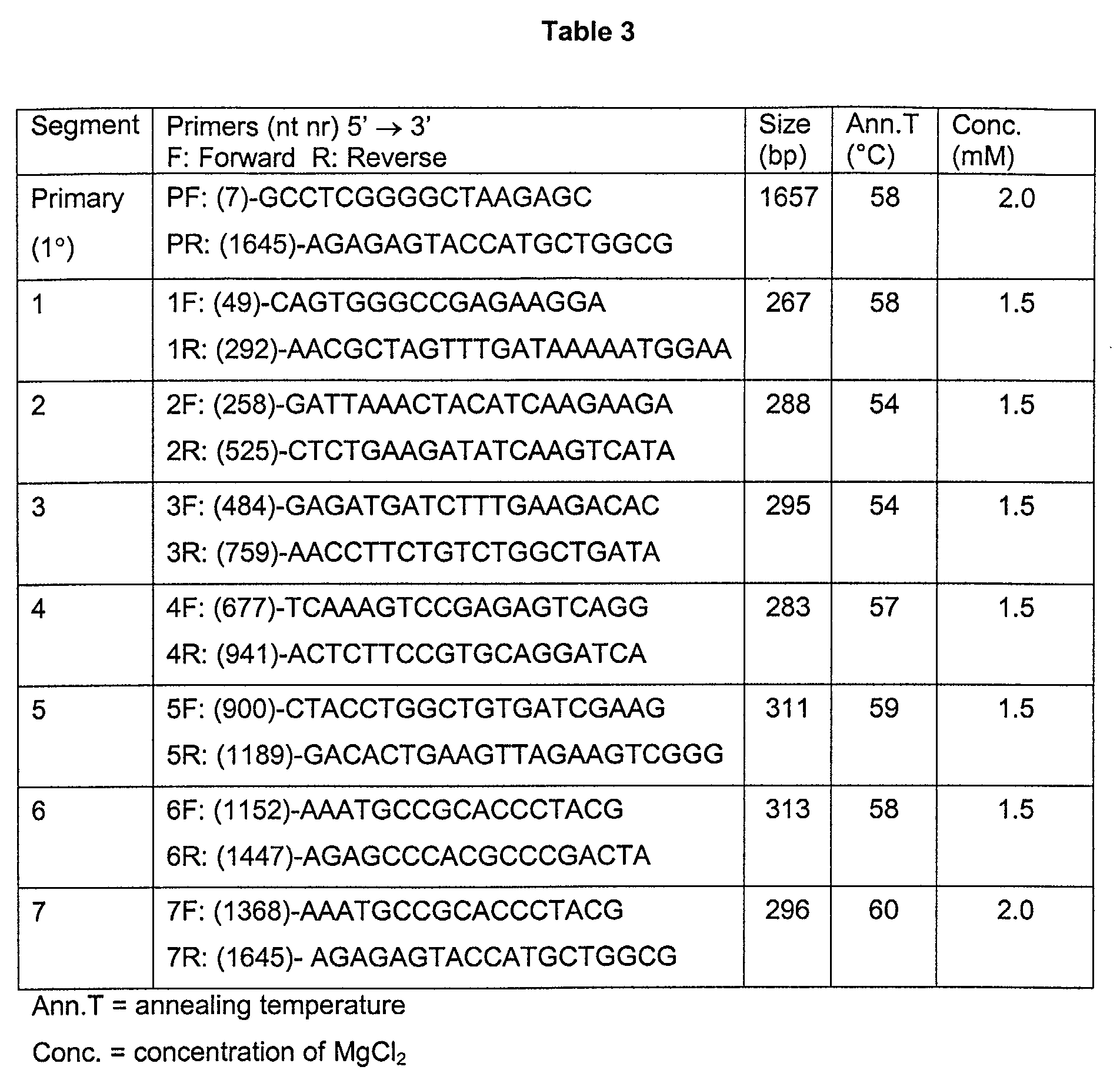
G381S Gly/Gly Gly/Ser N Allelic frequency (%) 95% Cl p-value Diabetic patients 523 4 527 0.4 -0.001 - 0.009 0.143 Control subjects 229 5 234 1.1 -0.002 - 0.02 P387L Pro/Pro Pro/Leu N Allelic frequency (%) 95% Cl p-value Diabetic patients 514 13 527 1.2 0.003 - 0.02 0.013 Control subjects 234 0 234 - - 3'UTR+104insG wt he ho N Allelic frequency (%) 95% Cl p-value Diabetic patients 426 60 4 490 6.9 0.05 - 0.09 0.066 Control subjects 182 39 0 221 8.8 0.05 - 0.13 p-values are based on genotype distribution P387P P387L p Number (men/women) 296/218 11/2 Age (year) 60 (11) 64 (10) 0.2 Age at diagnosis (year) 50 (11) 60 (10) 0.5 BMI (kg/m2) 29.1 (5.2) 27.7 (4.5) 0.5 Waist/hip ratio 0.94 (0.009) 0.96 (0.005) 0.8 HbA1c(%) 8.0 (1.6) 8.0 (1.4) 1.0 F-p-glucose (mmol/L) 9.7 (3.3) 10.3 (3.5) 0.5 F-C-peptide (pmol/L) 683 (297) 564 (297) 0.3 Insulin (pmol/L) 77 (57) 57 (37) 0.4 Blood pressure Systolic (mm HG) 147 (24) 146 (23) 0.5 Diastolic (mm HG) 84 (11) 85 (8) 0.6 Triglycerides (mmol/L) 2.1 (1.6) 1.9 (0.9) 0.7 Cholesterol (mmol/L) 5.8 (1.2) 5.8 (0.8) 0.7 HDL (mmol/L) 1.2 (0.3) 1.1 (0.2) 0.3 Treatment Diet 28% 27% OHA 57% 64% Insulin 15% 9% Data represent means ± (SD) or number.
p - values are adjusted for BMI, gender and age.
OHA; Oral hyperglycaemia agents.
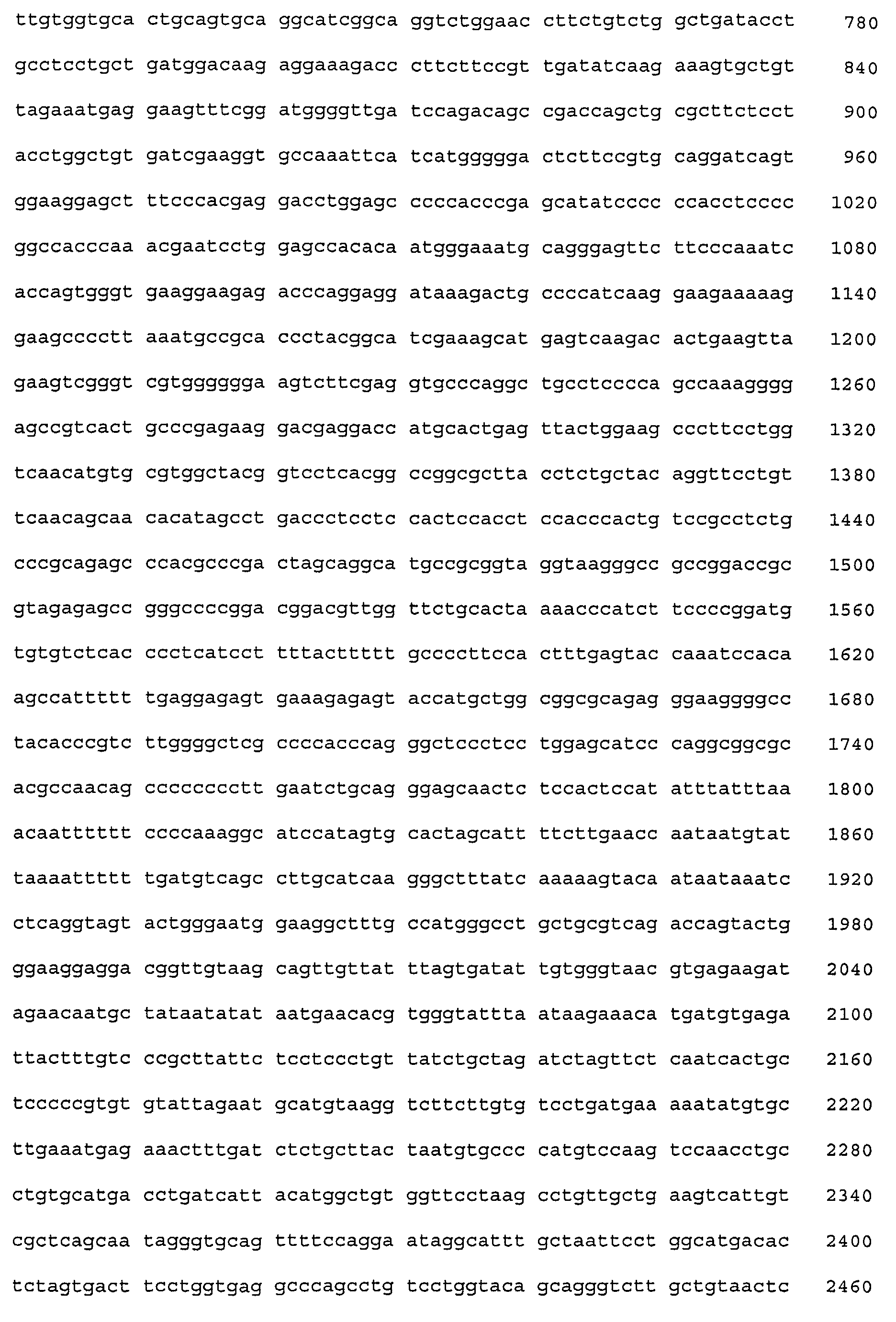


Claims (45)
- An isolated polynucleotide molecule comprising a nucleotide sequence encoding PTP-1B, said nucleotide sequence containing a mutation associated with type 2 diabetes of a nucleotide, or comprising a fragment of the nucleotide sequence including said mutation.
- A polynucleotide according to claim 1 comprising a nucleotide sequence as shown in the Sequence Listing as SEQ ID NO: 1 containing a mutation associated with type 2 diabetes of at least one nucleotide or comprising a fragment of the nucleotide sequence shown in the Sequence Listing as SEQ ID NO: 1 including said mutation.
- A polynucleotide according to claim 1 or claim 2, where said mutation gives rise to an amino acid substitution in PTP-1 B.
- A polynucleotide according to claim 3, where a polypeptide encoded by said first polynucleotide has a degree of phosphorylation in a p34cdc2 kinase phosphorylation assay which is significantly lower than the degree of phosphorylation of a second polypeptide encoded by a polynucleotide which differs from the first polynucleotide only by not containing said mutation associated with type 2 diabetes.
- A polynucleotide according to claim 4, where said phosphorylation takes place at the serine residue in the position corresponding to position 386 of the amino acid sequence shown in the Sequence Listing as SEQ ID NO: 2.
- A polynucleotide according to any of claims 1 to 5, where said mutation gives rise to a substitution of Pro to an amino acid different from Pro in the position corresponding to position 387 of the amino acid sequence shown in the Sequence Listing as SEQ ID NO: 2.
- A polynucleotide according to any of claims 1 to 6, where said mutation corresponds to a mutation of C in position 1250 in SEQ ID NO: 1 to T.
- A polynucleotide according to any of claims 1 to 7 wherein said polynucleotide is a DNA construct.
- A recombinant vector, especially an expression vector, comprising a polynucleotide according to any of claims 1 to 8.
- A cell line or a transgenic non-human mammal containing a polynucleotide according to any of claims 1 to 8 or a recombinant vector according to claim 9.
- A cell line according to claim 10 wherein the cell line is a mammalian cell line.
- A method of detecting the presence of a mutation in the gene encoding PTP-1B, the method comprising obtaining a biological sample from a subject and analysing the sample for a mutation associated with type 2 diabetes of a nucleotide in the PTP-1B sequence.
- A method according to claim 12, wherein the sample is analysed for a mutation associated with type 2 diabetes of a nucleotide in the PTP-1B sequence, which mutation gives rise to an amino acid substitution in PTP-1B.
- A method according to claim 12 or claim 13, wherein the sample is analysed for a mutation associated with type 2 diabetes of a nucleotide in the PTP-1B sequence, which mutation gives rise to a substitution of Pro to an amino acid different from Pro in the position corresponding to position 387 of the amino acid sequence shown in the Sequence Listing as SEQ ID NO: 2.
- A method according to any of claims 12 to 14, wherein the sample is analysed for a mutation associated with type 2 diabetes of a nucleotide in the PTP-1B sequence, which mutation corresponds to a mutation of C in position 1250 in SEQ ID NO: 1 to T.
- A method according to any of claims 12 to 15, wherein DNA is isolated from the sample and digested with a restriction endonuclease which cleaves DNA at the site of the mutation, and cleavage of the DNA within the gene encoding PTP-1B at this site is determined.
- A method according to claim 16, wherein the restriction pattern of the DNA after digestion with the restriction endonuclease is compared to the restriction pattern obtained with a negative control comprising at least a portion of wild-type DNA encoding PTP-1B.
- A method according to claim 16 or claim 17, wherein the restriction pattern of the DNA after digestion with the restriction endonuclease is compared to the restriction pattern obtained with a positive control comprising at least a portion of DNA encoding PTP-1B and containing the mutation.
- A method according to claim 18, wherein the positive control comprises a polynucleotide according to claim 8.
- A method according to claim any of claims 16 to 19, wherein the sample is analysed for a mutation associated with type 2 diabetes of a nucleotide in the PTP-1B sequence, which mutation corresponds to a mutation of C in position 1250 in SEQ ID NO: 1 to T and wherein the restriction endonuclease is one which cleaves DNA at the sequence


- A method according to claim 20, wherein the restriction endonuclease is Bs/I.
- A method according to any of claims 16 to 21, which further comprises amplifying the DNA isolated from the sample prior to digestion with the restriction endonuclease.
- A method according to any of claims 12 to 15, wherein a biological sample is obtained from a subject, DNA is isolated from the sample, the DNA is amplified and hybridised to a labelled polynucleotide comprising a nucleotide sequence encoding PTP-1B, said nucleotide sequence containing a mutation associated with type 2 diabetes of a nucleotide, or comprising a fragment of the nucleotide sequence including said mutation, which mutation corresponds to the mutation the presence of which in the gene encoding PTP-1B is to be detected, and hybridisation of the labelled polynucleotide to the DNA is determined.
- A method according to claim 23, wherein the labelled polynucleotide is a labelled polynucleotide according to any of claims 1 to 8.
- A method according to claims 23 or claim 24, wherein the amplified DNA is hybridised to a second labelled polynucleotide comprising a DNA sequence corresponding to at least part of the wild-type gene encoding PTP-1B, and hybridisation of said second labelled polynucleotide to the amplified DNA is determined.
- A method according to claim 25, wherein the label substance with which the labelled polynucleotide carrying the mutation is labelled is different from the label substance with which the second labelled polynucleotide corresponding to at least part of the wild-type DNA is labelled.
- A method according to any of claims 12 to 26 for determining predisposition to type 2 diabetes in a subject.
- A diagnostic composition for determining predisposition to type 2 diabetes in a subject, the composition comprising a polynucleotide according to any of claims 1 to 8.
- A diagnostic composition for detecting the presence of a mutation in the gene encoding PTP-1B, the composition comprising a polynucleotide according to any of claims 1 to 8.
- A test kit for detecting the presence of a mutation associated with type 2 diabetes in the gene encoding PTP-1B, the kit comprising(a) a first polynucleotide comprising a nucleotide sequence corresponding to at least part of the gene encoding PTP-1B and containing a mutation of at least one nucleotide, which mutation corresponds to the mutation the presence of which in the gene encoding PTP-1B is to be detected and optionally(b) a second polynucleotide comprising a nucleotide sequence corresponding to at least part of the wild-type gene encoding PTP-1B and/or optionally(c) a restriction endonuclease, which cleaves DNA at the site of the mutation.
- A test kit according to claim 30, wherein the first polynucleotide is a polynucleotide according to any of claims 1 to 8.
- A test kit according to claim 31, wherein the first polynucleotide is a DNA construct, and where said mutation corresponds to a mutation of C in position 1250 in SEQ ID NO: 1 to T and which test kit comprises a restriction endonuclease, which cleaves DNA at the site of the mutation.
- A test kit according to claim 32, wherein said restriction endonuclease cleaves DNA at the sequence


- A test kit according to claim 33, wherein said restriction endonuclease is Bs/I.
- A test kit according to any of claims 30 to 34, which further comprises means for amplifying DNA.
- A test kit for detecting the presence of a mutation associated with type 2 diabetes in the gene encoding PTP-1B, the kit comprising(a) means for amplifying DNA, and(b) a labelled polynucleotide comprising a nucleotide sequence corresponding to at least part of the gene encoding PTP-1B and containing a mutation of at least one nucleotide, which mutation corresponds to the mutation the presence of which in the gene encoding PTP-1B is to be detected.
- A test kit according to claim 36, wherein the labelled polynucleotide comprises a polynucleotide according to any of claims 1 to 8.
- A test kit according to claim 36 or claim 37, which comprises a second labelled polynucleotide comprising a nucleotide sequence corresponding to at least part of the wild-type gene encoding PTP-1B.
- A test kit according to claim 38, wherein the label substance with which the labelled polynucleotide carrying the mutation is labelled is different from the label substance with which the second labelled polynucleotide corresponding to at least part of the wild-type DNA is labelled.
- A test kit according to claim 38 or claim 39, wherein the second labelled polynucleotide is a DNA construct.
- A test kit suitable for use in a method according to any of claims 12 to 26.
- A test kit according to any of claims 30 to 41 for determining predisposition to type 2 diabetes in a subject.
- An isolated polypeptide obtainable by expression of a DNA construct, which comprises a polynucleotide according to claim 3.
- An isolated polypeptide, which is a variant of PTP-1B carrying an amino acid substitution associated with type 2 diabetes and which variant is selected from the group consisting of(a) a polypeptide having an amino acid sequence which is substantially homologous to residues 1 to 435 of SEQ ID NO: 2;(b) a polypeptide which is encoded by a polynucleotide comprising a nucleic acid sequence which hybridizes under low stringency conditions with (i) nucleotides 91 to 1395 of SEQ ID NO: 1 or (ii) a subsequence of (i) of at least 100 nucleotides,(c) a variant of a polypeptide comprising an amino acid sequence of SEQ ID NO: 2 comprising a substitution, deletion, and/or insertion of one or more amino acids;(d) an allelic variant of (a) or (b); and(e) a fragment of (a), (b), (c) or (d).
- A method for determining the ability of a composition to regulate the phosphorylation of PTP-1B, which method comprises combining said composition with a polypeptide according to claim 43 or 44 and determining the degree of phosphorylation of said polypeptide.
Priority Applications (4)
| Application Number | Priority Date | Filing Date | Title |
|---|---|---|---|
| EP01610075A EP1275722A1 (en) | 2001-07-11 | 2001-07-11 | A P387L variant in protein tyrosine phosphatase-1B is associated with type 2 diabetes and impaired serine phosphorylation of PTP-1B in vitro |
| AU2002325193A AU2002325193A1 (en) | 2001-07-11 | 2002-07-08 | A p387l variant in protein tyrosine phosphatase-1b is associated with type 2 diabetes and impaired serine phosphorylation of ptp-1b in vitro |
| PCT/DK2002/000473 WO2003006643A2 (en) | 2001-07-11 | 2002-07-08 | A p387l variant in protein tyrosine phosphatase-1b is associated with type 2 diabetes and impaired serine phosphorylation of ptp-1b in vitro |
| US10/195,765 US20030170660A1 (en) | 2001-07-11 | 2002-07-11 | P387L variant in protein tyrosine phosphatase-1B is associated with type 2 diabetes and impaired serine phosphorylation of PTP-1B in vitro |
Applications Claiming Priority (1)
| Application Number | Priority Date | Filing Date | Title |
|---|---|---|---|
| EP01610075A EP1275722A1 (en) | 2001-07-11 | 2001-07-11 | A P387L variant in protein tyrosine phosphatase-1B is associated with type 2 diabetes and impaired serine phosphorylation of PTP-1B in vitro |
Publications (1)
| Publication Number | Publication Date |
|---|---|
| EP1275722A1 true EP1275722A1 (en) | 2003-01-15 |
Family
ID=8183552
Family Applications (1)
| Application Number | Title | Priority Date | Filing Date |
|---|---|---|---|
| EP01610075A Withdrawn EP1275722A1 (en) | 2001-07-11 | 2001-07-11 | A P387L variant in protein tyrosine phosphatase-1B is associated with type 2 diabetes and impaired serine phosphorylation of PTP-1B in vitro |
Country Status (3)
| Country | Link |
|---|---|
| EP (1) | EP1275722A1 (en) |
| AU (1) | AU2002325193A1 (en) |
| WO (1) | WO2003006643A2 (en) |
Cited By (1)
| Publication number | Priority date | Publication date | Assignee | Title |
|---|---|---|---|---|
| WO2010091581A1 (en) * | 2009-02-13 | 2010-08-19 | 上海交通大学医学院 | Detection of ptp1b gene mutations and the uses thereof in diagnosing cancers |
-
2001
- 2001-07-11 EP EP01610075A patent/EP1275722A1/en not_active Withdrawn
-
2002
- 2002-07-08 WO PCT/DK2002/000473 patent/WO2003006643A2/en not_active Ceased
- 2002-07-08 AU AU2002325193A patent/AU2002325193A1/en not_active Abandoned
Non-Patent Citations (3)
| Title |
|---|
| BACH H. ET AL.: "Variability in the protein tyrosine phosphatase 1b gene among Danish Type 2 diabetic and obese patients", DIABETOLOGIA, vol. 43, no. SUP1, August 2000 (2000-08-01), pages A89, XP001021796 * |
| BYON JC ET AL: "Protein-tyrosine phosphatase-1B acts as a negative regulator of insulin signal transduction", MOLECULAR AND CELLULAR BIOCHEMISTRY, NORWELL, MA, US, vol. 182, no. 1/2, May 1998 (1998-05-01), pages 101 - 108, XP002119310, ISSN: 0300-8177 * |
| FORSELL P A L ET AL: "Genomic characterization of the human and mouse protein tyrosine phosphatase-1B genes", GENE, ELSEVIER BIOMEDICAL PRESS. AMSTERDAM, NL, vol. 260, no. 1-2, 30 December 2000 (2000-12-30), pages 145 - 153, XP004227533, ISSN: 0378-1119 * |
Cited By (1)
| Publication number | Priority date | Publication date | Assignee | Title |
|---|---|---|---|---|
| WO2010091581A1 (en) * | 2009-02-13 | 2010-08-19 | 上海交通大学医学院 | Detection of ptp1b gene mutations and the uses thereof in diagnosing cancers |
Also Published As
| Publication number | Publication date |
|---|---|
| AU2002325193A1 (en) | 2003-01-29 |
| WO2003006643A2 (en) | 2003-01-23 |
| WO2003006643A3 (en) | 2003-04-24 |
Similar Documents
| Publication | Publication Date | Title |
|---|---|---|
| EP1618212B1 (en) | Mutations in the human pcsk9 gene associated to hypercholesterolemia | |
| JP4229973B2 (en) | Male infertility-related gene Scot-t mutation and diagnostic method for male infertility | |
| Janssen et al. | CIA30 complex I assembly factor: a candidate for human complex I deficiency? | |
| US20070015193A1 (en) | Glutathione S-transferase sequence variants | |
| CN110997906B (en) | B4GALT1 variants and their uses | |
| US20040132021A1 (en) | Osteolevin gene polymorphisms | |
| JP2002330758A (en) | Chemical compound | |
| US20030170660A1 (en) | P387L variant in protein tyrosine phosphatase-1B is associated with type 2 diabetes and impaired serine phosphorylation of PTP-1B in vitro | |
| US20020187474A1 (en) | Polymorphisms in the PNMT gene | |
| Endrizzi et al. | Discriminative quantification of cytochrome P4502D6 and 2D7/8 pseudogene expression by TaqMan real-time reverse transcriptase polymerase chain reaction | |
| Rapp et al. | Genetic analysis of carbamoylphosphate synthetase I and ornithine transcarbamylase deficiency using fibroblasts | |
| Fujihara et al. | Two N-linked glycosylation sites (Asn18 and Asn106) are both required for full enzymatic activity, thermal stability, and resistance to proteolysis in mammalian deoxyribonuclease I | |
| US20020142310A1 (en) | Variants of the human AMP-activated protein kinase gamma 3 subunit | |
| JP5424519B2 (en) | Parkin gene mutations, compositions, methods and uses | |
| US12188091B2 (en) | Nucleic acids, methods and kits for the diagnosis of DYT6 primary torsion dystonia | |
| EP1598430B1 (en) | Method of evaluating beef taste and texture based on the stearoyl-CoA desaturase haplotype | |
| WO2003006643A2 (en) | A p387l variant in protein tyrosine phosphatase-1b is associated with type 2 diabetes and impaired serine phosphorylation of ptp-1b in vitro | |
| JP3842130B2 (en) | Phosphatase that activates the MAP kinase pathway | |
| US6562574B2 (en) | Association of protein kinase C zeta polymorphisms with diabetes | |
| WO2002100894A2 (en) | Dna encoding a mutant peroxisome proliferator-activated receptor gamma coactivator-1 (pgc-1), detection methods and test kits therefor | |
| US20030143560A1 (en) | Mutant DNA encoding peroxisome proliferator-activated receptor-gamma coactivator-1 | |
| EP1352092B1 (en) | Mutations in the ferroportin 1 gene associated with hereditary haemochromatosis | |
| CA2453976C (en) | Method of detecting equine glycogen storage disease iv | |
| WO2000020605A9 (en) | Sulfotransferase sequence variants | |
| WO1994029345A1 (en) | Mutant dna encoding insulin receptor substrate 1 |
Legal Events
| Date | Code | Title | Description |
|---|---|---|---|
| PUAI | Public reference made under article 153(3) epc to a published international application that has entered the european phase |
Free format text: ORIGINAL CODE: 0009012 |
|
| AK | Designated contracting states |
Kind code of ref document: A1 Designated state(s): AT BE CH CY DE DK ES FI FR GB GR IE IT LI LU MC NL PT SE TR |
|
| AX | Request for extension of the european patent |
Free format text: AL;LT;LV;MK;RO;SI |
|
| STAA | Information on the status of an ep patent application or granted ep patent |
Free format text: STATUS: THE APPLICATION HAS BEEN WITHDRAWN |
|
| 18W | Application withdrawn |
Effective date: 20030120 |