EP1274850B1 - Nucleic acid sequences to proteins involved in tocopherol synthesis - Google Patents
Nucleic acid sequences to proteins involved in tocopherol synthesis Download PDFInfo
- Publication number
- EP1274850B1 EP1274850B1 EP01927055A EP01927055A EP1274850B1 EP 1274850 B1 EP1274850 B1 EP 1274850B1 EP 01927055 A EP01927055 A EP 01927055A EP 01927055 A EP01927055 A EP 01927055A EP 1274850 B1 EP1274850 B1 EP 1274850B1
- Authority
- EP
- European Patent Office
- Prior art keywords
- dna
- tocopherol
- plant
- seq
- sequence
- Prior art date
- Legal status (The legal status is an assumption and is not a legal conclusion. Google has not performed a legal analysis and makes no representation as to the accuracy of the status listed.)
- Expired - Lifetime
Links
Images


















Classifications
-
- C—CHEMISTRY; METALLURGY
- C12—BIOCHEMISTRY; BEER; SPIRITS; WINE; VINEGAR; MICROBIOLOGY; ENZYMOLOGY; MUTATION OR GENETIC ENGINEERING
- C12N—MICROORGANISMS OR ENZYMES; COMPOSITIONS THEREOF; PROPAGATING, PRESERVING, OR MAINTAINING MICROORGANISMS; MUTATION OR GENETIC ENGINEERING; CULTURE MEDIA
- C12N9/00—Enzymes; Proenzymes; Compositions thereof; Processes for preparing, activating, inhibiting, separating or purifying enzymes
- C12N9/10—Transferases (2.)
- C12N9/1085—Transferases (2.) transferring alkyl or aryl groups other than methyl groups (2.5)
-
- A—HUMAN NECESSITIES
- A23—FOODS OR FOODSTUFFS; TREATMENT THEREOF, NOT COVERED BY OTHER CLASSES
- A23D—EDIBLE OILS OR FATS, e.g. MARGARINES, SHORTENINGS OR COOKING OILS
- A23D9/00—Other edible oils or fats, e.g. shortenings or cooking oils
- A23D9/007—Other edible oils or fats, e.g. shortenings or cooking oils characterised by ingredients other than fatty acid triglycerides
-
- A—HUMAN NECESSITIES
- A23—FOODS OR FOODSTUFFS; TREATMENT THEREOF, NOT COVERED BY OTHER CLASSES
- A23K—FODDER
- A23K20/00—Accessory food factors for animal feeding-stuffs
- A23K20/10—Organic substances
- A23K20/174—Vitamins
-
- C—CHEMISTRY; METALLURGY
- C11—ANIMAL OR VEGETABLE OILS, FATS, FATTY SUBSTANCES OR WAXES; FATTY ACIDS THEREFROM; DETERGENTS; CANDLES
- C11B—PRODUCING, e.g. BY PRESSING RAW MATERIALS OR BY EXTRACTION FROM WASTE MATERIALS, REFINING OR PRESERVING FATS, FATTY SUBSTANCES, e.g. LANOLIN, FATTY OILS OR WAXES; ESSENTIAL OILS; PERFUMES
- C11B3/00—Refining fats or fatty oils
- C11B3/001—Refining fats or fatty oils by a combination of two or more of the means hereafter
-
- C—CHEMISTRY; METALLURGY
- C11—ANIMAL OR VEGETABLE OILS, FATS, FATTY SUBSTANCES OR WAXES; FATTY ACIDS THEREFROM; DETERGENTS; CANDLES
- C11B—PRODUCING, e.g. BY PRESSING RAW MATERIALS OR BY EXTRACTION FROM WASTE MATERIALS, REFINING OR PRESERVING FATS, FATTY SUBSTANCES, e.g. LANOLIN, FATTY OILS OR WAXES; ESSENTIAL OILS; PERFUMES
- C11B3/00—Refining fats or fatty oils
- C11B3/12—Refining fats or fatty oils by distillation
-
- C—CHEMISTRY; METALLURGY
- C12—BIOCHEMISTRY; BEER; SPIRITS; WINE; VINEGAR; MICROBIOLOGY; ENZYMOLOGY; MUTATION OR GENETIC ENGINEERING
- C12N—MICROORGANISMS OR ENZYMES; COMPOSITIONS THEREOF; PROPAGATING, PRESERVING, OR MAINTAINING MICROORGANISMS; MUTATION OR GENETIC ENGINEERING; CULTURE MEDIA
- C12N15/00—Mutation or genetic engineering; DNA or RNA concerning genetic engineering, vectors, e.g. plasmids, or their isolation, preparation or purification; Use of hosts therefor
- C12N15/09—Recombinant DNA-technology
- C12N15/63—Introduction of foreign genetic material using vectors; Vectors; Use of hosts therefor; Regulation of expression
- C12N15/79—Vectors or expression systems specially adapted for eukaryotic hosts
- C12N15/82—Vectors or expression systems specially adapted for eukaryotic hosts for plant cells, e.g. plant artificial chromosomes (PACs)
- C12N15/8241—Phenotypically and genetically modified plants via recombinant DNA technology
- C12N15/8242—Phenotypically and genetically modified plants via recombinant DNA technology with non-agronomic quality (output) traits, e.g. for industrial processing; Value added, non-agronomic traits
- C12N15/8243—Phenotypically and genetically modified plants via recombinant DNA technology with non-agronomic quality (output) traits, e.g. for industrial processing; Value added, non-agronomic traits involving biosynthetic or metabolic pathways, i.e. metabolic engineering, e.g. nicotine, caffeine
-
- C—CHEMISTRY; METALLURGY
- C12—BIOCHEMISTRY; BEER; SPIRITS; WINE; VINEGAR; MICROBIOLOGY; ENZYMOLOGY; MUTATION OR GENETIC ENGINEERING
- C12N—MICROORGANISMS OR ENZYMES; COMPOSITIONS THEREOF; PROPAGATING, PRESERVING, OR MAINTAINING MICROORGANISMS; MUTATION OR GENETIC ENGINEERING; CULTURE MEDIA
- C12N15/00—Mutation or genetic engineering; DNA or RNA concerning genetic engineering, vectors, e.g. plasmids, or their isolation, preparation or purification; Use of hosts therefor
- C12N15/09—Recombinant DNA-technology
- C12N15/63—Introduction of foreign genetic material using vectors; Vectors; Use of hosts therefor; Regulation of expression
- C12N15/79—Vectors or expression systems specially adapted for eukaryotic hosts
- C12N15/82—Vectors or expression systems specially adapted for eukaryotic hosts for plant cells, e.g. plant artificial chromosomes (PACs)
- C12N15/8241—Phenotypically and genetically modified plants via recombinant DNA technology
- C12N15/8242—Phenotypically and genetically modified plants via recombinant DNA technology with non-agronomic quality (output) traits, e.g. for industrial processing; Value added, non-agronomic traits
- C12N15/8243—Phenotypically and genetically modified plants via recombinant DNA technology with non-agronomic quality (output) traits, e.g. for industrial processing; Value added, non-agronomic traits involving biosynthetic or metabolic pathways, i.e. metabolic engineering, e.g. nicotine, caffeine
- C12N15/8247—Phenotypically and genetically modified plants via recombinant DNA technology with non-agronomic quality (output) traits, e.g. for industrial processing; Value added, non-agronomic traits involving biosynthetic or metabolic pathways, i.e. metabolic engineering, e.g. nicotine, caffeine involving modified lipid metabolism, e.g. seed oil composition
-
- C—CHEMISTRY; METALLURGY
- C12—BIOCHEMISTRY; BEER; SPIRITS; WINE; VINEGAR; MICROBIOLOGY; ENZYMOLOGY; MUTATION OR GENETIC ENGINEERING
- C12N—MICROORGANISMS OR ENZYMES; COMPOSITIONS THEREOF; PROPAGATING, PRESERVING, OR MAINTAINING MICROORGANISMS; MUTATION OR GENETIC ENGINEERING; CULTURE MEDIA
- C12N9/00—Enzymes; Proenzymes; Compositions thereof; Processes for preparing, activating, inhibiting, separating or purifying enzymes
- C12N9/88—Lyases (4.)
-
- C—CHEMISTRY; METALLURGY
- C12—BIOCHEMISTRY; BEER; SPIRITS; WINE; VINEGAR; MICROBIOLOGY; ENZYMOLOGY; MUTATION OR GENETIC ENGINEERING
- C12P—FERMENTATION OR ENZYME-USING PROCESSES TO SYNTHESISE A DESIRED CHEMICAL COMPOUND OR COMPOSITION OR TO SEPARATE OPTICAL ISOMERS FROM A RACEMIC MIXTURE
- C12P17/00—Preparation of heterocyclic carbon compounds with only O, N, S, Se or Te as ring hetero atoms
- C12P17/02—Oxygen as only ring hetero atoms
- C12P17/06—Oxygen as only ring hetero atoms containing a six-membered hetero ring, e.g. fluorescein
Definitions
- Parameters for polypeptide sequence comparison typically include the following:
- nucleotide sequences as defined above in recombinant DNA constructs to direct the transcription or transcription and translation (expression) of the tocopherol cyclase sequences of the present invention in a host plant cell.
- the expression constructs comprise a promoter functional in a host plant cell operably linked to a nucleic acid sequence encoding a tocopherol cyclase of the present invention and a transcriptional termination region functional in a host plant cell.
- One set of plant functional promoters are constitutive promoters such as the CaMV35S or FMV35S promoters that yield high levels of expression in most plant organs.
- Enhanced or duplicated versions of the CaMV35S and FMV35S promoters are useful in the practice of this invention ( Odell, et al. (1985) Nature 313:810-812 ; Rogers, U.S. Patent Number 5,378 , 619).
- the constructs may contain the nucleic acid sequence which encodes the entire tocopherol cyclase protein, or a portion thereof.
- the entire tocopherol cyclase sequence is not required.
- tocopherol cyclase sequences used in constructs are intended for use as probes, it may be advantageous to prepare constructs containing only a particular portion of a tocopherol cyclase encoding sequence, for example a sequence which is discovered to encode a highly conserved tocopherol cyclase region.
- Transcript termination regions may be provided by the DNA sequence encoding the tocopherol cyclase or a convenient transcription termination region derived from a different gene source, for example, the transcript termination region which is naturally associated with the transcript initiation region. The skilled artisan will recognize that any convenient transcript termination region which is capable of terminating transcription in a plant cell may be employed in the constructs of the present invention.
- the tocopherol cyclase sequences of the present invention find use in the preparation of transformation constructs having a second expression cassette for the expression of additional sequences involved in tocopherol biosynthesis.
- Additional tocopherol biosynthesis sequences of interest in the present invention include, but are not limited to gamma-tocpherol methyltransferase ( Shintani, et al. (1998) Science 282(5396):2098-2100 ), tocopherol cyclase, and tocopherol methyltransferase.
- a transgenic or transformed cell or plant also includes progeny of the cell or plant and progeny produced from a breeding program employing such a transgenic plant as a parent in a cross and exhibiting an altered phenotype resulting from the presence of a tocopherol cyclase nucleic acid sequence.
- Plant expression or transcription constructs having a tocopherol cyclase as the DNA sequence of interest for increased or decreased expression thereof may be employed with a wide variety of plant life, particularly, plant life involved in the production of vegetable oils for edible and industrial uses.
- Particularly preferred plants for use in the methods of the present invention include, but are not limited to: Acacia, alfalfa, aneth, apple, apricot, artichoke, arugula, asparagus, avocado, banana, barley, beans, beet, blackberry, blueberry, broccoli, brussels sprouts, cabbage, canola, cantaloupe, carrot, cassava, cauliflower, celery, cherry, chicory, cilantro, citrus, clementines, coffee, corn, cotton, cucumber, Douglas fir, eggplant, endive, escarole, eucalyptus, fennel, figs, garlic, gourd, grape, grapefruit, honey dew, jicama, kiwifruit, lettuce, leeks, lemon
- temperate oilseed crops are particularly preferred.
- Temperate oilseed crops of interest include, but are not limited to, rapeseed (Canola and High Erucic Acid varieties), sunflower, safflower, cotton, soybean, peanut, coconut and oil palms, and corn.
- rapeseed Canola and High Erucic Acid varieties
- sunflower safflower
- cotton cotton
- soybean peanut
- coconut peanut
- oil palms corn
- other DNA sequences may be required.
- this invention is applicable to dicotyledyons and monocotyledons species alike and will be readily applicable to new and/or improved transformation and regulation techniques.
- antibodies to the protein can be prepared by injecting rabbits or mice with the purified protein or portion thereof, such methods of preparing antibodies being well known to those in the art. Either monoclonal or polyclonal antibodies can be produced, although typically polyclonal antibodies are more useful for gene isolation.
- Western analysis may be conducted to determine that a related protein is present in a crude extract of the desired plant species, as determined by cross-reaction with the antibodies to the encoded proteins. When cross-reactivity is observed, genes encoding the related proteins are isolated by screening expression libraries representing the desired plant species.
- Expression libraries can be constructed in a variety of commercially available vectors, including lambda gt11, as described in Sambrook, et al. (Molecular Cloning: A Laboratory Manual, Second Edition (1989) Cold Spring Harbor Laboratory, Cold Spring Harbor, New York ).
- Demonstration of the functionality of coding sequences identified by any of these methods can be carried out by complementation of mutants of appropriate organisms, such as Synechocystis, Shewanella, yeast, Pseudomonas, Rhodobacteria, etc., that lack specific biochemical reactions, or that have been mutated.
- the sequences of the DNA coding regions can be optimized by gene resynthesis, based on codon usage, for maximum expression in particular hosts.
- a second expression construct can be used in accordance with the present invention.
- the prenyltransferase or tocopherol cyclase expression construct can be introduced into a host cell in conjunction with a second expression construct having a nucleotide sequence for a protein involved in tocopherol biosynthesis.
- a vector may be used which may be introduced into the Agrobacterium host for homologous recombination with T-DNA or the Ti- or Ri-plasmid present in the Agrobacterium host.
- the Ti- or Ri-plasmid containing the T-DNA for recombination may be armed (capable of causing gall formation) or disarmed (incapable of causing gall formation), the latter being permissible, so long as the vir genes are present in the transformed Agrobacterium host.
- the armed plasmid can give a mixture of normal plant cells and gall.
- the expression or transcription construct bordered by the T-DNA border region(s) will be inserted into a broad host range vector capable of replication in E. coli and Agrobacterium, there being broad host range vectors described in the literature. Commonly used is pRK2 or derivatives thereof. See, for example, Ditta, et al., (Proc. Nat. Acad. Sci., U.SA. (1980) 77:7347-7351 ) and EPA 0 120 515 , which are incorporated herein by reference.
- one may insert the sequences to be expressed in plant cells into a vector containing separate replication sequences, one of which stabilizes the vector in E.
- markers which allow for selection of transformed Agrobacterium and transformed plant cells.
- a number of markers have been developed for use with plant cells, such as resistance to chloramphenicol, kanamycin, the aminoglycoside G418, hygromycin, or the like.
- the particular marker employed is not essential to this invention, one or another marker being preferred depending on the particular host and the manner of construction.
- explants For transformation of plant cells using Agrobacterium, explants may be combined and incubated with the transformed Agrobacterium for sufficient time for transformation, the bacteria killed, and the plant cells cultured in an appropriate selective medium. Once callus forms, shoot formation can be encouraged by employing the appropriate plant hormones in accordance with known methods and the shoots transferred to rooting medium for regeneration of plants. The plants may then be grown to seed and the seed used to establish repetitive generations and for isolation of vegetable oils.
- any means for producing a plant comprising a construct having a DNA sequence encoding the expression construct of the present invention, and at least one other construct having another DNA sequence encoding an enzyme are encompassed by the present invention.
- the expression construct can be used to transform a plant at the same time as the second construct either by inclusion of both expression constructs in a single transformation vector or by using separate vectors, each of which express desired genes.
- the second construct can be introduced into a plant which has already been transformed with the prenyltransferase or tocopherol cyclase expression construct, or alternatively, transformed plants, one expressing the prenyltransferase or tocopherol cyclase construct and one expressing the second construct, can be crossed to bring the constructs together in the same plant.
- apomixis In most forms of apomixis, pseudogamy or fertilization of the polar nuclei to produce endosperm is necessary for seed viability.
- a nurse cultivar In apospory, a nurse cultivar can be used as a pollen source for endosperm formation in seeds. The nurse cultivar does not affect the genetics of the aposporous apomictic cultivar since the unreduced egg of the cultivar develops parthenogenetically, but makes possible endosperm production.
- Apomixis is economically important, especially in transgenic plants, because it causes any genotype, no matter how heterozygous, to breed true. Thus, with apomictic reproduction, heterozygous transgenic plants can maintain their genetic fidelity throughout repeated life cycles. Methods for the production of apomictic plants are known in the art. See, U.S. Patent No.5,811,636 .
- Host cells of the present invention preferably include monocotyledenous and dicotyledenous plant cells.
- the invention also includes plants and plant parts, such as seed, oil and meal derived from seed, and feed and food products processed from plants, which are enriched in tocopherols.
- plants and plant parts such as seed, oil and meal derived from seed, and feed and food products processed from plants, which are enriched in tocopherols.
- seed oil obtained from transgenic plants where the tocopherol level has been increased as compared to seed oil of a non-transgenic plant.
- PSI-BLAST Altschul, et al. (1997) Nuc Acid Res 25:3389-3402 ) profiles were generated for both the straight chain and aromatic classes of prenyltransferases.
- a prenyl- transferase from Porphyra purpurea (Genbank accession 1709766) was used as a query against the NCBI non-redundant protein database.
- the E. coli enzyme involved in the formation of ubiquinone, ubiA (genbank accession 1790473) was used as a starting sequence to generate the aromatic prenyltransferase profile.
- ATPT1 SEQ ID NO:9
- ATPT8 SEQ ID NO:11
- ATPT9 SEQ ID NO:13
- ATPT10 SEQ ID NO:14
- ATPT11 SEQ ID NO:15
- ATPT2 SEQ ID NO:1
- ATPT3 SEQ ID NO:3
- ATPT4 SEQ ID NO:5
- ATPT5 SEQ ID NO:7
- ATPT6 SEQ ID NO:8
- ATPT12 SEQ ID NO:16
- Additional prenyltransferase sequences from other plants related to the aromatic class of prenyltransferases such as soy (SEQ ID NOs: 19-23, the deduced amino acid sequence of SEQ ID NO:23 is provided in SEQ ID NO:24) and maize (SEQ ID NOs:25-29, and 31) are also identified.
- the deduced amino acid sequence of ZMPT5 (SEQ ID NO:29) is provided in SEQ ID NO:30.
- the program used to query protein databases is profilesearch. This is a search where the query is not a single sequence but a profile based on a multiple alignment of amino acid or nucleic acid sequences.
- the profile is used to query a sequence data set, i.e., a sequence database.
- the profile contains all the pertinent information for scoring each position in a sequence, in effect replacing the "scoring matrix" used for the standard query searches.
- the program used to query nucleotide databases with a protein profile is tprofilesearch.
- Tprofilesearch searches nucleic acid databases using an amino acid profile query. As the search is running, sequences in the database are translated to amino acid sequences in six reading frames.
- the output file for tprofilesearch is identical to the output file for profilesearch except for an additional column that indicates the frame in which the best alignment occurred.
- the Smith-Waterman algorithm (Smith and Waterman (1981) supra ), is used to search for similarities between one sequence from the query and a group of sequences contained in the database. E score values as well as other sequence information, such as conserved peptide sequences are used to identify related sequences.
- synthetic oligo-nucleotide primers are designed to amplify the 5' and 3' ends of partial cDNA clones containing prenyltransferase sequences.
- Primers are designed according to the respective Arabidopsis prenyltransferase sequences and used in Rapid Amplification of cDNA Ends (RACE) reactions ( Frohman et al. (1988) Proc. Natl. Acad. Sci. USA 85:8998-9002 ) using the Marathon cDNA amplification kit (Clontech Laboratories Inc, Palo Alto, CA).
- Table 1 ATPT2 ATPT3 ATPT4 ATPT8 ATPT12 ATPT2 % Identity 12 13 11 15 % similar 25 25 22 32 % Gap 17 20 20 9 ATPT3 % Identity 12 6 22 % similar 29 16 38 % Gap 20 24 14 ATPT4 % Identity 9 14 % similar 18 29 % Gap 26 19 ATPT8 % Identity 7 % similar 19 % Gap 20 ATPT12 % Identity % similar % Gap
- a plasmid containing the napin cassette derived from pCGN3223 (described in USPN 5,639,790, the entirety of which is incorporated herein by reference) was modified to make it more useful for cloning large DNA fragments containing multiple restriction sites, and to allow the cloning of multiple napin fusion genes into plant binary transformation vectors.
- An adapter comprised of the self annealed oligonucleotide of sequence CGCGATTTAAATGGCGCGCCCTGCAGGCGGCCGCCTGCAGGGCGCGCCAT TTAAAT (SEQ ID NO:40) was ligated into the cloning vector pBC SK+ (Stratagene) after digestion with the restriction endonuclease BssHII to construct vector pCGN7765. Plamids pCGN3223 and pCGN7765 were digested with NotI and ligated together. The resultant vector, pCGN7770, contains the pCGN7765 backbone with the napin seed specific expression cassette from pCGN3223.
- the cloning cassette, pCGN7787 essentially the same regulatory elements as pCGN7770, with the exception of the napin regulatory regions of pCGN7770 have been replaced with the double CAMV 35S promoter and the tml polyadenylation and transcriptional termination region.
- a binary vector for plant transformation, pCGN5139 was constructed from pCGN1558 ( McBride and Summerfelt, (1990) Plant Molecular Biology, 14:269-276 ).
- the polylinker of pCGN1558 was replaced as a HindIII/Asp718 fragment with a polylinker containing unique restriction endonuclease sites, AscI, PacI, XbaI, SwaI, BamHI, and NotI.
- the Asp718 and HindIII restriction endonuclease sites are retained in pCGN5139.
- a series of turbo binary vectors are constructed to allow for the rapid cloning of DNA sequences into binary vectors containing transcriptional initiation regions (promoters) and transcriptional termination regions.
- the plasmid pCGN8618 was constructed by ligating oligonucleotides 5'-TCGAGGATCCGCGGCCGCAAGCTTCCTGCAGG-3' (SEQ ID NO:41) and 5'-TCGACCTGCAGGAAGCTTGCGGCCGCGGATCC-3' (SEQ ID NO:42) into SalI/XhoI-digested pCGN7770.
- a fragment containing the napin promoter, polylinker and napin 3' region was excised from pCGN8618 by digestion with Asp718I; the fragment was blunt-ended by filling in the 5' overhangs with Klenow fragment then ligated into pCGN5139 that had been digested with Asp718I and HindIII and blunt-ended by filling in the 5' overhangs with Klenow fragment.
- a plasmid containing the insert oriented so that the napin promoter was closest to the blunted Asp718I site of pCGN5139 and the napin 3' was closest to the blunted HindIII site was subjected to sequence analysis to confirm both the insert orientation and the integrity of cloning junctions. The resulting plasmid was designated pCGN8622.
- the plasmid pCGN8619 was constructed by ligating oligonucleotides 5'-TCGACCTGCAGGAAGCTTGCGGCCGCGGATCC -3' (SEQ ID NO:43) and 5'-TCGAGGATCCGCGGCCGCAAGCTTCCTGCAGG-3' (SEQ ID NO:44) into SalI/XhoI-digested pCGN7770.
- a fragment containing the napin promoter, polylinker and napin 3' region was removed from pCGN8619 by digestion with Asp718I; the fragment was blunt-ended by filling in the 5' overhangs with Klenow fragment then ligated into pCGN5139 that had been digested with Asp718I and HindIII and blunt-ended by filling in the 5' overhangs with Klenow fragment.
- a plasmid containing the insert oriented so that the napin promoter was closest to the blunted Asp718I site of pCGN5139 and the napin 3' was closest to the blunted HindIII site was subjected to sequence analysis to confirm both the insert orientation and the integrity of cloning junctions. The resulting plasmid was designated pCGN8623.
- the plasmid pCGN8621 was constructed by ligating oligonucleotides 5'-TCGACCTGCAGGAAGCTTGCGGCCGCGGATCCAGCT -3' (SEQ ID NO:47) and 5'-GGATCCGCGGCCGCAAGCTTCCTGCAGG-3' (SEQ ID NO:48) into SaII/SacI-digested pCGN7787.
- a fragment containing the d35S promoter, polylinker and tml 3' region was removed from pCGN8621 by complete digestion with Asp718I and partial digestion with NotI.
- the fragment was blunt-ended by filling in the 5' overhangs with Klenow fragment then ligated into pCGN5139 that had been digested with Asp7181 and HindIII and blunt-ended by filling in the 5' overhangs with Klenow fragment
- a plasmid containing the insert oriented so that the d35S promoter was closest to the blunted Asp7181 site of pCGN5139 and the tml 3' was closest to the blunted HindIII site was subjected to sequence analysis to confirm both the insert orientation and the integrity of cloning junctions.
- the resulting plasmid was designated pCGN8625.
- the plasmid construct pCGN8640 is a modification of pCGN8624 described above.
- a 938bp PstI fragment isolated from transposon Tn7 which encodes bacterial spectinomycin and streptomycin resistance ( Fling et al. (1985), Nucleic Acids Research 13(19):7095-7106 ), a determinant for E. coli and Agrobacterium selection, was blunt ended with Pfu polymerase.
- the blunt ended fragment was ligated into pCGN8624 that had been digested with Spel and blunt ended with Pfu polymerase.
- the region containing the PstI fragment was sequenced to confirm both the insert orientation and the integrity of cloning junctions.
- the spectinomycin resistance marker was introduced into pCGN8622 and pCGN8623 as follows. A 7.7 Kbp AvrII-SnaBI fragment from pCGN8640 was ligated to a 10.9 Kbp AvrII-SnaBI fragment from pCGN8623 or pCGN8622, described above. The resulting plasmids were pCGN8641 and pCGN8643, respectively.
- the plasmid pCGN8644 was constructed by ligating oligonucleotides 5'-GATCACCTGCAGGAAGCTTGCGGCCGCGGATCCAATGCA-3' (SEQ ID NO:49) and 5'- TTGGATCCGCGGCCGCAAGCTTCCTGCAGGT-3' (SEQ ID NO:50) into BamHI-PstI digested pCGN8640.
- ATPT2, ATPT3, ATPT4, ATPT8, and ATPT12 were all amplified using the respective PCR primers shown in Table 2 above and cloned into the TopoTA vector (Invitrogen). Constructs containing the respective prenyltransferase sequences were digested with NotI and Sse8387I and cloned into the turbobinary vectors described above.
- ATPT2 prenyltransferase was cloned in the sense orientation into pCGN8640 to produce the plant transformation construct pCGN10800 ( Figure 2).
- the ATPT2 sequence is under control of the 35S promoter.
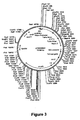
- the ATPT2 sequence was also cloned in the antisense orientation into the construct pCGN8641 to create pCGN10801 ( Figure 3). This construct provides for the antisense expression of the ATPT2 sequence from the napin promoter.
- the ATPT2 coding sequence was also cloned in the sense orientation into the vector pCGN8643 to create the plant transformation construct pCGN10822
- the ATPT2 coding sequence was also cloned in the antisense orientation into the vector pCGN8644 to create the plant transformation construct pCGN10803 ( Figure 4).
- the ATPT4 coding sequence was cloned into the vector pCGN864 to create the plant transformation construct pCGN10806 ( Figure 5).
- the ATPT2 coding sequence was cloned into the vector TopoTA TM vector from Invitrogen, to create the plant transformation construct pCGN10807( Figure 6).
- the ATPT3 coding sequence was cloned into the TopoTA vector to create the plant transformation construct pCGN10808 ( Figure 7).
- the ATPT3 coding sequence was cloned in the sense orientation into the vector pCGN8640 to create the plant transformation construct pCGN10809 ( Figure 8).
- the ATPT3 coding sequence was cloned in the antisense orientation into the vector pCGN8641 to create the plant transformation construct pCGN10810 ( Figure 9).
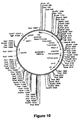
- the ATPT3 coding sequence was cloned into the vector pCGN8643 to create the plant transformation construct pCGN10811 ( Figure 10).
- the ATPT3 coding sequence was cloned into the vector pCGN8644 to create the plant transformation construct pCGN10812 ( Figure 11).
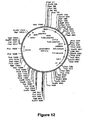
- the ATPT4 coding sequence was cloned into the vector pCGN8640 to create the plant transformation construct pCGN10813 ( Figure 12).
- the ATPT4 coding sequence was cloned into the vector pCGN8641 to create the plant transformation construct pCGN10814 ( Figure 13).
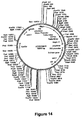
- the ATPT4 coding sequence was cloned into the vector pCGN8643 to create the plant transformation construct pCGN10815 ( Figure 14).
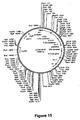
- the ATPT4 coding sequence was cloned in the antisense orientation into the vector pCGN8644 to create the plant transformation construct pCGN 10816 ( Figure 15).
- the ATPT8 coding sequence was cloned in the sense orientation into the vector pCGN8643 to create the plant transformation construct pCGN10819 ( Figure 17).
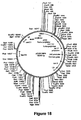
- the ATPT12 coding sequence was cloned into the vector pCGN8640 to create the plant transformation construct pCGN10824 ( Figure 18).
- the ATPT12 coding sequence was cloned into the vector pCGN8643 to create the plant transformation construct pCGN10825 ( Figure 19).
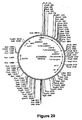
- the ATPT8 coding sequence was cloned into the vector pCGN8640 to create the plant transformation construct pCGN10826 ( Figure 20).
- Transgenic Brassica plants are obtained by Agrobacterium -mediated transformation as described by Radke et al. (Theor. Appl. Genet. (1988) 75:685-694 ; Plant. Cell Reports (1992) 11:499-505 ).
- Transgenic Arabidopsis thaliana plants may be obtained by Agrobacterium -mediated transformation as described by Valverkens et al., (Proc. Nat. Acad. Sci. (1988) 85:5536-5540 ), or as described by Bent et al. ((1994), Science 265:1856-1860 ), or Bechtold et al. ((1993), C.R.Acad.Sci, Life Sciences 316:1194-1199 ).
- Other plant species may be similarly transformed using related techniques.
- microprojectile bombardment methods such as described by Klein et al. (Bio/Technology 10:286-291 ) may also be used to obtain nuclear transformed plants.
- BLAST searches were performed using the ATPT2 sequence, a sequence in the class of aromatic prenyltransferases. ESTs, and in some case, full-length coding regions, were identified in proprietary DNA libraries.
- Soy full-length homologs to ATPT2 were identified by a combination of BLAST (using ATPT2 protein sequence) and 5' RACE. Two homologs resulted (SEQ ID NO:95 and SEQ ID NO:96). Translated amino acid sequences are provided by SEQ ID NO:97 and SEQ ID NO:98.
- a rice est ATPT2 homolog is shown in SEQ ID NO:99 (obtained from BLAST using the wheat ATPT2 homolog).
- homolog sequences were obtained using ATPT2 and PSI-BLAST, including est sequences from wheat (SEQ ID NO: 100), leek (SEQ ID NOs:101 and 102), canola (SEQ ID NO:103), corn (SEQ ID NOs:104, 105 and 106), cotton (SEQ ID NO:107) and tomato (SEQ ID NO:108).
- a PSI-Blast profile generated using the E. coli ubiA (genbank accession 1790473) sequence was used to analyze the Synechocystis genome. This analysis identified 5 open reading frames (ORFs) in the Synechocystis genome that were potentially prenyltransferases; slr0926 (annotated as ubiA (4-hydroxybenzoate-octaprenyltransferase, SEQ ID NO:32), sll1899 (annotated as ctaB (cytocrome c oxidase folding protein, SEQ ID NO:33), slr0056 (annotated as g4 (chlorophyll synthase 33 kd subunit, SEQ ID NO:34), slr1518 (annotated as menA (menaquinone biosynthesis protein, SEQ ID NO:35), and slr1736 (annotated as a hypothetical protein of unknown function (SEQ ID NO:36).
- ORFs open reading frames
- Synthetic oligos were designed to amplify regions from the 5' (5'-TAATGTGTACATTGTCGGCCTC (17365') (SEQ ID NO:61) and 5'-GCAATGTAACATCAGAGATTTTGAGACACAACGTGGCTTTCCACAATTCC CCGCACCGTC (1736kanpr1)) (SEQ ID NO:62) and 3' (5'-AGGCTAATAAGCACAAATGGGA (17363') (SEQ ID NO:63) and 5'-GGTATGAGTCAGCAACACCTTCTTCACGAGGCAGACCTCAGC GGAATTGGTTTAGGTTATCCC (1736kanpr2)) (SEQ ID NO:64) ends of the slr1736 ORF.
- the 1736kanpr1 and 1736kanpr2 oligos contained 20 bp of homology to the slr1736 ORF with an additional 40 bp of sequence homology to the ends of the kanamycin resistance cassette. Separate PCR steps were completed with these oligos and the products were gel purified and combined with the kanamycin resistance gene from puc4K (Pharmacia) that had been digested with Hinc II and gel purified away from the vector backbone.
- the combined fragments were allowed to assemble without oligos under the following conditions: 94°C for 1 min, 55°C for 1 min, 72°C for 1 min plus 5 seconds per cycle for 40 cycles using pfu polymerase in 100ul reaction volume ( Zhao, H and Arnold (1997) Nucleic Acids Res. 25(6):1307-1308 ).
- One microliter or five microliters of this assembly reaction was then amplified using 5' and 3' oligos nested within the ends of the ORF fragment, so that the resulting product contained 100-200 bp of the 5' end of the Synechocystis gene to be knocked out, the kanamycin resistance cassette, and 100-200 bp of the 3' end of the gene to be knocked out.
- This PCR product was then cloned into the vector pGemT easy (Promega) to create the construct pMON21681 and used for Synechocystis transformation.
- Primers were also synthesized for the preparation of Synechocystis knockout constructs for the other sequences using the same method as described above, with the following primers.
- the ubiA 5' sequence was amplified using the primers 5'-GGATCCATGGTT GCCCAAACCCCATC (SEQ ID NO:65) and 5'-GCAATGTAACATCAGAGA TTTTGAGACACAACG TGGCTTTGGGTAAGCAACAATGACCGGC (SEQ ID NO:66).
- the 3' region was amplified using the synthetic oligonucleotide primers 5'-GAATTCTCAAAGCCAGCCCAGTAAC (SEQ ID NO:67) and 5'-GGTATGAGTC AGCAACACCTTCTTCACGAGGCAGACCTCAGCGGGTGCGAAAAGGGTTTT CCC (SEQ ID NO:68).
- the amplification products were combined with the kanamycin resistance gene from puc4K (Pharmacia) that had been digested with Hinc II and gel purified away from the vector backbone.
- the annealed fragment was amplified using 5' and 3' oligos nested within the ends of the ORF fragment (5'-CCAGTGGTTTAGGCTGTGTGGTC (SEQ ID NO:69) and 5'-CTGAGTTGOATGTAITGGATC (SEQ ID NO:70)), so that the resulting product contained 100-200 bp of the 5' end of the Synechocystis gene to be knocked out, the kanamycin resistance cassette, and 100-200 bp of the 3' end of the gene to be knocked out.
- This PCR product was then cloned into the vector pGemT easy (Promega) to create the construct pMON21682 and used for Synechocystis transformation.
- Primers were also synthesized for the preparation of Synechocystis knockout constructs for the other sequences using the same method as described above, with the following primers.
- the sl11899 5' sequence was amplified using the primers 5'-GGATCCATGGTTACTT CGACAAAAATCC (SEQ ID NO:71) and 5'-GCAATGTAACATCAGAG ATTTTGAGACACAACGTGGCTTTGCTAGGCAACCGCTTAGTAC (SEQ ID NO:72).
- the 3' region was amplified using the synthetic oligonucleotide primers 5'-GAATTCTTAACCCAACAGTAAAGTTCCC (SEQ ID NO:73) and 5'-GGTATGAGTCAGC AACACCTTCTTCACGAGGCAGACCTCAGCGCCGGCATTGTCTTTTACATG (SEQ ID NO:74).
- the amplification products were combined with the kanamycin resistance gene from puc4K (Pharmacia) that had been digested with Hinc II and gel purified away from the vector backbone.
- the annealed fragment was amplified using 5' and 3' oligos nested within the ends of the ORF fragment (5'-GGAACCCTTGCAGCCGCTTC (SEQ ID NO:75) and 5'- GTATGCCCAACTGGTGCAGAGG (SEQ ID NO:76)), so that the resulting product contained 100-200 bp of the 5' end of the Synechocystis gene to be knocked out, the kanamycin resistance cassette, and 100-200 bp of the 3' end of the gene to be knocked out.
- This PCR product was then cloned into the vector pGemT easy (Promega) to create the construct pMON21679 and used for Symechocystis transformation.
- Primers were also synthesized for the preparation of Synechocystis knockout constructs for the other sequences using the same method as described above, with the following primers.
- the slr0056 5' sequence was amplified using the primers 5'-GGATCCATGTCTGACACACAAAATACCG (SEQ ID NO:77) and 5'-GCAATGTAACATCAGAGATTTTGAGACACAACGTGGCTTTCGCCAATACC AGCCACCAACAG (SEQ ID NO:78).
- the filters were then transferred to BG-11 agar + TES + 5ug/ml kanamycin and allowed to grow until colonies appeared within 7-10 days (Packer and Glazer, 1988). Colonies were then picked into BG-11 liquid media containing 5 ug/ml kanamycin and allowed to grow for 5 days. These cells were then transferred to Bg-1I media containing 10ug/ml kanamycin and allowed to grow for 5 days and then transferred to Bg-11 + kanamycin at 25ug/ml and allowed to grow for 5 days. Cells were then harvested for PCR analysis to determine the presence of a disrupted ORF and also for HPLC analysis to determine if the disruption had any effect on tocopherol levels.
- chloroplast pellets were further purified with 40%/ 80% percoll gradient to obtain intact chloroplasts.
- the intact chloroplasts were broken with swelling buffer, then either used for assay or further purified for envelope membranes with 20.5%/ 31.8% sucrose density gradient (Sol, et al (1980) supra ) .
- the membrane fractions were centrifuged at 100 000g for 40 min and resuspended in 50 mM Tris-HCl pH 7.6, 4 mM MgCl 2 .
- strain PCC 6803 codes for a cyclobutane pyrimidine dimer specific DNA photolyase. Arch. Microbiol. (in press)).
- the ATPT2 gene was isolated from the vector pCGN10817 by PCR using the following primers. ATPT2nco.pr 5'-CCATGGATTCGAGTAAAGTTGTCGC (SEQ ID NO:89); ATPT2ri.pr- 5'-GAATTCACTTCAAAAAAGGTAACAG (SEQ ID NO:90). These primers will remove approximately 112 BP from the 5' end of the ATPT2 sequence, which is thought to be the chloroplast transit peptide.
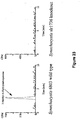
- Figure 29 shows that extracts from the Synechocystis slr1737 knockout mutant still contain phytyl prenyltransferase activity.
- the molecular organization of genes in Synechocystis 6803 is shown in A.
- Figures B and C show HPLC traces (normal phase HPLC) of reaction products obtained with membrane preparations from Synechocystis wild type and slr1737 - membrane preparations, respectively.
- Chromatograms of standard compounds alpha, beta, gamma, delta-tocopherol and 2,3-dimethyl-5-phytylplastoquinol are shown in A and B. Chromatograms of extracts form Synechocystis wild type and the Synechocystis slr1737 knockout mutant are shown in C and D, respectively. Abbreviations: 2,3-DMPQ, 2,3-dimethyl-5-phytylplastoquinol.
- Synechocystis 6803 wild type and slr1737 knockout mutant cells from the late logarithmic growth phase were treated with Lysozyme and sulisequently incubated with S-adenosylmethionine, and phytylpyrophosphate, plus radiolabelled homogentisic acid. After 17h incubation in the dark at room temperature the samples were extracted with 6 ml chloroform / methanol (1/2 v/v). Phase separation was obtained by the addition of 6 ml 0.9% NaCl solution. This procedure was repeated three times. Under these conditions 2,3-dimethyl-5-phytylplastoquinol is oxidized to form 2,3-dimethyl-5-phytylplastoquinone.
- tocopherol cyclases including, tocopherol cyclase, chalcone isomerase, lycopene cyclase, and aristolochene synthase.
- chalcone isomerase has a catalytic mechanism most similar to tocopherol cyclase.
- tyrosine (Y) 106 of the alfalfa chalcone isomerase serves as the general acid during cyclization reaction (Genbank: P28012).
- the equivalent residue in sir1737 and the slr1737 Arabidopsis homolog is lysine (K), which is an excellent catalytic residue as general acid.
Landscapes
- Life Sciences & Earth Sciences (AREA)
- Chemical & Material Sciences (AREA)
- Health & Medical Sciences (AREA)
- Engineering & Computer Science (AREA)
- Genetics & Genomics (AREA)
- Organic Chemistry (AREA)
- Wood Science & Technology (AREA)
- Zoology (AREA)
- Biotechnology (AREA)
- Bioinformatics & Cheminformatics (AREA)
- Microbiology (AREA)
- General Engineering & Computer Science (AREA)
- Molecular Biology (AREA)
- Biomedical Technology (AREA)
- Biochemistry (AREA)
- General Health & Medical Sciences (AREA)
- Oil, Petroleum & Natural Gas (AREA)
- Polymers & Plastics (AREA)
- Chemical Kinetics & Catalysis (AREA)
- Nutrition Science (AREA)
- Food Science & Technology (AREA)
- Medicinal Chemistry (AREA)
- Cell Biology (AREA)
- Physics & Mathematics (AREA)
- Biophysics (AREA)
- Plant Pathology (AREA)
- General Chemical & Material Sciences (AREA)
- Animal Husbandry (AREA)
- Micro-Organisms Or Cultivation Processes Thereof (AREA)
- Breeding Of Plants And Reproduction By Means Of Culturing (AREA)
- Preparation Of Compounds By Using Micro-Organisms (AREA)
- Pyrane Compounds (AREA)
- Pharmaceuticals Containing Other Organic And Inorganic Compounds (AREA)
- Peptides Or Proteins (AREA)
- Enzymes And Modification Thereof (AREA)
Abstract
Description
- The present invention is directed to nucleic acid and amino acid sequences and constructs, and methods related thereto.
- Isoprenoids are ubiquitous compounds found in all living organisms. Plants synthesize a diverse array of greater than 22,000 isoprenoids (Connolly and Hill (1992) Dictionary of Terpenoids, Chapman and Hall, New York, NY). In plants, isoprenoids play essential roles in particular cell functions such as production of sterols, contributing to eukaryotic membrane architecture, acyclic polyprenoids found in the side chain of ubiquinone and plastoquinone, growth regulators like abscisic acid, gibberellins, brassinosteroids or the photosynthetic pigments chlorophylls and carotenoids. Although the physiological role of other plant isoprenoids is less evident, like that of the vast array of secondary metabolites, some are known to play key roles mediating the adaptative responses to different environmental challenges. In spite of the remarkable diversity of structure and function, all isoprenoids originate from a single metabolic precursor, isopentenyl diphosphate (IPP) (Wright, (1961) Annu. Rev. Biochem. 20:525-548; and Spurgeon and Porter, (1981) in Biosynthesis of Isoprenoid Compounds., Porter and Spurgeon eds (John Wiley, New York) Vol. 1, pp1-46).
- A number of unique and interconnected biochemical pathways derived from the isoprenoid pathway leading to secondary metabolites, including tocopherols, exist in chloroplasts of higher plants. Tocopherols not only perform vital functions in plants, but are also important from mammalian nutritional perspectives. In plastids, tocopherols account for up to 40% of the total quinone pool.
- Tocopherols and tocotrienols (unsaturated tocopherol derivatives) are well known antioxidants, and play an important role in protecting cells from free radical damage, and in the prevention of many diseases, including cardiac disease, cancer, cataracts, retinopathy, Alzheimer's disease, and neurodegeneration, and have been shown to have beneficial effects on symptoms of arthritis, and in anti-aging. Vitamin E is used in chicken feed for improving the shelf life, appearance, flavor, and oxidative stability of meat, and to transfer tocols from feed to eggs. Vitamin E has been shown to be essential for normal reproduction, improves overall performance, and enhances immunocompetence in livestock animals. Vitamin E supplement in animal feed also imparts oxidative stability to milk products.
- The demand for natural tocopherols as supplements has been steadily growing at a rate of 10-20% for the past three years. At present, the demand exceeds the supply for natural tocopherols, which are known to be more biopotent than racemic mixtures of synthetically produced tocopherols. Naturally occurring tocopherols are all d-stereomers, whereas synthetic α-tocopherol is a mixture of eight d,l-α-tocopherol isomers, only one of which (12.5%) is identical to the natural d-α-tocopherol. Natural d-α-tocopherol has the highest vitamin E activity (1.49 IU/mg) when compared to other natural tocopherols or tocotrienols. The synthetic α-tocopherol has a vitamin E activity of 1.1 IU/mg. In 1995, the worldwide market for raw refined tocopherols was $1020 million; synthetic materials comprised 85-88% of the market, the remaining 12-15% being natural materials. The best sources of natural tocopherols and tocotrienols are vegetable oils and grain products. Currently, most of the natural Vitamin E is produced from γ-tocopherol derived from soy oil processing, which is subsequently converted to α-tocopherol by chemical modification (α-tocopherol exhibits the greatest biological activity).
- Methods of enhancing the levels of tocopherols and tocotrienols in plants, especially levels of the more desirable compounds that can be used directly, without chemical modification, would be useful to the art as such molecules exhibit better functionality and biovailability.
- In addition, methods for the increased production of other isoprenoid derived compounds in a host plant cell is desirable. Furthermore, methods for the production of particular isoprenoid compounds in a host plant cell is also needed.
-
WO 99/04522 WO 00/10380 - EMBL Sequence Database Accession number D90909;
XP002193030 XP002193031 - The present invention is directed to sequences to proteins involved in tocopherol synthesis. Specifically, the present invention relates to a nucleic acid encoding a tocopherol cyclase comprising an amino acid sequence having at least 90% identity to the amino acid sequence of SEQ ID NO: 39 or SEQ ID NO: 110, comprising, as operably linked components, a transcriptional initiation region functional in a host plant cell, a nucleic acid sequence encoding the tocopherol cyclase, and a transcriptional termination region.
- The present invention further relates to plant cells comprising respective constructs, which plants may be selected from the group of Acacia, alfalfa, aneth, apple, apricot, artichoke, aragula, asparagus, avocado, banana, barley, beans, beet, blackberry, blueberry, broccoli, brussels sprouts, cabbage, canola, cantaloupe, carrot, cassava, cauliflower, celery, cherry, chicory, cilantro, citrus, clementines, coffee, corn, cotton, cucumber, Douglas fir, eggplant, endive, escarole, eucalyptus, fennel, figs, garlic, gourd, grape, grapefruit, honey dew, jicama, kiwifruit, lettuce, leeks, lemon, lime, Loblolly pine, mango, melon, mushroom, nectarine, nut, oat, oil palm, oil seed rape, okra, onion, orange, an ornamental plant, papaya, parsley, pea, peach, peanut, pear, pepper, persimmon, pine, pineapple, plantain, plum, pomegranate, poplar, potato, pumpkin, quince, radiata pine, radicchio, radish, raspberry, rice, rye, sorghum, Southern pine, soybean, spinach, squash, strawberry, sugarbeet, sugarcane, sunflower, sweet potato, sweetgum, tangerine, tea, tobacco, tomato, triticale, turf, turnip, a vine, watermelon, wheat, yams and zucchini, safflower, coconut palm.
- In a further embodiment the invention relates to plants and seeds comprising these cells as well as a feed composition comprising respective plants
- In an alternative embodiment the invention relates to a method of producing oil using these seed.
- In related aspects the present invention provides:
- methods for the alteration of the isoprenoid content in a host cell, wherein these methods comprise transforming host cell with the above constructs, wherein said isoprenoid compound is selected from the group of tocopherols and tocotrienols;
- methods for producing an isoprenoid compound of interest in a host cell, which methods comprise obtaining a transformed host cell into which the above construct has been introduced, wherein the host cell has the construct in its genome and expresses it; and wherein said isoprenoid compound is selected from the group consisting of tocopherols and tocotrienols;
- methods for increasing the biosynthetic flux in a host cell toward production of an isoprenoid compound, wherein the methods comprise transforming a host cell with the above construct, wherein said isoprenoid compound is selected from the group of tocopherols and tocotrienols.
-
- Figure 1 provides an amino acid sequence alignment between ATPT2, ATPT3, ATPT4, ATPT8, and ATPTI2 are performed using ClustalW.
- Figure 2 provides a schematic picture of the expression construct pCGN10800.
- Figure 3 provides a schematic picture of the expression construct pCGN 10801.
- Figure 4 provides a schematic picture of the expression construct pCGN10803.
- Figure 5 provides a schematic picture of the construct pCGN10806.
- Figure 6 provides a schematic picture of the construct pCGN10807.
- Figure 7 provides a schematic picture of the construct pCGN10808.
- Figure 8 provides a schematic picture of the expression construct pCGN 10809.
- Figure 9 provides a schematic picture of the expression construct pCGN10810.
- Figure 10 provides a schematic picture of the expression construct pCGN10811.
- Figure 11 provides a schematic picture of the expression construct pCGN10812.
- Figure 12 provides a schematic picture of the expression construct pCGN10813.
- Figure 13 provides a schematic picture of the expression construct pCGN10814.
- Figure 14 provides a schematic picture of the expression construct pCGN 10815.
- Figure 15 provides a schematic picture of the expression construct pCGN10816.
- Figure 16 provides a schematic picture of the expression construct pCGN10817.
- Figure 17 provides a schematic picture of the expression construct pCGN10819.
- Figure 18 provides a schematic picture of the expression construct PCGN10824.
- Figure 19 provides a schematic picture of the expression construct pCGN10825.
- Figure 20 provides a schematic picture of the expression construct pCGN10826.
- Figure 21 provides an amino acid sequence alignment using ClustalW between the Synechocystis prenyltransferase sequences.
- Figure 22 provides an amino acid sequence of the ATPT2, ATPT3, ATPT4, ATPT8, and ATPT12 protein sequences from Arabidopsis and the slr1736, slr0926, sll1899, slr0056, and the slr1518 amino acid sequences from Synechocystis.
- Figure 23 provides the results of the enzymatic assay from preparations of wild type Synechocystis
strain 6803, and Synechocystis slr1736 knockout. - Figure 24 provides bar graphs of HPLC data obtained from seed extracts of transgenic Arabidopsis containing pCGN10822, which provides of the expression of the ATPT2 sequence, in the sense orientation, from the napin promoter. Provided are graphs for alpha, gamma, and delta tocopherols, as well as total tocopherol for 22 transformed lines, as well as a nontransformed (wildtype) control.
- Figure 25 provides a bar graph of HPLC analysis of seed extracts from Arabidopsis plants transformed with pCGN10803 (35S-ATPT2, in the antisense orientation), pCGN10822 (
line 1625, napin ATPT2 in the sense orientation), pCGN10809 (line - Figure 26 shows total tocopherol levels measured in T# Arabidopsis seed of line.
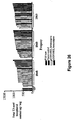
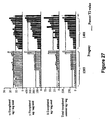
- Figure 27 shows total tocopherol levels measured in T# Arabidopsis seed of line.
- Figure 28 shows total tocopherol levels measured in developing canola seed of line 10822-1.
- Figure 29: shows results of phytyl prenyltransferase activity assay using Synechocystis wild type and slr1737 knockout mutant membrane preparations.
- Figure 30 is the chromatograph from an HPLC analysis of Synechocystis extracts.
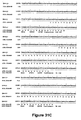
- Figure 31 is a sequence alignment of the Arabidopsis homologue with the sequence of the public database.
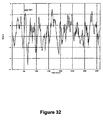
- Figure 32 shows the results of hydropathic analysis of slr1737
- Figure 33 shows the results of hydropathic analysis of the Arabidopsis homologue of slr1 737.
- Figure 34 shows the catalytic mechanism of various cyclase enzymes
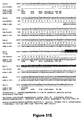
- Figure 35 is a sequence alignment of slr1737, slr1737 Arabidopsis homologue and the Arabidopsis chalcone isomerase.
- The present invention provides, inter alia, compositions and methods for altering (for example, increasing and decreasing) the tocopherol levels and/or modulating their ratios in host cells. In particular, the present invention provides polynucleotides, polypeptides, and methods of use thereof for the modulation of tocopherol content in host plant cells.
- The biosynthesis of α-tocopherol in higher plants involves condensation of homogentisic acid and phytylpyrophosphate to form 2-methyl-6 phytylbenzoquinol that can, by cyclization and subsequent methylations (Fiedler et al., 1982, Planta, 155: 511-515, Soll et al., 1980, Arch. Biochem. Biophys. 204: 544-550, Marshall et al., 1985 Phytochem., 24: 1705-1711), form various tocopherols.
- The Arabidopsis pds2 mutant identified and characterized by Norris et al. (1995), is deficient in tocopherol and plastiquinone-9 accumulation. Further genetic and biochemical analysis suggested that the protein encoded by PDS2 may be responsible for the prenylation of homogentisic acid The PDS2 locus identified by Norris et al. (1995) has been hypothesized to possibly encode the tocopherol phytyl-prenyltransferase, as the pds2 mutant fails to accumulate tocopherols.
- Norris et al. (1995) determined that in Arabidopsis pds2 lies at the top of
chromosome 3, approximately 7 centimorgans above long hypocotyl2, based on the genetic map. ATPT2 is located onchromosome 2 between 36 and 41 centimorgans, lying on BAC F19F24, indicating that ATPT2 does not correspond to PDS2. Thus, it is an aspect of the present invention to provide novel polynucleotides and polypeptides involved in the prenylation of homogentisic acid. This reaction may be a rate limiting step in tocopherol biosynthesis, and this gene has yet to be isolated. -
U.S. Patent No. 5,432,069 describes the partial purification and characterization of tocopherol cyclase from Chlorella protothecoides, Dunaliella salina and wheat. The cyclase described as being glycine rich, water soluble and with a predicted MW of 48-50kDa. However, only limited peptide fragment sequences were available. - In another aspect, the invention provides polynucleotide and polypeptide sequences as defined above to tocopherol cyclization enzymes. The 2,3-dimethyl-5-phytylplastoquinol cyclase (tocopherol cyclase) is responsible for the cyclization of 2,3-dimethyl-5-phytylplastoquinol to tocopherol.
- The present invention relates to isolated tocopherol cyclase polynucleotides as defined above. The polynucleotide sequences of the present invention include isolated polynucleotides that encode the polypeptides of the invention having a deduced amino acid sequence selected from the group of sequences set forth in the Sequence Listing and to other polynucleotide sequences closely related to such sequences and variants thereof as defined above.
- Typically, a tocopherol cyclase sequence obtainable from the use of nucleic acid probes will show 90% sequence identity between the target prenyltransferase or tocopherol cyclase sequence and the encoding sequence used as a probe.
- "Identity", as is well understood in the art, is a relationship between two or more polypeptide sequences or two or more polynucleotide sequences, as determined by comparing the sequences. In the art, "identity" also means the degree of sequence relatedness between polypeptide or polynucleotide sequences, as determined by the match between strings of such sequences. "Identity" can be readily calculated by known methods including, but not limited to, those described in Computational Molecular Biology, Lesk, A.M., ed., Oxford University Press, New York (1988); Biocomputing: Informatics and Genome Projects, Smith, D.W., ed., Academic Press, New York, 1993; Computer Analysis of Sequence Data, Part I, Griffin, A.M. and Griffin, H.G., eds., Humana Press, New Jersey (1994); Sequence Analysis in Molecular Biology, von Heinje, G., Academic Press (1987); Sequence Analysis Primer, Gribskov, M. and Devereux, J., eds., Stockton Press, New York (1991); and Carillo, H., and Lipman, D., SIAM J Applied Math, 48:1073 (1988). Methods to determine identity are designed to give the largest match between the sequences tested. Moreover, methods to determine identity are codified in publicly available programs. Computer programs which can be used to determine identity between two sequences include, but are not limited to, GCG (Devereux, J., et al., Nucleic Acids Research 12(1):387 (1984); suite of five BLAST programs, three designed for nucleotide sequences queries (BLASTN, BLASTX, and TBLASTX) and two designed for protein sequence queries (BLASTP and TBLASTN) (Coulson, Trends in Biotechnology, 12: 76-80 (1994); Birren, et al., Genome Analysis, 1: 543-559 (1997)). The BLAST X program is publicly available from NCBI and other sources (BLAST Manual, Altschul, S., et al., NCBI NLM NIH, Bethesda, MD 20894; Altschul, S., et al., J Mol. Biol., 215:403-410 (1990)). The well known Smith Waterman algorithm can also be used to determine identity.
- Parameters for polypeptide sequence comparison typically include the following:
- Algorithm: Needleman and Wunsch, J Mol. Biol. 45:443-453 (1970)
- Comparison matrix: BLOSSUM62 from Hentikoff and Hentikoff, Proc. Natl. Acad Sci USA 89:10915-10919 (1992)
- Gap Penalty: 12
- Gap Length Penalty: 4
- A program which can be used with these parameters is publicly available as the "gap" program from Genetics Computer Group, Madison Wisconsin. The above parameters along with no penalty for end gap are the default parameters for peptide comparisons.
- Parameters for polynucleotide sequence comparison include the following:
- Algorithm: Needleman and Wunsch, J. Mol. Biol. 48:443-453 (1970)
- Comparison matrix: matches = +10; mismatches = 0
- Gap Penalty: 50
- Gap Length Penalty: 3
- A program which can be used with these parameters is publicly available as the "gap" program from Genetics Computer Group, Madison Wisconsin. The above parameters are the default parameters for nucleic acid comparisons.
- The polynucleotides of the invention can be used, for example, in the transformation of host cells, such as plant host cells, as further discussed herein.
- The invention also provides polynucleotides that encode a polypeptide that is a mature protein plus additional amino or carboxyl-terminal amino acids, or amino acids within the mature polypeptide (for example, when the mature form of the protein has more than one polypeptide chain). Such sequences can, for example, play a role in the processing of a protein from a precursor to a mature form, allow protein transport, shorten or lengthen protein half-life, or facilitate manipulation of the protein in assays or production. It is contemplated that cellular enzymes can be used to remove any additional amino acids from the mature protein.
- A precursor protein, having the mature form of the polypeptide fused to one or more prosequences may be an inactive form of the polypeptide. The inactive precursors generally are activated when the prosequences are removed. Some or all of the prosequences may be removed prior to activation. Such precursor protein are generally called proproteins.
- Of particular interest is the use of the nucleotide sequences as defined above in recombinant DNA constructs to direct the transcription or transcription and translation (expression) of the tocopherol cyclase sequences of the present invention in a host plant cell. The expression constructs comprise a promoter functional in a host plant cell operably linked to a nucleic acid sequence encoding a tocopherol cyclase of the present invention and a transcriptional termination region functional in a host plant cell.
- A first nucleic acid sequence is "operably linked" or "operably associated" with a second nucleic acid sequence when the sequences are so arranged that the first nucleic acid sequence affects the function of the second nucleic-acid sequence. Preferably, the two sequences are part of a single contiguous nucleic acid molecule and more preferably are adjacent. For example, a promoter is operably linked to a gene if the promoter regulates or mediates transcription of the gene in a cell.
- Those skilled in the art will recognize that there are a number of promoters which are functional in plant cells, and have been described in the literature. Chloroplast and plastid specific promoters, chloroplast or plastid functional promoters, and chloroplast or plastid operable promoters are also envisioned.
- One set of plant functional promoters are constitutive promoters such as the CaMV35S or FMV35S promoters that yield high levels of expression in most plant organs. Enhanced or duplicated versions of the CaMV35S and FMV35S promoters are useful in the practice of this invention (Odell, et al. (1985) Nature 313:810-812;
Rogers, U.S. Patent Number 5,378 , 619). In addition, it may also be preferred to bring about expression of the tocopherol cyclase gene in specific tissues of the plant, such as leaf, stem, root, tuber, seed, fruit, etc., and the promoter chosen should have the desired tissue and developmental specificity. - Of particular interest is the expression of the nucleic acid sequences of the present invention from transcription initiation regions which are preferentially expressed in a plant seed tissue. Examples of such seed preferential transcription initiation sequences include those sequences derived from sequences encoding plant storage protein genes or from genes involved in fatty acid biosynthesis in oilseeds. Examples of such promoters include the 5' regulatory regions from such genes as napin (Kridl et al., Seed Sci. Res. 1:209:219 (1991)), phaseolin, zein, soybean trypsin inhibitor, ACP, stearoyl-ACP desaturase, soybean α' subunit of β-conglycinin (soy 7s, (Chen et al., Proc. Natl. Acad. Sci., 83:8560-8564 (1986))) and oleosin.
- It may be advantageous to direct the localization of proteins conferring tocopherol cyclase to a particular subcellular compartment, for example, to the mitochondrion, endoplasmic reticulum, vacuoles, chloroplast or other plastidic compartment. For example, where the genes of interest of the present invention will be targeted to plastids, such as chloroplasts, for expression, the constructs will also employ the use of sequences to direct the gene to the plastid. Such sequences are referred to herein as chloroplast transit peptides (CTP) or plastid transit peptides (PTP). In this manner, where the gene of interest is not directly inserted into the plastid, the expression construct will additionally contain a gene encoding a transit peptide to direct the gene of interest to the plastid. The chloroplast transit peptides may be derived from the gene of interest, or may be derived from a heterologous sequence having a CTP. Such transit peptides are known in the art. See, for example, Von Heijne et al. (1991) Plant Mol. Biol. Rep. 9:104-126; Clark et al. (1989) J. Biol. Chem. 264:17544-17550; della-Cioppa et al. (1987) Plant Physiol. 84:965-968; Romer et al. (1993) Biochem. Biophys. Res Commun. 196:1414-1421; and, Shah et al. (1986) Science 233:478-481.
- Depending upon the intended use, the constructs may contain the nucleic acid sequence which encodes the entire tocopherol cyclase protein, or a portion thereof. For example, where antisense inhibition of a given prenyltransferase or tocopherol cyclase protein is desired, the entire tocopherol cyclase sequence is not required. Furthermore, where tocopherol cyclase sequences used in constructs are intended for use as probes, it may be advantageous to prepare constructs containing only a particular portion of a tocopherol cyclase encoding sequence, for example a sequence which is discovered to encode a highly conserved tocopherol cyclase region.
- The skilled artisan will recognize that there are various methods for the inhibition of expression of endogenous sequences in a host cell. Such methods include, but are not limited to, antisense suppression (Smith, et al. (1988) Nature 334:724-726), co-suppression (Napoli, et al. (1989) Plant Cell 2:279-289), ribozymes (
PCT Publication WO 97/10328 - Regulatory transcript termination regions may be provided in plant expression constructs of this invention as well. Transcript termination regions may be provided by the DNA sequence encoding the tocopherol cyclase or a convenient transcription termination region derived from a different gene source, for example, the transcript termination region which is naturally associated with the transcript initiation region. The skilled artisan will recognize that any convenient transcript termination region which is capable of terminating transcription in a plant cell may be employed in the constructs of the present invention.
- Alternatively, constructs may be prepared to direct the expression of the tocopherol cyclase sequences directly from the host plant cell plastid. Such constructs and methods are known in the art and are generally described, for example, in Svab, et al. (1990) Proc. Natl. Acad Sci. USA 87:8526-8530 and Svab and Maliga (1993) Proc. Natl. Acad. Sci. USA 90:913-917 and in
U.S. Patent Number 5,693,507 . - The tocopherol cyclase constructs of the present invention can be used in transformation methods with additional constructs providing for the expression of other nucleic acid sequences encoding proteins involved in the production of tocopherols, or tocopherol precursors such as homogentisic acid and/or phytylpyrophosphate. Nucleic acid sequences encoding proteins involved in the production of homogentisic acid are known in the art, and include but not are limited to, 4-hydroxyphenylpyruvate dioxygenase (HPPD, EC 1.13.11.27) described for example, by Garcia, et al. ((1999) Plant Physiol. 119(4):1507-1516), mono or bifunctional tyrA (described for example by Xia, et al. (1992) J. Gen Microbiol. 138:1309-1316, and Hudson, et al. (1984) J. Mol. Biol. 180:1023-1051), Oxygenase, 4-hydroxyphenylpyruvate di- (9CI), 4-Hydroxyphenylpyruvate dioxygenase; p-Hydroxyphenylpyruvate dioxygenase; p-Hydroxyphenylpyruvate hydroxylase; p-Hydroxyphenylpyruvate oxidase; p-Hydroxyphenylpyruvic acid hydroxylase; p-Hydroxyphenylpyruvic hydroxylase; p-Hydroxyphenylpyruvic oxidase), 4-hydroxyphenylacetate, NAD(P)H:oxygen oxidoreductase (1-hydroxylating); 4-hydroxyphenylacetate 1-monooxygenase, and the like. In addition, constructs for the expression of nucleic acid sequences encoding proteins involved in the production of phytylpyrophosphate can also be employed with the tocopherol cyclase constructs of the present invention. Nucleic acid sequences encoding proteins involved in the production of phytylpyrophosphate are known in the art, and include, but are not limited to geranylgeranylpyrophosphate synthase (GGPPS), geranylgeranylpyrophosphate reductase (GGH), 1-deox-yxylulose-5-phosphate synthase, 1- deoxy-D-xylolose-5-phosphate reductoisomerase, 4-diphosphocytidyl-2-C-methylerythritol synthase, isopentyl pyrophosphate isomerase.
- The tocopherol cyclase sequences of the present invention find use in the preparation of transformation constructs having a second expression cassette for the expression of additional sequences involved in tocopherol biosynthesis. Additional tocopherol biosynthesis sequences of interest in the present invention include, but are not limited to gamma-tocpherol methyltransferase (Shintani, et al. (1998) Science 282(5396):2098-2100), tocopherol cyclase, and tocopherol methyltransferase.
- A plant cell, tissue, organ, or plant into which the recombinant DNA constructs containing the expression constructs have been introduced.is considered transformed, transfected, or transgenic. A transgenic or transformed cell or plant also includes progeny of the cell or plant and progeny produced from a breeding program employing such a transgenic plant as a parent in a cross and exhibiting an altered phenotype resulting from the presence of a tocopherol cyclase nucleic acid sequence.
- Plant expression or transcription constructs having a tocopherol cyclase as the DNA sequence of interest for increased or decreased expression thereof may be employed with a wide variety of plant life, particularly, plant life involved in the production of vegetable oils for edible and industrial uses. Particularly preferred plants for use in the methods of the present invention include, but are not limited to: Acacia, alfalfa, aneth, apple, apricot, artichoke, arugula, asparagus, avocado, banana, barley, beans, beet, blackberry, blueberry, broccoli, brussels sprouts, cabbage, canola, cantaloupe, carrot, cassava, cauliflower, celery, cherry, chicory, cilantro, citrus, clementines, coffee, corn, cotton, cucumber, Douglas fir, eggplant, endive, escarole, eucalyptus, fennel, figs, garlic, gourd, grape, grapefruit, honey dew, jicama, kiwifruit, lettuce, leeks, lemon, lime, Loblolly pine, mango, melon, mushroom, nectarine, nut, oat, oil palm, oil seed rape, okra, onion, orange, an ornamental plant, papaya, parsley, pea, peach, peanut, pear, pepper, persimmon, pine, pineapple, plantain, plum, pomegranate, poplar, potato, pumpkin, quince, radiata pine, radicchio, radish, raspberry, rice, rye, sorghum, Southern pine, soybean, spinach, squash, strawberry, sugarbeet, sugarcane, sunflower, sweet potato, sweetgum, tangerine, tea, tobacco, tomato, triticale, turf, turnip, a vine, watermelon, wheat, yams, and zucchini.
- Most especially preferred are temperate oilseed crops. Temperate oilseed crops of interest include, but are not limited to, rapeseed (Canola and High Erucic Acid varieties), sunflower, safflower, cotton, soybean, peanut, coconut and oil palms, and corn. Depending on the method for introducing the recombinant constructs into the host cell, other DNA sequences may be required. Importantly, this invention is applicable to dicotyledyons and monocotyledons species alike and will be readily applicable to new and/or improved transformation and regulation techniques.
- Of particular interest, is the use tocopherol cyclase constructs in plants to produce plants or plant parts, including, but not limited to leaves, stems, roots, reproductive, and seed, with a modified content of tocopherols in plant parts having transformed plant cells.
- For immunological screening, antibodies to the protein can be prepared by injecting rabbits or mice with the purified protein or portion thereof, such methods of preparing antibodies being well known to those in the art. Either monoclonal or polyclonal antibodies can be produced, although typically polyclonal antibodies are more useful for gene isolation. Western analysis may be conducted to determine that a related protein is present in a crude extract of the desired plant species, as determined by cross-reaction with the antibodies to the encoded proteins. When cross-reactivity is observed, genes encoding the related proteins are isolated by screening expression libraries representing the desired plant species. Expression libraries can be constructed in a variety of commercially available vectors, including lambda gt11, as described in Sambrook, et al. (Molecular Cloning: A Laboratory Manual, Second Edition (1989) Cold Spring Harbor Laboratory, Cold Spring Harbor, New York).
- To confirm the activity and specificity of the proteins encoded by the identified nucleic acid sequences as tocopherol cyclase enzymes, in vitro assays are performed in insect cell cultures using baculovirus expression systems. Such baculovirus expression systems are known in the art and are described by
Lee, et al. U.S. Patent Number 5,348,886 , the entirety of which is herein incorporated by reference. - In addition, other expression constructs may be prepared to assay for protein activity utilizing different expression systems. Such expression constructs are transformed into yeast or prokaryotic host and assayed for tocopherol cyclase activity. Such expression systems are known in the art and are readily available through commercial sources.
- In addition to the sequences described in the present invention, DNA coding sequences useful in the present invention can be derived from algae, fungi, bacteria, mammalian sources, plants, etc. Homology searches in existing databases using signature sequences corresponding to conserved nucleotide and amino acid sequences tocopherol cyclase can be employed to isolate equivalent, related genes from other sources such as plants and microorganisms. Searches in EST databases can also be employed. Furthermore, the use of DNA sequences encoding enzymes functionally enzymatically equivalent to those disclosed herein, wherein such DNA sequences are degenerate equivalents of the nucleic acid sequences disclosed herein in accordance with the degeneracy of the genetic code, is also encompassed by the present invention. Demonstration of the functionality of coding sequences identified by any of these methods can be carried out by complementation of mutants of appropriate organisms, such as Synechocystis, Shewanella, yeast, Pseudomonas, Rhodobacteria, etc., that lack specific biochemical reactions, or that have been mutated. The sequences of the DNA coding regions can be optimized by gene resynthesis, based on codon usage, for maximum expression in particular hosts.
- For the alteration of tocopherol production in a host cell, a second expression construct can be used in accordance with the present invention. For example, the prenyltransferase or tocopherol cyclase expression construct can be introduced into a host cell in conjunction with a second expression construct having a nucleotide sequence for a protein involved in tocopherol biosynthesis.
- The method of transformation in obtaining such transgenic plants is not critical to the instant invention, and various methods of plant transformation are currently available. Furthermore, as newer methods become available to transform crops, they may also be directly applied hereunder. For example, many plant species naturally susceptible to Agrobacterium infection may be successfully transformed via tripartite or binary vector methods of Agrobacterium mediated transformation. In many instances, it will be desirable to have the construct bordered on one or both sides by T-DNA, particularly having the left and right borders, more particularly the right border. This is particularly useful when the construct uses A. tumefaciens or A. rhizogenes as a mode for transformation, although the T-DNA borders may find use with other modes of transformation. In addition, techniques of microinjection, DNA particle bombardment, and electroporation have been developed which allow for the transformation of various monocot and dicot plant species.
- Normally, included with the DNA construct will be a structural gene having the necessary regulatory regions for expression in a host and providing for selection of transformant cells. The gene may provide for resistance to a cytotoxic agent, e.g. antibiotic, heavy metal, toxin, etc., complementation providing prototrophy to an auxotrophic host, viral immunity or the like. Depending upon the number of different host species the expression construct or components thereof are introduced, one or more markers may be employed, where different conditions for selection are used for the different hosts.
- Where Agrobacterium is used for plant cell transformation, a vector may be used which may be introduced into the Agrobacterium host for homologous recombination with T-DNA or the Ti- or Ri-plasmid present in the Agrobacterium host. The Ti- or Ri-plasmid containing the T-DNA for recombination may be armed (capable of causing gall formation) or disarmed (incapable of causing gall formation), the latter being permissible, so long as the vir genes are present in the transformed Agrobacterium host. The armed plasmid can give a mixture of normal plant cells and gall.
- In some instances where Agrobacterium is used as the vehicle for transforming host plant cells, the expression or transcription construct bordered by the T-DNA border region(s) will be inserted into a broad host range vector capable of replication in E. coli and Agrobacterium, there being broad host range vectors described in the literature. Commonly used is pRK2 or derivatives thereof. See, for example, Ditta, et al., (Proc. Nat. Acad. Sci., U.SA. (1980) 77:7347-7351) and
EPA 0 120 515 - Included with the expression construct and the T-DNA will be one or more markers, which allow for selection of transformed Agrobacterium and transformed plant cells. A number of markers have been developed for use with plant cells, such as resistance to chloramphenicol, kanamycin, the aminoglycoside G418, hygromycin, or the like. The particular marker employed is not essential to this invention, one or another marker being preferred depending on the particular host and the manner of construction.
- For transformation of plant cells using Agrobacterium, explants may be combined and incubated with the transformed Agrobacterium for sufficient time for transformation, the bacteria killed, and the plant cells cultured in an appropriate selective medium. Once callus forms, shoot formation can be encouraged by employing the appropriate plant hormones in accordance with known methods and the shoots transferred to rooting medium for regeneration of plants. The plants may then be grown to seed and the seed used to establish repetitive generations and for isolation of vegetable oils.
- There are several possible ways to obtain the plant cells of this invention which contain multiple expression constructs. Any means for producing a plant comprising a construct having a DNA sequence encoding the expression construct of the present invention, and at least one other construct having another DNA sequence encoding an enzyme are encompassed by the present invention. For example, the expression construct can be used to transform a plant at the same time as the second construct either by inclusion of both expression constructs in a single transformation vector or by using separate vectors, each of which express desired genes. The second construct can be introduced into a plant which has already been transformed with the prenyltransferase or tocopherol cyclase expression construct, or alternatively, transformed plants, one expressing the prenyltransferase or tocopherol cyclase construct and one expressing the second construct, can be crossed to bring the constructs together in the same plant.
- Transgenic plants of the present invention may be produced from tissue culture, and subsequent generations grown from seed. Alternatively, transgenic plants may be grown using apomixis. Apomixis is a genetically controlled method of reproduction in plants where the embryo is formed without union of an egg and a sperm. There are three basic types of apomictic reproduction: 1) apospory where the embryo develops from a chromosomally unreduced egg in an embryo sac derived from the nucleus, 2) diplospory where the embryo develops from an unreduced egg in an embryo sac derived from the megaspore mother cell, and 3) adventitious embryony where the embryo develops directly from a somatic cell. In most forms of apomixis, pseudogamy or fertilization of the polar nuclei to produce endosperm is necessary for seed viability. In apospory, a nurse cultivar can be used as a pollen source for endosperm formation in seeds. The nurse cultivar does not affect the genetics of the aposporous apomictic cultivar since the unreduced egg of the cultivar develops parthenogenetically, but makes possible endosperm production. Apomixis is economically important, especially in transgenic plants, because it causes any genotype, no matter how heterozygous, to breed true. Thus, with apomictic reproduction, heterozygous transgenic plants can maintain their genetic fidelity throughout repeated life cycles. Methods for the production of apomictic plants are known in the art. See,
U.S. Patent No.5,811,636 . - Host cells of the present invention preferably include monocotyledenous and dicotyledenous plant cells.
- In general, the skilled artisan is familiar with the standard resource materials which describe specific conditions and procedures for the construction, manipulation and isolation of macromolecules (e.g., DNA molecules, plasmids, etc.), generation of recombinant organisms and the screening and isolating of clones, (see for example, Sambrook et al., Molecular Cloning: A Laboratory Manual, Cold Spring Harbor Press (1989); Maliga et al., Methods in Plant Molecular Biology, Cold Spring Harbor Press (1995), Birren et al., Genome Analysis: Analyzing DNA, 1, Cold Spring Harbor, New York).
- The invention also includes plants and plant parts, such as seed, oil and meal derived from seed, and feed and food products processed from plants, which are enriched in tocopherols. Of particular interest is seed oil obtained from transgenic plants where the tocopherol level has been increased as compared to seed oil of a non-transgenic plant.
- The harvested plant material may be subjected to additional processing to further enrich the tocopherol content. The skilled artisan will recognize that there are many such processes or methods for refining, bleaching and degumming oil.
United States Patent Number 5,932,261, issued August 3, 1999 , discloses on such process, for the production of a natural carotene rich refined and deodorised oil by subjecting the oil to a pressure of less than 0.060 mbar and to a temperature of less than 200 degree. C. Oil distilled by this process has reduced free fatty acids, yielding a refined, deodorised oil where Vitamin E contained in the feed oil is substantially retained in the processed oil. The teachings of this patent are incorporated herein by reference. - The invention now being generally described, it will be more readily understood by reference to the following examples which are included for purposes of illustration only and are not intended to limit the present invention.
- PSI-BLAST (Altschul, et al. (1997) Nuc Acid Res 25:3389-3402) profiles were generated for both the straight chain and aromatic classes of prenyltransferases. To generate the straight chain profile, a prenyl- transferase from Porphyra purpurea (Genbank accession 1709766) was used as a query against the NCBI non-redundant protein database. The E. coli enzyme involved in the formation of ubiquinone, ubiA (genbank accession 1790473) was used as a starting sequence to generate the aromatic prenyltransferase profile. These profiles were used to search public and proprietary DNA and protein data bases. In Arabidopsis six putative prenyltransferases of the straight-chain class were identified, ATPT1, (SEQ ID NO:9), ATPT7 (SEQ ID NO: 10), ATPT8 (SEQ ID NO:11), ATPT9 (SEQ ID NO:13), ATPT10 (SEQ ID NO:14), and ATPT11 (SEQ ID NO:15), and six were identified of the aromatic class, ATPT2 (SEQ ID NO:1), ATPT3 (SEQ ID NO:3), ATPT4 (SEQ ID NO:5), ATPT5 (SEQ ID NO:7), ATPT6 (SEQ ID NO:8), and ATPT12 (SEQ ID NO:16). Additional prenyltransferase sequences from other plants related to the aromatic class of prenyltransferases, such as soy (SEQ ID NOs: 19-23, the deduced amino acid sequence of SEQ ID NO:23 is provided in SEQ ID NO:24) and maize (SEQ ID NOs:25-29, and 31) are also identified. The deduced amino acid sequence of ZMPT5 (SEQ ID NO:29) is provided in SEQ ID NO:30.
- Searches are performed on a Silicon Graphics Unix computer using additional Bioaccellerator hardware and GenWeb software supplied by Compugen Ltd. This software and hardware enables the use of the Smith-Waterman algorithm in searching DNA and protein databases using profiles as queries. The program used to query protein databases is profilesearch. This is a search where the query is not a single sequence but a profile based on a multiple alignment of amino acid or nucleic acid sequences. The profile is used to query a sequence data set, i.e., a sequence database. The profile contains all the pertinent information for scoring each position in a sequence, in effect replacing the "scoring matrix" used for the standard query searches. The program used to query nucleotide databases with a protein profile is tprofilesearch. Tprofilesearch searches nucleic acid databases using an amino acid profile query. As the search is running, sequences in the database are translated to amino acid sequences in six reading frames. The output file for tprofilesearch is identical to the output file for profilesearch except for an additional column that indicates the frame in which the best alignment occurred.
- The Smith-Waterman algorithm, (Smith and Waterman (1981) supra), is used to search for similarities between one sequence from the query and a group of sequences contained in the database. E score values as well as other sequence information, such as conserved peptide sequences are used to identify related sequences.
- To obtain the entire coding region corresponding to the Arabidopsis prenyltransferase sequences, synthetic oligo-nucleotide primers are designed to amplify the 5' and 3' ends of partial cDNA clones containing prenyltransferase sequences. Primers are designed according to the respective Arabidopsis prenyltransferase sequences and used in Rapid Amplification of cDNA Ends (RACE) reactions (Frohman et al. (1988) Proc. Natl. Acad. Sci. USA 85:8998-9002) using the Marathon cDNA amplification kit (Clontech Laboratories Inc, Palo Alto, CA).
- Amino acid sequence alignments between ATPT2 (SEQ ID NO:2), ATPT3 (SEQ ID NO:4), ATPT4 (SEQ ID NO:6), ATPT8 (SEQ ID NO:12), and ATPT12 (SEQ ID NO:17) are performed using ClustalW (Figure 1), and the percent identity and similarities are provided in Table 1 below.
Table 1: ATPT2 ATPT3 ATPT4 ATPT8 ATPT12 ATPT2 % Identity 12 13 11 15 % similar 25 25 22 32 % Gap 17 20 20 9 ATPT3 % Identity 12 6 22 % similar 29 16 38 % Gap 20 24 14 ATPT4 % Identity 9 14 % similar 18 29 % Gap 26 19 ATPT8 % Identity 7 % similar 19 % Gap 20 ATPT12 % Identity % similar % Gap - A plasmid containing the napin cassette derived from pCGN3223 (described in USPN 5,639,790, the entirety of which is incorporated herein by reference) was modified to make it more useful for cloning large DNA fragments containing multiple restriction sites, and to allow the cloning of multiple napin fusion genes into plant binary transformation vectors. An adapter comprised of the self annealed oligonucleotide of sequence CGCGATTTAAATGGCGCGCCCTGCAGGCGGCCGCCTGCAGGGCGCGCCAT TTAAAT (SEQ ID NO:40) was ligated into the cloning vector pBC SK+ (Stratagene) after digestion with the restriction endonuclease BssHII to construct vector pCGN7765. Plamids pCGN3223 and pCGN7765 were digested with NotI and ligated together. The resultant vector, pCGN7770, contains the pCGN7765 backbone with the napin seed specific expression cassette from pCGN3223.
- The cloning cassette, pCGN7787, essentially the same regulatory elements as pCGN7770, with the exception of the napin regulatory regions of pCGN7770 have been replaced with the
double CAMV 35S promoter and the tml polyadenylation and transcriptional termination region. - A binary vector for plant transformation, pCGN5139, was constructed from pCGN1558 (McBride and Summerfelt, (1990) Plant Molecular Biology, 14:269-276). The polylinker of pCGN1558 was replaced as a HindIII/Asp718 fragment with a polylinker containing unique restriction endonuclease sites, AscI, PacI, XbaI, SwaI, BamHI, and NotI. The Asp718 and HindIII restriction endonuclease sites are retained in pCGN5139.
- A series of turbo binary vectors are constructed to allow for the rapid cloning of DNA sequences into binary vectors containing transcriptional initiation regions (promoters) and transcriptional termination regions.
- The plasmid pCGN8618 was constructed by ligating oligonucleotides 5'-TCGAGGATCCGCGGCCGCAAGCTTCCTGCAGG-3' (SEQ ID NO:41) and 5'-TCGACCTGCAGGAAGCTTGCGGCCGCGGATCC-3' (SEQ ID NO:42) into SalI/XhoI-digested pCGN7770. A fragment containing the napin promoter, polylinker and napin 3' region was excised from pCGN8618 by digestion with Asp718I; the fragment was blunt-ended by filling in the 5' overhangs with Klenow fragment then ligated into pCGN5139 that had been digested with Asp718I and HindIII and blunt-ended by filling in the 5' overhangs with Klenow fragment. A plasmid containing the insert oriented so that the napin promoter was closest to the blunted Asp718I site of pCGN5139 and the napin 3' was closest to the blunted HindIII site was subjected to sequence analysis to confirm both the insert orientation and the integrity of cloning junctions. The resulting plasmid was designated pCGN8622.
- The plasmid pCGN8619 was constructed by ligating oligonucleotides 5'-TCGACCTGCAGGAAGCTTGCGGCCGCGGATCC -3' (SEQ ID NO:43) and 5'-TCGAGGATCCGCGGCCGCAAGCTTCCTGCAGG-3' (SEQ ID NO:44) into SalI/XhoI-digested pCGN7770. A fragment containing the napin promoter, polylinker and napin 3' region was removed from pCGN8619 by digestion with Asp718I; the fragment was blunt-ended by filling in the 5' overhangs with Klenow fragment then ligated into pCGN5139 that had been digested with Asp718I and HindIII and blunt-ended by filling in the 5' overhangs with Klenow fragment. A plasmid containing the insert oriented so that the napin promoter was closest to the blunted Asp718I site of pCGN5139 and the napin 3' was closest to the blunted HindIII site was subjected to sequence analysis to confirm both the insert orientation and the integrity of cloning junctions. The resulting plasmid was designated pCGN8623.
- The plasmid pCGN8620 was constructed by ligating oligonucleotides 5'-TCGAGGATCCGCGGCCGCAAGCTTCCTGCAGGAGCT -3' (SEQ ID NO:45) and 5'-CCTGCAGGAAGCTTGCGGCCGCGGATCC-3' (SEQ ID NO:46) into SalI/SacI-digested pCGN7787. A fragment containing the d35S promoter, polylinker and tml 3' region was removed from pCGN8620 by complete digestion with Asp718I and partial digestion with NotI. The fragment was blunt-ended by filling in the 5' overhangs with Klenow fragment then ligated into pCGN5139 that had been digested with Asp71·8I and HindIII and blunt-ended by filling in the 5' overhangs with Klenow fragment. A plasmid containing the insert oriented so that the d35S promoter was closest to the blunted Asp718I site of pCGN5139 and the tml 3' was closest to the blunted HindIII site was subjected to sequence analysis to confirm both the insert orientation and the integrity of cloning junctions. The resulting plasmid was designated pCGN8624.
- The plasmid pCGN8621 was constructed by ligating oligonucleotides 5'-TCGACCTGCAGGAAGCTTGCGGCCGCGGATCCAGCT -3' (SEQ ID NO:47) and 5'-GGATCCGCGGCCGCAAGCTTCCTGCAGG-3' (SEQ ID NO:48) into SaII/SacI-digested pCGN7787. A fragment containing the d35S promoter, polylinker and tml 3' region was removed from pCGN8621 by complete digestion with Asp718I and partial digestion with NotI. The fragment was blunt-ended by filling in the 5' overhangs with Klenow fragment then ligated into pCGN5139 that had been digested with Asp7181 and HindIII and blunt-ended by filling in the 5' overhangs with Klenow fragment A plasmid containing the insert oriented so that the d35S promoter was closest to the blunted Asp7181 site of pCGN5139 and the tml 3' was closest to the blunted HindIII site was subjected to sequence analysis to confirm both the insert orientation and the integrity of cloning junctions. The resulting plasmid was designated pCGN8625.
- The plasmid construct pCGN8640 is a modification of pCGN8624 described above. A 938bp PstI fragment isolated from transposon Tn7 which encodes bacterial spectinomycin and streptomycin resistance (Fling et al. (1985), Nucleic Acids Research 13(19):7095-7106), a determinant for E. coli and Agrobacterium selection, was blunt ended with Pfu polymerase. The blunt ended fragment was ligated into pCGN8624 that had been digested with Spel and blunt ended with Pfu polymerase. The region containing the PstI fragment was sequenced to confirm both the insert orientation and the integrity of cloning junctions.
- The spectinomycin resistance marker was introduced into pCGN8622 and pCGN8623 as follows. A 7.7 Kbp AvrII-SnaBI fragment from pCGN8640 was ligated to a 10.9 Kbp AvrII-SnaBI fragment from pCGN8623 or pCGN8622, described above. The resulting plasmids were pCGN8641 and pCGN8643, respectively.
- The plasmid pCGN8644 was constructed by ligating oligonucleotides 5'-GATCACCTGCAGGAAGCTTGCGGCCGCGGATCCAATGCA-3' (SEQ ID NO:49) and 5'- TTGGATCCGCGGCCGCAAGCTTCCTGCAGGT-3' (SEQ ID NO:50) into BamHI-PstI digested pCGN8640.
- Synthetic oligonulceotides were designed for use in Polymerase Chain Reactions (PCR) to amplify the coding sequences of ATPT2, ATPT3, ATPT4, ATPT8, and ATPT12 for the preparation of expression constructs and are provided in Table 2 below.
Table 2: Name Restriction Site Sequence SEQ ID NO: ATPT2 5' NotI GGATCCGCGGCCGCACAATGGAGTCTCTGCTCTCTAGTTCT 51 ATPT2 3' SseI GGATCCTGCAGGTCACTTCAAAAAAGGTAACAGCAAGT 52 ATPT3 5' NotI GGATCCGCGGCCGCACAATGGCGTTTTTTGGGCTCTCCCGTGTTT 53 ATPT3 3' SseI GGATCCTGCAGGTTATTGAAAACTTCTTCCAAGTACAACT 54 ATPT4 5' NotI GGATCCGCGGCCGCACAATGTGGCGAAGATCTGTTGTT 55 ATPT4 3' SseI GGATCCTGCAGGTCATGGAGAGTAGAAGGAAGGAGCT 56 ATPT8 5' NotI GGATCCGCGGCCGCACAATGGTACTTGCCGAGGTTCCAAAGCTTGCCTCT 57 ATPT8 3' SseI GGATCCTGCAGGTCACTTGTTTCTGGTGATGACTCTAT 58 ATPT12 5' NotI GGATCCGCGGCCGCACAATGACTTCGATTCTCAACACT 59 ATPT12 3' SseI GGATCCTGCAGGTCAGTGTTGCGATGCTAATGCCGT 60 - The coding sequences of ATPT2, ATPT3, ATPT4, ATPT8, and ATPT12 were all amplified using the respective PCR primers shown in Table 2 above and cloned into the TopoTA vector (Invitrogen). Constructs containing the respective prenyltransferase sequences were digested with NotI and Sse8387I and cloned into the turbobinary vectors described above.
- The sequence encoding ATPT2 prenyltransferase was cloned in the sense orientation into pCGN8640 to produce the plant transformation construct pCGN10800 (Figure 2). The ATPT2 sequence is under control of the 35S promoter.
- The ATPT2 sequence was also cloned in the antisense orientation into the construct pCGN8641 to create pCGN10801 (Figure 3). This construct provides for the antisense expression of the ATPT2 sequence from the napin promoter.
- The ATPT2 coding sequence was also cloned in the sense orientation into the vector pCGN8643 to create the plant transformation construct pCGN10822
- The ATPT2 coding sequence was also cloned in the antisense orientation into the vector pCGN8644 to create the plant transformation construct pCGN10803 (Figure 4).
- The ATPT4 coding sequence was cloned into the vector pCGN864 to create the plant transformation construct pCGN10806 (Figure 5). The ATPT2 coding sequence was cloned into the vector TopoTA™ vector from Invitrogen, to create the plant transformation construct pCGN10807(Figure 6). The ATPT3 coding sequence was cloned into the TopoTA vector to create the plant transformation construct pCGN10808 (Figure 7). The ATPT3 coding sequence was cloned in the sense orientation into the vector pCGN8640 to create the plant transformation construct pCGN10809 (Figure 8). The ATPT3 coding sequence was cloned in the antisense orientation into the vector pCGN8641 to create the plant transformation construct pCGN10810 (Figure 9). The ATPT3 coding sequence was cloned into the vector pCGN8643 to create the plant transformation construct pCGN10811 (Figure 10). The ATPT3 coding sequence was cloned into the vector pCGN8644 to create the plant transformation construct pCGN10812 (Figure 11). The ATPT4 coding sequence was cloned into the vector pCGN8640 to create the plant transformation construct pCGN10813 (Figure 12). The ATPT4 coding sequence was cloned into the vector pCGN8641 to create the plant transformation construct pCGN10814 (Figure 13). The ATPT4 coding sequence was cloned into the vector pCGN8643 to create the plant transformation construct pCGN10815 (Figure 14). The ATPT4 coding sequence was cloned in the antisense orientation into the vector pCGN8644 to create the plant transformation construct pCGN 10816 (Figure 15). The ATPT8 coding sequence was cloned in the sense orientation into the vector pCGN8643 to create the plant transformation construct pCGN10819 (Figure 17). The ATPT12 coding sequence was cloned into the vector pCGN8640 to create the plant transformation construct pCGN10824 (Figure 18). The ATPT12 coding sequence was cloned into the vector pCGN8643 to create the plant transformation construct pCGN10825 (Figure 19). The ATPT8 coding sequence was cloned into the vector pCGN8640 to create the plant transformation construct pCGN10826 (Figure 20).
- Transgenic Brassica plants are obtained by Agrobacterium-mediated transformation as described by Radke et al. (Theor. Appl. Genet. (1988) 75:685-694; Plant. Cell Reports (1992) 11:499-505). Transgenic Arabidopsis thaliana plants may be obtained by Agrobacterium-mediated transformation as described by Valverkens et al., (Proc. Nat. Acad. Sci. (1988) 85:5536-5540), or as described by Bent et al. ((1994), Science 265:1856-1860), or Bechtold et al. ((1993), C.R.Acad.Sci, Life Sciences 316:1194-1199). Other plant species may be similarly transformed using related techniques.
- Alternatively, microprojectile bombardment methods, such as described by Klein et al. (Bio/Technology 10:286-291) may also be used to obtain nuclear transformed plants.
- Additional BLAST searches were performed using the ATPT2 sequence, a sequence in the class of aromatic prenyltransferases. ESTs, and in some case, full-length coding regions, were identified in proprietary DNA libraries.
- Soy full-length homologs to ATPT2 were identified by a combination of BLAST (using ATPT2 protein sequence) and 5' RACE. Two homologs resulted (SEQ ID NO:95 and SEQ ID NO:96). Translated amino acid sequences are provided by SEQ ID NO:97 and SEQ ID NO:98.
- A rice est ATPT2 homolog is shown in SEQ ID NO:99 (obtained from BLAST using the wheat ATPT2 homolog).
- Other homolog sequences were obtained using ATPT2 and PSI-BLAST, including est sequences from wheat (SEQ ID NO: 100), leek (SEQ ID NOs:101 and 102), canola (SEQ ID NO:103), corn (SEQ ID NOs:104, 105 and 106), cotton (SEQ ID NO:107) and tomato (SEQ ID NO:108).
- A PSI-Blast profile generated using the E. coli ubiA (genbank accession 1790473) sequence was used to analyze the Synechocystis genome. This analysis identified 5 open reading frames (ORFs) in the Synechocystis genome that were potentially prenyltransferases; slr0926 (annotated as ubiA (4-hydroxybenzoate-octaprenyltransferase, SEQ ID NO:32), sll1899 (annotated as ctaB (cytocrome c oxidase folding protein, SEQ ID NO:33), slr0056 (annotated as g4 (chlorophyll synthase 33 kd subunit, SEQ ID NO:34), slr1518 (annotated as menA (menaquinone biosynthesis protein, SEQ ID NO:35), and slr1736 (annotated as a hypothetical protein of unknown function (SEQ ID NO:36).
- To determine the functionality of these ORFs and their involvement, if any, in the biosynthesis of tocopherols, knockouts constructs were made to disrupt the ORF identified in Synechocystis.
- Synthetic oligos were designed to amplify regions from the 5' (5'-TAATGTGTACATTGTCGGCCTC (17365') (SEQ ID NO:61) and 5'-GCAATGTAACATCAGAGATTTTGAGACACAACGTGGCTTTCCACAATTCC CCGCACCGTC (1736kanpr1)) (SEQ ID NO:62) and 3' (5'-AGGCTAATAAGCACAAATGGGA (17363') (SEQ ID NO:63) and 5'-GGTATGAGTCAGCAACACCTTCTTCACGAGGCAGACCTCAGC GGAATTGGTTTAGGTTATCCC (1736kanpr2)) (SEQ ID NO:64) ends of the slr1736 ORF. The 1736kanpr1 and 1736kanpr2 oligos contained 20 bp of homology to the slr1736 ORF with an additional 40 bp of sequence homology to the ends of the kanamycin resistance cassette. Separate PCR steps were completed with these oligos and the products were gel purified and combined with the kanamycin resistance gene from puc4K (Pharmacia) that had been digested with HincII and gel purified away from the vector backbone. The combined fragments were allowed to assemble without oligos under the following conditions: 94°C for 1 min, 55°C for 1 min, 72°C for 1 min plus 5 seconds per cycle for 40 cycles using pfu polymerase in 100ul reaction volume (Zhao, H and Arnold (1997) Nucleic Acids Res. 25(6):1307-1308). One microliter or five microliters of this assembly reaction was then amplified using 5' and 3' oligos nested within the ends of the ORF fragment, so that the resulting product contained 100-200 bp of the 5' end of the Synechocystis gene to be knocked out, the kanamycin resistance cassette, and 100-200 bp of the 3' end of the gene to be knocked out. This PCR product was then cloned into the vector pGemT easy (Promega) to create the construct pMON21681 and used for Synechocystis transformation.
- Primers were also synthesized for the preparation of Synechocystis knockout constructs for the other sequences using the same method as described above, with the following primers. The ubiA 5' sequence was amplified using the primers 5'-GGATCCATGGTT GCCCAAACCCCATC (SEQ ID NO:65) and 5'-GCAATGTAACATCAGAGA TTTTGAGACACAACG TGGCTTTGGGTAAGCAACAATGACCGGC (SEQ ID NO:66). The 3' region was amplified using the synthetic oligonucleotide primers 5'-GAATTCTCAAAGCCAGCCCAGTAAC (SEQ ID NO:67) and 5'-GGTATGAGTC AGCAACACCTTCTTCACGAGGCAGACCTCAGCGGGTGCGAAAAGGGTTTT CCC (SEQ ID NO:68). The amplification products were combined with the kanamycin resistance gene from puc4K (Pharmacia) that had been digested with HincII and gel purified away from the vector backbone. The annealed fragment was amplified using 5' and 3' oligos nested within the ends of the ORF fragment (5'-CCAGTGGTTTAGGCTGTGTGGTC (SEQ ID NO:69) and 5'-CTGAGTTGOATGTAITGGATC (SEQ ID NO:70)), so that the resulting product contained 100-200 bp of the 5' end of the Synechocystis gene to be knocked out, the kanamycin resistance cassette, and 100-200 bp of the 3' end of the gene to be knocked out. This PCR product was then cloned into the vector pGemT easy (Promega) to create the construct pMON21682 and used for Synechocystis transformation.
- Primers were also synthesized for the preparation of Synechocystis knockout constructs for the other sequences using the same method as described above, with the following primers. The sl11899 5' sequence was amplified using the primers 5'-GGATCCATGGTTACTT CGACAAAAATCC (SEQ ID NO:71) and 5'-GCAATGTAACATCAGAG ATTTTGAGACACAACGTGGCTTTGCTAGGCAACCGCTTAGTAC (SEQ ID NO:72). The 3' region was amplified using the synthetic oligonucleotide primers 5'-GAATTCTTAACCCAACAGTAAAGTTCCC (SEQ ID NO:73) and 5'-GGTATGAGTCAGC AACACCTTCTTCACGAGGCAGACCTCAGCGCCGGCATTGTCTTTTACATG (SEQ ID NO:74). The amplification products were combined with the kanamycin resistance gene from puc4K (Pharmacia) that had been digested with HincII and gel purified away from the vector backbone. The annealed fragment was amplified using 5' and 3' oligos nested within the ends of the ORF fragment (5'-GGAACCCTTGCAGCCGCTTC (SEQ ID NO:75) and 5'- GTATGCCCAACTGGTGCAGAGG (SEQ ID NO:76)), so that the resulting product contained 100-200 bp of the 5' end of the Synechocystis gene to be knocked out, the kanamycin resistance cassette, and 100-200 bp of the 3' end of the gene to be knocked out. This PCR product was then cloned into the vector pGemT easy (Promega) to create the construct pMON21679 and used for Symechocystis transformation.
- Primers were also synthesized for the preparation of Synechocystis knockout constructs for the other sequences using the same method as described above, with the following primers. The slr0056 5' sequence was amplified using the primers 5'-GGATCCATGTCTGACACACAAAATACCG (SEQ ID NO:77) and 5'-GCAATGTAACATCAGAGATTTTGAGACACAACGTGGCTTTCGCCAATACC AGCCACCAACAG (SEQ ID NO:78). The 3' region was amplified using the synthetic oligonucleotide primers 5'- GAATTCTCAAAT CCCCGCATGGCCTAG (SEQ ID NO:79) and 5'-GGTATGAGTCAGCAACACCTTCTTCACGAGGCAGACCTCAGCGGCCTACG GCTTGGACGTGTGGG (SEQ ID NO:80). The amplification products were combined with the kanamycin resistance gene from puc4K (Pharmacia) that had been digested with HincII and gel purified away from the vector backbone. The annealed fragment was amplified using 5' and 3' oligos nested within the ends of the ORF fragment (5'- CACTTGGATTCCCCTGATCTG (SEQ ID NO:81) and 5'-GCAATACCCGCTTGGAAAACG (SEQ ID NO:82)), so that the resulting product contained 100-200 bp of the 5' end of the Synechocystis gene to be knocked out, the kanamycin resistance cassette, and 100-200 bp of the 3' end of the gene to be knocked out. This PCR product was then cloned into the vector pGemT easy (Promega) to create the construct pMON21677 and used for Synechocystis transformation.
- Primers were also synthesized for the preparation of Synechocystis knockout constructs for the other sequences using the same method as described above, with the following primers. The slr1518 5' sequence was amplified using the primers 5'-GGATCCATGACCGAAT CTTCGCCCCTAGC (SEQ ID NO:83) and 5'-GCAATGTAACATCAGAGATTTTGA GACACAACGTGGC TTTCAATCCTAGGTAGCCGAGGCG (SEQ ID NO:84). The 3' region was amplified using the synthetic oligonucleotide primers 5'-GAATTCTTAGCCCAGGCC AGCCCAGCC (SEQ ID NO:85)and 5'-GGTATGAGTCAGCAACACCTTCTTCACGA GGCAGACCTCAGCGGGGAATTGATTTGTTTAATTACC (SEQ ID NO:86). The amplification products were combined with the kanamycin resistance gene from puc4K (Pharmacia) that had been digested with HincII and gel purified away from the vector backbone. The annealed fragment was amplified using 5' and 3' oligos nested within the ends of the ORF fragment (5'- GCGATCGCCATTATCGCTTGG (SEQ ID NO:87) and 5'- GCAGACTGGCAATTATCAGTAACG (SEQ ID NO:88)), so that the resulting product contained 100-200 bp of the 5' end of the Synechocystis gene to be knocked out, the kanamycin resistance cassette, and 100-200 bp of the 3' end of the gene to be knocked out. This PCR product was then cloned into the vector pGemT easy (Promega) to create the construct pMON21680 and used for Synechocystis transformation.
- Cells of
Synechocystis 6803 were grown to a density of approximately 2x10⁸ cells per ml and harvested by centrifugation. The cell pellet was re-snspended in fresh BG-11 medium (ATCC Medium 616) at a density of 1x10⁹ cells per ml and used immediately for transformation. One-hundred microliters of these cells were mixed with 5 ul of mini prep DNA and incubated with light at 30C for 4 hours. This mixture was then plated onto nylon filters resting on BG-11 agar supplemented with TES pH8 and allowed to grow for 12-18 hours. The filters were then transferred to BG-11 agar + TES + 5ug/ml kanamycin and allowed to grow until colonies appeared within 7-10 days (Packer and Glazer, 1988). Colonies were then picked into BG-11 liquid media containing 5 ug/ml kanamycin and allowed to grow for 5 days. These cells were then transferred to Bg-1I media containing 10ug/ml kanamycin and allowed to grow for 5 days and then transferred to Bg-11 + kanamycin at 25ug/ml and allowed to grow for 5 days. Cells were then harvested for PCR analysis to determine the presence of a disrupted ORF and also for HPLC analysis to determine if the disruption had any effect on tocopherol levels. - PCR analysis of the Synechocystis isolates for slr1736 and sll1899 showed complete segregation of the mutant genome, meaning no copies of the wild type genome could be detected in these strains. This suggests that function of the native gene is not essential for cell function. HPLC analysis of these same isolates showed that the sll1899 strain had no detectable reduction in tocopherol levels. However, the strain carrying the knockout for slr1736 produced no detectable levels of tocopherol.
- The amino acid sequences for the Synechocystis knockouts are compared using ClustalW, and are provided in Table 3 below. Provided are the percent identities, percent similarity, and the percent gap. The alignment of the sequences is provided in Figure 21.
Table 3: Slr1736 slr0926 sll1899 slr0056 slr1518 slr1736 %identity 14 12 18 11 %similar 29 30 34 26 %gap 8 7 10 5 slr0926 %identity 20 19 14 %similar 39 32 28 %gap 7 9 4 sll1899 %identity 17 13 %similar 29 29 %gap 12 9 slr0056 %identity 15 %similar 31 %gap 8 slr1518 %identity %similar %gap - Amino acid sequence comparisons are performed using various Arabidopsis prenyltransferase sequences and the Synechocystis sequences. The comparisons are presented in Table 4 below. Provided are the percent identities, percent similarity, and the percent gap. The alignment of the sequences is provided in Figure 22.
Table 4: ATPT2 slr1736 ATPT3 slr0926 ATPT4 sll1899 ATPT12 slr0056 ATPT8 slr1518 ATPT2 29 9 9 8 8 12 9 7 9 46 23 21 20 20 28 23 21 20 27 13 28 23 29 11 24 25 24 slr1736 9 13 8 12 13 15 8 10 19 28 19 28 26 33 21 26 34 12 34 15 26 10 12 10 ATPT3 23 11 14 13 10 5 11 36 26 26 26 21 14 22 29 21 31 16 30 30 30 12 20 17 20 11 14 slr0926 24 37 28 33 24 29 33 12 25 10 11 9 18 11 8 6 7 ATPT4 33 23 18 16 19 28 19 32 32 33 13 17 10 12 sll1899 24 30 23 26 27 13 10 11 52 8 11 ATPT1 66 19 26 18 25 23 9 13 slr0056 23 32 10 8 7 ATPT8 23 7 slr1518 - [3H] Homogentisic acid in 0.1% H3PO4 (
specific radioactivity 40 Ci/mmol). Phytyl pyrophosphate was synthesized as described by Joo, et al. (1973) Can J. Biochem. 51:1527. 2-methyl-6-phytylquinol and 2,3-dimethyl-5-phytylquinol were synthesized as described by Soll, et al. (1980) Phytochemistry 19:215. Homogentisic acid, α, β, δ, and γ-tocopherol, and tocol, were purchased commercially. - The wild-type strain of Synechocystis sp.
PCC 6803 was grown in BG11 medium with bubbling air at 30°C under 50 µE.m-2.s-1 fluorescent light, and 70% relative humidity. The growth medium of slr1736 knock-out (potential PPT) strain of this organism was supplemented with 25 µg mL-1 kanamycin. Cells were collected from 0.25 to 1 liter culture by centrifugation at 5000 g for 10 min and stored at -80°C. - Total membranes were isolated according to Zak's procedures with some modifications (Zak, et al. (1999) Eur J. Biochem 261:311). Cells were broken on a French press. Before the French press treatment, the cells were incubated for 1 hour with lysozyme (0.5%, w/v) at 30 °C in a medium containing 7 mM EDTA, 5 mM NaCl and 10 mM Hepes-NaOH, pH 7.4. The spheroplasts were collected by centrifugation at 5000 g for 10 min and resuspended at 0.1 - 0.5 mg chlorophyll·mL-1 in 20 mM potassium phosphate buffer, pH 7.8. Proper amount of protease inhibitor cocktail and DNAase I from Boehringer Mannheim were added to the solution. French press treatments were performed two to three times at 100 MPa. After breakage, the cell suspension was centrifuged for 10 min at 5000g to pellet unbroken cells, and this was followed by centrifugation at 100 000 g for 1 hour to collect total membranes. The final pellet was resuspended in a buffer containing 50 mM Tris-HCL and 4 mM MgCl2.
- Chloroplast pellets were isolated from 250 g of spinach leaves obtained from local markets. Devined leaf sections were cut into grinding buffer (21/250 g leaves) containing 2 mM EDTA, 1 mM MgCl2, 1 mM MnCl2, 0.33 M sorbitol, 0.1% ascorbic acid, and 50 mM Hepes at pH 7.5. The leaves were homogenized for 3 sec three times in a 1-L blendor, and filtered through 4 layers of mirocloth. The supernatant was then centrifuged at 5000g for 6 min. The chloroplast pellets were resuspended in small amount of grinding buffer (Douce,et al Methods in Chloroplast Molecular Biology, 239 (1982)
- Chloroplasts in pellets can be broken in three ways. Chloroplast pellets were first aliquoted in 1 mg of chlorophyll per tube, centrifuged at 6000 rpm for 2 min in microcentrifuge, and grinding buffer was removed. Two hundred microliters of Triton X-100 buffer (0. 1 % Triton X-100, 50 mM Tris-HCl pH 7.6 and 4 mM MgCl2) or swelling buffer (10 mM Tris pH 7.6 and 4 mM MgCl2) was added to each tube and incubated for ½ hour at 4°C. Then the broken chloroplast pellets were used for the assay immediately. In addition, broken chloroplasts can also be obtained by freezing in liquid nitrogen and stored at -80°C for ½ hour, then used for the assay.
- In some cases chloroplast pellets were further purified with 40%/ 80% percoll gradient to obtain intact chloroplasts. The intact chloroplasts were broken with swelling buffer, then either used for assay or further purified for envelope membranes with 20.5%/ 31.8% sucrose density gradient (Sol, et al (1980) supra). The membrane fractions were centrifuged at 100 000g for 40 min and resuspended in 50 mM Tris-HCl pH 7.6, 4 mM MgCl2.
- Various amounts of [3H]HGA, 40 to 60 µM unlabelled HGA with specific activity in the range of 0.16 to 4 Ci/mmole were mixed with a proper amount of 1M Tris-
NaOH pH 10 to adjust pH to 7.6. HGA was reduced for 4 min with a trace amount of solid NaBH4. In addition to HGA, standard incubation mixture (final vol 1 mL) contained 50 mM Tris-HCl, pH 7.6, 3-5 mM MgCl2, and 100 µM phytyl pyrophosphate. The reaction was initiated by addition of Synechocystis total membranes, spinach chloroplast pellets, spinach broken chloroplasts, or spinach envelope membranes. The enzyme reaction was carried out for 2 hour at 23°C or 30°C in the dark or light. The reaction is stopped by freezing with liquid nitrogen, and stored at -80°C or directly by extraction. - A constant amount of tocol was added to each assay mixture and reaction products were extracted with a 2 mL mixture of chloroform/methanol (1:2, v/v) to give a monophasic solution. NaCl solution (2 mL; 0.9%) was added with vigorous shaking. This extraction procedure was repeated three times. The organic layer containing the prenylquinones was filtered through a 20 mµ filter, evaporated under N2, and then resuspended in 100 µL of ethanol.
- The samples were mainly analyzed by Normal-Phase HPLC method (Isocratic 90% Hexane and 10% Methyl-t-butyl ether), and use a Zorbax silica column, 4.6 x 250 mm. The samples were also analyzed by Reversed-Phase HPLC method (Isocratic 0.1% H3PO4 in MeOH), and use a Vydac 201HS54 C18 column; 4.6 x 250 mm coupled with an All-tech C18 guard column. The amount of products were calculated based on the substrate specific radioactivity, and adjusted according to the % recovery based on the amount of internal standard.
- The amount of chlorophyll was determined as described in Arnon (1949) Plant Physiol. 24:1. Amount of protein was determined by the Bradford method using gamma globulin as a standard (Bradford, (1976) Anal. Biochem. 72:248)
- Results of the assay demonstrate that 2-Methyl-6-Phytylplastoquinone is not produced in the Synechocystis slr1736 knockout preparations. The results of the phytyl prenyltransferase enzyme activity assay for the slr1736 knock out are presented in Figure 23.
- In order to determine whether ATPT2 could complement the knockout of
slr1 736 inSynechocystis 6803, a plasmid was constructed to express the ATPT2 sequence from the TAC promoter. A vector, plasmid psl1211, was obtained from the lab of Dr. Himadri Pakrasi of Washington University, and is based on the plasmid RSF1010 which is a broad host range plasmid (Ng W.-O., Zentella R., Wang, Y., Taylor J-S. A., Pakrasi, H.B. 2000. phrA, the major photoreactivating factor in the cyanobacterium Synechocystis sp.strain PCC 6803 codes for a cyclobutane pyrimidine dimer specific DNA photolyase. Arch. Microbiol. (in press)). The ATPT2 gene was isolated from the vector pCGN10817 by PCR using the following primers. ATPT2nco.pr 5'-CCATGGATTCGAGTAAAGTTGTCGC (SEQ ID NO:89); ATPT2ri.pr- 5'-GAATTCACTTCAAAAAAGGTAACAG (SEQ ID NO:90). These primers will remove approximately 112 BP from the 5' end of the ATPT2 sequence, which is thought to be the chloroplast transit peptide. These primers will also add an NcoI site at the 5' end and an EcoRI site at the 3' end which can be used for subcloning into subsequent vectors. The PCR product from using these primers and pCGN10817 was ligated into pGEM T easy and the resulting vector pMON21689 was confirmed by sequencing using the m13forward and m13reverse primers. The NcoI/EcoRI fragment from pMON21689 was then ligated with the EagI/EcoRI and EagI/NcoI fragments from psl1211 resulting in pMON21690. The plasmid pMON21690 was introduced into theslr1736 Synechocystis 6803 KO strain via conjugation. Cells of s1906 (a helper strain) and DH10B cells containing pMON21690 were grown to log phase (O.D. 600= 0.4) and 1 ml was harvested by centrifugation. The cell pellets were washed twice with a sterile BG-11 solution and resuspended in 200 ul of BG-11. The following was mixed in a sterile eppendorf tube: 50 ul SL906,50 ul DH10B cells containing pMON21690, and 100 ul of a fresh culture of the slr1736 Synechocystis 6803 KO strain (O.D. 730 = 0.2-0.4). The cell mixture was immediately transferred to a nitrocellulose filter resting on BG-11 and incubated for 24 hours at 30C and 2500 LUX(50 ue) of light. The filter was then transferred to BG-11 supplemented with 10ug/ml Gentamycin and incubated as above for ~5 days. When colonies appeared, they were picked and grown up in liquid BG-11+ Gentamycin 10 ug/ml. (Elhai, J. and Wolk, P. 1988. Conjugal transfer of DNA to Cyanobacteria. Methods in Enzymology 167, 747-54) The liquid cultures were then assayed for tocopherols by harvesting 1ml of culture by centrifugation, extracting with ethanol/pyrogallol, and HPLC separation. Theslr1736 Synechoeystis 6803 KO strain, did not contain any detectable tocopherols, while the sir 1736Synechocystis 6803 KO strain transformed with pmon21690 contained detectable alpha tocopherol. ASynechocystis 6803 strain transformed with psl1211(vector control) produced alpha tocopherol as well. - To test the hypothesis that slr1736 or ATPT2 are sufficient as single genes to obtain phytyl prenyltransferase activity, both genes were expressed in SF9 cells and in yeast. When either slr1736 or ATPT2 were expressed in insect cells (Table 5) or in yeast, phytyl prenyltransferase activity was detectable in membrane preparations, whereas membrane preparations of the yeast vector control, or membrane preparations of insect cells did not exhibit phytyl prenyltransferase activity.
Table 5: Phytyl prenyltransferase activity Enzyme source Enzyme activity [pmol/mg x h] slr1736 expressed in SF9 cells 20 ATPT2 expressed in SF9 cells 6 SF9 cell control < 0.05 Synechocystis 68030.25 Spinach chloroplasts 0.20 - Arabidopsis plants transformed with constructs for the sense or antisense expression of the ATPT proteins were analyzed by High Pressure Liquid Chromatography (HPLC) for altered levels of total tocopherols, as well as altered levels of specific tocopherols (alpha, beta, gamma, and delta tocopherol).
- Extracts of leaves and seeds were prepared for HPLC as follows. For seed extracts, 10 mg of seed was added to 1 g of microbeads (Biospec) in a sterile microfuge tube to which 500
ul 1% pyrogallol (Sigma Chem)/ethanol was added-The mixture was shaken for 3 minutes in a mini Beadbeater (Biospec) on "fast" speed. The extract was filtered through a 0.2 um filter into an autosampler tube. The filtered extracts were then used in HPLC analysis described below. - Leaf extracts were prepared by mixing 30-50 mg of leaf tissue with 1 g microbeads and freezing in liquid nitrogen until extraction. For extraction, 500
ul 1% pyrogallol in ethanol was added to the leaf/bead mixture and shaken for I minute on a Beadbeater (Biospec) on "fast" speed. The resulting mixture was centrifuged for 4 minutes at 14,000 rpm and filtered as described above prior to HPLC analysis. - HPLC was performed on a Zorbax silica HPLC column (4.6
mm X 250 mm) with a fluorescent detection, an excitation at 290 nm, an emission at 336 nm, and bandpass and slits. Solvent A was hexane and solvent B was methyl-t-butyl ether. The injection volume was 20 ul, the flow rate was 1.5 ml/min, the run time was 12 min (40°C) using the gradient (Table 6):Table 6: Time Solvent A Solvent B 0 min. 90% 10% 10 min. 90% 10% 11 min. 25% 75% 12 min. 90% 10% - Tocopherol standards in 1% pyrogallol/ ethanol were also run for comparison (alpha tocopherol, gamma tocopherol, beta tocopherol, delta tocopherol, and tocopherol (tocol) (all from Matreya).
- Standard curves for alpha, beta, delta, and gamma tocopherol were calculated using Chemstation software. The absolute amount of component x is: Absolute amount of x= Responsex x RFx x dilution factor where Responsex is the area of peak x, RFx is the response factor for component x (Amountx/Responsex) and the dilution factor is 500 ul. The ng/mg tissue is found by: total ng component/mg plant tissue.
- Results of the HPLC analysis of seed extracts of transgenic Arabidopsis lines containing pMON10822 for the expression of ATPT2 from the napin promoter are provided in Figure 24.
- HPLC analysis results of segregating T2 Arabidopsis seed tissue expressing the ATPT2 sequence from the napin promoter (pCGN10822) demonstrates an increased level of tocopherols in the seed. Total tocopherol levels are increased as much as 50% over the total tocopherol levels of non-transformed (wild-type) Arabidopsis plants (Figure 25). Homozygous progeny from the top 3 lines (T3 seed) have up to a two-fold (100%) increase in total tocopherol levels over control Arabidopsis seed (Figure 26.)
- Furthermore, increases of particular tocopherols are also increased in transgenic Arabidopsis plants expressing the ATPT2 nucleic acid sequence from the napin promoter. Levels of delta tocopherol in these lines are increased greater than 3 fold over the delta tocopherol levels obtained from the seeds of wild type Arabidopsis lines. Levels of gamma tocopherol in transgenic Arabidopsis lines expressing the ATPT2 nucleic acid sequence are increased as much as about 60% over the levels obtained in the seeds of non-transgenic control lines. Furthermore, levels of alpha tocopherol are increased as much as 3 fold over those obtained from non-transgenic control lines.
- Results of the HPLC analysis of seed extracts of transgenic Arabidopsis lines containing pCGN10803 for the expression of ATPT2 from the enhanced 35S promoter (antisense orientation) are provided in Figure 25. Two lines were identified that have reduced total tocopherols, up to a ten-fold decrease observed in T3 seed compared to control Arabidopsis (Figure 27.)
- Brassica napus, variety SP30021, was transformed with pCGN10822 (napin-ATPT2-napin 3', sense orientation) using Agrobacterium tumefaciens-mediated transformation. Flowers of the R0 plants were tagged upon pollination and developing seed was collected at 35 and 45 days after pollination (DAP).
- Developing seed was assayed for tocopherol levels, as described above for Arabidopsis. Line 10822-1 shows a 20% increase of total tocopherols, compared to the wild-type control, at 45 DAP. Figure 28 shows total tocopherol levels measured in developing canola seed.
- The Synechocystis sp. 6803 sir 1737 knockout was constructed by the following method. The GPS™-1 Genome Priming System (New England Biolabs) was used to insert, by a Tn7 Transposase system, a Kanamycin resistance cassette into slr1737. A plasmid from a Synechocystis genomic library clone containing 652 base pairs of the targeted orf (Synechcocystis genome base pairs 1324051 - 1324703; the predicted orf base pairs 1323672 - 1324763, as annotated by Cyanobase) was used as target DNA. The reaction was performed according to the manufacturers protocol. The reaction mixture was then transformed into E. coli DH10B electrocompetant cells and plated. Colonies from this transformation were then screened for transposon insertions into the target sequence by amplifying with M13 Forward and Reverse Universal primers, yielding a product of 652 base pairs plus ~1700 base pairs, the size of the transposon kanamycin cassette, for a total fragment size of ~2300 base pairs. After this determination, it was then necessary to determine the approximate location of the insertion within the targeted orf, as 100 base pairs of orf sequence was estimated as necessary for efficient homologous recombination in Synechocystis. This was accomplished through amplification reactions using either of the primers to the ends of the transposon, Primer S (5' end) or N (3' end), in combination with either a M13 Forward or Reverse primer. That is, four different primer combinations were used to map each potential knockout construct: Primer S - M 13 Forward, Primer S - M13 Reverse, Primer N - M13 Forward, Primer N - M13 Reverse. The construct used to transform Synechocystis and knockout slr1737 was determined to consist of a approximately 150 base pairs of slr1737 sequence on the 5' side of the transposon insertion and approximately 500 base pairs on the 3' side, with the transcription of the orf and kanamycin cassette in the same direction. The nucleic acid sequence of slr1737 is provided in SEQ ID NO:38 the deduced amino acid sequence is provided in SEQ ID NO:39.
- Cells of
Synechocystis 6803 were gown to a density of ~ 2x10⁸ cells per ml and harvested by centrifugation. The cell pellet was re-suspended in fresh BG-11 medium at a density of 1x10⁹ cells per ml and used immediately for transformation. 100 ul of these cells were mixed with 5 ul of mini prep DNA and incubated with light at 30C for 4 hours. This mixture was then plated onto nylon filters resting on BG-11 agar supplemented with TES ph8 and allowed to grow for 12-18 hours. The filters were then transferred to BG-11 agar + TES + 5ug/ml kanamycin and allowed to grow until colonies appeared within 7-10 days (Packer and Glazer, 1988). Colonies were then picked into BG-11 liquid media containing 5 ug/ml kanamycin and allowed to grow for 5 days. These cells were then transferred to Bg-11 media containing 10ug/ml kanamycin and allowed to grow for 5 days and then transferred to Bg-11 + kanamycin at 25ug/ml and allowed to grow for 5 days. Cells were then harvested for PCR analysis to determine the presence of a disrupted ORF and also for HPLC analysis to determine if the disruption had any effect on tocopherol levels. - PCR analysis of the Synechocystis isolates, using primers to the ends of the slr1737 orf , showed complete segregation of the mutant genome, meaning no copies of the wild type genome could be detected in these strains. This suggests that function of the native gene is not essential for cell function. HPLC analysis of the strain carrying the knockout for slr1737 produced no detectable levels of tocopherol.
- The slr1737 gene occurs in Synechocystis downstream and in the same orientation as slr1736, the phytyl prenyltransferase. In bacteria this proximity often indicates an operon structure and therefore an expression pattern that is linked in all genes belonging to this operon. Occasionally such operons contain several genes that are required to constitute one enzyme. To confirm that slr1737 is not required for phytyl prenyltransferase activity, phytyl prenyltransferase was measured in extracts from the Synechocystis slr1737 knockout mutant. Figure 29 shows that extracts from the Synechocystis slr1737 knockout mutant still contain phytyl prenyltransferase activity. The molecular organization of genes in
Synechocystis 6803 is shown in A. Figures B and C show HPLC traces (normal phase HPLC) of reaction products obtained with membrane preparations from Synechocystis wild type and slr1737- membrane preparations, respectively. - The fact that slr1737 is not required for the PPT activity provides additional data that ATPT2 and slr1736 encode phytyl prenyltransferases.
-
Synechocystis 6803 wild type and Syrrechocystis slr1737 knockout mutant were grown photoautotrophically. Cells from a 20 ml culture of the late logarithmic growth phase were harvested and extracted with ethanol. Extracts were separated by isocratic normal-phase HPLC using a Hexane/Methyl-t-butyl ether (95/5) and a Zorbax silica column, 4.6 x 250 mm. Tocopherols and tocopherol intermediates were detected by fluorescence (excitement 290 nm, emission 336 nm) (Figure 30). - Extracts of
Synechocystis 6803 contained a clear signal of alpha-tocopherol. 2,3-Dimethyl-5-phytylplastoquinol was below the limit of detection in extracts from the Synechocystis wild type (C). In contrast, extracts from the Synechocystis slr1737 knockout mutant did not contain alpha-tocopherol, but contained 2,3-dimethyl-5-phytylplastoquinol (D), indicating that the interruption of slr1737 has resulted in a block of the 2,3-dimethyl-5-phytylplastoquinol cyclase reaction. - Chromatograms of standard compounds alpha, beta, gamma, delta-tocopherol and 2,3-dimethyl-5-phytylplastoquinol are shown in A and B. Chromatograms of extracts form Synechocystis wild type and the Synechocystis slr1737 knockout mutant are shown in C and D, respectively. Abbreviations: 2,3-DMPQ, 2,3-dimethyl-5-phytylplastoquinol.
-
Synechocystis 6803 wild type and slr1737 knockout mutant cells from the late logarithmic growth phase (approximately 1 g wet cells per experiment in a total volume of 3 ml) were treated with Lysozyme and sulisequently incubated with S-adenosylmethionine, and phytylpyrophosphate, plus radiolabelled homogentisic acid. After 17h incubation in the dark at room temperature the samples were extracted with 6 ml chloroform / methanol (1/2 v/v). Phase separation was obtained by the addition of 6 ml 0.9% NaCl solution. This procedure was repeated three times. Under theseconditions 2,3-dimethyl-5-phytylplastoquinol is oxidized to form 2,3-dimethyl-5-phytylplastoquinone. - The extracts were analyzed by normal phase and reverse phase HPLC. Using extracts from wild type Synechocystis cells radiolabelled gamma-tocopherol and traces of
radiolabelled 2,3-dimethyl-5-phytylplastoquinone were detected. When extracts from the slr1737 knockout mutant were analyzed, only radiolabelled 2,3-dimethyl-5-phytylplastoquinone was detectable. The amount of 2,3-dimethyl-5-phytylplastoquinone was significantly increased compared to wild type extracts. Heat treated samples of the wild type and the slr1737 knockout mutant did not produceradiolabelled 2,3-dimethyl-5-phytylplastoquinone, nor radiolabelled tocopherols. These results further support the role of the slr1737 expression product in the cyclization of 2,3-dimethyl-5-phytylplastoquinol. - An Arabidopsis homologue to slr1737 was identified from a BLASTALL search using
Synechocystis sp 6803 gene slr1737 as the query, in both public and proprietary databases. SEQ ID NO:109 and SEQ ID NO:110 are the DNA and translated amino acid sequences, respectively, of the Arabidopsis homologue to slr1737. The start if found at the ATG at base 56 in SEQ ID NO:109. - The sequences obtained for the homologue from the proprietary database differs from the public database (F4D11.30, BAC AL022537), in having a
start site 471 base pairs upstream of the start identified in the public sequence. A comparison of the public and proprietary sequences is provided in Figure 31. The correct start correlates within the public database sequence is at 12080, while the public sequence start is given as being at 11609. - Attempts to amplify a slr1737 homologue were unsuccessful using primers designed from the public database, while amplification of the gene was accomplished with primers obtained from SEQ ID NO:109.
- Analysis of the protein sequence to identify transit peptide sequence predicted two potential cleavage sites, one between
amino acids 48 and 49, and the other betweenamino acids 98 and 99. - The slr1737 orf comprises 363 amino acid residues and has a predicted MW of 41kDa (SEQ ID NO: 39). Hydropathic analysis indicates the protein is hydrophillic (Figure 32).
- The Arabidopsis homologue to slr1737 (SEQ ID xx) comprises 488 amino acid residues, has a predicted MW of 55kDa, and a has a putative transit peptide sequence comprising the first 98 amino acids. The predicted MW of the mature form of the Arabidopsis homologue is 44kDa The hydropathic plot for the Arabidopsis homologue also reveals that it is hydrophillic (Figure 33). Further blast analysis of the Arabidopsis homologue reveals limited sequence identity (25 % sequence identity) with the beta-subunit of respiratory nitrate reductase. Based on the sequence identity to nitrate reductase, it suggests the slr1737 orf is an enzyme that likely involves general acid catalysis mechanism.
- Investigation of known enzymes involved in tocopherol metabolism indicated that the best candidate corresponding to the general acid mechanism is the tocopherol cyclase. There are many known examples of cyclases including, tocopherol cyclase, chalcone isomerase, lycopene cyclase, and aristolochene synthase. By further examination of the microscopic catalytic mechanism of phytoplastoquinol cyclization, as an example, chalcone isomerase has a catalytic mechanism most similar to tocopherol cyclase. (Figure 34).
- Multiple sequence alignment was performed between slr1737, slr1737 Arabidopsis homologue and the Arabidopsis chalcone isomerase (Genbank:P41088) (Figure 35). 65% of the conserved residues among the three enzymes are strictly conserved within the known chalcone isomerases. The crystal structure of alfalfa chalcone isomerase has been solved (Jez, Joseph M., Bowman, Marianne E., Dixon, Richard A., and Noel, Joseph P. (2000) "Structure and mechanism of the evolutionarily unique plant enzyme chalcone isomerase". Nature Structural Biology 7: 786-791.) It has been demonstrated tyrosine (Y) 106 of the alfalfa chalcone isomerase serves as the general acid during cyclization reaction (Genbank: P28012). The equivalent residue in sir1737 and the slr1737 Arabidopsis homolog is lysine (K), which is an excellent catalytic residue as general acid.
- The information available from partial purification of tocopherol cyclase from Chlorella protothecoides (
U.S. Patent No. 5,432,069 ), i.e., described as being glycine rich, water soluble and with a predicted MW of 49-50kDa, is consistent with the protein informatics information obtained for the slr1737 and the Arabidopsis slr1737 homologue. - All publications and patent applications mentioned in this specification are indicative of the level of skill of those skilled in the art to which this invention pertains. All publications and patent applications are herein incorporated by reference to the same extent as if each individual publication or patent application was specifically and individually indicated to be incorporated by reference.
- Although the foregoing invention has been described in some detail by way of illustration and example for purposes of clarity of understanding, it will be obvious that certain changes and modifications may be practiced within the scope of the appended claim.
-
- <110> Subramaniam, S.; Slater, S.; Karberg, K.; Chen, R.; Valentin, H.; Wong, Y.
- <120> Nucleic Acid Sequences to Proteins Involved in Tocopherol Synthesis
- <130> 16515.051
- <140>
PCT/US01/12334
<141> 2001-04-13 - <150>
US 09/549,848
<151> 2000-04-14 - <150>
US 09/688,069
<151> 2000-10-14 - <160> 114
- <210> 1
<211> 1182
<212> DNA
<213> Arabidopsis sp. - <400> 1

- <210> 2
<211> 393
<212> PRT
<213> Arabidopsis sp. - <400> 2
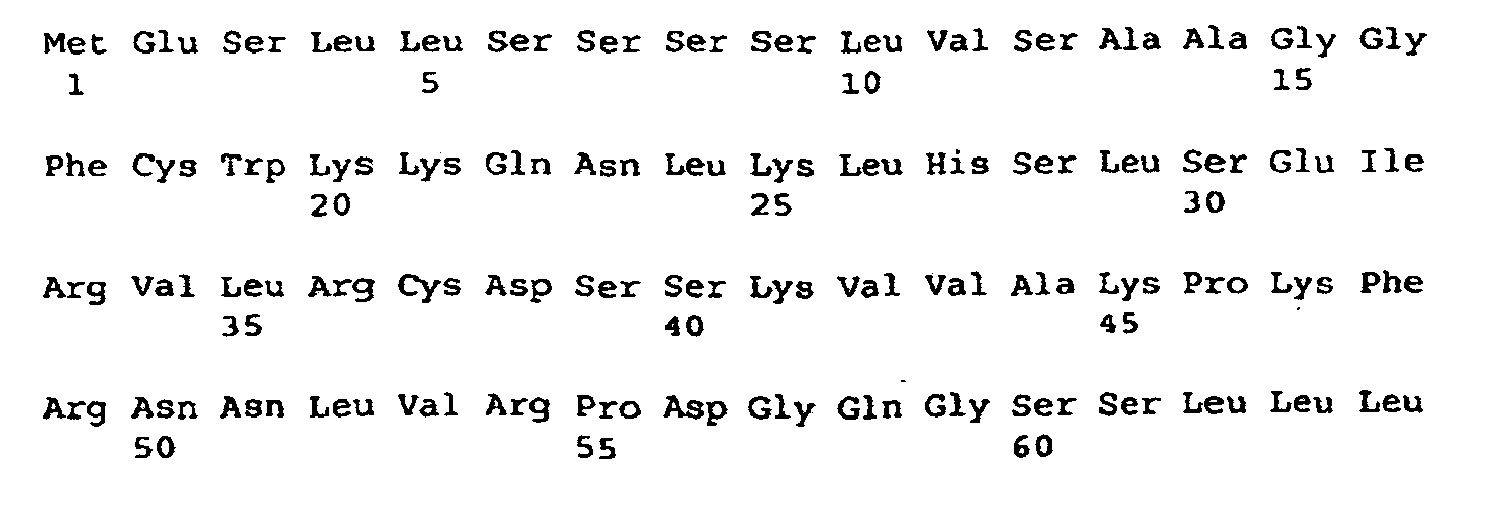

- <210> 3
<211> 1224
<212> DNA
<213> Arabidopsis sp. - <400> 3

- <210> 4
<211> 407
<212> PRT
<213> Arabidopsis sp. - <400> 4


- <210> 5
<211> 1296
<212> DNA
<213> Arabidopsis sp. - <400> 5


- <210> 6
<211> 431
<212> PRT
<213> Arabidopsis sp. - <400> 6


- <210> 7
<211> 479
<212> DNA
<213> Arabidopsis sp. - <400> 7

- <210> 8
<211> 551
<212> DNA
<213> Arabidopsis sp. - <220>
<221> misc_feature
<222> (1) ... (551)
<223> n = A,T,C or G - <400> 8

- <210> 9
<211> 297
<212> PRT
<213> Arabidopsis sp. - <400> 9

- <210> 10
<211> 561
<212> DNA
<213> Arabidopsis sp. - <400> 10

- <210> 11
<211> 966
<212> DNA
<213> Arabidopsis sp. - <400> 11

- <210> 12
<211> 321
<212> PRT
<213> Arabidopsis sp. - <400> 12


- <210> 13
<211> 621
<212> DNA
<213> Arabidopsis sp. - <400> 13
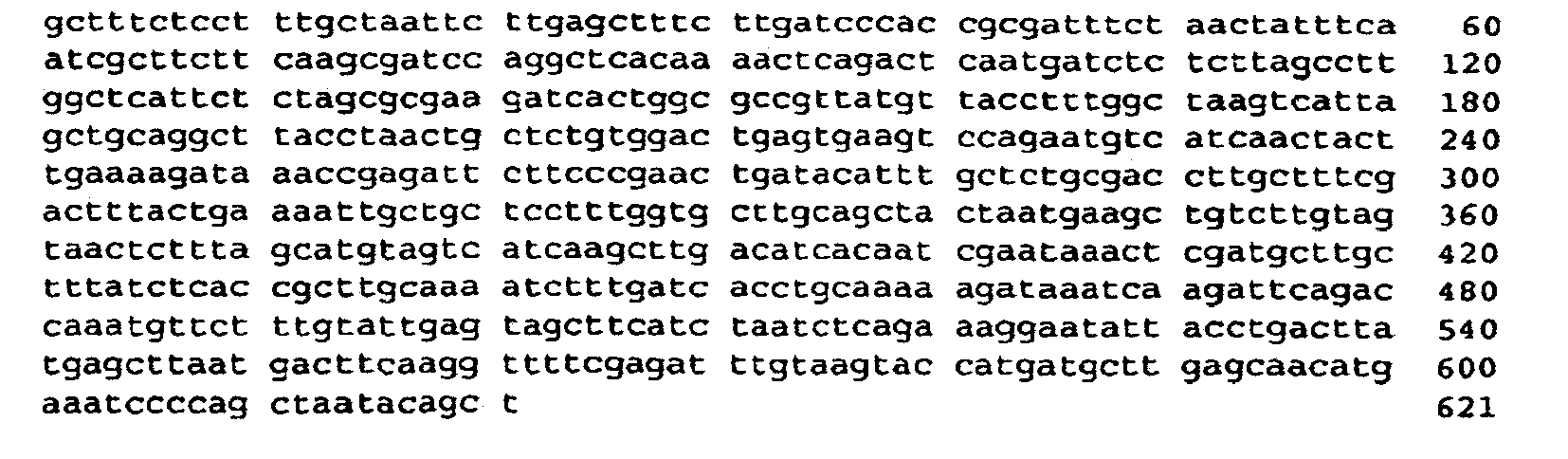
- <210> 14
<211> 741
<212> DNA
<213> Arabidopsis sp. - <400> 14

- <210> 15
<211> 10B7
<212> DNA
<213> Arabidopsis sp. - <400> 15

- <210> 16
<211> 1164
<212> DNA
<213> Arabidopsis sp. - <400> 16


- <210> 17
<211> 387
<212> PRT
<213> Arabidopsis sp. - <400> 17
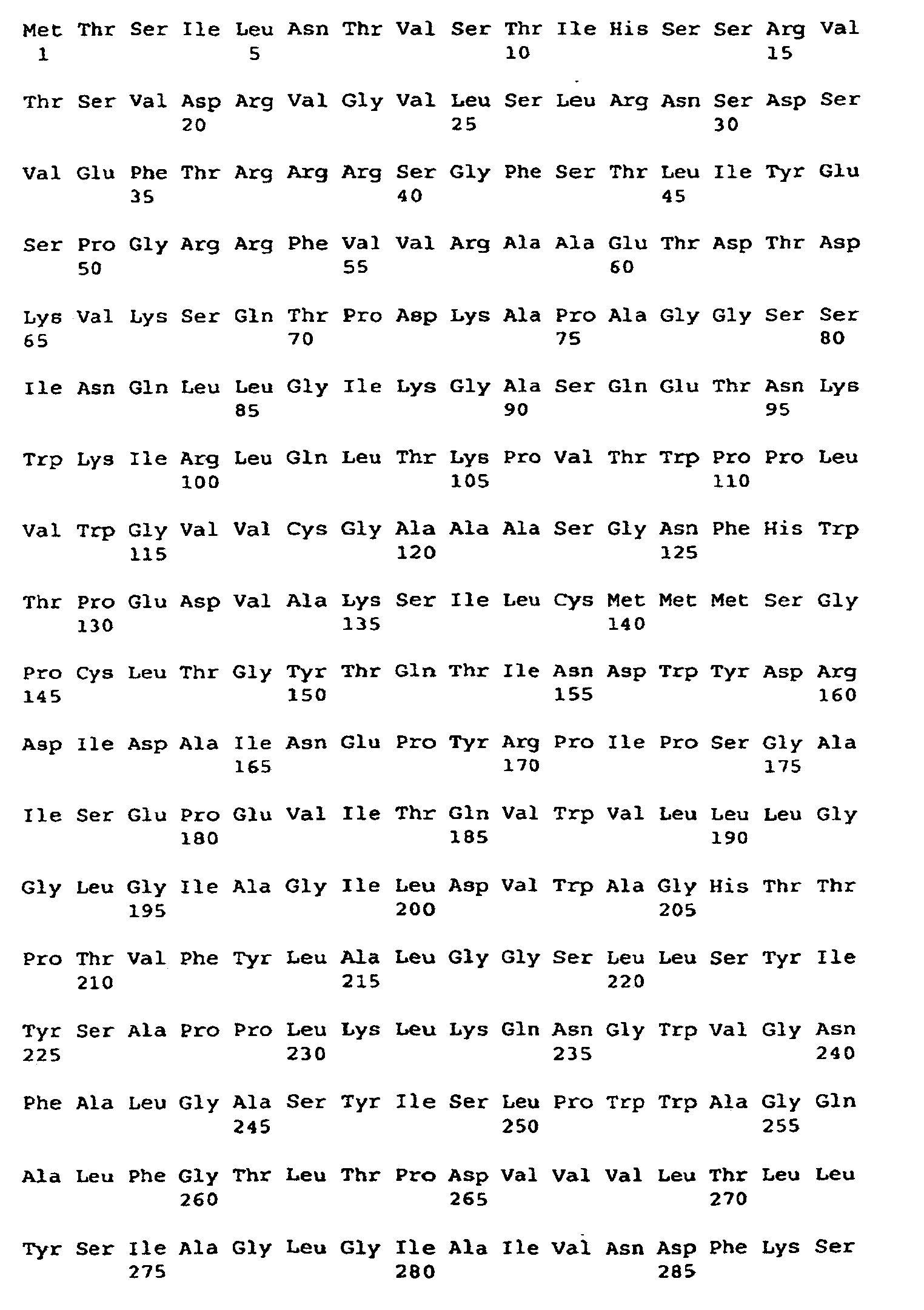

- <210> 18
<211> 981
<212> DNA
<213> Arabidopsis sp. - <400> 18

- <210> 19
<211> 245
<212> DNA
<213> Glycine sp. - <400> 19

- <210> 20
<211> 253
<212> DNA
<213> Glycine sp. - <400> 20

- <210> 21
<211> 275
<212> DNA
<213> Glycine sp. - <400> 21

- <210> 22
<211> 299
<212> DNA
<213> Glycine sp. - <220>
<221> misc_feature
<222> (1)...(299)
<223> n = A,T,C or G - <400> 22

- <210> 23
<211> 767
<212> DNA
<213> Glycine sp. - <400> 23

- <210> 24
<211> 255
<212> PRT
<213> Glycine sp. - <400> 24

- <210> 25
<211> 360
<212> DNA
<213> Zea sp. - <220>
<221> misc_feature
<222> (1)...(360)
<223> n = A,T,C or G - <400> 25

- <210> 26
<211> 299
<212> DNA
<213> Zea sp. - <220>
<221> misc_feature
<222> (1)..(299)
<223> n = A,T,C or G - <400> 26

- <210> 27
<211> 255
<212> DNA
<213> Zea sp. - <220>
<221> misc_feature
<222> (1)...(255)
<223> n = A,T,C or G - <400> 27

- <210> 28
<211> 257
<212> DNA
<213> Zea sp. - <400> 28

- <210> 29
<211> 368
<212> DNA
<213> Zea sp. - <400> 29

- <210> 30
<211> 122
<212> PRT
<213> Zea sp. - <400> 30
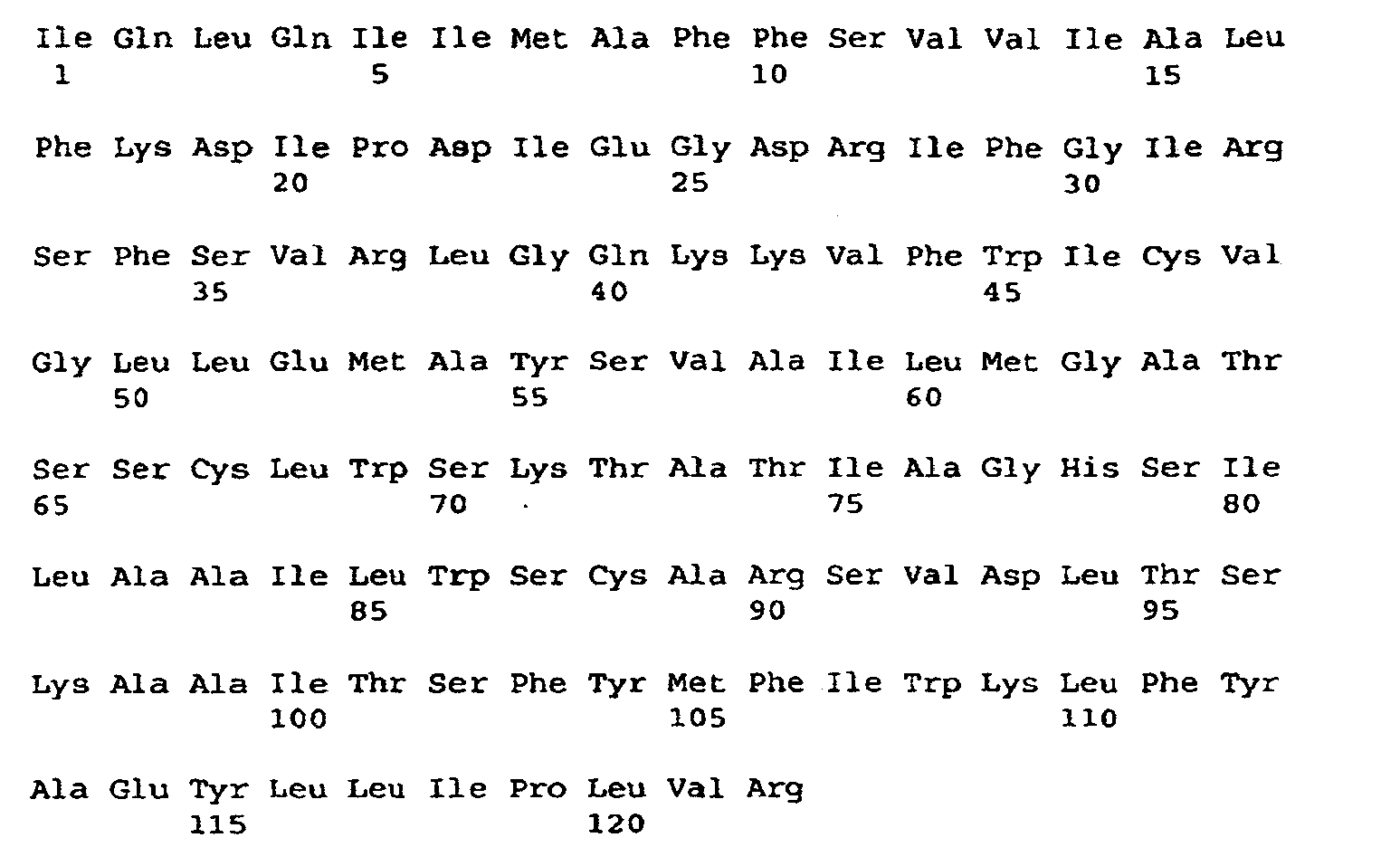
- <210> 31
<211> 278
<212> DNA
<213> Zea sp. - <400> 31

- <210> 32
<211> 292
<212> PRT
<213> Synechocystis sp. - <400> 32


- <210> 33
<211> 316
<212> PRT
<213> Synechocystis sp. - <400> 33


- <210> 34
<211> 324
<212> PRT
<213> Synechocystis sp. - <400> 34


- <210> 35
<211> 307
<212> PRT
<213> Synechocystis sp. - <400> 35


- <210> 36
<211> 927
<212> DNA
<213> Synechocystis sp. - <400> 36


- <210> 37
<211> 308
<212> PRT
<213> Synechocystis sp. - <400> 37
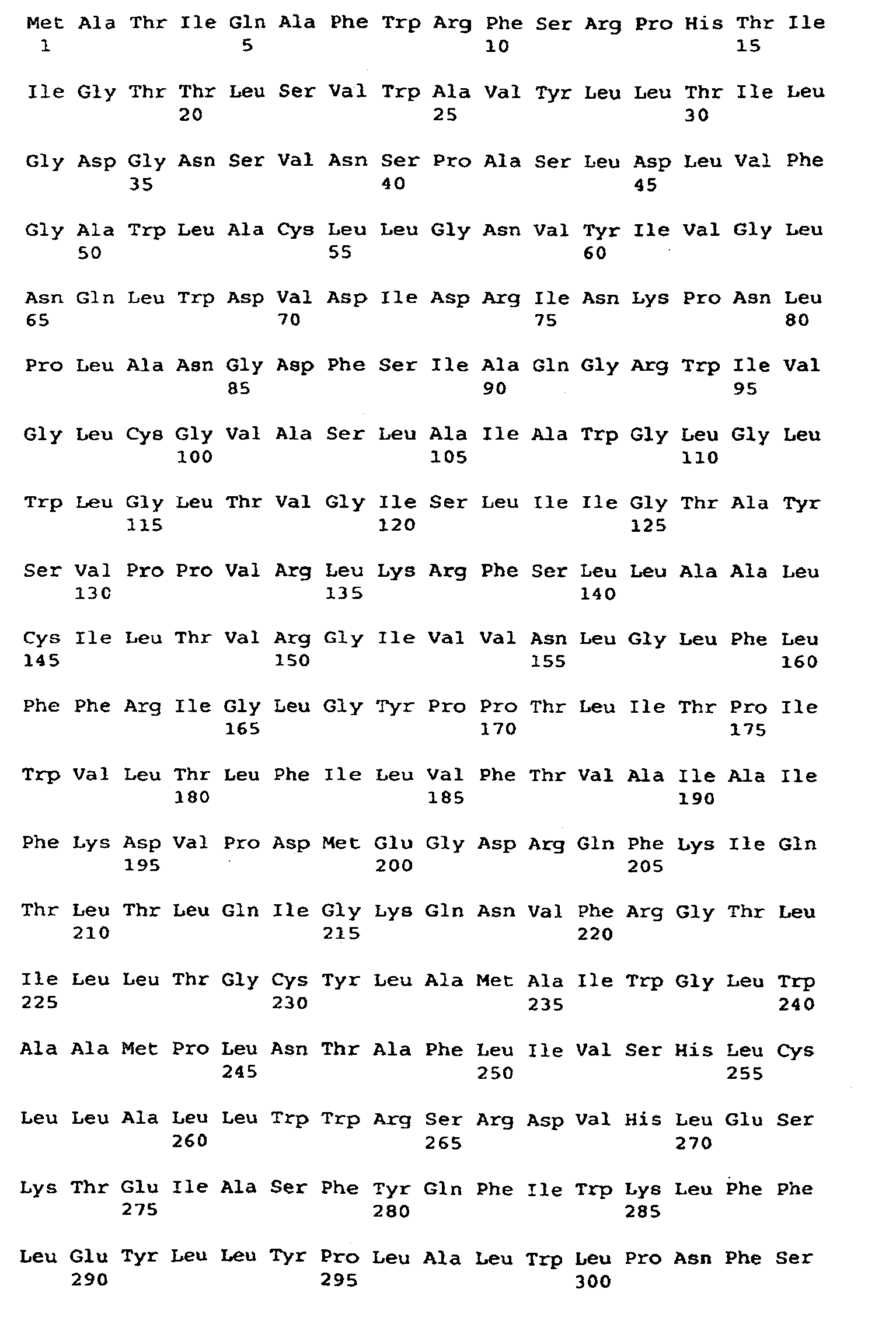

- <210> 38
<211> 1092
<212> DNA
<213> Synechocystis sp. - <400> 38

- <210> 39
<211> 363
<212> PRT
<213> Synechocystis sp. - <400> 39

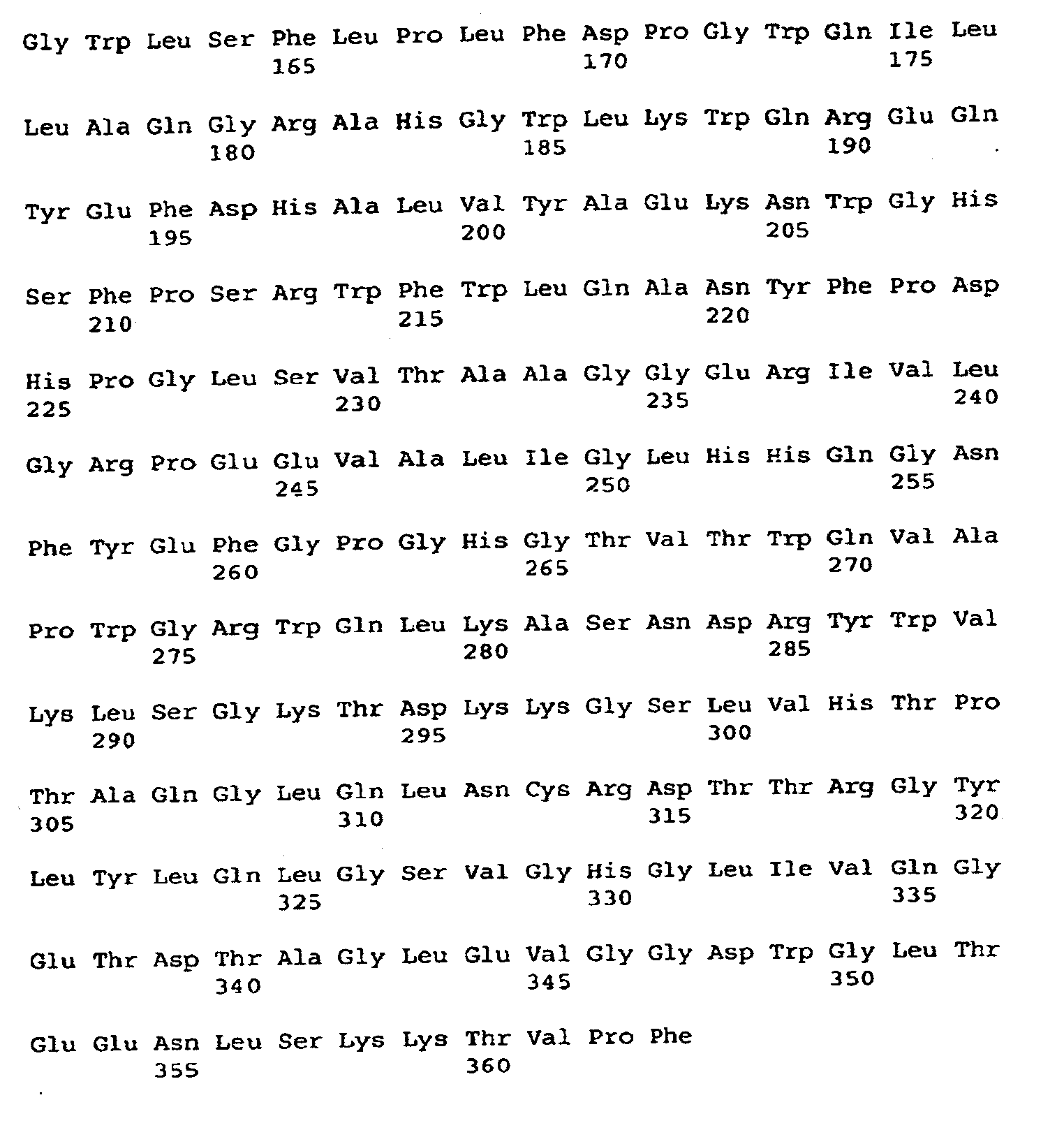
- <210> 40
<211> 56
<212> DNA
<213> Artificial Sequence - <220>
<223> oligonucleotide adapter - <400> 40
cgcgatttaa atggcgcgcc ctgcaggcgg ccgcctgcag ggcgcgccat ttaaat 56 - <210> 41
<211> 32
<212> DNA
<213> Artificial Sequence - <220>
<223> oligonucleotide - <400> 41
tcgaggatcc gcggccgcaa gcttcctgca gg 32 - <210> 42
<211> 32
<212> DNA
<213> Artificial Sequence - <220>
<223> oligonucleotide - <400> 42
tcgacctgca ggaagcttgc ggccgcggat cc 32 - <210> 43
<211> 32
<212> DNA
<213> Artificial Sequence - <220>
<223> oligonucleotide - <400> 43
tcgacctgca ggaagcttgc ggccgcggat cc 32 - <210> 44
<211> 32
<212> DNA
<213> Artificial Sequence - <220>
<223> oligonucleotide - <400> 44
tcgaggatcc gcggccgcaa gcttcctgca gg 32 - <210> 45
<211> 36
<212> DNA
<213> Artificial Sequence - <220>
<223> oligonucleotide - <400> 45
tcgaggatcc gcggccgcaa gcttcctgca ggagct 36 - <210> 46
<211> 28
<212> DNA
<213> Artificial Sequence - <220>
<223> oligonucleotide - <400> 46
cctgcaggaa gcttgcggcc gcggatcc 28 - <210> 47
<211> 36
<212> DNA
<213> Artificial Sequence - <220>
<223> oligonucleotide - <400> 47
tcgacctgca ggaagcttgc ggccgcggat ccagct 36 - <210> 48
<211> 28
<212> DNA
<213> Artificial Sequence - <220>
<223> oligonucleotide - <400> 48
ggatccgcgg ccgcaagctt cctgcagg 28 - <210> 49
<211> 39
<212> DNA
<213> Artificial Sequence - <220>
<223> oligonucleotide - <400> 49
gatcacctgc aggaagcttg cggccgcgga tccaatgca 39 - <210> 50
<211> 31
<212> DNA
<213> Artificial Sequence - <220>
<223> oligonucleotide - <400> 50
ttggatccgc ggccgcaagc ttcctgcagg t 31 - <210> 51
<211> 41
<212> DNA
<213> Artificial Sequence - <220>
<223> Synthetic Oligonucleotides - <400> 51
ggatccgcgg ccgcacaatg gagtctctgc tctctagttc t 41 - <210> 52
<211> 38
<212> DNA
<213> Artificial Sequence - <220>
<223> Synthetic oligonucleotides - <400> 52
ggatcctgca ggtcacttca aaaaaggtaa cagcaagt 38 - <210> 53
<211> 45
<212> DNA
<213> Artificial Sequence - <220>
<223> Synthetic Oligonucleotides - <400> 53
ggatccgcgg ccgcacaatg gcgttttttg ggctctcccg tgttt 45 - <210> 54
<211> 40
<212> DNA
<213> Artificial Sequence - <220>
<223> Synthetic Oligonucleotides - <400> 54
ggatcctgca ggttattgaa aacttcttcc aagtacaact 40 - <210> 55
<211> 38
<212> DNA
<213> Artificial Sequence - <220>
<223> Synthetic Oligonucleotides - <400> 55
ggatccgcgg ccgcacaatg tggcgaagat ctgttgtt 38 - <210> 56
<211> 37
<212> DNA
<213> Artificial Sequence - <220>
<223> Synthetic Oligonucleotides - <400> 56
ggatcctgca ggtcatggag agtagaagga aggagct 37 - <210> 57
<211> 50
<212> DNA
<213> Artificial Sequence - <220>
<223> Synthetic Oligonucleotides - <400> 57
ggatccgcgg ccgcacaatg gtacttgccg aggttccaaa gcttgcctct 50 - <210> 58
<211> 38
<212> DNA
<213> Artificial Sequence - <220>
<223> Synthetic Oligonucleotides - <400> 58
ggatcctgca ggtcacttgt ttctggtgat gactctat 38 - <210> 59
<211> 38
<212> DNA
<213> Artificial Sequence - <220>
<223> Synthetic Oligonucleotides - <400> 59
ggatccgcgg ccgcacaatg acttcgattc tcaacact 38 - <210> 60
<211> 36
<212> DNA
<213> Artificial Sequence - <220>
<223> Synthetic Oligonucleotides - <400> 60
ggatcctgca ggtcagtgtt gcgatgctaa tgccgt 36 - <210> 61
<211> 22
<212> DNA
<213> Artificial Sequence - <220>
<223> Region of slr1736 open reading frame - <400> 61
taatgtgtac attgtcggcc tc 22 - <210> 62
<211> 60
<212> DNA
<213> Artificial Sequence - <220>
<223> Region of slr1736 open reading frame - <400> 62
gcaatgtaac atcagagatt ttgagacaca acgtggcttt ccacaattcc ccgcaccgtc 60 - <210> 63
<211> 22
<212> DNA
<213> Artificial Sequence - <220>
<223> Region of s1r1736 open reading frame - <400> 63
aggctaataa gcacaaatgg ga 22 - <210> 64
<211> 63
<212> DNA
<213> Artificial Sequence - <220>
<223> Region of slr1736 open reading frame - <400> 64

- <210> 65
<211> 26
<212> DNA
<213> Artificial Sequence - <220>
<223> Primer - <400> 65
ggatccatgg ttgcccaaac cccatc 26 - <210> 66
<211> 61
<212> DNA
<213> Artificial Sequence - <220>
<223> Primer - <400> 66

- <210> 67
<211> 25
<212> DNA
<213> Artificial Sequence - <220>
<223> Oligonucleotide primer - <400> 67
gaattctcaa agccagccca gtaac 25 - <210> 68
<211> 63
<212> DNA
<213> Artificial Sequence - <220>
<223> Oligonucleotide primer - <400> 68

- <210> 69
<211> 23
<212> DNA
<213> Artificial Sequence - <220>
<223> End of open reading frame fragment - <400> 69
ccagtggttt aggctgtgtg gtc 23 - <210> 70
<211> 21
<212> DNA
<213> Artificial Sequence - <220>
<223> End of open reading frame fragment - <400> 70
ctgagttgga tgtattggat c 21 - <210> 71
<211> 28
<212> DNA
<213> Artificial Sequence - <220>
<223> Primer - <400> 71
ggatccatgg ttacttcgac aaaaatcc 28 - <220> 72
<211> 60
<212> DNA
<213> Artificial Sequence - <220>
<223> Primer - <400> 72
gcaatgtaac atcagagatt ttgagacaca acgtggcttt gctaggcaac cgcttagtac 60 - <210> 73
<211> 28
<212> DNA
<213> Artificial Sequence - <220>
<223> Oligonucleotide primer - <400> 73
gaattcttaa cccaacagta aagttccc 28 - <210> 74
<211> 63
<212> DNA
<213> Artificial Sequence - <220>
<223> Oligonucleotide primer - <400> 74

- <210> 75
<211> 20
<212> DNA
<213> Artificial Sequence - <220>
<223> Open reading frame fragment - <400> 75
ggaacccttg cagccgcttc 20 - <210> 76
<211> 22
<212> DNA
<213> Artificial Sequence - <220>
<223> Open reading frame fragment - <400> 76
gtatgcccaa ctggtgcaga gg 22 - <210> 77
<211> 28
<212> DNA
<213> Artificial Sequence - <220>
<223> Primer - <400> 77
ggatccatgt ctgacacaca aaataccg 28 - <210> 78
<211> 62
<212> DNA
<213> Artificial Sequence - <220>
<223> Primer - <400> 78

- <210> 79
<211> 27
<212> DNA
<213> Artificial Sequence - <220>
<223> Synthetic oligonucleotide primer - <400> 79
gaattctcaa atccccgcat ggcctag 27 - <210> 80
<211> 65
<212> DNA
<213> Artificial Sequence - <220>
<223> Synthetic oligonucleotide primer - <400> 80

- <210> 81
<211> 21
<212> DNA
<213> Artificial Sequence - <220>
<223> Open reading frame fragment - <400> 81
cacttggatt cccctgatct g 21 - <210> 82
<211> 21
<212> DNA
<213> Artificial Sequence - <220>
<223> Open reading frame fragment - <400> 82
gcaatacccg cttggaaaac g 21 - <210> 83
<211> 29
<212> DNA
<213> Artificial Sequence - <220>
<223> Primer - <400> 83
ggatccatga ccgaatcttc gcccctagc 29 - <210> 84
<211> 61
<212> DNA
<213> Artificial Sequence - <220>
<223> Primer - <400> 84

- <210> 85
<211> 27
<212> DNA
<213> Artificial Sequence - <220>
<223> Synthetic oligonucleotide primer - <400> 85
gaattcttag cccaggccag cccagcc 27 - <210> 86
<211> 66
<212> DNA
<213> Artificial Sequence - <220>
<223> Synthetic oligonucleotide primer - <400> 86

- <210> 87
<211> 21
<212> DNA
<213> Artificial Sequence - <220>
<223> Open reading frame fragment - <400> 87
gcgatcgcca ttatcgcttg g 21 - <210> 88
<211> 24
<212> DNA
<213> Artificial Sequence - <220>
<223> Open reading frame fragment - <400> 88
gcagactggc aattatcagt aacg 24 - <210> 89
<211> 25
<212> DNA
<213> Artificial Sequence - <220>
<223> Primer - <400> 89
ccatggattc gagtaaagtt gtcgc 25 - <210> 90
<211> 25
<212> DNA
<213> Artificial Sequence - <220>
<223> Primer - <400> 90
gaattcactt caaaaaaggt aacag
25 - <210> 91
<211> 4550
<212> DNA
<213> Arabidopsis sp. - <400> 91


- <210> 92
<211> 4450
<212> DNA
<213> Arabidopsis sp. - <400> 92


- <210> 93
<211> 2850
<212> DNA
<213> Arabidopsis sp. - <400> 93

- <210> 94
<211> 3660
<212> DNA
<213> Arabidopsis sp. - <400> 94


- <210> 95
<211> 1236
<212> DNA
<213> Glycine sp. - <400> 95


- <210> 96
<211> 1188
<212> DNA
<213> Glycine sp. - <400> 96

- <210> 97
<211> 395
<212> PRT
<213> Glycine sp. - <400> 97


- <210> 98
<211> 411
<212> PRT
<213> Glycine sp. - <400> 98



- <210> 99
<211> 964
<212> DNA
<213> Oryza sp. - <400> 99

- <210> 100
<211> 421
<212> DNA
<213> Triticum sp. - <400> 100

- <210> 101
<211> 705
<212> DNA
<213> Allium porrum - <400> 101


- <210> 102
<211> 637
<212> DNA
<213> Allium porrum - <220>
<221> misc_feature
<222> (1)...(637)
<223> n = A, T, C, or G - <400> 102

- <210> 103
<211> 677
<212> DNA
<213> Brassica napus - <400> 103

- <210> 104
<211> 1431
<212> DNA
<213> Zea sp. - <400> 104


- <210> 105
<211> 1870
<212> DNA
<213> Zea sp. - <400> 105

- <210> 106
<211> 642
<212> DNA
<213> Zea sp. - <400> 106


- <210> 107
<211> 362
<212> DNA
<213> Gossypium sp. - <400> 107

- <210> 108
<211> 575
<212> DNA
<213> Lycopersicon sp. - <400> 108

- <210> 109
<211> 1663
<212> DNA
<213> Arabidopsis sp. - <400> 109


- <210> 110
<211> 488
<212> PRT
<213> Arabidopsis sp. - <400> 110


- <210> 111
<211> 246
<212> PRT
<213> Arabidopsis sp. - <400> 111


- <210> 112
<211> 3115
<212> DNA
<213> Arabidopsis sp. - <400> 112


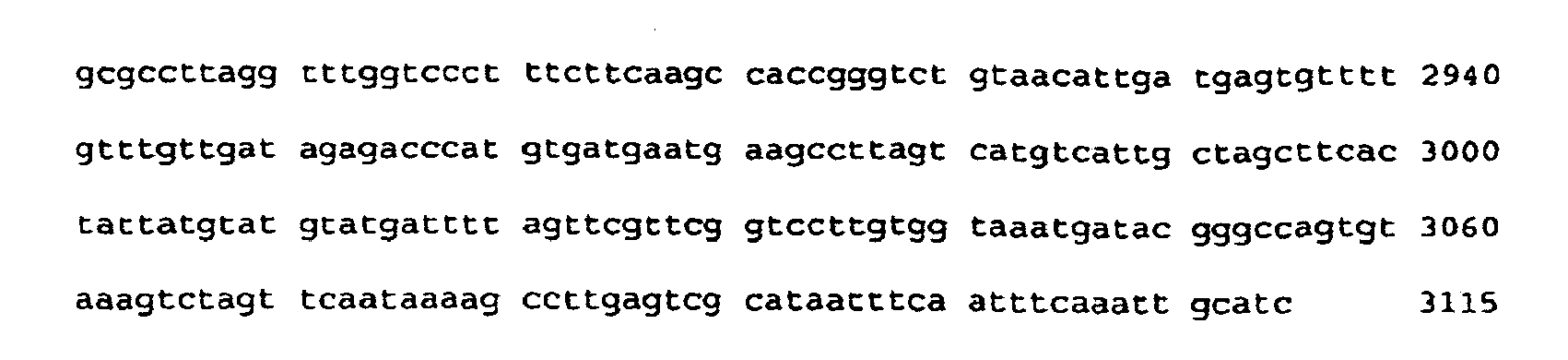
- <210> 113
<211> 536
<212> DNA
<213> Arabidopsis sp. - <400> 113

- <210> 114
<211> 411
<212> PRT
<213> Arabidopsis sp. - <220>
<223> Peptide PIR: T04448 shown in Figure 31 - <400> 114
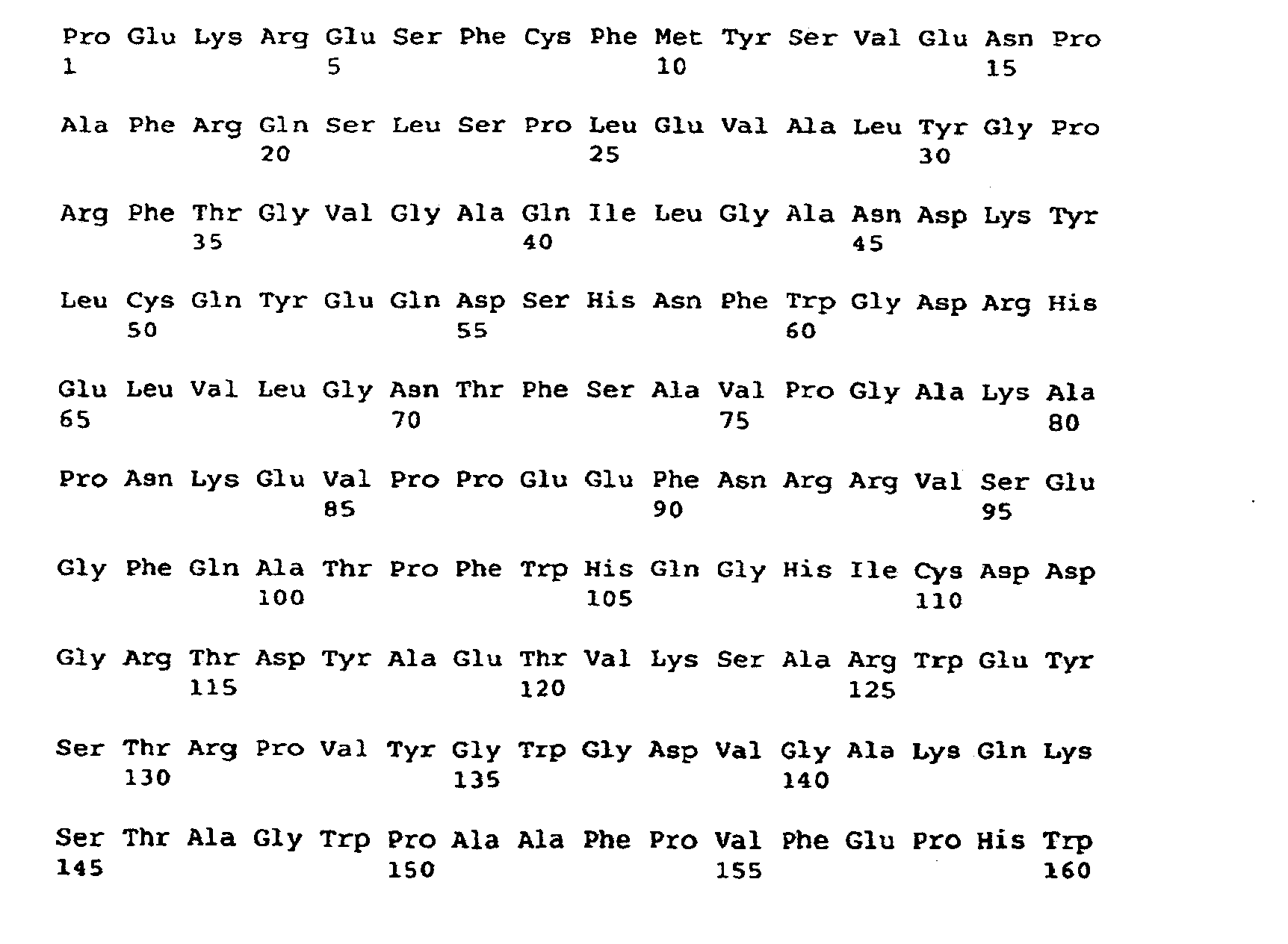

-
- <110> Subramaniam, Sai
Slater, Steven
Karberg, Katherine
Chen, Ridong
Valentin, Henry
Huang Wong, Yun-Hua - <120> Nucleic Acid Sequences Involved in
Tocopherol Synthesis - <130> MOCO.008.00WO
- <150> 09/549,848
<151> 2000-04-15 - <150> 09/688,069
<151> 2000-10-15 - <160> 94
- <170> FastSEQ for Windows Version 4.0
- <210> 1
<211> 1182
<212> DNA
<213> Arabidopsis sp - <400> 1


- <210> 2
<211> 393
<212> PRT
<213> Arabidopsis sp - <400> 2
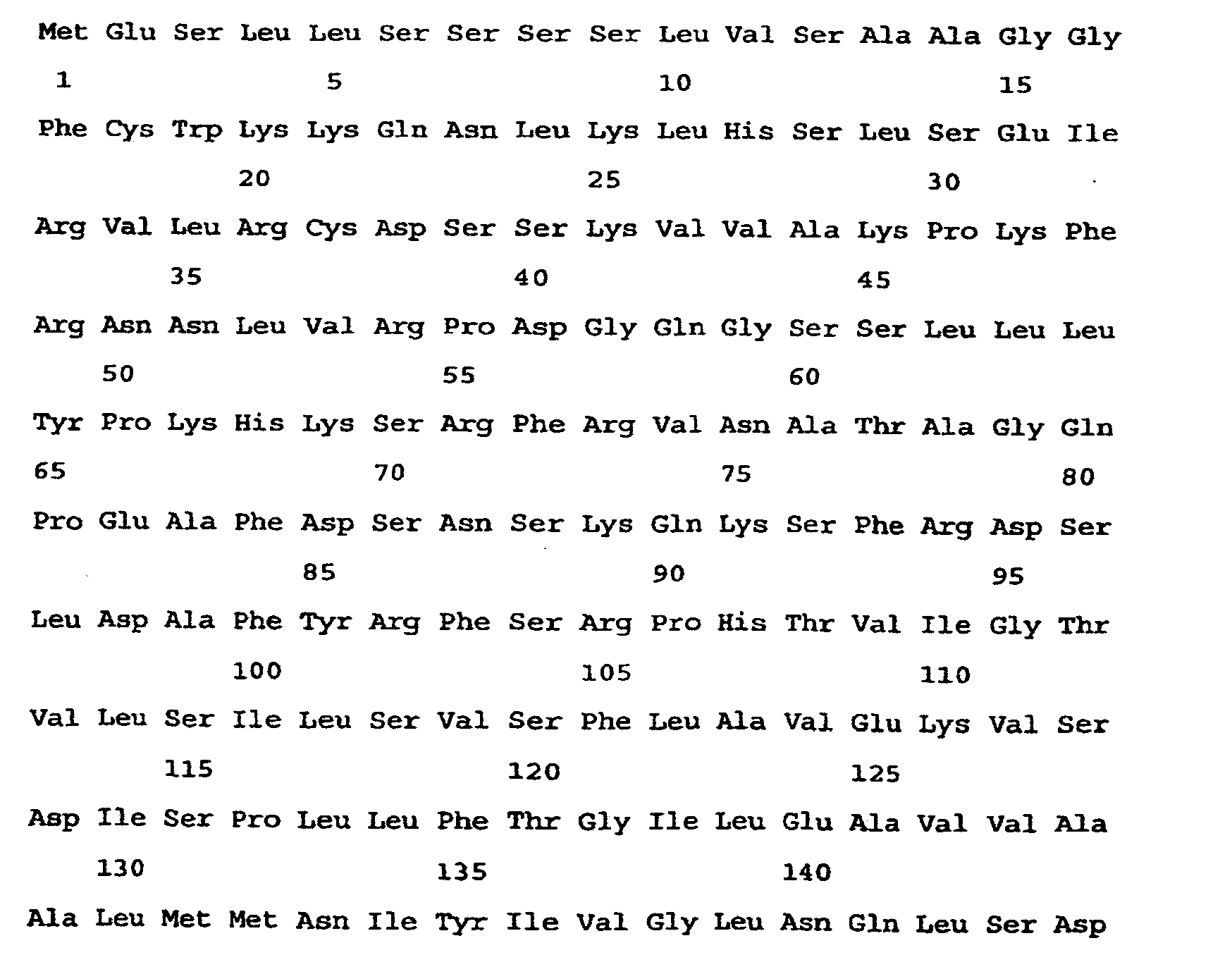

- <210> 3
<211> 1224
<212> DNA
<213> Arabidopsis sp - <400> 3


- <210> 4
<211> 407
<212> PRT
<213> Arabidopsis sp - <400> 4


- <210> 5
<211> 1296
<212> DNA
<213> Arabidopsis sp - <400> 5

- <210> 6
<211> 431
<212> PRT
<213> Arabidopsis sp - <400> 6


- <210> 7
<211> 479
<212> DNA
<213> Arabidopsis sp - <400> 7

- <210> 8
<211> 551
<212> DNA
<213> Arabidopsis sp - <220>
<221> misc_feature
<222> (1)...(551)
<223> n = A,T,C or G
- <210> 9
<211> 297
<212> PRT
<213> Arabidopsis sp - <400> 9

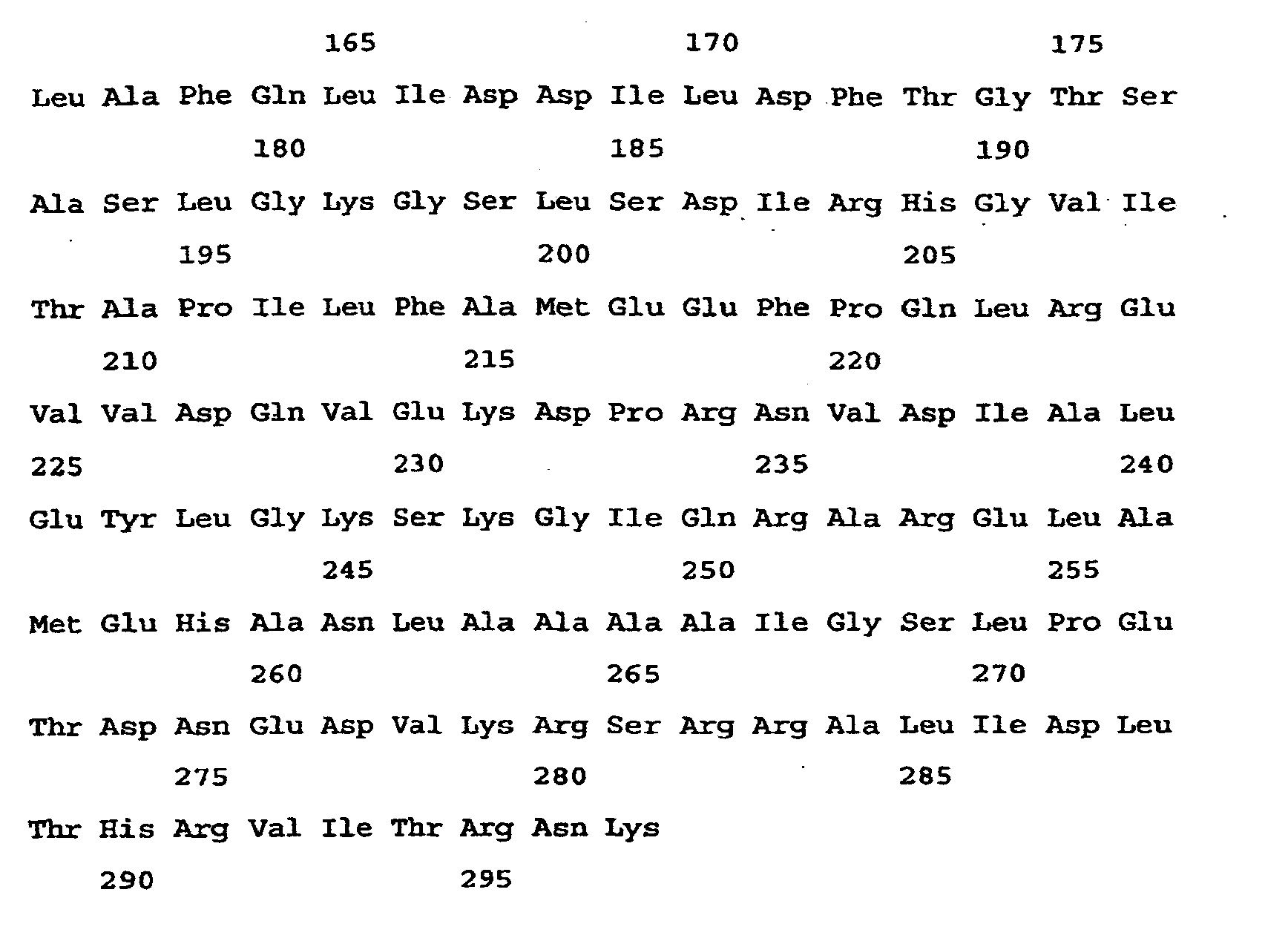
- <210> 10
<211> 561
<212> DNA
<213> Arabidopsis sp - <400> 10

- <210> 11
<211> 966
<212> DNA
<213> Arabidopsis sp - <400> 11

- <210> 12
<211> 321
<212> PRT
<213> Arabidopsis sp - <400> 12


- <210> 13
<211> 621
<212> DNA
<213> Arabidopsis sp - <400> 13


- <210> 14
<211> 741
<212> DNA
<213> Arabidopsis sp - <400> 14

- <210> 15
<211> 1087
<212> DNA
<213> Arabidopsis sp - <400> 15


- <210> 16
<211> 1164
<212> DNA
<213> Arabidopsis sp - <400> 16


- <210> 17
<211> 387
<212> PRT
<213> Arabidopsis sp - <400> 17

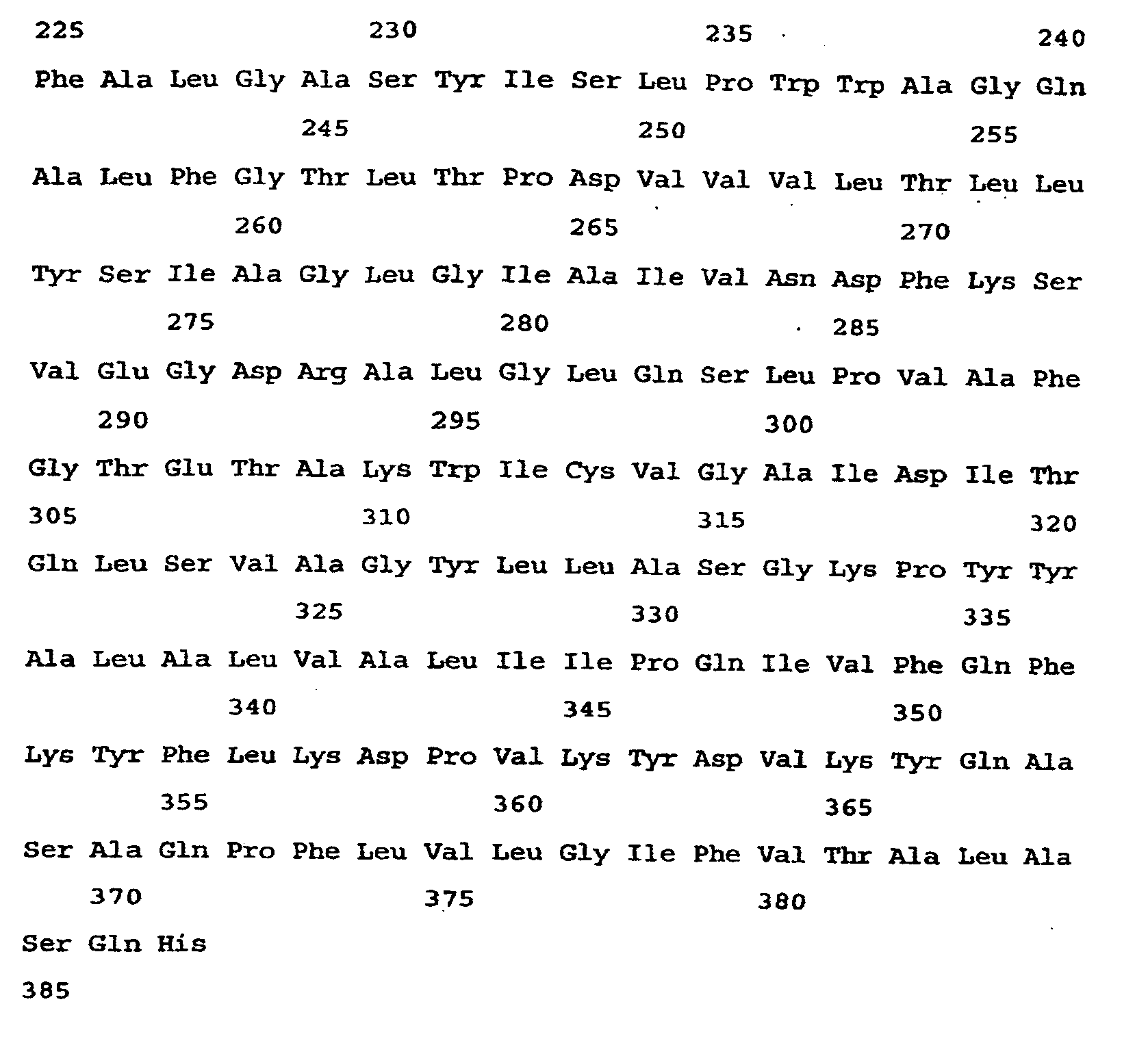
- <210> 18
<211> 981
<212> DNA
<213> Arabidopsis sp - <400> 18


- <210> 19
<211> 245
<212> DNA
<213> GLycine sp - <400> 19

- <210> 20
<211> 253
<212> DNA
<213> Glycine sp - <400> 20

- <210> 21
<211> 275
<212> DNA
<213> Glycine sp - <400> 21


- <210> 22
<211> 299
<212> DNA
<213> Glycine sp - <220>
<221> misc_feature
<222> (1)...(299)
<223> n = A,T,C or G - <400> 22

- <210> 23
<211> 767
<212> DNA
<213> Glycine sp - <400> 23


- <210> 24
<211> 255
<212> PRT
<213> Glycine sp - <400> 24


- <210> 25
<211> 360
<212> DNA
<213> Zea sp - <220>
<221> misc_feature
<222> (1)...(360)
<223> n = A,T,C or G - <400> 25

- <210> 26
<211> 299
<212> DNA
<213> Zea sp - <220>
<221> misc_feature
<222> (1)...(299)
<223> n = A,T,C or G - <400> 26

- <210> 27
<211> 255
<212> DNA
<213> Zea sp - <220>
<221> misc_feature
<222> (1)...(255)
<223> n = A,T,C or G - <400> 27

- <210> 28
<211> 257
<212> DNA
<213> Zea sp - <400> 28

- <210> 29
<211> 368
<212> DNA
<213> Zea sp - <400> 29


- <210> 30
<211> 122
<212> PRT
<213> Zea sp - <400> 30

- <210> 31
<211> 278
<212> DNA
<213> Zea sp - <400> 31

- <210> 32
<211> 292
<212> PRT
<213> Synechocystis sp - <400> 32


- <210> 33
<211> 316
<212> PRT
<213> Synechocystis sp - <400> 33


- <210> 34
<211> 324
<212> PRT
<213> Synechocystis sp - <400> 34


- <210> 35
<211> 307
<212> PRT
<213> Synechocystis sp - <400> 35


- <210> 36
<211> 927
<212> DNA
<213> Synechocystis sp - <400> 36


- <210> 37
<211> 308
<212> PRT
<213> Synechocystis sp - <400> 37


- <210> 38
<211> 1092
<212> DNA
<213> Synechocystis sp - <400> 38


- <210> 39
<211> 363
<212> PRT
<213> Synechocystis sp - <400> 39


- <210> 40
<211> 56
<212> DNA
<213> Artificial Sequence - <400> 40
cgcgatttaa atggcgcgcc ctgcaggcgg ccgcctgcag ggcgcgccat ttaaat 56 - <210> 41
<211> 32
<212> DNA
<213> Artificial Sequence - <400> 41
tcgaggatcc gcggccgcaa gcttcctgca gg 32 - <210> 42
<211> 32
<212> DNA
<213> Artificial Sequence - <400> 42
tcgacctgca ggaagcttgc ggccgcggat cc 32 - <210> 43
<211> 32
<212> DNA
<213> Artificial Sequence - <400> 43
tcgacctgca ggaagcttgc ggccgcggat cc 32 - <210> 44
<211> 32
<212> DNA
<213> Artificial Sequence - <400> 44
tcgaggatcc gcggccgcaa gcttcctgca gg 32 - <210> 45
<211> 36
<212> DNA
<213> Artificial Sequence - <400> 45
tcgaggatcc gcggccgcaa gcttcctgca ggagct 36 - <210> 46
<211> 28
<212> DNA
<213> Artificial Sequence - <400> 46
cctgcaggaa gcttgcggcc gcggatcc 28 - <210> 47
<211> 36
<212> DNA
<213> Artificial Sequence - <400> 47
tcgacctgca ggaagcttgc ggccgcggat ccagct 36 - <210> 48
<211> 28
<212> DNA
<213> Artificial Sequence - <400> 48
ggatccgcgg ccgcaagctt cctgcagg 28 - <210> 49
<211> 39
<212> DNA
<213> Artificial Sequence - <400> 49
gatcacctgc aggaagcttg cggccgcgga tccaatgca 39 - <210> 50
<211> 31
<212> DNA
<213> Artificial Sequence - <400> 50
ttggatccgc ggccgcaagc ttcctgcagg t 31 - <210> 51
<211> 41
<212> DNA
<213> Artificial Sequence - <400> 51
ggatccgcgg ccgcacaatg gagtctctgc tctctagttc t 41 - <210> 52
<211> 38
<212> DNA
<213> Artificial Sequence - <400> 52
ggatcctgca ggtcacttca aaaaaggtaa cagcaagt 38 - <210> 53
<211> 45
<212> DNA
<213> Artificial Sequence - <400> 53
ggatccgcgg ccgcacaatg gcgttttttg ggctctcccg tgttt 45 - <210> 54
<211> 40
<212> DNA
<213> Artificial Sequence - <400> 54
ggatcctgca ggttattgaa aacttcttcc aagtacaact 40 - <210> 55
<211> 38
<212> DNA
<213> Artificial Sequence - <400> 55
ggatccgcgg ccgcacaatg tggcgaagat ctgttgtt 38 - <210> 56
<211> 37
<212> DNA
<213> Artificial Sequence - <400> 56
ggatcctgca ggtcatggag agtagaagga aggagct 37 - <210> 57
<211> 50
<212> DNA
<213> Artificial Sequence - <400> 57
ggatccgcgg ccgcacaatg gtacttgccg aggttccaaa gcttgcctct 50 - <210> 58
<211> 38
<212> DNA
<213> Artificial Sequence - <400> 58
ggatcctgca ggtcacttgt ttctggtgat gactctat 38 - <210> 59
<211> 38
<212> DNA
<213> Artificial Sequence - <400> 59
ggatccgcgg ccgcacaatg acttcgattc tcaacact 38 - <210> 60
<211> 36
<212> DNA
<213> Artificial Sequence - <400> 60
ggatcctgca ggtcagtgtt gcgatgctaa tgccgt 36 - <210> 61
<211> 22
<212> DNA
<213> Artificial Sequence - <400> 61
taatgtgtac attgtcggcc tc 22 - <210> 62
<211> 60
<212> DNA
<213> Artificial Sequence - <400> 62
gcaatgtaac atcagagatt ttgagacaca acgtggcttt ccacaattcc ccgcaccgtc 60 - <210> 63
<211> 22
<212> DNA
<213> Artificial Sequence - <400> 63
aggctaataa gcacaaatgg ga 22 - <210> 64
<211> 63
<212> DNA
<213> Artificial Sequence - <400> 64

- <210> 65
<211> 26
<212> DNA
<213> Artificial Sequence - <400> 65
ggatccatgg ttgcccaaac cccatc 26 - <210> 66
<211> 61
<212> DNA
<213> Artificial Sequence - <400> 66

- <210> 67
<211> 25
<212> DNA
<213> Artificial Sequence - <400> 67
gaattctcaa agccagccca gtaac 25 - <210> 68
<211> 63
<212> DNA
<213> Artificial Sequence - <400> 68

- <210> 69
<211> 23
<212> DNA
<213> Artificial Sequence - <400> 69
ccagtggttt aggctgtgtg gtc 23 - <210> 70
<211> 21
<212> DNA
<213> Artificial Sequence - <400> 70
ctgagttgga tgtattggat c 21 - <210> 71
<211> 28
<212> DNA
<213> Artificial Sequence - <400> 71
ggatccatgg ttacttcgac aaaaatcc 28 - <210> 72
<211> 60
<212> DNA
<213> Artificial Sequence - <400> 72
gcaatgtaac atcagagatt ttgagacaca acgtggcttt gctaggcaac cgcttagtac 60 - <210> 73
<211> 28
<212> DNA
<213> Artificial Sequence - <400> 73
gaattcttaa cccaacagta aagttccc 28 - <210> 74
<211> 63
<212> DNA
<213> Artificial Sequence - <400> 74

- <210> 75
<211> 20
<212> DNA
<213> Artificial Sequence - <400> 75
ggaacccttg cagccgcttc 20 - <210> 76
<211> 22
<212> DNA
<213> Artificial Sequence - <400> 76
gtatgcccaa ctggtgcaga gg 22 - <210> 77
<211> 28
<212> DNA
<213> Artificial Sequence - <400> 77
ggatccatgt ctgacacaca aaataccg 28 - <210> 78
<211> 62
<212> DNA
<213> Artificial Sequence - <400> 78

- <210> 79
<211> 27
<212> DNA
<213> Artificial Sequence - <400> 79
gaattctcaa atccccgcat ggcctag 27 - <210> 80
<211> 65
<212> DNA
<213> Artificial Sequence - <400> 80

- <210> 81
<211> 21
<212> DNA
<213> Artificial Sequence - <400> 81
cacttggatt cccctgatct g 21 - <210> 82
<211> 21
<212> DNA
<213> Artificial Sequence - <400> 82
gcaatacccg cttggaaaac g 21 - <210> 83
<211> 29
<212> DNA
<213> Artificial Sequence - <400> 83
ggatccatga ccgaatcttc gcccctagc 29 - <210> 84
<211> 61
<212> DNA
<213> Artificial Sequence - <400> 84

- <210> 85
<211> 27
<212> DNA
<213> Artificial Sequence - <400> 85
gaattcttag cccaggccag cccagcc 27 - <210> 86
<211> 66
<212> DNA
<213> Artificial Sequence - <400> 86

- <210> 87
<211> 21
<212> DNA
<213> Artificial Sequence - <400> 87
gcgatcgcca ttatcgcttg g 21 - <210> 88
<211> 24
<212> DNA
<213> Artificial Sequence - <400> 88
gcagactggc aattatcagt aacg 24 - <210> 89
<211> 25
<212> DNA
<213> Artificial Sequence - <400> 89
ccatggattc gagtaaagtt gtcgc 25 - <210> 90
<211> 0
<213> Artificial Sequence - <400> 90
gaattcactt caaaaaaggt aacag - <210> 91
<211> 4550
<212> DNA
<213> Arabidopsis sp - <400> 91


- <210> 92
<211> 4450
<212> DNA
<213> Arabidopsis sp - <400> 92


- <210> 93
<211> 2850
<212> DNA
<213> Arabidopsis sp - <400> 93


- <210> 94
<211> 3660
<212> DNA
<213> Arabidopsis sp - <400> 94


- <210> 95
<211> 1236
<212> DNA
<213> SOY - <400> 95

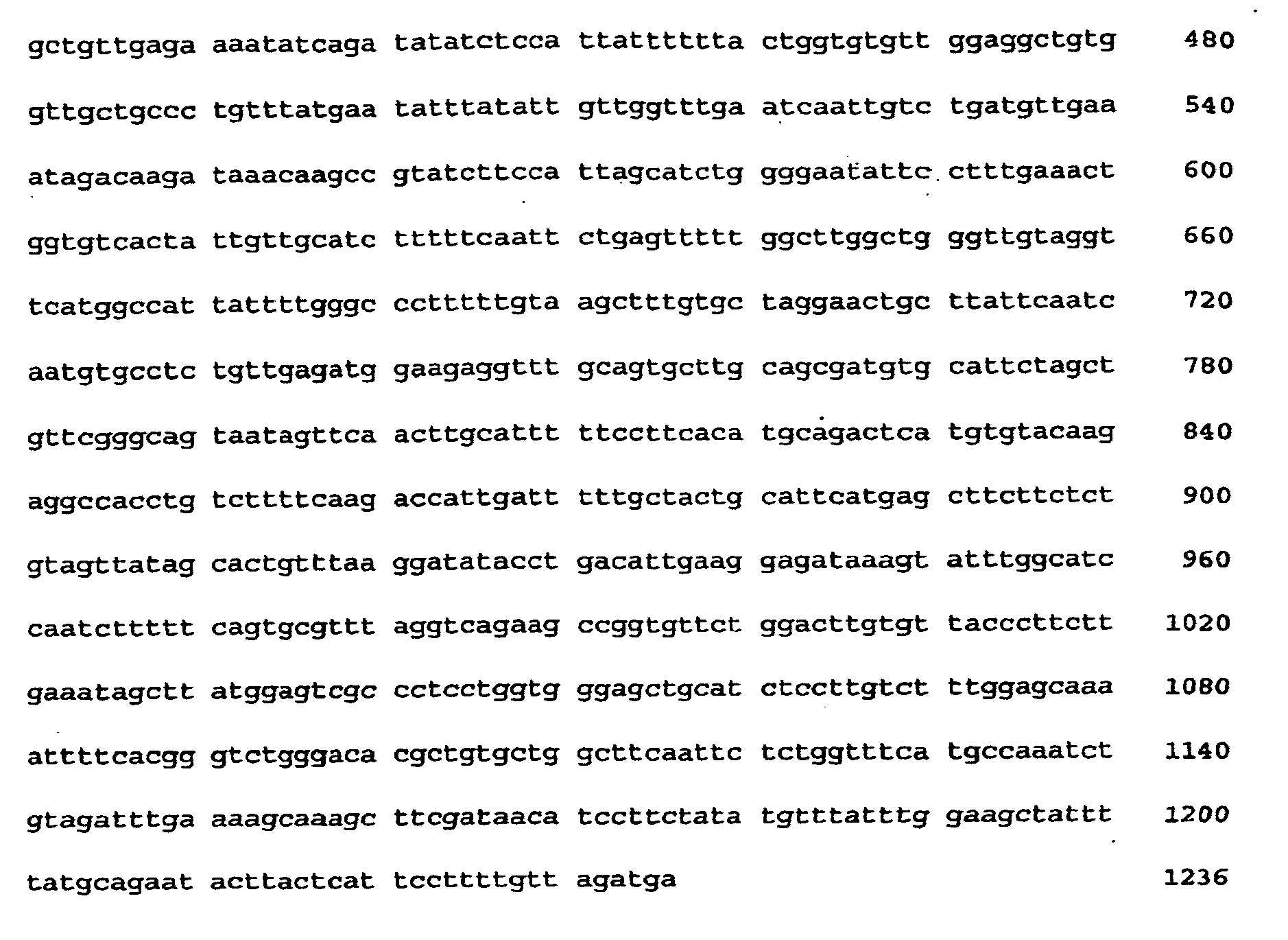
- <210> 96
<211> 1188
<212> DNA
<213> SOY - <400> 96


- <210> 97
<211> 395
<212> PRT
<213> SOY - <400> 97

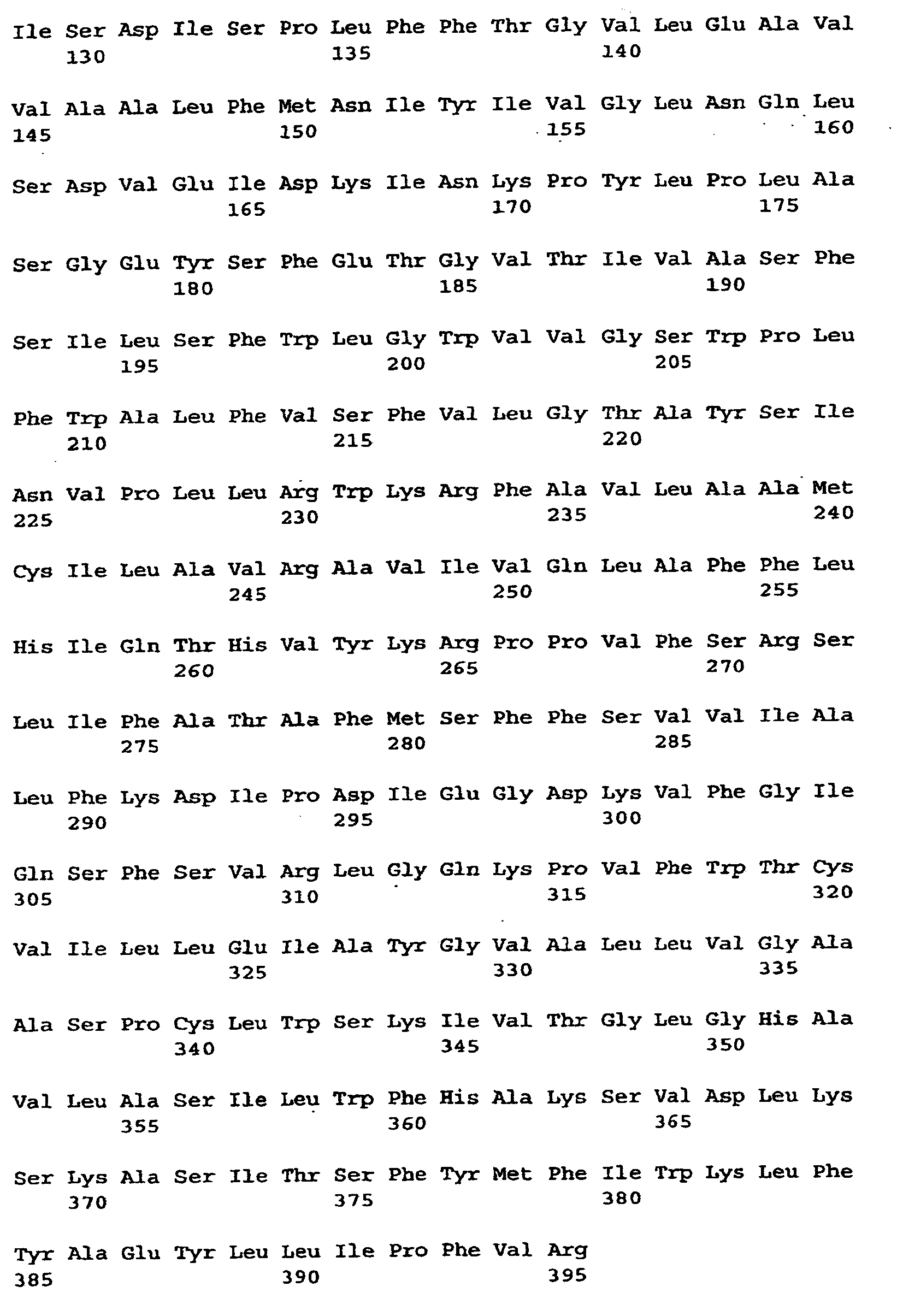
- <210> 98
<211> 411
<212> PRT
<213> SOY - <400> 98


- <210> 99
<211> 964
<212> DNA
<213> RICE - <400> 99


- <210> 100
<211> 421
<212> DNA
<213> WHEAT - <400> 100

- <210> 101
<211> 705
<212> DNA
<213> LEEK - <400> 101


- <210> 102
<211> 637
<212> DNA
<213> LEEK - <220>
<221> misc_feature
<222> (1)..(637)
<223> n = g, a, t or c - <400> 102

- <210> 103
<211> 677
<212> DNA
<213> CANOLA - <400> 103

- <210> 104
<211> 1431
<212> DNA
<213> CORN - <400> 104


- <210> 105
<211> 1870
<212> DNA
<213> CORN - <400> 105


- <210> 106
<211> 642
<212> DNA
<213> CORN - <400> 106

- <210> 107
<211> 362
<212> DNA
<213> COTTON - <400> 107

- <210> 108
<211> 575
<212> DNA
<213> TOMATO - <400> 108
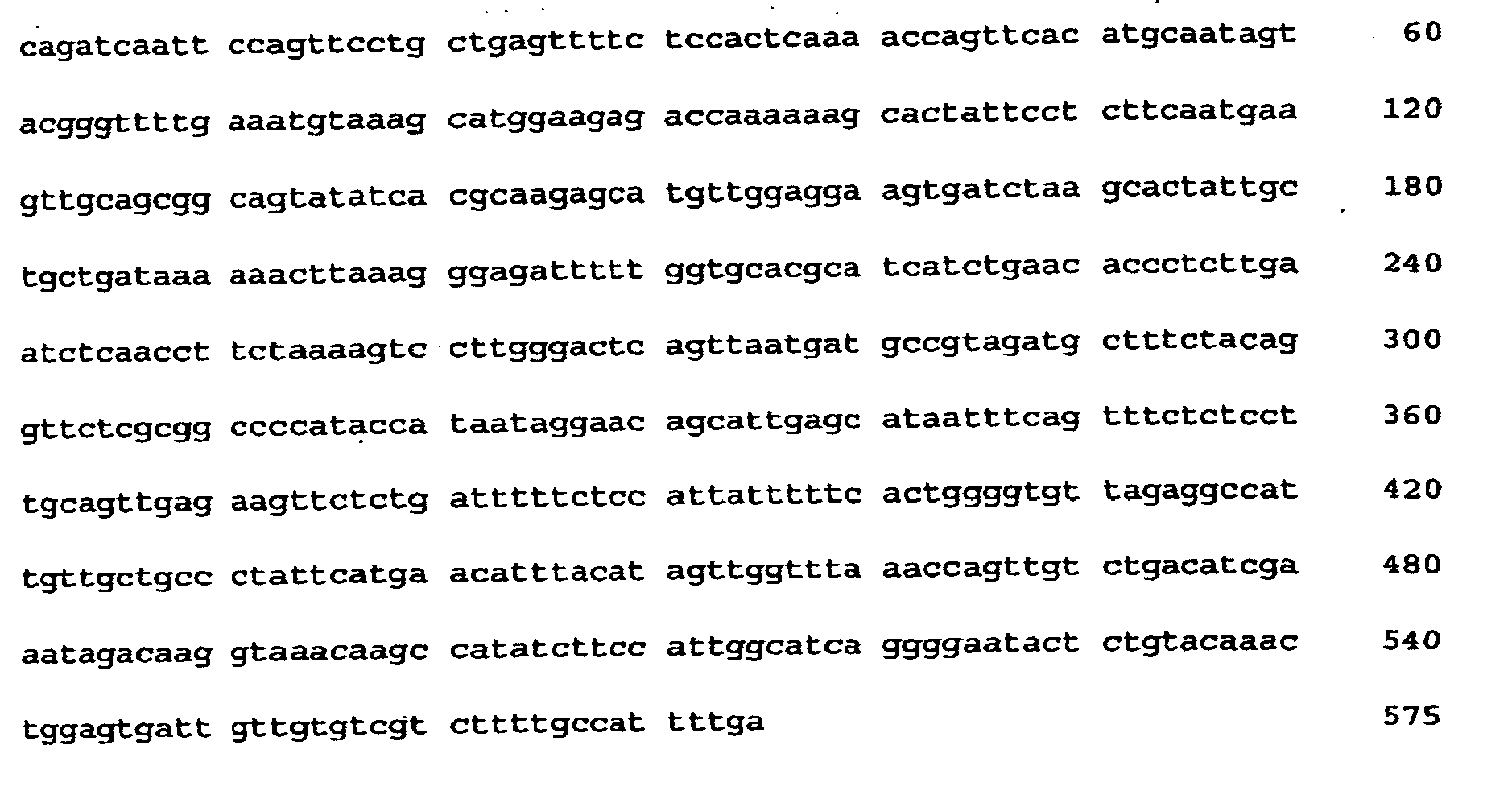
- <210> 109
<211> 1663
<212> DNA
<213> ARABIDOPSIS - <400> 109


- <210> 110
<211> 488
<212> PRT
<213> ARABIDOPSIS - <400> 110


Claims (19)
- A nucleic acid encoding a tocopherol cyclase comprising an amino acid sequence having at least 90% identity to the amino acid sequence of SEQ ID NO: 39 or SEQ ID NO: 110, comprising, as operably linked components, a transcriptional initiation region functional in a host plant cell, a nucleic acid sequence encoding the tocopherol cyclase, and a transcriptional termination region.
- A nucleic acid according to Claim 1, wherein said tocopherol cyclase is active in the cyclization of 2,3-dimethyl-5-phytylplastoquinol to tocopherol.
- A nucleic acid according to Claim 1, wherein said tocopherol cyclase is active in the cyclization of 2,3-dimethyl-5-geranylgeranylplastoquinol to tocotrienol.
- The nucleic acid of Claim 1, comprising a sequence of SEQ ID NO: 38 or SEQ ID NO:109.
- A plant cell comprising the construct of Claim 1, wherein the plant is selected from the group of Acacia, alfalfa, aneth, apple, apricot, artichoke, aragula, asparagus, avocado, banana, barley, beans, beet, blackberry, blueberry, broccoli, brussels sprouts, cabbage, canola, cantaloupe, carrot, cassava, cauliflower, celery, cherry, chicory, cilantro, citrus, clementines, coffee, corn, cotton, cucumber, Douglas fir, eggplant, endive, escarole, eucalyptus, fennel, figs, garlic, gourd, grape, grapefruit, honey dew, jicama, kiwifruit, lettuce, leeks, lemon, lime, Loblolly pine, mango, melon, mushroom, nectarine, nut, oat, oil palm, oil seed rape, okra, onion, orange, an ornamental plant, papaya, parsley, pea, peach, peanut, pear, pepper, persimmon, pine, pineapple, plantain, plum, pomegranate, poplar, potato, pumpkin, quince, radiata pine, radicchio, radish, raspberry, rice, rye, sorghum, Southern pine, soybean, spinach, squash, strawberry, sugarbeet, sugarcane, sunflower, sweet potato, sweetgum, tangerine, tea, tobacco, tomato, triticale, turf, turnip, a vine, watermelon, wheat, yams and zucchini, safflower, coconut palm.
- A plant cell comprising the construct of Claim 1, wherein the plant is selected from rapeseed (Canola and High Erucic Acid varieties), sunflower, safflower, cotton, soybean, peanut, coconut, oil palms and corn.
- A plant comprising a cell of Claims 5 or 6.
- A feed composition comprising a plant according to Claim 7.
- A seed comprising a cell of Claims 5 or 6.
- A method of producing oil using a seed of Claim 9.
- The method of Claim 10, wherein the oil is a natural tocopherol rich refined and deodorised oil which has been produced by a method of treating an oil by distilling under a pressure of less than 0.060 mbar and a temperature of less than 200°C, wherein said refined oil has reduced free fatty acids and a substantial percentage of tocopherol present in the pretreated oil.
- The method of Claim 11, wherein the pretreated oil is crude or pretreated soybean oil.
- The method of Claim 11, wherein the refined oil is degummed and bleached.
- A method for the alteration of the isoprenoid content in a host cell, said method comprising; transforming said host cell with the construct of claim 1, wherein said isoprenoid compound is selected from the group of tocopherols and tocotrienols.
- A method for producing an isoprenoid compound of interest in a host cell, said method comprising obtaining a transformed host cell into which the construct of Claim 1 has been introduced, said host cell having and expressing in its genome: said construct;
wherein said isoprenoid compound is selected from the group consisting of tocopherols and tocotrienols. - A method for increasing the biosynthetic flux in a host cell toward production of an isoprenoid compound, said method comprising; transforming said host cell with the construct of Claim 1, wherein said isoprenoid compound is selected from the group of tocopherols and tocotrienols.
- The method according to Claim 15, wherein said host cell is a plant cell.
- The method according to Claim 17, wherein said plant cell is obtained from a plant selected from the group consisting of Arabidopsis, soybean, corn, rice, wheat, leek canola, leek, cotton, and tomato.
- The method according to Claim 17, wherein said transcriptional initiation region is a seed-specific promoter and the method is for increasing the biosynthetic flux in a host cell toward production of an isoprenoid compound.
Priority Applications (1)
| Application Number | Priority Date | Filing Date | Title |
|---|---|---|---|
| EP07010187A EP1845161A1 (en) | 2000-04-14 | 2001-04-13 | Nucleic acid sequences to proteins involved in tocopherol synthesis |
Applications Claiming Priority (5)
| Application Number | Priority Date | Filing Date | Title |
|---|---|---|---|
| US549848 | 2000-04-14 | ||
| US09/549,848 US6541259B1 (en) | 1999-04-15 | 2000-04-14 | Nucleic acid sequences to proteins involved in isoprenoid synthesis |
| US09/688,069 US6872815B1 (en) | 2000-10-14 | 2000-10-14 | Nucleic acid sequences to proteins involved in tocopherol synthesis |
| US688069 | 2000-10-14 | ||
| PCT/US2001/012334 WO2001079472A2 (en) | 2000-04-14 | 2001-04-13 | Nucleic acid sequences to proteins involved in tocopherol synthesis |
Related Child Applications (1)
| Application Number | Title | Priority Date | Filing Date |
|---|---|---|---|
| EP07010187A Division EP1845161A1 (en) | 2000-04-14 | 2001-04-13 | Nucleic acid sequences to proteins involved in tocopherol synthesis |
Publications (2)
| Publication Number | Publication Date |
|---|---|
| EP1274850A2 EP1274850A2 (en) | 2003-01-15 |
| EP1274850B1 true EP1274850B1 (en) | 2007-06-20 |
Family
ID=27069256
Family Applications (1)
| Application Number | Title | Priority Date | Filing Date |
|---|---|---|---|
| EP01927055A Expired - Lifetime EP1274850B1 (en) | 2000-04-14 | 2001-04-13 | Nucleic acid sequences to proteins involved in tocopherol synthesis |
Country Status (6)
| Country | Link |
|---|---|
| EP (1) | EP1274850B1 (en) |
| AT (1) | ATE365217T1 (en) |
| AU (2) | AU2001253543B2 (en) |
| CA (1) | CA2405560C (en) |
| DE (1) | DE60129011T2 (en) |
| WO (1) | WO2001079472A2 (en) |
Families Citing this family (19)
| Publication number | Priority date | Publication date | Assignee | Title |
|---|---|---|---|---|
| MXPA01010488A (en) | 1999-04-15 | 2003-07-21 | Calgene Llc | Nucleic acid sequences to proteins involved in isoprenoid synthesis. |
| EP1177303A1 (en) | 1999-05-07 | 2002-02-06 | Pioneer Hi-Bred International, Inc. | Phytyl/prenyltransferase nucleic acids, polypeptides and uses thereof |
| US6872815B1 (en) | 2000-10-14 | 2005-03-29 | Calgene Llc | Nucleic acid sequences to proteins involved in tocopherol synthesis |
| US6841717B2 (en) | 2000-08-07 | 2005-01-11 | Monsanto Technology, L.L.C. | Methyl-D-erythritol phosphate pathway genes |
| WO2002033060A2 (en) * | 2000-10-14 | 2002-04-25 | Calgene Llc | Nucleic acid sequences to proteins involved in tocopherol synthesis |
| WO2002063016A1 (en) * | 2001-02-02 | 2002-08-15 | Roche Vitamins Ag | Tocopherol cyclase |
| JP2004533244A (en) | 2001-05-09 | 2004-11-04 | モンサント テクノロジー リミテッド ライアビリティー カンパニー | TyrA gene and uses thereof |
| US7161061B2 (en) | 2001-05-09 | 2007-01-09 | Monsanto Technology Llc | Metabolite transporters |
| AU2002329759A1 (en) | 2001-08-17 | 2003-03-03 | Monsanto Technology Llc | Methyltransferase genes and uses thereof |
| EP1444348B1 (en) | 2001-10-25 | 2010-01-27 | Monsanto Technology LLC | Aromatic methyltransferases and uses thereof |
| EP1318192A2 (en) * | 2001-12-06 | 2003-06-11 | greenovation Biotech GmbH | Prenyltransferase from Arabidopsis |
| CN1688697B (en) * | 2002-03-19 | 2013-04-24 | 孟山都技术公司 | Homogentisate prenyl transferase ('HPT') nucleic acids and polypeptides, and uses thereof |
| EP1527180A4 (en) * | 2002-03-19 | 2006-02-15 | Monsanto Technology Llc | NUCLEIC ACIDS AND POLYPEPTIDES OF HOMOGENTISATE PRENYL TRANSFERASE (HPT) AND ITS USES |
| DE10231587A1 (en) * | 2002-07-11 | 2004-01-29 | Sungene Gmbh & Co. Kgaa | Transgenic expression constructs and methods for increasing the vitamin E content in plant organisms |
| DE10232483A1 (en) * | 2002-07-17 | 2004-02-05 | Sungene Gmbh & Co. Kgaa | Transgenic expression constructs and methods for increasing the vitamin E content in plant organisms |
| EP1546334A4 (en) * | 2002-08-05 | 2007-01-03 | Monsanto Technology Llc | Tocopherol biosynthesis related genes and uses thereof |
| US7361635B2 (en) * | 2002-08-29 | 2008-04-22 | Sangamo Biosciences, Inc. | Simultaneous modulation of multiple genes |
| EP2143793B1 (en) * | 2007-03-27 | 2013-09-25 | Bridgestone Corporation | Genes of enzymes participating in vitamin e biosynthesis in para rubber tree |
| US20120272352A1 (en) * | 2009-10-30 | 2012-10-25 | Syngenta Participations Ag | Genes Conferring Drought and Salt Tolerance and Uses Thereof |
Citations (2)
| Publication number | Priority date | Publication date | Assignee | Title |
|---|---|---|---|---|
| WO1999004622A1 (en) * | 1997-07-25 | 1999-02-04 | University Of Nevada | Transgenic plants with tocopherol methyltransferase |
| WO2000010380A1 (en) * | 1998-08-25 | 2000-03-02 | University Of Nevada | Manipulation of tocopherol levels in transgenic plants |
Family Cites Families (3)
| Publication number | Priority date | Publication date | Assignee | Title |
|---|---|---|---|---|
| GB560529A (en) * | 1942-04-16 | 1944-04-07 | Distillation Products Inc | Preparation of stabilized edible substances |
| EP0531639B1 (en) * | 1991-07-18 | 1999-09-01 | F. Hoffmann-La Roche Ag | Tocopherol cyclase |
| MXPA01010488A (en) * | 1999-04-15 | 2003-07-21 | Calgene Llc | Nucleic acid sequences to proteins involved in isoprenoid synthesis. |
-
2001
- 2001-04-13 CA CA2405560A patent/CA2405560C/en not_active Expired - Lifetime
- 2001-04-13 EP EP01927055A patent/EP1274850B1/en not_active Expired - Lifetime
- 2001-04-13 AU AU2001253543A patent/AU2001253543B2/en not_active Expired
- 2001-04-13 AT AT01927055T patent/ATE365217T1/en active
- 2001-04-13 WO PCT/US2001/012334 patent/WO2001079472A2/en not_active Ceased
- 2001-04-13 AU AU5354301A patent/AU5354301A/en active Pending
- 2001-04-13 DE DE60129011T patent/DE60129011T2/en not_active Expired - Lifetime
Patent Citations (2)
| Publication number | Priority date | Publication date | Assignee | Title |
|---|---|---|---|---|
| WO1999004622A1 (en) * | 1997-07-25 | 1999-02-04 | University Of Nevada | Transgenic plants with tocopherol methyltransferase |
| WO2000010380A1 (en) * | 1998-08-25 | 2000-03-02 | University Of Nevada | Manipulation of tocopherol levels in transgenic plants |
Also Published As
| Publication number | Publication date |
|---|---|
| WO2001079472A3 (en) | 2002-06-06 |
| WO2001079472A2 (en) | 2001-10-25 |
| AU5354301A (en) | 2001-10-30 |
| DE60129011D1 (en) | 2007-08-02 |
| ATE365217T1 (en) | 2007-07-15 |
| AU2001253543B2 (en) | 2005-09-22 |
| CA2405560C (en) | 2014-06-17 |
| DE60129011T2 (en) | 2008-02-28 |
| EP1274850A2 (en) | 2003-01-15 |
| CA2405560A1 (en) | 2001-10-25 |
Similar Documents
| Publication | Publication Date | Title |
|---|---|---|
| EP1190068B1 (en) | Nucleic acid sequences to proteins involved in tocopherol synthesis | |
| AU2001253543B2 (en) | Nucleic acid sequences to proteins involved in tocopherol synthesis | |
| US8362324B2 (en) | Nucleic acid sequences to proteins involved in tocopherol synthesis | |
| WO2002033060A2 (en) | Nucleic acid sequences to proteins involved in tocopherol synthesis | |
| AU2001253543A1 (en) | Nucleic acid sequences to proteins involved in tocopherol synthesis | |
| JP2001512688A (en) | Method for producing carotenoid compounds and special oils in plant seeds |
Legal Events
| Date | Code | Title | Description |
|---|---|---|---|
| PUAI | Public reference made under article 153(3) epc to a published international application that has entered the european phase |
Free format text: ORIGINAL CODE: 0009012 |
|
| 17P | Request for examination filed |
Effective date: 20021111 |
|
| AK | Designated contracting states |
Kind code of ref document: A2 Designated state(s): AT BE CH CY DE DK ES FI FR GB GR IE IT LI LU MC NL PT SE TR |
|
| AX | Request for extension of the european patent |
Free format text: AL;LT;LV;MK;RO;SI |
|
| RIN1 | Information on inventor provided before grant (corrected) |
Inventor name: VALENTIN, HENRY, E. Inventor name: CHEN, RIDONG Inventor name: WONG, YUN-HUA, HUANG Inventor name: SUBRAMANIAM, SAI, S. Inventor name: KARBERG, KATHERINE Inventor name: SLATER, STEVEN, C. |
|
| 17Q | First examination report despatched |
Effective date: 20040301 |
|
| GRAP | Despatch of communication of intention to grant a patent |
Free format text: ORIGINAL CODE: EPIDOSNIGR1 |
|
| RAP1 | Party data changed (applicant data changed or rights of an application transferred) |
Owner name: CALGENE LLC |
|
| RIN1 | Information on inventor provided before grant (corrected) |
Inventor name: SUBRAMANIAM, SAI, S. Inventor name: CHEN, RIDONG Inventor name: KARBERG, KATHERINE Inventor name: SLATER, STEVEN, C. Inventor name: VALENTIN, HENRY, E. Inventor name: WONG, YUN-HUA, HUANG |
|
| GRAS | Grant fee paid |
Free format text: ORIGINAL CODE: EPIDOSNIGR3 |
|
| GRAA | (expected) grant |
Free format text: ORIGINAL CODE: 0009210 |
|
| AK | Designated contracting states |
Kind code of ref document: B1 Designated state(s): AT BE CH CY DE DK ES FI FR GB GR IE IT LI LU MC NL PT SE TR |
|
| REG | Reference to a national code |
Ref country code: GB Ref legal event code: FG4D |
|
| REG | Reference to a national code |
Ref country code: CH Ref legal event code: EP |
|
| REG | Reference to a national code |
Ref country code: IE Ref legal event code: FG4D |
|
| REF | Corresponds to: |
Ref document number: 60129011 Country of ref document: DE Date of ref document: 20070802 Kind code of ref document: P |
|
| PG25 | Lapsed in a contracting state [announced via postgrant information from national office to epo] |
Ref country code: SE Free format text: LAPSE BECAUSE OF FAILURE TO SUBMIT A TRANSLATION OF THE DESCRIPTION OR TO PAY THE FEE WITHIN THE PRESCRIBED TIME-LIMIT Effective date: 20070920 |
|
| ET | Fr: translation filed | ||
| NLV1 | Nl: lapsed or annulled due to failure to fulfill the requirements of art. 29p and 29m of the patents act | ||
| PG25 | Lapsed in a contracting state [announced via postgrant information from national office to epo] |
Ref country code: PT Free format text: LAPSE BECAUSE OF FAILURE TO SUBMIT A TRANSLATION OF THE DESCRIPTION OR TO PAY THE FEE WITHIN THE PRESCRIBED TIME-LIMIT Effective date: 20071120 Ref country code: NL Free format text: LAPSE BECAUSE OF FAILURE TO SUBMIT A TRANSLATION OF THE DESCRIPTION OR TO PAY THE FEE WITHIN THE PRESCRIBED TIME-LIMIT Effective date: 20070620 Ref country code: ES Free format text: LAPSE BECAUSE OF FAILURE TO SUBMIT A TRANSLATION OF THE DESCRIPTION OR TO PAY THE FEE WITHIN THE PRESCRIBED TIME-LIMIT Effective date: 20071001 |
|
| PLBE | No opposition filed within time limit |
Free format text: ORIGINAL CODE: 0009261 |
|
| STAA | Information on the status of an ep patent application or granted ep patent |
Free format text: STATUS: NO OPPOSITION FILED WITHIN TIME LIMIT |
|
| PG25 | Lapsed in a contracting state [announced via postgrant information from national office to epo] |
Ref country code: IT Free format text: LAPSE BECAUSE OF FAILURE TO SUBMIT A TRANSLATION OF THE DESCRIPTION OR TO PAY THE FEE WITHIN THE PRESCRIBED TIME-LIMIT Effective date: 20070620 Ref country code: DK Free format text: LAPSE BECAUSE OF FAILURE TO SUBMIT A TRANSLATION OF THE DESCRIPTION OR TO PAY THE FEE WITHIN THE PRESCRIBED TIME-LIMIT Effective date: 20070620 Ref country code: GR Free format text: LAPSE BECAUSE OF FAILURE TO SUBMIT A TRANSLATION OF THE DESCRIPTION OR TO PAY THE FEE WITHIN THE PRESCRIBED TIME-LIMIT Effective date: 20070921 |
|
| REG | Reference to a national code |
Ref country code: CH Ref legal event code: NV Representative=s name: E. BLUM & CO. AG PATENT- UND MARKENANWAELTE VSP |
|
| 26N | No opposition filed |
Effective date: 20080325 |
|
| PG25 | Lapsed in a contracting state [announced via postgrant information from national office to epo] |
Ref country code: MC Free format text: LAPSE BECAUSE OF NON-PAYMENT OF DUE FEES Effective date: 20080430 |
|
| PG25 | Lapsed in a contracting state [announced via postgrant information from national office to epo] |
Ref country code: FI Free format text: LAPSE BECAUSE OF FAILURE TO SUBMIT A TRANSLATION OF THE DESCRIPTION OR TO PAY THE FEE WITHIN THE PRESCRIBED TIME-LIMIT Effective date: 20070620 |
|
| PG25 | Lapsed in a contracting state [announced via postgrant information from national office to epo] |
Ref country code: IE Free format text: LAPSE BECAUSE OF NON-PAYMENT OF DUE FEES Effective date: 20080414 |
|
| PG25 | Lapsed in a contracting state [announced via postgrant information from national office to epo] |
Ref country code: CY Free format text: LAPSE BECAUSE OF FAILURE TO SUBMIT A TRANSLATION OF THE DESCRIPTION OR TO PAY THE FEE WITHIN THE PRESCRIBED TIME-LIMIT Effective date: 20070620 |
|
| PG25 | Lapsed in a contracting state [announced via postgrant information from national office to epo] |
Ref country code: LU Free format text: LAPSE BECAUSE OF NON-PAYMENT OF DUE FEES Effective date: 20080413 |
|
| PG25 | Lapsed in a contracting state [announced via postgrant information from national office to epo] |
Ref country code: TR Free format text: LAPSE BECAUSE OF FAILURE TO SUBMIT A TRANSLATION OF THE DESCRIPTION OR TO PAY THE FEE WITHIN THE PRESCRIBED TIME-LIMIT Effective date: 20070620 |
|
| REG | Reference to a national code |
Ref country code: CH Ref legal event code: PUE Owner name: MONSANTO COMPANY Free format text: MONSANTO AG PRODUCTS LLC#800 NORTH LINDBERGH BLVD.#ST. LOUIS, MISSOURI 63167 (US) -TRANSFER TO- MONSANTO COMPANY#800 NORTH LINDBERGH BLVD.#ST. LOUIS, MISSOURI 63167 (US) Ref country code: CH Ref legal event code: PUE Owner name: MONSANTO AG PRODUCTS LLC Free format text: CALGENE LLC#1920 FIFTH STREET#DAVIS, CA 95626 (US) -TRANSFER TO- MONSANTO AG PRODUCTS LLC#800 NORTH LINDBERGH BLVD.#ST. LOUIS, MISSOURI 63167 (US) |
|
| REG | Reference to a national code |
Ref country code: CH Ref legal event code: NV Representative=s name: E. BLUM & CO. AG PATENT- UND MARKENANWAELTE VSP Ref country code: CH Ref legal event code: PK Free format text: DIE VERTRETERLOESCHUNG VOM 26.11.2010 ERFOLGTE IRRTUEMLICH. |
|
| REG | Reference to a national code |
Ref country code: GB Ref legal event code: 732E Free format text: REGISTERED BETWEEN 20101125 AND 20101201 |
|
| REG | Reference to a national code |
Ref country code: FR Ref legal event code: TP |
|
| REG | Reference to a national code |
Ref country code: DE Ref legal event code: R082 Ref document number: 60129011 Country of ref document: DE Representative=s name: UEXKUELL & STOLBERG, DE |
|
| REG | Reference to a national code |
Ref country code: DE Ref legal event code: R082 Ref document number: 60129011 Country of ref document: DE Representative=s name: UEXKUELL & STOLBERG, DE Effective date: 20111214 Ref country code: DE Ref legal event code: R081 Ref document number: 60129011 Country of ref document: DE Owner name: MONSANTO CO. (ORG. N.D.GES.D. STAATES DELAWARE, US Free format text: FORMER OWNER: CALGENE LLC, DAVIS, CALIF., US Effective date: 20111214 Ref country code: DE Ref legal event code: R082 Ref document number: 60129011 Country of ref document: DE Representative=s name: UEXKUELL & STOLBERG PARTNERSCHAFT VON PATENT- , DE Effective date: 20111214 Ref country code: DE Ref legal event code: R081 Ref document number: 60129011 Country of ref document: DE Owner name: MONSANTO CO. (ORG. N.D.GES.D. STAATES DELAWARE, US Free format text: FORMER OWNER: CALGENE LLC, DAVIS, US Effective date: 20111214 |
|
| REG | Reference to a national code |
Ref country code: DE Ref legal event code: R082 Ref document number: 60129011 Country of ref document: DE Representative=s name: UEXKUELL & STOLBERG, DE |
|
| REG | Reference to a national code |
Ref country code: DE Ref legal event code: R082 Ref document number: 60129011 Country of ref document: DE Representative=s name: UEXKUELL & STOLBERG, DE Effective date: 20130109 Ref country code: DE Ref legal event code: R081 Ref document number: 60129011 Country of ref document: DE Owner name: MONSANTO CO. (ORG. N.D.GES.D. STAATES DELAWARE, US Free format text: FORMER OWNER: MONSATO CO. (ORG. N. D. GES. D. STAATES DELAWARE), ST. LOUIS, US Effective date: 20130109 Ref country code: DE Ref legal event code: R081 Ref document number: 60129011 Country of ref document: DE Owner name: MONSANTO CO. (ORG. N.D.GES.D. STAATES DELAWARE, US Free format text: FORMER OWNER: MONSATO CO. (ORG. N. D. GES. D. STAATES DELAWARE), ST. LOUIS, MO., US Effective date: 20130109 Ref country code: DE Ref legal event code: R082 Ref document number: 60129011 Country of ref document: DE Representative=s name: UEXKUELL & STOLBERG PARTNERSCHAFT VON PATENT- , DE Effective date: 20130109 |
|
| REG | Reference to a national code |
Ref country code: FR Ref legal event code: PLFP Year of fee payment: 16 |
|
| REG | Reference to a national code |
Ref country code: FR Ref legal event code: PLFP Year of fee payment: 17 |
|
| REG | Reference to a national code |
Ref country code: FR Ref legal event code: PLFP Year of fee payment: 18 |
|
| PGFP | Annual fee paid to national office [announced via postgrant information from national office to epo] |
Ref country code: BE Payment date: 20200325 Year of fee payment: 20 |
|
| PGFP | Annual fee paid to national office [announced via postgrant information from national office to epo] |
Ref country code: FR Payment date: 20200326 Year of fee payment: 20 |
|
| PGFP | Annual fee paid to national office [announced via postgrant information from national office to epo] |
Ref country code: DE Payment date: 20200331 Year of fee payment: 20 Ref country code: CH Payment date: 20200420 Year of fee payment: 20 |
|
| PGFP | Annual fee paid to national office [announced via postgrant information from national office to epo] |
Ref country code: GB Payment date: 20200401 Year of fee payment: 20 |
|
| PGFP | Annual fee paid to national office [announced via postgrant information from national office to epo] |
Ref country code: AT Payment date: 20200325 Year of fee payment: 20 |
|
| REG | Reference to a national code |
Ref country code: DE Ref legal event code: R071 Ref document number: 60129011 Country of ref document: DE |
|
| REG | Reference to a national code |
Ref country code: CH Ref legal event code: PL |
|
| REG | Reference to a national code |
Ref country code: GB Ref legal event code: PE20 Expiry date: 20210412 |
|
| REG | Reference to a national code |
Ref country code: BE Ref legal event code: MK Effective date: 20210413 |
|
| REG | Reference to a national code |
Ref country code: AT Ref legal event code: MK07 Ref document number: 365217 Country of ref document: AT Kind code of ref document: T Effective date: 20210413 |
|
| PG25 | Lapsed in a contracting state [announced via postgrant information from national office to epo] |
Ref country code: GB Free format text: LAPSE BECAUSE OF EXPIRATION OF PROTECTION Effective date: 20210412 |