EP1270739B1 - Engineered secreted alkaline phosphatase (seap) reporter genes and polypeptides - Google Patents
Engineered secreted alkaline phosphatase (seap) reporter genes and polypeptides Download PDFInfo
- Publication number
- EP1270739B1 EP1270739B1 EP01114737A EP01114737A EP1270739B1 EP 1270739 B1 EP1270739 B1 EP 1270739B1 EP 01114737 A EP01114737 A EP 01114737A EP 01114737 A EP01114737 A EP 01114737A EP 1270739 B1 EP1270739 B1 EP 1270739B1
- Authority
- EP
- European Patent Office
- Prior art keywords
- polypeptide
- nucleic acid
- seq
- sequence
- alkaline phosphatase
- Prior art date
- Legal status (The legal status is an assumption and is not a legal conclusion. Google has not performed a legal analysis and makes no representation as to the accuracy of the status listed.)
- Expired - Lifetime
Links
- 229920001184 polypeptide Polymers 0.000 title claims abstract description 57
- 108090000765 processed proteins & peptides Proteins 0.000 title claims abstract description 57
- 102000004196 processed proteins & peptides Human genes 0.000 title claims abstract description 57
- 102000002260 Alkaline Phosphatase Human genes 0.000 title claims description 54
- 108020004774 Alkaline Phosphatase Proteins 0.000 title claims description 54
- 108700008625 Reporter Genes Proteins 0.000 title abstract description 56
- 150000007523 nucleic acids Chemical class 0.000 claims abstract description 60
- 108020004707 nucleic acids Proteins 0.000 claims abstract description 57
- 102000039446 nucleic acids Human genes 0.000 claims abstract description 57
- 239000013598 vector Substances 0.000 claims abstract description 47
- 230000000694 effects Effects 0.000 claims description 51
- 210000004027 cell Anatomy 0.000 claims description 34
- 150000001413 amino acids Chemical class 0.000 claims description 24
- 125000003275 alpha amino acid group Chemical group 0.000 claims description 16
- 241000124008 Mammalia Species 0.000 claims description 11
- 239000013604 expression vector Substances 0.000 claims description 9
- 239000002773 nucleotide Substances 0.000 claims description 9
- 125000003729 nucleotide group Chemical group 0.000 claims description 9
- 239000013603 viral vector Substances 0.000 claims description 5
- 239000013600 plasmid vector Substances 0.000 claims description 3
- 241000282553 Macaca Species 0.000 claims description 2
- 238000000338 in vitro Methods 0.000 claims description 2
- 210000004962 mammalian cell Anatomy 0.000 claims 7
- 210000005260 human cell Anatomy 0.000 claims 1
- 230000014509 gene expression Effects 0.000 abstract description 62
- 238000000034 method Methods 0.000 abstract description 40
- 108700019146 Transgenes Proteins 0.000 abstract description 26
- 230000007774 longterm Effects 0.000 abstract description 26
- 108090000623 proteins and genes Proteins 0.000 description 59
- 239000013612 plasmid Substances 0.000 description 46
- 235000018102 proteins Nutrition 0.000 description 33
- 102000004169 proteins and genes Human genes 0.000 description 33
- 108020004414 DNA Proteins 0.000 description 29
- 235000001014 amino acid Nutrition 0.000 description 23
- 241000699670 Mus sp. Species 0.000 description 20
- 229940024606 amino acid Drugs 0.000 description 20
- 238000012546 transfer Methods 0.000 description 19
- 241001465754 Metazoa Species 0.000 description 15
- FAPWRFPIFSIZLT-UHFFFAOYSA-M Sodium chloride Chemical compound [Na+].[Cl-] FAPWRFPIFSIZLT-UHFFFAOYSA-M 0.000 description 13
- 210000002966 serum Anatomy 0.000 description 11
- 108091034117 Oligonucleotide Proteins 0.000 description 10
- 239000000047 product Substances 0.000 description 10
- FWMNVWWHGCHHJJ-SKKKGAJSSA-N 4-amino-1-[(2r)-6-amino-2-[[(2r)-2-[[(2r)-2-[[(2r)-2-amino-3-phenylpropanoyl]amino]-3-phenylpropanoyl]amino]-4-methylpentanoyl]amino]hexanoyl]piperidine-4-carboxylic acid Chemical compound C([C@H](C(=O)N[C@H](CC(C)C)C(=O)N[C@H](CCCCN)C(=O)N1CCC(N)(CC1)C(O)=O)NC(=O)[C@H](N)CC=1C=CC=CC=1)C1=CC=CC=C1 FWMNVWWHGCHHJJ-SKKKGAJSSA-N 0.000 description 8
- 241000699666 Mus <mouse, genus> Species 0.000 description 8
- 108091034057 RNA (poly(A)) Proteins 0.000 description 8
- 210000004899 c-terminal region Anatomy 0.000 description 8
- 239000012634 fragment Substances 0.000 description 8
- 239000011780 sodium chloride Substances 0.000 description 8
- 238000006467 substitution reaction Methods 0.000 description 8
- 108020004705 Codon Proteins 0.000 description 7
- 241000282414 Homo sapiens Species 0.000 description 7
- 239000002299 complementary DNA Substances 0.000 description 7
- 238000001514 detection method Methods 0.000 description 7
- 238000002474 experimental method Methods 0.000 description 7
- 230000001105 regulatory effect Effects 0.000 description 7
- SGKRLCUYIXIAHR-AKNGSSGZSA-N (4s,4ar,5s,5ar,6r,12ar)-4-(dimethylamino)-1,5,10,11,12a-pentahydroxy-6-methyl-3,12-dioxo-4a,5,5a,6-tetrahydro-4h-tetracene-2-carboxamide Chemical compound C1=CC=C2[C@H](C)[C@@H]([C@H](O)[C@@H]3[C@](C(O)=C(C(N)=O)C(=O)[C@H]3N(C)C)(O)C3=O)C3=C(O)C2=C1O SGKRLCUYIXIAHR-AKNGSSGZSA-N 0.000 description 6
- 108091032973 (ribonucleotides)n+m Proteins 0.000 description 6
- 241001529936 Murinae Species 0.000 description 6
- 241000699660 Mus musculus Species 0.000 description 6
- 238000003556 assay Methods 0.000 description 6
- 229960003722 doxycycline Drugs 0.000 description 6
- 239000007924 injection Substances 0.000 description 6
- 238000002347 injection Methods 0.000 description 6
- 238000013518 transcription Methods 0.000 description 6
- 230000035897 transcription Effects 0.000 description 6
- 102100024321 Alkaline phosphatase, placental type Human genes 0.000 description 5
- 108091026890 Coding region Proteins 0.000 description 5
- 230000008859 change Effects 0.000 description 5
- 230000028993 immune response Effects 0.000 description 5
- 239000000203 mixture Substances 0.000 description 5
- 238000012360 testing method Methods 0.000 description 5
- 102100025683 Alkaline phosphatase, tissue-nonspecific isozyme Human genes 0.000 description 4
- 101150076684 EAP gene Proteins 0.000 description 4
- 101000574445 Homo sapiens Alkaline phosphatase, tissue-nonspecific isozyme Proteins 0.000 description 4
- 108010076504 Protein Sorting Signals Proteins 0.000 description 4
- 238000006243 chemical reaction Methods 0.000 description 4
- 238000012217 deletion Methods 0.000 description 4
- 230000037430 deletion Effects 0.000 description 4
- 238000010195 expression analysis Methods 0.000 description 4
- 239000003112 inhibitor Substances 0.000 description 4
- 238000012986 modification Methods 0.000 description 4
- 230000004048 modification Effects 0.000 description 4
- 239000013642 negative control Substances 0.000 description 4
- 239000000523 sample Substances 0.000 description 4
- 210000001519 tissue Anatomy 0.000 description 4
- 241000702421 Dependoparvovirus Species 0.000 description 3
- 239000006144 Dulbecco’s modified Eagle's medium Substances 0.000 description 3
- 108060001084 Luciferase Proteins 0.000 description 3
- 239000005089 Luciferase Substances 0.000 description 3
- 101000574441 Mus musculus Alkaline phosphatase, germ cell type Proteins 0.000 description 3
- 229920001213 Polysorbate 20 Polymers 0.000 description 3
- 239000004098 Tetracycline Substances 0.000 description 3
- 108091023040 Transcription factor Proteins 0.000 description 3
- 102000040945 Transcription factor Human genes 0.000 description 3
- 238000004458 analytical method Methods 0.000 description 3
- 230000008901 benefit Effects 0.000 description 3
- 238000010367 cloning Methods 0.000 description 3
- 239000003651 drinking water Substances 0.000 description 3
- 235000020188 drinking water Nutrition 0.000 description 3
- 230000006870 function Effects 0.000 description 3
- 238000003780 insertion Methods 0.000 description 3
- 230000037431 insertion Effects 0.000 description 3
- 238000004519 manufacturing process Methods 0.000 description 3
- 239000012528 membrane Substances 0.000 description 3
- 230000035772 mutation Effects 0.000 description 3
- 108010031345 placental alkaline phosphatase Proteins 0.000 description 3
- 239000000256 polyoxyethylene sorbitan monolaurate Substances 0.000 description 3
- 235000010486 polyoxyethylene sorbitan monolaurate Nutrition 0.000 description 3
- 239000013641 positive control Substances 0.000 description 3
- 238000002360 preparation method Methods 0.000 description 3
- 229960002180 tetracycline Drugs 0.000 description 3
- 229930101283 tetracycline Natural products 0.000 description 3
- 235000019364 tetracycline Nutrition 0.000 description 3
- 150000003522 tetracyclines Chemical class 0.000 description 3
- 230000003612 virological effect Effects 0.000 description 3
- SGKRLCUYIXIAHR-NLJUDYQYSA-N (4r,4ar,5s,5ar,6r,12ar)-4-(dimethylamino)-1,5,10,11,12a-pentahydroxy-6-methyl-3,12-dioxo-4a,5,5a,6-tetrahydro-4h-tetracene-2-carboxamide Chemical compound C1=CC=C2[C@H](C)[C@@H]([C@H](O)[C@@H]3[C@](C(O)=C(C(N)=O)C(=O)[C@@H]3N(C)C)(O)C3=O)C3=C(O)C2=C1O SGKRLCUYIXIAHR-NLJUDYQYSA-N 0.000 description 2
- QKNYBSVHEMOAJP-UHFFFAOYSA-N 2-amino-2-(hydroxymethyl)propane-1,3-diol;hydron;chloride Chemical compound Cl.OCC(N)(CO)CO QKNYBSVHEMOAJP-UHFFFAOYSA-N 0.000 description 2
- 239000004475 Arginine Substances 0.000 description 2
- 241000283707 Capra Species 0.000 description 2
- 241001559589 Cullen Species 0.000 description 2
- 238000012286 ELISA Assay Methods 0.000 description 2
- DHMQDGOQFOQNFH-UHFFFAOYSA-N Glycine Chemical compound NCC(O)=O DHMQDGOQFOQNFH-UHFFFAOYSA-N 0.000 description 2
- QUOGESRFPZDMMT-UHFFFAOYSA-N L-Homoarginine Natural products OC(=O)C(N)CCCCNC(N)=N QUOGESRFPZDMMT-UHFFFAOYSA-N 0.000 description 2
- QUOGESRFPZDMMT-YFKPBYRVSA-N L-homoarginine Chemical compound OC(=O)[C@@H](N)CCCCNC(N)=N QUOGESRFPZDMMT-YFKPBYRVSA-N 0.000 description 2
- AGPKZVBTJJNPAG-WHFBIAKZSA-N L-isoleucine Chemical compound CC[C@H](C)[C@H](N)C(O)=O AGPKZVBTJJNPAG-WHFBIAKZSA-N 0.000 description 2
- COLNVLDHVKWLRT-QMMMGPOBSA-N L-phenylalanine Chemical compound OC(=O)[C@@H](N)CC1=CC=CC=C1 COLNVLDHVKWLRT-QMMMGPOBSA-N 0.000 description 2
- QIVBCDIJIAJPQS-VIFPVBQESA-N L-tryptophane Chemical compound C1=CC=C2C(C[C@H](N)C(O)=O)=CNC2=C1 QIVBCDIJIAJPQS-VIFPVBQESA-N 0.000 description 2
- OUYCCCASQSFEME-QMMMGPOBSA-N L-tyrosine Chemical compound OC(=O)[C@@H](N)CC1=CC=C(O)C=C1 OUYCCCASQSFEME-QMMMGPOBSA-N 0.000 description 2
- KZSNJWFQEVHDMF-BYPYZUCNSA-N L-valine Chemical compound CC(C)[C@H](N)C(O)=O KZSNJWFQEVHDMF-BYPYZUCNSA-N 0.000 description 2
- KDXKERNSBIXSRK-UHFFFAOYSA-N Lysine Natural products NCCCCC(N)C(O)=O KDXKERNSBIXSRK-UHFFFAOYSA-N 0.000 description 2
- 239000004472 Lysine Substances 0.000 description 2
- TWRXJAOTZQYOKJ-UHFFFAOYSA-L Magnesium chloride Chemical compound [Mg+2].[Cl-].[Cl-] TWRXJAOTZQYOKJ-UHFFFAOYSA-L 0.000 description 2
- 108091028043 Nucleic acid sequence Proteins 0.000 description 2
- 108091005461 Nucleic proteins Proteins 0.000 description 2
- 241000283973 Oryctolagus cuniculus Species 0.000 description 2
- CDBYLPFSWZWCQE-UHFFFAOYSA-L Sodium Carbonate Chemical compound [Na+].[Na+].[O-]C([O-])=O CDBYLPFSWZWCQE-UHFFFAOYSA-L 0.000 description 2
- UIIMBOGNXHQVGW-UHFFFAOYSA-M Sodium bicarbonate Chemical compound [Na+].OC([O-])=O UIIMBOGNXHQVGW-UHFFFAOYSA-M 0.000 description 2
- QIVBCDIJIAJPQS-UHFFFAOYSA-N Tryptophan Natural products C1=CC=C2C(CC(N)C(O)=O)=CNC2=C1 QIVBCDIJIAJPQS-UHFFFAOYSA-N 0.000 description 2
- KZSNJWFQEVHDMF-UHFFFAOYSA-N Valine Natural products CC(C)C(N)C(O)=O KZSNJWFQEVHDMF-UHFFFAOYSA-N 0.000 description 2
- 241000700605 Viruses Species 0.000 description 2
- JLCPHMBAVCMARE-UHFFFAOYSA-N [3-[[3-[[3-[[3-[[3-[[3-[[3-[[3-[[3-[[3-[[3-[[5-(2-amino-6-oxo-1H-purin-9-yl)-3-[[3-[[3-[[3-[[3-[[3-[[5-(2-amino-6-oxo-1H-purin-9-yl)-3-[[5-(2-amino-6-oxo-1H-purin-9-yl)-3-hydroxyoxolan-2-yl]methoxy-hydroxyphosphoryl]oxyoxolan-2-yl]methoxy-hydroxyphosphoryl]oxy-5-(5-methyl-2,4-dioxopyrimidin-1-yl)oxolan-2-yl]methoxy-hydroxyphosphoryl]oxy-5-(6-aminopurin-9-yl)oxolan-2-yl]methoxy-hydroxyphosphoryl]oxy-5-(6-aminopurin-9-yl)oxolan-2-yl]methoxy-hydroxyphosphoryl]oxy-5-(6-aminopurin-9-yl)oxolan-2-yl]methoxy-hydroxyphosphoryl]oxy-5-(6-aminopurin-9-yl)oxolan-2-yl]methoxy-hydroxyphosphoryl]oxyoxolan-2-yl]methoxy-hydroxyphosphoryl]oxy-5-(5-methyl-2,4-dioxopyrimidin-1-yl)oxolan-2-yl]methoxy-hydroxyphosphoryl]oxy-5-(4-amino-2-oxopyrimidin-1-yl)oxolan-2-yl]methoxy-hydroxyphosphoryl]oxy-5-(5-methyl-2,4-dioxopyrimidin-1-yl)oxolan-2-yl]methoxy-hydroxyphosphoryl]oxy-5-(5-methyl-2,4-dioxopyrimidin-1-yl)oxolan-2-yl]methoxy-hydroxyphosphoryl]oxy-5-(6-aminopurin-9-yl)oxolan-2-yl]methoxy-hydroxyphosphoryl]oxy-5-(6-aminopurin-9-yl)oxolan-2-yl]methoxy-hydroxyphosphoryl]oxy-5-(4-amino-2-oxopyrimidin-1-yl)oxolan-2-yl]methoxy-hydroxyphosphoryl]oxy-5-(4-amino-2-oxopyrimidin-1-yl)oxolan-2-yl]methoxy-hydroxyphosphoryl]oxy-5-(4-amino-2-oxopyrimidin-1-yl)oxolan-2-yl]methoxy-hydroxyphosphoryl]oxy-5-(6-aminopurin-9-yl)oxolan-2-yl]methoxy-hydroxyphosphoryl]oxy-5-(4-amino-2-oxopyrimidin-1-yl)oxolan-2-yl]methyl [5-(6-aminopurin-9-yl)-2-(hydroxymethyl)oxolan-3-yl] hydrogen phosphate Polymers Cc1cn(C2CC(OP(O)(=O)OCC3OC(CC3OP(O)(=O)OCC3OC(CC3O)n3cnc4c3nc(N)[nH]c4=O)n3cnc4c3nc(N)[nH]c4=O)C(COP(O)(=O)OC3CC(OC3COP(O)(=O)OC3CC(OC3COP(O)(=O)OC3CC(OC3COP(O)(=O)OC3CC(OC3COP(O)(=O)OC3CC(OC3COP(O)(=O)OC3CC(OC3COP(O)(=O)OC3CC(OC3COP(O)(=O)OC3CC(OC3COP(O)(=O)OC3CC(OC3COP(O)(=O)OC3CC(OC3COP(O)(=O)OC3CC(OC3COP(O)(=O)OC3CC(OC3COP(O)(=O)OC3CC(OC3COP(O)(=O)OC3CC(OC3COP(O)(=O)OC3CC(OC3COP(O)(=O)OC3CC(OC3COP(O)(=O)OC3CC(OC3CO)n3cnc4c(N)ncnc34)n3ccc(N)nc3=O)n3cnc4c(N)ncnc34)n3ccc(N)nc3=O)n3ccc(N)nc3=O)n3ccc(N)nc3=O)n3cnc4c(N)ncnc34)n3cnc4c(N)ncnc34)n3cc(C)c(=O)[nH]c3=O)n3cc(C)c(=O)[nH]c3=O)n3ccc(N)nc3=O)n3cc(C)c(=O)[nH]c3=O)n3cnc4c3nc(N)[nH]c4=O)n3cnc4c(N)ncnc34)n3cnc4c(N)ncnc34)n3cnc4c(N)ncnc34)n3cnc4c(N)ncnc34)O2)c(=O)[nH]c1=O JLCPHMBAVCMARE-UHFFFAOYSA-N 0.000 description 2
- 238000002835 absorbance Methods 0.000 description 2
- 239000002253 acid Substances 0.000 description 2
- 238000004873 anchoring Methods 0.000 description 2
- ODKSFYDXXFIFQN-UHFFFAOYSA-N arginine Natural products OC(=O)C(N)CCCNC(N)=N ODKSFYDXXFIFQN-UHFFFAOYSA-N 0.000 description 2
- 230000001580 bacterial effect Effects 0.000 description 2
- 230000015572 biosynthetic process Effects 0.000 description 2
- 210000004369 blood Anatomy 0.000 description 2
- 239000008280 blood Substances 0.000 description 2
- 210000004748 cultured cell Anatomy 0.000 description 2
- 238000011161 development Methods 0.000 description 2
- 238000005516 engineering process Methods 0.000 description 2
- 239000003623 enhancer Substances 0.000 description 2
- 108020001507 fusion proteins Proteins 0.000 description 2
- 102000037865 fusion proteins Human genes 0.000 description 2
- 238000001415 gene therapy Methods 0.000 description 2
- 230000000984 immunochemical effect Effects 0.000 description 2
- 238000007918 intramuscular administration Methods 0.000 description 2
- 239000007927 intramuscular injection Substances 0.000 description 2
- 238000010255 intramuscular injection Methods 0.000 description 2
- AGPKZVBTJJNPAG-UHFFFAOYSA-N isoleucine Natural products CCC(C)C(N)C(O)=O AGPKZVBTJJNPAG-UHFFFAOYSA-N 0.000 description 2
- 229960000310 isoleucine Drugs 0.000 description 2
- 239000002502 liposome Substances 0.000 description 2
- 108020004999 messenger RNA Proteins 0.000 description 2
- MYWUZJCMWCOHBA-VIFPVBQESA-N methamphetamine Chemical compound CN[C@@H](C)CC1=CC=CC=C1 MYWUZJCMWCOHBA-VIFPVBQESA-N 0.000 description 2
- 238000010369 molecular cloning Methods 0.000 description 2
- COLNVLDHVKWLRT-UHFFFAOYSA-N phenylalanine Natural products OC(=O)C(N)CC1=CC=CC=C1 COLNVLDHVKWLRT-UHFFFAOYSA-N 0.000 description 2
- BLFWHYXWBKKRHI-JYBILGDPSA-N plap Chemical compound N([C@@H](CC(C)C)C(=O)N[C@@H]([C@@H](C)CC)C(=O)N[C@@H](C)C(=O)N[C@@H](CCCCN)C(=O)N[C@@H](C(C)C)C(=O)N[C@@H](CC(C)C)C(=O)N[C@@H]([C@@H](C)O)C(=O)N[C@@H]([C@@H](C)O)C(=O)N[C@@H](CCC(O)=O)C(=O)N1[C@@H](CCC1)C(=O)N1[C@@H](CCC1)C(=O)N[C@@H]([C@@H](C)CC)C(=O)N[C@@H]([C@@H](C)CC)C(=O)N[C@@H]([C@@H](C)O)C(=O)N1[C@@H](CCC1)C(=O)N[C@@H](C(C)C)C(=O)N[C@@H](CCCNC(N)=N)C(=O)N[C@@H](CCCNC(N)=N)C(O)=O)C(=O)[C@@H]1CCCN1C(=O)[C@H](CO)NC(=O)[C@@H](N)CCC(O)=O BLFWHYXWBKKRHI-JYBILGDPSA-N 0.000 description 2
- 230000008569 process Effects 0.000 description 2
- 238000003757 reverse transcription PCR Methods 0.000 description 2
- 238000005070 sampling Methods 0.000 description 2
- 210000003752 saphenous vein Anatomy 0.000 description 2
- 238000012163 sequencing technique Methods 0.000 description 2
- 239000000243 solution Substances 0.000 description 2
- 238000003860 storage Methods 0.000 description 2
- 239000000758 substrate Substances 0.000 description 2
- 230000002459 sustained effect Effects 0.000 description 2
- 230000001225 therapeutic effect Effects 0.000 description 2
- 238000001890 transfection Methods 0.000 description 2
- 238000011282 treatment Methods 0.000 description 2
- OUYCCCASQSFEME-UHFFFAOYSA-N tyrosine Natural products OC(=O)C(N)CC1=CC=C(O)C=C1 OUYCCCASQSFEME-UHFFFAOYSA-N 0.000 description 2
- 241000701161 unidentified adenovirus Species 0.000 description 2
- 239000004474 valine Substances 0.000 description 2
- 239000003981 vehicle Substances 0.000 description 2
- MTCFGRXMJLQNBG-REOHCLBHSA-N (2S)-2-Amino-3-hydroxypropansäure Chemical compound OC[C@H](N)C(O)=O MTCFGRXMJLQNBG-REOHCLBHSA-N 0.000 description 1
- UAIUNKRWKOVEES-UHFFFAOYSA-N 3,3',5,5'-tetramethylbenzidine Chemical compound CC1=C(N)C(C)=CC(C=2C=C(C)C(N)=C(C)C=2)=C1 UAIUNKRWKOVEES-UHFFFAOYSA-N 0.000 description 1
- XMTQQYYKAHVGBJ-UHFFFAOYSA-N 3-(3,4-DICHLOROPHENYL)-1,1-DIMETHYLUREA Chemical compound CN(C)C(=O)NC1=CC=C(Cl)C(Cl)=C1 XMTQQYYKAHVGBJ-UHFFFAOYSA-N 0.000 description 1
- 244000105975 Antidesma platyphyllum Species 0.000 description 1
- DCXYFEDJOCDNAF-UHFFFAOYSA-N Asparagine Natural products OC(=O)C(N)CC(N)=O DCXYFEDJOCDNAF-UHFFFAOYSA-N 0.000 description 1
- 241000283690 Bos taurus Species 0.000 description 1
- 125000001433 C-terminal amino-acid group Chemical group 0.000 description 1
- 238000011740 C57BL/6 mouse Methods 0.000 description 1
- 102000053642 Catalytic RNA Human genes 0.000 description 1
- 108090000994 Catalytic RNA Proteins 0.000 description 1
- 241000579895 Chlorostilbon Species 0.000 description 1
- 108020004635 Complementary DNA Proteins 0.000 description 1
- 241000557626 Corvus corax Species 0.000 description 1
- 241000701022 Cytomegalovirus Species 0.000 description 1
- 238000002965 ELISA Methods 0.000 description 1
- 102000004190 Enzymes Human genes 0.000 description 1
- 108090000790 Enzymes Proteins 0.000 description 1
- 241000620209 Escherichia coli DH5[alpha] Species 0.000 description 1
- 241000282326 Felis catus Species 0.000 description 1
- WHUUTDBJXJRKMK-UHFFFAOYSA-N Glutamic acid Natural products OC(=O)C(N)CCC(O)=O WHUUTDBJXJRKMK-UHFFFAOYSA-N 0.000 description 1
- 239000004471 Glycine Substances 0.000 description 1
- 102100021519 Hemoglobin subunit beta Human genes 0.000 description 1
- 108091005904 Hemoglobin subunit beta Proteins 0.000 description 1
- 241000238631 Hexapoda Species 0.000 description 1
- 241000282412 Homo Species 0.000 description 1
- 101000987586 Homo sapiens Eosinophil peroxidase Proteins 0.000 description 1
- 101000920686 Homo sapiens Erythropoietin Proteins 0.000 description 1
- 108010001336 Horseradish Peroxidase Proteins 0.000 description 1
- 102000002265 Human Growth Hormone Human genes 0.000 description 1
- 108010000521 Human Growth Hormone Proteins 0.000 description 1
- 239000000854 Human Growth Hormone Substances 0.000 description 1
- 241000701044 Human gammaherpesvirus 4 Species 0.000 description 1
- 108700002232 Immediate-Early Genes Proteins 0.000 description 1
- YQEZLKZALYSWHR-UHFFFAOYSA-N Ketamine Chemical compound C=1C=CC=C(Cl)C=1C1(NC)CCCCC1=O YQEZLKZALYSWHR-UHFFFAOYSA-N 0.000 description 1
- XUJNEKJLAYXESH-REOHCLBHSA-N L-Cysteine Chemical compound SC[C@H](N)C(O)=O XUJNEKJLAYXESH-REOHCLBHSA-N 0.000 description 1
- ONIBWKKTOPOVIA-BYPYZUCNSA-N L-Proline Chemical compound OC(=O)[C@@H]1CCCN1 ONIBWKKTOPOVIA-BYPYZUCNSA-N 0.000 description 1
- QNAYBMKLOCPYGJ-REOHCLBHSA-N L-alanine Chemical compound C[C@H](N)C(O)=O QNAYBMKLOCPYGJ-REOHCLBHSA-N 0.000 description 1
- ODKSFYDXXFIFQN-BYPYZUCNSA-P L-argininium(2+) Chemical compound NC(=[NH2+])NCCC[C@H]([NH3+])C(O)=O ODKSFYDXXFIFQN-BYPYZUCNSA-P 0.000 description 1
- DCXYFEDJOCDNAF-REOHCLBHSA-N L-asparagine Chemical compound OC(=O)[C@@H](N)CC(N)=O DCXYFEDJOCDNAF-REOHCLBHSA-N 0.000 description 1
- CKLJMWTZIZZHCS-REOHCLBHSA-N L-aspartic acid Chemical compound OC(=O)[C@@H](N)CC(O)=O CKLJMWTZIZZHCS-REOHCLBHSA-N 0.000 description 1
- WHUUTDBJXJRKMK-VKHMYHEASA-N L-glutamic acid Chemical compound OC(=O)[C@@H](N)CCC(O)=O WHUUTDBJXJRKMK-VKHMYHEASA-N 0.000 description 1
- ZDXPYRJPNDTMRX-VKHMYHEASA-N L-glutamine Chemical compound OC(=O)[C@@H](N)CCC(N)=O ZDXPYRJPNDTMRX-VKHMYHEASA-N 0.000 description 1
- HNDVDQJCIGZPNO-YFKPBYRVSA-N L-histidine Chemical compound OC(=O)[C@@H](N)CC1=CN=CN1 HNDVDQJCIGZPNO-YFKPBYRVSA-N 0.000 description 1
- ROHFNLRQFUQHCH-YFKPBYRVSA-N L-leucine Chemical compound CC(C)C[C@H](N)C(O)=O ROHFNLRQFUQHCH-YFKPBYRVSA-N 0.000 description 1
- KDXKERNSBIXSRK-YFKPBYRVSA-N L-lysine Chemical compound NCCCC[C@H](N)C(O)=O KDXKERNSBIXSRK-YFKPBYRVSA-N 0.000 description 1
- FFEARJCKVFRZRR-BYPYZUCNSA-N L-methionine Chemical compound CSCC[C@H](N)C(O)=O FFEARJCKVFRZRR-BYPYZUCNSA-N 0.000 description 1
- AYFVYJQAPQTCCC-GBXIJSLDSA-N L-threonine Chemical compound C[C@@H](O)[C@H](N)C(O)=O AYFVYJQAPQTCCC-GBXIJSLDSA-N 0.000 description 1
- 241000713666 Lentivirus Species 0.000 description 1
- ROHFNLRQFUQHCH-UHFFFAOYSA-N Leucine Natural products CC(C)CC(N)C(O)=O ROHFNLRQFUQHCH-UHFFFAOYSA-N 0.000 description 1
- 241000282567 Macaca fascicularis Species 0.000 description 1
- 108700026244 Open Reading Frames Proteins 0.000 description 1
- 239000012124 Opti-MEM Substances 0.000 description 1
- 241000702244 Orthoreovirus Species 0.000 description 1
- 241001494479 Pecora Species 0.000 description 1
- 241000009328 Perro Species 0.000 description 1
- 241000288906 Primates Species 0.000 description 1
- ONIBWKKTOPOVIA-UHFFFAOYSA-N Proline Natural products OC(=O)C1CCCN1 ONIBWKKTOPOVIA-UHFFFAOYSA-N 0.000 description 1
- 241000700159 Rattus Species 0.000 description 1
- 108020004511 Recombinant DNA Proteins 0.000 description 1
- 108091027981 Response element Proteins 0.000 description 1
- 102100030852 Run domain Beclin-1-interacting and cysteine-rich domain-containing protein Human genes 0.000 description 1
- MTCFGRXMJLQNBG-UHFFFAOYSA-N Serine Natural products OCC(N)C(O)=O MTCFGRXMJLQNBG-UHFFFAOYSA-N 0.000 description 1
- 241000700584 Simplexvirus Species 0.000 description 1
- QAOWNCQODCNURD-UHFFFAOYSA-N Sulfuric acid Chemical compound OS(O)(=O)=O QAOWNCQODCNURD-UHFFFAOYSA-N 0.000 description 1
- 241000282898 Sus scrofa Species 0.000 description 1
- AYFVYJQAPQTCCC-UHFFFAOYSA-N Threonine Natural products CC(O)C(N)C(O)=O AYFVYJQAPQTCCC-UHFFFAOYSA-N 0.000 description 1
- 239000004473 Threonine Substances 0.000 description 1
- 239000013504 Triton X-100 Substances 0.000 description 1
- 229920004890 Triton X-100 Polymers 0.000 description 1
- 241000700618 Vaccinia virus Species 0.000 description 1
- QWXOJIDBSHLIFI-UHFFFAOYSA-N [3-(1-chloro-3'-methoxyspiro[adamantane-4,4'-dioxetane]-3'-yl)phenyl] dihydrogen phosphate Chemical compound O1OC2(C3CC4CC2CC(Cl)(C4)C3)C1(OC)C1=CC=CC(OP(O)(O)=O)=C1 QWXOJIDBSHLIFI-UHFFFAOYSA-N 0.000 description 1
- 230000002378 acidificating effect Effects 0.000 description 1
- 238000007792 addition Methods 0.000 description 1
- 235000004279 alanine Nutrition 0.000 description 1
- 230000004075 alteration Effects 0.000 description 1
- 125000000539 amino acid group Chemical group 0.000 description 1
- 210000004102 animal cell Anatomy 0.000 description 1
- 238000010171 animal model Methods 0.000 description 1
- 230000000692 anti-sense effect Effects 0.000 description 1
- 230000005875 antibody response Effects 0.000 description 1
- 238000013459 approach Methods 0.000 description 1
- 125000003118 aryl group Chemical group 0.000 description 1
- 235000009582 asparagine Nutrition 0.000 description 1
- 229960001230 asparagine Drugs 0.000 description 1
- 235000003704 aspartic acid Nutrition 0.000 description 1
- 239000012131 assay buffer Substances 0.000 description 1
- 102000005936 beta-Galactosidase Human genes 0.000 description 1
- 108010005774 beta-Galactosidase Proteins 0.000 description 1
- OQFSQFPPLPISGP-UHFFFAOYSA-N beta-carboxyaspartic acid Natural products OC(=O)C(N)C(C(O)=O)C(O)=O OQFSQFPPLPISGP-UHFFFAOYSA-N 0.000 description 1
- 230000004071 biological effect Effects 0.000 description 1
- 230000008827 biological function Effects 0.000 description 1
- 229920001222 biopolymer Polymers 0.000 description 1
- 238000004113 cell culture Methods 0.000 description 1
- 239000006143 cell culture medium Substances 0.000 description 1
- 230000036978 cell physiology Effects 0.000 description 1
- 238000004590 computer program Methods 0.000 description 1
- 235000018417 cysteine Nutrition 0.000 description 1
- XUJNEKJLAYXESH-UHFFFAOYSA-N cysteine Natural products SCC(N)C(O)=O XUJNEKJLAYXESH-UHFFFAOYSA-N 0.000 description 1
- 230000001086 cytosolic effect Effects 0.000 description 1
- 231100000433 cytotoxic Toxicity 0.000 description 1
- 210000001151 cytotoxic T lymphocyte Anatomy 0.000 description 1
- 230000001472 cytotoxic effect Effects 0.000 description 1
- 230000003247 decreasing effect Effects 0.000 description 1
- 230000007812 deficiency Effects 0.000 description 1
- 230000002950 deficient Effects 0.000 description 1
- 238000002716 delivery method Methods 0.000 description 1
- 230000001419 dependent effect Effects 0.000 description 1
- ZBCBWPMODOFKDW-UHFFFAOYSA-N diethanolamine Chemical compound OCCNCCO ZBCBWPMODOFKDW-UHFFFAOYSA-N 0.000 description 1
- 239000012470 diluted sample Substances 0.000 description 1
- 238000010790 dilution Methods 0.000 description 1
- 239000012895 dilution Substances 0.000 description 1
- 239000013024 dilution buffer Substances 0.000 description 1
- 201000010099 disease Diseases 0.000 description 1
- 208000037265 diseases, disorders, signs and symptoms Diseases 0.000 description 1
- 229940079593 drug Drugs 0.000 description 1
- 239000003814 drug Substances 0.000 description 1
- 210000002308 embryonic cell Anatomy 0.000 description 1
- 229910052876 emerald Inorganic materials 0.000 description 1
- 239000010976 emerald Substances 0.000 description 1
- 239000002158 endotoxin Substances 0.000 description 1
- 238000007824 enzymatic assay Methods 0.000 description 1
- 230000004927 fusion Effects 0.000 description 1
- 238000003304 gavage Methods 0.000 description 1
- 230000002068 genetic effect Effects 0.000 description 1
- 235000013922 glutamic acid Nutrition 0.000 description 1
- 239000004220 glutamic acid Substances 0.000 description 1
- ZDXPYRJPNDTMRX-UHFFFAOYSA-N glutamine Natural products OC(=O)C(N)CCC(N)=O ZDXPYRJPNDTMRX-UHFFFAOYSA-N 0.000 description 1
- 239000001963 growth medium Substances 0.000 description 1
- 235000009424 haa Nutrition 0.000 description 1
- 238000010438 heat treatment Methods 0.000 description 1
- HNDVDQJCIGZPNO-UHFFFAOYSA-N histidine Natural products OC(=O)C(N)CC1=CN=CN1 HNDVDQJCIGZPNO-UHFFFAOYSA-N 0.000 description 1
- 102000044890 human EPO Human genes 0.000 description 1
- 238000009396 hybridization Methods 0.000 description 1
- 230000002209 hydrophobic effect Effects 0.000 description 1
- 210000001822 immobilized cell Anatomy 0.000 description 1
- 230000002163 immunogen Effects 0.000 description 1
- 238000001727 in vivo Methods 0.000 description 1
- 238000011534 incubation Methods 0.000 description 1
- 230000001939 inductive effect Effects 0.000 description 1
- 239000007928 intraperitoneal injection Substances 0.000 description 1
- 230000002601 intratumoral effect Effects 0.000 description 1
- 229960003299 ketamine Drugs 0.000 description 1
- 239000003446 ligand Substances 0.000 description 1
- 150000002632 lipids Chemical class 0.000 description 1
- 239000006166 lysate Substances 0.000 description 1
- 229920002521 macromolecule Polymers 0.000 description 1
- 229910001629 magnesium chloride Inorganic materials 0.000 description 1
- 238000005259 measurement Methods 0.000 description 1
- 230000007246 mechanism Effects 0.000 description 1
- 239000002609 medium Substances 0.000 description 1
- 229930182817 methionine Natural products 0.000 description 1
- 229940126619 mouse monoclonal antibody Drugs 0.000 description 1
- 210000003205 muscle Anatomy 0.000 description 1
- 210000003098 myoblast Anatomy 0.000 description 1
- 230000007935 neutral effect Effects 0.000 description 1
- 230000003472 neutralizing effect Effects 0.000 description 1
- 238000007899 nucleic acid hybridization Methods 0.000 description 1
- 238000002515 oligonucleotide synthesis Methods 0.000 description 1
- 239000002245 particle Substances 0.000 description 1
- 230000002688 persistence Effects 0.000 description 1
- 230000002085 persistent effect Effects 0.000 description 1
- 239000008363 phosphate buffer Substances 0.000 description 1
- 230000004962 physiological condition Effects 0.000 description 1
- 230000007180 physiological regulation Effects 0.000 description 1
- 238000002264 polyacrylamide gel electrophoresis Methods 0.000 description 1
- 229920000642 polymer Polymers 0.000 description 1
- 108091033319 polynucleotide Proteins 0.000 description 1
- 102000040430 polynucleotide Human genes 0.000 description 1
- 239000002157 polynucleotide Substances 0.000 description 1
- 230000002035 prolonged effect Effects 0.000 description 1
- 238000000746 purification Methods 0.000 description 1
- 239000011535 reaction buffer Substances 0.000 description 1
- 238000009877 rendering Methods 0.000 description 1
- 230000004044 response Effects 0.000 description 1
- 230000001177 retroviral effect Effects 0.000 description 1
- 108091092562 ribozyme Proteins 0.000 description 1
- 229920006395 saturated elastomer Polymers 0.000 description 1
- 238000000926 separation method Methods 0.000 description 1
- 238000002864 sequence alignment Methods 0.000 description 1
- 238000013207 serial dilution Methods 0.000 description 1
- 229910000030 sodium bicarbonate Inorganic materials 0.000 description 1
- 229910000029 sodium carbonate Inorganic materials 0.000 description 1
- 230000000392 somatic effect Effects 0.000 description 1
- 238000012421 spiking Methods 0.000 description 1
- 229910001220 stainless steel Inorganic materials 0.000 description 1
- 239000010935 stainless steel Substances 0.000 description 1
- 239000006228 supernatant Substances 0.000 description 1
- 238000003786 synthesis reaction Methods 0.000 description 1
- 230000010474 transient expression Effects 0.000 description 1
- 238000013519 translation Methods 0.000 description 1
- 241000701447 unidentified baculovirus Species 0.000 description 1
- 241001430294 unidentified retrovirus Species 0.000 description 1
- BPICBUSOMSTKRF-UHFFFAOYSA-N xylazine Chemical compound CC1=CC=CC(C)=C1NC1=NCCCS1 BPICBUSOMSTKRF-UHFFFAOYSA-N 0.000 description 1
- 229960001600 xylazine Drugs 0.000 description 1
Images


Classifications
-
- C—CHEMISTRY; METALLURGY
- C12—BIOCHEMISTRY; BEER; SPIRITS; WINE; VINEGAR; MICROBIOLOGY; ENZYMOLOGY; MUTATION OR GENETIC ENGINEERING
- C12N—MICROORGANISMS OR ENZYMES; COMPOSITIONS THEREOF; PROPAGATING, PRESERVING, OR MAINTAINING MICROORGANISMS; MUTATION OR GENETIC ENGINEERING; CULTURE MEDIA
- C12N9/00—Enzymes; Proenzymes; Compositions thereof; Processes for preparing, activating, inhibiting, separating or purifying enzymes
- C12N9/14—Hydrolases (3)
- C12N9/16—Hydrolases (3) acting on ester bonds (3.1)
-
- C—CHEMISTRY; METALLURGY
- C12—BIOCHEMISTRY; BEER; SPIRITS; WINE; VINEGAR; MICROBIOLOGY; ENZYMOLOGY; MUTATION OR GENETIC ENGINEERING
- C12Q—MEASURING OR TESTING PROCESSES INVOLVING ENZYMES, NUCLEIC ACIDS OR MICROORGANISMS; COMPOSITIONS OR TEST PAPERS THEREFOR; PROCESSES OF PREPARING SUCH COMPOSITIONS; CONDITION-RESPONSIVE CONTROL IN MICROBIOLOGICAL OR ENZYMOLOGICAL PROCESSES
- C12Q1/00—Measuring or testing processes involving enzymes, nucleic acids or microorganisms; Compositions therefor; Processes of preparing such compositions
- C12Q1/68—Measuring or testing processes involving enzymes, nucleic acids or microorganisms; Compositions therefor; Processes of preparing such compositions involving nucleic acids
- C12Q1/6897—Measuring or testing processes involving enzymes, nucleic acids or microorganisms; Compositions therefor; Processes of preparing such compositions involving nucleic acids involving reporter genes operably linked to promoters
-
- A—HUMAN NECESSITIES
- A01—AGRICULTURE; FORESTRY; ANIMAL HUSBANDRY; HUNTING; TRAPPING; FISHING
- A01K—ANIMAL HUSBANDRY; AVICULTURE; APICULTURE; PISCICULTURE; FISHING; REARING OR BREEDING ANIMALS, NOT OTHERWISE PROVIDED FOR; NEW BREEDS OF ANIMALS
- A01K2217/00—Genetically modified animals
- A01K2217/05—Animals comprising random inserted nucleic acids (transgenic)
Definitions
- the invention relates to nucleic acids that encode reporter genes capable of being used in long term expression studies and vectors comprising them. Methods for producing vectors for long term expression and the expression systems that incorporate these reporter genes and other transgenes are also included in the invention, as well as the recombinant polypeptides encoded by the reporter genes.
- reporter genes are intended to express genes for extended periods of time, i.e. over weeks or months. This is especially the case where the transgene encodes a functional protein or therapeutic protein. Methods to evaluate the persistence of expression using these gene transfer vectors usually employ detectable reporter genes.
- the protein products of currently used reporter genes lack one or more of several characteristics, making them inappropriate for studying long term expression in an animal.
- This invention provides new and useful reporter genes, nucleic acids, expression vectors, polypeptides, and methods of expressing transgenes that are particularly suited for long term expression. Compared to the prior reporter genes, which may express detectable protein up to 20 days or so, the reporter genes of the invention express detectable protein levels for more than about a month, or to at least about 9 months. The expression levels are also stable over this period. Furthermore, the proteins from reporter genes of the invention can be detected in a number of cell types and tissues, where detection using other reporter genes has proven to be difficult.
- Reporter genes have been used to analyze the expression of transgenes from various vectors. Reporter genes that have been used in animal models encode exogenous cytoplasmic or secreted proteins, such as bacterial ⁇ -galactosidase, insect luciferase, human growth hormone, human erythropoietin, and human secreted alkaline phosphatase (SEAP). These reporter genes often are used for transient expression studies or tissue-specific expression studies. However, the proteins they encode are typically immunogenic.
- reporter genes currently used were not really designed for and have not been shown to be amenable to longer term expression studies.
- longer term expression data is needed, a reporter gene that continues to express, can be detected, avoids the animal's immune response mechanisms, and does not alter cell physiology is important.
- a reporter gene has not been adequately provided.
- experimental systems have been modified to accommodate the existing reporter genes by, for example, using immuno-deficient animals.
- the invention encompasses alkaline phosphatase (AP) reporter genes and nucleic acid sequences encoding a mammalian alkaline phosphatase activity.
- the alkaline phosphatase activity is capable of being detected for at least about one month after being inserted into a cell as a transgene.
- expressing the alkaline phosphatase-encoding sequences of the invention in a cell results in alkaline phosphatase activity that can be detected for more than about 40 days, or more than about 60 days, or more than about 90 days, or more than about 120 days, or more than about 180 days, or more than about 270 days.
- the alkaline phosphatase activity is detected by measuring the protein levels or AP activity of a serum or tissue sample from a mammal containing the cell with the transgene, or measuring the media from a cultured cell containing the transgene.
- Other methods of detection can be used, including immunochemical assays.
- the mammalian alkaline phosphatase activity consists of, consists essentially of, or comprises a polypeptide amino acid sequence of SEQ ID NO: 1 or SEQ ID NO: 2.
- a polypeptide or protein consisting essentially of the amino acid sequence of SEQ ID NO: 1 or SEQ ID NO: 2 will contain the amino acid sequence of SEQ ID NO: 1 or SEQ ID NO: 2 and one or more amino acid differences in the sequence that do not change the basic and novel characteristics of the protein.
- some of the basic and novel characteristics of the mSEAP polypeptide of SEQ ID NO: 2 or the AP activity of SEQ ID NO: 1 are the ability to be expressed and detected in long term expression studies (here long term can mean one of over 30 days, 40 days, 60 days, 90 days, 180 days, or 270 days), the ability to be detected long term in immune-competent mammals, and/or the ability to be expressed long term at stable levels (levels that do not change more than about 5-fold or more than about 10-fold). None of the prior alkaline phosphatase, embryonic alkaline phosphatase, or secreted embryonic alkaline phosphatase proteins or polypeptides possess even one of these novel characteristics.
- any isolated or purified cDNA or nucleic acid that encodes a polypeptide of SEQ ID NO: 1 or SEQ ID NO: 2 is included in the invention.
- the polypeptide of SEQ ID NO: 1 can be joined with an appropriate mammalian or murine signal sequence so the AP activity is secreted from the cell. Any of a variety of signal sequences can be used, including that of SEQ ID NO: 3, 9, 10, 11, or 12. Fusion proteins where the amino acid sequence of SEQ ID NO: 1 or 2 is used are also included in the invention provided they do not include a fusion generating or encoding the exact amino acid sequence of SEQ ID NO: 13.
- derivatives and mutants of SEQ ID NO: 1 or 2 are included in the invention and specific, non-limiting examples of the mutants are presented.
- One series of mutants includes polypeptides where about 1 to about 5 amino acids are deleted from the C-terminal end of SEQ ID NO: I or 2.
- One skilled in the art can use numerous methods to create other derivatives or mutations in SEQ ID NO: 1 or 2 and the degenerate variants encoding SEQ ID NO: 1 or 2 as well as the derivative polypeptides and mutant polypeptides themselves.
- the derivative polypeptides, and the nucleic acids encoding them also possess or encode polypeptides that possess one or more of the novel long term expression characteristics listed above, but do not include a polypeptide or SEQ ID NO: 13.
- the invention comprises methods for analyzing expression systems and vectors for use in gene transfer experiments and protocols.
- a gene transfer vector that comprises a reporter gene or nucleic acid sequence of the invention can be introduced into an animal.
- the vector system components and methods used to introduce and prepare the vector for administration can be tested and/or optimized for long term use in expressing a transgene.
- the methods can be used to select a type of expression vector, specific regulatory or combinations of sequences used in expression vectors, and protocols for administering transgenes to animals.
- the properties or desirability of selected gene expression regulatory elements can be analyzed and/or optimized by using the nucleic acids and methods of the invention. Both the selection and analysis processes and the vectors and compositions selected or that result from the processes are specifically included in this invention.
- a vector is prepared and introduced into an animal or cell.
- the vector comprises a reporter gene or nucleic acid of the invention linked to an appropriate promoter or promoter/enhancer so that the reporter gene is expressed.
- the alkaline phosphatase expression levels are analyzed for at least about one month and optionally compared to controls, such as different vectors comprising the reporter gene.
- the results of the expression levels for the period of at least about one month are then used to select or confirm that a vector is appropriate or desirable for the administration of a particular transgene.
- the same methods can be used for periods of at least about 40 days, about 60 days, about 90 days, about 120 days, about 180 days, or about 270 days.
- the selected vector with particular transgene can then be used for other purposes where long term expression is desired, such as treatment for disease or physiological condition or production of a certain phenotype in an animal.
- administration methods can be analyzed and compared, as for example intramuscular injection, intratumoral injection, intradermal injection, inhalation, or other routes of administration.
- the type of vector used can also be analyzed, such as naked plasmid, adenoviral vector, adeno-associated virus vector, retroviral vector, and lentiviral vector. Any combination of vector, administration method, and/or compositions used for administration can also be selected or optimized through this method.
- the invention includes a method of expressing a transgene comprising selecting a vector for expressing the transgene, inserting a nucleic acid comprising, consisting essentially of, or consisting of a mSEAP sequence, such as those of SEQ ID NO: 1 or 2, into the vector, whereby the vector causes the expression of or is capable of expressing a mSEAP polypeptide, administering the vector containing the mSEAP sequence to a cell or mammal, detecting the expression of mSEAP polypeptide for a period of about 40 days or more after administering the vector, employing the selected vector without substantial changes in its nucleotide sequence to deliver a transgene product to a cell or animal.
- the transgene can be any number of sequences that encode a polypeptide or protein or any number of sequences that encode a functional transcript.
- Functional transcripts include, for example, anti-sense nucleic acids, ribozymes, and other nucleic acids intended to act within a cell.
- the vectors that can be used include any cell or composition that allows a nucleic acid to be introduced into a cell.
- the vectors can be nucleic acids, plasmids, cosmids, recombinant viral vectors, liposomes bearing nucleic acids or recombinant viruses, recombinant or genetically modified cells, and compositions comprising these examples or any combination of these examples.
- the invention also provides nucleic acids that encode AP activity and comprise one or more nucleotide substitution, deletion, or addition changes from a nucleotide sequence encoding a polypeptide having the amino acid sequence of SEQ ID NO: 1 or 2, as well as the AP proteins themselves.
- the AP activity of these proteins allows for the long term expression analysis noted above, for over about one month, or over about 40 days, or about 60 days, or about 90 days, or about 180 days, or about 270 days.
- the AP activity in cells or animals with introduced nucleic acid sequences is relatively stable over these periods of time, i.e. the levels do not change more than about 5 fold, or more than about 10 fold from the levels detectable after day 10.
- These nucleic acids and proteins can be produced by any of numerous mutation generating techniques known in the art.
- the proteins and nucleic acids can be tested for their ability to possess or encode the long term expression activity by the same methods or types of methods described throughout this disclosure.
- a "vector” means any nucleic acid or nucleic acid-bearing particle, cell, or organism capable of being used to transfer a nucleic acid into a host cell.
- the term “vector” includes both viral and nonviral products and means for introducing the nucleic acid into a cell.
- a "vector” can be used in vitro, ex vivo, or in vivo.
- Non-viral vectors include plasmids, cosmids, and can comprise liposomes, electrically charged lipids (cytofectins), DNA-protein complexes, and biopolymers, for example.
- Viral vectors include retroviruses, lentiviruses, adeno-associated virus, pox viruses, baculovirus, reoviruses, vaccinia viruses, herpes simplex viruses, Epstein-Barr viruses, and adenovirus vectors, for example.
- nucleic acid is a polymeric compound comprised of covalently linked nucleotides, from whatever source.
- Nucleic acid includes polyribonucleic acid (RNA) and polydeoxyribonucleic acid (DNA), both of which may be single-stranded or double-stranded.
- DNA includes cDNA, genomic DNA, synthetic DNA, and semi-synthetic DNA.
- nucleic acid also captures sequences that include any of the known base analogues of DNA and RNA.
- One or more amino acid residues within a sequence can be substituted by another amino acid of a similar polarity, which acts as a functional equivalent when the substitution results in no significant change in activity in at least one selected biological activity or function.
- a derivative polypeptide will be a functional equivalent of a given amino acid sequence.
- One or more substitutions at the positions indicated (by underlining) in Figure 7 can be made in SEQ ID NO: 1 or 2 to produce a functionally equivalent, derivative polypeptide.
- Truncations from the C-terminal end of SEQ ID NO: 1 or 2 can also be made to produce a functionally equivalent, derivative polypeptide.
- Conservative substitutions for an amino acid within a sequence may be selected from other members of the class to which the amino acid belongs.
- the nonpolar (hydrophobic) amino acids include alanine, leucine, isoleucine, valine, proline, phenylalanine, tryptophan and methionine.
- Amino acids containing aromatic ring structures are phenylalanine, tryptophan, and tyrosine.
- the polar, neutral amino acids include glycine, serine, threonine, cysteine, tyrosine, asparagine, and glutamine.
- the positively charged (basic) amino acids include arginine, lysine and histidine.
- the negatively charged (acidic) amino acids include aspartic acid and glutamic acid. Alterations of an amino acid with another amino acid from the same class will not substantially effect activity, apparent molecular weight as determined by polyacrylamide gel electrophoresis, or significantly affect the isoelectric point.
- isolated when referring to a nucleic acid, gene, or vector, means that the indicated molecule is present in the substantial absence of other biological macromolecules of the same type.
- an "isolated nucleic acid molecule that encodes a particular polypeptide” refers to a nucleic acid molecule substantially free of other nucleic acid molecules that do not encode the particular polypeptide.
- the preparation or sample containing the molecule may include other components of different types.
- isolated from a particular molecule may also mean that a particular molecule is substantially absent from a preparation or sample.
- a reporter gene can refer to a nucleic acid that encodes a detectable polypeptide or protein, such as AP, or can refer to the protein product of that expressed nucleic acid.
- the mSEAP reporter gene and protein can mean the genomic DNA encoding EAP modified to become or encode a mSEAP polypeptide, or a modified cDNA encoding a mSEAP, or the mSEAP protein itself (the mSEAP reporter gene product).
- the novel mSEAP reporter gene and protein of the invention specifically includes SEQ ID NO: 1, SEQ ID NO: 1 in combination with a mammalian signal sequence at the N-terminal end, SEQ ID NO: 1 in combination with a murine signal sequence at the N-terminal end, SEQ ID NO: 2, any of the above with about 1 to about 5 amino acids deleted from the C-terminal end, and any derivative or mutant of SEQ ID NO: 1 or 2 that has not previously been disclosed to the public or in an application for patent, as well as the nucleic acids that encode these sequences.
- a derivative or mutant can be a sequence with about 80% identity, about 90% identity, or about 95% identity with SEQ ID NO: 1 or 2 using blastp or blastn at the default settings, as well as nucleotide sequences encoding them.
- a derivative polypeptide can also possess the long term expression characteristics of being detectable over at least about 40 days after insertion into a cell.
- the mSEAP polypeptides or reporter gene products of the invention do not include a polypeptide with the exact amino acid sequence of SEQ ID NO: 13.
- Reporter genes have been used in a number of mammalian test subjects, including mouse, rabbit, cat, dog, primates, and humans.
- mammalian test subjects including mouse, rabbit, cat, dog, primates, and humans.
- Cavazzana-Calvo et al. Science 288: 669-72 (2000)
- Dobson et al. Brit. Med. J . 320: 1225 (2000)
- Buckley et al. Nature Med. 6: 623-24 (2000)
- general texts and references listed above are examples of the general texts and references listed above.
- mice embryonic alkaline phosphatase (mEAP) gene was engineered to be amenable for long term expression studies and the analysis of gene transfer methods and vectors.
- mEAP mouse embryonic alkaline phosphatase
- the background AP activity in some animal tissue is quite high, for example plasma from mice. Heating plasma samples at 65°C for 5 to 30 minutes can reduce the background from tissue non-specific alkaline phosphatase (TNAP) activity.
- TNAP tissue non-specific alkaline phosphatase
- inhibitors such as L-homoarginine
- Pretreatment with heat and/or inhibitors is commonly used with AP activity assays. (Cullen and Malim, Meth. Enzymol.
- the mSEAP reporter gene sequences, nucleic acids, and proteins of the invention are the first that can be expressed and detected over several months in the classical laboratory, immuno-competent mammal after somatic gene transfer.
- the same vectors and nucleic acids can be used in a number of mammals, including, but not limited to, mouse, rat, pig, rabbit, goat, cow, sheep, macaque, cynomolgus macaque, and human.
- the freedom to use immuno-competent animals or to avoid treatments that inhibit the immune response reduces the complexity of the protocol, reduces the added risk to the animal, and reduces the cost of gene transfer experiments.
- the invention provides at least an economic advantage compared to other available methods for analyzing long term expression.
- the invention also provides the advantage of analyzing expression in a physiologically normal patient or animal.
- AP activity or the presence of the mSEAP protein can be assayed by several simple techniques, including those employing chemiluminescent, fluorescent, or other detectable substrates and assays.
- Figure 3 shows that the level of expression of mSEAP reporter genes of the invention are stable over more than 250 days. In contrast, other reporter genes show a level of expression that drops after 21 days and the levels vary exponentially within the period after the initial ability to detect the activity. The result is consistent in two strains of mice with differing genetic backgrounds (Balb/C and C57/BL6).
- the lower activity of mSEAP is due to the presence of alkaline phosphatase inhibitors present in the detection kit (PhosphaLight, Tropix; Bedford, MA), which affect mSEAP activity but not hSEAP activity (data not shown).
- mice serum after i.m. electrotransfer of 25 ⁇ g plasmid containing DNA encoding hSEAP driven by the cytomegalovirus immediate early gene promoter (CMV) is shown.
- Microplates are coated with purified hPLAP (SIGMA, St. Louis, MO) and incubated with serum of mice injected with saline (neg serum: row #2) or hSEAP encoding plasmid (CMV-hSEAP, rows #3-7), or with anti-hPLAP monoclonal antibody diluted in PBS (row #1) or serum of non injected mice (row #8).
- Anti-hSEAP antibodies are detected by an anti-mouse antibody-HRP conjugate. After reaction with TMB the absorbance is read at 450 nm. Comparing the results of the negative control serum, row #2, with those of row # 3-7 shows that for each of the samples where hSEAP plasmid is injected and then expressed (row # 3-7) there are detectable levels of anti-hSEAP antibodies. This indicates that using the hSEAP reporter gene deleteriously results in the production of antibodies, confounding the results of expression assays and inappropriately inducing an immune response in the animal tested.
- mice co-injected mice with two plasmids: one plasmid encoding the transcription factor tTA, which is active in the absence of doxycycline; and the second plasmid encoding mSEAP (pMW19) or hSEAP under the control of a tTA-responsive promoter (see, for example, Urlinger, et al ., PNAS 97: 7963-68 (2000)).
- the mice are given doxycyline 7 days after gene transfer and the alkaline phosphatase activity assessed thereafter.
- mice are injected with a plasmid expressing mSEAP under the control of a constitutive transcription promoter (CMV) or with a plasmid expressing mSEAP under the control of a rtTA2M2-responsive promoter in combination with a rtTA2M2-encoding plasmid.
- CMV constitutive transcription promoter
- a plasmid expressing mSEAP under the control of a rtTA2M2-responsive promoter in combination with a rtTA2M2-encoding plasmid.
- rtTA2M2 is not capable of sustaining high levels of expression of mSEAP for more than 15 days. This may be due to a cytotoxic immune response against the cells expressing rtTA2M2 and mSEAP (rtTA2M2 is a fusion protein made of domains of bacterial and viral origins). In contrast, the CMV-driven expression of mSEAP results in stable levels of expression.
- the method of expressing a transgene or the method of analyzing long term expression of a transgene allows one to select appropriate regulatory elements and vectors for long term expression applications.
- the nucleic acid encoding the mSEAP reporter gene or polypeptide of the invention can be derived from mouse genomic DNA, synthesized from a GenBank sequence, or derived from one of the plasmids containing an EAP gene (for example, pSVT7- EAP from Narisawa et al ., Development 116:159-165 (1992), Manes et al ., Genomics 8: 541-554 (1990); or those of Hahnel et al ., Development 110: 555-564 (1990); Bao et al ., Gynocologic Oncology 78:373-379 (2000); Berger et al ., Gene 66:1-10 (1988)).
- a stop codon is added or supplied to the end of the coding region.
- a mouse genomic fragment encoding EAP can be amplified by PCR with oligonucleotides A and B below to generate the mSEAP of SEQ ID NO: 2.
- oligos A and C can be used to generate the full-length EAP encoding fragment.
- the full-length fragment can be used to create mutations or as a control.
- the PCR fragments are cut by Hind III and Xba I and inserted between the Hind III and Avr II sites of pXL3443 (a pBKSII-derived plasmid containing the CMV I/E promoter and the SV40 late poly(A) signal separated by a multiple cloning site) to generate pMW12 and pMW18 (see Figure 2A).
- the same insert can be used between the Hind III and Xba I sites of pTRE2 (Clontech) to generate pMW19 (see Figure 2B).
- Plasmid pMW12 harbors the native EAP gene and pMW18 the genomic clone with a truncation at the C-terminal end of the EAP coding region, both under the control of the CMV I/E promoter (from about -522 to about +74 from the start), and the SV40 late poly(A) signal.
- Plasmid pMW19 directs the transcription of the truncated murine EAP gene from a CMV I/E minimal promoter (from about -51 to about +70 from the start) under the control of a tetracycline response element (see, for example, Gossen and Bujard, PNAS 89: 5547-5551 (1992); (Urlinger, et al ., PNAS 97: 7963-68 (2000)), with a ⁇ -globin poly(A) signal.
- a cDNA encoding mSEAP of SEQ ID NO: 2 can be obtained as follows.
- Murine C2C12 myoblasts are transiently transfected with pMW18 complexed to LipofectAMINE (Life Technologies, Gaithersburg, MD) according to the manufacturer's protocol.
- PolyA + RNA is extracted from transfected cells with a commercial kit (Dynal dynabeads mRNA direct kit).
- PolyA + RNA is reverse-transcribed and amplified by PCR (RT-PCR kit Promega, Madison, WI) with oligonucleotides C9415 and C9416, shown below.
- a plasmid pCOR (see Soubrier et al ., Gene Therapy 6: 1482-88 (1999)) can then be used to construct a plasmid pXL3872 ( Figure 2C) containing the mSEAP nucleic acid under the control of the CMV I/E promoter (-522/+74) and the SV40 late poly(A) signal using the Hind III to Xba I sites of pXL3856 (a pCOR plasmid containing the CMV I/E promoter (-522/+74) and the SV40 late poly(A) signal).
- the expression cassette region of plasmid pXL3872 ( Figure 2C) is verified by sequencing.
- Plasmids encoding other AP sequences are constructed in like manner for control AP proteins, for other mSEAP polypeptides of the invention, or derivative mSEAP polypeptides of the invention.
- pXL3402 is a pCOR (Soubrier et al ., 1999) plasmid with the SEAP cDNA under the control of the CMV I/E promoter (-522/+74) and the SV40 late poly(A) signal.
- Other plasmids put the SEAP under the control of the tetracycline responsive elements (TRE) and the SV40 late poly(A) signal.
- TRE tetracycline responsive elements
- the Pst I -Spe I fragment encoding luciferase in pBi-L can be replaced by nucleic acid encoding an AP activity flanked by the Pst I and Spe I sites.
- a PCR amplified fragment from pSEAP2-basic (Clontech) can be used.
- a plasmid with an AP activity under the control of the CMV I/E promoter and the SV40 late poly(A) signal can be constructed by replacing the Sac I -Pvu II fragment of pBi-L (TRE) by the Sac I -Stu I fragment of pXL3031 (CMV I/E promoter, Soubrier et al ., 1999) and subsequently replacing the luciferase ORF by the SEAP ORF.
- the plasmids can be prepared for gene transfer administration by purification with the endo-free Mega-Prep kit (Qiagen).
- the endotoxin level detected in the samples is less than 20 EU per mg of DNA.
- Other methods and techniques for purifying vectors and nucleic acids for administration to a mammal are known in the art and can be used.
- C2C12 (ATCC: CRL1772), and HEK293 (ATCC: CRL1573) cells are seeded in 24-well plates (7.5 x 10 4 cells per well) and grown for 24 h in DMEM supplemented with 10% FCS. Cells are then washed in DMEM without serum and transfected in triplicate by adding to the cells 0.5 ml of OptiMEM mixed with various quantities of AP-encoding plasmid, supplemented to 500 ng with a carrier plasmid and LipofectAMINE (2 ⁇ l for C2C12, 3 ⁇ l for HEK293).
- the medium containing the DNA and the LipofectAMINE is replaced by 1 ml of DMEM supplemented with FCS (2% for C2C12, 10% for HEK293). Aliquots of the culture medium are collected 2 days post-transfection and frozen at -70°C for storage. The cells are rinsed twice with PBS, incubated with 100 ⁇ l of 0.2% Triton X-100, 50 mM Tris-HCl pH 7.4, 150 mM NaCl, detached from the plate with a scraper and homogenized by repeated pipetting. The lysate is centrifuged 2 minutes at maximum speed in an eppendorf tabletop centrifuge, and the supernatant stored at -70°C.
- mice Eight-week-old female Balb/C or C57BL/6 mice (Charles River Laboratories) are anesthetized by intraperitoneal injection of 200 ⁇ l ketamine (8.66 mg/ml) mixed with xylazine (0.31 mg/ml) in 150 mM NaCl. The hind legs are shaved. Twenty-five microliters of a nucleic acid vector containing solution in 150 mM NaCl are injected in the tibialis cranialis muscle. Thirty seconds after injection, transcutaneous electric pulses can be applied though stainless steel parallel electrodes connected to an Electro Square Porator, Model T820 (BTX, San Diego, CA), and a TDS 210 oscilloscope (Tektronix, Oregon). If used, the plate electrodes are placed on each side of the leg (plate separation distance 4 mm) and 8 square wave pulses (80 volts, 20 ms each pulse, 1 pulse per second) are applied (Mir et al ., 1999).
- Detection of the AP activity can be carried out with the Phospha Light kit (Tropix, Perkin-Elmer), following the manufacturer's instructions or by using the modifications of Cullen and Malim, Meth. Enzymol. 216: 362-8 (1992)). Fifteen (15) ⁇ l of plasma or cell culture medium or cell extract are diluted into 45 ⁇ l of 1X dilution buffer (50 mM Tris-HCl pH 7.4; 150 mM NaCl), heated at 65°C for 5 minutes, then cooled down to 4°C in a PCR block thermocycler.
- 1X dilution buffer 50 mM Tris-HCl pH 7.4; 150 mM NaCl
- the remaining sites for protein binding on the PVC plate are saturated by incubation with PBS, 2% BSA (w/v) for 2 hours at room temperature. Fifty microliters of test plasma or positive or negative controls are added per well and incubated 2 hours at room temperature.
- the negative control can be the plasma of untreated Balb/c mouse.
- the positive control is obtained by spiking the plasma of a negative control mouse with 64 ng/ml of a mouse monoclonal antibody to PLAP (clone 8B6, Sigma Immunochemicals). Plasma samples are tested at dilutions 1:1 to 1:64 (two-fold serial dilutions in PBS).
- Samples are then incubated 1 hour at room temperature with a goat anti-rabbit IgG conjugated to horseradish peroxidase (Bio-Rad) in PBS, 2% BSA (w/v), 0.05% Tween 20, and washed 3 times with 250 ⁇ l of PBS, 0.05% Tween 20.
- the samples are reacted with 100 ⁇ l 3,3',5,5'-tetramethylbenzidine (USB, Ohio) for 15 minutes at room temperature, and the reaction stopped by adding 50 ⁇ l of 0.5 N H 2 SO 4 .
- the absorbance is read at 450 nm.
- the mSEAP levels are detected in the first sample after gene transfer and remain consistently high throughout the entire sampling period (over 9 months).
- the hSEAP reporter gene can be detected at levels above control for only about 20 days, and the levels vary greatly. The levels and relative errors reported indicate that the inventive mSEAP reporter genes can be used for extremely long expression studies and that the levels of expression are consistent and reproducible.
- Exemplary derivative polypeptides can be made using the same techniques used in Example 1 to generate mSEAP nucleic acids.
- the 3' primer "B", SEQ ID NO: 5 encodes a stop codon resulting in a 22 amino acid truncation in the incorporated PCR amplified product with the A primer, SEQ ID NO: 4.
- truncated products are produced from the SEAP or EAP cDNAs or genomic clones nucleotides that correspond to 27 amino acid truncations from the murine EAP gene noted in Manes et al ., Genomics 8:541-554 (1990). Truncations of about 22 to about 27 amino acids from the mEAP are made in this way.
- the resulting, amplified DNA is then incorporated into a mammalian expression vector, administered to an immuno-competent mouse, and the long term expression characteristics of the AP-activity is tested by the chemiluminescent assay (Tropix; Bedford, MA).
- the expression vector can be viral, such as adenovirus or adeno-associated virus, or plasmid vectors.
- an appropriate vector can be selected or optimized for transgene expression.
- Ligand-dependent regulatory sequences can also be tested for their ability to control expression over long periods of time ( see, for example , Abruzzese, et al ., Hum. Gene Ther. 10:1499-1507 (1999); Urlinger et al., PNAS 97: 7963-68 (200)), such as the 40 day, 60 day, 90 day, 120 day, 180 day, or 270 day periods possible through the use of the invention.
Landscapes
- Chemical & Material Sciences (AREA)
- Health & Medical Sciences (AREA)
- Life Sciences & Earth Sciences (AREA)
- Organic Chemistry (AREA)
- Genetics & Genomics (AREA)
- Zoology (AREA)
- Wood Science & Technology (AREA)
- Engineering & Computer Science (AREA)
- Bioinformatics & Cheminformatics (AREA)
- General Engineering & Computer Science (AREA)
- Biochemistry (AREA)
- Microbiology (AREA)
- Molecular Biology (AREA)
- Biotechnology (AREA)
- Proteomics, Peptides & Aminoacids (AREA)
- General Health & Medical Sciences (AREA)
- Physics & Mathematics (AREA)
- Analytical Chemistry (AREA)
- Immunology (AREA)
- Biophysics (AREA)
- Medicinal Chemistry (AREA)
- Biomedical Technology (AREA)
- Micro-Organisms Or Cultivation Processes Thereof (AREA)
- Medicines That Contain Protein Lipid Enzymes And Other Medicines (AREA)
- Measuring Or Testing Involving Enzymes Or Micro-Organisms (AREA)
- Enzymes And Modification Thereof (AREA)
Abstract
Description
- The invention relates to nucleic acids that encode reporter genes capable of being used in long term expression studies and vectors comprising them. Methods for producing vectors for long term expression and the expression systems that incorporate these reporter genes and other transgenes are also included in the invention, as well as the recombinant polypeptides encoded by the reporter genes.
- Many gene transfer vectors and systems are intended to express genes for extended periods of time, i.e. over weeks or months. This is especially the case where the transgene encodes a functional protein or therapeutic protein. Methods to evaluate the persistence of expression using these gene transfer vectors usually employ detectable reporter genes. However, the protein products of currently used reporter genes lack one or more of several characteristics, making them inappropriate for studying long term expression in an animal. This invention provides new and useful reporter genes, nucleic acids, expression vectors, polypeptides, and methods of expressing transgenes that are particularly suited for long term expression. Compared to the prior reporter genes, which may express detectable protein up to 20 days or so, the reporter genes of the invention express detectable protein levels for more than about a month, or to at least about 9 months. The expression levels are also stable over this period. Furthermore, the proteins from reporter genes of the invention can be detected in a number of cell types and tissues, where detection using other reporter genes has proven to be difficult.
- Reporter genes have been used to analyze the expression of transgenes from various vectors. Reporter genes that have been used in animal models encode exogenous cytoplasmic or secreted proteins, such as bacterial β-galactosidase, insect luciferase, human growth hormone, human erythropoietin, and human secreted alkaline phosphatase (SEAP). These reporter genes often are used for transient expression studies or tissue-specific expression studies. However, the proteins they encode are typically immunogenic. They can also elicit a cytotoxic T-lymphocyte response or a neutralizing antibody response that suppresses detection, leading to inaccurate reporter gene expression data (see Tripathy et al., Nature Medicine 2:545-50 (1996); and Yang et al., Gene Therapy 3:137-44 (1996)).
- From these deficiencies alone, one can conclude that the reporter genes currently used were not really designed for and have not been shown to be amenable to longer term expression studies. When longer term expression data is needed, a reporter gene that continues to express, can be detected, avoids the animal's immune response mechanisms, and does not alter cell physiology is important. To date, such a reporter gene has not been adequately provided. In fact, experimental systems have been modified to accommodate the existing reporter genes by, for example, using immuno-deficient animals.
- One reporter gene, the SEAP gene noted above, is derived from the native human placental alkaline phosphatase (hPLAP). The amino acid sequence typically used for its reporter gene function differs from the native gene by a deletion of C-terminal residues, which converts the membrane-bound protein into a secreted protein as described by Berger, et al. (Gene 66, 1-10 (1988) and in the European patent application EP 327 960. While the SEAP reporter gene has been used in a number of expression systems, the selection of alkaline phosphatase-derived reporter genes often results in relatively short term expression. To this regard, Bettan M. et al. (Anal. Biochemistry, Vol. 271, 1999, pp.187-189) assessed the circulating activity of this secreted human placental alkaline phosphatase protein (SEAP) in plasma after a single injection of a plasmid the coding sequence of the SEAP. It is described that the average SeAP activity peaked at day 7 and slowly decreased to reach 40% of maximal activity at day 28. There is thus a need for a reporter gene which would be a model to study longer term expression.
- The invention encompasses alkaline phosphatase (AP) reporter genes and nucleic acid sequences encoding a mammalian alkaline phosphatase activity. The alkaline phosphatase activity is capable of being detected for at least about one month after being inserted into a cell as a transgene. Preferably, expressing the alkaline phosphatase-encoding sequences of the invention in a cell results in alkaline phosphatase activity that can be detected for more than about 40 days, or more than about 60 days, or more than about 90 days, or more than about 120 days, or more than about 180 days, or more than about 270 days. Typically, but not necessarily, the alkaline phosphatase activity is detected by measuring the protein levels or AP activity of a serum or tissue sample from a mammal containing the cell with the transgene, or measuring the media from a cultured cell containing the transgene. Other methods of detection can be used, including immunochemical assays.
- In a preferred embodiment, the mammalian alkaline phosphatase activity consists of, consists essentially of, or comprises a polypeptide amino acid sequence of SEQ ID NO: 1 or SEQ ID NO: 2. A polypeptide or protein consisting essentially of the amino acid sequence of SEQ ID NO: 1 or SEQ ID NO: 2 will contain the amino acid sequence of SEQ ID NO: 1 or SEQ ID NO: 2 and one or more amino acid differences in the sequence that do not change the basic and novel characteristics of the protein. As described, some of the basic and novel characteristics of the mSEAP polypeptide of SEQ ID NO: 2 or the AP activity of SEQ ID NO: 1 are the ability to be expressed and detected in long term expression studies (here long term can mean one of over 30 days, 40 days, 60 days, 90 days, 180 days, or 270 days), the ability to be detected long term in immune-competent mammals, and/or the ability to be expressed long term at stable levels (levels that do not change more than about 5-fold or more than about 10-fold). None of the prior alkaline phosphatase, embryonic alkaline phosphatase, or secreted embryonic alkaline phosphatase proteins or polypeptides possess even one of these novel characteristics. Any isolated or purified cDNA or nucleic acid that encodes a polypeptide of SEQ ID NO: 1 or SEQ ID NO: 2 is included in the invention. Also, the polypeptide of SEQ ID NO: 1 can be joined with an appropriate mammalian or murine signal sequence so the AP activity is secreted from the cell. Any of a variety of signal sequences can be used, including that of SEQ ID NO: 3, 9, 10, 11, or 12. Fusion proteins where the amino acid sequence of SEQ ID NO: 1 or 2 is used are also included in the invention provided they do not include a fusion generating or encoding the exact amino acid sequence of SEQ ID NO: 13. Furthermore, derivatives and mutants of SEQ ID NO: 1 or 2 are included in the invention and specific, non-limiting examples of the mutants are presented. One series of mutants includes polypeptides where about 1 to about 5 amino acids are deleted from the C-terminal end of SEQ ID NO: I or 2. One skilled in the art can use numerous methods to create other derivatives or mutations in SEQ ID NO: 1 or 2 and the degenerate variants encoding SEQ ID NO: 1 or 2 as well as the derivative polypeptides and mutant polypeptides themselves. The derivative polypeptides, and the nucleic acids encoding them, also possess or encode polypeptides that possess one or more of the novel long term expression characteristics listed above, but do not include a polypeptide or SEQ ID NO: 13.
- In another aspect, the invention comprises methods for analyzing expression systems and vectors for use in gene transfer experiments and protocols. For example, a gene transfer vector that comprises a reporter gene or nucleic acid sequence of the invention can be introduced into an animal. By detecting reporter gene expression levels, the vector system components and methods used to introduce and prepare the vector for administration can be tested and/or optimized for long term use in expressing a transgene. The methods can be used to select a type of expression vector, specific regulatory or combinations of sequences used in expression vectors, and protocols for administering transgenes to animals. For example, the properties or desirability of selected gene expression regulatory elements (DNA or RNA sequences in cis, or protein, DNA, or RNA factors in trans) can be analyzed and/or optimized by using the nucleic acids and methods of the invention. Both the selection and analysis processes and the vectors and compositions selected or that result from the processes are specifically included in this invention.
- In a preferred embodiment of this aspect, a vector is prepared and introduced into an animal or cell. The vector comprises a reporter gene or nucleic acid of the invention linked to an appropriate promoter or promoter/enhancer so that the reporter gene is expressed. The alkaline phosphatase expression levels are analyzed for at least about one month and optionally compared to controls, such as different vectors comprising the reporter gene. The results of the expression levels for the period of at least about one month are then used to select or confirm that a vector is appropriate or desirable for the administration of a particular transgene. The same methods can be used for periods of at least about 40 days, about 60 days, about 90 days, about 120 days, about 180 days, or about 270 days. The selected vector with particular transgene can then be used for other purposes where long term expression is desired, such as treatment for disease or physiological condition or production of a certain phenotype in an animal. Similarly, administration methods can be analyzed and compared, as for example intramuscular injection, intratumoral injection, intradermal injection, inhalation, or other routes of administration. The type of vector used can also be analyzed, such as naked plasmid, adenoviral vector, adeno-associated virus vector, retroviral vector, and lentiviral vector. Any combination of vector, administration method, and/or compositions used for administration can also be selected or optimized through this method.
- In a preferred embodiment, the invention includes a method of expressing a transgene comprising selecting a vector for expressing the transgene, inserting a nucleic acid comprising, consisting essentially of, or consisting of a mSEAP sequence, such as those of SEQ ID NO: 1 or 2, into the vector, whereby the vector causes the expression of or is capable of expressing a mSEAP polypeptide, administering the vector containing the mSEAP sequence to a cell or mammal, detecting the expression of mSEAP polypeptide for a period of about 40 days or more after administering the vector, employing the selected vector without substantial changes in its nucleotide sequence to deliver a transgene product to a cell or animal. The vector without substantial changes in its nucleotide sequence will be the same vector with optional sequence modifications due to the insertion of a different transgene sequence or use of different insertion sites, or sequence modifications that do not result in a substantial change in the expression of the transgene, or sequence modifications that do not substantially effect the function of the vector. As described for this aspect and any aspect of the invention, the transgene can be any number of sequences that encode a polypeptide or protein or any number of sequences that encode a functional transcript. Functional transcripts include, for example, anti-sense nucleic acids, ribozymes, and other nucleic acids intended to act within a cell. The protein or polypeptide-encoding sequences can be those that encode a therapeutic activity or an activity that performs a function in the cell. Numerous transgenes encompassing these activities have been used and can be selected for use with the invention, and the selection of the transgene itself does not limit the scope or practice of the invention.
- The vectors that can be used include any cell or composition that allows a nucleic acid to be introduced into a cell. For example, the vectors can be nucleic acids, plasmids, cosmids, recombinant viral vectors, liposomes bearing nucleic acids or recombinant viruses, recombinant or genetically modified cells, and compositions comprising these examples or any combination of these examples.
- The invention also provides nucleic acids that encode AP activity and comprise one or more nucleotide substitution, deletion, or addition changes from a nucleotide sequence encoding a polypeptide having the amino acid sequence of SEQ ID NO: 1 or 2, as well as the AP proteins themselves. The AP activity of these proteins allows for the long term expression analysis noted above, for over about one month, or over about 40 days, or about 60 days, or about 90 days, or about 180 days, or about 270 days. Alternatively, the AP activity in cells or animals with introduced nucleic acid sequences is relatively stable over these periods of time, i.e. the levels do not change more than about 5 fold, or more than about 10 fold from the levels detectable after
day 10. These nucleic acids and proteins can be produced by any of numerous mutation generating techniques known in the art. The proteins and nucleic acids can be tested for their ability to possess or encode the long term expression activity by the same methods or types of methods described throughout this disclosure. -
- Figure 1 depicts a sequence alignment between hSEAP (translated from GI 2190731 of GenBank), the murine full-length alkaline phosphatase (AP) protein, mEAP (translated from GI 192976 of GenBank), and an engineered mammalian AP of the invention, mSEAP (as translated from the nucleotide sequencing data verified by inventor). The "Consensus" sequence listed at the bottom line is the same sequence as the mSEAP.
- Figure 2A is a plasmid map of pMW18, described in Example 1. It includes the C-terminal truncated form of the EAP coding region.
- Figure 2B is a plasmid map of pMW19, described in Example 1. It includes the C-terminal truncated form of the EAP coding region.
- Figure 2C is a plasmid map of pXL3872, described in Example 1. It includes the mSEAP cDNA. Exon 11 has been truncated as described in the examples (listed here as "exon 11 tronqué").
- Figure 3 shows the expression levels of alkaline phosphatase activity (AP) following introduction of transgene in Balb/C mice. AP activity is measured by sampling 12.5 µl of serum with the phosphalight kit (Tropix; Bedford, MA). The black boxes represent the expression following introduction of 25µg of plasmid DNA comprising the mSEAP reporter gene of the invention. The black triangles represent the expression levels following the introduction of 25µg of the hSEAP reporter gene known in the art. The black circles represent control where no plasmid DNA was used in the same injection vehicle. The samples are introduced to the mice by intramuscular injection enhanced by electric pulses.
- Figure 4 shows the expression levels of alkaline phosphatase activity following introduction of transgene in C57/BL6 mice. The experimental details are the same as in Figure 3. The black boxes represent the expression following introduction of 25µg of plasmid DNA comprising the hSEAP reporter gene known in the art. The black triangles represent the expression levels following the introduction of 25µg of the mSEAP reporter of the invention. The black circles represent control where no plasmid DNA was used in the same vehicle.
- Figure 5 demonstrates the comparable half-life of mSEAP and hSEAP in the bloodstream of Balb/C mice. Two plasmids were co-injected i.m., as per the method of Mir et al., PNAS 96:4262-7 (1999): 25µg of a first plasmid encoding the transcription factor tTA, which is active in the absence of doxycycline; and 25µg of a second plasmid encoding either the mSEAP (pMW19) or encoding the hSEAP. Both of the mSEAP and hSEAP sequences are under the control of a tTA-responsive promoter. Alkaline phosphatase activity was assessed 7 days after gene transfer, after which mice were given doxycycline by gavage. Thereafter the mice were given 0.2 mg/ml doxycyline in the drinking water.
- Figure 6 shows the results of a method of analyzing long term expression in a mammal. Balb/C mice are injected i.m. with 25µg plasmid DNA encoding mSEAP under the control of a CMV transcription promoter; or with 25µg plasmid DNA encoding mSEAP under the control of rtTA2M2 in combination with 25µg plasmid DNA encoding rtTA2M2; or with saline as control. See Urlinger et al., PNAS 97: 7963-68 (2000). Gene transfer was enhanced by electric pulses according to Mir et al. (1999), noted above. Mice were given 0.2 mg/ml doxycycline in the drinking water. The AP activity is assessed at the indicated time points.
- Figure 7 shows the amino acid sequence of mSEAP, with underlined amino acids that can be replaced by conservative amino acid substitutions to create mutants or derivative polypeptides of mSEAP.
- In making and using aspects and embodiments of this invention, one skilled in the art may employ conventional molecular biology, virology, microbiology, and recombinant DNA techniques. Exemplary techniques are explained fully in the literature and are well known in the art. For example, one may rely on the following general texts to make and use the invention: Sambrook et al., Molecular Cloning: A Laboratory Manual, Second Edition (1989) Cold Spring Harbor Laboratory Press, Cold Spring Harbor, New York and Sambrook et al. Third Edition (2001); DNA Cloning: A Practical Approach, Volumes I and II (D.N. Glover ed. 1985); Oligonucleotide Synthesis (M.J. Gaited. 1984); Nucleic Acid Hybridization (B.D. Hames & S.J. Higgins eds. (1985)); Transcription And Translation Hames & Higgins, eds. (1984); Animal Cell Culture (RI. Freshney, ed. (1986)); Immobilized Cells And Enzymes (IRL Press, (1986)); B. Perbal, A Practical Guide To Molecular Cloning (1984); F.M. Ausubel et al. (eds.), Current Protocols in Molecular Biology, John Wiley & Sons, Inc. (2001), Coligan et al. (eds.), Current Protocols in Immunology, John Wiley & Sons, Inc. (2001); Dracopdi et al., Current Protocols in Human Genetics, John Wiley & Sons, Inc. (2001), W. Paul et al. (eds.) Fundamental Immunology, Raven Press; E.J. Murray et al. (ed.) Methods in Molecular Biology: Gene Transfer and Expression Protocols, The Humana Press Inc. (1991); and J.E. Celis et al., Cell Biology: A Laboratory Handbook, Academic Press (1994).
- As used herein, a "vector" means any nucleic acid or nucleic acid-bearing particle, cell, or organism capable of being used to transfer a nucleic acid into a host cell. The term "vector" includes both viral and nonviral products and means for introducing the nucleic acid into a cell. A "vector" can be used in vitro, ex vivo, or in vivo. Non-viral vectors include plasmids, cosmids, and can comprise liposomes, electrically charged lipids (cytofectins), DNA-protein complexes, and biopolymers, for example. Viral vectors include retroviruses, lentiviruses, adeno-associated virus, pox viruses, baculovirus, reoviruses, vaccinia viruses, herpes simplex viruses, Epstein-Barr viruses, and adenovirus vectors, for example.
- A "nucleic acid" is a polymeric compound comprised of covalently linked nucleotides, from whatever source. Nucleic acid includes polyribonucleic acid (RNA) and polydeoxyribonucleic acid (DNA), both of which may be single-stranded or double-stranded. DNA includes cDNA, genomic DNA, synthetic DNA, and semi-synthetic DNA. The term "nucleic acid" also captures sequences that include any of the known base analogues of DNA and RNA.
- Percent "identity" between two nucleic acids or two polypeptide molecules refers to the percent defined by a comparison using a basic blastn or blastp search at the default setting (see, for example, NCBI BLAST home page: http://www.ncbi.nlm.nih.gov/BLAST/). "Homology" can be determined by a direct comparison of the sequence information between two polypeptide molecules by aligning the sequence information and using readily available computer programs. Alternatively, homology can be determined by hybridization of polynucleotides under conditions allowing for the formation of stable duplexes between homologous regions and determining of identifying double-stranded nucleic acid.
- One or more amino acid residues within a sequence can be substituted by another amino acid of a similar polarity, which acts as a functional equivalent when the substitution results in no significant change in activity in at least one selected biological activity or function. A derivative polypeptide will be a functional equivalent of a given amino acid sequence. One or more substitutions at the positions indicated (by underlining) in Figure 7 can be made in SEQ ID NO: 1 or 2 to produce a functionally equivalent, derivative polypeptide. Truncations from the C-terminal end of SEQ ID NO: 1 or 2 can also be made to produce a functionally equivalent, derivative polypeptide. Conservative substitutions for an amino acid within a sequence may be selected from other members of the class to which the amino acid belongs. For example, the nonpolar (hydrophobic) amino acids include alanine, leucine, isoleucine, valine, proline, phenylalanine, tryptophan and methionine. Amino acids containing aromatic ring structures are phenylalanine, tryptophan, and tyrosine. The polar, neutral amino acids include glycine, serine, threonine, cysteine, tyrosine, asparagine, and glutamine. The positively charged (basic) amino acids include arginine, lysine and histidine. The negatively charged (acidic) amino acids include aspartic acid and glutamic acid. Alterations of an amino acid with another amino acid from the same class will not substantially effect activity, apparent molecular weight as determined by polyacrylamide gel electrophoresis, or significantly affect the isoelectric point.
- "Isolated," when referring to a nucleic acid, gene, or vector, means that the indicated molecule is present in the substantial absence of other biological macromolecules of the same type. Thus, an "isolated nucleic acid molecule that encodes a particular polypeptide" refers to a nucleic acid molecule substantially free of other nucleic acid molecules that do not encode the particular polypeptide. However, the preparation or sample containing the molecule may include other components of different types. In addition, "isolated from" a particular molecule may also mean that a particular molecule is substantially absent from a preparation or sample.
- As used herein, a "reporter gene" can refer to a nucleic acid that encodes a detectable polypeptide or protein, such as AP, or can refer to the protein product of that expressed nucleic acid. Thus, the mSEAP reporter gene and protein can mean the genomic DNA encoding EAP modified to become or encode a mSEAP polypeptide, or a modified cDNA encoding a mSEAP, or the mSEAP protein itself (the mSEAP reporter gene product). The novel mSEAP reporter gene and protein of the invention specifically includes SEQ ID NO: 1, SEQ ID NO: 1 in combination with a mammalian signal sequence at the N-terminal end, SEQ ID NO: 1 in combination with a murine signal sequence at the N-terminal end, SEQ ID NO: 2, any of the above with about 1 to about 5 amino acids deleted from the C-terminal end, and any derivative or mutant of SEQ ID NO: 1 or 2 that has not previously been disclosed to the public or in an application for patent, as well as the nucleic acids that encode these sequences. As used herein, a derivative or mutant can be a sequence with about 80% identity, about 90% identity, or about 95% identity with SEQ ID NO: 1 or 2 using blastp or blastn at the default settings, as well as nucleotide sequences encoding them. A derivative polypeptide can also possess the long term expression characteristics of being detectable over at least about 40 days after insertion into a cell. The mSEAP polypeptides or reporter gene products of the invention do not include a polypeptide with the exact amino acid sequence of SEQ ID NO: 13.
- Numerous gene transfer methods and techniques can be used in conjunction with the invention beyond those specifically described. Many of the references listed can be used in selecting an appropriate gene transfer technique, composition, or delivery method. Reporter genes have been used in a number of mammalian test subjects, including mouse, rabbit, cat, dog, primates, and humans. One of skill in the art is familiar with the techniques and methods appropriate for these mammalian test subjects. See, for example, Rosenberg et al., New Eng. J. Med. 323: 570-78 (1990); Cavazzana-Calvo et al., Science 288: 669-72 (2000); Dobson et al., Brit. Med. J. 320: 1225 (2000); Buckley et al., Nature Med. 6: 623-24 (2000); and the general texts and references listed above.
- We have engineered the mouse embryonic alkaline phosphatase (mEAP) gene to be amenable for long term expression studies and the analysis of gene transfer methods and vectors. In so doing, we have addressed or solved several problems relating to the use of reporter genes in long term expression analysis. For example, the background AP activity in some animal tissue is quite high, for example plasma from mice. Heating plasma samples at 65°C for 5 to 30 minutes can reduce the background from tissue non-specific alkaline phosphatase (TNAP) activity. Furthermore, inhibitors, such as L-homoarginine, can be used to reduce background TNAP activity. Pretreatment with heat and/or inhibitors is commonly used with AP activity assays. (Cullen and Malim, Meth. Enzymol. 216:362-368 (1992)). Until now, it was not known whether an engineered form of mEAP would be thermostable enough and resistant enough to TNAP inhibitors for use as a reporter gene. Furthermore, it was not known if a reporter gene, and particularly an AP reporter gene, could be expressed and detected over long periods of time. Since the mEAP protein is naturally expressed in embryonic cells in mice, the expression of the engineered mSEAP protein may be subject to an endogenous or physiological regulation that shuts it off, rendering it useless as a reporter gene.
- The mSEAP reporter gene sequences, nucleic acids, and proteins of the invention are the first that can be expressed and detected over several months in the classical laboratory, immuno-competent mammal after somatic gene transfer. The same vectors and nucleic acids can be used in a number of mammals, including, but not limited to, mouse, rat, pig, rabbit, goat, cow, sheep, macaque, cynomolgus macaque, and human. The freedom to use immuno-competent animals or to avoid treatments that inhibit the immune response reduces the complexity of the protocol, reduces the added risk to the animal, and reduces the cost of gene transfer experiments. Thus, the invention provides at least an economic advantage compared to other available methods for analyzing long term expression. The invention also provides the advantage of analyzing expression in a physiologically normal patient or animal. In addition, AP activity or the presence of the mSEAP protein can be assayed by several simple techniques, including those employing chemiluminescent, fluorescent, or other detectable substrates and assays.
- We have demonstrated the use and advantages of the invention in an intramuscular gene transfer experiment using immuno-competent mice. For example, Figure 3 shows that the level of expression of mSEAP reporter genes of the invention are stable over more than 250 days. In contrast, other reporter genes show a level of expression that drops after 21 days and the levels vary exponentially within the period after the initial ability to detect the activity. The result is consistent in two strains of mice with differing genetic backgrounds (Balb/C and C57/BL6). The lower activity of mSEAP is due to the presence of alkaline phosphatase inhibitors present in the detection kit (PhosphaLight, Tropix; Bedford, MA), which affect mSEAP activity but not hSEAP activity (data not shown).
- We have also demonstrated that an immune response against hSEAP is the probable cause of the drop in hSEAP activity because we detected anti-hSEAP antibodies in mice injected with plasmid encoding hSEAP (see Table 1).
Table 1 1 2 3 4 5 6 7 8 64ng/ml mAb Neg control: CMV-hSEA CMV-hSEA CMV-hSEA CMV-hSEA CMV-hSEAP positive control: (Sigma) serum P #1 P #2 P #3 P #4 #5 mAb in neg serum undiluted 0.486 0.036 0.473 0.52 0.488 0.4 0.518 0.546 1:2 0.487 0.036 0.539 0.525 0.532 0.358 0.576 0.439 1:4 0.424 0.041 0.551 0.497 0.53 0.53 0.344 0.512 0.341 1:8 0.282 0.033 0.469 0.434 0.484 0.264 0.395 0.209 1:16 0.169 0.022 0.328 0.369 0.4 0.199 0.371 0.123 1:32 0.091 0.018 0.275 0.3 0.309 0.118 0.262 0.071 1:64 0.047 0.01 0.167 0.217 0.215 0.077 0.167 0.042 0 0.007 0.005 0.006 0.006 0.005 0.007 0.007 0.009 - In Table 1, the detection by ELISA of anti-hSEAP antibodies in mice serum after i.m. electrotransfer of 25 µg plasmid containing DNA encoding hSEAP driven by the cytomegalovirus immediate early gene promoter (CMV) is shown. Microplates are coated with purified hPLAP (SIGMA, St. Louis, MO) and incubated with serum of mice injected with saline (neg serum: row #2) or hSEAP encoding plasmid (CMV-hSEAP, rows #3-7), or with anti-hPLAP monoclonal antibody diluted in PBS (row #1) or serum of non injected mice (row #8). Anti-hSEAP antibodies are detected by an anti-mouse antibody-HRP conjugate. After reaction with TMB the absorbance is read at 450 nm. Comparing the results of the negative control serum, row #2, with those of row # 3-7 shows that for each of the samples where hSEAP plasmid is injected and then expressed (row # 3-7) there are detectable levels of anti-hSEAP antibodies. This indicates that using the hSEAP reporter gene deleteriously results in the production of antibodies, confounding the results of expression assays and inappropriately inducing an immune response in the animal tested.
- Furthermore, we have also demonstrated that the stable levels of mSEAP activity shown in Figure 3 is not due to its stability in the bloodstream but rather to its sustained and persistent synthesis or expression by the cells bearing the transgene. In Figure 5, we measure the decay of mSEAP and hSEAP activity after shutting down transcription. To accomplish this, we co-injected mice with two plasmids: one plasmid encoding the transcription factor tTA, which is active in the absence of doxycycline; and the second plasmid encoding mSEAP (pMW19) or hSEAP under the control of a tTA-responsive promoter (see, for example, Urlinger, et al., PNAS 97: 7963-68 (2000)). The mice are given doxycyline 7 days after gene transfer and the alkaline phosphatase activity assessed thereafter.
- The results in Figure 5 show that the half-life of mSEAP activity is less than 2 days and that the half-life of hSEAP activity is less than 4 days. These numbers take into account the half-life of the reporter protein, of its mRNA, and the decay of the transcription rate upon doxycycline administration. Hence, the sustained mSEAP activity shown in Figure 3 cannot be explained by a prolonged half-life ofmSEAP in the bloodstream.
- The utility of this invention is further demonstrated by the experiment presented in Figure 6. We assessed the impact of the chimeric transcription factor rtTA2M2 (see, for example, Urlinger, et al., PNAS 97: 7963-68 (2000)) on the duration of mSEAP expression. In this experiment, mice are injected with a plasmid expressing mSEAP under the control of a constitutive transcription promoter (CMV) or with a plasmid expressing mSEAP under the control of a rtTA2M2-responsive promoter in combination with a rtTA2M2-encoding plasmid. Animals are given doxycycline (a water-soluble derivative of tetracycline) in the drinking water because rtTA2M2 is activated by this molecule. This experiment demonstrates clearly that rtTA2M2 is not capable of sustaining high levels of expression of mSEAP for more than 15 days. This may be due to a cytotoxic immune response against the cells expressing rtTA2M2 and mSEAP (rtTA2M2 is a fusion protein made of domains of bacterial and viral origins). In contrast, the CMV-driven expression of mSEAP results in stable levels of expression. Thus, the method of expressing a transgene or the method of analyzing long term expression of a transgene provided by this invention allows one to select appropriate regulatory elements and vectors for long term expression applications. Numerous regulatory elements exist in the art and can be selected for use and analysis. The invention is not limited to the use of any particular regulatory element or those specifically exemplified here.
- The results discussed above and in the following specific examples are merely representative of the scope of the invention and content of this disclosure. One skilled in the art can use the information here to devise, produce, and use additional embodiments of the invention. Thus, the examples given here should not be taken as a limitation on the scope or extent of the invention.
- The nucleic acid encoding the mSEAP reporter gene or polypeptide of the invention can be derived from mouse genomic DNA, synthesized from a GenBank sequence, or derived from one of the plasmids containing an EAP gene (for example, pSVT7-EAP from Narisawa et al., Development 116:159-165 (1992), Manes et al., Genomics 8: 541-554 (1990); or those of Hahnel et al., Development 110: 555-564 (1990); Bao et al., Gynocologic Oncology 78:373-379 (2000); Berger et al., Gene 66:1-10 (1988)). From either the cloned gene sequence or the genomic sequence, appropriate PCR oligos are prepared that result in the deletion of about 22 codons from those immediately preceding the stop codon. Functionally, the deletion of the C-terminal codons removes the membrane anchoring activity possessed by the native C-tenninal amino acids. Accordingly, any C-terminal truncation resulting in a polypeptide that functionally lacks a membrane anchoring activity can be used and is included in this invention.
- A stop codon is added or supplied to the end of the coding region. For example, a mouse genomic fragment encoding EAP can be amplified by PCR with oligonucleotides A and B below to generate the mSEAP of SEQ ID NO: 2. Alternatively, oligos A and C can be used to generate the full-length EAP encoding fragment. The full-length fragment can be used to create mutations or as a control.


- In one method, the PCR fragments are cut by HindIII and XbaI and inserted between the HindIII and AvrII sites of pXL3443 (a pBKSII-derived plasmid containing the CMV I/E promoter and the SV40 late poly(A) signal separated by a multiple cloning site) to generate pMW12 and pMW18 (see Figure 2A). The same insert can be used between the HindIII and XbaI sites of pTRE2 (Clontech) to generate pMW19 (see Figure 2B). Plasmid pMW12 harbors the native EAP gene and pMW18 the genomic clone with a truncation at the C-terminal end of the EAP coding region, both under the control of the CMV I/E promoter (from about -522 to about +74 from the start), and the SV40 late poly(A) signal. Plasmid pMW19 directs the transcription of the truncated murine EAP gene from a CMV I/E minimal promoter (from about -51 to about +70 from the start) under the control of a tetracycline response element (see, for example, Gossen and Bujard, PNAS 89: 5547-5551 (1992); (Urlinger, et al., PNAS 97: 7963-68 (2000)), with a β-globin poly(A) signal.
- A cDNA encoding mSEAP of SEQ ID NO: 2 can be obtained as follows. Murine C2C12 myoblasts are transiently transfected with pMW18 complexed to LipofectAMINE (Life Technologies, Gaithersburg, MD) according to the manufacturer's protocol. PolyA+ RNA is extracted from transfected cells with a commercial kit (Dynal dynabeads mRNA direct kit). PolyA+ RNA is reverse-transcribed and amplified by PCR (RT-PCR kit Promega, Madison, WI) with oligonucleotides C9415 and C9416, shown below.


- Oligos C9415 and C9416 are designed to amplify the mSEAP nucleic acid flanked at the 5' end by a HindIII site, and flanked at the 3' end by an XbaI site. The product of the RT-PCR reaction is ligated in pGEMT-easy (Promega, Madison, WI) and transformed into E. coli DH5α. The resulting plasmid contains the mSEAP cDNA surrounded by a multiple cloning site. A plasmid pCOR (see Soubrier et al., Gene Therapy 6: 1482-88 (1999)) can then be used to construct a plasmid pXL3872 (Figure 2C) containing the mSEAP nucleic acid under the control of the CMV I/E promoter (-522/+74) and the SV40 late poly(A) signal using the HindIII to XbaI sites of pXL3856 (a pCOR plasmid containing the CMV I/E promoter (-522/+74) and the SV40 late poly(A) signal). The expression cassette region of plasmid pXL3872 (Figure 2C) is verified by sequencing.
- Plasmids encoding other AP sequences are constructed in like manner for control AP proteins, for other mSEAP polypeptides of the invention, or derivative mSEAP polypeptides of the invention. For example, pXL3402 is a pCOR (Soubrier et al., 1999) plasmid with the SEAP cDNA under the control of the CMV I/E promoter (-522/+74) and the SV40 late poly(A) signal. Other plasmids put the SEAP under the control of the tetracycline responsive elements (TRE) and the SV40 late poly(A) signal. In another example, the PstI-SpeI fragment encoding luciferase in pBi-L (Baron et al., Nucleic Acids Res. 23:3605-06 (1995)) can be replaced by nucleic acid encoding an AP activity flanked by the PstI and SpeI sites. A PCR amplified fragment from pSEAP2-basic (Clontech) can be used. Also, a plasmid with an AP activity under the control of the CMV I/E promoter and the SV40 late poly(A) signal can be constructed by replacing the SacI-PvuII fragment of pBi-L (TRE) by the SacI-StuI fragment of pXL3031 (CMV I/E promoter, Soubrier et al., 1999) and subsequently replacing the luciferase ORF by the SEAP ORF.
- The plasmids can be prepared for gene transfer administration by purification with the endo-free Mega-Prep kit (Qiagen). Preferably, the endotoxin level detected in the samples is less than 20 EU per mg of DNA. Other methods and techniques for purifying vectors and nucleic acids for administration to a mammal are known in the art and can be used.
- C2C12 (ATCC: CRL1772), and HEK293 (ATCC: CRL1573) cells are seeded in 24-well plates (7.5 x 10⁴ cells per well) and grown for 24 h in DMEM supplemented with 10% FCS. Cells are then washed in DMEM without serum and transfected in triplicate by adding to the cells 0.5 ml of OptiMEM mixed with various quantities of AP-encoding plasmid, supplemented to 500 ng with a carrier plasmid and LipofectAMINE (2 µl for C2C12, 3 µl for HEK293). Five hours later, the medium containing the DNA and the LipofectAMINE is replaced by 1 ml of DMEM supplemented with FCS (2% for C2C12, 10% for HEK293). Aliquots of the culture medium are collected 2 days post-transfection and frozen at -70°C for storage. The cells are rinsed twice with PBS, incubated with 100 µl of 0.2% Triton X-100, 50 mM Tris-HCl pH 7.4, 150 mM NaCl, detached from the plate with a scraper and homogenized by repeated pipetting. The lysate is centrifuged 2 minutes at maximum speed in an eppendorf tabletop centrifuge, and the supernatant stored at -70°C.
- Eight-week-old female Balb/C or C57BL/6 mice (Charles River Laboratories) are anesthetized by intraperitoneal injection of 200 µl ketamine (8.66 mg/ml) mixed with xylazine (0.31 mg/ml) in 150 mM NaCl. The hind legs are shaved. Twenty-five microliters of a nucleic acid vector containing solution in 150 mM NaCl are injected in the tibialis cranialis muscle. Thirty seconds after injection, transcutaneous electric pulses can be applied though stainless steel parallel electrodes connected to an Electro Square Porator, Model T820 (BTX, San Diego, CA), and a
TDS 210 oscilloscope (Tektronix, Oregon). If used, the plate electrodes are placed on each side of the leg (plate separation distance 4 mm) and 8 square wave pulses (80 volts, 20 ms each pulse, 1 pulse per second) are applied (Mir et al., 1999). - At different time points relative to DNA injection, 50 µl blood samples are collected from the saphenous vein into heparinized capillary tubes (Hem et al., Lab. Anim. 32:364-68 (1998)). Samples are spun 20 minutes at 2000 rpm in a clinical centrifuge and plasma collected and frozen at -70°C for storage.
- Detection of the AP activity can be carried out with the Phospha Light kit (Tropix, Perkin-Elmer), following the manufacturer's instructions or by using the modifications of Cullen and Malim, Meth. Enzymol. 216: 362-8 (1992)). Fifteen (15) µl of plasma or cell culture medium or cell extract are diluted into 45 µl of 1X dilution buffer (50 mM Tris-HCl pH 7.4; 150 mM NaCl), heated at 65°C for 5 minutes, then cooled down to 4°C in a PCR block thermocycler. Fifty (50) µl of diluted sample are incubated 5 minutes at room temperature with 50 µl of assay buffer (1M diethanolamine pH 10.5-11, 1mM MgCl2, 10 mM L-homoarginine) before adding 50 µl of reaction buffer (CSPD substrate with Emerald enhancer). The reaction is then incubated 20 minutes at room temperature before chemiluminescence measurement (10 seconds per well) in a MLX microtiter plate luminometer (Dynex).
- Detection of antibodies directed against AP, for example the hSEAP in Table 1, can be performed using an ELISA assay. However, similar assays for other AP proteins, such as those of the invention, can also be used. Wells of a PVC microtiter plate are coated with 50 µl of a 0.5 µg/ml solution of human placental alkaline phosphatase (PLAP, Sigma) in 0.2 M Na2CO3/NaHCO3 pH 9.5 and incubated overnight at 4°C. The plate is washed 3 times with 250 µl of 0.1 M phosphate buffer pH 7.5, 0.1 M NaCl (PBS), 0.05% Tween 20 (w/v). The remaining sites for protein binding on the PVC plate are saturated by incubation with PBS, 2% BSA (w/v) for 2 hours at room temperature. Fifty microliters of test plasma or positive or negative controls are added per well and incubated 2 hours at room temperature. The negative control can be the plasma of untreated Balb/c mouse. The positive control is obtained by spiking the plasma of a negative control mouse with 64 ng/ml of a mouse monoclonal antibody to PLAP (clone 8B6, Sigma Immunochemicals). Plasma samples are tested at dilutions 1:1 to 1:64 (two-fold serial dilutions in PBS). Samples are then incubated 1 hour at room temperature with a goat anti-rabbit IgG conjugated to horseradish peroxidase (Bio-Rad) in PBS, 2% BSA (w/v), 0.05
% Tween 20, and washed 3 times with 250 µl of PBS, 0.05% Tween 20. The samples are reacted with 100 µl 3,3',5,5'-tetramethylbenzidine (USB, Ohio) for 15 minutes at room temperature, and the reaction stopped by adding 50 µl of 0.5 N H2SO4. The absorbance is read at 450 nm. - Mice are injected i.m. with 25µg plasmid DNA encoding hSEAP, mSEAP of the invention, or saline control. Gene transfer is enhanced by electric pulses according to Mir, et al., PNAS 96:4262-7 (1999). Blood samples are collected in heparinized capillaries at the indicated time points by saphenous vein puncture, spun 20 minutes at 2000 rpm in a clinical centrifuge, and 12.5 µl of serum assessed for alkaline phosphatase activity according to the instructions in the phosphalight kit (Tropix), except that diluted plasma samples are heated 5 minutes at 65°C. Results for exemplary experiments of this type are shown in Figure 3. The mSEAP levels, at the top of the chart, are detected in the first sample after gene transfer and remain consistently high throughout the entire sampling period (over 9 months). In contrast, the hSEAP reporter gene can be detected at levels above control for only about 20 days, and the levels vary greatly. The levels and relative errors reported indicate that the inventive mSEAP reporter genes can be used for extremely long expression studies and that the levels of expression are consistent and reproducible.
- The nucleic acids derived from the mEAP gene noted in Example 1 can be used as the starting point to generate conservative amino acid substitution mutants of the mSEAP proteins of the invention. The mSEAP encoding sequence is PCR amplified with an oligo that incorporates one of more nucleotide changes that result in amino acid substitutions. For example, the method described in Ausubel et al. Current Protocols in Molecular Biology (chapter 3 and unit 3.17, and chapter 8 and unit 8.5, in particular) can be adapted. The amino acids noted by the underlining in Figure 7 represent sites for conservative amino acid changes. Positions 358, 357, or 356 can be modified to encode an isoleucine in place of a valine, and/or a glutamic in place of an aspartic, and/or an arginine in place of a lysine. Once inserted into the sequence, the substitution mutant sequence can be incorporated into a plasmid as in Example 1. The mutant mSEAP protein can then be expressed as in Example 5 and tested to confirm long term expression and/or the ability to be used in immuno-competent mammals. Any derivative polypeptide possessing the long term expression characteristics noted above and throughout this disclosure is included in the invention. Testing for these characteristics can be performed as described here.
- Exemplary derivative polypeptides can be made using the same techniques used in Example 1 to generate mSEAP nucleic acids. The 3' primer "B", SEQ ID NO: 5, encodes a stop codon resulting in a 22 amino acid truncation in the incorporated PCR amplified product with the A primer, SEQ ID NO: 4.

- Selecting a new 3' primer by sliding the stop codon further into the coding sequence results in amplified products that contain fewer codons. Thus, truncated products are produced from the SEAP or EAP cDNAs or genomic clones nucleotides that correspond to 27 amino acid truncations from the murine EAP gene noted in Manes et al., Genomics 8:541-554 (1990). Truncations of about 22 to about 27 amino acids from the mEAP are made in this way. The resulting, amplified DNA is then incorporated into a mammalian expression vector, administered to an immuno-competent mouse, and the long term expression characteristics of the AP-activity is tested by the chemiluminescent assay (Tropix; Bedford, MA). The expression vector can be viral, such as adenovirus or adeno-associated virus, or plasmid vectors. By testing the AP-activity using particular expression vectors or regulatory sequences, an appropriate vector can be selected or optimized for transgene expression. Ligand-dependent regulatory sequences can also be tested for their ability to control expression over long periods of time (see, for example, Abruzzese, et al., Hum. Gene Ther. 10:1499-1507 (1999); Urlinger et al., PNAS 97: 7963-68 (200)), such as the 40 day, 60 day, 90 day, 120 day, 180 day, or 270 day periods possible through the use of the invention.
-
- <110> AVENTIS PHARMA SA
- <120> ENGINEERED SECRETED ALKALINE PHOSPHATASE (SEAP) REPORTER GENES AND POLYPEPTIDES
- <130> ENGINEERED SEAP
- <140> GC010002
<141> 2001-06-21 - <160> 13
- <170> PatentIn Ver. 2.1
- <210> 1
<211> 488
<212> PRT
<213> Mus musculus - <400> 1


- <210> 2
<211> 507
<212> PRT
<213> Mus musculus - <400> 2
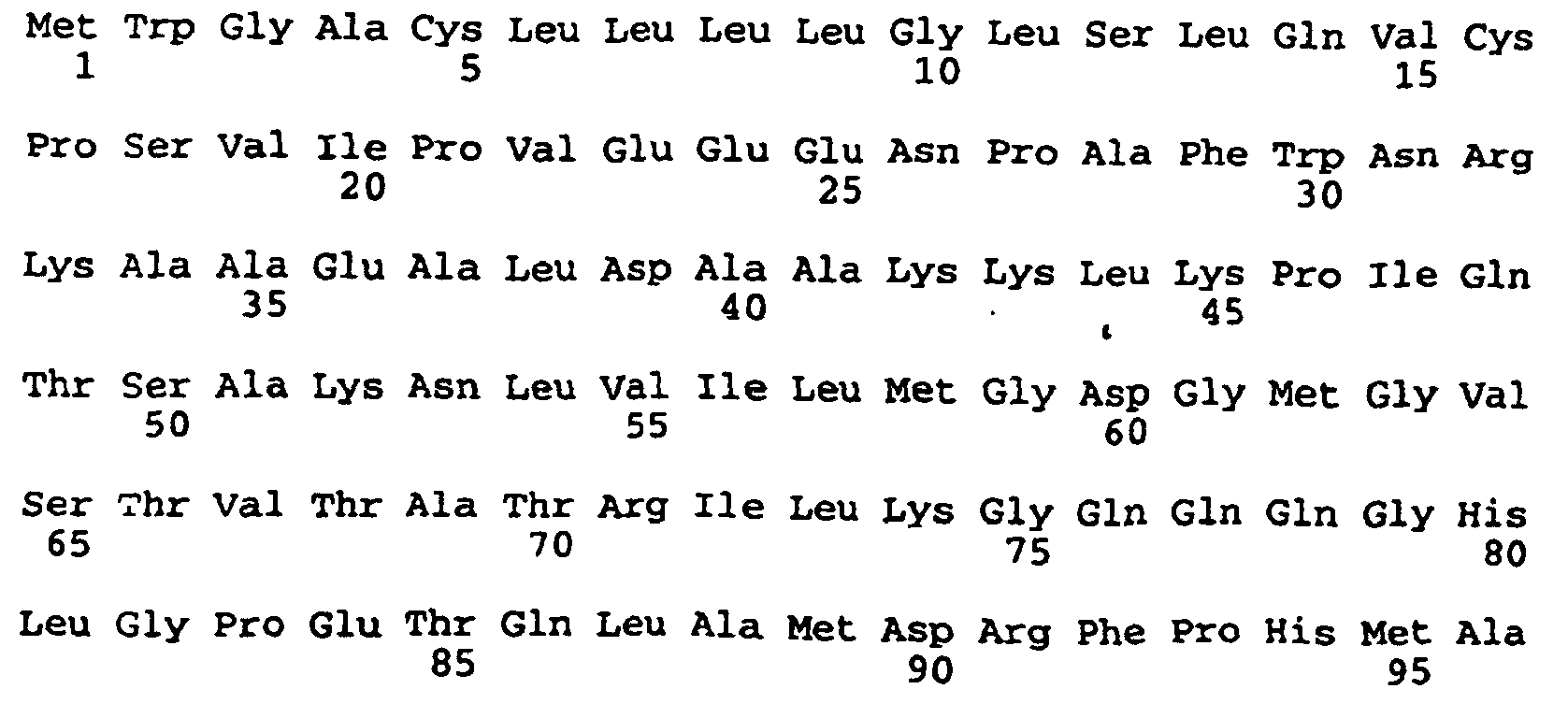


- <210> 3
<211> 19
<212> PRT
<213> Mus musculus - <400> 3

- <210> 4
<211> 41
<212> DNA
<213> Artificial Sequence - <220>
<223> Description of Artificial Sequence: OLIGONUCLEOTIDE - <400> 4

- <210> 5
<211> 38
<212> DNA
<213> Artificial Sequence - <220>
<223> Description of Artificial Sequence: OLIGONUCLEOTIDE - <400> 5

- <210> 6
<211> 35
<212> DNA
<213> Artificial Sequence - <220>
<223> Description of Artificial Sequence: OLIGONUCLEOTIDE - <400> 6

- <210> 7
<211> 35
<212> DNA
<213> Artificial Sequence - <220>
<223> Description of Artificial Sequence: OLIGONUCLEOTIDE - <400> 7

- <210> 8
<211> 36
<212> DNA
<213> Artificial Sequence - <220>
<223> Description of Artificial Sequence: OLIGONUCLEOTIDE - <400> 8

- <210> 9
<211> 24
<212> PRT
<213> Homo sapiens - <400> 9

- <210> 10
<211> 24
<212> PRT
<213> Mus musculus - <400> 10

- <210> 11
<211> 20
<212> PRT
<213> Mus musculus - <400> 11

- <210> 12
<211> 20
<212> PRT
<213> RAT - <400> 12


- <210> 13
<211> 529
<212> PRT
<213> Mus musculus - <400> 13


Claims (22)
- An isolated nucleic acid comprising a nucleotide sequence that encodes a mammalian alkaline phosphatase activity with the amino acid sequences of SEQ ID NO: 1 or 2, wherein the nucleic acid does not encode a polypeptide with the same sequence of amino acids listed in SEQ ID NO: 13.
- An expression vector comprising the nucleic acid of claim 1.
- A viral vector comprising the nucleic acid of claim 1.
- A plasmid vector comprising the nucleic acid of claim 1.
- A mammalian cell into which a nucleic acid of claim 1 or a vector of one of claims 2-4 has been introduced in vitro.
- The cell of claim 5, that is a mouse cell.
- The cell of claim 5 that is a human cell.
- A nucleic acid having a sequence that encodes a mammalian alkaline phosphatase activity-possessing polypeptide, wherein the polypeptide is capable of being expressed and detected in a mammal for a period of about 40 days, and wherein the nucleic acid encodes a polypeptide with the amino acid sequence of SEQ ID NO: 1 or 2 but not that of SEQ ID NO: 13.
- An expression vector comprising the nucleic acid of claim 8.
- A viral vector comprising the nucleic acid of claim 8.
- A plasmid vector comprising the nucleic acid of claim 8.
- A mammalian cell into which a nucleic acid of claim 8 or a vector of one of claims 9-11 has been introduced.
- A recombinant mammalian alkaline phosphatase polypeptide, wherein the polypeptide is capable of being expressed in a mammalian cell and of being detected in a mammal about 40 days after being first expressed in the cell of the mammal, wherein the polypeptide has the amino acid sequence of SEQ ID NO: 1 or 2.
- The polypeptide of claim 13, wherein the polypeptide has a sequence with at least 95% amino acid identity to SEQ ID NO: 1 or 2.
- The polypeptide of claim 13, wherein the polypeptide has a sequence with at least 90% amino acid identity to SEQ ID NO: 1 or 2.
- The polypeptide of claim 13, wherein the polypeptide has a sequence with at least 80% amino acid identity to SEQ ID NO: 1 or 2.
- A mammalian cell comprising the alkaline phosphatase polypeptide of claim 13.
- A mammalian cell comprising the alkaline phosphatase polypeptide of claim 14.
- A mammalian cell comprising the alkaline phosphatase polypeptide of claim 15.
- A mammalian cell comprising the alkaline phosphatase polypeptide of claim 16.
- A mouse comprising a cell of one of claims 17-20.
- A macaque comprising a cell of one of claims 17-20.
Priority Applications (7)
| Application Number | Priority Date | Filing Date | Title |
|---|---|---|---|
| EP01114737A EP1270739B1 (en) | 2001-06-22 | 2001-06-22 | Engineered secreted alkaline phosphatase (seap) reporter genes and polypeptides |
| DE60117641T DE60117641T2 (en) | 2001-06-22 | 2001-06-22 | Modulated secreted alkaline phosphatase (SEAP) reporter genes and polypeptides |
| AT01114737T ATE319858T1 (en) | 2001-06-22 | 2001-06-22 | MODULATED SECRETED ALKALINE PHOSPHATASE (SEAP) REPORTER GENES AND POLYPEPTIDES |
| EP02740744A EP1417334A2 (en) | 2001-05-25 | 2002-05-27 | Engineered secreted alkaline phosphatase (seap) reporter genes and polypeptides |
| PCT/EP2002/006930 WO2002095068A2 (en) | 2001-05-25 | 2002-05-27 | Engineered secreted alkaline phosphatase (seap) reporter genes and polypeptides |
| CA002448145A CA2448145A1 (en) | 2001-05-25 | 2002-05-27 | Engineered secreted alkaline phosphatase (seap) reporter genes and polypeptides |
| JP2002591531A JP2004536588A (en) | 2001-05-25 | 2002-05-27 | Engineered secretory alkaline phosphatase (SEAP) reporter gene and polypeptide |
Applications Claiming Priority (1)
| Application Number | Priority Date | Filing Date | Title |
|---|---|---|---|
| EP01114737A EP1270739B1 (en) | 2001-06-22 | 2001-06-22 | Engineered secreted alkaline phosphatase (seap) reporter genes and polypeptides |
Publications (2)
| Publication Number | Publication Date |
|---|---|
| EP1270739A1 EP1270739A1 (en) | 2003-01-02 |
| EP1270739B1 true EP1270739B1 (en) | 2006-03-08 |
Family
ID=8177754
Family Applications (2)
| Application Number | Title | Priority Date | Filing Date |
|---|---|---|---|
| EP01114737A Expired - Lifetime EP1270739B1 (en) | 2001-05-25 | 2001-06-22 | Engineered secreted alkaline phosphatase (seap) reporter genes and polypeptides |
| EP02740744A Ceased EP1417334A2 (en) | 2001-05-25 | 2002-05-27 | Engineered secreted alkaline phosphatase (seap) reporter genes and polypeptides |
Family Applications After (1)
| Application Number | Title | Priority Date | Filing Date |
|---|---|---|---|
| EP02740744A Ceased EP1417334A2 (en) | 2001-05-25 | 2002-05-27 | Engineered secreted alkaline phosphatase (seap) reporter genes and polypeptides |
Country Status (6)
| Country | Link |
|---|---|
| EP (2) | EP1270739B1 (en) |
| JP (1) | JP2004536588A (en) |
| AT (1) | ATE319858T1 (en) |
| CA (1) | CA2448145A1 (en) |
| DE (1) | DE60117641T2 (en) |
| WO (1) | WO2002095068A2 (en) |
Families Citing this family (1)
| Publication number | Priority date | Publication date | Assignee | Title |
|---|---|---|---|---|
| GB0322196D0 (en) * | 2003-09-23 | 2003-10-22 | Cxr Biosciences Ltd | Excretable reporter systems |
Family Cites Families (1)
| Publication number | Priority date | Publication date | Assignee | Title |
|---|---|---|---|---|
| EP0327960A1 (en) * | 1988-02-11 | 1989-08-16 | F. Hoffmann-La Roche Ag | Secretable forms of alkaline phosphatase |
-
2001
- 2001-06-22 EP EP01114737A patent/EP1270739B1/en not_active Expired - Lifetime
- 2001-06-22 DE DE60117641T patent/DE60117641T2/en not_active Expired - Fee Related
- 2001-06-22 AT AT01114737T patent/ATE319858T1/en not_active IP Right Cessation
-
2002
- 2002-05-27 JP JP2002591531A patent/JP2004536588A/en not_active Ceased
- 2002-05-27 CA CA002448145A patent/CA2448145A1/en not_active Abandoned
- 2002-05-27 EP EP02740744A patent/EP1417334A2/en not_active Ceased
- 2002-05-27 WO PCT/EP2002/006930 patent/WO2002095068A2/en not_active Ceased
Also Published As
| Publication number | Publication date |
|---|---|
| JP2004536588A (en) | 2004-12-09 |
| EP1270739A1 (en) | 2003-01-02 |
| DE60117641D1 (en) | 2006-05-04 |
| WO2002095068A3 (en) | 2004-03-11 |
| ATE319858T1 (en) | 2006-03-15 |
| WO2002095068A2 (en) | 2002-11-28 |
| DE60117641T2 (en) | 2007-01-11 |
| CA2448145A1 (en) | 2002-11-28 |
| EP1417334A2 (en) | 2004-05-12 |
Similar Documents
| Publication | Publication Date | Title |
|---|---|---|
| KR102724029B1 (en) | Modification of mammalian cells using artificial micro-RNAs and compositions of these products for altering the properties of mammalian cells | |
| AU2019250224B2 (en) | Enhanced transgene expression and processing | |
| MX2007009349A (en) | Site-specific serine recombinases and methods of their use. | |
| AU2022200130A1 (en) | Engineered Cas9 systems for eukaryotic genome modification | |
| KR20260015297A (en) | Compositions and methods for treating non-age-associated hearing impairment in a human subject | |
| AU2019403015B2 (en) | Nuclease-mediated repeat expansion | |
| KR102915369B1 (en) | CRISPR and AAV Strategies for the Treatment of X-Linked Juvenile Retinoschisis | |
| EP1728866B1 (en) | Luciferase expression cassettes and methods of use | |
| Wang et al. | MUSEAP, a novel reporter gene for the study of long-term gene expression in immunocompetent mice | |
| Gaudin et al. | Modulation of the expression of the rabbit galectin-3 gene by p53 and c-Ha-ras proteins and PMA | |
| Caricasole et al. | Transactivation of mouse insulin-like growth factor II (IGF-II) gene promoters by the AP-1 complex | |
| Hirano et al. | Multiple transcripts of the human Cu, Zn superoxide dismutase gene | |
| US7169913B2 (en) | Engineered secreted alkaline phosphatase (SEAP) reporter genes and polypeptides | |
| EP1270739A1 (en) | Engineered secreted alkaline phosphatase (seap) reporter genes and polypeptides | |
| AU2019339404B2 (en) | Complement factor h gene knockout rat as a model of C3 glomerulopathy | |
| AU760608B2 (en) | Novel promoter sequences of myostatin gene | |
| JP2006506044A (en) | Compositions and methods for acceleration of protein secretion dynamics | |
| AU2002314189A1 (en) | Engineered secreted alkaline phosphatase (SEAP) reporter genes and polypeptides | |
| CN111683673A (en) | Treatment of muscular dystrophy | |
| JP2003235575A (en) | Transposon functional in mammal | |
| JPWO2008044794A1 (en) | Gene transfer auxiliary reagent | |
| JP5105864B2 (en) | Vectors and methods for detecting transcriptional changes | |
| RU2833486C1 (en) | Crispr and aav strategies for therapy of x-linked juvenile retinoschisis | |
| KR20050009724A (en) | Control sequences of the human corin gene | |
| JP4216875B2 (en) | Methanol-responsive promoter, fusion gene linking promoter and foreign gene in a expressible manner, vector, transformant, and protein production method |
Legal Events
| Date | Code | Title | Description |
|---|---|---|---|
| PUAI | Public reference made under article 153(3) epc to a published international application that has entered the european phase |
Free format text: ORIGINAL CODE: 0009012 |
|
| AK | Designated contracting states |
Kind code of ref document: A1 Designated state(s): AT BE CH CY DE DK ES FI FR GB GR IE IT LI LU MC NL PT SE TR |
|
| AX | Request for extension of the european patent |
Free format text: AL;LT;LV;MK;RO;SI |
|
| 17P | Request for examination filed |
Effective date: 20030218 |
|
| AKX | Designation fees paid |
Designated state(s): AT BE CH CY DE DK ES FI FR GB GR IE IT LI LU MC NL PT SE TR |
|
| 17Q | First examination report despatched |
Effective date: 20031209 |
|
| GRAP | Despatch of communication of intention to grant a patent |
Free format text: ORIGINAL CODE: EPIDOSNIGR1 |
|
| GRAS | Grant fee paid |
Free format text: ORIGINAL CODE: EPIDOSNIGR3 |
|
| GRAA | (expected) grant |
Free format text: ORIGINAL CODE: 0009210 |
|
| AK | Designated contracting states |
Kind code of ref document: B1 Designated state(s): AT BE CH CY DE DK ES FI FR GB GR IE IT LI LU MC NL PT SE TR |
|
| PG25 | Lapsed in a contracting state [announced via postgrant information from national office to epo] |
Ref country code: IT Free format text: LAPSE BECAUSE OF FAILURE TO SUBMIT A TRANSLATION OF THE DESCRIPTION OR TO PAY THE FEE WITHIN THE PRESCRIBED TIME-LIMIT;WARNING: LAPSES OF ITALIAN PATENTS WITH EFFECTIVE DATE BEFORE 2007 MAY HAVE OCCURRED AT ANY TIME BEFORE 2007. THE CORRECT EFFECTIVE DATE MAY BE DIFFERENT FROM THE ONE RECORDED. Effective date: 20060308 Ref country code: FI Free format text: LAPSE BECAUSE OF FAILURE TO SUBMIT A TRANSLATION OF THE DESCRIPTION OR TO PAY THE FEE WITHIN THE PRESCRIBED TIME-LIMIT Effective date: 20060308 Ref country code: AT Free format text: LAPSE BECAUSE OF FAILURE TO SUBMIT A TRANSLATION OF THE DESCRIPTION OR TO PAY THE FEE WITHIN THE PRESCRIBED TIME-LIMIT Effective date: 20060308 Ref country code: BE Free format text: LAPSE BECAUSE OF FAILURE TO SUBMIT A TRANSLATION OF THE DESCRIPTION OR TO PAY THE FEE WITHIN THE PRESCRIBED TIME-LIMIT Effective date: 20060308 Ref country code: NL Free format text: LAPSE BECAUSE OF FAILURE TO SUBMIT A TRANSLATION OF THE DESCRIPTION OR TO PAY THE FEE WITHIN THE PRESCRIBED TIME-LIMIT Effective date: 20060308 Ref country code: CH Free format text: LAPSE BECAUSE OF FAILURE TO SUBMIT A TRANSLATION OF THE DESCRIPTION OR TO PAY THE FEE WITHIN THE PRESCRIBED TIME-LIMIT Effective date: 20060308 Ref country code: LI Free format text: LAPSE BECAUSE OF FAILURE TO SUBMIT A TRANSLATION OF THE DESCRIPTION OR TO PAY THE FEE WITHIN THE PRESCRIBED TIME-LIMIT Effective date: 20060308 |
|
| REG | Reference to a national code |
Ref country code: GB Ref legal event code: FG4D |
|
| REG | Reference to a national code |
Ref country code: CH Ref legal event code: EP |
|
| REG | Reference to a national code |
Ref country code: IE Ref legal event code: FG4D |
|
| REF | Corresponds to: |
Ref document number: 60117641 Country of ref document: DE Date of ref document: 20060504 Kind code of ref document: P |
|
| PG25 | Lapsed in a contracting state [announced via postgrant information from national office to epo] |
Ref country code: DK Free format text: LAPSE BECAUSE OF FAILURE TO SUBMIT A TRANSLATION OF THE DESCRIPTION OR TO PAY THE FEE WITHIN THE PRESCRIBED TIME-LIMIT Effective date: 20060608 Ref country code: SE Free format text: LAPSE BECAUSE OF FAILURE TO SUBMIT A TRANSLATION OF THE DESCRIPTION OR TO PAY THE FEE WITHIN THE PRESCRIBED TIME-LIMIT Effective date: 20060608 |
|
| PG25 | Lapsed in a contracting state [announced via postgrant information from national office to epo] |
Ref country code: ES Free format text: LAPSE BECAUSE OF FAILURE TO SUBMIT A TRANSLATION OF THE DESCRIPTION OR TO PAY THE FEE WITHIN THE PRESCRIBED TIME-LIMIT Effective date: 20060619 |
|
| PG25 | Lapsed in a contracting state [announced via postgrant information from national office to epo] |
Ref country code: IE Free format text: LAPSE BECAUSE OF NON-PAYMENT OF DUE FEES Effective date: 20060622 |
|
| PG25 | Lapsed in a contracting state [announced via postgrant information from national office to epo] |
Ref country code: MC Free format text: LAPSE BECAUSE OF NON-PAYMENT OF DUE FEES Effective date: 20060630 |
|
| PG25 | Lapsed in a contracting state [announced via postgrant information from national office to epo] |
Ref country code: PT Free format text: LAPSE BECAUSE OF FAILURE TO SUBMIT A TRANSLATION OF THE DESCRIPTION OR TO PAY THE FEE WITHIN THE PRESCRIBED TIME-LIMIT Effective date: 20060808 |
|
| NLV1 | Nl: lapsed or annulled due to failure to fulfill the requirements of art. 29p and 29m of the patents act | ||
| REG | Reference to a national code |
Ref country code: CH Ref legal event code: PL |
|
| ET | Fr: translation filed | ||
| PLBE | No opposition filed within time limit |
Free format text: ORIGINAL CODE: 0009261 |
|
| STAA | Information on the status of an ep patent application or granted ep patent |
Free format text: STATUS: NO OPPOSITION FILED WITHIN TIME LIMIT |
|
| 26N | No opposition filed |
Effective date: 20061211 |
|
| PGFP | Annual fee paid to national office [announced via postgrant information from national office to epo] |
Ref country code: DE Payment date: 20070614 Year of fee payment: 7 |
|
| PGFP | Annual fee paid to national office [announced via postgrant information from national office to epo] |
Ref country code: GB Payment date: 20070620 Year of fee payment: 7 |
|
| PG25 | Lapsed in a contracting state [announced via postgrant information from national office to epo] |
Ref country code: GR Free format text: LAPSE BECAUSE OF FAILURE TO SUBMIT A TRANSLATION OF THE DESCRIPTION OR TO PAY THE FEE WITHIN THE PRESCRIBED TIME-LIMIT Effective date: 20060609 |
|
| PGFP | Annual fee paid to national office [announced via postgrant information from national office to epo] |
Ref country code: FR Payment date: 20070608 Year of fee payment: 7 |
|
| REG | Reference to a national code |
Ref country code: FR Ref legal event code: RS |
|
| PG25 | Lapsed in a contracting state [announced via postgrant information from national office to epo] |
Ref country code: TR Free format text: LAPSE BECAUSE OF FAILURE TO SUBMIT A TRANSLATION OF THE DESCRIPTION OR TO PAY THE FEE WITHIN THE PRESCRIBED TIME-LIMIT Effective date: 20060308 Ref country code: LU Free format text: LAPSE BECAUSE OF NON-PAYMENT OF DUE FEES Effective date: 20060622 |
|
| PG25 | Lapsed in a contracting state [announced via postgrant information from national office to epo] |
Ref country code: CY Free format text: LAPSE BECAUSE OF FAILURE TO SUBMIT A TRANSLATION OF THE DESCRIPTION OR TO PAY THE FEE WITHIN THE PRESCRIBED TIME-LIMIT Effective date: 20060308 |
|
| GBPC | Gb: european patent ceased through non-payment of renewal fee |
Effective date: 20080622 |
|
| REG | Reference to a national code |
Ref country code: FR Ref legal event code: ST Effective date: 20090228 |
|
| PG25 | Lapsed in a contracting state [announced via postgrant information from national office to epo] |
Ref country code: DE Free format text: LAPSE BECAUSE OF NON-PAYMENT OF DUE FEES Effective date: 20090101 |
|
| PG25 | Lapsed in a contracting state [announced via postgrant information from national office to epo] |
Ref country code: GB Free format text: LAPSE BECAUSE OF NON-PAYMENT OF DUE FEES Effective date: 20080622 |
|
| PG25 | Lapsed in a contracting state [announced via postgrant information from national office to epo] |
Ref country code: FR Free format text: LAPSE BECAUSE OF NON-PAYMENT OF DUE FEES Effective date: 20080630 |