Technical Field
-
The present invention relates to a chondrogenic
composition.
Background Art
-
Human cartilage is considered to be unregenerable
in the event of loss of a region of 3 mm or more.
Damage produced in cartilage is therefore treated by
transplantation of autologous chondrocytes. Methods of
repairing damaged cartilage by artificial joints have
also been implemented.
-
At the same time, research is also progressing on
drugs with chondrogenic effects. Research is also
being conducted in the field of regenerative medical
engineering (tissue engineering), whereby porous
matrices composed of biodegradable polymers such as
collagen or polylactic acid are embedded at sites of
cartilage damage.
Disclosure of the Invention
-
However, repair of damaged cartilage by
transplantation of autologous chondrocytes requires a
high level of skill and sophisticated equipment for
surgery, while the use of artificial joints is also
associated with problems in terms of biocompatibility
and durability.
-
Although biologically derived growth factors have
been reported as drugs with chondrogenic effects, there
has not yet been developed a useful formulation
suitable for administration to patients in the clinic.
Moreover, using porous matrices composed of
biodegradable polymers such as collagen or polylactic
acid has not provided satisfactory repair and
regeneration of cartilage.
-
A composition which provides an implant for tissue
regeneration has been disclosed in Japanese Patent
Publication No. 2992046, but there is no mention in
this publication regarding repair, regeneration or
formation of cartilage tissue.
-
It is an object of the present invention, which
has been accomplished in light of these technical
problems, to provide a chondrogenic composition which
does not require a high level of skill or sophisticated
equipment for treatment, and which offers excellent
biocompatibility as well as adequately high efficiency
for repair and regeneration of cartilage.
-
The present inventors conducted persistent
research with the aim of achieving the object stated
above, based on the knowledge that efficient repair and
regeneration of damaged cartilage in the body requires
the presence of a drug with chondrogenic effect, a
scaffold to which the chondrocytes can attach and a
space in which the chondrocytes can proliferate and
form an extracellular matrix, and as a result we have
completed the present invention upon finding that said
object can be achieved by a formulation comprising a
drug with chondrogenic effect, a biocompatible polymer
and an organic solvent.
-
In other words, the present invention is
characterized by comprising a drug with chondrogenic
effect, a biodegradable and/or bioerodable polymer and
a water-soluble and/or water-dispersible organic
solvent.
-
According to the invention, the aforementioned
drug with chondrogenic effect is preferably a compound
represented by the following general formula (I) or a
salt thereof.
wherein
- R1 represents a halogen atom, a lower alkyl group,
a lower alkoxy group, a hydroxyl group, a nitro group,
a trifluoromethyl group, a lower alkylthio group, an
acyl group, a carboxyl group, a mercapto group or an
amino group with an optional substituent;
- R2 represents a hydrogen atom, a lower alkyl group
with an optional substituent, a lower alkenyl group
with an optional substituent, a lower alkynyl group
with an optional substituent, a lower alkoxy group with
an optional substituent, an acyl group with an optional
substituent, an aryl group with an optional substituent
or a heterocyclic group with an optional substituent;
- R3 represents a lower alkyl group with an optional
substituent, a cycloalkyl group with an optional
substituent, an aryl group with an optional substituent
or a heterocyclic group with an optional substituent;
- R4 represents a hydrogen atom, a lower alkyl group
with an optional substituent, an aryl group with an
optional substituent, a heterocyclic group with an
optional substituent, -OR5, -SR5 or -NR6R7 wherein R5, R6
and R7 may be the same or different and each represents
a hydrogen atom, a lower alkyl group with an optional
substituent, a cycloalkyl group with an optional
substituent, an aryl group with an optional substituent,
a heterocyclic group with an optional substituent, a
lower alkoxy group or an amino group with an optional
substituent, and R6 and R7 may together form a group
represented by -(CH2)m- or -(CH2)lNR8(CH2)k- wherein k, l
and m each represent an integer of 1-8 and R8
represents a hydrogen atom or a lower alkyl group;
- X and Y may be the same or different and each
represents -CH2-, -NH- or -O-, and n represents an
integer of 0-4.
-
-
According to the invention, preferably R2 in
general formula (I) above is a 2,2-diethoxyethyl group,
R3 is a 4-methylphenyl group, R4 is -NHR7 wherein R7 is
a 4-methylphenyl group, X and Y are the same or
different and each is -CH2- or -NH-, and n is 0.
-
According to the invention, the aforementioned
drug with chondrogenic effect is preferably a compound
represented by the following general formula (IV) or a
salt thereof.
wherein R
12 represents a lower alkyl group
substituted at the same carbon with two lower alkoxy
groups which is substituted with 1-5 halogen atoms.
-
Preferably, R
12 in general formula (IV) above is a
group represented by general formula (V):
wherein R
13 and R
14 may be the same or different,
and each represents a lower alkyl group substituted
with 1-5 halogen atoms.
-
According to the invention, the aforementioned
polymer is preferably a porous body-forming polymer
which holds proliferated chondrocytes induced by said
drug with chondrogenic effect in the body, and the
polymer also preferably has a weight-average molecular
weight of 500 or greater.
-
The polymer is preferably at least one polymer
selected from the group consisting of
polyhydroxyalkanoic acids, lactone ring-opened polymers,
hydroxyalkanoic acid/lactone copolymers, polyacetals,
polyketals, polymethylvinyl ether, chitin, chitosan,
polyamides, polyamino acids, polyurethane, polyester
amides, polycarboxylic acids, polyanhydrides,
polyalkylenes, polyphosphoric acid, polyortho esters
and copolymers containing at least one of these in the
molecule.
-
The invention further provides a chondrogenic
composition wherein at least a portion of the polymer
is a reactive polymer having an unsaturated double bond.
-
According to the invention, the reactive polymer
is preferably a compound having a skeleton comprising
at least one polymer selected from the group consisting
of polyhydroxyalkanoic acids, lactone ring-opened
polymers, hydroxyalkanoic acid/lactone copolymer,
polyacetals, polyketals, polymethylvinyl ether, chitin,
chitosan, polyamides, polyamino acids, polyurethane,
polyester amides, polycarboxylic acids, polyanhydrides,
polyalkylenes, polyphosphoric acid, polyortho esters
and copolymers containing at least one of these in the
molecule, with at least one (meth)acryloyl group bonded
to the skeleton.
-
According to the invention, the organic solvent is
preferably at least one organic solvent selected from
the group consisting of N-methyl-2-pyrrolidone, 2-pyrrolidone,
ethanol, benzyl alcohol, propyleneglycol,
acetone, ethyl acetate, methyl ethyl ketone,
dimethylformamide, dimethylsulfoxide, tetrahydrofuran,
caprolactam, N,N-dimethylacetamide, triacetin, glycerol,
polyoxyethylene-hardened castor oil, vitelline
phospholipid, soy lecithin, polyoxyethylene sorbitan
fatty ester and polyoxyethylene alkylether.
-
The invention further provides a chondrogenic
composition which comprises a drug with chondrogenic
effect, a biodegradable and/or bioerodable polymer, a
water-soluble and/or water-dispersible organic solvent,
and a water-soluble compound.
-
The water-soluble compound preferably has a mean
particle size of 1-3000 µm, and the water-soluble
compound is preferably at least one water-soluble
compound selected from the group consisting of
monosodium phosphate, monosodium phosphate hydrate,
disodium phosphate, disodium phosphate hydrate, sodium
chloride, magnesium sulfate, magnesium sulfate hydrate,
magnesium sulfate double salts, magnesium hydroxide,
glucose, mannitol, xylose, sucrose, fructose,
hyaluronic acid, dextran, amino acids and polypeptides.
The water-soluble compound is also preferably a
compound with a pH of 6 or higher in aqueous solution.
-
According to the invention, preferably the content
of the drug with chondrogenic effect is 0.0001-50 wt%,
the content of the polymer is 5-80 wt% and the content
of the organic solvent is 5-90 wt%, and preferably the
content of the water-soluble compound is no greater
than 90 wt%.
BRIEF DESCRIPTION OF THE DRAWINGS
-
- Fig. 1 is a scanning electron microscope
photograph of precipitated (insolubilized) PLA0005
obtained by immersing a chondrogenic composition
containing PLA0005, compound A and NMP in purified
water and incubating at 37°C for 3 days to
solidification.
- Fig. 2 is a scanning electron microscope
photograph of precipitated (insolubilized) PLGA5020
obtained by immersing a chondrogenic composition
containing PLGA5020, compound A and NMP in purified
water and incubating at 37°C for 3 days to
solidification.
- Fig. 3 is a graph showing the relationship between
the incubation times for a chondrogenic composition
containing PLA0005, compound A and NMP and a
chondrogenic composition containing PLGA5020, compound
A and NMP, and the cumulative release rates for
compound A.
- Fig. 4 is a scanning electron microscope
photograph (100x magnification) of precipitated
(insolubilized) PLGA5010 obtained by immersing a drug-free
formulation containing PLGA5010, NMP and disodium
phosphate dodecahydrate (disodium phosphate
dodecahydrate/PLGA5010 = 0.2) in purified water and
incubating at 37°C for 3 days to solidification.
- Fig. 5 is a scanning electron microscope
photograph (600x magnification) of precipitated
(insolubilized) PLGA5010 obtained by immersing a drug-free
formulation containing PLGA5010, NMP and disodium
phosphate dodecahydrate (disodium phosphate
dodecahydrate/PLGA5010 = 0.2) in purified water and
incubating at 37°C for 3 days to solidification.
- Fig. 6 is a scanning electron microscope
photograph (100x magnification) of precipitated
(insolubilized) PLGA5010 obtained by immersing a drug-free
formulation containing PLGA5010, NMP and disodium
phosphate dodecahydrate (disodium phosphate
dodecahydrate/PLGA5010 = 0.3) in purified water and
incubating at 37°C for 3 days to solidification.
- Fig. 7 is a scanning electron microscope
photograph (600x magnification) of precipitated
(insolubilized) PLGA5010 obtained by immersing a drug-free
formulation containing PLGA5010, NMP and disodium
phosphate dodecahydrate (disodium phosphate
dodecahydrate/PLGA5010 = 0.3) in purified water and
incubating at 37°C for 3 days to solidification.
- Fig. 8 is a scanning electron microscope
photograph (100x magnification) of precipitated
(insolubilized) PLGA5010 obtained by immersing a drug-free
formulation containing PLGA5010, NMP and disodium
phosphate dodecahydrate (disodium phosphate
dodecahydrate/PLGA5010 = 0.4) in purified water and
incubating at 37°C for 3 days to solidification.
- Fig. 9 is a scanning electron microscope
photograph (600x magnification) of precipitated
(insolubilized) PLGA5010 obtained by immersing a drug-free
formulation containing PLGA5010, NMP and disodium
phosphate dodecahydrate (disodium phosphate
dodecahydrate/PLGA5010 = 0.4) in purified water and
incubating at 37°C for 3 days to solidification.
- Fig. 10 is a graph showing the relationship
between the incubation times for a chondrogenic
composition containing PLGA5020, compound A and NMP, a
chondrogenic composition containing PLGA5010, compound
A and NMP and a chondrogenic composition containing
PLGA5005, compound A and NMP, and the cumulative
release rates for compound A.
- Fig. 11 is a graph showing the relationship
between the incubation times for a chondrogenic
composition containing PLGA5020, compound A, NMP and
disodium phosphate dodecahydrate, a chondrogenic
composition containing PLGA5010, compound A, NMP and
disodium phosphate dodecahydrate and a chondrogenic
composition containing PLGA5005, compound A, NMP and
disodium phosphate dodecahydrate, and the cumulative
release rates for compound A.
- Fig. 12 is a graph showing the drug balance for a
chondrogenic composition containing PLGA5020, compound
A and NMP, a chondrogenic composition containing
PLGA5010, compound A and NMP and a chondrogenic
composition containing PLGA5005, compound A and NMP.
- Fig. 13 is a graph showing the drug balance for a
chondrogenic composition containing PLGA5020, compound
A, NMP and disodium phosphate dodecahydrate, a
chondrogenic composition containing PLGA5010, compound
A, NMP and disodium phosphate dodecahydrate and a
chondrogenic composition containing PLGA5005, compound
A, NMP and disodium phosphate dodecahydrate.
-
Best Mode for Carrying Out the Invention
-
The invention will now be explained in further
detail with reference to the attached drawings as
necessary. The "parts" and "%" values indicating the
dose ratios in the description which follows are based
on weight, unless otherwise specified.
-
The chondrogenic composition of the invention
comprises a drug with chondrogenic effect, a
biodegradable and/or bioerodable polymer and a water-soluble
and/or water-dispersible organic solvent.
(Drug with chondrogenic effect)
-
There are no particular restrictions on the drug
with chondrogenic effect to be used in the chondrogenic
composition of the invention, but it is preferably a
compound represented by general formula (I) above (an
indolin-2-one derivative) or a salt thereof.
-
Compounds represented by general formula (I) are
disclosed in International Patent Publication
WO94/19322, which describes such compounds as CCK-B/gastrin
receptor antagonists. However, the present
inventors have found that the compounds represented by
general formula (I) have chondrogenic effect, and
additionally that by adding such a compound to a
biodegradable and/or bioerodable polymer and a water-soluble
and/or water-dispersible organic solvent, it is
possible to obtain a chondrogenic composition which
does not require a high level of skill or sophisticated
equipment for treatment, and which provides excellent
biocompatibility as well as adequately high efficiency
for repair and regeneration of cartilage. The
compounds represented by general formula (I) may be
obtained by the process described in the aforementioned
International Patent Publication or by the process
described in the examples provided below.
-
The halogen atoms and lower alkyl, lower alkenyl,
lower alkynyl, lower alkoxy, acyl, aryl, lower alkylene,
cycloalkyl and heterocyclic groups to be used for the
invention will now be explained.
-
A "halogen atom" according to the invention is a
fluorine atom, a chlorine atom, a bromine atom or an
iodine atom.
-
A "lower alkyl group" according to the invention
is a linear or branched alkyl group of 1 to 6 carbons,
such as a methyl group, an ethyl group, a n-propyl
group, an i-propyl group, a n-butyl group, a s-butyl
group, a t-butyl group, a pentyl group, a hexyl group
or the like.
-
A "lower alkenyl group" is a linear or branched
alkenyl group of 2 to 6 carbons, such as a vinyl group,
an allyl group, a butenyl group, a pentenyl group, a
hexenyl group or the like.
-
A "lower alkynyl group" is a linear or branched
alkynyl group of 2 to 6 carbons, such as an ethynyl
group, a propynyl group, a butynyl group or the like.
-
A "lower alkoxy group" is. a linear or branched
alkoxy group of 1 to 6 carbons, such as a methoxy group,
an ethoxy group, a n-propoxy group, an i-propoxy group,
a n-butoxy group, a s-butoxy group, a t-butoxy group, a
pentoxy group, a hexoxy group or the like.
-
An "acyl group" is a carbonyl group substituted
with a hydrogen atom or with an alkyl group with an
optional substituent, an aryl group with an optional
substituent, an alkoxy group with an optional
substituent, an amino group with an optional
substituent or the like, for example, an alkylcarbonyl
group such as an acetyl group, a propionyl group, a
pivaloyl group, a cyclohexanecarbonyl group or the like,
or an arylcarbonyl group such as a benzoyl group, a
naphthoyl group, a toluoyl group or the like.
-
An "aryl group" is a monovalent group which is an
aromatic hydrocarbon minus one hydrogen atom, such as a
phenyl group, a tolyl group, a xylyl group, a biphenyl
group, a naphthyl group, an anthryl group, a
phenanthryl group or the like.
-
A "lower alkylene group" is a linear or branched
alkylene group of 1 to 6 carbons, such as a methylene
group, an ethylene group, a propylene group, a butylene
group, a pentylene group, a hexylene group or the like.
-
A "cycloalkyl group" is a cyclic saturated
hydrocarbon group of 3 to 8 carbons, such as a
cyclopropyl group, a cyclobutyl group, a cyclopentyl
group, a cyclohexyl group or a cycloheptyl group. And,
substituted cycloalkyl groups include menthyl group,
adamantyl group and the like.
-
A "heterocyclic group" is an aromatic heterocyclic
group with at least one hetero atom, such as a pyridyl
group, a furyl group, a thienyl group, an imidazolyl
group, a pyrazinyl group, a pyrimidyl group or the like.
-
The aforementioned lower alkyl group, lower
alkenyl group, alkynyl group, lower alkoxy group, acyl
group, aryl group, cycloalkyl group and heterocyclic
group may, if necessary, be substituted with one or
more substituents. As examples of such substituents
there may be a halogen atom, a lower alkyl group, a
cycloalkyl group, an aryl group, a hydroxyl group, a
lower alkoxy group which alkoxy group may be
substituted with a halogen atom, an aryloxy group, a
lower alkylthio group, a heterocyclic group, a formyl
group which formyl group may be protected as an acetal,
a lower alkylcarbonyl group, an arylcarbonyl group, a
carboxyl group, a lower alkoxycarbonyl group, an amino
group which amino group may have a lower alkyl group,
etc., an imino group, a thioacetal group, a nitro group,
a nitrile group, a trifluoromethyl group and the like.
-
The compounds (indolin-2-one derivatives)
represented by general formula (I) above will now be
explained in further detail.
-
R1 in formula (I) represents a halogen atom, a
lower alkyl group, a lower alkoxy group, a hydroxyl
group, a nitro group, a trifluoromethyl group, a lower
alkylthio group, an acyl group, a carboxyl group, a
mercapto group or an amino group with an optional
substituent, and among these, R1 is preferably a
halogen atom, a lower alkyl group, a lower alkoxy group
or a nitro group.
-
The subscript "n" represents an integer of 0 to 4.
It is preferably 0 or 1, and most preferably 0.
-
R2 represents a hydrogen atom, a lower alkyl group
with an optional substituent, a lower alkenyl group
with an optional substituent, a lower alkynyl group
with an optional substituent, a lower alkoxy group with
an optional substituent, an acyl group with an optional
substituent, an aryl group with an optional substituent
or a heterocyclic group with an optional substituent.
-
R2 is preferably a hydrogen atom, a lower alkyl
group with an optional substituent, a lower alkenyl
group with an optional substituent or an aryl group
with an optional substituent, and from the viewpoint of
activity as a chondrogenesis promoter, it is even more
preferably a lower alkyl group with an optional
substituent which is optionally substituted with a
halogen atom.
-
Among these, R
2 is yet more preferably a lower
alkyl group substituted at the same carbon with two
lower alkoxy groups which are optionally substituted
with 1-5 halogen atoms or the group -O-Z-O- wherein Z
represents a lower alkylene group optionally
substituted with 1-10 halogen atoms, and still more
preferably, a group represented by general formula
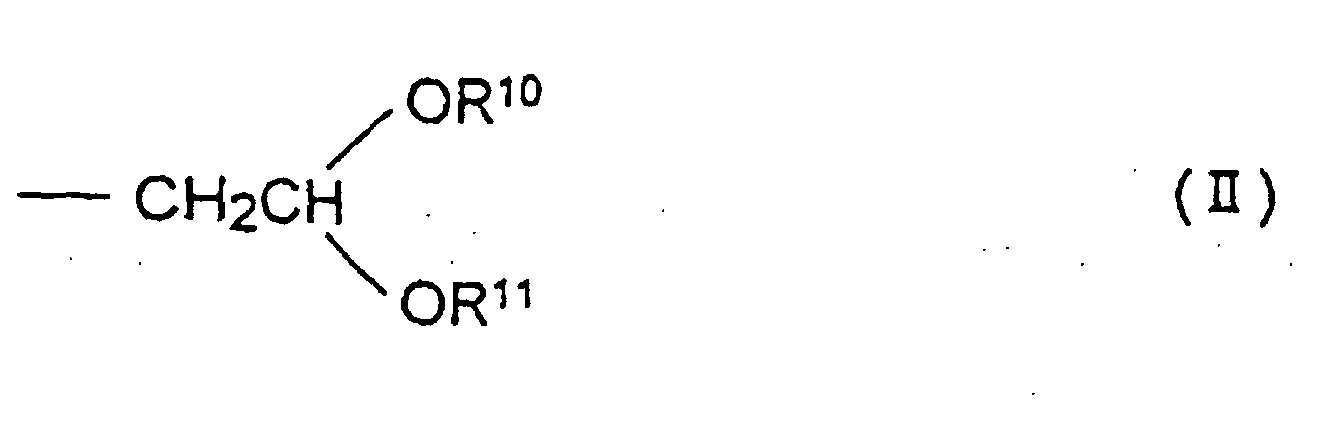
(II) :
wherein R
10 and R
11 may be the same or different,
and each represents a lower alkyl group optionally
substituted with 1-5 halogen atoms, preferably either
or both being lower alkyl groups with 1-5 halogen atoms,
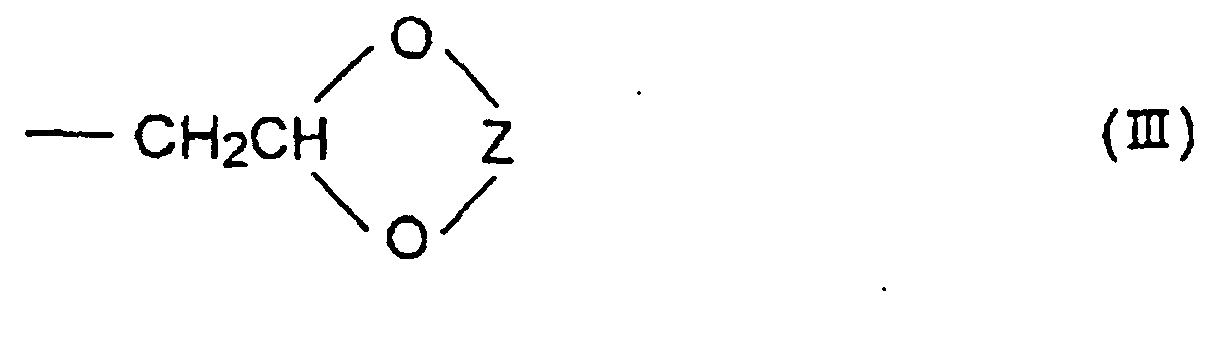
or general formula (III) :
wherein Z represents a lower alkylene group
optionally substituted with 1-10 halogen atoms.
-
R2 is more preferably a 2,2-diethoxyethyl group, a
2,2-dimethoxyethyl group, a 2,2-diisopropoxyethyl group,
a 2,2-bis(2-fluoroethoxy)ethyl group or a 2,2-bis(2-chloroethoxy)ethyl
group, among which a 2,2-diethoxyethyl
group and a 2,2-bis(2-fluoroethoxy)ethyl
group are most preferred, and a 2,2-diethoxyethyl group
is particularly preferred.
-
R3 represents a lower alkyl group with an optional
substituent, a cycloalkyl group with an optional
substituent, an aryl group with an optional substituent
or a heterocyclic group with an optional substituent.
R3 is preferably a lower alkyl group with an optional
substituent, a cycloalkyl group with an optional
substituent or an aryl group with an optional
substituent, among which an aryl group with an optional
substituent is particularly preferred. Preferred as
the substituent is a lower alkyl group (preferably a
methyl group and an ethyl group, and especially a
methyl group) and an amino group optionally having a
lower alkyl group, and a 4-methylphenyl group is
especially preferred for R3.
-
R4 represents a hydrogen atom, a lower alkyl group
with an optional substituent, an aryl group with an
optional substituent, a heterocyclic group with an
optional substituent, -OR5, -SR5 or -NR6R7. Here, R5, R6
and R7 may be the same or different and each represents
a hydrogen atom, a lower alkyl group with an optional
substituent, a cycloalkyl group with an optional
substituent, an aryl group with an optional substituent,
a heterocyclic group with an optional substituent, a
lower alkoxy group or an amino group with an optional
substituent, and R6 and R7 may together form a group
represented by -(CH2)m- or -(CH2)lNR8(CH2)k- wherein k, l
and m each represent an integer of 1-8 and R8
represents a hydrogen atom or a lower alkyl group.
-
R4 is preferably a lower alkyl group with an
optional substituent, an aryl group with an optional
substituent, a heterocyclic group with an optional
substituent or a group represented by -OR5 or -NR6R7
wherein R5, R6 and R7 are as previously defined, and it
is more preferably the group -NR6R7 wherein R6 and R7
may be the same or different and each represents a
hydrogen atom or an aryl group with an optional
substituent.
-
Among these, R4 is preferably a group represented
by -NR6R7 wherein R6 and R7 may be the same or different
and each represents a hydrogen atom or an aryl group
which aryl group has a lower alkyl group or amino group
which amino group optionally has a lower alkyl group,
and it is most preferably a group represented by -NHR7
wherein R7 is a 4-methylphenyl group, a 4-ethylphenyl
group or a 4-(N,N-dimethylamino)phenyl group.
-
X and Y may be the same or different and represent
-CH2-, -NH- or -O-, among which X is preferably -CH2-,
-NH- or -O- and Y is preferably -CH2- or -NH-. From
the viewpoint of activity as a chondrogenesis promoter,
X and Y may be the same or different and are preferably
-CH2- or -NH-, and most preferably, X is -NH- and Y is
-CH2-.
-
The indolin-2-one derivatives to be used for the
invention may be used in the form of pharmaceutically
acceptable salts. As examples of such salts there may
be mentioned inorganic salts such as hydrochloric acid
salts, hydrobromic acid salts, hydroiodic acid salts,
sulfuric acid salts and phosphoric acid salts; organic
acid salts such as succinic acid salts, malonic acid
salts, acetic acid salts, maleic acid salts, fumaric
acid salts, citric acid salts, benzoic acid salts and
salicylic acid salts; and metal salts such as sodium
salts, potassium salts and magnesium salts.
-
The indolin-2-one derivatives to be used for the
invention may be in optically active forms. When in
optically active forms, the absolute configuration at
the 3 position is preferably the R configuration.
-
As examples of specific indolin-2-one derivatives
to be used for the invention there may be mentioned the
compounds mentioned in the examples of WO94/19322, as
well as the compounds mentioned in the examples of
Japanese Patent Application Laid-Open No. 7-48349,
namely, Compound Nos. 1-201 listed in the following
tables (Tables 1-9).
-
In Tables 1-9, R
1-R
4, X, Y and n have the same
definitions as for general formula (I) above.
-
As more preferred specific indolin-2-one
derivatives to be used for the invention there may be
mentioned the following.
-
As examples of biometabolites of compound A there
may be mentioned the following compounds H and I.
-
The compounds listed in Tables 1 to 9 may be
synthesized by the process described in Japanese Patent
Application Laid-Open No.7-48349. Of the compounds A
to G mentioned above, compounds A to D may be
synthesized by the process described in Japanese Patent
Application Laid-Open No. 7-48349.
-
Compounds E, F and G may be synthesized, for
example, by Reaction Path shown below (corresponding to
"Reaction Path 6" in Japanese Patent Application Laid-Open
No. 7-48349), using as the starting material the
aldehyde intermediate mentioned in the examples of the
present application, synthesized according to the
process described in Japanese Patent Application Laid-Open
No. 7-48349.
-
Compound H mentioned above may be synthesized
according to "Reaction Path 7" in Japanese Patent
Application Laid-Open No. 7-48349. Compound I may be
obtained by the following process, either in a racemic
form or optically active form.
-
Specifically, a racemic form of compound I may be
synthesized, for example, according to the following
Reaction Path (corresponding to "Reaction Path 5" in
Japanese Patent Application Laid-Open No. 7-48349),
using an isocyanate having a hydroxyl group protected
with a suitable protecting group (for example, a
substituted silyl group such as a triethylsilyl group,
a t-butyldimethylsilyl group or the like).
-
An optically active form of compound I may be
synthesized, for example, according to the following
Reaction Path (corresponding to "Reaction Path 7" in
Japanese Patent Application Laid-Open No. 7-48349),
using an isocyanate having a hydroxyl group protected
with a suitable protecting group (for example, a
substituted silyl group such as a triethylsilyl group,
a t-butyldimethylsilyl group or the like), or by
optically separating a stereoisomeric mixture of
compound I by a method well known to those skilled in
the art (for example, a method using an optically
active column).
-
Identification, structure determination and purity
determination of the obtained compound may be
accomplished by ordinary methods (spectroscopic methods
such as NMR, IR, etc. and high performance liquid
chromatography or the like).
(Biodegradable and/or bioerodable polymer)
-
The biodegradable and/or bioerodable polymer to be
used for the invention will now be explained.
-
The polymer used for the invention is not
particularly restricted so long as it is a
biodegradable and/or bioerodable polymer. Here,
"biodegradable" means the property whereby its
intramolecular and/or intermolecular bonds are broken
by an organism-derived enzyme (for example, a protease
or esterase) or water, and "bioerodable" means the
property whereby an insoluble substance is eroded in
the body by chemical reaction (by enzymes or water) or
physical action (incorporation by phagocytes or the
like).
-
The polymer is mixed with the aforementioned drug
with chondrogenic effect and the water-soluble and/or
water-dispersible organic solvent which is described in
detail later to make a chondrogenic composition.
Because the polymer is dissolved, swelled or dispersed
in the organic solvent together with the drug with
chondrogenic effect, the chondrogenic composition shows
fluidity.
-
When the chondrogenic composition is introduced
into the body at a site of cartilage damage, for
example, the organic solvent contained therein diffuses
into body moisture or fluids due to its water-soluble
and/or water-dispersible property. Diffusion of the
organic solvent reduces the organic solvent
concentration in the chondrogenic composition while
body moisture or fluids also flow into the formulation,
thereby increasing the moisture content of the
composition. The polymer therefore begins to gradually
precipitate as it solidifies and/or gels. Most of the
drug with chondrogenic effect stays in the gap of the
damaged cartilage together with the precipitated
polymer. Because the precipitated polymer is
biodegradable and/or bioerodable, it undergoes gradual
decomposition (low molecularization) and/or erosion in
the body, resulting in gradual release of the drug. In
effect, therefore, the chondrogenic composition of the
invention shows a sustained-release of drug with
chondrogenic effect. The released drug stimulates
proliferation of chondrocytes, which use the
precipitated polymer as a scaffold for attachment.
-
The polymer used for the invention having the
function described above is therefore preferably a
porous body-forming polymer to hold the chondrocytes
which have proliferated in response to the drug with
chondrogenic effect. That is, it is preferably a
polymer which precipitates as a porous body due to
changes in the organic solvent concentration or
moisture content of the chondrogenic composition. If
the precipitated polymer is porous, the size and number
of the pores may be controlled to regulate release of
the drug with chondrogenic effect. Furthermore, since
the chondrocytes may then attach in the numerous fine
microvoids, the efficiency of cartilage repair and
regeneration is increased.
-
The polymer used for the invention preferably has
a weight-average molecular weight of 500 or greater,
and more preferably a weight-average molecular weight
of 500-200,000. Most preferably, the weight-average
molecular weight of the polymer is 1,000-100,000. If
the weight-average molecular weight of the polymer is
less than 500, the strength of the polymer precipitated
from the chondrogenic composition will tend to be lower.
On the other hand, if the weight-average molecular
weight of the polymer used for the invention is greater
than 200,000, the flow property of the chondrogenic
composition will tend to be lower.
-
The chondrogenic composition of the invention has
a sustained release property of the drug as explained
above, and the sustained release property can be
controlled by altering the type or molecular weight of
the polymer. For example, a polymer with a higher
biodegradable and/or bioerodable property will give a
faster drug release rate, while a larger molecular
weight polymer, having higher hydrophobicity, will
exhibit reduced water permeability and a reduced
biodegradable and/or bioerodable property, thereby
slowing the drug release rate.
-
As polymers for the invention there are preferably
used polyhydroxyalkanoic acids, lactone ring-opened
polymers, hydroxyalkanoic acid/lactone copolymers,
polyacetals, polyketals, polymethylvinyl ether, chitin,
chitosan, polyamides, polyamino acids, polyurethane,
polyester amides, polycarboxylic acids, polyanhydrides,
polyalkylenes, polyphosphoric acid, polyortho esters or
copolymers containing at least one of these in the
molecule. These polymers may be used alone or in
combinations of two or more.
-
As polyhydroxyalkanoic acids there may be
mentioned hydroxyalkanoic acid polymers such as
glycolic acid polymer (polyglycolic acid), lactic acid
polymer (polylactic acid), hydroxybutyric acid polymer
(polyhydroxybutyric acid) and hydroxyvaleric acid
polymer (polyhydroxyvaleric acid). As hydroxyalkanoic
acid copolymers there may be mentioned lactic
acid/glycolic acid copolymer, hydroxybutyric
acid/hydroxyvaleric acid copolymer, and the like.
These polyhydroxyalkanoic acids and hydroxyalkanoic
acid copolymers may be substituted, and preferably
contain 12 or fewer carbon atoms.
-
As lactone ring-opened polymers (polymers made by
ring-opening polymerization of lactone
) there may be mentioned butyrolactone ring-opened
polymer (polybutyrolactone), valerolactone ring-opened
polymer (polyvalerolactone), caprolactone ring-opened
polymer (polycaprolactone), dioxanone ring-opened
polymer (polydioxanone) and the like, and as
hydroxyalkanoic acid/lactone copolymers there may be
mentioned copolymers of the above-mentioned
hydroxyalkanoic acids and lactones, such as glycolic
acid/lactone copolymer and lactic acid/valerolactone
copolymer.
-
There are no particular restrictions on polyamides
that may be used so long as they are reaction products
of polyamines and polycarboxylic acids and are
biodegradable and/or bioerodable, but they are
preferably reaction products of aliphatic polyamines of
12 or fewer carbons and aliphatic polycarboxylic acids
of 12 or fewer carbons. The term "polyamino acids"
refers to polymers of aminocarboxylic acids (amino
acids) and includes oligopeptides and polypeptides
(proteins).
-
There are no particular restrictions on
polyurethanes that may be used so long as they are
reaction products of polyols and polyisocyanates and
are biodegradable and/or bioerodable, but they are
preferably reaction products of aliphatic polyols of 12
or fewer carbons and isocyanates of 12 or fewer carbons.
-
There are no particular restrictions on polyester
amides that may be used so long as they have both an
ester bond and an amide bond in the molecule and are
biodegradable and/or bioerodable, but they preferably
have a polyester skeleton composed of an aliphatic
polyol of 12 or fewer carbons and a polycarboxylic acid
of 12 or fewer carbons, and a polyamide skeleton
composed of an aliphatic polyamine of 12 or fewer
carbons and an aliphatic polycarboxylic acid of 12 or
fewer carbons.
-
As polycarboxylic acids there may be mentioned
polymers of compounds containing two or more carboxyl
groups such as polymaleic acid, polymalic acid and
polyglutamic acid, and as polyanhydrides there may be
mentioned polymers having carboxylic anhydride
structures such as polysebacic anhydride and polymaleic
anhydride. As polyalkylenes there may be mentioned
polymers having alkylene groups and ester groups, such
as polyalkylene oxalic acid esters and polyalkylene
succinic acid esters.
-
As polyphosphoric acids there may be mentioned
linear polymers produced by dehydrated condensation of
orthophosphoric acid, and as a polyortho ester there
may be mentioned 3,9-bis(ethylidene-2,4,8,10-tetraoxaspiro[5.5]undecane
based polymer.
-
According to the invention, a reactive polymer
having an unsaturated double bond may be used for at
least a portion of the polymer. A reactive polymer
having an unsaturated double bond will produce a
polymerization reaction upon mixture with a
polymerization catalyst, heating or exposure to light.
When using a reactive polymer with two or more
unsaturated double bonds, three-dimensional
crosslinking will be produced by the polymerization
reaction.
-
As reactive polymers there are preferred compounds
comprising a skeleton composed of at least one polymer
selected from the group consisting of
polyhydroxyalkanoic acids, lactone ring-opened polymers,
hydroxyalkanoic acid/lactone copolymers, polyacetals,
polyketals, polymethylvinyl ether, chitin, chitosan,
polyamides, polyamino acids, polyurethane, polyester
amides, polycarboxylic acids, polyanhydrides,
polyalkylenes, polyphosphoric acid, polyortho esters
and copolymers containing at least one of these in the
molecule, with at least one (meth)acryloyl group bonded
to the skeleton. Here, "(meth)acryloyl group" means
"acryloyl group or methacryloyl group".
-
The compounds mentioned above may be used as
polyhydroxyalkanoic acids, lactone ring-opened polymers,
hydroxyalkanoic acid/lactone copolymers, polyacetals,
polyketals, polymethylvinyl ether, chitin, chitosan,
polyamides, polyamino acids, polyurethane, polyester
amides, polycarboxylic acids, polyanhydrides,
polyalkylenes, polyphosphoric acid and polyortho esters
for the skeleton of the reactive polymer.
-
There are no particular restrictions on the
positions or number of (meth)acryloyl groups bonded to
the skeleton, but (meth)acryloyl groups are preferably
bonded to at least one end of the skeleton.
-
When a (meth)acryloyl group is bonded to the end
of a polyester such as a polyhydroxyalkanoic acid,
lactone ring-opened polymer or hydroxyalkanoic
acid/lactone copolymer, a (meth)acryloyloxy bond
((meth)acrylic acid ester bond) is formed.
-
When the polymer used in the chondrogenic
composition of the invention contains one of the
aforementioned reactive polymers, a polymerization
initiator for the reactive polymer is preferably added
to the chondrogenic composition before use. From the
standpoint of stability of the chondrogenic composition
over time, the polymerization initiator is preferably
added just prior to use. The polymerization initiator
used is not particularly restricted, and for example,
there may be mentioned azo compounds such as
azobisisobutyronitrile (AIBN), peroxides such as
benzoyl peroxide, two-component redox initiators such
as benzoyl peroxide-dimethylaniline, and
photoinitiators such as α,α-dimethoxy-α-phenylacetophenone
(DMPA).
-
Since the chondrogenic composition of the
invention is to be used in the body, the polymerization
initiator preferably has catalytic activity at near
body temperature or below body temperature.
(Water-soluble and/or water-dispersible organic
solvent)
-
The water-soluble and/or water-dispersible organic
solvent to be used for the invention will now be
explained.
-
The organic solvent to be used for the invention
may be any one which is water-soluble and/or water-dispersible,
with no particular restrictions.
Preferred organic solvents include N-methyl-2-pyrrolidone,
2-pyrrolidone, ethanol, benzyl alcohol,
propyleneglycol, acetone, ethyl acetate, methyl ethyl
ketone, dimethylformamide, dimethylsulfoxide,
tetrahydrofuran, caprolactam, N,N-dimethylacetamide,
triacetin, glycerol, polyoxyethylene-hardened castor
oil, vitelline phospholipid, soy lecithin,
polyoxyethylene sorbitan fatty ester and
polyoxyethylene alkylether. These solvents may be used
alone or in combinations of two or more.
-
As mentioned above, the organic solvent has the
function of dissolving, swelling or dispersing the
polymer and drug with chondrogenic effect, and when the
chondrogenic composition is introduced into the body at
a site of cartilage damage, it has the function of
diffusing into body moisture or fluids to precipitate
the polymer. According to the invention, N-methyl-2-pyrrolidone
is most preferably used as the organic
solvent because of its superiority in exhibiting such
functions.
(Water-soluble compound)
-
The chondrogenic composition of the invention may
also contain a water-soluble compound in addition to
the aforementioned drug with chondrogenic effect,
polymer and organic solvent. A "water-soluble
compound" means a compound which is soluble in body
moisture or fluids.
-
As mentioned above, when the chondrogenic
composition is introduced into the body at a site of
cartilage damage, the organic solvent in the
chondrogenic composition diffuses into body moisture or
fluids, thereby reducing the organic solvent
concentration in the chondrogenic composition while
body moisture or fluids also flow into the composition,
thereby increasing the moisture content of the
composition.
-
When the chondrogenic composition contains a
water-soluble compound, the water-soluble compound
affects the flow volume or flow rate of the moisture or
fluid thus possibly altering the form of the
precipitating polymer, and altering the sustained
release of the drug with chondrogenic effect and the
efficiency of repair and regeneration of cartilage.
Particularly when using a polymer which is porous when
precipitated, it becomes possible to alter the sizes of
the pores while also adjusting the drug release rate.
Specifically, the pore size tends to increase with a
greater water-soluble compound content, and a
chondrogenic composition containing the water-soluble
compound tends to have a higher drug release rate than
one containing no such compound.
-
The water-soluble compound preferably has a mean
particle size of 1-3000 µm. The mean particle size is
more preferably 50-600 µm and even more preferably 100-400
µm. If the mean particle size is less than 1 µm,
then the pore size-controlling effect tends to be lower
when using a polymer that can form a porous body by
precipitation, whereas if the mean particle size is
greater than 3000 µm, the pore size becomes too large
when using a polymer that can form a porous body by
precipitation, and therefore the chondrogenic effect
will sometimes be reduced.
-
The water-soluble compound used for the invention
is preferably a compound that exhibits a pH of 6 or
greater in aqueous solution either alone or in a
combination of two or more. Because the polymer used
according to the invention is biodegradable and/or
bioerodable, the polymer gradually decomposes (low
molecularizes) in the body. Since most of the
decomposition product consists of acidic substances, it
is possible to control pH reduction of the chondrogenic
composition in the body by using water-soluble compound
that can produce a pH of 6 or greater in aqueous
solution when used alone or in combinations of two or
more. Consequently, the stability of the drug with
chondrogenic effect in the chondrogenic composition can
be improved. Its irritation of the body can also be
attenuated.
-
When the water-soluble compound for the invention
is used alone or as a combination of two or more, it is
preferably a compound which produces a pH of 7 or
greater and more preferably a compound that produces a
pH of 7-9, in aqueous solution. Also, when the water-soluble
compound is used alone or as a combination of
two or more, it is most preferably a compound with a
buffering effect which keeps the pH of the chondrogenic
composition in the range of 7-8 when introduced into
the body.
-
As water-soluble compounds there may be mentioned
water-soluble inorganic compounds such as monosodium
phosphate, monosodium phosphate hydrate, disodium
phosphate, disodium phosphate hydrate, trisodium
phosphate, trisodium phosphate hydrate, magnesium
sulfate, magnesium sulfate hydrate, magnesium sulfate
double salts, magnesium hydroxide and sodium chloride;
saccharides such as glucose, mannitol, xylose, sucrose,
fructose, hyaluronic acid and dextran; amino acids;
polypeptides; and the like. These water-soluble
compounds may be used alone or in combinations of two
or more. As preferred examples of combinations of two
or more there may be mentioned a mixture of monosodium
phosphate and disodium phosphate in a mixing ratio to
give a pH of 6 or greater in aqueous solution.
-
The content of the aforementioned water-soluble
compound in the chondrogenic composition is preferably
no greater than 90 wt% and more preferably 10-80 wt%.
The content is even more preferably 50-75 wt%. If the
content of the water-soluble compound exceeds 90 wt%,
the relative content of the biodegradable and/or
bioerodable compound is reduced, tending to lower the
efficiency of cartilage repair and regeneration.
(Chondrogenic composition)
-
The chondrogenic composition of the invention will
now be explained. The chondrogenic composition of the
invention will be adequate if it comprises a drug with
chondrogenic effect, a biodegradable and/or bioerodable
polymer and a water-soluble and/or water-dispersible
organic solvent. The chondrogenic composition of the
invention may also contain the aforementioned water-soluble
compound, and so long as its function as a
formulation for chondrogenesis is not impaired, it may
still further contain collagen, gelatin or the like.
When ethanol is not included as the organic solvent, it
may still further include ethanol. The chondrogenic
composition of the invention will exhibit excellent
biocompatibility as a consequence of comprising the
aforementioned components.
-
There are no particular restrictions on the
process for producing the chondrogenic composition of
the invention, and for example, the drug with
chondrogenic effect and the biodegradable and/or
bioerodable polymer may be mixed with the water-soluble
and/or water-dispersible organic solvent under
conditions in which they are not denatured. Here, the
drug with chondrogenic effect and the polymer may be
dissolved, swelled or dispersed by mixture with the
organic solvent, and the chondrogenic composition of
the invention need only be fluid at least at the time
of use.
-
According to the invention, the drug with
chondrogenic effect content in the chondrogenic
composition is preferably 0.0001-50 wt%, more
preferably 0.0001-25 wt% and even more preferably
0.0001-10 wt%.
-
The polymer content according to the invention is
preferably 5-80 wt%, more preferably 10-70 wt% and even
more preferably 25-50 wt%.
-
The organic solvent content according to the
invention is preferably 5-90 wt%, more preferably 5-80
wt% and even more preferably 5-70 wt%.
-
The proportion of the drug with chondrogenic
effect with respect to the polymer (drug weight/polymer
weight) is preferably 0.000001-0.9, more preferably
0.00001-0.5 and even more preferably 0.0001-0.2. The
proportion of the organic solvent with respect to the
polymer (organic solvent volume/polymer weight) is
preferably 0.1-10, more preferably 0.2-4 and even more
preferably 0.3-2. When the aforementioned water-soluble
compound (or water-soluble compound mixture) is
used according to the invention, the proportion of the
water-soluble compound with respect to the polymer
(total water-soluble compound weight/polymer weight) is
preferably 0.01-40, more preferably 0.1-30 and even
more preferably 1-30.
-
As explained above, the chondrogenic composition
of the invention has a sustained drug release property.
The drug release period and release pattern may be
controlled by altering the solubility or dispersability
of the organic solvent of the formulation into moisture
or body fluids, the dispersability of moisture or body
fluids into the formulation containing the solidified
or gelled polymer, and the biodegradable and/or
bioerodable property of the polymer. The drug release
period and release pattern are also controlled by
altering the compositional ratio of the components in
the formulation and the hydrophobicity or decomposition
property which are governed by the molecular weight or
composition of the polymer.
-
According to the invention, when using a polymer
which forms a porous body it is possible to control
release period of the drug with chondrogenic effect and
release pattern by altering the size (mean diameter) or
number of the pores. The mean diameter is preferably
3-3000 µm, more preferably 50-600 µm and even more
preferably 100-400 µm.
-
The chondrogenic composition of the invention may
be used as a formulation for direct embedding into
damaged cartilage, or as a coating formulation for
direct coating of damaged cartilage. Alternatively, it
may be used as an injection formulation to be
administered to the body via injection, or as an
endoscopic formulation to be administered to the body
via an endoscope. By employing it in such a manner, it
serves as a therapeutic agent for repair and
regeneration of damaged cartilage in the body of a
patient with congenital or traumatic cartilage damage.
In addition, by placing and culturing chondrocytes in
the solidified chondrogenic composition it is possible
to form cartilage ex vivo, in order to allow
application for treatment by formation of cartilage of
the necessary shape from autocartilage cells and
transplanting into the body. Thus, the chondrogenic
composition of the invention can be utilized for
application in repair, regeneration and formation of
cartilage both in vivo and ex vivo in the field of
regenerative medical engineering (tissue engineering),
a currently thriving field of research.
-
The present invention will now be explained in
further detail by way of preferred examples, with the
understanding that these examples are not limitative on
the invention.
(Examples)
(Synthesis of drug with chondrogenic effects)
Synthesis Example 1
-
Compounds A, C and D were synthesized by the
following methods.
Compound A
-
Compound A was synthesized by the method described
in "Example 174(2)" of Japanese Patent Application
Laid-Open No. 7-48349. The racemic form of this
compound was synthesized by the method described in
"Example 71" of the same publication.
Compound C
-
Compound C was synthesized by the method described
in "Example 180" of Japanese Patent Application Laid-Open
No. 7-48349.
Compound D
-
Compound D was synthesized by the method described
in "Example 100" of Japanese Patent Application Laid-Open
No. 7-48349.
Synthesis Example 2
-
Compounds B, E, F and G were synthesized by the
following methods.
Compound B
(3R)-1-(2,2-diethoxyethyl)-3-(4-ethylphenyl)aminocarbonylmethyl-3-(N'-(4-methylphenyl)ureido)indolin-2-one
-
(+)-1-(2,2-diethoxyethyl)-3-hydroxycarbonylmethyl-3-(N'-(4-methylphenyl)ureido)indolin-2-one
(compound
described in "Example 174(1)" of Japanese Patent
Application Laid-Open No. 7-48349, 182 mg) was
dissolved in dichloromethane (10 mL), and then 1-ethyl-3-(3-dimethylaminopropyl)-carbodiimide
hydrochloride
(96 mg) and paraethylaniline (61 mg) were added. The
obtained mixture was stirred at 15-30°C for 15 minutes.
-
The resulting reaction mixture was consecutively
washed with 1N dilute hydrochloric acid and saturated
sodium bicarbonate water, and after drying over
anhydrous sodium sulfate (15-30°C), the solvent was
removed off under reduced pressure for concentration.
The residue was purified by silica gel column
chromatography (hexane/ethyl acetate = 3/1) to obtain
145 mg of the title compound as a white powder (65%
yield).
NMR(CDCl3, 270 MHz)
δ 8.48(brs, 1H), 7.37-6.82(m, 14H), 4.77(t, J=5.0
Hz, 1H), 3.94(dd, J=5.8,13.7 Hz, 1H), 3.80-3.42(m, 5H),
3.00(d, J=14.7 Hz, 1H), 2.66(d, J=14.7 Hz, 1H), 2.53(q,
J=7.6 Hz, 2H), 2.17(s, 3H), 1.20-1.05(m, 9H).
Aldehyde intermediate
(3R)-1-(formylmethyl)-3-((4-methylphenyl)aminocarbonylmethyl)-3-(N'-(4-methylphenyl)ureido)indolin-2-one
-
To a solution of (+)-1-(2,2-diethoxyethyl)-3-((4-methylphenyl)aminocarbonylmethyl)-3-(N'-(4-methylphenyl)ureido)indolin-2-one
(compound described
in "Example 174(2)" of Japanese Patent Application
Laid-Open No. 7-48349, 610 mg) in acetone (30 mL) there
were added water (10 mL) and concentrated hydrochloric
acid (3 mL), and the mixture was heated to reflux for 2
hours. After cooling the reaction solution, the
solvent was removed off under reduced pressure for
concentration. Dichloromethane was added to the
residue and washing was performed twice with saline
solution. After drying the organic layer over
anhydrous magnesium sulfate (15-30°C), it was
concentrated under reduced pressure to obtain 529 mg of
the title compound as a crude product.
NMR(CDCl3, 270 MHz)
δ 9.71 (s, 1H), 7.75(s, 1H), 7.40(s, 1H), 7.38-6.90(m,
11H), 6.65(d, J=7.9 Hz, 1H), 4.76(d, J=18.7 Hz,
1H), 4.40(d, J=18.7 Hz, 1H), 2.98(d, J=14.5 Hz, 1H),
2.55(d, J=14.5 Hz), 2.30(s, 3H), 2.23 (s, 3H).
Compound E
(3R)-1-(2,2-diisopropoxyethyl)-3-((4-methylphenyl)aminocarbonylmethyl)-3-(N'-(4-methylphenyl)ureido)indolin-2-one
-
The aldehyde intermediate (60 mg) obtained above
was dissolved in isopropanol (10 mL), and then
paratoluenesulfonic acid (10 mg) was added and the
mixture was heat to reflux for 4 hours. After allowing
the reaction solution to cool, the solvent was removed
off under reduced pressure for concentration. The
residue was diluted with dichloromethane and washed
with saturated sodium bicarbonate water. The organic
layer was dried (15-30°C) over anhydrous magnesium
sulfate and then concentrated under reduced pressure.
The residue was purified by silica gel column
chromatography (hexane/ethyl acetate = 1/1) to obtain
46 mg of the title compound (62% yield).
NMR(CDCl3, 270 MHz)
δ 8.37(s, 1H), 7.39-6.90(m, 13H), 6.79(s, 1H),
4.84(dd, J=4.9,4.7 Hz, 1H), 3.94-3.73(m, 4H), 3.00(d,
J=14.9 Hz, 1H), 2.58(d, J=14.9 Hz, 1H), 2.29(s, 3H),
2.22(s, 3H), 1.18(d, J=6.3 Hz, 6H), 1.11-1.04(m, 6H).
Compound F
(3R)-1-(2,2-bis(2-fluoroethoxy)ethyl)-3-((4-methylphenyl)aminocarbonylmethyl)-3-(N'-(4-methylphenyl)ureido)indolin-2-one
-
The aldehyde intermediate (50 mg) obtained above
was dissolved in 2-fluoroethanol (1 mL), and then
camphor sulfonic acid (5 mg) was added and the mixture
was heat to reflux for 5 hours. After allowing the
reaction solution to cool, toluene was added and the
mixture was concentrated under reduced pressure while
azeotropically removing the excess 2-fluoroethanol.
The residue was diluted with dichloromethane and washed
with saturated sodium bicarbonate water. The organic
layer was dried (15-30°C) over anhydrous magnesium
sulfate and then concentrated under reduced pressure.
The residue was purified by silica gel column
chromatography (hexane/ethyl acetate = 2/1) to obtain
25 mg of the title compound (41% yield).
NMR(CDCl3, 270 MHz)
δ 7.79(s, 1H), 7.32-6.93(m, 13H), 6.76(s, 1H),
5.01-4.96(m, 1H), 4.62-4.53(m, 2H), 4.45-4.35(m, 2H),
4.11(dd, J=6.6,14.3 Hz, 1H), 4.00-3.72(m, 5H), 2.88(d,
J=14.5 Hz, 1H), 2.49(d, J=14.5 Hz, 1H), 2.30(s, 3H),
2.23(s, 3H).
Compound G
(3R)-1-(2,2-bis(2-chloroethoxy)ethyl)-3-((4-methylphenyl)aminocarbonylmethyl)-3-(N'-(4-methylphenyl)ureido)indolin-2-one
-
The aldehyde intermediate (50 mg) obtained above
was dissolved in 2-chloroethanol (1 mL), and then
camphor sulfonic acid (5 mg) was added and the mixture
was stirred at 90°C for 5 hours. After allowing the
reaction solution to cool, toluene was added and the
mixture was concentrated under reduced pressure while
azeotropically removing the excess 2-chloroethanol.
The residue was diluted with dichloromethane and washed
with saturated sodium bicarbonate water. The organic
layer was dried (15-30°C) over anhydrous magnesium
sulfate and then concentrated under reduced pressure.
The residue was purified by silica gel column
chromatography (hexane/ethyl acetate = 2/1) to obtain
15 mg of the title compound (23% yield).
NMR(CDCl3, 270 MHz)
δ 7.88(s, 1H), 7.32-6.93(m, 13H), 6.79(s, 1H),
4.96-4.91(m, 1H), 3.97-3.46(m, 10H), 2.98(d, J=14.5 Hz,
1H), 2.49(d, J=14.5 Hz, 1H), 2.30(s, 3H), 2.23(s, 3H).
Synthesis Example 3
-
Compound H, the racemic form of Compound I and an
optically active form of Compound I were synthesized by
the following methods.
Compound H
(3R)-1-(2,2-diethoxyethyl)-3-(4-hydroxymethylphenyl)aminocarbonylmethyl-3-(N'-(4-methylphenyl)ureido)indolin-2-one
-
(+)-1- (2,2-diethoxyethyl) -3-hydroxycarbonylmethyl-3-(N'-(4-methylphenyl)ureido)indolin-2-one
(compound
described in "Example 174(1)" of Japanese Patent
Application Laid-Open No. 7-48349, 300 mg) was
dissolved in acetonitrile (10 mL), and then p-aminobenzyl
alcohol (100 mg) and 1-ethyl-3-(3-dimethylaminopropyl)-carbodiimide
hydrochloride (151
mg) were consecutively added and the mixture was
stirred at 15-30°C for 18 hours. Water was added to
the reaction solution, extraction was performed with
ethyl acetate, the organic layer was dried over
anhydrous sodium sulfate, and the solvent was distilled
off. The obtained reaction mixture was purified by
column chromatography to obtain 324 mg of the title
compound (88% yield).
1H-NMR(CDCl3, 200 MHz)
δ 8.83(s, 1H), 7.40-6.84(m, 14H), 4.78(t, J=5.6 Hz,
1H), 4.51(s, 2H), 3.99(dd, J=5.9 Hz, 14.2 Hz, 1H),
3.83-3.45(m, 5H), 2.90(d, J=15.2 Hz, 1H), 2.67(broad s,
1H), 2.60(d, J=15.2 Hz, 1H), 1.15(t, J=6.9 Hz, 3H),
1.10(t, J=6.9 Hz, 3H).
IR(KBr, cm-1)
3330, 2980, 1708, 1671, 1610, 1533, 1478, 1464,
1412, 1375, 1310, 1248, 1209, 1125, 1059, 818, 751, 475.
MS(EI, 70 eV)
m/e = 560(M+), 514, 486, 453.
Urea intermediate
3-(N'-(4-t-butyldimethylsilyloxymethylphenyl)ureido)-1-(2,2-diethoxyethyl)indolin-2-one
-
To a dichloromethane solution containing
triphosgene (681 mg) there was slowly added dropwise a
dichloromethane solution containing p-aminobenzyl-t-butyldimethylsilyl
ether (1.63 g) at 15-30°C, and then
a dichloromethane solution containing triethylamine
(1.92 mL) was added and the mixture was stirred for one
hour to prepare an isocyanate compound dichloromethane
solution.
-
1-(2,2-diethoxyethyl)-3-(hydroxyimino)indolin-2-one
(compound described as Example 28 intermediate in
Japanese Patent Application Laid-Open No. 7-48349,
2.014 g) was dissolved in methanol, 10% Pd-carbon was
added, and the mixture was stirred for 4 hours at 15-30°C
under a hydrogen atmosphere. After filtering the
reaction mixture to remove the Pd-carbon, the filtrate
was concentrated. The residue was dissolved in
dichloromethane and added on ice to the previously
prepared isocyanate compound dichloromethane solution.
After stirring for one hour at the same temperature,
water was added to the reaction solution, extraction
was performed with dichloromethane, and then the
organic layer was dried over anhydrous sodium hydrogen
sulfate and the solvent was distilled off. The
reaction mixture was purified by column chromatography
to obtain 2.454 g of the title compound (68% yield).
1H-NMR(CDCl3, 200 MHz)
δ 7.58(broad s, 1H), 7.44-6.95(m, 9H), 6.03(broad
d, J=5.7 Hz, 1H), 5.21(d, J=6.6 Hz, 1H), 4.70(t, J=5.1
Hz, 1H), 4.63(s, 2H), 3.96(dd, J=5.1 Hz, 13.7 Hz, 1H),
3.83-3.42(m, 5H), 1.15(t, J=6.9 Hz, 6H), 0.94(s, 9H),
0.09(s, 6H)
Amide intermediate
3-(N'-(4-t-butyldimethylsilyloxymethylphenyl)ureido)-1-(2,2-diethoxyethyl)-3-((4-methylphenyl)aminocarbonylmethyl)
indolin-2-one
-
3-(N'-(4-t-butyldimethylsilyloxymethylphenyl)ureido)-1-(2,2-diethoxyethyl)indolin-2-one
(1 g) was dissolved in
dimethylformamide (15 mL), and then potassium-t-butoxide
(237 mg) was added at 15-30°C, the mixture was
stirred for one hour, and N-paratolyl-2-bromoacetamide
(460 mg) was added. After stirring for 15 minutes,
water was added, extraction was performed with ethyl
acetate, the organic layer was dried over anhydrous
sodium hydrogen sulfate and the solvent was distilled
off. The reaction mixture was purified by silica gel
column chromatography to obtain 939 mg of the title
compound (73% yield) .
1H-NMR(CDCl3, 200 MHz)
δ 8.52(s, 1H), 7.40-6.92(m, 14H), 4.78(t, J=5.7 Hz,
1H), 4.60(s, 2H), 4.02(dd, J=5.7 Hz, 14.9 Hz, 1H),
3.87-3.46(m, 5H), 3.00(d, J=14.9 Hz, 1H), 2.67(d,
J=14.9 Hz, 1H), 2.30(s, 3H), 1.17(t, J=7.4 Hz, 3H),
1.13(t, J=7.4 Hz, 3H), 0.92(s, 9H), 0.06(s, 6H).
Compound I (racemic form)
1-(2,2-diethoxyethyl)-3-(N'-(4-hydroxymethylphenyl)ureido)-3-((4-methylphenyl)aminocarbonylmethyl)
indolin-2-one
-
3-(N'-(4-t-butyldimethylsilyloxymethylphenyl)ureido)-1-(2,2-diethoxyethyl)
-3-((4-methylphenyl) aminocarbonylmethyl)
indolin-2-one (308 mg) was dissolved in ethanol (15 mL),
concentrated sulfuric acid (10 mg) was added, and the
mixture was stirred at 15-30°C for one hour. Water was
added to the reaction solution, extraction was
performed with ethyl acetate, the organic layer was
dried over anhydrous sodium hydrogen sulfate and the
solvent was distilled off. The reaction mixture was
purified by silica gel column chromatography to obtain
225 mg of the title compound (88% yield).
1H-NMR(CDCl3, 270 MHz)
δ 8.13(s, 1H), 7.37-6.90(m, 14H), 4.79(broad s,
1H), 4.50(s, 2H), 4.01(dd, J=5.9 Hz, 14.5 Hz, 1H),
3.86-3.46(m, 6H), 2.96(d, J=14.8 Hz, 1H), 2.53(d,
J=14.8 Hz, 1H), 2.29(s,3H), 1.16(t, J=7.3 Hz, 3H),
1.11(t, J=6.9 Hz, 3H).
IR (KBr, cm-1)
3365, 3000, 1717, 1702, 1621, 1545, 1521, 1498,
1480, 1420, 1388, 1321, 1263, 1137, 1069, 831, 763, 515,
484.
MS (EI, 70 eV)
m/e = 560(M+), 515, 392, 365, 306, 292.
Ester intermediate
1-(2,2-diethoxyethyl)-3-(N'-(4-t-butyldimethylsilyloxymethylphenyl)ureido)-3-((L-menthoxy)carbonylmethyl)indolin-2-one
-
A hexane solution containing n-butyllithium was
slowly added at one equivalent (1.68 M, 1.0 mL) to a
dry tetrahydrofuran solution (20 mL) containing 3-(N'-(4-t-butyldimethylsilyloxymethylphenyl)ureido)-1-(2,2-diethoxyethyl)indolin-2-one
(936 mg) under a nitrogen
stream while cooling on ice, and after stirring the
mixture for 10 minutes at the same temperature, a dry
tetrahydrofuran solution (10 mL) containing bromoacetic
acid (L-menthyl) (542 mg) was added dropwise. After
stirring the mixture at 0°C for 8 hours, it was poured
into a saline solution and extracted with ethyl acetate.
The organic layer was dried over anhydrous sodium
sulfate and then concentrated, and the residue was
purified by silica gel column chromatography (elution
with hexane/ethyl acetate = 3/1) and recrystallized
from methanol water to obtain 357 mg of the title
compound (28% yield).
1H-NMR(CDCl3, 270 MHz)
δ 7.30-6.97(m, 8H), 6.81(brs, 1H), 6.76(brs, 1H),
4.74(dd, J=5.7 Hz, 4.9 Hz, 1H), 4.69-4.61(m, 3H),
3.94(dd, J=6.9 Hz, 14.2 Hz, 1H), 3.86-3.49(m, 5H),
2.99(d, J=15.2 Hz, 1H), 2.59(d, J=15.2 Hz, 1H), 1.92-1.90(brs,
1H), 1.21-1.10(m, 6H), 0.92(s, 9H), 1.36-0.65(m,
18H), 0.065(s, 6H).
Compound I (optically active form)
1-(2,2-diethoxyethyl)-3-(N'-(4-hydroxymethylphenyl)ureido)-3-((4-methylphenyl)aminocarbonylmethyl)indolin-2-one
-
A potassium hydroxide aqueous solution (1N, 1.36
mL) was added to an ethanol solution (8 mL) containing
1-(2, 2-diethoxyethyl)-3-(N'-(4-t-butyldimethylsilyloxy
methylphenyl)ureido)-3-((L-menthoxy)carbonylmethyl)indolin-2-one
(293 mg) at 15-30°C,
and the mixture was stirred at 70°C for 4 hours
and then concentrated. Water was added to the residue,
washing was performed with chloroform, and then 2 N
hydrochloric acid was added thereto for acidity. The
produced insoluble substance was extracted with ethyl
acetate, and the organic layer was washed with saline
solution, dried over anhydrous sodium sulfate and
concentrated to obtain 234 mg of 1-(2,2-diethoxyethyl)-3-hydroxycarbonylmethyl-3-(N'-(4-hydroxymethylphenyl)
ureido)indolin-2-one (carboxylic
acid intermediate) as a crude product.
-
The carboxylic acid intermediate (234 mg) was
dissolved in dichloromethane (10 mL), and then 1-ethyl-3-(3-dimethylaminopropyl)-carbodiimide
hydrochloride
(131 mg) and paratoluidine (73 mg) were consecutively
added. The mixture was stirred at 15-30°C for 18 hours
for concentration. The residue was diluted with ethyl
acetate and washed with diluted hydrochloric acid and
saturated sodium bicarbonate water, and then dried over
anhydrous sodium sulfate for concentration. The crude
product was purified by silica gel column
chromatography (elution with hexane/ethyl acetate =
2/1) to obtain 204 mg of a white powder (90% ee, 80%
yield from ester intermediate).
-
A 140 mg portion of the powder was purified by
preparative high performance liquid chromatography
using an optically active column to obtain the R form
(117 mg, [α]D 26=94° C=1.014/MeOH) and the S form (7 mg).
<Preparative chromatography conditions>
-
- Column: SUMICHIRAL OA-4800
diameter 20 mm × length 25 cm
- Detection: UV 254 nm
- Flow rate: 20 mL/min.
- Solvent: hexane/1,2-dichloroethane/methanol = 75/22/3
- Retention times: S form: 24 min; R form: 40 min
-
Example 1
-
Compound A as a drug with chondrogenic effect and
N-methyl-2-pyrrolidone (NMP) as an organic solvent were
measured out and dissolved in a proportion of 0.1 (w/w)
and 1.7 (v/w), respectively, in a biodegradable L-lactic
acid polymer (PLA0005, weight-average molecular
weight: 5,000, product of Wako Pure Chemical
Industries), to obtain a chondrogenic composition. The
weight ratios of each of the components in the
chondrogenic composition were PLA0005: 36.1 wt%,
Compound A: 3.6 wt% and NMP: 60.3 wt%.
Example 2
-
Compound A as a drug with chondrogenic effect and
N-methyl-2-pyrrolidone (NMP) as an organic solvent were
measured out and dissolved in a proportion of 0.1 (w/w)
and 1.7 (v/w), respectively, in a biodegradable L-lactic
acid/L-glycolic acid copolymer (PLGA5020, lactic
acid/glycolic acid molar ratio: 50/50, weight-average
molecular weight: 20,000, product of Wako Pure Chemical
Industries), to obtain a chondrogenic composition. The
weight ratios of each of the components in the
chondrogenic composition were PLGA5020: 36.1 wt%,
Compound A: 3.6 wt% and NMP: 60.3 wt%.
-
The chondrogenic compositions obtained in Example
1 and Example 2 were placed in an approximately 0.2 mL
vessel and immersed in purified water, and then
incubated at 37°C for 3 days to solidification. After
lyophilizing each formulation, it was subjected to gold
vapor deposition and the surface observed with a
scanning electron microscope. Fig. 1 shows the results
obtained using the chondrogenic composition of Example
1, and Fig. 2 shows the results obtained using the
chondrogenic composition of Example 2.
-
As seen in the scanning electron microscope
photographs of Figs. 1 and 2, the polymer precipitated
(insolubilized) in the chondrogenic composition of
Example 1 had pores of approximately 5-19 µm, while the
polymer precipitated (insolubilized) in the
chondrogenic composition of Example 2 had relatively
large pores of a several dozen µm and a reticulate
structure. Chondrocytes use the polymer as a scaffold
for adhesion and proliferate in the pores and the
reticular gaps, forming an extracellular matrix. The
chondrogenic composition is gradually replaced with
cartilage tissue as the polymer decomposes.
-
The chondrogenic composition obtained in Example 1
and the chondrogenic composition obtained in Example 2
were each measured out to approximately 10 mg in a
capped tube, and a release solution (10 mM phosphate
buffer containing 150 mM NaCl, 0.05% Tween80, pH 7.5)
was added in an amount of 2 mL/day. The mixture was
gently stirred at 37°C, after which the release
solution was periodically sampled, and the content of
Compound A was measured by reverse-phase HPLC. The
release solution was exchanged in an amount of 2 mL/day
at each sampling. The relationship between the
incubation time and drug (Compound A) cumulative
release rate is shown in Fig. 3. The experiment was
conducted 3 times, and the mean and standard deviation
(SD) are shown in the graph.
-
As seen from Fig. 3, the chondrogenic composition
containing the biodegradable polymer with a slow
decomposition rate (PLA0005) exhibited a sustained
release property of approximately 3 months, while the
chondrogenic composition containing the biodegradable
polymer with a fast decomposition rate (PLGA5020)
exhibited a sustained release property of approximately
1 month. These results demonstrate that the
chondrogenic composition of the invention exhibits a
decomposition rate-dependent release property.
Reference Example 1
-
N-methyl-2-pyrrolidone (NMP) was added in a
proportion (weight ratio) for 1.7 (v/w) to a
biodegradable L-lactic acid/L-glycolic acid copolymer
(PLGA5020, lactic acid/glycolic acid molar ratio: 50/50,
weight-average molecular weight: 10,000, product of
Wako Pure Chemical Industries) to prepare a mixture.
Pulverized powder of the water-soluble compound
disodium phosphate dodecahydrate was then added to and
dispersed in the mixture to obtain a drug-free
formulation. The weight of the disodium phosphate
dodecahydrate was in a ratio of 0.2 (w/w) with respect
to the weight of the PLGA5010.
Reference Example 2
-
A drug-free formulation was obtained in the same
manner as Reference Example 1, except that the weight
of the disodium phosphate dodecahydrate pulverized was
0.3 (w/w) with respect to the PLGA5010.
Reference Example 3
-
A drug-free formulation was obtained in the same
manner as Reference Example 1, except that the weight
of the disodium phosphate dodecahydrate pulverized
powder was 0.4 (w/w) with respect to the PLGA5010.
-
The drug-free formulations obtained in Reference
Examples 1-3 were each placed in an approximately 0.2
mL vessel, immersed in purified water and then
incubated at 37°C for 3 days to solidification. After
lyophilizing each formulation, it was subjected to gold
vapor deposition and the surface observed with a
scanning electron microscope. Figs. 4 and 5 show the
results obtained using the drug-free formulation of
Reference Example 1, Figs. 6 and 7 show the results
obtained using the drug-free formulation of Reference
Example 2, and Figs. 8 and 9 show the results obtained
using the drug-free formulation of Reference Example 3.
-
Upon calculating the mean pore diameters of the
precipitated (insolubilized) polymers based on the
scanning electron microscope photographs of Figs. 4 to
9, it was found that the precipitated (insolubilized)
polymer in the drug-free formulation obtained in
Reference Example 1 had a mean pore diameter of 14 µm,
while the precipitated (insolubilized) polymers in the
drug-free formulations obtained in Reference Examples 2
and 3 had mean pore diameters of 24 µm and 29 µm,
respectively. These results indicated that control of
the pore size (porosity) of the precipitated
(insolubilized) polymer is possible by changing the
amount of water-soluble compound added.
Example 3
-
Compound A as a drug with chondrogenic effect, N-methyl-2-pyrrolidone
(NMP) as an organic solvent and
pulverized powder of disodium phosphate dodecahydrate
as a water-soluble compound were measured out and
dissolved in a proportion of 0.1 (w/w), 1.7 (v/w) and
0.1 (w/w), respectively, in a biodegradable L-lactic
acid/L-glycolic acid copolymer (PLGA5020, lactic
acid/glycolic acid molar ratio: 50/50, weight-average
molecular weight: 20,000, product of Wako Pure Chemical
Industries), to obtain a chondrogenic composition. The
weight ratios of each of the components in the
chondrogenic composition were PLGA5020: 34.9 wt%,
Compound A: 3.5 wt%, NMP: 58.1 wt% and disodium
phosphate dodecahydrate: 3.5 wt%.
Example 4
-
Compound A as a drug with chondrogenic effect and
N-methyl-2-pyrrolidone (NMP) as an organic solvent were
measured out and dissolved in a proportion of 0.1 (w/w)
and 1.7 (v/w), respectively, in a biodegradable L-lactic
acid/L-glycolic acid copolymer (PLGA5010, lactic
acid/glycolic acid molar ratio: 50/50, weight-average
molecular weight: 10,000, product of Wako Pure Chemical
Industries), to obtain a chondrogenic composition. The
weight ratios of each of the components in the
chondrogenic composition were PLGA5010: 36.1 wt%,
Compound A: 3.6 wt% and NMP: 60.3 wt%.
Example 5
-
Compound A as a drug with chondrogenic effect, N-methyl-2-pyrrolidone
(NMP) as an organic solvent and
pulverized powder of disodium phosphate dodecahydrate
as a water-soluble compound were measured out and
dissolved in a proportion of 0.1 (w/w), 1.7 (v/w) and
0.1 (w/w), respectively, in a biodegradable L-lactic
acid/L-glycolic acid copolymer (PLGA5010, lactic
acid/glycolic acid molar ratio: 50/50, weight-average
molecular weight: 10,000, product of Wako Pure Chemical
Industries), to obtain a chondrogenic composition. The
weight ratios of each of the components in the
chondrogenic composition were PLGA5010: 34.9 wt%,
Compound A: 3.5 wt%, NMP: 58.1 wt% and disodium
phosphate dodecahydrate: 3.5 wt%.
Example 6
-
Compound A as a drug with chondrogenic effect and
N-methyl-2-pyrrolidone (NMP) as an organic solvent were
measured out and dissolved in a proportion of 0.1 (w/w)
and 1.7 (v/w), respectively, in a biodegradable L-lactic
acid/L-glycolic acid copolymer (PLGA5005, lactic
acid/glycolic acid molar ratio: 50/50, weight-average
molecular weight: 5,000, product of Wako Pure Chemical
Industries), to obtain a chondrogenic composition. The
weight ratios of each of the components in the
chondrogenic composition were PLGA5005: 36.1 wt%,
Compound A: 3.6 wt% and NMP: 60.3 wt%.
Example 7
-
Compound A as a drug with chondrogenic effect, N-methyl-2-pyrrolidone
(NMP) as an organic solvent and
pulverized powder of disodium phosphate dodecahydrate
as a water-soluble compound were measured out and
dissolved in a proportion of 0.1 (w/w), 1.7 (v/w) and
0.1 (w/w), respectively, in a biodegradable L-lactic
acid/L-glycolic acid copolymer (PLGA5005, lactic
acid/glycolic acid molar ratio: 50/50, weight-average
molecular weight: 5,000, product of Wako Pure Chemical
Industries), to obtain a chondrogenic composition. The
weight ratios of each of the components in the
chondrogenic composition were PLGA5005: 34.9 wt%,
Compound A: 3.5 wt%, NMP: 58.1 wt% and disodium
phosphate dodecahydrate: 3.5 wt%.
-
The chondrogenic compositions obtained in Examples
2-7 were each measured out to approximately 10 mg in a
capped tube, and a release solution (10 mM phosphate
buffer containing 150 mM NaCl, 0.05% Tween80, pH 7.5)
was added in an amount of 2 mL/day. The mixture was
gently stirred at 37°C, after which the release
solution was periodically sampled and the content of
Compound A was measured by reverse-phase HPLC. The
release solution was exchanged in an amount of 2 mL/day
at each sampling. The relationship between the
incubation times and drug (Compound A) cumulative
release rates is shown in Figs. 10 and 11. The
experiment was conducted 3 times, and the mean and
standard deviation (SD) are shown in the graph.
-
Fig. 10 shows the results of using the
chondrogenic compositions of Examples 2, 4 and 6 which
contained no disodium phosphate dodecahydrate as a
water-soluble compound, and Fig. 11 shows the results
of using the chondrogenic compositions of Examples 3, 5
and 7 which contained disodium phosphate dodecahydrate
as a water-soluble compound.
-
As seen in Figs. 10 and 11, the drug release rates
(especially the initial drug release rates up to day 21
of incubation) were dependent on the molecular weight,
both with and without the disodium phosphate
dodecahydrate pulverized powder, with the formulations
comprising polymers of greater molecular weight giving
lower release rates.
-
As will also be understood by comparing Figs. 10
and 11, addition of disodium phosphate dodecahydrate
pulverized powder increased the drug release rate of
the formulation (especially the initial drug release
rate up to day 21 of incubation). This tendency was
independent of the difference in molecular weight of
the polymer. The results demonstrate that the drug
release rate of a chondrogenic composition according to
the invention can be controlled by the molecular weight
of the polymer and the content of the water-soluble
compound added.
-
The drug balance of each of the chondrogenic
compositions obtained in Examples 2-7 at the end of the
release experiment (incubation time: 63 days) was also
investigated. The drug balance is the sum of the drug
cumulative release rate and the drug residue rate in
the formulation. The results for the drug balance are
shown in Figs. 12 and 13. Fig. 12 shows the results of
using the chondrogenic compositions of Examples 2, 4
and 6 which contained no disodium phosphate
dodecahydrate as a water-soluble compound, and Fig. 13
shows the results of using the chondrogenic
compositions of Examples 3, 5 and 7 which contained
disodium phosphate dodecahydrate as a water-soluble
compound.
-
As will be understood by comparing Figs. 12 and 13,
the drug balance for the formulations containing
disodium phosphate dodecahydrate pulverized powder was
greater than the drug balance for the formulations
which did not contain it. This tendency was
independent of the molecular weight of the polymer used.
The improvement in drug balance was attributed to the
fact that pH reduction produced by decomposition of the
polymer was neutralized by the basic water-soluble
compound, and to the fact that pH reduction was
inhibited by rapid release of produced acidic
substances from the composition.
-
These results demonstrated that addition of a
basic compound such as disodium phosphate dodecahydrate
to the chondrogenic composition inhibits pH reduction
in the formulation during the drug release period, thus
stabilizing the drug. This pH inhibition is believed
to also contribute to suppressed irritation in the body.
Example 8
-
In the same manner as Example 1, Compound A as a
drug with chondrogenic effect and N-methyl-2-pyrrolidone
(NMP) as an organic solvent were measured
out and dissolved in a proportion of 0.1 (w/w) and 1.7
(v/w), respectively, in a biodegradable L-lactic acid
polymer (PLA0005, weight-average molecular weight:
5,000, product of Wako Pure Chemical Industries), to
obtain a chondrogenic composition. The weight ratios
of each of the components in the chondrogenic
composition were PLA0005: 36.1 wt%, Compound A: 3.6 wt%
and NMP: 60.3 wt%.
-
A 2.4 mm diameter Kirschner wire (Mizuho Medical
Instruments) was used to create a defect in the right
femoral patellar groove surface of ten-week-old male SD
rats (Clea Japan, Inc.), to a depth of 2.5 mm reaching
the bone marrow. Immediately afterward, approximately
10 µL of the aforementioned chondrogenic composition
was dropped thereon, after which physiological saline
(Otsuka Pharmaceutical Co., Ltd.) was dropped thereover
for solidification. The incision was sutured, and the
rats were raised for 10 weeks after surgery and then
autopsied for visual observation of the effect on
cartilage repair at the site of damage.
-
The defect-created femurs were isolated, immersed
in 20% neutral-buffered formalin and fixed at room
temperature for one week. After completion of fixing,
they were demineralized for 2 weeks in an aqueous
solution of 20% EDTA-4Na (pH 7.4, product of Wako Pure
Chemical Industries), and the defected sites were
trimmed with a razor (Feather Safety Razor Co., Ltd.).
The trimmed sites were prepared into paraffin blocks
using an automatic embedder (Sakura Finetechnical Co.,
Ltd.) and paraffin (equal mixture of products by
Kokusan Chemical Co., Ltd. and Fisher Scientific Co.).
An automatic paraffin dispensing/embedding center
(Miles Scientific Co., Ltd.) was used to fix the
paraffin blocks to a tissue sample cassette (TISSUE-TEK
Co., Ltd.). The paraffin blocks were cut into 2 µm-thick
sections using a microtome (Yamato Kohki
Industrial Co., Ltd.) and a microtome knife (Feather
Safety Razor Co., Ltd.), and then attached to slide
glass (Matsunami Glass Co., Ltd.) and dried.
-
The sections were dipped in xylene (Wako Pure
Chemical Industries) to remove the paraffin, and then
dipped in a gradual dilution series from ethanol to
water, and stored in water. The sections were dyed by
immersion in 0.3% Safranine O aqueous solution (Merck
Japan Ltd.), and after washing and then dehydration
with a graded ethanol series (Wako Pure Chemical
Industries), they were penetrated with xylene (Wako
Pure Chemical Industries), and mounted with mounting
medium (Sakura Finetechnical Co., Ltd.) and a cover
glass (Matsunami Glass Co., Ltd.) to prepare Safranine.
O dyed specimens. The specimens were histologically
observed using an optical microscope (Nikon Corporation,
10x magnification (objective lens)). The tests were
conducted on 5 individuals for each example.
Comparative Example 1
-
N-methyl-2-pyrrolidone (NMP) as an organic solvent
was measured out and dissolved in a proportion of 1.7
(v/w) in a biodegradable L-lactic acid polymer (PLA0005,
weight-average molecular weight: 5,000, product of Wako
Pure Chemical Industries) to obtain a drug-free
formulation. The weight ratios of each of the
components in the obtained drug-free formulation were
PLA0005: 37.5 wt% and NMP: 62.5 wt%.
-
The results of observation of 5 individuals in
Example 8 and Comparative Example 1 are summarized
below in Table 10.
| Formulation | Individual No. | Macroscopic observation | Histological observation |
| | | Condition of defected site () | Repair by hyaline cartilage () |
| Formulation containing no Compound A | 1 | depressed | - |
| 2 | depressed | - |
| 3 | depressed | - |
| 4 | depressed | +/- |
| 5 | depressed | - |
| Formulation containing 10% Compound A | 6 | smooth | + |
| 7 | depressed | - |
| 8 | smooth | +++ |
| 9 | depressed | - |
| 10 | smooth | ++ |
-
As seen from Table 10, the drug-free formulation
containing no Compound A had insufficient replacement
of the defected site by repair tissue, and the defected
sites were depressed in all of the individuals.
Histologically, only one of the five exhibited
formation of hyaline cartilage tissue, while absolutely
no hyaline cartilage was found in the other individuals.
On the other hand, the chondrogenic composition of the
invention which contained Compound A induced greater
replacement of the defected sites by repair tissue than
the drug-free formulation, with three of the five
individuals exhibiting no depression at the defected
sites and confluency with the surrounding normal
articular cartilage. Histologically, distinct
cartilage repair by hyaline cartilage tissue was
apparent in three of the individuals. These results
indicated that a chondrogenic composition containing
Compound A according to the invention exhibits a
satisfactory cartilage repair effect for articular
cartilage damage.
Industrial Applicability
-
As explained above, the present invention provides
a chondrogenic composition which does not require a
high level of skill or sophisticated equipment for
treatment, and which offers excellent biocompatibility
as well as adequately high efficiency for repair and
regeneration of cartilage.


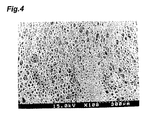
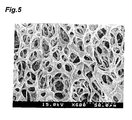
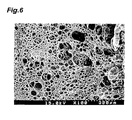
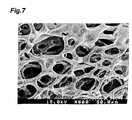


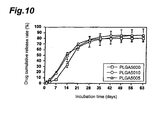

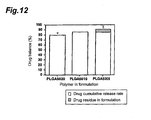

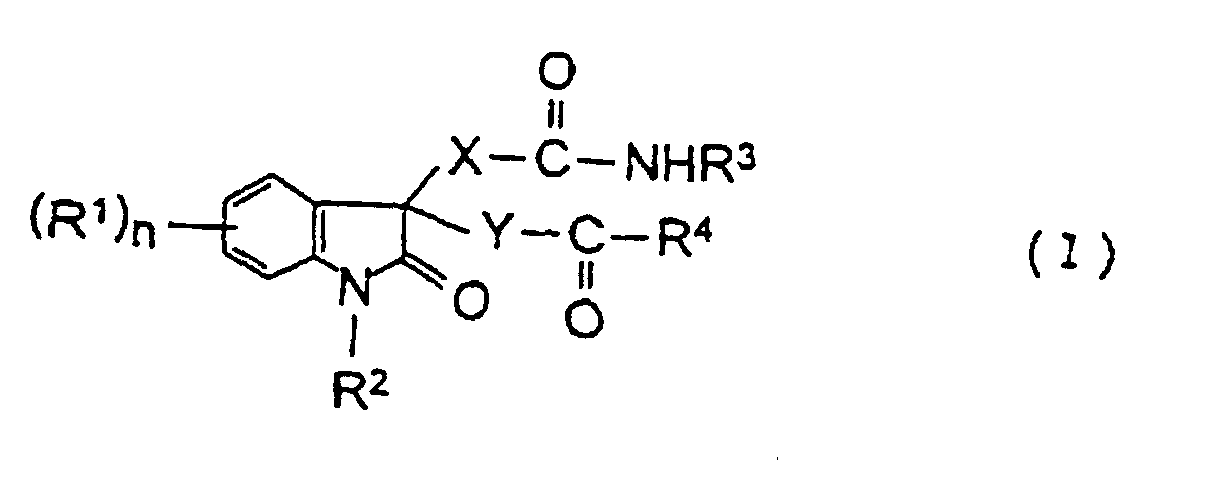

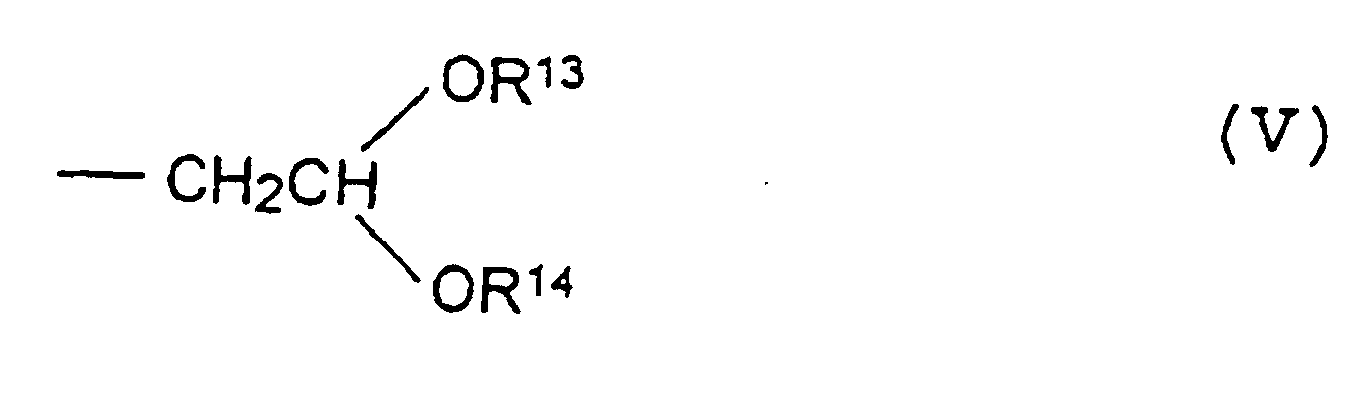
 wherein Z represents a lower alkylene group optionally substituted with 1-10 halogen atoms.
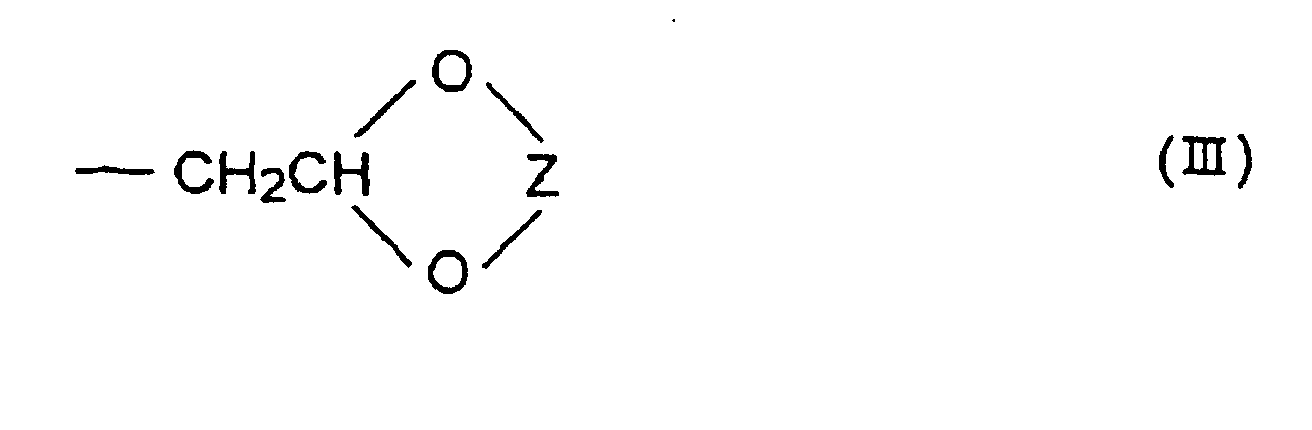

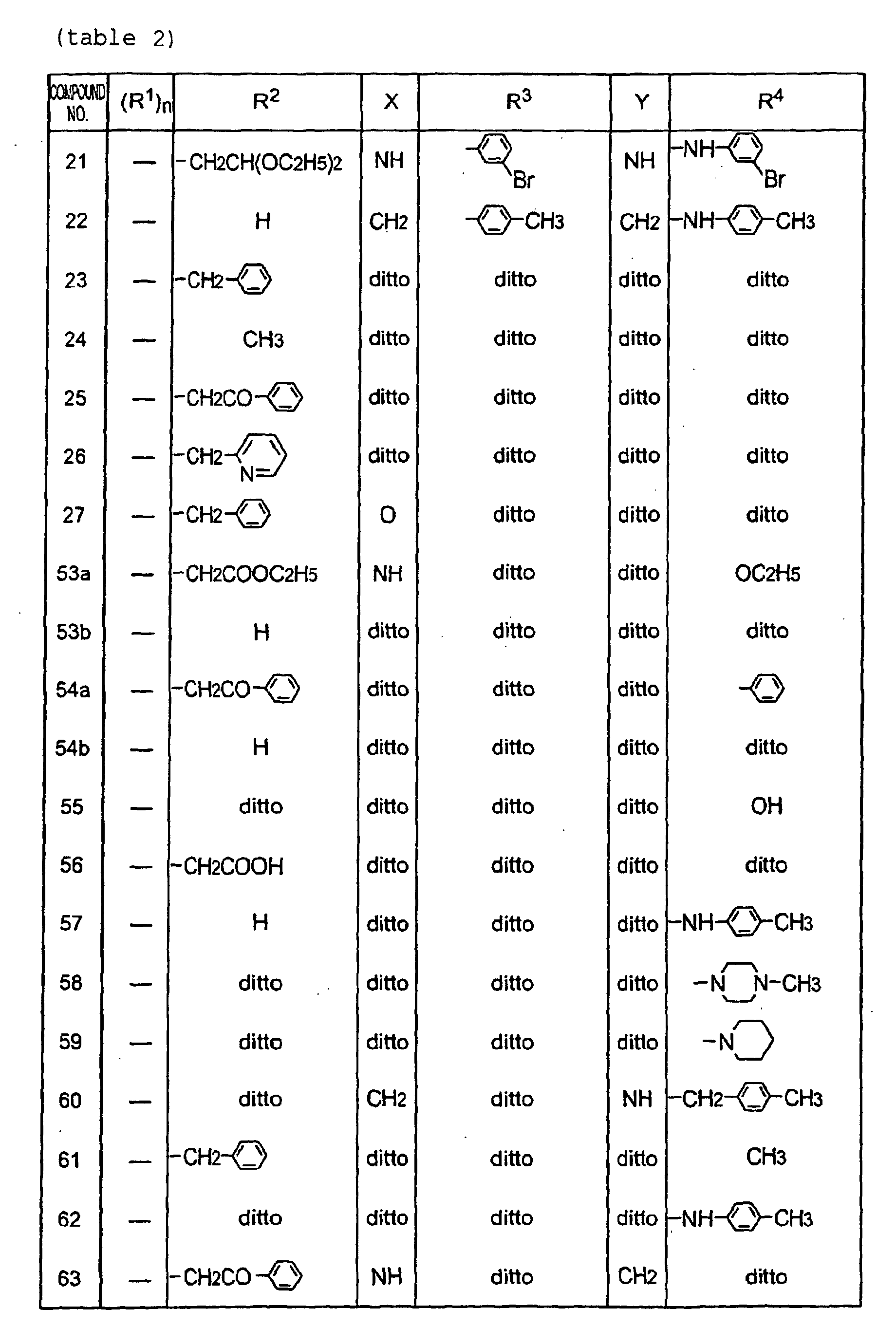

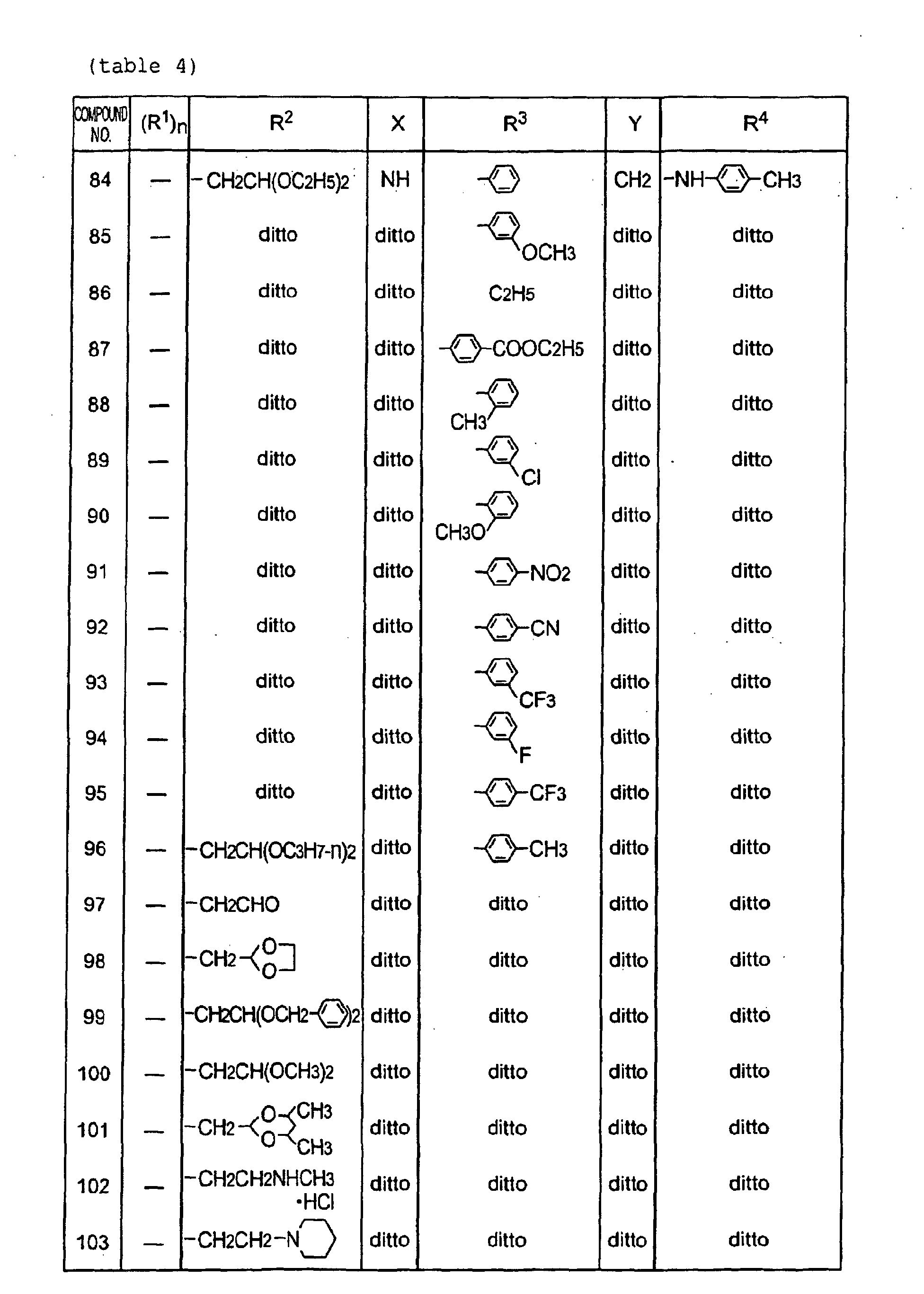


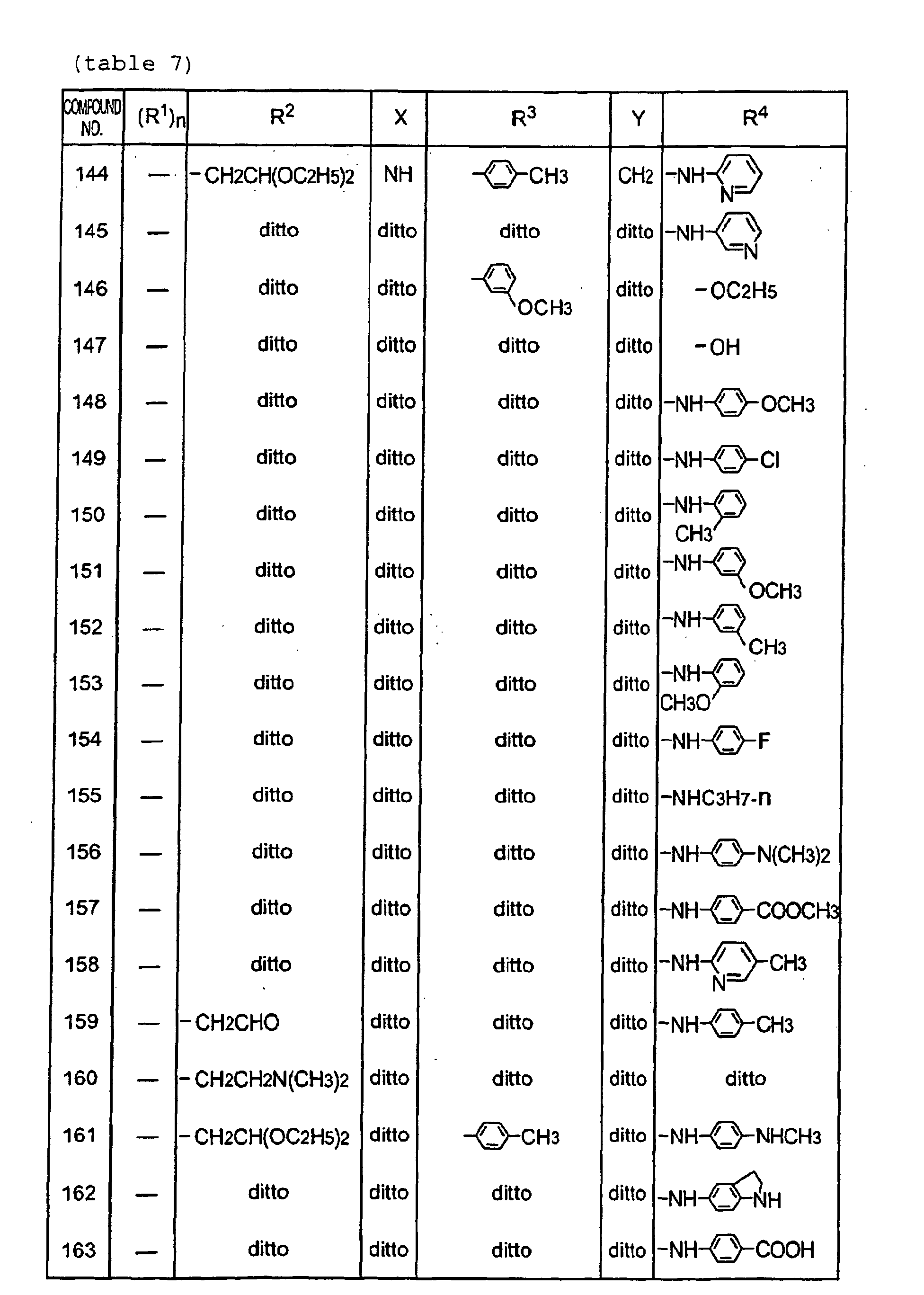
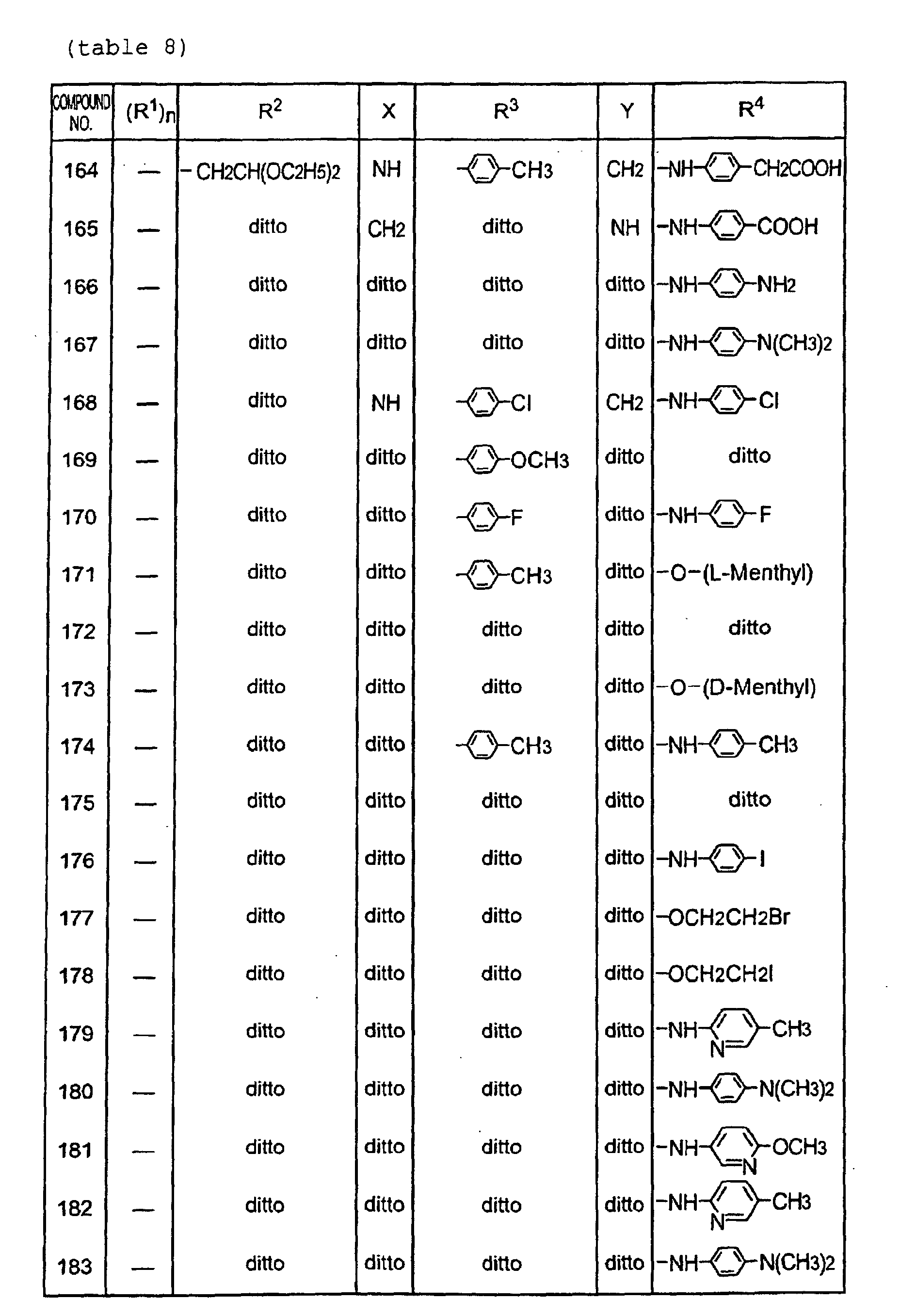

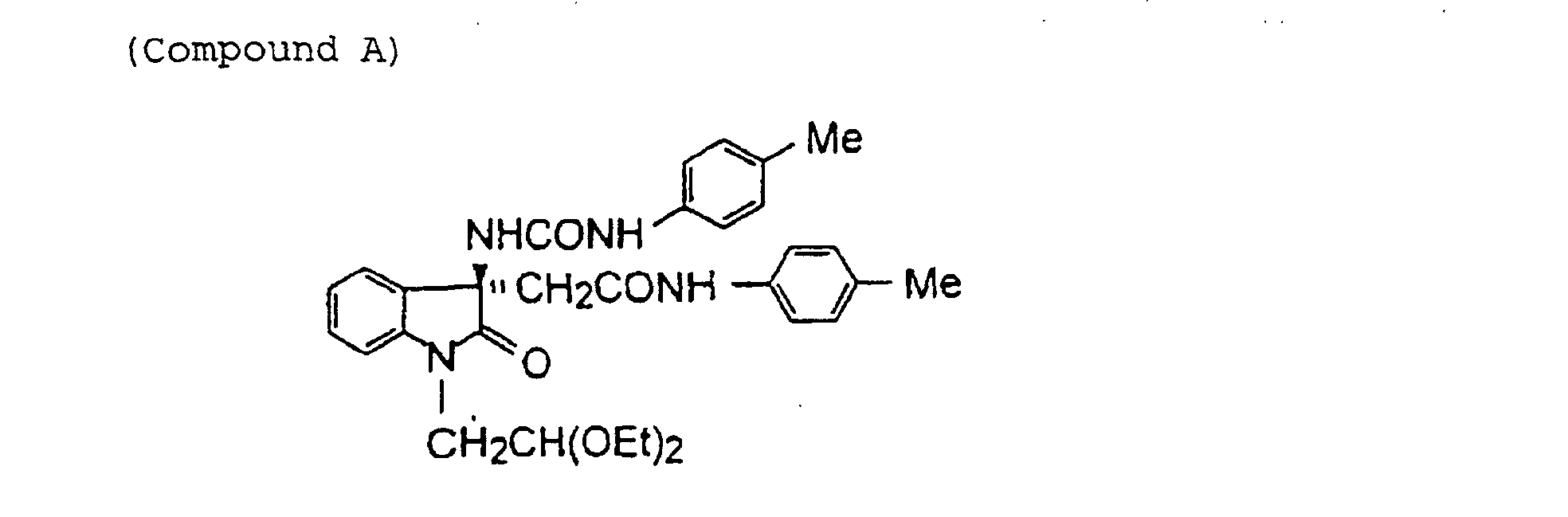
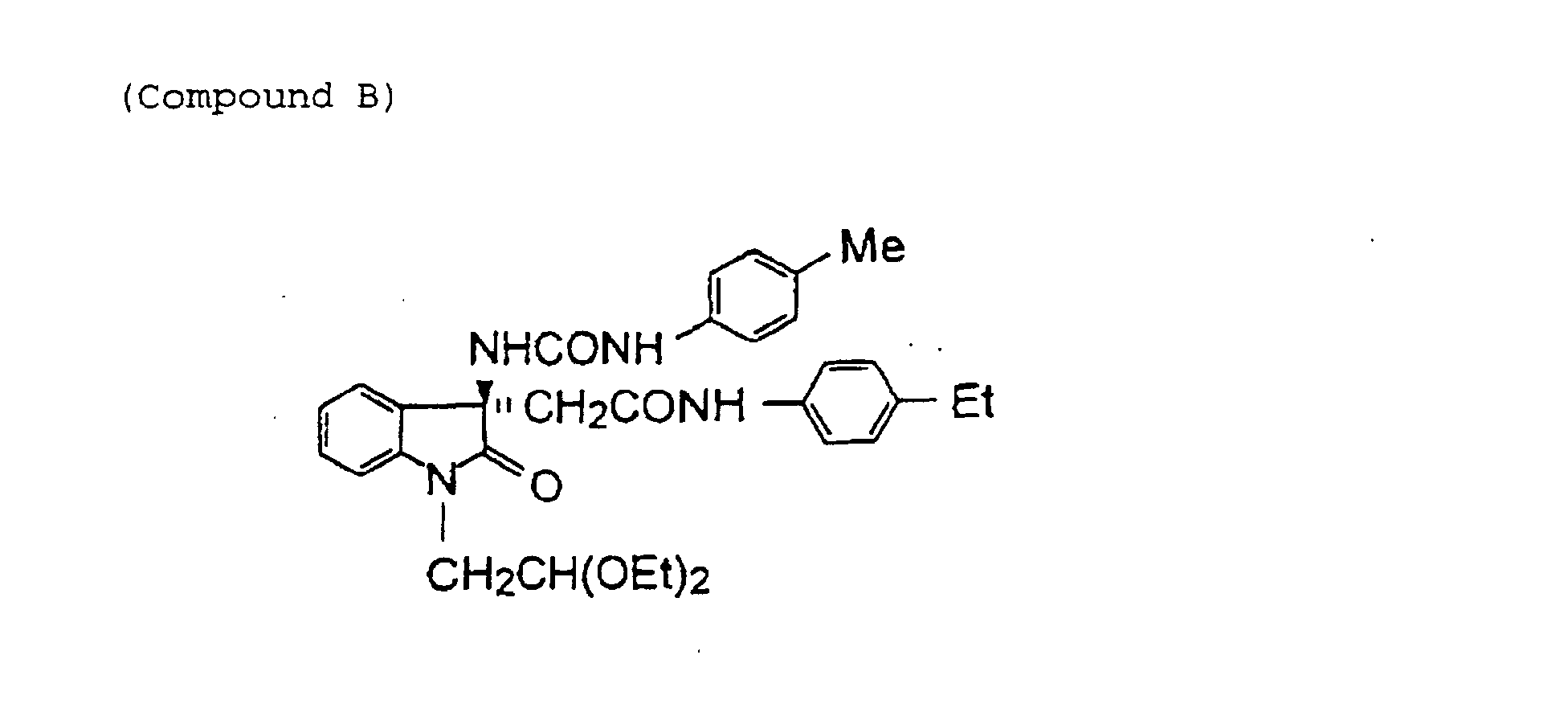

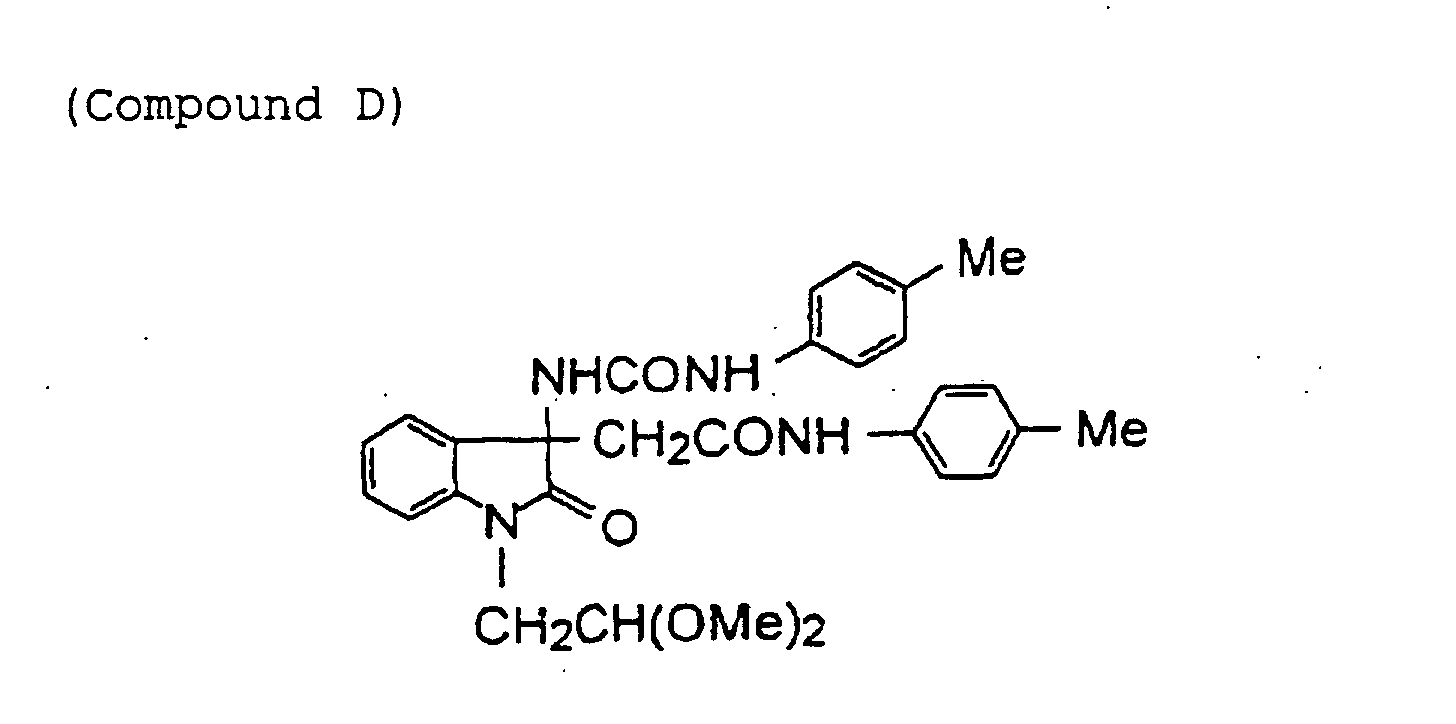

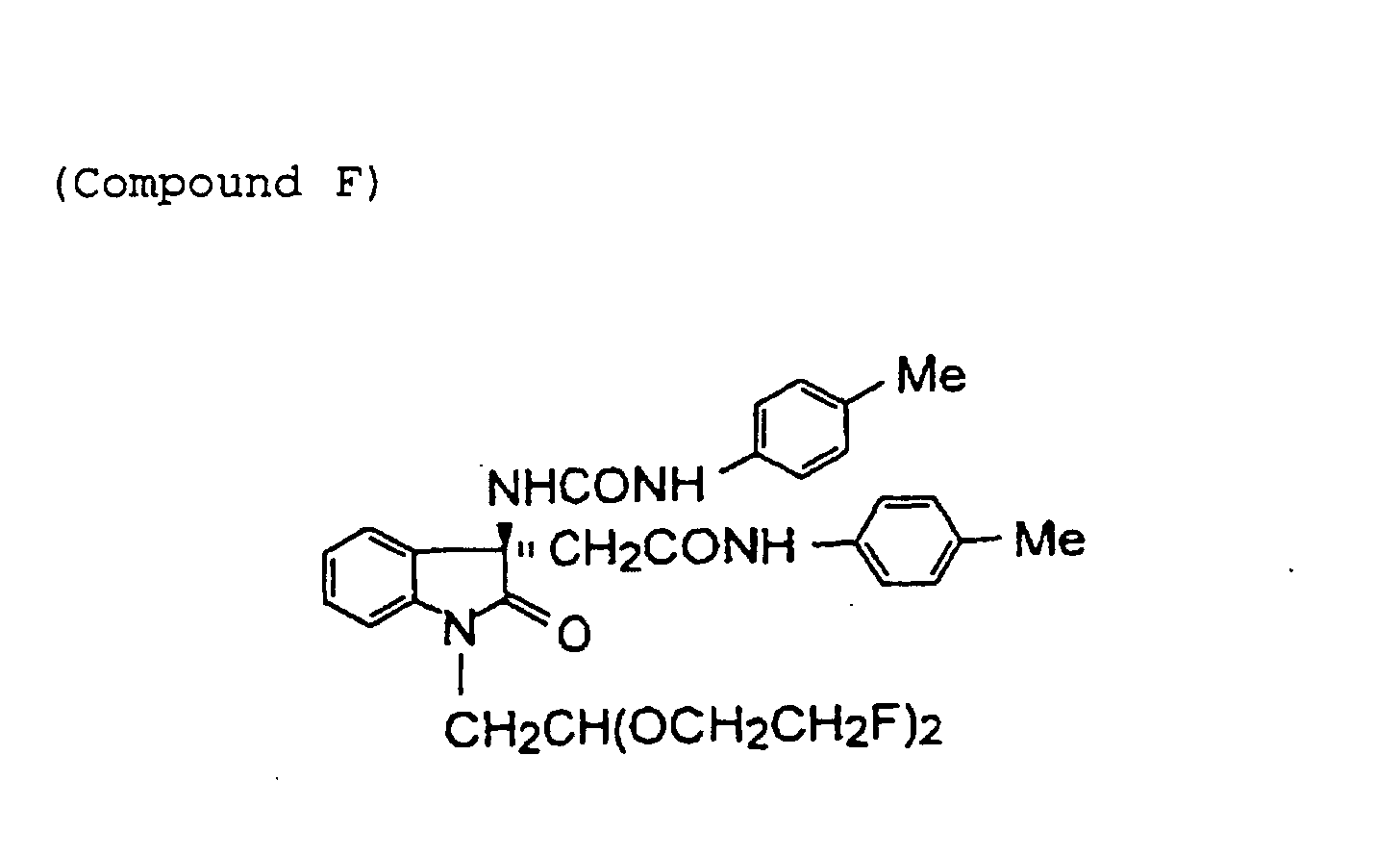
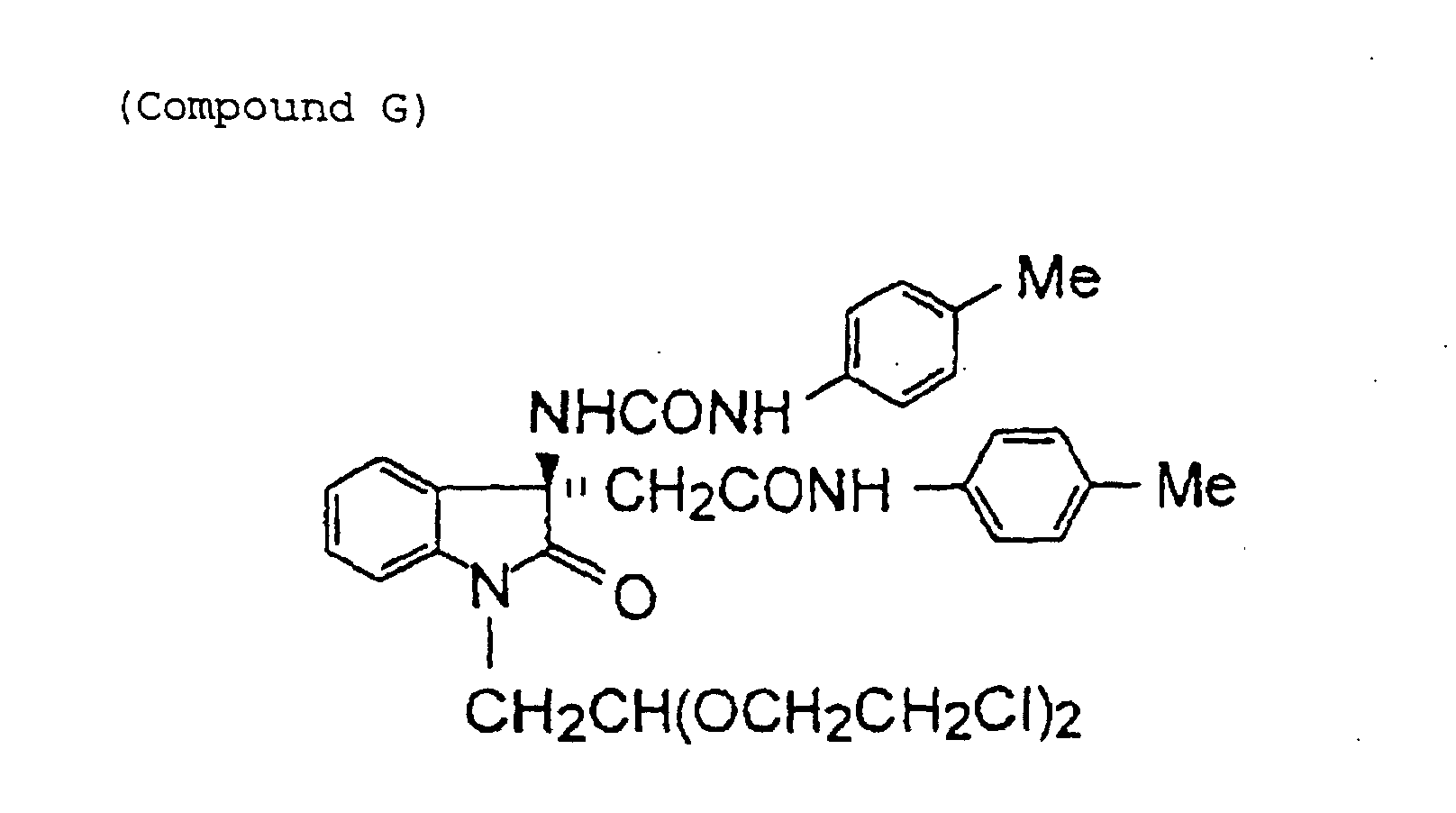
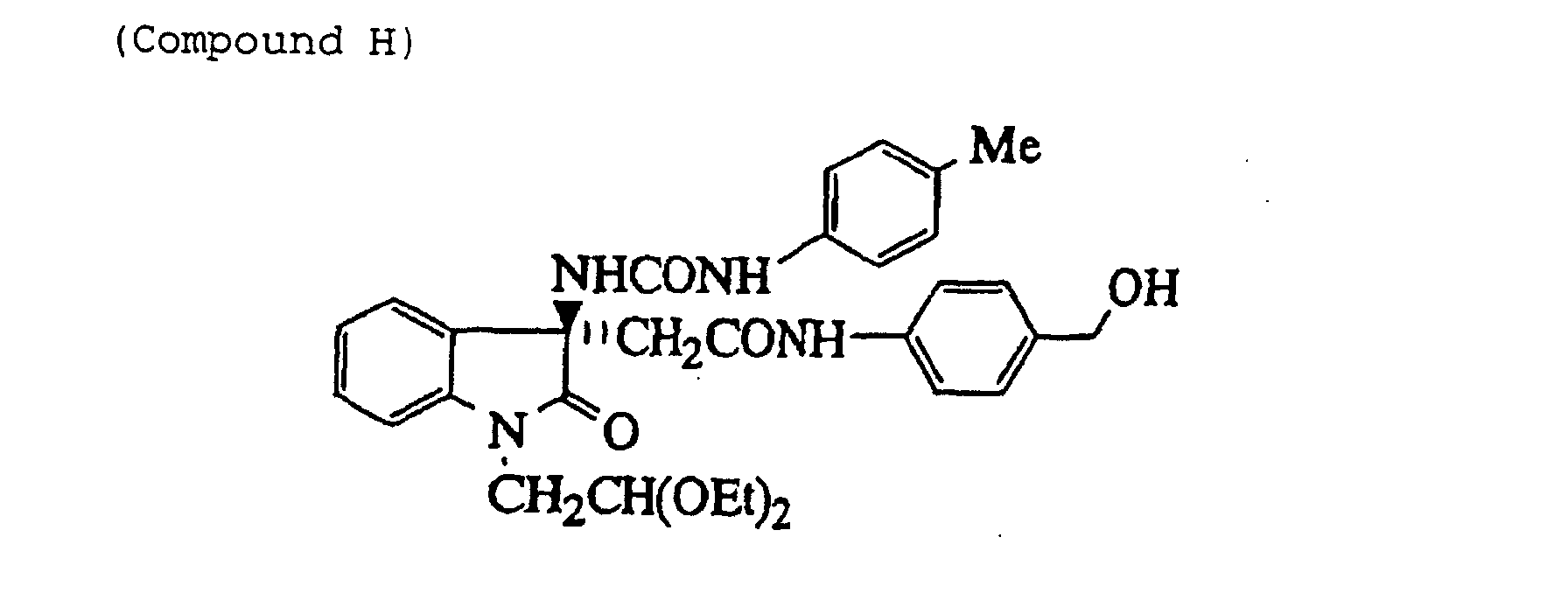
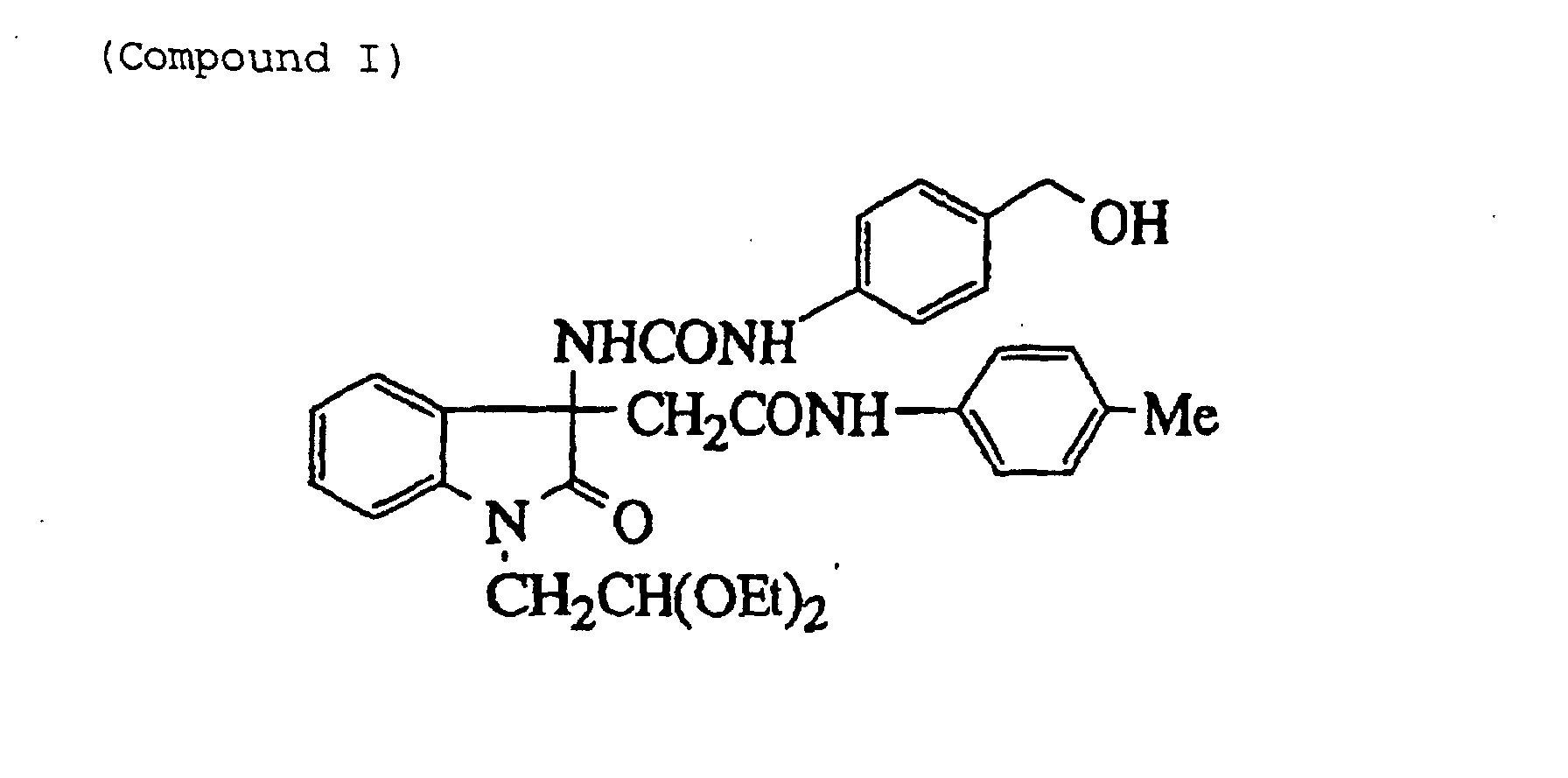
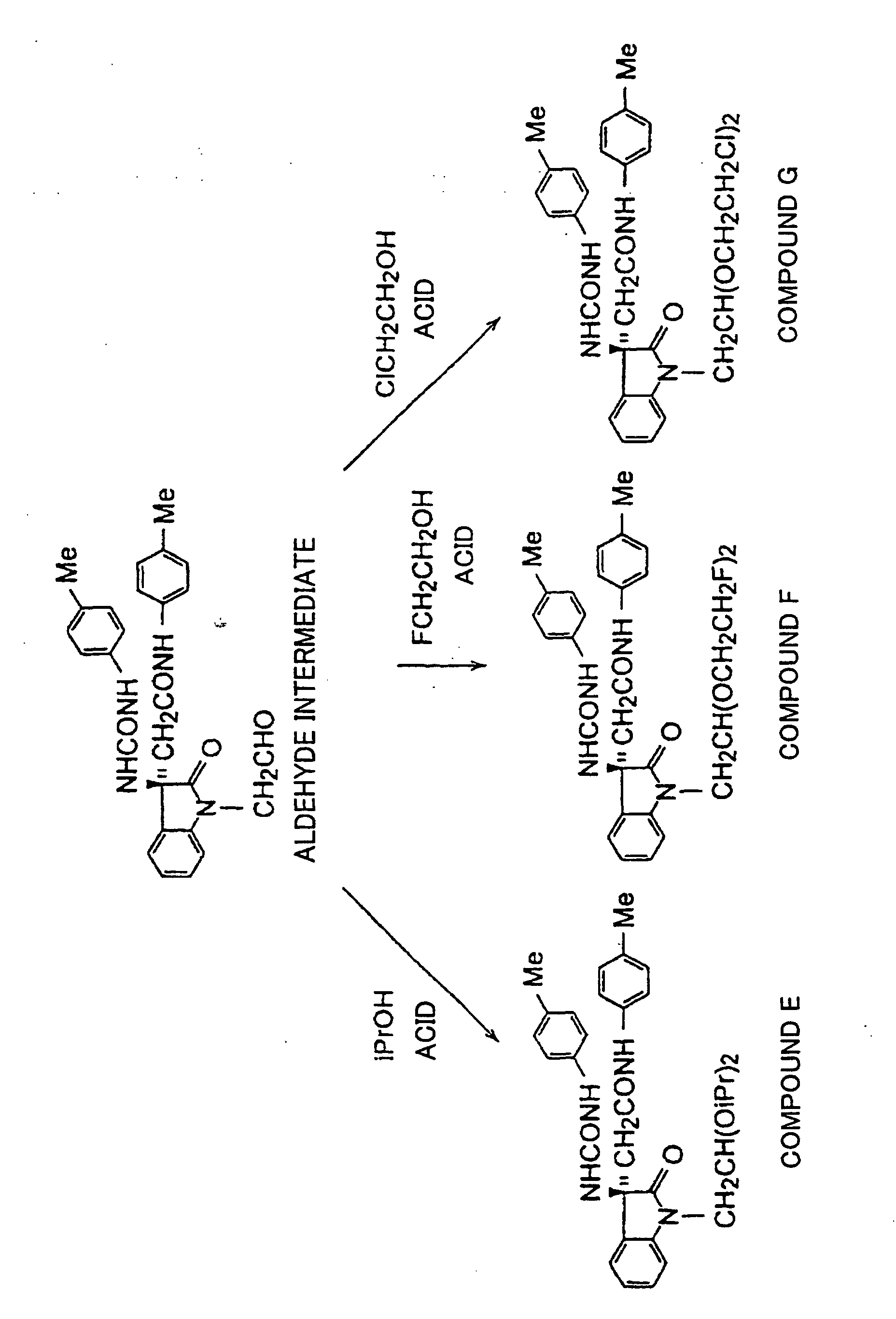
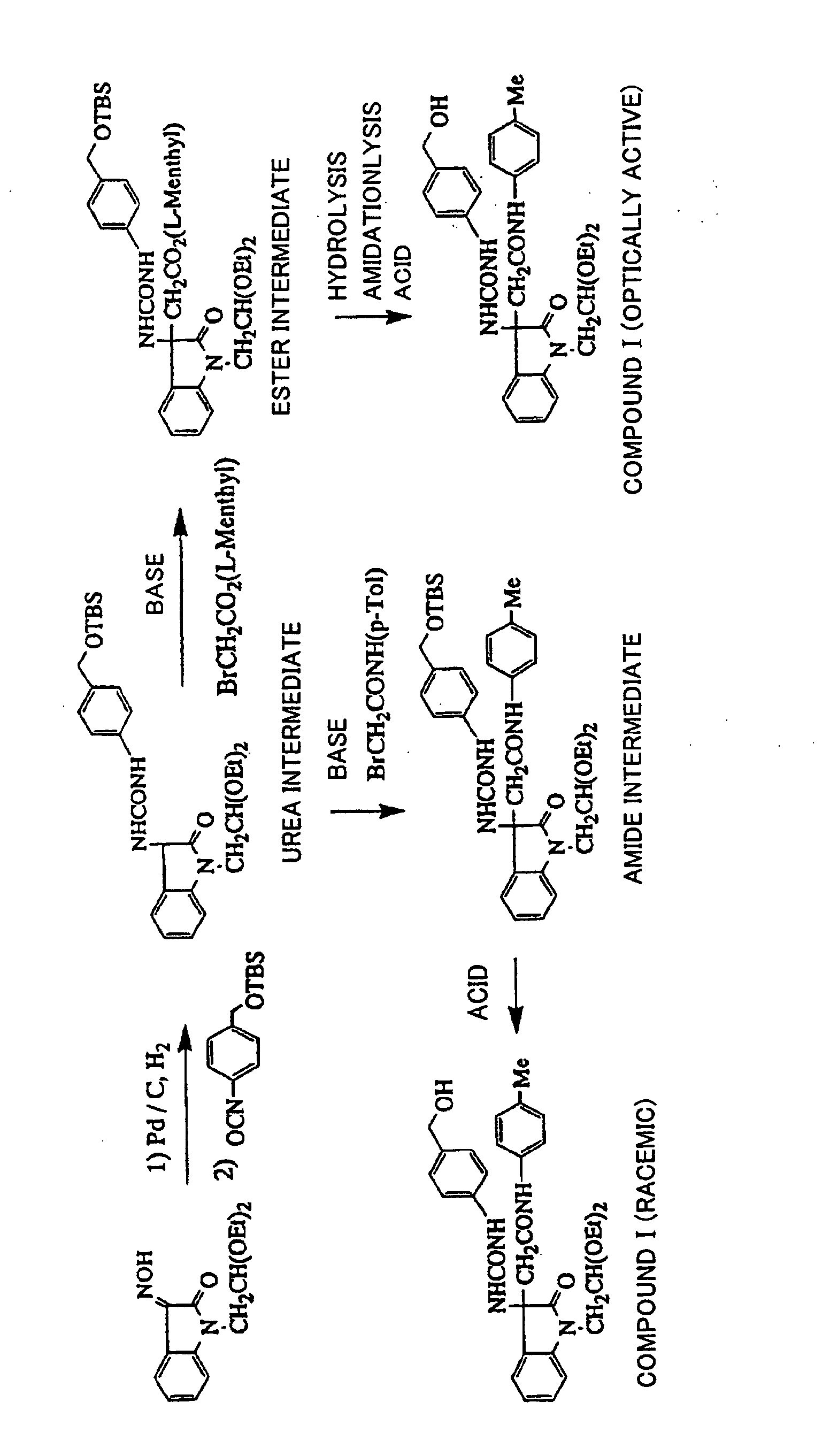
 R1 represents a halogen atom, a lower alkyl group, a lower alkoxy group, a hydroxyl group, a nitro group, a trifluoromethyl group, a lower alkylthio group, an acyl group, a carboxyl group, a mercapto group or an amino group with an optional substituent;R2 represents a hydrogen atom, a lower alkyl group with an optional substituent, a lower alkenyl group with an optional substituent, a lower alkynyl group with an optional substituent, a lower alkoxy group with an optional substituent, an acyl group with an optional substituent, an aryl group with an optional substituent or a heterocyclic group with an optional substituent;R3 represents a lower alkyl group with an optional substituent, a cycloalkyl group with an optional substituent, an aryl group with an optional substituent or a heterocyclic group with an optional substituent;R4 represents a hydrogen atom, a lower alkyl group with an optional substituent, an aryl group with an optional substituent, a heterocyclic group with an optional substituent, -OR5, -SR5 or -NR6R7 wherein R5, R6 and R7 may be the same or different and each represents a hydrogen atom, a lower alkyl group with an optional substituent, a cycloalkyl group with an optional substituent, an aryl group with an optional substituent, a heterocyclic group with an optional substituent, a lower alkoxy group or an amino group with an optional substituent, and R6 and R7 may together form a group represented by -(CH2)m- or -(CH2)lNR8(CH2)k- wherein k, l and m each represent an integer of 1-8 and R8 represents a hydrogen atom or a lower alkyl group;X and Y may be the same or different and each represents -CH2-, -NH- or -O-, and n represents an integer of 0-4.