EP1266660A1 - Heme oxygenase-1 inducers or induction enhancers - Google Patents
Heme oxygenase-1 inducers or induction enhancers Download PDFInfo
- Publication number
- EP1266660A1 EP1266660A1 EP01912450A EP01912450A EP1266660A1 EP 1266660 A1 EP1266660 A1 EP 1266660A1 EP 01912450 A EP01912450 A EP 01912450A EP 01912450 A EP01912450 A EP 01912450A EP 1266660 A1 EP1266660 A1 EP 1266660A1
- Authority
- EP
- European Patent Office
- Prior art keywords
- heme oxygenase
- nicotinamide
- induction
- agent
- propane
- Prior art date
- Legal status (The legal status is an assumption and is not a legal conclusion. Google has not performed a legal analysis and makes no representation as to the accuracy of the status listed.)
- Withdrawn
Links
Images

Classifications
-
- C—CHEMISTRY; METALLURGY
- C07—ORGANIC CHEMISTRY
- C07D—HETEROCYCLIC COMPOUNDS
- C07D213/00—Heterocyclic compounds containing six-membered rings, not condensed with other rings, with one nitrogen atom as the only ring hetero atom and three or more double bonds between ring members or between ring members and non-ring members
- C07D213/02—Heterocyclic compounds containing six-membered rings, not condensed with other rings, with one nitrogen atom as the only ring hetero atom and three or more double bonds between ring members or between ring members and non-ring members having three double bonds between ring members or between ring members and non-ring members
- C07D213/04—Heterocyclic compounds containing six-membered rings, not condensed with other rings, with one nitrogen atom as the only ring hetero atom and three or more double bonds between ring members or between ring members and non-ring members having three double bonds between ring members or between ring members and non-ring members having no bond between the ring nitrogen atom and a non-ring member or having only hydrogen or carbon atoms directly attached to the ring nitrogen atom
- C07D213/60—Heterocyclic compounds containing six-membered rings, not condensed with other rings, with one nitrogen atom as the only ring hetero atom and three or more double bonds between ring members or between ring members and non-ring members having three double bonds between ring members or between ring members and non-ring members having no bond between the ring nitrogen atom and a non-ring member or having only hydrogen or carbon atoms directly attached to the ring nitrogen atom with hetero atoms or with carbon atoms having three bonds to hetero atoms with at the most one bond to halogen, e.g. ester or nitrile radicals, directly attached to ring carbon atoms
- C07D213/78—Carbon atoms having three bonds to hetero atoms, with at the most one bond to halogen, e.g. ester or nitrile radicals
- C07D213/81—Amides; Imides
- C07D213/82—Amides; Imides in position 3
-
- A—HUMAN NECESSITIES
- A61—MEDICAL OR VETERINARY SCIENCE; HYGIENE
- A61K—PREPARATIONS FOR MEDICAL, DENTAL OR TOILETRY PURPOSES
- A61K31/00—Medicinal preparations containing organic active ingredients
- A61K31/33—Heterocyclic compounds
- A61K31/395—Heterocyclic compounds having nitrogen as a ring hetero atom, e.g. guanethidine or rifamycins
- A61K31/435—Heterocyclic compounds having nitrogen as a ring hetero atom, e.g. guanethidine or rifamycins having six-membered rings with one nitrogen as the only ring hetero atom
- A61K31/44—Non condensed pyridines; Hydrogenated derivatives thereof
- A61K31/455—Nicotinic acids, e.g. niacin; Derivatives thereof, e.g. esters, amides
-
- A—HUMAN NECESSITIES
- A61—MEDICAL OR VETERINARY SCIENCE; HYGIENE
- A61P—SPECIFIC THERAPEUTIC ACTIVITY OF CHEMICAL COMPOUNDS OR MEDICINAL PREPARATIONS
- A61P25/00—Drugs for disorders of the nervous system
-
- A—HUMAN NECESSITIES
- A61—MEDICAL OR VETERINARY SCIENCE; HYGIENE
- A61P—SPECIFIC THERAPEUTIC ACTIVITY OF CHEMICAL COMPOUNDS OR MEDICINAL PREPARATIONS
- A61P39/00—General protective or antinoxious agents
-
- A—HUMAN NECESSITIES
- A61—MEDICAL OR VETERINARY SCIENCE; HYGIENE
- A61P—SPECIFIC THERAPEUTIC ACTIVITY OF CHEMICAL COMPOUNDS OR MEDICINAL PREPARATIONS
- A61P43/00—Drugs for specific purposes, not provided for in groups A61P1/00-A61P41/00
-
- A—HUMAN NECESSITIES
- A61—MEDICAL OR VETERINARY SCIENCE; HYGIENE
- A61P—SPECIFIC THERAPEUTIC ACTIVITY OF CHEMICAL COMPOUNDS OR MEDICINAL PREPARATIONS
- A61P9/00—Drugs for disorders of the cardiovascular system
-
- A—HUMAN NECESSITIES
- A61—MEDICAL OR VETERINARY SCIENCE; HYGIENE
- A61P—SPECIFIC THERAPEUTIC ACTIVITY OF CHEMICAL COMPOUNDS OR MEDICINAL PREPARATIONS
- A61P9/00—Drugs for disorders of the cardiovascular system
- A61P9/10—Drugs for disorders of the cardiovascular system for treating ischaemic or atherosclerotic diseases, e.g. antianginal drugs, coronary vasodilators, drugs for myocardial infarction, retinopathy, cerebrovascula insufficiency, renal arteriosclerosis
Definitions
- the present invention relates to heme oxygenase-1 (HO-1) inducers or HO-1 induction enhancers.
- Heme oxygenase is the rate-limiting enzyme in heme catabolism, which is currently known to consist of three distinct isozymes: HO-1, HO-2 and HO-3.
- HO-1 is an isozyme whose expression is induced by a heme protein as a substrate for HO-1, a heavy metal, hypoxia and various oxidative stresses.
- HO-2 is an isozyme expressed constitutively.
- HO-3 is a recently identified novel isozyme whose functions are currently unknown.
- HO-1 and HO-2 to say the least are expressed not only in the liver and the spleen, but also in other different cells or organs in the body, including neurons, vascular endothelial cells and smooth muscle cells. Further, the metabolites of HO pathway, biliverdin, free iron ion and carbon monoxide (CO), have various physiologically important effects.
- HO particularly HO-1
- HO-1 is of interest in its contribution to various pathological physiologies in the circulatory system, the nerve system, etc. (see Japanese Journal of Circulation Research, Vol. 22, No. 2, 43-51, 1999).
- Cerebral vasospasm is a specific pathological condition developed after aneurysmal subarachnoid hemorrhage (SAH) and is the most critical unfavorable factor for SAH patients. Cerebral vasospasm, which causes cerebral ischemia, is delayed contraction, a phenomenon where the narrowing of SAH-exposed large arteries at the base of the brain starts 4 to 14 days after the development of SAH. Recently, we have clarified that in cerebral arteries undergoing delayed contraction, HO-1 was highly induced in correspondence with the degree of contraction, and that HO-1 simultaneously served as an endogenous anti-contraction molecule to contribute to the spontaneous remission of cerebral vasospasm (see The Journal of Clinical Investigation, Vol. 104, No. 1, 59-66, July 1999).
- HO-1 induced upon the development of cerebral vasospasm may serve as a host defensive molecule. If there is an agent capable of inducing HO-1 or enhancing HO-1 induction during pathological conditions, such agent may be significantly effective for pharmaceutical use because it promotes the remission of pathological conditions. However, no such agent has been known previously.
- 1,2-Bis(nicotinamide)propane is known as a radical scavenger effective for vasospasm inhibition (see Japanese Patent Examined Publication No. 61-55911).
- this publication teaches no effect that results from HO-1 induction or HO-1 induction enhancement by the compound, nor does it provide any information on the remission of pathological conditions in various organs or cells where HO-1 is strongly induced during the pathological conditions, although it describes some effects of the compound as a radical scavenger.
- the present invention provides an agent for inducing heme oxygenase-1 or enhancing heme oxygenase-1. induction, which comprises a nicotinamide derivative as an active ingredient.
- the present invention also provides an agent for stimulating a host defense response or a cell damage defense response, which comprises a nicotinamide derivative as an active ingredient and stimulates the host defense response or the cell damage defense response by inducing heme oxygenase-1 or enhancing heme oxygenase-1 induction.
- the present invention provides an agent for promoting the amelioration of a pathological condition, which comprises a nicotinamide derivative as an active ingredient and promotes the amelioration of a pathological condition in an organ or cells where heme oxygenase-1 is highly induced during the pathological condition.
- the present invention also provides an agent for promoting the amelioration of a pathological condition in an organ or cells of the circulatory system, the nerve system, etc.
- the present invention provides an agent for inhibiting vasospasm, which comprises a nicotinamide derivative as an active ingredient and inhibits vasospasm by inducing heme oxygenase-1 or enhancing heme oxygenase-1 induction.
- the present invention provides any one of the above agents wherein the nicotinamide derivative is 1,2-bis(nicotinamide)propane.
- nicotinamide derivatives include, for example, 1,2-bis(nicotinamide)propane and structurally similar compounds, with 1,2-bis(nicotinamide)propane being preferred.
- 1,2-Bis(nicotinamide)propane is a known compound and can be prepared as described in, for example, Japanese Patent Examined Publication No. 61-55911.
- the present invention also encompasses any other nicotinamide derivatives as long as they have the ability to induce HO-1 or enhance HO-1 induction. Such derivative can be prepared in a known manner with or without modifications.
- inducing heme oxygenase-1 or enhancing heme oxygenase-1 induction or “inducing HO-1 or enhancing HO-1 induction” is intended to encompass the induction of HO-1 mRNA or protein expression or the enhancement of such induction.
- host defense responses or cell damage defense responses include, for example, in vivo responses for preventing a wide variety of cell damage which may occur in the body (e.g., cell damage caused by blood and ischemia) and in vivo responses for promoting the amelioration of pathological conditions.
- organ or cell where heme oxygenase-1 is highly induced during pathological conditions include those of the circulatory system and the nerve system, as well as any other organ or cell in the body, regardless of its anatomical and physiological classifications, as long as it can provide such high level induction of heme oxygenase-1.
- Specific examples include brain, liver, spleen, neurons, vascular endothelial cells, smooth muscle cells, cerebral arteries (e.g., basilar arteries) and glia cells.
- the administration route and dose of the agent can be suitably determined according to the type of nicotinamide derivative to be used, the physique, age and physical condition of the patient, the type and severity of the disease to be treated, elapsed time after onset of the disease, etc.
- the agent is generally used in an amount of 0.01 to 3000 mg/day when parenterally administered (by intravenous, intramuscular, or subcutaneous route).
- parenterally administered by intravenous, intramuscular, or subcutaneous route.
- 1,2-bis(nicotinamide)propane it is generally preferable to administer the agent continuously or intermittently by intravenous route.
- the agent may be administered at any stage, including the period during which HO-1 will be induced in a host defensive manner in response to the progress of pathological condition.
- HO-1 HO-1 will be induced in a host defensive manner in response to the progress of pathological condition.
- administration within 2 weeks after onset of the disease is expected to provide a therapeutic effect.
- the agent of the present invention is not only targeted to cerebral vasospasm developed from subarachnoid hemorrhage or the like, but also effective for other various diseases associated with a pathological environment where HO-1 is induced in the body as a host defensive molecule.
- Dosage forms suitable for administration include, for example, solutions, suspensions, emulsions, tablets, capsules, granules, fine granules, powders and suppositories.
- Such dosage forms may be prepared in combination with pharmaceutically acceptable auxiliary materials such as appropriate liquid or solid excipients, fillers, extenders, solvents, emulsifiers, lubricants, flavoring agents, scents, dyes and buffers.
- rat cerebral vasospasm model The preparation of rat cerebral vasospasm model and the determination of HO-1 mRNA expression level were performed according to a documented method (see The Journal of Clinical Investigation, Vol. 104, No. 1, July 1999). That is, the cerebral vasospasm model was prepared by single injection of autologous arterial blood into the cisterna magna of a SD rat to create a single hemorrhage model, and the model thus prepared was used to study changes in mRNA expression level in basilar arterial walls caused by administration of 1,2-bis(nicotinamide)propane.
- Each single hemorrhage model was injected with 0.5 ml autologous arterial blood into its cisterna magna.
- 1,2-bis(nicotinamide)propane was continuously administered for 2 days by intravenous route (0.2 ml/hr; 1 mg/kg/min). After administration, the level of mRNA expressed in basilar arterial walls was determined on day 2 using a quantitative RT-PCR technique.
- + saline i.v.” refers to a model injected with physiological saline into the cisterna magna and administered with physiological saline by intravenous route
- saline i.c. + 1,2-bis(nicotinamide)propane i.v.” refers to a model injected with physiological saline into the cisterna magna and administered with 1,2-bis(nicotinamide)propane by intravenous route
- blood i.c. + saline i.v.” refers to a model injected with autologous arterial blood into the cisterna magna and administered with physiological saline by intravenous route
- 1,2-bis(nicotinamide)propane i.v.” refers to a model injected with autologous arterial blood into the cisterna magna and administered with 1,2-bis(nicotinamide)propane by intravenous route.
- the data were statistically processed according to variance analysis.
- a single asterisk (*) denotes a statistically significant difference from "saline i.c.” at p ⁇ 0.05 level and two asterisks (**) denote a statistically significant difference from "blood i.c. + saline i.v.” at p ⁇ 0.01 level.
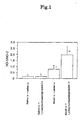
- Figure 1 indicates that the intravenous administration of 1,2-bis(nicotinamide)propane after autologous arterial blood injection results in a significant increase in HO-1 mRNA expression level.
- Example 2 The same animal model as in Example 1 was used to study changes in HO-1 protein expression level after the same treatment as shown in Example 1.
- the changes in protein expression level were detected by Coomassie staining and Western blotting, as described in the above-mentioned reference.
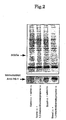
- the results obtained are shown in Figure 2.
- the upper and lower panels show the results of Coomassie staining and Western blotting, respectively.
- Each of the lanes shown in Figure 2 has the same definition as the corresponding sample in Figure 1.
- Figure 2 indicates that 1,2-bis(nicotinamide)propane causes or enhances HO-1 protein induction after the injection of autologous arterial blood.
- the same model as in Example 1 was used to study changes over time in basilar artery diameter.
- the determination of basilar artery diameter was performed as described in the above-mentioned reference. That is, the diameter was measured angiographically on days 1 to 7 and expressed as a % change from the original diameter (% change before treatment was set to 0).
- the model was injected with its autologous blood or physiological saline in the same manner as in Example 1 and then continuously administered with 1,2-bis(nicotinamide)propane or physiological saline by intravenous route for 7 consecutive days immediately after the injection.
- the data was statistically processed such that intragroup comparison was performed by paired t-test and intergroup comparison was performed according to variance analysis.
- a single asterisk (*), two asterisks (**) and three asterisks (***) denote statistically significant differences from Day 0 at p ⁇ 0.05 level, from Day 0 at p ⁇ 0.01 level and from open circle ( ⁇ ) on Day 2 at p ⁇ 0.01 level, respectively.
- Figure 3 indicates that the administration of 1,2-bis(nicotinamide)propane results in a significant amelioration of delayed cerebral vasospasm. It also shows that the diameter of cerebral blood vessels is not affected in the absence of hemorrhage.
- 1,2-bis(nicotinamide)propane can induce and enhance the expression of HO-1 that serves as a host defensive molecule during pathological conditions, thereby promoting the remission of the pathological conditions.
- This compound is also expected to provide a HO-1 induction enhancer with fewer side effects because it does not affect the body in most cases excluding pathological conditions. This further suggests the possibility of producing a similar therapeutic effect in different pathological conditions other than cerebral vasospasm shown in the Examples, as long as those pathological conditions occur in organs or cells where HO-1 is induced.
- nicotinamide derivatives are significantly effective for pharmaceutical use because they can cause or enhance HO-1 induction during pathological conditions to promote the remission of the pathological conditions.
- 1,2-bis(nicotinamide)propane causes or enhances HO-1 induction almost exclusively during pathological conditions, but does not substantially affect the normal body, thereby proving more effective for pharmaceutical use as a less toxic agent capable of promoting the remission of the pathological conditions.
Landscapes
- Health & Medical Sciences (AREA)
- Chemical & Material Sciences (AREA)
- Organic Chemistry (AREA)
- Animal Behavior & Ethology (AREA)
- Veterinary Medicine (AREA)
- Public Health (AREA)
- General Health & Medical Sciences (AREA)
- Medicinal Chemistry (AREA)
- Pharmacology & Pharmacy (AREA)
- Life Sciences & Earth Sciences (AREA)
- Nuclear Medicine, Radiotherapy & Molecular Imaging (AREA)
- Bioinformatics & Cheminformatics (AREA)
- Chemical Kinetics & Catalysis (AREA)
- General Chemical & Material Sciences (AREA)
- Engineering & Computer Science (AREA)
- Heart & Thoracic Surgery (AREA)
- Cardiology (AREA)
- Epidemiology (AREA)
- Toxicology (AREA)
- Urology & Nephrology (AREA)
- Vascular Medicine (AREA)
- Biomedical Technology (AREA)
- Neurology (AREA)
- Neurosurgery (AREA)
- Pharmaceuticals Containing Other Organic And Inorganic Compounds (AREA)
- Pyridine Compounds (AREA)
Abstract
Description
- The present invention relates to heme oxygenase-1 (HO-1) inducers or HO-1 induction enhancers.
- Heme oxygenase (HO) is the rate-limiting enzyme in heme catabolism, which is currently known to consist of three distinct isozymes: HO-1, HO-2 and HO-3. HO-1 is an isozyme whose expression is induced by a heme protein as a substrate for HO-1, a heavy metal, hypoxia and various oxidative stresses. In contrast, HO-2 is an isozyme expressed constitutively. HO-3 is a recently identified novel isozyme whose functions are currently unknown.
- Among the three HO isozymes, HO-1 and HO-2 to say the least are expressed not only in the liver and the spleen, but also in other different cells or organs in the body, including neurons, vascular endothelial cells and smooth muscle cells. Further, the metabolites of HO pathway, biliverdin, free iron ion and carbon monoxide (CO), have various physiologically important effects.
- In view of the foregoing, HO, particularly HO-1, is of interest in its contribution to various pathological physiologies in the circulatory system, the nerve system, etc. (see Japanese Journal of Circulation Research, Vol. 22, No. 2, 43-51, 1999).
- Cerebral vasospasm is a specific pathological condition developed after aneurysmal subarachnoid hemorrhage (SAH) and is the most critical unfavorable factor for SAH patients. Cerebral vasospasm, which causes cerebral ischemia, is delayed contraction, a phenomenon where the narrowing of SAH-exposed large arteries at the base of the brain starts 4 to 14 days after the development of SAH. Recently, we have clarified that in cerebral arteries undergoing delayed contraction, HO-1 was highly induced in correspondence with the degree of contraction, and that HO-1 simultaneously served as an endogenous anti-contraction molecule to contribute to the spontaneous remission of cerebral vasospasm (see The Journal of Clinical Investigation, Vol. 104, No. 1, 59-66, July 1999).
- This suggests that HO-1 induced upon the development of cerebral vasospasm may serve as a host defensive molecule. If there is an agent capable of inducing HO-1 or enhancing HO-1 induction during pathological conditions, such agent may be significantly effective for pharmaceutical use because it promotes the remission of pathological conditions. However, no such agent has been known previously.
- 1,2-Bis(nicotinamide)propane is known as a radical scavenger effective for vasospasm inhibition (see Japanese Patent Examined Publication No. 61-55911). However, this publication teaches no effect that results from HO-1 induction or HO-1 induction enhancement by the compound, nor does it provide any information on the remission of pathological conditions in various organs or cells where HO-1 is strongly induced during the pathological conditions, although it describes some effects of the compound as a radical scavenger.
- An object of the present invention is to provide an agent capable of inducing HO-1 or enhancing HO-1 induction. Another object of the present invention is to provide an agent capable of promoting the remission of a pathological condition by inducing more HO-1 or enhancing HO-1 induction in an organ or cells where HO-1 is strongly induced during the pathological condition; the agent does not substantially affect the normal body.
- Our research efforts were directed to achieving the above objects, and we found that when a rat model of cerebral vasospasm was administered with 1,2-bis(nicotinamide)propane, the model showed significantly increased mRNA and protein expression levels of HO-1 induced in its basilar arterial wall cells, as compared to a non-administered model, whereby the remission of vasospasm was promoted. We have finally completed the invention based on this finding.
- Namely, the present invention provides an agent for inducing heme oxygenase-1 or enhancing heme oxygenase-1. induction, which comprises a nicotinamide derivative as an active ingredient. The present invention also provides an agent for stimulating a host defense response or a cell damage defense response, which comprises a nicotinamide derivative as an active ingredient and stimulates the host defense response or the cell damage defense response by inducing heme oxygenase-1 or enhancing heme oxygenase-1 induction. Further, the present invention provides an agent for promoting the amelioration of a pathological condition, which comprises a nicotinamide derivative as an active ingredient and promotes the amelioration of a pathological condition in an organ or cells where heme oxygenase-1 is highly induced during the pathological condition. The present invention also provides an agent for promoting the amelioration of a pathological condition in an organ or cells of the circulatory system, the nerve system, etc. Furthermore, the present invention provides an agent for inhibiting vasospasm, which comprises a nicotinamide derivative as an active ingredient and inhibits vasospasm by inducing heme oxygenase-1 or enhancing heme oxygenase-1 induction. In particular, the present invention provides any one of the above agents wherein the nicotinamide derivative is 1,2-bis(nicotinamide)propane.
-
- Figure 1 graphically shows expression levels of HO-1 mRNA in basilar arterial walls of rat cerebral vasospasm models as measured 2 days after intra-cisterna magna injection.
- Figure 2 shows an SDS-PAGE pattern of HO-1 protein expressed in basilar arterial walls of rat cerebral vasospasm models as measured 2 days after intra-cisterna magna injection.
- Figure 3 graphically shows the time course of basilar artery diameter in rat cerebral vasospasm models.
-
- As used herein, nicotinamide derivatives include, for example, 1,2-bis(nicotinamide)propane and structurally similar compounds, with 1,2-bis(nicotinamide)propane being preferred. 1,2-Bis(nicotinamide)propane is a known compound and can be prepared as described in, for example, Japanese Patent Examined Publication No. 61-55911. The present invention also encompasses any other nicotinamide derivatives as long as they have the ability to induce HO-1 or enhance HO-1 induction. Such derivative can be prepared in a known manner with or without modifications.
- The term "inducing heme oxygenase-1 or enhancing heme oxygenase-1 induction" or "inducing HO-1 or enhancing HO-1 induction" is intended to encompass the induction of HO-1 mRNA or protein expression or the enhancement of such induction.
- As used herein, host defense responses or cell damage defense responses include, for example, in vivo responses for preventing a wide variety of cell damage which may occur in the body (e.g., cell damage caused by blood and ischemia) and in vivo responses for promoting the amelioration of pathological conditions.
- Examples of the organ or cell where heme oxygenase-1 is highly induced during pathological conditions include those of the circulatory system and the nerve system, as well as any other organ or cell in the body, regardless of its anatomical and physiological classifications, as long as it can provide such high level induction of heme oxygenase-1. Specific examples include brain, liver, spleen, neurons, vascular endothelial cells, smooth muscle cells, cerebral arteries (e.g., basilar arteries) and glia cells.
- The administration route and dose of the agent can be suitably determined according to the type of nicotinamide derivative to be used, the physique, age and physical condition of the patient, the type and severity of the disease to be treated, elapsed time after onset of the disease, etc. The agent is generally used in an amount of 0.01 to 3000 mg/day when parenterally administered (by intravenous, intramuscular, or subcutaneous route). In the case where 1,2-bis(nicotinamide)propane is used as an active ingredient, it is generally preferable to administer the agent continuously or intermittently by intravenous route.
- The agent may be administered at any stage, including the period during which HO-1 will be induced in a host defensive manner in response to the progress of pathological condition. In the case of cerebral vasospasm, for example, administration within 2 weeks after onset of the disease is expected to provide a therapeutic effect.
- The agent of the present invention is not only targeted to cerebral vasospasm developed from subarachnoid hemorrhage or the like, but also effective for other various diseases associated with a pathological environment where HO-1 is induced in the body as a host defensive molecule.
- Dosage forms suitable for administration include, for example, solutions, suspensions, emulsions, tablets, capsules, granules, fine granules, powders and suppositories. Such dosage forms may be prepared in combination with pharmaceutically acceptable auxiliary materials such as appropriate liquid or solid excipients, fillers, extenders, solvents, emulsifiers, lubricants, flavoring agents, scents, dyes and buffers.
- The present invention will be further described in the following examples. The examples are provided for illustrative purposes only, and are not intended to limit the scope of the invention.
- The preparation of rat cerebral vasospasm model and the determination of HO-1 mRNA expression level were performed according to a documented method (see The Journal of Clinical Investigation, Vol. 104, No. 1, July 1999). That is, the cerebral vasospasm model was prepared by single injection of autologous arterial blood into the cisterna magna of a SD rat to create a single hemorrhage model, and the model thus prepared was used to study changes in mRNA expression level in basilar arterial walls caused by administration of 1,2-bis(nicotinamide)propane.
- Each single hemorrhage model was injected with 0.5 ml autologous arterial blood into its cisterna magna. Immediately following the injection of autologous arterial blood, 1,2-bis(nicotinamide)propane was continuously administered for 2 days by intravenous route (0.2 ml/hr; 1 mg/kg/min). After administration, the level of mRNA expressed in basilar arterial walls was determined on
day 2 using a quantitative RT-PCR technique. - In control experiments, the same procedure was repeated except that physiological saline was used instead of the above autologous arterial blood and/or the above 1,2-bis(nicotinamide)propane. The single hemorrhage model will present the strongest delayed vasospasm on
day 2 after the injection of autologous arterial blood. It is for this reason that the mRNA expression level was determined onday 2. - The results obtained are shown in Figure 1 as a ratio of HO-1 expression level to HO-2 expression level (n = 5 in each group). All data were expressed as mean ± SEM. The expression level of HO-2 was used as a denominator in calculating the ratio because the expression level of HO-2 was not assumed to change appreciably in this model and therefore, when used as a denominator, would enable changes in HO-1 expression level to be objectively evaluated while ignoring individual differences. In Figure 1, "HO-1/HO-2" represents the ratio of HO-1 expression level to HO-2 expression level, "saline i.c. + saline i.v." refers to a model injected with physiological saline into the cisterna magna and administered with physiological saline by intravenous route, "
saline i.c. + 1,2-bis(nicotinamide)propane i.v." refers to a model injected with physiological saline into the cisterna magna and administered with 1,2-bis(nicotinamide)propane by intravenous route, "blood i.c. + saline i.v." refers to a model injected with autologous arterial blood into the cisterna magna and administered with physiological saline by intravenous route, and "blood i.c. + 1,2-bis(nicotinamide)propane i.v." refers to a model injected with autologous arterial blood into the cisterna magna and administered with 1,2-bis(nicotinamide)propane by intravenous route. The data were statistically processed according to variance analysis. A single asterisk (*) denotes a statistically significant difference from "saline i.c." at p<0.05 level and two asterisks (**) denote a statistically significant difference from "blood i.c. + saline i.v." at p<0.01 level. - Figure 1 indicates that the intravenous administration of 1,2-bis(nicotinamide)propane after autologous arterial blood injection results in a significant increase in HO-1 mRNA expression level.
- The same animal model as in Example 1 was used to study changes in HO-1 protein expression level after the same treatment as shown in Example 1. The changes in protein expression level were detected by Coomassie staining and Western blotting, as described in the above-mentioned reference. The results obtained are shown in Figure 2. In this figure, the upper and lower panels show the results of Coomassie staining and Western blotting, respectively. Each of the lanes shown in Figure 2 has the same definition as the corresponding sample in Figure 1.
- Figure 2 indicates that 1,2-bis(nicotinamide)propane causes or enhances HO-1 protein induction after the injection of autologous arterial blood..
- The same model as in Example 1 was used to study changes over time in basilar artery diameter. The determination of basilar artery diameter was performed as described in the above-mentioned reference. That is, the diameter was measured angiographically on
days 1 to 7 and expressed as a % change from the original diameter (% change before treatment was set to 0). - The model was injected with its autologous blood or physiological saline in the same manner as in Example 1 and then continuously administered with 1,2-bis(nicotinamide)propane or physiological saline by intravenous route for 7 consecutive days immediately after the injection.
- The results obtained are shown in Figure 3 (n = 3 in each group). All data were expressed as mean ± SEM. In this figure, the vertical axis represents the % change in blood vessel diameter. The horizontal axis represents the sequence of days (
Day 0 to Day 7) after the injection of autologous arterial blood or physiological saline into the cisterna magna. The symbols in Figure 3 correspond to the respective models defined for Figure 1 in Example 1 as follows: - open triangle (Δ): saline i.c. + saline i.v.;
- open square (□):
saline i.c. + 1,2-bis(nicotinamide)-propane i.v.; - open circle (○): blood i.c. + saline i.v.; and
- solid circle ():
blood i.c. + 1,2-bis(nicotinamide)-propane i.v. -
- The data was statistically processed such that intragroup comparison was performed by paired t-test and intergroup comparison was performed according to variance analysis. A single asterisk (*), two asterisks (**) and three asterisks (***) denote statistically significant differences from
Day 0 at p<0.05 level, fromDay 0 at p<0.01 level and from open circle (○) onDay 2 at p<0.01 level, respectively. - Figure 3 indicates that the administration of 1,2-bis(nicotinamide)propane results in a significant amelioration of delayed cerebral vasospasm. It also shows that the diameter of cerebral blood vessels is not affected in the absence of hemorrhage.
- In view of the foregoing, 1,2-bis(nicotinamide)propane can induce and enhance the expression of HO-1 that serves as a host defensive molecule during pathological conditions, thereby promoting the remission of the pathological conditions. This compound is also expected to provide a HO-1 induction enhancer with fewer side effects because it does not affect the body in most cases excluding pathological conditions. This further suggests the possibility of producing a similar therapeutic effect in different pathological conditions other than cerebral vasospasm shown in the Examples, as long as those pathological conditions occur in organs or cells where HO-1 is induced.
- According to the present invention, nicotinamide derivatives are significantly effective for pharmaceutical use because they can cause or enhance HO-1 induction during pathological conditions to promote the remission of the pathological conditions. In particular, 1,2-bis(nicotinamide)propane causes or enhances HO-1 induction almost exclusively during pathological conditions, but does not substantially affect the normal body, thereby proving more effective for pharmaceutical use as a less toxic agent capable of promoting the remission of the pathological conditions.
Claims (6)
- An agent for inducing heme oxygenase-1 or enhancing heme oxygenase-1 induction, which comprises a nicotinamide derivative as an active ingredient.
- An agent for stimulating a host defense response or a cell damage defense response, which comprises a nicotinamide derivative as an active ingredient and stimulates the host defense response or the cell damage defense response by inducing heme oxygenase-1 or enhancing heme oxygenase-1 induction.
- An agent for promoting the amelioration of a pathological condition, which comprises a nicotinamide derivative as an active ingredient and promotes the amelioration of a pathological condition in an organ or cells where heme oxygenase-1 is highly induced during the pathological condition.
- The agent according to claim 3, wherein the organ or cells are those of the circulatory system or the nerve system.
- An agent for inhibiting vasospasm, which comprises a nicotinamide derivative as an active ingredient and inhibits vasospasm by inducing heme oxygenase-1 or enhancing heme oxygenase-1 induction.
- The agent according to any one of claims 1 to 5, wherein the nicotinamide derivative is 1,2-bis(nicotinamide)propane.
Applications Claiming Priority (3)
| Application Number | Priority Date | Filing Date | Title |
|---|---|---|---|
| JP2000076289 | 2000-03-17 | ||
| JP2000076289 | 2000-03-17 | ||
| PCT/JP2001/002122 WO2001068094A1 (en) | 2000-03-17 | 2001-03-16 | Heme oxygenase-1 inducers or induction enhancers |
Publications (2)
| Publication Number | Publication Date |
|---|---|
| EP1266660A1 true EP1266660A1 (en) | 2002-12-18 |
| EP1266660A4 EP1266660A4 (en) | 2006-03-22 |
Family
ID=18594053
Family Applications (1)
| Application Number | Title | Priority Date | Filing Date |
|---|---|---|---|
| EP01912450A Withdrawn EP1266660A4 (en) | 2000-03-17 | 2001-03-16 | Heme oxygenase-1 inducers or induction enhancers |
Country Status (5)
| Country | Link |
|---|---|
| US (1) | US20030032655A1 (en) |
| EP (1) | EP1266660A4 (en) |
| JP (1) | JP3860752B2 (en) |
| AU (1) | AU4117701A (en) |
| WO (1) | WO2001068094A1 (en) |
Cited By (2)
| Publication number | Priority date | Publication date | Assignee | Title |
|---|---|---|---|---|
| WO2004010990A1 (en) * | 2002-07-23 | 2004-02-05 | Negma-Lerads | Use of a rhein in a therapeutic treatment requiring a rise in the rate of heme oxygenase |
| EP2992880A1 (en) | 2014-09-04 | 2016-03-09 | Fundació Institut de Recerca de l'Hospital de la Santa Creu l Sant Pau | Use of heme oxygenase 1 inducers and cannabinoid 2 receptor or delta-opioid receptor agonists in inflammatory pain |
Family Cites Families (4)
| Publication number | Priority date | Publication date | Assignee | Title |
|---|---|---|---|---|
| JPS5675474A (en) * | 1979-11-22 | 1981-06-22 | Chugai Pharmaceut Co Ltd | Nicotinamide derivative and medicine containing the same |
| EP0697169B1 (en) * | 1993-05-07 | 2000-11-15 | Chugai Seiyaku Kabushiki Kaisha | Organ preservative |
| JPH0812577A (en) * | 1994-06-24 | 1996-01-16 | Chugai Pharmaceut Co Ltd | Traumatic brain injury protector |
| JPH09315972A (en) * | 1996-03-22 | 1997-12-09 | Chugai Pharmaceut Co Ltd | Spinal cord injury treatment |
-
2001
- 2001-03-16 WO PCT/JP2001/002122 patent/WO2001068094A1/en not_active Ceased
- 2001-03-16 EP EP01912450A patent/EP1266660A4/en not_active Withdrawn
- 2001-03-16 AU AU41177/01A patent/AU4117701A/en not_active Abandoned
- 2001-03-16 US US10/221,798 patent/US20030032655A1/en not_active Abandoned
- 2001-03-16 JP JP2001566658A patent/JP3860752B2/en not_active Expired - Fee Related
Non-Patent Citations (4)
| Title |
|---|
| ASANO T ET AL: "EFFECTS OF A HYDROXYL RADICAL SCAVENGER ON DELAYED ISCHEMIC NEUROLOGICAL DEFICITS FOLLOWING ANEURYSMAL SUBARACHNOID HEMORRHAGE: RESULTS OF A MULTICENTER, PLACEBO-CONTROLLED DOUBLE-BLIND TRIAL" JOURNAL OF NEUROSURGERY, vol. 84, no. 5, 1996, pages 792-803, XP008016895 ISSN: 0022-3085 * |
| See also references of WO0168094A1 * |
| SUZUKI HIDENORI ET AL: "Heme oxygenase-1 gene induction as an intrinsic regulation against delayed cerebral vasospasm in rats" JOURNAL OF CLINICAL INVESTIGATION, NEW YORK, NY, US, vol. 104, no. 1, July 1999 (1999-07), pages 59-66, XP002194855 ISSN: 0021-9738 * |
| TANAKA K ET AL: "PHARMACOGENOMICS AND THERAPEUTIC TARGET VALIDATION IN CEREBRAL VASOSPASM" JOURNAL OF CARDIOVASCULAR PHARMACOLOGY, NEW YORK, NY, US, vol. 36, no. 6, SUPPL 2, 2000, pages S01-S04, XP008014476 ISSN: 0160-2446 * |
Cited By (2)
| Publication number | Priority date | Publication date | Assignee | Title |
|---|---|---|---|---|
| WO2004010990A1 (en) * | 2002-07-23 | 2004-02-05 | Negma-Lerads | Use of a rhein in a therapeutic treatment requiring a rise in the rate of heme oxygenase |
| EP2992880A1 (en) | 2014-09-04 | 2016-03-09 | Fundació Institut de Recerca de l'Hospital de la Santa Creu l Sant Pau | Use of heme oxygenase 1 inducers and cannabinoid 2 receptor or delta-opioid receptor agonists in inflammatory pain |
Also Published As
| Publication number | Publication date |
|---|---|
| AU4117701A (en) | 2001-09-24 |
| WO2001068094A1 (en) | 2001-09-20 |
| JP3860752B2 (en) | 2006-12-20 |
| US20030032655A1 (en) | 2003-02-13 |
| EP1266660A4 (en) | 2006-03-22 |
Similar Documents
| Publication | Publication Date | Title |
|---|---|---|
| Van Woert et al. | Inhibition of the growth of mouse melanoma by chlorpromazine | |
| US20010036939A1 (en) | Zinc ionophores as therapeutic agents | |
| Bateman et al. | Pharmacokinetics and clinical toxicity of quinine overdosage: lack of efficacy of techniques intended to enhance elimination | |
| JPH09503777A (en) | Levobupivacaine useful for the treatment of chronic pain | |
| JP2002179563A (en) | Compositions for inhibiting diseases associated with oxidative damage | |
| Schwartz et al. | Methotrexate induces differentiation of human keratinocytes. | |
| Gong et al. | Systemic zinc protoporphyrin administration reduces intracerebral hemorrhage-induced brain injury | |
| JP2002513383A (en) | Methods for increasing the concentration of ascorbic acid in a patient's brain tissue | |
| JPH11513992A (en) | Agents and methods for treating diseases involving overexpression of cytidine deaminase or deoxycytidine deaminase | |
| Drummond et al. | Suppression of hyperbilirubinemia in the rat neonate by chromium-protoporphyrin. Interactions of metalloporphyrins with microsomal heme oxygenase of human spleen. | |
| US20210361562A1 (en) | Compositions and methods for the prevention and treatment of cardiovascular diseases | |
| JPH06503359A (en) | Use of AICA riboside compounds for the treatment and prevention of tissue damage resulting from decreased blood flow | |
| JP3622985B2 (en) | How to increase magnesium absorption and prevent atherosclerosis | |
| EP1266660A1 (en) | Heme oxygenase-1 inducers or induction enhancers | |
| RU2099080C1 (en) | Method for preventing from cancer development | |
| JP2002543133A (en) | Synergistic combination comprising roflumilast and a PDE-3 inhibitor | |
| US4626527A (en) | Process for utilizing choline to sustain muscular performance | |
| EP0106812B1 (en) | Pharmaceutical composition containing a fibrinolytic agent and a diffusion factor, useful for the treatment of the myocardium infarction | |
| Marinesco et al. | Effects of tianeptine, sertraline and clomipramine on brain serotonin metabolism: a voltammetric approach in the rat | |
| EP1190714A2 (en) | Method for the treatment of thromboembolic disorders in patients with aspirin resistance | |
| Eriksson et al. | Leucine uptake by splanchnic and leg tissues in man: relative independence of insulin levels | |
| Schleien et al. | Hemodynamic effects of nitric oxide synthase inhibition before and after cardiac arrest in infant piglets | |
| CHEN et al. | Beneficial effects of sanguisorbae radix in renal dysfunction caused by endotoxin in vivo | |
| JP2002536325A (en) | L-arginine-based formulations for treating diseases and methods of using the same | |
| Yla-Herttuala | Gene therapy for cardiovascular diseases |
Legal Events
| Date | Code | Title | Description |
|---|---|---|---|
| PUAI | Public reference made under article 153(3) epc to a published international application that has entered the european phase |
Free format text: ORIGINAL CODE: 0009012 |
|
| 17P | Request for examination filed |
Effective date: 20021015 |
|
| AK | Designated contracting states |
Kind code of ref document: A1 Designated state(s): AT BE CH CY DE DK ES FI FR GB GR IE IT LI LU MC NL PT SE TR |
|
| AX | Request for extension of the european patent |
Free format text: AL;LT;LV;MK;RO;SI |
|
| A4 | Supplementary search report drawn up and despatched |
Effective date: 20060206 |
|
| RIC1 | Information provided on ipc code assigned before grant |
Ipc: A61P 25/00 20060101ALI20060131BHEP Ipc: A61P 9/10 20060101ALI20060131BHEP Ipc: A61P 43/00 20060101ALI20060131BHEP Ipc: A61K 31/455 20060101AFI20010925BHEP Ipc: A61P 39/00 20060101ALI20060131BHEP Ipc: C07D 213/38 20060101ALI20060131BHEP |
|
| 17Q | First examination report despatched |
Effective date: 20061009 |
|
| STAA | Information on the status of an ep patent application or granted ep patent |
Free format text: STATUS: THE APPLICATION IS DEEMED TO BE WITHDRAWN |
|
| 18D | Application deemed to be withdrawn |
Effective date: 20081001 |