EP1262487A1 - Dna encoding squalene epoxidase promoter - Google Patents
Dna encoding squalene epoxidase promoter Download PDFInfo
- Publication number
- EP1262487A1 EP1262487A1 EP01908221A EP01908221A EP1262487A1 EP 1262487 A1 EP1262487 A1 EP 1262487A1 EP 01908221 A EP01908221 A EP 01908221A EP 01908221 A EP01908221 A EP 01908221A EP 1262487 A1 EP1262487 A1 EP 1262487A1
- Authority
- EP
- European Patent Office
- Prior art keywords
- protein
- dna
- amino acid
- seq
- squalene epoxidase
- Prior art date
- Legal status (The legal status is an assumption and is not a legal conclusion. Google has not performed a legal analysis and makes no representation as to the accuracy of the status listed.)
- Withdrawn
Links
Images


Classifications
-
- C—CHEMISTRY; METALLURGY
- C12—BIOCHEMISTRY; BEER; SPIRITS; WINE; VINEGAR; MICROBIOLOGY; ENZYMOLOGY; MUTATION OR GENETIC ENGINEERING
- C12N—MICROORGANISMS OR ENZYMES; COMPOSITIONS THEREOF; PROPAGATING, PRESERVING, OR MAINTAINING MICROORGANISMS; MUTATION OR GENETIC ENGINEERING; CULTURE MEDIA
- C12N9/00—Enzymes; Proenzymes; Compositions thereof; Processes for preparing, activating, inhibiting, separating or purifying enzymes
- C12N9/0004—Oxidoreductases (1.)
- C12N9/0071—Oxidoreductases (1.) acting on paired donors with incorporation of molecular oxygen (1.14)
- C12N9/0083—Miscellaneous (1.14.99)
-
- A—HUMAN NECESSITIES
- A61—MEDICAL OR VETERINARY SCIENCE; HYGIENE
- A61K—PREPARATIONS FOR MEDICAL, DENTAL OR TOILETRY PURPOSES
- A61K38/00—Medicinal preparations containing peptides
Definitions
- the present invention relates to a squalene epoxidase-promoting factor (hereinafter, referred to as "SPF") and a method for its production.
- SPF squalene epoxidase-promoting factor
- the present invention further relates to DNA encoding the factor and the antisense polynucleotide thereof.
- the present invention still further relates to an antibody against the factor as an antigen, a method for screening a substance inhibiting the factor, and an agent for inhibiting the biosynthesis of cholesterol which comprises a substance inhibiting the factor.
- a living body provided with a fine regulation mechanism controls cholesterol levels as necessary. It is known that many diseases including arteriosclerosis may develop when such a homeostasis maintenance mechanism fails. In particular, cholesterol synthesis and catabolism in the liver are important elements for regulating cholesterol levels which circulate within the body. To date, many enzymes including HMG-CoA reductase and squalene epoxidase have been identified to be involved in cholesterol biosynthesis. Further, the inhibitors for such enzymes have been recognized as having an improvement effect on hyperlipidemia.
- a rat liver soluble fraction has an activity promoting an enzyme reaction which converts squalene to squalene 2,3-oxide mediated by squalene epoxidase present in a rat liver microsome (Tchen T. Bloch K. (1957) J. Biol. Chem 226, 921-930).
- a protein having this activity is referred to as a supernatant protein factor (SPF), and the purification of the protein has also been reported (Ferguson J. Bloch K. (1977) J. Biol. Chem 252, 5381-5385).
- SPPF supernatant protein factor
- Squalene epoxidase is a rate-limiting enzyme for cholesterol biosynthesis. Hence, if DNA encoding a protein capable of controlling the enzyme activity can be isolated, cholesterol synthesis can be easily controlled in vivo. Further, if SPF can be produced from such DNA by gene engineering techniques, screening for the inhibitor thereof can be facilitated. Since SPF is not directly involved in cholesterol biosynthesis, the inhibitor for the protein can be used as a cholesterol-reducing agent having a site of action different from that of conventional agents.
- the object of the present invention is to provide DNA encoding such highly efficient SPF.
- the present invention relates to DNA encoding SPF.
- the present invention relates to SPF.
- the present invention relates to an antibody which binds to SPF.
- the present invention relates to an antisense polynucleotide of DNA encoding SPF.
- the present invention relates to a method for screening an inhibitory substance for SPF.
- the present invention relates to a cholesterol biosynthesis inhibitor which comprises the inhibitory substance for SPF.
- the present invention includes part or all of the contents disclosed in the specification and drawings of Japanese Patent Application No. 2000-57743, which is a priority document of the present application.
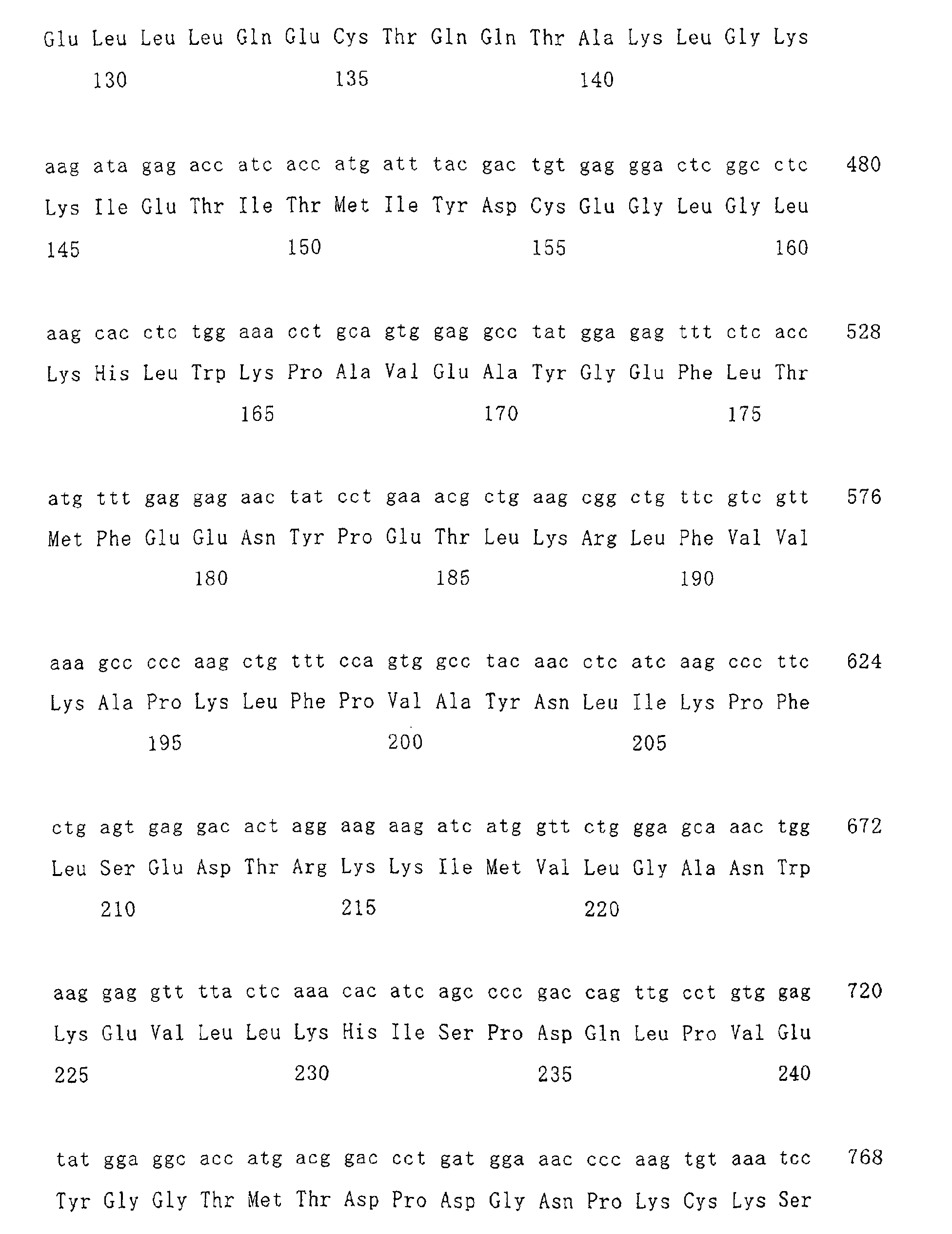
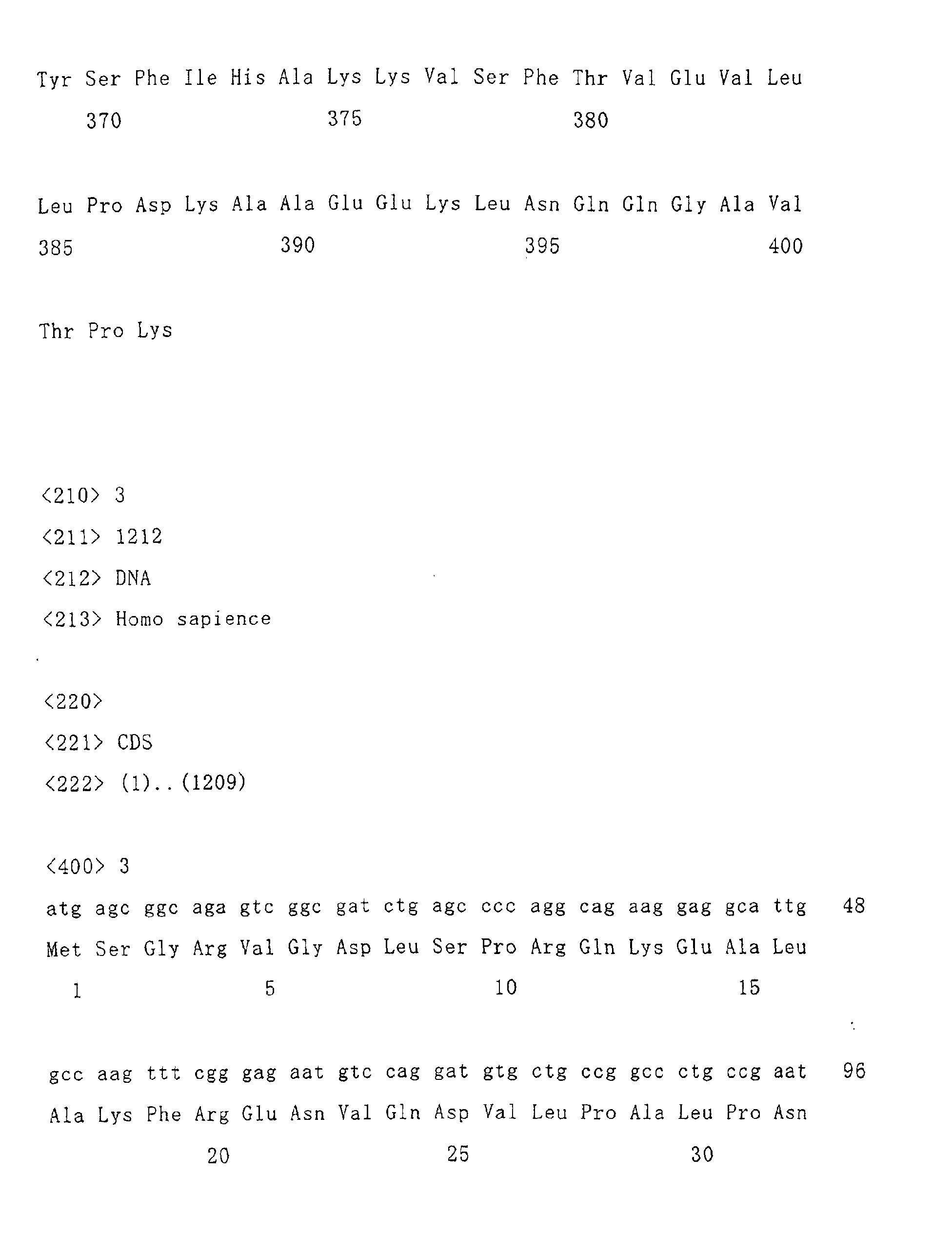
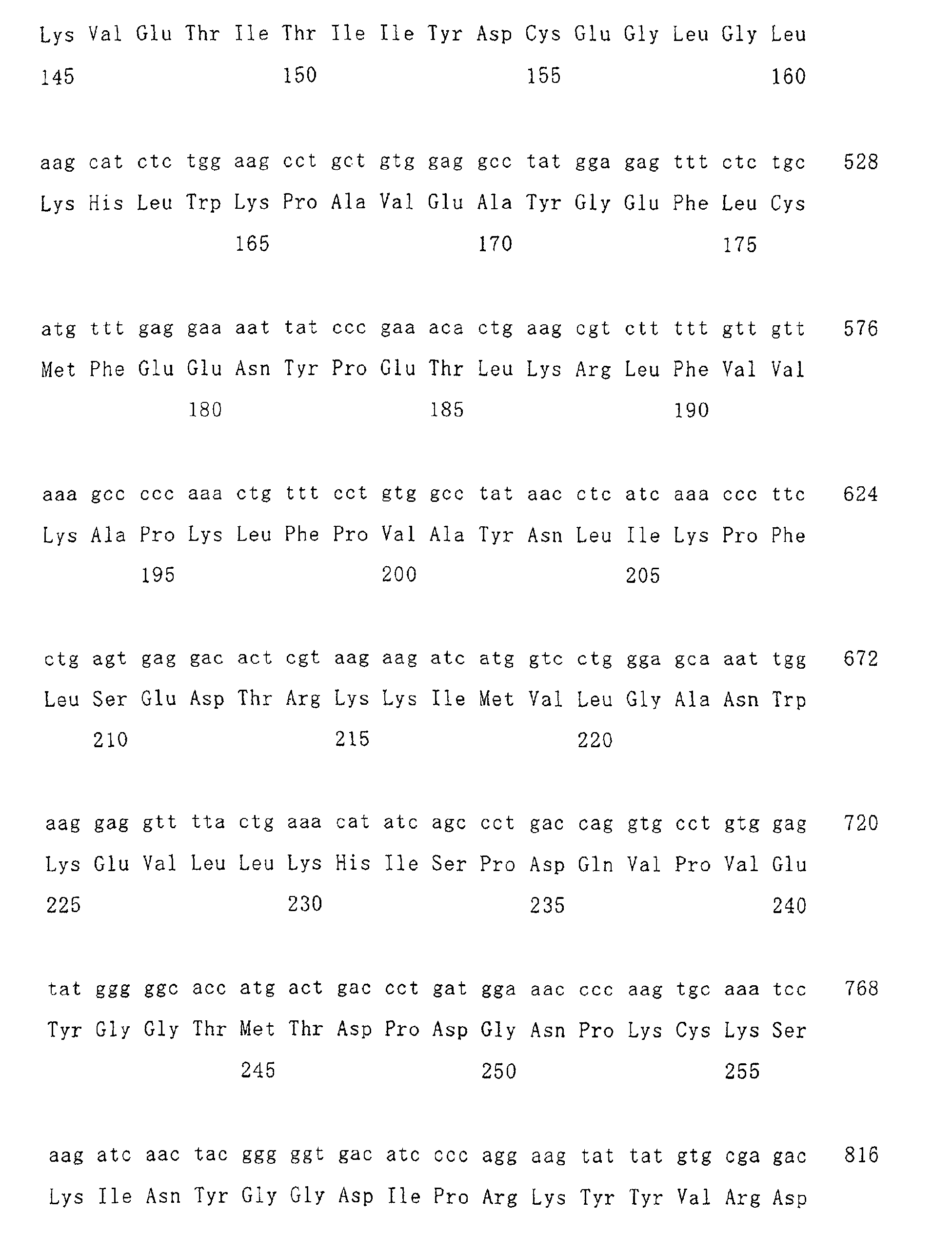
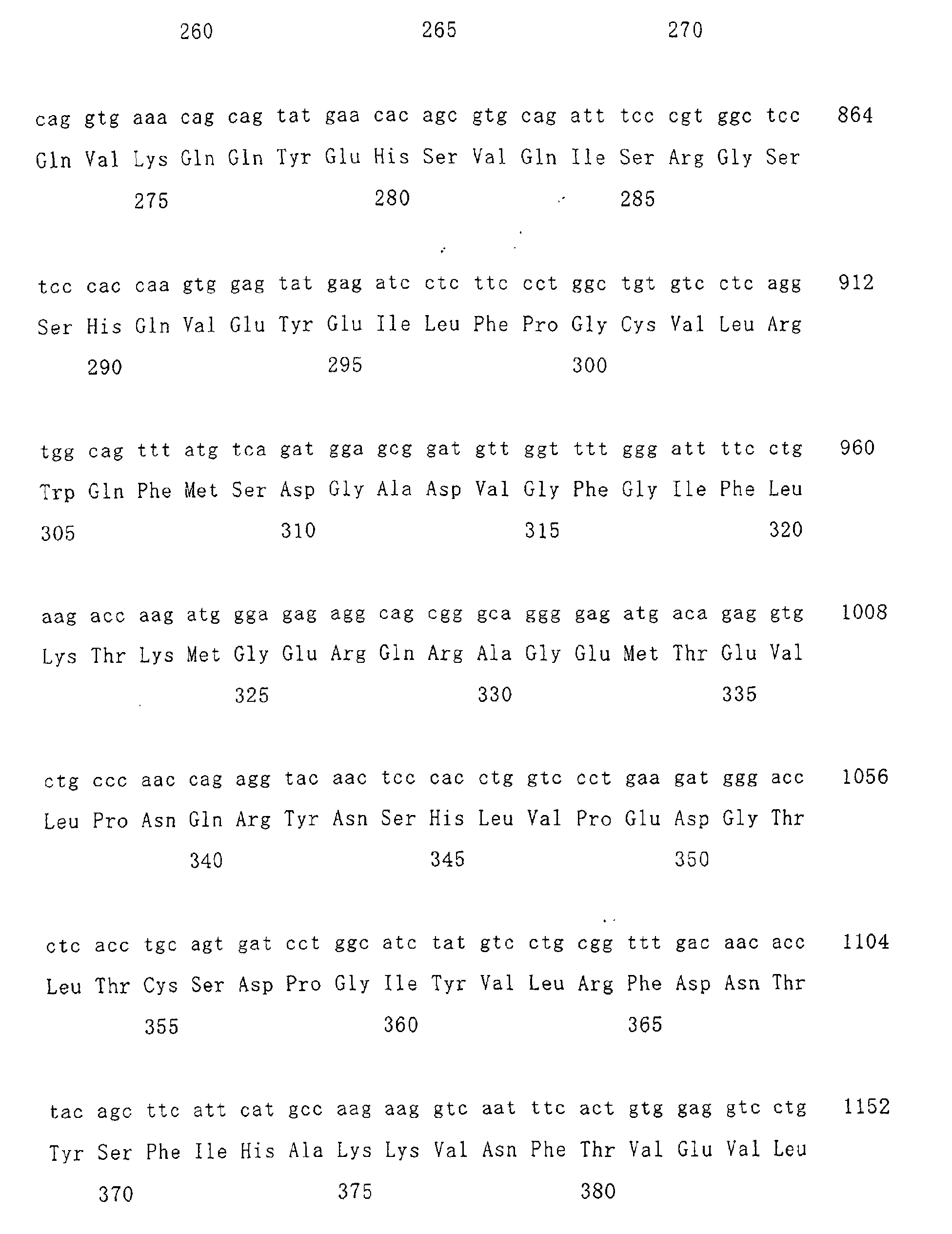
- the DNAs of the present invention include DNA encoding an amino acid sequence of SEQ ID NO: 2 and DNA encoding an amino acid sequence of SEQ ID NO: 4, and DNA represented by SEQ ID NO: 1 and DNA represented by SEQ ID NO: 3.
- DNAs of the invention also encompass DNA encoding a protein represented by an amino acid sequence having deletion, substitution or addition of one or more amino acids in the amino acid sequence of SEQ ID NO: 2 or 4, and having squalene epoxidase-promoting activity.
- standard techniques include a site-directed mutagenesis system with PCR (GIBCO-BRL, Gaithersburg, Maryland) and a site-directed mutagenesis method with oligonucleotides (Kramer, W.
- the number of amino acids to be altered is normally 30 amino acids or less, preferably 20 amino acids or less, more preferably 10 amino acids or less, and still further preferably 5 amino acids or less.
- DNA of the invention also encompasses DNA which is complementary to DNA hybridizing and functionally equivalent to the DNA represented by the nucleotide sequence of SEQ ID NO: 1 or 3.
- Stringent conditions employed herein for hybridization normally indicate about "42C°, 2xSSC, 0.1%SDS,” preferably about “50C°, 2xSSC, 0.1% SDS,” and more preferably about "65C°, 2xSSC, 0.1%SDS.”
- DNA obtained using hybridization techniques normally shares high homology in the nucleotide sequence with the DNA represented by the nucleotide sequence of SEQ ID NO: 1 or 3.
- the term "high homology" means 60% or more homology, preferably 75% or more homology, and more preferably 90% or more homology.
- the DNAs of the present invention include cDNA, genomic DNA, chemically synthesized DNA and the like.
- cDNA can be prepared by preparing primers based on the nucleotide sequence of SEQ ID NO: 1 or 3, and performing RT-PCR.
- genomic DNA can be prepared by a plaque hybridization method using ⁇ phages.
- the nucleotide sequence of the obtained DNA can be determined by standard techniques using, for example, a commercially available "dye terminator sequencing kit" (Applied Biosystems).
- the proteins of the present invention include both a recombinant protein which is prepared by gene recombination techniques and an isolated natural protein.
- the recombinant protein can be prepared by, for example, a method which involves incorporating the DNA of the present invention (for example, DNA having the nucleotide sequence of SEQ ID NO: 1 or 3) into an appropriate expression vector, introducing the vector into a host cell to produce a transformant, and purifying the protein from the transformant.
- An expression vector preferably used herein is, for example, "pQE vector” (Qiagen, Hilden, Germany) when E.coli is used, "SP-Q01” (Stratagene, La Jolla, California) when yeast is used, and "BAC-to-BAC baculovirus expression system” (GIBCO-BRL, Gaithersburg, Maryland) when insect cells are used.
- the DNA of the invention can be incorporated into a vector by standard techniques (for example, see "The Qiaexpressionnist handbook, Qiagen, Hilden, Germany").
- Any host cell can be used, so far as the cell can produce the protein of the invention.
- Examples of such a host cell that can be used herein include E. coli, yeast, animal cells, and insect cells.
- Vectors can be introduced into cells, for example, by electroporation or a calcium phosphate method.
- isolation and purification of recombinant proteins from transformants can be performed by a standard method, such as a method described in literature "The Qiaexpressionnist handbook, Qiagen, Hilden, Germany.”
- Natural protein can be isolated by, for example, preparing a column onto which antibodies binding to the protein of the present invention have been immobilized, and performing affinity chromatography using the column for tissues or cell extracts with high expression of the protein of the invention.
- tissues or cells highly expressing the protein of the invention include liver, brain, small intestine, prostate glands, kidney, pancreas and peripheral leucocytes.
- the antibody of the present invention may be in any form, so far as it binds to the protein of the invention.
- Examples of the antibody include both polyclonal and monoclonal antibodies.
- examples of the antibody of the invention include antiserum produced by immunization of a rabbit or the like with the protein of the invention, polyclonal and monoclonal antibodies of all the classes, humanized antibodies produced by gene recombination, and human antibodies.
- the antibody of the present invention can be prepared by the following methods.
- polyclonal antibodies can be prepared by immunizing small animals, such as rabbits, with the protein of the invention to obtain serum; applying the serum to the affinity column with the protein of the invention immobilized thereon to obtain fractions which recognize only the protein of the invention; and purifying, from the obtained fractions, immunoglobulin G or M with a protein A or G column.
- monoclonal antibodies can be prepared by a method which involves immunizing a small animal, such as a mouse, with the protein of the invention; excising the spleen from the mouse; crushing the spleen to prepare cells; allowing the cells to fuse to mouse myeloma cells with a reagent, such as polyethylene glycol; selecting clones which produce antibodies for the protein of the invention from the resulting fused cells (hybridomas); transplanting the hybridomas to a mouse intraperitoneally; collecting the ascites of the mouse; and purifying the resulting monoclonal antibodies by, for example, ammonium sulfate precipitation, protein A column, protein G column, DEAE ion exchange chromatography, the affinity column with the protein of the invention immobilized thereto or the like.
- a reagent such as polyethylene glycol
- the antibody of the present invention can be used as an agent for promoting or inhibiting the function of the protein of the invention (specifically, squalene epoxidase-promoting activity), in addition to being used for purifying the protein of the invention.
- a human antibody or a humanized antibody is effective in terms of immunogenicity.
- Human antibodies can be prepared by immunizing a mouse, whose immune system has been replaced with a human immune system, with the protein of the invention. Further, humanized antibodies can be prepared by, for example, a CDRgrft method which involves cloning antibody genes from monoclonal antibody-producing cells, and grafting the antigenic determinant sites to human antibodies.
- the polynucleotide of the present invention comprises a nucleotide sequence which is complementary to the whole or a part of the nucleotide sequence of the DNA of the invention or of mRNA synthesized from the DNA.
- the polynucleotide of the present invention mainly indicates a substance comprising multiple linkage of a nucleotide consisting of a base, a phosphate group, and a sugar.
- the polynucleotide of the invention also includes a polynucleotide analog which is analogous to a polynucleotide in the three-dimensional structures and functions.
- polynucleotide analog examples include an analog in which a substance is added to the 3' or 5' terminus of a polynucleotide; an analog in which part of bases, sugars and/or phosphate groups is modified by, for example, substitution, deletion or addition; an analog which comprises artificial base, sugar and/or phosphate group which do not exist in nature; or an analog which has a backbone other than the sugar-phosphate backbone.
- the polynucleotide of the present invention may hybridize to any part of the DNA of the present invention.
- the polynucleotide of the present invention can be used as a probe for examining the presence and the expression of the DNA or the protein of the invention in tissues or cells.
- the polynucleotide is used as a probe, preferably the number of bases is 12 or more and GC content% is 30 to 70%, and particularly preferably the number of bases is 16 or more and the GC content% is 30 to 70%.
- the polynucleotide of the present invention can be used for regulating expression of the protein of the invention.
- the protein of the present invention promotes a epoxidation reaction of squalene in the cholesterol biosynthesis pathway. Hence, regulating expression of the protein enables regulation of cholesterol biosynthesis.
- a method for regulating expression of a polypeptide using a polynucleotide comprising a nucleotide sequence complementary to mRNA or DNA encoding the polypeptide is referred to as an antisense method. It is thought that the polynucleotide having a complementary sequence binds to DNA or mRNA carrying genetic information at any one of stages of: 1) transcription from a gene to a precursor mRNA, 2) processing from the precursor mRNA to a mature mRNA, 3) passing across the nuclear membrane and 4) translation into a protein, so as to affect a normal flow of genetic information, thereby regulating expression of the polypeptide.
- nucleotide sequence comprising 15 or more nucleotides has specificity (Kazunari YOKOYAMA, Protein, Nucleic Acid, Enzyme, Vol. 38, p754 to 765, 1994). Accordingly, it is assumed that the polynucleotide of the invention comprising a nucleotide sequence of 15 or more nucleotides specifically binds to DNA of the invention or mRNA synthesized therefrom. In contrast, when the sequence of a polynucleotide is too long, it cannot be incorporated into a cell.
- the polynucleotide of the invention when used for regulating expression of protein, the polynucleotide of the invention has a complementary sequence which comprises 15 or more and 30 or less nucleotides, preferably, 15 or more and 25 or less nucleotides, more preferably, 18 or more and 22 or less nucleotides.
- the polynucleotide of the present invention can be altered in many ways for improving the effect thereof using known antisense techniques. Such alterations include a procedure for improving its ability to bind with a target DNA or mRNA, tissue selectivity, cell-permeability, nuclease resistance, intracellular stability or the like.
- a polynucleotide is preferably designed to have a nucleotide sequence complementary to the nucleotide sequence of a region forming a stem-loop ("Clinical Immunology, Vol. 25,” p1200-1206, 1993).
- the polynucleotide of the invention may be designed so as to form a stem-loop, if necessary.
- polynucleotide with a sequence complementary to the sequence of a region in the vicinity of a translation initiation codon, a ribosome binding site, a capping site or a splice site has a high inhibitory effect on expression
- the polynucleotide of the present invention can also be designed to comprise such sequences for improving an inhibitory effect on expression.
- examples of the polynucleotide of the present invention that can be used herein include polynucleotide analogs having backbones other than sugar-phosphate backbones.
- a preferable example among such analogues is a substance having a phosphorothioate bond as a backbone structure (see "Cancer and Chemotherapy, Vol. 20, No. 13,” p1899-1907, 1993).
- the polynucleotide of the present invention can be produced by synthesizing with a chemical synthesizer, or by a PCR method using the DNA of the invention as a template.
- some polynucleotide analogs such as methylphosphonate-type or phosphorothioate-type analogs, can be synthesized with a chemical synthesizer (for example, type 394, Perkin Elmer Japan).
- the target polynucleotide can be produced by performing procedures as described in the instruction attached to a chemical synthesizer, and purifying the synthesized products by an HPLC method using reverse phase chromatography or the like.
- a method for screening an inhibitory substance for the squalene epoxidase-promoting factor of the present invention comprises allowing co-existence of the protein of the invention and a test sample, and selecting substances inhibiting squalene epoxidase-promoting activity of the protein of the invention from the test sample; or inoculating a test sample into a cell expressing the DNA of the invention, and selecting substances inhibiting expression of the DNA of the invention from the test sample.
- test sample to be screened examples include, but are not limited to, cell extracts, libraries of synthetic low molecular weight compounds, expression products of gene libraries and libraries of synthetic peptides.
- Cells expressing the DNA of the present invention can be prepared by introducing a vector containing the DNA of the invention into an appropriate host cell.
- a test sample can be inoculated into a cell by standard techniques according to the type of the test sample. Whether the test sample inhibits expression of the DNA of the invention can be determined, for example, by disrupting cells after inoculation, and measuring the amount of the protein of the invention in the solution containing the disrupted cells.
- inhibitory substances may be applied as various agents.
- these inhibitory substances may be formulated by any known pharmaceutical production method.
- the agent may be administered to a patient with pharmacologically acceptable carriers or media (e.g., physiological saline, vegetable oil, a suspending agent, a surfactant or a stabilizer).
- routes of administration include, depending on the properties of a compound to be administered, percutaneous, intranasal, transbronchial, intramuscular, intravenous and oral administrations.
- the compound to be selected is DNA
- it can be administered to a human body using a vector to be expressed in vivo, such as an adenovirus vector "pAdexLcw” and a retrovirus vector, "pZIPeno.”
- a vector to be expressed in vivo such as an adenovirus vector "pAdexLcw” and a retrovirus vector, "pZIPeno.”
- the cholesterol biosynthesis inhibitor of the present invention comprises a substance inhibiting squalene epoxidase activity of the protein of the invention, or a substance inhibiting expression of the DNA of the invention.
- inhibitors can be produced by the above-mentioned screening method of the present invention.
- substances inhibiting the squalene epoxidase activity of the protein of the invention include, but are not limited to, an antibody binding to the active site of the protein of the invention, and an antagonist of the protein of the invention.
- An example of the substance inhibiting expression of the DNA of the invention is, but is not limited to, an antisense nucleic acid.
- SPF was purified from rat liver soluble fractions based on squalene epoxidase-promoting activity as an index.
- acetone fractionation 40%-75%
- Hi Prep Sephacryl S-300 16/60 HR column Pharmacia
- Q-Sepharose column Pharmacia
- Econo-Pac CHT-II Bio-Rad
- Mono S HR5/5 column Pharmacia
- a search through a human genome DNA sequence database for a gene having homology with these partial amino acid sequences revealed that a sequence registered as hypothetical protein (AL096881) shared homology of 90% or more with the partial amino acid sequences.
- the following primers were designed to amplify the full length DNAs encoding SPFs derived from a rat and a human.
- DNA encoding rat-derived SPF was amplified by RT-PCR using RNA purified from a rat liver as a template, "rSPF-1" and “rSPF-2” as primers, and Pyrobest DNA polymerase (Takara Shuzo). The amplified fragments were sub-cloned into pT7Blue (Novagen), thereby obtaining a plasmid "pT7Blue-rSPF.”
- DNA encoding human-derived SPF was amplified by RT-PCR using Human liver total RNA (Sawady Tech) as a template, "hSPF-1" and “hSPF-2” as primers, and Pyrobest DNA polymerase (Takara Shuzo). The amplified fragments were sub-cloned into pT7Blue (Novagen), thereby obtaining a plasmid "pT7Blue-hSPF.”
- nucleotide sequences of the full length DNAs encoding SPFs contained in both clones were determined using ABI PRISM Dye Terminator Cycle Sequencing Ready Reaction Kit, 377 DNA Sequencer(Applied Biosystems).
- the nucleotide sequence of DNA derived from a rat and that of DNA derived from a human are shown in SEQ ID NOS: 1 and 3, respectively. Further, deduced amino acid sequences encoded by each DNA are respectively shown in SEQ ID NO: 2 and 4.
- rat-derived SPF consists of 403 amino acid residues and has a putative molecular weight of 46,165; and human-derived SPF consists of 403 amino acid residues and has a putative molecular weight of 46,144. Further, the homology between the amino acid sequences of both proteins was 93.8% (Fig. 2).
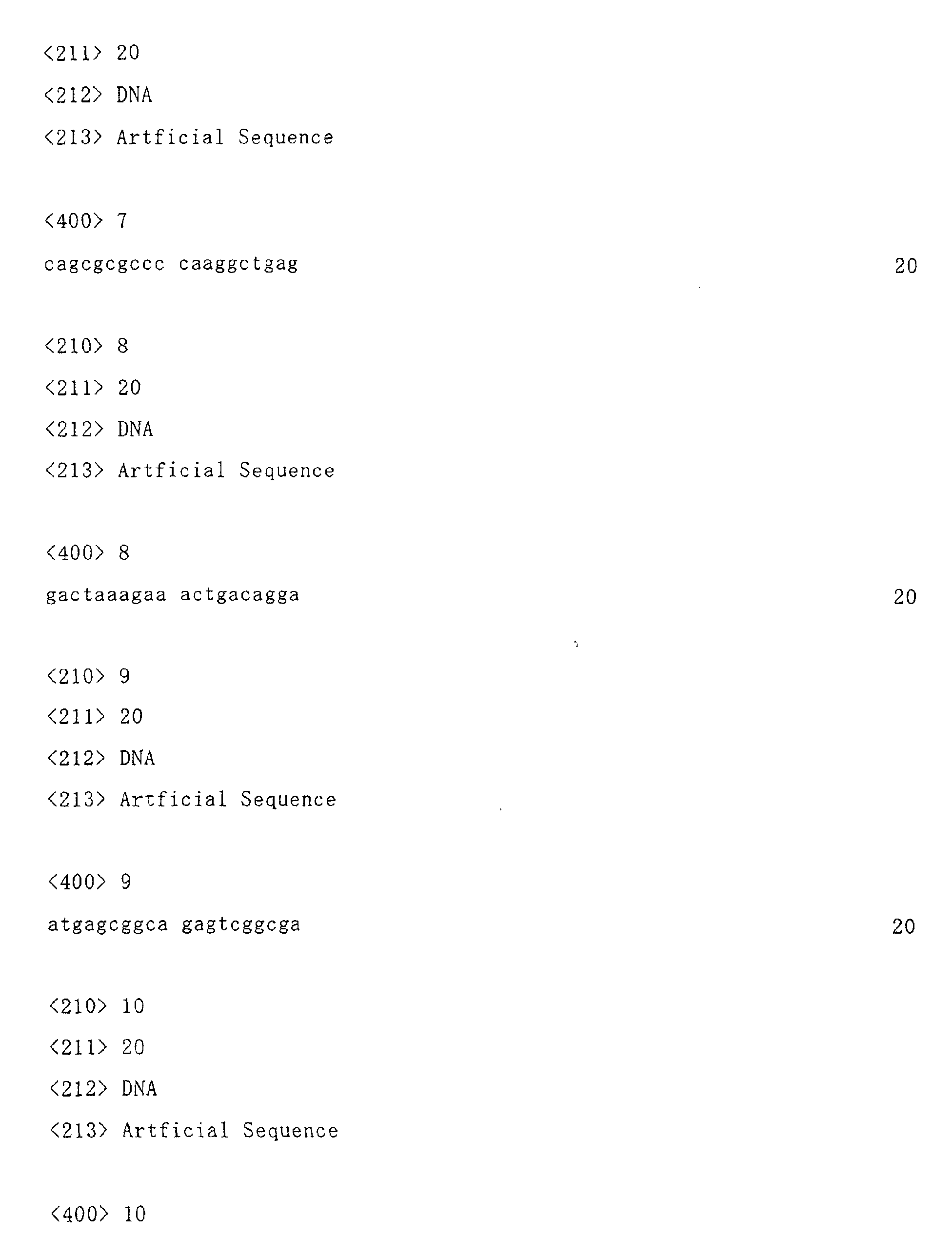
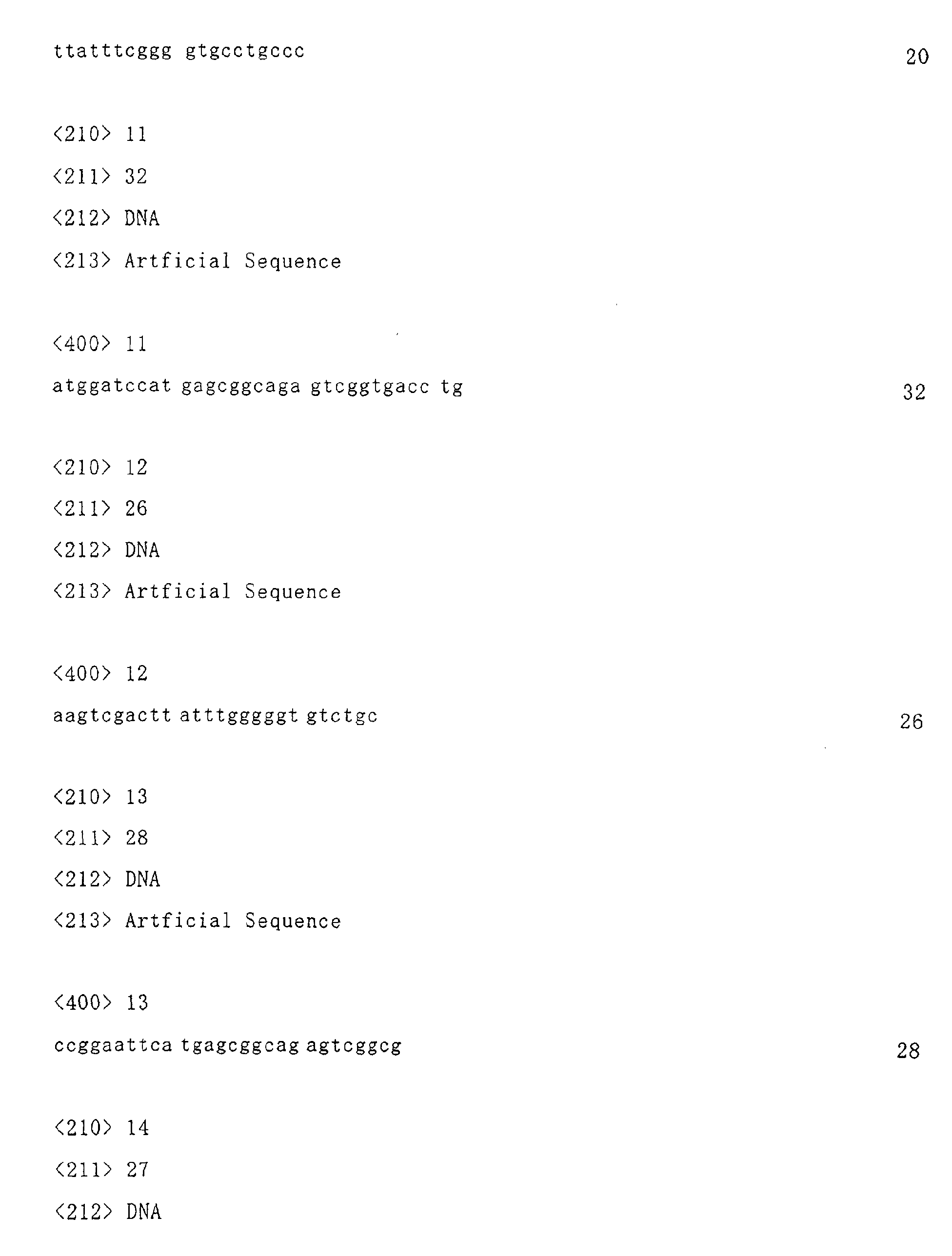
- PCR was performed using "pT7Blue-rSPF” as a template, and primers "rSPF-3” (SEQ ID NO: 11/5'-ATGGATCCATGAGCGGCAGAGTCGGTGACCTG-3') and "rSPF-4" (SEQ ID NO: 12/5'-AAGTCGACTTATTTGGGGGTGTCTGC-3').
- Rat liver cancer-derived cell line McARH7777 obtained from ATCC was transfected with "pcDNA3-rSPF" using Superfect Transfection Reagent (Qiagen). Lysates were prepared from the cells, and then squalene epoxidase-promoting activity (SP activity) in the soluble fractions was measured according to a method described in Ferguson J. Bloch K. (1977) J. Biol. Chem 252, 5381-5385.
- lane 1 represents the result obtained with a buffer only
- lane 2 represents the result of transfection with "pcDNA3-rSPF”
- lane 3 represents the result of transfection with "pcDNA3.”
- transfection with "pcDNA3-rSPF” resulted in an increase in the amount of squalene 2,3-oxide synthesized, suggesting that SPF expressed herein resulted in enhanced squalene epoxidase activity.
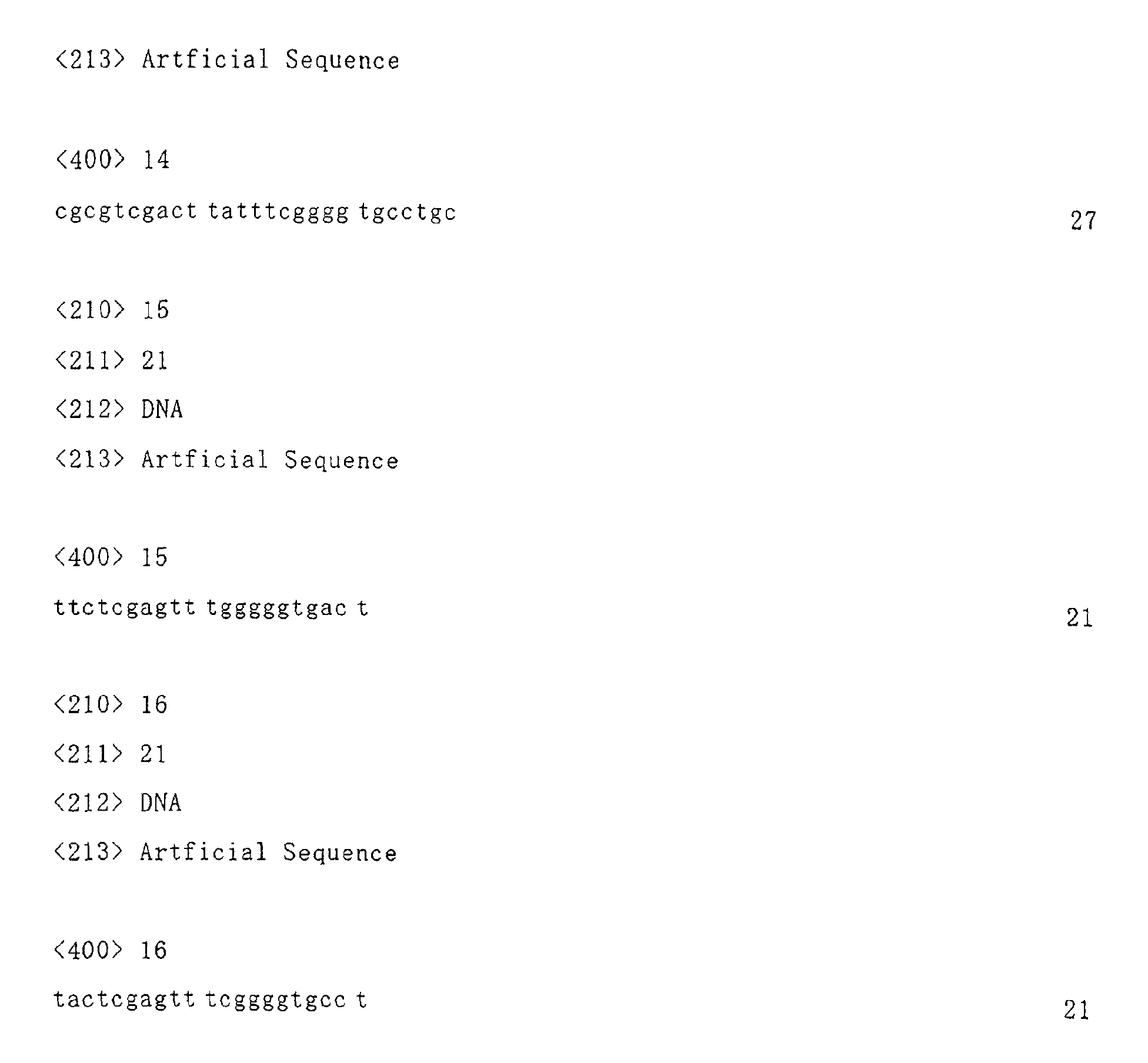
- PCR was performed using "pT7Blue-rSPF” as a template, and primers "rSPF-3” (SEQ ID NO: 11/5'-ATGGATCCATGAGCGGCAGAGTCGGTGACCTG-3') and "rSPF-5" (SEQ ID NO: 15/5'-TTCTCGAGTTTGGGGGTGACT-3').
- the amplified fragments were treated with restriction enzymes BamHI and XhoI, and then inserted to a plasmid pET-21a (Novagen), thereby obtaining a plasmid "pET-21a-rSPF.”
- PCR was performed using "pT7Blue-hSPF” as a template and primers "hSPF-3" (SEQ ID NO: 13/5'-CCGGAATTCATGAGCGGCAGAGTCGGCG-3') and "hSPF-5" (SEQ ID NO: 16/5'-TACTCGAGTTTCGGGGTGCCT-3'), thereby obtaining a plasmid "pET-21a-hSPF.”
- pET-21a-rSPF was introduced into E. coli BL21 (Novagen), and then expression of SPF was induced with IPTG. Since T7 tag and His tag were added to recombinant proteins to be synthesized in this system, rat-derived SPF was purified using His-Bind Resin (Novagen),
- Intermembrane squalene-transporting activity was measured for the purified rat-derived SPF. The activity was measured as follows.
- Liposomes containing tritium-labeled squalene were prepared from egg yolk lecithin. Transportation of squalene from the liposome to a rat liver membrane precipitation fraction (centrifuged at 10,000xg) was measured. Specifically, the liposome and the rat liver precipitation (centrifuged at 10,000xg, 500mg protein) were mixed, and then a SPF sample was added to the mixture, followed by incubation at 37°C for 30 min. The mixture was centrifuged at 10,000xg to isolate precipitation membrane fractions, and then radioactivity of the supernatant was measured with a liquid scintillator. In addition, 14 C-labeled triolein (Amersham) was used as a non-specific transport marker.
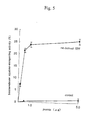
- Figure 5 shows the result. As shown in Fig. 5, it was confirmed that the rat-derived SPF had high intermembrane squalene-transporting activity.
- Rat liver cancer-derived cell line McARH7777 was transfected with "pcDNA3-rSPF” using Superfect Transfection Reagent (Qiagen). At 48 hours after transfection, addition of [ 14 C] acetic acid was started, and then 3 hours later radioactivity incorporated in cholesterol was measured. Further, as a control, the cell line was transfected with "pcDNA3” instead of "pcDNA3-rSPF,” and then the same procedures as described above were performed. Thus, radioactivity detected from cholesterol in cells transfected with "pcDNA3-rSPF" was about twice as much as that in the control.
- probes were labeled with [alpha- 32 P]dCTP by a random primer method using rediprime II (Amersham pharmacia biotech).
- the probes were subjected to hybridization with filters of Multiple choice northern blots (Rat) #2, #5 (Sawady Tech) and Multiple tissue northern blots (Human) #1, #2 (Clontech) in Rapid-hyb buffer (Amersham) according to the method recommended by the manufacturer.
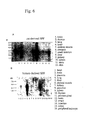
- Figure 6 shows the result.
- the rat-derived SPF was strongly expressed in the liver, brain, small intestine, lungs and skin (Fig. 6A).
- the human-derived SPF was strongly expressed in the liver, prostate glands and brain, and weakly expressed in the kidney, pancreas and peripheral leucocytes (Fig. 6B).
- the present invention provides DNA encoding SPF.
- SPF regulates the activity of squalene epoxidase, which is a rate-limiting enzyme in cholesterol biosynthesis.
- use of DNA encoding the factor enables facilitated control of in vivo cholesterol biosynthesis.
- realization of producing SPF from the DNA leads to facilitated screening for the inhibitor. Since SPF is not directly involved in cholesterol biosynthesis, the inhibitor for the protein can be used as a cholesterol-reducing agent having a site of action different from that of conventional agents.
Landscapes
- Life Sciences & Earth Sciences (AREA)
- Chemical & Material Sciences (AREA)
- Health & Medical Sciences (AREA)
- Genetics & Genomics (AREA)
- Organic Chemistry (AREA)
- Zoology (AREA)
- Engineering & Computer Science (AREA)
- Bioinformatics & Cheminformatics (AREA)
- Wood Science & Technology (AREA)
- Microbiology (AREA)
- Biotechnology (AREA)
- Biomedical Technology (AREA)
- Molecular Biology (AREA)
- Biochemistry (AREA)
- General Engineering & Computer Science (AREA)
- General Health & Medical Sciences (AREA)
- Medicinal Chemistry (AREA)
- Peptides Or Proteins (AREA)
- Enzymes And Modification Thereof (AREA)
- Medicines That Contain Protein Lipid Enzymes And Other Medicines (AREA)
Abstract
Description
- The present invention relates to a squalene epoxidase-promoting factor (hereinafter, referred to as "SPF") and a method for its production. The present invention further relates to DNA encoding the factor and the antisense polynucleotide thereof. The present invention still further relates to an antibody against the factor as an antigen, a method for screening a substance inhibiting the factor, and an agent for inhibiting the biosynthesis of cholesterol which comprises a substance inhibiting the factor.
- A living body provided with a fine regulation mechanism controls cholesterol levels as necessary. It is known that many diseases including arteriosclerosis may develop when such a homeostasis maintenance mechanism fails. In particular, cholesterol synthesis and catabolism in the liver are important elements for regulating cholesterol levels which circulate within the body. To date, many enzymes including HMG-CoA reductase and squalene epoxidase have been identified to be involved in cholesterol biosynthesis. Further, the inhibitors for such enzymes have been recognized as having an improvement effect on hyperlipidemia. Furthermore, it has been reported that a rat liver soluble fraction has an activity promoting an enzyme reaction which converts squalene to
squalene 2,3-oxide mediated by squalene epoxidase present in a rat liver microsome (Tchen T. Bloch K. (1957) J. Biol. Chem 226, 921-930). A protein having this activity is referred to as a supernatant protein factor (SPF), and the purification of the protein has also been reported (Ferguson J. Bloch K. (1977) J. Biol. Chem 252, 5381-5385). However, the primary structure and cDNA of the protein remains unknown. - Squalene epoxidase is a rate-limiting enzyme for cholesterol biosynthesis. Hence, if DNA encoding a protein capable of controlling the enzyme activity can be isolated, cholesterol synthesis can be easily controlled in vivo. Further, if SPF can be produced from such DNA by gene engineering techniques, screening for the inhibitor thereof can be facilitated. Since SPF is not directly involved in cholesterol biosynthesis, the inhibitor for the protein can be used as a cholesterol-reducing agent having a site of action different from that of conventional agents.
- The object of the present invention is to provide DNA encoding such highly efficient SPF.
- We have performed the following procedures to solve the above problems.
- 1) Rat liver soluble fractions were purified based on squalene epoxidase-promoting activity as an index.
- 2) A gene having homology to partial amino acid sequences of the purified protein was found from a human genome DNA sequence database, and primers were designed based on the sequences.
- 3) Using the designed primers, polymerase chain reactions were performed for rat and human genes.
-
- We have completed the present invention by succeeding for the first time in isolating DNA encoding SPF from rats and humans by performing the above procedures.
- First, the present invention relates to DNA encoding SPF.
- Second, the present invention relates to SPF.
- Third, the present invention relates to an antibody which binds to SPF.
- Fourth, the present invention relates to an antisense polynucleotide of DNA encoding SPF.
- Fifth, the present invention relates to a method for screening an inhibitory substance for SPF.
- Sixth, the present invention relates to a cholesterol biosynthesis inhibitor which comprises the inhibitory substance for SPF.
- The present invention includes part or all of the contents disclosed in the specification and drawings of Japanese Patent Application No. 2000-57743, which is a priority document of the present application.
-
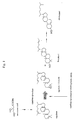
- Figure 1 shows a cholesterol biosynthesis pathway.
- Figure 2 shows amino acid sequences of SPFs derived from rats and humans.
- Figure 3 shows amino acid sequences of proteins having high homology to human-derived SPFs.
- Figure 4 shows the amounts of squalene and
squalene 2,3-oxide synthesized in cells to which DNA encoding rat-derived SPF was introduced. - Figure 5 shows the intermembrane squalene-transporting activity of rat-derived SPF.
- Figure 6 shows the amount of SPF expressed in a rat and a human.
-
- The present invention will be described in detail for each invention.
- The DNAs of the present invention include DNA encoding an amino acid sequence of SEQ ID NO: 2 and DNA encoding an amino acid sequence of SEQ ID NO: 4, and DNA represented by SEQ ID NO: 1 and DNA represented by SEQ ID NO: 3.
- In addition, persons skilled in the art can easily produce by standard techniques a protein functionally equivalent to the protein having an amino acid sequence represented by SEQ ID NO: 2 or 4 by, for example, appropriate substitution of an amino acid(s) so as not to affect the functions. As such, DNAs of the invention also encompass DNA encoding a protein represented by an amino acid sequence having deletion, substitution or addition of one or more amino acids in the amino acid sequence of SEQ ID NO: 2 or 4, and having squalene epoxidase-promoting activity. Examples of standard techniques include a site-directed mutagenesis system with PCR (GIBCO-BRL, Gaithersburg, Maryland) and a site-directed mutagenesis method with oligonucleotides (Kramer, W. and Fritz, HJ (1987) Methods in Enzymol., 154:350-367). The number of amino acids to be altered is normally 30 amino acids or less, preferably 20 amino acids or less, more preferably 10 amino acids or less, and still further preferably 5 amino acids or less.
- It is also a standard practice for persons skilled in the art to isolate DNA having high homology with and functionally equivalent to the nucleotide sequence (or a part of the sequence) of SEQ ID NO: 1 or 3 by a well known hybridization technique (Sambrook, J et al. Molecular Cloning 2nd ed. 9.47-9.58, Cold Spring Harbor Lab. press, 1989). Thus, the DNA of the invention also encompasses DNA which is complementary to DNA hybridizing and functionally equivalent to the DNA represented by the nucleotide sequence of SEQ ID NO: 1 or 3. Stringent conditions employed herein for hybridization normally indicate about "42C°, 2xSSC, 0.1%SDS," preferably about "50C°, 2xSSC, 0.1% SDS," and more preferably about "65C°, 2xSSC, 0.1%SDS." DNA obtained using hybridization techniques normally shares high homology in the nucleotide sequence with the DNA represented by the nucleotide sequence of SEQ ID NO: 1 or 3. The term "high homology" means 60% or more homology, preferably 75% or more homology, and more preferably 90% or more homology.
- The DNAs of the present invention include cDNA, genomic DNA, chemically synthesized DNA and the like. For example, cDNA can be prepared by preparing primers based on the nucleotide sequence of SEQ ID NO: 1 or 3, and performing RT-PCR. Further, genomic DNA can be prepared by a plaque hybridization method using λ phages. The nucleotide sequence of the obtained DNA can be determined by standard techniques using, for example, a commercially available "dye terminator sequencing kit" (Applied Biosystems).
- The proteins of the present invention include both a recombinant protein which is prepared by gene recombination techniques and an isolated natural protein.
- The recombinant protein can be prepared by, for example, a method which involves incorporating the DNA of the present invention (for example, DNA having the nucleotide sequence of SEQ ID NO: 1 or 3) into an appropriate expression vector, introducing the vector into a host cell to produce a transformant, and purifying the protein from the transformant. An expression vector preferably used herein is, for example, "pQE vector" (Qiagen, Hilden, Germany) when E.coli is used, "SP-Q01" (Stratagene, La Jolla, California) when yeast is used, and "BAC-to-BAC baculovirus expression system" (GIBCO-BRL, Gaithersburg, Maryland) when insect cells are used. Further, the DNA of the invention can be incorporated into a vector by standard techniques (for example, see "The Qiaexpressionnist handbook, Qiagen, Hilden, Germany"). Any host cell can be used, so far as the cell can produce the protein of the invention. Examples of such a host cell that can be used herein include E. coli, yeast, animal cells, and insect cells. Vectors can be introduced into cells, for example, by electroporation or a calcium phosphate method. In addition, isolation and purification of recombinant proteins from transformants can be performed by a standard method, such as a method described in literature "The Qiaexpressionnist handbook, Qiagen, Hilden, Germany."
- Natural protein can be isolated by, for example, preparing a column onto which antibodies binding to the protein of the present invention have been immobilized, and performing affinity chromatography using the column for tissues or cell extracts with high expression of the protein of the invention. Examples of tissues or cells highly expressing the protein of the invention include liver, brain, small intestine, prostate glands, kidney, pancreas and peripheral leucocytes.
- The antibody of the present invention may be in any form, so far as it binds to the protein of the invention. Examples of the antibody include both polyclonal and monoclonal antibodies. In addition, examples of the antibody of the invention include antiserum produced by immunization of a rabbit or the like with the protein of the invention, polyclonal and monoclonal antibodies of all the classes, humanized antibodies produced by gene recombination, and human antibodies.
- The antibody of the present invention can be prepared by the following methods. For example, polyclonal antibodies can be prepared by immunizing small animals, such as rabbits, with the protein of the invention to obtain serum; applying the serum to the affinity column with the protein of the invention immobilized thereon to obtain fractions which recognize only the protein of the invention; and purifying, from the obtained fractions, immunoglobulin G or M with a protein A or G column. Further, monoclonal antibodies can be prepared by a method which involves immunizing a small animal, such as a mouse, with the protein of the invention; excising the spleen from the mouse; crushing the spleen to prepare cells; allowing the cells to fuse to mouse myeloma cells with a reagent, such as polyethylene glycol; selecting clones which produce antibodies for the protein of the invention from the resulting fused cells (hybridomas); transplanting the hybridomas to a mouse intraperitoneally; collecting the ascites of the mouse; and purifying the resulting monoclonal antibodies by, for example, ammonium sulfate precipitation, protein A column, protein G column, DEAE ion exchange chromatography, the affinity column with the protein of the invention immobilized thereto or the like.
- The antibody of the present invention can be used as an agent for promoting or inhibiting the function of the protein of the invention (specifically, squalene epoxidase-promoting activity), in addition to being used for purifying the protein of the invention. When the antibody is administered as an agent to a human body, a human antibody or a humanized antibody is effective in terms of immunogenicity. Human antibodies can be prepared by immunizing a mouse, whose immune system has been replaced with a human immune system, with the protein of the invention. Further, humanized antibodies can be prepared by, for example, a CDRgrft method which involves cloning antibody genes from monoclonal antibody-producing cells, and grafting the antigenic determinant sites to human antibodies.
- The polynucleotide of the present invention comprises a nucleotide sequence which is complementary to the whole or a part of the nucleotide sequence of the DNA of the invention or of mRNA synthesized from the DNA.
- The polynucleotide of the present invention mainly indicates a substance comprising multiple linkage of a nucleotide consisting of a base, a phosphate group, and a sugar. The polynucleotide of the invention also includes a polynucleotide analog which is analogous to a polynucleotide in the three-dimensional structures and functions. Examples of such a polynucleotide analog include an analog in which a substance is added to the 3' or 5' terminus of a polynucleotide; an analog in which part of bases, sugars and/or phosphate groups is modified by, for example, substitution, deletion or addition; an analog which comprises artificial base, sugar and/or phosphate group which do not exist in nature; or an analog which has a backbone other than the sugar-phosphate backbone.
- The polynucleotide of the present invention may hybridize to any part of the DNA of the present invention.
- The polynucleotide of the present invention can be used as a probe for examining the presence and the expression of the DNA or the protein of the invention in tissues or cells. When the polynucleotide is used as a probe, preferably the number of bases is 12 or more and GC content% is 30 to 70%, and particularly preferably the number of bases is 16 or more and the GC content% is 30 to 70%.
- The polynucleotide of the present invention can be used for regulating expression of the protein of the invention. The protein of the present invention promotes a epoxidation reaction of squalene in the cholesterol biosynthesis pathway. Hence, regulating expression of the protein enables regulation of cholesterol biosynthesis.
- In general, a method for regulating expression of a polypeptide using a polynucleotide comprising a nucleotide sequence complementary to mRNA or DNA encoding the polypeptide is referred to as an antisense method. It is thought that the polynucleotide having a complementary sequence binds to DNA or mRNA carrying genetic information at any one of stages of: 1) transcription from a gene to a precursor mRNA, 2) processing from the precursor mRNA to a mature mRNA, 3) passing across the nuclear membrane and 4) translation into a protein, so as to affect a normal flow of genetic information, thereby regulating expression of the polypeptide. It is generally thought that a nucleotide sequence comprising 15 or more nucleotides has specificity (Kazunari YOKOYAMA, Protein, Nucleic Acid, Enzyme, Vol. 38, p754 to 765, 1994). Accordingly, it is assumed that the polynucleotide of the invention comprising a nucleotide sequence of 15 or more nucleotides specifically binds to DNA of the invention or mRNA synthesized therefrom. In contrast, when the sequence of a polynucleotide is too long, it cannot be incorporated into a cell. Therefore, when the polynucleotide of the invention is used for regulating expression of protein, the polynucleotide of the invention has a complementary sequence which comprises 15 or more and 30 or less nucleotides, preferably, 15 or more and 25 or less nucleotides, more preferably, 18 or more and 22 or less nucleotides.
- The polynucleotide of the present invention can be altered in many ways for improving the effect thereof using known antisense techniques. Such alterations include a procedure for improving its ability to bind with a target DNA or mRNA, tissue selectivity, cell-permeability, nuclease resistance, intracellular stability or the like.
- To facilitate hybridization, a polynucleotide is preferably designed to have a nucleotide sequence complementary to the nucleotide sequence of a region forming a stem-loop ("Clinical Immunology, Vol. 25," p1200-1206, 1993). The polynucleotide of the invention may be designed so as to form a stem-loop, if necessary.
- In general, it can be assumed that a polynucleotide with a sequence complementary to the sequence of a region in the vicinity of a translation initiation codon, a ribosome binding site, a capping site or a splice site has a high inhibitory effect on expression ("Cancer and Chemotherapy, vol. 20, No. 13," p1899-1907). Thus, the polynucleotide of the present invention can also be designed to comprise such sequences for improving an inhibitory effect on expression.
- As described above, examples of the polynucleotide of the present invention that can be used herein include polynucleotide analogs having backbones other than sugar-phosphate backbones. A preferable example among such analogues is a substance having a phosphorothioate bond as a backbone structure (see "Cancer and Chemotherapy, Vol. 20, No. 13," p1899-1907, 1993).
- An example of a method for producing the polynucleotide of the present invention is described in "in Antisense Research and Applications" (Michael J. GAIT, p290-299, CRC, Florida, 1993). For example, when native DNA or RNA is used, the polynucleotide of the invention can be produced by synthesizing with a chemical synthesizer, or by a PCR method using the DNA of the invention as a template. In addition, some polynucleotide analogs, such as methylphosphonate-type or phosphorothioate-type analogs, can be synthesized with a chemical synthesizer (for example, type 394, Perkin Elmer Japan). In this case, the target polynucleotide can be produced by performing procedures as described in the instruction attached to a chemical synthesizer, and purifying the synthesized products by an HPLC method using reverse phase chromatography or the like.
- A method for screening an inhibitory substance for the squalene epoxidase-promoting factor of the present invention comprises allowing co-existence of the protein of the invention and a test sample, and selecting substances inhibiting squalene epoxidase-promoting activity of the protein of the invention from the test sample; or inoculating a test sample into a cell expressing the DNA of the invention, and selecting substances inhibiting expression of the DNA of the invention from the test sample.
- Examples of a test sample to be screened include, but are not limited to, cell extracts, libraries of synthetic low molecular weight compounds, expression products of gene libraries and libraries of synthetic peptides.
- Cells expressing the DNA of the present invention can be prepared by introducing a vector containing the DNA of the invention into an appropriate host cell. A test sample can be inoculated into a cell by standard techniques according to the type of the test sample. Whether the test sample inhibits expression of the DNA of the invention can be determined, for example, by disrupting cells after inoculation, and measuring the amount of the protein of the invention in the solution containing the disrupted cells.
- The thus selected inhibitory substances may be applied as various agents. When these inhibitory substances are used as agents, they may be formulated by any known pharmaceutical production method. For example, the agent may be administered to a patient with pharmacologically acceptable carriers or media (e.g., physiological saline, vegetable oil, a suspending agent, a surfactant or a stabilizer). Examples of routes of administration include, depending on the properties of a compound to be administered, percutaneous, intranasal, transbronchial, intramuscular, intravenous and oral administrations. Further, when the compound to be selected is DNA, it can be administered to a human body using a vector to be expressed in vivo, such as an adenovirus vector "pAdexLcw" and a retrovirus vector, "pZIPeno."
- The cholesterol biosynthesis inhibitor of the present invention comprises a substance inhibiting squalene epoxidase activity of the protein of the invention, or a substance inhibiting expression of the DNA of the invention.
- These inhibitors can be produced by the above-mentioned screening method of the present invention. Examples of substances inhibiting the squalene epoxidase activity of the protein of the invention include, but are not limited to, an antibody binding to the active site of the protein of the invention, and an antagonist of the protein of the invention. An example of the substance inhibiting expression of the DNA of the invention is, but is not limited to, an antisense nucleic acid. These inhibitory substances can be formulated by the above-mentioned, known pharmaceutical production method.
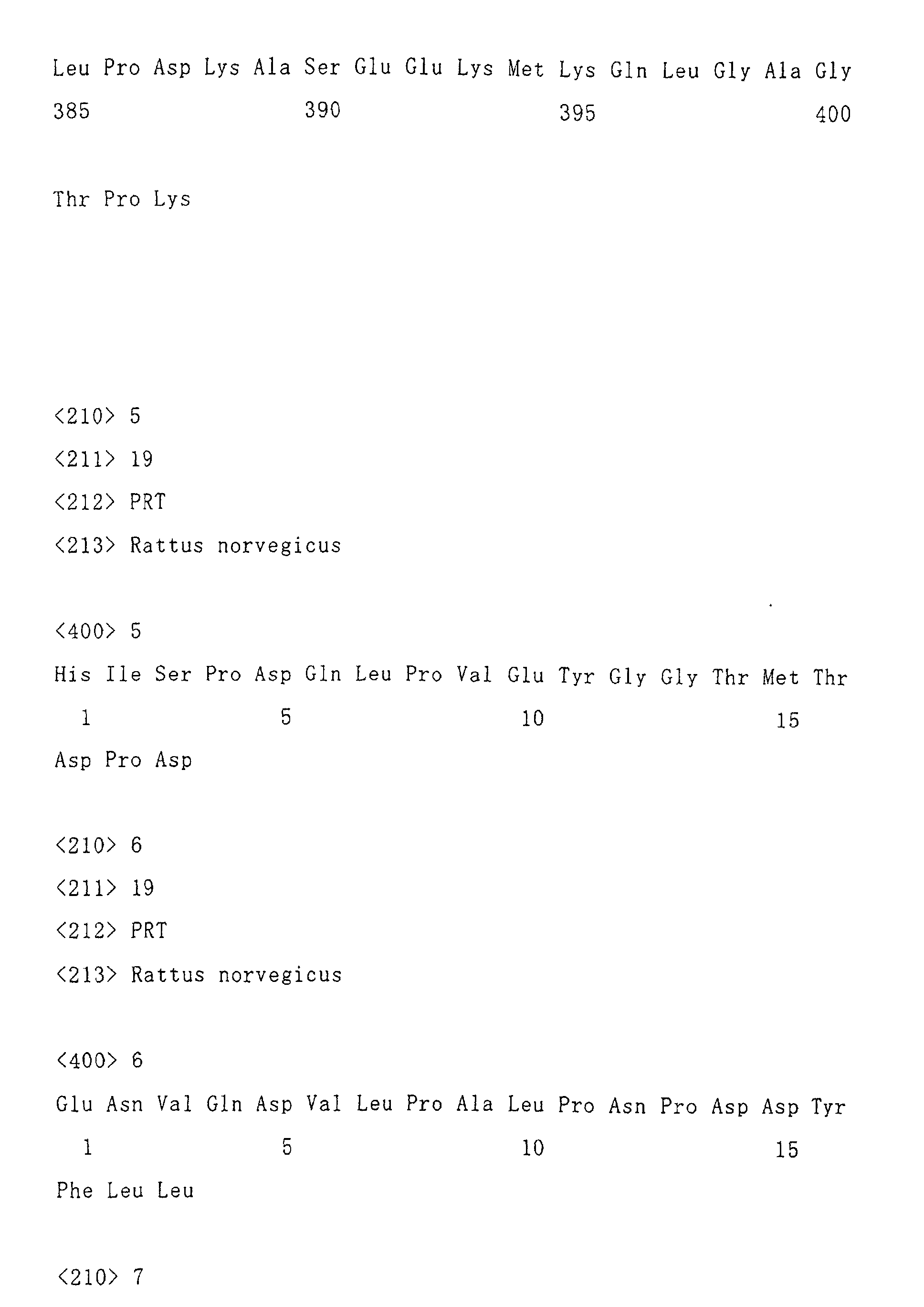
- SPF was purified from rat liver soluble fractions based on squalene epoxidase-promoting activity as an index. For purification, acetone fractionation (40%-75%), Hi Prep Sephacryl S-300 16/60 HR column (Pharmacia), Q-Sepharose column (Pharmacia) Econo-Pac CHT-II (Bio-Rad), and Mono S HR5/5 column (Pharmacia) were used in combination. Finally, SPF could be purified by these procedures so that SPF was detected as a single band on SDS-PAGE. The purified SPF was extracted from acrylamide gel. After limited decomposition, partial amino acid sequences at two positions (SEQ ID NO: 5/ HISPDQLPVEYGGTMTDPD) (SEQ ID NO: 6/ENVQDVLPALPNPDDYFLL) were determined using 477A protein sequencer (Applied Biosystems).
- A search through a human genome DNA sequence database (Genbank) for a gene having homology with these partial amino acid sequences revealed that a sequence registered as hypothetical protein (AL096881) shared homology of 90% or more with the partial amino acid sequences.
- Based on the sequence information, the following primers were designed to amplify the full length DNAs encoding SPFs derived from a rat and a human.


- DNA encoding rat-derived SPF was amplified by RT-PCR using RNA purified from a rat liver as a template, "rSPF-1" and "rSPF-2" as primers, and Pyrobest DNA polymerase (Takara Shuzo). The amplified fragments were sub-cloned into pT7Blue (Novagen), thereby obtaining a plasmid "pT7Blue-rSPF."
- Further, DNA encoding human-derived SPF was amplified by RT-PCR using Human liver total RNA (Sawady Tech) as a template, "hSPF-1" and "hSPF-2" as primers, and Pyrobest DNA polymerase (Takara Shuzo). The amplified fragments were sub-cloned into pT7Blue (Novagen), thereby obtaining a plasmid "pT7Blue-hSPF."
- The nucleotide sequences of the full length DNAs encoding SPFs contained in both clones were determined using ABI PRISM Dye Terminator Cycle Sequencing Ready Reaction Kit, 377 DNA Sequencer(Applied Biosystems). The nucleotide sequence of DNA derived from a rat and that of DNA derived from a human are shown in SEQ ID NOS: 1 and 3, respectively. Further, deduced amino acid sequences encoded by each DNA are respectively shown in SEQ ID NO: 2 and 4.
- As shown in SEQ ID NOS: 2 and 4, rat-derived SPF consists of 403 amino acid residues and has a putative molecular weight of 46,165; and human-derived SPF consists of 403 amino acid residues and has a putative molecular weight of 46,144. Further, the homology between the amino acid sequences of both proteins was 93.8% (Fig. 2).
- A homology search was performed through the existing database (Genbank) for the amino acid sequences of both proteins. Thus, two types of human proteins (AAF19258, AAF19259), and one type of rat protein (AJ132352) with unknown functions were found to show 75% or more homology with the amino acid sequences. These proteins were designated hSLP1, hSLP2 and rSLP1, respectively, since they were SPF-like proteins.
- Amino acid sequences were compared among the human-derived SPF, "hSLP1," "hSLP2," "human alpha-tocopherol transfer protein, hTTP (D49488),"and "human 11-cis-retinaldehyde binding protein, hCRALBP (L34219)" (Fig. 3). Based on the similarity in primary structure, the SPF is considered to belong to a lipid transport protein family.
- PCR was performed using "pT7Blue-rSPF" as a template, and primers "rSPF-3" (SEQ ID NO: 11/5'-ATGGATCCATGAGCGGCAGAGTCGGTGACCTG-3') and "rSPF-4" (SEQ ID NO: 12/5'-AAGTCGACTTATTTGGGGGTGTCTGC-3'). The amplified fragments were treated with restriction enzymes BamHI and SalI, and then inserted into a plasmid pcDNA3 (Invitrogen), thereby obtaining a plasmid "pcDNA3-rSPF." Similarly, PCR was performed using "pT7Blue-hSPF" as a template and primers "hSPF-3" (SEQ ID NO: 13/5'-CCGGAATTCATGAGCGGCAGAGTCGGCG-3') and "hSPF-4" (SEQ ID NO: 14/5'-CGCGTCGACTTATTTCGGGGTGCCTGC-3'), thereby obtaining a plasmid "pcDNA3-hSPF."
- Rat liver cancer-derived cell line McARH7777 (obtained from ATCC) was transfected with "pcDNA3-rSPF" using Superfect Transfection Reagent (Qiagen). Lysates were prepared from the cells, and then squalene epoxidase-promoting activity (SP activity) in the soluble fractions was measured according to a method described in Ferguson J. Bloch K. (1977) J. Biol. Chem 252, 5381-5385. Specifically, tritium-labeled squalene was added to the soluble fractions of the lysate, and then cofactors, such as FAD, NADPH, phosphatidylglycerol or the like, and oxidosqualene cyclase inhibitor Amo-1618 (Calbiochem) were added to the fractions. Following reaction at 37°C for 30 min, lipid components were extracted with an organic solvent, followed by thin-layer chromatography for separation into each component. As a control, the cell line was transfected with "pcDNA3" instead of "pcDNA3-rSPF", and then procedures were performed in the same manner as described above. Figure 4 shows the result. In Fig. 4,
lane 1 represents the result obtained with a buffer only,lane 2 represents the result of transfection with "pcDNA3-rSPF," andlane 3 represents the result of transfection with "pcDNA3." As shown in Fig. 4, transfection with "pcDNA3-rSPF" resulted in an increase in the amount ofsqualene 2,3-oxide synthesized, suggesting that SPF expressed herein resulted in enhanced squalene epoxidase activity. - In addition, similar procedures performed for "pcDNA3-hSPF" yielded the result similar to that of transfection with "pcDNA3-rSPF."
- PCR was performed using "pT7Blue-rSPF" as a template, and primers "rSPF-3" (SEQ ID NO: 11/5'-ATGGATCCATGAGCGGCAGAGTCGGTGACCTG-3') and "rSPF-5" (SEQ ID NO: 15/5'-TTCTCGAGTTTGGGGGTGACT-3'). The amplified fragments were treated with restriction enzymes BamHI and XhoI, and then inserted to a plasmid pET-21a (Novagen), thereby obtaining a plasmid "pET-21a-rSPF." Similarly, PCR was performed using "pT7Blue-hSPF" as a template and primers "hSPF-3" (SEQ ID NO: 13/5'-CCGGAATTCATGAGCGGCAGAGTCGGCG-3') and "hSPF-5" (SEQ ID NO: 16/5'-TACTCGAGTTTCGGGGTGCCT-3'), thereby obtaining a plasmid "pET-21a-hSPF."
- "pET-21a-rSPF" was introduced into E. coli BL21 (Novagen), and then expression of SPF was induced with IPTG. Since T7 tag and His tag were added to recombinant proteins to be synthesized in this system, rat-derived SPF was purified using His-Bind Resin (Novagen),
- Intermembrane squalene-transporting activity was measured for the purified rat-derived SPF. The activity was measured as follows.
- Liposomes containing tritium-labeled squalene were prepared from egg yolk lecithin. Transportation of squalene from the liposome to a rat liver membrane precipitation fraction (centrifuged at 10,000xg) was measured. Specifically, the liposome and the rat liver precipitation (centrifuged at 10,000xg, 500mg protein) were mixed, and then a SPF sample was added to the mixture, followed by incubation at 37°C for 30 min. The mixture was centrifuged at 10,000xg to isolate precipitation membrane fractions, and then radioactivity of the supernatant was measured with a liquid scintillator. In addition, 14C-labeled triolein (Amersham) was used as a non-specific transport marker.
- Figure 5 shows the result. As shown in Fig. 5, it was confirmed that the rat-derived SPF had high intermembrane squalene-transporting activity.
- Similar procedures performed for "pET-21a-hSPF" yielded a result similar to that for "pET-21a-rSPF."
- Rat liver cancer-derived cell line McARH7777 (obtained from ATCC) was transfected with "pcDNA3-rSPF" using Superfect Transfection Reagent (Qiagen). At 48 hours after transfection, addition of [14C] acetic acid was started, and then 3 hours later radioactivity incorporated in cholesterol was measured. Further, as a control, the cell line was transfected with "pcDNA3" instead of "pcDNA3-rSPF," and then the same procedures as described above were performed. Thus, radioactivity detected from cholesterol in cells transfected with "pcDNA3-rSPF" was about twice as much as that in the control.
- Similar procedures performed for "pcDNA3-hSPF" yielded a result similar to that for "pcDNA3-rSPF."
- Expression of SPFs derived from rats and humans was examined for various tissues by the Northern Blot technique. Approximately 1,200 bp fragments obtained by treating "pcDNA3-rSPF" or "pcDNA3-hSPF" with BamHI-SalI were used as a probe for rat-derived SPF and a probe for human-derived SPF, respectively.
- These probes were labeled with [alpha-32P]dCTP by a random primer method using rediprime II (Amersham pharmacia biotech). Next, the probes were subjected to hybridization with filters of Multiple choice northern blots (Rat) #2, #5 (Sawady Tech) and Multiple tissue northern blots (Human) #1, #2 (Clontech) in Rapid-hyb buffer (Amersham) according to the method recommended by the manufacturer. Figure 6 shows the result. The rat-derived SPF was strongly expressed in the liver, brain, small intestine, lungs and skin (Fig. 6A). On the other hand, the human-derived SPF was strongly expressed in the liver, prostate glands and brain, and weakly expressed in the kidney, pancreas and peripheral leucocytes (Fig. 6B).
- All publications, patents and patent applications cited herein are incorporated herein by reference in their entirety.
- The present invention provides DNA encoding SPF. SPF regulates the activity of squalene epoxidase, which is a rate-limiting enzyme in cholesterol biosynthesis. Hence, use of DNA encoding the factor enables facilitated control of in vivo cholesterol biosynthesis. Moreover, realization of producing SPF from the DNA leads to facilitated screening for the inhibitor. Since SPF is not directly involved in cholesterol biosynthesis, the inhibitor for the protein can be used as a cholesterol-reducing agent having a site of action different from that of conventional agents.







Claims (12)
- DNA encoding the following protein (a), (b) or (c):(a) a protein represented by an amino acid sequence of SEQ ID NO: 2;(b) a protein represented by an amino acid sequence of SEQ ID NO: 4;(c) a protein represented by an amino acid sequence having deletion, substitution or addition of one or more amino acid in the amino acid sequence of SEQ ID NO: 2 or 4, and having squalene epoxidase-promoting activity.
- DNA of the following (a), (b) or (c):(a) DNA represented by a nucleotide sequence of SEQ ID NO: 1;(b) DNA represented by a nucleotide sequence of SEQ ID NO: 3;(c) DNA complementary to DNA hybridizing under stringent conditions with the DNA of (a) or (b) and encoding a protein having squalene epoxidase-promoting activity.
- A protein of the following (a), (b) or (c):(a) a protein represented by an amino acid sequence of SEQ ID NO: 2;(b) a protein represented by an amino acid sequence of SEQ ID NO: 4;(c) a protein represented by an amino acid sequence having deletion, substitution or addition of one or more amino acids in the amino acid sequence of SEQ ID NO: 2 or 4, and having squalene epoxidase-promoting activity.
- A method for producing the protein of claim 3, which comprises introducing a vector expressing the DNA of claim 1 or 2 into a host cell to produce transformants, and isolating the protein of claim 3 from the transformants.
- A method for producing the protein of claim 3, which comprises preparing a column with antibodies binding to the protein of claim 3 immobilized thereto, performing affinity chromatography using the column for cell extracts or tissues with high expression of the protein of claim 3, and isolating the protein of claim 3.
- An antibody which binds to the protein of claim 3.
- A polynucleotide which comprises a nucleotide sequence complementary to the whole or a part of the nucleotide sequence of the DNA of claim 1 or 2, or of mRNA synthesized from the DNA.
- A method for screening an inhibitory substance for a squalene epoxidase-promoting factor, which comprises allowing co-existence of the protein of claim 3 and a test sample, and selecting a substance inhibiting squalene epoxidase activity of the protein of claim 3 from the test sample.
- A method for screening an inhibitory substance for a squalene epoxidase-promoting factor, which comprises inoculating a test sample to a cell expressing the DNA of claim 1 or 2, and selecting a substance inhibiting expression of the DNA of claim 1 or 2 from the test sample.
- A substance obtained by the method for screening of claim 8 or 9.
- A cholesterol biosynthesis inhibitor, which comprises a substance inhibiting squalene epoxidase-promoting activity of the protein of claim 3.
- A cholesterol biosynthesis inhibitor, which comprises a substance inhibiting expression of the DNA of claim 1 or 2.
Applications Claiming Priority (3)
| Application Number | Priority Date | Filing Date | Title |
|---|---|---|---|
| JP2000057743 | 2000-03-02 | ||
| JP2000057743 | 2000-03-02 | ||
| PCT/JP2001/001592 WO2001064740A1 (en) | 2000-03-02 | 2001-03-01 | Dna encoding squalene epoxidase promoter |
Publications (2)
| Publication Number | Publication Date |
|---|---|
| EP1262487A1 true EP1262487A1 (en) | 2002-12-04 |
| EP1262487A4 EP1262487A4 (en) | 2004-12-22 |
Family
ID=18578464
Family Applications (1)
| Application Number | Title | Priority Date | Filing Date |
|---|---|---|---|
| EP01908221A Withdrawn EP1262487A4 (en) | 2000-03-02 | 2001-03-01 | PROMOTER OF SQUALENE EPOXYDASE ENCODING DNA |
Country Status (4)
| Country | Link |
|---|---|
| US (1) | US20040023227A1 (en) |
| EP (1) | EP1262487A4 (en) |
| AU (1) | AU2001236039A1 (en) |
| WO (1) | WO2001064740A1 (en) |
Families Citing this family (1)
| Publication number | Priority date | Publication date | Assignee | Title |
|---|---|---|---|---|
| US20040152883A1 (en) * | 2002-04-19 | 2004-08-05 | Sanders Bob G. | Tocopherol associated protein and uses thereof |
Family Cites Families (1)
| Publication number | Priority date | Publication date | Assignee | Title |
|---|---|---|---|---|
| JP2004507202A (en) * | 1999-03-31 | 2004-03-11 | キュラジェン コーポレイション | Nucleic acid containing an open reading frame encoding a polypeptide; "ORFX" |
-
2001
- 2001-03-01 AU AU2001236039A patent/AU2001236039A1/en not_active Abandoned
- 2001-03-01 WO PCT/JP2001/001592 patent/WO2001064740A1/en not_active Ceased
- 2001-03-01 EP EP01908221A patent/EP1262487A4/en not_active Withdrawn
- 2001-03-01 US US10/220,475 patent/US20040023227A1/en not_active Abandoned
Non-Patent Citations (3)
| Title |
|---|
| DATABASE EMBL [Online] 23 July 1999 (1999-07-23), COLLINS J.E., HUCKLE E.J.;: "Novel human mRNA similar to Rattus norvegicus 45 kDa secretory protein, AJ132352" XP002301160 retrieved from EBI Database accession no. AL096881 * |
| DATABASE EMBL [Online] 30 July 1999 (1999-07-30), "EMBL:AI911733" XP002301161 retrieved from EBI Database accession no. AI911733 * |
| See also references of WO0164740A1 * |
Also Published As
| Publication number | Publication date |
|---|---|
| EP1262487A4 (en) | 2004-12-22 |
| AU2001236039A1 (en) | 2001-09-12 |
| WO2001064740A1 (en) | 2001-09-07 |
| US20040023227A1 (en) | 2004-02-05 |
Similar Documents
| Publication | Publication Date | Title |
|---|---|---|
| AU744875B2 (en) | Prostate tumor polynucleotide and antigen compositions | |
| US5710019A (en) | Human potassium channel 1 and 2 proteins | |
| WO1999015662A1 (en) | Telomere repeat binding factors and diagnostic and therapeutic use thereof | |
| SK287034B6 (en) | Peptides capable of binding to the SH3 region of GAP protein, nucleotide sequences encoding these peptides, and methods for their preparation and use | |
| US6261806B1 (en) | Molecular sequence of swine retrovirus and methods of use | |
| JPWO2000029571A1 (en) | Genes encoding novel transmembrane proteins | |
| US5871916A (en) | ECDN protein and DNA encoding the same | |
| US20020132775A1 (en) | Human potassium channel 1 and 2 proteins | |
| US20040023227A1 (en) | Dna encoding squalene epoxidase promoter | |
| US5846822A (en) | Nucleic acid molecules encoding PP32: a newly identified CD45-associated protein | |
| US6297019B1 (en) | Recombinant polynucleotides encoding CYP7 promoter-binding factors | |
| US20060115816A1 (en) | Splice variant cannabinoid receptor (cb1b) | |
| WO1997031110A1 (en) | Traf family molecule, polynucleotide coding for the molecule, and antibody against the molecule | |
| EP1035204A1 (en) | Steroid hormone binding protein | |
| EP1148125B1 (en) | Human nucleoprotein having a ww domain and polynucleotide encoding the same | |
| WO1999057269A1 (en) | Human hrpi | |
| JP2003532424A (en) | RH116 polypeptides and fragments thereof, and polynucleotides encoding said polypeptides and therapeutic uses | |
| EP1033402A1 (en) | p16-BINDING PROTEINS, GENE THEREOF, AND ANTIBODY THEREAGAINST | |
| WO1999047671A2 (en) | Dna sequences encoding semaphorin-h and diagnosis of metastatic cancer | |
| WO2000026242A2 (en) | Dna replication-regulating genes, antibodies thereto and diagnostic applications thereof | |
| JPWO2001064740A1 (en) | DNA encoding a squalene epoxidase promoter | |
| EP1369478A1 (en) | Novel scavenger receptor class a protein | |
| WO2000027865A1 (en) | CHARACTERIZATION OF NOVEL GENE cbl-SL | |
| CA2309336A1 (en) | Neuralized protein, polynucleotide encoding the same, and antibody recognizing the same | |
| US20040248091A1 (en) | Novel polypeptide-human g-protein and the polynucleotide encoding the same |
Legal Events
| Date | Code | Title | Description |
|---|---|---|---|
| PUAI | Public reference made under article 153(3) epc to a published international application that has entered the european phase |
Free format text: ORIGINAL CODE: 0009012 |
|
| 17P | Request for examination filed |
Effective date: 20020930 |
|
| AK | Designated contracting states |
Kind code of ref document: A1 Designated state(s): AT BE CH CY DE DK ES FI FR GB GR IE IT LI LU MC NL PT SE TR |
|
| AX | Request for extension of the european patent |
Free format text: AL;LT;LV;MK;RO;SI |
|
| RIC1 | Information provided on ipc code assigned before grant |
Ipc: 7C 12N 5/10 B Ipc: 7C 12N 15/09 B Ipc: 7C 07K 14/47 A Ipc: 7C 12P 21/02 B Ipc: 7C 07K 16/18 B Ipc: 7C 12Q 1/02 B |
|
| A4 | Supplementary search report drawn up and despatched |
Effective date: 20041108 |
|
| STAA | Information on the status of an ep patent application or granted ep patent |
Free format text: STATUS: THE APPLICATION HAS BEEN WITHDRAWN |
|
| 18W | Application withdrawn |
Effective date: 20050207 |