EP1243646A2 - Transgenic Drosophila with human APC gene for pharmacological screenings - Google Patents
Transgenic Drosophila with human APC gene for pharmacological screenings Download PDFInfo
- Publication number
- EP1243646A2 EP1243646A2 EP02290571A EP02290571A EP1243646A2 EP 1243646 A2 EP1243646 A2 EP 1243646A2 EP 02290571 A EP02290571 A EP 02290571A EP 02290571 A EP02290571 A EP 02290571A EP 1243646 A2 EP1243646 A2 EP 1243646A2
- Authority
- EP
- European Patent Office
- Prior art keywords
- expression
- drosophila
- apc
- human apc
- flies
- Prior art date
- Legal status (The legal status is an assumption and is not a legal conclusion. Google has not performed a legal analysis and makes no representation as to the accuracy of the status listed.)
- Withdrawn
Links
Images


Classifications
-
- C—CHEMISTRY; METALLURGY
- C12—BIOCHEMISTRY; BEER; SPIRITS; WINE; VINEGAR; MICROBIOLOGY; ENZYMOLOGY; MUTATION OR GENETIC ENGINEERING
- C12N—MICROORGANISMS OR ENZYMES; COMPOSITIONS THEREOF; PROPAGATING, PRESERVING, OR MAINTAINING MICROORGANISMS; MUTATION OR GENETIC ENGINEERING; CULTURE MEDIA
- C12N15/00—Mutation or genetic engineering; DNA or RNA concerning genetic engineering, vectors, e.g. plasmids, or their isolation, preparation or purification; Use of hosts therefor
- C12N15/09—Recombinant DNA-technology
- C12N15/63—Introduction of foreign genetic material using vectors; Vectors; Use of hosts therefor; Regulation of expression
- C12N15/79—Vectors or expression systems specially adapted for eukaryotic hosts
- C12N15/85—Vectors or expression systems specially adapted for eukaryotic hosts for animal cells
- C12N15/8509—Vectors or expression systems specially adapted for eukaryotic hosts for animal cells for producing genetically modified animals, e.g. transgenic
-
- A—HUMAN NECESSITIES
- A01—AGRICULTURE; FORESTRY; ANIMAL HUSBANDRY; HUNTING; TRAPPING; FISHING
- A01K—ANIMAL HUSBANDRY; AVICULTURE; APICULTURE; PISCICULTURE; FISHING; REARING OR BREEDING ANIMALS, NOT OTHERWISE PROVIDED FOR; NEW BREEDS OF ANIMALS
- A01K67/00—Rearing or breeding animals, not otherwise provided for; New or modified breeds of animals
- A01K67/60—New or modified breeds of invertebrates
- A01K67/61—Genetically modified invertebrates, e.g. transgenic or polyploid
- A01K67/65—Genetically modified arthropods
- A01K67/68—Genetically modified insects
-
- C—CHEMISTRY; METALLURGY
- C07—ORGANIC CHEMISTRY
- C07K—PEPTIDES
- C07K14/00—Peptides having more than 20 amino acids; Gastrins; Somatostatins; Melanotropins; Derivatives thereof
- C07K14/435—Peptides having more than 20 amino acids; Gastrins; Somatostatins; Melanotropins; Derivatives thereof from animals; from humans
- C07K14/46—Peptides having more than 20 amino acids; Gastrins; Somatostatins; Melanotropins; Derivatives thereof from animals; from humans from vertebrates
- C07K14/47—Peptides having more than 20 amino acids; Gastrins; Somatostatins; Melanotropins; Derivatives thereof from animals; from humans from vertebrates from mammals
-
- A—HUMAN NECESSITIES
- A01—AGRICULTURE; FORESTRY; ANIMAL HUSBANDRY; HUNTING; TRAPPING; FISHING
- A01K—ANIMAL HUSBANDRY; AVICULTURE; APICULTURE; PISCICULTURE; FISHING; REARING OR BREEDING ANIMALS, NOT OTHERWISE PROVIDED FOR; NEW BREEDS OF ANIMALS
- A01K2217/00—Genetically modified animals
- A01K2217/05—Animals comprising random inserted nucleic acids (transgenic)
-
- A—HUMAN NECESSITIES
- A01—AGRICULTURE; FORESTRY; ANIMAL HUSBANDRY; HUNTING; TRAPPING; FISHING
- A01K—ANIMAL HUSBANDRY; AVICULTURE; APICULTURE; PISCICULTURE; FISHING; REARING OR BREEDING ANIMALS, NOT OTHERWISE PROVIDED FOR; NEW BREEDS OF ANIMALS
- A01K2267/00—Animals characterised by purpose
- A01K2267/03—Animal model, e.g. for test or diseases
- A01K2267/0393—Animal model comprising a reporter system for screening tests
Definitions
- the present invention relates to the development of an in vivo assay system.
- the said system is useful for developing therapeutic options.
- the drugs and other substances are tested for their efficacy using said system.
- the said system constitutes a novel, fast, and inexpensive in vivo assay system.
- the said system is consisting of transgenic Drosophila harboring human Adenomatous Polyposis Coli gene, a negative regulator of ⁇ -catenin.
- ⁇ -Catenin a transducer of Wnt signaling
- Wnt signaling is a potential oncogene, activation of which is the cause of many different kinds of cancer, such as colon cancer, melanomas, ovarian cancer, medulloblastoma, prostate cancer, uterine cancer etc.
- free cytoplasmic ⁇ -catenin is subjected to ubiquitin-mediated protein degradation.
- APC protein product of human Adenomatous Polyposis Coli gene
- Stabilization of ⁇ -catenin is caused by gain-of-function mutations in wnt-1 proto-oncogene or loss-of-function mutations in tumor-suppressor genes APC (US patent - 5,736,389) or Axin . Direct oncogenic activation of ⁇ -catenin is also reported, which is caused by specific mutations in ⁇ -catenin that prevent its phosphorylation by GSK-3 ⁇ .
- Drosophila homologue of APC can mediate degradation of ⁇ -catenin in colon epithelial cells (Hayashi et al., 1997).
- Phenotypes have been reported for loss of wg function during pupal development (Shirras and Couso, 1996; Kopp et al., 1999).
- Wg and Decapentaplegic are known to repress each other's expression during leg development (Morimura et al., 1996; Brook and Cohen, 1996).
- the mutually antagonistic interactions between Wg and Dpp ensure the maintenance of their expression in spatially restricted domains.
- the combined action of these two genes activates Distal-less ( Dll ) expression in the central region of the leg disc overlapping the anterior-posterior compartment boundary (Diaz-Benjumea et al., 1994). Dll is required for the proper specification of leg structures along the proximal-distal axis (Gorfinkiel et al., 1997; Campbell and Tomlinson, 1998).
- melanoma cell line namely 888 mel
- Twins is one of the many genes mapped to 85F region (http://flybase.bio.indiana.edu ), which codes for the regulatory sub-unit of protein phosphatase 2A (PP2A). Biochemical experiments have implicated a role for PP2A in stabilizing ⁇ -catenin in the cytoplasm.
- This gene is being characterized and shows enhancement of phenotypes of certain Wg alleles such as Wg P and Spd flg , Spd hL2 (R Bajpai and LSS, unpublished observations).
- APC anchors to different parts of the cell for efficient transport of ⁇ -catenin from the cytoplasm to the plasma membrane (Neufeld and White, 1997; Yu et al., 1999; Bienz, 1999; McCartney and Peifer, 2000). Consistent with this, in the intestine, APC is present at higher levels in the crypt/villus boundary (wherein larger amounts of ⁇ -catenin is released from adhesion complexes; Nathke et al., 1996). It is interesting to note here that invertebrate homologues of APC have much simpler secondary structure than their vertebrate counterparts
- Wnt/Wg signaling stabilizes human APC/ ⁇ -catenin/Arm complex.(Papkoff et al., 1996).
- ⁇ -catenin/Arm degradation complex consisting of dAPC2 and Axin
- ⁇ -catenin/Arm degradation complex is formed in the epithelial cells near the apicolateral adhesive zones (McCartney et al., 1999; Yu et al., 1999).
- Human APC is also mainly localized near the plasma membrane (Nathke et al., 1999). It has been proposed that APC-dependent anchoring of the ⁇ -catenin/Arm degradation complex near the adhesion zones might enable cells to degrade free ⁇ -catenin/Arm more efficiently (Bienz, 1999
- Indomethacin is a non-steroid anti-inflammatory drug (NSAID) and affects the transcription downstream of peroxisome proliferates activated receptor -type ⁇ (PAR ⁇ ); (He et al., 1999), a member of nuclear hormone receptors.
- NSAID non-steroid anti-inflammatory drug
- PAR ⁇ activated receptor -type ⁇
- the main object of the present invention is to develop an assay system using regulated mis-expression of the human Adenomatous Polyposis Coli (APC) gene in Drosophila.
- APC Adenomatous Polyposis Coli
- Another object of the present invention is to use the said assay system to develop preventive and therapeutic drugs.
- Yet another object of the invention is to use the said system tq determine the modulation and differential expression of the several APC interacting genes.
- Still another object of the present invention is to determine the new target proteins interacting with ⁇ -catenin.
- Still another object of the present invention is to understand the kinetics of Wnt/Wg signal transduction in Drosophila.
- Still another object of the present invention is to study biochemical function of human APC function.
- Still another object of the present invention is identify additional components of Drosophila Wnt/Wt signaling pathway.
- the present invention relates to the development of an in vivo assay system.
- the said system is useful for developing therapeutic options.
- the drugs and other substances are tested for their efficacy using said system.
- the said system constitutes a novel, fast, and inexpensive in vivo assay system.
- the said system is consisting of transgenic Drosophila harboring human Adenomatous Polyposis Coli gene, a negative regulator of ⁇ -catenin.
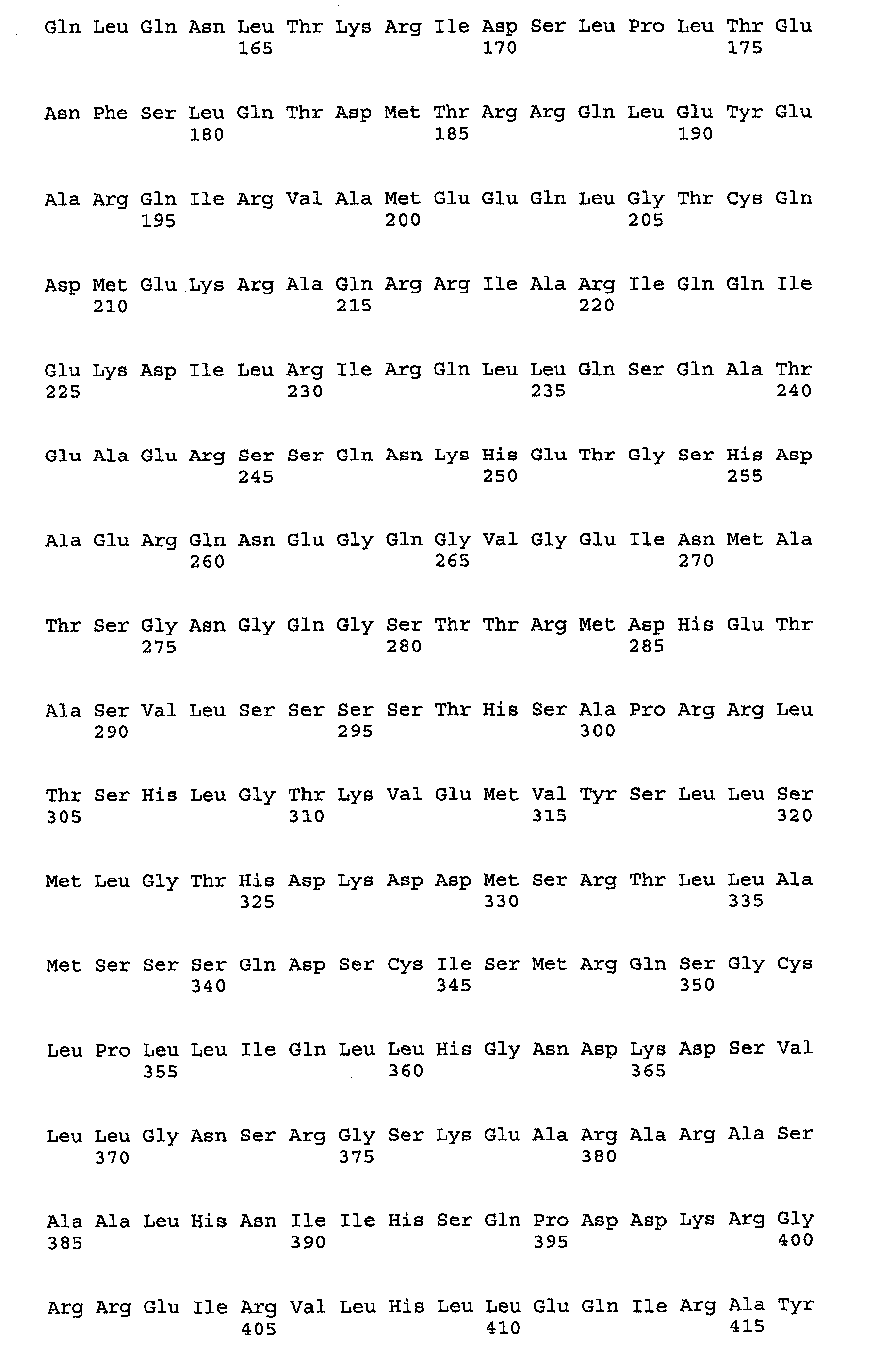
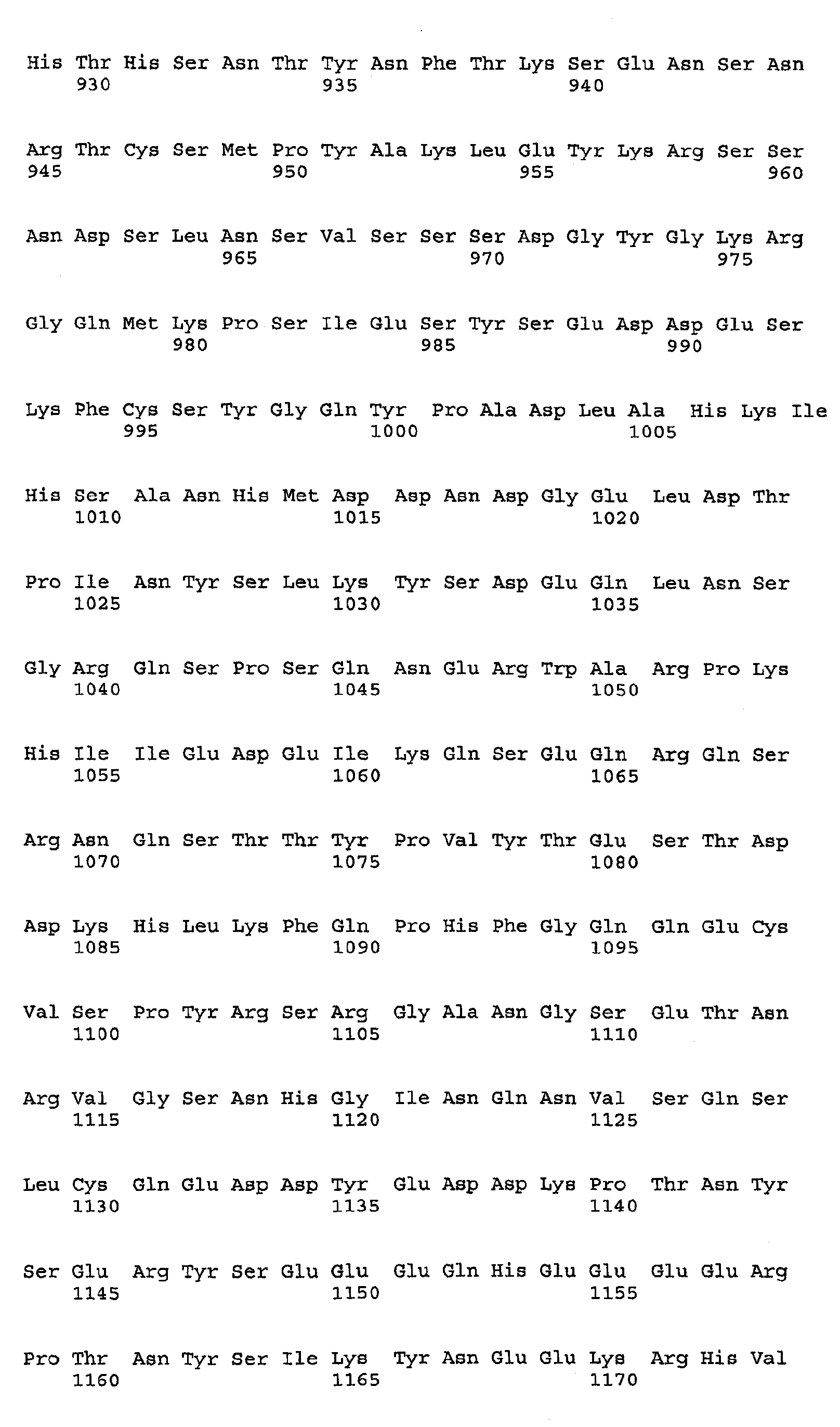
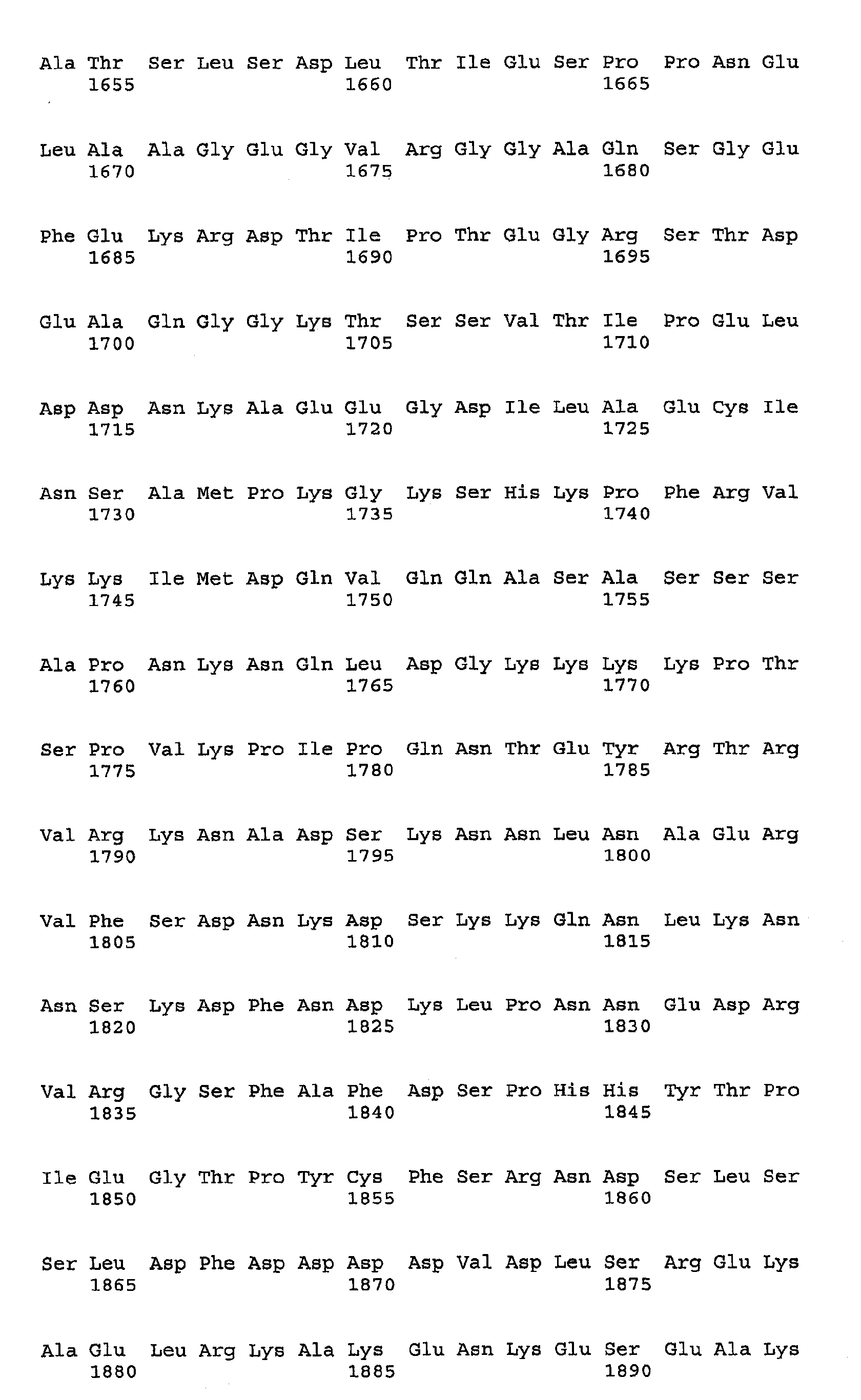
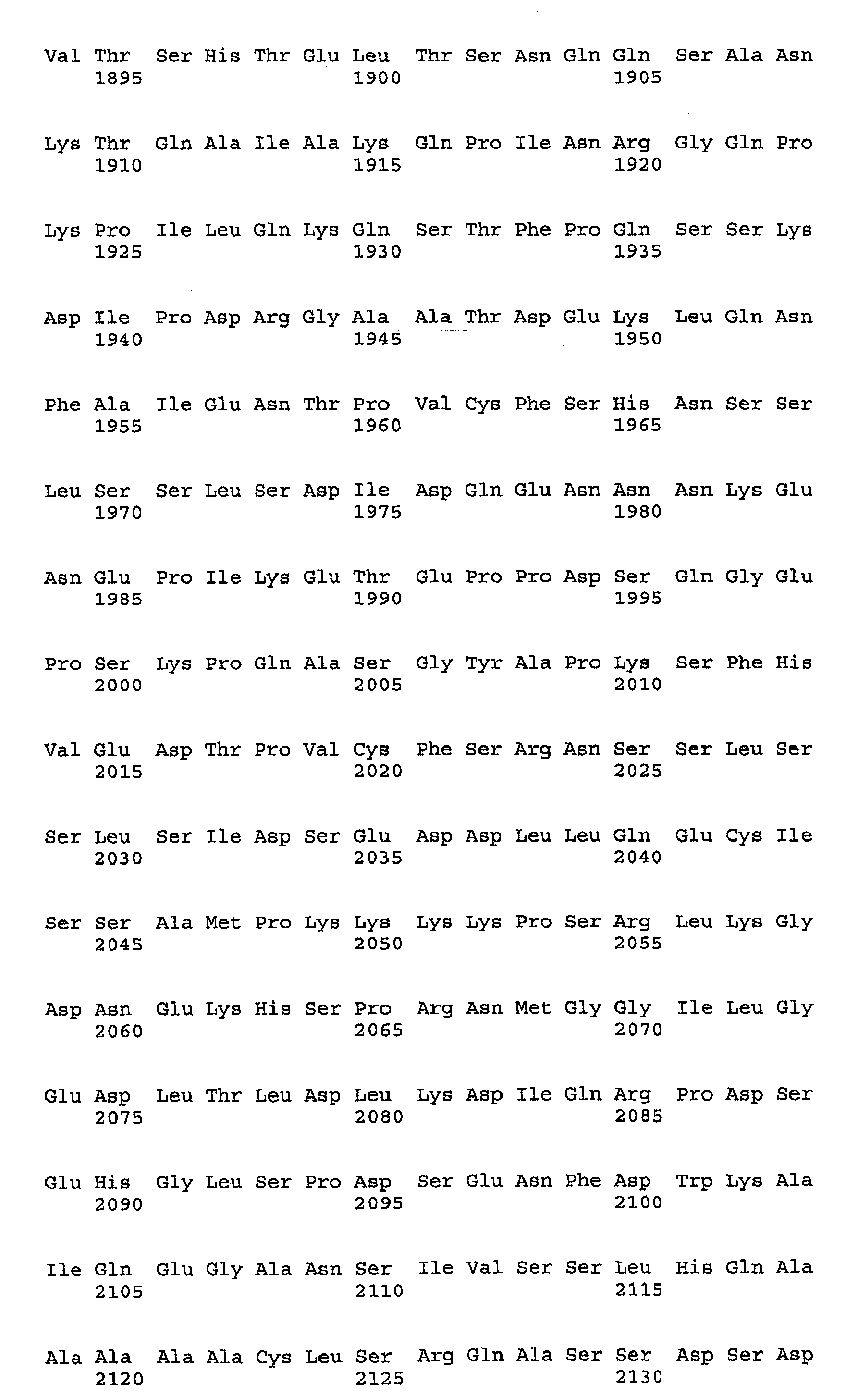
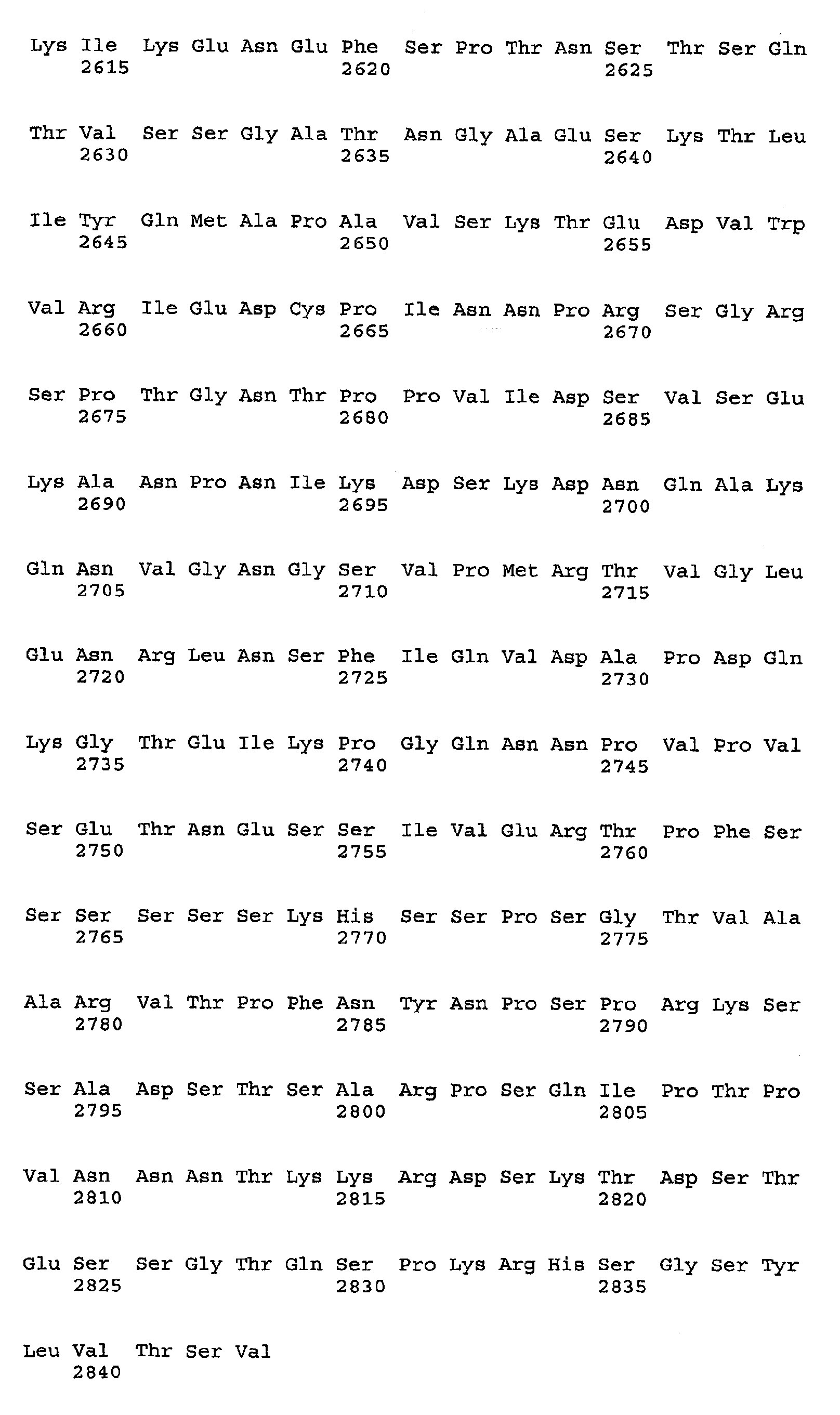
- the present invention relates to a transgenic Drosophila whose genome comprises the full-length human colon cancer gene Adenomatous Polyposis Coli (APC) having SEQ ID NO.1 wherein:
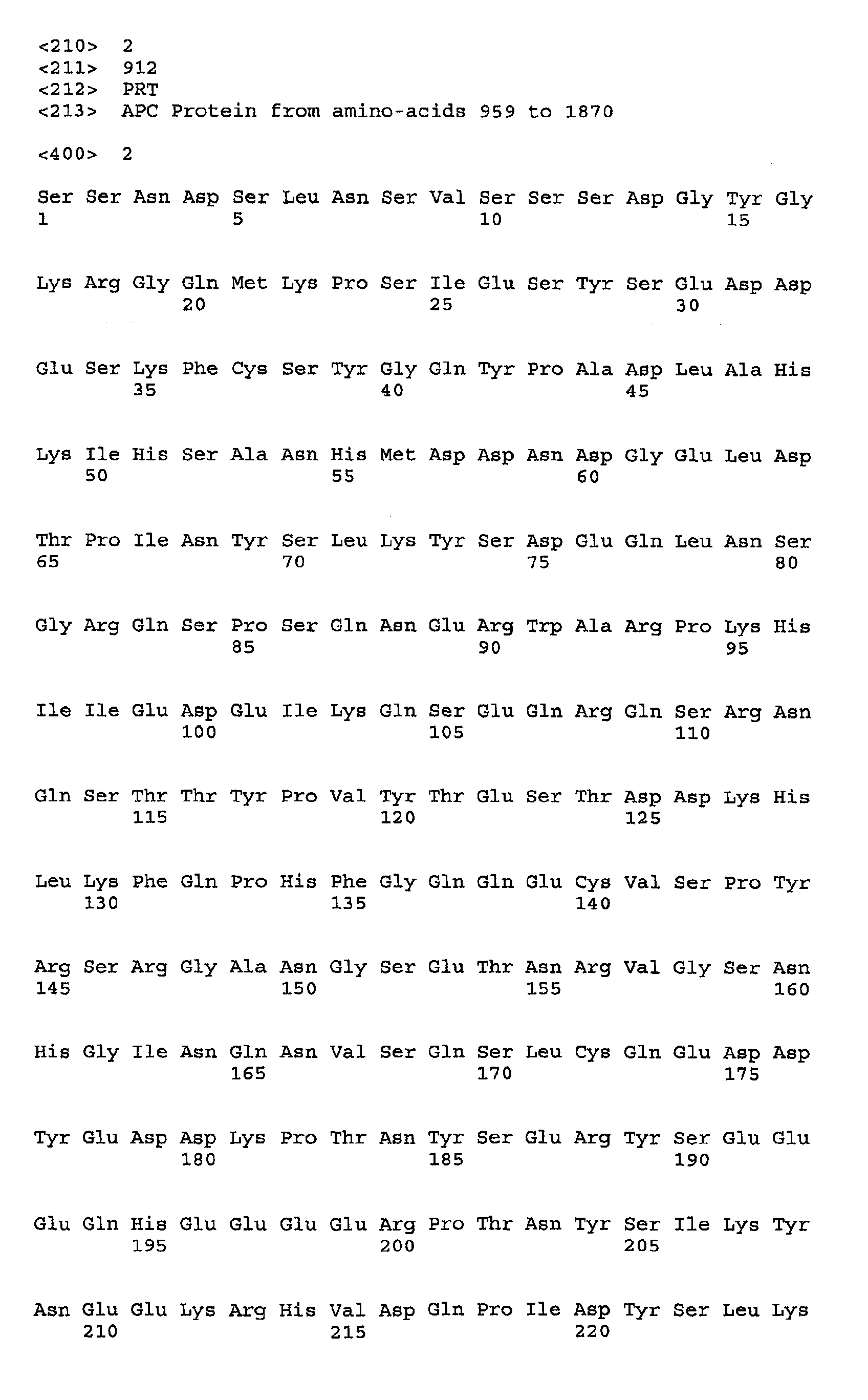
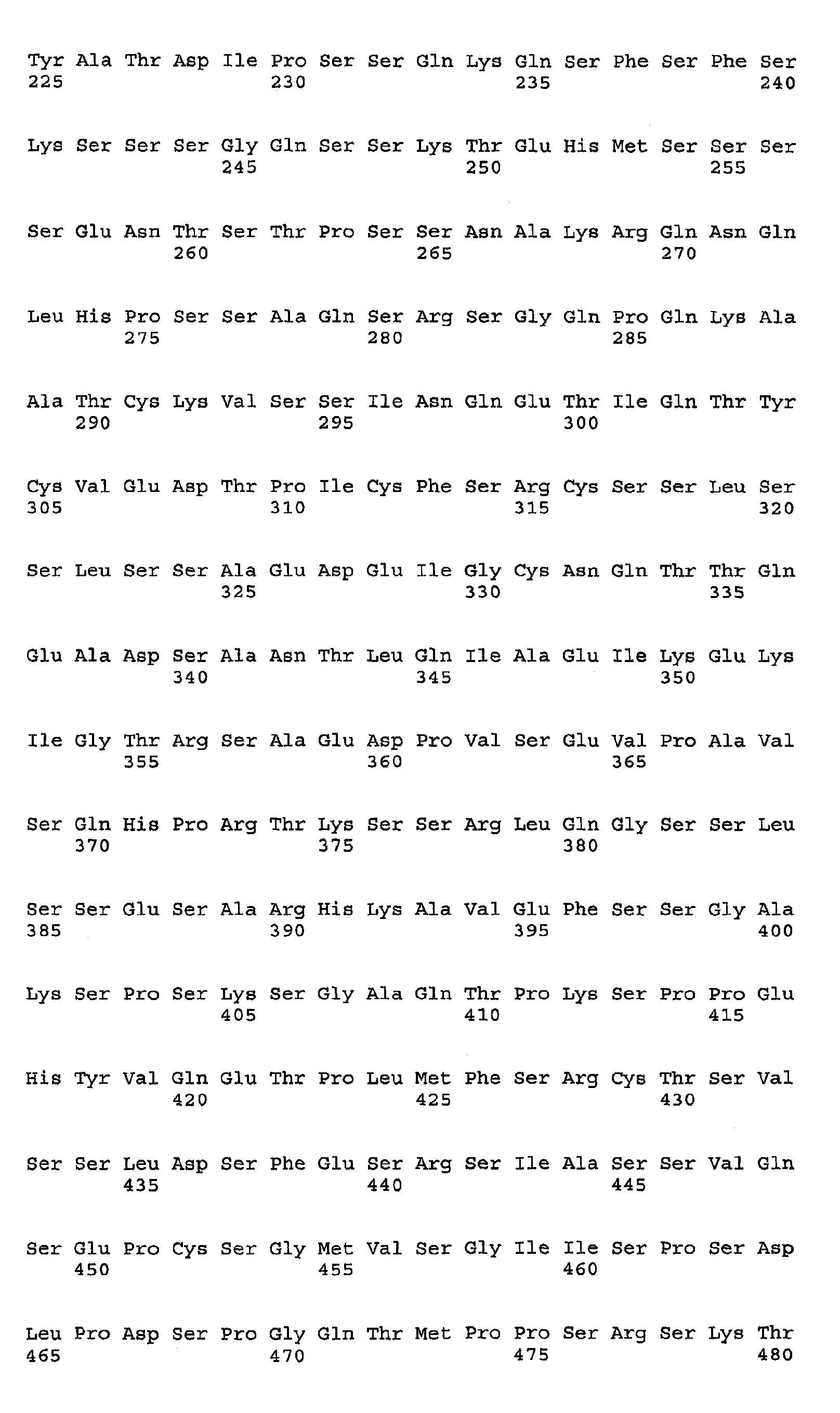
- the transgenic Drosophila genome includes ⁇ -catenin binding domain comprising of amino-acids from 959 to 1870 of SEQ ID NO. 2 from the full length human APC gene of SEQ ID NO.1, and this engineered disruption of human APC comprises only the five of the seven ⁇ -catenin binding domains wherein:
- transgenic Drosophila has the N terminal domain of APC with amino acids from 1 to 767 having SEQ ID NO. 3, from the full length human APC gene of SEQ ID NO.1, wherein:
- a method for selecting a compound for pharmacological activity which potentially inhibits or enhances the developmental abnormalities induced by the expression of full length and protein domains of human APC in Drosophila , said method comprising:
- a method of determining various Drosophila proteins interacting with full-length and protein domains human APC protein comprising:
- a method for determining the modulation and differential expression of genes following the mis-expression of full-length and its protein domains human APC in Drosophila comprising:
- a method for determining the modulation and differential expression of proteins following the mis-expression of full-length and its protein domain human APC in Drosophila comprising:
- a method to study Wnt/Wg signaling in Drosophila comprising;
- human APC pathway is identified using drug selected from a group of compunds comprising anti inflammatory, Analgesics, Antipyretics, and Antineoplastics.
- concentration of said drugs ranging between 50 to 500 ⁇ g/ml of fly food.
- transgenic Drosophila whose genome comprises the full-length human colon cancer gene Adenomatous Polyposis Coli (APC) having SEQ ID NO. 1 wherein:
- the transgenic Drosophila wherein, its genome includes ⁇ -catenin binding domain comprising of amino-acids from 959 to 1870 of SEQ ID NO. 2 from the full length human APC gene of SEQ ID NO.1, and this engineered disruption of human APC comprises only the five of the seven ⁇ -catenin binding domains wherein:
- transgenic Drosophila wherein, the N terminal domain of APC with amino acids from 1 to 767 having SEQ ID NO. 3, from the full length human APC gene of SEQ ID NO.1 wherein:
- a method for selecting a compound for anti-cancer activity which potentially inhibits or enhances the developmental abnormalities induced by the expression of full length and protein domains of human APC in Drosophila , said method comprising:
- human APC pathway is identified using drugs selected from a group of anti-cancer compounds comprising anti inflammatory, Analgesics, Antipyretics, and Antineoplastics.
- concentration of said anti-cancer drugs ranging between 50 to 500 ⁇ g/ml of fly food.
- transgenic non-human animal expressing human colon cancer gene Adenomatous polyposis Coli ( APC ).
- APC Adenomatous polyposis Coli
- Applicants have generated transgenic flies that express human APC, an important tumor suppressor gene, and mutations in which cause both familial and sporadic colorectal cancers.
- transgenic Drosophila expressing either full length or truncated forms of human APC protein and methods for using it as an assay system for identification and development of preventive as well as therapeutic dings. against cancer and other disease conditions.
- the transgenic fly of the invention can be used to study genetic and biochemical pathways associated with colorectal and other cancers.
- the phenotypes generated in the fly due to the mis-expression of human APC would constitute a novel, fast and less expensive in vivo assay system for the identification of targets for drug screening and validation of vast repertoire of drugs against cancer and other disease conditions.
- Table 1 Distribution of eye phenotypes induced by hAPC/CBD in different genetic backgrounds and in the presence of various compounds and other anti-cancer drugs. Numbers are from a representative experiment. Number in parenthesis in the last column indicates total number of the flies of right genotype.
- Phenotypic ranks Genotypes 1-5 6-10 11-15 16-20 Total Ey-GAL4;hAPC/CBD 13 5 - - 18(49) Ey-AL4;hAPC/CBD/Df(3R)by 62 10 7 12 9 38(86) Ey-GAL4;hAPC/CBD/1(3L)67E2 7 6 6 5 24(63) Ey-GAL4; hAPC/CBD in the presence of 5-fluorouracil at 50 micrograms/ml fly food. 9 4 1 - 14(47) Ey-GAL4; hAPC/CBD in the presence of Indomethacin at 200 microgram/ml fly food.
- transgenic flies are generated for the full-length human APC (hAPC/FL) as well as for the ⁇ -catenin binding domain (hAPC/CBD) and the N-terminal domain (hAPC/NBD) (Fig. 1 A ; Example 1).
- CAL4-UAS system is employed for targeted expression of human APC constructs in different tissues during development and in a number of genetic backgrounds.
- alternative expression systems such as those, which employ heat-shock or tissue-specific promoters are also available which can also be used for expression of genes of interest. These systems may also be effective in giving phenotype with human APC.
- both full-length and the ⁇ -catenin binding domain give comparable phenotypes, although levels of expression of full-length protein are lower than those of the ⁇ -catenin binding domain.
- effects of hAPC/FL expression are less severe than hAPC/CBD.
- hAPC/FL and hAPC/CBD give comparable phenotypes
- human APC is used to refer to them together.
- Mis-expression of hAPC/NBD resulted in severe defects in metamorphosis and head involution.
- UAS-hAPC/FL and UAS-hAPC/CBD are mis-expressed in different tissues such as epidermis, mesoderm, central and peripheral nervous systems and endoderm and at different developmental time stages with the help of a number of tissue-specific GAL4-driver lines.
- both the above-mentioned constructs induce phenotypes in adult legs, wings, antennae and eyes.
- the full-length construct when expressed with ptc-GAL4 driver, affected adult epidermal development.
- the dorsal tergites are not properly developed and were devoid of pigmentation (Fig. 3B).
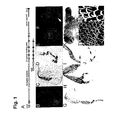
- ectopic Distal-less (Dll) expression is also seen (Fig. 1 F ), which reflects altered expression patterns of Wg and Dpp.
- adult flies expressing human APC exhibited leg phenotypes such as leg duplications (Fig. 1 H-J ) that are similar to the phenotypes induced by loss of Wg.
- Wg negatively interact with Dpp to regulate the morphogenetic furrow progression.
- Gain of Dpp or loss of Wg results in the activation of retinal differentiation along dorsal and ventral margins. This leads to inappropriate patterning of ommatidia, leading to either ectopic ommatidia in the anterior head capsule or in severe cases. loss of ommatidia.
- leg and eye phenotypes are also induced by the intra-cellular domain of Drosophila E-cadherin (UAS-cad i5 ), which is known to deplete the cytoplasmic pool of Armadillo ( ⁇ -catenin/Arm).
- UAS-cad i5 Drosophila E-cadherin
- ⁇ -catenin/Arm Armadillo
- APC is a known ⁇ -catenin-binding protein
- human APC-induced phenotypes are also mediated by the negative regulation of ⁇ -catenin/Arm. This is supported by the enhanced leg phenotypes (often leading to total loss of appendage development) induced by the expression of human APC using ptc- GAL4 in flies heterozygous for a null mutation in arm.
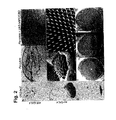
- human APC could alleviate the effects of higher levels of ⁇ -catenin/Arm, when co-expressed with Flu- ⁇ Arm, a stable form of ⁇ -catenin/Arm (Fig. 2 C ).
- dAPC Q8 a viable allele of dAPC in which all surviving homozygous flies show increase in eye pigmentation and absence of pseudopupil, an indication of degeneration of retinal neurons (Fig. 2 I ) is used in the above mentioned experiment.
- hAPC/FL is expressed in dAPC Q8 / dAPC Q8 background with the help of 405-GAL4 driver, which is expressed in the differentiating retinal neurons (Fig. 2 G ).
- UAS-dAPC1 induce only very weak phenotypes when expressed using various GAL4 lines and at different temperature conditions. Its ability to suppress the phenotypes induced by over-expression of dominant forms of ⁇ -catein/Arm is also negligible. This is particularly interesting considering the specificity of human APC-induced phenotypes in flies.
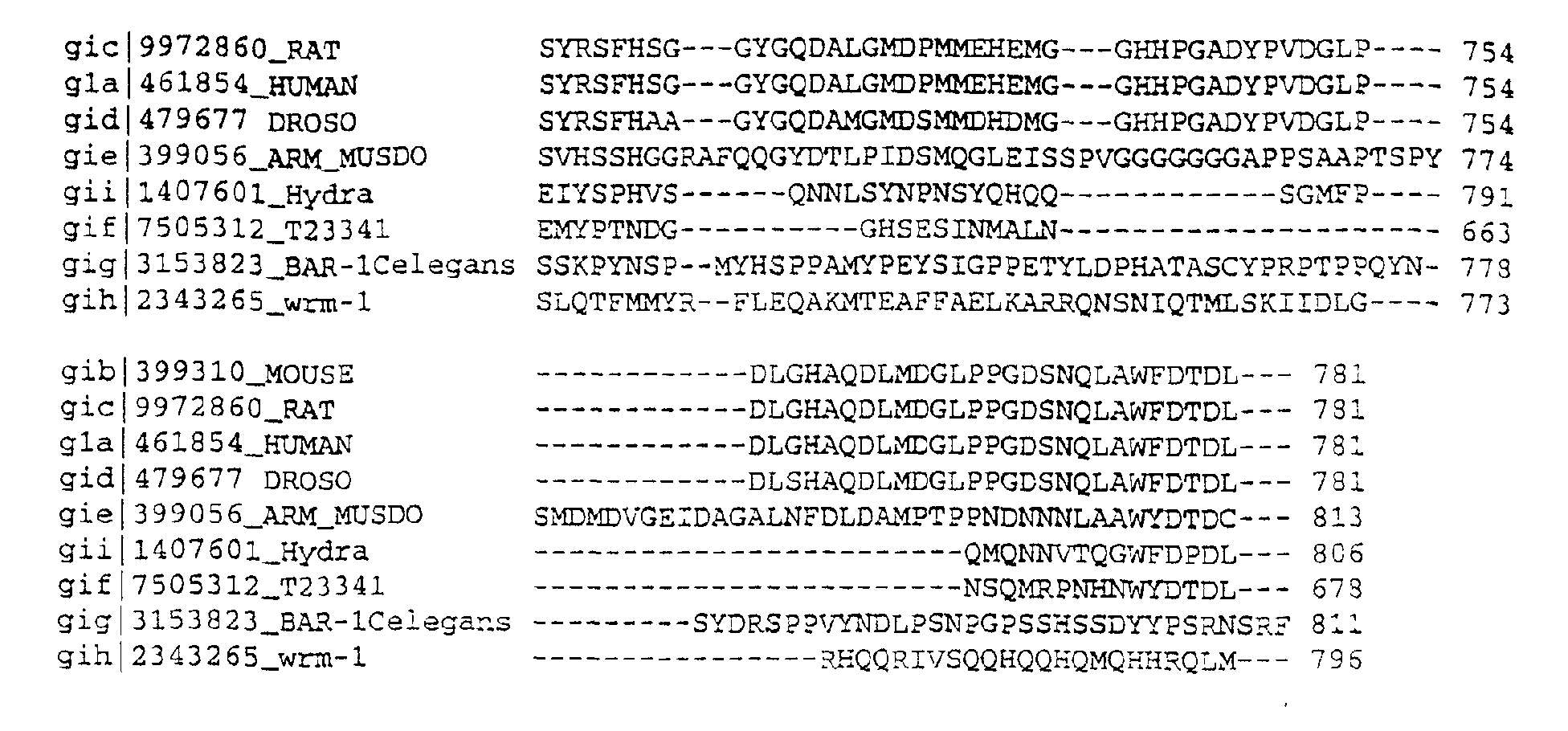
- human APC has higher affinity for Arm than dAPC1 or EAPC. This is supported by the fact that ⁇ -catenin is far more highly conserved than APC across a number of species from Drosophila to human.
- hAPC/CBD alone is enough to bind and transport ⁇ -catenin to degradation zone and to subject the same for degradation in the presence of GSK-3 ⁇ activity.
- hAPC/CBD which comprises only the five of the seven ⁇ -catenin binding domains result in far more severe developmental phenotypes than hAPC/FL. This may reflect enhanced ability of human APC to bind ⁇ -catenin/Arm due to the engineered disruption of the protein.
- expression of human APC result in stronger phenotypes indicates the uniqueness of this transgenic system to study genetic and biochemical pathways related to APC function.
- the nature of human APC-induced adult phenotypes and its ability to suppress the effects of degradation-resistant Flu- ⁇ Arm suggest down-regulation or sequestration of ⁇ -catenin/Arm in human APC-expressing cells. Therefore, changes in the levels of ⁇ -catenin/Arm following human APC expression were monitored.
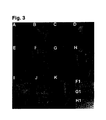
- ⁇ -catenin/Arm is present in all the cells, although its levels are slightly higher in cells where Wnt/Wg signaling is active (for example, in the wing disc D/V boundary; Fig. 3 G ). It is observed that a subset of human APC-expressing cells exhibited enhanced levels of ⁇ -catenin/Arm (Fig. 3 D , H , J ). In other cells, the levels of ⁇ -catenin/Arm are comparable to the wildtype levels.
- double staining for ⁇ -catenin/Arm and Wg reveal that ⁇ -catenin/Arm is accumulated in cells where human APC and endogenous Wg expression overlapped (Fig. 3 I ).
- Wnt/Wg signaling inhibits the degradation of ⁇ -catenin/Arm by down regulating the activities of GSK-3 ⁇ /Sgg and Axin (7). This results in the increased levels of cytoplasmic ⁇ -catenin/Arm.
- accumulation of ⁇ -catenin/Arm only in cells expressing both human APC and endogenous Wg suggests that (i) human APC can efficiently inhibit the function of cytoplasmic ⁇ -catenin/Arm even in the cells where Shaggy/Zeste-White3 (GSK-3 ⁇ /Sgg) activity is down regulated by Wnt/Wg signaling and (ii) human APC-induced phenotypes are due to the sequestration of ⁇ -catenin/Arm.
- immuno-precipitation and Western blot analyses does not show any marked increase in the levels of ⁇ -catenin/Arm over the control. This is due to the fact that human APC-mediated accumulation of ⁇ -catenin/Arm is seen only in a small fraction of cells.
- human APC can efficiently bind and sequester larger amounts of ⁇ -catenin/Arm in cells responding to Wnt/Wg signaling, it is presumed that in other cells too it can bind ⁇ -catenin/Arm. It implies that in those cells either human APC-bound form of ⁇ -catenin/Arm is recognized by the Axin-GSK-3 ⁇ /Sgg complex for degradation or no free cytoplasmic ⁇ -catenin/Arm is available for human APC to bind.
- the regulation of ⁇ -catenin/Arm at the transcriptional level using arm -lacZ construct is examined. There is no change in lacZ levels in response to human APC expression in different tissues. This suggests that human APC-induced increase in the levels of ⁇ -catenin/Arm protein (Fig. 3 D , H , J ) is due to stabilization of human APC/ ⁇ -catenin/Arm complex by Wnt/Wg signaling.
- the development of a gain-of-function genetic model for human APC similar to the one described here has certain advantages to study Wnt/Wg signaling in Drosophila .
- the role of ⁇ -catenin/Arm in cell-adhesion has always been a limitation to generate loss-of-function clones of arm cells to study Wnt/Wg signaling during post-embryonic stages.
- Such clones are invariably cell-lethal due to loss of cell-adhesion and do not produce any data on Wnt/Wg signaling events.
- mis-expression of human APC down-regulate Wnt/Wg signaling by binding to cytoplasmic ⁇ -catenin/Arm, thus enabling one to study the kinetics of Wnt/Wg signaling during development.
- applicants have examined the expression patterns of a number of limb patterning genes (such as dpp , wg , Dll , dauschund , cut , etc.) by down-regulating Wnt/Wg signaling at different developmental stages and in different regions of the developing imaginal discs.
- limb patterning genes such as dpp , wg , Dll , dauschund , cut , etc.
- both human APC and accumulated ⁇ -catenin/Arm are localized near the plasma membrane (Fig. 3C1 , F1 , H1 ).
- hAPC/CBD and the degradation-resistant form of Arm are co-expressed in the wing disc D/V boundary using vg- GAL4.
- both Wg (Fig. 3 G ) and ⁇ -catenin/Arm (Fig. 3 C ) are maximally expressed and GSK3 ⁇ /Sgg activity is expected to be minimum.
- UAS-S10 and Flu- ⁇ Arm would not be phosphorylated by whatever the residual GSK-3 ⁇ is present.
- both hAPC/FL and hAPC/CBD suppress the phenotypes induced by Flu- ⁇ Arm and UAS-S 10 (data not shown) with the same efficiency as it suppressed the ectopic ⁇ -catenin/Arm activity in a non-Wg region (Fig. 2 C ).
- GSK-3 ⁇ /Sgg activity is not essential for the binding of human APC to ⁇ -catenin/Arm and the subsequent inhibition of ⁇ -catenin/Arm function.
- human APC and/or GSK-3 ⁇ /Sgg are expressed in wing imaginal discs using vg- GAL4 driver.
- Expression of hAPC/CBD using vg -GAL4 resulted in the accumulation of large amount of ⁇ -catenin/Arm in the D/V boundary (Fig. 4 B ).
- human APC binds to ⁇ -catenin/Arm in all the cells, although ⁇ -catenin/Arm is degraded only in cells where .GSK-3 ⁇ /Sgg is active.
- human APC levels arc similar in all cells irrespective of the presence or absence of GSK-3 ⁇ /Sgg activity (Fig. 4 E ).
- the levels of human APC are not altered even in the cells over-expressing GSK-3 ⁇ /Sgg (Fig. 4 F ).
- human APC is able to suppress with equal efficiency ⁇ -catenin/Arm-induced dominant phenotypes in the presence as well as in the absence of GSK-3 ⁇ /Sgg activity.
- the uncoupling of inhibition of ⁇ -catenin activity from its degradation suggest that human APC inhibited Wnt/Wg signaling by sequestering ⁇ -catenin and not by the down regulation of its protein levels.
- the blockage of ⁇ -catenin degradation by Wnt signaling would affect the release of free APC from the degradation complex.
- APC itself is sequestered by ⁇ -catenin leading to accumulation of free ⁇ -catenin in the cytoplasm, which would now be available to transduce Wnt signal.
- abolition of Axin and APC interaction would inhibit the degradation of ⁇ -catenin, but would not affect the ⁇ -catenin binding ability of APC. Although this would lead to increase in ⁇ -catenin levels, the phenotype would be less severe when compared to that of APC - cells. Indeed, colorectal cancers caused by mutations in APC that delete only the Axin binding sites show either attenuated polyposis or nonpolyposis phenotypes.
- transgenic flies expressing human APC are tested for their usefulness in screening potential drugs against colon cancer.
- LD50 is determined for each of the chemicals tested. At concentrations LD50 and below, none of the drugs induce any morphological phenotypes in wildtype flies. Thereafter, the effect of these drugs on transgenic flies expressing human APC in developing eyes (using ey -GAL4) is examined.
- Indomethacin enhances human APC-induced eye phenotypes to the extent similar to the enhancement shown by Df(3R)by 62 (Fig. 5 and Table 1).
- the effect is concentration dependent, maximum being at 200 ⁇ g / ml of fly food (LD50 being at 250 ⁇ g/ml of fly food).
- the protein sequence of PPAR ⁇ is compared to that of Drosophila proteins (known and predicted).
- Eip75B a transcription factor in :ecdysone response pathway, shows 38%) identity and 59% homology to PPAR ⁇ , (however, Eip75B is 1443 amino acid long, whereas PPAR ⁇ is 441 amino acid long).
- applicants have developed an assay system that enables relatively easy and fast identification of suitable candidate genes for drug screening.
- this assay system allows the identification of molecular targets and biochemical pathways modulated by currently used cancer drugs, whose mechanism of action is not known.
- applicants have generated flies transgenic for (i) the full-length human APC (ii) its N terminal fragment and (iii) for the fragment bearing only the ⁇ -catenin binding domains. These transgenic flies are used to correlate biochemical interactions amongst APC, ⁇ -catenin and GSK-3 ⁇ to their in vivo function
- APC is a large multi-domain protein
- the ⁇ -catenin binding domain of APC alone is sufficient to functionally complement mutations in its Drosophila homologue.
- APC inhibited Arm function even in the absence of GSK-3 ⁇ activity, although the latter is required to mediate the degradation of Arm. Consistent with this, APC suppressed the phenotypes induced by the over-expression of degradation-resistant forms of Arm.
- transgenic construct carrying only ⁇ -catenin binding domain of human APC which comprises only the five of the seven ⁇ -catenin binding domains resulted in far more severe developmental phenotypes than full-length protein. This may reflect enhanced ability of human APC to bind ⁇ -catenin/Arm due to the engineered disruption of the protein.
- the phenotypes induced by over-expression of human APC in Drosophila are far more severe, although qualitatively similar, than those induced by Drosophila homologue of APC.
- transgenic flies expressing human APC is not only a good model system, but also a unique system for genetic studies on APC function.
- the human APC induced phenotypes in Drosophila can be employed for studying the function of the human APC protein and for developing therapeutics for the prevention and treatment of cancer and other disease conditions caused by high levels of ⁇ -catenin.
- Fig. 1 shows Human APC constructs used for generating transgenic flies and phenotypes induced by their expression in Drosophila .
- A Structure-function map of human APC full-length protein. MT- microtubule binding, DLG- Discs Large tumor-suppressor protein binding domains.
- Transgenic flies expressing full-length (hAPC/FL) and ⁇ -catenin binding domains (hAPC/CBD) have been reported here. They were expressed using either ptc -GAL4 (D, F-J) or ey -GAL4 (K-M). In all the leg discs shown in B-F, anterior is to the left and ventral is up.
- C Expression pattern of dpp -lacZ reporter gene construct, in wildtype leg disc. Note that dpp -lacZ is expressed predominantly in the dorsal-anterior compartment.
- D hAPC/CBD expression results in the activation of dpp-lacZ in the ventral-anterior compartment.
- F hAPC/CBD-induced ectopic Dll expression (arrow).
- G A wildtype leg.
- H-J human APC-induced leg phenotypes.
- K-M human APC-induced eye phenotypes. Often, the eyes were protruding anteriorly due to ectopic ommatidia on the head capsule. However, the total number of ommatidia was often less than normal (K). Human APC also induced duplication of inter-ommatidial bristles (L-M; arrow in M).
- Fig. 2 shows Human APC suppresses the phenotypes induced by elevated levels of ⁇ -catenin/Arm and rescues phenotypes associated with mutant dAPC ,
- A Expression pattern of 405-GAL4 in wing discs as indicated by lacZ staining.
- B Flu- ⁇ arm/405-GAL4 induced wing phenotype. Note large number of necrotic patches on the wing blade.
- C Rescue of wing phenotype in flies expressing both hAPC/CBD and Flu- ⁇ arm. Expression of hAPC/CBD alone using 405-GAL4 did not induce any phenotype.
- E Expression of Flu- ⁇ arm in developing eye discs results in severe loss of ommatidia.
- F Co-expression of hAPC/CBD and Flu- ⁇ arm restores normal organization of ommatidia.
- G The expression pattern of 405-GAL4 in eye discs as indicated by lacZ staining. This GAL4 was used to express hAPC/FL in differentiating retinal neurons.
- H Eye of a dAPC Q8 heterozygous fly. Note the presence of pseudopupil, a dark spot in the middle of the eye (asterisk).
- I Eye of a homozygous dAPC Q8 fly.
- Fig. 3 shows Human APC induced changes in the levels of ⁇ -catenin/Arm in different cell types.
- the ptc -GAL4 was used to express hAPC/CBD (B, D, F, H), hAPC/FL (J) and UAS-Cad i5 (K).
- A, E Anti-human APC staining of wildtype leg (A) and wing (E) imaginal discs showing the expression pattern of endogenous dAPC.
- B, F anti-human APC staining following hAPC/CBD expression in leg (B) and wing (F) discs.
- C, G anti-Arm staining of wildtype leg (C) and wing (G) discs.
- F1, G1, H1 Higher magnification images of F, G, H respectively, to show subcellular localization of ⁇ -catenin/Arm and human APC.
- ⁇ -catenin/Arm is predominantly localized near the plasma membrane. This has been confirmed by double staining with DAPI, which stains DNA (data not shown).
- Much of the human APC protein is also seen near the plasma membrane (F1). In all the wing and leg discs shown in this figure, anterior is to the left and ventral is up.
- Fig. 4 shows Effect of GSK-3 ⁇ /Sgg activity on the interaction between human APC and ⁇ -catenin/Arm.
- A The expression pattern of vg -GAL4 in wing discs as indicated by lacZ staining. This GAL4 driver was used to express hAPC/CBD (B, D-F) and/or GSK-3 ⁇ /Sgg (C, D, F). Discs in B-D are stained with anti-Arm and E, F for anti-human APC antibodies.
- B hAPC/CBD expression results in the accumulation of ⁇ -catenin/Arm, but only in the D/V boundary.
- Fig. 5 shows Enhancement of human APC induced eye phenotypes in Drosophila by two independent deletion mutations in the third chromosome and by the non-steroid anti-inflammatory drug, indomethacin.
- Eye phenotypes induced by human APC are arranged in the order of severity from 1 to 20.
- Human APC in wildtype background induced phenotypes of ranks 1-9.
- Expression of human APC in the presence of either Df(3R)by 62 or l(3L)67E2 or the drug indomethacin showed much enhanced phenotypes (rank 1-20) often resulting eyeless flies. WT - wild type eye.
- Full-length human APC cDNA clone (Kinzler et al., 1991; SEQ ID No. 1) was released from its vector (pCMV) by BamH1 digestion.
- the 8.9kb insert was sub-cloned in to the P-element vector, pCaSpeR-UAS (Brand and Perrimon, 1993).
- the ⁇ -catenin binding domain (comprising of amino-acids from 959 to 1870; SEQ ID NO. 2) was released from a partial cDNA clone of human APC (FB10B; Kinzler et al., 1991) by EcoR1 and Xbal digestion.
- the 2.7kb fragment was independently sub-cloned into pCaSpeR-UAS.
- the N terminal domain of APC (comprising of amino-acids from 1 to 767; SEQ ID NO. 3) was released from full-length cDNA clone and was subcloned into pCaSpeR-UAS.
- UAS-dAPC1 was generated by Y Ahmed and E Wieschaus (unpublished) using cDNA clone for dAPC1 , the first Drosophila homologue of APC .
- the X-chromosome insertion of UAS-dAPC1 was mobilized by crossing to a genetic source of transposase (w; ⁇ 2-3 Sb / ⁇ 2-3 TM2 ).
- GAL4 strains used were ptc- and en -GAL4 (Brand and Perrimon, 1993), dpp -CAL4 (Morimura et al., 1996), ey -GAL4 (Hazelett et al., 1998), vg -GAL4 (Simmonds et al., 1995) and 405-GALA (LSS, unpublished).
- Choice of GAL4 drivers for the expression of human APC and/or other proteins was mainly determined by the severity of the phenotype.
- RNA in situ was done essentially as described by Tautz and Pfeifle (1989) using FB10B cDNA clone of human APC as the probe.
- X-gal staining and immuno-histochemical staining were essentially as described (Ghysen and O'Kane, 1989; Patelet al., 1989).
- the lacZ reporter gene constructs used are UAS-lacZ (Brand and Perrimon, 1993) and dpp- lacZ (Blackman et al., 1991).
- the primary antibodies used are, anti-human APC (Hayashi et al., 1997), anti-Arm (Riggleman et al., 1990), anti-Dll (Vachon et al., 1992) and anti-Wg (Brook and Cohen, 1996). Anti-Arm and anti-Wg were obtained from the Development Studies Hybridoma Bank, University of Iowa, USA.
- the adult appendages were processed for microscopy as described before (Shashidhara et al., 1999).
- SEM Scanning Electron microscopy
- adult heads were air dried and coated with gold.
- SEM was carried out on Hitachi S520 machine.
- arm 4 allele of arm http://flybase.bio.indiana.edu ) was used along with hAPC/CBD, wherein flies carrying one copy of hAPC/CBD and one copy of arm 4 allele allele were crossed to ptc- and dpp -GAL4 drivers.
- ey-GAL4 was first crossed to a collection of Drosophila mutants (point mutations, deletions and P-lethal insertions) and then to UAS-hAPC/CBD. Following mutant stocks were used.
- RNA samples would be isolated from tissues expressing and not expressing human APC. They would be labeled by RT-PCR and resolved by gel electrophoresis or labeled probes would be hybridized to arrayed cDNA clones. This would allow us to identify genes that are differentially regulated by the expression of human APC.
- RNA-based approach of scanning the entire Drosophila genome would help identification of additional components of Wnt signal transduction pathway, which would provide suitable targets for drug screening against cancer and other conditions caused by over-activation of ⁇ -catenin.
- proteins would be isolated from tissues expressing or not expressing human APC and would be subjected to 2-D gel electrophoreses.
- the protein bands, which show differential mobility would be isolated and subjected to further analyses that includes MASS SPEC analyses and protein sequencing.
Landscapes
- Life Sciences & Earth Sciences (AREA)
- Health & Medical Sciences (AREA)
- Genetics & Genomics (AREA)
- Chemical & Material Sciences (AREA)
- Organic Chemistry (AREA)
- Zoology (AREA)
- Engineering & Computer Science (AREA)
- Biochemistry (AREA)
- Bioinformatics & Cheminformatics (AREA)
- General Health & Medical Sciences (AREA)
- Environmental Sciences (AREA)
- Biomedical Technology (AREA)
- Biophysics (AREA)
- Biotechnology (AREA)
- General Engineering & Computer Science (AREA)
- Molecular Biology (AREA)
- Wood Science & Technology (AREA)
- Microbiology (AREA)
- Toxicology (AREA)
- Plant Pathology (AREA)
- Biodiversity & Conservation Biology (AREA)
- Animal Husbandry (AREA)
- Physics & Mathematics (AREA)
- Animal Behavior & Ethology (AREA)
- Veterinary Medicine (AREA)
- Gastroenterology & Hepatology (AREA)
- Medicinal Chemistry (AREA)
- Proteomics, Peptides & Aminoacids (AREA)
- Investigating Or Analysing Biological Materials (AREA)
- Medicines That Contain Protein Lipid Enzymes And Other Medicines (AREA)
- Measuring Or Testing Involving Enzymes Or Micro-Organisms (AREA)
Abstract
Description
downstream of peroxisome proliferates activated receptor -type δ (PARδ); (He et al., 1999), a member of nuclear hormone receptors.
| Phenotypic ranks | |||||
| Genotypes | 1-5 | 6-10 | 11-15 | 16-20 | Total |
| Ey-GAL4;hAPC/ | 13 | 5 | - | - | 18(49) |
| Ey-AL4;hAPC/CBD/Df(3R)by62 | 10 | 7 | 12 | 9 | 38(86) |
| Ey-GAL4;hAPC/CBD/1(3L)67E2 | 7 | 6 | 6 | 5 | 24(63) |
| Ey-GAL4; hAPC/CBD in the presence of 5-fluorouracil at 50 micrograms/ml fly food. | 9 | 4 | 1 | - | 14(47) |
| Ey-GAL4; hAPC/CBD in the presence of Indomethacin at 200 microgram/ml fly food. | 12 | 8 | 16 | 11 | 47(121) |
| Ey-GAL4; hAPC/CBD in the presence of aspirin at 200micrograms/ml fly food. | 13 | 4 | 2 | - | 19(61) |
| Ey-GAL4; hAPC/CBD in the presence of Pyroxicam at 500 micrograms/ml fly food. | 11 | 7 | 1 | 2 | 21(59) |












Claims (36)
- A transgenic Drosophila whose genome comprises the full-length human colon cancer gene Adenomatous Polyposis Coli (APC) having SEQ ID NO. 1 wherein:(a) said genomic alteration allows mis-expression of full-length human APC in flies in regulated manner,(b) said mis-expression of the full-length human APC results in developmental abnormalities,(c) said developmental abnormalities induced by the mis-expression of full-length human APC in flies are similar to those exhibited by flies carrying mutations in Drosophila wingless gene, and(d) to use the same as an assay system for screening and validating efficacy of drugs.
- The transgenic Drosophila as claimed in claim 1 wherein, its genome includes β-catenin binding domain comprising of amino-acids from 959 to 1870 of SEQ ID NO. 2 from the full length human APC gene of SEQ ID NO.1, and this engineered disruption of human APC comprises only the five of the seven β-catenin binding domains wherein:(a) said genomic alteration allows mis-expression of a truncated version of human APC in flies in a regulated manner,(b) said mis-expression of the said gene construct results in the developmental abnormalities,(c) said developmental abnormalities induced by the mis-expression of the said gene construct in dies is similar to those exhibited by flies carrying mutations in Drosophila wingless gene.(d) said mis-expression of the said novel construct in regulated manner results in a more severe developmental phenotype, and(e) to use the same as an assay system for screening and validating efficacy of drugs.
- The transgenic Drosophila as claimed in claim I wherein, the N terminal domain of APC with amino acids from I to 767 having SEQ ID NO. 3, from the full length human APC gene of SEQ ID NO.1, wherein:(a) said genomic alteration allows mis-expression of human APC in dies in a regulated manner,(b) said mis-expression of the said novel construct in a regulated manner resulting in severe abnormalities in fly development during metamorphosis, and(c) to use the same as an assay system for screening and validating efficacy of drugs.
- A method for selecting a compound for pharmacological activity, which potentially inhibits or enhances the developmental abnormalities induced by the expression of full length and protein domains of human APC in Drosophila, said method comprising:(a) providing the first, second, and third transgenic fly of claims 1, 2 and 3 respectively, wherein said flies have said developmental abnormalities,(b) administering the said compounds to the said transgenic Drosophila at different concentrations, and(c) screening for the changes in the severity of the phenotype .
- A method of determining various Drosophila proteins interacting with full-length and protein domains human APC protein wherein, said method comprising:(a) providing the first, second, and third transgenic fly of claims 1, 2 and 3 respectively, wherein said flies have said developmental abnormalities,(b) crossing the said transgenic flies individually to a set of Drosophila strains each of which carries mutation in a different gene or set of genes, and(c) Screening for the change in the severity of the phenotype.
- A method for determining the modulation and differential expression of genes following the mis-expression of full-length and its protein domains human APC in Drosophila wherein, said method comprising:(a) providing the transgenic Drosophila as claimed in claims 1,2 and 3 wherein, the flies have developmental abnormalities,(b) screening for differential gene expression using differential display-RT PCR or microarray techniques, and(c) identifying genes that are differentially regulated on expression of human APC.
- A method for determining the modulation and differential expression of proteins following the mis-expression of full-length and its protein domain human APC in Drosophila wherein, said method comprising:(a) providing the transgenic Drosophila , as claimed in claims 1, 2 and 3 wherein, the flies have developmental abnormalities,(b) identifying differential gene expression and protein modifications using proteomics techniques, and(c) identifying gene products that are differentially regulated on expression of human APC.
- A method to study Wnt/Wg signaling in Drosophila said method comprising;(a) providing the transgenic Drosophila, as claimed in claims 1, 2 and 3,(b) crossing these transgenic flies to a number of GAL4 drivers to induce targeted expression of said constructs in various tissues and at different developmental stages, and(c) examining developmental abnormalities.
- Methods as claimed in claims 6-8 wherein, examination of developmental abnormalities using gain-of-function genetic model for human APC to study mechanism of various developmental processes such as wing, leg, eye, antennae, and adult cuticle development.
- A Method as claimed in claim 4 wherein, screening and validating efficacy of preventive and therapeutic drugs following APC gene mis-expression.
- A Method as claimed in claim 4 wherein, human APC pathway is identified using drug selected from a group of compunds comprising anti inflammatory, Analgesics, Antipyretics, and Antineoplastics.
- A method as claimed in claim 4 wherein, concentration of said drugs ranging between 50 to 500 µg/ml of fly food.
- Methods as claimed claims 6-8 wherein, examination of developmental abnormalities using gain-of-function genetic model for human APC which has advantages to study the Drosophila Wnt/Wg signaling pathway.
- A Method as claimed in claim 8 wherein, studying the kinetics of Wnt/Wg signaling during various developmental stages and in different tissues.
- A Method as claimed in claims 5 and 7 wherein, new target proteins interacting with β-catenin are identified.
- A Method as claimed in claim 6 wherein, genes interacting with APC are identified.
- Methods as claimed in claims 5-8 wherein, examination of developmental abnormalities using gain-of-function genetic model for human APC to study biochemical function of human APC function.
- Methods as claimed in claims 5-8 wherein, examination of developmental abnormalities using gain-of-function genetic model for human APC to identify additional components of Drosophila Wnt/Wg signaling pathway.
- A transgenic Drosophila whose genome comprises the full-length human colon cancer gene Adenomatous Polyposis Coli (APC) having SEQ ID NO.1 wherein:(a) said genomic alteration allows mis-expression of full-length human APC in flies in regulated manner,(b) said mis-expression of the full-length human APC results in developmental abnormalities,(c) said developmental abnormalities induced by the mis-expression of full-length human APC in flies are similar to those exhibited by flies carrying mutations in Drosophila wingless gene, and(d) to use the same as an assay system for screening and validating efficacy of anti-cancer drugs.
- The transgenic Drosophila as claimed in claim 19 wherein, its genome includes β-catenin binding domain comprising of amino-acids from 959 to 1870 of SEQ ID NO. 2 from the full length human APC gene of SEQ ID NO.1, and this engineered disruption of human APC comprises only the five of the seven β-catenin binding domains wherein:(a) said genomic alteration allows mis-expression of a truncated version of human APC in flies in a regulated manner,(b) the mis-expression of the said gene construct results in the developmental abnormalities,(c) the developmental abnormalities induced by the mis-expression of the said gene construct in flies is similar to those exhibited by flies carrying mutations in Drosophila wingless gene,(d) mis-expression of the said novel construct in regulated manner results in a more severe developmental phenotype, and(e) to use the same as an assay system for screening and validating efficacy of anti-cancer drugs.
- The transgenic Drosophila as claimed in claim 19 wherein, the N terminal domain of APC with amino acids from 1 to 767 having SEQ ID NO. 3, from the full length human APC gene of SEQ ID NO.1 wherein:(a) the said genomic alteration allows mis-expression of human APC in flies in a regulated manner,(b) the mis-expression of the said novel construct in a regulated manner resulting in severe abnormalities in fly development during metamorphosis, and(c) to use the same as an assay system for screening and validating efficacy of anti-cancer drugs.
- A method for selecting a compound for anti-cancer activity, which potentially inhibits or enhances the developmental abnormalities induced by the expression of full length and protein domains of human APC in Drosophila, said method comprising:(a) providing the first, second, and third transgenic fly of claims 19, 20, and 21 respectively, wherein said flies have said developmental abnormalities,(b) administering the said compounds to the said transgenic Drosophila at different concentrations, and(c) screening for the change in the severity of the phenotype .
- A method of determining various Drosophila proteins interacting with full-length and protein domains human APC protein wherein, said method comprising:(a) providing the first, second, and third transgenic fly of claims 19, 20, and 21 respectively, wherein said flies have said developmental abnormalities,(b) crossing the said transgenic flies individually to a set of Drosophila strains each of which carries mutation in a different gene or set of genes, and(c) Screening for the change in the severity of the phenotype.
- A method for determining the modulation and differential expression of genes following the mis-expression of full-length and its protein domains human APC in Drosophila wherein, said method comprising:(a) providing the transgenic Drosophila as claimed in claims 19,20, and 21 wherein, the flies have developmental abnormalities,(b) screening for differential gene expression using differential display-RT PCR or microarray techniques, and(c) identifying genes that are differentially regulated on expression of human APC.
- A method for determining the modulation and differential expression of proteins following the mis-expression of full-length and its protein domain human APC in Drosophila wherein, said method comprising:(a) providing the transgenic Drosophila, as claimed in claims 19, 20, and 21 wherein, the flies have developmental abnormalities,(b) identifying differential gene expression and protein modifications using proteomics techniques, and(c) identifying gene products that are differentially regulated on expression of human APC.
- A method to study Wnt/Wg signaling in Drosophila said method comprising;(a) providing the transgenic Drosophila, as claimed in claims 19-21,(b) crossing these transgenic flies to a number of GAL4 drivers to induce targeted expression of said constructs in various tissues and at different developmental stages, and(c) examining developmental abnormalities.
- Methods as claimed in claims 24-26 wherein, examination of developmental abnormalities using gain-of-function genetic model for human APC to study mechanism of various developmental processes such wing, leg, eye, antennae, and adult cuticle development.
- A Method as claimed in claim 22 wherein, screening and validating efficacy of anti-cancer drugs following APC gene mis-expression.
- A Method as claimed in claim 22 wherein, human APC pathway is identified using drugs selected from a group of compounds comprising anti inflammatory, Analgesics, Antipyretics, and Antineoplastics.
- A method as claimed in claim 22 wherein, concentration of said anti-cancer drugs ranging between 50 to 500 µg/ml of fly food.
- Methods as claimed claims 24-26 wherein, examination of developmental abnormalities using gain-of-function genetic model for human APC which has advantages to study the Drosophila Wnt/Wg signaling pathway.
- A Method as claimed in claim 26 wherein, studying the kinetics of Wnt/Wg signaling during various developmental stages and in different tissues.
- Methods as claimed in claims 23 and 25 wherein, new target proteins interacting with β-catenin are identified.
- A Method as claimed in claim 24 wherein, genes interacting with APC are identified.
- Methods as claimed in claims 23-26 wherein, examination of developmental abnormalities using gain-of-function genetic model for human APC to study biochemical function of human APC function.
- Methods as claimed in claims 23-26 wherein, examination of developmental abnormalities using gain-of-function genetic model for human APC to identify additional components of Drosophila Wnt/Wg signaling pathway.
Applications Claiming Priority (2)
| Application Number | Priority Date | Filing Date | Title |
|---|---|---|---|
| US27648301P | 2001-03-19 | 2001-03-19 | |
| US276483P | 2001-03-19 |
Publications (2)
| Publication Number | Publication Date |
|---|---|
| EP1243646A2 true EP1243646A2 (en) | 2002-09-25 |
| EP1243646A3 EP1243646A3 (en) | 2005-03-02 |
Family
ID=23056828
Family Applications (1)
| Application Number | Title | Priority Date | Filing Date |
|---|---|---|---|
| EP02290571A Withdrawn EP1243646A3 (en) | 2001-03-19 | 2002-03-07 | Transgenic Drosophila with human APC gene for pharmacological screenings |
Country Status (3)
| Country | Link |
|---|---|
| US (1) | US20020184656A1 (en) |
| EP (1) | EP1243646A3 (en) |
| JP (1) | JP2003014740A (en) |
Cited By (2)
| Publication number | Priority date | Publication date | Assignee | Title |
|---|---|---|---|---|
| CN110495426A (en) * | 2019-07-24 | 2019-11-26 | 重庆邮电大学 | A kind of transgenic drosophila model and its application of Aminoacidopathy |
| CN120513907A (en) * | 2025-05-26 | 2025-08-22 | 中山大学中山眼科中心 | A method for establishing an animal model of age-related retinopathy caused by lipid metabolism disorders |
Families Citing this family (3)
| Publication number | Priority date | Publication date | Assignee | Title |
|---|---|---|---|---|
| EP1778858A4 (en) * | 2004-01-15 | 2009-08-19 | Univ Washington | HIGH PERFORMANCE PHARMACEUTICAL SCREENING USING DROSOPHILES |
| US20060156421A1 (en) * | 2004-06-18 | 2006-07-13 | Cagan Ross L | High throughput screening methods for anti-metastatic compounds |
| AR068117A1 (en) * | 2008-08-27 | 2009-11-04 | Consejo Nac Invest Cient Tec | METHOD FOR THE IDENTIFICATION OF GENES INVOLVED IN NEURODEGENERATIVE PROCESSES |
Family Cites Families (4)
| Publication number | Priority date | Publication date | Assignee | Title |
|---|---|---|---|---|
| US5352775A (en) * | 1991-01-16 | 1994-10-04 | The Johns Hopkins Univ. | APC gene and nucleic acid probes derived therefrom |
| AUPM647194A0 (en) * | 1994-06-24 | 1994-07-21 | Ludwig Institute For Cancer Research | Novel animals and cell lines |
| AU6010699A (en) * | 1998-09-25 | 2000-04-17 | Universiteit Utrecht | Apc-2 |
| US20020015943A1 (en) * | 2000-07-31 | 2002-02-07 | Mariann Bienz | Assays, methods and means relating to the modulation of levels of nuclear beta-catenin |
-
2001
- 2001-11-14 US US09/987,482 patent/US20020184656A1/en not_active Abandoned
- 2001-11-28 JP JP2001363476A patent/JP2003014740A/en active Pending
-
2002
- 2002-03-07 EP EP02290571A patent/EP1243646A3/en not_active Withdrawn
Cited By (2)
| Publication number | Priority date | Publication date | Assignee | Title |
|---|---|---|---|---|
| CN110495426A (en) * | 2019-07-24 | 2019-11-26 | 重庆邮电大学 | A kind of transgenic drosophila model and its application of Aminoacidopathy |
| CN120513907A (en) * | 2025-05-26 | 2025-08-22 | 中山大学中山眼科中心 | A method for establishing an animal model of age-related retinopathy caused by lipid metabolism disorders |
Also Published As
| Publication number | Publication date |
|---|---|
| EP1243646A3 (en) | 2005-03-02 |
| JP2003014740A (en) | 2003-01-15 |
| US20020184656A1 (en) | 2002-12-05 |
Similar Documents
| Publication | Publication Date | Title |
|---|---|---|
| Brummel et al. | The Drosophila activin receptor baboon signals through dSmad2 and controls cell proliferation but not patterning during larval development | |
| Jia et al. | The Drosophila Ste20 family kinase dMST functions as a tumor suppressor by restricting cell proliferation and promoting apoptosis | |
| Simmonds et al. | Molecular interactions between Vestigial and Scalloped promote wing formation in Drosophila | |
| Sawada et al. | Redundant roles of Tead1 and Tead2 in notochord development and the regulation of cell proliferation and survival | |
| Lee et al. | An acylatable residue of Hedgehog is differentially required in Drosophila and mouse limb development | |
| Wisotzkey et al. | Medea is a Drosophila Smad4 homolog that is differentially required to potentiate DPP responses | |
| Duchek et al. | Guidance of cell migration by the Drosophila PDGF/VEGF receptor | |
| Klingensmith et al. | Signaling by wingless in Drosophila | |
| Ivanova et al. | In vivo genetic ablation by Cre‐mediated expression of diphtheria toxin fragment A | |
| Busson et al. | GAL4/UAS targeted gene expression for studying Drosophila Hedgehog signaling | |
| Hatini et al. | Tissue-and stage-specific modulation of Wingless signaling by the segment polarity gene lines | |
| Nguyen et al. | The Drosophila homolog of Onecut homeodomain proteins is a neural-specific transcriptional activator with a potential role in regulating neural differentiation | |
| Dollar et al. | Unique and overlapping functions of formins frl and DAAM during ommatidial rotation and neuronal development in Drosophila | |
| Tavsanli et al. | Structure–function analysis of the Drosophila retinal determination protein Dachshund | |
| US8513484B2 (en) | Fish cancer model | |
| Takaesu et al. | dSno facilitates Baboon signaling in the Drosophila brain by switching the affinity of Medea away from Mad and toward dSmad2 | |
| AU4009900A (en) | Insect p53 tumor suppressor genes and proteins | |
| WO2000055178A9 (en) | INSECT p53 TUMOR SUPPRESSOR GENES AND PROTEINS | |
| US20020184656A1 (en) | In vivo assay system for screening and validation of drugs and other substances | |
| Waldrop et al. | An unconventional nuclear localization motif is crucial for function of the Drosophila Wnt/wingless antagonist Naked cuticle | |
| Bhandari et al. | Studies on human colon cancer gene APC by targeted expression in Drosophila | |
| WO1999002179A1 (en) | Axin gene and uses thereof | |
| McMahon | A super family of putative developmental signaling molecules related to the proto-oncogene Wnt-1/int-1 | |
| Adolph et al. | Embryonic expression of Drosophila IMP in the developing CNS and PNS | |
| US6235524B1 (en) | Compositions and methods for screening agents that inhibit MAPK mediated anti-apoptotic signals |
Legal Events
| Date | Code | Title | Description |
|---|---|---|---|
| PUAI | Public reference made under article 153(3) epc to a published international application that has entered the european phase |
Free format text: ORIGINAL CODE: 0009012 |
|
| AK | Designated contracting states |
Kind code of ref document: A2 Designated state(s): AT BE CH CY DE DK ES FI FR GB GR IE IT LI LU MC NL PT SE TR |
|
| AX | Request for extension of the european patent |
Free format text: AL;LT;LV;MK;RO;SI |
|
| PUAL | Search report despatched |
Free format text: ORIGINAL CODE: 0009013 |
|
| AK | Designated contracting states |
Kind code of ref document: A3 Designated state(s): AT BE CH CY DE DK ES FI FR GB GR IE IT LI LU MC NL PT SE TR |
|
| AX | Request for extension of the european patent |
Extension state: AL LT LV MK RO SI |
|
| 17P | Request for examination filed |
Effective date: 20050902 |
|
| AKX | Designation fees paid |
Designated state(s): AT BE CH CY DE DK ES FI FR GB GR IE IT LI LU MC NL PT SE TR |
|
| 17Q | First examination report despatched |
Effective date: 20070328 |
|
| STAA | Information on the status of an ep patent application or granted ep patent |
Free format text: STATUS: THE APPLICATION IS DEEMED TO BE WITHDRAWN |
|
| 18D | Application deemed to be withdrawn |
Effective date: 20071009 |