EP1243645A1 - Penicillin production using transgenic merodiploid strains - Google Patents
Penicillin production using transgenic merodiploid strains Download PDFInfo
- Publication number
- EP1243645A1 EP1243645A1 EP00981387A EP00981387A EP1243645A1 EP 1243645 A1 EP1243645 A1 EP 1243645A1 EP 00981387 A EP00981387 A EP 00981387A EP 00981387 A EP00981387 A EP 00981387A EP 1243645 A1 EP1243645 A1 EP 1243645A1
- Authority
- EP
- European Patent Office
- Prior art keywords
- gene
- pacc
- plasmid
- sequence
- strains
- Prior art date
- Legal status (The legal status is an assumption and is not a legal conclusion. Google has not performed a legal analysis and makes no representation as to the accuracy of the status listed.)
- Withdrawn
Links
- JGSARLDLIJGVTE-MBNYWOFBSA-N Penicillin G Chemical compound N([C@H]1[C@H]2SC([C@@H](N2C1=O)C(O)=O)(C)C)C(=O)CC1=CC=CC=C1 JGSARLDLIJGVTE-MBNYWOFBSA-N 0.000 title claims abstract description 71
- 229930182555 Penicillin Natural products 0.000 title claims abstract description 55
- 229940049954 penicillin Drugs 0.000 title claims abstract description 55
- 238000004519 manufacturing process Methods 0.000 title claims description 27
- 230000009261 transgenic effect Effects 0.000 title 1
- 108090000623 proteins and genes Proteins 0.000 claims abstract description 91
- 241000228150 Penicillium chrysogenum Species 0.000 claims abstract description 53
- 230000015572 biosynthetic process Effects 0.000 claims abstract description 26
- 230000001105 regulatory effect Effects 0.000 claims abstract description 22
- 238000000034 method Methods 0.000 claims abstract description 16
- 239000002207 metabolite Substances 0.000 claims abstract description 7
- 101150100654 pacC gene Proteins 0.000 claims description 62
- 239000013612 plasmid Substances 0.000 claims description 47
- 108700028369 Alleles Proteins 0.000 claims description 24
- 241000351920 Aspergillus nidulans Species 0.000 claims description 23
- 230000009466 transformation Effects 0.000 claims description 18
- 101150111766 sc gene Proteins 0.000 claims description 16
- 239000002773 nucleotide Substances 0.000 claims description 13
- 125000003729 nucleotide group Chemical group 0.000 claims description 13
- 230000014509 gene expression Effects 0.000 claims description 11
- 241000233866 Fungi Species 0.000 claims description 10
- 238000003786 synthesis reaction Methods 0.000 claims description 10
- 230000003115 biocidal effect Effects 0.000 claims description 8
- 241000235349 Ascomycota Species 0.000 claims description 6
- 102000004190 Enzymes Human genes 0.000 claims description 6
- 108090000790 Enzymes Proteins 0.000 claims description 6
- 239000003550 marker Substances 0.000 claims description 5
- 229930000044 secondary metabolite Natural products 0.000 claims description 4
- 108010021466 Mutant Proteins Proteins 0.000 claims 2
- 102000008300 Mutant Proteins Human genes 0.000 claims 2
- 241000222122 Candida albicans Species 0.000 claims 1
- 108050001049 Extracellular proteins Proteins 0.000 claims 1
- 229940095731 candida albicans Drugs 0.000 claims 1
- 238000005516 engineering process Methods 0.000 abstract description 6
- 230000000694 effects Effects 0.000 abstract description 2
- 239000012634 fragment Substances 0.000 description 20
- 230000012010 growth Effects 0.000 description 14
- 102000004169 proteins and genes Human genes 0.000 description 14
- 239000000523 sample Substances 0.000 description 14
- QAOWNCQODCNURD-UHFFFAOYSA-L Sulfate Chemical compound [O-]S([O-])(=O)=O QAOWNCQODCNURD-UHFFFAOYSA-L 0.000 description 12
- 229910021653 sulphate ion Inorganic materials 0.000 description 12
- QRBLKGHRWFGINE-UGWAGOLRSA-N 2-[2-[2-[[2-[[4-[[2-[[6-amino-2-[3-amino-1-[(2,3-diamino-3-oxopropyl)amino]-3-oxopropyl]-5-methylpyrimidine-4-carbonyl]amino]-3-[(2r,3s,4s,5s,6s)-3-[(2s,3r,4r,5s)-4-carbamoyl-3,4,5-trihydroxy-6-(hydroxymethyl)oxan-2-yl]oxy-4,5-dihydroxy-6-(hydroxymethyl)- Chemical compound N=1C(C=2SC=C(N=2)C(N)=O)CSC=1CCNC(=O)C(C(C)=O)NC(=O)C(C)C(O)C(C)NC(=O)C(C(O[C@H]1[C@@]([C@@H](O)[C@H](O)[C@H](CO)O1)(C)O[C@H]1[C@@H]([C@](O)([C@@H](O)C(CO)O1)C(N)=O)O)C=1NC=NC=1)NC(=O)C1=NC(C(CC(N)=O)NCC(N)C(N)=O)=NC(N)=C1C QRBLKGHRWFGINE-UGWAGOLRSA-N 0.000 description 11
- LTQCLFMNABRKSH-UHFFFAOYSA-N Phleomycin Natural products N=1C(C=2SC=C(N=2)C(N)=O)CSC=1CCNC(=O)C(C(O)C)NC(=O)C(C)C(O)C(C)NC(=O)C(C(OC1C(C(O)C(O)C(CO)O1)OC1C(C(OC(N)=O)C(O)C(CO)O1)O)C=1NC=NC=1)NC(=O)C1=NC(C(CC(N)=O)NCC(N)C(N)=O)=NC(N)=C1C LTQCLFMNABRKSH-UHFFFAOYSA-N 0.000 description 11
- 108010035235 Phleomycins Proteins 0.000 description 11
- 229930006000 Sucrose Natural products 0.000 description 11
- CZMRCDWAGMRECN-UGDNZRGBSA-N Sucrose Chemical compound O[C@H]1[C@H](O)[C@@H](CO)O[C@@]1(CO)O[C@@H]1[C@H](O)[C@@H](O)[C@H](O)[C@@H](CO)O1 CZMRCDWAGMRECN-UGDNZRGBSA-N 0.000 description 11
- 235000013681 dietary sucrose Nutrition 0.000 description 11
- 229960004793 sucrose Drugs 0.000 description 11
- 108020004414 DNA Proteins 0.000 description 10
- GUBGYTABKSRVRQ-QKKXKWKRSA-N Lactose Natural products OC[C@H]1O[C@@H](O[C@H]2[C@H](O)[C@@H](O)C(O)O[C@@H]2CO)[C@H](O)[C@@H](O)[C@H]1O GUBGYTABKSRVRQ-QKKXKWKRSA-N 0.000 description 10
- 150000001413 amino acids Chemical class 0.000 description 10
- 239000008101 lactose Substances 0.000 description 10
- 239000012528 membrane Substances 0.000 description 10
- 230000035772 mutation Effects 0.000 description 10
- 210000001938 protoplast Anatomy 0.000 description 10
- 101000795659 Homo sapiens Tuberin Proteins 0.000 description 9
- 102100031638 Tuberin Human genes 0.000 description 9
- 238000013518 transcription Methods 0.000 description 9
- 230000035897 transcription Effects 0.000 description 9
- OKTJSMMVPCPJKN-UHFFFAOYSA-N Carbon Chemical compound [C] OKTJSMMVPCPJKN-UHFFFAOYSA-N 0.000 description 8
- 229910052799 carbon Inorganic materials 0.000 description 8
- 229940056360 penicillin g Drugs 0.000 description 8
- BUGBHKTXTAQXES-UHFFFAOYSA-N Selenium Chemical compound [Se] BUGBHKTXTAQXES-UHFFFAOYSA-N 0.000 description 7
- 238000012512 characterization method Methods 0.000 description 7
- 238000010353 genetic engineering Methods 0.000 description 7
- 108091023040 Transcription factor Proteins 0.000 description 6
- 102000040945 Transcription factor Human genes 0.000 description 6
- 230000001851 biosynthetic effect Effects 0.000 description 6
- 238000002474 experimental method Methods 0.000 description 6
- 238000009396 hybridization Methods 0.000 description 6
- 108091032973 (ribonucleotides)n+m Proteins 0.000 description 5
- 101100462961 Fischerella muscicola pcb gene Proteins 0.000 description 5
- NINIDFKCEFEMDL-UHFFFAOYSA-N Sulfur Chemical compound [S] NINIDFKCEFEMDL-UHFFFAOYSA-N 0.000 description 5
- 239000005864 Sulphur Substances 0.000 description 5
- 238000004458 analytical method Methods 0.000 description 5
- 238000005259 measurement Methods 0.000 description 5
- 101150118709 pcbAB gene Proteins 0.000 description 5
- 101150074325 pcbC gene Proteins 0.000 description 5
- 239000002243 precursor Substances 0.000 description 5
- 239000013587 production medium Substances 0.000 description 5
- 101150038738 ble gene Proteins 0.000 description 4
- 108020004999 messenger RNA Proteins 0.000 description 4
- 238000010361 transduction Methods 0.000 description 4
- 230000026683 transduction Effects 0.000 description 4
- 102000007469 Actins Human genes 0.000 description 3
- 108010085238 Actins Proteins 0.000 description 3
- 108700001064 Aspergillus PacC Proteins 0.000 description 3
- FBPFZTCFMRRESA-FSIIMWSLSA-N D-Glucitol Natural products OC[C@H](O)[C@H](O)[C@@H](O)[C@H](O)CO FBPFZTCFMRRESA-FSIIMWSLSA-N 0.000 description 3
- LFQSCWFLJHTTHZ-UHFFFAOYSA-N Ethanol Chemical compound CCO LFQSCWFLJHTTHZ-UHFFFAOYSA-N 0.000 description 3
- WSFSSNUMVMOOMR-UHFFFAOYSA-N Formaldehyde Chemical compound O=C WSFSSNUMVMOOMR-UHFFFAOYSA-N 0.000 description 3
- 239000000020 Nitrocellulose Substances 0.000 description 3
- FJWGYAHXMCUOOM-QHOUIDNNSA-N [(2s,3r,4s,5r,6r)-2-[(2r,3r,4s,5r,6s)-4,5-dinitrooxy-2-(nitrooxymethyl)-6-[(2r,3r,4s,5r,6s)-4,5,6-trinitrooxy-2-(nitrooxymethyl)oxan-3-yl]oxyoxan-3-yl]oxy-3,5-dinitrooxy-6-(nitrooxymethyl)oxan-4-yl] nitrate Chemical compound O([C@@H]1O[C@@H]([C@H]([C@H](O[N+]([O-])=O)[C@H]1O[N+]([O-])=O)O[C@H]1[C@@H]([C@@H](O[N+]([O-])=O)[C@H](O[N+]([O-])=O)[C@@H](CO[N+]([O-])=O)O1)O[N+]([O-])=O)CO[N+](=O)[O-])[C@@H]1[C@@H](CO[N+]([O-])=O)O[C@@H](O[N+]([O-])=O)[C@H](O[N+]([O-])=O)[C@H]1O[N+]([O-])=O FJWGYAHXMCUOOM-QHOUIDNNSA-N 0.000 description 3
- IPBVNPXQWQGGJP-UHFFFAOYSA-N acetic acid phenyl ester Natural products CC(=O)OC1=CC=CC=C1 IPBVNPXQWQGGJP-UHFFFAOYSA-N 0.000 description 3
- 230000001580 bacterial effect Effects 0.000 description 3
- 230000002538 fungal effect Effects 0.000 description 3
- 230000010354 integration Effects 0.000 description 3
- 229920001220 nitrocellulos Polymers 0.000 description 3
- 229940079938 nitrocellulose Drugs 0.000 description 3
- 229940049953 phenylacetate Drugs 0.000 description 3
- WLJVXDMOQOGPHL-UHFFFAOYSA-N phenylacetic acid Chemical compound OC(=O)CC1=CC=CC=C1 WLJVXDMOQOGPHL-UHFFFAOYSA-N 0.000 description 3
- 230000002797 proteolythic effect Effects 0.000 description 3
- 238000011002 quantification Methods 0.000 description 3
- 230000008929 regeneration Effects 0.000 description 3
- 238000011069 regeneration method Methods 0.000 description 3
- 239000000600 sorbitol Substances 0.000 description 3
- 239000013598 vector Substances 0.000 description 3
- IJGRMHOSHXDMSA-UHFFFAOYSA-N Atomic nitrogen Chemical compound N#N IJGRMHOSHXDMSA-UHFFFAOYSA-N 0.000 description 2
- 108020004705 Codon Proteins 0.000 description 2
- FFEARJCKVFRZRR-SCSAIBSYSA-N D-methionine Chemical compound CSCC[C@@H](N)C(O)=O FFEARJCKVFRZRR-SCSAIBSYSA-N 0.000 description 2
- 229930182818 D-methionine Natural products 0.000 description 2
- 241000588724 Escherichia coli Species 0.000 description 2
- 101100004352 Escherichia coli lacZ gene Proteins 0.000 description 2
- ZHNUHDYFZUAESO-UHFFFAOYSA-N Formamide Chemical compound NC=O ZHNUHDYFZUAESO-UHFFFAOYSA-N 0.000 description 2
- 239000007993 MOPS buffer Substances 0.000 description 2
- 241000221961 Neurospora crassa Species 0.000 description 2
- 108090000913 Nitrate Reductases Proteins 0.000 description 2
- 108091007916 Zinc finger transcription factors Proteins 0.000 description 2
- 102000038627 Zinc finger transcription factors Human genes 0.000 description 2
- 230000004913 activation Effects 0.000 description 2
- 239000011543 agarose gel Substances 0.000 description 2
- 230000033228 biological regulation Effects 0.000 description 2
- 239000000872 buffer Substances 0.000 description 2
- 210000004027 cell Anatomy 0.000 description 2
- WXCQAWGXWVRCGP-UHFFFAOYSA-N choline sulfate Chemical compound C[N+](C)(C)CCOS([O-])(=O)=O WXCQAWGXWVRCGP-UHFFFAOYSA-N 0.000 description 2
- 150000001875 compounds Chemical class 0.000 description 2
- 238000010276 construction Methods 0.000 description 2
- 230000004927 fusion Effects 0.000 description 2
- 230000002068 genetic effect Effects 0.000 description 2
- 125000001475 halogen functional group Chemical group 0.000 description 2
- 230000002779 inactivation Effects 0.000 description 2
- 230000006698 induction Effects 0.000 description 2
- 238000011081 inoculation Methods 0.000 description 2
- 238000002955 isolation Methods 0.000 description 2
- 239000002609 medium Substances 0.000 description 2
- 230000002018 overexpression Effects 0.000 description 2
- 238000012261 overproduction Methods 0.000 description 2
- 235000019371 penicillin G benzathine Nutrition 0.000 description 2
- 108010089113 phenylacetate - CoA ligase Proteins 0.000 description 2
- 238000000746 purification Methods 0.000 description 2
- 101150089778 pyr-4 gene Proteins 0.000 description 2
- 230000004044 response Effects 0.000 description 2
- 239000006152 selective media Substances 0.000 description 2
- 230000035945 sensitivity Effects 0.000 description 2
- 239000007787 solid Substances 0.000 description 2
- 239000000243 solution Substances 0.000 description 2
- 239000000725 suspension Substances 0.000 description 2
- 238000012546 transfer Methods 0.000 description 2
- 238000011144 upstream manufacturing Methods 0.000 description 2
- 238000005406 washing Methods 0.000 description 2
- 102000040650 (ribonucleotides)n+m Human genes 0.000 description 1
- QKNYBSVHEMOAJP-UHFFFAOYSA-N 2-amino-2-(hydroxymethyl)propane-1,3-diol;hydron;chloride Chemical compound Cl.OCC(N)(CO)CO QKNYBSVHEMOAJP-UHFFFAOYSA-N 0.000 description 1
- PMYDPQQPEAYXKD-UHFFFAOYSA-N 3-hydroxy-n-naphthalen-2-ylnaphthalene-2-carboxamide Chemical compound C1=CC=CC2=CC(NC(=O)C3=CC4=CC=CC=C4C=C3O)=CC=C21 PMYDPQQPEAYXKD-UHFFFAOYSA-N 0.000 description 1
- IRLPACMLTUPBCL-KQYNXXCUSA-N 5'-adenylyl sulfate Chemical compound C1=NC=2C(N)=NC=NC=2N1[C@@H]1O[C@H](COP(O)(=O)OS(O)(=O)=O)[C@@H](O)[C@H]1O IRLPACMLTUPBCL-KQYNXXCUSA-N 0.000 description 1
- 229930195730 Aflatoxin Natural products 0.000 description 1
- 229920001817 Agar Polymers 0.000 description 1
- GUBGYTABKSRVRQ-XLOQQCSPSA-N Alpha-Lactose Chemical compound O[C@@H]1[C@@H](O)[C@@H](O)[C@@H](CO)O[C@H]1O[C@@H]1[C@@H](CO)O[C@H](O)[C@H](O)[C@H]1O GUBGYTABKSRVRQ-XLOQQCSPSA-N 0.000 description 1
- 241000228245 Aspergillus niger Species 0.000 description 1
- 241000972773 Aulopiformes Species 0.000 description 1
- 241000894006 Bacteria Species 0.000 description 1
- 239000002028 Biomass Substances 0.000 description 1
- 101150004278 CYC1 gene Proteins 0.000 description 1
- UXVMQQNJUSDDNG-UHFFFAOYSA-L Calcium chloride Chemical compound [Cl-].[Cl-].[Ca+2] UXVMQQNJUSDDNG-UHFFFAOYSA-L 0.000 description 1
- 102000002004 Cytochrome P-450 Enzyme System Human genes 0.000 description 1
- 102000016928 DNA-directed DNA polymerase Human genes 0.000 description 1
- 108010014303 DNA-directed DNA polymerase Proteins 0.000 description 1
- KCXVZYZYPLLWCC-UHFFFAOYSA-N EDTA Chemical compound OC(=O)CN(CC(O)=O)CCN(CC(O)=O)CC(O)=O KCXVZYZYPLLWCC-UHFFFAOYSA-N 0.000 description 1
- 101100463821 Emericella nidulans phacA gene Proteins 0.000 description 1
- ITIONVBQFUNVJV-UHFFFAOYSA-N Etomidoline Chemical compound C12=CC=CC=C2C(=O)N(CC)C1NC(C=C1)=CC=C1OCCN1CCCCC1 ITIONVBQFUNVJV-UHFFFAOYSA-N 0.000 description 1
- 108700039691 Genetic Promoter Regions Proteins 0.000 description 1
- WQZGKKKJIJFFOK-GASJEMHNSA-N Glucose Natural products OC[C@H]1OC(O)[C@H](O)[C@@H](O)[C@@H]1O WQZGKKKJIJFFOK-GASJEMHNSA-N 0.000 description 1
- 101710107944 Isopenicillin N synthase Proteins 0.000 description 1
- 108090000364 Ligases Proteins 0.000 description 1
- 102000003960 Ligases Human genes 0.000 description 1
- KDXKERNSBIXSRK-UHFFFAOYSA-N Lysine Natural products NCCCCC(N)C(O)=O KDXKERNSBIXSRK-UHFFFAOYSA-N 0.000 description 1
- 239000004472 Lysine Substances 0.000 description 1
- 101710198130 NADPH-cytochrome P450 reductase Proteins 0.000 description 1
- 108091028043 Nucleic acid sequence Proteins 0.000 description 1
- 239000008118 PEG 6000 Substances 0.000 description 1
- 229910019142 PO4 Inorganic materials 0.000 description 1
- 241000228143 Penicillium Species 0.000 description 1
- ZIGIFDRJFZYEEQ-ZBWAGTGGSA-N Phenylacetyl coenzyme A Natural products S(C(=O)Cc1ccccc1)CCNC(=O)CCNC(=O)[C@H](O)C(CO[P@](=O)(O[P@](=O)(OC[C@H]1[C@@H](OP(=O)(O)O)[C@H](O)[C@@H](n2c3ncnc(N)c3nc2)O1)O)O)(C)C ZIGIFDRJFZYEEQ-ZBWAGTGGSA-N 0.000 description 1
- 229920002584 Polyethylene Glycol 6000 Polymers 0.000 description 1
- 240000004808 Saccharomyces cerevisiae Species 0.000 description 1
- 235000014680 Saccharomyces cerevisiae Nutrition 0.000 description 1
- 101150081327 Sb gene Proteins 0.000 description 1
- 241000607715 Serratia marcescens Species 0.000 description 1
- VMHLLURERBWHNL-UHFFFAOYSA-M Sodium acetate Chemical compound [Na+].CC([O-])=O VMHLLURERBWHNL-UHFFFAOYSA-M 0.000 description 1
- 108020005038 Terminator Codon Proteins 0.000 description 1
- 240000008042 Zea mays Species 0.000 description 1
- 235000005824 Zea mays ssp. parviglumis Nutrition 0.000 description 1
- 235000002017 Zea mays subsp mays Nutrition 0.000 description 1
- 101710185494 Zinc finger protein Proteins 0.000 description 1
- 102100023597 Zinc finger protein 816 Human genes 0.000 description 1
- 230000002159 abnormal effect Effects 0.000 description 1
- 239000002253 acid Substances 0.000 description 1
- 230000002378 acidificating effect Effects 0.000 description 1
- 101150113917 acnA gene Proteins 0.000 description 1
- 239000005409 aflatoxin Substances 0.000 description 1
- 239000008272 agar Substances 0.000 description 1
- 108010049411 alpha-aminoadipyl-cysteinyl-valine synthetase Proteins 0.000 description 1
- 239000003242 anti bacterial agent Substances 0.000 description 1
- 229940088710 antibiotic agent Drugs 0.000 description 1
- 238000013459 approach Methods 0.000 description 1
- NGPGDYLVALNKEG-UHFFFAOYSA-N azanium;azane;2,3,4-trihydroxy-4-oxobutanoate Chemical compound [NH4+].[NH4+].[O-]C(=O)C(O)C(O)C([O-])=O NGPGDYLVALNKEG-UHFFFAOYSA-N 0.000 description 1
- 230000008901 benefit Effects 0.000 description 1
- FCPVYOBCFFNJFS-LQDWTQKMSA-M benzylpenicillin sodium Chemical compound [Na+].N([C@H]1[C@H]2SC([C@@H](N2C1=O)C([O-])=O)(C)C)C(=O)CC1=CC=CC=C1 FCPVYOBCFFNJFS-LQDWTQKMSA-M 0.000 description 1
- 239000007853 buffer solution Substances 0.000 description 1
- 239000001110 calcium chloride Substances 0.000 description 1
- 229910001628 calcium chloride Inorganic materials 0.000 description 1
- 230000001925 catabolic effect Effects 0.000 description 1
- 238000005119 centrifugation Methods 0.000 description 1
- 230000008859 change Effects 0.000 description 1
- 238000006243 chemical reaction Methods 0.000 description 1
- 238000010367 cloning Methods 0.000 description 1
- 239000002299 complementary DNA Substances 0.000 description 1
- 235000005822 corn Nutrition 0.000 description 1
- 238000005520 cutting process Methods 0.000 description 1
- 230000007812 deficiency Effects 0.000 description 1
- 238000013461 design Methods 0.000 description 1
- 238000001514 detection method Methods 0.000 description 1
- 230000029087 digestion Effects 0.000 description 1
- 239000012895 dilution Substances 0.000 description 1
- 238000010790 dilution Methods 0.000 description 1
- 230000008030 elimination Effects 0.000 description 1
- 238000003379 elimination reaction Methods 0.000 description 1
- 239000000499 gel Substances 0.000 description 1
- 238000010363 gene targeting Methods 0.000 description 1
- 238000012252 genetic analysis Methods 0.000 description 1
- 239000008103 glucose Substances 0.000 description 1
- 101150073906 gpdA gene Proteins 0.000 description 1
- 101150095733 gpsA gene Proteins 0.000 description 1
- 230000009036 growth inhibition Effects 0.000 description 1
- 239000001963 growth medium Substances 0.000 description 1
- 238000002744 homologous recombination Methods 0.000 description 1
- 230000006801 homologous recombination Effects 0.000 description 1
- 238000005805 hydroxylation reaction Methods 0.000 description 1
- 238000011534 incubation Methods 0.000 description 1
- 239000003999 initiator Substances 0.000 description 1
- 230000000977 initiatory effect Effects 0.000 description 1
- 229910052920 inorganic sulfate Inorganic materials 0.000 description 1
- 238000003780 insertion Methods 0.000 description 1
- 230000037431 insertion Effects 0.000 description 1
- 108010012172 isopenicillin N synthetase Proteins 0.000 description 1
- 230000004777 loss-of-function mutation Effects 0.000 description 1
- 101150109301 lys2 gene Proteins 0.000 description 1
- 230000004060 metabolic process Effects 0.000 description 1
- 230000000813 microbial effect Effects 0.000 description 1
- 244000005700 microbiome Species 0.000 description 1
- 230000003278 mimic effect Effects 0.000 description 1
- 238000002156 mixing Methods 0.000 description 1
- 238000012986 modification Methods 0.000 description 1
- 230000004048 modification Effects 0.000 description 1
- 238000010369 molecular cloning Methods 0.000 description 1
- 238000000329 molecular dynamics simulation Methods 0.000 description 1
- 229910052757 nitrogen Inorganic materials 0.000 description 1
- 101150077062 pal gene Proteins 0.000 description 1
- ZIGIFDRJFZYEEQ-CECATXLMSA-N phenylacetyl-CoA Chemical compound O=C([C@H](O)C(C)(COP(O)(=O)OP(O)(=O)OC[C@@H]1[C@H]([C@@H](O)[C@@H](O1)N1C2=NC=NC(N)=C2N=C1)OP(O)(O)=O)C)NCCC(=O)NCCSC(=O)CC1=CC=CC=C1 ZIGIFDRJFZYEEQ-CECATXLMSA-N 0.000 description 1
- NBIIXXVUZAFLBC-UHFFFAOYSA-K phosphate Chemical compound [O-]P([O-])([O-])=O NBIIXXVUZAFLBC-UHFFFAOYSA-K 0.000 description 1
- 239000010452 phosphate Substances 0.000 description 1
- 229920001223 polyethylene glycol Polymers 0.000 description 1
- 238000002360 preparation method Methods 0.000 description 1
- 125000002924 primary amino group Chemical group [H]N([H])* 0.000 description 1
- 230000008569 process Effects 0.000 description 1
- 230000017854 proteolysis Effects 0.000 description 1
- 230000006798 recombination Effects 0.000 description 1
- 238000005215 recombination Methods 0.000 description 1
- 230000029219 regulation of pH Effects 0.000 description 1
- 235000019515 salmon Nutrition 0.000 description 1
- 230000024053 secondary metabolic process Effects 0.000 description 1
- 239000001632 sodium acetate Substances 0.000 description 1
- 235000017281 sodium acetate Nutrition 0.000 description 1
- 229940006198 sodium phenylacetate Drugs 0.000 description 1
- 239000011655 sodium selenate Substances 0.000 description 1
- 229960001881 sodium selenate Drugs 0.000 description 1
- 235000018716 sodium selenate Nutrition 0.000 description 1
- 239000010414 supernatant solution Substances 0.000 description 1
- 230000001502 supplementing effect Effects 0.000 description 1
- 238000012360 testing method Methods 0.000 description 1
- 231100000167 toxic agent Toxicity 0.000 description 1
- 239000003440 toxic substance Substances 0.000 description 1
- 230000002103 transcriptional effect Effects 0.000 description 1
- 238000000844 transformation Methods 0.000 description 1
Images



Classifications
-
- C—CHEMISTRY; METALLURGY
- C12—BIOCHEMISTRY; BEER; SPIRITS; WINE; VINEGAR; MICROBIOLOGY; ENZYMOLOGY; MUTATION OR GENETIC ENGINEERING
- C12P—FERMENTATION OR ENZYME-USING PROCESSES TO SYNTHESISE A DESIRED CHEMICAL COMPOUND OR COMPOSITION OR TO SEPARATE OPTICAL ISOMERS FROM A RACEMIC MIXTURE
- C12P37/00—Preparation of compounds having a 4-thia-1-azabicyclo [3.2.0] heptane ring system, e.g. penicillin
-
- C—CHEMISTRY; METALLURGY
- C07—ORGANIC CHEMISTRY
- C07K—PEPTIDES
- C07K14/00—Peptides having more than 20 amino acids; Gastrins; Somatostatins; Melanotropins; Derivatives thereof
- C07K14/37—Peptides having more than 20 amino acids; Gastrins; Somatostatins; Melanotropins; Derivatives thereof from fungi
- C07K14/385—Peptides having more than 20 amino acids; Gastrins; Somatostatins; Melanotropins; Derivatives thereof from fungi from Penicillium
-
- C—CHEMISTRY; METALLURGY
- C12—BIOCHEMISTRY; BEER; SPIRITS; WINE; VINEGAR; MICROBIOLOGY; ENZYMOLOGY; MUTATION OR GENETIC ENGINEERING
- C12N—MICROORGANISMS OR ENZYMES; COMPOSITIONS THEREOF; PROPAGATING, PRESERVING, OR MAINTAINING MICROORGANISMS; MUTATION OR GENETIC ENGINEERING; CULTURE MEDIA
- C12N15/00—Mutation or genetic engineering; DNA or RNA concerning genetic engineering, vectors, e.g. plasmids, or their isolation, preparation or purification; Use of hosts therefor
- C12N15/09—Recombinant DNA-technology
- C12N15/63—Introduction of foreign genetic material using vectors; Vectors; Use of hosts therefor; Regulation of expression
- C12N15/79—Vectors or expression systems specially adapted for eukaryotic hosts
- C12N15/80—Vectors or expression systems specially adapted for eukaryotic hosts for fungi
Definitions
- Penicillium chrysogenum and the phylogenetically related fungus Aspergillus nidulans synthesise benzylpenicillin (penicillin G) from the same amino acid precursors and phenylacetate.
- penicillin G benzylpenicillin
- the penicillin biosynthesis route is positively regulated by the zinc finger protein PacC (Tilburn, J. Et al. (1995) The Aspergillus PacC zinc finger transcription factor mediates regulation of both acid- and alkaline-expressed genes by ambient pH. EMBO J. 14: 779-790).
- PacC is synthesised in an inactive way (674 amino acidic residues) and it is activated by the proteolytic elimination of around 400 amino acids in its carboxy-terminal region.
- the resulting protein (approximately 250 residues) is a transcription factor of the penicillin biosynthesis genes (Tiburn, J. Et al.
- the pacC c mutations behave as codominants in heterozygotic diploids with a wild-type pacC + allele.
- the behaviour of these mutations in merodiploid strains with two copies of the pacC gene (one of them pacC c and the other pacC + ) and the rest of the genome in its normal haploid condition is unknown.
- Penicillium chrysogenum there is a homologue of the A. nidulans pacC gene (Suárez, T. And Pe ⁇ alva, M.A. (1996) Characterisation of a Penicillium chrysogenum gene encoding a PacC transcription factor and its binding sites in the divergent pcbAB-pcbC promoter of the penicillin biosynthetic cluster. Mol. Micriobiol. 20: 529 - 540). It is possible that this gene (which we will call Pc-pacC) positively regulates the biosynthetic route of penicillin G, in which case an increase in the function could result in an increase in the levels of production of this antibiotic.
- Pc-pacC (GenBank ID U44726) encodes for a transcription factor (Pc-PacC) that has approximately 64% of amino acid sequence identity with its A. nidulans homologue. The sequence of 641 amino acids deducted for Pc-PacC is shown in SEQ. ID NO 1.
- the object of this invention is the design by genetic engineering of a genetically altered merodiploid strain of Penicillium chrysogenum, in which the activity of a regulating gene that controls penicillin synthesis has been altered.
- This invention is the first case in which penicillin biosynthesis has been improved by the manipulation of a regulating gene, and therefore is notably novel in relation to the technologies previously used.
- this invention refers to the generation of merodiploid strains that contain, in addition to a wild-type copy of the pacC gene, one or more additional copies of a mutant version of the pacC gene that encodes for a protein truncated at amino acid 477. All these merodiploid strains are notably overproducers of penicillin in relation to the original strain and show high transcription levels of at least two genes of the biosynthesis of the antibiotic, thus demonstrating the validity of the approach followed.
- the wild-type PacC gene of this strain encodes a protein of 641 amino acids, the sequence of which is shown on SEQ ID NO 1.
- this genetically altered strains contain one or several copies of pacC33, an allelic variant of pacC with 481 residues, which encodes for a normal PacC protein up to residue 477, after which, because of a change in the reading pattern that results from truncation, four abnormal amino acids are added, with which it ends at its carboxy-terminal end (see SEQ ID NO 3).
- the sequence of cDNA nucleotides that this truncated protein encodes is presented in SEQ ID NO 2).
- the P. chrysogenum pacC gene has an intron starting at nucleotide 223 of 56 pb (not included in SEQ ID NO 2; Suárez, T. and Pe ⁇ alva, M.A. (1996) Characterisation of a Penicillium chrysogenum gene encoding a PacC transcription factor and its binding sites in the divergent pcbAB-pcbC promoter of the penicillin biosynthetic cluster. Mol. Microbial. 20: 529 - 540).
- This truncated protein is designed to provide a gain in the PacC function, through analogy with the A. nidulans situation, regardless of the presence or absence of the signal transduced by the pal gene route.
- the transformation marker used to construct several of the genetically altered strains was the sC gene, which encodes for the ATP-sulphurylase enzyme, which converts the sulphate in adenosine 5'-phosphosulphate.
- This conversion is essential for the use of inorganic sulphate as the only source of sulphur by P. chrysogenum and other fungi, so that sC mutants are incapable of growing in a media with sulphate as a source of sulphur, although they normally do so in a media supplemented with sources of organic sulphate, such as L- or D-methionine.
- the selection of the transformants in a genetic Sc fund is based on their capacity to grow in a media with sulphate, which distinguishes them from the sC parent strain.
- the selenate (SeO 4 2- ) that penetrates in the cells through the sulphate permease is a toxic compound for fungi. For example, it inhibits the growth of P. chrysogenum NRRL1951 at a concentration of 10 mM, isolating resistant mutants, that can have loss of function mutations in the sB gene (which encodes for the sulphate and selenate permease) or in the sC gene.
- These two mutant classes are distinguished, for example, because the sB mutants can grow using choline sulphate as the only source of sulphur, whereas the SC mutants do not. Therefore, in the receiving strain, spontaneously selenate-resistant mutants were selected.
- mutant clones are isolated and purified, we analysed their capacity for growth in different compounds as a source of sulphur to diagnose the inactivated gene in each case by the mutation that created selenate-resistance (H. N. Arst, Jr. (1968) Genetic analysis of the final steps of sulphate metabolism in Aspergillus nidulans. Nature 219: 268 - 270).
- a mutant Pc-pacC gene (SEQ ID NO 2) that encodes for a truncated protein with 481 amino acids (SEQ ID NO 3) was introduced in the pPhleo and pPcsC vectors to give rise to the recombinant plasmids pPacC33 (Phleo) and pPacC33 (sC), respectively (Fig. 1B and C).
- This mutant pc-pacC allele was called pacC33 and carries 1550 pb of the promoter region of the Pc-pacC gene upstream of the ATG transduction initiator.
- the Pc-pacC gene promoter is a weak promoter (Suárez, T. And Pe ⁇ alva, M. A.
- the plasmids we introduced by transformation in P . chrysogenum NRRL1951 (pPacC33(Phleo)) or in its derived mutant strain sC14 (pPacC33(sC) and pPacC(sC)).
- P chrysogenum NRRL1951 pPacC33(Phleo)
- pPacC33(sC) and pPacC(sC) After the selection and purification of the transformants and the analysis of the situation and number of copies of the plasmid integrated in the genome by the Southern technique, the following transformants were selected, and deposited in the Spanish Collection of Cultures (CECT) : TX5 (CECT 20328) is a strain of P. chrysogenum with 3 copies of pPacC33 (Phleo) integrated in tandem in an undetermined position of the genome.
- TSC4 (CECT 20329) is a strain of P. chrysogenum with a single copy of pPacC33(sC) integrated in the sC locus.
- TSC7 (CECT 20330) is a strain of P. chrysogenum with a single copy of pPacC33(sC) integrated in the pacC locus.
- TSC03 (CECT 20331) is a strain of P. chrysogenum with a single copy of pPacC(sC) integrated in the pacC locus. All this strains are morphologically indistinguishable from the wild-type strain NRRL1951.
- the merodiploid strains TX5 , TSC4 and TSC7 are overproducers of penicillin G, in comparison with the NRRL1951 strain and with its mutant strain NRRL1951 sC14 receiver of the altered genes, with which they did not show differences in growth or in the variance of the pH of the culture media.
- the production of penicillin and growth rate of the sC14 strain and its parent strainNRRL1951 was very similar, showing that the sC14 mutation does not affect the production of the antibiotic (Figure 2).
- Saccharose as a source of carbon (which normally inhibits production of penicillin G)
- the merodiploid strains reached, for example, levels at least 5 times greater than those obtained from strain sC14 (see detailed description and Figure 3).
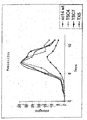
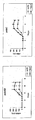
- the TSC03 strain (with two copies of the wild-type pacC gene) is also an overproducer of penicillin compared to strain sC14, although much less than, for example, strain TSC7 with one copy of the wild-type gene and a second copy of the pacC33 allele (Figure 4).
- Strains TX5 , TSC4 and TSC7 are also overproducers of penicillin in a lactose media, where the production levels are approximately double those obtained with sC14 or NRRL 1951 ( Figure 5).
- RNA of the different transformants on different days of the penicillin G production was analysed by the Northern technique with specific probes for the structural genes pcbAB, which encodes for the ACV synthetase, and pcbC, which encodes for the IPNS synthetase, from the penicillin biosynthesis route.
- the quantification with Phosphorimager of the hybridation signals of the membranes allowed us to determine the transcription profiles of these genes in the receiver strain sC14 cultivated in controlled innoculus and shaking conditions. In this strain, the transcripts of these genes were detected on day 3, with a maximum level on days 5 and 6.
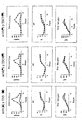
- the genetically altered strain TSC7 increased approximately twice the times on the maximum transcription level of these two genes in comparison with the sC14 strain (Fig. 6).
- this invention describes a new procedure that increases the synthesis of penicillin by the genetic manipulation of a regulating gene, pacC.
- pacC33 a mutant form of this gene is presented in P. chrysogenum , called pacC33, which encodes a protein with a function gain and the sequence of which (SEQ ID NO 2) forms part of this invention.
- promoters for the expression of these mutant forms different from the promoter of the pacC gene, be they conditional or constitutive promoters, is an evident variant of this invention and forms part of the invention.
- the regulating pacC gene controls the synthesis of other secondary metabolites and many extra-cellular enzymes.
- the use of this technology for the construction of genetically altered strains of P. chrysogenum using the strategy described here (or variants) to positively or negatively alter the pacC function in order to increase the synthesis of useful metabolites or extra-cellular enzymes or to prevent the synthesis of undesirable metabolites such as aflatoxins, is covered by this application.
- Example 1 Obtaining mutant strains in the gene that encodes the ATP-sulphurylase.
- the wild-type strain of P. chrysogenum NRRL1951 was obtained from the CBS (Holland).
- CBS CBS
- selenate-resistant mutants we prepared 1.5 x 10 8 spores of this strain on 30 minimum media dishes (Cove, D.J. (1966) The induction and repression of nitrate reductase in the fungus Aspergillus nidulans. Biochim. Biophys . Act 113: 51 - 56) with 10 mM of sodium selenate and 10 g/ml of D-methionine and 1% of glucose and 10 mM of ammonium tartrate, as sources of carbon and nitrogen, respectively.
- the selenate-resistant mutants appeared with a frequency of 1.5 x 10 -7 spores. After purification, the phenotype of the mutants was confirmed by growth trials.
- the selenate-resistant mutants can map in at least two structural genes, sC (ATP-sulphurylase) and sB (sulphate permease).
- the mutants in the sC gene do not grow in a media with choline sulphate as a source of S, a compound that is capable of supplementing the deficiency in the permease, since it enters the cell through a permease other than sulphate/selenate. 7 putative sC mutants were thus identified.
- sC ATP-sulphurylase
- sB sulphate permease
- Example 2. Determination of the sensitivity of P. Chrysogenum NRRL1951 to phleomycin.
- the plasmid pINES1 ( Figure 1A), from which the sC gene of P. chrysogenum was obtained, is a derivative of pBR322 that includes a 1.5 kb fragment of EcoRI-EcoRV with the pyr4 gene of Neurospora crassa and a 6.1 kb EcoRV-sa/1 fragment of the genomic DNA of P. chrysogenum that contains the sC gene.
- Different plasmids were constructed that carry a wild-type allele or a mutant pacC33 allele of the P. chrysogenum pacC gene. The presence of a Kpnl cutting site in a position of the P.
- chrysogenum gene similar to where the transduction termination triplet resulting from the pacC c 14 mutation in A. nidulans is found, allowed us to create a protein truncated at residue 477, with 4 additional residues in its carboxy-terminal before reaching a transduction termination codon (SEQ ID NO 2 and 3).
- the plasmid pPacC33 (Phleo) ( Figure 1B) was constructed using pBluescript II SK + as a base. This vector was digested with EcoRi and Kpnl and, using conventional genetic engineering techniques, we inserted a 3037 pb EcoRI-Kpnl fragment of genomic DNA of P. chrysogenum NRRL1951, which includes 1553 bp of the Pc-pacC promoter and the encoding region of Pc-pacC up to codon 477 inclusive, to give rise to the pPacC33 plasmid.
- the resulting mutant allele (called pacC33, SEQ ID NO 2) encodes for the truncated PacC protein described in SEQ ID NO 3.
- the plasmid pPacC33(sC) ( Figure 1C) was constructed in a similar way to pPacC33 (Phleo), except that in this case we inserted in the BamHI site, instead of the phleomycin-resistant gene, an sC function gene, which was obtained from pINES as a 4.3 kb Bg/II fragment ( Figure 1A).
- the plasmid pPacC(sC) is a derivative of pBS-SK+, in which in the first place we introduced a 7.5 kb EcoRI-Sa/I fragment, which contains the wild-type allele of the pacC gene with the same fragment of the promoter that is present in the pPacC33 (Phleo) and pPacC33(sC) plasmids. Later, the DNA fragment that contains the sC gene was introduced in the same way as in pPacC33(sC).
- Penicillium was conducted using the protocol described for A. nidulans (Tiburn, J. Et al. (1983) Transformation by integration in Aspergillus Nidulans. Gene 26: 205 - 211) with slight modifications.
- the protoplasts were obtained as described in example 2.
- the protoplasts were re-suspended in STC (sorbitol 1M, 10 mM Tris HCl pH 7.5, 10 mM CaCl 2 ), they were washed in the buffer twice and they were re-suspended at a concentration of 1-2 x 10 7 protoplasts in 200 1 of STC.
- the purified transformants were grown to obtain mycelium, from which the DNA was extracted by the Pérez-Esteban method (Pérez Esteban, B. Et al. (1993) Molecular characterisation of a fungal secondary metabolism promoter: transcription of the Aspergillus nidulans isopenicillin N synthetase gene is modulated by upstream negative elements. Mol. Microbiol . 9: 881 - 895).
- This DNA was digested with the EcoRI or Xbal enzymes to determine the number of copies of the plasmid and its integration site in the genome. The digested DNAs were charged in 0.7% agarose gels to separate the restriction fragments, which were transferred to a nitro-cellulose membrane.
- This membrane was incubated for 2 h at 42°, in 50% formamide, 5X Denhart solution, 5X SSC and 0.1% SDS with 50 g/ml of sonicated salmon sperm monocatenary DNA, after which 50 ng of the corresponding probe were added: either the 2.8 kb EcoRI-HindIII fragment that contains the ble gene, or the 4.3 kb Bg/II fragment that contains the sC gene, or a 2.3 kb HindIII-KpnI fragment of P. chrysogenum genomic DNA belonging to the pacC gene, in all cases radioactively marked.
- the hybridisation was carried out for 18 h at 42°.
- the final washing of the filters was for 15 min at 65°C in 0.2X SSC, 0.1% SDS.
- the filters were exposed to self-radiographic film or Phosphorimager for radioactivity detection.
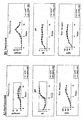
- the pacC gene probe revealed a 4 kb Xbal band in the sC14 wild-type strain that is transformed into two new 6 and 8.3 kb bands in the TSC7 transformant (in which the plasmid PacC33 (sC) is integrated in the pacC locus, Figures 7A and 8A).
- the sC gene probe revealed a 7 kb band that is transformed into two 6.5 and 10.8 kb bands in the TSC4 transformant (pPacC33(sC) integrated in locus sC, Figures 7B and 8B).
- the TX5 transformant obtained with the pPacC33 (Phleo) plasmid, presents, with the pacC gene probe, a 4 kb band, another 10-11 kb band and another close to 9 kb band ( Figures 7C and 8C). This last band is three times more intense that the band from the resident pacC gene and its mobility corresponds to the size of the plasmid, so it was considered that the TX5 merodiploid is a transformant with 3 tandem-integrated copies in an undetermined position of the genome (Figure 8C).
- the TSC03 transformant presents, with the pacC probe, the same 4 kb Xbal band that appears in the sC14 strain and a new 8.3 kb fragment (an internal fragment of the pacC insert of ⁇ 2.2 kb and the vector sequences are not detected in this hybridisation. See Figure 8D).
- Example 6 Production of penicillin in saccharose as a source of carbon
- the selected transformants together with the control strains of NRRL 1951 or its derivative sC14, were grown at 25°C with heavy shaking in a penicillin production media (Cove's media supplemented with 2.5% (w/v) of corn steep solids and 0.12% (w/v) of sodium phenylacetate, and 3% of saccharose or 3% of lactose (both w/v) as the main source of carbon).
- penicillin production media Cove's media supplemented with 2.5% (w/v) of corn steep solids and 0.12% (w/v) of sodium phenylacetate, and 3% of saccharose or 3% of lactose (both w/v) as the main source of carbon).
- inoculation was from a suspension of conidiospores, at an initial concentration of 1-2 x 10 6 spores/ml, using 500 ml flasks with 100 ml of media.
- Figure 2 shows that the level of penicillin production of the sC14 strain is very similar to that of the NRRL 1951 strain from which it is derived, indicating that the mutation does not affect production of the antibiotic.
- the growth of the different strains was very similar as far as the biomass measurement and the evolution of the extracellular pH was concerned.
- the genetically altered TX5, TSC4 and TSC7 strains produced significantly higher levels of penicillin than the sC14 parent strain, both with saccharose ( Figure 3) and with lactose ( Figure 5).
- the TSC03 merodiploid strain (with two copies of the pacC wild-type gene) has a growth that is similar to sC14 (see the evolution of the extracellular pH in figure 4A) and it is also an overproducer of penicillin compared to the sC14 strain ( Figure 4B), although to a much lesser extent that the TX5 , TSC4 and TSC7 strains, which have, in addition to a copy of the wild-type gene, one or more copies of the pacC33 allele (see Figure 4B for a comparison of the levels of penicillin production of TSC03 with those corresponding to TSC7 in saccharose).
- RNA samples were taken from penicillin growth cultures over time (from day 2 to day 10). We extracted the RNA from these mycelium samples using the Lockington method (Lockington, R.A. et al. (1985) Cloning and characterisation of the ethanol utilisation regulon in Aspergillus nidulans. Gene 33: 137 - 149) and 10 ⁇ g of each sample were loaded on 1.2% agarose gels with 18% of formaldehyde in MOPS buffer (40 mM MOPS pH 7.2; 10 mM sodium acetate; 0.4 mM EDTA). The RNAs were transferred to nitro-cellulose membranes which were dried at 80°C to fix the RNA.
- MOPS buffer 40 mM MOPS pH 7.2
- 10 mM sodium acetate 0.4 mM EDTA
Landscapes
- Life Sciences & Earth Sciences (AREA)
- Chemical & Material Sciences (AREA)
- Health & Medical Sciences (AREA)
- Organic Chemistry (AREA)
- Genetics & Genomics (AREA)
- Engineering & Computer Science (AREA)
- Zoology (AREA)
- Wood Science & Technology (AREA)
- General Health & Medical Sciences (AREA)
- General Engineering & Computer Science (AREA)
- Biotechnology (AREA)
- Biochemistry (AREA)
- Bioinformatics & Cheminformatics (AREA)
- Microbiology (AREA)
- Mycology (AREA)
- Biophysics (AREA)
- Molecular Biology (AREA)
- Biomedical Technology (AREA)
- General Chemical & Material Sciences (AREA)
- Chemical Kinetics & Catalysis (AREA)
- Gastroenterology & Hepatology (AREA)
- Medicinal Chemistry (AREA)
- Proteomics, Peptides & Aminoacids (AREA)
- Physics & Mathematics (AREA)
- Plant Pathology (AREA)
- Micro-Organisms Or Cultivation Processes Thereof (AREA)
Abstract
The object of this invention is a procedure for obtaining a genetically altered merodiploid strain of Penicillium chrysogenum in which the activity of a regulating gene that controls penicillin biosynthesis has been altered, so that this strain is an overproducer of penicillin. This invention represents the first case in which the biosynthesis of a metabolite of industrial interest has been increased by the manipulation of a regulating gene, and therefore is a considerable novelty compared with the previously used technologies.
Description
Biotechnology. Genetic engineering of micro-organisms.
Synthesis of antibiotics. Penicillin.
Both Penicillium chrysogenum and the
phylogenetically related fungus Aspergillus nidulans
synthesise benzylpenicillin (penicillin G) from the
same amino acid precursors and phenylacetate. To date,
the production of penicillin has been improved by
genetic engineering in these fungi by, for example:
All these strategies are based on the function
gain (by overexpression) or the inactivation of
structural genes involved in the biosynthesis of
penicillin precursors considered individually. This
invention covers an alternative possibility that had
not been previously explored, which is the manipulation
by genetic engineering of a regulating gene to
simultaneously increase the function of several
structural genes under its control. The advantage is
that is can be generally applied to other secondary
metabolites and does not require the prior
identification of the structural genes the expression
of which is altered in the receiving organism.
In A. nidulans (Espeso, E.A: et al. (1993) pH
regulation is a major determinant in expression of a
fungal penicillin biosynthetic gene. EMBO J. 12:3947-3956)
and P. chrysogenum (Suárez, T and Peñalva, ,M.S.
(1996) Characterisation of a Penicillium chrysogenum
gene encoding a PacC transcription factor and its
binding sites in the divergent pcbAB-pcbC promoter of t
he penicillin biosynthetic cluster. Mol. Microbiol. 20:
529-540), the penicillin biosynthesis route is
positively regulated by the zinc finger protein PacC
(Tilburn, J. Et al. (1995) The Aspergillus PacC zinc
finger transcription factor mediates regulation of both
acid- and alkaline-expressed genes by ambient pH. EMBO
J. 14: 779-790). In A. nidulans, PacC is synthesised in
an inactive way (674 amino acidic residues) and it is
activated by the proteolytic elimination of around 400
amino acids in its carboxy-terminal region. The
resulting protein (approximately 250 residues) is a
transcription factor of the penicillin biosynthesis
genes (Tiburn, J. Et al. (1995) The Aspergillus PacC
zinc finger transcription factor mediates regulation of
both acid- and alkaline-expressed genes by ambient pH.
EMBO J. 14: 779 - 790; Orejas, M. Et al. (1995)
Activation of the Aspergillus PacC transcription factor
in response to alkaline ambient pH requires proteolysis
of the carboxy-terminal moiety. Gene Develop. 9: 1622 -
1632). This proteolytic process is produced in response
to a signal that is transmitted when the environment is
alkaline.
In A. nidulans, mutations (called PacCc) in the
pacC gene that produce a truncation in the carboxy-terminal
region of the protein between amino acids 263
and 574 (considering the ATG codon in position 5 of the
ORF as the main point of transduction initiation) cause
the proteolytic activation of the protein, independent
of the ambient pH, mimic alkaline ambient conditions
and result in a gain in the genic pacC function, so
that, whatever the ambient pH, a high expression is
produced of the genes that should function with an
alkaline pH and a reduced expression of the genes that
should function with an acid pH. The "alkaline" genes,
the expression of which is increased in this genetic
fund, include penicillin biosynthesis route genes.
In A. nidulans, the pacCc mutations behave as
codominants in heterozygotic diploids with a wild-type
pacC+ allele. The behaviour of these mutations in
merodiploid strains with two copies of the pacC gene
(one of them pacCc and the other pacC+) and the rest of
the genome in its normal haploid condition is unknown.
In the industrial organism Penicillium chrysogenum
there is a homologue of the A. nidulans pacC gene
(Suárez, T. And Peñalva, M.A. (1996) Characterisation
of a Penicillium chrysogenum gene encoding a PacC
transcription factor and its binding sites in the
divergent pcbAB-pcbC promoter of the penicillin
biosynthetic cluster. Mol. Micriobiol. 20: 529 - 540).
It is possible that this gene (which we will call Pc-pacC)
positively regulates the biosynthetic route of
penicillin G, in which case an increase in the function
could result in an increase in the levels of production
of this antibiotic. Pc-pacC (GenBank ID U44726) encodes
for a transcription factor (Pc-PacC) that has
approximately 64% of amino acid sequence identity with
its A. nidulans homologue. The sequence of 641 amino
acids deducted for Pc-PacC is shown in SEQ. ID NO 1.
Genetic engineering technology is not very
developed in the industrial organism Penicillium
chrysogenum in relation to the model organism A.
nidulans. It has been shown, for example, that the
genic inactivation of a gene by homologous
recombination with null alleles is highly inefficient
(Peñalva, M.A. et al. (1998) The optimisation of
penicillin biosynthesis in fungi. Trends in
biotechnology 16: 483 - 489).
The object of this invention is the design by
genetic engineering of a genetically altered
merodiploid strain of Penicillium chrysogenum, in which
the activity of a regulating gene that controls
penicillin synthesis has been altered. This invention
is the first case in which penicillin biosynthesis has
been improved by the manipulation of a regulating gene,
and therefore is notably novel in relation to the
technologies previously used.
To avoid the previously mentioned technological
difficulties, this invention refers to the generation
of merodiploid strains that contain, in addition to a
wild-type copy of the pacC gene, one or more additional
copies of a mutant version of the pacC gene that
encodes for a protein truncated at amino acid 477. All
these merodiploid strains are notably overproducers of
penicillin in relation to the original strain and show
high transcription levels of at least two genes of the
biosynthesis of the antibiotic, thus demonstrating the
validity of the approach followed.
A series of merodiploid strains derived from P.
chrysogenum NRRL1951. The wild-type PacC gene of this
strain encodes a protein of 641 amino acids, the
sequence of which is shown on SEQ ID NO 1. In addition
to the wild-type pacC gene, this genetically altered
strains contain one or several copies of pacC33, an
allelic variant of pacC with 481 residues, which
encodes for a normal PacC protein up to residue 477,
after which, because of a change in the reading pattern
that results from truncation, four abnormal amino acids
are added, with which it ends at its carboxy-terminal
end (see SEQ ID NO 3). The sequence of cDNA nucleotides
that this truncated protein encodes is presented in SEQ
ID NO 2). The P. chrysogenum pacC gene has an intron
starting at nucleotide 223 of 56 pb (not included in
SEQ ID NO 2; Suárez, T. and Peñalva, M.A. (1996)
Characterisation of a Penicillium chrysogenum gene
encoding a PacC transcription factor and its binding
sites in the divergent pcbAB-pcbC promoter of the
penicillin biosynthetic cluster. Mol. Microbial. 20:
529 - 540). This truncated protein is designed to
provide a gain in the PacC function, through analogy
with the A. nidulans situation, regardless of the
presence or absence of the signal transduced by the pal
gene route.
The transformation marker used to construct
several of the genetically altered strains was the sC
gene, which encodes for the ATP-sulphurylase enzyme,
which converts the sulphate in adenosine 5'-phosphosulphate.
This conversion is essential for the
use of inorganic sulphate as the only source of sulphur
by P. chrysogenum and other fungi, so that sC mutants
are incapable of growing in a media with sulphate as a
source of sulphur, although they normally do so in a
media supplemented with sources of organic sulphate,
such as L- or D-methionine. The selection of the
transformants in a genetic Sc fund is based on their
capacity to grow in a media with sulphate, which
distinguishes them from the sC parent strain.
The selenate (SeO4 2-) that penetrates in the cells
through the sulphate permease is a toxic compound for
fungi. For example, it inhibits the growth of P.
chrysogenum NRRL1951 at a concentration of 10 mM,
isolating resistant mutants, that can have loss of
function mutations in the sB gene (which encodes for
the sulphate and selenate permease) or in the sC gene.
These two mutant classes are distinguished, for
example, because the sB mutants can grow using choline
sulphate as the only source of sulphur, whereas the SC
mutants do not. Therefore, in the receiving strain,
spontaneously selenate-resistant mutants were selected.
Once the mutant clones are isolated and purified, we
analysed their capacity for growth in different
compounds as a source of sulphur to diagnose the
inactivated gene in each case by the mutation that
created selenate-resistance (H. N. Arst, Jr. (1968)
Genetic analysis of the final steps of sulphate
metabolism in Aspergillus nidulans. Nature 219: 268 -
270).
We thus identified several mutants presumably
affected in the sC gene. We calculated the reversion
frequency of five of these mutants and selected two of
them that reverted with a frequency lower than 2x10⁻⁷.
The functional sC gene of P. chrysogenum present in
the plasmid pINES1 (Figure 1A) complemented the
respective mutations present in these strains, which
confirmed that they were both sC mutants. From these,
we selected the one with the highest transformation
frequency (45 transformations per g of pINES1). The
mutant sC allele from this strain was called sC14. This
strain (sC14), which was used as transformation
receiver, has been deposited in the CECT with number
20327.
We also used as a transformation marker a chimeric
gene in which the phleomycin-resistant bacterial ble
gene (antibiotic to which P. chrysogenum is sensitive)
is expressed under the control of transcription
promoter sequences from the gpdA promoter of A.
Nidulans and the terminator of the Saccharomyces
cerevisiae CYC1 gene. The use of this chimeric gene,
which behaves as a dominant marker for the selection of
transformants in P. Chrysogenum, has been described by
Kolar (Kolar, M. Et al. (1988) Transformation of
Penicillium chrysogenum, using dominant selection
markers and expression of an Escherichia coli lacZ
fusion gene. Gene 62: 127 - 134). Prior experiments
(see Examples) established that a concentration of 1
g/ml of phleomycin was optimum, for the selection of
transformants in the NRRL1951 wild-type strain.
A mutant Pc-pacC gene (SEQ ID NO 2) that encodes
for a truncated protein with 481 amino acids (SEQ ID NO
3) was introduced in the pPhleo and pPcsC vectors to
give rise to the recombinant plasmids pPacC33 (Phleo)
and pPacC33 (sC), respectively (Fig. 1B and C). This
mutant pc-pacC allele was called pacC33 and carries
1550 pb of the promoter region of the Pc-pacC gene
upstream of the ATG transduction initiator. The Pc-pacC
gene promoter is a weak promoter (Suárez, T. And
Peñalva, M. A. (1996) Characterisation of a Penicillium
chrysogenum gene encoding a PacC transcription factor
and its binding sites in the divergent pcbAB-pcbC
promoter of the penicillin biosynthetic cluster. Mol.
Microbiol. 20: 529 - 540). As a control, we constructed
the plasmid pPacC(sC) which is different from
pPacC33(sC) in that it has a Pc-pacC+ allele instead of
pacC33 (see Figure 1D, plasmid map).
The plasmids we introduced by transformation in P.
chrysogenum NRRL1951 (pPacC33(Phleo)) or in its derived
mutant strain sC14 (pPacC33(sC) and pPacC(sC)). After
the selection and purification of the transformants and
the analysis of the situation and number of copies of
the plasmid integrated in the genome by the Southern
technique, the following transformants were selected,
and deposited in the Spanish Collection of Cultures
(CECT) : TX5 (CECT 20328) is a strain of P. chrysogenum
with 3 copies of pPacC33 (Phleo) integrated in tandem
in an undetermined position of the genome. TSC4 (CECT
20329) is a strain of P. chrysogenum with a single copy
of pPacC33(sC) integrated in the sC locus. TSC7 (CECT
20330) is a strain of P. chrysogenum with a single copy
of pPacC33(sC) integrated in the pacC locus. TSC03
(CECT 20331) is a strain of P. chrysogenum with a
single copy of pPacC(sC) integrated in the pacC locus.
All this strains are morphologically indistinguishable
from the wild-type strain NRRL1951.
The merodiploid strains TX5, TSC4 and TSC7 are
overproducers of penicillin G, in comparison with the
NRRL1951 strain and with its mutant strain NRRL1951
sC14 receiver of the altered genes, with which they did
not show differences in growth or in the variance of
the pH of the culture media. The production of
penicillin and growth rate of the sC14 strain and its
parent strainNRRL1951 was very similar, showing that
the sC14 mutation does not affect the production of the
antibiotic (Figure 2). Using saccharose as a source of
carbon (which normally inhibits production of
penicillin G), the merodiploid strains reached, for
example, levels at least 5 times greater than those
obtained from strain sC14 (see detailed description and
Figure 3). The TSC03 strain (with two copies of the
wild-type pacC gene) is also an overproducer of
penicillin compared to strain sC14, although much less
than, for example, strain TSC7 with one copy of the
wild-type gene and a second copy of the pacC33 allele
(Figure 4). These results validate the principles used
in this invention of (i) designing genetically altered
strains with the pacC function increased in order to
overproduce penicillin and (ii) designing pacC
mutations that provide a function gain and behave as
dominants in merodiploids with one copy of the wild-type
pacC gene.
Strains TX5, TSC4 and TSC7 are also overproducers
of penicillin in a lactose media, where the production
levels are approximately double those obtained with
sC14 or NRRL 1951 (Figure 5).
The RNA of the different transformants on
different days of the penicillin G production was
analysed by the Northern technique with specific probes
for the structural genes pcbAB, which encodes for the
ACV synthetase, and pcbC, which encodes for the IPNS
synthetase, from the penicillin biosynthesis route. The
quantification with Phosphorimager of the hybridation
signals of the membranes, allowed us to determine the
transcription profiles of these genes in the receiver
strain sC14 cultivated in controlled innoculus and
shaking conditions. In this strain, the transcripts of
these genes were detected on day 3, with a maximum
level on days 5 and 6. For example, the genetically
altered strain TSC7 increased approximately twice the
times on the maximum transcription level of these two
genes in comparison with the sC14 strain (Fig. 6).
To conclude, this invention describes a new
procedure that increases the synthesis of penicillin by
the genetic manipulation of a regulating gene, pacC.
For the first time, a mutant form of this gene is
presented in P. chrysogenum, called pacC33, which
encodes a protein with a function gain and the sequence
of which (SEQ ID NO 2) forms part of this invention.
This information allows us to develop other
complete or partial mutant forms, both by synthesis of
new DNA sequences and by the isolation and
identification of natural forms, of homologue genes in
other ascomycetes, which encode new proteins with a
function gain in relation to the wild-type protein
PacC, and form part of this invention.
The use of promoters for the expression of these
mutant forms, different from the promoter of the pacC
gene, be they conditional or constitutive promoters, is
an evident variant of this invention and forms part of
the invention.
These results show that genetically altered
merodiploid strains for the pacC gene of P. chrysogenum
that have one wild-type allele and another that is an
altered pacC mutant, are strains that overproduce
penicillin and have high levels of the transcripts of
al least two genes involved in penicillin biosynthesis.
The regulating pacC gene controls the synthesis of
other secondary metabolites and many extra-cellular
enzymes. The use of this technology for the
construction of genetically altered strains of P.
chrysogenum using the strategy described here (or
variants) to positively or negatively alter the pacC
function in order to increase the synthesis of useful
metabolites or extra-cellular enzymes or to prevent the
synthesis of undesirable metabolites such as
aflatoxins, is covered by this application.
The transfer of the technology described in this
application to other fungi of industrial interest such
as, for example, Aspergillus niger or Thricoderma
ressei is evident and covered by this application.
The transfer of this technology to other
ascomycete regulating genes in order to increase the
synthesis of useful metabolites and extra-cellular
enzymes or prevent the synthesis of undesirable
metabolites is also covered by this application.
The wild-type strain of P. chrysogenum NRRL1951 was
obtained from the CBS (Holland). In order to select
selenate-resistant mutants, we prepared 1.5 x 10⁸
spores of this strain on 30 minimum media dishes (Cove,
D.J. (1966) The induction and repression of nitrate
reductase in the fungus Aspergillus nidulans. Biochim.
Biophys. Act 113: 51 - 56) with 10 mM of sodium
selenate and 10 g/ml of D-methionine and 1% of glucose
and 10 mM of ammonium tartrate, as sources of carbon
and nitrogen, respectively. The selenate-resistant
mutants appeared with a frequency of 1.5 x 10⁻⁷ spores.
After purification, the phenotype of the mutants was
confirmed by growth trials.
The selenate-resistant mutants can map in at least
two structural genes, sC (ATP-sulphurylase) and sB
(sulphate permease). The mutants in the sC gene do not
grow in a media with choline sulphate as a source of S,
a compound that is capable of supplementing the
deficiency in the permease, since it enters the cell
through a permease other than sulphate/selenate. 7
putative sC mutants were thus identified. In order to
verify which of them were definitely sC mutants, we
proceeded to test by transformation with the plasmid
pINESI (Fig. 1A) if the mutations could be complemented
by the functional sC gene of P. chrysogenum, by the
selection of the transformants in a media with sulphate
as the only source of S. After these experiments, we
selected the mutant sC14, since it presented the
highest transformation frequency with pINES1 (45
transformants capable of using sulphate/ g of plasmid).
In order to determine the sensitivity to
phleomycin of the NRRL1951 strain, experiments were
conducted with protoplasts in regeneration dishes, in
the selection of transformant conditions. The
protoplasts were obtained after incubating mycelium
grown for 20 h at 25°C in a minimum media (Cove, 1966),
with 30 mg of Novozyma per gram of mycelium (drained
weight) for 2 h at 25°C in a 0.9 M KCl, 10 mM phosphate
pH 5.8 buffer solution. The protoplasts were briefly
shaken in the vortex and centrifuged at 3000g, so that
the protoplasts sedimented on the undigested mycelium,
from which they are distinguishable because of their
whitish colour. 105 feasible NRRL1951 protoplasts were
extended in protoplast regeneration dishes (Cove's
minimum media osmotically stabilised with 1M sorbitol
and 0.M saccharose) that contained 0.05, 0.1, 0.5, 1,
5,10, 20, 40 and 50 g/ml of phleomycin (Cayla,
France). At concentrations higher than 0.5 g/ml of
phleomycin no colony growth was observed after 10 days
of incubation at 25°. We therefore routinely used the
concentration of 1 g/ml of phleomycin in the
transformation experiments in which a selection based
on this antibiotic has been used.
The plasmid pINES1 (Figure 1A), from which the sC
gene of P. chrysogenum was obtained, is a derivative of
pBR322 that includes a 1.5 kb fragment of EcoRI-EcoRV
with the pyr4 gene of Neurospora crassa and a 6.1 kb
EcoRV-sa/1 fragment of the genomic DNA of P.
chrysogenum that contains the sC gene. Different
plasmids were constructed that carry a wild-type allele
or a mutant pacC33 allele of the P. chrysogenum pacC
gene. The presence of a Kpnl cutting site in a position
of the P. chrysogenum gene similar to where the
transduction termination triplet resulting from the
pacCc14 mutation in A. nidulans is found, allowed us to
create a protein truncated at residue 477, with 4
additional residues in its carboxy-terminal before
reaching a transduction termination codon (SEQ ID NO 2
and 3).
The plasmid pPacC33 (Phleo) (Figure 1B) was
constructed using pBluescript II SK+ as a base. This
vector was digested with EcoRi and Kpnl and, using
conventional genetic engineering techniques, we
inserted a 3037 pb EcoRI-Kpnl fragment of genomic DNA
of P. chrysogenum NRRL1951, which includes 1553 bp of
the Pc-pacC promoter and the encoding region of Pc-pacC
up to codon 477 inclusive, to give rise to the pPacC33
plasmid. The resulting mutant allele (called pacC33,
SEQ ID NO 2) encodes for the truncated PacC protein
described in SEQ ID NO 3. In this plasmid we introduced
a chimeric gene consisting on the ble gene of E. coli
under the control of promoter signals and fungal
terminators, which was obtained from the pHS103 plasmid
described by Kolar (Kolar, M. et al. (1988)
Transformation of Penicillium chrysogenum using
dominant selection markers and expression of an
Escherichia coli lacZ fusion gene. Gene 62: 127 - 134)
as a 2.8 kb fragment of EcoRI-HindII, the cohesive ends
of which were filled with the DNA polymerase of T4 to
proceed to its insertion in the only BamHI site, also
converted into blunt by the same method.
The plasmid pPacC33(sC) (Figure 1C) was
constructed in a similar way to pPacC33 (Phleo), except
that in this case we inserted in the BamHI site,
instead of the phleomycin-resistant gene, an sC
function gene, which was obtained from pINES as a 4.3
kb Bg/II fragment (Figure 1A). The plasmid pPacC(sC) is
a derivative of pBS-SK+, in which in the first place we
introduced a 7.5 kb EcoRI-Sa/I fragment, which contains
the wild-type allele of the pacC gene with the same
fragment of the promoter that is present in the pPacC33
(Phleo) and pPacC33(sC) plasmids. Later, the DNA
fragment that contains the sC gene was introduced in
the same way as in pPacC33(sC).
The transformation of Penicillium was conducted
using the protocol described for A. nidulans (Tiburn,
J. Et al. (1983) Transformation by integration in
Aspergillus Nidulans. Gene 26: 205 - 211) with slight
modifications. The protoplasts were obtained as
described in example 2. The protoplasts were re-suspended
in STC (sorbitol 1M, 10 mM Tris HCl pH 7.5,
10 mM CaCl2), they were washed in the buffer twice and
they were re-suspended at a concentration of 1-2 x 10⁷
protoplasts in 200 1 of STC. To each equal part we
added 5 g of circular plasmid (in a volume of less
than 20 1) and 20 1 of PEG 6000 50% (v/v) in STC, and
the mixes were incubated for 20 min in ice. Then 1 ml
of PEG was added to each tube and they were incubated
for 5 min at 25°, 1 ml of STC was added and gently
mixed, and they were centrifuged for 5 min at 12000
rpm. The protoplasts were gently re-suspended in 500 1
of STC and then sedimented by centrifugation. Finally,
they were re-suspended in 200 1 of STC and extended on
osmotically stabilised media dishes (Cove's minimum
media (Cove, D.J. (1966) The induction and repression
of nitrate reductase in the fungus Aspergillus
nidulans. Biochen. Biophys. Act 113: 51 - 56) with 0.1
M saccharose and 1 M sorbitol), after mixing with 3 ml
of the same media with a 0.25% (w/v) of agar. For the
selection based on resistance to phleomycin, the
antibiotic was included in the regeneration media at a
concentration of 1 g/ml. For the selection based on
sC, normal minimum media was used, which contains
sulphate as the only source of sulphur. The dishes were
incubated at 25°C. The colonies capable of growing in
the selective media appeared after 6-7 days, and were
purified in a non-stabilised selective media by the
isolation of individual colonies that had grown from
conidiospores.
The purified transformants were grown to obtain
mycelium, from which the DNA was extracted by the
Pérez-Esteban method (Pérez Esteban, B. Et al. (1993)
Molecular characterisation of a fungal secondary
metabolism promoter: transcription of the Aspergillus
nidulans isopenicillin N synthetase gene is modulated
by upstream negative elements. Mol. Microbiol. 9: 881 -
895). This DNA was digested with the EcoRI or Xbal
enzymes to determine the number of copies of the
plasmid and its integration site in the genome. The
digested DNAs were charged in 0.7% agarose gels to
separate the restriction fragments, which were
transferred to a nitro-cellulose membrane. This
membrane was incubated for 2 h at 42°, in 50%
formamide, 5X Denhart solution, 5X SSC and 0.1% SDS
with 50 g/ml of sonicated salmon sperm monocatenary
DNA, after which 50 ng of the corresponding probe were
added: either the 2.8 kb EcoRI-HindIII fragment that
contains the ble gene, or the 4.3 kb Bg/II fragment
that contains the sC gene, or a 2.3 kb HindIII-KpnI
fragment of P. chrysogenum genomic DNA belonging to the
pacC gene, in all cases radioactively marked. The
hybridisation was carried out for 18 h at 42°. The
final washing of the filters was for 15 min at 65°C in
0.2X SSC, 0.1% SDS. The filters were exposed to self-radiographic
film or Phosphorimager for radioactivity
detection.
For the analysis of the transformants, digestions
with Xbal were used (Figures 7 and 8). The pacC gene
probe revealed a 4 kb Xbal band in the sC14 wild-type
strain that is transformed into two new 6 and 8.3 kb
bands in the TSC7 transformant (in which the plasmid
PacC33 (sC) is integrated in the pacC locus, Figures 7A
and 8A). In the sC14 wild-type strain, the sC gene
probe revealed a 7 kb band that is transformed into two
6.5 and 10.8 kb bands in the TSC4 transformant
(pPacC33(sC) integrated in locus sC, Figures 7B and
8B). The TX5 transformant, obtained with the pPacC33
(Phleo) plasmid, presents, with the pacC gene probe, a
4 kb band, another 10-11 kb band and another close to 9
kb band (Figures 7C and 8C). This last band is three
times more intense that the band from the resident pacC
gene and its mobility corresponds to the size of the
plasmid, so it was considered that the TX5 merodiploid
is a transformant with 3 tandem-integrated copies in an
undetermined position of the genome (Figure 8C). In a
similar analysis, the TSC03 transformant (Figures 7D
and 8D) presents, with the pacC probe, the same 4 kb
Xbal band that appears in the sC14 strain and a new 8.3
kb fragment (an internal fragment of the pacC insert of
~ 2.2 kb and the vector sequences are not detected in
this hybridisation. See Figure 8D).
The selected transformants, together with the
control strains of NRRL 1951 or its derivative sC14,
were grown at 25°C with heavy shaking in a penicillin
production media (Cove's media supplemented with 2.5%
(w/v) of corn steep solids and 0.12% (w/v) of sodium
phenylacetate, and 3% of saccharose or 3% of lactose
(both w/v) as the main source of carbon). In all cases
inoculation was from a suspension of conidiospores, at
an initial concentration of 1-2 x 10⁶ spores/ml, using
500 ml flasks with 100 ml of media. Media samples were
taken at different times after inoculation, in which
the amount of penicillin produced was measured using a
biotest with Serratia marcescens. 1 cm diameter
matrices were excavated in solid Antibiotic-1 Medium
(DIFCO), which included a diluted suspension of the
bacteria (at an O.D600 of 0.0075). 100 µl of an
appropriate supernatant solution was introduced into
these matrices. The dishes were incubated for 20 h at
37°, after which the bacterial growth inhibition halo
was measured and the amount of penicillin was
calculated by comparison with the halos produced by
different dilutions of a standard sodium penicillin G
solution.
Figure 2 shows that the level of penicillin
production of the sC14 strain is very similar to that
of the NRRL 1951 strain from which it is derived,
indicating that the mutation does not affect production
of the antibiotic. In a medium with saccharose or
lactose as the main source of carbon, the growth of the
different strains was very similar as far as the
biomass measurement and the evolution of the
extracellular pH was concerned. However, the
genetically altered TX5, TSC4 and TSC7 strains produced
significantly higher levels of penicillin than the sC14
parent strain, both with saccharose (Figure 3) and with
lactose (Figure 5). In the first case, the increase in
production was 4.5 times approximately, whereas in
lactose, the production levels were approximately twice
those obtained with sC14 or NRRL1951 (Figure 5). The
TSC03 merodiploid strain (with two copies of the pacC
wild-type gene) has a growth that is similar to sC14
(see the evolution of the extracellular pH in figure
4A) and it is also an overproducer of penicillin
compared to the sC14 strain (Figure 4B), although to a
much lesser extent that the TX5, TSC4 and TSC7 strains,
which have, in addition to a copy of the wild-type
gene, one or more copies of the pacC33 allele (see
Figure 4B for a comparison of the levels of penicillin
production of TSC03 with those corresponding to TSC7 in
saccharose).
Mycelium samples were taken from penicillin growth
cultures over time (from day 2 to day 10). We extracted
the RNA from these mycelium samples using the
Lockington method (Lockington, R.A. et al. (1985)
Cloning and characterisation of the ethanol utilisation
regulon in Aspergillus nidulans. Gene 33: 137 - 149)
and 10 µg of each sample were loaded on 1.2% agarose
gels with 18% of formaldehyde in MOPS buffer (40 mM
MOPS pH 7.2; 10 mM sodium acetate; 0.4 mM EDTA). The
RNAs were transferred to nitro-cellulose membranes
which were dried at 80°C to fix the RNA. These
membranes were hybridised with probes that allowed us
to detect the following genes: pacC (internal 1.3 kb
HindIII-KpnI fragment); pcbC (internal 0.9 kb NcoL-BamHI
fragment); pcbAB (2.4 kb EcoRi fragment) and the
955 bp NcoI-BamHI fragment of the acnA gene of A.
nidulans which encodes for actin, and which was used to
control the homogeneousness of the load between the
different samples. The hybridisation conditions were
identical to those described in example 5, except that
the amount of probe added was 100 ng. The final wash
was in the same buffer, but at 42°C. In all the
Northern experiments a lane with 10 µg of mRNA obtained
from a mycelium of the sC14 strain grown for 39 h in a
penicillin production medium with 3% of lactose was
included in the gel. All the nitro-cellulose membranes,
after washing, were exposed for 15-18 h to a
Phosphorimager screen sensitive to β emission of the
P32. These screens were later read on a Phosphorimager
(Molecular Dynamics) and the hybridisation signals were
quantified using the ImageQuant software from the same
company. In addition to hybridising the membranes with
probes that reveal the problem transcripts, all the
membranes were hybridised with a probe that reveals the
mRNA of actin. The quantifications of the bands
revealed with the pcbC, pcbAB and pacC probes were
normalised with the intensity obtained on the actin
band in each lane. All these quotients for a given gene
of a single membrane were normalised to the common lane
value (sample of the RNA of the mycelium of the sC14
strain grown in lactose for 39 h(, in order to compare
the intensity measurements of different membranes.
These measurements, with their standard deviation,
appear in Figure 6, for the pcbAB and pcbC messenger
RNAs.


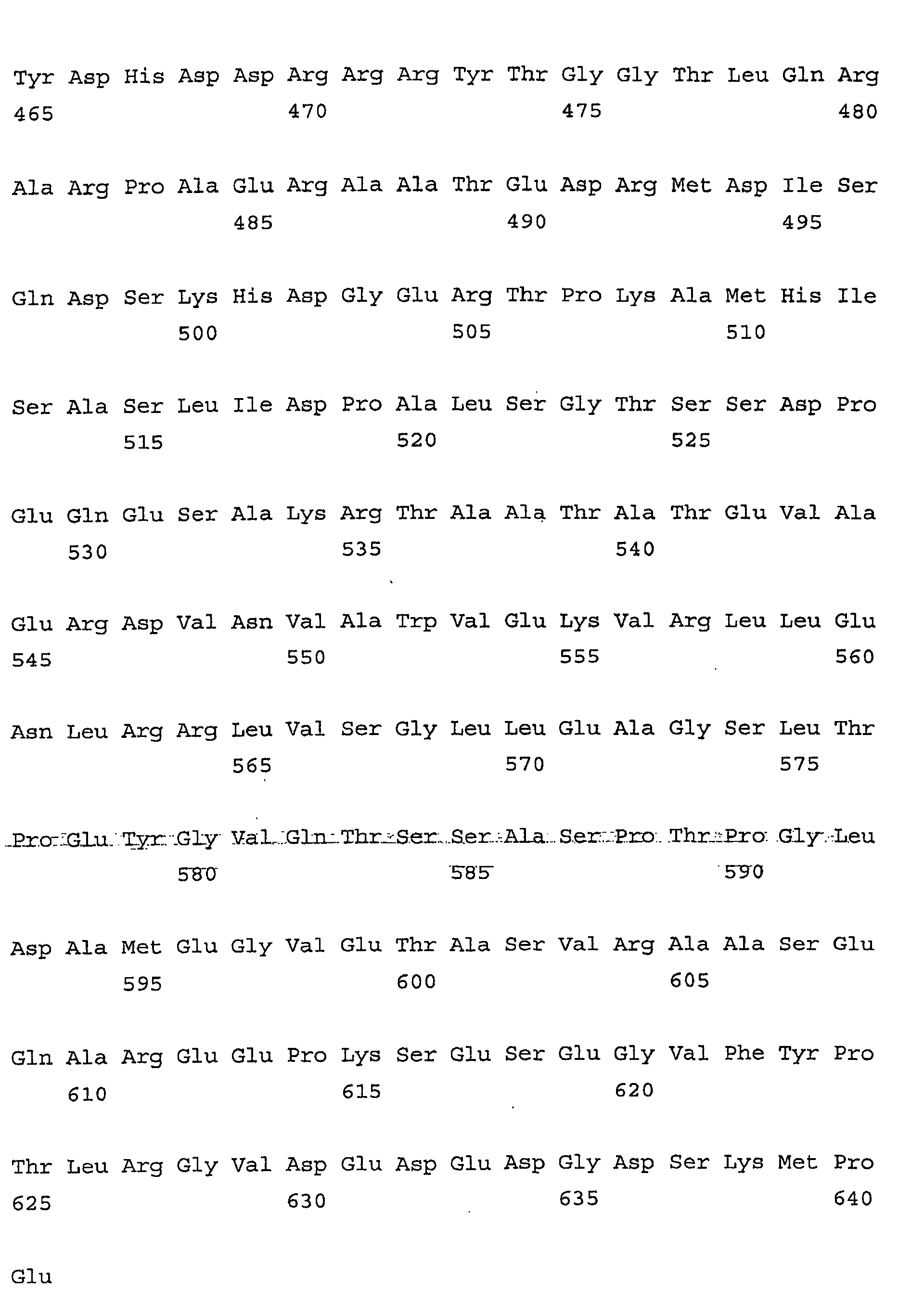


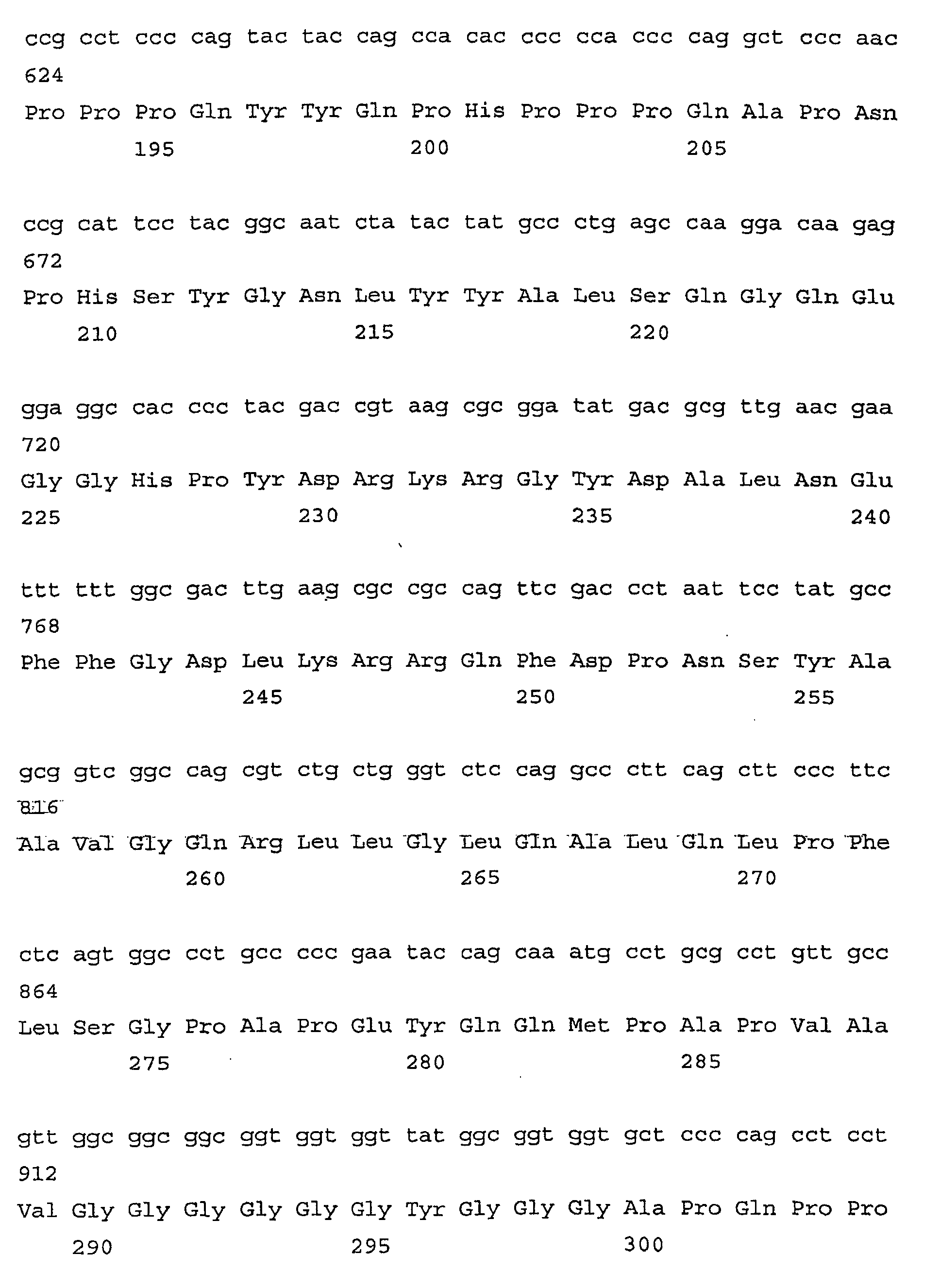

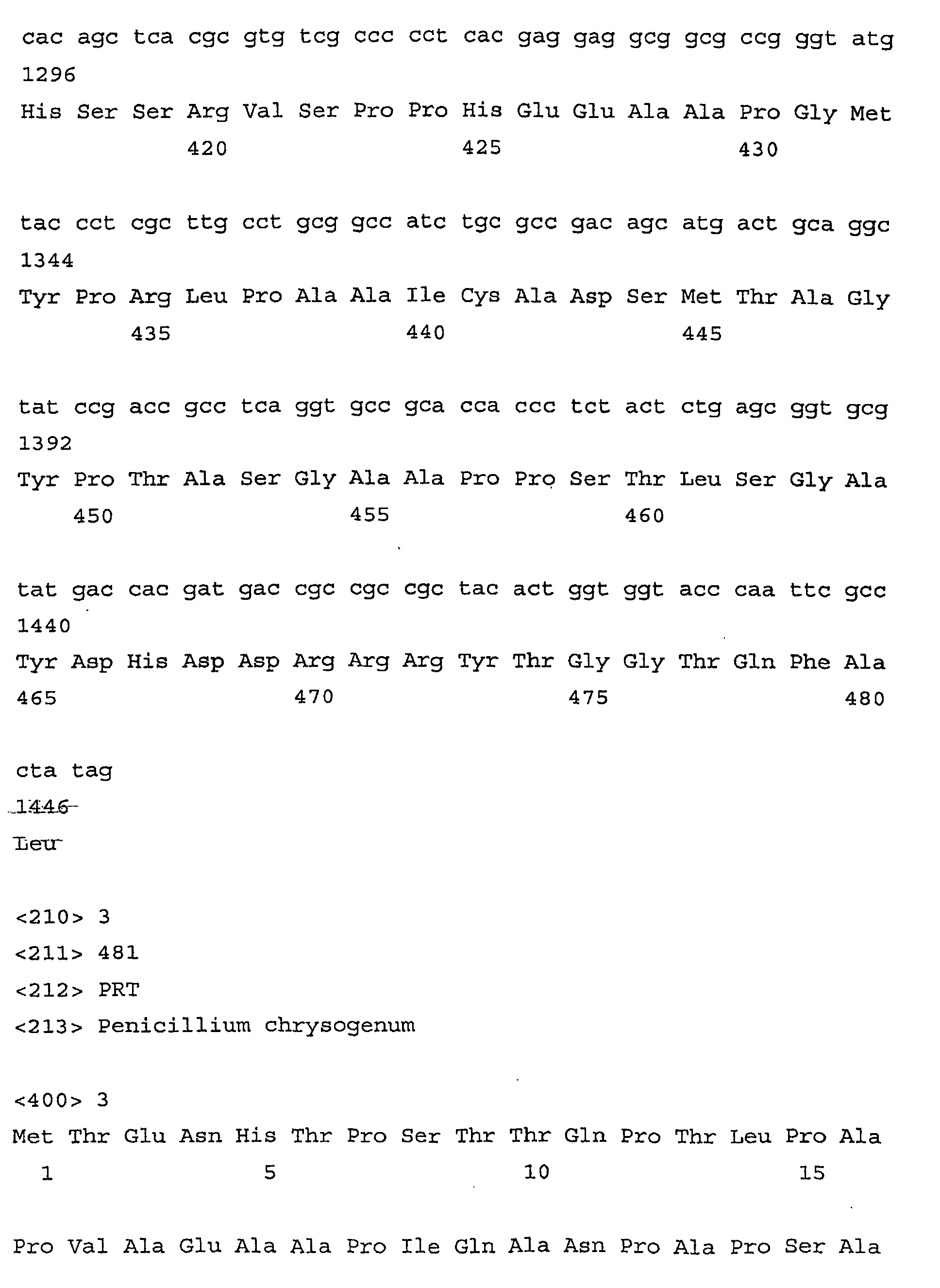
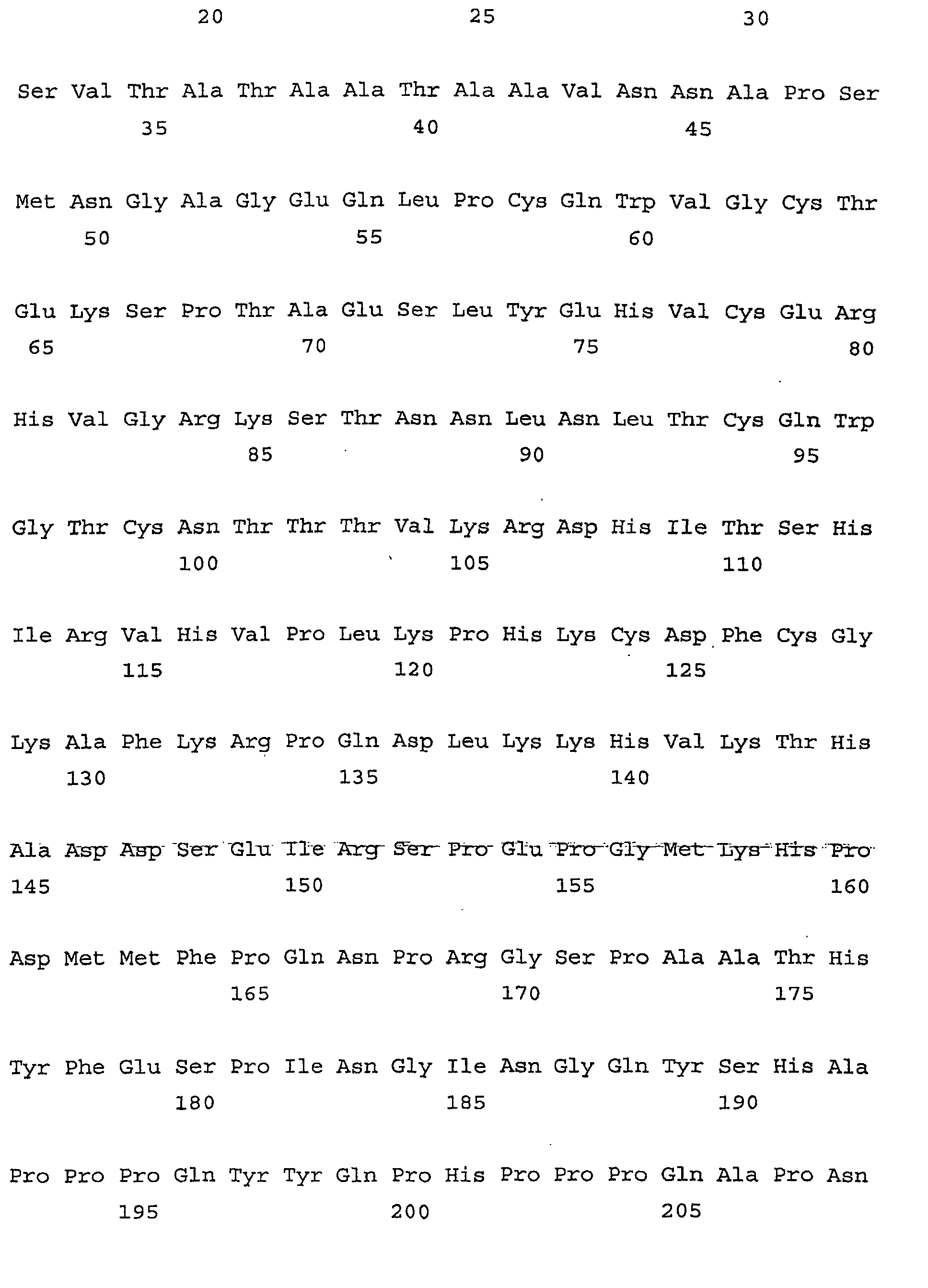

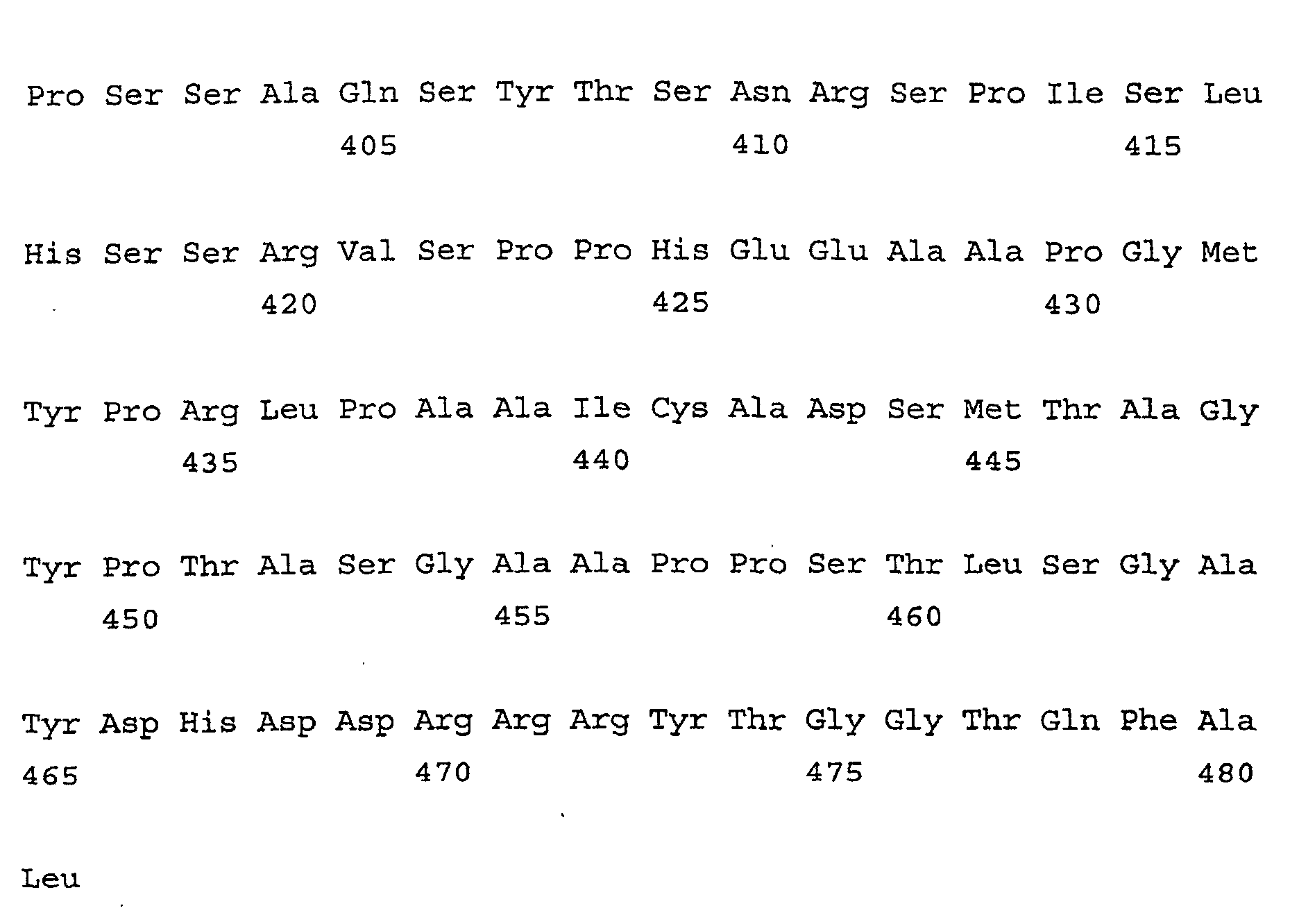
Claims (29)
- Procedure for obtaining genetically altered strains of filamentous fungi characterised in that:a) the genetically altered strains are merodiploids for a regulating gene,b) it is based on the transformation of these strains with an integrating plasmid that includes a sequence of nucleotides that corresponds to a dominant or co-dominant wild-type or mutant allele of the this regulating gene, and in thatc) these strains present new function-gain or -loss capacities in the production of metabolites or extracellular enzymes.
- Procedure according to claim 1, characterised in that there is a function gain of the regulating gene.
- Procedure according to claim 1, characterised in that there is a function loss of the regulating gene.
- Procedure according to any of claims 1 to 3, characterised in that the production of a secondary metabolite is increased.
- Procedure according to any of claims 1 to 4, characterised in that the secondary metabolite is a penicillin or any other beta-lactamic antibiotic produced by filamentous fungi.
- Procedure according to any of claims 1 to 5, characterised in that the sequence of nucleotides can be a genomic or DNAc version of the regulating gene, obtained by synthesis or selection.
- A genetically altered merodiploid strain obtained by a procedure according to any of claims 1 to 6, where the filamentous fungus belongs to the group of ascomycetes of economic or medical interest, although it is not restricted to these, such as Penicillium chrysogenum, Apersgillus niger, Aspergillus nidulans, Thricoderma ressei and Candida albicans.
- Sequence of nucleotides according to claim 1, characterised in that it represents an allele of the pacC regulating gene of Penicillium chrysogenum and encodes for a mutant protein with a function gain.
- Sequence of nucleotides 'according to claim 1, characterised in that it represents an allele of the pacC regulating gene of Penicillium chrysogenum and encodes for a mutant protein with a function loss.
- Sequence of nucleotides according to claim 8, characterised in that it consists of SEQ ID NO 2 and it is the pacC33 allele of the pacC regulating gene.
- Sequence of nucleotides characterised in that it presents an identity of at least 30% with the sequence according to any of claims 8 to 10.
- Plasmid according to claim 1, characterised in that it contains a sequence of nucleotides according to any of claims 8 to 11 and all the elements required to promote the expression of the regulating gene that corresponds to that sequence.
- Plasmid according to claim 12, characterised in that the selective marker is the P. chrysogenum sC gene.
- Plasmid according to claim 12, characterised in that the selective marker is the sC gene of others Peniciliia, A. nidulans and other Aspergilli and other filamentous or yeast-type ascomycetes.
- Plasmid according to claim 12, characterised in that it presents the identifying features of the pPacC33 plasmid.
- Plasmid according to claim 12, characterised in that it presents the identifying features of pPacC22(sC).
- Plasmid according to claim 12, characterised in that it presents the identifying features of pPacC33(Phleo) of this invention.
- Plasmid according to claim 12, characterised in that it includes a sequence of nucleotides that encodes for any function gain or loss allele of the P. chrysogenum pacC gene.
- Plasmid according to claim 12, characterised in that it includes the sequence of nucleotides that encodes for any function gain or loss allele of the pacC regulating gene of other Penicillia, other Aspergilli and other filamentous or yeast-type ascomycetes.
- Plasmid according to claim 1, characterised in that it contains the sequence of nucleotides of the wild type of the pacC regulating gene of P. chrysogenum.
- Plasmid according to claim 20, characterised by the identifying features of the pPacC(sC) plasmid.
- Plasmid according to claim 1, characterised in that it contains the sequence of nucleotides of the wild type of the pacC regulating gene of other Penicillia, other Aspergilli and other filamentous or yeast-type ascomycetes.
- Genetically altered merodiploid strain according to claim 7, characterised in that it contains a plasmid that includes a wild-type or mutant allele of the pacC regulating gene.
- Genetically altered merodiploid strain according to claim 23, characterised in that the mutant allele of the pacC gene is a function-gain allele.
- Genetically altered merodiploid strain according to claim 23, characterised in that the mutant allele of the pacC gene is a function-loss allele.
- Genetically altered merodiploid strain according to any of claims 7 and 23 to 25, characterised in that it contains a plasmid according to any of claims 12 to 22.
- Genetically altered merodiploid strains according to claim 26, characterised in that they present the identifying features of the P. chrysogenum strains registered in the CECT with numbers 20328, 20329, 20330 and 20331.
- Use of the genetically altered merodiploid strains according to claim 7, for the production of metabolites and extracellular proteins of industrial interest.
- Use of the genetically altered strains according to any of claims 23 to 27 for the production of penicillin.
Applications Claiming Priority (4)
| Application Number | Priority Date | Filing Date | Title |
|---|---|---|---|
| ES9902706 | 1999-12-10 | ||
| ES009902706A ES2164574B1 (en) | 1999-12-10 | 1999-12-10 | IMPROVEMENT OF PENICILLIN PRODUCTION THROUGH THE USE OF MERODIPLOID TRANSGENIC BREEDS FOR A REGULATORY GENE. |
| PCT/ES2000/000464 WO2001042426A1 (en) | 1999-12-10 | 2000-12-07 | Penicillin production using transgenic merodiploid strains |
| US10/233,584 US20040043491A1 (en) | 1999-12-10 | 2002-09-04 | Penicillin production using transgenic merodiploid strains |
Publications (1)
| Publication Number | Publication Date |
|---|---|
| EP1243645A1 true EP1243645A1 (en) | 2002-09-25 |
Family
ID=32683870
Family Applications (1)
| Application Number | Title | Priority Date | Filing Date |
|---|---|---|---|
| EP00981387A Withdrawn EP1243645A1 (en) | 1999-12-10 | 2000-12-07 | Penicillin production using transgenic merodiploid strains |
Country Status (5)
| Country | Link |
|---|---|
| US (1) | US20040043491A1 (en) |
| EP (1) | EP1243645A1 (en) |
| AU (1) | AU1864601A (en) |
| ES (1) | ES2164574B1 (en) |
| WO (1) | WO2001042426A1 (en) |
Families Citing this family (2)
| Publication number | Priority date | Publication date | Assignee | Title |
|---|---|---|---|---|
| US6949356B1 (en) | 1999-10-20 | 2005-09-27 | Microbia, Inc. | Methods for improving secondary metabolite production in fungi |
| ITMI20040016A1 (en) * | 2004-01-12 | 2004-04-12 | Antibiotics S P A | CEPHALOSPORIN C ACYLASE |
Family Cites Families (3)
| Publication number | Priority date | Publication date | Assignee | Title |
|---|---|---|---|---|
| ES2094088B1 (en) * | 1994-05-04 | 1997-09-01 | Antibioticos Sa | IDENTIFICATION, CLONING AND USE OF A REGION OF AMPLIFIED DNA IN PENICILLIN SUPERPRODUCING STRAINS OF P. CHRYSOGENUM. |
| KR20010032246A (en) * | 1997-11-19 | 2001-04-16 | 추후제출 | Chimeric pre-activated transcription factors |
| CN1268746C (en) * | 1999-02-02 | 2006-08-09 | 诺沃奇梅兹有限公司 | Methods for producing polypeptides in fungal cells |
-
1999
- 1999-12-10 ES ES009902706A patent/ES2164574B1/en not_active Expired - Fee Related
-
2000
- 2000-12-07 AU AU18646/01A patent/AU1864601A/en not_active Abandoned
- 2000-12-07 EP EP00981387A patent/EP1243645A1/en not_active Withdrawn
- 2000-12-07 WO PCT/ES2000/000464 patent/WO2001042426A1/en not_active Ceased
-
2002
- 2002-09-04 US US10/233,584 patent/US20040043491A1/en not_active Abandoned
Non-Patent Citations (1)
| Title |
|---|
| See references of WO0142426A1 * |
Also Published As
| Publication number | Publication date |
|---|---|
| US20040043491A1 (en) | 2004-03-04 |
| ES2164574B1 (en) | 2003-05-16 |
| AU1864601A (en) | 2001-06-18 |
| ES2164574A1 (en) | 2002-02-16 |
| WO2001042426A1 (en) | 2001-06-14 |
Similar Documents
| Publication | Publication Date | Title |
|---|---|---|
| Kosalková et al. | The global regulator LaeA controls penicillin biosynthesis, pigmentation and sporulation, but not roquefortine C synthesis in Penicillium chrysogenum | |
| Kopke et al. | Members of the Penicillium chrysogenum velvet complex play functionally opposing roles in the regulation of penicillin biosynthesis and conidiation | |
| Kennedy et al. | δ-(L-α-Aminoadipyl)-L-cysteinyl-D-valine synthetase is a rate limiting enzyme for penicillin production in Aspergillus nidulans | |
| Hoffmann et al. | c‐Jun and RACK1 homologues regulate a control point for sexual development in Aspergillus nidulans | |
| Mayorga et al. | Isolation and molecular characterization of the Aspergillus nidulans wA gene. | |
| EP0758020A2 (en) | The use of homologous amdS genes as selectable markers | |
| Fierro et al. | Transcriptional and bioinformatic analysis of the 56.8 kb DNA region amplified in tandem repeats containing the penicillin gene cluster in Penicillium chrysogenum | |
| Cantoral et al. | Biochemical characterization and molecular genetics of nine mutants of Penicillium chrysogenum impaired in penicillin biosynthesis. | |
| EP0357119B1 (en) | A method for enhancing production of secondary metabolites using clustered biosynthetic genes | |
| Fernández-Cañón et al. | Overexpression of two penicillin structural genes in Aspergillus nidulans | |
| Whitehead et al. | Transformation of a nitrate reductase deficient mutant of Penicillium chrysogenum with the corresponding Aspergillus niger and A. nidulans nia D genes | |
| Ullán et al. | Characterization of a novel peroxisome membrane protein essential for conversion of isopenicillin N into cephalosporin C | |
| US5108918A (en) | Method for identifying and using biosynthetic genes for enhanced production of secondary metabolites | |
| Kolar et al. | Molecular characterization and functional analysis in Aspergillus nidulans of the 5′-region of the Penicillium chrysogenum isopenicillin N synthetase gene | |
| Rodríguez-Sáiz et al. | Why did the Fleming strain fail in penicillin industry? | |
| EP0354624A2 (en) | A method for identifying and using biosynthetic or regulatory genes for enhanced production of secondary metabolites | |
| US20040043491A1 (en) | Penicillin production using transgenic merodiploid strains | |
| US9506072B2 (en) | Regulated gene expression systems and constructs thereof | |
| KR20000065202A (en) | Gene glutamic acid dehydrogenase, βNacetylhexosaminidase, γactin promoter and its filamentous fungal expression, secretion and use in antisense system | |
| Sone et al. | The frost gene of Neurospora crassa is a homolog of yeast cdc1 and affects hyphal branching via manganese homeostasis | |
| Zhou et al. | Isolation and analysis of fluP, a gene associated with hyphal growth and sporulation in Aspergillus parasiticus | |
| Watanabe et al. | A phosphonate-induced gene which promotes Penicillium-mediated bioconversion of cis-propenylphosphonic acid to fosfomycin | |
| EP0549062A2 (en) | A eukaryotic expression system | |
| EP0983368B1 (en) | Cloning of udp-galactose epimerase | |
| US9309295B1 (en) | Genetically modified filamentous fungi and uses thereof |
Legal Events
| Date | Code | Title | Description |
|---|---|---|---|
| PUAI | Public reference made under article 153(3) epc to a published international application that has entered the european phase |
Free format text: ORIGINAL CODE: 0009012 |
|
| 17P | Request for examination filed |
Effective date: 20020624 |
|
| AK | Designated contracting states |
Kind code of ref document: A1 Designated state(s): AT BE CH CY DE DK ES FI FR GB GR IE IT LI LU MC NL PT SE TR |
|
| AX | Request for extension of the european patent |
Free format text: AL;LT;LV;MK;RO;SI |
|
| STAA | Information on the status of an ep patent application or granted ep patent |
Free format text: STATUS: THE APPLICATION IS DEEMED TO BE WITHDRAWN |
|
| 18D | Application deemed to be withdrawn |
Effective date: 20040701 |