EP1235407A2 - A method of media streaming based on a protocol for wireless devices - Google Patents
A method of media streaming based on a protocol for wireless devices Download PDFInfo
- Publication number
- EP1235407A2 EP1235407A2 EP02003281A EP02003281A EP1235407A2 EP 1235407 A2 EP1235407 A2 EP 1235407A2 EP 02003281 A EP02003281 A EP 02003281A EP 02003281 A EP02003281 A EP 02003281A EP 1235407 A2 EP1235407 A2 EP 1235407A2
- Authority
- EP
- European Patent Office
- Prior art keywords
- client
- server
- connection
- computer
- command
- Prior art date
- Legal status (The legal status is an assumption and is not a legal conclusion. Google has not performed a legal analysis and makes no representation as to the accuracy of the status listed.)
- Withdrawn
Links
Images






Classifications
-
- H—ELECTRICITY
- H04—ELECTRIC COMMUNICATION TECHNIQUE
- H04L—TRANSMISSION OF DIGITAL INFORMATION, e.g. TELEGRAPHIC COMMUNICATION
- H04L67/00—Network arrangements or protocols for supporting network services or applications
- H04L67/14—Session management
-
- H—ELECTRICITY
- H04—ELECTRIC COMMUNICATION TECHNIQUE
- H04L—TRANSMISSION OF DIGITAL INFORMATION, e.g. TELEGRAPHIC COMMUNICATION
- H04L65/00—Network arrangements, protocols or services for supporting real-time applications in data packet communication
- H04L65/60—Network streaming of media packets
- H04L65/61—Network streaming of media packets for supporting one-way streaming services, e.g. Internet radio
-
- H—ELECTRICITY
- H04—ELECTRIC COMMUNICATION TECHNIQUE
- H04L—TRANSMISSION OF DIGITAL INFORMATION, e.g. TELEGRAPHIC COMMUNICATION
- H04L67/00—Network arrangements or protocols for supporting network services or applications
- H04L67/01—Protocols
- H04L67/02—Protocols based on web technology, e.g. hypertext transfer protocol [HTTP]
-
- H—ELECTRICITY
- H04—ELECTRIC COMMUNICATION TECHNIQUE
- H04L—TRANSMISSION OF DIGITAL INFORMATION, e.g. TELEGRAPHIC COMMUNICATION
- H04L67/00—Network arrangements or protocols for supporting network services or applications
- H04L67/01—Protocols
- H04L67/04—Protocols specially adapted for terminals or networks with limited capabilities; specially adapted for terminal portability
-
- H—ELECTRICITY
- H04—ELECTRIC COMMUNICATION TECHNIQUE
- H04L—TRANSMISSION OF DIGITAL INFORMATION, e.g. TELEGRAPHIC COMMUNICATION
- H04L9/00—Cryptographic mechanisms or cryptographic arrangements for secret or secure communications; Network security protocols
- H04L9/40—Network security protocols
-
- H—ELECTRICITY
- H04—ELECTRIC COMMUNICATION TECHNIQUE
- H04L—TRANSMISSION OF DIGITAL INFORMATION, e.g. TELEGRAPHIC COMMUNICATION
- H04L63/00—Network architectures or network communication protocols for network security
- H04L63/08—Network architectures or network communication protocols for network security for authentication of entities
- H04L63/083—Network architectures or network communication protocols for network security for authentication of entities using passwords
-
- H—ELECTRICITY
- H04—ELECTRIC COMMUNICATION TECHNIQUE
- H04L—TRANSMISSION OF DIGITAL INFORMATION, e.g. TELEGRAPHIC COMMUNICATION
- H04L65/00—Network arrangements, protocols or services for supporting real-time applications in data packet communication
- H04L65/1066—Session management
- H04L65/1101—Session protocols
-
- H—ELECTRICITY
- H04—ELECTRIC COMMUNICATION TECHNIQUE
- H04L—TRANSMISSION OF DIGITAL INFORMATION, e.g. TELEGRAPHIC COMMUNICATION
- H04L67/00—Network arrangements or protocols for supporting network services or applications
- H04L67/01—Protocols
-
- H—ELECTRICITY
- H04—ELECTRIC COMMUNICATION TECHNIQUE
- H04L—TRANSMISSION OF DIGITAL INFORMATION, e.g. TELEGRAPHIC COMMUNICATION
- H04L67/00—Network arrangements or protocols for supporting network services or applications
- H04L67/01—Protocols
- H04L67/10—Protocols in which an application is distributed across nodes in the network
- H04L67/1095—Replication or mirroring of data, e.g. scheduling or transport for data synchronisation between network nodes
-
- H—ELECTRICITY
- H04—ELECTRIC COMMUNICATION TECHNIQUE
- H04L—TRANSMISSION OF DIGITAL INFORMATION, e.g. TELEGRAPHIC COMMUNICATION
- H04L69/00—Network arrangements, protocols or services independent of the application payload and not provided for in the other groups of this subclass
- H04L69/30—Definitions, standards or architectural aspects of layered protocol stacks
- H04L69/32—Architecture of open systems interconnection [OSI] 7-layer type protocol stacks, e.g. the interfaces between the data link level and the physical level
- H04L69/322—Intralayer communication protocols among peer entities or protocol data unit [PDU] definitions
- H04L69/327—Intralayer communication protocols among peer entities or protocol data unit [PDU] definitions in the session layer [OSI layer 5]
-
- H—ELECTRICITY
- H04—ELECTRIC COMMUNICATION TECHNIQUE
- H04L—TRANSMISSION OF DIGITAL INFORMATION, e.g. TELEGRAPHIC COMMUNICATION
- H04L69/00—Network arrangements, protocols or services independent of the application payload and not provided for in the other groups of this subclass
- H04L69/30—Definitions, standards or architectural aspects of layered protocol stacks
- H04L69/32—Architecture of open systems interconnection [OSI] 7-layer type protocol stacks, e.g. the interfaces between the data link level and the physical level
- H04L69/322—Intralayer communication protocols among peer entities or protocol data unit [PDU] definitions
- H04L69/329—Intralayer communication protocols among peer entities or protocol data unit [PDU] definitions in the application layer [OSI layer 7]
-
- H—ELECTRICITY
- H04—ELECTRIC COMMUNICATION TECHNIQUE
- H04W—WIRELESS COMMUNICATION NETWORKS
- H04W4/00—Services specially adapted for wireless communication networks; Facilities therefor
-
- H—ELECTRICITY
- H04—ELECTRIC COMMUNICATION TECHNIQUE
- H04W—WIRELESS COMMUNICATION NETWORKS
- H04W76/00—Connection management
- H04W76/10—Connection setup
Definitions
- the present invention relates to the field of transferring data to and from wireless devices.
- Sun, Sun Microsystems, the Sun logo, Solaris and all Java-based trademarks and logos are trademarks or registered trademarks of Sun Microsystems, Inc. in the United States and other countries. All SPARC trademarks are used under license and are trademarks of SPARC International, Inc. in the United States and other countries. Products bearing SPARC trademarks are based upon an architecture developed by Sun Microsystems, Inc.
- Small computing devices such as Personal Digital Assistants (PDAs) are becoming increasingly popular.
- PDAs Personal Digital Assistants
- One of the advantages of small computing devices is their portability and their ability to interact with, and share data with, a desktop computing system.
- computing resources such as memory and processing power, may be limited.
- current wireless networks suffer from low bandwidth, and high latencies. These can be a problem in implementing protocols for transferring files between a desktop environment and the small device, particularly in a wireless environment. This problem can be better understood by reviewing PDAs and file transfer protocols.
- a PDA is a small computer-like device, usually no larger than the palm of a human hand, which typically has a base housing with an input mechanism mounted on its topside, and a miniature display screen for output.
- Figure 1 is an illustration of one embodiment of a personal digital assistant.
- the PDA (100) shown in Figure 1 is manufactured by PalmTM.
- the PDA has a base housing (160) with input mechanisms mounted on its topside, and a miniature display screen (110) for output.
- the base housing of the PDA contains a small microprocessor, data storage and memory areas, a storage battery, and other various miniature electronic components. The electronic components and other features vary depending on the model, make, and manufacturer of the PDA.
- the PDA is activated and de-activated by accessing the power button (150).
- PDA output may take the form of either graphic and/or textual images presented to users on the miniature display screen, or may be presented to users in the form of sound. Additionally, some PDAs can package information for output through cable or wireless networks. Thus, data is transmitted to a general purpose computer. Likewise, data transfers from general purpose computers to PDAs via the same mechanism.
- the input mechanism may be, for example, a miniature keyboard (not shown).
- the miniature display screen may act as both an input and output mechanism.
- the user inputs the data via a pen-like stylus or other writing implement (not shown) directly on the display screen. This could take the form of handwriting, or highlighting certain specific areas on the display screen such as buttons, icons, or captions.
- the bottom portion (120) of the display screen is where the user provides input using the pen-like stylus.
- Additional mechanisms for user input include a scroll button (130) and application buttons (140).
- PDAs also contain an operating system and other programs, such as word processing, spreadsheet, e-mail, calendar, memo list, stylus pen applications, and other related applications.
- word processing such as word processing, spreadsheet, e-mail, calendar, memo list, stylus pen applications, and other related applications.
- PDAs desktop general-purpose computers
- Many users find that for simple computing tasks during trips and other periods of being away from their larger computer devices, the bulk and computing power of even a compact notebook computer are simply not needed.
- PDA popularity also stems from the fact that they can communicate with most popular desktop applications like spreadsheet programs, word processing programs and e-mail. Thus, transfer of data between PDAs and general purpose desktop computers is possible.
- FIG. 2 illustrates one mechanism by which a user transfers data from a desktop CPU (200) to a PDA (210), or vice versa.
- the desktop CPU couples to the PDA carriage (220) via a connecting line (230).
- the connecting line represents a conduit.
- a conduit provides a two-way data communication coupling via a desktop CPU to a PDA.
- the conduit represents a cable connection
- ISDN integrated services digital network
- the conduit provides a data communication connection to the corresponding type of telephone line.
- wireless links are available to the present invention.
- the conduit sends and receives electrical, electromagnetic or optical signals, which carry digital data streams representing various types of information.
- a user inserts the PDA into the carriage in the direction generally indicated by the black arrow (240). Thereafter, data is passed bi-directionally across the conduit to achieve the result of transferring data between a PDA and a desktop general purpose computer.
- PDA's are often used to access data and service via wireless connections.
- PDAs have less memory and processing resources than desktop general purpose computers.
- conservation of memory and storage space, and implementing simple protocols is a main concern when designing programs for use on PDAs. If protocols are too complex, they may tax both the processing resources and memory capabilities of the PDA.
- HTML Hypertext Markup Language
- XML Extensible Markup Language
- protocols like Hyper Text Transfer Protocol (HTTP), Transmission Control Protocol/Internet Protocol (TCP/IP), Infrared Data Association (IrDA), or Bluetooth, for example.
- HTTP Hyper Text Transfer Protocol
- TCP/IP Transmission Control Protocol/Internet Protocol
- IrDA Infrared Data Association
- Bluetooth for example.
- Source information which is stored in the source function is often stored in a format known as "Hypertext Markup Language (HTML)".
- HTML Hypertext Markup Language
- This file format allows the display of text, graphics and audio information, and provides links to other pages of information through "hyperlinks.”
- Hyperlinks are strings of characters in a particular format that specify the address of the desired page of information.
- HTML is a system for marking documents to indicate how the document should be displayed, and how various documents should be linked together.
- HTML is a form of Standard Generalized Markup Language (SGML), defined by the International Standards Organization, but protocols using clear text HTML are bogged down in its versatility by its verboseness.
- An HTML document is made available to users on the web by storing the HTML file in a directory that is accessible by the server.
- Such a server is typically a web server which conforms to a web browser-supported protocol known as HTTP.
- HTTP defines a set of rules that servers and browsers follow when communicating with each other to access any type of content, including HTML.
- the process begins when a user accesses an icon in an HTML page which is the anchor of a hyperlink, (for instance, by positioning a cursor on the icon and depressing a mouse button), or the user inputs a Uniform Resource Locator (URL) to the web browser.
- a connection is then made to the server at the address and port number specified by the URL.
- the browser sends a request to retrieve an object from the server, or to post data to an object on the server.
- the server sends a response to the browser including a status code and the response data.
- XML is the 'Extensible Markup Language' (extensible because it is not a fixed format like HTML) managed by the World Wide Web Consortium. It is designed to enable the use of SGML (Standard Generalized Markup Language) on the World Wide Web.
- XML is not a single, predefined markup language: it's a metalanguage - a language for describing other language - which lets the user design his/her own markup.
- a predefined markup language like HTML defines a way to describe information in one specific class of documents only; XML lets you define your own customized markup languages for limitless different classes of document. It can do this because it's written in SGML, the international standard metalanguage for text markup systems.
- the main handicap of protocols using XML is its verboseness.
- SyncML is a new industry initiative to develop and promote a single, common data synchronization protocol that can be used industry-wide. SyncML products are not yet available, but it claims to successfully solve mobile computing Achilles' heel - data synchronization. Mobile devices - handheld computers, mobile phones, pagers, laptops - synchronize their data with network applications, desktop calendars, and other locations where information is stored. This ability to access and update information on the fly is key to the pervasive nature of mobile computing. Yet, today, almost every device uses a different technology for performing data synchronization. SyncML tries to solve this by being the common language for synchronizing all devices and applications over any network. SyncML uses XML. With SyncML, networked information can be synchronized with any mobile device, and mobile information can be synchronized with any networked applications. A disadvantage of SyncML is that products based on this markup language are not currently available.
- Data is transferred from one device to another not in a continuous stream, but in the form of packets which are divided into 2 parts, viz.: header and payload.
- the header contains information vital for error checking, and other protocol specifications, and is considered an overhead of each packet.
- the payload on the other hand is the section that contains the useful data, and is kept at an optimal length by all packets.
- Each packet has similar characteristics of all packets in a given transfer, and some of these may include length of each packet, and header content of each packet.
- Each packet has to be stored temporarily and analyzed by each node in the network before it is forwarded causing a delay. This delay, or network latency, is inherent in all contemporary protocols.
- Storage of each packet may be necessary because the speed at which a node receives a packet may be faster than the speed at which it can successfully forward it.
- Analysis of a package is necessary to ensure an error free transfer of data, and part of the analysis is to send acknowledgement of the receipt of a packet by a node to the sender. This added overhead of analyzing is not desirable since contemporary networks have other inherent layers that take care of error checking.
- each medium like fiber optic or wireless, uses a certain packet size to optimize its transmission time.
- Packet size also depends on the kind of network architecture, and network protocols. Some network architecture require the confirmation of each packet at every node in the network, as seen above, while others transmit packets over a route of least congestion, but this results in packets arriving at the destination non-sequentially. If the destination happens to be a PDA it increases the burden on its limited memory and processing power.
- This object of the invention is solved by method for connecting a client to a server comprising: generating a connection message at said client and forwarding it to said server; receiving said connection message at said server and initiating a connection by sending an acknowledgement from said server to said client; generating and sending a command from said client to said server; and receiving said command at said server and generating a forwarding response to said client, said forwarding response comprising a plurality of packets, each of said packets forwarded to said client without waiting for an acknowledgement of receipt from said client, and said packets containing arbitrary content.
- the arbitrary content may include, but is not limited to, text, streaming video, streaming audio, and images.
- connection message may be generated at the application layer level at said client and may be received at said application layer level at said server. Further, the connection message may comprise identity and authentication information, and may comprise protocol version information, character encoding information, and device type information.
- the command may be one of a group of commands including IDENTIFY & AUTHENTICATE, LIST, GET, REPLACE, ADD, DELETE, CANCEL, and LOGOUT.
- the connection may comprise a wireless connection and may comprise a HTTP, or HTTPS connection.
- connection may end automatically after a timeout period.
- Each connection may be associated with a session Id and the command and response may include said session ID.
- a client for connecting to a server comprising: means for generating a connection message and forwarding it to said server; means for receiving an acknowledgement from said server, generated at said server upon receiving said connection message and initiating a connection; means for generating and sending a command from said client to said server; and means for receiving a forwarding response, said forwarding response being generated by said server and comprising a plurality of packets, each of said packets forwarded to said client without waiting for an acknowledgement of receipt from said client, and said packets containing arbitrary content.
- a server for connecting to a client comprising: means for receiving generated by said client; means for initiating a connection by sending an acknowledgement from said server to said client; means for receiving a command generated by said client; and means for generating a forwarding response to said client, said forwarding response comprising a plurality of packets, each of said packets forwarded to said client without waiting for an acknowledgement of receipt from said client, and said packets containing arbitrary content.
- a computer program product comprising: a computer usable medium having computer readable program code means embodied in said medium for causing a computer to connect a client to a server, said computer readable program code means comprising: computer readable program code means for causing a computer to generate a connection message at said client and forwarding it to said server; computer readable program code means for causing a computer to receive said connection message at said server and initiating a connection by sending an acknowledgement from said server to said client; computer readable program code means for causing a computer to generate and sending a command from said client to said server; and computer readable program code means for causing a computer to receive said command at said server and generating a forwarding response to said client, said forwarding response comprising a plurality of packets, each of said packets forwarded to said client without waiting for an acknowledgement of receipt from said client, and said packets containing arbitrary content.
- a program may have instructions adapted to make a computer carry out the method of the above operations and a computer readable medium may include the program.
- the invention provides a protocol for connecting electronic devices, and the transfer of files to and from electronic devices, especially wireless devices.
- numerous specific details are set forth to provide a more thorough description of embodiments of the invention. It is apparent, however, to one skilled in the art, that the invention may be practiced without these specific details. In other instances, well known features have not been described in detail so as not to obscure the invention.
- the present invention provides a protocol for connecting electronic devices, and the transfer of files to and from electronic devices, especially wireless devices.
- the present invention is used by these devices connected by any means to the source of the file. These means can be wireless, modem dial-up, or conduit of a PDA. Since this protocol is used by wireless devices which operate on limited and expensive wireless bandwidth, it is not verbose and "chatty" unlike prior art protocols based on clear-text HTML ,XML, or HotSync.
- the present invention uses HTTP or Hypertext Transfer Protocol - Secure (HTTPS, also known as Secure Socket Layer, or SSL) for enhanced security reasons to connect two devices communicating with each other. HTTP is used since it is a protocol that is generally allowed to traverse virtual private network firewalls.
- the invention allows the server to maintain multiple sessions with different clients. These sessions will end automatically if no data is transferred after a certain length of time has elapsed. These different clients can connect and perform operations concurrently with each other.
- the present invention supports the following operations, viz.: Identify and Authenticate, List, Get, Replace, Add, Delete, Cancel, and Logout.
- the invention allows for synchronous transfer of messages to and from the wireless devices.
- the present invention in yet another embodiment, lets the client initiate the transfer. The server does not automate the transfer unless a request is made by the client.
- the initial handshake package of the protocol includes the desired protocol version, (this allows the protocol to evolve over time).
- the present invention supports the same wire formats for primitive types as those used by Java's data input/output stream. If the device using the present invention supports strings in the UTF-8 format, then the protocol transmits data in that format, otherwise the protocol will send the data in a 8-bit extended-ASCII format, like ISO8859. Both these formats have a very short header which increases the space in every packet for the payload. All strings in the protocol are preceded by an Int16 length. This is a short length in JAVA, as opposed to Int32 length, which is a long length. All strings in the present protocol are not null-terminated. This means that the last bit of each string is not used by a non-data value like the null character.
- the present protocol further reduces terseness and chattiness.
- all integers are signed. Signed integers are used in order to have compatibility across languages such as Java and C. This compatibility allows clients to be written in C, and the server in Java, for example, or vice-versa.
- the present invention is used by a device connected directly to the source of the transfer file.
- This source is referred to as the server, while the destination is referred to as the client.
- This setup is seen in Figure 3, where at step 300 the client is connected to the server.
- This connection can be in the form of a dial-up modem, wireless, or conduit.
- Conduits can be of two kinds, viz.: a wire cable that connects a PDA to a desktop (as seen at 230 in Figure 2), or a relayer conduit that connects a wireless device to a desktop.
- the file to be transferred is chosen, and at step 302 it is transferred.
- the present invention supports all file types containing any arbitrary content. This content may include, and is not limited to, text, records (in the form of a database), streams (video like MPEG or JPEG, or audio like MP3 or RealAudio), or images (.tiff, .gif, etc.).
- the present invention uses HTTP to connect a client to a server because HTTP is a that is usually allowed to traverse virtual private network (VPN) firewalls.
- HTTP is widely supported and implemented on both server (HTTPServlet) and client (the INet library on the Palm VII) sides and is an industry standard.
- HTTPS can also use HTTPS, if additional security is required, to connect a client to a server.
- the reason the present invention can use a lower level protocol like HTTP is because the present invention runs at the Application layer level (topmost level) in the ISO 7-layer model, unlike prior art protocols that run either at the DataLink layer level (for example TCP), or the Network layer level (for example IP).
- the present invention allows a server to maintain concurrent sessions with multiple clients, according to one embodiment. These clients in turn are able to perform their operations concurrent to each other. Since clients do not have to wait in a queue to have their sessions served by a server, the cost of connectivity is reduced and transfers are conducted in a minimum of time.
- the invention supports synchronous transfer of data (may be in the form of files) to and from wireless devices. Synchronous transfer is when the user issues more than one request, the requests are complied with in the order received. For example, if the user sends a request to Print a certain document, and subsequently sends another request to Save the same document, the Save will be complied with only after the Print is completed.
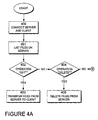
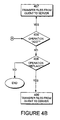
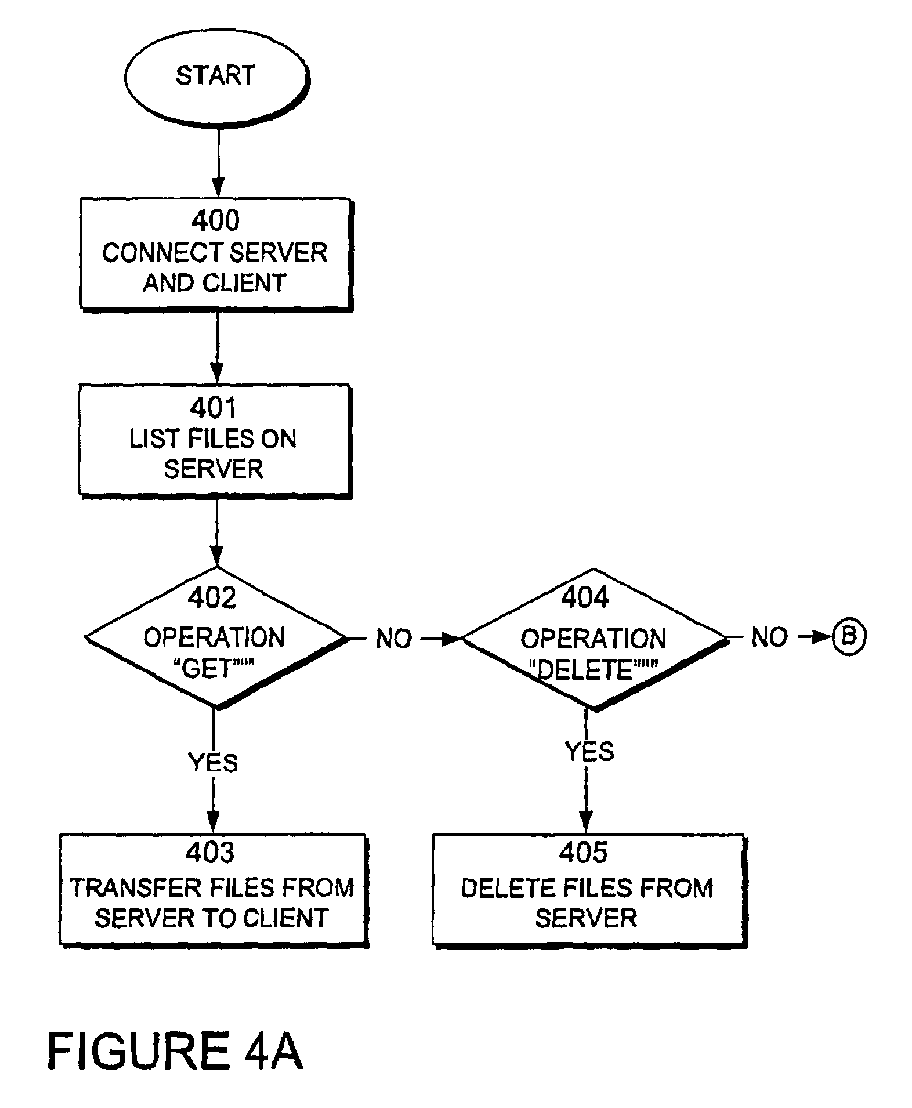
- Figure 4 illustrates the various operations that the present protocol supports after the client has initiated the transfer.
- a client is connected to a server.
- the list of files on the server is displayed to the client.
- the client has several operations at this point that he/she can choose from, and at step 402, if the Get operation is used, then the necessary files are transferred from the server to the client at step 403.
- the Delete operation is used instead at step 404, then at step 405 the necessary files are deleted from the server.
- the Add operation is used instead at step 406, then at step 407 the necessary files are transferred from the client to the server.
- the Replace operation is used instead at step 408, then at step 409 the necessary files are transferred from the client to the server.
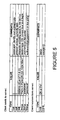
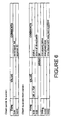
- the present invention supports the Identify and Authenticate List, Get, Replace, Add, Delete, Cancel, and Logout operations, and are illustrated in more detail in Figures 5 through 14.
- a client makes a request to a server, which is received without any error checking steps at each node. Similarly, these requests are complied by the server without any error checks made at individual nodes along the way.
- An error checking step eliminated by this protocol is the acknowledgement (ACK) or non-acknowledgement (NACK) of a packet received at each node.
- ACK acknowledgement
- NACK non-acknowledgement
- ACK/NACK sent back to the sender by each receiving node in the network.
- This ACK/NACK is sent in different ways depending on the kind of protocol. Some allow the receiver to send an ACK/NACK for every packet received, which forces the sender to wait before the next packet can be sent.
- the receiver may either get the entire transfer successfully, or there may be sections missing. This present invention will let the receiver know just once (at the end of an operation) if it was successful or not. It is up to the sender to retransmit the operation or to postpone it for another time.
- An embodiment of the invention can be implemented as computer software in the form of computer readable code executed in a desktop general purpose computing environment such as environment 1500 illustrated in Figure 15, or in the form of bytecode class files running in such an environment.
- a keyboard 1510 and mouse 1511 are coupled to a bi-directional system bus 1518. The keyboard and mouse are for introducing user input to a computer 1501 and communicating that user input to processor 1513.
- Computer 1501 may also include a communication interface 1520 coupled to bus 1518.
- Communication interface 1520 provides a two-way data communication coupling via a network link 1521 to a local network 1522.
- ISDN integrated services digital network
- communication interface 1520 provides a data communication connection to the corresponding type of telephone line, which comprises part of network link 1521.
- LAN local area network
- communication interface 1520 provides a data communication connection via network link 1521 to a compatible LAN.
- Wireless links are also possible.
- communication interface 1520 sends and receives electrical, electromagnetic or optical signals, which carry digital data streams representing various types of information.
- Network link 1521 typically provides data communication through one or more networks to other data devices.
- network link 1521 may provide a connection through local network 152 to local server computer 1523 or to data equipment operated by ISP 1524.
- ISP 1524 in turn provides data communication services through the world wide packet data communication network now commonly referred to as the "Internet" 1525.
- Internet 1525 uses electrical, electromagnetic or optical signals, which carry digital data streams.
- the signals through the various networks and the signals on network link 1521 and through communication interface 1520, which carry the digital data to and from computer 1500, are exemplary forms of carrier waves transporting the information.
- Processor 1513 may reside wholly on client computer 1501 or wholly on server 1526 or processor 1513 may have its computational power distributed between computer 1501 and server 1526. In the case where processor 1513 resides wholly on server 1526, the results of the computations performed by processor 1513 are transmitted to computer 1501 via Internet 1525, Internet Service Provider (ISP) 1524, local network 1522 and communication interface 1520. In this way, computer 1501 is able to display the results of the computation to a user in the form of output.
- ISP Internet Service Provider
- Other suitable input devices may be used in addition to, or in place of, the mouse 1111 and keyboard 1110.
- I/O (input/output) unit 1119 coupled to bi-directional system bus 1118 represents such I/O elements as a printer, A/V (audio/video) I/O, etc..
- Computer 1501 includes a video memory 1514, main memory 1515 and mass storage 1512, all coupled to bi-directional system bus 1518 along with keyboard 1510, mouse 1511 and processor 1513.
- main memory 1515 and mass storage 1512 can reside wholly on server 1526 or computer 1501, or they may be distributed between the two.
- Examples of systems where processor 1513, main memory 1515, and mass storage 1512 are distributed between computer 1501 and server 1526 include the thin-client computing architecture developed by Sun Microsystems, Inc., the palm pilot computing device, Internet ready cellular phones, and other Internet computing devices.
- the mass storage 1512 may include both fixed and removable media, such as magnetic, optical or magnetic optical storage systems or any other available mass storage technology.
- Bus 1518 may contain, for example, thirty-two address lines for addressing video memory 1514 or main memory 1515.
- the system bus 1518 also includes, for example, a 32-bit data bus for transferring data between and among the components, such as processor 1513, main memory 1515, video memory 1514, and mass storage 1512. Alternatively, multiplex data/address lines may be used instead of separate data and address lines.
- the processor 1513 is a microprocessor manufactured by Motorola, such as the 680X0 processor or a microprocessor manufactured by Intel, such as the 80X86, or Pentium processor, or a SPARC microprocessor from Sun Microsystems, Inc. However, any other suitable microprocessor or microcomputer may be utilized.
- Main memory 1515 is comprised of dynamic random access memory (DRAM).
- Video memory 1514 is a dual-ported video random access memory. One port of the video memory 1514 is coupled to video amplifier 1516.
- the video amplifier 1516 is used to drive the cathode ray tube (CRT) raster monitor 1517.
- Video amplifier 1516 is well known in the art and may be implemented by any suitable apparatus. This circuitry converts pixel data stored in video memory 1514 to a raster signal suitable for use by monitor 1517.
- Monitor 1517 is a type of monitor suitable for displaying graphic images.
- Computer 1501 can send messages and receive data, including program code, through the network(s), network link 1521, and communication interface 1520.
- remote server computer 1526 might transmit a requested code for an application program through Internet 1525, ISP 1524, local network 1522 and communication interface 1520.
- the received code may be executed by processor 1513 as it is received, and/or stored in mass storage 1512, or other non-volatile storage for later execution.
- computer 1500 may obtain application code in the form of a carrier wave.
- remote server computer 1526 may execute applications using processor 1513, and utilize mass storage 1512, and/or video memory 1515.
- the results of the execution at server 1526 are then transmitted through Internet 1525, ISP 1524, local network 1522, and communication interface 1520.
- computer 1501 performs only input and output functions.
- Application code may be embodied in any form of computer program product.
- a computer program product comprises a medium configured to store or transport computer readable code, or in which computer readable code may be embedded.
- Some examples of computer program products are CD-ROM disks, ROM cards, floppy disks, magnetic tapes, computer hard drives, servers on a network, and carrier waves.
- a client for connecting to a server may comprise: means for generating a connection message and forwarding it to said server; means for receiving an acknowledgement from said server, generated at said server upon receiving said connection message and initiating a connection; means for generating and sending a command from said client to said server; and means for receiving a forwarding response, said forwarding response being generated by said server and comprising a plurality of packets, each of said packets forwarded to said client without waiting for an acknowledgement of receipt from said client, and said packets containing arbitrary content.
- a server for connecting to a client may comprise: means for receiving generated by said client; means for initiating a connection by sending an acknowledgement from said server to said client; means for receiving a command generated by said client; and means for generating a forwarding response to said client, said forwarding response comprising a plurality of packets, each of said packets forwarded to said client without waiting for an acknowledgement of receipt from said client, and said packets containing arbitrary content.
- a computer-readable medium may be provided having a program embodied thereon, where the program is to make a computer or a system of data processing devices to execute functions or operations of the features and elements of the above described examples.
- a computer-readable medium can be a magnetic or optical or other tangible medium on which a program is recorded, but can also be a signal, e.g. analog or digital, electronic, magnetic or optical, in which the program is embodied for transmission.
- a computer program product may be provided comprising the computer-readable medium.
- a program may have instructions adapted to make a computer carry out the operations of the above embodiments.
- a computer readable medium in which a program is embodied, where the program is to make a computer execute the operations of the above embodiments.
- an article of manufacture may have the following structure.
- a method for connecting a client to a server may comprise; generating a connection message at said client and forwarding it to said server; receiving an acknowledgement from said server at said client, generated at said server upon receiving said connection message and initiating a connection; generating and sending a command from said client to said server; and receiving a forwarding response at said client, said forwarding response being generated by said server and comprising a plurality of packets, each of said packets forwarded to said client without waiting for an acknowledgement of receipt from said client, and said packets containing arbitrary content.
- a method for connecting a client to a server may comprise: receiving a connection message at said server generated by said client; initiating a connection by sending an acknowledgement from said server to said client; receiving a command at said server generated by said client; and generating a forwarding response to said client, said forwarding response comprising a plurality of packets, each of said packets forwarded to said client without waiting for an acknowledgement of receipt from said client, and said packets containing arbitrary content.
Landscapes
- Engineering & Computer Science (AREA)
- Computer Networks & Wireless Communication (AREA)
- Signal Processing (AREA)
- Multimedia (AREA)
- Computer Security & Cryptography (AREA)
- Information Transfer Between Computers (AREA)
- Mobile Radio Communication Systems (AREA)
- Data Exchanges In Wide-Area Networks (AREA)
- Computer And Data Communications (AREA)
Abstract
Description
- Fig. 1
- is an illustration of a wireless device such as a PDA.
- Fig. 2
- is an illustration of a PDA coupled with a desktop computer via a conduit.
- Fig. 3
- is a flowchart which shows the transfer of a file to and from a wireless device.
- Fig. 4
- is a flowchart which shows the various operations after the client initiates the transfer.
- Fig. 5
- is an illustration of the Identify and Authenticate operation. It shows a table of the packet content that the client sends to the server, and another table of the packet content that it receives from the server.
- Fig. 6
- is an illustration of the List operation. It shows a table of the packet content that the client sends to the server, and another table of the packet content that it receives back from the server.
- Fig. 7
- is an illustration of the Get operation. It shows a table of the packet content that the client sends to the server, and another table of the packet content that it receives back from the server.
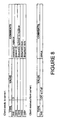
- Fig. 8
- is an illustration of the Replace operation. It shows a table of the packet content that the client sends to the server, and another table of the packet content that it receives back from the server.
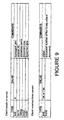
- Fig. 9
- is an illustration of the Add operation. It shows a table of the packet content that the client sends to the server, and another table of the packet content that it receives back from the server.
- Fig. 10
- is an illustration of the Delete operation. It shows a table of the packet content that the client sends to the server, and another table of the packet content that it receives back from the server.
- Fig. 11
- is an illustration of the Cancel operation. It shows a table of the packet content that the client sends to the server, and another table of the packet content that it receives back from the server.
- Fig. 12
- is an illustration of the Logout operation. It shows a table of the packet content that the client sends to the server, and another table of the packet content that it receives back from the server.
- Fig. 13
- is a flowchart illustrating some of the attributes of the Identify and Authenticate command.
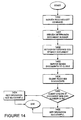
- Fig. 14
- is a flowchart illustrating some of the attributes of the Get command.
- Fig. 15
- is an illustration of an embodiment of a computer execution environment.
Claims (48)
- A method for connecting a client to a server comprising:generating a connection message at said client and forwarding it to said server;receiving said connection message at said server and initiating a connection by sending an acknowledgement from said server to said client;generating and sending a command from said client to said server; andreceiving said command at said server and generating a forwarding response to said client, said forwarding response comprising a plurality of packets, each of said packets forwarded to said client without waiting for an acknowledgement of receipt from said client, and said packets containing arbitrary content.
- The method of claim 1 wherein said arbitrary content includes, and is not limited to, text, streaming video, streaming audio, and images.
- The method of at least one of claims 1 and 2 wherein said connection message is generated at the application layer level at said client.
- The method of at least one of claims 1 to 3 wherein said connection message is received at said application layer level at said server.
- The method of at least one of claims 1 to 4 wherein said connection message comprises identity and authentication information.
- The method of at least one of claims 1 to 5 wherein said connection message comprises protocol version information, character encoding information, and device type information.
- The method of at least one of claims 1 to 6 wherein said command is one of a group of commands including IDENTIFY & AUTHENTICATE, LIST, GET, REPLACE, ADD, DELETE, CANCEL, and LOGOUT.
- The method of at least one of claims 1 to 7 wherein said connection comprises a wireless connection.
- The method of at least one of claims 1 to 8 wherein said connection comprises a HTTP, or HTTPS connection.
- The method of at least one of claims 1 to 9 wherein said connection ends automatically after a timeout period.
- The method of at least one of claims 1 to 10 wherein each connection is associated with a session ID.
- The method of claim 11 wherein said command and response includes said session ID.
- A client for connecting to a server comprising:means for generating a connection message and forwarding it to said server;means for receiving an acknowledgement from said server, generated at said server upon receiving said connection message and initiating a connection;means for generating and sending a command from said client to said server; andmeans for receiving a forwarding response, said forwarding response being generated by said server and comprising a plurality of packets, each of said packets forwarded to said client without waiting for an acknowledgement of receipt from said client, and said packets containing arbitrary content.
- The client of claim 13 wherein said arbitrary content includes, and is not limited to, text, streaming video, streaming audio, and images.
- The client of at least one of the claims 13 and 14 wherein said connection message is generated at the application layer level at said client.
- The client of at least one of claims 13 to 15 wherein said connection message comprises identity and authentication information.
- The client of at least one of claims 13 to 16 wherein said connection message comprises protocol version information, character encoding information, and device type information.
- The client of at least one of claims 13 to 17 wherein said command is one of a group of commands including IDENTIFY & AUTHENTICATE, LIST, GET, REPLACE, ADD, DELETE, CANCEL, and LOGOUT.
- The client of at least one of claims 13 to 18 wherein said connection comprises a wireless connection.
- The client of at least one of claims 13 to 19 wherein said connection comprises a HTTP, or HTTPS connection.
- The client of at least one of claims 13 to 20 wherein said connection ends automatically after a timeout period.
- The client of at least one of claims 13 to 21 wherein each connection is associated with a session ID.
- The client of claim 22 wherein said command and response includes said session ID.
- A server for connecting to a client comprising:means for receiving generated by said client;means for initiating a connection by sending an acknowledgement from said server to said client;means for receiving a command generated by said client; andmeans for generating a forwarding response to said client, said forwarding response comprising a plurality of packets, each of said packets forwarded to said client without waiting for an acknowledgement of receipt from said client, and said packets containing arbitrary content.
- The server of claim 24 wherein said arbitrary content includes, and is not limited to, text, streaming video, streaming audio, and images.
- The server of at least one of claims 24 and 25 wherein said connection message is received at said application layer level at said server.
- The server of at least one of claims 24 to 26 wherein said connection message comprises identity and authentication information.
- The server of at least one of claims 24 to 27 wherein said connection message comprises protocol version information, character encoding information, and device type information.
- The server of at least one of claims 24 to 28 wherein said command is one of a group of commands including IDENTIFY & AUTHENTICATE, LIST, GET, REPLACE, ADD, DELETE, CANCEL, and LOGOUT.
- The server of at least one of claims 24 to 29 wherein said connection comprises a wireless connection.
- The server of at least one of claims 24 to 30 wherein said connection comprises a HTTP, or HTTPS connection.
- The server of at least one of claims 24 to 31 wherein said connection ends automatically after a timeout period.
- The server of at least one of claims 24 to 32 wherein each connection is associated with a session ID.
- The server of claim 33 wherein said command and response includes said session ID.
- A computer program product comprising:a computer usable medium having computer readable program code means embodied in said medium for causing a computer to connect a client to a server, said computer readable program code means comprising:computer readable program code means for causing a computer to generate a connection message at said client and forwarding it to said server;computer readable program code means for causing a computer to receive said connection message at said server and initiating a connection by sending an acknowledgement from said server to said client;computer readable program code means for causing a computer to generate and sending a command from said client to said server; andcomputer readable program code means for causing a computer to receive said command at said server and generating a forwarding response to said client, said forwarding response comprising a plurality of packets, each of said packets forwarded to said client without waiting for an acknowledgement of receipt from said client, and said packets containing arbitrary content.
- The computer program product of claim 35 wherein said arbitrary content includes, and is not limited to, text, streaming video, streaming audio, and images.
- The computer program product of at least one of claims 35 and 36 wherein said connection message is generated at the application layer level at said client.
- The computer program product of at least one of claims 35 to 37 wherein said connection message is received at the application layer level at said server.
- The computer program product of at least one of claims 35 to 38 wherein said connection messages comprises identity and authentication information.
- The computer program product of at least one of claims 35 to 39 wherein said connection message comprises protocol version information, character encoding information, and device type information.
- The computer program product of at least one of claims 35 to 40 wherein said command is one of a group of commands including IDENTIFY & AUTHENTICATE, LIST, GET, REPLACE, ADD, DELETE, CANCEL, and LOGOUT.
- The computer program product of at least one of claims 35 to 41 wherein said connection comprises a wireless connection.
- The computer program product of at least one of claims 35 to 42 wherein said connection comprises a HTTP, or HTTPS connection.
- The computer program product of at least one of claims 35 to 43 wherein said connection ends automatically after a timeout period.
- The computer program product of at least one of claims 35 to 44 wherein each connection is associated with a session ID.
- The computer program product of claim 45 wherein said command and response includes said session ID.
- A program having instructions adapted to make a computer carry out the method of at least one of the claims 1 - 12.
- A computer readable medium, in which a program is embodied, where the program is to make a computer execute the method of at least one of the claims 1 - 12.
Applications Claiming Priority (2)
| Application Number | Priority Date | Filing Date | Title |
|---|---|---|---|
| US09/791,507 US20020116500A1 (en) | 2001-02-22 | 2001-02-22 | Protocol for wireless devices |
| US791507 | 2001-02-22 |
Publications (2)
| Publication Number | Publication Date |
|---|---|
| EP1235407A2 true EP1235407A2 (en) | 2002-08-28 |
| EP1235407A3 EP1235407A3 (en) | 2005-03-30 |
Family
ID=25153958
Family Applications (1)
| Application Number | Title | Priority Date | Filing Date |
|---|---|---|---|
| EP02003281A Withdrawn EP1235407A3 (en) | 2001-02-22 | 2002-02-22 | A method of media streaming based on a protocol for wireless devices |
Country Status (2)
| Country | Link |
|---|---|
| US (1) | US20020116500A1 (en) |
| EP (1) | EP1235407A3 (en) |
Cited By (4)
| Publication number | Priority date | Publication date | Assignee | Title |
|---|---|---|---|---|
| WO2004012094A1 (en) * | 2002-07-29 | 2004-02-05 | Abaco Pr, Inc. | System and method for transfer, control, and synchronization of data |
| WO2004027634A1 (en) * | 2002-09-20 | 2004-04-01 | Nokia Corporation | Addressing a management object |
| EP1437668A1 (en) * | 2003-01-08 | 2004-07-14 | Rolf Krause | Method for conducting a cashless payment of goods or services using a mobile radio terminal |
| US7272571B2 (en) * | 2000-07-07 | 2007-09-18 | Mars Incorporated | Method and apparatus for effective distribution and delivery of goods ordered on the World-Wide-Web |
Families Citing this family (17)
| Publication number | Priority date | Publication date | Assignee | Title |
|---|---|---|---|---|
| US7249156B2 (en) * | 2000-12-07 | 2007-07-24 | Lg Electronics Inc. | Method of providing a file transfer service through a mobile communication network |
| FI113129B (en) * | 2001-03-26 | 2004-02-27 | Nokia Corp | Synchronization of application data in a telecommunications system |
| GB0110125D0 (en) * | 2001-04-25 | 2001-06-20 | Koninkl Philips Electronics Nv | Radio communication system |
| US7801941B2 (en) * | 2001-07-09 | 2010-09-21 | Palm, Inc. | Apparatus and method for exchanging data between two devices |
| US20040139180A1 (en) * | 2003-01-10 | 2004-07-15 | Sony Corporation | Automobile media synchronization |
| US20040181611A1 (en) * | 2003-03-14 | 2004-09-16 | Viresh Ratnakar | Multimedia streaming system for wireless handheld devices |
| US7577130B2 (en) * | 2005-02-18 | 2009-08-18 | Microsoft Corporation | SyncML based OMA connectivity object to provision VPN connections |
| US8207937B2 (en) * | 2005-06-24 | 2012-06-26 | Logitech Europe S.A. | Communication protocol for networked devices |
| US8224968B1 (en) * | 2005-09-19 | 2012-07-17 | At&T Intellectual Property Ii, L.P. | Method and system for scalable content storage and delivery |
| US7640358B2 (en) * | 2006-11-09 | 2009-12-29 | Sharp Laboratories Of America, Inc. | Methods and systems for HTTP streaming using an intelligent HTTP client |
| US7779146B2 (en) * | 2006-11-09 | 2010-08-17 | Sharp Laboratories Of America, Inc. | Methods and systems for HTTP streaming using server-side pacing |
| JP4835493B2 (en) * | 2007-03-30 | 2011-12-14 | ブラザー工業株式会社 | Image forming apparatus |
| US8402484B2 (en) | 2007-11-14 | 2013-03-19 | At&T Intellectual Property I, Lp | Systems and method of controlling access to media content |
| US20090196123A1 (en) * | 2008-02-05 | 2009-08-06 | Rajesh Gautam | Collaborative Appointment and Reminder System |
| US9891867B2 (en) * | 2010-11-10 | 2018-02-13 | Electronics For Imaging, Inc. | Protocol for interaction between wireless devices and other devices |
| KR101337724B1 (en) * | 2010-12-27 | 2013-12-06 | 주식회사 팬택 | Mobile terminal displaying the amount of using data for each application and control method there of |
| US10122799B2 (en) * | 2016-03-29 | 2018-11-06 | Experian Health, Inc. | Remote system monitor |
Family Cites Families (11)
| Publication number | Priority date | Publication date | Assignee | Title |
|---|---|---|---|---|
| US5553083B1 (en) * | 1995-01-19 | 2000-05-16 | Starburst Comm Corp | Method for quickly and reliably transmitting frames of data over communications links |
| US5848064A (en) * | 1996-08-07 | 1998-12-08 | Telxon Corporation | Wireless software upgrades with version control |
| US6233318B1 (en) * | 1996-11-05 | 2001-05-15 | Comverse Network Systems, Inc. | System for accessing multimedia mailboxes and messages over the internet and via telephone |
| US20020133412A1 (en) * | 1997-03-07 | 2002-09-19 | David M. Oliver | System for management of transactions on networks |
| US6170012B1 (en) * | 1997-09-12 | 2001-01-02 | Lucent Technologies Inc. | Methods and apparatus for a computer network firewall with cache query processing |
| US6134582A (en) * | 1998-05-26 | 2000-10-17 | Microsoft Corporation | System and method for managing electronic mail messages using a client-based database |
| EP1045551A3 (en) * | 1999-04-15 | 2003-06-18 | Lucent Technologies Inc. | Method for transmission between data networks and wireless communication system |
| GB2369973B (en) * | 2000-12-06 | 2002-12-04 | Open Business Exchange Ltd | Communication Router |
| US7454506B2 (en) * | 2000-12-18 | 2008-11-18 | International Business Machines Corporation | Method for maintaining state information on a client |
| US6961776B1 (en) * | 2000-12-22 | 2005-11-01 | Nortel Networks Limited | Architecture for multiple channel access to applications |
| US20030084123A1 (en) * | 2001-08-24 | 2003-05-01 | Kamel Ibrahim M. | Scheme for implementing FTP protocol in a residential networking architecture |
-
2001
- 2001-02-22 US US09/791,507 patent/US20020116500A1/en not_active Abandoned
-
2002
- 2002-02-22 EP EP02003281A patent/EP1235407A3/en not_active Withdrawn
Cited By (6)
| Publication number | Priority date | Publication date | Assignee | Title |
|---|---|---|---|---|
| US7272571B2 (en) * | 2000-07-07 | 2007-09-18 | Mars Incorporated | Method and apparatus for effective distribution and delivery of goods ordered on the World-Wide-Web |
| WO2004012094A1 (en) * | 2002-07-29 | 2004-02-05 | Abaco Pr, Inc. | System and method for transfer, control, and synchronization of data |
| WO2004027634A1 (en) * | 2002-09-20 | 2004-04-01 | Nokia Corporation | Addressing a management object |
| US7734728B2 (en) | 2002-09-20 | 2010-06-08 | Nokia Corporation | Addressing a management object |
| EP1437668A1 (en) * | 2003-01-08 | 2004-07-14 | Rolf Krause | Method for conducting a cashless payment of goods or services using a mobile radio terminal |
| WO2004063952A3 (en) * | 2003-01-08 | 2004-12-02 | Rolf Krause | Cashless payment method for goods or services using a mobile radio telephone |
Also Published As
| Publication number | Publication date |
|---|---|
| EP1235407A3 (en) | 2005-03-30 |
| US20020116500A1 (en) | 2002-08-22 |
Similar Documents
| Publication | Publication Date | Title |
|---|---|---|
| EP1235407A2 (en) | A method of media streaming based on a protocol for wireless devices | |
| US6775298B1 (en) | Data transfer mechanism for handheld devices over a wireless communication link | |
| US8793341B2 (en) | Web page content translator | |
| US6269403B1 (en) | Browser and publisher for multimedia object storage, retrieval and transfer | |
| US6604144B1 (en) | Data format for multimedia object storage, retrieval and transfer | |
| US7072984B1 (en) | System and method for accessing customized information over the internet using a browser for a plurality of electronic devices | |
| US7500188B1 (en) | System and method for adapting information content for an electronic device | |
| US7747782B2 (en) | System and method for providing and displaying information content | |
| US7025209B2 (en) | Method and apparatus for wireless internet access | |
| KR100289297B1 (en) | Client-side asynchronous form management method and system | |
| US8805957B2 (en) | Method and apparatus for communications over low bandwidth communications networks | |
| JP3290377B2 (en) | Method and apparatus for saving state in stateless network protocols | |
| US6446113B1 (en) | Method and apparatus for activity-based collaboration by a computer system equipped with a dynamics manager | |
| US6886169B2 (en) | System and method for stateful web-based computing | |
| KR101137132B1 (en) | Send by reference in a customizable, tag-based protocol | |
| US20020083132A1 (en) | Accessing page bundles on a portable client having intermittent network connectivity | |
| US20080282162A1 (en) | Method, system and apparatus using a sensory cue to indicate subsequent action characteristics for data communications | |
| CN1244064C (en) | Communication terminal with browser and system including such terminal | |
| CN101421722A (en) | Method for providing a clip for viewing at a remote device | |
| EP1897338A1 (en) | Method and system for proxy-based file sharing | |
| WO2004040481A1 (en) | A system and method for providing and displaying information content | |
| KR20030094320A (en) | Dedicated processor for efficient processing of documents encoded in a markup language | |
| JP2005501341A (en) | Output management system and method enabling printing via wireless device | |
| KR20030060884A (en) | Web os and web desktop | |
| JP2005523489A (en) | Output management system and method enabling access to private network resources |
Legal Events
| Date | Code | Title | Description |
|---|---|---|---|
| PUAI | Public reference made under article 153(3) epc to a published international application that has entered the european phase |
Free format text: ORIGINAL CODE: 0009012 |
|
| AK | Designated contracting states |
Kind code of ref document: A2 Designated state(s): AT BE CH CY DE DK ES FI FR GB GR IE IT LI LU MC NL PT SE TR |
|
| AX | Request for extension of the european patent |
Free format text: AL;LT;LV;MK;RO;SI |
|
| PUAL | Search report despatched |
Free format text: ORIGINAL CODE: 0009013 |
|
| AK | Designated contracting states |
Kind code of ref document: A3 Designated state(s): AT BE CH CY DE DK ES FI FR GB GR IE IT LI LU MC NL PT SE TR |
|
| AX | Request for extension of the european patent |
Extension state: AL LT LV MK RO SI |
|
| AKX | Designation fees paid | ||
| REG | Reference to a national code |
Ref country code: DE Ref legal event code: 8566 |
|
| STAA | Information on the status of an ep patent application or granted ep patent |
Free format text: STATUS: THE APPLICATION IS DEEMED TO BE WITHDRAWN |
|
| 18D | Application deemed to be withdrawn |
Effective date: 20050829 |