EP1230919A2 - Use of a composition comprising a retinoid and an erb inhibitor in the preparation of a medicament for the treatment of retinoid skin damage - Google Patents
Use of a composition comprising a retinoid and an erb inhibitor in the preparation of a medicament for the treatment of retinoid skin damage Download PDFInfo
- Publication number
- EP1230919A2 EP1230919A2 EP02002611A EP02002611A EP1230919A2 EP 1230919 A2 EP1230919 A2 EP 1230919A2 EP 02002611 A EP02002611 A EP 02002611A EP 02002611 A EP02002611 A EP 02002611A EP 1230919 A2 EP1230919 A2 EP 1230919A2
- Authority
- EP
- European Patent Office
- Prior art keywords
- alkyl
- hydrogen
- piperazinyl
- imidazoyl
- halogen
- Prior art date
- Legal status (The legal status is an assumption and is not a legal conclusion. Google has not performed a legal analysis and makes no representation as to the accuracy of the status listed.)
- Withdrawn
Links
- 0 Cc1c(C=C[C@@](*)C=C*)c(ncnc2C)c2[n]1 Chemical compound Cc1c(C=C[C@@](*)C=C*)c(ncnc2C)c2[n]1 0.000 description 7
Images


Classifications
-
- A—HUMAN NECESSITIES
- A61—MEDICAL OR VETERINARY SCIENCE; HYGIENE
- A61K—PREPARATIONS FOR MEDICAL, DENTAL OR TOILETRY PURPOSES
- A61K8/00—Cosmetics or similar toiletry preparations
- A61K8/18—Cosmetics or similar toiletry preparations characterised by the composition
- A61K8/30—Cosmetics or similar toiletry preparations characterised by the composition containing organic compounds
- A61K8/67—Vitamins
-
- A—HUMAN NECESSITIES
- A61—MEDICAL OR VETERINARY SCIENCE; HYGIENE
- A61Q—SPECIFIC USE OF COSMETICS OR SIMILAR TOILETRY PREPARATIONS
- A61Q19/00—Preparations for care of the skin
- A61Q19/08—Anti-ageing preparations
-
- A—HUMAN NECESSITIES
- A61—MEDICAL OR VETERINARY SCIENCE; HYGIENE
- A61K—PREPARATIONS FOR MEDICAL, DENTAL OR TOILETRY PURPOSES
- A61K31/00—Medicinal preparations containing organic active ingredients
- A61K31/045—Hydroxy compounds, e.g. alcohols; Salts thereof, e.g. alcoholates
- A61K31/07—Retinol compounds, e.g. vitamin A
-
- A—HUMAN NECESSITIES
- A61—MEDICAL OR VETERINARY SCIENCE; HYGIENE
- A61K—PREPARATIONS FOR MEDICAL, DENTAL OR TOILETRY PURPOSES
- A61K31/00—Medicinal preparations containing organic active ingredients
- A61K31/11—Aldehydes
-
- A—HUMAN NECESSITIES
- A61—MEDICAL OR VETERINARY SCIENCE; HYGIENE
- A61K—PREPARATIONS FOR MEDICAL, DENTAL OR TOILETRY PURPOSES
- A61K31/00—Medicinal preparations containing organic active ingredients
- A61K31/185—Acids; Anhydrides, halides or salts thereof, e.g. sulfur acids, imidic, hydrazonic or hydroximic acids
- A61K31/19—Carboxylic acids, e.g. valproic acid
- A61K31/20—Carboxylic acids, e.g. valproic acid having a carboxyl group bound to a chain of seven or more carbon atoms, e.g. stearic, palmitic, arachidic acids
- A61K31/203—Retinoic acids ; Salts thereof
-
- A—HUMAN NECESSITIES
- A61—MEDICAL OR VETERINARY SCIENCE; HYGIENE
- A61K—PREPARATIONS FOR MEDICAL, DENTAL OR TOILETRY PURPOSES
- A61K31/00—Medicinal preparations containing organic active ingredients
- A61K31/33—Heterocyclic compounds
- A61K31/395—Heterocyclic compounds having nitrogen as a ring hetero atom, e.g. guanethidine or rifamycins
- A61K31/495—Heterocyclic compounds having nitrogen as a ring hetero atom, e.g. guanethidine or rifamycins having six-membered rings with two or more nitrogen atoms as the only ring heteroatoms, e.g. piperazine or tetrazines
- A61K31/505—Pyrimidines; Hydrogenated pyrimidines, e.g. trimethoprim
- A61K31/517—Pyrimidines; Hydrogenated pyrimidines, e.g. trimethoprim ortho- or peri-condensed with carbocyclic ring systems, e.g. quinazoline, perimidine
-
- A—HUMAN NECESSITIES
- A61—MEDICAL OR VETERINARY SCIENCE; HYGIENE
- A61K—PREPARATIONS FOR MEDICAL, DENTAL OR TOILETRY PURPOSES
- A61K31/00—Medicinal preparations containing organic active ingredients
- A61K31/33—Heterocyclic compounds
- A61K31/395—Heterocyclic compounds having nitrogen as a ring hetero atom, e.g. guanethidine or rifamycins
- A61K31/495—Heterocyclic compounds having nitrogen as a ring hetero atom, e.g. guanethidine or rifamycins having six-membered rings with two or more nitrogen atoms as the only ring heteroatoms, e.g. piperazine or tetrazines
- A61K31/505—Pyrimidines; Hydrogenated pyrimidines, e.g. trimethoprim
- A61K31/519—Pyrimidines; Hydrogenated pyrimidines, e.g. trimethoprim ortho- or peri-condensed with heterocyclic rings
-
- A—HUMAN NECESSITIES
- A61—MEDICAL OR VETERINARY SCIENCE; HYGIENE
- A61K—PREPARATIONS FOR MEDICAL, DENTAL OR TOILETRY PURPOSES
- A61K8/00—Cosmetics or similar toiletry preparations
- A61K8/18—Cosmetics or similar toiletry preparations characterised by the composition
- A61K8/30—Cosmetics or similar toiletry preparations characterised by the composition containing organic compounds
- A61K8/49—Cosmetics or similar toiletry preparations characterised by the composition containing organic compounds containing heterocyclic compounds
-
- A—HUMAN NECESSITIES
- A61—MEDICAL OR VETERINARY SCIENCE; HYGIENE
- A61K—PREPARATIONS FOR MEDICAL, DENTAL OR TOILETRY PURPOSES
- A61K8/00—Cosmetics or similar toiletry preparations
- A61K8/18—Cosmetics or similar toiletry preparations characterised by the composition
- A61K8/30—Cosmetics or similar toiletry preparations characterised by the composition containing organic compounds
- A61K8/49—Cosmetics or similar toiletry preparations characterised by the composition containing organic compounds containing heterocyclic compounds
- A61K8/494—Cosmetics or similar toiletry preparations characterised by the composition containing organic compounds containing heterocyclic compounds with more than one nitrogen as the only hetero atom
- A61K8/4953—Cosmetics or similar toiletry preparations characterised by the composition containing organic compounds containing heterocyclic compounds with more than one nitrogen as the only hetero atom containing pyrimidine ring derivatives, e.g. minoxidil
-
- A—HUMAN NECESSITIES
- A61—MEDICAL OR VETERINARY SCIENCE; HYGIENE
- A61K—PREPARATIONS FOR MEDICAL, DENTAL OR TOILETRY PURPOSES
- A61K8/00—Cosmetics or similar toiletry preparations
- A61K8/18—Cosmetics or similar toiletry preparations characterised by the composition
- A61K8/30—Cosmetics or similar toiletry preparations characterised by the composition containing organic compounds
- A61K8/67—Vitamins
- A61K8/671—Vitamin A; Derivatives thereof, e.g. ester of vitamin A acid, ester of retinol, retinol, retinal
-
- A—HUMAN NECESSITIES
- A61—MEDICAL OR VETERINARY SCIENCE; HYGIENE
- A61P—SPECIFIC THERAPEUTIC ACTIVITY OF CHEMICAL COMPOUNDS OR MEDICINAL PREPARATIONS
- A61P17/00—Drugs for dermatological disorders
-
- A—HUMAN NECESSITIES
- A61—MEDICAL OR VETERINARY SCIENCE; HYGIENE
- A61P—SPECIFIC THERAPEUTIC ACTIVITY OF CHEMICAL COMPOUNDS OR MEDICINAL PREPARATIONS
- A61P17/00—Drugs for dermatological disorders
- A61P17/02—Drugs for dermatological disorders for treating wounds, ulcers, burns, scars, keloids, or the like
-
- A—HUMAN NECESSITIES
- A61—MEDICAL OR VETERINARY SCIENCE; HYGIENE
- A61P—SPECIFIC THERAPEUTIC ACTIVITY OF CHEMICAL COMPOUNDS OR MEDICINAL PREPARATIONS
- A61P17/00—Drugs for dermatological disorders
- A61P17/06—Antipsoriatics
-
- A—HUMAN NECESSITIES
- A61—MEDICAL OR VETERINARY SCIENCE; HYGIENE
- A61P—SPECIFIC THERAPEUTIC ACTIVITY OF CHEMICAL COMPOUNDS OR MEDICINAL PREPARATIONS
- A61P17/00—Drugs for dermatological disorders
- A61P17/10—Anti-acne agents
-
- A—HUMAN NECESSITIES
- A61—MEDICAL OR VETERINARY SCIENCE; HYGIENE
- A61P—SPECIFIC THERAPEUTIC ACTIVITY OF CHEMICAL COMPOUNDS OR MEDICINAL PREPARATIONS
- A61P17/00—Drugs for dermatological disorders
- A61P17/16—Emollients or protectives, e.g. against radiation
-
- A—HUMAN NECESSITIES
- A61—MEDICAL OR VETERINARY SCIENCE; HYGIENE
- A61P—SPECIFIC THERAPEUTIC ACTIVITY OF CHEMICAL COMPOUNDS OR MEDICINAL PREPARATIONS
- A61P35/00—Antineoplastic agents
-
- A—HUMAN NECESSITIES
- A61—MEDICAL OR VETERINARY SCIENCE; HYGIENE
- A61Q—SPECIFIC USE OF COSMETICS OR SIMILAR TOILETRY PREPARATIONS
- A61Q19/00—Preparations for care of the skin
Definitions
- This invention concerns a method for treating skin disease using a combination of retinoids and erb inhibitors.
- the use of the agents together prevents skin injury caused by retinoids.
- Skin is an indicator to the health, aging, and disease state of an individual. Afflictions of the skin can be a significant detriment to the health of an individual. Manifestation of diseases of various etiologies (hormonal, metabolic, nutrition, autoimmune, malignancies) often present symptoms cutaneously (Bergfeld W.F., A lifetime of healthy skin: implications for women. Int J Fertil, 1999;44(2):83-95). Many skin disorders predispose patients to develop skin cancers.
- Effective treatments available to aid in the management of skin disorders are necessary for a human to maintain healthy skin, good physical health, mental health, and a good quality of life. This is especially critical to the aging population, as skin disorders are prevalent with skin aging.
- Retinoids are a class of compounds known to be useful in treating disorders of the skin. Numerous compounds defined as retinoids are known (see United States Patent No. 5,49,611), and several are currently used clinically to treat a variety of disorders. For example, 13-cis-retinoic acid (available as Accutane®, Roche Pharmaceuticals) is used to treat skin disorders such as severe recalcitrant nodular acne. Retinoic acid is available as Retin-A® (Ortho Dermatological) and is used to treat acne vulgaris.
- retinoid treatment of skin disorder There is a toxicity profile of significance associated with retinoid treatment of skin disorder. Many disorders responsive to retinoid treatments require application to large areas of skin that have been affected. Some disorders require retinoid treatment for extended periods of time. Oftentimes, the toxicity characteristic of retinoid treatment causes practitioners to discontinue retinoid treatment and opt for less desirable and less effective treatments.
- Topical administration of retinoids are associated with adverse reactions such as: skin irritation, dryness, redness, epidermal hyperplasia.
- retinoids induce proliferation, causing epidermal hyperplasia (Lever L., Marks R., Topical retinoid treatment for skin cancer: a review. Skin Pharmacology [Switzerland], 1991;4(3):125-131), edema, blistering, crusting, severe local erythema, burning, stinging pruritus, heightened burning susceptibility upon exposure to sunlight, skin peeling, and overall physical discomfort ( Physicians' Desk Reference, Montvale, NJ: Medical Economics Company, Inc., 2000:2141).
- Retinoids can be administered both topically and systemically, although both routes produce undesirable side effects.
- Systemic administration of retinoids for example, accutane (13-cis-retinoic acid) are associated with adverse reactions similar to patients taking high doses of vitamin A. These adverse reactions include dry skin, skin fragility, pruritus, epistaxis, dry nose, and dry mouth. Skeletal hyperostosis has been observed as well as other bone abnormalities.
- a relationship has been established with the administration of systemic retinoids and depression, psychosis, and suicidal ideation, suicide attempts, and suicide.
- Patients treated with systemic retinoids experience musculoskeletal symptoms (including arthralgia). Patients also experience transient pain in the chest during treatment.
- Patients also experience rash (including erythema, seborrhea, and eczema) and thinning of the hair. Patients can also experience peeling of palms and soles, skin infections, nonspecific urogenital findings, nonspecific gastrointestinal symptoms, fatigue headache, and increased susceptibility to sunburn.
- rash including erythema, seborrhea, and eczema
- thinning of the hair Patients can also experience peeling of palms and soles, skin infections, nonspecific urogenital findings, nonspecific gastrointestinal symptoms, fatigue headache, and increased susceptibility to sunburn.
- retinoids are clinically useful and are widely prescribed, their utility would be significantly enhanced if their toxicity could be eliminated or at least minimized.
- erb inhibitors together with retinoids, reduces the undesirable side effects of retinoids, without diminishing their beneficial effects.
- Erb inhibitors are compounds that inhibit the activity of one or more of the mammalian enzymes known as epidermal growth factor receptor tyrosine kinases EP 0566226 and EP 0607439.
- Typical erb inhibitors include those described by Olayioye R.M. et al., The ErbB signaling network: receptor heterodimerization in development and cancer, EMBO Journal, 2000:19(13):3159-3167, and in Formulas I, II, and III as described below, incorporated herein by reference.
- This invention provides a method whereby erb inhibitors can be used to prevent skin injury caused by retinoids.
- This invention provides a method for preventing or controlling retinoid toxicity, such as skin irritation, by administering an erb inhibitor.
- a preferred embodiment of this invention provides a method for treating skin disorder using a combination of retinoids and erb inhibitors.
- the use of the agents together prevents skin injury caused by retinoids.
- Another preferred embodiment of this invention provides a combination of a retinoid and an erb inhibitor.
- a preferred aspect of this invention provides a method of treating and preventing skin injury caused by retinoids responsive to erb inhibition by administering a combination of a retinoid and an erb inhibitor.
- the invention is a combination of a quinazoline erb inhibitor together with a retinoid.
- the quinazoline erb inhibitor is a compound selected from the following formulas (WO 97/38938).
- Z 1 and Z 2 are hydrogen, and Z 3 is a halogen.
- Z 3 is bromine
- the bromine is located at the 3 or meta position of the phenyl ring.
- Z 1 is hydrogen
- Z 2 is F
- Z 3 is Cl
- Z 1 is hydrogen
- Z 2 is F
- Z 3 is Cl
- Z 2 is located at the 4 position
- Z 3 is located at the 3 position of the phenyl ring.
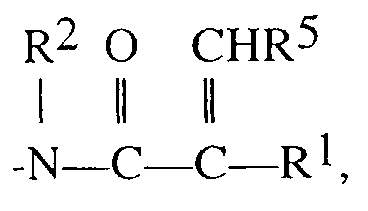
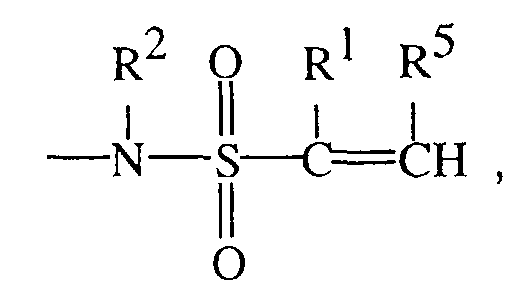
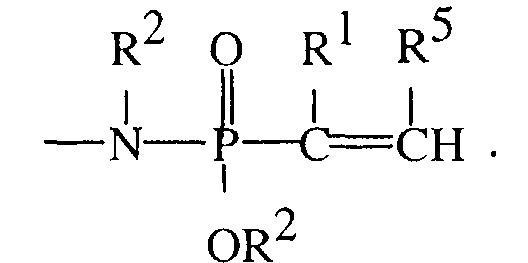
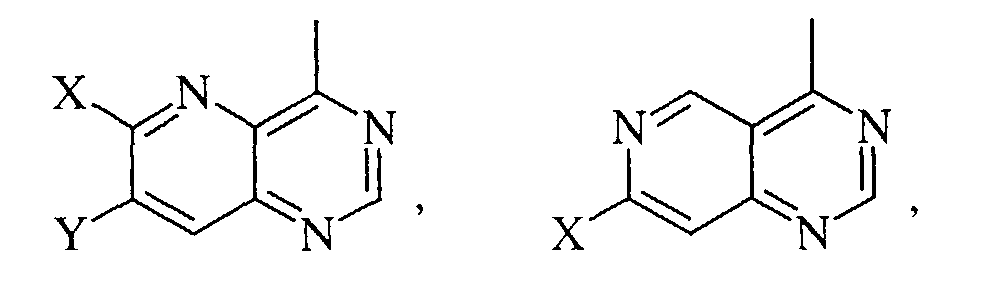
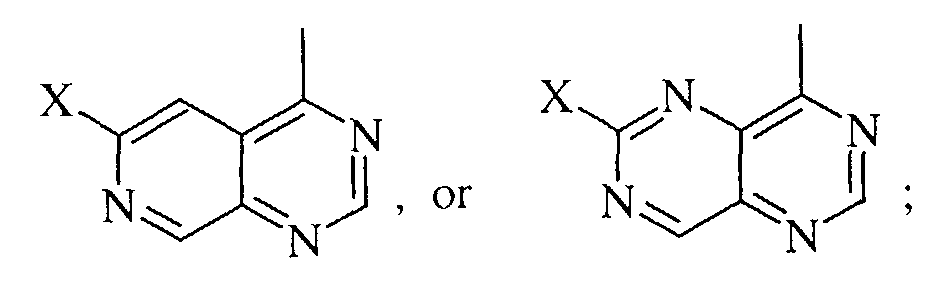
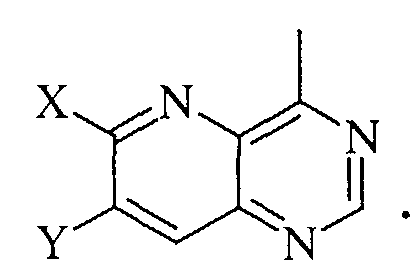
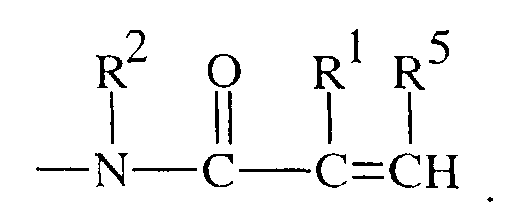
- X is and Y is hydrogen, or X is hydrogen, and Y is
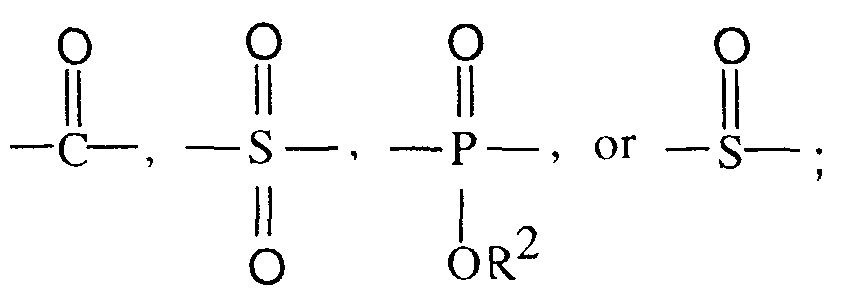
- Y is -D-E-F, and -D-E-F is or
- X is -D-E-F, and -D-E-F is or
- R 2 is hydrogen
- Y is -D-E-F and X is -O(CH 2 ) n -morpholino.
- R 5 is carboxy, (C 1 -C 6 alkyl)oxycarbonyl or C 1 -C 6 alkyl.
- Y is -D-E-F and X is -O(CH 2 ) n morpholino.
- Y is -D-E-F and X is -O-(CH 2 ) n -N 1 -piperazinyl[N 4 -(C 1 -C 6 )alkyl].
- Y is -D-E-F and X is -O-(CH 2 ) n -imidazoyl, in combination with a retinoid.
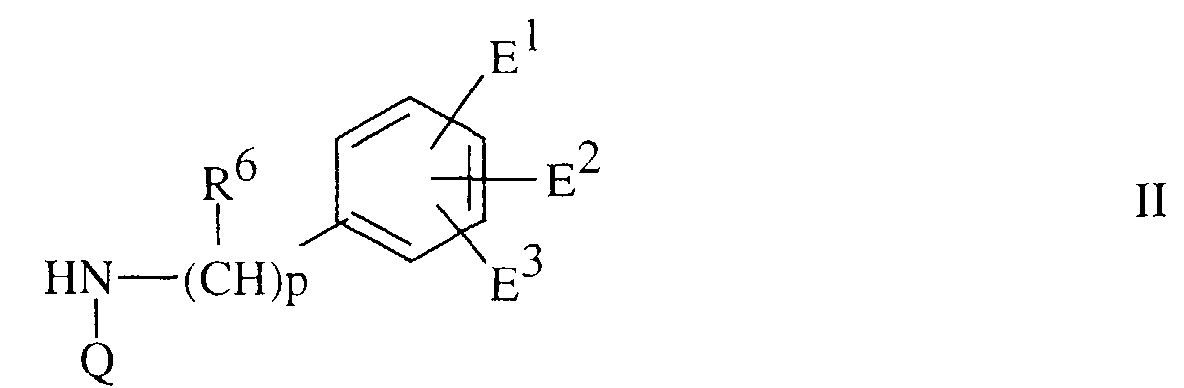
- the present invention provides combinations of retinoids and compounds having the Formula II wherein
- E 1 and E 2 are hydrogen, and E 3 is a halogen.
- the halogen is bromine
- the bromine is located at the three or meta position of the phenyl ring.
- E 1 is hydrogen
- E 2 is chlorine
- E 3 is fluorine
- the present invention provides a method for using compounds having the Formula III wherein
- E 1 and E 2 are hydrogen ,and E 3 is bromine.
- E 1 is hydrogen
- E 2 is chlorine
- E 3 is fluorine
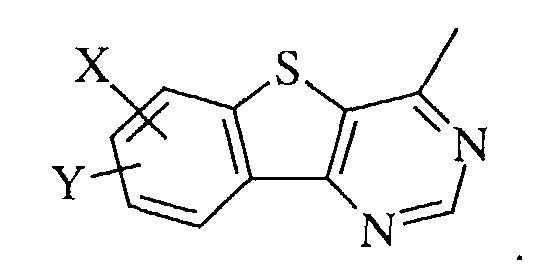
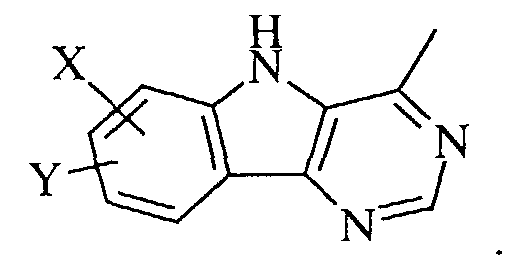
- Q is a 6 -substituted benzothieno[3,2-d]-pyrmid-4-yl.
- the present invention also provides a pharmaceutically acceptable composition that comprises a compound of Formula I, II, or III.
- the present invention also provides a method of treating cancer, the method comprising administering to a patient having cancer a therapeutically effective amount of a compound of Formula I, II, or III.
- the present invention also provides a method of treating or preventing restenosis, the method comprising administering to a patient having restenosis or at risk of having restenosis, a therapeutically effective amount of a compound of Formula I, II, or III.
- the present invention also provides a method of treating psoriasis, the method comprising administering to a patient having psoriasis a therapeutically effective amount of a compound of Formula I, II, or III.
- the present invention also provides a method of treating atherosclerosis, the method comprising administering to a patient having atherosclerosis a therapeutically effective amount of a compound of Formula I, II, or III.
- the present invention also provides a method of treating endometriosis, the method comprising administering to a patient having endometriosis a therapeutically effective amount of a compound of Formula I, II, or III.
- the present invention also provides a method of irreversibly inhibiting tyrosine kinases, the method comprising administering to a patient in need of tyrosine kinase inhibition a tyrosine kinase inhibiting amount of a compound of Formula I, II or III.
- the present invention provides combinations of retinoids together with erb inhibitors selected from:
- the most preferred combination is N-[4-(3-chloro-4-fluoro-phenylamino)-7-(3-morpholin-4-yl-propoxy)-quinazolin-6-yl]-acrylamide dihydrochloride together with a retinoid.
- Another preferred embodiment is a combination comprising a pyridopyrmidine erb inhibitor together with a retinoid.
- Another preferred aspect of this invention provides a combination of an erb inhibitor selected from compounds of Formula I, II, or III.
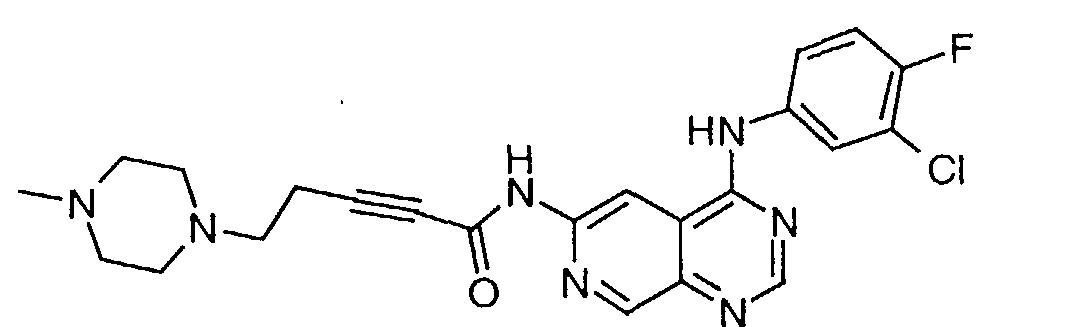
- this invention provides a combination of 5-(4-methyl-piperazin-1-yl)-pent-2-ynoic acid [4-(3-chloro-4-fluorophenylamino)-pyrido[3,4-d]pyrimidin-6-yl]-amide with a retinoid.
- this invention provides a combination of a quinazoline erb inhibitor together with a retinoid.
- this invention is a combination comprising N-[4-(3-bromo-phenylamino)-7-(3-morpholin-4-yl-propoxy)-quinazolin-6-yl]-acrylamide with a retinoid.
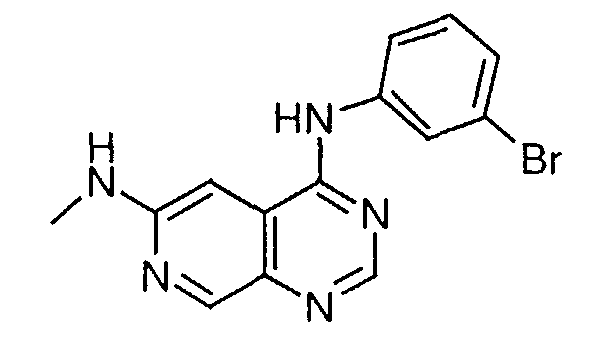
- this invention is a combination of N 4 -(3-bromo-phenyl)-N 6 -methyl-pyrido[3,4-d]pyrimidine-4,6-diamine together with a retinoid.
- the invention provides a combination of N-[4-(3-chloro-4-fluoro-phenylamino)-7-(3-morpholin-4-yl-propoxy)-quinazolin-6-yl]-acrylamide together with a retinoid.
- a method provided by this invention comprises administering an all -trans retinal, all -trans retinol, all -trans retinoic acid, 9- cis -retinoic acid, 13- cis -retinoic acid, 13- cis -retinal, 13- cis -retinol, 9-cis -retinal, or 9- cis -retinol in combination with an erb inhibitor to a patient in need of treatment.
- retinoids In a preferred embodiment of this invention, numerous compounds are known which are characterized as retinoids. A comprehensive discussion of retinoids is given by Dawson and Hobbs, in Chapter 2 of The Retinoids: Biology, Chemistry, and Medicine, 2 nd ed., Sporn, Roberts, and Goodman. New York: Raven Press, Ltd., 1994. That reference is incorporated herein by reference for its teaching of the synthesis of retinoids. All that is required by this invention is that a compound characterized as a retinoid is administered to an animal in an LF(a) lowering amount.
- Preferred retinoids to be utilized in the present invention include retinoic acid of the formula
- Retinoic acid derivatives also are preferred, for example, compounds of the formula wherein Ar is an aryl group, and "ester” is an organic ester forming group.
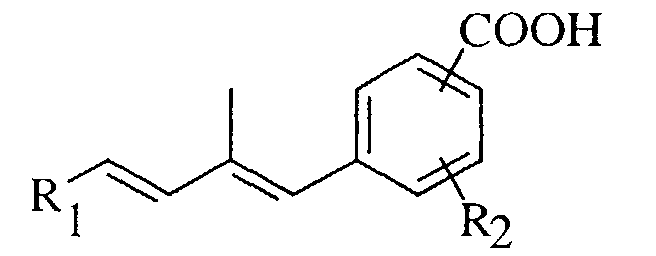
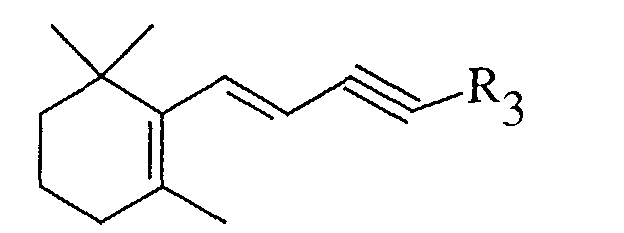
- Retinoids which are dienyl benzoic acid and enzynylaryl carboxylic acids also are preferred.
- R 1 is cycloalkyl or aryl
- R 2 is a typical phenyl substituted group such as halo, alkyl, alkoxy, alkylthio, and the like.
- the retinoid is selected from trans -retinal, all- trans retinol, all- trans -retinoic acid, 9- cis -retinoic acid, 13- cis -retinoic acid, 13- cis -retinol, 13-cis -retinal, 9- cis -retinal, or 9- cis -retinol.
- this invention provides a method of treating and preventing skin disorders comprising administering to an animal in need of treatment an effective amount of a combination of an erb inhibitor with a retinoid.
- this invention provides a method of treating and preventing skin aging comprising administering to an animal in need of treatment an antiaging amount of a combination of a retinoid and an erb inhibitor.
- this invention provides a method of treating skin aging comprising administering a therapeutic amount of a retinoid and an erb inhibitor where the skin aging is photoaging.
- this invention provides a method of treating and preventing acne comprising administering to an animal in need of treatment an antiacne amount of a combination of an erb inhibitor and a retinoid.
- this invention provides a method of treating and preventing psoriasis comprising administering to an animal in need of treatment an antipsoriasis amount of a combination of an erb inhibitor and a retinoid.
- this invention provides a method of treating and preventing precancerous lesions and skin cancers comprising administering to an animal in need of treatment of an anticancer amount of a combination of an erb inhibitor and a retinoid.
- this method also provides a kit containing a retinoid in one compartment and an erb inhibitor in a second compartment.
- Retinoids include natural forms and synthetic analogues of Vitamin A. Retinoids described in United States Patent No. 5489611 are contemplated to be used in this invention and are incorporated herein by reference.
- retinoid in combination with an erb inhibitor.
- the components can be combined in a single composition, or can be administered individually.
- the retinoids are to be administered in doses effective in preventing and treating skin disease. Effective doses of retinoids are described in United States Patent No. 5,489,611 incorporated herein by reference.
- Topical retinoids such as RETIN-A®, Renova® (tretinoin emollient cream), and RETIN-A® micro (Ortho Dermatological) are often administered as described in the Physicians' Desk Reference, 2000:2139-2142, incorporated herein by reference.
- RETIN-A Gel contains tretinoin (retinoic acid, vitamin A acid) in either of two strengths, 0.025% or 0.01% by weight, in a gel vehicle of butylated hydroxytoluene, hydroxypropyl cellulose and alcohol (denatured with tert -butyl alcohol and brucine sulfate) 90% w/w.
- RETIN-A (tretinoin) Cream contains tretinoin in either of three strengths, 0.1%, 0.05%, or 0.025% by weight, in a hydrophilic cream vehicle of stearic acid, isopropyl myristate, polyoxyl 40 stearate, stearyl alcohol, xanthan gum, sorbic acid, butylated hydroxytoluene, and purified water.
- RETIN-A Liquid contains tretinoin 0.05% by weight, polyethylene glycol 400, butylated hydroxytoluene and alcohol (denatured with tert -butyl alcohol and brucine sulfate) 55%. Chemically, tretinoin is all-trans -retinoic acid.
- RETIN-A may be applied once to several times a day, enough to cover affected areas of the skin in need of treatment.
- the retinoids preferably are combined with one or more pharmaceutically acceptable diluents, carriers, excipients, or the like, for convenient oral, parenteral, and topical administration to animals, preferably humans.
- the retinoids can be combined with an erb inhibitor and formulated into a single dosage form.
- the retinoids are ideally suited to formulation for oral administration in the form of tablets, capsules, dispersible powders, granules, suspensions, elixirs, buccal seals, and the like.
- the formulations typically will contain from about 1% to about 90% by weight of active retinoid, and/or erb inhibitor, and more commonly from about 5% to about 60% by weight.
- Oral formulations can contain, for suspensions, from about 0.05% to about 5% by weight of a suspending agent, such as talc or the like, and syrups will contain from about 10% to about 50% by weight of a sugar such as dextrose. Tablets may contain normal amounts of binders, stabilizers, and common diluents in such as corn starch and sugars. Parenteral formulations, for instance, solutions for IV injection, will be made by dissolving or suspending the retinoid in a solvent such as isotonic saline or 5% glucose in sterile water.
- a suspending agent such as talc or the like
- syrups will contain from about 10% to about 50% by weight of a sugar such as dextrose. Tablets may contain normal amounts of binders, stabilizers, and common diluents in such as corn starch and sugars.
- Parenteral formulations for instance, solutions for IV injection, will be made by dissolving or suspending the retinoid in a
- the dose of retinoid to be administered is that amount which is effective for treating skin disorders.
- an "antiskin disorder amount" of an erb inhibitor is the amount of an erb inhibitor necessary for treating and preventing retinoid-induced skin injury responsive to erb inhibition.
- the effective dosage of active ingredients employed may vary depending on the particular compound employed, the mode of administration, and the severity of the condition being treated. However, in general, satisfactory results are obtained when the retinoids are administered at a daily dosage of from about 0.5 to about 500 mg/kg of animal body weight, preferably given in divided doses two to four times a day, or in sustained-release form. For most large mammals, such as humans, the total daily dosage is from about 1 to 100 mg, preferably from about 2 to 80 mg.
- Dosage forms suitable for internal use comprise from about 0.5 to 500 mg of the active compound in intimate admixture with a solid or liquid pharmaceutically acceptable carrier. This dosage regimen may be adjusted to provide the optimal therapeutic response.
- Typical dosages of erb inhibitor are doses that range from 0.01 mg to 2000 mg; 2 mg to 650 mg; 2 mg, 5 mg, 25 mg, or 250 mg.
- compositions of this invention may be administered orally as well as by intravenous, intramuscular, or subcutaneous routes.
- Solid carriers include starch, lactose, dicalcium phosphate, microcrystalline cellulose, sucrose, and kaolin, while liquid carriers include sterile water, polyethylene glycols, nonionic surfactants, and edible oils such as corn, peanut, and sesame oils, as are appropriate to the nature of the active ingredient and the particular form of administration desired.
- Adjuvants customarily employed in the preparation of pharmaceutical compositions may be advantageously included, such as flavoring agents, coloring agents, preserving agents, and antioxidants, for example, vitamin E, ascorbic acid, BHT, and BHA.
- compositions from the standpoint of ease of preparation and administration are solid compositions, particularly tablets and hard-filled or liquid-filled capsules. Oral administration of the compounds is preferred.
- active compounds may also be administered parenterally or intraperitoneally.
- Solutions or suspensions of these active compounds as a free base or pharmacologically acceptable salt can be prepared in water suitably mixed with a surfactant such as hydroxypropylcellulose.
- Dispersions can also be prepared in glycerol, liquid polyethylene glycols, and mixtures thereof in oils. Under ordinary conditions of storage and use, these preparations contain a preservative to prevent the growth of microorganisms.
- the pharmaceutical forms suitable for injectable use include sterile aqueous solutions or dispersions and sterile powders for the extemporaneous preparation of sterile injectable solutions or dispersions.
- the form must be sterile and must be fluid to the extent that easy syringability exists. It must be stable under the conditions of manufacture and storage and must be preserved against the contaminating action of microorganisms such as bacterial and fungi.
- the carrier can be a solvent or dispersion medium containing, for example, water, ethanol, polyol (e.g., glycerol, propylene glycol, and liquid polyethylene glycol), suitable mixtures thereof, and vegetable oils.
- the compounds may also be encapsulated in liposomes to allow an intravenous administration of the drug.
- the liposomes suitable for use in the invention are lipid vesicles and may include plurilamellar lipid vesicles, small sonicated multimellar vesicles, reverse phase evaporation vesicles, large multilamellular vesicles, and the like, wherein the lipid vesicles are formed by one or more phospholipids such as phosphotidylcholine, phosphatidylglycerol, sphingomyelin, phospholactic acid, and the like.
- the liposomes may also comprise a sterol component such as cholesterol.
- the retinoids and the erb inhibitors are formulated for topical administration, for example as creams, lotions, salves, and in extended release forms such as patches.
- the recommended dosage range for Accutane is 0.5 to 2 mg/kg given in two divided doses daily for 15 to 20 weeks. In studies comparing 0.1, 0.5, and 1 mg/kg/day, it was found that all dosages provided initial clearing of disease, but there was a greater need for retreatment with the lower dosages.
- the initial dosage of Accutane be 0.5 to 1 mg/kg/day. Patients whose disease is very severe or is primarily manifested on the body may require up to the maximum recommended dosage, 2 mg/kg/day.
- the dose may be adjusted according to response of the disease and/or the appearance of clinical side effects - some of which may be dose-related.
- the drug may be discontinued. After a period of 2 months or more off therapy, and if warranted by persistent or recurring severe nodular acne, a second course of therapy may be initiated. Contraceptive measures must be followed for any subsequent course of therapy.
- Accutane should be administered with food.
- the retinoids may be administered by topical, systemic, intravenous, intramuscular, or subcutaneous routes.
- Erb inhibitors belong to the family of receptor tyrosine kinases.
- Erb receptors are a family of receptors having an extracellular ligand-binding domain, a transmembrane region, and a cytoplasmic protein tyrosine kinase domain. Dimerization of ligands related to EGF bind the extracellular domain of the erb receptors stimulating tyrosine kinase activity which activates autophosphorylation of the tyrosine residues of the cytoplasmic domain. This reaction signals the regulation of intracellular signaling and gene expression biological activity related to erb receptor activation (Olayioye et al., Supra., 2000).
- This erbB family consists of the EGF receptor also known as (ERB-B1/HER1), the erbB2/Neu/HER2, erbB3/HER3, and erbB4/HER4 receptor (Olayioye et al., Supra., 2000).
- This invention includes the use of reversible and irreversible pharmacological antagonists of tyrosine kinase activity.
- erb inhibitors include but are not limited to the following types of compounds.
- Quinazolines and pyridopyrimidines are compounds described in Formulas I, II, and III and RP 0566226, which are incorporated herein by reference.
- the invention preferably employs the following erb inhibitors:
- compositions containing erbB inhibitors, dosage regimens, and administration methods are described in Formulas I, II, and III.
- the present study examined the effects of RA on human skin subjected to organ culture in the presence or absence of c-erbB antagonists.
- the results strongly support a key role for HB-EGF acting directly on c-erbB family members in keratinocytes in the genesis of RA-induced epidermal hyperplasia.
- a goat polyclonal antibody to HB-EGF (cat. #AF-259-NA) was obtained from R&D Systems Inc. (Minneapolis, MN). The antibody neutralizes HB-EGF activity in Balb/3T3 cell proliferation assays. Normal goat serum was used as control.
- RA and ROL were obtained from Sigma Chemical Co. (St. Louis, MO). Stocks of RA were prepared at 20 mg/mL in dimethyl sulfoxide (DMSO) and stored frozen, protected from light. For in vitro assays, the RA stock was diluted in culture medium at the time of use. At the highest concentration of RA used (3 ⁇ M), the amount of DMSO in the culture medium was 0.05 ⁇ L/mL of culture medium.
- Subjects were treated for 3 days with 0.1 % RA or vehicle, or for 7 days with 1% retinol (ROL) or vehicle. All treatments were applied under plastic wrap occlusion and covered with an opaque bandage to prevent drug loss and drug exposure to light. At the end of the treatment period, replicate 2-mm full-thickness punch biopsies of retinoid-treated and vehicle-treated skin were obtained from each individual. Tissue was fixed in 10% buffered formalin and examined histologically after staining with hematoxylin and eosin.
- ROL retinol
- the number of keratinocytes per unit length of epidermis was assessed morphometrically using NIH Image software as previously described (Varani J, Warner RL, Gharaee-Kermani M, Phan SH, Kang S, Chung JH, et al. Vitamin A antagonizes decreased cell growth and elevated collagen-degrading matrix metalloproteinases and stimulates collagen accumulation in naturally aged human skin. J Invest Dermatol, 2000; 114:480-486). Additional tissue sections were stained with antibody to Ki-67, and the number of positive cells counted per unit length of epidermis. Ki-67 expression is associated with proliferation (Key G, Becker MH, Baron B, Duchrow M, Schluter C, Flad HD, Gerdes J.
- Ki-67-equivalent murine monoclonal antibodies generated against bacterially expressed parts of the Ki-67 cDNA containing three 62 base pair repetitive elements encoding for the Ki-67 epitope. Lab Invest, 1993;68:629-636).
- Human skin organ cultures For the experiments shown in Figures 2 and 5, replicate 2 mm full-thickness punch biopsies of sun-protected hip skin were obtained from volunteers. Immediately upon biopsy, the tissue was immersed in culture medium consisting of Keratinocyte Basal Medium (KBM) (Clonetics, Inc., Walkersville. MD).
- KBM Keratinocyte Basal Medium
- KBM is a low-Ca 2+ , serum-free modification of MCDB-153 medium optimized for high-density keratinocyte growth (Wille J, Jr., Pittelkow MR, Shipley GD. Scott RE. Integrated control of growth and differentiation of normal human prokeratinocytes cultured in serum-free medium: clonal analyses, growth kinetics, and cell cycle studies. J Cell Physiol 1984;121:31-44). It was supplemented with CaCl 2 to bring the final Ca 2+ concentration to 1.4 mM. After transport to the laboratory on ice, the biopsies were incubated in a 96-well dish containing 200 ⁇ L of Ca 2+ -supplemented KBM with or without additional treatments.
- Human epidermal keratinocytes and dermal fibroblasts in monolayer culture Normal human epidermal keratinocytes were obtained from skin biopsies and maintained in monolayer culture using Keratinocyte Growth Medium (KGM) (Clonetics, Inc., Walkersville, MD). KGM contains the same basal medium as KBM, but is further supplemented with a mixture of growth factors including 0.1 ng/mL EGF, 0.5 ⁇ g/mL insulin, and 2% bovine pituitary extract.
- KGM Keratinocyte Growth Medium
- EGF 0.5 ⁇ g/mL insulin
- bovine pituitary extract a mixture of growth factors including 0.1 ng/mL EGF, 0.5 ⁇ g/mL insulin, and 2% bovine pituitary extract.
- the HaCaT line of immortalized human epidermal keratinocytes Boukamp P, Petrussevska RT, Breitkreutz D, Hornung J, Markham A, Fusenig NE.
- Fibroblasts obtained from human skin were grown in monolayer culture using Dulbecco's modified minimal essential medium supplemented with nonessential amino acids and 10% fetal bovine serum (DMEM-FBS). Both keratinocytes and fibroblasts were maintained at 37°C in an atmosphere of 95% air and 5% CO 2 . Cells were sub-cultured by exposure to trypsin/EDTA and used at passage 2-3. Proliferation and cytotoxicity assays: For proliferation assays, cells were initially plated at 4 ⁇ 10 4 cells per well of a 24-well dish in growth medium (KGM for keratinocytes or DMEM-FBS for fibroblasts).
- the medium was removed and the cells washed twice in KBM (keratinocytes) or Ca 2+ -supplemented KBM (fibroblasts). The cells were then incubated for 48 hours with or without additional reagents as indicated in Results. At the end of the incubation period, the cells were harvested by trypsinization and enumerated using an automated particle counter (Coulter Electronics, Hialeah, FL).
- a 51 Cr-release assay was used to measure cytotoxic effects of the irreversible c-erbB-RTK antagonist.
- keratinocytes were initially plated at 2 ⁇ 10 4 cells per well of a 24-well dish in growth medium (KGM) and treated with 1 ⁇ Ci per well of 51 Cr. After allowing cells to incorporate 51 Cr for one day, the non-incorporated isotope was removed and the cells washed twice in KBM. The cells were then incubated for 18 hours with or without treatments as indicated in Results. At the end of the incubation period, the percentage of incorporated 51 Cr that was released into the culture medium was determined.
- KGM growth medium
- Induction of epidermal thickening in adult human skin by topical retinoid treatment Comparison with hyperplasia induced in organ-cultured human skin by RA. As can be seen in Figure 1, topical application of RA or ROL under occlusion induced a marked increase in epidermal thickness, and in the number of keratinocytes present per linear unit of epidermis. It can also be seen that the number of Ki-67-positive cells increased markedly, in parallel with skin thickening, in the retinoid-treated groups.
- FIG. 2 shows the typical histological appearance of organ-cultured tissue maintained in the absence or presence of RA.
- control medium KBM containing 1.4 mM Ca 2+ but no RA
- the histological appearance of the tissue resembled that of freshly-biopsied skin, as previously reported (Varani, Supra., 1993).
- Scattered cells in the basal layer stained positive with antibody to the proliferation-associated antigen, Ki-67, and occasional mitoses were observed (data not shown).
- the appearance of the RA-treated tissue was significantly different. The epidermis was thickened, due to an increase in the number of epidermal keratinocytes.
- Basal and lower suprabasal cells demonstrated a characteristic pallor on hematoxylin and eosin staining.
- the epidermis of RA-treated tissue was more disorganized than controls, with loss of the normal progression from basal to spinous to granular layers. Loss of suprabasal keratinocyte cohesion was frequently observed, leading to partial or complete separation of the upper spinous layers in some RA-treated specimens (data not shown).
- RA-treated cultures displayed a much larger number of Ki-67-positive cells than did the controls, with Ki-67-positive cells in the basal and first suprabasal layers (not shown).
- Tyrosine kinase inhibitors Irreversible Inhibitors of the epidermal growth factor receptor: 4-(Phenylamino)quinazoline-and 4-(phenylamino)pyrido[3,2-d]pyrimidine-6-acrylamides bearing additional solubilizing functions. J Med Chem, 2000;43:1380-1397).
- the histological appearance of organ cultures treated with RA + PD 169540 was very similar to that of control organ cultures not treated with either reagent. Both the increase in epidermal thickness induced by RA and the diminution of RA-stimulated epidermal thickness by PD 169540 were statistically significant, as demonstrated by keratinocyte counts ( Figure 2).
- PD 169540 The effect of PD 169540 was dose-dependent: 0.5 ⁇ M and 0.1 ⁇ M PD 169540 were also effective, albeit less so than 1 ⁇ M, whereas lower concentrations had no effect (data not shown).
- a reversible inhibitor of c-erbB-RTK activity, PD 158780 was examined at 1 ⁇ M, 5 ⁇ M, and 10 ⁇ M for effects on RA-stimulated hyperplasia. Like PD 169540, this compound also reversed the effects of RA. Antiproliferative activity was detected only at 5 and 10 ⁇ M PD 158780 (data not shown). Effects of c-erbB-RTK antagonists on proliferation of human epidermal keratinocytes in monolayer culture.
- the two c-erbB-RTK antagonists were examined for their ability to inhibit the proliferation of human keratinocytes in monolayer culture (Figure 3). Both reagents inhibited keratinocyte growth in a concentration-dependent manner. There was a direct relationship between effectiveness in inhibiting hyperplasia in organ culture and effectiveness in blocking epithelial cell proliferation in monolayer culture. PD 169540 was clearly the more potent compound in both assays. Additional studies showed that both reagents were substantially more potent when the non-c-erbB keratinocyte mitogens, insulin and bovine pituitary extract (Wille et al, Supra., 1984; Boyce S, Ham R. Normal human epidermal keratinocytes.
- Fibroblasts are the major cellular source of collagen production in the skin. Increased collagen production and reduced collagen degeneration are thought to be responsible for the antagonistic effect of topical retinoids on photoaging. Likewise, induction of new collagen elaboration may underlie the beneficial effects of topical retinoids in natural-aged skin. In spite of these beneficial effects, topical retinoids can induce undesirable effects such as scaling and redness in some people. The foregoing data show that c-erbB signaling appears to play little if any role in the effect of RA on fibroblasts.
- This invention thus provides compositions of retinoids and erb inhibitors and a method for treating skin disorders in mammals by administering such combinations, thereby achieving the benefits of retinoids on skin disorders without imposing the life-threatening detrimental toxicities often caused by retinoids alone.
- retinoids Numerous compounds are known which are characterized as retinoids. A comprehensive discussion of retinoids is given by Dawson and Hobbs, in Chapter 2 of The Retinoids: Biology, Chemistry, and Medicine, 2 nd ed., Sporn, Roberts, and Goodman. New York: Raven Press, Ltd., 1994. That reference is incorporated herein by reference for its teaching of the synthesis of retinoids. All that is required by this invention is that a compound characterized as a retinoid is administered to an animal in an LF(a) lowering amount.
- Preferred retinoids to be utilized in the present invention include retinoic acid of the formula
- Retinoic acid derivatives also are preferred, for example, compounds of the formula wherein Ar is an aryl group, and "ester” is an organic ester forming group.
- Retinoids which are dienyl benzoic acid and enzynylaryl carboxylic acids also are preferred.
- R 1 is cycloalkyl or aryl
- R 2 is a typical phenyl substituted group such as halo, alkyl, alkoxy, alkylthio, and the like.
- the retinoid is selected from trans -retinal, all -trans retinol, all- trans -retinoic acid, 9- cis -retinoic acid, 13- cis -retinoic acid, 13- cis -retinol, 13-cis -retinal, 9- cis -retinal, or 9- cis -retinol.
Landscapes
- Health & Medical Sciences (AREA)
- Life Sciences & Earth Sciences (AREA)
- Public Health (AREA)
- Veterinary Medicine (AREA)
- Animal Behavior & Ethology (AREA)
- General Health & Medical Sciences (AREA)
- Chemical & Material Sciences (AREA)
- Medicinal Chemistry (AREA)
- Epidemiology (AREA)
- Pharmacology & Pharmacy (AREA)
- Dermatology (AREA)
- Chemical Kinetics & Catalysis (AREA)
- Birds (AREA)
- General Chemical & Material Sciences (AREA)
- Nuclear Medicine, Radiotherapy & Molecular Imaging (AREA)
- Organic Chemistry (AREA)
- Engineering & Computer Science (AREA)
- Bioinformatics & Cheminformatics (AREA)
- Gerontology & Geriatric Medicine (AREA)
- Toxicology (AREA)
- Pharmaceuticals Containing Other Organic And Inorganic Compounds (AREA)
- Acyclic And Carbocyclic Compounds In Medicinal Compositions (AREA)
- Medicines That Contain Protein Lipid Enzymes And Other Medicines (AREA)
Abstract

Description


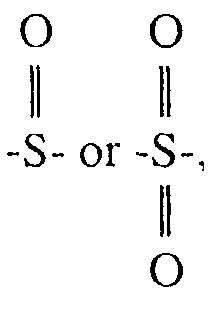
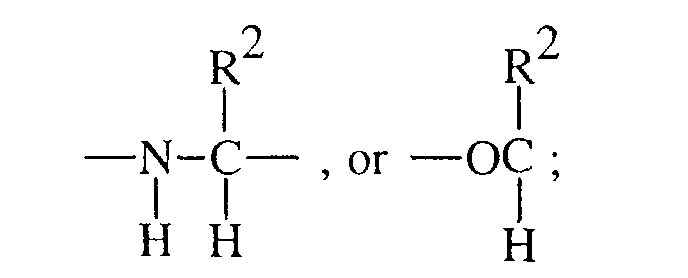
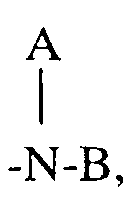
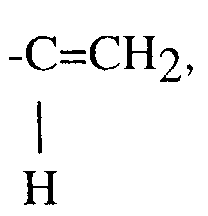
X is hydrogen, and Y is









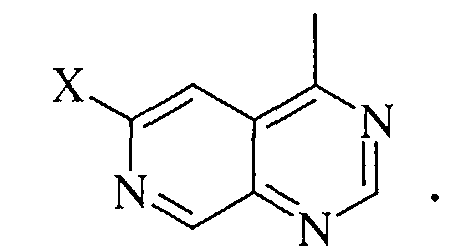
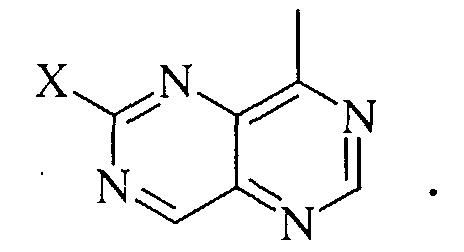
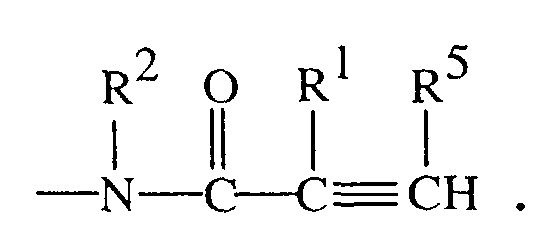


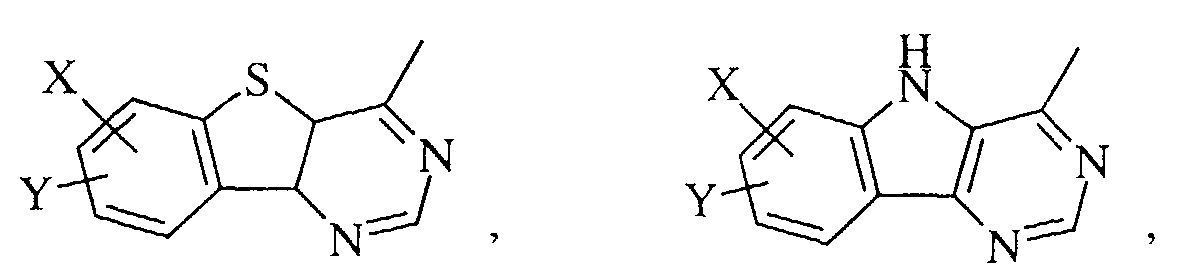


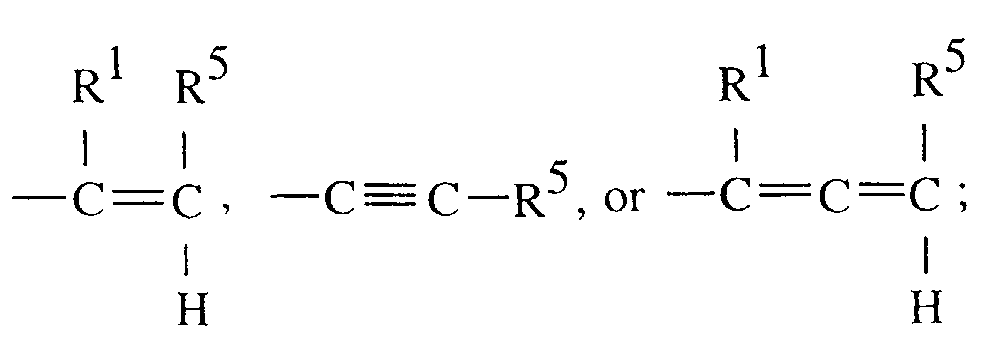
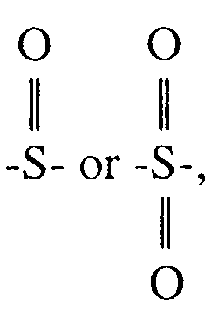

- R5 is hydrogen, halogen, C1-C6-perfluoroalkyl, 1,1-difluoro(C1-C6)alkyl,
C1-C6 alkyl, -(CH2)n-N-piperidinyl, -(CH2)n-piperazinyl,
-(CH2)n-piperazinyl[N4-(C1-C6)alkyl], -(CH2)n-N-pyrrolidyl,
-(CH2)n-pyridinyl, -(CH2)n-N-imidazoyl, -(CH2)n-N-morpholino,
-(CH2)n-N-thiomorpholino,
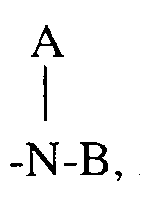
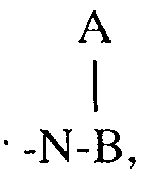
-(CH2)n-N-hexahydroazepine, -(CH2)nNH2, -(CH2)nNH(C1-C6 alkyl), -(CH2)nN(C1-C6 alkyl)2, -1-oxo(C1-C6)alkyl, carboxy, (C1-C6)alkyloxycarbonyl, N-(C1-C6)alkylcarbamoyl, phenyl or substituted phenyl, wherein the substituted phenyl can have from one to three substituents independently selected from Z1, Z2, Z3 or a monocyclic heteroaryl group, and each C1-C6 alkyl group can be substituted with -OH, -NH2 or -NAB, where A and B are as defined above, R6is hydrogen or C1-C6 alkyl; and
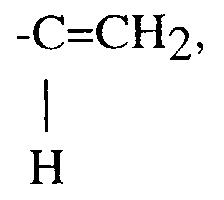
- n is 1 to 4, and the pharmaceutically acceptable salts, esters, amides, and prodrugs thereof in combination with a retinoid.




| ACCUTANE DOSING BY BODY WEIGHT | ||||
| Body Weight | Total Mg/Day | |||
| kilograms | pounds | 0.5 mg/ | 1 mg/kg | 2 mg/ |
| 40 | 88 | 20 | 40 | 80 |
| 50 | 110 | 25 | 50 | 100 |
| 60 | 132 | 30 | 60 | 120 |
| 70 | 154 | 35 | 70 | 140 |
| 80 | 176 | 40 | 80 | 160 |
| 90 | 198 | 45 | 90 | 180 |
| 100 | 220 | 50 | 100 | 200 |



Topical retinoid treatment of human skin: Adult volunteers were treated topically with RA, ROL, or vehicle on sun-protected buttock skin sites. The vehicle consisted of 7 parts 95% ethanol and 3 parts propylene glycol (v/v). Subjects were treated for 3 days with 0.1 % RA or vehicle, or for 7 days with 1% retinol (ROL) or vehicle. All treatments were applied under plastic wrap occlusion and covered with an opaque bandage to prevent drug loss and drug exposure to light. At the end of the treatment period, replicate 2-mm full-thickness punch biopsies of retinoid-treated and vehicle-treated skin were obtained from each individual. Tissue was fixed in 10% buffered formalin and examined histologically after staining with hematoxylin and eosin. The number of keratinocytes per unit length of epidermis was assessed morphometrically using NIH Image software as previously described (Varani J, Warner RL, Gharaee-Kermani M, Phan SH, Kang S, Chung JH, et al. Vitamin A antagonizes decreased cell growth and elevated collagen-degrading matrix metalloproteinases and stimulates collagen accumulation in naturally aged human skin. J Invest Dermatol, 2000; 114:480-486). Additional tissue sections were stained with antibody to Ki-67, and the number of positive cells counted per unit length of epidermis. Ki-67 expression is associated with proliferation (Key G, Becker MH, Baron B, Duchrow M, Schluter C, Flad HD, Gerdes J. New Ki-67-equivalent murine monoclonal antibodies (MIB 1-3) generated against bacterially expressed parts of the Ki-67 cDNA containing three 62 base pair repetitive elements encoding for the Ki-67 epitope. Lab Invest, 1993;68:629-636).
Human skin organ cultures: For the experiments shown in Figures 2 and 5, replicate 2 mm full-thickness punch biopsies of sun-protected hip skin were obtained from volunteers. Immediately upon biopsy, the tissue was immersed in culture medium consisting of Keratinocyte Basal Medium (KBM) (Clonetics, Inc., Walkersville. MD). KBM is a low-Ca2+, serum-free modification of MCDB-153 medium optimized for high-density keratinocyte growth (Wille J, Jr., Pittelkow MR, Shipley GD. Scott RE. Integrated control of growth and differentiation of normal human prokeratinocytes cultured in serum-free medium: clonal analyses, growth kinetics, and cell cycle studies. J Cell Physiol 1984;121:31-44). It was supplemented with CaCl2 to bring the final Ca2+ concentration to 1.4 mM. After transport to the laboratory on ice, the biopsies were incubated in a 96-well dish containing 200 µL of Ca2+-supplemented KBM with or without additional treatments. Cultures were incubated at 37°C in an atmosphere of 95% air and 5% CO2. Incubation was for 8 days, with change of medium containing the various treatments every 2 days. At the end of the incubation period, tissue was fixed in 10% buffered formalin and examined histologically after staining with hematoxylin and eosin or after staining with antibody to Ki-67. For the experiment shown in Figure 4, human skin keratome biopsies were subjected to organ culture in the presence or absence of 3 µM RA followed by RNA isolation and Northern blotting as previously described (Stoll SW, Elder JT. Retinoid regulation of heparin-binding EGF-lke growth factor gene expression in human keratinocytes and skin. Exp Dermatol, 1998;7:391-397), except that the concentration of Ca2+ was adjusted to 0.1 mM or 1.4 mM by the addition of CaCl2. cDNA insert probes for detection of HB-EGF and 36B4 were prepared and labeled by random priming, as previously described (Stoll and Elder, Supra., 1998).
Human epidermal keratinocytes and dermal fibroblasts in monolayer culture: Normal human epidermal keratinocytes were obtained from skin biopsies and maintained in monolayer culture using Keratinocyte Growth Medium (KGM) (Clonetics, Inc., Walkersville, MD). KGM contains the same basal medium as KBM, but is further supplemented with a mixture of growth factors including 0.1 ng/mL EGF, 0.5 µg/mL insulin, and 2% bovine pituitary extract. In some experiments, the HaCaT line of immortalized human epidermal keratinocytes (Boukamp P, Petrussevska RT, Breitkreutz D, Hornung J, Markham A, Fusenig NE. Normal keratinization in a spontaneously immortalized aneuploid human keratinocyte cell line. J Cell Biol, 1988;106:761-771) was used in place of normal keratinocytes. We (J.V., S.W.S., and J.T.E., unpublished observations) and others (Chaturvedi V, Qin JZ, Denning MF, Choubey D, Diaz MO, Nickoloff BJ. Apoptosis in proliferating, senescent, and immortalized keratinocytes. J Biol Chem, 1999;274:23358-23367) have observed that HaCaT cells grow well in KGM. Therefore, HaCaT cells and NHK were propagated in exactly the same manner. Fibroblasts obtained from human skin were grown in monolayer culture using Dulbecco's modified minimal essential medium supplemented with nonessential amino acids and 10% fetal bovine serum (DMEM-FBS). Both keratinocytes and fibroblasts were maintained at 37°C in an atmosphere of 95% air and 5% CO2. Cells were sub-cultured by exposure to trypsin/EDTA and used at passage 2-3.
Proliferation and cytotoxicity assays: For proliferation assays, cells were initially plated at 4 × 10⁴ cells per well of a 24-well dish in growth medium (KGM for keratinocytes or DMEM-FBS for fibroblasts). After allowing cells to attach for 1 to 2 hours, the medium was removed and the cells washed twice in KBM (keratinocytes) or Ca2+-supplemented KBM (fibroblasts). The cells were then incubated for 48 hours with or without additional reagents as indicated in Results. At the end of the incubation period, the cells were harvested by trypsinization and enumerated using an automated particle counter (Coulter Electronics, Hialeah, FL).
Effects of c-erbB-RTK antagonists on ability of RA to induce epidermal hyperplasia in organ-cultured skin. It can be seen that PD 169540 reversed the effects of 3 µM RA at the concentration used (1 µM). It has been established previously that this concentration of PD 169540 is without effect on tyrosine kinases residing outside the c-erbB family (Smaill JB, Rewcastle GW, Loo JA, Greis KD, Chan OH, Reyner EL. Tyrosine kinase inhibitors, Irreversible Inhibitors of the epidermal growth factor receptor: 4-(Phenylamino)quinazoline-and 4-(phenylamino)pyrido[3,2-d]pyrimidine-6-acrylamides bearing additional solubilizing functions. J Med Chem, 2000;43:1380-1397). The histological appearance of organ cultures treated with RA + PD 169540 was very similar to that of control organ cultures not treated with either reagent. Both the increase in epidermal thickness induced by RA and the diminution of RA-stimulated epidermal thickness by PD 169540 were statistically significant, as demonstrated by keratinocyte counts (Figure 2). The effect of PD 169540 was dose-dependent: 0.5 µM and 0.1 µM PD 169540 were also effective, albeit less so than 1 µM, whereas lower concentrations had no effect (data not shown). A reversible inhibitor of c-erbB-RTK activity, PD 158780, was examined at 1 µM, 5 µM, and 10 µM for effects on RA-stimulated hyperplasia. Like PD 169540, this compound also reversed the effects of RA. Antiproliferative activity was detected only at 5 and 10 µM PD 158780 (data not shown).
Effects of c-erbB-RTK antagonists on proliferation of human epidermal keratinocytes in monolayer culture. The two c-erbB-RTK antagonists were examined for their ability to inhibit the proliferation of human keratinocytes in monolayer culture (Figure 3). Both reagents inhibited keratinocyte growth in a concentration-dependent manner. There was a direct relationship between effectiveness in inhibiting hyperplasia in organ culture and effectiveness in blocking epithelial cell proliferation in monolayer culture. PD 169540 was clearly the more potent compound in both assays. Additional studies showed that both reagents were substantially more potent when the non-c-erbB keratinocyte mitogens, insulin and bovine pituitary extract (Wille et al, Supra., 1984; Boyce S, Ham R. Normal human epidermal keratinocytes. In: Webber M, Sekely L (ed). In Vitro Models for Cancer Research. CRC Press, Boca Raton, FL, 1983:245-274), were omitted from the keratinocyte cultures (Table 1). Essentially identical results were obtained with HaCaT cells as with low passage keratinocytes (data not shown). As assessed by 51Cr release assay, there was virtually no cytotoxicity of PD 169540 at any of the concentrations tested (Table 1).
| Growth Inhibition and Cytotoxicity of PD 169540 for Keratinocytes Under Various Conditions | ||
| Culture Conditions | Inhibition of Growth (ID50, µRM) | Cytotoxicity (ID50, µM) |
| KBM + Ca2+ | 0.008 | >1 |
| + EGF | 0.006 | >1 |
| + insulin/pituitary extract | 0.9 | >1 |
Effects of neutralizing anti-HB-EGF on RA-induced epidermal hyperplasia in organ-cultured skin. Organ cultures of adult human skin were treated for 8 days with 3 µM RA and concomitantly with 10 µg/mL of either a neutralizing antibody to HB-EGF or normal goat serum. Fresh culture media and reagents were added at 2-day intervals. At the end of the incubation period, the tissue was examined histologically. In the presence of antibody to HB-EGF, RA-stimulated hyperplasia was consistently inhibited (Figure 4). Again, the response was dose-dependent: 5 µg/mL anti-HB-EGF also inhibited RA-induced changes, albeit less effectively than 10 µg/mL. Concentrations lower than 5 µg/mL had no detectable effect (data not shown).
Effects of c-erbB-RTK antagonists and antibody to HB-EGF on RA-induced survival and proliferation of human dermal fibroblasts. After propagation in DMEM-FBS, human dermal fibroblasts were allowed to attach for 2 hours in DMEM-FBS, then propagated for 48 hours in KBM containing 0.15 mM CaCl2 (low-Ca2+), with or without 3 µM RA. RA markedly and significantly promoted fibroblast survival under these low-Ca2+ conditions. There was no inhibition of RA-stimulated fibroblast survival by the c-erbB-RTK inhibitors or by anti-HB-EGF antibody under these conditions (Figure 5).



Claims (11)
- A composition of a retinoid and an erb inhibitor.
- A composition according to Claim 1 where a retinoid is selected from all-trans-retinal, all-trans retinol, all-trans retinoic acid, 9-cis-retinoic acid, 13-cis-retinoic acid, 13-cis-retinal, 13-cis-retinol, 9-cis-retinal, or 9-cis-retinol.
- A composition according to Claim 2 wherein the erb inhibitor is a quinazoline or a pyridopyrimidine; or
wherein the erb inhibitor is a quinazoline; or
the erb inhibitor is a pyridopyrimidine. - A composition according to Claim 3 where the erb inhibitor is a compound according to Formula IIwherein
 Q is
Q is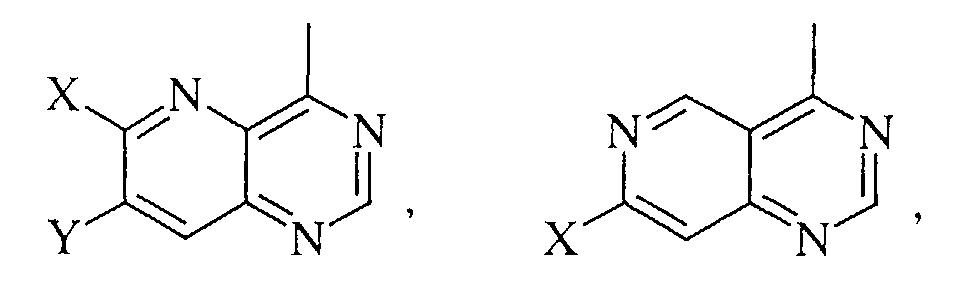
 p is 0 or 1;X is -D-E-F and Y is -SR4, -OR4, -NHR3, or hydrogen, or X is -SR4, -OR4, -NHR3, or hydrogen, and Y is -D-E-F;D isor absent;
 E is
E is F isprovided that when
 E is
E is D is not
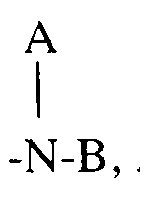
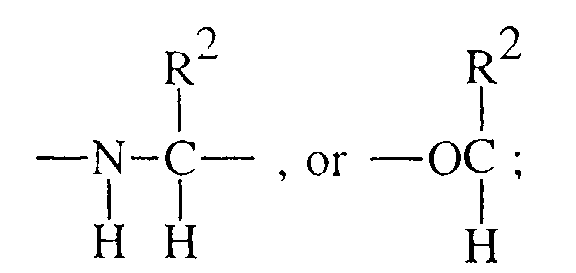 R1 is hydrogen, halogen, or C1-C6 alkyl;R2, R3, and R4 are independently hydrogen, C1-C6 alkyl, -(CH2)n-N-piperidinyl, -(CH2)n-N-piperazinyl, -(CH2)n-N1-piperazinyl[N4-(C1-C6)alkyl], -(CH2)n-N-pyrrolidyl, -(CH2)n-pyridinyl, -(CH2)n-N-imidazoyl, -(CH2)n-imidazoyl, -(CH2)n-N-morpholino, -(CH2)n-N-thiomorpholino, -(CH2)n-N-hexahydroazepine or substituted C1-C6 alkyl, wherein the substituents are selected from OH, -NH2, orA and B are independently hydrogen, C1-C6 alkyl, -(CH2)nOH, -(CH2)n-N-piperidinyl, -(CH2)n-N-piperazinyl, -(CH2)n-N1-piperazinyl[N4-(C1-C6)alkyl], -(CH2)n-N-pyrrolidyl, -(CH2)n-N-pyridyl, -(CH2)n-imidazoyl, or -(CH2)n-N-imidazoyl;
 E1, E2, and E3 are independently halogen, C1-C6 alkyl, C3-C8 cycloalkyl, C1-C6 alkoxy, C3-C8 cycloalkoxy, nitro, C1-C6 perfluoroalkyl, hydroxy, C1-C6 acyloxy, -NH2, -NH(C1-C6 alkyl), -N(C1-C6 alkyl)2, -NH(C3-C8 cycloalkyl), -N(C3-C8 cycloalkyl)2, hydroxymethyl, C1-C6 acyl, cyano, azido, C1-C6 thioalkyl, C1-C6 sulfinylalkyl, C1-C6 sulfonylalkyl, C3-C8 thiocycloalkyl, C3-C8 sulfinylcycloalkyl, C3-C8 sulfonylcycloalkyl, mercapto, C1-C6 alkoxycarbonyl, C3-C8 cycloalkoxycarbonyl, C2-C4 alkenyl, C4-C8 cycloalkenyl, or C2-C4 alkynyl;R5 is hydrogen, halogen, C1-C6-perfluoroalkyl, 1,1-difluoro(C1-C6)alkyl, C1-C6 alkyl, -(CH2)n-N-piperidinyl, -(CH2)n-piperazinyl, -(CH2)n-piperazinyl[N4-(C1-C6)alkyl],-(CH2)n-N-pyrrolidyl, -(CH2)n-pyridinyl, -(CH2)n-N-imidazoyl, -(CH2)n-N-morpholino, -(CH2)n-N-thiomorpholino,-CH=CH-(C1-C6)alkyl, -(CH2)n-N-hexahydroazepine, -(CH2)nNH2, -(CH2)nNH(C1-C6alkyl), -(CH2)nN(C1-C6 alkyl)2, -1-oxo(C1-C6)alkyl, carboxy, (C1-C6) alkyloxycarbonyl, N-(C1-C6)alkylcarbamoyl, phenyl or substituted phenyl, wherein the substituted phenyl can have from
 one to three substituents independently selected from Z1, Z2, Z3 or a monocyclic heteroaryl group, and each C1-C6 alkyl group can be substituted with -OH, -NH2 or -NAB, where A and B are as defined above, R6 is hydrogen or C1-C6 alkyl; andn is 1 to 4, p is 0 and 1, and the pharmaceutically acceptable salts, esters, amides, and prodrugs thereof.
 - A composition according to Claim 4 wherein the erb inhibitor is 5-(4-methyl-piperazin-1-yl)-pent-2-ynoic acid [4-(3-chloro-4-fluorophenylamino)-pyrido[3,4-d]pyrimidin-6-yl]-amide; or
wherein the erb inhibitor is N4-(3-bromo-phenyl)-N6-methyl-pyrido[3,4-d]pyrimidine-4,6-diamine. - A composition according to Claim 3 wherein the quinazoline is a compound of Formula Iwherein
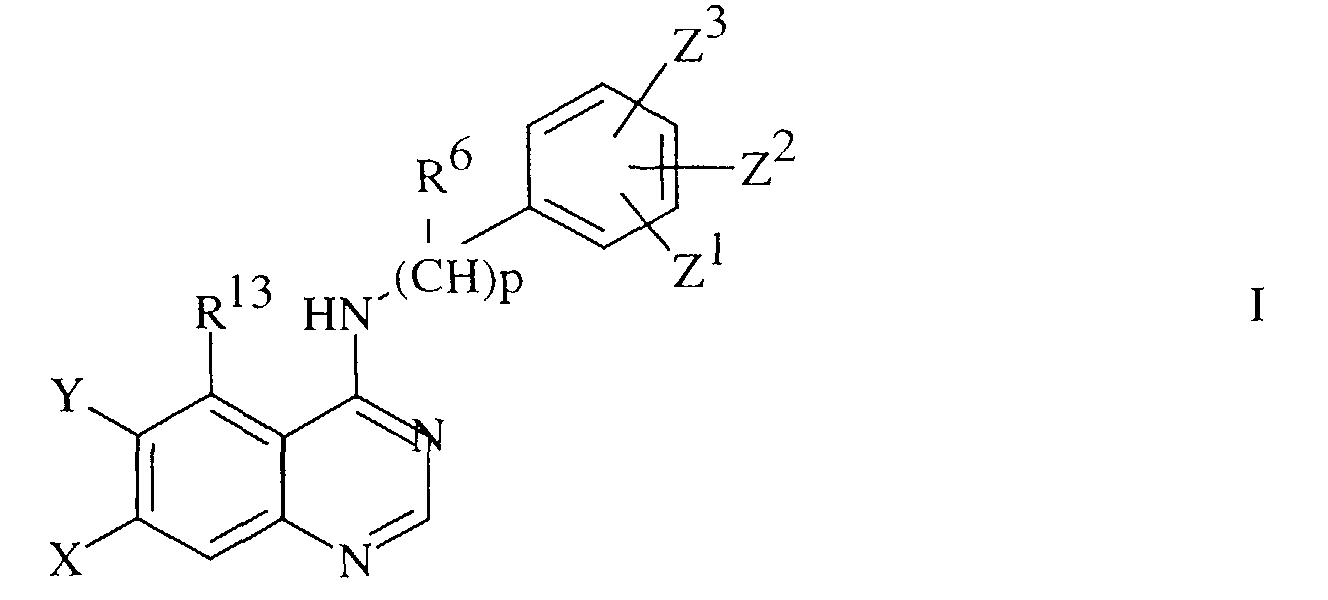 X is -D-E-F and Y is -SR4, halogen, -OR4, -NHR3, or hydrogen, or X is -SR4, halogen, -OR4, -NHR3, or hydrogen, and Y is -D-E-F;D is
 or absent;
 E is
E is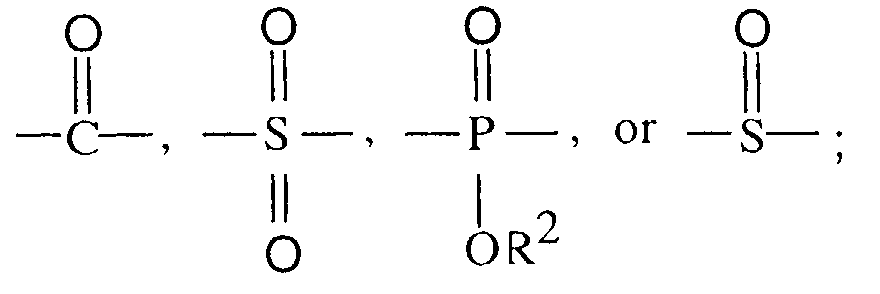 F isprovided that when
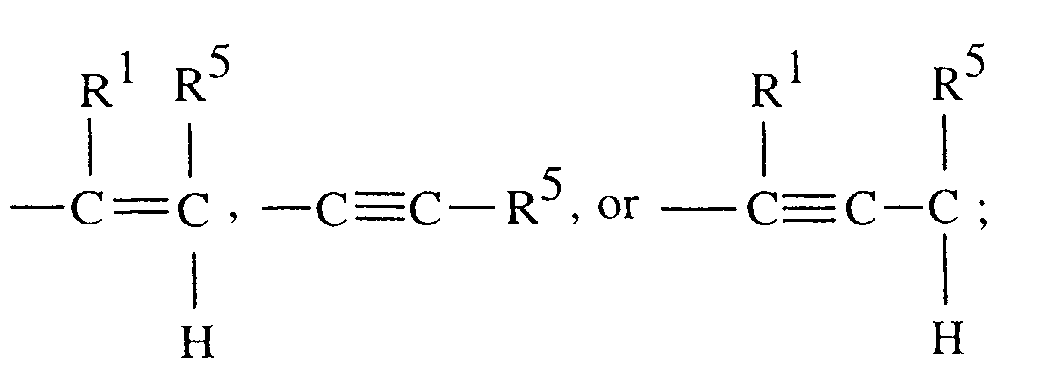 E is
E is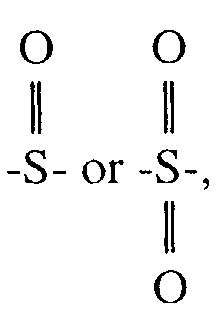 D is not
 R1 is hydrogen, halogen, or C1-C6 alkyl;R2, R3, and R4 are independently hydrogen, C1-C6 alkyl, -(CH2)n-N-piperidinyl, -(CH2)n-N-piperazinyl, -(CH2)n-N1-piperazinyl[N4-(C1-C6)alkyl], -(CH2)n-N-pyrrolidyl, -(CH2)n-pyridinyl, -(CH2)n-N-imidazoyl, -(CH2)n-imidazoyl, -(CH2)n-N-morpholino, -(CH2)n-N-thiomorpholino, -(CH2)n-N-hexahydroazepine or substituted C1-C6 alkyl, wherein the substituents are selected from -OH, -NH2, or
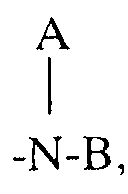 A and B are independently hydrogen, C1-C6 alkyl, -(CH2)nOH, -(CH2)n-N-piperidinyl, -(CH2)n-N-piperazinyl, -(CH2)n-N1-piperazinyl[N4-(C1-C6-)alkyl], -(CH2)n-N-pyrrolidyl, -(CH2)n-N-pyridyl, -(CH2)n-imidazoyl, or -(CH2)n-N-imidazoyl;Z1, Z2, or Z3 are independently hydrogen, halogen, C1-C6 alkyl, C3-C8 cycloalkyl, C1-C6 alkoxy, C3-C8 cycloalkoxy, nitro, C1-C6 perfluoroalkyl, hydroxy, C1-C6 acyloxy, -NH2, -NH(C1-C6 alkyl), -N(C1-C6 alkyl)2, -NH(C3-C8 cycloalkyl), -N(C3-C8 cycloalkyl)2, hydroxymethyl, C1-C6 acyl, cyano, azido, C1-C6 thioalkyl, C1-C6 sulfinylalkyl, C1-C6 sulfonylalkyl, C3-C8 thiocycloalkyl, C3-C8 sulfinylcycloalkyl, C3-C8 sulfonylcycloalkyl, mercapto, C1-C6 alkoxycarbonyl, C3-C8 cycloalkoxycarbonyl, C2-C4 alkenyl, C4-C8 cycloalkenyl, or C2-C4 alkynyl;R5 is hydrogen, halogen, C1-C6-perfluoroalkyl, 1,1-difluoro(C1-C6)alkyl, C1-C6alkyl, -(CH2)n-N-piperidinyl, -(CH2)n-piperazinyl, -(CH2)n-piperazinyl[N4-(C1-C6)alkyl], -(CH2)n-N-pyrrolidyl, -(CH2)n-pyridinyl, -(CH2)n-N-imidazoyl, -(CH2)n-N-morpholino, -(CH2)n-N-thiomorpholino,-CH=CH-(C1-C6)alkyl, -(CH2)n-N-hexahydroazepine, -(CH2)nNH2, -(CH2)nNH(C1-C6alkyl), -(CH2)nN(C1-C6alkyl)2, -1-oxo(C1-C6)alkyl, carboxy, (C1-C6)alkyloxycarbonyl, N-(C1-C6)alkylcarbamoyl, phenyl or substituted phenyl, wherein the substituted phenyl can have from one to three substituents independently selected from Z1, Z2, Z3 or a monocyclic heteroaryl group, and each C1-C6 alkyl group above in R5 can be substituted with -OH, -NH2 or -NAB, where A and B are as defined above, R6 is hydrogen or C1-C6 alkyl; R13 is hydrogen or halogen; and
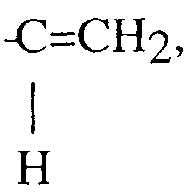 n is 1 to 4, p is 0 or 1, and the pharmaceutically acceptable salts, esters, amides, and prodrugs thereof.
 - A composition of Claim 6 wherein the quinazoline is a 4-phenyl or substituted phenylamino compound; or
wherein the erb inhibitor is N-[4-(3-chloro-4-fluoro-phenylamino)-7-(3-morpholin-4-yl-propoxy)-quinazolin-6-yl]-acrylamide or a salt thereof; or
wherein the erb inhibitor is N-[4-(3-bromo-phenylamino)-7-(3-morpholin-4-yl-propoxy)-quinazolin-6-yl]-acrylamide. - A kit containing a retinoid in one compartment and an erb inhibitor in a second compartment; or
wherein a retinoid is selected from all-trans-retinal, all-trans retinol, all-trans retinoic acid, 9-cis-retinoic acid, 13-cis-retinoic acid, 13-cis-retinal, 13-cis-retinol, 9-cis-retinal, or 9-cis-retinol; or
wherein the erb inhibitor is a pyridopyrimidine; or
wherein the erb inhibitor is a compound according to Formula IIwherein wherein the erb inhibitor is 5-(4-methyl-piperazin-1-yl)-pent-2-ynoic acid [4-(3-chloro-4-fluoro-phenylamino)-pyrido[3,4-d]pyrimidin-6-yl]-amide; orQ is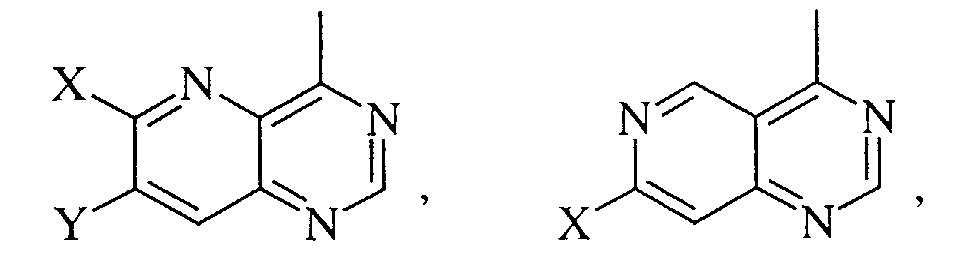
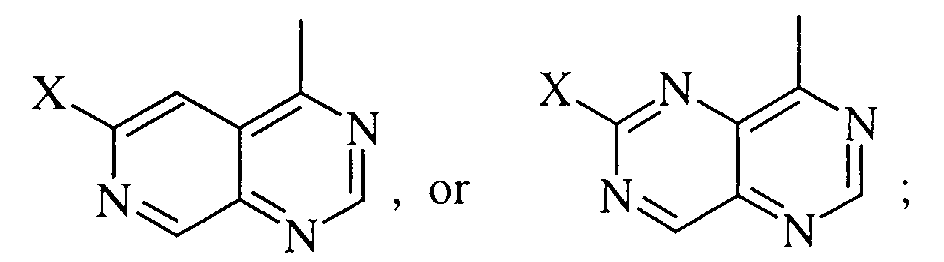 p is 0 or 1;X is -D-E-F and Y is -SR4, -OR4, -NHR3, or hydrogen, or X is -SR4, -OR4, -NHR3, or hydrogen, and Y is -D-E-F;D isor absent;
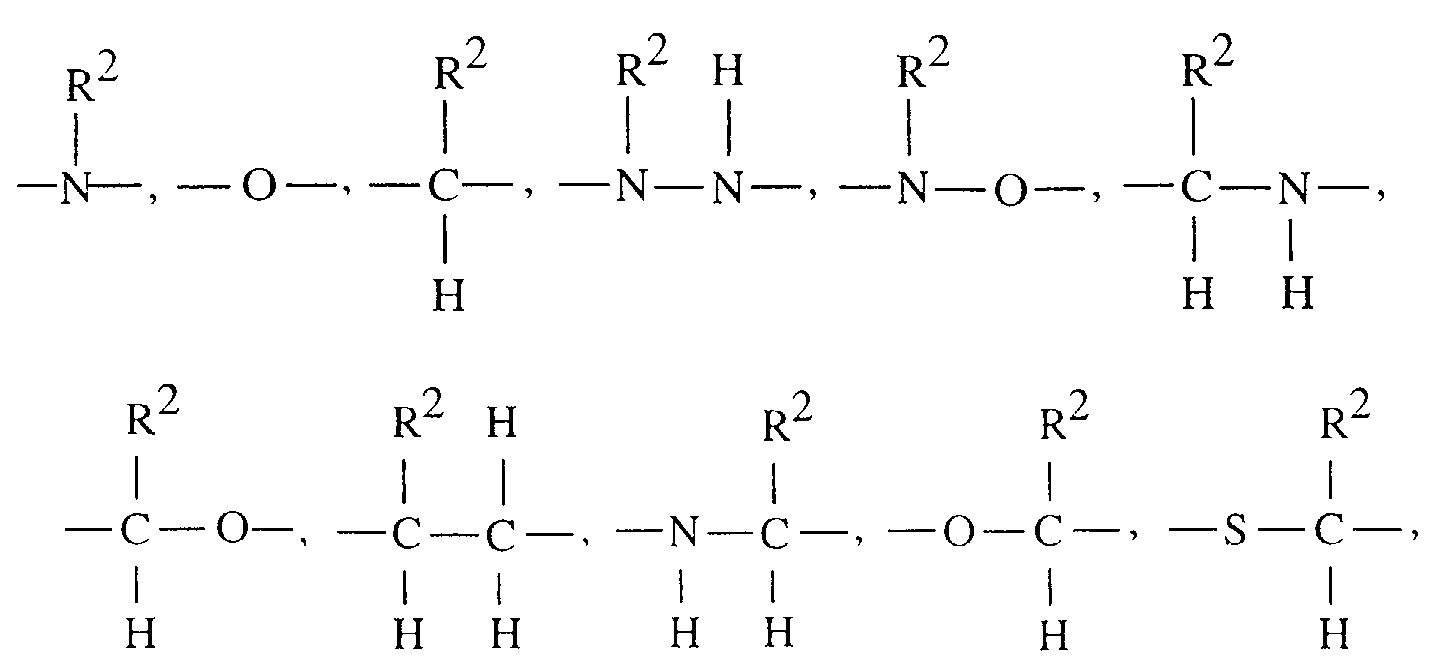 E is
E is F isprovided that when
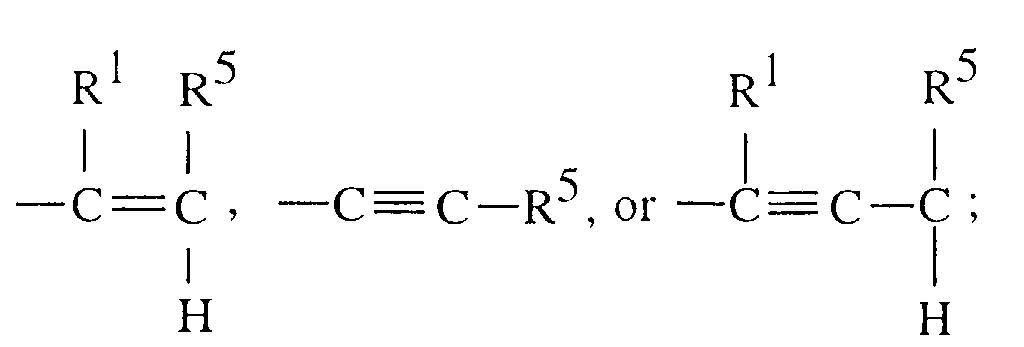 E isD is not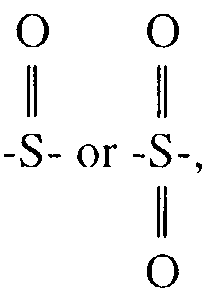
 R1 is hydrogen, halogen, or C1-C6 alkyl;R2, R3, and R4 are independently hydrogen, C1-C6 alkyl, -(CH2)n-N-piperidinyl, -(CH2)n-N-piperazinyl, -(CH2)n-N1-piperazinyl[N4-(C1-C6)alkyl], -(CH2)n-N-pyrrolidyl, -(CH2)n-pyridinyl, -(CH2)n-N-imidazoyl, -(CH2)n-imidazoyl, -(CH2)n-N-morpholino, -(CH2)n-N-thiomorpholino, -(CH2)n-N-hexahydroazepine or substituted C1-C6 alkyl, wherein the substituents are selected from OH, -NH2, orA and B are independently hydrogen, C1-C6 alkyl, -(CH2)nOH, - (CH2)n-N-piperidinyl, -(CH2)n-N-piperazinyl, -(CH2)n-N1-piperazinyl[N4-(C1-C6)alkyl], -(CH2)n-N-pyrrolidyl, -(CH2)n-N-pyridyl, -(CH2)n-imidazoyl, or -(CH2)n-N-imidazoyl;
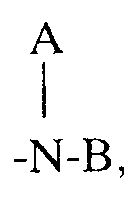 E1, E2, and E3 are independently halogen, C1-C6 alkyl, C3-C8 cycloalkyl, C1-C6 alkoxy, C3-C8 cycloalkoxy, nitro, C1-C6 perfluoroalkyl, hydroxy, C1-C6 acyloxy, -NH2, -NH(C1-C6 alkyl), -N(C1-C6 alkyl)2, -NH(C3-C8 cycloalkyl), -N(C3-C8 cycloalkyl)2, hydroxymethyl, C1-C6 acyl, cyano, azido, C1-C6 thioalkyl, C1-C6 sulfinylalkyl, C1-C6 sulfonylalkyl, C3-C8 thiocycloalkyl, C3-C8 sulfinylcycloalkyl, C3-C8 sulfonylcycloalkyl, mercapto, C1-C6 alkoxycarbonyl, C3-C8 cycloalkoxycarbonyl, C2-C4 alkenyl, C4-C8 cycloalkenyl, or C2-C4 alkynyl;R5 is hydrogen, halogen, C1-C6-perfluoroalkyl, 1,1-difluoro(C1-C6)alkyl, C1-C6 alkyl, -(CH2)n-N-piperidinyl, -(CH2)n-piperazinyl, -(CH2)n-piperazinyl[N4-(C1-C6)alkyl], -(CH2)n-N-pyrrolidyl, -(CH2)n-pyridinyl, -(CH2)n-N-imidazoyl, -(CH2)n-N-morpholino, -(CH2)n-N-thiomorpholino,-CH=CH-(C1-C6)alkyl, -(CH2)n-N-hexahydroazepine, -(CH2)nNH2, -(CH2)nNH(C1-C6alkyl), -(CH2)nN(C1-C6 alkyl)2, -1-oxo(C1-C6)alkyl, carboxy, (C1-C6) alkyloxycarbonyl, N-(C1-C6)alkylcarbamoyl, phenyl or substituted phenyl, wherein the substituted phenyl can have from one to three substituents independently selected from Z1, Z2, Z3 or a monocyclic heteroaryl group, and each C1-C6 alkyl group can be substituted with -OH, -NH2 or -NAB, where A and B are as defined above, R6 is hydrogen or C1-C6 alkyl; and
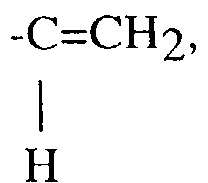 n is 1 to 4, p is 0 and 1, and the pharmaceutically acceptable salts, esters, amides, and prodrugs thereof; or
wherein the erb inhibitor is N4-(3-bromo-phenyl)-N6-methyl-pyrido[3,4-d]pyrimidine-4,6-diamine; or
wherein the erb inhibitor is a quinazoline; or
wherein the quinazoline is a compound of Formula Iwherein wherein the erb inhibitor is N-[4-(3-chloro-4-fluoro-phenylamino)-7-(3-morpholin-4-yl-propoxy)-quinazolin-6-yl]-acrylamide or a salt thereof; orX is -D-E-F and Y is -SR4, halogen, -OR4, -NHR3, or hydrogen, or X is -SR4, halogen, -OR4, -NHR3, or hydrogen, and Y is -D-E-F:D isor absent;
 E is
E is F isprovided that when
 E is
E is D is not
 R1 is hydrogen, halogen, or C1-C6 alkyl;R2, R3, and R4 are independently hydrogen, C1-C6 alkyl, -(CH2)n-N-piperidinyl, -(CH2)n-N-piperazinyl, -(CH2)n-N1-piperazinyl[N4-(C1-C6)alkyl], -(CH2)n-N-pyrrolidyl, -((CH2)n-pyridinyl, -(CH2)n-N-imidazoyl, -(CH2)n-imidazoyl, -(CH2)n-N-morpholino, -(CH2)n-N-thiomorpholino, -(CH2)n-N-hexahydroazepine or substituted C1-C6 alkyl, wherein the substituents are selected from -OH, -NH2, orA and B are independently hydrogen, C1-C6 alkyl, -(CH2)nOH, -(CH2)n-N-piperidinyl, -(CH2)n-N-piperazinyl, -(CH2)n-N1-piperazinyl[N4-(C1-C6-)alkyl], -(CH2)n-N-pyrrolidyl, -(CH2)n-N-pyridyl, -(CH2)n-imidazoyl, or -(CH2)n-N-imidazoyl;
 Z1, Z2, or Z3 are independently hydrogen, halogen, C1-C6 alkyl, C3-C8 cycloalkyl, C1-C6 alkoxy, C3-C8 cycloalkoxy, nitro, C1-C6 perfluoroalkyl, hydroxy, C1-C6 acyloxy, -NH2, -NH(C1-C6 alkyl), -N(C1-C6 alkyl)2, -NH(C3-C8 cycloalkyl), -N(C3-C8 cycloalkyl)2, hydroxymethyl, C1-C6 acyl, cyano, azido, C1-C6 thioalkyl, C1-C6 sulfinylalkyl, C1-C6 sulfonylalkyl, C3-C8 thiocycloalkyl, C3-C8 sulfinylcycloalkyl, C3-C8 sulfonylcycloalkyl, mercapto, C1-C6 alkoxycarbonyl, C3-C8 cycloalkoxycarbonyl, C2-C4 alkenyl, C4-C8 cycloalkenyl, or C2-C4 alkynyl;R5 is hydrogen, halogen, C1-C6-perfluoroalkyl, 1,1-difluoro(C1-C6)alkyl, C1-C6alkyl, -(CH2)n-N-piperidinyl, -(CH2)n-piperazinyl, -(CH2)n-piperazinyl[N4-(C1-C6)alkyl], -(CH2)n-N-pyrrolidyl, -(CH2)n-pyridinyl, -(CH2)n-N-imidazoyl, -(CH2)n-N-morpholino, -(CH2)n-N-thiomorpholino,-CH=CH-(C1-C6)alkyl, -(CH2)n-N-hexahydroazepine, -(CH2)nNH2, -(CH2)nNH(C1-C6alkyl),-(CH2)nN(C1-C6alkyl)2, -1-oxo(C1-C6)alkyl, carboxy, (C1-C6)alkyloxycarbonyl, N-(C1-C6)alkylcarbamoyl, phenyl or substituted phenyl, wherein the substituted phenyl can have from one to three substituents independently selected from Z1, Z2, Z3 or a monocyclic heteroaryl group, and each C1-C6 alkyl group above in R5 can be substituted with -OH, -NH2 or -NAB, where A and B are as defined above, R6 is hydrogen or C1-C6 alkyl; R13 is hydrogen or halogen; and
 n is 1 to 4, p is 0 or 1, and the pharmaceutically acceptable salts, esters, amides, and prodrugs thereof; or
wherein the erb inhibitor is N-[4-(3-bromo-phenylamino)-7-(3-morpholin-4-yl-propoxy)-quinazolin-6-yl]-acrylamide. - The use of an antiskin disorder amount of an erb inhibitor in combination with a retinoid for the preparation of a pharmaceutical composition for treating and preventing retinoid-induced skin injury responsive to erb inhibition.
- The use according to Claim 9 wherein a retinoid is selected from all-trans-retinal, all-trans retinol, all-trans retinoic acid, 9-cis-retinoic acid, 13-cis-retinoic acid, 13-cis-retinal, 13-cis-retinol, 9-cis-retinal, or 9-cis-retinol; or
wherein the erb inhibitor is a pyridopyrimidine; or
wherein the erb inhibitor is a compound according to Formula IIwherein wherein the erb inhibitor is 5-(4-methyl-piperazin-1-yl)-pent-2-ynoic acid [4-(3-chloro-4-fluoro-phenylamino)-pyrido[3,4-d]pyrimidin-6-yl]-amide; orQ is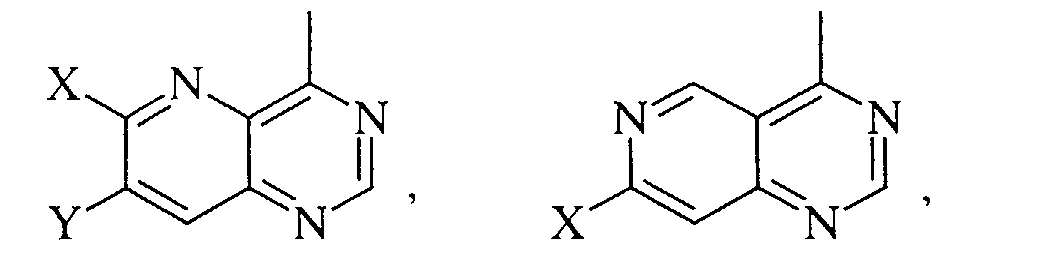
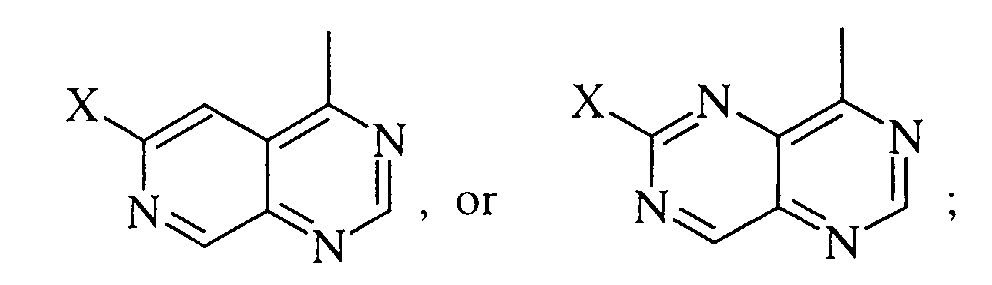 p is 0 or 1;X is -D-E-F and Y is -SR4, -OR4, -NHR3, or hydrogen, or X is -SR4, -OR4, -NHR3, or hydrogen, and Y is -D-E-F;D isor absent;
 E is
E is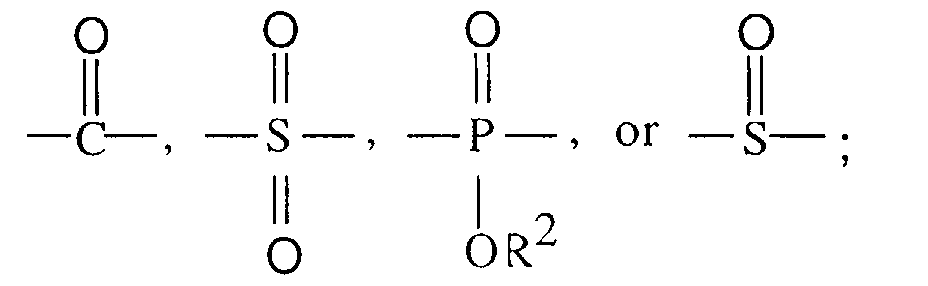 F isprovided that when
 E is
E is D is not x
 R1 is hydrogen, halogen, or C1-C6 alkyl;R2, R3, and R4 are independently hydrogen, C1-C6 alkyl, -(CH2)n-N-piperidinyl, -(CH2)n-N-piperazinyl, -(CH2)n-N1-piperazinyl[N4-(C 1-C6)alkyl], -(CH2)n-N-pyrrolidyl, -(CH2)n-pyridinyl, -(CH2)n-N-imidazoyl, -(CH2)n-imidazoyl, -(CH2)n-N-morpholino, -(CH2)n-N-thiomorpholino, -(CH2)n-N-hexahydroazepine or substituted C1-C6 alkyl, wherein the substituents are selected from OH, -NH2, orA and B are independently hydrogen, C1-C6 alkyl, -(CH2)nOH, -(CH2)n-N-piperidinyl, -(CH2)n-N-piperazinyl, -(CH2)n-N1-piperazinyl[N4-(C1-C6)alkyl], -(CH2)n-N-pyrrolidyl, -(CH2)n-N-pyridyl, -(CH2)n-imidazoyl, or -(CH2)n-N-imidazoyl;
 E1, E2, and E3 are independently halogen, C1-C6 alkyl, C3-C8 cycloalkyl, C1-C6 alkoxy, C3-C8 cycloalkoxy, nitro, C1-C6 perfluoroalkyl, hydroxy, C1-C6 acyloxy, -NH2, -NH(C1-C6 alkyl), -N(C1-C6 alkyl)2, -NH(C3-C8 cycloalkyl), -N(C3-C8 cycloalkyl)2, hydroxymethyl, C1-C6 acyl, cyano, azido, C1-C6 thioalkyl, C1-C6 sulfinylalkyl, C1-C6 sulfonylalkyl, C3-C8 thiocycloalkyl, C3-C8 sulfinylcycloalkyl, C3-C8 sulfonylcycloalkyl, mercapto, C1-C6 alkoxycarbonyl, C3-C8 cycloalkoxycarbonyl, C2-C4 alkenyl, C4-C8 cycloalkenyl, or C2-C4 alkynyl;R5 is hydrogen, halogen, C1-C6-perfluoroalkyl, 1,1-difluoro(C1-C6)alkyl, C1-C6 alkyl, -(CH2)n-N-piperidinyl, -(CH2)n-piperazinyl, -(CH2)n-piperazinyl[N4-(C1-C6)alkyl], -(CH2)n-N-pyrrolidyl, -(CH2)n-pyridinyl, -(CH2)n-N-imidazoyl, -(CH2)n-N-morpholino, -(CH2)n-N-thiomorpholino,-CH=CH-(C1-C6)alkyl, -(CH2)n-N-hexahydroazepine, -(CH2)nNH2, -(CH2)nNH(C1-C6alkyl), -(CH2)nN(C1-C6 alkyl)2, -1-oxo(C1-C6)alkyl, carboxy, (C1-C6) alkyloxycarbonyl, N-(C1-C6)alkylcarbamoyl, phenyl or substituted phenyl, wherein the substituted phenyl can have from one to three substituents independently selected from Z1, Z2, Z3 or a monocyclic heteroaryl group, and each C1-C6 alkyl group can be substituted with -OH, -NH2 or -NAB, where A and B are as defined above, R6 is hydrogen or C1-C6 alkyl; and
 n is 1 to 4, p is 0 and 1, and the pharmaceutically acceptable salts, esters, amides, and prodrugs thereof; or
wherein the erb inhibitor is N4-(3-bromo-phenyl)-N6-methyl-pyrido[3,4-d]pyrimidine-4,6-diamine; or
wherein the erb inhibitor is a quinazoline; or
wherein the quinazoline is a compound of Formula Iwherein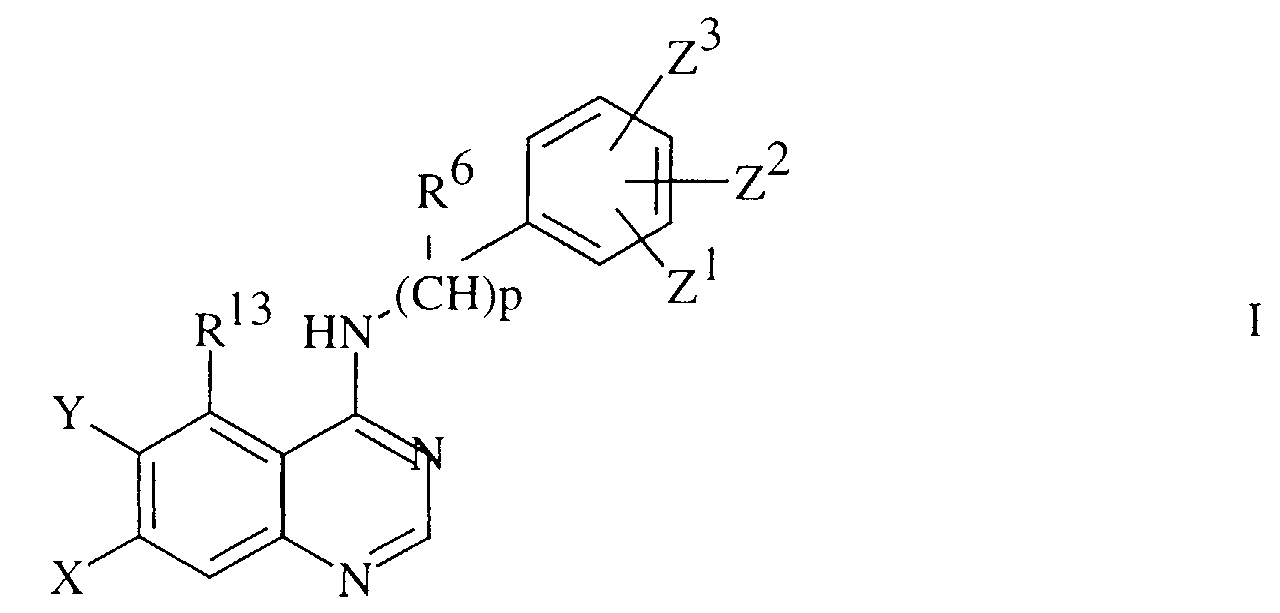 wherein the erb inhibitor is N-[4-(3-chloro-4-fluoro-phenylamino)-7-(3-morpholin-4-yl-propoxy)-quinazolin-6-yl]-acrylamide dihydrochloride; orX is -D-E-F and Y is -SR4, halogen, -OR4, -NHR3, or hydrogen, or X is -SR4, halogen, -OR4, -NHR3, or hydrogen, and Y is -D-E-F;D isor absent;
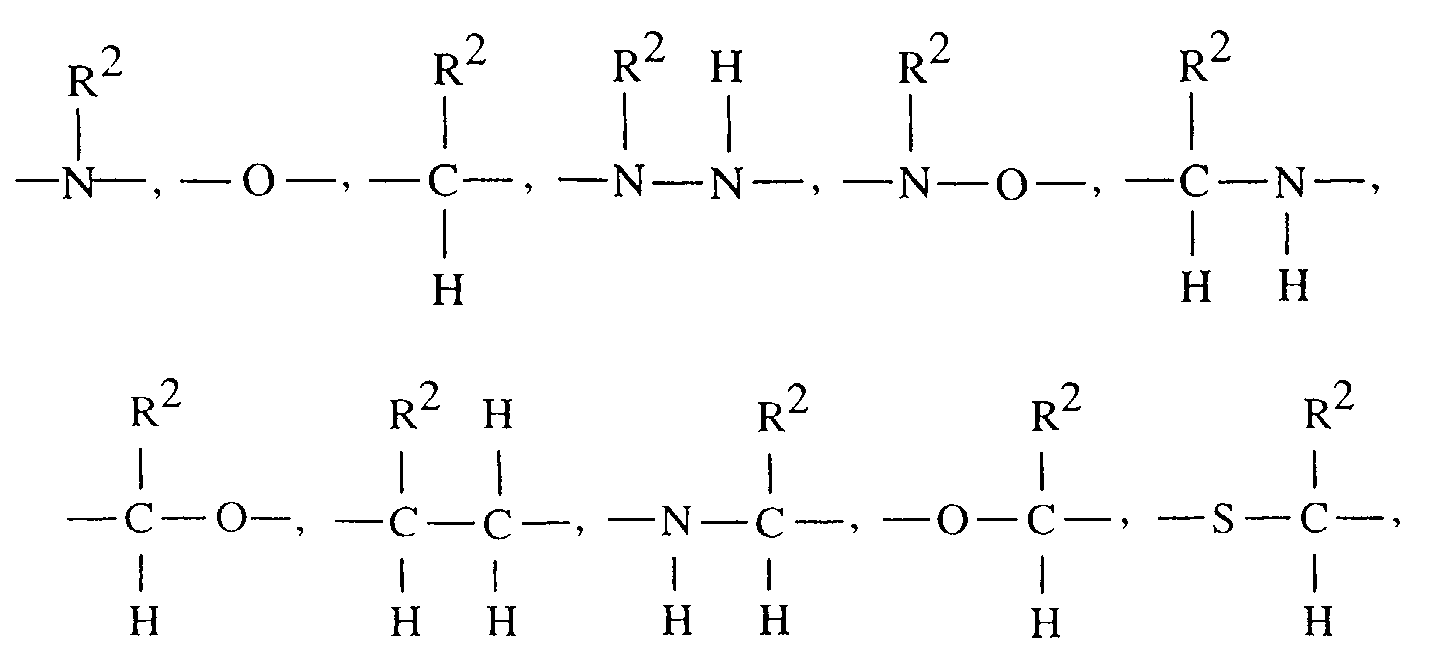 E is
E is F isprovided that when
 E is
E is D is not
 R1 is hydrogen, halogen, or C1-C6 alkyl;R2, R3, and R4 are independently hydrogen, C1-C6 alkyl, -(CH2)n-N-piperidinyl, -(CH2)n-N-piperazinyl, -(CH2)n-N1-piperazinyl[N4-(C1-C6)alkyl], -(CH2)n-N-pyrrolidyl, -(CH2)n-pyridinyl, -(CH2)n-N-imidazoyl, -(CH2)n-imidazoyl, -(CH2)n-N-morpholino, -(CH2)n-N-thiomorpholino, -(CH2)n-N-hexahydroazepine or substituted C1-C6 alkyl, wherein the substituents are selected from -OH, -NH2, orA and B are independently hydrogen, C1-C6 alkyl, -(CH2)nOH, -(CH2)n-N-piperidinyl, -(CH2)n-N-piperazinyl, -(CH2)n-N1-piperazinyl[N4-(C1-C6-)alkyl], -(CH2)n-N-pyrrolidyl, -(CH2)n-N-pyridyl, -(CH2)n-imidazoyl, or -(CH2)n-N-imidazoyl;
 Z1, Z2, or Z3 are independently hydrogen, halogen, C1-C6 alkyl, C3-C8 cycloalkyl, C1-C6 alkoxy, C3-C8 cycloalkoxy, nitro, C1-C6 perfluoroalkyl, hydroxy, C1-C6 acyloxy, -NH2, -NH(C1-C6 alkyl), -N(C1-C6 alkyl)2, -NH(C3-C8 cycloalkyl), -N(C3-C8 cycloalkyl)2, hydroxymethyl, C1-C6 acyl, cyano, azido, C1-C6 thioalkyl, C1-C6 sulfinylalkyl, C1-C6 sulfonylalkyl, C3-C8 thiocycloalkyl, C3-C8 sulfinylcycloalkyl, C3-C8 sulfonylcycloalkyl, mercapto, C1-C6 alkoxycarbonyl, C3-C8 cycloalkoxycarbonyl, C2-C4 alkenyl, C4-C8 cycloalkenyl, or C2-C4 alkynyl;R5 is hydrogen, halogen, C1-C6-perfluoroalkyl, 1,1-difluoro(C1-C6)alkyl, C1-C6alkyl, -(CH2)n-N-piperidinyl, -(CH2)n-piperazinyl, -(CH2)n-piperazinyl[N4-(C1-C6)alkyl], -(CH2)n-N-pyrrolidyl, -(CH2)n-pyridinyl, -(CH2)n-N-imidazoyl, -(CH2)n-N-morpholino, -(CH2)n-N-thiomorpholino,-CH=CH-(C1-C6)alkyl, -(CH2)n-N-hexahydroazepine, -(CH2)nNH2, -(CH2)nNH(C1-C6alkyl), -(CH2)nN(C1-C6alkyl)2, -1-oxo(C1-C6)alkyl, carboxy, (C1-C6)alkyloxycarbonyl, N-(C1-C6)alkylcarbamoyl, phenyl or substituted phenyl, wherein the substituted phenyl can have from one to three substituents independently selected from Z1, Z2, Z3 or a monocyclic heteroaryl group, and each C1-C6 alkyl group above in R5 can be substituted with -OH, -NH2 or -NAB, where A and B are as defined above, R6 is hydrogen or C1-C6 alkyl; R13 is hydrogen or halogen; and
 n is 1 to 4, p is 0 or 1, and the pharmaceutically acceptable salts, esters, amides, and prodrugs thereof; or
wherein the erb inhibitor is N-[4-(3-bromo-phenylamino)-7-(3-morpholin-4-yl-propoxy)-quinazolin-6-yl]-acrylamide; or
wherein the erb inhibitor is N-[4-(3-chloro-4-fluoro-phenylamino)-7-(3-morpholin-4-yl-propoxy)-quinazolin-6-yl]-acrylamide. - The use according to Claim 10 wherein the skin disorder is aging; or
wherein the skin disorder is photoaging; or
wherein the skin disorder is acne; or
wherein the skin disorder is psoriasis; or
wherein the skin disorder is precancerous lesions of the skin; or
wherein the skin disorder is skin cancer.
Applications Claiming Priority (2)
| Application Number | Priority Date | Filing Date | Title |
|---|---|---|---|
| US26822001P | 2001-02-12 | 2001-02-12 | |
| US268220P | 2001-02-12 |
Publications (2)
| Publication Number | Publication Date |
|---|---|
| EP1230919A2 true EP1230919A2 (en) | 2002-08-14 |
| EP1230919A3 EP1230919A3 (en) | 2002-12-18 |
Family
ID=23021996
Family Applications (1)
| Application Number | Title | Priority Date | Filing Date |
|---|---|---|---|
| EP02002611A Withdrawn EP1230919A3 (en) | 2001-02-12 | 2002-02-05 | Use of a composition comprising a retinoid and an erb inhibitor in the preparation of a medicament for the treatment of retinoid skin damage |
Country Status (11)
| Country | Link |
|---|---|
| US (2) | US20020169176A1 (en) |
| EP (1) | EP1230919A3 (en) |
| JP (1) | JP2002275095A (en) |
| KR (1) | KR20020069482A (en) |
| CN (1) | CN1194692C (en) |
| AU (1) | AU1547002A (en) |
| CA (1) | CA2370236A1 (en) |
| HU (1) | HUP0200492A2 (en) |
| IL (1) | IL148036A0 (en) |
| NZ (1) | NZ516873A (en) |
| ZA (1) | ZA200201157B (en) |
Cited By (20)
| Publication number | Priority date | Publication date | Assignee | Title |
|---|---|---|---|---|
| US7569577B2 (en) | 2003-09-16 | 2009-08-04 | Astrazeneca Ab | Quinazoline derivatives as tyrosine kinase inhibitors |
| US7625908B2 (en) | 2003-11-13 | 2009-12-01 | Astrazeneca Ab | Quinazoline derivatives |
| US7632840B2 (en) | 2004-02-03 | 2009-12-15 | Astrazeneca Ab | Quinazoline compounds for the treatment of hyperproliferative disorders |
| US7659279B2 (en) | 2003-04-30 | 2010-02-09 | Astrazeneca Ab | Quinazoline derivatives and their use in the treatment of cancer |
| US7820683B2 (en) | 2005-09-20 | 2010-10-26 | Astrazeneca Ab | 4-(1H-indazol-5-yl-amino)-quinazoline compounds as erbB receptor tyrosine kinase inhibitors for the treatment of cancer |
| US7838530B2 (en) | 2003-09-25 | 2010-11-23 | Astrazeneca Ab | Quinazoline derivatives as antiproliferative agents |
| US7910731B2 (en) | 2002-03-30 | 2011-03-22 | Boehringer Ingelheim Pharma Gmbh & Co. Kg | Bicyclic heterocyclic compounds, pharmaceutical compositions containing these compounds, their use and process for preparing them |
| US7947676B2 (en) | 2004-12-14 | 2011-05-24 | Astrazeneca Ab | Pyrazolo[3,4-d]pyrimidine compounds as antitumor agents |
| US7998949B2 (en) | 2007-02-06 | 2011-08-16 | Boehringer Ingelheim International Gmbh | Bicyclic heterocycles, drugs containing said compounds, use thereof, and method for production thereof |
| US8088782B2 (en) | 2008-05-13 | 2012-01-03 | Astrazeneca Ab | Crystalline 4-(3-chloro-2-fluoroanilino)-7 methoxy-6-{[1-(N-methylcarbamoylmethyl)piperidin-4-yl]oxy}quinazoline difumarate form A |
| US8318752B2 (en) | 2003-09-19 | 2012-11-27 | Astrazeneca Ab | 4-(3-chloro-2-fluoroanilino)-7-methoxy-6-{[1-(N-methylcarbamoyl-methyl)piperidin-4-yl]oxy}quinazoline, its pharmaceutically acceptable salts, and pharmaceutical compositions comprising the same |
| US8399667B2 (en) | 2002-03-28 | 2013-03-19 | Astrazeneca Ab | 4-anilino quinazoline derivatives as antiproliferative agents |
| US8399461B2 (en) | 2006-11-10 | 2013-03-19 | Boehringer Ingelheim International Gmbh | Bicyclic heterocycles, medicaments containing said compounds, use thereof, and method for production of same |
| US8497369B2 (en) | 2008-02-07 | 2013-07-30 | Boehringer Ingelheim International Gmbh | Spirocyclic heterocycles medicaments containing said compounds, use thereof and method for their production |
| WO2013183017A1 (en) * | 2012-06-06 | 2013-12-12 | L'oreal | Compounds for dry skin and anti-ageing application |
| US8648191B2 (en) | 2008-08-08 | 2014-02-11 | Boehringer Ingelheim International Gmbh | Cyclohexyloxy substituted heterocycles, pharmaceutical compositions containing these compounds and processes for preparing them |
| US8669281B1 (en) | 2013-03-14 | 2014-03-11 | Alkermes Pharma Ireland Limited | Prodrugs of fumarates and their use in treating various diseases |
| US8735410B2 (en) | 2005-02-26 | 2014-05-27 | Astrazeneca Ab | Quinazoline derivatives as tyrosine kinase inhibitors |
| US9505776B2 (en) | 2013-03-14 | 2016-11-29 | Alkermes Pharma Ireland Limited | Prodrugs of fumarates and their use in treating various diseases |
| US9604922B2 (en) | 2014-02-24 | 2017-03-28 | Alkermes Pharma Ireland Limited | Sulfonamide and sulfinamide prodrugs of fumarates and their use in treating various diseases |
Families Citing this family (9)
| Publication number | Priority date | Publication date | Assignee | Title |
|---|---|---|---|---|
| US20050176633A1 (en) * | 2002-03-08 | 2005-08-11 | Axel Ullrich | Use of egfr transactivation inhibitors in human cancer |
| US7435252B2 (en) * | 2003-10-15 | 2008-10-14 | Valam Corporation | Control of microorganisms in the sino-nasal tract |
| JP5023323B2 (en) * | 2006-06-13 | 2012-09-12 | 国立大学法人 熊本大学 | Aquaporin 5 expression enhancer |
| JP5149388B2 (en) * | 2007-09-12 | 2013-02-20 | ザ トラスティーズ オブ コロンビア ユニバーシティ イン ザ シティ オブ ニューヨーク | Compositions and methods for treating macular degeneration |
| EP3370737B1 (en) * | 2015-11-04 | 2021-09-22 | Prescient Pharma LLC | Anti-aging compositions and methods for using same |
| JP6833456B2 (en) * | 2016-11-02 | 2021-02-24 | 日東電工株式会社 | Skin fibrosis treatment agent |
| KR101983788B1 (en) * | 2016-12-01 | 2019-05-30 | 서울대학교산학협력단 | Amide derivative compounds, stereoisomer thereof, or pharmaceutically acceptable salts thereof, and pharmaceutical or cosmetic composition for antiaging, antiwrinkle, or wound healing on skin containing the same |
| EP3551128B1 (en) | 2017-04-05 | 2020-12-30 | Boston Scientific Scimed, Inc. | Emboli-capturing centering device |
| IT201800009731A1 (en) | 2018-10-25 | 2020-04-25 | Fidia Farm Spa | Paclitaxel conjugate - hyaluronic acid in the treatment of non-infiltrating bladder cancer |
Family Cites Families (9)
| Publication number | Priority date | Publication date | Assignee | Title |
|---|---|---|---|---|
| IT1276459B1 (en) * | 1995-06-30 | 1997-10-31 | Khodor Ammar | COSMETIC COMPOSITIONS WITH ANTIMICOTIC PROPERTIES, EFFECTIVE AGAINST PSORIASIS AND HAIR LOSS AND COSMETIC METHOD FOR |
| CN100503580C (en) * | 1996-04-12 | 2009-06-24 | 沃尼尔·朗伯公司 | Irreversible inhibitors of tyrosine kinases |
| US20010007657A1 (en) * | 1997-08-04 | 2001-07-12 | Reid James Steven | Compositions and methods for manipulating glial progenitor cells and treating neurological deficits |
| CN1160338C (en) * | 1998-11-19 | 2004-08-04 | 沃尼尔·朗伯公司 | N-[4-(3-Chloro-4-fluoro-phenylamino)-7-(3-morpholin-4-yl-propoxy)-quinazolin-6-yl]-acrylamide, irreversible Tyrosine Kinase Inhibitors |
| GB2345486A (en) * | 1999-01-11 | 2000-07-12 | Glaxo Group Ltd | Heteroaromatic protein tyrosine kinase inhibitors |
| US6316462B1 (en) * | 1999-04-09 | 2001-11-13 | Schering Corporation | Methods of inducing cancer cell death and tumor regression |
| DE19935763B4 (en) * | 1999-07-27 | 2006-03-02 | Jenning, Volkhard, Dr. | Composition of a redox system for the stabilization of retinoids in preparations for external use |
| AU778042B2 (en) * | 1999-10-19 | 2004-11-11 | Merck & Co., Inc. | Tyrosine kinase inhibitors |
| CA2414406A1 (en) * | 2000-06-26 | 2002-01-03 | The Regents Of The University Of Michigan | Use of egf-r protein tyrosine kinase inhibitors for preventing photoaging in human skin |
-
2002
- 2002-01-28 NZ NZ516873A patent/NZ516873A/en unknown
- 2002-01-31 CA CA002370236A patent/CA2370236A1/en not_active Abandoned
- 2002-02-05 EP EP02002611A patent/EP1230919A3/en not_active Withdrawn
- 2002-02-06 IL IL14803602A patent/IL148036A0/en unknown
- 2002-02-07 AU AU15470/02A patent/AU1547002A/en not_active Abandoned
- 2002-02-08 CN CNB021045704A patent/CN1194692C/en not_active Expired - Fee Related
- 2002-02-09 KR KR1020020007717A patent/KR20020069482A/en not_active Abandoned
- 2002-02-11 US US10/073,569 patent/US20020169176A1/en not_active Abandoned
- 2002-02-11 HU HU0200492A patent/HUP0200492A2/en unknown
- 2002-02-11 ZA ZA200201157A patent/ZA200201157B/en unknown
- 2002-02-12 JP JP2002033608A patent/JP2002275095A/en not_active Abandoned
-
2004
- 2004-04-14 US US10/824,182 patent/US20040198752A1/en not_active Abandoned
Cited By (33)
| Publication number | Priority date | Publication date | Assignee | Title |
|---|---|---|---|---|
| US8399667B2 (en) | 2002-03-28 | 2013-03-19 | Astrazeneca Ab | 4-anilino quinazoline derivatives as antiproliferative agents |
| US8343982B2 (en) | 2002-03-30 | 2013-01-01 | Boehringer Ingelheim Pharma Gmbh & Co. Kg | Bicyclic heterocyclic compounds pharmaceutical compositions containing these compounds, their use and process for preparing the same |
| US7910731B2 (en) | 2002-03-30 | 2011-03-22 | Boehringer Ingelheim Pharma Gmbh & Co. Kg | Bicyclic heterocyclic compounds, pharmaceutical compositions containing these compounds, their use and process for preparing them |
| US7659279B2 (en) | 2003-04-30 | 2010-02-09 | Astrazeneca Ab | Quinazoline derivatives and their use in the treatment of cancer |
| US7569577B2 (en) | 2003-09-16 | 2009-08-04 | Astrazeneca Ab | Quinazoline derivatives as tyrosine kinase inhibitors |
| US8318752B2 (en) | 2003-09-19 | 2012-11-27 | Astrazeneca Ab | 4-(3-chloro-2-fluoroanilino)-7-methoxy-6-{[1-(N-methylcarbamoyl-methyl)piperidin-4-yl]oxy}quinazoline, its pharmaceutically acceptable salts, and pharmaceutical compositions comprising the same |
| US7838530B2 (en) | 2003-09-25 | 2010-11-23 | Astrazeneca Ab | Quinazoline derivatives as antiproliferative agents |
| US7625908B2 (en) | 2003-11-13 | 2009-12-01 | Astrazeneca Ab | Quinazoline derivatives |
| US7632840B2 (en) | 2004-02-03 | 2009-12-15 | Astrazeneca Ab | Quinazoline compounds for the treatment of hyperproliferative disorders |
| US7947676B2 (en) | 2004-12-14 | 2011-05-24 | Astrazeneca Ab | Pyrazolo[3,4-d]pyrimidine compounds as antitumor agents |
| US8735410B2 (en) | 2005-02-26 | 2014-05-27 | Astrazeneca Ab | Quinazoline derivatives as tyrosine kinase inhibitors |
| US7820683B2 (en) | 2005-09-20 | 2010-10-26 | Astrazeneca Ab | 4-(1H-indazol-5-yl-amino)-quinazoline compounds as erbB receptor tyrosine kinase inhibitors for the treatment of cancer |
| US8399461B2 (en) | 2006-11-10 | 2013-03-19 | Boehringer Ingelheim International Gmbh | Bicyclic heterocycles, medicaments containing said compounds, use thereof, and method for production of same |
| US7998949B2 (en) | 2007-02-06 | 2011-08-16 | Boehringer Ingelheim International Gmbh | Bicyclic heterocycles, drugs containing said compounds, use thereof, and method for production thereof |
| US8497369B2 (en) | 2008-02-07 | 2013-07-30 | Boehringer Ingelheim International Gmbh | Spirocyclic heterocycles medicaments containing said compounds, use thereof and method for their production |
| US8772298B2 (en) | 2008-02-07 | 2014-07-08 | Boehringer Ingelheim International Gmbh | Spirocyclic heterocycles medicaments containing said compounds, use thereof and method for their production |
| US8088782B2 (en) | 2008-05-13 | 2012-01-03 | Astrazeneca Ab | Crystalline 4-(3-chloro-2-fluoroanilino)-7 methoxy-6-{[1-(N-methylcarbamoylmethyl)piperidin-4-yl]oxy}quinazoline difumarate form A |
| US8404839B2 (en) | 2008-05-13 | 2013-03-26 | Astrazeneca Ab | Crystalline 4-(3-chloro-2-fluoroanilino)-7 methoxy-6-{[1-(N-methylcarbamoylmethyl)piperidin-4-yl]oxy} quinazoline difumarate Form A |
| US8648191B2 (en) | 2008-08-08 | 2014-02-11 | Boehringer Ingelheim International Gmbh | Cyclohexyloxy substituted heterocycles, pharmaceutical compositions containing these compounds and processes for preparing them |
| WO2013183017A1 (en) * | 2012-06-06 | 2013-12-12 | L'oreal | Compounds for dry skin and anti-ageing application |
| US9464080B2 (en) | 2012-06-06 | 2016-10-11 | L'oreal | Substituted pyrido[2,3-d]pyrimidines for dry skin and anti-ageing application |
| FR2991578A1 (en) * | 2012-06-06 | 2013-12-13 | Oreal | COMPOUNDS FOR ANTI-AGE APPLICATION AND DRY SKIN |
| US10406133B2 (en) | 2013-03-14 | 2019-09-10 | Alkermes Pharma Ireland Limited | Prodrugs of fumarates and their use in treating various diseases |
| US9090558B2 (en) | 2013-03-14 | 2015-07-28 | Alkermes Pharma Ireland Limited | Prodrugs of fumarates and their use in treating various diseases |
| US9505776B2 (en) | 2013-03-14 | 2016-11-29 | Alkermes Pharma Ireland Limited | Prodrugs of fumarates and their use in treating various diseases |
| US8669281B1 (en) | 2013-03-14 | 2014-03-11 | Alkermes Pharma Ireland Limited | Prodrugs of fumarates and their use in treating various diseases |
| US10596140B2 (en) | 2013-03-14 | 2020-03-24 | Alkermes Pharma Ireland Limited | Prodrugs of fumarates and their use in treating various diseases |
| US11083703B2 (en) | 2013-03-14 | 2021-08-10 | Alkermes Pharma Ireland Limited | Prodrugs of fumarates and their use in treating various diseases |
| US11230548B2 (en) | 2013-03-14 | 2022-01-25 | Alkermes Pharma Ireland Limited | Prodrugs of fumarates and their use in treating various diseases |
| US11679092B2 (en) | 2013-03-14 | 2023-06-20 | Alkermes Pharma Ireland Limited | Prodrugs of fumarates and their use in treating various diseases |
| US11905298B2 (en) | 2013-03-14 | 2024-02-20 | Alkermes Pharma Ireland Limited | Prodrugs of fumarates and their use in treating various diseases |
| US12076306B2 (en) | 2013-03-14 | 2024-09-03 | Alkermes Pharma Ireland Limited | Prodrugs of fumarates and their use in treating various diseases |
| US9604922B2 (en) | 2014-02-24 | 2017-03-28 | Alkermes Pharma Ireland Limited | Sulfonamide and sulfinamide prodrugs of fumarates and their use in treating various diseases |
Also Published As
| Publication number | Publication date |
|---|---|
| CA2370236A1 (en) | 2002-08-12 |
| CN1370535A (en) | 2002-09-25 |
| CN1194692C (en) | 2005-03-30 |
| AU1547002A (en) | 2002-08-15 |
| HUP0200492A2 (en) | 2002-12-28 |
| NZ516873A (en) | 2003-11-28 |
| HU0200492D0 (en) | 2002-04-29 |
| US20040198752A1 (en) | 2004-10-07 |
| US20020169176A1 (en) | 2002-11-14 |
| EP1230919A3 (en) | 2002-12-18 |
| HK1048271A1 (en) | 2003-03-28 |
| IL148036A0 (en) | 2002-09-12 |
| JP2002275095A (en) | 2002-09-25 |
| ZA200201157B (en) | 2003-08-11 |
| KR20020069482A (en) | 2002-09-04 |
Similar Documents
| Publication | Publication Date | Title |
|---|---|---|
| US20020169176A1 (en) | Method for inhibiting retinoid skin damage | |
| AU2006245283B2 (en) | Compositions and methods for treating hyperproliferative epidermal diseases | |
| CA2439408C (en) | Use of natural egfr inhibitors to prevent side effects due to retinoid therapy, soaps, and other stimuli that activate the epidermal growth factor receptor | |
| ES2208753T5 (en) | NEW USES FOR THYROID HORMONES OR COMPOUNDS OF TYPE OF THYROID HORMONE. | |
| EP1411938B1 (en) | Use of cyclopamine for the manufacture of a medicament for the treatemnt of psoriasis | |
| Varani et al. | Heparin-binding epidermal-growth-factor-like growth factor activation of keratinocyte ErbB receptors mediates epidermal hyperplasia, a prominent side-effect of retinoid therapy | |
| AU2009223158B2 (en) | Formulations of vitamin K analogs for topical use | |
| US20080009508A1 (en) | 6,9-Disubstituted Purine Derivatives And Their Use For Treating Skin | |
| CA2265630A1 (en) | Use of quinazoline derivatives for the manufacture of a medicament in the treatment of hyperproliferative skin disorders | |
| Persaud et al. | Plasma pharmacokinetics and distribution of ruxolitinib into skin following oral and topical administration in minipigs | |
| JP5732471B2 (en) | Pharmaceutical composition or analogue comprising a solvent mixture and a vitamin D derivative | |
| MX2013005078A (en) | Composition and method for treating skin conditions. | |
| US20220152033A1 (en) | Compositions and methods for deep dermal drug delivery | |
| Demir et al. | Effects of a combination of arginine silicate inositol complex and a novel form of biotin on hair and nail growth in a rodent model | |
| CA1090253A (en) | Anti-acne composition | |
| Mariano-Rodriguez et al. | Azelaic acid in dermatology: a review of its mechanism of action | |
| US7528168B2 (en) | Inhibitors of the fatty acid oxidation for the prophylaxis and/or the treatment of chronic and/or atopic skin diseases | |
| US20180140577A1 (en) | Compositions and methods for treating alopecia | |
| Souto-Silva et al. | Ibrutinib-loaded lipid nanocarriers exhibit antitumor effect in a human ex vivo skin model of melanoma |
Legal Events
| Date | Code | Title | Description |
|---|---|---|---|
| PUAI | Public reference made under article 153(3) epc to a published international application that has entered the european phase |
Free format text: ORIGINAL CODE: 0009012 |
|
| AK | Designated contracting states |
Kind code of ref document: A2 Designated state(s): AT BE CH CY DE DK ES FI FR GB GR IE IT LI LU MC NL PT SE TR |
|
| AX | Request for extension of the european patent |
Free format text: AL;LT;LV;MK;RO;SI |
|
| PUAL | Search report despatched |
Free format text: ORIGINAL CODE: 0009013 |
|
| AK | Designated contracting states |
Kind code of ref document: A3 Designated state(s): AT BE CH CY DE DK ES FI FR GB GR IE IT LI LU MC NL PT SE TR |
|
| AX | Request for extension of the european patent |
Free format text: AL;LT;LV;MK;RO;SI |
|
| RIC1 | Information provided on ipc code assigned before grant |
Free format text: 7A 61K 31/07 A, 7A 61K 31/203 B, 7A 61K 31/517 B, 7A 61K 31/519 B, 7A 61P 17/00 B, 7A 61K 31/519 J, 7A 61K 31:203 J, 7A 61K 31/519 K, 7A 61K 31:07 K, 7A 61K 31/517 L, 7A 61K 31:203 L, 7A 61K 31/203 M, 7A 61K 31:07 M |
|
| 17P | Request for examination filed |
Effective date: 20030618 |
|
| AKX | Designation fees paid |
Designated state(s): AT BE CH CY DE DK ES FI FR GB GR IE IT LI LU MC NL PT SE TR |
|
| RAP1 | Party data changed (applicant data changed or rights of an application transferred) |
Owner name: WARNER-LAMBERT COMPANY LLC |
|
| STAA | Information on the status of an ep patent application or granted ep patent |
Free format text: STATUS: THE APPLICATION IS DEEMED TO BE WITHDRAWN |
|
| RAP1 | Party data changed (applicant data changed or rights of an application transferred) |
Owner name: WARNER-LAMBERT COMPANY LLC |
|
| 18D | Application deemed to be withdrawn |
Effective date: 20060904 |