EP1224938A1 - Gugulipid for treating cognitive disorders, hyperglycaemia and skin disorders - Google Patents
Gugulipid for treating cognitive disorders, hyperglycaemia and skin disorders Download PDFInfo
- Publication number
- EP1224938A1 EP1224938A1 EP01300257A EP01300257A EP1224938A1 EP 1224938 A1 EP1224938 A1 EP 1224938A1 EP 01300257 A EP01300257 A EP 01300257A EP 01300257 A EP01300257 A EP 01300257A EP 1224938 A1 EP1224938 A1 EP 1224938A1
- Authority
- EP
- European Patent Office
- Prior art keywords
- gugulipid
- skin
- resin
- optionally
- extract
- Prior art date
- Legal status (The legal status is an assumption and is not a legal conclusion. Google has not performed a legal analysis and makes no representation as to the accuracy of the status listed.)
- Granted
Links
Images

Classifications
-
- A—HUMAN NECESSITIES
- A61—MEDICAL OR VETERINARY SCIENCE; HYGIENE
- A61K—PREPARATIONS FOR MEDICAL, DENTAL OR TOILETRY PURPOSES
- A61K36/00—Medicinal preparations of undetermined constitution containing material from algae, lichens, fungi or plants, or derivatives thereof, e.g. traditional herbal medicines
- A61K36/18—Magnoliophyta (angiosperms)
- A61K36/185—Magnoliopsida (dicotyledons)
- A61K36/32—Burseraceae (Frankincense family)
- A61K36/328—Commiphora, e.g. mecca myrrh or balm of Gilead
-
- A—HUMAN NECESSITIES
- A61—MEDICAL OR VETERINARY SCIENCE; HYGIENE
- A61K—PREPARATIONS FOR MEDICAL, DENTAL OR TOILETRY PURPOSES
- A61K31/00—Medicinal preparations containing organic active ingredients
- A61K31/56—Compounds containing cyclopenta[a]hydrophenanthrene ring systems; Derivatives thereof, e.g. steroids
- A61K31/575—Compounds containing cyclopenta[a]hydrophenanthrene ring systems; Derivatives thereof, e.g. steroids substituted in position 17 beta by a chain of three or more carbon atoms, e.g. cholane, cholestane, ergosterol, sitosterol
-
- A—HUMAN NECESSITIES
- A61—MEDICAL OR VETERINARY SCIENCE; HYGIENE
- A61P—SPECIFIC THERAPEUTIC ACTIVITY OF CHEMICAL COMPOUNDS OR MEDICINAL PREPARATIONS
- A61P17/00—Drugs for dermatological disorders
-
- A—HUMAN NECESSITIES
- A61—MEDICAL OR VETERINARY SCIENCE; HYGIENE
- A61P—SPECIFIC THERAPEUTIC ACTIVITY OF CHEMICAL COMPOUNDS OR MEDICINAL PREPARATIONS
- A61P17/00—Drugs for dermatological disorders
- A61P17/04—Antipruritics
-
- A—HUMAN NECESSITIES
- A61—MEDICAL OR VETERINARY SCIENCE; HYGIENE
- A61P—SPECIFIC THERAPEUTIC ACTIVITY OF CHEMICAL COMPOUNDS OR MEDICINAL PREPARATIONS
- A61P17/00—Drugs for dermatological disorders
- A61P17/06—Antipsoriatics
-
- A—HUMAN NECESSITIES
- A61—MEDICAL OR VETERINARY SCIENCE; HYGIENE
- A61P—SPECIFIC THERAPEUTIC ACTIVITY OF CHEMICAL COMPOUNDS OR MEDICINAL PREPARATIONS
- A61P25/00—Drugs for disorders of the nervous system
-
- A—HUMAN NECESSITIES
- A61—MEDICAL OR VETERINARY SCIENCE; HYGIENE
- A61P—SPECIFIC THERAPEUTIC ACTIVITY OF CHEMICAL COMPOUNDS OR MEDICINAL PREPARATIONS
- A61P25/00—Drugs for disorders of the nervous system
- A61P25/28—Drugs for disorders of the nervous system for treating neurodegenerative disorders of the central nervous system, e.g. nootropic agents, cognition enhancers, drugs for treating Alzheimer's disease or other forms of dementia
-
- A—HUMAN NECESSITIES
- A61—MEDICAL OR VETERINARY SCIENCE; HYGIENE
- A61P—SPECIFIC THERAPEUTIC ACTIVITY OF CHEMICAL COMPOUNDS OR MEDICINAL PREPARATIONS
- A61P29/00—Non-central analgesic, antipyretic or antiinflammatory agents, e.g. antirheumatic agents; Non-steroidal antiinflammatory drugs [NSAID]
-
- A—HUMAN NECESSITIES
- A61—MEDICAL OR VETERINARY SCIENCE; HYGIENE
- A61P—SPECIFIC THERAPEUTIC ACTIVITY OF CHEMICAL COMPOUNDS OR MEDICINAL PREPARATIONS
- A61P3/00—Drugs for disorders of the metabolism
-
- A—HUMAN NECESSITIES
- A61—MEDICAL OR VETERINARY SCIENCE; HYGIENE
- A61P—SPECIFIC THERAPEUTIC ACTIVITY OF CHEMICAL COMPOUNDS OR MEDICINAL PREPARATIONS
- A61P3/00—Drugs for disorders of the metabolism
- A61P3/08—Drugs for disorders of the metabolism for glucose homeostasis
- A61P3/10—Drugs for disorders of the metabolism for glucose homeostasis for hyperglycaemia, e.g. antidiabetics
-
- A—HUMAN NECESSITIES
- A61—MEDICAL OR VETERINARY SCIENCE; HYGIENE
- A61P—SPECIFIC THERAPEUTIC ACTIVITY OF CHEMICAL COMPOUNDS OR MEDICINAL PREPARATIONS
- A61P31/00—Antiinfectives, i.e. antibiotics, antiseptics, chemotherapeutics
- A61P31/10—Antimycotics
-
- A—HUMAN NECESSITIES
- A61—MEDICAL OR VETERINARY SCIENCE; HYGIENE
- A61P—SPECIFIC THERAPEUTIC ACTIVITY OF CHEMICAL COMPOUNDS OR MEDICINAL PREPARATIONS
- A61P37/00—Drugs for immunological or allergic disorders
- A61P37/08—Antiallergic agents
Definitions
- the present invention claims some new uses of Gugulipid, an ethyl acetate extract of the resin of the plant Comiphora wighitii, commonly called gum guggulu. These include modifications of the extraction methods and methods for controlling or preventing cognitive dysfunction, hyperglycemia and some infective conditions of the skin.
- Ayurveda takes a holistic view of human disease. It views any disease as a dysfunction of the whole body rather than of a single organ or physiological process. Most of the Ayurvedic drugs therefore are likely to act on a number of dysfunctions of the body involving a number of organs and functions. Gugulipid, an ethylacetate soluble fraction of gum guggul, was developed as a hypolipidemic agent, based on the reference to the lipid lowering effect of guggul resin in Charak Samhita, a classic text of Ayurveda.
- Guggul highly valued in Indian system of medicine Ayurveda, is the gum resin exudate of a small tree Commiphora wighitii belonging to the family Burseraceae. It is specially recommended for the treatment of obesity, lipid disorders and rheumatoid arthritis (Ayurvedic treatise: Sushruta, Vagabhatta).
- the plant C. Wighitii
- the plant mixed with other herbs is used for skin diseases, anemia, edema, salivation and heaviness of stomach [Lama, S. and Santra, S.C., Sci. Cult. 45, 262 (1979)].
- Kapoor. Sukh Dev and S. Nityanand
- a mixed type of mechanism has been implicated for lipid lowering effect of gugulipid.
- the stimulation of plasma LCAT, hepatic lipases, receptor mediated catabolism of LDL and increased faecal bile acid excretion as well as suppression of hepatic cholesterol biosynthesis are the mechanisms responsible for lipid lowering effect of gugulipid [S. Nityanand and N.K.Kapoor, Ind. J. Exp. Biol. 11, 395 (1973); N. K. Kapoor and S. Nityanand, Ind. J. Heart Res. Supp-1) 22 (1988)].
- Mc Cook et al. have recently claimed alcoholic extract of gum guggul for controlling or preventing sebum secretion from sebocytes which is associated with a shiny, undesirable appearance and a disagreeable tactile sensation [J.P. Mc Cook et. al. U.S. Patent 5,690,948 (1997). Antisebum and antioxidant compositions containing gugulipid and alcoholic fractions thereof].
- the applicants have earlier obtained a US Patent No. 6086889 for a process for isolation of lipid fraction containing Z and E guggulsterones from the aerial parts of the plant Comiphora wighitii.
- the said process comprises the steps of soaking or soxhlet extracting the powdered aerial part of the plant with a non polar solvent; filtering or decanting the extract; soaking the material again in polar solvent; filtering and concentrating the extracted material in the polar solvent under reduced pressure and gel filtration or silica gel chromatography to obtain Z and E ketosteroid containing lipid fraction.
- the present invention introduces non-obvious modifications to the extraction method as described in the earlier prior art and describes new uses of the Gugulipid, which were not known earlier.
- NMDA N-methyl-D-aspartate
- Free radicals are highly reactive species that have the potential to oxidize biological molecules including proteins, lipids and DNA.
- rich arrays of natural antioxidant mechanism exist. These antioxidant defense mechanisms have been found defective in many diseases.
- Increased production of free radicals has been strongly implicated in the pathophysiology of diabetes and atherosclerosis.
- Glucose combines with serum proteins and lipoproteins in a non-enzymatic glycation reaction and may auto-oxidize in situ generating free radicals and causing local oxidative damage [Hunt, J. V., Wolff, S. P.
- Troglitazone a hypoglycemic agent has been shown to exhibit strong antioxidant activity. Its 1,4-bis-oxygenated phenyl pattern of chroman skeleton is real pharmacophore responsible for antioxidant property. Gugulipid and guggulsterone are also known to have antioxidant property [Guggulsterone, a potent hypolipidemic, prevents oxidation of low density lipoproteins, K.Singh, R. Chander and N.K. Kapoor, Phytotherapy Research, II, 291 (1997)]. There are several molecules in lignan class where 1,2 -or 1,4-bis-oxygenated phenyl pharmacophoric pattern are present (Fig. 2). [Sukh Dev, Proc. Ind. Sci. Acad. 49A, 359 (1983)].
- An object of the present invention was to develop a method of extraction of Guggul resin by continuous shaking or sonication procedure to obtain improved yields of the extract. Another object of the present invention was to develop cognition enhancing effect of gugulipid orally in any pharmaceutical preparations.
- the present provides process for extraction gugulipid of resin from aerial branches of the plant C.wighitii comprises suspending gum/resin with a non-polar solvent, filtration or decantation, repetition of the process for extraction of fatty acids, extraction of residual matter with ethyl acetate by continuous shaking or sonication procedure, mixing of polar and nonpolar fractions and filtration to remove solid suspension and finally the solvent is removed to get gugulipid.
- the invention also provides method for the preparation of pharmaceutically acceptable compositions for controlling hyperglycemic conditions and improving conditions of infected skin.
- the present invention provides use of gugulipid (an ethyl acetate extract of gum or resin from the tree Comiphora wighittii ) in the manufacture of an agent for reducing, controlling or preventing cognitive dysfunction, hyperglycemia or an infective condition of the skin in a mammal.
- gugulipid an ethyl acetate extract of gum or resin from the tree Comiphora wighittii
- the gugulipid may be in any form, in particular, in the form of an extract, solid dosage or cream formulation.
- the use of gugulipids enables cognitive behaviour to be enhanced by preferably administering gugulipid as an extract or by mixing with other pharmaceutically acceptable additives before administration.
- the use of the gugulipid is for the manufacture of an agent.
- the agent may include any further additive, suitable additives being one or more selected from a protein, carbohydrate, sugar, talc, magnesium stearate, microcrystalline cellulose, starch, calcium carbonate and/or any other pharmaceutically acceptable carrier.
- a solid dosage may be obtained by maceration of the gugulipid compound with starch and microcrystalline cellulose together in a mixture, to obtain a flowable powder.
- the solid dosage may be obtained in the form of a tablet by dissolving gugulipid in ethanol and adding starch and microcrystalline cellulose. This is followed by evaporating the solvent, passing the material through 40 mesh size sieve to obtain granules and compressing the granules to obtain a tablet.
- gugulipid as per the invention may be for treating a patient suffering from a human memory dysfunction, such as Alzheimer's disease or Korsakoff's disease, optionally in combination with other treatments.
- the use may be for the reversal of Atropine inducing amnesia.
- the use may be such that the gugulipid, in any form, is administered at a dosage level equivalent to 40mg/kg/day, optionally for 7 days.
- the use as per the invention may be such that the hyperglycemia is a hyperglycemic condition.
- gugulipid is as a hypoglycemic agent and results in from 30-60% decrease in the blood glucose profile.
- Use may be such that the guglipid is administered at a dosage level of 100mg/kg of bodyweight per day.
- the use may be such that the gugulipid decreases the blood glucose profile between from 1-7 hours following the first hour post-administration.
- Use may be such that the gugulipid has a hypoglycemic effect at 100mg/kg of bodyweight dose, per day, and an average lowering of about 45% in blood glucose profile between 3 and 7 hours post-administration.
- the use may be such that the gugulipid has a hypoglycemic effect at 100mg/kg of bodyweight dose in glucose loaded rats and the peak lowering effect is between 30-60 minutes post-glucose load.
- the use may be such that the infected condition of the skin is a fungal infection.
- the agent is suitable for multiple application.
- the use may be such wherein the infective condition of the skin is chronic dermatitis, ringworm or itching.
- the itching may be due to lesions as a result of infestation of fungi such as Candida albicans, Taenia cruris or Taenia pedis.
- the use may also be in respect of allergic conditions of the skin or anti-inflammatory activity associated with these infective conditions.
- gugulipid may be wherein the gugulipid is supplied as a cream of gugulipid 5% in polyethylene glycol (PEG).
- PEG polyethylene glycol
- the present invention also provides a method for obtaining gugulipid, an ethylene acetate extract of gum or resin of the plant Comiphora wighittii and its formulations comprising:
- the non-polar solvent is not limited and may be selected from cyclohexane, n-hexane or another solvent.
- the sonicating may be performed for 30 minutes at 5000 Hz.
- the solid dosage form may be obtained by maceration of the gugulipid component, together with starch and microcrystalline cellulose, in suitable proportions to obtain a flowable powder.
- the cream formulation may be obtained by dissolving gugulipid alone, or with a solvent, in suitable proportions of polyethylene glycol by heating, optionally in a water bath and then removing the solvent.
- the present invention also provides a solid dosage form of gugulipid as well as a cream formulation of gugulipid.
- the present invention provides process for extraction gugulipid of resin from aerial branches of the plant C.wighitii, said process comprising
- Gugulipid as used herein means an ethyl acetate extract of gum /resin Guggul from the tree C.wighti.
- the term "Ethyl acetate extract” means the non-aqueous fraction of gum/resin.
- the non-polar solvent is selected from n-hexane, cyclohexane or any other solvents.
- the yield of Gugulipid from the said process is in between 45- 60 %
- the solid dosage form is obtained by maceration of the component gugulipid, starch and microcrystalline cellulose in suitable proportions in a mixer till the mixture becomes flowable powder.
- the cream formulations is obtained by dissolving gugulipid alone or with help of solvent in suitable portions of polyethylene glycol by heating on water-bath and pulling off the solvent.
- gugulipid in combination with or associated with an additive is used for controlling or preventing cognitive dysfunction, hyperglycemia and some infective conditions of the skin in mammals.
- Gugulipid is administered in the form of extracts, solid dosages or cream formulations as may be suitable.
- for enhancing cognitional behavior by feeding gugulipid or mixed with other agent of similar property given orally in the form of suitable pharmaceutical preparations and with amount necessary for activity.
- for reversal of Atropine induced amnesia in male swiss mice by administrating gugulipid dosage equivalent to 40 mg/kg/day for about 7 days either in the form of extracts or solid dosage.
- Gugulipid is used for treatment of patients suffering from human memory dysfunctions like Alzheimers disease and Korsakoff's disease alone or in combination with other treatments.
- gugulipid in combination with or associated with an additive is used for reducing, preventing or controlling hyperglycemic conditions by consuming necessary amount of gugulipid for activity in any pharmaceutically acceptable formulations.
- gugulipid as a hypoglycemic agent decrease the blood glucose level by 30 -60% of streptozotocin induced diabetic rats at 100mg/kg body weight between 1-7 hrs and evident from first hour post administration of gugulipid either in extract or solid dosage form.
- Gugulipid has hypoglycemic effect at 100mg/kg of body weight per dose and the average lowering of about 45%in blood glucose profile between 3-7 hrs.
- Gugulipid has hypoglycemic effect at 100mg/kg of body weight dose in glucose-loaded rats and the peak lowering effect is between 30-60 min. post glucose- load.
- inventive methods of controlling memory dysfunction, hyperglycemic or infectious conditions of skin conditions employ gugulipid or extract of gum/resin in pharmaceutically acceptable dosage forms.
- This example discloses the method of obtaining gugulipid in higher yields and preparation of its dosages formulations.
- gum/resin (200g) is suspended in n-hexane ( ⁇ 200ml) in shake flask assembly for 5-6 hrs. Hexane soluble portion is decanted off and procedure is repeated once again to extract fatty matters. The residual material changes from sticky to freely movable matter which is then extracted with ethyl acetate ( ⁇ 3x200ml) by shaking on continuous shake-flask assembly for 10-12h. Both the hexane and ethyl acetate fractions are mixed and filtered to remove solid suspension. The solvent removed to give gugulipid (96 g, 45% yield). The various experiments revealed the improvement of the total yield to the extent of 45 -50%.
- the gugulipid conforms to the specifications of Indian Pharmacopoeia, 1996.
- the solid dosage form may be obtained by maceration of the component gugulipid, starch and microcrystalline cellulose in suitable proportions in a mixer till the mixture becomes flowable powder. This can be filled in capsules or converted into tablets as per desired specifications.
- gugulipid 40 g was dissolved in ethyl alcohol ( ⁇ 100 ml). To this solution, starch (5.5 g) and microcrystalline cellulose (54.5 g) were added and mixed well. The solvent was evaporated below 50°C and the material was passed through 40-mesh size sieve to obtain granules. The granules were then compressed into tablets.
- the cream formulations may be obtained by dissolving gugulipid alone or with help of solvent in suitable portions of polyethylene glycol PEG 400, PEG 1500 and PEG 6000 by heating on water-bath and pulling off the solvent.
- gugulipid (10g) was dissolved in PEG 400(52 g), to this PEG 1500 (112g) and PEG 6000 (26 g) was added, heated on water bath till all the contents melt completely. The solution was cooled with occasional stirring.
- This example reports cognition enhancing property of gugulipid in animal model of Alzheimer's disease.
- a typical paradigm of testing cognition behavior consist of three phases: Familiarization: the animal is placed in the lighted compartment and after 10 seconds of exploration, it returns to the home cage. Learning: Immediately after the animal has come to the dark room, an unavoidable foot shock is applied and the animals returned to the illuminated side. Retention test: 24 hr after the learning trial, the animal is again placed to the illuminated side after feeding test drug and the procedure of learning is repeated. The latency period is measured. Evaluation : the time of latency during the learning and retention test phase is measured. A prolongation of the latency period is defined as learning.
- mice were subjected to single trial passive avoidance test as described by Brioni et al [Brioni, J. D.; Hock, F. J. and McGaugh, J. J. in 'Drug Effects on Learning and Memory'. H. G. Vogel and W. H. Vogel (Eds.). Drug Discovery and Evaluation: Pharmacological Assays" Springer -Verlag. Berlin ,1997].
- the passive avoidance test was studied by a computerized shuttle box (Columbus Instruments, Ohio, USA) provided with a software program PACS 30.
- the shuttle box is comprised of two compartments. An automated door was used to isolate the compartments. After an exploration period of 30 seconds for acclimatization, the animal was subjected to a trial of 270 seconds.
- TLT transfer latency time
- TLT transfer latency time
- SE standard error
- Gugulipid is equally active to the standard drug G. biloba and the data is presented in bar diagram (Fig.3).
- the experiments were carried out according to the following protocol: PLANT EXTRACT (40 mg/kg,.p.o., daily for 7 days, swiss mice 25-30g) ⁇ 8 th day PASSIVE AVOIDANCE TEST Parameter: Transfer Latency Time Anticholinergic: Atropine (5 min prior to test) ⁇ TRIAL (I) 8 th dose of extract immediately after trial ⁇ 9 th day TRIAL (II) 9 th dose of extract immediately after trial ⁇ 10 th day NO TRIAL 10 th dose of extract ⁇ 11 th day TRIAL (III) ⁇ Latency time, >80% no transfer response EFFECTIVE
- Gugulipid solid dosage form equivalent to 40mg/kg/day for 7 days was administered in swiss mice. It was found equally effective to the standard drug Ginkobiloba in passive avoidance test model. Solid dosage form was prepared by mixing gugulipid with starch or microcrystalline cellulose.
- This example reports anti-hyperglycemic property of gugulipid in streptozotocin induced diabetic rats.
- Glucose is oxidized by glucose oxidase to gluconic acid.
- the dihydrogen peroxide produced in the reaction is determined by means of o-dianisidine in the presence of peroxidase yielding a colored dye.
- the amount of dye formed is the measure of the glucose concentration in the sample. Absorption of oxidized o-dianisidine can be measured at 436 nm.
- %Anti-hyperglycemic activity Average blood glucose level of test substance-treated group at test time Average blood glucose level of untreated group at that time X 100 Blood glucose profile of streptozotocin induced diabetic rats post administration of gugulipid (single dose).
- mice Charles foster male albino rats as obtained from the animal colony of the Institute were housed in plastic cages. Their blood glucose profiles were determined after starving the animals over night. Animals showing blood glucose profile between 60 to 70 mg/dl were finally selected, and divided into two groups consisting of five animals in each group. Animals of group II received gugulipid suspension in 1.2 % methylcellulose) at a dose level of 100 mg /kg body weight orally whereas the animals of group -I received an equivalent amount of vehicle. A glucose load of 2.0 g/kg was given to each of the animal's 30 minutes post treatment. Blood was collected at 30, 60, 90, and 120 minutes post glucose load and analyzed for blood glucose.
- %Anti-hyperglycemic activity 100 - Average blood glucose level of test substance-treated group at test time Average blood glucose level of untreated group at that time X 100 Blood glucose level profile of glucose loaded rats.
- Gugulipid has marked hypoglycemic effect at 100 mg /kg body weight dose in glucose-loaded rats.
- This example reports Antifungal property of gugulipid for dermal conditions.
- gugulipid for some of the common fungal skin conditions.
- a search - screening clinical trial was under taken on variety of skin diseases.
- the ointment was prepared by dissolving gugulipid with the help of solvent in a suitable proposition of polyethylene glycol (PEG) 400, PEG-1500.and PEG-6000 by heating on water bath and pulling off the solvent.
- the placebo sample was prepared by mixing PEGs in above ratios. Each patient first applied the placebo -cream twice a day for a week and then shifted to gugulipid cream.
Landscapes
- Health & Medical Sciences (AREA)
- Life Sciences & Earth Sciences (AREA)
- Pharmacology & Pharmacy (AREA)
- Veterinary Medicine (AREA)
- Public Health (AREA)
- Chemical & Material Sciences (AREA)
- General Health & Medical Sciences (AREA)
- Animal Behavior & Ethology (AREA)
- Medicinal Chemistry (AREA)
- Engineering & Computer Science (AREA)
- General Chemical & Material Sciences (AREA)
- Nuclear Medicine, Radiotherapy & Molecular Imaging (AREA)
- Chemical Kinetics & Catalysis (AREA)
- Organic Chemistry (AREA)
- Bioinformatics & Cheminformatics (AREA)
- Natural Medicines & Medicinal Plants (AREA)
- Diabetes (AREA)
- Epidemiology (AREA)
- Neurosurgery (AREA)
- Dermatology (AREA)
- Biomedical Technology (AREA)
- Neurology (AREA)
- Mycology (AREA)
- Botany (AREA)
- Medical Informatics (AREA)
- Hematology (AREA)
- Obesity (AREA)
- Biotechnology (AREA)
- Alternative & Traditional Medicine (AREA)
- Microbiology (AREA)
- Hospice & Palliative Care (AREA)
- Endocrinology (AREA)
- Emergency Medicine (AREA)
- Rheumatology (AREA)
- Pain & Pain Management (AREA)
- Psychiatry (AREA)
- Oncology (AREA)
- Communicable Diseases (AREA)
- Immunology (AREA)
- Pulmonology (AREA)
Abstract
Description
- The present invention claims some new uses of Gugulipid, an ethyl acetate extract of the resin of the plant Comiphora wighitii, commonly called gum guggulu. These include modifications of the extraction methods and methods for controlling or preventing cognitive dysfunction, hyperglycemia and some infective conditions of the skin.
- Ayurveda takes a holistic view of human disease. It views any disease as a dysfunction of the whole body rather than of a single organ or physiological process. Most of the Ayurvedic drugs therefore are likely to act on a number of dysfunctions of the body involving a number of organs and functions. Gugulipid, an ethylacetate soluble fraction of gum guggul, was developed as a hypolipidemic agent, based on the reference to the lipid lowering effect of guggul resin in Charak Samhita, a classic text of Ayurveda. Chemopharmacological investigation of this extract resulted in the characterization of guggulsterone [cis-and trans-4, 17 (20)-pregnadiene-3, 16-dione] as the major constituent. Apart from guggulsterone, other chemical constituents in the ethyl acetate soluble fraction added to and modulated the total activity. This fraction rather than pure guggulsterone was developed as a hypolipidemic drug and named gugulipid. As a follow up of the holistic view of Ayurveda of human disease, gugulipid was tested for other related and unrelated conditions / dysfunction and found to possess cognitive and anti-hyperglycemic activities and also improved in general dermal dysfunctions. These novel uses of gugulipid are now claimed.
- Guggul, highly valued in Indian system of medicine Ayurveda, is the gum resin exudate of a small tree Commiphora wighitii belonging to the family Burseraceae. It is specially recommended for the treatment of obesity, lipid disorders and rheumatoid arthritis (Ayurvedic treatise: Sushruta, Vagabhatta). In Tibetan medicine, the plant (C. Wighitii) mixed with other herbs is used for skin diseases, anemia, edema, salivation and heaviness of stomach [Lama, S. and Santra, S.C., Sci. Cult. 45, 262 (1979)]. Modem pharmacological studies on the crude drug and some of its fractions have supported the claims of Ayurveda. The anti-arthritis and anti-inflammatory activities were confirmed by Gujral and co-workers [Gujral, M. L., Sareen, K., Tangri, K. K., Amma, M. K. P. and Roy, A. K. Ind. J. Physiol. Pharmacol. 4, 267 (1960)]. The hypolipidemic and anti-atherosclerotic activities reported by Dwarakanath and Satyawati. [Dwarakanath, C., and Satyawati, G. V. Ayurveda Pradeepika (Ceylon), 1, 69 (1970)]; Satyawati, G.V. in "Effect of an indigenous drug and disorders of lipid metabolism with special reference to atherosclerosis and obesity (Medoroga)", M.D. Thesis (Doctor of Ayurvedic Medicine), Banaras Hindu University, Varanasi, (1966)]. Later on, its ethyl- acetate extract was developed by joint efforts of Malti-Chem Research Center, Baroda and Central Drug Research Institute, Lucknow as hypolipidemic drug [A process for obtaining hypolipidemic and anti-platelet aggregation fraction from guggul resin. Indian Patent No.148265 dated 6.4.79., N. K. Kapoor., Sukh Dev and S. Nityanand] . A mixed type of mechanism has been implicated for lipid lowering effect of gugulipid. The stimulation of plasma LCAT, hepatic lipases, receptor mediated catabolism of LDL and increased faecal bile acid excretion as well as suppression of hepatic cholesterol biosynthesis are the mechanisms responsible for lipid lowering effect of gugulipid [S. Nityanand and N.K.Kapoor, Ind. J. Exp. Biol. 11, 395 (1973); N. K. Kapoor and S. Nityanand, Ind. J. Heart Res. Supp-1) 22 (1988)]. With the discovery of hypolipidemic activity of the gum resin, systematic chemical investigations were carried out to characterize compounds of the gum resin responsible for hypolipidemic activity. Mc Cook et al. have recently claimed alcoholic extract of gum guggul for controlling or preventing sebum secretion from sebocytes which is associated with a shiny, undesirable appearance and a disagreeable tactile sensation [J.P. Mc Cook et. al. U.S. Patent 5,690,948 (1997). Antisebum and antioxidant compositions containing gugulipid and alcoholic fractions thereof].
The applicants have earlier obtained a US Patent No. 6086889 for a process for isolation of lipid fraction containing Z and E guggulsterones from the aerial parts of the plant Comiphora wighitii. The said process comprises the steps of soaking or soxhlet extracting the powdered aerial part of the plant with a non polar solvent; filtering or decanting the extract; soaking the material again in polar solvent; filtering and concentrating the extracted material in the polar solvent under reduced pressure and gel filtration or silica gel chromatography to obtain Z and E ketosteroid containing lipid fraction. The present invention introduces non-obvious modifications to the extraction method as described in the earlier prior art and describes new uses of the Gugulipid, which were not known earlier. - With the isolation of variety of compounds of varied structural classes such as lignans, lipids, diterpenoids and steroids, we initiated quite early a program to investigate structure based biological profiles of gugulipid. Earlier, it was revealed that the hypolipidemic and thyroid stimulating actions of guggulsterone [Tripathi, S. N., Gupta, M. Dwivedi, L. D. and Sen, S. P., J. Res. Ind. Med. 10, 11 (1975); Singh, V. and Kapoor, N. K. in "Stimulation of low density lipoprotein receptors activity in liver membrane of guggulsterone treated rats." In Proceedings of Society of Biological Chemists, India, 57th Annual Meeting, CSIR Center for Biochemicals, New Delhi, October 9-12, 1988].
- Recent developments in understanding of neurosteroids, role of free radicals and antioxidants in brain function as well as in hyperglycemia prompted us to explore gugulipid for these activities. Behavioral studies have suggested a potential role of pregnenolone, in particular, for memory enhancement. Intracerebroventricular (i.c.v.) administration of pregnenolone and pregnenolone sulfate leads to an amelioration in various memory task in rodents [Flood, J. F., Morley, J. F., and Robert, E., Memory enhancing effects in male mice of pregnenolone and of steroids metabolically derived from it; Proc. Natl. Acad. Sci. USA; 89, 1567 (1992)]. These memory-enhancing effects might be attributed to the N-methyl-D-aspartate (NMDA)-antagonistic properties of pregnenolone sulfate since NMDA agonists have been shown to impair cognitive functions in rodents [Bowlby, M. R., Pregnenolone sulfate potentiation of N-methyl-D-aspartate receptor channels in hippocampal neurons. Mol. Pharmacol., 43, 813 (1993)]. As already stated, cholesterol is the precursor of neurosteroid pregnenolone. These findings prompted us to explore memory enhancing properties of gugulipid because of similarity among biogenic precursor of pregnenolone (1) and steroids present in Gugulipid such as guggulsterol- I (2), guggulsterol- II (3) and guggulsterol-III (4) (Fig-1) [V. D. Patil, U.R.Nayak and Sukh Dev: Chemistry of Ayurvedic Crude Drugs -I, Tetrahedron 28, 2341 (1972)].
- Recent years have seen increasing interest in the role of free radical oxidative damage in human disease. Free radicals are highly reactive species that have the potential to oxidize biological molecules including proteins, lipids and DNA. To prevent or retard oxidation, rich arrays of natural antioxidant mechanism exist. These antioxidant defense mechanisms have been found defective in many diseases. Increased production of free radicals has been strongly implicated in the pathophysiology of diabetes and atherosclerosis. Glucose combines with serum proteins and lipoproteins in a non-enzymatic glycation reaction and may auto-oxidize in situ generating free radicals and causing local oxidative damage [Hunt, J. V., Wolff, S. P. in " Oxidative glycation and free radical production; a causal mechanism of diabetic complications". Free Radical. Res. Commun. 12-13,115 (1991)]. The free radical scavenging antioxidants react preferentially with free radicals before vital structure can be attacked.
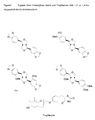
- Troglitazone , a hypoglycemic agent has been shown to exhibit strong antioxidant activity. Its 1,4-bis-oxygenated phenyl pattern of chroman skeleton is real pharmacophore responsible for antioxidant property. Gugulipid and guggulsterone are also known to have antioxidant property [Guggulsterone, a potent hypolipidemic, prevents oxidation of low density lipoproteins, K.Singh, R. Chander and N.K. Kapoor, Phytotherapy Research, II, 291 (1997)]. There are several molecules in lignan class where 1,2 -or 1,4-bis-oxygenated phenyl pharmacophoric pattern are present (Fig. 2). [Sukh Dev, Proc. Ind. Sci. Acad. 49A, 359 (1983)].
- Thus the presence of above biologically potential class of molecules makes gugulipid a good candidate for exploration against diseases associated with dyslipidemia, hyperglycemia and behavior.
- An object of the present invention was to develop a method of extraction of Guggul resin by continuous shaking or sonication procedure to obtain improved yields of the extract. Another object of the present invention was to develop cognition enhancing effect of gugulipid orally in any pharmaceutical preparations.
- Still another object of the present invention was to develop a method of reducing, preventing or controlling hyperglycemic conditions by consuming gugulipid in any pharmaceutically acceptable formulations.
Another object of the invention is to develop a method of improving conditions of infected skin. - The present provides process for extraction gugulipid of resin from aerial branches of the plant C.wighitii comprises suspending gum/resin with a non-polar solvent, filtration or decantation, repetition of the process for extraction of fatty acids, extraction of residual matter with ethyl acetate by continuous shaking or sonication procedure, mixing of polar and nonpolar fractions and filtration to remove solid suspension and finally the solvent is removed to get gugulipid.
The invention also provides method for the preparation of pharmaceutically acceptable compositions for controlling hyperglycemic conditions and improving conditions of infected skin. - The present invention provides use of gugulipid (an ethyl acetate extract of gum or resin from the tree Comiphora wighittii) in the manufacture of an agent for reducing, controlling or preventing cognitive dysfunction, hyperglycemia or an infective condition of the skin in a mammal.
- The gugulipid may be in any form, in particular, in the form of an extract, solid dosage or cream formulation. The use of gugulipids enables cognitive behaviour to be enhanced by preferably administering gugulipid as an extract or by mixing with other pharmaceutically acceptable additives before administration.
- The use of the gugulipid is for the manufacture of an agent. The agent may include any further additive, suitable additives being one or more selected from a protein, carbohydrate, sugar, talc, magnesium stearate, microcrystalline cellulose, starch, calcium carbonate and/or any other pharmaceutically acceptable carrier.
- In the manufacture of the agent, a solid dosage may be obtained by maceration of the gugulipid compound with starch and microcrystalline cellulose together in a mixture, to obtain a flowable powder. The solid dosage may be obtained in the form of a tablet by dissolving gugulipid in ethanol and adding starch and microcrystalline cellulose. This is followed by evaporating the solvent, passing the material through 40 mesh size sieve to obtain granules and compressing the granules to obtain a tablet.
- The use of gugulipid as per the invention may be for treating a patient suffering from a human memory dysfunction, such as Alzheimer's disease or Korsakoff's disease, optionally in combination with other treatments. The use may be for the reversal of Atropine inducing amnesia.
- The use may be such that the gugulipid, in any form, is administered at a dosage level equivalent to 40mg/kg/day, optionally for 7 days.
- The use as per the invention may be such that the hyperglycemia is a hyperglycemic condition.
- The use may be wherein the gugulipid is as a hypoglycemic agent and results in from 30-60% decrease in the blood glucose profile.
- Use may be such that the guglipid is administered at a dosage level of 100mg/kg of bodyweight per day.
- The use may be such that the gugulipid decreases the blood glucose profile between from 1-7 hours following the first hour post-administration.
- Use may be such that the gugulipid has a hypoglycemic effect at 100mg/kg of bodyweight dose, per day, and an average lowering of about 45% in blood glucose profile between 3 and 7 hours post-administration.
- The use may be such that the gugulipid has a hypoglycemic effect at 100mg/kg of bodyweight dose in glucose loaded rats and the peak lowering effect is between 30-60 minutes post-glucose load.
- The use may be such that the infected condition of the skin is a fungal infection. The agent is suitable for multiple application.
- The use may be such wherein the infective condition of the skin is chronic dermatitis, ringworm or itching. The itching may be due to lesions as a result of infestation of fungi such as Candida albicans, Taenia cruris or Taenia pedis. The use may also be in respect of allergic conditions of the skin or anti-inflammatory activity associated with these infective conditions.
- The use of gugulipid may be wherein the gugulipid is supplied as a cream of gugulipid 5% in polyethylene glycol (PEG). The cream is suitable for multiple applications, such as twice daily.
- The present invention also provides a method for obtaining gugulipid, an ethylene acetate extract of gum or resin of the plant Comiphora wighittii and its formulations comprising:
- a) suspending gum or resin of the plant in a non-polar solvent,
- b) filtering or decanting the soluble portion
- c) optionally repeating the above steps for the extraction of fatty matter
- d) extraction of residual matter with ethyl acetate by agitation in a shake flask or by sonication
- e) mixing the extracts from the above steps a), c) and d) and filtering to remove any solid suspenstion, to obtain the gugulipid. If desired,
- f) the gugulipid can be converted into a solid, or creamy dosage form, for example by known methods.
-
- In the method according to the invention, the non-polar solvent is not limited and may be selected from cyclohexane, n-hexane or another solvent. In accordance with the method of the invention, the sonicating may be performed for 30 minutes at 5000 Hz.
- In the method according to the invention, the solid dosage form may be obtained by maceration of the gugulipid component, together with starch and microcrystalline cellulose, in suitable proportions to obtain a flowable powder.
- In accordance with the method of the invention, the cream formulation may be obtained by dissolving gugulipid alone, or with a solvent, in suitable proportions of polyethylene glycol by heating, optionally in a water bath and then removing the solvent.
- The present invention also provides a solid dosage form of gugulipid as well as a cream formulation of gugulipid.
- Accordingly, the present invention provides process for extraction gugulipid of resin from aerial branches of the plant C.wighitii, said process comprising
- a) suspending gum/resin of plant C. wighitti in a non-polar solvent for a period of 5 to 8 hours,
- b) filtration or decantation of the soluble portion,
- c) repeating the above steps for the extraction of fatty matter,
- d) extraction of residual matter with ethyl acetate by agitation on shake flask or sonicating assembly.
- e) mixing the extracts from steps (a), (c) and (d) and filtering to remove solid suspension, to obtain gugulipid, and if desired,
- f) converting the gugulipid into solid or creamy dosage forms by any known method.
-
- The term Gugulipid as used herein means an ethyl acetate extract of gum /resin Guggul from the tree C.wighti.
The term "Ethyl acetate extract" means the non-aqueous fraction of gum/resin.
In an embodiment, the non-polar solvent is selected from n-hexane, cyclohexane or any other solvents.
In another embodiment of the invention, the yield of Gugulipid from the said process is in between 45- 60 %
In another embodiment of the invention, the solid dosage form is obtained by maceration of the component gugulipid, starch and microcrystalline cellulose in suitable proportions in a mixer till the mixture becomes flowable powder.
In another embodiment of the invention, the cream formulations is obtained by dissolving gugulipid alone or with help of solvent in suitable portions of polyethylene glycol by heating on water-bath and pulling off the solvent. - In another embodiment of the invention, gugulipid in combination with or associated with an additive is used for controlling or preventing cognitive dysfunction, hyperglycemia and some infective conditions of the skin in mammals.
In another embodiment of the invention, Gugulipid is administered in the form of extracts, solid dosages or cream formulations as may be suitable.
In another embodiment of the invention, for enhancing cognitional behavior by feeding gugulipid or mixed with other agent of similar property given orally in the form of suitable pharmaceutical preparations and with amount necessary for activity.
In another embodiment of the invention, for reversal of Atropine induced amnesia in male swiss mice by administrating gugulipid dosage equivalent to 40 mg/kg/day for about 7 days either in the form of extracts or solid dosage.
In another embodiment of the invention, Gugulipid is used for treatment of patients suffering from human memory dysfunctions like Alzheimers disease and Korsakoff's disease alone or in combination with other treatments.
In another embodiment of the invention, gugulipid in combination with or associated with an additive is used for reducing, preventing or controlling hyperglycemic conditions by consuming necessary amount of gugulipid for activity in any pharmaceutically acceptable formulations.
In yet another embodiment gugulipid as a hypoglycemic agent decrease the blood glucose level by 30 -60% of streptozotocin induced diabetic rats at 100mg/kg body weight between 1-7 hrs and evident from first hour post administration of gugulipid either in extract or solid dosage form.
In yet another embodiment Gugulipid has hypoglycemic effect at 100mg/kg of body weight per dose and the average lowering of about 45%in blood glucose profile between 3-7 hrs. - In yet another embodiment, Gugulipid has hypoglycemic effect at 100mg/kg of body weight dose in glucose-loaded rats and the peak lowering effect is between 30-60 min. post glucose- load.
- The inventive methods of controlling memory dysfunction, hyperglycemic or infectious conditions of skin conditions employ gugulipid or extract of gum/resin in pharmaceutically acceptable dosage forms.
-
- Figure. 1 shows the structure of Cholesterol metabolite and related compounds in gugulipid.
- Figure. 2 shows the structure of Lignans from Commiphora mukul and Troglitazone with 1,2- or 1,4-bis-oxygenated phenyl pharmacophore.
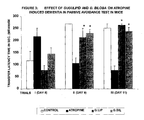
- Figure. 3 shows the effect of Gugulipid and Ginkobyloba on Atropine induced dementia in passive avoidance test.
-
- The following examples are given by the way of illustration and should not be construed to limit the scope of the present invention.
- This example discloses the method of obtaining gugulipid in higher yields and preparation of its dosages formulations.
- In earlier extractive procedure, the occasional hand shaking of gum/resin produced gugulipid in 30-40% yields. When above hand shaking procedure is changed to shaking the content in continuous shake flask assembly driven by electric motor or to agitation with sonicator, it improved the yields of gugulipid appreciably.
- In a typical procedure: gum/resin (200g) is suspended in n-hexane (∼200ml) in shake flask assembly for 5-6 hrs. Hexane soluble portion is decanted off and procedure is repeated once again to extract fatty matters. The residual material changes from sticky to freely movable matter which is then extracted with ethyl acetate (∼3x200ml) by shaking on continuous shake-flask assembly for 10-12h. Both the hexane and ethyl acetate fractions are mixed and filtered to remove solid suspension. The solvent removed to give gugulipid (96 g, 45% yield). The various experiments revealed the improvement of the total yield to the extent of 45 -50%.
- The similar experiment in sonicating assembly (∼30 min, 5000 Hz) also exhibits the improvement in yield of about 45 to 65%.
- The gugulipid conforms to the specifications of Indian Pharmacopoeia, 1996.
- The solid dosage form may be obtained by maceration of the component gugulipid, starch and microcrystalline cellulose in suitable proportions in a mixer till the mixture becomes flowable powder. This can be filled in capsules or converted into tablets as per desired specifications.
- In a typical example, gugulipid (40 g) was dissolved in ethyl alcohol (∼100 ml). To this solution, starch (5.5 g) and microcrystalline cellulose (54.5 g) were added and mixed well. The solvent was evaporated below 50°C and the material was passed through 40-mesh size sieve to obtain granules. The granules were then compressed into tablets.
- The cream formulations may be obtained by dissolving gugulipid alone or with help of solvent in suitable portions of polyethylene glycol PEG 400, PEG 1500 and PEG 6000 by heating on water-bath and pulling off the solvent.
- In a typical example, gugulipid (10g) was dissolved in PEG 400(52 g), to this PEG 1500 (112g) and PEG 6000 (26 g) was added, heated on water bath till all the contents melt completely. The solution was cooled with occasional stirring.
- The following specific examples further illustrate the invention, but the invention is not limited thereto.
- This example reports cognition enhancing property of gugulipid in animal model of Alzheimer's disease.
- One of the most common tests in memory research is the inhibition to imitate activities or learned habits. The term "passive avoidance" is usually employed to describe experiments in which the animal learns to avoid a noxious event by suppressing a particular behavior. Different forms of human memory dysfunctions can be modeled in the animal by the administration of different centrally acting drugs to normal, healthy subjects. Anticholinergics like scopolamine or atropine produces transient amnestic effects similar to the deficits observed in the patients with Alzheimer's disease (AD), whereas benzodiazepines produce effects similar to the anterograde amnesia typical of patients with Korsakoff's disease (KD).
- When a mouse or rat is put in a closed chamber consisting of interconnected dark and lighted compartments, it prefers to be in dark near walls, but when given an electric shock in the dark compartment it moves to the lighted compartment and remains there till it remembers the danger. A typical paradigm of testing cognition behavior consist of three phases: Familiarization: the animal is placed in the lighted compartment and after 10 seconds of exploration, it returns to the home cage. Learning: Immediately after the animal has come to the dark room, an unavoidable foot shock is applied and the animals returned to the illuminated side. Retention test: 24 hr after the learning trial, the animal is again placed to the illuminated side after feeding test drug and the procedure of learning is repeated. The latency period is measured. Evaluation: the time of latency during the learning and retention test phase is measured. A prolongation of the latency period is defined as learning.
- The mice were subjected to single trial passive avoidance test as described by Brioni et al [Brioni, J. D.; Hock, F. J. and McGaugh, J. J. in 'Drug Effects on Learning and Memory'. H. G. Vogel and W. H. Vogel (Eds.). Drug Discovery and Evaluation: Pharmacological Assays" Springer -Verlag. Berlin ,1997]. The passive avoidance test was studied by a computerized shuttle box (Columbus Instruments, Ohio, USA) provided with a software program PACS 30. The shuttle box is comprised of two compartments. An automated door was used to isolate the compartments. After an exploration period of 30 seconds for acclimatization, the animal was subjected to a trial of 270 seconds. Each mouse was placed in the bright (light intensity 10) compartment and on transfer into the dark compartment it was given an electric shock (0.5mA for 5 s) through a floor grid. The computerized door was set to close upon transfer, subjecting the mouse to the full duration of electric shock. Infrared sensors monitor the transfer from one compartment to another, which recorded as transfer latency time (TLT) in seconds. TLT was recorded in control and acute stress group (30 min after immobilization) on day 1 (trial I) and next day (trial II). In chronic stress group trial I was given 30 min after immobilization (day 5) and trial II 24 hrs later. The criterion for improved cognitive activity was taken as an increase in the TLT on trial II as compared to trial I.
- Male Swiss mice (25-30 g) were randomized into 4 groups (n = 10). Extracts Gugulipid (40mg/kg/day.) and G. biloba (30 mg/kg/day.) were administered in one group each for 7 days, in the other two groups corresponding volume vehicle was administered. On the 8th day atropine (4 mg/kg, imp.) was administered in each animal of extract treated and one vehicle group 5 min before Passive Avoidance Test in a computerized shuttle box using PACS-30 software. The transfer latency time (TLT) from illuminated chamber to the dark chamber was recorded in all the groups. Mean values and standard error (SE) of mean was calculated TLT (passive avoidance test) of each group. The significance of difference between the values of two groups was determined by Student's 't' test. Gugulipid is equally active to the standard drug G. biloba and the data is presented in bar diagram (Fig.3). The experiments were carried out according to the following protocol:
PLANT EXTRACT
(40 mg/kg,.p.o., daily for 7 days, swiss mice 25-30g)
↓
8th day
PASSIVE AVOIDANCE TEST
Parameter: Transfer Latency Time
Anticholinergic: Atropine
(5 min prior to test)
↓
TRIAL (I)
8th dose of extract immediately after trial
↓
9th day
TRIAL (II)
9th dose of extract immediately after trial
↓
10th day
NO TRIAL
10th dose of extract
↓
11th day
TRIAL (III)
↑Latency time, >80% no transfer response
EFFECTIVE - Both the extract treated groups showed significant reversal of atropine induced amnesia.
- Gugulipid solid dosage form equivalent to 40mg/kg/day for 7 days was administered in swiss mice. It was found equally effective to the standard drug Ginkobiloba in passive avoidance test model.
Solid dosage form was prepared by mixing gugulipid with starch or microcrystalline cellulose. - This example reports anti-hyperglycemic property of gugulipid in streptozotocin induced diabetic rats.
- Charles Foster strain male albino rats of the body weight 140 ± 20. 0g were used in this experiment. Streptozotocin was dissolved in citrate buffer and calculated amount of the fresh solution was injected in over night starved rats (50 mg/kg body weight, intraperitoneal, i.p.). Blood samples were collected 48 hrs after the streptozotocin administration. Rats having
glucose levels 250 mg/dl in blood were finally selected for the experiments. They were divided in two groups of six rats each. Animals of group I received an equal amount of methylcellulose, while animals of group II received gugulipid (1.2% in methylcellulose) 100mg/kg body weight respectively. Blood samples were collected at 0 hour and after that at hourly intervals up to 7 hrs. Post administration of vehicle/gugulipid and blood glucose level was immediately estimated by glucose oxidase method. Food but not water was with held during the experiment. - Glucose is oxidized by glucose oxidase to gluconic acid. The dihydrogen peroxide produced in the reaction is determined by means of o-dianisidine in the presence of peroxidase yielding a colored dye. The amount of dye formed is the measure of the glucose concentration in the sample. Absorption of oxidized o-dianisidine can be measured at 436 nm.
time X 100Blood glucose profile of streptozotocin induced diabetic rats post administration of gugulipid (single dose). Group Blood glucose level (mg/dl) hours post treatment 0 1 2 3 4 5 6 7 Control 312
±
18.5320
±
17.4310
±
14.3311
±
15.9309
±
15.8305
±
15.5305
±
20.0306
±
19.5Gugulipid 293
±
13.3222
±
27.9 (-30.6)222
±
27.9 (-30.9)186
±
35.8 (-40.19)171
±
29.4 (-44.66)156
±
36.3 (-48.85)139
±
22.9 (-54.42)107
±
18.4 (-65.0 - The results shown in table-1 clearly demonstrates that Gugulipid has hypoglycemic effect at 100 mg/kg body weight dose and the average lowering was observed 45% between 3 to 7 h. in blood glucose profile, was evident from first hour post administration of gugulipid.
- Tests were carried out on Charles foster albino rats in streptozotocin induced diabetic model. Gugulipid in solid dosage form equivalent to 100mg/kg caused about 45% reduction in glucose level between 3 to 7 hours after dose administration.
- Charles foster male albino rats as obtained from the animal colony of the Institute were housed in plastic cages. Their blood glucose profiles were determined after starving the animals over night. Animals showing blood glucose profile between 60 to 70 mg/dl were finally selected, and divided into two groups consisting of five animals in each group. Animals of group II received gugulipid suspension in 1.2 % methylcellulose) at a dose level of 100 mg /kg body weight orally whereas the animals of group -I received an equivalent amount of vehicle. A glucose load of 2.0 g/kg was given to each of the animal's 30 minutes post treatment. Blood was collected at 30, 60, 90, and 120 minutes post glucose load and analyzed for blood glucose. Percent inhibition of the test substance was determined according to the following formula:
time X 100Blood glucose level profile of glucose loaded rats. Group Blood glucose level (mg/dl) hours post treatment 0 min 30 min 60 min 90 min 120 min Control 67.75
±
2.7105.0
±
1.9892.87
±
3.079.43
±
1.4875.57
±
2.6Gugulipid (100mg/kg) 64.85
±
2.373.14
±
2.1 (-30.34)74.82
±
2.9 (-19.43)82.23
±
2.379.3
±
3.0 - Gugulipid has marked hypoglycemic effect at 100 mg /kg body weight dose in glucose-loaded rats.
- This example reports Antifungal property of gugulipid for dermal conditions.
- Considering its use in skin diseases in Ayurveda, the present study was carried out with gugulipid for some of the common fungal skin conditions. As there was no knowledge about the skin diseases where gugulipid ointment can be useful, a search - screening clinical trial was under taken on variety of skin diseases. The ointment was prepared by dissolving gugulipid with the help of solvent in a suitable proposition of polyethylene glycol (PEG) 400, PEG-1500.and PEG-6000 by heating on water bath and pulling off the solvent. The placebo sample was prepared by mixing PEGs in above ratios. Each patient first applied the placebo -cream twice a day for a week and then shifted to gugulipid cream. 5% content of Gugulipid cream in PEG applied twice a day on human skin was effective in chronic dermatitis, ring worm and itching due to the lesions due to the infestation of fungi (such as Candida albicans, Taenia cruris, Taenia pedis), allergic conditions skin and had anti-inflammatory activity associated with these infective conditions.
- It should be understood that the specific forms of the invention illustrated and described so far are intended to be representative only. The change, including but not limited to those suggested in this specification, may be made in the illustrated embodiments without departing from the clear teaching of the disclosure. Accordingly, reference should be made to the following appended claims in determining the full scope of the invention.
-
- 1. The extraction of Guggul resin by continuous shaking or sonification procedure as described in the present invention exhibits improvement in yields as compared to the conventional method of extraction.
- 2. The present invention also provides a method for preparing solid dosage and cream formulations of Gugulipid in addition to extracts. Gugulipid can therefore be provided in form of extracts, tablets or cream formulations whichever is more suitable for the treatment of a particular ailment.
- 3. The present invention provides new uses of Gugulipid for enhancement of cognition, reducing, controlling or preventing hyperglycemic conditions and improving infectious condition of the skin.
-
Claims (25)
- Use of gugulipid, an ethyl acetate extract of gum or resin from the tree Comiphora wighitii, in the manufacture of an agent for reducing, controlling or preventing cognitive dysfunction, hyperglycemia or an infective condition of the skin in a mammal.
- Use, as claimed in claim 1 wherein, gugulipid is in the form of an extract, solid dosage or cream formulation.
- Use, as claimed in claim 1 or claim 2 wherein, cognitional behavior is enhanced by administering gugulipid as an extract or mixing with other pharmaceutically acceptable additives.
- Use, as claimed in any one of claims 1 to 3 wherein, the agent includes an additive, the additive being one or more selected from protein, carbohydrate, sugar, talc, magnesium sterate, microcrystalline cellulose, starch, calcium carbonate and/or a pharmaceutically acceptable carrier.
- Use, as claimed in any one of claims 1 to 4 wherein, the solid dosage is obtained by maceration of the compound gugulipid, starch and microcrystalline cellulose in a mixture, to obtain a flowable powder.
- Use, as claimed in any one of claims 1 to 4 wherein, the solid dosage in the form of a tablet is obtained by dissolving gugulipid with ethanol and adding starch and microcrystalline cellulose, evaporating the solvent, passing the material through 40 mesh size sieve to obtain granules and compressing the granules to obtain a tablet.
- Use, as claimed in any one of claims 1 to 6 for treating a patient suffering from a human memory dysfunction, such as Alzheimer's disease or Korsakoff's disease, optionally in combination with other treatments.
- Use, as claimed in any one of claims 1 to 7 for the reversal of Atropine inducing amnesia.
- Use, as claimed in any one of claims 1 to 8, wherein the gugulipid is administered at a dosage level equivalent to 40mg/kg/day, optionally for 7 days.
- Use, as claimed in any one of claims 1 to 9 wherein the hyperglycemia is a hyperglycemic condition.
- Use, as claimed in any one of claims 1 to 10 wherein, use of gugulipid as a hypoglycemic agent results in from 30 - 60% decrease in blood glucose profile.
- Use, as claimed in any one of claims 1 to 11, wherein the gugulipid is administered at a dosage level of 100mg/kg-body weight.
- Use, as claimed in any one of claims 1 to 12 wherein, the gugulipid decreases the blood glucose profile between 1-7 hrs from the first hour post administration.
- Use, as claimed in claim 12 wherein, gugulipid has a hypoglycemic effect at 100mg/kg of body weight dose and an average lowering of about 45% in blood glucose profile between 3-7 hrs.
- Use, as claimed in claim 12 wherein, gugulipid has a hypoglycemic effect at 100mg/kg of body weight dose in glucose loaded rats and the peak lowering effect is between 30-60 min. post glucose- load.
- Use, as claimed in any one of claims 1 to 15, wherein the infective condition of the skin is a fungal infection, optionally the agent being applied by multiple application.
- Use, as claimed in any one of claims 1 to 16, wherein the infective condition of the skin is chronic dermatitis, ring worm or itching due to the lesions due to the infestation of fungi such as Candida albicans, Taenia cruris, Taenia pedis, allergic conditions of skin or anti-inflammatory activity associated with these infective conditions.
- Use, as claimed in claim 16 or claim 17, wherein the gugulipid is applied as a cream of gugulipid 5% in polyethylene glycol (PEG), optionally twice daily.
- A method of obtaining gugulipid, an ethyl acetate extract of gum or resin of plant C.wighitti and its formulations comprising:a) suspending gum or resin of plant C. wighitti in a non-polar solvent,b) filtration or decantation of the soluble portion,c) optionally repeating the above steps for the extraction of fatty matter,d) extraction of residual matter with ethyl acetate by agitation on shake flask or sonicating assembly.e) mixing the extracts from the above steps a, c and d and filtering to remove solid suspension, to obtain gugulipid, and if desired,f) converting the gugulipid into solid or creamy dosage forms by any known method.
- A method as claimed in claim 19 wherein, the non-polar solvent is selected from cyclohexane, n-hexane or any other solvents.
- A method as claimed in claim 19 or claim 20 wherein, the sonicating is performed for 30 minutes at 5000 Hz.
- A method as claimed in any one of claims 19 to 21 wherein, the solid dosage form is obtained by maceration of the component gugulipid, starch and microcrystalline cellulose in suitable proportions in a mixer to obtain a flowable powder.
- A method as claimed in any one of claims 19 to 21 wherein, the cream formulation is obtained by dissolving gugulipid alone or with help of solvent in suitable portions of polyethylene glycol by heating, optionally in a water-bath and removing the solvent.
- A solid dosage form of gugulipid.
- A cream formulation of gugulipid.
Priority Applications (5)
| Application Number | Priority Date | Filing Date | Title |
|---|---|---|---|
| JP2000390290A JP2002193818A (en) | 2000-12-22 | 2000-12-22 | New uses of gugulipid: as cognitive enhancers, anti-hyperglycemic, and as related to skin condition |
| US09/742,424 US6896901B2 (en) | 2000-12-22 | 2000-12-22 | Method of treating a cognitive memory dysfunction using Gugulipid |
| AT01300257T ATE312616T1 (en) | 2001-01-12 | 2001-01-12 | GUGULIPID FOR THE TREATMENT OF COGNITIVE DISORDERS |
| EP01300257A EP1224938B1 (en) | 2000-12-22 | 2001-01-12 | Gugulipid for treating cognitive disorders |
| DE2001615831 DE60115831T2 (en) | 2001-01-12 | 2001-01-12 | Gugulipid for the treatment of cognitive disorders |
Applications Claiming Priority (3)
| Application Number | Priority Date | Filing Date | Title |
|---|---|---|---|
| JP2000390290A JP2002193818A (en) | 2000-12-22 | 2000-12-22 | New uses of gugulipid: as cognitive enhancers, anti-hyperglycemic, and as related to skin condition |
| US09/742,424 US6896901B2 (en) | 2000-12-22 | 2000-12-22 | Method of treating a cognitive memory dysfunction using Gugulipid |
| EP01300257A EP1224938B1 (en) | 2000-12-22 | 2001-01-12 | Gugulipid for treating cognitive disorders |
Publications (2)
| Publication Number | Publication Date |
|---|---|
| EP1224938A1 true EP1224938A1 (en) | 2002-07-24 |
| EP1224938B1 EP1224938B1 (en) | 2005-12-14 |
Family
ID=27224335
Family Applications (1)
| Application Number | Title | Priority Date | Filing Date |
|---|---|---|---|
| EP01300257A Expired - Lifetime EP1224938B1 (en) | 2000-12-22 | 2001-01-12 | Gugulipid for treating cognitive disorders |
Country Status (3)
| Country | Link |
|---|---|
| US (1) | US6896901B2 (en) |
| EP (1) | EP1224938B1 (en) |
| JP (1) | JP2002193818A (en) |
Cited By (2)
| Publication number | Priority date | Publication date | Assignee | Title |
|---|---|---|---|---|
| EP2251008A1 (en) * | 2003-12-18 | 2010-11-17 | Unilever Plc, A Company Registered In England And Wales under company no. 41424 of Unilever House | Methods for reducing the effects of stress on skin condition |
| EP2841060A4 (en) * | 2012-06-05 | 2016-02-24 | Int Stem Cell Corp | METHOD OF PREVENTING NEUROLOGICAL DISEASES |
Families Citing this family (2)
| Publication number | Priority date | Publication date | Assignee | Title |
|---|---|---|---|---|
| US20060019907A1 (en) * | 2004-07-12 | 2006-01-26 | Research Development Foundation | Guggulsterone: an inhibitor of nuclear factor - kappaB and IkappaBalpha kinase activation and uses thereof |
| US8287924B2 (en) | 2011-03-17 | 2012-10-16 | Sonia Pharma Gmbh | Treatment of menopausal symptoms as novel indication for myrrh |
Citations (5)
| Publication number | Priority date | Publication date | Assignee | Title |
|---|---|---|---|---|
| US5273747A (en) * | 1991-05-15 | 1993-12-28 | Indena S.P.A. | Commiphora mukul extracts and therapeutical applications thereof |
| US5690948A (en) * | 1997-01-10 | 1997-11-25 | Elizabeth Arden Co., Division Of Conopco, Inc. | Antisebum and antioxidant compositions containing guguliped and alcoholic fraction thereof |
| GB2343115A (en) * | 1998-10-27 | 2000-05-03 | Prolab Nutrition Inc | Weight control product comprising guggul extract and at least one phosphate salt |
| US6086889A (en) * | 1999-02-12 | 2000-07-11 | Council Of Scientific & Industrial Research | Process for the isolation of Z and E gugulsterones from aerial branches of Commiphora wightii (guggul) |
| EP1020191A1 (en) * | 1999-01-12 | 2000-07-19 | Council of Scientific and Industrial Research | Medicaments for hypolipidemic and hypoglycemic conditions |
Family Cites Families (6)
| Publication number | Priority date | Publication date | Assignee | Title |
|---|---|---|---|---|
| US4385053A (en) * | 1981-03-11 | 1983-05-24 | Barry Reisberg | Treatment for human memory impairment associated with aging |
| FR2738565B1 (en) * | 1995-09-13 | 1997-11-28 | Dior Christian Parfums | PRODUCTS EXTRACTED FROM A COMMIPHORA PLANT, IN PARTICULAR FROM THE COMMIPHORA MUKUL PLANT, AND EXTRACTS CONTAINING THEM AND THEIR APPLICATIONS, IN PARTICULAR IN COSMETICS |
| US6200569B1 (en) * | 1997-11-05 | 2001-03-13 | Tang-An Medical Co., Ltd. | Composition and method for increasing insulin activity |
| JPH11349487A (en) * | 1998-06-03 | 1999-12-21 | Kwang Dong Pharmaceut Co Ltd | Newly formulated beef Huang Qing Xinyuan composition and method for producing the same |
| JP2000319188A (en) * | 1999-03-01 | 2000-11-21 | Sangi Co Ltd | Hyperlipidemia treatment |
| US6436991B1 (en) * | 2000-05-19 | 2002-08-20 | Sabinsa Corporation | Composition and method containing products extracted from Commiphora sp. for prevention and treatment of abnormal cell growth and proliferation in inflammation, neoplasia and cardiovascular disease |
-
2000
- 2000-12-22 JP JP2000390290A patent/JP2002193818A/en active Pending
- 2000-12-22 US US09/742,424 patent/US6896901B2/en not_active Expired - Lifetime
-
2001
- 2001-01-12 EP EP01300257A patent/EP1224938B1/en not_active Expired - Lifetime
Patent Citations (5)
| Publication number | Priority date | Publication date | Assignee | Title |
|---|---|---|---|---|
| US5273747A (en) * | 1991-05-15 | 1993-12-28 | Indena S.P.A. | Commiphora mukul extracts and therapeutical applications thereof |
| US5690948A (en) * | 1997-01-10 | 1997-11-25 | Elizabeth Arden Co., Division Of Conopco, Inc. | Antisebum and antioxidant compositions containing guguliped and alcoholic fraction thereof |
| GB2343115A (en) * | 1998-10-27 | 2000-05-03 | Prolab Nutrition Inc | Weight control product comprising guggul extract and at least one phosphate salt |
| EP1020191A1 (en) * | 1999-01-12 | 2000-07-19 | Council of Scientific and Industrial Research | Medicaments for hypolipidemic and hypoglycemic conditions |
| US6086889A (en) * | 1999-02-12 | 2000-07-11 | Council Of Scientific & Industrial Research | Process for the isolation of Z and E gugulsterones from aerial branches of Commiphora wightii (guggul) |
Non-Patent Citations (3)
| Title |
|---|
| SALUTGI S B ET AL: "EFFECT OF THE INDIGENOUS DRUG 'LIPIDSOL' ON CERTAIN METABOLIC PARAMETERS IN GOATS", INDIAN VETERINARY JOURNAL, MADRAS, IN, vol. 73, no. 10, October 1996 (1996-10-01), pages 1035 - 1038, XP001038135, ISSN: 0019-6479 * |
| SATYAVATI G V: "GUGGULIPID: A PROMISING HYPOLIPIDAEMIC AGENT FROM GUM GUGGUL (COMMIPHORA WIGHTII)", ECONOMIC AND MEDICINAL PLANT RESEARCH: PLANTS AND TRADITIONAL MEDICINE, vol. 5, 1991, pages 47 - 82, XP001039709 * |
| THAPPA DEVINDER M ET AL: "Nodulocystic acne: Oral gugulipid versus tetracycline.", JOURNAL OF DERMATOLOGY (TOKYO), vol. 21, no. 10, October 1994 (1994-10-01), pages 729 - 731, XP001007886, ISSN: 0385-2407 * |
Cited By (4)
| Publication number | Priority date | Publication date | Assignee | Title |
|---|---|---|---|---|
| EP2251008A1 (en) * | 2003-12-18 | 2010-11-17 | Unilever Plc, A Company Registered In England And Wales under company no. 41424 of Unilever House | Methods for reducing the effects of stress on skin condition |
| EP2841060A4 (en) * | 2012-06-05 | 2016-02-24 | Int Stem Cell Corp | METHOD OF PREVENTING NEUROLOGICAL DISEASES |
| AU2013271841B2 (en) * | 2012-06-05 | 2018-03-08 | International Stem Cell Corporation | Method of prevention of neurological diseases |
| US10258632B2 (en) | 2012-06-05 | 2019-04-16 | International Stem Cell Corporation | Method of prevention of neurological diseases |
Also Published As
| Publication number | Publication date |
|---|---|
| US20020119206A1 (en) | 2002-08-29 |
| EP1224938B1 (en) | 2005-12-14 |
| US6896901B2 (en) | 2005-05-24 |
| JP2002193818A (en) | 2002-07-10 |
Similar Documents
| Publication | Publication Date | Title |
|---|---|---|
| Kar et al. | Studies on hypoglycaemic activity of Solanum xanthocarpum Schrad. & Wendl. fruit extract in rats | |
| DE69835225T2 (en) | METHOD FOR THE TREATMENT OF PSYCHOSES CAUSED BY GLYCOCORTICOIDAL DISORDER | |
| DE3850434T2 (en) | Medicament, dietary product and hygienic product in the form of a powdery composition obtained by adsorbing the active ingredients on a rapidly soluble sugar and process for producing this composition. | |
| DE69908643T2 (en) | COMBINATIONS OF CHOLESTERYL ESTER TRANSFER PROTEIN INHIBITORS AND NICOTIC ACID DERIVATIVES FOR CARDIOVASCULAR INDICATIONS | |
| EP2162145B1 (en) | Novel compounds and pharmaceutical preparations from neobeguea spec | |
| WO2008071169A2 (en) | Method for the production of specific inhibitors of 11-beta-hydroxysteroid dehydrogenase, in particular type 1 with basic nor-oleanan or nor-ursan frameworks | |
| Seres et al. | Androgenic effect of honeybee drone milk in castrated rats: Roles of methyl palmitate and methyl oleate | |
| Venkateswaran et al. | Protective effect of Livex, a herbal formulation against erythromycin estolate induced hepatotoxicity in rats | |
| WO2003013562A1 (en) | Artichoke leaf extracts | |
| DE3610531A1 (en) | MEDICINAL PRODUCTS WITH A N- (4-HYDROXYPHENYL) -RETINAMIDE CONTENT WITH INCREASED BIOAVAILABILITY | |
| DE102007043186A1 (en) | Cyclohexenone compounds from Antrodia camphorata for the treatment of autoimmune diseases | |
| Adewole et al. | Hypoglycaemic and hypotensive effects of Ficus exasperata Vahl.(Moraceae) leaf aqueous extracts in rats | |
| US6113949A (en) | Weight control product and method of treating hyperlipidemia and increasing vigor with said product | |
| US6896901B2 (en) | Method of treating a cognitive memory dysfunction using Gugulipid | |
| DE2759171A1 (en) | MEDICINAL PRODUCTS WITH EFFECT AS PROSTAGLANDIN SYNTHETASE INHIBITOR | |
| US8067043B2 (en) | Herbal composition for treatment of hyperlipidemia and the inhibition of myocardial infarction | |
| DE2659466A1 (en) | STEROLINE AND THEIR USE | |
| US20030099729A1 (en) | Novel uses of Gugulipid: as cognition enhancer, anti-hyperglycemic and for dermal conditions | |
| Siriwardhene et al. | Antihyperglycemic effect and phytochemical screening of aqueous extract of Passiflora foetida (Linn.) on normal Wistar rat model | |
| WO2009100970A1 (en) | Administration form containing preparations made of solanum melongena and cynara scolymus | |
| US20220184165A1 (en) | Novel Compounds and Pharmaceutical Preparations | |
| DE60115831T2 (en) | Gugulipid for the treatment of cognitive disorders | |
| Singla et al. | The in-vivo diuretic activity of methanolic extract of Quercus leucotrichophora A. Camus seeds | |
| WO2007054269A2 (en) | Extracts from the bark of corynanthe species, use thereof, and medicaments, dietary products, and pharmaceutical preparations containing said extracts | |
| Mishra et al. | Phytochemical investigation and antidiabetic activity of Oroxylum indicum Vent. seed |
Legal Events
| Date | Code | Title | Description |
|---|---|---|---|
| PUAI | Public reference made under article 153(3) epc to a published international application that has entered the european phase |
Free format text: ORIGINAL CODE: 0009012 |
|
| AK | Designated contracting states |
Kind code of ref document: A1 Designated state(s): AT BE CH CY DE DK ES FI FR GB GR IE IT LI LU MC NL PT SE TR |
|
| AX | Request for extension of the european patent |
Free format text: AL;LT;LV;MK;RO;SI |
|
| 17P | Request for examination filed |
Effective date: 20030120 |
|
| AKX | Designation fees paid |
Designated state(s): AT BE CH CY DE DK ES FI FR GB GR IE IT LI LU MC NL PT SE TR |
|
| 17Q | First examination report despatched |
Effective date: 20030711 |
|
| GRAP | Despatch of communication of intention to grant a patent |
Free format text: ORIGINAL CODE: EPIDOSNIGR1 |
|
| RTI1 | Title (correction) |
Free format text: GUGULIPID FOR TREATING COGNITIVE DISORDERS |
|
| GRAS | Grant fee paid |
Free format text: ORIGINAL CODE: EPIDOSNIGR3 |
|
| GRAA | (expected) grant |
Free format text: ORIGINAL CODE: 0009210 |
|
| AK | Designated contracting states |
Kind code of ref document: B1 Designated state(s): AT BE CH CY DE DK ES FI FR GB GR IE IT LI LU MC NL PT SE TR |
|
| PG25 | Lapsed in a contracting state [announced via postgrant information from national office to epo] |
Ref country code: NL Free format text: LAPSE BECAUSE OF FAILURE TO SUBMIT A TRANSLATION OF THE DESCRIPTION OR TO PAY THE FEE WITHIN THE PRESCRIBED TIME-LIMIT Effective date: 20051214 Ref country code: CH Free format text: LAPSE BECAUSE OF FAILURE TO SUBMIT A TRANSLATION OF THE DESCRIPTION OR TO PAY THE FEE WITHIN THE PRESCRIBED TIME-LIMIT Effective date: 20051214 Ref country code: FI Free format text: LAPSE BECAUSE OF FAILURE TO SUBMIT A TRANSLATION OF THE DESCRIPTION OR TO PAY THE FEE WITHIN THE PRESCRIBED TIME-LIMIT Effective date: 20051214 Ref country code: BE Free format text: LAPSE BECAUSE OF FAILURE TO SUBMIT A TRANSLATION OF THE DESCRIPTION OR TO PAY THE FEE WITHIN THE PRESCRIBED TIME-LIMIT Effective date: 20051214 Ref country code: LI Free format text: LAPSE BECAUSE OF FAILURE TO SUBMIT A TRANSLATION OF THE DESCRIPTION OR TO PAY THE FEE WITHIN THE PRESCRIBED TIME-LIMIT Effective date: 20051214 Ref country code: AT Free format text: LAPSE BECAUSE OF FAILURE TO SUBMIT A TRANSLATION OF THE DESCRIPTION OR TO PAY THE FEE WITHIN THE PRESCRIBED TIME-LIMIT Effective date: 20051214 |
|
| REG | Reference to a national code |
Ref country code: GB Ref legal event code: FG4D |
|
| REG | Reference to a national code |
Ref country code: CH Ref legal event code: EP |
|
| REG | Reference to a national code |
Ref country code: IE Ref legal event code: FG4D |
|
| PG25 | Lapsed in a contracting state [announced via postgrant information from national office to epo] |
Ref country code: IE Free format text: LAPSE BECAUSE OF NON-PAYMENT OF DUE FEES Effective date: 20060112 |
|
| REF | Corresponds to: |
Ref document number: 60115831 Country of ref document: DE Date of ref document: 20060119 Kind code of ref document: P |
|
| PG25 | Lapsed in a contracting state [announced via postgrant information from national office to epo] |
Ref country code: LU Free format text: LAPSE BECAUSE OF NON-PAYMENT OF DUE FEES Effective date: 20060131 Ref country code: MC Free format text: LAPSE BECAUSE OF NON-PAYMENT OF DUE FEES Effective date: 20060131 |
|
| PG25 | Lapsed in a contracting state [announced via postgrant information from national office to epo] |
Ref country code: GB Free format text: LAPSE BECAUSE OF NON-PAYMENT OF DUE FEES Effective date: 20060314 Ref country code: GR Free format text: LAPSE BECAUSE OF FAILURE TO SUBMIT A TRANSLATION OF THE DESCRIPTION OR TO PAY THE FEE WITHIN THE PRESCRIBED TIME-LIMIT Effective date: 20060314 Ref country code: DK Free format text: LAPSE BECAUSE OF FAILURE TO SUBMIT A TRANSLATION OF THE DESCRIPTION OR TO PAY THE FEE WITHIN THE PRESCRIBED TIME-LIMIT Effective date: 20060314 Ref country code: SE Free format text: LAPSE BECAUSE OF FAILURE TO SUBMIT A TRANSLATION OF THE DESCRIPTION OR TO PAY THE FEE WITHIN THE PRESCRIBED TIME-LIMIT Effective date: 20060314 |
|
| PG25 | Lapsed in a contracting state [announced via postgrant information from national office to epo] |
Ref country code: ES Free format text: LAPSE BECAUSE OF FAILURE TO SUBMIT A TRANSLATION OF THE DESCRIPTION OR TO PAY THE FEE WITHIN THE PRESCRIBED TIME-LIMIT Effective date: 20060325 |
|
| PG25 | Lapsed in a contracting state [announced via postgrant information from national office to epo] |
Ref country code: PT Free format text: LAPSE BECAUSE OF FAILURE TO SUBMIT A TRANSLATION OF THE DESCRIPTION OR TO PAY THE FEE WITHIN THE PRESCRIBED TIME-LIMIT Effective date: 20060515 |
|
| NLV1 | Nl: lapsed or annulled due to failure to fulfill the requirements of art. 29p and 29m of the patents act | ||
| REG | Reference to a national code |
Ref country code: CH Ref legal event code: PL |
|
| ET | Fr: translation filed | ||
| REG | Reference to a national code |
Ref country code: IE Ref legal event code: MM4A |
|
| PLBE | No opposition filed within time limit |
Free format text: ORIGINAL CODE: 0009261 |
|
| STAA | Information on the status of an ep patent application or granted ep patent |
Free format text: STATUS: NO OPPOSITION FILED WITHIN TIME LIMIT |
|
| 26N | No opposition filed |
Effective date: 20060915 |
|
| GBPC | Gb: european patent ceased through non-payment of renewal fee |
Effective date: 20060314 |
|
| PG25 | Lapsed in a contracting state [announced via postgrant information from national office to epo] |
Ref country code: TR Free format text: LAPSE BECAUSE OF FAILURE TO SUBMIT A TRANSLATION OF THE DESCRIPTION OR TO PAY THE FEE WITHIN THE PRESCRIBED TIME-LIMIT Effective date: 20051214 |
|
| PG25 | Lapsed in a contracting state [announced via postgrant information from national office to epo] |
Ref country code: CY Free format text: LAPSE BECAUSE OF FAILURE TO SUBMIT A TRANSLATION OF THE DESCRIPTION OR TO PAY THE FEE WITHIN THE PRESCRIBED TIME-LIMIT Effective date: 20051214 |
|
| REG | Reference to a national code |
Ref country code: DE Ref legal event code: R082 Ref document number: 60115831 Country of ref document: DE Representative=s name: BOEHMERT & BOEHMERT ANWALTSPARTNERSCHAFT MBB -, DE Ref country code: DE Ref legal event code: R082 Ref document number: 60115831 Country of ref document: DE Representative=s name: BOEHMERT & BOEHMERT, DE |
|
| REG | Reference to a national code |
Ref country code: FR Ref legal event code: PLFP Year of fee payment: 16 |
|
| REG | Reference to a national code |
Ref country code: FR Ref legal event code: PLFP Year of fee payment: 17 |
|
| PGFP | Annual fee paid to national office [announced via postgrant information from national office to epo] |
Ref country code: FR Payment date: 20161221 Year of fee payment: 17 |
|
| PGFP | Annual fee paid to national office [announced via postgrant information from national office to epo] |
Ref country code: DE Payment date: 20170201 Year of fee payment: 17 |
|
| PGFP | Annual fee paid to national office [announced via postgrant information from national office to epo] |
Ref country code: IT Payment date: 20170103 Year of fee payment: 17 |
|
| REG | Reference to a national code |
Ref country code: DE Ref legal event code: R119 Ref document number: 60115831 Country of ref document: DE |
|
| PG25 | Lapsed in a contracting state [announced via postgrant information from national office to epo] |
Ref country code: FR Free format text: LAPSE BECAUSE OF NON-PAYMENT OF DUE FEES Effective date: 20180131 Ref country code: DE Free format text: LAPSE BECAUSE OF NON-PAYMENT OF DUE FEES Effective date: 20180801 |
|
| REG | Reference to a national code |
Ref country code: FR Ref legal event code: ST Effective date: 20180928 |
|
| PG25 | Lapsed in a contracting state [announced via postgrant information from national office to epo] |
Ref country code: IT Free format text: LAPSE BECAUSE OF NON-PAYMENT OF DUE FEES Effective date: 20180112 |