EP1222922A1 - Method for stabilizing benzimidazole compounds - Google Patents
Method for stabilizing benzimidazole compounds Download PDFInfo
- Publication number
- EP1222922A1 EP1222922A1 EP00969905A EP00969905A EP1222922A1 EP 1222922 A1 EP1222922 A1 EP 1222922A1 EP 00969905 A EP00969905 A EP 00969905A EP 00969905 A EP00969905 A EP 00969905A EP 1222922 A1 EP1222922 A1 EP 1222922A1
- Authority
- EP
- European Patent Office
- Prior art keywords
- benzimidazole
- based compound
- crospovidone
- acceptable salt
- physiologically acceptable
- Prior art date
- Legal status (The legal status is an assumption and is not a legal conclusion. Google has not performed a legal analysis and makes no representation as to the accuracy of the status listed.)
- Granted
Links
- 0 Cc1nc(cc(*)c(*)c2)c2[n]1* Chemical compound Cc1nc(cc(*)c(*)c2)c2[n]1* 0.000 description 2
Classifications
-
- A—HUMAN NECESSITIES
- A61—MEDICAL OR VETERINARY SCIENCE; HYGIENE
- A61K—PREPARATIONS FOR MEDICAL, DENTAL OR TOILETRY PURPOSES
- A61K9/00—Medicinal preparations characterised by special physical form
- A61K9/20—Pills, tablets, discs, rods
- A61K9/28—Dragees; Coated pills or tablets, e.g. with film or compression coating
- A61K9/2886—Dragees; Coated pills or tablets, e.g. with film or compression coating having two or more different drug-free coatings; Tablets of the type inert core-drug layer-inactive layer
-
- A—HUMAN NECESSITIES
- A61—MEDICAL OR VETERINARY SCIENCE; HYGIENE
- A61K—PREPARATIONS FOR MEDICAL, DENTAL OR TOILETRY PURPOSES
- A61K31/00—Medicinal preparations containing organic active ingredients
- A61K31/33—Heterocyclic compounds
- A61K31/395—Heterocyclic compounds having nitrogen as a ring hetero atom, e.g. guanethidine or rifamycins
- A61K31/435—Heterocyclic compounds having nitrogen as a ring hetero atom, e.g. guanethidine or rifamycins having six-membered rings with one nitrogen as the only ring hetero atom
- A61K31/44—Non condensed pyridines; Hydrogenated derivatives thereof
- A61K31/4427—Non condensed pyridines; Hydrogenated derivatives thereof containing further heterocyclic ring systems
- A61K31/4439—Non condensed pyridines; Hydrogenated derivatives thereof containing further heterocyclic ring systems containing a five-membered ring with nitrogen as a ring hetero atom, e.g. omeprazole
-
- A—HUMAN NECESSITIES
- A61—MEDICAL OR VETERINARY SCIENCE; HYGIENE
- A61K—PREPARATIONS FOR MEDICAL, DENTAL OR TOILETRY PURPOSES
- A61K47/00—Medicinal preparations characterised by the non-active ingredients used, e.g. carriers or inert additives; Targeting or modifying agents chemically bound to the active ingredient
- A61K47/02—Inorganic compounds
-
- A—HUMAN NECESSITIES
- A61—MEDICAL OR VETERINARY SCIENCE; HYGIENE
- A61K—PREPARATIONS FOR MEDICAL, DENTAL OR TOILETRY PURPOSES
- A61K47/00—Medicinal preparations characterised by the non-active ingredients used, e.g. carriers or inert additives; Targeting or modifying agents chemically bound to the active ingredient
- A61K47/30—Macromolecular organic or inorganic compounds, e.g. inorganic polyphosphates
- A61K47/32—Macromolecular compounds obtained by reactions only involving carbon-to-carbon unsaturated bonds, e.g. carbomers, poly(meth)acrylates, or polyvinyl pyrrolidone
-
- A—HUMAN NECESSITIES
- A61—MEDICAL OR VETERINARY SCIENCE; HYGIENE
- A61K—PREPARATIONS FOR MEDICAL, DENTAL OR TOILETRY PURPOSES
- A61K9/00—Medicinal preparations characterised by special physical form
- A61K9/20—Pills, tablets, discs, rods
- A61K9/2004—Excipients; Inactive ingredients
- A61K9/2009—Inorganic compounds
-
- A—HUMAN NECESSITIES
- A61—MEDICAL OR VETERINARY SCIENCE; HYGIENE
- A61K—PREPARATIONS FOR MEDICAL, DENTAL OR TOILETRY PURPOSES
- A61K9/00—Medicinal preparations characterised by special physical form
- A61K9/20—Pills, tablets, discs, rods
- A61K9/2004—Excipients; Inactive ingredients
- A61K9/2022—Organic macromolecular compounds
- A61K9/2027—Organic macromolecular compounds obtained by reactions only involving carbon-to-carbon unsaturated bonds, e.g. polyvinyl pyrrolidone, poly(meth)acrylates
-
- A—HUMAN NECESSITIES
- A61—MEDICAL OR VETERINARY SCIENCE; HYGIENE
- A61P—SPECIFIC THERAPEUTIC ACTIVITY OF CHEMICAL COMPOUNDS OR MEDICINAL PREPARATIONS
- A61P1/00—Drugs for disorders of the alimentary tract or the digestive system
- A61P1/04—Drugs for disorders of the alimentary tract or the digestive system for ulcers, gastritis or reflux esophagitis, e.g. antacids, inhibitors of acid secretion, mucosal protectants
-
- C—CHEMISTRY; METALLURGY
- C07—ORGANIC CHEMISTRY
- C07D—HETEROCYCLIC COMPOUNDS
- C07D401/00—Heterocyclic compounds containing two or more hetero rings, having nitrogen atoms as the only ring hetero atoms, at least one ring being a six-membered ring with only one nitrogen atom
- C07D401/02—Heterocyclic compounds containing two or more hetero rings, having nitrogen atoms as the only ring hetero atoms, at least one ring being a six-membered ring with only one nitrogen atom containing two hetero rings
- C07D401/12—Heterocyclic compounds containing two or more hetero rings, having nitrogen atoms as the only ring hetero atoms, at least one ring being a six-membered ring with only one nitrogen atom containing two hetero rings linked by a chain containing hetero atoms as chain links
Definitions
- the present invention relates to a method for stabilizing a pharmaceutical preparation of the solid dosage form for internal use containing a benzimidazole-based compound or a physiologically acceptable salt thereof.
- a benzimidazole-based compound or a physiologically acceptable salt thereof has a strong inhibitory action on the so-called proton pump, and it is widely used as a therapeutic agent for stomach ulcer, duodenal ulcer etc., by inhibiting gastric acid secretion.
- the benzimidazole type compound is chemically very unstable, so various measures have been invented for pharmaceutical manufacturing thereof.
- JP-A 62-277322 discloses a process for producing a stabilized pharmaceutical composition comprising a basic inorganic salt of magnesium and/or calcium incorporated into a benzimidazole type compound
- JP-A 62-258320 discloses an oral pharmaceutical preparation prepared by incorporating an alkali compound into the portion of a core containing a benzimidazole type compound, then coating it with fillers for tablets soluble in water or rapidly degradable with water or with a polymeric and water-soluble film-forming compound, and further coating it with an enteric coating.
- the object of the invention is to provide a method for further stabilizing a pharmaceutical preparation of the solid dosage form for internal use comprising a benzimidazole-based compound, specifically, a method for preventing it from being colored.
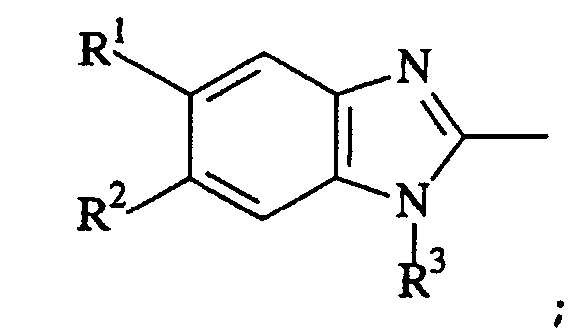
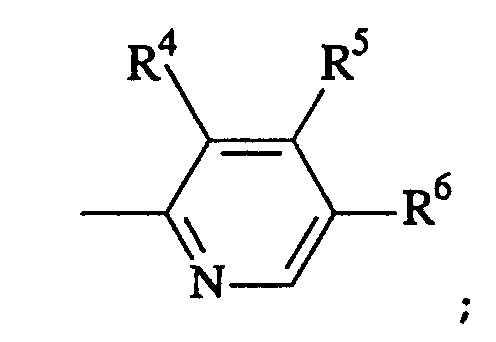
- the present invention is a method for stabilizing a benzimidazole-based compound or a physiologically acceptable salt thereof, comprising incorporating a crospovidone to a benzimidazole-based compound represented by the following structure (Formula 1), or a physiologically acceptable salt thereof.
- Het 1 is Het 2 is R 1 and R 2 are the same as or different from each other and are selected from hydrogen, methoxy and difluoromethoxy; R 3 is selected from hydrogen and sodium; and R 4 , R 5 and R 6 are the same as or different from each other and are selected from hydrogen, methyl, methoxy, methoxypropoxy and trifluoroethoxy.
- the present invention is a method for stabilizing a benzimidazole-based compound or a physiologically acceptable salt thereof, comprising incorporating 1) a crospovidone and 2) sodium hydroxide and/or potassium hydroxide to a benzimidazole-based compound represented by Formula 1 or a physiologically acceptable salt thereof.
- the present invention is a method for stabilizing a benzimidazole-based compound or a physiologically acceptable salt thereof, comprising coating a core formed by incorporating a crospovidone or 1) crospovidone and 2) sodium hydroxide and/or potassium hydroxide to a benzimidazole-based compound represented by Formula 1 or a physiologically acceptable salt thereof with an enteric coating.
- the present invention provides a method for preventing a benzimidazole-based compound or a physiologically acceptable salt thereof from changing in color, which comprises incorporating a crospovidone to the benzimidazole-based compound represented by the above Formula 1 or a physiologically acceptable salt thereof.
- a core means a tablet, a granule and the like.
- a benzimidazole-based compound is extremely unstable in an acidic condition, and once taken orally it is decomposed rapidly upon contact with a gastric acid in a stomach, whereby losing its physiological activity. Accordingly, for the purpose of preventing a decomposition in a stomach, a formulation which is insoluble in the stomach, i.e., a formulation employing an enteric coating over a core containing a benzimidazole-based compound is required.
- the present invention is also a method for stabilizing a benzimidazole-based compound or a physiologically acceptable salt thereof, comprising coating a core formed by incorporating a crospovidone or 1) a crospovidone and 2) sodium hydroxide and/or potassium hydroxide to a benzimidazole-based compound represented by Formula (I) or a physiologically acceptable salt thereof with an intermediate coating; and then coating it further with an enteric coating.
- An enteric coating is generally an acidic substance, whose direct contact with a benzimidazole-based compound is desired to be avoided. Accordingly, an inactive intermediate film may be provided between a core containing a benzimidazole-based compound and an enteric coating.
- active used herein means no adverse effect on the stability of a benzimidazole-based compound.
- a material for such inactive intermediate film may for example be a water-soluble polymer, water-soluble or water-dispersible material or a water-insoluble material including a crospovidone, hydroxypropyl cellulose, hydroxypropylmethyl cellulose, lactose, mannitol, starch, crystalline cellulose, ethyl cellulose and the like.
- a microparticle of the water-insoluble material may be mixed with the film.
- composition of an intermediate film according to the present invention particularly preferably contains a crospovidone or 1) a crospovidone and 2) hydroxypropyl cellulose and/or ethyl cellulose.
- a crospovidone and 2) hydroxypropyl cellulose and/or ethyl cellulose the ratio of the hydroxypropyl cellulose and/or ethyl cellulose is preferably 0.1 to 1 part by weight based on 1 part of a crospovidone.
- a benzimidazole-based compound of the present invention or a physiologically acceptable salt may preferably be rabeprazole, omeprazole, pantoprazole, lansoprazole or their salts with sodium, potassium, magnesium and the like.
- a particularly excellent effect of the present invention is exerted when a benzimidazole-based compound represented by Formula 1 or a physiologically acceptable salt thereof is rabeprazole or its sodium salt.
- a benzimidazole-based compound or its physiologically acceptable salt is hereinafter referred to together as a benzimidazole-based compound.
- a benzimidazole-based compound of the present invention can be prepared by a method known. For example, it can be prepared by a method disclosed in any of JP-A 52-62275, JP-A 54-141783 and JP-A 1-6270 may be employed.
- the weight ratio of a crospovidone to a benzimidazole-based compound in the invention is preferably 0.5 to 5 parts by weight to 1 part of the benzimidazole-based compound.
- compositions and/or a formulation containing a benzimidazole-based compound in the present invention While it is essential for a composition and/or a formulation containing a benzimidazole-based compound in the present invention to contain a crospovidone. Further, sodium hydroxide, potassium hydroxide and sodium carbonate may also be incorporated each alone or in combination with each other.
- the weight ratio of any of sodium hydroxide, potassium hydroxide and sodium carbonate to a benzimidazole-based compound is preferably 0.01 to 2 parts by weight to 1 part of the benzimidazole-based compound.
- a benzimidazole-based compound in a composition and/or a formulation supplemented with ordinary additives is extremely unstable and susceptible to a decomposition under a heated and humid storage condition. Such decomposition is accompanied not only with an increase in the impurity levels but also with the change in color of the composition and/or a formulation especially when a benzimidazole-based compound is incorporated.
- the present invention is a method for preventing the change in color of a benzimidazole-based compound or its physiologically acceptable salt in a composition and/or a formulation formed by incorporating a crospovidone or 1) crospovidone and 2) sodium hydroxide and/or potassium hydroxide to the benzimidazole-based compound.
- a term "formulation" used herein means a formulation obtained by coating a core formed by incorporating a crospovidone or 1) a crospovidone and 2) sodium hydroxide and/or potassium hydroxide to a benzimidazole-based compound with an enteric coating or with an intermediate coating which is subsequently coated further with an enteric coating.
- a method for stabilizing a benzimidazole-based compound according to the invention is a method exerting an extremely remarkable effect not only in ensuring the constant content of a benzimidazole-based compound and in reducing the amounts of impurities produced but also in suppressing any change in color.
- a crospovidone or 1) a crospovidone and 2) sodium hydroxide and/or potassium hydroxide to a benzimidazole-based compound according to the present invention
- excipients such as lactose and mannitol may be employed. It is preferred to use hydroxypropyl cellulose as a binder and a crospovidone as a disintegrant.
- a crospovidone employed usually as a disintegrant is known to undergo, when being divided finely, a reduction in the disintegrating or swelling ability it possessed naturally.
- Crospovidone having a small particle diameter after being divided finely and/or sieved is used in the present invention as a stabilizer for a benzimidazole-based compound, and can be used in an amount exceeding the amount when added just as an ordinary disintegrant (10% or less).
- the average particle diameter of a finely-divided and/or sieved crospovidone is preferably several ⁇ m to 50 ⁇ m.
- a crospovidone in a composition or a formulation according to the present invention, it is preferred to use as a crospovidone a finely-divided crospovidone having an average particle diameter of several ⁇ m to 50 ⁇ m. It is a matter of course that a finely-divided crospovidone or an ordinary crospovidone are employed in combination.
- a composition or a formulation according to the present invention can be produced by a method employed usually.
- a benzimidazole-based compound is incorporated with a crospovidone or 1) a crospovidone and 2) sodium hydroxide and/or potassium hydroxide, and then combined with an excipient and then subjected to a dry or wet granulation and then compressed into a tablet optionally with an added disintegrant such as a crospovidone. It is needless to say that it is not limited to this procedure.
- rabeprazole which is a benzimidazole-based compound
- 20g of a crospovidone, 42.7g of mannitol and 1.5g of hydroxypropyl cellulose were mixed and then sodium hydroxide and/or potassium hydroxide dissolved or dispersed in ethanol was added in portions to effect a granulation, followed by drying and sieving with a speed mill (16 mesh size).
- the mixture is combined with 0.8g of magnesium stearate and then compacted into a 75mg tablet containing 10mg of rabeprazole sodium.
- an ethanol solution of hydroxypropyl cellulose in which a crospovidone is dispersed was sprayed using a fluidized bed or a pan coater to form an intermediate film, onto which an ethanol solution or a hydrated ethanol solution of hydroxypropylmethyl cellulose phthalate or an enteric methacrylic acid copolymer to form an enteric coated tablet having an intermediate film.
- the tablets having various crospovidone contents obtained in Examples 1 to 3 described below were stored for one week in a cold place and also at 40°C and 75% relative humidity (with being opened).
- Each formulation thus stored was evaluated based on the color difference ( ⁇ E), measured by a color difference meter (Model SE-200, NIPPON DENSHOKU KOGYO), as an index of the change in the color coordinate (value (L), hue (a), chroma (b)) observed when stored at 40°C and 75% relative humidity (with being opened) when compared with the control which was stored in the cold place.
- a larger color difference ( ⁇ E) reflects a larger coloring of a sample stored at 40°C and 75% relative humidity when compared with a control stored in the cold place.
- the values of the color difference ( ⁇ E) of each Example are shown in Table 1.
- Example 1 Example 2
- Example 3 sodium rabeprazole 20.0 20.0 20.0 20.0 mannitol 125.4 105.4 85.4 65.4 crospovidone - 20.0 40.0 60.0 sodium hydroxide 3.0 3.0 3.0 3.0 magnesium stearate 1.6 1.6 1.6 1.6 (sub-total) 150.0 150.0 150.0 150.0 preparation property color difference ( ⁇ E) 40.93 23.75 16.18 14.38 Unit:mg
- the tablets having various sodium hydroxide contents obtained in Examples 2 and 4 to 5 described below were stored for one week in a cold place and also at 40°C and 75% relative humidity (with being opened). At the same time, a tablet containing sodium carbonate was stored as a control 2 for one week.
- Example 4 Example 5 Control Example 2 sodium rabeprazole 20.0 20.0 20.0 20.0 mannitol 85.4 84.8 84.4 75.4 crospovidone 40.0 40.0 40.0 sodium hydroxide - 0.6 1.0 - anhydrous sodium carbonate - - - 10.0 hydroxypropyl cellulose 3.0 3.0 3.0 3.0 magnesium stearate 1.6 1.6 1.6 1.6 (sub-total) 150.0 150.0 150.0 150.0 150.0 preparation property color difference ( ⁇ E) 16.18 17.45 17.88 17.27 disintegration time (min) stored in a cold place 5.8 ⁇ 6.2 3.6 ⁇ 4.1 3.7 ⁇ 4.0 7.3 ⁇ 8.1 stored at 40°C and 75% relative humidity (with being opened) 8.1 ⁇ 10.1 4.0 ⁇ 5.1 5.5 ⁇ 6.1 22.8 ⁇ 24.0 HPLC-measured impurities (%) stored at 40°C and 75% relative humidity (with being opened) 2.99 2.38 2.31 1.96 Unit:mg
- the disintegration time of a sodium hydroxide-supplemented sample stored at 40°C and 75% relative humidity (with being opened) exhibited no change when compared with a sample stored in a cold place, while a sodium carbonate-supplemented sample exhibited a substantially prolonged disintegration time.
- Example 1 1 Part by weight of a benzimidazole-based compound was combined with 1 part by weight (Example 1), 2 parts by weight (Example 2) or 3 parts by weight (Example 3) of a crospovidone to formulate a tablet.
- rabeprazole sodium was admixed with 20 to 60g of a crospovidone, 65.4 to 105.4g of mannitol and 3g of hydroxypropyl cellulose and then ethanol was added portionwise to effect a wet granulation with stirring.
- the granule was dried and grained, and then 1.6g of magnesium stearate was dusted in, and the mixture was then compacted into tablets each of which weighed 150mg and contained 20mg of rabeprazole sodium.
- Table 1 Table 1
- Example 4 1 part by weight of a benzimidazole-based compound was combined with 0.03 parts by weight (Example 4) or 0.05 parts by weight (Example 5) of sodium hydroxide to formulate a tablet.
- rabeprazole sodium 20g was admixed with 0.6 to 1.0g of sodium hydroxide, 40g of a crospovidone, 84.4 to 84.8g of mannitol and 3g of hydroxypropyl cellulose and then 0.6 to 1.0g of sodium hydroxide dissolved in ethanol was added portionwise to effect a wet granulation with stirring.
- the granule was dried and grained, and then 1.6g of magnesium stearate was dusted in, and the mixture was then compacted into tablets each of which weighed 150mg and contained 20mg of rabeprazole sodium.
- Table 2 Each formulation is shown in Table 2.
- a tablet obtained in Example 5 was coated with an ethanol solution containing a crospovidone and hydroxypropyl cellulose using a fluidized bet granulator to obtain a tablet having 15mg of an intermediate film. Subsequently, onto the intermediate film-coated tablet, a hydrated ethanol solution containing hydroxypropyl methylcellulose phthalate, monoglyceride, talc, titanium oxide, iron oxide red and magnesium stearate was sprayed using a fluidized bed granulator, whereby yielding tablets each of which was coated with 15mg of an enteric coating, weighed 180mg and contained 20mg of rabeprazole sodium.
- Example 6 A tablet obtained in Example 6 was packed in a PTP package (bottom sealed with aluminum foil) and stored in a cold place and at 40°C and 75% relative humidity (with being opened) for one week, and no difference in the HPLC-measured impurity level was noted between the two storage conditions, indicating a stability.
- Example 5 A half amount of the formulation of Example 5 was compacted into tablets each of which weighed 75mg and contained 10mg of rabeprazole sodium. Onto this tablet, an ethanol solution containing a crospovidone and hydroxypropyl cellulose was coated using a pan coater to obtain a tablet covered with 10mg of an intermediate film. Onto this intermediate film-coated tablet, a hydrated ethanol solution containing hydroxypropyl methylcellupose phthalate, monoglyceride, talc, titanium oxide, iron oxide yellow and magnesium stearate was sprayed using a pan coater, whereby yielding tablets each of which was coated with 10mg of an enteric coating, contained 10mg of rabeprazole sodium and weighed 95 mg.
- Example 7 A tablet obtained in Example 7 was packed in a PTP package and stored in a cold place and at 40°C and 75% relative humidity (with being opened) for one week, and no difference in the HPLC-measured impurity level was noted between the two storage conditions, indicating a stability.
- Example 5 A half amount of the formulation of Example 5 was compacted into tablets each of which weighed 75mg and contained 10mg of rabeprazole sodium. Onto this tablet, an ethanol solution containing a crospovidone and ethyl cellulose was coated using a fluidized bed granulator to obtain a tablet covered with 3mg of an intermediate film.
- Example 8 A tablet obtained in Example 8 was packed in a PTP package and stored in a cold place and at 40°C and 75% relative humidity (with being opened) for one week, and no difference in the HPLC-measured impurity level was noted between the two storage conditions, indicating a stability.
Landscapes
- Health & Medical Sciences (AREA)
- Chemical & Material Sciences (AREA)
- Public Health (AREA)
- Veterinary Medicine (AREA)
- Medicinal Chemistry (AREA)
- Pharmacology & Pharmacy (AREA)
- General Health & Medical Sciences (AREA)
- Life Sciences & Earth Sciences (AREA)
- Animal Behavior & Ethology (AREA)
- Epidemiology (AREA)
- Organic Chemistry (AREA)
- Inorganic Chemistry (AREA)
- Engineering & Computer Science (AREA)
- Bioinformatics & Cheminformatics (AREA)
- Chemical Kinetics & Catalysis (AREA)
- General Chemical & Material Sciences (AREA)
- Nuclear Medicine, Radiotherapy & Molecular Imaging (AREA)
- Pharmaceuticals Containing Other Organic And Inorganic Compounds (AREA)
- Medicinal Preparation (AREA)
- Plural Heterocyclic Compounds (AREA)
Abstract
Description


| Formulation | Control Example 1 | Example 1 | Example 2 | Example 3 |
| sodium rabeprazole | 20.0 | 20.0 | 20.0 | 20.0 |
| mannitol | 125.4 | 105.4 | 85.4 | 65.4 |
| crospovidone | - | 20.0 | 40.0 | 60.0 |
| sodium hydroxide | 3.0 | 3.0 | 3.0 | 3.0 |
| magnesium stearate | 1.6 | 1.6 | 1.6 | 1.6 |
| (sub-total) | 150.0 | 150.0 | 150.0 | 150.0 |
| preparation property | ||||
| color difference (ΔE) | 40.93 | 23.75 | 16.18 | 14.38 |
| Unit:mg |
| Formulation | Example 2 | Example 4 | Example 5 | Control Example 2 |
| sodium rabeprazole | 20.0 | 20.0 | 20.0 | 20.0 |
| mannitol | 85.4 | 84.8 | 84.4 | 75.4 |
| crospovidone | 40.0 | 40.0 | 40.0 | 40.0 |
| sodium hydroxide | - | 0.6 | 1.0 | - |
| anhydrous sodium carbonate | - | - | - | 10.0 |
| hydroxypropyl cellulose | 3.0 | 3.0 | 3.0 | 3.0 |
| magnesium stearate | 1.6 | 1.6 | 1.6 | 1.6 |
| (sub-total) | 150.0 | 150.0 | 150.0 | 150.0 |
| preparation property | ||||
| color difference (ΔE) | 16.18 | 17.45 | 17.88 | 17.27 |
| disintegration time (min) stored in a cold place | 5.8∼6.2 | 3.6∼4.1 | 3.7∼4.0 | 7.3∼8.1 |
| stored at 40°C and 75% relative humidity (with being opened) | 8.1∼10.1 | 4.0∼5.1 | 5.5∼6.1 | 22.8∼24.0 |
| HPLC-measured impurities (%) stored at 40°C and 75% relative humidity (with being opened) | 2.99 | 2.38 | 2.31 | 1.96 |
| Unit:mg |
Claims (8)
- A method for stabilizing a benzimidazole-based compound or a physiologically acceptable salt thereof, comprising incorporating a crospovidone to a benzimidazole-based compound represented by the following Formula 1, or a physiologically acceptable salt thereof.In the formula 1, Het1 is
 Het2 is
 R1 and R2 are the same as or different from each other and are selected from hydrogen, methoxy and difluoromethoxy; R3 is selected from hydrogen and sodium; and R4, R5 and R6 are the same as or different from each other and are selected from hydrogen, methyl, methoxy, methoxypropoxy and trifluoroethoxy.
- A method for stabilizing a benzimidazole-based compound or a physiologically acceptable salt thereof, which comprises incorporating 1) a crospovidone and 2) at least one selected from sodium hydroxide and potassium hydroxide, to a benzimidazole-based compound represented by Formula 1 or a physiologically acceptable salt thereof.
- A method for stabilizing a benzimidazole-based compound or a physiologically acceptable salt thereof, comprising coating a core formed by incorporating a crospovidone or 1) crospovidone and 2) at least one selected from sodium hydroxide and potassium hydroxide, to a benzimidazole-based compound represented by Formula 1 or a physiologically acceptable salt thereof with an enteric coating.
- A method for stabilizing a benzimidazole-based compound or a physiologically acceptable salt thereof, comprising coating a core formed by incorporating a crospovidone or 1) a crospovidone and 2) at least one selected from sodium hydroxide and potassium hydroxide, to a benzimidazole-based compound represented by Formula 1 or a physiologically acceptable salt thereof with an intermediate coating; and then coating it further with an enteric coating.
- The method for stabilizing according to any of Claims 1 to 4, wherein a benzimidazole-based compound or a physiologically acceptable salt thereof and a crospovidone are incorporated with each other in a weight ratio of 0.5 to 5 part by weight to 1 part by weight of the benzimidazole-based compound or a physiologically acceptable salt thereof.
- The method for stabilizing according to any of Claims 1 to 5, wherein the benzimidazole-based compound or a physiologically acceptable salt thereof is rabeprazole, omeprazole, pantoprazole, lansoprazole or a physiologically acceptable salt thereof.
- The method for stabilizing according to any of Claims 1 to 6, in which the method for stabilizing is a method for preventing a benzimidazole-based compound or a physiologically acceptable salt thereof from being colored.
- A method for preventing a benzimidazole-based compound or a physiologically acceptable salt thereof from changing in color, which comprises incorporating a crospovidone to the benzimidazole-based compound as claimed in Claim 1 or a physiologically acceptable salt thereof.
Priority Applications (1)
| Application Number | Priority Date | Filing Date | Title |
|---|---|---|---|
| CY20071101368T CY1107506T1 (en) | 1999-10-20 | 2007-10-24 | METHOD FOR STABILIZATION OF VENZIMIDAZOLA UNION OF COMPOUNDS |
Applications Claiming Priority (3)
| Application Number | Priority Date | Filing Date | Title |
|---|---|---|---|
| JP29806399 | 1999-10-20 | ||
| JP29806399 | 1999-10-20 | ||
| PCT/JP2000/007285 WO2001028559A1 (en) | 1999-10-20 | 2000-10-19 | Method for stabilizing benzimidazole compounds |
Publications (3)
| Publication Number | Publication Date |
|---|---|
| EP1222922A1 true EP1222922A1 (en) | 2002-07-17 |
| EP1222922A4 EP1222922A4 (en) | 2006-04-12 |
| EP1222922B1 EP1222922B1 (en) | 2007-08-15 |
Family
ID=17854666
Family Applications (1)
| Application Number | Title | Priority Date | Filing Date |
|---|---|---|---|
| EP00969905A Expired - Lifetime EP1222922B1 (en) | 1999-10-20 | 2000-10-19 | Method for stabilizing benzimidazole compounds |
Country Status (19)
| Country | Link |
|---|---|
| US (1) | US7220762B1 (en) |
| EP (1) | EP1222922B1 (en) |
| JP (1) | JP4081273B2 (en) |
| KR (1) | KR20020038759A (en) |
| CN (1) | CN1197574C (en) |
| AT (1) | ATE369857T1 (en) |
| AU (1) | AU782538B2 (en) |
| CA (1) | CA2387746C (en) |
| CY (1) | CY1107506T1 (en) |
| DE (1) | DE60036014T2 (en) |
| DK (1) | DK1222922T3 (en) |
| ES (1) | ES2288876T3 (en) |
| HU (1) | HU229213B1 (en) |
| MX (1) | MXPA02003762A (en) |
| NO (1) | NO329940B1 (en) |
| PT (1) | PT1222922E (en) |
| RU (1) | RU2259828C2 (en) |
| TW (1) | TWI268779B (en) |
| WO (1) | WO2001028559A1 (en) |
Cited By (3)
| Publication number | Priority date | Publication date | Assignee | Title |
|---|---|---|---|---|
| WO2004089342A3 (en) * | 2003-04-11 | 2005-03-10 | Altana Pharma Ag | Oral pharmaceutical preparation comprising a proton pump antagonist and a basic exipient |
| WO2008129517A3 (en) * | 2007-04-23 | 2009-05-07 | Ranbaxy Lab Ltd | A stabilized delayed release pharmaceutical composition of rabeprazole |
| WO2014016754A3 (en) * | 2012-07-26 | 2014-03-13 | Lupin Limited | Pharmaceutical compositions of proton pump inhibitor |
Families Citing this family (20)
| Publication number | Priority date | Publication date | Assignee | Title |
|---|---|---|---|---|
| KR100627614B1 (en) * | 1998-04-20 | 2006-09-25 | 에자이 가부시키가이샤 | Pharmaceutical agent consisting of stabilized benzimidazole compound-containing composition |
| AR036354A1 (en) * | 2001-08-31 | 2004-09-01 | Takeda Chemical Industries Ltd | SOLID PREPARATION |
| KR20050044545A (en) * | 2001-11-21 | 2005-05-12 | 에자이 가부시키가이샤 | Preparation compositions containing acid-unstable physiologically active compounds and process for producing the same |
| US20050163846A1 (en) * | 2001-11-21 | 2005-07-28 | Eisai Co., Ltd. | Preparation composition containing acid-unstable physiologically active compound, and process for producing same |
| WO2004003908A1 (en) | 2002-06-28 | 2004-01-08 | Lg Electronics Inc. | Recording medium having data structure for managing recording and reproduction of multiple path data recorded thereon and recording and reproducing methods and apparatus |
| US7720356B2 (en) | 2002-11-12 | 2010-05-18 | Lg Electronics Inc | Recording medium having data structure for managing reproduction of multiple reproduction path video data recorded thereon and recording and reproducing methods and apparatuses |
| US7570866B2 (en) | 2002-11-12 | 2009-08-04 | Lg Electronics Inc. | Recording medium having data structure for managing reproduction of multiple reproduction path video data recorded thereon and recording and reproducing methods and apparatuses |
| US7664372B2 (en) | 2002-11-20 | 2010-02-16 | Lg Electronics Inc. | Recording medium having data structure for managing reproduction of multiple component data recorded thereon and recording and reproducing methods and apparatuses |
| US8993599B2 (en) | 2003-07-18 | 2015-03-31 | Santarus, Inc. | Pharmaceutical formulations useful for inhibiting acid secretion and methods for making and using them |
| TWI372066B (en) | 2003-10-01 | 2012-09-11 | Wyeth Corp | Pantoprazole multiparticulate formulations |
| NZ549838A (en) * | 2004-03-26 | 2010-04-30 | Eisai R&D Man Co Ltd | Coated controlled-release preparation containing a gastric acid secretion inhibitor |
| US8906940B2 (en) | 2004-05-25 | 2014-12-09 | Santarus, Inc. | Pharmaceutical formulations useful for inhibiting acid secretion and methods for making and using them |
| US8815916B2 (en) | 2004-05-25 | 2014-08-26 | Santarus, Inc. | Pharmaceutical formulations useful for inhibiting acid secretion and methods for making and using them |
| US20090148519A1 (en) * | 2005-09-29 | 2009-06-11 | Yasuhiro Zaima | Pulsed-release preparation having improved disintegration properties in vivo |
| WO2008062320A2 (en) * | 2006-10-06 | 2008-05-29 | Eisai R&D Management Co., Ltd | Extended release formulations of a proton pump inhibitor |
| CN100411613C (en) * | 2006-12-08 | 2008-08-20 | 中国药科大学 | A kind of omeprazole immediate-release solid preparation and preparation method thereof |
| JP5399749B2 (en) * | 2008-03-27 | 2014-01-29 | 沢井製薬株式会社 | Coated microparticles containing proton pump inhibitors |
| WO2010117756A2 (en) * | 2009-03-31 | 2010-10-14 | Dr. Reddy's Laboratories Ltd | Substituted benzimidazole pharmaceutical formulations |
| RU2554735C1 (en) * | 2014-08-20 | 2015-06-27 | Открытое Акционерное Общество "Татхимфармпрепараты" | Pharmaceutical composition containing rabeprazole and method for producing it |
| KR102227486B1 (en) * | 2017-06-30 | 2021-03-12 | 롯데정밀화학 주식회사 | Oral solid formulation composition comprising proton pump inhibitor, oral solid formulation comprising the same and manufacturing method thereof |
Family Cites Families (32)
| Publication number | Priority date | Publication date | Assignee | Title |
|---|---|---|---|---|
| GB189698A (en) | 1921-12-29 | 1922-12-07 | Miniere & Ind Franco Bresilien | Method for the treatment of monazite and other phosphate ores |
| US4471638A (en) * | 1982-03-26 | 1984-09-18 | Steelcase Inc. | Front removable lock |
| CA1327010C (en) * | 1986-02-13 | 1994-02-15 | Tadashi Makino | Stabilized solid pharmaceutical composition containing antiulcer benzimidazole compound and its production |
| JPS62277322A (en) | 1986-02-13 | 1987-12-02 | Takeda Chem Ind Ltd | Stabilized pharmaceutical composition and production thereof |
| ZA871177B (en) | 1986-02-21 | 1988-10-26 | Nihon Nohyaku Co Ltd | 1,3-diketone derivatives and their use |
| GB2189698A (en) | 1986-04-30 | 1987-11-04 | Haessle Ab | Coated omeprazole tablets |
| GB2189699A (en) | 1986-04-30 | 1987-11-04 | Haessle Ab | Coated acid-labile medicaments |
| AU619444B2 (en) | 1986-06-02 | 1992-01-30 | Nippon Chemiphar Co. Ltd. | 2-(2-aminobenzylsulfinyl)- benzimidazole derivatives |
| SE8804629D0 (en) | 1988-12-22 | 1988-12-22 | Ab Haessle | NEW THERAPEUTICALLY ACTIVE COMPOUNDS |
| YU48263B (en) | 1991-06-17 | 1997-09-30 | Byk Gulden Lomberg Chemische Fabrik Gmbh. | PROCEDURE FOR OBTAINING PANTOPRAZOLE PHARMACEUTICAL PRODUCT |
| JPH0656665A (en) * | 1992-08-03 | 1994-03-01 | Nippon Chemiphar Co Ltd | Antiulcer agent containing imidazole derivative and soluble in stomach |
| SE9301830D0 (en) * | 1993-05-28 | 1993-05-28 | Ab Astra | NEW COMPOUNDS |
| SE9302395D0 (en) | 1993-07-09 | 1993-07-09 | Ab Astra | NEW PHARMACEUTICAL FORMULATION |
| CZ289804B6 (en) | 1994-07-08 | 2002-04-17 | Astrazeneca Ab | Multiple units tableted dosage form |
| ES2094694B1 (en) | 1995-02-01 | 1997-12-16 | Esteve Quimica Sa | NEW PHARMACEUTICALLY STABLE FORMULATION OF A COMPOUND OF BENZMIDAZOLE AND ITS PROCESS OF OBTAINING. |
| US5708017A (en) | 1995-04-04 | 1998-01-13 | Merck & Co., Inc. | Stable, ready-to-use pharmaceutical paste composition containing proton pump inhibitors |
| CN1093855C (en) * | 1995-09-21 | 2002-11-06 | 帕斯医药股份有限公司 | Novel compositions containing acid-labile omeprazole and processes for their preparation |
| BE1009764A3 (en) | 1995-11-06 | 1997-08-05 | Dsm Nv | Process for the preparation of alpha-alkylkaneelaldehyde. |
| US6645988B2 (en) | 1996-01-04 | 2003-11-11 | Curators Of The University Of Missouri | Substituted benzimidazole dosage forms and method of using same |
| SE9600071D0 (en) | 1996-01-08 | 1996-01-08 | Astra Ab | New oral formulation of two active ingredients I |
| JPH09216817A (en) | 1996-02-08 | 1997-08-19 | Amano Pharmaceut Co Ltd | Moisture-proof and water-degradative, preparation coating |
| DE69713948D1 (en) | 1996-04-23 | 2002-08-22 | Janssen Pharmaceutica Nv | Rapidly releasing pH-independent solid dosage forms containing cisapride |
| WO1997049703A2 (en) | 1996-06-25 | 1997-12-31 | Takeda Chemical Industries, Ltd. | Oxazolone derivatives and their use as anti-helicobacter pylori agents |
| GB9710800D0 (en) | 1997-05-23 | 1997-07-23 | Cipla Limited | Pharmaceutical composition and method of preparing it |
| TW580397B (en) | 1997-05-27 | 2004-03-21 | Takeda Chemical Industries Ltd | Solid preparation |
| SE9702000D0 (en) | 1997-05-28 | 1997-05-28 | Astra Ab | New pharmaceutical formulation |
| US6296876B1 (en) | 1997-10-06 | 2001-10-02 | Isa Odidi | Pharmaceutical formulations for acid labile substances |
| US20050244497A1 (en) | 1997-11-05 | 2005-11-03 | Wockhardt Limited | Delayed delivery system for acid-sensitive drugs |
| KR100627614B1 (en) | 1998-04-20 | 2006-09-25 | 에자이 가부시키가이샤 | Pharmaceutical agent consisting of stabilized benzimidazole compound-containing composition |
| ZA9810765B (en) * | 1998-05-28 | 1999-08-06 | Ranbaxy Lab Ltd | Stable oral pharmaceutical composition containing a substituted pyridylsulfinyl benzimidazole. |
| US6248363B1 (en) | 1999-11-23 | 2001-06-19 | Lipocine, Inc. | Solid carriers for improved delivery of active ingredients in pharmaceutical compositions |
| US20040028737A1 (en) | 2002-08-12 | 2004-02-12 | Kopran Research Laboratories Limited | Enteric coated stable oral pharmaceutical composition of acid unstable drug and process for preparing the same |
-
2000
- 2000-10-19 CN CNB008145970A patent/CN1197574C/en not_active Expired - Fee Related
- 2000-10-19 HU HU0203333A patent/HU229213B1/en not_active IP Right Cessation
- 2000-10-19 US US10/110,679 patent/US7220762B1/en not_active Expired - Lifetime
- 2000-10-19 WO PCT/JP2000/007285 patent/WO2001028559A1/en not_active Ceased
- 2000-10-19 DE DE60036014T patent/DE60036014T2/en not_active Expired - Lifetime
- 2000-10-19 JP JP2001531389A patent/JP4081273B2/en not_active Expired - Fee Related
- 2000-10-19 PT PT00969905T patent/PT1222922E/en unknown
- 2000-10-19 TW TW089121923A patent/TWI268779B/en not_active IP Right Cessation
- 2000-10-19 KR KR1020027003596A patent/KR20020038759A/en not_active Ceased
- 2000-10-19 AT AT00969905T patent/ATE369857T1/en active
- 2000-10-19 EP EP00969905A patent/EP1222922B1/en not_active Expired - Lifetime
- 2000-10-19 DK DK00969905T patent/DK1222922T3/en active
- 2000-10-19 CA CA2387746A patent/CA2387746C/en not_active Expired - Fee Related
- 2000-10-19 AU AU79502/00A patent/AU782538B2/en not_active Ceased
- 2000-10-19 MX MXPA02003762A patent/MXPA02003762A/en active IP Right Grant
- 2000-10-19 RU RU2002113104/04A patent/RU2259828C2/en not_active IP Right Cessation
- 2000-10-19 ES ES00969905T patent/ES2288876T3/en not_active Expired - Lifetime
-
2002
- 2002-04-19 NO NO20021875A patent/NO329940B1/en not_active IP Right Cessation
-
2007
- 2007-10-24 CY CY20071101368T patent/CY1107506T1/en unknown
Cited By (3)
| Publication number | Priority date | Publication date | Assignee | Title |
|---|---|---|---|---|
| WO2004089342A3 (en) * | 2003-04-11 | 2005-03-10 | Altana Pharma Ag | Oral pharmaceutical preparation comprising a proton pump antagonist and a basic exipient |
| WO2008129517A3 (en) * | 2007-04-23 | 2009-05-07 | Ranbaxy Lab Ltd | A stabilized delayed release pharmaceutical composition of rabeprazole |
| WO2014016754A3 (en) * | 2012-07-26 | 2014-03-13 | Lupin Limited | Pharmaceutical compositions of proton pump inhibitor |
Also Published As
| Publication number | Publication date |
|---|---|
| CA2387746A1 (en) | 2001-04-26 |
| US7220762B1 (en) | 2007-05-22 |
| CN1382049A (en) | 2002-11-27 |
| HU229213B1 (en) | 2013-09-30 |
| TWI268779B (en) | 2006-12-21 |
| RU2259828C2 (en) | 2005-09-10 |
| HUP0203333A2 (en) | 2003-02-28 |
| CA2387746C (en) | 2010-06-29 |
| EP1222922B1 (en) | 2007-08-15 |
| PT1222922E (en) | 2007-09-12 |
| AU782538B2 (en) | 2005-08-04 |
| JP4081273B2 (en) | 2008-04-23 |
| DK1222922T3 (en) | 2007-12-03 |
| KR20020038759A (en) | 2002-05-23 |
| MXPA02003762A (en) | 2002-09-30 |
| ATE369857T1 (en) | 2007-09-15 |
| CY1107506T1 (en) | 2013-03-13 |
| AU7950200A (en) | 2001-04-30 |
| CN1197574C (en) | 2005-04-20 |
| DE60036014T2 (en) | 2008-04-30 |
| NO20021875D0 (en) | 2002-04-19 |
| ES2288876T3 (en) | 2008-02-01 |
| NO329940B1 (en) | 2011-01-24 |
| DE60036014D1 (en) | 2007-09-27 |
| NO20021875L (en) | 2002-06-04 |
| WO2001028559A1 (en) | 2001-04-26 |
| HUP0203333A3 (en) | 2004-01-28 |
| EP1222922A4 (en) | 2006-04-12 |
Similar Documents
| Publication | Publication Date | Title |
|---|---|---|
| EP1222922B1 (en) | Method for stabilizing benzimidazole compounds | |
| CA2298823C (en) | Stabilized composition comprising a benzimidazole type compound | |
| CA2251430C (en) | Omeprazole formulation | |
| AU2010285740C1 (en) | Quinoline derivative-containing pharmaceutical composition | |
| JPH0768125B2 (en) | Oral formulation of acid labile compounds | |
| JPWO2001028559A1 (en) | Method for stabilizing benzimidazole compounds | |
| JP4127740B2 (en) | Stabilized benzimidazole compound-containing composition | |
| WO2008129517A2 (en) | A stabilized delayed release pharmaceutical composition of rabeprazole | |
| AU2002366029B2 (en) | Preparation compositions containing acid-unstable physiologically active compounds and process for producing the same | |
| CA2418038A1 (en) | Paroxetine compositions and processes for making the same | |
| JP2002154948A (en) | Highly disintegrable tablet | |
| EP1981485B1 (en) | Solid pharmaceutical composition comprising irbesartan hydrochloride | |
| JP2001270827A (en) | Benzimidazole compound-containing tablet | |
| EP2032126B1 (en) | Rabeprazole formulation | |
| JPH0222225A (en) | Solid preparation containing inhibitor of secretion of acid in stomach | |
| EP1967182A1 (en) | Pharmaceutical composition comprising a salt of rosigliatazone | |
| US20040208932A1 (en) | Stabilized paroxetine hydrochloride formulation | |
| HK1068271A (en) | Preparation compositions containing acid-unstable physiologically active compounds and process for producing the same |
Legal Events
| Date | Code | Title | Description |
|---|---|---|---|
| PUAI | Public reference made under article 153(3) epc to a published international application that has entered the european phase |
Free format text: ORIGINAL CODE: 0009012 |
|
| 17P | Request for examination filed |
Effective date: 20020415 |
|
| AK | Designated contracting states |
Kind code of ref document: A1 Designated state(s): AT BE CH CY DE DK ES FI FR GB GR IE IT LI LU MC NL PT SE |
|
| A4 | Supplementary search report drawn up and despatched |
Effective date: 20060223 |
|
| 17Q | First examination report despatched |
Effective date: 20060504 |
|
| 17Q | First examination report despatched |
Effective date: 20060504 |
|
| 17Q | First examination report despatched |
Effective date: 20060504 |
|
| RAP1 | Party data changed (applicant data changed or rights of an application transferred) |
Owner name: EISAI R&D MANAGEMENT CO., LTD. |
|
| GRAP | Despatch of communication of intention to grant a patent |
Free format text: ORIGINAL CODE: EPIDOSNIGR1 |
|
| GRAS | Grant fee paid |
Free format text: ORIGINAL CODE: EPIDOSNIGR3 |
|
| GRAA | (expected) grant |
Free format text: ORIGINAL CODE: 0009210 |
|
| AK | Designated contracting states |
Kind code of ref document: B1 Designated state(s): AT BE CH CY DE DK ES FI FR GB GR IE IT LI LU MC NL PT SE |
|
| REG | Reference to a national code |
Ref country code: GB Ref legal event code: FG4D |
|
| REG | Reference to a national code |
Ref country code: CH Ref legal event code: EP |
|
| REG | Reference to a national code |
Ref country code: PT Ref legal event code: SC4A Free format text: AVAILABILITY OF NATIONAL TRANSLATION Effective date: 20070830 |
|
| REG | Reference to a national code |
Ref country code: IE Ref legal event code: FG4D |
|
| REF | Corresponds to: |
Ref document number: 60036014 Country of ref document: DE Date of ref document: 20070927 Kind code of ref document: P |
|
| REG | Reference to a national code |
Ref country code: CH Ref legal event code: NV Representative=s name: NOVAGRAAF INTERNATIONAL SA |
|
| REG | Reference to a national code |
Ref country code: GR Ref legal event code: EP Ref document number: 20070403275 Country of ref document: GR |
|
| REG | Reference to a national code |
Ref country code: SE Ref legal event code: TRGR |
|
| REG | Reference to a national code |
Ref country code: DK Ref legal event code: T3 |
|
| ET | Fr: translation filed | ||
| REG | Reference to a national code |
Ref country code: ES Ref legal event code: FG2A Ref document number: 2288876 Country of ref document: ES Kind code of ref document: T3 |
|
| PLBE | No opposition filed within time limit |
Free format text: ORIGINAL CODE: 0009261 |
|
| STAA | Information on the status of an ep patent application or granted ep patent |
Free format text: STATUS: NO OPPOSITION FILED WITHIN TIME LIMIT |
|
| 26N | No opposition filed |
Effective date: 20080516 |
|
| REG | Reference to a national code |
Ref country code: CH Ref legal event code: PFA Owner name: EISAI R&D MANAGEMENT CO., LTD. Free format text: EISAI R&D MANAGEMENT CO., LTD.#6-10, KOISHIKAWA, 4-CHOME BUNKYO-KU#TOKYO 112-8088 (JP) -TRANSFER TO- EISAI R&D MANAGEMENT CO., LTD.#6-10, KOISHIKAWA, 4-CHOME BUNKYO-KU#TOKYO 112-8088 (JP) |
|
| REG | Reference to a national code |
Ref country code: FR Ref legal event code: PLFP Year of fee payment: 16 |
|
| PGFP | Annual fee paid to national office [announced via postgrant information from national office to epo] |
Ref country code: LU Payment date: 20151023 Year of fee payment: 16 |
|
| PGFP | Annual fee paid to national office [announced via postgrant information from national office to epo] |
Ref country code: DK Payment date: 20151021 Year of fee payment: 16 |
|
| PGFP | Annual fee paid to national office [announced via postgrant information from national office to epo] |
Ref country code: IT Payment date: 20151028 Year of fee payment: 16 Ref country code: GB Payment date: 20151021 Year of fee payment: 16 Ref country code: GR Payment date: 20151013 Year of fee payment: 16 Ref country code: CH Payment date: 20151021 Year of fee payment: 16 Ref country code: DE Payment date: 20151022 Year of fee payment: 16 Ref country code: FI Payment date: 20151013 Year of fee payment: 16 Ref country code: IE Payment date: 20151028 Year of fee payment: 16 |
|
| PGFP | Annual fee paid to national office [announced via postgrant information from national office to epo] |
Ref country code: PT Payment date: 20151016 Year of fee payment: 16 Ref country code: AT Payment date: 20151022 Year of fee payment: 16 Ref country code: FR Payment date: 20151023 Year of fee payment: 16 Ref country code: CY Payment date: 20151008 Year of fee payment: 16 Ref country code: SE Payment date: 20151021 Year of fee payment: 16 Ref country code: ES Payment date: 20151021 Year of fee payment: 16 Ref country code: BE Payment date: 20151019 Year of fee payment: 16 Ref country code: NL Payment date: 20151021 Year of fee payment: 16 Ref country code: MC Payment date: 20151014 Year of fee payment: 16 |
|
| PG25 | Lapsed in a contracting state [announced via postgrant information from national office to epo] |
Ref country code: BE Free format text: LAPSE BECAUSE OF NON-PAYMENT OF DUE FEES Effective date: 20161031 |
|
| REG | Reference to a national code |
Ref country code: DE Ref legal event code: R119 Ref document number: 60036014 Country of ref document: DE |
|
| REG | Reference to a national code |
Ref country code: DK Ref legal event code: EBP Effective date: 20161031 |
|
| REG | Reference to a national code |
Ref country code: CH Ref legal event code: PL |
|
| REG | Reference to a national code |
Ref country code: NL Ref legal event code: MM Effective date: 20161101 |
|
| REG | Reference to a national code |
Ref country code: AT Ref legal event code: MM01 Ref document number: 369857 Country of ref document: AT Kind code of ref document: T Effective date: 20161019 |
|
| GBPC | Gb: european patent ceased through non-payment of renewal fee |
Effective date: 20161019 |
|
| PG25 | Lapsed in a contracting state [announced via postgrant information from national office to epo] |
Ref country code: MC Free format text: LAPSE BECAUSE OF NON-PAYMENT OF DUE FEES Effective date: 20161031 |
|
| REG | Reference to a national code |
Ref country code: IE Ref legal event code: MM4A |
|
| REG | Reference to a national code |
Ref country code: FR Ref legal event code: ST Effective date: 20170630 |
|
| PG25 | Lapsed in a contracting state [announced via postgrant information from national office to epo] |
Ref country code: GB Free format text: LAPSE BECAUSE OF NON-PAYMENT OF DUE FEES Effective date: 20161019 Ref country code: CH Free format text: LAPSE BECAUSE OF NON-PAYMENT OF DUE FEES Effective date: 20161031 Ref country code: CY Free format text: LAPSE BECAUSE OF NON-PAYMENT OF DUE FEES Effective date: 20161019 Ref country code: GR Free format text: LAPSE BECAUSE OF NON-PAYMENT OF DUE FEES Effective date: 20170504 Ref country code: DE Free format text: LAPSE BECAUSE OF NON-PAYMENT OF DUE FEES Effective date: 20170503 Ref country code: LI Free format text: LAPSE BECAUSE OF NON-PAYMENT OF DUE FEES Effective date: 20161031 Ref country code: FR Free format text: LAPSE BECAUSE OF NON-PAYMENT OF DUE FEES Effective date: 20161102 Ref country code: FI Free format text: LAPSE BECAUSE OF NON-PAYMENT OF DUE FEES Effective date: 20161019 |
|
| PG25 | Lapsed in a contracting state [announced via postgrant information from national office to epo] |
Ref country code: LU Free format text: LAPSE BECAUSE OF NON-PAYMENT OF DUE FEES Effective date: 20161019 Ref country code: SE Free format text: LAPSE BECAUSE OF NON-PAYMENT OF DUE FEES Effective date: 20161020 Ref country code: NL Free format text: LAPSE BECAUSE OF NON-PAYMENT OF DUE FEES Effective date: 20161101 Ref country code: AT Free format text: LAPSE BECAUSE OF NON-PAYMENT OF DUE FEES Effective date: 20161019 Ref country code: PT Free format text: LAPSE BECAUSE OF NON-PAYMENT OF DUE FEES Effective date: 20170419 |
|
| PG25 | Lapsed in a contracting state [announced via postgrant information from national office to epo] |
Ref country code: IT Free format text: LAPSE BECAUSE OF NON-PAYMENT OF DUE FEES Effective date: 20161019 |
|
| PG25 | Lapsed in a contracting state [announced via postgrant information from national office to epo] |
Ref country code: IE Free format text: LAPSE BECAUSE OF NON-PAYMENT OF DUE FEES Effective date: 20161019 Ref country code: DK Free format text: LAPSE BECAUSE OF NON-PAYMENT OF DUE FEES Effective date: 20161031 |
|
| REG | Reference to a national code |
Ref country code: BE Ref legal event code: MM Effective date: 20161031 |
|
| PG25 | Lapsed in a contracting state [announced via postgrant information from national office to epo] |
Ref country code: ES Free format text: LAPSE BECAUSE OF FAILURE TO SUBMIT A TRANSLATION OF THE DESCRIPTION OR TO PAY THE FEE WITHIN THE PRESCRIBED TIME-LIMIT Effective date: 20070815 |
|
| REG | Reference to a national code |
Ref country code: ES Ref legal event code: FD2A Effective date: 20181119 |
|
| PG25 | Lapsed in a contracting state [announced via postgrant information from national office to epo] |
Ref country code: ES Free format text: LAPSE BECAUSE OF FAILURE TO SUBMIT A TRANSLATION OF THE DESCRIPTION OR TO PAY THE FEE WITHIN THE PRESCRIBED TIME-LIMIT Effective date: 20161020 |