EP1217066A1 - Modulation of ATP-binding cassette transporter activity - Google Patents
Modulation of ATP-binding cassette transporter activity Download PDFInfo
- Publication number
- EP1217066A1 EP1217066A1 EP00870316A EP00870316A EP1217066A1 EP 1217066 A1 EP1217066 A1 EP 1217066A1 EP 00870316 A EP00870316 A EP 00870316A EP 00870316 A EP00870316 A EP 00870316A EP 1217066 A1 EP1217066 A1 EP 1217066A1
- Authority
- EP
- European Patent Office
- Prior art keywords
- peptide
- abc
- seq
- nos
- amino acid
- Prior art date
- Legal status (The legal status is an assumption and is not a legal conclusion. Google has not performed a legal analysis and makes no representation as to the accuracy of the status listed.)
- Withdrawn
Links
- 102000005416 ATP-Binding Cassette Transporters Human genes 0.000 title claims abstract description 159
- 108010006533 ATP-Binding Cassette Transporters Proteins 0.000 title claims abstract description 159
- 230000000694 effects Effects 0.000 title claims abstract description 64
- 150000001875 compounds Chemical class 0.000 claims abstract description 62
- 108010078791 Carrier Proteins Proteins 0.000 claims abstract description 38
- 208000037265 diseases, disorders, signs and symptoms Diseases 0.000 claims abstract description 29
- 201000010099 disease Diseases 0.000 claims abstract description 28
- 230000001580 bacterial effect Effects 0.000 claims abstract description 25
- 230000002538 fungal effect Effects 0.000 claims abstract description 19
- 208000035143 Bacterial infection Diseases 0.000 claims abstract description 12
- 206010017533 Fungal infection Diseases 0.000 claims abstract description 12
- 208000031888 Mycoses Diseases 0.000 claims abstract description 12
- 208000022362 bacterial infectious disease Diseases 0.000 claims abstract description 12
- 206010028980 Neoplasm Diseases 0.000 claims abstract description 10
- 206010037075 Protozoal infections Diseases 0.000 claims abstract description 10
- 201000011510 cancer Diseases 0.000 claims abstract description 10
- 108090000765 processed proteins & peptides Proteins 0.000 claims description 234
- 102000004196 processed proteins & peptides Human genes 0.000 claims description 139
- 229920001184 polypeptide Polymers 0.000 claims description 120
- 150000001413 amino acids Chemical class 0.000 claims description 88
- 238000000034 method Methods 0.000 claims description 70
- 230000027455 binding Effects 0.000 claims description 53
- 230000000692 anti-sense effect Effects 0.000 claims description 35
- 239000002773 nucleotide Substances 0.000 claims description 34
- 125000003729 nucleotide group Chemical group 0.000 claims description 34
- 239000003814 drug Substances 0.000 claims description 28
- 238000006471 dimerization reaction Methods 0.000 claims description 25
- 241000282414 Homo sapiens Species 0.000 claims description 17
- 230000014509 gene expression Effects 0.000 claims description 16
- 150000007523 nucleic acids Chemical class 0.000 claims description 16
- 241000124008 Mammalia Species 0.000 claims description 15
- 108020004707 nucleic acids Proteins 0.000 claims description 14
- 102000039446 nucleic acids Human genes 0.000 claims description 14
- 238000002360 preparation method Methods 0.000 claims description 13
- 239000003242 anti bacterial agent Substances 0.000 claims description 12
- 230000005764 inhibitory process Effects 0.000 claims description 11
- 229940088710 antibiotic agent Drugs 0.000 claims description 10
- 229940079593 drug Drugs 0.000 claims description 10
- 230000001413 cellular effect Effects 0.000 claims description 7
- 230000003993 interaction Effects 0.000 claims description 7
- 108010091105 Subfamily B ATP Binding Cassette Transporter Proteins 0.000 claims description 6
- 102000018075 Subfamily B ATP Binding Cassette Transporter Human genes 0.000 claims description 6
- 102000004855 Multi drug resistance-associated proteins Human genes 0.000 claims description 4
- 108090001099 Multi drug resistance-associated proteins Proteins 0.000 claims description 4
- 206010059866 Drug resistance Diseases 0.000 claims description 3
- 230000003115 biocidal effect Effects 0.000 claims description 3
- 238000002512 chemotherapy Methods 0.000 claims description 2
- 230000006698 induction Effects 0.000 claims description 2
- 239000008194 pharmaceutical composition Substances 0.000 claims description 2
- 208000028172 protozoa infectious disease Diseases 0.000 claims description 2
- 238000001086 yeast two-hybrid system Methods 0.000 claims description 2
- 125000003275 alpha amino acid group Chemical group 0.000 claims 20
- 239000003429 antifungal agent Substances 0.000 claims 2
- 229940121375 antifungal agent Drugs 0.000 claims 2
- 230000000855 fungicidal effect Effects 0.000 claims 2
- 239000000417 fungicide Substances 0.000 claims 2
- 239000000203 mixture Substances 0.000 abstract description 10
- 235000001014 amino acid Nutrition 0.000 description 36
- 235000018102 proteins Nutrition 0.000 description 32
- 108090000623 proteins and genes Proteins 0.000 description 32
- 102000004169 proteins and genes Human genes 0.000 description 32
- 108091006112 ATPases Proteins 0.000 description 24
- 102000057290 Adenosine Triphosphatases Human genes 0.000 description 24
- 230000006870 function Effects 0.000 description 13
- 230000000903 blocking effect Effects 0.000 description 11
- 108010079245 Cystic Fibrosis Transmembrane Conductance Regulator Proteins 0.000 description 8
- TWRXJAOTZQYOKJ-UHFFFAOYSA-L Magnesium chloride Chemical compound [Mg+2].[Cl-].[Cl-] TWRXJAOTZQYOKJ-UHFFFAOYSA-L 0.000 description 8
- 102100033616 Phospholipid-transporting ATPase ABCA1 Human genes 0.000 description 8
- 230000007062 hydrolysis Effects 0.000 description 8
- 238000006460 hydrolysis reaction Methods 0.000 description 8
- 230000002401 inhibitory effect Effects 0.000 description 8
- 101150092476 ABCA1 gene Proteins 0.000 description 7
- 108700005241 ATP Binding Cassette Transporter 1 Proteins 0.000 description 7
- 210000004027 cell Anatomy 0.000 description 7
- 230000032258 transport Effects 0.000 description 7
- 108091035707 Consensus sequence Proteins 0.000 description 6
- 102100023419 Cystic fibrosis transmembrane conductance regulator Human genes 0.000 description 6
- 239000000539 dimer Substances 0.000 description 6
- 230000001965 increasing effect Effects 0.000 description 6
- 230000035772 mutation Effects 0.000 description 6
- 101150010682 rad50 gene Proteins 0.000 description 6
- 102000041092 ABC transporter family Human genes 0.000 description 5
- 108091060858 ABC transporter family Proteins 0.000 description 5
- 102100033350 ATP-dependent translocase ABCB1 Human genes 0.000 description 5
- 241000894006 Bacteria Species 0.000 description 5
- KCXVZYZYPLLWCC-UHFFFAOYSA-N EDTA Chemical compound OC(=O)CN(CC(O)=O)CCN(CC(O)=O)CC(O)=O KCXVZYZYPLLWCC-UHFFFAOYSA-N 0.000 description 5
- 108010047230 Member 1 Subfamily B ATP Binding Cassette Transporter Proteins 0.000 description 5
- 230000009286 beneficial effect Effects 0.000 description 5
- 102000004190 Enzymes Human genes 0.000 description 4
- 108090000790 Enzymes Proteins 0.000 description 4
- 241000588724 Escherichia coli Species 0.000 description 4
- 229910019142 PO4 Inorganic materials 0.000 description 4
- 239000000872 buffer Substances 0.000 description 4
- 230000000295 complement effect Effects 0.000 description 4
- 239000013078 crystal Substances 0.000 description 4
- 229910001629 magnesium chloride Inorganic materials 0.000 description 4
- 238000005259 measurement Methods 0.000 description 4
- 239000012528 membrane Substances 0.000 description 4
- 239000000178 monomer Substances 0.000 description 4
- 244000052769 pathogen Species 0.000 description 4
- 239000010452 phosphate Substances 0.000 description 4
- 230000002265 prevention Effects 0.000 description 4
- 230000004850 protein–protein interaction Effects 0.000 description 4
- 238000012216 screening Methods 0.000 description 4
- 239000000758 substrate Substances 0.000 description 4
- RFHIWBUKNJIBSE-KQYNXXCUSA-N 2-amino-9-[(2r,3r,4s,5r)-3,4-dihydroxy-5-(hydroxymethyl)oxolan-2-yl]-7-methylpurin-9-ium-6-thiolate Chemical compound C12=NC(N)=NC([S-])=C2N(C)C=[N+]1[C@@H]1O[C@H](CO)[C@@H](O)[C@H]1O RFHIWBUKNJIBSE-KQYNXXCUSA-N 0.000 description 3
- QTBSBXVTEAMEQO-UHFFFAOYSA-N Acetic acid Chemical compound CC(O)=O QTBSBXVTEAMEQO-UHFFFAOYSA-N 0.000 description 3
- PEDCQBHIVMGVHV-UHFFFAOYSA-N Glycerine Chemical compound OCC(O)CO PEDCQBHIVMGVHV-UHFFFAOYSA-N 0.000 description 3
- OKKJLVBELUTLKV-UHFFFAOYSA-N Methanol Chemical compound OC OKKJLVBELUTLKV-UHFFFAOYSA-N 0.000 description 3
- DSFVPALDDWRTFF-DIBLVGDCSA-N TNP-ATP Chemical compound O([C@@H]1[C@@H](COP(O)(=O)OP(O)(=O)OP(O)(O)=O)O[C@H]([C@@H]1O1)N2C=3N=CN=C(C=3N=C2)N)C21C([N+]([O-])=O)C=C([N+]([O-])=O)C=C2[N+]([O-])=O DSFVPALDDWRTFF-DIBLVGDCSA-N 0.000 description 3
- 230000000844 anti-bacterial effect Effects 0.000 description 3
- 239000000499 gel Substances 0.000 description 3
- 239000003446 ligand Substances 0.000 description 3
- 230000007246 mechanism Effects 0.000 description 3
- 230000036457 multidrug resistance Effects 0.000 description 3
- NBIIXXVUZAFLBC-UHFFFAOYSA-K phosphate Chemical compound [O-]P([O-])([O-])=O NBIIXXVUZAFLBC-UHFFFAOYSA-K 0.000 description 3
- 239000013612 plasmid Substances 0.000 description 3
- 238000002560 therapeutic procedure Methods 0.000 description 3
- JKMHFZQWWAIEOD-UHFFFAOYSA-N 2-[4-(2-hydroxyethyl)piperazin-1-yl]ethanesulfonic acid Chemical compound OCC[NH+]1CCN(CCS([O-])(=O)=O)CC1 JKMHFZQWWAIEOD-UHFFFAOYSA-N 0.000 description 2
- OKTJSMMVPCPJKN-UHFFFAOYSA-N Carbon Chemical compound [C] OKTJSMMVPCPJKN-UHFFFAOYSA-N 0.000 description 2
- PMATZTZNYRCHOR-CGLBZJNRSA-N Cyclosporin A Chemical compound CC[C@@H]1NC(=O)[C@H]([C@H](O)[C@H](C)C\C=C\C)N(C)C(=O)[C@H](C(C)C)N(C)C(=O)[C@H](CC(C)C)N(C)C(=O)[C@H](CC(C)C)N(C)C(=O)[C@@H](C)NC(=O)[C@H](C)NC(=O)[C@H](CC(C)C)N(C)C(=O)[C@H](C(C)C)NC(=O)[C@H](CC(C)C)N(C)C(=O)CN(C)C1=O PMATZTZNYRCHOR-CGLBZJNRSA-N 0.000 description 2
- 108010036949 Cyclosporine Proteins 0.000 description 2
- 201000003883 Cystic fibrosis Diseases 0.000 description 2
- 230000004568 DNA-binding Effects 0.000 description 2
- 102100029727 Enteropeptidase Human genes 0.000 description 2
- 108010013369 Enteropeptidase Proteins 0.000 description 2
- 241000206602 Eukaryota Species 0.000 description 2
- 241000233866 Fungi Species 0.000 description 2
- 239000007995 HEPES buffer Substances 0.000 description 2
- CKLJMWTZIZZHCS-REOHCLBHSA-N L-aspartic acid Chemical compound OC(=O)[C@@H](N)CC(O)=O CKLJMWTZIZZHCS-REOHCLBHSA-N 0.000 description 2
- 102000014842 Multidrug resistance proteins Human genes 0.000 description 2
- 108050005144 Multidrug resistance proteins Proteins 0.000 description 2
- 102000003992 Peroxidases Human genes 0.000 description 2
- 101710101148 Probable 6-oxopurine nucleoside phosphorylase Proteins 0.000 description 2
- 108010029485 Protein Isoforms Proteins 0.000 description 2
- 102000001708 Protein Isoforms Human genes 0.000 description 2
- 102000030764 Purine-nucleoside phosphorylase Human genes 0.000 description 2
- PXIPVTKHYLBLMZ-UHFFFAOYSA-N Sodium azide Chemical compound [Na+].[N-]=[N+]=[N-] PXIPVTKHYLBLMZ-UHFFFAOYSA-N 0.000 description 2
- 238000002441 X-ray diffraction Methods 0.000 description 2
- 230000000842 anti-protozoal effect Effects 0.000 description 2
- 239000002246 antineoplastic agent Substances 0.000 description 2
- 239000003904 antiprotozoal agent Substances 0.000 description 2
- 235000003704 aspartic acid Nutrition 0.000 description 2
- 238000003556 assay Methods 0.000 description 2
- OQFSQFPPLPISGP-UHFFFAOYSA-N beta-carboxyaspartic acid Natural products OC(=O)C(N)C(C(O)=O)C(O)=O OQFSQFPPLPISGP-UHFFFAOYSA-N 0.000 description 2
- 230000033228 biological regulation Effects 0.000 description 2
- 238000004364 calculation method Methods 0.000 description 2
- 239000005018 casein Substances 0.000 description 2
- BECPQYXYKAMYBN-UHFFFAOYSA-N casein, tech. Chemical compound NCCCCC(C(O)=O)N=C(O)C(CC(O)=O)N=C(O)C(CCC(O)=N)N=C(O)C(CC(C)C)N=C(O)C(CCC(O)=O)N=C(O)C(CC(O)=O)N=C(O)C(CCC(O)=O)N=C(O)C(C(C)O)N=C(O)C(CCC(O)=N)N=C(O)C(CCC(O)=N)N=C(O)C(CCC(O)=N)N=C(O)C(CCC(O)=O)N=C(O)C(CCC(O)=O)N=C(O)C(COP(O)(O)=O)N=C(O)C(CCC(O)=N)N=C(O)C(N)CC1=CC=CC=C1 BECPQYXYKAMYBN-UHFFFAOYSA-N 0.000 description 2
- 235000021240 caseins Nutrition 0.000 description 2
- 230000003197 catalytic effect Effects 0.000 description 2
- 238000005119 centrifugation Methods 0.000 description 2
- 230000008859 change Effects 0.000 description 2
- 229960001265 ciclosporin Drugs 0.000 description 2
- 238000002425 crystallisation Methods 0.000 description 2
- 229930182912 cyclosporin Natural products 0.000 description 2
- 230000003247 decreasing effect Effects 0.000 description 2
- 238000011161 development Methods 0.000 description 2
- 238000005516 engineering process Methods 0.000 description 2
- 238000011156 evaluation Methods 0.000 description 2
- RWSXRVCMGQZWBV-WDSKDSINSA-N glutathione Chemical compound OC(=O)[C@@H](N)CCC(=O)N[C@@H](CS)C(=O)NCC(O)=O RWSXRVCMGQZWBV-WDSKDSINSA-N 0.000 description 2
- 230000012010 growth Effects 0.000 description 2
- 230000002209 hydrophobic effect Effects 0.000 description 2
- 230000006872 improvement Effects 0.000 description 2
- 238000011534 incubation Methods 0.000 description 2
- 229910052816 inorganic phosphate Inorganic materials 0.000 description 2
- 238000000302 molecular modelling Methods 0.000 description 2
- 239000003068 molecular probe Substances 0.000 description 2
- 238000012856 packing Methods 0.000 description 2
- 108040007629 peroxidase activity proteins Proteins 0.000 description 2
- 239000000047 product Substances 0.000 description 2
- 238000000746 purification Methods 0.000 description 2
- 239000011541 reaction mixture Substances 0.000 description 2
- 239000007787 solid Substances 0.000 description 2
- 239000000126 substance Substances 0.000 description 2
- 238000002198 surface plasmon resonance spectroscopy Methods 0.000 description 2
- 238000012360 testing method Methods 0.000 description 2
- 230000009466 transformation Effects 0.000 description 2
- 230000003612 virological effect Effects 0.000 description 2
- XLYOFNOQVPJJNP-UHFFFAOYSA-N water Substances O XLYOFNOQVPJJNP-UHFFFAOYSA-N 0.000 description 2
- NACSVBDGKSFQIU-NZLORHDLSA-N (2R,3R,4R,5R)-5-(6-aminopurin-9-yl)-2-(hydroxymethyl)-4-(2,4,6-trinitrophenoxy)oxolan-3-ol Chemical compound O([C@@H]1[C@H](O)[C@@H](CO)O[C@H]1N1C=2N=CN=C(C=2N=C1)N)C1=C([N+]([O-])=O)C=C([N+]([O-])=O)C=C1[N+]([O-])=O NACSVBDGKSFQIU-NZLORHDLSA-N 0.000 description 1
- VZSRBBMJRBPUNF-UHFFFAOYSA-N 2-(2,3-dihydro-1H-inden-2-ylamino)-N-[3-oxo-3-(2,4,6,7-tetrahydrotriazolo[4,5-c]pyridin-5-yl)propyl]pyrimidine-5-carboxamide Chemical compound C1C(CC2=CC=CC=C12)NC1=NC=C(C=N1)C(=O)NCCC(N1CC2=C(CC1)NN=N2)=O VZSRBBMJRBPUNF-UHFFFAOYSA-N 0.000 description 1
- AJOUMKDWEVWIEU-UHFFFAOYSA-N 2-amino-7-methyl-3h-purine-6-thione Chemical compound N1C(N)=NC(=S)C2=C1N=CN2C AJOUMKDWEVWIEU-UHFFFAOYSA-N 0.000 description 1
- KMEBCRWKZZSRRT-UHFFFAOYSA-N 2-methyl-7h-purine Chemical compound CC1=NC=C2NC=NC2=N1 KMEBCRWKZZSRRT-UHFFFAOYSA-N 0.000 description 1
- HRUYBRGMRSNLNW-UHFFFAOYSA-N 6-methoxy-2-[(4-methylphenyl)methylsulfanyl]-1h-benzimidazole Chemical compound N1C2=CC(OC)=CC=C2N=C1SCC1=CC=C(C)C=C1 HRUYBRGMRSNLNW-UHFFFAOYSA-N 0.000 description 1
- 102000002260 Alkaline Phosphatase Human genes 0.000 description 1
- 108020004774 Alkaline Phosphatase Proteins 0.000 description 1
- 102100030346 Antigen peptide transporter 1 Human genes 0.000 description 1
- 102100030343 Antigen peptide transporter 2 Human genes 0.000 description 1
- 108010019485 Bacteria histidine permease Proteins 0.000 description 1
- 102100032912 CD44 antigen Human genes 0.000 description 1
- 102000014914 Carrier Proteins Human genes 0.000 description 1
- 108091006146 Channels Proteins 0.000 description 1
- VEXZGXHMUGYJMC-UHFFFAOYSA-M Chloride anion Chemical compound [Cl-] VEXZGXHMUGYJMC-UHFFFAOYSA-M 0.000 description 1
- 108020004414 DNA Proteins 0.000 description 1
- 230000033616 DNA repair Effects 0.000 description 1
- 108010024636 Glutathione Proteins 0.000 description 1
- 208000028782 Hereditary disease Diseases 0.000 description 1
- 241000282412 Homo Species 0.000 description 1
- 101000868273 Homo sapiens CD44 antigen Proteins 0.000 description 1
- 108700041567 MDR Genes Proteins 0.000 description 1
- 108010023335 Member 2 Subfamily B ATP Binding Cassette Transporter Proteins 0.000 description 1
- 108010085220 Multiprotein Complexes Proteins 0.000 description 1
- 102000007474 Multiprotein Complexes Human genes 0.000 description 1
- 108010043958 Peptoids Proteins 0.000 description 1
- 101710205202 Phospholipid-transporting ATPase ABCA1 Proteins 0.000 description 1
- 241000223960 Plasmodium falciparum Species 0.000 description 1
- 229920001213 Polysorbate 20 Polymers 0.000 description 1
- 239000004793 Polystyrene Substances 0.000 description 1
- 240000004808 Saccharomyces cerevisiae Species 0.000 description 1
- 241000293869 Salmonella enterica subsp. enterica serovar Typhimurium Species 0.000 description 1
- XUIMIQQOPSSXEZ-UHFFFAOYSA-N Silicon Chemical compound [Si] XUIMIQQOPSSXEZ-UHFFFAOYSA-N 0.000 description 1
- 108010091128 Subfamily G ATP Binding Cassette Transporter Proteins 0.000 description 1
- 102000018066 Subfamily G ATP Binding Cassette Transporter Human genes 0.000 description 1
- QAOWNCQODCNURD-UHFFFAOYSA-L Sulfate Chemical compound [O-]S([O-])(=O)=O QAOWNCQODCNURD-UHFFFAOYSA-L 0.000 description 1
- 239000012505 Superdex™ Substances 0.000 description 1
- 101800000849 Tachykinin-associated peptide 2 Proteins 0.000 description 1
- 208000001163 Tangier disease Diseases 0.000 description 1
- 108010006785 Taq Polymerase Proteins 0.000 description 1
- 239000007983 Tris buffer Substances 0.000 description 1
- 108010067390 Viral Proteins Proteins 0.000 description 1
- 108070000030 Viral receptors Proteins 0.000 description 1
- 238000002835 absorbance Methods 0.000 description 1
- 238000010521 absorption reaction Methods 0.000 description 1
- 230000009471 action Effects 0.000 description 1
- 238000001042 affinity chromatography Methods 0.000 description 1
- 230000001270 agonistic effect Effects 0.000 description 1
- 230000003281 allosteric effect Effects 0.000 description 1
- 230000008848 allosteric regulation Effects 0.000 description 1
- YXJDFQJKERBOBM-TXICZTDVSA-N alpha-D-ribose 1-phosphate Chemical compound OC[C@H]1O[C@H](OP(O)(O)=O)[C@H](O)[C@@H]1O YXJDFQJKERBOBM-TXICZTDVSA-N 0.000 description 1
- 125000000129 anionic group Chemical group 0.000 description 1
- 230000003042 antagnostic effect Effects 0.000 description 1
- 230000000843 anti-fungal effect Effects 0.000 description 1
- 230000030741 antigen processing and presentation Effects 0.000 description 1
- 239000003443 antiviral agent Substances 0.000 description 1
- 238000013459 approach Methods 0.000 description 1
- 238000003149 assay kit Methods 0.000 description 1
- 230000000712 assembly Effects 0.000 description 1
- 238000000429 assembly Methods 0.000 description 1
- 239000011324 bead Substances 0.000 description 1
- 230000008901 benefit Effects 0.000 description 1
- 230000004071 biological effect Effects 0.000 description 1
- 230000008033 biological extinction Effects 0.000 description 1
- 230000015572 biosynthetic process Effects 0.000 description 1
- KGBXLFKZBHKPEV-UHFFFAOYSA-N boric acid Chemical compound OB(O)O KGBXLFKZBHKPEV-UHFFFAOYSA-N 0.000 description 1
- 239000004327 boric acid Substances 0.000 description 1
- 210000004899 c-terminal region Anatomy 0.000 description 1
- 238000011088 calibration curve Methods 0.000 description 1
- 210000002421 cell wall Anatomy 0.000 description 1
- 230000033077 cellular process Effects 0.000 description 1
- 238000012512 characterization method Methods 0.000 description 1
- 239000003610 charcoal Substances 0.000 description 1
- 238000010367 cloning Methods 0.000 description 1
- 238000011260 co-administration Methods 0.000 description 1
- 238000007398 colorimetric assay Methods 0.000 description 1
- 239000002299 complementary DNA Substances 0.000 description 1
- 238000001816 cooling Methods 0.000 description 1
- NKLPQNGYXWVELD-UHFFFAOYSA-M coomassie brilliant blue Chemical compound [Na+].C1=CC(OCC)=CC=C1NC1=CC=C(C(=C2C=CC(C=C2)=[N+](CC)CC=2C=C(C=CC=2)S([O-])(=O)=O)C=2C=CC(=CC=2)N(CC)CC=2C=C(C=CC=2)S([O-])(=O)=O)C=C1 NKLPQNGYXWVELD-UHFFFAOYSA-M 0.000 description 1
- 230000008025 crystallization Effects 0.000 description 1
- 230000009089 cytolysis Effects 0.000 description 1
- 229940127089 cytotoxic agent Drugs 0.000 description 1
- 230000034994 death Effects 0.000 description 1
- 230000007423 decrease Effects 0.000 description 1
- 230000002950 deficient Effects 0.000 description 1
- 230000001419 dependent effect Effects 0.000 description 1
- 238000013461 design Methods 0.000 description 1
- 238000001514 detection method Methods 0.000 description 1
- 238000010494 dissociation reaction Methods 0.000 description 1
- 230000005593 dissociations Effects 0.000 description 1
- 238000009826 distribution Methods 0.000 description 1
- 238000002296 dynamic light scattering Methods 0.000 description 1
- 238000010828 elution Methods 0.000 description 1
- 230000002708 enhancing effect Effects 0.000 description 1
- 238000006911 enzymatic reaction Methods 0.000 description 1
- 238000011067 equilibration Methods 0.000 description 1
- 235000020774 essential nutrients Nutrition 0.000 description 1
- 230000005284 excitation Effects 0.000 description 1
- 239000012634 fragment Substances 0.000 description 1
- 238000002523 gelfiltration Methods 0.000 description 1
- 229960003180 glutathione Drugs 0.000 description 1
- 239000000833 heterodimer Substances 0.000 description 1
- 238000005734 heterodimerization reaction Methods 0.000 description 1
- 238000012203 high throughput assay Methods 0.000 description 1
- 238000013537 high throughput screening Methods 0.000 description 1
- 229910052739 hydrogen Inorganic materials 0.000 description 1
- 239000001257 hydrogen Substances 0.000 description 1
- 125000001165 hydrophobic group Chemical group 0.000 description 1
- 210000000987 immune system Anatomy 0.000 description 1
- 230000008676 import Effects 0.000 description 1
- 230000002779 inactivation Effects 0.000 description 1
- 239000012678 infectious agent Substances 0.000 description 1
- 208000015181 infectious disease Diseases 0.000 description 1
- 230000002452 interceptive effect Effects 0.000 description 1
- 230000003834 intracellular effect Effects 0.000 description 1
- 150000002500 ions Chemical class 0.000 description 1
- 238000005567 liquid scintillation counting Methods 0.000 description 1
- 210000004185 liver Anatomy 0.000 description 1
- 230000004807 localization Effects 0.000 description 1
- 210000004072 lung Anatomy 0.000 description 1
- 238000004519 manufacturing process Methods 0.000 description 1
- 230000001404 mediated effect Effects 0.000 description 1
- 230000004060 metabolic process Effects 0.000 description 1
- 244000005700 microbiome Species 0.000 description 1
- 238000002703 mutagenesis Methods 0.000 description 1
- 231100000350 mutagenesis Toxicity 0.000 description 1
- 239000012038 nucleophile Substances 0.000 description 1
- 102000026415 nucleotide binding proteins Human genes 0.000 description 1
- 108091014756 nucleotide binding proteins Proteins 0.000 description 1
- 210000000056 organ Anatomy 0.000 description 1
- 230000002018 overexpression Effects 0.000 description 1
- 230000001717 pathogenic effect Effects 0.000 description 1
- 229920002401 polyacrylamide Polymers 0.000 description 1
- 239000000256 polyoxyethylene sorbitan monolaurate Substances 0.000 description 1
- 235000010486 polyoxyethylene sorbitan monolaurate Nutrition 0.000 description 1
- 229920002223 polystyrene Polymers 0.000 description 1
- 230000008092 positive effect Effects 0.000 description 1
- 230000004481 post-translational protein modification Effects 0.000 description 1
- 239000002243 precursor Substances 0.000 description 1
- 125000002924 primary amino group Chemical group [H]N([H])* 0.000 description 1
- 230000008569 process Effects 0.000 description 1
- 238000012545 processing Methods 0.000 description 1
- 108020001580 protein domains Proteins 0.000 description 1
- 230000007398 protein translocation Effects 0.000 description 1
- 238000011002 quantification Methods 0.000 description 1
- 108020003175 receptors Proteins 0.000 description 1
- 230000009467 reduction Effects 0.000 description 1
- 230000001105 regulatory effect Effects 0.000 description 1
- 230000010076 replication Effects 0.000 description 1
- 238000011160 research Methods 0.000 description 1
- 210000001525 retina Anatomy 0.000 description 1
- 230000009834 selective interaction Effects 0.000 description 1
- 238000012163 sequencing technique Methods 0.000 description 1
- 230000019491 signal transduction Effects 0.000 description 1
- 229910052710 silicon Inorganic materials 0.000 description 1
- 239000010703 silicon Substances 0.000 description 1
- 150000003384 small molecules Chemical class 0.000 description 1
- 238000002415 sodium dodecyl sulfate polyacrylamide gel electrophoresis Methods 0.000 description 1
- 238000002764 solid phase assay Methods 0.000 description 1
- 239000000243 solution Substances 0.000 description 1
- 238000000527 sonication Methods 0.000 description 1
- 238000010186 staining Methods 0.000 description 1
- UCSJYZPVAKXKNQ-HZYVHMACSA-N streptomycin Chemical compound CN[C@H]1[C@H](O)[C@@H](O)[C@H](CO)O[C@H]1O[C@@H]1[C@](C=O)(O)[C@H](C)O[C@H]1O[C@@H]1[C@@H](NC(N)=N)[C@H](O)[C@@H](NC(N)=N)[C@H](O)[C@H]1O UCSJYZPVAKXKNQ-HZYVHMACSA-N 0.000 description 1
- 235000000346 sugar Nutrition 0.000 description 1
- 150000008163 sugars Chemical class 0.000 description 1
- 229910021653 sulphate ion Inorganic materials 0.000 description 1
- 239000006228 supernatant Substances 0.000 description 1
- 231100000167 toxic agent Toxicity 0.000 description 1
- 230000001131 transforming effect Effects 0.000 description 1
- 108091005703 transmembrane proteins Proteins 0.000 description 1
- 102000035160 transmembrane proteins Human genes 0.000 description 1
- 230000032895 transmembrane transport Effects 0.000 description 1
- 238000002054 transplantation Methods 0.000 description 1
- 108010055094 transporter associated with antigen processing (TAP) Proteins 0.000 description 1
- LENZDBCJOHFCAS-UHFFFAOYSA-N tris Chemical compound OCC(N)(CO)CO LENZDBCJOHFCAS-UHFFFAOYSA-N 0.000 description 1
- 210000004881 tumor cell Anatomy 0.000 description 1
- 238000011144 upstream manufacturing Methods 0.000 description 1
- LSGOVYNHVSXFFJ-UHFFFAOYSA-N vanadate(3-) Chemical compound [O-][V]([O-])([O-])=O LSGOVYNHVSXFFJ-UHFFFAOYSA-N 0.000 description 1
- 239000013598 vector Substances 0.000 description 1
- 239000002676 xenobiotic agent Substances 0.000 description 1
- 230000002034 xenobiotic effect Effects 0.000 description 1
Images


Classifications
-
- C—CHEMISTRY; METALLURGY
- C07—ORGANIC CHEMISTRY
- C07K—PEPTIDES
- C07K14/00—Peptides having more than 20 amino acids; Gastrins; Somatostatins; Melanotropins; Derivatives thereof
- C07K14/435—Peptides having more than 20 amino acids; Gastrins; Somatostatins; Melanotropins; Derivatives thereof from animals; from humans
- C07K14/705—Receptors; Cell surface antigens; Cell surface determinants
-
- A—HUMAN NECESSITIES
- A61—MEDICAL OR VETERINARY SCIENCE; HYGIENE
- A61K—PREPARATIONS FOR MEDICAL, DENTAL OR TOILETRY PURPOSES
- A61K38/00—Medicinal preparations containing peptides
Definitions
- the invention relates to the field of ATP-Binding Cassette (ABC) transporter molecules and to molecules selectively modulating the activity of said ABC transporters.
- ABC ATP-Binding Cassette
- ABC-transporters mutations affecting ABC-transporters are associated with a variety of human inherited diseases, including the cystic fibrosis transmembrane conductance regulator (CFTR) linked to cystic fibrosis (Sheppard and Welsh, 1999), and the ABC-A1 transporter linked to Tangier Disease (Rust et al ., 1999; Bodzioch et al., 1999; Brooks-Wilson et al., 1999). Disease treatment is also dependent upon the function of ABC-transporters.
- CTR cystic fibrosis transmembrane conductance regulator
- ABC-transporters consist of at least two basic subunits : an ATPase domain (also named NBD (domain) or (nucleotide binding domain)) which provides the energy required for the transport function, and a domain composed of six membrane-spanning helices, which form a channel and confer substrate specificity.
- Most ABC-transporters function as oligomers consisting of two ATPase and two transmembrane domains, which are either encoded separately, or tandemly replicated within a single polypeptide (Fig. 1).
- the transport of compounds across the membrane is accompanied by ATP hydrolysis.
- the ATPase domain becomes activated by binding of the allocrite and provides energy for transmembrane transport. It is thus obvious that there is strong cooperativity between the TM and ATPase domains of the ABC-transporters and they cannot function independently.
- ATPase domains homologous to those of the ABC-transporters have recently been identified in DNA repair proteins such as in Rad50, where it was found associated to a DNA binding domain (Hopfner et al ., 2000). ATP hydrolysis by the ATPase domain of Rad50 provides the energy required for DNA binding and dissociation.
- the two ATPase domains or NBD's do not function separately but rather show cooperative ATP hydrolysis, allosterically regulated by ligand binding (Higgins, 1992).
- ABC-ATPases are well conserved, displaying 30 % or more identity between different ABC-transporters. This identity is concentrated in several motifs, which have been used for the recognition of new ABC-transporters.
- the following sequence elements are typical for ABC-transporter NBD domains: the P-loop or Walker A motif: GAXXGXGKS/TT, where X can be any residue, which is critical for the binding of the beta-phosphate of the ATP nucleotide; the Walker B motif (consensus : HyHyHyHyDE where Hy is a hydrophobic residue).
- the Walker B motif Upstream of the Walker B motif there is a signature motif, SXG where X is mostly G, which is typical for ATPases in ABC-transporters. Except for the Walker A motif, the functional significance of the other structural motifs was unclear until the crystal structure of several ABC transporters became available.
- NBD1 and NBD2 of ABC-transporters function cooperatively and that inactivation of one catalytic site completely abolishes ATPase activity and transport function (Holland and Blight, 1999; Higgins, 1992). This can be achieved either by mutations in the Walker A or Walker B site, or by vanadate trapping (Holland and Blight, 1999) of ADP in the catalytic sites.
- An allosteric regulation of the cooperativity between the two NBD domains is probably a mode of "fine" regulation of these transporters.
- the ABC-transporter family represents a class of proteins with widespread distribution in the human organism sufficing a variety of functions. Moreover, related ABC-transporters are prominent in other eukaryotes and bacteria. A possible way to interfere with the function of these transporters would be to prevent the binding of ATP. Alignment of the nucleotide binding domains of different ABC transporters from mammal and bacterial origin already enabled the identification and localization of the structural elements in the NBD domains of these transporters. Since these elements and especially the P loop are well conserved, problems arise when searching for means of blocking specific ABC-transporters without interfering with the action of other vital members of this protein family. Therefore it is an aim of the present invention to identify molecules and compounds which selectively modulate the activity of ABC transporters.
- an aim of the present invention to provide methods for identifying and inhibiting the dimeric interfaces between the two ATPase domains of ABC-transporters. It is another aim of the invention to provide molecules, compounds and compositions for preventing, treating or alleviating cancer or diseases related to bacterial, fungal and protozoal infections.
- the present inventors have identified the D-loop as the third important sequence which is conserved amongst ABC transporters.
- the D-loop immediately follows the Walker B motif and has been named as such by the inventors because they surprisingly found that the last amino acid (Aspartic acid, D) at the end of the conserved loop is very conserved among known ABC-transporter molecules.
- the D-loop In the structure of the NBD1-NDB2 heterodimer, only the D-loop provides both efficiency and selectivity for inhibition or enhancement of dimerization of selected transporters.
- the D-loop residues ensures protein-protein interactions which are specific for sub-families of transporters, whereas dimerization via the signature and Walker A motif involves ATP binding and hydrolysis, a mechanism common to all transporters in the entire ABC family.
- the present invention relates to a method for selectively modulating the activity of ABC transporters.
- One of the possible ways to modulate the activity of ABC transporters is by influencing the dimerization of the nucleotide binding domains.
- the present invention relates to a method for selectively modulating the activity of ABC transporters by influencing the dimerization of the nucleotide binding domains comprising the use of:
- the human ABC transporters have been organized in subfamilies, trivially named from ABCA to ABCF transporters and recently reviewed by Klein et al. (1999). Some of these transporters are generally known by their common names, as additionally noted in Table 1 and Figure 3. For instance, the multidrug resistance proteins or P-glycoproteins, now belonging to the ABCB transporters, have been long known as MDR proteins or belonging to the MDR/TAP subfamily.
- ABSC transporter(s) As used herein are interchangeable.
- modulating relates to increasing, decreasing, inhibiting, abolishing or blocking the activity of selected transporters or groups of transporters within the ABC transporter family. For instance inhibiting the activity results at least in preventing the NBD1-NBD2 hetero-dimerization in such a way that the overall function of the ABC transporter in transporting molecules from one side to the other side of the cellular membrane is affected.
- the expression “selectively modulating the activity” means that only the activity of one specific or at most a few very closely related ABC transporter molecules will be modulated in such a way that it influences the normal activity of said molecule.
- the “selectivity” resides in the amino acid sequence of the D loop of the nucleotide binding domain(s) of each particular ABC transporter molecule.
- D loop is meant a sequence of 6 to 8 amino acids (ending with an aspartic acid (D)) which immediately follows the highly conserved Walker B motif in the primary structure of the ABC transporters.
- D aspartic acid
- the invention relates to a method for selectively modulating the activity of ABC transporters by influencing the dimerization of the nucleotide binding domains comprising the use of:
- the expression "influencing the dimerization” can be used for inhibiting or blocking the formation of dimeric interfaces between the two ATPase domains of an ABC-transporter molecule.
- the expression "functional homologue” relates to the corresponding sequences identifiable in other related ABC transporter molecules or relates to the homologous ABC transporter molecule from other organisms.
- some of the human ABC transporters have a bacterial or protozoal homologue with an identical D loop sequence.
- the D loop sequence of the human ABC transporter B7 belonging to the group of multidrug resistance proteins, is identical to the Pfmdr2 protein of Plasmodium falciparum, also known as a multidrug resistance protein. Therefore, it should also be understood that the person skilled in the art from the information herewith provided will know which D-loop sequence and molecules derived therefrom can be used for modulation of specific ABC transporters.
- peptide mimetic relates to a molecule that mimics the biological activity of a peptide but is no loner peptidic in chemical structure (Moore, 1996)
- mimetic is sometimes used to describe molecules that are no longer completely peptidic in nature, such as pseudopeptides and peptoids, but a strict definition is a molecule that no longer contains any peptide bonds and has a molecular weight of less than 700 daltons.
- the production and use of peptide mimetics is known to the one skilled in the art (see for instance Zutshi et al. (1997).
- antisense peptide is reviewed by Blalock (1990) and by Roubos (1990). In this respect, the molecular recognition theory (Blalock, 1990) states that not only the complementary nucleic acid sequences interact but that, in addition, interacting sites in proteins are composed of complementary amino acid sequences (sense-receptor ligand or sense-antisense peptides). Thus, two peptides derived from complementary nucleic acid sequences in the same reading frame will show a total interchange of their hydrophobic and hydrophilic amino acids when the amino terminus of one is aligned with the carboxy terminus of the other. This inverted hydropathic pattern might allow two such peptides to assume complementary conformations responsible for specific interaction.
- the D loop is highly conserved in amino acid sequence as well as in structure among all members of ABC transporter family. Nevertheless, said D loop still displays sufficient variability between subfamilies and even between members of a single subfamily to serve as a target for selective interaction with inhibitory peptides or peptide mimetics.
- ABC transporter subfamilies e.g. ABCB transporters
- the sequence of the D loop seems to be conserved in all members of this subfamily for NBD2.
- a consensus sequence can be deducted for the D loops (in NBD1 and/or NBD2), as represented in Table 1. Therefore, in some applications it is possible to modulate or block the activity of all members of a specific ABC transporter subfamily using only one polypeptide prototype.
- the activity of specific members can be modulated because sufficient variability in the amino acid sequences of the respective D loops exists. Additionally, in the latter case is it also possible to modulate the activity of all members of said specific ABC transporter subfamily, provided that the consensus D-loop sequence (Tables 1 and 2) is used as a prototype polypeptide.
- prototype polypeptide should be interpreted as the consensus sequence for the D-loop (e.g. for the ABCG transporter family, the consensus sequence represented in SEQ ID NO 36) on which all possible variants are patterned (e.g. the amino acid sequences represented in SEQ ID NOs 34 and 35).
- the invention thus also relates to possible variants of the D loop between isoforms of the same ABC transporter molecule.
- molecules comprising the D loop sequences itself can be used or the D loop sequences can be used as a target for modulation or blocking.
- the invention thus relates to a method for selectively decreasing (or increasing) the activity of an ABC transporter.
- One way of modulating the activity of an ABC transporter is by blocking (or inhibiting) one of the D loops in the dimerization event for instance by a molecule comprising the corresponding amino acid sequence of the second D loop.
- ABC transporters In several diseases associated with the functionality of ABC transporters, inhibition or blocking of the activity of ABC transporters can be beneficial for therapy. Some examples of such ABC transporters are given in bold in Table 1.
- the activity of specific members of the ABC transporter family or groups (e;g. subfamilies) of ABC transporters can be modulated using specific prototype polypeptides as a target.
- the invention relates to a method for selectively modulating, preferably inhibiting or blocking, the activity of an ABC transporter, wherein said ABC transporter belongs to the group of multidrug transporter/P-glycoproteins comprising the use of:
- the invention also relates to a method for selectively modulating, preferably inhibiting or blocking, the activity of an ABC transporter wherein said ABC transporter belongs to the group of the multidrug resistance associated proteins comprising the use of:
- the ABC transporter molecules belonging to the group of the multidrug transporter/P-glycoproteins and/or multidrug resistance associated proteins are very important in diseases such as cancer.
- the multidrug resistance protein or P-glycoprotein was the first human ABC protein cloned and is still one of the most intensively studied proteins of the family of the ABCB transporters. This special attention was attracted by the fact that multidrug resistance of cancer cells was found to be caused by this protein.
- TAP1 and TAP2 transporters which are associated with antigen processing which activity needs to be suppressed upon transplantation of organs.
- blocking of the activity of said transporters needs the administration of high doses of drugs such as cyclosporine.
- Reduction in the use of this cyclosporine and avoiding the rejection of the transplant by inhibition of the TAP transporter would increase the success of the transplant.
- HMRP1 transports both hydrophobic anticancer agents and anionic (e.g. glutathione) drug conjugates. Its physiological functioning may provide a wide range of cellular xenobiotic resistance. Therefore ABC transporters belonging to this family are especially envisaged in several applications of the present invention.
- the modulation of the activity of an ABC transporter can also result in an improvement of the binding or dimerization of the nucleotide binding domains.
- Said improvement can be the result of an increase in length of the binding-time period or can be the result of an increase in frequency of dimerization events per time period between the nucleotide binding domains.
- a positive effect on the dimerization can for instance be achieved by the activity of small peptides or peptide mimetics which directly or indirectly interact with the D loop in a structural (conformational) sense or in an interaction between or with the amino acids constituting the D-loop motif.
- ABC transporter which is envisaged to benefit from enhancement of activity or of increasing the dimerization event is for instance the CFTR transporter (cystic fibrosis transmembrane conductance regulator.
- the CFTR transporter is involved with the transport of chloride ions through the membrane. Increasing the activity of said transporter would be beneficial for the treatment of cystic fibrosis patients in which said transporter is defective.
- the invention relates to a method for selectively modulating, preferably enhancing, the activity of an ABC transporter wherein said ABC transporter is the cystic fibrosis transmembrane conductance regulator (CFTR) comprising the use of:
- ABC transporters are not only important in humans or higher eukaryotes but also bacterial, fungal and protozoal ABC transporters are known wherein a D loop can be recognized as an important structural feature for dimerization and/or functionality and/or activity of said transporter.
- the invention relates to a method for selectively modulating the activity of an ABC transporter wherein said ABC transporter is a bacterial transporter comprising the use of:
- the invention relates to a method for selectively modulating the activity of an ABC transporter wherein said ABC transporter is a fungal ABC transporter, comprising the use of:
- the invention relates to a method for selectively modulating the activity of an ABC transporter wherein said ABC transporter is a protozoal ABC transporter, comprising the use of:
- said bacterial, fungal or protozoal ABC transporter(s) is involved in bacterial, fungal or protozoal infection of a mammal.
- said bacterial, fungal or protozoal ABC transporter is involved in the induction of resistance to antibiotics or other drugs in mammals.
- the activity of bacterial, fungal or protozoal ABC transporters can be explained in a way that they transport antibiotics (or certain classes of antibiotics, or other drugs) which are administered to a human or other mammal in need thereof, to the outside of the bacterial or fungal or protozoal cell wall so that said antibiotics can not exert there anti-bacterial or anti-fungal or anti-protozoal action. Therefore, the (poly)peptides or antisense peptides, or peptide mimetics or compounds that specifically block the ABC transporters in bacteria, fungi and protozoa could potentially be used for the treatment of infections caused by these pathogens.
- the invention also relates to the use of a molecule selected from :
- SEQ ID NOs 2, 8, and 29 have a homologue in human ABC transporters.
- SEQ ID NOs 2, 8, and 29 have a homologue in human ABC transporters.
- SEQ ID NOs 2 or 8 the person skilled in the art perfectly knows which molecules or sequences represented by their SEQ ID NOs to choose when the activity of only bacterial and/or fungal and/or protozoal ABC transporters needs to be modulated.
- molecules based on SEQ ID NO 43 will be used and not for instance based on SEQ ID NO 2 or 8.
- the recognition of the D-loop as a tool for selectively modulating the activity of ABC transporters can be further exploited in therapy for instance for treatment or for preparation of medicaments.
- the invention also relates to a method for preventing, treating or alleviating diseases associated with the functionality of a human ABC-transporter comprising the use of:
- the invention also relates to a method for the preparation of a medicament for the prevention, treatment or alleviation of diseases associated with the functionality of a human ABC-transporter comprising the use of:
- the invention furthermore relates to a method for preventing, treating or alleviating diseases related with bacterial infections comprising the use of:
- the invention also relates to a method for the preparation of a medicament for the prevention, treatment or alleviation of diseases associated with bacterial infections comprising the use of:
- the invention furthermore relates to a method for preventing, treating or alleviating diseases related with fungal infections comprising the use of:
- the invention also relates to a method for the preparation of a medicament for the prevention, treatment or alleviation of diseases associated with fungal infections comprising the use of:
- the invention furthermore relates to a method for preventing, treating or alleviating diseases related with protozoal infections comprising the use of:
- the invention also relates to a method for the preparation of a medicament for the prevention, treatment or alleviation of diseases associated with protozoal infections comprising the use of:
- the present invention also relates to the use of any of the molecules as defined above or a compound obtainable by any of the compound screening methods described further for preventing, treating or alleviating diseases associated with bacterial, fungal or protozoal infections or for the preparation of a medicament for preventing, treating or alleviating diseases associated with bacterial, fungal or protozoal infections.
- these molecules or compounds may be used for treating resistance to antibiotics in a mammal or for preparing a medicament for treating resistance to antibiotics or other drugs in a mammal.
- the present invention provides methods of identifying compounds which selectively modulate, inhibit, activate or interfere with the properties of ABC transporters.
- Compounds may carry agonistic or antagonistic properties.
- the compounds to be screened may be of extracellular, intracellular, biologic or chemical origin.
- Such a screening method may comprise the following steps (a) contacting a compound to be tested with at least one of the polypeptide as defined above under any of a) to d) or with a polypeptide corresponding to the D loop or a nucleotide binding domain of an ABC transporter, (b) detecting a diminution or inhibition of the activity of said ABC transporter, and, (c) identifying said compound.
- step (b) of the above mentioned method the effectiveness of said compound can also be investigated by measurement of the ATPase activity in case the compound is contacted with a functional ATPase domain (nucleotide binding domain).
- a functional ATPase domain nucleotide binding domain
- polypeptides according to the invention employed in such a method may be for example in solution or coated on suspended beads. Alternatively, these can be affixed to a solid support, borne on a cell or phage surface or located intracellularly.
- polypeptide fragments When polypeptide fragments are coated on solid supports, they can be tested for their binding affinity for large numbers of compounds. These can be used in different kinds of high throughput screenings in order to identify compounds having suitable binding affinity to the polypeptides according to the invention.
- Platform technologies or technologies based on SPR can be applied.
- the invention also relates to methods for identifying compounds which selectively bind to or selectively modulate the properties of ABC transporters, which method comprises:
- the invention also relates to an isolated nucleic acid encoding at least one of the polypeptides defined above in a) to d) comprising an ABC transporter D loop represented in any of SEQ ID NOs 1 to 43.
- the invention further relates to a polypeptide encodable by and isolated nucleic acid as defined above.
- the invention also relates to a composition, preferably a pharmaceutical composition, comprising at least one polypeptides of the invention and to the use of said polypeptide or of the composition comprising said polypeptide as a medicament.
- the invention also relates to a cellular host for use in a method described above, said cellular host transformed with a nucleic acid encoding at least one nucleotide binding domain of an ABC transporter protein or a nucleic acid comprising a nucleic acid as described above, said nucleic acid in an expressible format.
- the cellular hosts used in the invention can be from bacterial, fungal, vegetal or mammalian origin.
- vectors, expression systems and methods known in the art to allow the skilled in the art for transforming, transfecting or infecting the desired host cell with the desired nucleic acid in order to obtain desired expression of any of the polypeptides of the invention.
- ABS ATP binding cassette
- the ABC-1 transporter contains two different nucleotide binding domains (NBD1 and NBD2), involved in the hydrolysis of ATP.
- the first structure of a nucleotide binding domain of an ABC transporter that has been determined by crystallization and X-ray diffraction analysis is the ATP binding cassette HisP of the Salmonella typhimurium histidine permease.
- HisP the ATP binding cassette of the Salmonella typhimurium histidine permease.
- the two nucleotide binding domains (NBD) of ABCA1 can therefore be modeled, based on the coordinates of the crystal structure of HisP.
- the structure of the ATPase domain of the Rad50 protein, determined by crystallisation and X-ray diffraction is very similar to the HisP structure.
- the Rad50 ATPase crystallised as a dimer.
- This dimeric structure forms a reliable template to model dimerization of two HisP monomers and to model the putative dimeric configuration of NBD1 and NBD2 of ABCA1 and of other related ABC transporters. From these models, the actual dimer interface is be studied in closer detail and mutations impairing dimerization of the nucleotide binding domains are proposed.
- the built models for the two ABCA1 ATP nucleotide binding domains allow identification and characterization of the ATP binding site and dimerization site, and the design of ABCA1 mutants that lose either ATP binding, or ATPase activity or without significant structure perturbations.
- the models also help identify residues involved in protein-protein interactions between NBD1 and NBD2 of ABCA1.
- the ABCA1 cDNA is cloned in the pcDNA3.1 plasmid under control of the T7 promotor. Because no unique restriction sites are present close to the boundaries of the NBD domains the individual nucleotide binding domains are generated by direct PCR of these regions (Taq polymerase). These PCR products are introduced in the pTrcHis TOPO plasmid (Invitrogen) that introduces directly a 6X His tail at the N-terminus and is under control of a Trc promotor. After purification, the His tag can be removed by treatment with enterokinase. Point mutations in these domains are introduced by the Quickchange mutagenesis kit (Stratagene).
- Transformation of TOP10 Oneshot competent E.coli is performed by 'heat-shock' at 42°C during 30 seconds.
- the transformed E.coli are grown overnight at 37°C in Luria-Bertani (LB) medium.
- Plasmid DNA is isolated using the MiniPrep kit (Invitrogen) and checked by sequencing.
- the optimal conditions for growth and expression are determined using standard proceduresOnce the optimal conditions for expression are determined, a larger scale culture is prepared.
- the expressed NBD proteins are isolated from the E.coli after lysis of the bacteria by sonication. Nucleic acids are precipitated with streptomycine sulphate (10%) and removed by centrifugation. The supernatant containing the NBD-His proteins is purified by affinity chromatography using a Ni 2+- agarosematrix (ProBond). The presence of the NBD protein in the eluate is verified by SDS-PAGE and Coomassie staining. The N-terminal 6xHis tag is removed by treatment with enterokinase Max.
- Example 3 ATP binding and hydrolysis after incubation with the NBD's.
- Unbound TNP nucleotides (Molecular Probes) dissolved in water display no fluorescence emission but become fluorescent once bound to nucleotide binding proteins such as ATPases.
- 150 ⁇ g/ml NBD1 are incubated at 25°C with 2 ⁇ M TNP-ATP, 0,8 mM EDTA in a 40 mM Tris-HCI buffer (pH 7,4). Fluorescence emission is measured on an Aminco Bowman fluorescence spectrophotometer (excitation wavelength 405 nm, emission 546 nm). The concentration of the TNP-ATP is determined spectrophotometrically at 408 nm using an extinction coefficient of 2,64 x 10 4 M -1 cm -1 .
- ATP-ase activity is measured as described by Gradia et al. (1997).
- the NBD proteins ( ⁇ 100 nM) are incubated in 40 mM HEPES (pH 7,8), 75 mM NaCI, 10 mM MgCl 2 , 1,75 mM DTT, 0,075 mM EDTA, 15% glycerol, 75 ⁇ g/ml acetylated BSA (Promega) and 500 mM ATP supplemented with 1 ⁇ Ci ⁇ - 32 P-ATP.
- This mixture is incubated during 30 min at 37°C and stopped by adding an excess 10% activated charcoal dissolved in 1 mM EDTA. After removal of the charcoal by centrifugation the 32 P-orthophosphate is measured by liquid scintillation counting.
- ATP hydrolysis measured by following the amount of anorganic phosphate formed using a colorimetric assay.
- the EnzChek phosphate assay kit permits the measurement of ATPase activity measurements.
- the substrate MESG (2-amino-6-mercapto-7-methylpurineribonucleoside absorbance 330 nm) is converted, in the presence of inorganic phosphate and purine nucleoside phosphorylase (PNP), to ribose-1-phosphate and 2-amino-6mercapto7-methylpurine which absorbs at 355 nm.
- PNP purine nucleoside phosphorylase
- the change in the absorption maximum of the MESG and the methylpurine allows quantification of the inorganic phosphate consumed in the reaction mixture.
- the NBD proteins are incubated in 50 mM HEPES (pH 7.3) containing 150 mM KCI, 10 mM MgCl2, 1 mM DTT and 400 ⁇ M ATP.
- the reaction mixture is then mixed with the substrates and enzymes contained in the kit according to the instructions of the manufacturer.
- Samples (NBD1 or NBD 2 only or NBD1/NBD2 mixtures) are prepared at a concentration of ⁇ 1 mg/ml in a 0.1 M Tris-HCI (pH 7.5) containing 200 mM NaCI and 10 mM MgCl 2 at 22°C. ATP at concentrations up to 10 mM can be added to the mixture to promote dimerization. Scattering intensity is recorded for 5-10 min.
- Tris-HCI Ready gels (Biorad) are run in 90 mM Tris-HCI, 2 mM EDTA, 30 mM NaN 3 en 80 mM boric acid. 15 ⁇ g NBD protein (either NBD1, NBD2 or the mixture) are incubated with 0,2 ⁇ M ATP. After equilibration of the samples they are run on the gel for 1 hour at 70V, and then overnight (with cooling) at 120 V. The gels are stained with Coomassie Brilliant Blue and destained in 40% methanol/10% acetic acid
- the NBD1 protein is coated at the surface of polystyrene microtiterplates and the excess protein is washed (PBS (pH 7.5- Tween 20 0.1%) and remaining binding sites on the plate are blocked with casein (0.1% in PBS pH 7.5).
- the NBD2 protein is added in increasing amounts to the coated protein in the presence or absence of ATP in a PBS-0.1% casein buffer.
- Bound NBD2 (containing the N-terminal His tag ) is detected using an anti-His monoclonal antibody () followed by incuabtion with an anti-mouse IgG peroxidase labeled antibody.
- NBD2 directly labelled with peroxidase or alkaline phosphatase can be used for detection.
- the amount of bound enzyme is revealed using chromogenic or fluorometric substrates.
- This type of assay can be adapted for evaluation in plasmon resonance technique (BIACORE system (Amersham)), where either NBD1 or NBD2 is adsorbed on the surface.
- the assays mentioned above are performed in the presence of synthetic peptides corresponding to the D-loop (competition) or in the presence of peptides or small compounds that sterically block access to the D-loop (cf. modeling).
- Peptides are prepared using standard protocols and are added to the incubation mixtures at varying concentrations.
Landscapes
- Health & Medical Sciences (AREA)
- Chemical & Material Sciences (AREA)
- Life Sciences & Earth Sciences (AREA)
- Organic Chemistry (AREA)
- Biochemistry (AREA)
- Genetics & Genomics (AREA)
- Gastroenterology & Hepatology (AREA)
- Toxicology (AREA)
- Immunology (AREA)
- Biophysics (AREA)
- General Health & Medical Sciences (AREA)
- Zoology (AREA)
- Medicinal Chemistry (AREA)
- Molecular Biology (AREA)
- Proteomics, Peptides & Aminoacids (AREA)
- Cell Biology (AREA)
- Medicines That Contain Protein Lipid Enzymes And Other Medicines (AREA)
- Peptides Or Proteins (AREA)
- Pharmaceuticals Containing Other Organic And Inorganic Compounds (AREA)
Abstract
The invention relates to the field of ATP-Binding Cassette (ABC) transporter molecules.
and to molecules selectively modulating the activity of said ABC transporters. Herein are
provided molecules and compounds which selectively modulate the activity of specifc
ABC transporters. The invention also relates to molecules, compounds and compositions
for preventing, treating or alleviating cancer or diseases related to bacterial, fungal or
protozoal infections.
Description
- The invention relates to the field of ATP-Binding Cassette (ABC) transporter molecules and to molecules selectively modulating the activity of said ABC transporters.
- The ATP-binding cassette (ABC)-transporters constitute one of the largest and most highly conserved protein super families, which are found in large numbers in all organisms (Holland and Blight, 1999). These transmembrane proteins transport a wide range of compounds through biological membranes. The ABC transport proteins can import essential nutrients into cells, such as ions, sugars, amino acids etc... ABC-transporters can further protect cells by exporting a wide range of toxic compounds, signal the presence of infectious agents, and regulate development in microorganisms and mammals (Higgins, 1992). ABC-transporters participate in the regulation of several tissues such as the liver, lungs, retina and the immune system (Holland and Blight, 1999; Higgins, 1992) . Consequently, mutations affecting ABC-transporters are associated with a variety of human inherited diseases, including the cystic fibrosis transmembrane conductance regulator (CFTR) linked to cystic fibrosis (Sheppard and Welsh, 1999), and the ABC-A1 transporter linked to Tangier Disease (Rust et al., 1999; Bodzioch et al., 1999; Brooks-Wilson et al., 1999). Disease treatment is also dependent upon the function of ABC-transporters. For example in cancer treatment, expression of the P-glycoprotein or MDR1 (multidrug resistance gene product) in cancer cells, confers multidrug resistance against chemotherapeutic agents and decreases the efficacy of treatment (Borst et al., 1986; Hipfner et al., 1999). The resistance of some bacteria to certain classes of antibiotics can be attributed to the activity of transmembrane ABC transporters (Higgins, 1992).
- ABC-transporters consist of at least two basic subunits : an ATPase domain (also named NBD (domain) or (nucleotide binding domain)) which provides the energy required for the transport function, and a domain composed of six membrane-spanning helices, which form a channel and confer substrate specificity. Most ABC-transporters function as oligomers consisting of two ATPase and two transmembrane domains, which are either encoded separately, or tandemly replicated within a single polypeptide (Fig. 1). The transport of compounds across the membrane is accompanied by ATP hydrolysis. The ATPase domain becomes activated by binding of the allocrite and provides energy for transmembrane transport. It is thus obvious that there is strong cooperativity between the TM and ATPase domains of the ABC-transporters and they cannot function independently.
- ATPase domains, homologous to those of the ABC-transporters have recently been identified in DNA repair proteins such as in Rad50, where it was found associated to a DNA binding domain (Hopfner et al., 2000). ATP hydrolysis by the ATPase domain of Rad50 provides the energy required for DNA binding and dissociation. In ABC-transporters, the two ATPase domains or NBD's do not function separately but rather show cooperative ATP hydrolysis, allosterically regulated by ligand binding (Higgins, 1992).
- The crystal structure recently reported for a dimer of the ATPase domains of the Rad50, protein, shows that conserved motifs, in the ATPase domains form a dimerization interface. This interface holds both the ATP molecules and the two NBD monomers in an optimal conformation for the function of the transporter (Hopfner et al., 2000).
- At the sequence level, ABC-ATPases are well conserved, displaying 30 % or more identity between different ABC-transporters. This identity is concentrated in several motifs, which have been used for the recognition of new ABC-transporters. The following sequence elements are typical for ABC-transporter NBD domains: the P-loop or Walker A motif: GAXXGXGKS/TT, where X can be any residue, which is critical for the binding of the beta-phosphate of the ATP nucleotide; the Walker B motif (consensus : HyHyHyHyDE where Hy is a hydrophobic residue). Upstream of the Walker B motif there is a signature motif, SXG where X is mostly G, which is typical for ATPases in ABC-transporters. Except for the Walker A motif, the functional significance of the other structural motifs was unclear until the crystal structure of several ABC transporters became available.
- The crystal structure of HisP from Salmonella typhimurium (Hung et al., 1998), showed that the overall shape of the NBD domain is that of an "L", with two arms or lobes (I and II). Lobe I consists primarily of an β/α/β fold formed by the packing of helix A between two β-sheets consisting of six hydrogen-bonded (3 strands. Lobe II is generated by the packing of three helices against a five-stranded mixed β-sheet. The two lobes are joined into a single folded domain by a central beta-sheet II. The nucleotide binding site formed by the Walker A motif (P loop), is located in Lobe I near the interface of both lobes.
- Several studies have shown that the two NBD domains, NBD1 and NBD2, of ABC-transporters function cooperatively and that inactivation of one catalytic site completely abolishes ATPase activity and transport function (Holland and Blight, 1999; Higgins, 1992). This can be achieved either by mutations in the Walker A or Walker B site, or by vanadate trapping (Holland and Blight, 1999) of ADP in the catalytic sites. An allosteric regulation of the cooperativity between the two NBD domains is probably a mode of "fine" regulation of these transporters.
- The ABC-transporter family represents a class of proteins with widespread distribution in the human organism sufficing a variety of functions. Moreover, related ABC-transporters are prominent in other eukaryotes and bacteria. A possible way to interfere with the function of these transporters would be to prevent the binding of ATP. Alignment of the nucleotide binding domains of different ABC transporters from mammal and bacterial origin already enabled the identification and localization of the structural elements in the NBD domains of these transporters. Since these elements and especially the P loop are well conserved, problems arise when searching for means of blocking specific ABC-transporters without interfering with the action of other vital members of this protein family. Therefore it is an aim of the present invention to identify molecules and compounds which selectively modulate the activity of ABC transporters.
- It is furthermore an aim of the present invention to provide methods for identifying and inhibiting the dimeric interfaces between the two ATPase domains of ABC-transporters. It is another aim of the invention to provide molecules, compounds and compositions for preventing, treating or alleviating cancer or diseases related to bacterial, fungal and protozoal infections.
- Three stretches of sequence are crucial for the heterodimeric NBD1-NBD2 structure of ABC-transporters: the residues corresponding to the signature motif, the Walker B motif and the D loop. The present inventors have identified the D-loop as the third important sequence which is conserved amongst ABC transporters. The D-loop immediately follows the Walker B motif and has been named as such by the inventors because they surprisingly found that the last amino acid (Aspartic acid, D) at the end of the conserved loop is very conserved among known ABC-transporter molecules. From several studies supported by extensive molecular modelling of the nucleotide binding domains of HisP, Rad50 and ABC-A1, the present inventors found that this D-loop is also structurally conserved amongst ABC-transporters and forms a central protein-protein dimerization interface (Figure 2). Contacts between the central residues of the D loop may contribute to the optimal dimer interface configuration. A central residue in the D loop could also be involved in the nucleophile attack on the ATP γ phosphate, through hydrogen bonding of an attacking water molecule.
- As described above, the signature motif and Walker A motif, which are part of the dimer interface, belong to the best-conserved elements of the ATPase of ABC-transporters. Until now, the sequence and structure conservation of the D loop had not been described yet for the ABC-transporters. Using the sequence multiple alignment programs, the present inventors identified and analyzed the sequence conservation of these motifs in the ABC-transporters family. Consensus sequences for the D loop in different families of human ABC transporters and in bacterial, protozoal, fungal, and yeast ABC transporters are listed in Tables 1 and 2.
- Assembly of different proteins or of different domains within the same protein is a widespread mechanism used for growth and cellular control (Zutshi et al., 1998). Many enzymes, viral proteins, and receptor-ligand interactions are comprised of oligomeric protein complexes (Jones and Thornton, 1996). Assembly of entire proteins or of protein domains are essential elements in allosteric control (Frieden, 1971), signal transduction, viral assembly and replication (Gibson, 1996). The ubiquitous nature of protein-protein interactions in essential cellular processes provides the possibility of developing novel control mechanisms based on inhibition of active protein assemblies. In the past five years, protein-protein interactions in viral enzymes and receptors were inhibited by peptides and small molecules, which led to the development of new antiviral drugs (Brickner and Chmielewski, 1998).
- In the structure of the NBD1-NDB2 heterodimer, only the D-loop provides both efficiency and selectivity for inhibition or enhancement of dimerization of selected transporters. The D-loop residues ensures protein-protein interactions which are specific for sub-families of transporters, whereas dimerization via the signature and Walker A motif involves ATP binding and hydrolysis, a mechanism common to all transporters in the entire ABC family.
- The present invention relates to a method for selectively modulating the activity of ABC transporters. One of the possible ways to modulate the activity of ABC transporters is by influencing the dimerization of the nucleotide binding domains.
- Therefore, according to a first embodiment the present invention relates to a method for selectively modulating the activity of ABC transporters by influencing the dimerization of the nucleotide binding domains comprising the use of:
- a) a polypeptide consisting of 6 to 50 amino acids comprising the D loop sequence of an ABC transporter,
- b) a polypeptide consisting of the D loop sequence of an ABC transporter,
- c) a peptide mimetic of any of the polypeptides of a) or b), or,
- d) an antisense peptide of the polypeptides of a) or b).
-
- A list of known human ABC transporter molecules organized by family is provided in Table 1. In Table 2 bacterial, fungal and protozoal ABC transporters are listed. The amino acid sequences of some known examples of ABC transporters are listed in Figure 3.
- The human ABC transporters have been organized in subfamilies, trivially named from ABCA to ABCF transporters and recently reviewed by Klein et al. (1999). Some of these transporters are generally known by their common names, as additionally noted in Table 1 and Figure 3. For instance, the multidrug resistance proteins or P-glycoproteins, now belonging to the ABCB transporters, have been long known as MDR proteins or belonging to the MDR/TAP subfamily.
- In Table 1 and 2, the amino acid sequences of the D loop (in NBD1 and NBD2) are given for each member of the ABC transporter family listed. The D loop sequences are represented in
SEQ ID NOs 1 to 43. In cases where only one nucleotide binding domain is present in the protein, for instance when the ABC transporter consists of at least two monomers or subunits, only one D loop sequence is noted in the table(s). - The expression "ABC transporter(s)", "ABC transporter protein(s)" and "ABC transporter molecule(s)" as used herein are interchangeable.
- As used herein the terms "peptides" and "polypeptides" are interchangeable.
- The term "modulating" relates to increasing, decreasing, inhibiting, abolishing or blocking the activity of selected transporters or groups of transporters within the ABC transporter family. For instance inhibiting the activity results at least in preventing the NBD1-NBD2 hetero-dimerization in such a way that the overall function of the ABC transporter in transporting molecules from one side to the other side of the cellular membrane is affected.
- The expression "selectively modulating the activity" means that only the activity of one specific or at most a few very closely related ABC transporter molecules will be modulated in such a way that it influences the normal activity of said molecule. The "selectivity" resides in the amino acid sequence of the D loop of the nucleotide binding domain(s) of each particular ABC transporter molecule.
- With the expression "D loop" is meant a sequence of 6 to 8 amino acids (ending with an aspartic acid (D)) which immediately follows the highly conserved Walker B motif in the primary structure of the ABC transporters. In each NBD domain of an ABC transporter, a D loop is present at the dimerization interface between the nucleotide binding domains. Interactions between the two D loops or between residues from one D loop and the ATP molecule bound by the second NBD play a key role in the dimerization of NBD's, and as such in the activity of the ABC transporter.
- Therefore, in a more preferred embodiment the invention relates to a method for selectively modulating the activity of ABC transporters by influencing the dimerization of the nucleotide binding domains comprising the use of:
- a) a polypeptide consisting of 6 to 50 amino acids, preferably 8, 10, 12, 14, 16, 18,
20, 25, 30, 35, 40, 45 or 50 amino acids, comprising the amino acid sequence
represented in any of
SEQ ID NOs 1 to 43, - b) a polypeptide consisting of the amino acid sequence as represented in any of
SEQ ID NOs 1 to 43 or a functional homologue thereof, - c) a peptide mimetic of any of the polypeptides of a) or b), or,
- d) an antisense peptide of the polypeptides of a) or b).
-
- The expression "influencing the dimerization" can be used for inhibiting or blocking the formation of dimeric interfaces between the two ATPase domains of an ABC-transporter molecule.
- The expression "functional homologue" relates to the corresponding sequences identifiable in other related ABC transporter molecules or relates to the homologous ABC transporter molecule from other organisms. As can be seen from Tables 1 and 2, some of the human ABC transporters have a bacterial or protozoal homologue with an identical D loop sequence. For instance, the D loop sequence of the human ABC transporter B7, belonging to the group of multidrug resistance proteins, is identical to the Pfmdr2 protein of Plasmodium falciparum, also known as a multidrug resistance protein. Therefore, it should also be understood that the person skilled in the art from the information herewith provided will know which D-loop sequence and molecules derived therefrom can be used for modulation of specific ABC transporters.
- The expression "peptide mimetic" relates to a molecule that mimics the biological activity of a peptide but is no loner peptidic in chemical structure (Moore, 1996) The term mimetic is sometimes used to describe molecules that are no longer completely peptidic in nature, such as pseudopeptides and peptoids, but a strict definition is a molecule that no longer contains any peptide bonds and has a molecular weight of less than 700 daltons. The production and use of peptide mimetics is known to the one skilled in the art (see for instance Zutshi et al. (1997).
- The term "antisense peptide" is reviewed by Blalock (1990) and by Roubos (1990). In this respect, the molecular recognition theory (Blalock, 1990) states that not only the complementary nucleic acid sequences interact but that, in addition, interacting sites in proteins are composed of complementary amino acid sequences (sense-receptor ligand or sense-antisense peptides). Thus, two peptides derived from complementary nucleic acid sequences in the same reading frame will show a total interchange of their hydrophobic and hydrophilic amino acids when the amino terminus of one is aligned with the carboxy terminus of the other. This inverted hydropathic pattern might allow two such peptides to assume complementary conformations responsible for specific interaction.
- The present inventors found that the D loop is highly conserved in amino acid sequence as well as in structure among all members of ABC transporter family. Nevertheless, said D loop still displays sufficient variability between subfamilies and even between members of a single subfamily to serve as a target for selective interaction with inhibitory peptides or peptide mimetics. In some ABC transporter subfamilies (e.g. ABCB transporters) the sequence of the D loop seems to be conserved in all members of this subfamily for NBD2. In other families, a consensus sequence can be deducted for the D loops (in NBD1 and/or NBD2), as represented in Table 1. Therefore, in some applications it is possible to modulate or block the activity of all members of a specific ABC transporter subfamily using only one polypeptide prototype. Otherwise, in other ABC transporter subfamilies, the activity of specific members can be modulated because sufficient variability in the amino acid sequences of the respective D loops exists. Additionally, in the latter case is it also possible to modulate the activity of all members of said specific ABC transporter subfamily, provided that the consensus D-loop sequence (Tables 1 and 2) is used as a prototype polypeptide.
- The term "prototype polypeptide" should be interpreted as the consensus sequence for the D-loop (e.g. for the ABCG transporter family, the consensus sequence represented in SEQ ID NO 36) on which all possible variants are patterned (e.g. the amino acid sequences represented in SEQ ID NOs 34 and 35).
- "Very closely related" ABC transporter molecules for instance are molecules belonging to the same subfamily.
- Furthermore, it is known that different isoforms exist for particular ABC transporter molecules. The invention thus also relates to possible variants of the D loop between isoforms of the same ABC transporter molecule.
- It should be understood that the possible function and importance of the D loop has not been recognized until the present invention. Also, not all the sequences of ABC transporters are known so that also the consensus sequences for the NBD domain(s) of the transporter(s) may change. Nevertheless it should be recognized that the present invention relates to a general concept and applications of the D loop, which was recognized for the first time by the present inventors. It should therefore, be understood that the invention also relates to all applications and research tools wherein the existence, and the duality between "conserved" and at the same time "variability within the sequence" of the D-loop is used in any possible way already known in the art.
- Furthermore, it should be understood that according to the present invention, molecules comprising the D loop sequences itself can be used or the D loop sequences can be used as a target for modulation or blocking.
- In a preferred embodiment, the invention thus relates to a method for selectively decreasing (or increasing) the activity of an ABC transporter.
- One way of modulating the activity of an ABC transporter is by blocking (or inhibiting) one of the D loops in the dimerization event for instance by a molecule comprising the corresponding amino acid sequence of the second D loop.
- In several diseases associated with the functionality of ABC transporters, inhibition or blocking of the activity of ABC transporters can be beneficial for therapy. Some examples of such ABC transporters are given in bold in Table 1.
- According to the invention, the activity of specific members of the ABC transporter family or groups (e;g. subfamilies) of ABC transporters can be modulated using specific prototype polypeptides as a target.
- Therefore according to a preferred embodiment, the invention relates to a method for selectively modulating, preferably inhibiting or blocking, the activity of an ABC transporter, wherein said ABC transporter belongs to the group of multidrug transporter/P-glycoproteins comprising the use of:
- a) a polypeptide consisting of 6 to 50 amino acids, preferably 8, 10, 12, 14, 16, 18,
20, 25, 30, 35, 40, 45 or 50 amino acids, comprising the amino acid sequence
represented in any of
SEQ ID NO 1 to 3, more preferablySEQ ID NO 1 andSEQ ID NO 2, - b) a polypeptide consisting of the amino acid sequence represented in any of
SEQ ID NO 1 to 3, or a functional homologue thereof, - c) a peptide mimetic of any of the polypeptides of a) or b), or,
- d) an antisense peptide of the polypeptide of a) or b).
-
- Furthermore, the invention also relates to a method for selectively modulating, preferably inhibiting or blocking, the activity of an ABC transporter wherein said ABC transporter belongs to the group of the multidrug resistance associated proteins comprising the use of:
- a) a polypeptide consisting of 6 to 50 amino acids, preferably 8, 10, 12, 14, 16, 18,
20, 25, 30, 35, 40, 45 or 50 amino acids, comprising the amino acid sequence
represented in any of
SEQ ID NOs 4 to 15, more preferablySEQ ID NOs - b) a polypeptide consisting of the amino acid sequence represented in any of
SEQ ID NOs 4 to 15, more preferablySEQ ID NOs - c) a peptide mimetic of any of the polypeptides of a) or b), or,
- d) an antisense peptide of the polypeptide of a) or b).
-
- The ABC transporter molecules belonging to the group of the multidrug transporter/P-glycoproteins and/or multidrug resistance associated proteins are very important in diseases such as cancer.
- The multidrug resistance protein or P-glycoprotein (MDR1 or Pgp1) was the first human ABC protein cloned and is still one of the most intensively studied proteins of the family of the ABCB transporters. This special attention was attracted by the fact that multidrug resistance of cancer cells was found to be caused by this protein.
- Other important candidate ABC transporters belonging to this group are the TAP1 and TAP2 transporters which are associated with antigen processing which activity needs to be suppressed upon transplantation of organs. For the moment, blocking of the activity of said transporters needs the administration of high doses of drugs such as cyclosporine. Reduction in the use of this cyclosporine and avoiding the rejection of the transplant by inhibition of the TAP transporter would increase the success of the transplant.
- Additionally, also the human multidrug resistance associated protein (belonging to the MRP/CFTR or ABCC transporters) confers multidrug resistant phenotype to tumor cells. The majority of non-P-glycoprotein mediated multidrug resistance is due to the over-expression of hMRP1. HMRP1 transports both hydrophobic anticancer agents and anionic (e.g. glutathione) drug conjugates. Its physiological functioning may provide a wide range of cellular xenobiotic resistance. Therefore ABC transporters belonging to this family are especially envisaged in several applications of the present invention.
- Alternatively, the modulation of the activity of an ABC transporter can also result in an improvement of the binding or dimerization of the nucleotide binding domains. Said improvement can be the result of an increase in length of the binding-time period or can be the result of an increase in frequency of dimerization events per time period between the nucleotide binding domains. A positive effect on the dimerization can for instance be achieved by the activity of small peptides or peptide mimetics which directly or indirectly interact with the D loop in a structural (conformational) sense or in an interaction between or with the amino acids constituting the D-loop motif.
- One example of an ABC transporter which is envisaged to benefit from enhancement of activity or of increasing the dimerization event is for instance the CFTR transporter (cystic fibrosis transmembrane conductance regulator. The CFTR transporter is involved with the transport of chloride ions through the membrane. Increasing the activity of said transporter would be beneficial for the treatment of cystic fibrosis patients in which said transporter is defective.
- Aso the activity of other ABC transporters can be modulated in a way that increasing the activity is beneficial for therapy. Some examples of such ABC transporters are underlined in Table 1.
- According to a further preferred embodiment the invention relates to a method for selectively modulating, preferably enhancing, the activity of an ABC transporter wherein said ABC transporter is the cystic fibrosis transmembrane conductance regulator (CFTR) comprising the use of:
- a) a polypeptide consisting of 6 to 50 amino acids, preferably 8, 10, 12, 14, 16, 18,
20, 25, 30, 35, 40, 45 or 50 amino acids, comprising the amino acid sequence
represented in any of
SEQ ID NOs - b) a polypeptide consisting of the amino acid sequence represented in any of
SEQ ID NOs - c) a peptide mimetic of any of the polypeptides of a) or b), or,
- d) an antisense peptide of the peptide of a) or b). (claims 24-28) Therefore the present invention also relates to the use of a (poly)peptide, antisense peptide or peptide mimetic as defined above or a compound obtainable by one of the compound screening methods described further for treatment of cancer, optionally in combination with chemotherapy. Said (poly)peptides, antisense peptide, peptide mimetic or compound can also be used for treating resistance to drugs in mammals. Said (poly)peptide, antisense peptide, peptide mimetic or compound can also be used for the preparation of a medicine for treating cancer or for preventing, treating or alleviating diseases associated with drug resistance in a mammal.
-
- ABC transporters are not only important in humans or higher eukaryotes but also bacterial, fungal and protozoal ABC transporters are known wherein a D loop can be recognized as an important structural feature for dimerization and/or functionality and/or activity of said transporter.
- Therefore according to yet another preferred embodiment, the invention relates to a method for selectively modulating the activity of an ABC transporter wherein said ABC transporter is a bacterial transporter comprising the use of:
- a) a polypeptide consisting of 6 to 50 amino acids, preferably 8, 10, 12, 14, 16, 18, 20, 25, 30, 35, 40, 45 or 50 amino acids, comprising the amino acid sequence represented in any of SEQ ID NOs 27, 37 to 39,
- b) a polypeptide consisting of the amino acid sequence represented in any of SEQ ID NOs 27, 37 to 39, or a functional homologue thereof,
- c) a peptide mimetic of any of the polypeptides of a) or b), or,
- d) an antisense peptide of the peptide of a) or b).
-
- According to yet another preferred embodiment, the invention relates to a method for selectively modulating the activity of an ABC transporter wherein said ABC transporter is a fungal ABC transporter, comprising the use of:
- a) a polypeptide consisting of 6 to 50 amino acids, preferably 8, 10, 12, 14, 16, 18, 20, 25, 30, 35, 40, 45 or 50 amino acids, comprising the amino acid sequence represented in any of SEQ ID NOs 40 to 42,
- b) a polypeptide consisting of the amino acid sequence represented in any of SEQ ID NOs 40 to 42, or a functional homologue thereof,
- c) a peptide mimetic of any of the polypeptides of a) or b), or,
- d) an antisense peptide of the peptide of a) or b).
-
- According to yet another preferred embodiment, the invention relates to a method for selectively modulating the activity of an ABC transporter wherein said ABC transporter is a protozoal ABC transporter, comprising the use of:
- a) a polypeptide consisting of 6 to 50 amino acids, preferably 8, 10, 12, 14, 16, 18,
20, 25, 30, 35, 40, 45 or 50 amino acids, comprising the amino acid sequence
represented in any of
SEQ ID NO - b) a polypeptide consisting of the amino acid sequence represented in any of
SEQ ID NOs - c) a peptide mimetic of any of the polypeptides of a) or b), or,
- d) an antisense peptide of the peptide of a) or b).
-
- Preferably, said bacterial, fungal or protozoal ABC transporter(s) is involved in bacterial, fungal or protozoal infection of a mammal.
- According to a further preferred embodiment, said bacterial, fungal or protozoal ABC transporter is involved in the induction of resistance to antibiotics or other drugs in mammals.
- The activity of bacterial, fungal or protozoal ABC transporters can be explained in a way that they transport antibiotics (or certain classes of antibiotics, or other drugs) which are administered to a human or other mammal in need thereof, to the outside of the bacterial or fungal or protozoal cell wall so that said antibiotics can not exert there anti-bacterial or anti-fungal or anti-protozoal action. Therefore, the (poly)peptides or antisense peptides, or peptide mimetics or compounds that specifically block the ABC transporters in bacteria, fungi and protozoa could potentially be used for the treatment of infections caused by these pathogens. For instance blocking the D loops in the ABC transporters of said pathogens might result in a specific treatment method for bacterial, fungal or protozoal infections. The resulting inhibition of ABC transporter function in these pathogens will cause the death of said pathogen and will be beneficial to the patients. As such these (poly)peptides antisense peptides, peptide mimetics or compounds can be considered as an alternative for antibiotics, antifungicide or anti-protozoal treatment for instance in cases in which a number of organisms have developed already a drug resistance.
- Also co-administration of (poly)peptides or antisense peptides, or peptide mimetic which inhibit or block the activity of bacterial ABC transporters which are involved in such processes or compounds obtainable by one of the compound screening methods described further together with the antibiotic (or drug) would be beneficial to the anti-bacterial action of said antibiotic (or drug).
- Therefore, according to another embodiment the invention also relates to the use of a molecule selected from :
- a) a polypeptide consisting of 6 to 50 amino acids, preferably 8, 10, 12, 14, 16, 18,
20, 25, 30, 35, 40, 45 or 50 amino acids, comprising the amino acid sequence
represented in any of
SEQ ID NOs - b) a polypeptide consisting of the amino acid sequence represented in any of
SEQ ID NOs - c) a peptide mimetic of any of the polypeptides of a) or b), or,
- d) an antisense peptide of the peptide of a) or b), as a anti-bacterial or ant-fungal or anti-protozoal agent.
-
- It should be noted that
SEQ ID NOs SEQ ID NO - The recognition of the D-loop as a tool for selectively modulating the activity of ABC transporters can be further exploited in therapy for instance for treatment or for preparation of medicaments.
- Therefore the invention also relates to a method for preventing, treating or alleviating diseases associated with the functionality of a human ABC-transporter comprising the use of:
- a) a polypeptide consisting of 5 to 50 amino acids comprising the amino acid
sequence represented in any of
SEQ ID NOs 1 to 36, - b) a polypeptide consisting of the amino acid sequence represented in any of
SEQ ID NOs 1 to 36, or a functional homologue thereof, - c) a peptide mimetic of any of the polypeptides of a) or b), or,
- d) an antisense peptide of the peptide of a) or b).
-
- Alternatively the invention also relates to a method for the preparation of a medicament for the prevention, treatment or alleviation of diseases associated with the functionality of a human ABC-transporter comprising the use of:
- a) a polypeptide consisting of 5 to 50 amino acids comprising the amino acid
sequence represented in any of
SEQ ID NOs 1 to 36, - b) a polypeptide consisting of the amino acid sequence represented in any of
SEQ ID NOs 1 to 36, or a functional homologue thereof, - c) a peptide mimetic of any of the polypeptides of a) or b), or,
- d) an antisense peptide of the peptide of a) or b).
-
- The invention furthermore relates to a method for preventing, treating or alleviating diseases related with bacterial infections comprising the use of:
- a) a polypeptide consisting of 6 to 50 amino acids, preferably 8, 10, 12, 14, 16, 18, 20, 25, 30, 35, 40, 45 or 50 amino acids, comprising the amino acid sequence represented in any of SEQ ID NOs 29, 37, 38 or 39,
- b) a polypeptide consisting of the amino acid sequence represented in any of SEQ ID NOs 29, 37, 38 or 39, or a functional homologue thereof,
- c) a peptide mimetic of any of the polypeptides of a) or b), or,
- d) an antisense peptide of the peptide of a) or b).
-
- Alternatively the invention also relates to a method for the preparation of a medicament for the prevention, treatment or alleviation of diseases associated with bacterial infections comprising the use of:
- a) a polypeptide consisting of 6 to 50 amino acids, preferably 8, 10, 12, 14,16,18, 20, 25, 30, 35, 40, 45 or 50 amino acids, comprising the amino acid sequence represented in any of SEQ ID NOs 29, 37, 38 or 39,
- b) a polypeptide consisting of the amino acid sequence represented in any of SEQ ID NOs 29, 37, 38 or 39, or a functional homologue thereof,
- c) a peptide mimetic of any of the polypeptides of a) or b), or,
- d) an antisense peptide of the peptide of a) or b).
-
- The invention furthermore relates to a method for preventing, treating or alleviating diseases related with fungal infections comprising the use of:
- a) a polypeptide consisting of 6 to 50 amino acids, preferably 8, 10, 12, 14, 16, 18, 20, 25, 30, 35, 40, 45 or 50 amino acids, comprising the amino acid sequence represented in any of SEQ ID NOs 40 to 42,
- b) a polypeptide consisting of the amino acid sequence represented in any of SEQ ID NOs 40 to 42, or a functional homologue thereof,
- c) a peptide mimetic of any of the polypeptides of a) or b), or,
- d) an antisense peptide of the peptide of a) or b).
-
- Alternatively the invention also relates to a method for the preparation of a medicament for the prevention, treatment or alleviation of diseases associated with fungal infections comprising the use of:
- a) a polypeptide consisting of 6 to 50 amino acids, preferably 8, 10, 12, 14, 16, 18, 20, 25, 30, 35, 40, 45 or 50 amino acids, comprising the amino acid sequence represented in any of SEQ ID NOs 40 to 42,
- b) a polypeptide consisting of the amino acid sequence represented in any of SEQ ID NOs 40 to 42, or a functional homologue thereof,
- c) a peptide mimetic of any of the polypeptides of a) or b), or,
- d) an antisense peptide of the peptide of a) or b).
-
- The invention furthermore relates to a method for preventing, treating or alleviating diseases related with protozoal infections comprising the use of:
- a) a polypeptide consisting of 6 to 50 amino acids, preferably 8, 10, 12, 14, 16, 18,
20, 25, 30, 35, 40, 45 or 50 amino acids, comprising the amino acid sequence
represented in any of
SEQ ID NOs - b) a polypeptide consisting of the amino acid sequence represented in any of
SEQ ID NOs - c) a peptide mimetic of any of the polypeptides of a) or b), or,
- d) an antisense peptide of the peptide of a) or b).
-
- Alternatively the invention also relates to a method for the preparation of a medicament for the prevention, treatment or alleviation of diseases associated with protozoal infections comprising the use of:
- a) a polypeptide consisting of 6 to 50 amino acids, preferably 8, 10, 12, 14, 16, 18,
20, 25, 30, 35, 40, 45 or 50 amino acids, comprising the amino acid sequence
represented in any of
SEQ ID NOs - b) a polypeptide consisting of the amino acid sequence represented in any of
SEQ ID NOs - c) a peptide mimetic of any of the polypeptides of a) or b), or,
- d) an antisense peptide of the peptide of a) or b).
-
- The present invention also relates to the use of any of the molecules as defined above or a compound obtainable by any of the compound screening methods described further for preventing, treating or alleviating diseases associated with bacterial, fungal or protozoal infections or for the preparation of a medicament for preventing, treating or alleviating diseases associated with bacterial, fungal or protozoal infections. Furthermore, these molecules or compounds may be used for treating resistance to antibiotics in a mammal or for preparing a medicament for treating resistance to antibiotics or other drugs in a mammal.
- According to another embodiment, the present invention provides methods of identifying compounds which selectively modulate, inhibit, activate or interfere with the properties of ABC transporters. Compounds may carry agonistic or antagonistic properties. The compounds to be screened may be of extracellular, intracellular, biologic or chemical origin.
- Such a screening method may comprise the following steps (a) contacting a compound to be tested with at least one of the polypeptide as defined above under any of a) to d) or with a polypeptide corresponding to the D loop or a nucleotide binding domain of an ABC transporter, (b) detecting a diminution or inhibition of the activity of said ABC transporter, and, (c) identifying said compound.
- Alternatively, in step (b) of the above mentioned method, the effectiveness of said compound can also be investigated by measurement of the ATPase activity in case the compound is contacted with a functional ATPase domain (nucleotide binding domain). Methods to measure ATPase activity are known in the art but are also described further in the examples section.
- The polypeptides according to the invention employed in such a method may be for example in solution or coated on suspended beads. Alternatively, these can be affixed to a solid support, borne on a cell or phage surface or located intracellularly.
- When polypeptide fragments are coated on solid supports, they can be tested for their binding affinity for large numbers of compounds. These can be used in different kinds of high throughput screenings in order to identify compounds having suitable binding affinity to the polypeptides according to the invention. Platform technologies or technologies based on SPR (surface plasmon resonance) can be applied.
- The invention also relates to methods for identifying compounds which selectively bind to or selectively modulate the properties of ABC transporters, which method comprises:
- a) providing a yeast two-hybrid system wherein the nucleotide binding domains NBD1 and NBD2 of an ABC transporter are expressed, or,
- b) providing a mammalian expression system wherein the nucleotide binding domains NBD1 and NBD2 of an ABC transporter are expressed, or,
- c) providing a bacterial expression system wherein the nucleotide binding domains NBD1 and NBD2 of an ABC transporter are expressed (and/) or secreted, and,
- d) interacting said compound with the complex formed by the expressed polypeptides as defined in any of a) to c),
- e) inferring from the interaction between said compound and one of the nucleotide binding domains a modulation of the properties of said ABC transporter, and,
- f) identifying said compound.
-
- Compounds found using this approach and modulating the activity of a selected ABC transporter may additionally be tested on their efficiency to modulate other ABC transporter in order to avoid undesired cross-activity of said compounds on non selected ABC transporters.
- Alternatively additional tests can be performed to test the influence of the compound onto protein stability, post-translational modification, precursor processing and protein translocation. All these aspects influence the concentration and/or activity of corresponding proteins and consequenly influence the effect of these onto the metabolism of the cell. Also here, medium or low throughput systems can be used to confirm results obtained by the high throughput assays.
- Compounds obtainable by one of the methods described above or the use of said compounds as a medicament also form part of the invention.
- The invention also relates to an isolated nucleic acid encoding at least one of the polypeptides defined above in a) to d) comprising an ABC transporter D loop represented in any of
SEQ ID NOs 1 to 43. - The invention further relates to a polypeptide encodable by and isolated nucleic acid as defined above.
- The invention also relates to a composition, preferably a pharmaceutical composition, comprising at least one polypeptides of the invention and to the use of said polypeptide or of the composition comprising said polypeptide as a medicament.
- The invention also relates to a cellular host for use in a method described above, said cellular host transformed with a nucleic acid encoding at least one nucleotide binding domain of an ABC transporter protein or a nucleic acid comprising a nucleic acid as described above, said nucleic acid in an expressible format.
- The cellular hosts used in the invention can be from bacterial, fungal, vegetal or mammalian origin. There are numerous vectors, expression systems and methods known in the art to allow the skilled in the art for transforming, transfecting or infecting the desired host cell with the desired nucleic acid in order to obtain desired expression of any of the polypeptides of the invention.
- The invention, now being generally described, will be more readily understood by reference to the following examples, which are included merely for purposes of illustration of certain aspects and embodiments of the present invention and are not intended to limit the invention. All of the references_mentioned herein are incorporated by reference.
-
- Figure 1.
- Schematic representation of the ABC transporters.
- Figure 2.
- Schematic presentation of positioning of the ATP-binding site and the dimerization-interface in the ABC transporter molecule.
- Figure 3.
- Amino acid sequences of human, bacterial, protozoal and fungal transporters: examples. The underlined seqeunces refer to the D loops in these sequences. The names of the sequences given after each ">" refer to the names given in Tables 1 and 3.
- Table 1.
- Sequences of the D loops in different human ABC transporters, and derived consensus sequence for each family. Marked in *bold are the candidate transporters for inhibition of activity. Marked underlined are the candidate transporters for increase of activity.
- Table 2:
- Sequences of the D loops in different ABC transporters from bacteria fungi and protozoa. All transporters are candidate transporters for inhibition.
- The ABC-1 transporter contains two different nucleotide binding domains (NBD1 and NBD2), involved in the hydrolysis of ATP. The first structure of a nucleotide binding domain of an ABC transporter that has been determined by crystallization and X-ray diffraction analysis is the ATP binding cassette HisP of the Salmonella typhimurium histidine permease. There is significant sequence homology between HisP and both nucleotide binding domains of ABCA1, and the major structure elements of HisP are conserved The two nucleotide binding domains (NBD) of ABCA1 can therefore be modeled, based on the coordinates of the crystal structure of HisP.
- The structure of the ATPase domain of the Rad50 protein, determined by crystallisation and X-ray diffraction is very similar to the HisP structure. In the presence of a non-hydrolyzable ATP analogue, the Rad50 ATPase crystallised as a dimer. This dimeric structure forms a reliable template to model dimerization of two HisP monomers and to model the putative dimeric configuration of NBD1 and NBD2 of ABCA1 and of other related ABC transporters. From these models, the actual dimer interface is be studied in closer detail and mutations impairing dimerization of the nucleotide binding domains are proposed.
- Sequence homology and alignments between the NBD domains of different human and bacterial ABC transporters were analyzed using BLAST, CLUSTALX and DIALIGN. Secondary structure prediction were carried out using the PHD, JPRED softwares. 3D homology calculations and model building were performed using MSI Insight 2000 software on a Silicon Graphics 02 computer, combined with SCWRL. Models are checked using Procheck, Prosa II, WHATIFF and 3D- profiles.
- The built models for the two ABCA1 ATP nucleotide binding domains allow identification and characterization of the ATP binding site and dimerization site, and the design of ABCA1 mutants that lose either ATP binding, or ATPase activity or without significant structure perturbations. The models also help identify residues involved in protein-protein interactions between NBD1 and NBD2 of ABCA1.
- The ABCA1 cDNA is cloned in the pcDNA3.1 plasmid under control of the T7 promotor. Because no unique restriction sites are present close to the boundaries of the NBD domains the individual nucleotide binding domains are generated by direct PCR of these regions (Taq polymerase). These PCR products are introduced in the pTrcHis TOPO plasmid (Invitrogen) that introduces directly a 6X His tail at the N-terminus and is under control of a Trc promotor. After purification, the His tag can be removed by treatment with enterokinase. Point mutations in these domains are introduced by the Quickchange mutagenesis kit (Stratagene).
- Transformation of TOP10 Oneshot competent E.coli is performed by 'heat-shock' at 42°C during 30 seconds. The transformed E.coli are grown overnight at 37°C in Luria-Bertani (LB) medium. Plasmid DNA is isolated using the MiniPrep kit (Invitrogen) and checked by sequencing.
- The optimal conditions for growth and expression are determined using standard proceduresOnce the optimal conditions for expression are determined, a larger scale culture is prepared.
- The expressed NBD proteins are isolated from the E.coli after lysis of the bacteria by sonication. Nucleic acids are precipitated with streptomycine sulphate (10%) and removed by centrifugation. The supernatant containing the NBD-His proteins is purified by affinity chromatography using a Ni2+-agarosematrix (ProBond). The presence of the NBD protein in the eluate is verified by SDS-PAGE and Coomassie staining. The N-terminal 6xHis tag is removed by treatment with enterokinase Max.
- Unbound TNP nucleotides (Molecular Probes) dissolved in water display no fluorescence emission but become fluorescent once bound to nucleotide binding proteins such as ATPases. 150 µg/ml NBD1 are incubated at 25°C with 2µM TNP-ATP, 0,8 mM EDTA in a 40 mM Tris-HCI buffer (
pH 7,4). Fluorescence emission is measured on an Aminco Bowman fluorescence spectrophotometer (excitation wavelength 405 nm, emission 546 nm). The concentration of the TNP-ATP is determined spectrophotometrically at 408 nm using an extinction coefficient of 2,64 x 10⁴ M-1cm-1. - ATP-ase activity is measured as described by Gradia et al. (1997). The NBD proteins (± 100 nM) are incubated in 40 mM HEPES (
pH 7,8), 75 mM NaCI, 10 mM MgCl2, 1,75 mM DTT, 0,075 mM EDTA, 15% glycerol, 75 µg/ml acetylated BSA (Promega) and 500 mM ATP supplemented with 1 µCi γ-32P-ATP. This mixture is incubated during 30 min at 37°C and stopped by adding an excess 10% activated charcoal dissolved in 1 mM EDTA. After removal of the charcoal by centrifugation the 32P-orthophosphate is measured by liquid scintillation counting. - The EnzChek phosphate assay kit (Molecular Probes) permits the measurement of ATPase activity measurements. During the enzymatic reaction the substrate MESG (2-amino-6-mercapto-7-methylpurineribonucleoside absorbance 330 nm) is converted, in the presence of inorganic phosphate and purine nucleoside phosphorylase (PNP), to ribose-1-phosphate and 2-amino-6mercapto7-methylpurine which absorbs at 355 nm. The change in the absorption maximum of the MESG and the methylpurine allows quantification of the inorganic phosphate consumed in the reaction mixture. The NBD proteins are incubated in 50 mM HEPES (pH 7.3) containing 150 mM KCI, 10 mM MgCl2, 1 mM DTT and 400 µM ATP. The reaction mixture is then mixed with the substrates and enzymes contained in the kit according to the instructions of the manufacturer.
- 50 µg NBD1 and 50µg NBD2 in 50
mM Tris pH - These measurements are performed on a DLS-700 photometer (Otsuka). Samples (NBD1 or
NBD 2 only or NBD1/NBD2 mixtures) are prepared at a concentration of ± 1 mg/ml in a 0.1 M Tris-HCI (pH 7.5) containing 200 mM NaCI and 10 mM MgCl2 at 22°C. ATP at concentrations up to 10 mM can be added to the mixture to promote dimerization. Scattering intensity is recorded for 5-10 min. - 4-20% Tris-HCI Ready gels (Biorad) are run in 90 mM Tris-HCI, 2 mM EDTA, 30 mM NaN3 en 80 mM boric acid. 15 µg NBD protein (either NBD1, NBD2 or the mixture) are incubated with 0,2 µM ATP. After equilibration of the samples they are run on the gel for 1 hour at 70V, and then overnight (with cooling) at 120 V. The gels are stained with Coomassie Brilliant Blue and destained in 40% methanol/10% acetic acid
- The NBD1 protein is coated at the surface of polystyrene microtiterplates and the excess protein is washed (PBS (pH 7.5- Tween 20 0.1%) and remaining binding sites on the plate are blocked with casein (0.1% in PBS pH 7.5). The NBD2 protein is added in increasing amounts to the coated protein in the presence or absence of ATP in a PBS-0.1% casein buffer. Bound NBD2 (containing the N-terminal His tag ) is detected using an anti-His monoclonal antibody () followed by incuabtion with an anti-mouse IgG peroxidase labeled antibody. Alternatively NBD2 directly labelled with peroxidase or alkaline phosphatase can be used for detection. The amount of bound enzyme is revealed using chromogenic or fluorometric substrates. This type of assay can be adapted for evaluation in plasmon resonance technique (BIACORE system (Amersham)), where either NBD1 or NBD2 is adsorbed on the surface.
- The assays mentioned above are performed in the presence of synthetic peptides corresponding to the D-loop (competition) or in the presence of peptides or small compounds that sterically block access to the D-loop (cf. modeling). Peptides are prepared using standard protocols and are added to the incubation mixtures at varying concentrations.
- As described in the modeling section mutations in the NBD proteins will be proposed. Special emphasis will be given to the mutations aimed at influencing the dimer interface properties of these proteins. The ATPase activity and dimerization properties of the mutant NBDs will be tested as described above.
-
- Bodzioch M, Orso E, Klucken J, Langmann T, Bottcher A, Diederich W, Drobnik W,
Barlage S, Buchler C, Porsch-Ozcurumez M, Kaminski WE, Hahmann HW, Oette K,
Rothe G, Aslanidis C, Lackner KJ, Schmitz G: The gene encoding ATP-binding
cassette transporter 1 is mutated in Tangier disease. Nat.Genet. 22:347,1999. - Borst P, Zelcer N, van Helvoort A: ABC transporters in lipid transport. Biochim.Biophys.Acta 2000.Jun.26.;1486.(1.):128.-44. 1486:128.
- Blalock, JE: Complementarity of peptides specified by 'sense' and 'antisense' strands of DNA. Trends Biotechnol. 8(6): 140-144, 1990.
- Brickner M, Chmielewski J: Inhibiting the dimeric restriction endonuclease EcoRI using interfacial helical peptides. Chem.Biol. 5:339, 1998.
- Brooks-Wilson A, Marcil M, Clee SM, Zhang LH, Roomp K, van Dam M, Yu L, Brewer C, Collins JA, Molhuizen HO, Loubser O, Ouelette BF, Fichter K, Ashbourne-Excoffon KJ, Sensen CW, Scherer S, Mott S, Denis M, Martindale D, Frohlich J, Morgan K, Koop B, Pimstone S, Kastelein JJ, Hayden MR: Mutations in ABC1 in Tangier disease and familial high-density lipoprotein deficiency Nat.Genet. 22:336, 1999.
- Frieden C: Protein-protein interaction and enzymatic activity. Annu.Rev.Biochem. 40:653, 1971.
- Gibson W: Structure and assembly of the virion. Intervirology 39:389, 1996.
- Gradia, S., Acharya, S., Fishel, R. The human mismatch recognition complex hMSH2-hMSH6 functions as a novel molecular switch. Cell, 91: 995,1997.
- Holland IB, Blight MA: ABC-ATPases, adaptable energy generators fuelling transmembrane movement of a variety of molecules in organisms from bacteria to humans. J.Mol.Biol. 293:381, 1999.
- Higgins CF: ABC transporters: from microorganisms to man. Annu.Rev.Cell Biol. 8:67, 1992.
- Hipfner DR, Deeley RG, Cole SP: Structural, mechanistic and clinical aspects of MRP1. Biochim.Biophys.Acta 1461:359, 1999.
- Hopfner KP, Karcher A, Shin DS, Craig L, Arthur LM, Carney JP, Tainer JA: Structural biology of Rad50 ATPase: ATP-driven conformational control in DNA double-strand break repair and the ABC-ATPase superfamily. Cell 2000.Jun.23.;101.(7.):789.-800. 101:789.
- Hung LW, Wang IX, Nikaido K, Liu PQ, Ames GF, Kim SH: Crystal structure of the ATP-binding subunit of an ABC transporter. Nature 396:703, 1998.
- Jones S, Thornton JM: Principles of protein-protein interactions. Proc.Natl.Acad.Sci.U.S.A. 93:13, 1996.
- Klein I, Sarkadi B, Varad A. An inventory of human ABC proteins. Biochim Biophys Acta 1461(2): 237-262, 1999.
- Roubos E. Sense-antisense complementarity of hormone-receptor interaction sites. Trends Biotechnol 8(10): 279-281, 1990.
- Rust S, Rosier M, Funke H, Real J, Amoura Z, Piette JC, Deleuze JF, Brewer HB,
Duverger N, Denefle P, Assmann G: Tangier disease is caused by mutations in the
gene encoding ATP-binding
cassette transporter 1 Nat.Genet. 22:352, 1999 - Sheppard DN, Welsh MJ: Structure and function of the CFTR chloride channel. Physiol.Rev. 79:S23, 1999
- Zielenski J, Tsui LC: Cystic fibrosis: genotypic and phenotypic variations. Annu.Rev.Genet. 29:777, 1995
- Zutshi R, Franciskovich J, Shultz M, Schweitzer B, Bishop P, Wilson M, Chmielewski J. Targeting the dimerization interface of HIV-1 protease: inhibition with Cross-linked Interfacial peptides. J AM Chem Soc, 119: 4841-4845, 1997
- Zutshi R, Brickner M, Chmielewski J: Inhibiting the assembly of protein-protein interfaces.
Curr.Opin.Chem.Biol. 2:62, 1998
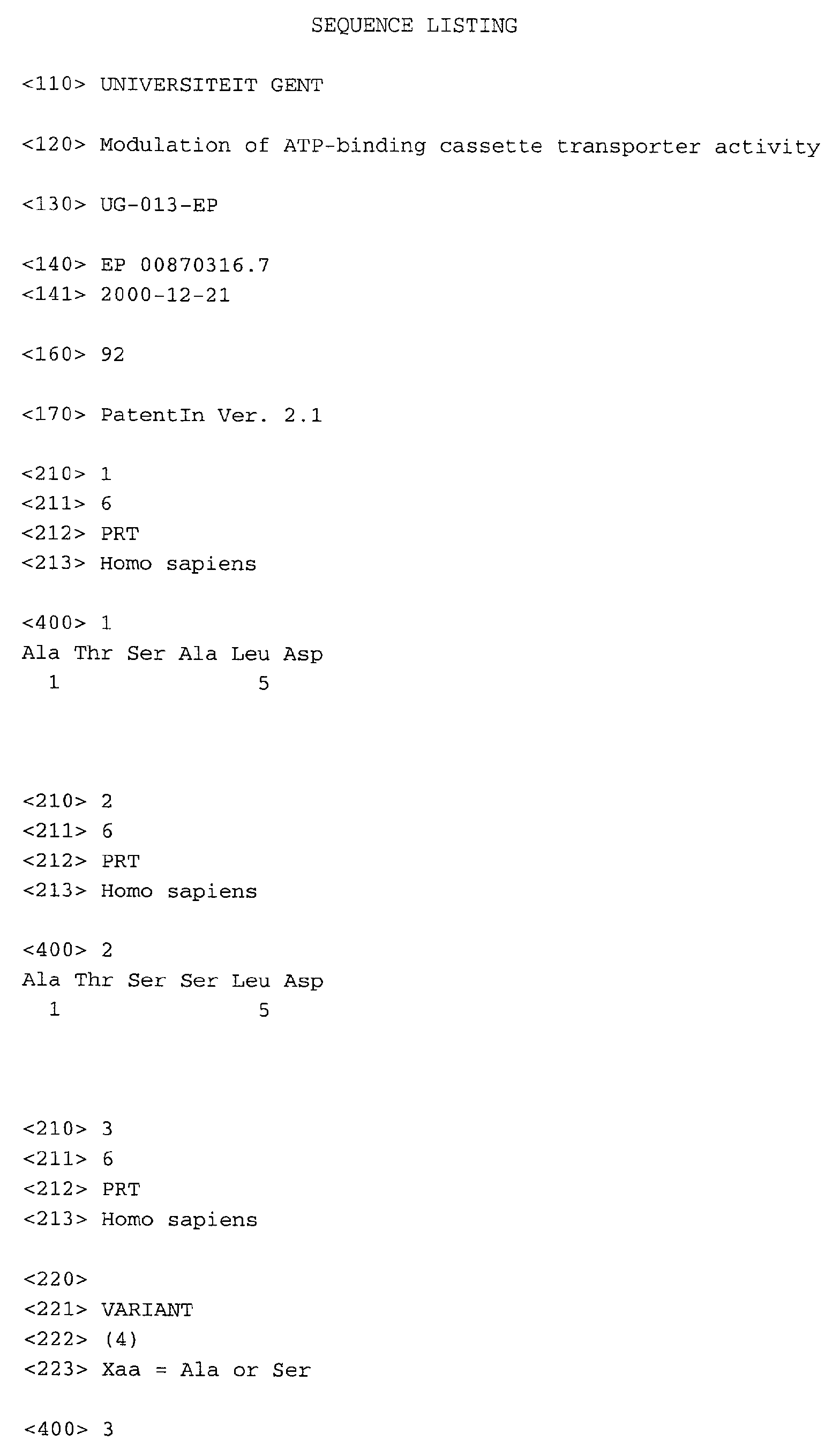
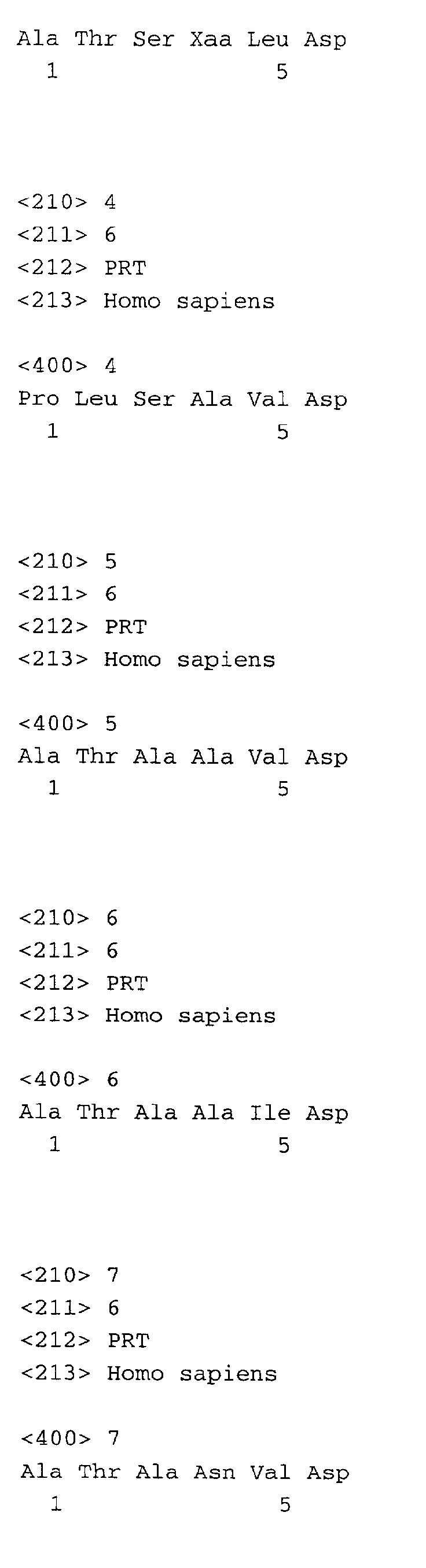
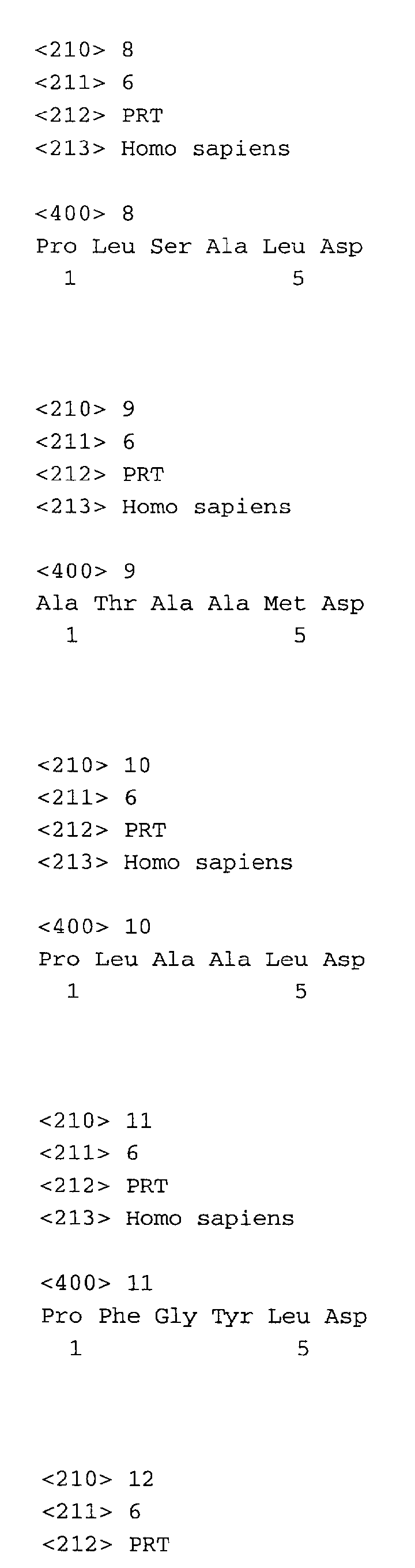
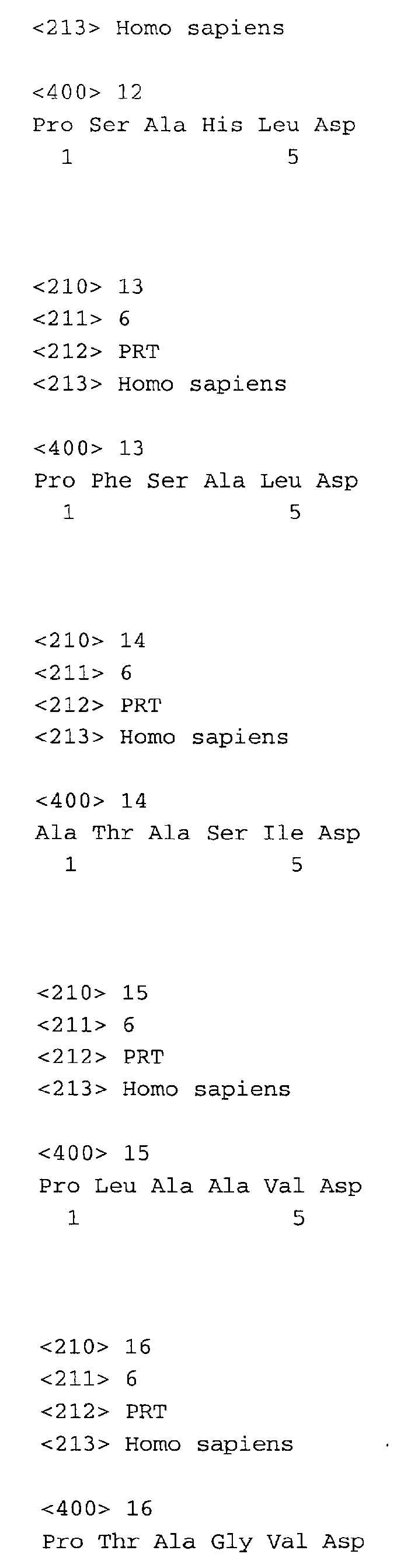


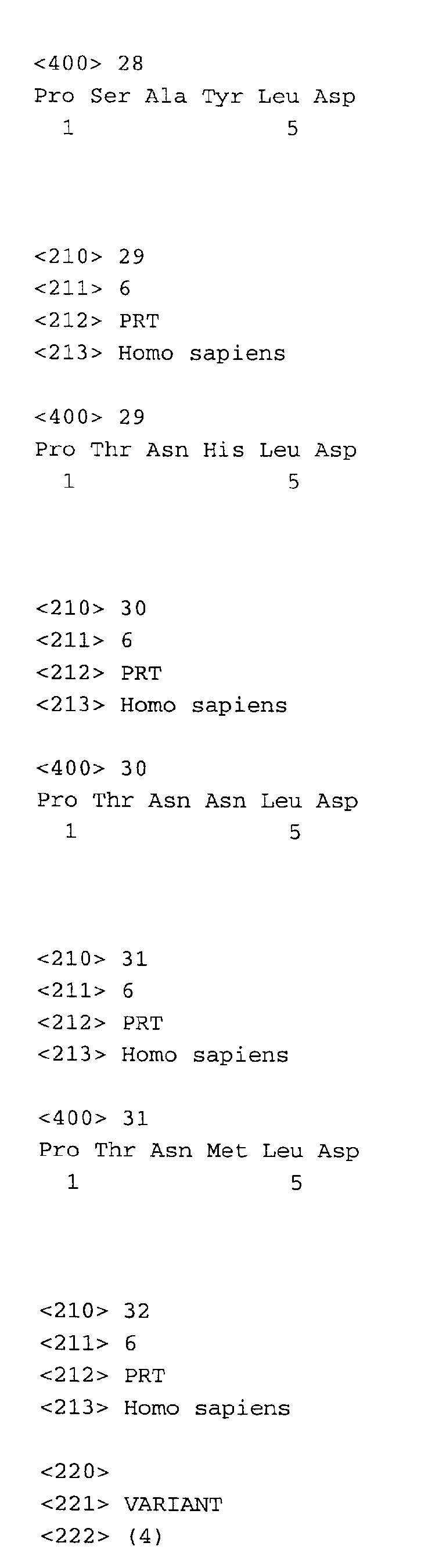
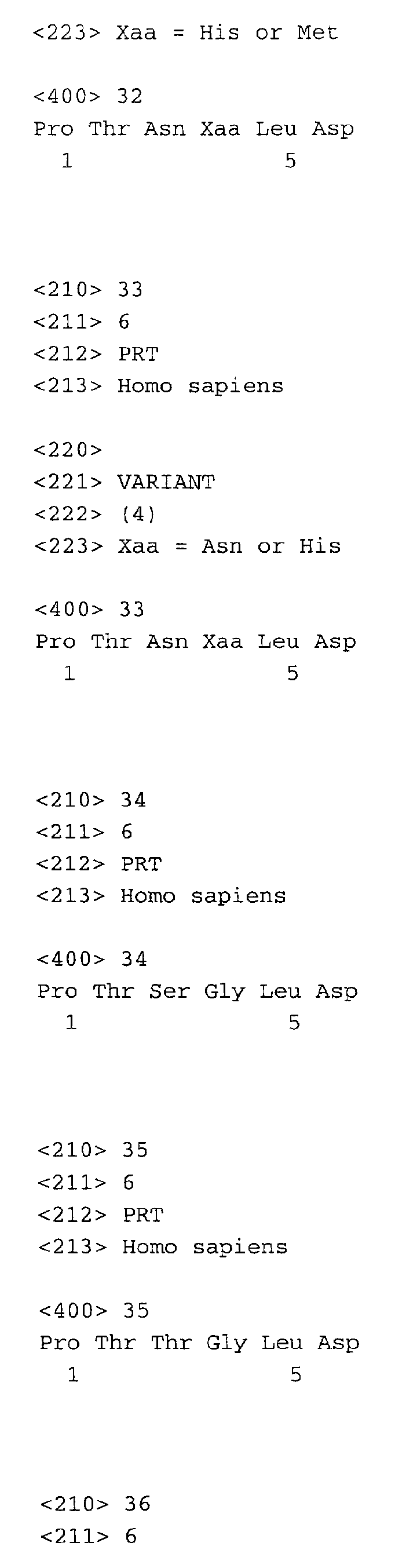
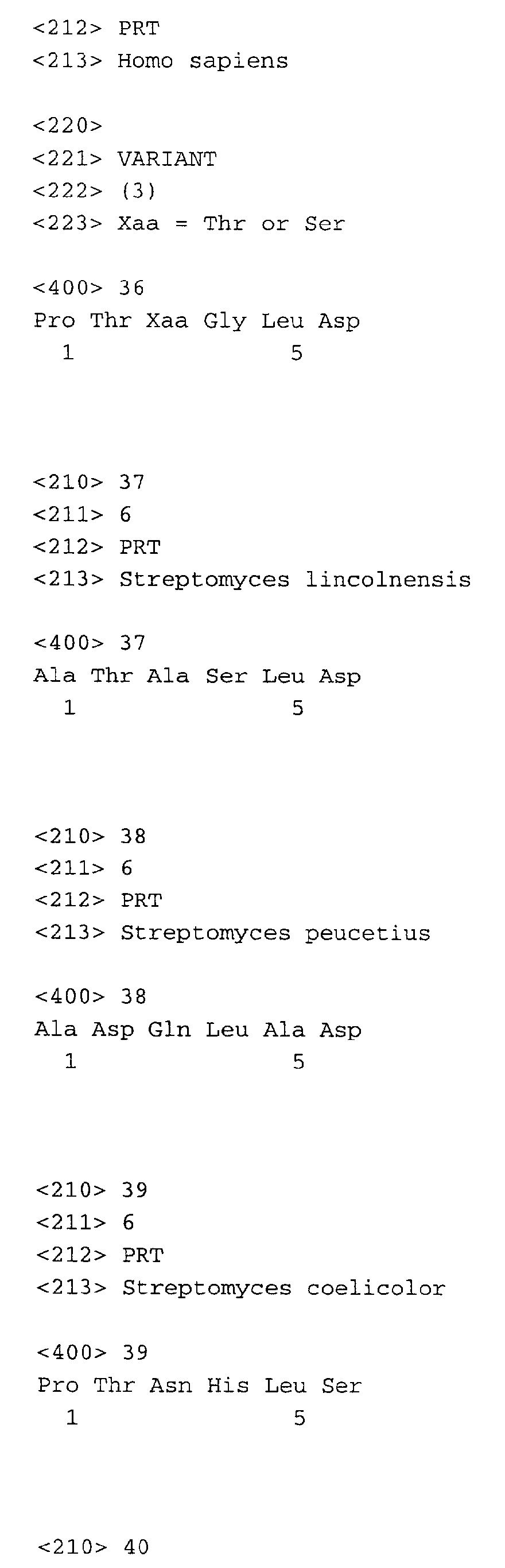
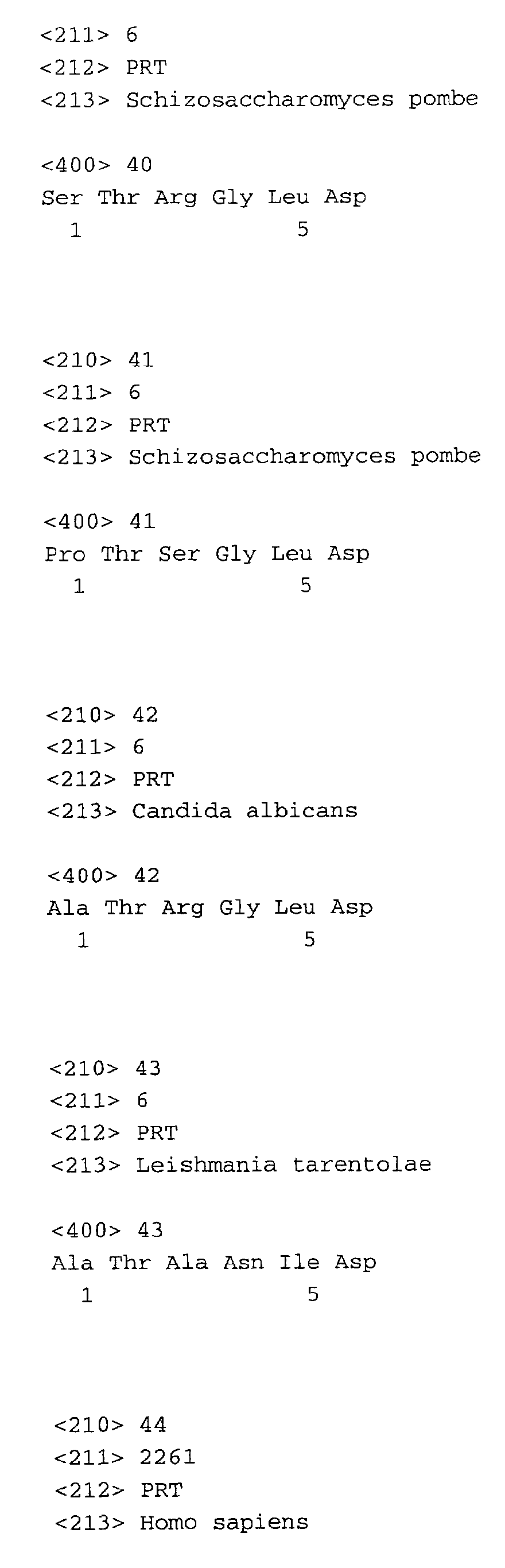

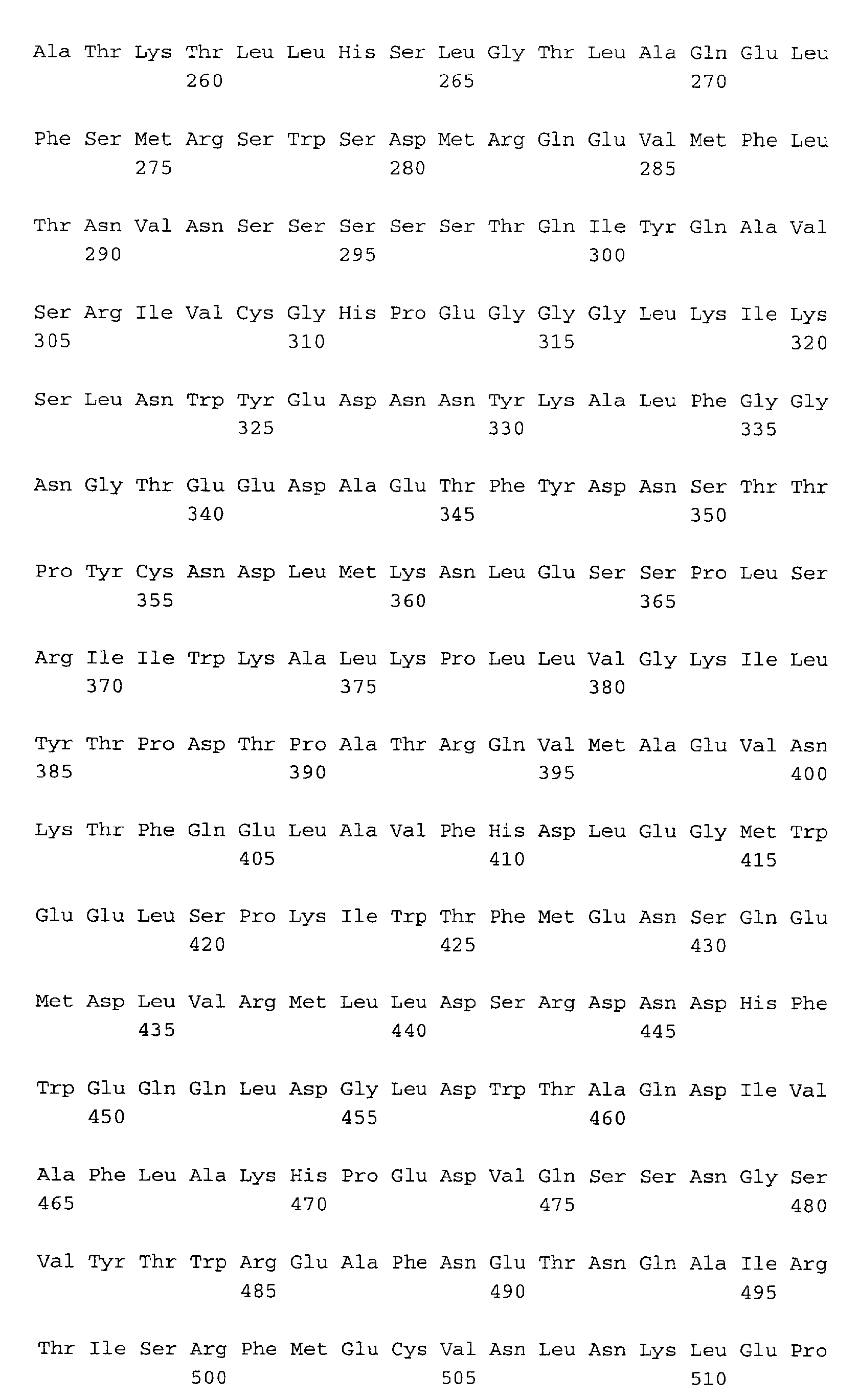
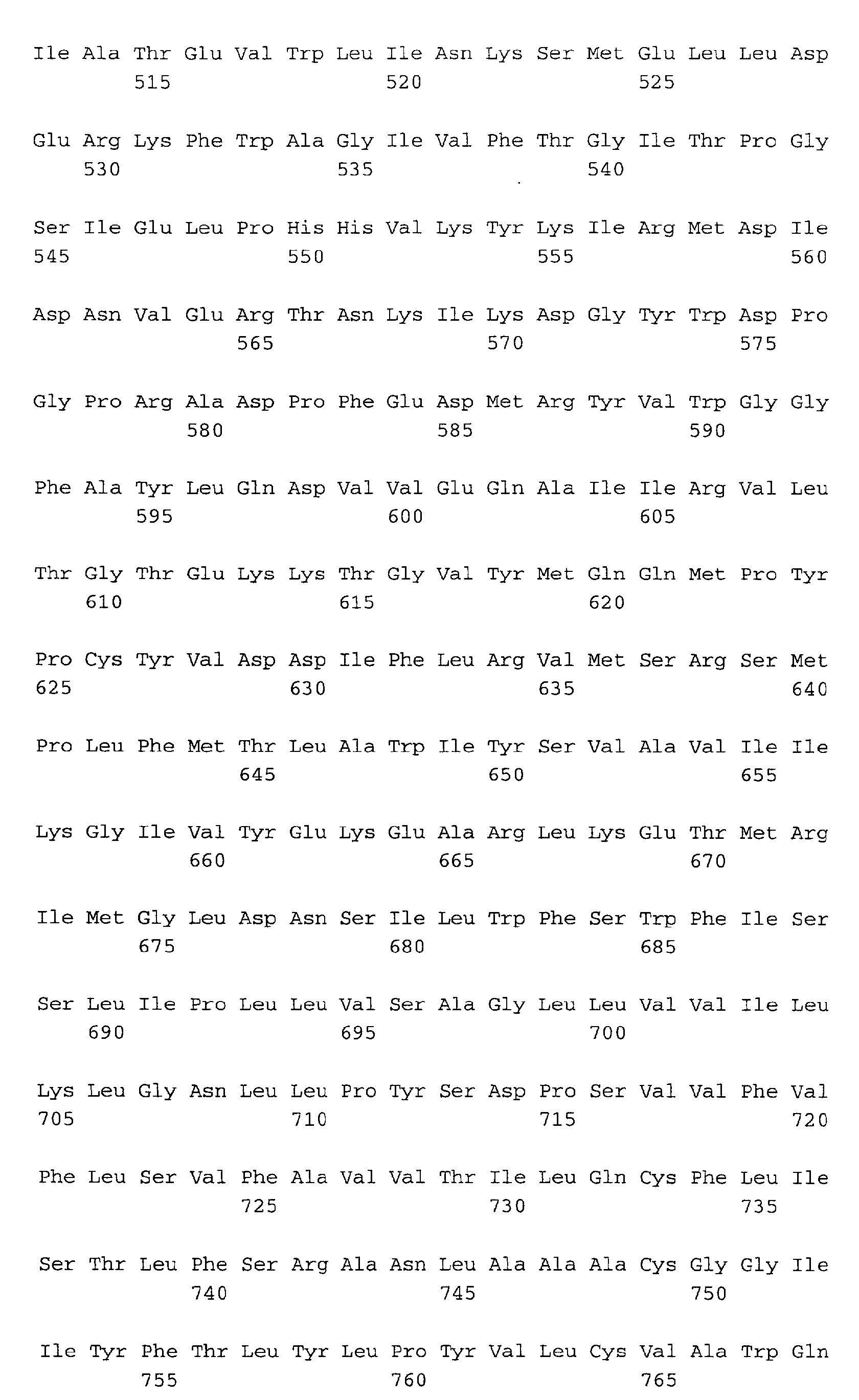


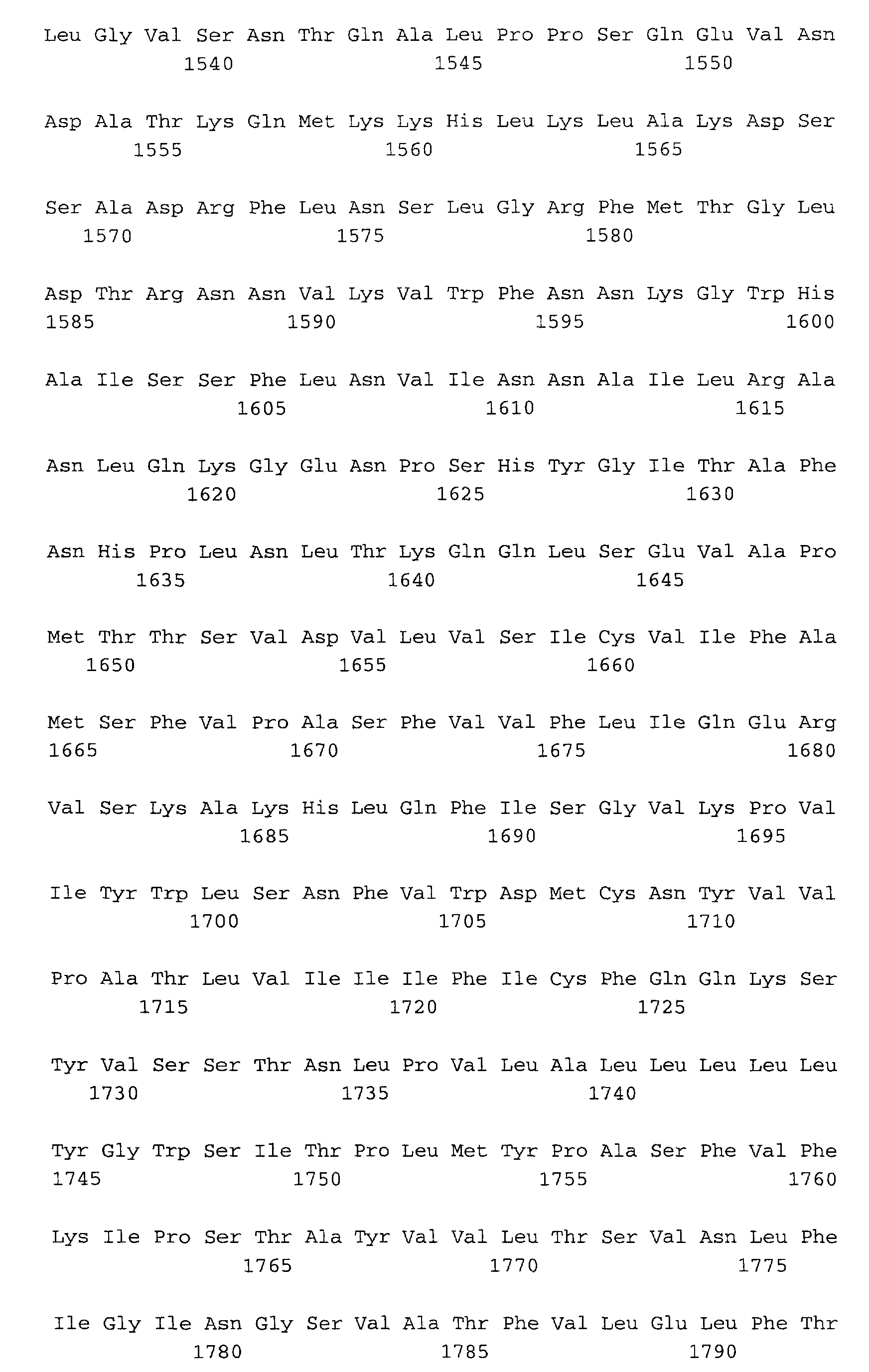
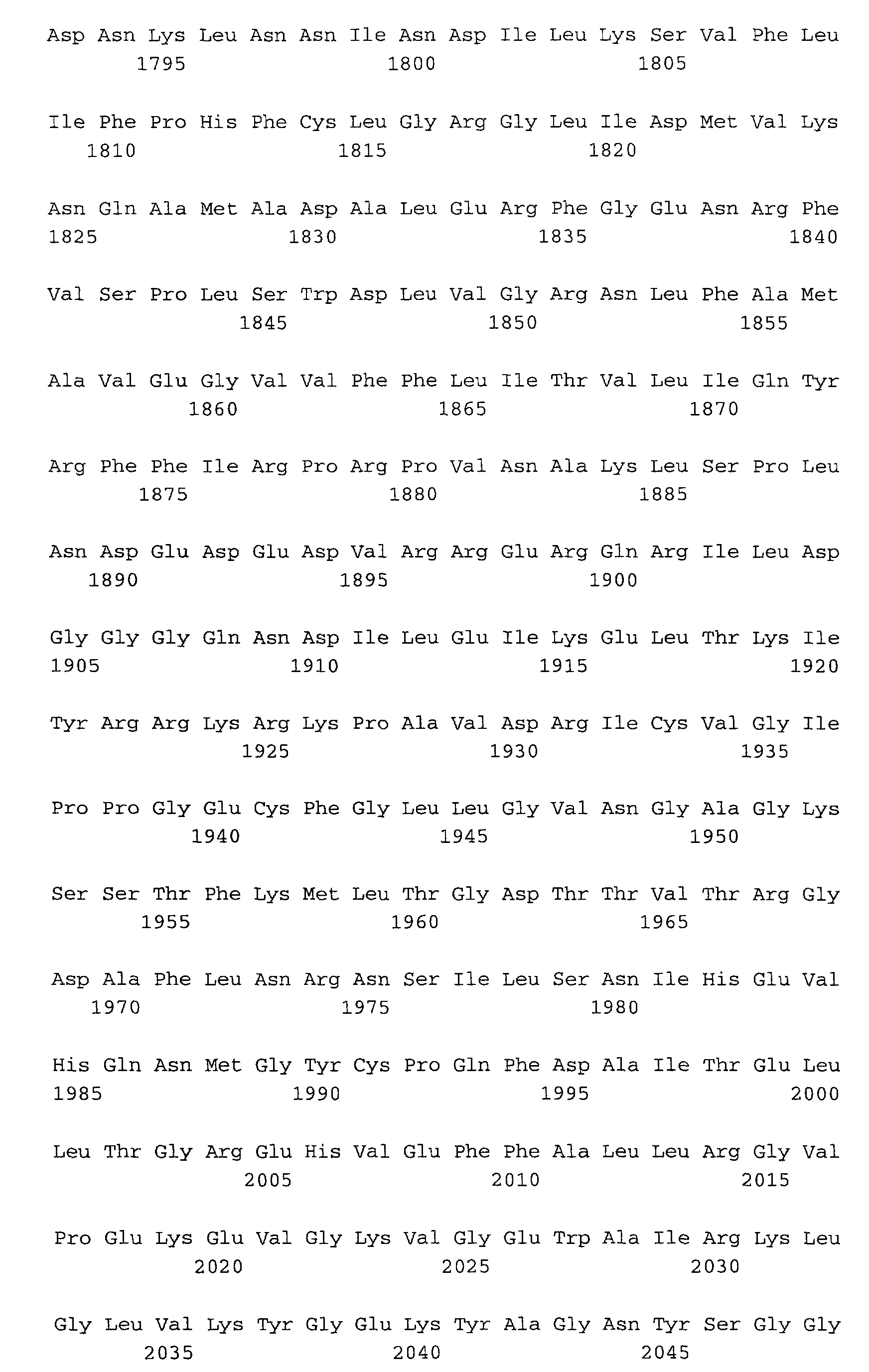
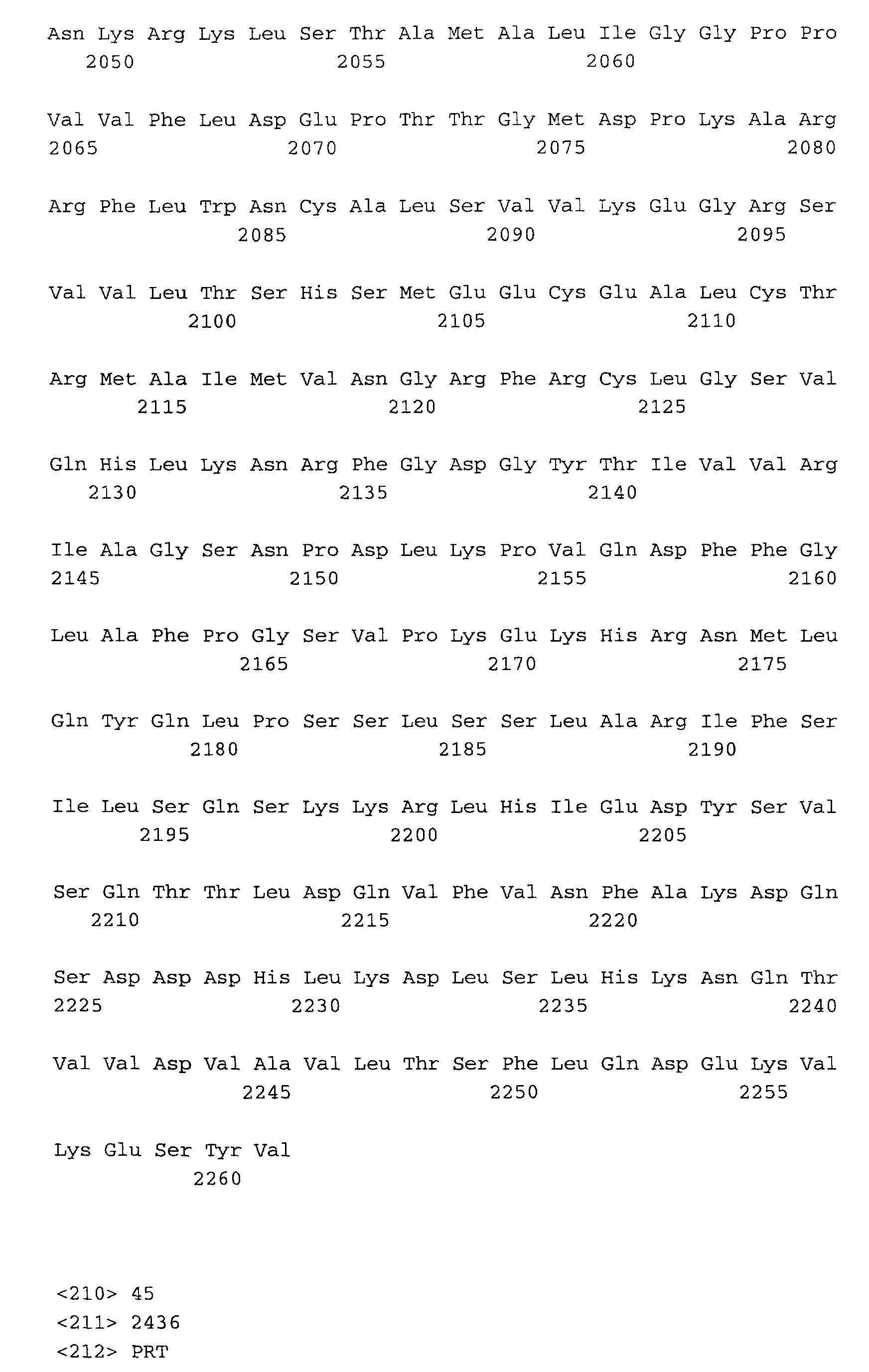


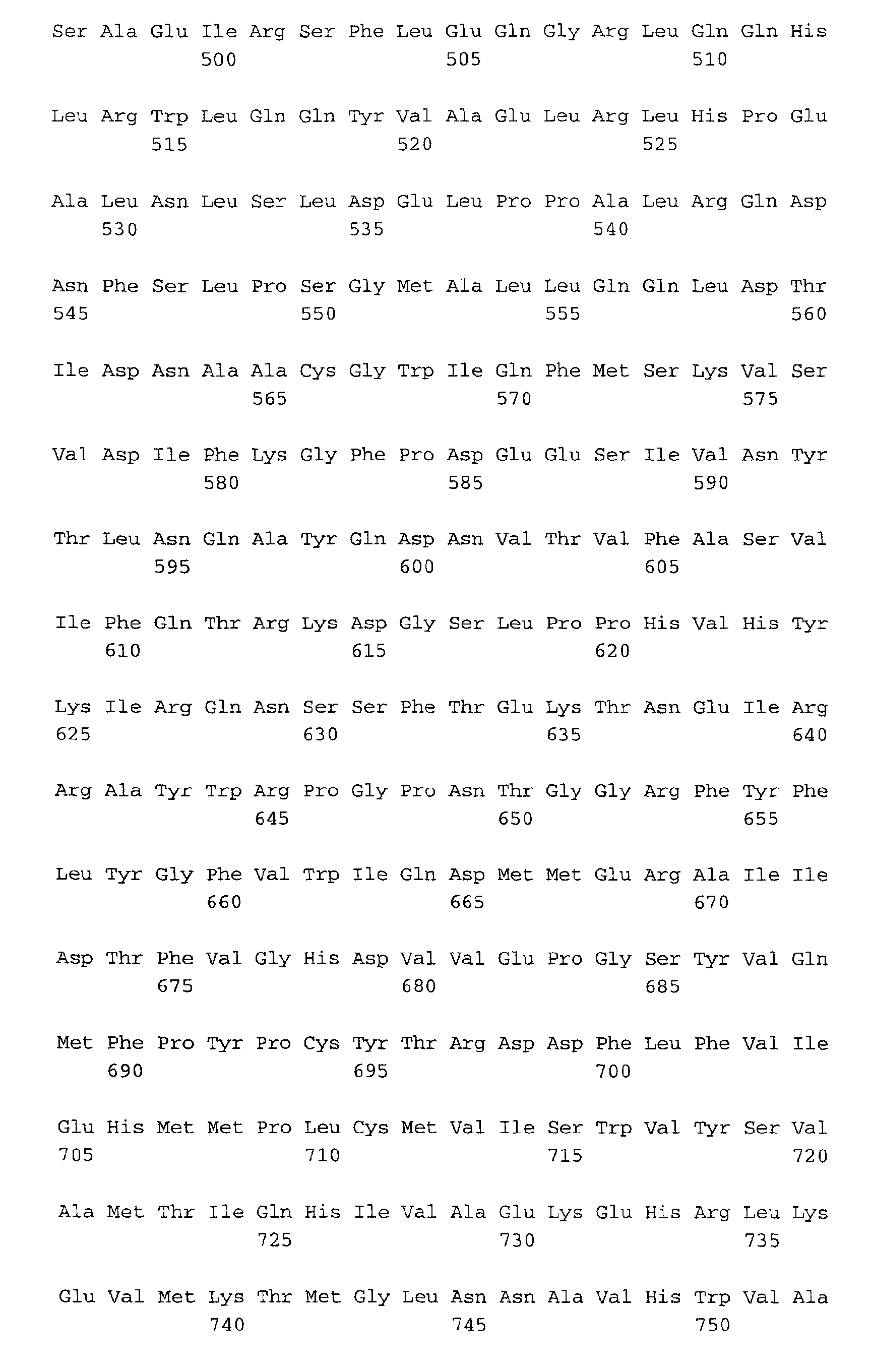
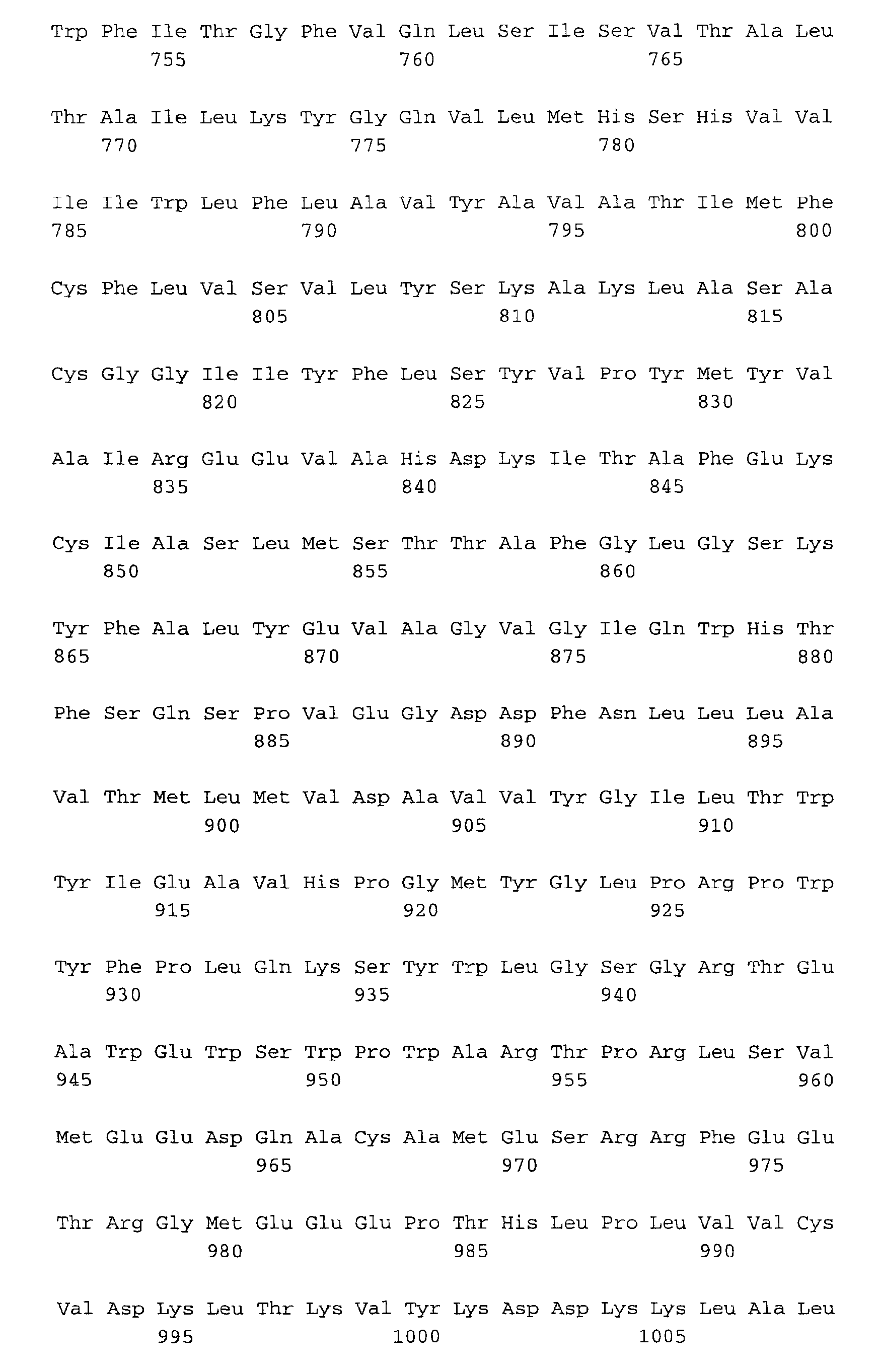


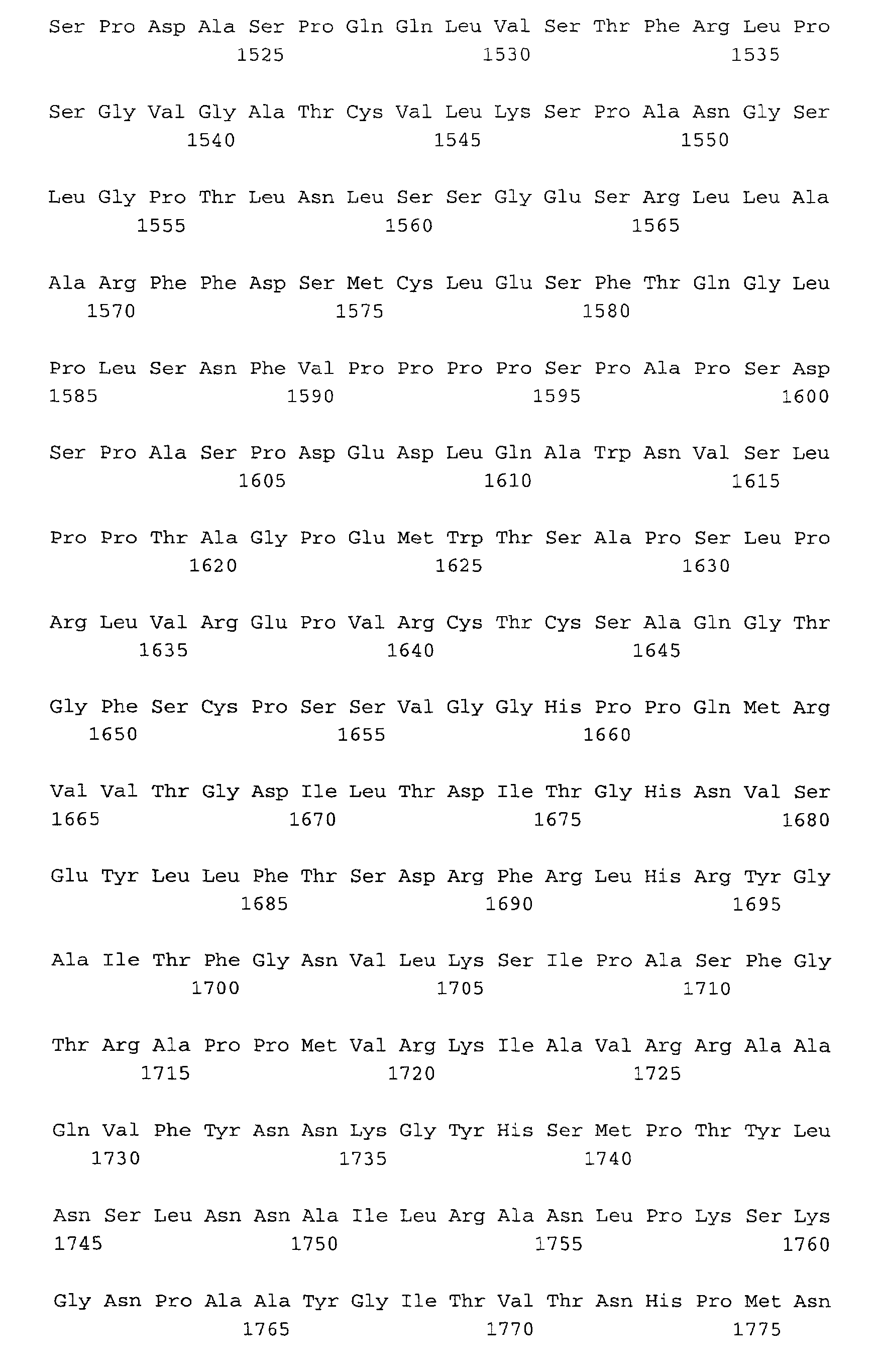



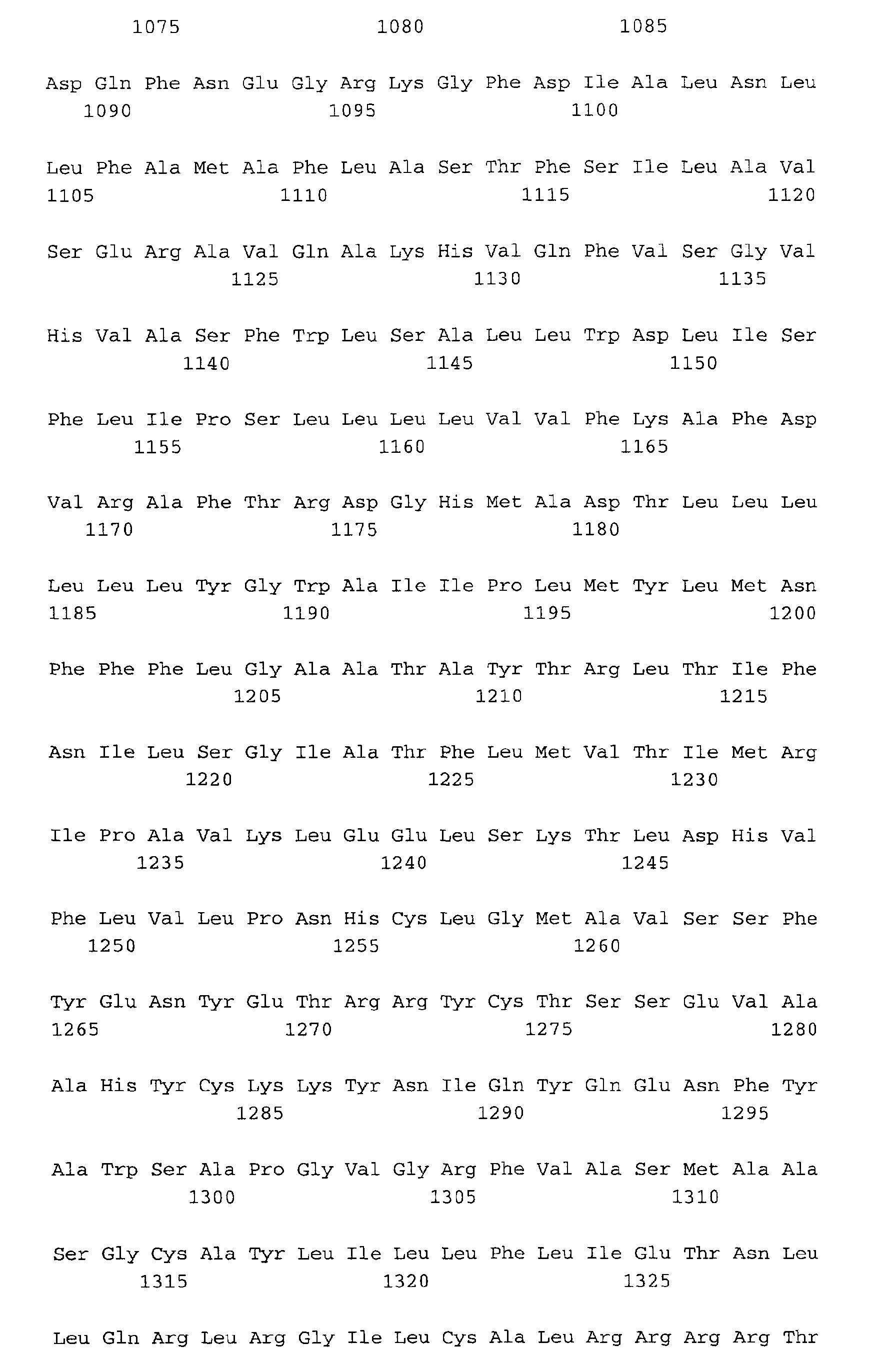

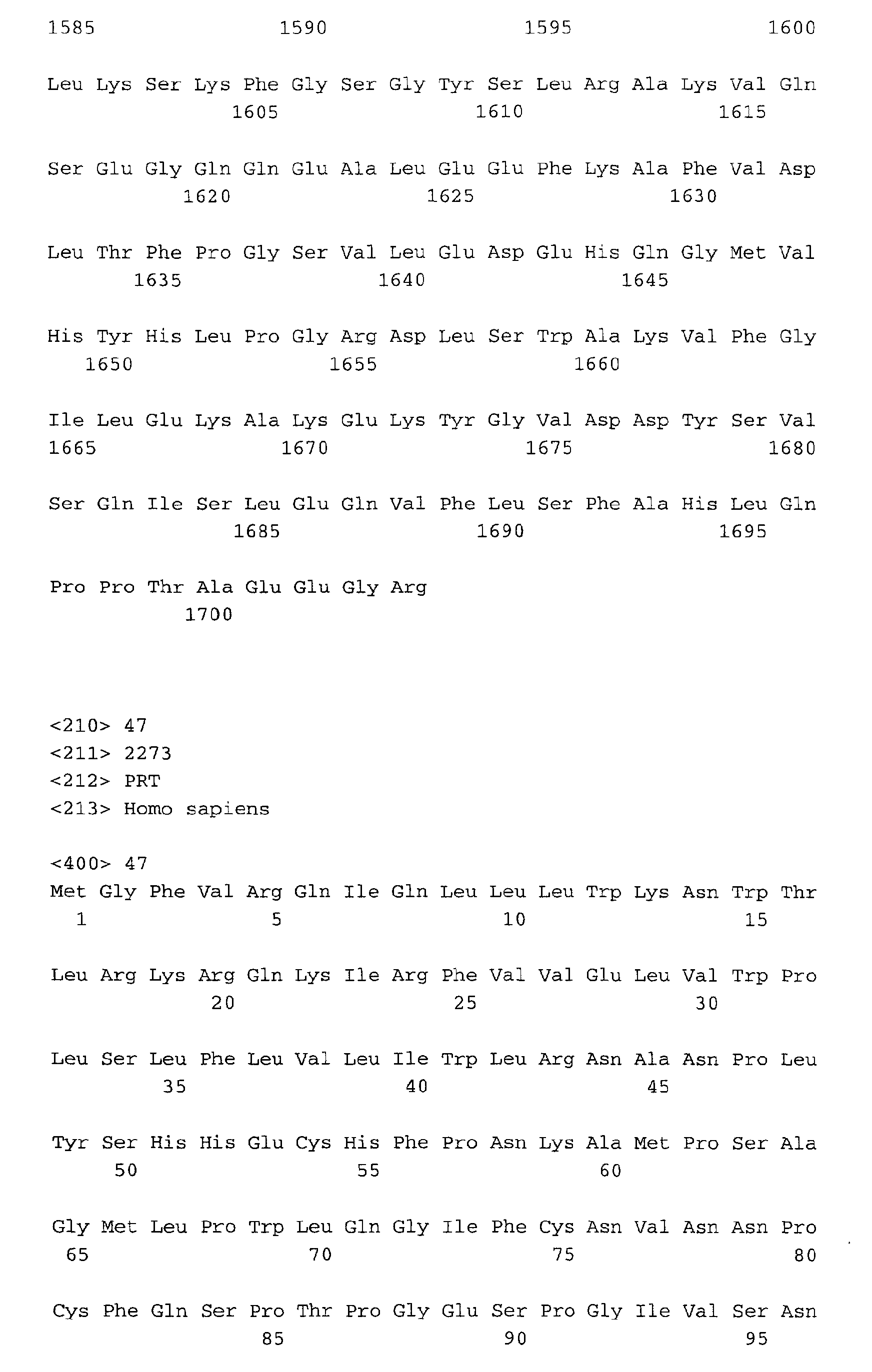

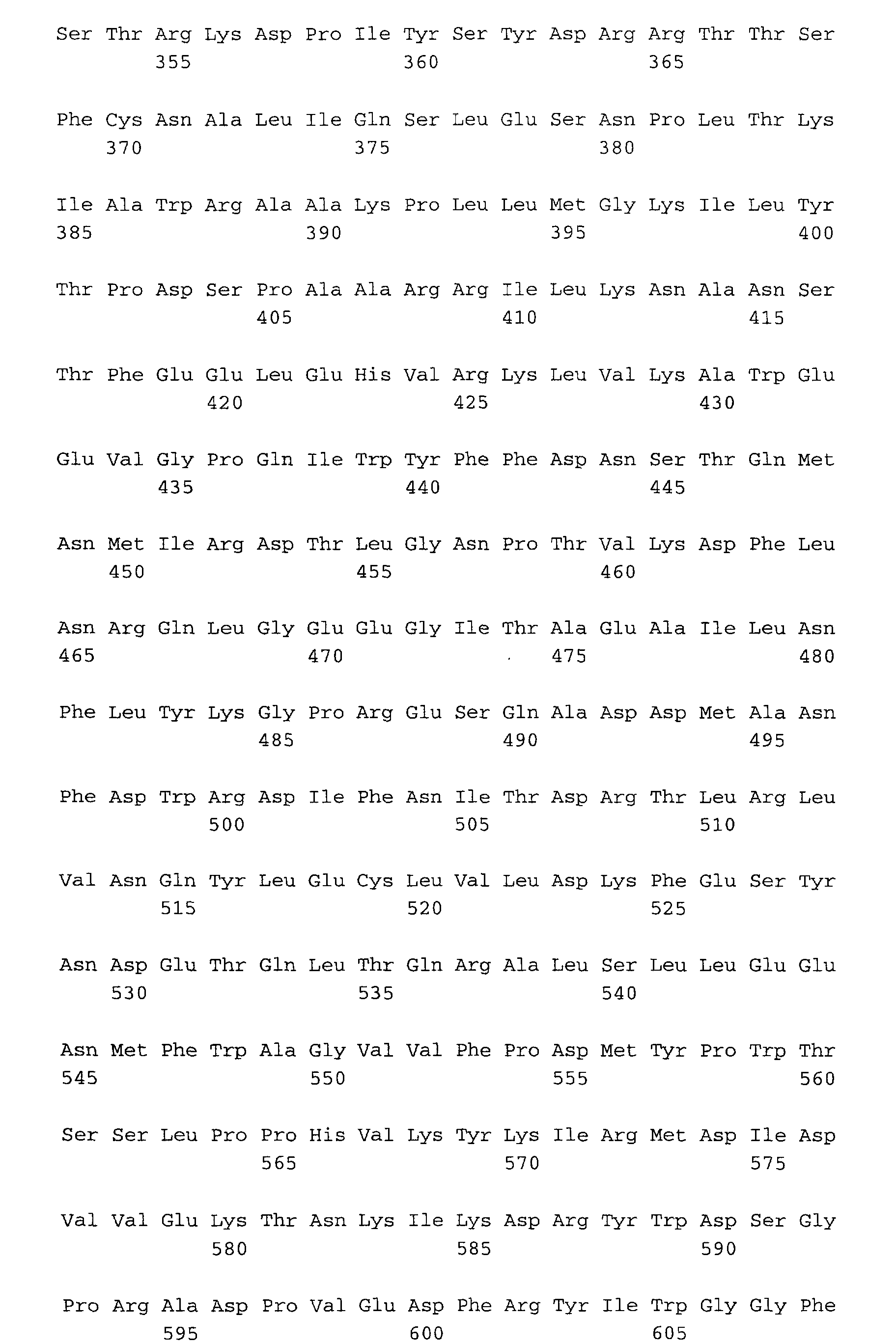

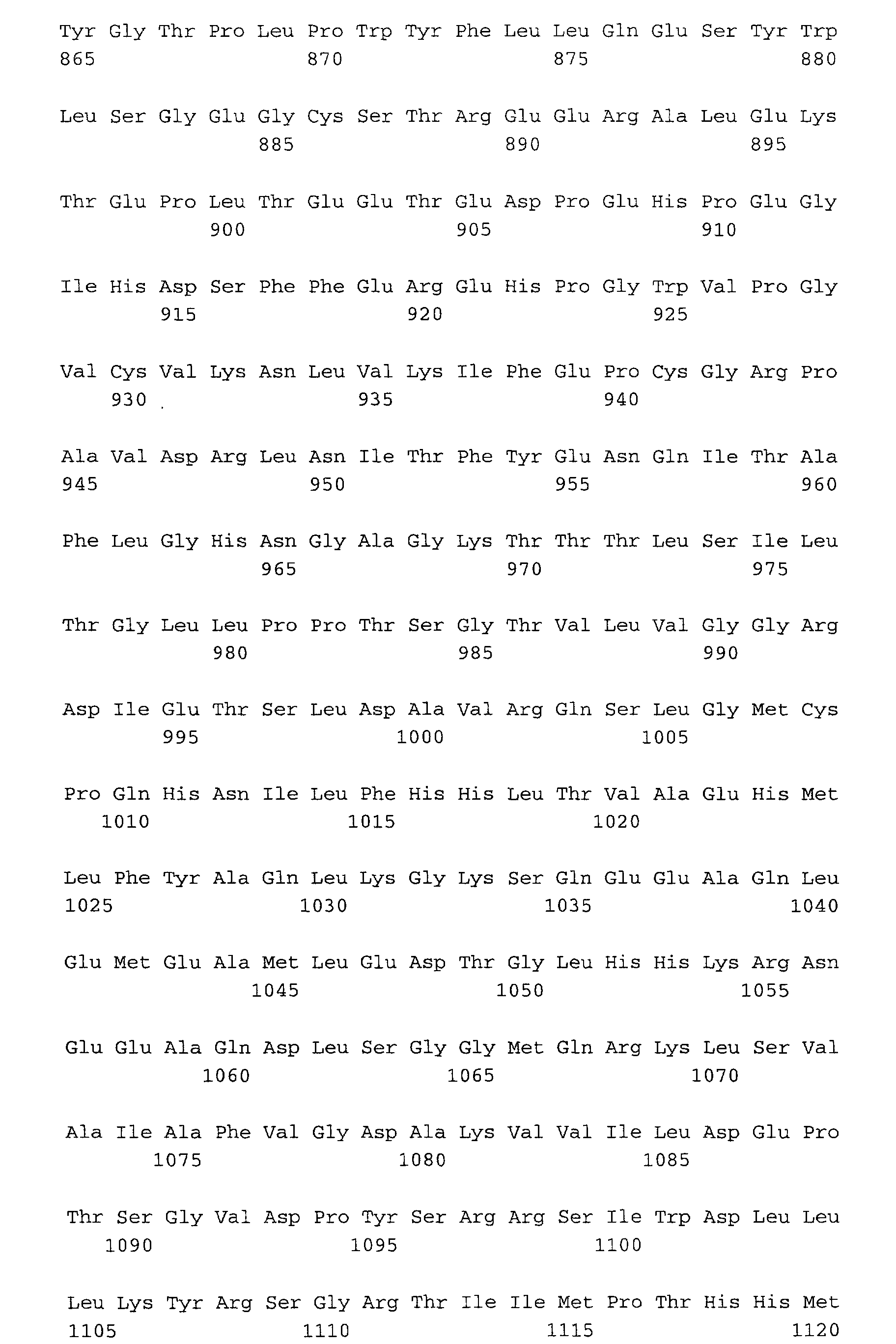


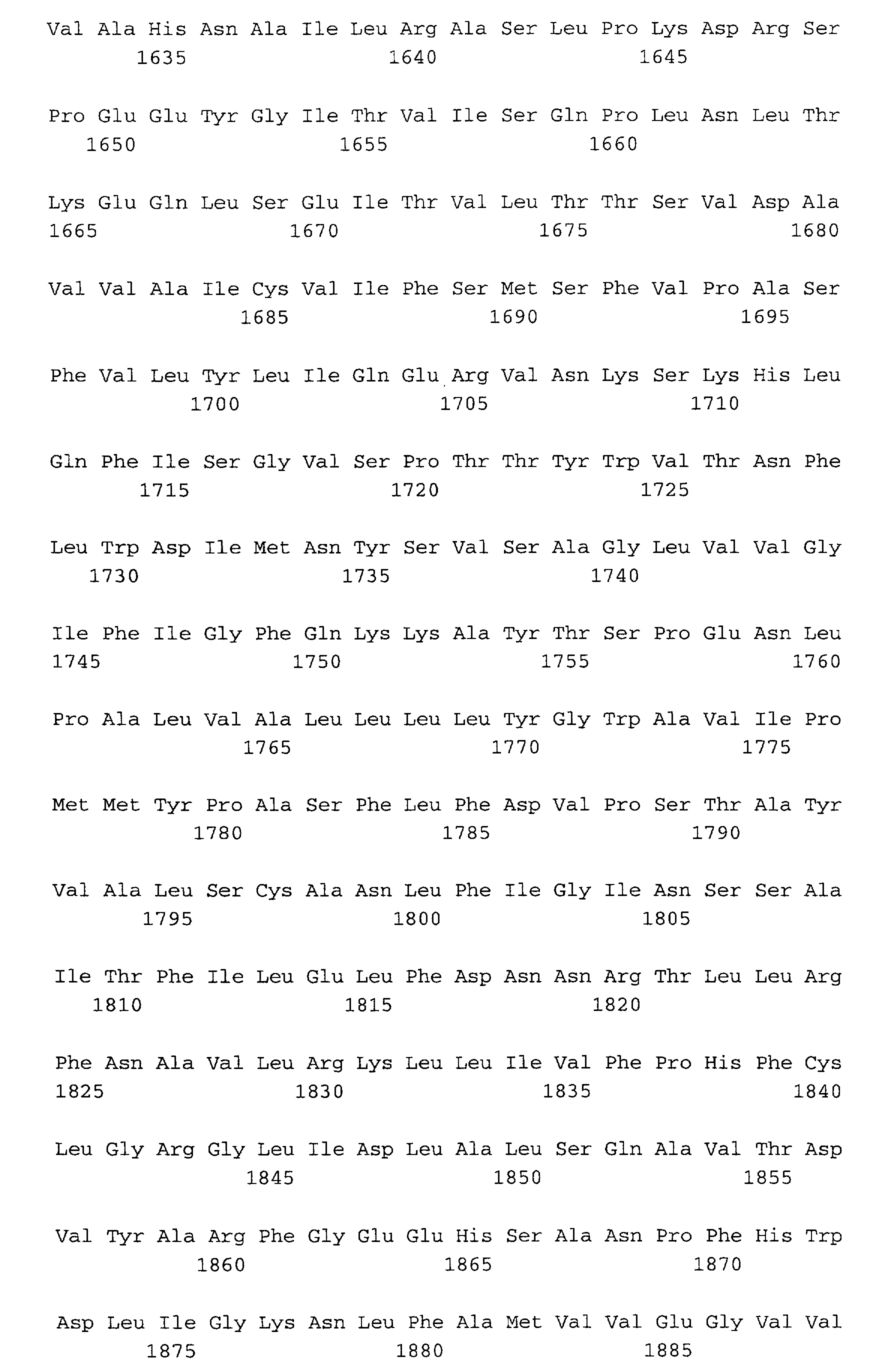


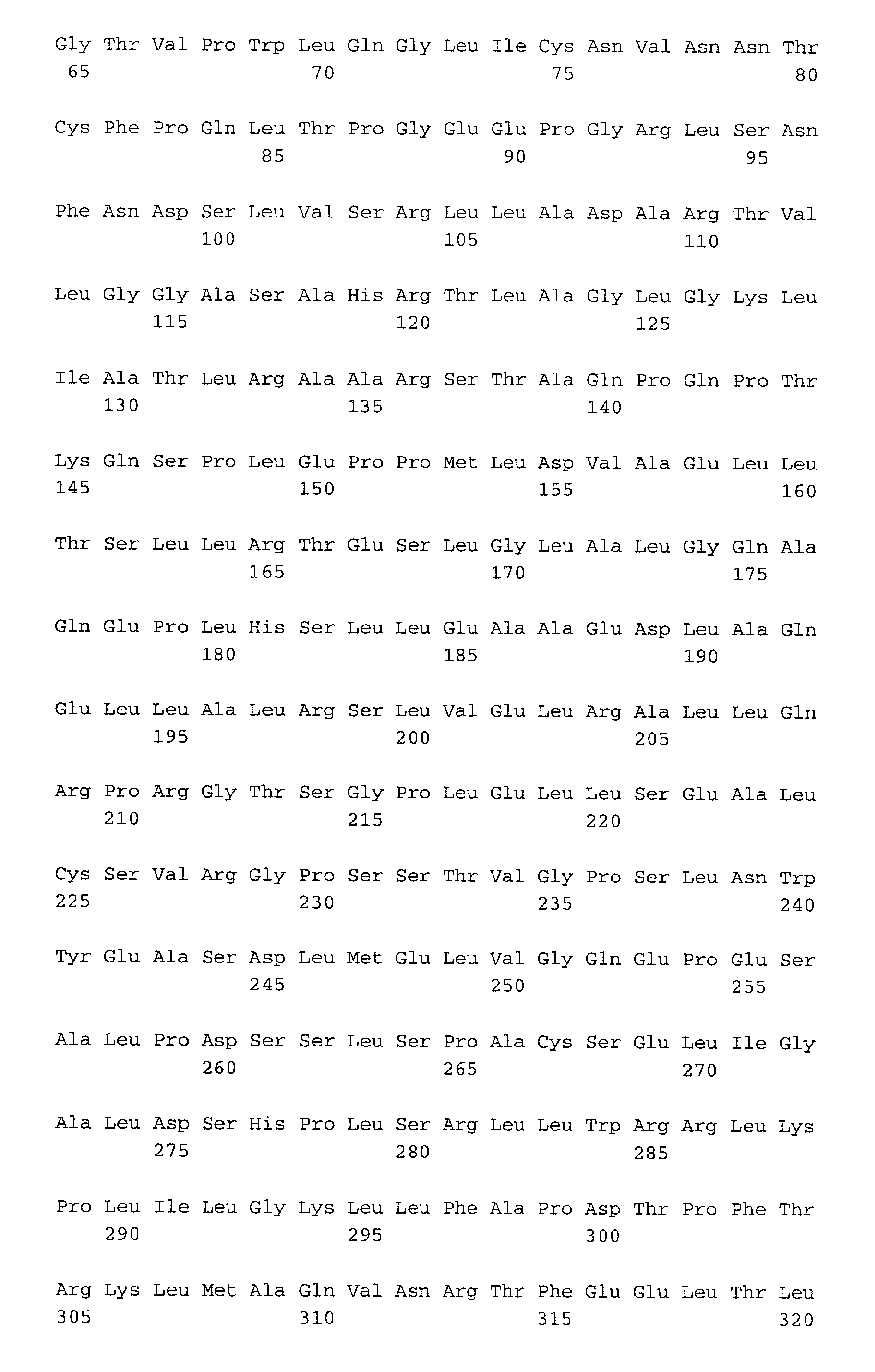


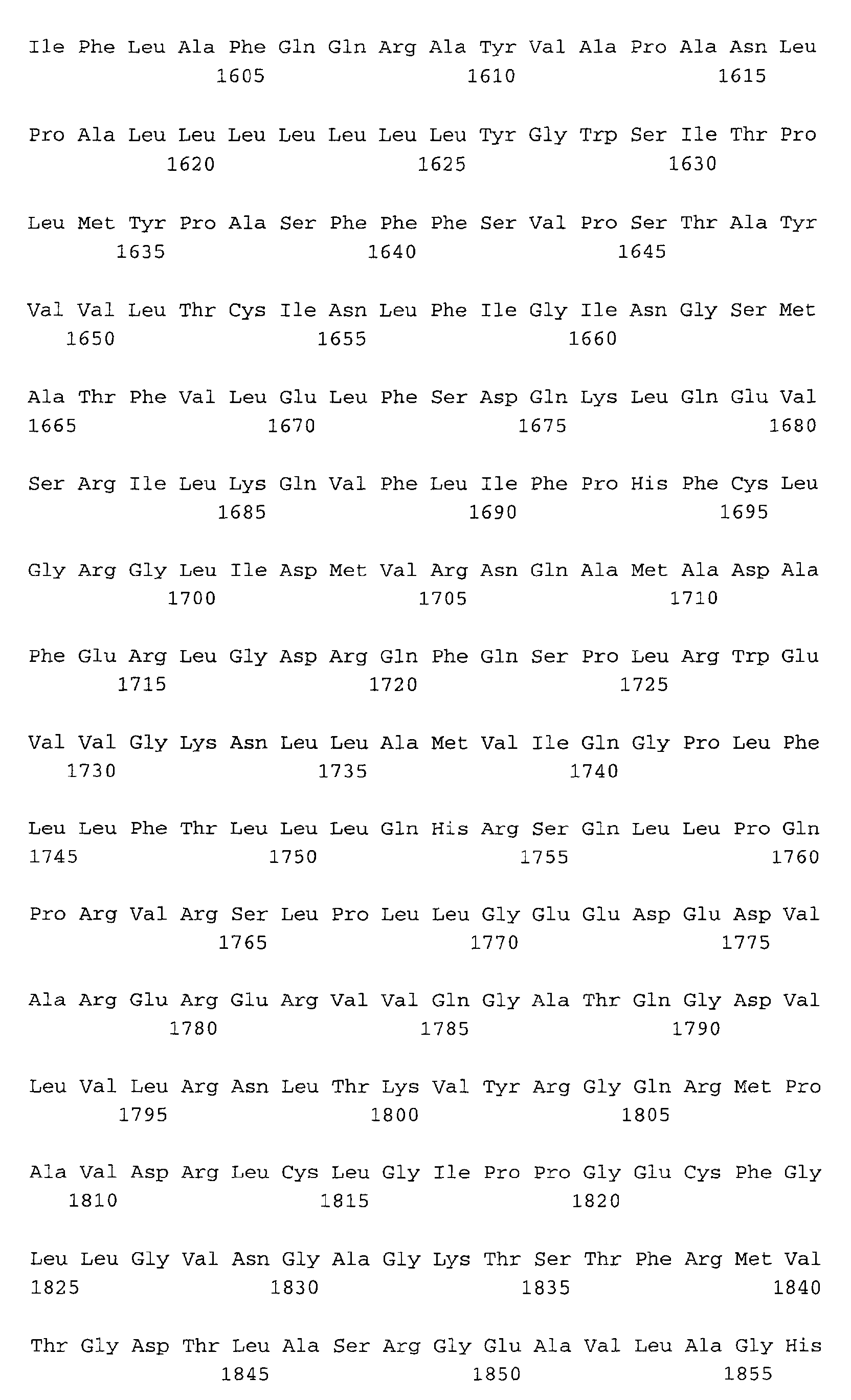
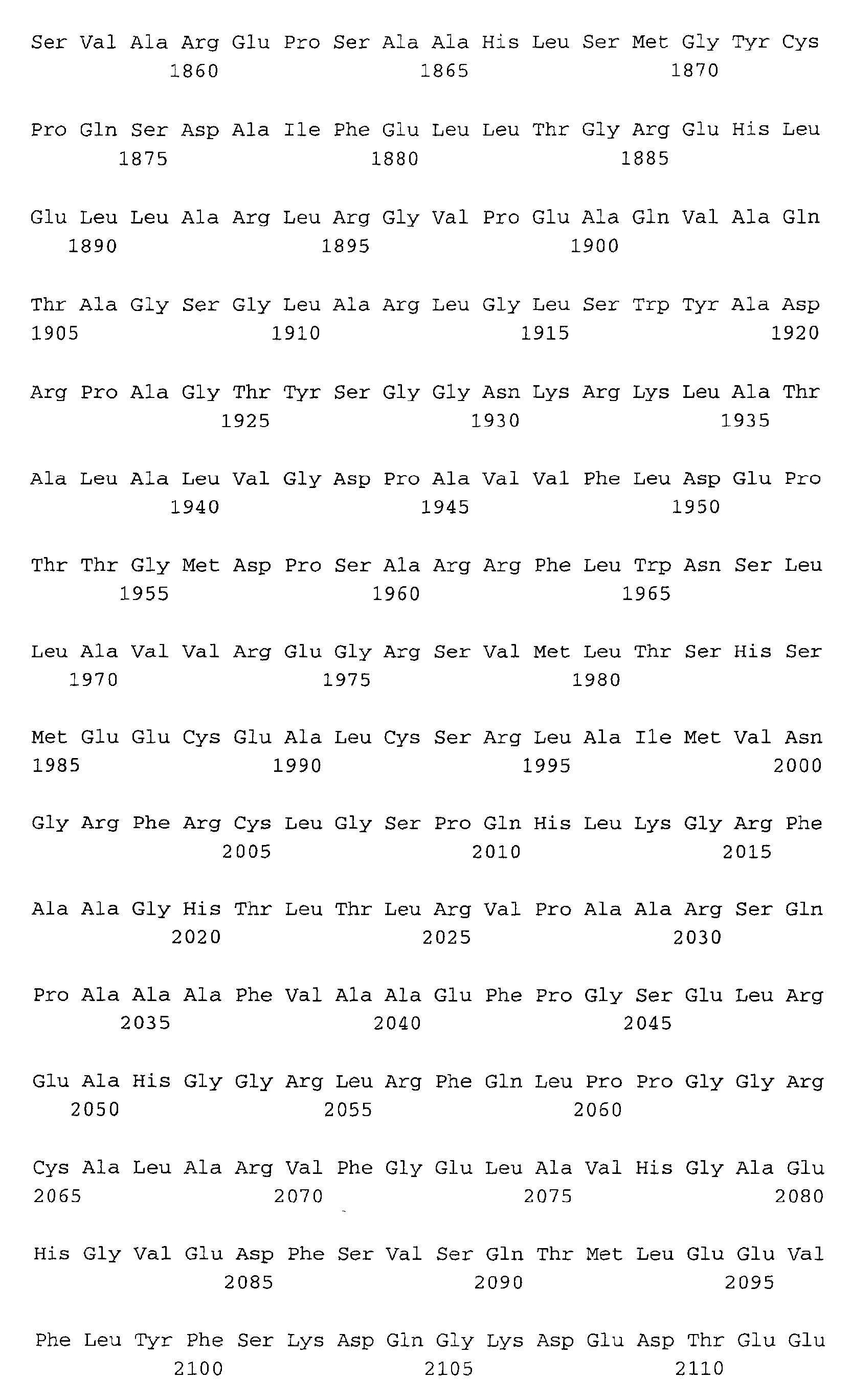



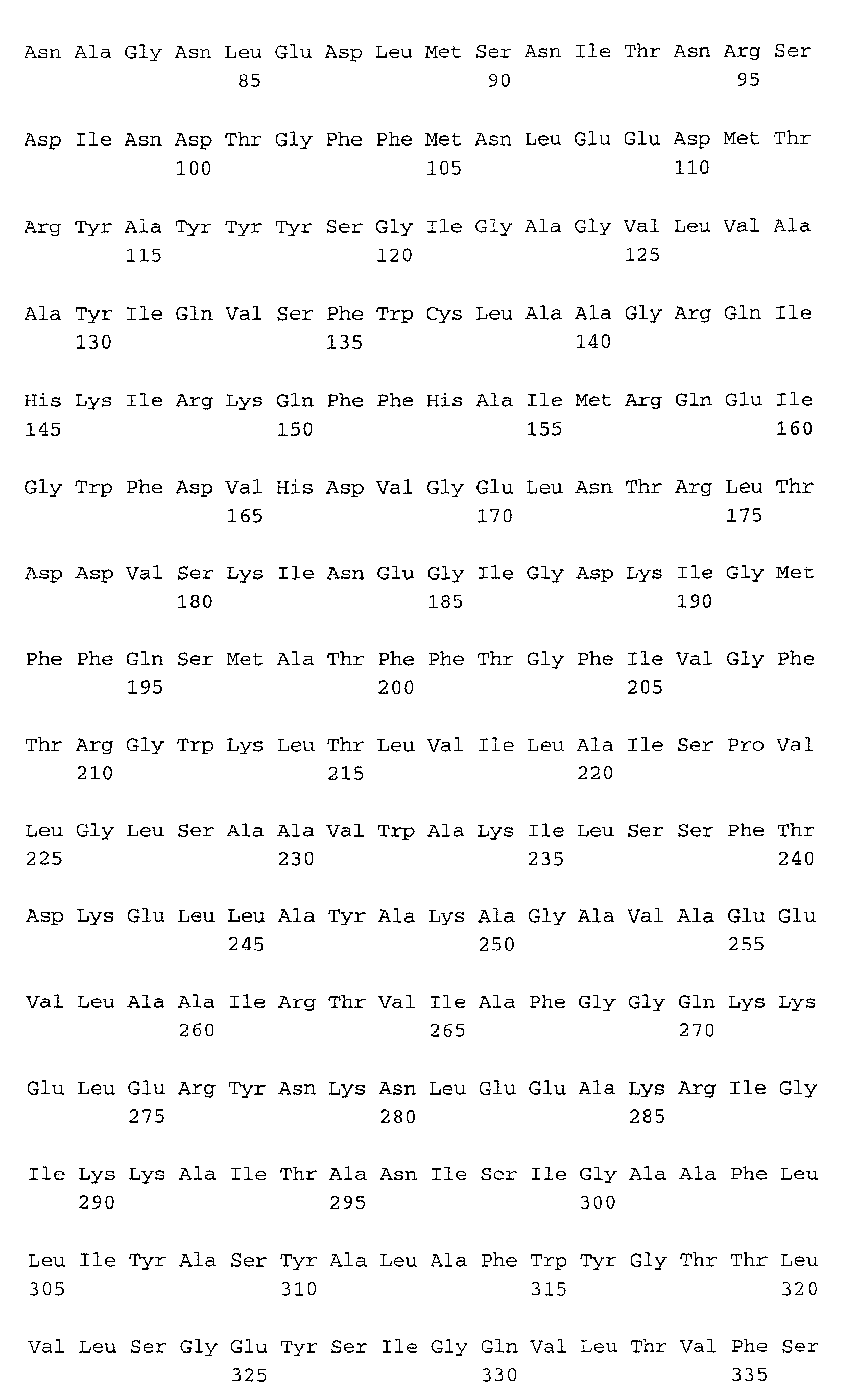
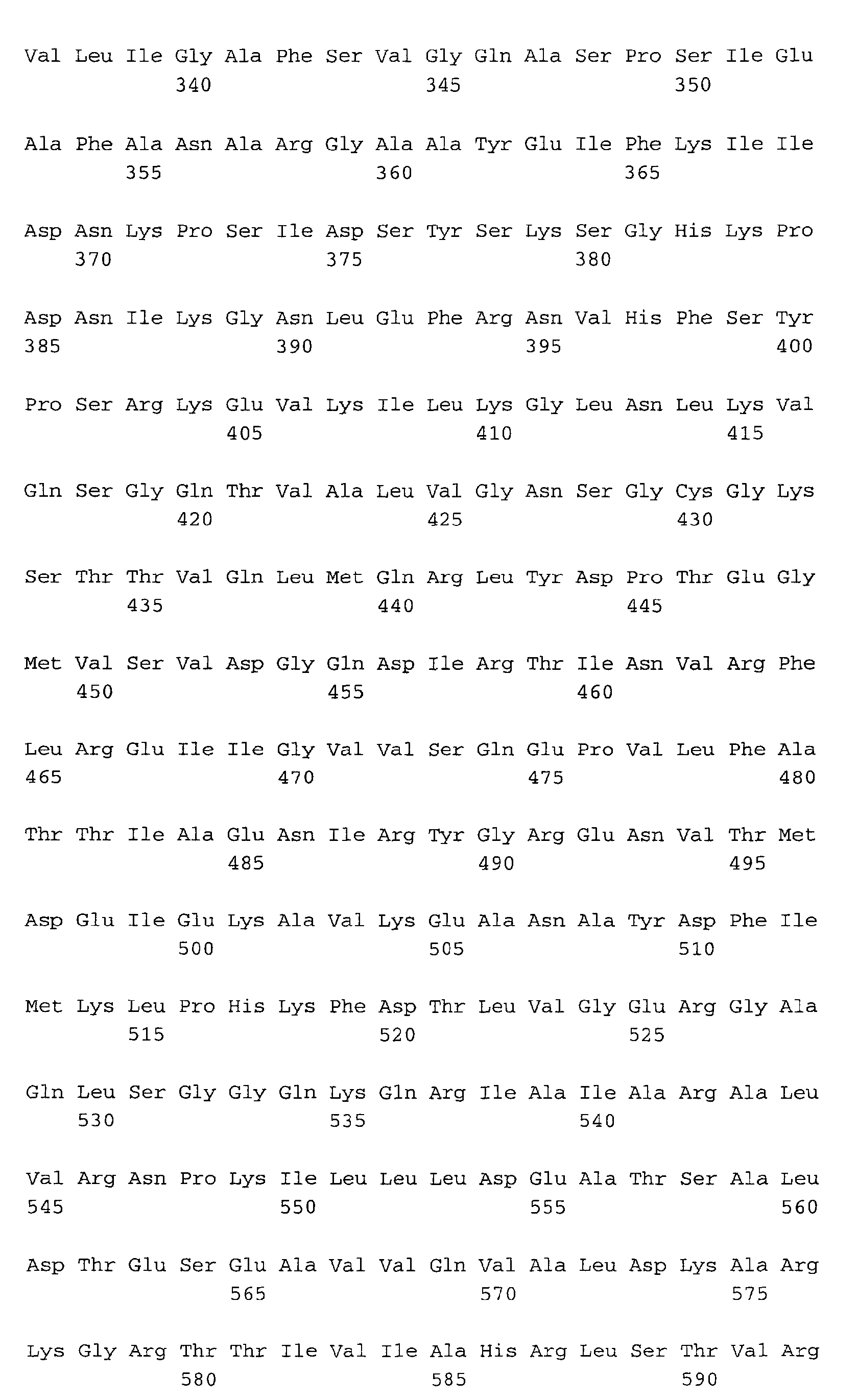


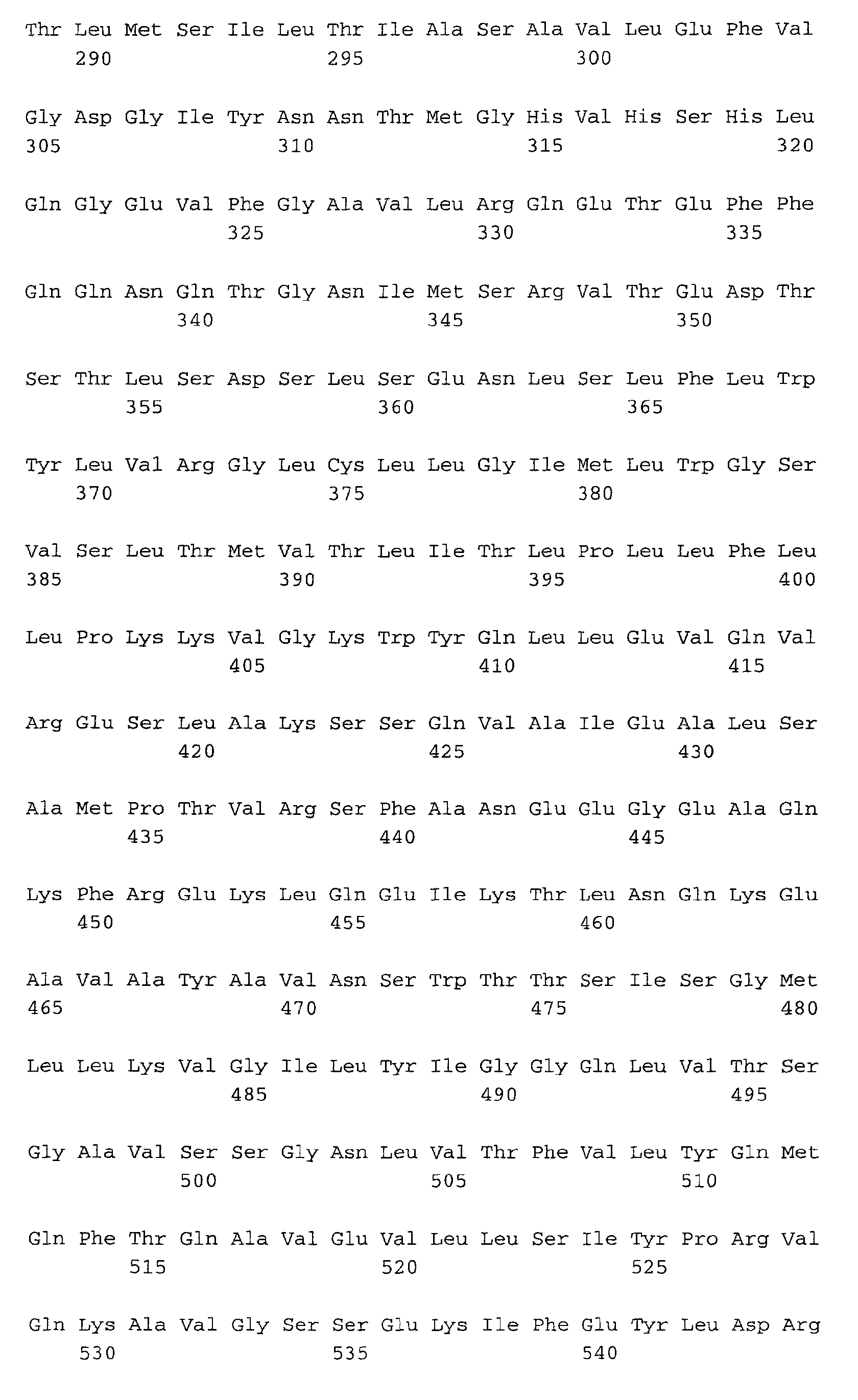


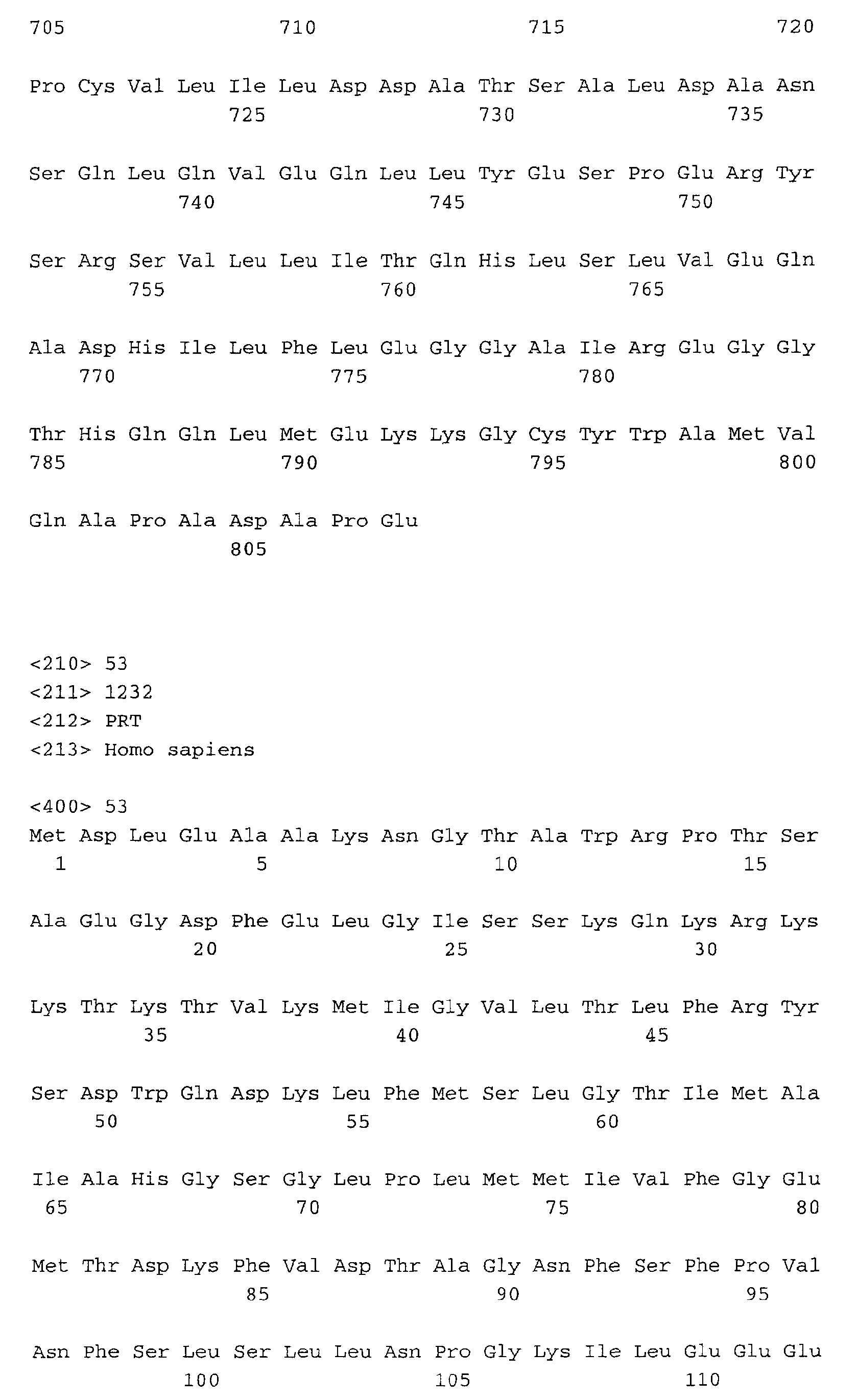


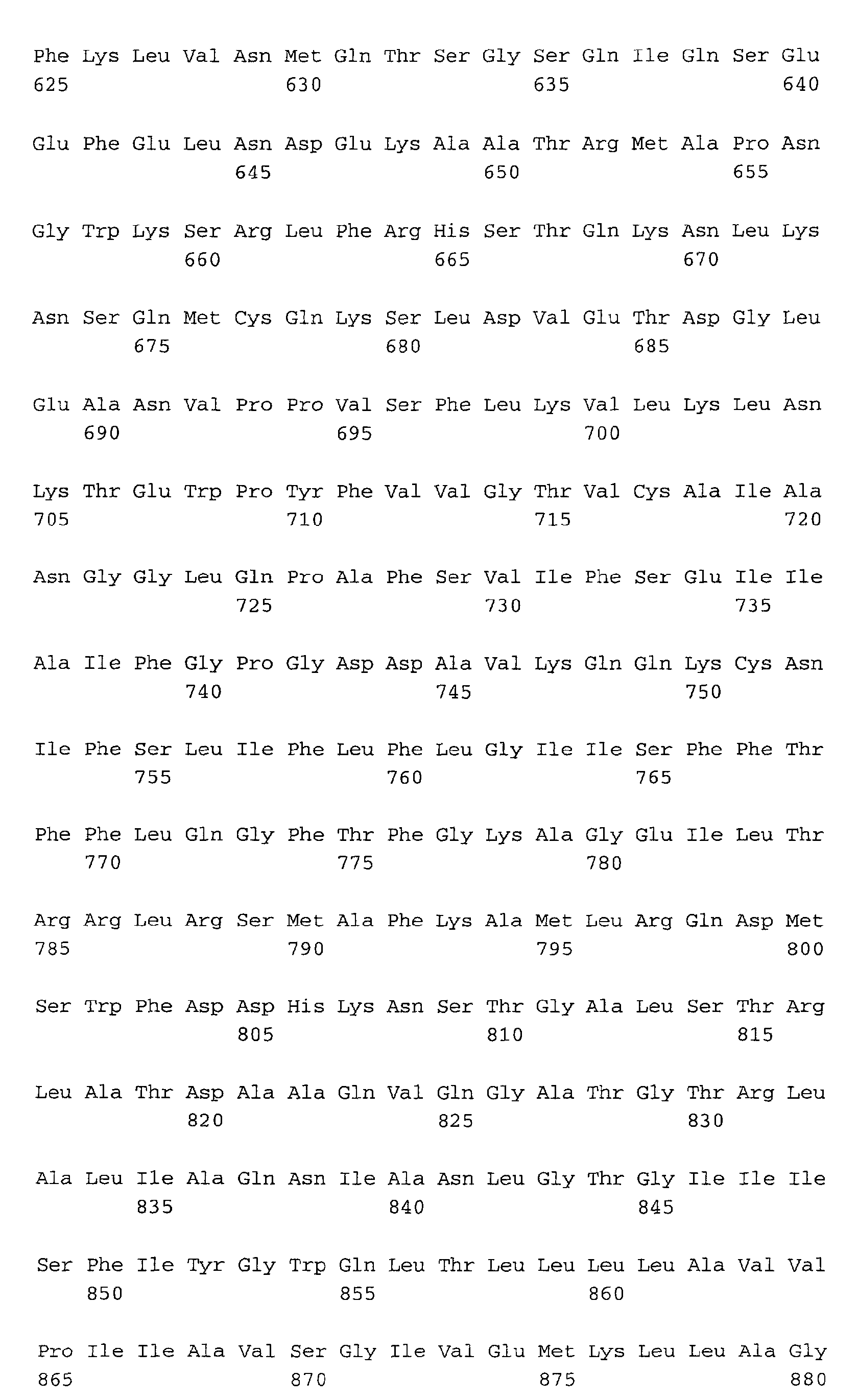
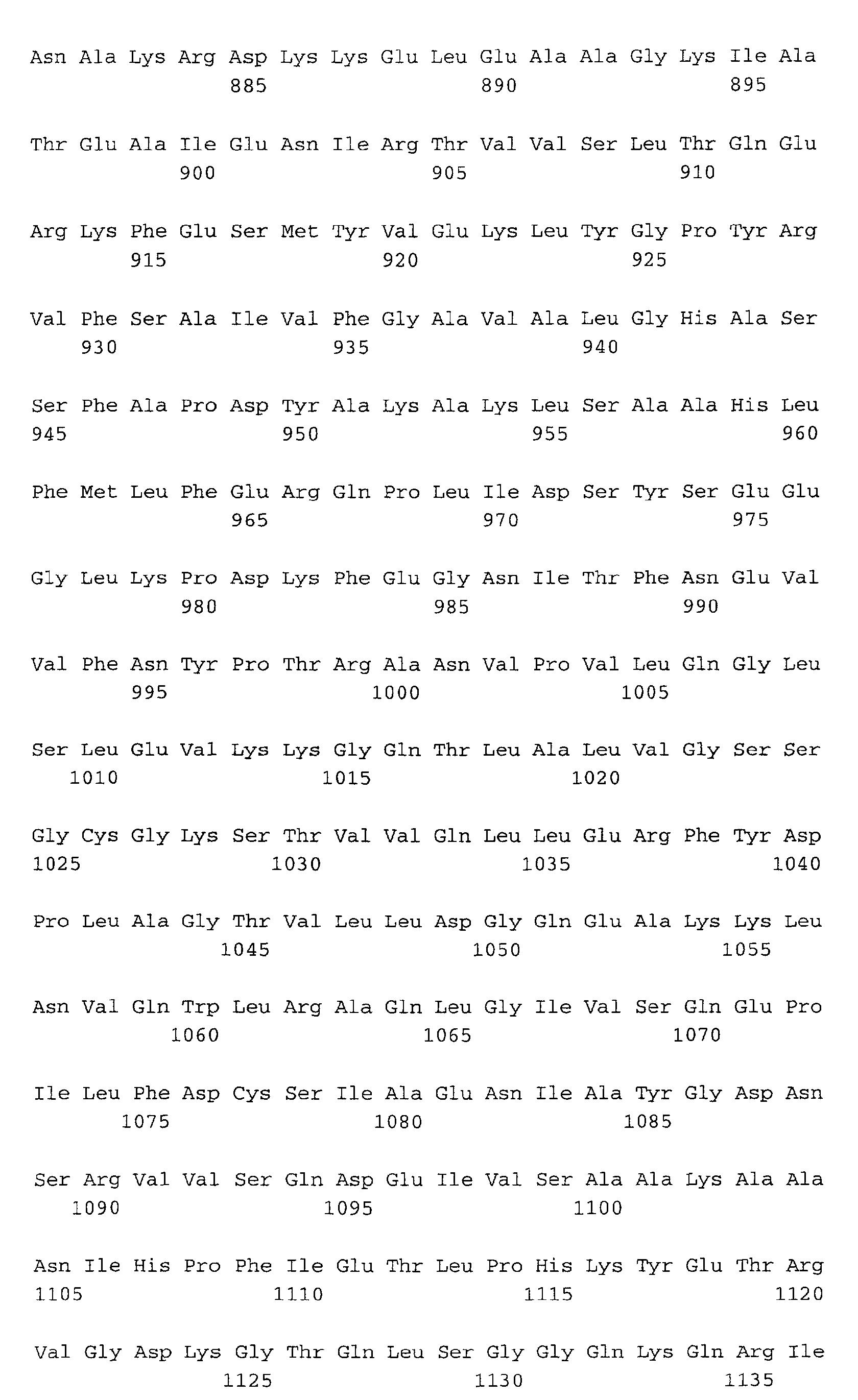


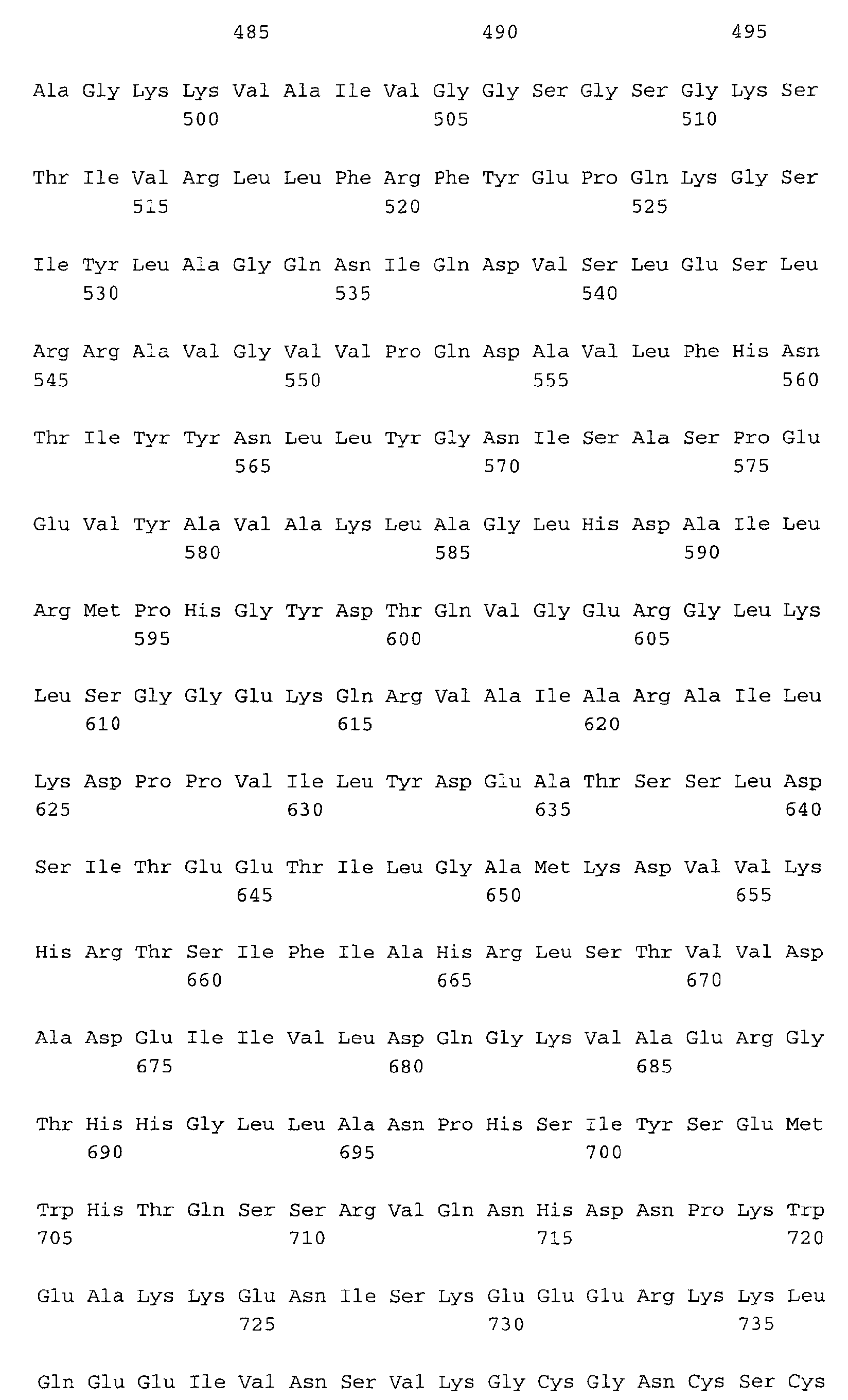
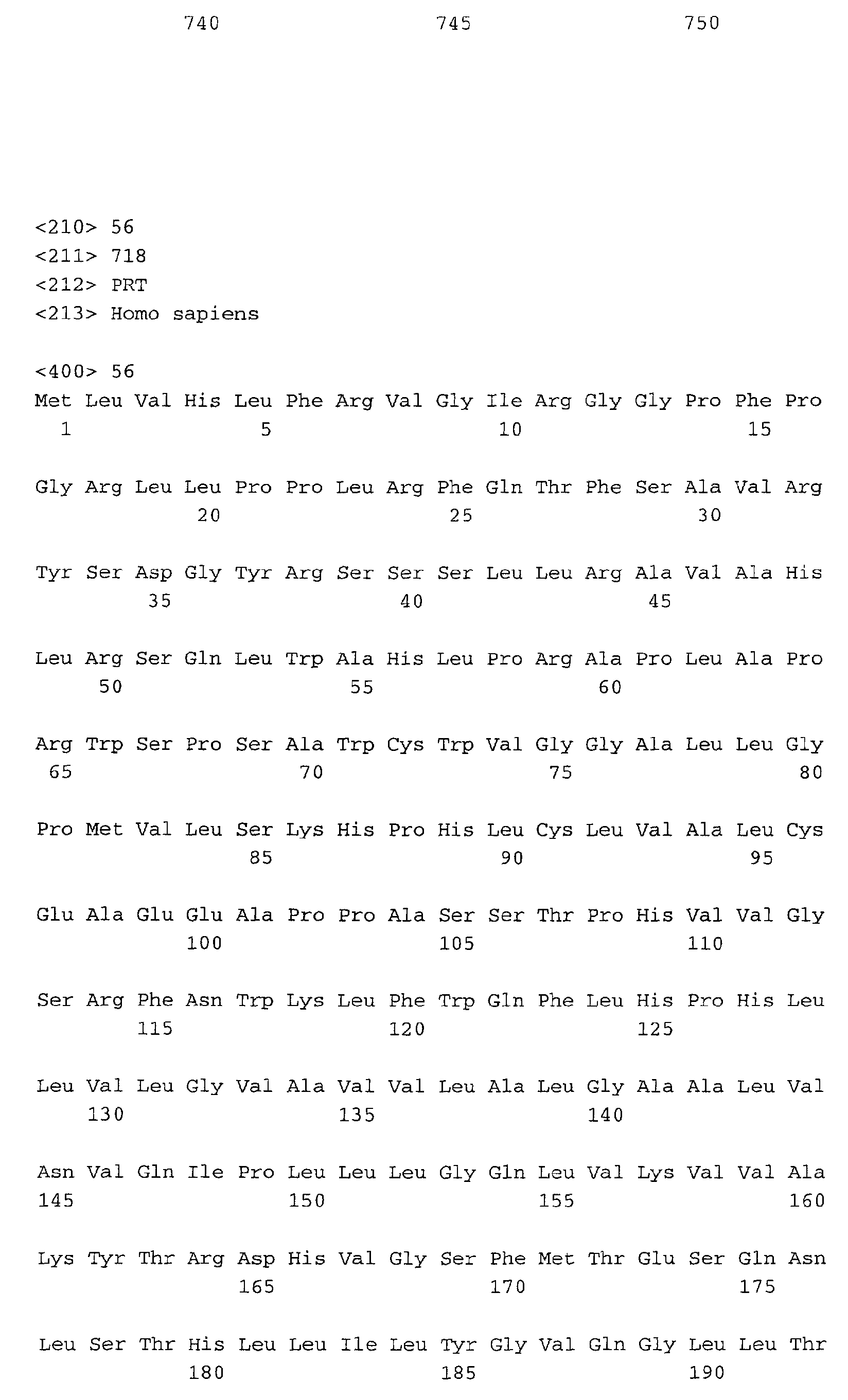




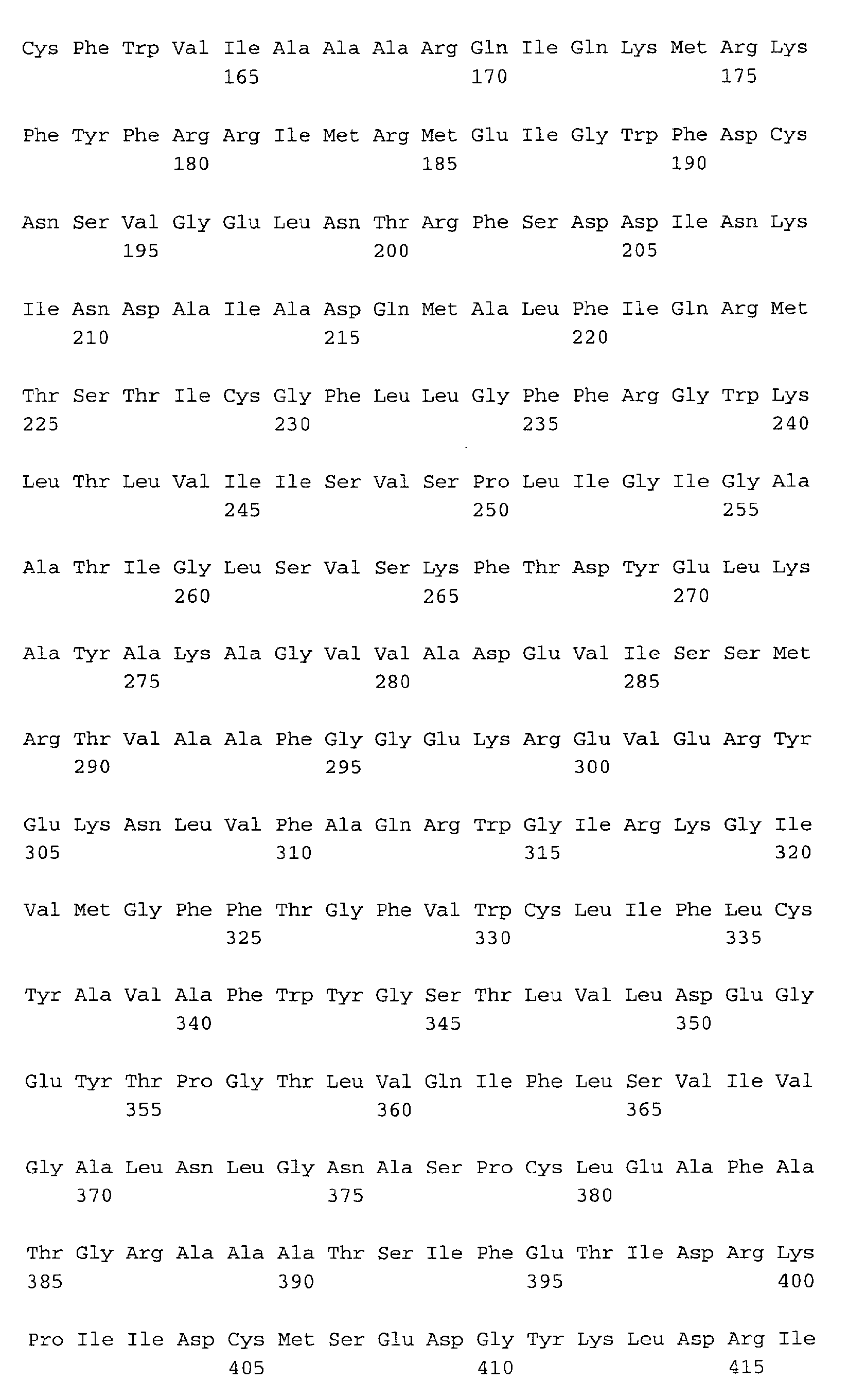
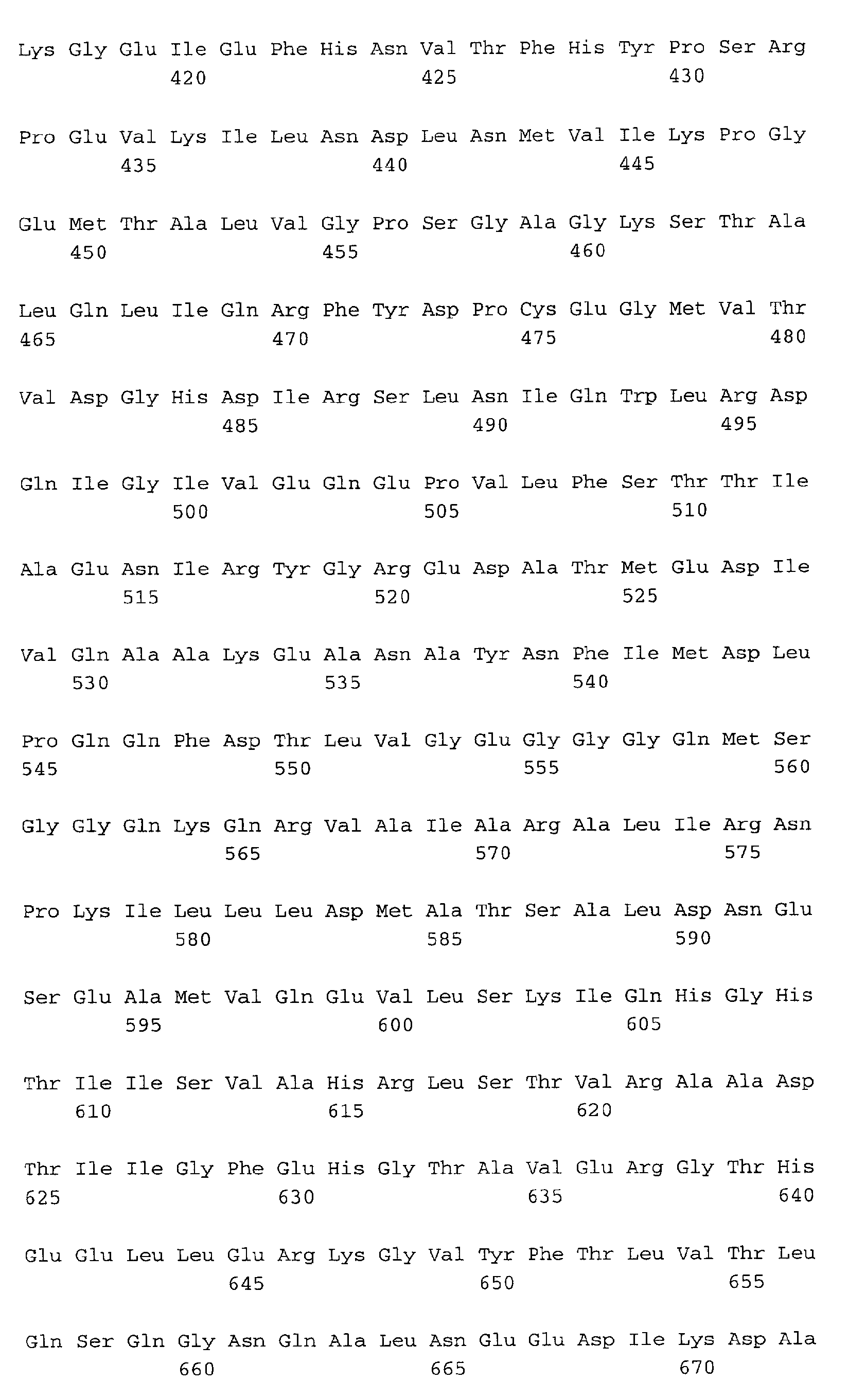
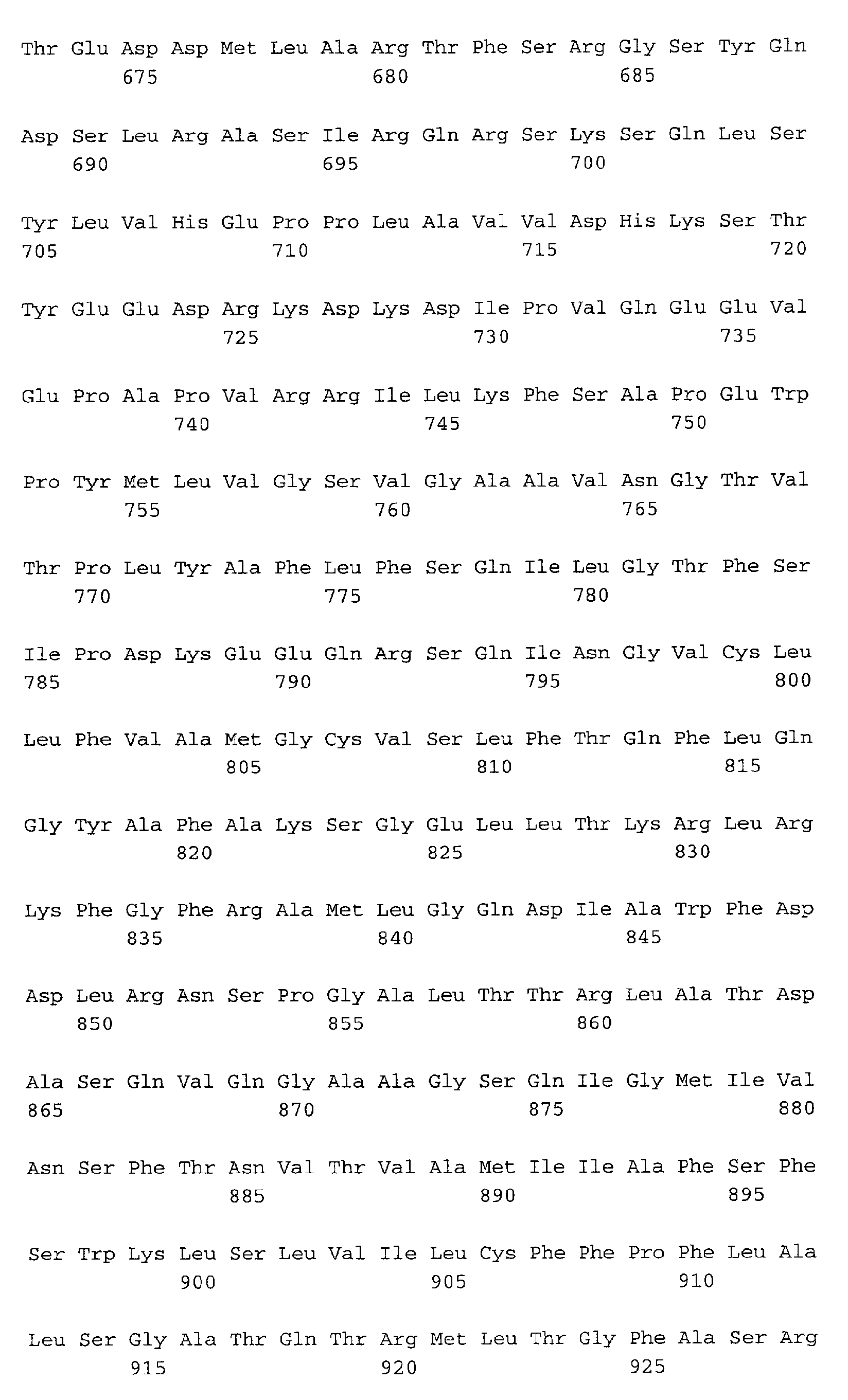
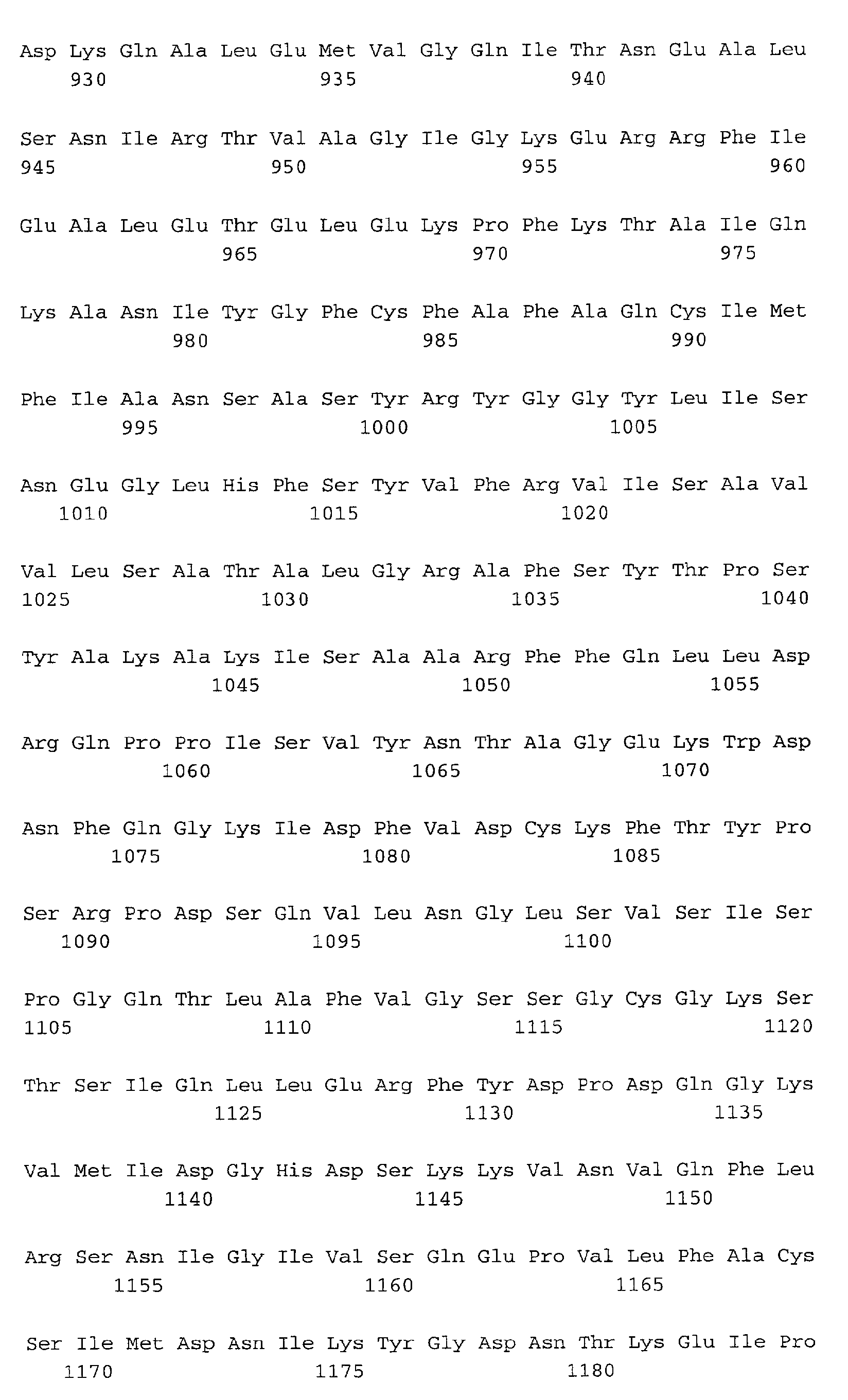

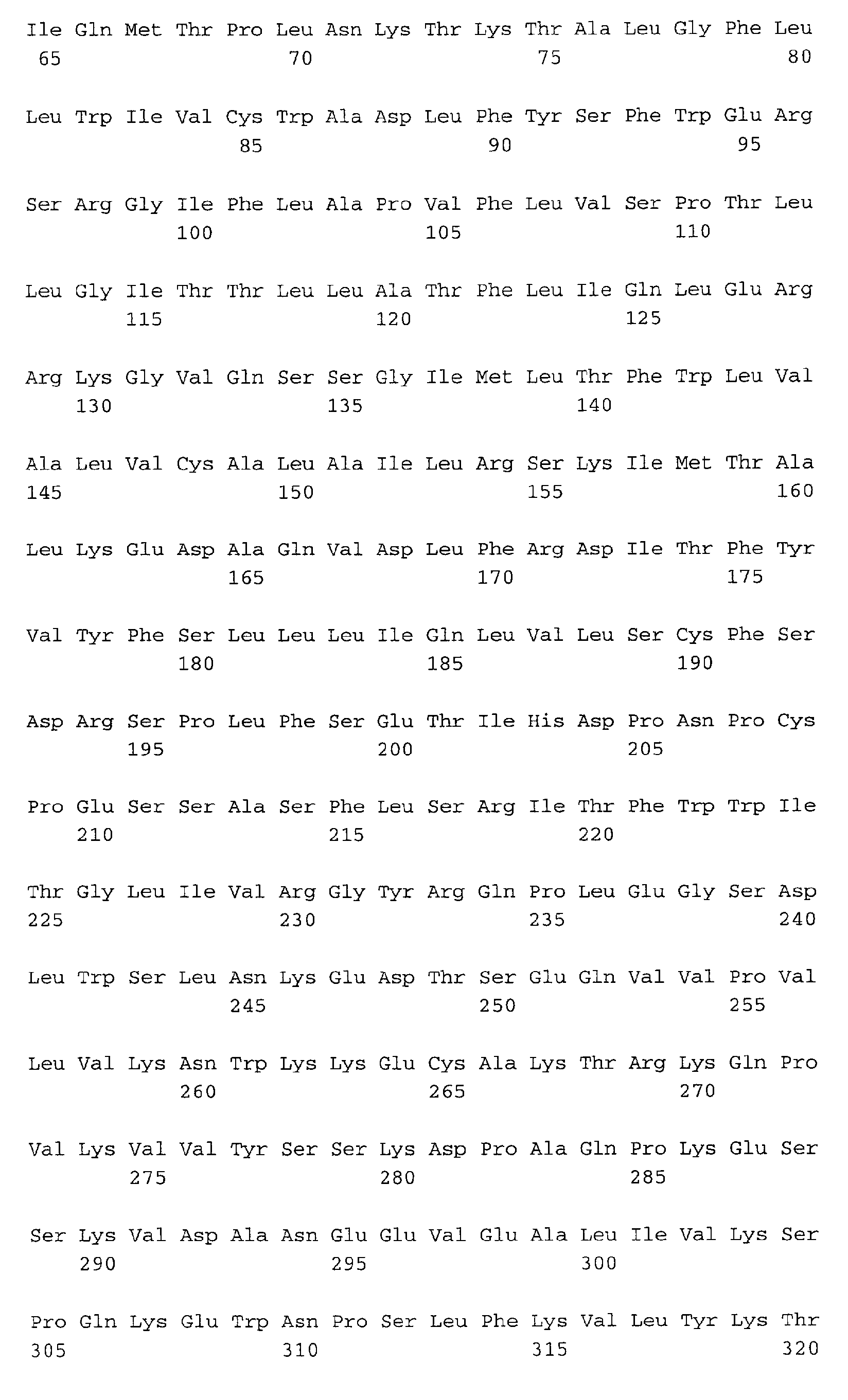


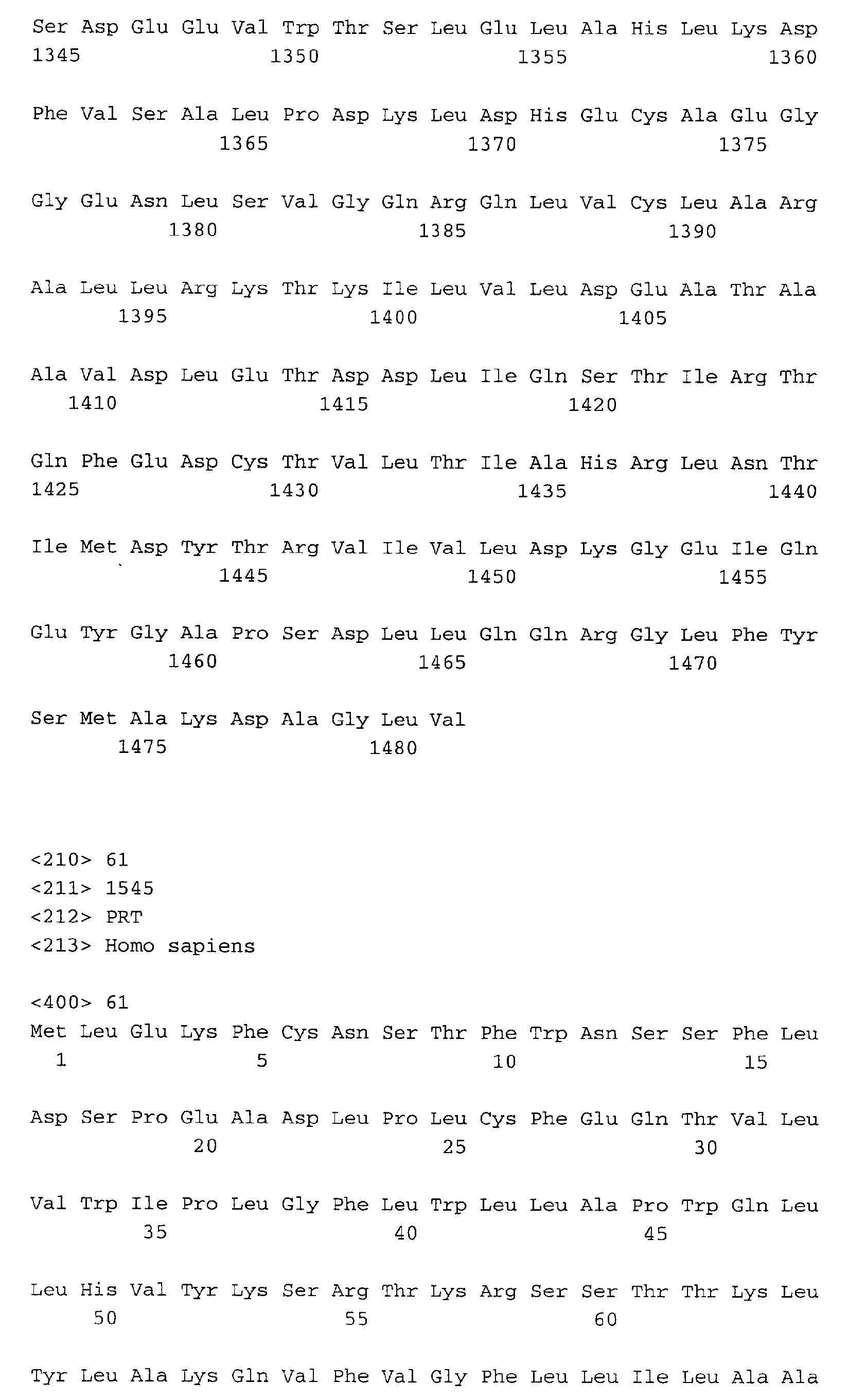
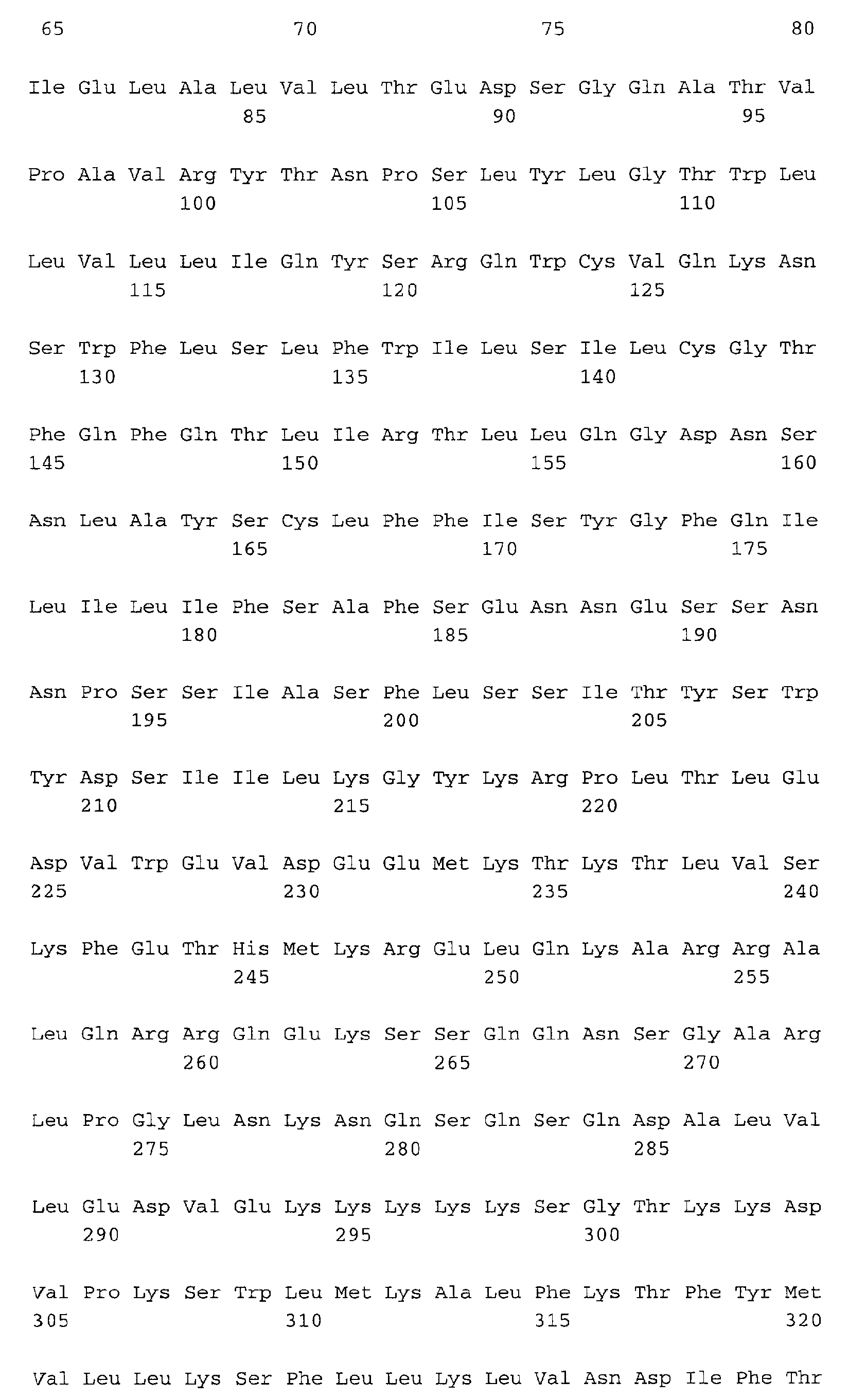
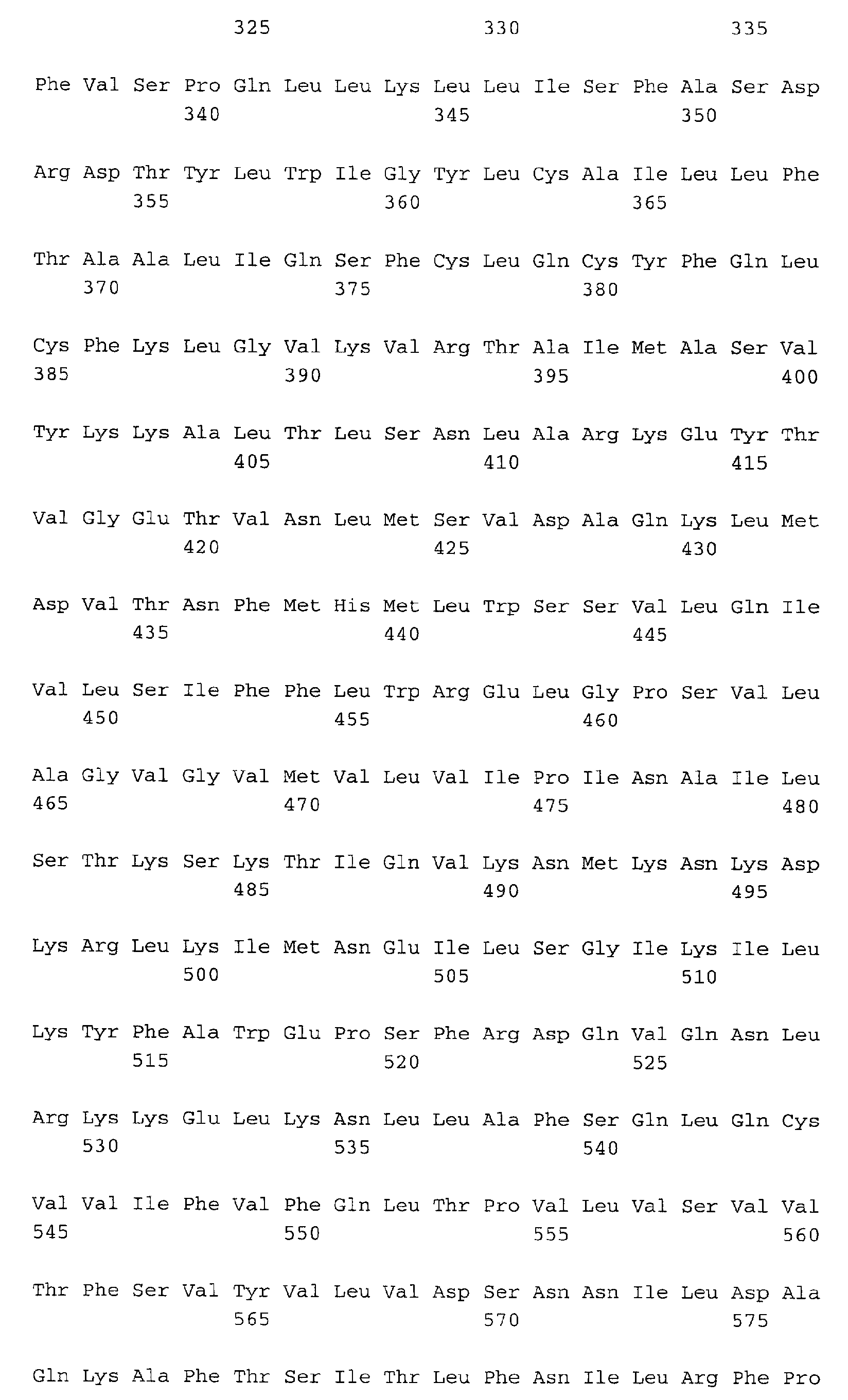

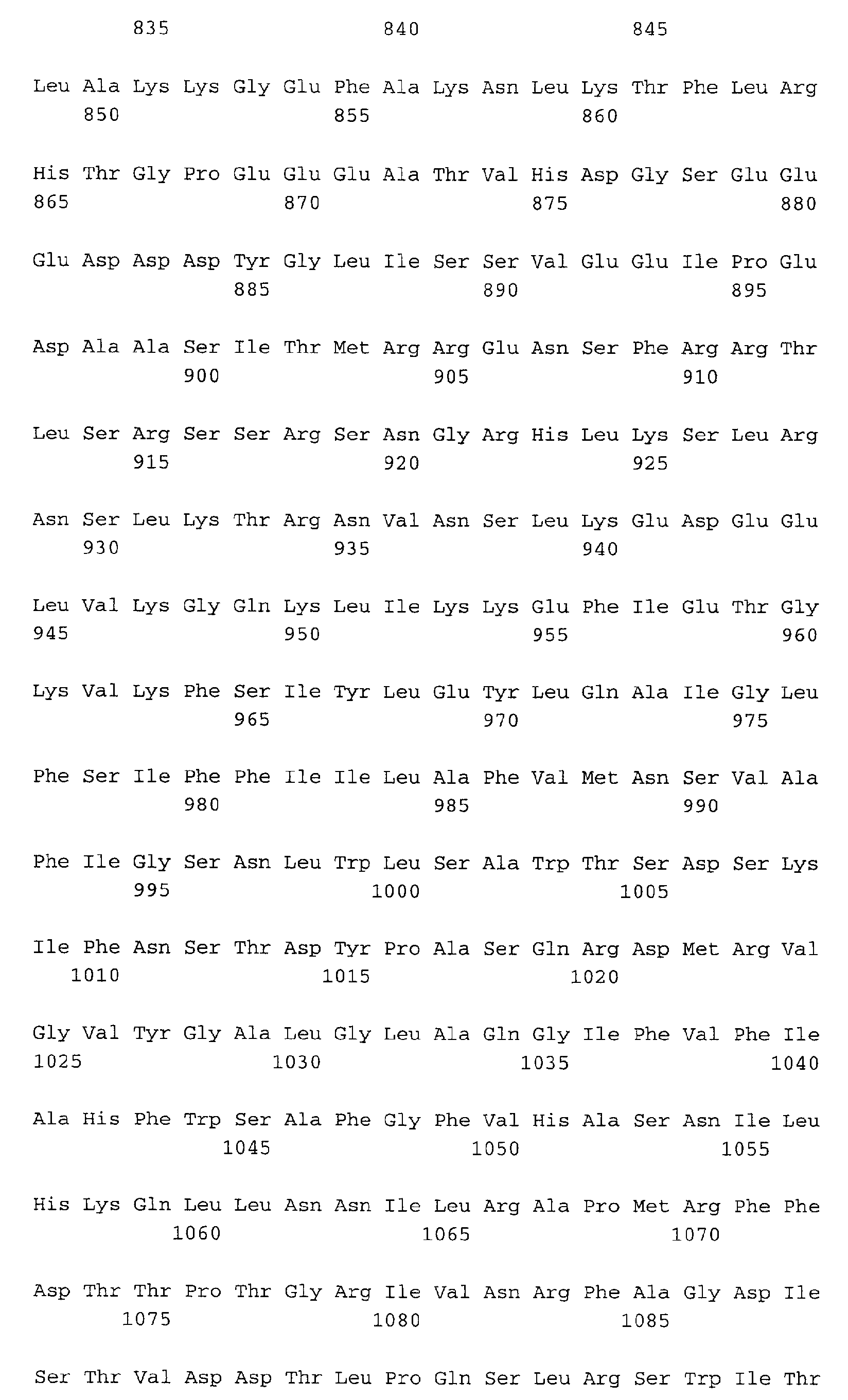
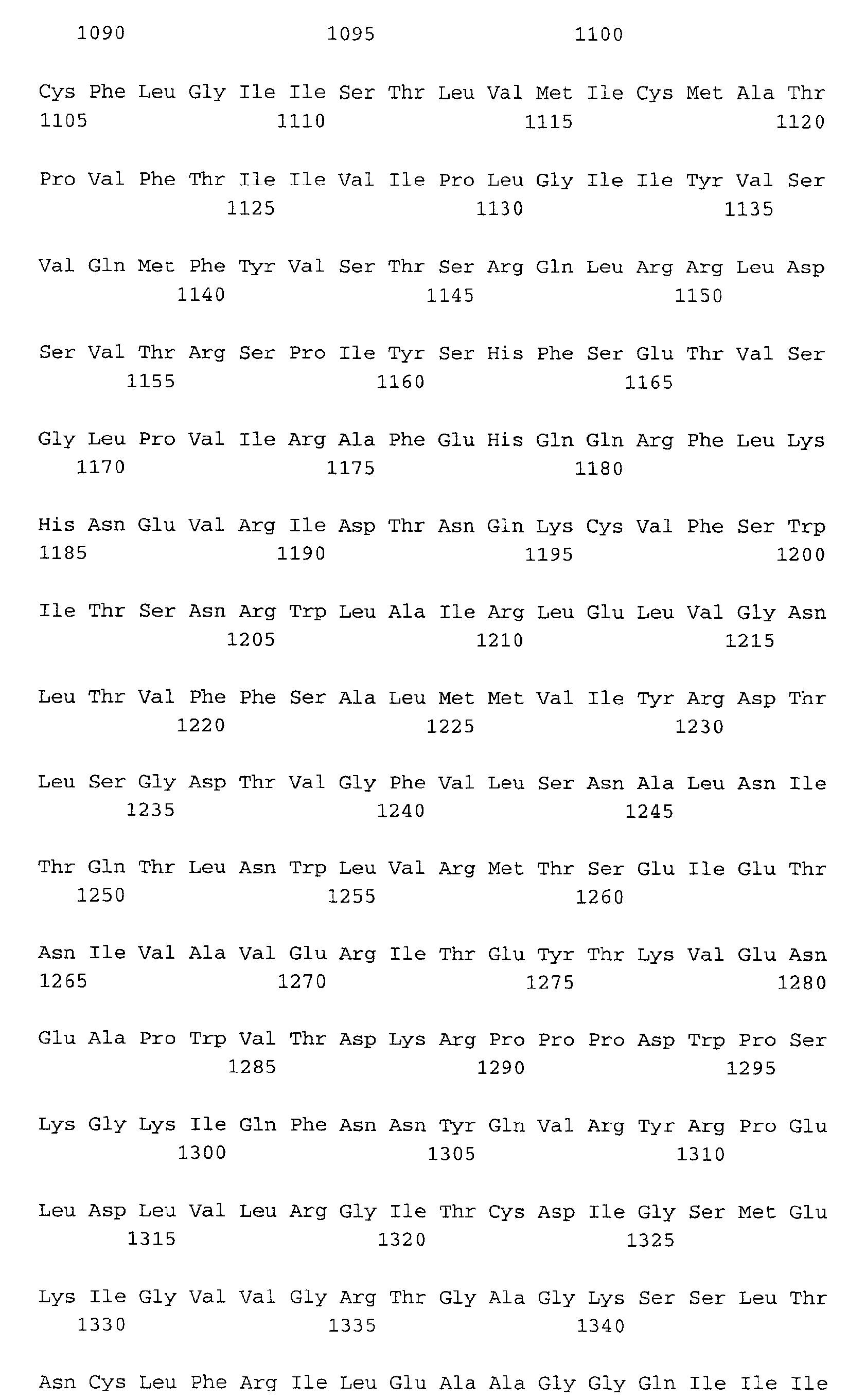
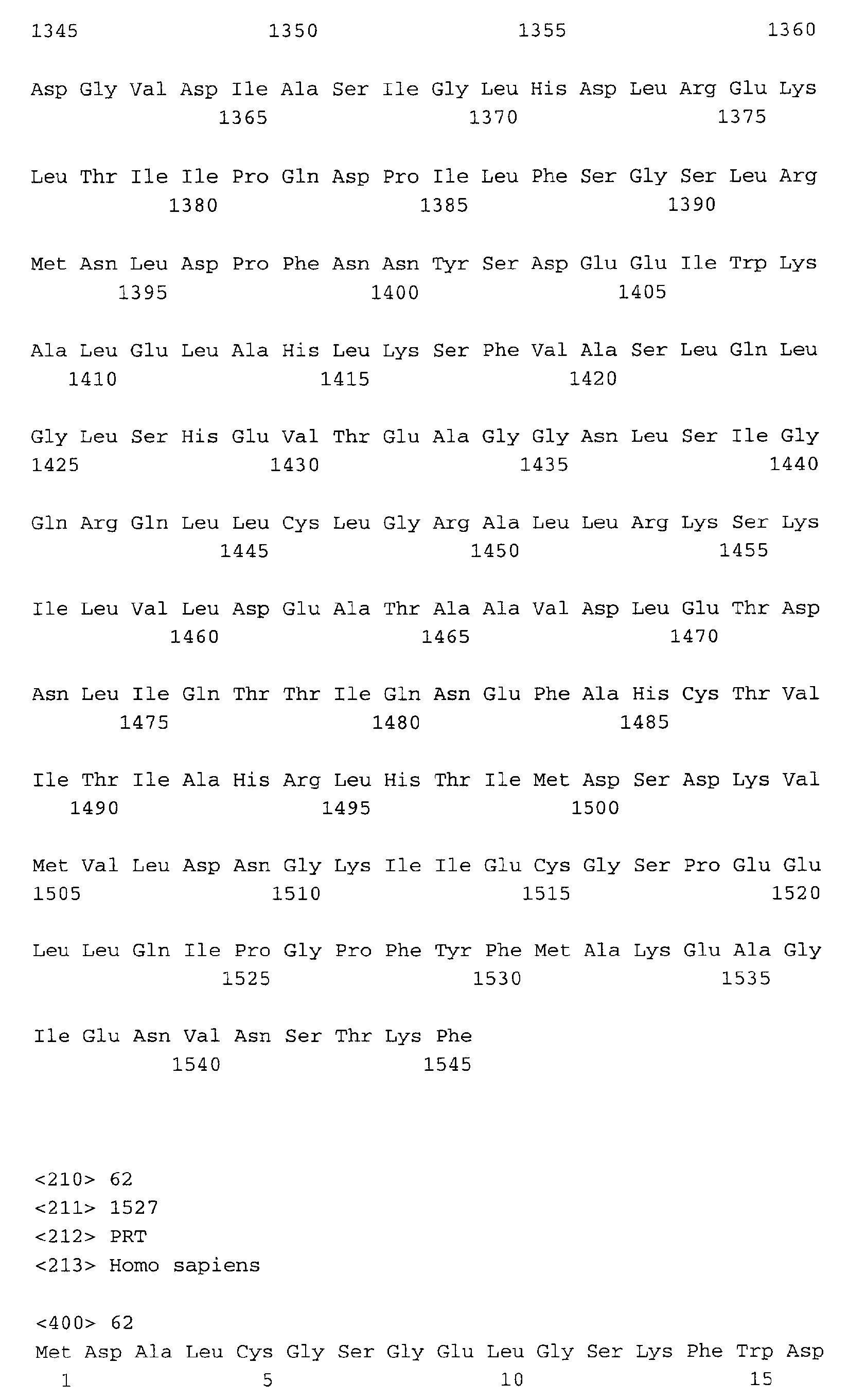
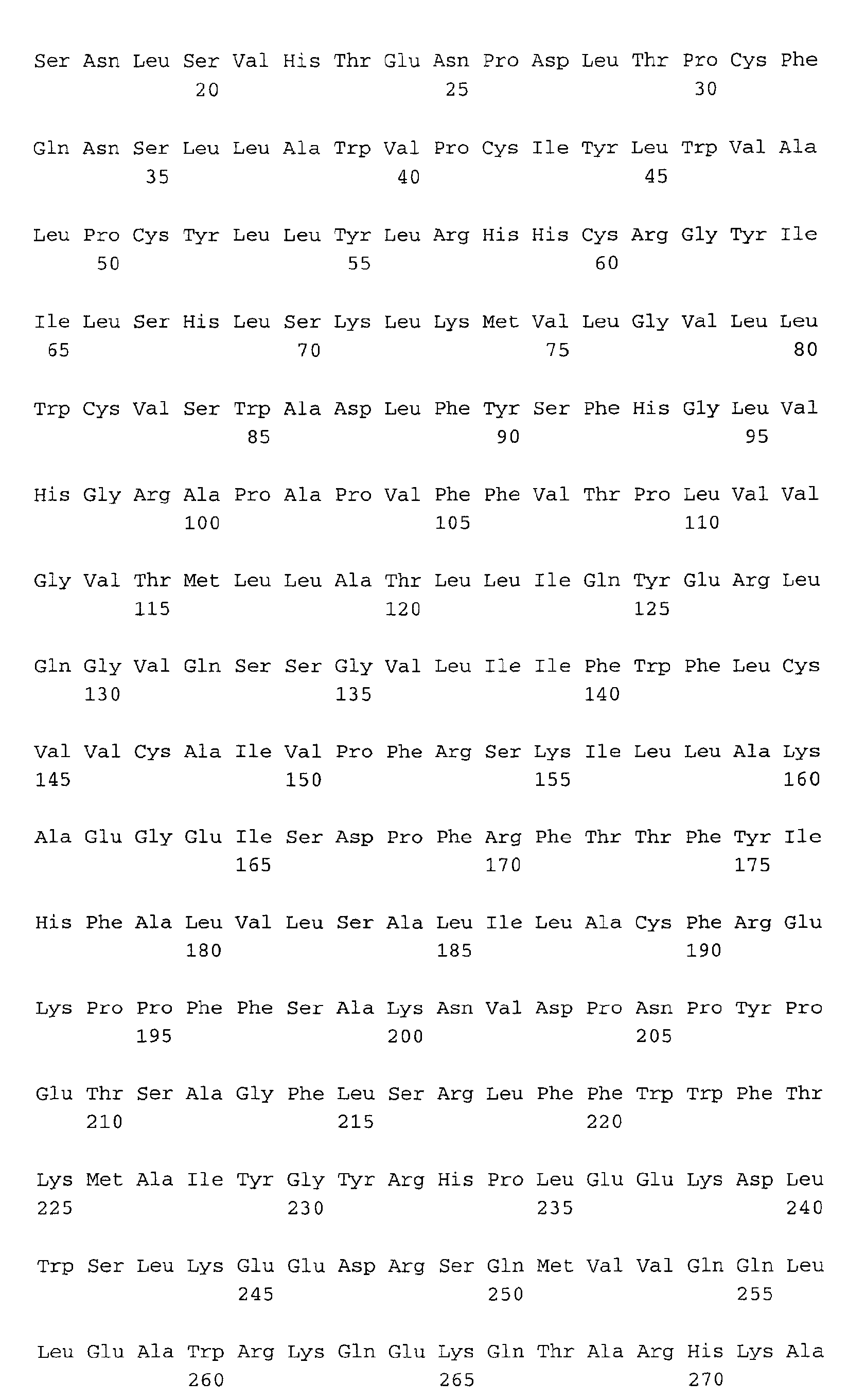
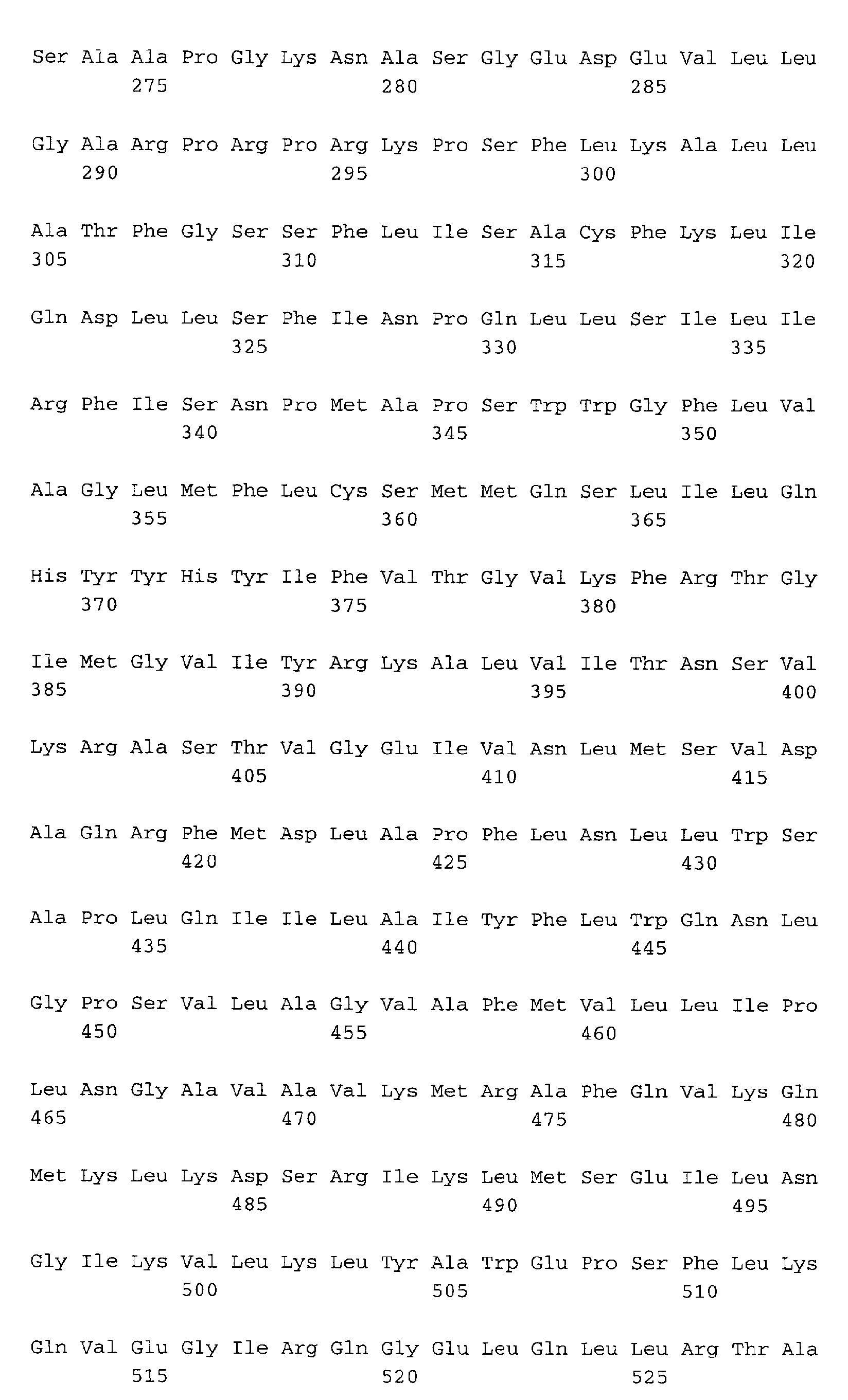
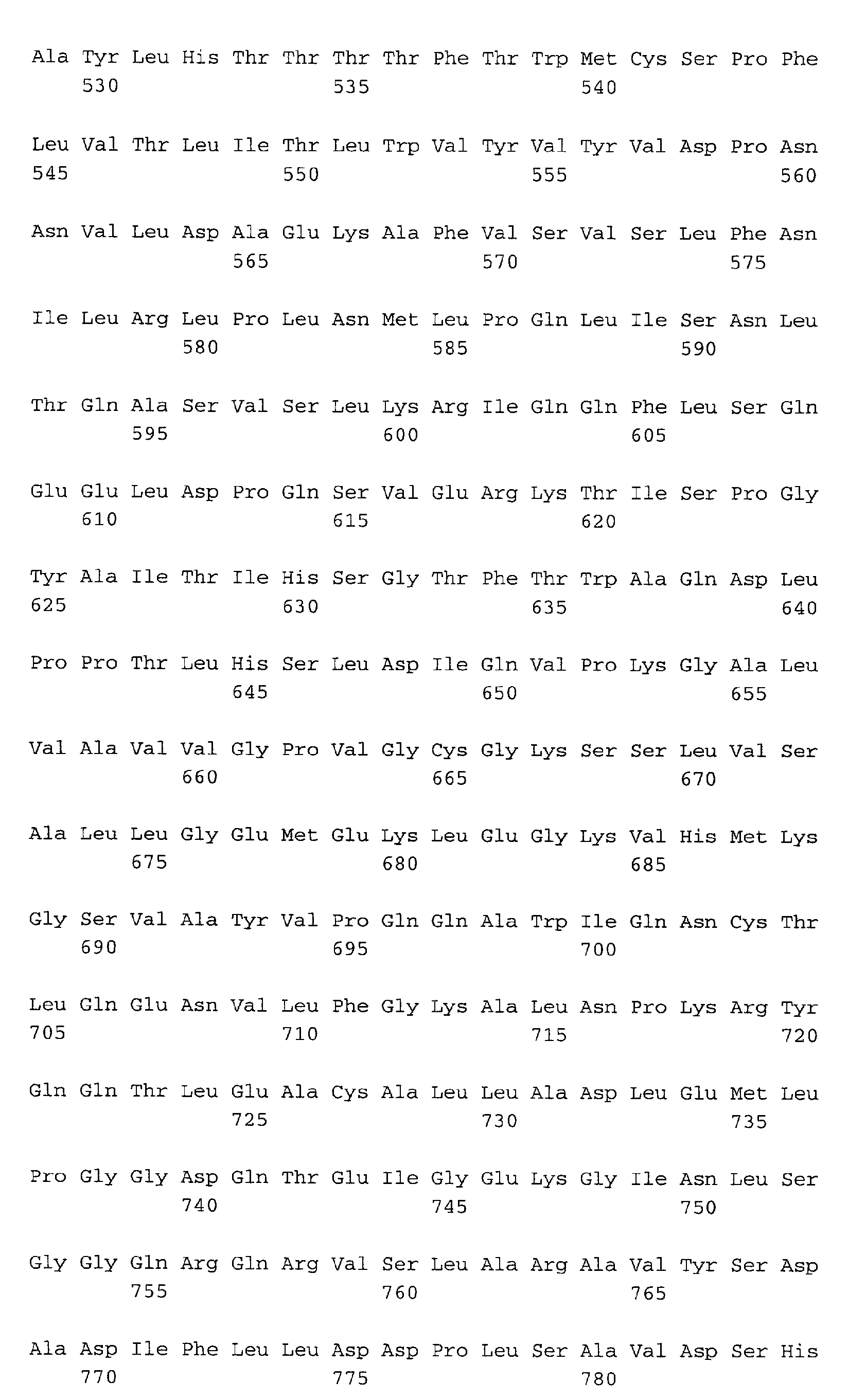

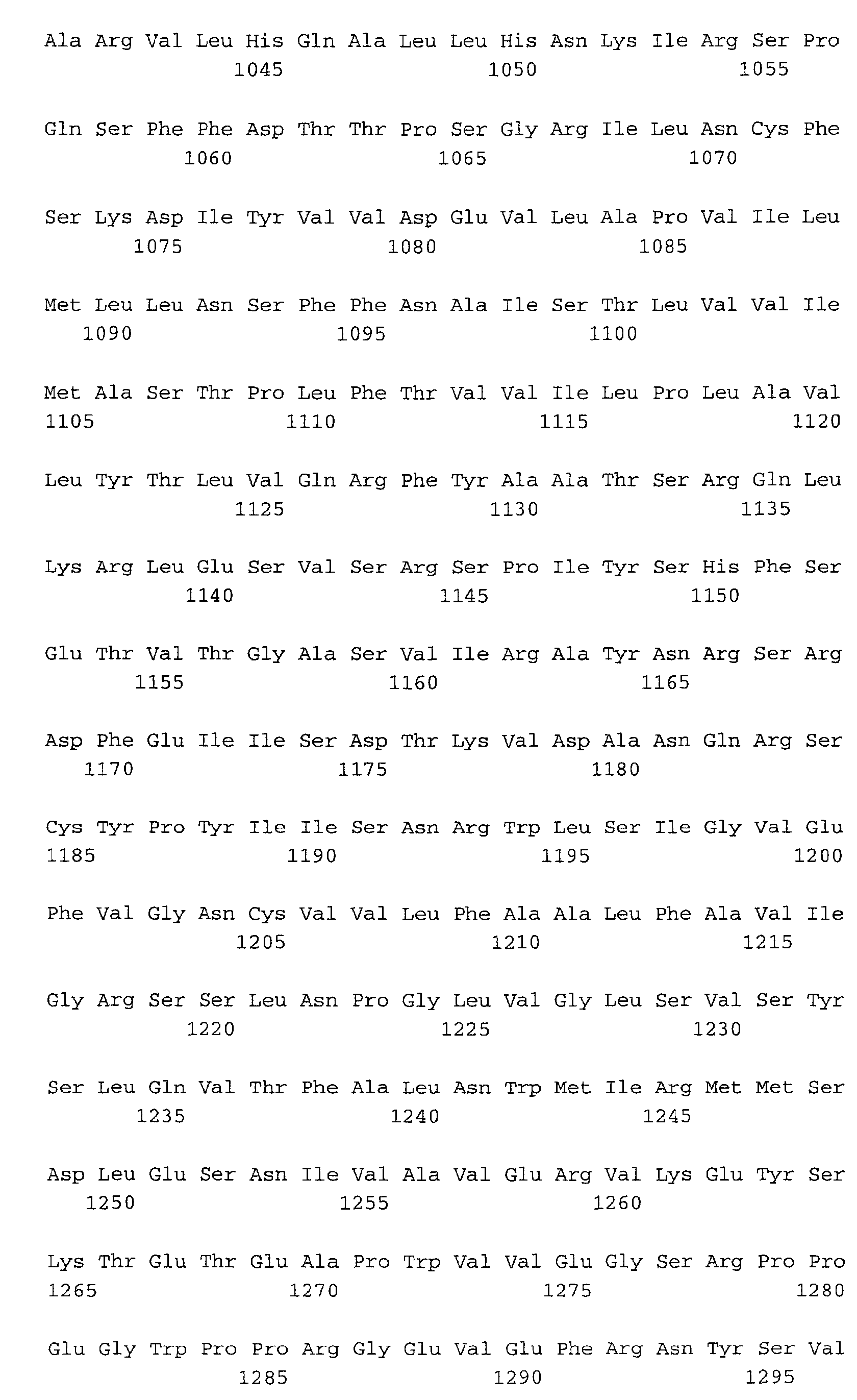
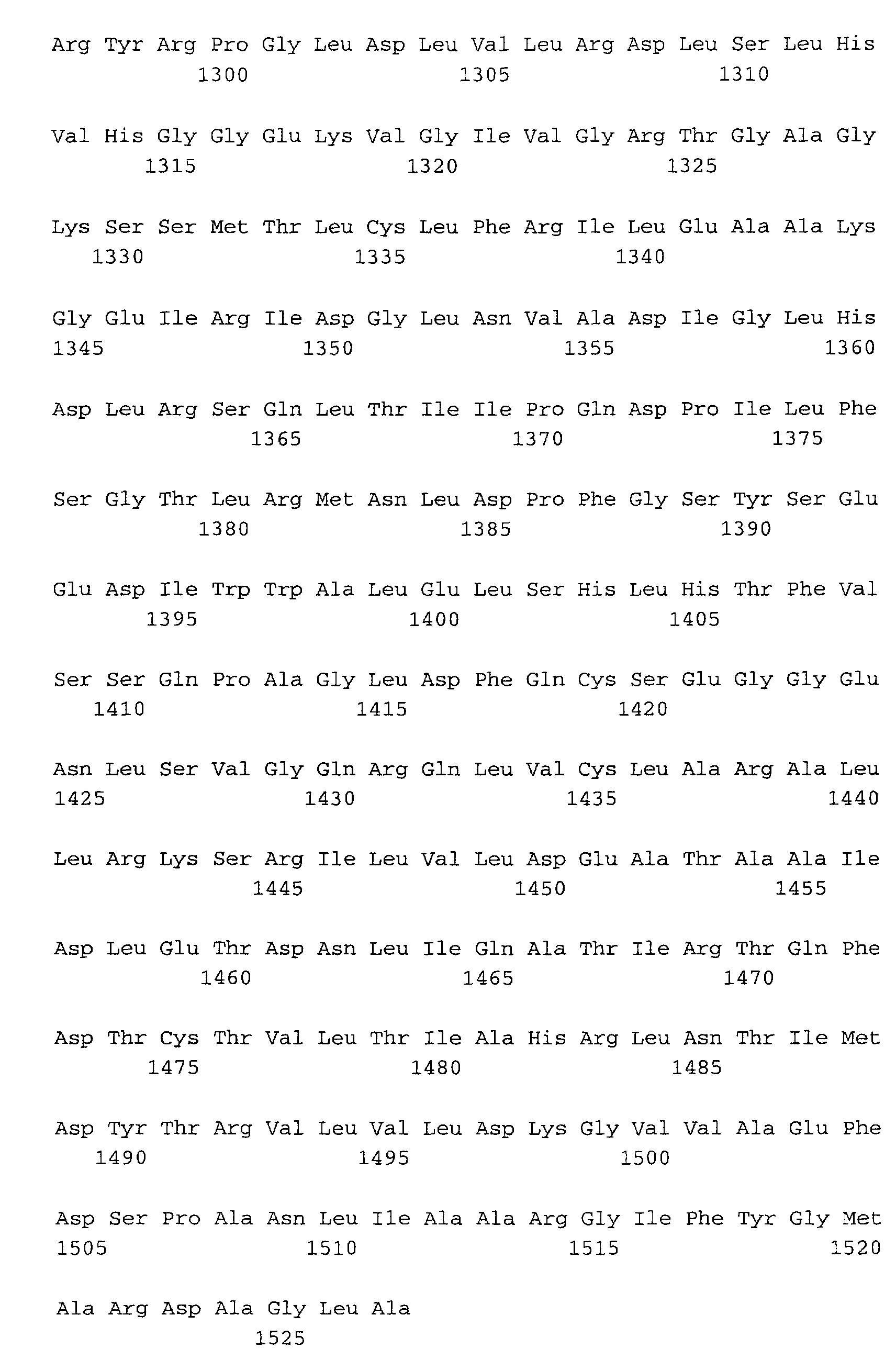

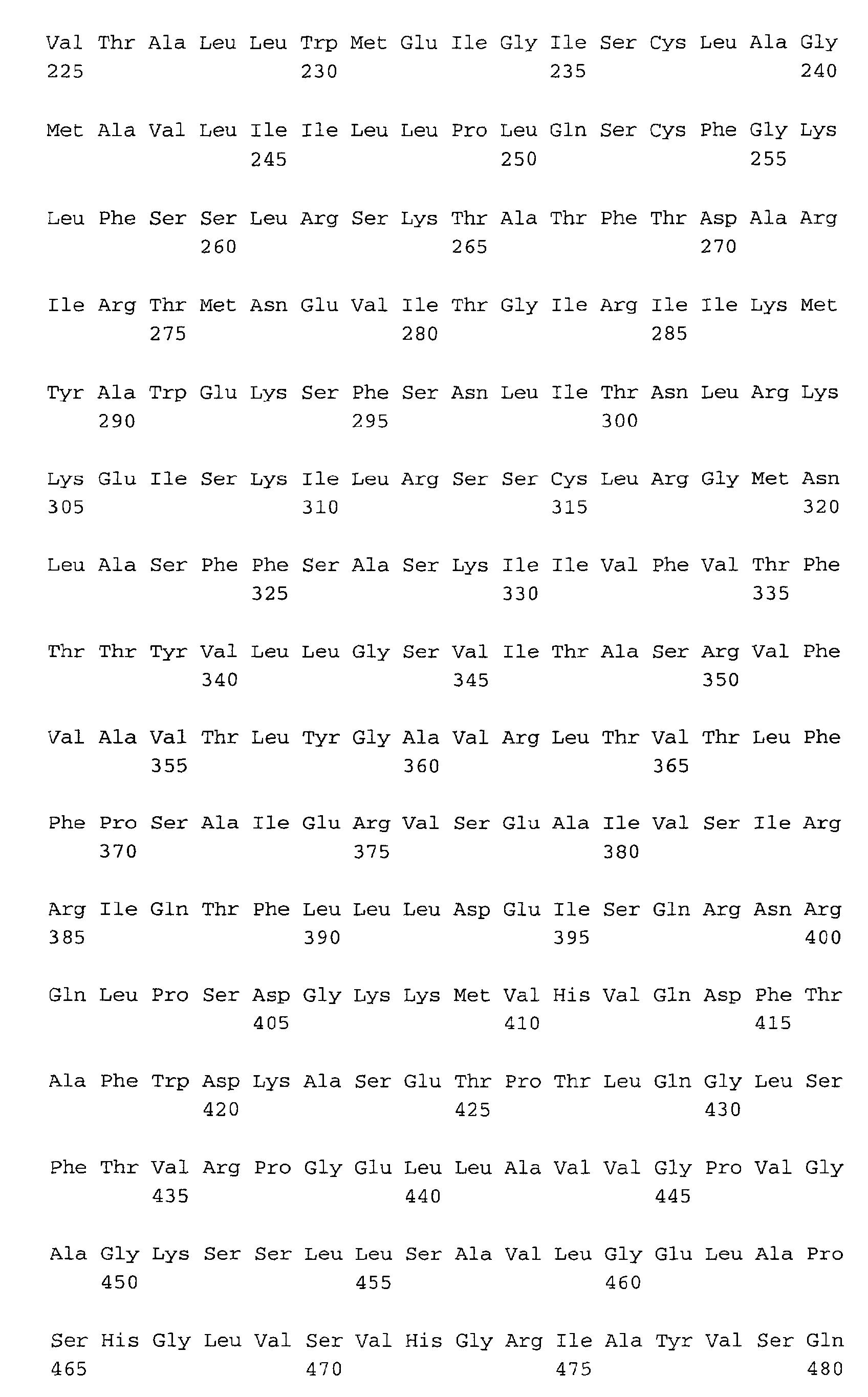
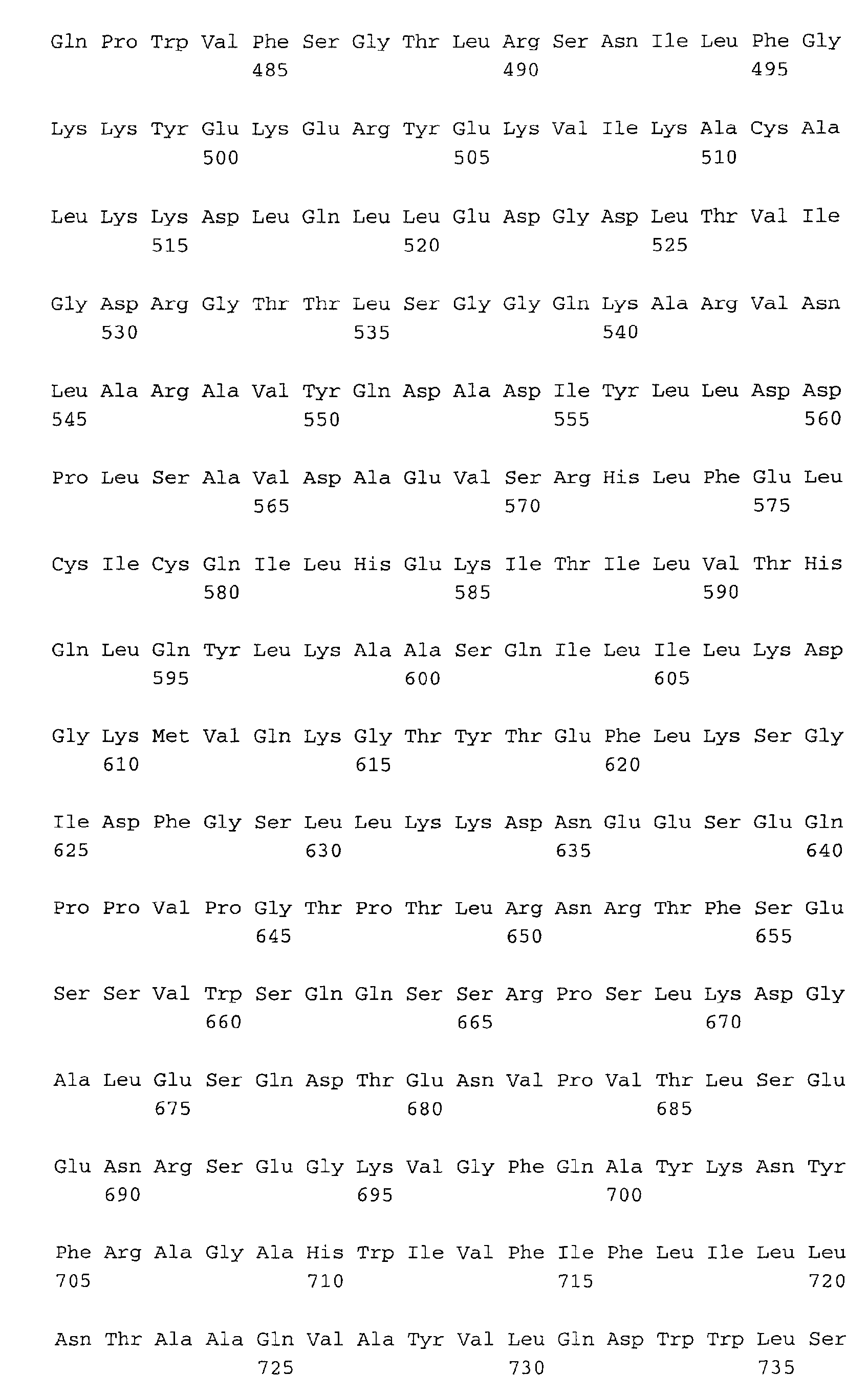
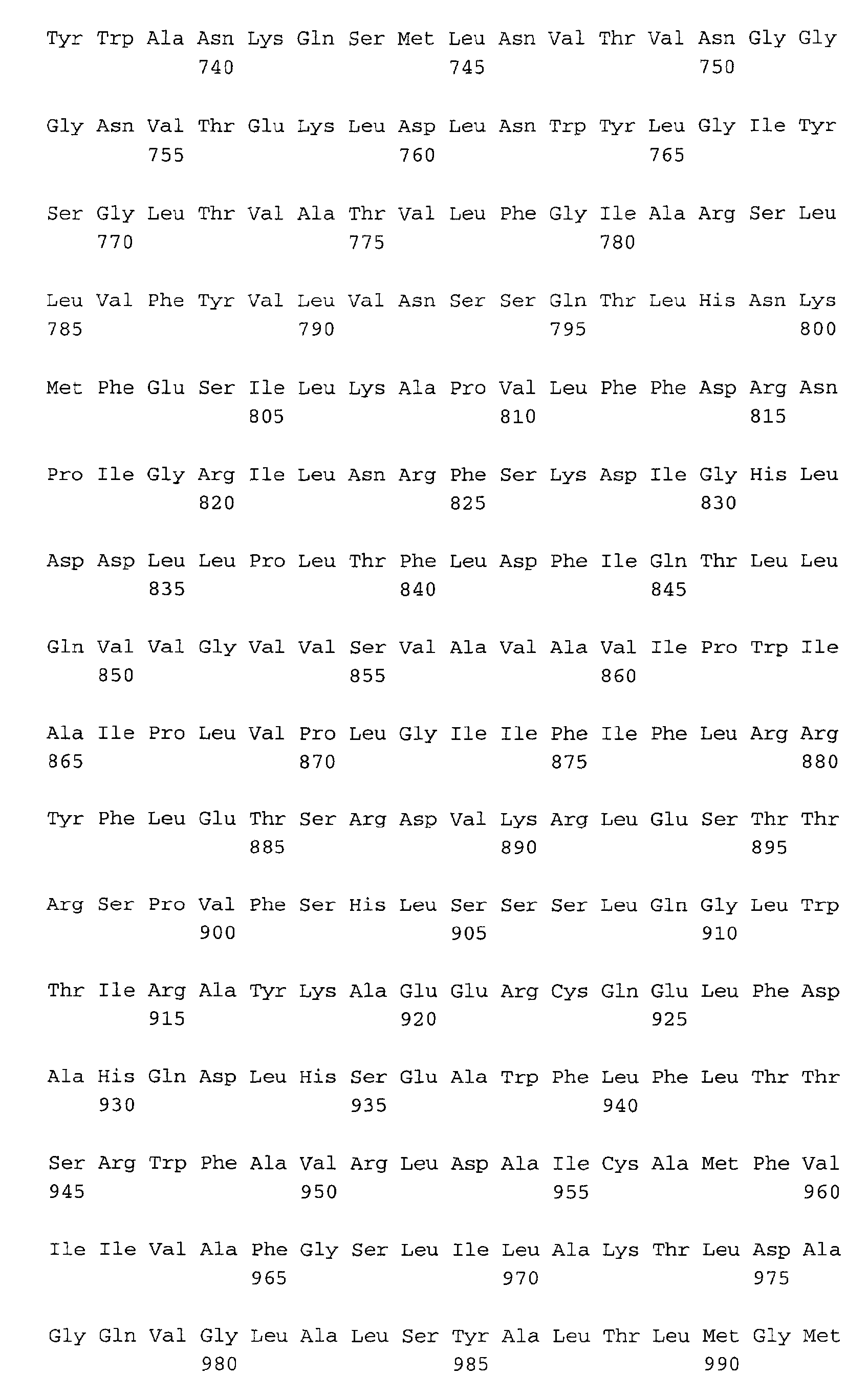


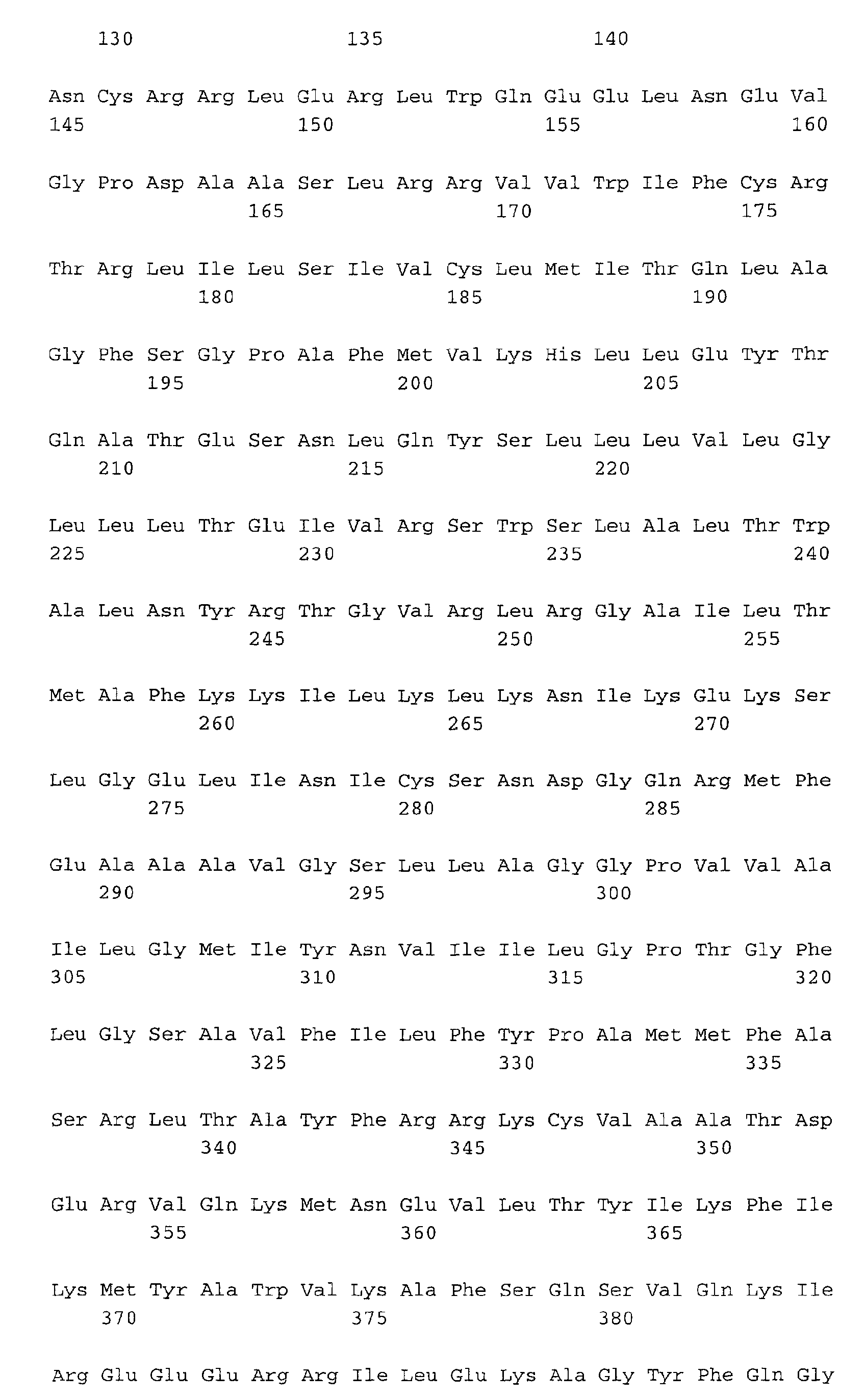


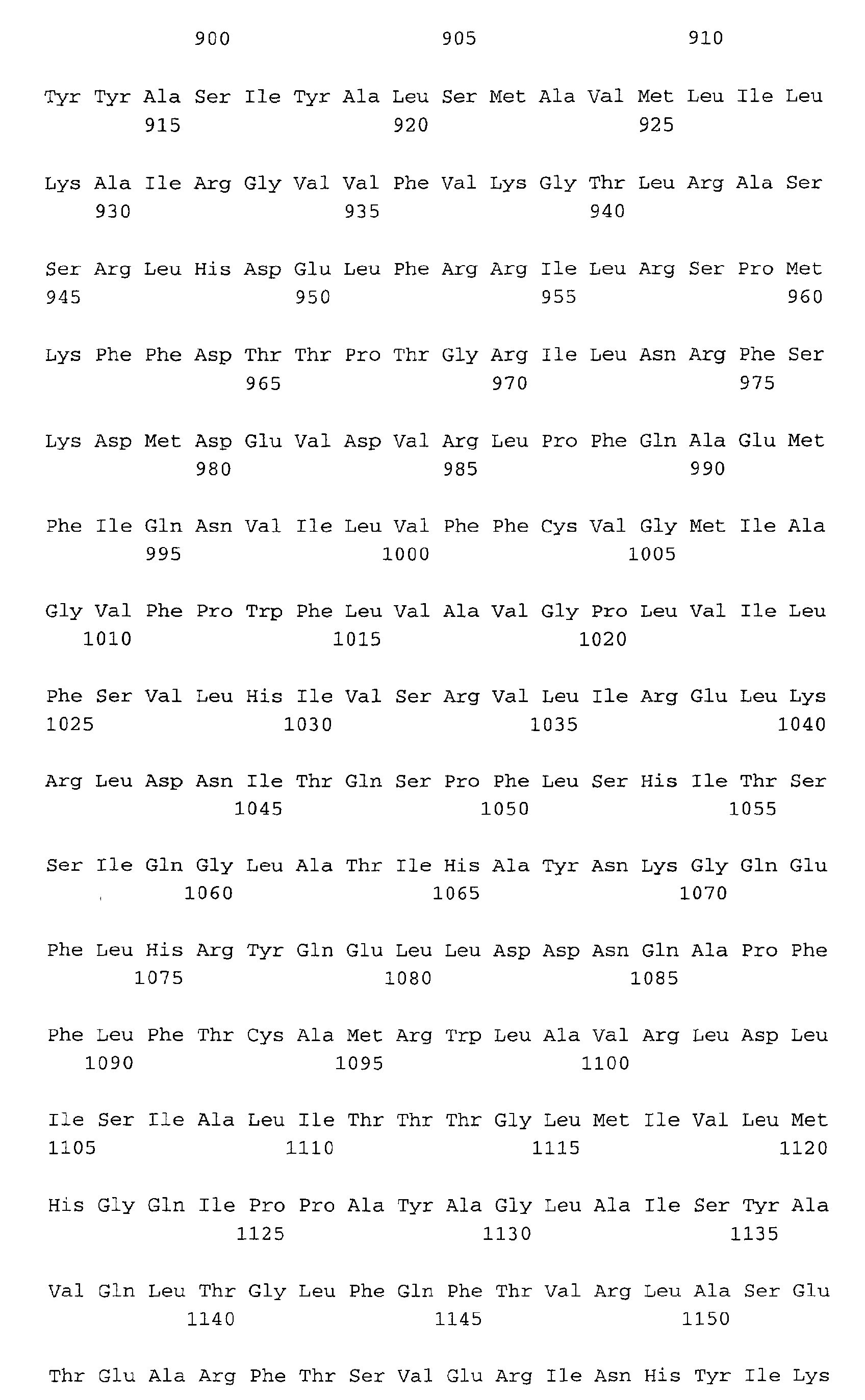


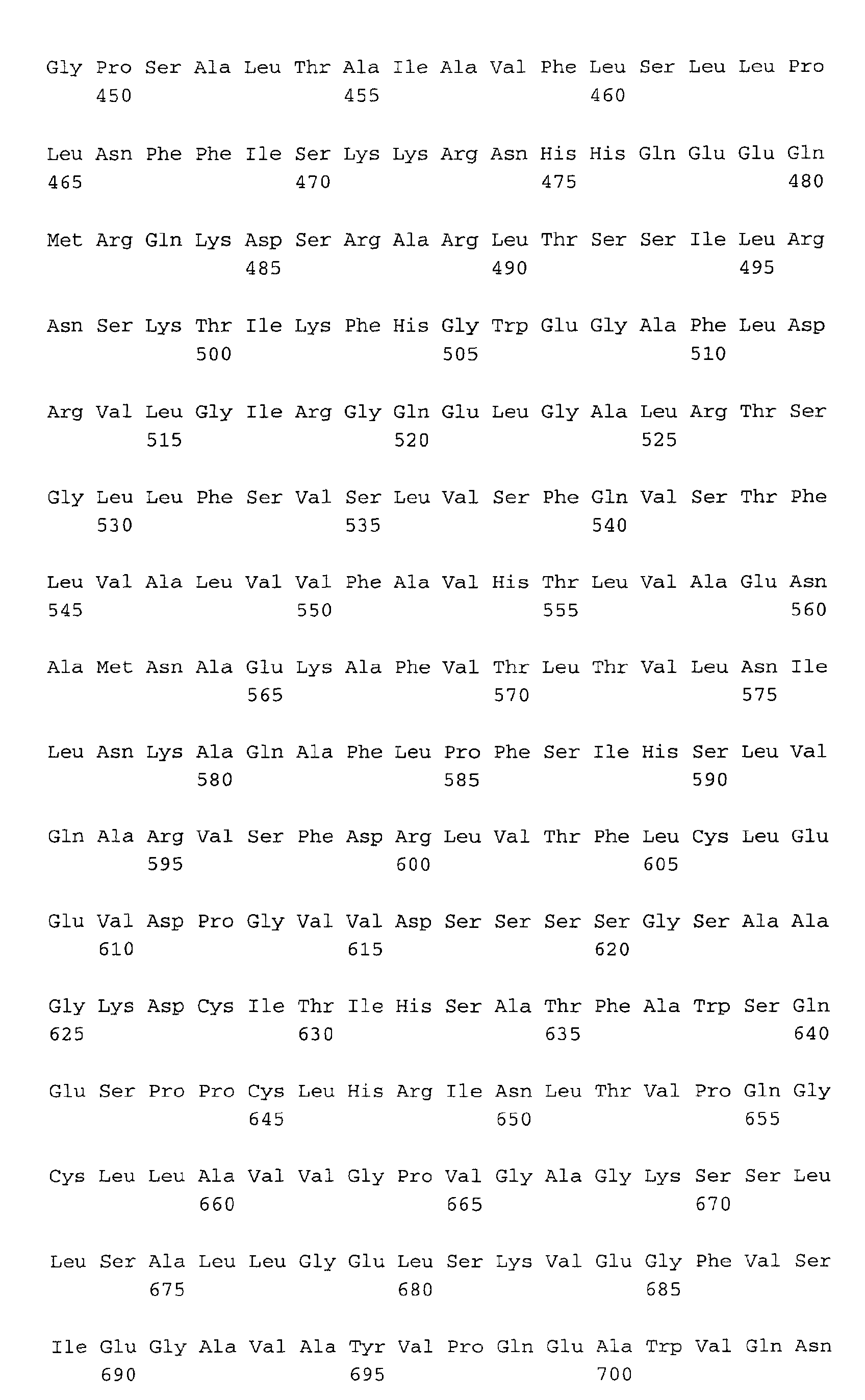
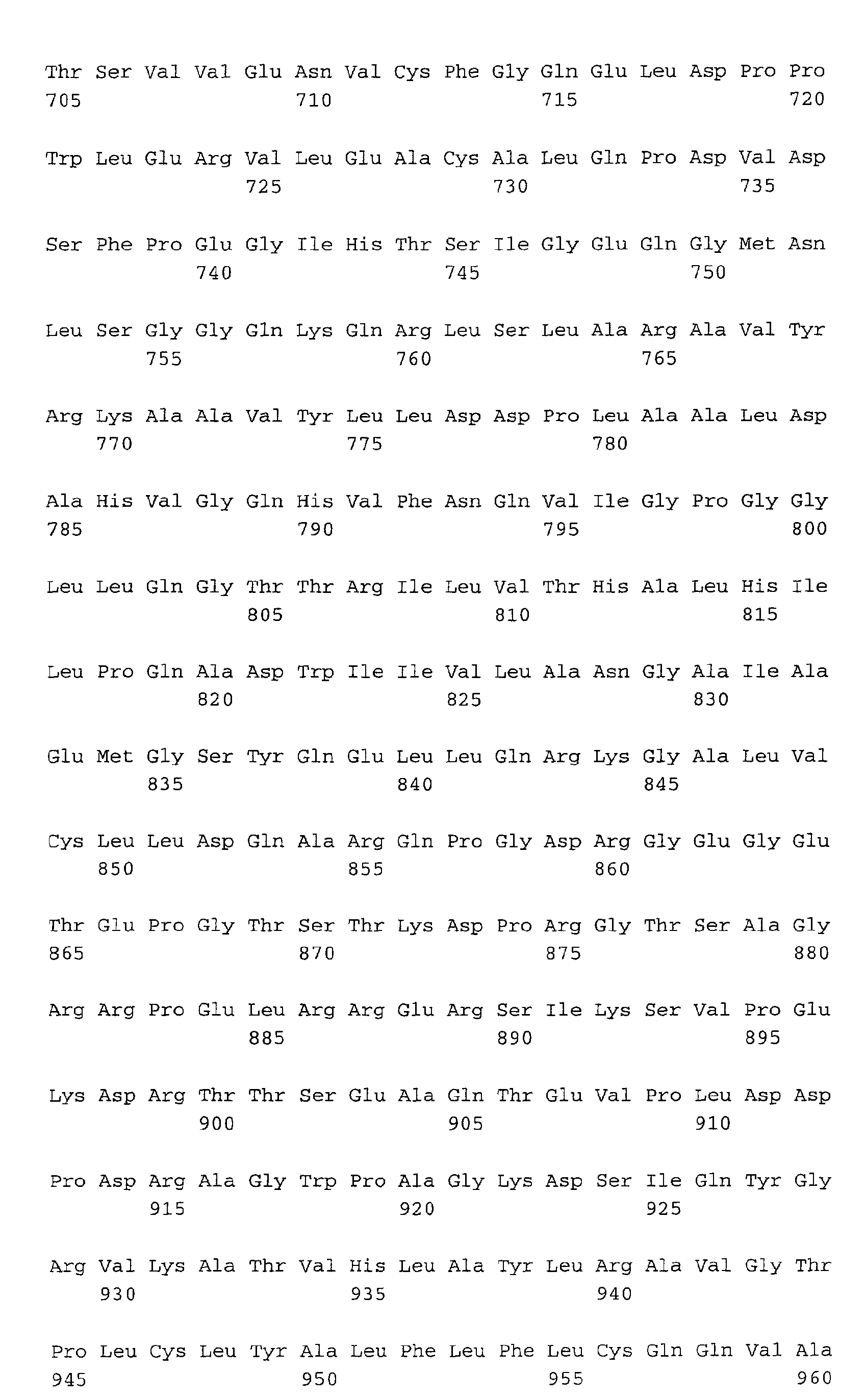
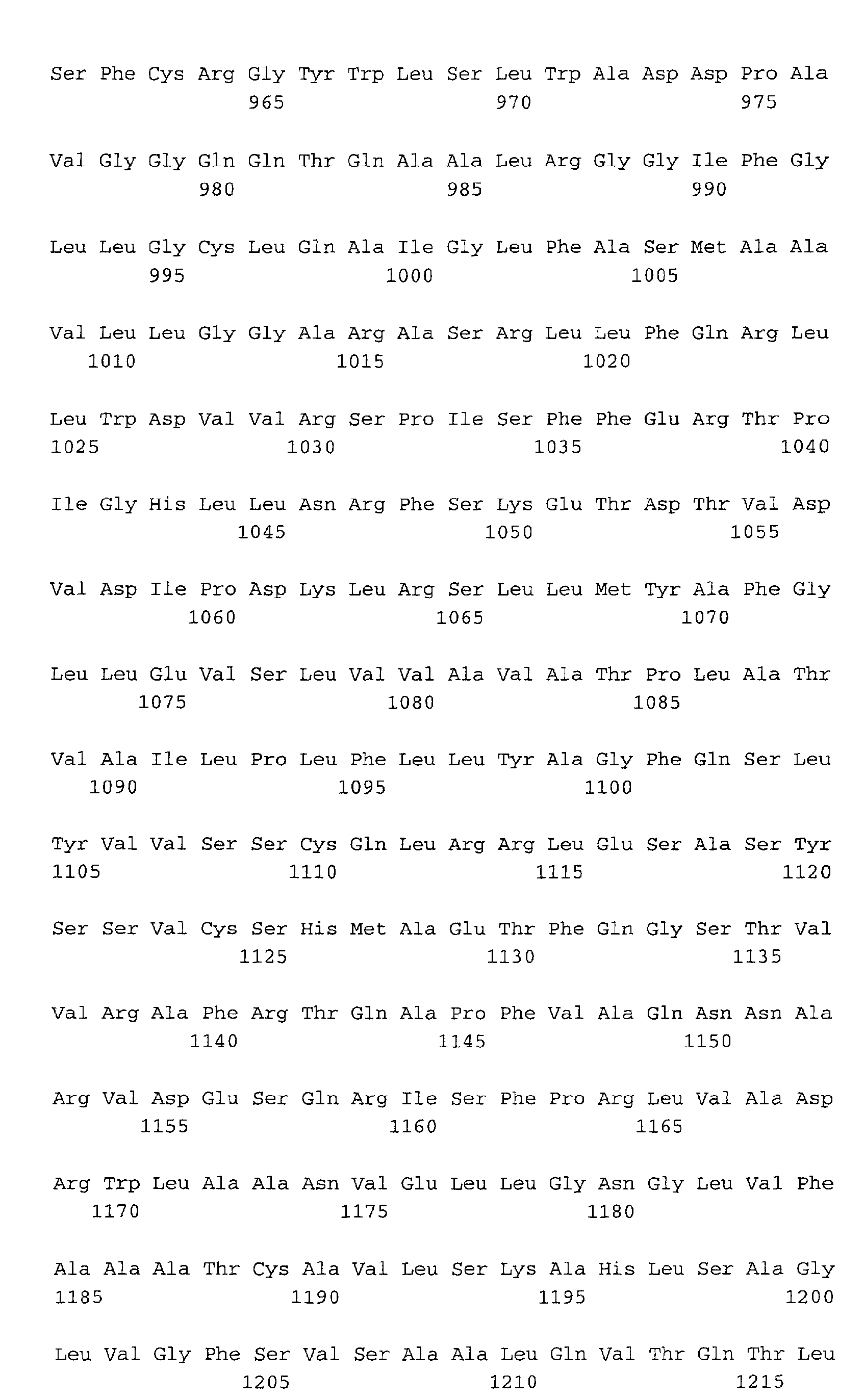

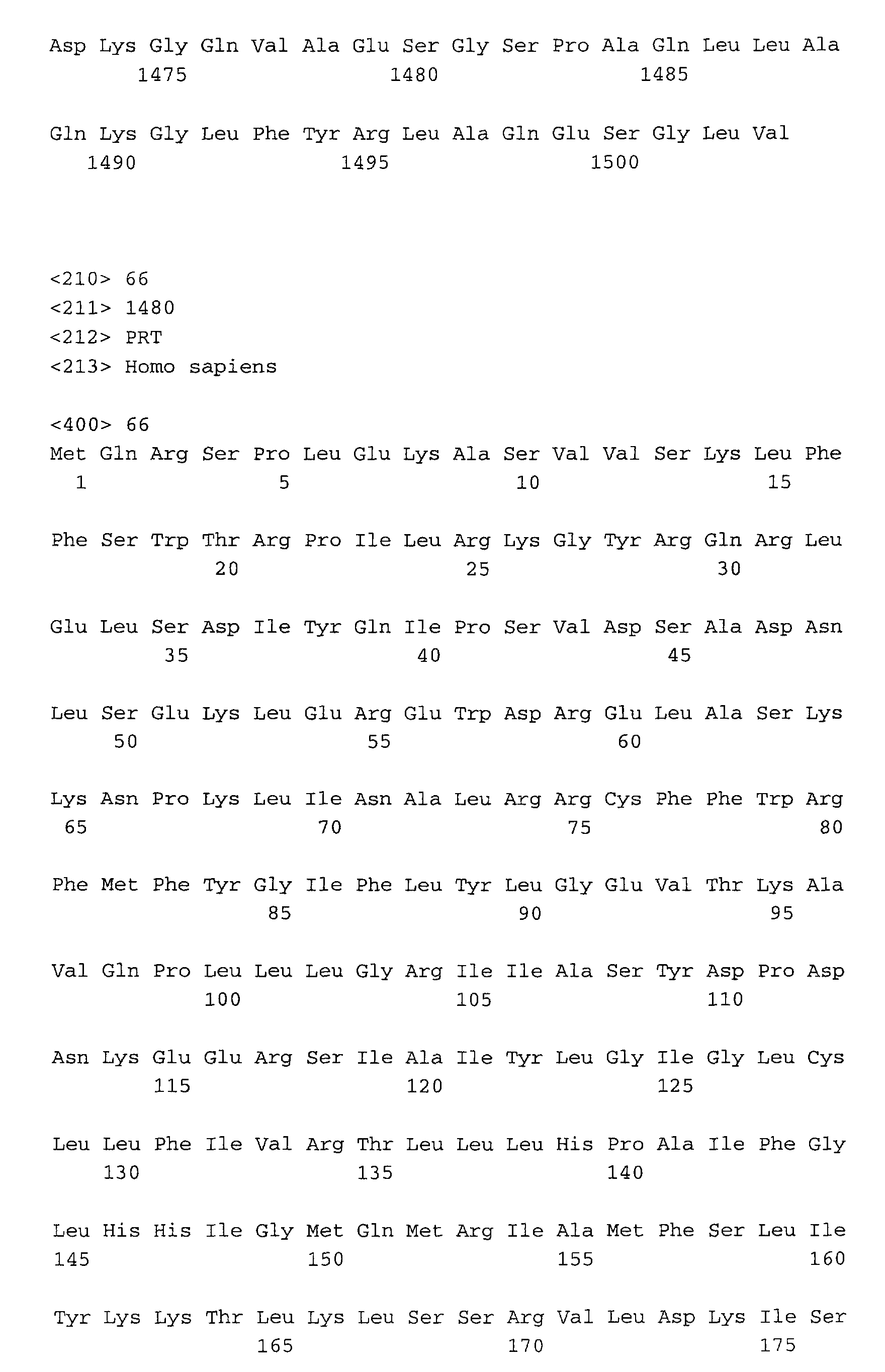

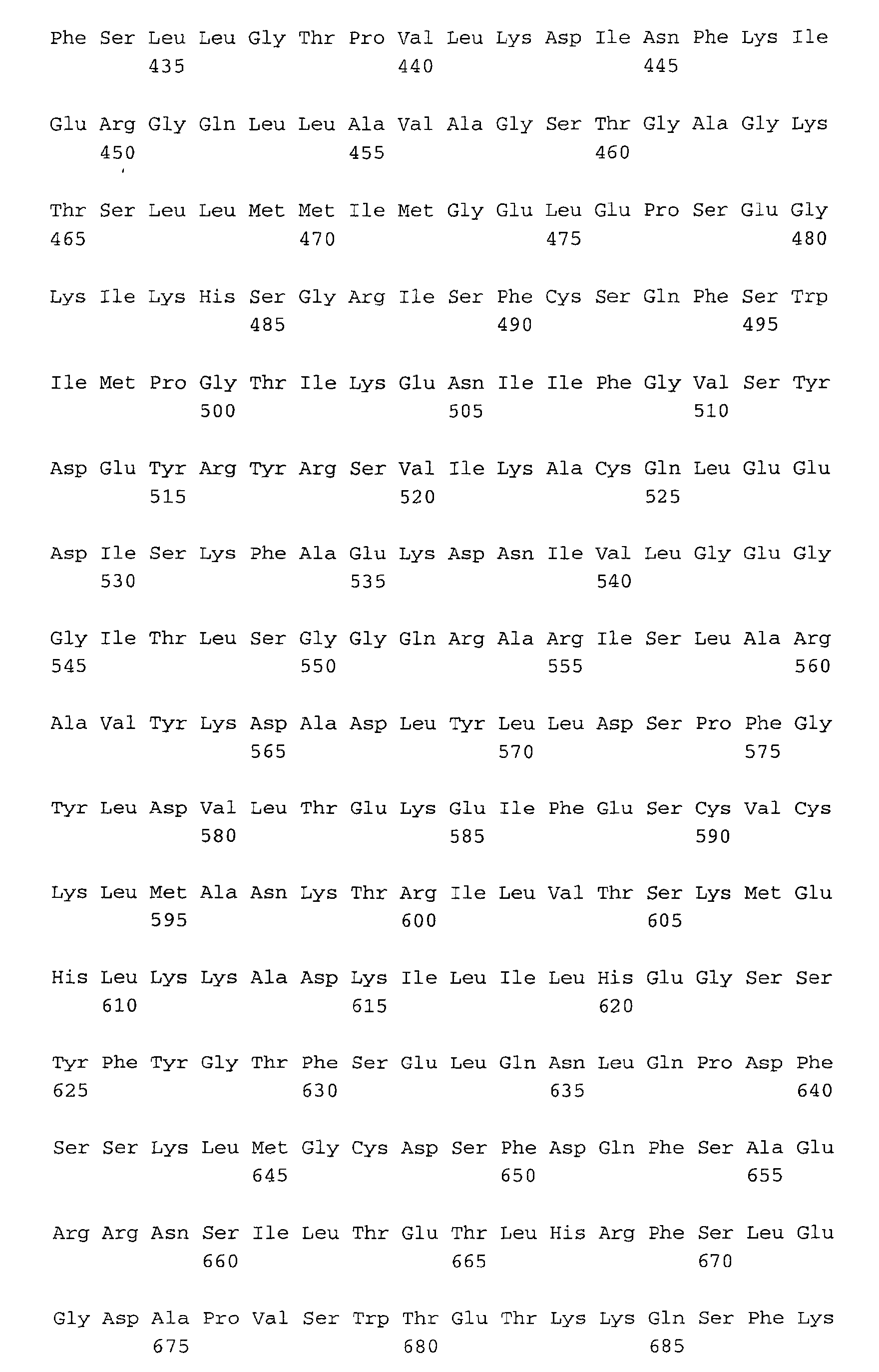

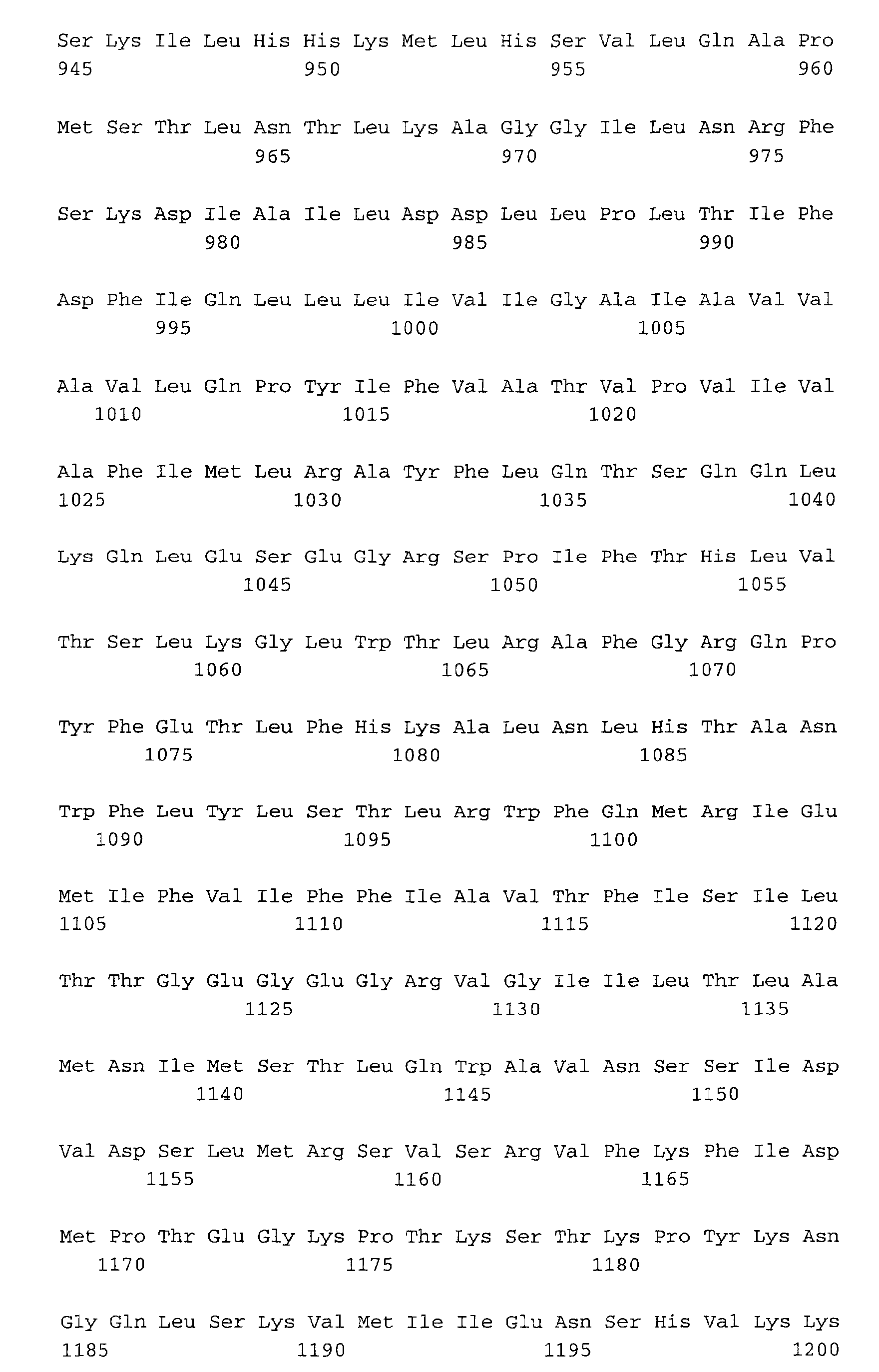

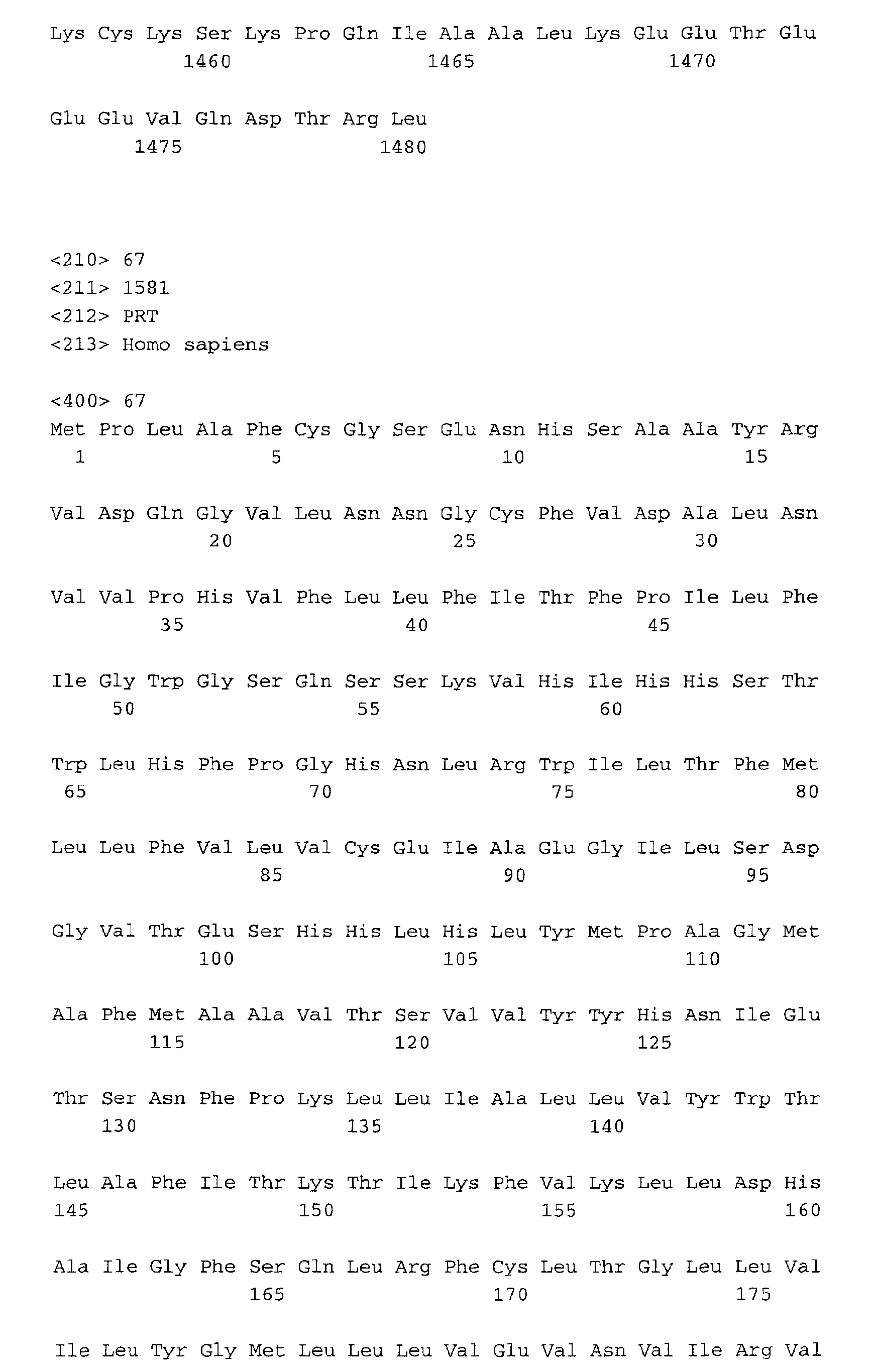

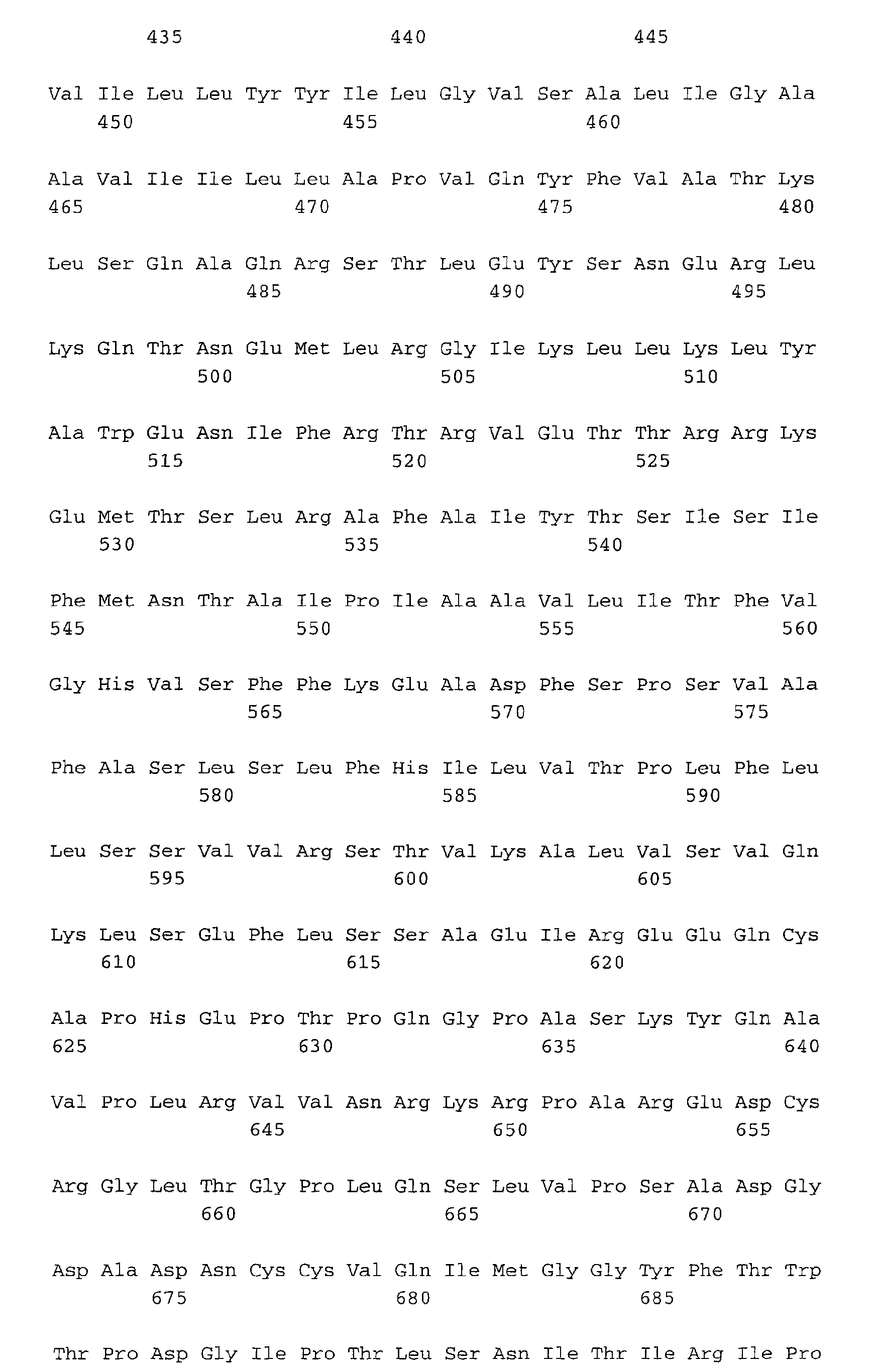


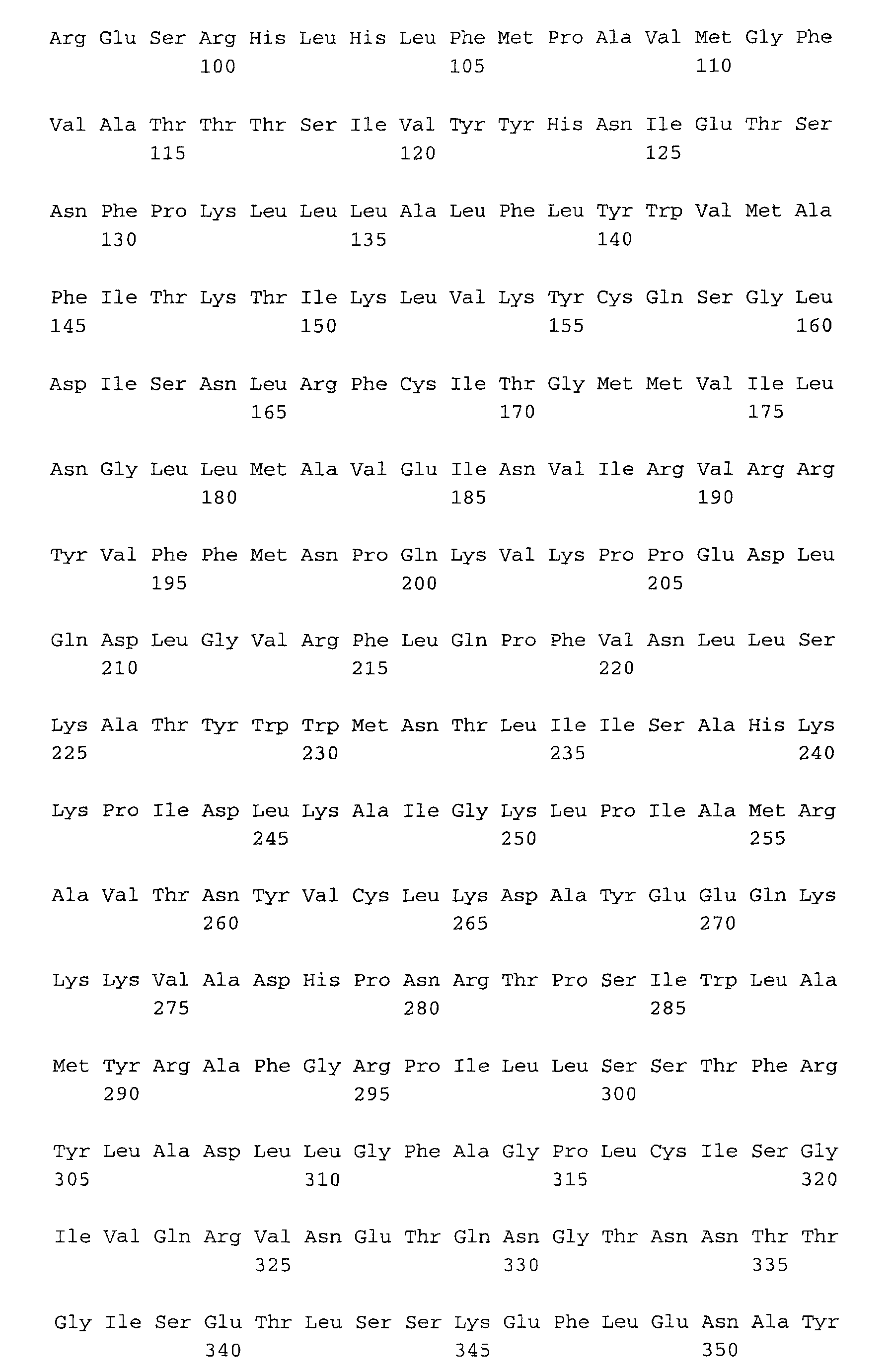

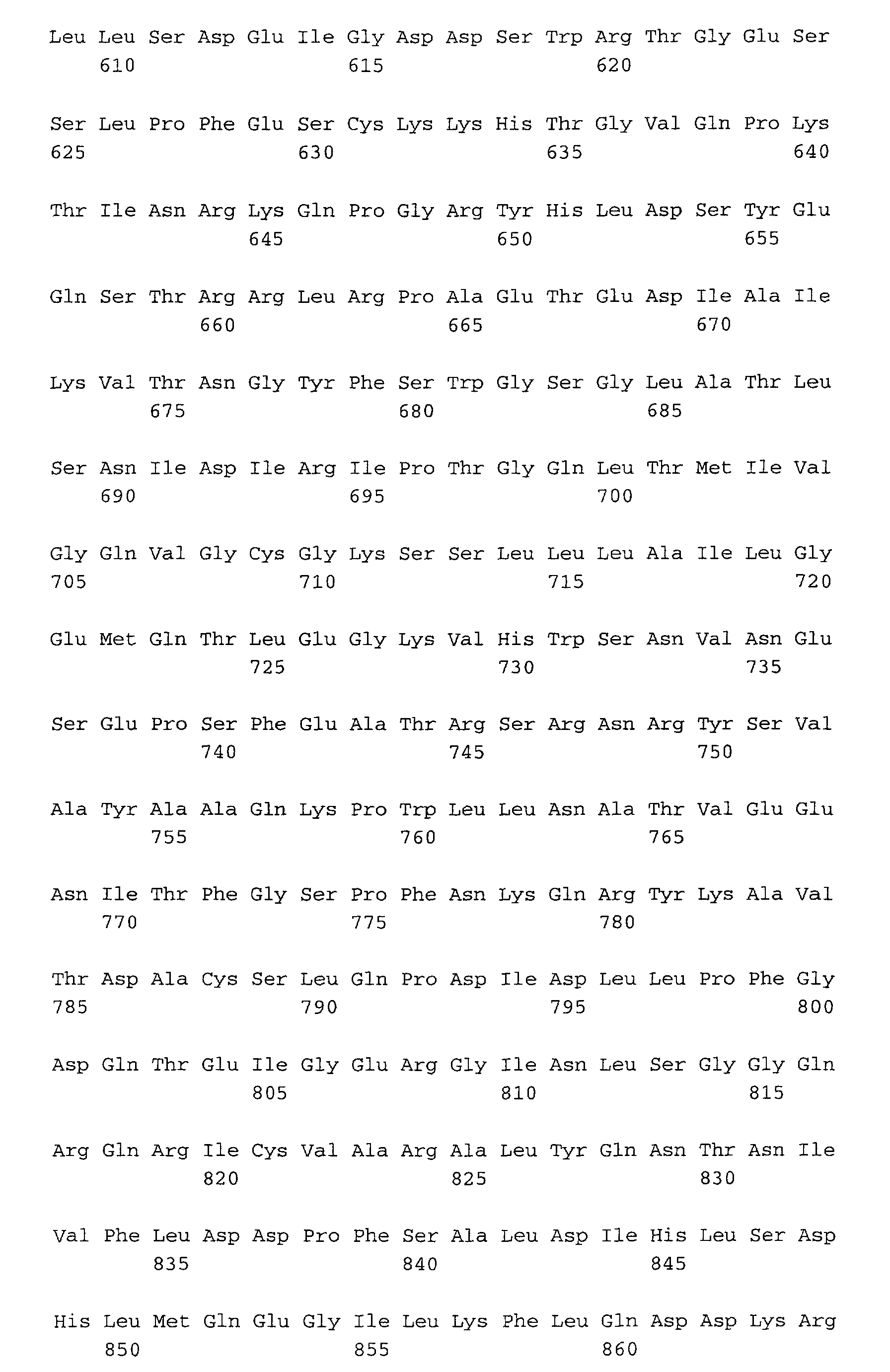
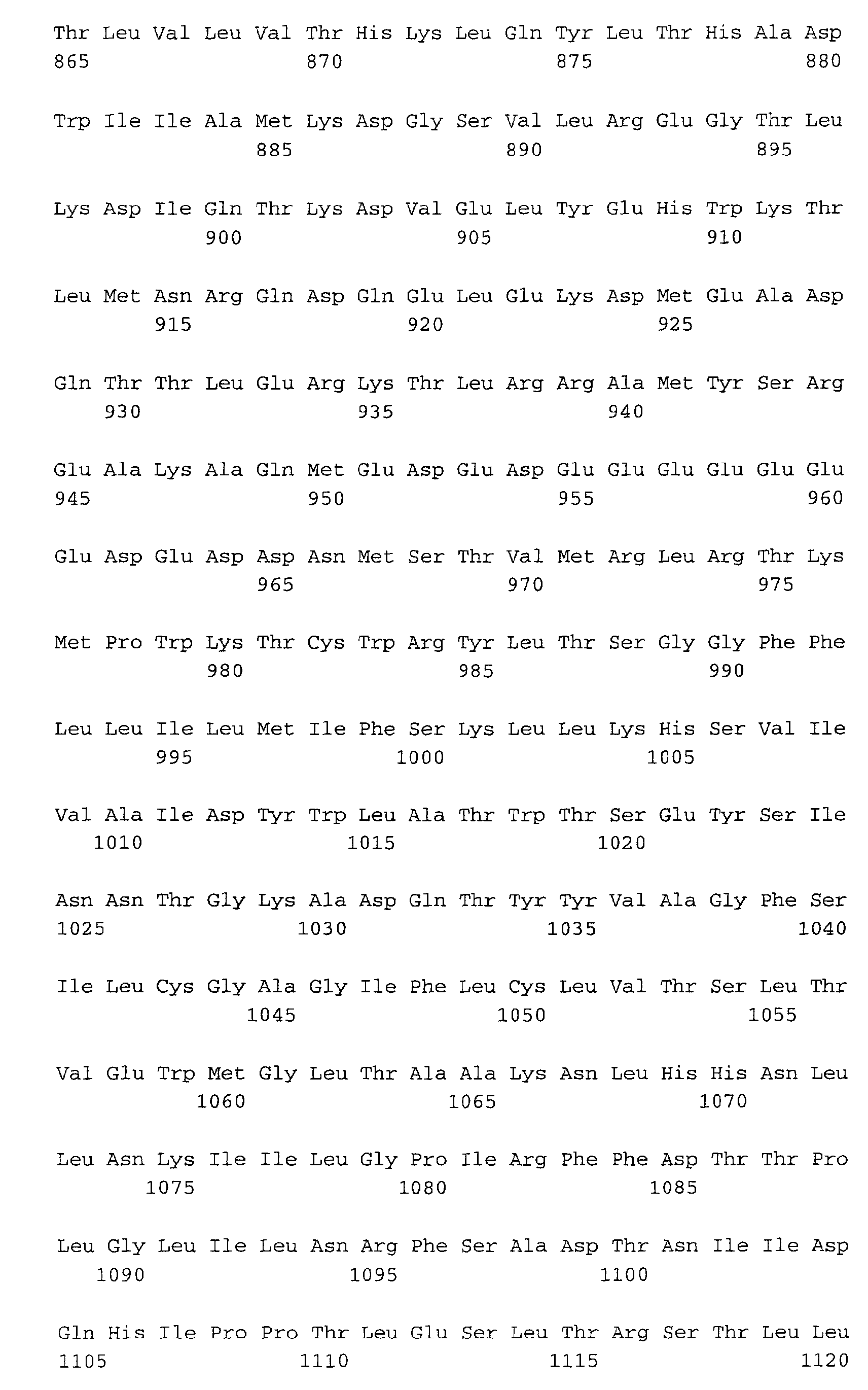

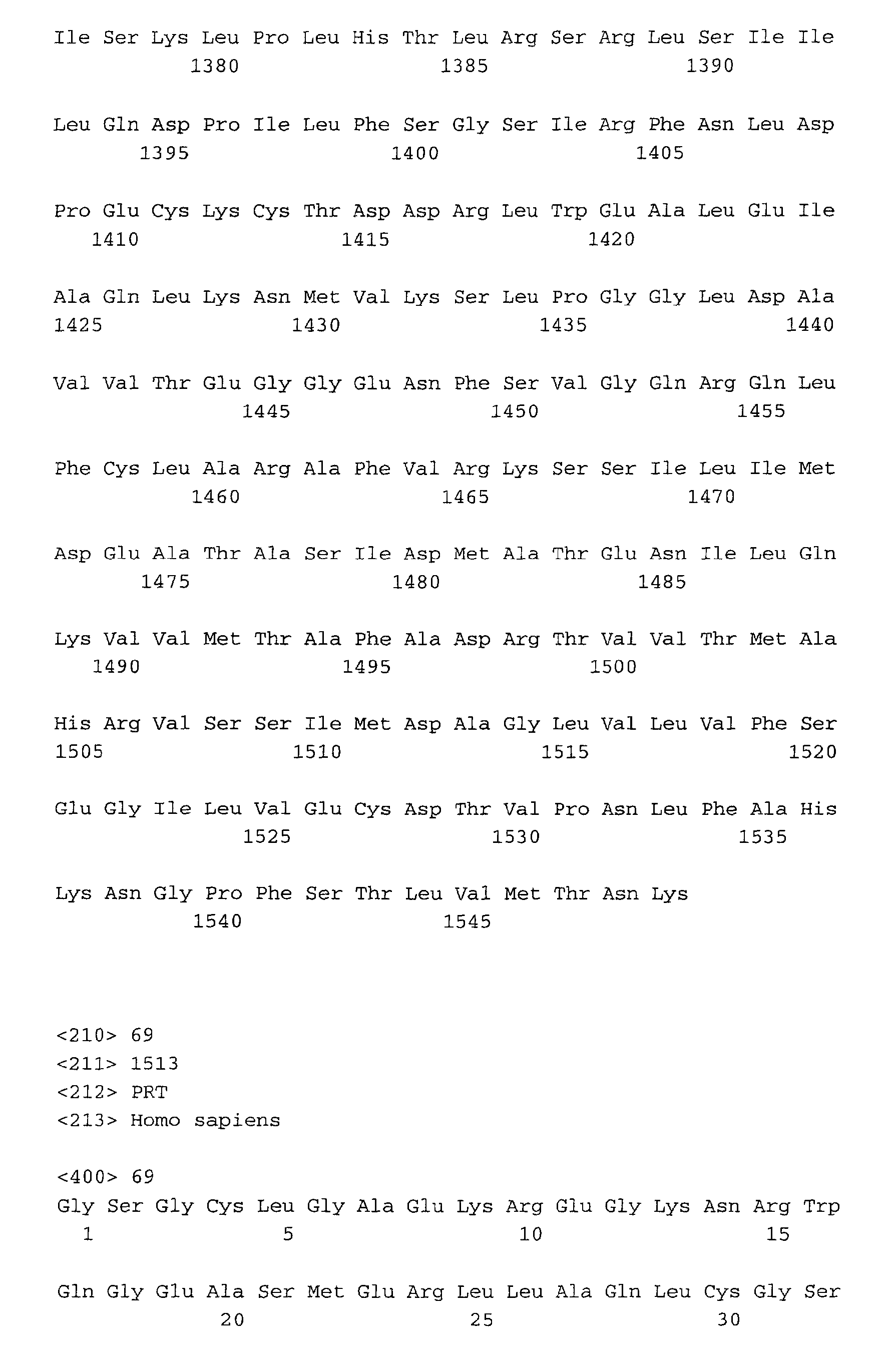


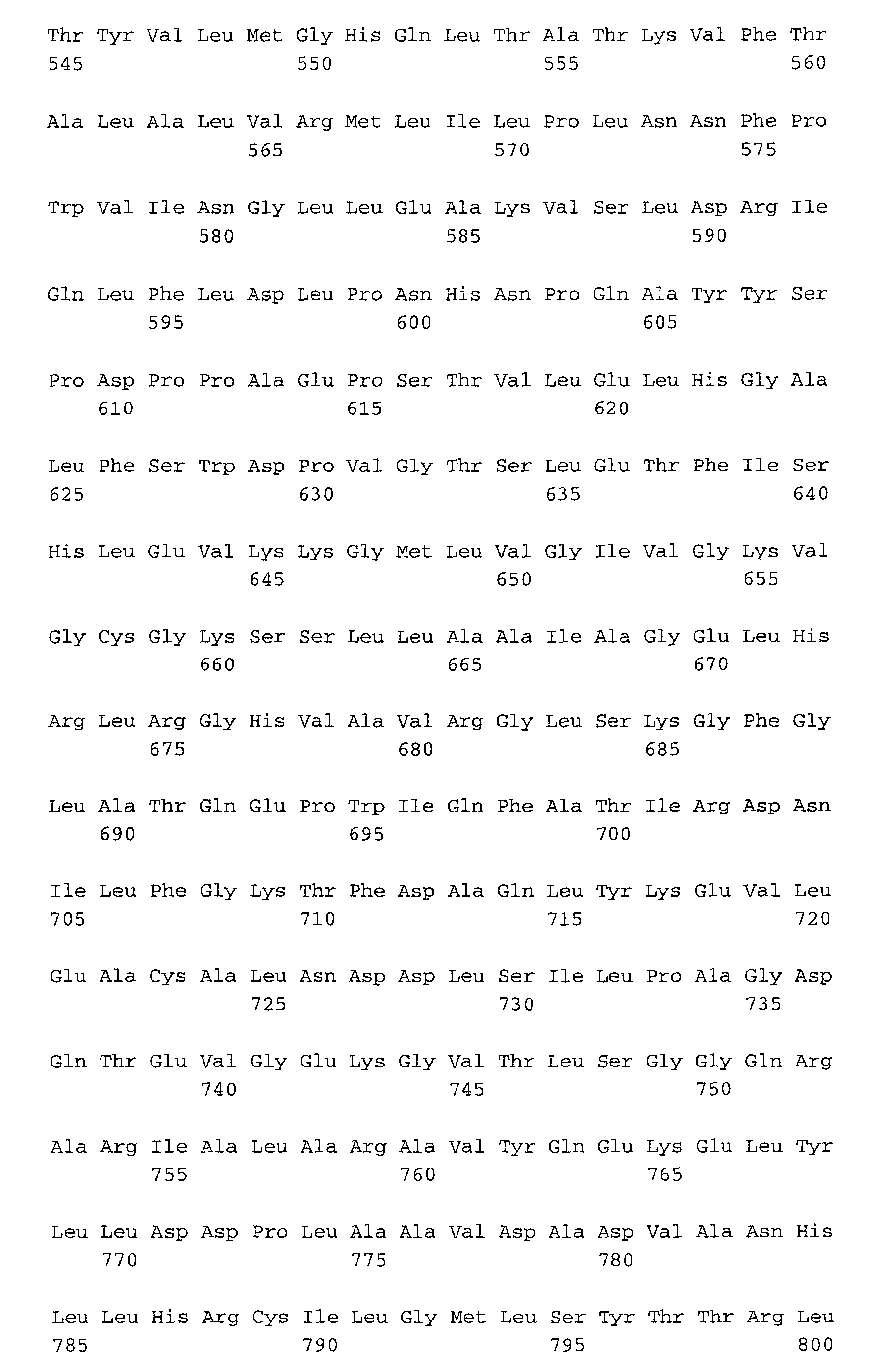

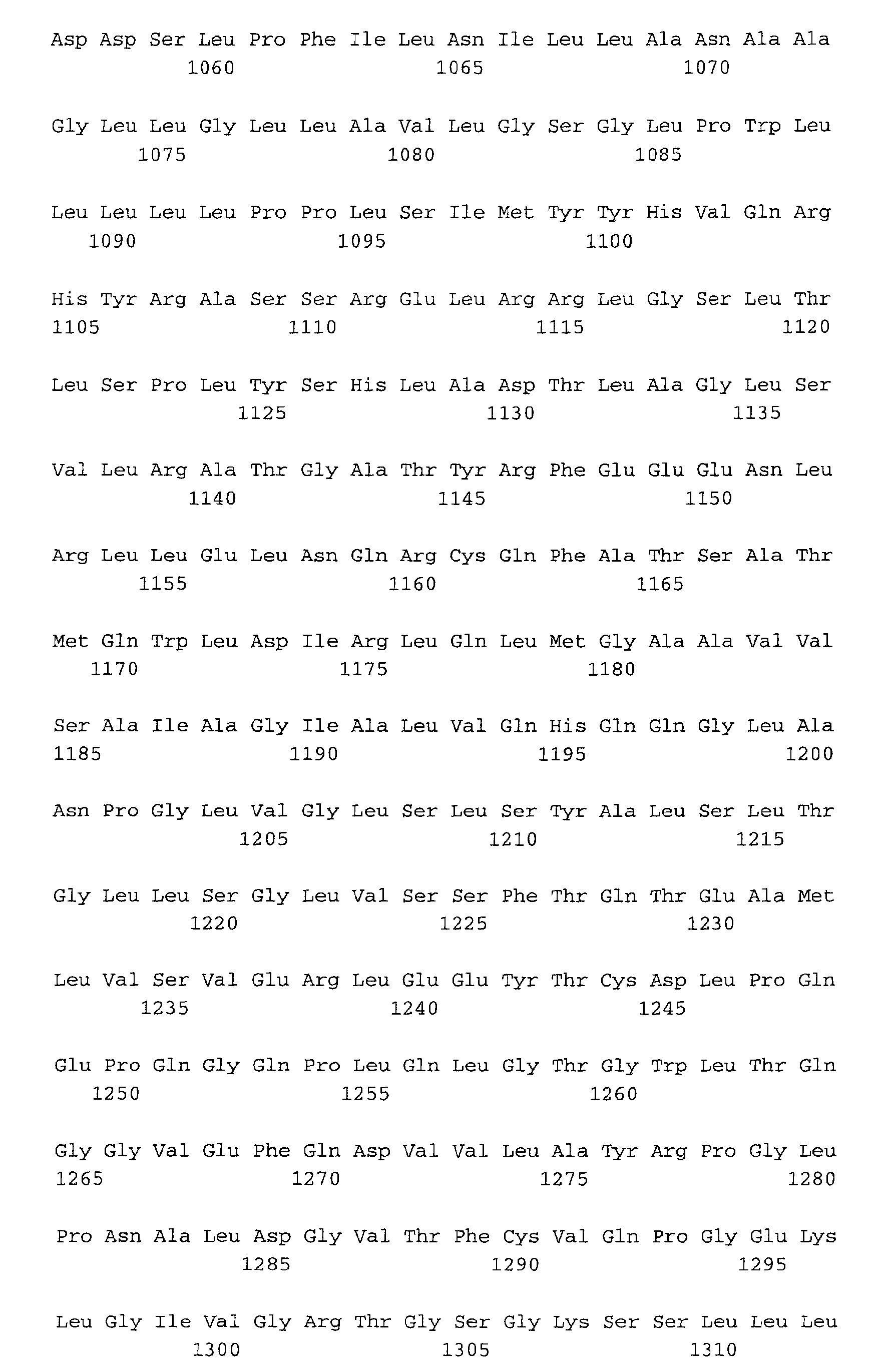


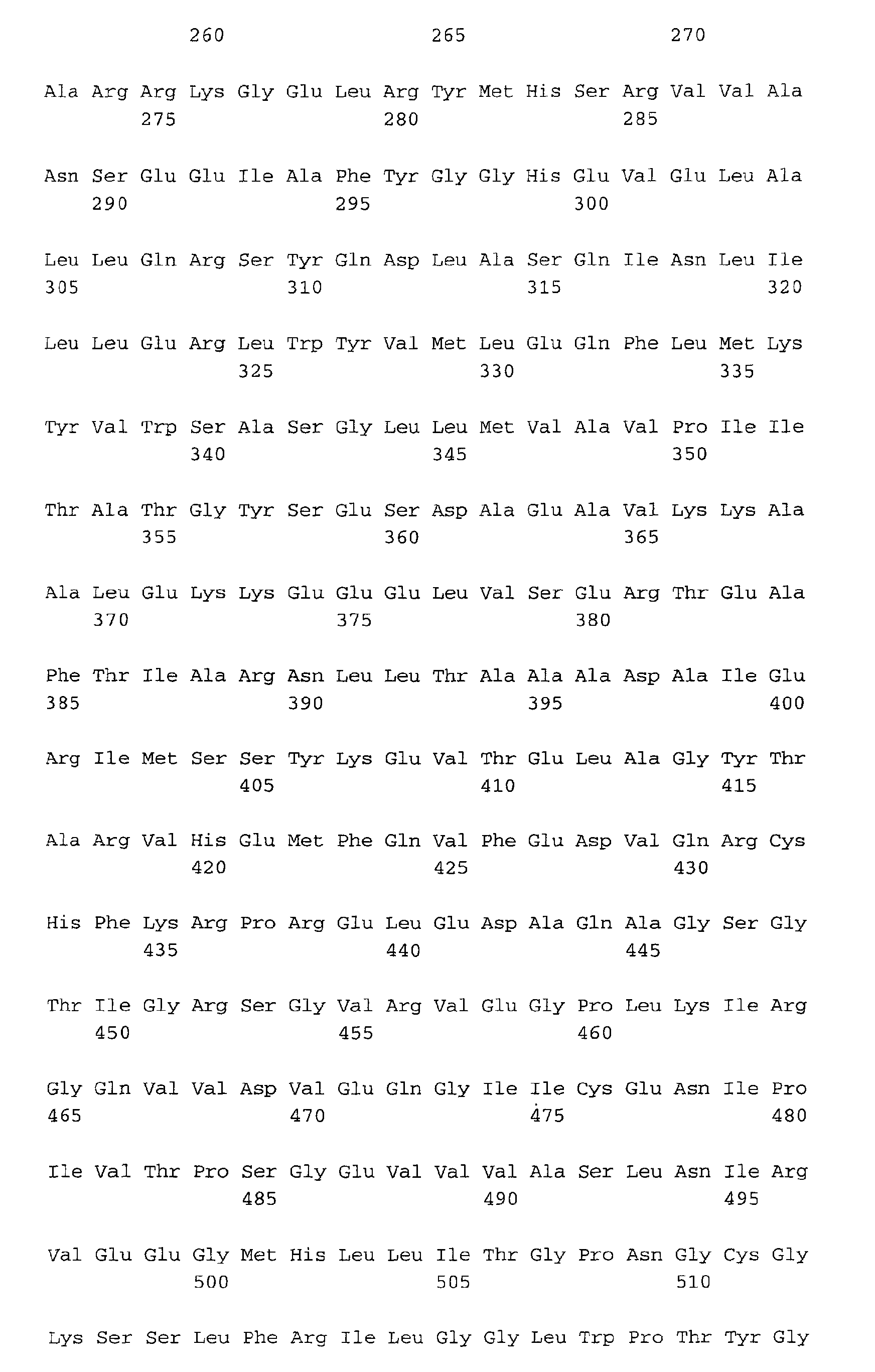
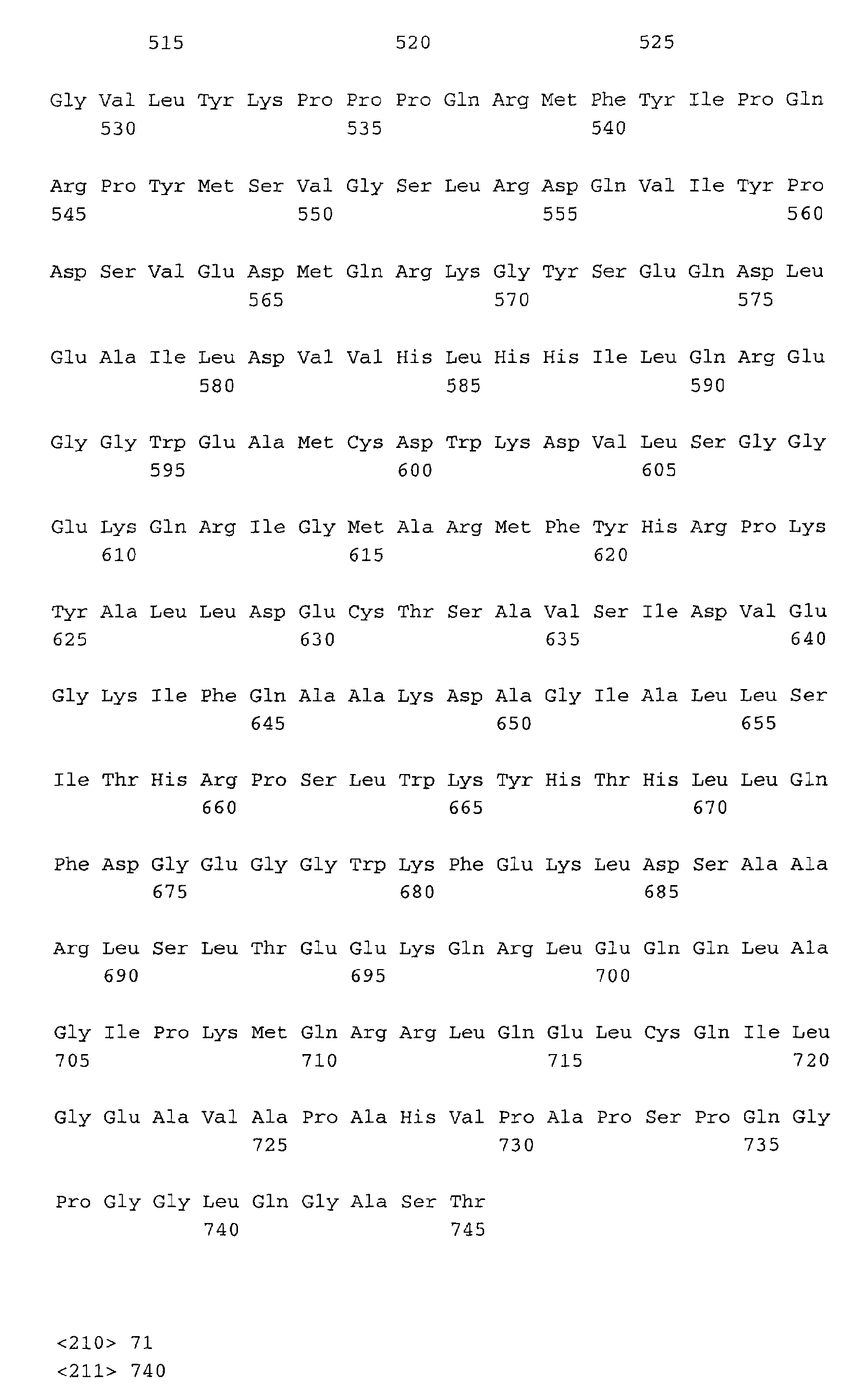
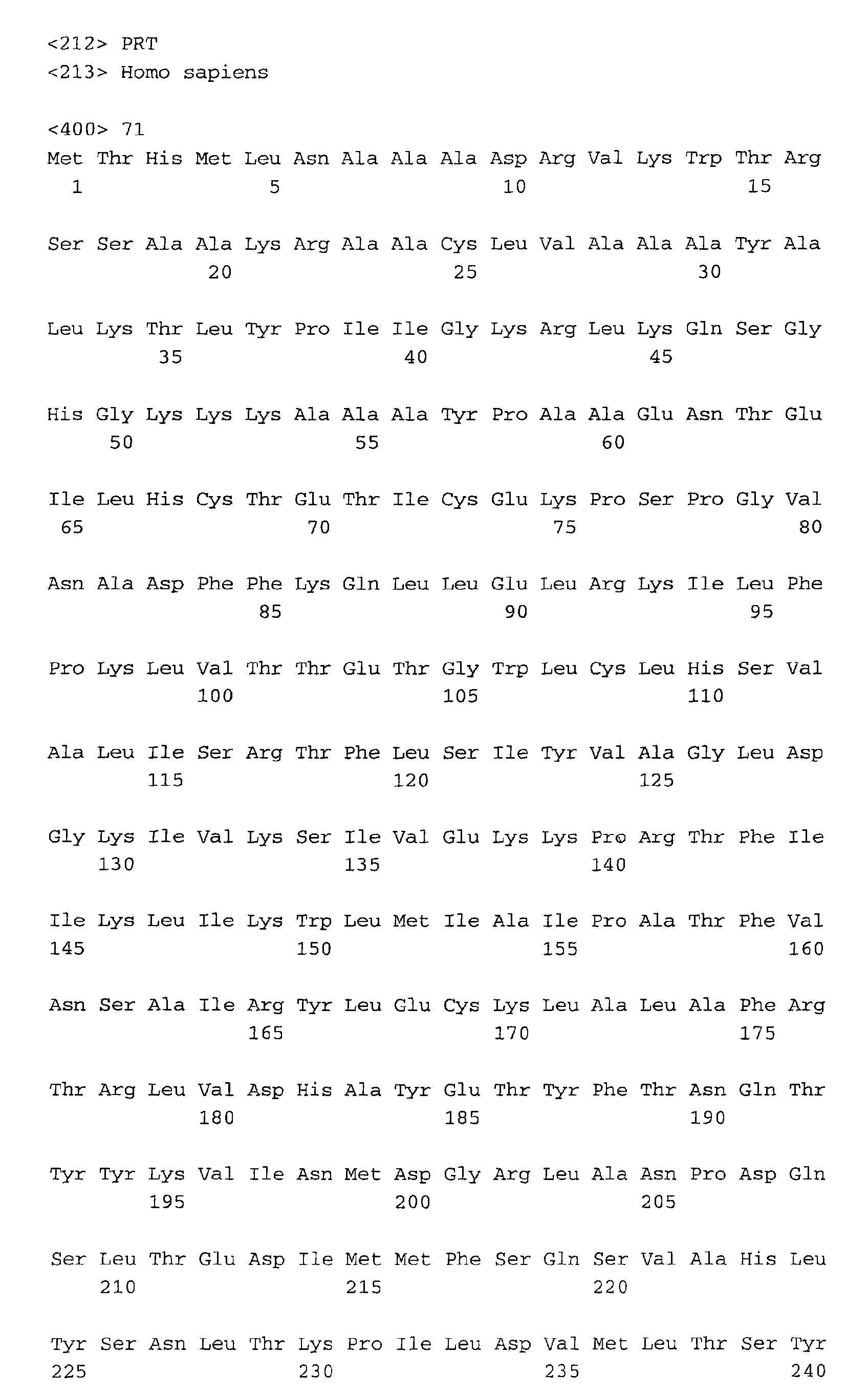

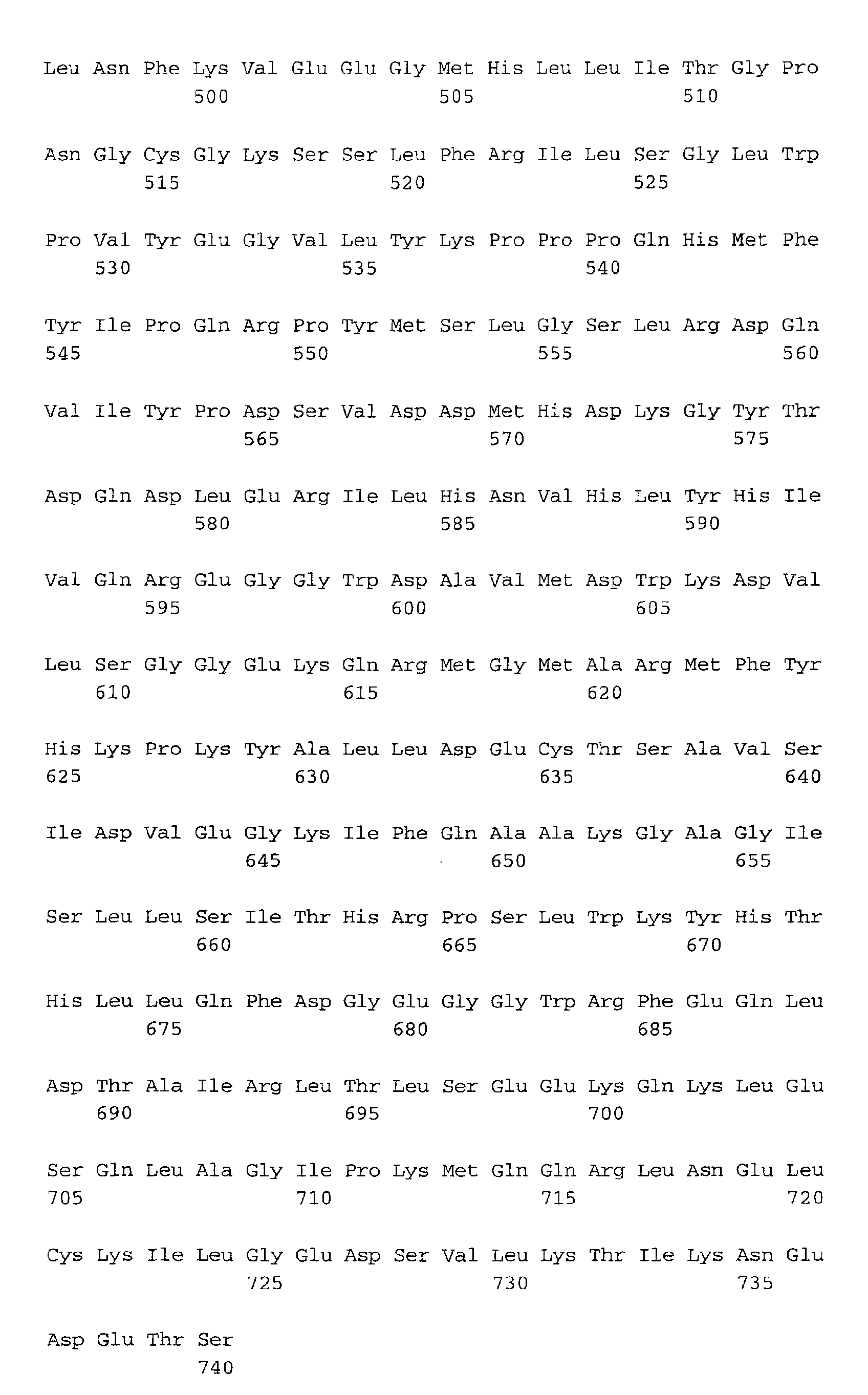
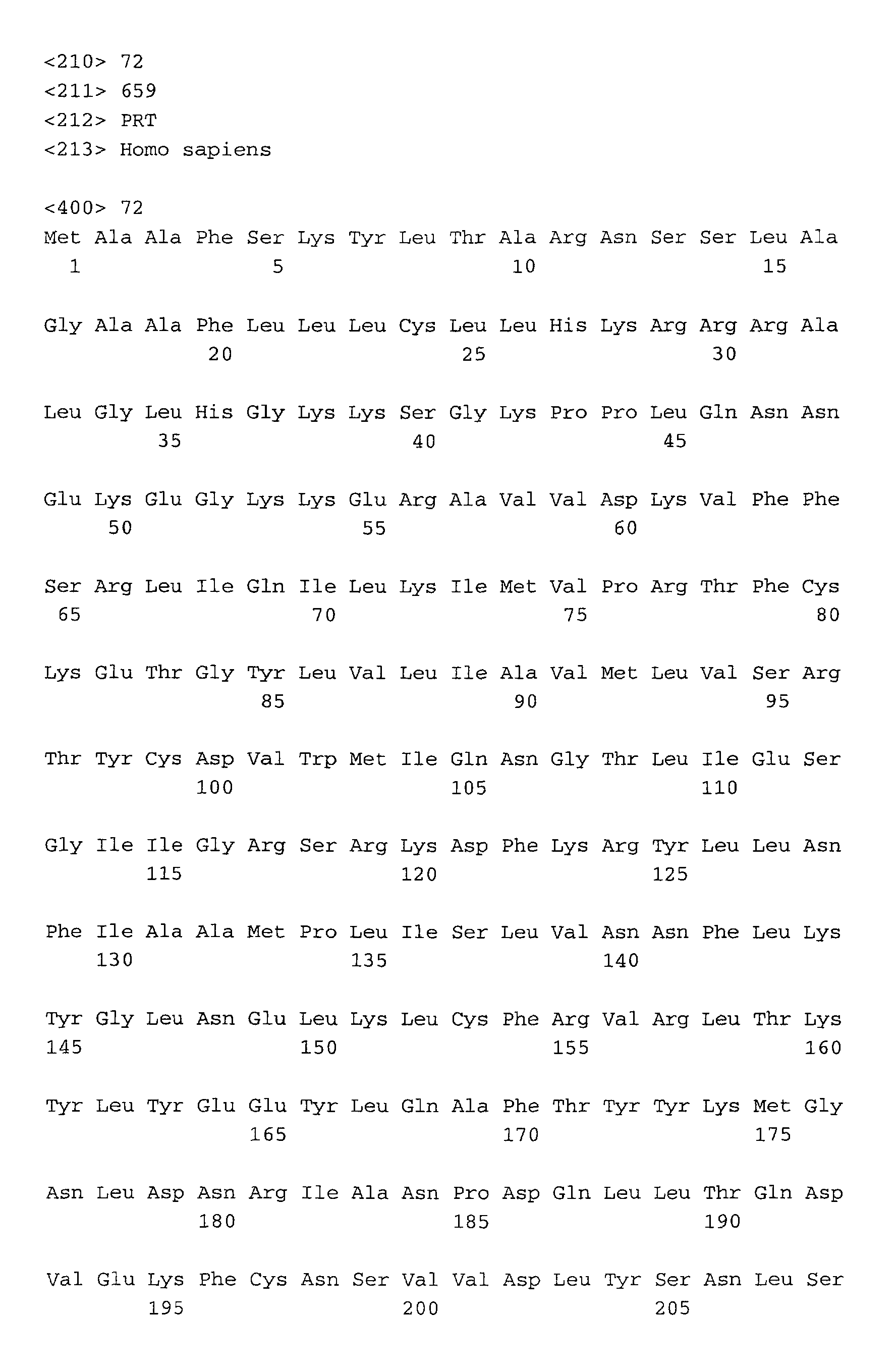


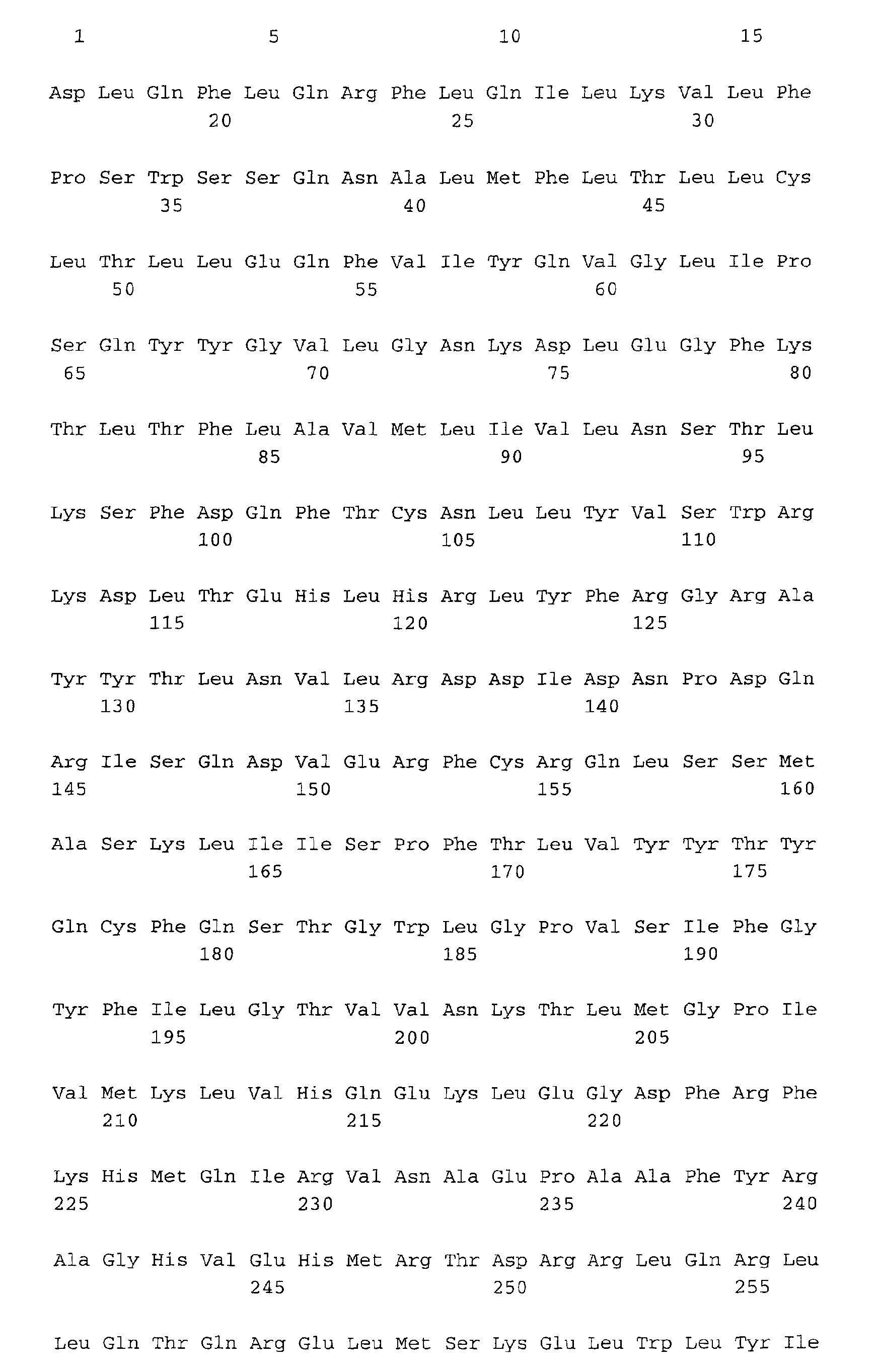
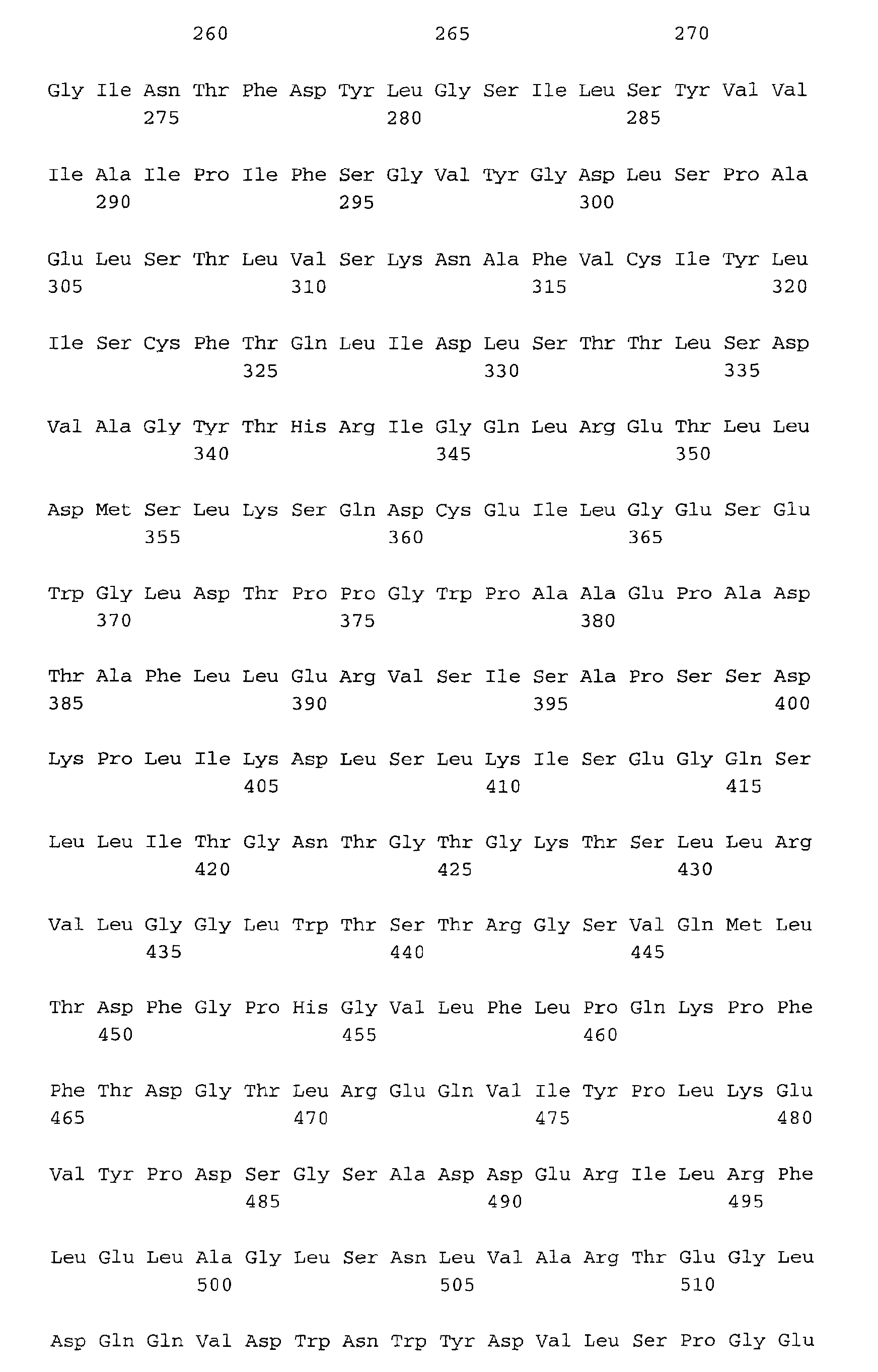
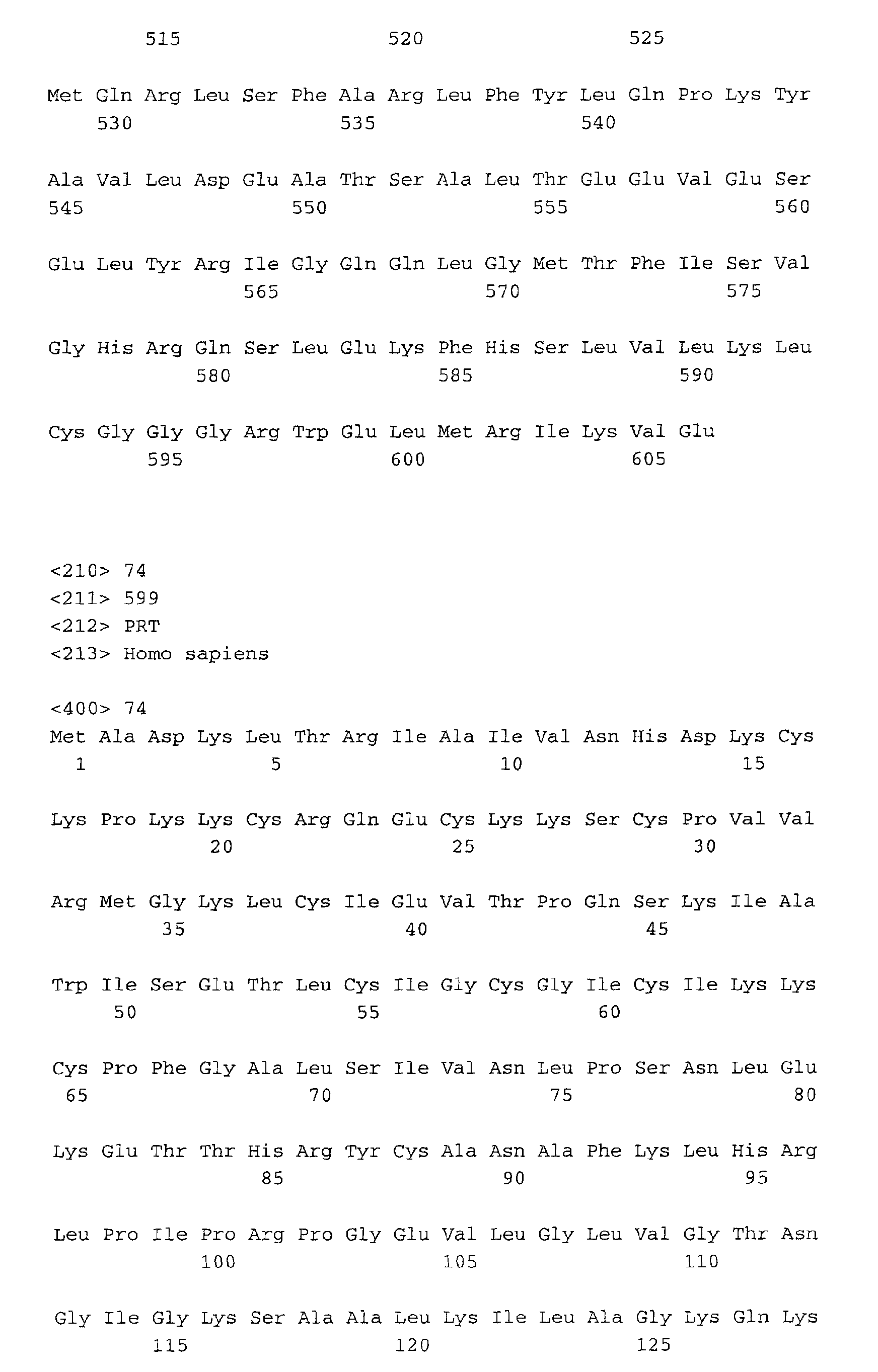
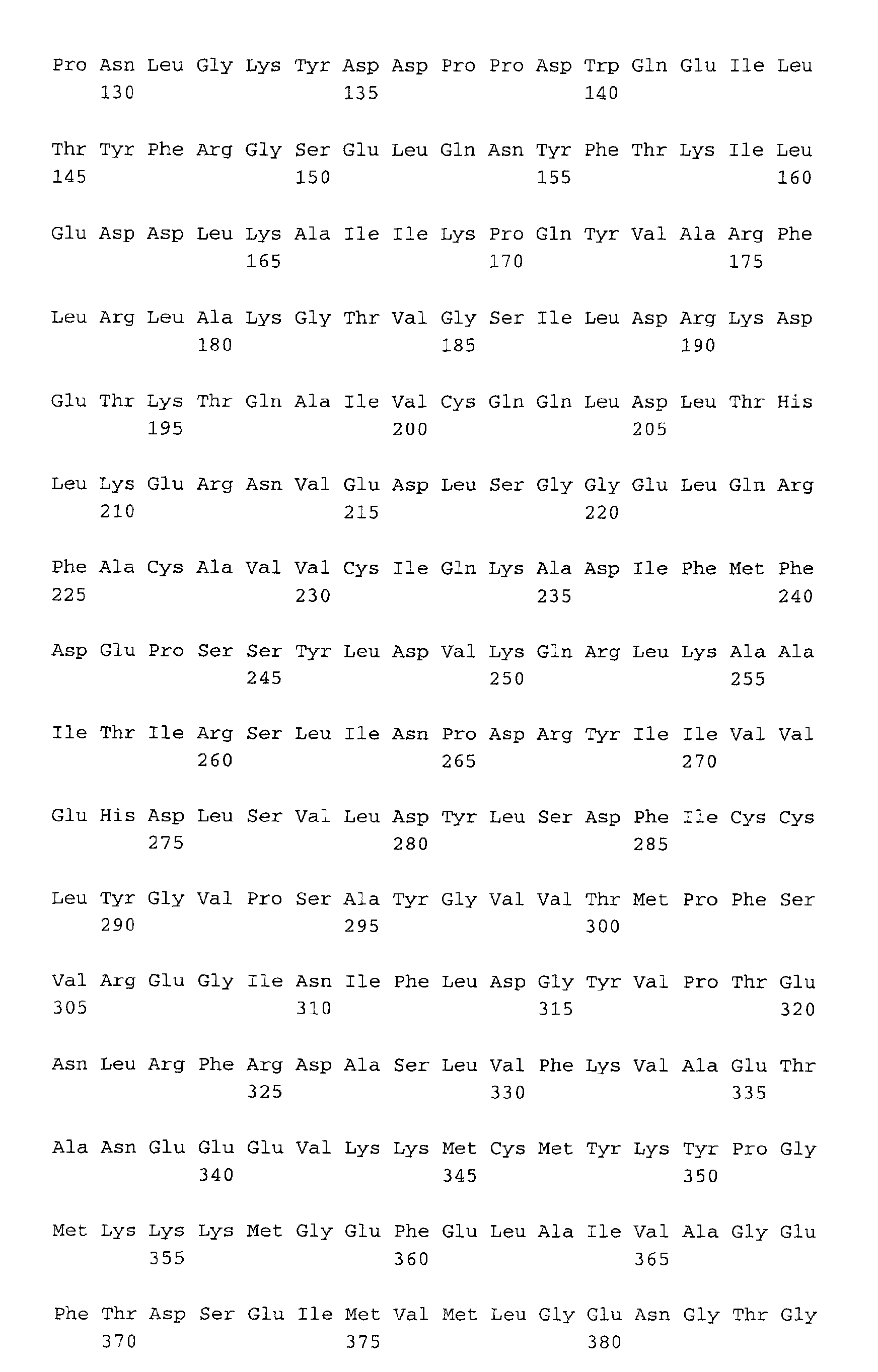















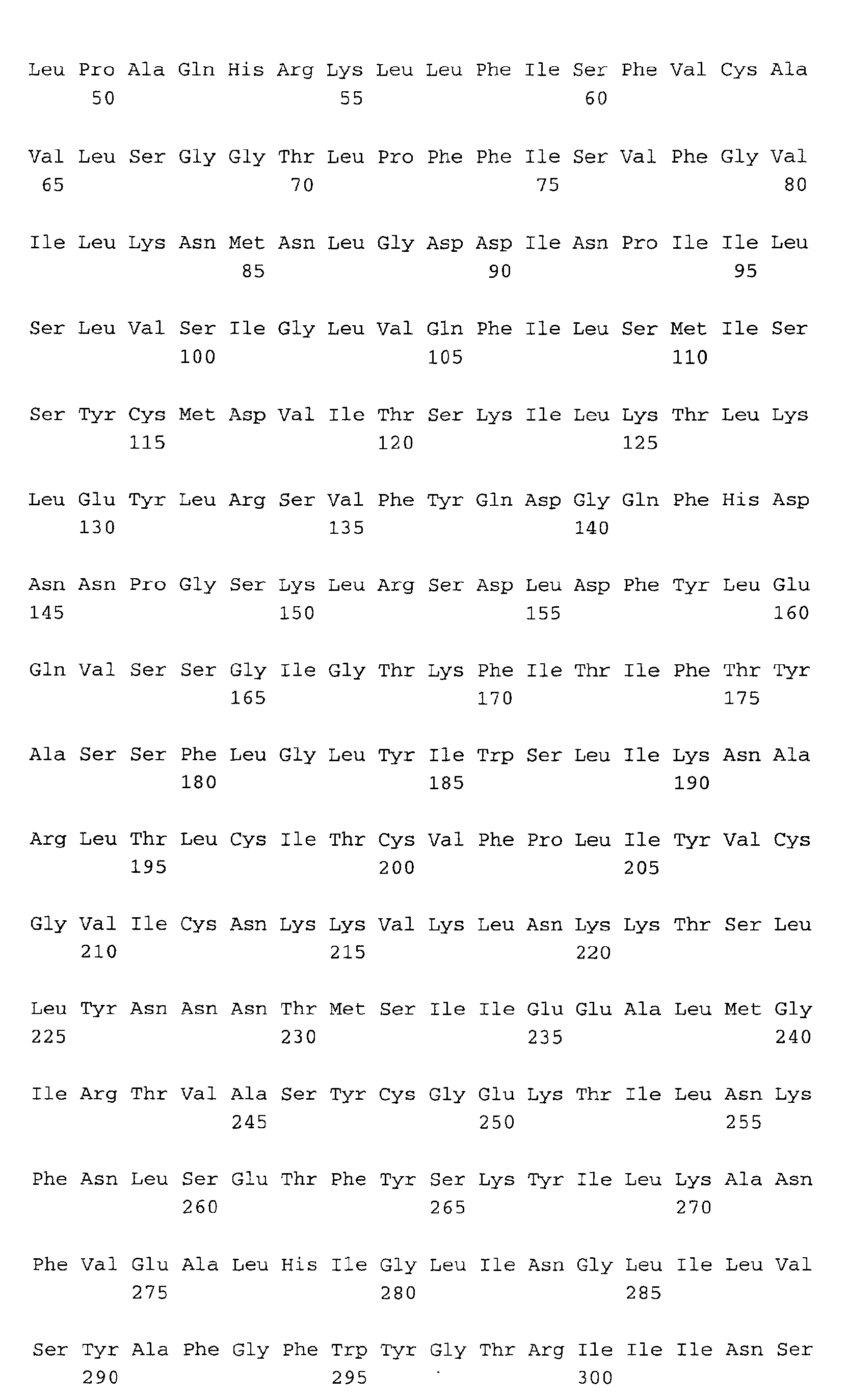
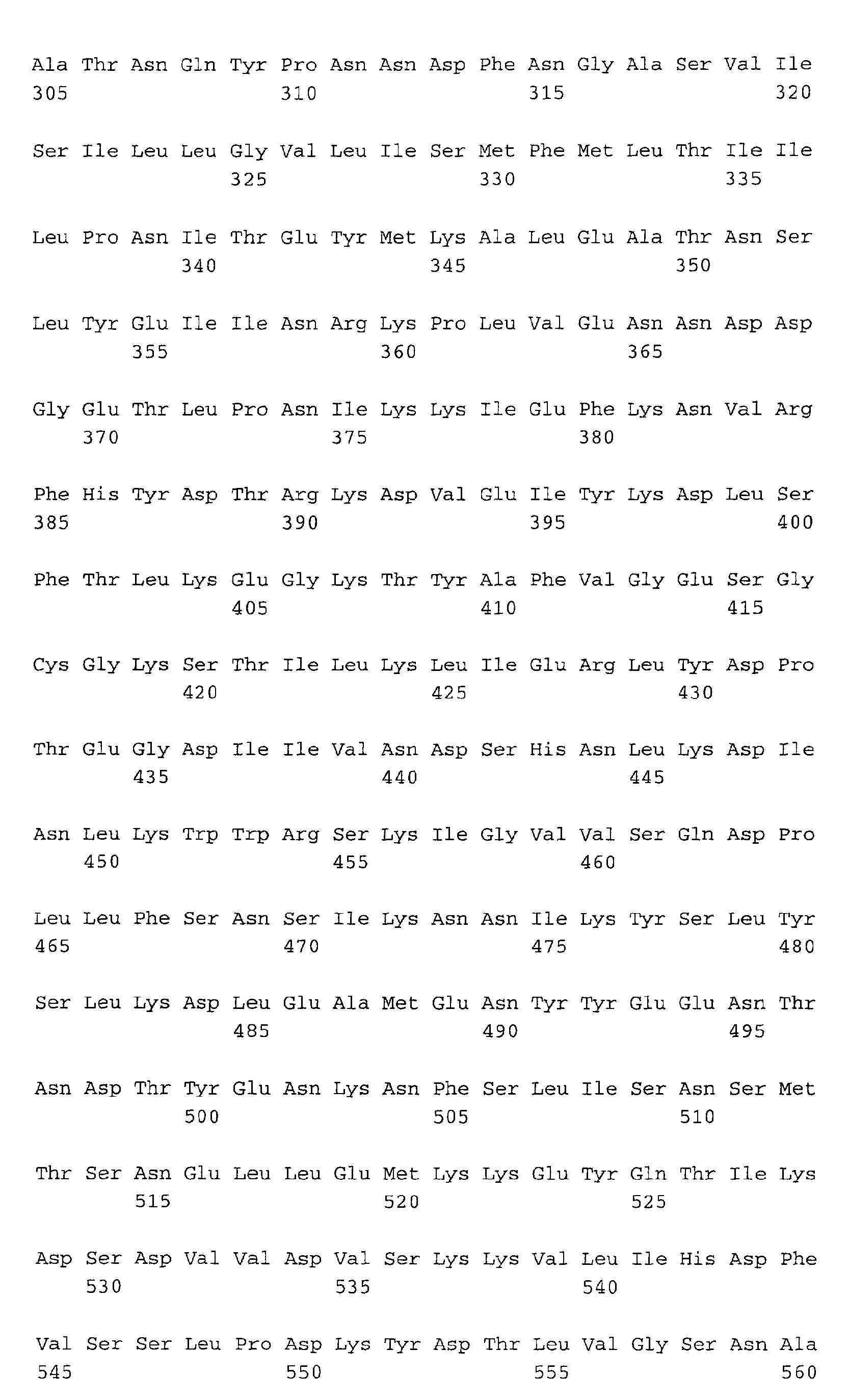

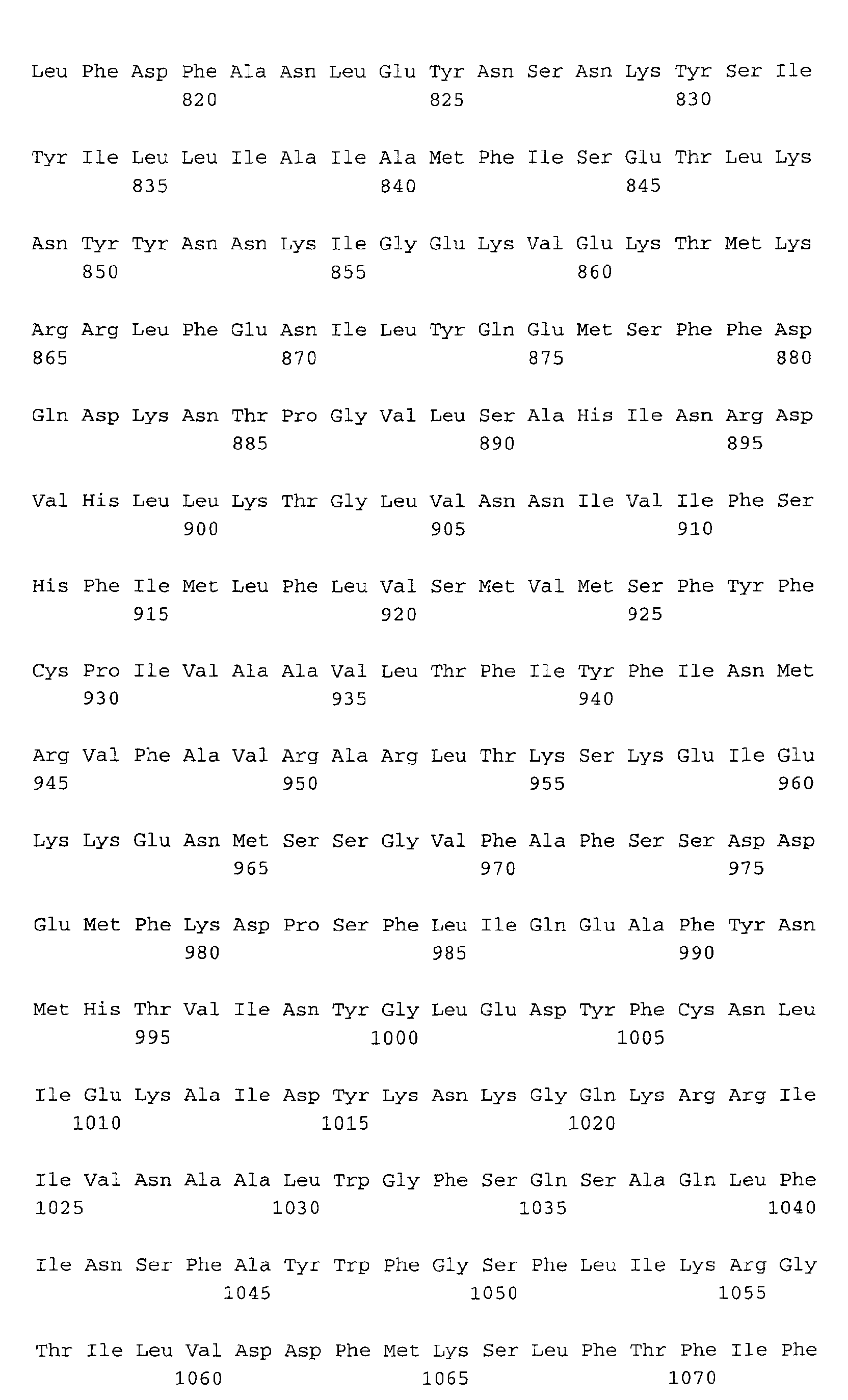


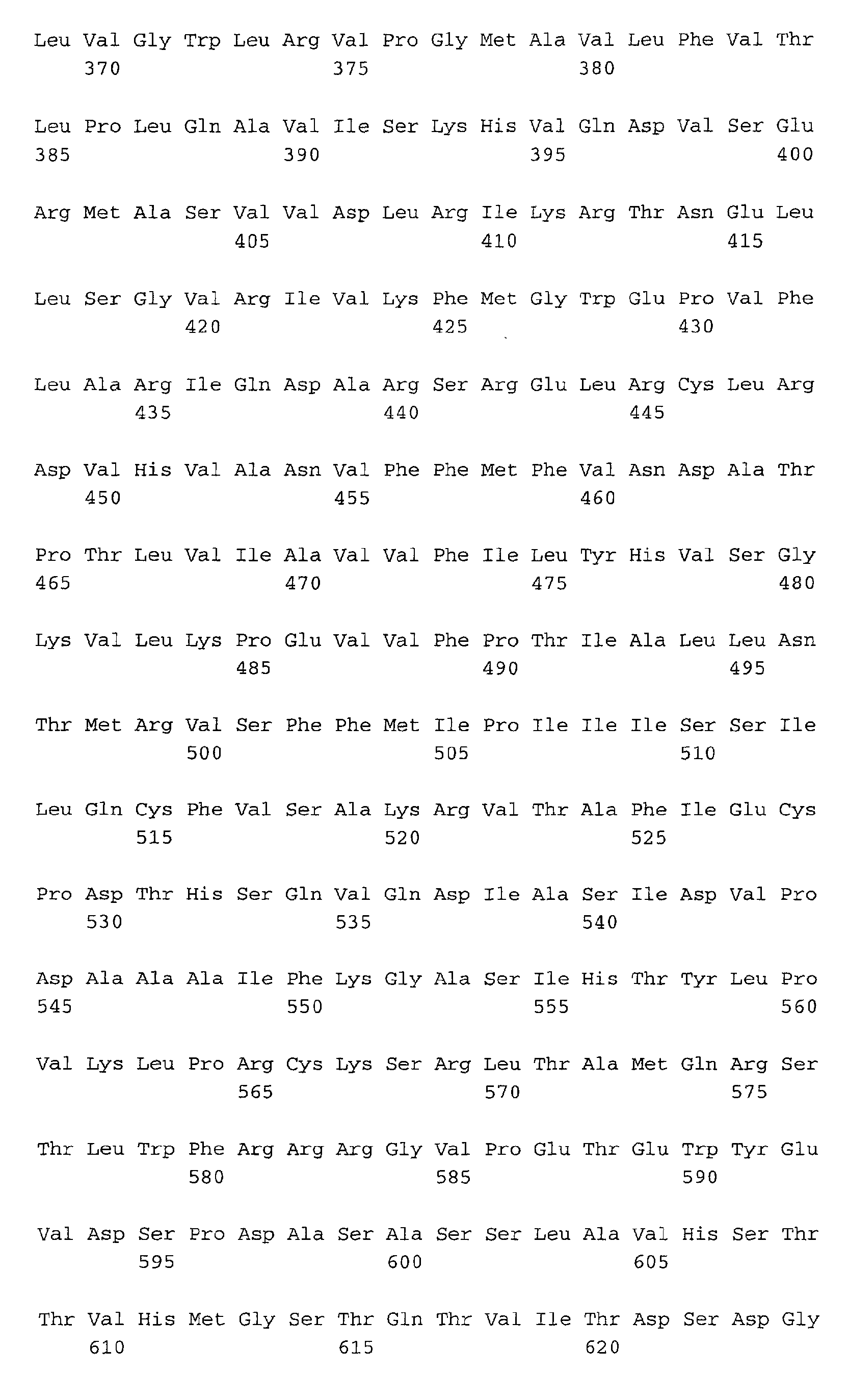

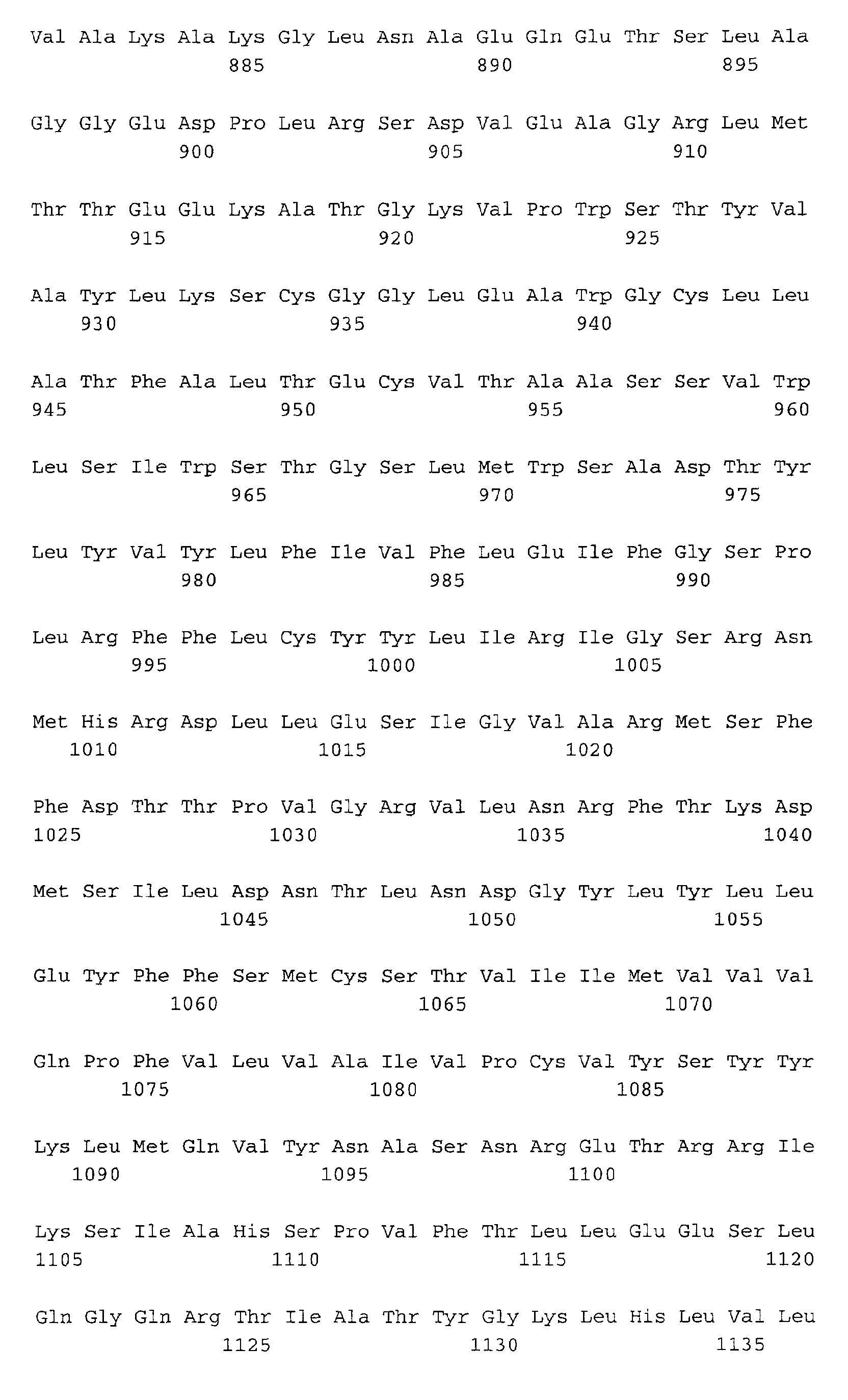
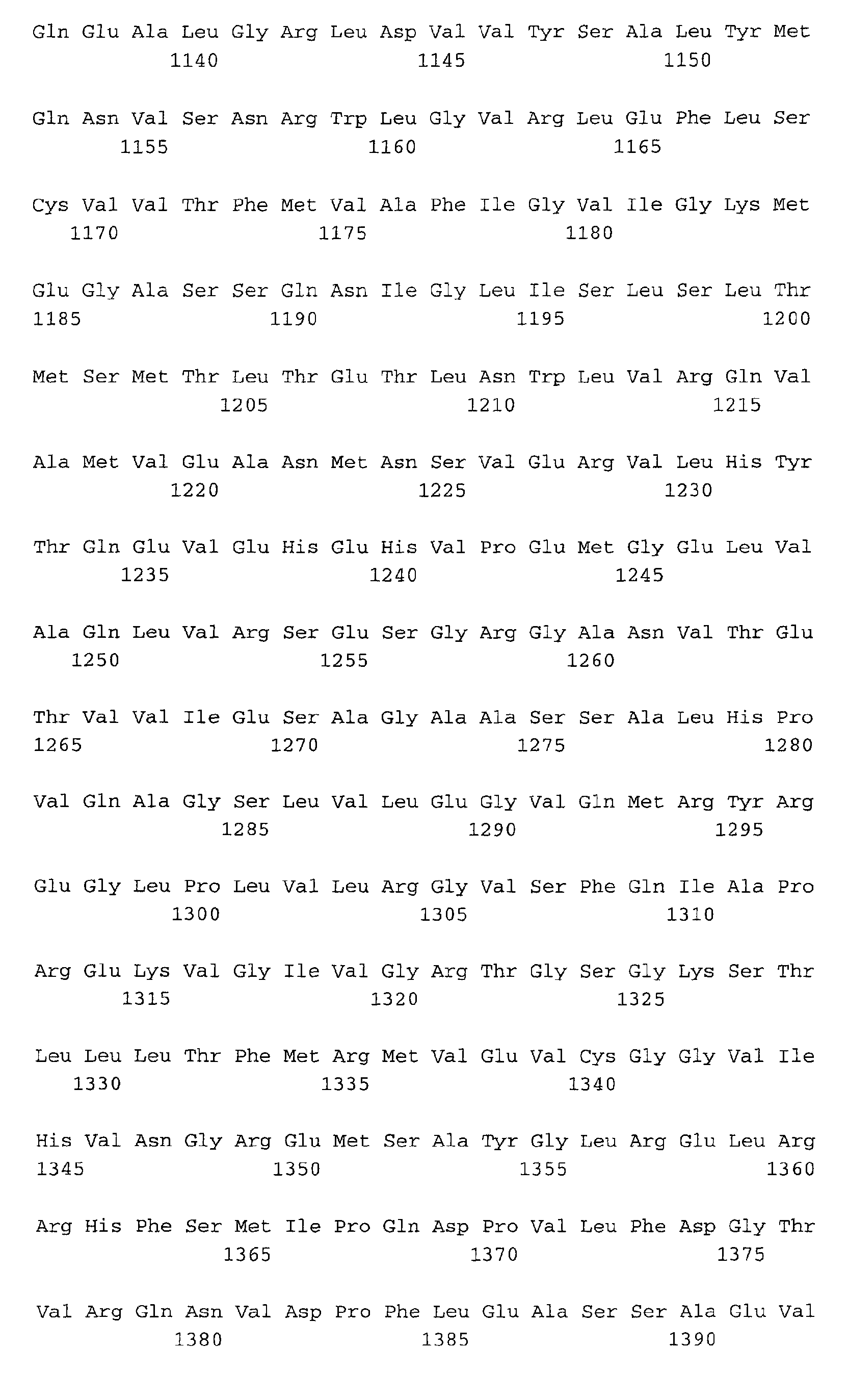
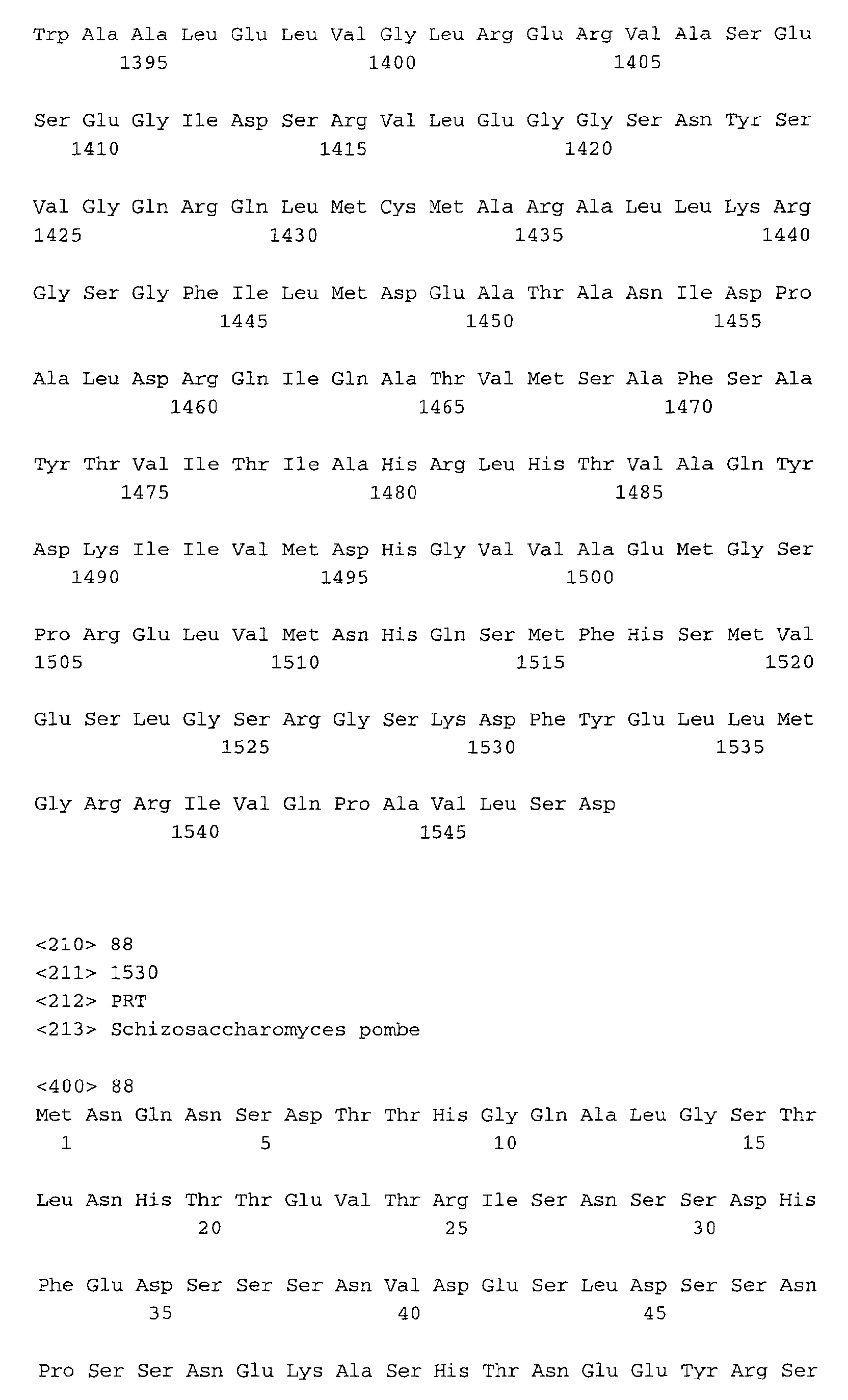
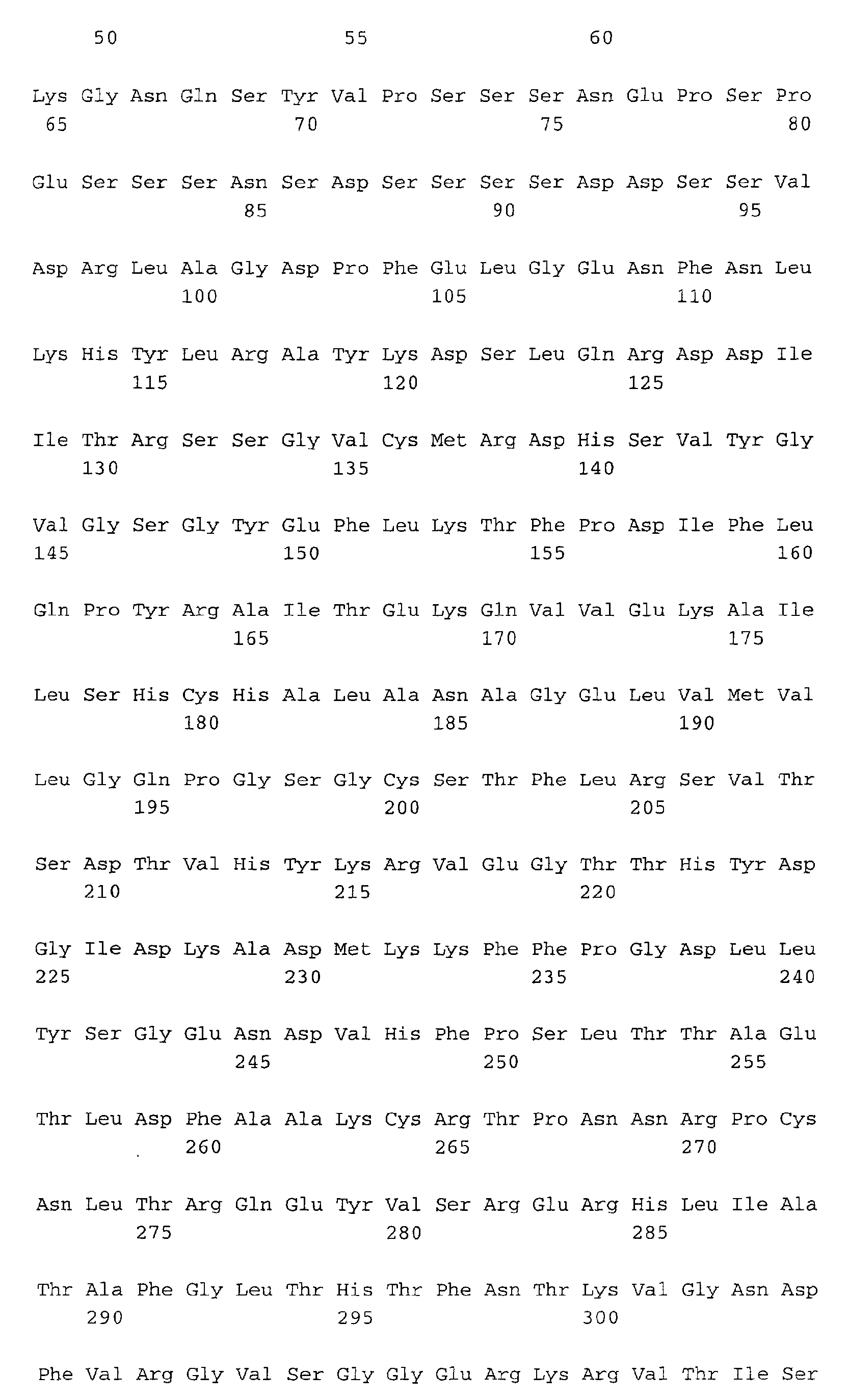

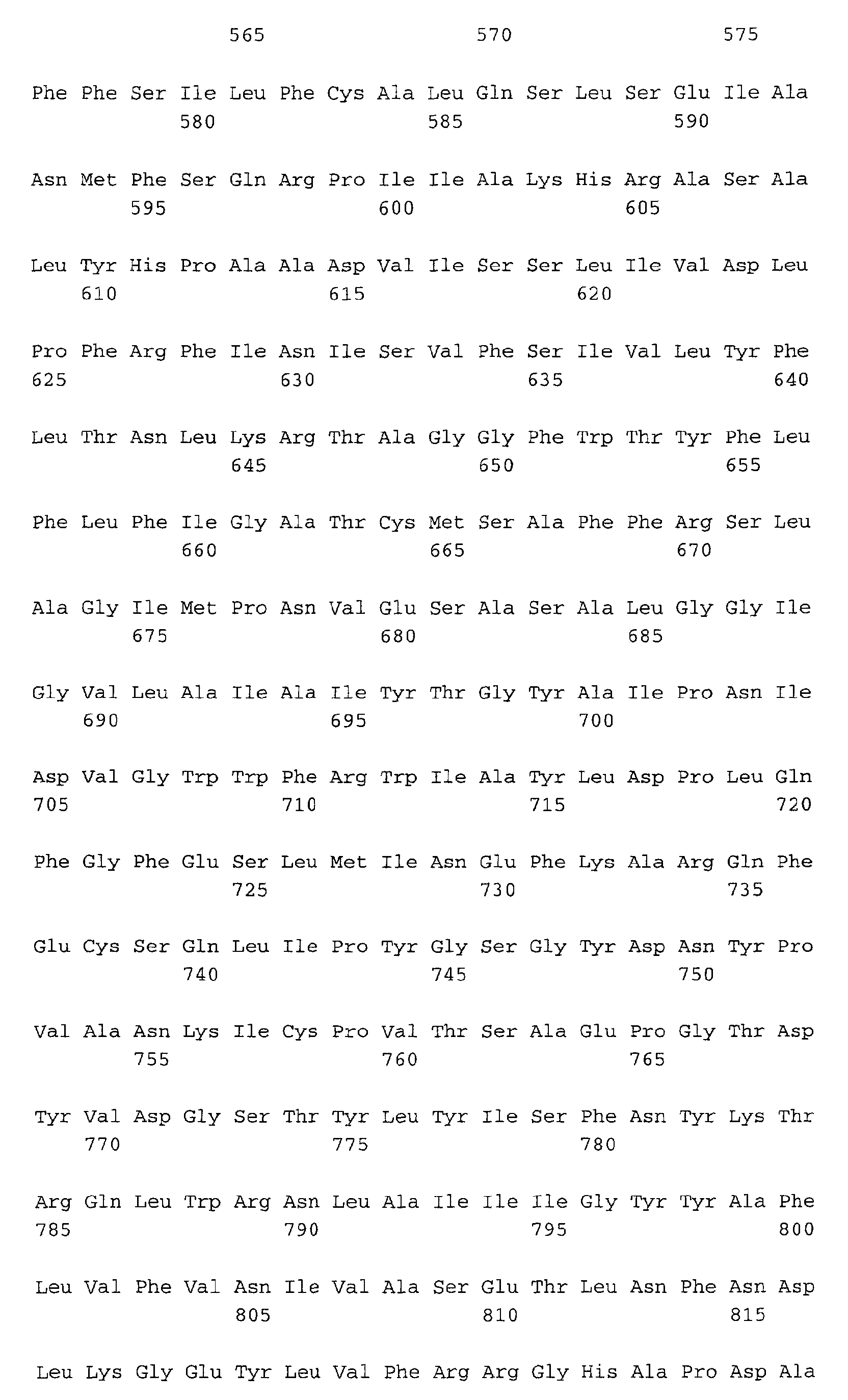


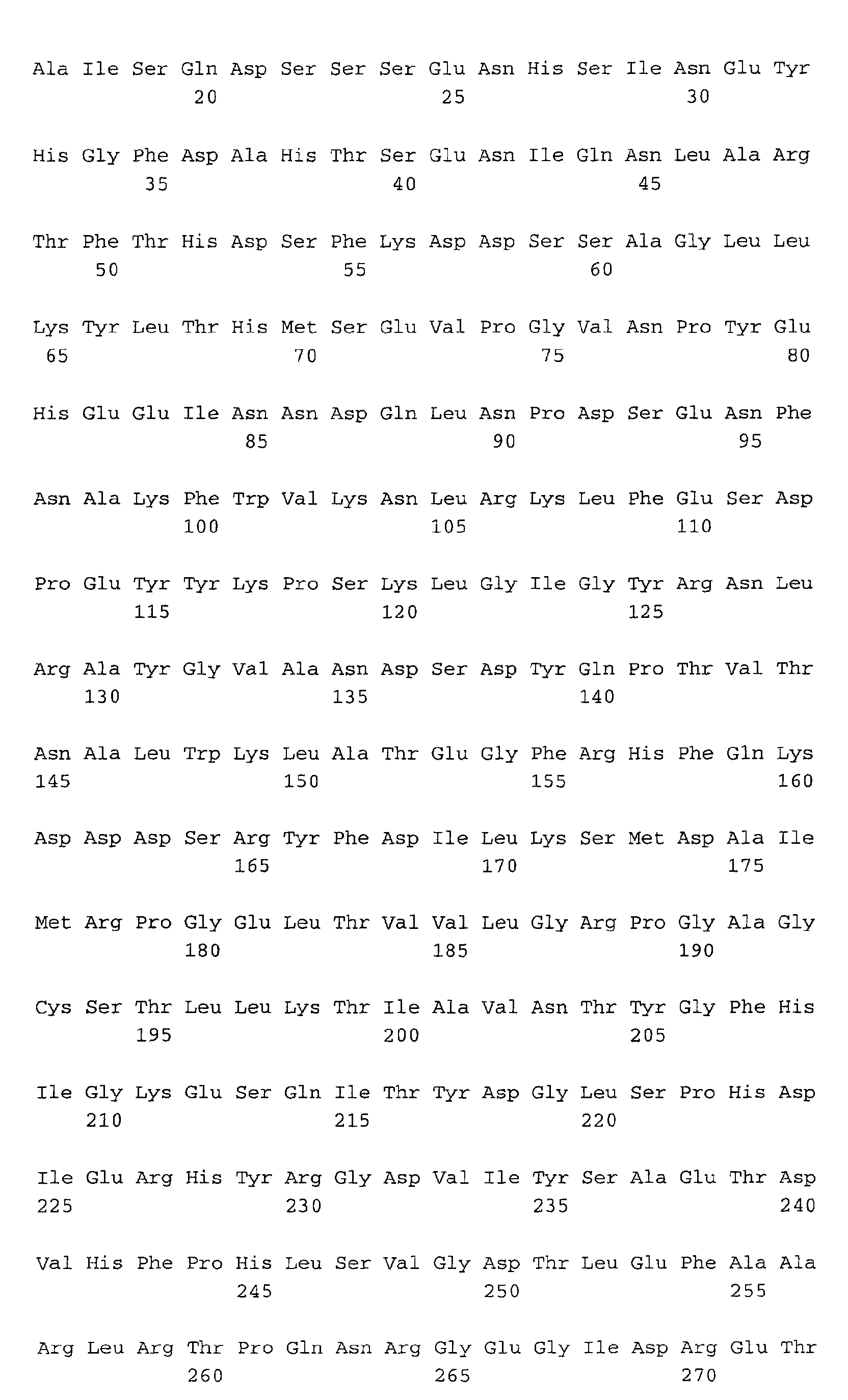
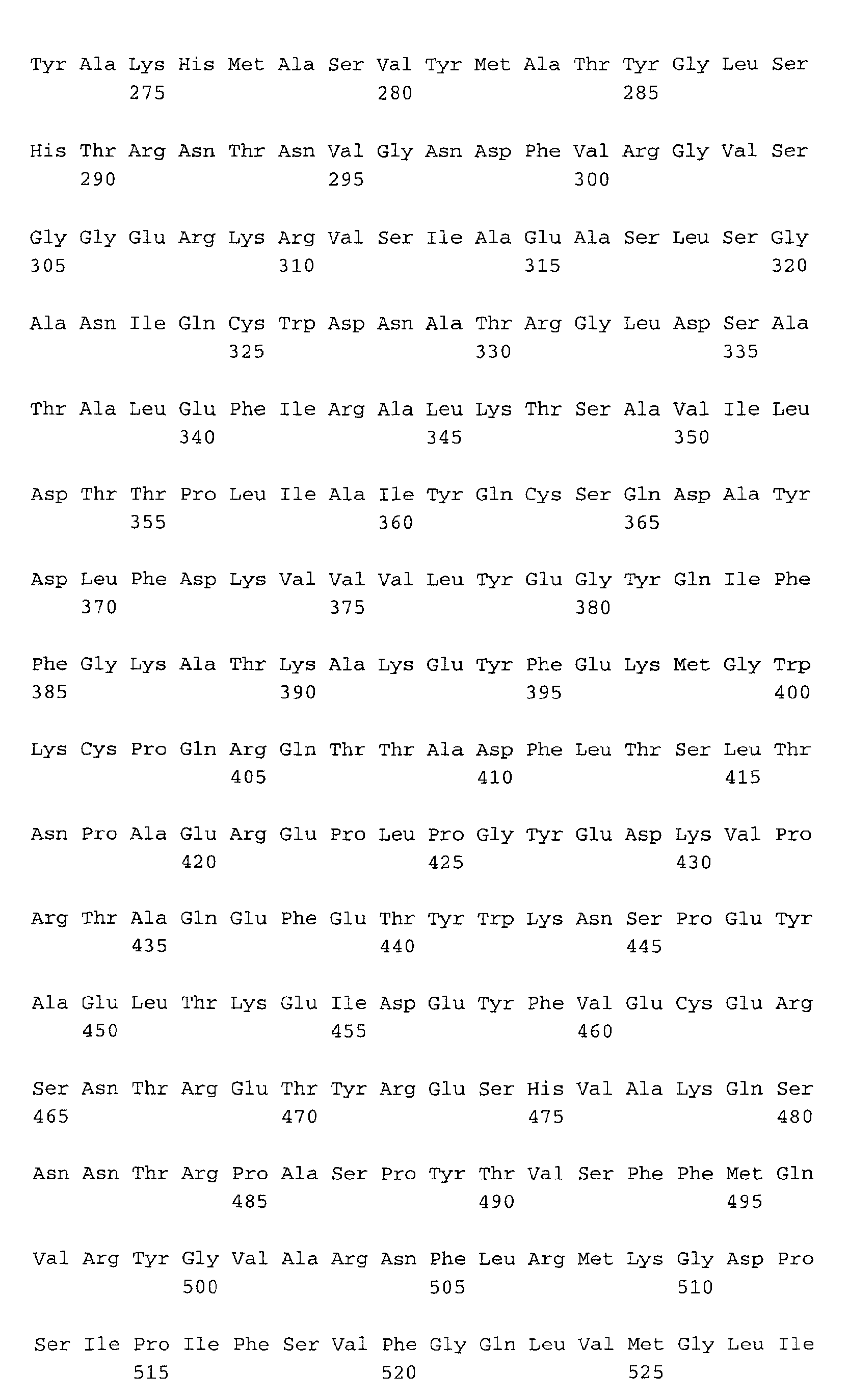


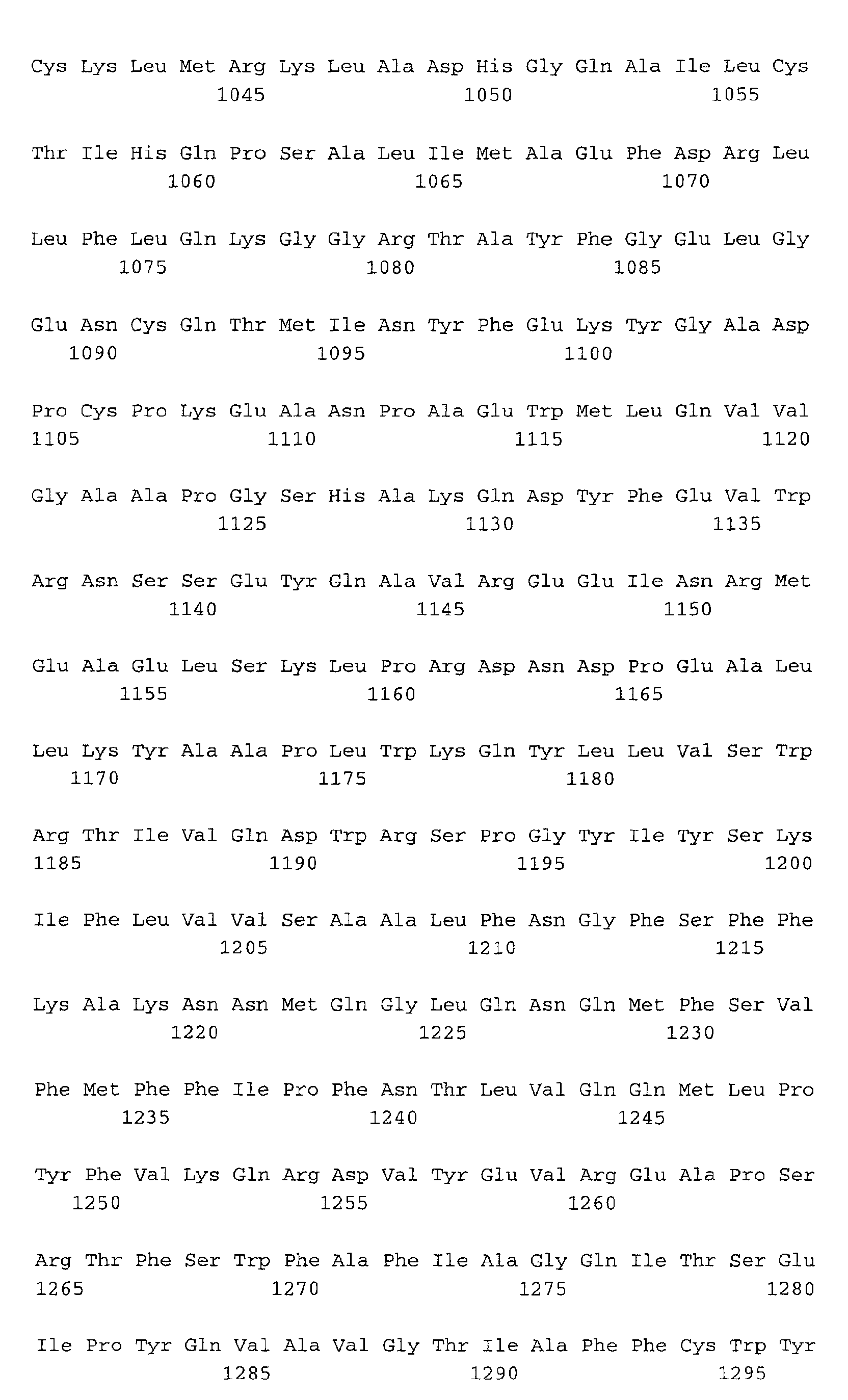

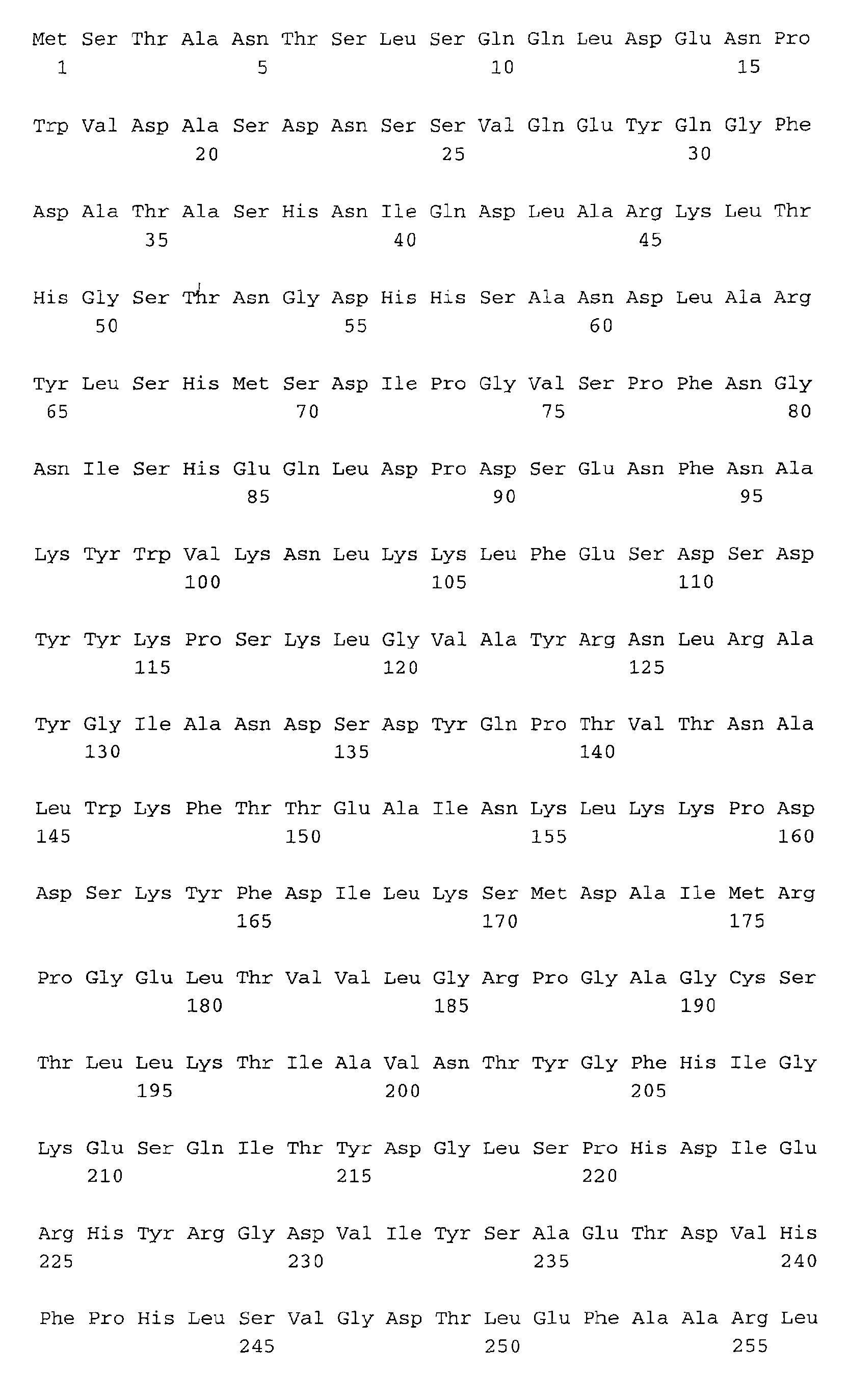

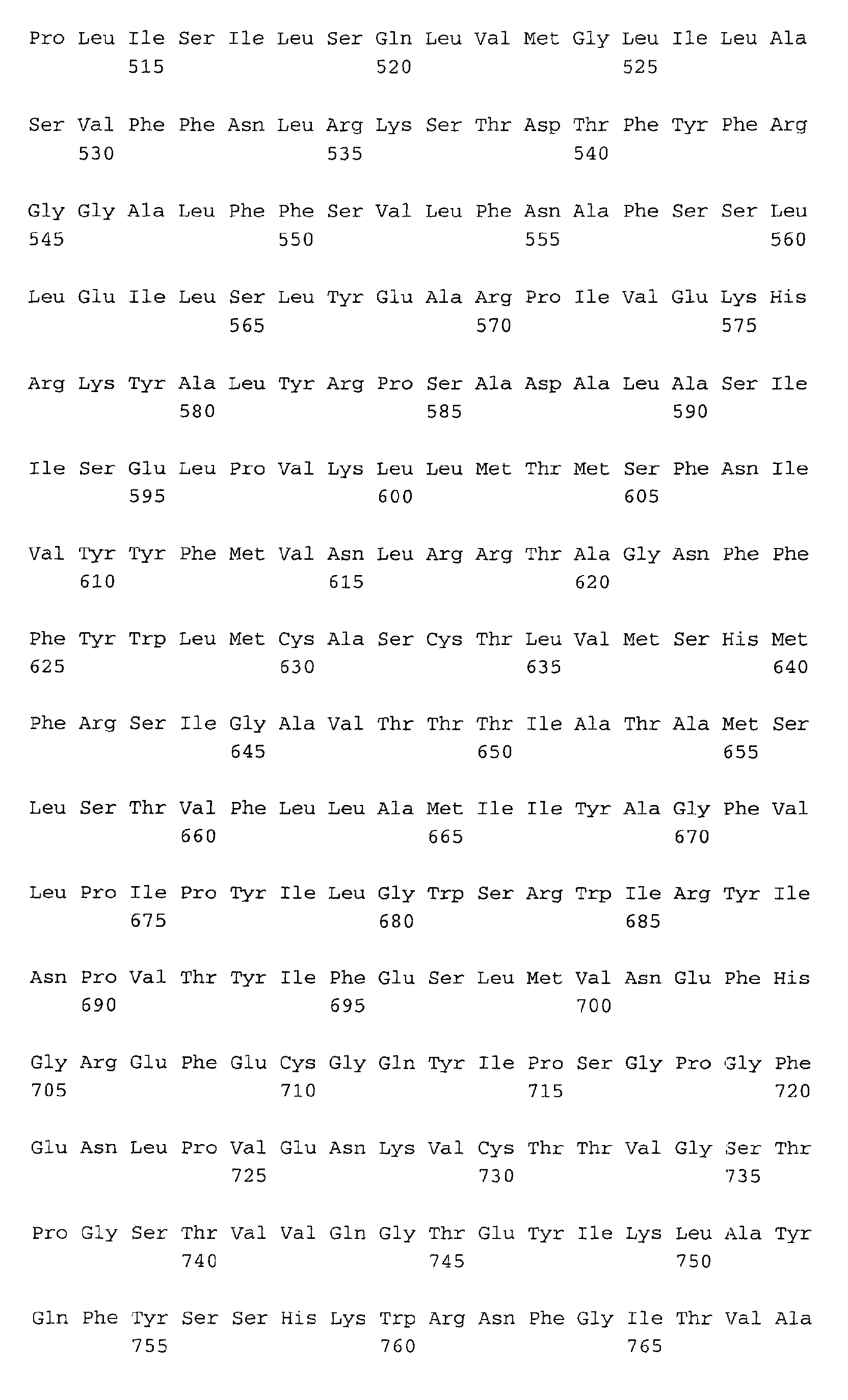
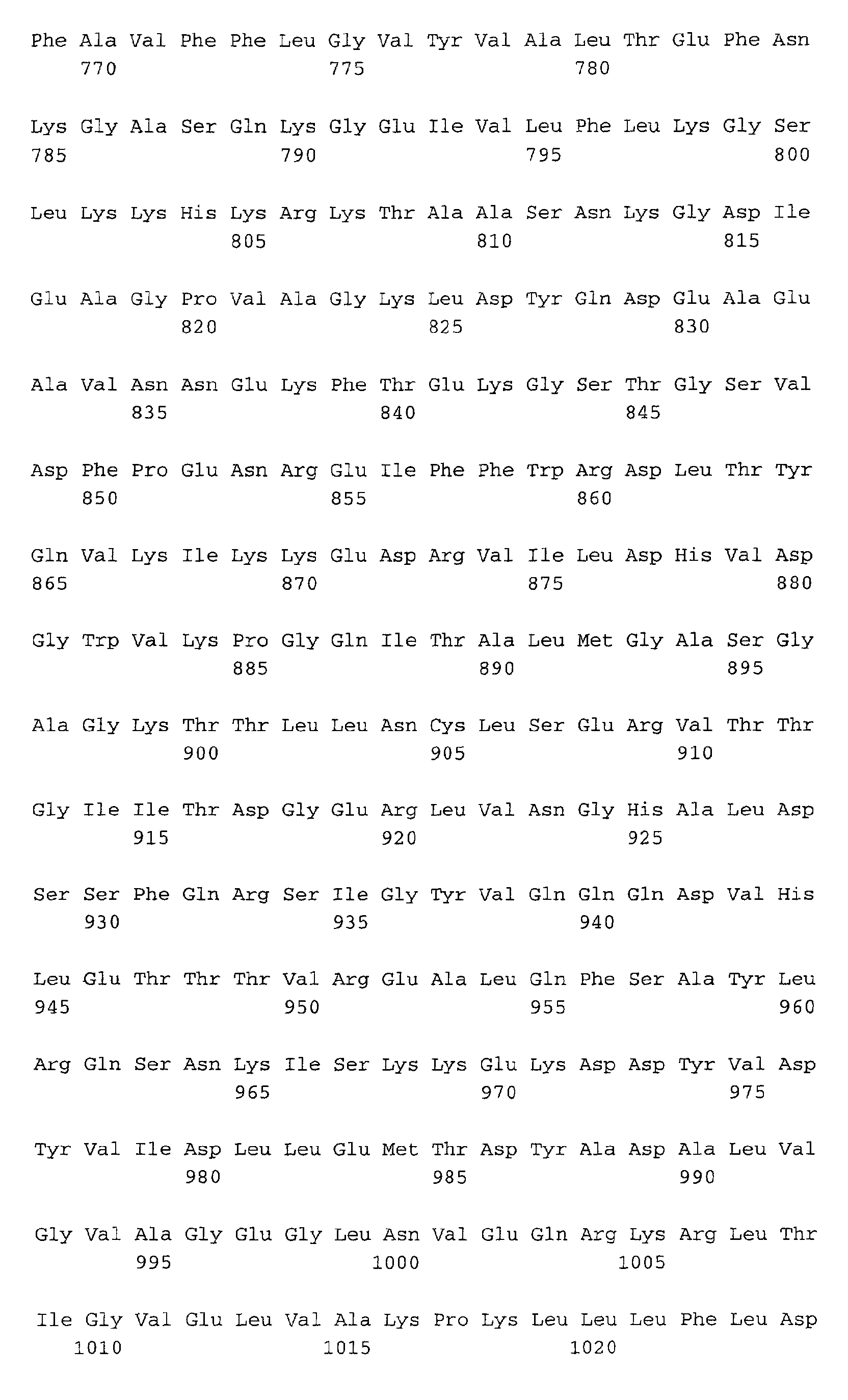

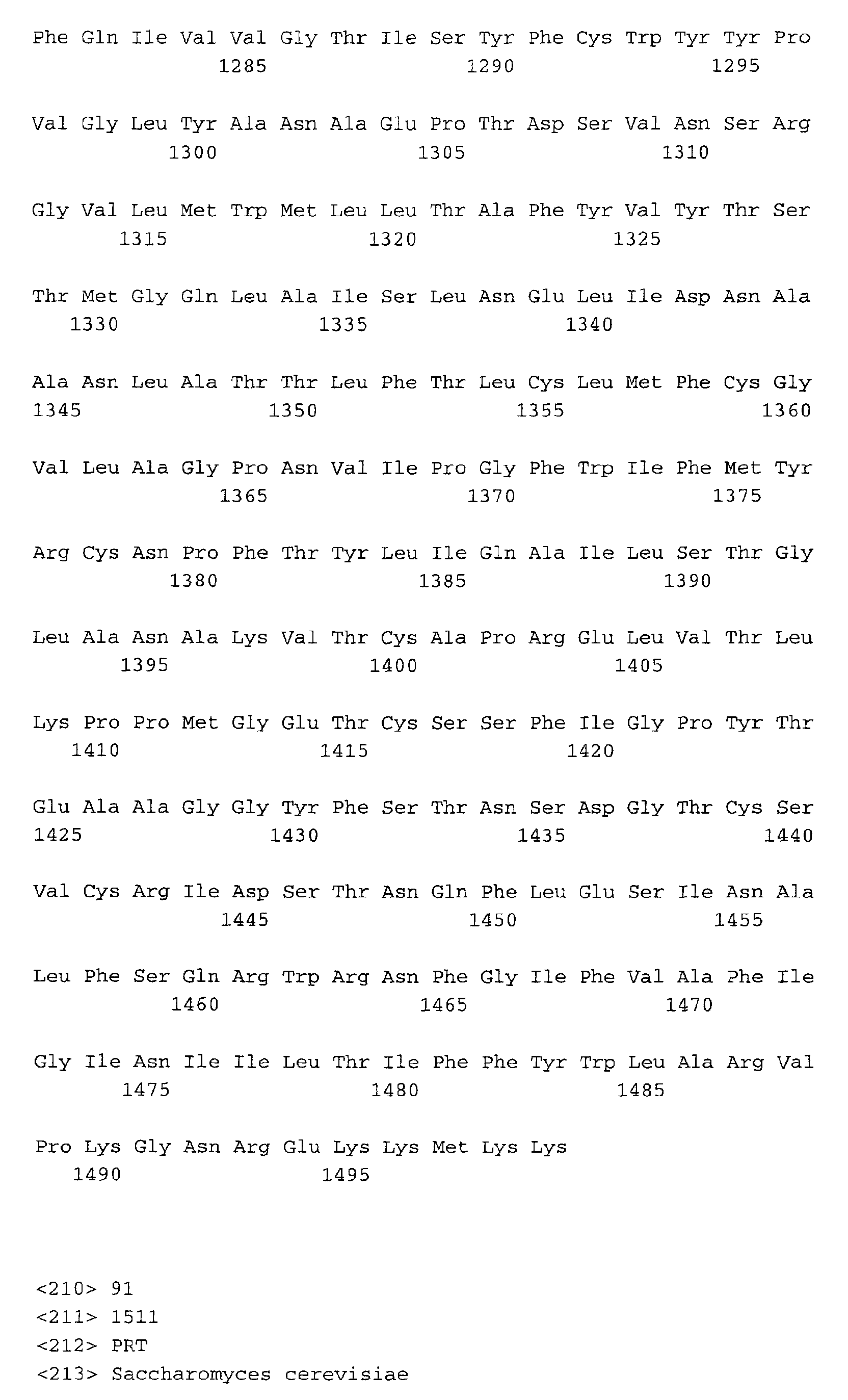


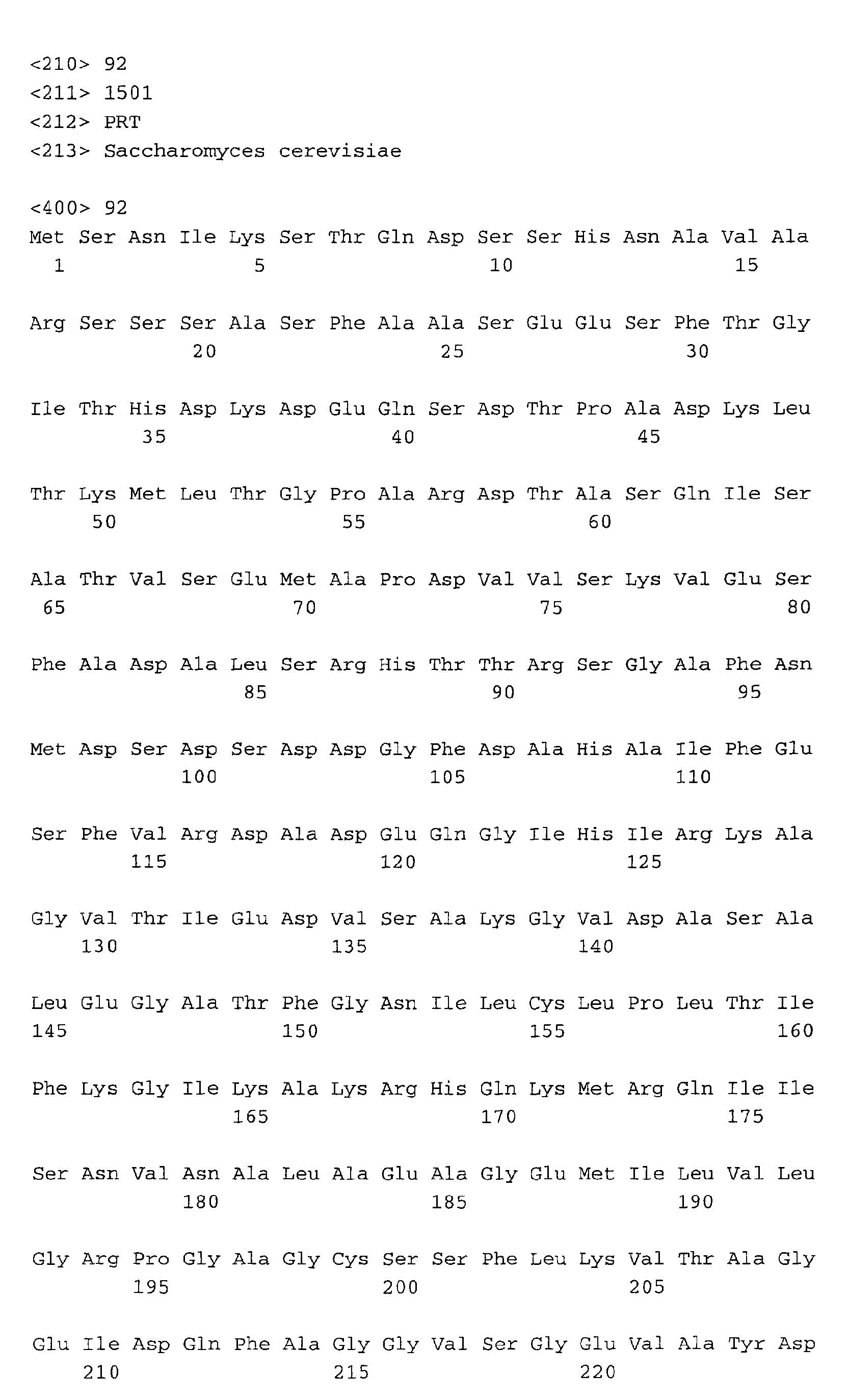

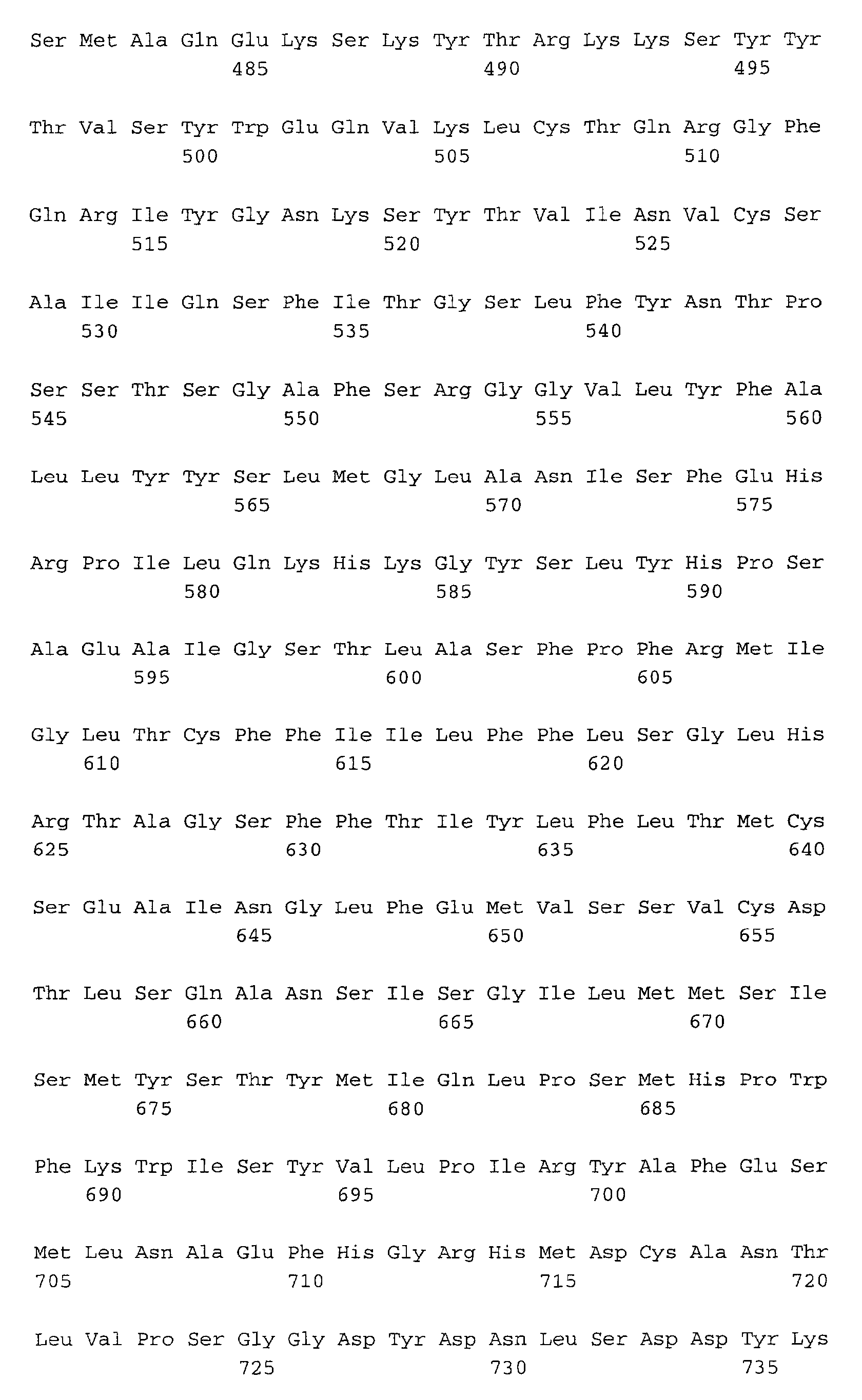
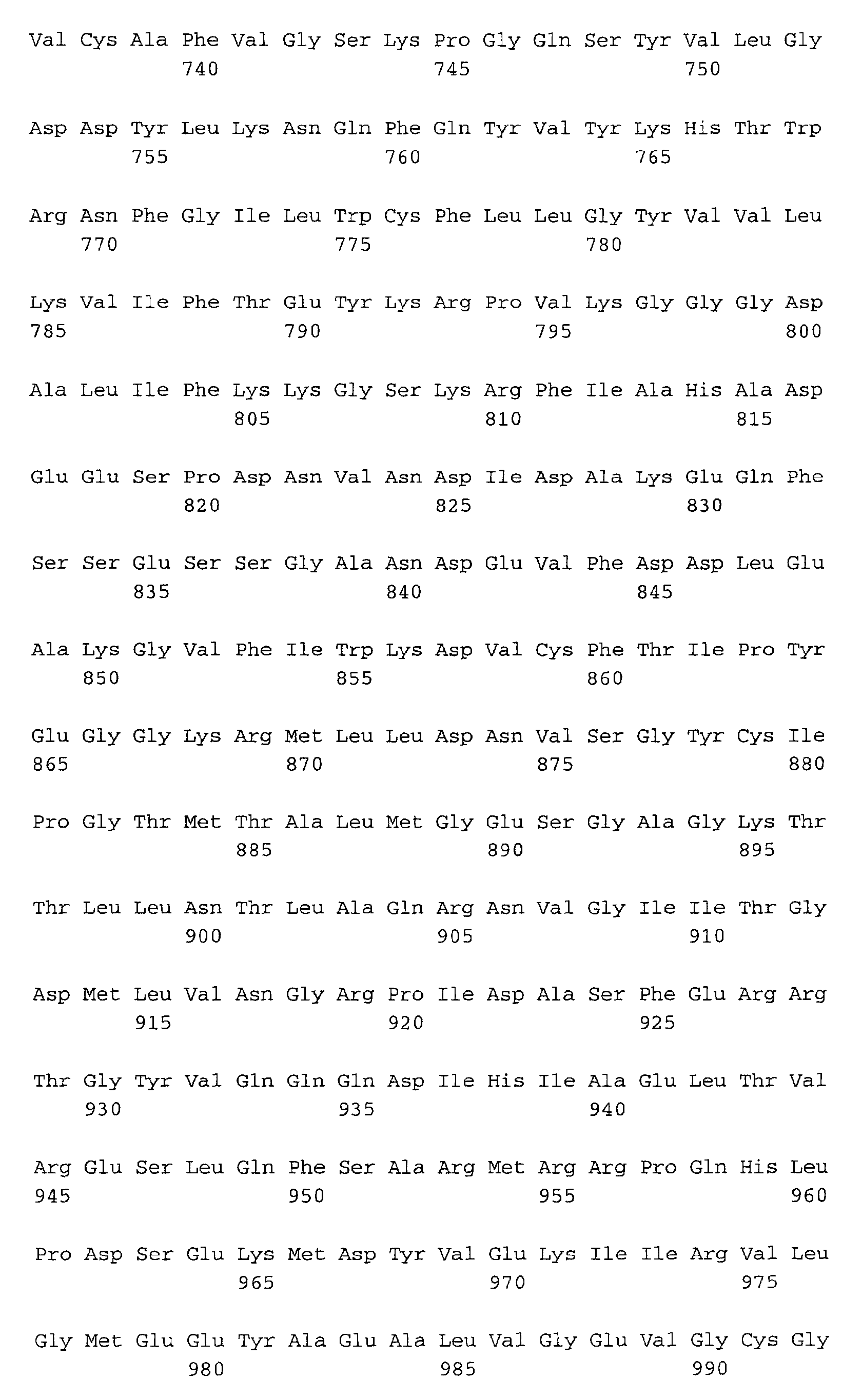

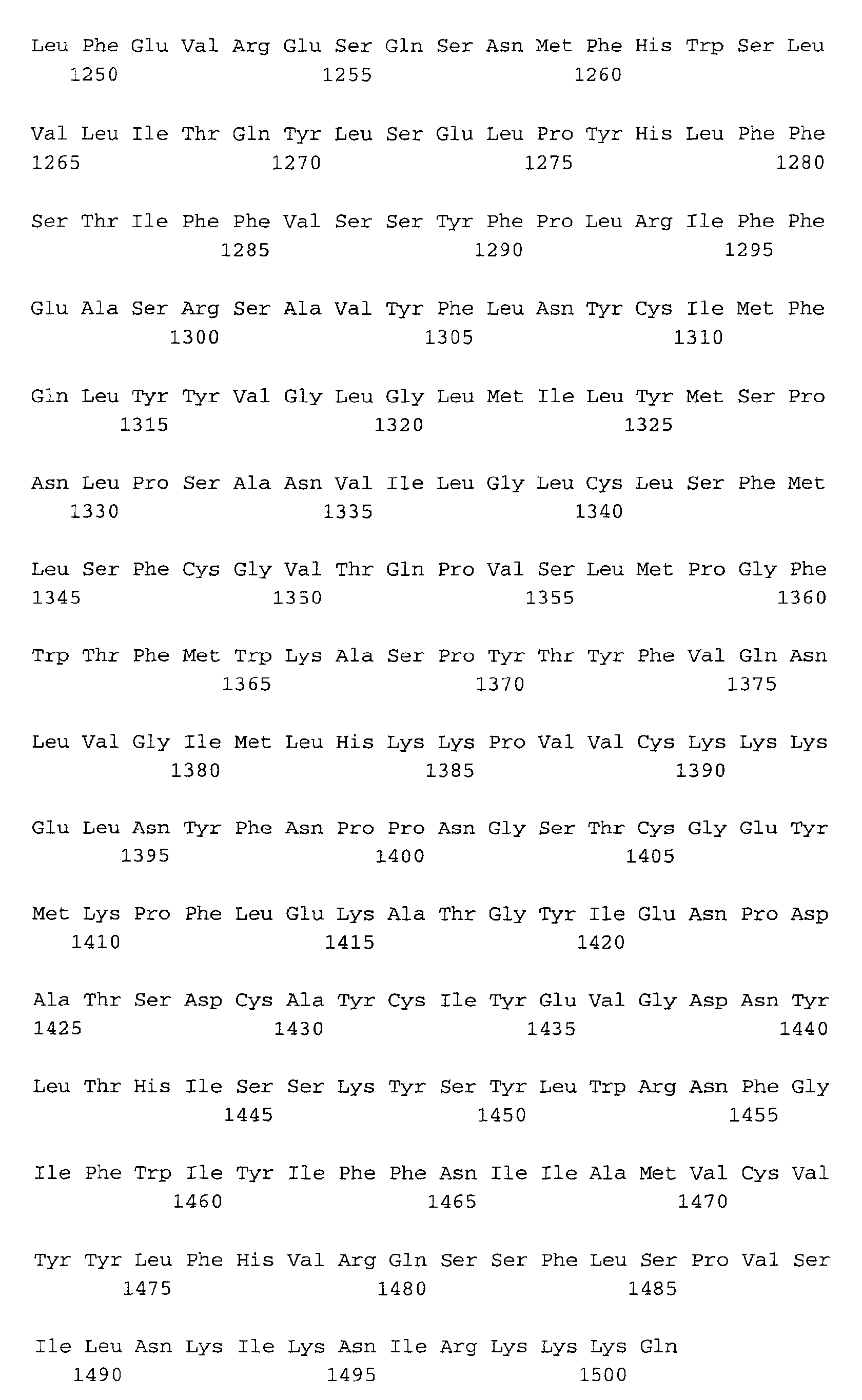
-


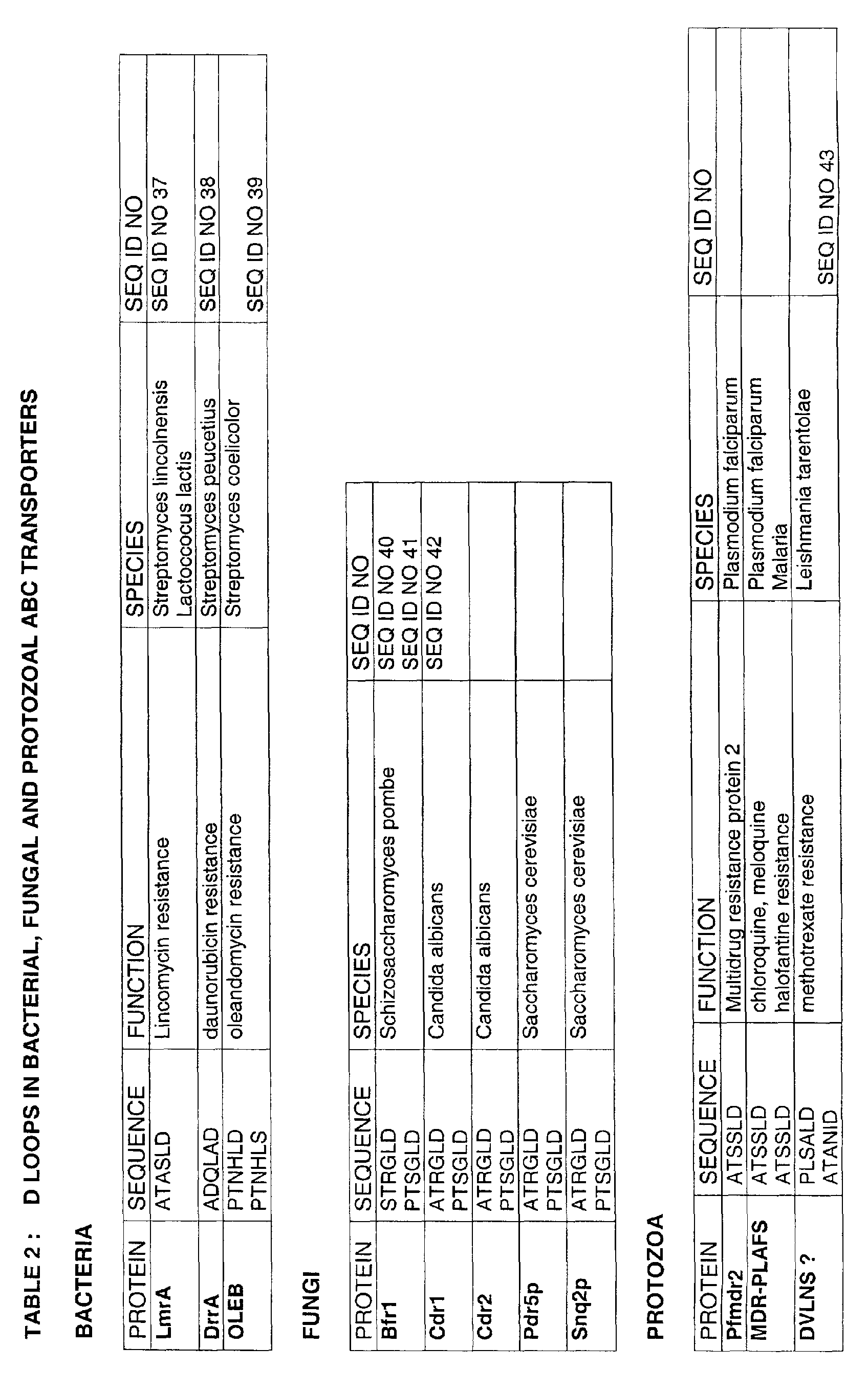
Claims (39)
- A method for selectively modulating the activity of ABC transporters by influencing the dimerization of the nucleotide binding domains comprising the use of:a) a polypeptide consisting of 5 to 50 amino acids comprising the D loop sequence of an ABC transporter,b) a polypeptide consisting of the D loop sequence of an ABC transporter,c) a peptide mimetic of any of the polypeptides of a) or b), ord) an antisense peptide of the polypeptdes of a) or b).
- A method for selectively modulating the activity of ABC transporters by influencing the dimerization of the nucleotide binding domains according to claim 1 comprising the use of:a) a polypeptide consisting of 5 to 50 amino acids comprising the amino acid sequence represented in any of SEQ ID NOs 1 to 43,b) a polypeptide consisting of the amino acid sequence as represented in any of SEQ ID NOs 1 to 43 or a functional homologue thereof,c) a peptide mimetic of any of the polypeptides of a) or b), ord) an antisense peptide of the polypeptides of a) or b).
- A method for selectively modulating the activity of an ABC transporter according to claim 1 or 2, wherein said ABC transporter belongs to the group of multidrug transporter/P-glycoproteins comprising the use of:a) a polypeptide consisting of 5 to 50 amino acids comprising the amino acid sequence represented in any of SEQ ID NOs 1 to 3,b) a polypeptide consisting of the amino acid sequence represented in any of SEQ ID NOs 1 to 3 or a functional homologue thereof,c) a peptide mimetic of any of the polypeptides of a) or b), ord) an antisense peptide of the peptide of a) or b).
- A method for selectively modulating the activity of an ABC transporter according to claim 1 or 2, wherein said ABC transporter belongs to the group of the multidrug resistance associated proteins comprising the use of:a) a polypeptide consisting of 5 to 50 amino acids comprising the amino acid sequence represented in any of SEQ ID NOs 4 to 15,b) a polypeptide consisting of the amino acid sequence represented in any of SEQ ID NOs 4 to 15, or a functional homologue thereof,c) a peptide mimetic of any of the polypeptides of a) or b), ord) an antisense peptide of the peptide of a) or b).
- A method for selectively modulating the activity of an ABC transporter according to claim 1 or 2, wherein said ABC transporter is a bacterial transporter comprising the use of:a) a polypeptide consisting of 5 to 50 amino acids comprising the amino acid sequence represented in any of SEQ ID NOs 29, 37, 38 or 39,b) a polypeptide consisting of the amino acid sequence represented in any of SEQ ID NOs 29, 37, 38 or 39, or a functional homologue thereof,c) a peptide mimetic of any of the polypeptides of a) or b), or,d) an antisense peptide of the peptide of a) or b).
- A method for selectively modulating the activity of an ABC transporter according to claim 1 or 2, wherein said ABC transporter is a fungal transporter comprising the use of:a) a polypeptide consisting of 5 to 50 amino acids comprising the amino acid sequence represented in any of SEQ ID NOs 40, 41 or 42,b) a polypeptide consisting of the amino acid sequence represented in any of SEQ ID NOs 40, 41 or 42, or a functional homologue thereof,c) a peptide mimetic of any of the polypeptides of a) or b), ord) an antisense peptide of the peptide of a) or b).
- A method for selectively modulating the activity of an ABC transporter according to claim 1 or 2, wherein said ABC transporter is a protozoal transporter comprising the use of:a) a polypeptide consisting of 5 to 50 amino acids comprising the amino acid sequence represented in any of SEQ ID NOs 2, 8 or 43,b) a polypeptide consisting of the amino acid sequence represented in any of SEQ ID NOs 2, 8, or 43, or a functional homologue thereof,c) a peptide mimetic of any of the polypeptides of a) or b), or,d) an antisense peptide of the peptide of a) or b).
- A method according to any of claims 5 to 7 wherein said ABC transporter is involved in bacterial, fungal or protozoal infection of a mammal.
- A method according to any of claims 5 to 7 wherein said ABC transporter is involved in the induction of resistance to antibiotics or drugs in a mammal.
- Method for preventing, treating or alleviating diseases diseases associated with the functionality of a human ABC-transporter comprising the use of:a) a polypeptide consisting of 5 to 50 amino acids comprising the amino acid sequence represented in any of SEQ ID NOs 1 to 36,b) a polypeptide consisting of the amino acid sequence represented in any of SEQ ID NOs 1 to 36, or a functional homologue thereof,c) a peptide mimetic of any of the polypeptides of a) or b), or,d) an antisense peptide of the peptide of a) or b).
- Method for preventing, treating or alleviating diseases related with bacterial infections comprising the use of:a) a polypeptide consisting of 5 to 50 amino acids comprising the amino acid sequence represented in any of SEQ ID NOs 29, 37, 38 or 39,b) a polypeptide consisting of the amino acid sequence represented in any of SEQ ID NOs 29, 37, 38 or 39, or a functional homologue thereof,c) a peptide mimetic of any of the polypeptides of a) or b), or,d) an antisense peptide of the peptide of a) or b).
- Method for preventing, treating or alleviating diseases related with fungal infections comprising the use of:a) a polypeptide consisting of 5 to 50 amino acids comprising the amino acid sequence represented in any of SEQ ID NOs 40 to 42,b) a polypeptide consisting of the amino acid sequence represented in any of SEQ ID NOs 40 to 42, or a functional homologue thereof,c) a peptide mimetic of any of the polypeptides of a) or b), or,d) an antisense peptide of the peptide of a) or b).
- Method for preventing, treating or alleviating diseases related with protozoal infections comprising the use of:a) a polypeptide consisting of 5 to 50 amino acids comprising the amino acid sequence represented in any of SEQ ID NOs 2, 8 or 43,b) a polypeptide consisting of the amino acid sequence represented in any of SEQ ID NOs 2, 8, or 43, or a functional homologue thereof,c) a peptide mimetic of any of the polypeptides of a) or b), or,d) an antisense peptide of the peptide of a) or b).
- A method for identifying compounds which selectively bind to or selectively modulate the properties of ABC transporters, which method comprises:a) contacting a compound to be tested with a polypeptide as defined in any of claims 1 to 7, or with a polypeptide corresponding to the D loop of an ABC transporter,b) detecting a diminution or inhibition of the activity of said ABC transporter, and,c) identifying said compound.
- A method for identifying compounds which selectively bind to or selectively modulate the properties of ABC transporters, which method comprises:a) providing a yeast two-hybrid system wherein the nucleotide binding domains NBD1 and NBD2 of an ABC transporter are expressed, orb) providing a mammalian expression system wherein the nucleotide binding domains NBD1 and NBD2 of an ABC transporter are expressed, orc) providing a bacterial expression system wherein the nucleotide binding domains NBD1 and NBD2 of an ABC transporter are expressed, and,d) interacting said compound with the complex formed by the expressed polypeptides as defined in any of a) to c),e) inferring from the interaction between said compound and one of the nucleotide binding domains a modulation of the properties of said ABC transporter, and,f) identifying said compound.
- An isolated nucleic acid encoding a polypeptide comprising an ABC transporter D-loop as defined in claim 1 or 2.
- A polypeptide encodable by a nucleic acid of claim 16.
- A cellular host transformed with a nucleic acid encoding at least one nucleotide binding domain of an ABC transporter protein or a nucleic acid comprising a nucleic acid according to claim 16, said nucleic acid in an expressible format for use in a method of claim 15.
- A pharmaceutical composition comprising at least one polypeptide of claim 1 or 2.
- A compound obtainable by any of the methods of claims 14 or 15.
- Use of a polypeptide as defined in claim 1 or 2 as a medicament.
- Use of a compound according to claim 20 as a medicament.
- Use of a polypeptide as defined in claim 17 or a compound obtainable by any of the methods of claims 14 or 15 for preventing, treating or alleviating diseases associated with the functionality of an ABC-transporter.
- Use of a polypeptide as defined in claim 3 or 4 or a compound obtainable by any of the methods of claims 14 or 15 for treatment of cancer.
- Use of a polypeptide according to claim 24 in combination with chemotherapy.
- Use of a polypeptide as defined in claim 3 or 4 or a compound obtainable by any of the methods of claims 14 or 15 for the preparation of a medicine for treating cancer.
- Use of a polypeptide as defined in claim 3 or 4 or a compound obtainable by any of the methods of claims 14 or 15 for treating resistance to drugs in a mammal.
- Use of a polypeptide as defined in claim 3 or 4 or a compound obtainable by any of the methods of claims 14 or 15 for the preparation of a medicament for preventing, treating or alleviating diseases associated with drug resistance in a mammal.
- Use of a molecule as defined in claim 5 or a compound obtainable by any of the methods of claims 14 or 15 for preventing, treating or alleviating diseases associated with bacterial infections.
- Use of a molecule as defined in claim 5 or a compound obtainable by any of the methods of claims 14 or 15 for the preparation of a medicament for preventing, treating or alleviating diseases associated with bacterial infections.
- Use of a molecule as defined in claim 5 or a compound obtainable by any of the methods of claims 14 or 15 for treating resistance to antibiotics in a mammal.
- Use of a molecule as defined in claim 5 or a compound obtainable by any of the methods of claims 14 or 15 for the preparation of a medicament for treating antibiotic resistance in a mammal.
- Use of a molecule as defined in claim 5 or a compound obtainable by any of the methods of claims 14 or 15 as an anti-bacterial agent.
- Use of a molecule as defined in claim 6 or a compound obtainable by any of the methods of claims 14 or 15 for preventing, treating or alleviating diseases associated with fungal infections.
- Use of a molecule as defined in claim 6 or a compound obtainable by any of the methods of claims 14 or 15 for the preparation of a medicament for preventing, treating or alleviating diseases associated with fungal infections.
- Use of a molecule as defined in claim 6 or a compound obtainable by any of the methods of claims 14 or 15 as a fungicide or anti- fungal agent.
- Use of a molecule as defined in claim 7 or a compound obtainable by any of the methods of claims 14 or 15 for preventing, treating or alleviating diseases associated with protozoal infections.
- Use of a molecule as defined in claim 7 or a compound obtainable by any of the methods of claims 14 or 15 for the preparation of a medicament for preventing, treating or alleviating diseases associated with protozoal infections.
- Use of a molecule as defined in claim 7 or a compound obtainable by any of the methods of claims 14 or 15 as a fungicide or anti- fungal agent.
Priority Applications (3)
| Application Number | Priority Date | Filing Date | Title |
|---|---|---|---|
| EP00870316A EP1217066A1 (en) | 2000-12-21 | 2000-12-21 | Modulation of ATP-binding cassette transporter activity |
| PCT/EP2001/015397 WO2002050114A2 (en) | 2000-12-21 | 2001-12-21 | Modulation of atp-binding cassette transporter activity |
| AU2002233300A AU2002233300A1 (en) | 2000-12-21 | 2001-12-21 | Modulation of atp-binding cassette transporter activity |
Applications Claiming Priority (1)
| Application Number | Priority Date | Filing Date | Title |
|---|---|---|---|
| EP00870316A EP1217066A1 (en) | 2000-12-21 | 2000-12-21 | Modulation of ATP-binding cassette transporter activity |
Publications (1)
| Publication Number | Publication Date |
|---|---|
| EP1217066A1 true EP1217066A1 (en) | 2002-06-26 |
Family
ID=8175886
Family Applications (1)
| Application Number | Title | Priority Date | Filing Date |
|---|---|---|---|
| EP00870316A Withdrawn EP1217066A1 (en) | 2000-12-21 | 2000-12-21 | Modulation of ATP-binding cassette transporter activity |
Country Status (3)
| Country | Link |
|---|---|
| EP (1) | EP1217066A1 (en) |
| AU (1) | AU2002233300A1 (en) |
| WO (1) | WO2002050114A2 (en) |
Cited By (5)
| Publication number | Priority date | Publication date | Assignee | Title |
|---|---|---|---|---|
| WO2004016810A3 (en) * | 2002-07-26 | 2004-11-11 | Uta Schwidetzky | Use of an mrp4 binding substances for the diagnosis and treatment of cancer |
| WO2005033139A3 (en) * | 2003-05-28 | 2005-12-29 | Synta Pharmaceuticals Corp | Novel calcium channels and uses thereof |
| EP1437363A4 (en) * | 2001-09-28 | 2006-03-30 | Proteinexpress Co Ltd | DRUG CARRIER AND USE THEREOF |
| WO2005104785A3 (en) * | 2004-04-27 | 2006-05-26 | Illumigen Biosciences Inc | Methods and compositions for specifically targeting human hepatocellular carcinoma cells |
| EP4486391A4 (en) * | 2022-03-01 | 2026-01-21 | Crosslink Therapeutics Inc | ATP-Dependent Agons of Immune Cell Function as Anticancer Agents |
Families Citing this family (2)
| Publication number | Priority date | Publication date | Assignee | Title |
|---|---|---|---|---|
| WO2002031147A2 (en) * | 2000-10-10 | 2002-04-18 | Lexicon Genetics Incorporated | Human transporter proteins and polynucleotides encoding the same |
| US7608413B1 (en) * | 2005-03-25 | 2009-10-27 | Celera Corporation | Kidney disease targets and uses thereof |
Citations (2)
| Publication number | Priority date | Publication date | Assignee | Title |
|---|---|---|---|---|
| WO1997035881A2 (en) * | 1996-03-27 | 1997-10-02 | Ng Gordon Y K | Receptor and transporter antagonists |
| WO2001036477A2 (en) * | 1999-11-18 | 2001-05-25 | The Government Of The United States, As Represented By The Secretary Of The Department Of Health And Human Services | Inhibition of abc transporters by transmembrane domain analogs |
-
2000
- 2000-12-21 EP EP00870316A patent/EP1217066A1/en not_active Withdrawn
-
2001
- 2001-12-21 WO PCT/EP2001/015397 patent/WO2002050114A2/en not_active Ceased
- 2001-12-21 AU AU2002233300A patent/AU2002233300A1/en not_active Abandoned
Patent Citations (2)
| Publication number | Priority date | Publication date | Assignee | Title |
|---|---|---|---|---|
| WO1997035881A2 (en) * | 1996-03-27 | 1997-10-02 | Ng Gordon Y K | Receptor and transporter antagonists |
| WO2001036477A2 (en) * | 1999-11-18 | 2001-05-25 | The Government Of The United States, As Represented By The Secretary Of The Department Of Health And Human Services | Inhibition of abc transporters by transmembrane domain analogs |
Non-Patent Citations (7)
| Title |
|---|
| DATABASE MEDLINE [online] US NATIONAL LIBRARY OF MEDICINE (NLM), BETHESDA, MD, US; BIANCHET M A ET AL: "Modeling of nucleotide binding domains of ABC transporter proteins based on a F1-ATPase/recA topology: structural model of the nucleotide binding domains of the cystic fibrosis transmembrane conductance regulator (CFTR)", XP002178151, retrieved from STN Database accession no. 1998170885 * |
| I N TARASOVA ET AL: "Disruption of transporter protein function by transmembrane domain analogs", PROCEEDINGS OF THE AMERICAN ASSOCIATION FOR CANCER RESEARCH ANNUAL, SAN FRANCISCO, CALIFORNIA, USA, vol. 41, March 2000 (2000-03-01), pages 398, XP001004628 * |
| J A SHEPS ET AL.: "Hemolysin transport in Escherichia Coli", JOURNAL OF BIOLOGICAL CHEMISTRY. (MICROFILMS), vol. 270, no. 24, 16 June 1995 (1995-06-16), AMERICAN SOCIETY OF BIOLOGICAL CHEMISTS, BALTIMORE, MD., US, pages 14829 - 14834, XP002178149 * |
| JOURNAL OF BIOENERGETICS AND BIOMEMBRANES, (1997 OCT) 29 (5) 503-24. * |
| K-I KAWABATA ET AL.: "Protein interactions of Gts1p of Saccharomyces cerevisiae throughout a region similar to a cytoplasmic portion of some ATP-binding cassette transporters", EUROPEAN JOURNAL OF BIOCHEMISTRY, vol. 259, 1999, BERLIN, DE, pages 112 - 119, XP002178150, ISSN: 0014-2956 * |
| K-M COVITZ ET AL.: "Mutations that alter the transmembrane signalling pathway in an ATP binding cassette (ABC) transporter", EMBO JOURNAL., vol. 13, no. 7, 1994, OXFORD UNIVERSITY PRESS, SURREY., GB, pages 1752 - 1759, XP002178148, ISSN: 0261-4189 * |
| N I TARASOVA ET AL.: "Inhibition of G-protein-coupled receptor function by disruption of transmembrane domain interaction", JOURNAL OF BIOLOGICAL CHEMISTRY. (MICROFILMS), vol. 274, no. 49, 3 December 1999 (1999-12-03), AMERICAN SOCIETY OF BIOLOGICAL CHEMISTS, BALTIMORE, MD., US, pages 34911 - 34915, XP002168073 * |
Cited By (5)
| Publication number | Priority date | Publication date | Assignee | Title |
|---|---|---|---|---|
| EP1437363A4 (en) * | 2001-09-28 | 2006-03-30 | Proteinexpress Co Ltd | DRUG CARRIER AND USE THEREOF |
| WO2004016810A3 (en) * | 2002-07-26 | 2004-11-11 | Uta Schwidetzky | Use of an mrp4 binding substances for the diagnosis and treatment of cancer |
| WO2005033139A3 (en) * | 2003-05-28 | 2005-12-29 | Synta Pharmaceuticals Corp | Novel calcium channels and uses thereof |
| WO2005104785A3 (en) * | 2004-04-27 | 2006-05-26 | Illumigen Biosciences Inc | Methods and compositions for specifically targeting human hepatocellular carcinoma cells |
| EP4486391A4 (en) * | 2022-03-01 | 2026-01-21 | Crosslink Therapeutics Inc | ATP-Dependent Agons of Immune Cell Function as Anticancer Agents |
Also Published As
| Publication number | Publication date |
|---|---|
| AU2002233300A1 (en) | 2002-07-01 |
| WO2002050114A2 (en) | 2002-06-27 |
| WO2002050114A3 (en) | 2002-08-29 |
Similar Documents
| Publication | Publication Date | Title |
|---|---|---|
| US7825089B2 (en) | Three-dimensional structures of TALL-1 and its cognate receptors and modified proteins and methods related thereto | |
| Nam et al. | Structural basis for the function and regulation of the receptor protein tyrosine phosphatase CD45 | |
| Wakasugi et al. | Human neuroglobin interacts with flotillin-1, a lipid raft microdomain-associated protein | |
| JPH06507543A (en) | Extracellular domain of human platelet-derived growth factor receptor polypeptide | |
| CN101875693B (en) | Albumin variant having anti-angiogenesis activity and preparation method thereof | |
| Rajaiya et al. | Heat shock protein 27 mediated signaling in viral infection | |
| US20040142381A1 (en) | Methods for designing IGF1 receptor modulators for therapeutics | |
| US20090325867A1 (en) | Receptor-specific tumour necrosis factor-related apoptosis-inducing ligand (trail) variants | |
| AU2001290179B2 (en) | Mechanism of conditional regulation of the hypoxia-inducible factor-1 by the von hippel-lindau tumor suppressor protein | |
| Shrivastava et al. | Plasmodium falciparum FIKK9. 1 is a monomeric serine–threonine protein kinase with features to exploit as a drug target. | |
| CN101595118A (en) | Identification of a novel bitter taste receptor T2R76 that specifically responds to strychnine and PROP bitter ligands | |
| JP2002523029A (en) | Human histone deacetylase gene HD4 | |
| CA2330228A1 (en) | Angiostatin-binding protein | |
| WO2002050114A2 (en) | Modulation of atp-binding cassette transporter activity | |
| JP2005510460A (en) | molecule | |
| US20090087445A1 (en) | Method for the Redox Potential-Dependent Detection of Target Molecules by Interacting Polypeptides | |
| US20200165308A1 (en) | Netrin- 1 and dependence receptor proteins and method of use | |
| WO2003033675A2 (en) | Identification of binding partners for specific proteins | |
| EP1678200B1 (en) | A method of modulating cell survival, differentiation and/or synaptic plasticity | |
| US6812336B1 (en) | Transcription factor coactivator protein, p/CIP | |
| US7425614B2 (en) | Neuroprotective therapeutics preventing ERK/MAPK activation through the NMDA receptor | |
| Bardwell et al. | AlphaFold3 predictions of novel GLI-SUFU interfaces identify binding-defective SUFU missense variants from medulloblastoma and Gorlin Syndrome patients | |
| Boni | GUANYLATE CYCLASE ACTIVATING PROTEIN 1 MONOMER-DIMER EQUILIBRIUM CONTROLLED BY CA2+ OR MG2+ BINDING: HINTS TO UNDERSTAND RETINAL GUANYLATE CYCLASE REGULATION | |
| US6573077B1 (en) | Active site of human gamma glutamyl hydrolase | |
| KR20010019100A (en) | Three-dimensional structure of human-derived apoptotic factor TRAIL determined by x-ray crystallography |
Legal Events
| Date | Code | Title | Description |
|---|---|---|---|
| PUAI | Public reference made under article 153(3) epc to a published international application that has entered the european phase |
Free format text: ORIGINAL CODE: 0009012 |
|
| AK | Designated contracting states |
Kind code of ref document: A1 Designated state(s): AT BE CH CY DE DK ES FI FR GB GR IE IT LI LU MC NL PT SE TR |
|
| AX | Request for extension of the european patent |
Free format text: AL;LT;LV;MK;RO;SI |
|
| STAA | Information on the status of an ep patent application or granted ep patent |
Free format text: STATUS: THE APPLICATION IS DEEMED TO BE WITHDRAWN |
|
| 18D | Application deemed to be withdrawn |
Effective date: 20020422 |