EP1216701A1 - Process to increase the concentration of meiosis-activating sterols (MAS) in the cholesterol synthesis and the use of potent inhibitors in the process - Google Patents
Process to increase the concentration of meiosis-activating sterols (MAS) in the cholesterol synthesis and the use of potent inhibitors in the process Download PDFInfo
- Publication number
- EP1216701A1 EP1216701A1 EP00250456A EP00250456A EP1216701A1 EP 1216701 A1 EP1216701 A1 EP 1216701A1 EP 00250456 A EP00250456 A EP 00250456A EP 00250456 A EP00250456 A EP 00250456A EP 1216701 A1 EP1216701 A1 EP 1216701A1
- Authority
- EP
- European Patent Office
- Prior art keywords
- mas
- progesterone
- meiosis
- potent inhibitors
- cholesterol
- Prior art date
- Legal status (The legal status is an assumption and is not a legal conclusion. Google has not performed a legal analysis and makes no representation as to the accuracy of the status listed.)
- Withdrawn
Links
- HVYWMOMLDIMFJA-DPAQBDIFSA-N cholesterol Chemical compound C1C=C2C[C@@H](O)CC[C@]2(C)[C@@H]2[C@@H]1[C@@H]1CC[C@H]([C@H](C)CCCC(C)C)[C@@]1(C)CC2 HVYWMOMLDIMFJA-DPAQBDIFSA-N 0.000 title claims abstract description 182
- 235000012000 cholesterol Nutrition 0.000 title claims abstract description 91
- 239000003112 inhibitor Substances 0.000 title claims abstract description 81
- 230000003389 potentiating effect Effects 0.000 title claims abstract description 75
- 229930182558 Sterol Natural products 0.000 title claims abstract description 68
- 235000003702 sterols Nutrition 0.000 title claims abstract description 68
- 150000003432 sterols Chemical class 0.000 title claims abstract description 60
- 230000015572 biosynthetic process Effects 0.000 title claims abstract description 53
- 238000003786 synthesis reaction Methods 0.000 title claims abstract description 46
- 238000000034 method Methods 0.000 title claims abstract description 17
- 230000008569 process Effects 0.000 title claims abstract description 13
- CHGIKSSZNBCNDW-UHFFFAOYSA-N (3beta,5alpha)-4,4-Dimethylcholesta-8,24-dien-3-ol Natural products CC12CCC(O)C(C)(C)C1CCC1=C2CCC2(C)C(C(CCC=C(C)C)C)CCC21 CHGIKSSZNBCNDW-UHFFFAOYSA-N 0.000 claims abstract description 20
- 238000010520 demethylation reaction Methods 0.000 claims abstract description 18
- 238000004519 manufacturing process Methods 0.000 claims abstract description 11
- 230000001965 increasing effect Effects 0.000 claims abstract description 6
- 239000008194 pharmaceutical composition Substances 0.000 claims abstract description 6
- LFQXEZVYNCBVDO-PBJLWWPKSA-N 4,4-dimethyl-5alpha-cholesta-8,14,24-trien-3beta-ol Chemical compound C([C@@]12C)C[C@H](O)C(C)(C)[C@@H]1CCC1=C2CC[C@]2(C)[C@@H]([C@@H](CCC=C(C)C)C)CC=C21 LFQXEZVYNCBVDO-PBJLWWPKSA-N 0.000 claims abstract description 5
- OGQJUYXFIOFTMA-PBJLWWPKSA-N 4,4-dimethyl-8,14-cholestadien-3beta-ol Chemical compound C([C@@]12C)C[C@H](O)C(C)(C)[C@@H]1CCC1=C2CC[C@]2(C)[C@@H]([C@H](C)CCCC(C)C)CC=C21 OGQJUYXFIOFTMA-PBJLWWPKSA-N 0.000 claims abstract 2
- RJKFOVLPORLFTN-LEKSSAKUSA-N Progesterone Chemical compound C1CC2=CC(=O)CC[C@]2(C)[C@@H]2[C@@H]1[C@@H]1CC[C@H](C(=O)C)[C@@]1(C)CC2 RJKFOVLPORLFTN-LEKSSAKUSA-N 0.000 claims description 102
- 239000000186 progesterone Substances 0.000 claims description 78
- 229960003387 progesterone Drugs 0.000 claims description 78
- NKANXQFJJICGDU-QPLCGJKRSA-N Tamoxifen Chemical compound C=1C=CC=CC=1C(/CC)=C(C=1C=CC(OCCN(C)C)=CC=1)/C1=CC=CC=C1 NKANXQFJJICGDU-QPLCGJKRSA-N 0.000 claims description 20
- ORNBQBCIOKFOEO-YQUGOWONSA-N Pregnenolone Natural products O=C(C)[C@@H]1[C@@]2(C)[C@H]([C@H]3[C@@H]([C@]4(C)C(=CC3)C[C@@H](O)CC4)CC2)CC1 ORNBQBCIOKFOEO-YQUGOWONSA-N 0.000 claims description 18
- 229960000249 pregnenolone Drugs 0.000 claims description 18
- ORNBQBCIOKFOEO-QGVNFLHTSA-N pregnenolone Chemical compound C1C=C2C[C@@H](O)CC[C@]2(C)[C@@H]2[C@@H]1[C@@H]1CC[C@H](C(=O)C)[C@@]1(C)CC2 ORNBQBCIOKFOEO-QGVNFLHTSA-N 0.000 claims description 18
- RUDATBOHQWOJDD-UHFFFAOYSA-N (3beta,5beta,7alpha)-3,7-Dihydroxycholan-24-oic acid Natural products OC1CC2CC(O)CCC2(C)C2C1C1CCC(C(CCC(O)=O)C)C1(C)CC2 RUDATBOHQWOJDD-UHFFFAOYSA-N 0.000 claims description 15
- -1 Pregnesolone Chemical compound 0.000 claims description 14
- JERGUCIJOXJXHF-UHFFFAOYSA-N 17alpha-Hydroxypregnenolone Natural products C1C=C2CC(O)CCC2(C)C2C1C1CCC(C(=O)C)(O)C1(C)CC2 JERGUCIJOXJXHF-UHFFFAOYSA-N 0.000 claims description 12
- MUMGGOZAMZWBJJ-DYKIIFRCSA-N Testostosterone Chemical compound O=C1CC[C@]2(C)[C@H]3CC[C@](C)([C@H](CC4)O)[C@@H]4[C@@H]3CCC2=C1 MUMGGOZAMZWBJJ-DYKIIFRCSA-N 0.000 claims description 12
- 239000000203 mixture Substances 0.000 claims description 12
- 230000035558 fertility Effects 0.000 claims description 11
- VOXZDWNPVJITMN-ZBRFXRBCSA-N 17β-estradiol Chemical compound OC1=CC=C2[C@H]3CC[C@](C)([C@H](CC4)O)[C@@H]4[C@@H]3CCC2=C1 VOXZDWNPVJITMN-ZBRFXRBCSA-N 0.000 claims description 10
- SMEROWZSTRWXGI-UHFFFAOYSA-N Lithocholsaeure Natural products C1CC2CC(O)CCC2(C)C2C1C1CCC(C(CCC(O)=O)C)C1(C)CC2 SMEROWZSTRWXGI-UHFFFAOYSA-N 0.000 claims description 10
- 239000003814 drug Substances 0.000 claims description 10
- SMEROWZSTRWXGI-HVATVPOCSA-N lithocholic acid Chemical compound C([C@H]1CC2)[C@H](O)CC[C@]1(C)[C@@H]1[C@@H]2[C@@H]2CC[C@H]([C@@H](CCC(O)=O)C)[C@@]2(C)CC1 SMEROWZSTRWXGI-HVATVPOCSA-N 0.000 claims description 10
- 229960001603 tamoxifen Drugs 0.000 claims description 10
- RUDATBOHQWOJDD-BSWAIDMHSA-N chenodeoxycholic acid Chemical compound C([C@H]1C[C@H]2O)[C@H](O)CC[C@]1(C)[C@@H]1[C@@H]2[C@@H]2CC[C@H]([C@@H](CCC(O)=O)C)[C@@]2(C)CC1 RUDATBOHQWOJDD-BSWAIDMHSA-N 0.000 claims description 8
- 229960001091 chenodeoxycholic acid Drugs 0.000 claims description 8
- KXGVEGMKQFWNSR-LLQZFEROSA-N deoxycholic acid Chemical compound C([C@H]1CC2)[C@H](O)CC[C@]1(C)[C@@H]1[C@@H]2[C@@H]2CC[C@H]([C@@H](CCC(O)=O)C)[C@@]2(C)[C@@H](O)C1 KXGVEGMKQFWNSR-LLQZFEROSA-N 0.000 claims description 8
- 229960003964 deoxycholic acid Drugs 0.000 claims description 8
- KXGVEGMKQFWNSR-UHFFFAOYSA-N deoxycholic acid Natural products C1CC2CC(O)CCC2(C)C2C1C1CCC(C(CCC(O)=O)C)C1(C)C(O)C2 KXGVEGMKQFWNSR-UHFFFAOYSA-N 0.000 claims description 8
- JYGXADMDTFJGBT-VWUMJDOOSA-N hydrocortisone Chemical compound O=C1CC[C@]2(C)[C@H]3[C@@H](O)C[C@](C)([C@@](CC4)(O)C(=O)CO)[C@@H]4[C@@H]3CCC2=C1 JYGXADMDTFJGBT-VWUMJDOOSA-N 0.000 claims description 8
- RUDATBOHQWOJDD-UZVSRGJWSA-N ursodeoxycholic acid Chemical compound C([C@H]1C[C@@H]2O)[C@H](O)CC[C@]1(C)[C@@H]1[C@@H]2[C@@H]2CC[C@H]([C@@H](CCC(O)=O)C)[C@@]2(C)CC1 RUDATBOHQWOJDD-UZVSRGJWSA-N 0.000 claims description 8
- 229960001661 ursodiol Drugs 0.000 claims description 8
- SGTNSNPWRIOYBX-UHFFFAOYSA-N 2-(3,4-dimethoxyphenyl)-5-{[2-(3,4-dimethoxyphenyl)ethyl](methyl)amino}-2-(propan-2-yl)pentanenitrile Chemical compound C1=C(OC)C(OC)=CC=C1CCN(C)CCCC(C#N)(C(C)C)C1=CC=C(OC)C(OC)=C1 SGTNSNPWRIOYBX-UHFFFAOYSA-N 0.000 claims description 6
- 229960004616 medroxyprogesterone Drugs 0.000 claims description 6
- FRQMUZJSZHZSGN-HBNHAYAOSA-N medroxyprogesterone Chemical compound C([C@@]12C)CC(=O)C=C1[C@@H](C)C[C@@H]1[C@@H]2CC[C@]2(C)[C@@](O)(C(C)=O)CC[C@H]21 FRQMUZJSZHZSGN-HBNHAYAOSA-N 0.000 claims description 6
- 229960003604 testosterone Drugs 0.000 claims description 6
- 229960001722 verapamil Drugs 0.000 claims description 6
- DBPWSSGDRRHUNT-UHFFFAOYSA-N 17alpha-hydroxy progesterone Natural products C1CC2=CC(=O)CCC2(C)C2C1C1CCC(C(=O)C)(O)C1(C)CC2 DBPWSSGDRRHUNT-UHFFFAOYSA-N 0.000 claims description 5
- LOMPLISLGNPRKZ-UHFFFAOYSA-N 2-pentylsulfanyl-1,3-benzothiazol-6-amine Chemical compound C1=C(N)C=C2SC(SCCCCC)=NC2=C1 LOMPLISLGNPRKZ-UHFFFAOYSA-N 0.000 claims description 5
- FMGSKLZLMKYGDP-UHFFFAOYSA-N Dehydroepiandrosterone Natural products C1C(O)CCC2(C)C3CCC(C)(C(CC4)=O)C4C3CC=C21 FMGSKLZLMKYGDP-UHFFFAOYSA-N 0.000 claims description 5
- DOMWKUIIPQCAJU-LJHIYBGHSA-N Hydroxyprogesterone caproate Chemical compound C1CC2=CC(=O)CC[C@]2(C)[C@@H]2[C@@H]1[C@@H]1CC[C@@](C(C)=O)(OC(=O)CCCCC)[C@@]1(C)CC2 DOMWKUIIPQCAJU-LJHIYBGHSA-N 0.000 claims description 5
- AEMFNILZOJDQLW-QAGGRKNESA-N androst-4-ene-3,17-dione Chemical compound O=C1CC[C@]2(C)[C@H]3CC[C@](C)(C(CC4)=O)[C@@H]4[C@@H]3CCC2=C1 AEMFNILZOJDQLW-QAGGRKNESA-N 0.000 claims description 5
- 229960005309 estradiol Drugs 0.000 claims description 5
- 229950000801 hydroxyprogesterone caproate Drugs 0.000 claims description 5
- FUFLCEKSBBHCMO-UHFFFAOYSA-N 11-dehydrocorticosterone Natural products O=C1CCC2(C)C3C(=O)CC(C)(C(CC4)C(=O)CO)C4C3CCC2=C1 FUFLCEKSBBHCMO-UHFFFAOYSA-N 0.000 claims description 4
- ZESRJSPZRDMNHY-YFWFAHHUSA-N 11-deoxycorticosterone Chemical compound O=C1CC[C@]2(C)[C@H]3CC[C@](C)([C@H](CC4)C(=O)CO)[C@@H]4[C@@H]3CCC2=C1 ZESRJSPZRDMNHY-YFWFAHHUSA-N 0.000 claims description 4
- JERGUCIJOXJXHF-TVWVXWENSA-N 17alpha-hydroxypregnenolone Chemical compound C1C=C2C[C@@H](O)CC[C@]2(C)[C@@H]2[C@@H]1[C@@H]1CC[C@@](C(=O)C)(O)[C@@]1(C)CC2 JERGUCIJOXJXHF-TVWVXWENSA-N 0.000 claims description 4
- PQSUYGKTWSAVDQ-ZVIOFETBSA-N Aldosterone Chemical compound C([C@@]1([C@@H](C(=O)CO)CC[C@H]1[C@@H]1CC2)C=O)[C@H](O)[C@@H]1[C@]1(C)C2=CC(=O)CC1 PQSUYGKTWSAVDQ-ZVIOFETBSA-N 0.000 claims description 4
- OMFXVFTZEKFJBZ-UHFFFAOYSA-N Corticosterone Natural products O=C1CCC2(C)C3C(O)CC(C)(C(CC4)C(=O)CO)C4C3CCC2=C1 OMFXVFTZEKFJBZ-UHFFFAOYSA-N 0.000 claims description 4
- MFYSYFVPBJMHGN-ZPOLXVRWSA-N Cortisone Chemical compound O=C1CC[C@]2(C)[C@H]3C(=O)C[C@](C)([C@@](CC4)(O)C(=O)CO)[C@@H]4[C@@H]3CCC2=C1 MFYSYFVPBJMHGN-ZPOLXVRWSA-N 0.000 claims description 4
- MFYSYFVPBJMHGN-UHFFFAOYSA-N Cortisone Natural products O=C1CCC2(C)C3C(=O)CC(C)(C(CC4)(O)C(=O)CO)C4C3CCC2=C1 MFYSYFVPBJMHGN-UHFFFAOYSA-N 0.000 claims description 4
- ICTXHFFSOAJUMG-SLHNCBLASA-N Norethynodrel Chemical compound C1CC(=O)CC2=C1[C@H]1CC[C@](C)([C@](CC3)(O)C#C)[C@@H]3[C@@H]1CC2 ICTXHFFSOAJUMG-SLHNCBLASA-N 0.000 claims description 4
- OMFXVFTZEKFJBZ-HJTSIMOOSA-N corticosterone Chemical compound O=C1CC[C@]2(C)[C@H]3[C@@H](O)C[C@](C)([C@H](CC4)C(=O)CO)[C@@H]4[C@@H]3CCC2=C1 OMFXVFTZEKFJBZ-HJTSIMOOSA-N 0.000 claims description 4
- 229960004544 cortisone Drugs 0.000 claims description 4
- ZESRJSPZRDMNHY-UHFFFAOYSA-N de-oxy corticosterone Natural products O=C1CCC2(C)C3CCC(C)(C(CC4)C(=O)CO)C4C3CCC2=C1 ZESRJSPZRDMNHY-UHFFFAOYSA-N 0.000 claims description 4
- 229960000890 hydrocortisone Drugs 0.000 claims description 4
- 229960001858 norethynodrel Drugs 0.000 claims description 4
- WHBHBVVOGNECLV-OBQKJFGGSA-N 11-deoxycortisol Chemical compound O=C1CC[C@]2(C)[C@H]3CC[C@](C)([C@@](CC4)(O)C(=O)CO)[C@@H]4[C@@H]3CCC2=C1 WHBHBVVOGNECLV-OBQKJFGGSA-N 0.000 claims description 3
- PQSUYGKTWSAVDQ-UHFFFAOYSA-N Aldosterone Natural products C1CC2C3CCC(C(=O)CO)C3(C=O)CC(O)C2C2(C)C1=CC(=O)CC2 PQSUYGKTWSAVDQ-UHFFFAOYSA-N 0.000 claims description 3
- 229960002478 aldosterone Drugs 0.000 claims description 3
- AEMFNILZOJDQLW-UHFFFAOYSA-N androstenedione Natural products O=C1CCC2(C)C3CCC(C)(C(CC4)=O)C4C3CCC2=C1 AEMFNILZOJDQLW-UHFFFAOYSA-N 0.000 claims description 3
- 230000005764 inhibitory process Effects 0.000 abstract description 19
- 210000004027 cell Anatomy 0.000 description 47
- 239000002243 precursor Substances 0.000 description 40
- QBSJHOGDIUQWTH-UHFFFAOYSA-N dihydrolanosterol Natural products CC(C)CCCC(C)C1CCC2(C)C3=C(CCC12C)C4(C)CCC(C)(O)C(C)(C)C4CC3 QBSJHOGDIUQWTH-UHFFFAOYSA-N 0.000 description 33
- 210000001550 testis Anatomy 0.000 description 32
- 238000009825 accumulation Methods 0.000 description 31
- 241000700159 Rattus Species 0.000 description 29
- 238000011534 incubation Methods 0.000 description 24
- BDCFUHIWJODVNG-UHFFFAOYSA-N Desmosterol Natural products C1C=C2CC(O)C=CC2(C)C2C1C1CCC(C(C)CCC(CC)C(C)C)C1(C)CC2 BDCFUHIWJODVNG-UHFFFAOYSA-N 0.000 description 19
- AVSXSVCZWQODGV-DPAQBDIFSA-N desmosterol Chemical compound C1C=C2C[C@@H](O)CC[C@]2(C)[C@@H]2[C@@H]1[C@@H]1CC[C@H]([C@@H](CCC=C(C)C)C)[C@@]1(C)CC2 AVSXSVCZWQODGV-DPAQBDIFSA-N 0.000 description 19
- 230000000694 effects Effects 0.000 description 19
- IZVFFXVYBHFIHY-UHFFFAOYSA-N (3alpha, 5alpha)-Cholest-7-en-3-ol, 9CI Natural products C1C(O)CCC2(C)C(CCC3(C(C(C)CCCC(C)C)CCC33)C)C3=CCC21 IZVFFXVYBHFIHY-UHFFFAOYSA-N 0.000 description 18
- IZVFFXVYBHFIHY-SKCNUYALSA-N 5alpha-cholest-7-en-3beta-ol Chemical compound C1[C@@H](O)CC[C@]2(C)[C@@H](CC[C@@]3([C@@H]([C@H](C)CCCC(C)C)CC[C@H]33)C)C3=CC[C@H]21 IZVFFXVYBHFIHY-SKCNUYALSA-N 0.000 description 17
- BQPPJGMMIYJVBR-UHFFFAOYSA-N (10S)-3c-Acetoxy-4.4.10r.13c.14t-pentamethyl-17c-((R)-1.5-dimethyl-hexen-(4)-yl)-(5tH)-Delta8-tetradecahydro-1H-cyclopenta[a]phenanthren Natural products CC12CCC(OC(C)=O)C(C)(C)C1CCC1=C2CCC2(C)C(C(CCC=C(C)C)C)CCC21C BQPPJGMMIYJVBR-UHFFFAOYSA-N 0.000 description 16
- XYTLYKGXLMKYMV-UHFFFAOYSA-N 14alpha-methylzymosterol Natural products CC12CCC(O)CC1CCC1=C2CCC2(C)C(C(CCC=C(C)C)C)CCC21C XYTLYKGXLMKYMV-UHFFFAOYSA-N 0.000 description 16
- FPTJELQXIUUCEY-UHFFFAOYSA-N 3beta-Hydroxy-lanostan Natural products C1CC2C(C)(C)C(O)CCC2(C)C2C1C1(C)CCC(C(C)CCCC(C)C)C1(C)CC2 FPTJELQXIUUCEY-UHFFFAOYSA-N 0.000 description 16
- BKLIAINBCQPSOV-UHFFFAOYSA-N Gluanol Natural products CC(C)CC=CC(C)C1CCC2(C)C3=C(CCC12C)C4(C)CCC(O)C(C)(C)C4CC3 BKLIAINBCQPSOV-UHFFFAOYSA-N 0.000 description 16
- LOPKHWOTGJIQLC-UHFFFAOYSA-N Lanosterol Natural products CC(CCC=C(C)C)C1CCC2(C)C3=C(CCC12C)C4(C)CCC(C)(O)C(C)(C)C4CC3 LOPKHWOTGJIQLC-UHFFFAOYSA-N 0.000 description 16
- CAHGCLMLTWQZNJ-UHFFFAOYSA-N Nerifoliol Natural products CC12CCC(O)C(C)(C)C1CCC1=C2CCC2(C)C(C(CCC=C(C)C)C)CCC21C CAHGCLMLTWQZNJ-UHFFFAOYSA-N 0.000 description 16
- CAHGCLMLTWQZNJ-RGEKOYMOSA-N lanosterol Chemical compound C([C@]12C)C[C@@H](O)C(C)(C)[C@H]1CCC1=C2CC[C@]2(C)[C@H]([C@H](CCC=C(C)C)C)CC[C@@]21C CAHGCLMLTWQZNJ-RGEKOYMOSA-N 0.000 description 16
- 229940058690 lanosterol Drugs 0.000 description 16
- 230000021121 meiosis Effects 0.000 description 13
- MBZYKEVPFYHDOH-UHFFFAOYSA-N (10S)-3c-Hydroxy-4.4.10r.13t.14c-pentamethyl-17t-((R)-1.5-dimethyl-hexyl)-(5tH)-Delta8-tetradecahydro-1H-cyclopenta[a]phenanthren Natural products CC12CCC(O)C(C)(C)C1CCC1=C2CCC2(C)C(C(C)CCCC(C)C)CCC21C MBZYKEVPFYHDOH-UHFFFAOYSA-N 0.000 description 12
- MBZYKEVPFYHDOH-BQNIITSRSA-N 24,25-dihydrolanosterol Chemical compound C([C@@]12C)C[C@H](O)C(C)(C)[C@@H]1CCC1=C2CC[C@]2(C)[C@@H]([C@H](C)CCCC(C)C)CC[C@]21C MBZYKEVPFYHDOH-BQNIITSRSA-N 0.000 description 12
- 150000001875 compounds Chemical class 0.000 description 12
- 210000001519 tissue Anatomy 0.000 description 11
- QYIXCDOBOSTCEI-KKFSNPNRSA-N Epi-coprostanol Chemical compound C([C@H]1CC2)[C@H](O)CC[C@]1(C)[C@@H]1[C@@H]2[C@@H]2CC[C@H]([C@H](C)CCCC(C)C)[C@@]2(C)CC1 QYIXCDOBOSTCEI-KKFSNPNRSA-N 0.000 description 10
- QYIXCDOBOSTCEI-UHFFFAOYSA-N alpha-cholestanol Natural products C1CC2CC(O)CCC2(C)C2C1C1CCC(C(C)CCCC(C)C)C1(C)CC2 QYIXCDOBOSTCEI-UHFFFAOYSA-N 0.000 description 10
- 238000002290 gas chromatography-mass spectrometry Methods 0.000 description 10
- LFQSCWFLJHTTHZ-UHFFFAOYSA-N Ethanol Chemical compound CCO LFQSCWFLJHTTHZ-UHFFFAOYSA-N 0.000 description 9
- 241000282414 Homo sapiens Species 0.000 description 9
- 239000000543 intermediate Substances 0.000 description 9
- VLKZOEOYAKHREP-UHFFFAOYSA-N n-Hexane Chemical compound CCCCCC VLKZOEOYAKHREP-UHFFFAOYSA-N 0.000 description 9
- 238000002098 selective ion monitoring Methods 0.000 description 9
- 238000012360 testing method Methods 0.000 description 9
- KLSJWNVTNUYHDU-UHFFFAOYSA-N Amitrole Chemical compound NC1=NC=NN1 KLSJWNVTNUYHDU-UHFFFAOYSA-N 0.000 description 8
- 230000007246 mechanism Effects 0.000 description 8
- 239000000583 progesterone congener Substances 0.000 description 7
- QTBSBXVTEAMEQO-UHFFFAOYSA-M Acetate Chemical compound CC([O-])=O QTBSBXVTEAMEQO-UHFFFAOYSA-M 0.000 description 6
- BYBLEWFAAKGYCD-UHFFFAOYSA-N Miconazole Chemical compound ClC1=CC(Cl)=CC=C1COC(C=1C(=CC(Cl)=CC=1)Cl)CN1C=NC=C1 BYBLEWFAAKGYCD-UHFFFAOYSA-N 0.000 description 6
- 238000004458 analytical method Methods 0.000 description 6
- 229940079593 drug Drugs 0.000 description 6
- 230000004907 flux Effects 0.000 description 6
- 230000002710 gonadal effect Effects 0.000 description 6
- 238000000338 in vitro Methods 0.000 description 6
- 229960002509 miconazole Drugs 0.000 description 6
- 239000000126 substance Substances 0.000 description 6
- FYHRVINOXYETMN-QGBOJXOESA-N 4,4-dimethyl-5alpha-cholest-8-en-3beta-ol Chemical compound C([C@@]12C)C[C@H](O)C(C)(C)[C@@H]1CCC1=C2CC[C@]2(C)[C@@H]([C@H](C)CCCC(C)C)CC[C@H]21 FYHRVINOXYETMN-QGBOJXOESA-N 0.000 description 5
- 210000001733 follicular fluid Anatomy 0.000 description 5
- 150000002500 ions Chemical class 0.000 description 5
- 230000037361 pathway Effects 0.000 description 5
- 102000003998 progesterone receptors Human genes 0.000 description 5
- 108090000468 progesterone receptors Proteins 0.000 description 5
- 238000010183 spectrum analysis Methods 0.000 description 5
- 238000011282 treatment Methods 0.000 description 5
- IJGRMHOSHXDMSA-UHFFFAOYSA-N Atomic nitrogen Chemical compound N#N IJGRMHOSHXDMSA-UHFFFAOYSA-N 0.000 description 4
- KFZMGEQAYNKOFK-UHFFFAOYSA-N Isopropanol Chemical compound CC(C)O KFZMGEQAYNKOFK-UHFFFAOYSA-N 0.000 description 4
- QLDNWJOJCDIMKK-UHFFFAOYSA-N Obtusifoliol Natural products CC12CCC(O)C(C)C1CCC1=C2CCC2(C)C(C(C)CCC(=C)C(C)C)CCC21 QLDNWJOJCDIMKK-UHFFFAOYSA-N 0.000 description 4
- 230000009471 action Effects 0.000 description 4
- 239000000654 additive Substances 0.000 description 4
- 239000003613 bile acid Substances 0.000 description 4
- 230000006696 biosynthetic metabolic pathway Effects 0.000 description 4
- 238000006243 chemical reaction Methods 0.000 description 4
- 230000007423 decrease Effects 0.000 description 4
- 150000002632 lipids Chemical class 0.000 description 4
- 239000007788 liquid Substances 0.000 description 4
- 125000002496 methyl group Chemical group [H]C([H])([H])* 0.000 description 4
- 210000000287 oocyte Anatomy 0.000 description 4
- 230000009467 reduction Effects 0.000 description 4
- 230000001105 regulatory effect Effects 0.000 description 4
- 210000002966 serum Anatomy 0.000 description 4
- 230000002195 synergetic effect Effects 0.000 description 4
- CHGIKSSZNBCNDW-QGBOJXOESA-N 14-demethyllanosterol Chemical compound C([C@@]12C)C[C@H](O)C(C)(C)[C@@H]1CCC1=C2CC[C@]2(C)[C@@H]([C@@H](CCC=C(C)C)C)CC[C@H]21 CHGIKSSZNBCNDW-QGBOJXOESA-N 0.000 description 3
- 102100029077 3-hydroxy-3-methylglutaryl-coenzyme A reductase Human genes 0.000 description 3
- CSCPPACGZOOCGX-UHFFFAOYSA-N Acetone Chemical compound CC(C)=O CSCPPACGZOOCGX-UHFFFAOYSA-N 0.000 description 3
- DCERHCFNWRGHLK-UHFFFAOYSA-N C[Si](C)C Chemical class C[Si](C)C DCERHCFNWRGHLK-UHFFFAOYSA-N 0.000 description 3
- 239000006144 Dulbecco’s modified Eagle's medium Substances 0.000 description 3
- 108090000895 Hydroxymethylglutaryl CoA Reductases Proteins 0.000 description 3
- HEMHJVSKTPXQMS-UHFFFAOYSA-M Sodium hydroxide Chemical compound [OH-].[Na+] HEMHJVSKTPXQMS-UHFFFAOYSA-M 0.000 description 3
- 230000000996 additive effect Effects 0.000 description 3
- 230000033228 biological regulation Effects 0.000 description 3
- 230000037396 body weight Effects 0.000 description 3
- 210000000170 cell membrane Anatomy 0.000 description 3
- 239000003795 chemical substances by application Substances 0.000 description 3
- 239000003433 contraceptive agent Substances 0.000 description 3
- 230000002254 contraceptive effect Effects 0.000 description 3
- 230000001419 dependent effect Effects 0.000 description 3
- 210000002472 endoplasmic reticulum Anatomy 0.000 description 3
- 239000000284 extract Substances 0.000 description 3
- 230000004720 fertilization Effects 0.000 description 3
- 210000002149 gonad Anatomy 0.000 description 3
- 229940088597 hormone Drugs 0.000 description 3
- 239000005556 hormone Substances 0.000 description 3
- 235000020256 human milk Nutrition 0.000 description 3
- 210000004251 human milk Anatomy 0.000 description 3
- 230000036512 infertility Effects 0.000 description 3
- 208000000509 infertility Diseases 0.000 description 3
- 231100000535 infertility Toxicity 0.000 description 3
- 238000001819 mass spectrum Methods 0.000 description 3
- 230000002503 metabolic effect Effects 0.000 description 3
- 230000007935 neutral effect Effects 0.000 description 3
- 230000018046 regulation of meiosis Effects 0.000 description 3
- 230000002381 testicular Effects 0.000 description 3
- 230000032258 transport Effects 0.000 description 3
- HSINOMROUCMIEA-FGVHQWLLSA-N (2s,4r)-4-[(3r,5s,6r,7r,8s,9s,10s,13r,14s,17r)-6-ethyl-3,7-dihydroxy-10,13-dimethyl-2,3,4,5,6,7,8,9,11,12,14,15,16,17-tetradecahydro-1h-cyclopenta[a]phenanthren-17-yl]-2-methylpentanoic acid Chemical compound C([C@@]12C)C[C@@H](O)C[C@H]1[C@@H](CC)[C@@H](O)[C@@H]1[C@@H]2CC[C@]2(C)[C@@H]([C@H](C)C[C@H](C)C(O)=O)CC[C@H]21 HSINOMROUCMIEA-FGVHQWLLSA-N 0.000 description 2
- QETLKNDKQOXZRP-XTGBIJOFSA-N 5alpha-cholest-8-en-3beta-ol Chemical compound C([C@@]12C)C[C@H](O)C[C@@H]1CCC1=C2CC[C@]2(C)[C@@H]([C@H](C)CCCC(C)C)CC[C@H]21 QETLKNDKQOXZRP-XTGBIJOFSA-N 0.000 description 2
- 108091003079 Bovine Serum Albumin Proteins 0.000 description 2
- 241000124008 Mammalia Species 0.000 description 2
- RYMZZMVNJRMUDD-UHFFFAOYSA-N SJ000286063 Natural products C12C(OC(=O)C(C)(C)CC)CC(C)C=C2C=CC(C)C1CCC1CC(O)CC(=O)O1 RYMZZMVNJRMUDD-UHFFFAOYSA-N 0.000 description 2
- UIIMBOGNXHQVGW-UHFFFAOYSA-M Sodium bicarbonate Chemical compound [Na+].OC([O-])=O UIIMBOGNXHQVGW-UHFFFAOYSA-M 0.000 description 2
- 230000003213 activating effect Effects 0.000 description 2
- 239000004480 active ingredient Substances 0.000 description 2
- 239000003418 antiprogestin Substances 0.000 description 2
- 239000007864 aqueous solution Substances 0.000 description 2
- 238000003556 assay Methods 0.000 description 2
- 230000000903 blocking effect Effects 0.000 description 2
- 239000000969 carrier Substances 0.000 description 2
- 238000004113 cell culture Methods 0.000 description 2
- 150000001793 charged compounds Chemical class 0.000 description 2
- DIOQZVSQGTUSAI-UHFFFAOYSA-N decane Chemical compound CCCCCCCCCC DIOQZVSQGTUSAI-UHFFFAOYSA-N 0.000 description 2
- 230000003247 decreasing effect Effects 0.000 description 2
- LOKCTEFSRHRXRJ-UHFFFAOYSA-I dipotassium trisodium dihydrogen phosphate hydrogen phosphate dichloride Chemical compound P(=O)(O)(O)[O-].[K+].P(=O)(O)([O-])[O-].[Na+].[Na+].[Cl-].[K+].[Cl-].[Na+] LOKCTEFSRHRXRJ-UHFFFAOYSA-I 0.000 description 2
- 238000001035 drying Methods 0.000 description 2
- 238000002474 experimental method Methods 0.000 description 2
- 210000003494 hepatocyte Anatomy 0.000 description 2
- 230000003054 hormonal effect Effects 0.000 description 2
- FDGQSTZJBFJUBT-UHFFFAOYSA-N hypoxanthine Chemical compound O=C1NC=NC2=C1NC=N2 FDGQSTZJBFJUBT-UHFFFAOYSA-N 0.000 description 2
- 230000001771 impaired effect Effects 0.000 description 2
- 238000002513 implantation Methods 0.000 description 2
- 238000001727 in vivo Methods 0.000 description 2
- 230000001939 inductive effect Effects 0.000 description 2
- 239000004615 ingredient Substances 0.000 description 2
- 210000004185 liver Anatomy 0.000 description 2
- 102000004311 liver X receptors Human genes 0.000 description 2
- 108090000865 liver X receptors Proteins 0.000 description 2
- HQKMJHAJHXVSDF-UHFFFAOYSA-L magnesium stearate Chemical compound [Mg+2].CCCCCCCCCCCCCCCCCC([O-])=O.CCCCCCCCCCCCCCCCCC([O-])=O HQKMJHAJHXVSDF-UHFFFAOYSA-L 0.000 description 2
- 230000014759 maintenance of location Effects 0.000 description 2
- 239000000463 material Substances 0.000 description 2
- 230000035800 maturation Effects 0.000 description 2
- 239000002609 medium Substances 0.000 description 2
- 230000004060 metabolic process Effects 0.000 description 2
- 229910052757 nitrogen Inorganic materials 0.000 description 2
- 230000002611 ovarian Effects 0.000 description 2
- 210000001672 ovary Anatomy 0.000 description 2
- 230000027758 ovulation cycle Effects 0.000 description 2
- 239000002953 phosphate buffered saline Substances 0.000 description 2
- 235000002378 plant sterols Nutrition 0.000 description 2
- 230000003248 secreting effect Effects 0.000 description 2
- RYMZZMVNJRMUDD-HGQWONQESA-N simvastatin Chemical compound C([C@H]1[C@@H](C)C=CC2=C[C@H](C)C[C@@H]([C@H]12)OC(=O)C(C)(C)CC)C[C@@H]1C[C@@H](O)CC(=O)O1 RYMZZMVNJRMUDD-HGQWONQESA-N 0.000 description 2
- 229960002855 simvastatin Drugs 0.000 description 2
- 241000894007 species Species 0.000 description 2
- 229960001124 trientine Drugs 0.000 description 2
- QYSXJUFSXHHAJI-YRZJJWOYSA-N vitamin D3 Chemical compound C1(/[C@@H]2CC[C@@H]([C@]2(CCC1)C)[C@H](C)CCCC(C)C)=C\C=C1\C[C@@H](O)CCC1=C QYSXJUFSXHHAJI-YRZJJWOYSA-N 0.000 description 2
- DNXHEGUUPJUMQT-UHFFFAOYSA-N (+)-estrone Natural products OC1=CC=C2C3CCC(C)(C(CC4)=O)C4C3CCC2=C1 DNXHEGUUPJUMQT-UHFFFAOYSA-N 0.000 description 1
- PKEPPDGGTSZLBL-UHFFFAOYSA-N (3beta, 5alpha, 22E)-Cholesta-7, 22-dien-3-ol, 9CI Natural products C1C(O)CCC2(C)C(CCC3(C(C(CCC=C(C)C)C)CCC33)C)C3=CCC21 PKEPPDGGTSZLBL-UHFFFAOYSA-N 0.000 description 1
- IUXWFWQWKZBGFL-QGOUJLTDSA-N (3s,8s,9s,10r,13r,14s,17r)-10,13-dimethyl-17-[(2r)-6-methyloctan-2-yl]-2,3,4,7,8,9,11,12,14,15,16,17-dodecahydro-1h-cyclopenta[a]phenanthren-3-ol Chemical compound C1C=C2C[C@@H](O)CC[C@]2(C)[C@@H]2[C@@H]1[C@@H]1CC[C@H]([C@H](C)CCCC(C)CC)[C@@]1(C)CC2 IUXWFWQWKZBGFL-QGOUJLTDSA-N 0.000 description 1
- KJTLQQUUPVSXIM-ZCFIWIBFSA-M (R)-mevalonate Chemical compound OCC[C@](O)(C)CC([O-])=O KJTLQQUUPVSXIM-ZCFIWIBFSA-M 0.000 description 1
- RZYHXKLKJRGJGP-UHFFFAOYSA-N 2,2,2-trifluoro-n,n-bis(trimethylsilyl)acetamide Chemical compound C[Si](C)(C)N([Si](C)(C)C)C(=O)C(F)(F)F RZYHXKLKJRGJGP-UHFFFAOYSA-N 0.000 description 1
- APIXJSLKIYYUKG-UHFFFAOYSA-N 3 Isobutyl 1 methylxanthine Chemical compound O=C1N(C)C(=O)N(CC(C)C)C2=C1N=CN2 APIXJSLKIYYUKG-UHFFFAOYSA-N 0.000 description 1
- 102100033350 ATP-dependent translocase ABCB1 Human genes 0.000 description 1
- 229930183010 Amphotericin Natural products 0.000 description 1
- QGGFZZLFKABGNL-UHFFFAOYSA-N Amphotericin A Natural products OC1C(N)C(O)C(C)OC1OC1C=CC=CC=CC=CCCC=CC=CC(C)C(O)C(C)C(C)OC(=O)CC(O)CC(O)CCC(O)C(O)CC(O)CC(O)(CC(O)C2C(O)=O)OC2C1 QGGFZZLFKABGNL-UHFFFAOYSA-N 0.000 description 1
- 241000416162 Astragalus gummifer Species 0.000 description 1
- SGNBVLSWZMBQTH-FGAXOLDCSA-N Campesterol Natural products O[C@@H]1CC=2[C@@](C)([C@@H]3[C@H]([C@H]4[C@@](C)([C@H]([C@H](CC[C@H](C(C)C)C)C)CC4)CC3)CC=2)CC1 SGNBVLSWZMBQTH-FGAXOLDCSA-N 0.000 description 1
- 208000024172 Cardiovascular disease Diseases 0.000 description 1
- ACTIUHUUMQJHFO-UHFFFAOYSA-N Coenzym Q10 Natural products COC1=C(OC)C(=O)C(CC=C(C)CCC=C(C)CCC=C(C)CCC=C(C)CCC=C(C)CCC=C(C)CCC=C(C)CCC=C(C)CCC=C(C)CCC=C(C)C)=C(C)C1=O ACTIUHUUMQJHFO-UHFFFAOYSA-N 0.000 description 1
- XDTMQSROBMDMFD-UHFFFAOYSA-N Cyclohexane Chemical compound C1CCCCC1 XDTMQSROBMDMFD-UHFFFAOYSA-N 0.000 description 1
- KJTLQQUUPVSXIM-UHFFFAOYSA-N DL-mevalonic acid Natural products OCCC(O)(C)CC(O)=O KJTLQQUUPVSXIM-UHFFFAOYSA-N 0.000 description 1
- UCTLRSWJYQTBFZ-UHFFFAOYSA-N Dehydrocholesterol Natural products C1C(O)CCC2(C)C(CCC3(C(C(C)CCCC(C)C)CCC33)C)C3=CC=C21 UCTLRSWJYQTBFZ-UHFFFAOYSA-N 0.000 description 1
- 239000004375 Dextrin Substances 0.000 description 1
- 229920001353 Dextrin Polymers 0.000 description 1
- 102000004190 Enzymes Human genes 0.000 description 1
- 108090000790 Enzymes Proteins 0.000 description 1
- DNXHEGUUPJUMQT-CBZIJGRNSA-N Estrone Chemical compound OC1=CC=C2[C@H]3CC[C@](C)(C(CC4)=O)[C@@H]4[C@@H]3CCC2=C1 DNXHEGUUPJUMQT-CBZIJGRNSA-N 0.000 description 1
- 108010010803 Gelatin Proteins 0.000 description 1
- WQZGKKKJIJFFOK-GASJEMHNSA-N Glucose Natural products OC[C@H]1OC(O)[C@H](O)[C@@H](O)[C@@H]1O WQZGKKKJIJFFOK-GASJEMHNSA-N 0.000 description 1
- BTEISVKTSQLKST-UHFFFAOYSA-N Haliclonasterol Natural products CC(C=CC(C)C(C)(C)C)C1CCC2C3=CC=C4CC(O)CCC4(C)C3CCC12C BTEISVKTSQLKST-UHFFFAOYSA-N 0.000 description 1
- 241000282412 Homo Species 0.000 description 1
- UGQMRVRMYYASKQ-UHFFFAOYSA-N Hypoxanthine nucleoside Natural products OC1C(O)C(CO)OC1N1C(NC=NC2=O)=C2N=C1 UGQMRVRMYYASKQ-UHFFFAOYSA-N 0.000 description 1
- GUBGYTABKSRVRQ-QKKXKWKRSA-N Lactose Natural products OC[C@H]1O[C@@H](O[C@H]2[C@H](O)[C@@H](O)C(O)O[C@@H]2CO)[C@H](O)[C@@H](O)[C@H]1O GUBGYTABKSRVRQ-QKKXKWKRSA-N 0.000 description 1
- 102000004895 Lipoproteins Human genes 0.000 description 1
- 108090001030 Lipoproteins Proteins 0.000 description 1
- 108010047230 Member 1 Subfamily B ATP Binding Cassette Transporter Proteins 0.000 description 1
- 206010033165 Ovarian failure Diseases 0.000 description 1
- 241000288906 Primates Species 0.000 description 1
- 102000017168 Sterol 14-Demethylase Human genes 0.000 description 1
- 108010013803 Sterol 14-Demethylase Proteins 0.000 description 1
- 238000000692 Student's t-test Methods 0.000 description 1
- 229920001615 Tragacanth Polymers 0.000 description 1
- UJELMAYUQSGICC-UHFFFAOYSA-N Zymosterol Natural products CC12CCC(O)CC1CCC1=C2CCC2(C)C(C(C)C=CCC(C)C)CCC21 UJELMAYUQSGICC-UHFFFAOYSA-N 0.000 description 1
- 230000002159 abnormal effect Effects 0.000 description 1
- 238000010521 absorption reaction Methods 0.000 description 1
- DPXJVFZANSGRMM-UHFFFAOYSA-N acetic acid;2,3,4,5,6-pentahydroxyhexanal;sodium Chemical compound [Na].CC(O)=O.OCC(O)C(O)C(O)C(O)C=O DPXJVFZANSGRMM-UHFFFAOYSA-N 0.000 description 1
- 238000005904 alkaline hydrolysis reaction Methods 0.000 description 1
- 229940009444 amphotericin Drugs 0.000 description 1
- APKFDSVGJQXUKY-INPOYWNPSA-N amphotericin B Chemical compound O[C@H]1[C@@H](N)[C@H](O)[C@@H](C)O[C@H]1O[C@H]1/C=C/C=C/C=C/C=C/C=C/C=C/C=C/[C@H](C)[C@@H](O)[C@@H](C)[C@H](C)OC(=O)C[C@H](O)C[C@H](O)CC[C@@H](O)[C@H](O)C[C@H](O)C[C@](O)(C[C@H](O)[C@H]2C(O)=O)O[C@H]2C1 APKFDSVGJQXUKY-INPOYWNPSA-N 0.000 description 1
- 239000003098 androgen Substances 0.000 description 1
- 229960005471 androstenedione Drugs 0.000 description 1
- 230000003466 anti-cipated effect Effects 0.000 description 1
- 229940046836 anti-estrogen Drugs 0.000 description 1
- 230000001833 anti-estrogenic effect Effects 0.000 description 1
- 230000003190 augmentative effect Effects 0.000 description 1
- 210000004369 blood Anatomy 0.000 description 1
- 239000008280 blood Substances 0.000 description 1
- 229940098773 bovine serum albumin Drugs 0.000 description 1
- 210000004556 brain Anatomy 0.000 description 1
- CJGYSWNGNKCJSB-YVLZZHOMSA-N bucladesine Chemical compound C([C@H]1O2)OP(O)(=O)O[C@H]1[C@@H](OC(=O)CCC)[C@@H]2N1C(N=CN=C2NC(=O)CCC)=C2N=C1 CJGYSWNGNKCJSB-YVLZZHOMSA-N 0.000 description 1
- 229960005263 bucladesine Drugs 0.000 description 1
- 239000000872 buffer Substances 0.000 description 1
- 244000309464 bull Species 0.000 description 1
- 239000000480 calcium channel blocker Substances 0.000 description 1
- 238000004364 calculation method Methods 0.000 description 1
- SGNBVLSWZMBQTH-PODYLUTMSA-N campesterol Chemical compound C1C=C2C[C@@H](O)CC[C@]2(C)[C@@H]2[C@@H]1[C@@H]1CC[C@H]([C@H](C)CC[C@@H](C)C(C)C)[C@@]1(C)CC2 SGNBVLSWZMBQTH-PODYLUTMSA-N 0.000 description 1
- 235000000431 campesterol Nutrition 0.000 description 1
- 239000002775 capsule Substances 0.000 description 1
- 239000001768 carboxy methyl cellulose Substances 0.000 description 1
- 230000008859 change Effects 0.000 description 1
- 239000003153 chemical reaction reagent Substances 0.000 description 1
- 230000031154 cholesterol homeostasis Effects 0.000 description 1
- 229940110456 cocoa butter Drugs 0.000 description 1
- 235000019868 cocoa butter Nutrition 0.000 description 1
- 235000017471 coenzyme Q10 Nutrition 0.000 description 1
- ACTIUHUUMQJHFO-UPTCCGCDSA-N coenzyme Q10 Chemical compound COC1=C(OC)C(=O)C(C\C=C(/C)CC\C=C(/C)CC\C=C(/C)CC\C=C(/C)CC\C=C(/C)CC\C=C(/C)CC\C=C(/C)CC\C=C(/C)CC\C=C(/C)CCC=C(C)C)=C(C)C1=O ACTIUHUUMQJHFO-UPTCCGCDSA-N 0.000 description 1
- 230000001427 coherent effect Effects 0.000 description 1
- 229940125904 compound 1 Drugs 0.000 description 1
- 210000001771 cumulus cell Anatomy 0.000 description 1
- 230000002950 deficient Effects 0.000 description 1
- 230000006735 deficit Effects 0.000 description 1
- FMGSKLZLMKYGDP-USOAJAOKSA-N dehydroepiandrosterone Chemical compound C1[C@@H](O)CC[C@]2(C)[C@H]3CC[C@](C)(C(CC4)=O)[C@@H]4[C@@H]3CC=C21 FMGSKLZLMKYGDP-USOAJAOKSA-N 0.000 description 1
- 238000001212 derivatisation Methods 0.000 description 1
- 238000001514 detection method Methods 0.000 description 1
- 235000019425 dextrin Nutrition 0.000 description 1
- NFDFQCUYFHCNBW-SCGPFSFSSA-N dienestrol Chemical compound C=1C=C(O)C=CC=1\C(=C/C)\C(=C\C)\C1=CC=C(O)C=C1 NFDFQCUYFHCNBW-SCGPFSFSSA-N 0.000 description 1
- 239000003085 diluting agent Substances 0.000 description 1
- 125000000118 dimethyl group Chemical group [H]C([H])([H])* 0.000 description 1
- 201000010099 disease Diseases 0.000 description 1
- 208000037265 diseases, disorders, signs and symptoms Diseases 0.000 description 1
- 150000002031 dolichols Chemical class 0.000 description 1
- 231100000673 dose–response relationship Toxicity 0.000 description 1
- 239000003937 drug carrier Substances 0.000 description 1
- 238000010828 elution Methods 0.000 description 1
- 230000013020 embryo development Effects 0.000 description 1
- 210000002257 embryonic structure Anatomy 0.000 description 1
- 239000000839 emulsion Substances 0.000 description 1
- 239000003623 enhancer Substances 0.000 description 1
- 150000002085 enols Chemical class 0.000 description 1
- 230000032050 esterification Effects 0.000 description 1
- 238000005886 esterification reaction Methods 0.000 description 1
- 229940011871 estrogen Drugs 0.000 description 1
- 239000000262 estrogen Substances 0.000 description 1
- 239000000328 estrogen antagonist Substances 0.000 description 1
- 229960003399 estrone Drugs 0.000 description 1
- 238000000605 extraction Methods 0.000 description 1
- 239000012894 fetal calf serum Substances 0.000 description 1
- 210000002950 fibroblast Anatomy 0.000 description 1
- 230000003325 follicular Effects 0.000 description 1
- 238000002546 full scan Methods 0.000 description 1
- 230000006870 function Effects 0.000 description 1
- 238000004817 gas chromatography Methods 0.000 description 1
- 239000008273 gelatin Substances 0.000 description 1
- 229920000159 gelatin Polymers 0.000 description 1
- 235000019322 gelatine Nutrition 0.000 description 1
- 235000011852 gelatine desserts Nutrition 0.000 description 1
- 239000011521 glass Substances 0.000 description 1
- 239000008103 glucose Substances 0.000 description 1
- ZDXPYRJPNDTMRX-UHFFFAOYSA-N glutamine Natural products OC(=O)C(N)CCC(N)=O ZDXPYRJPNDTMRX-UHFFFAOYSA-N 0.000 description 1
- 239000001963 growth medium Substances 0.000 description 1
- 150000003278 haem Chemical class 0.000 description 1
- 238000010438 heat treatment Methods 0.000 description 1
- 206010073071 hepatocellular carcinoma Diseases 0.000 description 1
- 238000004128 high performance liquid chromatography Methods 0.000 description 1
- 230000001976 improved effect Effects 0.000 description 1
- 238000010348 incorporation Methods 0.000 description 1
- 230000006698 induction Effects 0.000 description 1
- 238000002347 injection Methods 0.000 description 1
- 239000007924 injection Substances 0.000 description 1
- 230000010354 integration Effects 0.000 description 1
- 230000003834 intracellular effect Effects 0.000 description 1
- 238000011835 investigation Methods 0.000 description 1
- 238000006317 isomerization reaction Methods 0.000 description 1
- 238000002372 labelling Methods 0.000 description 1
- 239000008101 lactose Substances 0.000 description 1
- 239000003446 ligand Substances 0.000 description 1
- 230000029849 luteinization Effects 0.000 description 1
- ZLNQQNXFFQJAID-UHFFFAOYSA-L magnesium carbonate Chemical compound [Mg+2].[O-]C([O-])=O ZLNQQNXFFQJAID-UHFFFAOYSA-L 0.000 description 1
- 239000001095 magnesium carbonate Substances 0.000 description 1
- 229910000021 magnesium carbonate Inorganic materials 0.000 description 1
- 235000014380 magnesium carbonate Nutrition 0.000 description 1
- 235000019359 magnesium stearate Nutrition 0.000 description 1
- 210000001161 mammalian embryo Anatomy 0.000 description 1
- 238000005259 measurement Methods 0.000 description 1
- 230000010534 mechanism of action Effects 0.000 description 1
- 230000001404 mediated effect Effects 0.000 description 1
- 238000002844 melting Methods 0.000 description 1
- 230000008018 melting Effects 0.000 description 1
- 229920000609 methyl cellulose Polymers 0.000 description 1
- 239000001923 methylcellulose Substances 0.000 description 1
- 235000010981 methylcellulose Nutrition 0.000 description 1
- 239000007922 nasal spray Substances 0.000 description 1
- 229940097496 nasal spray Drugs 0.000 description 1
- 230000003204 osmotic effect Effects 0.000 description 1
- 210000002394 ovarian follicle Anatomy 0.000 description 1
- 230000016087 ovulation Effects 0.000 description 1
- 238000007911 parenteral administration Methods 0.000 description 1
- 239000001814 pectin Substances 0.000 description 1
- 235000010987 pectin Nutrition 0.000 description 1
- 229920001277 pectin Polymers 0.000 description 1
- 210000002824 peroxisome Anatomy 0.000 description 1
- 230000000144 pharmacologic effect Effects 0.000 description 1
- 230000004962 physiological condition Effects 0.000 description 1
- 230000035790 physiological processes and functions Effects 0.000 description 1
- 230000022866 positive regulation of meiosis Effects 0.000 description 1
- 239000000843 powder Substances 0.000 description 1
- 229960002847 prasterone Drugs 0.000 description 1
- 230000035935 pregnancy Effects 0.000 description 1
- 230000013823 prenylation Effects 0.000 description 1
- 239000000044 progesterone antagonist Substances 0.000 description 1
- 230000006259 progesterone secretion Effects 0.000 description 1
- 230000002035 prolonged effect Effects 0.000 description 1
- 102000004169 proteins and genes Human genes 0.000 description 1
- 108090000623 proteins and genes Proteins 0.000 description 1
- NPCOQXAVBJJZBQ-UHFFFAOYSA-N reduced coenzyme Q9 Natural products COC1=C(O)C(C)=C(CC=C(C)CCC=C(C)CCC=C(C)CCC=C(C)CCC=C(C)CCC=C(C)CCC=C(C)CCC=C(C)CCC=C(C)C)C(O)=C1OC NPCOQXAVBJJZBQ-UHFFFAOYSA-N 0.000 description 1
- 238000000611 regression analysis Methods 0.000 description 1
- 238000011160 research Methods 0.000 description 1
- 230000004044 response Effects 0.000 description 1
- 230000028327 secretion Effects 0.000 description 1
- 210000000582 semen Anatomy 0.000 description 1
- 230000035945 sensitivity Effects 0.000 description 1
- 229910000030 sodium bicarbonate Inorganic materials 0.000 description 1
- 235000017557 sodium bicarbonate Nutrition 0.000 description 1
- 235000019812 sodium carboxymethyl cellulose Nutrition 0.000 description 1
- 229920001027 sodium carboxymethylcellulose Polymers 0.000 description 1
- 239000007787 solid Substances 0.000 description 1
- 239000000243 solution Substances 0.000 description 1
- 210000001082 somatic cell Anatomy 0.000 description 1
- 238000001179 sorption measurement Methods 0.000 description 1
- 230000003595 spectral effect Effects 0.000 description 1
- 238000004611 spectroscopical analysis Methods 0.000 description 1
- 230000021595 spermatogenesis Effects 0.000 description 1
- 238000012453 sprague-dawley rat model Methods 0.000 description 1
- 239000008174 sterile solution Substances 0.000 description 1
- 239000003270 steroid hormone Substances 0.000 description 1
- 230000010009 steroidogenesis Effects 0.000 description 1
- 230000000638 stimulation Effects 0.000 description 1
- 239000011550 stock solution Substances 0.000 description 1
- 235000000346 sugar Nutrition 0.000 description 1
- 230000001629 suppression Effects 0.000 description 1
- 239000000725 suspension Substances 0.000 description 1
- 239000000454 talc Substances 0.000 description 1
- 229910052623 talc Inorganic materials 0.000 description 1
- 235000012222 talc Nutrition 0.000 description 1
- 150000003505 terpenes Chemical class 0.000 description 1
- 230000001225 therapeutic effect Effects 0.000 description 1
- 239000000196 tragacanth Substances 0.000 description 1
- 235000010487 tragacanth Nutrition 0.000 description 1
- 229940116362 tragacanth Drugs 0.000 description 1
- 125000000026 trimethylsilyl group Chemical group [H]C([H])([H])[Si]([*])(C([H])([H])[H])C([H])([H])[H] 0.000 description 1
- DCXXMTOCNZCJGO-UHFFFAOYSA-N tristearoylglycerol Chemical compound CCCCCCCCCCCCCCCCCC(=O)OCC(OC(=O)CCCCCCCCCCCCCCCCC)COC(=O)CCCCCCCCCCCCCCCCC DCXXMTOCNZCJGO-UHFFFAOYSA-N 0.000 description 1
- 229940035936 ubiquinone Drugs 0.000 description 1
- 230000003827 upregulation Effects 0.000 description 1
- 239000011647 vitamin D3 Substances 0.000 description 1
- XLYOFNOQVPJJNP-UHFFFAOYSA-N water Substances O XLYOFNOQVPJJNP-UHFFFAOYSA-N 0.000 description 1
- 239000001993 wax Substances 0.000 description 1
- CGSJXLIKVBJVRY-XTGBIJOFSA-N zymosterol Chemical compound C([C@@]12C)C[C@H](O)C[C@@H]1CCC1=C2CC[C@]2(C)[C@@H]([C@@H](CCC=C(C)C)C)CC[C@H]21 CGSJXLIKVBJVRY-XTGBIJOFSA-N 0.000 description 1
Images




Classifications
-
- A—HUMAN NECESSITIES
- A61—MEDICAL OR VETERINARY SCIENCE; HYGIENE
- A61K—PREPARATIONS FOR MEDICAL, DENTAL OR TOILETRY PURPOSES
- A61K31/00—Medicinal preparations containing organic active ingredients
- A61K31/56—Compounds containing cyclopenta[a]hydrophenanthrene ring systems; Derivatives thereof, e.g. steroids
- A61K31/565—Compounds containing cyclopenta[a]hydrophenanthrene ring systems; Derivatives thereof, e.g. steroids not substituted in position 17 beta by a carbon atom, e.g. estrane, estradiol
- A61K31/568—Compounds containing cyclopenta[a]hydrophenanthrene ring systems; Derivatives thereof, e.g. steroids not substituted in position 17 beta by a carbon atom, e.g. estrane, estradiol substituted in positions 10 and 13 by a chain having at least one carbon atom, e.g. androstanes, e.g. testosterone
- A61K31/569—Compounds containing cyclopenta[a]hydrophenanthrene ring systems; Derivatives thereof, e.g. steroids not substituted in position 17 beta by a carbon atom, e.g. estrane, estradiol substituted in positions 10 and 13 by a chain having at least one carbon atom, e.g. androstanes, e.g. testosterone substituted in position 17 alpha, e.g. ethisterone
-
- A—HUMAN NECESSITIES
- A61—MEDICAL OR VETERINARY SCIENCE; HYGIENE
- A61K—PREPARATIONS FOR MEDICAL, DENTAL OR TOILETRY PURPOSES
- A61K31/00—Medicinal preparations containing organic active ingredients
-
- A—HUMAN NECESSITIES
- A61—MEDICAL OR VETERINARY SCIENCE; HYGIENE
- A61K—PREPARATIONS FOR MEDICAL, DENTAL OR TOILETRY PURPOSES
- A61K31/00—Medicinal preparations containing organic active ingredients
- A61K31/13—Amines
- A61K31/135—Amines having aromatic rings, e.g. ketamine, nortriptyline
- A61K31/138—Aryloxyalkylamines, e.g. propranolol, tamoxifen, phenoxybenzamine
-
- A—HUMAN NECESSITIES
- A61—MEDICAL OR VETERINARY SCIENCE; HYGIENE
- A61K—PREPARATIONS FOR MEDICAL, DENTAL OR TOILETRY PURPOSES
- A61K31/00—Medicinal preparations containing organic active ingredients
- A61K31/275—Nitriles; Isonitriles
- A61K31/277—Nitriles; Isonitriles having a ring, e.g. verapamil
-
- A—HUMAN NECESSITIES
- A61—MEDICAL OR VETERINARY SCIENCE; HYGIENE
- A61K—PREPARATIONS FOR MEDICAL, DENTAL OR TOILETRY PURPOSES
- A61K31/00—Medicinal preparations containing organic active ingredients
- A61K31/33—Heterocyclic compounds
- A61K31/395—Heterocyclic compounds having nitrogen as a ring hetero atom, e.g. guanethidine or rifamycins
- A61K31/41—Heterocyclic compounds having nitrogen as a ring hetero atom, e.g. guanethidine or rifamycins having five-membered rings with two or more ring hetero atoms, at least one of which being nitrogen, e.g. tetrazole
- A61K31/425—Thiazoles
- A61K31/428—Thiazoles condensed with carbocyclic rings
-
- A—HUMAN NECESSITIES
- A61—MEDICAL OR VETERINARY SCIENCE; HYGIENE
- A61K—PREPARATIONS FOR MEDICAL, DENTAL OR TOILETRY PURPOSES
- A61K31/00—Medicinal preparations containing organic active ingredients
- A61K31/56—Compounds containing cyclopenta[a]hydrophenanthrene ring systems; Derivatives thereof, e.g. steroids
- A61K31/565—Compounds containing cyclopenta[a]hydrophenanthrene ring systems; Derivatives thereof, e.g. steroids not substituted in position 17 beta by a carbon atom, e.g. estrane, estradiol
-
- A—HUMAN NECESSITIES
- A61—MEDICAL OR VETERINARY SCIENCE; HYGIENE
- A61K—PREPARATIONS FOR MEDICAL, DENTAL OR TOILETRY PURPOSES
- A61K31/00—Medicinal preparations containing organic active ingredients
- A61K31/56—Compounds containing cyclopenta[a]hydrophenanthrene ring systems; Derivatives thereof, e.g. steroids
- A61K31/565—Compounds containing cyclopenta[a]hydrophenanthrene ring systems; Derivatives thereof, e.g. steroids not substituted in position 17 beta by a carbon atom, e.g. estrane, estradiol
- A61K31/568—Compounds containing cyclopenta[a]hydrophenanthrene ring systems; Derivatives thereof, e.g. steroids not substituted in position 17 beta by a carbon atom, e.g. estrane, estradiol substituted in positions 10 and 13 by a chain having at least one carbon atom, e.g. androstanes, e.g. testosterone
-
- A—HUMAN NECESSITIES
- A61—MEDICAL OR VETERINARY SCIENCE; HYGIENE
- A61K—PREPARATIONS FOR MEDICAL, DENTAL OR TOILETRY PURPOSES
- A61K31/00—Medicinal preparations containing organic active ingredients
- A61K31/56—Compounds containing cyclopenta[a]hydrophenanthrene ring systems; Derivatives thereof, e.g. steroids
- A61K31/57—Compounds containing cyclopenta[a]hydrophenanthrene ring systems; Derivatives thereof, e.g. steroids substituted in position 17 beta by a chain of two carbon atoms, e.g. pregnane or progesterone
-
- A—HUMAN NECESSITIES
- A61—MEDICAL OR VETERINARY SCIENCE; HYGIENE
- A61K—PREPARATIONS FOR MEDICAL, DENTAL OR TOILETRY PURPOSES
- A61K31/00—Medicinal preparations containing organic active ingredients
- A61K31/56—Compounds containing cyclopenta[a]hydrophenanthrene ring systems; Derivatives thereof, e.g. steroids
- A61K31/57—Compounds containing cyclopenta[a]hydrophenanthrene ring systems; Derivatives thereof, e.g. steroids substituted in position 17 beta by a chain of two carbon atoms, e.g. pregnane or progesterone
- A61K31/573—Compounds containing cyclopenta[a]hydrophenanthrene ring systems; Derivatives thereof, e.g. steroids substituted in position 17 beta by a chain of two carbon atoms, e.g. pregnane or progesterone substituted in position 21, e.g. cortisone, dexamethasone, prednisone or aldosterone
-
- A—HUMAN NECESSITIES
- A61—MEDICAL OR VETERINARY SCIENCE; HYGIENE
- A61K—PREPARATIONS FOR MEDICAL, DENTAL OR TOILETRY PURPOSES
- A61K31/00—Medicinal preparations containing organic active ingredients
- A61K31/56—Compounds containing cyclopenta[a]hydrophenanthrene ring systems; Derivatives thereof, e.g. steroids
- A61K31/575—Compounds containing cyclopenta[a]hydrophenanthrene ring systems; Derivatives thereof, e.g. steroids substituted in position 17 beta by a chain of three or more carbon atoms, e.g. cholane, cholestane, ergosterol, sitosterol
-
- A—HUMAN NECESSITIES
- A61—MEDICAL OR VETERINARY SCIENCE; HYGIENE
- A61P—SPECIFIC THERAPEUTIC ACTIVITY OF CHEMICAL COMPOUNDS OR MEDICINAL PREPARATIONS
- A61P15/00—Drugs for genital or sexual disorders; Contraceptives
- A61P15/08—Drugs for genital or sexual disorders; Contraceptives for gonadal disorders or for enhancing fertility, e.g. inducers of ovulation or of spermatogenesis
-
- A—HUMAN NECESSITIES
- A61—MEDICAL OR VETERINARY SCIENCE; HYGIENE
- A61P—SPECIFIC THERAPEUTIC ACTIVITY OF CHEMICAL COMPOUNDS OR MEDICINAL PREPARATIONS
- A61P15/00—Drugs for genital or sexual disorders; Contraceptives
- A61P15/16—Masculine contraceptives
-
- A—HUMAN NECESSITIES
- A61—MEDICAL OR VETERINARY SCIENCE; HYGIENE
- A61P—SPECIFIC THERAPEUTIC ACTIVITY OF CHEMICAL COMPOUNDS OR MEDICINAL PREPARATIONS
- A61P15/00—Drugs for genital or sexual disorders; Contraceptives
- A61P15/18—Feminine contraceptives
Definitions
- the present invention relates to a process to increase the concentration of meiosis-activating sterols (MAS) in the cholesterol synthesis wherein potent inhibitors where added, the use of potent inhibitors in the cholesterol synthesis, a pharmaceutical composition comprising the potent inhibitors and the use of the inhibitors for the microbiology production of meiosis-activating sterols (MAS).
- MAS meiosis-activating sterols
- the ⁇ 24-reduction or/and 4 ⁇ -demethylation in the cholesterol synthesis are inhibited.
- the concentration of FF-MAS and/or T-MAS as meiosis-activating sterols (MAS) are increased.
- Very potent inhibitors are Progesterone, Pregnenolone, 17 ⁇ -Hydroxy-pregnenolone, 17 ⁇ -Hydroxy-progesterone, 4-Androsten-3,17-dione, Testosterone, Medroxyprogesterone, Verapamil, Tamoxifen, Ursodeoxycholic acid (UDCA), Chenodeoxycholic acid (CDCA), Deoxycholic acid (DCA), Lithocholic acid (LCA), Cortisone, Cortisol, 11-Desoxycortisol, 17 ⁇ -Estradiol, Aldosteron, Dehydroepiandrosteron, Norethynodrel, 11-Deoxycorticosterone, Corticosterone, 6-Amino-2-n-pentylthiobenzothiazole, or mixtures of them.
- This invention disclose also the use of the potent inhibitors in the cholesterol synthesis to increase the concentration of meiosis-activating sterols (MAS), the use for the manufacture of a medicament for the control of fertility possibly in a mixture with pharmaceutically acceptable auxiliaries and the use for the microbiology production of meiosis-activating sterols (MAS).
- MAS meiosis-activating sterols
- the biosynthetic pathway of cholesterol comprises the conversion of lanosterol to cholesterol (Figure 1).
- a large number of intermediate sterols are involved to complete cholesterol synthesis from lanosterol, the first sterol precursor of cholesterol.
- Some intermediate cholesterol precursors can be measured in human serum and have been shown useful indicators of cholesterol synthesis. Their serum concentrations are influenced by 1) physiological conditions 2) various diseases and 3) drug treatments.
- various agents are known to affect specific steps of cholesterol synthesis and recent reports showed that Amphotericin and AY 9944-A-7 are able to affect late steps of cholesterol synthesis (WO 00/52142).
- C 29 meiosis-activating sterols Two notable examples of C 29 meiosis-activating sterols (MAS) are FF-MAS (4,4-dimethyl-5a-cholesta-8,14,24-trien-3 ⁇ -ol), isolated from human follicular fluid, and T-MAS (4,4-dimethyl-5 ⁇ -cholesta-8,24-dien-3 ⁇ -ol), isolated from bull testis (1).
- Synthetic FF-MAS (1,4,5) and other C 29 sterols (1,5) overcome meiotic arrest produced by hypoxanthine, dbcAMP or 3-isobutyl-1-methylxanthine in naked oocytes or cumulus enclosed oocytes.
- Another unsolved problem, addressed herein, is the mechanism by which levels of MAS are regulated. Under normal metabolic conditions, the rapid conversion of sterol intermediates to cholesterol results in low concentrations of precursors in liver, blood and most other tissues. Exceptions include the occurrence of elevated concentrations of T-MAS in testicular tissue (1,11), of FF-MAS and T-MAS in preovulatory follicular fluid (11) and of desmosterol in spermatozoa, testis (13,14), human milk (15), and the developing brain (16). The significant levels of MAS in gonadal tissue could result from hormonal regulation, and potent inhibitors have long been associated with meiotic events (17,18) and with inhibition of cholesterol synthesis in somatic cells (19,20).
- meiosis-activating sterols refers to a substance which is an intermediate in the cholesterol biosynthesis between lanosterol and cholesterol (Fig. 1).
- Two examples of MAS are FF-MAS (4,4-dimethyl-5 ⁇ -cholesta-8,14,24-triene-3 ⁇ -ol) and T-MAS (4,4-dimethyl-5 ⁇ -cholest-8,24-diene-3 ⁇ -ol).
- a MAS will preferably be a sterol.
- MAS compounds are mentioned in WO 96/00235, WO 96/27658, WO 97/00883, WO 97/00884, WO 98/28323, WO 98/54965, WO 98/55498 and WO 00/35938. It is preferred that the MAS is selected from the group consisting of FF-MAS, T-MAS, 1-methyl-zymosterol and zymosterol.
- potent inhibitors refers to substances which interfere with the cholesterol biosynthesis in a way which results in accumulation (increasing) of meiosis activating sterols.
- the invention discloses for example Progesterone, Pregnesolone, Pregnenolone, 17 ⁇ -Hydroxy-pregnenolone, 17 ⁇ -Hydroxy-progesterone, Androsten-3,17-dione, Testosterone, Medroxyprogesterone, Verapamil, Tamoxifen, Ursodeoxycholic acid, Chenodesoxycholic acid, Desoxycholic acid, Lithocholic acid, Cortisone, Cortisol, 11-Desoxycortisole, 17 ⁇ -Estradiole, Aldosterone, Dehydroepiandrosteron, Norethynodrel, 11-Deoxycorticosterone, Corticosterone, 6-Amino-2-n-pentylthiobenzothiazole or mixtures of them as potent inhibitors in the cholesterol synthesis.
- potent inhibitors can be used in vivo and in vitro to inhibit the cholesterol biosynthesis and increase the meiosis-activating sterols.
- the meiosis activating sterols are responsible for the control of fertility, for example additives or additives capable of endogenous stimulation of the accumulation for in vitro fertilization, the pre-embryo resulting from the in vitro fertilization having an improved implantation rate in vivo.
- One aspect of the inventions relates to the potent inhibitors which increase the ovarian follicular cumulus cell production of MAS and thereby enhance the capacity of the oocyte to undergo normal pre-embryo development resulting in augmented implantation and conceptional potential of the derived pre-embryos obtained during a culture period as used in connection with assisted reproduction and infertility treatment.
- the invention relates also to the use of potent inhibitors in the cholesterol synthesis to increase the concentration of meiosis-activating sterols (MAS), the use for the manufacture of a medicament for the control of fertility and the use for the microbiology production of meiosis-activating sterols (MAS), in a given teaching by M. Bard et al., [Proc. Natl. Acad. Sci. (USA) (1996), 93 , 186 - 190.]
- the potent inhibitors also referred to herein as the active ingredient, may be administered enterally or parenterally.
- the exact dose and regimen of administration of the active ingredient, or a pharmaceutical composition thereof, will necessarily be dependent upon the therapeutic effect to be achieved (contraception or infertility), and will vary with the particular compound, the route of administration, and the age and condition of the individual subject to whom the medicament is to be administered.
- parenteral administration requires lower dosages than other methods of administration which are more dependent upon adsorption.
- a dosage for humans preferably contains 0.0001- 250 mg per kg body weight.
- the desired dose may be presented as one dose or as multiple subdoses administered at appropriate intervals throughout the day, or, in case of female recipients, as doses to be administered at appropriate daily intervals throughout he menstrual cycle.
- the dosage as well as the regimen of administration may differ between a females and a male recipient.
- the compounds of the invention are to be used in the incubation media in a concentration of approximately 0.01 - 500 ⁇ g/ml.
- meiosis-preventing and meiosis-activating substances in testes and ovaries.
- Certain C 29 precursors of cholesterol are present at elevated levels in gonadal tissue, but the mechanism by which these meiosis-activating sterols (MAS) accumulate has remained an unresolved question.
- MAS meiosis-activating sterols
- potent inhibitors alter cholesterol synthesis in HepG2 cells and rat testes to increase levels of major MAS (FF-MAS and T-MAS).
- FF-MAS and T-MAS major MAS
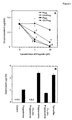
- Progesterone, pregnenolone and 17 ⁇ -OH-pregnenolone were potent inhibitors of ⁇ 24-reduction in an in vitro cell assay and led to the accumulation of desmosterol, a ⁇ 5,24 sterol precursor of cholesterol.
- a markedly different effect was observed for 17 ⁇ -OH-progesterone, which caused the accumulation of sterols associated with inhibition of 4 ⁇ -demethylation.
- the flux of 13 C-acetate into lathosterol and cholesterol was decreased by potent inhibitors as measured by isotopomer spectral analysis, whereas newly synthesized MAS accumulated.
- the combined evidence that MAS concentrations can be regulated by physiological levels of potent inhibitors and their specific combination provides a plausible explanation for the elevated concentration of MAS in gonads and suggests a new role for potent inhibitors in fertility.
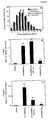
- FF-MAS (4,4-dimethyl-5 ⁇ -cholesta-8,14,24-trien-3 ⁇ -ol) (1), was also detected in the HepG2 cells (Fig. 4A, compound 8) and testis extracts and identified by comparison of its GC retention time and mass spectrum with those of the reference compound (5). The identities of T-MAS and FF-MAS were further confirmed by analysis of testis extracts spiked with various amounts of authentic standards of MAS. The observed pattern of cholesterol synthesis intermediates was consistent with inhibition of both 4 ⁇ -demethylation and ⁇ 24-reduction.
- T-MAS and FF-MAS are derived from newly synthesized sterols.
- potent inhibitors 10 ⁇ M
- 1- 13 C-acetate 1 mM
- the isotopomer distribution of T-MAS after incubation with 17 ⁇ -OH-progesterone showed a preponderance of 13 C-containing species.
- the fit of the T-MAS isotopomer distribution to the ISA model indicated that T-MAS is derived primarily from new synthesis (Fig. 8A).
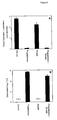
- the effect of various potent inhibitors on the accumulation of T-MAS and FF-MAS is shown in Fig. 8B and C.
- the progesterone receptor is not involved in blocking cholesterol synthesis
- This invention demonstrates that treatment of a hepatic cell model with potent inhibitors alters cholesterol synthesis and leads to the accumulation of MAS.
- progesterone, pregnenolone and 17 ⁇ -OH-pregnenolone produced a pattern of precursors consistent with inhibition of ⁇ 24-reduction (Fig. 2B and Fig. 3).
- 17 ⁇ -OH-progesterone produced a different pattern (notably methyl and dimethyl sterols) corresponding to inhibition of 4 ⁇ -demethylation (Fig. 2C).
- Incubations of potent inhibitors in the presence of miconazole Fig.
- progesterone wet weight
- human follicular fluid 8-25 ⁇ M progesterone; 3-6 ⁇ M 17 ⁇ -OH-progesterone
- progesterone receptor blocker RU486 2 ⁇ M
- Impairment of progesterone secretion is associated with atretic follicles, and low progesterone levels have been reported in the empty follicle syndrome (41,42). In some oligospermic men, abnormal steroidogenesis with lower levels of testicular 17 ⁇ -OH-progesterone has been reported (43). These requirements of potent inhibitors in normal fertility may be explained by our findings that potent inhibitors stimulate the production of sterols known to activate meiosis (1,5,12). Increases in desmosterol levels in primate testis parallel the onset of changes in testosterone synthesis (14), and activation of meiosis is associated with the onset of spermatogenesis (44).
- potent inhibitors of this invention when administered to a mammal, they are conveniently provided in the form of a pharmaceutical composition which comprises at least one compound of the potent inhibitors in connection with a pharmaceutically acceptable carrier.
- a pharmaceutical composition which comprises at least one compound of the potent inhibitors in connection with a pharmaceutically acceptable carrier.
- such compositions are preferably in the form of capsules or tablets.
- the pharmaceutical compositions may comprise carriers, diluents, absorption enhancers, buffers, agents for adjusting the osmotic pressure, tablet disintegrating agents and other ingredients which are conventionally used in the art.
- solid carriers are magnesium carbonate, magnesium stearate, dextrin, lactose, sugar, talc, gelatin, pectin, tragacanth, methyl cellulose, sodium carboxymethyl cellulose, low melting waxes and cocoa butter.
- Liquid compositions include sterile solutions, suspensions and emulsions. Such liquid compositions may be suitable for injection or for use in connection with ex vivo and in vitro fertilization. The liquid compositions may contain other ingredients which are conventionally used in the art.
- composition for transdermal administration of a compound of this invention may be provided in the form of a patch and a composition for nasal administration may be provided in the form of a nasal spray in liquid or powder form.
- potent inhibitors, drugs, chemicals, and cell culture supplies were purchased from Sigma.
- T-MAS and FF-MAS were synthesized as reported recently (5) and used as reference compounds.
- 1- 13 C-acetate was obtained from Cambridge Isotope Laboratories.
- Rat testes were obtained from Sprague-Dawley rats (weight ⁇ 50g).
- hepatoma HepG2 cells were cultured to confluency in 60-mm dishes in phenol-red-free Dulbecco's modified Eagle's medium (DMEM) containing Pen-Strep (100 ⁇ g/ml), glucose (10 mM), sodium bicarbonate (45 mM) and glutamine (4 mM) supplemented with 10% fetal calf serum as described previously (24).
- DMEM Dulbecco's modified Eagle's medium
- glucose 100 ⁇ g/ml
- glucose glucose
- sodium bicarbonate 45 mM
- glutamine 4 mM
- CPSR-1 lipid-free "controlled process serum replacement
- Aminotriazole was added in an aqueous solution. Slices of rat testis (25 ⁇ m; 25-50 mg wet weight) were incubated under the same conditions in a shaking water bath (37°C). For isotopomer spectral analysis (ISA) of lathosterol, 1- 13 C-acetate was added in an aqueous solution to a final concentration of 1 mM.
- ISA isotopomer spectral analysis
- TMS trimethylsilyl
- Pierce bis(trimethylsilyl)trifluoracetamide
- n-decane 1:1; v/v
- GC/MS gas-chromatography/mass-spectrometry
- Rat testes (0.05-0.15 g) were homogenized manually, and lipids were extracted in hexane/isopropanol (3:2 v/v; two times with 4 ml). The extracts were deproteinized with acetone (3 ml) and processed as described above. The observed sterol levels in testis were normalized to correspond to 0.1 g of tissue (wet weight).
- the electron multiplier voltage was raised by 300 V after the elution of lathosterol to increase the sensitivity of detection for lanosterol, dihydrolanosterol, methylsterols, dimethylsterols and plant sterols.
- the internal standard epicoprostanol was monitored at m / z 370.
- cholesterol precursors and plant sterols were monitored by the following ions: desmosterol ( m / z 456; 441 and 351); ⁇ 8-cholestenol ( m / z 458); lathosterol ( m / z 458); monounsaturated methylsterols ( m / z 472); diunsaturated methylsterols ( m / z 470); monounsaturated dimethylsterols ( m / z 486); diunsaturated dimethylsterols ( m / z 484); triunsaturated dimethylsterols ( m / z 482); lanosterol ( m / z 498 and 393) and dihydrolanosterol ( m / z 500 and 395).
- HepG2 cells were incubated for 12 h with 10 ⁇ M simvastatin (a kind gift from M. Stapff (MSD, Germany)) to deplete cholesterol precursors. Thereafter, the medium was changed to one containing 10 ⁇ M simvastatin, 10 ⁇ M miconazole (an inhibitor of 14 ⁇ -demethylation) and 6 ⁇ g/dish lanosterol.
- ISA was carried out as described previously (25) by incubating cells with 1-13C-acetate.
- the isotopomer distribution in sterols synthesized from 1- 13 C-acetate provided the fractional synthesis rate g(t) of the product and the enrichment D of the labeled precursor pool. These parameters were calculated by nonlinear regression analysis as described previously (25,26). Because here we used the molecular ions containing the TMS group for the ISA calculations, the ISA program was modified to correct for the additional C, H and Si atoms from the derivatization reagent. Statistical differences were assessed by Student's t-test and considered significant for P ⁇ 0.05.
- BSA bovine serum albumin
- DMEM Dulbecco's modified Eagle's medium
- FF-MAS follicular fluid meiosis-activating sterol
- GC/MS gas chromatography/mass spectrometry
- HMG-CoA 3-hydroxy-3-methylglutaryl coenzyme A
- ISA isotopomer spectral analysis
- MAS meiosis-activating sterols
- PBS phosphate buffered saline
- SIM selective ion monitoring
- T-MAS testicular meiosis-activating sterol
- TMS trimethylsilyl
Landscapes
- Health & Medical Sciences (AREA)
- Animal Behavior & Ethology (AREA)
- Public Health (AREA)
- Veterinary Medicine (AREA)
- Pharmacology & Pharmacy (AREA)
- General Health & Medical Sciences (AREA)
- Life Sciences & Earth Sciences (AREA)
- Chemical & Material Sciences (AREA)
- Medicinal Chemistry (AREA)
- Epidemiology (AREA)
- Reproductive Health (AREA)
- Organic Chemistry (AREA)
- Endocrinology (AREA)
- Nuclear Medicine, Radiotherapy & Molecular Imaging (AREA)
- Bioinformatics & Cheminformatics (AREA)
- General Chemical & Material Sciences (AREA)
- Engineering & Computer Science (AREA)
- Chemical Kinetics & Catalysis (AREA)
- Gynecology & Obstetrics (AREA)
- Steroid Compounds (AREA)
- Pregnancy & Childbirth (AREA)
- Pharmaceuticals Containing Other Organic And Inorganic Compounds (AREA)
Abstract
The invention relates to a process to increase the concentration of meiosis-activating
sterols (MAS) in the cholesterol synthesis wherein potent inhibitors
where added, the use of potent inhibitors in the cholesterol synthesis, a
pharmaceutical composition comprising the potent inhibitors and the use of the
inhibitors for the microbiology production of meiosis-activating sterols (MAS). In
the process of the invention the Δ24-reduction or/and 4α-demethylation in the
cholesterol synthesis are inhibited. As a result of this inhibition the concentration
of FF-MAS and/or T-MAS as meiosis-activating sterols (MAS) are increased.
Description
- The present invention relates to a process to increase the concentration of meiosis-activating sterols (MAS) in the cholesterol synthesis wherein potent inhibitors where added, the use of potent inhibitors in the cholesterol synthesis, a pharmaceutical composition comprising the potent inhibitors and the use of the inhibitors for the microbiology production of meiosis-activating sterols (MAS).
- In the process of the invention the Δ24-reduction or/and 4α-demethylation in the cholesterol synthesis are inhibited. As a result of this inhibition the concentration of FF-MAS and/or T-MAS as meiosis-activating sterols (MAS) are increased.
- Very potent inhibitors are Progesterone, Pregnenolone, 17α-Hydroxy-pregnenolone, 17α-Hydroxy-progesterone, 4-Androsten-3,17-dione, Testosterone, Medroxyprogesterone, Verapamil, Tamoxifen, Ursodeoxycholic acid (UDCA), Chenodeoxycholic acid (CDCA), Deoxycholic acid (DCA), Lithocholic acid (LCA), Cortisone, Cortisol, 11-Desoxycortisol, 17β-Estradiol, Aldosteron, Dehydroepiandrosteron, Norethynodrel, 11-Deoxycorticosterone, Corticosterone, 6-Amino-2-n-pentylthiobenzothiazole, or mixtures of them.
- This invention disclose also the use of the potent inhibitors in the cholesterol synthesis to increase the concentration of meiosis-activating sterols (MAS), the use for the manufacture of a medicament for the control of fertility possibly in a mixture with pharmaceutically acceptable auxiliaries and the use for the microbiology production of meiosis-activating sterols (MAS).
- The biosynthetic pathway of cholesterol comprises the conversion of lanosterol to cholesterol (Figure 1). A large number of intermediate sterols are involved to complete cholesterol synthesis from lanosterol, the first sterol precursor of cholesterol. Some intermediate cholesterol precursors can be measured in human serum and have been shown useful indicators of cholesterol synthesis. Their serum concentrations are influenced by 1) physiological conditions 2) various diseases and 3) drug treatments. Furthermore, various agents are known to affect specific steps of cholesterol synthesis and recent reports showed that Amphotericin and AY 9944-A-7 are able to affect late steps of cholesterol synthesis (WO 00/52142).
- The classic pathway from mevalonate to cholesterol has several ancillary functions. Isoprenoid intermediates are partially diverted to protein prenylation, isopentenylation of tRNA, and production of dolichols and ubiquinone. Small amounts of 7-dehydrocholesterol are converted to vitamin D3, and other intermediates are oxidized to regulatory species. Although the actual intermediates of cholesterol biosynthesis might appear to have no special biochemical or physiological functions, recent evidence (1) suggests that C29 precursors of cholesterol are the long-sought (2,3) meiosis-inducing substances. Two notable examples of C29 meiosis-activating sterols (MAS) are FF-MAS (4,4-dimethyl-5a-cholesta-8,14,24-trien-3β-ol), isolated from human follicular fluid, and T-MAS (4,4-dimethyl-5α-cholesta-8,24-dien-3β-ol), isolated from bull testis (1). Synthetic FF-MAS (1,4,5) and other C29 sterols (1,5) overcome meiotic arrest produced by hypoxanthine, dbcAMP or 3-isobutyl-1-methylxanthine in naked oocytes or cumulus enclosed oocytes. In contrast, lanosterol, cholesterol, Δ5,7- and Δ5-C29 sterols, and several oxysterols fail to activate meiosis (4-7). The proposed regulation of meiosis by C29 sterols is supported by the finding that MAS are synthesized in rat and human gonads (8,9), but the mechanism by which sterols activate meiosis is unclear (10,11). Mediation by an LXR receptor, suggested (6) on the basis of results that some meiosis-activating sterols are also ligands for the LXRα receptor (5-7,12), has been discounted (12).
- Another unsolved problem, addressed herein, is the mechanism by which levels of MAS are regulated. Under normal metabolic conditions, the rapid conversion of sterol intermediates to cholesterol results in low concentrations of precursors in liver, blood and most other tissues. Exceptions include the occurrence of elevated concentrations of T-MAS in testicular tissue (1,11), of FF-MAS and T-MAS in preovulatory follicular fluid (11) and of desmosterol in spermatozoa, testis (13,14), human milk (15), and the developing brain (16). The significant levels of MAS in gonadal tissue could result from hormonal regulation, and potent inhibitors have long been associated with meiotic events (17,18) and with inhibition of cholesterol synthesis in somatic cells (19,20). Extensive results in a variety of cell lines indicate that progesterone inhibits sterol synthesis and that the progesterone receptor is not involved (21-23). Lanosterol and several other sterol precursors accumulated but were not identified or characterized beyond their TLC or HPLC mobility.
- According to the present invention there are potent inhibitors in the cholesterol biosynthesis which are added and the concentrations of meiosis-activating sterols (MAS) will increase.
- The term meiosis-activating sterols (MAS) refers to a substance which is an intermediate in the cholesterol biosynthesis between lanosterol and cholesterol (Fig. 1). Two examples of MAS are FF-MAS (4,4-dimethyl-5α-cholesta-8,14,24-triene-3β-ol) and T-MAS (4,4-dimethyl-5α-cholest-8,24-diene-3β-ol). A MAS will preferably be a sterol. Examples of MAS compounds are mentioned in WO 96/00235, WO 96/27658, WO 97/00883, WO 97/00884, WO 98/28323, WO 98/54965, WO 98/55498 and WO 00/35938. It is preferred that the MAS is selected from the group consisting of FF-MAS, T-MAS, 1-methyl-zymosterol and zymosterol.
- The term potent inhibitors refers to substances which interfere with the cholesterol biosynthesis in a way which results in accumulation (increasing) of meiosis activating sterols.
- The invention discloses for example Progesterone, Pregnesolone, Pregnenolone, 17α-Hydroxy-pregnenolone, 17α-Hydroxy-progesterone, Androsten-3,17-dione, Testosterone, Medroxyprogesterone, Verapamil, Tamoxifen, Ursodeoxycholic acid, Chenodesoxycholic acid, Desoxycholic acid, Lithocholic acid, Cortisone, Cortisol, 11-Desoxycortisole, 17β-Estradiole, Aldosterone, Dehydroepiandrosteron, Norethynodrel, 11-Deoxycorticosterone, Corticosterone, 6-Amino-2-n-pentylthiobenzothiazole or mixtures of them as potent inhibitors in the cholesterol synthesis.
- These potent inhibitors can be used in vivo and in vitro to inhibit the cholesterol biosynthesis and increase the meiosis-activating sterols. The meiosis activating sterols are responsible for the control of fertility, for example additives or additives capable of endogenous stimulation of the accumulation for in vitro fertilization, the pre-embryo resulting from the in vitro fertilization having an improved implantation rate in vivo.
- One aspect of the inventions relates to the potent inhibitors which increase the ovarian follicular cumulus cell production of MAS and thereby enhance the capacity of the oocyte to undergo normal pre-embryo development resulting in augmented implantation and conceptional potential of the derived pre-embryos obtained during a culture period as used in connection with assisted reproduction and infertility treatment.
- The invention relates also to the use of potent inhibitors in the cholesterol synthesis to increase the concentration of meiosis-activating sterols (MAS), the use for the manufacture of a medicament for the control of fertility and the use for the microbiology production of meiosis-activating sterols (MAS), in a given teaching by M. Bard et al., [Proc. Natl. Acad. Sci. (USA) (1996), 93, 186 - 190.]
- The potent inhibitors also referred to herein as the active ingredient, may be administered enterally or parenterally. The exact dose and regimen of administration of the active ingredient, or a pharmaceutical composition thereof, will necessarily be dependent upon the therapeutic effect to be achieved (contraception or infertility), and will vary with the particular compound, the route of administration, and the age and condition of the individual subject to whom the medicament is to be administered.
- In general, parenteral administration requires lower dosages than other methods of administration which are more dependent upon adsorption. However a dosage for humans preferably contains 0.0001- 250 mg per kg body weight. The desired dose may be presented as one dose or as multiple subdoses administered at appropriate intervals throughout the day, or, in case of female recipients, as doses to be administered at appropriate daily intervals throughout he menstrual cycle. The dosage as well as the regimen of administration may differ between a females and a male recipient.
- In case of in vitro or ex vivo applications, the compounds of the invention are to be used in the incubation media in a concentration of approximately 0.01 - 500 µg/ml.
- In a major extension of these (21-23,24) and earlier (19) findings, we now report incubations of HepG2 cells and rat testis with potent inhibitors at concentrations commonly found in gonadal tissue. Our results in HepG2 cells confirm the reported (22-24) inhibition of cholesterol synthesis, the accumulation of cholesterol precursors, and the lack of involvement of the progesterone receptor. Moreover, we have demonstrated by GC/MS that major accumulating sterols are identical with authentic standards of T-MAS and FF-MAS. This critical structural information indicates a previously unrecognized linkage between potent inhibitors and MAS. Based on our full experimental results, we propose a mechanism leading to the accumulation of MAS through the inhibition of two steps in the cholesterol synthesis pathway (Fig. 1) by specific individual potent inhibitors. Our combined results provide the first credible explanation for the presence of micromolar levels of MAS in gonadal tissue and bring together previously unconnected lines of research, i.e. the biochemical role of MAS in fertility and the effects of potent inhibitors on cholesterol biosynthesis and on meiosis.
- The resumption of meiosis is regulated by meiosis-preventing and meiosis-activating substances in testes and ovaries. Certain C29 precursors of cholesterol are present at elevated levels in gonadal tissue, but the mechanism by which these meiosis-activating sterols (MAS) accumulate has remained an unresolved question. Here we have found that potent inhibitors alter cholesterol synthesis in HepG2 cells and rat testes to increase levels of major MAS (FF-MAS and T-MAS). These C29 sterols accumulated as a result of inhibition of Δ24-reduction and 4α-demethylation. Progesterone, pregnenolone and 17α-OH-pregnenolone were potent inhibitors of Δ24-reduction in an in vitro cell assay and led to the accumulation of desmosterol, a Δ5,24 sterol precursor of cholesterol. A markedly different effect was observed for 17α-OH-progesterone, which caused the accumulation of sterols associated with inhibition of 4α-demethylation. The flux of 13C-acetate into lathosterol and cholesterol was decreased by potent inhibitors as measured by isotopomer spectral analysis, whereas newly synthesized MAS accumulated. The combined evidence that MAS concentrations can be regulated by physiological levels of potent inhibitors and their specific combination provides a plausible explanation for the elevated concentration of MAS in gonads and suggests a new role for potent inhibitors in fertility.
- Incubation of HepG2 cells with progesterone, pregnenolone or 17α-OH-pregnenolone led to the accumulation of desmosterol, a cholesterol precursor in which the Δ24 bond has not been reduced (Fig. 2B and Fig. 3B). In contrast 17α-OH-progesterone produced an accumulation of methyl and dimethyl sterols (Fig. 2C), including T-MAS and 4,4-dimethyl-5α-cholest-8-en-3β-ol, a meiosis-activating sterol (1) that was identified by comparison with MS data reported by Hashimoto et al. (27). These effects resemble the action of aminotriazole (Fig. 2D), which inhibits 4α-demethylation (27) and other heme-dependent processes that may affect sterol metabolism in peroxisomes and endoplasmic reticulum. An inhibition of Sterol 4-Demethylation by 6-Amino-2-n-Pentylthiobenzothiazol is also reported in the literature (46 and 47). These accumulation patterns are consistent with the inhibition of Δ24-reduction (by progesterone at 10 µM) and 4α-demethylation (by 17α-OH-progesterone at 10 µM and aminotriazole at 40 mM). Compared to potent inhibitors, other hormones (testosterone, β-estradiol, estrone, dehydroepiandrosterone and androstenedione; at 10 µM) produced only minor changes in the cholesterol precursor pattern (data not shown). Despite an accumulation of desmosterol after a 12-h incubation with 10 µM progesterone, desmosterol amounted to only 2.1% of the cholesterol content of the cells (5.7 ± 0.07 µg desmosterol vs. 269 ± 3 µg cholesterol, n=3 incubations).
- To isolate Δ24-reduction from other steps of the pathway, the conversion of lanosterol to dihydrolanosterol was studied in HepG2 cells by blocking further metabolism with added miconazole (Fig. 3A). Incubations with various potent inhibitors showed the following order of suppression of Δ24 reduction: pregnenolone > progesterone > 17α-OH-pregnenolone >> 17α-OH-progesterone. In the absence of miconazole, the Δ24 reduction step was strongly suppressed by the antiestrogen drug tamoxifen and by pregnenolone, progesterone and 17α-OH-pregnenolone, but not by 17α-OH-progesterone (Fig. 3B). The observed accumulation of desmosterol in HepG2 cells in the absence of miconazole (Fig. 3B) indicates that all steps of cholesterol biosynthesis are intact except the Δ24 reduction.
- Treatment of HepG2 cells with a higher concentration of progesterone (40 µM) produced increased levels of methylsterols (
compounds compound 1, Fig. 4A). The dominant cholesterol precursor was a diunsaturated C29 sterol also found in adult rat testis (Fig. 4B). These sterols were both identified as T-MAS (4,4-dimethyl-5α-cholesta-8,24-dien-3β-ol) by comparison of their GC retention times and mass spectra (Fig. 4C and D) with those of a synthetic standard (5) for T-MAS. FF-MAS (4,4-dimethyl-5α-cholesta-8,14,24-trien-3β-ol) (1), was also detected in the HepG2 cells (Fig. 4A, compound 8) and testis extracts and identified by comparison of its GC retention time and mass spectrum with those of the reference compound (5). The identities of T-MAS and FF-MAS were further confirmed by analysis of testis extracts spiked with various amounts of authentic standards of MAS. The observed pattern of cholesterol synthesis intermediates was consistent with inhibition of both 4α-demethylation and Δ24-reduction. - Incubation of HepG2 cells and rat testis slices with individual potent inhibitors and drugs altered the levels of the three C29-sterols (Table 1). In many cases, combinations of 17α-OH-progesterone with other potent inhibitors produced additive and/or synergistic effects (Table 1). These effects were less pronounced in testis slices, possibly as a consequence of a lower total cholesterol synthesis rate relative to that of the highly metabolic HepG2 cells, the higher background of pre-existing MAS in testes and/or the shorter incubation time. As shown in Table 1, the effects of potent inhibitors, both alone and in combination, were similar to those caused by aminotriazole, a known inhibitor of 4α-demethylation (27), tamoxifen, an inhibitor of Δ24-reduction and Δ7-Δ8 isomerization (26), and verapamil, a calcium blocker used in treating cardiovascular diseases. Medroxyprogesterone, a synthetic progestin used as a contraceptive, also led to large increases in C29-sterols. A combination of β-estradiol (10 µM), the second major hormone in follicular fluid, and progesterone (10 µM) did not alter the accumulation of cholesterol precursors observed with progesterone alone.
- To detect changes in cholesterol precursors in developing rat testis, neutral sterols were measured by GC-MS in young rats (body weight < 60 g) and adult rats (body weight 100-350 g). The results (Fig. 5A) show that T-MAS levels were ca. 4 times higher in the adult rats than in young rats and that T-MAS becomes the dominant cholesterol precursor (Fig. 4B). No other cholesterol precursor showed such a pronounced change during maturation. In fact cholesterol precursors later in the biosynthetic pathway (e.g. lathosterol and Δ8-cholestenol) were reduced by ca. 50% in adult rats. Interestingly, the relationship between 4,4-dimethyl-5α-cholest-8-en-3β-ol (no Δ24 bond) and T-MAS (Δ24 double bond present) exhibited a strong inverse correlation, as shown in Fig. 5B. This suggests that the shift of cholesterol precursors in the developing rat testis involves impaired Δ24-reduction.
- To investigate possible mechanisms of action of the potent inhibitors, we used ISA to determine the flux of 13C acetate to cholesterol precursors later in cholesterol synthesis. We measured the precursor pool enrichment D and the fractional synthesis rate g(t) of lathosterol (5α-cholest-7-en-3β-ol) in HepG2 cells in the presence of various potent inhibitors (Fig. 6). Progesterone, 17α-OH-progesterone and pregnenolone reduced de novo lathosterol synthesis by more than 60%, and the total amount of lathosterol was lowered by ca. 50%. De novo fractional cholesterol synthesis g(t) was 4.2% ± 0.2 (n=3) for controls but not detectable under the influence of potent inhibitors. Reduced flux of 13C-acetate to cholesterol was also indicated by the markedly lower fractional abundance of the 13C isotopomers ([M+3]+ to [M+8]+) of cholesterol in the treated cells (Fig. 7). Despite the very small MS responses, we observed a reduced fractional abundance for [M+5]+ in progestin-treated cells (Fig. 7B), with a dose-dependent lowering for progesterone (Fig. 7A). The combined results show that potent inhibitors block de novo cholesterol synthesis at steps before lathosterol. In contrast to lathosterol, 13C-T-MAS did accumulate (Fig. 8), indicating that de novo synthesis of intermediates prior to Δ24-reduction and 4α-demethylation was not affected by the potent inhibitors.
All the added potent inhibitors produced an acetate precursor pool enrichment D (proportion of 13C-acetate in the acetate pool for sterol synthesis) of 0.2-0.3 (Fig. 6B), with a slight but statistically significant difference for progesterone and 17α-OH-progesterone. This difference might arise from differing concentrations of cholesterol precursors, which, through feedback inhibition of HMG-CoA reductase, may ultimately affect the acetate precursor pool. If so, investigation of effects of inhibitors of biosynthetic pathways on precursor pools might offer a useful tool for understanding metabolic regulation. - To test whether the accumulating T-MAS and FF-MAS are derived from newly synthesized sterols, we incubated HepG2 cells with potent inhibitors (10 µM) and 1-13C-acetate (1 mM) for 12 h. The isotopomer distribution of T-MAS after incubation with 17α-OH-progesterone showed a preponderance of 13C-containing species. The fit of the T-MAS isotopomer distribution to the ISA model indicated that T-MAS is derived primarily from new synthesis (Fig. 8A). The effect of various potent inhibitors on the accumulation of T-MAS and FF-MAS is shown in Fig. 8B and C. These results show that highly labeled and therefore newly synthesized MAS accumulated during incubation with progesterone and 17α-OH-progesterone.
- To investigate the possible involvement of the progesterone receptor in the actions of progesterone, we incubated HepG2 cells with the progesterone antagonist RU486 (2 µM) alone or in the presence of progesterone (10 µM). As shown in Fig. 9A, RU486 did not counteract the dramatic decline in the ratio of dihydrolanosterol to lanosterol nor the accumulation of desmosterol observed upon incubation with progesterone (Fig. 9B).
- This invention demonstrates that treatment of a hepatic cell model with potent inhibitors alters cholesterol synthesis and leads to the accumulation of MAS. In HepG2 cells at 10 µM concentration, progesterone, pregnenolone and 17α-OH-pregnenolone produced a pattern of precursors consistent with inhibition of Δ24-reduction (Fig. 2B and Fig. 3). In contrast, 17α-OH-progesterone produced a different pattern (notably methyl and dimethyl sterols) corresponding to inhibition of 4α-demethylation (Fig. 2C). Incubations of potent inhibitors in the presence of miconazole (Fig. 3A), which blocks 14α-demethylation, demonstrated that the effects of the potent inhibitors on Δ24-reduction are not mediated through other cholesterol precursors that may accumulate in cells when the entire pathway is intact. 17α-OH-Progesterone led to the accumulation of the same dimethyl and methyl cholesterol precursors as aminotriazole (Fig. 2C and D), a known (albeit less potent) inhibitor of 4α-demethylation (27). Our findings represent the first report of the effects of 17α-OH-progesterone on cholesterol synthesis. These effects are distinct from the actions of other potent inhibitors described herein. Incubations with potent inhibitors in the presence of 13C-acetate led to the accumulation of 13C-MAS (Fig. 8). These results demonstrate that the MAS arose from de novo synthesis rather than interconversion of pre-existing sterols. Potent inhibitors were also capable of increasing the levels of MAS in testicular slices (Table 1).
We found that simultaneous inhibition of Δ24-reduction and 4α-demethylation by potent inhibitors leads to the accumulation of MAS. Additive and synergistic effects of 17α-OH-progesterone with either pregnenolone or progesterone on the levels of T-MAS and FF-MAS (Table 1) are compatible with this hypothesis. Furthermore, we found that progesterone, pregnenolone and 17α-OH-progesterone in HepG2 cells (Fig. 6 and 7) and rat testis slices suppressed the incorporation of 13C-acetate into sterols requiring both Δ24-reduction and 4α-demethylation (e.g. lathosterol and cholesterol) (Fig. 6 and 7) and led to the accumulation of labeled MAS (Fig. 8). It is also notable that the dominant cholesterol precursor in rat testis is T-MAS (Fig. 4B) and that T-MAS accumulates in the developing rat testis (Fig. 5A) while levels of 4,4-dimethyl-5α-cholest-8-en-3β-ol decline during maturation (Fig. 5B). These observations support our hypothesis that Δ24-reductase activity is suppressed in the adult rat testis.
The effects described herein of potent inhibitors on cholesterol synthesis occurred at normal physiological concentrations for gonadal tissue. Increases in T-MAS (9 fold) and FF-MAS (4 fold) occurred in the presence of 1 µM progesterone or 1 µM 17α-OH-progesterone (Table 1). These concentrations are comparable to reported levels in human testes (505 ng/g (ca. 1.6 µM) pregnenolone; (306 ng/g (ca. 0.9 µM) 17α-hydroxyprogesterone; and 81 ng/g (ca. 0.3 µM) progesterone (wet weight)) (28) and human follicular fluid (8-25 µM progesterone; 3-6 µM 17α-OH-progesterone) (29). In evaluating the ramifications of progestin levels, it should be noted that a permanent induction of meiosis is required in men, whereas the resumption of meiosis in women coincides with the progestin surge induced by lutenizing hormone (30). We also found that the effects of progesterone on the accumulation of desmosterol and on the ratio of dihydrolanosterol to lanosterol were not modulated by the progesterone receptor blocker RU486 (2 µM) (Fig. 8). This result and our other observations are in agreement with previous reports (19,21-23,32) that steroid hormones affect cholesterol synthesis in various cell types, leading to an accumulation of cholesterol precursors, and that the progesterone receptor is not involved. - In seeking an explanation for the effects of progesterone on cholesterol synthesis, some authors have investigated mechanisms based on the interference of progesterone with intracellular cholesterol trafficking (23,31-35). Our results suggest an additional or alternative mechanism involving direct inhibition of specific steps of sterol synthesis. In efforts to understand the synthetic origins of MAS, two groups have reported upregulation of sterol 14α-demethylase (P45014DM) (8,9). Such an increase in the activity of the 14α-demethylase would likely result in simultaneous accumulation of dimethylsterols with and without a Δ24 bond, whereas we observed an actual decrease in levels of monounsaturated dimethylsterols and a concomitant increase in levels of T-MAS in developing rat testes (Fig. 5B). Our results indicate impaired Δ24 reduction rather than enhanced activity of the 14α-demethylase. The observed pattern of precursors is compatible with a "downstream" mechanism of MAS regulation consisting of inhibition of later steps in the cholesterol biosynthetic pathway to divert flux into MAS. Under normal circumstances this pathway operates such that cholesterol precursors do not accumulate. Interestingly, progesterone (10 µM) has been shown to increase the activity of HMG-CoA reductase in human fibroblasts (33). This observation is consistent with decreased feedback inhibition of cholesterol (or C27-oxysterols) on HMG-CoA reductase, effects that would be anticipated from our finding that added progesterone decreases flux from 13C-acetate to lathosterol.
Although the suggested connections between potent inhibitors, MAS, and fertility represent an attractive explanation that unifies a considerable body of observations, our results do not exclude alternative scenarios. For example, low micromolar MAS accumulation produced by potent inhibitors might be physiologically irrelevant to the regulation of meiosis. Related to this caveat is our inability to fully explain the accumulation of FF-MAS in follicular fluid and ovarian tissue, a process that may involve inhibition of Δ14-reductase. Although hepatocytes contain enzymes not expressed in gonadal tissue, HepG2 cells are otherwise a useful experimental model because of their high rate of cholesterol synthesis in lipid-deficient media and their low background of pre-existing MAS. It should also be noted that, although our GC/MS evidence for FF-MAS and T-MAS exceeds commonly accepted standards for sterol identification, reported limitations of GC/MS (36) point to the value of more definitive analyses in future work, which should also include measurements of MAS levels relative to cell protein.
The mechanism of action suggested by our results may bear directly on the role of potent inhibitors in human fertility. The importance of changing from an estrogen/androgen secreting status to a predominately progesterone secreting status in human ovaries has been emphasized by several investigators (29,37-39) and coincides with the resumption of meiosis (30,40). Impairment of progesterone secretion is associated with atretic follicles, and low progesterone levels have been reported in the empty follicle syndrome (41,42). In some oligospermic men, abnormal steroidogenesis with lower levels of testicular 17α-OH-progesterone has been reported (43). These requirements of potent inhibitors in normal fertility may be explained by our findings that potent inhibitors stimulate the production of sterols known to activate meiosis (1,5,12). Increases in desmosterol levels in primate testis parallel the onset of changes in testosterone synthesis (14), and activation of meiosis is associated with the onset of spermatogenesis (44). Evidence for the synthesis of MAS in rat gonads has recently been presented by Yoshida et al. (8). Our data further suggest that elevated progestin levels, leading to inhibition of Δ24-reduction, provide a coherent explanation for the relatively high concentrations of desmosterol in semen, testes (13,14), mothers' serum before and after delivery (45), and human milk (15).
In summary, we provide evidence that potent inhibitors may be natural regulators of MAS. Our findings point to a new role for potent inhibitors in fertility through synergistic actions of 17α-OH-progesterone with other potent inhibitors and suggest potential targets for possible pharmacological intervention. However, the relevance of our experimental results to the regulation of meiosis presupposes a physiological role for MAS in fertility, a matter that remains to be demonstrated conclusively. - Thus, when the potent inhibitors of this invention are to be administered to a mammal, they are conveniently provided in the form of a pharmaceutical composition which comprises at least one compound of the potent inhibitors in connection with a pharmaceutically acceptable carrier. For oral use, such compositions are preferably in the form of capsules or tablets.
- From the above it will be understood that administrative regimen called for will depend on the condition to be treated. Thus, when used in the treatment of infertility the administration may be once only, or for a limited period, e.g. until pregnancy is achieved. When used as a contraceptive, the meiosis inducing substance with either have to be taken continuously or cyclically. when used as a contraceptive by women and not taken continuously, the timing of the administration relative to the menstrual cycle will be important.
- The pharmaceutical compositions may comprise carriers, diluents, absorption enhancers, buffers, agents for adjusting the osmotic pressure, tablet disintegrating agents and other ingredients which are conventionally used in the art. Examples of solid carriers are magnesium carbonate, magnesium stearate, dextrin, lactose, sugar, talc, gelatin, pectin, tragacanth, methyl cellulose, sodium carboxymethyl cellulose, low melting waxes and cocoa butter.
- Liquid compositions include sterile solutions, suspensions and emulsions. Such liquid compositions may be suitable for injection or for use in connection with ex vivo and in vitro fertilization. The liquid compositions may contain other ingredients which are conventionally used in the art.
- Further, a composition for transdermal administration of a compound of this invention may be provided in the form of a patch and a composition for nasal administration may be provided in the form of a nasal spray in liquid or powder form.
- Unless specified otherwise, potent inhibitors, drugs, chemicals, and cell culture supplies were purchased from Sigma. T-MAS and FF-MAS were synthesized as reported recently (5) and used as reference compounds. 1-13C-acetate was obtained from Cambridge Isotope Laboratories. Rat testes were obtained from Sprague-Dawley rats (weight <50g).
- Human hepatoma HepG2 cells were cultured to confluency in 60-mm dishes in phenol-red-free Dulbecco's modified Eagle's medium (DMEM) containing Pen-Strep (100 µg/ml), glucose (10 mM), sodium bicarbonate (45 mM) and glutamine (4 mM) supplemented with 10% fetal calf serum as described previously (24). At the beginning of the experiment the medium was changed to serum-free DMEM supplemented with 10% lipid-free "controlled process serum replacement" (CPSR-1). Compounds were added from ethanolic stock solutions to produce final ethanol concentrations of 0.1-0.3% v/v. Controls received the same amount of ethanol. Aminotriazole was added in an aqueous solution. Slices of rat testis (25 µm; 25-50 mg wet weight) were incubated under the same conditions in a shaking water bath (37°C). For isotopomer spectral analysis (ISA) of lathosterol, 1-13C-acetate was added in an aqueous solution to a final concentration of 1 mM.
- Cells were washed three times with ice cold PBS (pH 7.4) (once with 2 mg/ml BSA and twice with PBS alone). Epicoprostanol (1 µg in 50 µl of hexane) was added as internal standard to each sample. Sterols were extracted in hexane/isopropanol (3:2 v/v; two times with 4 ml). After drying under nitrogen and alkaline hydrolysis (1 N NaOH in 80% ethanol, 1.5 h at 70°C), the sterols were extracted with cyclohexane (two times with 3 ml). After drying under nitrogen, sterols were converted to their trimethylsilyl (TMS) derivatives by adding 100 µl bis(trimethylsilyl)trifluoracetamide (Pierce)/n-decane (1:1; v/v) and heating for 1 h at 70°C in a conical glass tube. This solution (1-2 µl) was used for gas-chromatography/mass-spectrometry (GC/MS). Rat testes (0.05-0.15 g) were homogenized manually, and lipids were extracted in hexane/isopropanol (3:2 v/v; two times with 4 ml). The extracts were deproteinized with acetone (3 ml) and processed as described above. The observed sterol levels in testis were normalized to correspond to 0.1 g of tissue (wet weight).
- Analyses were performed on a Hewlett-Packard GC/MS system (5890 series II GC interfaced to a 5971 mass selective detector) equipped with a DB-XLB column (30 m x 0.25 mm i.d. x 0.25 µm film; J&W). Gas-chromatography was done in the splitless mode with temperature programming as follows: 150°C for 1 min, followed by 20°C/min up to 260°C and 10°C/min up to 280°C (hold for 15 min). Mass spectral data were collected either in the full-scan mode (m/z 50-550) or by selective ion monitoring (SIM). For SIM analyses the electron multiplier voltage was raised by 300 V after the elution of lathosterol to increase the sensitivity of detection for lanosterol, dihydrolanosterol, methylsterols, dimethylsterols and plant sterols. The internal standard epicoprostanol was monitored at m/z 370. In unlabeled experiments, cholesterol precursors and plant sterols were monitored by the following ions: desmosterol (m/z 456; 441 and 351); Δ8-cholestenol (m/z 458); lathosterol (m/z 458); monounsaturated methylsterols (m/z 472); diunsaturated methylsterols (m/z 470); monounsaturated dimethylsterols (m/z 486); diunsaturated dimethylsterols (m/z 484); triunsaturated dimethylsterols (m/z 482); lanosterol (m/z 498 and 393) and dihydrolanosterol (m/z 500 and 395). Peak integration was performed manually, and sterols were quantified from SIM analyses against the internal standard. Unless stated otherwise, MAS amounts are given as a percentage of the control. When 1-13C-acetate was used in the culture medium for ISA, up to 10 ions (M+0- M+10) were monitored for the TMS derivatives of lathosterol (m/z 458-468), T-MAS (m/z 484-494) and FF-MAS (m/z 482-492).
- HepG2 cells were incubated for 12 h with 10 µM simvastatin (a kind gift from M. Stapff (MSD, Germany)) to deplete cholesterol precursors. Thereafter, the medium was changed to one containing 10 µM simvastatin, 10 µM miconazole (an inhibitor of 14α-demethylation) and 6 µg/dish lanosterol. After 12 h incubation, neutral sterols were extracted as described above, and the samples were monitored for lanosterol (m/z 498 (M+) and m/z 393 (M-TMSOH-CH3)) and dihydrolanosterol (m/z 500 (M+) and m/z 395 (M-TMSOH-CH3)) by GC/MS. Dihydrolanosterol was quantified by comparing the ratio of SIM abundances at m/z 395 and 370 (epicoprostanol) against a standard curve constructed from SIM results on mixtures of authentic dihydrolanosterol and epicoprostanol. Desmosterol was quantified analogously by SIM.
- ISA was carried out as described previously (25) by incubating cells with 1-13C-acetate. The isotopomer distribution in sterols synthesized from 1-13C-acetate provided the fractional synthesis rate g(t) of the product and the enrichment D of the labeled precursor pool. These parameters were calculated by nonlinear regression analysis as described previously (25,26). Because here we used the molecular ions containing the TMS group for the ISA calculations, the ISA program was modified to correct for the additional C, H and Si atoms from the derivatization reagent. Statistical differences were assessed by Student's t-test and considered significant for P<0.05.
-
- 1. Byskov, A.G., Andersen, C.Y., Nordholm, L., Thogersen, H., Xia, G., Wassmann, O., Andersen, J.V., Guddal, E., and Roed, T. (1995) Chemical structure of sterols that activate oocyte meiosis. Nature 374, 559-562
- 2. Byskov, A.G., and Saxen, L. (1976) Induction of meiosis in fetal mouse testis in vitro. Dev. Biol. 52, 193-200
- 3. Westergaard, L., Byskov, A.G., Andersen, C.Y., Grinsted, J., and McNatty, K.P. (1984) Is resumption of meiosis in the human preovulatory oocyte triggered by a meiosis-inducing substance (MIS) in the follicular fluid? Fertil. Steril. 41, 377-384
- 4. Grondahl, C., Ottesen, J.L., Lessl, M., Faarup, P., Murray, A., Gronvald, F.C., Hegele-Hartung, C., and Ahnfelt-Ronne, I. (1998) Meiosis-activating sterol promotes resumption of meiosis in mouse oocytes cultured in vitro in contrast to related oxysterols. Biol Reprod 58, 1297-1302
- 5. Ruan, B., Watanabe, S., Eppig, J.J., Kwoh, C., Dzidic, N., Pang, J., Wilson, W.K., and Schroepfer, G.J. (1998) Sterols affecting meiosis: novel chemical syntheses and the biological activity and spectral properties of the synthetic sterols. J. Lipid Res. 39, 2005-2020
- 6. Janowski, B.A., Willy, P.J., Devi, T.R., Falck, J.R., and Mangelsdorf, D.J. (1996) An oxysterol signalling pathway mediated by the nuclear receptor LXRα. Nature 383, 728-731
- 7. Forman, B.M., Ruan, B., Chen, J., Schroepfer, G.J., and Evans, R.M. (1997) The orphan nuclear receptor LXRα is positively and negatively regulated by distinct products of mevalonate metabolism. Proc. Natl. Acad. Sci. U. S. A. 94, 10588-10593
- 8. Yoshida, Y., Yamashita, C., Noshiro, M., Fukuda, M., and Aoyama, Y. (1996) Sterol 14-demethylase P450 activity expressed in rat gonads: contribution to the formation of mammalian meiosis-activating sterol. Biochem. Biophys. Res. Commun. 223, 534-538
- 9. Stromstedt, M., Waterman, M.R., Haugen, T.B., Tasken, K., Parvinen, M., and Rozman, D. (1998) Elevated expression of lanosterol 14α-demethylase (CYP51) and the synthesis of oocyte meiosis-activating sterols in postmeiotic germ cells of male rats. Endocrinology 139, 2314-2321
- 10. Byskov, A.G., Baltsen, M., and Andersen, C.Y. (1998) Meiosis-activating sterols: background, discovery, and possible use. J. Mol. Med. 76, 818-823
- 11. Byskov, A.G., Andersen, C.Y., Leonardsen, L., and Baltsen, M. (1999) Meiosis-activating sterols (MAS) and fertility in mammals and man. J. Exp. Zool. 285, 237-242
- 12. Grondahl, C., Ottesen, J.L., Lessl, M., Faarup, P., Murray, A., Gronvald, F.C., Hegele-Hartung, C., and Ahnfelt-Ronne, I. (1998) Meiosis-activating sterol promotes resumption of meiosis in mouse oocytes cultured in vitro in contrast to related oxysterols. Biol. Reprod. 58, 1297-1302
- 13. Lin, D.S., Connor, W.E., Wolf, D.P., Neuringer, M., and Hachey, D.L. (1993) Unique lipids of primate spermatozoa: desmosterol and docosahexaenoic acid. J. Lipid Res. 34, 491-499
- 14. Connor, W.E., Lin, D.S., and Neuringer, M. (1997) Biochemical markers for puberty in the monkey testis: desmosterol and docosahexaenoic acid. J. Clin. Endocrinol. Metab. 82, 1911-1916
- 15. Kallio, M.J., Siimes, M.A., Perheentupa, J., Salmenpera, L., and Miettinen, T.A. (1989) Cholesterol and its precursors in human milk during prolonged exclusive breast-feeding. Am. J. Clin. Nutr. 50, 782-785
- 16. Kritchevsky, D., Tepper, S.A., DiTullio, N.W., and Holmes, W.L. (1965) Desmosterol in developing rat brain. J. Am. Oil Chem. Soc. 42, 1024-1028
- 17. Channing, C.P., Hillensjo, T., and Schaerf, F.W. (1978) Hormonal control of oocyte meiosis, ovulation and luteinization in mammals. Clin. Endocrinol. Metab. 7, 601-624
- 18. Schuetz, A.W. (1977) Induction of oocytic maturation and differentiation: mode of progesterone action. Ann. N. Y. Acad. Sci. 286, 408-420
- 19. Panini, S.R., Gupta, A., Sexton, R.C., Parish, E.J., and Rudney, H. (1987) Regulation of sterol biosynthesis and of 3-hydroxy-3-methylglutaryl-coenzyme A reductase activity in cultured cells by progesterone. J. Biol. Chem. 262, 14435-14440
- 20. Haksar, A., Romanoff, E.B., Hagino, N., and Pincus, G. (1967) In vitro
inhibition of cholesterol synthesis by pregnenolone in bovine corpus
luteum.
Steroids 9, 405-414 - 21. Metherall, J.E., Li, H., and Waugh, K. (1996) Role of multidrug resistance P-glycoproteins in cholesterol biosynthesis. J. Biol. Chem. 271, 2634-2640
- 22. Metherall, J.E., Waugh, K., and Li, H. (1996) Progesterone inhibits cholesterol biosynthesis in cultured cells. Accumulation of cholesterol precursors. J. Biol. Chem. 271, 2627-2633
- 23. Field, F.J., Born, E., Murthy, S., and Mathur, S.N. (1998) Transport of cholesterol from the endoplasmic reticulum to the plasma membrane is constitutive in CaCo-2 cells and differs from the transport of plasma membrane cholesterol to the endoplasmic reticulum. J. Lipid Res. 39, 333-343
- 24. Leinonen, P., Ruokonen, A., Kontturi, M., and Vihko, R. (1981) Effects of estrogen treatment on human testicular unconjugated steroid and steroid sulfate production in vivo. J. Clin. Endocrinol. Metab. 53, 569-573
- 25. Kelleher, J.K., Kharroubi, A.T., Aldaghlas, T.A., Shambat, I.B., Kennedy, K.A., Holleran, A.L., and Masterson, T.M. (1994) Isotopomer spectral analysis of cholesterol synthesis: applications in human hepatoma cells. Am. J. Physiol. 266, E384-95
- 26. Holleran, A.L., Lindenthal, B., Aldaghlas, T.A., and Kelleher, J.K. (1998) Effect of tamoxifen on cholesterol synthesis in HepG2 cells and cultured rat hepatocytes. Metabolism 47, 1504-1513
- 27. Hashimoto, F., and Hayashi, H. (1991) Identification of intermediates after inhibition of cholesterol synthesis by aminotriazole treatment in vivo. Biochim. Biophys. Acta 1086, 115-124
- 28. Leinonen, P., Hammond, G.L., and Vihko, R. (1980) Testosterone and some of its precursors and metabolites in the human epididymis. J. Clin. Endocrinol. Metab. 51, 423-428
- 29. Enien, W.M., el-Sahwy, S., Harris, C.P., Seif, M.W., and Elstein, M. (1995) Human chorionic gonadotrophin and steroid concentrations in follicular fluid: the relationship to oocyte maturity and fertilization rates in stimulated and natural in-vitro fertilization cycles. Hum. Reprod. 10, 2840-2844
- 30. Seibel, M.M., Smith, D.M., Levesque, L., Borten, M., and Taymor, M.L. (1982) The temporal relationship between the luteinizing hormone surge and human oocyte maturation. Am. J. Obstet. Gynecol. 142, 568-572
- 31. Lange, Y., Schmit, V.M., and Schreiber, J.R. (1988) Localization and movement of newly synthesized cholesterol in rat ovarian granulosa cells. Endocrinology 123, 81-86
- 32. Lange, Y. (1994) Cholesterol movement from plasma membrane to rough endoplasmic reticulum. Inhibition by progesterone. J. Biol. Chem. 269, 3411-3414
- 33. Lange, Y., and Steck, T.L. (1994) Cholesterol homeostasis. Modulation by amphiphiles. J. Biol. Chem. 269, 29371-29374
- 34. Field, F.J., Born, E., Chen, H., Murthy, S., and Mathur, S.N. (1995) Esterification of plasma membrane cholesterol and triacylglycerol-rich lipoprotein secretion in CaCo-2 cells: possible role of p-glycoprotein. J. Lipid Res. 36, 1533-1543
- 35. Liscum, L., and Underwood, K.W. (1995) Intracellular cholesterol transport and compartmentation. J. Biol. Chem. 270, 15443-15466
- 36. Gerst, N., Ruan, B., Pang, J., Wilson, W.K., and Schroepfer, G.J., Jr. (1997) An updated look at the analysis of C27 sterols by gas chromatography and mass spectrometry. J. Lipid Res. 38, 1685-1701
- 37. Andersen, C.Y., Westergaard, L.G., Sinosich, M.J., and Byskov, A.G. (1992) Human preovulatory follicular fluid: inhibin and free steroids related to optimal follicular maturation in ovarian stimulation regimes and possible function in ovulation. Hum. Reprod. 7, 765-769
- 38. Brailly, S., Gougeon, A., Milgrom, E., Bomsel-Helmreich, O., and Papiernik, E. (1981) Androgens and potent inhibitors in the human ovarian follicle: differences in the evolution of preovulatory, healthy nonovulatory, and atretic follicles. J. Clin. Endocrinol. Metab. 53, 128-134
- 39. McNatty, K.P., Makris, A., DeGrazia, C., Osathanondh, R., and Ryan, K.J. (1979) The production of progesterone, androgens, and estrogens by granulosa cells, thecal tissue, and stromal tissue from human ovaries in vitro. J. Clin. Endocrinol. Metab. 49, 687-699
- 40. Kase, N.G. (1983) The microenvironment of the ovarian follicle. J. Reprod. Med. 28, 239-243
- 41. Zegers-Hochschild, F., Fernandez, E., Mackenna, A., Fabres, C., Altieri, E., and Lopez, T. (1995) The empty follicle syndrome: a pharmaceutical industry syndrome. Hum. Reprod. 10, 2262-2265
- 42. Tsuiki, A., Rose, B.I., and Hung, T.T. (1988) Steroid profiles of follicular fluids from a patient with the empty follicle syndrome. Fertil. Steril. 49, 104-107
- 43. Rodriguez-Rigau, L.J., Weiss, D.B., Smith, K.D., and Steinberger, E. (1978) Suggestion of abnormal testicular steroidogenesis in some oligospermic men. Acta Endocrinol. Copenh. 87, 400-412
- 44. Gondos, B., Byskov, A.G., and Hansen, J.L. (1996) Regulation of the onset of meiosis in the developing testis. Ann. Clin. Lab. Sci. 26, 421-425
- 45. Nikkila, K., Riikonen, S., Lindfors, M., and Miettinen, T.A. (1996) Serum squalene and noncholesterol sterols before and after delivery in normal and cholestatic pregnancy. J. Lipid Res. 37, 2687-2695
- 46. Tomas Kuchta et al., Inhibition of Sterol 4-Demethylation by 6-Amino-2-n-Pentylthiobenzothiazol,
Antimicrob. Agents Chemother., July 1995, pages 1538 - 1541. - 47. Tomas Kuchta et al., Inhibition of ergosterol biosynthesis with the antifungal agent 6-Amino-2-n-Pentylthiobenzothiazol, FEMS Microbiology Letters 150 (1997), 43-47.
-
- The abbreviations used are: BSA, bovine serum albumin; DMEM, Dulbecco's modified Eagle's medium; FF-MAS, follicular fluid meiosis-activating sterol; GC/MS, gas chromatography/mass spectrometry; HMG-CoA, 3-hydroxy-3-methylglutaryl coenzyme A; ISA, isotopomer spectral analysis; MAS, meiosis-activating sterols; PBS, phosphate buffered saline; SIM, selective ion monitoring; T-MAS, testicular meiosis-activating sterol; TMS, trimethylsilyl;
- UDCA = Ursodeoxycholic acid,
- CDCA = Chemodeoxycholic acid,
- CA = Cholic acid,
- LCA = Lithocholic acid.
-
-
- Figure 1. Late steps of cholesterol synthesis. Numbers in brackets refer to chromatographic peaks in subsequent figures. The vertical dotted line crosses the Δ24-reduction steps, which were inhibited by progesterone, pregnenolone and 17α-OH-pregnenolone. The horizontal dotted line crosses the 4α-demethylation steps, which were inhibited by 17α-OH-progesterone.
- Figure 2. Cholesterol precursor profile in HepG2 cells. Cells were incubated for 12 h with (A) no added compound (control); (B) progesterone; (C) 17α-OH-progesterone and (D) aminotriazole. Sterols were characterized as their TMS derivatives using GC/MS in the full scan mode as follows (the molecular ion is given in parentheses): IS, internal standard (epicoprostanol); 1) desmosterol (m/z 456); 2) lathosterol (m/z 458); 3) monounsaturated methylsterol (m/z 472); 4) monounsaturated methylsterol (m/z 472); 5) monounsaturated dimethyl sterol (4,4-dimethyl-5α-cholest-8-en-3β-ol) (m/z 486); 6) lanosterol (m/z 498) and 7) diunsaturated dimethyl sterol (T-MAS) (m/z 484). The large peak at 12.5 min represents cholesterol.
- Figure 3. (A) Influence of potent inhibitors on Δ24-reduction of lanosterol to dihydrolanosterol in HepG2 cells in the presence of miconazole. The conversion of lanosterol to dihydrolanosterol is expressed as the total amount of dihydrolanosterol (µg ± SD) as measured by SIM using a standard curve (n=3 incubations; *P<0.05 and † P<0.005). (B) Accumulation of desmosterol after incubation of HepG2 cells with either 10 µM potent inhibitors or 1 µM tamoxifen for 12 h, as measured by SIM using a standard curve (n=2 for potent inhibitors and n=3 for tamoxifen).
- Figure 4. Cholesterol precursor profile in (A) HepG2 cells incubated with
progesterone for 24 h and (B) adult rat testis. Mass spectra of (C) peak 7 from
the progesterone incubation and (D) peak 7 (T-MAS) from rat testis. Peak 4 in
panel A consists of a monunsaturated methyl sterol (m/z 472) and a
diunsaturated methyl sterol (m/z 470). Both methylsterols showed extensive 13C
labeling when the cells were incubated with 13C-acetate. Therefore, both methyl
sterols are likely to be cholesterol precursors and probably contain a 4α-methyl
group.
Peak 8 represents a triunsaturated dimethyl sterol and was identified as FF-MAS (m/z 482). See Fig. 2 for definition of other peak labels. - Figure 5. (A) Relationship between rat weight and T-MAS levels in rat testis. (B)
Inverse correlation between levels of 4,4-dimethyl-5α-cholest-8-en-3β-ol (m/z
486) and T-MAS (m/z 484) in the developing rat testis. T-MAS levels were
measured against an internal standard of epicoprostanol by GC/MS of their
TMS derivatives as a ratio of the relative abundances of distinctive ions (m/
z 484 for T-MAS; m/z 370 for epicoprostanol). The T-MAS levels were normalized to correspond to 0.1 g of tissue (wet weight). Levels of the dimethyl sterols were quantitated against epicoprostanol analogously. - Figure 6. Influence of potent inhibitors on (A) the fractional synthesis of lathosterol (g(t)) and (B) the enrichment D of the acetate precursor pool calculated from lathosterol by isotopomer spectral analysis (ISA). HepG2 cells were incubated with 10 µM potent inhibitors for 12 h in the presence of 1 mM 1-13C-acetate, and the ISA results were calculated from the resulting isotope pattern (m/z 458-468) as described under methods. Data are given as mean ± SD (n=3 incubations; **P<0.001; *P<0.05).
- Figure 7. Influence of different concentrations of progesterone (A) and of potent inhibitors (10 µM) (B) on the fractional abundance of [M+5]+ (m/z 473) of cholesterol. HepG2 cells were incubated with potent inhibitors for 12 h in the presence of 1 mM 1-13C-acetate, and the fractional abundance of [M+5]+ was calculated as the abundance of [M+5]+ relative to the sum of all isotopomer abundances (M+ to [M+9]+). Data are given as mean ± SD (n=3 incubations; **P<0.001; *P<0.05).
- Figure 8. (A) Isotopomer spectral analysis of 13C-labeled T-MAS after incubation of HepG2 cells with 10 µM 17α-OH-progesterone for 12 h in the presence of 1 mM 1-13C-acetate. Isotopomers of T-MAS were measured from m/z 484-495. Data are given as mean ± SD (n=3 incubations) of the observed ion abundances compared with abundances predicted by the ISA model. (B and C) Accumulation of labeled T-MAS (B) and FF-MAS (C) in HepG2 cells after incubation with potent inhibitors (10 µM; 12 h) in the presence of 1 mM 1-13C-acetate. T-MAS was measured on the ions m/z 484-495 and FF-MAS on m/z 482-493, and the results are given as a ratio to the internal standard (mean ± SD; n=3 incubations; **P<0.001; *P<0.05).
- Figure 9. Influence of progesterone and RU486 on the ratio of dihydrolanosterol to lanosterol (A) and on the accumulation of desmosterol (B) in HepG2 cells. Cells were incubated for 12 h in the presence of progesterone (10 µM), the progesterone receptor blocker RU486 (2 µM) and in combination. Neutral sterols were extracted and measured as described under methods, and desmosterol levels were quantified against an internal standard of epicoprostanol by a standard curve (n=3 incubations).
-
| Influence of progestins and drugs on levels of C29-sterols in HepG2 cells and rat testis | ||||
| Incubated compound | Conc. (µM) | Trienol FF-MAS (m/z 482) | Enol T-MAS (m/z 484) | Dienol (m/z 486) |
| % of control | ||||
| HepG2 cells: | ||||
| Progesterone | 10 | 3335 ± 397 | 1000 ± 106 | 26 ± 3 |
| 17α-OH-Progesterone | 10 | 406 ± 52 | 2003 ± 201 | 2384 ± 236 |
| Progesterone + 17α-OH-Progesterone | 10 + 10 | 8834 ± 123 | 3972 ± 106 | 136 ± 1 |
| Pregnenolone | 10 | 213 ± 15 | 308 ± 40 | 4 ± 1 |
| 17α-OH-Pregnenolone | 10 | 242 ± 19 | 780 ± 57 | 52 ± 6 |
| Pregnenolone + 17α-OH-Pregnenolone | 10 + 10 | 347 ± 14 | 904 ± 9 | 5 ± 1 |
| Progesterone | 1 | 156 ± 26 | 192 ± 41 | 77 ± 9 |
| 17α-OH-Progesterone | 1 | 120 ± 14 | 162 ± 15 | 246 ± 26 |
| Progesterone + 17α-OH-Progesterone | 1 + 1 | 414 ± 50 | 933 ± 102 | 270 ± 21 |
| Pregnenolone | 1 | 166 ± 28 | 223 ± 11 | 110 ± 9 |
| Pregnenolone + 17α-OH-Progesterone | 1 + 1 | 167 ± 4 | 321 ± 6 | 206 ± 12 |
| Aminotriazole | 20000 | 229 ± 18 | 610 ± 20 | 725 ± 65 |
| Tamoxifen | 1 | 297 ± 41 | 617 ± 47 | 34 ± 3 |
| Aminotriazole + Tamoxifen | 20000 + 1 | 800 ± 25 | 3443 ± 108 | 278 ± 12 |
| Medroxyprogesterone | 10 | 227 ± 11 | 1181 ± 90 | 509 ± 50 |
| Verapamil | 10 | 498 ± 103 | 416 ± 79 | 18 ± 4 |
| Rat Testis: | ||||
| Progesterone | 10 | 336 ± 12 | 107 ± 1 | 109 ± 1 |
| 17α-OH-Progesterone | 10 | 171 ± 8 | 201 ± 26 | 199 ± 19 |
| Progesterone + 17α-OH-Progesterone | 10 + 10 | 423 ± 22 | 113 ± 9 | 101 ± 1 |
| Progesterone | 20 | 487 ± 37 | 129 ± 10 | 103 ± 14 |
| 17α-OH-Progesterone | 20 | 240 ± 40 | 225 ± 22 | 223 ± 25 |
| Influence of bile acids (160 µM) on methylsterol-dien, dimethylsterol-dien and dimethylsterol-dien in HepG2 cells, (n=3). Values are calculated as ratio to the internal standard (epicoprostanol 370 m/z). | |||
| bile acid | Methylst.-dien (470 m/z) | T-MAS Dimethylst.-dien (484 m/z) | FF-MAS Dimethylst.-trien (482 m/z) |
| % of control mean ± SD |
|||
| UDCA | 509 ± 19† | 655 ± 84† | 309 ± 51† |
| |
187 ± 5† | 234 ± 11† | 197 ± 10† |
| |
211 ± 6† | 320 ± 32† | 226 ± 17† |
| CA | 98 ± 2 | 102 ± 18 | 95 ± 21 |
| LCA | 459 ± 29† | 744 ± 155† | 453 ± 88† |
| Influence of bile acids (160 µM for 9-h) on methylsterol-dien, dimethylsterol-dien and dimethylsterol-dien in liver slicesa, (n=2 for UDCA, CDCA, DCA and n=3 for CA and LCA). Values are calculated as ratio to campesterol (472 m/z). | |||
| bile acid | Methylst.-dien (470 m/z) | T-MAS Dimethylst.-dien (484 m/z) | FF-MAS Dimethylst.-trien (482 m/z) |
| % of control mean ± SD |
|||
| UDCA | 235 | 633 | 204 |
| CDCA | 181 | 296 | 128 |
| DCA | 144 | 210 | 103 |
| CA | 89 | 56 | 81 |
| LCA | 67 | 172 | 91 |
Claims (9)
- A process to increase the concentration of meiosis-activating sterols (MAS) in the cholesterol synthesis wherein potent inhibitors where added.
- Process of claim 1, wherein the Δ24-reduction or/and 4α-demethylation in the cholesterol synthesis are inhibited.
- Process of claims 1 wherein the concentration of FF-MAS and/or T-MAS as meiosis-activating sterols (MAS) are increased.
- Process of claim 1, wherein Progesterone, Pregnenolone, 17α-Hydroxy-pregnenolone, 17α-Hydroxy-progesterone, 4-Androsten-3,17-dione, Testosterone, Medroxyprogesterone, Verapamil, Tamoxifen, Ursodeoxycholic acid, Chenodeoxycholic acid, Deoxycholic acid, Lithocholic acid, Cortisone, Cortisol, 11-Desoxycortisol, 17β-Estradiol, Aldosterone Dehydroepiandrosteron, Norethynodrel, 11-Deoxycorticosterone, Corticosterone, 6-Amino-2-n-pentylthiobenzothiazole or mixtures of them are used as potent inhibitors.
- The use of potent inhibitors in the cholesterol synthesis to increase the concentration of meiosis-activating sterols (MAS).
- The use of Progesterone, Pregnesolone, Pregnenolone, 17α-Hydroxy-pregnenolone, 17α-Hydroxy-progesterone, Androsten-3,17-dione, Testosterone, Medroxyprogesterone, Verapamil, Tamoxifen, Ursodeoxycholic acid, Chenodeoxycholic acid, Deoxycholic acid, Lithocholic acid, Cortisone, Cortisol, 11-Desoxycortisol, 17β-Estradiol, Aldosterone Dehydroepiandrosteron, Norethynodrel, 11-Deoxycorticosterone, Corticosterone, 6-Amino-2-n-pentylthiobenzothiazole or mixtures of them to increase the concentration of meiosis-activating sterols (MAS).
- The use of claims 5 and 6 for the manufacture of a medicament for the control of fertility.
- A pharmaceutical composition comprising the potent inhibitors of claim 1 in admixture with pharmaceutically acceptable auxiliaries.
- The use of claim 5 for the microbiology production of meiosis-activating sterols (MAS).
Priority Applications (2)
| Application Number | Priority Date | Filing Date | Title |
|---|---|---|---|
| EP00250456A EP1216701A1 (en) | 2000-12-22 | 2000-12-22 | Process to increase the concentration of meiosis-activating sterols (MAS) in the cholesterol synthesis and the use of potent inhibitors in the process |
| PCT/EP2001/014982 WO2002051393A2 (en) | 2000-12-22 | 2001-12-19 | Process to increase the concentration of meiosis-activating sterols (mas) in the cholesterol synthesis and the use of potent inhibitors in the process |
Applications Claiming Priority (1)
| Application Number | Priority Date | Filing Date | Title |
|---|---|---|---|
| EP00250456A EP1216701A1 (en) | 2000-12-22 | 2000-12-22 | Process to increase the concentration of meiosis-activating sterols (MAS) in the cholesterol synthesis and the use of potent inhibitors in the process |
Publications (1)
| Publication Number | Publication Date |
|---|---|
| EP1216701A1 true EP1216701A1 (en) | 2002-06-26 |
Family
ID=8172631
Family Applications (1)
| Application Number | Title | Priority Date | Filing Date |
|---|---|---|---|
| EP00250456A Withdrawn EP1216701A1 (en) | 2000-12-22 | 2000-12-22 | Process to increase the concentration of meiosis-activating sterols (MAS) in the cholesterol synthesis and the use of potent inhibitors in the process |
Country Status (2)
| Country | Link |
|---|---|
| EP (1) | EP1216701A1 (en) |
| WO (1) | WO2002051393A2 (en) |
Cited By (1)
| Publication number | Priority date | Publication date | Assignee | Title |
|---|---|---|---|---|
| CN116473164A (en) * | 2023-06-21 | 2023-07-25 | 北京市农林科学院 | Use of chenodeoxycholic acid to prepare products for increasing the number of implantation sites in animals |
Citations (5)
| Publication number | Priority date | Publication date | Assignee | Title |
|---|---|---|---|---|
| WO1996027658A1 (en) * | 1995-03-06 | 1996-09-12 | Novo Nordisk A/S | Stimulation of meiosis |
| JPH08325153A (en) * | 1995-05-30 | 1996-12-10 | Yasuyuki Yamada | Suppositories containing progesterone |
| US5869081A (en) * | 1996-06-28 | 1999-02-09 | The Population Council | Progesterone vaginal ring for treatment of infertility |
| WO2000050066A1 (en) * | 1999-02-24 | 2000-08-31 | Novo Nordisk A/S | Treatment of infertility |
| WO2000052142A2 (en) * | 1999-02-26 | 2000-09-08 | Novo Nordisk A/S | Culture medium comprising meiosis activating sterols (mas) and method for in vitro fertilisation |
-
2000
- 2000-12-22 EP EP00250456A patent/EP1216701A1/en not_active Withdrawn
-
2001
- 2001-12-19 WO PCT/EP2001/014982 patent/WO2002051393A2/en not_active Ceased
Patent Citations (5)
| Publication number | Priority date | Publication date | Assignee | Title |
|---|---|---|---|---|
| WO1996027658A1 (en) * | 1995-03-06 | 1996-09-12 | Novo Nordisk A/S | Stimulation of meiosis |
| JPH08325153A (en) * | 1995-05-30 | 1996-12-10 | Yasuyuki Yamada | Suppositories containing progesterone |
| US5869081A (en) * | 1996-06-28 | 1999-02-09 | The Population Council | Progesterone vaginal ring for treatment of infertility |
| WO2000050066A1 (en) * | 1999-02-24 | 2000-08-31 | Novo Nordisk A/S | Treatment of infertility |
| WO2000052142A2 (en) * | 1999-02-26 | 2000-09-08 | Novo Nordisk A/S | Culture medium comprising meiosis activating sterols (mas) and method for in vitro fertilisation |
Non-Patent Citations (8)
| Title |
|---|
| "MARTINDALE, The complete drug reference", 26 October 2000, PHARMACEUTICAL PRESS, XP002168179 * |
| BYSKOV, ANNE GRETE (1) ET AL: "Meiosis activating sterols (MAS) and fertility in mammals and man.", JOURNAL OF EXPERIMENTAL ZOOLOGY, (OCT. 15, 1999) VOL. 285, NO. 3, PP. 237-242., XP001004438 * |
| HOLLERAN, A. L. ET AL: "Effect of tamoxifen on cholesterol synthesis in HepG2 cells and cultured rat hepatocytes", METAB., CLIN. EXP. (1998), 47(12), 1504-1513, XP001004454 * |
| J.E. METHERALL ET AL.: "Progesterone Inhibits Cholesterol Biosynthesis in Cultured Cells", THE JOURNAL OF BIOLOGICAL CHEMISTRY, vol. 271, no. 5, 1996, pages 2627 - 2633, XP000993594 * |
| L. LEONARDSEN ET AL.: "Effect of inhibition of sterol delta14-reductase on accumulation of meiosis-activating sterol and meiotic resumption in cumulus-enclosed mouse oocytes in vitro", JOURNAL OF REPRODUCTION AND FERTILITY, vol. 118, no. 1, January 2000 (2000-01-01), pages 171 - 179, XP001004563 * |
| LINDENTHAL, BERNHARD ET AL: "Progestins block cholesterol synthesis to produce meiosis - activating sterols", FASEB J. (2001), 15(3), 775-784, XP001002074 * |
| LU Z ET AL: "Effects of amphotericin B and ketoconazole on mouse oocyte maturation: implications on the role of meiosis-activating sterol.", MOLECULAR AND CELLULAR ENDOCRINOLOGY, (2000 JUN) 164 (1-2) 191-6., XP001004568 * |
| PATENT ABSTRACTS OF JAPAN vol. 1997, no. 04 30 April 1997 (1997-04-30) * |
Cited By (2)
| Publication number | Priority date | Publication date | Assignee | Title |
|---|---|---|---|---|
| CN116473164A (en) * | 2023-06-21 | 2023-07-25 | 北京市农林科学院 | Use of chenodeoxycholic acid to prepare products for increasing the number of implantation sites in animals |
| CN116473164B (en) * | 2023-06-21 | 2023-11-03 | 北京市农林科学院 | Application of chenodeoxycholic acid in preparation of product for increasing number of animal implantation sites |
Also Published As
| Publication number | Publication date |
|---|---|
| WO2002051393A2 (en) | 2002-07-04 |
Similar Documents
| Publication | Publication Date | Title |
|---|---|---|
| LINDENTHAL et al. | Progestins block cholesterol synthesis to produce meiosis‐activating sterols | |
| Baulieu | Neurosteroids: a novel function of the brain | |
| Moghetti et al. | Clinical and hormonal effects of the 5 alpha-reductase inhibitor finasteride in idiopathic hirsutism | |
| Stanczyk | All progestins are not created equal | |
| Sitruk-Ware et al. | The use of newer progestins for contraception | |
| Krattenmacher | Drospirenone: pharmacology and pharmacokinetics of a unique progestogen | |
| Labrie et al. | Endocrine and intracrine sources of androgens in women: inhibition of breast cancer and other roles of androgens and their precursor dehydroepiandrosterone | |
| Sitruk-Ware et al. | Metabolic effects of contraceptive steroids | |
| Dukes et al. | The preclinical pharmacology of “Arimidex”(anastrozole; ZD1033)—a potent, selective aromatase inhibitor | |
| Vexiau et al. | Androgen excess in women with acne alone compared with women with acne and/or hirsutism | |
| Bhavnani | The saga of the ring B unsaturated equine estrogens | |
| Lal | Clinical pharmacokinetics and interaction of centchroman—a mini review | |
| Panjari et al. | The safety of 52 weeks of oral DHEA therapy for postmenopausal women | |
| SK287749B6 (en) | Method for increasing the stability of a food product | |
| Gerrits et al. | Pharmacokinetic profile of nomegestrol acetate and 17β-estradiol after multiple and single dosing in healthy women | |
| Rogawski et al. | Neurosteroids: endogenous modulators of seizure susceptibility | |
| Holleran et al. | Effect of tamoxifen on cholesterol synthesis in HepG2 cells and cultured rat hepatocytes | |
| Perusquía | Nongenomic action of steroids in myometrial contractility | |
| Pluchino et al. | Selective effect of chlormadinone acetate on brain allopregnanolone and opioids content | |
| Ugale et al. | Essentiality of central GABAergic neuroactive steroid allopregnanolone for anticonvulsant action of fluoxetine against pentylenetetrazole-induced seizures in mice | |
| Pluchino et al. | One-year therapy with 10 mg/day DHEA alone or in combination with HRT in postmenopausal women: effects on hormonal milieu | |
| Shefer et al. | Regulation of bile acid synthesis by deoxycholic acid in the rat: different effects on cholesterol 7α-hydroxylase and sterol 27-hydroxylase | |
| Savchuk et al. | Resveratrol inhibits steroidogenesis in human fetal adrenocortical cells at the end of first trimester | |
| Bhavnani et al. | Alternate pathways of steroid biosynthesis and the origin, metabolism, and biological effects of ring B unsaturated estrogens | |
| Donath et al. | The antiovulatory effect of the antiprogestin onapristone could be related to down-regulation of intraovarian progesterone (receptors) |
Legal Events
| Date | Code | Title | Description |
|---|---|---|---|
| PUAI | Public reference made under article 153(3) epc to a published international application that has entered the european phase |
Free format text: ORIGINAL CODE: 0009012 |
|
| 17P | Request for examination filed |
Effective date: 20001222 |
|
| AK | Designated contracting states |
Kind code of ref document: A1 Designated state(s): AT BE CH CY DE DK ES FI FR GB GR IE IT LI LU MC NL PT SE TR |
|
| AX | Request for extension of the european patent |
Free format text: AL;LT;LV;MK;RO;SI |
|
| STAA | Information on the status of an ep patent application or granted ep patent |
Free format text: STATUS: THE APPLICATION HAS BEEN WITHDRAWN |
|
| AKX | Designation fees paid |
Designated state(s): AT BE CH CY DE DK ES FI FR GB GR IE IT LI LU MC NL PT SE TR |
|
| 18W | Application withdrawn |
Effective date: 20030225 |