EP1212358B1 - Synthetic papillomavirus genes optimized for expression in human cells - Google Patents
Synthetic papillomavirus genes optimized for expression in human cells Download PDFInfo
- Publication number
- EP1212358B1 EP1212358B1 EP00959292A EP00959292A EP1212358B1 EP 1212358 B1 EP1212358 B1 EP 1212358B1 EP 00959292 A EP00959292 A EP 00959292A EP 00959292 A EP00959292 A EP 00959292A EP 1212358 B1 EP1212358 B1 EP 1212358B1
- Authority
- EP
- European Patent Office
- Prior art keywords
- polynucleotide
- codon
- optimized
- dna
- hpv16
- Prior art date
- Legal status (The legal status is an assumption and is not a legal conclusion. Google has not performed a legal analysis and makes no representation as to the accuracy of the status listed.)
- Revoked
Links
Images
















Classifications
-
- C—CHEMISTRY; METALLURGY
- C07—ORGANIC CHEMISTRY
- C07K—PEPTIDES
- C07K14/00—Peptides having more than 20 amino acids; Gastrins; Somatostatins; Melanotropins; Derivatives thereof
- C07K14/005—Peptides having more than 20 amino acids; Gastrins; Somatostatins; Melanotropins; Derivatives thereof from viruses
-
- A—HUMAN NECESSITIES
- A61—MEDICAL OR VETERINARY SCIENCE; HYGIENE
- A61P—SPECIFIC THERAPEUTIC ACTIVITY OF CHEMICAL COMPOUNDS OR MEDICINAL PREPARATIONS
- A61P31/00—Antiinfectives, i.e. antibiotics, antiseptics, chemotherapeutics
- A61P31/12—Antivirals
-
- A—HUMAN NECESSITIES
- A61—MEDICAL OR VETERINARY SCIENCE; HYGIENE
- A61K—PREPARATIONS FOR MEDICAL, DENTAL OR TOILETRY PURPOSES
- A61K39/00—Medicinal preparations containing antigens or antibodies
-
- C—CHEMISTRY; METALLURGY
- C12—BIOCHEMISTRY; BEER; SPIRITS; WINE; VINEGAR; MICROBIOLOGY; ENZYMOLOGY; MUTATION OR GENETIC ENGINEERING
- C12N—MICROORGANISMS OR ENZYMES; COMPOSITIONS THEREOF; PROPAGATING, PRESERVING, OR MAINTAINING MICROORGANISMS; MUTATION OR GENETIC ENGINEERING; CULTURE MEDIA
- C12N2710/00—MICROORGANISMS OR ENZYMES; COMPOSITIONS THEREOF; PROPAGATING, PRESERVING, OR MAINTAINING MICROORGANISMS; MUTATION OR GENETIC ENGINEERING; CULTURE MEDIA dsDNA viruses
- C12N2710/00011—Details
- C12N2710/10011—Adenoviridae
- C12N2710/10311—Mastadenovirus, e.g. human or simian adenoviruses
- C12N2710/10341—Use of virus, viral particle or viral elements as a vector
- C12N2710/10343—Use of virus, viral particle or viral elements as a vector viral genome or elements thereof as genetic vector
-
- C—CHEMISTRY; METALLURGY
- C12—BIOCHEMISTRY; BEER; SPIRITS; WINE; VINEGAR; MICROBIOLOGY; ENZYMOLOGY; MUTATION OR GENETIC ENGINEERING
- C12N—MICROORGANISMS OR ENZYMES; COMPOSITIONS THEREOF; PROPAGATING, PRESERVING, OR MAINTAINING MICROORGANISMS; MUTATION OR GENETIC ENGINEERING; CULTURE MEDIA
- C12N2710/00—MICROORGANISMS OR ENZYMES; COMPOSITIONS THEREOF; PROPAGATING, PRESERVING, OR MAINTAINING MICROORGANISMS; MUTATION OR GENETIC ENGINEERING; CULTURE MEDIA dsDNA viruses
- C12N2710/00011—Details
- C12N2710/20011—Papillomaviridae
- C12N2710/20022—New viral proteins or individual genes, new structural or functional aspects of known viral proteins or genes
-
- C—CHEMISTRY; METALLURGY
- C12—BIOCHEMISTRY; BEER; SPIRITS; WINE; VINEGAR; MICROBIOLOGY; ENZYMOLOGY; MUTATION OR GENETIC ENGINEERING
- C12N—MICROORGANISMS OR ENZYMES; COMPOSITIONS THEREOF; PROPAGATING, PRESERVING, OR MAINTAINING MICROORGANISMS; MUTATION OR GENETIC ENGINEERING; CULTURE MEDIA
- C12N2800/00—Nucleic acids vectors
- C12N2800/22—Vectors comprising a coding region that has been codon optimised for expression in a respective host
Definitions
- This invention relates to human papillomavirus (HPV) genes which have been codon-optimized for expression in a human cellular environment, and their use with adenoviral vectors and or plasmid vectors as vaccines.
- HPV human papillomavirus
- Papillomavirus infections occur in a variety of animals, including humans, sheep, dogs, cats, rabbits, snakes, monkeys and cows.
- Papillomaviruses infect epithelial cells, generally inducing benign epithelial or fibroepithelial tumors at the site of infection.
- Papillomaviruses are species specific infective agents; a human papillomavirus cannot infect a non-human.
- Papillomaviruses are small (50-60nm), nonenveloped, icosahedral DNA viruses what encode up to eight early and two late genes.
- the open reading frames (ORFs) of the virus are designated E1 to E7 and L1 and L2, where "E” denotes early and “L” denotes late.
- L1 and L2 code for virus capsid proteins.
- the early genes are associated with functions such as viral replication and cellular transformation.
- HPV types 1 and 2 different HPV types cause distinct diseases, ranging from benign warts (for examples HPV types 1, 2, 3) to highly invasive genital and anal carcinomas (HPV types 16 and 18). At present there is not a satisfactory therapeutic regimen for these diseases.
- Vaccination is an effective form of disease prevention and has proven successful against several types of viral infection. However, to date, attempts to generate an effective HPV vaccine have not been entirely successful.
- This invention relates to oligonucleotides which encode a human papillomavirus (HPV) protein which has been codon-optimized for efficient expression in a host cell; preferably the oligonucleotides are DNA.
- the polynucleotides encode a protein which retains its wild-type amino acid sequence.
- the polynucleotides encode a mutated form of a HPV protein which has reduced protein function as compared to wild-type protein, but which maintains immunogenicity.
- the protein is selected from the group consisting of: L1, L2, E1, E2, E4, E5, E6 and E7 proteins. Particularly preferred are L1, L2, E2, and E7 proteins.
- Another aspect of this invention is a vector carrying the polynucleotides encoding a codon-optimized HPV protein. Yet another aspect of this invention are host cells containing these vectors.
- the vector is an adenoviral vector.
- the adenoviral vector is a vaccine vector comprising an adenoviral genome with a deletion in the E1 region, and an insert in the E1 region, wherein the insert comprises an expression cassette comprising:
- Another type of vector which is envisioned by this invention is a shuttle plasmid vector comprising a plasmid portion and an adenoviral portion, the adenoviral portion comprising: an adenoviral genome with a deletion in the E1 region, and an insert in the E1 region, wherein the insert comprises an expression cassette comprising:
- This invention also is directed to plasmid vaccine vectors, which comprise a plasmid portion and an expressible cassette comprising
- This invention also relates to vaccine compositions comprising a vector which carries the oligonucleotides to a human host, and allows for expression of the encoded protein.
- the protein is expressed in an amount sufficient to induce an immune response.
- the vector is a plasmid vector or an adenoviral vector.
- This invention also relates to a method of making a HPV protein comprising expressing in a host cell a synthetic polynucleotide encoding a human papillomavirus (HPV) protein, or mutated form of a HPV protein which has reduced protein function as compared to wild-type protein, but which maintains immunogenicity, the polynucleotide sequence comprising codons optimized for expression in a human host.
- a synthetic polynucleotide encoding a human papillomavirus (HPV) protein
- HPV human papillomavirus
- promoter refers to a recognition site on a DNA strand to which the RNA polymerase binds.
- the promoter forms an initiation complex with RNA polymerase to initiate and drive transcriptional activity.
- the complex can be modified by activating sequences termed “enhancers” or inhibiting sequences termed “silencers”.
- cassette refers to the sequence of the present invention which contains the nucleic acid sequence which is to be expressed.
- the cassette is similar in concept to a cassette tape; each cassette has its own sequence. Thus by interchanging the cassette, the vector will express a different sequence. Because of the restrictions sites at the 5' and 3' ends, the cassette can be easily inserted, removed or replaced with another cassette.
- vector refers to some means by which DNA fragments can be introduced into a host organism or host tissue.
- vectors including plasmid, virus (including adenovirus), bacteriophages and cosmids.
- an effective amount means sufficient vaccine composition is introduced to produce the adequate levels of the polypeptide, so that an immune response results.
- this level may vary.
- “Synthetic” means that the HPV gene has been modified so that it contains codons which are preferred for human expression. In many cases, the amino acids encoded by the gene remain the same. In some embodiments, the synthetic gene may encode a modified protein.
- mutant means that the gene contains the DNA sequence as found in occurring in nature. It is a wild type sequence of viral origin.
- Synthetic DNA molecules encoding various HPV proteins are provided.
- the codons of the synthetic molecules are designed so as to use the codons preferred by the projected host cell, which is preferred embodiments is a human cell.
- the synthetic molecules may be used as a polynucleotide vaccine which provides effective immunoprophylaxis against papillomavirus infection through neutralizing antibody and cell-mediated immunity.
- the synthetic molecules may be used as an immunogenic composition.
- This invention provides polynucleotides which, when directly introduced into a vertebrate in vivo, including mammals such as primates and humans, induce the expression of encoded proteins within the animal.
- the gene encoding a L1, E1, E2 and/or E7 from any serotype HPV can be modified in accordance with this invention. It is preferred that the HPV chosen be one which is known to cause a pathological condition in humans. For this reason, it is preferred that the HPV gene be selected from the group consisting of: HPV6a, HPV6b, HPV11, HPV16, HPV18, HPV31, HPV33, HPV35, HPV39, HPV45, HPV51, HPV52, HPV56, HPV58, HPV68 or variants thereof.
- the vaccine formulation of this invention may contain a mixture of HPV type protein genes (for example, genes from HPV6,11, 16 and 18), and/or it may also contain a mixture of protein genes (i.e. L1, E1, E2, and/or E7).
- HPV gene segments were converted to sequences having identical translated sequences but with alternative codon usage as defined by Lathe, 1985 "Synthetic Oligonucleotide Probes Deduced from Amino Acid Sequence Data: Theoretical and Practical Considerations" J. Molec . Biol . 183:1-12, which is hereby incorporated by reference.
- the methodology may be summarized as follows:
- alterations have been made (particularly in the E-protein native protein sequences) to reduce or eliminate protein function while preserving immunogenicity. Mutations which decrease enzymatic function are known. Certain alterations were made for purposes of expanding safety margins and/or improving expression yield. These modifications are accomplished by a change in the codon selected to one that is more highly expressed in mammalian cells.
- HPV16 E1 for example two mutations were introduced: glycine at amino acid number 482 was changed to aspartic acid by conversion of GGC to GAC; and tryptophan was changed to arginine at position 439 by conversion of TGG to CGC.
- the codon-optimized genes are then assembled into an expression cassette which comprises sequences designed to provide for efficient expression of the protein in a human cell.
- the cassette preferably contains the codon-optimized gene, with related transcriptional and translations control sequences operatively linked to it, such as a promoter, and termination sequences.
- the promoter is the cytomegalovirus promoter with the intron A sequence (CMV-intA), although those skilled in the art will recognize that any of a number of other known promoters such as the strong immunoglobulin, or other eukaryotic gene promoters may be used.
- a preferred transcriptional terminator is the bovine growth hormone terminator, although other known transcriptional terminators may also be used. The combination of CMVintA-BGH terminator is particularly preferred.
- the expression cassette encoding at least one HPV protein is then inserted into a vector.
- the vector is preferably a plasmid or an adenoviral vector, although linear DNA linked to a promoter, or other vectors, such as adeno-associated virus or a modified vaccinia virus vector may also be used.
- the vector chosen is an adenovirus
- These adenoviral vectors are characterized by having a non-functional E1 gene region, and preferably a deleted adenoviral E1 gene region.
- the expression cassette is inserted in the position where the adenoviral E1 gene is normally located.
- these vectors optionally have a non-functional or deleted E3 region.
- the adenoviruses can be multiplied in known cell lines which express the viral E1 gene, such as 293 cells, or PerC.6 cells.
- the adenovirus may be in a shuttle plasmid form.
- This invention is also directed to a shuttle plasmid vector which comprises a plasmid portion and an adenovirus portion, the adenovirus portion comprising an adenoviral genome which has a deleted E1 and optional E3 deletion, and has an inserted expression cassette comprising at least one codon-optimized HPV gene.
- there is a restriction site flanking the adenoviral portion of the plasmid so that the adenoviral vector can easily be removed.
- the shuttle plasmid may be replicated in prokaryotic cells or eukaryotic cells.
- Standard techniques of molecular biology for preparing and purifying DNA constructs enable the preparation of the adenoviruses, shuttle plasmids and DNA immunogens of this invention.
- the vector chosen is plasmid DNA
- the vector contain one or more promoters recognized by mammalian or insect cells.
- the plasmid would contain a strong promoter such as, but not limited to the CMV promoter.
- the gene to be expressed would be linked to such a promoter.
- An example of such a plasmid would be the mammalian expression plasmid V1Jns as described (J. Shiver et. al. 1996, in DNA Vaccines, eds., M. Liu, et al. N.Y. Acad. Sci., N.Y., 772:198-208 and is herein incorporated by reference).
- the both the vaccine plasmid and the adenoviral vectors may be administered to a vertebrate in order to induce an immune response.
- the two vectors are administered in a "prime and boost" regimen.
- the first type of vector is administered, then after a predetermined amount of time, for example, 1 month, 2 months, six months, or other appropriate interval, a second type of vector is administered.
- the vectors carry expression cassettes encoding the same polynucleotide or combination of polynucleotides.
- Another aspect of this invention is a method for inducing an immune response against human papillomavirus in a vertebrate, comprising
- the first vector be a plasmid vaccine vector and the second vector be an adenoviral vector.
- this invention is directed to a method for inducing immune responses in a vertebrate comprising:
- the codon-optimized genes may be introduced into a recipient by way of a plasmid or adenoviral vector, as a "prime”, and then a "boost” is accomplished by introducing into the recipient a polypeptide or protein which is essentially the same as that which is encoded by the codon-optimized gene. Fragments of a full length protein may be substituted, especially those which are immunogenic and/or include an epitope.
- the amount of expressible DNA or transcribed RNA to be introduced into a vaccine recipient will depend partially on the strength of the transcriptional and translational promoters used and on the immunogenicity of the expressed gene product.
- an immunologically or prophylactically effective dose of about 1 ng to 100 mg, and preferably about 10 ⁇ g to 300 ⁇ g of a plasmid vaccine vector is administered directly into muscle tissue.
- An effective dose for recombinant adenovirus is approximately 10 6 -10 12 particles and preferably about 10 7 -10 11 particles.
- Subcutaneous injection, intradermal introduction, impression through the skin, and other modes of administration such as intraperitoneal, intravenous, or inhalation delivery are also contemplated. It is also contemplated that booster vaccinations may be provided.
- Parenteral administration such as intravenous, intramuscular, subcutaneous or other means of administration with adjuvants such as interleukin-12 protein, concurrently with or subsequent to parenteral introduction of the vaccine of this invention is also advantageous.
- the vaccine vectors of this invention may be naked, that is, unassociated with any proteins, adjuvants or other agents which impact on the recipients' immune system.
- Agents which assist in the cellular uptake of DNA such as, but not limited to, calcium ions, may also be used to advantage. These agents are generally referred to herein as transfection facilitating reagents and pharmaceutically acceptable carriers. Techniques for coating microprojectiles coated with polynucleotide are known in the art and are also useful in connection with this invention.
- Synthetic gene sequences for human papillomavirus proteins L1, E1, E2, and E7 were generated by reverse translation of amino acid sequences using the most frequently used codons found in highly expressed mammalian genes. (R. Lathe, 1985, J. Mol . Biol . 183:1-12, which is hereby incorporated by reference). Some adjustments to these codon-optimized sequences were made to introduce or remove restriction sites. Oligonucleotides based on these sequences were chemically synthesized (Midland Certified Reagents; Midland, TX) and assembled by PCR amplification. (J. Haas et. al., 1996, Current Biology 6:315-324; and PCR Protocols , M. Innis, et al, eds., Academic Press, 1990, both of which are hereby incorporated by reference).
- Protein expression was evaluated by transient transfection of equal quantities of plasmid DNA into 293 (transformed embryonic human kidney) cells which were harvested at 48 hr post DNA addition. Cell lysates were normalized to provide equal protein loadings. Analysis was by indirect immunofluorescence or immunoblot (Western) analysis using sera prepared to each of the HPV proteins. (Current Protocols in Molecular Biology, eds., F. Ausabel, et . Al ., John Wiley and Sons, 1998, which is hereby incorporated by reference).
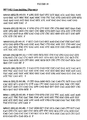
- the gene encoding HPV 16 L1 was prepared by the annealing and extension of the 14 oligomers listed in FIGURE 17. Five separate extension reactions were performed to create fragments of the gene, designated L1A, L1B, L1C, L1D and L1E by PCR using conditions similar to those described in EXAMPLE 3 and 4, below.
- L1A was constructed using oligomer sequences MN4A1 (SEQ.ID.NO:9), MN4A2 (SEQ.ID.NO:16) and MN4A3 (SEQ.ID.NO:10) which were amplified using the oligomers MN604 (SEQ.ID.NO:32) and MN596 (SEQ.ID.NO:24).
- L1B was constructed using oligomer sequences MN4A4 (SEQ.ID.NO:17), MN4A5 (SEQ.ID.NO:11) and MN4A6 (SEQ.ID.NO:18) and were amplified using the oligomers MN595 (SEQ.ID.NO:23) and MN598 (SEQ.ID.NO:26).
- L1C was created using oligomer sequences MN4A7 (SEQ.ID.NO:12) and MN4A8 (SEQ.ID.NO:19) and were amplified using the oligomers MN597 (SEQ.ID.NO:25) and MN602 (SEQ.ID.NO:30).
- L1D was created using oligomer sequences MN4A9 (SEQ.ID.NO:13), MN4A10 (SEQ.ID.NO:20) and MN4A11 (SEQ.ID.NO:14) which were amplified using the oligomers MN597 (SEQ.ID.NO:25) and MN602 (SEQ.ID.NO:30).
- L1E was created using oligomer sequences MN4A12 (SEQ.ID.NO:21), MN4A 13 (SEQ.ID.NO:15) and MN4A14 (SEQ.ID.NO:22) which were amplified using the oligomers MN601 (SEQ.ID.NO:29) and MN603 (SEQ.ID.NO:31).
- Fragments L1A, L1B and L1C were combined in a subsequent PCR reaction using oligomers MN604 (SEQ.ID.NO:32) and MN600 (SEQ.ID.NO:28) to assemble L1A-B-C; fragments L1D and L1E were assembled to L1D-E by subsequent PCR with the oligomers MN599 (SEQ.ID.NO:27) and MN603 (SEQ.ID.NO:31).
- the complete gene was then assembled by additional PCR reactions in which fragments L1A-B-C, L1D-E were combined with oligomers MN604 (SEQ.ID.NO:32) and MN603 (SEQ.ID.NO:31) in a final series of PCR reactions.
- the resulting 1.5 kb product was gel isolated, digested with Bgl II and subcloned into the V1Jns and sequenced. In instances where a mutation was observed, it was corrected by PCR mutagenesis as described in EXAMPLE 1.
- DNA was isolated from a clone with the correct HPV16 L1 DNA sequence and proper orientation within V1Jns for use in transient transfection assays as described in EXAMPLE 1.
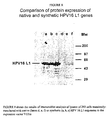
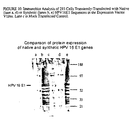
- FIGURE 9 shows the HPV16 L1 immunoblot results of lysates of 293 cells transiently-transfected with the V1Jns plasmid containing either the native or the codon-optimized, synthetic HPV16 L1.
- Lanes a, b and c are the expression levels achieved using the synthetic HPV16 L1 expression construct. High levels of immunoreactive material are apparent in each of these lanes with the predominant band at approximately 55 kDa, consistent with the expected molecular weight for full-length HPV 16 L1. In contrast, virtually no immunoreactive material is apparent in the lanes containing lysates transfected with the native HPV16 L1/ V1Jns plasmid (lanes d, e, and f). Since all cell lysate loadings were normalized and equivalent DNA amounts were used in the transfections, these findings indicate that the synthetic gene sequence greatly increased the levels of HPV16 L1 protein accumulation relative to that of the native gene sequence.
- E1A was formed by assembly of oligomers MN605 (SEQ.ID.NO:33), MN606 (SEQ.ID.NO:34) and MN607 (SEQ.ID.NO:35) and amplified using oligomers MN636 (SEQ.ID.NO:64) and MN624 (SEQ.ID.NO:52).
- E1B was formed by assembly of oligomers MN608 (SEQ.ID.NO:36), MN609 (SEQ.ID.NO:37) and MN610 (SEQ.ID.NO:38) which were amplified with oligomers MN623 (SEQ.ID.NO:51) and MN626 (SEQ.ID.NO:54).
- E1C was formed by assembly of oligomers MN611 (SEQ.ID.NO:39) and MN612 (SEQ.ID.NO:40) which were amplified with oligomers MN625 (SEQ.ID.NO:53) and MN628 (SEQ.ID.NO:56).
- E1D was formed by assembly of oligomers MN613 (SEQ.ID.NO:41), MN614 (SEQ.ID.NO:42) and MN615 (SEQ.ID.NO:43) which were amplified with oligomers MN627 (SEQ.ID.NO:55) and MN630 (SEQ.ID.NO:58).
- E1E was formed by assembly of oligomers MN616 (SEQ.ED.NO:44), MN617 (SEQ.ID.NO:45) and MN618 (SEQ.ID.NO:46) which were amplified with oligomers MN629 (SEQ.ID.NO:57) and MN632 (SEQ.ID.NO:60).
- E1F was formed by assembly of oligomers MN619 (SEQ.ID.NO:47), MN620 (SEQ.ID.NO:48) and MN621(SEQ.ID.NO:49) which were amplified with oligomers MN631 (SEQ.ID.NO:59) and MN635 (SEQ.ID.NO:63).
- HPV16 E1 was inserted into the V1Jns expression vector as above and utilized in transient transfection studies as described in EXAMPLE 1.
- FIGURE 10 shows the HPV16 E1 immunoblot results of lysates of 293 cells transiently-transfected with the V1Jns plasmid containing either the native, or the codon-optimized, synthetic HPV16 E1.
- Lanes b and e are the expression levels achieved using the codon-optimized HPV16 E1 expression construct. High levels of HPV16 E1-specific immunostaining are apparent with a predominant band in lanes b and e at 72 kDa, consistent with the expected size for full-length HPV16 E1.
- there a number of smaller immunoreactive products which appear to be E1-specific as they are not observed in the mock transfected control (lane c).
- Fragment AD A 50 ⁇ l reaction containing oligonucleotides 13856-307-2A (SEQ.ID.NO:65), 13856-307-2B (SEQ.ID.NO:71), 13856-307-2C (SEQ.ID.NO:66), and 13856-307-2D (SEQ.ID.NO:72), at 150 nM each, dNTPs 0.5 mM each, Native buffer (Stratagene; La Jolla, CA) and 1 ⁇ L Native Pfu DNA polymerase (Stratagene) was incubated in a GeneAmp 9700 thermocycler (Perkin Elmer Applied Biosystems; Foster City, CA) under the following conditions: 95°C, 2 min.; 20 cycles of 95°C, 45 sec.; 55°C, 45 sec.; and 72°C, 2.5 min.
- primers 13856-307-2PA SEQ.ID.NO:78
- 13856-307-2PD SEQ.ID.NO:82
- the mixture was incubated for 2 min at 95°C and then 25 cycles of 95°C, 45 sec; 55°C, 45 sec; and 72°C, 2.5 min.
- the gel-isolated full-length fragment AD was amplified for 20 cycles under the same conditions using primers 13856-307-2PA (SEQ.ID.NO:78) and 13856-307-2PD (SEQ.ID.NO:82).
- Fragment EH A 50 ⁇ l reaction containing oligonucleotides 13856-307-2E (SEQ.ID.NO:67), 13856-307-2F (SEQ.ID.NO:73), 13856-307-2G (SEQ.ID.NO:68), and 13856-307-2H (SEQ.ID.NO:74) at 150 nM each, dNTPs 0.5 mM each, Native buffer and 1 ⁇ L Native Pfu DNA polymerase was incubated under the following conditions: 95°C, 2 min; 20 cycles of 95°C, 2 min.; 45 sec.; 55°C, 45 sec.; and 72°C, 2.5 min.
- primers 13856-307-2PE SEQ.ID.NO:80
- 13856-307-2PH SEQ.ID. NO:83
- Fragment IL A 50 ⁇ l reaction containing oligonucleotides 13856-307-2I (SEQ.ID.NO:69), 13856-307-2J (SEQ.ID.NO:75), 13856-307-2K (SEQ.ID.NO:70), and 13856-307-2L (SEQ.ID.NO:76) at 150 nM each, dNTPs 0.5 mM each, Native buffer and 1 ⁇ L Native Pfu DNA polymerase was incubated under the following conditions: 95°C, 2 min; 20 cycles of 95°C, 2 min.; 45 sec.; 55°C, 45 sec.; and 72°C, 2.5 min.
- primers 13856-307-2PI SEQ.ID.NO:81
- 13856-307-2PL SEQ.ID.NO. 84
- the mixture was incubated at 95°C, 2 min.; then 25 cycles of 95°C, 45 sec.; 55°C, 45 sec.; and 72°C, 2.5 min.
- Fragment AH A 50 ⁇ l reaction containing 1.5 ⁇ l each of AD and EH PCR products, dNTPs 0.5 mM each, Native buffer and 1 ⁇ L Native Pfu DNA polymerase was incubated under the following conditions: 95°C, 2 min; 20 cycles of 95°C, 45 sec.; 55°C, 45 sec.; and 72°C, 3.5 min. Added to the reaction were primers 13856-307-2PA (SEQ.ID.NO:78) and 13856-307-2PH (SEQ.ID.NO:83) to a final concentration of 400 nM each, and 1 ⁇ L of Native Pfu DNA polymerase. The mixture was incubated at 95°C, 2 min.; then 25 cycles of 95°C, 45 sec.; 55°C, 45 sec.; and 72°C, 3.5 min.
- Fragment IM A 50 ⁇ l reaction containing 1 ⁇ l of IL PCR product, oligonucleotides 13856-307-2M (SEQ.ID.NO:77) and 13856-307-2PI (SEQ.ID.NO:81) each at a final concentration of 400 nM, dNTPs 0.5 mM each, Native buffer and 1 ⁇ L Native Pfu DNA polymerase was incubated under the following conditions: 95°C, 2 min; 25 cycles of 95°C, 45 see.; 55°C, 45 sec.; and 72° C, 4 min.
- the mixture was incubated at 95°C, 2 min.; then 25 cycles of 95° C, 45 sec.; 55°C, 45 sec.; and 72°C, 4 min.
- the resultant full-length fragment was isolated by electrophoresis through a 1.2% agarose gel the DNA recovered with a QIAquick column (Qiagen; Santa Clarita, CA) and subcloned into the expression vector V1Jns for evaluation.
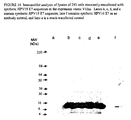
- FIGURE 11 shows the HPV16 E2 immunoblot results of lysates of 293 cells transiently-transfected with the V1Jns plasmid containing either the native, or the synthetic HPV16 E2.
- Lanes c and d are the expression levels achieved using the codon-optimized HPV16 E2 expression construct. High levels of HPV16 E2-specific immunostaining are visible which appear to be E2-specific as they are not observed in the mock transfected control (lane c).
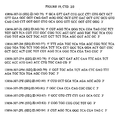
- HPV16 E7 The gene encoding HPV16 E7 was assembled from a series of fragments, made using oligomers listed in FIGURE 20.
- primers 13856-307-7PA SEQ.ID.NO:89
- 13856-307-7PD SEQ.ID.NO:90
- the mixture was incubated for 25 cycles of 95°C, 45 sec.; 55°C, 45 sec. and 72°C, 2.5 min.
- the resultant full-length fragment was isolated by electrophoresis through a 1.2% agarose gel in TBE (Current Protocols in Molecular Biology, eds., F. Ausabel, et. al ., John Wiley and Sons, 1998, which is hereby incorporated by reference), stained with ethidium bromide, cut from the gel and recovered through a GenElute column (Supleco; Bellefonte, PA) and resuspended in 20 ⁇ l water.
- the sequence was further amplified in a 51 ⁇ l reaction containing 2 ⁇ l of fragment, 0.5 ⁇ M each of oligonucleotides 13856-307-7PA (SEQ.ID.NO:89) and 13856-307-7PD, (SEQ.ID.NO:90) dNTPs 0.5mM each, Native buffer and Native Pfu DNA polymerase.
- the reaction was subjected to 20 cycles of 95°C, 45 sec.; 55°C, 45 sec. and 72°C, 2.5 min.
- the final amplified product isolated by electrophoresis as described above; the DNA recovered with a QIAquick column (Qiagen; Santa Clarita, CA) and subcloned into V1Jns.
- FIGURE 12 shows the HPV16 E7 immunoblot results of lysates of 293 cells transiently-transfected with the V1Jns plasmid containing either the native (lane e) or synthetic HPV16 E7 (lanes c and d).
- High levels of HPV16 E7-specific immunostaining are visible in the synthetic HPV16 E7 gene cell lysate lanes which are considerably more intense in appearance than that of the native HPV16 E7 gene cell lysate (lane e).
- Lanes a and b are negative transfection controls which show the antibody staining is specific to HPV16 E7 sequences. Since all cell lysate loadings were normalized and equivalent DNA amounts were used in the transfections, these findings indicate that the synthetic gene sequence greatly increased the levels of HPV16 E2 protein accumulation relative to those of the native gene sequence.
- HPV6a E7 and HPV 18 E7 were constructed using similar methods as described in EXAMPLE 4, except that the oligomers used to create the HPV6a E7 and HPV 18 E7 genes contain the sequences listed in FIGURE 21 and FIGURE 22, respectively.
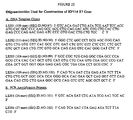
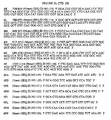
- the construction of the synthetic genes encoding HPV6a E2 and HPV18 E2 was performed in a similar manner as detailed in EXAMPLE 5 using the oligomer sequences listed in FIGURE 23 and FIGURE 24 respectively.
- FIGURE 13 shows the HPV6a E7 immunoblot results of lysates of 293 cells transiently-transfected with the V1Jns plasmid containing synthetic HPV6a E7 (lanes b and c). High levels of HPV6a E7-specific immunostaining are visible in the region expected for full-length HPV6a E7.
- FIGURE 14 shows the HPV 18 E7 immunoblot analysis of lysates of 293 cells transiently-transfected with the V1Jns plasmid containing synthetic HPV6a E7 (lanes b, c, d and e).
- HPV 18 E7-specific immunostaining are visible where full-length HPV18 E7 would be found as indicated by the location of the purified HPV18 protein control (lane f). There does not appear to be any stained material in the negative control lane a which indicates the staining in the other lanes is HPV 18 E7-specific.
- Shuttle vector pHCMVIBGHpA1 contains Ad5 sequences from bp1 to bp 341 and bp 3534 to bp 5798 with a expression cassette containing human cytomegalovirus (HCMV) promoter plus intron A and bovine growth hormone polyadenylation signal.
- HCMV human cytomegalovirus
- the adenoviral backbone vector pAdE1-E3- (also named as pHVad1) contains all Ad5 sequences except those nucleotides encompassing the E1 and E3 region.
- HPV DNA encoding all or part of; HPV L1, E1, E2, E4 or E7 and combinations thereof.
- the injection may be i.p., subcutaneous, intramuscular or intradermal.
- the HPV DNA may be used as a primer of the immune response or may be used as a booster of the immune response.
- the injection of DNA may antedate, coincide or follow injection of the person with a pharmaceutical composition comprising HPV virus like particles (containing only L1 protein or containing both L1 and L2 proteins, or containing mutant forms of one or more proteins), capsomeres, inactivated HPV, attenuated HPV, compositions comprising HPV-derived proteins, or combinations thereof.
- HPV virus like particles containing only L1 protein or containing both L1 and L2 proteins, or containing mutant forms of one or more proteins
- capsomeres inactivated HPV
- attenuated HPV compositions comprising HPV-derived proteins, or combinations thereof.
- a Not I-Hind III restriction digest fragment containing the synthetic coding sequence for HPV 16 E2 was ligated with Not I, Hind III digested expression vector pBJ/neo/CCR2B which has a neomycin resistance marker and drives the expression of the transgene with the HCMV immediate early promoter.
- the resultant plasmid, pBJ-16 E2 was characterized by restriction digestion, sequence analysis of the cloning junctions, and the ability to induce E2 protein expression in transiently-transfected A293 or CT26 cells.
- a stable cell line was generated transfection of CT26 cells using Lipofectamine (Gibco BRL).
- CT26 cells a fully-transformed line derived from a BALB/c mouse colon carcinoma, have been widely used to present model tumor antigens. (Brattain et al., 1980 Cancer Research 40:2142-2146; Fearon, E. et al.,1988 Cancer Research, 48:2975-2980; both of which are incorporated by reference).
- JCL-031 When inoculated into (syngeneic) BALB/c mice by subcutaneous injection, JCL-031 cell induced tumors with the kinetics similar to those as the parental CT26 line. Cells cultured from recovered tumors were G418 resistant and expressed E2.
- mice were immunized multiple times by intramuscular injection with the DNA V1Jns:16E2 .
- Spleens from two randomly-chosen mice in each dose group were pooled, splenocytes prepared, and assayed in an murine interferon gamma Elispot assay.
- Splenocyte cultures were incubated at 37°C for 24 hr.
- E2 DNA did not induce detectable anti-E2 antibody responses.
- Dose Group Immunization E2-specific spots (per 10 6 cells) 1 E2 DNA 1 392 2 E2 DNA 2 96 3 E2 DNA 3 134 4 Control DNA 1 0 5 Control DNA 2 2
- FIGURE 26 reports the fraction of each dose group that remained tumor free. The group that had been immunized with an E2-expressing plasmid was significantly protected from tumor development compared to the control group.
Landscapes
- Health & Medical Sciences (AREA)
- Life Sciences & Earth Sciences (AREA)
- Chemical & Material Sciences (AREA)
- Organic Chemistry (AREA)
- General Health & Medical Sciences (AREA)
- Virology (AREA)
- Medicinal Chemistry (AREA)
- Oncology (AREA)
- Pharmacology & Pharmacy (AREA)
- Biophysics (AREA)
- Molecular Biology (AREA)
- Proteomics, Peptides & Aminoacids (AREA)
- Biochemistry (AREA)
- Communicable Diseases (AREA)
- Gastroenterology & Hepatology (AREA)
- Chemical Kinetics & Catalysis (AREA)
- General Chemical & Material Sciences (AREA)
- Nuclear Medicine, Radiotherapy & Molecular Imaging (AREA)
- Genetics & Genomics (AREA)
- Animal Behavior & Ethology (AREA)
- Public Health (AREA)
- Veterinary Medicine (AREA)
- Medicines Containing Antibodies Or Antigens For Use As Internal Diagnostic Agents (AREA)
- Micro-Organisms Or Cultivation Processes Thereof (AREA)
- Medicines That Contain Protein Lipid Enzymes And Other Medicines (AREA)
- Medicines Containing Material From Animals Or Micro-Organisms (AREA)
- Preparation Of Compounds By Using Micro-Organisms (AREA)
- Immobilizing And Processing Of Enzymes And Microorganisms (AREA)
Abstract
Description
- This invention relates to human papillomavirus (HPV) genes which have been codon-optimized for expression in a human cellular environment, and their use with adenoviral vectors and or plasmid vectors as vaccines.
- Papillomavirus infections occur in a variety of animals, including humans, sheep, dogs, cats, rabbits, snakes, monkeys and cows. Papillomaviruses infect epithelial cells, generally inducing benign epithelial or fibroepithelial tumors at the site of infection. Papillomaviruses are species specific infective agents; a human papillomavirus cannot infect a non-human.
- Papillomaviruses are small (50-60nm), nonenveloped, icosahedral DNA viruses what encode up to eight early and two late genes. The open reading frames (ORFs) of the virus are designated E1 to E7 and L1 and L2, where "E" denotes early and "L" denotes late. L1 and L2 code for virus capsid proteins. The early genes are associated with functions such as viral replication and cellular transformation.
- In humans, different HPV types cause distinct diseases, ranging from benign warts (for
examples HPV types HPV types 16 and 18). At present there is not a satisfactory therapeutic regimen for these diseases. - Immunological studies in animals have shown that the production of neutralizing antibodies to papillomavirus antigens prevents infection with the homologous virus. However, development of a vaccine has been hindered by the difficulties associated with culture of the papillomavirus in vitro.
- Vaccination is an effective form of disease prevention and has proven successful against several types of viral infection. However, to date, attempts to generate an effective HPV vaccine have not been entirely successful.
- This invention relates to oligonucleotides which encode a human papillomavirus (HPV) protein which has been codon-optimized for efficient expression in a host cell; preferably the oligonucleotides are DNA. In one embodiment, the polynucleotides encode a protein which retains its wild-type amino acid sequence. In an alternate embodiment, the polynucleotides encode a mutated form of a HPV protein which has reduced protein function as compared to wild-type protein, but which maintains immunogenicity.
- In preferred embodiments, the protein is selected from the group consisting of: L1, L2, E1, E2, E4, E5, E6 and E7 proteins. Particularly preferred are L1, L2, E2, and E7 proteins.
- Another aspect of this invention is a vector carrying the polynucleotides encoding a codon-optimized HPV protein. Yet another aspect of this invention are host cells containing these vectors.
- In a preferred embodiment, the vector is an adenoviral vector. In a particularly preferred embodiment, the adenoviral vector is a vaccine vector comprising an adenoviral genome with a deletion in the E1 region, and an insert in the E1 region, wherein the insert comprises an expression cassette comprising:
- a) a polynucleotide encoding an HPV protein selected from the group consisting of L1, E1, E2, and E7 proteins, wherein the polynucleotide is codon-optimized for expression in a human host cell; and
- b) a promoter operably linked to the polynucleotide.
-
- Another type of vector which is envisioned by this invention is a shuttle plasmid vector comprising a plasmid portion and an adenoviral portion, the adenoviral portion comprising: an adenoviral genome with a deletion in the E1 region, and an insert in the E1 region, wherein the insert comprises an expression cassette comprising:
- a) a polynucleotide encoding an HPV protein selected from the group consisting of L1, E1, E2, and E7 proteins, wherein the polynucleotide is codon-optimized for expression in a human host cell; and
- b) a promoter operably linked to the polynucleotide.
-
- This invention also is directed to plasmid vaccine vectors, which comprise a plasmid portion and an expressible cassette comprising
- a) a polynucleotide encoding an HPV protein selected from the group consisting of L1, E1, E2, and E7 proteins, wherein the polynucleotide is codon-optimized for expression in a human host cell; and
- b) a promoter operably linked to the polynucleotide.
-
- This invention also relates to vaccine compositions comprising a vector which carries the oligonucleotides to a human host, and allows for expression of the encoded protein. The protein is expressed in an amount sufficient to induce an immune response. In preferred embodiments, the vector is a plasmid vector or an adenoviral vector.
- This invention also relates to a method of making a HPV protein comprising expressing in a host cell a synthetic polynucleotide encoding a human papillomavirus (HPV) protein, or mutated form of a HPV protein which has reduced protein function as compared to wild-type protein, but which maintains immunogenicity, the polynucleotide sequence comprising codons optimized for expression in a human host.
-
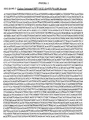
- FIGURE 1 is the nucleotide sequence of a codon-optimized HPV16 L1 gene (SEQ.ID.NO:1).
- FIGURE 2 is the nucleotide sequence of a codon-optimized
HPV 16 E1 gene (SEQ.ID.NO:2). In this particular sequence, there are further mutations which changes the amino acid sequence of the expressed protein-- the glycine residue at position 428 has been converted to aspartic acid, and the tryptophan residue at position 439 is now arginine. - FIGURE 3 is the nucleotide sequence of a codon-optimized
HPV 16 E2 gene (SEQ.ID.NO:3). In this particular sequence, the glutamic acid residue at position 39 has been changed to an alanine, and the isoleucine residue at position 73 has also been changed to an alanine. - FIGURE 4 is the nucleotide sequence of a codon-optimized
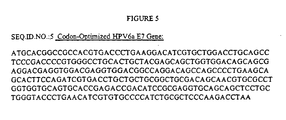
HPV 16 E7 gene.(SEQ.ID.NO:4). In this particular sequence, the cysteine residue atposition 24 has been changed to glycine, and the glutamic acid residue atposition 26 has been changed to a glycine. - FIGURE 5 is the nucleotide sequence of a codon-optimized HPV6a E7 gene (SEQ.ID.NO:5).
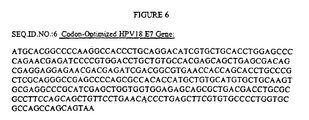
- FIGURE 6 is the nucleotide sequence of a codon-optimized HPV18 E7 gene (SEQ.ID.NO:6).
- FIGURE 7 is the nucleotide sequence of a codon-optimized HPV6a E2 gene (SEQ.ID.NO:7).
- FIGURE 8 is the nucleotide sequence of a codon-optimized HPV18 E2 gene (SEQ.ID.NO:8).
- FIGURE 9 shows the results of immunoblot analysis of lysates of 293 cells transiently-transfected with native (lanes d, e, f) or synthetic (a, b, c) HPV16 L1 sequences in the expression vector V1Jns.
- FIGURE 10 shows the results of immunoblot analysis of lysates of 293 cells transiently-transfected with native or synthetic HPV16 E1 sequences in the expression vector V1Jns. Lanes a and d contain native HPV16 E1 sequences; lanes b and e contain synthetic HPV16 E1, and lane c is a mock-transfected control.
- FIGURE 11 shows the results of immunoblot analysis of lysates of 293
cells transiently-transfected with native or synthetic HPV16 E2 sequences in the
expression vector V1Jns. Lane a is mock-infected; lane b is lacZ control; lane c
contains a synthetic HPV16
E2 isolate # 6; lane d contains synthetic HPV16E2 isolate # 11, and lane e has native HPV16 E2. - FIGURE 12 shows the results of immunoblot analysis of lysates of 293
cells transiently-transfected with native or synthetic HPV16 E7 sequences in the
expression vector V1Jns. Lane a is mock-infected; lane b is lacZ control; lane c
contains synthetic HPV16
E7 isolate # 2; lane d is syntheticHPV16 E7 isolate 4; and lane e is native HPV16 E7. - FIGURE 13 shows the results of immunoblot analysis of lysates of 293 cells transiently-transfected with synthetic HPV6a E7 sequences in the expression vector V1Jns. Lanes b and c contain synthetic HPV6a E7 sequences; lane d contains a lacZ control, and lane a is a mock-transfected control.
- FIGURE 14 shows the results of immunoblot analysis of lysates of 293 cells transiently-transfected with synthetic HPV18 E7 sequences in the expression vector V1Jns. Lanes b, c, d, and e contain synthetic HPV18 E7 sequences; lane f contains synthetic HPV16 E7 as an antibody control, and lane a is a mock-transfected control.
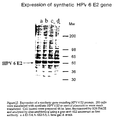
- FIGURE 15 shows the results of immunoblot analysis of lysates of 293 cells transiently-transfected with synthetic HPV6a E2 sequences in the expression vector V1Jns. Lanes a and b contain synthetic E2 sequences; lane c is a beta-gal control, and lane d is mock-transfected.
- FIGURE 16 shows the results of immunoblot analysis of lysates of 293 cells transiently-transfected with synthetic HPV18 E2 sequences in the expression vector V1Jns. Lane a is beta-gal control; lane b is mock transfected; and lanes c and d have synthetic sequences.
- FIGURE 17 is a table of oligonucleotides (SEQ.ID.NOS:9-32) used to generate synthetic HPV16 L1.
- FIGURE 18 is a table of oligonucleotides (SEQ.ID.NOS:33-64) used to generate synthetic HPV16 E1.
- FIGURE 19 is a table of oligonucleotides (SEQ.ID.NOS:65-84) used to generate synthetic HPV16 E2.
- FIGURE 20 is a table of oligonucleotides (SEQ.ID.NOS:85-90) used to generate synthetic HPV16 E7.
- FIGURE 21 is a table of oligonucleotides (SEQ.ID.NOS:91-96) used to generate synthetic HPV6a E7.
- FIGURE 22 is a table of oligonucleotides (SEQ.ID.NOS:97-102) used to generate synthetic HPV18 E7.
- FIGURE 23 is a table of oligonucleotides (SEQ.ID.NOS:103-126) used to generate synthetic HPV6a E2.
- FIGURE 24 is a table of oligonucleotides (SEQ.ID.NOS:127-150)
used to generate
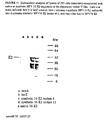
synthetic HPV 18 E2. - FIGURE 25 is a Western blot of JCL-031 cell lysate. Cell lysate was
prepared from JCL-031 cells grown in selection medium containing 400µg/mL G418.
The immunoblot was developed with
anti-HPV 16 E2 (goat 248) antisera. Positions of molecular weight markers are indicated. - FIGURE 26 shows protection from JCL-031 cell-induced tumor outgrowth. E2 DNA- or control DNA-immunized mice were challenged by subcutaneous injection of 5 X10⁵ JCL-031 cells into the left inguinal region. Beginning five days after this challenge, all animals were observed at two or three day intervals until four weeks after inoculation. Tumors were detected and monitored by visual inspection, palpation of the inguinal region, and measurement of tumor diameter with calipers.
-
- The term "promoter" as used herein refers to a recognition site on a DNA strand to which the RNA polymerase binds. The promoter forms an initiation complex with RNA polymerase to initiate and drive transcriptional activity. The complex can be modified by activating sequences termed "enhancers" or inhibiting sequences termed "silencers".
- The term "cassette" refers to the sequence of the present invention which contains the nucleic acid sequence which is to be expressed. The cassette is similar in concept to a cassette tape; each cassette has its own sequence. Thus by interchanging the cassette, the vector will express a different sequence. Because of the restrictions sites at the 5' and 3' ends, the cassette can be easily inserted, removed or replaced with another cassette.
- The term "vector" refers to some means by which DNA fragments can be introduced into a host organism or host tissue. There are various types of vectors including plasmid, virus (including adenovirus), bacteriophages and cosmids.
- The term "effective amount" means sufficient vaccine composition is introduced to produce the adequate levels of the polypeptide, so that an immune response results. One skilled in the art recognizes that this level may vary.
- "Synthetic" means that the HPV gene has been modified so that it contains codons which are preferred for human expression. In many cases, the amino acids encoded by the gene remain the same. In some embodiments, the synthetic gene may encode a modified protein.
- The term "native" means that the gene contains the DNA sequence as found in occurring in nature. It is a wild type sequence of viral origin.
- Synthetic DNA molecules encoding various HPV proteins are provided. The codons of the synthetic molecules are designed so as to use the codons preferred by the projected host cell, which is preferred embodiments is a human cell. The synthetic molecules may be used as a polynucleotide vaccine which provides effective immunoprophylaxis against papillomavirus infection through neutralizing antibody and cell-mediated immunity. The synthetic molecules may be used as an immunogenic composition. This invention provides polynucleotides which, when directly introduced into a vertebrate in vivo, including mammals such as primates and humans, induce the expression of encoded proteins within the animal.
- The gene encoding a L1, E1, E2 and/or E7 from any serotype HPV can be modified in accordance with this invention. It is preferred that the HPV chosen be one which is known to cause a pathological condition in humans. For this reason, it is preferred that the HPV gene be selected from the group consisting of: HPV6a, HPV6b, HPV11, HPV16, HPV18, HPV31, HPV33, HPV35, HPV39, HPV45, HPV51, HPV52, HPV56, HPV58, HPV68 or variants thereof. The vaccine formulation of this invention may contain a mixture of HPV type protein genes (for example, genes from HPV6,11, 16 and 18), and/or it may also contain a mixture of protein genes (i.e. L1, E1, E2, and/or E7).
- The wild-type sequences for many HPV genes are known. In accordance with this invention, HPV gene segments were converted to sequences having identical translated sequences but with alternative codon usage as defined by Lathe, 1985 "Synthetic Oligonucleotide Probes Deduced from Amino Acid Sequence Data: Theoretical and Practical Considerations" J. Molec. Biol. 183:1-12, which is hereby incorporated by reference. The methodology may be summarized as follows:
- 1. Identify placement of codons for proper open reading frame.
- 2. Compare wild type codon for observed frequency of use by human genes.
- 3. If codon is not the most commonly employed, replace it with an optimal codon for high expression in human cells.
- 4. Repeat this procedure until the entire gene segment has been replaced.
- 5. Inspect new gene sequence for undesired sequences generated by these codon replacements (e.g., "ATTTA" sequences, inadvertent creation of intron splice recognition sites, unwanted restriction enzyme sites, etc.) and substitute codons that eliminate these sequences.
- 6. Assemble synthetic gene segments and test for improved expression.
-
- In this context, Zhou et al., 1999, Journal of Virology, vol. 73(6) : 4972-4982 disclose synthetic versions of BPV-1 L1 and L2 genes, substituting codous in L1 and L2 genes, less commonly used in mammalian genes, with codous preferentially used in mammalian systems and express said genes in COS-1 cells.
- In accordance with this invention, it has been found that the use of alternative codons encoding the same protein sequence may remove the constraints on expression of HPV proteins by human cells.
- These methods were used to create the following synthetic gene segments for various papillomavirus genes creating a gene comprised entirely of codons optimized for high level expression. While the above procedure provides a summary of our methodology for designing codon-optimized genes for DNA vaccines, it is understood by one skilled in the art that similar vaccine efficacy or increased expression of genes may be achieved by minor variations in the procedure or by minor variations in the sequence.
- In some embodiments of this invention, alterations have been made (particularly in the E-protein native protein sequences) to reduce or eliminate protein function while preserving immunogenicity. Mutations which decrease enzymatic function are known. Certain alterations were made for purposes of expanding safety margins and/or improving expression yield. These modifications are accomplished by a change in the codon selected to one that is more highly expressed in mammalian cells. In the case of HPV16 E1, for example two mutations were introduced: glycine at amino acid number 482 was changed to aspartic acid by conversion of GGC to GAC; and tryptophan was changed to arginine at position 439 by conversion of TGG to CGC.
- For HPV16 E2, conversion of glutamic acid at position 39 to alanine and isoleucine at position 73 to alanine by conversion of both codons each to GCC.
- For HPV16 E7, conversion of cysteine at
position 24 to glycine and glutamic acid atposition 26 to glycine was permitted by alteration of TGC and the GAG respectively both to GGC. - The codon-optimized genes are then assembled into an expression cassette which comprises sequences designed to provide for efficient expression of the protein in a human cell. The cassette preferably contains the codon-optimized gene, with related transcriptional and translations control sequences operatively linked to it, such as a promoter, and termination sequences. In a preferred embodiment, the promoter is the cytomegalovirus promoter with the intron A sequence (CMV-intA), although those skilled in the art will recognize that any of a number of other known promoters such as the strong immunoglobulin, or other eukaryotic gene promoters may be used. A preferred transcriptional terminator is the bovine growth hormone terminator, although other known transcriptional terminators may also be used. The combination of CMVintA-BGH terminator is particularly preferred.
- Examples of preferred gene sequences are given in SEQ.ID.NOS: 1-8.
- In accordance with this invention, the expression cassette encoding at least one HPV protein is then inserted into a vector. The vector is preferably a plasmid or an adenoviral vector, although linear DNA linked to a promoter, or other vectors, such as adeno-associated virus or a modified vaccinia virus vector may also be used.
- If the vector chosen is an adenovirus, it is preferred that the vector be a so-called first-generation adenoviral vector. These adenoviral vectors are characterized by having a non-functional E1 gene region, and preferably a deleted adenoviral E1 gene region. In some embodiments, the expression cassette is inserted in the position where the adenoviral E1 gene is normally located. In addition, these vectors optionally have a non-functional or deleted E3 region. The adenoviruses can be multiplied in known cell lines which express the viral E1 gene, such as 293 cells, or PerC.6 cells.
- For convenience in manipulating the adenoviral vector, the adenovirus may be in a shuttle plasmid form. This invention is also directed to a shuttle plasmid vector which comprises a plasmid portion and an adenovirus portion, the adenovirus portion comprising an adenoviral genome which has a deleted E1 and optional E3 deletion, and has an inserted expression cassette comprising at least one codon-optimized HPV gene. In preferred embodiments, there is a restriction site flanking the adenoviral portion of the plasmid so that the adenoviral vector can easily be removed. The shuttle plasmid may be replicated in prokaryotic cells or eukaryotic cells.
- Standard techniques of molecular biology for preparing and purifying DNA constructs enable the preparation of the adenoviruses, shuttle plasmids and DNA immunogens of this invention.
- If the vector chosen is plasmid DNA, it is preferred that the vector contain one or more promoters recognized by mammalian or insect cells. In a preferred embodiment, the plasmid would contain a strong promoter such as, but not limited to the CMV promoter. The gene to be expressed would be linked to such a promoter. An example of such a plasmid would be the mammalian expression plasmid V1Jns as described (J. Shiver et. al. 1996, in DNA Vaccines, eds., M. Liu, et al. N.Y. Acad. Sci., N.Y., 772:198-208 and is herein incorporated by reference).
- In some embodiment of this invention, the both the vaccine plasmid and the adenoviral vectors may be administered to a vertebrate in order to induce an immune response. In this case, the two vectors are administered in a "prime and boost" regimen. For example the first type of vector is administered, then after a predetermined amount of time, for example, 1 month, 2 months, six months, or other appropriate interval, a second type of vector is administered. Preferably the vectors carry expression cassettes encoding the same polynucleotide or combination of polynucleotides.
- Thus, another aspect of this invention is a method for inducing an immune response against human papillomavirus in a vertebrate, comprising
- A) introducing into the vertebrate a first vector comprising a polynucleotide encoding an HPV protein selected from the group consisting of L1, E1, E2, and E7 proteins, wherein the polynucleotide is codon-optimized for expression in a human host cell;
- B) allowing a predetermined amount of time to pass; and
- C) introducing into the vertebrate a second vector comprising
adenoviral vaccine vector comprising an adenoviral genome with a deletion in the E1
region, and an insert in the E1 region, wherein the insert comprises an expression
cassette comprises
- i) a polynucleotide encoding an HPV protein selected from the group consisting of L1, E1, E2, and E7 proteins, wherein the polynucleotide is codon-optimized for expression in a human host cell; and
- ii) a promoter operably linked to the polynucleotide.
-
- In general, is preferred that the first vector be a plasmid vaccine vector and the second vector be an adenoviral vector. Thus this invention is directed to a method for inducing immune responses in a vertebrate comprising:
- A) introducing into the vertebrate a plasmid vaccine, wherein the
plasmid vaccine comprises a plasmid portion and an expression cassette portion, the
expression cassette portion comprising:
- i) a polynucleotide encoding an HPV protein selected from the group consisting of L1, E1, E2, and E7 proteins, wherein the polynucleotide is codon-optimized for expression in a human host cell; and
- ii) a promoter operably linked to the polynucleotide;
- B) allowing a predetermined amount of time to pass; and
- C) introducing into the vertebrate an adenoviral vaccine vector
comprising an adenoviral genome with a deletion in the E1 region, and an insert in the
E1 region, wherein the insert comprises an expression cassette comprising:
- i) a polynucleotide encoding an HPV protein selected from the group consisting of L1, E1, E2, and E7 proteins or mutant forms thereof, wherein the polynucleotide is codon-optimized for expression in a human host cell; and
- ii) a promoter operably linked to the polynucleotide.
-
- In yet another embodiment of the invention, the codon-optimized genes may be introduced into a recipient by way of a plasmid or adenoviral vector, as a "prime", and then a "boost" is accomplished by introducing into the recipient a polypeptide or protein which is essentially the same as that which is encoded by the codon-optimized gene. Fragments of a full length protein may be substituted, especially those which are immunogenic and/or include an epitope.
- The amount of expressible DNA or transcribed RNA to be introduced into a vaccine recipient will depend partially on the strength of the transcriptional and translational promoters used and on the immunogenicity of the expressed gene product. In general, an immunologically or prophylactically effective dose of about 1 ng to 100 mg, and preferably about 10 µg to 300 µg of a plasmid vaccine vector is administered directly into muscle tissue. An effective dose for recombinant adenovirus is approximately 106-1012 particles and preferably about 107-1011 particles. Subcutaneous injection, intradermal introduction, impression through the skin, and other modes of administration such as intraperitoneal, intravenous, or inhalation delivery are also contemplated. It is also contemplated that booster vaccinations may be provided. Parenteral administration, such as intravenous, intramuscular, subcutaneous or other means of administration with adjuvants such as interleukin-12 protein, concurrently with or subsequent to parenteral introduction of the vaccine of this invention is also advantageous.
- The vaccine vectors of this invention may be naked, that is, unassociated with any proteins, adjuvants or other agents which impact on the recipients' immune system. In this case, it is desirable for the vaccine vectors to be in a physiologically acceptable solution, such as, but not limited to, sterile saline or sterile buffered saline or the DNA may be associated with an adjuvant known in the art to boost immune responses, such as a protein or other carrier. Agents which assist in the cellular uptake of DNA, such as, but not limited to, calcium ions, may also be used to advantage. These agents are generally referred to herein as transfection facilitating reagents and pharmaceutically acceptable carriers. Techniques for coating microprojectiles coated with polynucleotide are known in the art and are also useful in connection with this invention.
- The following examples are offered by way of illustration and are not intended to limit the invention in any manner.
- Synthetic gene sequences for human papillomavirus proteins L1, E1, E2, and E7 were generated by reverse translation of amino acid sequences using the most frequently used codons found in highly expressed mammalian genes. (R. Lathe, 1985, J. Mol. Biol. 183:1-12, which is hereby incorporated by reference). Some adjustments to these codon-optimized sequences were made to introduce or remove restriction sites. Oligonucleotides based on these sequences were chemically synthesized (Midland Certified Reagents; Midland, TX) and assembled by PCR amplification. (J. Haas et. al., 1996, Current Biology 6:315-324; and PCR Protocols, M. Innis, et al, eds., Academic Press, 1990, both of which are hereby incorporated by reference).
- Full-length sequences were cloned into the mammalian expression vector V1Jns (J. Shiver et. al. 1996, in DNA Vaccines, eds., M. Liu, et al. N.Y. Acad. Sci., N.Y., 772:198-208, which is hereby incorporated by reference) and sequenced by standard methodology. In cases where the actual sequence differed from the expected and resulted in amino acid substitution, that sequence was corrected by PCR mutagenesis as previously described (PCR Protocols, M. Innis, et al, eds., Academic Press, 1990, pg 177-180).
- Protein expression was evaluated by transient transfection of equal quantities of plasmid DNA into 293 (transformed embryonic human kidney) cells which were harvested at 48 hr post DNA addition. Cell lysates were normalized to provide equal protein loadings. Analysis was by indirect immunofluorescence or immunoblot (Western) analysis using sera prepared to each of the HPV proteins. (Current Protocols in Molecular Biology, eds., F. Ausabel, et. Al., John Wiley and Sons, 1998, which is hereby incorporated by reference).
- The
gene encoding HPV 16 L1 was prepared by the annealing and extension of the 14 oligomers listed in FIGURE 17. Five separate extension reactions were performed to create fragments of the gene, designated L1A, L1B, L1C, L1D and L1E by PCR using conditions similar to those described in EXAMPLE 3 and 4, below. - L1A was constructed using oligomer sequences MN4A1 (SEQ.ID.NO:9), MN4A2 (SEQ.ID.NO:16) and MN4A3 (SEQ.ID.NO:10) which were amplified using the oligomers MN604 (SEQ.ID.NO:32) and MN596 (SEQ.ID.NO:24).
- L1B was constructed using oligomer sequences MN4A4 (SEQ.ID.NO:17), MN4A5 (SEQ.ID.NO:11) and MN4A6 (SEQ.ID.NO:18) and were amplified using the oligomers MN595 (SEQ.ID.NO:23) and MN598 (SEQ.ID.NO:26).
- L1C was created using oligomer sequences MN4A7 (SEQ.ID.NO:12) and MN4A8 (SEQ.ID.NO:19) and were amplified using the oligomers MN597 (SEQ.ID.NO:25) and MN602 (SEQ.ID.NO:30).
- L1D was created using oligomer sequences MN4A9 (SEQ.ID.NO:13), MN4A10 (SEQ.ID.NO:20) and MN4A11 (SEQ.ID.NO:14) which were amplified using the oligomers MN597 (SEQ.ID.NO:25) and MN602 (SEQ.ID.NO:30).
- L1E was created using oligomer sequences MN4A12 (SEQ.ID.NO:21), MN4A 13 (SEQ.ID.NO:15) and MN4A14 (SEQ.ID.NO:22) which were amplified using the oligomers MN601 (SEQ.ID.NO:29) and MN603 (SEQ.ID.NO:31).
- Fragments L1A, L1B, L1C, L1D and L1E resulting from the PCR reactions were gel separated on low melting point agarose with the appropriately-sized products excised and purified using the Agarase™ method (Boehringer Mannheim Biochemicals) as recommended by the manufacturer. Fragments L1A, L1B and L1C were combined in a subsequent PCR reaction using oligomers MN604 (SEQ.ID.NO:32) and MN600 (SEQ.ID.NO:28) to assemble L1A-B-C; fragments L1D and L1E were assembled to L1D-E by subsequent PCR with the oligomers MN599 (SEQ.ID.NO:27) and MN603 (SEQ.ID.NO:31). The complete gene was then assembled by additional PCR reactions in which fragments L1A-B-C, L1D-E were combined with oligomers MN604 (SEQ.ID.NO:32) and MN603 (SEQ.ID.NO:31) in a final series of PCR reactions. The resulting 1.5 kb product was gel isolated, digested with Bgl II and subcloned into the V1Jns and sequenced. In instances where a mutation was observed, it was corrected by PCR mutagenesis as described in EXAMPLE 1. DNA was isolated from a clone with the correct HPV16 L1 DNA sequence and proper orientation within V1Jns for use in transient transfection assays as described in EXAMPLE 1.
- FIGURE 9 shows the HPV16 L1 immunoblot results of lysates of 293 cells transiently-transfected with the V1Jns plasmid containing either the native or the codon-optimized, synthetic HPV16 L1. Lanes a, b and c are the expression levels achieved using the synthetic HPV16 L1 expression construct. High levels of immunoreactive material are apparent in each of these lanes with the predominant band at approximately 55 kDa, consistent with the expected molecular weight for full-
length HPV 16 L1. In contrast, virtually no immunoreactive material is apparent in the lanes containing lysates transfected with the native HPV16 L1/ V1Jns plasmid (lanes d, e, and f). Since all cell lysate loadings were normalized and equivalent DNA amounts were used in the transfections, these findings indicate that the synthetic gene sequence greatly increased the levels of HPV16 L1 protein accumulation relative to that of the native gene sequence. - The gene encoding the modified form of HPV16 E1 was assembled from a series of fragments: E1A, E1B, E1C, E1D, E1E and E1F, using the oligomers listed in FIGURE 18. E1A was formed by assembly of oligomers MN605 (SEQ.ID.NO:33), MN606 (SEQ.ID.NO:34) and MN607 (SEQ.ID.NO:35) and amplified using oligomers MN636 (SEQ.ID.NO:64) and MN624 (SEQ.ID.NO:52).
- E1B was formed by assembly of oligomers MN608 (SEQ.ID.NO:36), MN609 (SEQ.ID.NO:37) and MN610 (SEQ.ID.NO:38) which were amplified with oligomers MN623 (SEQ.ID.NO:51) and MN626 (SEQ.ID.NO:54).
- E1C was formed by assembly of oligomers MN611 (SEQ.ID.NO:39) and MN612 (SEQ.ID.NO:40) which were amplified with oligomers MN625 (SEQ.ID.NO:53) and MN628 (SEQ.ID.NO:56).
- E1D was formed by assembly of oligomers MN613 (SEQ.ID.NO:41), MN614 (SEQ.ID.NO:42) and MN615 (SEQ.ID.NO:43) which were amplified with oligomers MN627 (SEQ.ID.NO:55) and MN630 (SEQ.ID.NO:58).
- E1E was formed by assembly of oligomers MN616 (SEQ.ED.NO:44), MN617 (SEQ.ID.NO:45) and MN618 (SEQ.ID.NO:46) which were amplified with oligomers MN629 (SEQ.ID.NO:57) and MN632 (SEQ.ID.NO:60).
- E1F was formed by assembly of oligomers MN619 (SEQ.ID.NO:47), MN620 (SEQ.ID.NO:48) and MN621(SEQ.ID.NO:49) which were amplified with oligomers MN631 (SEQ.ID.NO:59) and MN635 (SEQ.ID.NO:63).
- Products of these PCR reactions were gel isolated and combined in subsequent rounds of PCR to form a 2 kb gene fragment encoding HPV16 E1 using methods described above. The resulting HPV16 E1 was inserted into the V1Jns expression vector as above and utilized in transient transfection studies as described in EXAMPLE 1.
- FIGURE 10 shows the HPV16 E1 immunoblot results of lysates of 293 cells transiently-transfected with the V1Jns plasmid containing either the native, or the codon-optimized, synthetic HPV16 E1. Lanes b and e are the expression levels achieved using the codon-optimized HPV16 E1 expression construct. High levels of HPV16 E1-specific immunostaining are apparent with a predominant band in lanes b and e at 72 kDa, consistent with the expected size for full-length HPV16 E1. In addition, there a number of smaller immunoreactive products which appear to be E1-specific as they are not observed in the mock transfected control (lane c).
- A very different expression profile is observed in lysates of cells transfected with the native HPV16 E1/V1Jns construct, however. As shown in lanes a and d, only minimal amounts of immunoreactive material can be visualized which is not present in the mock transfection control. Since all cell lysate loadings were normalized and equivalent DNA amounts were used in the transfections these findings indicate that the synthetic gene sequence greatly increased the levels of HPV16 E1 protein accumulation relative to that of the native gene sequence.
- Fragment AD. A 50 µl reaction containing oligonucleotides 13856-307-2A (SEQ.ID.NO:65), 13856-307-2B (SEQ.ID.NO:71), 13856-307-2C (SEQ.ID.NO:66), and 13856-307-2D (SEQ.ID.NO:72), at 150 nM each, dNTPs 0.5 mM each, Native buffer (Stratagene; La Jolla, CA) and 1 µL Native Pfu DNA polymerase (Stratagene) was incubated in a GeneAmp 9700 thermocycler (Perkin Elmer Applied Biosystems; Foster City, CA) under the following conditions: 95°C, 2 min.; 20 cycles of 95°C, 45 sec.; 55°C, 45 sec.; and 72°C, 2.5 min. Added to the reaction were primers 13856-307-2PA (SEQ.ID.NO:78) and 13856-307-2PD (SEQ.ID.NO:82) to a final concentration of 400 nM each, and 1 µL of Native Pfu DNA polymerase. The mixture was incubated for 2 min at 95°C and then 25 cycles of 95°C, 45 sec; 55°C, 45 sec; and 72°C, 2.5 min. The gel-isolated full-length fragment AD was amplified for 20 cycles under the same conditions using primers 13856-307-2PA (SEQ.ID.NO:78) and 13856-307-2PD (SEQ.ID.NO:82).
- Fragment EH. A 50 µl reaction containing oligonucleotides 13856-307-2E (SEQ.ID.NO:67), 13856-307-2F (SEQ.ID.NO:73), 13856-307-2G (SEQ.ID.NO:68), and 13856-307-2H (SEQ.ID.NO:74) at 150 nM each, dNTPs 0.5 mM each, Native buffer and 1 µL Native Pfu DNA polymerase was incubated under the following conditions: 95°C, 2 min; 20 cycles of 95°C, 2 min.; 45 sec.; 55°C, 45 sec.; and 72°C, 2.5 min. Added to the reaction were primers 13856-307-2PE (SEQ.ID.NO:80) and 13856-307-2PH (SEQ.ID. NO:83) to a final concentration of 400 nM each, and 1 µL of Native Pfu DNA polymerase. The mixture was incubated for 95°C, 2 min.; then 25 cycles of 95°C, 45 sec.; 55°C, 45 sec.; and 72°C, 2.5 min.
- Fragment IL. A 50 µl reaction containing oligonucleotides 13856-307-2I (SEQ.ID.NO:69), 13856-307-2J (SEQ.ID.NO:75), 13856-307-2K (SEQ.ID.NO:70), and 13856-307-2L (SEQ.ID.NO:76) at 150 nM each, dNTPs 0.5 mM each, Native buffer and 1 µL Native Pfu DNA polymerase was incubated under the following conditions: 95°C, 2 min; 20 cycles of 95°C, 2 min.; 45 sec.; 55°C, 45 sec.; and 72°C, 2.5 min. Added to the reaction were primers 13856-307-2PI (SEQ.ID.NO:81) and 13856-307-2PL (SEQ.ID.NO. 84) to a final concentration of 400 nM each, and 1 µL of Native Pfu DNA polymerase. The mixture was incubated at 95°C, 2 min.; then 25 cycles of 95°C, 45 sec.; 55°C, 45 sec.; and 72°C, 2.5 min.
- Fragment AH. A 50 µl reaction containing 1.5µl each of AD and EH PCR products, dNTPs 0.5 mM each, Native buffer and 1 µL Native Pfu DNA polymerase was incubated under the following conditions: 95°C, 2 min; 20 cycles of 95°C, 45 sec.; 55°C, 45 sec.; and 72°C, 3.5 min. Added to the reaction were primers 13856-307-2PA (SEQ.ID.NO:78) and 13856-307-2PH (SEQ.ID.NO:83) to a final concentration of 400 nM each, and 1 µL of Native Pfu DNA polymerase. The mixture was incubated at 95°C, 2 min.; then 25 cycles of 95°C, 45 sec.; 55°C, 45 sec.; and 72°C, 3.5 min.
- Fragment IM. A 50 µl reaction containing 1µl of IL PCR product, oligonucleotides 13856-307-2M (SEQ.ID.NO:77) and 13856-307-2PI (SEQ.ID.NO:81) each at a final concentration of 400 nM, dNTPs 0.5 mM each, Native buffer and 1 µL Native Pfu DNA polymerase was incubated under the following conditions: 95°C, 2 min; 25 cycles of 95°C, 45 see.; 55°C, 45 sec.; and 72° C, 4 min.
- Assembly of AM, full-length HPV16 E2. A 50 µl reaction containing 1.5µl each of fragments AH and IM, dNTPs 0.5 mM each, Native buffer and 1 µL Native Pfu DNA polymerase was incubated under the following conditions: 95°C, 2 min; 20 cycles of 95°C, 45 sec.; 55°C, 45 sec.; and 72°C, 4 min. Added to the reaction were primers 13856-307-2PA (SEQ.ID.NO:78) and 13856-307-2PM (SEQ.ID.NO:79) at a final concentration of 400 µM each, and 1 µL of Native Pfu DNA polymerase. The mixture was incubated at 95°C, 2 min.; then 25 cycles of 95° C, 45 sec.; 55°C, 45 sec.; and 72°C, 4 min. The resultant full-length fragment was isolated by electrophoresis through a 1.2% agarose gel the DNA recovered with a QIAquick column (Qiagen; Santa Clarita, CA) and subcloned into the expression vector V1Jns for evaluation.
- FIGURE 11 shows the HPV16 E2 immunoblot results of lysates of 293 cells transiently-transfected with the V1Jns plasmid containing either the native, or the synthetic HPV16 E2. Lanes c and d are the expression levels achieved using the codon-optimized HPV16 E2 expression construct. High levels of HPV16 E2-specific immunostaining are visible which appear to be E2-specific as they are not observed in the mock transfected control (lane c).
- A very different expression profile is observed in lysates of cells transfected with the native HPV16 E2/V1Jns construct, however. As shown in lane e, no immunoreactive material can be visualized. Since all cell lysate loadings were normalized and equivalent DNA amounts were used in the transfections, these findings indicate that the synthetic gene sequence greatly increased the levels of HPV16 E2 protein accumulation relative to those of the native gene sequence.
- The gene encoding HPV16 E7 was assembled from a series of fragments, made using oligomers listed in FIGURE 20.
- A 50 µl reaction containing oligonucleotides 13856-307-7A (SEQ.ID.NO:85), 13856-307-7B (SEQ.ID.NO:87), 13856-307-7C (SEQ.ID.NO:86), and 13856-307-7D (SEQ.ID.NO:88) at 150 nM each, dNTPs 0.5 mM each, Native buffer (Stratagene; La Jolla, CA) and 1 µL Native Pfu DNA polymerase (Stratagene) was incubated in a GeneAmp 9700 thermocycler (Perkin Elmer Applied Biosystems; Foster City, CA) under the following conditions: 95°C, 2 min; 20 cycles of 95°C, 45 sec.; 55°C, 45 sec. and 72°C, 2.5 min. Added to the reaction were primers 13856-307-7PA (SEQ.ID.NO:89) and 13856-307-7PD (SEQ.ID.NO:90) to a final concentration of 400 nM), and 1 µL of Native Pfu DNA polymerase. The mixture was incubated for 25 cycles of 95°C, 45 sec.; 55°C, 45 sec. and 72°C, 2.5 min.
- The resultant full-length fragment was isolated by electrophoresis through a 1.2% agarose gel in TBE (Current Protocols in Molecular Biology, eds., F. Ausabel, et. al., John Wiley and Sons, 1998, which is hereby incorporated by reference), stained with ethidium bromide, cut from the gel and recovered through a GenElute column (Supleco; Bellefonte, PA) and resuspended in 20 µl water. The sequence was further amplified in a 51 µl reaction containing 2 µl of fragment, 0.5µM each of oligonucleotides 13856-307-7PA (SEQ.ID.NO:89) and 13856-307-7PD, (SEQ.ID.NO:90) dNTPs 0.5mM each, Native buffer and Native Pfu DNA polymerase. The reaction was subjected to 20 cycles of 95°C, 45 sec.; 55°C, 45 sec. and 72°C, 2.5 min. The final amplified product isolated by electrophoresis as described above; the DNA recovered with a QIAquick column (Qiagen; Santa Clarita, CA) and subcloned into V1Jns.
- FIGURE 12 shows the HPV16 E7 immunoblot results of lysates of 293 cells transiently-transfected with the V1Jns plasmid containing either the native (lane e) or synthetic HPV16 E7 (lanes c and d). High levels of HPV16 E7-specific immunostaining are visible in the synthetic HPV16 E7 gene cell lysate lanes which are considerably more intense in appearance than that of the native HPV16 E7 gene cell lysate (lane e). Lanes a and b are negative transfection controls which show the antibody staining is specific to HPV16 E7 sequences. Since all cell lysate loadings were normalized and equivalent DNA amounts were used in the transfections, these findings indicate that the synthetic gene sequence greatly increased the levels of HPV16 E2 protein accumulation relative to those of the native gene sequence.
- The genes encoding HPV6a E7 and
HPV 18 E7 were constructed using similar methods as described in EXAMPLE 4, except that the oligomers used to create the HPV6a E7 andHPV 18 E7 genes contain the sequences listed in FIGURE 21 and FIGURE 22, respectively. The construction of the synthetic genes encoding HPV6a E2 and HPV18 E2 was performed in a similar manner as detailed in EXAMPLE 5 using the oligomer sequences listed in FIGURE 23 and FIGURE 24 respectively. - FIGURE 13 shows the HPV6a E7 immunoblot results of lysates of 293 cells transiently-transfected with the V1Jns plasmid containing synthetic HPV6a E7 (lanes b and c). High levels of HPV6a E7-specific immunostaining are visible in the region expected for full-length HPV6a E7. A similar profile is found in FIGURE 14 by
HPV 18 E7 immunoblot analysis of lysates of 293 cells transiently-transfected with the V1Jns plasmid containing synthetic HPV6a E7 (lanes b, c, d and e). High levels ofHPV 18 E7-specific immunostaining are visible where full-length HPV18 E7 would be found as indicated by the location of the purified HPV18 protein control (lane f). There does not appear to be any stained material in the negative control lane a which indicates the staining in the other lanes isHPV 18 E7-specific. - Expression of the synthetic gene encoding HPV6a E2 in V1Jns was evaluated by immunoblot analysis of transfected 293 cells which is shown in FIGURE 15. Lanes a and b are cell lysates of the synthetic HPV6a E2 transfectants; lanes c and d are negative controls. The analogous experiment is shown for HPV18 E2 expression in FIGURE 16. Lanes c and d are the cell lysates of transfections receiving the synthetic HPV18 E2 gene; lanes a and b are the negative controls. Both of these figures show measurable levels of E2 product accumulation when the codon-optimized, synthetic gene is expressed in mammalian cells.
- These results indicate that the synthetic gene rebuilding is not limited to HPV16 genes. Rather, codon optimization of other HPV types also permits significant levels of E7 and E2 product accumulation in mammalian cells.
- Shuttle vector pHCMVIBGHpA1 contains Ad5 sequences from bp1 to bp 341 and bp 3534 to bp 5798 with a expression cassette containing human cytomegalovirus (HCMV) promoter plus intron A and bovine growth hormone polyadenylation signal.
- The adenoviral backbone vector pAdE1-E3- (also named as pHVad1) contains all Ad5 sequences except those nucleotides encompassing the E1 and E3 region.
-
- 1. Construction of adenoviral shuttle plasmid pA1-CMVI-HPV16 E2 containing HPV16 E2 under the control of human CMV promoter and intron A. The HPV16 E2 insert was excised from pV1JNS-HPV16 E2 by restriction enzyme Bgl II, EcoRI and then cloned into Bgl II, EcoRI digested shuttle vector pHCMVIBGHpA1.
- 2. Homologous recombination to generate plasmid form of recombinant adenoviral vector pAd-CMVI-HPV16 E2 containing HPV16 E2 expression cassette. Shuttle plasmid pA1-CMVI- HPV16 E2 was digested with restriction enzymes BstZ17 and SgrAl and then co-transformed into E. coli strain BJ5183 with linearized (ClaI digested) adenoviral backbone plasmid pAdE1-E3-. A colony was verified by PCR analysis. The vector was transformed to competent E. coli HB101 for large quantity production of the plasmid.
- 3. Generation of recombinant adenovirus Ad.CMVI- HPV16 E2 in 293 cells. The pAd plasmid was linearized by restriction enzyme PacI and transfected to 293 cells using CaPO4 method (Invitrogen kit). Ten days later, 10 plaques were picked and grown in 293 cells in 35-mm plates. PCR analysis of the adenoviral DNA showed virus were positive for HPV16 E2.
- 4. Evaluation of large scale recombinant adenovirus Ad.CMVI- HPV16 E2 A selected clone was grown into large quantities through multiple rounds of amplification in 293 cells. Expression of HPV16 E2 was also verified by ELISA and Western blot analysis of the 293 or COS cells infected with the recombinant adenovirus. The recombinant adenovirus was used for evaluation in mice and rhesus monkeys.
-
- A person in need of therapeutic or prophylactic immunization against infection with human papillomavirus virus is injected with HPV DNA encoding all or part of; HPV L1, E1, E2, E4 or E7 and combinations thereof. The injection may be i.p., subcutaneous, intramuscular or intradermal. The HPV DNA may be used as a primer of the immune response or may be used as a booster of the immune response. The injection of DNA may antedate, coincide or follow injection of the person with a pharmaceutical composition comprising HPV virus like particles (containing only L1 protein or containing both L1 and L2 proteins, or containing mutant forms of one or more proteins), capsomeres, inactivated HPV, attenuated HPV, compositions comprising HPV-derived proteins, or combinations thereof.
- A Not I-Hind III restriction digest fragment containing the synthetic coding sequence for
HPV 16 E2 (see above) was ligated with Not I, Hind III digested expression vector pBJ/neo/CCR2B which has a neomycin resistance marker and drives the expression of the transgene with the HCMV immediate early promoter. The resultant plasmid, pBJ-16 E2, was characterized by restriction digestion, sequence analysis of the cloning junctions, and the ability to induce E2 protein expression in transiently-transfected A293 or CT26 cells. A stable cell line was generated transfection of CT26 cells using Lipofectamine (Gibco BRL). CT26 cells, a fully-transformed line derived from a BALB/c mouse colon carcinoma, have been widely used to present model tumor antigens. (Brattain et al., 1980 Cancer Research 40:2142-2146; Fearon, E. et al.,1988 Cancer Research, 48:2975-2980; both of which are incorporated by reference). - After 48 hours, cells were trypsinized, diluted 1:10, 1:100, 1:1000 or 1:10000 into medium and plated in 100mm2 plates. After 24 hours, the medium was replaced with selection medium containing 400µg/mL G418. After two to three weeks, well-isolated colonies of cells were recovered using cloning rings and transferred to 48-well plates. One clone was positive for E2 expression by immunoblot analysis and was subjected to two further rounds of cloning by limiting dilution. One G418 resistant, E2-positive clonal isolate was used to established the cell line JCL-031. (FIGURE 25).
- When inoculated into (syngeneic) BALB/c mice by subcutaneous injection, JCL-031 cell induced tumors with the kinetics similar to those as the parental CT26 line. Cells cultured from recovered tumors were G418 resistant and expressed E2.
- BALB/c mice were immunized multiple times by intramuscular injection with the DNA V1Jns:16E2 . Spleens from two randomly-chosen mice in each dose group were pooled, splenocytes prepared, and assayed in an murine interferon gamma Elispot assay. (Lalvani et al. 1997 J. Exp. Med. 186: 859-865; Forsthuber, T., et at 1996 Science 271: 1728-1730;. Chu, R. et al. 1997. J. Exp. Med. 186: 1623-1631, each of which is incorporated by reference.) Splenocyte cultures were incubated at 37°C for 24 hr. in the presence of a pool of 36 overlapping 20 amino acid residue peptides (final concentration, 4µg/mL each) scanning the full length of
HPV 16 E2. Interferon gamma was captured on the substrate by monoclonal antibody (mAb) R4-6A2 (Pharmagin), and detected with biotinylated mAb XMG1.2 (Pharmagin) and a strepavidin-alkaline phosphatase conjugate (Pharmagin). Results are shown in Table A, below. The immunized mice developed CD4+ immune responses to HPV (Table A, below). - Immunization with E2 DNA did not induce detectable anti-E2 antibody responses.
Dose Group Immunization E2-specific spots (per 106 cells) 1 E2 DNA 1392 2 E2 DNA 296 3 E2 DNA 3134 4 Control DNA 10 5 Control DNA 22 - BALB/c mice, immunized with V1Jns:E2 DNA, or control DNA, were challenged by subcutaneous injection of 5 X10⁵ JCL-031 cells into the left inguinal region. Tumor growth was monitored by palpation or caliper measurement for a four-week period. FIGURE 26 reports the fraction of each dose group that remained tumor free. The group that had been immunized with an E2-expressing plasmid was significantly protected from tumor development compared to the control group.
-
- <110> Merck & Co., Inc.
- <120> SYNTHETIC HUMAN PAPILLOMAVIRUS GENES
- <130> 20413Y PCT
- <150> 60/150,728
<151> 1999-08-25 - <150> 60/210,143
<151> 2000-06-07 - <160> 150
- <170> FastSEQ for Windows Version 4.0
- <210> 1
<211> 1518
<212> DNA
<213> Artificial Sequence - <220>
<223> Codon-Optimized HPV16 L1 - <400> 1
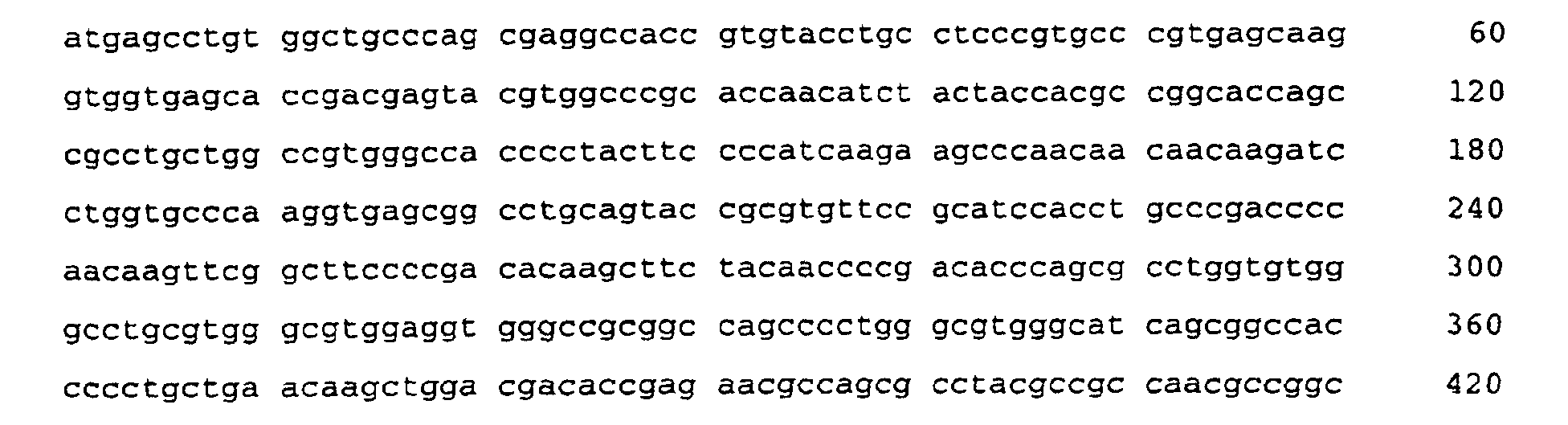

- <210> 2
<211> 1950
<212> DNA
<213> Artificial Sequence - <220>
<223> Mutant, Codon-Optimized HPV16 E1 - <400> 2
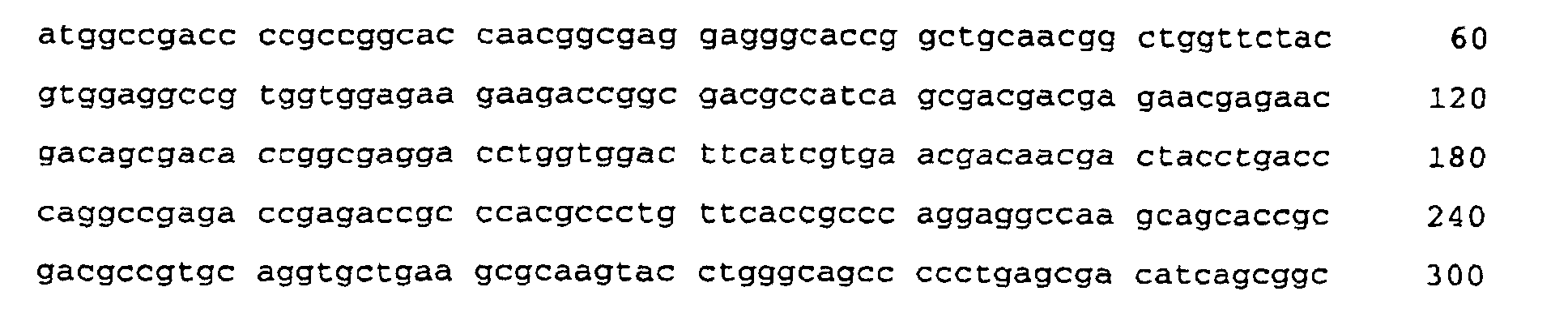

- <210> 3
<211> 1098
<212> DNA
<213> Artificial Sequence - <220>
<223> Mutant, Codon-Optimized HPV16 E2 - <400> 3
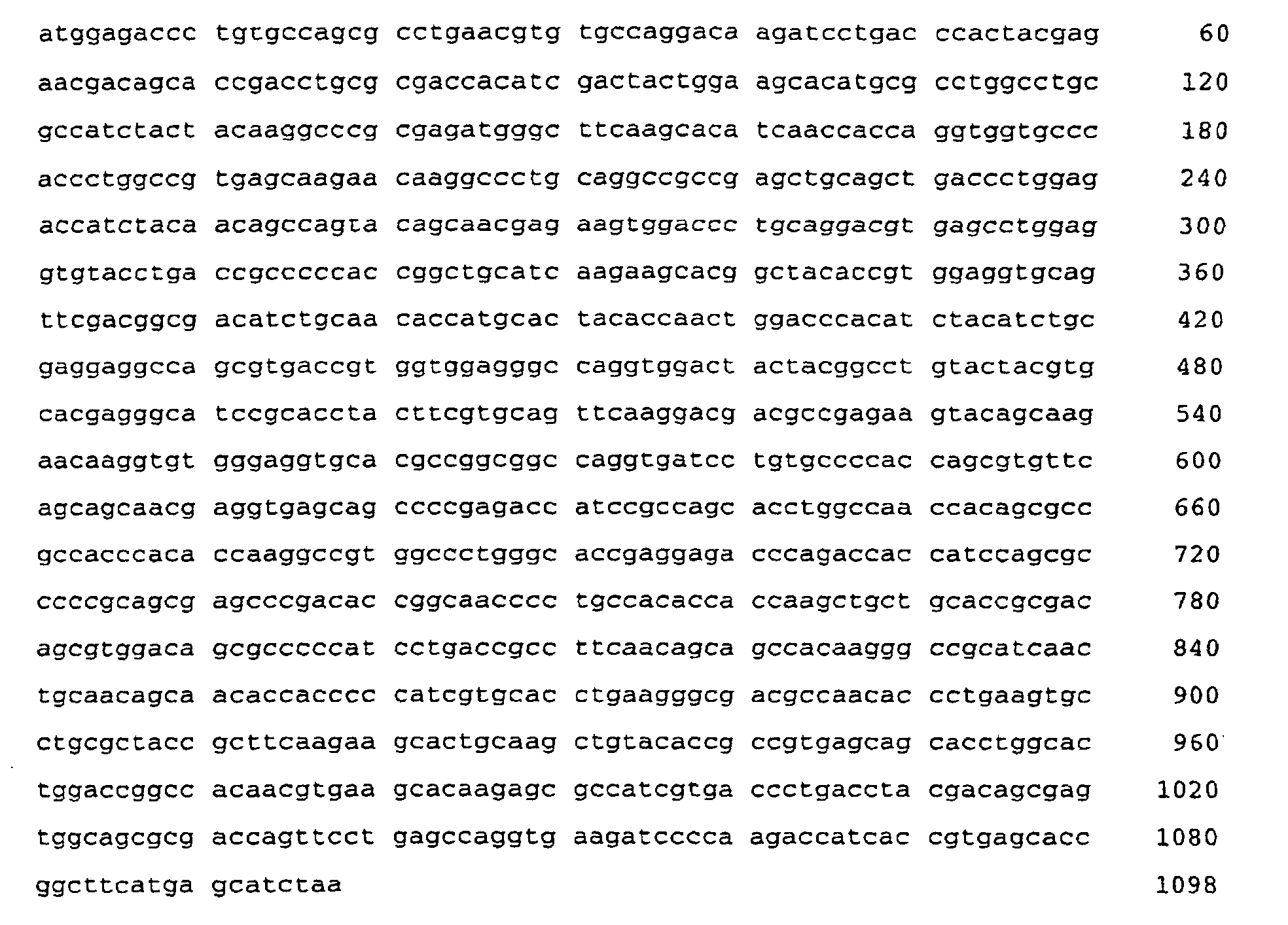
- <210> 4
<211> 297
<212> DNA
<213> Artificial Sequence - <220>
<223> Mutant, Codon-Optimized HPV16 E7 - <400> 4


- <210> 5
<211> 297
<212> DNA
<213> Artificial Sequence - <220>
<223> Codon-Optimized HPV6a E7 - <400> 5

- <210> 6
<211> 318
<212> DNA
<213> Artificial Sequence - <220>
<223> Codon-Optimized HPV18 E7 - <400> 6


- <210> 7
<211> 1107
<212> DNA
<213> Artificial Sequence - <220>
<223> Codon-Optimized HPV6a E2 - <400> 7
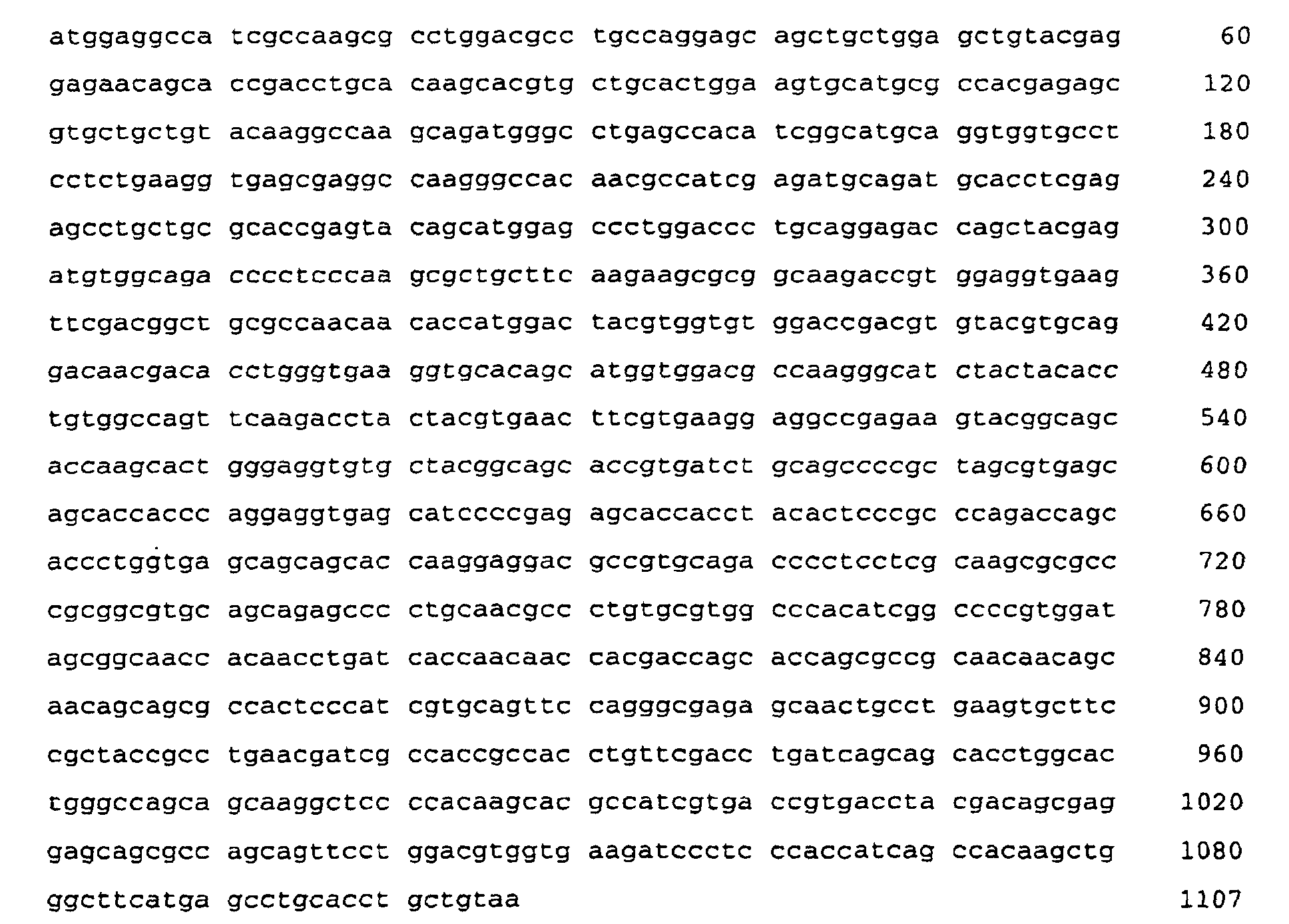
- <210> 8
<211> 1098
<212> DNA
<213> Artificial Sequence - <220>
<223> Codon-Optimized HPV18 E2 - <400> 8

- <210> 9
<211> 129
<212> DNA
<213> Artificial Sequence - <220>
<223> Codon-Optimized HPV16 L1 fragment - <400> 9

- <210> 10
<211> 129
<212> DNA
<213> Artificial Sequence - <220>
<223> Codon-Optimized HPV16 L1 fragment - <400> 10

- <210> 11
<211> 129
<212> DNA
<213> Artificial Sequence - <220>
<223> Codon-Optimized HPV16 L1 fragment - <400> 11

- <210> 12
<211> 132
<212> DNA
<213> Artificial Sequence - <220>
<223> Codon-Optimized HPV16 L1 fragment - <400> 12

- <210> 13
<211> 129
<212> DNA
<213> Artificial Sequence - <220>
<223> Codon-Optimized HPV16 L1 fragment - <400> 13

- <210> 14
<211> 135
<212> DNA
<213> Artificial Sequence - <220>
<223> Codon-Optimized HPV16 L1 fragment - <400> 14


- <210> 15
<211> 135
<212> DNA
<213> Artificial Sequence - <220>
<223> Codon-Optimized HPV16 L1 fragment - <400> 15

- <210> 16
<211> 135
<212> DNA
<213> Artificial Sequence - <220>
<223> Codon-Optimized HPV16 L1 fragment - <400> 16

- <210> 17
<211> 132
<212> DNA
<213> Artificial Sequence - <220>
<223> Codon-Optimized HPV16 L1 fragment - <400> 17

- <210> 18
<211> 129
<212> DNA
<213> Artificial Sequence - <220>
<223> Codon-Optimized HPV16 L1 fragment - <400> 18

- <210> 19
<211> 132
<212> DNA
<213> Artificial Sequence - <220>
<223> Codon-Optimized HPV16 L1 fragment - <400> 19

- <210> 20
- <211> 144
<212> DNA
<213> Artificial Sequence - <220>
<223> Codon-Optimized HPV16 L1 fragment - <400> 20

- <210> 21
<211> 132
<212> DNA
<213> Artificial Sequence - <220>
<223> Codon-Optimized HPV16 L1 fragment - <400> 21

- <210> 22
<211> 123
<212> DNA
<213> Artificial Sequence - <220>
<223> Codon-Optimized HPV16 L1 fragment - <400> 22

- <210> 23
<211> 21
<212> DNA
<213> Artificial Sequence - <220>
<223> Codon-Optimized HPV16 L1 fragment - <400> 23

- <210> 24
<211> 24
<212> DNA
<213> Artificial Sequence - <220>
<223> Codon-Optimized HPV16 L1 fragment - <400> 24

- <210> 25
<211> 21
<212> DNA
<213> Artificial Sequence - <220>
<223> Codon-Optimized HPV16 L1 fragment - <400> 25

- <210> 26
<211> 24
<212> DNA
<213> Artificial Sequence - <220>
<223> Codon-Optimized HPV16 L1 fragment - <400> 26

- <210> 27
<211> 23
<212> DNA
<213> Artificial Sequence - <220>
<223> Codon-Optimized HPV16 L1 fragment - <400> 27

- <210> 28
<211> 23
<212> DNA
<213> Artificial Sequence - <220>
<223> Codon-Optimized HPV16 L1 fragment - <400> 28

- <210> 29
<211> 24
<212> DNA
<213> Artificial Sequence - <220>
<223> Codon-Optimized HPV16 L1 fragment - <400> 29

- <210> 30
<211> 24
<212> DNA
<213> Artificial Sequence - <220>
<223> Codon-Optimized HPV16 L1 fragment - <400> 30

- <210> 31
<211> 25
<212> DNA
<213> Artificial Sequence - <220>
<223> Codon-Optimized HPV16 L1 fragment - <400> 31

- <210> 32
<211> 38
<212> DNA
<213> Artificial Sequence - <220>
<223> Codon-Optimized HPV16 L1 fragment - <400> 32

- <210> 33
<211> 129
<212> DNA
<213> Artificial Sequence - <220>
<223> Codon-Optimized HPV16 E1 fragment - <400> 33

- <210> 34
<211> 132
<212> DNA
<213> Artificial Sequence - <220>
<223> Codon-Optimized HPV16 E1 fragment - <400> 34

- <210> 35
<211> 132
<212> DNA
<213> Artificial Sequence - <220>
<223> Codon-Optimized HPV16 E1 fragment - <400> 35

- <210> 36
<211> 131
<212> DNA
<213> Artificial Sequence - <220>
<223> Codon-Optimized HPV16 E1 fragment - <400> 36

- <210> 37
<211> 132
<212> DNA
<213> Artificial Sequence - <220>
<223> Codon-Optimized HPV16 E1 fragment - <400> 37

- <210> 38
<211> 135
<212> DNA
<213> Artificial Sequence - <220>
<223> Codon-Optimized HPV16 E1 fragment - <400> 38

- <210> 39
<211> 135
<212> DNA
<213> Artificial Sequence - <220>
<223> Codon-Optimized HPV16 E1 fragment - <400> 39

- <210> 40
<211> 136
<212> DNA
<213> Artificial Sequence - <220>
<223> Codon-Optimized HPV16 E1 fragment - <400> 40

- <210> 41
<211> 132
<212> DNA
<213> Artificial Sequence - <220>
<223> Codon-Optimized HPV16 E1 fragment - <400> 41

- <210> 42
<211> 129
<212> DNA
<213> Artificial Sequence - <220>
<223> Codon-Optimized HPV16 E1 fragment - <400> 42

- <210> 43
<211> 129
<212> DNA
<213> Artificial Sequence - <220>
<223> Codon-Optimized HPV16 E1 fragment - <400> 43

- <210> 44
<211> 129
<212> DNA
<213> Artificial Sequence - <220>
<223> Codon-Optimized HPV16 E1 fragment - <400> 44

- <210> 45
<211> 129
<212> DNA
<213> Artificial Sequence - <220>
<223> Codon-Optimized HPV16 E1 fragment - <400> 45

- <210> 46
<211> 130
<212> DNA
<213> Artificial Sequence - <220>
<223> Codon-Optimized HPV16 E1 fragment - <400> 46

- <210> 47
<211> 129
<212> DNA
<213> Artificial Sequence - <220>
<223> Codon-Optimized HPV16 E1 fragment - <400> 47


- <210> 48
<211> 132
<212> DNA
<213> Artificial Sequence - <220>
<223> Codon-Optimized HPV16 E1 fragment - <400> 48

- <210> 49
<211> 126
<212> DNA
<213> Artificial Sequence - <220>
<223> Codon-Optimized HPV16 E1 fragment - <400> 49

- <210> 50
<211> 105
<212> DNA
<213> Artificial Sequence - <220>
<223> Codon-Optimized HPV16 E1 fragment - <400> 50

- <210> 51
<211> 23
<212> DNA
<213> Artificial Sequence - <220>
<223> Codon-Optimized HPV16 E1 fragment - <400> 51

- <210> 52
<211> 23
<212> DNA
<213> Artificial Sequence - <220>
<223> Codon-Optimized HPV16 E1 fragment - <400> 52

- <210> 53
<211> 21
<212> DNA
<213> Artificial Sequence - <220>
<223> Codon-Optimized HPV16 E1 fragment - <400> 53

- <210> 54
<211> 21
<212> DNA
<213> Artificial Sequence - <220>
<223> Codon-Optimized HPV16 E1 fragment - <400> 54

- <210> 55
<211> 21
<212> DNA
<213> Artificial Sequence - <220>
<223> Codon-Optimized HPV16 E1 fragment - <400> 55

- <210> 56
<211> 21
<212> DNA
<213> Artificial Sequence - <220>
<223> Codon-Optimized HPV16 E1 fragment - <400> 56

- <210> 57
<211> 21
<212> DNA
<213> Artificial Sequence - <220>
<223> Codon-Optimized HPV16 E1 fragment - <400> 57

- <210> 58
<211> 21
<212> DNA
<213> Artificial Sequence - <220>
<223> Codon-Optimized HPV16 E1 fragment - <400> 58

- <210> 59
<211> 21
<212> DNA
<213> Artificial Sequence - <220>
<223> Codon-Optimized HPV16 E1 fragment
<400> 59
- <210> 60
<211> 21
<212> DNA
<213> Artificial Sequence - <220>
<223> Codon-Optimized HPV16 E1 fragment - <400> 60

- <210> 61
<211> 24
<212> DNA
<213> Artificial Sequence - <220>
<223> Codon-Optimized HPV16 E1 fragment - <400> 61

- <210> 62
<211> 24
<212> DNA
<213> Artificial Sequence - <220>
<223> Codon-Optimized HPV16 E1 fragment - <400> 62

- <210> 63
<211> 25
<212> DNA
<213> Artificial Sequence - <220>
<223> Codon-Optimized HPV16 E1 fragment - <400> 63

- <210> 64
<211> 38
<212> DNA
<213> Artificial Sequence - <220>
<223> Codon-Optimized HPV16 E1 fragment - <400> 64

- <210> 65
<211> 99
<212> DNA
<213> Artificial Sequence - <220>
<223> Codon-Optimized HPV16 E2 fragment - <400> 65

- <210> 66
<211> 104
<212> DNA
<213> Artificial Sequence - <220>
<223> Codon-Optimized HPV16 E2 fragment - <400> 66

- <210> 67
<211> 108
<212> DNA
<213> Artificial Sequence - <220>
<223> Codon-Optimized HPV16 E2 fragment - <400> 67

- <210> 68
<211> 104
<212> DNA
<213> Artificial Sequence - <220>
<223> Codon-Optimized HPV16 E2 fragment - <400> 68

- <210> 69
<211> 110
<212> DNA
<213> Artificial Sequence - <220>
<223> Codon-Optimized HPV16 E2 fragment - <400> 69

- <210> 70
<211> 107
<212> DNA
<213> Artificial Sequence - <220>
<223> Codon-Optimized HPV16 E2 fragment - <400> 70

- <210> 71
<211> 113
<212> DNA
<213> Artificial Sequence - <220>
<223> Codon-Optimized HPV16 E2 fragment - <400> 71

- <210> 72
<211> 101
<212> DNA
<213> Artificial Sequence - <220>
<223> Codon-Optimized HPV16 E2 fragment - <400> 72

- <210> 73
<211> 98
<212> DNA
<213> Artificial Sequence - <220>
<223> Codon-Optimized HPV16 E2 fragment - <400> 73

- <210> 74
<211> 110
<212> DNA
<213> Artificial Sequence - <220>
<223> Codon-Optimized HPV16 E2 fragment - <400> 74

- <210> 75
<211> 111
<212> DNA
<213> Artificial Sequence - <220>
<223> Codon-Optimized HPV16 E2 fragment - <400> 75

- <210> 76
<211> 110
<212> DNA
<213> Artificial Sequence - <220>
<223> Codon-Optimized HPV16 E2 fragment - <400> 76

- <210> 77
<211> 111
<212> DNA
<213> Artificial Sequence - <220>
<223> Codon-Optimized HPV16 E2 fragment - <400> 77

- <210> 78
<211> 50
<212> DNA
<213> Artificial Sequence - <220>
<223> Codon-Optimized HPV16 E2 fragment - <400> 78

- <210> 79
<211> 45
<212> DNA
<213> Artificial Sequence - <220>
<223> Codon-Optimized HPV16 E2 fragment - <400> 79

- <210> 80
<211> 21
<212> DNA
<213> Artificial Sequence - <220>
<223> Codon-Optimized HPV16 E2 fragment - <400> 80

- <210> 81
<211> 19
<212> DNA
<213> Artificial Sequence - <220>
<223> Codon-Optimized HPV16 E2 fragment - <400> 81

- <210> 82
<211> 21
<212> DNA
<213> Artificial Sequence - <220>
<223> Codon-Optimized HPV16 E2 fragment - <400> 82

- <210> 83
<211> 17
<212> DNA
<213> Artificial Sequence - <220>
<223> Codon-Optimized HPV16 E2 fragment - <400> 83

- <210> 84
<211> 22
<212> DNA
<213> Artificial Sequence - <220>
<223> Codon-Optimized HPV16 E2 fragment - <400> 84

- <210> 85
<211> 109
<212> DNA
<213> Artificial Sequence - <220>
<223> Codon-Optimized HPV16 E7 fragment - <400> 85

- <210> 86
<211> 106
<212> DNA
<213> Artificial Sequence - <220>
<223> Codon-Optimized HPV16 E7 fragment - <400> 86

- <210> 87
<211> 96
<212> DNA
<213> Artificial Sequence - <220>
<223> Codon-Optimized HPV16 E7 fragment - <400> 87

- <210> 88
<211> 106
<212> DNA
<213> Artificial Sequence - <220>
<223> Codon-Optimized HPV16 E7 fragment - <400> 88

- <210> 89
<211> 25
<212> DNA
<213> Artificial Sequence - <220>
<223> Codon-Optimized HPV16 E7 fragment - <400> 89

- <210> 90
<211> 20
<212> DNA
<213> Artificial Sequence - <220>
<223> Codon-Optimized HPV16 E7 fragment - <400> 90

- <210> 91
<211> 105
<212> DNA
<213> Artificial Sequence - <220>
<223> Codon-Optimized HPV6a E7 fragment - <400> 91

- <210> 92
<211> 105
<212> DNA
<213> Artificial Sequence - <220>
<223> Codon-Optimized HPV6a E7 fragment - <400> 92

- <210> 93
<211> 107
<212> DNA
<213> Artificial Sequence - <220>
<223> Codon-Optimized HPV6a E7 fragment - <400> 93

- <210> 94
<211> 102
<212> DNA
<213> Artificial Sequence - <220>
<223> Codon-Optimized HPV6a E7 fragment - <400> 94


- <210> 95
<211> 24
<212> DNA
<213> Artificial Sequence - <220>
<223> PCR Primer - <400> 95

- <210> 96
<211> 26
<212> DNA
<213> Artificial Sequence - <220>
<223> PCR Primer - <400> 96

- <210> 97
<211> 109
<212> DNA
<213> Artificial Sequence - <220>
<223> Codon-Optimized HPV18 E7 fragment - <400> 97


- <210> 98
<211> 111
<212> DNA
<213> Artificial Sequence - <220>
<223> Codon-Optimized HPV18 E7 fragment - <400> 98

- <210> 99
<211> 108
<212> DNA
<213> Artificial Sequence - <220>
<223> Codon-Optimized HPV18 E7 fragment - <400> 99

- <210> 100
<211> 109
<212> DNA
<213> Artificial Sequence - <220>
<223> Codon-Optimized HPV18 E7 fragment - <400> 100

- <210> 101
<211> 26
<212> DNA
<213> Artificial Sequence - <220>
<223> PCR Fragment - <400> 101

- <210> 102
<211> 27
<212> DNA
<213> Artificial Sequence - <220>
<223> PCR Fragment - <400> 102

- <210> 103
<211> 90
<212> DNA
<213> Artificial Sequence - <220>
<223> Codon-Optimized HPV6 E2 fragment - <400> 103

- <210> 104
<211> 92
<212> DNA
<213> Artificial Sequence - <220>
<223> Codon-Optimized HPV6 E2 fragment - <400> 104

- <210> 105
<211> 96
<212> DNA
<213> Artificial Sequence - <220>
<223> Codon-Optimized HPV6 E2 fragment - <400> 105

- <210> 106
<211> 103
<212> DNA
<213> Artificial Sequence - <220>
<223> Codon-Optimized HPV6 E2 fragment - <400> 106

- <210> 107
<211> 98
<212> DNA
<213> Artificial Sequence - <220>
<223> Codon-Optimized HPV6 E2 fragment - <400> 107

- <210> 108
<211> 102
<212> DNA
<213> Artificial Sequence - <220>
<223> Codon-Optimized HPV6 E2 fragment - <400> 108

- <210> 109
<211> 102
<212> DNA
<213> Artificial Sequence - <220>
<223> Codon-Optimized HPV6 E2 fragment - <400> 109

- <210> 110
<211> 92
<212> DNA
<213> Artificial Sequence - <220>
<223> Codon-Optimized HPV6 E2 fragment - <400> 110

- <210> 111
<211> 94
<212> DNA
<213> Artificial Sequence - <220>
<223> Codon-Optimized HPV6 E2 fragment - <400> 111

- <210> 112
<211> 97
<212> DNA
<213> Artificial Sequence - <220>
<223> Codon-Optimized HPV6 E2 fragment - <400> 112

- <210> 113
<211> 97
<212> DNA
<213> Artificial Sequence - <220>
<223> Codon-Optimized HPV6 E2 fragment - <400> 113

- <210> 114
<211> 94
<212> DNA
<213> Artificial Sequence - <220>
<223> Codon-Optimized HPV6 E2 fragment - <400> 114
<210> 115

<211> 95
<212> DNA
<213> Artificial Sequence - <220>
<223> Codon-Optimized HPV6 E2 fragment - <400> 115

- <210> 116
<211> 96
<212> DNA
<213> Artificial Sequence - <220>
<223> Codon-Optimized HPV6 E2 fragment - <400> 116

- <210> 117
<211> 95
<212> DNA
<213> Artificial Sequence - <220>
<223> Codon-Optimized HPV6 E2 fragment - <400> 117


- <210> 118
<211> 96
<212> DNA
<213> Artificial Sequence - <220>
<223> Codon-Optimized HPV6 E2 fragment - <400> 118

- <210> 119
<211> 25
<212> DNA
<213> Artificial Sequence - <220>
<223> Codon-Optimized HPV6 E2 fragment - <400> 119

- <210> 120
<211> 21
<212> DNA
<213> Artificial Sequence - <220>
<223> Codon-Optimized HPV6 E2 fragment - <400> 120

- <210> 121
<211> 25
<212> DNA
<213> Artificial Sequence - <220>
<223> Codon-Optimized HPV6 E2 fragment - <400> 121

- <210> 122
<211> 25
<212> DNA
<213> Artificial Sequence - <220>
<223> Codon-Optimized HPV6 E2 fragment - <400> 122

- <210> 123
<211> 21
<212> DNA
<213> Artificial Sequence - <220>
<223> Codon-Optimized HPV6 E2 fragment - <400> 123

- <210> 124
<211> 23
<212> DNA
<213> Artificial Sequence - <220>
<223> Codon-Optimized HPV6 E2 fragment - <400> 124

- <210> 125
<211> 22
<212> DNA
<213> Artificial Sequence - <220>
<223> Codon-Optimized HPV6 E2 fragment - <400> 125

- <210> 126
<211> 26
<212> DNA
<213> Artificial Sequence - <220>
<223> Codon-Optimized HPV6 E2 fragment - <400> 126

- <210> 127
<211> 97
<212> DNA
<213> Artificial Sequence - <220>
<223> Codon-Optimized HPV18 E2 fragment - <400> 127

- <210> 128
<211> 98
<212> DNA
<213> Artificial Sequence - <220>
<223> Codon-Optimized HPV18 E2 fragment - <400> 128

- <210> 129
<211> 94
<212> DNA
<213> Artificial Sequence - <220>
<223> Codon-Optimized HPV18 E2 fragment - <400> 129


- <210> 130
<211> 94
<212> DNA
<213> Artificial Sequence - <220>
<223> Codon-Optimized HPV18 E2 fragment - <400> 130

- <210> 131
<211> 91
<212> DNA
<213> Artificial Sequence - <220>
<223> Codon-Optimized HPV18 E2 fragment - <400> 131

- <210> 132
<211> 94
<212> DNA
<213> Artificial Sequence - <220>
<223> Codon-Optimized HPV18 E2 fragment - <400> 132

- <210> 133
<211> 90
<212> DNA
<213> Artificial Sequence - <220>
<223> Codon-Optimized HPV18 E2 fragment - <400> 133

- <210> 134
<211> 92
<212> DNA
<213> Artificial Sequence - <220>
<223> Codon-Optimized HPV18 E2 fragment - <400> 134

- <210> 135
<211> 94
<212> DNA
<213> Artificial Sequence - <220>
<223> Codon-Optimized HPV18 E2 fragment - <400> 135

- <210> 136
<211> 100
<212> DNA
<213> Artificial Sequence - <220>
<223> Codon-Optimized HPV18 E2 fragment - <400> 136

- <210> 137
<211> 93
<212> DNA
<213> Artificial Sequence - <220>
<223> Codon-Optimized HPV18 E2 fragment - <400> 137

- <210> 138
<211> 96
<212> DNA
<213> Artificial Sequence - <220>
<223> Codon-Optimized HPV18 E2 fragment - <400> 138

- <210> 139
<211> 97
<212> DNA
<213> Artificial Sequence - <220>
<223> Codon-Optimized HPV18 E2 fragment - <400> 139

- <210> 140
<211> 97
<212> DNA
<213> Artificial Sequence - <220>
<223> Codon-Optimized HPV18 E2 fragment - <400> 140

- <210> 141
<211> 99
<212> DNA
<213> Artificial Sequence - <220>
<223> Codon-Optimized HPV18 E2 fragment - <400> 141

- <210> 142
<211> 98
<212> DNA
<213> Artificial Sequence - <220>
<223> Codon-Optimized HPV18 E2 fragment - <400> 142

- <210> 143
<211> 25
<212> DNA
<213> Artificial Sequence - <220>
<223> Codon-Optimized HPV18 E2 fragment - <400> 143

- <210> 144
<211> 23
<212> DNA
<213> Artificial Sequence - <220>
<223> Codon-Optimized HPV18 E2 fragment - <400> 144

- <210> 145
<211> 21
<212> DNA
<213> Artificial Sequence - <220>
<223> Codon-Optimized HPV18 E2 fragment - <400> 145

- <210> 146
<211> 21
<212> DNA
<213> Artificial Sequence - <220>
<223> Codon-Optimized HPV18 E2 fragment - <400> 146

- <210> 147
<211> 20
<212> DNA
<213> Artificial Sequence - <220>
<223> Codon-Optimized HPV18 E2 fragment - <400> 147

- <210> 148
<211> 21
<212> DNA
<213> Artificial Sequence - <220>
<223> Codon-Optimized HPV18 E2 fragment - <400> 148

- <210> 149
<211> 25
<212> DNA
<213> Artificial Sequence - <220>
<223> Codon-Optimized HPV18 E2 fragment - <400> 149

- <210> 150
<211> 26
<212> DNA
<213> Artificial Sequence - <220>
<223> Codon-Optimized HPV18 E2 fragment - <400> 150

-
Claims (24)
- A synthetic polynucleotide comprising a sequence encoding a human papillomavirus (HPV) protein, the polynucleotide sequence comprising codons optimized for expression in a human host.
- A polynucleotide according to Claim 1 wherein the protein is selected from the group consisting of: L1, L2, E1, E2, E4, E5, E6 and E7.
- A polynucleotide according to Claim 2 wherein the protein is selected from the group consisting of: L1, E1, E2, and E7.
- A polynucleotide according to Claim 2 which is DNA.
- A polynucleotide according to Claim 4 wherein the protein is L1 and is from an HPV selected from the group consisting of: HPV6a, HPV6b, HPV11, HPV16, HPV18, HPV31, HPV33, HPV35, HPV39, HPV45, HPV51, HPV52, HPV56, HPV58, and HPV68.
- A polynucleotide according to Claim 5 wherein the protein is an HPV16 L1 protein.
- A polynucleotide according to Claim 6 which comprises the polynucleotide of SEQ.ID.NO: 1.
- A polynucleotide according to Claim 4 wherein the protein is an E1 protein and is from an HPV selected from the group consisting of: HPV6a, HPV6b, HPV11, HPV16, HPV18, HPV31, HPV33, HPV35, HPV39, HPV45, HPV51, HPV52, HPV56, HPV58, and HPV 68.
- A polynucleotide according to Claim 8 which is an HPV16 E1 protein.
- A polynucleotide according to Claim 9 which comprises the polynucleotide of SEQ. ID.NO:2.
- A polynucleotide according to Claim 4 wherein the protein is E2 protein and is from an HPV selected from the group consisting of: HPV6a, HPV6b, HPV11, HPV16, HPV18, HPV31, HPV33, HPV35, HPV39, HPV45, HPV51, HPV52, HPV56, HPV58, and HPV 68.
- A polynucleotide according to Claim 11 which comprises the polynucleotide of SEQ. ID.NO: 3.
- A polynucleotide according to Claim 4 wherein the protein is E7 and is from an HPV selected from the group consisting of: HPV6a, HPV6b, HPV11, HPV16, HPV18, HPV31, HPV33, HPV35, HPV39, HPV45, HPV51, HPV52, HPV56, HPV58, and HPV68.
- A polynucleotide according to Claim 13 wherein the protein is an HPV6a protein.
- A polynucleotide according to Claim 14 which comprises the polynucleotide of SEQ. ID.NO:4.
- An adenoviral vaccine vector comprising an adenoviral genome with a deletion in the E1 region, and an insert in the E1 region, wherein the insert comprises an expression cassette comprising:A) a polynucleotide encoding an HPV protein selected from the group consisting of L1, E1, E2, and E7 proteins, wherein the polynucleotide is codon-optimized for expression in a human host cell; andB) a promoter operably linked to the polynucleotide.
- A vector according to Claim 16 wherein the adenoviral genome also contains a deleted E3 region.
- A shuttle plasmid vector comprising a plasmid portion and an adenoviral portion, the adenoviral portion comprising: an adenoviral genome with a deletion in the E1 region, and an insert in the E1 region, wherein the insert comprises an expression cassette comprising:A) a polynucleotide encoding an HPV protein selected from the group consisting of L1, E1, E2, and E7 proteins, wherein the polynucleotide is codon-optimized for expression in a human host cell; andB) a promoter operably linked to the polynucleotide.
- A vaccine plasmid comprising a plasmid portion and an expression cassette portion, the expression cassette portion comprising:A) a polynucleotide encoding an HPV protein selected from the group consisting of L1, E1, E2, and E7 proteins, wherein the polynucleotide is codon-optimized for expression in a human host cell; andB) a promoter operably linked to the polynucleotide.
- A plasmid according to Claim 19 wherein the plasmid portion is V1Js.
- A vaccine which comprises between 1 ng and 100 mg of the polynucleotide of any one of Claims 1 to 15, and a pharmaceutically acceptable carrier.
- A vaccine which comprises between 1011-1012 particles of an adenoviral vector carrying the polynucleotide of any one of Claims 1 to 15 and a pharmaceutically acceptable carrier.
- A vaccine adapted for administration at two time points which comprises:a first partA) comprising a first vector comprising a polynucleotide encoding an HPV protein selected from the group consisting of L1, E1, E2, and E7 proteins, wherein the polynucleotide is codon-optimized for expression in a human host cell;and a second partB) comprising a second vector comprising adenoviral vaccine vector comprising an adenoviral genome with a deletion in the E1 region, and an insert in the E1 region, wherein the insert comprises an expression cassette comprisesi) a polynucleotide encoding an HPV protein selected from the group consisting of L1, E1, E2, and E7 proteins, wherein the polynucleotide is codon-optimized for expression in a human host cell; andii) a promoter operably linked to the polynucleotide.
- A method of making a HPV protein comprising expressing in a host cell a synthetic polynucleotide encoding a human papillomavirus (HPV) protein, the polynucleotide sequence comprising codons optimized for expression in a human host.
Priority Applications (1)
| Application Number | Priority Date | Filing Date | Title |
|---|---|---|---|
| DK00959292T DK1212358T3 (en) | 1999-08-25 | 2000-08-21 | Synthetic papilloma virus genes optimized for expression in human cells |
Applications Claiming Priority (5)
| Application Number | Priority Date | Filing Date | Title |
|---|---|---|---|
| US15072899P | 1999-08-25 | 1999-08-25 | |
| US150728P | 1999-08-25 | ||
| US21014300P | 2000-06-07 | 2000-06-07 | |
| US210143P | 2000-06-07 | ||
| PCT/US2000/022932 WO2001014416A2 (en) | 1999-08-25 | 2000-08-21 | Synthetic papillomavirus genes optimized for expression in human cells |
Publications (2)
| Publication Number | Publication Date |
|---|---|
| EP1212358A2 EP1212358A2 (en) | 2002-06-12 |
| EP1212358B1 true EP1212358B1 (en) | 2004-12-15 |
Family
ID=26847958
Family Applications (1)
| Application Number | Title | Priority Date | Filing Date |
|---|---|---|---|
| EP00959292A Revoked EP1212358B1 (en) | 1999-08-25 | 2000-08-21 | Synthetic papillomavirus genes optimized for expression in human cells |
Country Status (9)
| Country | Link |
|---|---|
| EP (1) | EP1212358B1 (en) |
| JP (1) | JP4799789B2 (en) |
| AT (1) | ATE284898T1 (en) |
| AU (1) | AU772611B2 (en) |
| CA (1) | CA2381991A1 (en) |
| DE (1) | DE60016765T2 (en) |
| ES (1) | ES2233437T3 (en) |
| PT (1) | PT1212358E (en) |
| WO (1) | WO2001014416A2 (en) |
Cited By (1)
| Publication number | Priority date | Publication date | Assignee | Title |
|---|---|---|---|---|
| US8071561B2 (en) | 2007-08-16 | 2011-12-06 | Chrontech Pharma Ab | Immunogen platform |
Families Citing this family (29)
| Publication number | Priority date | Publication date | Assignee | Title |
|---|---|---|---|---|
| GB9711957D0 (en) | 1997-06-09 | 1997-08-06 | Isis Innovation | Methods and reagents for vaccination |
| GB0017990D0 (en) | 2000-07-21 | 2000-09-13 | Glaxo Group Ltd | Papilloma virus sequences |
| ATE346947T1 (en) * | 2000-07-21 | 2006-12-15 | Glaxo Group Ltd | CODON-OPTIMIZED PAPILLOMA VIRUS SEQUENCES |
| US7022830B2 (en) * | 2000-08-17 | 2006-04-04 | Tripep Ab | Hepatitis C virus codon optimized non-structural NS3/4A fusion gene |
| DE10055545A1 (en) * | 2000-11-09 | 2002-07-25 | Deutsches Krebsforsch | HPV 16-L1 and HPV 16-L2 encoding DNA sequences optimized for expression in eukaryotes |
| GB0105606D0 (en) * | 2001-03-07 | 2001-04-25 | Cantab Pharmaceuticals Res Ltd | Immunogens and vaccines and their preparation and use |
| ES2284559T3 (en) * | 2001-03-23 | 2007-11-16 | Deutsches Krebsforschungszentrum Stiftung Des Offentlichen Rechts | GENES AND PROTEINS E6 AND E7 MODIFIED HPV USED AS A VACCINE. |
| EP1903054A3 (en) * | 2001-06-05 | 2008-07-23 | CureVac GmbH | Pharmaceutical compound containing a stabilised mRNA which is optimised for translation in its coded areas |
| GB0118532D0 (en) | 2001-07-30 | 2001-09-19 | Isis Innovation | Materials and methods relating to improved vaccination strategies |
| DE10137102A1 (en) | 2001-07-30 | 2003-02-27 | Deutsches Krebsforsch | Polyvalent vaccine against diseases caused by papillomaviruses, processes for their production and their use |
| WO2003018055A1 (en) * | 2001-08-23 | 2003-03-06 | Merck & Co., Inc. | Vaccine using papilloma virus e proteins delivered by viral vector |
| CA2467486A1 (en) | 2001-11-30 | 2003-06-12 | Isis Innovation Limited | Vaccine |
| FR2839072A1 (en) * | 2002-04-24 | 2003-10-31 | Neovacs | PRODUCT FOR EXPRESSION OF DNA ENCODING HPV-16 MUTETED E7 PROTEIN, IMMUNOGENIC COMPOSITION CONTAINING SAID EXPRESSION PRODUCT AND PROCESS FOR PREPARING THE SAME |
| ES2381964T3 (en) * | 2003-03-24 | 2012-06-04 | Merck Sharp & Dohme Corp. | Optimized expression of L1 of HPV 31 in yeast |
| MY140664A (en) * | 2003-09-29 | 2010-01-15 | Merck Sharp & Dohme | Optimized expression of hpv 45 l1 in yeast |
| MY139500A (en) * | 2003-11-12 | 2009-10-30 | Merck Sharp & Dohme | Optimized expression of hpv 58 l1 in yeast |
| ES2387850T3 (en) * | 2004-02-11 | 2012-10-02 | Istituto Di Ricerche Di Biologia Molecolare P. Angeletti S.R.L. | Carcinoembryonic antigen fusion protein and its uses |
| BRPI0509079B8 (en) | 2004-03-24 | 2021-07-06 | Merck & Co Inc | nucleic acid molecule, vector, host cell, virus-like particles, method for producing vlps, vaccine, pharmaceutical compositions, and, methods for preventing hpv infection and for inducing an immune response in an animal |
| CN100392084C (en) * | 2006-03-13 | 2008-06-04 | 曾毅 | Recombinant adenovirus containing codon-optimized HPV16L1 gene |
| US8101342B2 (en) * | 2006-08-28 | 2012-01-24 | Sungkyunkwan University Foundation For Corporate Collaboration | DNA vaccine for treating or preventing cervical cancer comprising a gene encoding HPV protein |
| PE20081723A1 (en) | 2007-01-30 | 2008-12-14 | Transgene Sa | VACCINE AGAINST PAPILLOMAVIRUS |
| BRPI0810305A2 (en) * | 2007-05-15 | 2018-07-10 | Transgene Sa | "vector, substantially isolated nucleic acid molecule, host cell, pharmaceutical composition, use of a nucleic acid molecule, use of a vector, use of a host cell, and use of a composition" |
| EP2638058B1 (en) | 2010-11-12 | 2017-01-11 | Merck Sharp & Dohme Corp. | Enolase peptide conjugate vaccines against staphylococcus aureus |
| KR20140076613A (en) * | 2011-10-12 | 2014-06-20 | 더 트러스티스 오브 더 유니버시티 오브 펜실바니아 | Vaccines for human papilloma virus and methods for using the same |
| AU2014248535B2 (en) | 2013-03-12 | 2017-03-30 | Inovio Pharmaceuticals, Inc. | Improved vaccines for human papilloma virus and methods for using the same |
| ES2806575T3 (en) | 2013-11-01 | 2021-02-18 | Curevac Ag | Modified RNA with decreased immunostimulatory properties |
| ES2946969T3 (en) | 2014-12-12 | 2023-07-28 | CureVac SE | Artificial nucleic acid molecules for enhanced protein expression |
| KR20230125200A (en) * | 2020-11-24 | 2023-08-29 | 마 무초우 조 | DNA vaccine against human papillomavirus and methods of using the same |
| CN113637690A (en) * | 2021-08-18 | 2021-11-12 | 武汉华美生物工程有限公司 | Preparation method and application of human papilloma virus HPV16 type E7 active protein |
Family Cites Families (6)
| Publication number | Priority date | Publication date | Assignee | Title |
|---|---|---|---|---|
| US5679509A (en) * | 1993-09-28 | 1997-10-21 | University Of New Mexico | Methods and a diagnostic aid for distinguishing a subset of HPV that is associated with an increased risk of developing cervical dysplasia and cervical cancer |
| US5820868A (en) * | 1993-12-09 | 1998-10-13 | Veterinary Infectious Disease Organization | Recombinant protein production in bovine adenovirus expression vector system |
| IL113817A (en) * | 1994-06-30 | 2001-03-19 | Merck & Co Inc | Polynucleotide vaccne for papillomavirus |
| WO1996039178A1 (en) * | 1995-06-05 | 1996-12-12 | The Wistar Institute Of Anatomy And Biology | A replication-defective adenovirus human type 5 recombinant as a vaccine carrier |
| CA2280195A1 (en) * | 1997-02-07 | 1998-08-13 | Merck & Co., Inc. | Synthetic hiv gag genes |
| US6228368B1 (en) * | 1997-10-06 | 2001-05-08 | Loyola University Of Chicago | Papilloma virus capsomere formulations and method of use |
-
2000
- 2000-08-21 AT AT00959292T patent/ATE284898T1/en not_active IP Right Cessation
- 2000-08-21 CA CA002381991A patent/CA2381991A1/en not_active Abandoned
- 2000-08-21 JP JP2001518745A patent/JP4799789B2/en not_active Expired - Fee Related
- 2000-08-21 WO PCT/US2000/022932 patent/WO2001014416A2/en not_active Ceased
- 2000-08-21 DE DE60016765T patent/DE60016765T2/en not_active Revoked
- 2000-08-21 AU AU70639/00A patent/AU772611B2/en not_active Ceased
- 2000-08-21 PT PT00959292T patent/PT1212358E/en unknown
- 2000-08-21 ES ES00959292T patent/ES2233437T3/en not_active Expired - Lifetime
- 2000-08-21 EP EP00959292A patent/EP1212358B1/en not_active Revoked
Cited By (2)
| Publication number | Priority date | Publication date | Assignee | Title |
|---|---|---|---|---|
| US8071561B2 (en) | 2007-08-16 | 2011-12-06 | Chrontech Pharma Ab | Immunogen platform |
| US8883169B2 (en) | 2007-08-16 | 2014-11-11 | Chrontech Pharma Ab | Immunogen platform |
Also Published As
| Publication number | Publication date |
|---|---|
| CA2381991A1 (en) | 2001-03-01 |
| ATE284898T1 (en) | 2005-01-15 |
| EP1212358A2 (en) | 2002-06-12 |
| JP2003511010A (en) | 2003-03-25 |
| AU772611B2 (en) | 2004-05-06 |
| AU7063900A (en) | 2001-03-19 |
| WO2001014416A2 (en) | 2001-03-01 |
| PT1212358E (en) | 2005-04-29 |
| DE60016765T2 (en) | 2005-11-24 |
| WO2001014416A3 (en) | 2001-12-06 |
| DE60016765D1 (en) | 2005-01-20 |
| JP4799789B2 (en) | 2011-10-26 |
| ES2233437T3 (en) | 2005-06-16 |
Similar Documents
| Publication | Publication Date | Title |
|---|---|---|
| JP4799789B2 (en) | Synthetic human papillomavirus genes optimized for expression in human cells | |
| US7211569B2 (en) | Synthetic human papilloma virus genes | |
| US11040096B2 (en) | Therapeutic HPV16 vaccines | |
| JP6748240B2 (en) | Therapeutic HPV18 vaccine | |
| JP5616879B2 (en) | Optimized expression of HPV58L1 in yeast | |
| RU2360001C2 (en) | Optimised expression li hpv45 in yeast | |
| JP2007254474A (en) | Pharmaceutical composition for treating papillomavirus tumor and infection | |
| WO2022111021A1 (en) | C-terminally modified human papillomavirus type 11 l1 protein and use thereof | |
| EP1105157B1 (en) | Protein delivery system using human papillomavirus virus-like particles | |
| CA2457890A1 (en) | Vaccine using papillomavirus e proteins delivered by viral vector | |
| HK1236108B (en) | Therapeutic hpv16 vaccines | |
| HK1236108A1 (en) | Therapeutic hpv16 vaccines |
Legal Events
| Date | Code | Title | Description |
|---|---|---|---|
| PUAI | Public reference made under article 153(3) epc to a published international application that has entered the european phase |
Free format text: ORIGINAL CODE: 0009012 |
|
| AK | Designated contracting states |
Kind code of ref document: A2 Designated state(s): AT BE CH CY DE DK ES FI FR GB GR IE IT LI LU MC NL PT SE |
|
| AX | Request for extension of the european patent |
Free format text: AL;LT;LV;MK;RO;SI |
|
| 17P | Request for examination filed |
Effective date: 20020606 |
|
| 17Q | First examination report despatched |
Effective date: 20030805 |
|
| GRAP | Despatch of communication of intention to grant a patent |
Free format text: ORIGINAL CODE: EPIDOSNIGR1 |
|
| GRAS | Grant fee paid |
Free format text: ORIGINAL CODE: EPIDOSNIGR3 |
|
| GRAA | (expected) grant |
Free format text: ORIGINAL CODE: 0009210 |
|
| AK | Designated contracting states |
Kind code of ref document: B1 Designated state(s): AT BE CH CY DE DK ES FI FR GB GR IE IT LI LU MC NL PT SE |
|
| AX | Request for extension of the european patent |
Extension state: AL LT LV MK RO SI |
|
| REG | Reference to a national code |
Ref country code: GB Ref legal event code: FG4D Ref country code: CH Ref legal event code: EP |
|
| REG | Reference to a national code |
Ref country code: IE Ref legal event code: FG4D |
|
| REF | Corresponds to: |
Ref document number: 60016765 Country of ref document: DE Date of ref document: 20050120 Kind code of ref document: P |
|
| REG | Reference to a national code |
Ref country code: SE Ref legal event code: TRGR |
|
| REG | Reference to a national code |
Ref country code: GR Ref legal event code: EP Ref document number: 20050400695 Country of ref document: GR |
|
| REG | Reference to a national code |
Ref country code: DK Ref legal event code: T3 |
|
| REG | Reference to a national code |
Ref country code: PT Ref legal event code: SC4A Free format text: AVAILABILITY OF NATIONAL TRANSLATION Effective date: 20050225 |
|
| LTIE | Lt: invalidation of european patent or patent extension |
Effective date: 20041215 |
|
| REG | Reference to a national code |
Ref country code: ES Ref legal event code: FG2A Ref document number: 2233437 Country of ref document: ES Kind code of ref document: T3 |
|
| PG25 | Lapsed in a contracting state [announced via postgrant information from national office to epo] |
Ref country code: LU Free format text: LAPSE BECAUSE OF NON-PAYMENT OF DUE FEES Effective date: 20050821 Ref country code: CY Free format text: LAPSE BECAUSE OF FAILURE TO SUBMIT A TRANSLATION OF THE DESCRIPTION OR TO PAY THE FEE WITHIN THE PRESCRIBED TIME-LIMIT Effective date: 20050821 |
|
| PG25 | Lapsed in a contracting state [announced via postgrant information from national office to epo] |
Ref country code: MC Free format text: LAPSE BECAUSE OF NON-PAYMENT OF DUE FEES Effective date: 20050831 |
|
| PLBI | Opposition filed |
Free format text: ORIGINAL CODE: 0009260 |
|
| PLBI | Opposition filed |
Free format text: ORIGINAL CODE: 0009260 |
|
| 26 | Opposition filed |
Opponent name: POWDERMED LIMITED Effective date: 20050914 |
|
| 26 | Opposition filed |
Opponent name: POWDERMED LIMITED Effective date: 20050914 Opponent name: CORIDON PTY LTD Effective date: 20050915 |
|
| PLAX | Notice of opposition and request to file observation + time limit sent |
Free format text: ORIGINAL CODE: EPIDOSNOBS2 |
|
| ET | Fr: translation filed | ||
| NLR1 | Nl: opposition has been filed with the epo |
Opponent name: POWDERMED LIMITED Opponent name: CORIDON PTY LTD |
|
| PLAF | Information modified related to communication of a notice of opposition and request to file observations + time limit |
Free format text: ORIGINAL CODE: EPIDOSCOBS2 |
|
| PLAF | Information modified related to communication of a notice of opposition and request to file observations + time limit |
Free format text: ORIGINAL CODE: EPIDOSCOBS2 |
|
| PLBB | Reply of patent proprietor to notice(s) of opposition received |
Free format text: ORIGINAL CODE: EPIDOSNOBS3 |
|
| REG | Reference to a national code |
Ref country code: CH Ref legal event code: PFA Owner name: MERCK & CO., INC. Free format text: MERCK & CO., INC.#126 EAST LINCOLN AVENUE#RAHWAY, NEW JERSEY 07065-0907 (US) -TRANSFER TO- MERCK & CO., INC.#126 EAST LINCOLN AVENUE#RAHWAY, NEW JERSEY 07065-0907 (US) |
|
| PGFP | Annual fee paid to national office [announced via postgrant information from national office to epo] |
Ref country code: CH Payment date: 20080918 Year of fee payment: 9 Ref country code: DE Payment date: 20080905 Year of fee payment: 9 Ref country code: DK Payment date: 20080815 Year of fee payment: 9 Ref country code: ES Payment date: 20080922 Year of fee payment: 9 Ref country code: NL Payment date: 20080803 Year of fee payment: 9 Ref country code: PT Payment date: 20080818 Year of fee payment: 9 |
|
| PGFP | Annual fee paid to national office [announced via postgrant information from national office to epo] |
Ref country code: AT Payment date: 20080814 Year of fee payment: 9 Ref country code: FI Payment date: 20080815 Year of fee payment: 9 Ref country code: FR Payment date: 20080818 Year of fee payment: 9 Ref country code: IE Payment date: 20080818 Year of fee payment: 9 Ref country code: IT Payment date: 20080828 Year of fee payment: 9 |
|
| PGFP | Annual fee paid to national office [announced via postgrant information from national office to epo] |
Ref country code: GB Payment date: 20080903 Year of fee payment: 9 |
|
| RDAF | Communication despatched that patent is revoked |
Free format text: ORIGINAL CODE: EPIDOSNREV1 |
|
| PGFP | Annual fee paid to national office [announced via postgrant information from national office to epo] |
Ref country code: SE Payment date: 20080807 Year of fee payment: 9 |
|
| PLAB | Opposition data, opponent's data or that of the opponent's representative modified |
Free format text: ORIGINAL CODE: 0009299OPPO |
|
| R26 | Opposition filed (corrected) |
Opponent name: CORIDON PTY LTD Effective date: 20050915 Opponent name: POWDERMED LIMITED Effective date: 20050914 |
|
| RDAG | Patent revoked |
Free format text: ORIGINAL CODE: 0009271 |
|
| STAA | Information on the status of an ep patent application or granted ep patent |
Free format text: STATUS: PATENT REVOKED |
|
| REG | Reference to a national code |
Ref country code: CH Ref legal event code: PL |
|
| NLR1 | Nl: opposition has been filed with the epo |
Opponent name: CORIDON PTY LTD Opponent name: POWDERMED LIMITED |
|
| REG | Reference to a national code |
Ref country code: PT Ref legal event code: MP4A Effective date: 20090617 |
|
| 27W | Patent revoked |
Effective date: 20090219 |
|
| GBPR | Gb: patent revoked under art. 102 of the ep convention designating the uk as contracting state |
Effective date: 20090219 |
|
| PGFP | Annual fee paid to national office [announced via postgrant information from national office to epo] |
Ref country code: GR Payment date: 20080716 Year of fee payment: 9 |
|
| PGFP | Annual fee paid to national office [announced via postgrant information from national office to epo] |
Ref country code: BE Payment date: 20090119 Year of fee payment: 9 |
|
| NLR2 | Nl: decision of opposition |
Effective date: 20090219 |
|
| REG | Reference to a national code |
Ref country code: SE Ref legal event code: ECNC |