EP1206911A1 - Growth promoting compositions for mammals and method of promoting the growth of mammals by using the same - Google Patents
Growth promoting compositions for mammals and method of promoting the growth of mammals by using the same Download PDFInfo
- Publication number
- EP1206911A1 EP1206911A1 EP00954917A EP00954917A EP1206911A1 EP 1206911 A1 EP1206911 A1 EP 1206911A1 EP 00954917 A EP00954917 A EP 00954917A EP 00954917 A EP00954917 A EP 00954917A EP 1206911 A1 EP1206911 A1 EP 1206911A1
- Authority
- EP
- European Patent Office
- Prior art keywords
- mammals
- cpp
- growth
- amino acid
- protein containing
- Prior art date
- Legal status (The legal status is an assumption and is not a legal conclusion. Google has not performed a legal analysis and makes no representation as to the accuracy of the status listed.)
- Withdrawn
Links
Images

Classifications
-
- A—HUMAN NECESSITIES
- A61—MEDICAL OR VETERINARY SCIENCE; HYGIENE
- A61K—PREPARATIONS FOR MEDICAL, DENTAL OR TOILETRY PURPOSES
- A61K38/00—Medicinal preparations containing peptides
- A61K38/16—Peptides having more than 20 amino acids; Gastrins; Somatostatins; Melanotropins; Derivatives thereof
- A61K38/17—Peptides having more than 20 amino acids; Gastrins; Somatostatins; Melanotropins; Derivatives thereof from animals; from humans
-
- A—HUMAN NECESSITIES
- A61—MEDICAL OR VETERINARY SCIENCE; HYGIENE
- A61K—PREPARATIONS FOR MEDICAL, DENTAL OR TOILETRY PURPOSES
- A61K38/00—Medicinal preparations containing peptides
- A61K38/16—Peptides having more than 20 amino acids; Gastrins; Somatostatins; Melanotropins; Derivatives thereof
- A61K38/17—Peptides having more than 20 amino acids; Gastrins; Somatostatins; Melanotropins; Derivatives thereof from animals; from humans
- A61K38/1703—Peptides having more than 20 amino acids; Gastrins; Somatostatins; Melanotropins; Derivatives thereof from animals; from humans from vertebrates
- A61K38/1709—Peptides having more than 20 amino acids; Gastrins; Somatostatins; Melanotropins; Derivatives thereof from animals; from humans from vertebrates from mammals
-
- A—HUMAN NECESSITIES
- A23—FOODS OR FOODSTUFFS; TREATMENT THEREOF, NOT COVERED BY OTHER CLASSES
- A23K—FODDER
- A23K20/00—Accessory food factors for animal feeding-stuffs
- A23K20/10—Organic substances
- A23K20/142—Amino acids; Derivatives thereof
- A23K20/147—Polymeric derivatives, e.g. peptides or proteins
-
- A—HUMAN NECESSITIES
- A23—FOODS OR FOODSTUFFS; TREATMENT THEREOF, NOT COVERED BY OTHER CLASSES
- A23K—FODDER
- A23K50/00—Feeding-stuffs specially adapted for particular animals
- A23K50/40—Feeding-stuffs specially adapted for particular animals for carnivorous animals, e.g. cats or dogs
-
- A—HUMAN NECESSITIES
- A23—FOODS OR FOODSTUFFS; TREATMENT THEREOF, NOT COVERED BY OTHER CLASSES
- A23K—FODDER
- A23K50/00—Feeding-stuffs specially adapted for particular animals
- A23K50/60—Feeding-stuffs specially adapted for particular animals for weanlings
-
- A—HUMAN NECESSITIES
- A61—MEDICAL OR VETERINARY SCIENCE; HYGIENE
- A61K—PREPARATIONS FOR MEDICAL, DENTAL OR TOILETRY PURPOSES
- A61K38/00—Medicinal preparations containing peptides
- A61K38/01—Hydrolysed proteins; Derivatives thereof
- A61K38/012—Hydrolysed proteins; Derivatives thereof from animals
- A61K38/018—Hydrolysed proteins; Derivatives thereof from animals from milk
-
- A—HUMAN NECESSITIES
- A61—MEDICAL OR VETERINARY SCIENCE; HYGIENE
- A61P—SPECIFIC THERAPEUTIC ACTIVITY OF CHEMICAL COMPOUNDS OR MEDICINAL PREPARATIONS
- A61P37/00—Drugs for immunological or allergic disorders
- A61P37/02—Immunomodulators
- A61P37/04—Immunostimulants
-
- A—HUMAN NECESSITIES
- A61—MEDICAL OR VETERINARY SCIENCE; HYGIENE
- A61P—SPECIFIC THERAPEUTIC ACTIVITY OF CHEMICAL COMPOUNDS OR MEDICINAL PREPARATIONS
- A61P43/00—Drugs for specific purposes, not provided for in groups A61P1/00-A61P41/00
Definitions
- the present invention relates to a composition for growth promotion of mammals, and a method for growth promotion of mammals using the same. More specifically, it relates to a composition for growth promotion of domestic animals comprising a protein containing a phosphorylated amino acid, and a method in which an immunity of mammals is enhanced by administering the composition to mammals to promote growth.
- a milk casein phosphopeptide (hereinafter abbreviated as CPP) which is one type of proteins containing phospholyrated amino acids is a micropeptide having a high content of phosphoserine, which is obtained by reacting milk casein with an enzyme.
- CPP milk casein phosphopeptide
- the presence of CPP is identified also in fermentation food using milk as a raw material, and has a function to prevent insolubilization of minerals. Accordingly, it has attracted much interest as a substance for expediting absorption of calcium or the like.
- CPP exhibits an immunological activity in a cell culture system, but so far unknown that when CPP is taken by being added to a feed etc. for domestic animals, antibody production is increased and a fattening effect is improved.
- adjuvants are to stimulate an immunological system to increase an immunoreaction against an antigen, and are mainly added to vaccines as an aid.
- typical adjuvants aluminum compounds, polynucleotides, cell ingredients of bacteria and the like are known. However, many of these are hardly used for humans.
- adjuvants are widely effective against antigenic substances. Therefore, when these are applied to vaccines for human bodies, they have problems such that there may be in danger of increasing antigenic stimulation of impurities contained in antigens or inducing a harmful allergic reaction so that great care must be taken of a purity of antigens used, and so forth.
- the development of adjuvants having a high safety has been in demand.
- infectious diseases of domestic animals such as pneumonia, bacterial diarrhea and the like quite disadvantageous in growth of the domestic animals, but also other healthy domestic animals might be infected therewith.
- infectious diseases attack infant animals because of their own weak immunity, and, in many cases, bring them to death.
- infectious diseases give a considerable influence of growth delay.
- the economical loss is great.
- treatment by administration of antibiotics is performed, which leads to increase in production costs, though.
- a method for immunopotentiation of domestic animals which is not problematic in safety, effects, workability, costs and the like has been in demand.
- the present invention aims to establish a technology of enhancing an immunity of mammals such as domestic animals and the like, and thereby promoting growth.
- the present inventors have assiduously conducted investigations to solve the foregoing problems, and have consequently found astonishingly that immunopotentiation is attained by orally administering CPP to domestic animals such as pigs and the like. This finding has led to the completion of the invention. Further, the use of CPP as an adjuvant has been also studied.
- the invention recited in claim 1 is a composition for growth promotion of mammals characterized by comprising a protein containing a phospholyrated amino acid.
- the invention recited in claim 2 is the composition recited in claim 1, wherein the protein containing the phosphorylated amino acid is a milk casein phosphopeptide.
- the invention recited in claim 3 is a method for growth promotion of mammals characterized by administering the composition recited in claim 1 or 2 to mammals.
- the invention recited in claim 4 is an immunoglobulin activation adjuvant characterized by comprising a protein containing a phosphorylated amino acid.
- the invention recited in claim 5 is the adjuvant recited in claim 4, wherein the protein containing the phosphorylated amino acid is a milk casein phosphopeptide.
- the invention recited in claim 6 is the adjuvant recited in claim 4, wherein the immunoglobulin is against ⁇ -lactoglobulin, Clostridium perfringens or Campylobacter coli .
- the invention aims to cause mammals to ingest a protein containing a phosphorylated amino acid such as CPP or the like, whereby an immunity is enhanced, a resistance to infectious diseases is increased and growth inhibitory factors of mammals are removed to promote growth.
- Types of the infectious diseases referred to in the invention are not limited, and include all diseases which are caused such that microorganisms as a pathogen invade the surface or the inside of mammals and are fixed and proliferated there.
- the effects of the invention brought forth by the protein containing the phosphorylated amino acid are, as will be later described, identified mainly in pigs.
- the mammals intended by the invention are not limited to pigs, and also include humans and other domestic animals such as cattle, horses, sheep and the like, having the same immunological system as pigs.
- pet animals such as dogs, cats and the like are also included in the invention.
- the protein containing the phospholyrated amino acid as used in the invention means a protein containing an amino acid having phosphoric acid bound thereto, and is widely present in vivo. Specific examples of this protein include phosvitin, casein, CPP and the like.
- CPP can be, as described earlier, a micropeptide (milk casein phosphopeptide) having a high content of phosphoserine obtained by reacting milk casein with an enzyme.
- a micropeptide milk casein phosphopeptide
- trade names "Meiji CPP-I”, “Meiji CPP-II” and “Meiji CPP-III” (all made by Meiji Seika Kaisha, Ltd.) can be used.
- a method for administering a protein such as CPP or the like to mammals is generally a method in which a feed or the like is mixed with a protein and is orally ingested.
- a method in which a protein is added to a drink such as water or the like and is ingested is also available.
- a feed or the like to be mixed with a protein such as CPP or the like is not particularly limited, and a commercial product is available.
- An appropriate product may be selected depending on types of mammals, a degree of their growth and the like.
- the amount of the protein containing the phosphorylated amino acid to be mixed with a feed or the like shall be determined in consideration of types of mammals or the like.
- the amount is appropriately 0.1 to 1 % (by weight), preferably 0.5 % (by weight) based on a feed or the like.
- a period of administration of CPP to domestic animals and the like is not particularly limited. For expecting satisfactory effects, it is advisable that a CPP-containing feed is administered to domestic animals and the like continuously for a fixed period of time. For example, in case of piglets, the effects can be exhibited by oral administration for more than 3 weeks, preferably for 5 weeks.
- the administration of the protein containing the phosphorylated amino acid increases IgA, and is effective for local immune. Moreover, when bacteria and the like are used as an antigen, IgG playing a main role in an antigen-antibody reaction is increased. In view of the foregoing, when this is administered to humans, infectious diseases can be prevented by adding it to food or food ingredients and continuously taking the same. Likewise, infectious diseases can be prevented in dogs, cats and the like by mixing pet food with an appropriate amount of this material.
- a CPP powder (trade name: "Meiji CPP-I" (CPP content: 15 %), made by Meiji Seika Kaisha, Ltd.) was added at a concentration of 0.5 % (by weight) to a feed for piglets shown in the following table according to age in week of piglets, and subjected to the following experiment. Feed for growth of piglets for piglets 3 to 6 weeks old for piglets 7 to 8 weeks old Com 73.0 % 59.48 % Soybean oil cake 12.0 32.5 Concentrated whey protein 11.0 2.0 Rice bran oil cake 0.0 0.06 Animal oil 4.0 5.96
- ⁇ -lactoglobulin was intramuscularly injected in the form of an emulsion with a Freunt incomplete adjuvant three times at intervals of 2 weeks.
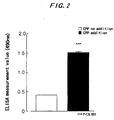
- the total amount of immunoglobulins in various classes and an amount of a specific antibody against ⁇ -lactoglobulin were measured by an enzyme-linked immunosorbent assay (ELISA). That is, the amounts of immunoglobulins (IgG, IgM and IgA) in the intestinal contents (stool) against ⁇ -lactoglobulin as measured by ELISA are shown in Fig. 1, and the total amount of IgA in the intestinal contents in Fig. 2.
- IgA is known to play an important role in local immune. IgA is generated by a local mucosal lymphatic tissue, secreted to a mucosal surface as secretory IgA, and functions in a mucosal surface as a specific immune antibody against an antigen.
- secretory IgA is high in a bacterial or viral agglutination ability and also high in an affinity for mucus, and has further a resistance to digestive enzyme so that it is effective for inhibiting adhesion, invasion, colony formation and the like of microorganisms on a mucosal surface of intestines and the like ( buta byorigaku-seiri ⁇ shikkan ⁇ shiyo- ⁇ 3rd ed.>, published by K.K. Kindai Shuppan, pp. 78 - 91). It is indicated that immune is enhanced by the administration of CCP.
- a total of 12 head of SPF piglets (average weight: 9.7 kg) which were at least 30 days old were used.
- As a feed for piglets the same feed as in Example 1 was used.
- As a feed for a CPP administration group a feed to which 0.5 % (by weight) of "Meiji CPP-I" (CPP content: 15 %, made by Meiji Seika Kaisha, Ltd.) was added as a CPP powder was used, while as a feed for a control group, a feed to which albumin (made by Sigma, hereinafter sometimes abbreviated as ALB) was likewise added to adjust a protein content was used.
- CPP or ALB was continuously added to the feed for 6 weeks from seven days before start-up of the test till termination of the test, and the feed was freely ingested.
- a Clostridium perfringens standard inactive strain (hereinafter sometimes abbreviated as a CL cell) and Campylobacter coli standard inactive strain (hereinafter sometimes abbreviated as a Cam cell) were used.
- CL cell Clostridium perfringens standard inactive strain
- Campylobacter coli standard inactive strain (hereinafter sometimes abbreviated as a Cam cell) were used.
- These standard inactive strains were obtained by inactivating in a usual manner standard strains procured from National Institute of Animal Health, Ministry of Agriculture, Forestry and Fisheries, Japan. With respect to a method of administering these antigens, the administration was conducted by two routes, oral ingestion and subcutaneous injection for identifying the safety of antigenic substances. Test groups are shown in Table 3.
- Test Groups Group Test groups Head for test CPP/CL+Cam group CPP feed+antigen administration group (CL cell+Cam cell) 2 head CPP/CL group CPP feed+antigen administration group (CL cell) 5 head ALB/CL group ALB feed+antigen administration group (CL cell) 2 head ALB group ALB feed control group 3 head
- a total cell amount of 8.5 mg (6 mg of CL cell + 2.5 mg of Cam cell) was administered in oral administration and a total cell amount of 6 mg (4 mg of CL cell + 2 mg of Cam cell) in subcutaneous injection at intervals of 1 week in such order that the oral administration was first conducted and the administration by injection was then conducted.
- the antigens were administered alternatively twice, and the antigen administration was conducted four times in total.
- a total cell amount of 6 mg was likewise administered in oral administration, and a total cell amount of 4 mg was likewise administered in subcutaneous administration.
- oral administration a feed mixed with cells suspended in a fixed amount of distilled water was used.
- subcutaneous injection a Freunt incomplete adjuvant thereof was used. Incidentally, during a breeding period of 35 days, a feed and water were freely ingested, and weight measurement and blood sampling were periodically conducted.
- the weight of each individual was measured in each group both at the start of the experiment of piglets and at the completion of the experiment of piglets. Consequently, in the CPP/CL + Cam group and the CPP/CL group with CPP administered, the weight was normally increased during the breeding period.
- IgG is the most essential immunoglobulin in general animals, and occupies 80 % or more of immunoglobulins contained in a colostrum or a serum, playing a main role in the antigen-antibody reaction. Accordingly, IgG in a serum is increased by administering bacteria such as a CL cell, a Cam cell and the like as antigens, which proves that the immunity is enhanced by the administration of CPP.
- the invention provides a composition for growth promotion of mammals and an adjuvant, comprising a protein containing a phosphorylated amino acid such as CPP or the like.
- an immunity of mammals can be enhanced, and thereby growth can be promoted.
Landscapes
- Life Sciences & Earth Sciences (AREA)
- Health & Medical Sciences (AREA)
- Chemical & Material Sciences (AREA)
- Engineering & Computer Science (AREA)
- Polymers & Plastics (AREA)
- Zoology (AREA)
- Immunology (AREA)
- Veterinary Medicine (AREA)
- Proteomics, Peptides & Aminoacids (AREA)
- Pharmacology & Pharmacy (AREA)
- Bioinformatics & Cheminformatics (AREA)
- Animal Behavior & Ethology (AREA)
- General Health & Medical Sciences (AREA)
- Public Health (AREA)
- Medicinal Chemistry (AREA)
- Epidemiology (AREA)
- Animal Husbandry (AREA)
- Food Science & Technology (AREA)
- Chemical Kinetics & Catalysis (AREA)
- General Chemical & Material Sciences (AREA)
- Organic Chemistry (AREA)
- Birds (AREA)
- Nuclear Medicine, Radiotherapy & Molecular Imaging (AREA)
- Gastroenterology & Hepatology (AREA)
- Marine Sciences & Fisheries (AREA)
- Medicines Containing Antibodies Or Antigens For Use As Internal Diagnostic Agents (AREA)
- Fodder In General (AREA)
- Medicines That Contain Protein Lipid Enzymes And Other Medicines (AREA)
Abstract
The invention aims to provide a method for enhancing an immune of mammals and promoting growth thereof without problems in safety, workability and the like. In the invention, the ingestion of a protein containing a phosphorylated amino acid such as CPP or the like to mammals makes it possible to enhance an immunity, increase a resistance to infectious diseases, remove growth inhibitory factors of mammals and promote growth. Further, IgA and IgG are increased by administration of a protein containing a phosphorylated amino acid. Accordingly, infectious diseases can be prevented by adding this to appropriate food or food ingredients and causing humans to ingest the same continuously. Likewise, infectious diseases can be prevented in dogs, cats and the like by mixing pet food with an appropriate amount of this substance.
Description
The present invention relates to a composition for growth
promotion of mammals, and a method for growth promotion of
mammals using the same. More specifically, it relates to a
composition for growth promotion of domestic animals
comprising a protein containing a phosphorylated amino acid,
and a method in which an immunity of mammals is enhanced by
administering the composition to mammals to promote growth.
For satisfactorily growing mammals such as domestic
animals and the like, it is important to prevent infectious
diseases. Infectious diseases of domestic animals and the
like are triggered by interrelation of various factors such
as pathogens, hosts, environments and the like. In order to
enhance growth of domestic animals and the like by preventing
such infectious diseases, immunopotentiators have been so far
added to a feed, and it has been known that various amino acids,
colostrum preparations and the like are effective substances.
Especially, a technique which has been widely practiced is
addition of amino acids to a feed. However, this is
problematic in both aspects of effects and costs, and the
improvement has been in demand.
A milk casein phosphopeptide (hereinafter abbreviated
as CPP) which is one type of proteins containing phospholyrated
amino acids is a micropeptide having a high content of
phosphoserine, which is obtained by reacting milk casein with
an enzyme. The presence of CPP is identified also in
fermentation food using milk as a raw material, and has a
function to prevent insolubilization of minerals.
Accordingly, it has attracted much interest as a substance for
expediting absorption of calcium or the like.
Moreover, it has been known that CPP exhibits an
immunological activity in a cell culture system, but so far
unknown that when CPP is taken by being added to a feed etc.
for domestic animals, antibody production is increased and a
fattening effect is improved.
Further, adjuvants are to stimulate an immunological
system to increase an immunoreaction against an antigen, and
are mainly added to vaccines as an aid. As typical adjuvants,
aluminum compounds, polynucleotides, cell ingredients of
bacteria and the like are known. However, many of these are
hardly used for humans. In particular, adjuvants are widely
effective against antigenic substances. Therefore, when
these are applied to vaccines for human bodies, they have
problems such that there may be in danger of increasing
antigenic stimulation of impurities contained in antigens or
inducing a harmful allergic reaction so that great care must
be taken of a purity of antigens used, and so forth. Thus,
the development of adjuvants having a high safety has been in
demand.
Not only are infectious diseases of domestic animals,
such as pneumonia, bacterial diarrhea and the like quite
disadvantageous in growth of the domestic animals, but also
other healthy domestic animals might be infected therewith.
Especially, infectious diseases attack infant animals because
of their own weak immunity, and, in many cases, bring them to
death.
Further, infectious diseases give a considerable
influence of growth delay. In case of domestic animals, the
economical loss is great. When pneumonia or bacterial
diarrhea attacks domestic animals, treatment by
administration of antibiotics is performed, which leads to
increase in production costs, though. Accordingly, a method
for immunopotentiation of domestic animals which is not
problematic in safety, effects, workability, costs and the
like has been in demand.
Under these circumstances, the present invention aims
to establish a technology of enhancing an immunity of mammals
such as domestic animals and the like, and thereby promoting
growth.
The present inventors have assiduously conducted
investigations to solve the foregoing problems, and have
consequently found astonishingly that immunopotentiation is
attained by orally administering CPP to domestic animals such
as pigs and the like. This finding has led to the completion
of the invention. Further, the use of CPP as an adjuvant has
been also studied.
The invention recited in claim 1 is a composition for
growth promotion of mammals characterized by comprising a
protein containing a phospholyrated amino acid.
The invention recited in claim 2 is the composition
recited in claim 1, wherein the protein containing the
phosphorylated amino acid is a milk casein phosphopeptide.
The invention recited in claim 3 is a method for growth
promotion of mammals characterized by administering the
composition recited in claim 1 or 2 to mammals.
The invention recited in claim 4 is an immunoglobulin
activation adjuvant characterized by comprising a protein
containing a phosphorylated amino acid.
The invention recited in claim 5 is the adjuvant recited
in claim 4, wherein the protein containing the phosphorylated
amino acid is a milk casein phosphopeptide.
The invention recited in claim 6 is the adjuvant recited
in claim 4, wherein the immunoglobulin is against β-lactoglobulin,
Clostridium perfringens or Campylobacter coli.
The invention aims to cause mammals to ingest a protein
containing a phosphorylated amino acid such as CPP or the like,
whereby an immunity is enhanced, a resistance to infectious
diseases is increased and growth inhibitory factors of mammals
are removed to promote growth.
Types of the infectious diseases referred to in the
invention are not limited, and include all diseases which are
caused such that microorganisms as a pathogen invade the
surface or the inside of mammals and are fixed and proliferated
there.
Moreover, the effects of the invention brought forth by
the protein containing the phosphorylated amino acid are, as
will be later described, identified mainly in pigs. However,
the mammals intended by the invention are not limited to pigs,
and also include humans and other domestic animals such as
cattle, horses, sheep and the like, having the same
immunological system as pigs. Further, pet animals such as
dogs, cats and the like are also included in the invention.
The protein containing the phospholyrated amino acid as
used in the invention means a protein containing an amino acid
having phosphoric acid bound thereto, and is widely present
in vivo. Specific examples of this protein include phosvitin,
casein, CPP and the like.
Of these, CPP can be, as described earlier, a
micropeptide (milk casein phosphopeptide) having a high
content of phosphoserine obtained by reacting milk casein with
an enzyme. For example, trade names, "Meiji CPP-I", "Meiji
CPP-II" and "Meiji CPP-III" (all made by Meiji Seika Kaisha,
Ltd.) can be used.
A method for administering a protein such as CPP or the
like to mammals is generally a method in which a feed or the
like is mixed with a protein and is orally ingested. A method
in which a protein is added to a drink such as water or the
like and is ingested is also available.
A feed or the like to be mixed with a protein such as
CPP or the like is not particularly limited, and a commercial
product is available. An appropriate product may be selected
depending on types of mammals, a degree of their growth and
the like.
The amount of the protein containing the phosphorylated
amino acid to be mixed with a feed or the like shall be
determined in consideration of types of mammals or the like.
In case of using, for example, trade name "Meiji CPP-I" (made
by Meiji Seika Kaisha, Ltd.) as CPP, the amount is appropriately
0.1 to 1 % (by weight), preferably 0.5 % (by weight) based on
a feed or the like.
Further, a period of administration of CPP to domestic
animals and the like is not particularly limited. For
expecting satisfactory effects, it is advisable that a
CPP-containing feed is administered to domestic animals and
the like continuously for a fixed period of time. For example,
in case of piglets, the effects can be exhibited by oral
administration for more than 3 weeks, preferably for 5 weeks.
The administration of the protein containing the
phosphorylated amino acid increases IgA, and is effective for
local immune. Moreover, when bacteria and the like are used
as an antigen, IgG playing a main role in an antigen-antibody
reaction is increased. In view of the foregoing, when this
is administered to humans, infectious diseases can be
prevented by adding it to food or food ingredients and
continuously taking the same. Likewise, infectious diseases
can be prevented in dogs, cats and the like by mixing pet food
with an appropriate amount of this material.
The invention is illustrated more specifically below by
referring to Examples to clarify the effects of the invention.
However, the scope of the invention is not limited by these.
A CPP powder (trade name: "Meiji CPP-I" (CPP content:
15 %), made by Meiji Seika Kaisha, Ltd.) was added at a
concentration of 0.5 % (by weight) to a feed for piglets shown
in the following table according to age in week of piglets,
and subjected to the following experiment.
| Feed for growth of piglets | ||
| for piglets 3 to 6 weeks old | for piglets 7 to 8 weeks old | |
| Com | 73.0 % | 59.48 % |
| Soybean oil cake | 12.0 | 32.5 |
| Concentrated whey protein | 11.0 | 2.0 |
| Rice bran oil cake | 0.0 | 0.06 |
| Animal oil | 4.0 | 5.96 |
The following experiment was conducted using 16 head (all
3 weeks old) of hybrid piglets (LWD) of F1 of Landrace and Large
White and Duroc as one group.
The feed shown in the foregoing table was freely ingested
for 5 weeks. Further, as a control, a CPP-free feed to which
0.5 % (by weight) of ovoalbumin was added for adjusting the
protein content was likewise ingested. Still further, in a
β-lactoglobulin treatment group, β-lactoglobulin was
intramuscularly injected in the form of an emulsion with a
Freunt incomplete adjuvant three times at intervals of 2 weeks.
After breeding, the total amount of immunoglobulins in
various classes and an amount of a specific antibody against
β-lactoglobulin were measured by an enzyme-linked
immunosorbent assay (ELISA). That is, the amounts of
immunoglobulins (IgG, IgM and IgA) in the intestinal contents
(stool) against β-lactoglobulin as measured by ELISA are shown
in Fig. 1, and the total amount of IgA in the intestinal contents
in Fig. 2.
As a result, almost no change was observed in the amounts
of specific IgG and IgM in the intestinal contents against
β-lactoglobulin by the administration of CPP, while the total
amount of IgA was significantly increased. Further, the total
amount of IgA in the intestinal contents was likewise
increased.
By the way, IgA is known to play an important role in
local immune. IgA is generated by a local mucosal lymphatic
tissue, secreted to a mucosal surface as secretory IgA, and
functions in a mucosal surface as a specific immune antibody
against an antigen. It is said that secretory IgA is high in
a bacterial or viral agglutination ability and also high in
an affinity for mucus, and has further a resistance to digestive
enzyme so that it is effective for inhibiting adhesion,
invasion, colony formation and the like of microorganisms on
a mucosal surface of intestines and the like (buta
byorigaku-seiri·shikkan·shiyo- <3rd ed.>, published by K.K.
Kindai Shuppan, pp. 78 - 91). It is indicated that immune is
enhanced by the administration of CCP.
In addition, the weight of each individual was measured
both at the start of the experiment of piglets (at the time
of ablactation) and at the completion of the experiment, and
the effect of growth promotion was estimated from the increase
in weight. The results are shown in Table 2.
| Results of measuring weight before and after experiment of piglets | ||||
| β-lactoglobulin treatment | Average weight in starting experiment (kg) | Average weight in completing experiment (kg) | Change in weight (kg) | |
| CPP no addition | no | 7.46 | 12.68 | 5.22 |
| yes | 7.50 | 13.04 | 5.54 | |
| CPP addition | no | 7.48 | 15.86 | 8.38 |
| yes | 7.62 | 14.94 | 7.32 |
As is clear from Table 2, the average weights in
completing the experiment on piglets of the CPP no addition
group were 12.68 kg and 13.04 kg, and the increased weights
were 5.22 kg and 5.58 kg respectively. Meanwhile, the average
weights in completing the experiment on piglets of the CPP
addition group were 15.86 kg and 14.94 kg, and the increased
weights were 8.38 kg and 7.32 kg respectively. Consequently,
it was identified that the growth was promoted by the
administration of CPP whether or not the β-lactoglobulin
treatment was conducted.
In this Example, the following experiment was conducted
for examining the immune activation effect of CPP, the safety
of antigenic substances and the immunogenicity of antigenic
substances.
First, as pigs to be tested, a total of 12 head of SPF
piglets (average weight: 9.7 kg) which were at least 30 days
old were used. As a feed for piglets, the same feed as in
Example 1 was used. As a feed for a CPP administration group,
a feed to which 0.5 % (by weight) of "Meiji CPP-I" (CPP content:
15 %, made by Meiji Seika Kaisha, Ltd.) was added as a CPP powder
was used, while as a feed for a control group, a feed to which
albumin (made by Sigma, hereinafter sometimes abbreviated as
ALB) was likewise added to adjust a protein content was used.
Incidentally, CPP or ALB was continuously added to the feed
for 6 weeks from seven days before start-up of the test till
termination of the test, and the feed was freely ingested.
Further, as antigenic substances, a Clostridium
perfringens standard inactive strain (hereinafter sometimes
abbreviated as a CL cell) and Campylobacter coli standard
inactive strain (hereinafter sometimes abbreviated as a Cam
cell) were used. These standard inactive strains were
obtained by inactivating in a usual manner standard strains
procured from National Institute of Animal Health, Ministry
of Agriculture, Forestry and Fisheries, Japan. With respect
to a method of administering these antigens, the
administration was conducted by two routes, oral ingestion and
subcutaneous injection for identifying the safety of antigenic
substances. Test groups are shown in Table 3.
| Test Groups | ||
| Group | Test groups | Head for test |
| CPP/CL+Cam group | CPP feed+antigen administration group (CL cell+Cam cell) | 2 head |
| CPP/CL group | CPP feed+antigen administration group (CL cell) | 5 head |
| ALB/CL group | ALB feed+antigen administration group (CL cell) | 2 head |
| ALB group | ALB feed control group | 3 head |
According to the foregoing test groups, in case of the
CPP/CL + Cam group, or that is a CL cell and Cam cell
administration group, a total cell amount of 8.5 mg (6 mg of
CL cell + 2.5 mg of Cam cell) was administered in oral
administration and a total cell amount of 6 mg (4 mg of CL cell
+ 2 mg of Cam cell) in subcutaneous injection at intervals of
1 week in such order that the oral administration was first
conducted and the administration by injection was then
conducted. Thus, the antigens were administered
alternatively twice, and the antigen administration was
conducted four times in total. Further, in case of the CPP/CL
group and the ALB/CL group, or that is CL cell administration
groups, a total cell amount of 6 mg was likewise administered
in oral administration, and a total cell amount of 4 mg was
likewise administered in subcutaneous administration. In
oral administration, a feed mixed with cells suspended in a
fixed amount of distilled water was used. In administration
by subcutaneous injection, a Freunt incomplete adjuvant
thereof was used. Incidentally, during a breeding period of
35 days, a feed and water were freely ingested, and weight
measurement and blood sampling were periodically conducted.
After breeding, amounts of specific antibodies against
the CL cell and the Cam cell were measured by ELISA as in Example
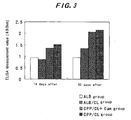
1. IgG in a serum (diluted by a serum with 1,000 x
magnification) measured by ELISA is shown in Fig. 3.
As a result, it was identified that IgG in the serum was
increased in the CPP/CL + Cam group and CPP/CL group to which
the CPP-containing feed was given in comparison with the ALB/CL
group and the ALB group to which the ALB-containing feed was
given. Further, as the period of administering antigens was
prolonged, the amount of IgG was increased.
Moreover, the weight of each individual was measured in
each group both at the start of the experiment of piglets and
at the completion of the experiment of piglets. Consequently,
in the CPP/CL + Cam group and the CPP/CL group with CPP
administered, the weight was normally increased during the
breeding period.
IgG is the most essential immunoglobulin in general
animals, and occupies 80 % or more of immunoglobulins contained
in a colostrum or a serum, playing a main role in the
antigen-antibody reaction. Accordingly, IgG in a serum is
increased by administering bacteria such as a CL cell, a Cam
cell and the like as antigens, which proves that the immunity
is enhanced by the administration of CPP.
The invention provides a composition for growth
promotion of mammals and an adjuvant, comprising a protein
containing a phosphorylated amino acid such as CPP or the like.
By administering this composition to mammals, an immunity of
mammals can be enhanced, and thereby growth can be promoted.
Claims (6)
- A composition for growth promotion of mammals characterized by comprising a protein containing a phospholyrated amino acid.
- The composition according to claim 1, wherein the protein containing the phosphorylated amino acid is a milk casein phosphopeptide.
- A method for growth promotion of mammals characterized by administering the composition according to claim 1 or 2 to mammals.
- An immunoglobulin activation adjuvant characterized by comprising a protein containing a phosphorylated amino acid.
- The adjuvant according to claim 4, wherein the protein containing the phosphorylated amino acid is a milk casein phosphopeptide.
- The adjuvant according to claim 4, wherein the immunoglobulin is an immunoglobulin against β-lactoglobulin, Clostridium perfringens or Campylobacter coli.
Applications Claiming Priority (3)
| Application Number | Priority Date | Filing Date | Title |
|---|---|---|---|
| JP23628799 | 1999-08-24 | ||
| JP23628799 | 1999-08-24 | ||
| PCT/JP2000/005631 WO2001013739A1 (en) | 1999-08-24 | 2000-08-23 | Growth promoting compositions for mammals and method of promoting the growth of mammals by using the same |
Publications (2)
| Publication Number | Publication Date |
|---|---|
| EP1206911A1 true EP1206911A1 (en) | 2002-05-22 |
| EP1206911A4 EP1206911A4 (en) | 2003-01-22 |
Family
ID=16998564
Family Applications (1)
| Application Number | Title | Priority Date | Filing Date |
|---|---|---|---|
| EP00954917A Withdrawn EP1206911A4 (en) | 1999-08-24 | 2000-08-23 | Growth promoting compositions for mammals and method of promoting the growth of mammals by using the same |
Country Status (7)
| Country | Link |
|---|---|
| EP (1) | EP1206911A4 (en) |
| KR (1) | KR20020023425A (en) |
| CN (1) | CN1370054A (en) |
| AU (1) | AU775999B2 (en) |
| CA (1) | CA2382016A1 (en) |
| NZ (1) | NZ517249A (en) |
| WO (1) | WO2001013739A1 (en) |
Families Citing this family (2)
| Publication number | Priority date | Publication date | Assignee | Title |
|---|---|---|---|---|
| US7968513B2 (en) | 2005-05-02 | 2011-06-28 | Mileutis Ltd. | Pharmaceutical compositions comprising casein derived peptides and methods of use thereof |
| JP2007204456A (en) * | 2006-02-06 | 2007-08-16 | Oji Paper Co Ltd | Animal growth promoter comprising phosphorylated starch |
Family Cites Families (8)
| Publication number | Priority date | Publication date | Assignee | Title |
|---|---|---|---|---|
| JPS59159792A (en) * | 1983-02-28 | 1984-09-10 | Meiji Seika Kaisha Ltd | Production casein phosphopeptide |
| FR2565985B1 (en) * | 1984-06-19 | 1987-09-25 | Rhone Poulenc Sante | NOVEL BIOLOGICALLY ACTIVE SUBSTANCES OBTAINED FROM BOVINE CASEIN, THEIR PREPARATION PROCESS AND THE COMPOSITIONS CONTAINING THEM |
| JPH01285158A (en) * | 1988-05-12 | 1989-11-16 | Itochu Shiryo Kk | Feed for domestic fowl |
| FR2650955B1 (en) * | 1989-08-16 | 1992-01-10 | Agronomique Inst Nat Rech | PROCESS FOR OBTAINING, FROM THE BETA CASE, ENRICHED FRACTIONS IN BIOLOGICALLY ACTIVE PEPTIDES AND THE PEPTIDE FRACTIONS OBTAINED |
| JP2797652B2 (en) * | 1990-05-25 | 1998-09-17 | 旭硝子株式会社 | Fluorination of trichlorodifluoroethane |
| JP2916297B2 (en) * | 1991-02-25 | 1999-07-05 | 三菱化学株式会社 | Phosphopeptide |
| KR100219771B1 (en) * | 1991-03-18 | 1999-10-01 | 이치로 키타사토 | Pig feed and pig breeding method using the same |
| JPH05163160A (en) * | 1991-12-13 | 1993-06-29 | Snow Brand Milk Prod Co Ltd | Nutritional supplement for prevention and treatment of infectious diseases associated with immunity decline |
-
2000
- 2000-08-23 NZ NZ517249A patent/NZ517249A/en not_active IP Right Cessation
- 2000-08-23 CN CN00811917A patent/CN1370054A/en active Pending
- 2000-08-23 AU AU67258/00A patent/AU775999B2/en not_active Ceased
- 2000-08-23 CA CA002382016A patent/CA2382016A1/en not_active Abandoned
- 2000-08-23 WO PCT/JP2000/005631 patent/WO2001013739A1/en not_active Ceased
- 2000-08-23 EP EP00954917A patent/EP1206911A4/en not_active Withdrawn
- 2000-08-23 KR KR1020027002252A patent/KR20020023425A/en not_active Ceased
Also Published As
| Publication number | Publication date |
|---|---|
| NZ517249A (en) | 2004-09-24 |
| CA2382016A1 (en) | 2001-03-01 |
| WO2001013739A1 (en) | 2001-03-01 |
| EP1206911A4 (en) | 2003-01-22 |
| KR20020023425A (en) | 2002-03-28 |
| AU775999B2 (en) | 2004-08-19 |
| AU6725800A (en) | 2001-03-19 |
| CN1370054A (en) | 2002-09-18 |
Similar Documents
| Publication | Publication Date | Title |
|---|---|---|
| Tripathi et al. | Bioactive compounds of colostrum and its application | |
| WO1997020577A1 (en) | Improved therapeutic formulation and method | |
| US11319367B2 (en) | Compositions and methods of use of interleukin-10 peptides and anti-interleukin-10 antibodies | |
| US20250222101A1 (en) | Composition and Methods for Preventing and Treating African Swine Fever in Wild and Domestic Swine | |
| KR20000015936A (en) | Passively administered antibody that enhances feed conversion efficiency | |
| US9821028B2 (en) | Methods of controlling parasitic worms in animals | |
| AU775999B2 (en) | Growth promoting compositions for mammals and method of promoting the growth of mammals by using the same | |
| CZ287956B6 (en) | Peroral preparation intended for prevention and treatment of canine parvovirus infection | |
| EP0930316B1 (en) | Oral product for the prevention and treatment of infectious gastroenteritides in calves | |
| Mushtaq et al. | Immunomodulatory and hepato-protective role of water based supplemented Bacillus clausii in broiler chicks | |
| TW200423950A (en) | Antidiarrheal composition | |
| PIQUER et al. | Posthatching changes in the immunoglobulin A concentration in the jejunum and bile of turkeys | |
| NL2037588B1 (en) | Animal plasma for treatment of enteropathy caused by a pathogen | |
| JPH04330099A (en) | Composition containing immunoglobulin | |
| JPWO2001013739A1 (en) | Composition for promoting mammalian growth and method for promoting mammalian growth using the same | |
| KR100280331B1 (en) | Production of egg yolk antibody(anti-K88) against fimbrial antigen of E. coli strain K88 | |
| KR100280332B1 (en) | Production of egg yolk antibody(anti-K99) against fimbrial antigen of E. coli strain K99 | |
| KR100280333B1 (en) | Production of egg yolk antibody(anti-K987P) against fimbrial antigen of E. coli strain K987P | |
| JPH05255113A (en) | Specific antibody and shrimp infectious disease-controlling composition compounded with the same | |
| JP2005068090A (en) | Immunomodulator | |
| WO2004105792A1 (en) | Composition against parvovirus infection | |
| AU2021215259A1 (en) | Oral compositions for promoting health and well-being and uses therefor | |
| JPH0372432A (en) | Preparation of medicine for rotavirus infections disease | |
| JP2008179572A (en) | Immunoglobulin Fc fragment receptor protein and / or immunoglobulin Fc fragment receptor-like protein production inhibitor and use thereof | |
| JPH05306238A (en) | Specific antibody and composition for controlling infectious disease of silkworm |
Legal Events
| Date | Code | Title | Description |
|---|---|---|---|
| PUAI | Public reference made under article 153(3) epc to a published international application that has entered the european phase |
Free format text: ORIGINAL CODE: 0009012 |
|
| 17P | Request for examination filed |
Effective date: 20020211 |
|
| AX | Request for extension of the european patent |
Free format text: AL;LT;LV;MK;RO;SI |
|
| A4 | Supplementary search report drawn up and despatched |
Effective date: 20021206 |
|
| AK | Designated contracting states |
Kind code of ref document: A4 Designated state(s): AT BE CH CY DE DK ES FI FR GB GR IE IT LI LU MC NL PT SE |
|
| 17Q | First examination report despatched |
Effective date: 20030212 |
|
| STAA | Information on the status of an ep patent application or granted ep patent |
Free format text: STATUS: THE APPLICATION IS DEEMED TO BE WITHDRAWN |
|
| 18D | Application deemed to be withdrawn |
Effective date: 20031114 |