EP1199358A1 - Gene encoding promoter domain of tumor suppressor gene p51 and use thereof - Google Patents
Gene encoding promoter domain of tumor suppressor gene p51 and use thereof Download PDFInfo
- Publication number
- EP1199358A1 EP1199358A1 EP00942372A EP00942372A EP1199358A1 EP 1199358 A1 EP1199358 A1 EP 1199358A1 EP 00942372 A EP00942372 A EP 00942372A EP 00942372 A EP00942372 A EP 00942372A EP 1199358 A1 EP1199358 A1 EP 1199358A1
- Authority
- EP
- European Patent Office
- Prior art keywords
- gene
- dna
- base sequence
- sequence
- seq
- Prior art date
- Legal status (The legal status is an assumption and is not a legal conclusion. Google has not performed a legal analysis and makes no representation as to the accuracy of the status listed.)
- Withdrawn
Links
Images

Classifications
-
- C—CHEMISTRY; METALLURGY
- C07—ORGANIC CHEMISTRY
- C07K—PEPTIDES
- C07K14/00—Peptides having more than 20 amino acids; Gastrins; Somatostatins; Melanotropins; Derivatives thereof
- C07K14/435—Peptides having more than 20 amino acids; Gastrins; Somatostatins; Melanotropins; Derivatives thereof from animals; from humans
- C07K14/46—Peptides having more than 20 amino acids; Gastrins; Somatostatins; Melanotropins; Derivatives thereof from animals; from humans from vertebrates
- C07K14/47—Peptides having more than 20 amino acids; Gastrins; Somatostatins; Melanotropins; Derivatives thereof from animals; from humans from vertebrates from mammals
- C07K14/4701—Peptides having more than 20 amino acids; Gastrins; Somatostatins; Melanotropins; Derivatives thereof from animals; from humans from vertebrates from mammals not used
- C07K14/4702—Regulators; Modulating activity
- C07K14/4703—Inhibitors; Suppressors
-
- A—HUMAN NECESSITIES
- A61—MEDICAL OR VETERINARY SCIENCE; HYGIENE
- A61P—SPECIFIC THERAPEUTIC ACTIVITY OF CHEMICAL COMPOUNDS OR MEDICINAL PREPARATIONS
- A61P35/00—Antineoplastic agents
-
- A—HUMAN NECESSITIES
- A61—MEDICAL OR VETERINARY SCIENCE; HYGIENE
- A61P—SPECIFIC THERAPEUTIC ACTIVITY OF CHEMICAL COMPOUNDS OR MEDICINAL PREPARATIONS
- A61P43/00—Drugs for specific purposes, not provided for in groups A61P1/00-A61P41/00
-
- C—CHEMISTRY; METALLURGY
- C07—ORGANIC CHEMISTRY
- C07K—PEPTIDES
- C07K14/00—Peptides having more than 20 amino acids; Gastrins; Somatostatins; Melanotropins; Derivatives thereof
- C07K14/435—Peptides having more than 20 amino acids; Gastrins; Somatostatins; Melanotropins; Derivatives thereof from animals; from humans
- C07K14/46—Peptides having more than 20 amino acids; Gastrins; Somatostatins; Melanotropins; Derivatives thereof from animals; from humans from vertebrates
- C07K14/47—Peptides having more than 20 amino acids; Gastrins; Somatostatins; Melanotropins; Derivatives thereof from animals; from humans from vertebrates from mammals
- C07K14/4701—Peptides having more than 20 amino acids; Gastrins; Somatostatins; Melanotropins; Derivatives thereof from animals; from humans from vertebrates from mammals not used
- C07K14/4746—Peptides having more than 20 amino acids; Gastrins; Somatostatins; Melanotropins; Derivatives thereof from animals; from humans from vertebrates from mammals not used p53
-
- C—CHEMISTRY; METALLURGY
- C12—BIOCHEMISTRY; BEER; SPIRITS; WINE; VINEGAR; MICROBIOLOGY; ENZYMOLOGY; MUTATION OR GENETIC ENGINEERING
- C12Q—MEASURING OR TESTING PROCESSES INVOLVING ENZYMES, NUCLEIC ACIDS OR MICROORGANISMS; COMPOSITIONS OR TEST PAPERS THEREFOR; PROCESSES OF PREPARING SUCH COMPOSITIONS; CONDITION-RESPONSIVE CONTROL IN MICROBIOLOGICAL OR ENZYMOLOGICAL PROCESSES
- C12Q1/00—Measuring or testing processes involving enzymes, nucleic acids or microorganisms; Compositions therefor; Processes of preparing such compositions
- C12Q1/68—Measuring or testing processes involving enzymes, nucleic acids or microorganisms; Compositions therefor; Processes of preparing such compositions involving nucleic acids
- C12Q1/6876—Nucleic acid products used in the analysis of nucleic acids, e.g. primers or probes
- C12Q1/6883—Nucleic acid products used in the analysis of nucleic acids, e.g. primers or probes for diseases caused by alterations of genetic material
- C12Q1/6886—Nucleic acid products used in the analysis of nucleic acids, e.g. primers or probes for diseases caused by alterations of genetic material for cancer
-
- A—HUMAN NECESSITIES
- A61—MEDICAL OR VETERINARY SCIENCE; HYGIENE
- A61K—PREPARATIONS FOR MEDICAL, DENTAL OR TOILETRY PURPOSES
- A61K48/00—Medicinal preparations containing genetic material which is inserted into cells of the living body to treat genetic diseases; Gene therapy
-
- C—CHEMISTRY; METALLURGY
- C12—BIOCHEMISTRY; BEER; SPIRITS; WINE; VINEGAR; MICROBIOLOGY; ENZYMOLOGY; MUTATION OR GENETIC ENGINEERING
- C12Q—MEASURING OR TESTING PROCESSES INVOLVING ENZYMES, NUCLEIC ACIDS OR MICROORGANISMS; COMPOSITIONS OR TEST PAPERS THEREFOR; PROCESSES OF PREPARING SUCH COMPOSITIONS; CONDITION-RESPONSIVE CONTROL IN MICROBIOLOGICAL OR ENZYMOLOGICAL PROCESSES
- C12Q2600/00—Oligonucleotides characterized by their use
- C12Q2600/136—Screening for pharmacological compounds
Definitions
- the present invention relates to a gene encoding the promoter region of a protein p51 which is capable of inducing cell death, suppressing cell growth, etc. and a gene encoding the 5'-untranslated region of p51.
- the present invention also relates to a series of uses of these genes.
- the tumor suppressor gene p53 encodes a protein having a variety of functions such as the induction of apoptosis, cell cycle arrest, the repairing of DNA damages, and the like. It has also been shown that p53 is a transcription factor which regulates the expression of various proteins. Currently this protein is believed to play a central role in the control of cell growth. It has also been reported that p53 mutation is observed in about half of tumor cells which is mainly responsible for abnormal growth and resistance against anti-cancer agents. Although no proteins were known that have a p53-like structure and function until very recently, but two novel p53-like molecules were recently reported.
- p51 a protein encoded by the same gene is reported as p63 (Molecular Cell, 2:305-316, 1998). Structurally p51 is very similar to p53, and like p53 it is capable of activating the transcription of a cell cycle progression suppressor protein p21, suggesting that it is homologous to p53 functionally as well. Furthermore, it is reported that p51, as is p53, is capable of inducing cell death, suppressing cell growth, and the like. It has been shown, however, that p51 is different from p53 in that no mutation in p51 has been observed in tumor cells. It is being elucidated that p51 is expressed in very limited organs such as muscle cells.
- the inventor of the present invention After intensive and extensive research to find a gene fragment containing the p51 promoter in a human genomic library, the inventor of the present invention has identified a gene sequence having the p51 promoter region, and a gene sequence encoding the 5'-untranslated region of p51, and thereby has completed the present invention.
- a human genome fragment containing a same sequence as cDNA complementary to p51 mRNA was screened and isolated by the plaque hybridization screening method. Furthermore, the base sequence of this gene fragment was determined to confirm that it contains regions that are estimated to be the p51 promoter region and the 5'-untranslated region of p51.
- a plasmid was also constructed in which the gene fragment is ligated to the luciferase reporter gene, and it was then introduced into a human cell line to construct a transformant. By further analyzing this transformant, it was found out that said gene can work as a promoter.
- the present invention relates to a gene encoding the p51 promoter region shown in the following (1), (2), (3), (4), (5), or (6):
- the present invention further relates to a recombinant plasmid comprising the gene in the above (1) to (6).
- the present invention further relates to a transformant or a transductant comprising the above recombinant plasmid.
- the present invention further relates to nucleic acid probes comprising all or parts of the base sequence of the gene in the above (1) to (9).
- the present invention further relates to a method of cloning p51 promoter by hybridization using the above nucleic acid probe.
- the present invention further relates to a DNA sequence that is an antisense to all or part of the base sequence of the gene in the above (1) to (9), and that can modify the function of p51 promoter activity.
- the present invention further relates to a RNA sequence that is an antisense to all or part of the base sequence of the gene in the above (1) to (9), and that can modify the function of p51 promoter activity.
- the present invention further relates to a method of screening drugs that act on the p51 promoter using the above transformant or the above transductant.
- the present invention further relates to a compound that enhances or inhibits the expression of p51 gene, said compound being selected by the above screening method.
- the present invention further relates to a pharmaceutical formulation comprising the above DNA or the above RNA.
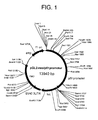
- Figure 1 is a diagram showing a restriction map of pGL2-neo/p51 promoter.
- amp represents an ampicillin-resistant gene
- neo represents a neomycin-resistant gene
- luc represents the luciferase gene.
- the name of a restriction enzyme that has a * mark on the left means that the vector can be only cleaved at the point.
- Figure 2 shows an analysis in which the amount of p51 expressed was analyzed using the technique of Northern blotting after a cell line HCT116 derived from colon cancer, was subjected to various stimulations.
- each lane is blotted 20 ⁇ g of RNA from: lane 1, 2: cells treated with taxol (1 ⁇ g/ml, 10 ⁇ g/ml), lane 3, 4: cells treated with trichostatin A (0.1 ⁇ g/ml, 1 ⁇ g/ml), lane 5, 6: cells treated with radiation (50 J/m 2 , 100 J/m 2 ), lane 7, 8: cells treated with vitamin D 3 (10 nM, 100 nM), lane 9, 10: cells treated with vincristine (1 ⁇ g/ml, 10 ⁇ g/ml), and lane 11, 12: cells treated with wortmannin (0.1 ⁇ m, 1 ⁇ m).
- a band that reacts with the p51 probe is observed at the position indicated by an arrow.
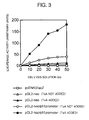
- Figure 3 shows a cell line HCT116 derived from colon cancer, into which 2 ⁇ g each of pGL2-neo/p51 promoter or pGL2-neo vector was introduced and 24 hours later, 0 or 1 ⁇ g/ml trichostatin A (TsA) was added and was further cultured for 24 hours. By determining the luciferase activity in these cells, the promoter activity of the isolated gene fragments was examined. As a negative control cell, cells into which 2 ⁇ g of pcDNA3/lacZ was introduced were used.
- an extract of the pGL2-neo/p51 promoter-introduced cells exhibits a significantly higher fluorescence intensity than that of the pGL2-neo-introduced cells.
- the administration of trichostatin A further enhanced the chemilumicescence intensity in the extract of the pGL2-neo/p51 promoter-introduced cells.
- a recombinant plasmid containing a gene having the p51 promoter region of the present invention it is possible to allow Escherichia coli etc. to stably retain said gene, whereupon vectors used include any commonly used ones such as pBluescript II SK(-).
- vectors used include any commonly used ones such as pBluescript II SK(-).
- pBS/p51 promoter in which a gene having the p51 promoter region has been integrated into pBluescript II SK(-).
- a plasmid for determining promoter activity a plasmid such as pGL2 can be used as a vector.
- the above recombinant plasmid can be introduced into an appropriate host to construct a transformant or a transductant.
- Escherichia coli, yeast, and mammalian cells can be used.
- a transformant that retains a plasmid for determining promoter activity can be obtained by transforming into an appropriate host a recombinant plasmid that has been integrated into a vector for determining activity as described above.
- a recombinant plasmid as shown in Figure 1 may be introduced into a cultured mallian cell to obtain a transformant.
- a transformant or a transductant may be cultured in an appropriate nutrient culture medium and the amount of the reporter gene expressed in the cell may be measured to determine the promoter activity.
- a nucleic acid probe and gene cloning and detection using it.
- part or all of the gene having the p51 promoter region of the present invention or part or all of the gene encoding the 5'-untranslated region of p51 of the present invention may be used as a nucleic acid probe for use in gene cloning etc. described below.
- a nucleic acid probe comprising part of the gene of the present invention there may be mentioned a nucleic acid probe comprising an oligonucleotide of 15 nucleotides or more.
- Said nucleic acid probe may be prepared by ligating the above gene of the present invention or a gene fragment thereof to a suitable vector, which is then introduced into a bacterium, replicated, extracted from the debris of cell homogenate with phenol etc., cleaving with the restriction enzyme that recognizes the site at which the vector is ligated, electrophoresing, and excising the probe from the gel.
- Said nucleic acid probe may also be prepared, based on the base sequence as set forth in SEQ ID NO: 1 or 2 of the sequence listing, by chemical synthesis using a DNA synthesizer or by a gene amplification technology with polymerase chain reaction (PCR).
- Said nucleic acid probe may be labeled with a radioisotope or fluorescence to enhance detection sensitivity at the time of use.
- Said nucleic acid probe may be used in the cloning method of genes other than the above having a promoter activity or the cloning method of the protein-encoding genes located downstream thereof.
- searching the genome library of various biological tissues by the hybridization method or the PCR method using said nucleic acid probe it is possible to isolate genes having a similar function to the gene of the present invention or protein-encoding genes located downstream thereof.
- antisense DNAs and antisense RNAs of genes having the above-mentioned p51 promoter region as well as antisense DNAs and antisense RNAs of genes having the 5'-untranslated region of p51.
- antisense DNAs and antisense RNAs By introducing these antisense DNAs and antisense RNAs into a cell, the expression of genes encoding p51 can be suppressed or enhanced.
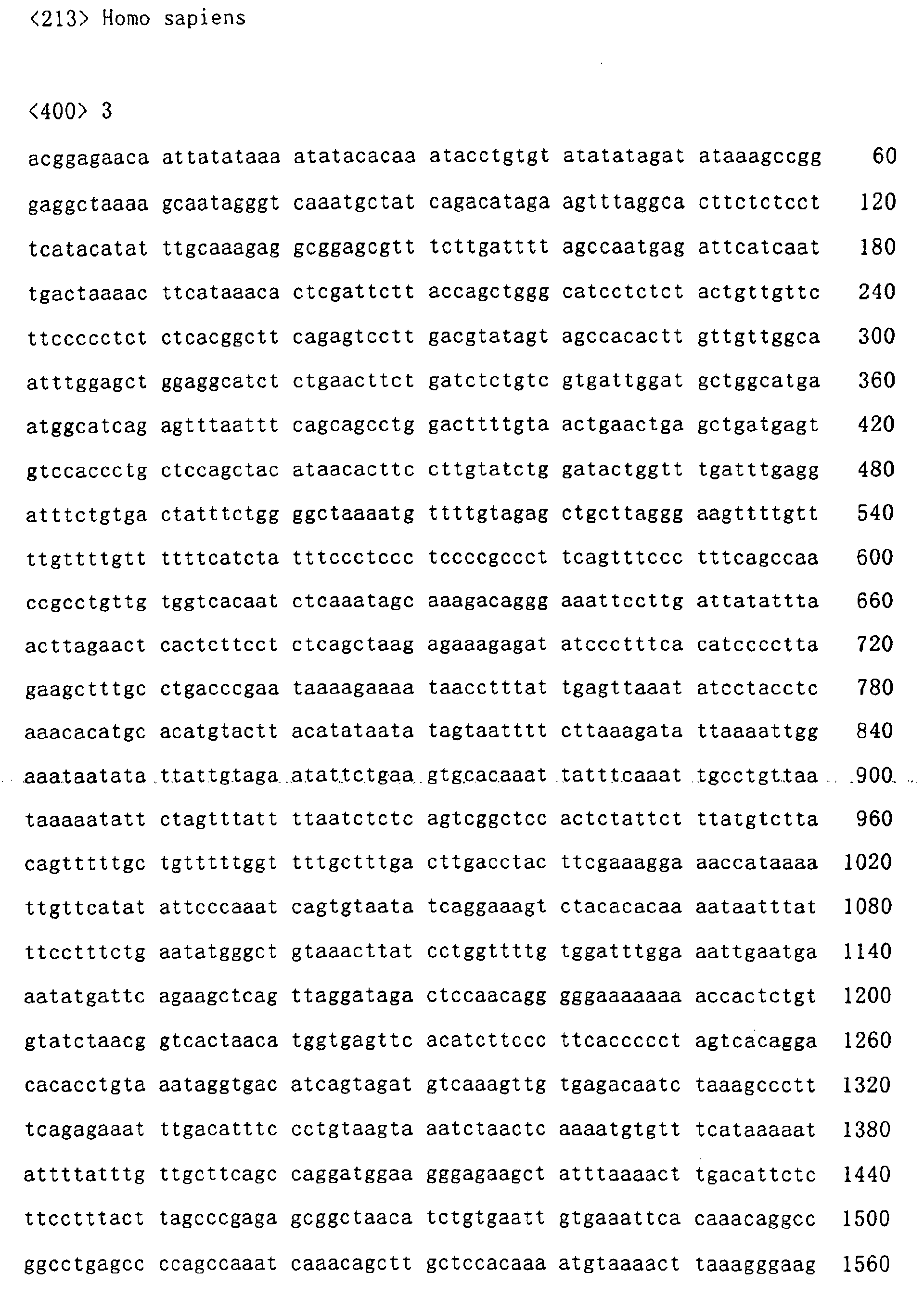
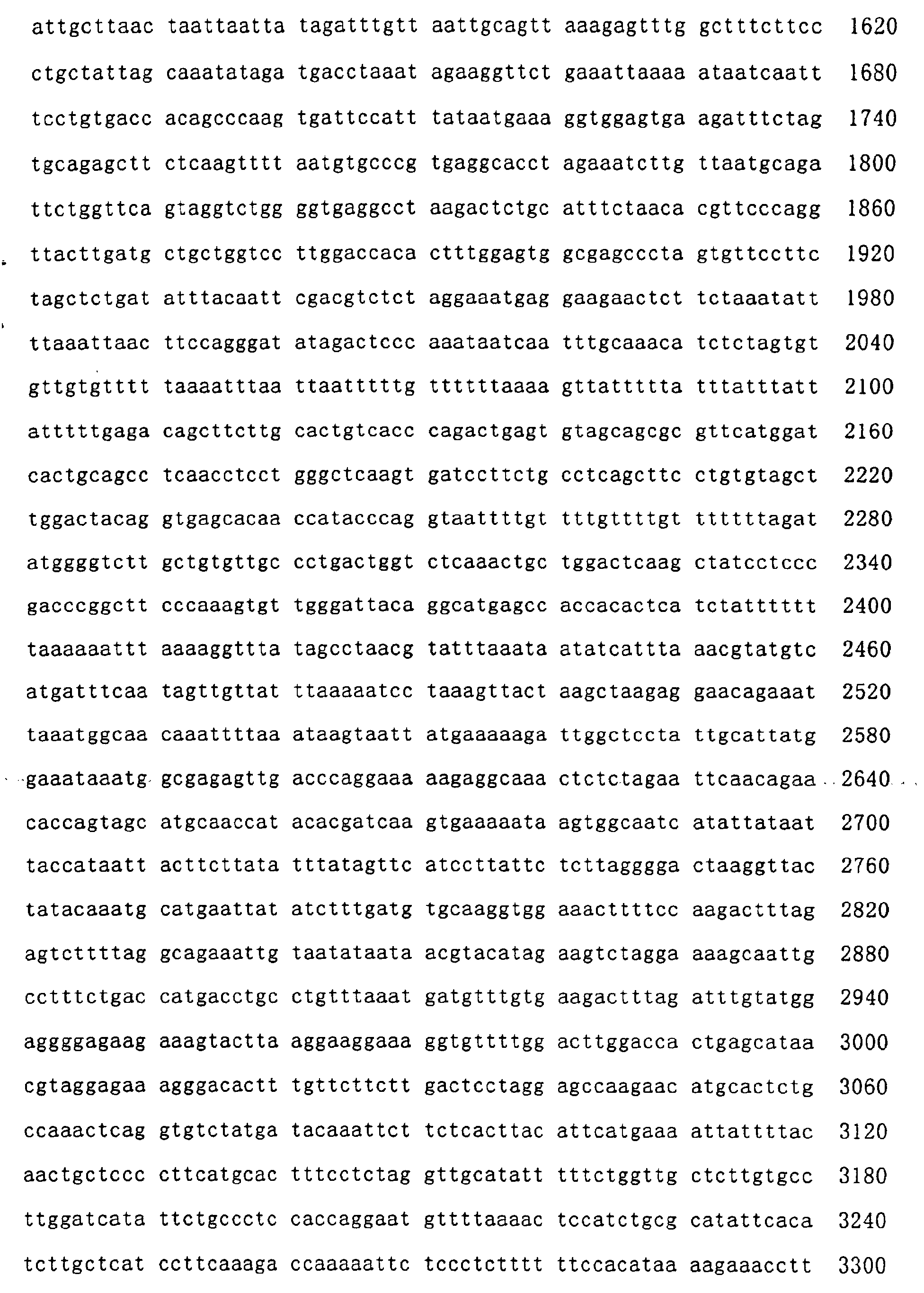
- the antisense DNA to be introduced there can be used, for example, an antisense DNA or part thereof corresponding to SEQ ID NO: 1 or 2 of the sequence listing. An example of said antisense DNA is shown in SEQ ID NO: 3 of the sequence listing.
- antisense DNA for example, there can be used a fragment obtained by suitably cleaving part of these antisense DNAs or DNAs synthesized based on the DNA sequences of these antisense DNAs.
- antisense RNA for example, there can be used antisense RNA or part thereof corresponding to SEQ ID NO: 1 or 2 of the sequence listing.
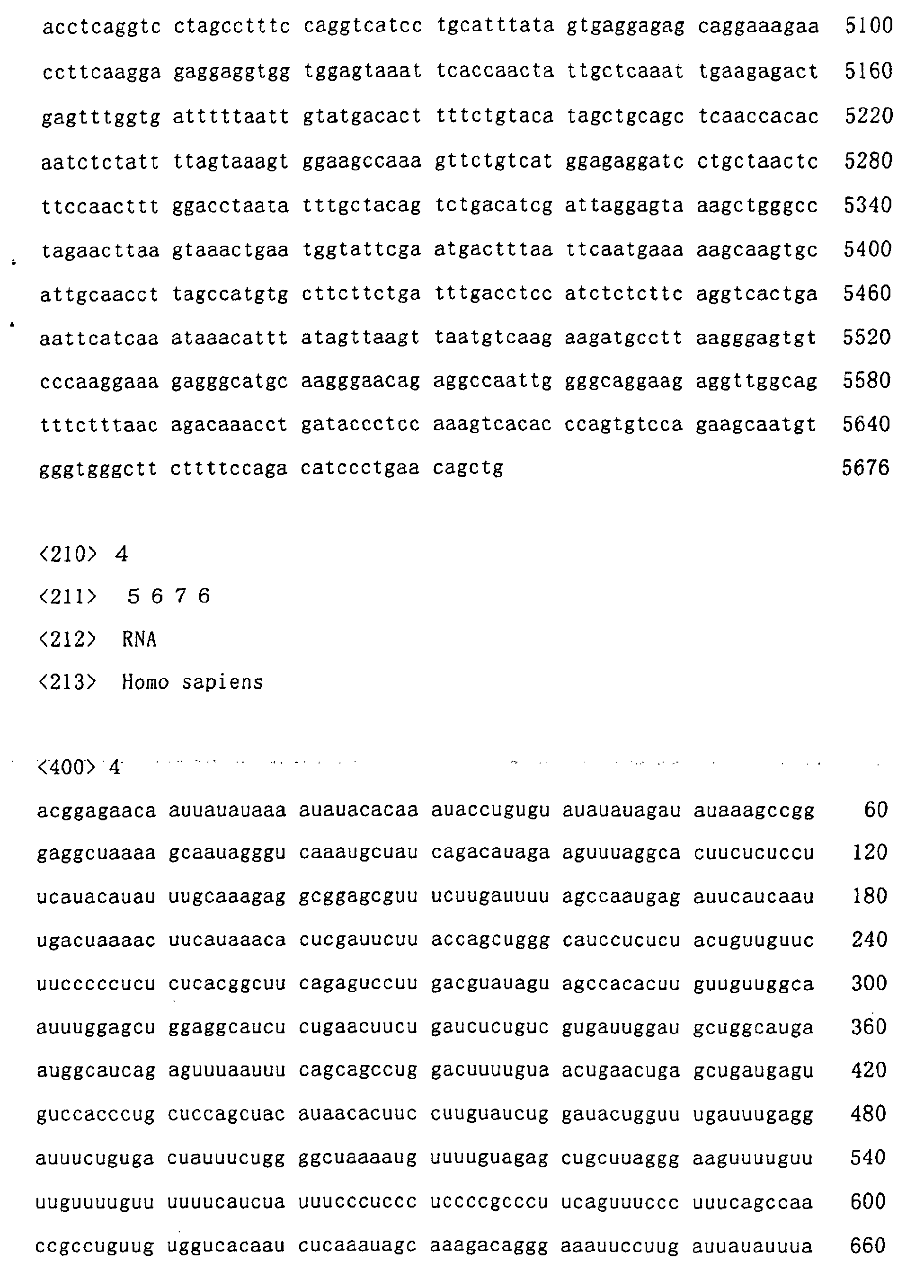
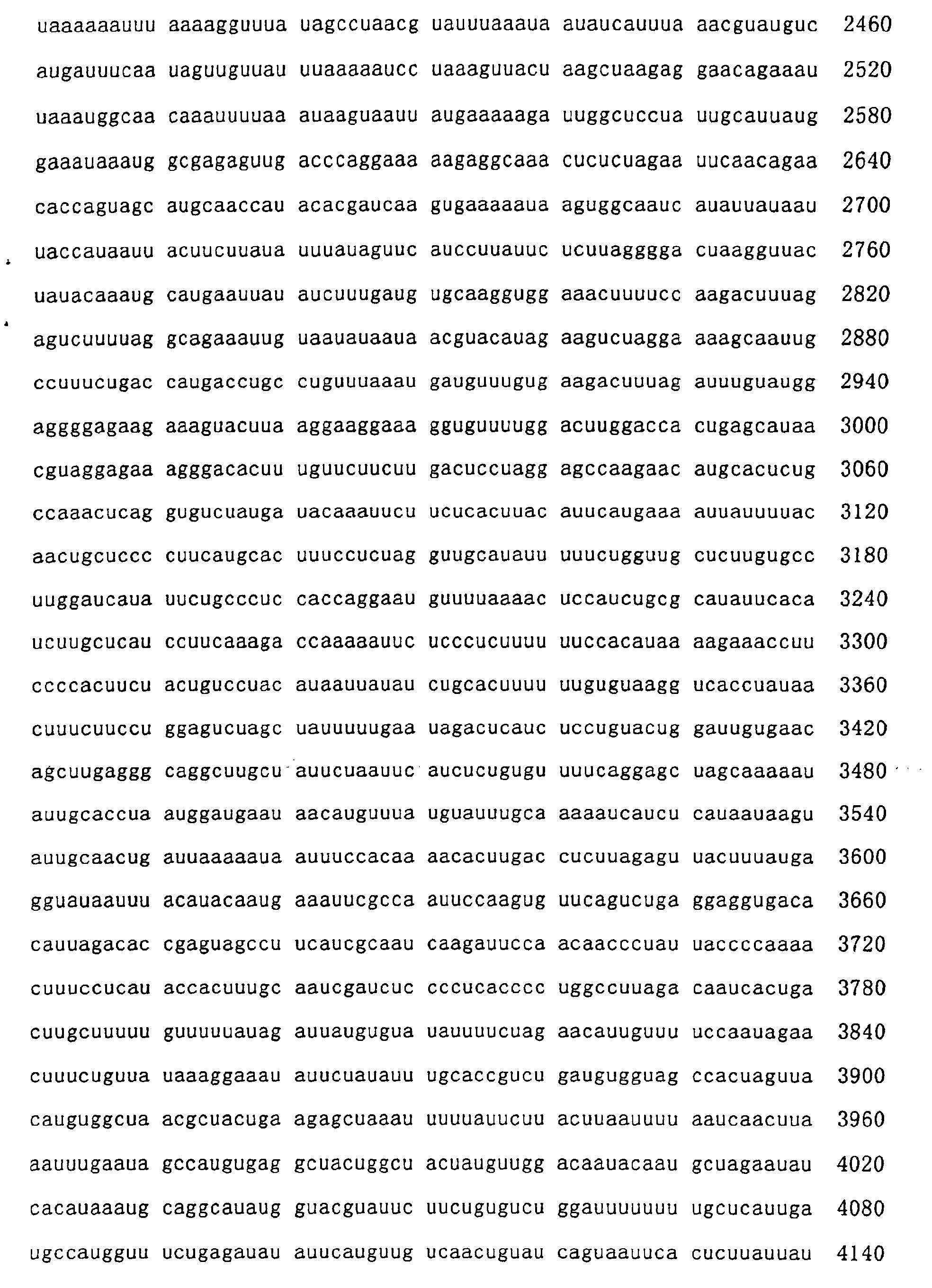
- An example of said antisense RNA is shown in SEQ ID NO: 4 of the sequence listing. This represents the sequence of the antisense RNA of the gene having the p51 promoter activity of SEQ ID NO: 1 of the sequence listing.
- antisense RNA for example, there can be used a fragment obtained by suitably cleaving part of these antisense RNAs or RNAs synthesized based on the RNA sequences of these antisense RNAs.
- a gene SEQ ID NO: 1 of the sequence listing having the p51 promoter activity or part thereof may be ligated to an appropriate vector, which is then introduced into a bacterium, replicated, extracted from the debris of cell homogenate with phenol etc., which is used as a template to allow RNA polymerase to act in an in vitro transcription system to synthesize RNA to be used.
- Antisense DNAs and antisense RNAs may be chemically modified so that they are refractory to in vivo decomposition and they can pass through cell membrane. The antisense DNAs and antisense RNAs thus prepared can be used for the treatment of various diseases including malignant tumor.
- a screening method for novel drugs using the transformant or the transductant of the present invention for novel drugs using the transformant or the transductant of the present invention.
- an agent that has the p51 promoter region activation activity and that enhances the expression of p51 protein can be discovered by screening drugs that enhance luciferase activity using a cultured cell that has integrated a recombinant plasmid in which the luciferase reporter gene and said gene have been ligated.
- any cultured cell lines that can be passaged can be used including a cultured colon cancer cell line HCT-116.
- any vector can be used that contains a reporter gene including pGL2-neo vector in which the neomycin gene has been ligated to the pGL2 plasmid used in Examples.
- a cultured cell line is selected into which a vector for screening is introduced by the lipofectin method, etc. By culturing this transformed cell together with the selection drug, cells that contain the vector for screening can only be grown.
- These cells may be used as they are in screening or may be cloned to be prepared as a single cell line and then used in screening.
- agents that regulate the transcription of p51 can be searched.
- samples for example, microbial secondary metabolites may be used, or synthetic compounds may be used.
- Agents that activates the p51 promoter enhance the production of p51 protein and exhibit a growth suppressing effect on tumor cells, even if p53 is mutated in these cells, and thereby are expected to become novel anti-cancer agents.
- the p51's expression is only observed in highly localized tissues such as muscle cells.
- it can be used as a gene therapy vector by ligating a gene of interest downstream of the gene having the p51 promoter activity of the present invention, and allowing it to express the gene of interest only in specific tissues.
- the above antisense DNAs and antisense RNAs can be therapeutic agents for various disease including malignant tumor, also.
- a probe for screening a novel gene fragment that encodes the p51 promoter region was prepared.
- the RT-PCR method was used.
- the experimental procedure is shown below. From a six ⁇ g of human muscle-derived RNA (manufactured by OriGene), cDNA was prepared using 200 units of a reverse transcriptase Superscript (manufactured by GIBCO BRL). With this as the template, the amplification of a p51 mRNA-derived gene fragment was attempted by a PCR method using a primer set shown in SEQ ID NO: 5 and 6 and a primer set shown in SEQ ID NO: 7 and 8.
- the gene amplified using the former primer set encodes 143 bases of the 5'-untranslated region of p51A mRNA reported until now and 165 bases of the 5'-terminal end of the open reading frame, and the gene amplified using the latter primer set encodes the full-length of the p51A mRNA open reading frame.
- the base sequence of the former gene is shown in SEQ ID NO: 9 of the sequence listing.
- a DNA polymerase EX Taq manufactured by Takara Shuzo
- the PCR condition comprised 30 cycles of amplification with each cycle comprising 95°C for one minute, 55°C for one minute, and 72°C for one minute.
- PCR amplified products were subjected to phenol treatment and chloroform treatment to remove protein, and then to ethanol precipitation. Then this DNA was washed in 70% ethanol and dissolved in a sterile water. After these purified DNAs and 20 ng of E.
- coli vector pBluescript KS(+) (manufactured by Toyobo) which was cleaved with a restriction enzyme EcoRV (manufactured by Takara Shuzo), and in which one thymine was added (referred to hereinafter as pBS/EcoRV TA), were ligated using a DNA ligation kit (manufactured by Takara Shuzo) (the plasmid containing the amplified gene obtained with the primer set shown in SEQ ID NO: 5 and 6 is hereinafter referred to as pBS/p51-1, and the gene containing the amplified gene obtained with the primer set shown in SEQ ID NO: 7 and 8 is hereinafter referred to as pBS/p51A ORF).
- the absence of mutation in the amplified genes was confirmed by determining the base sequences of pBS/p51-1 and pBS/p51A ORF.
- the determination of the base sequence was performed using an automated sequencer LONG READIR4200 (manufactured by LICOR).
- pBS/p51-1 was cleaved with restriction enzymes EcoRV and PstI (manufactured by Toyobo), which were then fractionated on a 0.8% agarose electrophoresis, extracted, and purified.
- EASYTRAP manufactured by Takara Shuzo
- This purified DNA was used as a template for the screening probe.
- coli strain C600 was cultured under shaking in 50 ml of the LB medium (0.5% yeast extract, 1% peptone, 0.5% sodium chloride) containing 0.2% maltose and 10 mM magnesium sulfate) at 37°C for 16 hours, centrifuged at 5000 rpm for 5 minutes, recovered, and then suspended in 25 ml of 10 mM magnesium sulfate) were mixed, and incubated at 37°C for 15 minutes so as to be infected with phage.
- the LB medium (0.5% yeast extract, 1% peptone, 0.5% sodium chloride
- maltose and 10 mM magnesium sulfate 10 mM magnesium sulfate
- the plaques were adhered to a nylon membrane, Colony plaque screen (manufactured by NEN). After this membrane was dried, it was allowed to denature in 500 ml of an alkaline solution (0.2 N sodium hydroxide, 1.5 M sodium chloride) at room temperature for 2 minutes followed by neutralization in 500 ml of a neutralizing solution (0.5 M Tris-HCl, pH 7.2, 1.5 M sodium chloride, 1 mM ethylenediaminetetraacetic acid disodium salt) at room temperature for 2 minutes.
- an alkaline solution 0.2 N sodium hydroxide, 1.5 M sodium chloride
- a neutralizing solution 0.5 M Tris-HCl, pH 7.2, 1.5 M sodium chloride, 1 mM ethylenediaminetetraacetic acid disodium salt
- This membrane was then incubated in a 3 X SSC solution (450 mM sodium chloride, 45 mM trisodium citrate) at 55°C for one hour, and dried to prepare a membrane for plaque hybridization.
- a 3 X SSC solution 450 mM sodium chloride, 45 mM trisodium citrate
- Fifty ng of the above purified cDNA fragment obtained by cleaving pBS/p51-1 with restriction enzymes EcoRV and PstI was labeled using Prime-It II (manufactured by Stratagene) to prepare a probe for screening.
- the membrane was used for plaque hybridization.
- the above membrane was incubated in 50 ml of a hybridization solution (50 mM Tris-HCl, pH 7.5, 1 M sodium chloride, 1% sodium dodecylsulfate, 10% dextran sulfate, 0.2 mg/ml yeast RNA, 0.2 mg/ml salmon sperm DNA) at 65°C for one hour as prehybridization.
- a radioisotope-labeled cDNA fragment was added to one million dpm/ml in terms of the amount of radioisotope and incubated at 65°C for 16 hours as hybridization.
- the membrane was washed in a 2 x SSC solution (300 mM sodium chloride, 30 mM trisodium citrate) containing 0.1% sodium dodecylsulfate at 65°C for 30 minutes. The washing was performed twice. Then, the membrane was subjected to autoradiography to detect positive plaques.
- a 2 x SSC solution 300 mM sodium chloride, 30 mM trisodium citrate
- plaque groups containing plaques corresponding to positive signal were isolated, and suspended in one ml of the SM buffer solution (50 mM Tris-HCl, pH 7.5, 100 mM sodium chloride, 10 mM magnesium sulfate, 0.01% gelatin).
- the solution was incubated at 4°C for 16 hours to elute phage, and the phage was recovered in the supernatant fluid after centrifuging at 13000 rpm for 10 minutes.
- the phage solution was plated on a LB-magnesium sulfate plate in a manner similar to the above to screen positive plaques. As a result, positive plaques were successfully isolated as completely isolated plaques. From these plaques, phage was isolated in a manner similar to the above.
- the library has been made using lambda PS phage (manufactured by Mo Bi Tec).
- the phage has the recombinant site of loxP in the base sequence thereof, and thereby it can be introduced into an E. coli strain BNN132 having Cre recombinase in order to excise the vector portion containing the genome library sequence from the phage.
- This procedure was carried out as described below. Twenty ⁇ l of the phage solution was mixed with 200 ⁇ l of the BNN132 E. coli solution (E.
- coli strain BNN132 was cultured under shaking in 50 ml of the LB medium containing 0.2% maltose and 10 mM magnesium sulfate at 37°C for 16 hours, and then recovered by centrifuging at 5000 rpm for 5 minutes, which was then suspended in 25 ml solution of 10 mM magnesium sulfate) and incubated at 37°C for 30 minutes. The mixture was then plated onto the LB-ampicillin plate (1.5% agar was added to 0.5% yeast extract, 1% peptone, 0.5% sodium chloride and 0.1 mg/ml ampicillin sodium to prepare an agar medium), and the plasmid of interest was prepared from the colonies appeared.
- the preparation of the plasmid was performed according to the procedure described in Lab Manual Gene Engineering (Published by Maruzen, edited by Masami Muramatsu, 1990) on pages 53-55.
- the plasmid was found to contain about 15 kb of the library gene. This is referred to hereinafter as pPS/library.
- part of the base sequence of the library gene in pPS/library was determined using an automated sequencer LONG READIR4200 to confirm that it contains part of the cDNA sequence complementing p51A mRNA. It was also found that a 0.6 kb gene fragment obtained by cleaving of pPS/library with a restriction enzyme EcoRV contains part of the cDNA sequence that complements p51A mRNA.
- the pPS/library was then cleaved with a restriction enzyme PvuII (manufactured by Toyobo), fractionated on 0.8% agarose electrophoresis, and blotted on a nylon membrane Hybond N+ (manufactured by Amersham).
- Blotting of the plasmid fragment was performed according to the procedure described in Lab Manual Human Genome Mapping (published by Maruzen, eddited by Masaaki Hori and Yusuke Nakamura, 1991) on pages 26-36. This membrane was used in Southern blotting according to the following procedure.
- pPS/library was used and cleaved with a restriction enzyme EcoRV, and after fractionation on a 0.8% agarose electrophoresis a 0.6 kb gene fragment was excised and purified using EASYTRAP. This purified cDNA was radiolabeled using Prime-It II to prepare a probe.
- the membrane was incubated in a hybridization solution for Southern blotting (10% sodium dodecylsulfate, 7% PEG8000) at 65°C for one hour as prehybridization. Then the above probe was added to one million dpm/ml in terms of the amount of radioisotope and incubated at 65°C for 16 hours for hybridization. Subsequently, the membrane was washed in a 2 x SSC solution containing 0.1% sodium dodecylsulfate at 65°C for 30 minutes. The washing was performed twice.
- the membrane was subjected to autoradiography to demonstrate that a PvuII-cleaved fragment containing the immediate upstream region of p51A mRNA was 5.5 kb in length.
- pPS/library was cleaved with a restriction enzyme PvuII, and after fractionation on a 0.8% agarose electrophoresis a 5.5 kb gene fragment was excised and purified using EASYTRAP.
- the purified cDNA fragment was ligated, using the DNA ligation kit, to pBluescript II Sk(+) that had been cleaved with a restriction enzyme EcoRV followed by dephosphorylation with shrimp alkaline phosphatase.
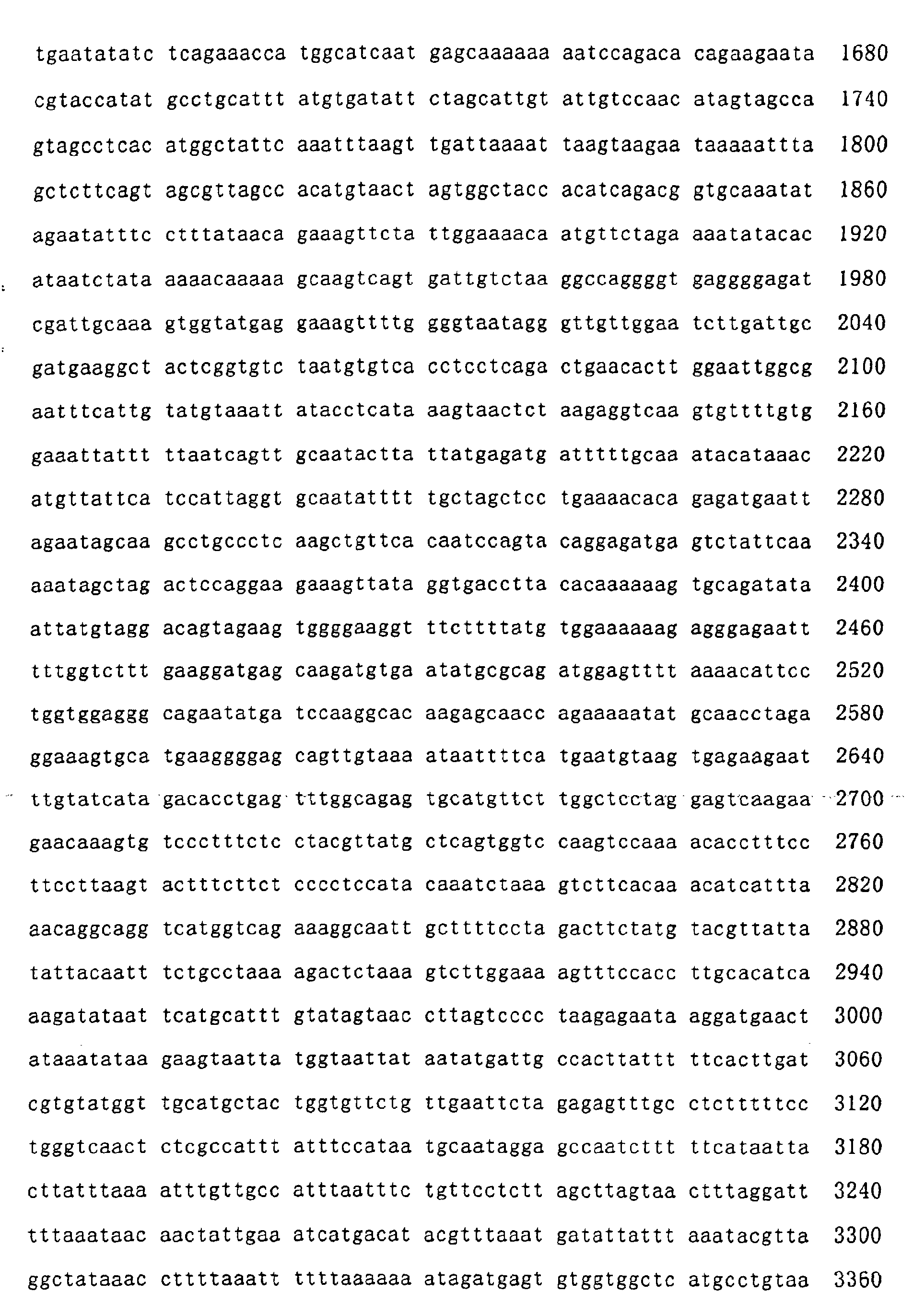
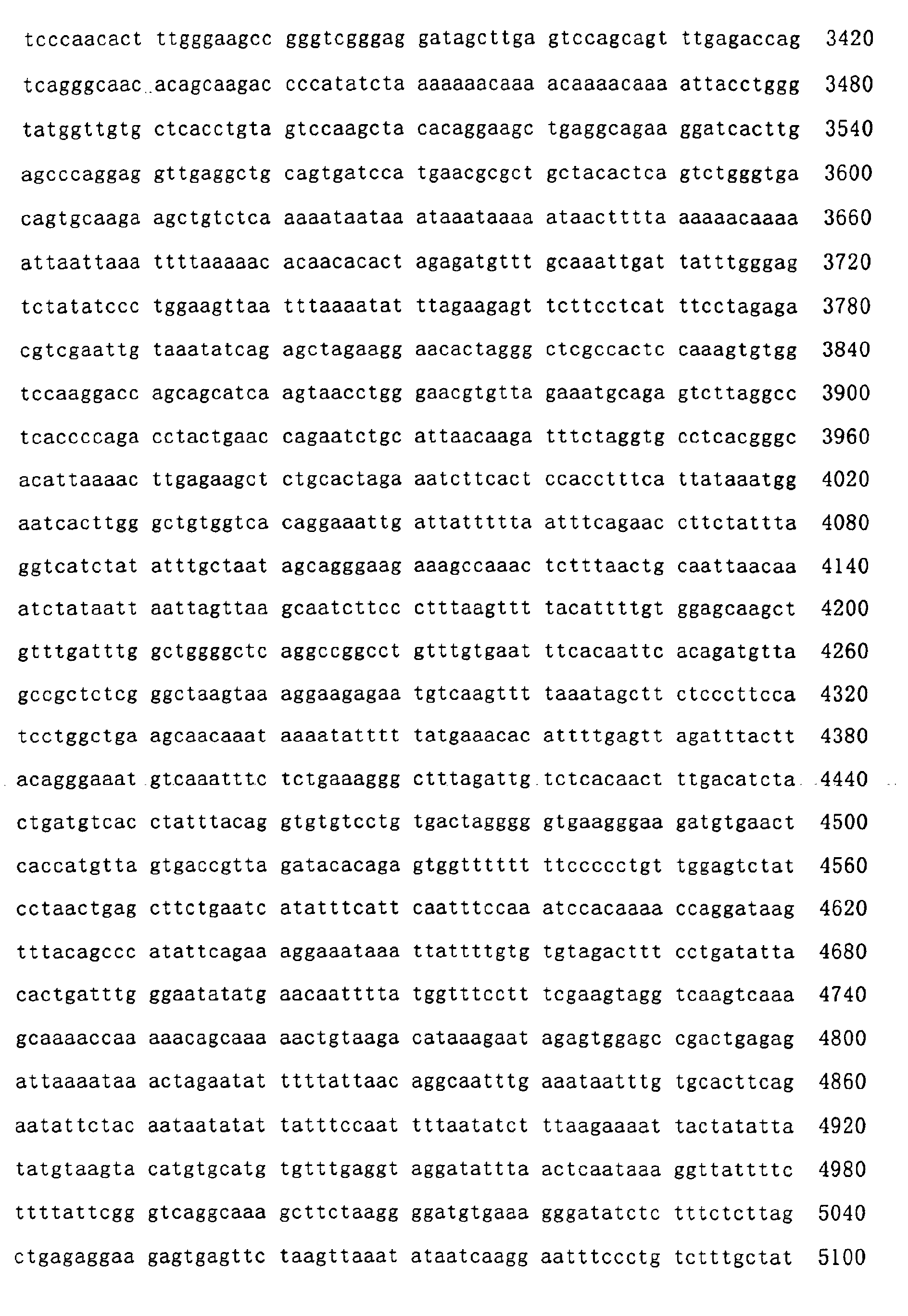
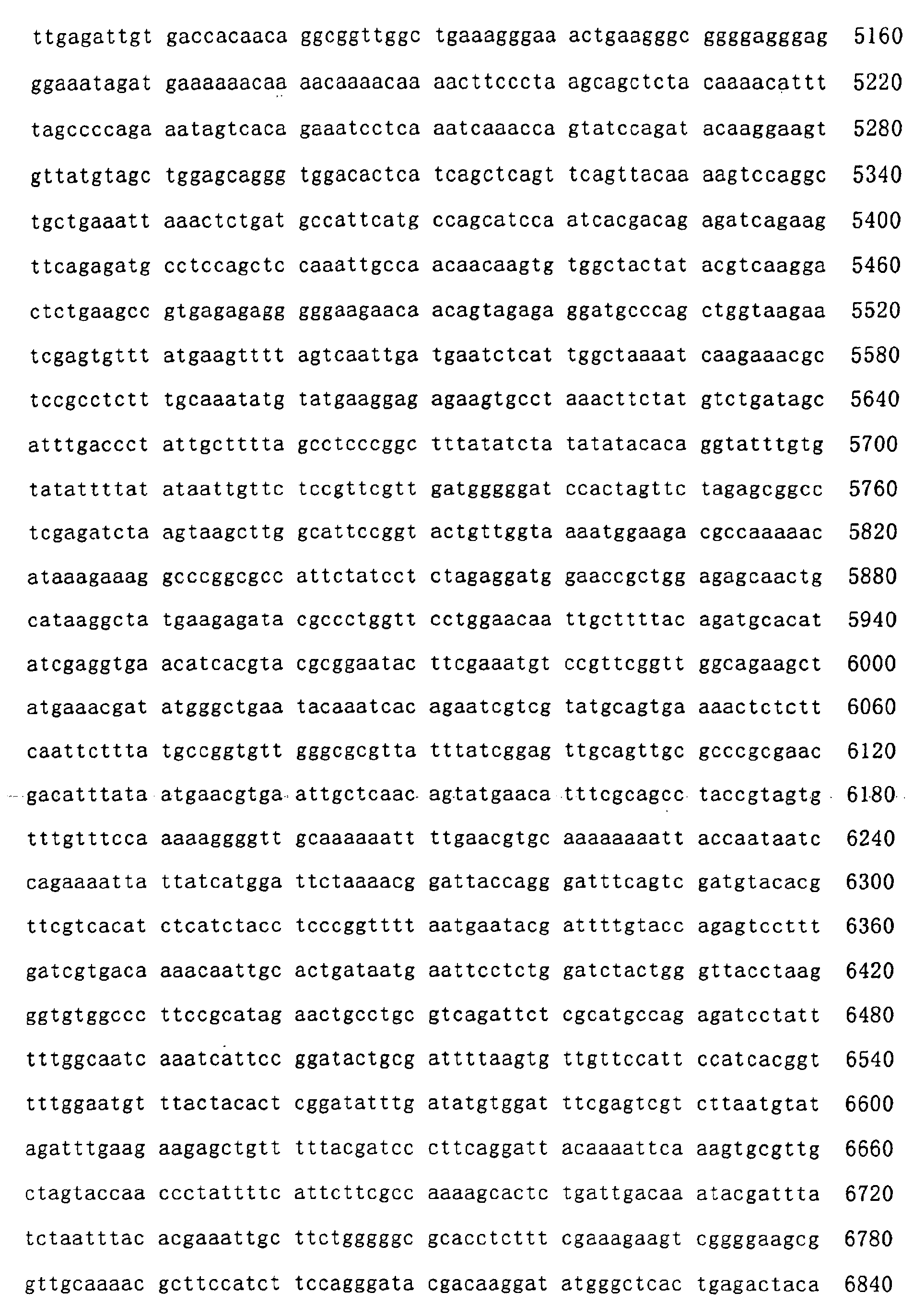
- the plasmid is referred to hereinafter as pBS/PvuII5.5. Its base sequence was determined using the automated sequencer LONG READIR 4200. The base sequence and the partial base sequence of the pPS/library determined above were combined to obtain the base sequence as set forth in SEQ ID NO: 2 of the sequence listing. Furthermore, a base sequence obtained by removing the part that encodes the 5'-untranslated region of p51 from the base sequence as set forth in SEQ ID NO: 2 of the sequence listing is shown in SEQ ID NO: 1 of the sequence listing.
- a plasmid containing bases up to the base at position 1 of SEQ ID NO: 9 of the sequence listing that is cDNA corresponding to part of p51A mRNA the following procedure was performed.
- the pPS/library was cleaved with a restriction enzyme EcoRV, which was fractionated on a 0.8% agarose electrophoresis and then a 0.6 kb gene fragment was excised and purified using EASYTRAP, which was ligated using a DNA ligation kit to pBS/PvuII5.5 that had been cleaved with a restriction enzyme EcoRV and a restriction enzyme SmaI (manufactured by Takara Shuzo) followed by dephosphorylation with shrimp alkaline phosphatase.
- the plasmid obtained was analyzed and the plasmid that was ligated in the correct direction was isolated.
- the plasmid is referred to hereinafter as pBS/p51 promoter.
- genomic DNA was prepared, which was used as a template in a PCR.
- the genomic DNA was prepared according to Cell Engineering Experimental Protocol (published by Shujunsha, edited by Tokyo University, the Institute of Medical Science, Department of AntiCancer Research, 1993) on pages 16-19.
- the primers used are those shown in SEQ ID NO: 10 and 11. Respectively, they correspond to the sense strand of the bases at positions from 3543 to 3570 and the antisense strand of the bases at positions from 5458 to 5487 of the base sequence as set forth in SEQ ID NO: 1 of the sequence listing.
- Polymerase used was LA Taq (manufactured by Takara Shuzo), and PCR comprised 30 cycles of amplification with each cycle comprising 94°C for one minute and 68°C for three minutes.
- the PCR products were subjected to a 0.8% agarose electrophoresis to confirm that a gene fragment of 1.9 kb was specifically amplified.
- EASYTRAP EASYTRAP
- the base sequence of this plasmid was determined using an automated sequencer LONG READIR 4200, and it was confirmed to completely match the base sequence in the pBS/p51 promoter.
- a vector in which the gene sequence was ligated upstream of the luciferase reporter gene was prepared according to the following method.
- the vector having the luciferase reporter gene pGL2 (manufactured by Promega) was used.
- pGL2 manufactured by Promega
- the pGL2 cleaved with a restriction enzyme BamHI (manufactured by Toyobo) was ligated using a DNA ligation kit to a 2617-base neomycin-resistant gene, being obtained by cleaving pMAM neo (manufactured by Toyobo) with BamHI and fractionating on a 0.8% agarose gel electrophoresis excised and purified using EASYTRAP.
- the plasmid is referred to hereinafter as pGL2-neo.
- pGL2-neo was cleaved with a restriction enzyme XhoI (manufactured by Toyobo), precipitated with ethanol, washed in 70% ethanol, and dissolved in purified water.
- the cleaved end of this DNA was blunt-ended using a DNA blunting kit (manufactured by Takara Shuzo), precipitated with ethanol, washed in 70% ethanol, and dissolved in purified water.
- this DNA was cleaved with a restriction enzyme KpnI (manufactured by Boehringer Mannheim), treated with phenol, treated with chloroform to remove protein, precipitated with ethanol, washed in 70% ethanol, and dissolved in sterile water.
- This DNA is referred to hereinafter as pGL2-neo/XhoI (blunting), KpnI.
- the pBS/p51 promoter was cleaved with a restriction enzyme NotI (manufactured by Boehringer Mannheim), precipitated with ethanol, washed in 70% ethanol, and dissolved in purified water.
- a restriction enzyme KpnI manufactured by Boehringer Mannheim
- This gene fragment is referred to hereinafter as pBS/p51 promoter/NotI (blunting), KpnI5.7. Then, pGL2-neo/XhoI (blunting), KpnI and pBS/p51 promoter/NotI (blunting), KpnI5.7 were ligated using a DNA ligation kit.
- This plasmid is referred to hereinafter as pGL2-neo/p51 promoter.
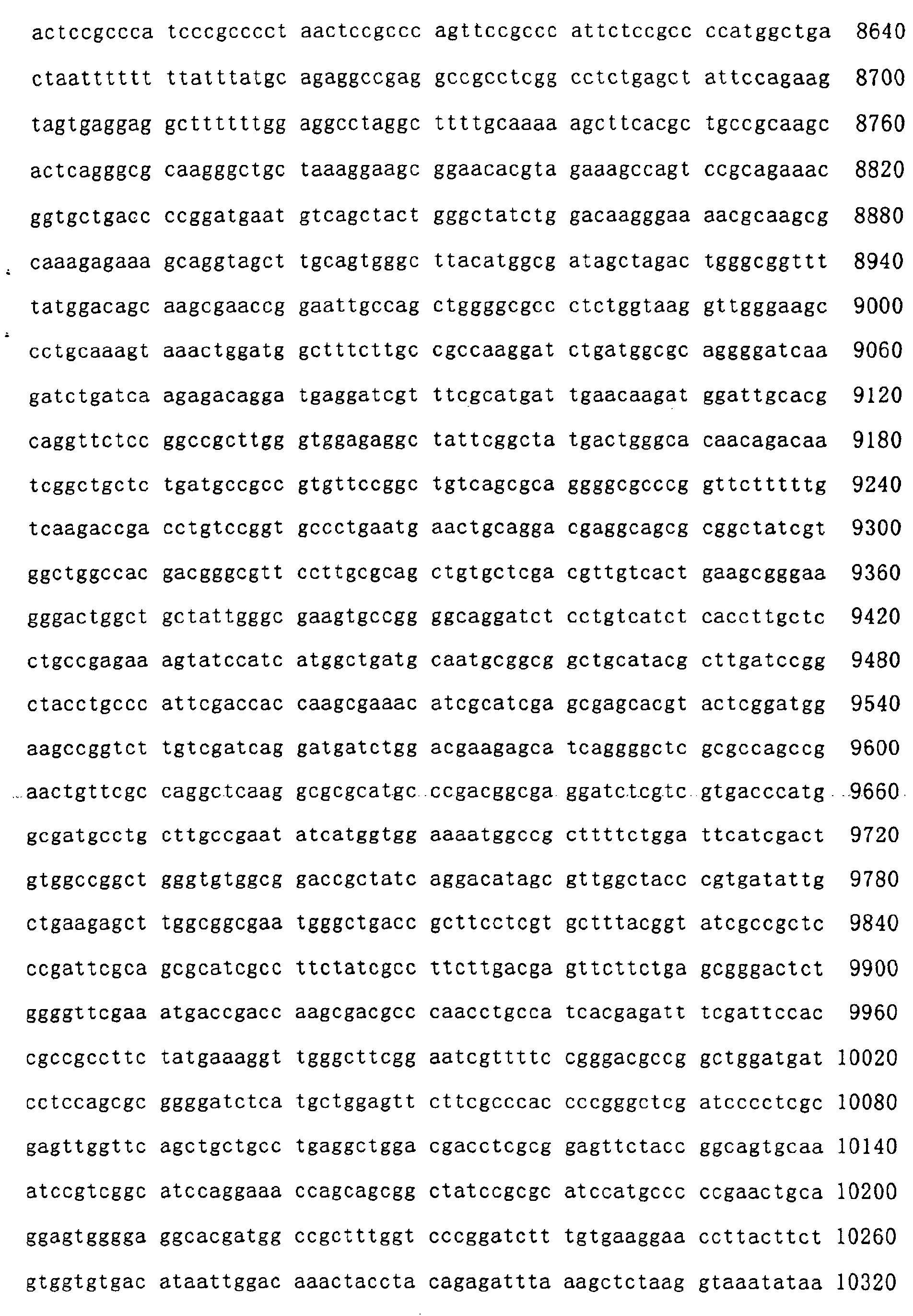
- the gene sequence of this plasmid is shown in SEQ ID NO: 12 of the sequence listing.
- the restriction map of this plasmid is shown in Figure 1.
- a variety of stimulations including stimulation with a drug were applied to a cell line HCT116 derived from colon cancer to investigate changes in the amount expressed of p51 by Northern blotting.
- 200,000 cells of HCT116 cells were plated on a culture dish with a diameter of 60 mm, and cultured in the presence of 5% carbon dioxide at 37°C for two days.
- the medium used was McCOY's 5A (manufactured by Nisseiken) to which fetal bovine serum (FBS) was added to a final concentration of 10% (referred to hereinafter as McCOY's 5A/10% FBS).
- RNA was prepared using ISOGEN (manufactured by Nippongene). 20 ⁇ g each of RNA was fractionated on a 1% agarose electrophoresis containing formamldehyde, and blotted on a nylon membrane HybondN+ according to the method in the above New Cell Engineering Experimental Protocol on pages 194-197.
- pBS/p51A ORF was cleaved with a restriction enzyme EcoRI (manufactured by Toyobo), fractionated on a 0.8% agarose electrophoresis, and then a 0.6 kb gene fragment was excised and purified using EASYTRAP, which was radiolabeled with Prime-It II and used.
- the membrane was incubated in 10 ml of a prehybridization solution (25 mM phosphate buffer solution, pH 7.0, 6 X SSC, 50% formamide, 5 X Denhardt's solution, 0.1% sodium dodecylsulfate, 0.2 mg/ml salmon sperm DNA) at 42°C for four hours as prehybridization.
- a prehybridization solution 25 mM phosphate buffer solution, pH 7.0, 6 X SSC, 50% formamide, 5 X Denhardt's solution, 0.1% sodium dodecylsulfate, 0.2 mg/ml salmon sperm DNA
- a hybridization solution (20 mM phosphate buffer solution, pH 7.0, 6 X SSC, 50% formamide, 1 X Denhardt's solution, 0.1% sodium dodecylsulfate, 0.1 mg/ml salmon sperm DNA, 4% dextran sulfate), and then the above radiolabeled probe was added to one million dpm/ml and incubated at 42°C for 16 hours as hybridization. Subsequently, it was washed in a 2 x SSC solution containing 0.1% sodium dodecylsulfate at 65°C for 30 minutes. The washing was performed twice. Then, the membrane was analyzed on autoradiography.
- a hybridization solution 20 mM phosphate buffer solution, pH 7.0, 6 X SSC, 50% formamide, 1 X Denhardt's solution, 0.1% sodium dodecylsulfate, 0.1 mg/ml salmon sperm DNA, 4% dextran sulfate
- Figure 2 shows blotting of 20 ⁇ g of RNA from: lane 1 and 2: cells treated with taxol (1 ⁇ g/ml, 10 ⁇ g/ml), lane 3 and 4: cells treated with trichostatin A (0.1 ⁇ g/ml, 1 ⁇ g/ml), lane 5 and 6: cells treated with radiation (50 J/m 2 , 100 J/m 2 ), lane 7 and 8: cells treated with vitamin D 3 (10 nM, 100 nM), lane 9 and 10: cells treated with vincristine (1 ⁇ g/ml, 10 ⁇ g/ml), and lane 11 and 12: cells treated with wortmannin (0.1 ⁇ M, 1 ⁇ M).
- trichostatin A was added to two groups of cells to a final concentration of 0 or 1 ⁇ g/ml, and cultured in the presence of 5% carbon dioxide at 37°C for 24 hours.
- the luciferase activity was determined to investigate promoter activity.
- pcDNA3/lacZ the lacZ gene ligated to the mammalian cell expression vector pcDNA3 was transfected in a procedure similar to the above. The luciferase activity was determined according to the following method.
- the medium in the cell culture dish was removed, and 5 ml of the cell lysis reagent (25 mM Tris-HCl, pH 7.8, 2 mM dithiothreitol, 2 mM CDTA, 0.2% triton X-100, 10% glycerol) was added and incubated at room temperature for 15 minutes.
- the cell lysis reagent 25 mM Tris-HCl, pH 7.8, 2 mM dithiothreitol, 2 mM CDTA, 0.2% triton X-100, 10% glycerol
- the cell lysis solution was taken at 10, 20, 30, 40, and 50 ⁇ l aliquotes, to which 50 ⁇ l of the substrate solution (20 mM Tricine-sodium hydroxide, pH 7.8, 1.07 mM basic magnesium carbonate, 2.67 mM magnesium sulfate, 0.1 mM ethylenediaminetetraacetic acid disodium salt, 33.3 mM dithiothreitol, 270 ⁇ M coenzyme A, 470 ⁇ M luciferine, 530 ⁇ M adenosine triphosphate) was added, and incubated at room temperature for 15 seconds, and its chemiluminescence intensity was determined using a luminometer LUMINOSKAN (manufactured by Dainippon Pharmaceutical). The result is shown in Figure 3.
- the substrate solution 20 mM Tricine-sodium hydroxide, pH 7.8, 1.07 mM basic magnesium carbonate, 2.67 mM magnesium sulfate, 0.1 mM ethylenedi
- the cultured cell line retaining the pGL2-neo/p51 promoter plasmid can be used as cells for screening drugs that modify the p51 promoter function.
- Said drug is effective for treatment of various diseases including cancer.
- Said cells were prepared according to the following procedure.
- the HCT116 cell line was used as the plasmid-introduced cells. 500,000 cells of HCT116 cell were plated on a cuture dish with a diameter of 60 mm. The medium used was McCOY's 5A/10% FBS. These were cultured in the presence of 5% carbon dioxide at 37°C for 48 hours. The medium was replaced with McCOY's 5A containing no serum.
- McCOY's 5A containing no serum.
- two ⁇ g of pGL2-neo/p51 promoter was dissolved in 4 ⁇ l of the TE solution to prepare a plasmid solution. The plasmid was introduced using the lipofectamine plus reagent (manufactured by GIBCO BRL).
- the cells were recovered from the culture dish with PBS containing 0.25% trypsin and 0.02% EDTA, and 1% amount thereof was plated onto a culture dish with a diameter of 100 mm. It was further cultured in McCOY's 5A/10% FBS medium in the presence of 5% carbon dioxide at 37°C for further 72 hours, and then 1.2 mg/ml of geneticin (manufactured by Nacalai Tesque) was added as a selection drug. By replacing the medium every three days, and further culturing in the above condition for further two weeks, the cells into whose genes the plasmid gene was introduced, and became geneticin-resistant, were selected. Subsequently, 50 clones were isolated from the cell group that formed colonies on the dish, and were plated on a 24-well culture dish to continue being cultured.
- clones are expected to exhibit an enhanced luciferase activity to stimulation such as the activation of the p51 promoter function.
- trichostatin A was investigated by the following procedure. 500,000 cells each of the cloned cells were plated on a cuture dish with a diameter of 60 mm. The medium used was McCOY's 5A/10% FBS. These were cultured in the presence of 5% carbon dioxide at 37°C for 48 hours. Then, trichostatin A was added to the two groups of cells to a final concentration of 0 or 0.1 ⁇ g/ml, and cultured in the presence of 5% carbon dioxide at 37°C for 24 hours.
- luciferase activity was determined to examine the effect on the p51 promoter activity.
- the luciferase activity was determined according to the above method.
- several clones were obtained that exhibit a significantly enhanced luciferase activity to 0.1 ⁇ g/ml trichostatin A, from among which HCT116/p51 promoter clone #9 was selected as the cell for screening.
- the result of luciferase assay is shown in Table 1.
- Clone No. #5 #9 #17 #18 Without TsA 3.9 1.0 17.0 6.8 With TsA 29.5 33.3 44.1 14.0
- TsA represents trichostatin A.
- the trichostatin A treatment group received at 0.1 ⁇ g/ml. Values in the table show the measured values of luciferase activity.
- HCT116/p51 promoter clone #9 cultured cell line is useful for screening drugs that induce the activation of the p51 promoter function. Said screening was performed according to the following procedure.
- a gene encoding the promoter region of protein p51 which is capable of inducing cell death and a gene encoding the 5'-untranslated region of p51. They are useful in diagnosing and treating diseases including cancer caused by abnormal regulation of cell propagation. Furthermore, in accordance with the present invention, there are provided the antisense DNAs and the antisense RNAs of these genes, nucleic acid probes comprising parts or all of these genes, methods of detecting the above genes of the present invention or analogous genes using said nucleic acid probes, transformants in which the above gene of the present invention has been introduced, and methods of screening drugs using them. These genes are also useful in diagnosing and treating diseases including cancer, etc.
- the base sequences of SEQ ID NO: 5-8, 10 and 11 of the sequence listing show PCR primers.
- the base sequence of SEQ ID NO: 9 of the sequence listing shows the 5'-untranslated region of p51A mRNA and encodes 165 bases at the 5'-end of the open reading frame of p51A mRNA.
- the base sequences of SEQ ID NO: 12 of the sequence listing shows the DNA sequence of a plasmid containing the p51 promoter and the neomycin-resistant gene.
Landscapes
- Health & Medical Sciences (AREA)
- Chemical & Material Sciences (AREA)
- Life Sciences & Earth Sciences (AREA)
- Organic Chemistry (AREA)
- Proteomics, Peptides & Aminoacids (AREA)
- Zoology (AREA)
- Genetics & Genomics (AREA)
- General Health & Medical Sciences (AREA)
- Medicinal Chemistry (AREA)
- Molecular Biology (AREA)
- Biophysics (AREA)
- Biochemistry (AREA)
- Engineering & Computer Science (AREA)
- Analytical Chemistry (AREA)
- Toxicology (AREA)
- Wood Science & Technology (AREA)
- Gastroenterology & Hepatology (AREA)
- Pathology (AREA)
- Immunology (AREA)
- Bioinformatics & Cheminformatics (AREA)
- Chemical Kinetics & Catalysis (AREA)
- Nuclear Medicine, Radiotherapy & Molecular Imaging (AREA)
- Pharmacology & Pharmacy (AREA)
- Hospice & Palliative Care (AREA)
- Veterinary Medicine (AREA)
- Oncology (AREA)
- Animal Behavior & Ethology (AREA)
- General Chemical & Material Sciences (AREA)
- Physics & Mathematics (AREA)
- Biotechnology (AREA)
- Microbiology (AREA)
- Public Health (AREA)
- General Engineering & Computer Science (AREA)
- Micro-Organisms Or Cultivation Processes Thereof (AREA)
- Measuring Or Testing Involving Enzymes Or Micro-Organisms (AREA)
Abstract
Description
| | # | 5 | #9 | #17 | #18 |
| Without TsA | 3.9 | 1.0 | 17.0 | 6.8 | |
| With TsA | 29.5 | 33.3 | 44.1 | 14.0 |










Claims (11)
- A gene encoding the p51 promoter region shown in the following (1), (2), (3), (4), (5), or (6):(1) DNA that encodes the p51 promoter region having the base sequence as set forth in SEQ ID NO: 1 of the sequence listing;(2) DNA that has a base sequence in which one or a plurality of bases have been deleted, substituted, or added in the base sequence as set forth in SEQ ID NO: 1 of the sequence listing, and that has p51 promoter activity;(3) DNA that hybridizes to the base sequence as set forth in SEQ ID NO: 1 of the sequence listing under a stringent condition, and that has p51 promoter activity;(4) DNA that has the base sequence as set forth in SEQ ID NO: 2 of the sequence listing and that encodes the p51 promoter region and the 5'-untranslated region of p51;(5) DNA that has a base sequence in which one or a plurality of bases have been deleted, substituted, or added in the base sequence as set forth in SEQ ID NO: 2 of the sequence listing, and that has p51 promoter activity; and(6) DNA that hybridizes to the base sequence as set forth in SEQ ID NO: 2 of the sequence listing under a stringent condition, and that has p51 promoter activity.
- A gene encoding the 5'-untranslated region of p51 shown in the following (7), (8), or (9):(7) DNA that has a base sequence of positions from 5677 to 5960 in the base sequence as set forth in SEQ ID NO: 2 of the sequence listing;(8) DNA that has a base sequence in which one or a plurality of bases have been deleted, substituted, or added in a base sequence of positions from 5677 to 5960 in the base sequence as set forth in SEQ ID NO: 2 of the sequence listing, and that has a function similar to that of DNA in the above (7); and(9) DNA that hybridizes to DNA comprising the base sequence of positions from 5677 to 5960 in the base sequence as set forth in SEQ ID NO: 2 of the sequence listing under a stringent condition, and that has a function similar to that of DNA in the above (7).
- A recombinant plasmid comprising the gene of claim 1.
- A transformant or a transductant comprising the recombinant plasmid of claim 3.
- A nucleic acid probe comprising all or parts of the gene of claim 1 or 2.
- A method of cloning the p51 promoter region or an analogous gene using the nucleic acid probe of claim 5.
- A DNA sequence that is an antisense to all or parts of the gene of claim 1 or 2 and that enhances or inhibits the expression of p51 gene.
- A RNA sequence that is an antisense to all or parts of the gene of claim 1 or 2 and that enhances or inhibits the expression of the p51 gene.
- A method of screening drugs that act on p51 promoter using the transformant or the transductant of claim 4.
- A compound that enhances or inhibits the expression of the p51 gene, said compound being selected by the screening method of claim 9.
- A pharmaceutical formulation comprising the DNA sequence of claim 1, the DNA sequence of claim 7, or the RNA sequence of claim 8.
Applications Claiming Priority (3)
| Application Number | Priority Date | Filing Date | Title |
|---|---|---|---|
| JP18319599 | 1999-06-29 | ||
| JP18319599 | 1999-06-29 | ||
| PCT/JP2000/004261 WO2001000818A1 (en) | 1999-06-29 | 2000-06-28 | Gene encoding promoter domain of tumor suppressor gene p51 and use thereof |
Publications (2)
| Publication Number | Publication Date |
|---|---|
| EP1199358A1 true EP1199358A1 (en) | 2002-04-24 |
| EP1199358A4 EP1199358A4 (en) | 2002-09-04 |
Family
ID=16131442
Family Applications (1)
| Application Number | Title | Priority Date | Filing Date |
|---|---|---|---|
| EP00942372A Withdrawn EP1199358A4 (en) | 1999-06-29 | 2000-06-28 | Gene encoding promoter domain of tumor suppressor gene p51 and use thereof |
Country Status (5)
| Country | Link |
|---|---|
| US (1) | US7038028B1 (en) |
| EP (1) | EP1199358A4 (en) |
| CA (1) | CA2377438A1 (en) |
| IL (1) | IL147256A0 (en) |
| WO (1) | WO2001000818A1 (en) |
Families Citing this family (1)
| Publication number | Priority date | Publication date | Assignee | Title |
|---|---|---|---|---|
| US20090136465A1 (en) | 2007-09-28 | 2009-05-28 | Intrexon Corporation | Therapeutic Gene-Switch Constructs and Bioreactors for the Expression of Biotherapeutic Molecules, and Uses Thereof |
Family Cites Families (3)
| Publication number | Priority date | Publication date | Assignee | Title |
|---|---|---|---|---|
| US5672509A (en) * | 1993-08-25 | 1997-09-30 | Pfizer Inc. | hPDE IV-C: a human phosphodiesterase IV isozyme |
| ATE366810T1 (en) | 1998-03-27 | 2007-08-15 | Otsuka Pharma Co Ltd | HUMAN P51 GENES AND THEIR GENE PRODUCTS |
| DE19822985C1 (en) | 1998-05-25 | 2000-01-13 | Fraunhofer Ges Forschung | P53 family tumor suppressor genes |
-
2000
- 2000-06-28 WO PCT/JP2000/004261 patent/WO2001000818A1/en not_active Ceased
- 2000-06-28 IL IL14725600A patent/IL147256A0/en unknown
- 2000-06-28 US US10/030,294 patent/US7038028B1/en not_active Expired - Fee Related
- 2000-06-28 EP EP00942372A patent/EP1199358A4/en not_active Withdrawn
- 2000-06-28 CA CA002377438A patent/CA2377438A1/en not_active Abandoned
Also Published As
| Publication number | Publication date |
|---|---|
| CA2377438A1 (en) | 2001-01-04 |
| WO2001000818A1 (en) | 2001-01-04 |
| EP1199358A4 (en) | 2002-09-04 |
| IL147256A0 (en) | 2002-08-14 |
| US7038028B1 (en) | 2006-05-02 |
Similar Documents
| Publication | Publication Date | Title |
|---|---|---|
| Cheadle et al. | Molecular genetic advances in tuberous sclerosis | |
| Holzman et al. | Identification, molecular cloning, and characterization of dual leucine zipper bearing kinase. A novel serine/threonine protein kinase that defines a second subfamily of mixed lineage kinases. | |
| US6248523B1 (en) | Mammalian tumor susceptibility genes and their uses | |
| JP2003525032A (en) | Reagents and methods for identifying and modulating expression of genes regulated by CDK inhibitors | |
| WO2001066719A1 (en) | Novel gene cloned in human neuroblastoma and novel gene fragments | |
| CA2176819A1 (en) | A method for detection of alterations in the dna mismatch repair pathway | |
| EP3272876A1 (en) | Method for predicting responsiveness to phosphatidylserine synthase 1 inhibitor | |
| EA005921B1 (en) | Schizophrenia related gene and protein | |
| US5792638A (en) | Human ras-related oncogenes unmasked by expression cDNA cloning | |
| AU744157B2 (en) | Novel gene encoding a DNA repair endonuclease and methods of use thereof | |
| US7416731B2 (en) | Human hairless antibodies | |
| US6537754B1 (en) | Association of kinesin with sensitivity to chemotherapeutic drugs | |
| Evans et al. | Characterization of Rab23, a negative regulator of sonic hedgehog signaling | |
| US7038028B1 (en) | Gene encoding promoter domain of tumor suppressor gene P51 and use thereof | |
| Lin et al. | Functional analysis of the c-myb proto-oncogene | |
| Gao et al. | Osteopontin inhibits expression of cytochrome c oxidase in RAW 264.7 murine macrophages | |
| Kleymenova et al. | Characterization of the rat neurofibromatosis 2 gene and its involvement in asbestos‐induced mesothelioma | |
| WO2001057189A9 (en) | Fas pathway genes | |
| AU689840B2 (en) | Association of kinesin with sensitivity to chemotherapeutic drugs | |
| JP4565702B2 (en) | Detection kit for detecting nucleic acid sequences whose expression is enhanced in human neuroblastoma with good prognosis in comparison with human neuroblastoma with good prognosis and poor prognosis | |
| US20030129631A1 (en) | Gene family with transformation modulating activity | |
| JPWO2001000818A1 (en) | Gene encoding the promoter region of the tumor suppressor gene p51 and its uses | |
| EP1045926B1 (en) | Gene family with transformation modulating activity | |
| US20040002097A1 (en) | Association of kinesin with sensitivity to chemotherapeutic drugs | |
| JP2003517817A (en) | Bryostatin, bryopyran and polyketides: compositions and methods |
Legal Events
| Date | Code | Title | Description |
|---|---|---|---|
| PUAI | Public reference made under article 153(3) epc to a published international application that has entered the european phase |
Free format text: ORIGINAL CODE: 0009012 |
|
| 17P | Request for examination filed |
Effective date: 20011228 |
|
| AK | Designated contracting states |
Kind code of ref document: A1 Designated state(s): AT BE CH CY DE DK ES FI FR GB GR IE IT LI LU MC NL PT SE |
|
| A4 | Supplementary search report drawn up and despatched |
Effective date: 20020722 |
|
| AK | Designated contracting states |
Kind code of ref document: A4 Designated state(s): AT BE CH CY DE DK ES FI FR GB GR IE IT LI LU MC NL PT SE |
|
| RBV | Designated contracting states (corrected) |
Designated state(s): CH DE FR GB LI SE |
|
| RAP1 | Party data changed (applicant data changed or rights of an application transferred) |
Owner name: ONCOLYS BIOPHARMA INC Owner name: SAKAI, TOSHIYUKI |
|
| 17Q | First examination report despatched |
Effective date: 20050810 |
|
| STAA | Information on the status of an ep patent application or granted ep patent |
Free format text: STATUS: THE APPLICATION IS DEEMED TO BE WITHDRAWN |
|
| 18D | Application deemed to be withdrawn |
Effective date: 20070105 |