RELATED APPLICATIONS
This application claims the benefits of provisional U.S. Application No.
60/240,861, filed October 17, 2000.
FIELD OF THE INVENTION
The present invention relates to calcined kaolin products, their
production, and use. More specifically, the invention relates to calcined kaolin
products having an apparent mean particle size of from about 0.5 µm to about
10 µm, and a multimodal particle size distribution defined herein. The calcined
kaolin products of the invention possess a combination of physical and applied
properties not previously seen together in calcined kaolin containing pigments. The
products according to the invention find use as flattening (or matting) agents, and as
fillers or extenders in paint and coating compositions. More generally, the inventive
products may be used wherever calcined kaolins are used.
BACKGROUND OF THE INVENTION
Particulate kaolins exist naturally in the hydrous form. In this form,
kaolinite minerals form crystal structures that are linked together by hydroxyl
containing moieties. Particulate kaolins may be converted to a calcined form by
thermal processes. Such processes result in a dehydroxylation of the kaolin and an
aggregation of the particles, and convert the crystal structure to an amorphous form.
Calcined kaolins inure benefits to application composition, such as
improved opacity, compared with other pigments, e.g. calcium carbonate and
hydrous kaolins. Accordingly, calcined kaolins find widespread use as pigments in
paints, plastics, rubbers, sealants, ceramics, cementitious products, and other
application compositions. Specifically, calcined kaolins confer desirable physical
and optical (applied) properties to such compositions. As flattening (or matting)
agents, they help to control the gloss and sheen of the surfaces of the substrates to
which they are applied. As opacifiers, they impart brightness, whiteness, and other
desirable optical properties. As extenders, they allow partial replacement of titanium
dioxide and other more expensive pigments with minimal loss of whiteness or
opacity.
Generally, the properties of kaolin pigments are influenced by the
morphology of the particles that make up the pigment. Kaolin particle morphology
for both hydrous and calcined kaolins is influenced by such factors as the size
(expressed in terms of particle size distribution, or PSD, and median particle size),
shape, and texture of the individual particles and of agglomerates thereof. Thus,
kaolin pigments having a large percentage of small, or fine, calcined kaolin particles
and a narrow PSD are known to make good opacifiers. See, e.g., Berube et al.,
U.S. Patent No. 5,011,534, and Fanselow et al., U.S. Patent No. 3,586,523. In
contrast, calcined kaolins having relatively large, or coarse, particle size are known
to be useful in making good paint compositions. See, e.g., Sare et al., U.S. Patent
No. 6,103,005.
A need in the art exists for calcined kaolin pigments that possess both
good optical and physical properties in a single pigment product, however. The
present invention satisfies this need. It provides a pigment having the
characteristics of a flattening agent and opacifying agent in a single product. The
pigments of the invention possess other useful qualities as well.
SUMMARY OF THE INVENTION
The present invention provides calcined kaolin products that embody a
combination of physical and optical properties not previously available in a single
calcined kaolin composition. More specifically, the calcined kaolin products of the
invention possess a unique combination of good flattening (or matting)
characteristics and good optical characteristics compared to previously available
calcined kaolin pigments. The inventive products also serve as extenders, allowing
the partial replacement of expensive titanium dioxide pigments without unacceptable
loss of opacity or tint strength.
The calcined kaolin products of the invention are suited for use in paint
or coating compositions in which any one of these characteristics are desired. They
are particularly suited for use as pigments in paint or coating compositions in which
a combination of two or more of these characteristics are desired. The products of
the invention may also be useful wherever kaolins are used, such as in making filled
plastics, rubbers, sealants, cables, ceramic products, cementitious products, and
paper products and paper coatings.
In one embodiment, the inventive product comprises a blend of at least
one calcined kaolin component and at least one calcined or hydrous kaolin
component. The resulting blend will have a median particle size of from about
0.5 µm (micrometers or microns) to about 10 µm, and a multimodal particle size
distribution (PSD). The multimodal PSD, when measured using SEDIGRAPH 5100,
will exhibit at least two distinguishable components (or modes) of the composition: at
least one of the distinguishable components will correspond to a fine calcined or
hydrous kaolin component and occur at a particle size less than about 1 µm, and at
least one other of the distinguishable components will correspond to a coarse
calcined or hydrous kaolin component and occur at a particle size of greater than
about 2 µm.
The blended products of this embodiment may be made by a method
comprising:
The product of this method may be referred to as a blended product,
reflecting the fact that at least one of the coarse or fine feeds has been calcined
prior to blending.
In another embodiment, the inventive product comprises a co-calcined
kaolin composition having median diameter particle size of from about 0.5 µm to
about 10 µm and a multimodal particle size distribution. The multimodal particle size
distribution, when measured using SEDIGRAPH 5100, will exhibit at least two
distinguishable components (or modes) of the composition: at least one
distinguishable component will correspond to a fine calcined component and occur
at a particle size less than about 1 µm, and at least one other distinguishable
component will correspond to a coarse calcined component and occur at a particle
size greater than about 2 µm.
The calcined kaolin containing products of this embodiment may be
made by blending a coarse hydrous kaolin and fine hydrous kaolin components and
then calcining the blend. More specifically, the products of this embodiment may be
made by a method comprising:
The product of this method may be referred to as a co-calcined
product, reflecting the fact that the coarse and fine hydrous kaolin feeds have been
blended prior to calcining.
The present invention also provides paint compositions and coated
products comprising the pigments of the invention. More detailed expositions and
examples of these and other aspects of the invention are provided below. It is to be
understood that both the foregoing general description and the following detailed
description are exemplary and explanatory only and are not restrictive of the
invention, as claimed.
BRIEF DESCRIPTION OF THE FIGURES
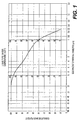
Figure 1 depicts a SEDIGRAPH 5100 plot for the calcined kaolin
product of Example 1.
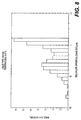
Figure 2 depicts the information contained in Figure 1 (the calcined
product of Example 1) in histogram form.
Figure 3 depicts a SEDIGRAPH 5100 plot for the commercial
monomodal calcined kaolin, Glomax® LL of Example 2.
Figure 4 depicts the information contained in Figure 3 (the commercial
monomodal calcined kaolin, Glomax® LL of Example 2) in histogram form.
Figure 5 depicts a SEDIGRAPH 5100 plot for the blend of hydrous
kaolin of Example 3 employed in producing the calcined kaolin product of Example
3A.
Figure 6 depicts the information contained in Figure 5 (the hydrous
blend of Example 3) in histogram form.
Figure 7 depicts a SEDIGRAPH 5100 plot for the calcined kaolin
product
of Example 3A, produced from the hydrous kaolin blend of Example 3 represented
in Figures 5 and 6.
Figure 8 depicts the information contained in Figure 7 (the calcined
kaolin product of Example 3A) in histogram form.
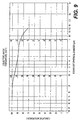
Figure 9 is a SEDIGRAPH 5100 plot of the 90:10 hydrous blend of
Example 6.
Figure 10 depicts the information contained in Figure 9 (the hydrous
blend of Example 6) in histogram form.
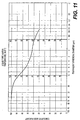
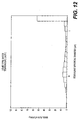
Figure 11 is a SEDIGRAPH 5100 plot of the 60:40 hydrous blend of
Example 6.
Figure 12 depicts the information contained in Figure 11 (the hydrous
blend of Example 6) in histogram form.
Figure 13 is a SEDIGRAPH 5100 plot of the 10:90 hydrous blend of
Example 6.
Figure 14 depicts the information contained in Figure 13 (the hydrous
blend of Example 6) in histogram form.
Figure 15 depicts a SEDIGRAPH 5100 plot of the calcined kaolin
product of Example 6A, produced from the 90:10 hydrous kaolin blend of Example 6
represented in Figures 9 and 10.
Figure 16 depicts depicts the information contained in Figure 15 (the
calcined kaolin product of Example 6A produced from the 90:10 hydrous kaolin
blend) in histogram form.
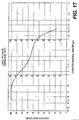
Figure 17 depicts a SEDIGRAPH 5100 plot of the calcined kaolin
product of Example 6A, produced from the 60:40 hydrous kaolin blend of Example 6
represented in Figures 11 and 12.
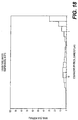
Figure 18 depicts the information contained in Figure 17 (the calcined
kaolin product of Example 6A produced from the 60:40 hydrous kaolin blend) in
histogram form.
Figure 19 depicts a SEDIGRAPH 5100 plot of the calcined kaolin
product of Example 6A, produced from the 10:90 hydrous kaolin blend of Example 6
represented in Figures 13 and 14.
Figure 20 depicts the information contained in Figure 19 (the calcined
kaolin product of Example 6A produced from the 10:90 hydrous kaolin blend) in
histogram form.
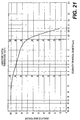
Figure 21 depicts a SEDIGRAPH 5100 plot of the calcined kaolin
product of Example 7A, produced from the 90:10 hydrous kaolin blend of Example 7.
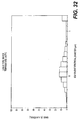
Figure 22 depicts the information contained in Figure 21 (the calcined
kaolin product of Example 7A produced from the 90:10 hydrous kaolin blend) in
histogram form.
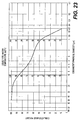
Figure 23 depicts a SEDIGRAPH 5100 plot of the calcined kaolin
product of Example 7A, produced from the 60:40 hydrous kaolin blend of Example 7.
Figure 24 depicts the information contained in Figure 23 (the calcined
kaolin product of Example 7A produced from the 60:40 hydrous kaolin blend) in
histogram form.
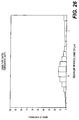
Figure 25 depicts a SEDIGRAPH 5100 plot of the calcined kaolin
product of Example 7A, produced from the 10:90 hydrous kaolin blend of Example 7.
Figure 26 depicts the information contained in Figure 25 (the calcined
kaolin product of Example 7A produced from the 10:90 hydrous kaolin blend) in
histogram form.
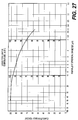
Figure 27 is a SEDIGRAPH 5100 plot of the 90:10 hydrous blend of
Example 8.
Figure 28 depicts the information contained in Figure 27 (the hydrous
blend of Example 8) in histogram form.
Figure 29 is a SEDIGRAPH 5100 plot of the 60:40 hydrous blend of
Example 8.
Figure 30 depicts the information contained in Figure 29 (the hydrous
blend of Example 8) in histogram form.
Figure 31 is a SEDIGRAPH 5100 plot of the 10:90 hydrous blend of
Example 8.
Figure 32 depicts the information contained in Figure 31 (the hydrous
blend of Example 8) in histogram form.
Figure 33 depicts a SEDIGRAPH 5100 plot of the calcined kaolin
product of Example 8A, produced from the 90:10 hydrous kaolin blend of Example 8
represented in Figures 27 and 28.
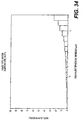
Figure 34 depicts the information contained in Figure 33(the calcined
kaolin product of Example 8A produced from the 90:10 hydrous kaolin blend) in
histogram form.
Figure 35 depicts a SEDIGRAPH 5100 plot of the calcined kaolin
product of Example 8A, produced from the 60:40 hydrous kaolin blend of Example 8
represented in Figures 29 and 30.
Figure 36 depicts the information contained in Figure 35 (the calcined
kaolin product of Example 8A produced from the 60:40 hydrous kaolin blend) in
histogram form.
Figure 37 depicts a SEDIGRAPH 5100 plot of the calcined kaolin
product of Example 8A, produced from the 10:90 hydrous kaolin blend of Example 8
represented in Figures 31 and 32.
Figure 38 depicts the information contained in Figure 37 (the calcined
kaolin product of Example 8A produced from the 10:90 hydrous kaolin blend) in
histogram form.
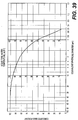
Figure 39 depicts a SEDIGRAPH 5100 plot of the calcined kaolin
product of Example 9A, produced from the 90:10 hydrous kaolin blend of Example 9.
Figure 40 depicts the information contained in Figure 39 (the calcined
kaolin product of Example 9A produced from the 90:10 hydrous kaolin blend) in
histogram form.
Figure 41 depicts a SEDIGRAPH 5100 plot of the calcined kaolin
product of Example 9A, produced from the 60:40 hydrous kaolin blend of Example 9.
Figure 42 depicts the information contained in Figure 41 (the calcined
kaolin product of Example 9A produced from the 60:40 hydrous kaolin blend) in
histogram form.
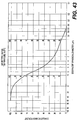
Figure 43 depicts a SEDIGRAPH 5100 plot of the calcined kaolin
product of Example 9A, produced from the 10:90 hydrous kaolin blend of Example 9.
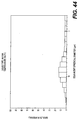
Figure 44 depicts the information contained in Figure 43 (the calcined
kaolin product of Example 9A produced from the 10:90 hydrous kaolin blend) in
histogram form.
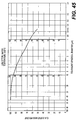
Figure 45 is a SEDIGRAPH 5100 plot of the 90:10 hydrous blend of
Example 10.
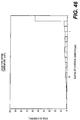
Figure 46 depicts the information contained in Figure 45 (the hydrous
blend of Example 10) in histogram form.
Figure 47 is a SEDIGRAPH 5100 plot of the 60:40 hydrous blend of
Example 10.
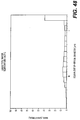
Figure 48 depicts the information contained in Figure 47 (the hydrous
blend of Example 10) in histogram form.
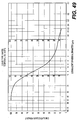
Figure 49 is a SEDIGRAPH 5100 plot of the 10:90 hydrous blend of
Example 10.
Figure 50 depicts the information contained in Figure 49 (the hydrous
blend of Example 10) in histogram form.
Figure 51 depicts a SEDIGRAPH 5100 plot of the calcined kaolin
product of Example 10A, produced from the 90:10 hydrous kaolin blend of Example
10 represented in Figures 45 and 46.
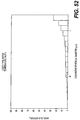
Figure 52 depicts the information contained in Figure 51(the calcined
kaolin product of Example 10A produced from the 90:10 hydrous kaolin blend) in
histogram form.
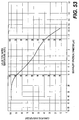
Figure 53 depicts a SEDIGRAPH 5100 plot of the calcined kaolin
product of Example 10A, produced from the 60:40 hydrous kaolin blend of Example
10 represented in Figures 47 and 48.
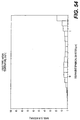
Figure 54 depicts the information contained in Figure 53 (the calcined
kaolin product of Example 10A produced from the 60:40 hydrous kaolin blend) in
histogram form.
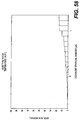
Figure 55 depicts a SEDIGRAPH 5100 plot of the calcined kaolin
product of Example 10A, produced from the 10:90 hydrous kaolin blend of Example
10 represented in Figures 49 and 50.
Figure 56 depicts the information contained in Figure 55 (the calcined
kaolin product of Example 10A produced from the 10:90 hydrous kaolin blend) in
histogram form.
Figure 57 depicts a SEDIGRAPH 5100 plot of the calcined kaolin
product of Example 11A, produced from the 90:10 hydrous kaolin blend of Example
11.
Figure 58 depicts the information contained in Figure 57(the calcined
kaolin product of Example 11A produced from the 90:10 hydrous kaolin blend) in
histogram form.
Figure 59 depicts a SEDIGRAPH 5100 plot of the calcined kaolin
product of Example 11A, produced from the 60:40 hydrous kaolin blend of Example
11.
Figure 60 depicts the information contained in Figure 59 (the calcined
kaolin product of Example 11A produced from the 60:40 hydrous kaolin blend) in
histogram form.
Figure 61 depicts a SEDIGRAPH 5100 plot of the calcined kaolin
product of Example 11A, produced from the 10:90 hydrous kaolin blend of Example
11.
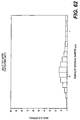
Figure 62 depicts the information contained in Figure 61 (the calcined
kaolin product of Example 11A produced from the 10:90 hydrous kaolin blend) in
histogram form.
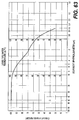
Figure 63 depicts a SEDIGRAPH 5100 plot of the calcined metakaolin
product of Example 13.
Figure 64 depicts the information contained in Figure 63 (the calcined
metakaolin product of Example 13) in histogram form.
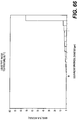
Figure 65 is a SEDIGRAPH 5100 plot of the 60:40 hydrous blend of
Example 14.
Figure 66 depicts the information contained in Figure 66 (the hydrous
blend of Example 14) in histogram form.
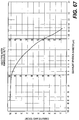
Figure 67 depicts a SEDIGRAPH 5100 plot of the calcined kaolin
product of Example 14A, produced from the 60:40 hydrous kaolin blend of Example
14 represented in Figures 65.
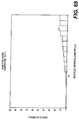
Figure 68 depicts the information contained in Figure 67 (the calcined
kaolin product of Example 14A produced from the 60:40 hydrous kaolin blend) in
histogram form.
DETAILED DESCRIPTION OF THE INVENTION
The particle sizes referred to in this disclosure are measured by
techniques capable of revealing the multimodal character of the compositions' PSD.
Particle sizes referred to in this disclosure are measured, and expressed, as
"equivalent spherical diameter," or "ESD." Median particle size is the value, d50, at
which there are 50% by weight of the particles present in the composition which
have an ESD less than that value, as determined by the well-known SEDIGRAPH
5100 machine method. All PSD data measured and reported in this disclosure,
including in the examples and the Figures, were taken in a known manner, with
measurements made in water at the standard temperature of 34.9 °C. It is to be
noted that all percentages and amounts expressed herein are by weight. All
amounts, percentages, and ranges expressed herein are approximate.
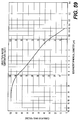
Particle size distributions may be expressed or plotted in conventional
SEDIGRAPH 5100 plots as the cumulative percentage (%) of particles finer than a
given size, versus particle size (ESD). Examples of such plots may be found in the
accompanying figures. Alternatively, the PSD of the pigment components may be
plotted as a histogram. A histogram, as used herein, is a bar graph showing the
percentage (%) by weight of particles having a size (ESD) within a predetermined
size increment in a series of increments of varying particle size (ESD) plotted along
one axis. The size (ESD) values of the mid-points of the ESD increments plotted
along the axis are expressed on a logarithmic scale. Such histograms may be
referred to as a "log-normal particle size histogram." Examples of such histograms
may also be found in the accompanying figures.
The modality of the particle size distribution is an important feature of
the present invention. Modality may be verified by reference to SEDIGRAPH 5100
plots of cumulative mass percent finer than a given particle size vs. diameter.
SEDIGRAPH 5100 plots will reveal a multimodal PSD when there is seen at least
two distinguishable components, at least one corresponding to the aforementioned
coarse component, and at least one corresponding to the aforementioned fine
component. Such components may be distinguished by the presence of at least one
inflection point, indicating a change in slope in the SEDIGRAPH plot. In terms of the
SEDIGRAPH 5100 plots, a multimodal PSD is one where at least two inflection
points are seen in the plots. If the PSD contains two inflection points, the PSD will
be bimodal.
Alternatively, the modality of the PSD of the present invention may be
visualized by reference to the histogram presentation just described. In terms of the
histogram, a multimodal PSD is one where at least two peaks are seen in the
particle size distribution in the histogram plot. If the PSD contains two peaks, the
PSD will be bimodal.
The present invention comprises calcined kaolin containing products
having good flattening characteristics and good opacifying characteristics in a single
product. In application coating compositions, the inventive products can show an
overall combination of optical properties and gloss and sheen control that is better
than expected from a simple linear relationship of these properties based on
blending of the individual components. In one embodiment, the inventive product
comprises a blend of at least one calcined kaolin component and at least one
calcined or hydrous kaolin component. The resulting blend will have a median
particle size of from about 0.5 µm (micrometers or microns) to about 10 µm, and a
multimodal particle size distribution (PSD). The multimodal PSD, when measured
using SEDIGRAPH 5100, will exhibit at least two distinguishable components (or
modes): at least one of the distinguishable components will correspond to a fine
calcined or hydrous kaolin component and occur at a particle size less than about
1 µm, and at least one other of the distinguishable components will correspond to a
coarse calcined or hydrous kaolin component and occur at a particle size of greater
than about 2 µm.
The blended products of this embodiment may be made by a method
comprising:
The product of this method may be referred to as a blended product,
reflecting the fact that at least one of the coarse or fine feeds has been calcined
prior to blending.
In another embodiment, the inventive product comprises a co-calcined
kaolin composition having median diameter particle size of from about 0.5 µm to
about 10 µm and a multimodal particle size distribution. The multimodal particle size
distribution, when measured using SEDIGRAPH 5100, will exhibit at least two
distinguishable components: at least one distinguishable component will correspond
to a fine calcined component and occur at a particle size less than about 1 µm, and
at least one other distinguishable component will correspond to a coarse calcined
component and occur at a particle size greater than about 2 µm.
The calcined kaolin containing products of this embodiment may be
made by blending a coarse hydrous kaolin and fine hydrous kaolin components and
then calcining the blend. More specifically, the products of this embodiment may be
made by a method comprising:
The product of this method may be referred to as a co-calcined
product, reflecting the fact that the coarse and fine feeds has been blended prior to
calcining.
In the case of the co-calcining method, thorough dry blending may be
accomplished by methods known to those skilled in the art. Dry feeds may be
pulverized, optionally before, after, or before and after, blending. Spray dried beads
must be pulverized prior to blending, according to methods known in the art.
The fine hydrous kaolin and the coarse hydrous kaolin may be blended
by methods known in the art. The hydrous coarse and hydrous fine fractions may be
in dry or wet form when blended. When in the wet form, each fraction may be in
either a dispersed or flocculated state prior to blending. Thus, a flocculated coarse
fraction may be blended with a flocculated fine fraction; a dispersed coarse fraction
may be blended with a flocculated fine fraction; a dispersed coarse fraction may be
blended with a dispersed fine fraction; and/or a flocculated coarse fraction may be
blended with a dispersed fine fraction. Compositions comprising blends of coarse
hydrous kaolins and fine calcined kaolins are preferred to compositions comprising
blends of coarse calcined kaolins and fine hydrous kaolins. A portion of hydrous
coarse or fine kaolin may be added to the co-calcined composition as one of several
ways to "fine tune" the properties of the final product if desired.
The multimodal character of the inventive products in any of these
embodiments reflects the presence of coarse and fine calcined kaolin components,
and optionally other kaolins of different PSD as well. When the pigment comprises
only a coarse and a fine fraction, the composition will be bimodal. Compositions
comprising three or more fractions will be multimodal.
Without wishing to be bound by theory, it is believed that the relative
proportions of coarse and fine components, together with their respective mean
particle size, give rise to the previously unseen and advantageous combination of
physical and optical characteristics. These characteristics may be adjusted by
varying the relative amounts of coarse and fine kaolin feed components, by varying
the absolute size of the coarse and/or fine feed components, or both. The
multimodal character of the present invention will generally be evident when the
composition comprises at least about 10% of one component (coarse or fine) and at
most about 90% of another. Trimodal (or higher) blends may also give rise to
desired characteristics, however. Presently preferred commercial applications
comprise greater than about 50% fine component and less than about 50% coarse
component.
Thus, compositions comprising blends of from about 10%
coarse:about 90% fine to about 90% coarse:about 10% fine will vary, e.g., the
resulting pigment's flattening, opacifying, extender, and oil absorbing (or other)
characteristics. The pigments' physical characteristics may also be adjusted by
varying the absolute size of either, or both, feed components used. Such
combinations of optical and physical properties will generally be more evident in
pigments comprising about 20% or more fine (or coarse) fraction: about 80% or less
coarse (or fine) fraction. Exemplary compositions according to the present invention
may be found in the examples below. The examples and Figures presented in this
disclosure illustrate, inter alia, the impact of varying the component feed on the
pigments' physical and optical properties.
The median particle size of the product, which may be varied as
indicated above, is the "apparent" median particle size. The apparent median
particle size could be regarded as the weighted average of the particle size of the
products' individual components. The proportion of coarse and fine components will
vary with the apparent mean particle size, and with the absolute size and relative
amounts of coarse and fine feed components. The products according to the
invention embody the aforementioned desirable combination of physical and optical
characteristics when the composition has a multimodal character and has an
apparent mean particle size from about 0.5 µm to about 10 µm, e.g., from about
2 µm to about 10 µm, or from about 0.6 µm to about 1.3 µm.
The size and ratio of the coarse and fine kaolin components may be
adjusted to give rise to a final calcined pigment having the desired apparent median
particle size and physical characteristics. For instance, when a pigment having high
flattening efficiency is desired, then either a higher percentage of coarse component,
or a coarse component having a larger mean particle size, or both, is selected. If a
pigment having primarily high opacifying efficiency is desired, then either a higher
percentage of fine component, or a fine component of smaller mean particle size, or
both, may be selected.
A feature of the present invention is the relative difference between the
particle size and steepness of the PSD of each of the coarse and fine feeds.
Relative mean particle sizes that are sufficiently different to exhibit a multimodal
particle size distribution and the combination of physical and optical characteristics
fall within the present invention. Further, the steeper (more narrow) the size
distribution of the component feed, the smaller the coarse and fine size difference
has to be to maintain a multimodal size distribution and fall within the scope of the
present invention.
The co-calcining method (and product) may be preferred over the
blending method (and product) for economic reasons. Specifically, the former
method requires only one calcining procedure, while the latter requires two. It was
surprising, however, that the multimodal blend of fine and coarse hydrous kaolin
components resulting from the first method provide corresponding "fine" and
"coarse" peaks in a multimodal particle size distribution of the calcined product that
are similar in particle size to the mean particle size of the corresponding hydrous
kaolin components. In other words, it is surprising that calcining after blending ("co-calcining")
yields essentially the same product as calcining before blending.
Surprisingly little "averaging" of particle sizing occurs during the calcining process.
As used herein, "calcined kaolin" means a kaolin that has been
converted from the corresponding (naturally occurring) hydrous kaolin to the
dehydroxylated form by thermal methods. Calcination changes, inter alia, the kaolin
structure from crystalline to amorphous. Other properties are changed by the
calcining process as well. Calcination is effected by heat treating coarse or fine
hydrous kaolin in known manner, e.g., at temperatures of from 500°C to 1200°C,
preferably from 800°C to 1200°C.
The degree to which hydrous kaolin undergoes changes in crystalline
form depends on the amount of heat to which hydrous kaolin is subjected. Initially
dehydroxylation of the hydrous kaolin occurs upon exposure to heat. At
temperatures below a maximum of about 850-900 °C, the product is generally
considered to be virtually dehydroxylated with the resultant amorphous structure
commonly being referred to as being a metakaolin. Frequently, calcination at this
temperature is referred to 'partial calcination', and the product may also be referred
to as a 'partially calcined kaolin'. Further heating to temperatures above about 900-950°C
results in further structural changes such as densification. Calcination at
these higher temperatures is commonly referred to as being 'full calcination', and the
product is commonly referred to as 'fully calcined kaolin'. Additional calcination may
cause formation of mullite. Mullite concentrations on the order of from 2% to 3% (by
weight) present in the composition according to the invention may be useful in some
end-use applications, such as catalyst substrates. "Calcined" (or "calcination"), as
used in herein, may encompasses any degree of calcination, including partial (meta)
and full.
Effective calcining procedures include, but are not limited to, soak
calcining and flash calcining. In soak calcining, a hydrous kaolin is heat treated at
one of the aforementioned temperatures for a period of time (e.g., from at least
1 minute to 5 or more hours), sufficient to dehydroxylate the kaolin. In flash
calcining, a hydrous kaolin is heated rapidly for a period of less than 1 second,
typically less than 0.5 second.
The furnace, kiln, or other heating apparatus used to effect calcining of
the hydrous kaolin may be of any known kind. Known devices suitable for carrying
out soak calcining include high temperature ovens, and rotary and vertical kilns.
Known devices for effecting flash calcining include toroidal fluid flow heating devices,
such as those described in WO 99/24360, incorporated herein by reference.
In preparing the products of the invention by co-calcination, the size of
the desired coarse and fine feeds will be selected to correspond to the size of
coarse and fine components, respectively, in the final blend. Where products are
prepared by co-calcining, agglomeration of the particles, particularly the fine
particles, takes place during calcination. The size of the feed materials may
advantageously be selected to take this agglomeration into account. Additional
coarse or fine component (or hydrous component) may be added after blending to
"fine tune" the properties of the final mixture as well. See for instance Example 3,
and Figures 5-8, and Tables 6-7, which follow.
Coarse and fine hydrous (or calcined or partially calcined) kaolin
particles suitable for feed in the present invention may be prepared by methods
known to those skilled in the art. For example, suitable coarse feed may be
obtained in a manner suggested in Sare et al., U.S. Patent No. 6,103,005,
incorporated herein by reference in its entirety. For example, feeds suitable as
coarse components of the present invention may be obtained by known methods
from particles having a median particle size (median equivalent spherical diameter
(ESD) as measured on a Sedigraph 5100) of greater than 2.0 microns, greater than
2.25 microns, more preferably greater than 2.5 microns, greater than 2.75 microns,
greater than 3.0 microns, greater than 3.25 microns, or greater than 3.5 microns,
also having less than or equal to about 10 to 15% less than 0.5 microns.
Suitable fine feed may be obtained in a manner suggested in Fanselow
et al., U.S. Patent No. 3,586,523, incorporated herein by reference in its entirety.
Fine particle sized calcined kaolins commonly used in the paper industry are among
those suitable as a fine component feed.
When pigments of the invention are prepared by co-calcining, the
amount of coarse hydrous kaolin component to be blended and then calcined may
constitute from about 10 wt % to about 90 wt % of the coarse:fine blend, while the
amount of the fine hydrous kaolin component may vary from about 90 wt % to about
10 wt %. For example, a blend may contain from about 20 wt % to about 80 wt % of
a coarse hydrous component, and from about 80 wt % to about 20 wt % of a fine
hydrous component. Or, a blend may contain from about 30 wt % to 70 wt % of a
coarse hydrous component, and from about 70 wt % to about 30 wt % of a fine
hydrous component. In another example, the blend may contain from about 50 wt %
to 70 wt % of a coarse hydrous component, and from about 50 wt % to about
30 wt % of a fine hydrous component. The mean particle size of the fine component
of the hydrous kaolin blend may vary from about 0.1 µm to about 1.0 µm, optionally
from about 0.3 µm to about 0.8 µm, and the mean coarse component of the hydrous
kaolin may contain from about 3 µm to about 15 m, optionally from about 3 µm to
about 10 µm. Additional amounts of coarse and/or fine feed (hydrous or calcined)
may be added to the blend as needed to "fine tune" the properties of the final blend.
Corresponding amounts of calcined components may be blended according to the
blending method.
The coarse and fine hydrous kaolin components may be blended in dry
form or in the form of a wet aqueous slurry. In the former case, the dry feed is
advantageously pulverized before and after blending. In the latter case, the resulting
slurry hydrous kaolin is desirably dewatered after blending. Dewatering can be
carried out using any method, including for example, filtration, prior to calcining.
Appropriate dewatering methods would be readily apparent to those skilled in the
art. They include, but are not limited to, rotary vacuum filters and filter press. The
dewatered product can be dried by methods known to those skilled in the art. The
acid-flocced product can be dried by a direct, separate thermal process, e.g., apron
drier, and then pulverized prior to calcination. Alternatively, the flocced product can
be simultaneously dried and pulverized, e.g., use of a cage drier. Alternatively, the
acid-flocced filter product can be re-dispersed, spray-dried, and then pulverized.
The coarse and fine hydrous kaolin components may be blended using
apparatus known in the art. The hydrous coarse and hydrous fine fractions may be
blended, especially when in slurry form, in either a dispersed or flocculated state.
Flocculation may be accomplished by known methods. Such methods include the
use of one or more flocculating agents and/or pH adjustment, followed by filtering or
other dewatering procedures. Dispersion may be accomplished using known
methods, including use of one or more dispersing agents.
The present invention also provides for paint compositions comprising
the products of the invention. Such paint compositions may comprise, in addition to
the pigments of the invention, a polymeric binder, a primary pigment such as
titanium dioxide, optionally a secondary pigment such as calcium carbonate, silica,
nephaline syenite, feldspar, dolomite, diatomaceous earth, and flux-calcined
diatomaceous earth. For water-based versions of such paint compositions, any
water-dispersible binder, such as polyvinyl alcohol (PVA) and acrylics may be used.
Paint compositions of the present invention may also comprise other conventional,
additives, including, but not limited to, surfactants, thickeners, defoamers, wetting
agents, dispersants, solvents, and coalescents.
More non-limiting details and embodiments of the invention will be set
forth in the examples and tables that follow, and in the accompanying figures.
EXAMPLES
Example 1: Multimodal 60:40 Calcined Pigment (Inventive)
A calcined product having a median diameter of 1.0µm, made from a
blend of fine processed hydrous kaolin having 91.9 wt % finer than 1 µm and a
coarse processed hydrous kaolin having 89.2 wt % less than 10 µm, PSD as
determined by SEDIGRAPH 5100, was prepared as follows.
2,927 g of an aqueous slurry containing kaolin having a solids content
of 41.0 wt % was thoroughly mixed with 10,405 g of an aqueous slurry containing
kaolin having a solids content of 17.3 wt %. The resulting hydrous kaolin blend
provided, on a dry weight basis, a 60:40 fine:coarse weight ratio. The slurry
containing the kaolin blend was flocculated using 10 % sulfuric acid to a pH of 3, and
was then dewatered by vacuum filtration using Buchner filter. The resulting
separated solid material, in the form of a dry cake, was pulverized twice using a
micropulverizer. The dry, pulverized hydrous kaolin blend was calcined in an oven
at a temperature of 1125 °C for one hour. Following calcination and cooling, the
calcined kaolin product was pulverized once using the aforementioned
micropulverizer. Various properties of the product are reported in Tables 2 and 3
below, and the particle size distribution of the product is shown in Figures 1 and 2
(Figure 2 in histogram form).
Example 1A: Paint Composition (Inventive)
A paint composition comprising 65% PVC (pigment volume
concentration) was prepared using the calcined kaolin product of Example 1. The
formulation comprised the ingredients shown in Table 1 as follows in the stated
number of pounds weight per 100 gallons of paint.
| Water | 339.9 |
| KTPP wetting agent | 1.8 |
| Wetting agent | 7.8 |
| Surfactant | 3.9 |
| Thickener | 3.9 |
| Titanium dioxide | 94.2 |
| Calcined kaolin (sample) | 198.1 |
| Calcium carbonate | 264.4 |
| Defoamer | 2.9 |
| Disperse to a 4N solution then add slowly with mixing: |
| PVA resin | 213.5 |
| Ethylene glycol | 24.5 |
| Coalescent | 9.8 |
| Water | 45.1 |
| Weight solids % | 56.9 |
| Volume solids % | 37.6 |
Properties of the resulting paint formed into a dry paint film by standard
laboratory paint film drawdown equipment and subsequent air drying in an
essentially dirt-free drying cabinet were measured according to standard procedures
(described later) and the results obtained are set forth in Table 4 below.
Example 1B: Tinted Film (Inventive)
Tinted films were made from paint of Example 1A by adding the
equivalent of 11 pounds by weight of phthalo blue dispersion to 100 gallons of paint.
Optical properties of the resulting films made using drawdown-related procedures
described above were measured and the results are set forth in Table 5 below.
Example 2: Unimodal Conventional Calcined Pigment (Comparative)
Glomax ® LL, available from Imerys Kaolin, Inc. Dry Branch, Ga.,
having a unimodal particle size distribution was used. The SEDIGRAPH 5100 plot
and corresponding histogram are presented as Figures 3 and 4, respectively.
In Table 2 the particle size properties are as measured in a manner
described above using a SEDIGRAPH 5100 instrument for the calcined inventive
product of Example 1 and for the commercial, unimodal calcined Glomax ® LL. The
oil absorption as measured by the ASTM-D-281 method is also summarized in Table
2. The optical properties of the calcined products of Examples 1 and 2 are similarly
summarized in Table 3 below.
| Product | Mean Particle Size (µm) | % by weight <5µm | % by weight <2µm | % by weight <1µm | Oil Absorption |
| Ex 1 | 0.96 | 83.5 | 67.1 | 51.5 | 93 |
| Ex 2 | 1.29 | 88.9 | 63.7 | 40.4 | 70 |
| Product | Brightness | L | a | b |
| Ex 1 | 92.8 | 96.8 | -0.6 | 1.9 |
| Ex 2 | 90.8 | 96.8 | -0.8 | 3.4 |
The brightness given in the Table 3 is the GE brightness. GE
brightness is a unitless reflectance percentage value measured in a well known
manner by a Technibrite TB-1C instrument.
In Table 3 and in subsequent Tables, Components a, b, and L are the color
component values on the color space scale as measured by a Hunter Ultrascan XE
instrument. "+a" is a measure of red tint; "-a" is a measure of green tint; "+b" is a
measure of yellow tint; "-b" is a measure of blue tint; "L" is a measure of whiteness
Example 2A: Paint Composition (Comparative)
A paint composition comprising 65% PVC (pigment volume
concentration) was prepared as in Example 1, except that the unimodal commercial
calcined kaolin was substituted for the multimodal composition of Example 1. The
paint was formed into a dry paint film. Its properties were measured according to the
same procedures used to determine the properties of the paint composition of
Example 1A. The results are set forth in Table 4, for ease of comparison to those of
Example 1A.
Example 2B: Tint Film (Comparative)
Tinted films were made from paint of Example 2A by adding the
equivalent of 11 pounds by weight of phthalo blue dispersion to 100 gallons of paint.
Optical properties of the resulting films were measured and the results are set forth
in Table 5 below for ease of comparison with the results obtained for Example 1B.
| Paint | Example 1A | Example 2A |
| 60° Gloss | 2.9 | 2.9 |
| 85° Sheen | 2.0 | 2.7 |
| ASTM-E-313 white | 84.7 | 81.0 |
| ASTM-E-313 yellow | 1.7 | 2.6 |
| Brightness | 89.6 | 88.2 |
| L | 95.4 | 95.0 |
| a | -0.9 | -0.9 |
| b | 1.4 | 1.9 |
| Opacity | 95.5 | 94.5 |
In Table 4, gloss and sheen are measured in a known manner using a
Hunter Pro-3 Gloss Meter and opacity was measured using a Hunter Ultrascan XE
Colorimeter. Opacity is the ratio of the intensity (Y axis) of light reflected from a
black surface under test to that reflected from a standard white surface measured in
a well known manner. ASTM-E-313 white and yellow are standard measurements of
the whiteness and yellowness of near white, opaque film coatings made using a
Hunter Ultrascan XE Instrument.
| Product | Example 1 B | Example 2B |
| L | 79.6 | 78.2 |
| a | -11.7 | -12.3 |
| b | -17.1 | -17.8 |
| ΔL | -1.4 | --- |
| Δa | -0.6 | --- |
| Δb | -0.7 | --- |
| ΔE | 1.7 | --- |
In Table 5, the parameter ΔE is a measure of tint strength. The color
vector in color space as defined earlier and is given by the expression:
ΔE = (ΔL2 + Δa2 + Δb2)1/2
Tables 4 and 5 illustrate a benefit of the invention (Examples 1A and
1B) compared with the prior art (Examples 2A and 2B). The inventive paint
composition (Example 1A), for instance, yields both a lower sheen (85%) and
simultaneously better overall optical properties (higher whiteness; lower yellowness;
higher opacity, and superior tint strength) than comparative paint composition
(Example 2A).
Example 3: 60:40 Hydrous Kaolin Blend (Inventive)
A hydrous kaolin blend was prepared in the manner described in
Example 1, except that the fine and coarse hydrous kaolin components employed to
produce a 60:40 (fine:coarse) hydrous blend were as set forth in Tables 6 and 7,
respectively. In Tables 6 and 7, X is the particle size of the hydrous kaolin
component (in µm), and % is the percent by weight having a size less than X for
various values of X.
| (PSD FINE HYDROUS KAOLIN) |
| X | % |
| 10 | 100 |
| 5 | 99.1 |
| 2 | 97.1 |
| 1.5 | 95.8 |
| 1 | 91.9 |
| 0.8 | 88.4 |
| 0.5 | 74.4 |
| (PSD COARSE HYDROUS KAOLIN) |
| X | % |
| 20 | 98.7 |
| 10 | 89.2 |
| 8 | 82.3 |
| 5 | 59.0 |
| 4 | 46.7 |
| 2 | 22.5 |
| 1 | 12.8 |
A blend comprising 60% by weight of the fine hydrous kaolin of
Example 3 and 40% by weight of the coarse hydrous kaolin of Example 3 was
produced. The hydrous blend had a particle size distribution as shown in Figures 5
and 6 (Figure 6 in histogram form).
Example 3A: 60:40 Calcined Kaolin Blend (Inventive)
The hydrous blend of Example 3 was calcined according to
aforementioned methods. The calcined kaolin product produced had a particle size
distribution as shown in Figures 7 and 8 (Figure 8 in histogram form). The
measured median diameter of this calcined kaolin product was 1.0µm
As seen from Figures 7 and 8, the particle size distribution of the
calcined kaolin product is similar to that for the hydrous blend of Example 3,
especially at the coarse end. At the fine end, some agglomeration of particles occurs
owing to the calcination process. The calcined kaolin product of Example 3A was
found to have properties similar to those of Example 1 described earlier.
Example 4: 65:35 Hydrous Kaolin Blend (Inventive)
A hydrous kaolin blend was produced comprising 65 wt % of the fine
hydrous kaolin component of Example1, 35 wt % of the coarse component of
Example 1. The hydrous kaolin blend particle size distribution is shown in Table 8.
X and % are as defined above.
| X | % |
| 10 | 95.4 |
| 5 | 85.5 |
| 2 | 74.4 |
| 1 | 67.3 |
The blend of Example 4 was calcined according to aforementioned
methods. The resulting calcined kaolin product had a mean particle size of 1.0 µm,
and a particle size distribution as shown in Table 9. X and % are as defined above.
| X | % |
| 10 | 95.6 |
| 5 | 83.7 |
| 2 | 68.1 |
| 1 | 51.8 |
Properties of the resulting calcined kaolin product were measured as
described earlier. The properties measured and results obtained are shown in
Table 10.
| Property | Result |
| Brightness | 91.7 |
| Oil Absorption | 101 |
| L | 96.1 |
| a | -0.7 |
| b | 1.7 |
A hydrous kaolin blend was produced comprising 55 wt % of the fine
hydrous kaolin component of Example1, and 45 wt % of the coarse component of
Example 1. The blend had a particle size distribution as shown in Table 11.
| X | % |
| 10 | 95.1. |
| 5 | 82.7 |
| 2 | 68.8 |
| 1 | 60.6 |
The resulting hydrous kaolin blend of Example 5 was calcined
according to aforementioned methods. The particle size distribution of the resulting
calcined kaolin had a mean particle size of 1.2 µm and a particle size distribution set
forth in Table 12.
| X | % |
| 10 | 94.6 |
| 5 | 80.6 |
| 2 | 61.1 |
| 1 | 43.8 |
Properties of the resulting calcined kaolin product were measured as
described earlier. The properties measured and results obtained are shown in
Table 13.
| Property | Result |
| Brightness | 91.6 |
| Oil Absorption | 88 |
| L | 95.9 |
| a | -0.7 |
| b | 1.5 |
A hydrous kaolin blend was prepared generally in the manner
described in Example 1, except the coarse and fine hydrous kaolin components
were employed to produce a 90:10, a 60:40, and a 10:90 fine:coarse hydrous blend.
The fine hydrous kaolin component had a particle size distribution such that the
percentage (%) by weight of particles having a size less than X for various values of
X (in µm) was as in Table 14.
| X | % |
| 10 | 98.4 |
| 5 | 97.6 |
| 2 | 96.2 |
| 1.5 | 95.5 |
| 1 | 92.8 |
| 0.8 | 90.1 |
| 0.5 | 79.2 |
The coarse hydrous kaolin had a particle size distribution as shown in
Table 15.
| X | % |
| 20 | 94.4 |
| 10 | 67.6 |
| 8 | 54.6 |
| 5 | 30.4 |
| 4 | 22.9 |
| 2 | 11.0 |
| 1 | 6.4 |
The measured median diameter of the hydrous kaolin blends
produced, 90:10, 60:40, and 10:90 by weight of the fine and coarse kaolin
components were <0.5µm, 0.5µm, and 6.5µm, respectively. The particle size
distributions are shown in Figures 9 and10, 11 and 12, and 13 and 14, respectively.
Example 6A: 90:10: 60:40; 10:90 Calcined Kaolin Blend (Inventive)
The resulting blends of Example 6 were calcined according to
aforementioned methods. The measured median diameter of the calcined kaolins
produced were 0.7µm, 0.9µm, and 6.5µm, respectively. The resulting calcined kaolin
products had a particle size distributions as shown in Figures 15 and 16, 17 and 18,
and 19 and 20 respectively.
As seen by inspection of Figures 15-20, the particle size distributions
of the calcined kaolin products are similar to those for the hydrous blends (Figures 9-14)
especially at the coarse end. At the fine end, the agglomeration of particles
occurs owing to the calcination process. As seen in Figures 13 and 14, and 19 and
20 one begins to see the bimodal character of the distributions when the minor
amount component (coarse or fine) meets or exceeds 10%.
Example 7: 90:10; 60:40; 10:90 Hydrous Kaolin Blend (Inventive)
Hydrous kaolin blends were prepared by carefully blending the dry fine
and dry coarse components of Example 6 to produce a 90:10, a 60:40, and a 10:90
blend.
Example 7A: 90:10; 60:40; 10:90 Calcined Kaolin Blend (Inventive)
The hydrous kaolin blends of Example 7 were calcined according to
aforementioned techniques. The calcined kaolin products had particle size
distributions as shown in Figures 21 and 22, 23 and 24, and 25 and 26, respectively.
The measured median diameter of the calcined kaolins produced were 0.7µm,
1.2µm, and 6.6µm, respectively. As can be seen by comparing Figures 15-20 and
Figures 21-26, the particle size distributions of the calcined kaolin products of both
Examples 6 and 7 are very similar in overall characteristics.
Example 8: 90:10; 60:40; 10:90 Hydrous Kaolin Blend (Inventive)
A hydrous kaolin blend was prepared generally in the manner
described in Example 1, except that the coarse and fine hydrous kaolin components
were employed to produce a 90:10, a 60:40, and a 10:90 blend. The fine hydrous
kaolin component used in this Example had a particle size distribution such that the
percentage (%) by weight of particles having a size less than X for various values of
X (in µm) was as in Table 16.
| X | % |
| 10 | 98.5 |
| 5 | 96.6 |
| 2 | 89.1 |
| 1.5 | 84.9 |
| 1 | 78.5 |
| 0.8 | 74.1 |
| 0.5 | 61.7 |
The coarse hydrous kaolin had a particle size distribution as in Table
The 90:10, 60:40, and 10:90 by weight of the fine and coarse blends
produced had particle size distributions as shown in Figures 27 and 28, 29 and 30,
and 31 and 32, respectively.
Example 8A: 90:10; 60:40; 10:90 Calcined Kaolin Blend (Inventive)
The hydrous blends of Example 8 were calcined according to
aforementioned techniques. The measured median diameter of the calcined kaolins
produced were 0.9µm, 1.5µm, and 6.4µm, respectively The resulting calcined kaolin
products had particle size distributions as shown in Figures 33 and 34, 35 and 36,
and 37 and 38, respectively.
As seen by inspection of Figures 27-32, the particle size distributions
of the calcined kaolin products are similar to that for the hydrous blends of this
Example, especially at the coarse end. At the fine end, the agglomeration of
particles occurs owing to the calcination process. As can be seen in Figures 31 and
32, and 37 and 38, the bimodal character of the blend begins to occur when the
minor amount component (coarse or fine) meets or exceeds 10%.
Example 9: 90:10; 60:40; 10:90 Hydrous Kaolin Blend (inventive)
Hydrous kaolin blends were prepared by carefully blending the dry fine,
and dry coarse components of Example 8 to produce 90:10, 60:40, and 10:90
blends.
Example 9A: 90:10: 60:40; 10:90 Calcined Kaolin Blend (inventive)
The hydrous kaolin blends of Example 9 were calcined according to
aforementioned techniques. The measured median diameter of the calcined kaolins
produced were 1.0µm, 1.7µm, and 6.5µm, respectively. The resulting calcined
kaolin products had particle size distributions as shown in Figures 39 and 40, 41 and
42, and 43 and 44. As can be seen by inspection of Figures 33-38 with 39-44, the
particle size distributions of the calcined kaolin products of both Examples 8 and 9
are very similar in overall characteristics.
Example 10: 90:10; 60:40; 10:90 Hydrous Kaolin Blend (inventive)
Hydrous kaolin blends were prepared generally in the manner
described in Example 1 except that the coarse and fine hydrous kaolin components
were employed to produce a 90:10, a 60:40, and a 10:90 blend 60:40 fine:coarse
hydrous blend. The fine and coarse hydrous kaolins of this Example were as
follows. The fine hydrous kaolin component had a particle size distribution such that
the percentage (%) by weight of particles having a size less than X for various
values of X 9 (in µm) was as in Table 17 as follows:
| X | % |
| 10 | 98.4 |
| 5 | 94.7 |
| 2 | 83.4 |
| 1.5 | 79.1 |
| 1 | 72.7 |
| 0.8 | 68.9 |
| 0.5 | 57.7 |
The coarse hydrous kaolin had a particle size distribution as shown in
Table 15.
The hydrous kaolin blends produced,90:10, 60:40, and 10:90 by
weight, had particle size distributions as shown in Figures 45 and 46, 47 and 48, and
49 and 50, respectively.
Example 10A: 90:10; 60:40; 10:90 Calcined Kaolin Blend (inventive)
The hydrous kaolin blends of Example 10 were calcined according to
aforementioned techniques. The measured median diameter of the calcined kaolins
produced were 0.9µm, 1.7µm, and 6.4µm, respectively. The resulting calcined
kaolin products had particle size distributions as shown in Figures 51 and 52, 53 and
54, and 55 and 56 respectively.
As seen by inspection of Figures 45-50, the particle size distributions
of the calcined kaolin products are similar to that for the hydrous blends especially at
the coarse end. At the fine end, the agglomeration of particles occurs owing to the
calcination process. As seen in Figures 49 and 50 and 55 and 56, the bimodal
character of these two distributions is barely perceptible.
Example 11: 90:10; 60:40: 10:90 Hydrous Kaolin Blend (invention)
Hydrous kaolin blends were prepared by carefully blending the dry fine,
and dry coarse components of Example 10 to produce a 90:10, a 60:40, and a 10:90
blend.
Example 11A: 90:10; 60:40; 10:90 Calcined Kaolin Blend (invention)
The hydrous kaolin blends of Example 11 were calcined according to
aforementioned techniques. The measured median diameter of the calcined kaolins
produced were 1.1µm, 1.9µm, and 6.6µm, respectively. The resulting calcined
kaolin products had particle size distributions as shown in Figures 57 and 58, 59 and
60, and 61 and 62 respectively. As can be seen by comparison of Figures 51-56
with Figures 57-62, the particles size distributions of the calcined kaolin products of
both Examples 10 and 11 are very similar in overall characteristics.
Example 12: Multimodal Calcined Pigment (Inventive)
Calcined kaolin-containing products were made by dry blending from
80% to 50% of a fine particle, calcined kaolin, median diameter of <1µm, and
correspondingly 20% to 50% of a coarse particle calcined kaolin, median diameter of
>3µm, to exemplify this further embodiment to produce calcined kaolin-containing
products which can be "tailored" to simultaneously provide both fine particle-related
calcined kaolin, and large particle-related calcined kaolin attributes at desired levels,
such as flatting and opacifying efficiency in paints and coatings.
Example 12A: Paint Composition (Inventive)
A paint composition comprising 65% PVC (pigment volume
concentration) was prepared using the 80:20, 70:30, 60:40 and 50:50 calcined
kaolin products of Example 12. In addition, the 60%/40% co-calcined product of
Example 3A was also used in the preparation of this paint composition. The
formulation comprised the ingredients shown in Table 18 as follows in the stated
number of pounds weight per 100 gallons of paint.
| Water | 339.9 |
| KTPP wetting agent | 1.8 |
| Wetting agent | 7.8 |
| Surfactant | 3.9 |
| Thickener | 3.9 |
| Titanium dioxide | 94.2 |
| Calcined kaolin (sample) | 198.1 |
| Calcium carbonate | 264.4 |
| Defoamer | 2.9 |
| Disperse to a 4N solution then add slowly with mixing: |
| PVA resin | 213.5 |
| Ethylene glycol | 24.5 |
| Coalescent | 9.8 |
| Water | 45.1 |
| Weight solids % | 56.9 |
| Volume solids % | 37.6 |
Properties of the resulting paint formed into a dry paint film by standard
laboratory paint film drawdown equipment and subsequent air drying in an
essentially dirt-free drying cabinet were measured according to standard procedures
(described previously in Example 1A and the results obtained are set forth in Table
19 below. In Table 19, the corresponding results for both the fine particle calcined
kaolin component and the coarse particle calcined kaolin component used in the
preparation of these columns are inventive products.
| Paint | Example 100/0 | Product 80/20 | Product 70/30 | Product 60/40 | Product 50/50 | Example 0/100 | Product cocal 60/40 |
| 60° Gloss | 3.1 | 3.0 | 3.0 | 2.9 | 2.9 | 2.8 | 2.9 |
| 85° Sheen | 6.1 | 4.0 | 3.5 | 2.8 | 2.6 | 2.0 | 2.0 |
| ASTM-E-313 white | 85.5 | 84.5 | 83.8 | 83.0 | 82.2 | 78.8 | 84.7 |
| ASTM-E-313 yellow | 1.8 | 2.0 | 2.1 | 2.2 | 2.4 | 3.0 | 1.7 |
| Brightness | 90.6 | 90.1 | 89.7 | 89.2 | 88.8 | 87.0 | 89.6 |
| L | 96.0 | 95.7 | 95.6 | 95.4 | 95.2 | 94.6 | 95.4 |
| A | -0.9 | -0.9 | -0.9 | -0.9 | -0.9 | -0.8 | -0.9 |
| B | 1.4 | 1.5 | 1.6 | 1.6 | 1.7 | 2.1 | 1.4 |
| Opacity | 97.2 | 96.9 | 96.4 | 96.0 | 95.3 | 93.7 | 95.3 |
Tinted films were made from paint of Example 12A by adding the
equivalent of 11 pounds by weight of phthalo blue dispersion to 100 gallons of paint.
Optical properties of the resulting films made using drawdown-related procedures
described above were measured and the results are set forth in Table 20 below.
| Product | Example 100/0 | Product 80/20 | Product 70/30 | Product 60/40 | Product 50/50 | Example 0/100 | Product cocal 60/40 |
| L | 81.6 | 80.1 | 79.7 | 79.2 | 78.7 | 76.7 | 79.6 |
| a | -10.8 | -11.4 | -11.6 | -11.8 | -12.0 | -12.9 | -11.7 |
| b | -15.4 | -16.5 | -16.8 | -17.2 | -17.5 | -19.0 | -17.1 |
| ΔL | 4.9 | 3.4 | 3.0 | 2.5 | 2.0 | -- | 2.9 |
| Δa | 2.1 | 1.5 | 1.3 | 1.1 | 0.9 | -- | 1.2 |
| Δb | 3.6 | 2.5 | 2.2 | 1.8 | 1.5 | -- | 1.9 |
| ΔE | 6.4 | 5.1 | 3.9 | 3.3 | 2.7 | -- | 3.7 |
A hydrous kaolin blend was prepared generally in the manner
described in Example 1 except the dry, pulverized hydrous kaolin blend was calcined
in an oven at a temperature of 850 °C for one hour to produce a calcined
metakaolin. The measured median diameter of the calcined metakaolin produced
was 0.8µm, and had a particle size distribution as shown in Figures 63 and 64. As
seen by inspection of Figures 63 and 64, the particle size distribution of the calcined
metakaolin product clearly exhibits a bimodal character.
Example 13A: Paint Composition (Inventive)
A paint composition comprising 65% PVC (pigment volume
concentration) was prepared using the calcined metakaolin product of Example 13.
In addition, a commercial calcined monomodal metakaolin was also used in the
preparation of this paint composition. The formulation comprised the ingredients
shown in Table21 as follows in the stated number of pounds weight per 100 gallons
of paint.
| Water | 339.8 |
| KTPP wetting agent | 1.8 |
| Wetting agent | 7.8 |
| Surfactant | 3.9 |
| Thickener | 3.9 |
| Titanium dioxide | 94.2 |
| Calcined metakaolin (sample) | 188.4 |
| Calcium carbonate | 264.4 |
| Defoamer | 2.9 |
| Disperse to a 4N solution then add slowly with mixing: |
| PVA resin | 213.5 |
| Ethylene glycol | 24.5 |
| Coalescent | 9.8 |
| Water | 45.0 |
| Weight solids % | 56.6 |
| Volume solids % | 37.6 |
Properties of the resulting paint formed into a dry paint film by standard
laboratory paint film drawdown equipment and subsequent air drying in an
essentially dirt-free drying cabinet were measured according to standard procedures
(described previously in Example 1a and the results obtained are set forth in Table
22 below.
| Paint | Commercial Metakaolin | Example Product |
| 60° Gloss | 3.0 | 3.0 |
| 85° Sheen | 3.8 | 3.9 |
| ASTM-E-313 white | 78.2 | 75.6 |
| ASTM-E-313 yellow | 3.6 | 4.3 |
| Brightness | 88.3 | 87.6 |
| L | 95.5 | 95.4 |
| a | -0.9 | -0.7 |
| b | 2.5 | 2.9 |
| Opacity | 97.2 | 97.8 |
Tinted films were made from paint of Example 13A by adding the
equivalent of 11 pounds by weight of phthalo blue dispersion to 100 gallons of paint.
Optical properties of the resulting films made using drawdown-related procedures
described above were measured and the results are set forth in Table 23 below.
| Product | Commercial Metakaolin | Example Product |
| L | 80.4 | 81.2 |
| a | -12.0 | -11.5 |
| b | -15.4 | -14.1 |
| ΔL | -- | -0.8 |
| Δa | -- | -0.5 |
| Δb | -- | -1.3 |
| ΔE | -- | 1.6 |
A hydrous kaolin blend was prepared generally in the manner
described in Example 1 to produce a 60:40 fine:coarse hydrous blend. The fine
hydrous kaolin component was similar to that used in Example 6.
The coarse hydrous kaolin had a particle size distribution as shown in
Table 24.
| X | % |
| 10 | 99.9 |
| 8 | 99.6 |
| 5 | 97.4 |
| 4 | 94.3 |
| 2 | 79.9 |
| 1 | 63.1 |
| 0.5 | 42.4 |
The measured median diameter of the hydrous kaolin blend produced
by weight of the fine and coarse kaolin components was <0.5µm. The particle size
distribution is shown in Figure 65 (Figure 66 in histogram form).
Example 14A: 60:40 Calcined Kaolin Blend (Comparative)
The resulting blend of Example 14 was calcined according to
aforementioned methods. The measured median diameter of the calcined kaolin
produced was 1.2µm, respectively. The resulting calcined kaolin product had a
particle size distribution as shown in Figure 67 (Figure 68 in histogram form). '
As seen by inspection of Figure 67, the particle size distribution of the
calcined kaolin product of this example is significantly different than that for the
hydrous blend (Figure65). As seen in Figure 68, the calcined product of the
comparative example does not exhibit the bimodal character of the inventive
examples.
Example 15: Paint Composition (Inventive)
Four paint compositions comprising 78% PVC (pigment volume
concentration) were prepared using a co-calcined, bimodal product similar in
composition to that of Example 5, a fine, calcined unimodal product produced from a
feed similar in composition to the fine hydrous component of Example 1, a coarse,
calcined unimodal product produced from a feed similar in composition to the coarse
hydrous component of Example 1, and the commercial, unimodal product used in
Example 2, respectively. The formulation comprised the ingredients shown in
Table 25 as follows in the stated number of pounds weight per 100 gallons of paint.
| Water | 150.0 |
| KTPP wetting agent | 1.8 |
| Wetting agent | 8.0 |
| Surfactant | 4.0 |
| Thickener | 3.0 |
| Calcined kaolin (sample) | 200.0 |
| Defoamer | 3.0 |
| Disperse to a 4N solution then add slowly with mixing: |
| PVA resin | 39.3 |
| Ethylene glycol | 25.0 |
| Coalescent | 10.0 |
| Water | 518.3 |
| Weight solids % | 24.7 |
| Volume solids % | 13.2 |
These paints differ significantly in composition to those used in
previous Examples in that the sole pigment used is the calcined or co-calcined
kaolin, and the weight and volume solids are both significantly lower. This
composition was chosen specifically to illustrate the combination of optical-related
and flatting-related properties imparted to the resultant paints. Properties of the
resulting paint formed into a dry paint film by standard laboratory paint film
drawdown equipment and subsequent air drying in an essentially dirt-free drying
cabinet were measured according to standard procedures (described previously in
Example 1 and the results obtained are set forth in Table 26 below).
| Paint | Product Calcined Unimodal Fine | Product Cocalcined Bimodal | Product Calcined Unimodal Commercial | Product Calcined Unimodal Coarse |
| 60° Gloss | 4.0 | 3.3 | 3.0 | 2.8 |
| 85° Sheen | 30.9 | 10.7 | 8.6 | 2.4 |
| ASTM-E-313 white | 86.0 | 80.9 | 78.7 | 67.9 |
| ASTM-E-313 yellow | 1.4 | 2.2 | 2.7 | 5.1 |
| Brightness | 90.1 | 86.9 | 86.2 | 81.5 |
| L | 95.5 | 94.1 | 94.0 | 92.4 |
| a | -0.6 | -0.6 | -0.7 | -0.7 |
| b | 1.0 | 1.5 | 1.8 | 3.3 |
| Opacity | 94.8 | 90.6 | 86.1 | 81.3 |
Tinted films were made from paint of this Example by adding the
equivalent of 11 pounds by weight of phthalo blue dispersion to 100 gallons of paint.
Optical properties of the resulting films made using drawdown-related procedures
described above were measured and the results are set forth in Table 27 below.
| Product | Product Calcined Unimodal Fine | Product Cocalcined Bimodal | Product Calcined Unimodal Commercial | Product Calcined Unimodal Coarse |
| L | 78.7 | 72.8 | 69.8 | 65.8 |
| a | -12.9 | -15.1 | -16.2 | -20.0 |
| b | -18.7 | -24.0 | -26.9 | -30.0 |
| ΔL | -12.9 | -7.0 | -4.0 | -- |
| Δa | -7.1 | -4.9 | -3.8 | -- |
| Δb | -11.3 | -6.0 | -3.1 | -- |
| ΔE | 18.6 | 10.5 | 3.1 | -- |
A synergistic benefit achieved by the inventive product of this invention
should be noted in this Example. In Table 28 and Table 29, it can be seen that the
overall combination of optical property-related, gloss control and sheen control
benefit achieved is significantly greater than the anticipated linear relationship.
| Paint | Product Calcined Unimodal Fine | Calculated Property | Product Cocalcined Bimodal | Product Calcined Unimodal Commercial | Product Calcined Unimodal Coarse |
| 60° Gloss | 4.0 | 3.6 | 3.3 | 3.0 | 2.8 |
| 85° Sheen | 30.9 | 21.4 | 10.7 | 8.6 | 2.4 |
| ASTM-E-313 white | 86.0 | 80.0 | 80.9 | 78.7 | 67.9 |
| ASTM-E-313 yellow | 1.4 | 2.6 | 2.2 | 2.7 | 5.1 |
| Brightness | 90.1 | 87.2 | 86.9 | 86.2 | 81.5 |
| L | 95.5 | 94.5 | 94.1 | 94.0 | 92.4 |
| a | -0.6 | -0.6 | -0.6 | -0.7 | -0.7 |
| b | 1.0 | 1.7 | 1.5 | 1.8 | 3.3 |
| Opacity | 94.8 | 90.3 | 90.6 | 86.1 | 81.3 |
| Product | Product Calcined Unimodal Fine | Calculated Property | Product Cocalcined Bimodal | Product Calcined Unimodal Commercial | Product Calcined Unimodal Coarse |
| L | 78.7 | 74.4 | 72.8 | 69.8 | 65.8 |
| a | -12.9 | -15.3 | -15.1 | -16.2 | -20.0 |
| b | -18.7 | -22.5 | -24.0 | -26.9 | -30.0 |
| ΔL | -12.9 | -8.6 | -7.0 | -4.0 | -- |
| Δa | -7.1 | -4.7 | -4.9 | -3.8 | -- |
| Δb | -11.3 | -7.5 | -6.0 | -3.1 | -- |
| ΔE | 18.6 | 12.3 | 10.5 | 3.1 | -- |
Other embodiments of the invention will be apparent to those skilled in the art
from consideration of the specification and practice of the invention disclosed herein.
It is intended that the specification and Examples be considered as exemplary only,
with a true scope and spirit of the invention being indicated by the following claims