EP1191031A1 - 3-modified leucomycin derivatives - Google Patents
3-modified leucomycin derivatives Download PDFInfo
- Publication number
- EP1191031A1 EP1191031A1 EP00931622A EP00931622A EP1191031A1 EP 1191031 A1 EP1191031 A1 EP 1191031A1 EP 00931622 A EP00931622 A EP 00931622A EP 00931622 A EP00931622 A EP 00931622A EP 1191031 A1 EP1191031 A1 EP 1191031A1
- Authority
- EP
- European Patent Office
- Prior art keywords
- group
- compound
- ococh
- hydrogen atom
- alkylcarbonyl
- Prior art date
- Legal status (The legal status is an assumption and is not a legal conclusion. Google has not performed a legal analysis and makes no representation as to the accuracy of the status listed.)
- Withdrawn
Links
- IEMDOFXTVAPVLX-YWQHLDGFSA-N Leucomycin A1 Chemical class CO[C@H]1[C@H](O)CC(=O)O[C@H](C)C\C=C\C=C\[C@H](O)[C@H](C)C[C@H](CC=O)[C@@H]1O[C@H]1[C@H](O)[C@@H](N(C)C)[C@H](O[C@@H]2O[C@@H](C)[C@H](OC(=O)CC(C)C)[C@](C)(O)C2)[C@@H](C)O1 IEMDOFXTVAPVLX-YWQHLDGFSA-N 0.000 title description 10
- 150000001875 compounds Chemical class 0.000 claims abstract description 486
- -1 imidazolylcarbonyl group Chemical group 0.000 claims abstract description 120
- 125000004435 hydrogen atom Chemical group [H]* 0.000 claims abstract description 75
- 150000003839 salts Chemical class 0.000 claims abstract description 68
- 125000004448 alkyl carbonyl group Chemical group 0.000 claims abstract description 61
- 125000000008 (C1-C10) alkyl group Chemical group 0.000 claims abstract description 49
- 125000003236 benzoyl group Chemical group [H]C1=C([H])C([H])=C(C([H])=C1[H])C(*)=O 0.000 claims abstract description 26
- 125000003342 alkenyl group Chemical group 0.000 claims abstract description 18
- 125000005099 aryl alkyl carbonyl group Chemical group 0.000 claims abstract description 17
- 125000006254 cycloalkyl carbonyl group Chemical group 0.000 claims abstract description 17
- 125000003710 aryl alkyl group Chemical group 0.000 claims abstract description 8
- 239000003814 drug Substances 0.000 claims description 30
- 238000000034 method Methods 0.000 claims description 21
- 238000004519 manufacturing process Methods 0.000 claims description 17
- 239000004480 active ingredient Substances 0.000 claims description 14
- 208000035473 Communicable disease Diseases 0.000 claims description 10
- 125000006527 (C1-C5) alkyl group Chemical group 0.000 claims description 9
- 241000192125 Firmicutes Species 0.000 claims description 8
- 238000011321 prophylaxis Methods 0.000 claims description 8
- 230000001225 therapeutic effect Effects 0.000 claims description 8
- 239000003242 anti bacterial agent Substances 0.000 claims description 6
- 239000008194 pharmaceutical composition Substances 0.000 claims description 5
- 241000124008 Mammalia Species 0.000 claims description 4
- 239000000654 additive Substances 0.000 claims description 4
- 125000000025 triisopropylsilyl group Chemical group C(C)(C)[Si](C(C)C)(C(C)C)* 0.000 claims description 4
- 239000000825 pharmaceutical preparation Substances 0.000 claims description 3
- 208000015181 infectious disease Diseases 0.000 claims 4
- HEDRZPFGACZZDS-UHFFFAOYSA-N Chloroform Chemical compound ClC(Cl)Cl HEDRZPFGACZZDS-UHFFFAOYSA-N 0.000 description 299
- OKKJLVBELUTLKV-UHFFFAOYSA-N Methanol Chemical compound OC OKKJLVBELUTLKV-UHFFFAOYSA-N 0.000 description 282
- XEKOWRVHYACXOJ-UHFFFAOYSA-N Ethyl acetate Chemical compound CCOC(C)=O XEKOWRVHYACXOJ-UHFFFAOYSA-N 0.000 description 147
- 125000000956 methoxy group Chemical group [H]C([H])([H])O* 0.000 description 138
- VLKZOEOYAKHREP-UHFFFAOYSA-N n-Hexane Chemical compound CCCCCC VLKZOEOYAKHREP-UHFFFAOYSA-N 0.000 description 132
- HEDRZPFGACZZDS-MICDWDOJSA-N Trichloro(2H)methane Chemical compound [2H]C(Cl)(Cl)Cl HEDRZPFGACZZDS-MICDWDOJSA-N 0.000 description 128
- UIIMBOGNXHQVGW-UHFFFAOYSA-M Sodium bicarbonate Chemical compound [Na+].OC([O-])=O UIIMBOGNXHQVGW-UHFFFAOYSA-M 0.000 description 116
- WEVYAHXRMPXWCK-UHFFFAOYSA-N Acetonitrile Chemical compound CC#N WEVYAHXRMPXWCK-UHFFFAOYSA-N 0.000 description 114
- YMWUJEATGCHHMB-UHFFFAOYSA-N Dichloromethane Chemical compound ClCCl YMWUJEATGCHHMB-UHFFFAOYSA-N 0.000 description 105
- 239000011541 reaction mixture Substances 0.000 description 95
- 125000002496 methyl group Chemical group [H]C([H])([H])* 0.000 description 85
- 239000000203 mixture Substances 0.000 description 65
- 238000002360 preparation method Methods 0.000 description 65
- PMZURENOXWZQFD-UHFFFAOYSA-L Sodium Sulfate Chemical compound [Na+].[Na+].[O-]S([O-])(=O)=O PMZURENOXWZQFD-UHFFFAOYSA-L 0.000 description 64
- 239000012044 organic layer Substances 0.000 description 64
- 238000000425 proton nuclear magnetic resonance spectrum Methods 0.000 description 64
- HPALAKNZSZLMCH-UHFFFAOYSA-M sodium;chloride;hydrate Chemical class O.[Na+].[Cl-] HPALAKNZSZLMCH-UHFFFAOYSA-M 0.000 description 64
- 239000000706 filtrate Substances 0.000 description 63
- XLYOFNOQVPJJNP-UHFFFAOYSA-N water Substances O XLYOFNOQVPJJNP-UHFFFAOYSA-N 0.000 description 63
- 238000001819 mass spectrum Methods 0.000 description 62
- 125000001501 propionyl group Chemical group O=C([*])C([H])([H])C([H])([H])[H] 0.000 description 62
- 238000010898 silica gel chromatography Methods 0.000 description 58
- 229910000030 sodium bicarbonate Inorganic materials 0.000 description 58
- 235000017557 sodium bicarbonate Nutrition 0.000 description 58
- 229920006395 saturated elastomer Polymers 0.000 description 57
- 235000002639 sodium chloride Nutrition 0.000 description 49
- 238000006243 chemical reaction Methods 0.000 description 45
- ZMANZCXQSJIPKH-UHFFFAOYSA-N Triethylamine Chemical compound CCN(CC)CC ZMANZCXQSJIPKH-UHFFFAOYSA-N 0.000 description 42
- VHYFNPMBLIVWCW-UHFFFAOYSA-N 4-Dimethylaminopyridine Chemical compound CN(C)C1=CC=NC=C1 VHYFNPMBLIVWCW-UHFFFAOYSA-N 0.000 description 34
- ZMXDDKWLCZADIW-UHFFFAOYSA-N N,N-Dimethylformamide Chemical compound CN(C)C=O ZMXDDKWLCZADIW-UHFFFAOYSA-N 0.000 description 33
- JUJWROOIHBZHMG-UHFFFAOYSA-N Pyridine Chemical compound C1=CC=NC=C1 JUJWROOIHBZHMG-UHFFFAOYSA-N 0.000 description 32
- PBWZKZYHONABLN-UHFFFAOYSA-N difluoroacetic acid Chemical compound OC(=O)C(F)F PBWZKZYHONABLN-UHFFFAOYSA-N 0.000 description 30
- 238000012746 preparative thin layer chromatography Methods 0.000 description 29
- IAZDPXIOMUYVGZ-UHFFFAOYSA-N Dimethylsulphoxide Chemical compound CS(C)=O IAZDPXIOMUYVGZ-UHFFFAOYSA-N 0.000 description 28
- WYURNTSHIVDZCO-UHFFFAOYSA-N Tetrahydrofuran Chemical compound C1CCOC1 WYURNTSHIVDZCO-UHFFFAOYSA-N 0.000 description 28
- 125000004063 butyryl group Chemical group O=C([*])C([H])([H])C([H])([H])C([H])([H])[H] 0.000 description 28
- SMWDFEZZVXVKRB-UHFFFAOYSA-N Quinoline Chemical compound N1=CC=CC2=CC=CC=C21 SMWDFEZZVXVKRB-UHFFFAOYSA-N 0.000 description 26
- QGZKDVFQNNGYKY-UHFFFAOYSA-N Ammonia Chemical compound N QGZKDVFQNNGYKY-UHFFFAOYSA-N 0.000 description 25
- CQSPEFZMAFYKML-RQWHEHCQSA-N Leucomycin A7 Chemical compound C1[C@](O)(C)[C@@H](OC(=O)CC)[C@H](C)O[C@H]1O[C@H]1[C@H](N(C)C)[C@@H](O)[C@H](O[C@@H]2[C@H]([C@H](O)CC(=O)O[C@H](C)C/C=C/C=C/[C@H](O)[C@H](C)C[C@@H]2CC=O)OC)O[C@@H]1C CQSPEFZMAFYKML-RQWHEHCQSA-N 0.000 description 23
- 125000002887 hydroxy group Chemical group [H]O* 0.000 description 22
- VHUUQVKOLVNVRT-UHFFFAOYSA-N Ammonium hydroxide Chemical compound [NH4+].[OH-] VHUUQVKOLVNVRT-UHFFFAOYSA-N 0.000 description 21
- YXFVVABEGXRONW-UHFFFAOYSA-N Toluene Chemical compound CC1=CC=CC=C1 YXFVVABEGXRONW-UHFFFAOYSA-N 0.000 description 21
- RAXXELZNTBOGNW-UHFFFAOYSA-N imidazole Natural products C1=CNC=N1 RAXXELZNTBOGNW-UHFFFAOYSA-N 0.000 description 21
- 238000012360 testing method Methods 0.000 description 20
- WFDIJRYMOXRFFG-UHFFFAOYSA-N Acetic anhydride Chemical compound CC(=O)OC(C)=O WFDIJRYMOXRFFG-UHFFFAOYSA-N 0.000 description 18
- UHOVQNZJYSORNB-UHFFFAOYSA-N Benzene Chemical compound C1=CC=CC=C1 UHOVQNZJYSORNB-UHFFFAOYSA-N 0.000 description 18
- KWYUFKZDYYNOTN-UHFFFAOYSA-M Potassium hydroxide Chemical compound [OH-].[K+] KWYUFKZDYYNOTN-UHFFFAOYSA-M 0.000 description 16
- 230000000844 anti-bacterial effect Effects 0.000 description 15
- 239000007810 chemical reaction solvent Substances 0.000 description 15
- 239000003120 macrolide antibiotic agent Substances 0.000 description 15
- 230000035484 reaction time Effects 0.000 description 15
- UMJSCPRVCHMLSP-UHFFFAOYSA-N pyridine Natural products COC1=CC=CN=C1 UMJSCPRVCHMLSP-UHFFFAOYSA-N 0.000 description 14
- 229960001170 rokitamycin Drugs 0.000 description 14
- YLQBMQCUIZJEEH-UHFFFAOYSA-N tetrahydrofuran Natural products C=1C=COC=1 YLQBMQCUIZJEEH-UHFFFAOYSA-N 0.000 description 14
- ACTOXUHEUCPTEW-BWHGAVFKSA-N 2-[(4r,5s,6s,7r,9r,10r,11e,13e,16r)-6-[(2s,3r,4r,5s,6r)-5-[(2s,4r,5s,6s)-4,5-dihydroxy-4,6-dimethyloxan-2-yl]oxy-4-(dimethylamino)-3-hydroxy-6-methyloxan-2-yl]oxy-10-[(2s,5s,6r)-5-(dimethylamino)-6-methyloxan-2-yl]oxy-4-hydroxy-5-methoxy-9,16-dimethyl-2-o Chemical compound O([C@H]1/C=C/C=C/C[C@@H](C)OC(=O)C[C@@H](O)[C@@H]([C@H]([C@@H](CC=O)C[C@H]1C)O[C@H]1[C@@H]([C@H]([C@H](O[C@@H]2O[C@@H](C)[C@H](O)[C@](C)(O)C2)[C@@H](C)O1)N(C)C)O)OC)[C@@H]1CC[C@H](N(C)C)[C@@H](C)O1 ACTOXUHEUCPTEW-BWHGAVFKSA-N 0.000 description 13
- LFQSCWFLJHTTHZ-UHFFFAOYSA-N Ethanol Chemical compound CCO LFQSCWFLJHTTHZ-UHFFFAOYSA-N 0.000 description 13
- VYWWNRMSAPEJLS-MDWYKHENSA-N Rokitamycin Chemical compound C1[C@](OC(=O)CC)(C)[C@@H](OC(=O)CCC)[C@H](C)O[C@H]1O[C@H]1[C@H](N(C)C)[C@@H](O)[C@H](O[C@@H]2[C@H]([C@H](O)CC(=O)O[C@H](C)C/C=C/C=C/[C@H](O)[C@H](C)C[C@@H]2CC=O)OC)O[C@@H]1C VYWWNRMSAPEJLS-MDWYKHENSA-N 0.000 description 12
- 239000004187 Spiramycin Substances 0.000 description 12
- 239000003921 oil Substances 0.000 description 12
- 235000019198 oils Nutrition 0.000 description 12
- 125000006239 protecting group Chemical group 0.000 description 12
- 229960001294 spiramycin Drugs 0.000 description 12
- 229930191512 spiramycin Natural products 0.000 description 12
- 235000019372 spiramycin Nutrition 0.000 description 12
- 229940041033 macrolides Drugs 0.000 description 11
- 239000000243 solution Substances 0.000 description 11
- 239000003795 chemical substances by application Substances 0.000 description 10
- 229940079593 drug Drugs 0.000 description 10
- 210000002381 plasma Anatomy 0.000 description 10
- PYOKUURKVVELLB-UHFFFAOYSA-N trimethyl orthoformate Chemical compound COC(OC)OC PYOKUURKVVELLB-UHFFFAOYSA-N 0.000 description 10
- 241000193998 Streptococcus pneumoniae Species 0.000 description 9
- 229940031000 streptococcus pneumoniae Drugs 0.000 description 9
- 125000001981 tert-butyldimethylsilyl group Chemical group [H]C([H])([H])[Si]([H])(C([H])([H])[H])[*]C(C([H])([H])[H])(C([H])([H])[H])C([H])([H])[H] 0.000 description 9
- PFKFTWBEEFSNDU-UHFFFAOYSA-N carbonyldiimidazole Chemical compound C1=CN=CN1C(=O)N1C=CN=C1 PFKFTWBEEFSNDU-UHFFFAOYSA-N 0.000 description 8
- 239000000047 product Substances 0.000 description 8
- QAEDZJGFFMLHHQ-UHFFFAOYSA-N trifluoroacetic anhydride Chemical compound FC(F)(F)C(=O)OC(=O)C(F)(F)F QAEDZJGFFMLHHQ-UHFFFAOYSA-N 0.000 description 8
- 125000003903 2-propenyl group Chemical group [H]C([*])([H])C([H])=C([H])[H] 0.000 description 7
- 150000001412 amines Chemical class 0.000 description 7
- 238000010511 deprotection reaction Methods 0.000 description 7
- OISVCGZHLKNMSJ-UHFFFAOYSA-N 2,6-dimethylpyridine Chemical compound CC1=CC=CC(C)=N1 OISVCGZHLKNMSJ-UHFFFAOYSA-N 0.000 description 6
- QTBSBXVTEAMEQO-UHFFFAOYSA-N Acetic acid Chemical compound CC(O)=O QTBSBXVTEAMEQO-UHFFFAOYSA-N 0.000 description 6
- RTZKZFJDLAIYFH-UHFFFAOYSA-N Diethyl ether Chemical compound CCOCC RTZKZFJDLAIYFH-UHFFFAOYSA-N 0.000 description 6
- CTQNGGLPUBDAKN-UHFFFAOYSA-N O-Xylene Chemical compound CC1=CC=CC=C1C CTQNGGLPUBDAKN-UHFFFAOYSA-N 0.000 description 6
- 241000191967 Staphylococcus aureus Species 0.000 description 6
- WGQKYBSKWIADBV-UHFFFAOYSA-N benzylamine Chemical compound NCC1=CC=CC=C1 WGQKYBSKWIADBV-UHFFFAOYSA-N 0.000 description 6
- KRKNYBCHXYNGOX-UHFFFAOYSA-N citric acid Chemical compound OC(=O)CC(O)(C(O)=O)CC(O)=O KRKNYBCHXYNGOX-UHFFFAOYSA-N 0.000 description 6
- UAOMVDZJSHZZME-UHFFFAOYSA-N diisopropylamine Chemical compound CC(C)NC(C)C UAOMVDZJSHZZME-UHFFFAOYSA-N 0.000 description 6
- 230000000694 effects Effects 0.000 description 6
- 239000000543 intermediate Substances 0.000 description 6
- BWHMMNNQKKPAPP-UHFFFAOYSA-L potassium carbonate Chemical compound [K+].[K+].[O-]C([O-])=O BWHMMNNQKKPAPP-UHFFFAOYSA-L 0.000 description 6
- 238000000746 purification Methods 0.000 description 6
- NHGXDBSUJJNIRV-UHFFFAOYSA-M tetrabutylammonium chloride Chemical compound [Cl-].CCCC[N+](CCCC)(CCCC)CCCC NHGXDBSUJJNIRV-UHFFFAOYSA-M 0.000 description 6
- 239000008096 xylene Substances 0.000 description 6
- RYHBNJHYFVUHQT-UHFFFAOYSA-N 1,4-Dioxane Chemical compound C1COCCO1 RYHBNJHYFVUHQT-UHFFFAOYSA-N 0.000 description 5
- 241000894006 Bacteria Species 0.000 description 5
- 239000002253 acid Substances 0.000 description 5
- 125000000217 alkyl group Chemical group 0.000 description 5
- 125000006639 cyclohexyl carbonyl group Chemical group 0.000 description 5
- 150000002373 hemiacetals Chemical class 0.000 description 5
- 239000002609 medium Substances 0.000 description 5
- ZDYVRSLAEXCVBX-UHFFFAOYSA-N pyridinium p-toluenesulfonate Chemical compound C1=CC=[NH+]C=C1.CC1=CC=C(S([O-])(=O)=O)C=C1 ZDYVRSLAEXCVBX-UHFFFAOYSA-N 0.000 description 5
- 229920001817 Agar Polymers 0.000 description 4
- TWCMVXMQHSVIOJ-UHFFFAOYSA-N Aglycone of yadanzioside D Natural products COC(=O)C12OCC34C(CC5C(=CC(O)C(O)C5(C)C3C(O)C1O)C)OC(=O)C(OC(=O)C)C24 TWCMVXMQHSVIOJ-UHFFFAOYSA-N 0.000 description 4
- PLMKQQMDOMTZGG-UHFFFAOYSA-N Astrantiagenin E-methylester Natural products CC12CCC(O)C(C)(CO)C1CCC1(C)C2CC=C2C3CC(C)(C)CCC3(C(=O)OC)CCC21C PLMKQQMDOMTZGG-UHFFFAOYSA-N 0.000 description 4
- 241000196833 Kocuria rhizophila DC2201 Species 0.000 description 4
- BAVYZALUXZFZLV-UHFFFAOYSA-N Methylamine Chemical compound NC BAVYZALUXZFZLV-UHFFFAOYSA-N 0.000 description 4
- DTQVDTLACAAQTR-UHFFFAOYSA-N Trifluoroacetic acid Chemical compound OC(=O)C(F)(F)F DTQVDTLACAAQTR-UHFFFAOYSA-N 0.000 description 4
- 125000002252 acyl group Chemical group 0.000 description 4
- 239000008272 agar Substances 0.000 description 4
- 150000001350 alkyl halides Chemical class 0.000 description 4
- 230000029936 alkylation Effects 0.000 description 4
- 238000005804 alkylation reaction Methods 0.000 description 4
- 239000007864 aqueous solution Substances 0.000 description 4
- 150000001720 carbohydrates Chemical group 0.000 description 4
- 239000003054 catalyst Substances 0.000 description 4
- PFOARMALXZGCHY-UHFFFAOYSA-N homoegonol Natural products C1=C(OC)C(OC)=CC=C1C1=CC2=CC(CCCO)=CC(OC)=C2O1 PFOARMALXZGCHY-UHFFFAOYSA-N 0.000 description 4
- 230000002401 inhibitory effect Effects 0.000 description 4
- 230000004048 modification Effects 0.000 description 4
- 238000012986 modification Methods 0.000 description 4
- 150000007530 organic bases Chemical class 0.000 description 4
- 238000007254 oxidation reaction Methods 0.000 description 4
- CHKVPAROMQMJNQ-UHFFFAOYSA-M potassium bisulfate Chemical compound [K+].OS([O-])(=O)=O CHKVPAROMQMJNQ-UHFFFAOYSA-M 0.000 description 4
- 229910000343 potassium bisulfate Inorganic materials 0.000 description 4
- 238000007086 side reaction Methods 0.000 description 4
- 239000012279 sodium borohydride Substances 0.000 description 4
- 229910000033 sodium borohydride Inorganic materials 0.000 description 4
- 239000007858 starting material Substances 0.000 description 4
- 239000000126 substance Substances 0.000 description 4
- BCNZYOJHNLTNEZ-UHFFFAOYSA-N tert-butyldimethylsilyl chloride Chemical compound CC(C)(C)[Si](C)(C)Cl BCNZYOJHNLTNEZ-UHFFFAOYSA-N 0.000 description 4
- SCYULBFZEHDVBN-UHFFFAOYSA-N 1,1-Dichloroethane Chemical compound CC(Cl)Cl SCYULBFZEHDVBN-UHFFFAOYSA-N 0.000 description 3
- CSCPPACGZOOCGX-UHFFFAOYSA-N Acetone Chemical compound CC(C)=O CSCPPACGZOOCGX-UHFFFAOYSA-N 0.000 description 3
- PEDCQBHIVMGVHV-UHFFFAOYSA-N Glycerine Chemical compound OCC(O)CO PEDCQBHIVMGVHV-UHFFFAOYSA-N 0.000 description 3
- 241000606768 Haemophilus influenzae Species 0.000 description 3
- 241000588655 Moraxella catarrhalis Species 0.000 description 3
- MUBZPKHOEPUJKR-UHFFFAOYSA-N Oxalic acid Chemical compound OC(=O)C(O)=O MUBZPKHOEPUJKR-UHFFFAOYSA-N 0.000 description 3
- DNIAPMSPPWPWGF-UHFFFAOYSA-N Propylene glycol Chemical compound CC(O)CO DNIAPMSPPWPWGF-UHFFFAOYSA-N 0.000 description 3
- DHKHKXVYLBGOIT-UHFFFAOYSA-N acetaldehyde Diethyl Acetal Natural products CCOC(C)OCC DHKHKXVYLBGOIT-UHFFFAOYSA-N 0.000 description 3
- 150000001241 acetals Chemical class 0.000 description 3
- 150000001299 aldehydes Chemical class 0.000 description 3
- 230000001580 bacterial effect Effects 0.000 description 3
- PASDCCFISLVPSO-UHFFFAOYSA-N benzoyl chloride Chemical compound ClC(=O)C1=CC=CC=C1 PASDCCFISLVPSO-UHFFFAOYSA-N 0.000 description 3
- 230000015572 biosynthetic process Effects 0.000 description 3
- 230000036765 blood level Effects 0.000 description 3
- 239000003153 chemical reaction reagent Substances 0.000 description 3
- 238000002512 chemotherapy Methods 0.000 description 3
- HPYNZHMRTTWQTB-UHFFFAOYSA-N dimethylpyridine Natural products CC1=CC=CN=C1C HPYNZHMRTTWQTB-UHFFFAOYSA-N 0.000 description 3
- 101150016744 ermC gene Proteins 0.000 description 3
- 229940047650 haemophilus influenzae Drugs 0.000 description 3
- 230000006872 improvement Effects 0.000 description 3
- INQOMBQAUSQDDS-UHFFFAOYSA-N iodomethane Chemical compound IC INQOMBQAUSQDDS-UHFFFAOYSA-N 0.000 description 3
- 125000001972 isopentyl group Chemical group [H]C([H])([H])C([H])(C([H])([H])[H])C([H])([H])C([H])([H])* 0.000 description 3
- 150000002596 lactones Chemical group 0.000 description 3
- 238000005259 measurement Methods 0.000 description 3
- IJUPCLYLISRDRA-ULAWRXDQSA-N mycaminose Chemical group C[C@@H](O)[C@@H](O)[C@H](N(C)C)[C@@H](O)C=O IJUPCLYLISRDRA-ULAWRXDQSA-N 0.000 description 3
- 230000007935 neutral effect Effects 0.000 description 3
- 230000003647 oxidation Effects 0.000 description 3
- YJVFFLUZDVXJQI-UHFFFAOYSA-L palladium(ii) acetate Chemical compound [Pd+2].CC([O-])=O.CC([O-])=O YJVFFLUZDVXJQI-UHFFFAOYSA-L 0.000 description 3
- 125000001997 phenyl group Chemical group [H]C1=C([H])C([H])=C(*)C([H])=C1[H] 0.000 description 3
- 229910000027 potassium carbonate Inorganic materials 0.000 description 3
- WFVMVMAUXYOQSW-UHFFFAOYSA-N quinoline-2-carbonyl chloride Chemical compound C1=CC=CC2=NC(C(=O)Cl)=CC=C21 WFVMVMAUXYOQSW-UHFFFAOYSA-N 0.000 description 3
- 125000001424 substituent group Chemical group 0.000 description 3
- ILMRJRBKQSSXGY-UHFFFAOYSA-N tert-butyl(dimethyl)silicon Chemical compound C[Si](C)C(C)(C)C ILMRJRBKQSSXGY-UHFFFAOYSA-N 0.000 description 3
- SPEUIVXLLWOEMJ-UHFFFAOYSA-N 1,1-dimethoxyethane Chemical compound COC(C)OC SPEUIVXLLWOEMJ-UHFFFAOYSA-N 0.000 description 2
- 125000001999 4-Methoxybenzoyl group Chemical group [H]C1=C([H])C(=C([H])C([H])=C1OC([H])([H])[H])C(*)=O 0.000 description 2
- BWOCDJBMOYTZLN-UHFFFAOYSA-N 6-phenylhexanoyl chloride Chemical compound ClC(=O)CCCCCC1=CC=CC=C1 BWOCDJBMOYTZLN-UHFFFAOYSA-N 0.000 description 2
- FERIUCNNQQJTOY-UHFFFAOYSA-N Butyric acid Chemical compound CCCC(O)=O FERIUCNNQQJTOY-UHFFFAOYSA-N 0.000 description 2
- VTYYLEPIZMXCLO-UHFFFAOYSA-L Calcium carbonate Chemical compound [Ca+2].[O-]C([O-])=O VTYYLEPIZMXCLO-UHFFFAOYSA-L 0.000 description 2
- KRHYYFGTRYWZRS-UHFFFAOYSA-N Fluorane Chemical compound F KRHYYFGTRYWZRS-UHFFFAOYSA-N 0.000 description 2
- 108010010803 Gelatin Proteins 0.000 description 2
- AEMRFAOFKBGASW-UHFFFAOYSA-N Glycolic acid Chemical compound OCC(O)=O AEMRFAOFKBGASW-UHFFFAOYSA-N 0.000 description 2
- VEXZGXHMUGYJMC-UHFFFAOYSA-N Hydrochloric acid Chemical compound Cl VEXZGXHMUGYJMC-UHFFFAOYSA-N 0.000 description 2
- 229930194542 Keto Natural products 0.000 description 2
- AFVFQIVMOAPDHO-UHFFFAOYSA-N Methanesulfonic acid Chemical compound CS(O)(=O)=O AFVFQIVMOAPDHO-UHFFFAOYSA-N 0.000 description 2
- YNAVUWVOSKDBBP-UHFFFAOYSA-N Morpholine Chemical compound C1COCCN1 YNAVUWVOSKDBBP-UHFFFAOYSA-N 0.000 description 2
- YQLFLCVNXSPEKQ-UHFFFAOYSA-N Mycarose Natural products CC1OC(O)CC(C)(O)C1O YQLFLCVNXSPEKQ-UHFFFAOYSA-N 0.000 description 2
- LRHPLDYGYMQRHN-UHFFFAOYSA-N N-Butanol Chemical compound CCCCO LRHPLDYGYMQRHN-UHFFFAOYSA-N 0.000 description 2
- AMQJEAYHLZJPGS-UHFFFAOYSA-N N-Pentanol Chemical compound CCCCCO AMQJEAYHLZJPGS-UHFFFAOYSA-N 0.000 description 2
- KDLHZDBZIXYQEI-UHFFFAOYSA-N Palladium Chemical compound [Pd] KDLHZDBZIXYQEI-UHFFFAOYSA-N 0.000 description 2
- NBIIXXVUZAFLBC-UHFFFAOYSA-N Phosphoric acid Chemical compound OP(O)(O)=O NBIIXXVUZAFLBC-UHFFFAOYSA-N 0.000 description 2
- CDBYLPFSWZWCQE-UHFFFAOYSA-L Sodium Carbonate Chemical compound [Na+].[Na+].[O-]C([O-])=O CDBYLPFSWZWCQE-UHFFFAOYSA-L 0.000 description 2
- FAPWRFPIFSIZLT-UHFFFAOYSA-M Sodium chloride Chemical compound [Na+].[Cl-] FAPWRFPIFSIZLT-UHFFFAOYSA-M 0.000 description 2
- 241000193996 Streptococcus pyogenes Species 0.000 description 2
- QAOWNCQODCNURD-UHFFFAOYSA-N Sulfuric acid Chemical compound OS(O)(=O)=O QAOWNCQODCNURD-UHFFFAOYSA-N 0.000 description 2
- 125000002777 acetyl group Chemical group [H]C([H])([H])C(*)=O 0.000 description 2
- 150000008065 acid anhydrides Chemical class 0.000 description 2
- 239000003377 acid catalyst Substances 0.000 description 2
- 150000007513 acids Chemical class 0.000 description 2
- 150000001266 acyl halides Chemical class 0.000 description 2
- 125000004457 alkyl amino carbonyl group Chemical group 0.000 description 2
- 230000002152 alkylating effect Effects 0.000 description 2
- 229910021529 ammonia Inorganic materials 0.000 description 2
- HOPRXXXSABQWAV-UHFFFAOYSA-N anhydrous collidine Natural products CC1=CC=NC(C)=C1C HOPRXXXSABQWAV-UHFFFAOYSA-N 0.000 description 2
- 230000000845 anti-microbial effect Effects 0.000 description 2
- 239000000010 aprotic solvent Substances 0.000 description 2
- WPYMKLBDIGXBTP-UHFFFAOYSA-N benzoic acid Chemical compound OC(=O)C1=CC=CC=C1 WPYMKLBDIGXBTP-UHFFFAOYSA-N 0.000 description 2
- 239000011230 binding agent Substances 0.000 description 2
- 238000004166 bioassay Methods 0.000 description 2
- 210000004369 blood Anatomy 0.000 description 2
- 239000008280 blood Substances 0.000 description 2
- 239000006227 byproduct Substances 0.000 description 2
- 210000004027 cell Anatomy 0.000 description 2
- 230000008859 change Effects 0.000 description 2
- DCFKHNIGBAHNSS-UHFFFAOYSA-N chloro(triethyl)silane Chemical compound CC[Si](Cl)(CC)CC DCFKHNIGBAHNSS-UHFFFAOYSA-N 0.000 description 2
- KQIADDMXRMTWHZ-UHFFFAOYSA-N chloro-tri(propan-2-yl)silane Chemical compound CC(C)[Si](Cl)(C(C)C)C(C)C KQIADDMXRMTWHZ-UHFFFAOYSA-N 0.000 description 2
- 235000015165 citric acid Nutrition 0.000 description 2
- 229960004106 citric acid Drugs 0.000 description 2
- UTBIMNXEDGNJFE-UHFFFAOYSA-N collidine Natural products CC1=CC=C(C)C(C)=N1 UTBIMNXEDGNJFE-UHFFFAOYSA-N 0.000 description 2
- 125000004122 cyclic group Chemical group 0.000 description 2
- RVOJTCZRIKWHDX-UHFFFAOYSA-N cyclohexanecarbonyl chloride Chemical compound ClC(=O)C1CCCCC1 RVOJTCZRIKWHDX-UHFFFAOYSA-N 0.000 description 2
- PAFZNILMFXTMIY-UHFFFAOYSA-N cyclohexylamine Chemical compound NC1CCCCC1 PAFZNILMFXTMIY-UHFFFAOYSA-N 0.000 description 2
- 229940043279 diisopropylamine Drugs 0.000 description 2
- 125000002147 dimethylamino group Chemical group [H]C([H])([H])N(*)C([H])([H])[H] 0.000 description 2
- XBDQKXXYIPTUBI-UHFFFAOYSA-N dimethylselenoniopropionate Natural products CCC(O)=O XBDQKXXYIPTUBI-UHFFFAOYSA-N 0.000 description 2
- ZUOUZKKEUPVFJK-UHFFFAOYSA-N diphenyl Chemical compound C1=CC=CC=C1C1=CC=CC=C1 ZUOUZKKEUPVFJK-UHFFFAOYSA-N 0.000 description 2
- 238000000605 extraction Methods 0.000 description 2
- QEWYKACRFQMRMB-UHFFFAOYSA-N fluoroacetic acid Chemical compound OC(=O)CF QEWYKACRFQMRMB-UHFFFAOYSA-N 0.000 description 2
- 125000000524 functional group Chemical group 0.000 description 2
- 239000008273 gelatin Substances 0.000 description 2
- 229920000159 gelatin Polymers 0.000 description 2
- 235000019322 gelatine Nutrition 0.000 description 2
- 235000011852 gelatine desserts Nutrition 0.000 description 2
- 239000008187 granular material Substances 0.000 description 2
- 230000009036 growth inhibition Effects 0.000 description 2
- 125000005843 halogen group Chemical group 0.000 description 2
- 150000004677 hydrates Chemical class 0.000 description 2
- 238000001727 in vivo Methods 0.000 description 2
- 230000005764 inhibitory process Effects 0.000 description 2
- 238000002347 injection Methods 0.000 description 2
- 239000007924 injection Substances 0.000 description 2
- 238000007918 intramuscular administration Methods 0.000 description 2
- 238000001990 intravenous administration Methods 0.000 description 2
- JVTAAEKCZFNVCJ-UHFFFAOYSA-N lactic acid Chemical compound CC(O)C(O)=O JVTAAEKCZFNVCJ-UHFFFAOYSA-N 0.000 description 2
- 239000000314 lubricant Substances 0.000 description 2
- HQKMJHAJHXVSDF-UHFFFAOYSA-L magnesium stearate Chemical compound [Mg+2].CCCCCCCCCCCCCCCCCC([O-])=O.CCCCCCCCCCCCCCCCCC([O-])=O HQKMJHAJHXVSDF-UHFFFAOYSA-L 0.000 description 2
- BDAGIHXWWSANSR-UHFFFAOYSA-N methanoic acid Natural products OC=O BDAGIHXWWSANSR-UHFFFAOYSA-N 0.000 description 2
- 239000012046 mixed solvent Substances 0.000 description 2
- 125000002950 monocyclic group Chemical group 0.000 description 2
- JYAQWANEOPJVEY-LYFYHCNISA-N mycarose Chemical compound C[C@H](O)[C@H](O)[C@](C)(O)CC=O JYAQWANEOPJVEY-LYFYHCNISA-N 0.000 description 2
- 150000007524 organic acids Chemical class 0.000 description 2
- 125000000962 organic group Chemical group 0.000 description 2
- 125000001181 organosilyl group Chemical group [SiH3]* 0.000 description 2
- 125000003232 p-nitrobenzoyl group Chemical group [N+](=O)([O-])C1=CC=C(C(=O)*)C=C1 0.000 description 2
- LXNAVEXFUKBNMK-UHFFFAOYSA-N palladium(II) acetate Substances [Pd].CC(O)=O.CC(O)=O LXNAVEXFUKBNMK-UHFFFAOYSA-N 0.000 description 2
- VLTRZXGMWDSKGL-UHFFFAOYSA-N perchloric acid Chemical compound OCl(=O)(=O)=O VLTRZXGMWDSKGL-UHFFFAOYSA-N 0.000 description 2
- 239000000546 pharmaceutical excipient Substances 0.000 description 2
- 150000003141 primary amines Chemical class 0.000 description 2
- 230000008707 rearrangement Effects 0.000 description 2
- 238000011160 research Methods 0.000 description 2
- 150000003335 secondary amines Chemical class 0.000 description 2
- 210000002966 serum Anatomy 0.000 description 2
- GEHJYWRUCIMESM-UHFFFAOYSA-L sodium sulfite Chemical compound [Na+].[Na+].[O-]S([O-])=O GEHJYWRUCIMESM-UHFFFAOYSA-L 0.000 description 2
- 239000012453 solvate Substances 0.000 description 2
- 239000002904 solvent Substances 0.000 description 2
- 239000012086 standard solution Substances 0.000 description 2
- AKEJUJNQAAGONA-UHFFFAOYSA-N sulfur trioxide Chemical compound O=S(=O)=O AKEJUJNQAAGONA-UHFFFAOYSA-N 0.000 description 2
- 239000000829 suppository Substances 0.000 description 2
- GFYHSKONPJXCDE-UHFFFAOYSA-N sym-collidine Natural products CC1=CN=C(C)C(C)=C1 GFYHSKONPJXCDE-UHFFFAOYSA-N 0.000 description 2
- 238000003786 synthesis reaction Methods 0.000 description 2
- FPGGTKZVZWFYPV-UHFFFAOYSA-M tetrabutylammonium fluoride Chemical compound [F-].CCCC[N+](CCCC)(CCCC)CCCC FPGGTKZVZWFYPV-UHFFFAOYSA-M 0.000 description 2
- FYSNRJHAOHDILO-UHFFFAOYSA-N thionyl chloride Chemical compound ClS(Cl)=O FYSNRJHAOHDILO-UHFFFAOYSA-N 0.000 description 2
- JOXIMZWYDAKGHI-UHFFFAOYSA-N toluene-4-sulfonic acid Chemical compound CC1=CC=C(S(O)(=O)=O)C=C1 JOXIMZWYDAKGHI-UHFFFAOYSA-N 0.000 description 2
- RIOQSEWOXXDEQQ-UHFFFAOYSA-N triphenylphosphine Chemical compound C1=CC=CC=C1P(C=1C=CC=CC=1)C1=CC=CC=C1 RIOQSEWOXXDEQQ-UHFFFAOYSA-N 0.000 description 2
- COIOYMYWGDAQPM-UHFFFAOYSA-N tris(2-methylphenyl)phosphane Chemical compound CC1=CC=CC=C1P(C=1C(=CC=CC=1)C)C1=CC=CC=C1C COIOYMYWGDAQPM-UHFFFAOYSA-N 0.000 description 2
- UAOUIVVJBYDFKD-XKCDOFEDSA-N (1R,9R,10S,11R,12R,15S,18S,21R)-10,11,21-trihydroxy-8,8-dimethyl-14-methylidene-4-(prop-2-enylamino)-20-oxa-5-thia-3-azahexacyclo[9.7.2.112,15.01,9.02,6.012,18]henicosa-2(6),3-dien-13-one Chemical compound C([C@@H]1[C@@H](O)[C@@]23C(C1=C)=O)C[C@H]2[C@]12C(N=C(NCC=C)S4)=C4CC(C)(C)[C@H]1[C@H](O)[C@]3(O)OC2 UAOUIVVJBYDFKD-XKCDOFEDSA-N 0.000 description 1
- QBYIENPQHBMVBV-HFEGYEGKSA-N (2R)-2-hydroxy-2-phenylacetic acid Chemical compound O[C@@H](C(O)=O)c1ccccc1.O[C@@H](C(O)=O)c1ccccc1 QBYIENPQHBMVBV-HFEGYEGKSA-N 0.000 description 1
- 125000000229 (C1-C4)alkoxy group Chemical group 0.000 description 1
- 125000004169 (C1-C6) alkyl group Chemical group 0.000 description 1
- 125000006773 (C2-C7) alkylcarbonyl group Chemical group 0.000 description 1
- MIOPJNTWMNEORI-GMSGAONNSA-N (S)-camphorsulfonic acid Chemical compound C1C[C@@]2(CS(O)(=O)=O)C(=O)C[C@@H]1C2(C)C MIOPJNTWMNEORI-GMSGAONNSA-N 0.000 description 1
- BJEPYKJPYRNKOW-REOHCLBHSA-N (S)-malic acid Chemical compound OC(=O)[C@@H](O)CC(O)=O BJEPYKJPYRNKOW-REOHCLBHSA-N 0.000 description 1
- UCRIXEWTILHNCG-UHFFFAOYSA-N 1-ethyl-2h-pyridine Chemical compound CCN1CC=CC=C1 UCRIXEWTILHNCG-UHFFFAOYSA-N 0.000 description 1
- 125000001637 1-naphthyl group Chemical group [H]C1=C([H])C([H])=C2C(*)=C([H])C([H])=C([H])C2=C1[H] 0.000 description 1
- MOMFXATYAINJML-UHFFFAOYSA-N 2-Acetylthiazole Chemical group CC(=O)C1=NC=CS1 MOMFXATYAINJML-UHFFFAOYSA-N 0.000 description 1
- 125000001622 2-naphthyl group Chemical group [H]C1=C([H])C([H])=C2C([H])=C(*)C([H])=C([H])C2=C1[H] 0.000 description 1
- 125000000094 2-phenylethyl group Chemical group [H]C1=C([H])C([H])=C(C([H])=C1[H])C([H])([H])C([H])([H])* 0.000 description 1
- BMYNFMYTOJXKLE-UHFFFAOYSA-N 3-azaniumyl-2-hydroxypropanoate Chemical compound NCC(O)C(O)=O BMYNFMYTOJXKLE-UHFFFAOYSA-N 0.000 description 1
- ZGIKWINFUGEQEO-UHFFFAOYSA-N 3-bromoquinoline Chemical compound C1=CC=CC2=CC(Br)=CN=C21 ZGIKWINFUGEQEO-UHFFFAOYSA-N 0.000 description 1
- MFEILWXBDBCWKF-UHFFFAOYSA-N 3-phenylpropanoyl chloride Chemical compound ClC(=O)CCC1=CC=CC=C1 MFEILWXBDBCWKF-UHFFFAOYSA-N 0.000 description 1
- OSWFIVFLDKOXQC-UHFFFAOYSA-N 4-(3-methoxyphenyl)aniline Chemical compound COC1=CC=CC(C=2C=CC(N)=CC=2)=C1 OSWFIVFLDKOXQC-UHFFFAOYSA-N 0.000 description 1
- SKDHHIUENRGTHK-UHFFFAOYSA-N 4-nitrobenzoyl chloride Chemical compound [O-][N+](=O)C1=CC=C(C(Cl)=O)C=C1 SKDHHIUENRGTHK-UHFFFAOYSA-N 0.000 description 1
- ZCYVEMRRCGMTRW-UHFFFAOYSA-N 7553-56-2 Chemical compound [I] ZCYVEMRRCGMTRW-UHFFFAOYSA-N 0.000 description 1
- 244000215068 Acacia senegal Species 0.000 description 1
- GUBGYTABKSRVRQ-XLOQQCSPSA-N Alpha-Lactose Chemical compound O[C@@H]1[C@@H](O)[C@@H](O)[C@@H](CO)O[C@H]1O[C@@H]1[C@@H](CO)O[C@H](O)[C@H](O)[C@H]1O GUBGYTABKSRVRQ-XLOQQCSPSA-N 0.000 description 1
- 239000004475 Arginine Substances 0.000 description 1
- 239000005711 Benzoic acid Substances 0.000 description 1
- WKBOTKDWSSQWDR-UHFFFAOYSA-N Bromine atom Chemical compound [Br] WKBOTKDWSSQWDR-UHFFFAOYSA-N 0.000 description 1
- ZAMOUSCENKQFHK-UHFFFAOYSA-N Chlorine atom Chemical compound [Cl] ZAMOUSCENKQFHK-UHFFFAOYSA-N 0.000 description 1
- 229920002261 Corn starch Polymers 0.000 description 1
- 239000004375 Dextrin Substances 0.000 description 1
- 229920001353 Dextrin Polymers 0.000 description 1
- FEWJPZIEWOKRBE-JCYAYHJZSA-N Dextrotartaric acid Chemical compound OC(=O)[C@H](O)[C@@H](O)C(O)=O FEWJPZIEWOKRBE-JCYAYHJZSA-N 0.000 description 1
- BWLUMTFWVZZZND-UHFFFAOYSA-N Dibenzylamine Chemical compound C=1C=CC=CC=1CNCC1=CC=CC=C1 BWLUMTFWVZZZND-UHFFFAOYSA-N 0.000 description 1
- XBPCUCUWBYBCDP-UHFFFAOYSA-N Dicyclohexylamine Chemical compound C1CCCCC1NC1CCCCC1 XBPCUCUWBYBCDP-UHFFFAOYSA-N 0.000 description 1
- QOSSAOTZNIDXMA-UHFFFAOYSA-N Dicylcohexylcarbodiimide Chemical compound C1CCCCC1N=C=NC1CCCCC1 QOSSAOTZNIDXMA-UHFFFAOYSA-N 0.000 description 1
- 239000001856 Ethyl cellulose Substances 0.000 description 1
- ZZSNKZQZMQGXPY-UHFFFAOYSA-N Ethyl cellulose Chemical compound CCOCC1OC(OC)C(OCC)C(OCC)C1OC1C(O)C(O)C(OC)C(CO)O1 ZZSNKZQZMQGXPY-UHFFFAOYSA-N 0.000 description 1
- PXGOKWXKJXAPGV-UHFFFAOYSA-N Fluorine Chemical compound FF PXGOKWXKJXAPGV-UHFFFAOYSA-N 0.000 description 1
- 229930091371 Fructose Natural products 0.000 description 1
- 239000005715 Fructose Substances 0.000 description 1
- RFSUNEUAIZKAJO-ARQDHWQXSA-N Fructose Chemical compound OC[C@H]1O[C@](O)(CO)[C@@H](O)[C@@H]1O RFSUNEUAIZKAJO-ARQDHWQXSA-N 0.000 description 1
- WQZGKKKJIJFFOK-GASJEMHNSA-N Glucose Natural products OC[C@H]1OC(O)[C@H](O)[C@@H](O)[C@@H]1O WQZGKKKJIJFFOK-GASJEMHNSA-N 0.000 description 1
- WHUUTDBJXJRKMK-UHFFFAOYSA-N Glutamic acid Natural products OC(=O)C(N)CCC(O)=O WHUUTDBJXJRKMK-UHFFFAOYSA-N 0.000 description 1
- 229920000084 Gum arabic Polymers 0.000 description 1
- 238000007341 Heck reaction Methods 0.000 description 1
- 229920002153 Hydroxypropyl cellulose Polymers 0.000 description 1
- ODKSFYDXXFIFQN-BYPYZUCNSA-P L-argininium(2+) Chemical compound NC(=[NH2+])NCCC[C@H]([NH3+])C(O)=O ODKSFYDXXFIFQN-BYPYZUCNSA-P 0.000 description 1
- CKLJMWTZIZZHCS-REOHCLBHSA-N L-aspartic acid Chemical compound OC(=O)[C@@H](N)CC(O)=O CKLJMWTZIZZHCS-REOHCLBHSA-N 0.000 description 1
- WHUUTDBJXJRKMK-VKHMYHEASA-N L-glutamic acid Chemical compound OC(=O)[C@@H](N)CCC(O)=O WHUUTDBJXJRKMK-VKHMYHEASA-N 0.000 description 1
- GUBGYTABKSRVRQ-QKKXKWKRSA-N Lactose Natural products OC[C@H]1O[C@@H](O[C@H]2[C@H](O)[C@@H](O)C(O)O[C@@H]2CO)[C@H](O)[C@@H](O)[C@H]1O GUBGYTABKSRVRQ-QKKXKWKRSA-N 0.000 description 1
- 241001465754 Metazoa Species 0.000 description 1
- FXHOOIRPVKKKFG-UHFFFAOYSA-N N,N-Dimethylacetamide Chemical compound CN(C)C(C)=O FXHOOIRPVKKKFG-UHFFFAOYSA-N 0.000 description 1
- SECXISVLQFMRJM-UHFFFAOYSA-N N-Methylpyrrolidone Chemical compound CN1CCCC1=O SECXISVLQFMRJM-UHFFFAOYSA-N 0.000 description 1
- BAWFJGJZGIEFAR-NNYOXOHSSA-N NAD zwitterion Chemical compound NC(=O)C1=CC=C[N+]([C@H]2[C@@H]([C@H](O)[C@@H](COP([O-])(=O)OP(O)(=O)OC[C@@H]3[C@H]([C@@H](O)[C@@H](O3)N3C4=NC=NC(N)=C4N=C3)O)O2)O)=C1 BAWFJGJZGIEFAR-NNYOXOHSSA-N 0.000 description 1
- GRYLNZFGIOXLOG-UHFFFAOYSA-N Nitric acid Chemical compound O[N+]([O-])=O GRYLNZFGIOXLOG-UHFFFAOYSA-N 0.000 description 1
- 239000002202 Polyethylene glycol Substances 0.000 description 1
- OFOBLEOULBTSOW-UHFFFAOYSA-N Propanedioic acid Natural products OC(=O)CC(O)=O OFOBLEOULBTSOW-UHFFFAOYSA-N 0.000 description 1
- IWYDHOAUDWTVEP-UHFFFAOYSA-N R-2-phenyl-2-hydroxyacetic acid Natural products OC(=O)C(O)C1=CC=CC=C1 IWYDHOAUDWTVEP-UHFFFAOYSA-N 0.000 description 1
- 229920002472 Starch Polymers 0.000 description 1
- FEWJPZIEWOKRBE-UHFFFAOYSA-N Tartaric acid Natural products [H+].[H+].[O-]C(=O)C(O)C(O)C([O-])=O FEWJPZIEWOKRBE-UHFFFAOYSA-N 0.000 description 1
- GSEJCLTVZPLZKY-UHFFFAOYSA-N Triethanolamine Chemical compound OCCN(CCO)CCO GSEJCLTVZPLZKY-UHFFFAOYSA-N 0.000 description 1
- 239000000205 acacia gum Substances 0.000 description 1
- 235000010489 acacia gum Nutrition 0.000 description 1
- 239000012345 acetylating agent Substances 0.000 description 1
- 230000002378 acidificating effect Effects 0.000 description 1
- 230000003213 activating effect Effects 0.000 description 1
- 125000003545 alkoxy group Chemical group 0.000 description 1
- 150000003973 alkyl amines Chemical class 0.000 description 1
- HFEHLDPGIKPNKL-UHFFFAOYSA-N allyl iodide Chemical compound ICC=C HFEHLDPGIKPNKL-UHFFFAOYSA-N 0.000 description 1
- BJEPYKJPYRNKOW-UHFFFAOYSA-N alpha-hydroxysuccinic acid Natural products OC(=O)C(O)CC(O)=O BJEPYKJPYRNKOW-UHFFFAOYSA-N 0.000 description 1
- 230000004075 alteration Effects 0.000 description 1
- 229910000147 aluminium phosphate Inorganic materials 0.000 description 1
- 235000001014 amino acid Nutrition 0.000 description 1
- 150000001413 amino acids Chemical class 0.000 description 1
- MXMOTZIXVICDSD-UHFFFAOYSA-N anisoyl chloride Chemical compound COC1=CC=C(C(Cl)=O)C=C1 MXMOTZIXVICDSD-UHFFFAOYSA-N 0.000 description 1
- 230000002421 anti-septic effect Effects 0.000 description 1
- 229940064004 antiseptic throat preparations Drugs 0.000 description 1
- 210000000709 aorta Anatomy 0.000 description 1
- ODKSFYDXXFIFQN-UHFFFAOYSA-N arginine Natural products OC(=O)C(N)CCCNC(N)=N ODKSFYDXXFIFQN-UHFFFAOYSA-N 0.000 description 1
- 235000009697 arginine Nutrition 0.000 description 1
- 125000003118 aryl group Chemical group 0.000 description 1
- 235000003704 aspartic acid Nutrition 0.000 description 1
- 125000004429 atom Chemical group 0.000 description 1
- UPABQMWFWCMOFV-UHFFFAOYSA-N benethamine Chemical compound C=1C=CC=CC=1CNCCC1=CC=CC=C1 UPABQMWFWCMOFV-UHFFFAOYSA-N 0.000 description 1
- 235000010233 benzoic acid Nutrition 0.000 description 1
- 229960004365 benzoic acid Drugs 0.000 description 1
- 125000001797 benzyl group Chemical group [H]C1=C([H])C([H])=C(C([H])=C1[H])C([H])([H])* 0.000 description 1
- WQZGKKKJIJFFOK-VFUOTHLCSA-N beta-D-glucose Chemical compound OC[C@H]1O[C@@H](O)[C@H](O)[C@@H](O)[C@@H]1O WQZGKKKJIJFFOK-VFUOTHLCSA-N 0.000 description 1
- OQFSQFPPLPISGP-UHFFFAOYSA-N beta-carboxyaspartic acid Natural products OC(=O)C(N)C(C(O)=O)C(O)=O OQFSQFPPLPISGP-UHFFFAOYSA-N 0.000 description 1
- 125000002619 bicyclic group Chemical group 0.000 description 1
- 239000004305 biphenyl Substances 0.000 description 1
- 235000010290 biphenyl Nutrition 0.000 description 1
- 239000006161 blood agar Substances 0.000 description 1
- GDTBXPJZTBHREO-UHFFFAOYSA-N bromine Substances BrBr GDTBXPJZTBHREO-UHFFFAOYSA-N 0.000 description 1
- 229910052794 bromium Inorganic materials 0.000 description 1
- 239000000872 buffer Substances 0.000 description 1
- YHASWHZGWUONAO-UHFFFAOYSA-N butanoyl butanoate Chemical compound CCCC(=O)OC(=O)CCC YHASWHZGWUONAO-UHFFFAOYSA-N 0.000 description 1
- 229910000019 calcium carbonate Inorganic materials 0.000 description 1
- 235000010216 calcium carbonate Nutrition 0.000 description 1
- FNAQSUUGMSOBHW-UHFFFAOYSA-H calcium citrate Chemical compound [Ca+2].[Ca+2].[Ca+2].[O-]C(=O)CC(O)(CC([O-])=O)C([O-])=O.[O-]C(=O)CC(O)(CC([O-])=O)C([O-])=O FNAQSUUGMSOBHW-UHFFFAOYSA-H 0.000 description 1
- 239000001354 calcium citrate Substances 0.000 description 1
- 159000000007 calcium salts Chemical class 0.000 description 1
- 238000011088 calibration curve Methods 0.000 description 1
- 239000002775 capsule Substances 0.000 description 1
- 125000003917 carbamoyl group Chemical group [H]N([H])C(*)=O 0.000 description 1
- BVKZGUZCCUSVTD-UHFFFAOYSA-N carbonic acid Chemical compound OC(O)=O BVKZGUZCCUSVTD-UHFFFAOYSA-N 0.000 description 1
- 125000002915 carbonyl group Chemical group [*:2]C([*:1])=O 0.000 description 1
- 150000001735 carboxylic acids Chemical class 0.000 description 1
- 239000001913 cellulose Substances 0.000 description 1
- 229920002678 cellulose Polymers 0.000 description 1
- 239000003638 chemical reducing agent Substances 0.000 description 1
- 239000000460 chlorine Substances 0.000 description 1
- 229910052801 chlorine Inorganic materials 0.000 description 1
- MNKYQPOFRKPUAE-UHFFFAOYSA-N chloro(triphenyl)silane Chemical compound C=1C=CC=CC=1[Si](C=1C=CC=CC=1)(Cl)C1=CC=CC=C1 MNKYQPOFRKPUAE-UHFFFAOYSA-N 0.000 description 1
- YCXVDEMHEKQQCI-UHFFFAOYSA-N chloro-dimethyl-propan-2-ylsilane Chemical compound CC(C)[Si](C)(C)Cl YCXVDEMHEKQQCI-UHFFFAOYSA-N 0.000 description 1
- 238000007796 conventional method Methods 0.000 description 1
- 239000008120 corn starch Substances 0.000 description 1
- 238000003381 deacetylation reaction Methods 0.000 description 1
- 235000019425 dextrin Nutrition 0.000 description 1
- ZBCBWPMODOFKDW-UHFFFAOYSA-N diethanolamine Chemical compound OCCNCCO ZBCBWPMODOFKDW-UHFFFAOYSA-N 0.000 description 1
- 238000007865 diluting Methods 0.000 description 1
- 239000012895 dilution Substances 0.000 description 1
- 238000010790 dilution Methods 0.000 description 1
- 201000010099 disease Diseases 0.000 description 1
- 208000037265 diseases, disorders, signs and symptoms Diseases 0.000 description 1
- 239000002270 dispersing agent Substances 0.000 description 1
- 239000002552 dosage form Substances 0.000 description 1
- 235000019325 ethyl cellulose Nutrition 0.000 description 1
- 229920001249 ethyl cellulose Polymers 0.000 description 1
- 238000002474 experimental method Methods 0.000 description 1
- 239000000945 filler Substances 0.000 description 1
- 229910052731 fluorine Inorganic materials 0.000 description 1
- 239000011737 fluorine Substances 0.000 description 1
- 235000019253 formic acid Nutrition 0.000 description 1
- 230000014509 gene expression Effects 0.000 description 1
- 239000008103 glucose Substances 0.000 description 1
- 239000004220 glutamic acid Substances 0.000 description 1
- 235000013922 glutamic acid Nutrition 0.000 description 1
- 229960004275 glycolic acid Drugs 0.000 description 1
- 229940093915 gynecological organic acid Drugs 0.000 description 1
- BTIJJDXEELBZFS-QDUVMHSLSA-K hemin Chemical compound CC1=C(CCC(O)=O)C(C=C2C(CCC(O)=O)=C(C)\C(N2[Fe](Cl)N23)=C\4)=N\C1=C/C2=C(C)C(C=C)=C3\C=C/1C(C)=C(C=C)C/4=N\1 BTIJJDXEELBZFS-QDUVMHSLSA-K 0.000 description 1
- 229940025294 hemin Drugs 0.000 description 1
- 125000005842 heteroatom Chemical group 0.000 description 1
- PKHMTIRCAFTBDS-UHFFFAOYSA-N hexanoyl hexanoate Chemical compound CCCCCC(=O)OC(=O)CCCCC PKHMTIRCAFTBDS-UHFFFAOYSA-N 0.000 description 1
- XMBWDFGMSWQBCA-UHFFFAOYSA-N hydrogen iodide Chemical compound I XMBWDFGMSWQBCA-UHFFFAOYSA-N 0.000 description 1
- 229940071870 hydroiodic acid Drugs 0.000 description 1
- 239000001863 hydroxypropyl cellulose Substances 0.000 description 1
- 235000010977 hydroxypropyl cellulose Nutrition 0.000 description 1
- 239000005457 ice water Substances 0.000 description 1
- 238000000338 in vitro Methods 0.000 description 1
- 238000011534 incubation Methods 0.000 description 1
- 238000001802 infusion Methods 0.000 description 1
- 238000011081 inoculation Methods 0.000 description 1
- 150000007529 inorganic bases Chemical class 0.000 description 1
- 238000007912 intraperitoneal administration Methods 0.000 description 1
- 239000011630 iodine Substances 0.000 description 1
- 229910052740 iodine Inorganic materials 0.000 description 1
- 239000004310 lactic acid Substances 0.000 description 1
- 235000014655 lactic acid Nutrition 0.000 description 1
- 229960000448 lactic acid Drugs 0.000 description 1
- 239000008101 lactose Substances 0.000 description 1
- 239000003446 ligand Substances 0.000 description 1
- XCOBTUNSZUJCDH-UHFFFAOYSA-B lithium magnesium sodium silicate Chemical compound [Li+].[Li+].[OH-].[OH-].[OH-].[OH-].[OH-].[OH-].[OH-].[OH-].[OH-].[OH-].[OH-].[OH-].[Na+].[Na+].[Mg+2].[Mg+2].[Mg+2].[Mg+2].[Mg+2].[Mg+2].[Mg+2].[Mg+2].[Mg+2].[Mg+2].[Mg+2].[Mg+2].[Mg+2].[Mg+2].[Mg+2].[Mg+2].O1[Si](O2)([O-])O[Si]3([O-])O[Si]1([O-])O[Si]2([O-])O3.O1[Si](O2)([O-])O[Si]3([O-])O[Si]1([O-])O[Si]2([O-])O3.O1[Si](O2)([O-])O[Si]3([O-])O[Si]1([O-])O[Si]2([O-])O3.O1[Si](O2)([O-])O[Si]3([O-])O[Si]1([O-])O[Si]2([O-])O3.O1[Si](O2)([O-])O[Si]3([O-])O[Si]1([O-])O[Si]2([O-])O3.O1[Si](O2)([O-])O[Si]3([O-])O[Si]1([O-])O[Si]2([O-])O3 XCOBTUNSZUJCDH-UHFFFAOYSA-B 0.000 description 1
- 229910003002 lithium salt Inorganic materials 0.000 description 1
- 159000000002 lithium salts Chemical class 0.000 description 1
- 231100000053 low toxicity Toxicity 0.000 description 1
- ZLNQQNXFFQJAID-UHFFFAOYSA-L magnesium carbonate Chemical compound [Mg+2].[O-]C([O-])=O ZLNQQNXFFQJAID-UHFFFAOYSA-L 0.000 description 1
- 239000001095 magnesium carbonate Substances 0.000 description 1
- 229910000021 magnesium carbonate Inorganic materials 0.000 description 1
- 235000014380 magnesium carbonate Nutrition 0.000 description 1
- 159000000003 magnesium salts Chemical class 0.000 description 1
- 235000019359 magnesium stearate Nutrition 0.000 description 1
- VZCYOOQTPOCHFL-UPHRSURJSA-N maleic acid Chemical compound OC(=O)\C=C/C(O)=O VZCYOOQTPOCHFL-UPHRSURJSA-N 0.000 description 1
- 239000011976 maleic acid Substances 0.000 description 1
- 239000001630 malic acid Substances 0.000 description 1
- 235000011090 malic acid Nutrition 0.000 description 1
- 229960002510 mandelic acid Drugs 0.000 description 1
- 230000002503 metabolic effect Effects 0.000 description 1
- 230000004060 metabolic process Effects 0.000 description 1
- 239000002207 metabolite Substances 0.000 description 1
- 229910052751 metal Inorganic materials 0.000 description 1
- 239000002184 metal Substances 0.000 description 1
- 229940098779 methanesulfonic acid Drugs 0.000 description 1
- 229920000609 methyl cellulose Polymers 0.000 description 1
- 230000011987 methylation Effects 0.000 description 1
- 238000007069 methylation reaction Methods 0.000 description 1
- 239000001923 methylcellulose Substances 0.000 description 1
- 235000010981 methylcellulose Nutrition 0.000 description 1
- 244000005700 microbiome Species 0.000 description 1
- 150000007522 mineralic acids Chemical class 0.000 description 1
- 239000011259 mixed solution Substances 0.000 description 1
- ACTNHJDHMQSOGL-UHFFFAOYSA-N n',n'-dibenzylethane-1,2-diamine Chemical compound C=1C=CC=CC=1CN(CCN)CC1=CC=CC=C1 ACTNHJDHMQSOGL-UHFFFAOYSA-N 0.000 description 1
- IFYDWYVPVAMGRO-UHFFFAOYSA-N n-[3-(dimethylamino)propyl]tetradecanamide Chemical compound CCCCCCCCCCCCCC(=O)NCCCN(C)C IFYDWYVPVAMGRO-UHFFFAOYSA-N 0.000 description 1
- HVAAHUDGWQAAOJ-UHFFFAOYSA-N n-benzylethanamine Chemical compound CCNCC1=CC=CC=C1 HVAAHUDGWQAAOJ-UHFFFAOYSA-N 0.000 description 1
- RIWRFSMVIUAEBX-UHFFFAOYSA-N n-methyl-1-phenylmethanamine Chemical compound CNCC1=CC=CC=C1 RIWRFSMVIUAEBX-UHFFFAOYSA-N 0.000 description 1
- 229910017604 nitric acid Inorganic materials 0.000 description 1
- 125000000449 nitro group Chemical group [O-][N+](*)=O 0.000 description 1
- 229910052757 nitrogen Inorganic materials 0.000 description 1
- 125000004433 nitrogen atom Chemical group N* 0.000 description 1
- 231100000252 nontoxic Toxicity 0.000 description 1
- 230000003000 nontoxic effect Effects 0.000 description 1
- 235000005985 organic acids Nutrition 0.000 description 1
- 229940116315 oxalic acid Drugs 0.000 description 1
- 235000006408 oxalic acid Nutrition 0.000 description 1
- 230000001590 oxidative effect Effects 0.000 description 1
- 125000004430 oxygen atom Chemical group O* 0.000 description 1
- 230000020477 pH reduction Effects 0.000 description 1
- 229910052763 palladium Inorganic materials 0.000 description 1
- DUCKXCGALKOSJF-UHFFFAOYSA-N pentanoyl pentanoate Chemical compound CCCCC(=O)OC(=O)CCCC DUCKXCGALKOSJF-UHFFFAOYSA-N 0.000 description 1
- 125000004344 phenylpropyl group Chemical group 0.000 description 1
- 239000006187 pill Substances 0.000 description 1
- 239000002798 polar solvent Substances 0.000 description 1
- 229920001223 polyethylene glycol Polymers 0.000 description 1
- 239000001267 polyvinylpyrrolidone Substances 0.000 description 1
- 229920000036 polyvinylpyrrolidone Polymers 0.000 description 1
- 235000013855 polyvinylpyrrolidone Nutrition 0.000 description 1
- 159000000001 potassium salts Chemical class 0.000 description 1
- 230000003389 potentiating effect Effects 0.000 description 1
- 239000000843 powder Substances 0.000 description 1
- 239000003755 preservative agent Substances 0.000 description 1
- MFDFERRIHVXMIY-UHFFFAOYSA-N procaine Chemical class CCN(CC)CCOC(=O)C1=CC=C(N)C=C1 MFDFERRIHVXMIY-UHFFFAOYSA-N 0.000 description 1
- BDERNNFJNOPAEC-UHFFFAOYSA-N propan-1-ol Chemical compound CCCO BDERNNFJNOPAEC-UHFFFAOYSA-N 0.000 description 1
- RZWZRACFZGVKFM-UHFFFAOYSA-N propanoyl chloride Chemical compound CCC(Cl)=O RZWZRACFZGVKFM-UHFFFAOYSA-N 0.000 description 1
- 235000019260 propionic acid Nutrition 0.000 description 1
- WYVAMUWZEOHJOQ-UHFFFAOYSA-N propionic anhydride Chemical compound CCC(=O)OC(=O)CC WYVAMUWZEOHJOQ-UHFFFAOYSA-N 0.000 description 1
- RVQZKNOMKUSGCI-UHFFFAOYSA-N pyridine-4-carbonyl chloride Chemical compound ClC(=O)C1=CC=NC=C1 RVQZKNOMKUSGCI-UHFFFAOYSA-N 0.000 description 1
- IUVKMZGDUIUOCP-BTNSXGMBSA-N quinbolone Chemical compound O([C@H]1CC[C@H]2[C@H]3[C@@H]([C@]4(C=CC(=O)C=C4CC3)C)CC[C@@]21C)C1=CCCC1 IUVKMZGDUIUOCP-BTNSXGMBSA-N 0.000 description 1
- 125000004159 quinolin-2-yl group Chemical group [H]C1=C([H])C([H])=C2C([H])=C([H])C(*)=NC2=C1[H] 0.000 description 1
- 125000004548 quinolin-3-yl group Chemical group N1=CC(=CC2=CC=CC=C12)* 0.000 description 1
- 239000002994 raw material Substances 0.000 description 1
- 125000003808 silyl group Chemical group [H][Si]([H])([H])[*] 0.000 description 1
- 229910000029 sodium carbonate Inorganic materials 0.000 description 1
- 239000011780 sodium chloride Substances 0.000 description 1
- 239000001488 sodium phosphate Substances 0.000 description 1
- 229910000162 sodium phosphate Inorganic materials 0.000 description 1
- 159000000000 sodium salts Chemical class 0.000 description 1
- 235000010265 sodium sulphite Nutrition 0.000 description 1
- YFGAFXCSLUUJRG-WCCKRBBISA-M sodium;(2s)-2-amino-5-(diaminomethylideneamino)pentanoate Chemical compound [Na+].[O-]C(=O)[C@@H](N)CCCN=C(N)N YFGAFXCSLUUJRG-WCCKRBBISA-M 0.000 description 1
- 238000013112 stability test Methods 0.000 description 1
- 239000003381 stabilizer Substances 0.000 description 1
- 238000010561 standard procedure Methods 0.000 description 1
- 239000008107 starch Substances 0.000 description 1
- 235000019698 starch Nutrition 0.000 description 1
- 230000000707 stereoselective effect Effects 0.000 description 1
- 238000007920 subcutaneous administration Methods 0.000 description 1
- 229910052717 sulfur Inorganic materials 0.000 description 1
- 125000004434 sulfur atom Chemical group 0.000 description 1
- 239000004094 surface-active agent Substances 0.000 description 1
- 208000024891 symptom Diseases 0.000 description 1
- 239000006188 syrup Substances 0.000 description 1
- 235000020357 syrup Nutrition 0.000 description 1
- 239000003826 tablet Substances 0.000 description 1
- 239000000454 talc Substances 0.000 description 1
- 229910052623 talc Inorganic materials 0.000 description 1
- 239000011975 tartaric acid Substances 0.000 description 1
- 229960001367 tartaric acid Drugs 0.000 description 1
- 235000002906 tartaric acid Nutrition 0.000 description 1
- MHYGQXWCZAYSLJ-UHFFFAOYSA-N tert-butyl-chloro-diphenylsilane Chemical compound C=1C=CC=CC=1[Si](Cl)(C(C)(C)C)C1=CC=CC=C1 MHYGQXWCZAYSLJ-UHFFFAOYSA-N 0.000 description 1
- VZCYOOQTPOCHFL-UHFFFAOYSA-N trans-butenedioic acid Natural products OC(=O)C=CC(O)=O VZCYOOQTPOCHFL-UHFFFAOYSA-N 0.000 description 1
- UTXPCJHKADAFBB-UHFFFAOYSA-N tribenzyl(chloro)silane Chemical compound C=1C=CC=CC=1C[Si](CC=1C=CC=CC=1)(Cl)CC1=CC=CC=C1 UTXPCJHKADAFBB-UHFFFAOYSA-N 0.000 description 1
- 235000013337 tricalcium citrate Nutrition 0.000 description 1
- YNJBWRMUSHSURL-UHFFFAOYSA-N trichloroacetic acid Chemical compound OC(=O)C(Cl)(Cl)Cl YNJBWRMUSHSURL-UHFFFAOYSA-N 0.000 description 1
- IDXDWPWXHTXJMZ-UHFFFAOYSA-N tris(2,4,6-trimethylphenyl)phosphane Chemical compound CC1=CC(C)=CC(C)=C1P(C=1C(=CC(C)=CC=1C)C)C1=C(C)C=C(C)C=C1C IDXDWPWXHTXJMZ-UHFFFAOYSA-N 0.000 description 1
- RYFMWSXOAZQYPI-UHFFFAOYSA-K trisodium phosphate Chemical compound [Na+].[Na+].[Na+].[O-]P([O-])([O-])=O RYFMWSXOAZQYPI-UHFFFAOYSA-K 0.000 description 1
- 125000003774 valeryl group Chemical group O=C([*])C([H])([H])C([H])([H])C([H])([H])C([H])([H])[H] 0.000 description 1
- 229940099259 vaseline Drugs 0.000 description 1
- 235000015112 vegetable and seed oil Nutrition 0.000 description 1
- 239000008158 vegetable oil Substances 0.000 description 1
- 238000011179 visual inspection Methods 0.000 description 1
- 239000000080 wetting agent Substances 0.000 description 1
Images

Classifications
-
- C—CHEMISTRY; METALLURGY
- C07—ORGANIC CHEMISTRY
- C07H—SUGARS; DERIVATIVES THEREOF; NUCLEOSIDES; NUCLEOTIDES; NUCLEIC ACIDS
- C07H17/00—Compounds containing heterocyclic radicals directly attached to hetero atoms of saccharide radicals
- C07H17/04—Heterocyclic radicals containing only oxygen as ring hetero atoms
- C07H17/08—Hetero rings containing eight or more ring members, e.g. erythromycins
-
- A—HUMAN NECESSITIES
- A61—MEDICAL OR VETERINARY SCIENCE; HYGIENE
- A61P—SPECIFIC THERAPEUTIC ACTIVITY OF CHEMICAL COMPOUNDS OR MEDICINAL PREPARATIONS
- A61P31/00—Antiinfectives, i.e. antibiotics, antiseptics, chemotherapeutics
- A61P31/04—Antibacterial agents
Definitions
- the present invention relates to novel leucomycin derivatives effective against Gram-positive bacteria.
- Macrolide antibiotics is a class of clinically important antibacterial agents that generally have low toxicity and can be orally administered. They are basically classified into 14-membered ring macrolides and 16-membered ring macrolides based on the structural atom number of the lactone ring as an aglycone. Those frequently used clinically among the 16-membered ring macrolides are leucomycin and derivatives thereof, and studies have been made so far by many research groups to improve their efficacy.
- the 16-membered ring macrolide antibiotics are known to give a lower blood level than the 14-membered ring macrolides (R. Okamoto et al. J. Ferment. Technol., 57, 519, 1979), and it is one of important objects to eliminate this drawback (H.A. Kirst, Journal of Antimicrobial Chemotherapy, 28, 787, 1991).
- pharmacokinetics of the leucomycin type 16-membered ring macrolides may significantly vary depending on a structural difference, i.e., whether the hydroxyl group at 3-position of the lactone ring is free or acylated, and that those having an acyl group generally give better results in blood level in vivo (Inoue, Annual Report of Meiji Seika, 13, 100, 1973).
- Spiramycin is also a 16-membered ring macrolide having 17-demetyl-17-formylplatenolide II as a basic aglycone like leucomycin.
- SPMs also have different stabilities in blood serum depending on a structure at 3-position, i.e., SPM I having a free 3-hydroxyl group is less stable in rat blood serum than SPM II or SPM III which has an acyl group at the 3-position.
- SPM I having a free 3-hydroxyl group is less stable in rat blood serum than SPM II or SPM III which has an acyl group at the 3-position.
- SPM I As one of rat major metabolites of SPM I, a metabolite is reported in which the 3-hydroxyl group and the aldehyde portion form a hemiacetal and thus the lactone ring is cleaved (A. Inoue et al., J. Antibiot., 36, 442, 1983).
- Both of leucomycins and SPMs have a unique chemical property that the 3-hydroxyl group and the 18-aldehyde portion easily form a hemiacetal under a basic condition. Assuming that this chemical property is attributable to the fact that they have the same basic aglycone moiety, it is presumed that leucomycins having a free hydroxyl group at the 3-position have the same in vivo behavior as that of SPM I.
- epi-type derivatives wherein the hydroxyl group at the 3-position of the natural-type compounds is inverted are expected to be effective for inhibition of the hemiacetal formation, since the inversion of the hydroxyl group at the 3-position may have a reaction site of the hydroxyl group alienate from the 18-aldehyde portion.
- no 3-epi-type derivative of the 16-membered ring macrolide is known in which the hydroxyl group at the 3-position is inverted, and therefore, activity of such compound is also unpredictable.
- the present invention mainly relates to useful novel leucomycin derivatives and pharmacologically acceptable salts thereof.
- the inventors of the present invention conducted various studies to solve the aforementioned problems, and synthesized novel leucomycin derivatives by using leucomycin-type 16-membered ring macrolides having a free hydroxyl group at the 3-position as starting materials and alkylating the hydroxyl group at the 3-position. At the same time, they established a method for alkylating the hydroxyl group at the 3-position regardless of a side chain structure modifying the 3"- and 4"-hydroxyl groups of the mycarose as the neutral saccharide moiety. In addition, they found that the Heck reaction (R.F. Heck, Org. Reactions, 27, 345 (1982)) progressed on the 3- O -alkenyl derivatives obtained by the above method, thereby various side chains can be introduced into the derivatives.
- the Heck reaction R.F. Heck, Org. Reactions, 27, 345 (1982)
- the inventors found that the derivatives provided as the compounds of the present invention had enhanced activity and higher stability in blood plasma compared with the conventional leucomycin analogues, and on the basis of the finding, they achieved the present invention.
- the leucomycin-type 16-membered ring macrolides no compound is known that apparently has generally enhanced antibacterial activity attributable to an introduced atomic group, except for the report made by the inventors of the present invention (K. Ajito et al., J. Antibiot., 50, 366, 1997 and K. Kurihara et al., J. Antibiot., 51, 771, 1998).
- R ⁇ represents a C1-C10 alkyl group, a C3-C10 alkenyl group, a C7-C15 aralkyl group, a quinolinylalkyl group, a quinolinylalkenyl group, a C2-C10 alkylcarbonyl group, a C7-C15 aralkylcarbonyl group, a C4-C7 cycloalkylcarbonyl group, benzoyl group, an imidazolylcarbonyl group, a quinolinylcarbonyl group, an N-alkylaminocarbonyl group, an N,N-dialkylaminocarbonyl group, or an N-aralkylaminocarbonyl group; R 1 represents hydrogen atom, a C1-C10 alkyl group, or a C2-C10 alkylcarbonyl group; and R 2 represents hydrogen atom, a C1-C10 alkyl group;
- R ⁇ represents hydrogen atom, a C2-C10 alkylcarbonyl group, a C4-C7 cycloalkylcarbonyl group, a C7-C15 aralkylcarbonyl group, benzoyl group, a pyridinylcarbonyl group, an imidazolylcarbonyl group, a quinolinylcarbonyl group, an N,N-dialkylaminocarbonyl group, an N-alkylaminocarbonyl group, or an N-aralkylaminocarbonyl group; R 1 represents hydrogen atom, a C1-C10 alkyl group, or a C2-C10 alkylcarbonyl group; and R 2 represents hydrogen atom, a C1-C10 alkyl group, or a C2-C10 alkylcarbonyl group] and salts thereof.
- the present invention provides compounds represented by the following general formula (III): [in the formula, R 1 represents hydrogen atom, a C1-C10 alkyl group or a C2-C10 alkylcarbonyl group, R 2 represents hydrogen atom, a C1-C10 alkyl group or a C2-C10 alkylcarbonyl group, R 3 represents triethylsilyl group, triisopropylsilyl group, triphenylsilyl group, tribenzylsilyl group, dimethylisopropylsilyl group, t-butyldimethylsilyl group or t-butyldiphenylsilyl group, R 4 represents a C1-C5 alkyl group, and R 5 represents a C1-C5 alkyl group] and salts thereof.
- general formula (III) [in the formula, R 1 represents hydrogen atom, a C1-C10 alkyl group or a C2-C10 alkylcarbonyl group, R 2 represents hydrogen
- the present invention provides compounds represented by the following general formula (IV): [in the formula, R 1 represents hydrogen atom, a C1-C10 alkyl group, or a C2-C10 alkylcarbonyl group, R 2 represents hydrogen atom, a C1-C10 alkyl group or a C2-C10 alkylcarbonyl group, R 3 represents triethylsilyl group, triisopropylsilyl group, triphenylsilyl group, tribenzylsilyl group, dimethylisopropylsilyl group, t-butyldimethylsilyl group or t-butyldiphenylsilyl group, R 4 represents a C1-C5 alkyl group, and R 5 represents a C1-C5 alkyl group] and salts thereof.
- R 1 represents hydrogen atom, a C1-C10 alkyl group, or a C2-C10 alkylcarbonyl group
- R 2 represents hydrogen atom, a C1
- the present invention also provides medicaments comprising a compound represented by the aforementioned general formula (I) or a pharmaceutically acceptable salt thereof as an active ingredient, and medicaments comprising a compound represented by the aforementioned general formula (II) or a pharmaceutically acceptable salt thereof as an active ingredient. These medicaments are useful for therapeutic and/or prophylactic treatment of infectious diseases, particularly therapeutic and/or prophylactic treatment of infectious diseases caused by Gram-positive bacteria.
- the present invention also provides antibacterial agents comprising the compounds represented by the aforementioned general formula (I) or pharmaceutically acceptable salts thereof as an active ingredient and antibacterial agents comprising the compounds represented by the aforementioned general formula (II) or pharmaceutically acceptable salts thereof as an active ingredient. These antibacterial agents are preferably used as antibacterial agents against Gram-positive bacteria.
- the present invention also provides use of the compounds represented by the aforementioned general formula (I) or pharmaceutically acceptable salts thereof for the manufacture of the aforementioned medicaments, and use of the compounds represented by the aforementioned general formula (II) or pharmaceutically acceptable salts thereof for the manufacture of the aforementioned medicaments.
- the present invention further provides methods for therapeutic and/or prophylactic treatment of infectious diseases, which comprises the step of administering a therapeutically and/or prophylactically effective amount of a compound represented by the aforementioned general formula (I) or a pharmaceutically acceptable salt thereof to a mammal including human, and methods for therapeutic and/or prophylactic treatment of infectious diseases, which comprises the step of administering a therapeutically and/or prophylactically effective amount of a compound represented by the aforementioned general formula (II) or a pharmaceutically acceptable salt thereof to a mammal including human.
- the present invention further provides use of the compounds represented by the aforementioned general formula (III) or salts thereof as synthetic intermediates for the manufacture of the compounds represented by the aforementioned general formula (I) or salts thereof, and use of the compounds represented by the aforementioned general formula (IV) or salts thereof as synthetic intermediates for the manufacture of the compounds represented by the aforementioned general formula (II) or salts thereof.
- Fig. 1 shows change of antibacterial activity of the compound of the present invention (Example 3) with time in rat blood plasma that demonstrates stability in plasma.
- an alkyl group or an alkyl moiety of a functional group that contains the alkyl moiety may be linear, branched, cyclic, or a combination thereof, unless otherwise specifically mentioned, and may preferably be linear or branched.
- a functional group containing an alkenyl moiety the number of double bond contained in the alkenyl moiety is not particularly limited.
- the alkenyl portion may be linear, branched, cyclic, or a combination thereof, unless otherwise specifically mentioned, and may preferably be linear or branched.
- a double bond contained in the alkenyl portion may be in either Z-configuration or E-configuration.
- the aralkyl group means an alkyl group or alkenyl group having a 6- to 14-membered aromatic ring (monocyclic to tricyclic, preferably monocyclic or bicyclic) such as phenyl, 1-naphthyl, 2-naphthyl, biphenyl and 2-anthrylnaphthyl.
- the acyl group preferably means a group selected form the group consisting of a linear or branched C2-C10 alkylcarbonyl group, a C7-C15 aralkylcarbonyl group, a C4-C7 cycloalkylcarbonyl group, imidazol-1-ylcarbonyl-group, benzoyl group, a quinolinylcarbonyl group, an N,N-dialkylaminocarbonyl group, an N-alkylaminocarbonyl group, an N-aralkylaminocarbonyl group, and a pyridinylcarbonyl group.
- the halogen atom means fluorine, chlorine, bromine or iodine.
- the hetero atom preferably means nitrogen atom, oxygen atom, or sulfur atom.
- the C1-C10 alkyl group represented by R ⁇ in the general formula (I) and the C1-C10 alkyl group represented by R 1 or R 2 in the general formula (I) or (II) is preferably a C1-C6 alkyl group.
- the C3-C10 alkenyl group represented by R ⁇ may be linear or branched and is preferably a C3-C6 alkenyl group, more preferably allyl group.
- Examples of the C7-C15 aralkyl group represented by R ⁇ include benzyl group, phenethyl group, and phenylpropyl group, and a phenyl(C1-C5)alkyl group is preferred.
- the quinolinylalkyl group represented by R ⁇ is preferably a (quinolin-2-yl)-(C1-C5) alkyl group or a (quinolin-3-yl)-(C1-C5) alkyl group.
- the quinolinylalkenyl group represented by R ⁇ is preferably (quinolin-2-yl)allyl group or (quinolin-3-yl)allyl group.
- examples of the C2-C10 alkylcarbonyl group represented by R ⁇ , R ⁇ , R 1 or R 2 include acetyl group, propionyl group, butyryl group, valeryl group, caprolyl group, enantyl group, isobutyryl group, isovaleryl group, isocaprolyl group and isoenantyl group, and a C2-C7 alkylcarbonyl group is preferred and a C2-C5 alkylcarbonyl group is more preferred.
- the C7-C15 aralkylcarbonyl group represented by R ⁇ or R ⁇ is preferably a phenyl(C1-C5)alkylcarbonyl group.
- the C4-C7 cycloalkylcarbonyl group represented by R ⁇ or R ⁇ is preferably cyclohexylcarbonyl group.
- One or more of hydrogen atoms on the benzoyl group represented by R ⁇ or R ⁇ may be substituted with a halogen atom, a C1-C4 alkoxy group or nitro group.
- the imidazolylcarbonyl group represented by R ⁇ or R ⁇ is preferably (imidazol-1-yl)carbonyl group.
- the quinolinylcarbonyl group represented by R ⁇ or R ⁇ is preferably (quinolin-2-yl)carbonyl group or (quinolin-3-yl)carbonyl group.
- the N-alkylaminocarbonyl group represented by R ⁇ or R ⁇ is preferably an N-(C1-C5)alkylaminocarbonyl group, more preferably N-methylaminocarbonyl group.
- the N,N-dialkylaminocarbonyl group represented by R ⁇ or R ⁇ is preferably an N,N-di(C1-C5)alkylaminocarbonyl group, more preferably N,N-dimethylaminocarbonyl group.
- the N-aralkylaminocarbonyl group represented by R ⁇ or R ⁇ is preferably an N-(phenyl-(C1-C5)alkyl)aminocarbonyl group.
- the pyridinylcarbonyl group represented by R ⁇ in the general formula (II) is . preferably (pyridine-4-yl)carbonyl group.
- a class of preferred compounds include those wherein R ⁇ represents a C1-C10 alkyl group, a C3-C10 alkenyl group, a quinolinylalkenyl group, a C7-C15 aralkylcarbonyl group, a benzoyl group, an imidazolylcarbonyl group, a quinolinylcarbonyl group, a C4-C7 cycloalkylcarbonyl group, an N-alkylaminocarbonyl group, an N,N-dialkylaminocarbonyl group, or an N-aralkylaminocarbonyl group, R 1 represents hydrogen atom, a C1-C10 alkyl group, or a C2-C10 alkylcarbonyl group, and R 2 represents hydrogen atom, a C1-C10 alkyl group, or a C2-C10 alkylcarbonyl group.
- a class of more preferred compounds include those wherein R ⁇ represents a C1-C10 alkyl group, a C3-C10 alkenyl group, a quinolinylalkenyl group, an imidazolylcarbonyl group, an N-alkylaminocarbonyl group, an N,N-dialkylaminocarbonyl group, a quinolinylcarbonyl group, or an N-aralkylaminocarbonyl group, R 1 represents a C2-C10 alkylcarbonyl group, and R 2 represents a C2-C10 alkylcarbonyl group.
- R ⁇ represents a C1-C10 alkyl group
- R 1 represents a C1-C10 alkyl group
- R 2 represents a C1-C10 alkyl group
- R ⁇ represents a C1-C10 alkyl group
- R 1 represents hydrogen atom
- R 2 represents a C2-C10 alkylcarbonyl group
- a class of preferred compounds include those wherein R ⁇ represents hydrogen atom, a C2-C10 alkylcarbonyl group, a C4-C7 cycloalkylcarbonyl group, a C7-C15 aralkylcarbonyl group, a benzoyl group, 2-quinolinylcarbonyl group, 4-pyridinylcarbonyl group, an N-alkylaminocarbonyl group, or an N-aralkylaminocarbonyl group, R 1 represents hydrogen atom or a C2-C10 alkylcarbonyl group, and R 2 represents hydrogen atom or a C2-C10 alkylcarbonyl group.
- More preferred compounds include those wherein R ⁇ represents hydrogen atom, a benzoyl group, an N-alkylaminocarbonyl group or an N-aralkylaminocarbonyl group, R 1 represents a C2-C10 alkylcarbonyl group, and R 2 represents a C2-C10 alkylcarbonyl group.
- R ⁇ represents hydrogen atom, a C2-C10 alkylcarbonyl group, benzoyl group, a C4-C7 cycloalkylcarbonyl group, a C7-C15 aralkylcarbonyl group, benzoyl group, 2-quinolinylcarbonyl group or 4-pyridinylcarbonyl group
- R 1 represents hydrogen atom
- R 2 represents a C2-C10 alkylcarbonyl group.
- the C1-C10 alkyl group and the C2-C10 alkylcarbonyl group represented by R 1 or R 2 are preferably selected from those groups mentioned as for the general formula (I) or (II), respectively.
- the silyl group represented by R 3 is preferably t-butyldimethylsilyl group.
- the C1-C5 alkyl group represented by R 4 or R 5 is preferably methyl group.
- a class of preferred compounds include those wherein R 1 represents hydrogen atom, a C1-C10 alkyl group or a C2-C10 alkylcarbonyl group, R 2 represents hydrogen atom, a C1-C10 alkyl group or a C2-C10 alkylcarbonyl group, R 3 represents t-butyldimethylsilyl group, R 4 represents methyl group, and R 5 represents methyl group.
- the compounds of the present invention represented by the aforementioned general formulas can be prepared, for example, through the eleven steps shown in the following schemes.
- the following methods will be explained as typical methods for preparing the compounds of the present invention by referring to the following schemes: a methods for preparing compounds represented by the general formula (I) and (II) via a compound represented by the general formula (VI), as a compound represented by the general formula (III), wherein R 3 represents tert-butyldimethylsilyl group, R 4 represents methyl group and R 5 represents methyl group, and via a compound of the formula (XI), as a compound represented by the formula (IV), wherein R 3 represents tert-butyldimethylsilyl (TBDMS) group, R 4 represents methyl group and R 5 represents methyl group, respectively.
- TDMS tert-butyldimethylsilyl
- the first step is to produce a compound represented by the formula (VI), which falls within the scope of the general formula (III), by using a compound represented by the formula (V) as a starting material.
- a compound represented by the formula (VI) which falls within the scope of the general formula (III)
- a compound represented by the formula (V) as a starting material.
- alkylation may optionally be performed under a basic condition for the modification of the 3-position in the second step, it is desirable to select a protective group that can be removed under a stable and mild condition as well as under a basic condition.
- a compound represented by the formula (VI) was selected.
- the 9-hydroxyl group of the starting material represented by the formula (V) is protected with a silyl-type protective group, then the aldehyde portion at the 18-position is modified with an acetal type protective group, and the remaining 2'-hydroxyl group is acylated to obtain a compound represented by the formula (VI).
- a TBDMS group is most frequently used from viewpoints of its stability and ease of deprotection.
- the compound can be reacted with a required amount of TBDMSCl in a dry dimethylformamide (DMF) solution in the presence of imidazole.
- DMF dry dimethylformamide
- the silylating reagent used for the introduction of TBDMS 1 to 3 equivalents of a regent used for usual introduction of TBDMS such as TBDMSOClO 3 , TBDMSOSO 2 CF 3 and TBDMSCN, besides TBDMSCl.
- an organic base such as pyridine, lutidine and triethylamine can be used. 2 to 6 equivalents of imidazole can be preferably used.
- a reaction solvent dimethylformamide (DMF) as well as acetonitrile, methylene chloride, tetrahydrofuran (THF) and so forth may be used. The reaction proceeds in a good yield at a temperature in the range of 20°C to 50°C, and the reaction time is 1 hour to 24 hours.
- a reaction can be similarly performed by using a silylating regent suitably selected depending on the structure of a desired R 3 , for example, triethylsilyl chloride, triisopropylsilyl chloride, triphenylsilyl chloride, tribenzylsilyl chloride, dimethylisopropylsilyl chloride, t-butyldiphenylsilyl chloride or the like.
- a silylating regent suitably selected depending on the structure of a desired R 3 , for example, triethylsilyl chloride, triisopropylsilyl chloride, triphenylsilyl chloride, tribenzylsilyl chloride, dimethylisopropylsilyl chloride, t-butyldiphenylsilyl chloride or the like.
- the subsequent modification of the 18-aldehyde with an acetal type protective group proceeds in a good yield in a mixed solvent of methyl orthoformate and methanol in the presence of an acid catalyst.
- an organic acid such as paratoluenesulfonic acid and camphorsulfonic acid may be used.
- 1.5 to 3 equivalents of pyridinium paratoluenesulfonate (PPTS) can preferably be used.
- PPTS pyridinium paratoluenesulfonate
- a reaction solvent a mixed solution of equivalent amounts of methyl orthoformate, which also serves as a reagent, and methanol may be used in a 10-fold (v/w) to 60-fold (v/w) amount.
- the reaction proceeds in a good yield at a temperature within the range of 20°C to 50°C, and the reaction time is 1 hour to 24 hours.
- a reaction can be similarly performed by using an alcohol suitably selected depending on the structure of a desired R 4 , for example, ethanol, propanol, butanol, pentanol and so forth in combination of a corresponding ortho acid.
- an alcohol suitably selected depending on the structure of a desired R 4 , for example, ethanol, propanol, butanol, pentanol and so forth in combination of a corresponding ortho acid.
- the 2'-hydroxyl group in the mycaminose moiety can be acetylated to obtain a protected compound represented by the formula (VI).
- This protection step quantitatively proceeds by reacting acetic anhydride in acetonitrile.
- acetylating agent used for this reaction 1 to 5 equivalents of acetic anhydride is preferably used, and acetonitrile is preferred as a reaction solvent.
- the reaction proceeds in a good yield at a temperature within the range of 20°C to 60°C, and the reaction time is 1 hour to 24 hours.
- a reaction can be similarly performed by using an acylating agent suitably selected depending on the structure of a desired R 5 , for example, propionic anhydride, butyric anhydride, valeric anhydride, caproic anhydride or the like.
- the 3-hydroxyl group may be solely and selectively alkylated by a reaction with an alkyl halide (R 6 X) in dimethyl sulfoxide (DMSO) in the presence of potassium hydroxide (KOH).
- R 6 X alkyl halide
- DMSO dimethyl sulfoxide
- KOH potassium hydroxide
- the 3-hydroxyl group can be solely and selectively alkylated without the aforementioned side reaction and without a change of the dimethylamino group of the mycaminose moiety into an onium salt, and a compound of the formula (VII) wherein R 6 is a C1-C10 alkyl group, a C3-C10 alkenyl group or a C7-C15 aralkyl group can be obtained.
- the alkyl halide in the reaction of the second step is preferably used in an amount of 1-15 equivalents, and as the base, 1-15 equivalents of KOH is preferably used.
- DMSO is preferably used as a reaction solvent. The reaction proceeds in a good yield at a temperature within the range of 0°C to 50°C, and the reaction time is 1 hour to 12 hours.
- the third step is performed to produce a derivative of a compound represented by the formula (VI) where an alkenyl group having a substituent such as a quinolinylalkenyl group is introduced to the 3-hydroxyl group of the compound represented by the formula (VI).
- the compound of the formula (VII) synthesized in the second step where R 6 represents allyl group is used and can be reacted with an alkyl halide by adding potassium carbonate and tetrabutylammonium chloride in DMF in the presence of palladium(II) acetate catalyst to obtain a compound represented by the formula (VIII).
- the alkyl halide used in the reaction of the third step is preferably used in an amount of 1 to 10 equivalents.
- Palladium(II) acetate as the catalyst is preferably used in an amount of 0.1 to 1 equivalent, and at this time, the catalyst may be activated by adding a ligand to palladium, such as triphenylphosphine, tri-( O -tolyl)phosphine and trimesitylphosphine.
- a ligand to palladium such as triphenylphosphine, tri-( O -tolyl)phosphine and trimesitylphosphine.
- the base although it is also possible to use an organic base such as triethylamine, an inorganic base such as potassium carbonate, sodium carbonate and sodium hydrogencarbonate in an amount of 1 to 10 equivalents is preferably used in combination with an equivalent amount of tetrabutylammonium chloride.
- reaction solvent acetonitrile, dioxane, toluene, dimethylacetamide, N-methylpyrrolidone, THF and the like may be used. DMF is preferred.
- the reaction proceeds in a good yield at a temperature within the range of 20°C to 100°C, and the reaction time is 30 minutes to 4 days.
- the compound can be reacted with an acylating agent suitably selected depending on the structure of a desired R 6 (for example, when R 6 is defined as COR 6' , an acyl halide (R 6' COX), an acid anhydride ((R 6' CO) 2 O)) and the like).
- an acylating agent suitably selected depending on the structure of a desired R 6 (for example, when R 6 is defined as COR 6' , an acyl halide (R 6' COX), an acid anhydride ((R 6' CO) 2 O)) and the like).
- R 6' COX or (R 6' CO) 2 O is preferably used in an amount of 1 to 15 equivalents, and as the base, 1 to 40 equivalents of an organic base such as pyridine as well as lutidine, collidine, triethylamine and diisopropylamine is preferably used. Furthermore, the reaction may be sometimes enhanced by addition of 0.1 to 4 equivalents of 4-dimethylaminopyridine.
- An aprotic solvent such as, besides methylene chloride, dichloroethane, chloroform, benzene, toluene, and xylene is preferred as a reaction solvent. The reaction proceeds in a good yield at a temperature within the range of 20°C to 70°C, and the reaction time is 1 hour to 4 days.
- the method for introducing an imidazol-1-ylcarbonyl-group, an N,N-dialkylaminocarbonyl group, an N-alkylaminocarbonyl group, or an N-aralkylaminocarbonyl group will be explained.
- the compounds of this class are obtained via a compound of the formula (VII) synthesized in the second step wherein R 6 represents an imidazol-1-yl carbonyl group and via the third step explained below.
- a compound represented by the formula (VI) is first reacted with 1,1-carbonyldiimidazole (CDI) to obtain a compound of which 3-hydroxyl group is imidazol-1-ylcarbonylated.
- CDI for this reaction is preferably used in an amount of 1 to 15 equivalents, and as a reaction solvent, methylene chloride as well as chloroform, THF, benzene, toluene, xylene and the like can be used.
- the reaction proceeds in a good yield at a temperature within the range of 0°C to 50°C, and the reaction time is 1 hour to 3 days.
- the compound of the formula (VII) obtained in the aforementioned method wherein R 6 is an imidazol-1-ylcarbonyl group can be subjected to the third step, in which the resulting compound is reacted with an amine selected from various amines including ammonia, primary amines and secondary amines, to obtain a compound of the formula (VIII) in which R 7 is an N-alkylaminocarbonyl group, an N,N-dialkylaminocarbonyl group or an N-aralkylaminocarbonyl group.
- the amine used in the reaction of the third step may be suitably selected depending on the structure of a desired R 7 , and can be used in an amount of from 1 equivalent to an excess amount.
- reaction solvent methylene chloride as well as chloroform, benzene, toluene, xylene, THF, DMF and the like can be used.
- the reaction proceeds in a good yield at a temperature within the range of 20°C to 60°C, and the reaction time is 1 hour to 3 days.
- the protective groups of the 9- and 18-positions are simultaneously deprotected under a weakly acidic condition to obtain a compound represented by the formula (I).
- a lower alcohol such as methanol is preferably used in a 10-fold (v/w) to 200-fold (v/w) amount.
- the reaction is sometimes accelerated by addition of 1-10% of water.
- the reaction proceeds in a good yield at a temperature within the range of 20°C to 50°C, and the reaction time is 1 hour to 4 days.
- the subsequent deprotections at the 9-position and the 18-position can be performed by a reaction with difluoroacetic acid in a mixed solvent of acetonitrile and water.
- the acid catalyst for this reaction may be acetic acid, monofluoroacetic acid, trifluoroacetic acid or the like, difluoroacetic acid is preferred which is preferably used in an amount of 1-10 equivalents.
- a reaction solvent a mixture of equivalent amounts of acetonitrile and water is preferably used in a 10-fold (g/ml) to 500-fold (g/ml) amount.
- the reaction proceeds in a good yield at a temperature within the range of 20°C to 50°C, and the reaction time is 12 hour to 4 days.
- the compound represented by the formula (VI) can be reacted with required amounts of DMSO and trifluoroacetic anhydride (TFAA) in a methylene chloride solvent in the presence of triethylamine, and a compound represented by the formula (XI) of which 3-hydroxyl group is oxidized can be obtained by this reaction.
- DMSO used for this reaction is preferably used in an amount of 1 to 10 equivalents.
- an activating agent for DMSO acetic anhydride, thionyl chloride, dicyclohexylcarbodiimide, sulfur trioxide/pyridine complex and the like may be used.
- TFAA is preferably used in an amount of 1 to 5 equivalents.
- Triethylamine is preferably used as the base in an amount of 1 to 15 equivalents, and methylene chloride is preferably used as a reaction solvent.
- the reaction proceeds in a good yield at a temperature within the range of -78°C to 25°C, and the reaction time is 30 minutes to 3 hours.
- the compound represented by the formula (XI) can be reduced to obtain a compound represented by the formula (XII).
- This step requires a stereoselective reducing condition, and selection of the reaction solvent is especially important.
- the 3-carbonyl group of the compound represented by the formula (XI) can be stereoselectively reduced by a reaction with sodium borohydride in dioxane as a solvent to obtain a compound represented by the formula (XII) in which the 3-carbonyl group is converted into a hydroxyl group having a non-natural-type configuration.
- sodium borohydride is preferably used in an amount of 1 to 10 equivalents.
- reaction solvent although a lower alcohol such as methanol and ethanol may also be used, dioxane is preferably used.
- the reaction proceeds in a good yield at a temperature within the range of 0°C to 50°C, and the reaction time is 6 hours to 2 days.
- the eighth step and the optional ninth step can be performed to produce a compound represented by the formula (XII) wherein any one of organic groups of C2-C10 alkylcarbonyl group, a C7-C15 aralkylcarbonyl group, a C4-C7 cycloalkylcarbonyl group, a benzoyl group, a quinolinylcarbonyl group, an imidazol-1-ylcarbonyl group, an N,N-dialkylaminocarbonyl group, an N-alkylaminocarbonyl group, N-aralkylaminocarbonyl group or a pyridinylcarbonyl group is introduced to the 3-hydroxyl group.
- the reaction for introducing a C2-C10 alkylcarbonyl group, a C7-C15 aralkylcarbonyl group, a C4-C7 cycloalkylcarbonyl group, a benzoyl group, a quinolinylcarbonyl group or a pyridinylcarbonyl group to the 3-hydroxyl group of a compound represented by the formula (XII) can be performed by reacting the compound with an acylating agent suitably selected depending on the structure of a desired R 8 (for example, when R 8 is defined as COR 8' , an acyl halide (R 8' COX), an acid anhydride ((R 8' CO) 2 O)) and the like).
- R 8' COX or (R 8' CO) 2 O can be used in an amount of 1 to 20 equivalents, and as the base, 1 to 50 equivalents of an organic base such as pyridine as well as lutidine, collidine, triethylamine and diisopropylamine is preferably used. Furthermore, the reaction may sometimes be accelerated by addition of 0.1-4 equivalents of 4-dimethylaminopyridine.
- An aprotic solvent such as methylene chloride as well as dichloroethane, chloroform, benzene, toluene and xylene may preferably be used as a reaction solvent. The reaction proceeds in a good yield at a temperature within the range of 20°C to 70°C, and the reaction time is 1 hour to 4 days.
- the compounds introduced with an imidazol-1-ylcarbonyl-group, an N,N-dialkylaminocarbonyl group, an N-alkylaminocarbonyl group or an N-aralkylaminocarbonyl group can be produced via a compound of the formula (XIII) synthesized in the eighth step wherein R 8 represents an imidazol-1-ylcarbonyl group through the ninth step explained below.
- the compound represented by the formula (XII) can be first reacted with 1,1-carbonyldiimidazole (CDI) to obtain a compound of which 3-hydroxyl group is imidazol-1-ylcarbonylated.
- CDI for this reaction is preferably used in an amount of 1-15 equivalents, and methylene chloride as well as chloroform, THF, benzene, toluene, xylene and the like can be used as a reaction solvent,.
- the reaction proceeds in a good yield at a temperature within the range of 0°C to 50°C, and the reaction time is 1 hour to 3 days.
- the compound of the formula (XIII) obtained in the aforementioned method wherein R 8 is an imidazol-1-ylcarbonyl group can be subjected to the ninth step, in which the compound is reacted with an amine selected from various amines including primary amines and secondary amines to obtain a compound of the formula (XIV) in which R 9 is an N,N-dialkylaminocarbonyl group, an N-alkylaminocarbonyl group or an N-aralkylaminocarbonyl group.
- the amine used in the reaction of the ninth step may be suitably selected depending on structure of a desired R 9 , and can be used in an amount of from 1 equivalent to an excess amount.
- reaction solvent methylene chloride as well as chloroform, benzene, toluene, xylene, THF, DMF and the like can be used.
- the reaction proceeds in a good yield at a temperature within the range of 20°C to 50°C, and the reaction time is 1 hour to 4 days.
- the compound represented by the formula (XIII) or (XIV) can be subjected to a deprotection reaction in accordance with the tenth and eleventh steps to produce a compound represented by the formula (XV) or (XVI).
- the same procedures as described in the fourth and fifth steps can be employed for the deprotection to obtain a compound represented by the general formula (II).
- the compounds represented by the aforementioned general formulas (I), (II), (III) and (IV) can form salts with various bases or acids, and this property can be used for preparation of substances in a pure form, manufacture of active ingredients as medicaments and the like.
- the compounds can be solubilized in a polar solvent such as water by acidification, for example, so that they can be purified by extraction and isolated in the forms of salts having preferred physicochemical properties.
- salts that can be formed with the compounds represented by the aforementioned general formulas (I), (II), (III) and (IV) are not particularly limited.
- forms of pharmaceutically acceptable salts of the compounds are preferred.
- base addition salts include lithium salts, sodium salts, potassium salts, magnesium salt, calcium salt, salts with ammonia and suitable non-toxic amines such as salts with C1-C6 alkylamine (e.g., triethylamine), salts with C1-C6 alkanolamine (e.g., diethanolamine, triethanolamine and the like), procaine salts, salts with cyclohexylamine (e.g., dicyclohexylamine), salts with benzylamine (e.g., N-methylbenzylamine, N-ethylbenzylamine, N-benzyl- ⁇ -phenethylamine, N,N-dibenzylethylenediamine, dibenzylamine and the
- the stereo structure indicated in the aforementioned general formulas (I), (II), (III) and (IV) of the present invention represent absolute configurations (according to ordinary expressions for configurations).
- the compounds of the present invention represented by the aforementioned general formulas (I), (II), (III) and (IV) may have one or more asymmetric carbons depending on the kinds of substituents, besides the asymmetric carbons shown in the aforementioned formulas. Any stereoisomers (optically active isomers or diastereoisomers) based on one or more of asymmetric carbons existing in the substituents and any mixtures thereof (racemates, mixtures of diastereomers and the like) fall within the scope of the present invention.
- any hydrates thereof and any solvates thereof also fall within the scope of the present invention.
- the compounds of the present invention represented by the aforementioned general formula (I) or (II) have antimicrobial activity and antibacterial activity, preferably antibacterial activity against Gram-positive bacteria, and useful as active ingredients of medicaments for therapeutic and/or prophylactic treatment of infectious diseases caused by microorganisms, preferably those caused by Gram-positive bacteria.
- the active ingredients of the medicaments provided by the present invention are selected from the group consisting of the compounds represented by the general formula (I) or (II) in free forms, pharmaceutically acceptable salts thereof, hydrates thereof and solvates thereof, and two or more kinds of active ingredients selected from the aforementioned group may be used in combination.
- the medicament of the present invention can be administered to human or a mammal other than human via either an oral or parenteral route (for example, intravenous, intramuscular, subcutaneous, intraperitoneal, intrarectal, transdermal, transmucosal, ear dropping and nasal administration, inhalation and the like).
- an oral or parenteral route for example, intravenous, intramuscular, subcutaneous, intraperitoneal, intrarectal, transdermal, transmucosal, ear dropping and nasal administration, inhalation and the like.
- the aforementioned active ingredients per se may be administered.
- the medicament is provided as a pharmaceutical composition suitable for administration route using one or more additives for pharmaceutical preparations.
- the medicaments of the present invention can be prepared as a pharmaceutical composition in the form of an oral medicament such as capsule, tablet, granule, powder, pill, subtilized granule and troche, injection or drip infusion mainly for intravenous administration, injection for intramuscular administration, agent for rectal administration, suppository containing oil or fat, aqueous suppository or the like.
- compositions can be produced by a conventional method using additives for pharmaceutical preparation usually used for the manufacture thereof, for example, excipients, fillers, binders, wetting agents, disintegrating agents, surfactants, lubricants, dispersing agents, buffers, preservatives, dissolving aids, antiseptics, corrigants, soothing agents, stabilizers and the like.
- excipients include lactose, fructose, glucose, corn starch, sorbit, crystalline cellulose and the like.
- disintegrating agents include starch, sodium arginate, gelatin, calcium carbonate, calcium citrate, dextrin, magnesium carbonate, synthetic magnesium silicate and the like.
- binders include, for example, methyl cellulose or salts thereof, ethyl cellulose, gum arabic, gelatin, hydroxypropyl cellulose, polyvinylpyrrolidone and the like.
- lubricants include, for example, talc, magnesium stearate, polyethylene glycol, haydrogenated vegetable oil and the like.
- other additives include syrup, vaseline, glycerol, ethanol, propylene glycol, citric acid, sodium chloride, sodium sulfite, sodium phosphate and the like.
- the content of the active ingredient in the pharmaceutical composition may vary depending on the dosage form, it is usually about 1-70% by weight, preferably 5-50% by weight based on a whole composition.
- the dose is suitably decided in view of administration route, the age and sexuality of a patient, a type of a disease and degree of symptoms and the like.
- the dose is usually about 0.1-5000 mg, preferably 1-600 mg, per day for an adult, and such a dose can be administered once a day or several times a day as divided portions.
- Example 1 Preparation of 2'- O -acetyl-9- O - tert -butyldimethylsilylrokitamycin 18-dimethylacetal (compound represented by formula (III) wherein R 1 represents propionyl group, R 2 represents normal butyryl group, R 3 represents tert -butyldimethylsilyl group and R 4 and R 5 both represent methyl group)
- Example 2 Preparation of 2'- O -acetyl-9- O - tert -butyldimethylsilyl-3- O -methylrokitamycin 18-dimethylacetal (compound represented by formula (VII) wherein R 1 represents propionyl group, R 2 represents normal butyryl group and R 6 represents methyl group)
- Example 3 Preparation of 3- O -methylrokitamycin (compound represented by formula (I) wherein R 1 represents propionyl group, R 2 represents normal butyryl group and R ⁇ represents methyl group)
- Example 4 Preparation of 2'- O -acetyl-3- O -allyl-9- O - tert -butyldimethylsilylrokitamycin 18-dimethylacetal (compound represented by formula (VII) wherein R 1 represents propionyl group, R 2 represents normal butyryl group and R 6 represents allyl group)
- Example 5 Preparation of 3- O -allylrokitamycin (compound represented by formula (I) wherein R 1 represents propionyl group, R 2 represents normal butyryl group and R ⁇ represents allyl group)
- Example 4 108 mg of the compound of Example 4 was added with 5.0 ml of methanol: water (9:1) and reacted overnight at 45°C. The reaction mixture was concentrated under reduced pressure, and the resulting residue was purified by silica gel column chromatography (hexane:ethyl acetate (5:1 ⁇ 3:1)) to obtain 95 mg of oil. 85 mg of the resulting compound was added with 14 ml of acetonitrile and dissolved, further added with 14 ml of water and 26 ⁇ l of difluoroacetic acid, and then the mixture was stirred at room temperature for 2 days. The reaction mixture was added with 15 ml of saturated aqueous sodium hydrogencarbonate and extracted with 50 ml of chloroform.
- Example 6 Preparation of 2'- O -acetyl-9- O - tert -butyldimethylsilyl-3- O -(3-(quinolin-3-yl)-2-propenyl)rokitamycin 18-dimethylacetal (compound represented by formula (III) wherein R 1 represents propionyl group, R 2 represents normal butyryl group and R 7 represents 3-(quinolin-3-yl)-2-propenyl group)
- Example 7 Preparation of 3- O -(3-(quinolin-3-yl)-2-propenyl)rokitamycin (compound represented by formula (I) wherein R 1 represents propionyl group, R 2 represents normal butyryl group and R ⁇ represents 3-(quinolin-3-yl)-2-propenyl group)
- Example 8 Preparation of 2'- O -acetyl-9- O - tert -butyldimethylsilyl-3- O -(quinolin-2-yl)carbonylrokitamycin 18-dimethylacetal (compound represented by formula (VII) wherein R 1 represents propionyl group, R 2 represents normal butyryl group and R 6 represents quinolin-2-ylcarbonyl group)
- Example 9 Preparation of 3- O -(quinolin-2-yl)carbonylrokitamycin (compound represented by formula (I) wherein R 1 represents propionyl group, R 2 represents normal butyryl group and R ⁇ represents quinolin-2-ylcarbonyl group)
- Example 10 Preparation of 2'- O -acetyl-9- O - tert -butyldimethylsilyl-3- O -(imidazol-1-yl)carbonylrokitamycin 18-dimethylacetal (compound represented by formula (VII) wherein R 1 represents propionyl group, R 2 represents normal butyryl group and R 6 represents imidazol-1-ylcarbonyl group)
- Example 11 Preparation of 3- O -(imidazol-1-yl)carbonylrokitamycin (compound represented by formula (I) wherein R 1 represents propionyl group, R 2 represents normal butyryl group and R ⁇ represents imidazol-1-ylcarbonyl group)
- Example 10 70 mg of the compound of Example 10 was added with 5.0 ml of methanol and reacted overnight at 40°C. The reaction mixture was concentrated under reduced pressure to obtain 65 mg of oil. 65 mg of the resulting compound was added with 5.0 ml of acetonitrile and dissolved, further added with 5.0 ml of water and 22 ⁇ l of difluoroacetic acid, and the mixture was stirred overnight at room temperature. The reaction mixture was added with 15 ml of saturated aqueous sodium hydrogencarbonate and extracted with 50 ml of chloroform. The organic layer was washed with 50 ml of saturated brine, dried over anhydrous sodium sulfate and filtered.
- the filtrate was concentrated under reduced pressure, and the resulting residue was purified by preparative TLC (chloroform:methanol:aqueous ammonia (500:10:1)) to obtain 10 mg of a compound product.
- the resulting compound product consisted of a mixture of inseparable allyl-rearranged compounds. Physicochemical properties of the main compound are shown below. Physicochemical properties of the compound
- Example 12 Preparation of 2'- O -acetyl-9- O - tert -butyldimethylsilyl-3- O -( N -methylamino)carbonylrokitamycin 18-dimethylacetal (compound represented by formula (VIII) wherein R 1 represents propionyl group, R 2 represents normal butyryl group and R 7 represents N -methylaminocarbonyl group)
- Example 13 Preparation of 3- O -( N -methylamino)carbonylrokitamycin (compound represented by formula (I) wherein R 1 represents propionyl group, R 2 represents normal butyryl group and R ⁇ represents N -methylaminocarbonyl group)
- Example 12 70 mg of the compound of Example 12 was added with 5.0 ml of methanol and reacted overnight at 40°C. The reaction mixture was concentrated under reduced pressure to obtain 62 mg of oil. 62 mg of the resulting compound was added with 6.0 ml of acetonitrile and dissolved, further added with 6.0 ml of water and 22 ⁇ I of difluoroacetic acid, and the mixture was stirred overnight at 40°C. The reaction mixture was added with 15 ml of saturated aqueous sodium hydrogencarbonate and extracted with 50 ml of chloroform. The organic layer was washed with 50 ml of saturated brine, dried over anhydrous sodium sulfate and filtered.
- the filtrate was concentrated under reduced pressure, and the resulting residue was purified by preparative TLC (chloroform:methanol (200:15)) to obtain 12 mg of a compound product.
- the compound product consisted of a mixture of inseparable allyl-rearranged compounds. Physicochemical properties of the main compound are shown below. Physicochemical properties of the compound
- Example 14 Preparation of 2'- O -acetyl-9- O - tert -butyldimethylsilyl-3- O- ( N , N- dimethylamino)carbonylrokitamycin 18-dimethylacetal (compound represented by formula (VIII) wherein R 1 represents propionyl group, R 2 represents normal butyryl group and R 7 represents N , N -dimethylaminocarbonyl group)
- Example 15 Preparation of 3- O -( N,N -dimethylamino)carbonylrokitamycin (compound represented by formula (I) wherein R 1 represents propionyl group, R 2 represents normal butyryl group and R ⁇ represents N,N -dimethylaminocarbonyl group)
- Example 14 150 mg of the compound of Example 14 was added with 15 ml of methanol and reacted overnight at 40°C. The reaction mixture was concentrated under reduced pressure to obtain 130 mg of oil. 130 mg of the resulting compound was added with 13 ml of acetonitrile and dissolved, further added with 13 ml of water and 46 ⁇ l of difluoroacetic acid, and the mixture was stirred overnight at 40°C. The reaction mixture was added with 30 ml of saturated aqueous sodium hydrogencarbonate and extracted with 50 ml of chloroform. The organic layer was washed with 50 ml of saturated brine, dried over anhydrous sodium sulfate and filtered.
- the filtrate was concentrated under reduced pressure, and the resulting residue was purified by preparative TLC (chloroform:methanol (20:1)) to obtain 30 mg of a compound product.
- the compound product consisted of a mixture of inseparable allyl-rearranged compounds. Physicochemical properties of the main compound are shown below. Physicochemical properties of the compound
- Example 16 Preparation of 2'- O -acetyl-3- O -( N -benzylamino)carbonyl-9- O - tert -butyldimethylsilylrokitamycin 18-dimethylacetal (compound represented by formula (VIII) wherein R 1 represents propionyl group, R 2 represents normal butyryl group and R 7 represents N -benzylaminocarbonyl group)
- Example 17 Preparation of 3- O -( N -benzylamino)carbonylrokitamycin (compound represented by formula (I) wherein R 1 represents propionyl group, R 2 represents normal butyryl group and R ⁇ represents N -benzylaminocarbonyl group)
- Example 18 Preparation of 2'- O -acetyl-9- O - tert -butyldimethylsilyl-4"- O -isoamyl-3"- O -methylleucomycin V 18-dimethylacetal (compound represented by formula (III) wherein R 1 represents methyl group, R 2 represents isoamyl group, R 3 represents tert -butyldimethylsilyl group and R 4 and R 5 both represent methyl group)
- Example 19 Preparation of 2'- O -acetyl-9- O - tert -butyldimethylsilyl-4"- O -isoamyl-3,3"-di- O -methylleucomycin V 18-dimethylacetal (compound represented by formula (VII) wherein R 1 represents methyl group, R 2 represents isoamyl group and R 6 represents methyl group)
- Example 20 Preparation of 4"- O -isoamyl-3,3"-di- O -methylleucomycin V (compound represented by formula (I) wherein R 1 represents methyl group, R 2 represents isoamyl group and R ⁇ represents methyl group)
- Example 21 Preparation of 2'- O -acetyl-9- O - tert -butyldimethylsilylleucomycin A 7 18-dimethylacetal (compound represented by formula (III) wherein R 1 represents hydrogen atom, R 2 represents propionyl group, R 3 represents tert -butyldimethylsilyl group and R 4 and R 5 both represent methyl group)
- Example 22 Preparation of 2'- O -acetyl-9- O - tert -butyldimethylsilyl-3- O -methylleucomycin A 7 18-dimethylacetal (compound represented by formula (VII) wherein R 1 represents hydrogen atom, R 2 represents propionyl group and R 6 represents methyl group)
- Example 23 Preparation of 3- O -methylleucomycin A 7 (compound represented by formula (I) wherein R 1 represents hydrogen atom, R 2 represents propionyl group and R ⁇ represents methyl group)
- Example 24 Preparation of 2'- O -acetyl-3- O -benzoyl-9- O-tert -butyldimethylsilylleucomycin A 7 18-dimethylacetal (compound represented by formula (VII) wherein R 1 represents hydrogen atom, R 2 represents propionyl group and R 6 represents benzoyl group)
- Example 25 Preparation of 3- O -benzoylleucomycin A 7 (compound represented by formula (I) wherein R 1 represents hydrogen atom, R 2 represents propionyl group and R ⁇ represents benzoyl group)
- Example 26 Preparation of 2'- O -acetyl-9- O - tert -butyldimethylsilyl-3- O -cyclohexylcarbonylleucomycin A 7 18-dimethylacetal (compound represented by formula (VII) wherein R 1 represents hydrogen atom, R 2 represents propionyl group and R 6 represents cyclohexylcarbonyl group)
- Example 27 Preparation of 3- O -cyclohexylcarbonylleucomycin A 7 (compound represented by formula (I) wherein R 1 represents hydrogen atom, R 2 represents propionyl group and R ⁇ represents cyclohexylcarbonyl group)
- Example 28 Preparation of 2'- O -acetyl-9- O - tert -butyldimethylsilyl-3- O -(6-phenylhexanoyl)leucomycin A 7 18-dimethylacetal (compound represented by formula (VII) wherein R 1 represents hydrogen atom, R 2 represents propionyl group and R 6 represents 6-phenylhexanoyl group)
- Example 21 102 mg of the compound of Example 21 was added with 1.5 ml of dichloromethane and dissolved, further added with 205 ⁇ l of pyridine, 143 ⁇ l of 6-phenylhexanoyl chloride and 14.0 mg of 4-dimethylaminopyridine, and then the mixture was reacted overnight at room temperature.
- the reaction mixture was added with 20 ml of saturated aqueous sodium hydrogencarbonate and extracted with 80 ml of chloroform. The organic layer was washed with saturated brine, dried over anhydrous sodium sulfate and filtered.
- Example 29 Preparation of 3- O -(6-phenylhexanoyl)leucomycin A 7 (compound represented by formula (I) wherein R 1 represents hydrogen atom, R 2 represents propionyl group and R ⁇ represents 6-phenylhexanoyl group)
- Example 30 Preparation of 2'- O -acetyl-9- O - tert -butyldimethylsilyl-3- O -(quinolin-2-yl)carbonylleucomycin A 7 18-dimethylacetal (compound represented by formula (VII) wherein R 1 represents hydrogen atom, R 2 represents propionyl group and R 6 represents quinolin-2-ylcarbonyl group)
- Example 21 107 mg of the compound of Example 21 was added with 1.5 ml of dichloromethane and dissolved, further added with 518 ⁇ l of triethylamine, 265 mg of quinolin-2-ylcarbonyl chloride and 49.3 mg of 4-dimethylaminopyridine, and then the mixture was reacted at room temperature for 2 days.
- the reaction mixture was added with 30 ml of saturated aqueous sodium hydrogencarbonate and extracted with 50 ml of chloroform. The organic layer was washed with saturated brine, dried over anhydrous sodium sulfate and filtered.
- Example 31 Preparation of 3- O -(quinolin-2-yl)carbonylleucomycin A 7 (compound represented by formula (I) wherein R 1 represents hydrogen atom, R 2 represents propionyl group and R ⁇ represents quinolin-2-ylcarbonyl group)
- Example 32 Preparation of 2'- O -acetyl-9- O - tert -butyldimethylsilyl-3-deoxy-3-oxorokitamycin 18-dimethylacetal (compound represented by formula (IV) wherein R 1 represents propionyl group, R 2 represents normal butyryl group, R 3 represents tert -butyldimethylsilyl group and R 4 and R 5 both represent methyl group)
- Example 33 Preparation of 3-epi-2'- O -acetyl-9- O - tert -butyldimethylsilylrokitamycin 18-dimethylacetal (compound represented by formula (XII) wherein R 1 represents propionyl group and R 2 represents normal butyryl group)
- Example 34 Preparation of 3-epi-rokitamycin (compound represented by formula (II) wherein R 1 represents propionyl group, R 2 represents normal butyryl group and R ⁇ represents hydrogen atom)
- Example 35 Preparation of 3-epi-2'- O -acetyl-3- O -benzoyl-9- O - tert -butyldimethylsilylrokitamycin 18-dimethylacetal (compound represented by formula (XIII) wherein R 1 represents propionyl group, R 2 represents normal butyryl group and R 8 represents benzoyl group)
- Example 36 Preparation of 3-epi-3- O -benzoylrokitamycin (compound represented by formula (II) wherein R 1 represents propionyl group, R 2 represents normal butyryl group and R ⁇ represents benzoyl group)
- Example 37 Preparation of 3-epi-2'- O -acetyl-9- O - tert -butyldimethylsilyl-3- O -(imidazol-1-yl)carbonylrokitamycin 18-dimethylacetal (compound represented by formula (XIII) wherein R 1 represents propionyl group, R 2 represents normal butyryl group and R 8 represents imidazol-1-ylcarbonyl group)
- Example 38 Preparation of 3-epi-2'- O -acetyl-9- O - tert -butyldimethylsilyl-3- O -( N -methylamino)carbonylrokitamycin 18-dimethylacetal (compound represented by formula (XIV) wherein R 1 represents propionyl group, R 2 represents normal butyryl group and R 9 represents N -methylaminocarbonyl group)
- Example 39 Preparation of 3-epi-3- O -( N -methylamino)carbonylrokitamycin (compound represented by formula (II) wherein R 1 represents propionyl group, R 2 represents normal butyryl group and R ⁇ represents N -methylaminocarbonyl group)
- Example 40 Preparation of 3-epi-2'- O -acetyl-3- O -( N -benzylamino)carbonyl-9- O-tert -butyldimethylsilylrokitamycin 18-dimethylacetal (compound represented by formula (XIV) wherein R 1 represents propionyl group, R 2 represents normal butyryl group and R 9 represents N -benzylaminocarbonyl group)
- Example 41 Preparation of 3-epi-3- O -( N -benzylamino)carbonylrokitamycin (compound represented by formula (II) wherein R 1 represents propionyl group, R 2 represents normal butyryl group and R ⁇ represents N -benzylaminocarbonyl group)
- Example 42 Preparation of 2'- O -acetyl-9- O-tert -butyldimethylsilyl-3-deoxy-3-oxoleucomycin A 7 18-dimethylacetal (compound represented by formula (IV) wherein R 1 represents hydrogen atom, R 2 represents propionyl group, R 3 represents tert -butyldimethylsilyl group and R 4 and R 5 both represent methyl group)
- the filtrate was concentrated under reduced pressure, and the resulting residue was purified by silica gel column chromatography (hexane:ethyl acetate (20:1 ⁇ 15:1)) to obtain 448 mg of a compound product.
- the compound product consisted of an inseparable keto-enol equilibrated mixture. Physicochemical properties of the compound
- Example 44 Preparation of 3-epileucomycin A 7 (compound represented by formula (II) wherein R 1 represents hydrogen atom, R 2 represents propionyl group and R ⁇ represents hydrogen atom)
- Example 45 Preparation of 3-epi-2'- O -acetyl-9- O - tert -butyldimethylsilyl-3- O -propionylleucomycin A 7 18-dimethylacetal (compound represented by formula (XIII) wherein R 1 represents hydrogen atom, R 2 represents propionyl group and R 8 represents propionyl group)
- Example 46 Preparation of 3-epi-3- O -propionylleucomycin A 7 (compound represented by formula (II) wherein R 1 represents hydrogen atom, R 2 represents propionyl group and R ⁇ represents propionyl group)
- Example 47 Preparation of 3-epi-2'- O -acetyl-3- O -benzoyl-9- O - tert -butyldimethylsilylleucomycin A 7 18-dimethylacetal (compound represented by formula (XIII) wherein R 1 represents hydrogen atom, R 2 represents propionyl group and R 8 represents benzoyl group)
- Example 48 Preparation of 3-epi-3- O -benzoylleucomycin A 7 (compound represented by formula (II) wherein R 1 represents hydrogen atom, R 2 represents propionyl group and R ⁇ represents benzoyl group)
- Example 49 Preparation of 3-epi-2'- O -acetyl-9- O - tert -butyldimethylsilyl-3- O -(4-methoxybenzoyl)leucomycin A 7 18-dimethylacetal (compound represented by formula (XIII) wherein R 1 represents hydrogen atom, R 2 represents propionyl group and R 8 represents 4-methoxybenzoyl group)
- Example 50 Preparation of 3-epi-3- O -(4-methoxybenzoyl)leucomycin A 7 (compound represented by formula (II) wherein R 1 represents hydrogen atom, R 2 represents propionyl group and R ⁇ represents 4-methoxybenzoyl group)
- Example 51 Preparation of 3-epi-2'- O -acetyl-9- O - tert -butyldimethylsilyl-3- O -(4-nitrobenzoyl)leucomycin A 7 18-dimethylacetal (compound represented by formula (XIII) wherein R 1 represents hydrogen atom, R 2 represents propionyl group and R 8 represents 4-nitrobenzoyl group)
- Example 52 Preparation of 3-epi-3- O -(4-nitrobenzoyl)leucomycin A 7 (compound represented by formula (II) wherein R 1 represents hydrogen atom, R 2 represents propionyl group and R ⁇ represents 4-nitrobenzoyl group)
- Example 53 Preparation of 3-epi-2'- O -acetyl-9- O - tert -butyldimethylsilyl-3- O -(pyridin-4-yl)carbonylleucomycin A 7 18-dimethylacetal (compound represented by formula (XIII) wherein R 1 represents hydrogen atom, R 2 represents propionyl group and R 8 represents pyridin-4-ylcarbonyl group)
- Example 54 Preparation of 3-epi-3- O -(pyridin-4-yl)carbonylleucomycin A 7 (compound represented by formula (II) wherein R 1 represents hydrogen atom, R 2 represents propionyl group and R ⁇ represents pyridin-4-ylcarbonyl group)
- Example 55 Preparation of 3-epi-2'- O -acetyl-9- O - tert -butyldimethylsilyl-3- O -(3-phenylpropionyl)leucomycin A 7 18-dimethylacetal (compound represented by formula (XIII) wherein R 1 represents hydrogen atom, R 2 represents propionyl group and R 8 represents 3-phenylpropionyl group)
- Example 56 Preparation of 3-epi-3- O -(3-phenylpropionyl)leucomycin A 7 (compound represented by formula (II) wherein R 1 represents hydrogen atom, R 2 represents propionyl group and R ⁇ represents 3-phenylpropionyl group)
- Example 57 Preparation of 3-epi-2'- O -acetyl-9- O - tert -butyldimethylsilyl-3- O -cyclohexylcarbonylleucomycin A 7 18-dimethylacetal (compound represented by formula (XIII) wherein R 1 represents hydrogen atom, R 2 represents propionyl group and R 8 represents cyclohexylcarbonyl group)
- Example 58 Preparation of 3-epi-3- O -cyclohexylcarbonylleucomycin A 7 (compound represented by formula (II) wherein R 1 represents hydrogen atom, R 2 represents propionyl group and R ⁇ represents cyclohexylcarbonyl group)
- Example 59 Preparation of 3-epi-2'- O -acetyl-9- O - tert -butyldimethylsilyl-3- O -(6-phenylhexanoyl)leucomycin A 7 18-dimethylacetal (compound represented by formula (XIII) wherein R 1 represents hydrogen atom, R 2 represents propionyl group and R 8 represents 6-phenylhexanoyl group)
- Example 43 102 mg of the compound of Example 43 was added with 1.5 ml of dichloromethane and dissolved, further added with 194.0 ⁇ l of pyridine, 140.0 ⁇ l of 6-phenylhexanoyl chloride and 16.5 mg of 4-dimethylaminopyridine, and then the mixture was reacted overnight at room temperature.
- the reaction mixture was added with 20 ml of saturated aqueous sodium hydrogencarbonate and extracted with 80 ml of chloroform. The organic layer was washed with saturated brine, dried over anhydrous sodium sulfate and filtered.
- Example 60 Preparation of 3-epi-3- O -(6-phenylhexanoyl)leucomycin A 7 (compound represented by formula (II) wherein R 1 represents hydrogen atom, R 2 represents propionyl group and R ⁇ represents 6-phenylhexanoyl group)
- Example 61 Preparation of 3-epi-2'- O- acetyl-9- O - tert -butyldimethylsilyl-3- O -(quinolin-2-yl)carbonylleucomycin A 7 18-dimethylacetal (compound represented by formula (XIII) wherein R 1 represents hydrogen atom, R 2 represents propionyl group and R 8 represents quinolin-2-ylcarbonyl group)
- Example 62 Preparation of 3-epi-3- O -(quinolin-2-yl)carbonylleucomycin A 7 (compound represented by formula (II) wherein R 1 represents hydrogen atom, R 2 represents propionyl group and R ⁇ represents quinolin-2-ylcarbonyl group)
- test drug dissolved in methanol at 5000 ⁇ g/ml
- a series of 2-fold dilutions were prepared. 200 ⁇ l of each solution of the test drug was added in a petri dish, added with 10 ml of agar medium for susceptibility measurement supplemented with 5% of sterile horse defibrinated blood, 15 ⁇ g/ml of ⁇ -nicotinamide adenine dinucleotide and 5 ⁇ g/ml of Hemin, and then mixed to prepare agar plates containing the test drug.
- a given volume of a culture broth for susceptibility measurement which was prepared to contain a given cell numbers of bacteria to be tested, was inoculated to the agar plates containing the test drug by using a micro planter (Sakuma Seisakusho). After the inoculation, cultivation was carried out at 37°C for about 20 hours. After the culture, presence or absence of the growth of the test bacteria on the plates was observed by visual inspection, and the minimum concentration at which no growth was observed was determined as minimum inhibitory concentration (MIC) of each test drug for each of the test bacteria The results are shown in Tables 1-1, 1-2 and 1-3.
- the compounds of the present invention are demonstrated to have potent antibacterial activity against Gram-positive bacteria which are clinically important.
- the compound of Example 20 has almost the same antibacterial activity as that of the compound described in Example 7 of the U.S. Patent No. 5,407,918, and as for the compounds of Examples 3 and 23, almost two-fold enhancement of the antibacterial activity was observed compared to RKM and LM-A 7 .
- the compound of Example 48 is revealed to have improvement in antibacterial activity against the resistant strains of Streptococcus pneumoniae causing problems recently, which indicates the fact that the derivatives with inversion of the configuration at the 3-position contribute to improvement of antibacterial activities.
- Stability of the compound of Example 3 in plasma was studied as follows. Stability of RKM in plasma was also studied in the same manner for comparison. Blood was collected from rat ventral aorta and centrifuged (3000 rpm, 15 minutes) to separate plasma. 10 ⁇ l of a solution of a test drug dissolved in methanol at a concentration of 1600 ⁇ g/ml was added to 190 ⁇ l of the rat plasma and reacted at 37°C. At the start of the reaction and after 1, 2 and 4 hours, a part of the reaction mixture was collected and added with a given volume of an acetonitrile solution to prepare a bioassay sample for measurement of test medicament concentration.
- a paper disc having a 8 mm diameter was impregnated with a given volume of the bioassay sample and placed on an agar plate which was prepared by suspending Micrococcus luteus ATCC9341 so as to contain given cell numbers of the bacteria, and the plate was incubated at 37°C for about 20 hours. After the incubation, the diameter of the ring by growth inhibition of Micrococcus luteus ATCC9341 observed around the paper disc was measured by using a digital caliper. Further, standard solutions of the test drug prepared by diluting the drug with the rat plasma to known concentrations were treated in the same manner.
- the compounds of the present invention represented by the general formula (I) and (II) and pharmaceutically acceptable salts thereof are useful as active ingredients of medicaments for therapeutic and/or prophylactic treatment of infectious diseases such as those caused by Gram-positive bacteria. Further, the compounds of the present invention represented by the general formula (III) and (IV) and salts thereof are useful as synthetic intermediates for efficient preparation of the compounds represented by the aforementioned general formula (I) and (II) and pharmaceutically acceptable salt thereof.
Landscapes
- Chemical & Material Sciences (AREA)
- Health & Medical Sciences (AREA)
- Organic Chemistry (AREA)
- Life Sciences & Earth Sciences (AREA)
- General Health & Medical Sciences (AREA)
- Engineering & Computer Science (AREA)
- Biochemistry (AREA)
- Biotechnology (AREA)
- Genetics & Genomics (AREA)
- Molecular Biology (AREA)
- Communicable Diseases (AREA)
- Oncology (AREA)
- Chemical Kinetics & Catalysis (AREA)
- General Chemical & Material Sciences (AREA)
- Medicinal Chemistry (AREA)
- Nuclear Medicine, Radiotherapy & Molecular Imaging (AREA)
- Pharmacology & Pharmacy (AREA)
- Animal Behavior & Ethology (AREA)
- Public Health (AREA)
- Veterinary Medicine (AREA)
- Pharmaceuticals Containing Other Organic And Inorganic Compounds (AREA)
Abstract

Description
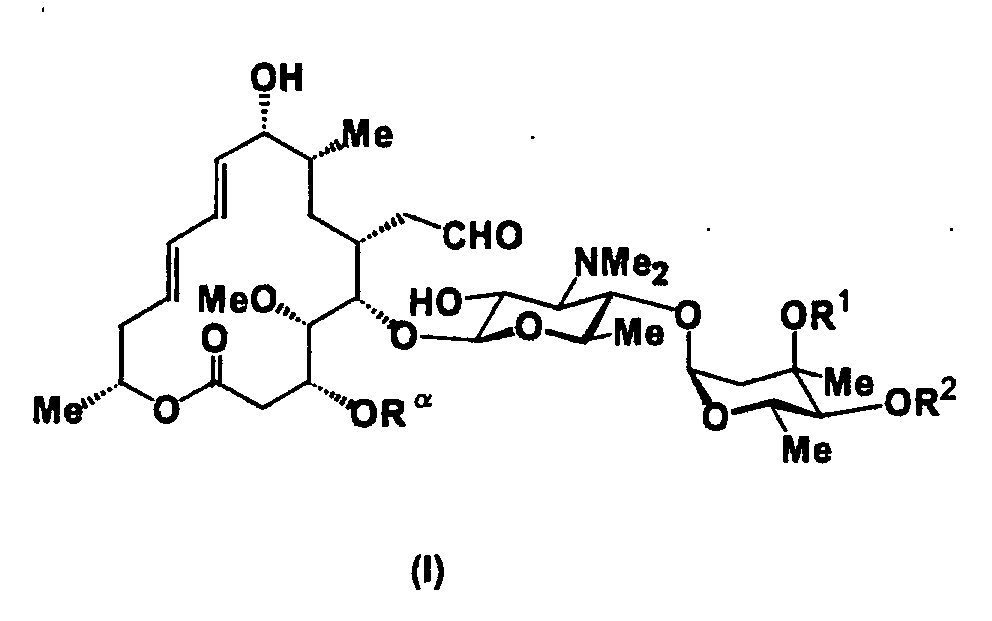


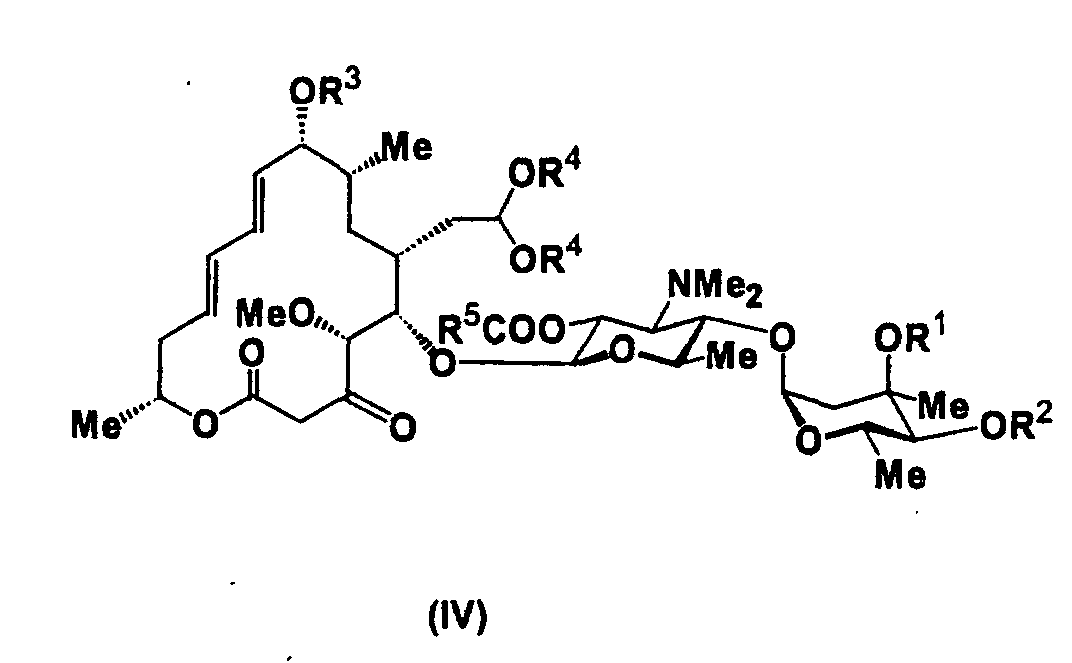
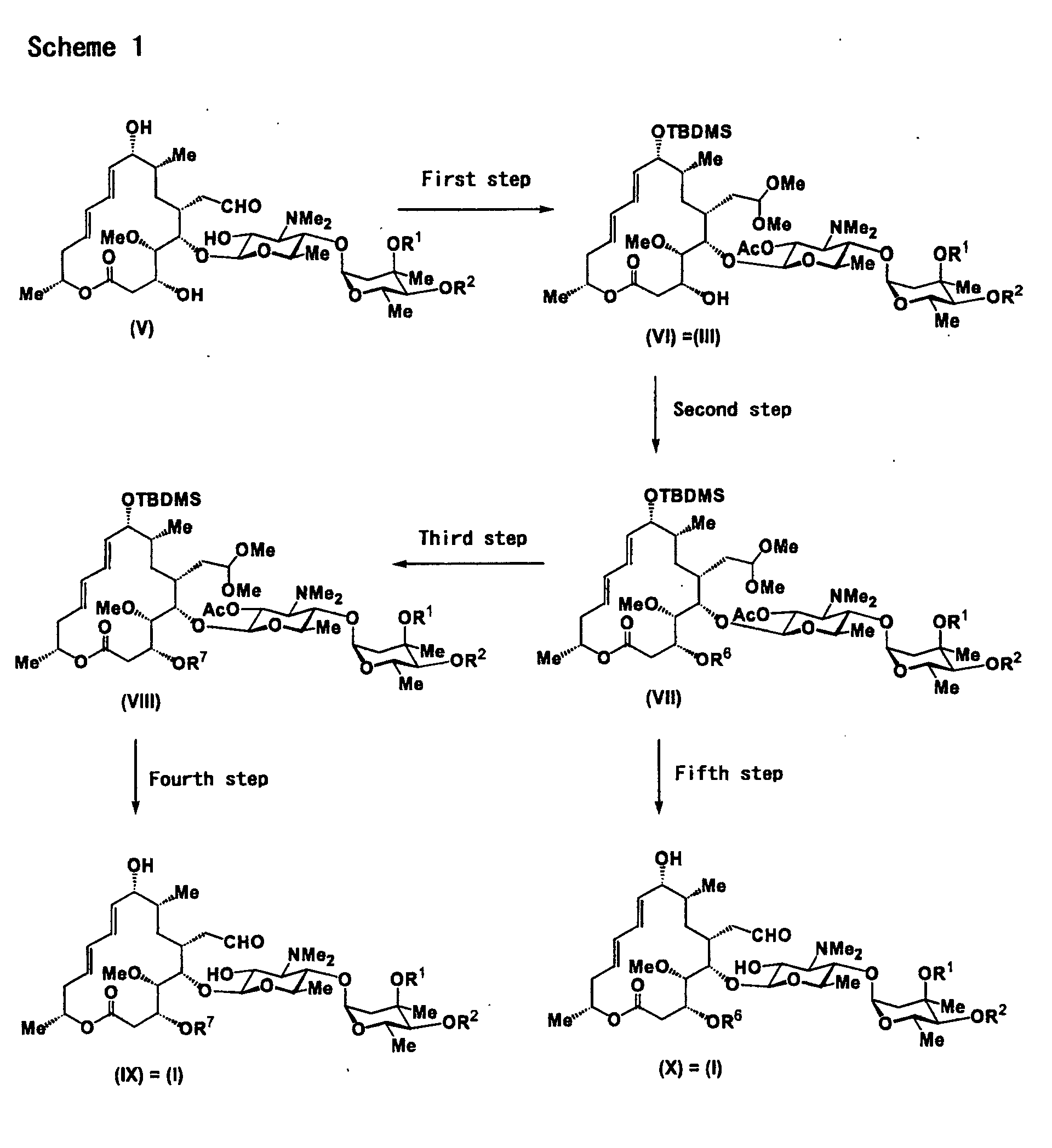

Physicochemical properties of the compound
Physicochemical properties of the compound
Physicochemical properties of the compound
Physicochemical properties of the compound
Physicochemical properties of the compound
Physicochemical properties of the compound
Physicochemical properties of the compound
Physicochemical properties of the compound
Physicochemical properties of the compound
Physicochemical properties of the compound
Physicochemical properties of the compound
Physicochemical properties of the compound
Physicochemical properties of the compound
Physicochemical properties of the compound
Physicochemical properties of the compound
Physicochemical properties of the compound
Physicochemical properties of the compound
Physicochemical properties of the compound
Physicochemical properties of the compound
Physicochemical properties of the compound
Physicochemical properties of the compound
Physicochemical properties of the compound
Physicochemical properties of the compound
Physicochemical properties of the compound
Physicochemical properties of the compound
Physicochemical properties of the compound
Physicochemical properties of the compound
Physicochemical properties of the compound
Physicochemical properties of the compound
Physicochemical properties of the compound
Physicochemical properties of the compound
Physicochemical properties of the compound
1H NMR spectrum (enol compound) (300MHz, CDCl3) δ (ppm): 0.96 (t, 4"-OCOCH2CH2CH3), 0.98 (d, 19-H), 1.04 (d, 6"-H), 1.13 (t, 3"-OCOCH2CH3), 1.28 (d, 16-H), 1.40 (s, 3"-CH3), 1.68 (sex, 4"-OCOCH2CH2CH3), 2.06 (s, 2'-OCOCH3), 2.27 (q, 3"-OCOCH2CH3), 2.29 (q, 3"-OCOCH2CH3), 2.36 (t, 4"-OCOCH2CH2CH3), 2.36 (s, 3'-N(CH3)2), 2.54 (t, 3'-H), 3.27 (s, 18-OCH3), 3.32 (s, 18-OCH3), 3.48 (s, 4-OCH3), 4.22 (d, 1'-H), 4.55 (d, 4"-H), 4.90 (dd, 2'-H), 4.92 (s, 2-H), 5.44 (ddd, 13-H), 5.61 (dd, 10-H), 6.04 (dd, 11-H)
Physicochemical properties of the compound
Physicochemical properties of the compound
Physicochemical properties of the compound
Physicochemical properties of the compound
Physicochemical properties of the compound
Physicochemical properties of the compound
Physicochemical properties of the compound
Physicochemical properties of the compound
Physicochemical properties of the compound
Physicochemical properties of the compound
1H NMR spectrum (enol compound) (300MHz, CDCl3) δ (ppm): 0.98 (d, 19-H), 1.10 (s, 3"-CH3), 1.10 (d, 6"-H), 1.16 (t, 4"-OCOCH2CH3), 1.27 (d, 6'-H), 1.83 (dd, 2"-Hax), 1.98 (d, 2"-Heq), 2.06 (s, 2'-OCOCH3), 2.35 (s, 3'-N(CH3)2), 2.42 (q, 4"-OCOCH2CH3), 2.43 (q, 4"-OCOCH2CH3), 2.68 (t, 3'-H), 3.27 (s, 18-OCH3), 3.32 (s, 18-OCH3), 3.48 (s, 4-OCH3), 3.62 (m, 4-H), 4.18 (dd, 9-H), 4.27 (br d, 1'-H), 4.60 (d, 4"-H), 4.79 (d, 1'-H), 4.92 (s, 2-H), 4.94 (dd, 2'-H), 5.04 (d, 1"-H), 5.61 (dd, 10-H), 6.04 (dd, 11-H)
Physicochemical properties of the compound
Physicochemical properties of the compound
Physicochemical properties of the compound
Physicochemical properties of the compound
Physicochemical properties of the compound
Physicochemical properties of the compound
Physicochemical properties of the compound
Physicochemical properties of the compound
Physicochemical properties of the compound
Physicochemical properties of the compound
Physicochemical properties of the compound
Physicochemical properties of the compound
Physicochemical properties of the compound
Physicochemical properties of the compound
Physicochemical properties of the compound
Physicochemical properties of the compound
Physicochemical properties of the compound
Physicochemical properties of the compound
Physicochemical properties of the compound
Physicochemical properties of the compound
| Minimum inhibitory concentration (MIC, µg/ml) | |||
| Test bacterial strain | Compound of Example 3 | Compound of Example 5 | RKM |
| Staphylococcus aureus 209P JC-1 | 0.10 | 0.20 | 0.20 |
| Staphylococcus aureus MS15027 (ermC methylase) | 0.20 | 0.39 | 0.39 |
| Micrococcus luteus ATCC9341 | 0.025 | 0.10 | 0.05 |
| Streptococcus pneumoniae DP1 TypeI | 0.05 | 0.20 | 0.10 |
| Streptococcus pneumoniae PRC-53 (mefE efflux) | 0.10 | 0.20 | 0.20 |
| Streptococcus pyogenes Cook | 0.025 | 0.10 | 0.05 |
| Moraxella catarrhalis W-0500 | 0.20 | 0.39 | 0.20 |
| Haemophilus influenzae 9334 | 3.13 | 6.25 | 1.56 |
| Minimum inhibitory concentration (MIC, µg/ml) | ||||
| Test bacterial strain | Compound of Example 20 | Compound of US5407918 | Compound of Example 23 | LM-A7 |
| Staphylococcus aureus 209P JC-1 | 0.20 | 0.20 | 0.20 | 0.39 |
| Staphylococcus aureus MS15027 (ermC methylase) | 0.39 | 0.39 | 0.20 | 0.39 |
| Micrococcus luteus ATCC9341 | 0.05 | 0.05 | 0.05 | 0.10 |
| Streptococcus pneumoniae DP1 TypeI | 0.10 | 0.10 | 0.10 | 0.20 |
| Streptococcus pneumoniae PRC-53 (mefE efflux) | 0.10 | 0.10 | 0.10 | 0.20 |
| Streptococcus pyogenes Cook | 0.10 | 0.05 | 0.10 | 0.10 |
| Moraxella catarrhalis W-0500 | 0.39 | 0.20 | 0.78 | 0.78 |
| Haemophilus influenzae 9334 | 1.56 | 1.56 | 1.56 | 1.56 |
| Note: The medium used was blood agar medium containing a medium for a disc for susceptibility test - N "Nissui" as a base medium. |
| Minimum inhibitory concentration (MIC, µg/ml) | |||
| Test bacterial strain | Compound of Example 25 | Compound of Example 48 | LM-A7 |
| Staphylococcus aureus 209P JC-1 | 0.39 | 0.39 | 0.39 |
| Staphylococcus aureus MS15027 (ermC methylase) | 1.56 | 0.78 | 0.39 |
| Streptococcus pneumoniae IP692 | 0.39 | 0.20 | 0.39 |
| Streptococcus pneumoniae TH-662 (ermAM methylase) | >100 | 25 | >100 |
| Streptococcus pneumoniae PRC-91 (ermAM methylase) | >100 | 25 | >100 |
| Streptococcus pneumoniae PRC-53 (mefE efflux) | 0.39 | 0.20 | 0.20 |
| Moraxella catarrhalis W-0500 | 1.56 | 0.78 | 0.78 |
| Haemophilus influenzae 9334 | 6.25 | 6.25 | 1.56 |
Claims (20)
- A compound represented by the following general formula (I) or a salt thereof:wherein Rα represents a C1-C10 alkyl group, a C3-C10 alkenyl group, a C7-C15 aralkyl group, a quinolinylalkyl group, a quinolinylalkenyl group, a C2-C10 alkylcarbonyl group, a C7-C15 aralkylcarbonyl group, a C4-C7 cycloalkylcarbonyl group, benzoyl group, an imidazolylcarbonyl group, a quinolinylcarbonyl group, an N-alkylaminocarbonyl group, an N,N-dialkylaminocarbonyl group, or an N-aralkylaminocarbonyl group; R1 represents hydrogen atom, a C1-C10 alkyl group, or a C2-C10 alkylcarbonyl group; and R2 represents hydrogen atom, a C1-C10 alkyl group or a C2-C10 alkylcarbonyl group, provided that the compound wherein Rα represents a C2-C10 alkylcarbonyl group and both of R1 and R2 represent a C1-C10 alkyl group is excluded.
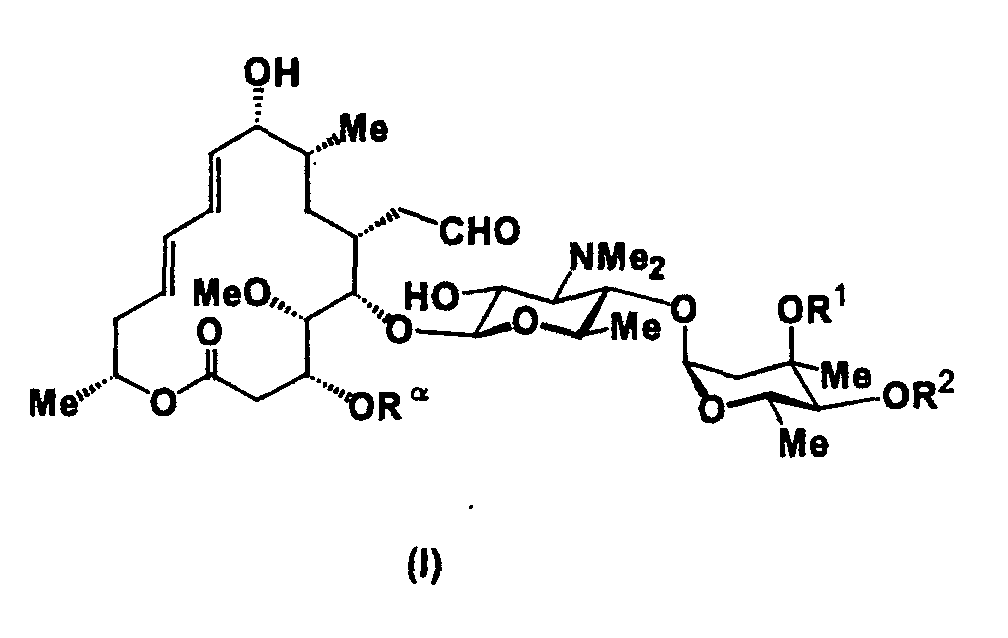
- The compound or a salt thereof according to Claim 1, wherein Rα represents a C1-C10 alkyl group, a C3-C10 alkenyl group, a quinolinylalkenyl group, a C7-C15 aralkylcarbonyl group, benzoyl group, an imidazolylcarbonyl group, a quinolinylcarbonyl group, a C4-C7 cycloalkylcarbonyl group, an N-alkylaminocarbonyl group, an N,N-dialkylaminocarbonyl group, or an N-aralkylaminocarbonyl group; R1 represents hydrogen atom, a C1-C10 alkyl group, or a C2-C10 alkylcarbonyl group; and R2 represents hydrogen atom, a C1-C10 alkyl group, or a C2-C10 alkylcarbonyl group.
- The compound or a salt thereof according to Claim 1, wherein Rα represents a C1-C10 alkyl group, a C3-C10 alkenyl group, a quinolinylalkenyl group, an imidazolylcarbonyl group, an N-alkylaminocarbonyl group, an N,N-dialkylaminocarbonyl group, quinolinylcarbonyl group, or an N-aralkylaminocarbonyl group; R1 represents a C2-C10 alkylcarbonyl group; and R2 represents a C2-C10 alkylcarbonyl group.
- The compound or a salt thereof according to Claim 1, wherein Rα represents a C1-C10 alkyl group; R1 represents a C1-C10 alkyl group; and R2 represents a C1-C10 alkyl group.
- The compound or a salt thereof according to Claim 1, wherein Rα represents a C1-C10 alkyl group; R1 represents hydrogen atom; and R2 represents a C2-C10 alkylcarbonyl group.
- A compound represented by the following general formula (II) of a salt thereof:wherein Rβ represents hydrogen atom, a C2-C10 alkylcarbonyl group, a C4-C7 cycloalkylcarbonyl group, a C7-C15 aralkylcarbonyl group, benzoyl group, a pyridinylcarbonyl group, an imidazolylcarbonyl group, a quinolinylcarbonyl group, an N,N-dialkylaminocarbonyl group, an N-alkylaminocarbonyl group, or an N-aralkylaminocarbonyl group; R1 represents hydrogen atom, a C1-C10 alkyl group, or a C2-C10 alkylcarbonyl group; and R2 represents hydrogen atom, a C1-C10 alkyl group or a C2-C10 alkylcarbonyl group.

- The compound or a salt thereof according to Claim 6, wherein Rβ represents hydrogen atom, a C2-C10 alkylcarbonyl group, a C4-C7 cycloalkylcarbonyl group, a C7-C15 aralkylcarbonyl group, benzoyl group, 2-quinolinylcarbonyl group, 4-pyridinylcarbonyl group, an N-alkylaminocarbonyl group, or an N-aralkylaminocarbonyl group; R1 represents hydrogen atom or a C2-C10 alkylcarbonyl group; and R2 represents hydrogen atom or a C2-C10 alkylcarbonyl group.
- The compound or a salt thereof according to Claim 6, wherein Rβ represents hydrogen atom, benzoyl group, an N-alkylaminocarbonyl group, or an N-aralkylaminocarbonyl group; R1 represents a C2-C10 alkylcarbonyl group; and R2 represents a C2-C10 alkylcarbonyl group.
- The compound or a salt thereof according to Claim 6, wherein Rβ represents hydrogen atom, a C2-C10 alkylcarbonyl group, benzoyl group, a C4-C7 cycloalkylcarbonyl group, a C7-C15 aralkylcarbonyl group, 2-quinolinylcarbonyl group, or 4-pyridinylcarbonyl group, R1 represents hydrogen atom, and R2 represents a C2-C10 alkylcarbonyl group.
- A medicament comprising the compound according to any one of Claims 1 to 9 or a pharmaceutically acceptable salt thereof as an active ingredient.
- The medicament according to Claim 10, which is used for therapeutic and/or prophylactic treatment of an infectious disease.
- The medicament according to Claim 11, wherein the infectious disease is an infectious disease caused by Gram-positive bacteria.
- The medicament according to any one of Claims 10-12, which is in a form of a pharmaceutical composition comprising one or more additives for pharmaceutical preparations together with the active ingredient.
- An antibacterial agent comprising the compound according to any one of Claims 1 to 9 or a pharmaceutically acceptable salt thereof as an active ingredient.
- Use of a compound according to any one of Claims 1 to 9 or a pharmaceutically acceptable salt thereof for manufacture of the medicament according to any one of Claims 10 to 13.
- A method for therapeutic and/or prophylactic treatment of an infectious disease, which comprises the step of administering a therapeutically and/or prophylactically effective amount of the compound according to any one of Claims 1 to 9 or a pharmaceutically acceptable salt thereof to a mammal including human.
- A compound represented by the following general formula (III) or a salt thereof:wherein R1 represents hydrogen atom, a C1-C10 alkyl group or a C2-C10 alkylcarbonyl group; R2 represents hydrogen atom, a C1-C10 alkyl group, or a C2-C10 alkylcarbonyl group; R3 represents triethylsilyl group, triisopropylsilyl group, triphenylsilyl group, tribenzylsilyl group, dimethylisopropylsilyl group, t-butyldimethylsilyl group, or t-butyldiphenylsilyl group, R4 represents a C1-C5 alkyl group, and R5 represents a C1-C5 alkyl group.

- Use of the compound or a salt thereof according to Claim 17 as a synthetic intermediate for the compound or a salt thereof according to any one of Claims 1 to 5.
- A compound represented by the following general formula (IV) or a salt thereof:wherein R1 represents hydrogen atom, a C1-C10 alkyl group, or a C2-C10 alkylcarbonyl group; R2 represents hydrogen atom, a C1-C10 alkyl group, or a C2-C10 alkylcarbonyl group; R3 represents triethylsilyl group, triisopropylsilyl group, triphenylsilyl group, tribenzylsilyl group, dimethylisopropylsilyl group, t-butyldimethylsilyl group, or t-butyldiphenylsilyl group; R4 represents a C1-C5 alkyl group; and R5 represents a C1-C5 alkyl group.

- Use of the compound or a salt thereof according to Claim 19 as a synthetic intermediate for the compound or a salt thereof according to any one of Claims 6 to 9.
Applications Claiming Priority (3)
| Application Number | Priority Date | Filing Date | Title |
|---|---|---|---|
| JP15358799 | 1999-06-01 | ||
| JP15358799 | 1999-06-01 | ||
| PCT/JP2000/003507 WO2000073317A1 (en) | 1999-06-01 | 2000-05-31 | 3-modified leucomycin derivatives |
Publications (2)
| Publication Number | Publication Date |
|---|---|
| EP1191031A1 true EP1191031A1 (en) | 2002-03-27 |
| EP1191031A4 EP1191031A4 (en) | 2002-09-18 |
Family
ID=15565760
Family Applications (1)
| Application Number | Title | Priority Date | Filing Date |
|---|---|---|---|
| EP00931622A Withdrawn EP1191031A4 (en) | 1999-06-01 | 2000-05-31 | 3-modified leucomycin derivatives |
Country Status (4)
| Country | Link |
|---|---|
| US (1) | US6660718B1 (en) |
| EP (1) | EP1191031A4 (en) |
| AU (1) | AU4951400A (en) |
| WO (1) | WO2000073317A1 (en) |
Family Cites Families (4)
| Publication number | Priority date | Publication date | Assignee | Title |
|---|---|---|---|---|
| US3792035A (en) * | 1970-05-04 | 1974-02-12 | Meiji Seika Kaisha | Mono-acetyl derivatives of antibiotic sf-837 and sf-837-a2 substances and production thereof |
| JP3074039B2 (en) * | 1991-08-07 | 2000-08-07 | 明治製菓株式会社 | Method for producing 3-position deacylated form of 16-membered macrolide antibiotic, microorganism used therefor, and novel macrolide antibiotic |
| ES2131549T3 (en) * | 1992-10-29 | 1999-08-01 | Meiji Seika Kaisha | 16-LINK MACROLID DERIVATIVES AND THEIR PREPARATION PROCEDURE. |
| CA2127578A1 (en) * | 1993-07-08 | 1995-01-09 | Keiichi Ajito | 16-membered macrolide derivatives and process for producing the same |
-
2000
- 2000-05-31 WO PCT/JP2000/003507 patent/WO2000073317A1/en not_active Ceased
- 2000-05-31 US US09/980,113 patent/US6660718B1/en not_active Expired - Fee Related
- 2000-05-31 AU AU49514/00A patent/AU4951400A/en not_active Abandoned
- 2000-05-31 EP EP00931622A patent/EP1191031A4/en not_active Withdrawn
Also Published As
| Publication number | Publication date |
|---|---|
| WO2000073317A1 (en) | 2000-12-07 |
| US6660718B1 (en) | 2003-12-09 |
| EP1191031A4 (en) | 2002-09-18 |
| AU4951400A (en) | 2000-12-18 |
Similar Documents
| Publication | Publication Date | Title |
|---|---|---|
| DK172636B1 (en) | 6-o-methylerythromycin a derivative | |
| EP1171446B1 (en) | Macrolide antiinfective agents | |
| JP6184319B2 (en) | Process for preparing macrolides and ketolides and their intermediates | |
| AU2003276214B2 (en) | 9a-azalides with anti-inflammatory activity | |
| EP0087905B1 (en) | 4"-epi erythromycin a and derivatives thereof as useful antibacterial agents | |
| AU623764B2 (en) | Erythromycin derivatives | |
| IE54431B1 (en) | 9-dihydro-11, 12-ketal derivatives of erythromycin a and epierythromycin a | |
| US6660718B1 (en) | 3-modified leucomycin derivatives | |
| US6713615B2 (en) | Process for producing erythromycin derivative | |
| JP4248244B2 (en) | New 16-membered macrolide derivatives converted to 12- and 13-positions | |
| CN1318441C (en) | Macrilides ketolide compound, and its preparing method and use | |
| WO2004101589A1 (en) | Novel 14 and 15 membered-ring compounds | |
| JPH0136834B2 (en) | ||
| US20050209446A1 (en) | Novel 15-membered cyclic azalide, novel 16-membered cyclic diazalide derivative, and process for producing these | |
| JPWO2000073317A1 (en) | 3-substituted leucomycin derivatives | |
| JP3074098B2 (en) | New 16-membered macrolide derivatives | |
| JP2005298436A (en) | 16-membered ring macrolide derivative and method for producing the same | |
| JPH05117292A (en) | New 16-membered ring macrolide derivative and its production | |
| HK1183432A (en) | Processes for preparing macrolides and ketolides and intermediates therefor | |
| HK1183432B (en) | Processes for preparing macrolides and ketolides and intermediates therefor | |
| WO2007054295A1 (en) | New 4*-substituted erythromycin derivative | |
| JP2005068029A (en) | Erythromycin A derivative | |
| MXPA01010529A (en) | Macrolide antiinfective agents. |
Legal Events
| Date | Code | Title | Description |
|---|---|---|---|
| PUAI | Public reference made under article 153(3) epc to a published international application that has entered the european phase |
Free format text: ORIGINAL CODE: 0009012 |
|
| 17P | Request for examination filed |
Effective date: 20011205 |
|
| AK | Designated contracting states |
Kind code of ref document: A1 Designated state(s): AT BE CH CY DE DK ES FI FR GB GR IE IT LI LU MC NL PT SE |
|
| AX | Request for extension of the european patent |
Free format text: AL;LT;LV;MK;RO;SI |
|
| A4 | Supplementary search report drawn up and despatched |
Effective date: 20020806 |
|
| AK | Designated contracting states |
Kind code of ref document: A4 Designated state(s): AT BE CH CY DE DK ES FI FR GB GR IE IT LI LU MC NL PT SE |
|
| RIC1 | Information provided on ipc code assigned before grant |
Free format text: 7C 07H 17/08 A, 7A 61K 31/70 B |
|
| STAA | Information on the status of an ep patent application or granted ep patent |
Free format text: STATUS: THE APPLICATION IS DEEMED TO BE WITHDRAWN |
|
| 18D | Application deemed to be withdrawn |
Effective date: 20071201 |