EP1186296A1 - Mag expression promoters - Google Patents
Mag expression promoters Download PDFInfo
- Publication number
- EP1186296A1 EP1186296A1 EP00931568A EP00931568A EP1186296A1 EP 1186296 A1 EP1186296 A1 EP 1186296A1 EP 00931568 A EP00931568 A EP 00931568A EP 00931568 A EP00931568 A EP 00931568A EP 1186296 A1 EP1186296 A1 EP 1186296A1
- Authority
- EP
- European Patent Office
- Prior art keywords
- alkyl group
- hydrogen atom
- pharmaceutically acceptable
- acceptable salt
- formula
- Prior art date
- Legal status (The legal status is an assumption and is not a legal conclusion. Google has not performed a legal analysis and makes no representation as to the accuracy of the status listed.)
- Granted
Links
- QSDIXCHNEBIQHJ-UHFFFAOYSA-N CN1C=CNC1 Chemical compound CN1C=CNC1 QSDIXCHNEBIQHJ-UHFFFAOYSA-N 0.000 description 1
Images


Classifications
-
- C—CHEMISTRY; METALLURGY
- C07—ORGANIC CHEMISTRY
- C07D—HETEROCYCLIC COMPOUNDS
- C07D249/00—Heterocyclic compounds containing five-membered rings having three nitrogen atoms as the only ring hetero atoms
- C07D249/02—Heterocyclic compounds containing five-membered rings having three nitrogen atoms as the only ring hetero atoms not condensed with other rings
- C07D249/08—1,2,4-Triazoles; Hydrogenated 1,2,4-triazoles
-
- A—HUMAN NECESSITIES
- A61—MEDICAL OR VETERINARY SCIENCE; HYGIENE
- A61K—PREPARATIONS FOR MEDICAL, DENTAL OR TOILETRY PURPOSES
- A61K31/00—Medicinal preparations containing organic active ingredients
- A61K31/33—Heterocyclic compounds
- A61K31/395—Heterocyclic compounds having nitrogen as a ring hetero atom, e.g. guanethidine or rifamycins
- A61K31/41—Heterocyclic compounds having nitrogen as a ring hetero atom, e.g. guanethidine or rifamycins having five-membered rings with two or more ring hetero atoms, at least one of which being nitrogen, e.g. tetrazole
- A61K31/4164—1,3-Diazoles
-
- A—HUMAN NECESSITIES
- A61—MEDICAL OR VETERINARY SCIENCE; HYGIENE
- A61K—PREPARATIONS FOR MEDICAL, DENTAL OR TOILETRY PURPOSES
- A61K31/00—Medicinal preparations containing organic active ingredients
- A61K31/33—Heterocyclic compounds
- A61K31/395—Heterocyclic compounds having nitrogen as a ring hetero atom, e.g. guanethidine or rifamycins
- A61K31/41—Heterocyclic compounds having nitrogen as a ring hetero atom, e.g. guanethidine or rifamycins having five-membered rings with two or more ring hetero atoms, at least one of which being nitrogen, e.g. tetrazole
- A61K31/4164—1,3-Diazoles
- A61K31/4174—Arylalkylimidazoles, e.g. oxymetazolin, naphazoline, miconazole
-
- A—HUMAN NECESSITIES
- A61—MEDICAL OR VETERINARY SCIENCE; HYGIENE
- A61K—PREPARATIONS FOR MEDICAL, DENTAL OR TOILETRY PURPOSES
- A61K31/00—Medicinal preparations containing organic active ingredients
- A61K31/33—Heterocyclic compounds
- A61K31/395—Heterocyclic compounds having nitrogen as a ring hetero atom, e.g. guanethidine or rifamycins
- A61K31/435—Heterocyclic compounds having nitrogen as a ring hetero atom, e.g. guanethidine or rifamycins having six-membered rings with one nitrogen as the only ring hetero atom
- A61K31/44—Non condensed pyridines; Hydrogenated derivatives thereof
- A61K31/4427—Non condensed pyridines; Hydrogenated derivatives thereof containing further heterocyclic ring systems
- A61K31/4439—Non condensed pyridines; Hydrogenated derivatives thereof containing further heterocyclic ring systems containing a five-membered ring with nitrogen as a ring hetero atom, e.g. omeprazole
-
- A—HUMAN NECESSITIES
- A61—MEDICAL OR VETERINARY SCIENCE; HYGIENE
- A61P—SPECIFIC THERAPEUTIC ACTIVITY OF CHEMICAL COMPOUNDS OR MEDICINAL PREPARATIONS
- A61P25/00—Drugs for disorders of the nervous system
- A61P25/28—Drugs for disorders of the nervous system for treating neurodegenerative disorders of the central nervous system, e.g. nootropic agents, cognition enhancers, drugs for treating Alzheimer's disease or other forms of dementia
-
- C—CHEMISTRY; METALLURGY
- C07—ORGANIC CHEMISTRY
- C07D—HETEROCYCLIC COMPOUNDS
- C07D231/00—Heterocyclic compounds containing 1,2-diazole or hydrogenated 1,2-diazole rings
- C07D231/02—Heterocyclic compounds containing 1,2-diazole or hydrogenated 1,2-diazole rings not condensed with other rings
- C07D231/10—Heterocyclic compounds containing 1,2-diazole or hydrogenated 1,2-diazole rings not condensed with other rings having two or three double bonds between ring members or between ring members and non-ring members
- C07D231/12—Heterocyclic compounds containing 1,2-diazole or hydrogenated 1,2-diazole rings not condensed with other rings having two or three double bonds between ring members or between ring members and non-ring members with only hydrogen atoms, hydrocarbon or substituted hydrocarbon radicals, directly attached to ring carbon atoms
-
- C—CHEMISTRY; METALLURGY
- C07—ORGANIC CHEMISTRY
- C07D—HETEROCYCLIC COMPOUNDS
- C07D233/00—Heterocyclic compounds containing 1,3-diazole or hydrogenated 1,3-diazole rings, not condensed with other rings
- C07D233/54—Heterocyclic compounds containing 1,3-diazole or hydrogenated 1,3-diazole rings, not condensed with other rings having two double bonds between ring members or between ring members and non-ring members
- C07D233/56—Heterocyclic compounds containing 1,3-diazole or hydrogenated 1,3-diazole rings, not condensed with other rings having two double bonds between ring members or between ring members and non-ring members with only hydrogen atoms or radicals containing only hydrogen and carbon atoms, attached to ring carbon atoms
Definitions
- This invention relates to MAG expression promoters.
- the present invention relates to MAG expression promoters useful as an agent for the prophylaxis and/or treatment of diseases mainly presenting hypomyelination, and further, dysmyelination or demyelination. More particularly, the present invention relates to MAG expression promoters containing 4-[ ⁇ -hydroxy-5-(1-imidazolyl)-2-methylbenzyl]-3,5-dimethylbenzoic acid, its optically active form or its pharmaceutically acceptable salt as an active ingredient.
- Vertebrata have developed myelinated nerve to enable high speed processing of large information.
- the myelin sheath which is characteristic of the myelinated nerve, is formed upon enveloping of nerve axon by cytoplasmic membrane of oligodendrocyte or Schwann cell, and has a multilayer structure. As a result, the nerve becomes insulated as well as acquires an extremely high impedance and extremely low capacitance.
- the sodium channels are present in accumulation in the nodes of Ranvier, which is a cut line between a myelin sheath and another myelin sheath, facilitate saltatory conduction of an impulse and enable high speed processing of information (namely, high nerve conduction velocity).
- the main component forming the myelin sheath is myelin and, as a component to stabilize the multilayer structure of the myelin sheath, myelin specific proteins are known.
- myelin specific proteins are known.
- proteolipid protein and P 0 protein are involved in crosslinking and adhesion between myelin sheets
- myelin basic protein hereinafter to be referred to as MBP
- MBP myelin basic protein
- myelin-associated glycoprotein (hereinafter sometimes to be referred to as MAG) is involved in adhesion between axon and myelin, sheets (Quarles RH, Myelin-associated glycoprotein: functional and clinical aspects, in Neuronal and Glial Proteins: Structure, Function and Clinical Application, Marangos PJ et al. Eds. Academic Press, New York, p. 295 (1988)).
- the MAG belongs to the immunoglobulin superfamily and the electrophoretic mobility is 100-kDa.
- MAG is expressed by the oligodendrocyte in the central nervous system and by Schwann cell in the peripheral nervous system.
- the proportion of MAG in myelin is only 1% in the central nervous system and 0.1% in the peripheral nervous system.
- MAG plays not only a role as a simple adhesion molecule but is also positively involved in the formation and maintenance of myelin sheath, as mentioned below.
- MAG binds with an axon receptor to activate Fyn tyrosine kinase (Umemori H. et al., Nature, 367, p. 572-576 (1994)), and then promotes expression of MBP gene (Umemori H., J. Neurosci., 19, p. 1393-1397 (1999)), which is not sufficient to clear the mechanism.
- hypomyelination As the diseases mainly presenting hypomyelination, and further, dysmyelination or demyelination, multiple sclerosis, encephalitis, myelitis, Guillain-Barré syndrome, chronic inflammatory demyelinating polyradiculitis, heavy metal toxicosis, diphtheria toxicosis, hypothyroidism, metachromatic leukodegeneration, Charcot-Marie-Tooth disease and the like are known (Takeshi Yasuda et al., Clinical Test, 40, p. 760-766 (1996)).
- JP-A-60-34952, JP-B-64-7074, JP-B-3-16348, JP-B-4-15781, JP-B-4-15782, JP-B-5-29031, JP-B-5-41143 and JP-B-5-74589 the compound of the formula (I) to be mentioned below is disclosed, which is useful for the prophylaxis and treatment of thrombosis, stroke, myocardial infarction, sudden cardiac death, angina pectoris, hypertension, asthma, nephritis and the like, optically active forms thereof and pharmaceutically acceptable salts thereof having a pharmacological action such as potent TXA 2 biosynthesis inhibitory action, platelet aggregation inhibitory action and vasodilating action and the like.
- a pharmacological action such as potent TXA 2 biosynthesis inhibitory action, platelet aggregation inhibitory action and vasodilating action and the like.
- WO97/24333 discloses that, of these compounds, 4-[ ⁇ -hydroxy-5-(1-imidazolyl)-2-methylbenzyl]-3,5-dimethylbenzoic acid, optically active forms thereof and pharmaceutically acceptable salts thereof are useful agents for the prophylaxis and/or treatment of diabetic complications.
- an object of the present invention is to provide MAG expression promoters. More particularly, an object of the present invention is to provide MAG expression promoters that can be an agent for the prophylaxis and/or treatment of diseases mainly presenting hypomyelination, and further, dysmyelination or demyelination.
- the present inventors have conducted intensive studies and found that a compound of the following formula (I), an optically active form thereof and a pharmaceutically acceptable salt thereof promote expression of MAG, and that they are useful as an agent for the prophylaxis and/or treatment of the diseases mainly presenting hypomyelination, and further, dysmyelination or demyelination, which resulted in the completion of the following invention.
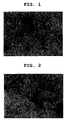
- Fig. 1, Fig. 2 and Fig. 3 are microscopic photographs showing the results of Experimental Example 1, wherein Fig. 1 shows the effect of addition of a negative control compound (DMSO) on myelination of axon.
- DMSO negative control compound
- Fig. 2 is a microscopic photograph showing the effect of addition of a positive control compound (ascorbic acid) on myelination of axon.
- Fig. 3 is a microscopic photograph showing the effect of addition of the compound of the present invention (Y-128 to be mentioned later) on myelination of axon.
- Fig. 4 shows an image of an X ray film obtained by Experimental Example 2, and MAG expression in the cells cultured with the compound of the present invention, the negative control compound or the positive control compound.
- Fig. 5 shows the results of Experimental Example 3, and the time-course changes in the MAG expression in the cells cultured with the compound of the present invention, the negative control compound or the positive control compound.
- the MAG expression promoter of the present invention encompasses any as long as it can promote in vitro or in vivo expression of MAG at a gene level or a protein level.
- the disease caused by hypomyelination is a disease of mammals inclusive of human, including any disease mainly presenting the disease state of hypomyelination, dysmyelination or demyelination.
- the disease mainly presenting dysmyelination or demyelination means diseases of mammals inclusive of human, and encompasses any disease mainly presenting the disease state of hypomyelination, dysmyelination or demyelination. Examples thereof include multiple sclerosis, encephalitis, myelitis, Guillain-Barré syndrome, chronic inflammatory demyelinating polyradiculitis, heavy metal toxicosis, diphtheria toxicosis, hypothyroidism, metachromatic leukodegeneration, Charcot-Marie-Tooth disease and the like.
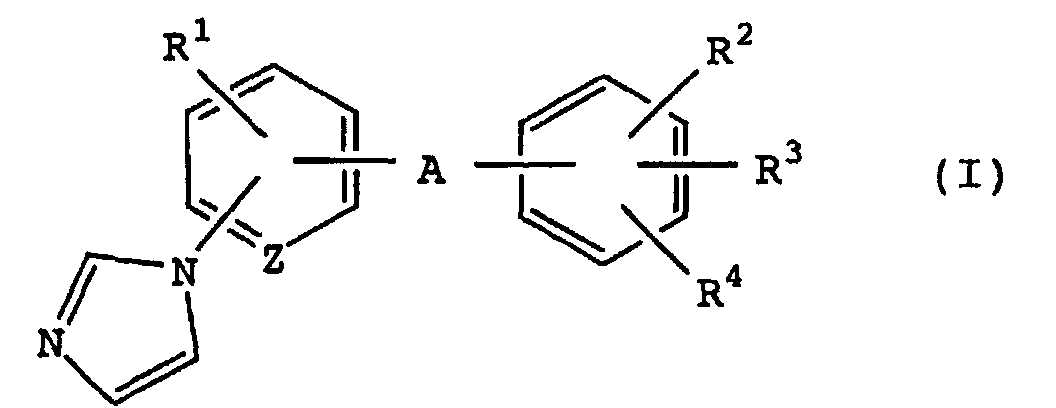
- the halogen atom at R 1 may be chlorine atom, bromine atom, fluorine atom and iodine atom, with preference given to chlorine atom.
- the alkyl group at R 1 , R 2 , R 3 , R 4 , R 5 , R 6 , R 7 and R 8 is a linear or branched chain alkyl group having 1 to 10 carbon atoms, such as methyl, ethyl, propyl, isopropyl, butyl, isobutyl, sec-butyl, tert-butyl, pentyl, hexyl, heptyl, octyl, nonyl, decyl and the like, with preference given to an alkyl group-having 1 to 4 carbon atoms.
- the alkoxy group at R 1 is linear or branched chain alkoxy group having 1 to 6 carbon atoms, such as methoxy, ethoxy, propoxy, isopropoxy, butoxy, isobutoxy, sec-butoxy, tert-butoxy, pentyloxy, hexyloxy and the like.
- the compound of the present invention can be synthesized according to a method described in JP-A-60-34952, JP-B-64-7074, JP-B-3-16348, JP-B-4-15781, JP-B-4-15782, JP-B-5-29031, JP-B-5-41143 and JP-B-5-74589.
- An optically active form of the compound of the present invention can be produced by a conventional method, such as racemic resolution and the like.
- a pharmaceutically acceptable salt of the compound of the present invention is exemplified by acid addition salts with inorganic acid, such as hydrochloric acid, hydrobromic acid, sulfuric acid and the like, or organic acids, such as fumaric acid, maleic acid, mandelic acid, citric acid, tartaric acid, salicylic acid and the like, salts with a metal such as sodium, potassium, calcium, magnesium, aluminum and the like, and salts with amino acid such as lysine and the like.
- inorganic acid such as hydrochloric acid, hydrobromic acid, sulfuric acid and the like
- organic acids such as fumaric acid, maleic acid, mandelic acid, citric acid, tartaric acid, salicylic acid and the like
- salts with a metal such as sodium, potassium, calcium, magnesium, aluminum and the like
- salts with amino acid such as lysine and the like.
- 1/2 hydrate, 1/3 hydrate, 2/3 hydrate, monohydrate, 3/2 hydrate, dihydrate and the like thereof are also
- the compound of the present invention can be used as an active ingredient of a MAG expression promoter for promoting the expression of MAG in mammals such as human, cow, horse, dog, mouse, rat and the like. Therefore, the compound of the present invention is useful as an agent for the prophylaxis and/or treatment of diseases mainly presenting hypomyelination, further, dysmyelination or demyelination, particularly as an agent for the prophylaxis and/or treatment of multiple sclerosis, encephalitis, myelitis, Guillain-Barre syndrome, chronic inflammatory demyelinating polyradiculitis, heavy metal toxicosis, diphtheria toxicosis, hypothyroidism, metachromatic leukodegeneration and Charcot-Marie-Tooth disease.
- preferable compounds are as follows.
- the MAG expression promoter of the present invention is formulated as a typical pharmaceutical composition or a pharmaceutical preparation and administered orally or parenterally.
- a pharmaceutically acceptable carrier e.g., excipient, binder, disintegrant, corrigent, flavor, emulsifier, diluent, solubilizer etc.
- the pharmaceutical preparation includes solid preparation, semi-solid preparation and liquid preparation.
- Examples thereof include tablet, pill, powder, granule, capsule, troche, syrup, solution, emulsion, suspension, injection (liquid, suspension etc.), suppository, inhalant, percutaneously absorbable drug, eye drop, eye ointment and the like.
- additives are used.
- the additive include sucrose, lactose, cellulose, D-mannitol, maltitol, dextran, starch, agar, arginate, chitin, chitosan, pectin, gum tragacanth, gum arabic, gelatin, collagen, casein, albumin, calcium phosphate, sorbitol, glycine, carboxy methylcellulose, polyvinylpyrrolidone, hydroxypropylcellulose, hydroxypropylmethylcellulose, glycerin, polyethylene glycol, sodium hydrogencarbonate, magnesium stearate, talc and the like.
- Tablets can be prepared into those applied with general coating as necessary, such as sugar-coated tablets, enteric coated tablets and film coated tablets. Moreover, two-layer tablets and multilayer tablets can be prepared.
- plant and animal fats and oils (olive oil, corn oil, castor oil etc.), mineral fats and oils (petrolatum, white petrolatum, solid paraffin etc.), waxes (jojoba oil, carnauba wax, bees wax etc.), partially synthesized or entirely synthesized glycerin fatty acid ester (lauric acid, myristic acid or palmitic acid glyceride etc.) and the like can be used.
- Examples of commercially available products of these include Witepsol (manufactured by Dynamitnovel Ltd.), Farmazol (NOF Corporation) and the like.
- additives are used.
- sodium chloride, sorbitol, glycerin, olive oil, propylene glycol, ethyl alcohol and the like are used.
- a sterile aqueous solution e.g., physiological saline
- an isotonic solution e.g., sesame oil, soybean oil
- a suitable suspending agent e.g., sodium carboxymethylcellulose
- nonionic surfactant e.g., benzyl benzoate, benzyl alcohol
- solubilizer e.g., benzyl benzoate, benzyl alcohol
- an aqueous liquid or aqueous solution is used.
- sterile aqueous solution for injection is used.
- An eye drop may contain various additives, such as buffer, isotonicity agent, solubilizer, preservative, viscosity agent, chelating agent, pH adjusting agent and aromatic as necessary.
- buffer borate buffer, acetate buffer, carbonate buffer and the like are preferable for reducing stimulation.
- the pH is preferably adjusted to generally about 6 - 8.5.
- the content of the compound of the present invention in a pharmaceutical composition or pharmaceutical preparation is 0.1 - 100 wt% of the pharmaceutical composition or pharmaceutical preparation, which is suitably 1 - 50 wt%. While the dose varies depending on the symptom, body weight, age and the like of patients, it is generally about 0.01 - 100 mg/kg by oral administration for an adult per day, which is preferably administered once or several times a day. For administration, oral, rectal and parenteral (e.g., muscular, intravenous, percutaneous and subcutaneous) administrations are employed.
- Formulation Example 1 film-coated tablet Y-128 50.0 mg D-mannitol 70.5 mg cornstarch 16.0 mg sodium hydrogencarbonate 15.0 mg hydroxypropylmethylcellulose 3.0 mg talc 5.0 mg magnesium stearate 0.5 mg
- Y-128 and D-mannitol were mixed and an aqueous solution of hydroxypropylcellulose was added. The mixture was kneaded, granulated and dried at 50°C. The granulate was passed through a 32 mesh sieve to give fine granules.
- Formulation Example 3 tablet Y-128 50.0 mg D-mannitol 30.0 mg cornstarch 19.0 mg sodium hydrogencarbonate 15.0 mg hydroxypropylmethylcellulose 1.5 mg talc 4.0 mg magnesium stearate 0.5 mg
- Y-128 and D-mannitol were mixed and an aqueous solution of hydroxypropylmethylcellulose was added.
- the mixture was kneaded, granulated and dried at 50°C.
- the granulate was passed through a 32 mesh sieve to give fine granules.
- the cells were cultured in DMEM containing 10% FCS supplemented with the nerve growth factor (hereinafter to be referred to as NGF, 50 ng/ml) in a CO 2 incubator. After 3 days of culture, the medium was changed to one containing Ara-C (1 ⁇ mol/l) to remove proliferative cells other than the nerve cells.
- NGF nerve growth factor
- the cells After culturing in a medium containing Ara-C, the cells were recovered and the cell suspension was treated successively with anti-Thy 1.1 and rabbit complement to remove cells other than the Schwann cells. Using a collagen-coated culture flask, the cells were cultured in DMEM containing 10% FCS in a CO 2 incubator.
- DMEM dimethyl sulfoxide
- ascorbic acid 50 ⁇ g/ml
- myelin was stained according to the method of Eldridge C F et al. (J. Cell Biol., 105, p. 1023-1034 (1987)). That is, the cells were fixed with a 10% neutral buffered formalin solution and preserved at 4°C overnight. After removal of the formalin solution, the cells were fixed again with 0.1% osmium tetroxide solution for 1 h and stained with Sudan Black B stain for 30 min. A stained sample (12 wells for each group) was observed under a microscope, and one view of the part where axon was most noticeably stained in each well was selected and photographed with a Polaroid camera.
- Fig. 1 - Fig. 3 show stained axon in each group.
- axon was not stained in any well (see Fig. 1).
- axon was stained deep in every well (see Fig. 2).
- axon was stained as deep as ascorbic acid addition group in 5 wells out of 12 wells (see Fig. 3). From the above-mentioned Experimental Example, it was clarified that the compound of the present invention (Y-128) promoted myelination of axon.
- DRG nerve cells and Schwann cells were co-cultured.
- a DMSO solution containing the compound of the present invention (Y-128, 1, 3, 10 or 30 ⁇ mol/l) or ascorbic acid (50 ⁇ g/ml) as a positive control compound was added to the medium every 2 days for 2 weeks.
- the vehicle DMSO was added in the same manner.
- a sample buffer containing sodium dodecyl sulfate (SDS) was added to the well for solubilization of the cells.
- DRG nerve cells and Schwann cells were co-cultured.
- a DMSO solution containing the compound of the present invention (Y-128, 10 ⁇ mol/ml) or ascorbic acid (50 ⁇ g/ml) as a positive control compound was added to the medium every 2 days.
- the medium DMSO was added in the same manner as was the negative control compound.
- MAG was quantitatively determined before addition of the compounds and 3, 6, 9, 12, 15 and 18 days after addition.
- Fig. 5 shows the results.
- the myelin basic protein of guinea pig is prepared by extracting the spinal cord homogenate with an acid and allowing precipitation with ammonium sulfate.
- the myelin basic protein and the same amount of Freund's complete adjuvant (containing 4 mg/ml Mycobacteria H37Ra) are mixed and emulsified.
- the prepared emulsion (0.1 ml) is injected once to the sole of a hind limb of 8 to 12-week-old female Lewis rat.
- Y-128 (10 mg/kg) is orally administered once a day for 4 weeks from immediately after EAE induction.
- the symptom of the rat is scored as follows, based on which the effect is evaluated. 0: no symptom 1: tail hanging down limply 2: paralysis of hind limb 3: paralysis of all limbs 4: on the verge of death 5: death
- Protein peptide 100 ⁇ g, corresponding to 53 - 78 of the amino acid sequence of bovine P2 protein
- Freund's complete adjuvant containing 0.5 mg/ml Mycobacterium tuberculosis
- the prepared emulsion 0.1 ml
- Y-128 10 mg/kg
- Y-128 is orally administered once a day for 4 weeks from immediately after EAN induction.
- the symptom of the rat is scored as follows, based on which the effect is evaluated.
- the MAG expression promoter of the present invention is useful as an agent for the prophylaxis and/or treatment of diseases mainly presenting hypomyelination, and further, dysmyelination or demyelination. More particularly, it is useful as an agent for the prophylaxis and/or treatment of diseases of mammals inclusive of human, such as multiple sclerosis, encephalitis, myelitis, Guillain-Barré syndrome, chronic inflammatory demyelinating polyradiculitis, heavy metal toxicosis, diphtheria toxicosis, hypothyroidism, metachromatic leukodegeneration, Charcot-Marie-Tooth disease and the like.
Landscapes
- Chemical & Material Sciences (AREA)
- Health & Medical Sciences (AREA)
- Organic Chemistry (AREA)
- Medicinal Chemistry (AREA)
- Pharmacology & Pharmacy (AREA)
- Life Sciences & Earth Sciences (AREA)
- Animal Behavior & Ethology (AREA)
- General Health & Medical Sciences (AREA)
- Public Health (AREA)
- Veterinary Medicine (AREA)
- Epidemiology (AREA)
- Engineering & Computer Science (AREA)
- Bioinformatics & Cheminformatics (AREA)
- Biomedical Technology (AREA)
- Neurosurgery (AREA)
- Neurology (AREA)
- Hospice & Palliative Care (AREA)
- Chemical Kinetics & Catalysis (AREA)
- General Chemical & Material Sciences (AREA)
- Nuclear Medicine, Radiotherapy & Molecular Imaging (AREA)
- Psychiatry (AREA)
- Pharmaceuticals Containing Other Organic And Inorganic Compounds (AREA)
- Transition And Organic Metals Composition Catalysts For Addition Polymerization (AREA)
- Compounds Of Unknown Constitution (AREA)
- Medicines Containing Material From Animals Or Micro-Organisms (AREA)
- Medicines That Contain Protein Lipid Enzymes And Other Medicines (AREA)
- Peptides Or Proteins (AREA)
- Preparation Of Compounds By Using Micro-Organisms (AREA)
- Steroid Compounds (AREA)
- Organic Low-Molecular-Weight Compounds And Preparation Thereof (AREA)
Abstract
Description

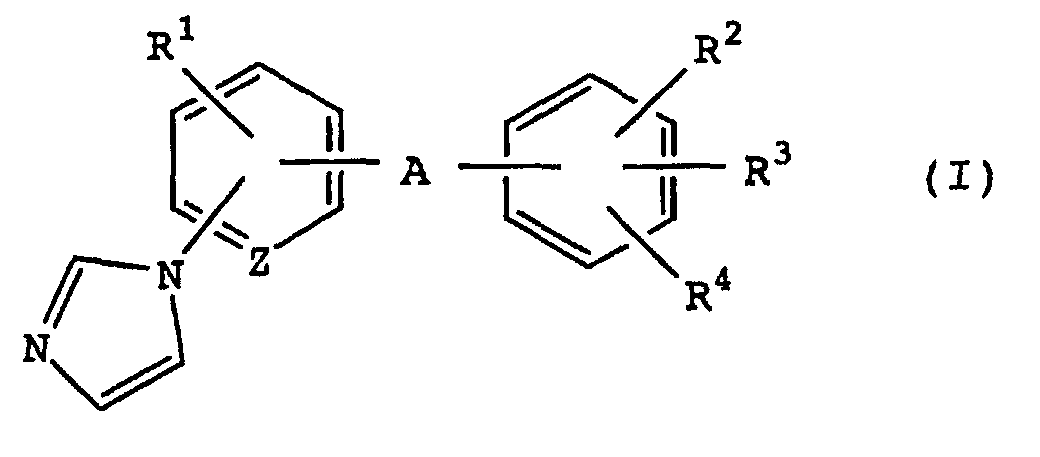
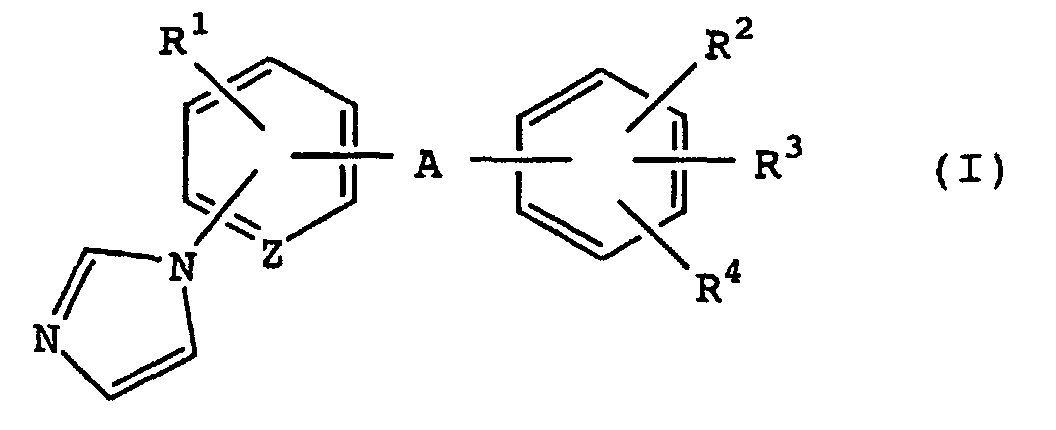
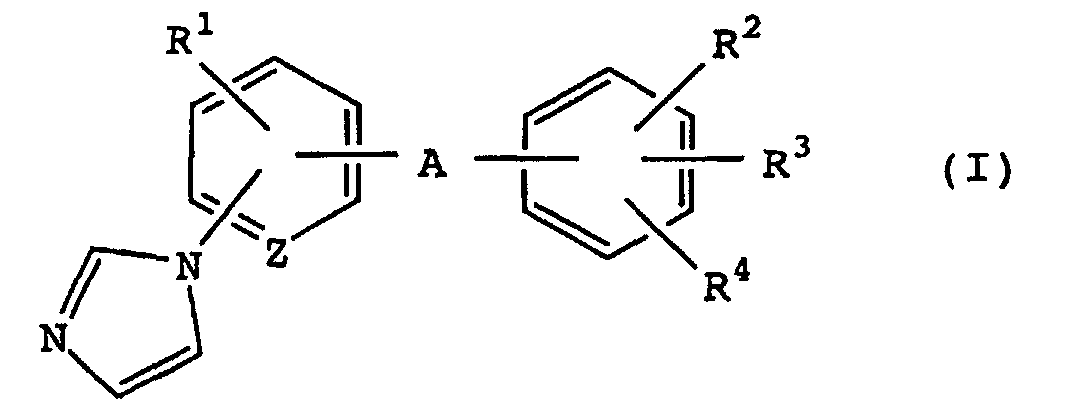
- R1
- is a hydrogen atom, a halogen atom, an alkyl group or an alkoxy group;
- R2 and R3
- are the same or different and each is a hydrogen atom or an alkyl group;
- R4
- is an alkyl group, -COOH, -COOR5, -CONR6R7,
-CH2NR6R7, -CH2OH or -CH2OR8;
wherein R5 and R6 are each an alkyl group, and R6 and R7 are the same or different and each is a hydrogen atom or an alkyl group, or R6 and R7 in combination form imidazole together with the adjacent nitrogen atom; - A
- is -CH(OH)-, -C(=O)- or -CH2-; and
- Z
- is =CH- or =N-,

- R1
- is a hydrogen atom, a halogen atom, an alkyl group or an alkoxy group;
- R2 and R3
- are the same or different and each is a hydrogen atom or an alkyl group;
- R4
- is an alkyl group, -COOH, -COOR5, -CONR6R7,
-CH2NR6R7, -CH2OH or -CH2OR8;
wherein R5 and R6 are each an alkyl group, and R6 and R7 are the same or different and each is a hydrogen atom or an alkyl group, or R6 and R7 in combination form imidazole together with the adjacent nitrogen atom; - A
- is -CH(OH)-, -C(=O)- or -CH2-; and
- Z
- is =CH- or =N-,

- R1
- is a hydrogen atom, a halogen atom, an alkyl group or an alkoxy group;
- R2 and R3
- are the same or different and each is a hydrogen atom or an alkyl group;
- R4
- is an alkyl group, -COOH, -COOR5, -CONR6R7,
-CH2NR6R7, -CH2OH or -CH2OR8;
wherein R5 and R6 are each an alkyl group, and R6 and R7 are the same or different and each is a hydrogen atom or an alkyl group, or R6 and R7 in combination form imidazole together with the adjacent nitrogen atom; - A
- is -CH(OH)-, -C(=O)- or -CH2-; and
- Z
- is =CH- or =N-,

- R1
- is a hydrogen atom, a halogen atom, an alkyl group or an alkoxy group;
- R2 and R3
- are the same or different and each is a hydrogen atom or an alkyl group;
- R4
- is an alkyl group, -COOH, -COOR5, -CONR6R7,
-CH2NR6R7, -CH2OH or -CH2OR8;
wherein R5 and R6 are each an alkyl group, and R6 and R7 are the same or different and each is a hydrogen atom or an alkyl group, or R6 and R7 in combination form imidazole together with the adjacent nitrogen atom; - A
- is -CH(OH)-, -C(=O)- or -CH2-; and
- Z
- is =CH- or =N-,

- R1
- is a hydrogen atom, a halogen atom, an alkyl group or an alkoxy group;
- R2 and R3
- are the same or different and each is a hydrogen atom or an alkyl group;
- R4
- is an alkyl group, -COOH, -COOR5, -CONR6R7,
-CH2NR6R7, -CH2OH or -CH2OR8;
wherein R5 and R6 are each an alkyl group, and R6 and R7 are the same or different and each is a hydrogen atom or an alkyl group, or R6 and R7 in combination form imidazole together with the adjacent nitrogen atom; - A
- is -CH(OH)-, -C(=O)- or -CH2-; and
- Z
- is =CH- or =N-,
- R1
- is a hydrogen atom, a halogen atom, an alkyl group or an alkoxy group;
- R2 and R3
- are the same or different and each is a hydrogen atom or an alkyl group;
- R4
- is an alkyl group, -COOH, -COOR5, -CONR6R7,
-CH2NR6R7, -CH2OH or -CH2OR8;
wherein R5 and R6 are each an alkyl group, and R6 and R7 are the same or different and each is a hydrogen atom or an alkyl group, or R6 and R7 in combination form imidazole together with the adjacent nitrogen atom; - A
- is -CH(OH)-, -C(=O)- or -CH2-; and
- Z
- is =CH- or =N-,

- R1
- is a hydrogen atom, a halogen atom, an alkyl group or an alkoxy group;
- R2 and R3
- are the same or different and each is a hydrogen atom or an alkyl group;
- R4
- is an alkyl group, -COOH, -COOR5, -CONR6R7,
-CH2NR6R7, -CH2OH or -CH2OR8;
wherein R5 and R6 are each an alkyl group, and R6 and R7 are the same or different and each is a hydrogen atom or an alkyl group, or R6 and R7 in combination form imidazole together with the adjacent nitrogen atom; - A
- is -CH(OH)-, -C(=O)- or -CH2-; and
- Z
- is =CH- or =N-,
- R1
- is a hydrogen atom, a halogen atom, an alkyl group or an alkoxy group;
- R2 and R3
- are the same or different and each is a hydrogen atom or an alkyl group;
- R4
- is an alkyl group, -COOH, -COOR5, -CONR6R7,
-CH2NR6R7, -CH2OH or -CH2OR8;
wherein R5 and R6 are each an alkyl group, and R6 and R7 are the same or different and each is a hydrogen atom or an alkyl group, or R6 and R7 in combination form imidazole together with the adjacent nitrogen atom; - A
- is -CH(OH)-, -C(=O)- or -CH2-; and
- Z
- is =CH- or =N-,
- R1
- is a hydrogen atom, a halogen atom, an alkyl group or an alkoxy group;
- R2 and R3
- are the same or different and each is a hydrogen atom or an alkyl group;
- R4
- is an alkyl group, -COOH, -COOR5, -CONR6R7,
-CH2NR6R7, -CH2OH or -CH2OR8;
wherein R5 and R6 are each an alkyl group, and R6 and R7 are the same or different and each is a hydrogen atom or an alkyl group, or R6 and R7 in combination form imidazole together with the adjacent nitrogen atom; - A
- is -CH(OH)-, -C(=O)- or -CH2-; and
- Z
- is =CH- or =N-,

- R1
- is a hydrogen atom, a halogen atom, an alkyl group or an alkoxy group;
- R2 and R3
- are the same or different and each is a hydrogen atom or an alkyl group;
- R4
- is an alkyl group, -COOH, -COOR5, -CONR6R7,
-CH2NR6R7, -CH2OH or -CH2OR8;
wherein R5 and R6 are each an alkyl group, and R6 and R7 are the same or different and each is a hydrogen atom or an alkyl group, or R6 and R7 in combination form imidazole together with the adjacent nitrogen atom; - A
- is -CH(OH)-, -C(=O)- or -CH2-; and
- Z
- is =CH- or =N-,
| Formulation Example 1: film-coated tablet | |
| Y-128 | 50.0 mg |
| D-mannitol | 70.5 mg |
| cornstarch | 16.0 mg |
| sodium hydrogencarbonate | 15.0 mg |
| hydroxypropylmethylcellulose | 3.0 mg |
| talc | 5.0 mg |
| magnesium stearate | 0.5 mg |
| Formulation Example 2: fine granules | |
| Y-128 | 10 % |
| D-mannitol | 89.5 % |
| hydroxypropylcellulose | 0.5 % |
| Formulation Example 3: tablet | |
| Y-128 | 50.0 mg |
| D-mannitol | 30.0 mg |
| cornstarch | 19.0 mg |
| sodium hydrogencarbonate | 15.0 mg |
| hydroxypropylmethylcellulose | 1.5 mg |
| talc | 4.0 mg |
| magnesium stearate | 0.5 mg |
| Formulation Example 4: fine granules | |
| Y-128 | 5 % |
| D-mannitol | 92 |
| hydroxypropylmethylcellulose | |
| 3 % |
0: no symptom 1: tail hanging down limply
2: paralysis of hind limb 3: paralysis of all limbs 4: on the verge of death 5: death
0: no symptom 1: tail with weakened force
2: tail hanging down limply 3: disorder in maintaining righting 4: disappearance of righting maintenance 5: ataxic gait
6: mild paralysis of hind limb 7: severe paralysis
8: paralysis of all limbs 9: on the verge of death
10: death
Claims (33)
- A MAG expression promoter comprising a compound of the formula (I)wherein

- R1
- is a hydrogen atom, a halogen atom, an alkyl group or an alkoxy group;
- R2 and R3
- are the same or different and each is a hydrogen atom or an alkyl group;
- R4
- is an alkyl group, -COOH, -COOR5, -CONR6R7,
-CH2NR6R7, -CH2OH or -CH2OR8;
wherein R5 and R6 are each an alkyl group, and R6 and R7 are the same or different and each is a hydrogen atom or an alkyl group, or R6 and R7 in combination form imidazole together with the adjacent nitrogen atom; - A
- is -CH(OH)-, -C(=O)- or -CH2-; and
- Z
- is =CH- or =N-,
- The MAG expression promoter of claim 1, which is applicable to a disease of mammals inclusive of human, caused by hypomyelination.
- The MAG expression promoter of claim 1, which is applicable to a disease of mammals inclusive of human, which disease mainly presents dysmyelination or demyelination.
- The MAG expression promoter of claim 1, which is applicable to a disease of mammals inclusive of human, which disease being multiple sclerosis, encephalitis, myelitis, Guillain-Barré syndrome, chronic inflammatory demyelinating polyradiculitis, heavy metal toxicosis, diphtheria toxicosis, hypothyroidism, metachromatic leukodegeneration or Charcot-Marie-Tooth disease.
- The MAG expression promoter of any of claim 1 to claim 4, wherein, in the formula (I), R1 is a halogen atom, an alkyl group or an alkoxy group.
- A MAG expression promoter comprising 4-[α-hydroxy-5-(1-imidazolyl)-2-methylbenzyl]-3,5-dimethylbenzoic acid, an optically active form thereof or a pharmaceutically acceptable salt thereof.
- A method of promoting expression of MAG, which method comprises administering a compound of the formula (I)wherein
- R1
- is a hydrogen atom, a halogen atom, an alkyl group or an alkoxy group;
- R2 and R3
- are the same or different and each is a hydrogen atom or an alkyl group;
- R4
- is an alkyl group, -COOH, -COOR5, -CONR6R7,
-CH2NR6R7, -CH2OH or -CH2OR8;
wherein R5 and R6 are each an alkyl group, and R6 and R7 are the same or different and each is a hydrogen atom or an alkyl group, or R6 and R7 in combination form imidazole together with the adjacent nitrogen atom; - A
- is -CH(OH)-, -C(=O)- or -CH2-; and
- Z
- is =CH- or =N-,
- The method of claim 7, wherein, in the formula (I), R1 is a halogen atom, an alkyl group or an alkoxy group.
- A method for promoting expression of MAG, which method comprises administering 4-[α-hydroxy-5-(1-imidazolyl)-2-methylbenzyl]-3,5-dimethylbenzoic acid, an optically active form thereof or a pharmaceutically acceptable salt thereof to mammals inclusive of human.
- A method for prophylaxis and/or therapy of a disease caused by hypomyelination, which method comprises administering a compound of the formula (I)wherein

- R1
- is a hydrogen atom, a halogen atom, an alkyl group or an alkoxy group;
- R2 and R3
- are the same or different and each is a hydrogen atom or an alkyl group;
- R4
- is an alkyl group, -COOH, -COOR5, -CONR6R7,
-CH2NR6R7, -CH2OH or -CH2OR8;
wherein R5 and R6 are each an alkyl group, and R6 and R7 are the same or different and each is a hydrogen atom or an alkyl group, or R6 and R7 in combination form imidazole together with the adjacent nitrogen atom; - A
- is -CH(OH)-, -C(=O)- or -CH2-; and
- Z
- is =CH- or =N-,
- The method of claim 10, wherein, in the formula (I) R1 is a halogen atom, an alkyl group or an alkoxy group.
- A method for prophylaxis and/or therapy of a disease caused by hypomyelination, which method comprises administering 4-[α-hydroxy-5-(1-imidazolyl)-2-methylbenzyl]-3,5-dimethylbenzoic acid, an optically active form thereof or a pharmaceutically acceptable salt thereof to mammals inclusive of human.
- A method for prophylaxis and/or therapy of a disease mainly presenting dysmyelination or demyelination, which method comprises administering a compound of the formula (I)wherein

- R1
- is a hydrogen atom, a halogen atom, an alkyl group or an alkoxy group;
- R2 and R3
- are the same or different and each is a hydrogen atom or an alkyl group;
- R4
- is an alkyl group, -COOH, -COOR5, -CONR6R7, -CH2NR6R7, -CH2OH or -CH2OR8; wherein R5 and R6 are each an alkyl group, and R6 and R7 are the same or different and each is a hydrogen atom or an alkyl group, or R6 and R7 in combination form imidazole together with the adjacent nitrogen atom;
- A
- is -CH(OH)-, -C(=O)- or -CH2-; and
- Z
- is =CH- or =N-,
- The method of claim 13, wherein, in the formula (I), R1 is a halogen atom, an alkyl group or an alkoxy group.
- A method for prophylaxis and/or therapy of a disease mainly presenting dysmyelination or demyelination, which method comprises administering 4-[α-hydroxy-5-(1-imidazolyl)-2-methylbenzyl]-3,5-dimethylbenzoic acid, an optically active form thereof or a pharmaceutically acceptable salt thereof to mammals inclusive of human.
- A method for prophylaxis and/or therapy of multiple sclerosis, encephalitis, myelitis, Guillain-Barré syndrome, chronic inflammatory demyelinating polyradiculitis, heavy metal toxicosis, diphtheria toxicosis, hypothyroidism, metachromatic leukodegeneration or Charcot-Marie-Tooth disease, which method comprises administering a compound of the formula (I)wherein

- R1
- is a hydrogen atom, a halogen atom, an alkyl group or an alkoxy group;
- R2 and R3
- are the same or different and each is a hydrogen atom or an alkyl group;
- R4
- is an alkyl group, -COOH, -COOR5, -CONR6R7,
-CH2NR6R7, -CH2OH or -CH2OR8;
wherein R5 and R6 are each an alkyl group, and R6 and R7 are the same or different and each is a hydrogen atom or an alkyl group, or R6 and R7 in combination form imidazole together with the adjacent nitrogen atom; - A
- is -CH(OH)-, -C(=O)- or -CH2-; and
- Z
- is =CH- or =N-,
- The method of claim 16, wherein, in the formula (I), R1 is a halogen atom, an alkyl group or an alkoxy group.
- A method for prophylaxis and/or therapy of multiple sclerosis, encephalitis, myelitis, Guillain-Barré syndrome, chronic inflammatory demyelinating polyradiculitis, heavy metal toxicosis, diphtheria toxicosis, hypothyroidism, metachromatic leukodegeneration or Charcot-Marie-Tooth disease, which method comprises administering 4-[α-hydroxy-5-(1-imidazolyl)-2-methylbenzyl]-3,5-dimethylbenzoic acid, an optically active form thereof or a pharmaceutically acceptable salt thereof to mammals inclusive of human.
- Use of a compound of the formula (I)wherein
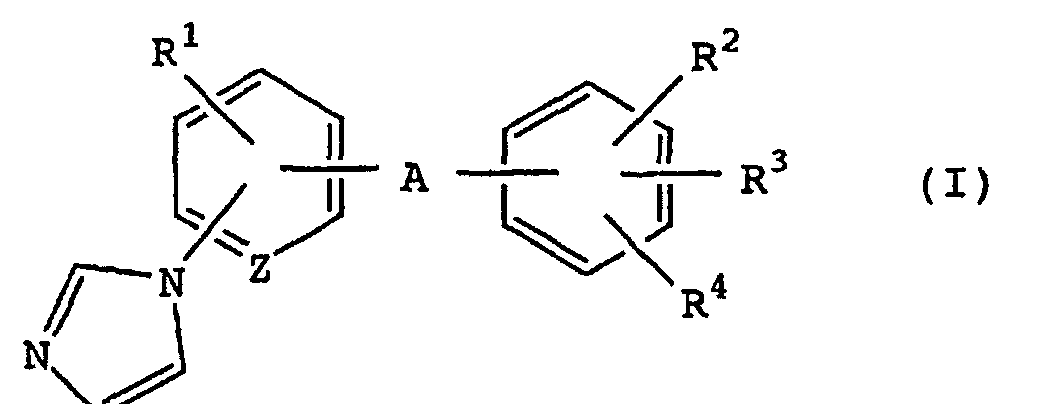
- R1
- is a hydrogen atom, a halogen atom, an alkyl group or an alkoxy group;
- R2 and R3
- are the same or different and each is a hydrogen atom or an alkyl group;
- R4
- is an alkyl group, -COOH, -COOR5, -CONR6R7,
-CH2NR6R7, -CH2OH or -CH2OR8;
wherein R5 and R6 are each an alkyl group, and R6 and R7 are the same or different and each is a hydrogen atom or an alkyl group, or R6 and R7 in combination form imidazole together with the adjacent nitrogen atom; - A
- is -CH(OH)-, -C(=O)- or -CH2-; and
- Z
- is =CH- or =N-,
- The use of claim 19, wherein, in the formula (I), R1 is a halogen atom, an alkyl group or an alkoxy group.
- Use of 4-[α-hydroxy-5-(1-imidazolyl)-2-methylbenzyl]-3,5-dimethylbenzoic acid, an optically active form thereof or a pharmaceutically acceptable salt thereof for producing a MAG expression promoter.
- Use of a compound of the formula (I)wherein
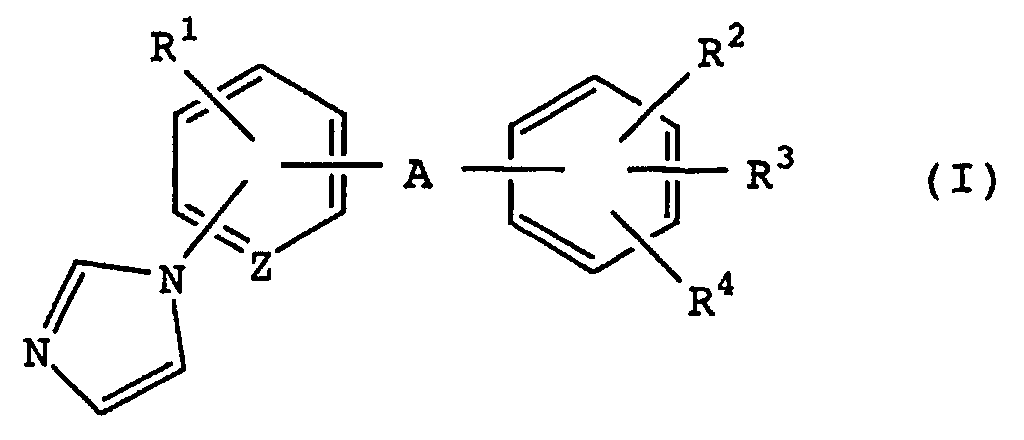
- R1
- is a hydrogen atom, a halogen atom, an alkyl group or an alkoxy group;
- R2 and R3
- are the same or different and each is a hydrogen atom or an alkyl group;
- R4
- is an alkyl group, -COOH, -COOR5, -CONR6R7,
-CH2NR6R7, -CH2OH or -CH2OR8;
wherein R5 and R6 are each an alkyl group, and R6 and R7 are the same or different and each is a hydrogen atom or an alkyl group, or R6 and R7 in combination form imidazole together with the adjacent nitrogen atom; - A
- is -CH(OH)-, -C(=O)- or -CH2-; and
- Z
- is =CH- or =N-,
- The use of claim 22, wherein, in the formula (I), R1 is a halogen atom, an alkyl group or an alkoxy group.
- Use of 4-[α-hydroxy-5-(1-imidazolyl)-2-methylbenzyl]-3,5-dimethylbenzoic acid, an optically active form thereof or a pharmaceutically acceptable salt thereof for producing a MAG expression promoter applicable to a disease in mammals inclusive of human, which is caused by hypomyelination.
- Use of a compound of the formula (I)wherein

- R1
- is a hydrogen atom, a halogen atom, an alkyl group or an alkoxy group;
- R2 and R3
- are the same or different and each is a hydrogen atom or an alkyl group;
- R4
- is an alkyl group, -COOH, -COOR5, -CONR6R7,
-CH2NR6R7, -CH2OH or -CH2OR8;
wherein R5 and R6 are each an alkyl group, and R6 and R7 are the same or different and each is a hydrogen atom or an alkyl group, or R6 and R7 in combination form imidazole together with the adjacent nitrogen atom; - A
- is -CH(OH)-, -C(=O)- or -CH2-; and
- Z
- is =CH- or =N-,
- The use of claim 25, wherein, in the formula (I), R1 is a halogen atom, an alkyl group or an alkoxy group.
- Use of 4-[α-hydroxy-5-(1-imidazolyl)-2-methylbenzyl]-3,5-dimethylbenzoic acid, an optically active form thereof or a pharmaceutically acceptable salt thereof for producing a MAG expression promoter applicable to a disease in mammals inclusive of human, which mainly presents dysmyelination or demyelination.
- Use of a compound of the formula (I)wherein

- R1
- is a hydrogen atom, a halogen atom, an alkyl group or an alkoxy group;
- R2 and R3
- are the same or different and each is a hydrogen atom or an alkyl group;
- R4
- is an alkyl group, -COOH, -COOR5, -CONR6R7,
-CH2NR6R7, -CH2OH or -CH2OR8;
wherein R5 and R6 are each an alkyl group, and R6 and R7 are the same or different and each is a hydrogen atom or an alkyl group, or R6 and R7 in combination form imidazole together with the adjacent nitrogen atom; - A
- is -CH(OH)-, -C(=O)- or -CH2-; and
- Z
- is =CH- or =N-,
- The use of claim 28, wherein, in the formula (I), R1 is a halogen atom, an alkyl group or an alkoxy group.
- Use of 4-[α-hydroxy-5-(1-imidazolyl)-2-methylbenzyl]-3,5-dimethylbenzoic acid, an optically active form thereof or a pharmaceutically acceptable salt thereof for producing a MAG expression promoter applicable to a disease in mammals inclusive of human, which is multiple sclerosis, encephalitis, myelitis, Guillain-Barré syndrome, chronic inflammatory demyelinating polyradiculitis, heavy metal toxicosis, diphtheria toxicosis, hypothyroidism, metachromatic leukodegeneration or Charcot-Marie-Tooth disease.
- A commercial package comprising a MAG expression promoter comprising a compound of the formula (I)wherein

- R1
- is a hydrogen atom, a halogen atom, an alkyl group or an alkoxy group;
- R2 and R3
- are the same or different and each is a hydrogen atom or an alkyl group;
- R4
- is an alkyl group, -COOH, -COOR5, -CONR6R7,
-CH2NR6R7, -CH2OH or -CH2OR8;
wherein R5 and R6 are each an alkyl group, and R6 and R7 are the same or different and each is a hydrogen atom or an alkyl group, or R6 and R7 in combination form imidazole together with the adjacent nitrogen atom; - A
- is -CH(OH)-, -C(=O)- or -CH2-; and
- Z
- is =CH- or =N-,
- The commercial package of claim 31, wherein, in the formula (I), R1 is a halogen atom, an alkyl group or an alkoxy group.
- A commercial package comprising a MAG expression promoter comprising 4-[α-hydroxy-5-(1-imidazolyl)-2-methylbenzyl]-3,5-dimethylbenzoic acid, an optically active form thereof or a pharmaceutically acceptable salt thereof and a written matter associated therewith, the written matter stating that the MAG expression promoter can or should be used for promoting expression of MAG.
Applications Claiming Priority (3)
| Application Number | Priority Date | Filing Date | Title |
|---|---|---|---|
| JP14433699 | 1999-05-25 | ||
| JP14433699 | 1999-05-25 | ||
| PCT/JP2000/003373 WO2000071119A1 (en) | 1999-05-25 | 2000-05-25 | Mag expression promoters |
Publications (3)
| Publication Number | Publication Date |
|---|---|
| EP1186296A1 true EP1186296A1 (en) | 2002-03-13 |
| EP1186296A4 EP1186296A4 (en) | 2004-12-22 |
| EP1186296B1 EP1186296B1 (en) | 2007-04-18 |
Family
ID=15359751
Family Applications (1)
| Application Number | Title | Priority Date | Filing Date |
|---|---|---|---|
| EP00931568A Expired - Lifetime EP1186296B1 (en) | 1999-05-25 | 2000-05-25 | Mag expression promoters |
Country Status (21)
| Country | Link |
|---|---|
| US (2) | US7166630B2 (en) |
| EP (1) | EP1186296B1 (en) |
| KR (1) | KR100660955B1 (en) |
| CN (1) | CN1160072C (en) |
| AT (1) | ATE359780T1 (en) |
| AU (1) | AU774471B2 (en) |
| BG (1) | BG106254A (en) |
| BR (1) | BR0011551A (en) |
| CA (1) | CA2373967A1 (en) |
| CZ (1) | CZ20014203A3 (en) |
| DE (1) | DE60034448D1 (en) |
| EE (1) | EE200100621A (en) |
| HK (1) | HK1044721A1 (en) |
| HU (1) | HUP0201485A3 (en) |
| IL (1) | IL146726A0 (en) |
| IS (1) | IS6173A (en) |
| MX (1) | MXPA01012188A (en) |
| NO (1) | NO20015733L (en) |
| NZ (1) | NZ516261A (en) |
| RU (1) | RU2241454C2 (en) |
| WO (1) | WO2000071119A1 (en) |
Cited By (1)
| Publication number | Priority date | Publication date | Assignee | Title |
|---|---|---|---|---|
| US7023538B2 (en) | 2002-04-20 | 2006-04-04 | Trumpf Laser Gmbh & Co. Kg | Monitoring an optical element of a processing head of a thermal machine tool |
Family Cites Families (2)
| Publication number | Priority date | Publication date | Assignee | Title |
|---|---|---|---|---|
| DE19541146A1 (en) * | 1995-10-25 | 1997-04-30 | Schering Ag | Imidazole derivatives and their use as nitric oxide synthase inhibitors |
| CZ294485B6 (en) * | 1995-12-27 | 2005-01-12 | Welfide Corporation | Medicament for prevention and treatment of complications of diabetes |
-
2000
- 2000-05-25 CN CNB008092354A patent/CN1160072C/en not_active Expired - Fee Related
- 2000-05-25 RU RU2001134893/15A patent/RU2241454C2/en not_active IP Right Cessation
- 2000-05-25 NZ NZ516261A patent/NZ516261A/en unknown
- 2000-05-25 IL IL14672600A patent/IL146726A0/en unknown
- 2000-05-25 HU HU0201485A patent/HUP0201485A3/en unknown
- 2000-05-25 AU AU49497/00A patent/AU774471B2/en not_active Ceased
- 2000-05-25 EP EP00931568A patent/EP1186296B1/en not_active Expired - Lifetime
- 2000-05-25 BR BR0011551-7A patent/BR0011551A/en not_active IP Right Cessation
- 2000-05-25 EE EEP200100621A patent/EE200100621A/en unknown
- 2000-05-25 DE DE60034448T patent/DE60034448D1/en not_active Expired - Lifetime
- 2000-05-25 CZ CZ20014203A patent/CZ20014203A3/en unknown
- 2000-05-25 KR KR1020017015051A patent/KR100660955B1/en not_active Expired - Fee Related
- 2000-05-25 HK HK02106416.1A patent/HK1044721A1/en unknown
- 2000-05-25 WO PCT/JP2000/003373 patent/WO2000071119A1/en not_active Ceased
- 2000-05-25 MX MXPA01012188A patent/MXPA01012188A/en unknown
- 2000-05-25 CA CA002373967A patent/CA2373967A1/en not_active Abandoned
- 2000-05-25 AT AT00931568T patent/ATE359780T1/en not_active IP Right Cessation
-
2001
- 2001-11-23 NO NO20015733A patent/NO20015733L/en unknown
- 2001-11-23 IS IS6173A patent/IS6173A/en unknown
- 2001-12-20 BG BG106254A patent/BG106254A/en unknown
-
2004
- 2004-10-22 US US10/969,885 patent/US7166630B2/en not_active Expired - Fee Related
-
2006
- 2006-08-07 US US11/499,785 patent/US20060270712A1/en not_active Abandoned
Cited By (1)
| Publication number | Priority date | Publication date | Assignee | Title |
|---|---|---|---|---|
| US7023538B2 (en) | 2002-04-20 | 2006-04-04 | Trumpf Laser Gmbh & Co. Kg | Monitoring an optical element of a processing head of a thermal machine tool |
Also Published As
| Publication number | Publication date |
|---|---|
| NZ516261A (en) | 2003-11-28 |
| HUP0201485A2 (en) | 2002-08-28 |
| AU774471B2 (en) | 2004-07-01 |
| US7166630B2 (en) | 2007-01-23 |
| EE200100621A (en) | 2003-02-17 |
| ATE359780T1 (en) | 2007-05-15 |
| MXPA01012188A (en) | 2003-06-30 |
| CA2373967A1 (en) | 2000-11-30 |
| IS6173A (en) | 2001-11-23 |
| CN1356900A (en) | 2002-07-03 |
| EP1186296A4 (en) | 2004-12-22 |
| AU4949700A (en) | 2000-12-12 |
| EP1186296B1 (en) | 2007-04-18 |
| CZ20014203A3 (en) | 2002-06-12 |
| KR100660955B1 (en) | 2006-12-26 |
| NO20015733D0 (en) | 2001-11-23 |
| DE60034448D1 (en) | 2007-05-31 |
| US20050090531A1 (en) | 2005-04-28 |
| RU2241454C2 (en) | 2004-12-10 |
| US20060270712A1 (en) | 2006-11-30 |
| WO2000071119A1 (en) | 2000-11-30 |
| HUP0201485A3 (en) | 2004-01-28 |
| BG106254A (en) | 2002-08-30 |
| CN1160072C (en) | 2004-08-04 |
| IL146726A0 (en) | 2002-07-25 |
| NO20015733L (en) | 2002-01-11 |
| BR0011551A (en) | 2002-04-02 |
| HK1044721A1 (en) | 2002-11-01 |
| KR20020015332A (en) | 2002-02-27 |
Similar Documents
| Publication | Publication Date | Title |
|---|---|---|
| NZ582420A (en) | Novel crystals and process of making 5-({ [2-amino-3-(4-carbamoyl-2,6-dimethyl-phenyl)-propionyl]-[1-(4-phenyl-1h-imidazol-2-yl)-ethyl]-amino} -methyl)-2-methoxy- benzoic acid | |
| EP1186296B1 (en) | Mag expression promoters | |
| US6060496A (en) | Prophylaxis and treatment of diabetic complications with 4-[α-hydroxy-2-methyl-5-(1-imidazolyl) benzyl]-3,5-dimethylbenzoic acid | |
| JPWO1997024333A1 (en) | Agents for preventing and treating diabetic complications | |
| JPWO2000071119A1 (en) | MAG expression promoter | |
| JPH1067662A (en) | Use of xanthine derivatives for modulation of apoptosis | |
| EP4678171A1 (en) | Systemically-administered cxcl8 inhibitors for use in the prevention or treatment of ocular mucous membrane pemphigoid and/or oral mucous membrane pemphigoid | |
| JP2003221334A (en) | Prevention and treatment of diabetic complications | |
| EP4673124A1 (en) | Small molecules targeting the dna-binding region of apoe4 protein | |
| HK1015777B (en) | Preventives/remedies for complications of diabetes | |
| HK40029828A (en) | Omidenepag combination |
Legal Events
| Date | Code | Title | Description |
|---|---|---|---|
| PUAI | Public reference made under article 153(3) epc to a published international application that has entered the european phase |
Free format text: ORIGINAL CODE: 0009012 |
|
| 17P | Request for examination filed |
Effective date: 20011220 |
|
| AK | Designated contracting states |
Kind code of ref document: A1 Designated state(s): AT BE CH CY DE DK ES FI FR GB GR IE IT LI LU MC NL PT SE |
|
| AX | Request for extension of the european patent |
Free format text: AL PAYMENT 20011220;LT PAYMENT 20011220;LV PAYMENT 20011220;MK PAYMENT 20011220;RO PAYMENT 20011220;SI PAYMENT 20011220 |
|
| RIN1 | Information on inventor provided before grant (corrected) |
Inventor name: KAWASAKI, MASAKAZU, Inventor name: KAWASAKI, KAZUYUKI, MITSUBISHI PHARMA CORPORATION Inventor name: GOTOH, NOBUHARU, MITSUBISHI PHARMA CORPORATION Inventor name: HAYASHI, YOSHIHARU, MITSUBISHI PHARMA CORPORATION |
|
| RIC1 | Information provided on ipc code assigned before grant |
Ipc: 7C 07D 401/06 B Ipc: 7C 07D 233/60 B Ipc: 7A 61P 25/28 B Ipc: 7A 61K 31/4164 A |
|
| A4 | Supplementary search report drawn up and despatched |
Effective date: 20041108 |
|
| GRAP | Despatch of communication of intention to grant a patent |
Free format text: ORIGINAL CODE: EPIDOSNIGR1 |
|
| RIC1 | Information provided on ipc code assigned before grant |
Ipc: A61P 25/28 20060101ALI20060926BHEP Ipc: A61K 31/4164 20060101AFI20060926BHEP |
|
| GRAS | Grant fee paid |
Free format text: ORIGINAL CODE: EPIDOSNIGR3 |
|
| GRAA | (expected) grant |
Free format text: ORIGINAL CODE: 0009210 |
|
| RIN1 | Information on inventor provided before grant (corrected) |
Inventor name: GOTOH, NOBUHARU,MITSUBISHI PHARMA CORPORATION Inventor name: KAWASAKI, MASAKAZU, Inventor name: HAYASHI, YOSHIHARU,MITSUBISHI PHARMA CORPORATION Inventor name: KAWASAKI, KAZUYUKI,MITSUBISHI PHARMA CORPORATION |
|
| AK | Designated contracting states |
Kind code of ref document: B1 Designated state(s): AT BE CH CY DE DK ES FI FR GB GR IE IT LI LU MC NL PT SE |
|
| AX | Request for extension of the european patent |
Extension state: AL LT LV MK RO SI |
|
| PG25 | Lapsed in a contracting state [announced via postgrant information from national office to epo] |
Ref country code: CH Free format text: LAPSE BECAUSE OF FAILURE TO SUBMIT A TRANSLATION OF THE DESCRIPTION OR TO PAY THE FEE WITHIN THE PRESCRIBED TIME-LIMIT Effective date: 20070418 Ref country code: LI Free format text: LAPSE BECAUSE OF FAILURE TO SUBMIT A TRANSLATION OF THE DESCRIPTION OR TO PAY THE FEE WITHIN THE PRESCRIBED TIME-LIMIT Effective date: 20070418 Ref country code: FI Free format text: LAPSE BECAUSE OF FAILURE TO SUBMIT A TRANSLATION OF THE DESCRIPTION OR TO PAY THE FEE WITHIN THE PRESCRIBED TIME-LIMIT Effective date: 20070418 |
|
| REG | Reference to a national code |
Ref country code: CH Ref legal event code: EP |
|
| REG | Reference to a national code |
Ref country code: IE Ref legal event code: FG4D |
|
| REF | Corresponds to: |
Ref document number: 60034448 Country of ref document: DE Date of ref document: 20070531 Kind code of ref document: P |
|
| PG25 | Lapsed in a contracting state [announced via postgrant information from national office to epo] |
Ref country code: SE Free format text: LAPSE BECAUSE OF FAILURE TO SUBMIT A TRANSLATION OF THE DESCRIPTION OR TO PAY THE FEE WITHIN THE PRESCRIBED TIME-LIMIT Effective date: 20070718 |
|
| PG25 | Lapsed in a contracting state [announced via postgrant information from national office to epo] |
Ref country code: ES Free format text: LAPSE BECAUSE OF FAILURE TO SUBMIT A TRANSLATION OF THE DESCRIPTION OR TO PAY THE FEE WITHIN THE PRESCRIBED TIME-LIMIT Effective date: 20070729 |
|
| PG25 | Lapsed in a contracting state [announced via postgrant information from national office to epo] |
Ref country code: PT Free format text: LAPSE BECAUSE OF FAILURE TO SUBMIT A TRANSLATION OF THE DESCRIPTION OR TO PAY THE FEE WITHIN THE PRESCRIBED TIME-LIMIT Effective date: 20070918 |
|
| LTIE | Lt: invalidation of european patent or patent extension |
Effective date: 20070418 |
|
| REG | Reference to a national code |
Ref country code: CH Ref legal event code: PL |
|
| NLV1 | Nl: lapsed or annulled due to failure to fulfill the requirements of art. 29p and 29m of the patents act | ||
| PG25 | Lapsed in a contracting state [announced via postgrant information from national office to epo] |
Ref country code: AT Free format text: LAPSE BECAUSE OF FAILURE TO SUBMIT A TRANSLATION OF THE DESCRIPTION OR TO PAY THE FEE WITHIN THE PRESCRIBED TIME-LIMIT Effective date: 20070418 |
|
| EN | Fr: translation not filed | ||
| PG25 | Lapsed in a contracting state [announced via postgrant information from national office to epo] |
Ref country code: BE Free format text: LAPSE BECAUSE OF FAILURE TO SUBMIT A TRANSLATION OF THE DESCRIPTION OR TO PAY THE FEE WITHIN THE PRESCRIBED TIME-LIMIT Effective date: 20070418 |
|
| PG25 | Lapsed in a contracting state [announced via postgrant information from national office to epo] |
Ref country code: NL Free format text: LAPSE BECAUSE OF FAILURE TO SUBMIT A TRANSLATION OF THE DESCRIPTION OR TO PAY THE FEE WITHIN THE PRESCRIBED TIME-LIMIT Effective date: 20070418 Ref country code: MC Free format text: LAPSE BECAUSE OF NON-PAYMENT OF DUE FEES Effective date: 20070531 Ref country code: DK Free format text: LAPSE BECAUSE OF FAILURE TO SUBMIT A TRANSLATION OF THE DESCRIPTION OR TO PAY THE FEE WITHIN THE PRESCRIBED TIME-LIMIT Effective date: 20070418 |
|
| PLBE | No opposition filed within time limit |
Free format text: ORIGINAL CODE: 0009261 |
|
| STAA | Information on the status of an ep patent application or granted ep patent |
Free format text: STATUS: NO OPPOSITION FILED WITHIN TIME LIMIT |
|
| 26N | No opposition filed |
Effective date: 20080121 |
|
| GBPC | Gb: european patent ceased through non-payment of renewal fee |
Effective date: 20070718 |
|
| PG25 | Lapsed in a contracting state [announced via postgrant information from national office to epo] |
Ref country code: DE Free format text: LAPSE BECAUSE OF FAILURE TO SUBMIT A TRANSLATION OF THE DESCRIPTION OR TO PAY THE FEE WITHIN THE PRESCRIBED TIME-LIMIT Effective date: 20070719 Ref country code: FR Free format text: LAPSE BECAUSE OF FAILURE TO SUBMIT A TRANSLATION OF THE DESCRIPTION OR TO PAY THE FEE WITHIN THE PRESCRIBED TIME-LIMIT Effective date: 20071214 Ref country code: GR Free format text: LAPSE BECAUSE OF FAILURE TO SUBMIT A TRANSLATION OF THE DESCRIPTION OR TO PAY THE FEE WITHIN THE PRESCRIBED TIME-LIMIT Effective date: 20070719 Ref country code: IT Free format text: LAPSE BECAUSE OF FAILURE TO SUBMIT A TRANSLATION OF THE DESCRIPTION OR TO PAY THE FEE WITHIN THE PRESCRIBED TIME-LIMIT Effective date: 20070418 |
|
| PG25 | Lapsed in a contracting state [announced via postgrant information from national office to epo] |
Ref country code: GB Free format text: LAPSE BECAUSE OF NON-PAYMENT OF DUE FEES Effective date: 20070718 Ref country code: IE Free format text: LAPSE BECAUSE OF NON-PAYMENT OF DUE FEES Effective date: 20070525 |
|
| PG25 | Lapsed in a contracting state [announced via postgrant information from national office to epo] |
Ref country code: FR Free format text: LAPSE BECAUSE OF FAILURE TO SUBMIT A TRANSLATION OF THE DESCRIPTION OR TO PAY THE FEE WITHIN THE PRESCRIBED TIME-LIMIT Effective date: 20070418 |
|
| REG | Reference to a national code |
Ref country code: HK Ref legal event code: WD Ref document number: 1044721 Country of ref document: HK |
|
| PG25 | Lapsed in a contracting state [announced via postgrant information from national office to epo] |
Ref country code: CY Free format text: LAPSE BECAUSE OF FAILURE TO SUBMIT A TRANSLATION OF THE DESCRIPTION OR TO PAY THE FEE WITHIN THE PRESCRIBED TIME-LIMIT Effective date: 20070418 |
|
| PG25 | Lapsed in a contracting state [announced via postgrant information from national office to epo] |
Ref country code: LU Free format text: LAPSE BECAUSE OF NON-PAYMENT OF DUE FEES Effective date: 20070525 |