FIELD OF THE INVENTION
The present invention relates to methods for efficiently
preparing grains of silver salt of an organic acid by reacting
a solution containing silver ions and a solution containing an
alkali metal salt of an organic acid. The present invention also
relates to apparatuses for preparing grains of silver salt of
an organic acid that require low facility cost and show high
productivity. The present invention further relates to a method
for producing a thermally processed image recording material
that utilizes the methods for preparing grains of silver salt
of an organic acid.
BACKGROUND OF THE INVENTION
In recent years, reduction of amount of waste processing
solutions is strongly desired in the field of medical diagnosis
from the standpoints of environmental protection and space savings.
Therefore, techniques relating to photothermographic materials
for use in photographic-art processes and medical diagnosis are
required which enables efficient exposure by a laser image setter
or laser imager and formation of a clear black image having high
resolution and sharpness. Such photothermographic materials can
provide users with a simple and non-polluting heat development
processing system that eliminates the use of solution-type
processing chemicals.
The same is demanded in the field of ordinary image-forming
materials. However , photo-images for medical use, inparticular,
require high image quality excellent in sharpness and graininess
as they need very fine images. In addition, for easy diagnosis,
cold monochromatic images are preferred. At present, various
types of hard copy systems using pigment and dye, for example,
ink jet printers and electrophotographic systems are available
as ordinary imaging systems. However, no satisfactory
image-forming system is available for medical use.
Meanwhile, methods for forming an image by heat development
are described in, for example, U.S. Patent Nos. 3,152,904 and
3,457,075 and D. Klosterboer, "Thermally Processed Silver
Systems", Imaging Processes and Materials, Neblette, 8th ed.,
compiled by J.Sturge, V. Walworth and A. Shepp, Chapter 9, p.279,
(1989). Among these, the photothermographic material generally
contains a photocatalyst (e.g., silver halide) in a catalytically
active amount, a reducing agent, a reducible silver salt (e.g.,
organic acid silver salt), and optionally a toning agent for
controlling silver color tone, which are usually dispersed in
an organic binder matrix. In this photothermographic material
when the material is heated at a high temperature (e.g., 80°C
or higher) after light exposure, black silver images are produced
through an oxidation-reduction reaction between the silver halide
or reducible silver salt (which functions as an oxidizing agent)
and the reducing agent. The oxidation-reduction reaction is
accelerated by catalytic action of a latent image of the silver
halide generated upon exposure. Therefore, the monochromatic
silver images are formed in exposed areas of the materials (U.S.
Patent 2,910,377, Japanese Patent Publication (Kokoku,
hereinafter referred to as JP-B) 43-4924 etc.). These thermal
image-forming systems utilizing silver salts of organic acids
can achieve image quality and color tone required for images for
medical use.
The silver source used in these systems is generally a
silver salt of an organic acid, and various methods for producing
it have been known. For example, there can be mentioned the
method of preparing a silver salt of an organic acid under
coexistence of water and a hardly water-soluble solvent as
disclosed in Japanese Patent Laid-open Publication (Kokai,
hereinafter referred to as JP-A) 49-93310, JP-A-49-94619 and
JP-A-53-68702, the method of preparing a silver salt of an organic
acid in an aqueous solution as disclosed in JP-A-53-31611,
JP-A-54-4117 and JP-A-54-46709, the method of preparing a silver
salt of an organic acid in an organic solvent as disclosed in
JP-A-57-186745, JP-A-47-9432 and U.S. Patent No. 3,700,458 and
so forth. Basically, the preparation is carried out by heating
an organic acid to a temperature higher than its melting point
to melt it in water, adding sodium hydroxide or an alkali metal
salt with vigorous stirring, and then adding a solution
containing silver ions in order to convert the alkali soap into
silver soap.
Such alkali soap forms micelles in an aqueous solution,
and gives a solution of whitely turbid appearance. The reaction
from such a micelle state to the silver soap often suffers from
problems concerning production stability. Therefore, as a
method for obtaining the alkali soap as a uniform solution, a
method of using a mixed solution of water and alcohol as the
solvent is disclosed in JP-A-55-40607.
Further, since alkali soappresents alkalinity, the silver
soap will be prepared under a high pH condition in the above
case. However, addition of a solution containing silver ions
into an alkaline solution produces silver oxide as a by-product.
Further, it also generates unintended silver nuclei produced
by a trace amount of reducing contaminants, which are unavoidable
in view of production process and exhibit high reducing property
due to the high pH. Such by-products are extremely
disadvantageous from the viewpoint that they degrade performance
of photothermographic materials, in particular, they cause
undesired fog. In this respect, the aforementioned problems
are not solved even in the method disclosed in JP-A-55-40607,
which aims at obtaining a uniform solution in order to suppress
the generation of the by-products.
Further, JP-A-9-127643 discloses a method for producing
a silver salt by simultaneous addition of measured amounts of
an alkali metal salt solution and a silver nitrate solution,
and refers to simultaneous addition of a solution of sodium
behenate in a mixture of water and isopropyl alcohol and a solution
of silver nitrate. This method can at least shift the pH of
the reaction from the high pH region to a neutral region, and
thus it is a preferred method for reducing the generation amount
of silver oxide. However, isopropyl alcohol shows weak reducing
property, and this makes the method insufficient as a method
for completely solving the problem of fog.
Further, JP-A-9-127643 discloses a method for producing
a silver salt by simultaneous addition of measured amounts of
an alkali metal salt solution and a silver nitrate solution,
and refers to simultaneous addition of a solution of sodium
behenate in a mixture of water and isopropyl alcohol and a solution
of silver nitrate. This method can at least shift the pH of
the reaction from the high pH region to a neutral region, and
thus it is a preferred method for reducing the generation amount
of silver oxide. However, isopropyl alcohol shows weak reducing
property, and this makes the method insufficient as a method
for completely solving the problem of fog.
Moreover, the silver behenate grains formed by this method
are two-dimensionally and anisotropically grown acicular grains
having a size of 0.04 µm to 0.05 µm, and no description is found
concerning control of the grain size or grain morphology.
JP-A-11-349325 disclose a method for forming scaly grains,
which show morphology different from that of the conventional
acicular grains, by using a low temperature in a reaction field
for the simultaneous addition of measured amounts of alkali metal
salt solution and solution containing silver ions. In this
method, scaly grains can be obtained in a low temperature region,
and acicular grains can be obtained in a high temperature region
by controlling the temperature of the reaction field. However,
this method still cannot provide such high degree of freedom
that the grain morphology and grain size can be independently
controlled.
In order to obtain a uniform dispersion practically usable
as a coating solution containing a silver salt of an organic
acid, it is necessary to obtain a state that the silver salt
of an organic acid is finely dispersed in a solvent without
aggregation. For this reason, it is necessary to develop a method
for dispersing the silver salt of an organic acid as fine grains.
Usually used is a method comprising separating the formed
hydrophobic grains of silver salt of an organic acid as solid
by filtration, mixing a dispersing agent with the solid, and
dispersing the mixture again, as described in Imaging Processes
and Materials, supra.
As the method for dispersing a silver salt of an organic
acid as fine grains, the method of mechanically dispersing it
in the presence of a dispersing aid by means of known pulverization
mean (e.g., high-speedmixer, homogenizer, high-speedimpactmill,
Banbarymixer, homomixer, kneader, ball mill, vibratingballmill,
planetary ball mill, attriter, sand mill, bead mill, colloidmill,
jet mill, roller mill, trone mill and high-speed stone mill).
However, this method not only produces only a coating solution
containing a lot of aggregated particles, i.e., a coating solution
that gives bad coated surface quality, but also suffers from a
problem that, because the method highly possibly grinds primary
grains of a silver salt of an organic salt originally crystallized
as a hardly wafer-soluble salt without any selectivity, silver
nuclei are formed at crystal cleavage surfaces and causes increase
of fog.
Then, several methods have been proposed, wherein the
primary grains obtained during the reaction of a solution of
alkali metal salt and a solution containing silver ions are
utilized as they are, not separating the silver salt of an organic
acid as solid and finely dispersing it.
For example, JP-A-8-234358 discloses a method of adding
silver nitrate to an aqueous dispersion in which fine grains
of an alkali salt of an organic acid are dispersed, and desalting
the obtained dispersion of a silver salt of an organic acid by
ultrafiltration. The above reference further refers to
enhancement of the dispersion stability by carrying out the
ultrafiltration for a dispersion preliminarily containing
water-soluble protective colloids such as polyvinyl alcohol and
gelatin.
However, the shape of the silver salt of an organic acid
obtained by this method is limited to an acicular shape, and
in addition, it is difficult to control the grain size in this
method. Therefore, it is still insufficient for stably
obtaining performance of low fog, high blackening concentration
and low haze, which are desired for photothermographic
materials.
Further, JP-A-9-127643 discloses a method of directly
desalting a dispersion of a silver salt of an organic acid obtained
by simultaneous addition of measured amounts of a solution of
an alkali metal salt and a silver nitrate solution by means of
dialysis or ultrafiltration. By this method, at least the
primary grains obtained during the crystallization of the silver
salt of an organic acid can be introduced into a photosensitive
layer as they are without degrading the grains. However,
problems concerning aggregation of grains under a high salt
concentration circumstance, increase of viscosity upon
concentration of the dispersion and so forth are not solved,
and thus this method is still insufficient as practical means
for obtaining a uniform dispersion.
Furthermore, JP-A-9-127643 discloses a method using a
dispersing agent together, like JP-A-8-234358, but it does not
refer to the kind of preferred dispersing agents. This method
is not a method providing superior dispersion stability, in which
the grain morphology and the grain size are controlled at a high
salt concentration during the generation of grains of silver
salt of an organic acid in the presence of an organic solvent
such as isopropyl alcohol.
In order to obtain monodispersed grains of a silver salt
of an organic acid as fine grains, vigorous stirring is required
during the addition of an alkali metal salt solution and a solution
containing silver ions. In particular, the solution of an
organic acid alkali metal salt dissolved at a high temperature
suffers from temperature decrease and shows precipitation upon
addition thereof, and therefore large grains may grow if dilution
rate or fluidization is slow or weak. However, when they are
added to a tank in which a gas/liquid interface is present, and
the stirring speed is increased, entrainment of air is caused.
The grains of silver salt of organic acid are highly hydrophobic,
and therefore not only the grains are adsorbed on the surfaces
of the entrained bubbles to stabilize the bubbles and prevent
breakage of them, but also the adjacent grains on the bubbles
cause aggregation. The liquid containing air entrained in such
a manner becomes a highly viscous whipped cream-like liquid,
and disturbs uniform reaction.
Further, when such a liquid containing bubbles and
aggregated grains is subjected to ultrafiltration operation,
it suffers from problems of reduction of filtration speed due
to adhesion to a membrane surface, increase of filtration
pressure due to increased viscosity and so forth. Furthermore,
when a hollow-fiber type membrane filter is used, it suffers
from problems of blocking of pipelines due to progress of
aggregation of grains and so forth. These problems constitute
obstacles to the application of the methods to practical
production facilities.
As described above, any method that enables independent
control of the grain size and the grain morphology and stably
produces monodispersed silver salt of an organic acid providing
low fog has not been found yet. That is, any method has not
been found yet, in which organic acid silver salt grains are formed
by adding and vigorously stirring a solution containing organic
acid alkali metal salt and a solution containing silver ions
without causing entrainment of air or aggregation of grains, and
the obtained primary grains are utilized as they are without
preliminarily separating the produced organic acid silver salt
as solid content.
In view of these problems of the prior art, an object of
the present invention is to provide an efficient method for
producing grains of silver salt of an organic acid, which enables
purification of the organic acid silver salt grains produced
by mixing an alkali metal salt solution and a solution containing
silver ions without separating the organic acid silver salt
grains as a solid content. Another object of the present
invention is to provide a method and apparatus for preparing
grains of silver salt of an organic acid that require low facility
cost and small facility space and show high productivity.
SUMMARY OF THE INVENTION
These objects were achieved by the present invention
providing the followings.
The present invention provides amethod for preparing grains
of silver salt of an organic acid by reacting a solution containing
silver ions and a solution containing an alkali metal salt of
an organic acid, which comprises steps of mixing the solution
containing silver ions and the solution containing an alkali metal
salt of an organic acid to conduct a reaction in sealed mixing
means and removing by-product salts contained in the reaction
mixture by filtration through an ultrafiltration membrane during
or after the reaction (first preparation method). Preferred
embodiments of this preparation method include embodiments in
which at least a part of a mixture obtained after the reaction
of the solution containing silver ions and the solution containing
an alkali metal salt of an organic acid mixed in the sealed mixing
means is circulated and added to the sealed mixing means; at least
one kind of dispersing agent is added before starting the reaction
or before finishing the purification utilizing an ultrafiltration
membrane; at least a nonionic macromolecular dispersing agent
having a molecular weight 5-50 times larger than a fractional
molecular weight of the ultrafiltration membrane is used as the
dispersing agent; the nonionic macromolecular dispersing agent
is used at a concentration of 0.1-30 weight % of the solid content
of the silver salt of an organic acid; at least one of polyvinyl
alcohol, polyvinylpyrrolidone, hydroxyethyl cellulose and
hydroxypropyl cellulose is used as the dispersing agent; and the
by-product salts are removed by ultrafiltration in which 2- to
20-fold constant volume dilution is attained, and then the
dispersion is concentrated to a concentration of 10-50 weight %.
The present invention also provides a method for preparing
grains of silver salt of an organic acid by reacting a solution
containing silver ions and a solution containing an alkali metal
salt of an organic acid, in which the reaction is performed in
sealed mixing means and which comprises steps of supplying the
solution containing silver ions into a reaction field solution
before introduced into the sealed mixing means, and supplying
the solution containing an alkali metal salt of an organic acid
into the reaction field solution or sealed mixing means to which
the solution containing silver ions has been supplied (second
preparation method). The Reynolds number of the solution
containing silver ions is preferably in the range of 500-20000
when the solution containing silver ions is supplied to the
reaction field solution.
The present invention further provides a method for
preparing an aqueous dispersion of grains of silver salt of an
organic acid, wherein grains of silver salt of an organic acid
are prepared by reacting a solution containing silver ions and
a solution containing an alkali metal salt of an organic acid,
then dispersion operation is performed by a high pressure
homogenizer or high speed rotary homomixer in the presence of
a dispersing agent, and by-product salts are removed by
ultrafiltration after or during the dispersion operation (third
preparation method) . Preferred embodiments of this preparation
method include embodiments in which the dispersing agent is used
at a concentration of 1-30 weight % of dispersoid; concentration
of the silver salt of an organic acid is 1-10 weight % immediately
after the reaction; after the by-product salts are removed by
the ultrafiltration, concentration operation is performed by the
ultrafiltration; and after electric conductivity reached a value
not less than 20 µS/cm but less than 300 µS/cm as a result of
the removal of the by-product salts by the ultrafiltration, the
dispersion is concentrated to a concentration of 10-70 weight %
by the ultrafiltration.
The present invention also provides an apparatus for
preparing grains of silver salt of anorganic acid, which comprises
first supplying means for supplying a solution containing silver
ions to sealed mixing means ; second supplying means for supplying
a solution containing an alkali metal salt of an organic acid
to the sealed mixing means; third supplying means for supplying
a reaction field solution to the sealed mixing means; the sealed
mixing means for mixing materials supplied from the first, second
and third supplying means to form a dispersion containing grains
of silver salt of an organic acid; storage means for the formed
dispersion containing grains of silver salt of an organic acid
from the sealed mixing means; fourth supplying means for supplying
the dispersion containing grains of silver salt of an organic
acid in the storage means from the storage means to an
ultrafiltration process; and purification means for removing
by-product salts form the dispersion containing grains of silver
salt of an organic acid by ultrafiltration (first preparation
apparatus).
The present invention also provides an apparatus for
preparing grains of silver salt of an organic acid, which comprises
first supplying means for supplying a solution containing silver
ions to sealed mixing means; second supplying means for supplying
a solution containing an alkali metal salt of an organic acid
to the sealed mixing means; the sealed mixing means for mixing
materials supplied from the first and second supplying means and
third supplying means mentioned below to form a dispersion
containing grains of silver salt of an organic acid; storage means
for the formed dispersion containing grains of silver salt of
an organic acid from the sealed mixing means; third supplying
means for supplying at least a part of the formed dispersion
containing grains of silver salt of an organic acid to the sealed
mixing means again; fourth supplying means for supplying the
dispersion containing grains of silver salt of an organic acid
in the storage means from the storage means to an ultrafiltration
process; and purification means for removing by-product salts
form the dispersion containing grains of silver salt of an organic
acid by ultrafiltration (second preparation apparatus).
The present invention also provides an apparatus for
preparing grains of silver salt of an organic acid, which comprises
a pipeline for supplying a solution containing silver ions, a
pipeline for supplying a solution containing an alkali metal salt
of an organic acid, sealed mixing means and a pipeline for supplying
a reaction field solution to the sealed mixing means, wherein
the pipeline for supplying a solution containing silver ions is
connected to the pipeline for supplying a reaction field solution,
and the pipeline for supplying a solution containing an alkali
metal salt of an organic acid is connected to the sealed mixing
means or the pipeline for supplying a reaction field solution
at a position between a position at which the pipeline for supplying
a solution containing silver ions is connected and the sealed
mixing means (third preparation apparatus).
The present invention also provides an apparatus for
preparing grains of silver salt of an organic acid, which comprises
a pipeline for supplying a solution containing silver ions, a
pipeline for supplying a solution containing an alkali metal salt
of an organic acid, first sealed mixing means, second sealed mixing
means, a pipeline for connecting the first sealed mixing means
and the second sealed mixing means and a pipeline for supplying
a reaction field solution to the first sealed mixing means, wherein
the pipeline for supplying a solution containing silver ions is
connected to the pipeline for supplying a reaction field solution
to the first sealed mixing means or the first sealed mixing means,
and the pipeline for supplying a solution containing an alkali
metal salt of an organic acid is connected to the pipeline for
connecting the first sealed mixing means and second sealed mixing
means or the second sealed mixing means (fourth preparation
apparatus).
The present invention further provides a method for
producing a thermally processed image recording material
comprising a silver salt of an organic acid, a reducing agent
for silver ions and a binder on at least one surface of a support,
which comprises a step of applying a coating solution for
image-forming layer containing an aqueous dispersion of grains
of silver salt of an organic acid prepared by any one of the
aforementioned preparation methods. The coating solution for
image-forming layer preferably contains a photosensitive silver
halide and a polymer showing an equilibrated moisture content
of 2 weight % or less at 25°C and relative humidity of 60% in
the form of latex as the binder, and 30 weight % or more of the
solvent of the coating solution preferably consists of water.
BRIEF EXPLANATION OF THE DRAWINGS
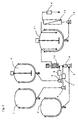
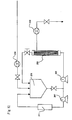
Fig. 1 is a schematic view showing an exemplary structure
of an apparatus used for the preparation of organic acid silver
salt grains according to the present invention.
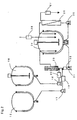
Fig. 2 is a schematic view showing another exemplary
structure of an apparatus used for the preparation of organic
acid silver salt grains according to the present invention.
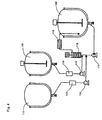
Fig. 3 is a schematic view showing a further exemplary
structure of an apparatus used for the preparation of organic
acid silver salt grains according to the present invention.
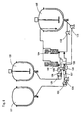
Fig. 4 is a schematic view showing a further exemplary
structure of an apparatus used for the preparation of organic
acid silver salt grains according to the present invention.
Fig. 5 is a schematic view showing a further exemplary
structure of an apparatus used for the preparation of organic
acid silver salt grains according to the present invention.
Fig. 6 is a schematic view showing the apparatus used in
Example 2.
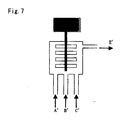
Fig. 7 is a schematic view showing a mixing vessel and its
pipelines used in Example 2.
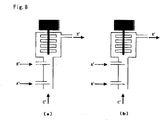
Fig. 8 is a schematic view showing a mixing vessel and its
pipelines used in Example 2.
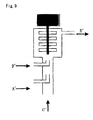
Fig. 9 is a schematic view showing a mixing vessel and its
pipelines used in Example 2.
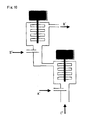
Fig. 10 is a schematic view showing a mixing vessel and
its pipelines used in Example 2.
Fig. 11 is a schematic view showing the apparatus used in
Example 3.
Fig. 12 is a schematic view showing the apparatus used in
Example 3.
PREFERRED EMBODIMENT OF THE INVENTION
Hereafter, the methods for producing grains of silver salt
of an organic acid, preparation apparatuses and method for
preparing a thermally processed image recording material of the
present invention will be explained in detail.
The methods for producing grains of silver salt of an organic
acid of the present invention comprise a step of reacting a solution
containing silver ions and a solution containing an alkali metal
salt of an organic acid.
The "solution containing silver ions" used in the present
invention means a solution containing silver ions in wafer or
a mixture of wafer and an organic solvent. As the ion source
of the solution containing silver ions, a wafer-soluble silver
salt can be used. As the wafer-soluble silver salt, silver nitrate
is preferably used. The concentration of the silver salt in
the solution containing silver ions is preferably 0.03-6.5 mol/L,
more preferably 0.1-5 mol/L. The pH of the solution containing
silver ions is preferably 2-6, more preferably 3.5-6. For the
pH adjustment, acids and alkalines usually used for pH adjustment
may be added to the solution containing silver ions. The solution
containing silver ions preferably has a Reynolds number in the
range of 500-20,000, when the solution containing silver ions
is supplied.
As the solvent of the solution containing silver ions used
for the present invention, either water or a mixture of water
and an organic solvent is used. The organic solvent used for
the solution containing silver ions is not particularly limited
so long as it is miscible with water. However, those degrading
photographic performance are not preferred. While preferred
solvents are water-miscible alcohols and acetone, a tertiary
alcohol having 4-6 carbon atoms is preferably used. When a
tertiary alcohol having 4-6 carbon atoms is used, the tertiary
alcohol constitute 70 volume % or less, preferably 50 volume %
or less, of the total volume of the solution containing silver
ions. Temperature of the solution containing silver ions is
preferably 0-50°C, more preferably 5-30°C. When a solution
containing silver ions and an aqueous tertiary alcohol solution
of organic acid alkali metal salt are simultaneously added as
described below, the temperature is most preferably 5-15°C.
The "solution containing an alkali metal salt of an organic
acid" means a solution or suspension containing an alkali metal
salt of an organic acid in water, organic solvent or a mixture
of water and an organic solvent. The organic acid moiety for
the alkali metal salt of an organic acid is selected from those
stable to light at an ambient temperature as a silver salt, but
when its silver salt is heated at 80°C or higher in the presence
of a light exposed photocatalyst (e.g., latent images of
photosensitive silver halide) and a reducing agent, it produces
a silver image. The organic acid is preferably a long chain
aliphatic carboxylic acid containing 10-30 carbon atoms, more
preferably 15-28 carbon atoms. Preferred examples of the
aliphatic carboxylic acid include cerotic acid, lignoceric acid,
behenic acid, erucic acid, arachidic acid, stearic acid, oleic
acid, lauric acid, caproic acid, myristic acid, palmitic acid,
maleic acid, fumaric acid, tartaric acid, linolic acid, butyric
acid, camphoric acid and mixtures thereof. More preferred are
behenic acid, arachidic acid, stearic acid, oleic acid, lauric
acid, caproic acid, myristic acid, palmitic acid, and mixtures
thereof.
As the alkali metal moiety for the alkali metal salt of
an organic acid, sodium, potassium and so forth can be mentioned.
An alkali metal salt of an organic acid can be prepared by adding
sodium hydroxide, potassium hydroxide or the like to an organic
acid. In this treatment, it is preferable to use the alkali
in an amount less than the equivalent of the organic acid to
remain unreacted organic acid. In this case, the amount of the
remaining organic acid is preferably 3-50 mole %, more preferably
3-30 mole %, with respect to the total organic acid. Further,
it may be prepared by adding an alkali in an amount exceeding
the desired amount, and then adding an acid such as nitric acid
and sulfuric acid to neutralize excessive alkali substance.
The concentration of the alkali metal salt of an organic
acid in the solution containing an alkali metal salt of an organic
acid used for the present invention is preferably 5-50 weight %,
more preferably 7-45 weight %, further preferably 10-40 weight %.
The solvent used for the solution containing an alkali metal
salt of an organic acid used for the present invention may be
any one of water, an organic solvent and a mixture of water and
an organic solvent. When a mixture of water and an organic
solvent is used, the amount of the organic solvent is preferably
3-70 volume %, more preferably 5-50 volume %, with respect to
the volume of water. In this case, since the optimum solvent
volume varies depending on the reaction temperature, the optimum
amount is desirably determined trial-and-error basis.
In the present invention, a mixed solvent of water and
a tertiary alcohol having preferably not more than 15 carbon
atoms, more preferably not more than 10 carbon atoms,
particularly preferably 4 to 6 carbon atoms, is preferably used
as the solvent of the solution containing an alkali metal salt
of an organic acid for ensuring uniformity of the solution.
Tertiary alcohols in which the number of carbon atoms exceeds
6 may not be preferred since their miscibility with water becomes
poor. Among the tertiary alcohols having 4 to 6 carbon atoms,
most preferred is tert-butanol as its miscibility with water
is the highest of all. Alcohols other than such tertiary alcohols
may also be unfavorable since they have a reducing property and
adversely affect the process of forming the silver salt of an
organic acid.
Temperature of the solution containing an alkali metal
salt of an organic acid, which is added for the reaction, is
preferably maintained at a temperature required for avoiding
crystallization or solidification of the alkali metal salt of
an organic acid. Specifically, it is preferably 50-90°C, more
preferably 60-85°C, most preferably 65-85°C. Further, the
temperature is preferably controlled to be a constant
temperature within the aforementioned range in order to control
the reaction temperature to be constant. For the pH adjustment,
acids and alkalines usually used for pH adjustment may be added
to the solution containing an alkali metal salt of an organic
acid.
The solution containing silver ions and the solution
containing an alkali metal salt of an organic acid used for the
present invention may be added with compounds of the formula
(1) described in JP-A-62-65035, water-soluble group-containing
N-heterocyclic compounds such as those described in
JP-A-62-150240, inorganic peroxides such as those described in
JP-A-50-101019, sulfur compounds such as those described in
JP-A-51-78319, disulfide compounds such as those described in
JP-A-57-643, hydrogen peroxide and so forth.
The "reaction field solution" used for the present
invention consists of wafer or a mixed aqueous solution of wafer
and an organic solvent. The reaction field solution may contain
a dispersing agent and so forth, and it may be a recycled portion
of the organic acid silver salt solution obtained in the reaction.
In the present invention, the silver salt of an organic
acid is prepared by reacting a solution containing silver ions
and a solution containing an alkali metal salt of an organic acid
in mixing means. Since sealed mixing means is preferably used
as the mixing means, the present invention will be explained by
referring to a case utilizing sealed mixing means.
The method for preparing a silver salt of an organic acid
by reacting a solution containing silver ions and a solution
containing an alkali metal salt of an organic acid may be any
one of a method of gradually or rapidly adding a solution containing
silver ions into sealed mixing means containing a solution
containing an alkali metal salt of an organic acid, a method of
gradually or rapidly adding a preliminarily prepared solution
containing an alkali metal salt of an organic acid into sealed
mixing means containing a solution containing silver ions, and
a method of simultaneously adding preliminarily prepared solution
containing an alkali metal salt of an organic acid and solution
containing silver ions into sealed mixing means. The addition
rate may be constant, or it may vary as a function of time. When
it varies as a function of time, accelerative addition method,
deaccelerative addition method or combination thereof may be used.
A preferred method is a method in which the process contains
a period where the solution containing silver ions and the solution
containing an alkali metal salt of an organic acid are
simultaneously added to sealed mixing means (simultaneous
addition method). According to the simultaneous addition method,
mean grain size of the silver salt of an organic acid can be
controlled to achieve narrow grain size distribution. In the
simultaneous addition method, it is desirable that 10-100 volume %,
more preferably 30-100 volume %, particularly preferably 50-100
volume %, of the total volume to be added is simultaneously added.
It is preferable to simultaneously add the solution containing
silver ions and the solution containing an alkali metal salt
of an organic acid in substantially equimolar amounts. In a case
where either one is added in advance, it is desirable that the
solution containing silver ions is added first. The amount added
in advance is preferably from 0-50 volume %, more preferably
from 0-25 volume %, of the total amount to be added. Furthermore,
a method described in JP-A-9-127643 wherein pH or silver
potential of the reaction mixture is controlled during the
reaction may be preferably used.
In the second preparation method of the present invention,
the solution containing silver ions is supplied to the reaction
field solution at a stage before the sealed mixing means, and
then the solution containing an alkali metal salt of an organic
acid is supplied to the reaction field solution or the sealed
mixing means. When the solution containing an alkali metal salt
of an organic acid is supplied and mixed with the solution
containing silver ions, silver ions constituting the silver salt
of an organic acid must be already present in the reaction field.
By using the second preparation method, the organic acid alkali
metal salt is effectively prevented from being deposited as they
are as coarse grains.
In the preparation methods of the present invention, as
for the silver/alkali metal ratio after the reaction of the
solution containing silver ions and the solution containing an
alkali metal salt of an organic acid, it is preferred that the
alkali should be excessive by 1-20 mole %, more preferably 1-10
mole %. Further, the concentration of the grains of organic
acid silver salt immediately after the reaction is preferably
1-20 weight %, more preferably 1-10 weight %.
Other than the above, there are various approaches as the
method for forming organic acid silver salt grains. To obtain
organic acid silver salt grains, it is generally preferable to
make solubility of the organic acid silver salt in the reaction
field small. Further, according to the study of the inventors
of the present invention, it has been revealed that the size
of the formed organic acid silver salt grains becomes smaller
as the addition time of the solution containing silver ions or
the solution containing organic acid alkali metal salt becomes
longer. In order to obtain organic acid silver salt grains in
a desired size, the reaction time must be determined by try and
error. Further, in the present invention, the reaction
conditions are preferably controlled so that the concentration
of the organic acid silver salt grains immediately after the
reaction should become 1-10 weight %.
In the sealed mixing means, a solvent (reaction field
solution) can be placed beforehand prior to the addition of the
solution containing silver ions or the solution containing
organic acid alkali metal salt. While wafer is usually used
as the solvent placed beforehand, a mixed solution with the
organic solvent used for the solution containing silver ions
and the solution containing organic acid alkali metal salt may
also be used. In addition, in order to produce organic acid
salt grains, it is preferable to add an organic solvent to at
least one of the solution containing silver ions, the solution
containing organic acid alkali metal salt and the solution
prepared in the reaction field beforehand in such an amount that
the alkali metal salt of an organic acid can be present so as
to form a substantially transparent solution without forming
linear aggregates or micelles. Further, water and a tertiary
alcohol preferably exist in the reaction mixture when the
solution containing silver ions and the solution containing an
organic acid alkali metal salt are added. In this case, the
carbon number of the tertiary alcohol is preferably 15 or less,
more preferably 10 or less, particularly preferably 4-6.
Further, the ratio of the tertiary alcohol to wafer is preferably
0.01-10, more preferably 0.03-1.
Temperature of the liquid contained in the sealed mixing
means is preferably 5°C to 75°C, more preferably 6°C to 60°C,
most preferably 10°C to 50°C, in order to improve performance
as a photographic photosensitive material. Throughout the
entire process of the reaction, the reaction temperature is
preferably controlled to be a constant temperature selected from
the above-defined range. As the case may be, however, the
reaction temperature may be controlled in some temperature
profiles varying within the above-defined range.
The temperature difference between the solution
containing an alkali metal salt of an organic acid and the liquid
in the sealed mixing means is preferably 20°C to 85°C, more
preferably 30°C to 80°C. In this case, it is desirable that the
temperature of the solution containing an alkali metal salt of
an organic acid should be higher than that of the liquid contained
in the sealed mixing means. By performing the process as
described above, the rate at which the solution containing an
alkali metal salt of an organic acid having a higher temperature
is rapidly cooled by the reaction vessel and precipitated to
give fine crystals, and the rate at which an organic acid silver
salt is formed by the reaction with the water-soluble silver
salt are both favorably controlled, and thereby the crystal
morphology, crystal size and crystal size distribution of the
organic acid silver salt can be favorably controlled. In
addition, the properties of the thermally processed image
recording material, in particular, photothermographic image
recording material, can also be improved simultaneously.
In order to prepare scaly silver salt of an organic acid
preferred for the present invention, for example, when a solution
containing silver ions is reacted with a tertiary alcohol aqueous
solution containing an alkali metal salt of an organic acid in
sealed mixing means (the method includes a step of adding the
aqueous tertiary alcohol solution containing an alkali metal
salt of an organic acid into a liquid contained in sealed mixing
means), the temperature difference between the liquid already
existing in the sealed mixing means and the aqueous tertiary
alcohol solution of an alkali metal salt of an organic acid to
be added thereto is controlled to be between 20°C and 85°C, wherein
the liquid in the reaction vessel is a solution containing silver
ions put into the reaction vessel in advance, or alternatively,
the liquid is water or a mixed solvent of water and a tertiary
alcohol in a case where the solution containing silver ions is
not put into the reaction vessel in advance but is added from
the beginning simultaneously with an aqueous solution of an
alkali metal salt of an organic acid in a tertiary alcohol, and
when the solution containing silver ions is put into the reaction
vessel in advance, water or a mixed solvent of water and a tertiary
alcohol may be placed in advance.
By maintaining the temperature difference during the
addition of the aqueous tertiary alcohol solution containing
an alkali metal salt of an organic acid, the crystal morphology
of the silver salt of an organic acid or the like can be favorably
controlled. The tertiary alcohol may be added in any timing
during the preparation of the organic acid silver salt. However ,
the tertiary alcohol is preferably added at the time of
preparation of the organic acid alkali metal salt to dissolve
the organic alkali metal salt. The tertiary alcohol maybe added
in any amount of from 0.01 to 10 as weight ratio based on the
weight of water used as a solvent for the preparation of the
organic acid silver salt, and preferably added in an amount of
from 0.03 to 1.
In order to rapidly lower the liquid temperature of the
reaction mixture after the reaction of the solution containing
silver ions and the solution containing organic acid alkali metal
salt, the solution containing silver ions and the solution
containing organic acid alkali metal salt supplied to the sealed
mixing means may be cooled beforehand. Further, cooling may
be attained by providing a heat exchanger for the sealed mixture
means itself or between the sealed mixing means and a tank or
a position before the sealed mixing means. The liquid
temperature after the reaction of the solution containing silver
ions and the solution containing organic acid alkali metal salt
is preferably 5-70°C, more preferably 10-50°C, particularly
preferably 20-45°C. Further, the as for the cooling rate,
performance as a photosensitive material can further be improved,
if the temperature reached a desired temperature within 0.05-10
seconds, preferably 0.05-5 second, further preferably 0.05-1
second, after the reaction solutions are brought into contact
with each other.
In the methods of the present invention, a dispersing agent
is preferably added to the system before the start of the reaction
of the solution containing silver ions and the solution
containing organic acid alkali metal salt or before completion
of the purification using an ultrafiltration membrane. The
addition method is not particularly limited. For example, the
dispersing agent may be contained in one to three kinds among
the solution containing silver ions, the solution containing
organic acid alkali metal salt and the solution put into the
reaction vessel beforehand. The dispersing agent may also be
added separately as a dispersing agent, or added as an additive
comprising the dispersing agent and other components. When such
a dispersing agent or additive is added, any one of water, organic
solvent and mixture of water and an organic solvent may be used
as a solvent. These addition methods may be used in any
combination.
The type of the dispersing agent used for the present
invention is not particularly limited. For example, dispersing
agents having a molecular weight of more than 3000 can be used.
Such a dispersing agent can suitably be selected for use from
known polymers, for example, synthetic anionic polymers such
as polyacrylic acid, naphthalenesulfonic acid polymers,
copolymers of acrylic acid, maleic acid copolymers, maleic acid
monoester copolymers and copolymers of acryloylmethylpropanesulfonic
acid; semi-synthetic anionic polymers such as
carboxymethyl starch and carboxymethyl cellulose; anionic
polymers such as alginic acid and pectic acid; other polymers
including polyvinyl alcohol (e.g., PVA-217 (trade name) , mean
polymerization degree: about 1700), polyvinylpyrrolidone,
carboxymethyl cellulose, hydroxypropyl cellulose, hydroxypropylmethyl
cellulose etc., naturally occurring
macromolecular compounds such as gelatin and so forth.
In the present invention, a nonionic macromolecular
dispersing agent is preferably used. More preferred is a
nonionic macromolecular dispersing agent soluble in an aqueous
reaction medium, which can disperse a silver salt of an organic
acid and has a molecular weight of 5 times to 10 times the
fractional molecular weight of an ultrafiltration membrane used
for the desalting of the by-product salts produced from the
reaction of the solution containing silver ions and the solution
containing an alkali metal salt of an organic acid. As such
a dispersing agent, polyvinyl alcohol, polyvinylpyrrolidone,
hydroxyethyl cellulose and hydroxypropyl cellulose can
preferably be used.
The concentration of the dispersing agent used in the
present invention is preferably 0.1-30 weight %, particularly
preferably 0.5-30 weight %, of the silver salt of an organic
acid. While the addition time of the dispersing agent is not
particularly limited, it is preferably added after completion
of the reaction of the silver salt of an organic acid and before
completion of the ultrafiltration operation in order to prevent
inhibition of the reaction of the silver salt of an organic acid.
The organic acid silver salt is extremely hydrophobic,
and therefore, if the system does not contain a dispersing agent,
crosslinking of the grains proceeds with time, and aggregation
may remarkably advance by a certain shearing field or pressure
field during feeding operation or filtration through an
ultrafiltration membrane described later. Further, in a strong
ion strength environment before the desalting operation, surface
charge of the organic acid silver salt grains is shielded, and
hence they may be brought into a condition under which they are
further likely to aggregate. In order to ameliorate this
condition, it is desirable that pH is selected to be high so
that dissociation of the species present on the grain surfaces
should be accelerated. However, if the alkalinity in the
environment becomes unduly high, the actions of silver oxide
or reducing agent as impurity will be increased, and thus they
cause fog. Therefore, in order to prevent the aggregation, pH
of the dispersion must be maintained to be 6 or higher, preferably
6-8, until the electric conductivity reaches a level less than
2,000 µS/cm and not less than 500 µS/cm in the desalting operation
by ultrafiltration. Even though a dispersing agent is used,
pH of the dispersion is preferably controlled within this range.
In the methods of the present invention, the organic acid
silver salt dispersion may be subjected to mechanical dispersion
process using a dispersing machine within such a degree that
the photographic performance should not be degraded. The
dispersing method is preferably one comprising preparing a
dispersion of the silver salt of an organic acid, forming a
high-pressure and high-speed flow of the dispersion, and
re-dispersing the salt by lowering the pressure to form a fine
aqueous dispersion of the salt. In this case, the dispersion
medium preferably consists of water alone, but may contain an
organic solvent so long as it is in an amount of 20weight % or
less of the dispersion medium.
The dispersing machines and techniques used for performing
the above-described re-dispersion method are described in detail,
for example, in Toshio Kajiuchi and Hiromoto Usui, Bunsan-kei
Rheology to Bunsanka Gijutsu (Rheology of Dispersion System and
Dispersion Technology) , pp.357-403, Shinzan Sha Shuppan (1991),
and Kagaku Kogaku no Shinpo (Progress of Chemical Engineering),
vol. 24, pp. 184-185, compiled by Corporation Kagaku Kogakukai
Tokai Shibu, Maki Shoten (1990), JP-A-59-49832, U.S. Patent No.
4,533,254, JP-A-8-137044, JP-A-8-238848, JP-A-2-261525,
JP-A-1-94933 and so forth. The re-dispersion method used in the
present invention comprises at least the steps of supplying an
aqueous dispersion containing a silver salt of an organic acid
into a pipeline under a positive pressure by means of a
high-pressure pump or the like, passing the dispersion through
a narrow slit provided inside the pipeline, and then subjecting
the dispersion to rapid pressure release to perform fine
dispersion.
In the third preparation method of the present invention,
the organic acid silver salt is dispersed as fine grains in the
presence of a dispersing agent by using pulverization means.
Examples of the pulverization means include high-speed mixer,
homogenizer, high-speed impact mill, Banbary mixer, homomixer,
kneader, ball mill, vibrating ball mill, planetary ball mill,
attriter, sand mill, bead mill, colloid mill, jet mill, roller
mill, trone mill, high-speed stone mill, highpressurehomogenizer,
ultrasonic dispersing machine and so forth. In the third
preparation method of the present invention, at least
high-pressure homogenizer or high-speed rotary type homomixer
is used for dispersion.
The high-pressure homogenizer is an apparatus for
dispersing a dispersion system at a high pressure and high speed,
in which large shearing force is applied to the dispersion system.
Dispersion is attained with high pressure and high speed in a
high pressure grinding section provided in the way of dispersion
route, dispersion, emulsification and grinding are attained by
passing a dispersion through a narrowed part of dispersion route
at high pressure and high speed, or dispersions are collided
with each other in a dispersion route.
As for the high-pressure homogenizer, it is generally
considered that fine and uniform dispersion can be efficiently
achieved therein by enhancing (a) "shear force" to be generated
at the passage of a dispersoid through a narrow slit (75 µm to
350 µm or so) under high pressure at high speed and (b) "cavitation
force" to be generated by the pressure releasing, but without
changing the preceding impact force resulting from the
liquid-liquid collision or the liquid-wall collision in the
high-pressure narrow space. One old example of the dispersion
apparatus of this type is a Golline homogenizer. In this
apparatus, a liquid to be dispersed introduced under high
pressure is converted into a high-speed flow when it is passed
through a narrow gap formed on the wall of a cylindrical surface.
Then, the flow collides against a surrounding wall with its own
force, and is emulsified and dispersed by the impact force. For
the liquid-liquid collision mentioned above, for example, there
can be mentioned a Y-type chamber of Microfluidizer, a spherical
chamber utilizing a spherical check valve such as that described
in JP-A-8-103642 and so forth. For the liquid-wall collision,
there can be mentioned a Z-type chamber of Microfluidizer and
so forth. The pressure is generally 100 to 600 kg/cm2, and the
flow rate is generally a few meters/sec to 30 meters/sec. In
order to increase the dispersion efficiency, some apparatuses
are designed wherein the high flow rate area is so modified as
to have a serrated configuration, thereby increasing the
frequency of collision. Typical examples of such apparatuses
are Golline homogenizer (15MR-8TA produced by Golline, produced
by APV), High pressure homogenizer (produced by Izumi Food
Machinery Co., Ltd.), Microfluidizer produced by Microfluidex
International Corporation, Microfluidizer from Mizuho Kogyo Co.,
Ltd., Nanomizer from Tokushu Kika Kogyo Co., Ltd, Nanomizer LA53
produced by Nanomizer Co., Ltd., Nanomizer produced by Cosmo
Keiso Co., Ltd, high pressure homogenizer such as Genus PY
produced by Genus Co., Ltd. and so forth. Other examples of
such apparatuses are described in JP-A-8-238848, JP-A-8-103642
and U.S. Patent No. 4,533,254.
In dispersing process of the organic acid silver salt,
dispersion having a desired grain size may be obtained by
controlling the flow rate, the difference in the pressure before
and after at the pressure releasing and the frequency of the
processing. The flow rate is preferably from 100 to 600 m/sec
and the difference in pressure at the pressure releasing is
preferably from 200 to 3,000 kg/cm2.
Examples of high speed rotary type homomixer include
high-speed shearing mixer produced by Tokushu Kika Kogyo Co.,
Ltd. (trade name: TK Homomixer), Milder MDN 303V produced by Ebara
Corp. and so forth. While the rotation number may vary depending
on capacity of dispersing machine, size of impellers and so forth,
it is preferably about 1000-30000 rpm.
It is not preferable to expose such an aqueous dispersion
to a high temperature under a high pressure in view of
dispersibility and photographic performance. At a high
temperature above 90°C, a grain size may readily become large
and fog may be increased. Accordingly, the water dispersion is
preferably kept at a temperature of from 5°C to 90°C, morepreferably
from 5°C to 80°C, particularly preferably from 5°C to 65°C, by
a cooling step using a cooling apparatus during or after the
dispersion in a high-pressure homogenizer or high-pressure rotary
homomixer. The cooling apparatus may be appropriately selected
from a double pipe or triple pipe with a static mixer, a
multi-tubular heat exchanger, a coiled heat exchanger and so forth
depending on an amount of heat exchange to be required. The size,
wall thickness or material of pipes may be appropriately selected
to increase heat exchange efficiency depending on an applied
pressure. In addition, depending on an amount of heat exchange,
a refrigerant used in the cooling apparatus may be a well water
at 20°C or a chilled water at from 5 to 10°C cooled by a refrigerator,
and if desired, a refrigerant such as ethylene glycol/water at
-30°C may also be used.
When a photosensitive silver halide salt coexists at the
time of dispersing process of the silver salt of an organic acid,
fog may increase and sensitivity may markedly decrease.
Therefore, the dispersion during the dispersing process
preferably contains substantially no photosensitive silver
halide salt. The amount of photosensitive silver halide salt
in the aqueous dispersion during the dispersing operation is
desirably 0.1 mole % or less per 1 mole of silver salt of an organic
acid in the dispersion, and it is desirable not to intentionally
add photosensitive silver halide salt.
Other than the mechanical dispersion, the silver salt of
an organic salt can be made into grains by roughly dispersing
the salt in a solvent through pH control, and then changing the
pH in the presence of a dispersing aid. For the operation, an
organic solvent may be used as a solvent for the rough dispersion,
and such organic solvent is usually removed after the formation
of grains.
In the preparation methods of the present invention, the
by-product salts contained in the reaction mixture is preferably
removed by ultrafiltration during the reaction of silver ions
and organic acid alkali metal salt or after completion of the
reaction. Further, in the third preparation method of the
present invention, ultrafiltration is performed after or during
the aforementioned dispersion operation.
As the method for ultrafiltration performed in the present
invention, methods used for desalting and concentration of
silver halide emulsion, and for example, those methods described
in Research Disclosure, No. 10208 (1972), No. 13122 (1975), No.
16351 (1977) etc. can be used. While pressure difference and
flow rate, which are important as the operational conditions,
can be selected by referring to the characteristic curves
mentioned in Haruhiko Oya, "Maku Riyo Gijutsu Handbook (Membrane
Utilization Technique Handbook)", published by Saiwai Shobo
(1978), p.275, it is necessary to find out optimum conditions
for treating an organic acid silver salt dispersion of interest
in order to suppress aggregation of grains, fog and so forth.
As an ultrafiltration membrane, modules of plate type,
spiral type, cylinder type, hollow yarn type, hollow fiber type
and so forth, in which a membrane is already incorporated, are
commercially available from Asahi Chemical Industry Co., Ltd.,
Daicel Chemical Industries, Ltd., Toray Industries, Inc., NITTO
DENKO CORP. and so forth. In view of the total membrane area,
washability and so forth, those of hollow yarn type and spiral
type are preferred.
Examples of the material of ultrafiltration membrane
include polysulphone, polyphenyl sulphone, polyether sulphone,
polyacrylonitrile and so forth, and examples of module type
include flat membrane, hollow yarn membrane, tubular membrane
and so forth. The fractional molecular weight, which is an index
of a threshold for substances that can permeate a membrane, must
be determined based on the molecular weight of the used dispersing
agent. In the present invention, those having a fractional
molecular weight of 1,500-50,000, more preferably 4,000-50,000,
are preferably used.
In the present invention, it is preferable to perform the
desalting treatment after the organic acid silver salt grains
immediately after the reaction is concentrated to a
concentration of 15-40 weight %, preferably 15-25 weight %.
Further, the liquid temperature after the grain formation is
preferably kept low until the desalting operation proceeds.
This is because silver nuclei are likely to be formed by the
shearing force field and the pressure field during the feeding
of dispersion or passage through an ultrafiltration membrane
under a condition that the solvent used for dissolving the alkali
metal salt of an organic acid permeates in the produced organic
acid silver salt grains. For this reason, in the present
invention, the ultrafiltration operation is desirably performed
while the temperature of the organic acid silver salt grain
dispersion is kept at 1-30°C, preferably at 5-25°C.
As a method for supplementing the solvent lost due to
passage through the membrane, there may be employed either the
constant volume method where the solvent is continuously
supplemented, or the batch method where the solvent is
intermittently added. The constant volume method is preferred
in the present invention because of its relatively shorter
desalting treatment time. The solvent to be supplemented as
described above comprises pure wafer obtained by ion exchange
or distillation, which may contain a pH modifier. However, if
the desalting operation is performed by dilution with pure water
during the ultrafiltration operation, the concentration of the
dispersing agent is reduced and hence aggregation may be caused.
Therefore, a surfactant is preferably supplemented in order to
maintain a certain level of surfactant concentration to prevent
the aggregation. In particular, because the organic acid silver
salt grains are in a state that they are likely to aggregate
in the high salt concentration circumstance of the early stage
of the desalting operation with the presence of an organic solvent
such as tertiary alcohol, the concentration of anionic
surfactant, for example, is preferably maintained at a level
5 to 100 times as high as the critical micelle concentration.
Specifically, while the concentration of leaking surfactant is
quantified by spectrophotometry or liquid chromatography, a
solution having the same concentration as the measured
concentration may be continuously added as a replenisher, or
a solution having a concentration higher than that may be added
intermittently.
Further, since the silver salt of an organic acid is
extremely hydrophobic, aggregation may markedly proceed under
a shearing field or pressure field during the feeding operation
and passage through an ultrafiltration membrane. Furthermore,
in a high ionic strength circumstance in early stages of the
desalting operation, the surface charge of the organic acid
silver salt grains is shielded, and hence they become more likely
to aggregate. In order to ameliorate this condition, when an
anionic surfactant is added in advance, another ionic surfactant
having anionic nature and a hydrophobic group with 8-40 carbon
atoms different from the anionic surfactant added beforehand
may be added during the desalting operation. As for the addition
method, while the concentration of leaking surfactant is
quantified by spectrophotometry or liquid chromatography, a
solution having the same concentration as the measured
concentration may be continuously added, or a solution having
a concentration higher than that may be added intermittently,
as described above.
If the fractional molecular weight of an ultrafiltration
membrane is unknown, its rejection can be obtained by filtering
a solution of a dispersing agent to be used, and calculating
the rejection from the concentration of the surfactant leaked
into the filtrate. When a surfactant is used, the rejection
R of an ultrafiltration membrane is defined by the following
equation:
R = (Ci - Co)/Ci x 100 [%]
wherein Ci represent a concentration in original dispersion,
and Co represents a leaked concentration in the filtrate.
The rejection is preferably less than 50% for the methods
of the present invention.
In a preferred embodiment, a nonionic macromolecular
dispersing agent, for example, may be added after the desalting
is performed by ultrafiltration and thus electric conductivity
of the organic acid silver salt dispersion is lowered, but before
completion of the desalting operation. At this time, the
conductivity is preferably 2000 µS/cm or less. In this case,
in order to remove anionic surfactant and replace it with a
nonionic macromolecular dispersing agent, there is preferably
performed an operation of adding pure water in an amount
corresponding to the amount of the anionic surfactant solution
passed through the ultrafiltration membrane, i.e., the so-called
constant volume dilution, in an order of 2- to 20-fold.
In the present invention, it is also possible to carry
out the ultrafiltration operation while adding a poor solvent
for the dispersing agent used after the conductivity has reached
a level below 1,000 µS/cm with the progress of the desalting.
Under a low ionic strength circumstance, aggregation is not
caused even if the protection effect of the dispersing agent
is reduced, because stabilizing effect is exerted by electric
charge on the grain surfaces. In addition, the viscosity of
the whole dispersion becomes high due to increase of repulsion
between the grains, and therefore the filtration operation
becomes difficult. In order to avoid this phenomenon, it is
desirable to add the poor solvent for the dispersing agent.
After the removal of by-product salts by ultrafiltration,
the dispersion can be further concentrated by ultrafiltration.
In particular, after the electric conductivity comes to be 20
µS/cm or more to less than 300 µS/cm due to the removal of
by-product salts by the ultrafiltration, the dispersion can be
preferably concentrated to a concentration of 10-50 weight %,
more preferably 10-30 weight %.
In the present invention, metal ions selected from Ca,
Mg, Ce, Al, Zn and Ba are preferably added in the form of a
water-soluble metal salt, which is not a halide compound.
Specifically, they are preferably added in the form of nitrate
or sulfate. Time of the addition of the metal ions selected
from Ca, Mg, Ce, Al, Zn and Ba is not particularly limited, and
they may be added any time. For example, they may be added to
a liquid of organic acid silver salt preparation, preliminarily
added to a reaction mixture, added during or immediately after
the formation of the organic acid silver salt, or immediately
before the coating, i.e., before or after the formation of coating
solution. The amount is preferably 10-3 to 10-1 mole,
particularly preferably 5 × 10⁻³ to 5 × 10⁻² mole, per one mole
of the organic acid silver salt.
The prepared dispersion can be stored with stirring to
prevent precipitation of the grains during storage, or stored
in a highly viscous state formed by means of hydrophilic colloids
(e.g., a jelly state formed with gelatin). Furthermore, the
dispersion may contain a preservative in order to prevent
proliferation of microorganisms during storage.
The silver salt of an organic acid solid fine grain
dispersion used in the present invention comprises at least a
silver salt of an organic acid and water. While the ratio of
the silver salt of an organic acid to water is not particularly
limited, it must be decided based on rheological characteristics
for stable coating and production speed determined by dry
moisture content in view of efficient formation of coated films.
The silver salt of an organic acid preferably accounts for from
10-50 weight %, particularly preferably from 10-30 weight % of
the entire dispersion.
The dispersion of organic acid silver salt grains prepared
by the preparation methods of the present invention is preferably
finely dispersed in an aqueous solvent, and then mixed with an
aqueous solution of a photosensitive silver halide salt to
provide a coating solution for photosensitive image-forming
layer of a photothermographic material. Such a coating solution
enables the manufacture of a thermally processed image recording
material exhibiting low haze and low fog, and showing high
sensitivity. When a photosensitive silver halide salt coexists
at the time of finely dispersing the silver salt of an organic
acid by converting the dispersion into a high-speed flow under
a high pressure, fog may increase and sensitivity may markedly
decrease. Therefore, the aqueous dispersion that is dispersed
by converting it into a high-speed flow under high pressure
preferably contains substantially no photosensitive silver
halide salt. Furthermore, when an organic solvent is used as
a dispersion medium instead of water, haze and fog may increase
and sensitivity may be likely to decrease. On the other hand,
when the conversion method where a part of the silver salt of
an organic acid in the dispersion is converted into a
photosensitive silver halide salt is used instead of the method
of mixing an aqueous photosensitive silver halide salt solution,
sensitivity may be decreased.
The shape of the silver salt of an organic acid that can
be used for a thermally processed image recording material, I
particular, photothermographic material, is not particularly
limited, and scaly grains, acicular grains, rod-like grains and
tabular grains can be mentioned. However, scaly silver salt
of an organic acid is preferred. Scaly silver salt of an organic
acids are herein defined as follows. A sample of a silver salt
of an organic acid to be analyzed is observed with an electronic
microscope, and grains of the salt seen in the field are
approximated to rectangular parallelepipeds. The three
different edges of each rectangular parallelepiped are
represented as a, b and c where a is the shortest, c is the longest,
and c and b may be the same. From the shorter edges a and b,
x is obtained according to the following equation:
x = b/a
The values of x are obtained for about 200 grains, and
an average of them (x (average)) is obtained. Samples that
satisfy the requirement of x (average) ≥ 1.5 are defined to be
scaly. Scaly grains preferably satisfy 30 ≥ x (average) ≥ 1.5,
more preferably 20 ≥ x (average) ≥ 2.0. In this connection,
acicular (needle-like) grains falls satisfy 1 ≤ x (average) <
1.5.
In scaly grains, it is understood that a corresponds to
the thickness of tabular grains of which main planes are defined
by the sides of b and c. The average of a is preferably from
0.01 µm to 0.23 µm, more preferably from 0.1 µm to 0.20 µm. The
average of c/b is preferably from 1 to 6, more preferably from
1.05 to 4, even more preferably from 1.1 to 3, particularly
preferably from 1.1 to 2.
The organic acid silver salt grains prepared by the methods
of the present invention and used for the preparation of the
thermally processed image recording material preferably have
a diameter as sphere of 0.1-0.8 µm, more preferably 0.1-0.6 µm.
Further, they preferably have a ratio of long side length/short
side length of grains of 1-4, more preferably 1-3, particularly
preferably 1-2. Furthermore, the grains preferably have an
aspect ratio (grain size for main plane (diameter as
circle)/thickness of grain) of 2-30, more preferably 2-15.
Further, the grains preferably have a thickness of is 0.01-0.20
µm, more preferably 0.01-0.15 µm. The grains are characterized
by containing such grains satisfying the aforementioned
requirements in an amount of 30-100%, more preferably 50-100%,
particularly preferably 70-100%, in terms of a ratio to the
projected area of total grains.
The grain size distribution of the silver salt of an organic
acid is preferably monodispersed one as far as possible. When
a coefficient of variation is defined as a value 100 times as
large as a value obtained by dividing the standard deviation of
grain size by the grain size, the coefficient of variation is
preferably 20% or less, more preferably 18% or less, further
preferably 15% or less. As for the measurement method, for example,
the grain size (volume weight average diameter) can be determined
by irradiating silver salt of an organic acid dispersed in a liquid
with a laser ray and determining an autocorrelation function of
the fluctuation of the scattered light on the basis of the change
in time (the so-called dynamic light scattering method).
The grain size (volume weight average diameter) in an organic
acid silver salt solid dispersion can be obtained form a grain
size (volume weight average diameter) determined by, for example,
irradiating silver salt of an organic acid dispersed in a liquid
with a laser ray and determining an autocorrelation function of
the fluctuation of the scattered light on the basis of the change
in time. Preferred is a solid fine grain dispersion having a
mean grain size of 0.05 to 10.0 µm, more preferably from 0.1 to
5.0 µm, further preferably from 0.1 to 2.0 µm.
Preparation apparatuses suitable for carrying out the
preparation methods for organic acid silver salt grains
according to the present invention will be specifically
explained hereafter. Specific examples of preferred
preparation apparatus will be mentioned below.
Fig. 1 shows a specific embodiment of a preparation
apparatus suitable for carrying out the first preparation method
of the present invention (first preparation apparatus) . In the
figure, a solution containing silver ions is put into a tank
1 for Additive component 1, a solution containing an alkali metal
salt of an organic acid is put into a tank 2 for Additive component
2, and a reaction field solution is put into a tank 3 for Additive
component 3. Each solution may be prepared in each tank, or
it may be prepared outside the tank and then put into the tank.
The solutions were fed into sealed mixing means 10 by pumps 4,
5 and 6, respectively. At this time, flow rates of the solutions
are measured by flowmeters 7, 8 and 9, respectively, and
controlled. The solutions introduced into the sealed mixing
means 10 are mixed in the sealed mixing means and fed to the
tank 11 for formed dispersion. The dispersion in the tank for
formed dispersion 11 is further fed to an ultrafiltration module
13 by a pump 12 for circulation in ultrafiltration process and
subjected to an ultrafiltration process. At this time,
permeated water is measured by a flowmeter 14. The dispersion
that underwent the ultrafiltration is returned to the tank for
formed dispersion 11. The tank for formed dispersion 11 may
be provided with a pipeline so that the reaction field solution
can be introduced from a tank containing the reaction field
solution.
Fig. 2 shows a specific embodiment of a preparation
apparatus suitable for carrying out the second preparation
method of the present invention (second preparation apparatus) .
In the figure, a solution containing silver ions is put into
a tank 15 for Additive component 1, and a solution containing
an alkali metal salt of an organic acid is put into a tank 16
for Additive component 2. The solutions were fed into sealed
mixing means 23 by pumps 17 and 18, respectively. At this time,
flow rates of the solutions are measured by flowmeters 19 and
20, respectively, and controlled. The solutions introduced
into the sealed mixing means 23 are mixed in the sealed mixing
means and fed to the tank 24 for formed dispersion. A part of
the dispersion in the tank 24 for formed dispersion is fed to
the sealed mixing means 23 again by a circulation pump 21, and
its flow rate is measured by a flowmeter 22. Further, a part
of the dispersion in the tank 24 for formed dispersion is
introduced into an ultrafiltration module 26 by a pump 25 for
circulation in ultrafiltration process and subjected to an
ultrafiltration process. At this time, permeated water is
measured by a flowmeter 27, and the dispersion that underwent
the ultrafiltration is returned to the tank 24 for formed
dispersion. Further, pure wafer is supplemented to the tank
24 for formed dispersion, and its flow rate is measured by a
flowmeter 28.
Further, Fig. 3 shows another specific embodiment of the
second preparation apparatus. In the figure, a solution
containing silver ions is put into a tank 29 for Additive component
1, and a solution containing an alkali metal salt of an organic
acid is put into a tank 30 for Additive component 2. The solutions
were fed into sealed mixing means 37 by pumps 31 and 32,
respectively. At this time, flow rates of the solutions are
measured by flowmeters 33 and 34, respectively, and controlled.
The solutions introduced into the sealed mixing means 37 are
mixed in the sealed mixing means and fed to the tank 38 for formed
dispersion. A part of the dispersion in the tank 38 for formed
dispersion is fed to the sealed mixing means 37 again by a
circulation pump 35, and its flow rate is measured by a flowmeter
36. Further, a part of the dispersion in the tank 38 for formed
dispersion is fed to a tank 40 for ultrafiltration process by
a pump 39. The dispersion in the tank 40 for ultrafiltration
process is fed into an ultrafiltration module 42 by a pump 41
and subjected to an ultrafiltration process. At this time,
permeated water is measured by a flowmeter 43, and the dispersion
that underwent the ultrafiltration is returned to the tank 40
for ultrafiltration process. Further, pure wafer is
supplemented to the tank 40 for ultrafiltration process, and
its flow rate is measured by a flowmeter 44.
The reaction mixture discharged from the sealed mixing
means is stored in the tank for formed dispersion as storage
means, and it may be directly fed to the ultrafiltration unit
from the tank as shown in Figs. 1 and 2, or it may be stored
in a tank for ultrafiltration process other than the tank for
formed dispersion, and then introduced into an ultrafiltration
unit as shown in Fig. 3. By using the structure shown in Fig.
3, the tank for formed dispersion can be used as a preparation
tank, and the tank for ultrafiltration process can be used as
a ripening tank. This makes it possible to shorten the ripening
time by increase of temperature, and it also becomes possible
to wash the preparation tank for the subsequent process during
the ripening. Thus, productivity can be improved. Further,
grinding of the completed grains by high speed stirring is
eliminated, and therefore it becomes possible to provide a
thermally processed image recording material of high performance
in which fog is suppressed. And simultaneously, bubbles are
reduced thanks to the elimination of high speed stirring, and
thus it is also possible to improve filtration rate in the
ultrafiltration.
Fig. 4 shows a specific embodiment of the preparation
apparatus suitable for carrying out the third preparation method
of the present invention (third preparation apparatus) . In the
figure, a solution containing silver ions is put into a tank
111 for Additive component 1, and a solution containing an alkali
metal salt of an organic acid is put into a tank 112 for Additive
component 2. The solutions were fed into a pipeline for a
reaction field solution and then sealed mixing means 118 by pumps
115 and 116, respectively. In this case, the solution containing
silver ions is introduced into the pipeline for a reaction field
solution at a position upstream from a position at which the
solution containing an alkali metal salt of an organic acid is
introduced. Further, flow rates of the solutions are measured
by flowmeters 113 and 114, and controlled. The solutions
introduced into the sealed mixing means 118 are mixed in the
sealed mixing means and fed to the tank 120 for formed dispersion
via a heat exchanger 119. A part of the dispersion in the tank
120 for formed dispersion is fed to the sealed mixing means 118
again by a circulation pump 117.
The "sealed mixing means" used in the present specification
refers to means for stirring and mixing liquids in which a vessel
is filled with liquids to be mixed and contains substantially
no air phase and thus the liquids are stirred and mixed under
a condition that the so-called gas/liquid interface does not
exist. The sealed mixing means used in the present invention
may be any such means, and examples thereof include, for example,
rotary stirrers and emulsification dispersion machines such as
those provided with paddles and propellers, dissolvers and
rotary homogenizers, static type mixers such as reciprocal
motion type stirrers, static type mixers such as static mixers
and throughother mixers, combinations thereof and so forth. The
sealed mixing means may consist of one vessel or two or more
vessels disposed in series or in parallel.
For the mixing of liquids, if stirring force is too small,
sufficient mixing cannot be obtained. On the other hand, unduly
large stirring force generates heat and causes cavitation.
Therefore, a preferred range is defined for the stirring force.
In sealed mixing means provided with a rotary impeller, linear
velocity at the outermost periphery of the impeller is preferably
1-50 m/second, more preferably 1-30 m/second, and consumptive
power for stirring per unit volume of liquid is preferably 0.1-10
kW/L, more preferably 0.5-5 kW/L. As means for suppressing the
cavitation, dissolved air in the liquid can be reduced or the
pressure can be elevated by about 0.1-2 kgf/cm2 with respect
to the atmospheric pressure.
Although the material of the sealed mixing means is not
particularly limited so long as it has a suitable mechanical
strength, it is preferably a material inert against the silver
ion-containing solution, organic acid silver salt solution and
organic solvents to be used. Further, since the organic acid
alkali metal solution is usually at a high temperature of 50°C
or more, it is also necessary to select a thermally stable material.
Examples of materials satisfying these requirements include
stainless steel (SUS304, SUS316 etc.), titanium or titanium
alloys, metal materials coated with glass lining, ceramics,
fluorocarbon resin or the like, composites resins comprising
glass fibers, Kevlar or the like, engineering plastics such as
polyacetal and modified polyphenylene oxide and so forth.
The sealed mixing means constituting the apparatuses of
the present invention may consist of one of the means as in the
apparatuses shown in Figs. 1-4, or two or more of the means may
be disposed in parallel. When two or more of the means are
disposed in parallel, the solutions may be supplied to each means
in an equal amount. As an example of apparatus utilizing two
of sealed mixing means, the apparatus shown in Fig. 5 can be
exemplified.
In Fig. 5, a solution containing silver ions is put into
a tank 45 for Additive component 1, and a solution containing
an alkali metal salt of an organic acid is put into a tank 46
for Additive component 2. The solutions were fed into sealed
mixing means 55 and 56 by pumps 47, 48, 49 and 50, respectively.
Flow rates of the solutions were measured by flowmeters 51, 52,
53 and 54, respectively, and controlled. The solutions
introduced into the sealed mixing means 55 and 56 are mixed in
the sealed mixing means and fed to the tank 57 for formed
dispersion. A part of the dispersion in the tank 57 for formed
dispersion is fed to the sealed mixing means 55 and 56 again
by circulation pumps 58 and 59. Further, a part of the dispersion
in the tank 57 for formed dispersion is introduced into an
ultrafiltration module 61 by a pump 60 for circulation in
ultrafiltration process and subjected to an ultrafiltration
process. At this time, permeated water is measured by a flowmeter
62, and the dispersion that underwent the ultrafiltration is
returned to the tank 57 for formed dispersion. Further, pure
wafer is supplemented to the tank 57 for formed dispersion, and
its flow rate is measured by a flowmeters 63.
In the apparatuses of the present invention, in order to
rapidly lower the temperature of the liquid after the reaction
of the solution containing silver ions and the solution
containing an alkali metal salt of an organic acid, the solution
containing silver ions and the solution containing an alkali
metal salt of an organic acid supplied to the sealed mixing means
may be cooled beforehand. Further, a heat exchanger may be
provided on the sealed mixing means itself, between the sealed
mixing means and the tanks, or before the sealed mixing means.
The heat exchanger used for cooling is not particularly limited.
For example, there can be used a multi-pipe cylinder type heat
exchanger, heat pipe type heat exchanger, double pipe type heat
exchanger, coiled type heat exchanger, cascade type heat
exchanger, plate type heat exchanger, spiral plate type heat
exchanger, water-cooled heat exchanger and so forth.
As the flowmeter for the solution containing silver ions,
an electromagnetic flowmeter or mass flowmeter showing a
measurement error of less than 1% and time coefficient of less
than 1 second can be used. As the flowmeter for the solution
containing an alkali metal salt of an organic acid, a mass
flowmeter showing a measurement error of less than 1% and time
coefficient of less than 1 second can be used.
Examples of the pump include pumps in which feedback
control is possible based on a measured value obtained by the
flowmeter (e.g., rotary pump, sanitary pump, gear pump, mono
pump, plunger pump, diaphragm pump etc) , pumps providing stable
discharge with a quantification error of less than 1% (e.g.,
gear pump, mono pump, plunger pump, diaphragm pump etc.) and
so forth. Those showing a pulsation ratio of less than 5% are
preferred.
Hereafter, a thermally processed image recording material
in which the organic acid silver salt prepared by the preparation
methods of the present invention can be used will be explained.
The thermally processed image recording material
preferably has an image-recording layer comprising the
aforementioned silver salt of an organic acid as a reducible silver
salt and a reducing agent for silver ions in a matrix of a binder.
To obtain photosensitivity, a catalytically active amount of
photocatalyst (preferably, a photosensitive silver halide) is
further used. Further, a toning agent for controlling silver
color tone is used as required. The image-recording layer is
preferably formed by using a coating solution containing a
photosensitive silver halide and a polymer showing an equilibrated
moisture content of 2 weight % or less at 25°C and relative humidity
of 60% in the form of latex as the binder, and 30 weight % or
more of water in the solvent of the coating solution.
The silver salt of an organic acid may be used in any desired
amount. However, it is preferably used in an amount of 0.1-5
g/m2, more preferably 1-3 g/m2, in terms of silver amount.
The thermally processed image recording material
utilizing the organic acid silver salt grains prepared by the
methods of the present invention preferably contains a reducing
agent for the organic acid silver salt. The reducing agent for
the organic acid silver salt may be any substance (preferably,
organic substance) capable of reducing silver ions into silver.
Some examples of the reducing agent are described in
JP-A-11-65021, paragraphs 0043 to 0045, EP 0803764A1, from page
7, line 34 to page 18, line 12, Japanese Patent Application Nos.
2000-16661, 2000-208 and 2000-2428.
Especially preferred are bisphenol-type reducing agents,
and preferred examples thereof are mentioned below, but not
limited to these.
The amount of the reducing agent is preferably 0.01-5.0
g/m2, more preferably 0.1-3.0 g/m2. The amount of the reducing
agent is preferably 5-50 mole %, more preferably 10-40 mole %,
per mole of silver on the image-forming layer side. The reducing
agent is preferably contained in the image-forming layer.
The reducing agent may be added to a coating solution in
any form such as solution, emulsion dispersion and solid
microparticle dispersion, so as to be contained in the thermally
processed image recording material.
As a well known emulsion dispersion method, there can be
mentioned a method for mechanically preparing an emulsion
dispersion by using an oil such as dibutyl phthalate, tricresyl
phosphate, glyceryl triacetate or diethyl phthalate, ethyl
acetate or cyclohexanone as an auxiliary solvent for dissolution.
Further, as a method for solid microparticle dispersion,
there can be mentioned a method for preparing solid microparticle
dispersion by dispersing powder of the reducing agent in a suitable
solvent such as water using a ball mill, colloid mill, vibration
ball mill, sand mill, jet mill and roller mill, or by means of
ultrasonic wave. In this operation, protective colloid (e.g.,
polyvinyl alcohol), surfactant (e.g., anionic surfactants such
as sodium triisopropylnaphthalenesulfonate (mixture of those
having three isopropyl groups on different positions)) and so
forth may be used. An aqueous dispersion may contain a
preservative (e.g., benzisothiazolinone sodium salt).
In the thermally processed image recording material, the
phenol derivatives represented by the formula (A) mentioned in
Japanese Patent Application No. 11-73951 are preferably used
as a development accelerator.
When the reducing agent has an aromatic hydroxyl group
(-OH), in particular when the reducing agent is any of the
aforementioned bisphenols, it is preferable to use together a
non-reducing compound having a group that can form a hydrogen
bond with the aromatic hydroxyl group. Examples of the group
that can form a hydrogen bond with hydroxyl group or amino group
include phosphoryl group, sulfoxido group, sulfonyl group,
carbonyl group, amido group, an ester group, urethane group,
ureido group, a tertiary amino group, a nitrogen-containing
aromatic group and so forth. Particularly preferred examples
of such a compound are those compounds having phosphoryl group,
sulfoxido group, amido group (provided that it does not have
>N-H group, but it is blocked like >N-R (R is a substituent other
than H)), urethane group (provided that it does not have >N-H
group, but it is blocked like >N-R (R is a substituent other
than H) ) , or ureido group (provided that it does not have >N-H
group, but it is blocked like >N-R (R is a substituent other
than H)).
Particularly preferred hydrogen bond-forming compounds
are compounds represented by the following formula (II).
In the formula (II), R12, R12 and R13 each independently
represent an alkyl group, an aryl group, an alkoxy group, an
aryloxy group, an amino group or a heterocyclic group, and these
groups may or may not have one or more substituents. Two of
R11, R12 and R13 may be bonded together to form a ring.
When R11, R12 and R13 have one or more substituents, they
can be selected from a halogen atom, an alkyl group, an aryl
group, an alkoxy group, an amino group, an acyl group, an acylamino
group, an alkylthio group, an arylthio group, a sulfonamide group,
an acyloxy group, an oxycarbonyl group, a carbamoyl group, a
sulfamoyl group, a sulfonyl group, a phosphoryl group and so
forth, and they are preferably selected from an alkyl group and
an aryl group. Specific examples thereof are methyl group, ethyl
group, isopropyl group, t-butyl group, t-octyl group, phenyl
group, 4-alkoxyphenyl group, 4-acyloxyphenyl group and so forth.
Specific examples of the groups represented by R11, R12
and R13 include a substituted or unsubstituted alkyl group such
as methyl group, ethyl group, butyl group, octyl group, dodecyl
group, isopropyl group, t-butyl group, t-amyl group, t-octyl
group, cyclohexyl group, 1-methylcyclohexyl group, benzyl group,
phenethyl group and 2-phenoxypropyl group; a substituted or
unsubstituted aryl group such as phenyl group, cresyl group,
xylyl group, naphthyl group, 4-t-butylphenyl group,
4-t-octylphenyl group, 4-anisidyl group and 3,5-dichlorophenyl
group; a substituted or unsubstituted alkoxyl group such as
methoxy group, ethoxy group, butoxy group, octyloxy group,
2-ethylhexyloxy group, 3,5,5-trimethylhexyloxy group,
dodecyloxy group, cyclohexyloxy group, 4-methylcyclohexyloxy
group and benzyloxy group; a substituted or unsubstituted
aryloxy group such as phenoxy group, cresyloxy group,
isopropylphenoxy group, 4-t-butylphenoxy group, naphthoxy
group and biphenyloxy group; a substituted or unsubstituted
amino group such as amino group, dimethylamino group,
diethylamino group, dibutylamino group, dioctylamino group,
N-methyl-N-hexylamino group, dicyclohexylamino group,
diphenylamino group and N-methyl-N-phenylamino group; a
heterocyclic group such as 2-pyridyl group, 4-pyridyl group,
2-furanyl group, 4-piperidinyl group, 8-quinolyl group and
5-quinolyl group, and so forth.
R11, R12 and R13 are preferably selected from an alkyl group,
an aryl group, an alkoxy group and an aryloxy group. It is
preferred that one or more of R11, R12 and R13 should be selected
from an alkyl group and an aryl group, and it is more preferred
that two or more of R11, R12 and R13 should be selected from an
alkyl group and an aryl group. In view of availability at low
cost, it is preferred that R11, R12 and R13 should be the same
groups.
Specific examples of the compound represented by the
formula (II) will be shown below. However, the compounds that
can be used for the present invention are not limited to these
examples.
The compound represented by the formula (II) may be added
to a coating solution, like the reducing agent, in the form of
solution, emulsion dispersion or solidmicroparticle dispersion
for use in the thermally processed image recording material.
The compound represented by the formula (II) forms a complex
in a solution with a compound having a phenolic hydroxyl group
or amino group through hydrogen bond, and hence it can be isolated
as crystals of such a complex depending on the combination of
the reducing agent and the compound represented by the formula
(II). Crystal powder isolated in such a manner is particularly
preferably used as solid microparticle dispersion in order to
obtain stable performance. Further, it is also preferable to
mix the reducing agent and the compound represented by the formula
(II) as powders and allow them to form a complex during dispersion
operation using a suitable dispersing agent in a sand grinder
mill or the like.
The compound represented by the formula (II) is preferably
used in an amount of 1-200 mole %, more preferably 10-150 mole %,
further preferably 30-100 mole %, with respect to the reducing
agent.
The photosensitive silver halide that can be used for the
present invention is not particularly limited as for the halogen
composition, and silver chloride, silver chlorobromide, silver
bromide, silver iodobromide, and silver chloroiodobromide may
be used. The halide composition may have a uniform distribution
in the grains, or the compositions may change stepwise or
continuously in the grains. Silver halide grains having a
core/shell structure may be preferably used. Core/shell grains
having preferably a double to quintuple structure, more
preferably a double to quadruple structure may be used. A
technique for localizing silver bromide on the surface of silver
chloride or silver chlorobromide grains may also be preferably
used.
Methods for the preparation of the photosensitive silver
halide are well known in the art, and there can be used, for
example, the methods described in Research Disclosure, No. 17029
(June, 1978) andU.S. Patent No. 3,700,458. More specifically,
a method can be used which comprises preparing photosensitive
silver halide grains by addition of a silver-supplying compound
and a halogen-supplying compound to a solution of gelatin or
other polymer, and then mixing the resulting grains with a silver
salt of an organic acid. The methods disclosed in JP-A-119374,
paragraphs 0217 to 0224, Japanese Patent Application Nos.
11-98708 and 11-84182 are also preferred.
As for a grain size of the photosensitive silver halide,
smaller grains are desirable to prevent cloudiness after image
formation. Specifically, the grain size may preferably be not
greater than 0.20 µm, more preferably 0.01-0.15 µm, further
preferably 0.02-0.12 µm. The term "grain size" usedhereinmeans
a diameter of a projected area of sphere having the same volume
as the grain (where silver halide grains are tabular grains,
the term means the diameter of a circle having the same area
as a projected area of the main surface of the tabular grain).
Examples of the form of silver halide grains include a
cubic form, octahedral form, tabular form, spherical form,
rod-like form and potato-like form. In particular, cubic grains
are preferred. Silver halide grains having round corners are
also preferably used. Surface index (Miller index) of outer
surfaces of the photosensitive silver halide grains is not
particularly limited. However, it is desirable that the [100]
face should be present in a high proportion that can achieve
high spectral sensitizing efficiency when a spectral sensitizing
dye adsorbs on the grains. The proportion of the [100] face
may be preferably not lower than 50%, more preferably at least
65%, still more preferably at least 80%. The proportion of Miller
index [100] face can be determined using the method described
in T. Tani, J. Imaging Sci., 29, 165 (1985), which utilizes the
difference in adsorption of a sensitizing dye to [111] face and
[100] face.
Silver halide grains having hexacyano-metal complex on
their outermost surfaces are preferably used. Specific
examples of the hexacyano-metal complex include [Fe(CN)6]4-,
[Fe(CN)6]3-, [Ru(CN)6]4-, [Os(CN)6]4-, [Co(CN)6]3-, [Rh(CN)6]3-,
[Ir(CN)6]3-, [Cr(CN)6]3-, [Re(CN)6]3- and so forth. In the present
invention, hexacyano-Fe complexes are preferred.
Since the hexacyano-metal complex exists in the form of
an ion in an aqueous solution, its counter cation is not critical.
However, it is preferable to use ions readily mixed with water
and suitable for the precipitation operation of silver halide
emulsions, for example, alkali metal ions such as sodium ion,
potassium ion, rubidium ion, cesium ion and lithium ion, ammonium
ions, alkylammonium ions (e.g., tetramethylammonium ions,
tetraethylammonium ions, tetrapropylammonium ions, tetra-(n-butyl)ammonium
ions) and so forth.
The hexacyano-metal complex may be added to silver halide
grains in the form of a solution in water or in a mixed solvent
of water and an organic solvent miscible with water (for example,
alcohols, ethers, glycols, ketones, esters, amides etc.), or
in the form of a mixture thereof with gelatin.
The amount of the hexacyano-metal complex is preferably
1 × 10⁻⁵ mole to 1 × 10⁻² mole, more preferably 1 × 10⁻⁴ mole to
1 × 10⁻³ mole, per mol of silver.
In order to make the hexacyano-metal complex exist on the
outermost surfaces of silver halide grains, the hexacyano-metal
complex is directly added before completion of the grain
formation process, i.e., after the addition of an aqueous silver
nitrate solution used for the formation of silver halide grains
and before chemical sensitization process where chalcogen
sensitization with sulfur, selenium or tellurium or noble metal
sensitization with gold or the like is performed, during washing
with water or dispersion operation or immediately before the
chemical sensitization. To prevent growth of the silver halide
grains, it is desirable that the hexacyano-metal complex is added
to the grains immediately after the grains are formed, and the
complex is added before the grain formation process is finished.
The addition of the hexacyano-metal complex may be started
after 96 weight % of the total of silver nitrate for grain
formation has been added. More preferably, it is added after
98 weight of silver nitrate, particularly preferably after 99
weight % of silver nitrate has been added.
If the hexacyano-metal complex is added after addition
of aqueous solution of silver nitrate in which the formation
of silver halide grains is almost completed, the hexacyano-metal
complex can be adsorbed onto the outermost surfaces of the silver
halide grains, and most of the complex forms a hardly-soluble
salt with silver ions existing on the surfaces of the grains.
Such a silver salt of hexacyano-iron (II) is a salt more hardly
soluble than AgI, and therefore fine grains formed are prevented
from being dissolved again. Thus, it becomes possible to produce
fine silver halide grains having a small grain size.
The photosensitive silver halide grains may contain a metal
of Group VIII to Group X in the periodic table of elements (including
Group I to Group XVIII) or metal complex thereof. The metal of
Group VIII to X of the periodic table or the center metal of the
metal complex is preferably rhodium, ruthenium or iridium. The
metal complex may be used alone, or two or more complexes of the
same or different metals may also be used in combination. The
metal complex content is preferably from 1 × 10⁻⁹ to 1 × 10⁻³ mole
per mole of silver. Such heavy metals and metal complexes as
well as addition method therefor are described in JP-A-7-225449,
JP-A-11-65021, paragraphs 0018 to 0024, and JP-A-11-119374,
paragraphs 0227 to 0240.
Further, metal complexes that can be contained in the
silver halide grains used for the present invention (e.g.,
[Fe(CN)6]4-), desalting methods and chemical sensitization
methods are described in JP-A-11-84574, paragraphs 0046 to 0050,
JP-A-11-65021, paragraphs 0025 to 0031, and JP-A-11-119374,
paragraphs 0242 to 0250.
As gelatin contained in the photosensitive silver halide
emulsion, various kinds of gelatin may be used. In order to
obtain good dispersion state of the photosensitive silver halide
emulsion in a coating solution containing a silver salt of an
organic acid, low molecular weight gelatin having a molecular
weight of 500-60,000 is preferably used. While such low
molecular weight gelatin may be used during the grain formation
or the dispersion operation after the desalting treatment, it
is preferably used during the dispersion operation after the
desalting treatment.
As a sensitizing dye that can be used for the present
invention, there can be advantageously selected those
sensitizing dyes which can spectrally sensitize silver halide
grains within a desired wavelength range after they are adsorbed
by the silver halide grains and have spectral sensitivity
suitable for spectral characteristics of the light source to
be used for exposure. Such sensitizing dyes and addition methods
therefor are described in JP-A-11-65021, paragraphs 0103 to 0109,
JP-A-10-18657 as for the compounds represented by the formula
(II), JP-A-11-119347 as for the dyes represented by the formula
(I) and paragraph 0106, U.S. Patent Nos. 5,510,236, 3,871,887
as for the dyes disclosed in Example 5, JP-A-2-96131,
JP-A-59-48753 as for the dyes disclosed therein and EP 0803764A1,
page 19, line 38 to page 20, line 35, Japanese Patent Application
Nos. 2000-86865, 2000-102560 and so forth. These dyes may be
used each alone or in any combination of two or more of them.
The sensitizing dye is added to the silver halide emulsion
preferably during the period after the desalting step and before
the coating step, more preferably during the period after the
desalting step and before the start of the chemical ripening.
While the amount of the sensitizing dye used in the present
invention may be selected to be a desired amount depending on
the performance including sensitivity and fog, it is preferably
10-6 to 1 mole, more preferably 10-4 to 10-1 mole, per mole of
silver halide in the image-forming layer.
A supersensitizer can be used for the thermally processed
image recording material in order to improve spectral
sensitization efficiency. Examples of the supersensitizer
include the compounds disclosed in EP587338A, U.S. Patent Nos.
3,877,943, 4,873,184, JP-A-5-341432, JP-A-11-109547,
JP-A-10-111543 and so forth.
Photosensitive silver halide grains are preferably
subjected to chemical sensitization by sulfur sensitization,
selenium sensitization or tellurium sensitization. Any known
compounds can be preferably used for such sulfur, selenium or
tellurium sensitization, and for example, the compounds
described in JP-A-7-128768 and so forth are usable for that
purpose. Tellurium sensitization is particularly preferred,
and the compounds described in JP-A-11-65021, paragraph 0030
and the compounds of formulas (II), (III) and (IV) given in
JP-A-5-313284 are more preferred.
The chemical sensitization may be performed at any time
so long as it is performed after the formation of the grains
and before the coating. It may be performed after desalting
and (1) before the spectral sensitization, (2) simultaneously
with the spectral sensitization, (3) after the spectral
sensitization, (4) immediately before the coating, or the like.
It is particularly preferably performed after spectral
sensitization.
The amount of the sulfur, selenium or tellurium sensitizer
varies depending on the type of the silver halide grains to be
used, the condition for chemical ripening etc., but may fall
generally between 10-8 and 10-2 mole, preferably between 10-7
and 10-3 mole or so, per mol of the silver halide. Although the
conditions for the chemical sensitization are not particularly
limited, in general, pH is in the range of 5-8, the pAg in the
range of 6-11, and the temperature in the range of 40-95°C.
The silver halide emulsion may be added with a thiosulfonic
acid compound according to the method disclosed in EP293917A.
In the thermally processed image recording material, one
kind of photosensitive silver halide emulsion may be used or two
or more different emulsions (for example, those having different
average grain sizes, different halogen compositions, different
crystal habits or different chemical sensitization conditions)
may be used in combination. By using plural photosensitive silver
halides having different sensitivities, contrast can be
controlled. Examples of the techniques concerning this respect
include those mentioned in JP-A-57-119341, JP-A-53-106125,
JP-A-47-3929, JP-A-48-55730, JP-A-46-5187, JP-A-50-73627,
JP-A-57-150841 and so forth. Each emulsion preferably has
sensitivity difference of 0.2 log E or higher for other emulsions.
The amount of the photosensitive silver halide is preferably
0.03-0.6 g/m2, more preferably 0.05-0.4 g/m2, most preferably
0.1-0.4g/m2, as the amount of coated silver per 1 m2 of the thermally
processed image recording material. The amount of the
photosensitive silver halide per mole of the silver salt of an
organic acid is preferably from 0.01-0.5 mole, more preferably
from 0.02-0.3 mole.
Methods and conditions for mixing photosensitive silver
halide and a silver salt of an organic acid, which are separately
prepared, are not particularly limited so long as the effect of
the present invention can be attained satisfactorily. Examples
thereof include, for example, a method of mixing silver halide
grains and a silver salt of an organic acid after completion of
respective preparations by using a high-speed stirring machine,
ball mill, sand mill, colloid mill, vibrating mill, homogenizer
or the like, or a method of preparing a silver salt of an organic
acid by mixing a photosensitive silver halide obtained separately
at any time during the preparation of the silver salt of an organic
acid. For the mixing of them, mixing two or more kinds of aqueous
dispersions of the silver salt of an organic acid and two or
more kinds of aqueous dispersions of the photosensitive silver
salt is preferably used for controlling photographic properties.
Preferred addition time point for the silver halide into
the coating solution for image-forming layer resides in a period
of from 180 minutes before the coating to immediately before
the coating, preferably 60 minutes to 10 seconds before the
coating. However, the method and conditions for mixing are not
particularly limited. Specific examples of the mixing method
include a method in which the mixing is performed in a tank designed
so that a desired average residence time therein can be obtained,
which residence time is calculated from addition flow rate and
feeding amount to a coater, a method utilizing a static mixer
described in N. Harnby, M.F. Edwards, A.W. Nienow, "Ekitai Kongo
Gijutsu (Techniques for Mixing Liquids)", translated by Koji
Takahashi, Chapter 8, Nikkan Kogyo Shinbunsha, 1989 and so forth.
The binder of the layer containing the silver salt of an
organic acid may be any polymer. Preferred binders are those
that are transparent or translucent, and generally colorless.
The binder may consist of, for example, a naturally occurring
resin, polymer or copolymer, synthetic resin, polymer or
copolymer or other media that can form a film, such as gelatins,
rubbers, poly(vinyl alcohols), hydroxyethyl celluloses,
cellulose acetates, cellulose acetate butyrates,
poly(vinylpyrrolidones), casein, starch, poly(acrylic acids) ,
poly(methyl methacrylates), poly(vinyl chlorides),
poly(methacrylic acids) , styrene/maleic anhydride copolymers,
styrene/acrylonitrile copolymers, styrene/butadiene
copolymers, poly (vinyl acetals) (e.g., poly(vinyl formal),
poly (vinyl butyral)), poly(esters), poly(urethanes), phenoxy
resin, poly(vinylidene chlorides), poly(epoxides),
poly(carbonates), poly (vinyl acetates), poly(olefins),
cellulose esters and poly(amides). The binder may be formed
from water, organic solvent or emulsion by coating it.
If the layer containing the silver salt of an organic acid
is formed by using an aqueous coating solution containing 30
weight % or more of water based on a total solvent, further,
if the binder of the layer containing the silver salt of an organic
acid is soluble or dispersible in an aqueous solvent (water
solvent), in particular, if a coating solution containing a
polymer latex having an equilibrated moisture content of 2
weight % or less at 25°C and relative humidity of 60% is used,
the performance is improved. In the most preferred embodiment,
the polymer latex is prepared to have an ion conductivity of
2.5 mS/cm or less. An example of a method for preparing such
polymer latex includes a method comprising synthesizing a
polymer and then purifying the polymer by using a functional
membrane for separation.
The aqueous solvent in which the polymer binder is soluble
or dispersible is water or water mixed with 70 weight % or less
of a water-miscible organic solvent. Examples of the
water-miscible organic solvent include, for example, alcohols
such as methyl alcohol, ethyl alcohol and propyl alcohol;
cellosolves such as methyl cellosolve, ethyl cellosolve and
butyl cellosolve; ethyl acetate, dimethylformamide and so forth.
The term "aqueous solvent" used herein also encompasses
systems in which a polymer is not thermodynamically dissolved
but is present in a so-called dispersed state.
The definition "equilibrated moisture content at 25°C and
relative humidity of 60%" used herein can be represented by the
following equation, in which W1 indicates the weight of a polymer
at humidity-conditioned equilibrium in an atmosphere of 25°C
and relative humidity of 60%, and W0 indicates the absolute dry
weight of the polymer at 25°C.
Equilibrated moisture content at 25°C and relative humidity of
60% = [(W1 - W0)/W0] × 100 (weight %)
As for details of the definition of moisture content and
methods for measurement, for example, Lecture of Polymer
Engineering, 14, Test Methods for Polymer Materials (Polymer
Society of Japan, Chijin Shokan) can be referred to.
The equilibrated moisture content at 25°C and relative
humidity of 60% of the binder polymer is preferably 2 weight %
or less, more preferably from 0.01-1.5 weight %, most preferably
from 0.02-1 weight %.
In the present invention, polymers dispersible in aqueous
solvents are particularly preferred. Examples of systems in
the dispersed state include, for example, polymer latex in which
fine solid particles of polymer are dispersed, and a system in
which a polymer is dispersed in a molecular state or as micelles,
both of which are preferred. Dispersed particles preferably
have a mean particle size of around 1-50000 nm, more preferably
around 5-1000 nm. Particle size distribution of the dispersed
particles is not particularly limited, and either those having
a broad particle size distribution or those having monodispersed
particle size distribution may be used.
In preferred embodiments of the polymer dispersible in
an aqueous solvent, hydrophobic polymers such as acrylic
polymers, polyesters, rubbers (e.g., SBR resins), polyurethanes,
polyvinyl chlorides, polyvinyl acetates, polyvinylidene
chlorides, andpolyolefins can preferably be used. The polymers
may be linear, branched or crosslinked. They may be so-called
homopolymers in which a single kind of monomer is polymerized,
or copolymers in which two or more different kinds of monomers
are polymerized. The copolymers may be random copolymers or
block copolymers. The polymers may have a number average
molecular weight of 5,000 to 1,000,000, preferably from 10,000
to 200,000. Polymers having a too small molecular weight fail
to give sufficient mechanical strength of the image-forming
layer (emulsion layer) , and those having a too large molecular
weight yield bad film forming property, and both of which are
not preferred.
Specific examples of the preferred polymer latex are
mentioned below. They are expressed with the constituent
monomers. The numerals parenthesized indicate the contents in
terms of weight %. The molecular weights are number average
molecular weights.
(molecular weight: 37000) P-2: Latex of -MMA(70)-2EHA(20)-St(5)-AA(5)-
(molecular weight: 40000) P-3: Latex of -St(50)-Bu(47)-MMA(3)-
(molecular weight: 45000) P-4: Latex of -St(68)-Bu(29)-AA(3)-
(molecular weight: 60000) P-5: Latex of -St(71)-Bu(26)-AA(3)-
(molecular weight: 60000) P-6: Latex of -St(70)-Bu(27)-IA(3)-
(molecular weight: 120000) P-7: Latex of -St(75)-Bu(24)-AA(1)-
(molecular weight: 108000) P-8: Latex of -St(60)-Bu(35)-DVB(3)-MAA(2)-
(molecular weight: 150000) P-9: Latex of -St(70)-Bu(25)-DVB(2)-AA(3)-
(molecular weight: 280000) P-10: Latex of -VC(50)-MMA(20)-EA(20)-AN(5)-AA(5)-
(molecular weight: 80000) P-11: Latex of -VDC(85)-MMA(5)-EA(5)-MAA(5)-
(molecular weight: 67000) P-12: Latex of -Et(90)-MAA(10)-
(molecular weight: 12000) P-13; Latex of -St(70)-2EHA(27)-AA(3)-
(molecular weight: 130000) P-14: Latex of -MMA(63)-EA(35)-AA(2)-
(molecular weight: 33000)
Abbreviations used for the constituent monomers are as
follows:
The polymer latexes mentioned above are also commercially
available, and those mentioned below can be used, for example.
Examples of acrylic resins are CEBIAN A-4635, 46583, 4601 (all
from Daicel Chemical Industries), Nipol Lx811, 814, 821, 820,
857 (all from Nippon Zeon) etc.; examples of polyester resins
are FINETEX ES650, 611, 675, 850 (all from Dai-Nippon Ink &
Chemicals), WD-size, WMS (both from Eastman Chemical) etc.;
examples of polyurethane resins are HYDRAN AP10, 20, 30, 40 (all
from Dai-Nippon Ink & Chemicals) etc.; examples of rubber resins
are LACSTAR 7310K, 3307B, 4700H, 7132C (all from Dai-Nippon Ink
& Chemicals) , Nipoi Lx416, 410, 438C, 2507 (all from Nippon Zeon)
etc.; examples of polyvinyl chloride resins are G351, G576 (both
from Nippon Zeon) etc.; examples of polyvinylidene chloride
resins are L502, L513 (both from Asahi Chemical Industry) etc.;
examples of polyolefin resins are CHEMIPEARL S120, SA100 (both
from Mitsui Petrochemical) etc.
These polymer latexes may be used each alone, or two or
more kinds of them may be blended as required.
As the polymer latex used in the present invention,
styrene/butadiene copolymer latex is particularly preferred.
In the styrene/butadiene copolymer, the weight ratio of styrene
monomer units and butadiene monomer units is preferably 40:60
to 95:5. The ratio of the styrene monomer units and the butadiene
monomer units preferably account for from 60-99 weight % of the
copolymer. The preferred range of the molecular weight of the
copolymer is similar to that mentioned above.
Examples of styrene/butadiene copolymer latexes
preferably used for the present invention include the
aforementioned P-3 to P-8, commercially available products,
LACSTAR-3307B, 7132C, Nipol Lx416 and so forth.
The latex used for the present invention preferably has
a grass transition temperature (Tg) within the range of 10-80°C,
more preferably in the range of 20-60°C. When a blend of two
or more kinds of polymers having different glass transition
temperatures is used, it is preferred that its weight average
Tg should fall within the aforementioned range.
The layer containing silver salt of an organic acid of
the thermally processed image recording material may optionally
contain a hydrophilic polymer such as gelatin, polyvinyl alcohol,
methyl cellulose, hydroxypropyl cellulose and carboxymethyl
cellulose. The addition amount of the hydrophilic polymer is
preferably 30 weight % or less, more preferably 20 weight % or
less, of the total binder in the layer containing silver salt
of an organic acid.
The layer containing silver salt of an organic acid (i.e.,
image-forming layer) is preferably formed by using polymer latex.
The amount of the binder in the layer containing silver salt
of an organic acid is such an amount that the weight ratio of
total binder/silver salt of an organic acid should be 1/10 to
10/1, more preferably 1/5 to 4/1.
The layer containing silver salt of an organic acid usually
also serves as an image-forming layer (photosensitive layer,
emulsion layer) containing a photosensitive silver salt, that
is, a photosensitive silver halide. In such a case, the weight
ratio of total binder/silver halide is preferably 5-400, more
preferably 10-200.
The total amount of the binder in the image-forming layer
is preferably 0.2-30 g/m2, more preferably 1-15 g/m2. The
image-forming layer may optionally contain a crosslinking agent
for crosslinking, a surfactant for improving coating property
and so forth.
The solvent for the coating solution for the layer
containing silver salt of an organic acid of the thermally
processed image recording material of the invention (for
simplicity, solvents and dispersion media are collectively
referred to as solvent) is an aqueous solvent containing at least
30 weight % of water. As for components other than water, any
water-miscible organic solvents including, for example, methyl
alcohol, ethyl alcohol, isopropyl alcohol, methyl cellosolve,
ethyl cellosolve, dimethylformamide, ethyl acetate and so forth
may be used. The water content of the solvent for the coating
solution is preferably at least 50 weight %, more preferably
at least 70 weight %. Preferred examples of the solvent
composition are water, water/methyl alcohol = 90/10,
water/methyl alcohol = 70/30, water/methyl
alcohol/dimethylformamide = 80/15/5, water/methyl
alcohol/ethyl cellosolve = 80/10/5, water/methyl
alcohol/isopropyl alcohol = 85/10/5 and so forth (numerals
indicate weight %).
As antifoggants, stabilizers and stabilizer precursors
that can be used for the present invention, there can be mentioned,
for example, those mentioned in JP-A-10-62899, paragraph 0070
and EP0803764A1, from page 20, line 57 to page 21, line 7.
Antifoggants preferably used for the present invention are
organic halides. Examples thereof include, for example, those
disclosed in JP-A-11-65021, paragraphs 0111 to 0112.
Particularly preferred are the polyhalogenated compounds
represented by the formula (P) mentioned in Japanese Patent
Application No. 11-87297, the polyhalogenated compounds
represented by the formula (II) mentioned in JP-A-10-339934,
the polyhalogenated compounds described in Japanese Patent
Application Nos. 11-90095, 11-89561, 11-205329 and 11-205330.
As the method for introducing an antifoggant into the
thermally processed image recording material, the
aforementioned method for introducing the reducing agent can
be mentioned. The organic polyhaogenated compound is also
preferably added in the form of a solid microparticle dispersion.
Other examples of the antifoggant include the mercury (II)
salts described in JP-A-11-65021, paragraph 0113, the benzoic
acids described in the same, paragraph 0114, the salicylic acid
derivatives represented by the formula (Z) mentioned in Japanese
Patent Application No. 11-87297, the formalin scavenger
compounds represented by the formula (s) mentioned in Japanese
Patent Application No. 11-23995, triazine compounds mentioned
in JP-A-11-352624, Claim 9, compounds represented by the formula
(III) mentioned in JP-A-6-11791, 4-hydroxy-6-methyl-1,3,3a,7-tetrazaindene
and so forth.
The thermally processed image recording material may
contain an azolium salt for prevention of fog. Examples of the
azolium salt include, for example, the compounds of the formula
(XI) disclosed in JP-A-59-193447, the compounds disclosed in
JP-B-55-12581 and the compounds of the formula (II) disclosed
in JP-A-60-153039. While the azolium salt may be added in any
site of the thermally processed image recording material, it
is preferably added in a layer on the side of an image-forming
layer, more preferably in the layer containing silver salt of
an organic acid. The azolium salt may be added at any time during
the preparation of the coating solution. When the azolium salt
is added to the layer containing silver salt of an organic acid,
the azolium salt may be added at any time during the period of
from the preparation of the silver salt of an organic acid to
the preparation of the coating solution. A time during the period
after the preparation of the silver salt of an organic acid and
immediately before coating is preferred. The azolium salt may
be added as any form such as powder, solution and microparticle
dispersion. The salt may also be added as a solution prepared
by mixing the salt with other additives such as a sensitizing
dye, reducing agent and toning agent. The amount of the azolium
salt to be added is not particularly limited, and the amount
may preferably be 1 × 10⁻⁶ mole to 2 moles, more preferably 1
× 10-3 mole to 0.5 mole, per mole of silver.
The thermally processed image recording material may
optionally contain a mercapto compound, disulfide compound or
thione compound to accelerate, suppress, or control development,
or increase efficiency in spectral sensitivity, or to improve
storability before and after development. Examples thereof
include, for example, those compounds described in JP-A-10-62899,
paragraphs 0067 to 0069, compounds of the formula (I) and specific
examples thereof mentioned in JP-A-10-186572, paragraphs 0033
to 0052, those described in EP0803764A1, page 20, lines 36 to
56, those described in Japanese Patent Application No. 11-273670.
Among them, mercapto-substituted heteroaromatic compounds are
preferred.
A toning agent is preferably added to the thermally
processed image recording material. Examples of the toning
agent are described in JP-A-10-62899, paragraphs 0054 to 0055,
EP0803764A1, page 21, lines 23 to 48 and Japanese Patent
Application No. 11-213487. Preferred examples include
phthalazinones (e.g.,phthalazinone,phthalazinonederivatives
such as 4-(1-naphthyl)phthalazinone, 6-chlorophthalazinone,
5,7-dimethoxyphthalazinone and 2,3-dihydro-1,4-phthalazinone
metal salts thereof); combinations of phthalazinones and
phthalic acids (e.g., phthalic acid, 4-methylphthalic acid,
4-nitrophthalic acid, tetrachlorophthalic anhydride and so
forth); phthalazines (e.g., phthalazine, phthalazine
derivatives such as 4-(1-naphthyl)phthalazine, 6-isopropylphthalazine,
6-t-butylphthalazine, 6-chlorophthalazine,
5,7-dimethoxyphthalazine and 2,3-dihydrophthalazine and
metal salts thereof) ; combinations of phthalazines and phthalic
acids. Particularly preferred examples include the
combinations of phthalazines and phthalic acids.
Plasticizers and lubricants that can be used for the
image-forming layer are described in JP-A-11-65021, paragraph
0117. Ultrahigh contrast agents for forming ultrahigh contrast
images and addition methods and amounts therefor are described
in the same publication, paragraph 0118, JP-A-11-223898,
paragraphs 0136 to 0193, Japanese Patent Application No.
11-87297, compounds of the formula (H), formulas (1) to (3),
formulas (A) and (B) and those mentioned in Japanese Patent
Application No. 11-91652 as compounds of the formulas (III) to
(V) (specific compounds: Chem. 21 to Chem 24); and hardness
enhancement promoters are described in JP-A-11-65021, paragraph
0102, and JP-A-11-223898, paragraphs 0194 to 0195.
When formic acid or a formic acid salt is used as a strongly
fogging substance, it is preferably used on the side having the
image-forming layer containing a photosensitive silver halide
in an amount of 5 mmol or less, more preferably 1 mmol or less,
per 1 mole of silver.
When an ultrahigh contrast agent is used in the thermally
processed image recording material, an acid formed by hydration
of diphosphorus pentoxide or a salt thereof is preferably used
together with the ultrahigh contrast agent. Examples of the
acid formed by hydration of diphosphorus pentoxide or a salt
thereof include metaphosphoric acid (salt) , pyrophosphoric acid
(salt) , orthophosphoric acid (salt), triphosphoric acid (salt),
tetraphosphoric acid (salt), hexametaphosphoric acid (salt) and
so forth. Particularly preferably used acids formed by
hydration of diphosphorus pentoxide or salts thereof are
orthophosphoricacid (salt) andhexametaphosphoricacid (salt).
Specific examples of the salt are sodium orthophosphate, sodium
dihydrogenorthophosphate, sodium hexametaphosphate, ammonium
hexametaphosphate and so forth.
The acid formed by hydration of diphosphorus pentoxide
or a salt thereof may be used in a desired amount (coating amount
per 1 m2 of the thermally processed image recording material)
depending on the desired performance including sensitivity and
fog. However, it can be used in an amount of preferably 0.1-500
mg/m2, more preferably 0.5-100 mg/m2.
The thermally processed image recording material may be
provided with a surface protective layer, for example, to prevent
adhesion of the image-forming layer. The surface protective
layer may consist of a single layer or a plurality of layers.
The surface protective layer is described in, for example,
JP-A-11-65021, paragraphs 0119 to 0120.
While gelatin is preferred as the binder in the surface
protective layer, polyvinyl alcohol (PVA) is also preferably
used. As the gelatin, for example, inert gelatin (e.g., Nitta
Gelatin 750) , phthalized gelatin (e.g., Nitta Gelatin 801) and
so forth can be used. Examples of PVA include, for example,
completely saponified PVA, PVA-105, partially saponified PVA,
PVA-205 and PVA-335, denatured polyvinyl alcohol, MP-203 (all
from Kuraray Co., Ltd.) and so forth. The application amount
of the polyvinyl alcohol (per m2 of the support) for protective
layers is preferably 0.3-4.0 g/m2, more preferably 0.3-2.0 g/m2
(per one layer).
When the thermally processed image recording material is
used for, in particular, printing use in which dimensional change
is critical, polymer latex is preferably used also in a protective
layer or a back layer. Such latex is described in "Gosei Jushi
Emulsion (Synthetic Resin Emulsion)", compiled by Taira Okuda
and Hiroshi Inagaki, issued by Kobunshi Kanko Kai (1978); "Gosei
Latex no Oyo (Application of Synthetic Latex)", compiled by
Takaaki Sugimura, Yasuo Kataoka, Souichi Suzuki and Keishi
Kasahara, issued by Kobunshi Kanko Kai (1993); Soichi Muroi,
"Gosei Latex no Kagaku (Chemistry of Synthetic Latex)", Kobunshi
Kanko Kai (1970) and so forth. Specific example thereof include
latex of methyl methacrylate (33.5 weight %)/ethyl acrylate (50
weight %)/methacrylic acid (16.5 weight %) copolymer, latex of
methyl methacrylate (47.5 weight %)/butadiene (47.5
weight %)/itaconic acid (5 weight %) copolymer, latex of ethyl
acrylate/methacrylic acid copolymer, latex of methyl
methacrylate (58.9 weight %)/2-ethylhexyl acrylate (25.4
weight %)/ethylene (8.6 weight %)/2-hydroxyethyl methacrylate
(5.1 weight %)/acrylic acid (2.0 weight %) copolymer, latex of
methylmethacrylate (64.0 weight %)/styrene (9.0 weight%)/butyl
acrylate (20.0 weight %)/2-hydroxyethyl methacrylate (5.0
weight %)/acrylic acid (2.0 weight %) copolymer and so forth.
As for the binder of the protective layer, there may be used
the combination of polymer latex disclosed in Japanese Patent
Application No. 11-6872, and techniques disclosed in Japanese
Patent Application No. 11-143058, paragraphs 0021-0025,
Japanese Patent Application No. 11-6872, paragraphs 0027-0028,
and Japanese Patent Application No. 11-199626, paragraphs
0023-0041. The ratio of the polymer latex in the surface
protective layer with respect to the total binder is preferably
10-90 weight%, particularly preferably 20-80 weight %.
Coated amount of the total binder (including wafer-soluble
polymer and latex polymer) in the surface protective layer (for
one layer) is preferably 0.3-5.0 g/m2, more preferably 0.3-2.0
g/m2 (per m2 of the support).
The temperature for preparation of the coating solution
for the image-forming layer may preferably be 30°C to 65°C, more
preferably 35°C to 60°C, most preferably 35°C to 55°C. The
temperature of the coating solution immediately after the
addition of the polymer latex may preferably be kept at 30°C
to 65°C, A reducing agent and a silver salt of an organic acid
may preferably be mixed before the addition of polymer latex.
The image-forming layer is provided as one or more layers
on the support. When it is provided as a monolayer, the layer
must contain a silver salt of an organic acid, photosensitive
silver halide, reducing agent and binder, and it may contain
desired additional materials such as toning agent, coating aid
and other auxiliary agents. When the layer is bilayer, the first
image-forming layer (in general, the layer adjacent to the
support) must contain a silver salt of an organic acid and silver
halide, and the second image-forming layer or said two layers
must contain the other ingredients. Multicolor
photothermographic material may contain these two layers for
each color, or may contain all necessary ingredients in a single
layer as described in U.S. Patent No. 4,708,928. As for
multicolor photothermographic materials containing multiple
dyes, each image-forming layer (emulsion layer) is kept
individually by using a functional or non-functional barrier
layer between the adjacent photosensitive layers as described
in U.S. Patent No. 4,460,681.
In the image-forming layer, various types of dyes and
pigments may be used to improve color tone, to prevent
interference fringes generated during laser exposure, and to
prevent irradiation (e.g., C.I. Pigment Blue 60, C.I. Pigment
Blue 64, C.I. Pigment Blue 15:6). These techniques are detailed
in International Patent Publication WO98/36322, JP-A-10-268465,
JP-A-11-338098 and so forth.
In the thermally processed image recording material, an
antihalation layer may be provided in a distant position from
a light source relative to the image-forming layer.
Thermally processed image recording materials generally
have non-photosensitive layers in addition to the image-forming
layer (photosensitive layer). Depending on their positions,
the non-photosensitive layers are classified into (1) a
protective layer to be provided on an image-forming layer (the
opposite side of the support) ; (2) an intermediate layer to be
provided between two or more of image-forming layers or between
an image-forming layer and a protective layer; (3) an undercoat
layer to be provided between an image-forming layer and a support;
(4) a back layer to be provided on a side opposite to the
image-forming layer. The filter layer is provided in the
thermally processed image recording material as the layer (1)
or (2). The antihalation layer is provided in the thermally
processed image recording material as the layer (3) or (4).
The antihalation layer is described in JP-A-11-65021,
paragraphs 0123 to 0124, JP-A-11-223898, JP-A-9-230531,
JP-A-10-36695,JP-A-10-104779, JP-A-11-231457, JP-A-11-352625,
JP-A-11-352626 etc.
The antihalation layer contains an antihalation dye that
shows absorption for the light exposure wavelength. When the
light exposure wavelength is in the infrared region, an infrared
absorption dye can be used, and in such a case, it is preferable
to use a dye that does not show absorption for the visible region.
When the antihalation is attained by using a dye that shows
absorption for the visible region, it is preferably used in such
a manner that color of the dye should not substantially remain
after the image formation. To this end, means for enabling
decoloration by the heat of heat development is preferably used,
and it is particularly preferable to add a thermodecoloring dye
and a base precursor to a non-photosensitive layer so that the
layer should function as an antihalation layer. These
techniques are disclosed in JP-A-11-231457 and so forth.
The amount of the decoloring dye may be determined
depending on purpose of the dye. In general, the dye is used
in an amount to give an optical density (absorbance) of larger
than 0.1 measured at an intended wavelength. The optical density
is preferably 0.2 to 2. The amount of the dye to give such optical
density may be generally from about 0.001 to about 1 g/m2.
Decoloring of dyes in that manner can lower optical density
of the material to 0.1 or less. Two or more different decoloring
dyes may be used in the thermodecoloring type recording materials
or thermally processed image recording materials. Similarly,
two or more different base precursors may be used in combination.
In such thermal decoloration utilizing a decoloring dye
and base precursor, it is preferable to use together a substance
that decreases the melting point by 3°C (deg) or more when it
is mixed with a base precursor, such as those described in
JP-A-11-352626 (e.g., diphenylsulfone, 4-chlorophenyl(phenyl)sulfone)
in view of thermodecoloration property etc.
A colorant that shows absorption maximum in the range of
300-450 nm may be added in order to improve change of silver
color tone and images with time. Such a colorant is described
in JP-A-62-210458, JP-A-63-104046, JP-A-63-103235,
JP-A-63-208846,JP-A-63-306436, JP-A-63-314535, JP-A-01-61745,
Japanese Patent Application No. 11-276751 and so forth.
Such a colorant is usually added in an amount of 0.1 mg/m2
to 1 g/m2, and it is preferably added to a back layer, which
is provided on the side opposite to the side on which the
image-forming layer is provided.
The thermally processed image recording material is
preferably a so-called single-sided photosensitive material
comprising at least one image-forming layer containing a silver
halide emulsion on one side of support, and a back layer on the
other side.
The thermally processed image recording material may
preferably contain a matting agent for improving the
transferability of the material. Matting agents are described
in JP-A-11-65021, paragraphs 0126 to 0127. The matting agent
is preferably added in an amount of 1-400 mg/m2, more preferably
5 to 300 mg/m2, as the amount per 1 m2 of the thermally processed
image recording material.
While the matting degree of the surface of the emulsion
layer is not particularly limited so long as the material is
free from stardust defects, Beck's smoothness of the surface
is preferably 30 seconds to 2000 seconds, more preferably 40
seconds to 1500 seconds. Beck smoothness can be easily
determined according to Japanese Industrial Standard (JIS) P8119,
"Test Method for Smoothness of Paper and Paperboard by Beck Test
Device" and TAPPI Standard Method T479.
The matting degree of the back layer is preferably falls
10 seconds to 1200 seconds, more preferably 20 seconds to 800
seconds, further preferably 40 seconds to 500 seconds in terms
of the Beck's smoothness.
The matting agent may preferably be incorporated in the
outermost surface layer or a layer which functions as the
outermost surface layer of the thermally processed image
recording material, or alternatively, in a layer close to the
outer surface or a layer which acts as a so-called protective
layer.
The back layers that are applicable to the thermally
processed image recording material are described in
JP-A-11-65021, paragraphs 0128 to 0130.
The thermally processed image recording material
preferably has a film surface pH of 6.0 or less, more preferably
5.5 or less before heat development. While the lower limit is
not particularly defined, it is normally around 3. For
controlling the film surface pH, an organic acid such as phthalic
acid derivatives or a nonvolatile acid such as sulfuric acid,
and a volatile base such as ammonia are preferably used to lower
the film surface pH. In particular, ammonia is preferred to
achieve a low film surface pH, because it is highly volatile
and therefore it can be removed before coating or heat development.
Amethod for measuring the film surface pH is described in Japanese
Patent Application No. 11-87297, paragraph 0123.
A hardening agent may be added to the image-forming layer,
the protective layer, the back layer and other layers. Examples
of the hardening agent are described in T.H. James, "THE THEORY
OF THE PHOTOGRAPHIC PROCESS, FOURTH EDITION", Macmillan
Publishing Co., Inc., 1977, pp. 77-87. There may be preferably
used chromium alum, 2,4-dichloro-6-hydroxy-s-triazine sodium
salt, N,N-ethylenebis(vinylsulfonacetamide), N,N-propylene-bis
(vinylsulfonacetamide), as well as the polyvalent metal ions
described on page 78 of the above article, polyisocyanates
described in U.S. Patent No. 4,281,060 and JP-A-6-208193; epoxy
compounds described in U.S. Patent No. 4,791,042; vinylsulfone
compounds described in JP-A-62-89048 and so forth.
The hardening agent is added to coating solutions as a
solution. Preferred addition time of the solution to the coating
solution of the protective layer resides in a period of from
180 minutes before the coating to just before the coating,
preferably 60 minutes to 10 seconds before the coating. The
method and conditions for mixing are not particularly limited.
Specific examples of the mixing method include a method in which
a mixing is performed in a tank designed so as to obtain a desired
average residence time which is calculated from addition flow
rate and feeding amount to a coater, a method utilizing a static
mixer described in N. Harnby, M.F. Edwards, A.W. Nienow, "Ekitai
Kongo Gijutsu (Techniques for Mixing Liquids)", translated by
Koji Takahashi, Chapter 8, Nikkan Kogyo Shinbunsha, 1989 and so
forth.
Surfactants that can be used in the present invention are
described in JP-A-11-65021, paragraph 0132; usable solvents are
described in the above patent document in paragraph 0133; usable
supports are described in the above patent document in paragraph
0134; usable antistatic and electroconductive layers are
described in the above patent document in paragraph 0135; and
usable methods for forming color images are described in the
above patent document in paragraph 0136; lubricants are
described in JF-A-11-84573, paragraphs 0061-0064 and Japanese
Patent Application No. 11-106881, paragraphs 0049-0062.
Preferably used as a transparent support is a polyester
film, in particular, polyethylene terephthalate film, subjected
to a heat treatment in a temperature range of 130-185°C in order
to relax the internal distortion formed in the film during the
biaxial stretching so that thermal shrinkage distortion
occurring during the heat development should be eliminated.
When the thermally processed image recording material is for
medical use, the transparent support may be colored with blue
dyes (e.g., with Dye-1 described in Examples of JP-A-8-240877),
or may be colorless. For the support, techniques for
undercoating described in JP-A-11-84574 (utilizing
water-soluble polyester) , JP-A-10-186565 (utilizing
styrene/butadiene copolymer), JP-A-11-106881, paragraphs
0063-0080 (utilizing vinylidene chloride copolymer) and so forth
are preferably used. As for antistatic layers and undercoating,
techniques disclosed in JP-A-56-143430, JP-A-56-143431,
JP-A-58-62646, JP-A-56-120519, JF-A-11-84573, paragraphs
0040-0051, U.S. Patent No. 5,575,957, JP-A-11-223898,
paragraphs 0078-0084 and so forth can also be used.
The thermally processed image recording material is
preferably a monosheet type material (the monosheet uses no
additional sheet as required by image receiving materials, and
can form images directly on the thermally processed image
recording material itself).
The thermally processed image recording material may
further contain an antioxidant, a stabilizer, a plasticizer,
an ultraviolet absorber or a coating aid. Such additives may
be added to any of image-forming layers (photosensitive layers)
or non-photosensitive layers. For these additives, WO98/36322,
EP803764A1, JP-A-10-186567, JP-A-10-18568 and so forth may be
referred to.
The coating method for the preparation of the thermally
processed image recording material of the present invention is
not particularly limited, and any coating methods may be employed.
Specific examples thereof include various types of coating
techniques, for example, extrusion coating, slide coating,
curtain coating, dip coating, knife coating, flow coating,
extrusion coating utilizing a hopper of the type described in
U.S. Patent No. 2,681,294 and so forth. Preferred examples
include extrusion coating and slide coating described in Stephen
F. Kistler, Petert M. Schweizer, "LIQUID FILM COATING",
published by CHAPMAN & HALL Co., Ltd., 1997, pp.399-536, and
a most preferable example includes the slide coating. An example
of the shape of a slide coater used for the slide coating is
shown in Figure 11b, 1, on page 427 of the aforementioned reference.
If desired, two or more layers may be formed at the same time,
for example, according to the methods described from page 399
to page 536 of the aforementioned reference, or the methods
described in U.S. Patent No. 2,761,791 and British Patent No.
837,095.
The coating solution for the image-forming layer is
preferably a so-called thixotropic flow. Thixotropy means a
property of fluid that viscosity of fluid lowers with increase
of shear rate. While any apparatus may be used for measurement
of viscosity, for example, RFS Fluid Spectrometer from
Rheometrics Far East Co., Ltd. is preferably used and the
measurement is performed at 25°C. Viscosity of the coating
solution for the image-forming layer is preferably 400 mPa•s
to 100,000 mPa•s, more preferably 500 mPa•s to 20,000 mPa•s,
at a shear rate of 0.1 sec-1. The viscosity is preferably 1 mPa•s
to 200 mPa•s, more preferably 5 mPa•s to 80 mPa•s, at a shear
rate of 1000 sec-1.
Various systems exhibiting thixotropic property are known
and, for example, described in "Koza Rheology (Lecture on
Rheology)", Kobunshi Kanko Kai; Muroi & Morino, "Kobunshi Latex
(Polymer Latex)", Kobunshi Knako Kai and so forth. A fluid is
required to contain a large amount of fine solid microparticles
to exhibit thixotropic property. For enhancing thixotropic
property, it is effective that the fluids is added with a
viscosity-increasing linear polymer, or fine solid
microparticles to be contained have anisotropic shapes and an
increased aspect ratio. Use of an alkaline viscosity-increasing
agent or a surfactant is also effective for that purpose.
Other techniques that can be used for the production of
the thermally processed image recording material are also
described in EP803764A1, EP883022A1, WO98/36322, JP-A-56-62648,
JP-A-58-62744, JP-A-9-281637, JP-A-9-297367, JP-A-9-304869,
JP-A-9-311405, JP-A-9-329865, JP-A-10-10669, JP-A-10-62899,
JP-A-10-69023,JP-A-10-186568,JP-A-10-90823,JP-A-10-171063,
JP-A-10-186565, JP-A-10-186567, JP-A-10-186569,
JP-A-10-186570, JP-A-10-186571, JP-A-10-186572,
JP-A-10-197974, JP-A-10-197982, JP-A-10-197983,
JP-A-10-197985, JP-A-10-197986, JP-A-10-197987,
JP-A-10-207001, JP-A-10-207004, JP-A-10-221807,
JP-A-10-282601, JP-A-10-288823, JP-A-10-288824,
JP-A-10-307365,JP-A-10-312038,JP-A-10-339934,JP-A-11-7100,
JP-A-11-15105, JP-A-11-24200, JP-A-11-24201, JP-A-11-30832,
JP-A-11-84574, JP-A-11-65021,JP-A-11-109547,JP-A-11-125880,
JP-A-11-129629, JP-A-11-133536, JP-A-11-133537,
JP-A-11-133538, JP-A-11-133539, JP-A-11-133542,
JP-A-11-133543, JP-A-11-223898 and JP-A-11-352627.
The thermally processed image recording material of the
invention may be developed in any manner. Usually, an imagewise
exposed thermally processed image recording material is
developed by heating. The temperature for the development is
preferably 80°C to 250°C, more preferably 100°C to 140°C. The
development time is preferably 1-180 seconds, more preferably
10-90 seconds, particularly preferably 10-40 seconds.
For thermal development for the material, preferred is
a plate heater system. For heat development by the plate heater
system, the method described in JP-A-11-133572 is preferred.
The plate heater system described in this references is a heat
development apparatus wherein a thermally processed image
recording material on which a latent image is formed is brought
into contact with a heating means in a heat development section
to obtain a visible image. In this apparatus, the heating means
comprises a plate heater, and a plurality of presser rollers
are disposed facing to one surface of the plate heater. Heat
development of the thermally processed image recording material
is attained by passing the material between the presser rollers
and the plate heater. The plate heater is preferably sectioned
into 2 to 6 stages, and the temperature of the top stage is
preferably kept lower by 1 to 10°C or so than that of the others.
Such a method is also described in JP-A-54-30032. Such a plate
heater system can remove moisture and organic solvent contained
in the thermally processed image recording material out of the
material, and prevent deformation of the support of the thermally
processed image recording material due to rapid heating of the
material.
The thermally processed image recording material of the
present invention can be exposed in any manner. As light source
of exposure, laser rays are preferred. As the laser used in
the present invention, gas lasers (Ar+, He-Ne), YAG lasers, dye
lasers, semiconductor lasers and so forth are preferred. A
combination of semiconductor laser and second harmonic
generating device may also be used. Preferred are gas or
semiconductor lasers for red to infrared emission.
As an example of a laser imager provided with a light
exposure section and a heat development section, Fuji Medical
Dry Laser Imager FM-DP L can be mentioned. FM-DP L is explained
in Fuji Medical Review, No. 8, pages 39-55, and those techniques
can of course be used in laser imagers for the thermally processed
image recording material. Further, it can be used as a thermally
processed image recording material for laser imagers in "AD
network", which was proposed by Fuji Medical System as a network
system that conforms to the DICOM standard.
The thermally processed image recording material forms
a monochromatic image based on silver image, and is preferably
used as a thermally processed image recording material for use
in medical diagnosis, industrial photography, printing and COM.
The present invention will be specifically explained with
reference to the following examples. The materials, amounts,
ratios, types of treatments, procedures of treatments and so
forth shown in the following examples can be optionally changed
so long as such change does not depart from the spirit of the
present invention. Therefore, the scope of the present
invention is not limited to the following examples.
<Example 1>
<<Preparation of Organic acid silver salt grain dispersion A>>
In an amount of 87.6 g of behenic acid (Edenor C22-85R,
trade name, manufactured by Henkel Co.), 423 mL of distilled
water, 49.2 mL of 5 mol/L aqueous solution of NaOH, and 120 mL
of tert-butanol were stirred and allowed to react at 75°C for
one hour to obtain a solution of sodium behenate. Separately,
206.2 mL of an aqueous solution containing 40.4 g of silver nitrate
(pH 4.0) was prepared and kept at 10°C. A mixture of 635 mL
of distilled water and 30 mL of tert-butanol contained in a
reaction vessel kept at 30°C was added with the whole volume
of the aforementioned sodium behenate solution and the whole
volume of the aqueous silver nitrate solution with stirring at
constant flow rates over the periods of 93 minutes and 90 minutes,
respectively. In this operation, they were added in such a manner
that only the aqueous silver nitrate solution was added for 11
minutes after starting the addition of the aqueous silver nitrate
solution. Then, the addition of the sodium behenate solution
was started so that only the sodium behenate solution should
be added for 14 minutes after finishing the addition of the aqueous
silver nitrate solution. In this operation, the outside
temperature was controlled so that the temperature in the
reaction vessel should be 30°C and the liquid temperature should
be constant. The pipeline of the addition system for the sodium
behenate solution was warmed with double pipe and warmed water
at 80°C was supplied an outside jacket of the double pipe so
that the liquid temperature at the outlet orifice of the addition
nozzle end should be maintained at 75°C. Further, cold water
at 8°C was circulated in an outside jacket of double pipe for
the pipeline of the addition system for the aqueous silver nitrate
solution, so that the liquid temperature at the outlet orifice
at the addition nozzle end should be maintained at 10°C. The
addition position of the sodium behenate solution and the
addition position of the aqueous silver nitrate solution were
arranged symmetrically with respect to the stirring axis as the
center, and the positions are controlled to be at heights for
not contacting with the reaction mixture.
After finishing the addition of the sodium behenate
solution, the mixture was left with stirring for 20 minutes at
the same temperature and then the temperature was decreased to
25°C. Then, the solid content was separated by suction
filtration and washed with water until electric conductivity
of the filtrate became 50 µS/cm. Thus, a silver salt of an organic
acid was obtained. The solid content obtained as described above
was stored as a wet cake without being dried.
To the wet cake corresponding to 100 g of the dry solid
content was added with 7.4 g of polyvinyl alcohol (PVA-217, trade
name) and water to make the total amount 385 g, and the mixture
was pre-dispersed by a homomixer.
Then, the pre-dispersed stock dispersion was treated three
times by using a dispersing machine (Microfluidizer M110S-EH;
trade name, manufactured by Microfluidex International
Corporation, using G10Z interaction chamber) with a pressure
controlled to be 1750 kg/cm2 to obtain a silver behenate
dispersion. As for the cooling operation, a dispersion
temperature of 18°C was achieved by providing coiled heat
exchangers fixed before and after the interaction chamber and
controlling the temperature of the refrigerant.
<<Preparation of Organic acid silver salt grain dispersion B>>
Dispersion B was prepared by using such a facility as shown
in Fig. 3. In the tank 30, 87.6 g of behenic acid (Edenor C22-85R,
trade name, manufactured by Henkel Co.), 423 mL of distilled
water and 120 mL of tert-butanol were added with 49.2 mL of 5
mol/L aqueous solution of NaOH over 5 minutes at 75°C with stirring,
and allowed to react at for 60 minutes to obtain a solution of
sodium behenate. Separately, 206.2 mL of an aqueous solution
containing 40.4 g of silver nitrate (pH 4.0) was prepared and
kept at 10°C in the tank 29. Further, 600 mL of pure water was
measured in the tank 38, and circulated through the pipeline
mixer 37, Model LR-1 produced by Mizuho Kogyo Co., Ltd., via
the pump 35 at a flow rate of 100 mL/minute. While stirring
was performed by operating the pipeline mixer at 10,000 rpm,
the aqueous solution of silver nitrate was added at a constant
flow rate of 2.9 ml/minute by using the pump 33, and after 5
seconds, addition of the aqueous solution of sodium behenate
was started at a constant flow rate of 9.8 mL/minute, so that
the solutions were stored in the tank 38. Cooling water at 10°C
was supplied to a jacket of the tank 38 at a flow rate of 2 L/minute,
and as a result, the average temperature in the tank was measured
to be 30°C.
After finishing the addition of the sodium behenate
solution, the temperature was decreased to 25°C over 20 minutes,
and then 85 mL of a 4 weight % solution of polyvinyl alcohol
(trade name: PVA-217) was added. The mixture was left as it
was with stirring for 20 minutes.
Thereafter, the obtained dispersion containing the
organic acid silver salt grains was transferred from the tank
38 to the tank 40 by using the pump 39, and continuously fed
to the ultrafiltration unit to perform desalting treatment. The
ultrafiltration unit was basically constituted by the tank 40
for storing the organic acid silver salt grain dispersion, and
a circulation pump 41 for supplying the stored dispersion to
the ultrafiltration module 42, and further provided with a
flowmeter 44 for measurement of supplemented pure water and a
flowmeter 43 for measurement of permeated water. The membrane
module used was a hollow-fiber type one, ACP-1050 produced by
Asahi Chemical Industry Co., Ltd., which had a fractional
molecular weight of 13,000. Constant volume filtration was
performed by supplementing pure water at a feeding flow rate
of 6 L/minute and a pressure difference before and after the
module of 1.0 kg/cm2. In this operation, the constant volume
dilution ratio was 5 times. Then, the supplementation of water
was stopped. At this time, the electric conductivity was 100
µS/cm. Thereafter, the dispersion was further concentrated to
a concentration of 26 weigh %. The solid content was measured
by using a digital specific gravimeter, Model DA-300, produced
by Kyoto Electronics Manufacturing Co., Ltd., and finally
determined based on absolute dry weight.
<<Preparation of Organic acid silver salt grain dispersion C>>
In an amount of 87.6 g of behenic acid (Edenor C22-85R,
trade name, manufactured by Henkel Co.), 423 mL of distilled
water, 49.2 mL of 5 mol/L aqueous solution of NaOH and 120 mL
of tert-butanol were mixed and allowed to react at 75°C for one
hour with stirring to obtain a solution of sodium behenate.
Separately, 206.2 mL of an aqueous solution containing 40.4 g
of silver nitrate (pH 4.0) was prepared and kept at 10°C. A
mixture of 635 mL of distilled water and 30 mL of tert-butanol
contained in a reaction vessel kept at 30°C was added with the
whole volume of the aforementioned sodium behenate solution and
the whole volume of the aqueous silver nitrate solution with
stirring at constant flow rates over the periods of 93 minutes
and 90 minutes, respectively. In this operation, they were added
in such a manner that only the aqueous silver nitrate solution
was added for 11 minutes after starting the addition of the aqueous
silver nitrate solution. Then, the addition of the sodium
behenate solution was started so that only the sodium behenate
solution should be added for 14 minutes after finishing the
addition of the aqueous silver nitrate solution. In this
operation, the outside temperature was controlled so that the
temperature in the reaction vessel should be 30°C and the liquid
temperature should be constant. The pipeline of the addition
system for the sodium behenate solution was warmed with double
pipe and warmed water at 80°C was supplied an outside jacket
of the double pipe so that the liquid temperature at the outlet
orifice of the addition nozzle end should be maintained at 75°C.
Further, cold water at 8°C was circulated in an outside jacket
of double pipe for the pipeline of the addition system for the
aqueous silver nitrate solution, so that the liquid temperature
at the outlet orifice at the addition nozzle end should be
maintained at 10°C. The addition position of the sodium behenate
solution and the addition position of the aqueous silver nitrate
solution were arranged symmetrically with respect to the
stirring axis as the center, and the positions are controlled
to be at heights for not contacting with the reaction mixture.
After finishing the addition of the sodium behenate
solution, the temperature was decreased to 25°C over 20 minutes,
and 85 mL of a 4 weight % solution of polyvinyl alcohol (trade
name: PVA-217) was added. The mixture was left as it was with
stirring for 20 minutes.
The obtained organic acid silver salt stock dispersion
was continuously fed to an ultrafiltration unit in the same manner
as that for Organic acid silver salt grain dispersion B to subject
it to desalting.
When the electric conductivity decreased to 100 µS/cm,
the supplementation of pure water was stopped and the
concentration operation was started. However, when the solid
content concentration reached 16 weight %, the pressure at the
filtration module inlet reached 3 kgf/cm2, which was the pressure
limit of the membrane, and therefore the concentration was
finished. The solid content was measured by using a digital
specific gravimeter, Model DA-300, producedby Kyoto Electronics
Manufacturing Co., Ltd., and finally determined based on
absolute dry weight.
<<Preparation of Organic acid silver salt grain dispersion D>>
Dispersion D was prepared by using such a facility as shown
in Fig. 2. In the tank 16, 87.6 g of behenic acid (Edenor C22-85R,
trade name, manufactured by Henkel Co.), 423 mL of distilled
water and 120 mL of tert-butanol were added with 49.2 mL of 5
mol/L aqueous solution of NaOH over 5 minutes at 75°C with stirring,
and allowed to react at for 60 minutes to obtain a solution of
sodium behenate. Separately, 206.2 mL of an aqueous solution
containing 40.4 g of silver nitrate (pH 4.0) was prepared and
kept at 10°C in the tank 15. Further, 600 mL of pure water was
measured in the tank 24, and circulated through the pipeline
mixer 23, Model LR-1 produced by Mizuho Kogyo Co., Ltd., via
the pump 21 at a flow rate of 100 mL/minute. While stirring
was performed by operating the pipeline mixer at 10,000 rpm,
the aqueous solution of silver nitrate was added at a constant
flow rate of 2.9 ml/minute by using the pump 17, and after 5
seconds, addition of the aqueous solution of sodium behenate
was started at a constant flow rate of 9.8 mL/minute by using
the pump 18, so that the solutions were stored in the tank 24.
After 20 minutes, 85 mL of a 4 weight % solution of polyvinyl
alcohol (trade name : PVA-217) was added over 10 minutes. Cooling
water at 10°C was supplied to a jacket of the tank 24 at a flow
rate of 2 L/minute, and as a result, the average temperature
in the tank was measured to be 30°C.
Five minutes after finishing the addition of the polyvinyl
alcohol, the obtained dispersion was continuously fed to the
ultrafiltration unit to start the desalting treatment.
The uitrafiltration unit was basically constituted by the
tank 24 for storing the organic acid silver salt grain dispersion,
and a circulation pump 25 for supplying the stored dispersion
to the ultrafiltration module 26, and further provided with a
flowmeter 28 for measurement of supplemented pure water and a
flowmeter 27 for measurement of permeated water. The membrane
module used was a hollow-fiber type one, ACP-1050 produced by
Asahi Chemical Industry Co., Ltd., which had a fractional
molecular weight of 13,000. Constant volume filtration was
performed at a feeding flow rate of 6 L/minute and a pressure
difference before and after the module of 1.0 kg/cm2. In this
operation, the constant volume dilution ratio was 5 times. Then,
the supplementation of water was stopped. At this time, the
electric conductivity was 100 µS/cm. Thereafter, the
dispersion was further concentrated to a concentration of 26
weigh %. The solid content concentration was measured by using
a digital specific gravimeter, Model DA-300, produced by Kyoto
Electronics Manufacturing Co., Ltd., and finally determined
based on absolute dry weight.
<<Preparation of Organic acid silver salt grain dispersion E>>
Organic acid silver salt grain dispersion E was prepared
in the exactly same manner as that for Organic acid silver salt
grain dispersion B except that the macromolecular dispersing
agent was changed from the polyvinyl alcohol to
polyvinylpyrrolidone (GAF Corporation, trade name: PVPK-30).
<<Preparation of Organic acid silver salt grain dispersion F>>
Organic acid silver salt grain dispersion F was prepared
in the exactly same manner as that for Organic acid silver salt
grain dispersion B except that the macromolecular dispersing
agent was changed from the polyvinyl alcohol to hydroxyethyl
cellulose (Daicel Chemical Industries, Ltd., trade name: SP550).
The preparation conditions of Organic acid silver salt
grain dispersions A to F are summarized in Table 1.
Organic acid silver salt grain dispersion B prepared by
the method of the present invention contained finer grains
compared with Organic acid silver salt grain dispersion A
prepared by a conventional technique. Since the method enabled
preparation of such fine grains without complicated procedure
including suction filtration, washing with water and dispersion,
it was demonstrated to be a preferred method providing high
productivity.
On the other hand, Organic acid silver salt grain
dispersion C prepared by a conventional technique was a
dispersion in which primary grains were markedly aggregated,
and therefore the filtration rate during the ultrafiltration
performed after the preparation was slow. Further, a dispersion
having a desired solid content concentration could not be
obtained due to the pressure elevation during the concentration
operation. In contrast, Organic acid silver salt grain
dispersions D to F prepared by the method of the present invention
showed high filtration rates, and dispersions having desired
solid content concentrations could easily be obtained.
<Example 2>
<<Preparation of Organic acid silver salt grain dispersion AA>>
Organic acid silver salt grain dispersion AA was prepared
by using such a large scale crystallization facility as shown
in Fig. 6. That is, to the tank 122, 87.6 kg of behenic acid
(Edenor C22-85R, trade name, manufactured by Henkel Co.), 423
L of distilled water and 120 L of tert-butanol were added. To
the mixture, 49.2 L of 5 mol/L aqueous solution of NaOH was added
at 75° over 5 minutes with stirring, and allowed to react for
60 minutes to obtain a solution of sodium behenate. On the other
hand, 206.2 L of an aqueous solution containing 40.4 kg of silver
nitrate (pH 4.0) was prepared and kept at 10°C in the tank 121.
Further, 600 L of pure water was measured in the tank 135, and
circulated via the pumps 131 and 132 through the pipeline mixers
133 and 134 (Model PM-10 produced by Mizuho Kogyo Co., Ltd.)
at a flow rate of 50 L/minute for each route. While stirring
was performed by operating the pipeline mixers at 3,600 rpm,
the aqueous solution of silver nitrate was added at a constant
flow rate of 1.45 L/minute to each route by using the pumps 123
and 124, and after 5 seconds, addition of the aqueous solution
of sodium behenate was started at a constant flow rate of 4.9
L/minute to each route by using the pumps 125 and 126, so that
the solutions were stored in the tank 135. Cooling water at
10°C was supplied to a jacket of the tank 135 at a flow rate
of 200 L/minute, and as a result, the average temperature in
the tank was measured to be 30°C. The mixture was left with
stirring for 20 minutes as it was to lower the temperature to
25°C. Then, the solid content was separated by suction
filtration and washed with water until electric conductivity
of the filtrate became 30 µS/cm. The solid content obtained
as described above was stored as a wet cake without being dried.
Distilled water and polyvinyl alcohol were added to the
obtained wet cake of organic acid silver salt according to the
composition mentioned below, and centrifuged by using T. K.
Homodisper Model 2M-5 (Tokushu Kika Kogyo Co., Ltd.) at 5,000
rpm for 15 minute to obtain a crude dispersion.
Composition of crude dispersion:
| Distilled water | 42.4 kg |
| Organic acid silver salt (wet cake having solid content of 40%) | 56 kg |
| Polyvinyl alcohol (PVA-205, Kuraray Co., Ltd.) | 2.2 kg |
The obtained crude dispersion was dispersed once by using
Microfluidizer (M110S-EH, using G10Z interaction chamber
produced by Mizuho Kogyo Co., Ltd.) at a pressure of 1600 kg/cm2
to obtain Organic acid silver salt grain dispersion AA. In this
operation, the inlet temperature immediately before the
dispersion and the outlet temperature immediately after the
dispersion were controlled to be 5°C and 30°C, respectively.
<<Preparation of Organic acid silver salt grain dispersion BB>>
Organic acid silver salt grain dispersion BB was prepared
in such a large scale crystallization facility as shown in Fig.
6 by using only one addition and mixing line among the two of
such lines in the facility. That is, to the tank 122, 43.8 kg
of behenic acid (Edenor C22-85R, trade name, manufactured by
Henkel Co.), 211.5 L of distilled water and 60 L of tert-butanol
were added. To the mixture, 24.6 L of 5 mol/L aqueous solution
of NaOH was added at 75°C over 5 minutes with stirring, and allowed
to react at for 60 minutes to obtain a solution of sodium behenate.
On the other hand, 103.1 L of an aqueous solution containing
20.2 kg of silver nitrate (pH 4.0) was prepared and kept at 10°C
in the tank 121. Further, 300 L of pure water was measured in
the tank 135, and circulated via the pump 131 through the pipeline
mixer 133 (Model PM-10 produced by Mizuho Kogyo Co., Ltd.) at
a flow rate of 50 L/minute. While stirring was performed by
operating the pipeline mixer at 3,600 rpm, the aqueous solution
of silver nitrate was added at a constant flow rate of 1.45
L/minute by using the pump 123, and after 5 seconds, addition
of the aqueous solution of sodium behenate was started at a
constant flow rate of 4.9 L/minute by using the pump 125, so
that the solutions were stored in the tank 135. Cooling water
at 10°C was supplied to a jacket of the tank 135 at a flow rate
of 100 L/minute, and as a result, the average temperature in
the tank was measured to be 30°C. The mixture was left with
stirring for 20 minutes as it was to lower the temperature to
25°C. Then, the solid content was separated by suction
filtration and washed with water until electric conductivity
of the filtrate became 30 µS/cm. The solid content obtained
as described above was stored as a wet cake without being dried.
Thereafter, dispersion operation was performed in the same
manner as that for Organic acid silver salt grain dispersion
AA to obtain Organic acid silver salt grain dispersion BB.
<<Preparation of Organic acid silver salt grain dispersion CC>>
Organic acid silver salt grain dispersion CC was prepared
by using such a large scale crystallization facility as shown
in Fig. 4. That is, to the tank 112, 87.6 kg of behenic acid
(Edenor C22-85R, trade name, manufactured by Henkel Co.), 423
L of distilled water and 120 L of tert-butanol were added. To
the mixture, 49.2 L of 5 mol/L aqueous solution of NaOH was added
at 75°C over 5 minutes with stirring, and allowed to react for
60 minutes to obtain a solution of sodium behenate. On the other
hand, 206.2 L of an aqueous solution containing 40.4 kg of silver
nitrate (pH 4.0) was prepared and kept at 10°C in the tank 111.
Further, 600 L of pure water was measured in the tank 120, and
circulated via the pump 117 through the pipeline mixer 118 (Model
PM-20 produced by Mizuho Kogyo Co., Ltd.) at a flow rate of 100
L/minute. While stirring was performed by operating the
pipeline mixer at 2,400 rpm, the aqueous solution of silver
nitrate was added at a constant flow rate of 2.9 L/minute by
using the pump 115, and after 5 seconds, addition of the aqueous
solution of sodium behenate was started at a constant flow rate
of 9.8 L/minute to by using the pump 116, so that the solutions
were stored in the tank 120. Cooling water at 10°C was supplied
to a jacket of the tank 120 at a flow rate of 200 L/minute, and
as a result, the average temperature in the tank was measured
to be 30°C. The mixture was left with stirring for 20 minutes
as it was to lower the temperature to 25°C. Then, the solid
content was separated by suction filtration and washed with water
until electric conductivity of the filtrate became 30 µS/cm.
The solid content obtained as described above was stored as a
wet cake without being dried.
Thereafter, dispersion operation was performed in the same
manner as that for Organic acid silver salt grain dispersion
AA to obtain Organic acid silver salt grain dispersion CC.
<<Preparation of Organic acid silver salt grain dispersion DD>>
Organic acid silver salt grain dispersion DD was prepared
by using such a large scale crystallization facility as shown
in Fig. 4. That is, to the tank 112, 43.8 kg of behenic acid
(Edenor C22-85R, trade name, manufactured by Henkel Co.), 211.5
L of distilled water and 60 L of tert-butanol were added. To
the mixture, 24.6 L of 5 mol/L aqueous solution of NaOH was added
at 75°C over 5 minutes with stirring, and allowed to react at
for 60 minutes to obtain a solution of sodium behenate. On the
other hand, 103.1 L of an aqueous solution containing 20.2 kg
of silver nitrate (pH 4.0) was prepared and kept at 10°C in the
tank 111. Further, 300 L of pure water was measured in the tank
120, and circulated via the pump 117 through the pipeline mixer
118 (Model PM-20 produced by Mizuho Kogyo Co., Ltd.) at a flow
rate of 100 L/minute. While stirring was performed by operating
the pipeline mixer at 2,400 rpm, the aqueous solution of silver
nitrate was added at a constant flow rate of 2.9 L/minute by
using the pump 115, and after 2.5 seconds, addition of the aqueous
solution of sodium behenate was started at a constant flow rate
of 9.8 L/minute by using the pump 116, so that the solutions
were stored in the tank 120. Cooling water at 10°C was supplied
to a jacket of the tank 120 at a flow rate of 200 L/minute, and
as a result, the average temperature in the tank was measured
to be 30°C. The mixture was left with stirring for 20 minutes
as it was to lower the temperature to 25°C. Then, the solid
content was separated by suction filtration and washed with water
until electric conductivity of the filtrate became 30 µS/cm.
The solid content obtained as described above was stored as a
wet cake without being dried.
Thereafter, dispersion operation was performed in the same
manner as that for Organic acid silver salt grain dispersion
AA to obtain Organic acid silver salt grain dispersion DD.
<<Preparation of Organic acid silver salt grain dispersion EE>>
Organic acid silver salt grain dispersion EE was prepared
by using such a large scale crystallization facility as shown
in Fig. 4. That is, to the tank 112, 43.8 kg of behenic acid
(Edenor C22-85R, trade name, manufactured by Henkel Co.), 221.5
L of distilled water and 60 L of tert-butanol were added. To
the mixture, 24.6 L of 5 mol/L aqueous solution of NaOH was added
at 75°C over 5 minutes with stirring, and allowed to react for
60 minutes to obtain a solution of sodium behenate. On the other
hand, 103.1 L of an aqueous solution containing 20.2 kg of silver
nitrate (pH 4.0) was prepared and kept at 10°C in the tank 111.
Further, 300 L of pure water was measured in the tank 120, and
circulated via the pump 117 through the pipeline mixer 118 (Model
PM-20 produced by Mizuho Kogyo Co., Ltd.) at a flow rate of 50
L/minute. While stirring was performed by operating the
pipeline mixer at 1,600 rpm, the aqueous solution of silver
nitrate was added at a constant flow rate of 1.45 L/minute by
using the pump 115, and after 5 seconds, addition of the aqueous
solution of sodium behenate was started at a constant flow rate
of 4.9 L/minute to by using the pump 116, so that the solutions
were stored in the tank 120. Cooling water at 10°C was supplied
to a jacket of the tank 120 at a flow rate of 200 L/minute, and
as a result, the average temperature in the tank was measured
to be 30°C. The mixture was left with stirring for 20 minutes
as it was to lower the temperature to 25°C. Then, the solid
content was separated by suction filtration and washed with water
until electric conductivity of the filtrate became 30 µS/cm.
The solid content obtained as described above was stored as a
wet cake without being dried.
Thereafter, dispersion operation was performed in the same
manner as that for Organic acid silver salt grain dispersion
AA to obtain Organic acid silver salt grain dispersion EE.
<<Preparation of Organic acid silver salt grain dispersion FF>>
In an amount of 87.6 kg of behenic acid (Edenor C22-85R,
trade name, manufactured by Henkel Co.), 423 L of distilled water
and 120 L of tert-butanol stirred at 75°C in a reaction tank
were added with 49.2 L of 5 mol/L aqueous solution of NaOH over
5 minutes, and allowed to react for 60 minutes to obtain a solution
of sodium behenate. Separately, 206.2 L of an aqueous solution
containing 40.4 kg of silver nitrate (pH 4.0) was prepared and
kept at 10°C. A reaction vessel containing 635 L of distilled
water and 30 L of tert-butanol was maintained at 30°C, and added
with the whole volume of the aqueous silver nitrate solution
with stirring at a constant flow rate. After 7 minutes, it was
started to add the whole volume of the sodium behenate solution
at a constant flow rate. The addition times of the aqueous silver
nitrate solution and the sodium behenate solution in this
operation were 60 minutes and 62 minute, respectively.
Therefore, during the last 9 minutes, only the sodium behenate
solution was added. The mixture was left with stirring for 20
minutes as it was to lower the temperature to 25°C. Then, the
solid content was separated by suction filtration and washed
with water until electric conductivity of the filtrate became
30 µS/cm. The solid content obtained as described above was
stored as a wet cake without being dried.
Distilled water and polyvinyl alcohol were added to the
obtained wet cake according to the composition mentioned below,
and treated by using T. K. Homodisper Model 2M-5 (Tokushu Kika
Kogyo Co., Ltd.) at 5,000 rpm for 15 minute to obtain a crude
dispersion. The obtained grains had a mean grain size of 5.36
µm.
Composition of crude dispersion:
| Distilled water | 42.4 kg |
| Organic acid silver salt (wet cake having solid content of 40%) | 56 kg |
| Polyvinyl alcohol (PVA-205, Kuraray Co., Ltd.) | 2.2 kg |
The obtained crude dispersion was treated once by using
Microfluidizer (M110S-EH, using G10Z interaction chamber
produced by Mizuho Kogyo Co., Ltd.) at a pressure of 1600 kg/cm2
to obtain Organic acid silver salt grain dispersion FF. In this
operation, the inlet temperature immediately before the
dispersion and the outlet temperature immediately after the
dispersion were controlled to be 5°C and 30°C, respectively.
The obtained dispersion showed a mean grain size and viscosity
of 0.62 µm and 18 mPa·s, respectively, as shown in Table 2.
<<Preparation of Organic acid silver salt grain dispersion GG>>
Organic acid silver salt grain dispersion GG was prepared
in such a large scale crystallization facility as shown in Fig.
4 by using the addition section and mixing unit shown in Fig.
7 as the pipeline mixer 118. That is, to the tank 112, 87.6
kg of behenic acid (Edenor C22-85R, trade name, manufactured
by Henkel Co.), 423 L of distilled water and 120 L of tert-butanol
were added. To the mixture, 49.2 L of 5 mol/L aqueous solution
of NaOH was added at 75°C over 5 minutes with stirring, and allowed
to react for 60 minutes to obtain a solution of sodium behenate.
On the other hand, 206.2 L of an aqueous solution containing
40.4 kg of silver nitrate (pH 4.0) was prepared and kept at 10°C
in the tank 111. Further, 600 L of pure water was measured in
the tank 120, and circulated via the pump 117 through the pipeline
mixer 118 (Model PM-20 produced by Mizuho Kogyo Co., Ltd., Fig.
4) from a reaction field solution addition inlet C' shown in
Fig. 7 at a flow rate of 100 L/minute. While stirring was
performed by operating the pipeline mixer at 2,400 rpm, the
aqueous solution of silver nitrate was added from a silver
ion-containing solution addition inlet A' shown in Fig. 7 at
a constant flow rate of 2.9 L/minute, and after 5 seconds, addition
of the aqueous solution of sodium behenate was started from an
organic acid silver salt solution addition inlet B' shown in
Fig. 7 at a constant flow rate of 9.8 L/minute, so that the
solutions were stored in the tank 120 via the heat exchanger
119. Cooling water at 10°C was supplied to the heat exchanger
and a jacket of the tank 120 at a flow rate of 200 L/minute,
and as a result, the average temperature in the tank was measured
to be 30°C. The mixture was left with stirring for 20 minutes
as it was to lower the temperature to 25°C. Then, the solid
content was separated by suction filtration and washed with water
until electric conductivity of the filtrate became 30 µS/cm.
The solid content obtained as described above was stored as a
wet cake without being dried.
Thereafter, dispersion operation was performed in the same
manner as that for Organic acid silver salt grain dispersion
FF to obtain Organic acid silver salt grain dispersion GG.
<<Preparation of Organic acid silver salt grain dispersion HH>>
Organic acid silver salt grain dispersion HH was prepared
in such a large scale crystallization facility as shown in Fig.
4 by using the addition section and mixing unit shown in Fig.
8 (a) as the pipeline mixer 118. That is, to the tank 112, 87.6
kg of behenic acid (Edenor C22-85R, trade name, manufactured
by Henkel Co.), 423 L of distilled water and 120 L of tert-butanol
were added. To the mixture, 49.2 L of 5 mol/L aqueous solution
of NaOH was added at 75°C over 5 minutes with stirring, and allowed
to react for 60 minutes to obtain a solution of sodium behenate.
On the other hand, 206.2 L of an aqueous solution containing
40.4 kg of silver nitrate (pH 4.0) was prepared and kept at 10°C
in the tank 111. Further, 600 L of pure water was measured in
the tank 120, and circulated via the pump 117 through the pipeline
mixer 118 (Model PM-20 produced by Mizuho Kogyo Co., Ltd., Fig.
8 (a)) from a reaction field solution addition inlet C' (inner
diameter: 56.5 mm) shown in Fig. 8 (a) at a flow rate of 100
L/minute. While stirring was performed by operating the
pipeline mixer at 2,400 rpm (corresponding to a peripheral speed
of 13 m/minute), the aqueous solution of silver nitrate was added
from a silver ion-containing solution addition inlet A' (inner
diameter: 10 mm) shown in Fig. 8 (a) at a constant flow rate
of 2.9 L/minute, and after 5 seconds, addition of the aqueous
solution of sodium behenate was started from an organic acid
silver salt solution addition inlet B' (inner diameter: 13.3
mm) shown in Fig. 8 (a) at a constant flow rate of 9.8 L/minute,
so that the solutions were stored in the tank 120 via a heat
exchanger 119. The distance between the silver ion-containing
solution addition inlet A' and the organic acid silver salt
solution addition inlet B' was adjusted to 400 mm. Cooling water
at 10°C was supplied to the heat exchanger and a jacket of the
tank 120 at a flow rate of 200 L/minute, and as a result, the
average temperature in the tank was measured to be 30°C. The
mixture was left with stirring for 20 minutes as it was to lower
the temperature to 25°C. Then, the solid content was separated
by suction filtration and washed with water until electric
conductivity of the filtrate became 30 µS/cm. The solid content
obtained as described above was stored as a wet cake without
being dried.
Thereafter, dispersion operation was performed in the same
manner as that for Organic acid silver salt grain dispersion
FF to obtain Organic acid silver salt grain dispersion HH.
<<Preparation of Organic acid silver salt grain dispersion II>>
Organic acid silver salt grain dispersion II was prepared
in such a large scale crystallization facility as shown in Fig.
4 by using the addition section and mixing unit shown in Fig.
8 (b) as the pipeline mixer 118. That is, to the tank 111, 87.6
kg of behenic acid (Edenor C22-85R, trade name, manufactured
by Henkel Co.), 423 L of distilled water and 120 L of tert-butanol
were added. To the mixture, 49.2 L of 5 mol/L aqueous solution
of NaOH was added at 75°C over 5 minutes with stirring, and allowed
to react for 60 minutes to obtain a solution of sodium behenate.
On the other hand, 206.2 L of an aqueous solution containing
404 kg of silver nitrate (pH 4.0) was prepared and kept at 10°C
in the tank 112. Further, 600 L of pure water was measured in
the tank 120, and circulated via the pump 117 through the pipeline
mixer 118 (Model PM-20 produced by Mizuho Kogyo Co., Ltd., Fig.
8 (b)) from a reaction field solution addition inlet C' (inner
diameter: 56.5 mm) shown in Fig. 8 (b) at a flow rate of 100
L/minute. While stirring was performed by operating the
pipeline mixer at 2,400 rpm, addition of the aqueous solution
of sodium behenate was started from an organic acid silver salt
solution addition inlet B' (inner diameter: 13.3 mm) shown in
Fig. 8 (b) at a constant flow rate of 9.8 L/minute, and after
5 seconds, the aqueous solution of silver nitrate was added from
a silver ion-containing solution addition inlet A' (inner
diameter: 10 mm) shown in Fig. 8 (b) at a constant flow rate
of 2.9 L/minute, so that the solutions were stored in the tank
120 via the heat exchanger 119. The distance between the organic
acid silver salt solution addition inlet B' and the silver
ion-containing solution addition inlet A' was adjusted to 400
mm. Cooling water at 10°C was supplied to the heat exchanger
and a jacket of the tank 120 at a flow rate of 200 L/minute,
and as a result, the average temperature in the tank was measured
to be 30°C. The mixture was left with stirring for 20 minutes
as it was to lower the temperature to 25°C. Then, the solid
content was separated by suction filtration and washed with water
until electric conductivity of the filtrate became 30 µS/cm.
The solid content obtained as described above was stored as a
wet cake without being dried.
Thereafter, dispersion operation was performed in the same
manner as that for Organic acid silver salt grain dispersion
FF to obtain Organic acid silver salt grain dispersion II.
<<Preparation of Organic acid silver salt grain dispersion JJ>>
Organic acid silver salt grain dispersion JJ was prepared
in such a large scale crystallization facility as shown in Fig.
4 by using the addition section and mixing unit shown in Fig.
9 as the pipeline mixer 118. That is, to the tank 112, 87.6
kg of behenic acid (Edenor C22-85R, trade name, manufactured
by Henkel Co.), 423 L of distilled water and 120 L of tert-butanol
were added. To the mixture, 49.2 L of 5 mol/L aqueous solution
of NaOH was added at 75°C over 5 minutes with stirring, and allowed
to react for 60 minutes to obtain a solution of sodium behenate.
On the other hand, 206.2 L of an aqueous solution containing
40.4 kg of silver nitrate (pH 4.0) was prepared and kept at 10°C
in the tank 111. Further, 600 L of pure water was measured in
the tank 120, and circulated via the pump 117 through the pipeline
mixer 118 (Model PM-20 produced by Mizuho Kogyo Co., Ltd., Fig.
9) from a reaction field solution addition inlet C' (inner
diameter: 150 mm) shown in Fig. 9 at a flow rate of 100 L/minute.
While stirring was performed by operating the pipeline mixer
at 2,400 rpm, the aqueous solution of silver nitrate was added
from a silver ion-containing solution addition inlet A' (inner
diameter: 10 mm) shown in Fig. 9 at a constant flow rate of 2.9
L/minute, and after 5 seconds, addition of the aqueous solution
of sodium behenate was started from an organic acid silver salt
solution addition inlet B' (inner diameter: 13.3 mm) shown in
Fig. 9 at a constant flow rate of 9.8 L/minute, so that the
solutions were stored in the tank 120 via the heat exchanger
119. The distance between the silver ion-containing solution
addition inlet A' and the organic acid silver salt solution
addition inlet B' was adjusted to 400 mm. Cooling water at 10°C
was supplied to the heat exchanger and a jacket of the tank 120
at a flow rate of 200 L/minute, and as a result, the average
temperature in the tank was measured to be 30°C. The mixture
was left with stirring for 20 minutes as it was to lower the
temperature to 25°C. Then, the solid content was separated by
suction filtration and washed with water until electric
conductivity of the filtrate became 30 µS/cm. The solid content
obtained as described above was stored as a wet cake without
being dried.
Thereafter, dispersion operation was performed in the same
manner as that for Organic acid silver salt grain dispersion
FF to obtain Organic acid silver salt grain dispersion JJ.
<<Preparation of Organic acid silver salt grain dispersion KK>>
Organic acid silver salt grain dispersion KK was prepared
in such a large scale crystallization facility as shown in Fig.
4 by using the addition section and mixing unit shown in Fig.
9 as the pipeline mixer 118. That is, to the tank 112, 876 kg
of behenic acid (Edenor C22-85R, trade name, manufactured by
Henkel Co.), 4230 L of distilled water and 1200 L of tert-butanol
were added. To the mixture, 49.2 L of 5 mol/L aqueous solution
of NaOH was added with stirring at 75°C over 5 minutes, and allowed
to react for 60 minutes to obtain a solution of sodium behenate.
On the other hand, 2062 L of an aqueous solution containing 404
kg of silver nitrate (pH 4.0) was prepared and kept at 10°C in
the tank 111. Further, 600 L of pure water was measured in the
tank 120, and circulated via the pump 117 through the pipeline
mixer 118 (Model LR-1 produced by Mizuho Kogyo Co., Ltd., Fig.
9) from a reaction field solution addition inlet C' (inner
diameter: 13.3 mm) shown in Fig. 9 at a flow rate of 1000 mL/minute.
While stirring was performed by operating the pipeline mixer
at 10,000 rpm (corresponding to a peripheral speed of 13 m/minute),
the aqueous solution of silver nitrate was added from a silver
ion-containing solution addition inlet A' (inner diameter: 5
mm) shown in Fig. 9 at a constant flow rate of 29 mL/minute,
and after 5 seconds, addition of the aqueous solution of sodium
behenate was started from an organic acid silver salt solution
addition inlet B' (inner diameter: 5 mm) shown in Fig. 9 at a
constant flow rate of 98 mL/minute, so that the solutions were
stored in the tank 120 via the heat exchanger 119. The distance
between the silver ion-containing solution addition inlet A'
and the organic acid silver salt solution addition inlet B' was
adjusted to 100 mm. Cooling water at 10°C was supplied to the
heat exchanger and a jacket of the tank 120 at a flow rate of
20 L/minute, and as a result, the average temperature in the
tank was measured to be 30°C. The mixture was left with stirring
for 20 minutes as it was to lower the temperature to 25°C. Then,
the solid content was separated by suction filtration and washed
with water until electric conductivity of the filtrate became
30 µS/cm. The solid content obtained as described above was
stored as a wet cake without being dried.
Distilled water and polyvinyl alcohol were added to the
obtained wet cake according to the composition mentioned below,
and centrifuged by using T. K. Homodisper Model 2M-5 (Tokushu
Kika Kogyo Co., Ltd.) at 5,000 rpm for 15 minute to obtain a
crude dispersion.
Composition of crude dispersion:
| Distilled water | 424 g |
| Organic acid silver salt (wet cake having solid content of 40%) | 560 g |
| Polyvinyl alcohol (PVA-205, Kuraray Co., Ltd.) | 22 g |
The obtained crude dispersion was treated once by using
Microfluidizer (M110S-EH, using G10Z interaction chamber
produced by Mizuho Kogyo Co., Ltd.) with a pressure of 1600 kg/cm2
to obtain Organic acid silver salt grain dispersion KK. In this
operation, the inlet temperature immediately before the
dispersion and the outlet temperature immediately after the
dispersion were controlled to be 5°C and 30°C, respectively.
The obtained grains had a mean grain size of 5.36 µm.
<<Preparation of Organic acid silver salt grain dispersion LL>>
Organic acid silver salt grain dispersion LL was prepared
in such a large scale crystallization facility as shown in Fig.
4 by using the addition section and mixing unit shown in Fig.
9 as the pipeline mixer 118. That is, to the tank 112, 87.6
kg of behenic acid (Edenor C22-85R, trade name, manufactured
by Henkel Co.), 423 L of distilled water and 120 L of tert-butanol
were added. To the mixture, 49.2 L of 5 mol/L aqueous solution
of NaOH was added with stirring at 75°C over 5 minutes, and allowed
to react for 60 minutes to obtain a solution of sodium behenate.
On the other hand, 206.2 L of an aqueous solution containing
40.4 kg of silver nitrate (pH 4.0) was prepared and kept at 10°C
in the tank 111. Further, 600 L of pure water was measured in
the tank 120, and circulated via the pump 117 through the pipeline
mixer 118 (Model PM-20 produced by Mizuho Kogyo Co., Ltd., Fig.
9) from a reaction field solution addition inlet C' (inner
diameter: 56.5 mm) shown in Fig. 9 at a flow rate of 100 L/minute.
While stirring was performed by operating the pipeline mixer
at 2,400 rpm, the aqueous solution of silver nitrate was added
from a silver ion-containing solution addition inlet A' (inner
diameter: 10 mm) shown in Fig. 9 at a constant flow rate of 2.9
L/minute, and after 5 seconds, addition of the aqueous solution
of sodium behenate was started from an organic acid silver salt
solution addition inlet B' (inner diameter: 13.3 mm) shown in
Fig. 9 at a constant flow rate of 9.8 L/minute, so that the
solutions were stored in the tank 120 via a heat exchanger 119.
The distance between the silver ion-containing solution addition
inlet A' and the organic acid silver salt solution addition inlet
B' was adjusted to 400 mm. Cooling water at 10°C was supplied
to the heat exchanger and a jacket of the tank 120 at a flow
rate of 200 L/minute, and as a result, the average temperature
in the tank was measured to be 30°C. The mixture was left with
stirring for 20 minutes as it was to lower the temperature to
25°C. Then, the solid content was separated by suction
filtration and washed with water until electric conductivity
of the filtrate became 30 µS/cm. The solid content obtained
as described above was stored as a wet cake without being dried.
Thereafter, dispersion operation was performed in the same
manner as that for Organic acid silver salt grain dispersion
FF to obtain Organic acid silver salt grain dispersion LL.
<<Preparation of Organic acid silver salt grain dispersion MM>>
Organic acid silver salt grain dispersion MM was prepared
in such a large scale crystallization facility as shown in Fig.
4 by using the addition section and mixing unit shown in Fig.
10 as the pipeline mixer 118. That is, to the tank 112, 87.6
kg of behenic acid (Edenor C22-85R, trade name, manufactured
by Henkel Co.), 423 L of distilled water and 120 L of tert-butanol
were added. To the mixture, 49.2 L of 5 mol/L aqueous solution
of NaOH was added at 75°C over 5 minutes with stirring, and allowed
to react for 60 minutes to obtain a solution of sodium behenate.
On the other hand, 206.2 L of an aqueous solution containing
40.4 kg of silver nitrate (pH 4.0) was prepared and kept at 10°C
in the tank 111. Further, 600 L of pure water was measured in
the tank 120, and circulated via the pump 117 through the pipeline
mixer 118 (Model PM-20 produced by Mizuho Kogyo Co., Ltd., Fig.
10) from a reaction field solution addition inlet C' shown in
Fig. 10 at a flow rate of 100 L/minute. While stirring was
performed by operating the pipeline mixer at 2,400 rpm, the
aqueous solution of silver nitrate was added from a silver
ion-containing solution addition inlet A' shown in Fig. 10 at
a constant flow rate of 2.9 L/minute, and after 5 seconds, addition
of the aqueous solution of sodium behenate was started from an
organic acid silver salt solution addition inlet B' shown in
Fig. 10 at a constant flow rate of 9.8 L/minute, so that the
solutions were stored in the tank 120 via a heat exchanger 119.
Cooling water at 10°C was supplied to the heat exchanger and
a jacket of the tank 120 at a flow rate of 200 L/minute, and
as a result, the average temperature in the tank was measured
to be 30°C. The mixture was left with stirring for 20 minutes
as it was to lower the temperature to 25°C. Then, the solid
content was separated by suction filtration and washed with water
until electric conductivity of the filtrate became 30 µS/cm.
The solid content obtained as described above was stored as a
wet cake without being dried.
Thereafter, dispersion operation was performed in the same
manner as that for Organic acid silver salt grain dispersion
FF to obtain Organic acid silver salt grain dispersion MM.
<<Measurement>>
Physical properties including grain size, viscosity and
so forth of Organic acid silver salt grain dispersions AA to
MM obtained as described above and increase of filtration
pressure during their preparation are shown in Table 2. In this
example, grain size was measured by using a laser diffraction
type particle size measurement apparatus (SALD-200J, Shimadzu
Corp.). The viscosity was measured at 25°C by using RFS fluid
spectrometer produced by Rheometric Far East Co., Ltd. Further,
increase of filtration pressure was measured as a difference
of final pressure and initial pressure in filtration of 2 kg
of each dispersion using Epocel Filter EC having a diameter of
1.5 cm (produced by Pall Corp.) at a flow rate of 50 ml/minute.
<<Evaluation of photographic performance>>
Thermally processed image recording materials were
produced by using Organic acid silver salt grain dispersions
AA to MM as described in Example 4 mentioned later and evaluated
by the following method.
Each thermally processed image recording materials was
light-exposed and heat-developed (at about 120°C) by using Fuji
Medical Dry Laser Imager FM-DP L (equipped with a semiconductor
laser of 660 nm and maximum output of 60 mW (IIIB)), and the
obtained image was evaluated by a densitometer. Sensitivity
was evaluated as a reciprocal of exposure that gave a density
higher than Dmin by 1.0, and represented with a relative value
based on the value of the thermally processed image recording
material using Organic acid silver salt grain dispersions AA,
which was taken as 100. Higher sensitivity means higher image
reproducing ability of the thermally processed image recording
materials.
<<Evaluation of storability after forced time lapse>>
Thermally processed image recording materials were
produced by using Organic acid silver salt grain dispersions
AA to MM as described in Example 4 mentioned later and evaluated
by the following method.
Each thermally processed image recording material was cut
into a piece of 30.5 cm x 25.4 cm, of which corners were cut
into round corners having a radius of 0.5 cm, and left under
conditions of 25°C and relative humidity of 50% for 1 days. Then,
10 sheets of each thermally processed image recording material
were sealed into a bag made of a moisture-proof material, and
the bag was left for 5 days in an oven at 50°C (high temperature
storage) or a refrigerator at 4°C (low temperature storage).
Light exposure and heat development were performed in the same
manner as in the above evaluation of photographic performance,
and density and Dmin of unexposed area were used as values
representing fog.
Fog increase ratio = [{(Fog of sample subjected to high temperature storage) - (Fog of sample subjected to low temperature storage)}/{(Maximum concentration of sample subjected to low temperature storage) - (Fog of sample subjected to low temperature storage)}] x 100
A lower fog increase ratio indicates better storability
after time lapse. When two of addition and mixing lines are
used in the same scale, a dispersion of equivalent grain size
and photographic performance compared with Dispersion CC can
be prepared by using a flow rate of 1/2 order for each line and
a smaller mixing vessel and controlling rotation number as shown
in Dispersion AA.
As a comparative experiment, it was attempted to prepare
a dispersion in such a large scale crystallization facility as
shown in Fig. 4 by using the addition section and mixing unit
shown in Fig. 9 as the pipeline mixer 118. In this experiment,
when it was attempted to add a silver nitrate aqueous solution
at a constant flow rate of 2.9 L/minute from the silver
ion-containing solution addition inlet A' having an inner
diameter of 5 mm, pressure inside the pipeline exceeded the
capacity of the pump, and hence addition at the desired flow
rate could not be realized. The Reynolds number at this time
was about 22,000. Therefore, improvement of the facility itself,
for example, increase of pressure limit of pump used for feeding
liquids, is required in order to obtain a Reynolds number
exceeding 20,000. However, it is not practical.
<Example 3>
<<Preparation of Organic acid silver salt grain dispersion AAA>>
In an amount of 876 g of behenic acid (Edenor C22-85R,
trade name, manufactured by Henkel Co.), 4230 mL of distilled
water and 1200 mL of tert-butanol were added with 492 mL of 5
mol/L aqueous solution of NaOH at 75°C over 5 minutes with stirring,
and allowed to react for 60 minutes to obtain a solution of sodium
behenate. Separately, 2062 mL of an aqueous solution containing
404 g of silver nitrate (pH 4.0) was prepared and kept at 10°C.
Further, a reaction vessel containing 6350 mL of distilled water
and 300 mL of tert-butanol was maintained at 30°C, and added
with the whole volume of the aqueous silver nitrate solution
at a constant flow rate with stirring. After 7 minutes, the
whole volume of the sodium behenate solution was added. The
addition times of the aqueous silver nitrate solution and the
sodium behenate solution in this operation were 60 minutes and
62 minute, respectively. Therefore, during the last 9 minutes,
only the aqueous sodium behenate solution was added. After
completion of the addition, 216 ml of 20 weight % aqueous solution
of sodium diisobutylnaphthalenesulfonate was added. The
mixture was left as it was with stirring for 20 minutes to lower
the temperature to 25°C. The obtained aqueous dispersion of
organic acid silver salt showed pH of 6.3.
The obtained aqueous dispersion of organic acid silver
salt was transferred to the ultrafiltration unit shown in Fig.
11 to subject it to desalting treatment. The ultrafiltration
module used was ACP-1050 produced by Asahi Chemical Industry
Co., Ltd. (hollow-fiber membrane). As the filtration scheme,
cross flow method was used. The feeding flow rate was 12 L/minute,
average filtration pressure was 1.5 kgf/cm2, and operation
temperature was 20°C. While the organic acid silver salt
concentration was about 5.4 weight % at the start of the desalting
treatment, it increased to 10 weight % as the treatment advanced.
When the concentration reached 10 weight %, addition of water
for constant volume dilution was started. As a solution for
constant volume dilution, an aqueous solution of sodium
diisobutylnaphthalenesulfonate (concentration: 0.3 weight %)
was used in such a manner that the concentration of dispersing
agent should be constant. During the desalting treatment, pH
was continuously monitored and maintained at the predetermined
level. When the electric conductivity became less than 300 µS/cm,
the pH adjustment and supplementation of water were stopped,
and concentration operation was started. The concentration
operation was performed until the solid content concentration
reached 25 weight %. The filtration rate at the endpoint of
the concentration was measured. Further, viscosity of Organic
acid silver salt dispersion AAA obtained after the concentration
was measured by using a B-type viscometer. The solid content
was measured by using a digital specific gravimeter, Model DA-300,
produced by Kyoto Electronics Manufacturing Co., Ltd., and
finally determined based on absolute dry weight.
<<Preparation of Organic acid silver salt grain dispersion BBB>>
Addition of solutions of sodium behenate and silver nitrate
was performed in the same manner as that for Organic acid silver
salt aqueous dispersion AAA.
The obtained aqueous dispersion of organic acid silver
salt was treated in a dispersing machine (Microfluidizer
M-110S-EH; trade name, manufactured by Microfluidex
International Corporation, using G10Z interaction chamber) at
a pressure controlled to be 600 kg/cm2.
Then, the dispersion was transferred to the
ultrafiltration unit shown in Fig. 11, and subjected to desalting
and concentration treatments in the same manner as that for
Organic acid silver salt aqueous dispersion AAA to obtain Organic
acid silver salt aqueous dispersion BBB.
<<Preparation of Organic acid silver salt grain dispersion CCC>>
Addition of solutions of sodiumbehenate and silver nitrate
was performed in the same manner as that for Organic acid silver
salt aqueous dispersion AAA.
The obtained aqueous dispersion of organic acid silver
salt was simultaneously subjected to dispersion and desalting
by ultrafiltration in the apparatus shown in Fig. 12. The
dispersing machine used was a rotary type dispersing machine
(Milder MDN 303V produced by Ebara Corp.), and the treatment was
performed at a rotation number of 15,000 rpm with cooling of the
outside with cooling water at 10°C. The feeding flow rate was
4 L/minute.
By using exactly the same ultrafiltration module,
filtration conditions and conditions for the subsequent
concentration as those for Organic acid silver salt aqueous
dispersion AAA, Organic acid silver salt aqueous dispersion CCC
was obtained.
The preparation conditions of Organic acid silver salt
aqueous dispersions AAA to CCC and so forth are summarized in
Table 3. As seen from the results shown in Table 3 below, it
was confirmed that the viscosity at the endpoint of the
concentration could be suppressed to a low level and the
filtration rate could be maintained at a high level by performing
dispersion treatment before or during the concentration by
ultrafiltration according to the present invention.
Structures of the compounds used for the production of
thermally processed image recording material in this example
are shown below.
Using terephthalic acid and ethylene glycol, polyethylene
terephthalate having an intrinsic viscosity of 0.66 (measured
in phenol/tetrachloroethane = 6/4 (weight ratio) at 25°C) was
obtained in a conventional manner. This was pelletized, and
the pellets were dried at 130°C for 4 hours, melted at 300°C,
extruded from a T-die, and quenched to prepare an unstretched
film having such a thickness that the film thickness after thermal
fixation should become 175 µm.
The film was stretched along the longitudinal direction
by 3.3 times at 110°C using rollers having different peripheral
speeds and then stretched along the transverse direction at 130°C
by 4.5 times using a tenter. Thereafter, the film was subjected
to thermal fixation at 240°C for 20 seconds and relaxed by 4%
along the transverse direction at the same temperature. Then,
after chucks of the tenter were released, the both edges of the
film were knurled, and the film was rolled up at 4 kg/cm2 to
provide a roll of the film having a thickness of 175 µm.
(Surface corona discharging treatment)
Using a solid state corona discharging treatment machine
Model 6KVA manufactured by Piller Inc., both surfaces of the
support were treated at room temperature at 20 m/minute. In
this case, from the read out values of the electric current and
voltage, it was seen that the treatment of 0.375 kV•A•minute/m2
was applied to the support. The treated frequency in this case
was 9.6 kHz and the gap clearance between the electrode and the
dielectric roll was 1.6 mm.
(Preparation of undercoated support)
(1) Preparation of coating solutions for undercoat layers
Formulation 1 (for undercoat layer on photosensitive layer side)
| Pesresin A-515GB made by Takamatsu Yushi K.K. (30 weight % solution) |
234 g |
| Polyethylene glycol monononylphenyl ether (mean ethylene oxide number = 8.5, 10 weight % solution) |
21.5 g |
| MP-1000 made by Soken Kagaku K.K. (polymer microparticles, mean particle size: 0.4 µm) |
0.91 g |
| Distilled water |
744 ml |
Formulation 2 (for first layer on back surface)
| Styrene-butadiene copolymer latex (solid content: 40weight %, weight ratio of styrene/butadiene = 68/32) |
158 g |
| 2,4-Dichloro-6-hydroxy-S-triazine sodium salt (8 weight % aqueous solution) |
20 g |
| 1 weight % Aqueous solution of sodium laurylbenzenesulfonate |
10 ml |
| Distilled water |
854 ml |
Formulation 3 (for second layer on back surface side)
| SnO2/SbO (weight ratio: 9/1, mean particle size: 0.038 µm, 17 weight % dispersion) |
84 g |
| Gelatin (10% aqueous solution) |
89.2 g |
| Metorose TC-5 made by Shin-Etsu Chemical |
| Co., Ltd. (2% aqueous solution) |
8.6 g |
| MP-1000 (polymer microparticles) made by Soken Kagaku K.K. |
0.01 g |
| 1 weight % Aqueous solution of sodium dodecylbenzenesulfonate |
10 ml |
| NaOH (1%) |
6 ml |
| Proxel (made by ICI Co.) |
1 ml |
| Distilled water |
805 ml |
(Preparation of undercoated support)
After applying the aforementioned corona discharging
treatment to both surfaces of the aforementioned biaxially
stretched polyethylene terephthalate support having a thickness
of 175 µm, one surface (photosensitive layer side) thereof was
coated with the undercoating solution of Formulation 1 by a wire
bar in a wet coating amount of 6.6 ml/m2 (per one surface) and
dried at 180°C for 5 minutes. Then, the back surface thereof
was coated with the undercoating solution of Formulation 2 by
a wire bar in a wet coating amount of 5.7 ml/m2 and dried at
180°C for 5 minutes. The back surface thus coated was further
coated with the undercoating solution of Formulation 3 by a wire
bar in a wet coating amount of 7.7 ml/m2 and dried at 180°C for
6 minutes to prepare an undercoated support.
<<Preparation of coating solution for back surface>>
(Preparation of Solid microparticle dispersion (a) of base
precursor)
In an amount of 64 g of Base precursor compound 11, 28
g of diphenylsulfone and 10 g of a surface active agent, Demor
N (manufactured by Kao Corporation), were mixed with 220 ml of
distilled water, and the mixture was beads-dispersed using a
sand mill (1/4 Gallon Sand Grinder Mill, manufactured by Imex
Co.) to obtain Solid microparticle dispersion (a) of the base
precursor compound having a mean particle size of 0.2 µm.
(Preparation of dye solid microparticle dispersion)
In an amount of 9.6 g of Cyanine dye compound 13 and 5.8
g of sodium p-dodecylbenzenesulfonate were mixed with 305 ml
of distilled water and the mixture was beads-dispersed using
a sand mill (1/4 Gallon Sand Grinder Mill, manufactured by Imex
Co.) to obtain a dye solid microparticle dispersion having a
mean particle size of 0.2 µm.
(Preparation of coating solution for antihalation layer)
In an amount of 17 g of gelatin, 9.6 g of polyacrylamide,
70 g of the aforementioned Solid microparticle dispersion (a)
of the base precursor, 56 g of the aforementioned dye solid
microparticle dispersion, 1.5 g of monodispersed polymethyl
methacrylate microparticles (mean particle size : 8 µm, standard
deviation of particle size: 0.4), 0.03 g of benzoisothiazolinone,
2.2 g of sodium polyethylenesulfonate, 0.2 g of Blue dye compound
14 and 844 ml of water were mixed to prepare a coating solution
for antihalation layer.
(Preparation of coating solution for back surface protective
layer)
In a container kept at 40°C, 50 g of gelatin, 0.2 g of
sodium polystyrenesulfonate, 2.4 g of N,N-ethylenebis(vinylsulfonacetamide),
1 g of sodium t-octylphenoxyethoxyethanesulfonate,
30 mg of benzoisothiazolinone, 37 mg of N-perfluorooctylsulfonyl-N-propylalanine
potassium salt, 0.15 g of
polyethylene glycol mono(N-perfluorooctylsulfonyl-N-propyl-2-aminoethyl)
ether [average polymerization degree of ethylene
oxide: 15], 32 mg of C8F17SO3K, 64 mg of
C8F17SO2N(C3H7) (CH2CH2O)4(CH2)4-SO3Na, 8.8 g of an acrylic
acid/ethyl acrylate copolymer (copolymerization ratio (weight
ratio): 5/95), 0.6 g of Aerosol OT (manufactured by American
Cyanamid Company), 1.8 g (as liquidparaffin) of a liquid paraffin
emulsion and 950 ml of water were mixed to form a coating solution
for back surface protective layer.
<<Preparation of Silver halide emulsion 1>>
In an amount of 1421 ml of distilled water was added with
3.1 ml of 1 weight % potassium bromide solution, and further
added with 3.5 ml of 0.5 mol/L sulfuric acid and 31.7 g of
phthalized gelatin. Separately, Solution A was prepared by
adding distilled water to 22.22 g of silver nitrate to dilute
it to 95.4 ml, and Solution B was prepared by diluting 15.9 g
of potassium bromide with distilled water to a volume of 97.4
ml. To the aforementioned mixture maintained at 34°C and stirred
in a titanium-coated stainless steel reaction vessel, the whole
volume of Solution A and Solution B was added over 45 seconds
at constant flow rates. Then, the mixture was added with 10
ml of 3.5 weight % aqueous hydrogen peroxide solution, and further
added with 10.8 ml of a 10 weight % aqueous solution of
benzimidazole. Further, Solution C was prepared by adding
distilled water to 51.86 g of silver nitrate to dilute it to
317.5 ml, and Solution D was prepared by diluting 45.8 g of
potassium bromide with distilled water to a volume of 400 ml.
The whole volume of Solution C was added to the mixture over
20 minutes at a constant flow rate. Solution D was added by
the control double jet method while pAg was maintained at 8.1.
Hexachloroiridic acid (III) potassium salt in an amount of 1
x 10-4 mole per mole of silver was added at one time 10 minutes
after the addition of Solutions C and D was started. Further,
an aqueous solution of potassium iron(II) hexacyanide in an
amount of 3 × 10⁻⁴ mole per mole of silver was added at one time
5 seconds after the addition of Solution C was completed. Then,
the mixture was adjusted to pH 3.8 using 0.5 mol/L sulfuric acid,
and the stirring was stopped. Then, the mixture was subjected
to precipitation, desalting and washing with water, adjusted
to pH 5.9 with 1 mol/L sodium hydroxide to form a silver halide
dispersion having pAg of 8.0.
The aforementioned silver halide dispersion was added with
5 ml of a 0.34 weight % methanol solution of
1,2-benzisothiazolin-3-one with stirring at 38°C, and after 40
minutes since then, added with a methanol solution of Spectral
sensitizing dye A in an amount of 1 × 10⁻³ mole per mole of silver.
After 1 minutes, the mixture was warmed to 47°C, and 20 minutes
after the warming, added with 7.6 × 10⁻⁵ mole of sodium
benzenethiosulfonate per mole of silver as a methanol solution.
Further after 5 minutes, the mixture was added with Tellurium
sensitizer B as a methanol solution in an amount of 1.9 × 10⁻⁴
mole per mole of silver followed by ripening for 91 minutes.
The mixture was added with 1.3 ml of a 0.8 weight % methanol
solution of N,N'-dihydroxy-N"-diethylmelamine, and 4 minutes
later, added with 3.7 × 10⁻³ mole per mole of silver of
5-methyl-2-mercaptobenzimidazole and 4.9 × 10⁻³ mole per mole
of silver of 1-phenyl-2-heptyl-5-mercapto-1,3,4-triazole as a
methanol solution to prepare Silver halide emulsion 1.
The grains in the prepared silver halide emulsion were
pure silver bromide grains having a mean diameter as spheres
of 0.046 µm and a variation coefficient of 20% for mean diameter
as spheres. The grain size and others were obtained from averages
for 1000 grains by using an electron microscope. The [100] face
ratio of these grains was determined to be 80% by the Kubelka-Munk
method.
<<Preparation of Silver halide emulsion 2>>
Silver halide emulsion 2 was prepared in the same manner
as the preparation of Silver halide emulsion 1 except that the
liquid temperature upon grain formation was changed from 34°C
to 49°C, addition time of Solution C was changed to 30 minutes
and potassium iron (II) hexacyanide was not used. Then, as in
the case of Silver halide emulsion 1, the steps of precipitation,
desalting, washing with water and dispersion were performed.
Furthermore, in the same manner as in the case of Silver halide
emulsion 1 except that the addition amount of Spectral
sensitizing dye A was changed to 7.5 × 10⁻⁴ mole per mole of
silver, the addition amount of Tellurium sensitiser B was changed
to 1.1 × 10⁻⁴ mole per mole of silver, and the addition amount
of 1-phenyl-2-heptyl-5-mercapto-1,3,4-triazole was changed to
3.3 × 10⁻³ mole of per mole of silver, spectral sensitization,
chemical sensitization, and addition of
5-methyl-2-mercaptobenzimidazole and 1-phenyl-2-heptyl-5-mercapto-1,3,4-traizole
were performed to obtain Silver halide
emulsion 2. Emulsion grains of Silver halide emulsion 2 were
pure silver bromide cubic grains having a mean grain diameter
of 0.080 µm as spheres and a variation coefficient of 20% for
diameter as spheres.
<<Preparation of Silver halide emulsion 3>>
Silver halide emulsion 3 was prepared in the same manner
as the preparation of Silver halide emulsion 1 except that the
liquid temperature upon grain formation was changed from 34°C
to 27°C. Further, as in the case of Silver halide emulsion 1,
the steps of precipitation, desalting, washing with water and
dispersion were performed. Then, Silver halide emulsion 3 was
obtained in the same manner as in the case of Silver halide
emulsion 1 except that the addition amount of Spectral
sensitizing dye A solid dispersion (gelatin aqueous solution)
was changed to 6 × 10⁻³ mole per mole of silver and the addition
amount of Tellurium sensitizer B was changed to 5.2 × 10⁻⁴ mole
per mole of silver. Emulsion grains of Silver halide emulsion
3 were pure silver bromide cubic grains having a mean grain
diameter of 0.038 µm as spheres and a variation coefficient of
20% for diameter as spheres.
<<Preparation of Mixed emulsion A for coating solution>>
In an amount of 70% by weight of Silver halide emulsion
1, 15% by weight of Silver halide emulsion 2 and 15% by weight
of Silver halide emulsion 3 were mixed and added with
benzothiazolium iodide in an amount of 7 × 10⁻³ mole per mole
of silver as a 1 weight % aqueous solution to form Mixed emulsion
A for coating solution.
<<Preparation of 25 weight % dispersion of reducing agent
complex>>
In an amount of 10 kg of 1:1 complex of
2,2-methylenebis- (4-ethyl-6-tert-butylphenol) and triphenylphosphine
oxide, and 10 kg of a 20 weight % aqueous solution
of denatured polyvinyl alcohol (Poval MP203, manufactured by
Kuraray Co., Ltd.) were added with 16 kg of water, and mixed
sufficiently to form slurry. The slurry was fed by a diaphragm
pump to a sand mill of horizontal type (UVM-2, manufactured by
Imex Co.) containing zirconia beads having a mean diameter of
0.5 mm, and dispersed for 3 hours and 30 minutes. Then, the
slurry was added with 0.2 g of benzothiazolinone sodium salt
and water so that the concentration of the reducing agent should
become 25 weight % to obtain a solid microparticule dispersion
of reducing agent complex. The reducing agent complex particles
contained in the dispersion of reducing agent complex obtained
as described above had a median diameter of 0.46 µm and the maximum
particle size of 2.0 µm or less. The obtained reducing agent
complex dispersion was filtered through a polypropylene filter
having a pore size of 10.0 µm to remove dusts and so forth, and
stored.
<<Preparation of 10 weight % dispersion of mercapto compound>>
In an amount of 5 kg of 1-phenyl-2-heptyl-5-mercapto-1,3,4-triazole
and 5 kg of a 20 weight % aqueous solution of
denatured polyvinyl alcohol (Poval MP203, manufactured by
Kuraray Co., Ltd.) were added with 8.3 kg of water, and mixed
sufficiently to form slurry. The slurry was fed by a diaphragm
pump to a sand mill of horizontal type (UVM-2, manufactured by
Imex Co.) containing zirconia beads having a mean diameter of
0.5 mm, and dispersed for 6 hours. Then, the slurry was added
with water so that the concentration of the mercapto compound
should become 10 weight % to obtain a mercapto compound dispersion.
The mercapto compound particles contained in the mercapto
compound dispersion obtained as described above had a median
diameter of 0.40 µm and the maximum particle size of 2.0 µm or
less. The obtained mercapto compound dispersion was filtered
through a polypropylene filter having a pore size of 10.0 µm
to remove dusts and so forth, and stored. The dispersion was
filtered again through a polypropylene filter having a pore size
of 10.0 µm immediately before use.
<<Preparation of 26 weight % dispersion of Organic
polyhalogenated compound 1>>
In an amount of 5 kg of tribromomethylphenylsulfone, 5
kg of a 20 weight % aqueous solution of denatured polyvinyl alcohol
(Poval MP203, manufactured by Kuraray Co., Ltd.) and 213 g of
20 weight % aqueous solution of sodium triisopropylnaphthalenesulfonate
were added with 10 kg of water, and mixed sufficiently
to form slurry. The slurry was fed by a diaphragm pump to a
sand mill of horizontal type (UVM-2, manufactured by Imex Co.)
containing zirconia beads having a mean diameter of 0.5 mm, and
dispersed for 5 hours. Then, the slurry was added with 0.2 g
of benzisothiazolinone sodium salt and water so that the
concentration of the organic polyhalogenated compound should
become 26 weight % to obtain an organic polyhalogenated compound
dispersion. The organic polyhalogenated compound particles
contained in the polyhalogenated compound dispersion obtained
as described above had a median diameter of 0.41 µm and the maximum
particle size of 2.0 µm or less. The obtained organic
polyhalogenated compound dispersion was filtered through a
polypropylene filter having a pore size of 3.0 µm to remove dusts
and so forth, and stored. Then, the dispersion was stored at
10°C or lower until use.
<<Preparation of 25 weight % dispersion of Organic
polyhalogenated compound 2>>
In an amount of 5 kg of tribromomethyl-3-pentanoylaminophenylsulfone,
2.5 kg of 20 weight % aqueous solution of
denatured polyvinyl alcohol (Poval MP203, manufactured by
Kuraray Co., Ltd.), 213 g of 20 weight % aqueous solution of
sodium triisopropylnaphthalenesulfonate and 10 kg of water were
mixed sufficiently to form slurry, The slurry was fed by a
diaphragm pump to a sand mill of horizontal type (UVM-2,
manufactured by Imex Co.) containing zirconia beads having a
mean particle size of 0.5 mm, and dispersed for 5 hours. Then,
the slurry was added with 0.2 g of benzisothiazolinone sodium
salt and water so that the concentration of the organic
polyhalogenated compound should become 25 weight % to obtain
organic polyhalogenated compound dispersion. The organic
polyhalogenated compound particles contained in the organic
polyhalogenated compound dispersion obtained as described above
had a median particle size of 0.41 µm and the maximum particle
size of 2.0 µm or less. The obtained organic polyhalogenated
compound dispersion was filtered through a polypropylene filter
having a pore size of 3.0 µm to remove dusts and so forth, and
stored.
<<Preparation of 5 weight % solution of phthalazine compound>>
In an amount of 8 kg of denatured polyvinyl alcohol (MP-203,
manufactured by Kuraray Co., Ltd.) was dissolved in 174.57 kg
of water and then added with 3.15 kg of 20 weight % aqueous solution
of sodium triisopropylnaphthalenesulfonate and 14.28 kg of 70
weight % aqueous solution of 6-isopropylphthalazine to obtain
a 5 weight % solution of 6-isopropylphthalazine.
<<Preparation of 20 weight % dispersion of pigment>>
In an amount of 64 g of C.I. Pigment Blue 60 and 6.4 g
of Demor N manufactured by Kao Corporation, and 250 g of water
were mixed sufficiently to provide slurry. Then, 800 g of
zirconia beads having a mean particle size of 0.5 mm were placed
in a vessel together with the slurry and the slurry was dispersed
by a dispersing machine (1/4G Sand Grinder Mill; manufactured
by Imex Co.) for 25 hours to obtain a pigment dispersion. The
pigment particles contained in the dispersion obtained as
described above had a mean particle size of 0.21 µm.
<<Preparation of 40 weight % SBR latex>>
SBR latex purified by ultrafiltration (UF) was obtained
as follows.
The SBR latex mentioned below diluted by 10 times with
distilled water was diluted and purified by using an
UF-purification module FS03-FC-FUY03A1 (manufactured by Daisen
Membrane System K.K.) until the ion conductivity became 1.5 mS/cm,
and added with Sandet-BL (manufactured by SANYO CHEMICAL
INDUSTRIES, LTD.) to a concentration of 0.22 weight %. Further,
the latex was added with NaOH and NH4OH so that the ratio of
Na+ ion:NH4 + ion should become 1:2.3 (molar ratio) to adjust pH
to 8.4. At this point, the concentration of the latex was 40
weight %.
(SBR latex: a latex of -St(71)-Bu(26)-AA(3)-, wherein the
numerals in the parentheses indicate the contents in terms of
weight %, St represents styrene, Bu represents butadiene and
AA represents acrylic acid)
The latex had the following characteristics: mean particle
size of 0.1 µm, concentration of 45%, equilibrated moisture
content of 0.6 weight % at 25°C and 60% RH, and ion conductivity
of 4.2 mS/cm (measured for the latex stock solution (40%) at
25°C by using a conductometer, CM-30S, manufactured by Toa
Electronics, Ltd.), pH 8.2.
<<Preparation of coating solution for image-forming layer>>
In an amount of 103 g of organic acid silver salt dispersion,
which was one of those prepared in Examples 1-3, 1.1 g of the
20 weight % aqueous dispersion of pigment, 5 g of 20 weight %
of aqueous solution of polyvinyl alcohol PVA-205 (Kraray Co.,
Ltd.), 26 g of the 25 weight % dispersion of the reducing agent
complex, 8.2 g in total of the dispersions of Organic
polyhalogenated compound 1 and 2 (weight ratio = 1:3), 6.2 g
of the 10 weight % dispersion of mercapto compound, 106 g of
the 40 weight % aqueous solution of SBR latex (Tg: 24°C) undergone
the ultrafiltration (UF) purification and pH adjustment and 18
ml of the 5 weight % solution of phthalazine compound were combined,
and mixed sufficiently with 10 g of Silver halide mixed emulsion
A immediately before coating to prepare a coating solution for
image-forming layer (photosensitive layer, emulsion layer).
The coating solution was fed as it was to a coating die in such
a feeding amount giving a coating amount of 70 ml/m2 and coated.
The viscosity of the obtained coating solution for
image-forming layer was measured by a B-type viscometer
manufactured by Tokyo Keiki K.K. and found to be 85 [mPa•s] at
40°C (Rotor No. 1, 60 rpm).
The viscosity of the coating solution was measured at 25°C
by RFS fluid spectrometer produced by Rheometric Far East Co.,
Ltd., and found to be 1500, 220, 70, 40 and 20 [mPa•s] at shear
rates of 0.1, 1, 10, 100 and 1000 [1/second], respectively.
<<Preparation of coating solution for intermediate layer on
image-forming layer side>>
In an amount of 772 g of a 10 weight % aqueous solution
of polyvinyl alcohol, PVA-205 (manufactured by Kuraray Co.,
Ltd.), 5.3 g of the 20 weight % dispersion of pigment, 226 g
of 27.5 weight % solution of methyl methacrylate/styrene/butyl
acrylate/hydroxyethyl methacrylate/acrylic acid copolymer
(copolymerization ratio (by weight): 64/9/20/5/2) latex, 2 ml
of 5 weight % aqueous solution of Aerosol OT (manufactured by
American Cyanamid Company), 10.5 ml of 20 weight % aqueous
solution of phthalic acid diammonium salt and water in such an
amount giving a total amount of 880 g were mixed and adjusted
to pH 7.5 with NaOH to form a coating solution for intermediate
layer. This coating solution was fed to a coating die in such
an amount that gave a coating amount of 10 ml/m2.
The viscosity of the coating solution measured by a B-type
viscometer at 40°C (Rotor No. 1, 60 rpm) was 21 [mPa•s].
<<Preparation of coating solution for 1st protective layer on
image-forming layer side>>
In an amount of 64 g of inert gelatin was dissolved in
water, added with 80 g of 27.5 weight % latex solution of methyl
methacrylate/styrene/butyl acrylate/hydroxyethyl methacrylate/acrylic
acid copolymer (copolymerization ratio (by weight) :
64/9/20/5/2),23 ml of 10 weight % methanol solution of phthalic
acid, 23 ml of 10 weight % aqueous solution of 4-methylphthalic
acid, 28 ml of 0. 5 mol/L sulfuric acid, 5 ml of 5 weight % aqueous
solution of Aerosol OT (manufactured by American Cyanamid
Company), 0.5g of phenoxyethanol, 0.1g of benzoisothiazolinone,
and water in such an amount that gave a total amount of 750 g
to form a coating solution. The coating solution was mixed with
26 ml of 4 weight % chromium alum by a static mixer immediately
before coating, and fed to a coating die in such an amount that
gave a coating amount of 18.6 ml/m2.
The viscosity of the coating solution measured by a B-type
viscometer (Rotor No. 1, 60 rpm) at 40°C was 17 [mPa•s].
<<Preparation of coating solution for 2nd protective layer on
image-forming layer side>>
In an amount of 80 g of inert gelatin was dissolved in
water, added with 102 g of 27.5 weight % latex solution of methyl
methacrylate/styrene/butyl acrylate/hydroxyethyl methacrylate/acrylic
acid copolymer (copolymerization ratio (by weight) :
64/9/20/5/2), 3.2 ml of 5 weight % solution of
N-perfluorooctylsulfonyl-N-propylalaninepotassiumsalt, 32ml
of 2 weight % aqueous solution of polyethylene glycol
mono (N-perfluorooctylsulfonyl-N-propyl-2-aminoethyl) ether
[average polymerization degree of ethylene oxide = 15], 23 ml
of 5 weight % aqueous solution of Aerosol OT (manufactured by
American Cyanamid Company), 4 g of polymethyl methacrylate
microparticles (mean particle size: 0.7 µm), 21 g of polymethyl
methacrylate microparticles (mean particle size: 4.5 µm), 1.6
g of 4-methylphthalic acid, 4.8 g of phthalic acid, 44 ml of
0.5 mol/L sulfuric acid, 10 mg of benzoisothiazolinone and water
in such an amount that gave a total amount of 650 g were mixed
to form a coating solution. The coating solution was further
mixed with 445 ml of an aqueous solution containing 4 weight %
of chromium alum and 0.67 weight % of phthalic acid by a static
mixer immediately before coating to form a coating solution for
protective layer, and fed to a coating die in such an amount
that gave a coating amount of 8.3 ml/m2.
The viscosity of the coating solution measured by a B-type
viscometer (Rotor No. 1, 60 rpm) at 40°C was 9 [mPa•s].
<<Preparation of thermally processed image forming material>>
On the back surface side of the aforementioned support
having undercoat layers, the coating solution for antihalation
layer and the coating solution for back surface protective layer
were simultaneously applied as stacked layers so that the applied
solid content of the solid microparticle dye in the antihalation
layer should be 0.04 g/m2, and the applied amount of gelatin
in the back surface protective layer should be 1.7 g/m2, and
dried to form a back layer.
Then, on the side opposite to the back side, an
image-forming layer (coated silver amount of the silver halide
was 0.14 g/m2), intermediate layer, first protective layer and
second protective layer were simultaneously coated in this order
from the undercoat layer by the slide bead coating method as
stacked layers to form a sample of thermally processed image
recording material. The conditions of coating and drying were
as follows.
The coating was performed at a speed of 160 m/min. The
gap between the tip of coating die and the support was set to
be 0.10 to 0.30 mm, and the pressure in the reduced pressure
chamber was adjusted to be lower than the atmospheric pressure
by 196-882 Pa. Electrostatic charge of the support was
eliminated by ionized wind before the coating.
In the subsequent chilling zone, the coating solutions
were cooled with air blow showing a dry-bulb temperature of
10-20°C. Then, the material was transported without contact,
and dried with drying air showing a dry-bulb temperature of
23-45°C and a wet-bulb temperature of 15-21°C in a coil-shaped
non-contact type drier.
After the drying, the material was conditioned for its
moisture content at 25°C and relative humidity of 40-60%, and
heated so that the temperature of film surface should become
70-90°C. After the heating, the material was cooled to 25°C
as a temperature of film surface.
The prepared thermally processed image recording material
showed matting degree of 550 seconds for the photosensitive layer
side, and 130 seconds for the back surface, in terms of Beck's
smoothness. The film surface pH on the photosensitive layer
side was measured to be 6.0.
<<Evaluation of thermally image recording material>>
Coated surface condition of the image-forming layers of
the thermally image recording materials produced by using the
organic acid silver salt grain dispersions prepared in Examples
1-3 was evaluated by visual inspection. As a result, it was
found that the thermally image recording materials produced by
using the organic acid silver salt grain dispersions prepared
by the preparation methods of the present invention showed
extremely good coated surface condition.