EP1167340A2 - Cla-esters - Google Patents
Cla-esters Download PDFInfo
- Publication number
- EP1167340A2 EP1167340A2 EP01201646A EP01201646A EP1167340A2 EP 1167340 A2 EP1167340 A2 EP 1167340A2 EP 01201646 A EP01201646 A EP 01201646A EP 01201646 A EP01201646 A EP 01201646A EP 1167340 A2 EP1167340 A2 EP 1167340A2
- Authority
- EP
- European Patent Office
- Prior art keywords
- cla
- esters
- alcohol
- forms together
- food
- Prior art date
- Legal status (The legal status is an assumption and is not a legal conclusion. Google has not performed a legal analysis and makes no representation as to the accuracy of the status listed.)
- Granted
Links
Images

Classifications
-
- C—CHEMISTRY; METALLURGY
- C12—BIOCHEMISTRY; BEER; SPIRITS; WINE; VINEGAR; MICROBIOLOGY; ENZYMOLOGY; MUTATION OR GENETIC ENGINEERING
- C12P—FERMENTATION OR ENZYME-USING PROCESSES TO SYNTHESISE A DESIRED CHEMICAL COMPOUND OR COMPOSITION OR TO SEPARATE OPTICAL ISOMERS FROM A RACEMIC MIXTURE
- C12P7/00—Preparation of oxygen-containing organic compounds
- C12P7/64—Fats; Fatty oils; Ester-type waxes; Higher fatty acids, i.e. having at least seven carbon atoms in an unbroken chain bound to a carboxyl group; Oxidised oils or fats
- C12P7/6436—Fatty acid esters
-
- A—HUMAN NECESSITIES
- A23—FOODS OR FOODSTUFFS; TREATMENT THEREOF, NOT COVERED BY OTHER CLASSES
- A23D—EDIBLE OILS OR FATS, e.g. MARGARINES, SHORTENINGS OR COOKING OILS
- A23D7/00—Edible oil or fat compositions containing an aqueous phase, e.g. margarines
- A23D7/01—Other fatty acid esters, e.g. phosphatides
- A23D7/013—Spread compositions
-
- A—HUMAN NECESSITIES
- A23—FOODS OR FOODSTUFFS; TREATMENT THEREOF, NOT COVERED BY OTHER CLASSES
- A23L—FOODS, FOODSTUFFS OR NON-ALCOHOLIC BEVERAGES, NOT OTHERWISE PROVIDED FOR; PREPARATION OR TREATMENT THEREOF
- A23L33/00—Modifying nutritive qualities of foods; Dietetic products; Preparation or treatment thereof
- A23L33/10—Modifying nutritive qualities of foods; Dietetic products; Preparation or treatment thereof using additives
- A23L33/115—Fatty acids or derivatives thereof; Fats or oils
- A23L33/12—Fatty acids or derivatives thereof
-
- C—CHEMISTRY; METALLURGY
- C07—ORGANIC CHEMISTRY
- C07C—ACYCLIC OR CARBOCYCLIC COMPOUNDS
- C07C69/00—Esters of carboxylic acids; Esters of carbonic or haloformic acids
- C07C69/52—Esters of acyclic unsaturated carboxylic acids having the esterified carboxyl group bound to an acyclic carbon atom
- C07C69/587—Monocarboxylic acid esters having at least two carbon-to-carbon double bonds
-
- C—CHEMISTRY; METALLURGY
- C11—ANIMAL OR VEGETABLE OILS, FATS, FATTY SUBSTANCES OR WAXES; FATTY ACIDS THEREFROM; DETERGENTS; CANDLES
- C11C—FATTY ACIDS FROM FATS, OILS OR WAXES; CANDLES; FATS, OILS OR FATTY ACIDS BY CHEMICAL MODIFICATION OF FATS, OILS, OR FATTY ACIDS OBTAINED THEREFROM
- C11C3/00—Fats, oils, or fatty acids by chemical modification of fats, oils, or fatty acids obtained therefrom
- C11C3/003—Fats, oils, or fatty acids by chemical modification of fats, oils, or fatty acids obtained therefrom by esterification of fatty acids with alcohols
-
- C—CHEMISTRY; METALLURGY
- C12—BIOCHEMISTRY; BEER; SPIRITS; WINE; VINEGAR; MICROBIOLOGY; ENZYMOLOGY; MUTATION OR GENETIC ENGINEERING
- C12P—FERMENTATION OR ENZYME-USING PROCESSES TO SYNTHESISE A DESIRED CHEMICAL COMPOUND OR COMPOSITION OR TO SEPARATE OPTICAL ISOMERS FROM A RACEMIC MIXTURE
- C12P7/00—Preparation of oxygen-containing organic compounds
- C12P7/64—Fats; Fatty oils; Ester-type waxes; Higher fatty acids, i.e. having at least seven carbon atoms in an unbroken chain bound to a carboxyl group; Oxidised oils or fats
- C12P7/6436—Fatty acid esters
- C12P7/6445—Glycerides
- C12P7/6472—Glycerides containing polyunsaturated fatty acid [PUFA] residues, i.e. having two or more double bonds in their backbone
-
- A—HUMAN NECESSITIES
- A23—FOODS OR FOODSTUFFS; TREATMENT THEREOF, NOT COVERED BY OTHER CLASSES
- A23V—INDEXING SCHEME RELATING TO FOODS, FOODSTUFFS OR NON-ALCOHOLIC BEVERAGES AND LACTIC OR PROPIONIC ACID BACTERIA USED IN FOODSTUFFS OR FOOD PREPARATION
- A23V2002/00—Food compositions, function of food ingredients or processes for food or foodstuffs
Definitions
- esters from CLA are known from eg WO 97/18320 or WO 99/32105.
- the esters disclosed in WO 97/18320 are mainly the octylesters and these esters have the disadvantage that the alcohol residue is not food allowable and that therefore the use of these esters in foods is a problem.
- glycerol esters of CLA isomers are disclosed which can be made from glycerol and free CLA by esterification. However during this esterification the enrichment in a specific CLA isomer (in general c9t11 or t10c12 CLA) is low or the reaction rate and or yield for this conversion is very low.
- esters disclosed in WO '105 often are derived from an alcohol that, although being food allowable is not readily available or is difficult to remove from the reaction mixture (eg tocopherol alcohol or ascorbyl alcohols or retinyl alcohols).
- CLA conjugated linoleic acid
- a food allowable alcohol wherein the food allowable alcohol is selected from terpene alcohols or sesquiterpene alcohols.
- alcohols are all food allowed, easily available and give high enrichment in specific CLA isomers when converted partially with free CLA (in particular with a 50:50 mix of c9t11 and t10c12 CLA) along an enzymic route.
- the esters display good activity with respect to anti inflammatory and anti diabetic or insuline resistance effects and taste far better than the free CLA where they are derived from.
- the esters can be obtained easily in a form wherein the esters comprise more than 80 wt %, preferably more than 90 wt % and in particular more than 95 wt % of c9t11 plus t10c12 CLA isomers.
- the esters can be obtained as a mix wherein the c9t11 and t10c12 CLA-isomers are present in a weight ratio of 50:50, or as a mix wherein the c9t11 : t10c12 isomers are present in a weight ratio of more than 70 : 30, in particular more than 80 : 20.
- the esters of the enriched isomer mix have the advantage that the mix mainly will display the specific health effects from the specific isomer present in high contents while the other specific health effects of the other isomer hardly will be noticed. This enables us to dose more specifically to achieve a specific health effect, while also the dosage of the CLA compound can be less which is of particular advantage if the esters are applied as food supplement because this will limit the size of the capsules and the smaller the capsules can be, the easier they can be swallowed by the consumer.
- esters of CLA and menthol wherein more than 80 wt %,preferably more than 90 wt % of the CLA residue of the esters consists of c9t11-CLA, while less than 2 wt % of the total CLA-residue consists of CLA-isomers other than c9t11 and t10c12 and the esters contain less than 5 wt % preferably less than 3 wt% of free fatty acids.
- Administering of these products means that potentially negative side effects of other components can be avoided.
- This process will result in esters that can be used in food products as both components of the products are food allowable.
- the above process can be adapted to a process wherein a food allowable alcohol with the formula as defined above is reacted with a mix of free CLA with about 50 % of both main isomers (c9t11 and t10c12) and wherein the reaction is performed by partially converting this mixture of c9t11 and t10c12 CLA in the presence of an enzyme than can discriminate between c9t11 and t10c12-CLA isomers and which enzyme preferably is cand rugosa ,whereupon CLA-esters are isolated enriched in c9t11 CLA-isomer and free fatty esters are isolated as unconverted reactant enriched in t10c12 CLA isomer.
- lipase D lipase QL
- lipase-SL lipase-SL
- mucor miehei lipase optionally on a support such as duolite
- cand antartica lipase and lipozyme are enzymes that can be applied.
- the different products can be obtained by working up the crude reaction product as follows:
- our invention also concerns food products comprising a fat and a good tasting health component wherein the taste and health component is an ester according to the invention.
- the food products are specifically selected from the group consisting of spreads (10-90% fat contents); dressings, mayonnaise, cheese, ice cream, ice cream coatings; confectionery coatings or fillings; sauces and culinary products. These food products suitably contain 0.5 to 20 wt % of our novel CLA esters.
- esters can also be used for the preparation of triglycerides containing CLA residues.
- an ester composition according to the invention can be converted with glycerol or with a vegetable oil in the presence of a base or an enzyme while in the instance that glycerol is converted the liberated alcohol residue from the esters of the CLA-esters is removed from the reaction mix during the conversion. This removal of liberated alcohol can be done by vacuum destillation or by molecular distillation.
- our invention also concerns the use of our CLA esters as a good tasting health agent, in particular having anti-inflammatory or anti-diabetic or insulin resistant properties.
- CLA menthol esters 2.5 g CLA 50:50, 80% main isomers (cis9,t11, t10,c12) 0.02 g demin water 0.4 g menthol 0.026 g Candida rugosa lipase T 38 °C Reaction time 22 hours
- the CLA, geraniol and water were mixed in a vial and incubated in a shaking water bath at 38 °C. After 30 minutes the lipase was added, mixed by shaking and the vial replaced in the water bath. After 1 hour the reaction mixture was diluted with an equal volume of cold hexane and filtered through a 0.45 ⁇ m PTFE membrane to remove the enzyme. After evaporation of the solvent 17 g of the remaining oil was dissolved in 100 ml of hexane and mixed with 100 ml of demin water in which 2.84 g of sodium hydroxide had been dissolved. After vigorous shaking, 10 ml of ethyl alcohol was added to ease the separation of the layers.
- the aqueous phase was removed and added to 100 ml of a 20% hydrochloric acid solution and 100 ml of hexane and shaken vigorously.
- the organic layer was removed and washed with 3x 100 ml of demin water, 100 ml of brine and the solvent evaporated to leave 14 g of oil comprising 85 % FFA.
- the organic phase was washed with 2x 100 ml of hot alkaline demin water, 100 ml of demin water and 100 ml of brine.
- the dry organic phase was passed through a column of basic alumina to remove any traces of remaining FFA and the solvent evaporated to yield 3 g of oil.
- the CLA, citronellol and water were mixed in a vial and incubated in a shaking water bath at 30 °C. After 30 minutes the lipase was added, mixed by shaking and the vial replaced in the water bath. After 30 minutes the reaction mixture was filtered through a 0.45 ⁇ m PTFE membrane to remove the enzyme. The reaction had reached 20 % conversion.
Landscapes
- Chemical & Material Sciences (AREA)
- Organic Chemistry (AREA)
- Life Sciences & Earth Sciences (AREA)
- Engineering & Computer Science (AREA)
- Wood Science & Technology (AREA)
- Zoology (AREA)
- Oil, Petroleum & Natural Gas (AREA)
- Chemical Kinetics & Catalysis (AREA)
- Health & Medical Sciences (AREA)
- General Chemical & Material Sciences (AREA)
- Microbiology (AREA)
- Genetics & Genomics (AREA)
- General Health & Medical Sciences (AREA)
- Biotechnology (AREA)
- General Engineering & Computer Science (AREA)
- Bioinformatics & Cheminformatics (AREA)
- Biochemistry (AREA)
- Food Science & Technology (AREA)
- Polymers & Plastics (AREA)
- Nutrition Science (AREA)
- Mycology (AREA)
- Acyclic And Carbocyclic Compounds In Medicinal Compositions (AREA)
- Preparation Of Compounds By Using Micro-Organisms (AREA)
- Organic Low-Molecular-Weight Compounds And Preparation Thereof (AREA)
Abstract
Description
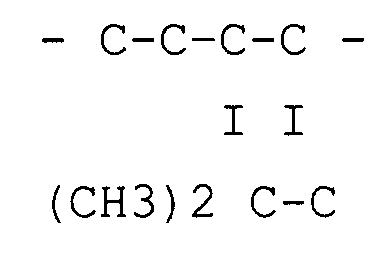
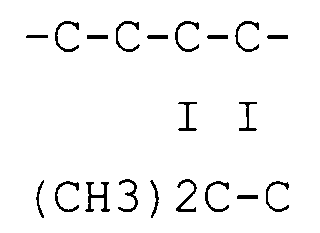
Therefore our invention concerns in the first instance with esters of conjugated linoleic acid (= CLA) and a food allowable alcohol wherein the food allowable alcohol is selected from terpene alcohols or sesquiterpene alcohols. In particular the use of the alcohols with general formula I, wherein :
In the instance that an ester is desired wherein higher contents of a specific CLA-isomer is present the above process can be adapted to a process wherein a food allowable alcohol with the formula as defined above is reacted with a mix of free CLA with about 50 % of both main isomers (c9t11 and t10c12) and wherein the reaction is performed by partially converting this mixture of c9t11 and t10c12 CLA in the presence of an enzyme than can discriminate between c9t11 and t10c12-CLA isomers and which enzyme preferably is cand rugosa ,whereupon CLA-esters are isolated enriched in c9t11 CLA-isomer and free fatty esters are isolated as unconverted reactant enriched in t10c12 CLA isomer.
Other enzymes that can be applied are lipase D; lipase QL; lipase-SL; mucor miehei lipase, optionally on a support such as duolite; cand antartica lipase and lipozyme.
- first add a diluted base to the crude reaction mixture
- then separate the water phase and the organic phase
- followed by washing of the organic phase and adjusting the pH of this phase to pH 5-7
- and finally by removal of the water from this phase, preferably by distillation.
- the water phase of the reaction product obtained according to above process is acidified to a pH < 3.0, preferably < 1.5 ,
- whereupon the mixture obtained is separated in an upper layer and a residue and
- the upper layer is washed with water and the water is removed therefrom.
| 1) CLA menthol esters: | |
| 2.5 g | CLA 50:50, 80% main isomers (cis9,t11, t10,c12) |
| 0.02 g | demin water |
| 0.4 g | menthol |
| 0.026 g | Candida rugosa lipase |
| T 38 °C | |
| Reaction time 22 hours |
| Fame of CLA FFA | Fame of CLA menthol esters | |
| C16:0 | 2.4 | 2.3 |
| C16:1 | 0.1 | 0.1 |
| C18:0 | 2.5 | 1.7 |
| CLA,t,t | 2.8 | 0.6 |
| CLAc9,c11 | 1.1 | 0.4 |
| CLAc10,c12 | 1.3 | 0.4 |
| CLAc11,c13 | 0.6 | 0.9 |
| C18:1,t | 1.1 | 0.0 |
| C18:1,c | 10.8 | 13.7 |
| CLA-OX | 0.0 | 0.2 |
| C18:2,t | 0.4 | 0.6 |
| C18:2c | 2.1 | 3.6 |
| C20:0 | 0.7 | 0.1 |
| C20:1 | 0.3 | 0.0 |
| C22:0 | 0.1 | 0.1 |
| CLA,c9,t11 | 28.1 | 62.1 |
| CLA,t10,c12 | 45.5 | 13.2 |
| Ratio c9,t11: t10,c12 | 38:62 | 83:17 |
| Conversion | 32 % | |
| FFA, % | 99.3 | 1.85 |
| 2) CLA geraniol ester: | |
| 20 g | CLA 50:50 |
| 3.64 g | geraniol |
| 0.24 g | demin water |
| 0.2 g | Candida rugosa lipase |
| T 38 ° | |
| Reaction time | |
| 1 hour |
The aqueous phase was removed and added to 100 ml of a 20% hydrochloric acid solution and 100 ml of hexane and shaken vigorously. The organic layer was removed and washed with 3x 100 ml of demin water, 100 ml of brine and the solvent evaporated to leave 14 g of oil comprising 85 % FFA.
The organic phase was washed with 2x 100 ml of hot alkaline demin water, 100 ml of demin water and 100 ml of brine. The dry organic phase was passed through a column of basic alumina to remove any traces of remaining FFA and the solvent evaporated to yield 3 g of oil.
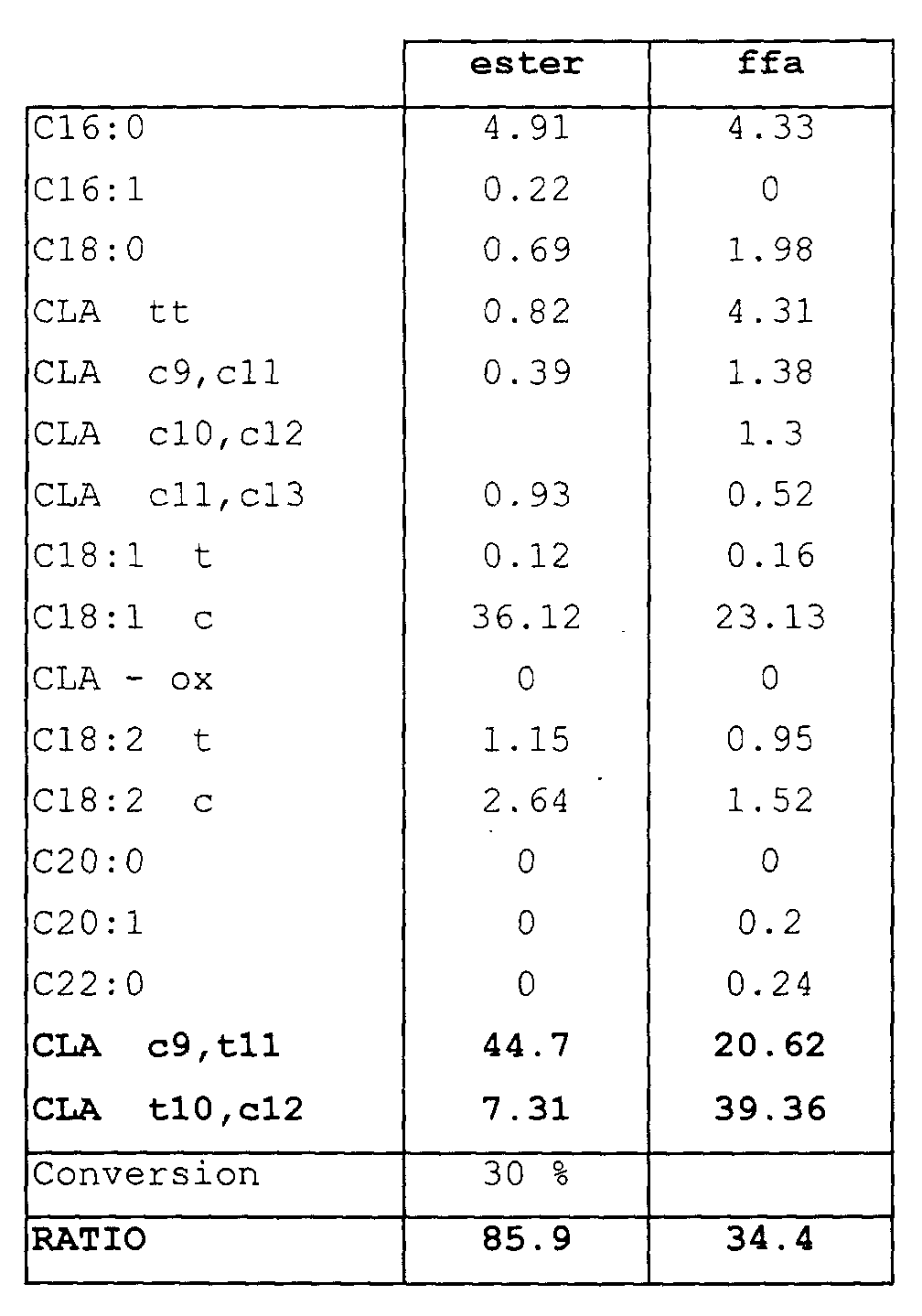
| 3) CLA citronellol ester: | |
| 5 g | CLA |
| 1.1 g | citronellol |
| 0.06 g | demin water |
| 0.1 g | Candida rugosa lipase |
| T 30 °C | |
| Reaction time 30 minutes |
| C16:0 | 2.89 |
| C16:1 | 0.21 |
| C18:0 | 0.71 |
| C18:1 | 9.98 |
| C18:2 | 1.47 |
| C20:0 | 0.47 |
| C20:1 | 0.28 |
| C22:1 | 0.41 |
| CLA c9,t11 | 39.65 |
| CLA t10,c12 | 7.65 |
| CLA c,c | 1.78 |
| CLA t,t | 6.99 |
| Conversion | 20 % |
| Ratio | 84:16 |
Claims (15)
- Esters of conjugated linoleic acid and a food allowable alcohol, wherein the food allowable alcohol is a terpene alcohol or a sesquiterpene alcohol.
- Esters of conjugated linoleic acid (=CLA) and a food allowable alcohol according to claim 1 wherein the terpene alcohol or sequiterpene alcohol is selected from the alcohols with general formula I ,wherein :R1 = H, or forms together with R4 a C-C bond,R2 = H or CH3R3 = H, CH3 or OHR4 = H or forms together with R1, or with R6 or with R14 a C-C bond, or forms together with R9 a -C- bridge or forms together with R9 aresidue
 R5 = H or forms together with R13 or with R14 a C-C bondR6 = H or forms together with R4 a C-C bondR7 = H, or OHR8 = H or OH or forms together with R10 a C-C bondR9 = H,or forms together with R4 a -C- bridge or aresidue
 R10 = H or forms together with R8 or with R12 a C-C bondR11 = H, i-propyl, i-propenyl, CH3 or forms together with R4 a -C(CH3)2- bridgeR12 = H or forms together with R10 a C-C bondR13 = H, OH, or-C(CH3)=C-C(OH)- or forms together with R5 a C-C bondR14 = H, or forms together with R4 or R5 a C-C bond
 - Esters according to claims 1-2, wherein the alcohol is selected from the group consisting of menthol, isopulegol, methenol, carveol, carvomenthenol, carvomenthol, isobornylalcohol, caryophyllenealcohol, geraniol, farnesol and citronellol.
- Esters according to claims 1-3 wherein the CLA residue of the esters comprise more than 80 wt %, preferably more than 90 wt % and in particular more than 95 wt % of c9t11 plus t10c12 CLA isomers.
- Esters according to claim 4 wherein the c9t11 and t10c12 CLA-isomers are present in a weight ratio of 50:50.
- Esters according to claim 4 wherein the c9t11 : t10c12 isomer weight ratio in the CLA-esters is more than 70 : 30 , in particular more than 80 : 20.
- Esters of CLA and menthol wherein more than 80 wt %, preferably more than 90 wt % of the CLA residue of the esters consists of c9t11-CLA, while less than 2 wt % of the total CLA-residue consists of CLA-isomers other than c9t11 and t10c12 and the esters contain less than 5 wt % preferably less than 3 wt% of free fatty acids .
- Process for the preparation of esters of conjugated linoleic acid (=CLA) and a food allowable alcohol as defined in claim 1, wherein free conjugated linoleic acid is reacted with a food allowable alcohol as defined in claim 1 in the presence of less than 1.8 wt % water and a lipase.
- Process for the preparation of esters of CLA and a food allowable alcohol with the formula as defined in claim 1 wherein the esters obtained are enriched in c9t11-CLA and wherein the reaction is performed by partially converting a mixture of c9t11 and t10c12 CLA in a weight ratio of about 50:50 and a food allowable alcohol from the group as defined in claim 1 in the presence of an enzyme than can discriminate between c9t11 and t10c12-CLA isomers and which enzyme preferably is cand rugosa ,whereupon CLA-esters are isolated enriched in c9t11 CLA-isomer and free fatty esters are isolated as unconverted reactant enriched in t10c12 CLA isomer.
- Process according to claims 9 and 10 wherein the crude reaction mixture obtained is worked up by :first adding a diluted base to the crude reaction mixtureseparating the water phase and the organic phasewashing of the organic phase and adjusting the pH of this phase to pH 5-7removal of the water from this phase ,preferably by distillation
- Process for the preparation of a free CLA mixture enriched in t10c12-CLA wherein:the water phase of the reaction product obtained according to the process of claim 10 is acidified to a pH < 3.0, preferably < 1.5 ,whereupon the mixture obtained is separated in an upper layer and a residue andthe upper layer is washed with water and the water is removed therefrom.
- Food products comprising a fat and a health component wherein the health component is one or more of the good tasting esters according to claims 1 - 7.
- Food products according to claim 12 wherein the food product is selected from the group consisting of spreads (10-90% fat contents); dressings, mayonnaise, cheese, ice cream, ice cream coatings; confectionery coatings or fillings; sauces and culinary products.
- Food products according to claims 12 and 13 wherein the food product contains on total product 0.5 to 20 wt % of the esters of CLA according to claims 1 - 8.
- Process for the preparation of triglycerides wherein at least one of the fatty acid residues is a conjugated linoleic acid residue wherein an ester composition according to claims 1 -7 is converted with glycerol or with a vegetable oil in the presence of a base or an enzyme while in the instance that glycerol is converted the liberated alcohol residue from the esters of the CLA-esters is removed from the reaction mix during the conversion.
Priority Applications (1)
| Application Number | Priority Date | Filing Date | Title |
|---|---|---|---|
| EP01201646A EP1167340B1 (en) | 2000-06-19 | 2001-05-07 | Cla-esters |
Applications Claiming Priority (4)
| Application Number | Priority Date | Filing Date | Title |
|---|---|---|---|
| EP00305185 | 2000-06-19 | ||
| EP00305185 | 2000-06-19 | ||
| EP03051851 | 2000-06-19 | ||
| EP01201646A EP1167340B1 (en) | 2000-06-19 | 2001-05-07 | Cla-esters |
Publications (3)
| Publication Number | Publication Date |
|---|---|
| EP1167340A2 true EP1167340A2 (en) | 2002-01-02 |
| EP1167340A3 EP1167340A3 (en) | 2002-06-19 |
| EP1167340B1 EP1167340B1 (en) | 2003-12-17 |
Family
ID=26073203
Family Applications (1)
| Application Number | Title | Priority Date | Filing Date |
|---|---|---|---|
| EP01201646A Expired - Lifetime EP1167340B1 (en) | 2000-06-19 | 2001-05-07 | Cla-esters |
Country Status (1)
| Country | Link |
|---|---|
| EP (1) | EP1167340B1 (en) |
Cited By (2)
| Publication number | Priority date | Publication date | Assignee | Title |
|---|---|---|---|---|
| EP2055199A1 (en) | 2007-10-29 | 2009-05-06 | Lipid Nutrition B.V. | Dressing composition |
| WO2009123355A3 (en) * | 2008-04-01 | 2009-12-10 | Takasago International Corporation | Cooling sensation agent composition and sensory stimulation agent composition |
Family Cites Families (2)
| Publication number | Priority date | Publication date | Assignee | Title |
|---|---|---|---|---|
| JP2001526219A (en) * | 1997-12-23 | 2001-12-18 | ディーシーブイ インコーポレイテッド ディー/ビー/エイ バイオ テクニカル リソーセス | Esters of conjugated linoleic acid and conjugated linolenic acid and uses thereof |
| JP2000212335A (en) * | 1999-01-21 | 2000-08-02 | Bridgestone Corp | Rubber composition |
-
2001
- 2001-05-07 EP EP01201646A patent/EP1167340B1/en not_active Expired - Lifetime
Cited By (3)
| Publication number | Priority date | Publication date | Assignee | Title |
|---|---|---|---|---|
| EP2055199A1 (en) | 2007-10-29 | 2009-05-06 | Lipid Nutrition B.V. | Dressing composition |
| WO2009123355A3 (en) * | 2008-04-01 | 2009-12-10 | Takasago International Corporation | Cooling sensation agent composition and sensory stimulation agent composition |
| US8632792B2 (en) | 2008-04-01 | 2014-01-21 | Takasago International Corporation | Cooling sensation agent composition and sensory stimulation agent composition |
Also Published As
| Publication number | Publication date |
|---|---|
| EP1167340B1 (en) | 2003-12-17 |
| EP1167340A3 (en) | 2002-06-19 |
Similar Documents
| Publication | Publication Date | Title |
|---|---|---|
| JP4175698B2 (en) | Novel triglyceride and composition containing the same | |
| US9365800B2 (en) | Method for producing composition containing highly unsaturated fatty acid alkyl ester | |
| KR100990814B1 (en) | Process for producing fatty acid composition containing DHA | |
| CA2499138C (en) | Conjugated linoleic acid compositions | |
| US20020142089A1 (en) | Oil composition | |
| JP2000502740A (en) | Mixture of polyunsaturated fatty acids and fatty acid esters without sterol and phosphorus compounds | |
| JP2003500082A (en) | Concentration and purification of polyunsaturated fatty acid esters by a combination of distillation-enzymatic transesterification | |
| CA2350967C (en) | Cla-esters | |
| KR101204748B1 (en) | Process for Preparing Triglycerides Containing High Concentrations of Polyunsaturated Fatty Acids | |
| RU2005141141A (en) | METHOD FOR PRODUCING FATTY ACIDS HAVING A LOW CONTENT OF TRANS-FATTY ACIDS | |
| EP1167340B1 (en) | Cla-esters | |
| JPS58165796A (en) | Concentration of long chain highly unsaturated fatty acid glyceride | |
| JPH0751075A (en) | Production of docosahexaenoic acid-containing substance | |
| Sun et al. | The enrichment of docosahexaenoic acid from microalgal oil by urea complexation via rotary-evaporation crystallization | |
| JP3853767B2 (en) | Conjugated fatty acid menthol ester and method for producing the same | |
| JP4850153B2 (en) | Novel triglyceride and composition containing the same | |
| CN1204638A (en) | Preparation of docosahexenoic acid and esterification technology | |
| NO312163B1 (en) | Wax esters enriched in <omega> -3 unsaturated fatty acids, their preparation and their use | |
| DE DK et al. | Cla-ester Cla-esters | |
| KR101949741B1 (en) | Manufacturing method of monogalactosyldiacylglycerol containing high phenolic acid content | |
| KR20240161024A (en) | Method for producing triglyceride containing high-purity omega-3 fatty acids from a three-step process | |
| JPS62153249A (en) | Glyceride of eicosapentaenoic acid, production thereof and fat or oil product containing said glyceride | |
| JPH04503823A (en) | Production method of fatty acid glyceride | |
| JPWO1994021766A1 (en) | Method for separating and purifying docosahexaenoic acid or its esters from marine microalgae |
Legal Events
| Date | Code | Title | Description |
|---|---|---|---|
| PUAI | Public reference made under article 153(3) epc to a published international application that has entered the european phase |
Free format text: ORIGINAL CODE: 0009012 |
|
| AK | Designated contracting states |
Kind code of ref document: A2 Designated state(s): AT BE CH CY DE DK ES FI FR GB GR IE IT LI LU MC NL PT SE TR |
|
| AX | Request for extension of the european patent |
Free format text: AL;LT;LV;MK;RO;SI |
|
| PUAL | Search report despatched |
Free format text: ORIGINAL CODE: 0009013 |
|
| AK | Designated contracting states |
Kind code of ref document: A3 Designated state(s): AT BE CH CY DE DK ES FI FR GB GR IE IT LI LU MC NL PT SE TR |
|
| AX | Request for extension of the european patent |
Free format text: AL;LT;LV;MK;RO;SI |
|
| RIC1 | Information provided on ipc code assigned before grant |
Free format text: 7C 07C 69/52 A, 7C 12P 7/64 B, 7C 07C 67/03 B, 7A 23D 7/00 B, 7C 11C 3/00 B |
|
| 17P | Request for examination filed |
Effective date: 20020622 |
|
| 17Q | First examination report despatched |
Effective date: 20020913 |
|
| AKX | Designation fees paid |
Designated state(s): AT BE CH CY DE DK ES FI FR GB GR IE IT LI LU MC NL PT SE TR |
|
| GRAH | Despatch of communication of intention to grant a patent |
Free format text: ORIGINAL CODE: EPIDOS IGRA |
|
| GRAS | Grant fee paid |
Free format text: ORIGINAL CODE: EPIDOSNIGR3 |
|
| GRAA | (expected) grant |
Free format text: ORIGINAL CODE: 0009210 |
|
| RAP1 | Party data changed (applicant data changed or rights of an application transferred) |
Owner name: LODERS CROKLAAN B.V. |
|
| AK | Designated contracting states |
Kind code of ref document: B1 Designated state(s): AT BE CH CY DE DK ES FI FR GB GR IE IT LI LU MC NL PT SE TR |
|
| PG25 | Lapsed in a contracting state [announced via postgrant information from national office to epo] |
Ref country code: IT Free format text: LAPSE BECAUSE OF FAILURE TO SUBMIT A TRANSLATION OF THE DESCRIPTION OR TO PAY THE FEE WITHIN THE PRESCRIBED TIME-LIMIT;WARNING: LAPSES OF ITALIAN PATENTS WITH EFFECTIVE DATE BEFORE 2007 MAY HAVE OCCURRED AT ANY TIME BEFORE 2007. THE CORRECT EFFECTIVE DATE MAY BE DIFFERENT FROM THE ONE RECORDED. Effective date: 20031217 Ref country code: LI Free format text: LAPSE BECAUSE OF FAILURE TO SUBMIT A TRANSLATION OF THE DESCRIPTION OR TO PAY THE FEE WITHIN THE PRESCRIBED TIME-LIMIT Effective date: 20031217 Ref country code: FI Free format text: LAPSE BECAUSE OF FAILURE TO SUBMIT A TRANSLATION OF THE DESCRIPTION OR TO PAY THE FEE WITHIN THE PRESCRIBED TIME-LIMIT Effective date: 20031217 Ref country code: AT Free format text: LAPSE BECAUSE OF FAILURE TO SUBMIT A TRANSLATION OF THE DESCRIPTION OR TO PAY THE FEE WITHIN THE PRESCRIBED TIME-LIMIT Effective date: 20031217 Ref country code: CY Free format text: LAPSE BECAUSE OF FAILURE TO SUBMIT A TRANSLATION OF THE DESCRIPTION OR TO PAY THE FEE WITHIN THE PRESCRIBED TIME-LIMIT Effective date: 20031217 Ref country code: CH Free format text: LAPSE BECAUSE OF FAILURE TO SUBMIT A TRANSLATION OF THE DESCRIPTION OR TO PAY THE FEE WITHIN THE PRESCRIBED TIME-LIMIT Effective date: 20031217 Ref country code: TR Free format text: LAPSE BECAUSE OF FAILURE TO SUBMIT A TRANSLATION OF THE DESCRIPTION OR TO PAY THE FEE WITHIN THE PRESCRIBED TIME-LIMIT Effective date: 20031217 |
|
| REG | Reference to a national code |
Ref country code: GB Ref legal event code: FG4D |
|
| REG | Reference to a national code |
Ref country code: CH Ref legal event code: EP |
|
| REG | Reference to a national code |
Ref country code: IE Ref legal event code: FG4D |
|
| REF | Corresponds to: |
Ref document number: 60101509 Country of ref document: DE Date of ref document: 20040129 Kind code of ref document: P |
|
| PG25 | Lapsed in a contracting state [announced via postgrant information from national office to epo] |
Ref country code: GR Free format text: LAPSE BECAUSE OF FAILURE TO SUBMIT A TRANSLATION OF THE DESCRIPTION OR TO PAY THE FEE WITHIN THE PRESCRIBED TIME-LIMIT Effective date: 20040317 Ref country code: SE Free format text: LAPSE BECAUSE OF FAILURE TO SUBMIT A TRANSLATION OF THE DESCRIPTION OR TO PAY THE FEE WITHIN THE PRESCRIBED TIME-LIMIT Effective date: 20040317 Ref country code: DK Free format text: LAPSE BECAUSE OF FAILURE TO SUBMIT A TRANSLATION OF THE DESCRIPTION OR TO PAY THE FEE WITHIN THE PRESCRIBED TIME-LIMIT Effective date: 20040317 |
|
| PG25 | Lapsed in a contracting state [announced via postgrant information from national office to epo] |
Ref country code: ES Free format text: LAPSE BECAUSE OF FAILURE TO SUBMIT A TRANSLATION OF THE DESCRIPTION OR TO PAY THE FEE WITHIN THE PRESCRIBED TIME-LIMIT Effective date: 20040328 |
|
| PG25 | Lapsed in a contracting state [announced via postgrant information from national office to epo] |
Ref country code: IE Free format text: LAPSE BECAUSE OF NON-PAYMENT OF DUE FEES Effective date: 20040507 Ref country code: LU Free format text: LAPSE BECAUSE OF NON-PAYMENT OF DUE FEES Effective date: 20040507 |
|
| PG25 | Lapsed in a contracting state [announced via postgrant information from national office to epo] |
Ref country code: MC Free format text: LAPSE BECAUSE OF NON-PAYMENT OF DUE FEES Effective date: 20040531 |
|
| REG | Reference to a national code |
Ref country code: CH Ref legal event code: PL |
|
| ET | Fr: translation filed | ||
| PLBE | No opposition filed within time limit |
Free format text: ORIGINAL CODE: 0009261 |
|
| STAA | Information on the status of an ep patent application or granted ep patent |
Free format text: STATUS: NO OPPOSITION FILED WITHIN TIME LIMIT |
|
| 26N | No opposition filed |
Effective date: 20040920 |
|
| REG | Reference to a national code |
Ref country code: IE Ref legal event code: MM4A |
|
| PG25 | Lapsed in a contracting state [announced via postgrant information from national office to epo] |
Ref country code: PT Free format text: LAPSE BECAUSE OF NON-PAYMENT OF DUE FEES Effective date: 20040517 |
|
| REG | Reference to a national code |
Ref country code: GB Ref legal event code: 732E Free format text: REGISTERED BETWEEN 20111103 AND 20111109 |
|
| PGFP | Annual fee paid to national office [announced via postgrant information from national office to epo] |
Ref country code: DE Payment date: 20130515 Year of fee payment: 13 Ref country code: GB Payment date: 20130501 Year of fee payment: 13 |
|
| PGFP | Annual fee paid to national office [announced via postgrant information from national office to epo] |
Ref country code: BE Payment date: 20130531 Year of fee payment: 13 Ref country code: NL Payment date: 20130510 Year of fee payment: 13 Ref country code: FR Payment date: 20130531 Year of fee payment: 13 |
|
| REG | Reference to a national code |
Ref country code: DE Ref legal event code: R119 Ref document number: 60101509 Country of ref document: DE |
|
| REG | Reference to a national code |
Ref country code: NL Ref legal event code: V1 Effective date: 20141201 |
|
| GBPC | Gb: european patent ceased through non-payment of renewal fee |
Effective date: 20140507 |
|
| PG25 | Lapsed in a contracting state [announced via postgrant information from national office to epo] |
Ref country code: NL Free format text: LAPSE BECAUSE OF NON-PAYMENT OF DUE FEES Effective date: 20141201 |
|
| REG | Reference to a national code |
Ref country code: FR Ref legal event code: ST Effective date: 20150130 |
|
| REG | Reference to a national code |
Ref country code: DE Ref legal event code: R119 Ref document number: 60101509 Country of ref document: DE Effective date: 20141202 |
|
| PG25 | Lapsed in a contracting state [announced via postgrant information from national office to epo] |
Ref country code: DE Free format text: LAPSE BECAUSE OF NON-PAYMENT OF DUE FEES Effective date: 20141202 |
|
| PG25 | Lapsed in a contracting state [announced via postgrant information from national office to epo] |
Ref country code: GB Free format text: LAPSE BECAUSE OF NON-PAYMENT OF DUE FEES Effective date: 20140507 Ref country code: FR Free format text: LAPSE BECAUSE OF NON-PAYMENT OF DUE FEES Effective date: 20140602 |
|
| PG25 | Lapsed in a contracting state [announced via postgrant information from national office to epo] |
Ref country code: BE Free format text: LAPSE BECAUSE OF NON-PAYMENT OF DUE FEES Effective date: 20140531 |