EP1164198A1 - Method for screening anticancer agent - Google Patents
Method for screening anticancer agent Download PDFInfo
- Publication number
- EP1164198A1 EP1164198A1 EP00911309A EP00911309A EP1164198A1 EP 1164198 A1 EP1164198 A1 EP 1164198A1 EP 00911309 A EP00911309 A EP 00911309A EP 00911309 A EP00911309 A EP 00911309A EP 1164198 A1 EP1164198 A1 EP 1164198A1
- Authority
- EP
- European Patent Office
- Prior art keywords
- cell
- tsa
- protein
- binding
- transcriptional
- Prior art date
- Legal status (The legal status is an assumption and is not a legal conclusion. Google has not performed a legal analysis and makes no representation as to the accuracy of the status listed.)
- Granted
Links
Images

Classifications
-
- C—CHEMISTRY; METALLURGY
- C12—BIOCHEMISTRY; BEER; SPIRITS; WINE; VINEGAR; MICROBIOLOGY; ENZYMOLOGY; MUTATION OR GENETIC ENGINEERING
- C12Q—MEASURING OR TESTING PROCESSES INVOLVING ENZYMES, NUCLEIC ACIDS OR MICROORGANISMS; COMPOSITIONS OR TEST PAPERS THEREFOR; PROCESSES OF PREPARING SUCH COMPOSITIONS; CONDITION-RESPONSIVE CONTROL IN MICROBIOLOGICAL OR ENZYMOLOGICAL PROCESSES
- C12Q1/00—Measuring or testing processes involving enzymes, nucleic acids or microorganisms; Compositions therefor; Processes of preparing such compositions
- C12Q1/68—Measuring or testing processes involving enzymes, nucleic acids or microorganisms; Compositions therefor; Processes of preparing such compositions involving nucleic acids
- C12Q1/6897—Measuring or testing processes involving enzymes, nucleic acids or microorganisms; Compositions therefor; Processes of preparing such compositions involving nucleic acids involving reporter genes operably linked to promoters
-
- A—HUMAN NECESSITIES
- A61—MEDICAL OR VETERINARY SCIENCE; HYGIENE
- A61P—SPECIFIC THERAPEUTIC ACTIVITY OF CHEMICAL COMPOUNDS OR MEDICINAL PREPARATIONS
- A61P35/00—Antineoplastic agents
Definitions
- the present invention relates to a method for screening an anticancer agent. It specifically relates to a method for screening an anticancer agent targeting the Sp3 protein involved in the tumor-suppressing mechanism.
- TSA Trichostatin A
- trapoxin Itazaki H et al. (1990). J. Antibiot., 43, 1524-1532
- HDAC histone deacetylases
- HDAC histone deacetylase
- transcriptional repressors and transcription corepressors form complexes with HDAC, gradually revealed that HDAC plays an important role in transcriptional repression (Wolffe AP. (1997). Nature, 387, 16-17).
- HDAC inhibitors show antitumor activity, HDAC may repress transcription of a group of antitumor genes whose products induce cell proliferation arrest or cell differentiation (DePinho RA. (1998). Nature, 391, 533-536).
- TGF- ⁇ and GGTI-298 have been reported to induce transcription of p21/WAF1/Cip1 by enhancing the transcriptional activity of Sp1, whereas progesterone accomplishes the same through Sp1 and CBP/p300 (Li JM et al. (1998) . Nucleic Acids Res., 26, 2449-2456; Owen GI et al. (1998). J. Biol. Chem., 273, 10696-10701).
- An objective of this invention is to provide an efficient method for screening an anticancer agent.
- TSA which is known to be a HDAC inhibitor having a tumor-suppressing effect
- TSA activated the p21/WAF1/Cip1 promoter through the Sp1 binding sequence
- the inventors thought it might be possible to screen an anticancer agent targeting a novel molecule by identifying a new molecule involved in the signal transduction leading to the activation of the p21/WAF1/Cip1 promoter in response to a TSA stimulus.
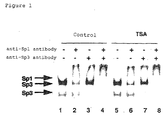
- the inventors first searched for factors that bound to the Sp1 binding sequence in the p21/WAF1/Cip1 promoter during the activation of the promoter by TSA. Thereby, they revealed that Sp1 and Sp3 were the main molecules that bound to the Sp1 binding sequence in the p21/WAF1/Cip1 promoter (Lania L et al. (1997). Int. J. Biochem. Cell Biol., 29, 1313-1323).
- the inventors In addition to the p21/WAF1/Cip1 promoter, the inventors also examined the function of Sp1 and Sp3 by an assay system using the luciferase gene, which is activated depending on the GAL4 binding sequence, as the reporter gene. They revealed that transcriptional induction of the reporter gene by TSA occurred in the presence of GAL4-Sp3, which is a fusion protein of GAL4 and Sp3, but it did not occur in the presence of GAL4-Sp1, which is a fusion protein of GAL4 and Sp1. Furthermore, by constructing various Sp3 deletion mutants, they showed that transcriptional activation in response to a TSA stimulus could occur if at least one of the two glutamine-rich domains contained in the transcription activation domain was present. They also revealed that the forced expression of dominant negative Sp3 that lacks a transcription activation domain repressed the TSA-mediated activation of p21/WAF1/Cip1 promoter and that of the promoter activated through the Sp1 binding sequence.
- This invention relates to a method for screening an anticancer agent targeting the Sp3 protein involved in tumor suppression. It especially relates to a method for efficiently screening an anticancer agent using the luciferase gene activated depending on the GAL4 binding sequence as the reporter gene. This invention specifically relates to:
- the transcription activation domain of Sp3 can elevate the transcription from p21/WAF1/Cip1 promoter.
- p21/WAF1/Cip1 gene has a cell proliferation suppressing effect, and its expression is elevated by TSA known to have a tumor-suppressing effect.
- the expression of p21/WAF1/Cip1 is also known to be induced through the Sp1 binding sequence by plural HDAC inhibitors closely related to antitumor effects.
- this invention revealed that Sp3 was involved in the induction of transcription through the Sp1 binding sequence, it is thought that the treatment and prevention of cancer are also possible by enhancing the activity of Sp3 that suppresses cell neoplasia.
- the method of this invention for screening an anticancer agent is based on the finding by the inventors that Sp3 is involved in the signal transduction leading to the expression of antitumor effects in response to a TSA stimulus. This method is also based on the finding that the system developed by the inventors for detecting the transcriptional activity of Sp3 using a reporter gene can also be used for the screening of a compound that has an antitumor effect similar to TSA.
- the principle behind the screening method of this invention is as follows: First, the vectors are constructed.
- the first vector comprises, in an expressible manner, DNA encoding a fusion protein comprising a region having the transcriptional activation capacity of the Sp3 protein and a region having the DNA binding capacity of a heteroprotein.
- the second vector comprises the binding sequence of the heteroprotein, an expression regulatory sequence activated by the binding of the fusion protein, and a downstream reporter gene functionally bound to the regulatory sequence.
- These vectors are then introduced into a cell. In this cell, the fusion protein that comprises the region having transcriptional activation capacity of Sp3 protein and the region having DNA binding capacity of the heteroprotein is expressed through the first vector.
- the fusion protein binds to the expression regulatory region in the second vector through the DNA binding region derived from the heteroprotein.
- a compound that acts positively upon an antitumor signal like TSA comes into contact with the cell, the expression of a reporter gene existing downstream of the expression regulatory region in the second vector is induced through the activation of transcription or cancellation of the transcriptional repression of the reporter gene through the transcription activation region derived from the Sp3 protein in the fusion protein. Therefore, if this assay system using the reporter gene is employed, an efficient, Sp3-mediated screening of an anticancer agent is possible by detecting the reporter activity in the cell after contacting the test sample and the cell.
- the screeningmethod of this invention includes the steps of (a) preparing a cell carrying (i) the first vector comprising, in an expressible manner, DNA encoding a fusion protein comprising a region having the transcriptional activation capacity of the Sp3 protein and a region having the DNA binding capacity of a heteroprotein and (ii) the second vector that comprises a binding sequence of the heteroprotein, an expression regulatory sequence activated by the binding of the fusion protein, and a downstream reporter gene functionally bound to the regulatory sequence, (b) bringing a test sample into contact with the cell and measuring the reporter activity, and (c) selecting a compound that elevates the reporter activity compared with a control test in which the test sample is not contacted with the cell.
- the first vector used in the screening of this invention comprises , in an expressible manner, DNA encoding a fusion protein comprising a region having the transcriptional activation capacity of the Sp3 protein and a region having the DNA binding capacity of a heteroprotein.
- DNA in an expressible manner means that the DNA encoding the fusion protein is connected to the expression regulatory region (promoter or enhancer, for example) that ensures expression in the vector.
- DNA encoding the fusion protein is inserted into the downstream of an appropriate promoter within the vector such as the CMV promoter, so that the vector can express the fusion protein in an appropriate host cell such as an animal cell or a yeast cell.
- the region having transcriptional activation capacity of the Sp3 protein comprised in the fusion protein expressed by the first vector is not especially limited as long as it contains a region capable of transcriptional activation in response to a TSA stimulus. Desirably, such a region comprises at least a part of the transcription activation domain and lacks at least a part of the DNA binding domain.
- the screening of this invention is possible even in the presence of the DNA binding region derived from Sp3, the presence of this region is not desirable because a fusion protein comprising this region can bind to various endogenous Sp1 binding sequences .
- a desirable region comprises at least one of the two glutamine-rich regions (amino acids 10-123 and 223-358) and lacks at least a part of the Zinc finger region (amino acids 495-517, 525-547, and 555-575) (Chris, K. et al., 1992, J. Biol. Chem., 12: 4251-4261).
- the species from which Sp3 protein derives is not limited. For example, Sp3 protein from humans, mammals, or other species can be used.
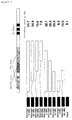
- the region, specifically, amino acids 1-398, 81-398, 161-398, 1-320, 1-240, or 1-160 of human Sp3 protein as shown in figure 3 can be used appropriately for this invention, but it is not to be construed as being limited thereto.
- the heteroprotein contained in the fusion protein expressed by the first vector is not specially limited as long as it can bind specifically to a specified DNA sequence.
- the GAL4 protein, LexA protein (Gyuris, J. et al., 1993, Cell, 75: 791-803) , tetracycline repressor protein (Tet R) (Manfred, G. et al., 1992, Proc. Natl. Acad. Sci. USA, 89: 5547-5551)
- Tet R tetracycline repressor protein
- Partial peptides of these proteins can also be used as long as they bind specifically to a specified DNA sequence.
- the region having DNA binding capacity of the heteroprotein can be, for example, peptides comprising the DNA binding domain of GAL4 protein (for example, amino acids 1-94 or 1-147), the DNA binding domain of LexA protein (for example, amino acids 1-202) (Erica, A. et al., 1992, Mol. Cell. Biol., 12: 3006-3014), and the DNA binding domain of tetracycline repressor protein (Tet R) (Manfred, G. et al., 1992, Proc, Natl. Acad. Sci. USA, 89 : 5547-5551), but the peptides are not to be construed as being limited thereto.
- GAL4 protein for example, amino acids 1-94 or 1-147
- LexA protein for example, amino acids 1-202
- Tet R tetracycline repressor protein
- the second vector of this invention comprises a binding sequence of the heteroprotein, the expression regulatory sequence activated by the binding of the fusion protein, and the downstream reporter gene functionally bound to the regulatory sequence.
- the binding sequence of the heteroprotein used for the construction of the second vector of this invention is not specially limited as long as the fusion protein expressed by the first expression vector can bind specifically to the binding sequence.
- the binding sequence can be, for example, "5'-tccctatcagtgatagaga-3' " (Manfred, G. et al., 1992, Proc. Natl. Acad. Sci. USA, 89: 5547-5551).
- binding sequence that is not recognized by endogenous proteins within the cell transfected by the vector. It is not desirable to use a sequence recognized by endogenous proteins because reporter activities generated in response to the actions of endogenous proteins may be detected.
- a promoter sequence (such as the TATA sequence and Kozak sequence) can also be included in the second vector as an expression regulatory sequence in addition to the binding sequence.
- the expression regulatory sequence used in the second vector can be, for example, the 5x GAL4 binding sequence, the E1B minimal promoter, and the DNA sequence containing TATA sequence.
- the reporter gene is functionally bound to the downstream of the expression regulatory sequence.
- the phrase "functionally bound” indicates that the reporter gene is bound to the expression regulatory sequence so as to be expressed in response to the binding of the fusion protein derived from the first vector to the expression regulatory sequence.
- reporter gene used for this invention is not specially limited as long as its product is detectable, it is desirable to use a gene whose product can be detected without complicated manipulations such as Northern blotting analysis or Western blotting analysis.
- Suitable reporter genes are, for example, the luciferase gene, chloramphenicol acetyltransferase (CAT) gene, beta-galactosidase ( ⁇ -Gal) gene, human growth hormone (hGH) gene, and secreted alkaline phosphatase (SEAP) gene.
- the cell used for the screening of this invention is not specially limited.
- a human cell or a mammalian cell such as MG63 cell (a cell line derived from human osteosarcoma) genetically lacking p53 can be used.
- a yeast cell or a cell of a microorganism such as Escherichia coli can also be used.
- a method known to one skilled in the art can be used for gene manipulations for constructing vectors, for the introduction of the vectors into the cell, etc.
- a test sample is brought to contact with the cell into which the two vectors described above have been introduced, and the reporter activity is measured.
- the test sample used for the screening can be, for example, a purified protein (including antibodies), gene library, products of a gene library, synthetic peptide library, cell extract, cell culture supernatant, synthetic low molecular compound library, natural extract, but it is not to be construed as being limited thereto .
- the test sample can be contacted with the cell by a method such as adding the test sample to cell culture medium or introducing the test sample into the cell (including the introduction of the gene) according to the kind of test sample used.
- Reporter activity can be detected by a method known to one skilled in the art according to the kind of reporter gene used.
- the reporter gene when luciferase gene is used as the reporter gene, the substrate for luciferase is added to the cell extract, and the amount of the light emitted by the enzymatic reaction is detected by a luminometer.
- CAT gene when CAT gene is used as the reporter gene, the amount of CAT in the cell extract can be detected by the ELISA method using anti-CAT antibodies .
- beta-galactosidase gene the substrate for beta-galactosidase is added to the cell extract, and the amount of the light emitted by the enzymatic reaction is detected by a luminometer.
- hGH human growth hormone
- SEAP secreted alkaline phosphatase
- test sample used becomes a candidate for a compound that inhibits proliferation of a tumor.
- the present invention also relates to an anticancer agent comprising as an active ingredient a compound that enhances the transcriptional activity mediated by Sp3.
- Such compounds that enhance Sp3 activity include various compounds having different sites of action. These compounds include, for example, those that act directly on Sp3 and promote its function, those that act upon molecules binding to Sp3 and promote function of Sp3 indirectly, those that act upon a group of proteins involved in the reaction from the binding of Sp3 to DNA to the transcription, those that inhibit the interaction between Sp3 and HDAC, those that inhibit the activity of HDAC, and those that inhibit the function of Sp1. These compounds can be isolated by the above-mentioned screening of this invention.
- a compound of this invention which enhances the transcriptional activity mediated by Sp3 is thought to be applicable to a wide range of tumors. Because the induction of p21/WAF1/Cip1 expression mediated by Sp3 does not depend on p53, the compound is expected to be applicable especially to tumors having mutated or deleted p53.
- a compound of this invention that enhances the transcriptional activity mediated by Sp3 is used as a pharmaceutical agent, it can be formulated by well-known pharmaceutical manufacturing methods.
- the compound can be administered as a formulation mixed properly with a pharmaceutically acceptable carrier or vehicle, specifically with sterile water, physiological saline, plant oil, emulsifier agent, suspending agent, detergent, stabilizer, etc.
- the compound can be administered to patients by, for example, transdermal, intranasal, transbronchial, intramuscular, intravenous, or oral administration depending on the properties of the compound.
- dosage can vary depending on age, weight, and symptoms of the patient, the method of administration, and so on, one skilled in the art can suitably select an appropriate dosage.
- the compound can be encoded by DNA, gene therapy is also possible by integrating the DNA into a vector for gene therapy.
- dosage and method of administration can vary depending on the weight, age, symptoms, and such of a patient, one skilled in the art can suitably select an appropriate dosage and a administration method.
- TSA induces transcription of p21/WAF1/Cip1 gene in a p53-independent manner through the Sp1 binding sequence, which exists in the promoter region of the p21/WAF1/Cip1 gene. Therefore, to elucidate the induction mechanism, the -87 to -72 bp region from the transcription start site, which is essential for transcriptional induction by TSA was used as a p21/WAF1/Cip1 probe and the binding protein was analyzed by gel shift assay (electrophoretic mobility shift assay; EMSA) as described below.
- EMSA electroactive mobility shift assay
- MG63 cells were incubated at 37°C in a humidified atmosphere of 5% CO 2 using DMEM medium (GIBCO BRL) containing 10% fetal calf serum (GIBCO BRL) .
- Nuclear extracts of these cells were prepared from both TSA-treated and untreated cells, according to the method of Dignam et al. (Dignam, J. D. et al., (1983) Nucleic Acids Res. 11:1475-1489).
- cells cultured in a dish (100mm) were incubated for 24 hours with 500 ng/ml TSA (Wako).
- the nuclei Upon centrifugation at 3,000 rpm for 10 minutes at 4°C, the nuclei were resuspended in 20 mM Hepes/KOH buffer (pH7.9) containing 400 mM NaCl, 1.5 mM MgCl 2 , 25% glycerol, 0.1 mM EDTA, 1 mM DTT, 5 mM NaF, 5 mM NaVO 4 , and 0.5 mM p-ABSF and mixed at 4°C for 60 minutes to extract the nuclear components. This extract was centrifuged at 35,000 rpm for 30 minutes at 4°C and the supernatant was recovered as nuclear extracts.
- the obtained nuclear extracts were dialyzed against 20 mM Hepes/KOH buffer (pH7.9) containing 400 mM KCl, 20% glycerol, 0.1 mM EDTA, 1 mM DTT, 5 mM NaF, 5 mM NaVO 4 , and 0.5 mM p-ABSF, and were stored at -80°C.
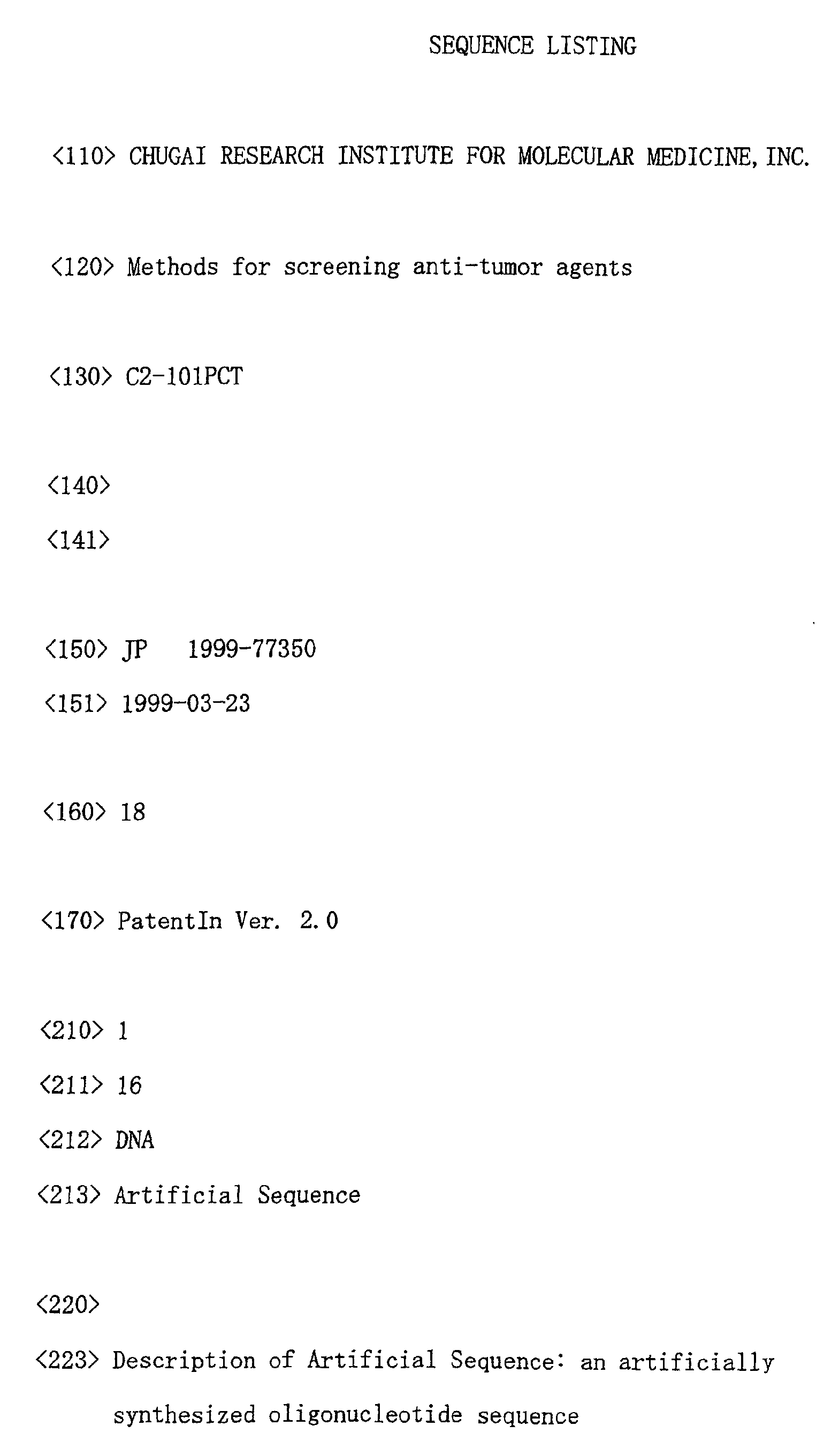
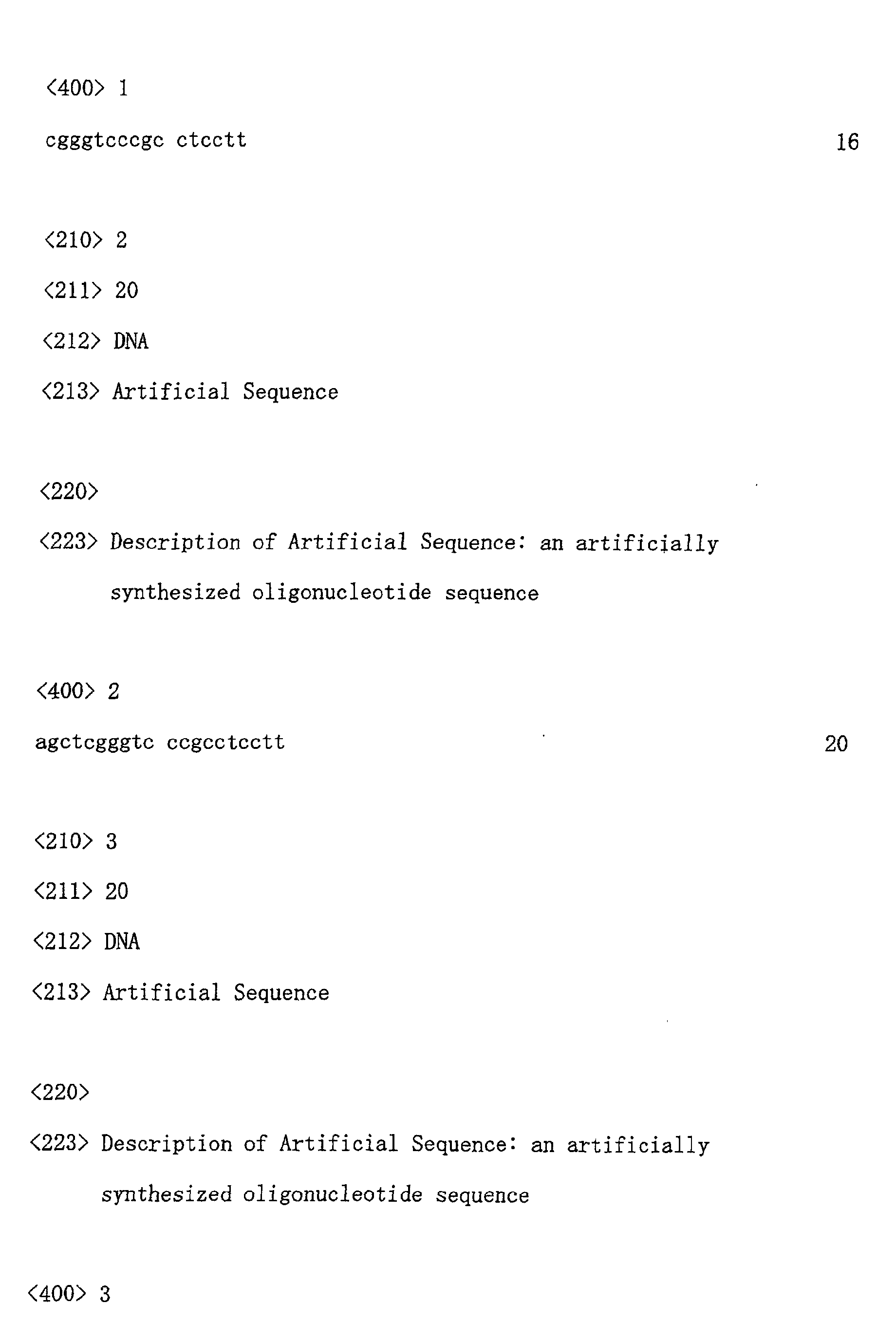
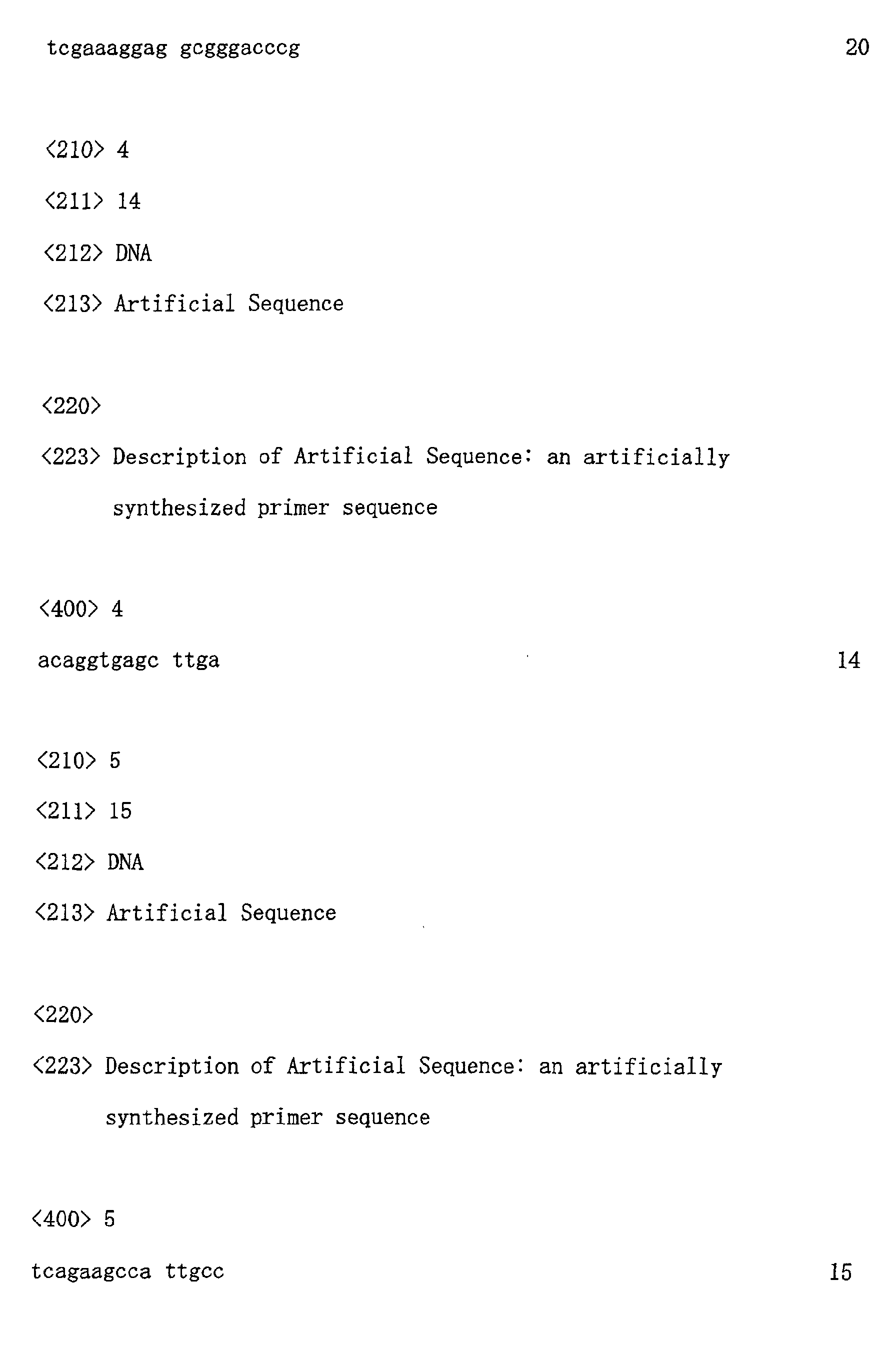
- oligonucleotides (5'-AGCTCGGGTCCCGCCTCCTT-3'/ SEQ ID NO: 2, and 5'-TCGAAAGGAGGCGGGACCCG-3'/ SEQ ID NO: 3) were synthesized.
- the DNAs were labeled using [ ⁇ - 33 P] dCTP and Klenow Fragment (TAKARA) , and these were used as DNA probes.
- reaction solution 8 mM Tris/HCl (pH7.9) , 24 mM Hepes/KCl (pH7.9) , 120 mM KCl, 24% glycerol, 2 mM EDTA, 2 mM DTT, 1 mg poly (dI-dC) (Pharmacia)
- 33 P-labeled DNA probe specific activity of 50,000 cpm/ ⁇ l was added and the binding reaction was allowed to proceed for 20 minutes.
- the two Sp3 bands are thought to originate from large (97 kDa) and small (60 kDa and 65 kDa) Sp3 proteins, respectively (Gustav, H. et al., (1994) EMBO J. 13: 3843-3851; Addanki, P. B. et al., (1997) Nucleic Acids Res. 25: 2012-2019). Therefore, Sp1 and Sp3 present in the nuclear extract of MG63 cells were actually shown to bind to the Sp1 binding region of p21/WAF1/Cip1, and this suggested that Sp1 and Sp3 were involved in TSA dependent transcriptional induction. These results are consistent with previous reports made by the inventors (Nakano, K. et al., (1997) J. Biol.
- TSA causes transcriptional induction through the Sp1 binding sequence of the p21/WAF1/Cip1 promoter, and similarly, it can cause transcriptional induction through the 3x Sp1 consensus binding sequence inserted into the SV40 promoter (Sowa, Y. et al., (1997) Biochem. Biophys. Res. Comm. 241: 142-150). Consequently, to determine whether Sp1 or Sp3 that bind to this Sp1 binding sequence is actually involved in transcriptional induction caused by TSA treatment, a reporter assay system using the GAL4 binding sequence was examined. Namely, when trying to observe effects of Sp1 or Sp3 by forced expression, endogenous effects of Sp1 or Sp3 will be detected if the Sp1 binding sequence is used as a promoter for the reporter gene. Therefore, forced expression of a fusion protein formed between the DNA binding domain of bacterial GAL4 protein and Sp1 or Sp3 allowed analysis of whether GAL4 binding sequence-dependent transcriptional activity is induced by TSA or whether Sp1 or Sp3 regulates this induction.
- GAL4 proteins that have Sp1 (amino acids 83-778), full-length Sp3 (amino acids 1-653), transcriptional activation domain-deleted Sp1 (amino acids 592-778) (DNSp1), or transcriptional activation domain-deleted Sp3 (amino acids 399-653) (DNSp3) attached to the C-terminal end of their DNA binding domain, each of these genes were inserted into a pM vector (Clontech) possessing a GAL4 binding domain. This yielded pM-Sp1, pM-Sp3, pM-DNSp1, and pM-DNSp3, respectively. Each of the Sp1 and Sp3 genes was amplified by PCR.
- pM-Sp1 production employed Sp1-S (5'-acaggtgagcttga-3'/ SEQ ID NO: 4) and Sp1-AS (5'-tcagaagccattgcc-3'/ SEQ ID NO: 5) as primers and used pPacSp1 as template for amplification (Kadonaga, J. T. et al., (1987) Cell 51: 1079-1090).
- pM-DNSp1 production employed DNSp1-S (5'-ccaaaaaagaagagaaaggtaacccggcgg-3'/ SEQ ID NO: 6) and DNSp1-AS (5'-gaagcatgcacctgc-3'/ SEQ ID NO: 7) as primers and used pM-Sp1 as template for amplification (Kadonaga, J. T. et al., (1987) Cell 51: 1079-1090).
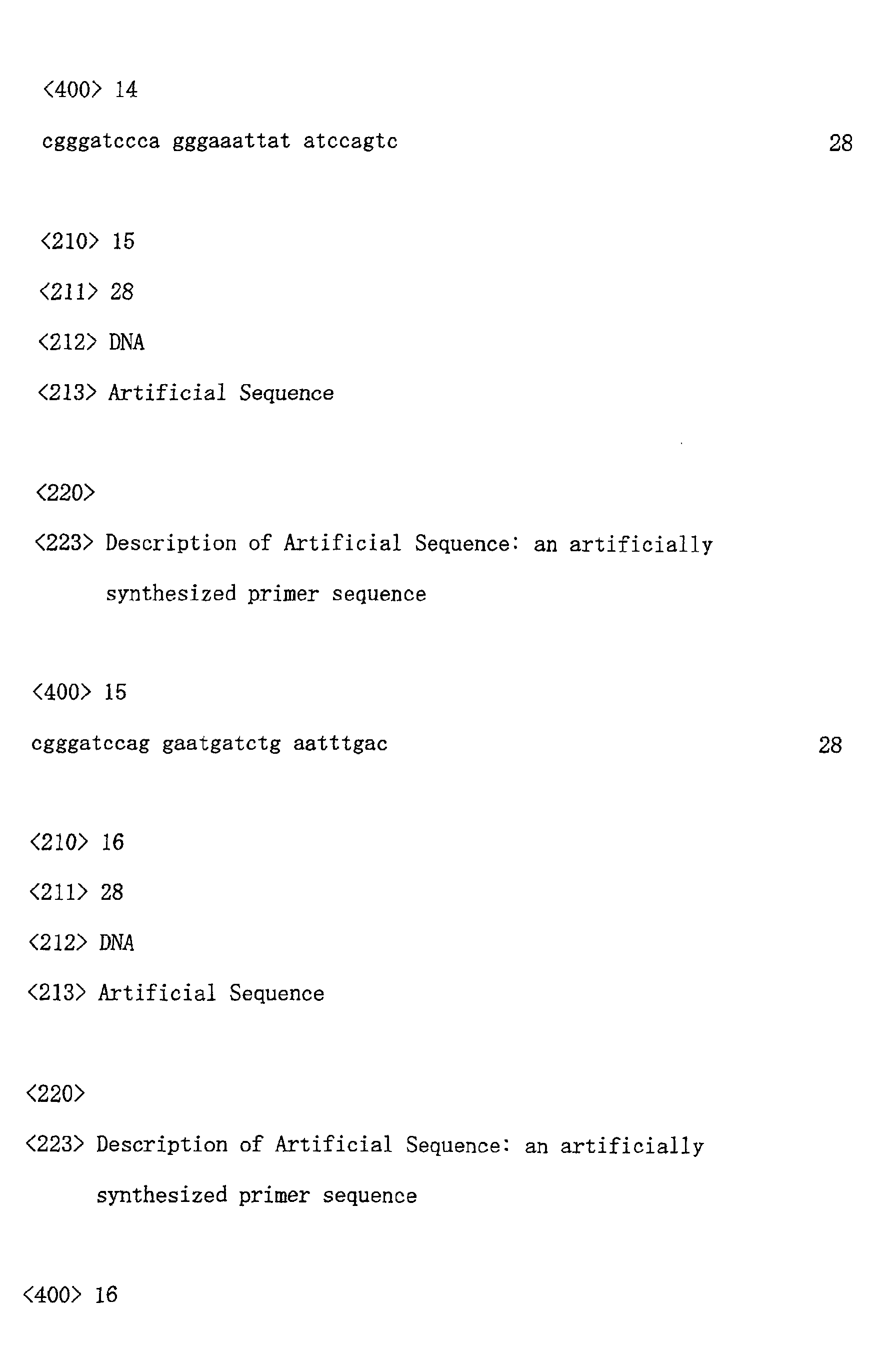
- pM-Sp3 production employed Sp3-18F (5'-cgggatccattccaagtgctgct-3'/ SEQ ID NO: 8) and Sp3-2R (5'-ataggatccttactccattgtctcatttcc-3'/ SEQ ID NO: 9) as primers and used Marathon-Ready cDNA (Human Fetal Liver) (Clontech, Cat. #7403-1) as template for amplification (Chris, K. et al., (1992) J. Biol. Chem. 12: 4251-4261).
- pM-DNSp3 production employed Sp3-11F (5'-cgggatccaactctatagattctgct-3'/ SEQ ID NO: 10) and Sp3-2R (SEQ ID NO: 9) as primers and used pM-Sp3 as template for amplification (Chris, K. et al., (1992) J. Biol. Chem. 12: 4251-4261). All PCRs were carried out by performing 30 cycles of 94°C for 1 minute, 55°C for 30 seconds, and 72°C for 30 seconds. The resulting PCR amplified product was inserted into a pM vector and the nucleotide sequence was confirmed using a DNA sequencer, ABI PRISM 355 (Applied Bio System) .
- pM that only expresses the GAL4 DNA binding domain was employed.
- the reporter plasmid (pG5-1uc) used to indicate the dependence of transcriptional activation, on GAL4 was pGL3-Basic Vector (Promega) , which carried the 5x GAL4 binding sequence, E1B minimum promoter, and TATA sequence, upstream of the luciferase gene.
- the expression vector described above encoding various Sp1 or Sp3 GAL4 fusion proteins and the abovementioned vector carrying a luciferase reporter gene downstream of the consensus 5x GAL4 binding sequence were cotransfected into MG63 cells using SuperFect following the method by QIAGEN. Namely, cells were seeded at a density of 0.8x 10 5 cells/well in a 12-well plate . After 24 hours , a pre-mixed reaction solution containing 0.5 ⁇ g of reporter plasmid, 2.5 ⁇ g of expression vector, and SuperFect were added to the MG63 cells and the mixture was reacted for 2 hours.
- the cells were cultured for 24 hours under normal culture conditions, cultured for another 24 hours with or without (control) 500 ng/ml of TSA, and then, the cells were lysed.
- luciferase substrate Promega
- luciferase activity of the cell lysates was measured using LB-96P (Berthold). The measured values were normalized and were expressed as activity per amount of protein. Transcriptional induction due to TSA treatment was calculated as a ratio with respect to the TSA-untreated control value (activation amplification by TSA).
- GAL4-Sp1 and GAL4-Sp3 both showed transcriptional activity even without TSA treatment, this seemed to be mediated through the transcriptional activation domain present within Sp1 and Sp3 themselves.
- TSA TSA dependent transcriptional induction
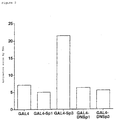
- cells expressing GAL4-Sp3 showed strong transcriptional induction of the luciferase gene, whereas activity in the cells expressing GAL4-Sp1 was similar in magnitude to that seen in the control using GAL4 (FIG. 2).
- GAL4-DNSp3 no longer showed TSA dependent transcriptional induction (FIG. 2).
- reporter assay was performed using various Sp3 deletion mutants fused to the GAL4 DNA binding domain in order to identify the TSA responsive region of Sp3.
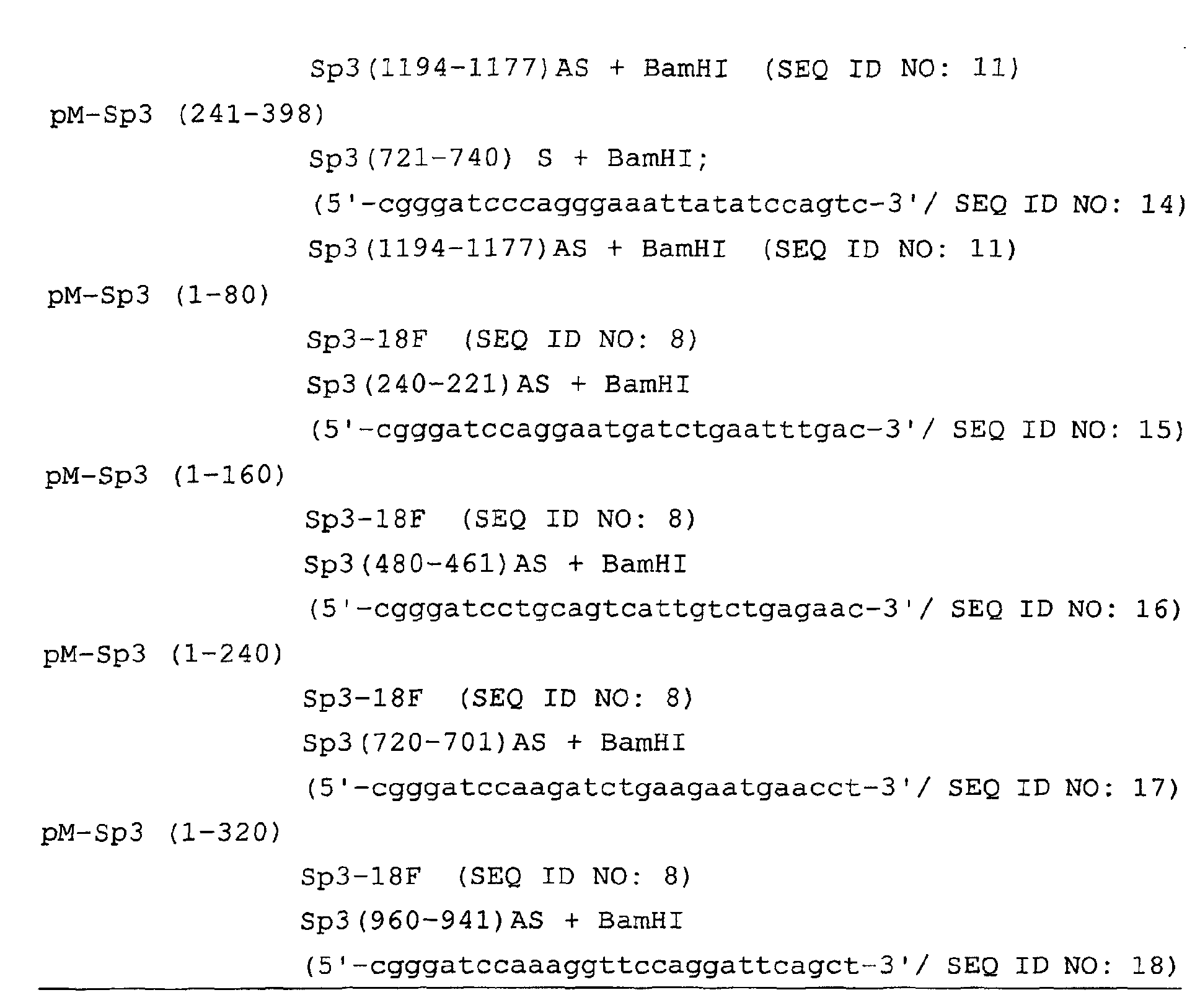
- pM-Sp3 (1-398), pM-Sp3 (81-398), pM-Sp3 (161-398), pM-Sp3 (241-398), pM-Sp3 (1-80), pM-Sp3 (1-160), pM-Sp3 (1-240), and pM-Sp3 (1-320) were prepared. They respectively carry regions corresponding to the indicated amino acid numbers.
- Each of the Sp1 and Sp3 genes were amplified by PCR, inserted into a pM vector, and the nucleotide sequences were confirmed using a DNA sequencer, ABI PRISM 355 (Applied Bio System).
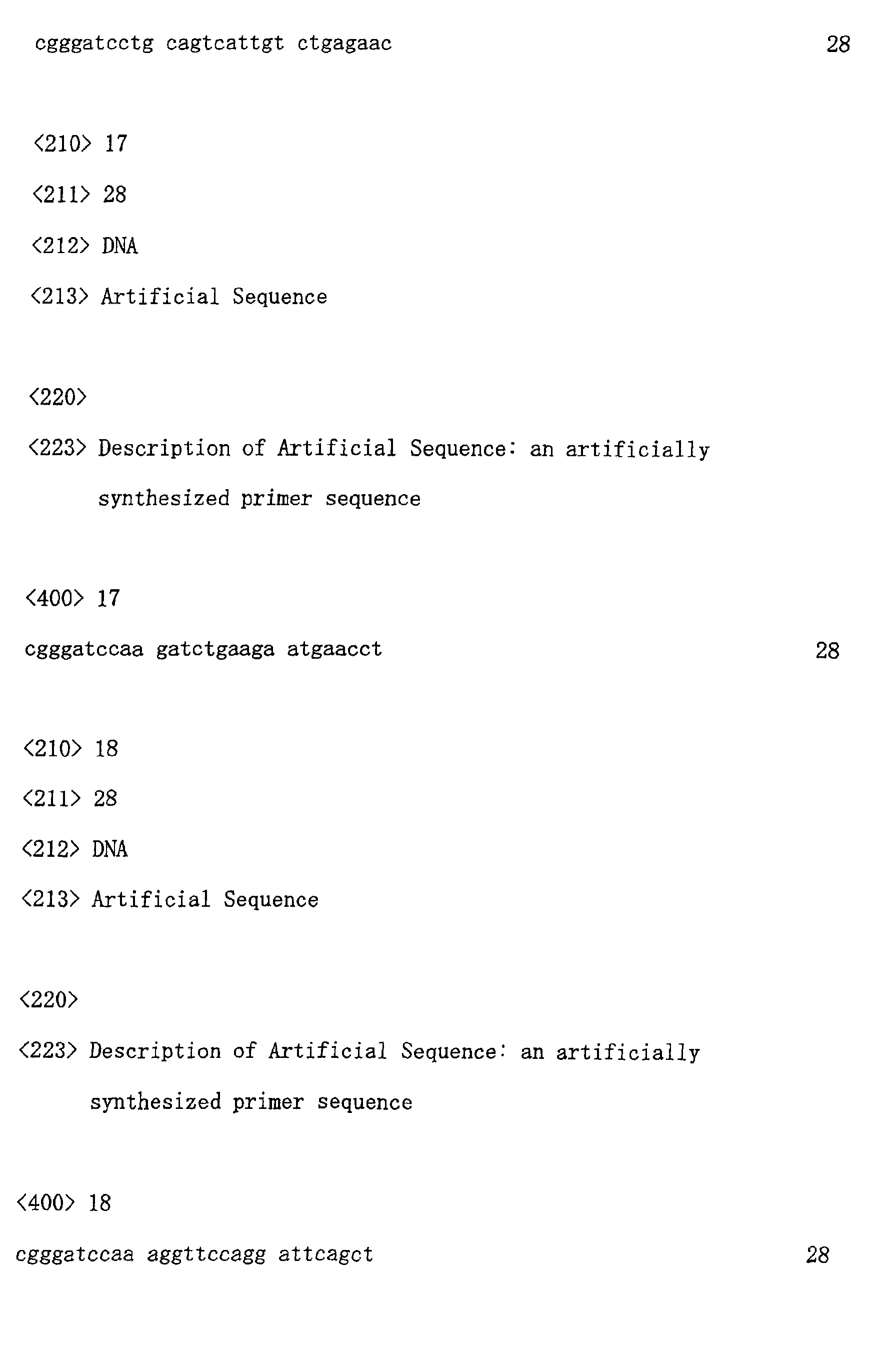
- the primer sequences used for PCR amplification are shown in Table 1. PCR was carried out using pM-Sp3 as the template, performing 25 cycles of 98°C for 15 seconds, 65°C for 2 seconds and 74°C for 30 seconds.
- pM expressing only the GAL4 DNA binding domain was used as a control for the transfection test.
- the reporter plasmid (pG5-1uc) used as an index for GAL4 dependent transcriptional activation was the abovementioned pGL3-Basic Vector (Promega).
- FIG. 3 shows, when deletions were made from the N-terminal end or from the C-terminal end of Sp3 (1-398), induction due to TSA treatmentdisappearedwithGAL4-Sp3 (241-398) and with GAL4-Sp3 (1-80). From these results, Sp3 (81-160) seemed important for transcriptional induction due to TSA treatment. However, GAL4-Sp3 (81-160) alone showed almost no activity. Since both GAL4-Sp3 (241-398) and GAL4-Sp3 (1-80) lack a complete glutamine-rich domain, transcriptional induction by TSA seems to require the presence of at least one of the two glutamine-rich domains in the Sp3 transcriptional activation domain. The 80-160 region of Sp3 may contain part of an important region for TSA mediated transcriptional induction.
- pCMV3.1 was used as a control.
- the reporter plasmids used were pWWP and pWPdel-BstXI, which have the previously reported p21/WAF1/Cip1 promoter and the TSA dependent p21/WAF1/Cip1 minimum promoter inserted upstream of the luciferase gene, respectively, and Sp1-luc and mtSp1-luc, which have 3x Sp1 binding sequence and mutant 3x Sp1 binding sequence inserted upstream of the luciferase gene, respectively (Nakano, K. et al., (1997) J. Biol. Chem. 272: 22199-22206; Sowa, Y. et al., (1997) Biochem. Biophys. Res. Comm. 241: 142-150).
- HDAC inhibitors are regarded as possible drugs, and in reality, sodium phenylbutyrate, an HDAC inhibitor previously used for the treatment of thalassemia and hyperammonemic states, in combination with all-trans retinoic acid was shown to induce complete remission of all-trans-retinoic acid resistant acute promyelocytic leukemia (Warrel, R. P., Jr. et al., (1998) J. Natl. Cancer Inst. 90: 1621-1625). These results suggest HDAC as one of the possible target molecules for cancer therapy.
- This invention showed that Sp3, which regulates HDAC, could be a new target molecule for cancer therapy.
- This invention also provided an efficient Sp3-targeted method for screening antitumor agents.
- Compounds isolated by the screening method of this invention are expected to be applied in novel transcription-regulating chemotherapy and chemoprevention against cancer.
Landscapes
- Chemical & Material Sciences (AREA)
- Health & Medical Sciences (AREA)
- Organic Chemistry (AREA)
- Life Sciences & Earth Sciences (AREA)
- Genetics & Genomics (AREA)
- Zoology (AREA)
- Proteomics, Peptides & Aminoacids (AREA)
- Engineering & Computer Science (AREA)
- Wood Science & Technology (AREA)
- General Health & Medical Sciences (AREA)
- Biochemistry (AREA)
- Microbiology (AREA)
- Molecular Biology (AREA)
- Immunology (AREA)
- Biotechnology (AREA)
- Biophysics (AREA)
- Analytical Chemistry (AREA)
- Bioinformatics & Cheminformatics (AREA)
- General Engineering & Computer Science (AREA)
- Physics & Mathematics (AREA)
- General Chemical & Material Sciences (AREA)
- Veterinary Medicine (AREA)
- Medicinal Chemistry (AREA)
- Nuclear Medicine, Radiotherapy & Molecular Imaging (AREA)
- Pharmacology & Pharmacy (AREA)
- Animal Behavior & Ethology (AREA)
- Public Health (AREA)
- Chemical Kinetics & Catalysis (AREA)
- Measuring Or Testing Involving Enzymes Or Micro-Organisms (AREA)
- Medicines That Contain Protein Lipid Enzymes And Other Medicines (AREA)
- Micro-Organisms Or Cultivation Processes Thereof (AREA)
- Investigating Or Analysing Biological Materials (AREA)
- Acyclic And Carbocyclic Compounds In Medicinal Compositions (AREA)
- Medicines Containing Plant Substances (AREA)
Abstract
Description



Claims (5)
- A method for screening an anticancer agent, comprising the steps of:(a) preparing a cell carrying (i) a first vector comprising, in an expressible manner, DNA encoding a fusion protein comprising a region having the transcriptional activation capacity of the Sp3 protein and a region having the DNA binding capacity of a heteroprotein, and , (ii) a second vector comprising a binding sequence of the heteroprotein, an expression regulatory sequence activated by the binding of the fusion protein, and a downstream reporter gene functionally bound to the regulatory sequence,(b) contacting a test sample with the cell and measuring reporter activity, and,(c) selecting a compound that elevates reporter activity in comparison with a control test in which the test sample is not contacted with the cell.
- The method of claim 1, wherein the heteroprotein is the GAL4 protein, LexA protein, or tetracycline repressor protein.
- The method of claim 1 or 2, wherein the reporter gene is encoding luciferase, chloramphenicol acetyltransferase, beta-galactosidase, human growth hormone, or secreted alkaline phosphatase.
- An anticancer agent comprising a compound that enhances the transcriptional activity mediated by Sp3 as an active ingredient.
- The anticancer agent of claim 4, wherein the agent can be isolated by a method of any one of claims 1 to 3.
Applications Claiming Priority (3)
| Application Number | Priority Date | Filing Date | Title |
|---|---|---|---|
| JP7735099 | 1999-03-23 | ||
| JP7735099 | 1999-03-23 | ||
| PCT/JP2000/001778 WO2000056917A1 (en) | 1999-03-23 | 2000-03-23 | Method for screening anticancer agent |
Publications (3)
| Publication Number | Publication Date |
|---|---|
| EP1164198A1 true EP1164198A1 (en) | 2001-12-19 |
| EP1164198A4 EP1164198A4 (en) | 2003-02-05 |
| EP1164198B1 EP1164198B1 (en) | 2006-06-07 |
Family
ID=13631476
Family Applications (1)
| Application Number | Title | Priority Date | Filing Date |
|---|---|---|---|
| EP00911309A Expired - Lifetime EP1164198B1 (en) | 1999-03-23 | 2000-03-23 | Method for screening anticancer agent |
Country Status (7)
| Country | Link |
|---|---|
| US (1) | US7407745B1 (en) |
| EP (1) | EP1164198B1 (en) |
| JP (1) | JP4394840B2 (en) |
| AT (1) | ATE329058T1 (en) |
| AU (1) | AU3326300A (en) |
| DE (1) | DE60028554T2 (en) |
| WO (1) | WO2000056917A1 (en) |
Families Citing this family (7)
| Publication number | Priority date | Publication date | Assignee | Title |
|---|---|---|---|---|
| US7154002B1 (en) | 2002-10-08 | 2006-12-26 | Takeda San Diego, Inc. | Histone deacetylase inhibitors |
| JP2004290193A (en) * | 2003-03-12 | 2004-10-21 | Ishihara Sangyo Kaisha Ltd | Plant cell and plant body of which cell growth and generative differentiation are modified |
| US7375228B2 (en) | 2003-03-17 | 2008-05-20 | Takeda San Diego, Inc. | Histone deacetylase inhibitors |
| US7642275B2 (en) | 2004-12-16 | 2010-01-05 | Takeda San Diego, Inc. | Histone deacetylase inhibitors |
| JP2008540574A (en) | 2005-05-11 | 2008-11-20 | タケダ サン ディエゴ インコーポレイテッド | Histone deacetylase inhibitor |
| CA2615105A1 (en) | 2005-07-14 | 2007-01-25 | Takeda San Diego, Inc. | Histone deacetylase inhibitors |
| US8242057B2 (en) * | 2006-06-26 | 2012-08-14 | Cleveland Biolabs, Inc. | Methods for identifying modulators of apoptosis |
Family Cites Families (2)
| Publication number | Priority date | Publication date | Assignee | Title |
|---|---|---|---|---|
| JPS60149520A (en) * | 1984-01-13 | 1985-08-07 | Ajinomoto Co Inc | Antitumor agent |
| DE69124254T2 (en) * | 1990-09-24 | 1997-06-12 | Catherine Anderson | VERIFICATION TESTS |
-
2000
- 2000-03-23 DE DE60028554T patent/DE60028554T2/en not_active Expired - Lifetime
- 2000-03-23 US US09/937,162 patent/US7407745B1/en not_active Expired - Fee Related
- 2000-03-23 WO PCT/JP2000/001778 patent/WO2000056917A1/en not_active Ceased
- 2000-03-23 EP EP00911309A patent/EP1164198B1/en not_active Expired - Lifetime
- 2000-03-23 JP JP2000606776A patent/JP4394840B2/en not_active Expired - Fee Related
- 2000-03-23 AT AT00911309T patent/ATE329058T1/en not_active IP Right Cessation
- 2000-03-23 AU AU33263/00A patent/AU3326300A/en not_active Abandoned
Also Published As
| Publication number | Publication date |
|---|---|
| DE60028554T2 (en) | 2007-05-16 |
| ATE329058T1 (en) | 2006-06-15 |
| US7407745B1 (en) | 2008-08-05 |
| DE60028554D1 (en) | 2006-07-20 |
| AU3326300A (en) | 2000-10-09 |
| JP4394840B2 (en) | 2010-01-06 |
| WO2000056917A1 (en) | 2000-09-28 |
| EP1164198B1 (en) | 2006-06-07 |
| EP1164198A4 (en) | 2003-02-05 |
Similar Documents
| Publication | Publication Date | Title |
|---|---|---|
| Sheridan et al. | Histone acetyltransferases regulate HIV-1 enhancer activity in vitro | |
| Meichle et al. | Protein kinase C-independent activation of nuclear factor kappa B by tumor necrosis factor. | |
| Izban et al. | Factor-stimulated RNA polymerase II transcribes at physiological elongation rates on naked DNA but very poorly on chromatin templates. | |
| Ammendola et al. | The DNA‐binding efficiency of Sp1 is affected by redox changes | |
| Coull et al. | The human factors YY1 and LSF repress the human immunodeficiency virus type 1 long terminal repeat via recruitment of histone deacetylase 1 | |
| Yie et al. | The role of HMG I (Y) in the assembly and function of the IFN‐β enhanceosome | |
| Stein et al. | UV-induced DNA damage is an intermediate step in UV-induced expression of human immunodeficiency virus type 1, collagenase, c-fos, and metallothionein | |
| Fridell et al. | Nuclear export of late HIV-1 mRNAs occurs via a cellular protein export pathway. | |
| Dean et al. | Separation of TFIIIC into two functional components by sequence specific DNA affinity chromatography | |
| Zhang et al. | Keratin 23 (K23), a novel acidic keratin, is highly induced by histone deacetylase inhibitors during differentiation of pancreatic cancer cells | |
| Kaufman et al. | Nuclear expression of the 50-and 65-kD Rel-related subunits of nuclear factor-kappa B is differentially regulated in human monocytic cells. | |
| Humphrey et al. | Specific binding sites for a pol III transcriptional repressor and pol II transcription factor YY1 within the internucleosomal spacer region in primate Alu repetitive elements | |
| EP1164198B1 (en) | Method for screening anticancer agent | |
| Park | Aromatic hydrocarbon nuclear translocator as a common component for the hypoxia-and dioxin-induced gene expression | |
| JPWO2000056917A1 (en) | Method for screening anticancer drugs | |
| Maekawa et al. | USF-related transcription factor, HIV-TF1, stimulates transcription of human immunodeficiency virus-1 | |
| Mo et al. | Down-regulation of topoisomerase IIα in CEM cells selected for merbarone resistance is associated with reduced expression of Sp3 | |
| Ascione et al. | Influence of nucleotides flanking the ggaa core sequence on ets1 and ets2 DNA-binding activity and the mechanism of ets1 autoregulation | |
| US7052843B2 (en) | Transcription-based assay for identification of post-translational modification and its application in proteomics | |
| Hart et al. | Analysis of the NF-κB p50 dimer interface by diversity screening | |
| KR20030074740A (en) | Method for identifying compounds modulating reverse cholesterol transport | |
| KR19990081853A (en) | Novel method describing the properties of compounds that promote the expression of STF-1 in pancreatic islet cells | |
| Monticelli et al. | Myb proteins repress human Ig ε germline transcription by inhibiting STAT6-dependent promoter activation | |
| Liu et al. | Abnormal κB-binding protein in the cytoplasm of a plasmacytoma cell line that lacks nuclear expression of NF-κB | |
| Janssens et al. | Functional analysis of the promoter region of the human phosphotyrosine phosphatase activator gene: Yin Yang 1 is essential for core promoter activity |
Legal Events
| Date | Code | Title | Description |
|---|---|---|---|
| PUAI | Public reference made under article 153(3) epc to a published international application that has entered the european phase |
Free format text: ORIGINAL CODE: 0009012 |
|
| 17P | Request for examination filed |
Effective date: 20011011 |
|
| AK | Designated contracting states |
Kind code of ref document: A1 Designated state(s): AT BE CH CY DE DK ES FI FR GB GR IE IT LI LU MC NL PT SE |
|
| AX | Request for extension of the european patent |
Free format text: AL;LT;LV;MK;RO;SI |
|
| RAP1 | Party data changed (applicant data changed or rights of an application transferred) |
Owner name: CHUGAI SEIYAKU KABUSHIKI KAISHA |
|
| RIC1 | Information provided on ipc code assigned before grant |
Ipc: 7C 12Q 1/68 A Ipc: 7C 12N 15/10 B Ipc: 7C 12N 5:10 Z |
|
| A4 | Supplementary search report drawn up and despatched |
Effective date: 20021220 |
|
| 17Q | First examination report despatched |
Effective date: 20030407 |
|
| GRAP | Despatch of communication of intention to grant a patent |
Free format text: ORIGINAL CODE: EPIDOSNIGR1 |
|
| GRAS | Grant fee paid |
Free format text: ORIGINAL CODE: EPIDOSNIGR3 |
|
| GRAA | (expected) grant |
Free format text: ORIGINAL CODE: 0009210 |
|
| AK | Designated contracting states |
Kind code of ref document: B1 Designated state(s): AT BE CH CY DE DK ES FI FR GB GR IE IT LI LU MC NL PT SE |
|
| PG25 | Lapsed in a contracting state [announced via postgrant information from national office to epo] |
Ref country code: IT Free format text: LAPSE BECAUSE OF FAILURE TO SUBMIT A TRANSLATION OF THE DESCRIPTION OR TO PAY THE FEE WITHIN THE PRESCRIBED TIME-LIMIT;WARNING: LAPSES OF ITALIAN PATENTS WITH EFFECTIVE DATE BEFORE 2007 MAY HAVE OCCURRED AT ANY TIME BEFORE 2007. THE CORRECT EFFECTIVE DATE MAY BE DIFFERENT FROM THE ONE RECORDED. Effective date: 20060607 Ref country code: CH Free format text: LAPSE BECAUSE OF FAILURE TO SUBMIT A TRANSLATION OF THE DESCRIPTION OR TO PAY THE FEE WITHIN THE PRESCRIBED TIME-LIMIT Effective date: 20060607 Ref country code: NL Free format text: LAPSE BECAUSE OF FAILURE TO SUBMIT A TRANSLATION OF THE DESCRIPTION OR TO PAY THE FEE WITHIN THE PRESCRIBED TIME-LIMIT Effective date: 20060607 Ref country code: FI Free format text: LAPSE BECAUSE OF FAILURE TO SUBMIT A TRANSLATION OF THE DESCRIPTION OR TO PAY THE FEE WITHIN THE PRESCRIBED TIME-LIMIT Effective date: 20060607 Ref country code: BE Free format text: LAPSE BECAUSE OF FAILURE TO SUBMIT A TRANSLATION OF THE DESCRIPTION OR TO PAY THE FEE WITHIN THE PRESCRIBED TIME-LIMIT Effective date: 20060607 Ref country code: AT Free format text: LAPSE BECAUSE OF FAILURE TO SUBMIT A TRANSLATION OF THE DESCRIPTION OR TO PAY THE FEE WITHIN THE PRESCRIBED TIME-LIMIT Effective date: 20060607 Ref country code: LI Free format text: LAPSE BECAUSE OF FAILURE TO SUBMIT A TRANSLATION OF THE DESCRIPTION OR TO PAY THE FEE WITHIN THE PRESCRIBED TIME-LIMIT Effective date: 20060607 |
|
| REG | Reference to a national code |
Ref country code: GB Ref legal event code: FG4D |
|
| REG | Reference to a national code |
Ref country code: CH Ref legal event code: EP |
|
| REG | Reference to a national code |
Ref country code: IE Ref legal event code: FG4D |
|
| REF | Corresponds to: |
Ref document number: 60028554 Country of ref document: DE Date of ref document: 20060720 Kind code of ref document: P |
|
| PG25 | Lapsed in a contracting state [announced via postgrant information from national office to epo] |
Ref country code: DK Free format text: LAPSE BECAUSE OF FAILURE TO SUBMIT A TRANSLATION OF THE DESCRIPTION OR TO PAY THE FEE WITHIN THE PRESCRIBED TIME-LIMIT Effective date: 20060907 Ref country code: SE Free format text: LAPSE BECAUSE OF FAILURE TO SUBMIT A TRANSLATION OF THE DESCRIPTION OR TO PAY THE FEE WITHIN THE PRESCRIBED TIME-LIMIT Effective date: 20060907 |
|
| PG25 | Lapsed in a contracting state [announced via postgrant information from national office to epo] |
Ref country code: ES Free format text: LAPSE BECAUSE OF FAILURE TO SUBMIT A TRANSLATION OF THE DESCRIPTION OR TO PAY THE FEE WITHIN THE PRESCRIBED TIME-LIMIT Effective date: 20060918 |
|
| RIN2 | Information on inventor provided after grant (corrected) |
Inventor name: ORITA, TETSUROTSUKUBA RESEARCH LABORATORY Inventor name: SOWA, YOSHIHIRO2 |
|
| PG25 | Lapsed in a contracting state [announced via postgrant information from national office to epo] |
Ref country code: PT Free format text: LAPSE BECAUSE OF FAILURE TO SUBMIT A TRANSLATION OF THE DESCRIPTION OR TO PAY THE FEE WITHIN THE PRESCRIBED TIME-LIMIT Effective date: 20061107 |
|
| NLV1 | Nl: lapsed or annulled due to failure to fulfill the requirements of art. 29p and 29m of the patents act | ||
| REG | Reference to a national code |
Ref country code: CH Ref legal event code: PL |
|
| ET | Fr: translation filed | ||
| PLBE | No opposition filed within time limit |
Free format text: ORIGINAL CODE: 0009261 |
|
| STAA | Information on the status of an ep patent application or granted ep patent |
Free format text: STATUS: NO OPPOSITION FILED WITHIN TIME LIMIT |
|
| 26N | No opposition filed |
Effective date: 20070308 |
|
| PG25 | Lapsed in a contracting state [announced via postgrant information from national office to epo] |
Ref country code: MC Free format text: LAPSE BECAUSE OF NON-PAYMENT OF DUE FEES Effective date: 20070331 Ref country code: IE Free format text: LAPSE BECAUSE OF NON-PAYMENT OF DUE FEES Effective date: 20070323 |
|
| PG25 | Lapsed in a contracting state [announced via postgrant information from national office to epo] |
Ref country code: GR Free format text: LAPSE BECAUSE OF FAILURE TO SUBMIT A TRANSLATION OF THE DESCRIPTION OR TO PAY THE FEE WITHIN THE PRESCRIBED TIME-LIMIT Effective date: 20060908 |
|
| PG25 | Lapsed in a contracting state [announced via postgrant information from national office to epo] |
Ref country code: CY Free format text: LAPSE BECAUSE OF FAILURE TO SUBMIT A TRANSLATION OF THE DESCRIPTION OR TO PAY THE FEE WITHIN THE PRESCRIBED TIME-LIMIT Effective date: 20060607 Ref country code: LU Free format text: LAPSE BECAUSE OF NON-PAYMENT OF DUE FEES Effective date: 20070323 |
|
| PGFP | Annual fee paid to national office [announced via postgrant information from national office to epo] |
Ref country code: GB Payment date: 20130320 Year of fee payment: 14 Ref country code: DE Payment date: 20130320 Year of fee payment: 14 Ref country code: FR Payment date: 20130325 Year of fee payment: 14 |
|
| REG | Reference to a national code |
Ref country code: DE Ref legal event code: R119 Ref document number: 60028554 Country of ref document: DE |
|
| GBPC | Gb: european patent ceased through non-payment of renewal fee |
Effective date: 20140323 |
|
| REG | Reference to a national code |
Ref country code: FR Ref legal event code: ST Effective date: 20141128 |
|
| REG | Reference to a national code |
Ref country code: DE Ref legal event code: R119 Ref document number: 60028554 Country of ref document: DE Effective date: 20141001 |
|
| PG25 | Lapsed in a contracting state [announced via postgrant information from national office to epo] |
Ref country code: FR Free format text: LAPSE BECAUSE OF NON-PAYMENT OF DUE FEES Effective date: 20140331 Ref country code: GB Free format text: LAPSE BECAUSE OF NON-PAYMENT OF DUE FEES Effective date: 20140323 Ref country code: DE Free format text: LAPSE BECAUSE OF NON-PAYMENT OF DUE FEES Effective date: 20141001 |